
The Complete Kubrick
A Clockwork Orange
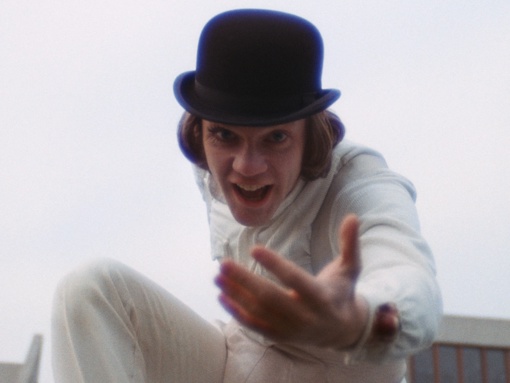
BUY AT:


See more details, packaging, or compare
Synopsis
A titan of cinema whose influence extends across visual art, philosophy, politics, technology, fashion, and beyond, Stanley Kubrick created an unprecedented string of masterpieces, from Paths of Glory to Dr. Strangelove to 2001: A Space Odyssey, A Clockwork Orange, The Shining, and Eyes Wide Shut. Bending disparate genres to his will, he imbued his creations with a cuttingly ironic worldview and an iconographic, mesmerizingly precise visual style, probing the anxieties, enigmas, and horrors of the twentieth century with a coolly devastating eye. Tracing his evolution from independent maverick to Hollywood rebel to visionary transnational auteur whose every film from the mid-1960s on became a manifesto of a radically new sensibility, The Complete Kubrick brings together the entirety of a body of work that opened popular cinema up to new realms of moral profundity and metaphysical mystery.
Collected here for the first time are Kubrick’s thirteen features and three shorts, all restored in 4K, with their original soundtracks alongside the 5.1 mixes, restored and remastered; over twenty-five hours of interviews, documentaries, and behind-the-scenes materials; and deluxe packaging illustrated with rare photographs, artwork, and documents annotated by Kubrick himself, all housed in a singular box inspired by the director’s legendary archive.
Picture 10/10
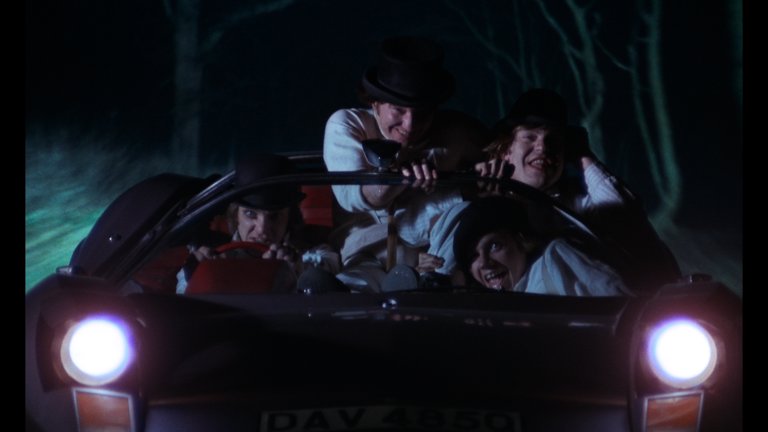
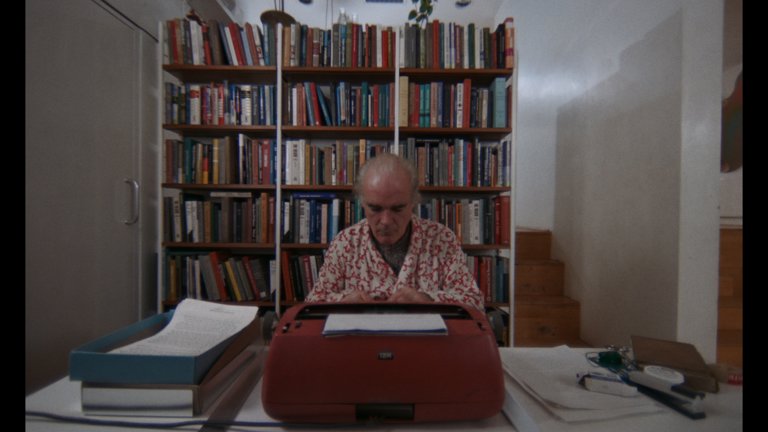
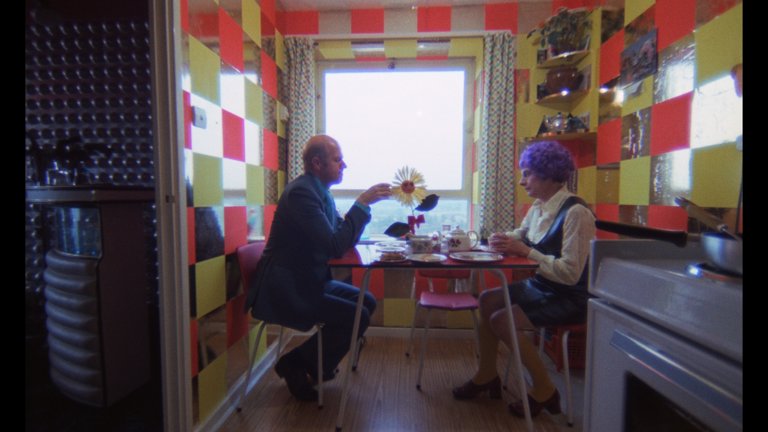
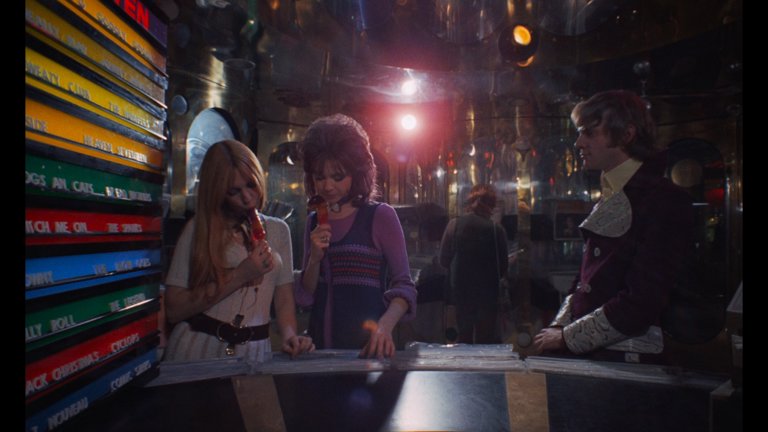
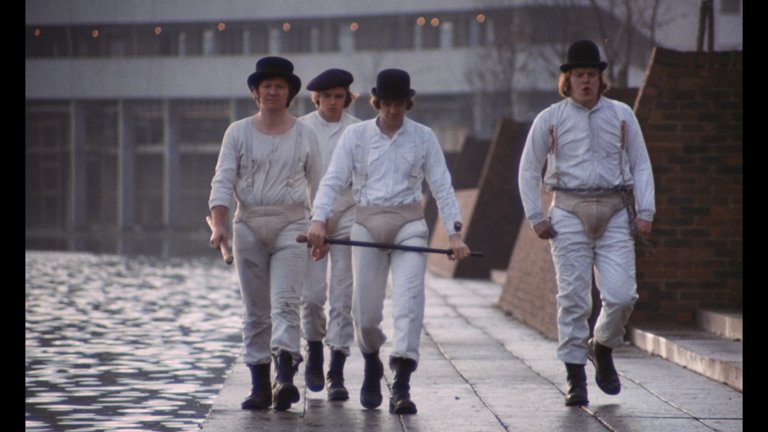
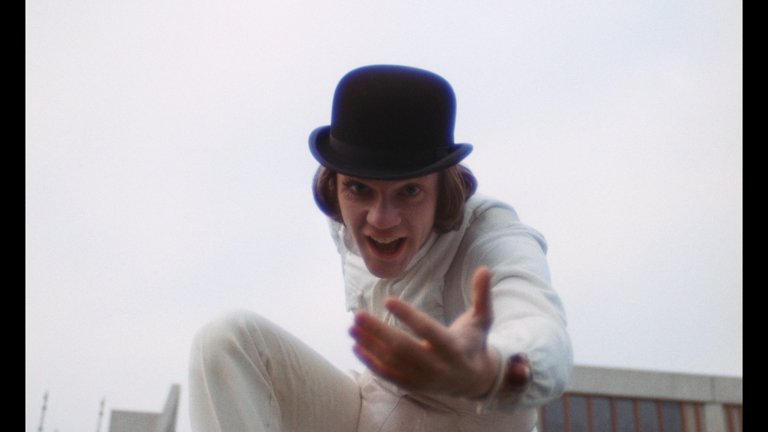
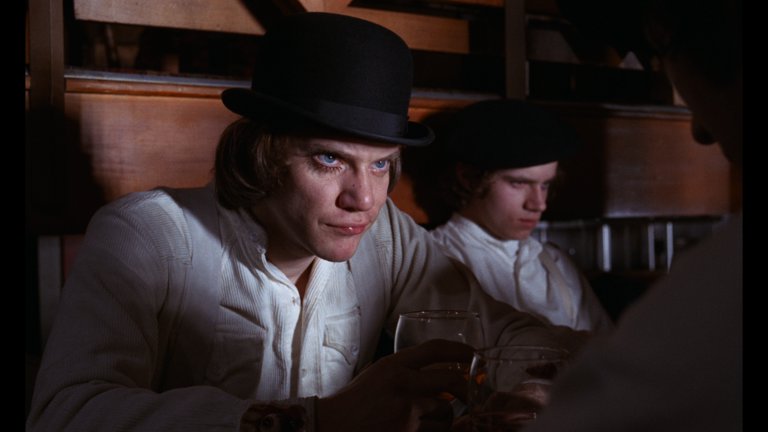
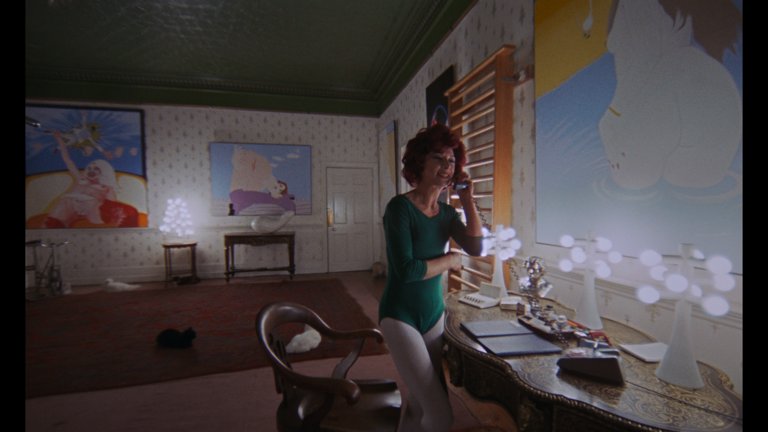
Continuing through Criterion’s monster director-focused box set The Complete Kubrick, we now come to A Clockwork Orange, presented with Dolby Vision on a triple-layer disc in its original aspect ratio of 1.66:1. The 2160p/24Hz ultra high-definition presentation comes from Warner Bros.' 4K restoration, sourced from a scan of the 35mm original camera negative. The set also includes a standard dual-layer Blu-ray featuring a 1080p presentation of the film from the same restoration, alongside all of the title’s video supplements.
As with The Shining, 2001, and Full Metal Jacket, Criterion is reusing the restoration behind Warner’s previous 4K edition, their edition for this title released in 2021. Criterion has corrected aspects of a couple of these presentations, particularly The Shining, but I can’t say I noticed any significant changes here. That said, Criterion’s encode, performed by Fidelity in Motion, manages to come out looking a hair better than Warner’s, handling highlight detail a little better while also rendering grain a wee bit cleaner in the shadows. The theater scenes where Alex undergoes treatment, the demonstration of a “cured” Alex on a darkened stage under a bright spotlight, and his stroll through the record shop are probably the standouts in this regard.
Outside of that, I can’t say the two look all that different, which isn’t a bad thing considering how good Warner’s looked and how much it improved upon the dated high-definition master used for the earlier Blu-ray. Shadows are deeper and richer, leading to a far more photographic image compared to the old Blu-ray, with Dolby Vision doing a lot of the heavy lifting when it comes to pulling a little more range out of the darker areas while allowing highlights to shine without clipping detail. The image is also incredibly sharp, at least where the source allows. There is some lens distortion and a haze in several sequences, but these are intentional and inherent to the original photography. Much of the time, though, the finer details of the costumes and settings pop nicely, like in the details of Alex’s parents’ apartment, including those random reflective surfaces, making the place look even more intricate and gaudy than it ever has before.
The restoration work has also been quite thorough, leaving no damage of note. Outside of the film’s dated aesthetics, it looks remarkably fresh. All in all, it’s a terrific presentation, even offering a minor upgrade over Warner’s.
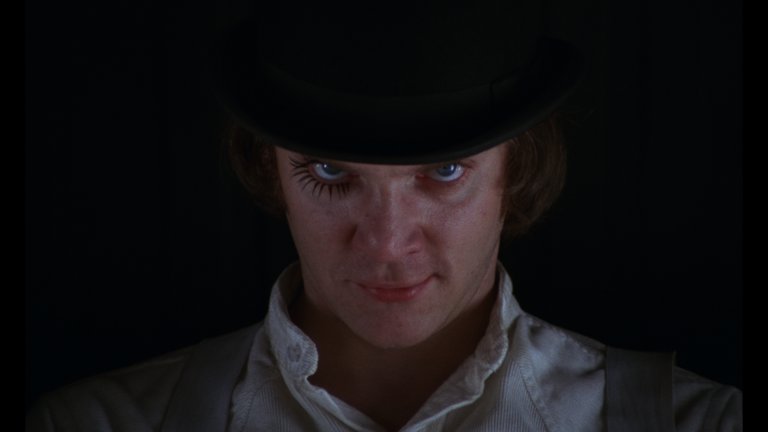
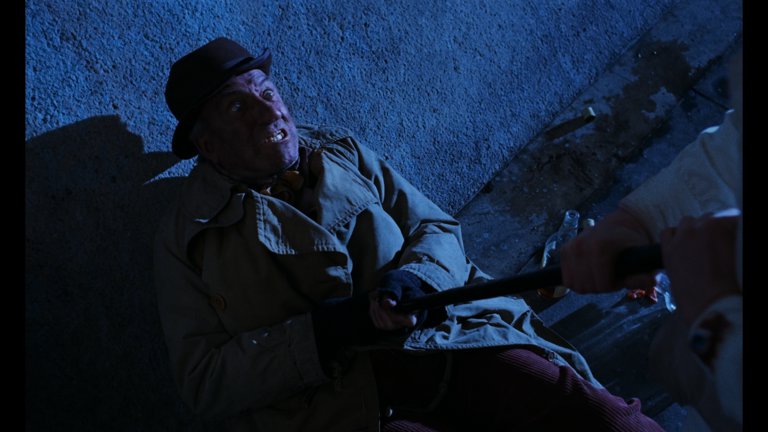
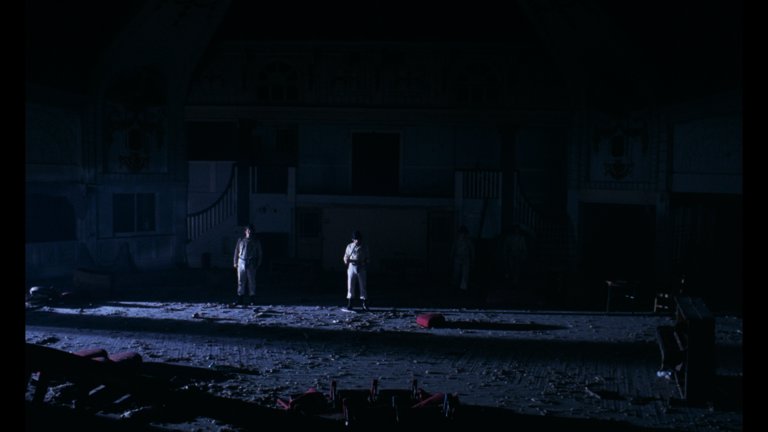
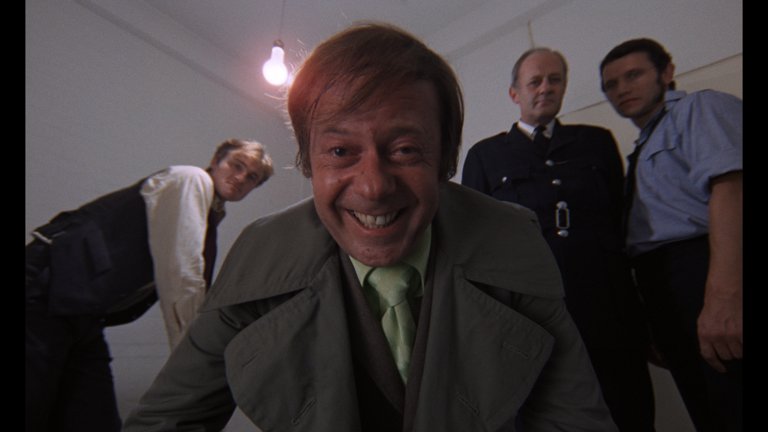
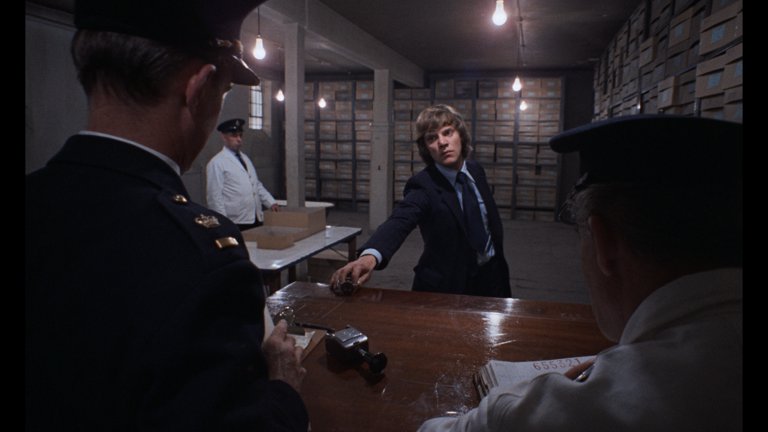
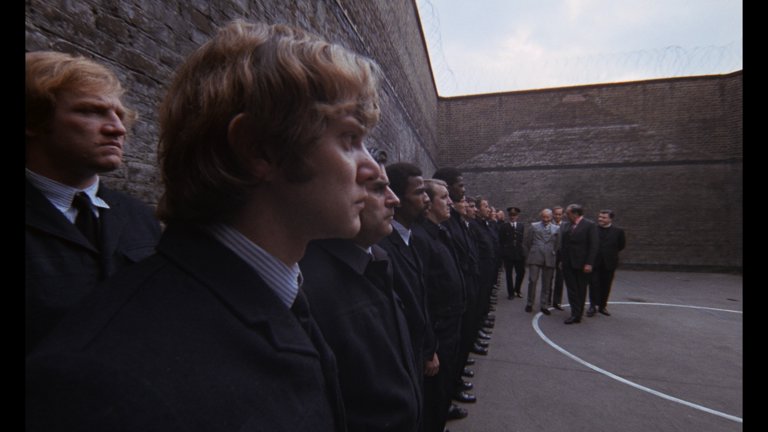
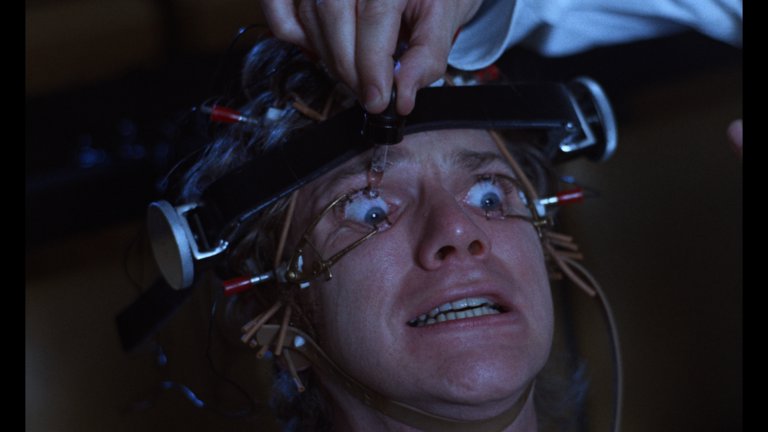
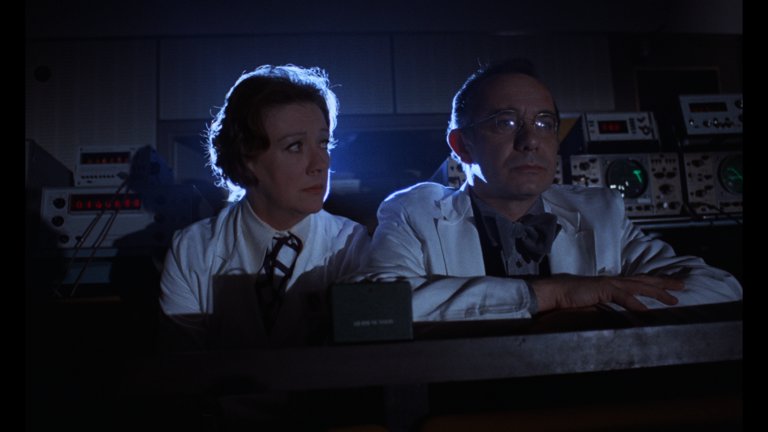
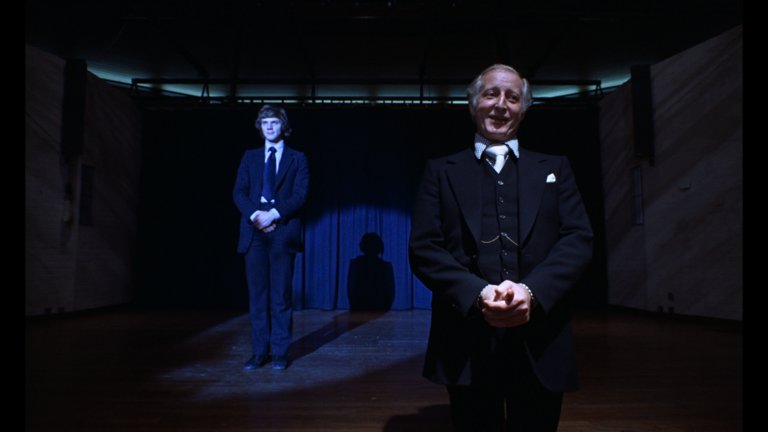
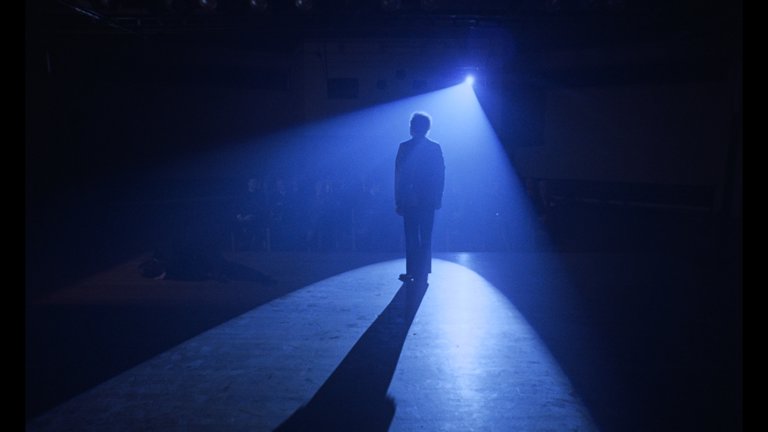
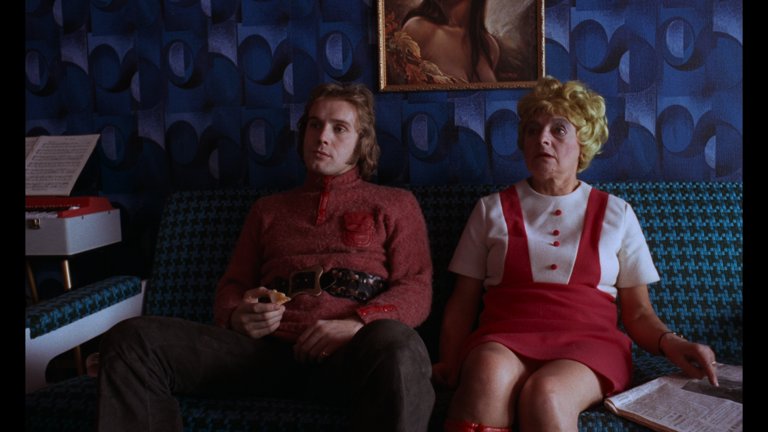
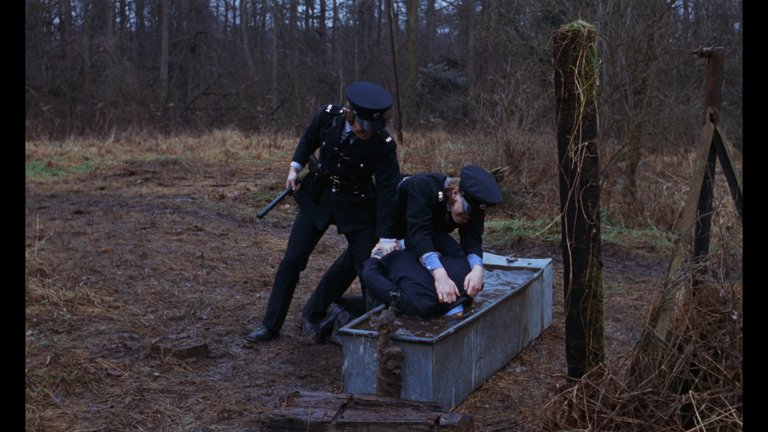
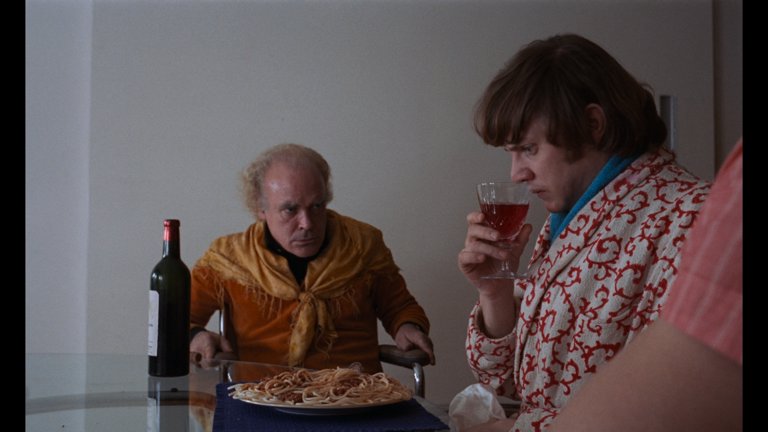
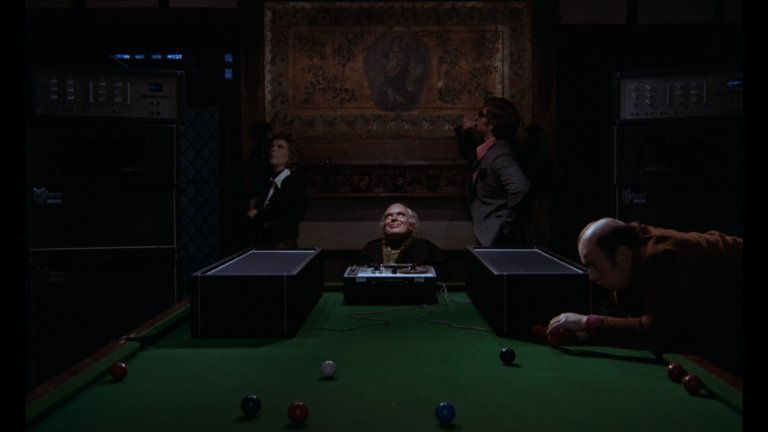
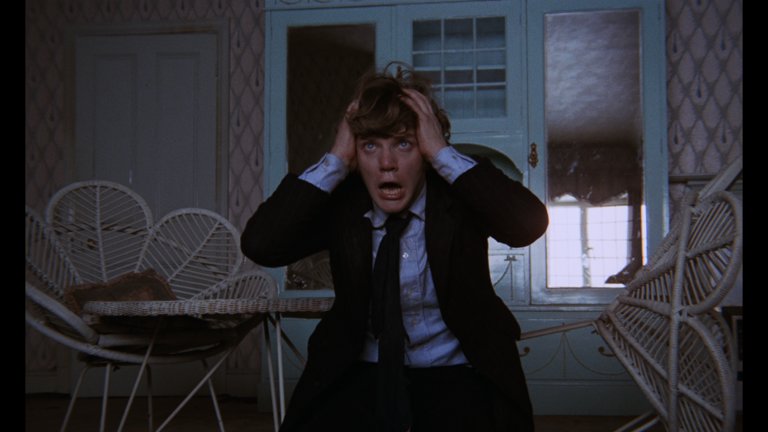
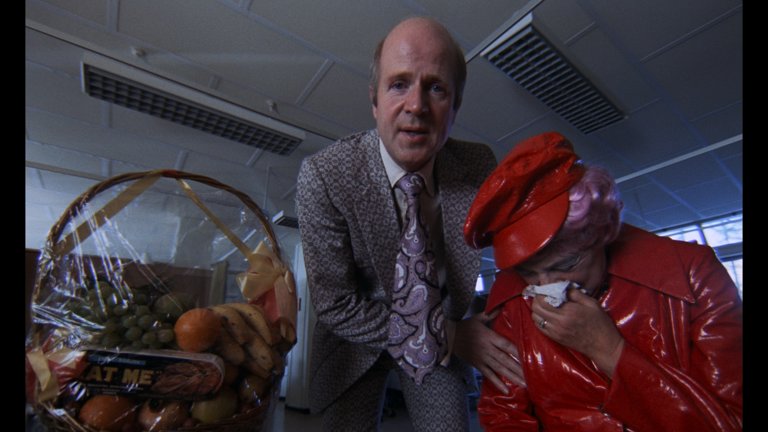
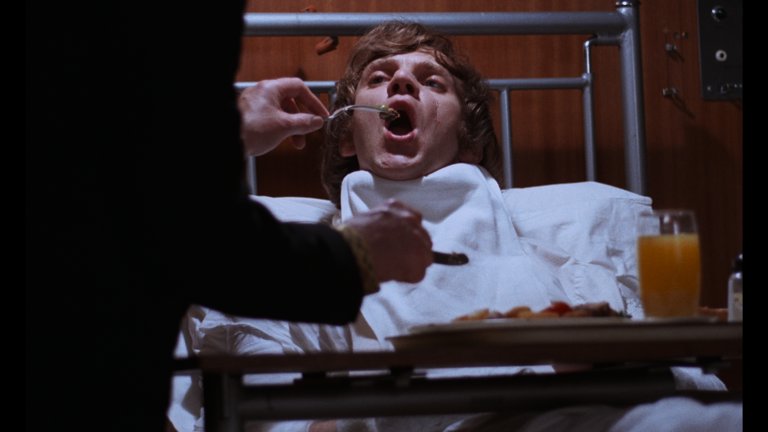
The Complete Kubrick - Screen Captures
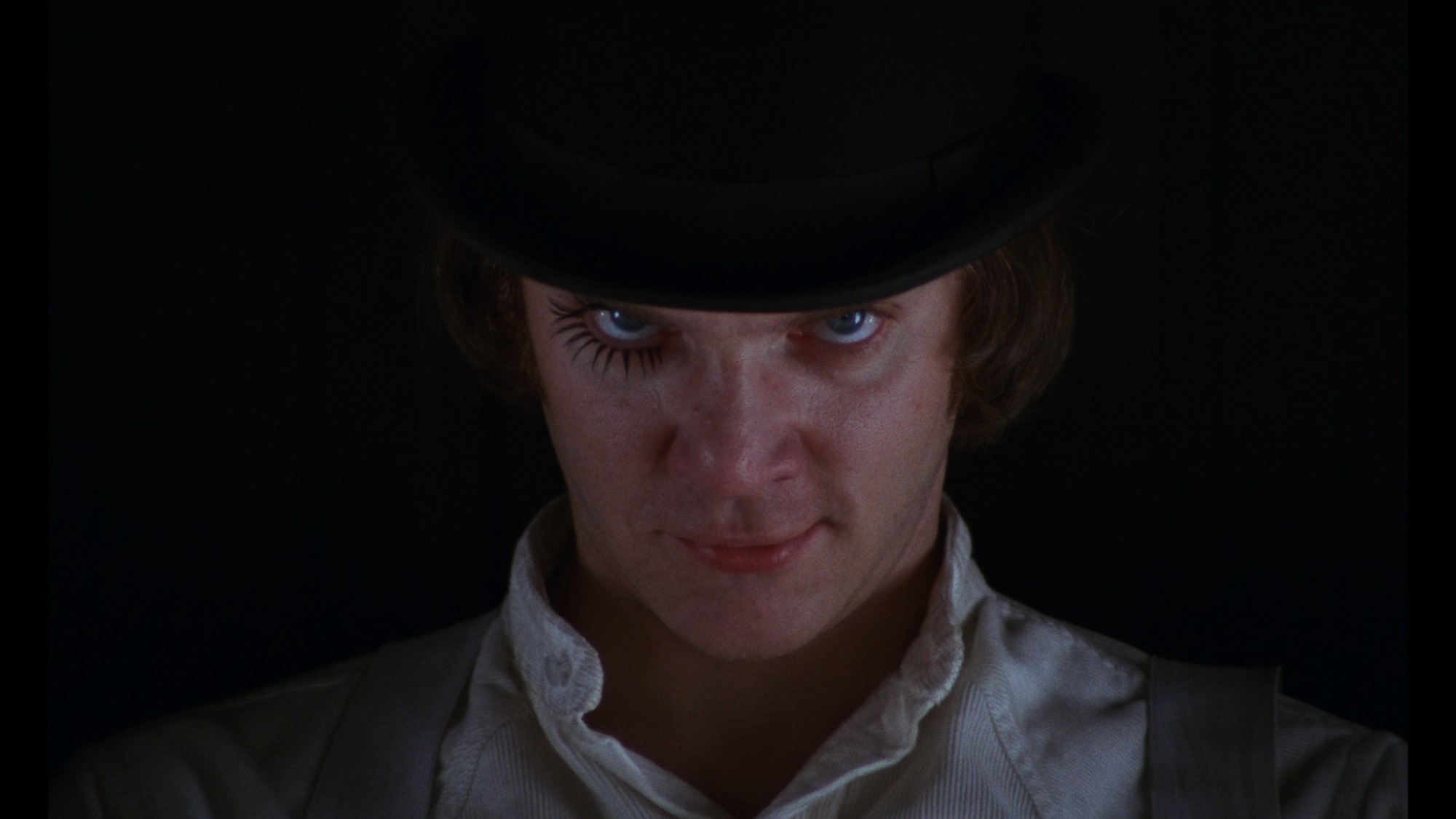
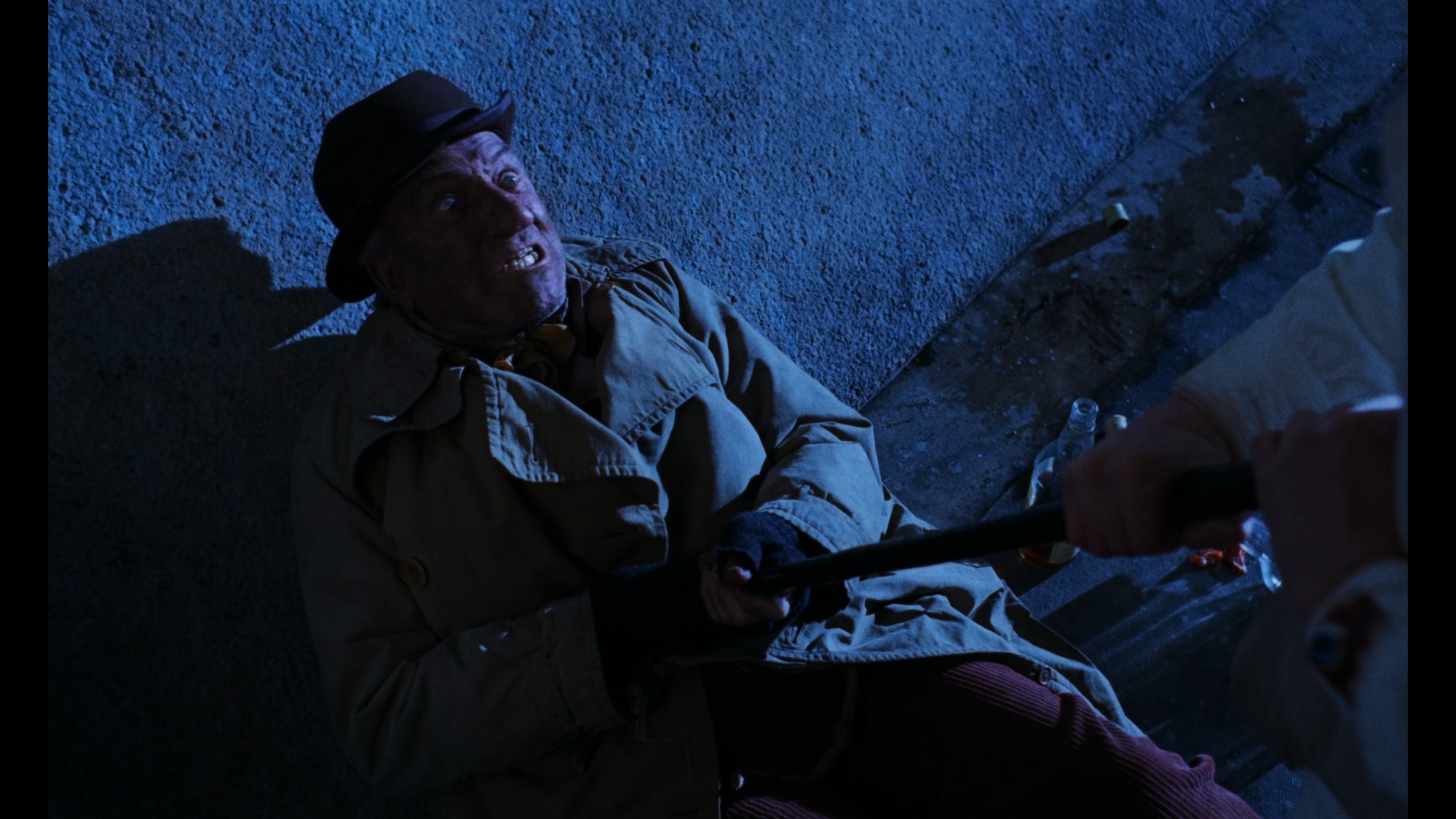
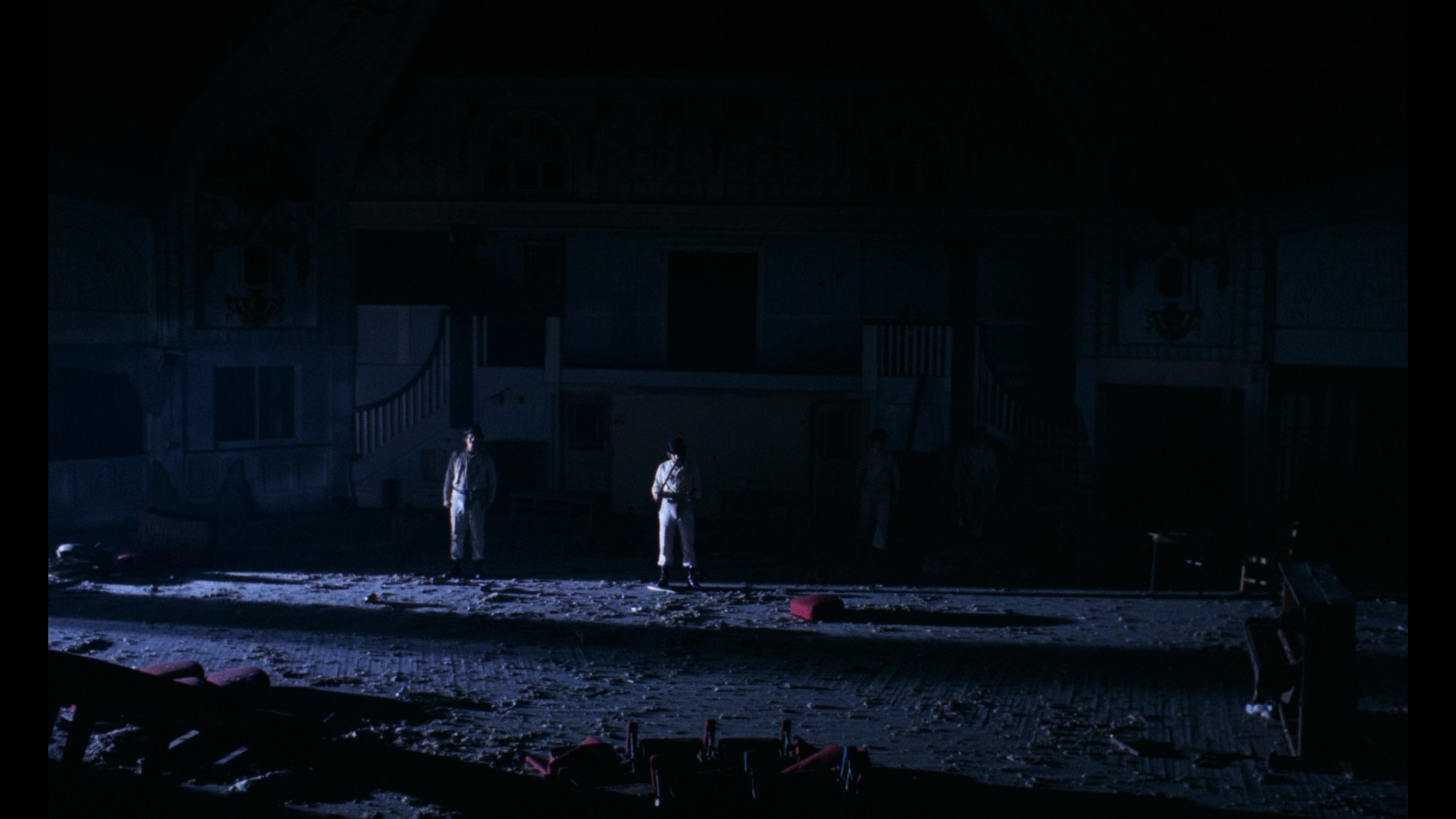
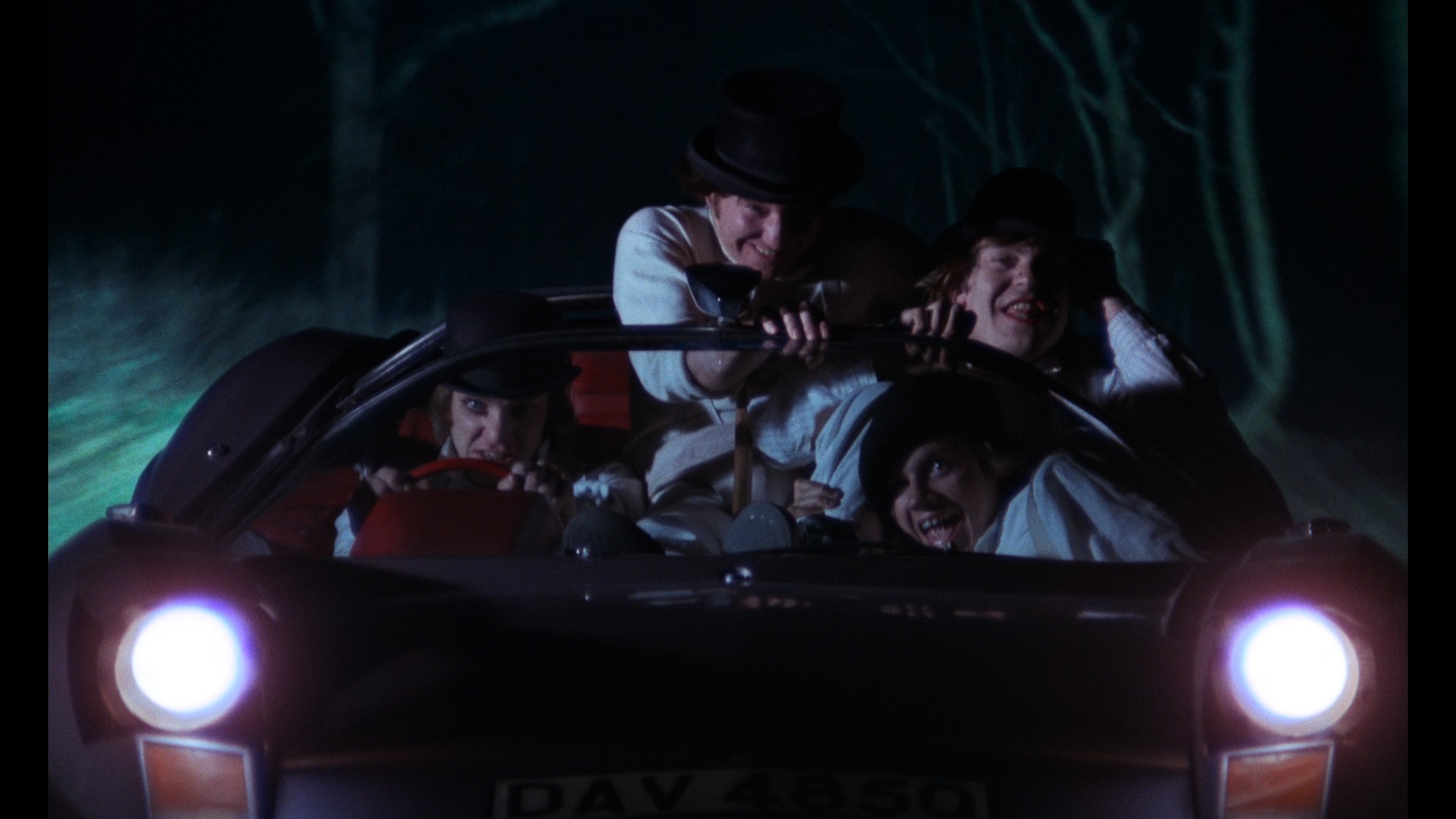
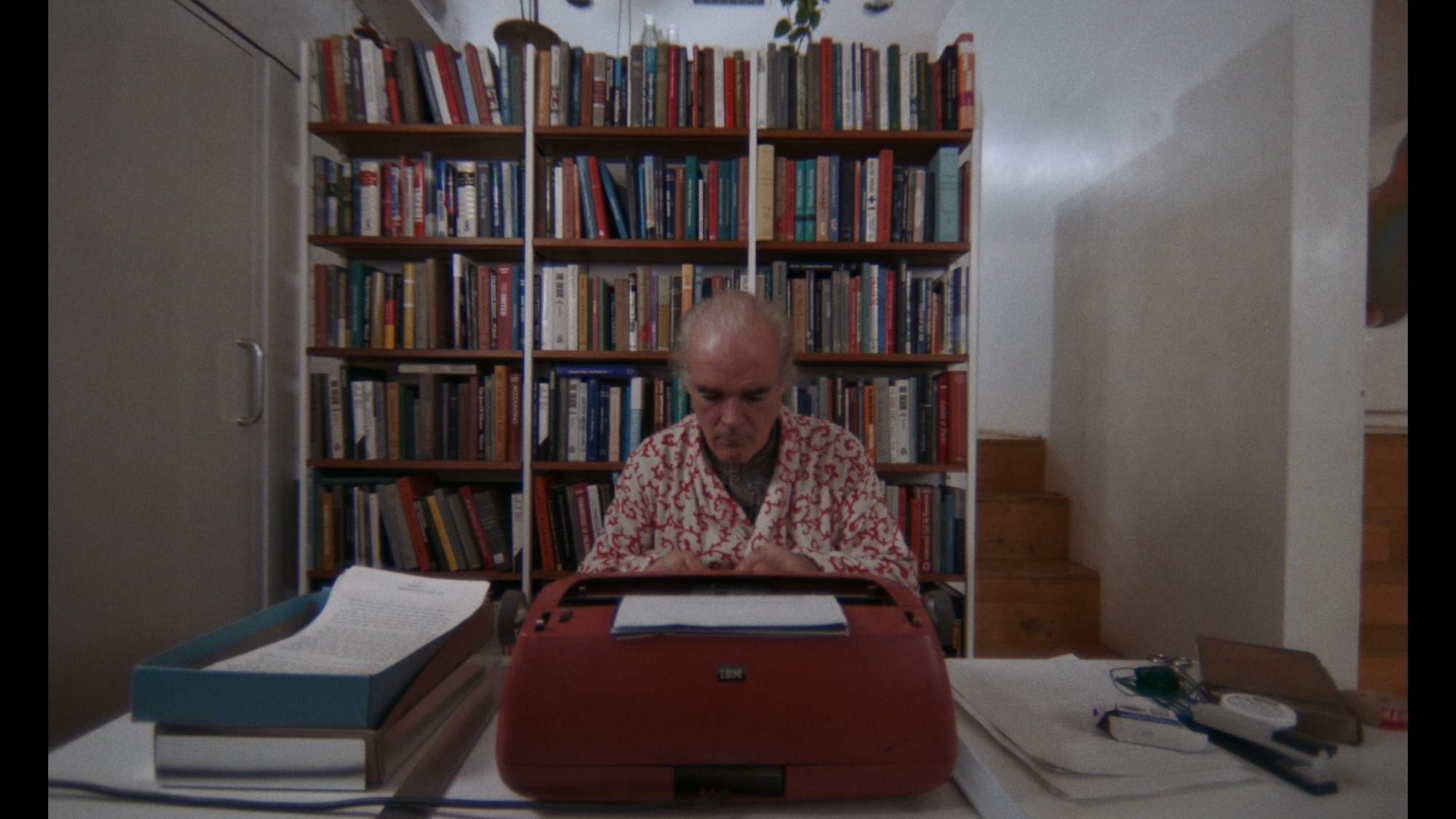
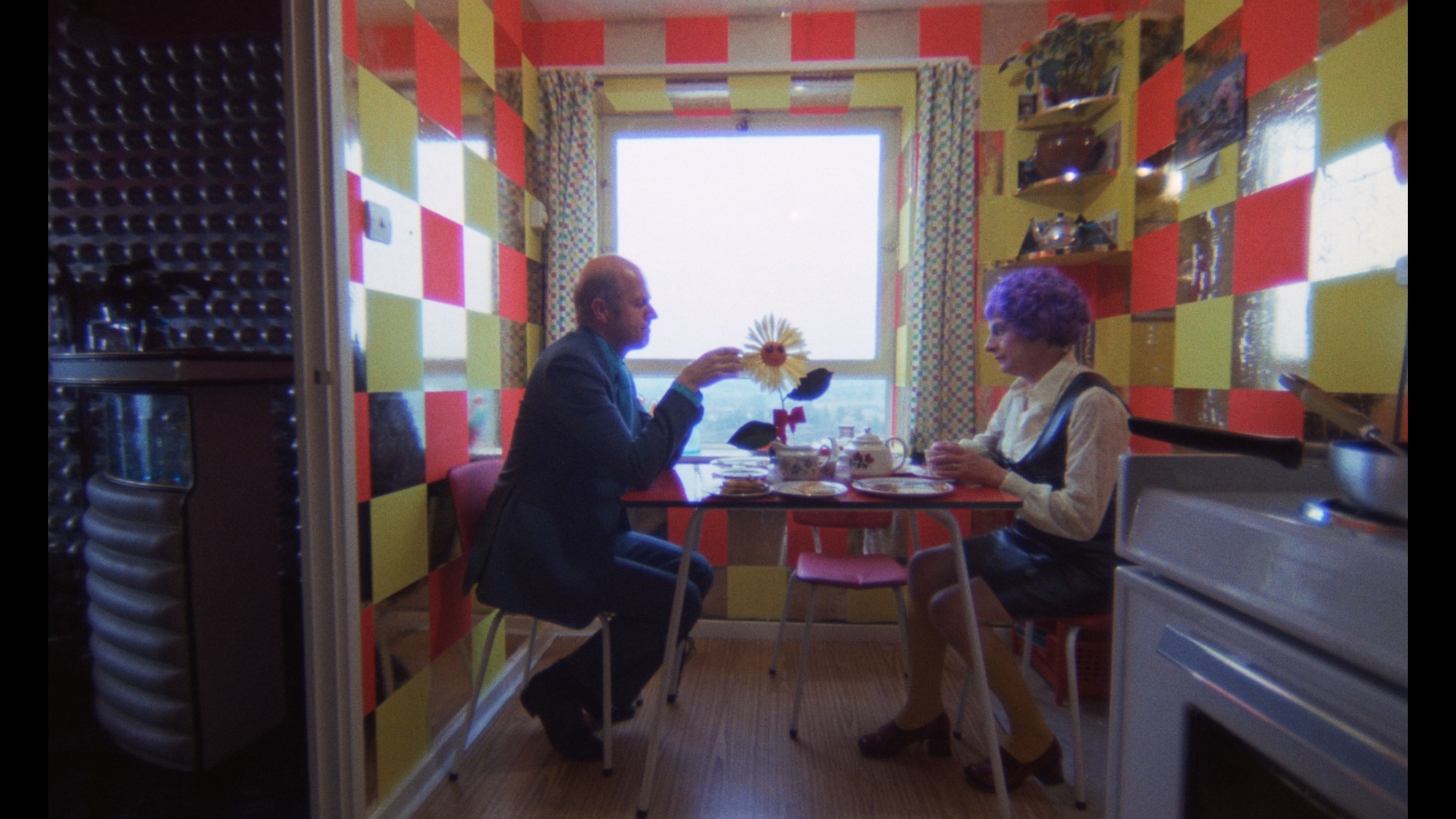
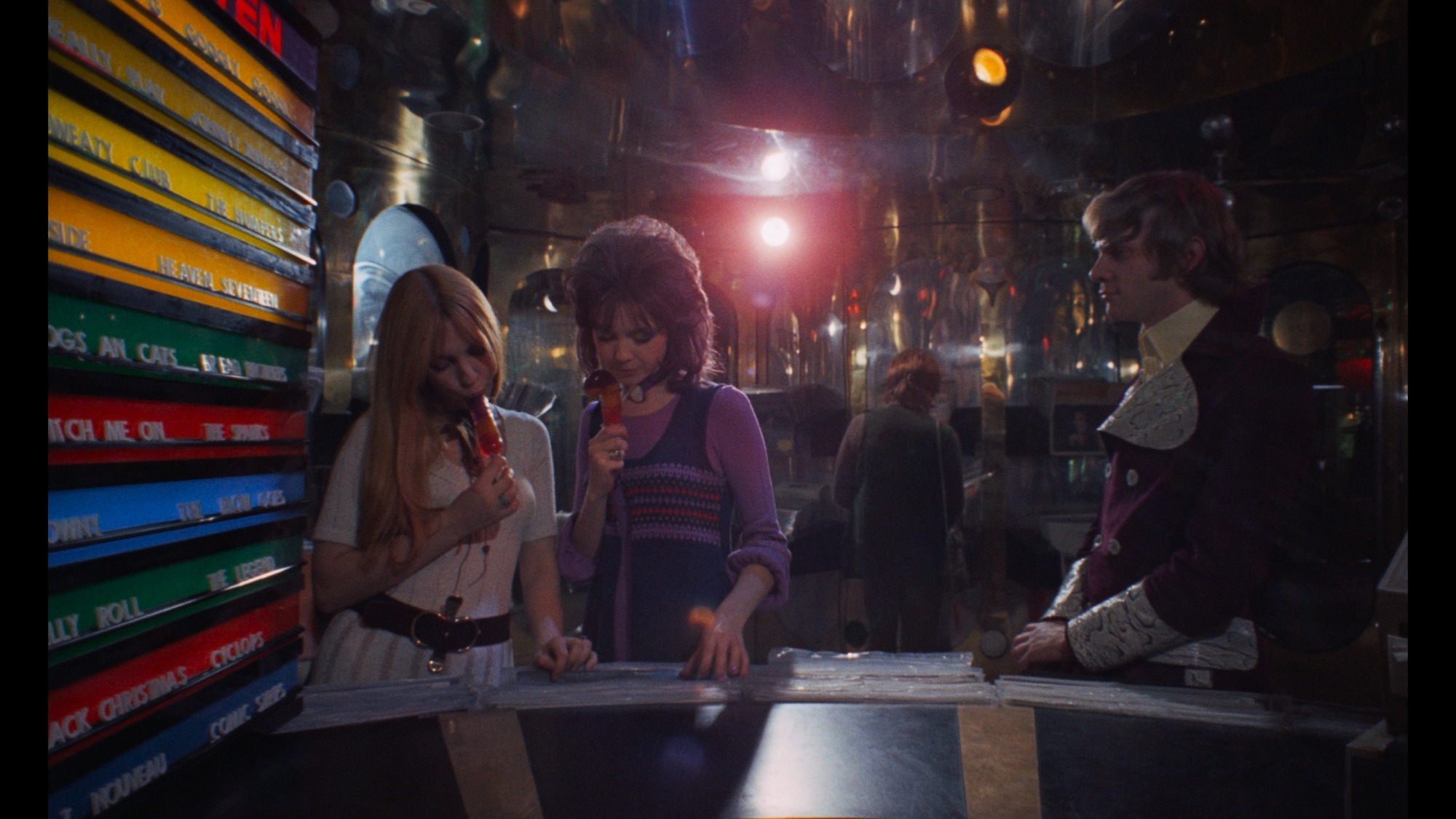
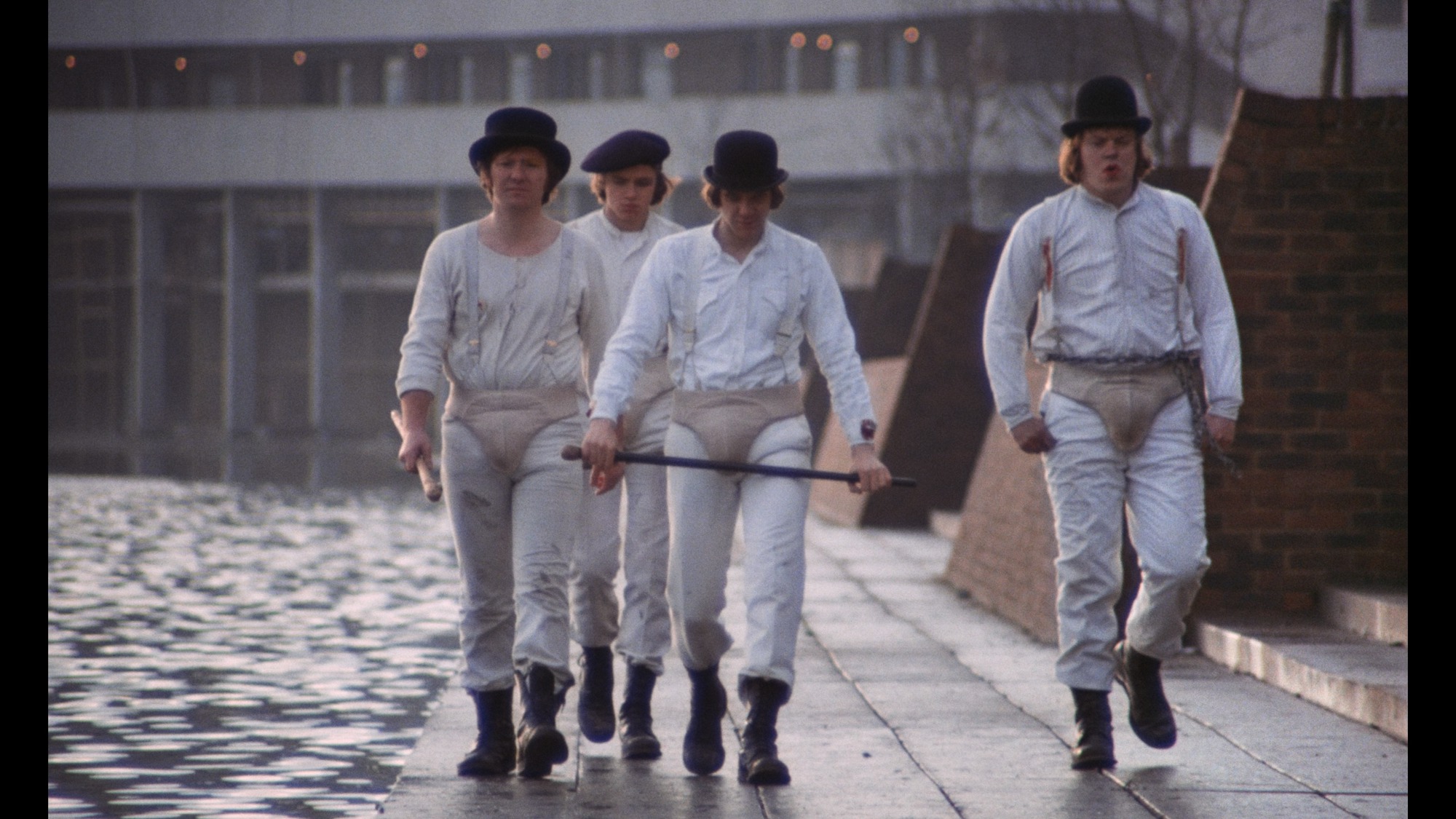
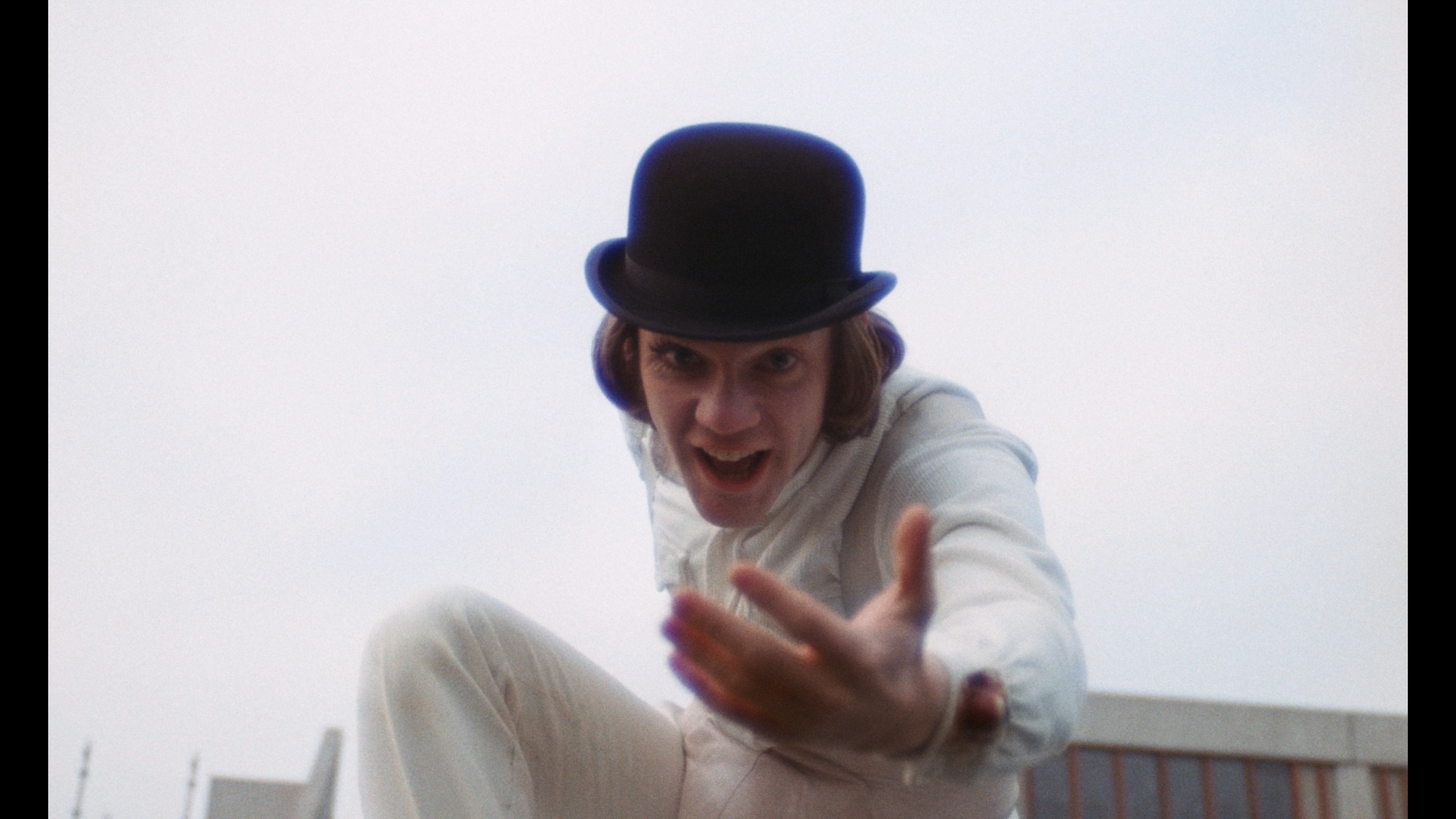
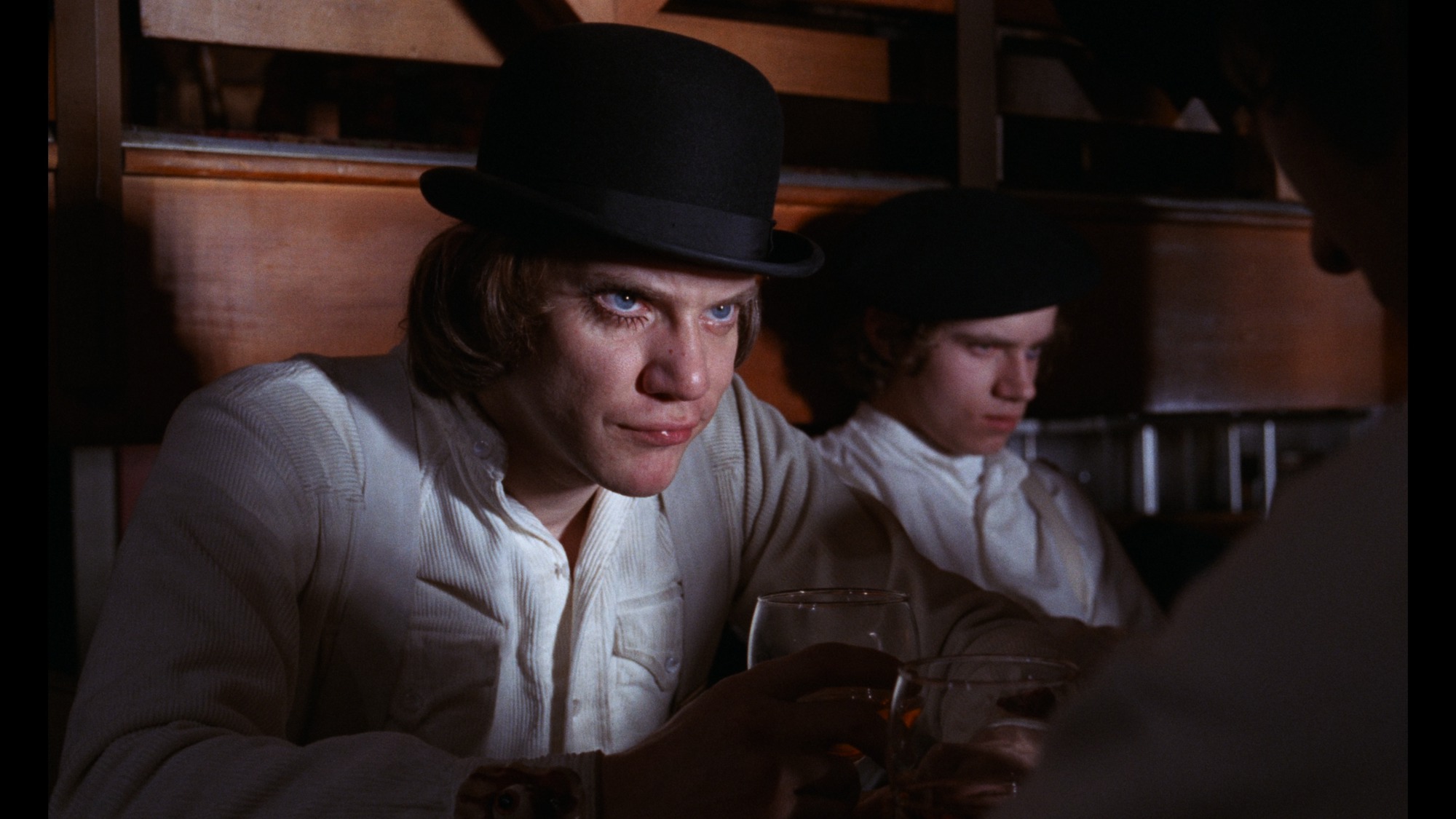
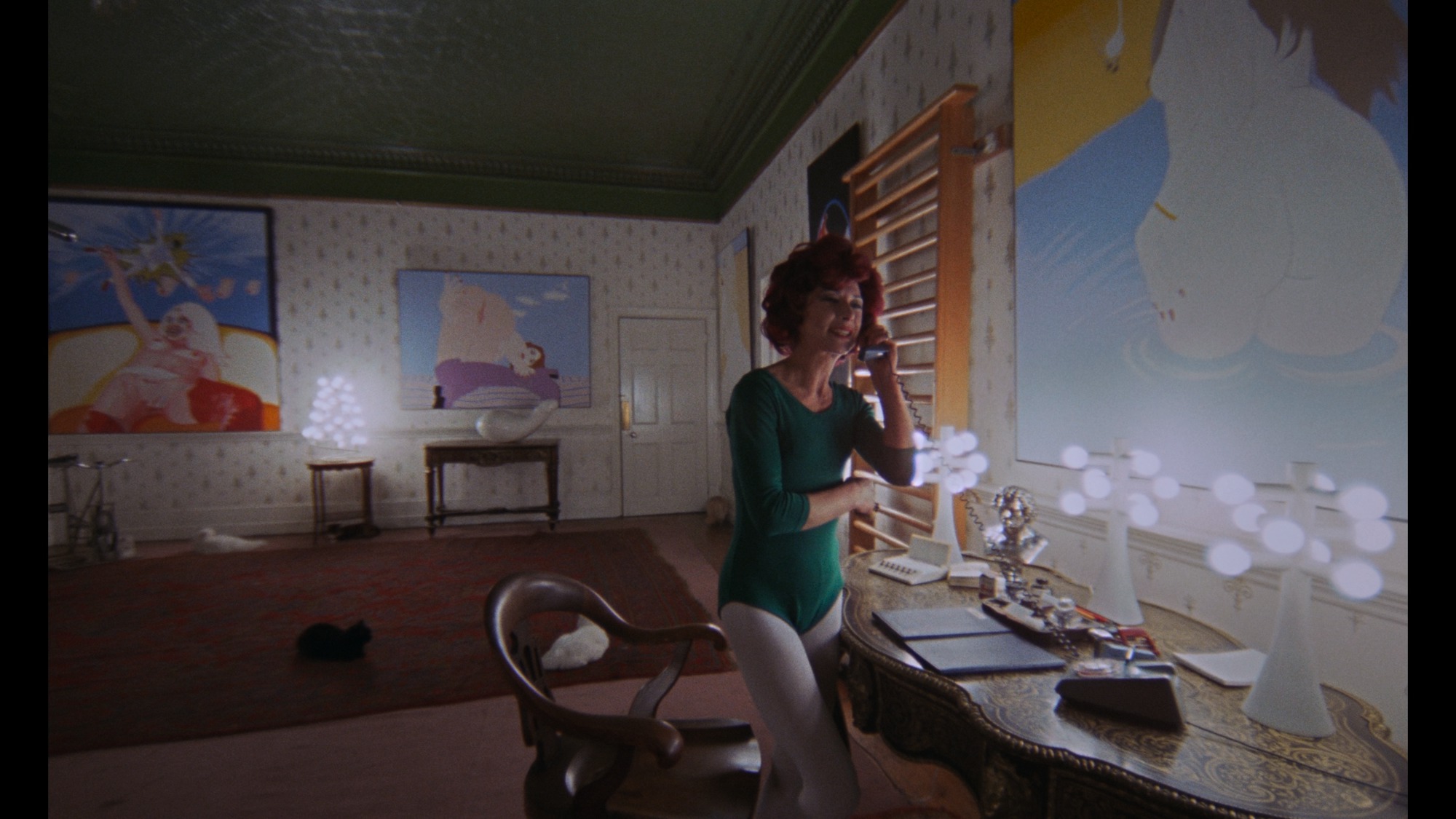
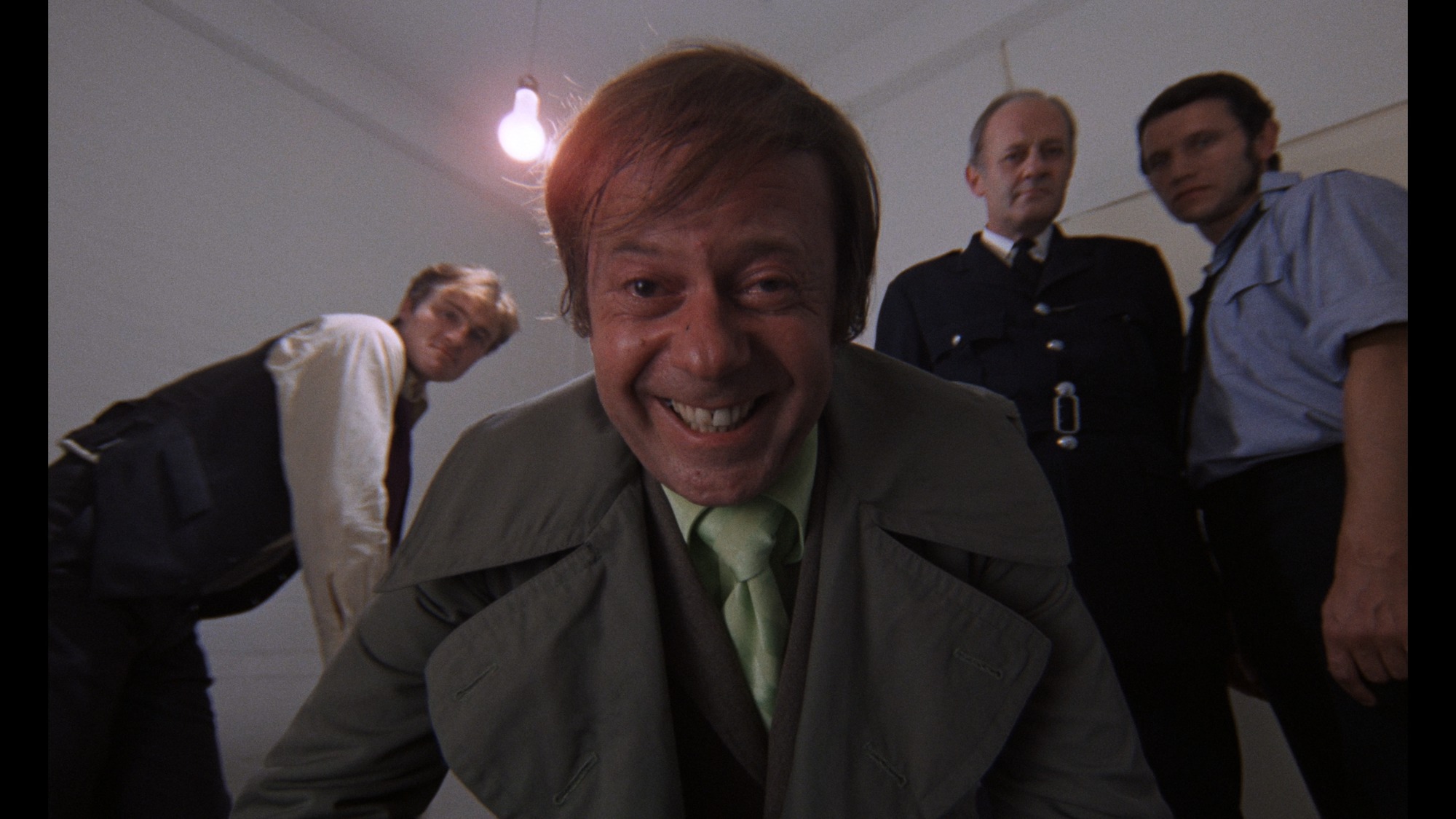
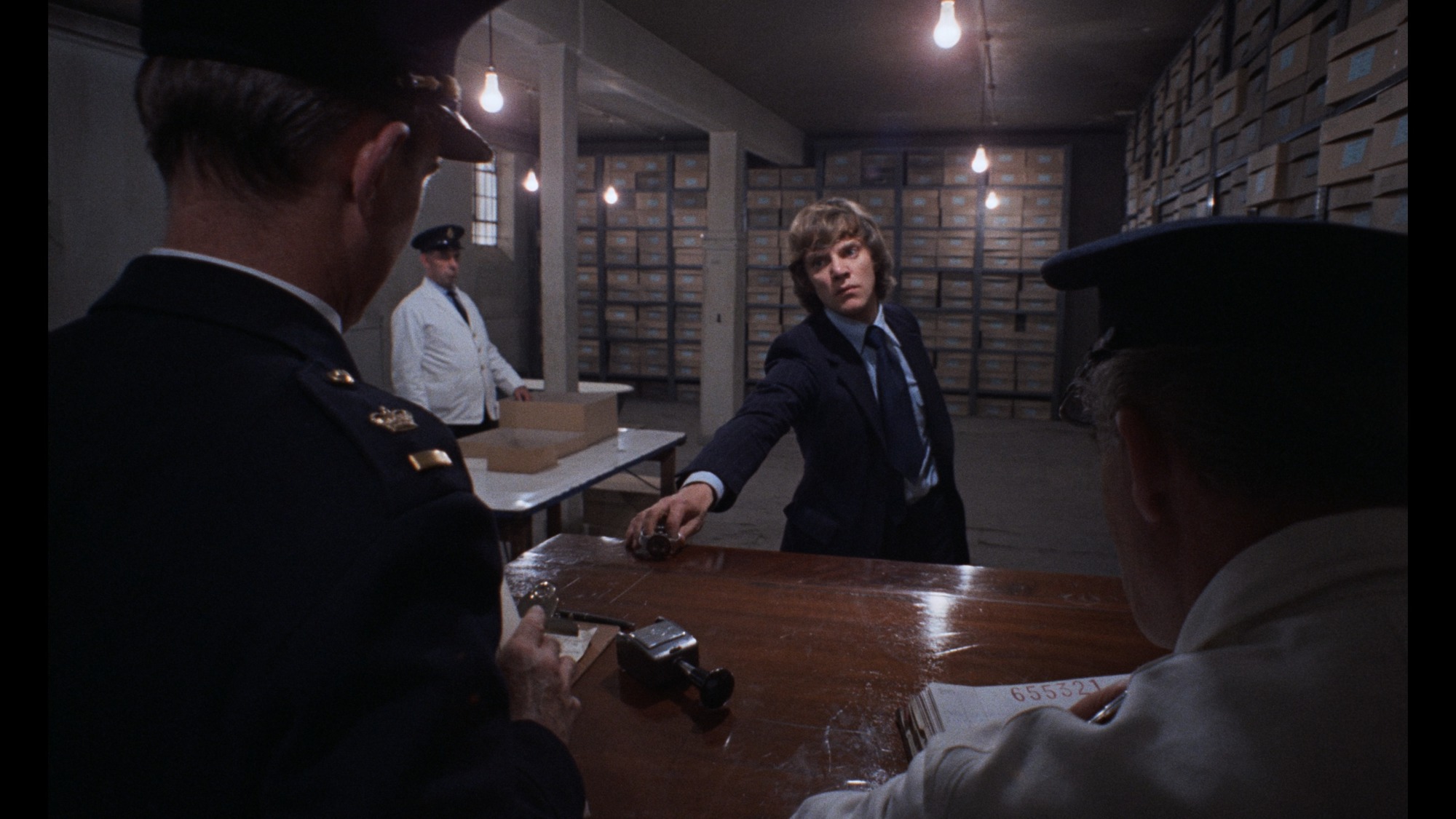
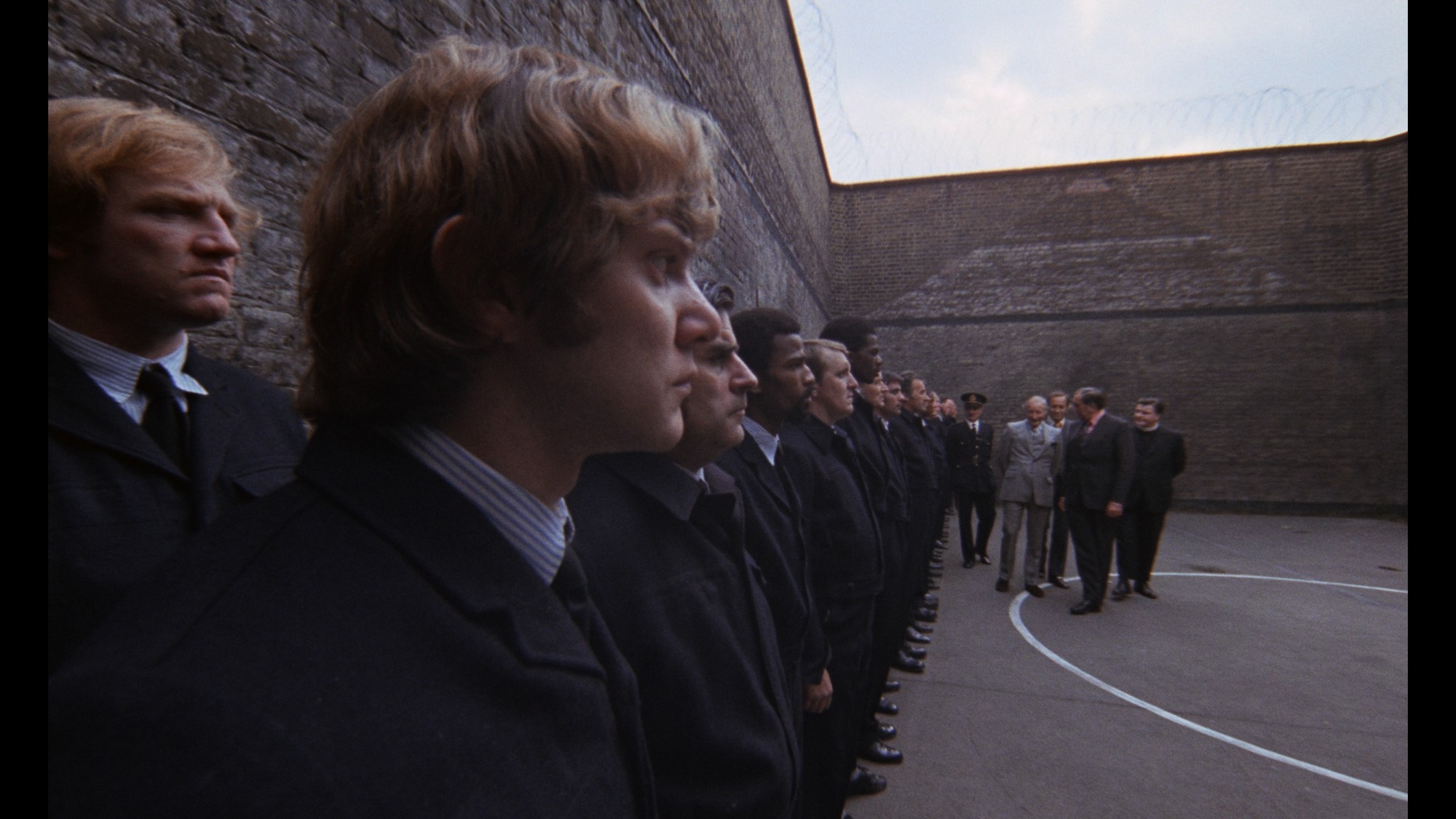
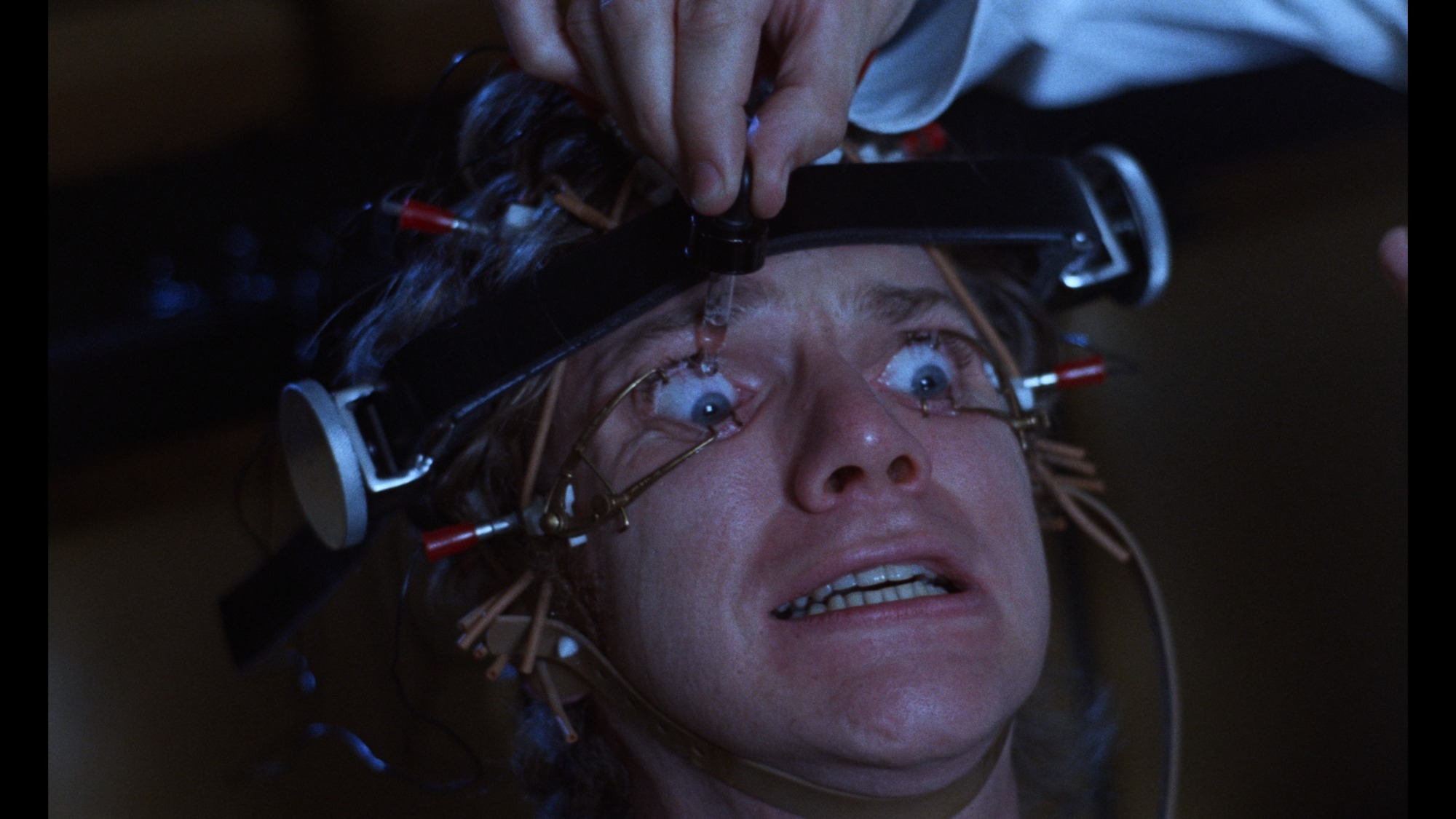
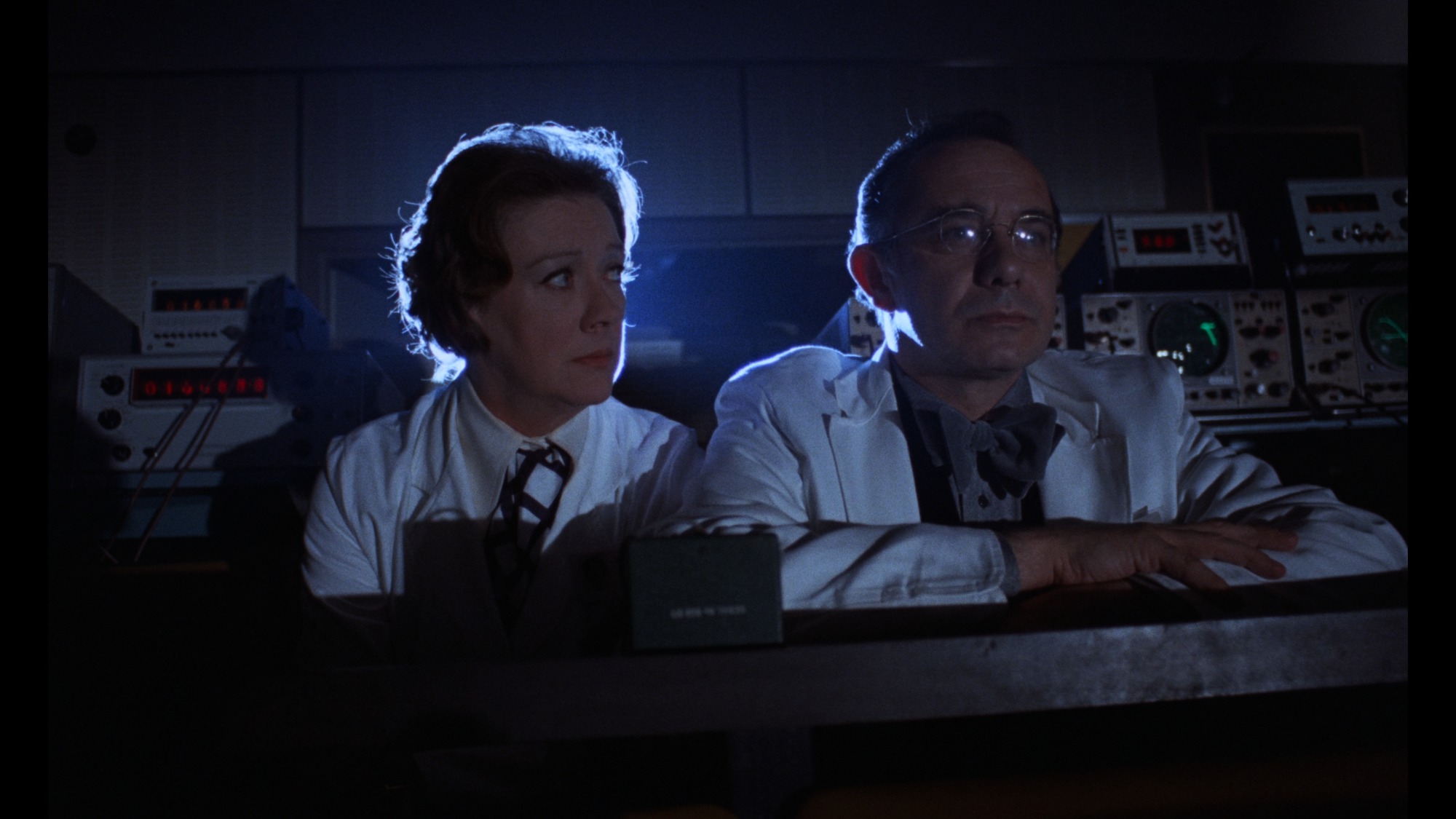
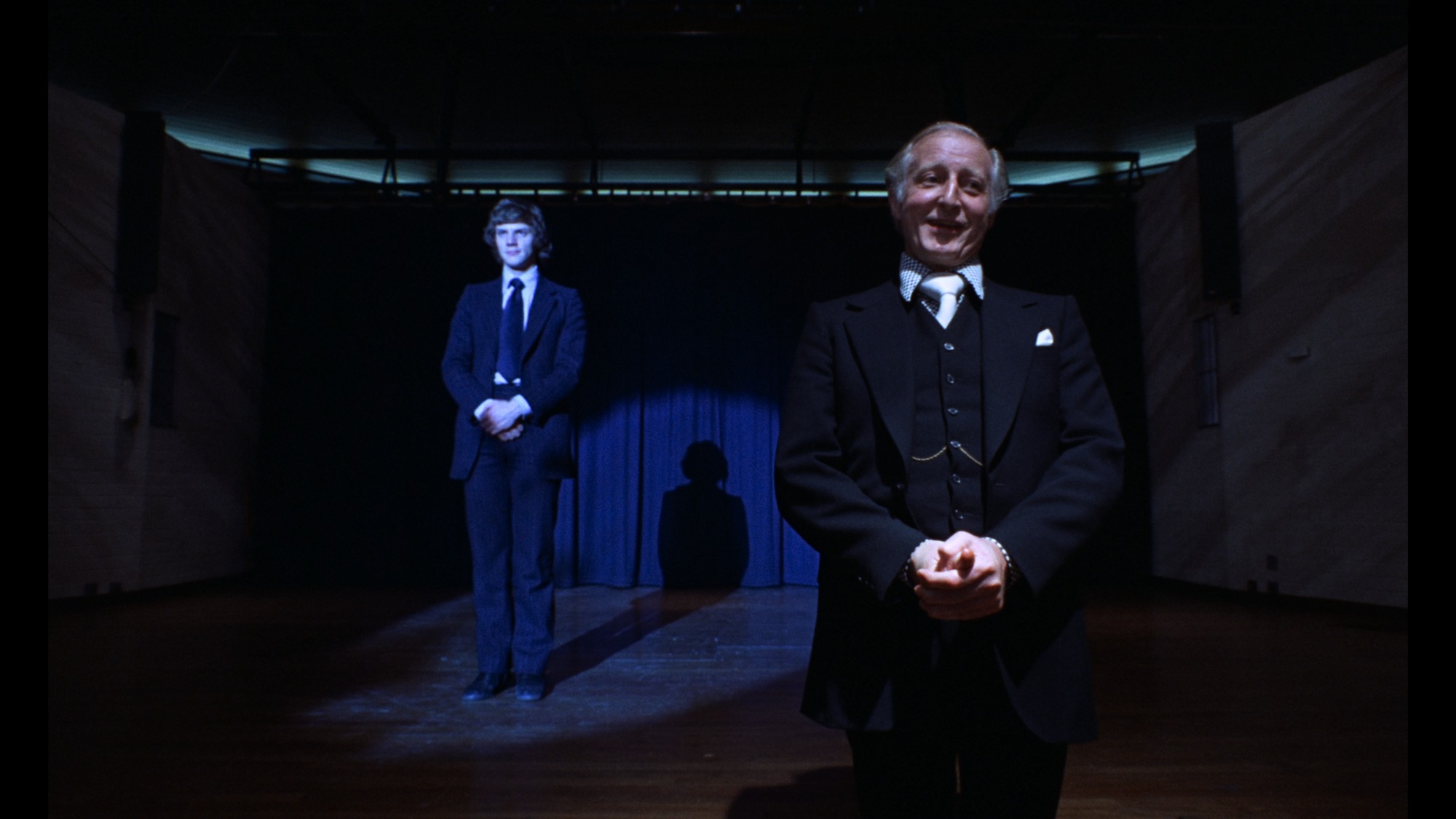
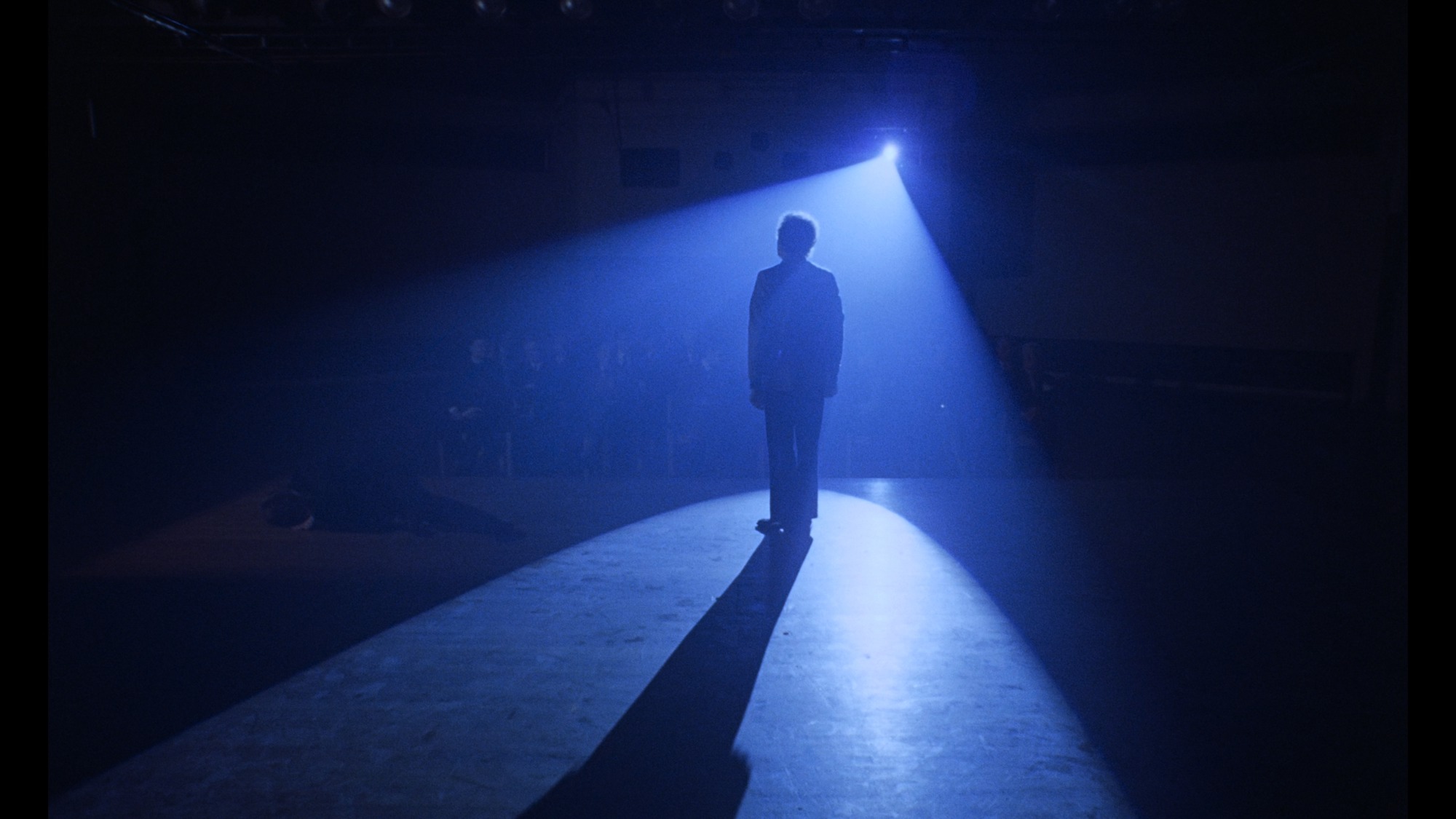
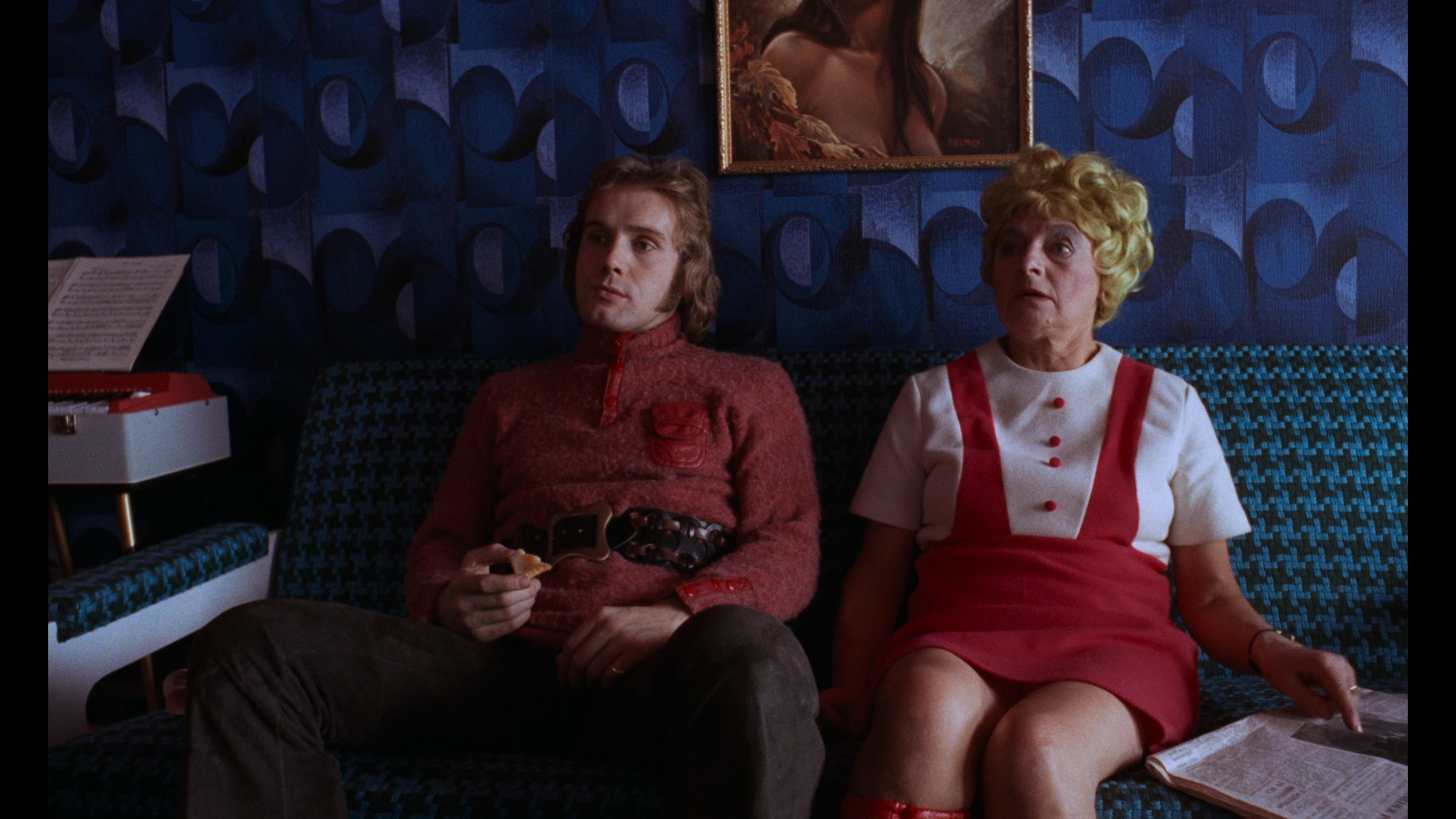
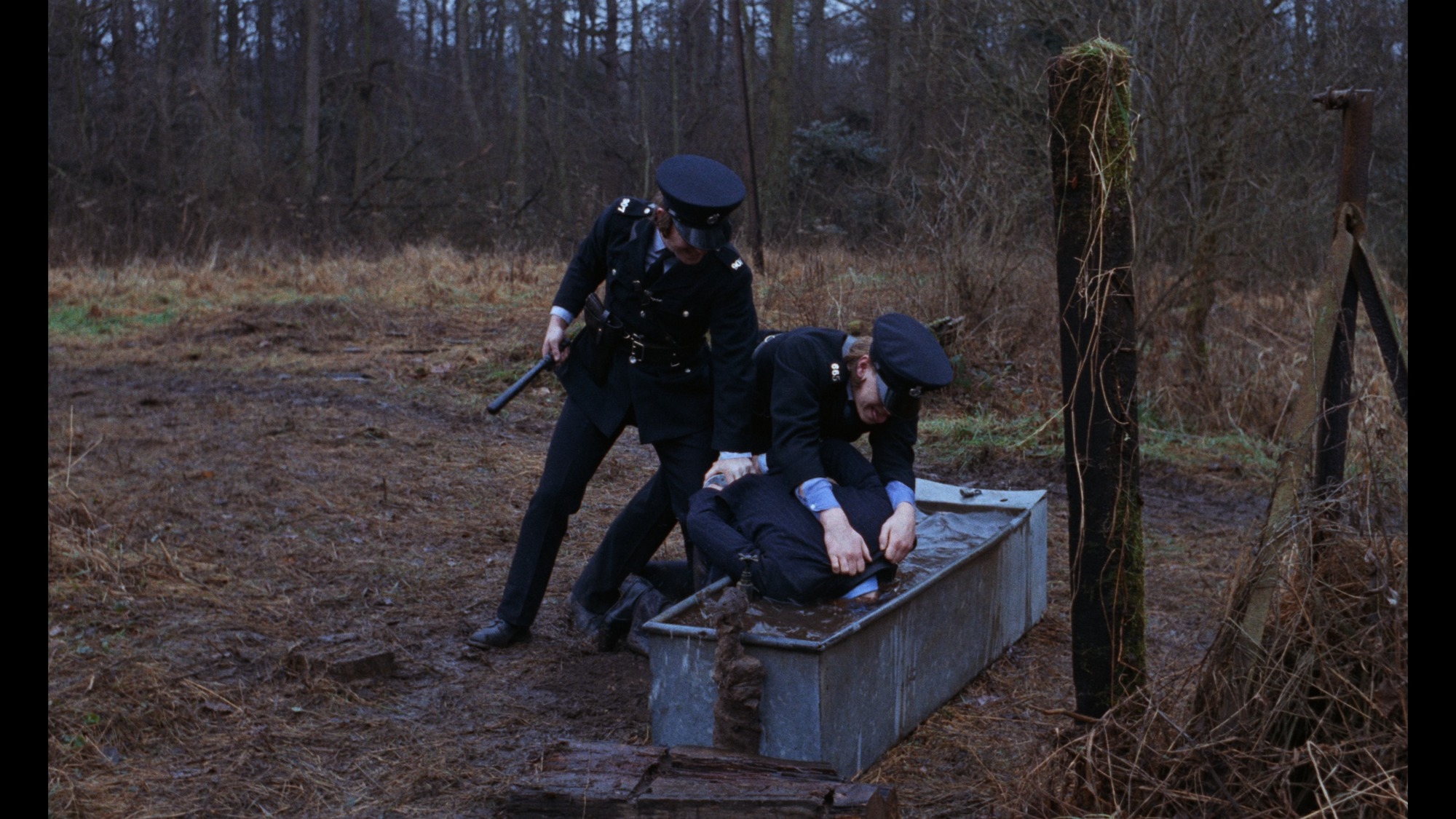
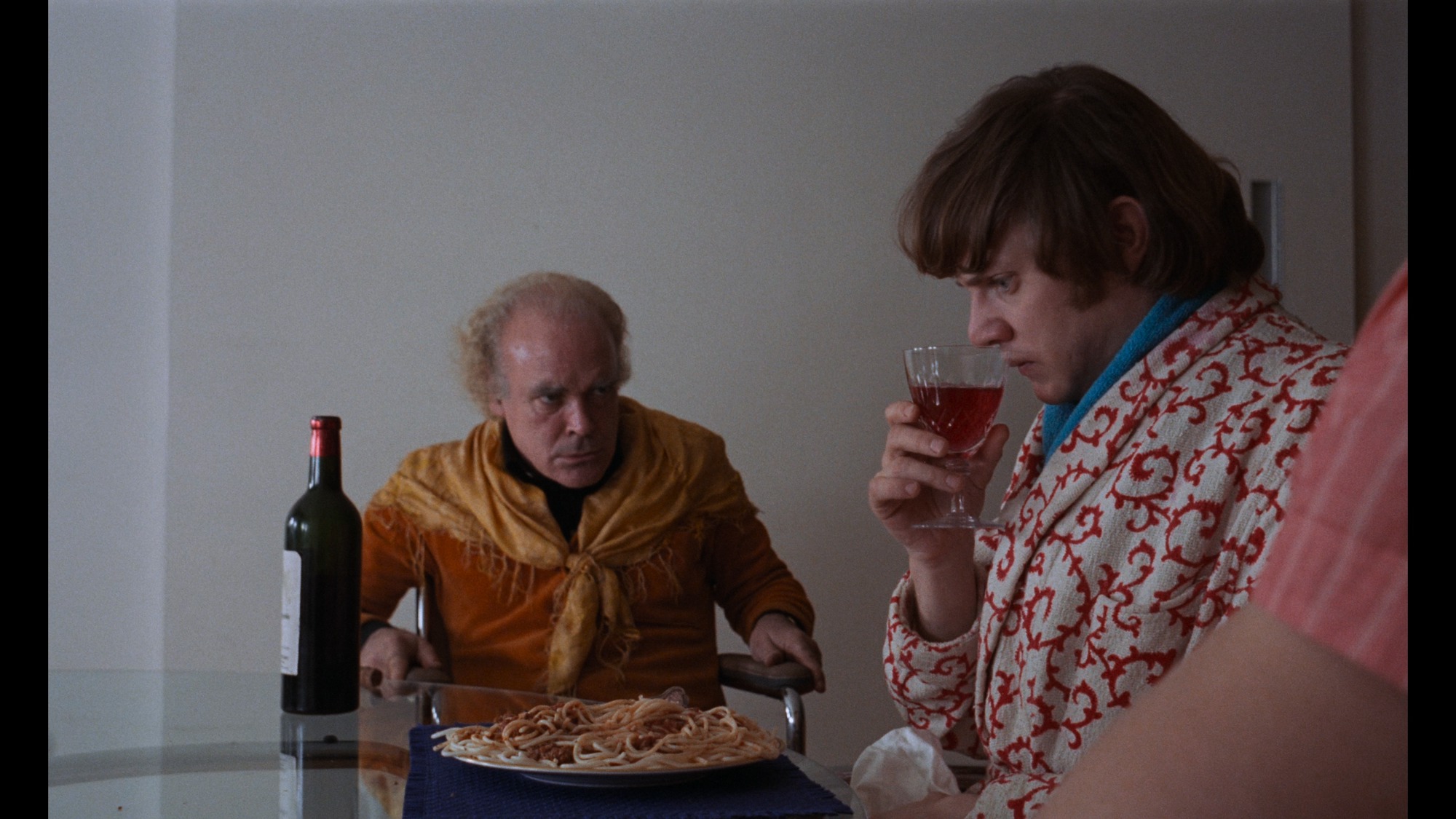
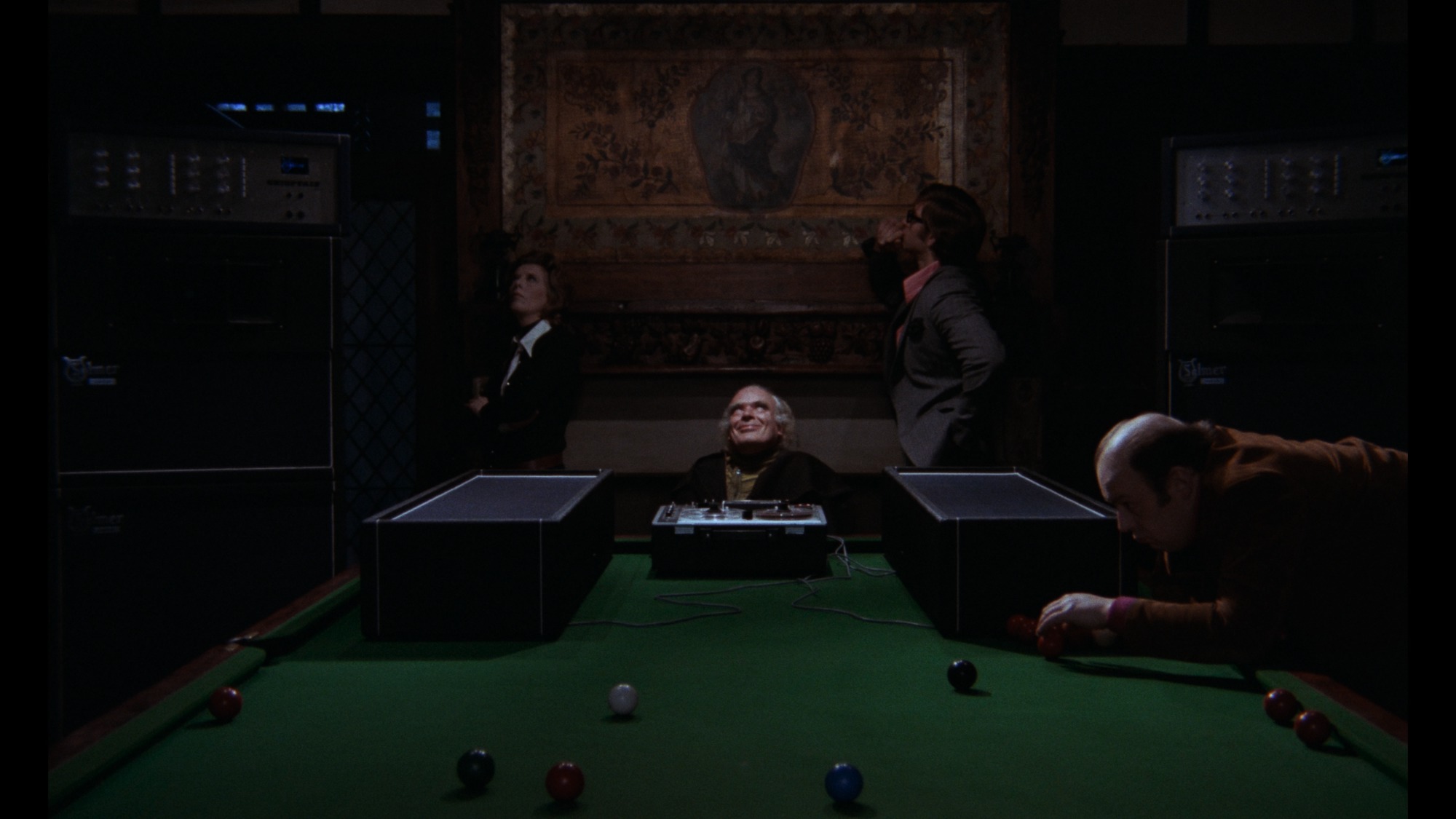
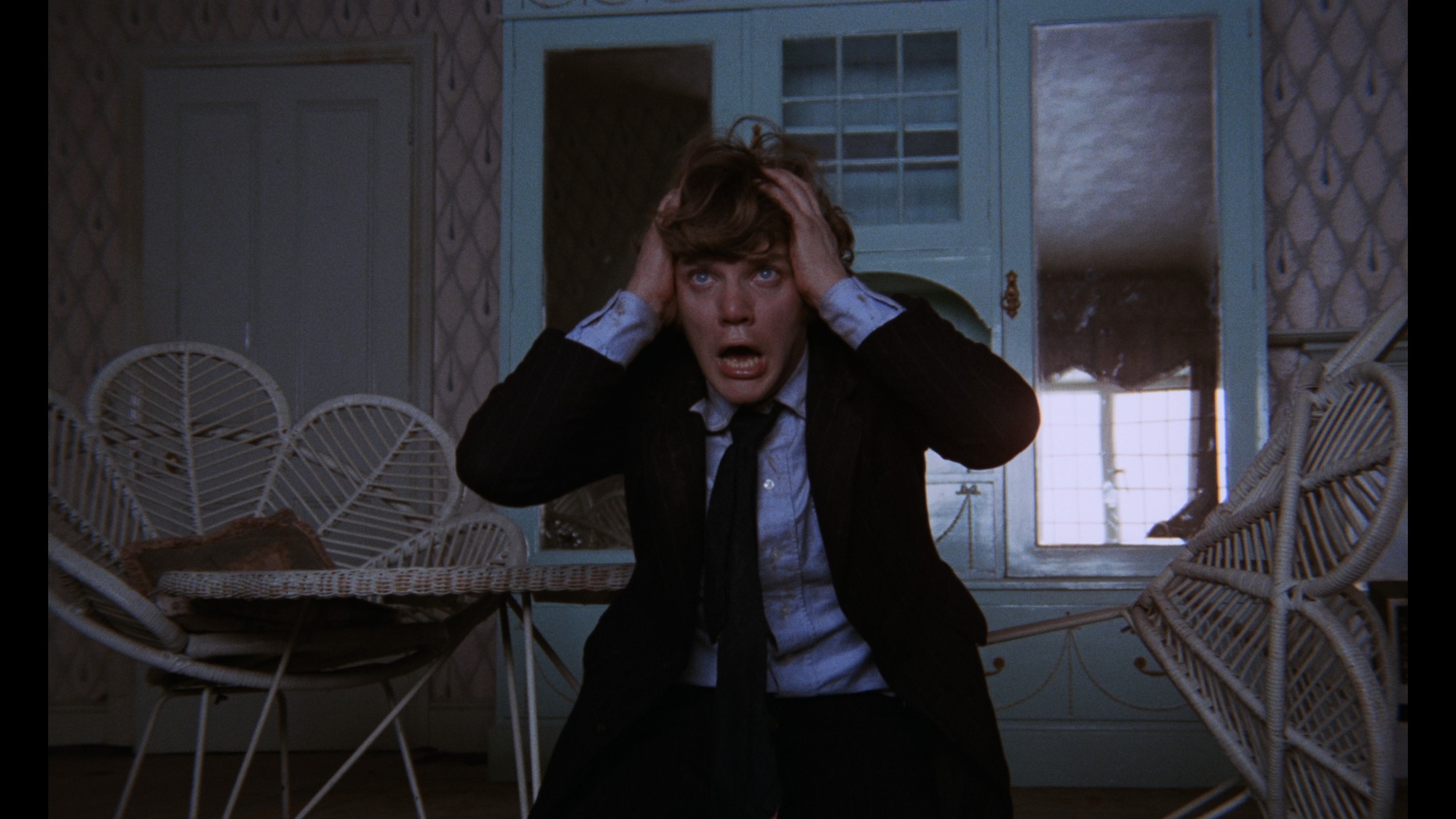
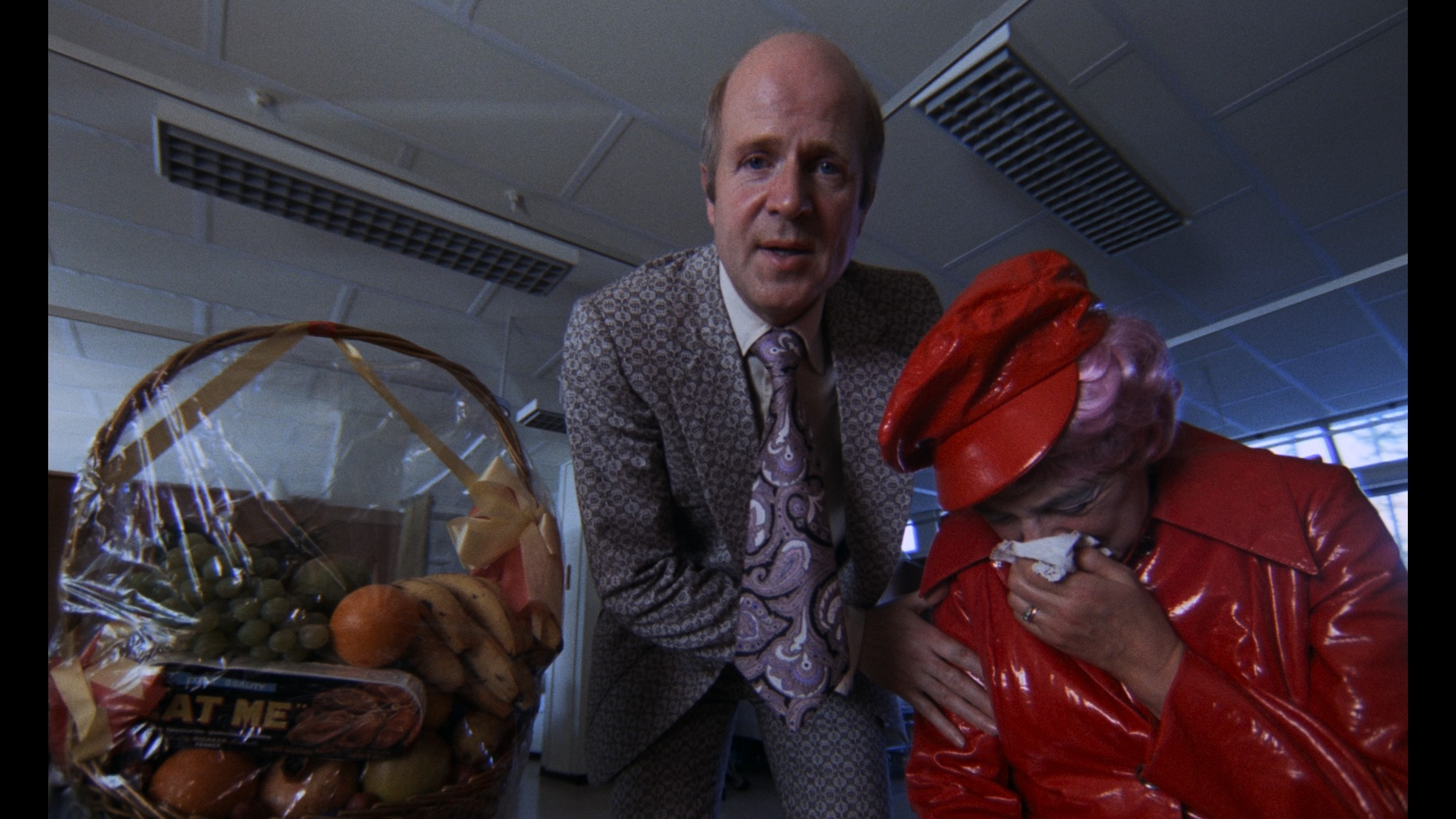
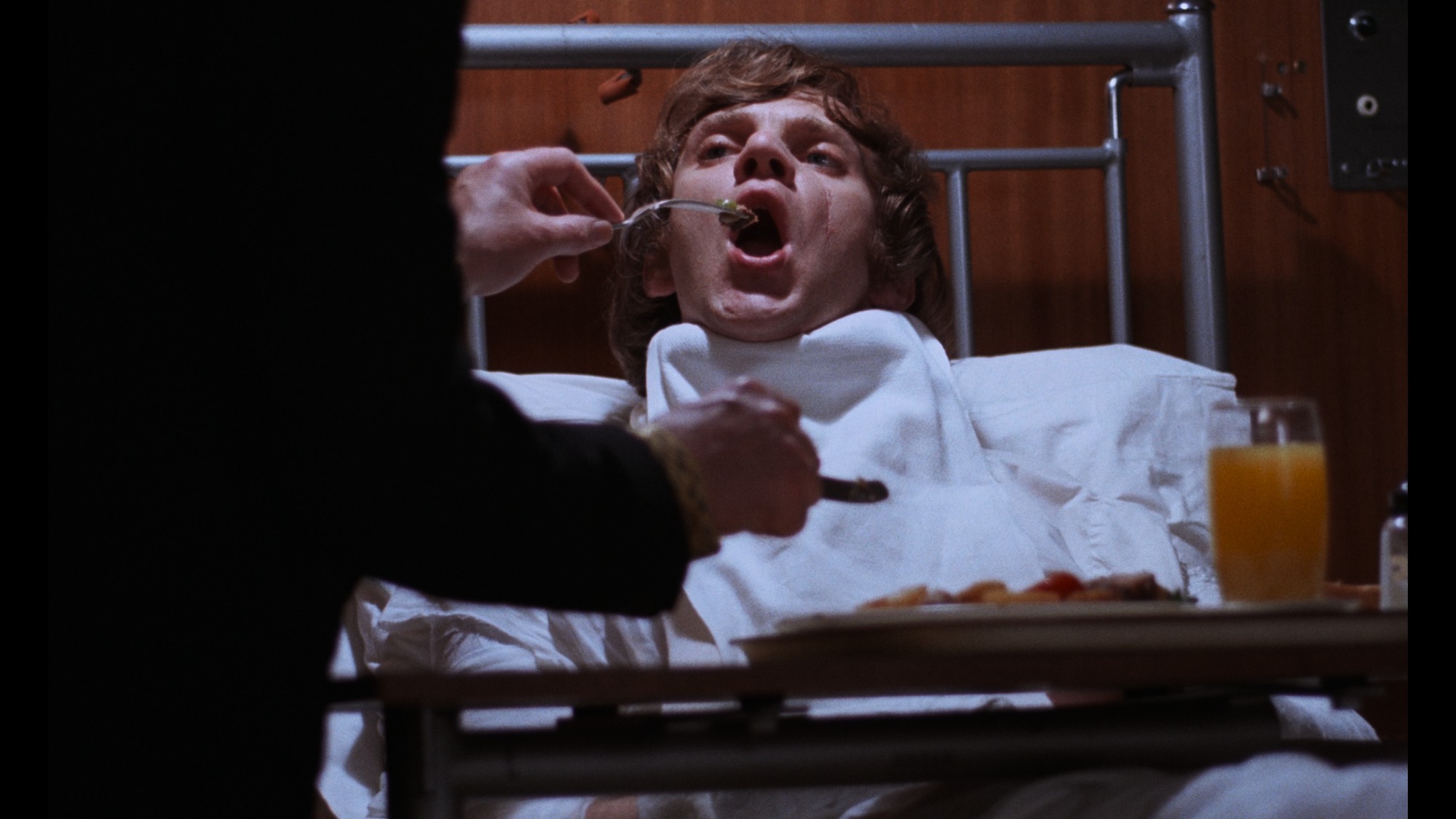
Audio 7/10
As with Warner’s release, Criterion includes the remastered 5.1 surround soundtrack alongside the film’s original mono mix, presented in lossless DTS-HD MA and single-channel PCM, respectively. Warner’s 4K included a Dolby Digital mono track that I assume dates back to the DVD era.
The 5.1 soundtrack sounds fine, with a mix similar to the remixes included with Barry Lyndon and The Shining: it’s essentially mono with the music pushed out to the other channels. Dialogue sounds clean and sharp, if a bit low, while the music spreads wonderfully around the viewer. Of the 5.1 mixes I've listened to from the set so far, it may be the weakest one.
I think I preferred the mono presentation, though. The range is still pretty wide, and I felt the dialogue came through a little clearer and louder. Impressively, the music also manages to reach decent heights.
I the end the two sound fine enough, but I’d give the edge to the monaural soundtrack.
Extras 8/10
Criterion ports over most of the extras from Warner’s release while adding some material of their own. They first carry over the audio commentary (found on both the 4K disc and 1080p presentation on the Blu-ray) featuring actor Malcolm McDowell and historian Nick Redman, and it’s a rather good track. McDowell covers how he got the role (Kubrick had seen him in Lindsay Anderson’s If….)and shares details about the costume designs and the general look of his character and the droogs before recalling the filming of specific scenes, including the William Tell Overture speed-run. Redman offers his own observations and asks McDowell questions ranging from the story’s themes to what it was like shooting some of the more difficult sequences, including those where his eyes were held open. I assume Redman is primarily there to keep the conversation moving, but thankfully his questions lead to thoughtful observations and entertaining stories from the set. Worth listening to if you haven’t already.
Also ported over from previous edition is Great Bolshy Yarblockos!, a 28-minute making-of from 2007. It traces the production from Kubrick’s first encounter with the novel (which he initially turned his nose up at) through its release and the controversies that followed, eventually leading him to withdraw the film from distribution in the UK. Some details found here do overlap with McDowell’s commentary, but it’s a solid overview and one of the stronger studio-produced making-ofs of its type. It's found on the Blu-ray along with the other video features.
Warner’s documentary Still Tickin’: The Return of “A Clockwork Orange” also makes its way over. Running 49 minutes and produced by Channel 4 in 2000 to coincide with the film’s official UK re-release, it explores the controversies and legacy of a film arguably made more infamous by its lack of availability. Most of the UK interviewees here had to resort to bootlegs to see the film, with director Sam Mendes stating he never go around to seeing it until 1998. Not everyone is a fan, but it's interesting to get various perspectives before documentary examines the film’s violence and addresses accusations of misogyny, particularly in how its first portion appears to present the actions of Alex and his gang as “fun.” It also considers whether media influences real-life violence or reflects it, bringing up crimes reportedly inspired by the film.
New here is a 52-minute episode of Once Upon a Time…, a program Criterion has made use of in a number of their releases. Ultimately it is yet another making-of, covering some of the same ground as the previous features, but it goes out of its way to explore the social and historical context during the period the film's production and release, which is typically the primary focus of the program. This includes concerns over a rise in juvenile delinquency alongside the anti-psychiatry movement during the period, both of course tying into the film’s themes. There are also further interviews with members of the cast and crew, including McDowell, providing more on-set stories alongside plenty of photographs and costume tests. I like these programs and I'm happy Criterion has pulled in another one.
Criterion then digs up a 1972 episode of CBS’ Camera Three featuring McDowell and author Anthony Burgess. I assume they’re there to promote the film, but the 29-minute episode takes a deep dive into the novel’s themes and Burgess’ influences and intentions before getting into the story’s violence and its slang. McDowell also talks about working with Kubrick, taking offense early on at the host’s description of the director as “difficult,” and the conversation eventually turns to the music in the film. I was expecting a straightforward promotional piece, but it turns out to be a far more insightful offering in the end, and I appreciated Criterion pulling in material featuring the novel's author.
In a fun little touch, Criterion also includes Bob Godfrey’s nine-minute animated short Kama Sutra Rides Again, which played before A Clockwork Orange and was personally selected by Kubrick. As Godfrey explains in a brief audio introduction, he has no idea why. The short features a middle-aged man explaining how he and his wife spice things up through the Kama Sutra, demonstrating various “examples” before throwing in their own surreal variations, including “The Wheelbarrow,” “The Stuntman,” and “The Typewriter.” It’s funny, if a bit long, but yeah, it’s an odd short to pair with the film. I’m glad Criterion has included it, though.
Finally, the disc closes with the film’s William Tell Overture trailer.
Criterion drops a couple of features from Warner’s previous 4K, including a featurette on the film’s controversies and another featuring McDowell reflecting on the film, though I’m guessing that’s because those subjects are covered thoroughly enough elsewhere. In the end, it’s not as stacked as what Criterion put together for The Shining, but it’s all worth going through.
Closing
Not a significant upgrade over Warner’s previous release, but the 4K presentation is rock solid, and Criterion adds a couple of noteworthy archival programs.
BUY AT:


