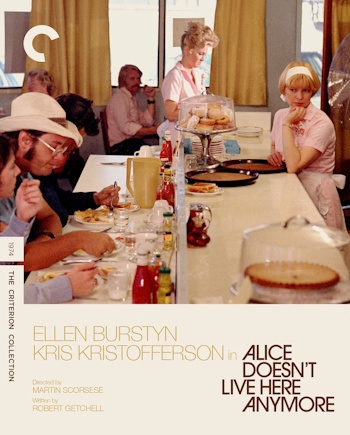
Alice Doesn't Live Here Anymore
BUY AT:


See more details, packaging, or compare
Synopsis
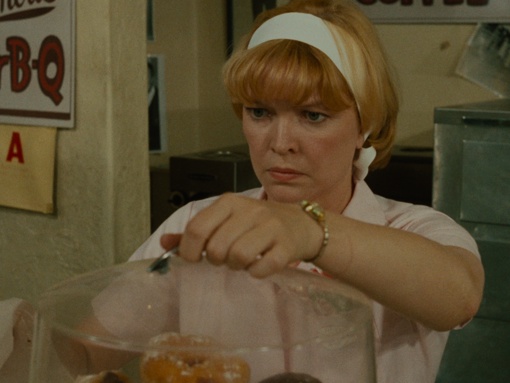
Martin Scorsese infuses the classic maternal melodrama with the brash spirit of the New Hollywood in this zeitgeist-capturing feminist tale of a woman finding her footing in a patriarchal world. An Academy Award–winning Ellen Burstyn shines as Alice Hyatt, a newly widowed mother who, with her precocious son, Tommy, takes off across the Southwest to pursue her dream of becoming a singer, along the way learning to live on her own terms, even as a new romance with a rugged rancher (Kris Kristofferson) tests her growing independence. Boasting vivid supporting turns by Diane Ladd, Harvey Keitel, and Jodie Foster, this irrepressible look at starting anew overflows with warmth and humanity from each bustling frame.
Picture 10/10
Martin Scorsese’s Alice Doesn’t Live Here Anymore receives a much-needed 4K UHD upgrade from The Criterion Collection, who presents the film on a triple-layer disc with Dolby Vision in its original aspect ratio of 1.85:1. The 2160p/24 ultra high-definition presentation is sourced from a new restoration scanned from the 35mm original camera negative, with Martin Scorsese's own print used for color reference. The release also includes a 1080p presentation of the film, sourced from the same restoration, on a separate dual-layer Blu-ray alongside all of the video supplements.
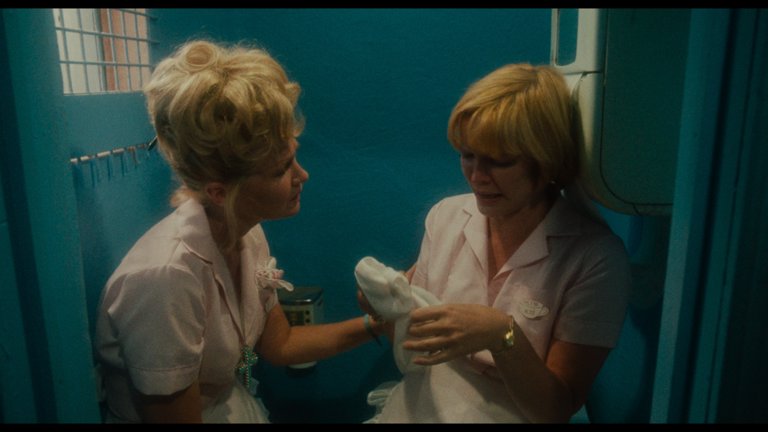
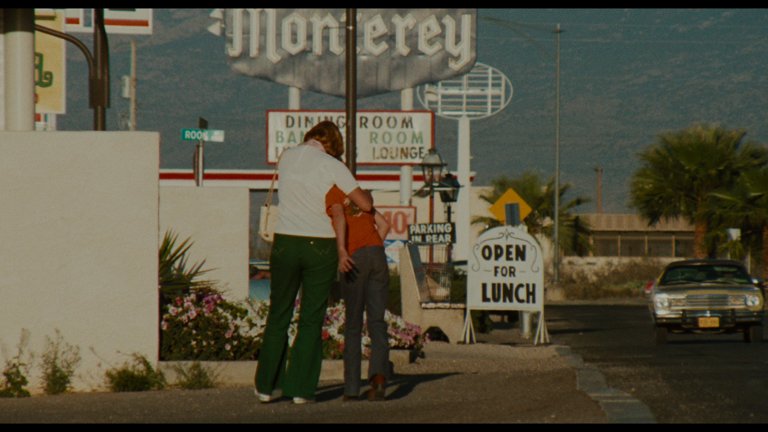
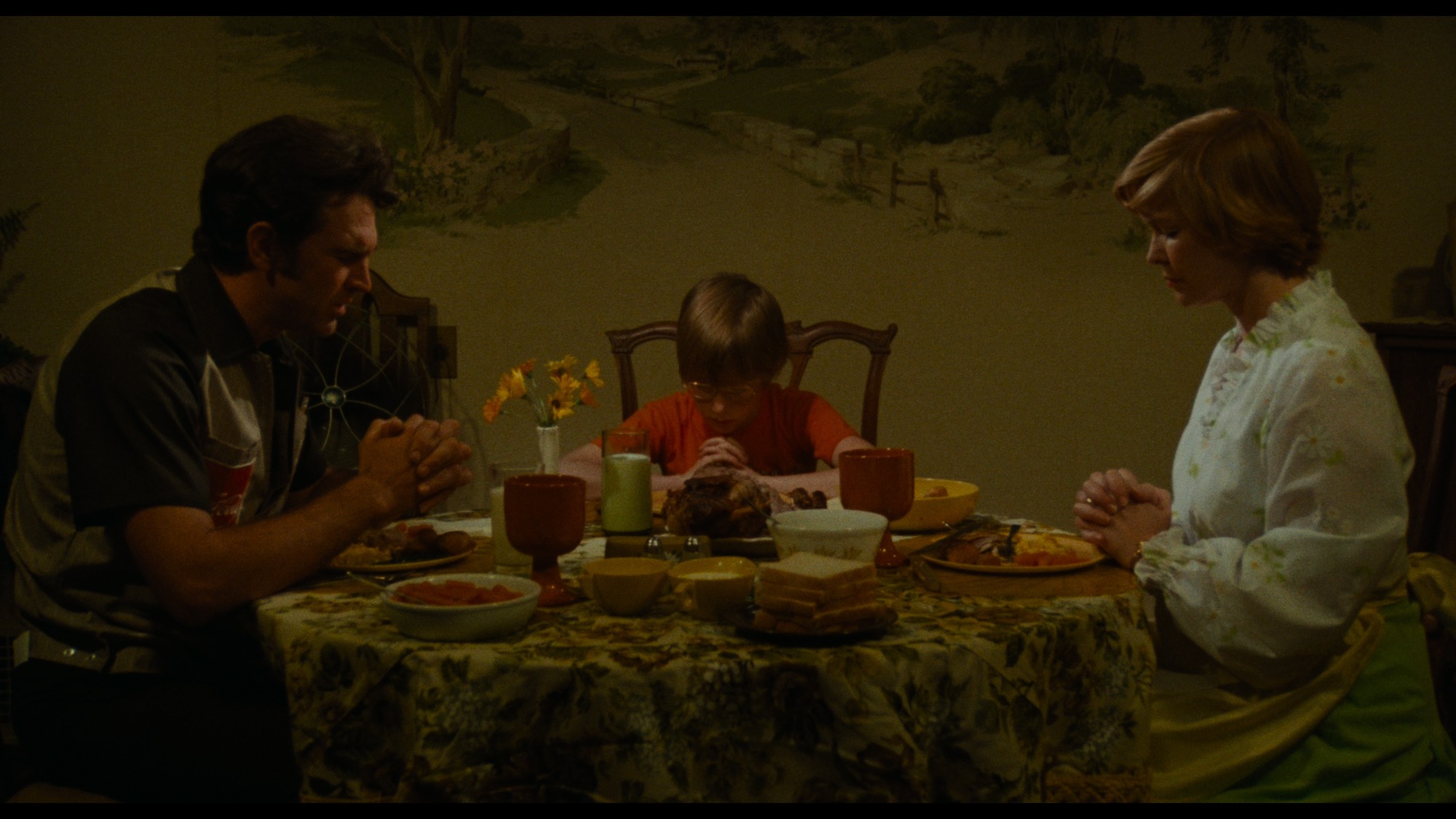
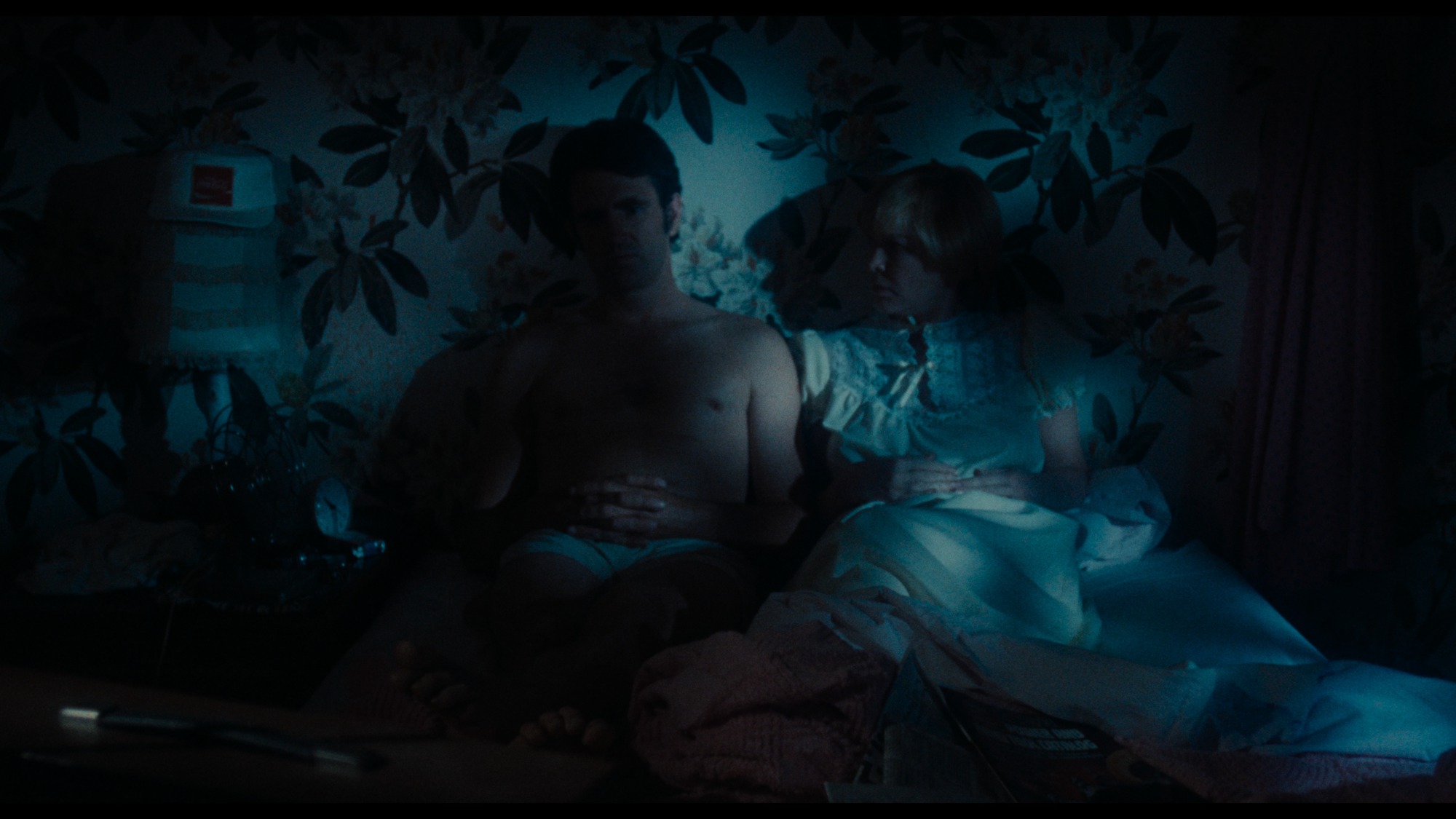
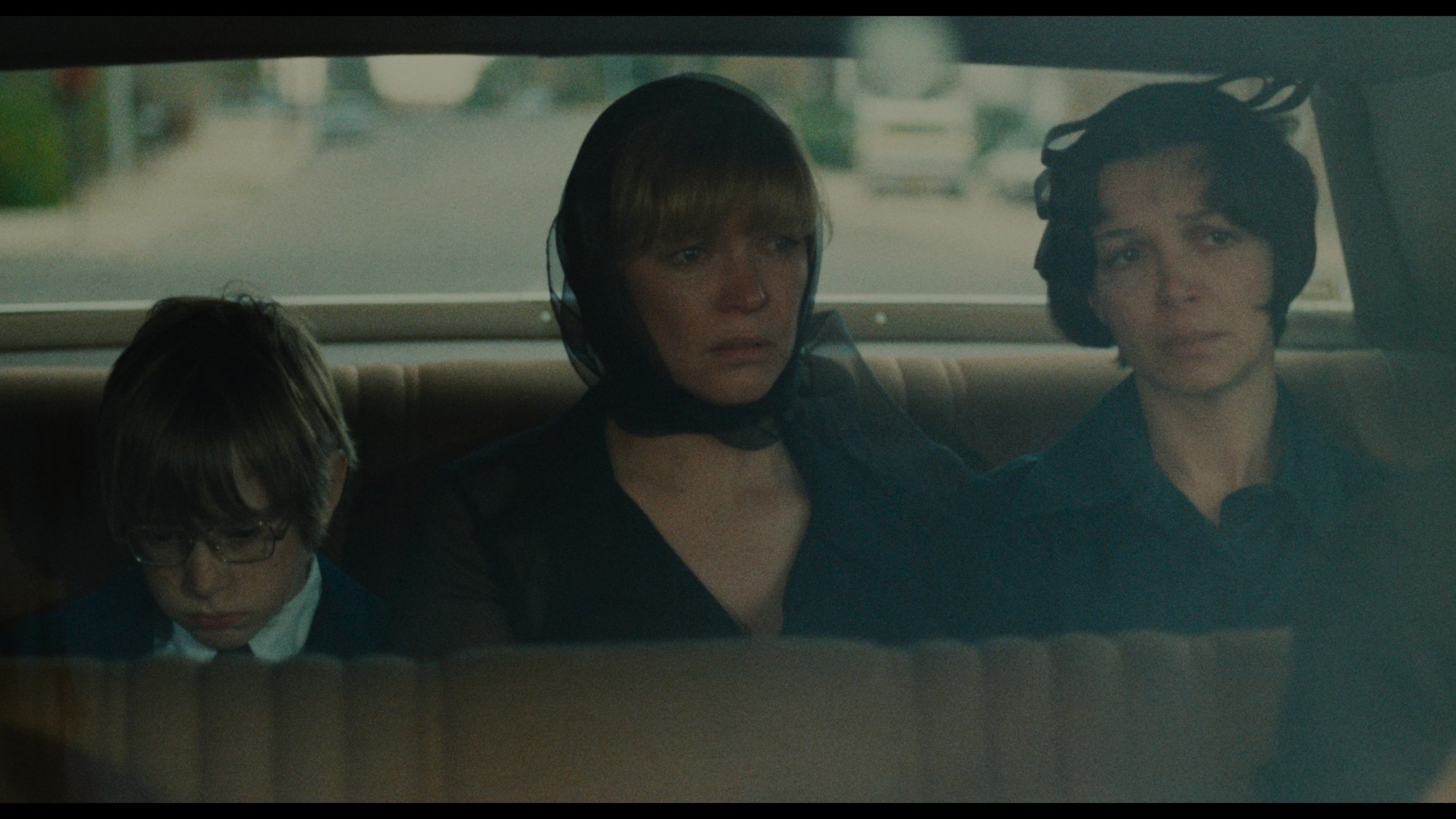
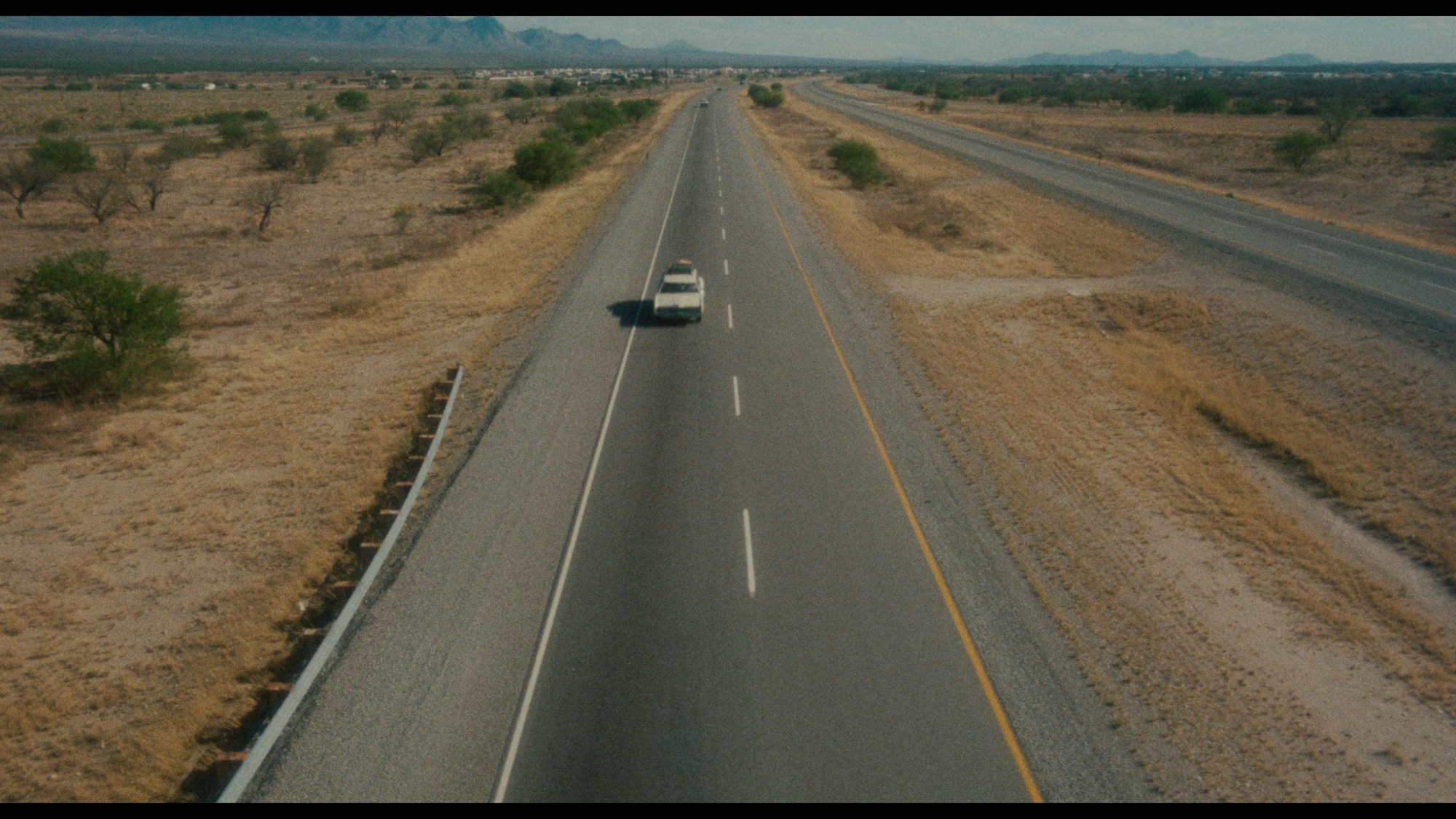
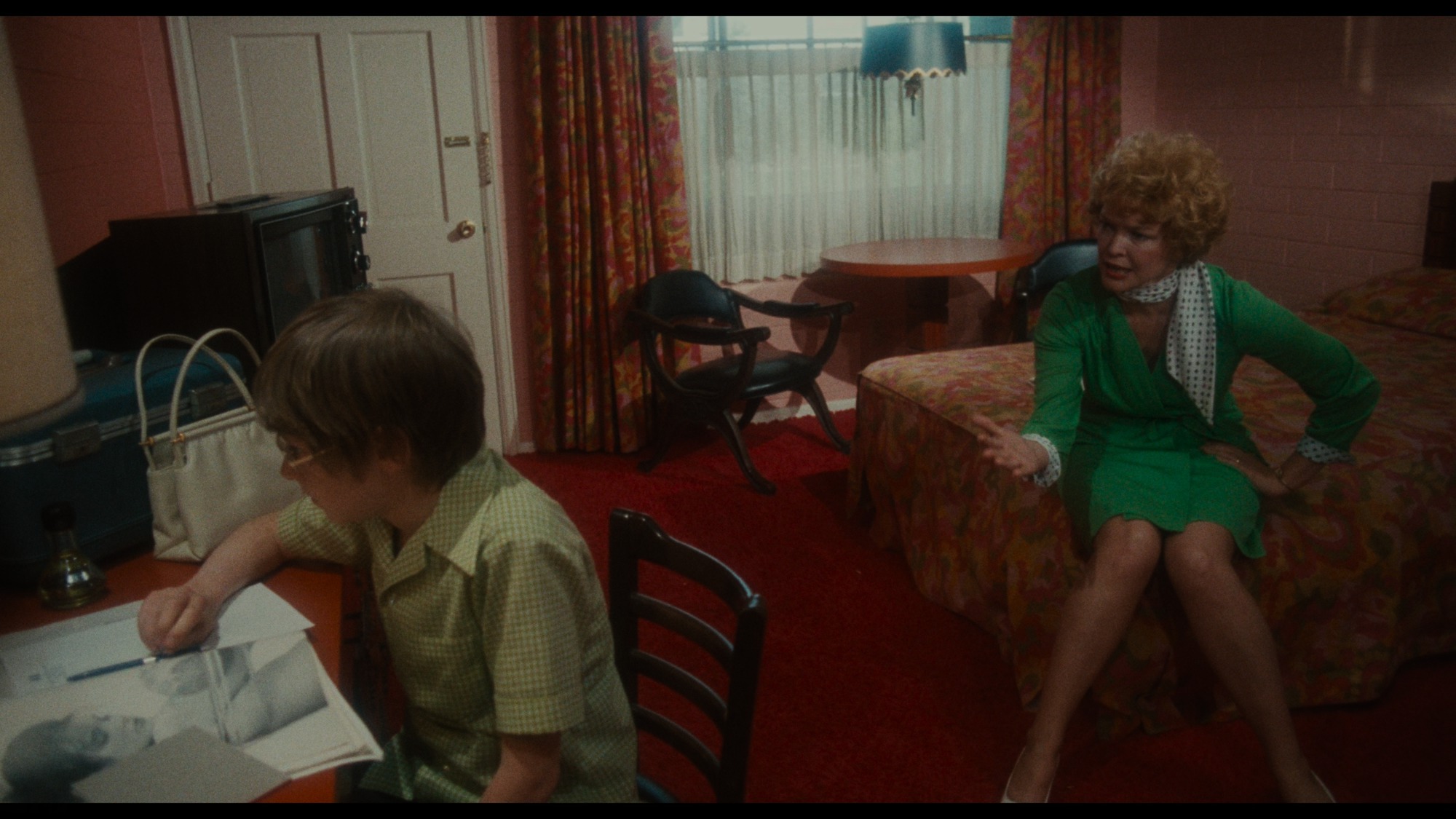
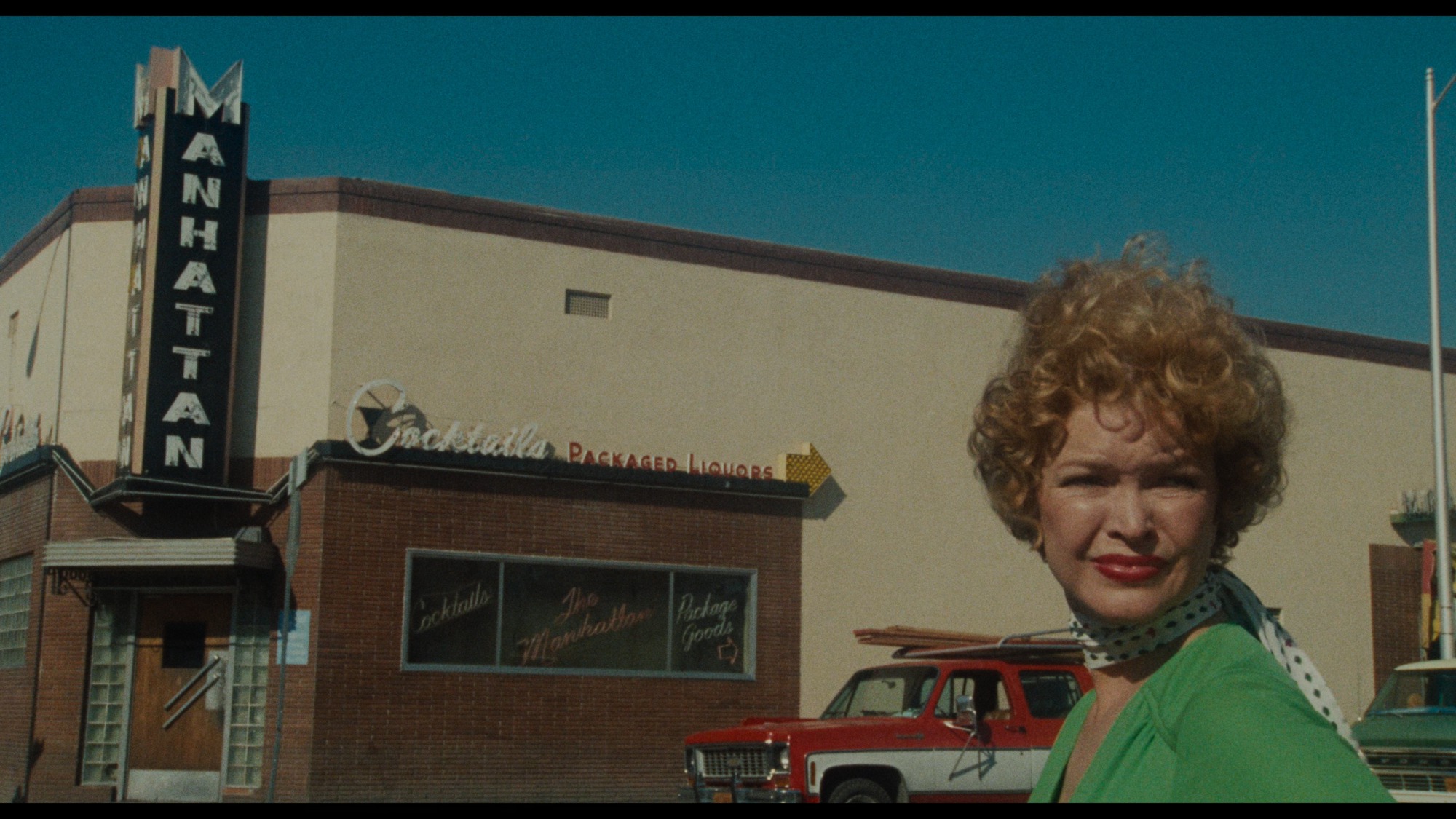
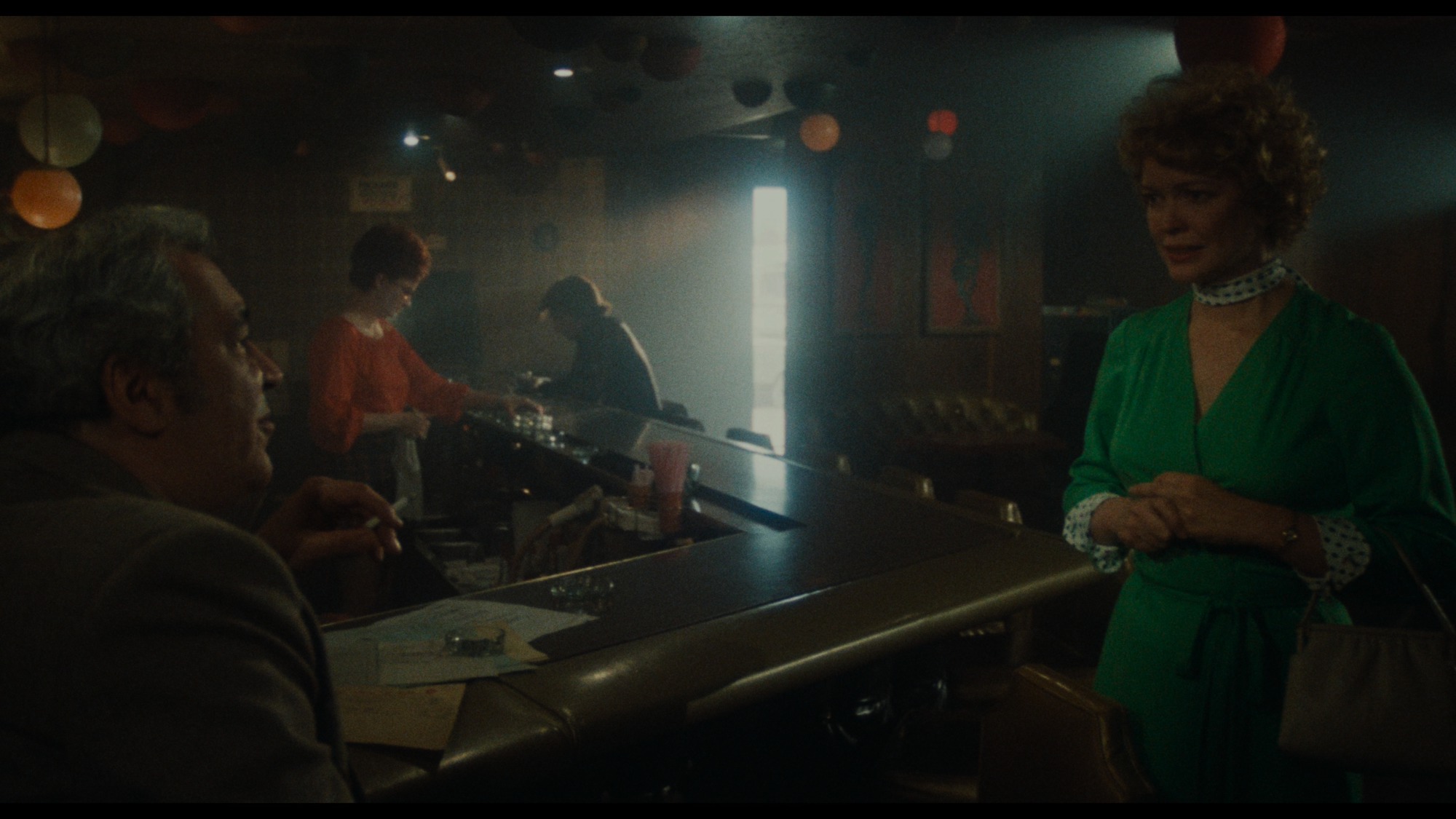
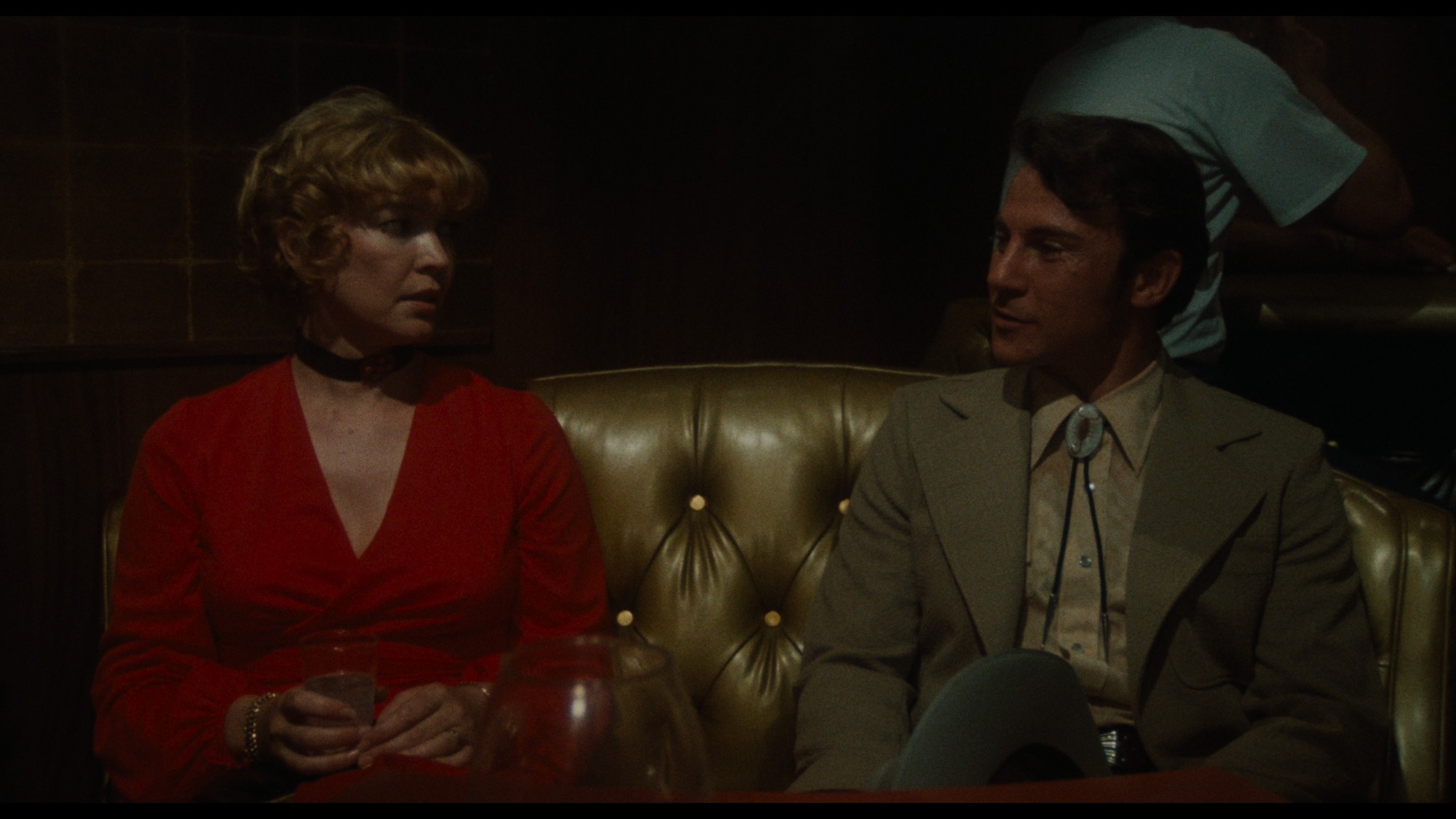
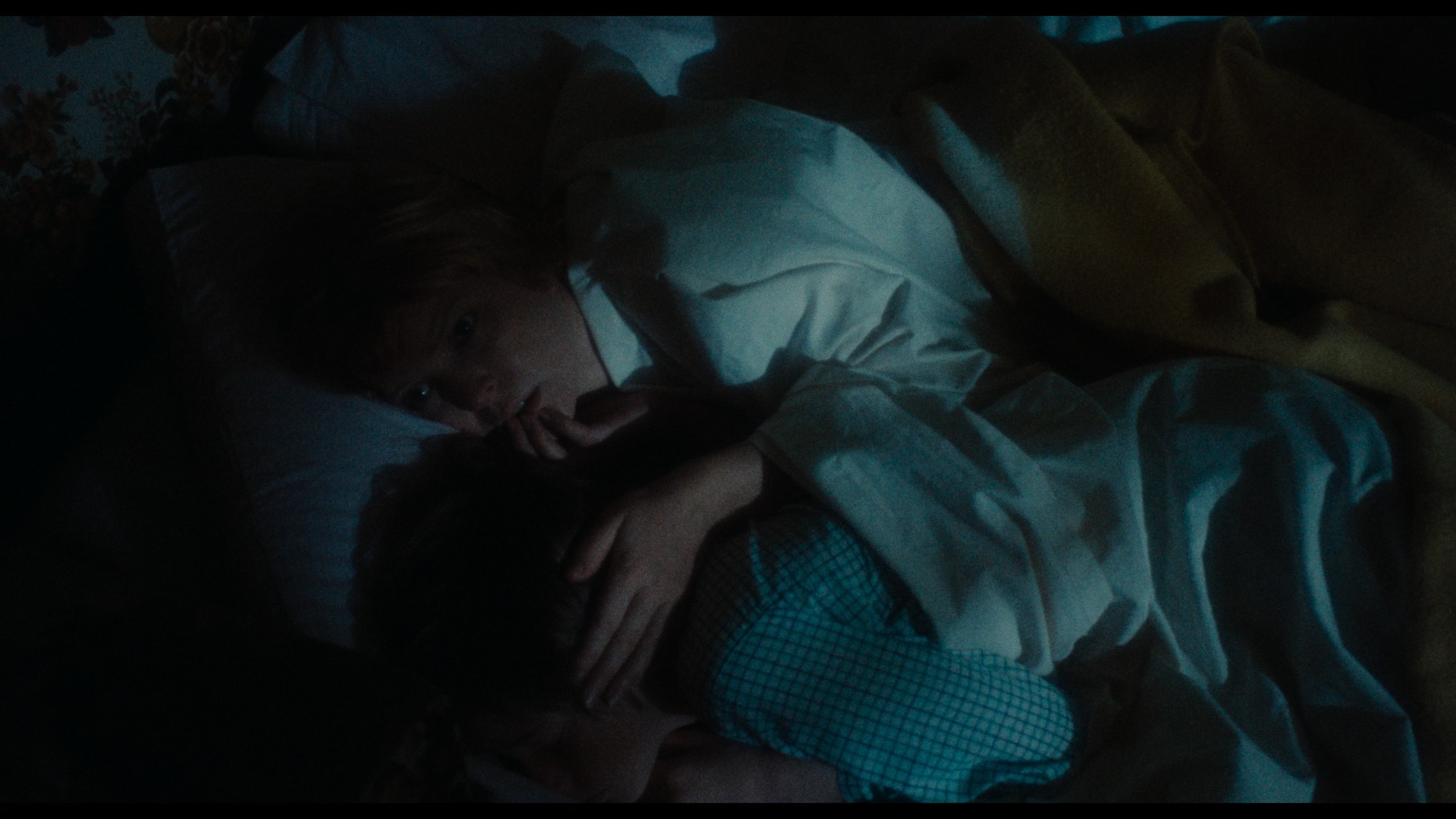
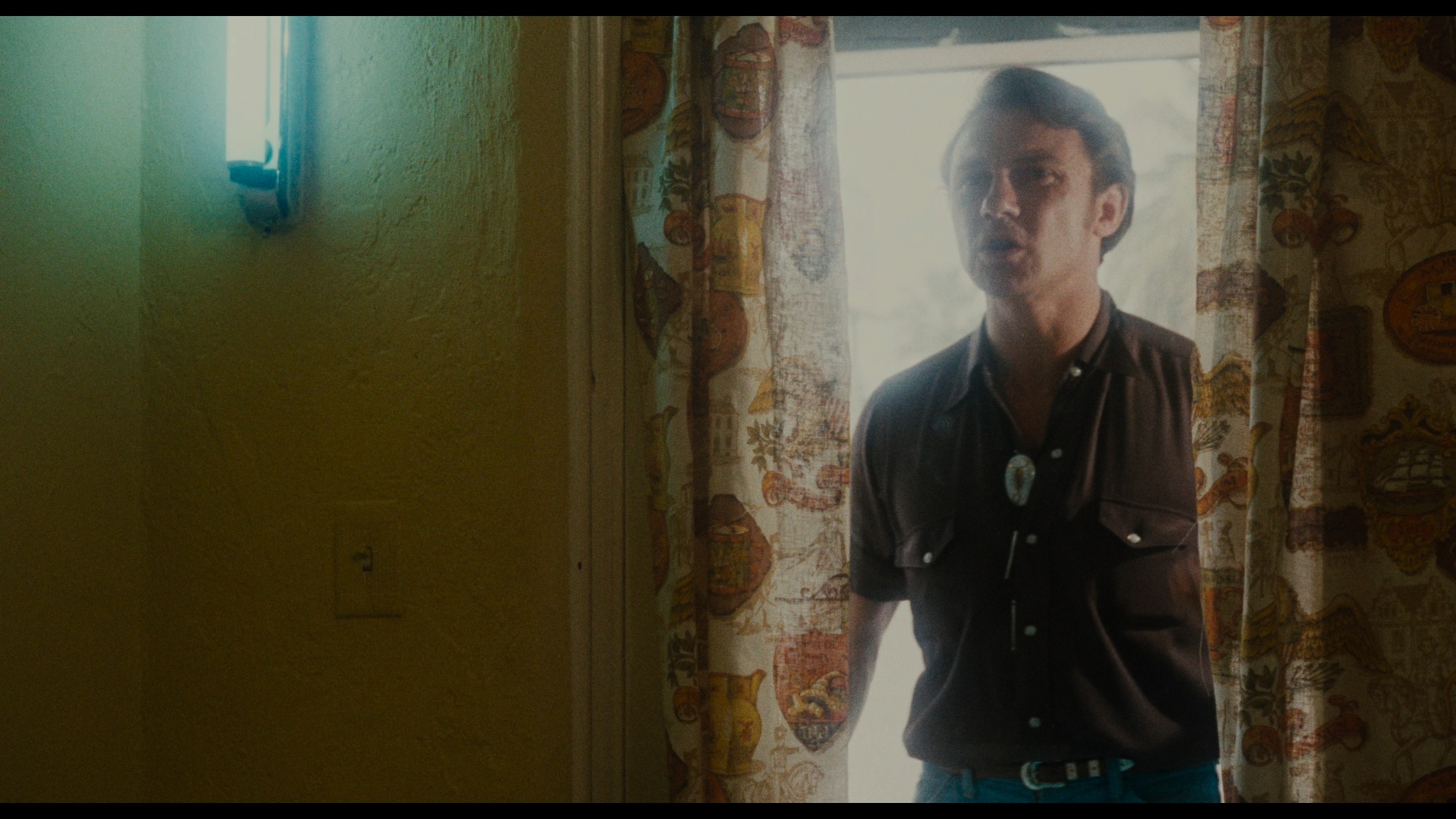
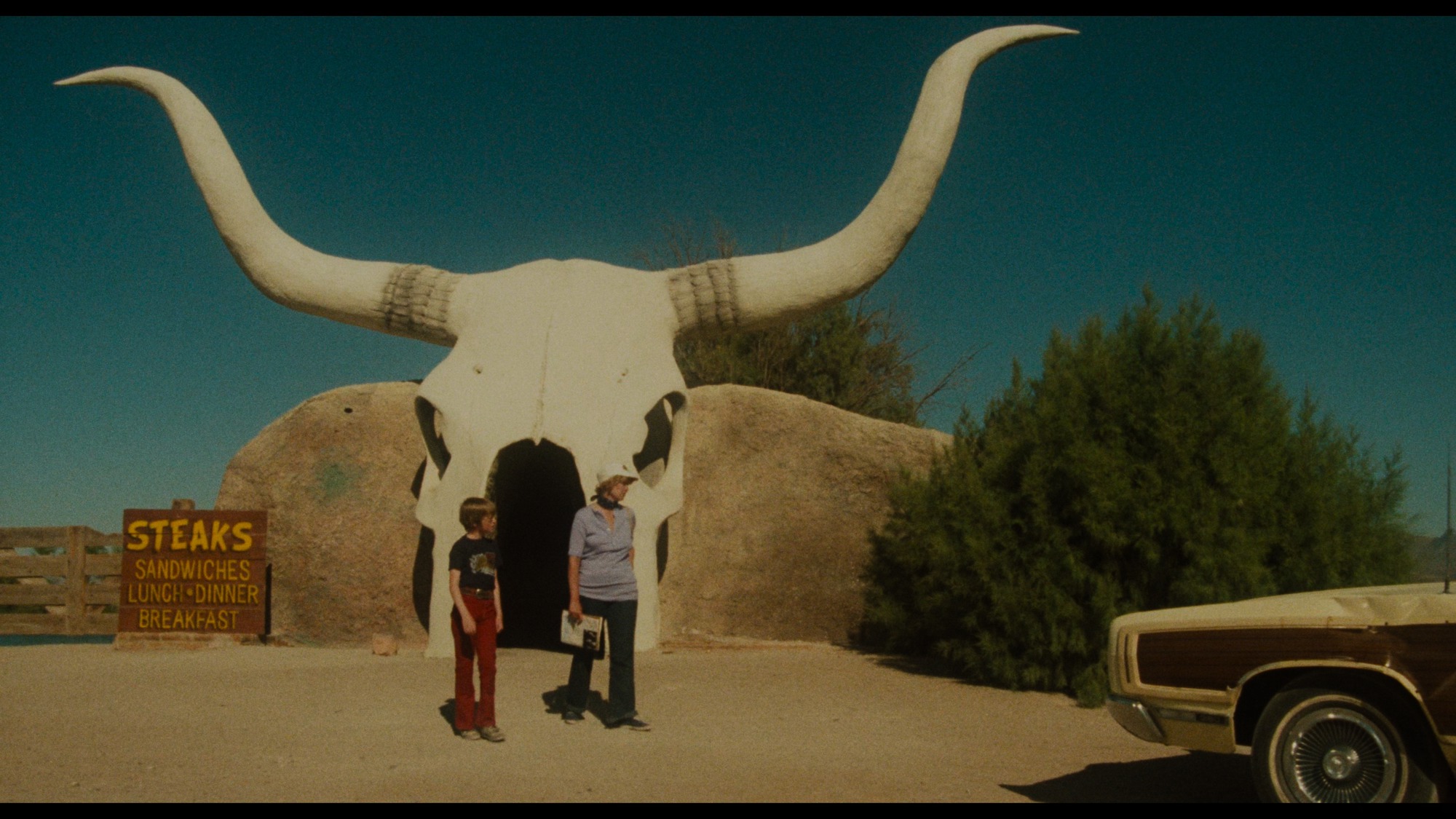
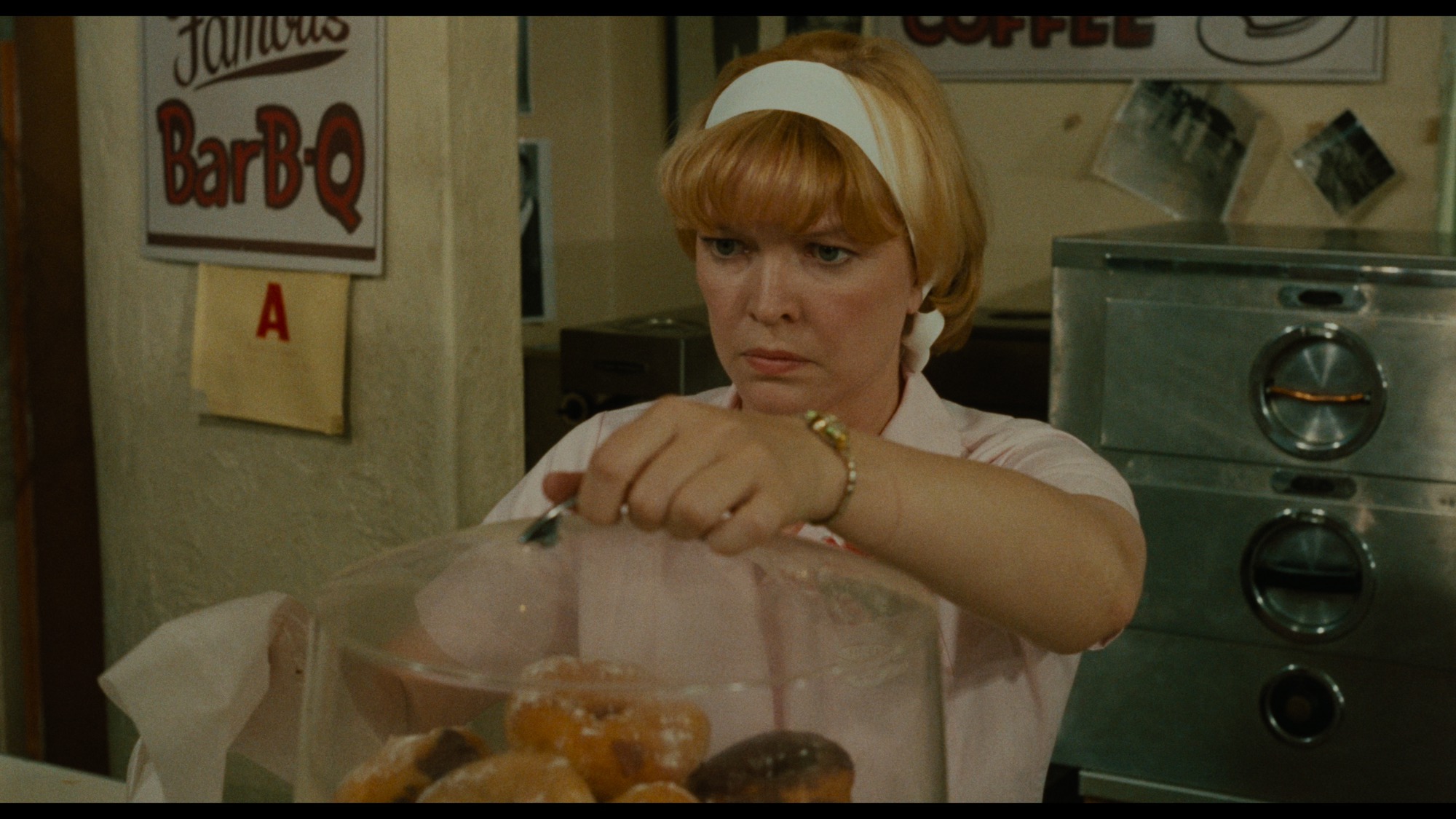
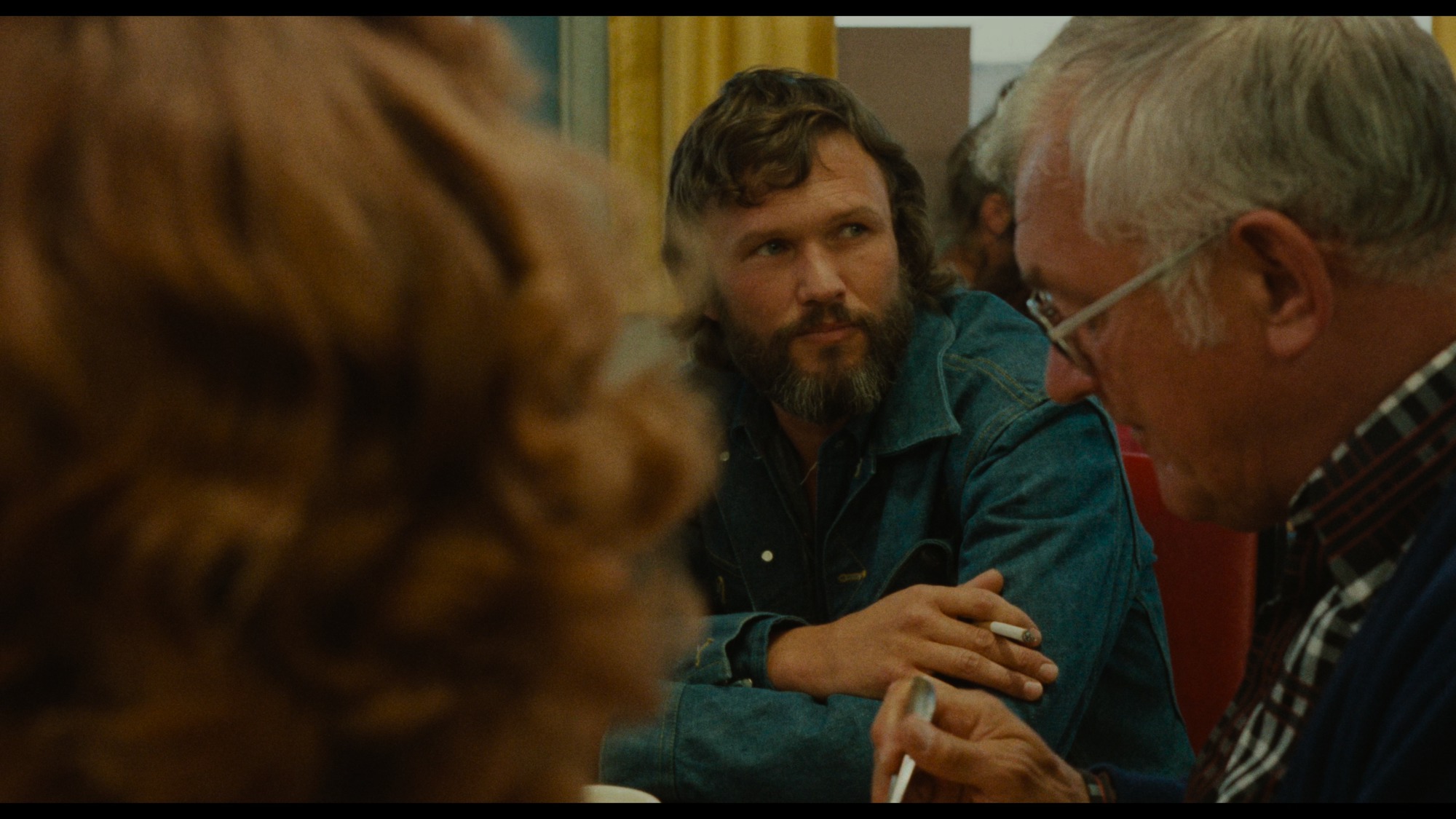
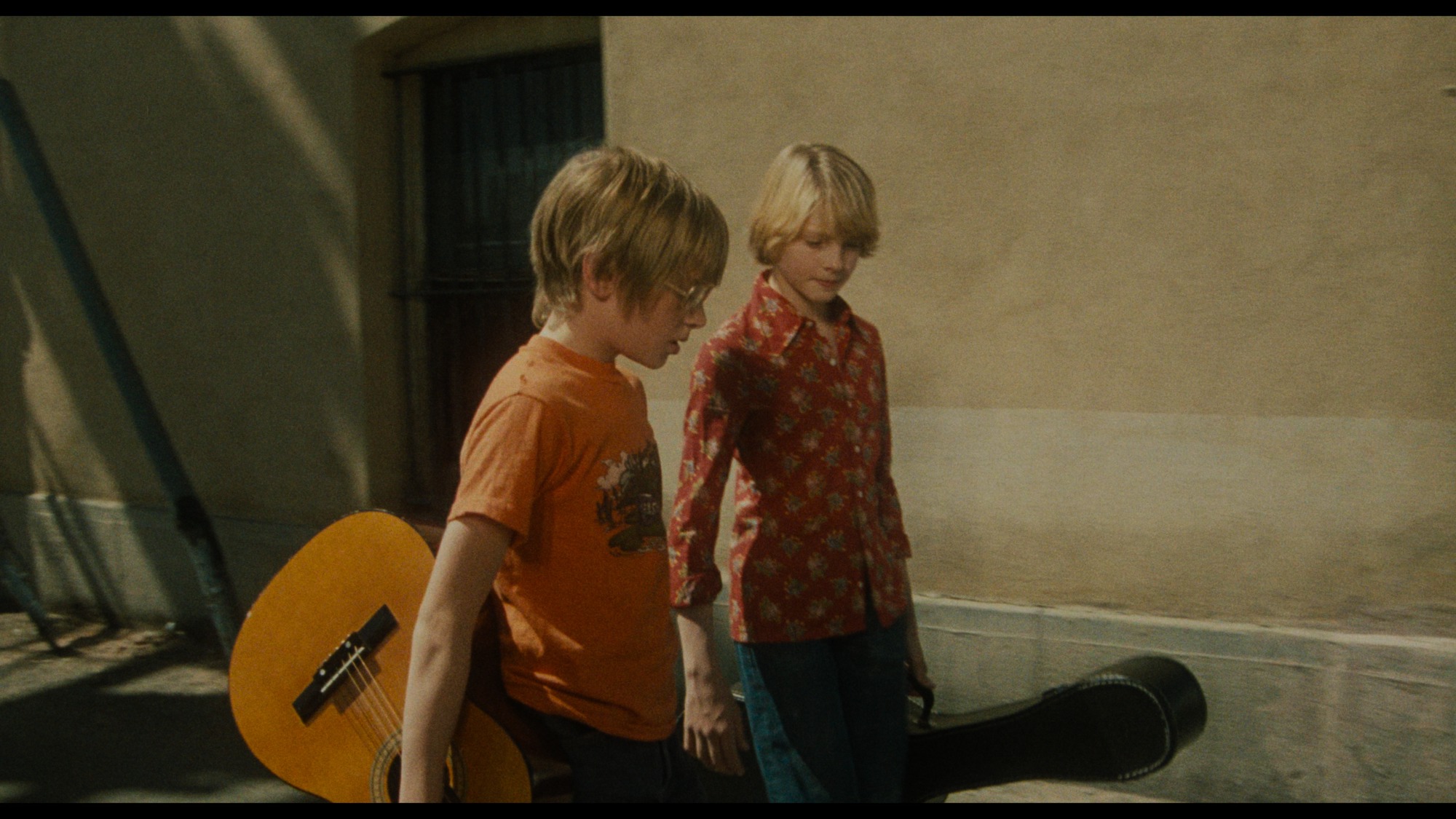
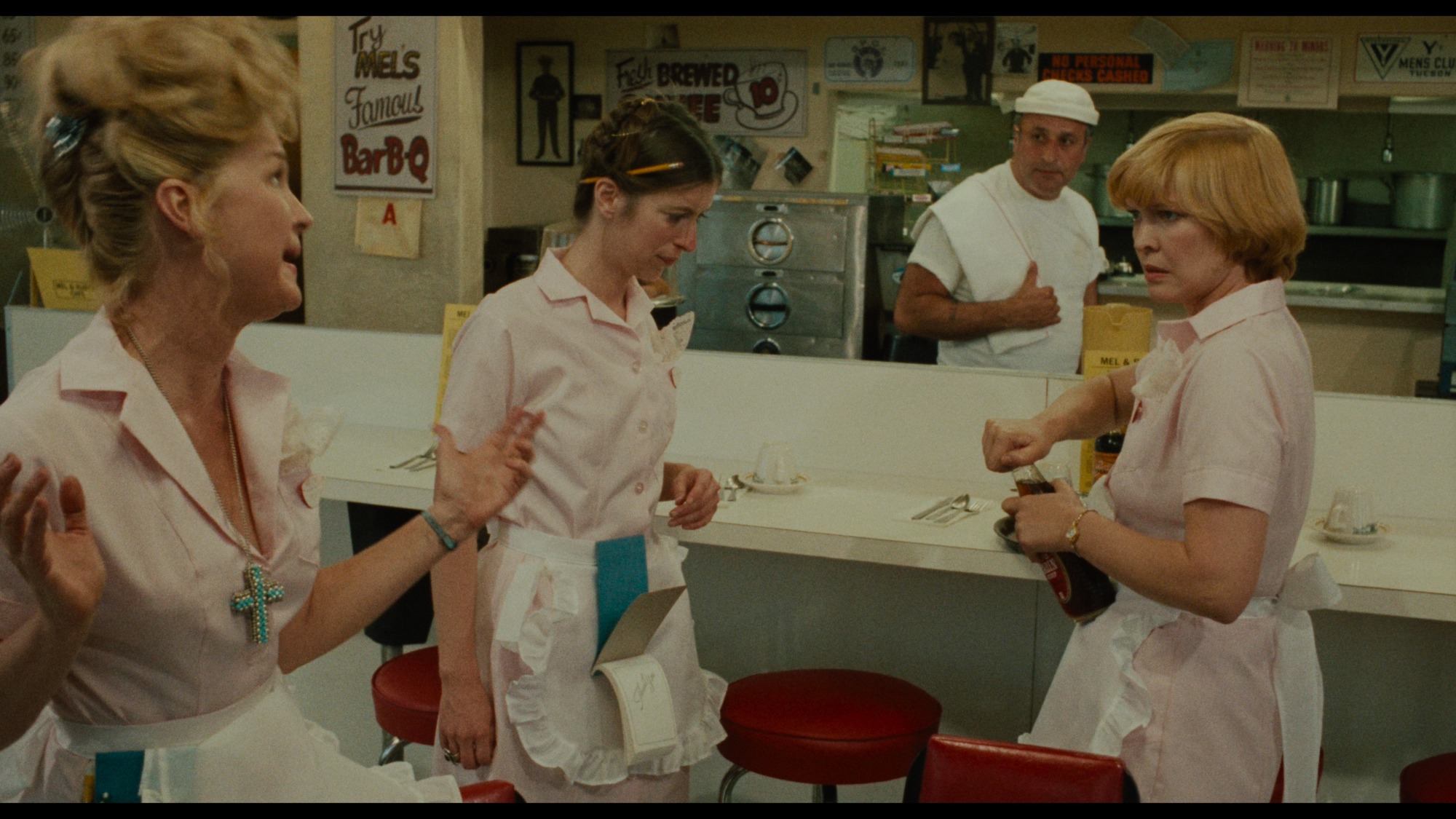
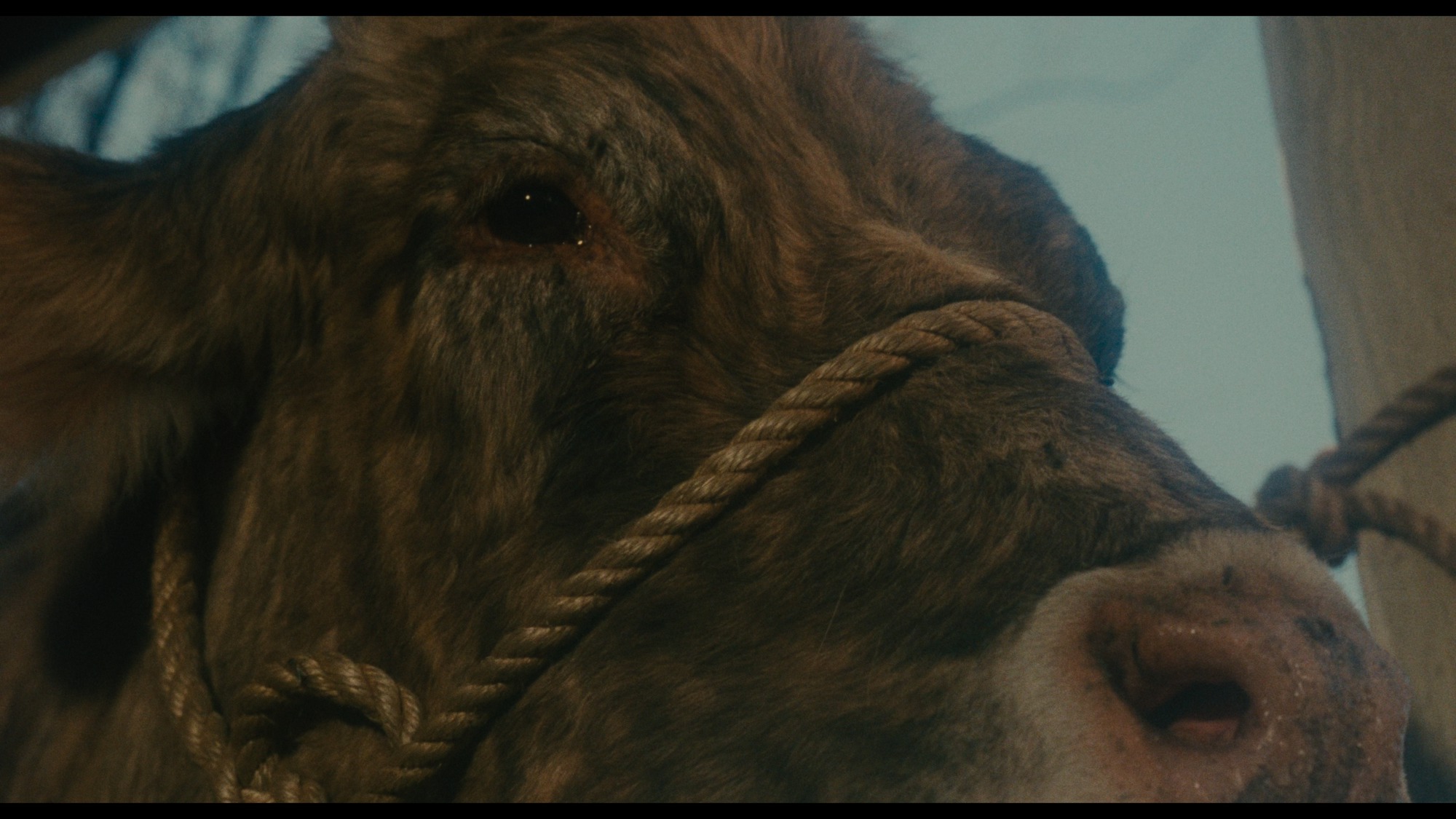
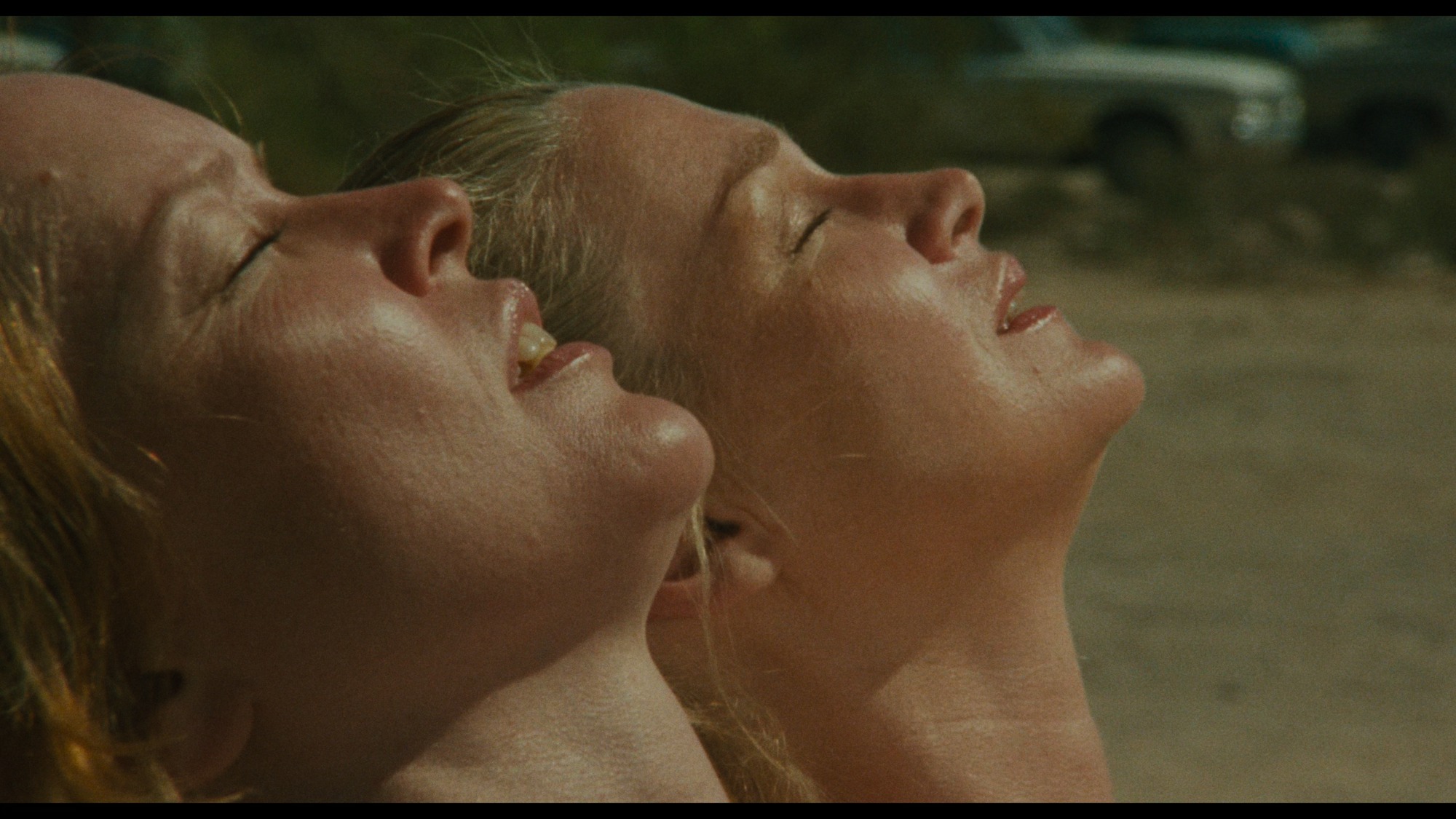
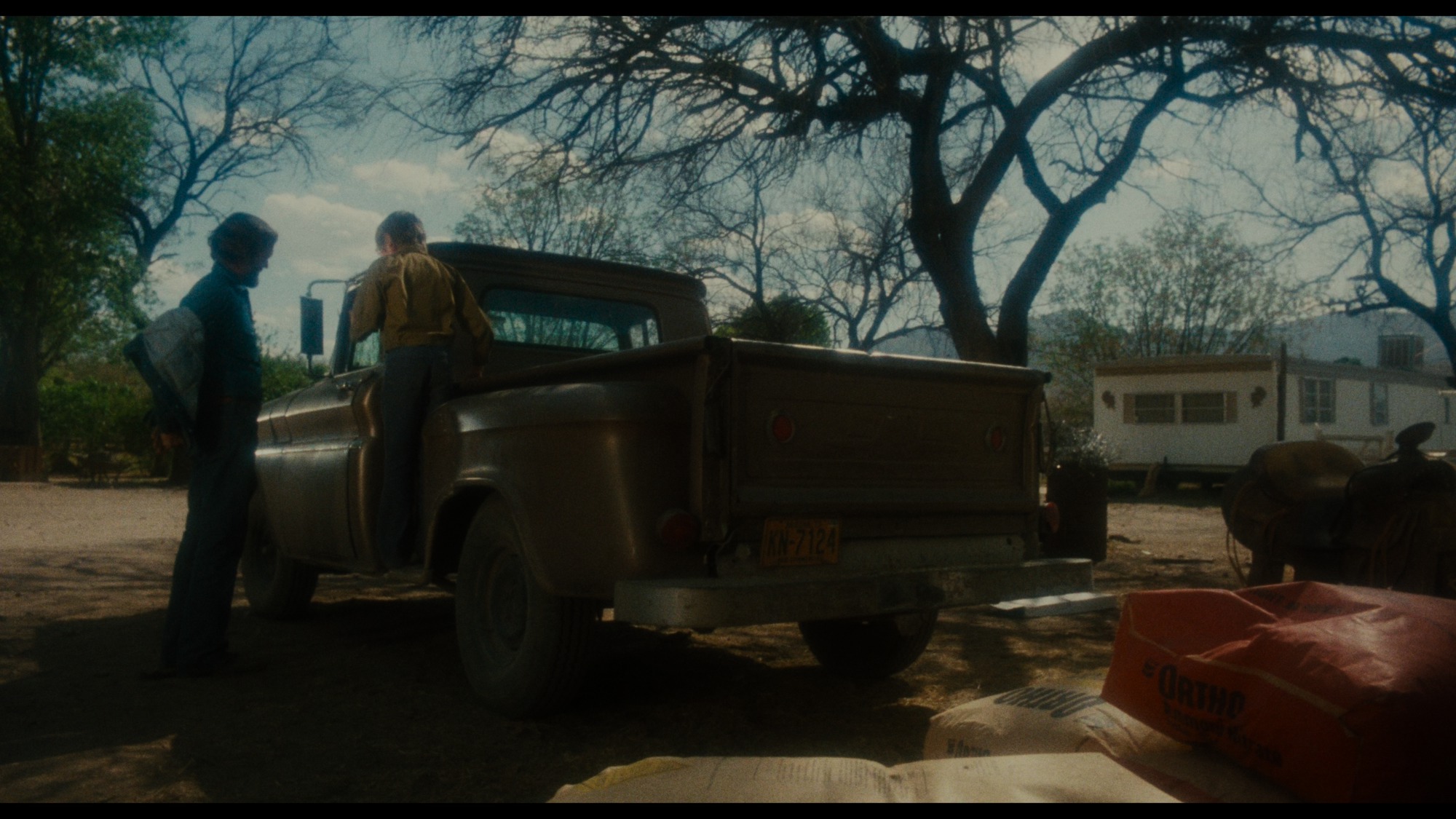
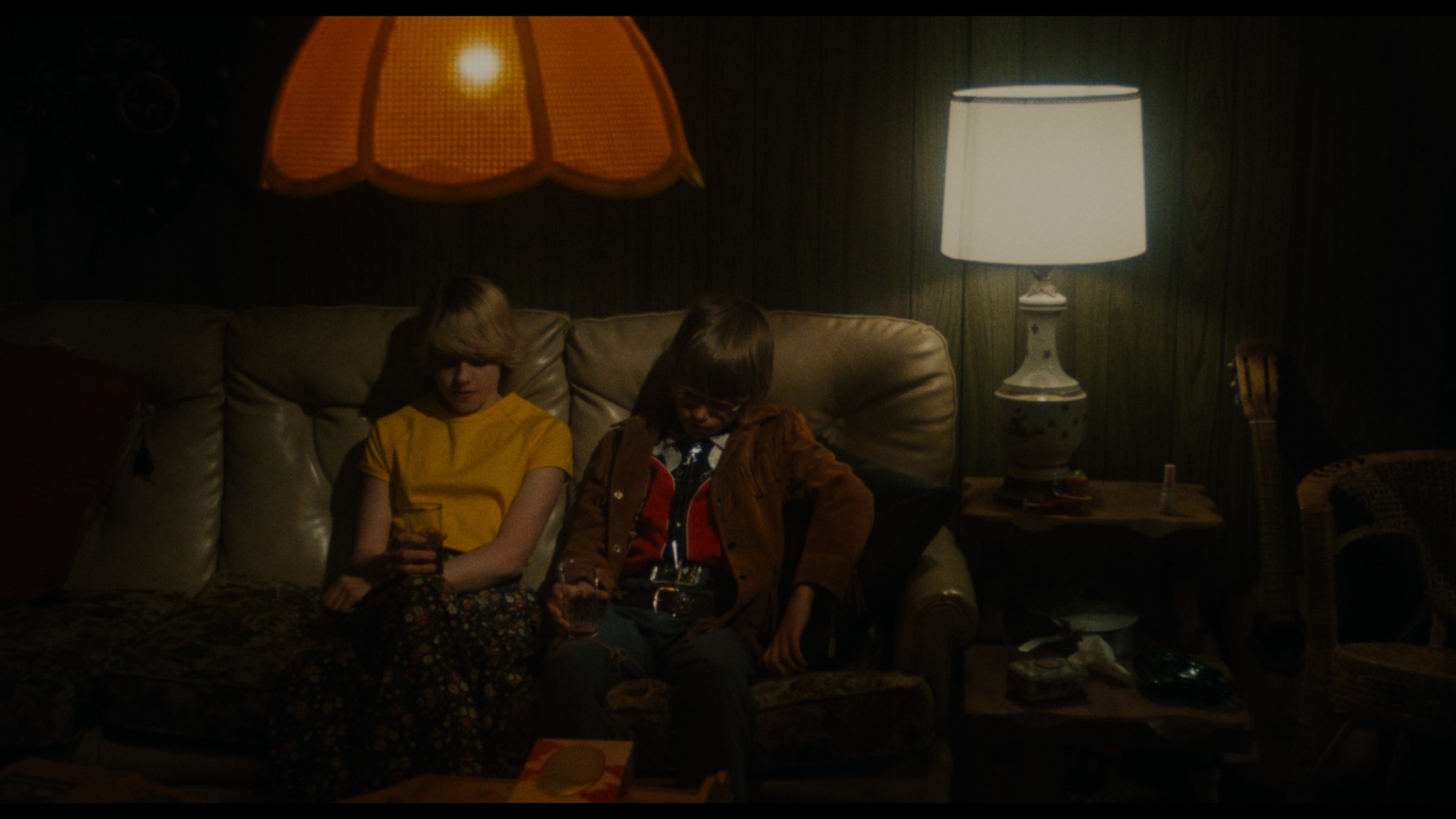
Warner’s previous DVD, as well as BFI’s UK edition, looked fine for what they were, held back by both the format and the dated master. This new presentation, by comparison, is near-pristine, bringing out razor-sharp detail and a gorgeous film-like texture that retains the look of the period. It’s a grittier image with fairly heavy grain, but Criterion’s encode is another terrific one from them, and more than up to the task. Grain looks clean and natural, with no noise or artifacts ever becoming evident, even in the highlights and darker areas. A couple of scenes featuring dimly lit, smoky interiors also hold up beautifully, a drastic improvement over the muddier DVD presentation. On top of that, shadows look nice and deep, with strong detail still visible within them.
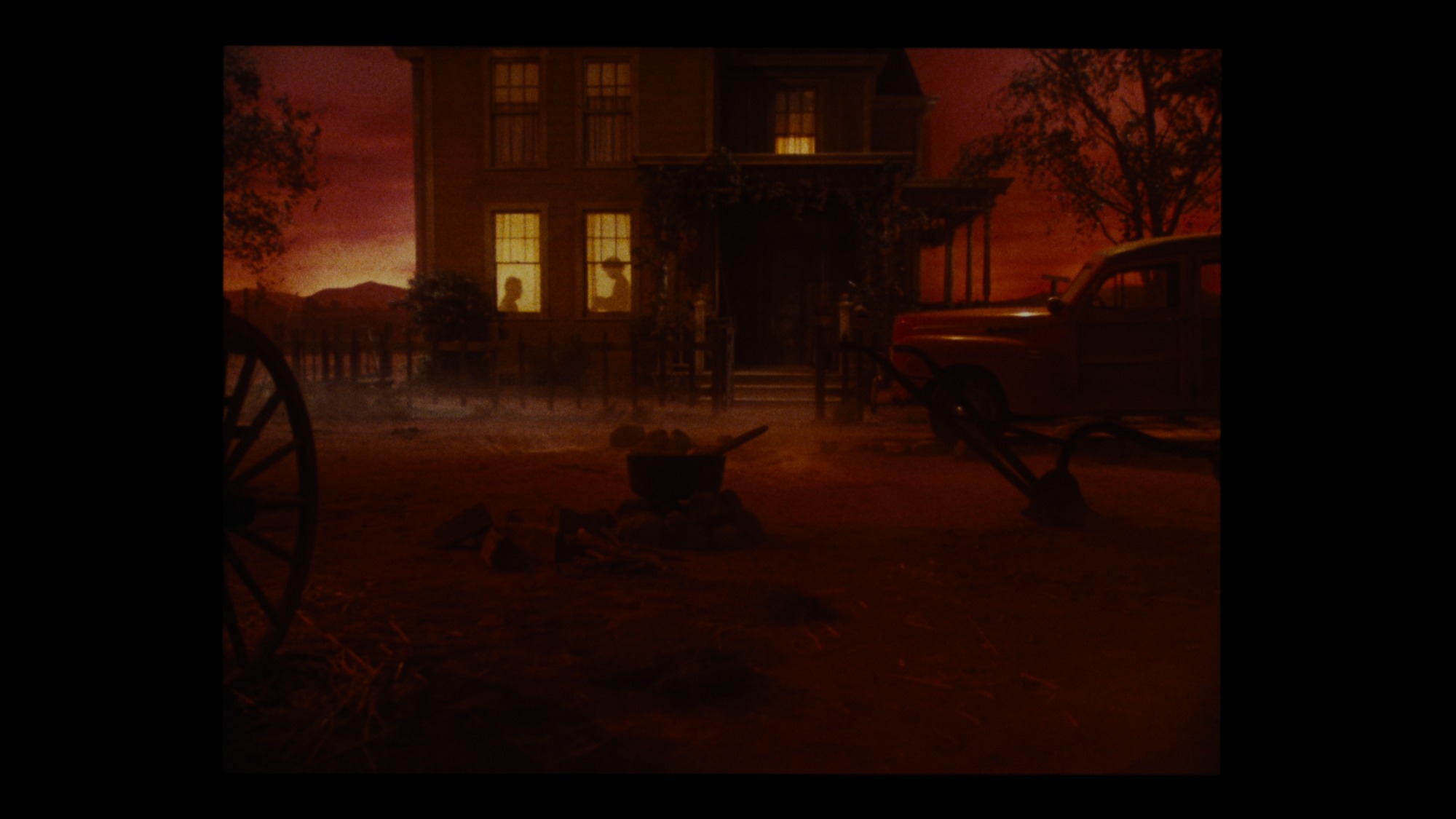
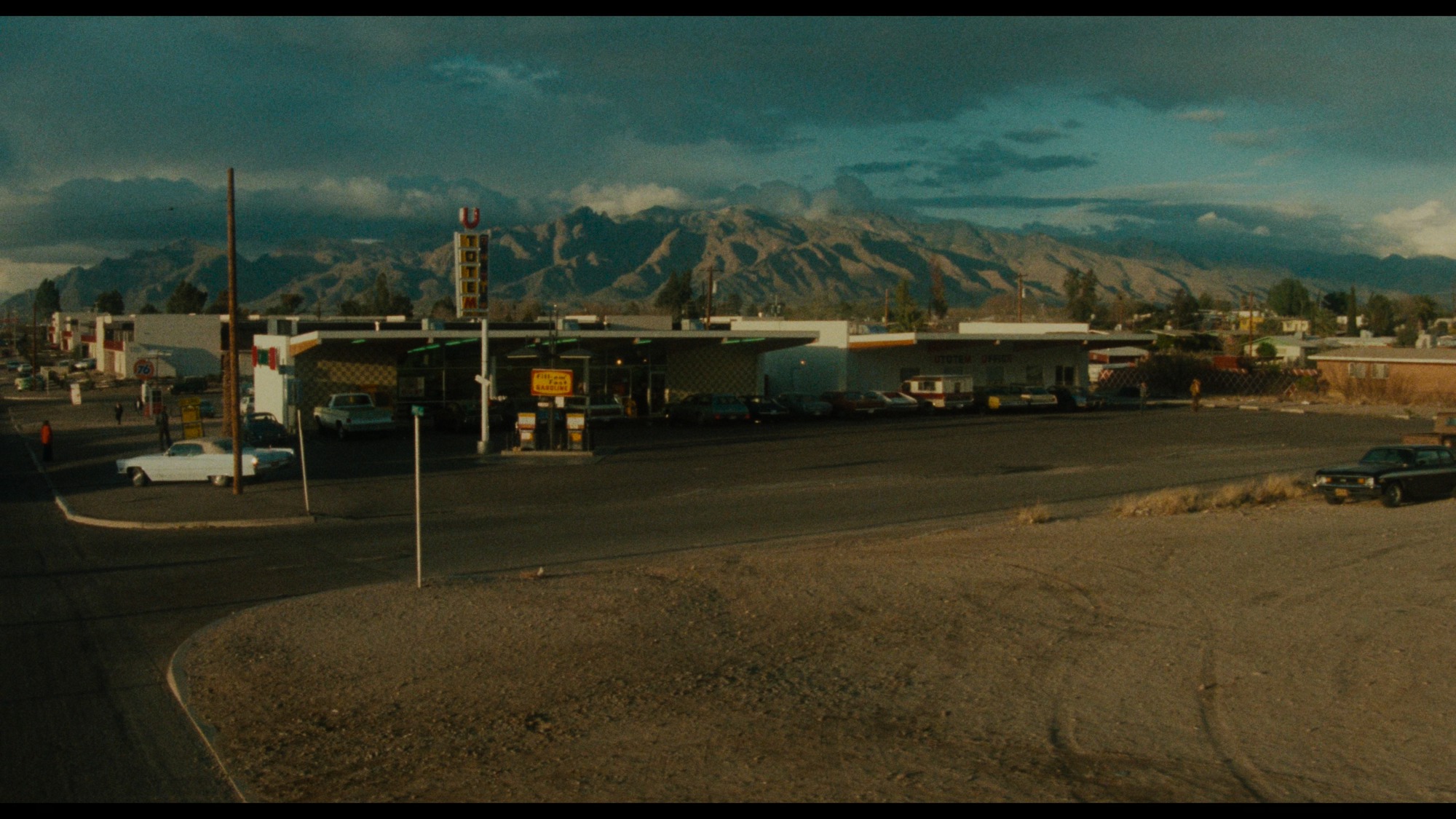
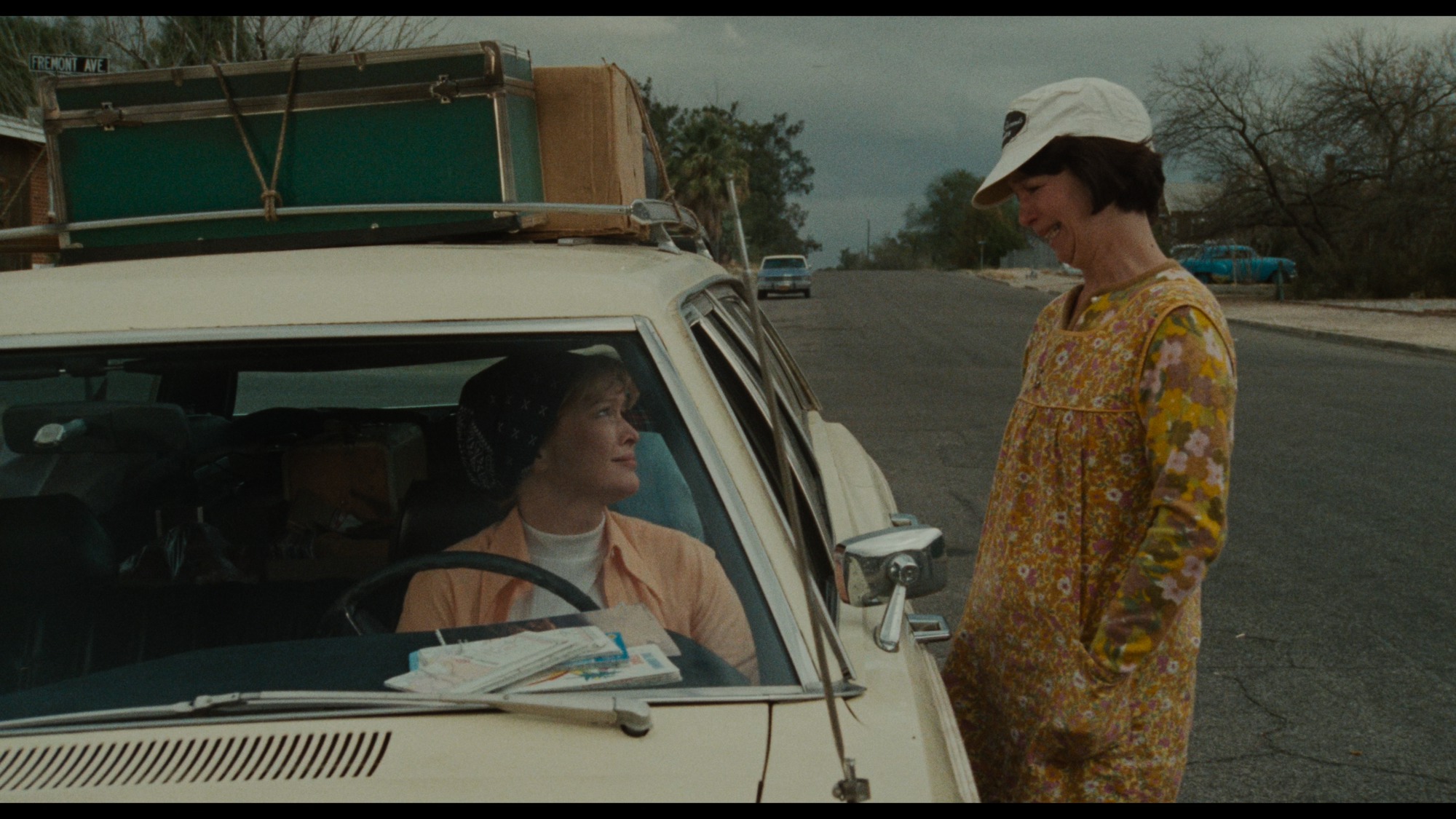
I was also far happier with the color grading here, though I’ve come across the usual criticisms about it being too teal, and I really don’t see it. Yes, the colors look different from the DVD, but they ultimately come off warmer and lean far less toward the magenta of the old presentation. Skies actually look blue here instead of pushing violet, while whites look less pinkish. The colors again (like many 4K restorations and presentations of late) feel far more like something produced through the photochemical process than something tinkered with for a home video master intended for CRT televisions, and the presentation is all the better for it. HDR/Dolby Vision also helps with here with colors, black levels, and highlights, with the clouds showing a nice pop in some landscape shots. I was also quite fond of the stagey studio opening, drenched in orange and red, which looks particularly brilliant here. Even the colors in the opening credits look wonderful.
The restoration work has also done a commendable job of cleaning up just about everything, with the marks previously visible in the old master now gone. Outside of the clearly dated elements of the film itself, this really looks like something that could have been made recently. It comes off far more vibrant and lively, almost like it's been freshly struck. It’s a really gorgeous presentation and a substantial upgrade over the previous editions.
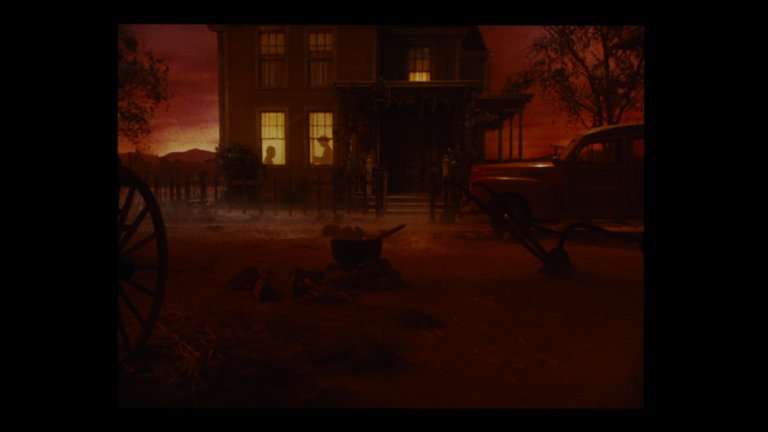
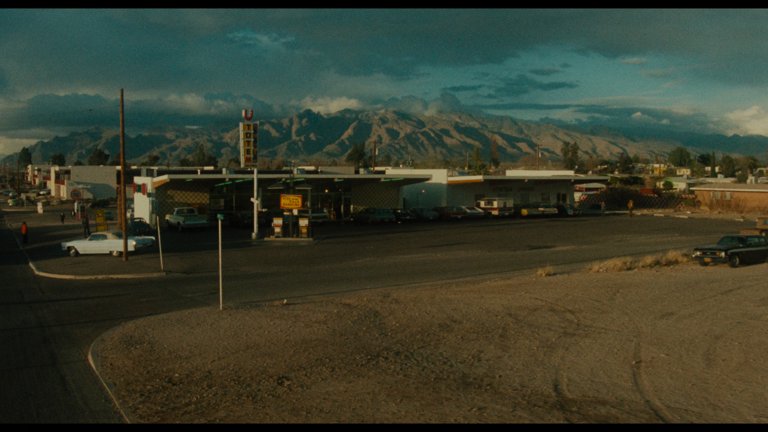
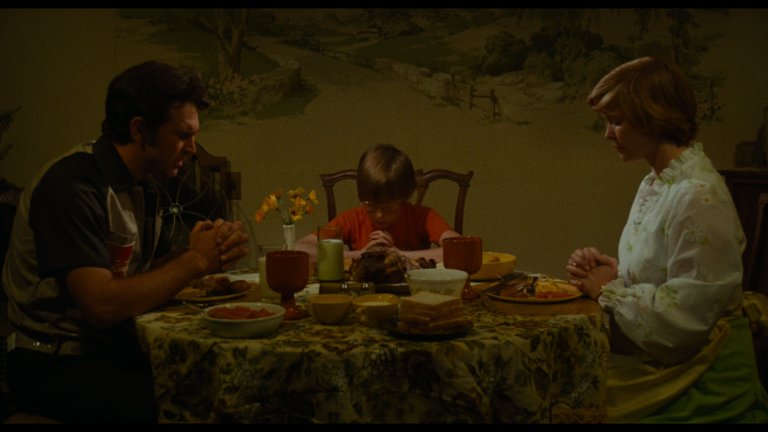
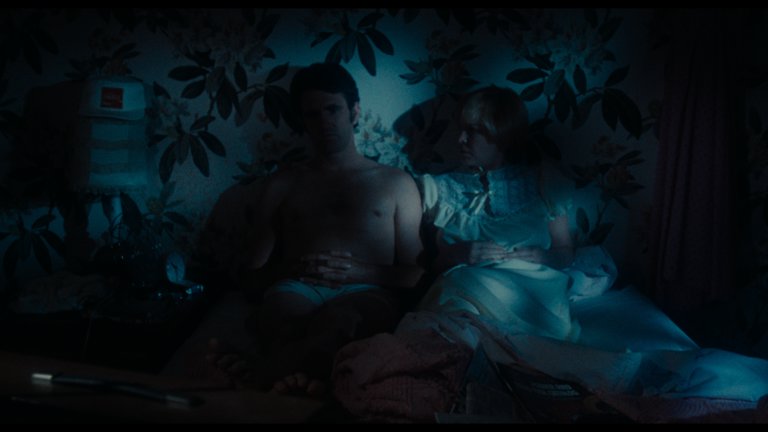
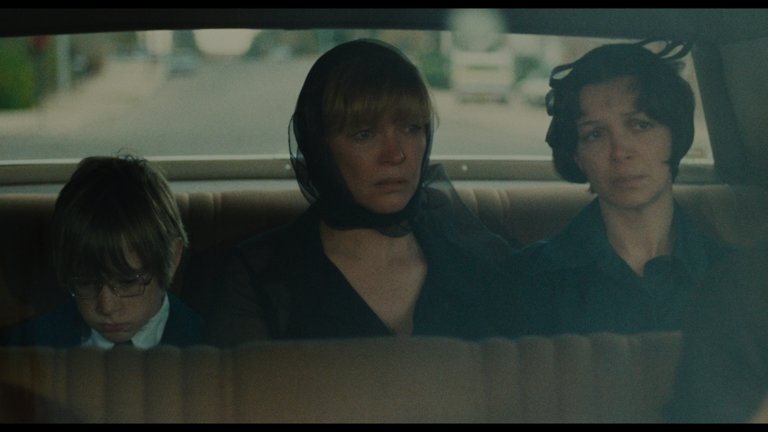
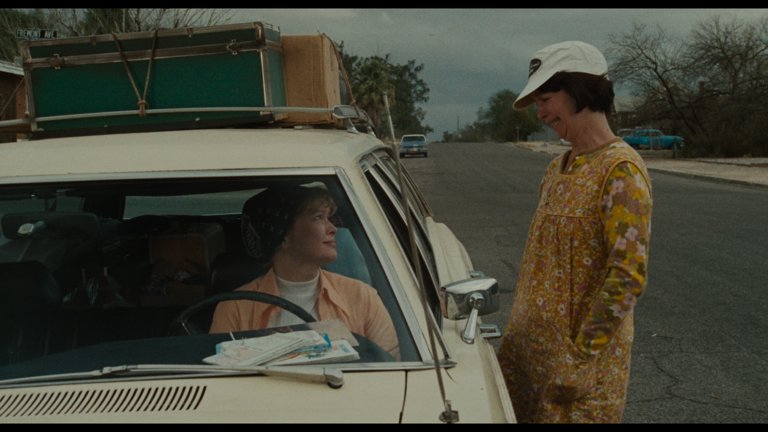
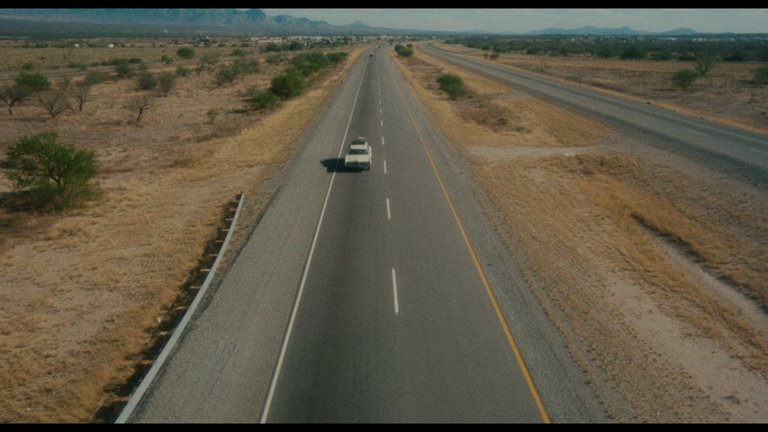
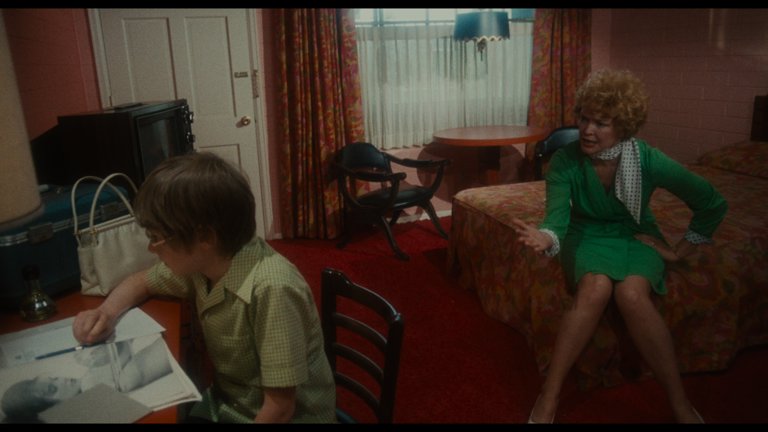
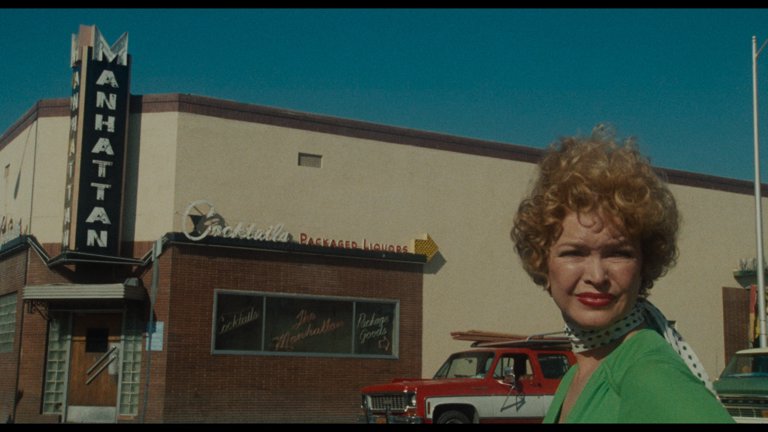
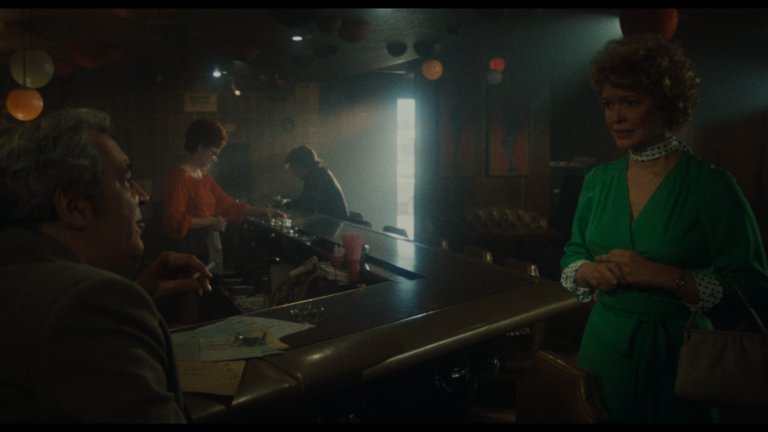
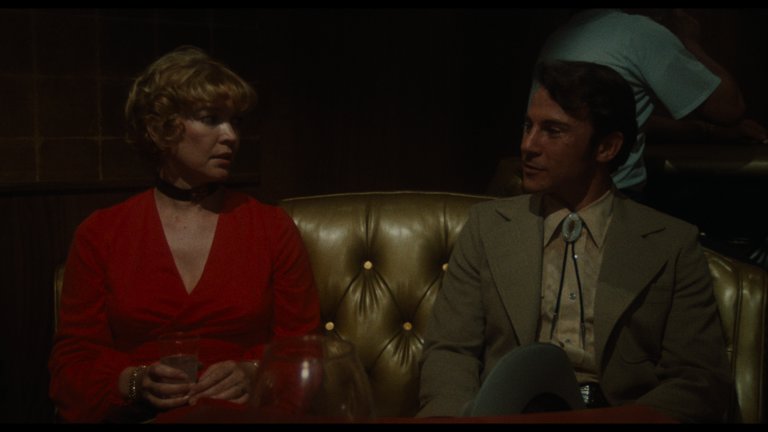
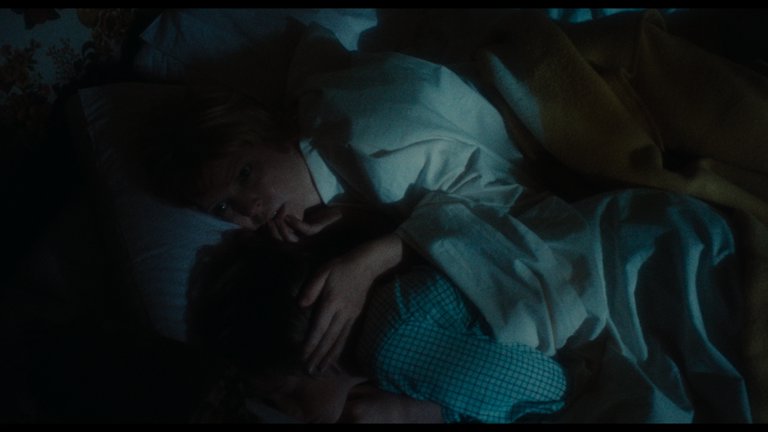
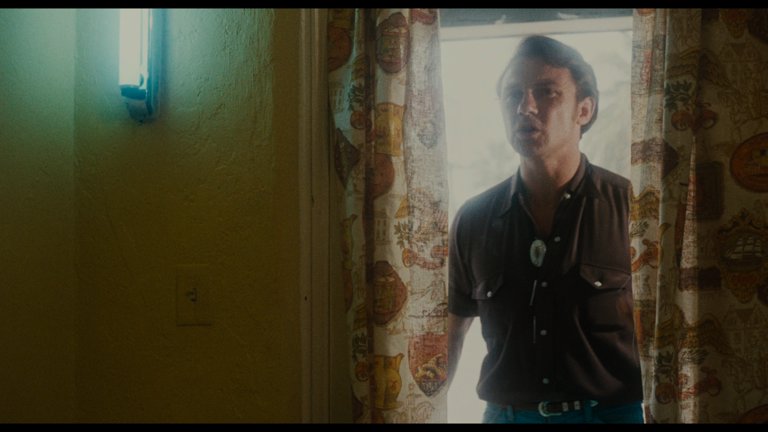
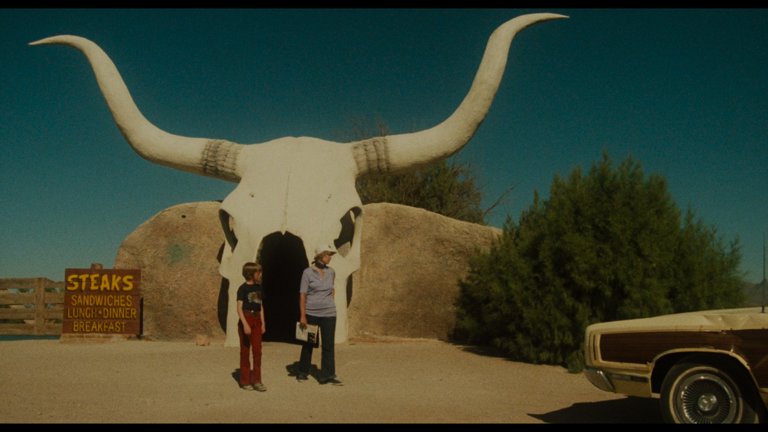
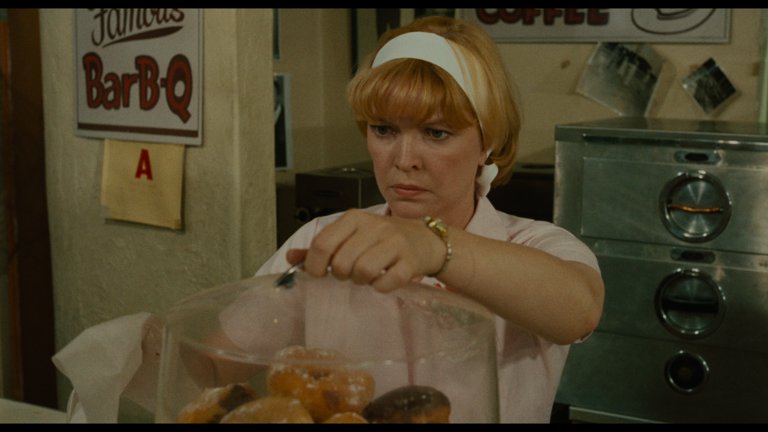
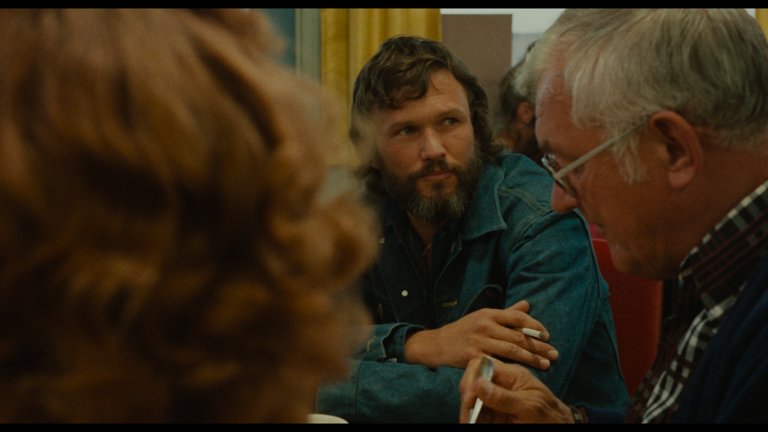
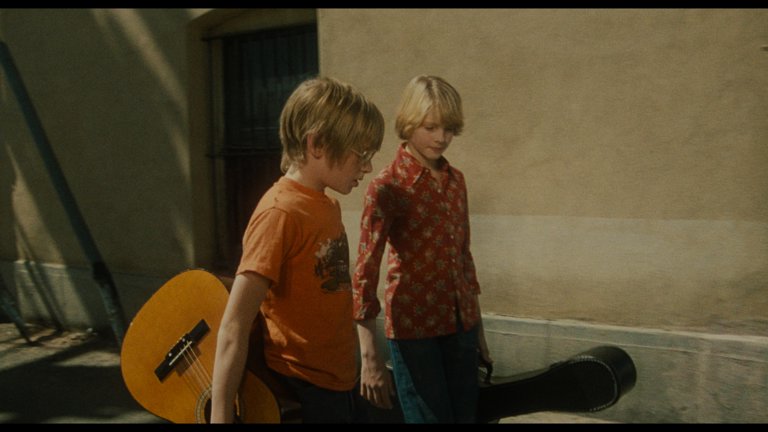
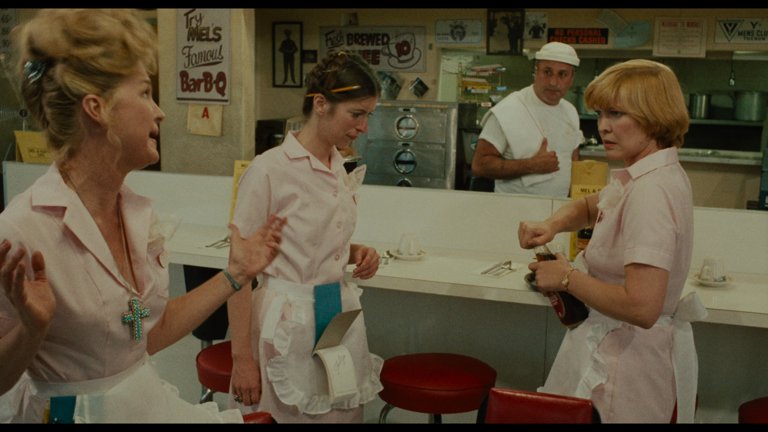
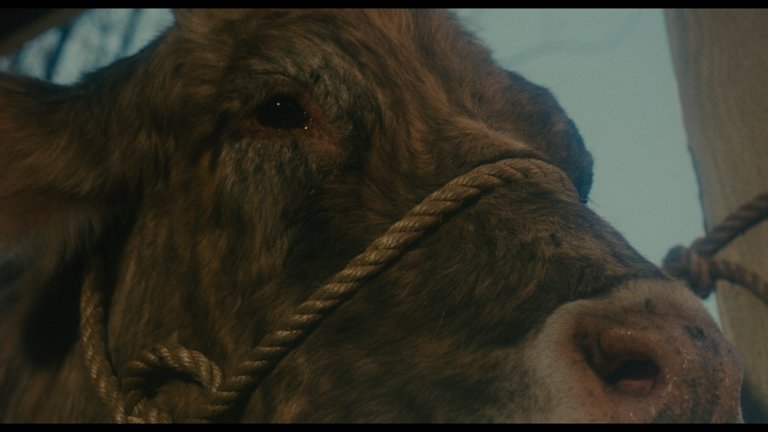
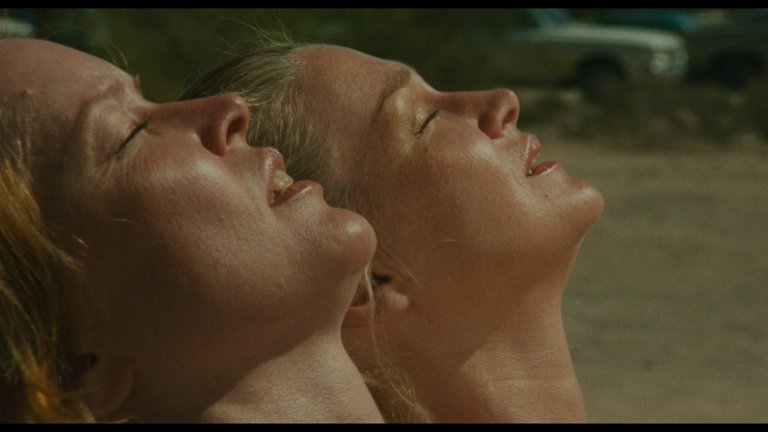
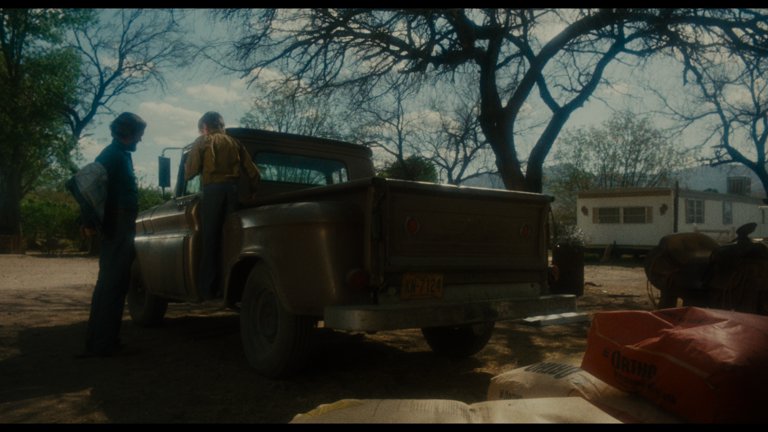
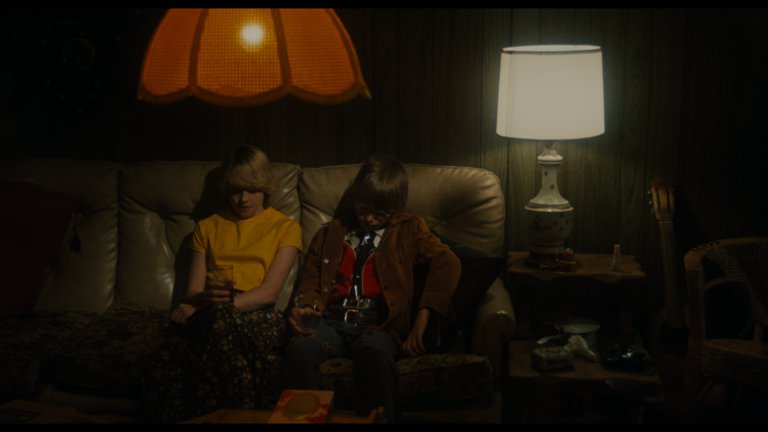
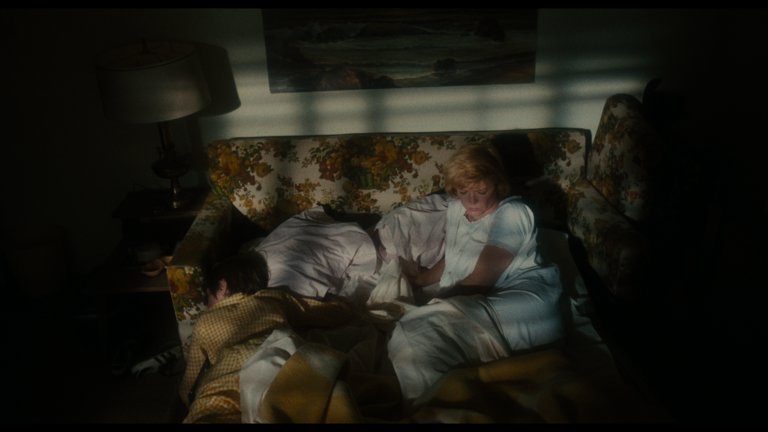
Alice Doesn't Live Here Anymore - Screen Captures
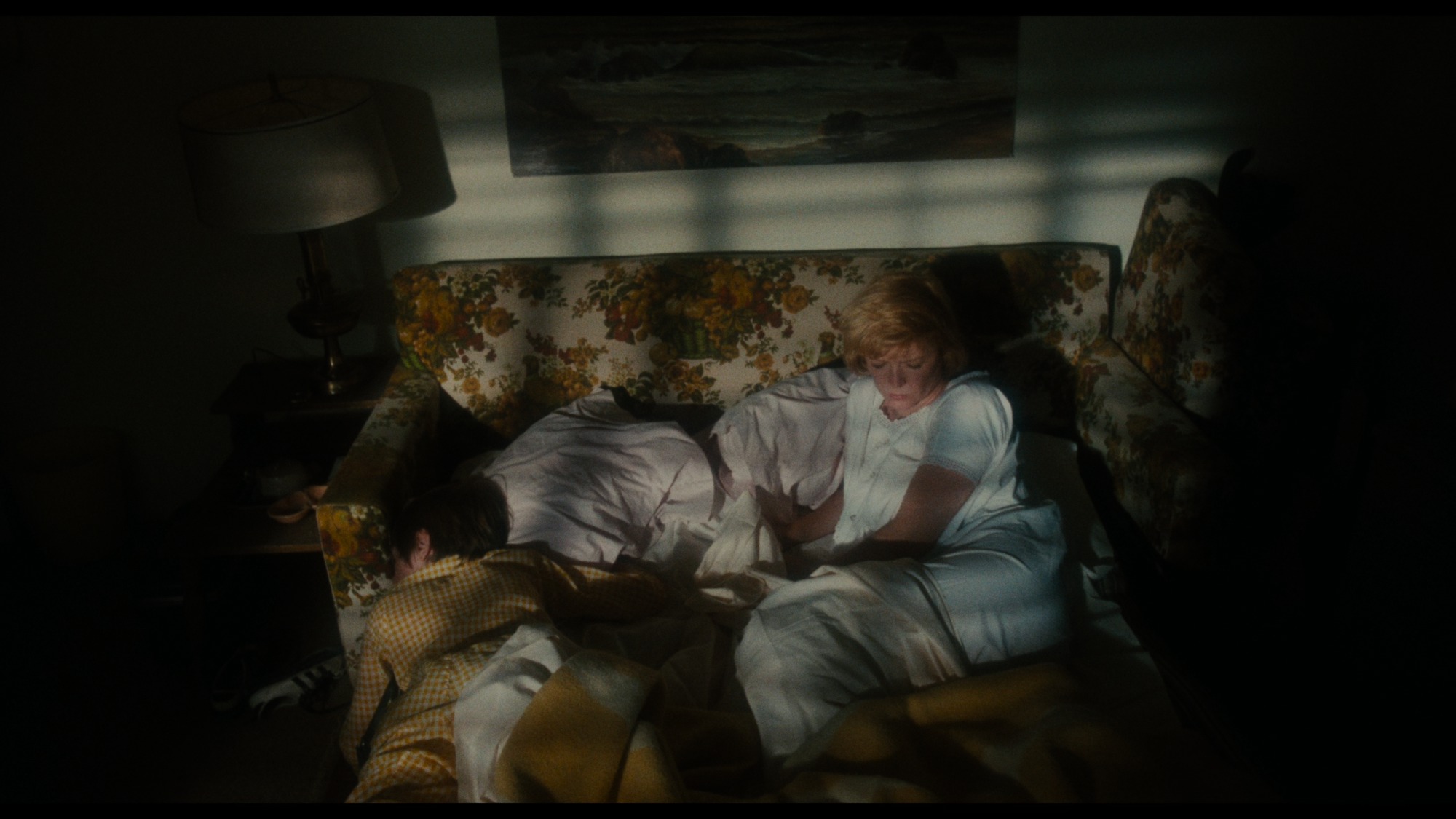
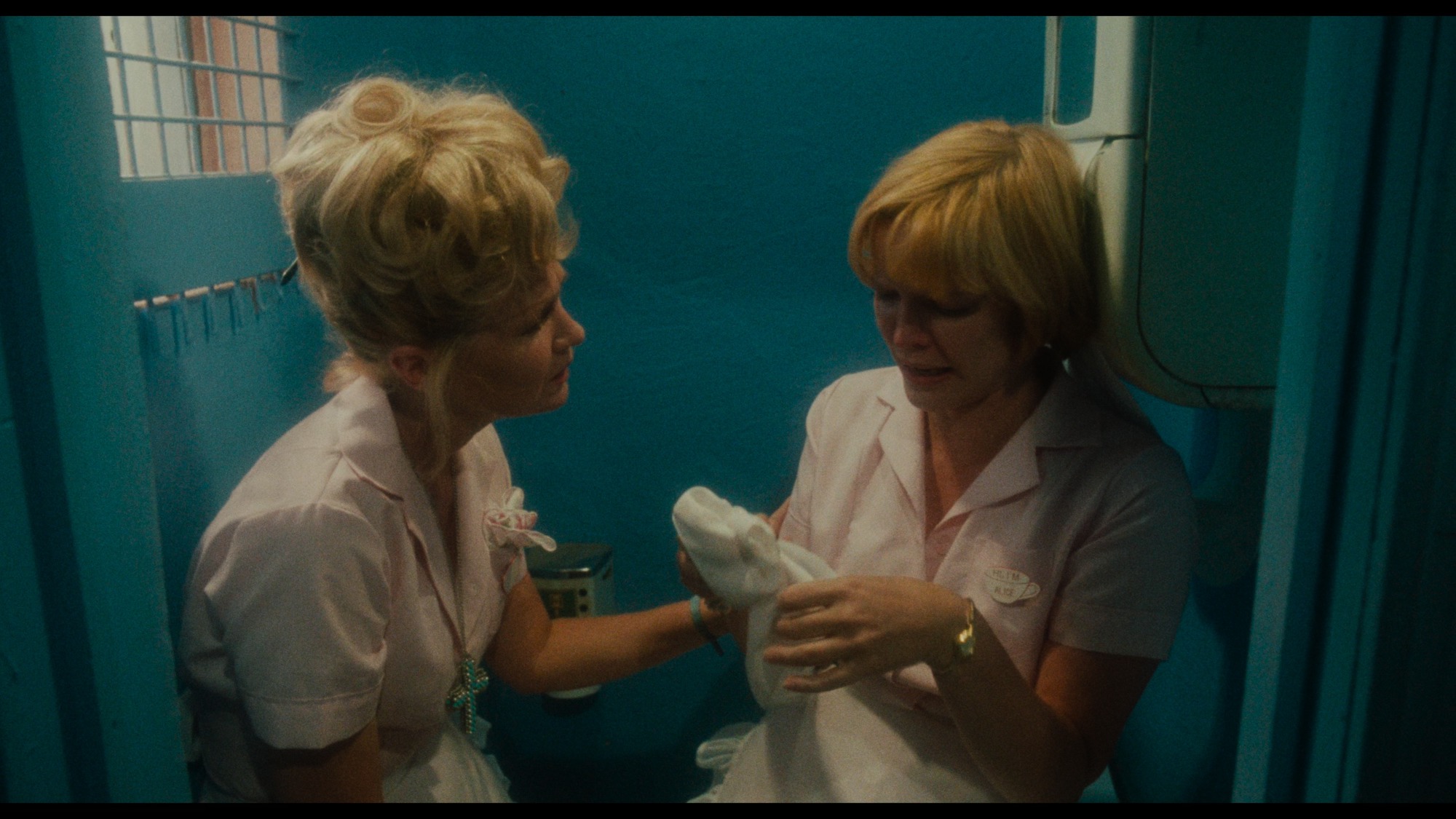
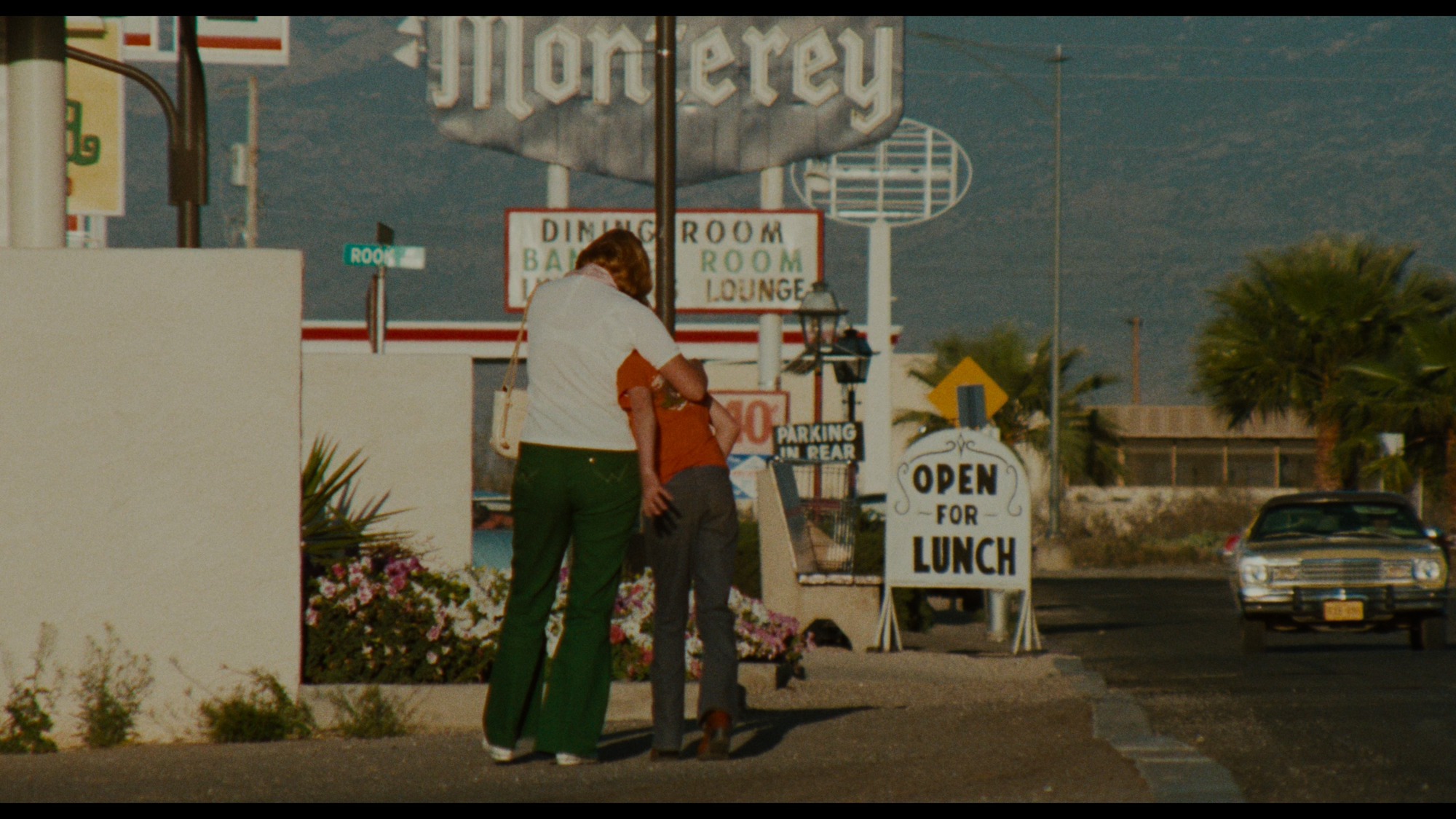
Audio 7/10
The film’s monaural audio also receives a nice update, presented here in lossless single-channel PCM. It sounds far sharper, with a surprising amount of range, particularly when the music kicks in. Dialogue also sounds less tinny, with cleaner fidelity. I was pleasantly surprised by it overall.
Extras 8/10
Criterion manages to assemble a rather solid special edition for the film, packing in more material than was previously available. In an especially nice touch, they bring over the audio commentary while expanding on what was there before. Originally recorded for Warner’s 2003 DVD, the previous track was more along the lines of a select-scene commentary that maybe covered a third to half of the film’s running time. It featured Scorsese and actors Ellen Burstyn, Kris Kristofferson, and Diane Ladd (who wasn't credited on the supplement listing), with the actors usually appearing during their respective scenes. Criterion uses that track as a base but adds comments from former child actors Jodie Foster and Alfred Lutter, turning it into a feature-length commentary.
In this updated version it’s a far stronger track, with Scorsese and Burstyn focusing more on the production’s history while recalling specific moments. I rather liked Kristofferson’s discussion of particular scenes and how the film helped him grow as an actor, Scorsese giving him advice that really stuck with him. It’s also great listening to Ladd recall her time on the film, including her surprise that a role like this could receive awards recognition, and working with her young daughter, Laura Dern (who I believe would have been around 5 at the time), who happily filled up on ice cream during one scene. She also explains how she drew on personal, devastating experiences for her performance. Foster’s and Lutter’s contributions add another wonderful perspective, with both recalling how the experience impacted them. Foster shares some funny stories, including the studio’s concern that she looked too much like a boy, while also talking about her subsequent work with Scorsese on Taxi Driver. Though I wish there were more from Scorsese, who was a director for hire here, it’s a terrific track and a nice improvement over its previous incarnation.
Criterion also ports over the 20-minute featurette Second Chances, also created for the 2003 DVD and featuring interviews with Kristofferson and Burstyn. It appears on the standard Blu-ray alongside the remaining video supplements. This ends up being somewhat redundant, as the two repeat a few details from the commentary, but they also expand on certain topics, including how they ultimately arrived at the ending. Burstyn talks a little more about working with Scorsese and the cast as well, particularly Lutter.
Burstyn also appears in a new interview with Farran Smith Nehme, filmed exclusively for this edition. Running 24 minutes, it covers her career leading up to this film, which was ultimately her baby. She again recalls seeking out Scorsese after seeing Mean Streets on Francis Ford Coppola’s recommendation, before sharing more stories from the set, which includes a more in-depth recollection of her one scene with Harvey Keitel (fully raging), which has clearly stuck with her all these years later. The conversation also touches on disappointments elsewhere in her career, including how The King of Marvin Gardens was initially dismissed before being rediscovered.
I kind of wish it got into more of her later work, but it’s a good interview. Better, though, is the one with editor Marcia Lucas, who sadly passed away in May of this year. This one is pretty great, with Lucas discussing her early work as an assistant editor and helping her former husband, George, rework his films when he was struggling with them. She recalls completely re-editing American Graffiti because she "didn't like" his cut, before discussing the projects she had the option of working on next, including Alice. She talks about how terrific the footage was from this film, knowing there was a good movie in there, and explains how she solved a few unusual problems: speeding up the opening pan, removing sequences to get to the main story more quickly, and bringing in Kristofferson’s character sooner. It’s a terrific look into the editing process, helped along by Lucas’s rather infectious laugh.
The disc closes with the film’s original trailer, while an included insert features an essay by Stephanie Zacharek. It’s not packed, admittedly, but it’s still a strong update over Warner’s edition, with the new interviews and expanded commentary being especially good.
Closing
A much-needed upgrade, Criterion’s new 4K edition delivers an outstanding presentation that improves considerably on the previous DVDs.
BUY AT: