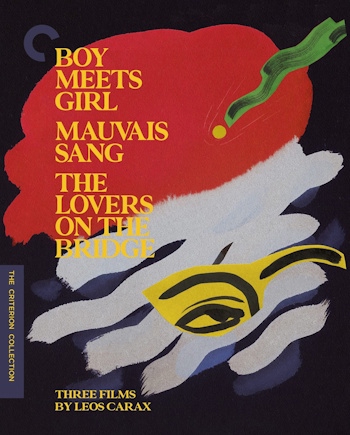
Three Films by Leos Carax
The Lovers on the Bridge
BUY AT:


See more details, packaging, or compare
Synopsis
Burning with stylistic freedom, the first three features by Leos Carax are cinema at its most ecstatically sensorial and deliriously romantic. Built around virtuosic, intensely physical performances from Denis Lavant as three different characters named Alex, these tales of outsiders, criminals, and doomed lovers living on the edge blaze with the whirlwind abandon of youth and the thrilling highs and torturous lows of all-consuming passion. Love letters to the city of Paris, with its streets transformed by cinematographer Jean-Yves Escoffier into expressive dreamscapes, these three films erupt in moments of anarchic euphoria that fuse sound and image to heart-stopping effect.
Picture 10/10
Leos Carax’s The Lovers on the Bridge receives a new 4K UHD edition from The Criterion Collection, who present the film on a triple-layer disc in its original aspect ratio of 1.66:1. Presented with Dolby Vision, the 2160p/24 Hz master is sourced from a new 4K restoration scanned from the original camera negative. It’s available exclusively in Criterion’s new box set Three Films by Leos Carax (alongside Boy Meets Girl and Mauvais Sang), which also includes a standard dual-layer Blu-ray featuring a 1080p presentation of the film and its special features.
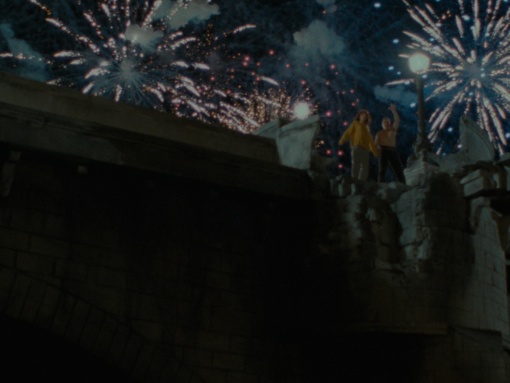
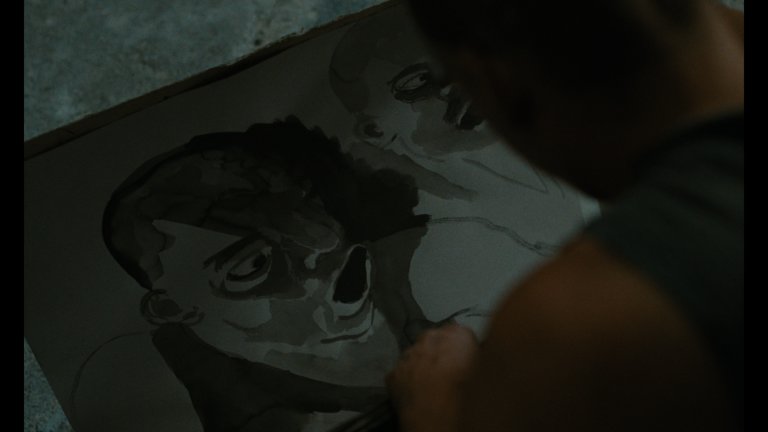
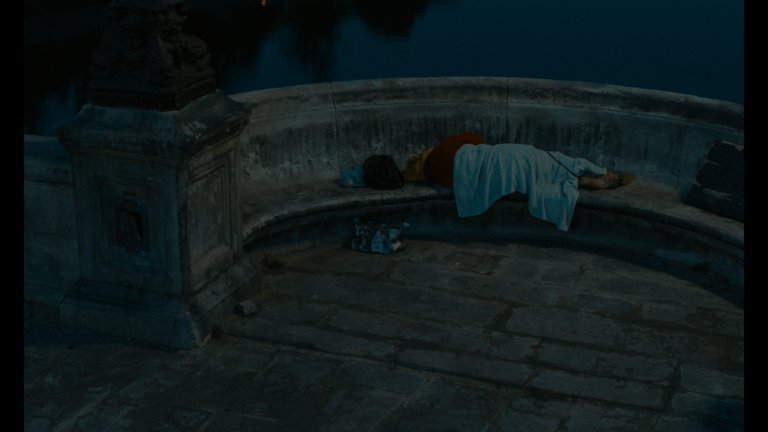
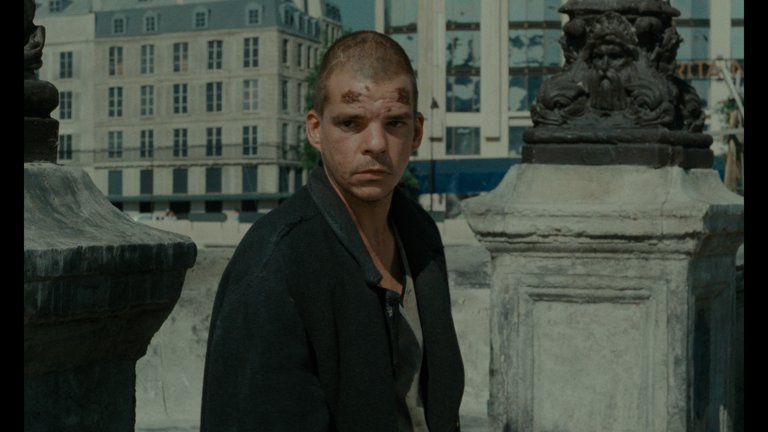
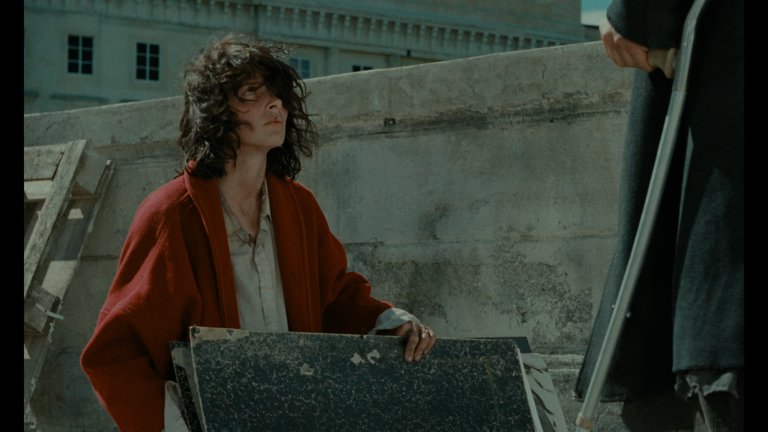
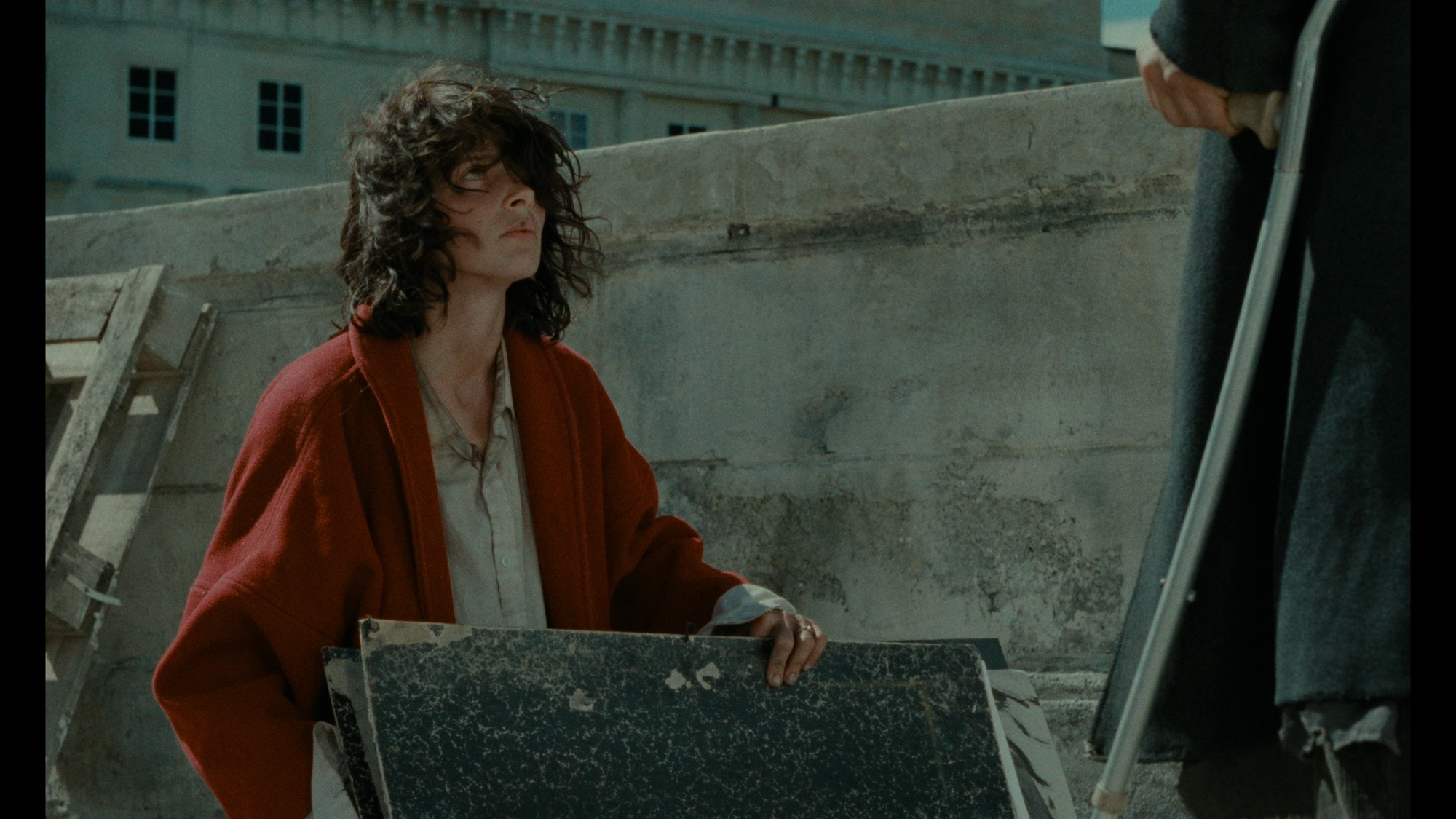
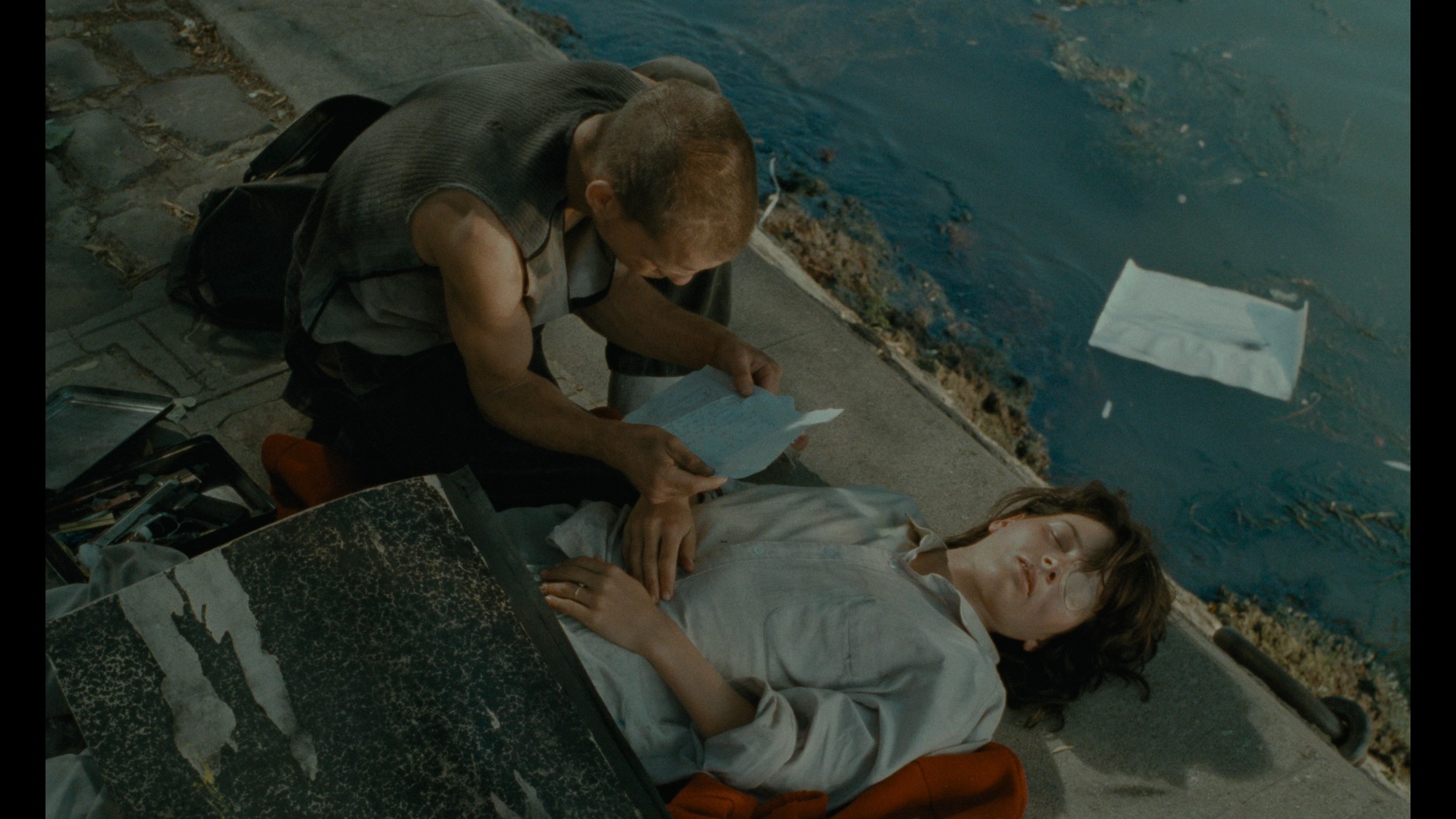
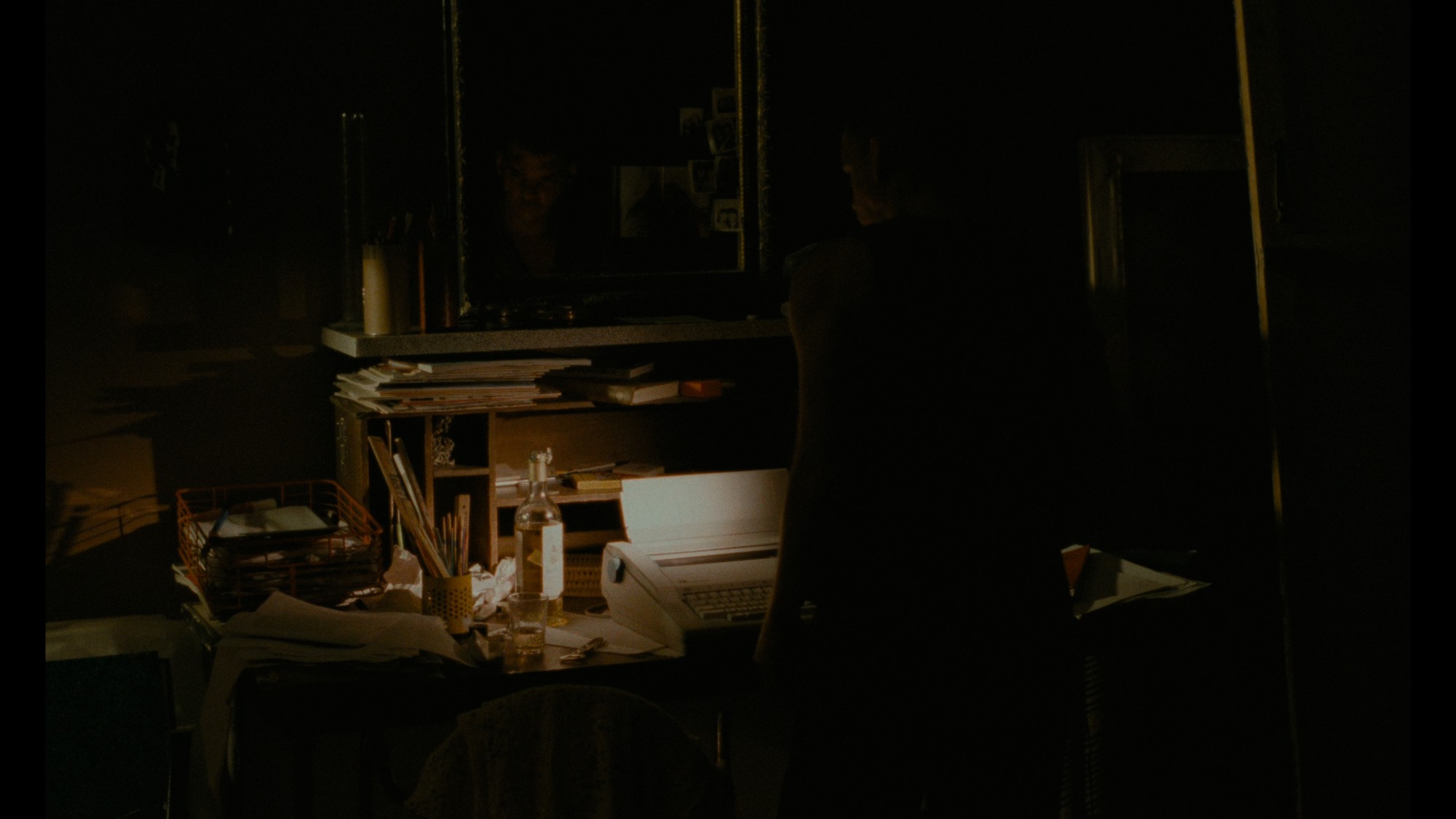
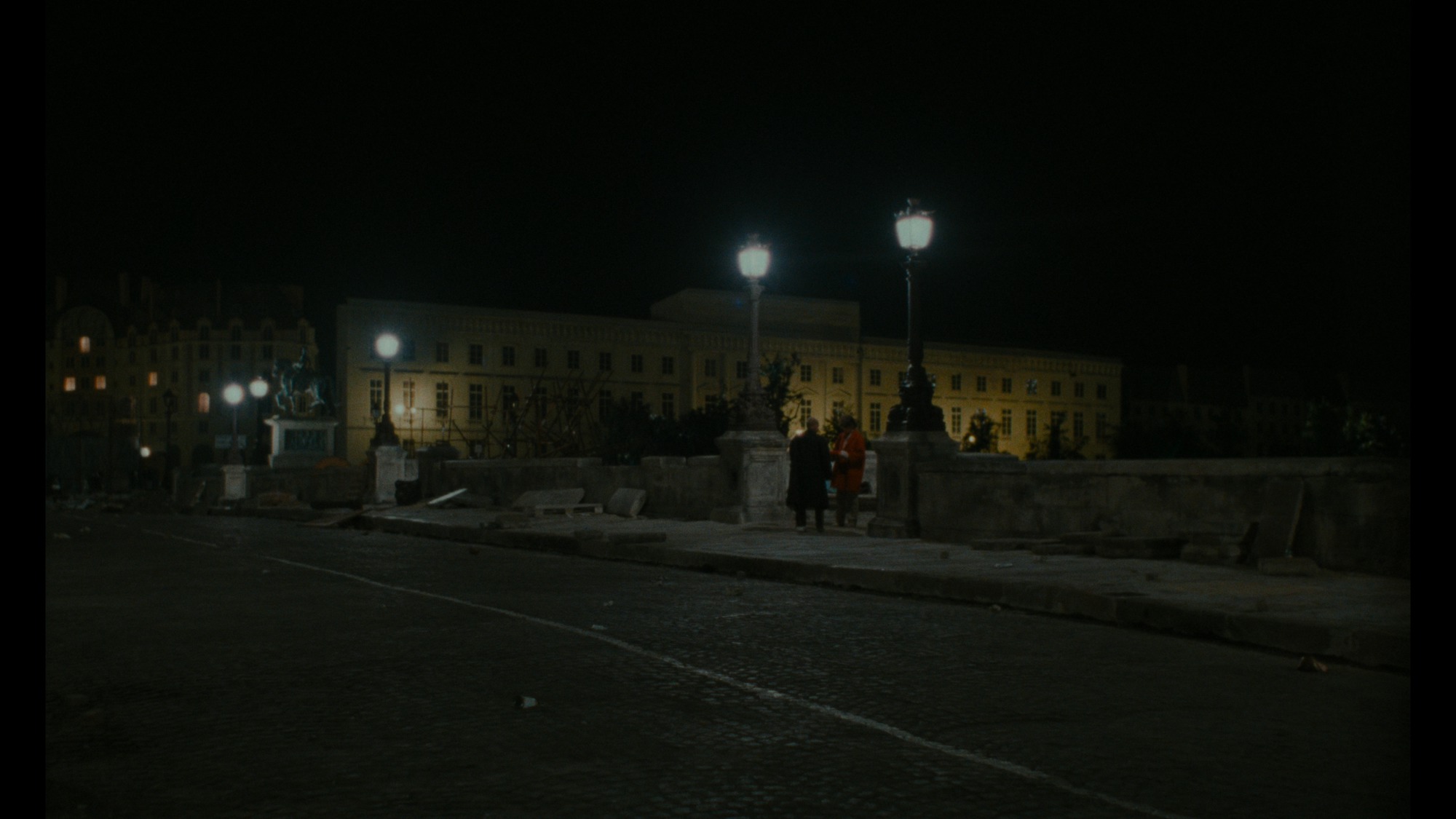
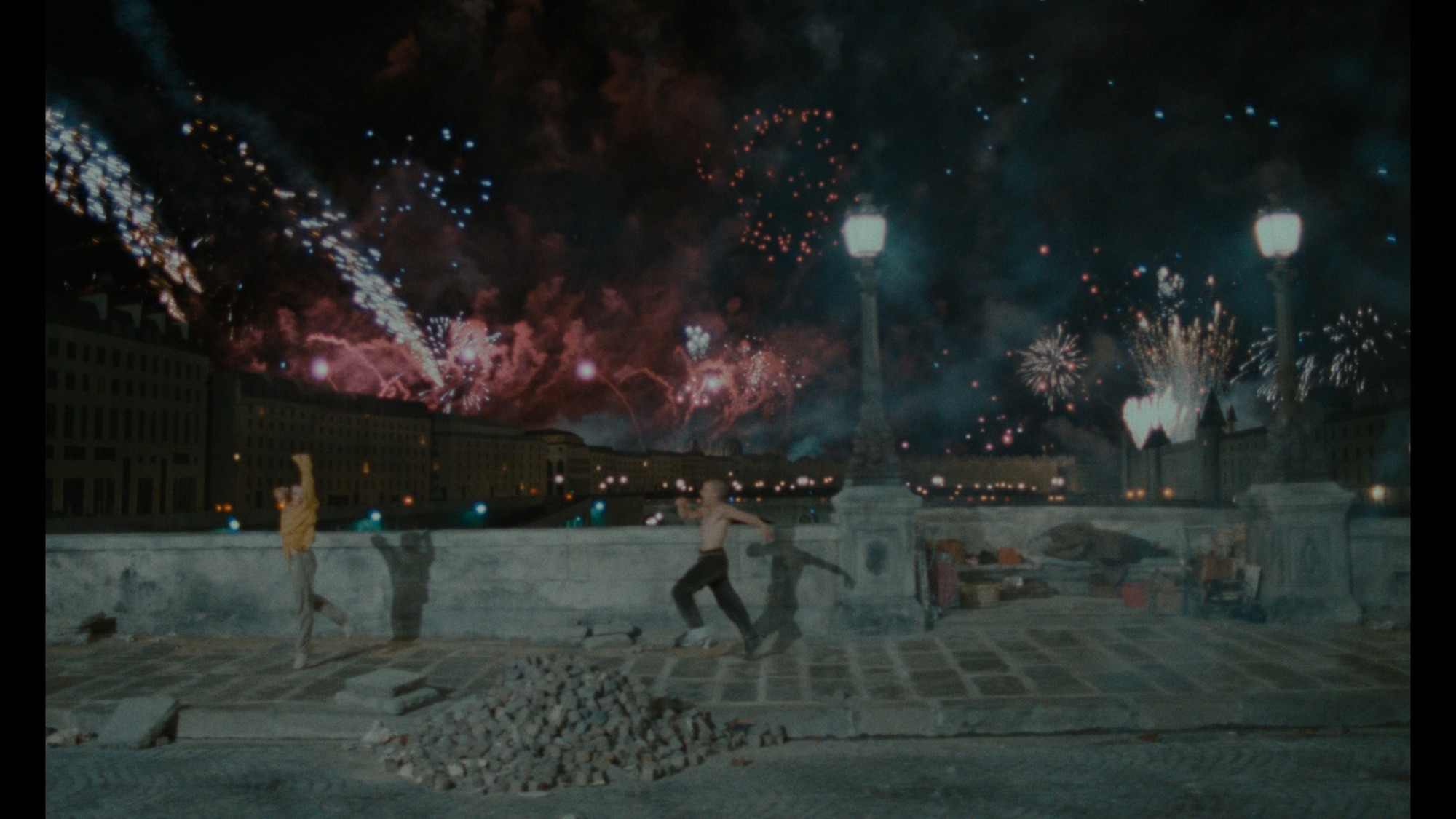
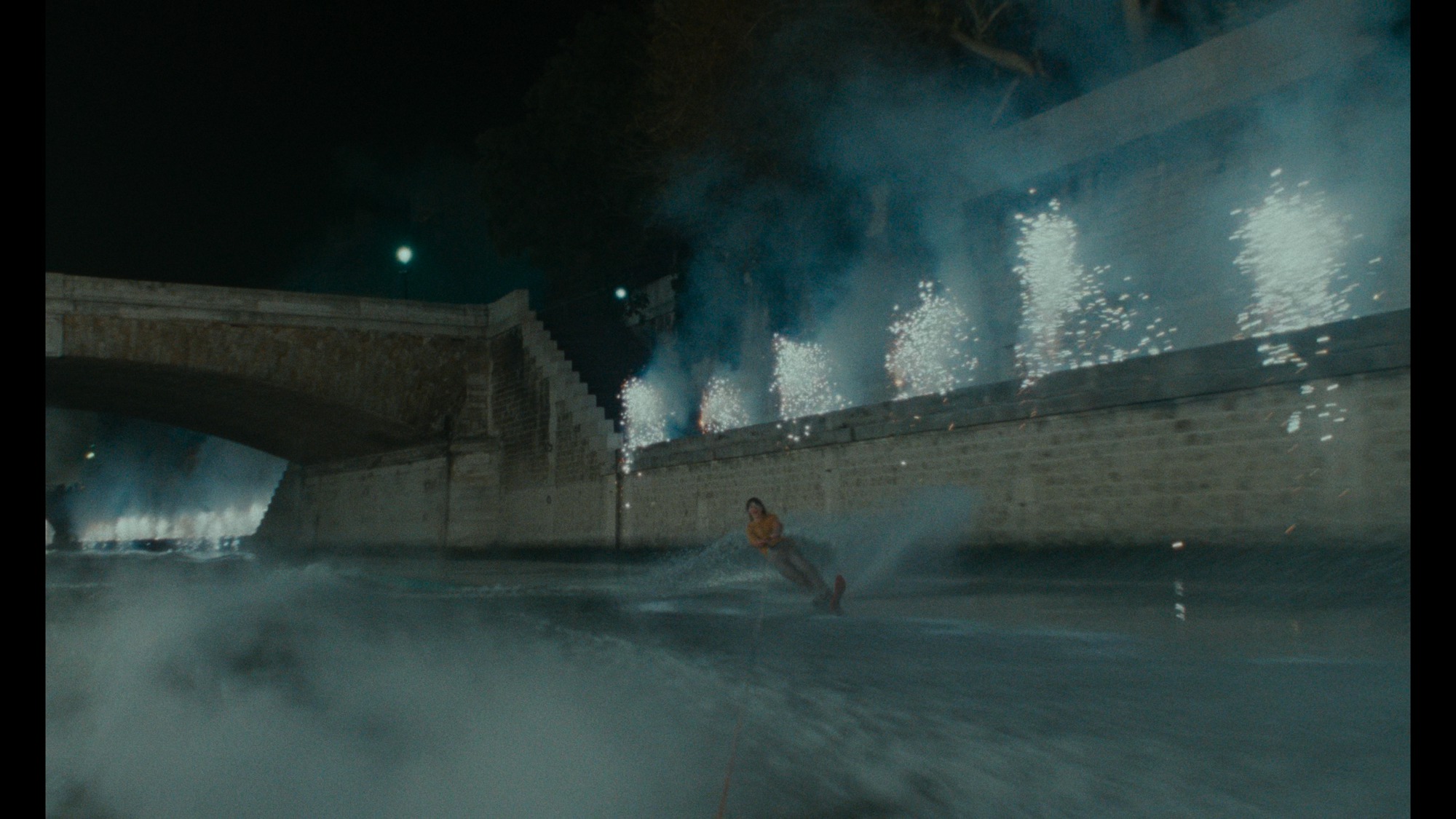
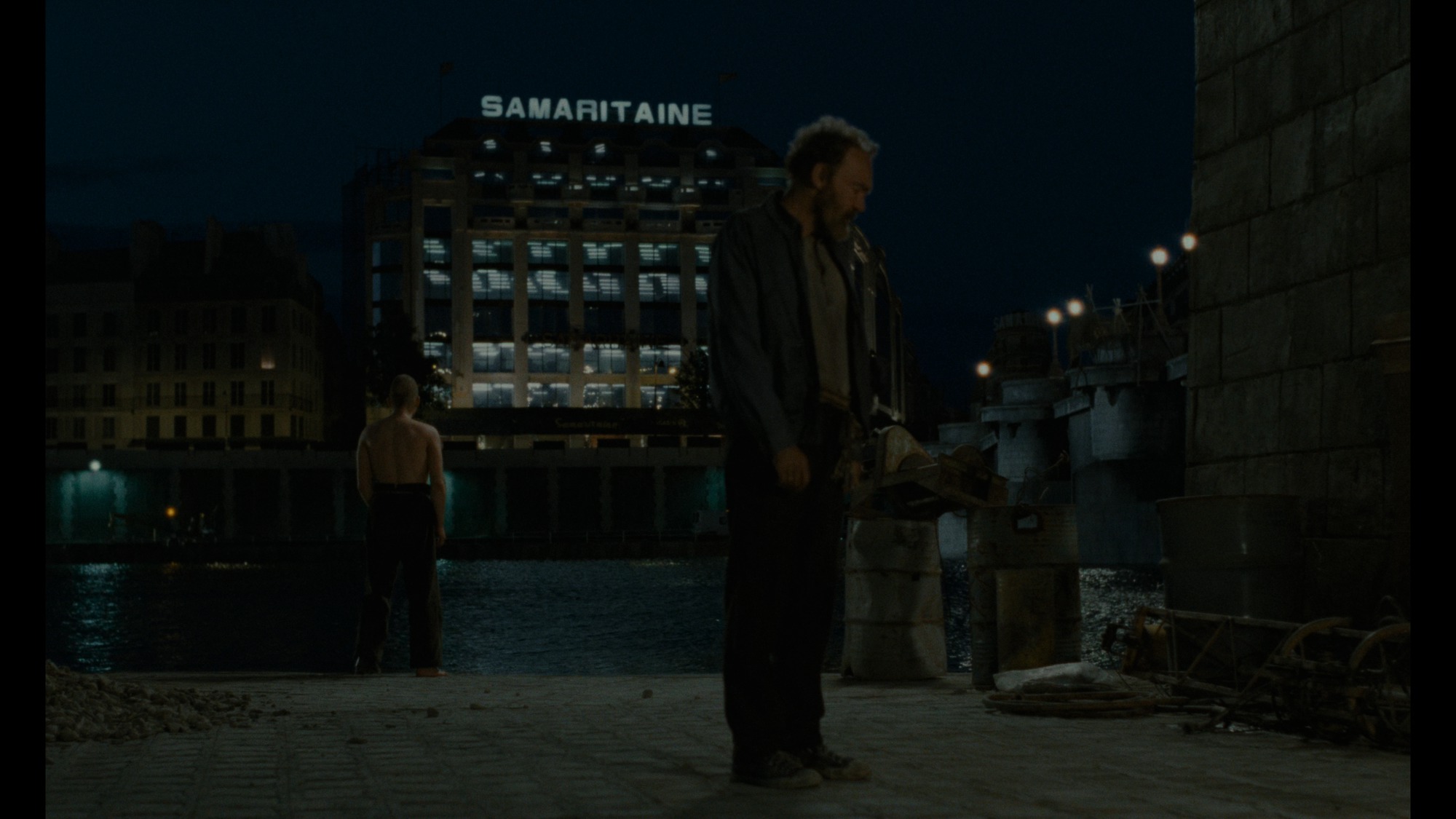
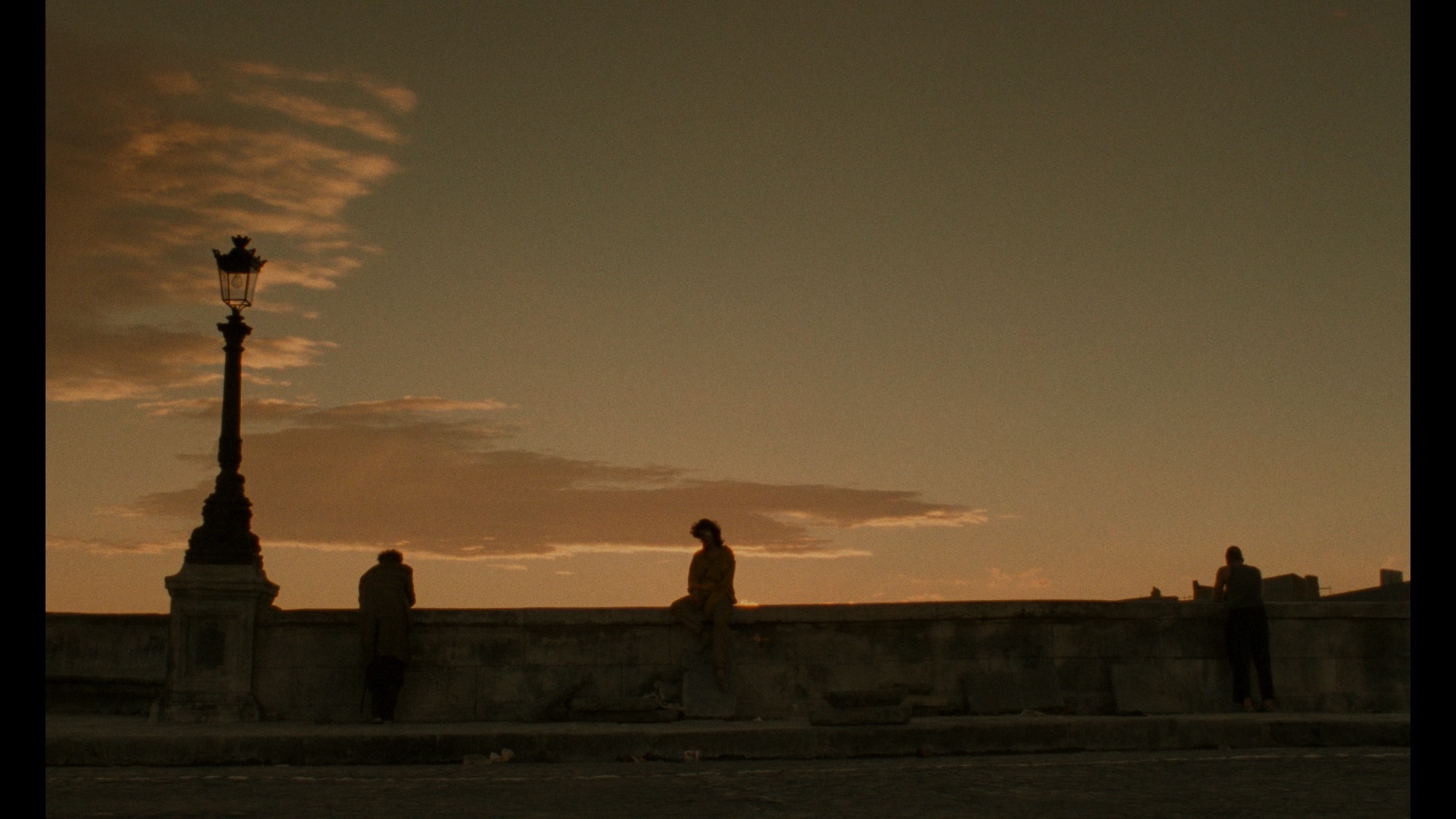
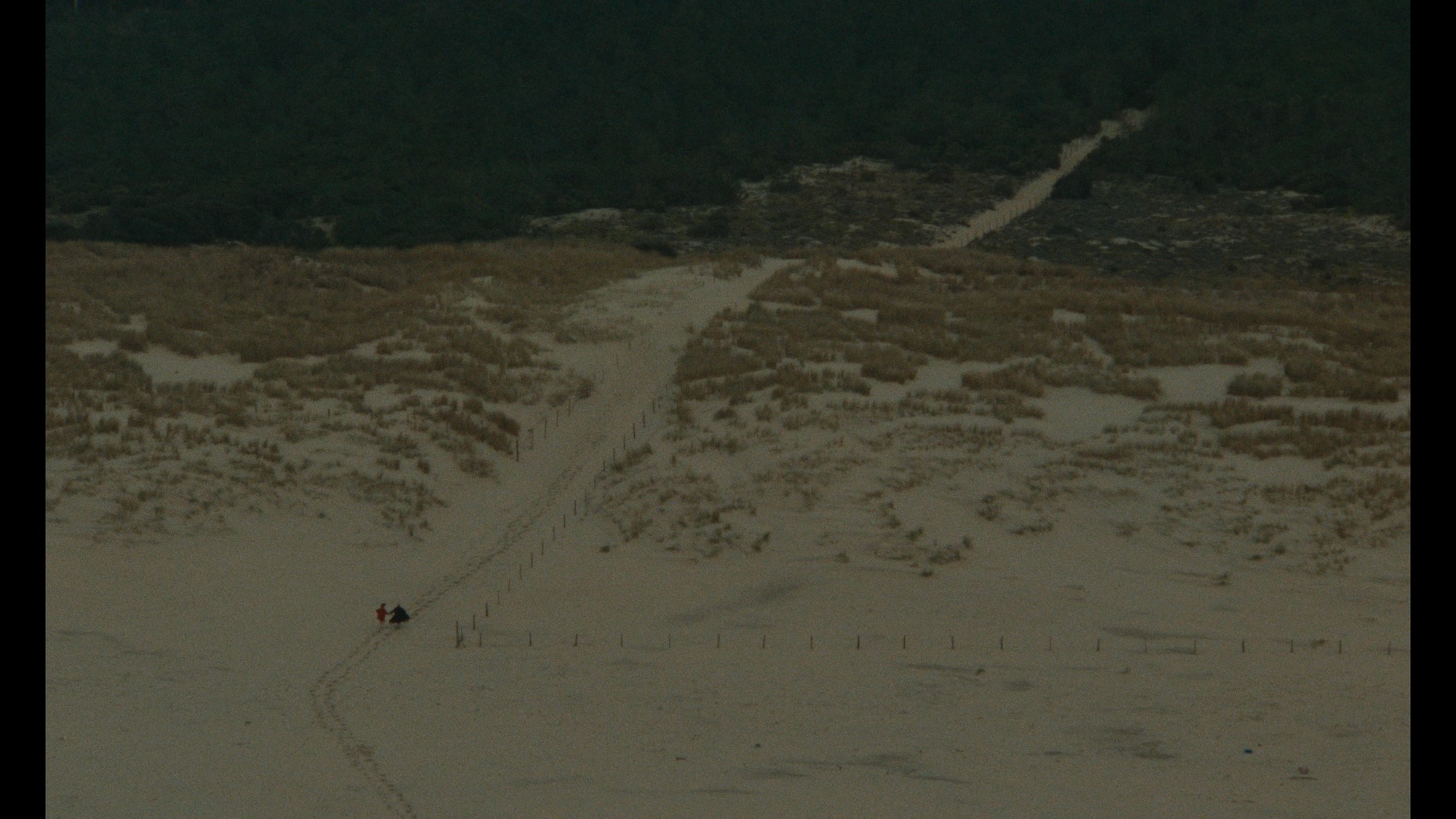
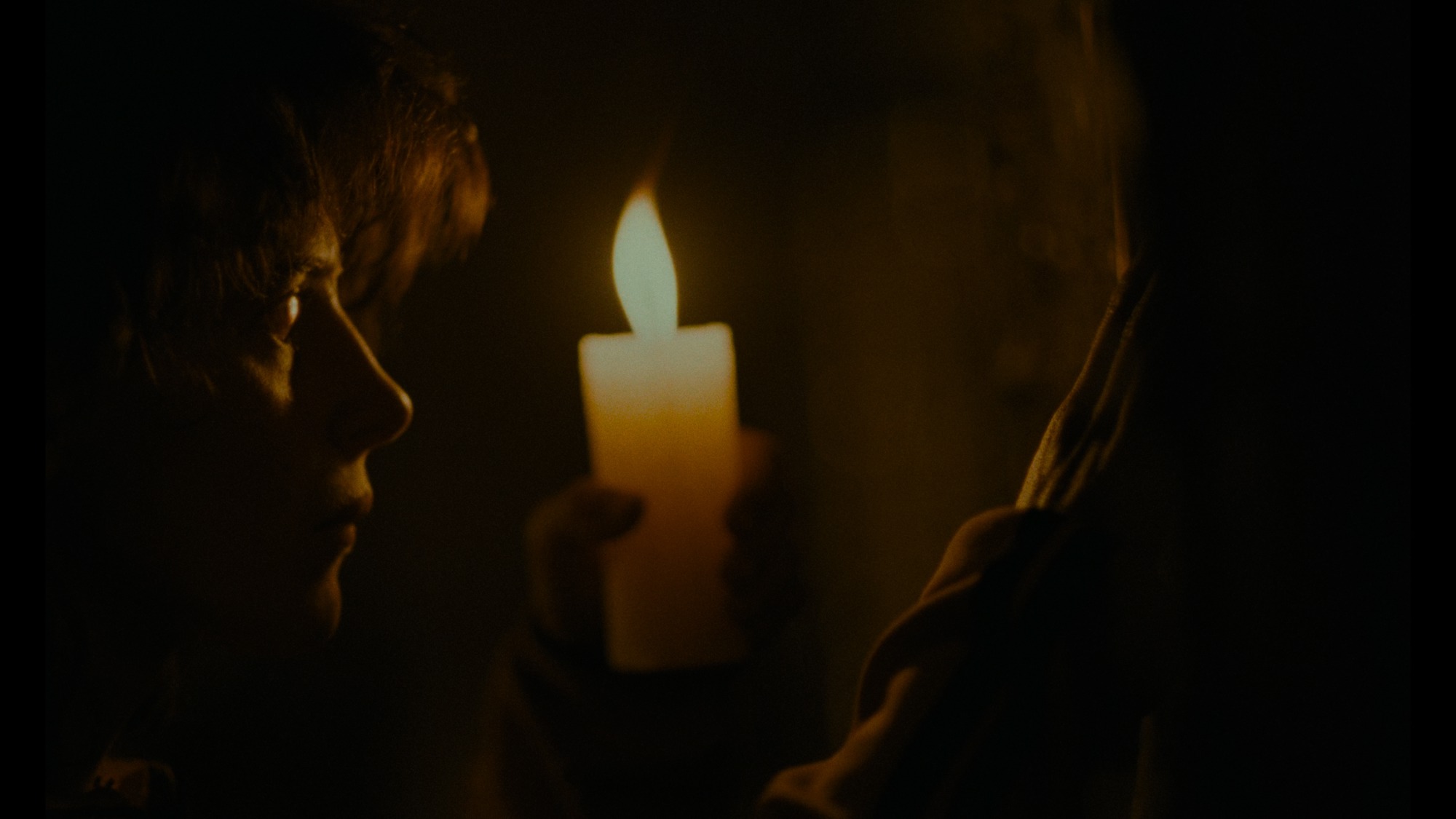
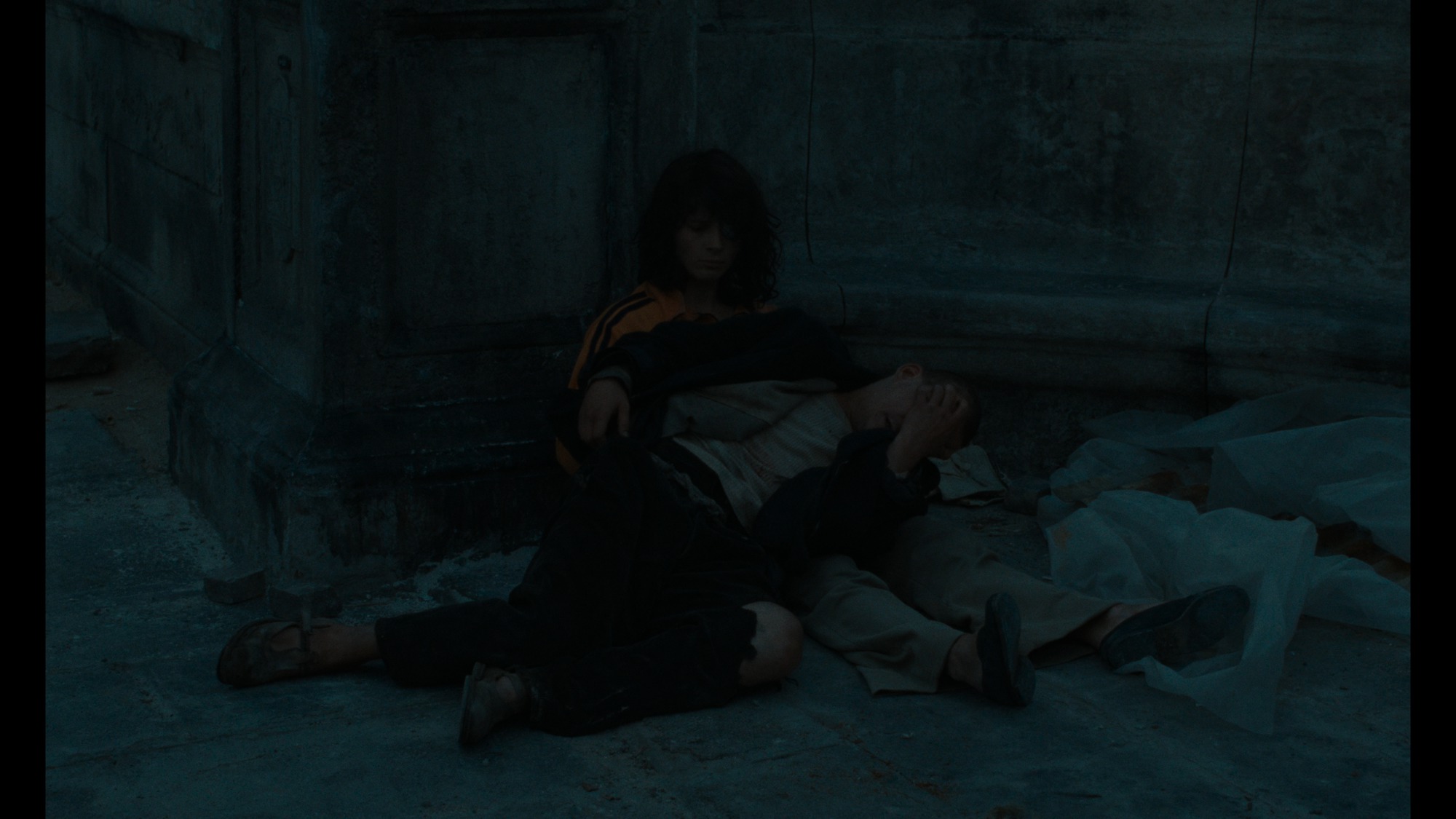
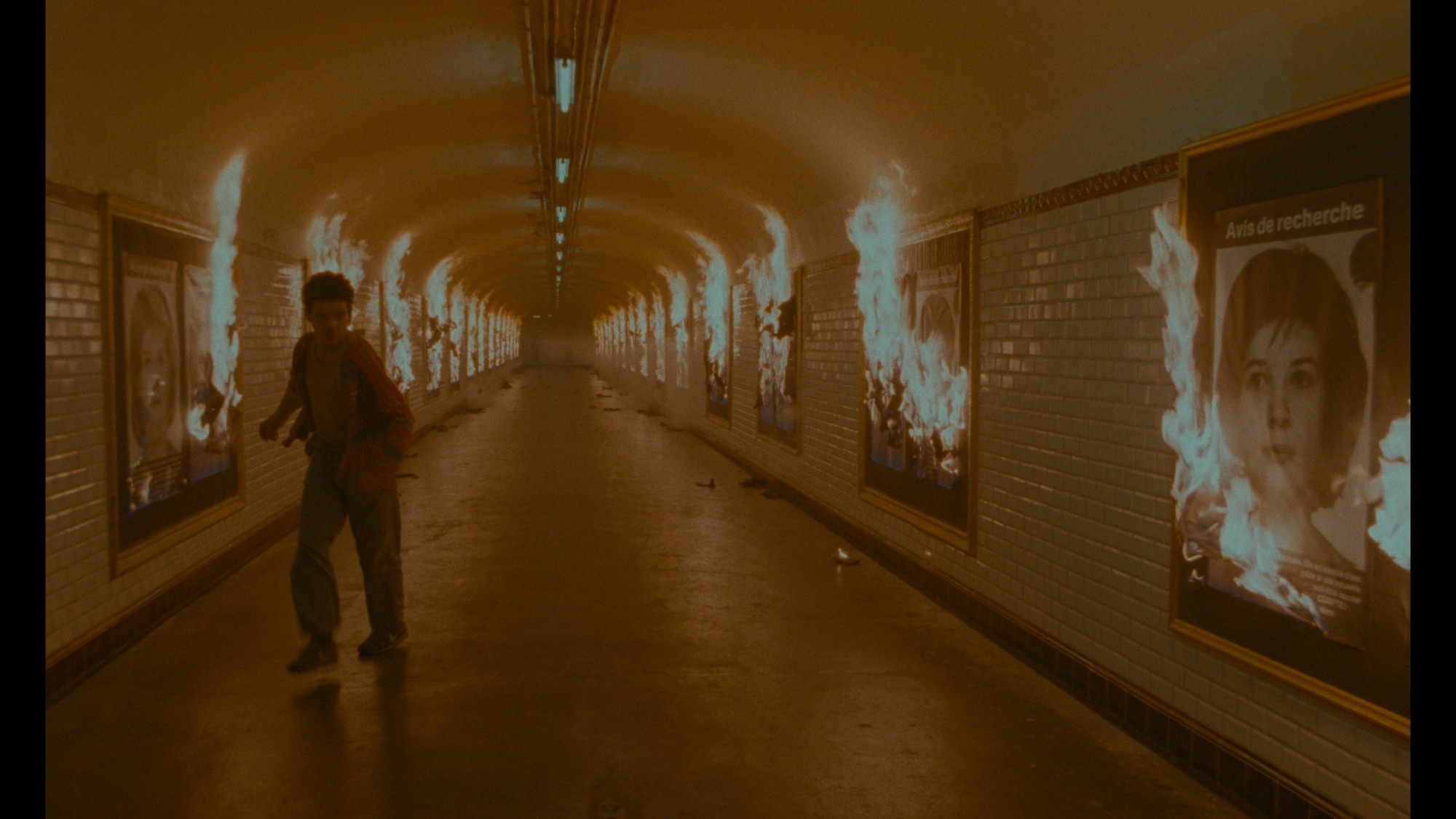
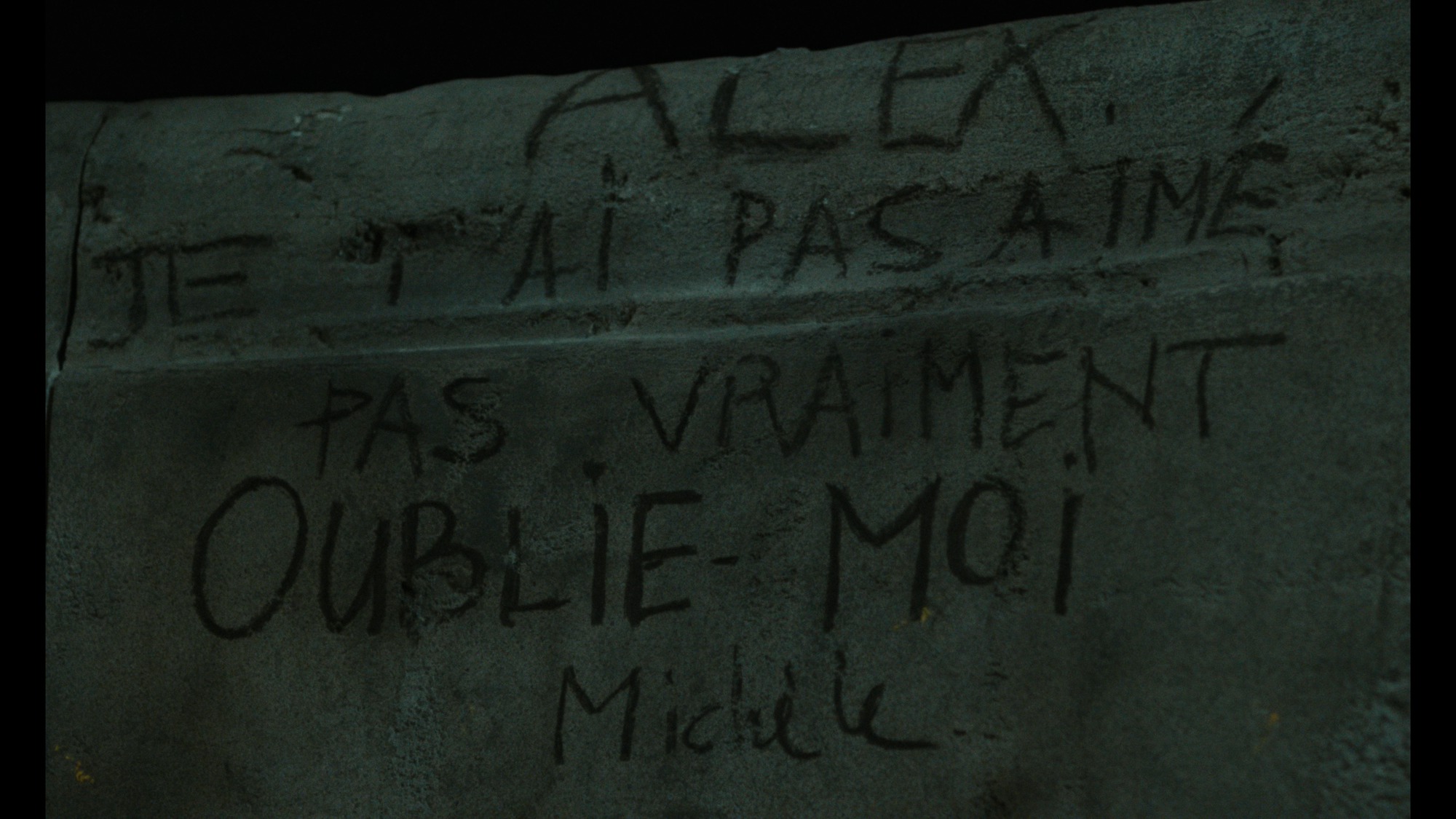
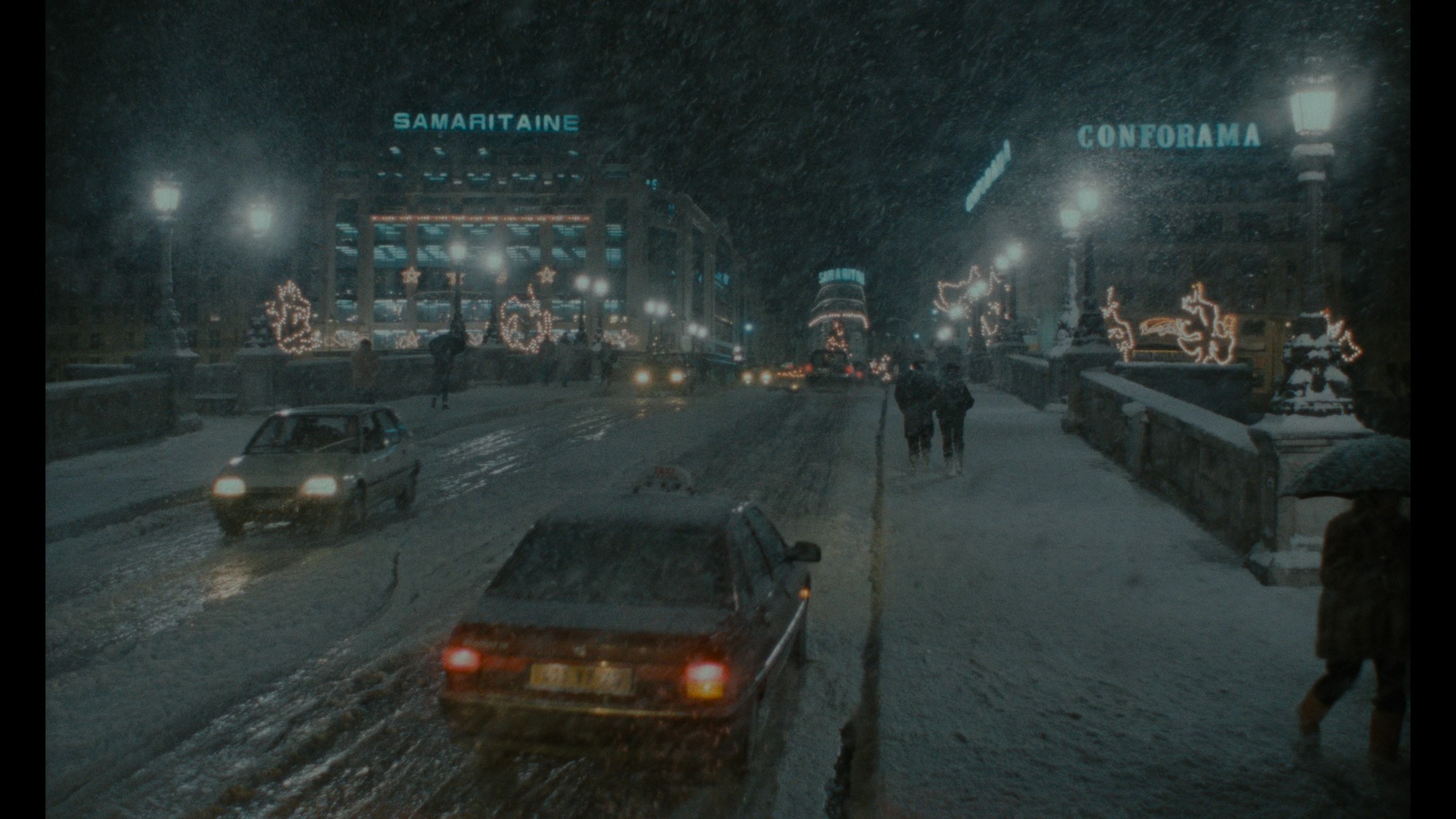
The presentations in the set have been very, very good up to this point, but The Lovers on the Bridge is by far the best-looking of the three. Encode-wise, it looks phenomenal: incredibly clean and sharp, with the film’s grain rendered beautifully, even in darker areas and highlights. Grain remains clean during smokier moments, too, like the fireworks sequence, with the light breaking through naturally and without any buzzy artifacts. Dolby Vision and HDR (this is the only title in the set to receive them) really help here, as they do during several other moments in the film, including the scene in the darkened Louvre. And again, that fireworks sequence really looks incredible here, just brilliant, with the bright flashes in both the background and foreground, which then carries on through to Alex’s fire-breathing stunt and the other flames that appear throughout the film. The wider dynamic range also works wonders during the nighttime sequences and scenes in darker interiors, with excellent depth in the shadows.
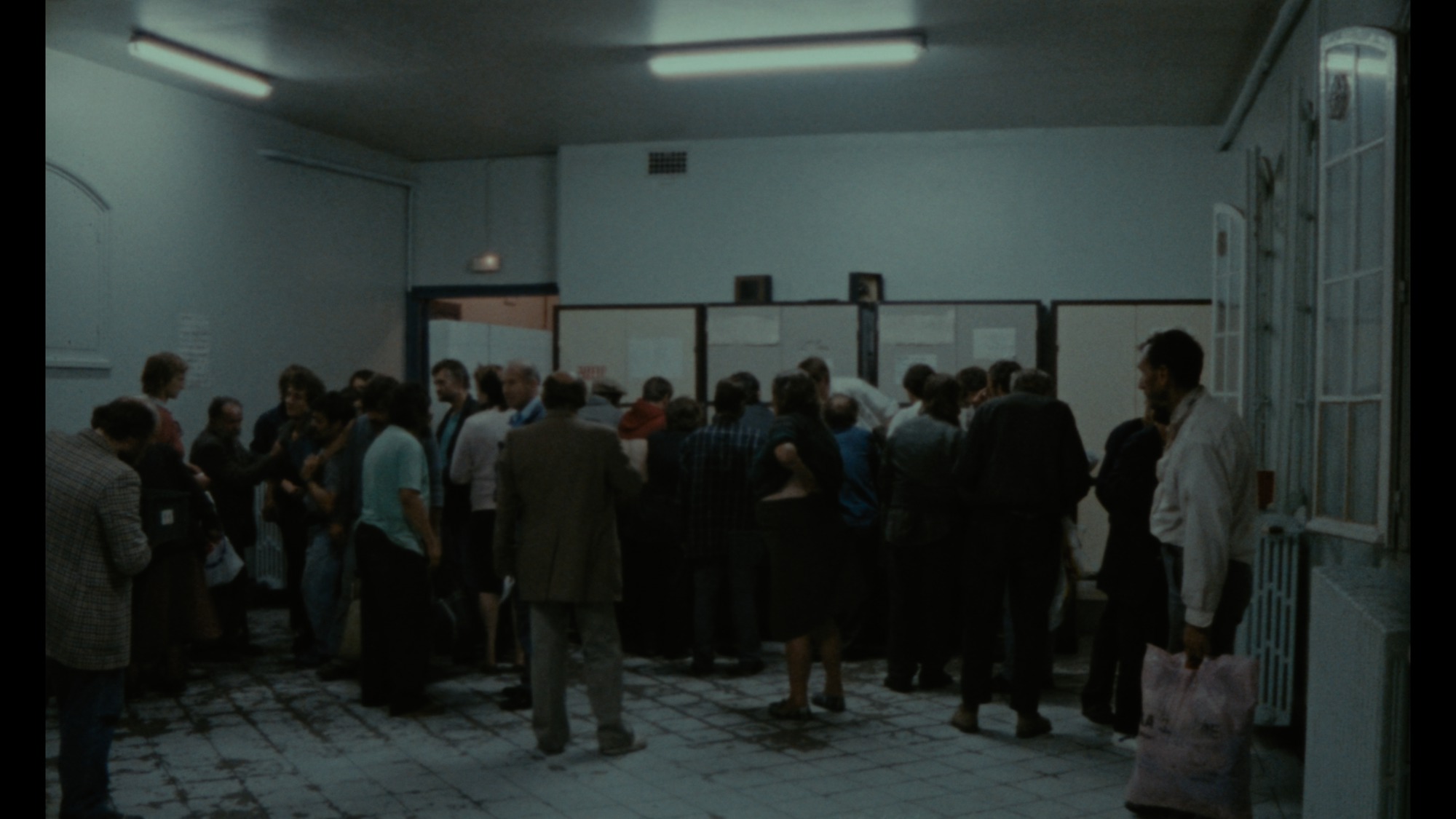
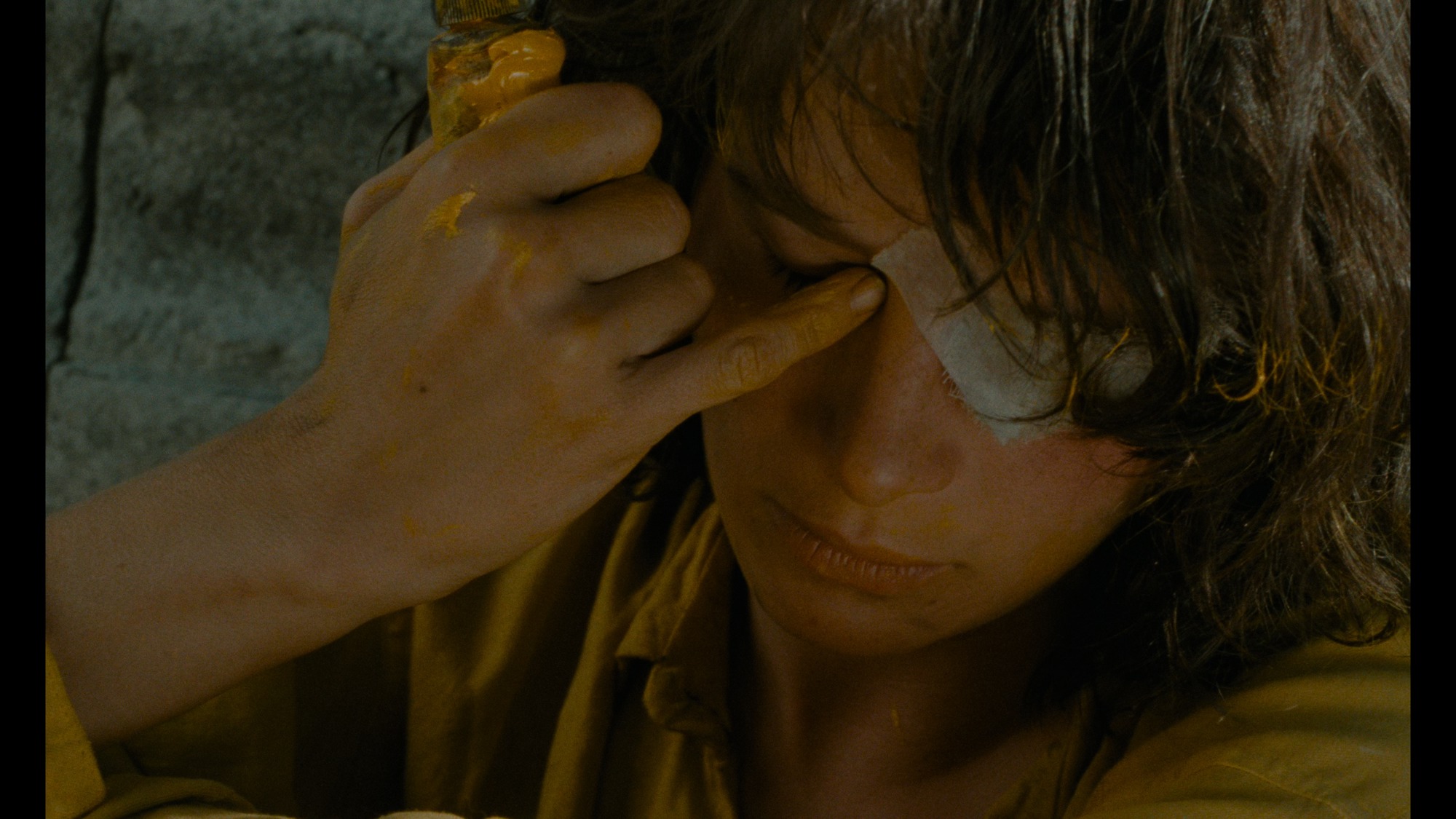
The restoration work has also cleaned the film up wonderfully, with no obvious damage remaining, and the scan has picked up a great amount of detail and texture. The opening sequence in the Nanterre shelter admittedly looks a bit rough compared to the rest of the film, with a grittier, slightly softer look than the rest of the film. Cinematographer Jean-Yves Escoffier notes in an included feature he used Super 16 for this portion, which likely accounts for some of that difference. Outside of this sequence, though, the film looks incredibly crisp and clean, almost brand new (it shocked me a bit when I was reminded the film is now 35 years old). I was also very happy with the color grade, which has a natural film look, with some wonderful yellows, oranges, and reds working their way in.
All told, I thought this looked gorgeous. It’s crisp and clean with encode rendering it beautifully and the wider dynamic range delivering a boost to the colors and pulling depth out of those shadows. It’s a wonderful upgrade and the best presentation in the set.
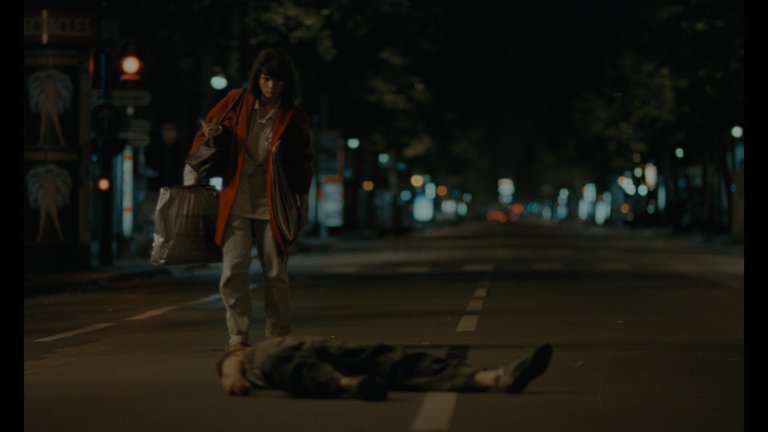
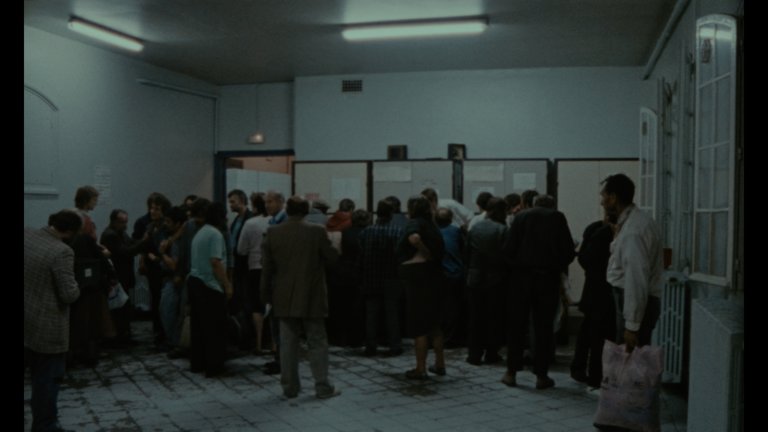
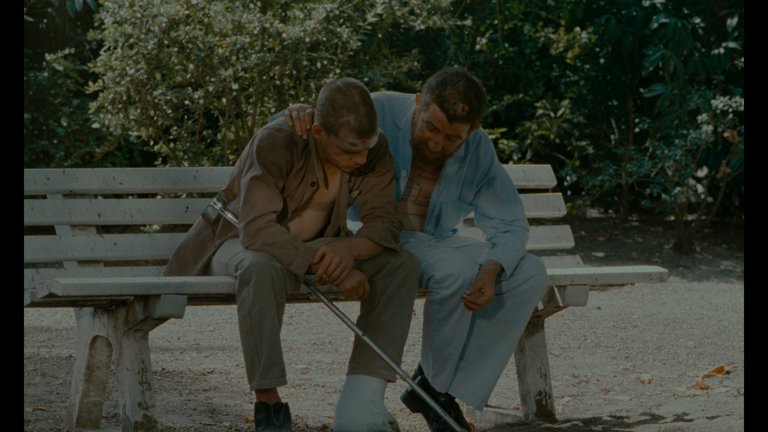
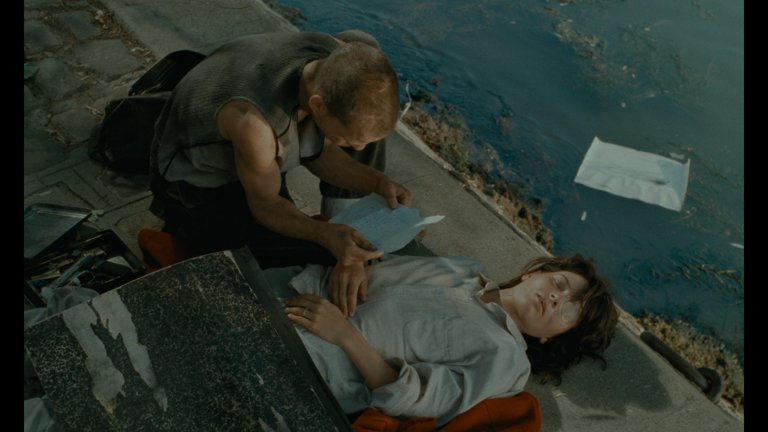
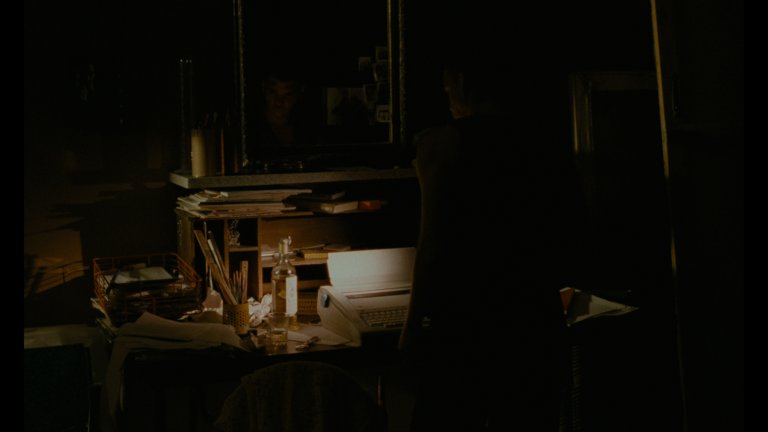
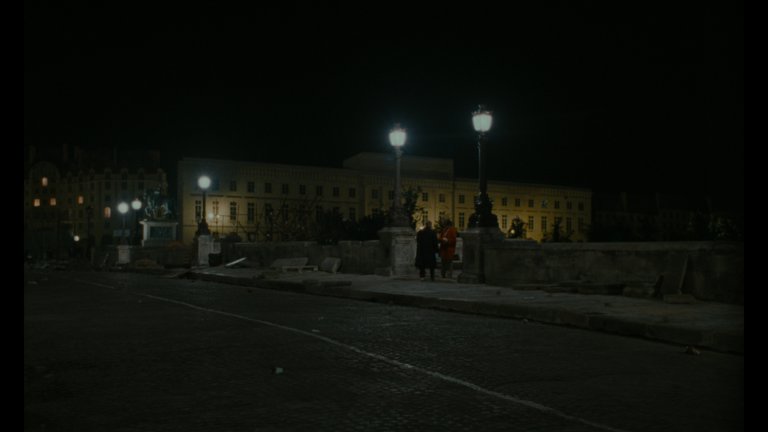
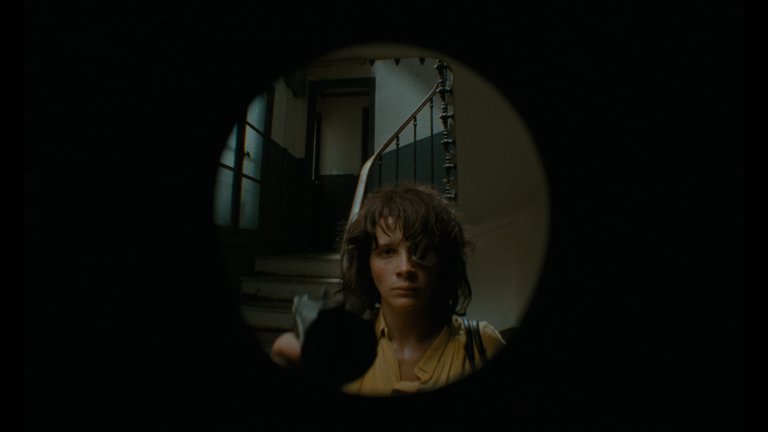
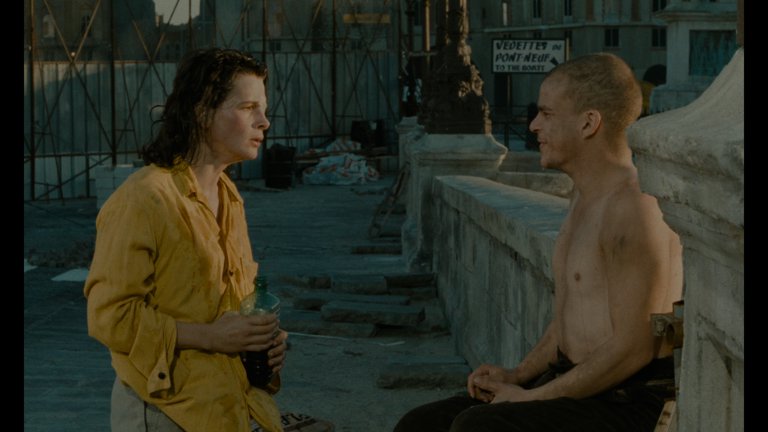
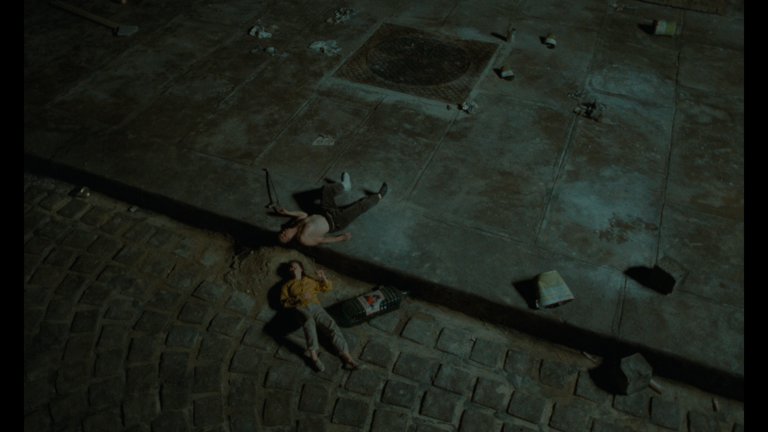
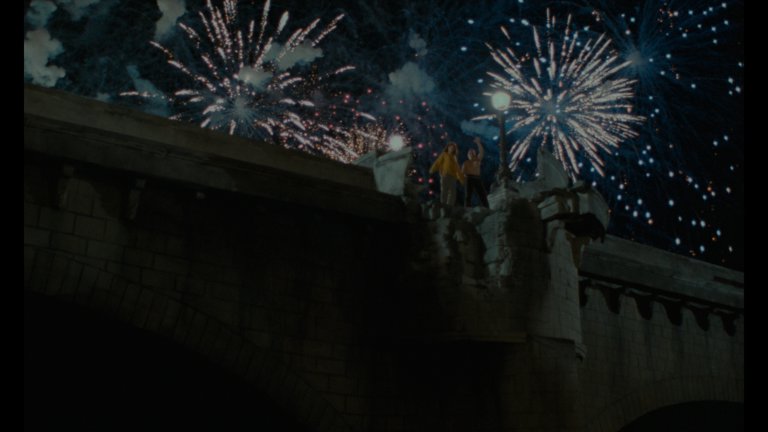
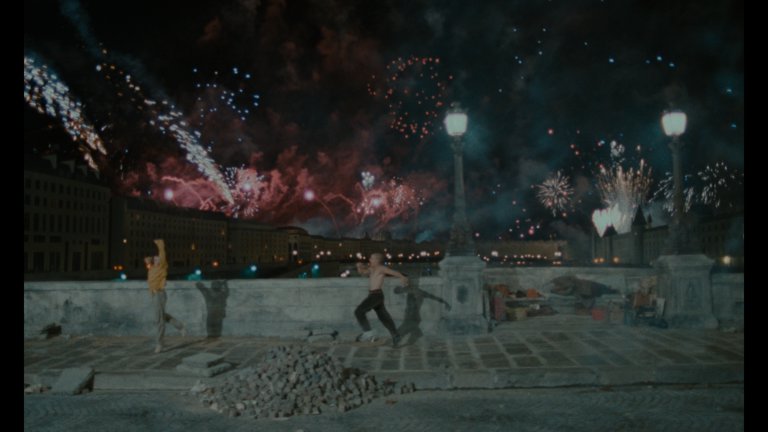
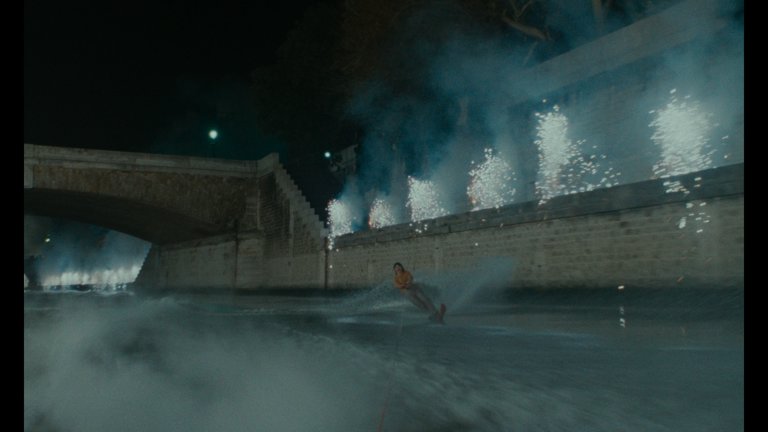
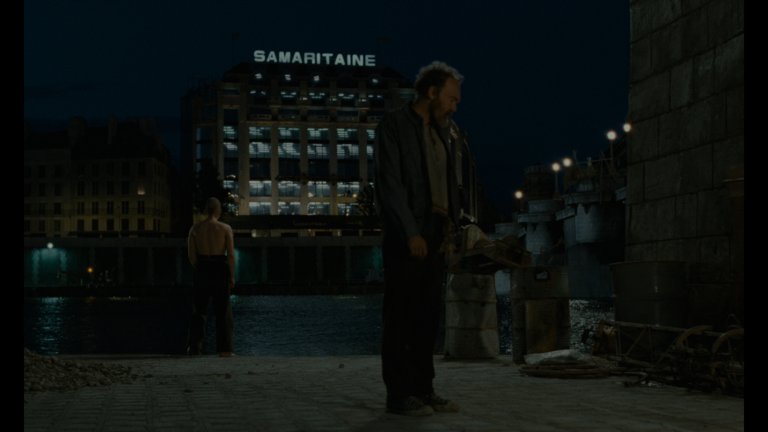
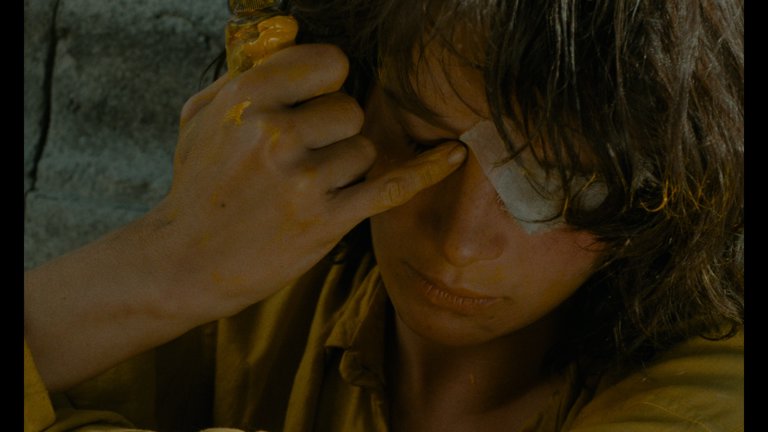
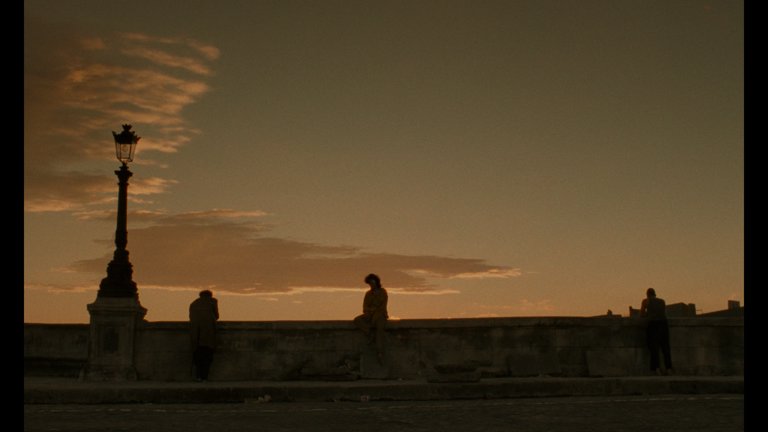
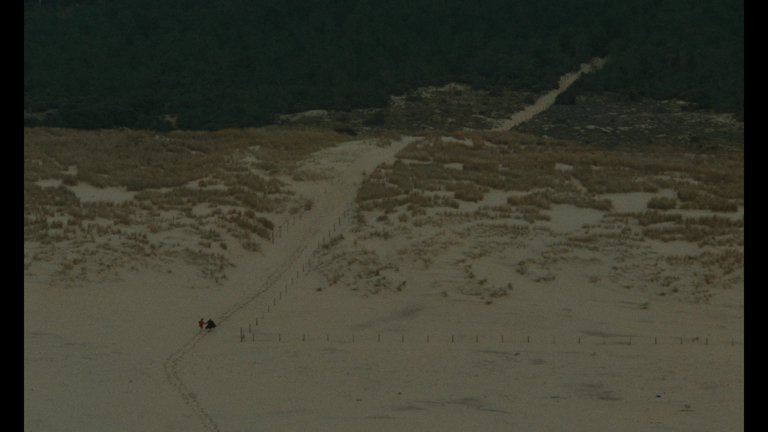
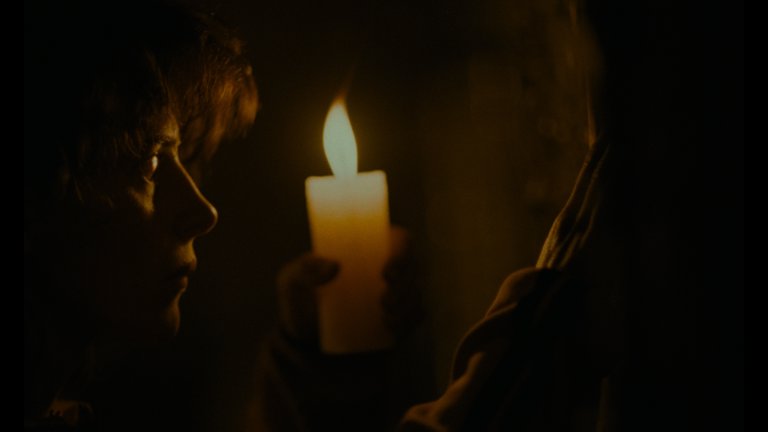
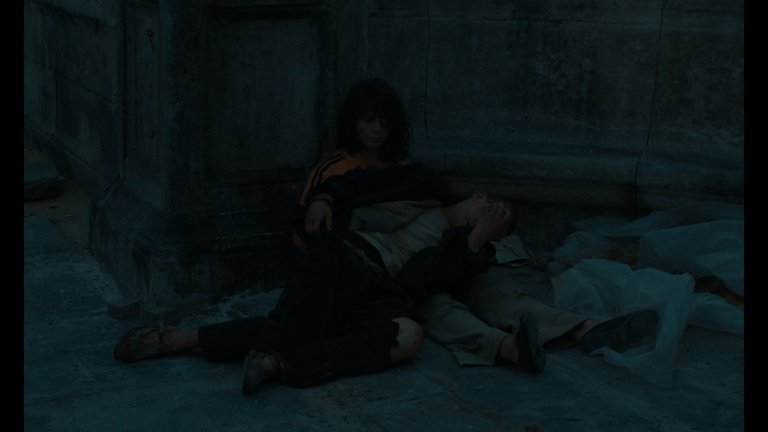
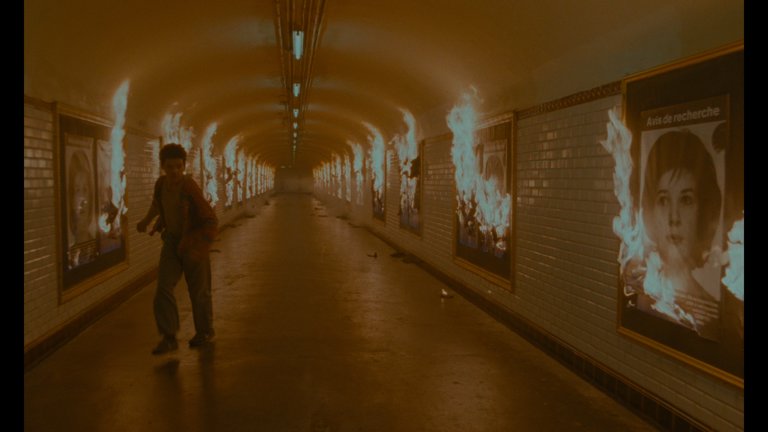
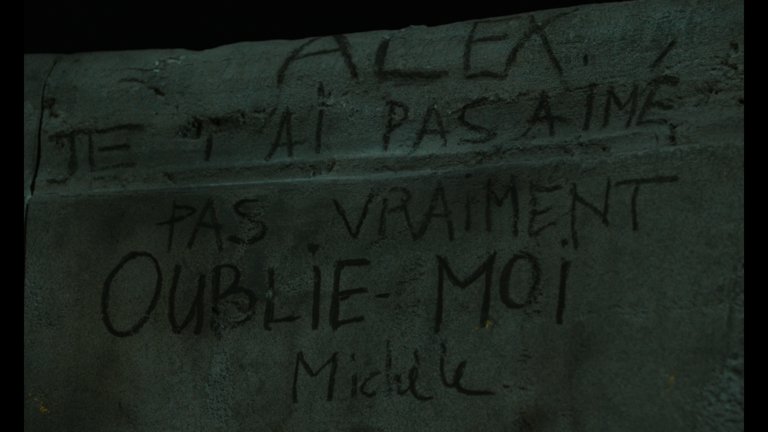
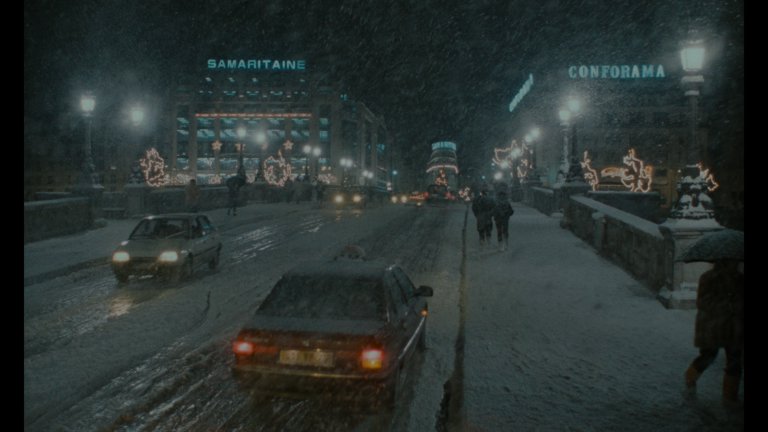
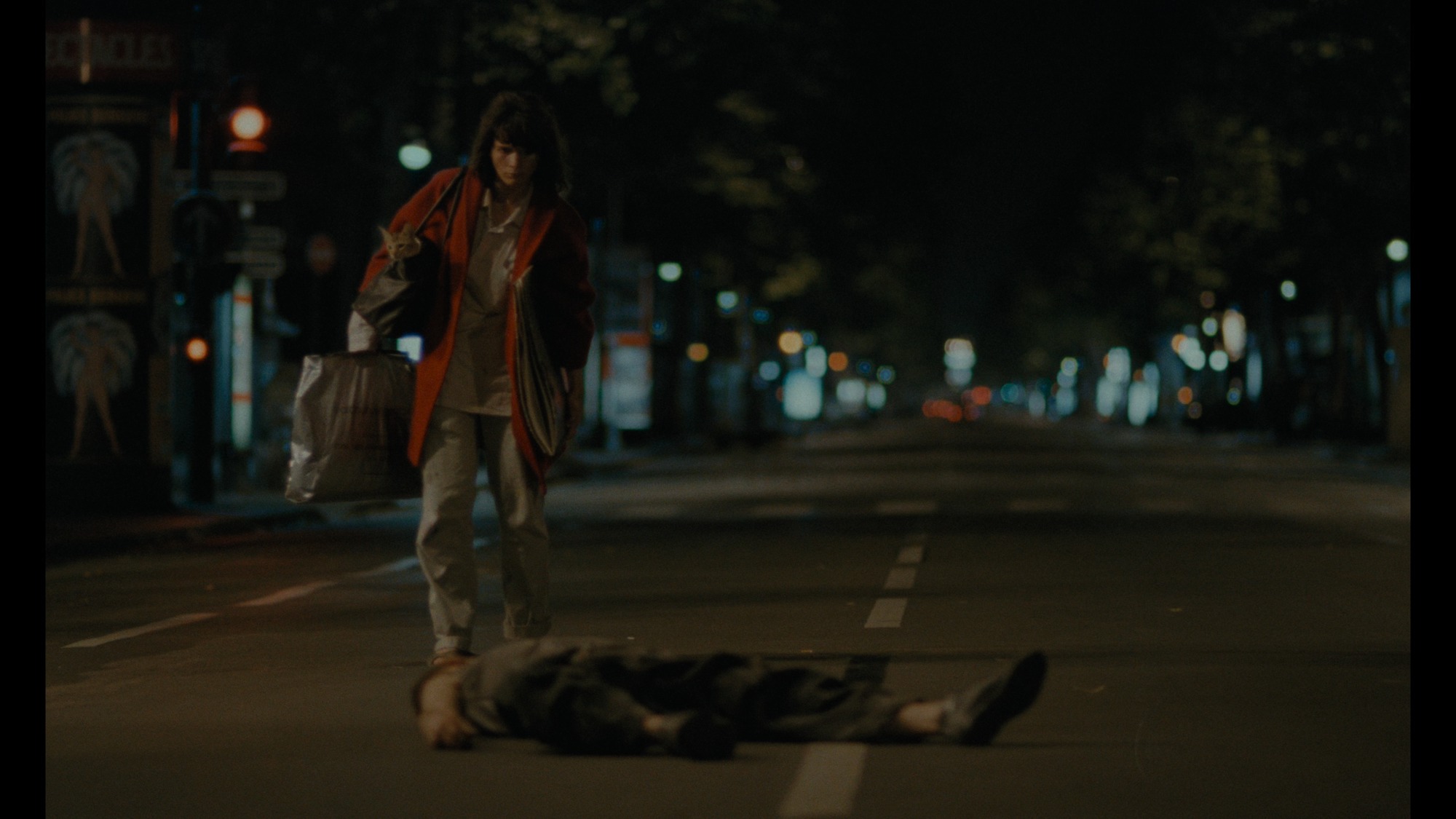
Three Films by Leos Carax - Screen Captures
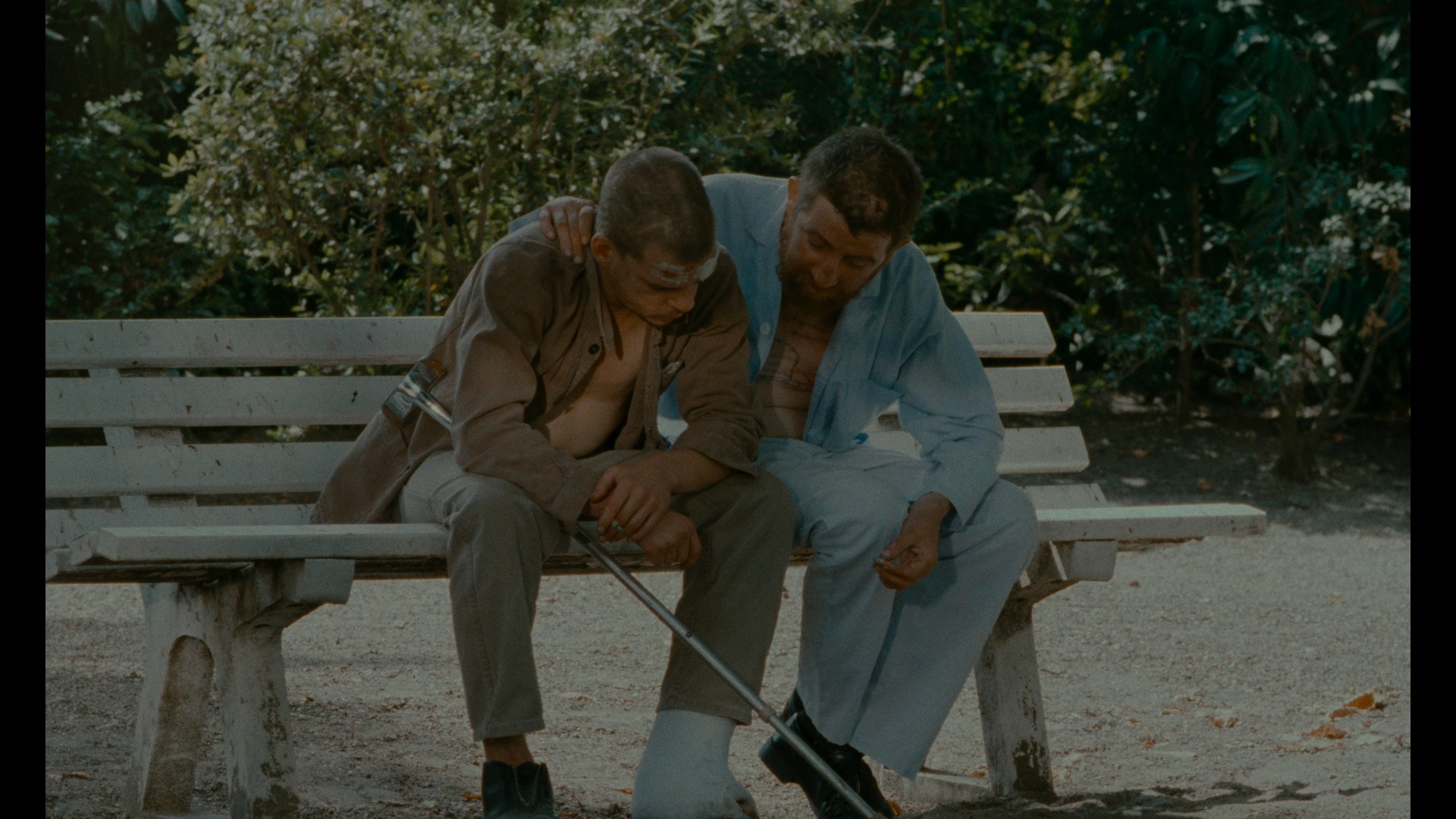
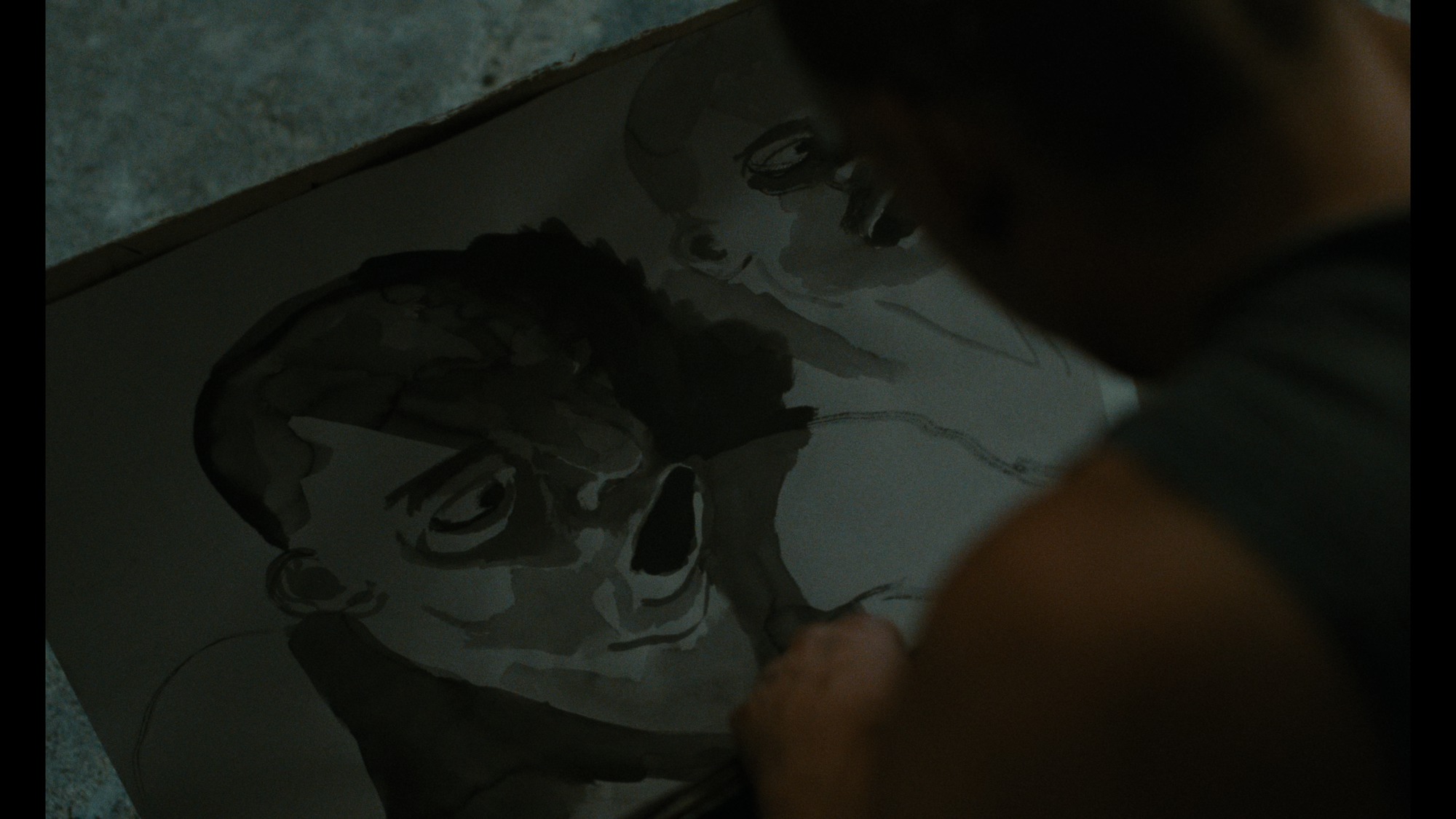
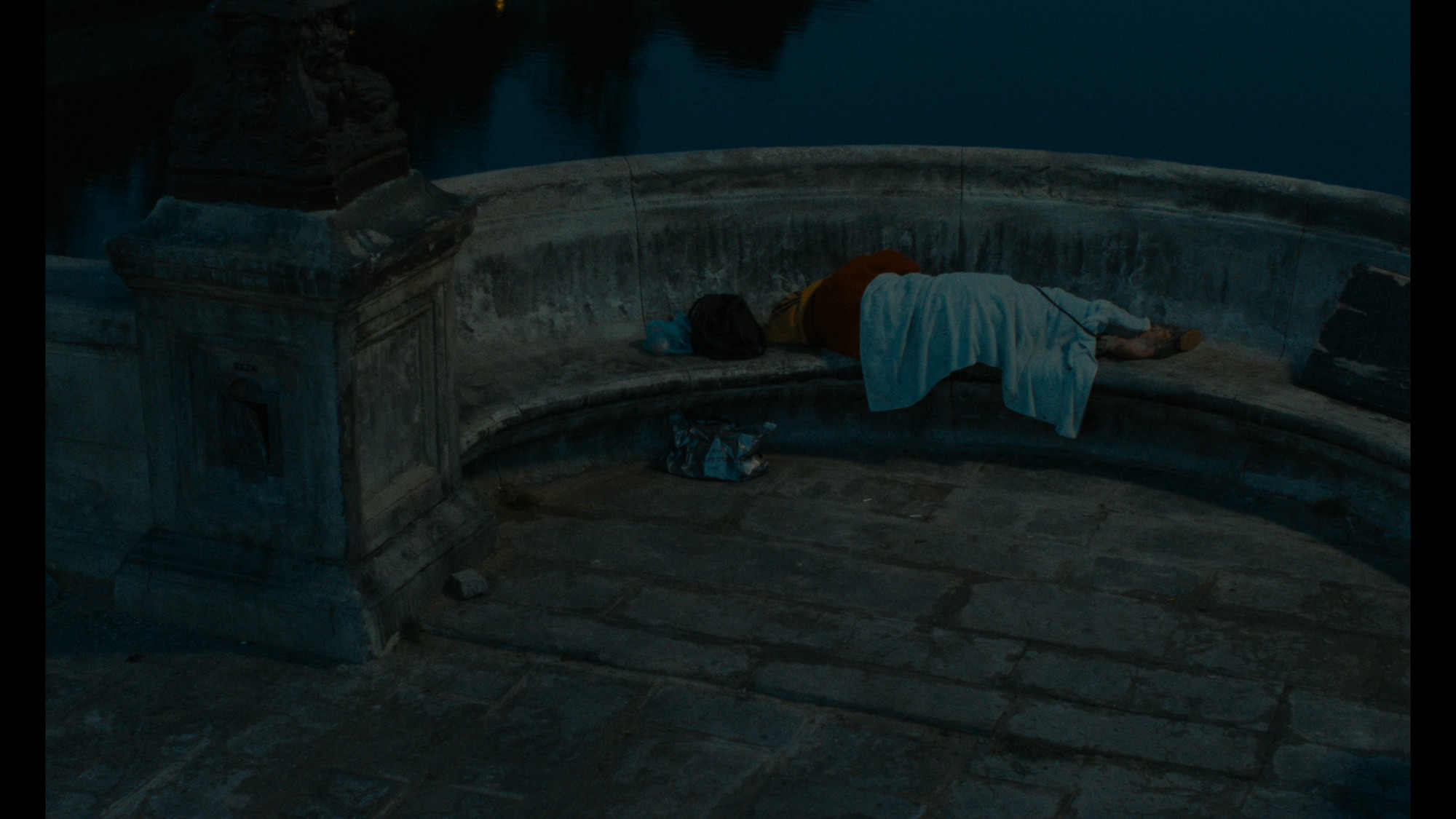
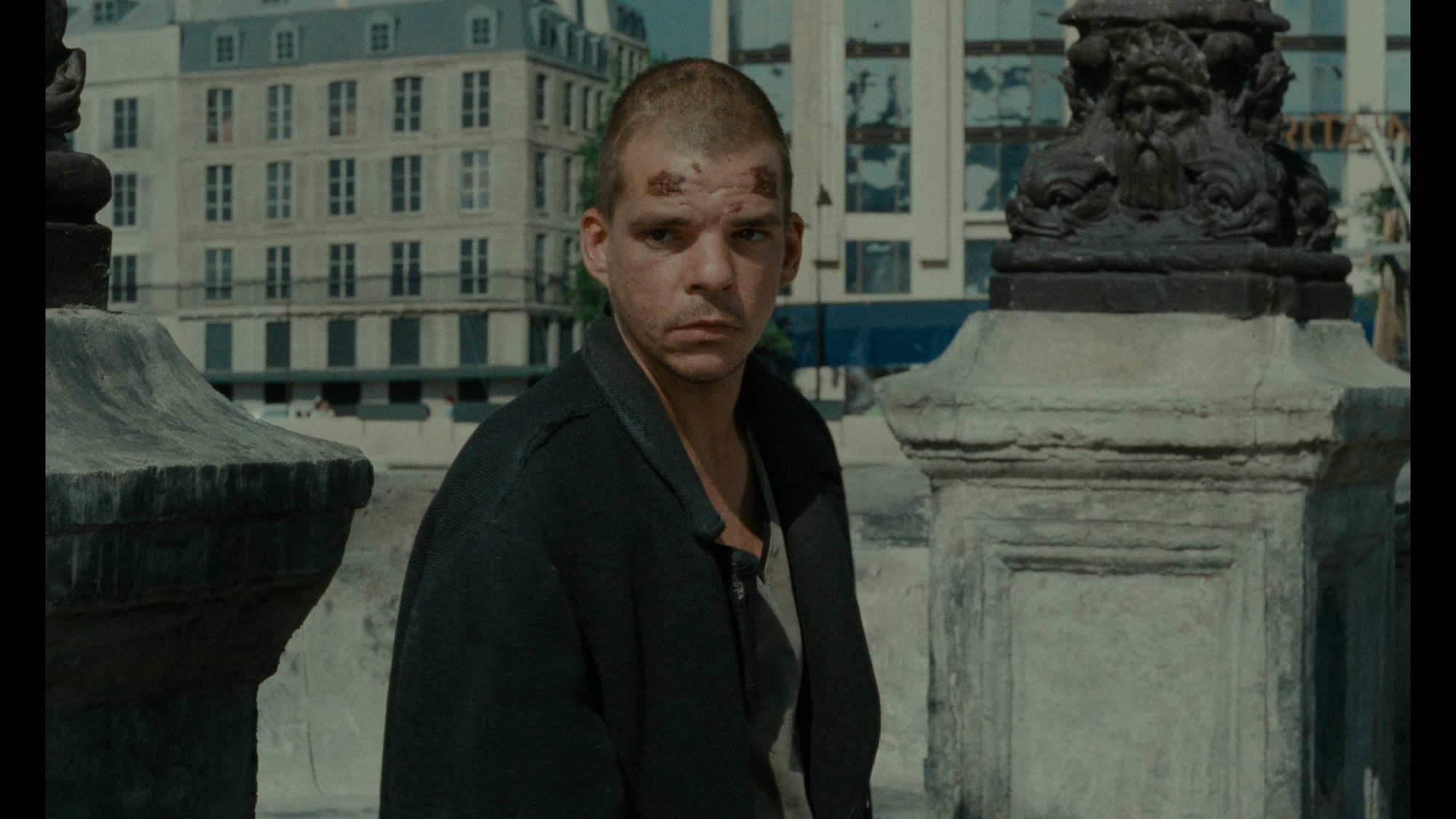
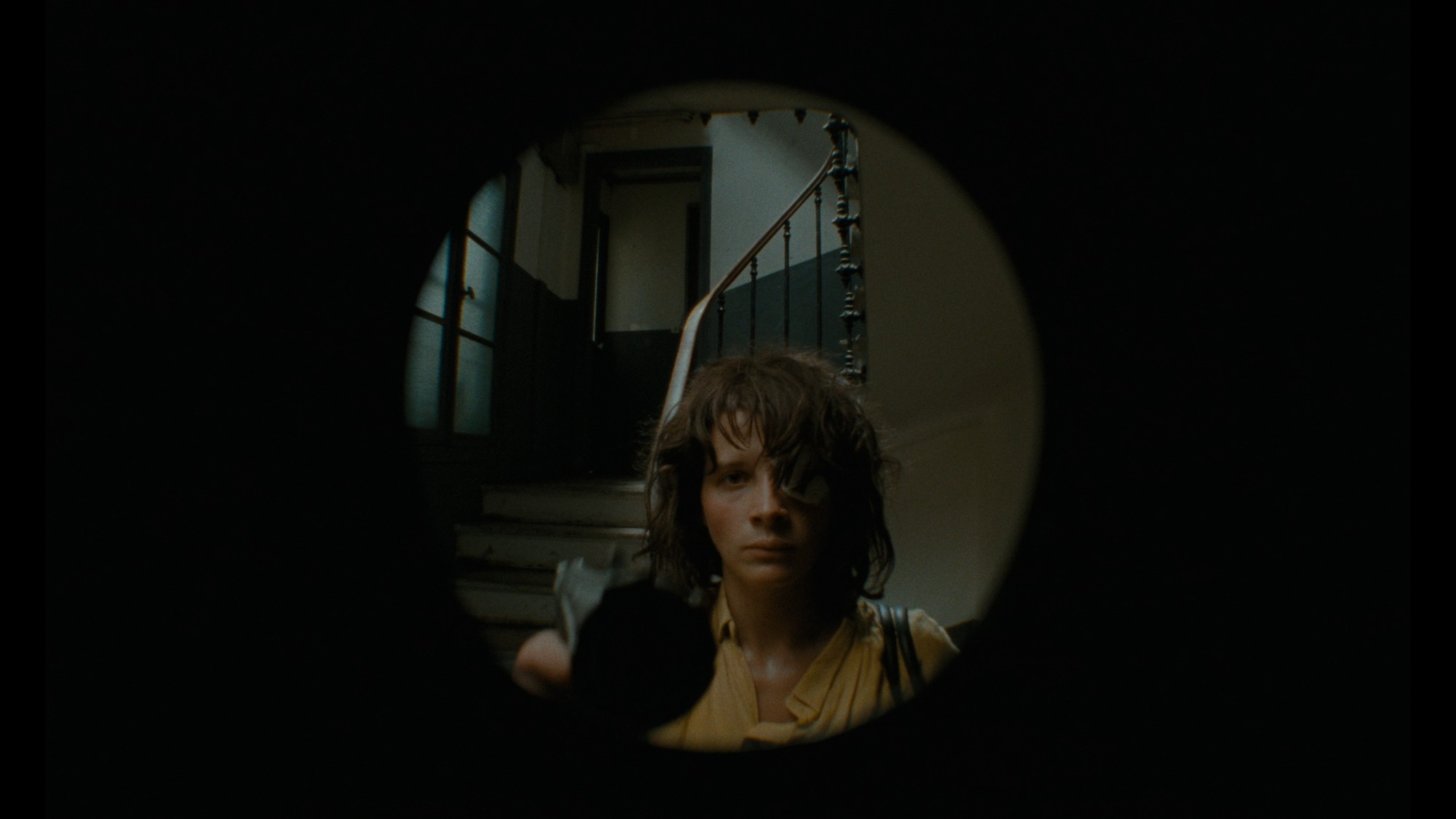
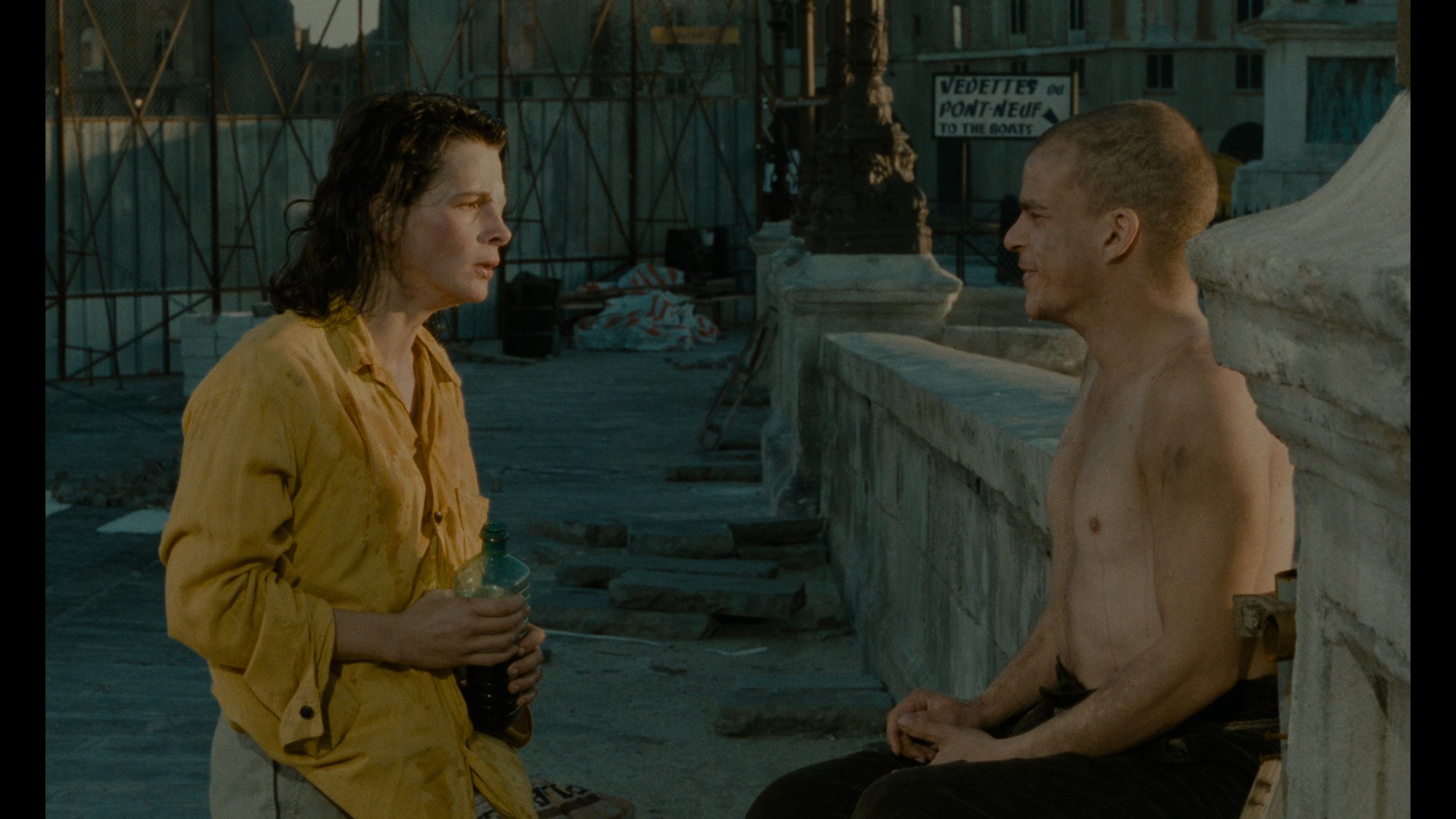
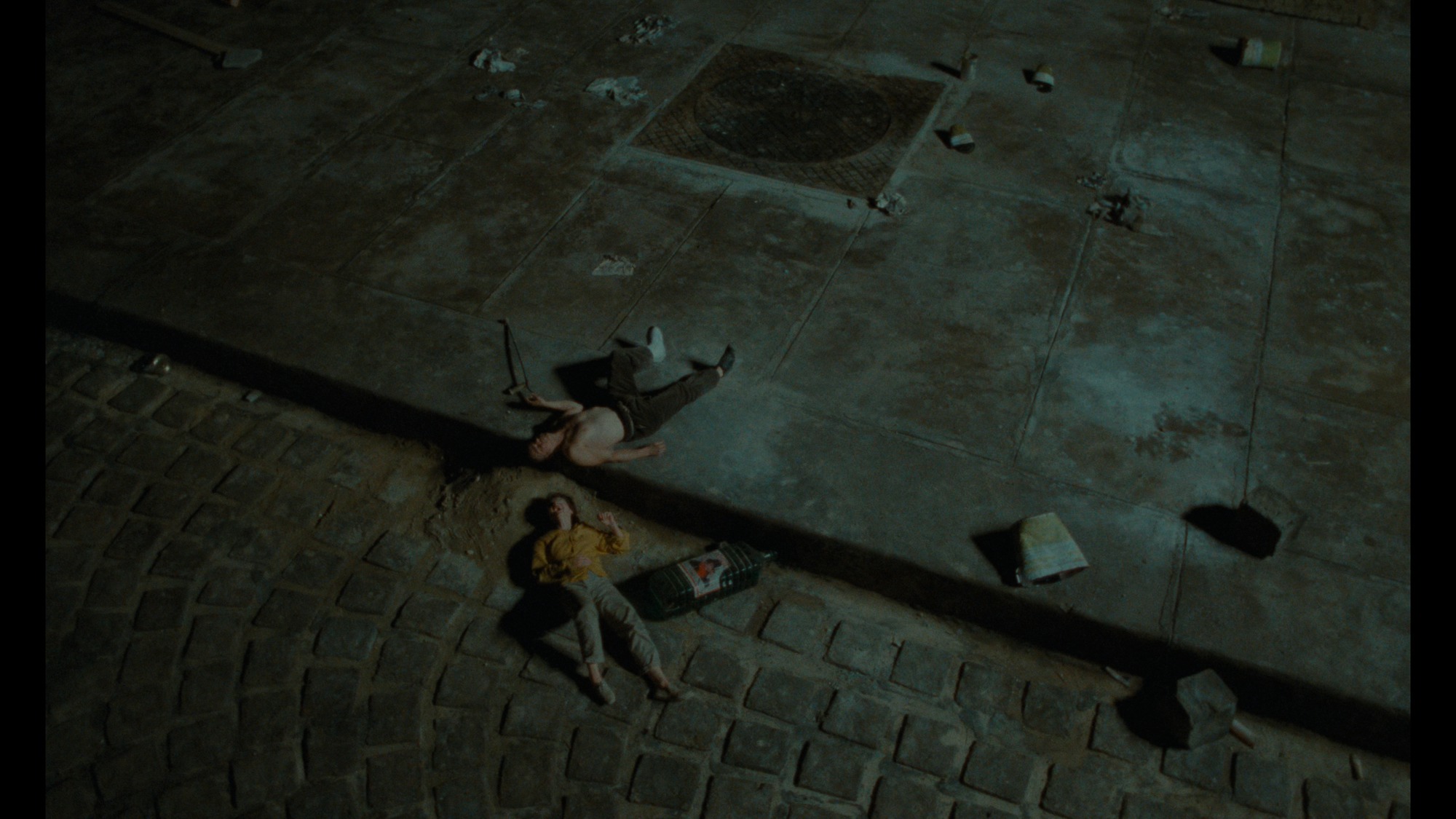
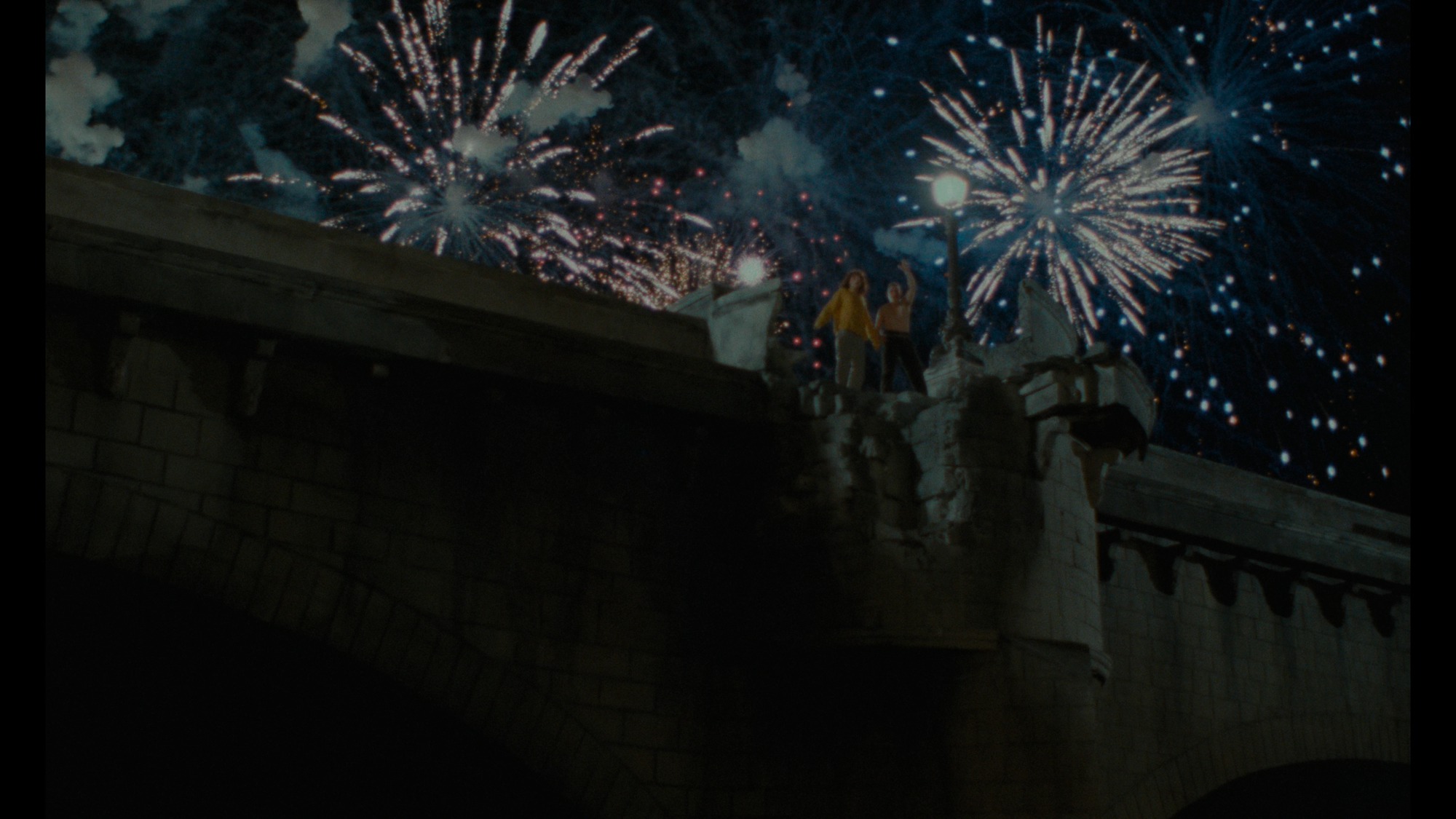
Audio 8/10
The film comes with a lossless DTS-HD MA 5.1 surround soundtrack, the only multichannel mix in the set. It’s a rather active one, with quite a bit going on at times. Ambient noise is mixed effectively through the channels, as is some of the film’s music, but the standout is probably the fireworks sequence on the bridge. The explosions seem to come from all around, while the music swells to a higher volume with solid bass.
Dialogue is clear, with fantastic fidelity, and the dynamic range is incredibly wide and no obvious filtering in place. All in I was very happy with this.
Extras 7/10
Sadly, the film doesn’t receive much in the way of supplemental material, somewhat of a surprise considering it may be Carax’s most popular title and had a fairly infamous production history, at least in the French press. There are only a couple of substantial features here, though both are very good.
The standout may be a video essay about director of photography Jean-Yves Escoffier, who comes up in other features throughout the set but gets his own focus here. Over clips from each film and behind-the-scenes material, narrator Tony Sturno reads from an interview Escoffier gave for New Cinematographers, in which he talks about his work with Carax on all three films. He covers working in both black and white and color (saying black and white can be “less messy”) and how they arrived at the look they wanted for each film. That leads to details specific to each production, like the skydiving sequence in Mauvais Sang and the many problems that arose while making The Lovers on the Bridge, especially the need to recreate the bridge elsewhere. (It sounds like insurance played a big part in that decision.) He also talks about the later Louvre sequence, which he had hoped to light entirely by candlelight. He managed to rig something up with the candles that appear in the scene, but without the lenses Stanley Kubrick had for Barry Lyndon, it doesn't sound like it went entirely the way he hoped. Filled with terrific technical details and explanations around the decisions behind each shot, it’s one of the set’s stronger features and an incredibly breezy 31 minutes.
Sadly, that’s it for new material, with none of the exclusive features from Kino’s edition making their way here. Criterion does at least include a documentary on the film’s infamous bridge set, entitled Le Pont-Neuf des Amants. Featuring a lot of home-video footage and interviews, the 54-minute piece gets into why the production had to move from the actual bridge to a set recreating it, along with the many delays that followed (and other problems that popped up). I have to say, the end product is impressive. While watching the film, if I didn’t know any better, I would have assumed they’d shot it all on location. Before seeing this footage, I also assumed forced perspective played a much larger part in pulling it off, so I was shocked to see how little they appeared to rely on it. I don’t know how to scale everything was, but the set is massive, and just seeing its construction and the finished product is something. It’s also fun to see some of the trickery involved, particularly in creating the cobblestones and other stonework, much of it made from foam. Really interesting, and worth viewing if you’re curious about this aspect of the production.
Finally, the disc closes with the new Janus trailer touting the new restoration. And that’s it. While I definitely would have expected more, this disc has a couple of the stronger features in the set, and it’s a fine enough way to close everything off.
Closing
I would have expected more features specific to the film, but the new 4K presentation is a knockout; the best in an already solid box set.
BUY AT: