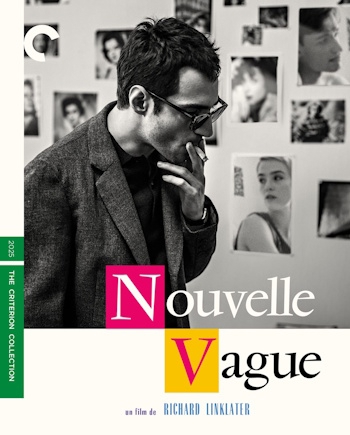
Nouvelle Vague
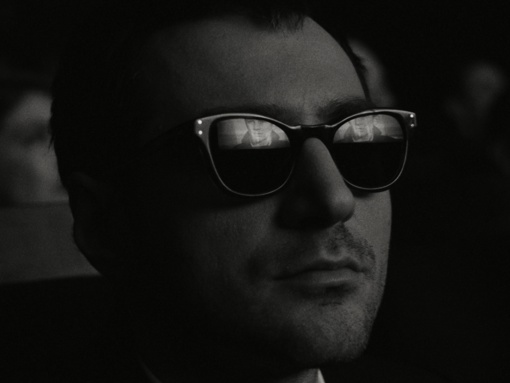
BUY AT:


See more details, packaging, or compare
Synopsis
It’s 1959, and a young Jean-Luc Godard (Guillaume Marbeck) is the only one among his film-critic peers at Cahiers du cinéma not to have made a feature film. Determined to put his revolutionary cinematic ideas into practice, he brings his small crew and two stars—an eager unknown named Jean-Paul Belmondo (Aubry Dullin) and wary Hollywood expat Jean Seberg (Zoey Deutch)—onto the streets of Paris to shoot Breathless, an adventure in unfettered creativity that would soon upend the way movies are made. With this enthralling love letter from one cinematic maverick to another, director Richard Linklater captures, with buoyant humor and effortless charm, the intoxicating joy of being young, breaking all the rules, and making art without boundaries.
Picture 9/10
The Criterion Collection brings Richard Linklater’s love letter to the French New Wave, Nouvelle Vague, to 4K UHD, presenting the film in its original aspect ratio of 1.37:1 on a dual-layer BD-66 disc with a 2160p/24hz ultra high-definition SDR encode. The release also includes a 1080p presentation of the film on a standard dual-layer Blu-ray alongside all of the release’s video features.
As a note up front, the 4K disc I received unfortunately had playback issues; at around the 30-minute mark, the film started pixelating and skipping, continuing like this for about 20 minutes. This doesn’t appear to be a common or known issue with the release (at least I haven't seen anything online indicating otherwise), so I’m assuming I simply received a defective disc. I will be receiving a replacement, but for the purposes of this article I’ll be ignoring the issue, and it won’t be reflected in the score. Once I receive the replacement disc, I’ll provide an update.
Ignoring that issue, the end results look very good, delivering an aesthetic that I’m positive Linklater was going for. Though the film was finished digitally (there are no notes around the presentation included with the release, but I’m assuming this was sourced from a 4K intermediate), it was shot on 35mm using period equipment—cameras and lenses—with Linklater aiming to simulate the look of a film from the era. And it really does look it.
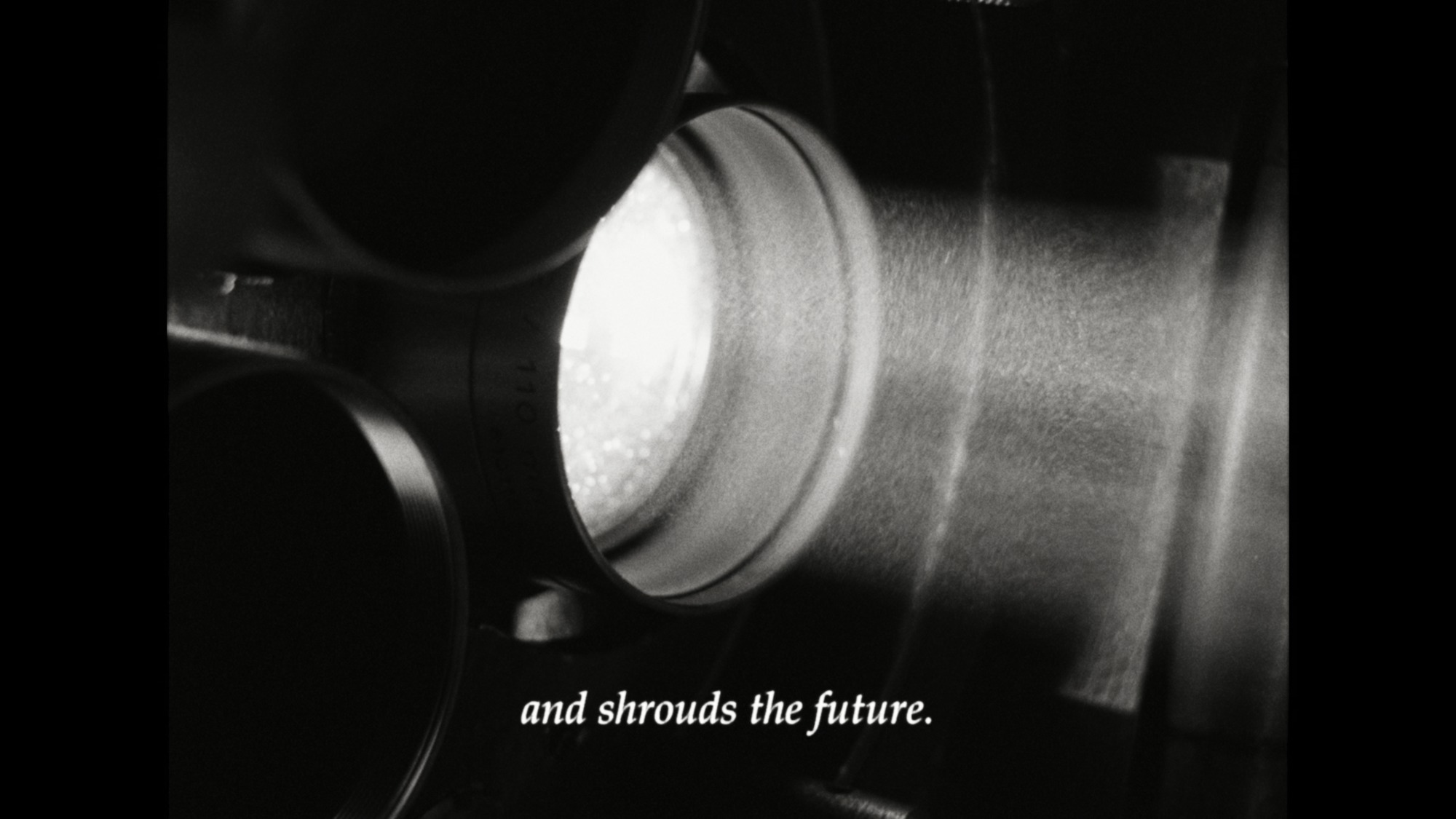
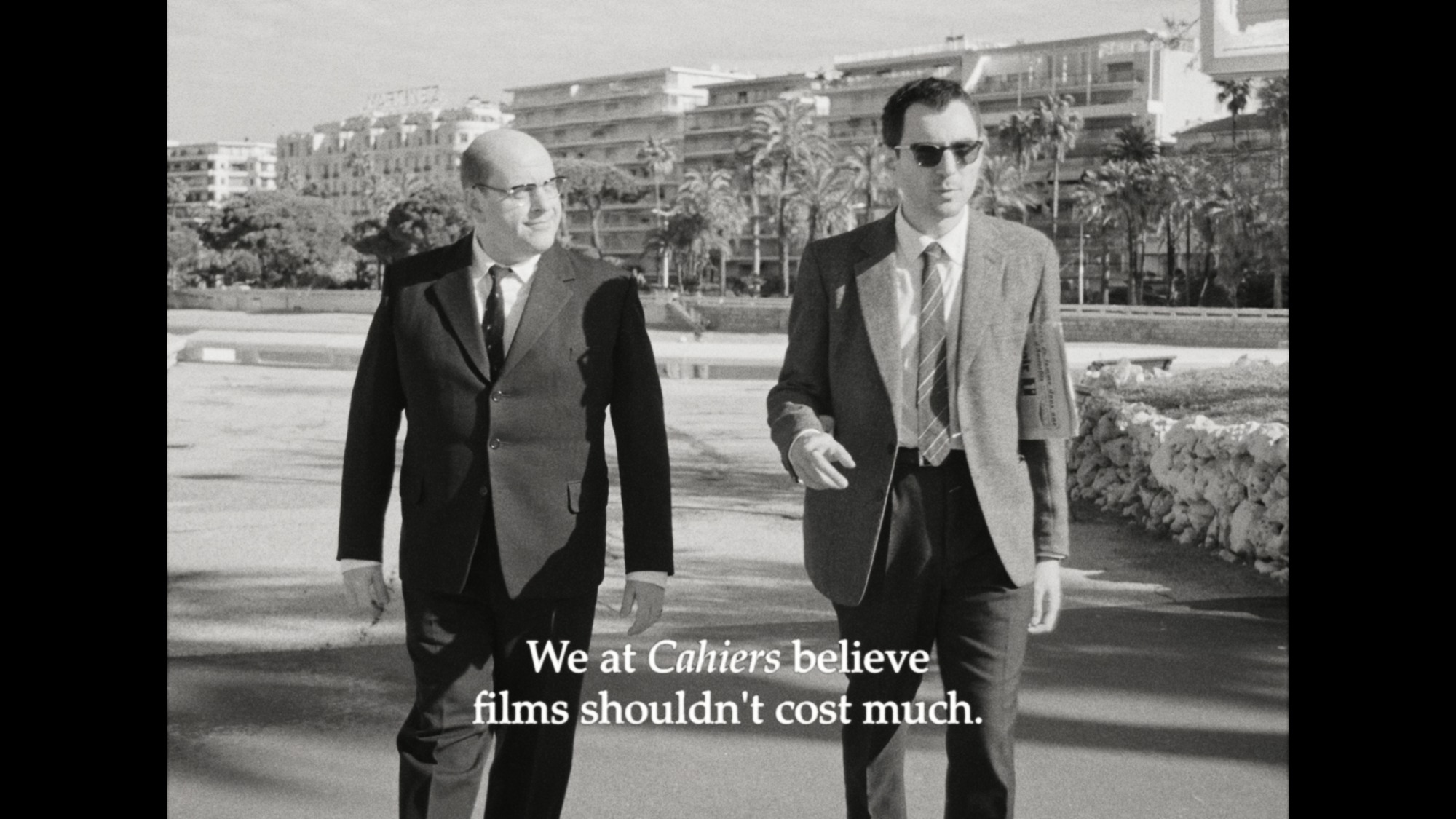
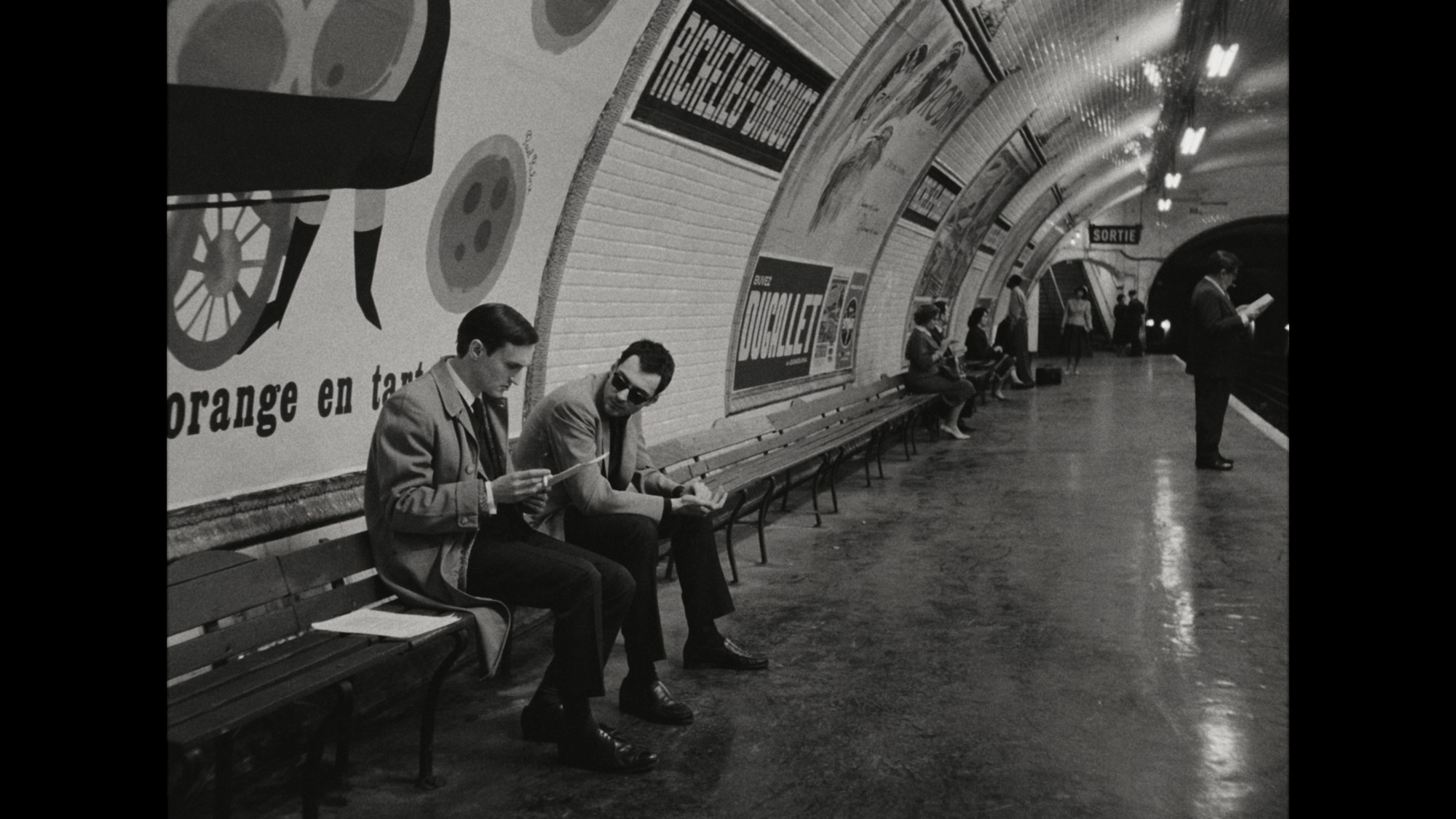
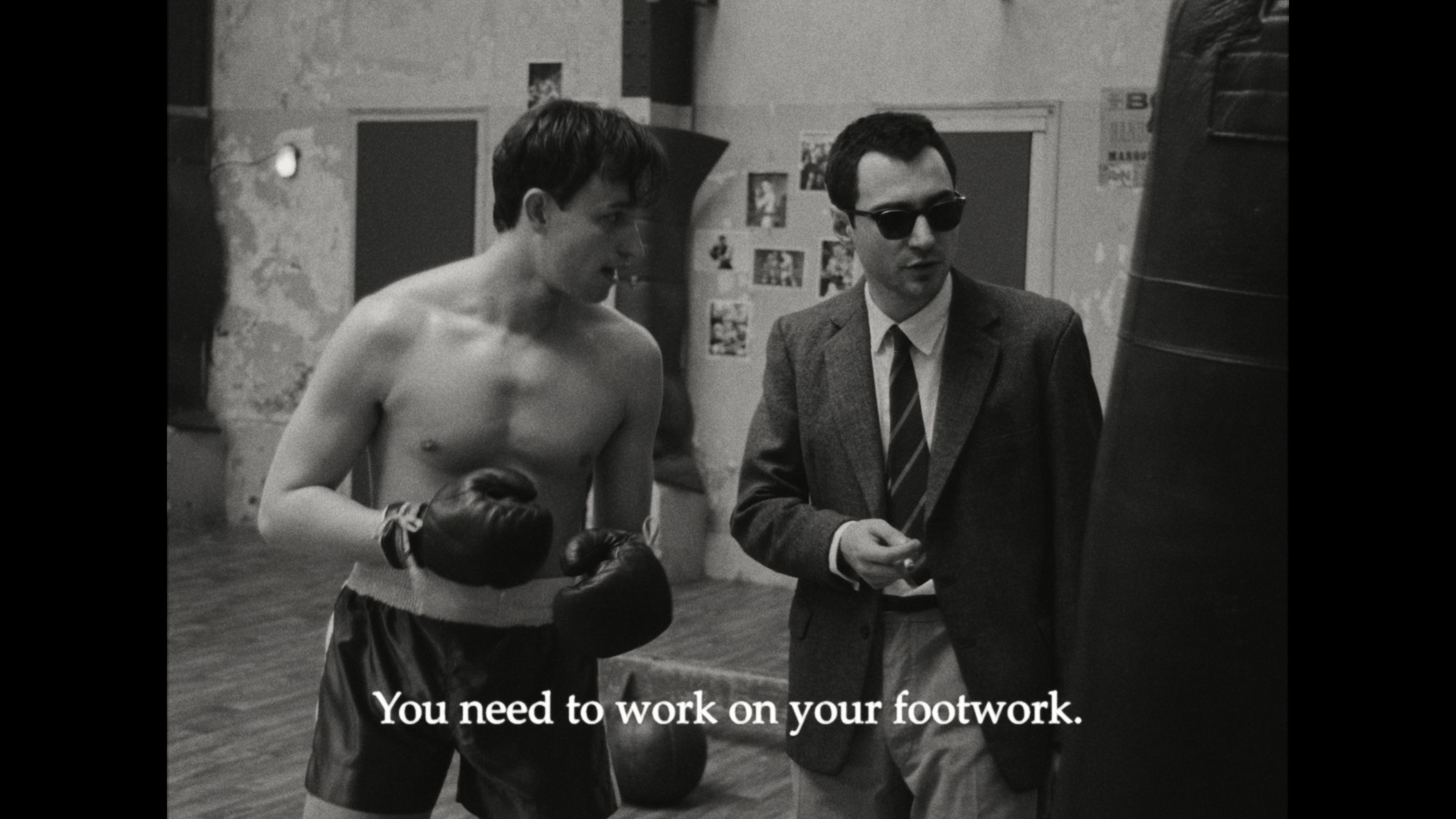
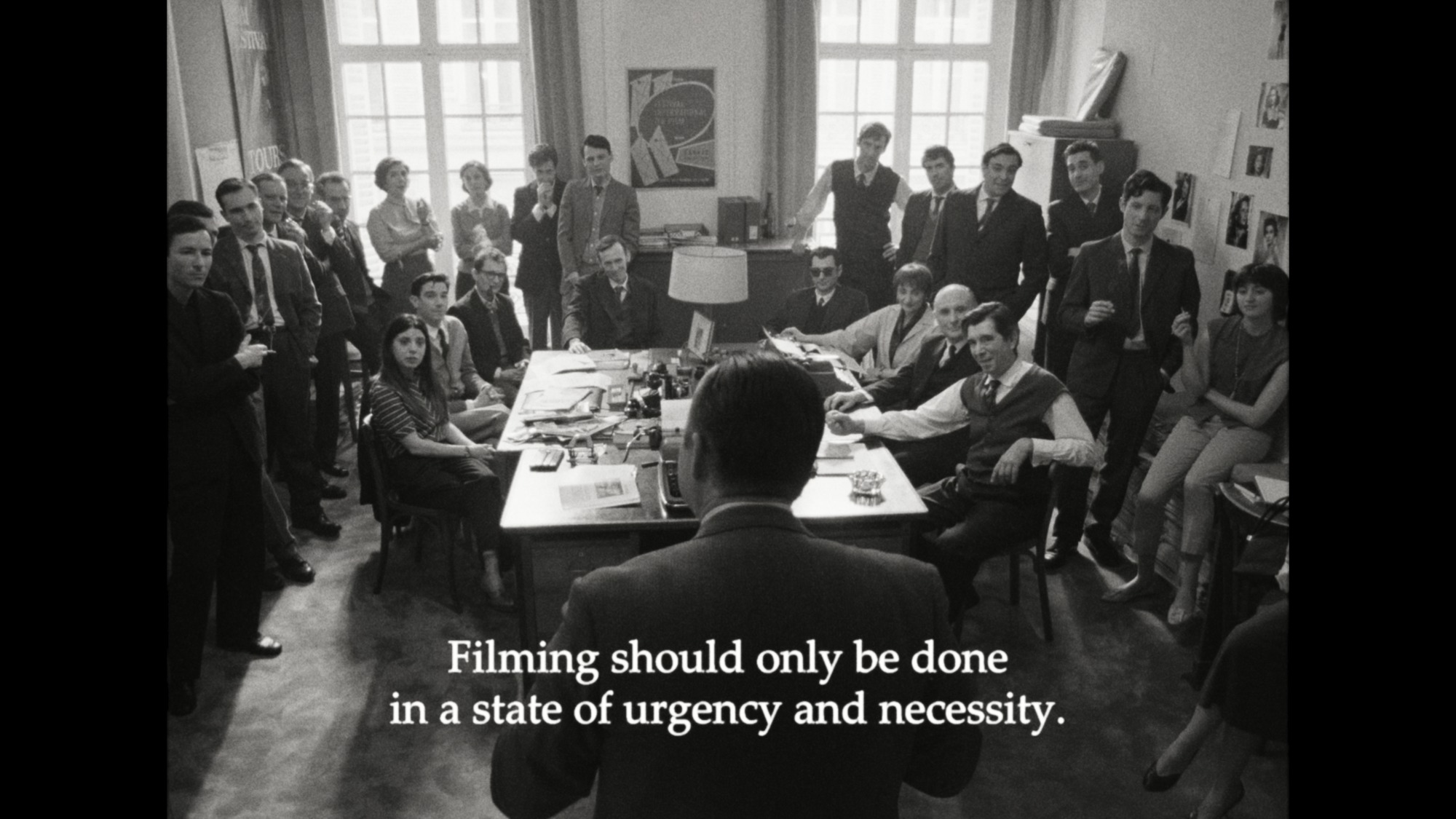
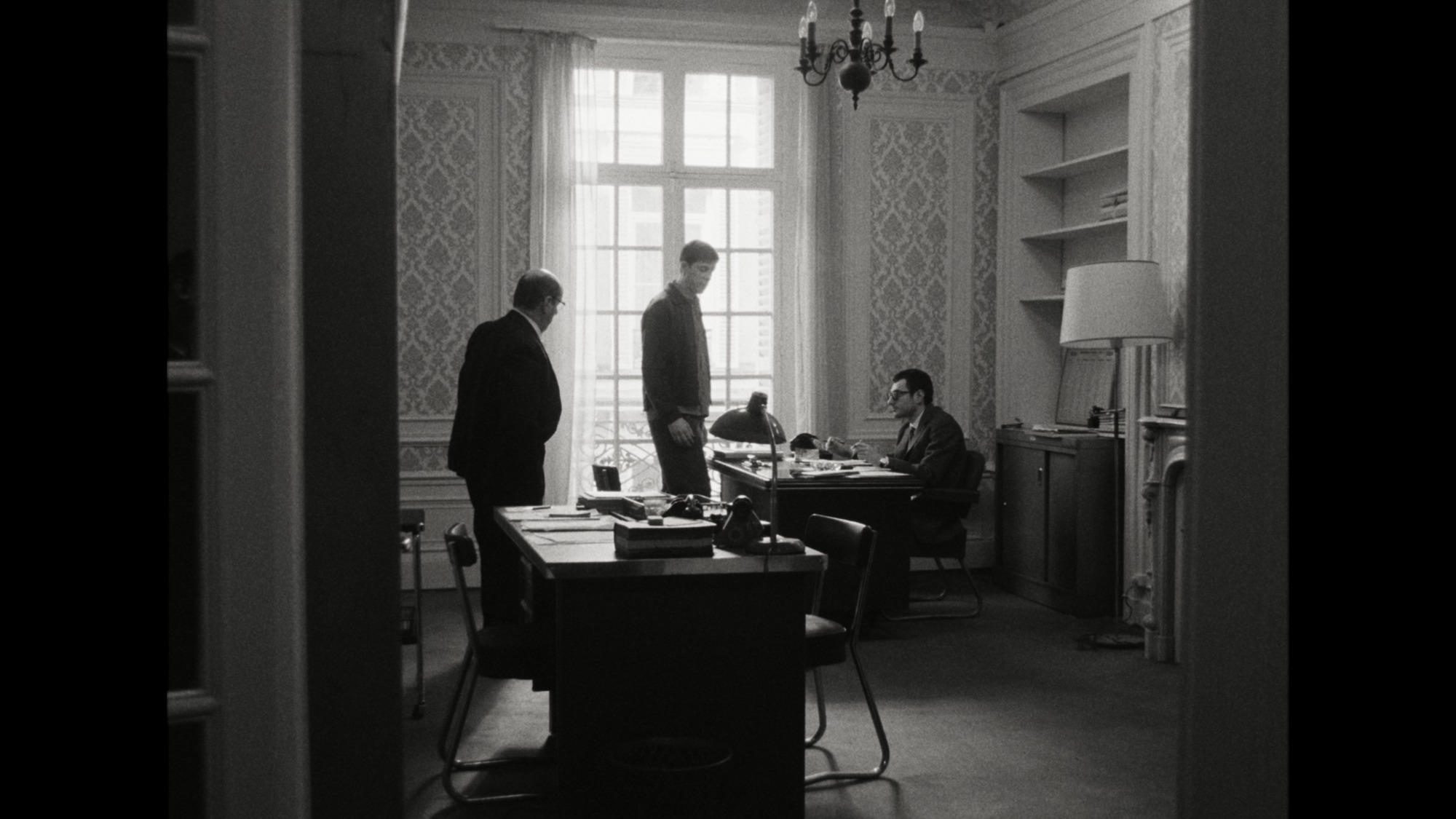
There’s a slightly imperfect appearance to the film that’s very fitting, yet the image still retains a natural, film-like texture with natural-looking grain. Some of that grain has been digitally added to amp up the desired look (this is brought up in the included supplements), but it blends in convincingly and never comes off noisy or blocky. Details are strong, as are textures, though the image has a slightly softer appearance, almost as though it’s imitating a print a generation or two removed from the negative. I feel safe saying this is intentional, just like the reel-change markers (cigarette burns), slight scratches, and other imperfections that were added in post. The English subtitles, which use a font similar to what one might have seen during the period, are also burned in.
I was also impressed by the range in the grayscale despite the lack of HDR. Black levels can look a bit flat at times, even mushy, though again I feel this is intentional. HDR may have helped a bit in this regard, but ultimately its addition probably would have worked against the intended look, and highlights are still fairly bright without clipping away detail (except for instances where the subtitles can be hard to see when placed over brighter areas of the screen, which I just assumed was another intentional touch). Admittedly, though, compared to the included Blu-ray, the upgrade isn’t that significant. The Blu-ray’s encode maybe falls a bit short of the 4K’s, not handling the highlights quite as well, but it otherwise looks very good itself.
It’s a newer film that debuted on Netflix, so I guess it shouldn’t be a surprise that it looks as strong as it does, but it really does look good (outside of the issues with my disc), impressively recreating the film-like appearance of the period being depicted. Nicely done.
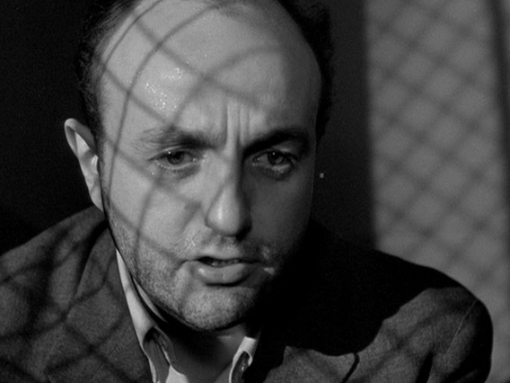
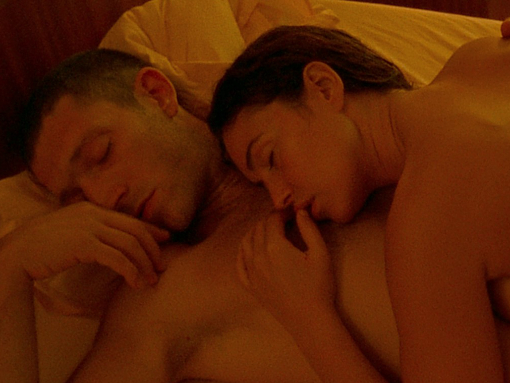
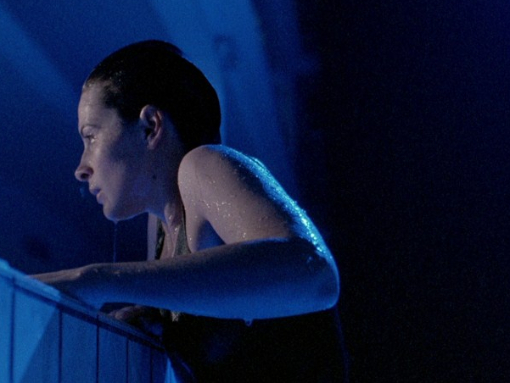
(I was only able to take screen captures from the early portions of the film.)
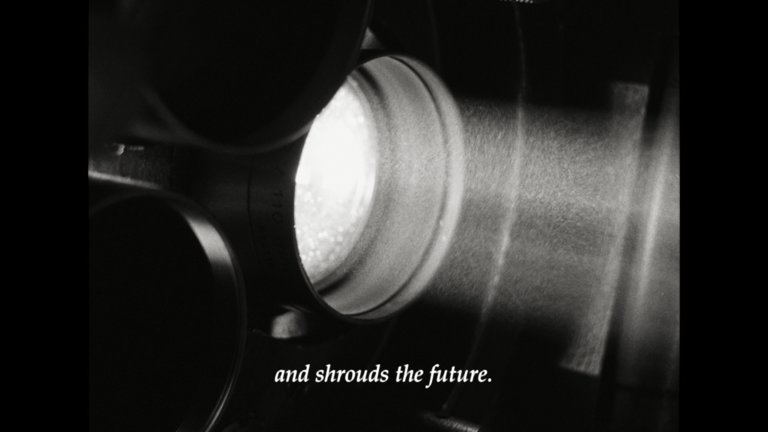
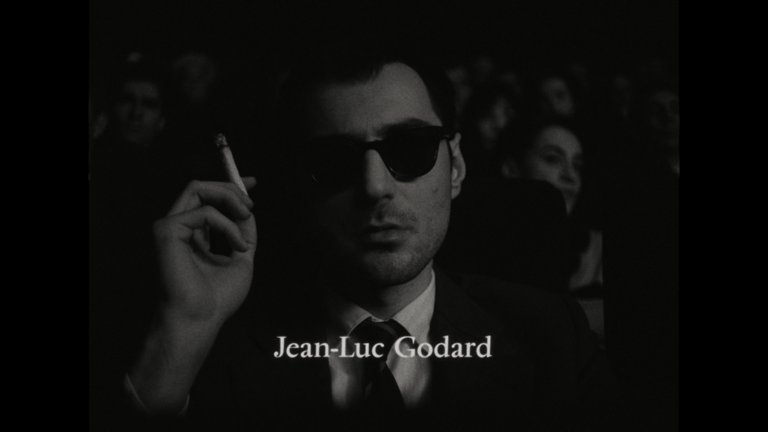
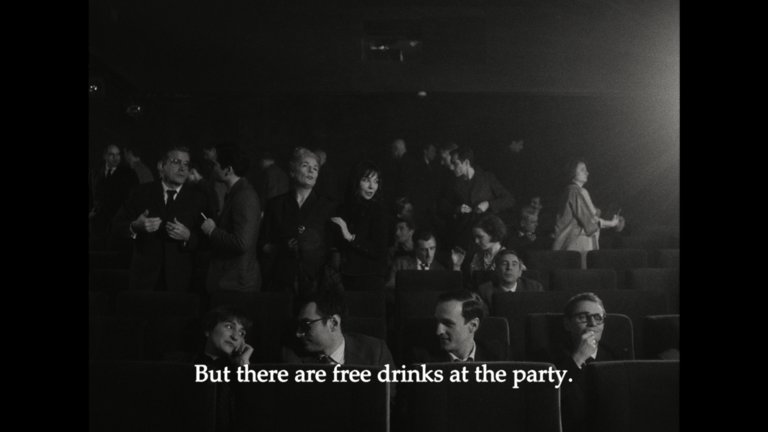
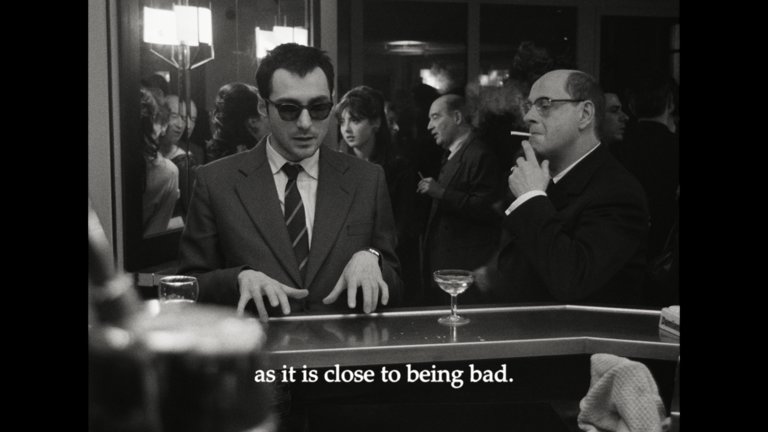
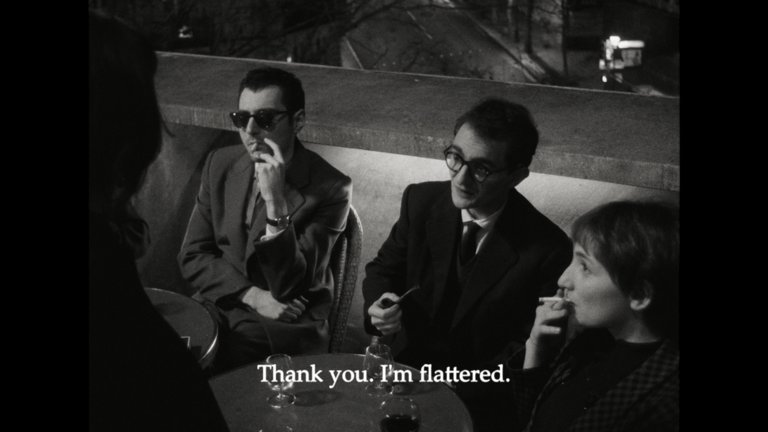
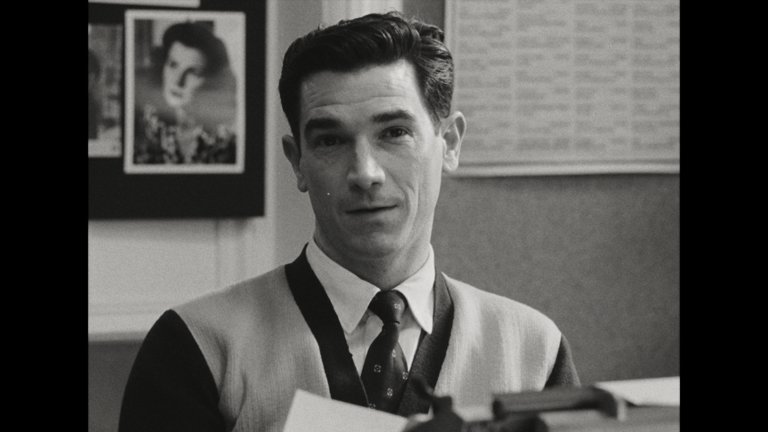
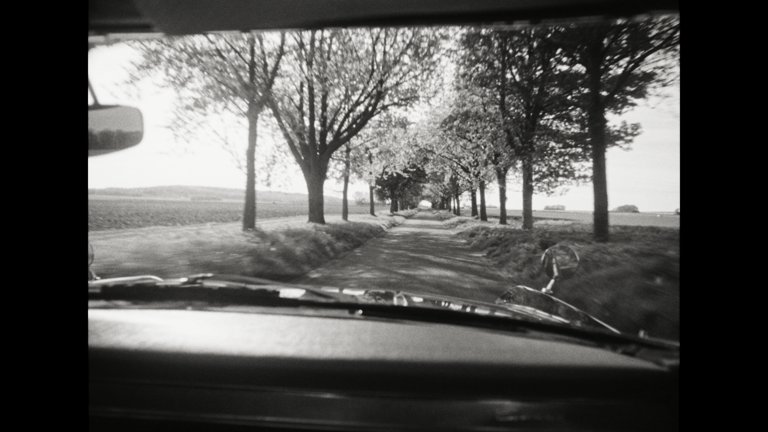
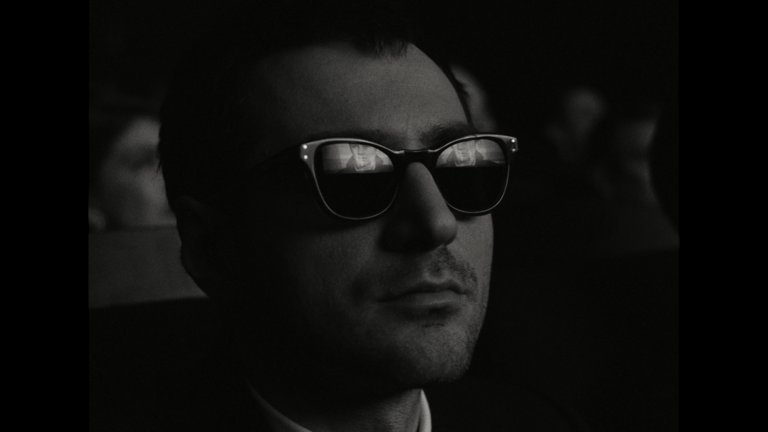
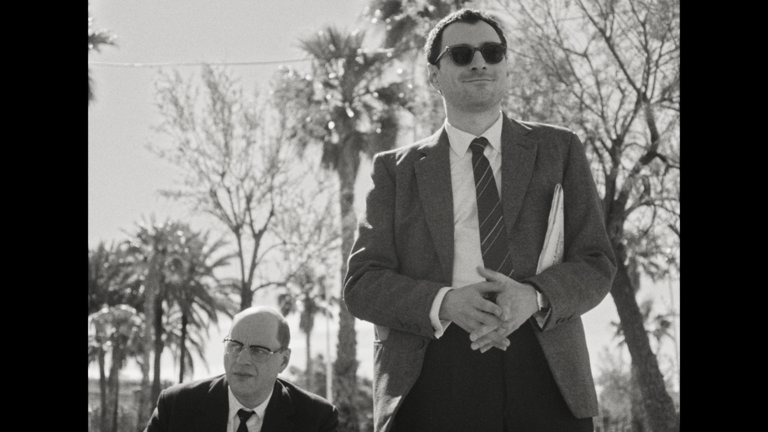
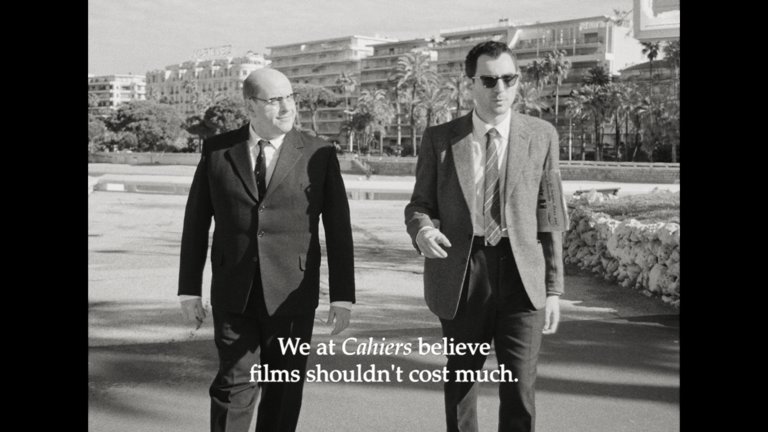
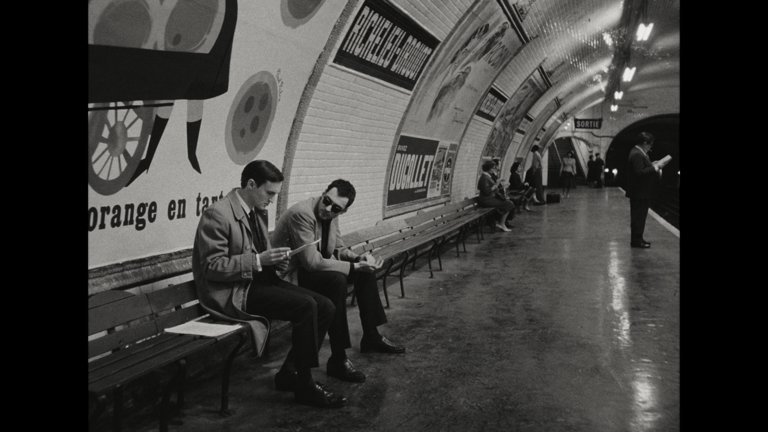
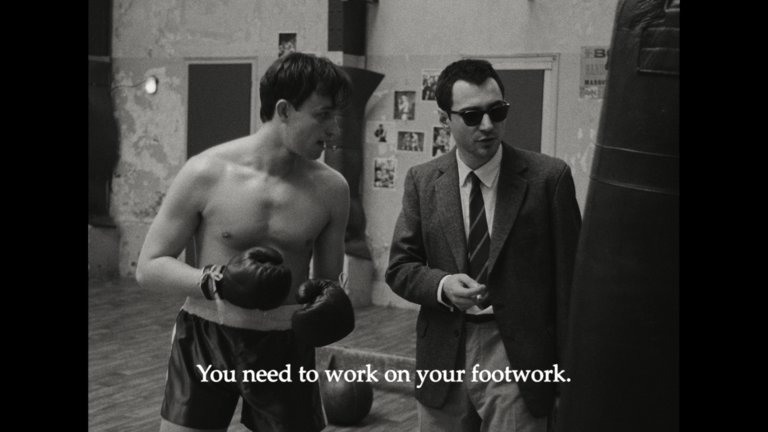
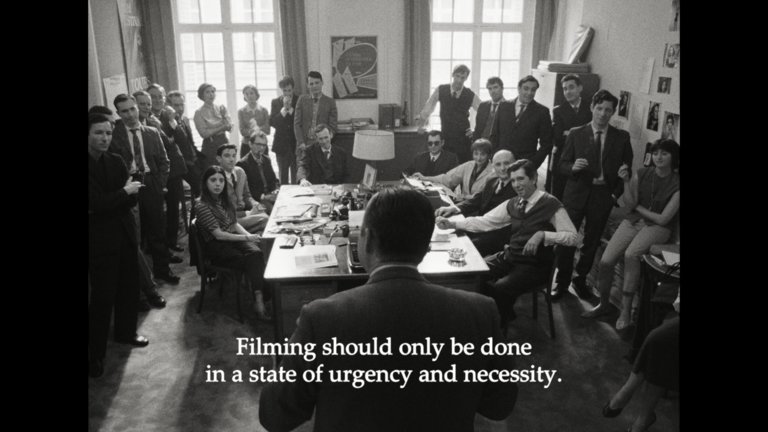
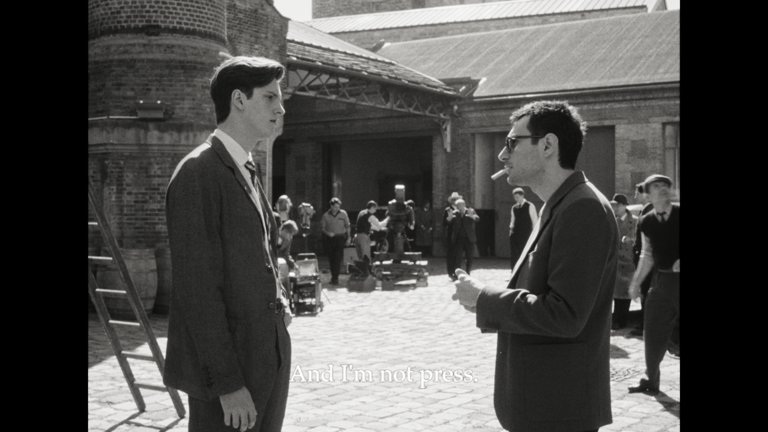
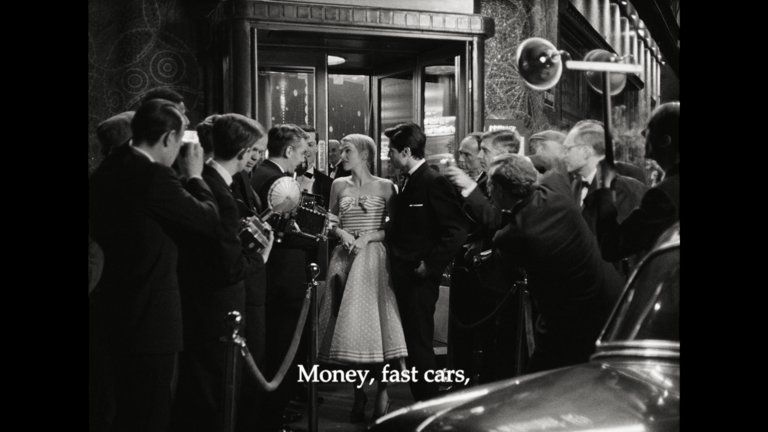
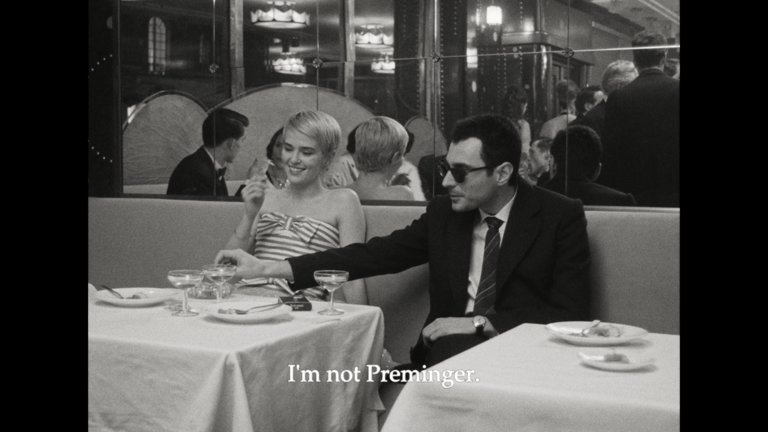
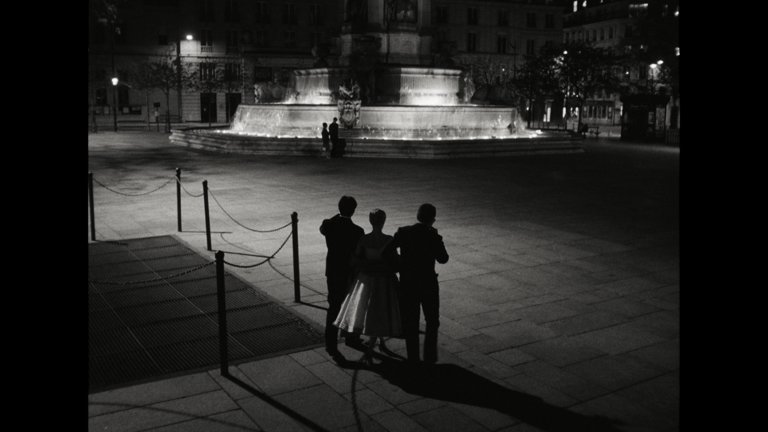
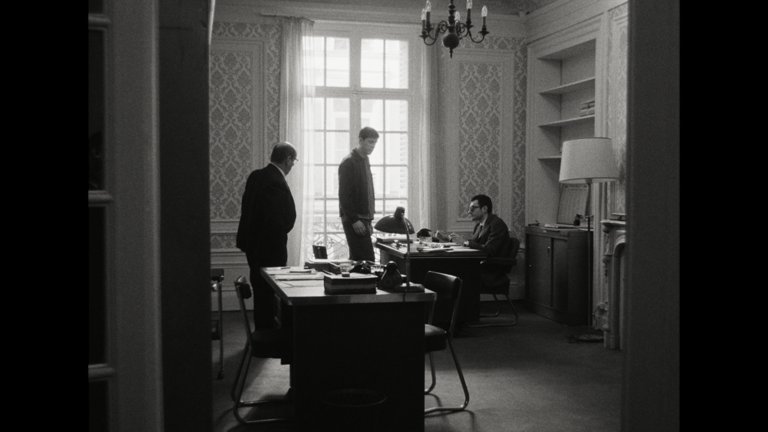
Nouvelle Vague - Screen Captures
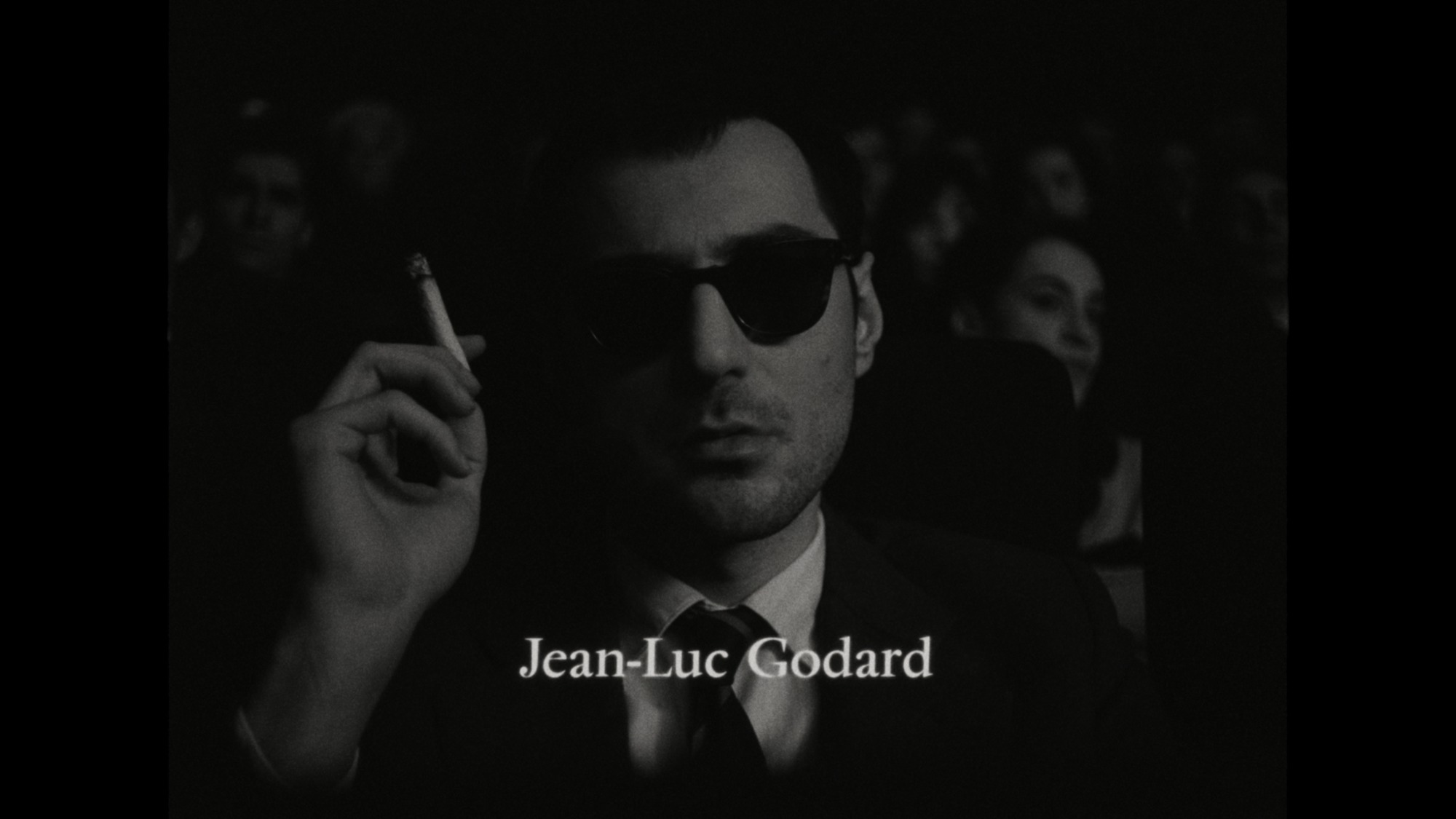
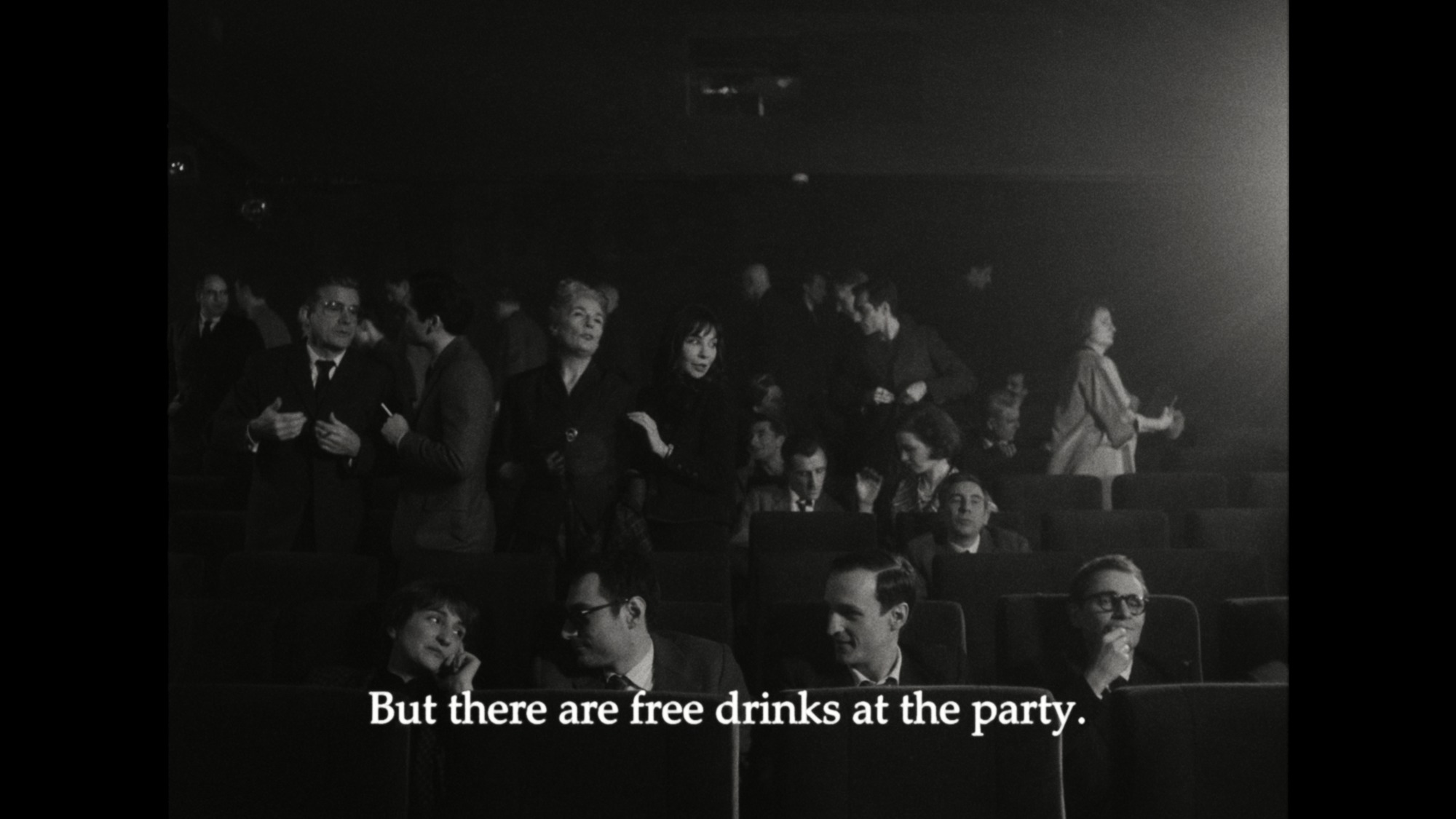
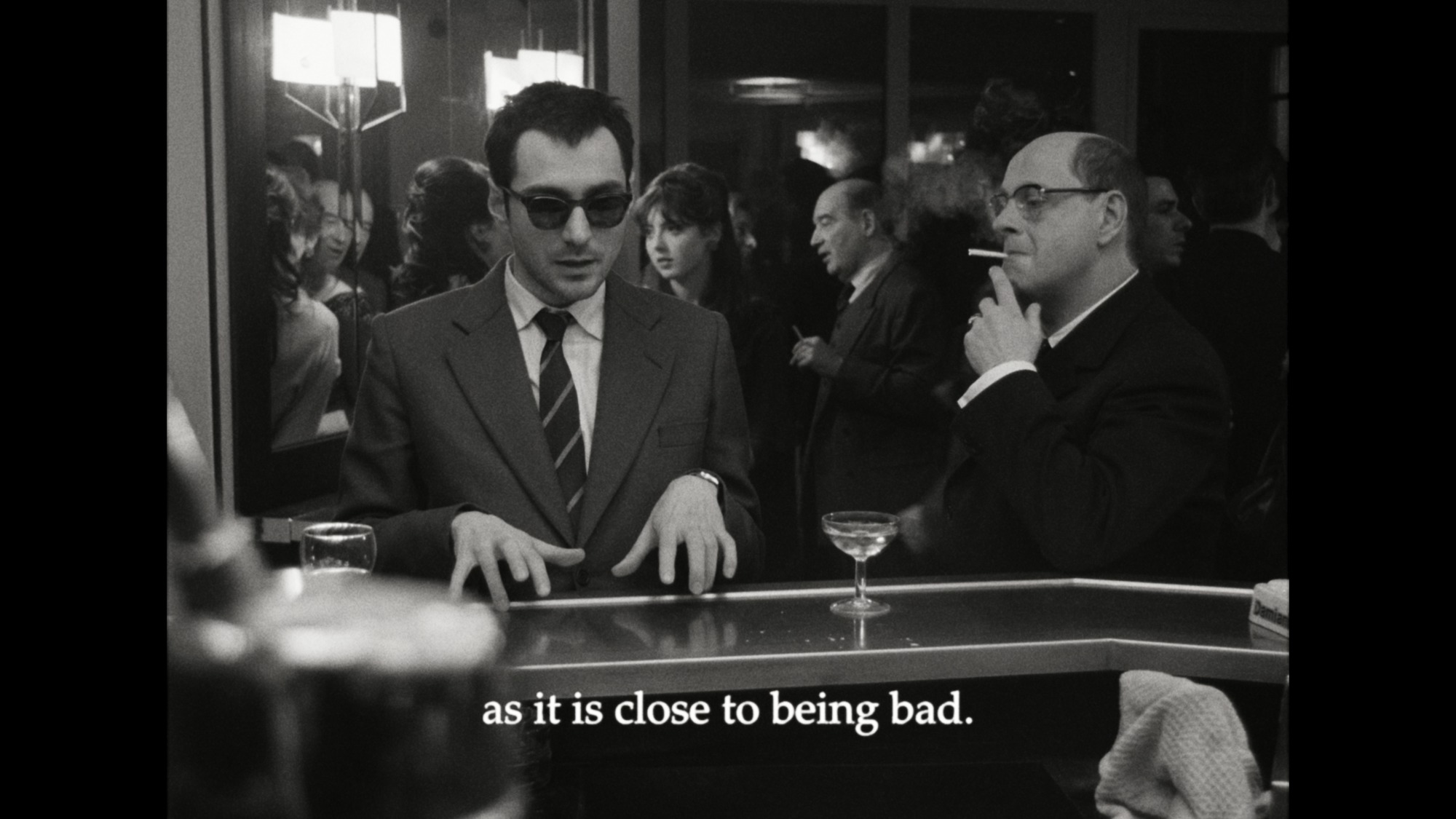
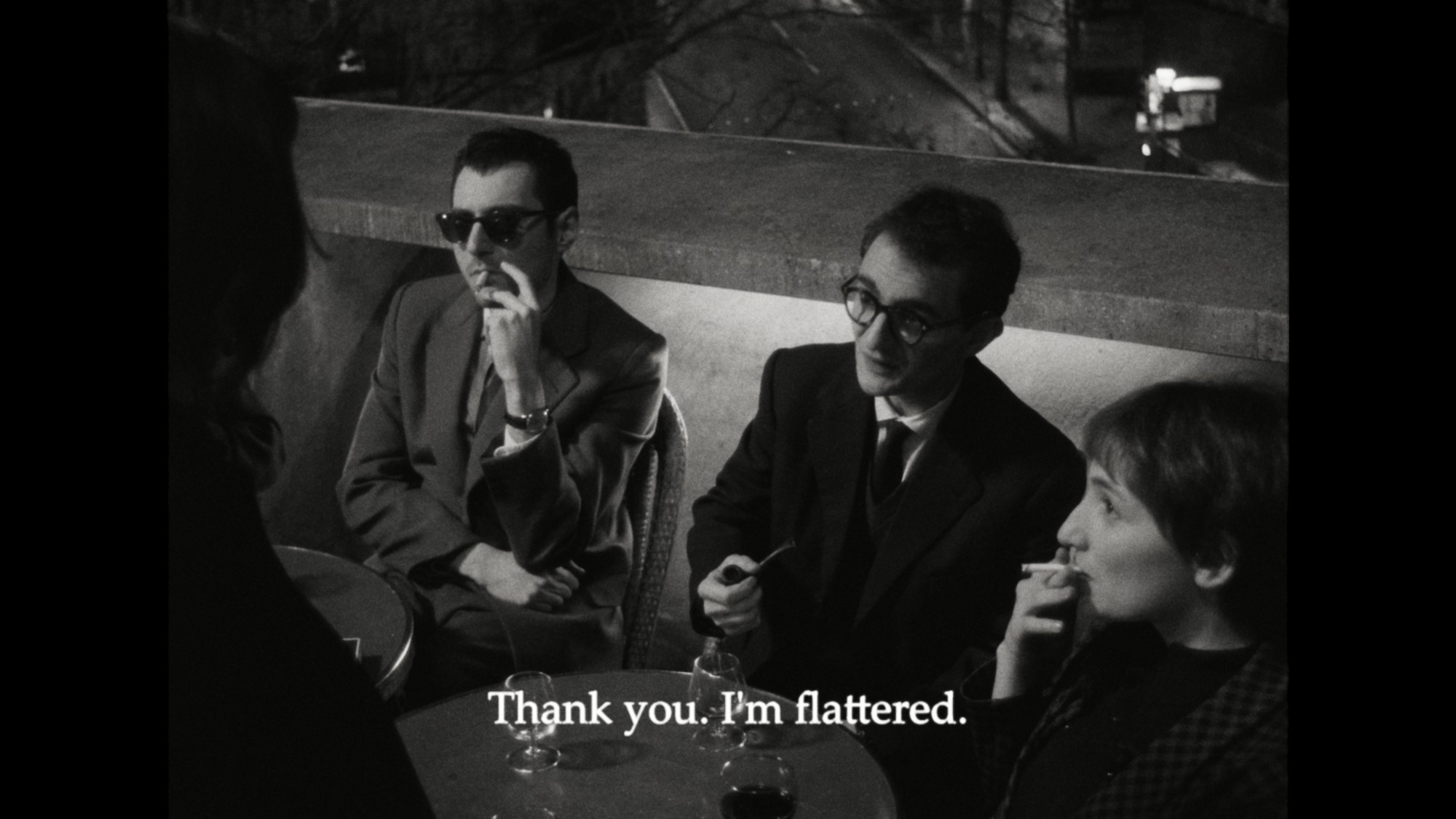
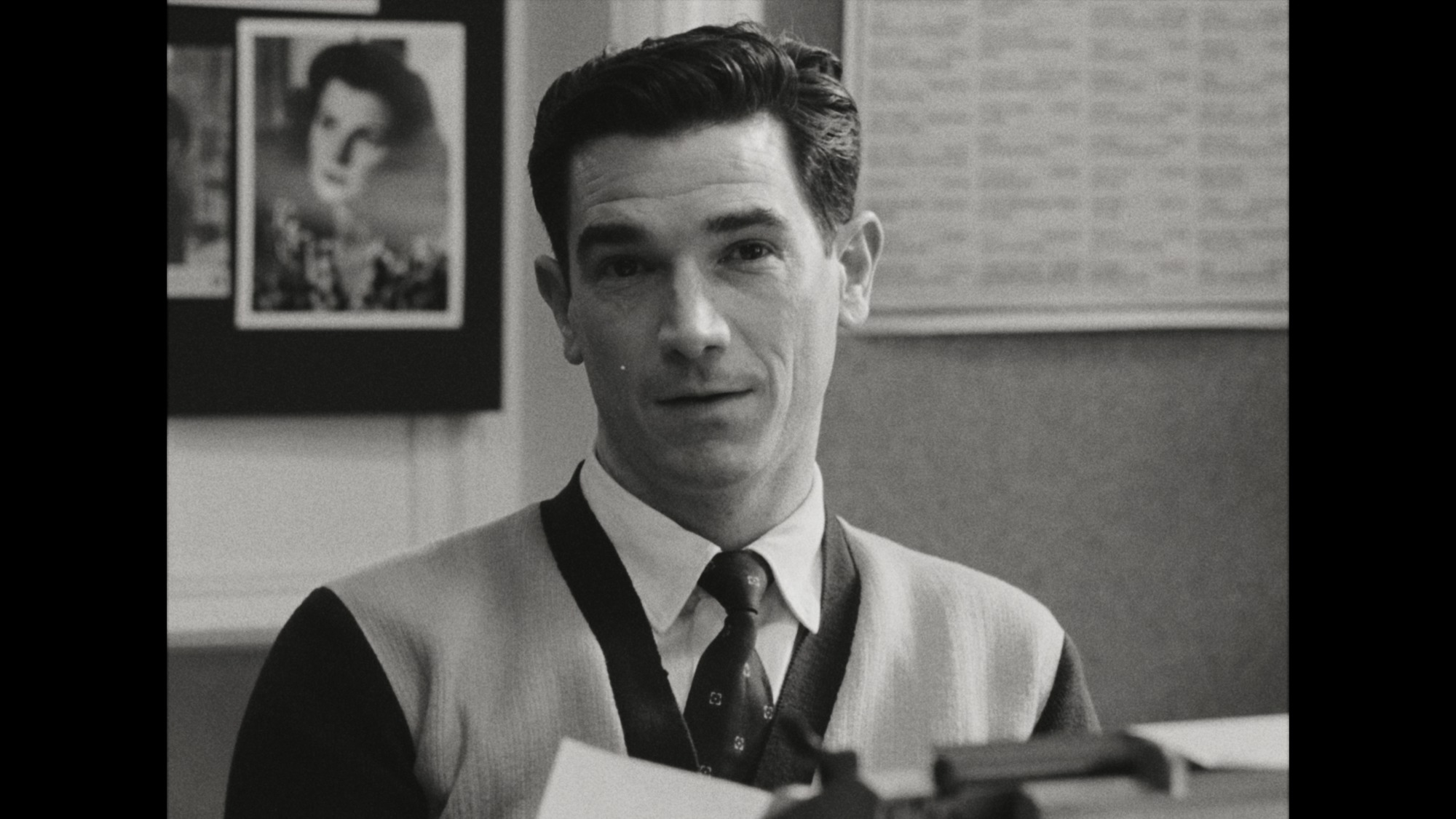
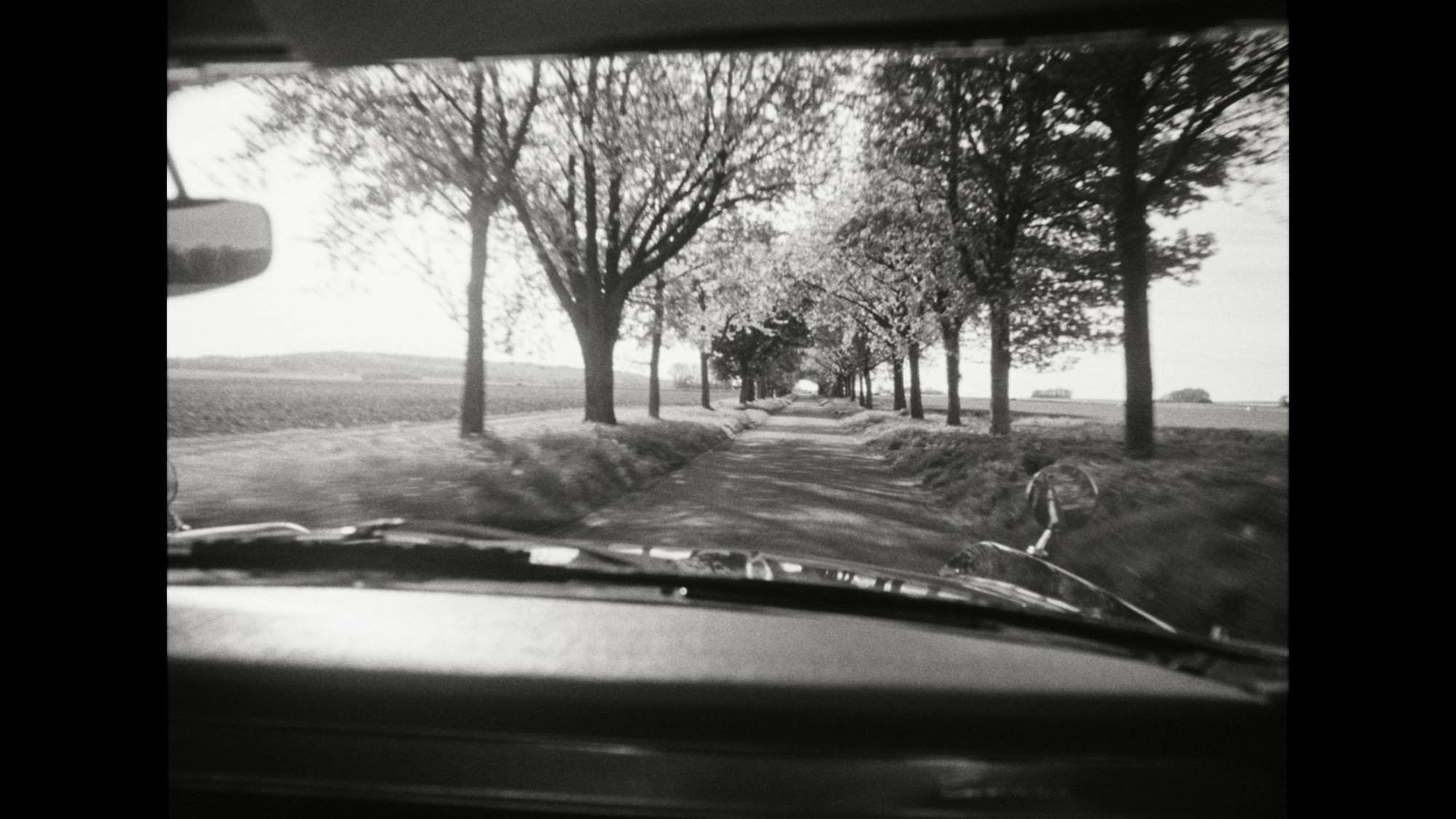
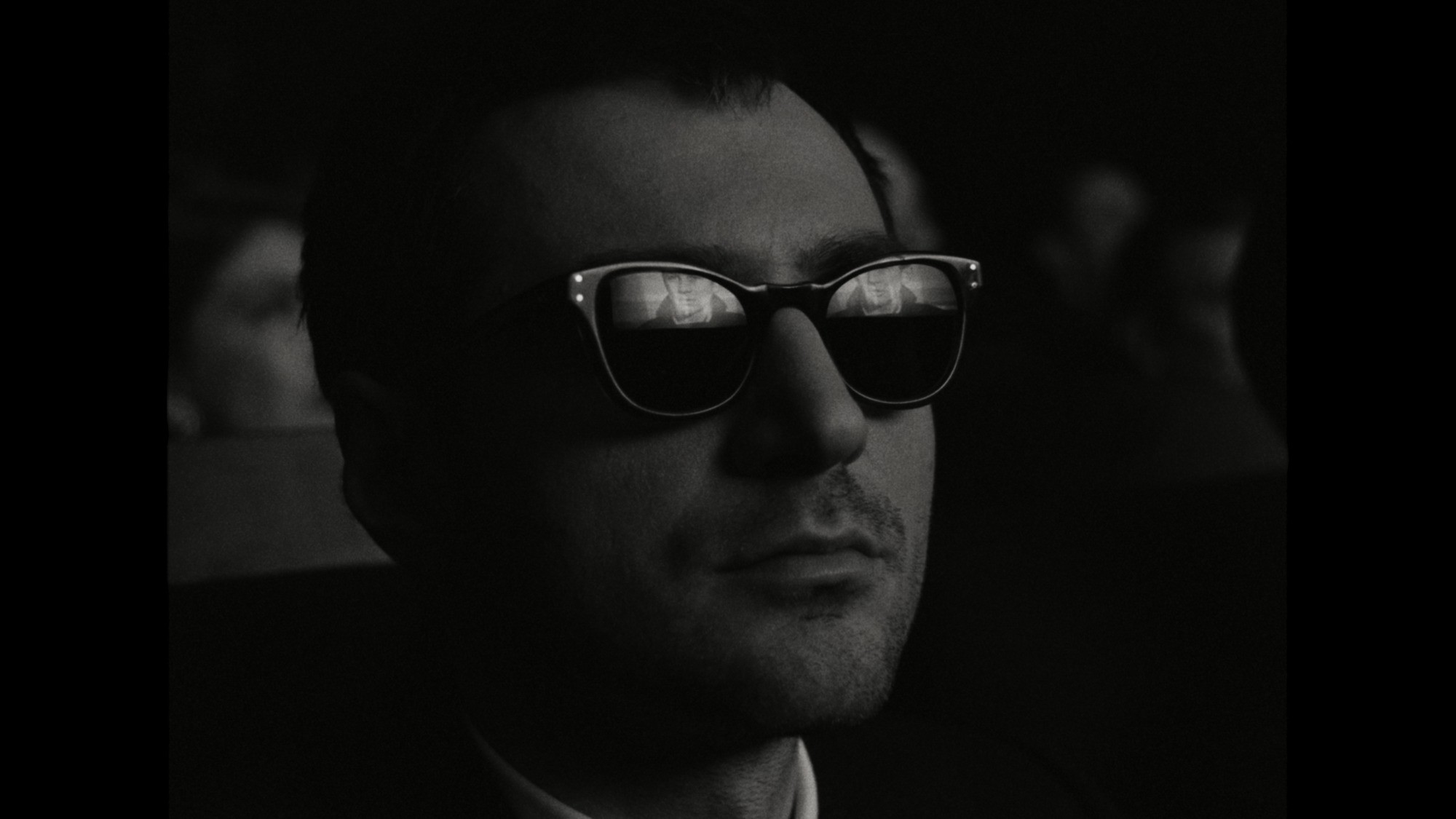
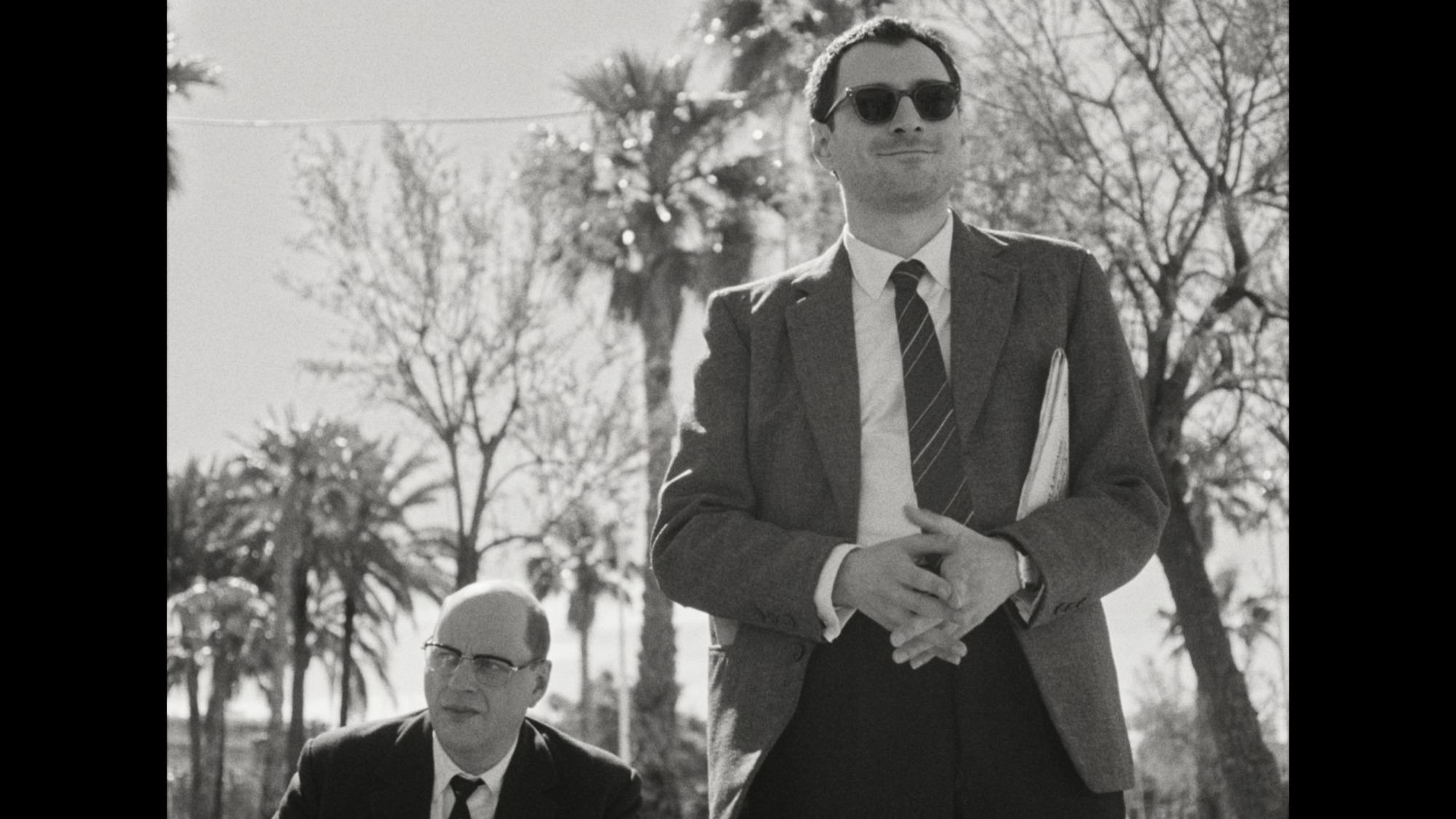
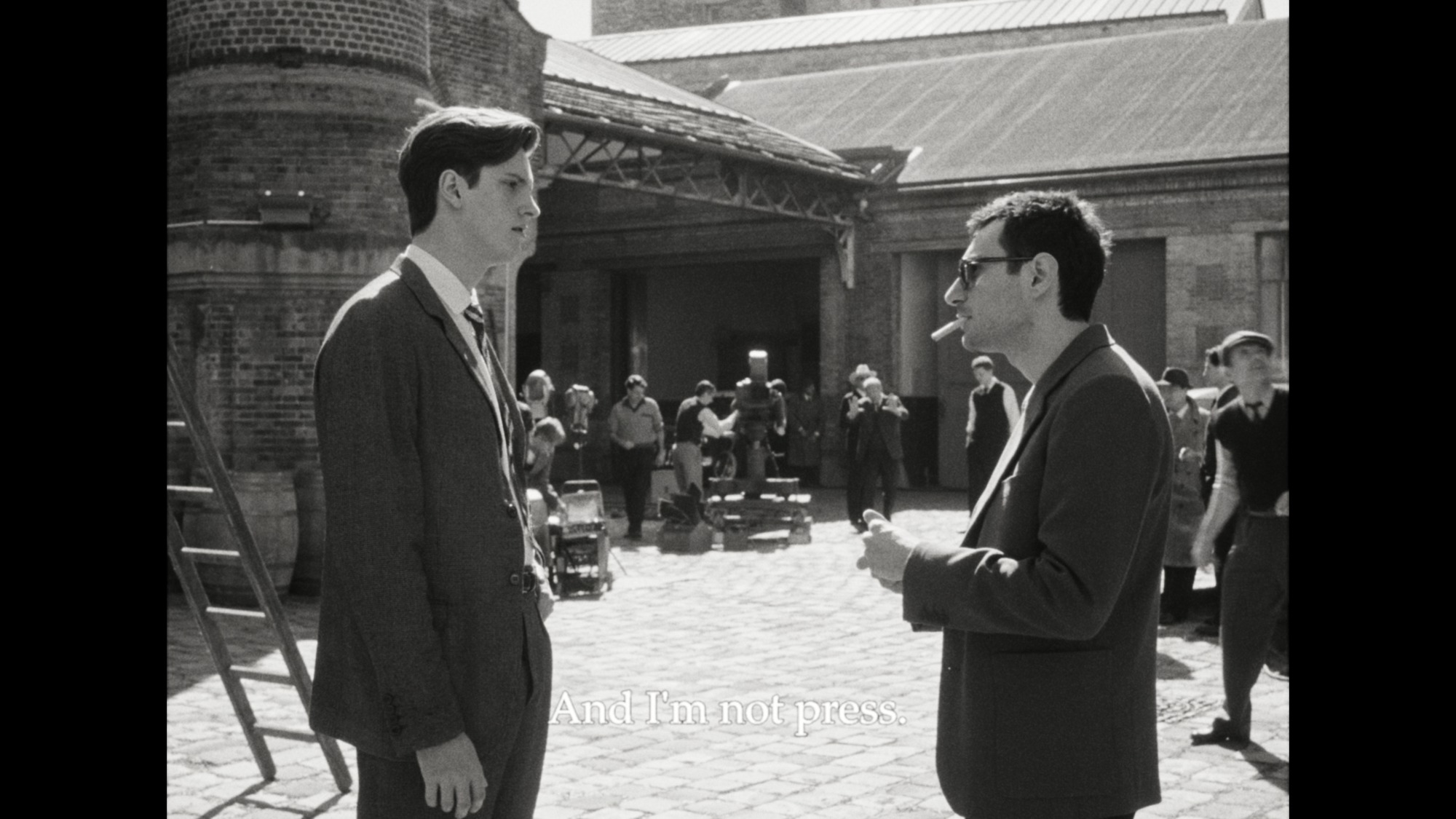
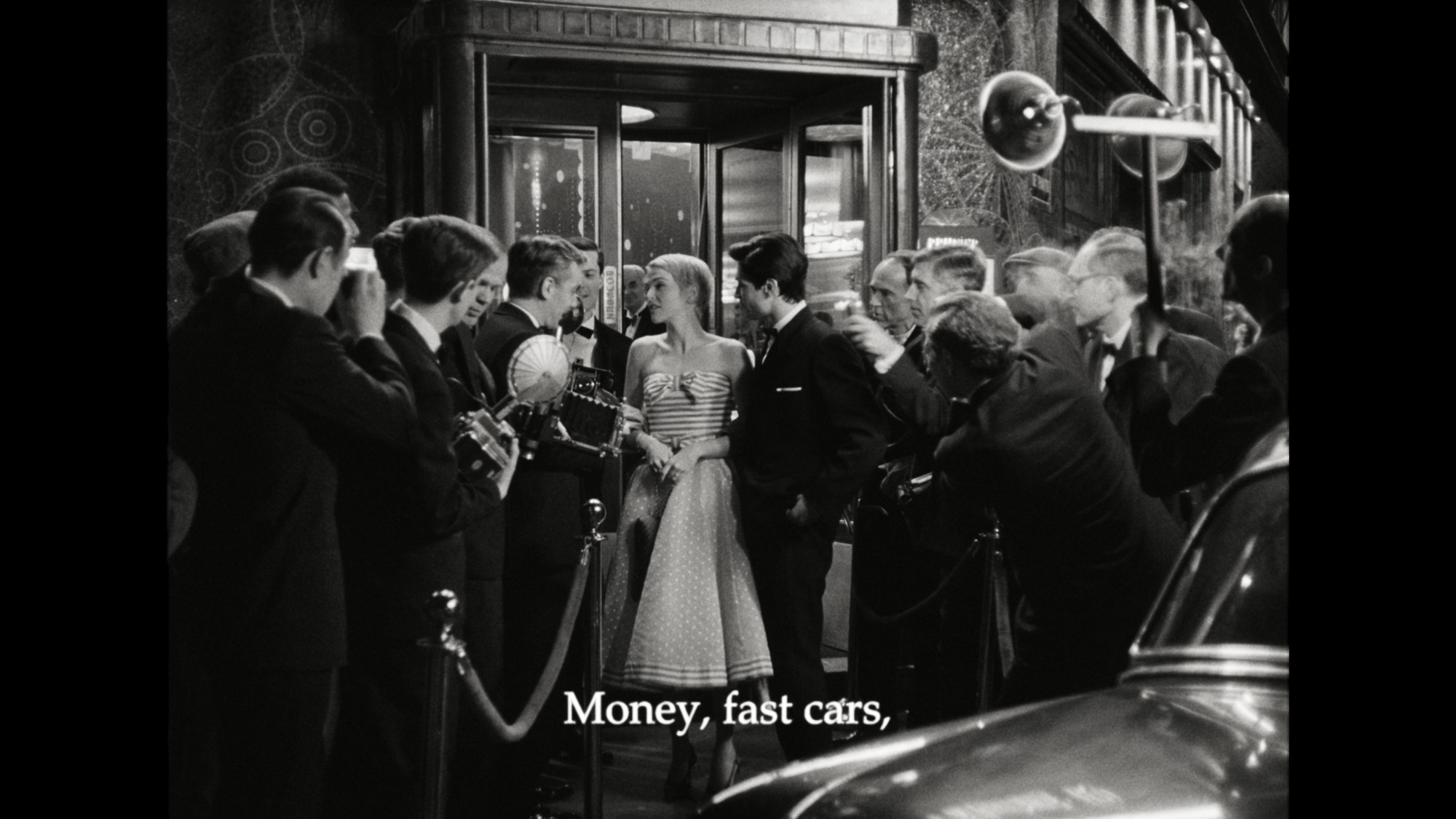
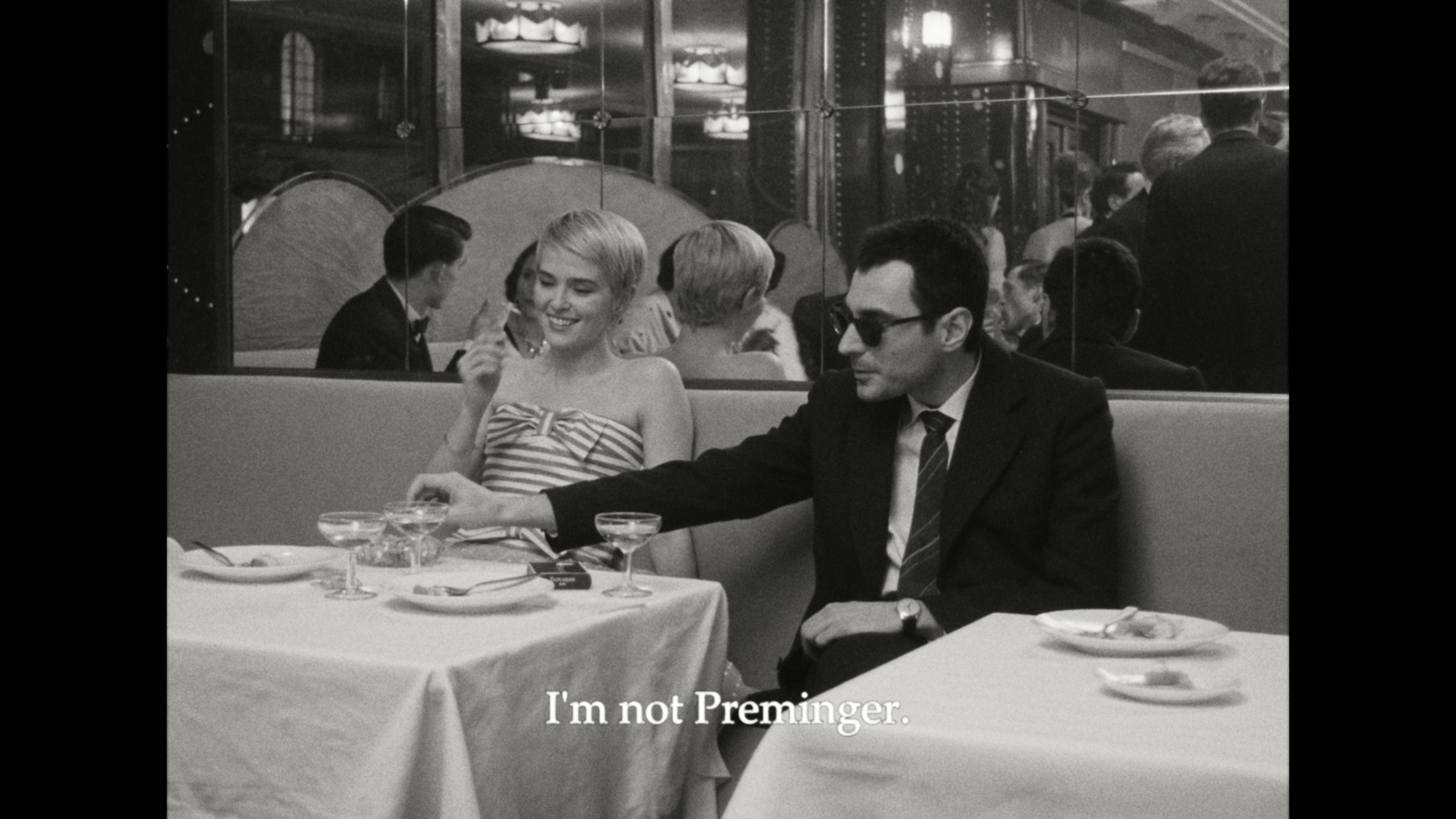
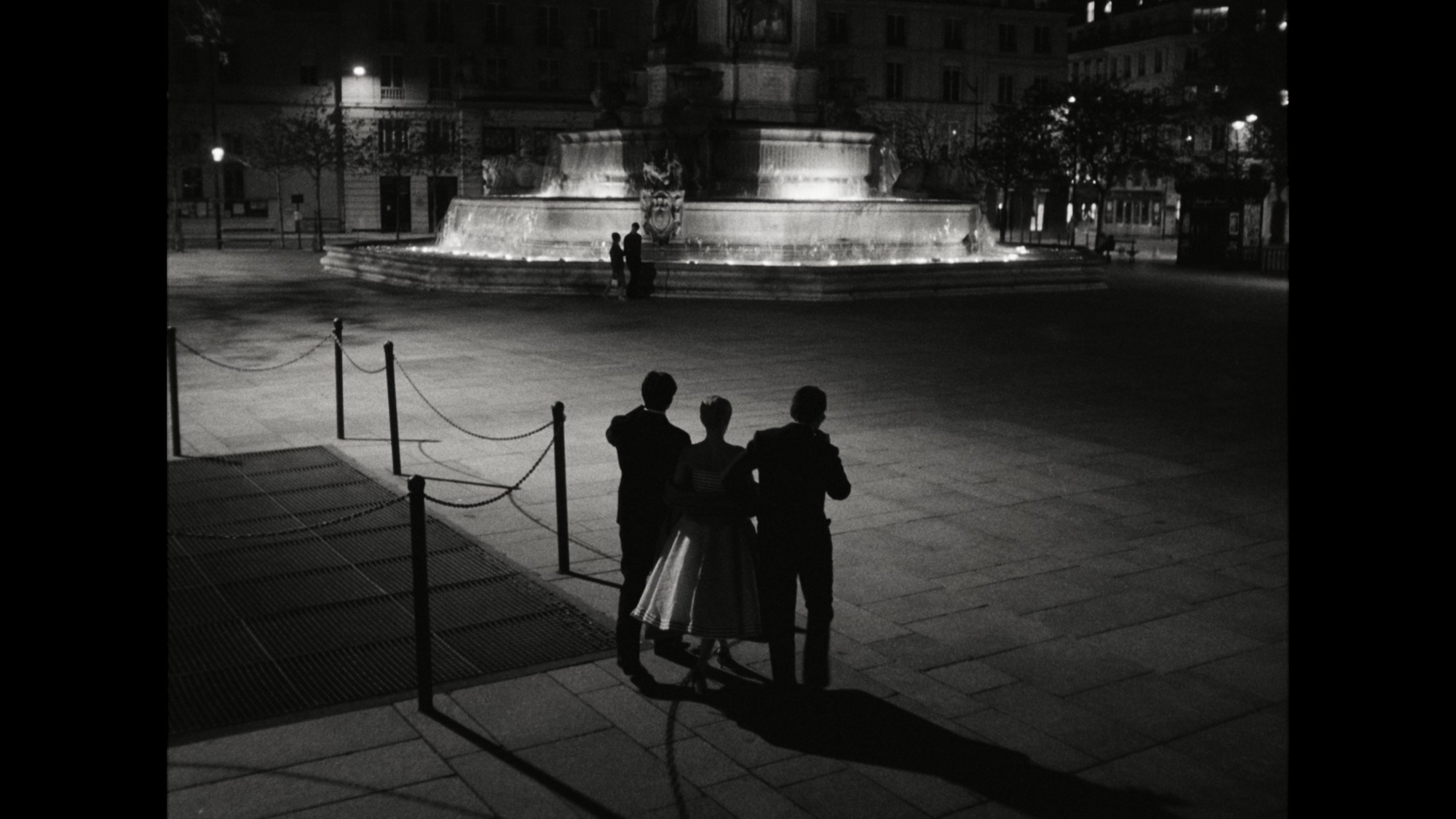
Audio 8/10
I was a little surprised Linklater went with a surround mix (represented here in DTS-HD MA 5.1), but it’s effective and still kind of suits the period. On the whole, the mix is predominantly front-heavy, though music and ambient noise do make their way into the rears, and the effect is convincing enough without calling too much attention to itself. The track is also clean and clear throughout, with no noticeable distortion or other issues.
Extras 8/10
Criterion throws together a surprisingly solid set of supplements for this title, starting with a brand-new commentary featuring director Richard Linklater. Unsurprisingly, it’s a very laid-back track, but it’s chock full of details around the production, from Linklater’s reasons for doing the film to the “wall-to-wall” VFX that he did not want to stand out.
This includes how he went about recreating the look and feel of a film from the New Wave, making sure to stress that he wasn’t trying to copy Godard, but rather the period in general, imagining that the film could perhaps be a “making-of” by someone like Jacques Rozier. He also played with the idea of using cuts similar to those Godard employed, though he admits it just wouldn’t work and ultimately dropped the idea. He also shares details about his research and his love of the era, while talking about the casting process and what it was like shooting in France, visiting locations that appear in the film (though touched up with CGI to match the period), and addressing his concerns about what locals would think of an American making a film on the subject.
It’s a really good track, quite passionate about the subject while also loaded with technical details without ever dragging the rhythm down. I quite liked it.
Criterion then includes (on the standard Blu-ray) a couple of video features, more than likely constructed from Netflix’s own promotional material, starting with a 31-minute documentary entitled Le Making of “Nouvelle Vague.” Mixing interviews with behind-the-scenes footage, there’s more of a fly-on-the-wall vibe to this one as it explores the research and planning that went into the film. You also get footage of the actors and crew studying Breathless to capture the rhythms of its scenes when recreating their filming here (though Linklater notes elsewhere on the disc that he intentionally shot them from different angles).
This then pairs with 25 minutes’ worth of interviews with Linklater and actors Zoey Deutch, Guillaume Marbeck, and Aubry Dullin. There’s a making-of vibe to this one as well, with discussion around capturing the appropriate look and feel, which of course comes down in large part to casting: the actors not only had to hopefully look the part (or close enough to it), but also capture the appropriate vibe, or accent, in the case of Marbeck capturing Godard's tone.
Following that is Deutch reading a pre-rehearsal manifesto Linklater wrote to set expectations, which plays over clips from Nouvelle Vague and Breathless. It’s laid-back in that Linklater fashion, acknowledging that this is a high-budget, professional production—the opposite of what Godard accomplished—while expressing the hope that the actors will know their scenes well enough to comfortably inhabit them and create moments that feel “spontaneously brilliant.” Accompanying this is a short audio clip featuring Deutch talking about receiving the manifesto and how it helped put her and the others at ease, making everything more comfortable.
Next is a short, 4-minute piece on the film’s visual effects, essentially a compilation showing shots before, during, and after the effects process. Linklater and others repeatedly mention how seamless they wanted the effects to be, and I have to confess they fooled me. I figured there were simple digital touch-ups throughout, but they literally reworked several key sequences from head to toe, with a lot of green screen, to make everything more appropriate to the period, and it really doesn’t stick out. That goes right down to the cobblestone road, which Linklater mentions in the commentary, though I had no idea just how much of it was visual effects until seeing this. It’s short, but a really fascinating little program.
The most interesting new inclusion, though, is a video essay by Farran Smith Nehme entitled Within the Wave, which chooses to focus on some of the lesser-known names that pop up throughout the film. Nehme provides an impressive amount of detail about their involvement in the era, including the films and filmmakers they were associated with, where their career paths ultimately went, and why their names may not be as well known as they probably should be. It’s wonderfully researched and dense with information, while also being edited at a nice beat, never becoming a slog to get through. A really terrific, well-thought-out inclusion.
On top of the film’s trailer, Criterion includes a smorgasbord of trailers for other notable New Wave works, presumably for possible newcomers: Elevator to the Gallows; Le beau Serge; Pickpocket; The 400 Blows; Breathless (of course); Lola; Adieu Philippine (the only film on this list not to have been released by Criterion so far); Cleo from 5 to 7; Muriel, or the Time of Return; Le samouraï; Claire’s Knee; and The Mother and the Whore.
The release then includes a 24-page booklet mimicking an issue of Cahiers du cinéma, featuring an essay on the film by Nick James and a note by Linklater. There’s also a “cute” (I guess you can call it that) piece by screenwriter Vince Palmo on the development of the script, written like a screenplay depicting its creation and going all the way back to Godard’s 1980 appearance on The Dick Cavett Show. I liked it, though I suspect one’s mileage will vary depending on their tolerance for this sort of thing (it at least fits the spirit of the film).
All together, Criterion has put together a rather impressive roster of supplements, especially for a newer film. It might have been fun to have some New Wave scholars come in to talk about the film and its relationship to the movement, but as it is, I had a lot of fun going through the material here.
Closing
A nicely assembled edition with a terrific presentation that captures Linklater’s desired aesthetic beautifully.
BUY AT: