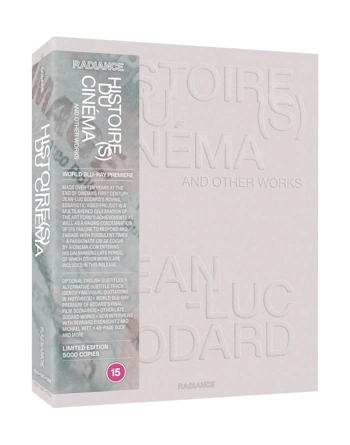
Histoire(s) du cinéma and other works
BUY AT:

See more details, packaging, or compare
Synopsis
Made over ten years at the end of cinema’s first century, Jean-Luc Godard’s roving, essayistic video project is a multilayered celebration of the art form’s achievements, as well as a raging condemnation of its failure to respond and engage with turbulent times. Melding together film clips, newsreel footage, painting, music, as well as Godard’s own narration in a transfixing collage, Histoire(s) du cinéma is a passionate cri de coeur by a cinema icon entering a galvanising late period, of which many other works are included in this release. Marked by searching introspection and bold experimentation, these film and video projects evince a creative spirit continuously engaged with the question of cinema’s place in the world, and the world’s place within cinema – not least in Godard’s moving final film, Scénarios (2024), making here its world Blu-ray premiere.
Picture 7/10
Radiance Films has put together a terrific new Blu-ray set featuring several of Jean-Luc Godard’s later essay films, with his multi-episode Histoire(s) du cinéma front and center, in the aptly titled Histoire(s) du cinéma and Other Works. Along with all eight episodes—four chapters divided into two parts each—of Histoire(s) du cinéma on the first dual-layer disc, the set includes Godard’s Lettre à Freddy Buache; Soft and Hard; JLG/JLG, autoportrait de décembre; 2X50 Years of French Cinema; and the feature-length Moments choisis des Histoire(s) du cinéma on the second dual-layer disc. The third, single-layer disc then presents Godard’s final film, Scénarios, along with its companion piece, Exposé du film annonce du film “Scénario”. While those last two films are presented in the aspect ratio of 1.78:1, the others are framed at approximately 1.33:1. The discs are locked to region B, so North American viewers will require a player capable of playing region B content.
So, if I'm being honest, I do have moments where I genuinely question whether doing this, rating and reviewing video presentations and physical releases, provides anything of real use to anybody. I mean, shouldn’t we just be happy to have a film or series on a physical disc, simply so we know it’s there? Is someone really not going to purchase something they’ve been wanting just because the presentation is ultimately only fine?
And then when I get to something like these works, most specifically Histoire(s) du cinéma, a sprawling magnum opus assembled on video from images that had already been copied, manipulated, degraded, and removed from their original contexts, I only begin to question it more. What does an “ideal” presentation even mean for something like this? Does it matter whether these imperfect images are presented perfectly? Are we genuinely better off having them in their most faithful possible form, or does this possibly go against what Godard was doing with them in the first place? But then if that is the case, and image quality is beside the point, then maybe, just maybe, reproducing those imperfections accurately is entirely the point. Is this what Marshall McLuhan was dreaming of; one medium becoming the content of another?
Which, I guess, ultimately brings me back around to the task at hand: reviewing the presentations found here and determining how well they reproduce what Godard intended. And I have to say that, taking each of these films and essays for what it is, that feels to have been achieved.
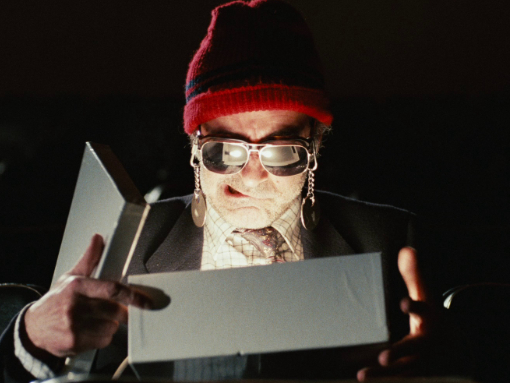
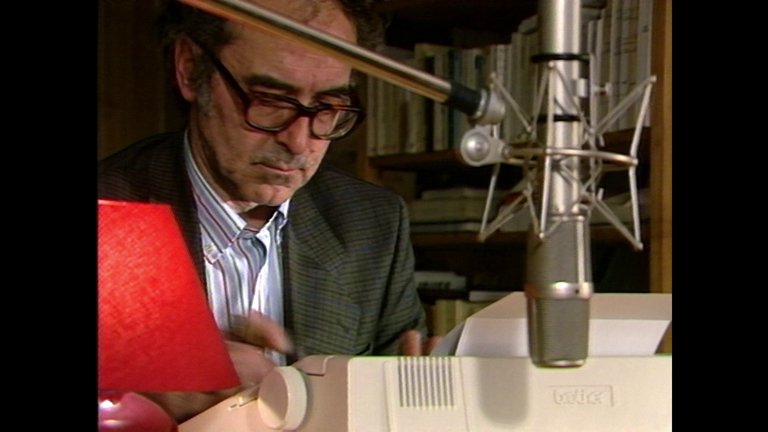
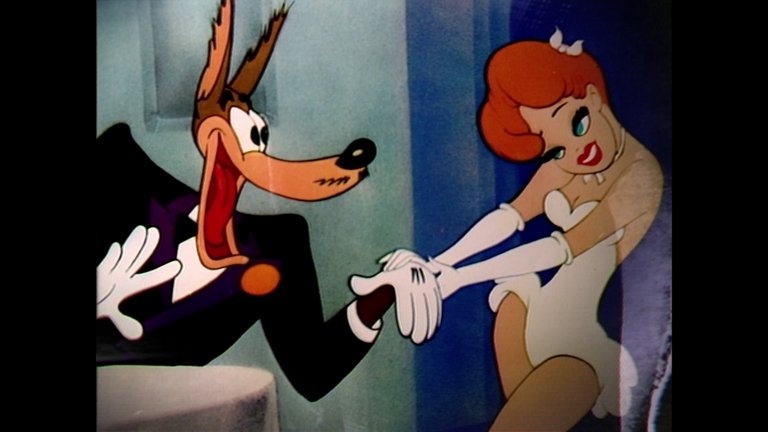
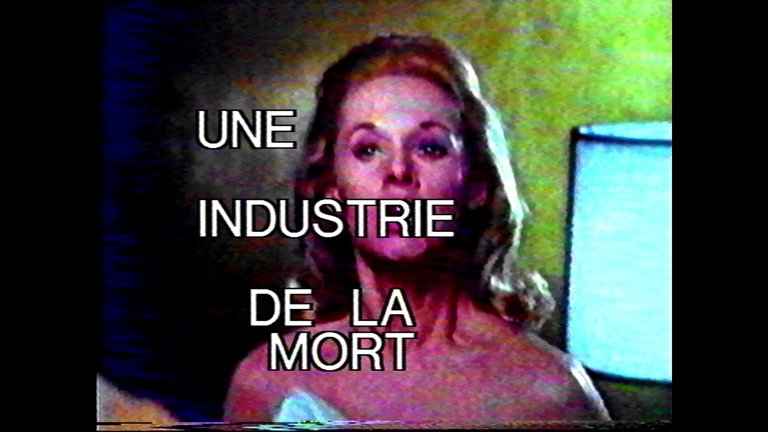
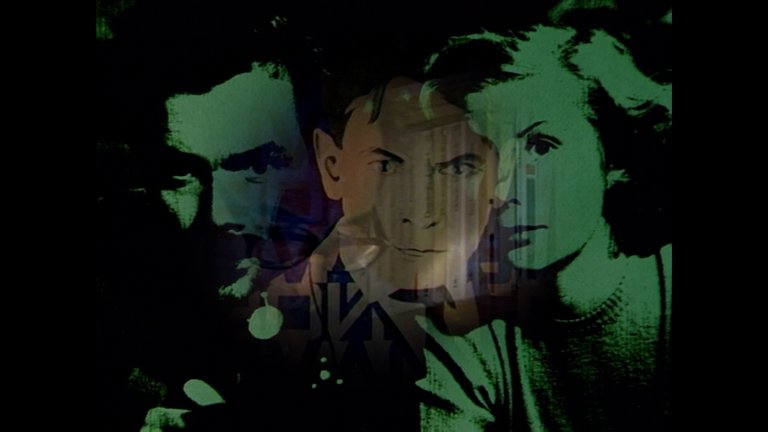
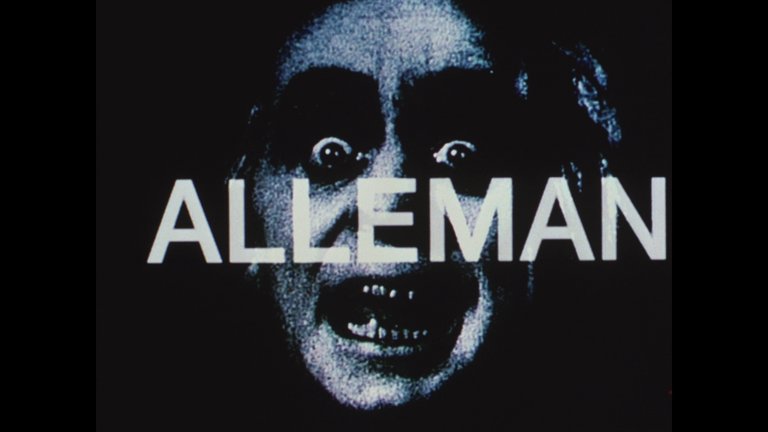
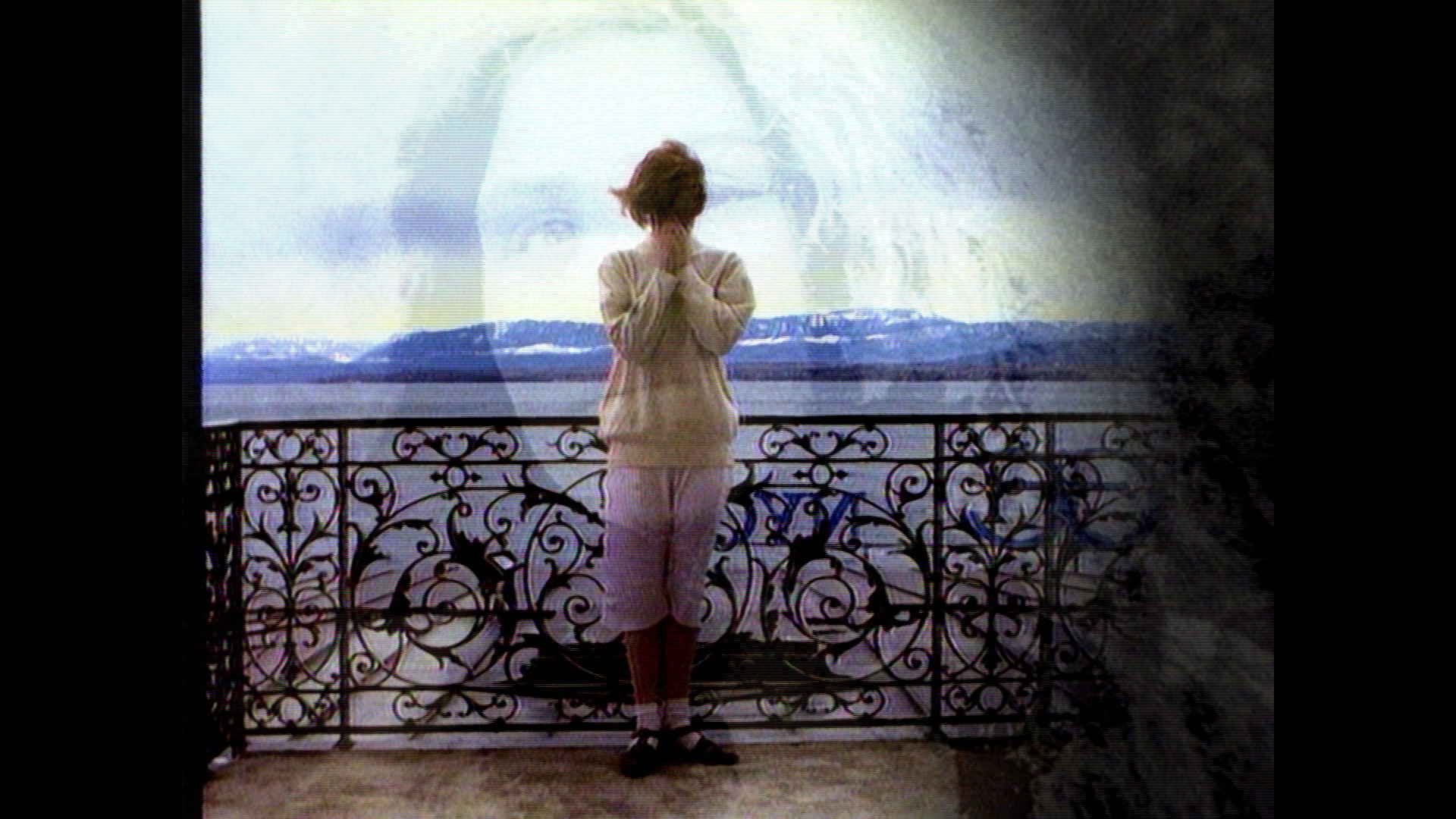
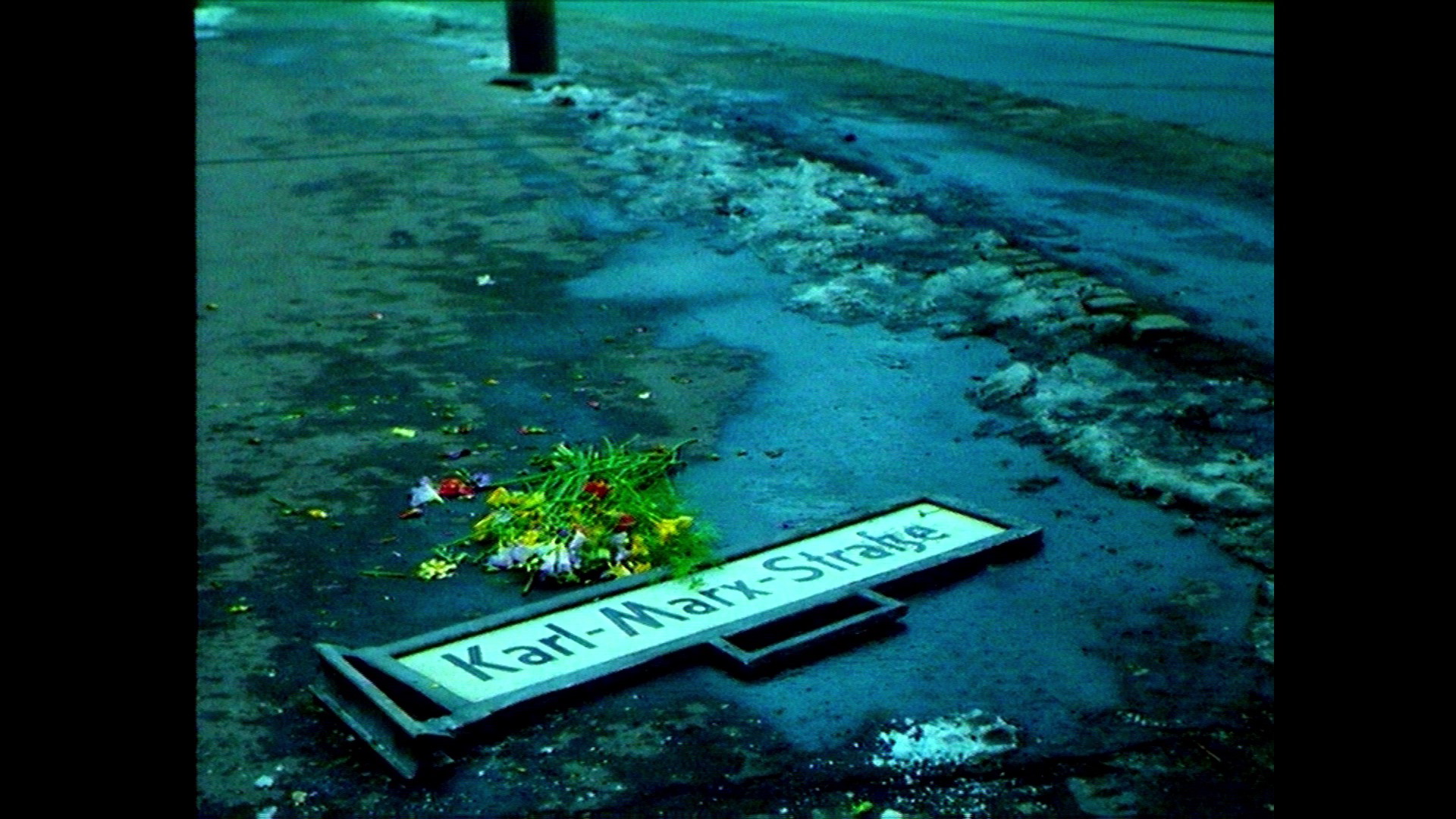
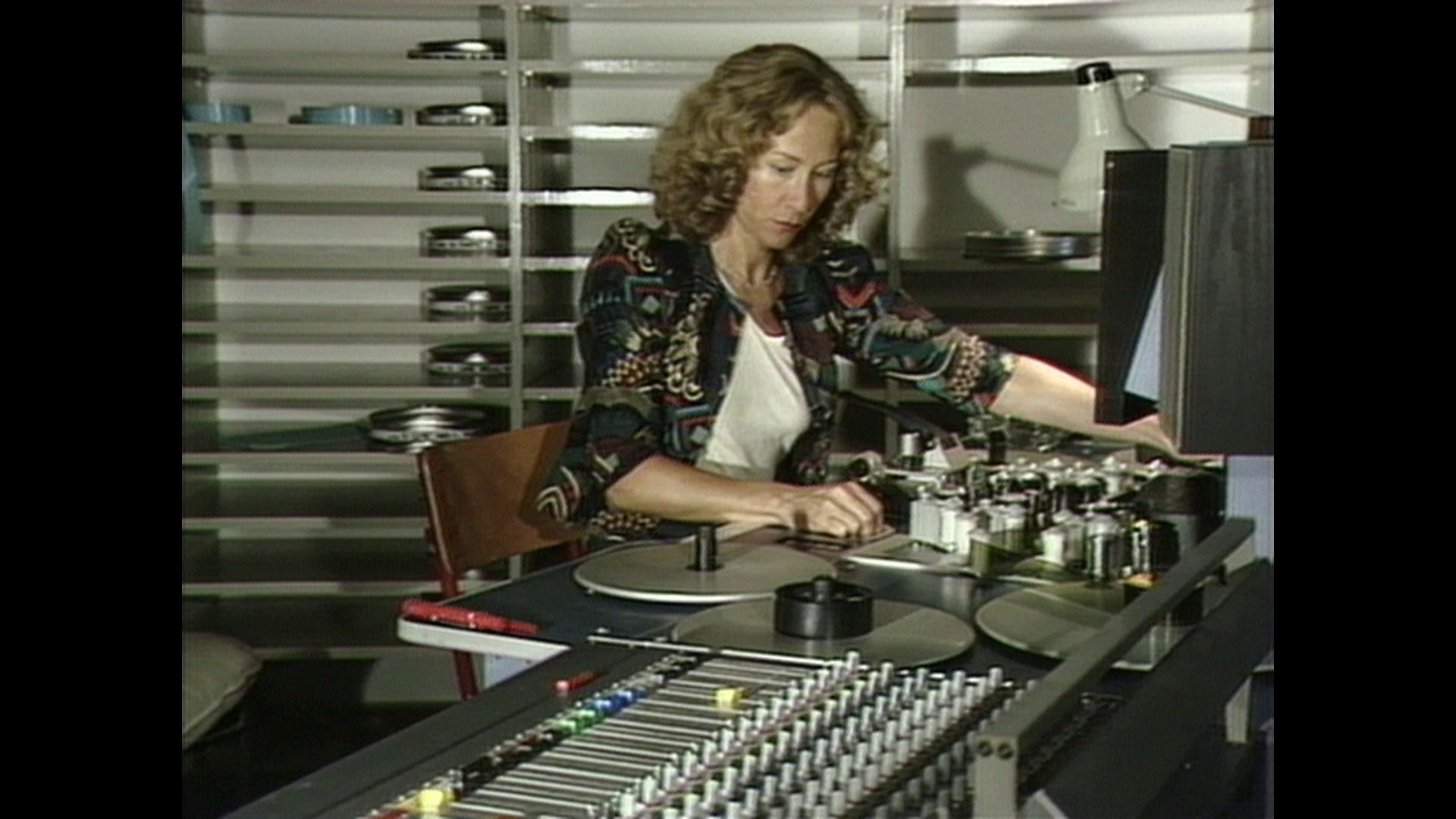
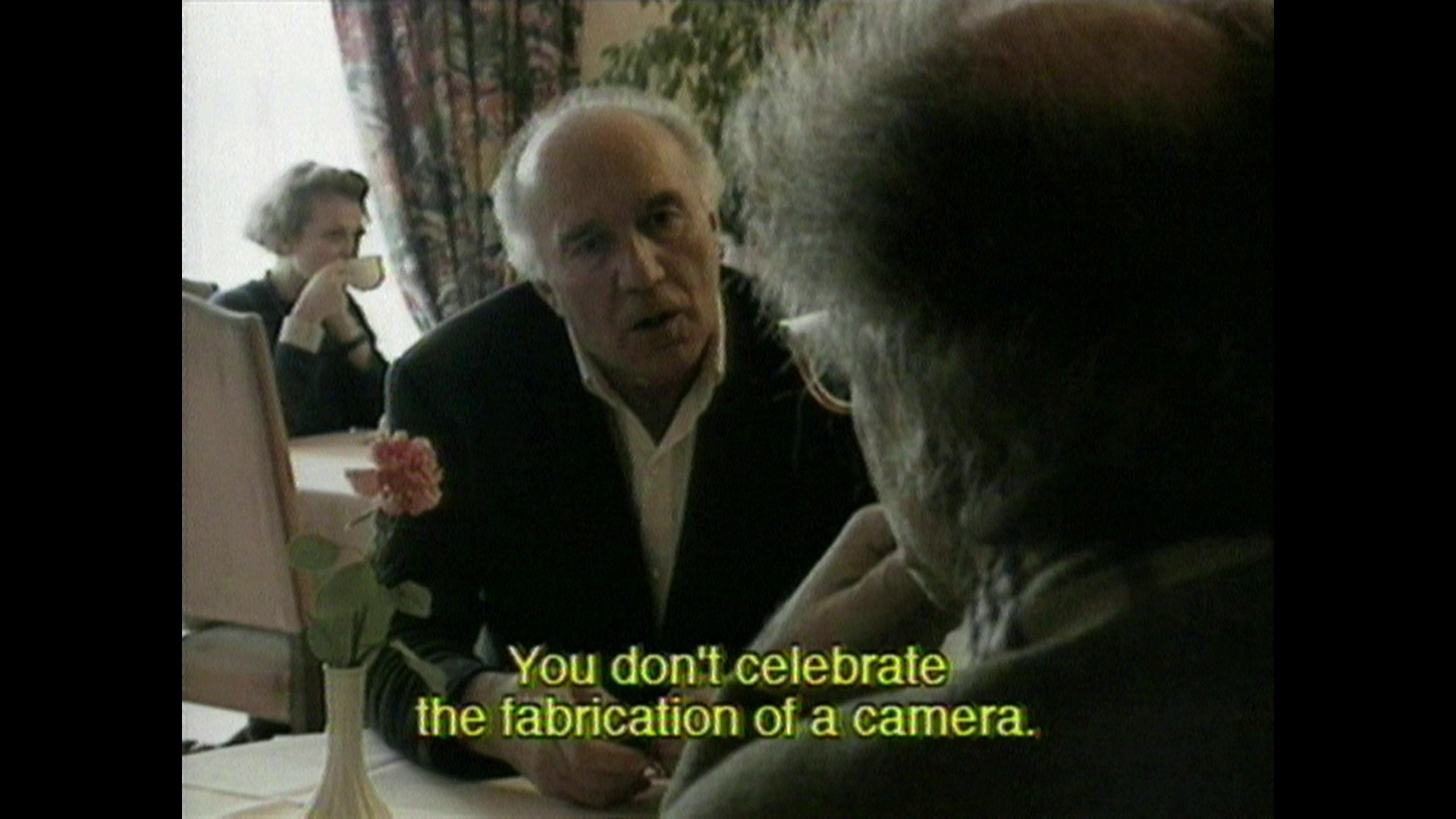
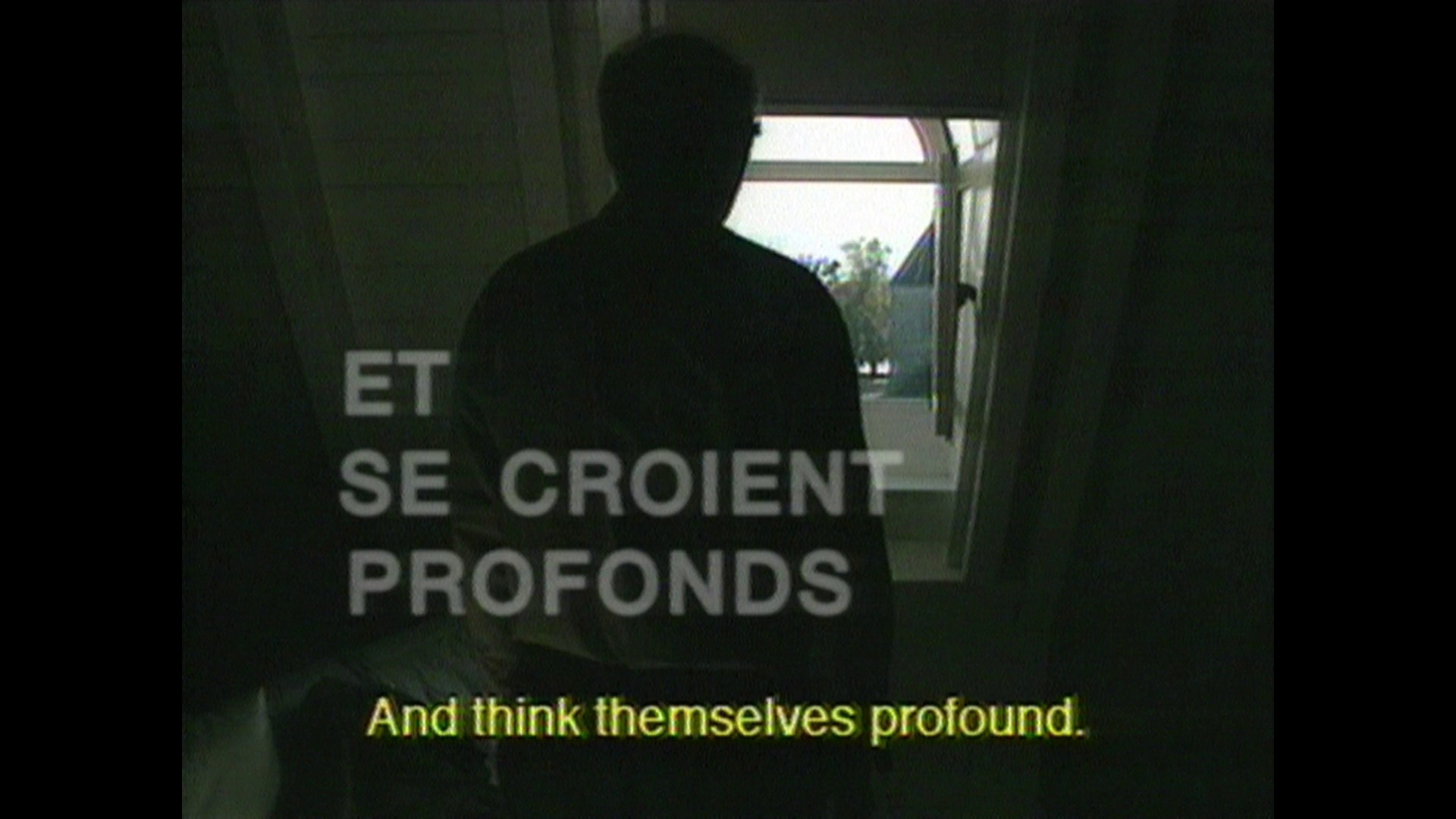
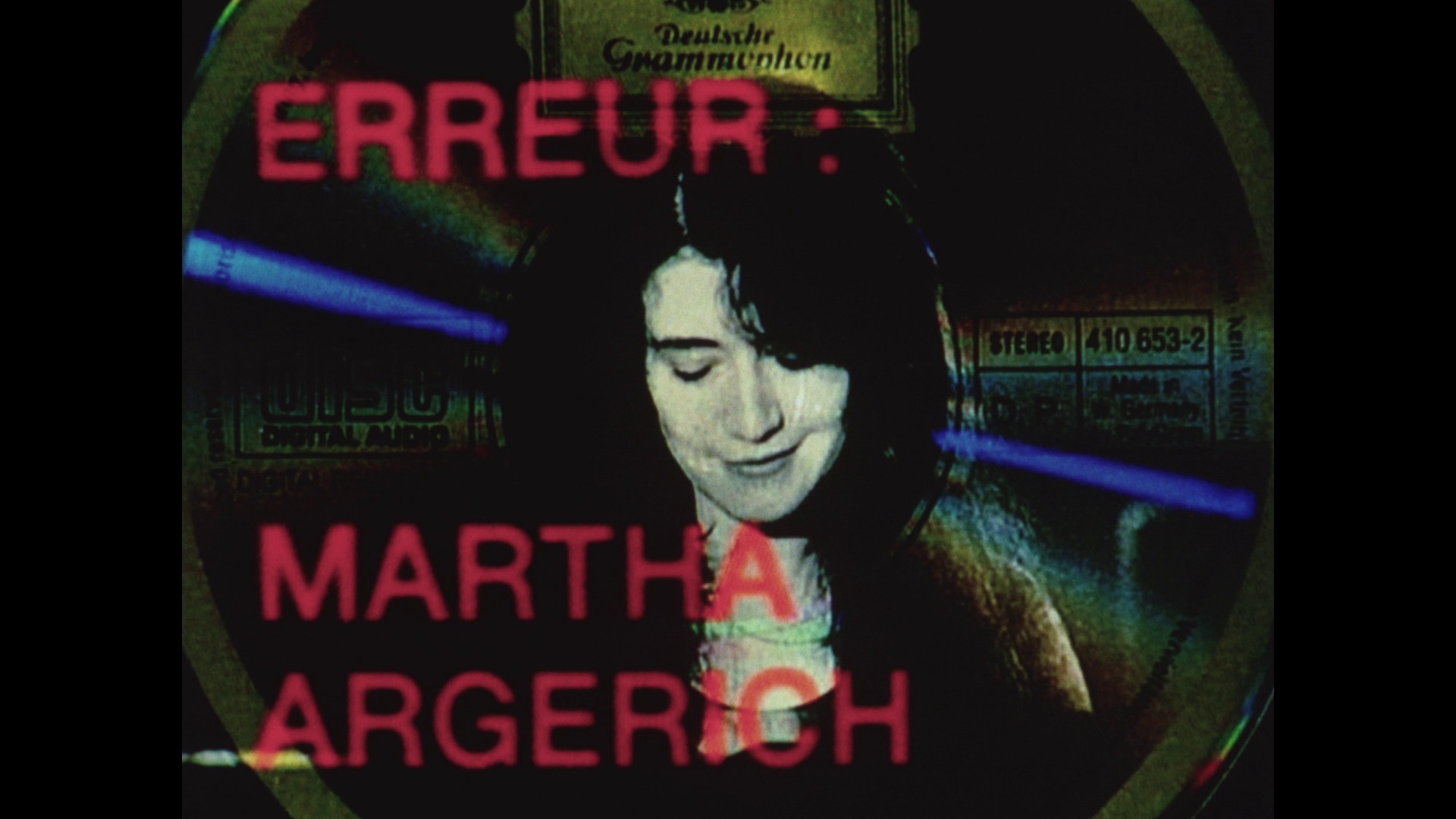
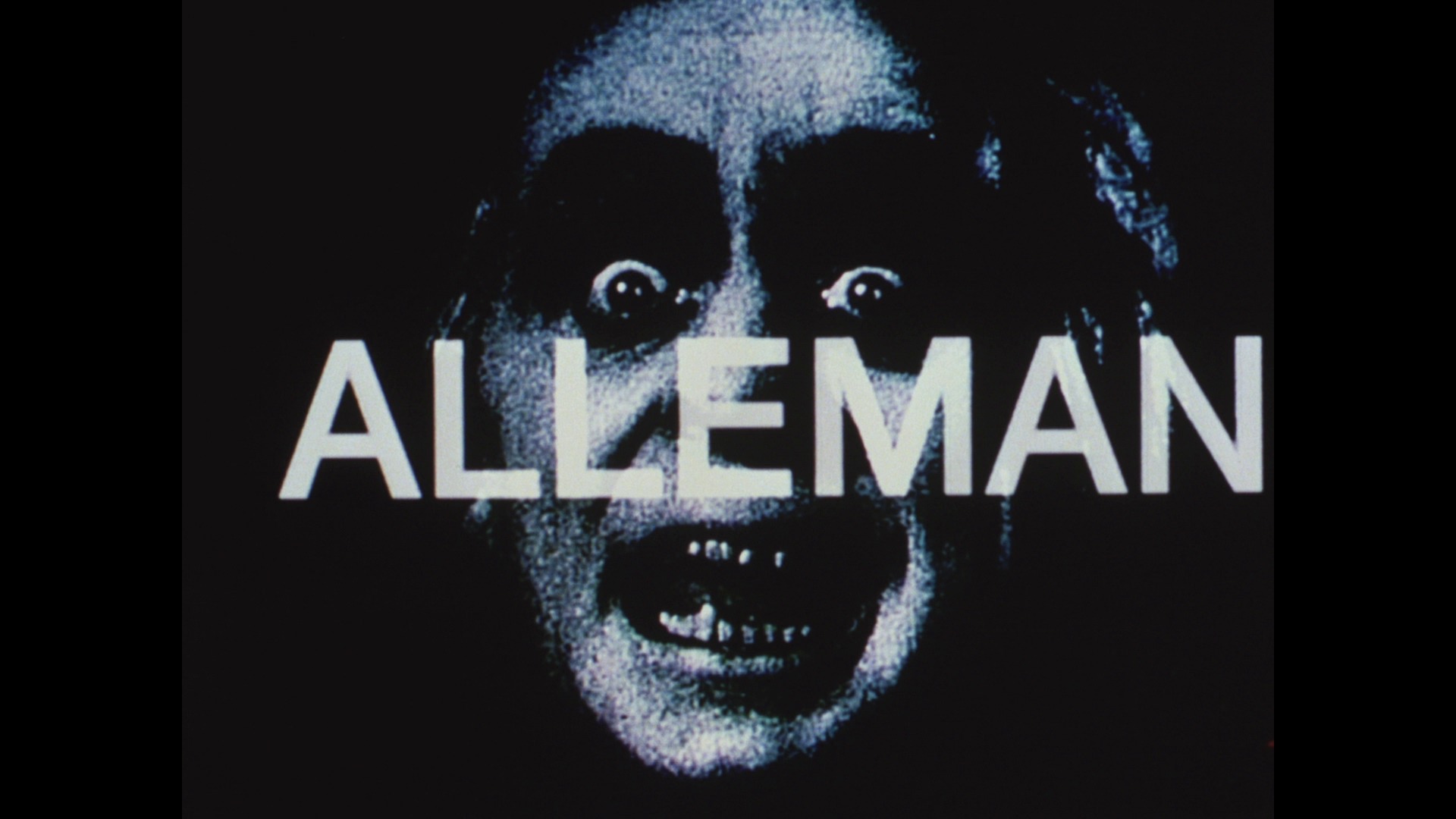
Though there are exceptions (and I will note them) most of the material here was constructed on PAL video, with the digital masters used for this release almost certainly sourced from videotape. Interestingly, and somewhat surprisingly, the frame rates have been adjusted, either by Radiance or whoever supplied the masters, to avoid the compatibility issues 50 Hz material can present on 60 Hz equipment (once North American viewers get past that pesky region locking). For Histoire(s) du cinéma, Radiance performed the conversion and presents all eight episodes in 1080i/59.94. Impressively, I don’t think the process has introduced any significant artifacts or other problems, and all eight episodes look strong. They of course retain a distinct video appearance, with obvious interlacing and a noisy fuzziness inherent to videotape. On the whole, though, such issues are minimal, and the image is about as sharp and clear as one could hope for, while colors and black levels are also generally strong, probably better than what would have been possible on an old CRT.
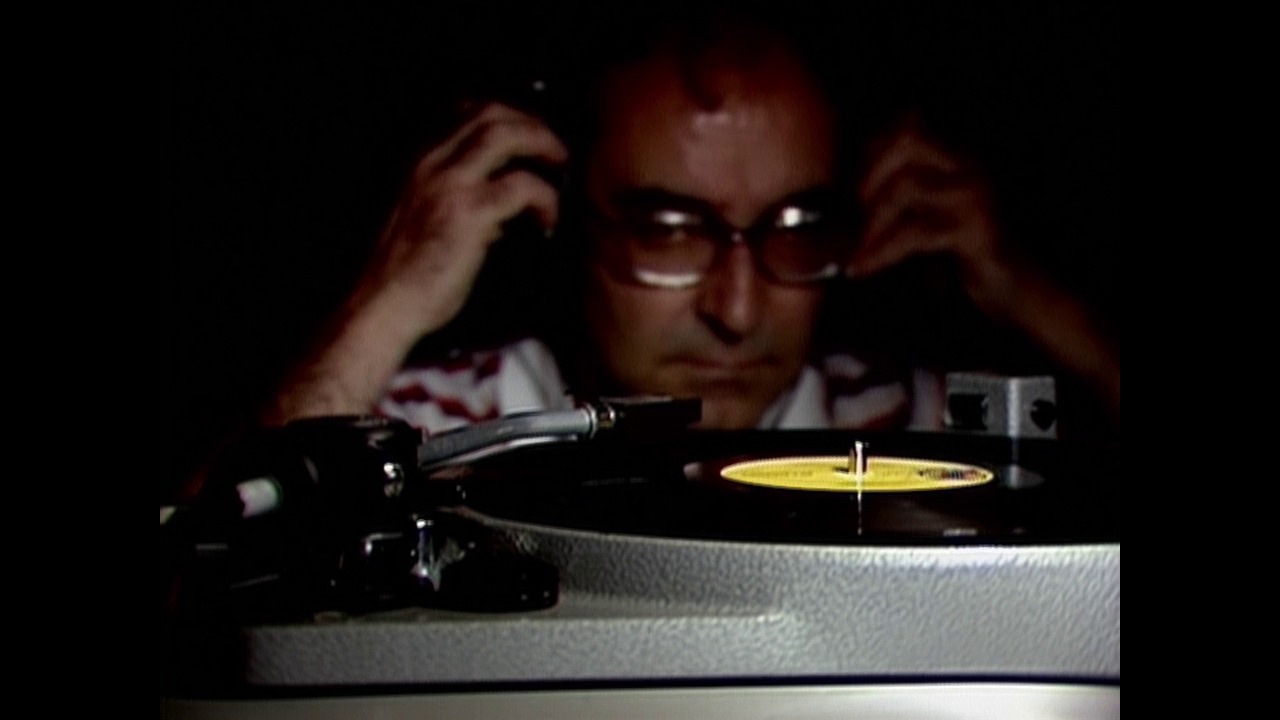
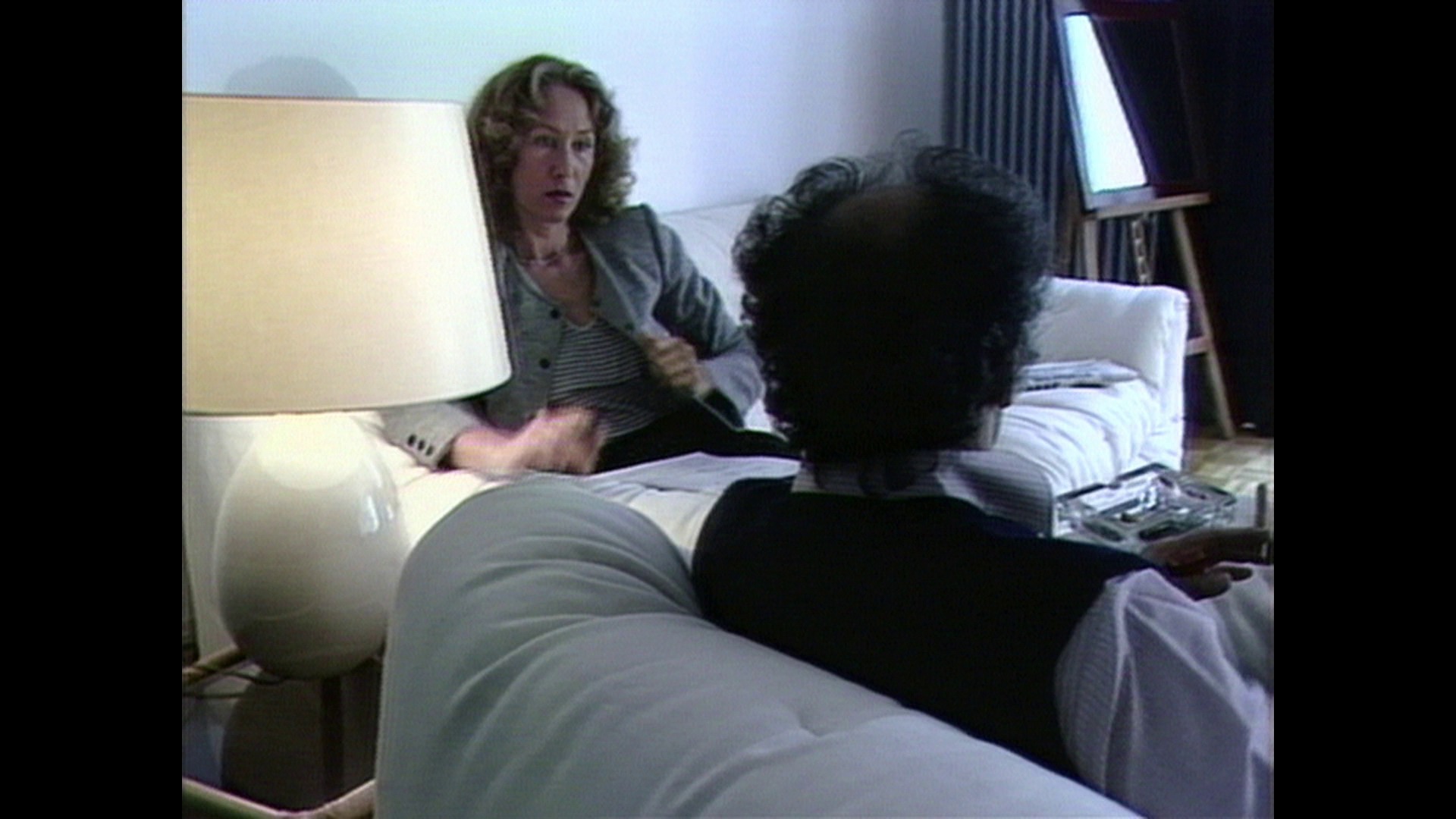
Soft and Hard and 2X50 Years of French Cinema, both found on the second disc, were also sourced from videotape, though they are presented in 1080p/24. Again, the conversions don’t appear to have introduced any notable problems (new ones at any rate), with any remaining “issues” baked into the source materials. Soft and Hard delivers a strong presentation as well. It can look a little muddier than Histoire(s), while traces of interlacing are still apparent and the video noise is somewhat heavier. Still, it’s about as clean a presentation as one could probably hope for.
2X50, on the other hand, offers the weakest presentation in the set by far, and that appears to come down entirely to its source. It was clearly mastered from a copy (or maybe a copy of a copy) of the original tape, complete with burned-in subtitles. Honestly, if someone told me it had been recorded off television, I wouldn’t be surprised. Artifacts are heavier here as well, and the image is very soft. It’s still watchable, but it is easily the roughest-looking video presentation in the set.
Lettre à Freddy Buache is probably the oddest one out of every presentation here. It was also sourced from videotape but is presented in 720p/59.94. It ends up looking a bit more artifacty than most of the other presentations, with traces of interlacing also more obvious. That said, it still delivers decent colors and black levels, while the video source has otherwise been rendered as cleanly as possible.
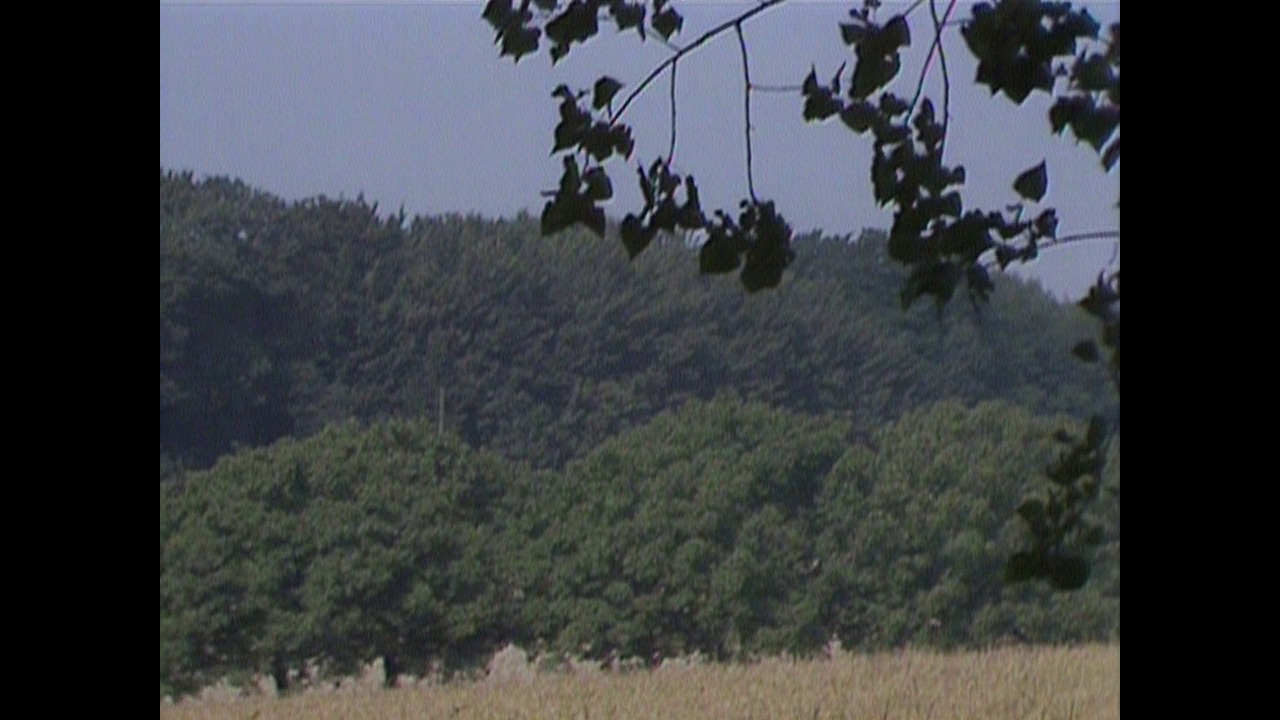
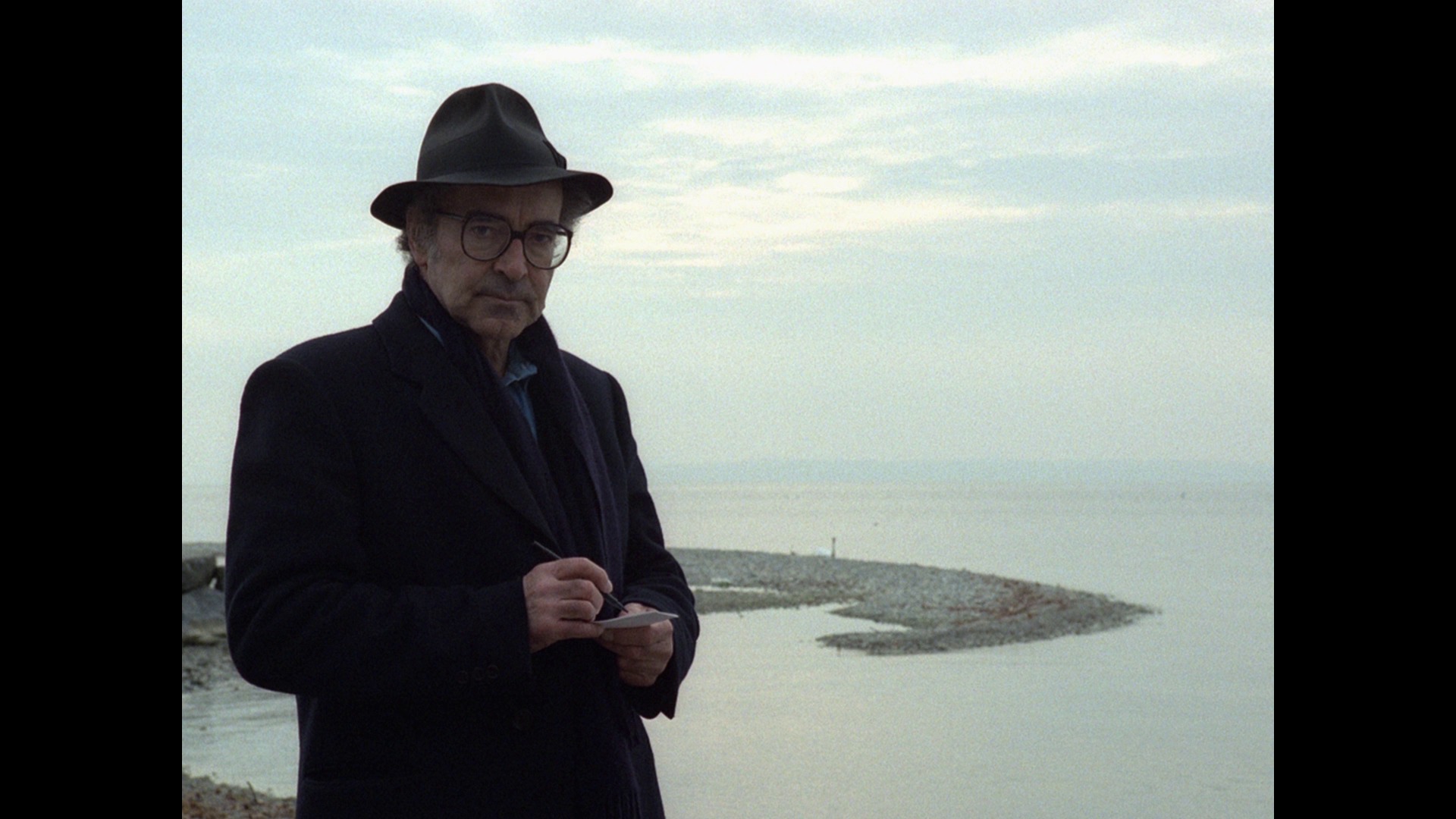
JLG/JLG ends up being one of the stronger presentations here, and that has everything to do with its source. Though it also incorporates video material, the film itself was shot on 35mm and is the only work in the set photographed primarily on film. It is presented in 1080p/24, and Radiance has encoded it brilliantly. Film grain is present and rendered cleanly and naturally, leading to sharp details and a crisp film texture. Colors also look great, as do the black levels. There’s a real photographic quality to the image, and I assume much of that has to do with Radiance giving it plenty of room to breathe on the disc; it has the largest file, at around 12GB, about double the size of most of the other presentations.
Moments choisis des Histoire(s) du cinéma is another film-sourced presentation, though it is still ultimately limited by the origins of its material. At its simplest, the film is a theatrical reediting of the original project. But since it was assembled from the same video material, the 1080p/24 presentation still doesn’t look much better than video and, on the whole, may actually look a little worse than the original programs. That probably has to do with the new presentation of Histoire(s) du cinéma being sourced directly from the original tapes, while Moments comes from a film element created using video-to-film transfer technology from more than 20 years ago. I found the presentation somewhat noisier, but past that it generally looks fine and is really, in the end, a minor step down compared to the original program.
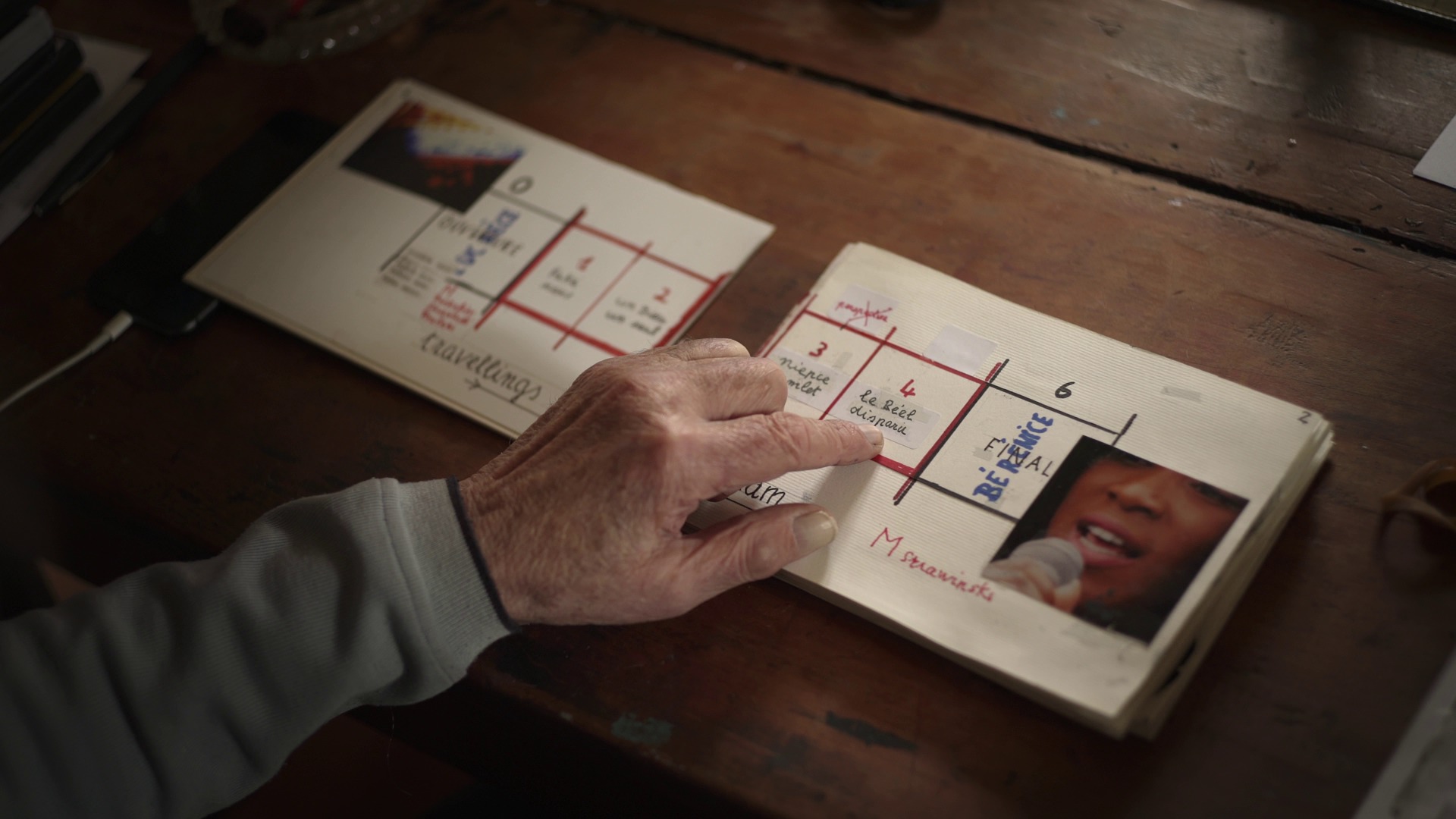
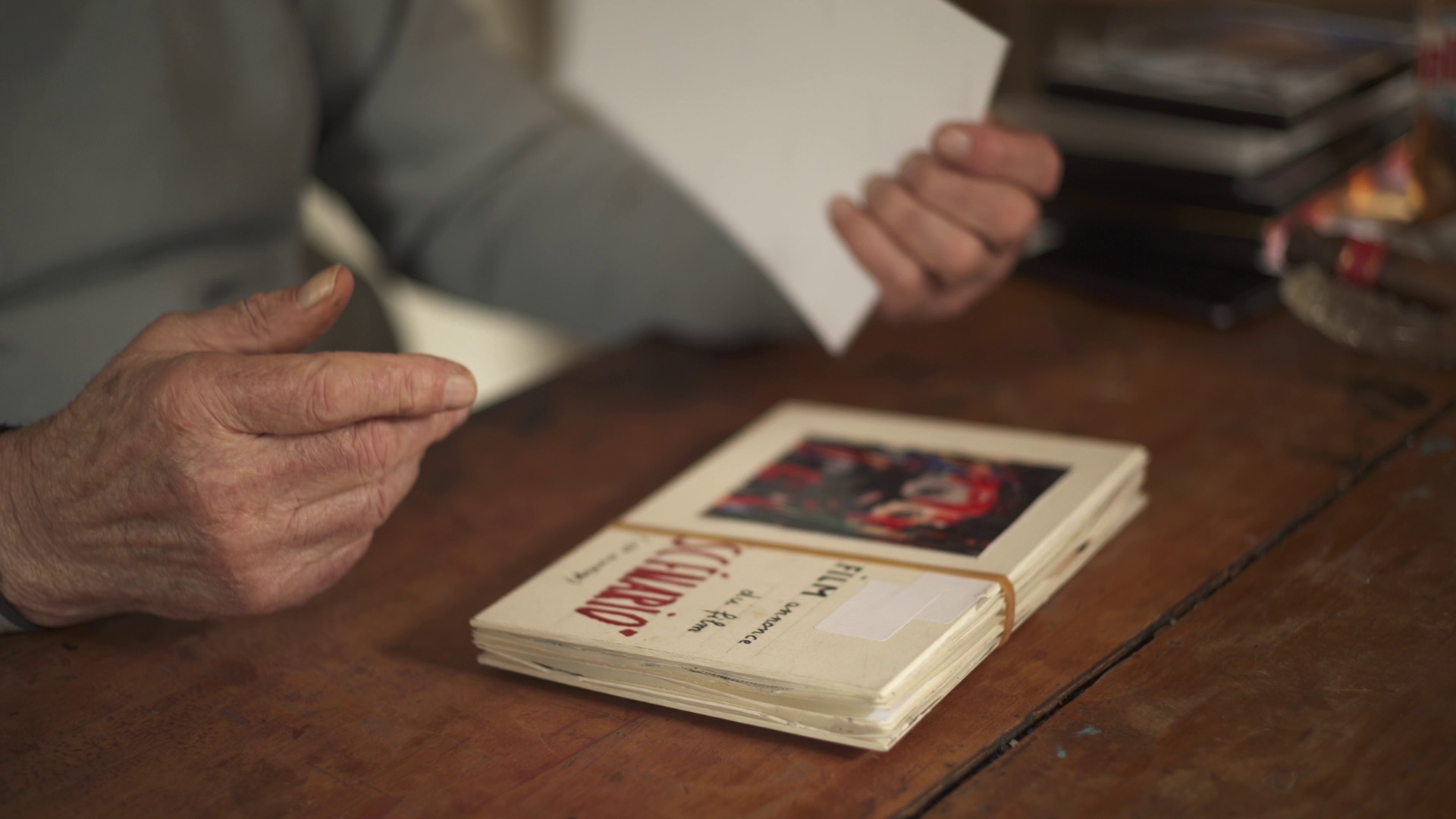
That then brings us to Scénarios and Exposé du film annonce du film “Scénario”, both found on the third disc. Each appears to have been filmed in high definition and is presented in in this set in 1080p/24. Exposé (though Godard is credited as one of its directors, I assume it is largely the work of Fabrice Aragno, Jean-Paul Battaggia, and Nicole Brenez) is more of a document of Godard’s planning for Scénarios, his final film before his death. Visually, it’s nothing to write home about, but the high-definition presentation is clean, sharp, and free of artifacts, it just looks more like a home movie.
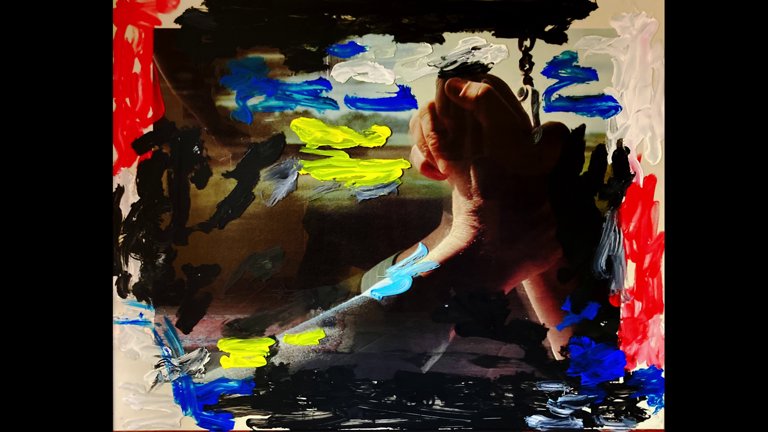
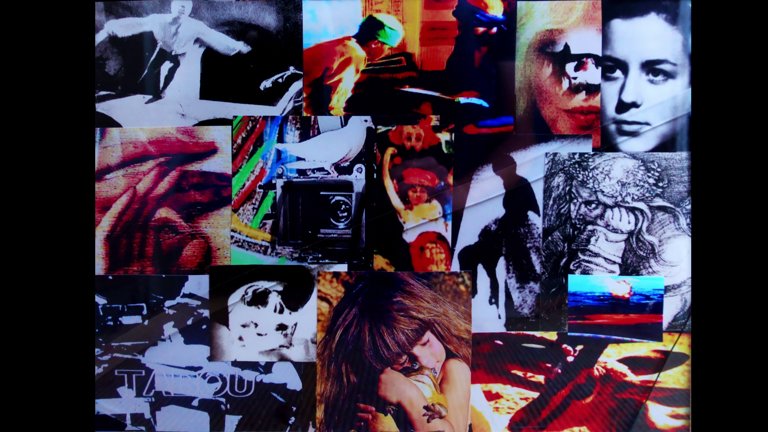
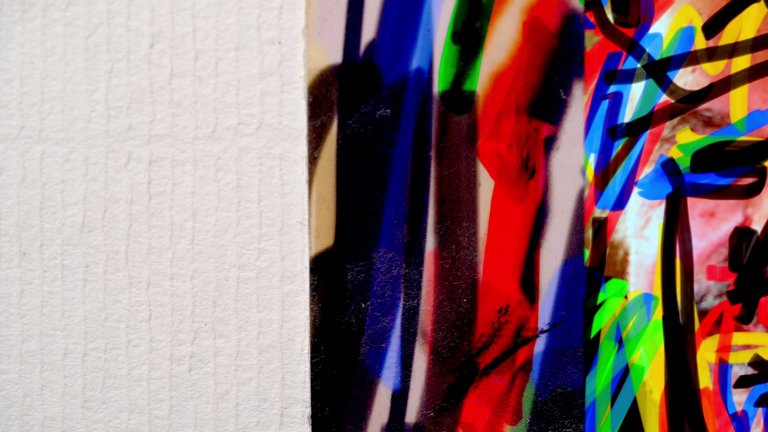
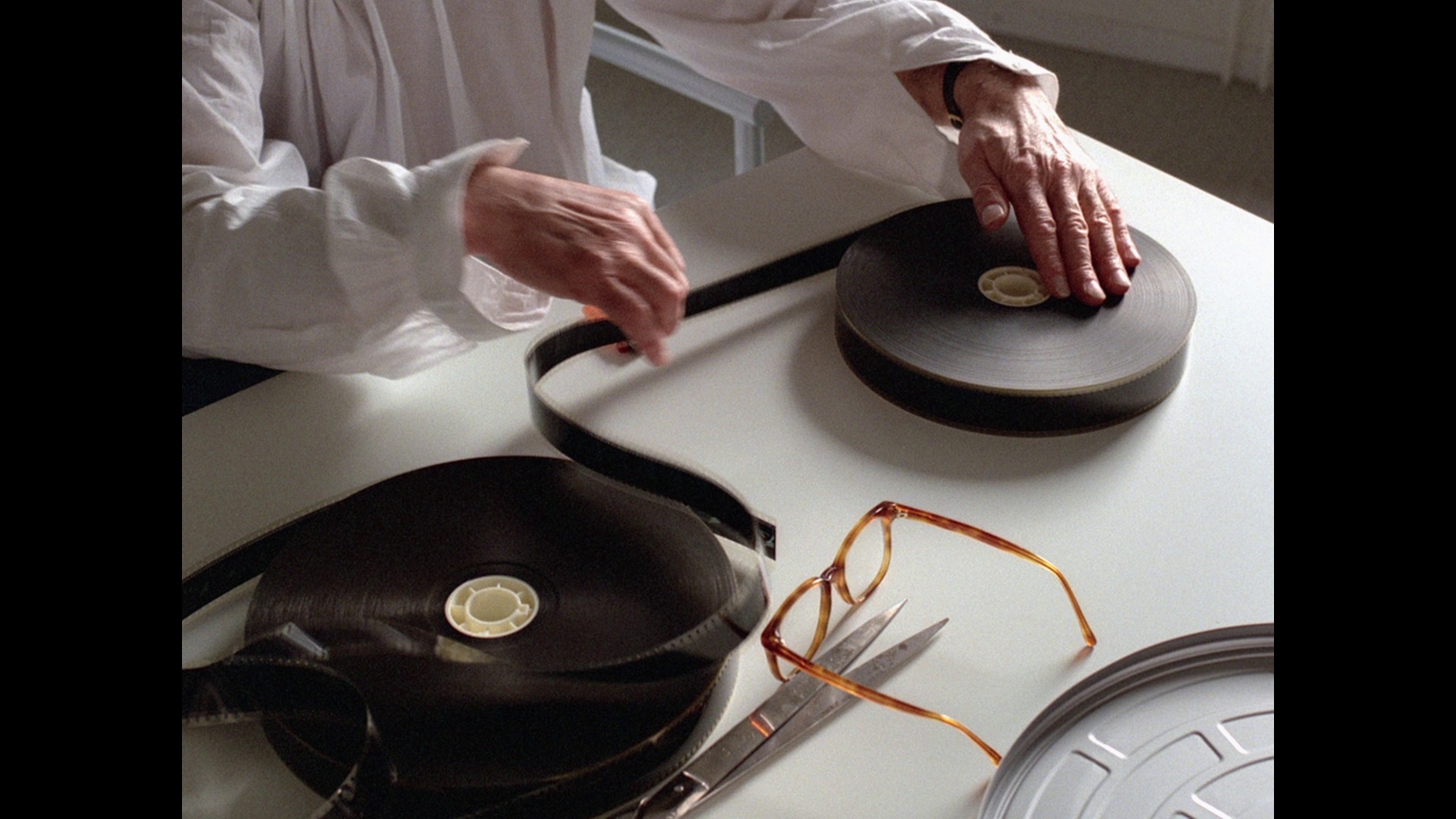
Scénarios, on the other hand, looks incredible. The colors are extraordinarily rich, particularly the vibrant blues and reds, while blacks are deep and inky. There are insertions of film clips that aren't from ideal sources (one from Godard's Weekend looks especially waxy), but forgetting the archival material that Godard had no control over, the level of detail can still be rather astonishing, especially in the overhead shots of the textured paper that I assume was torn from Godard’s notebook and used for his collages. Overall, the presentation looks remarkable and it may be the strongest one in the set.
So, as to whether any of this really matters in any way, maybe I’m still not sure, but the results are good. Any limitations ultimately come down to the source materials, and Radiance has done an outstanding job presenting them.
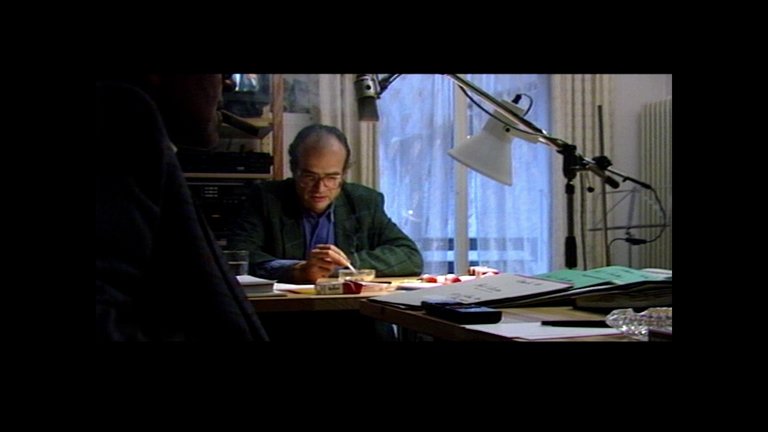
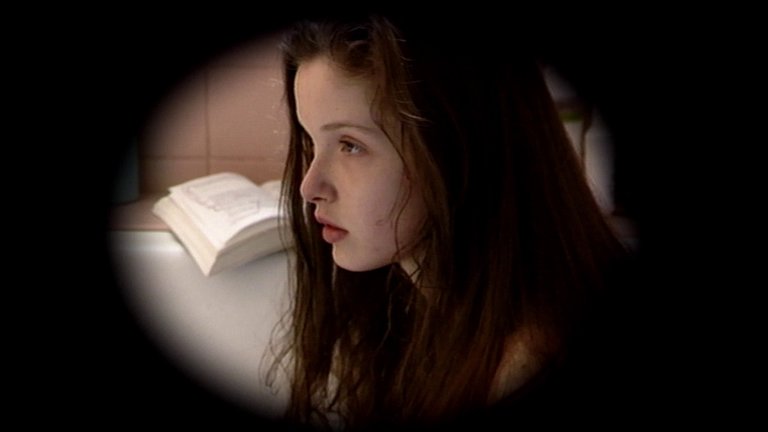
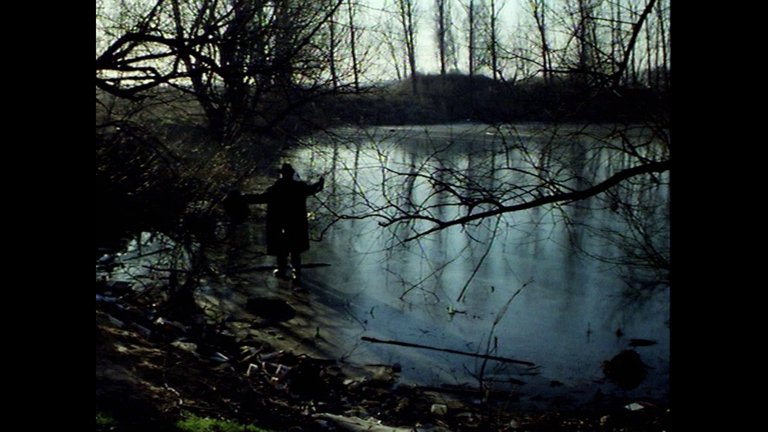
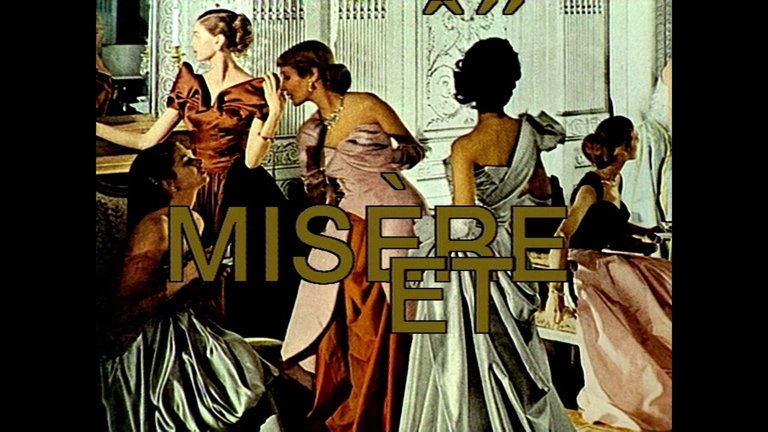
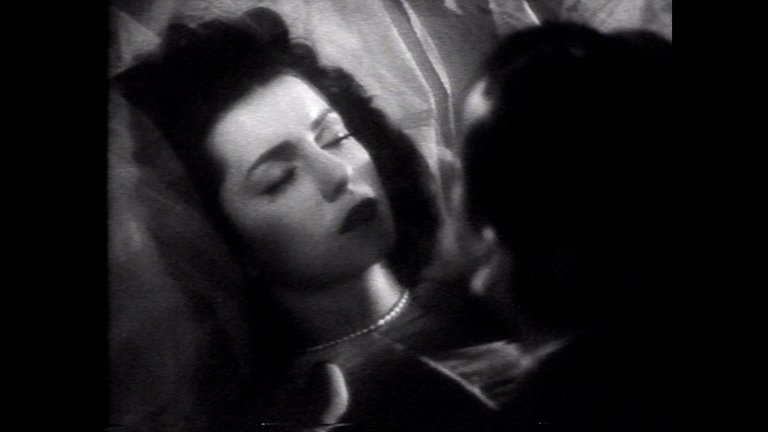
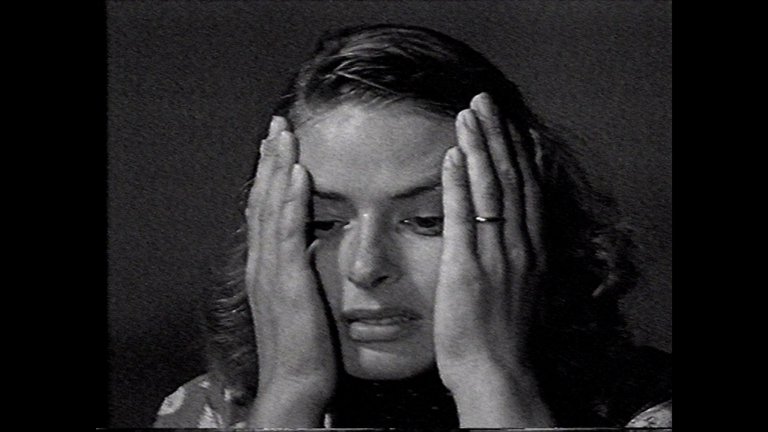
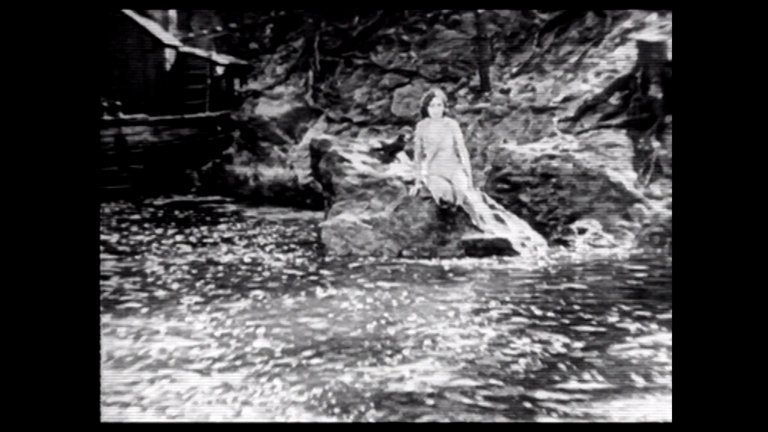
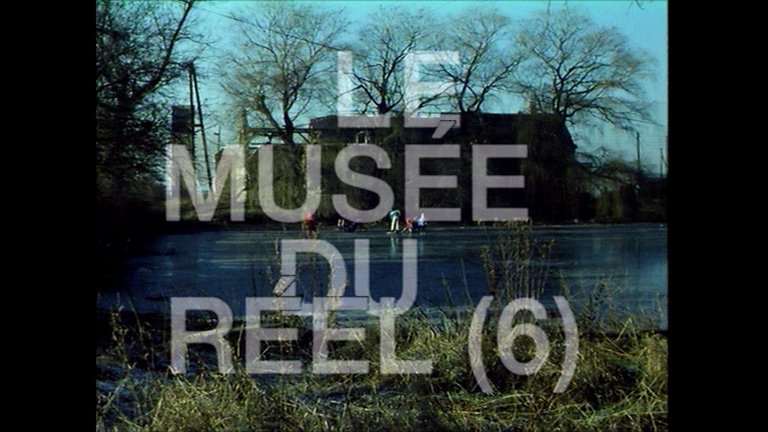

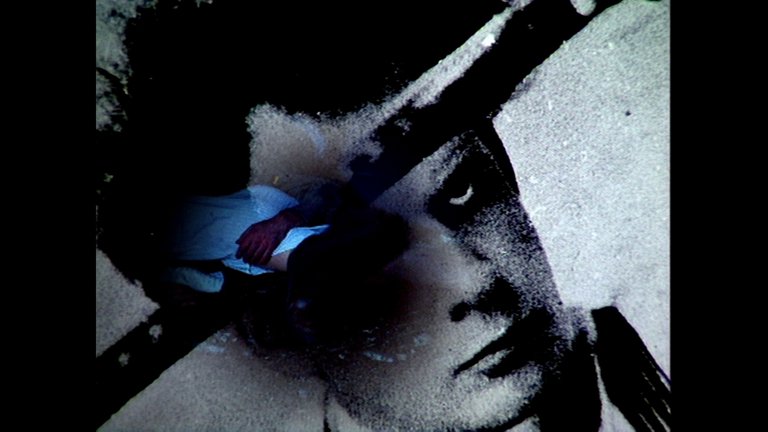
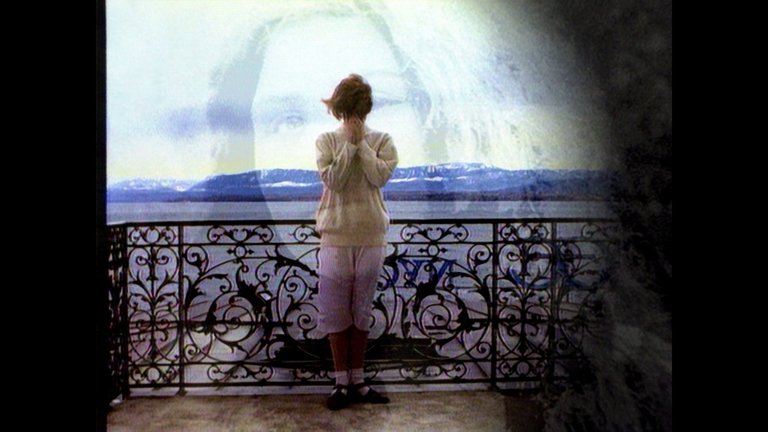
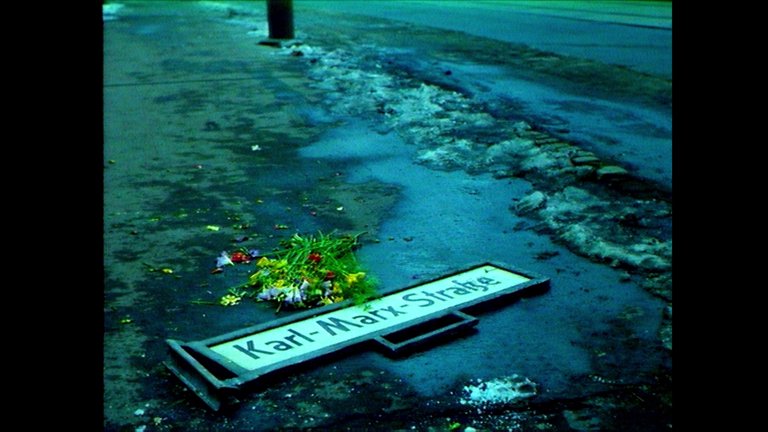
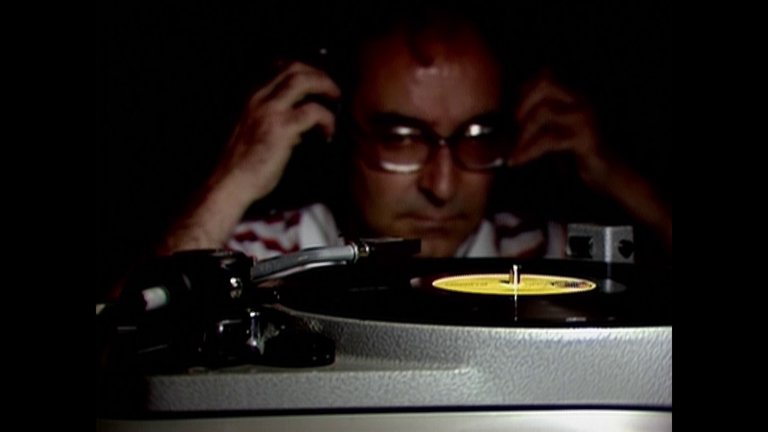
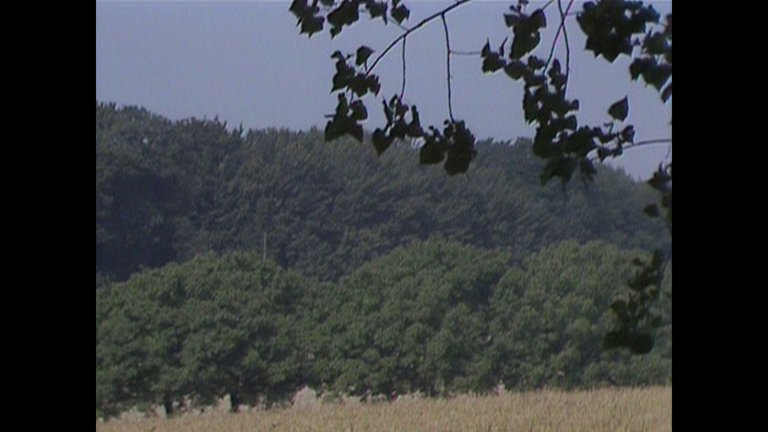
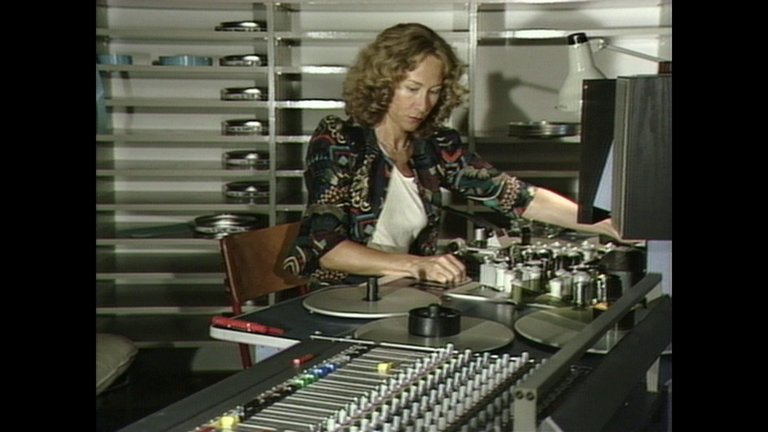
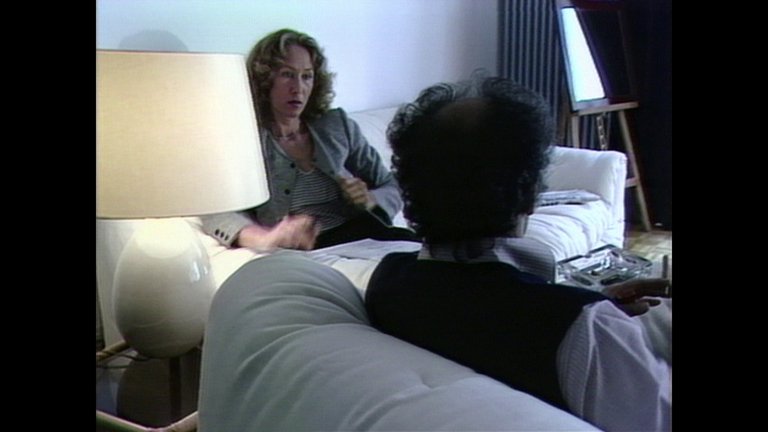
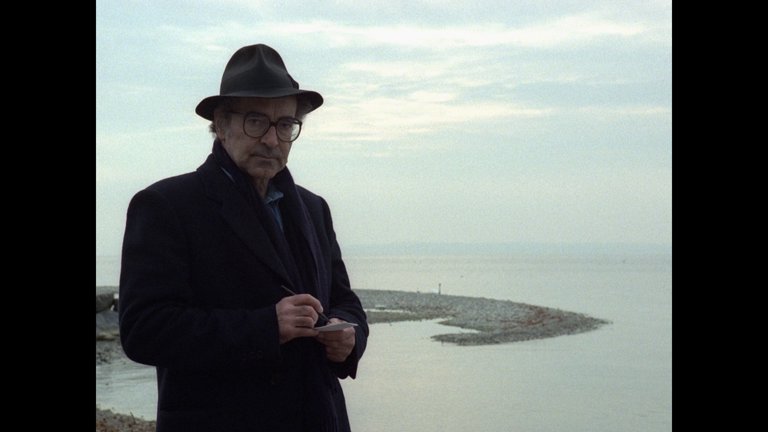
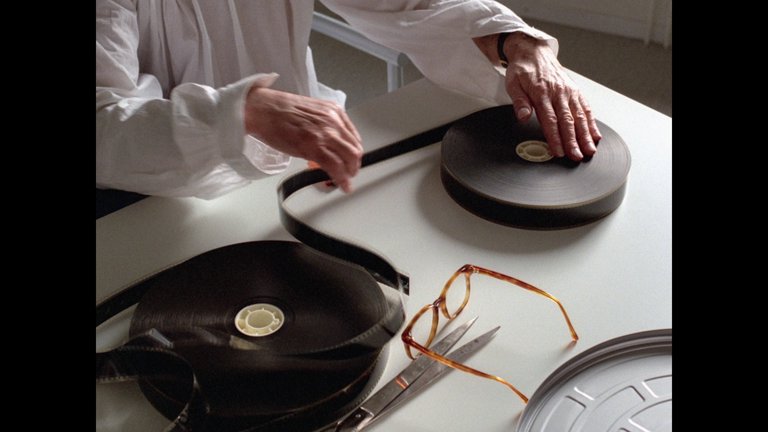
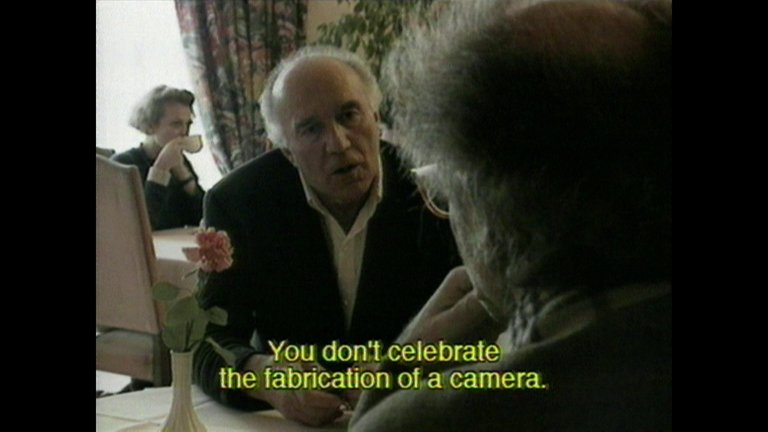
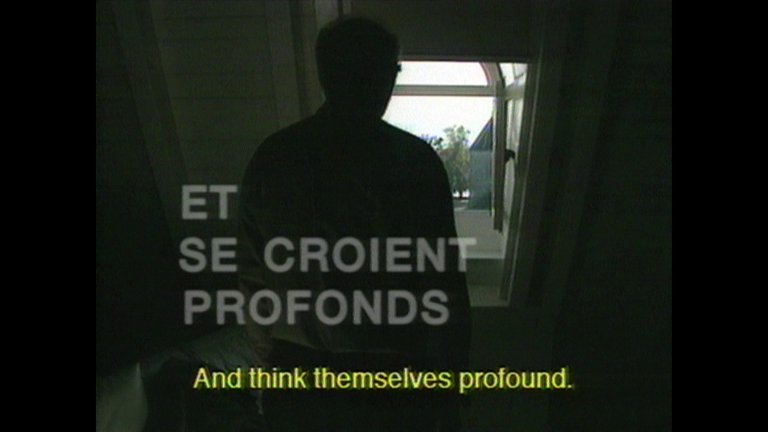
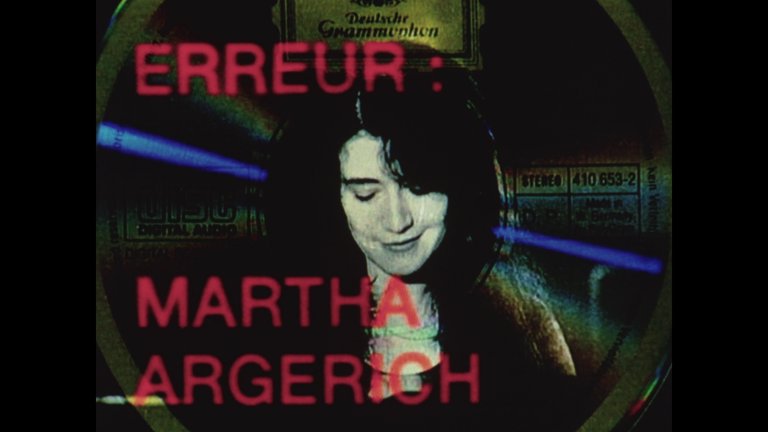
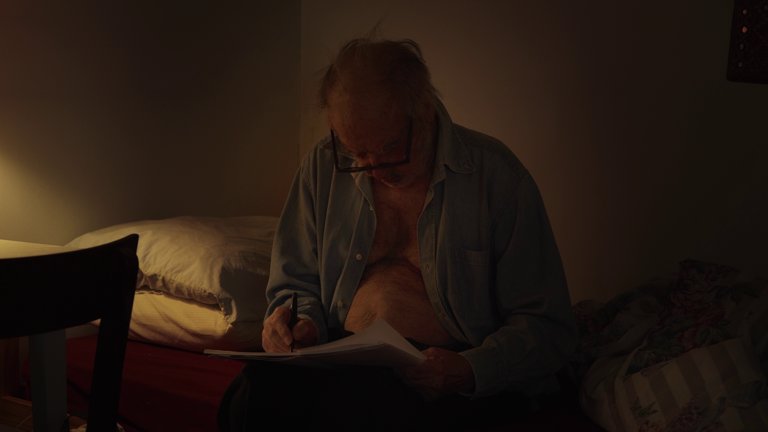
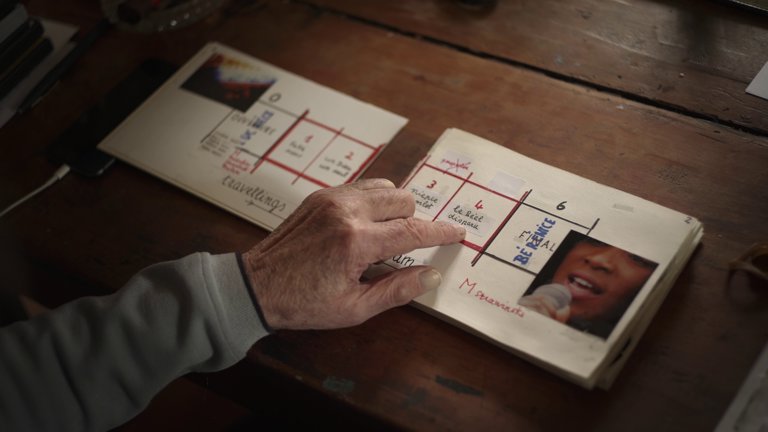
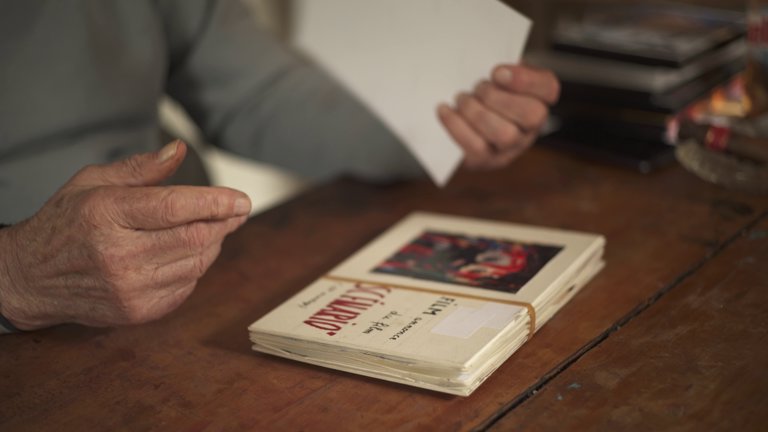
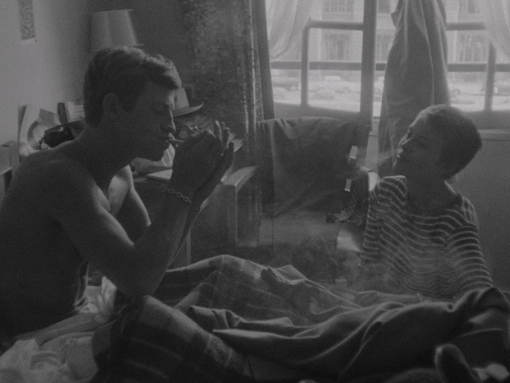
Histoire(s) du cinéma and other works - Screen Captures
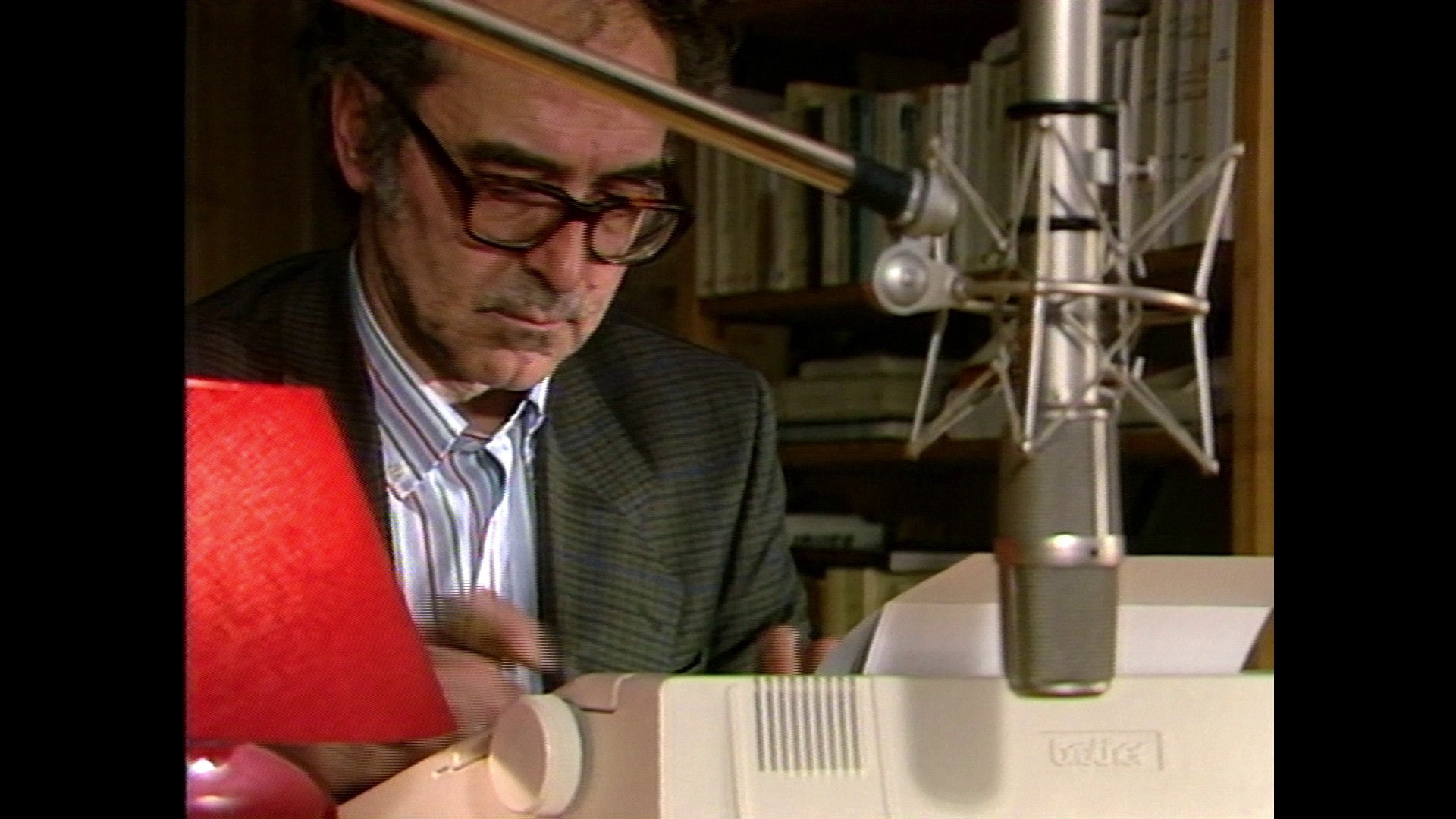
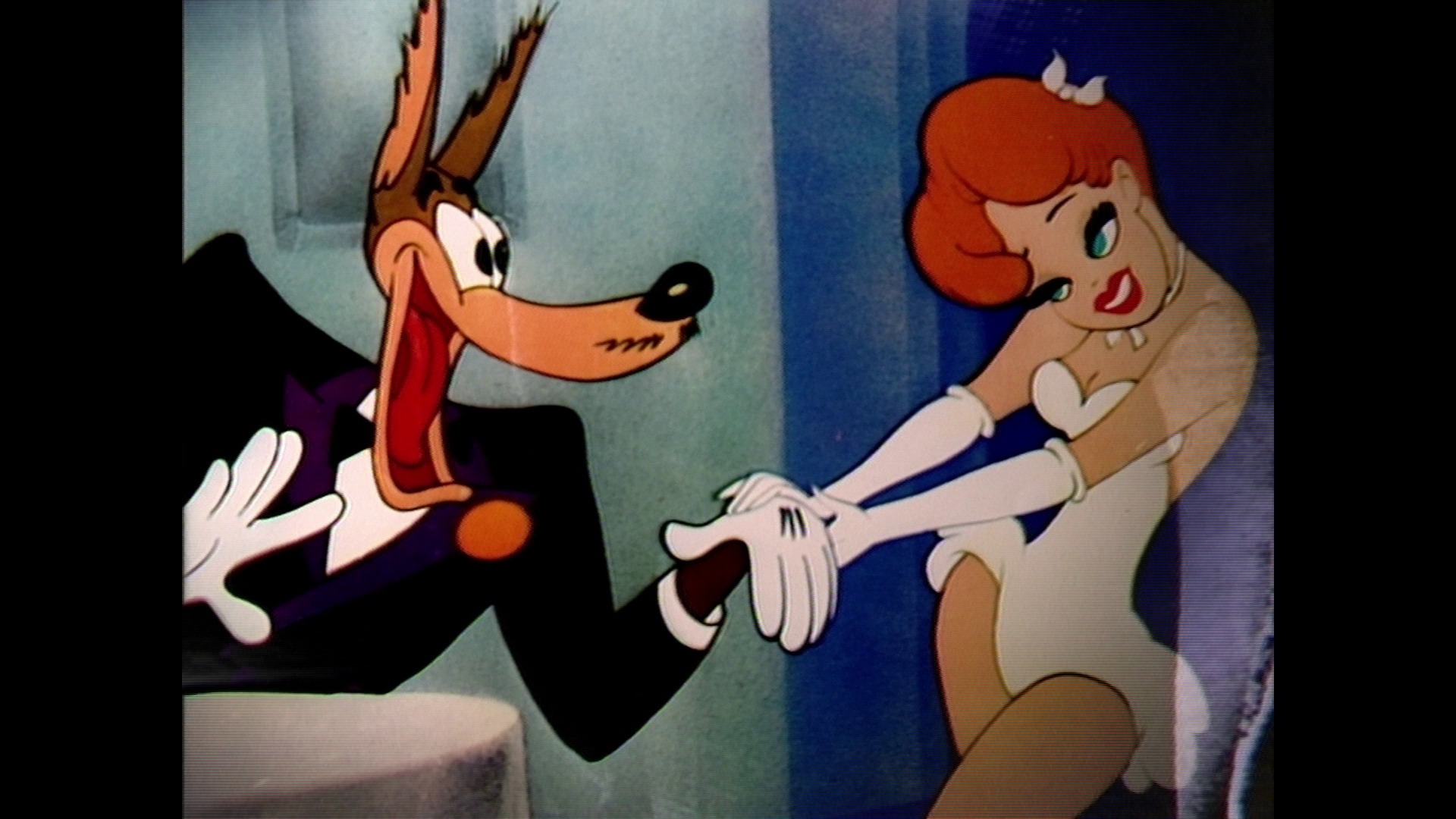
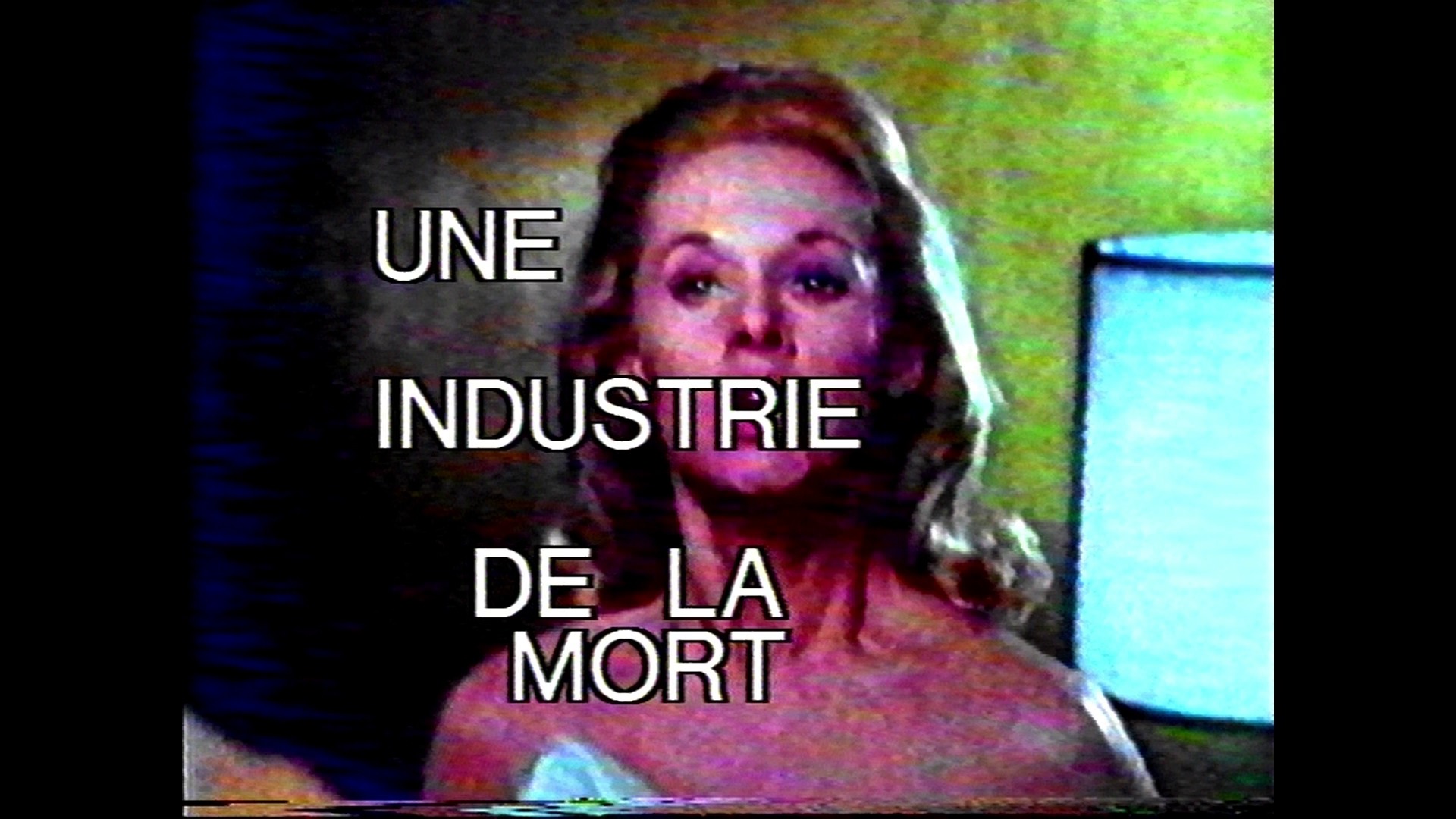
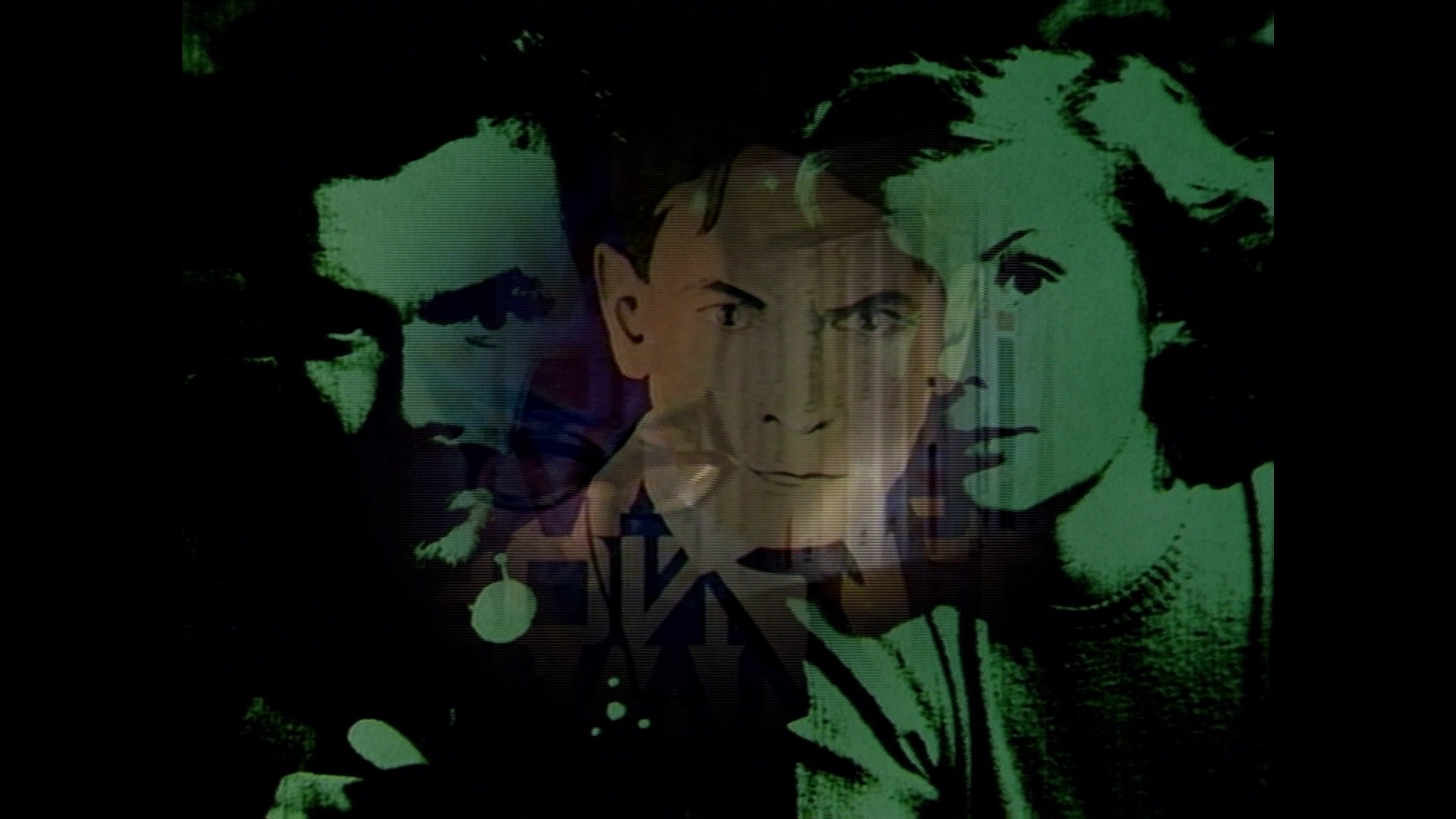
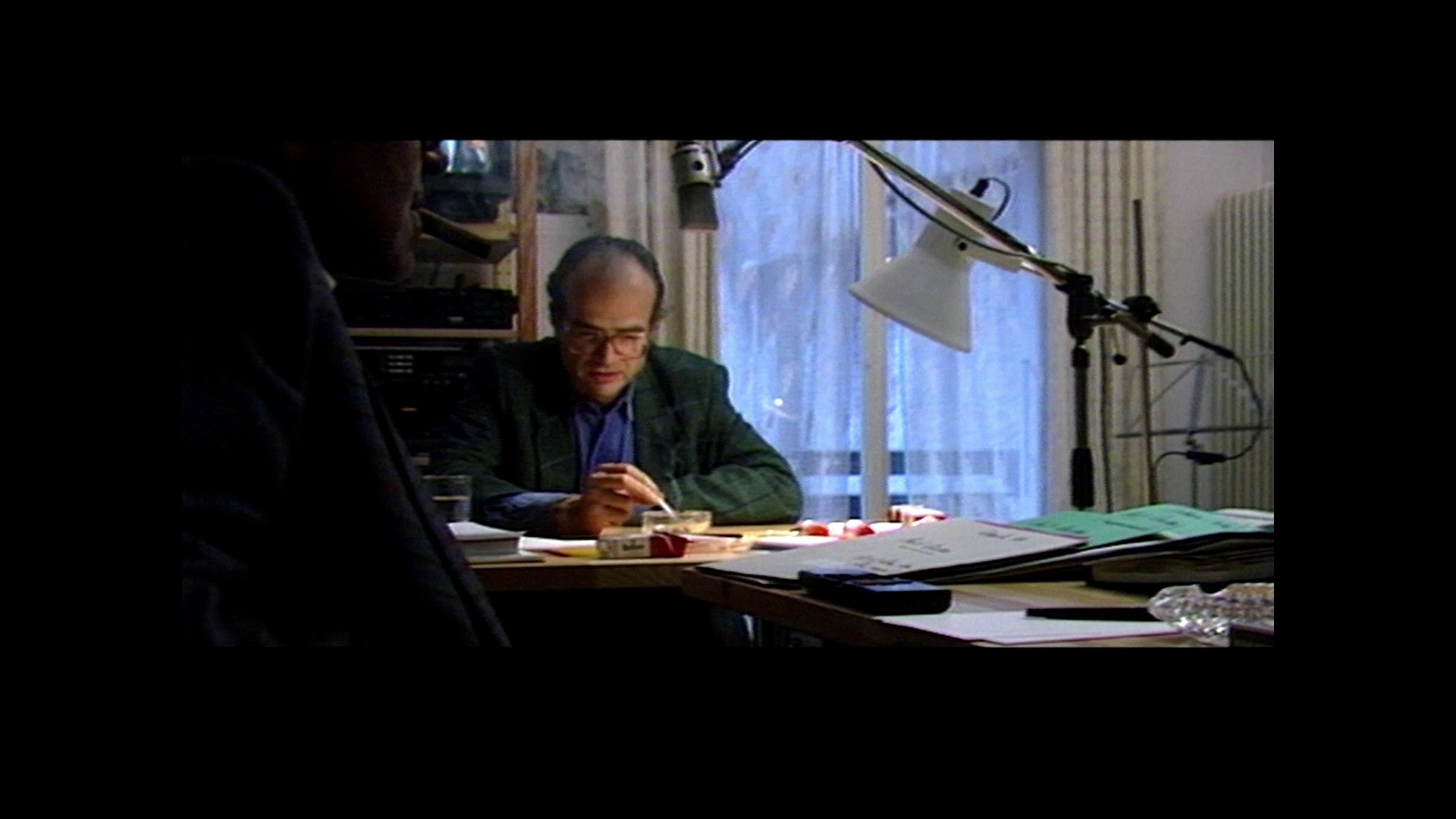
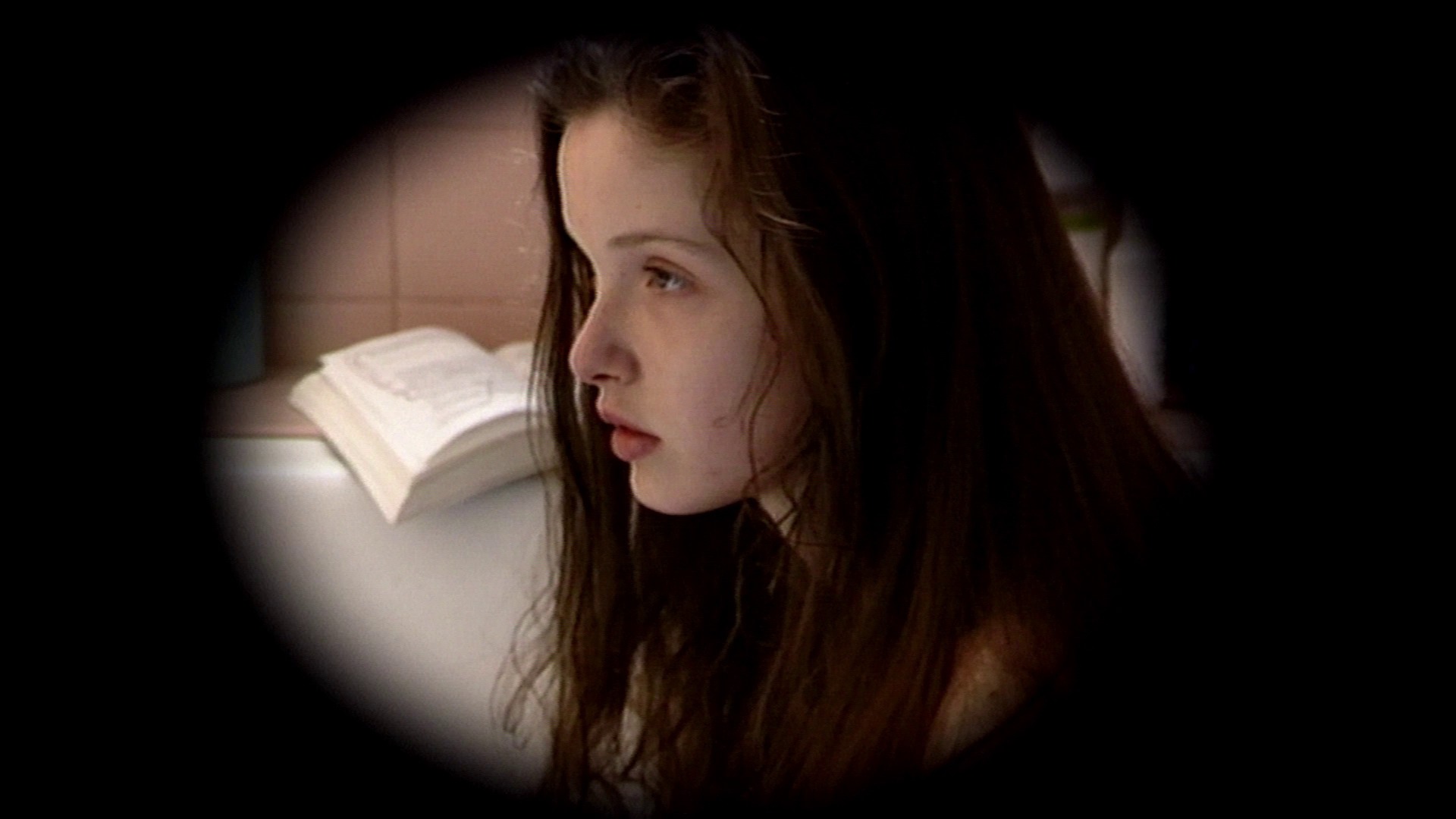
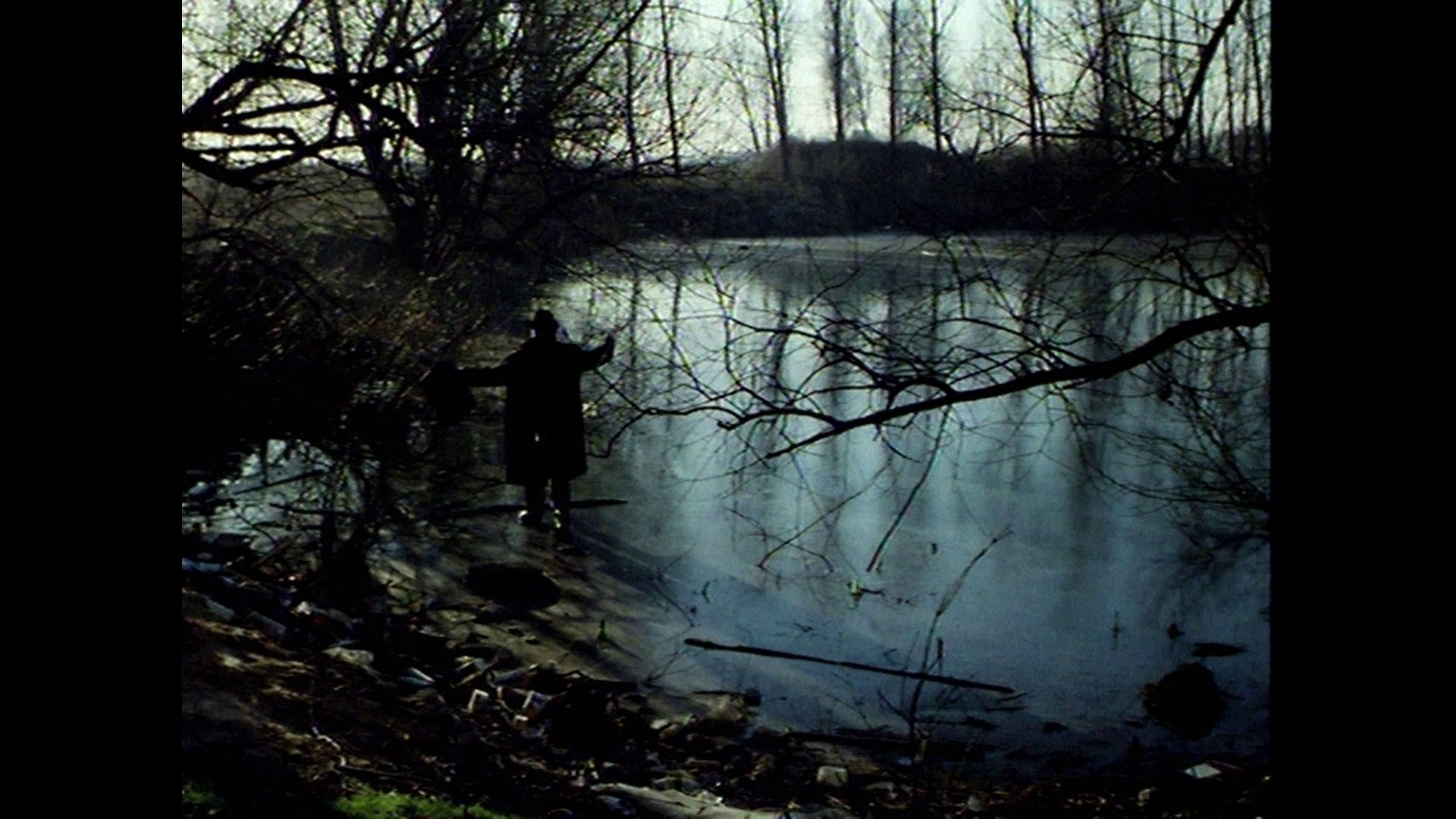
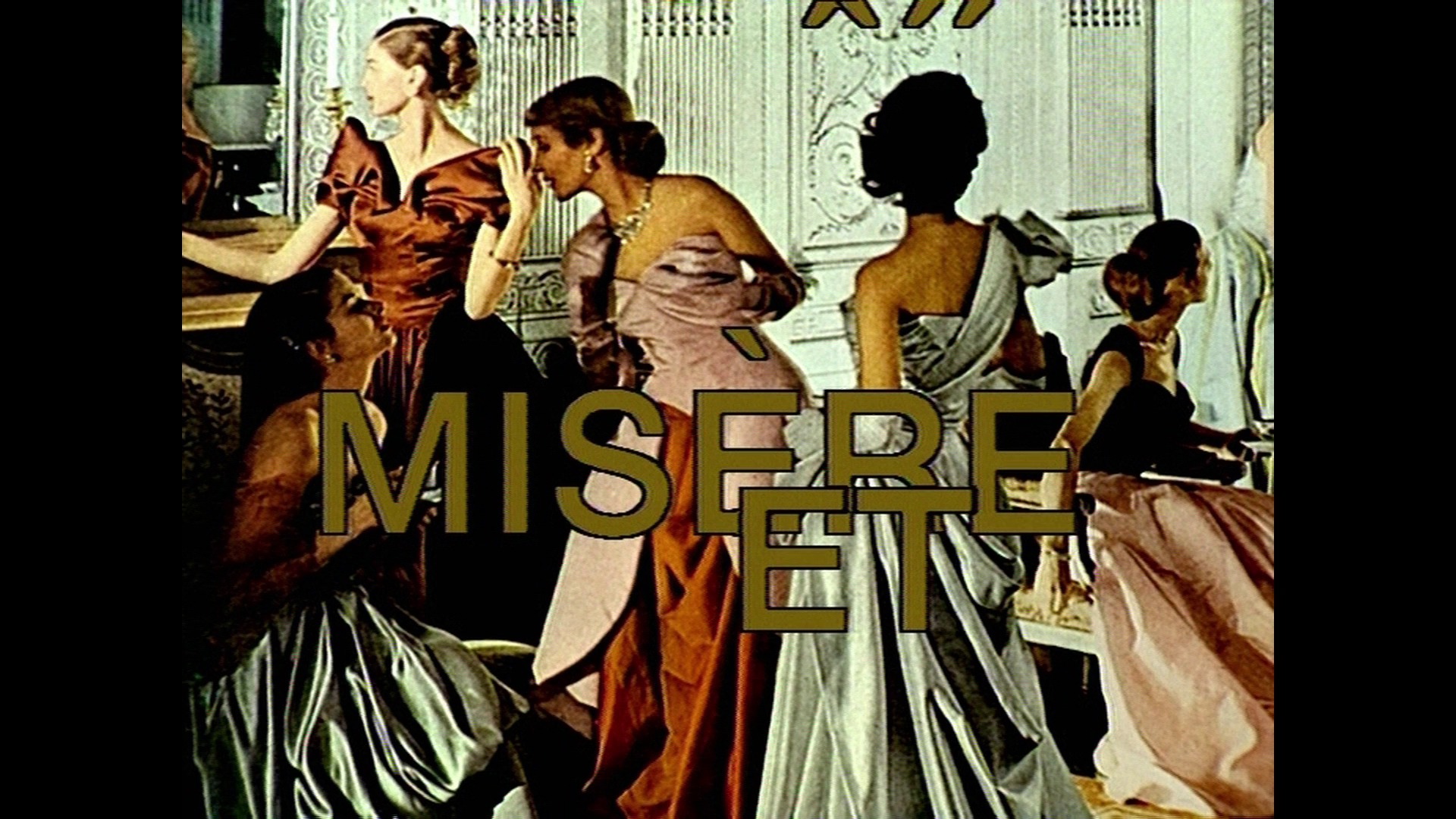
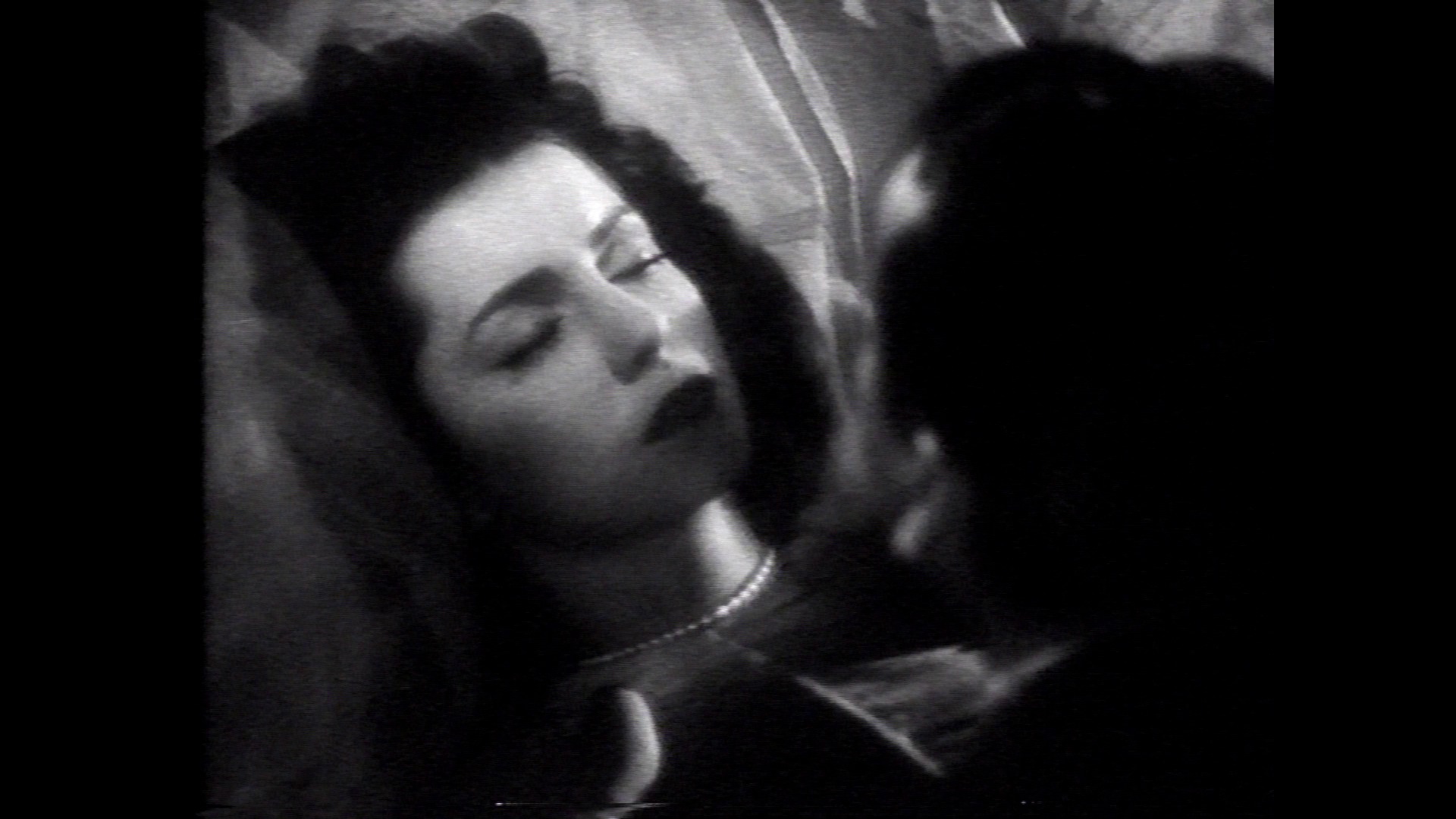
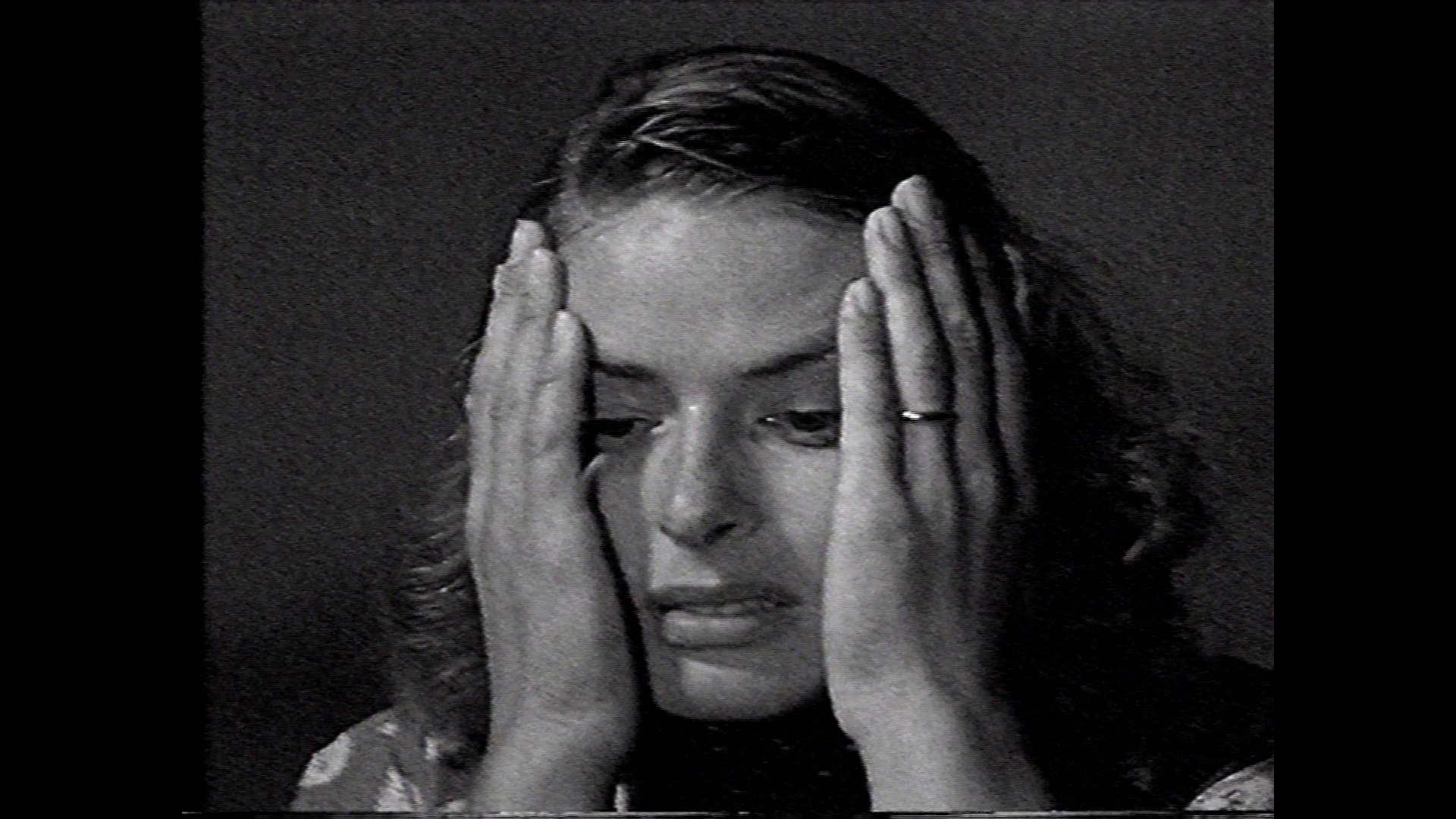
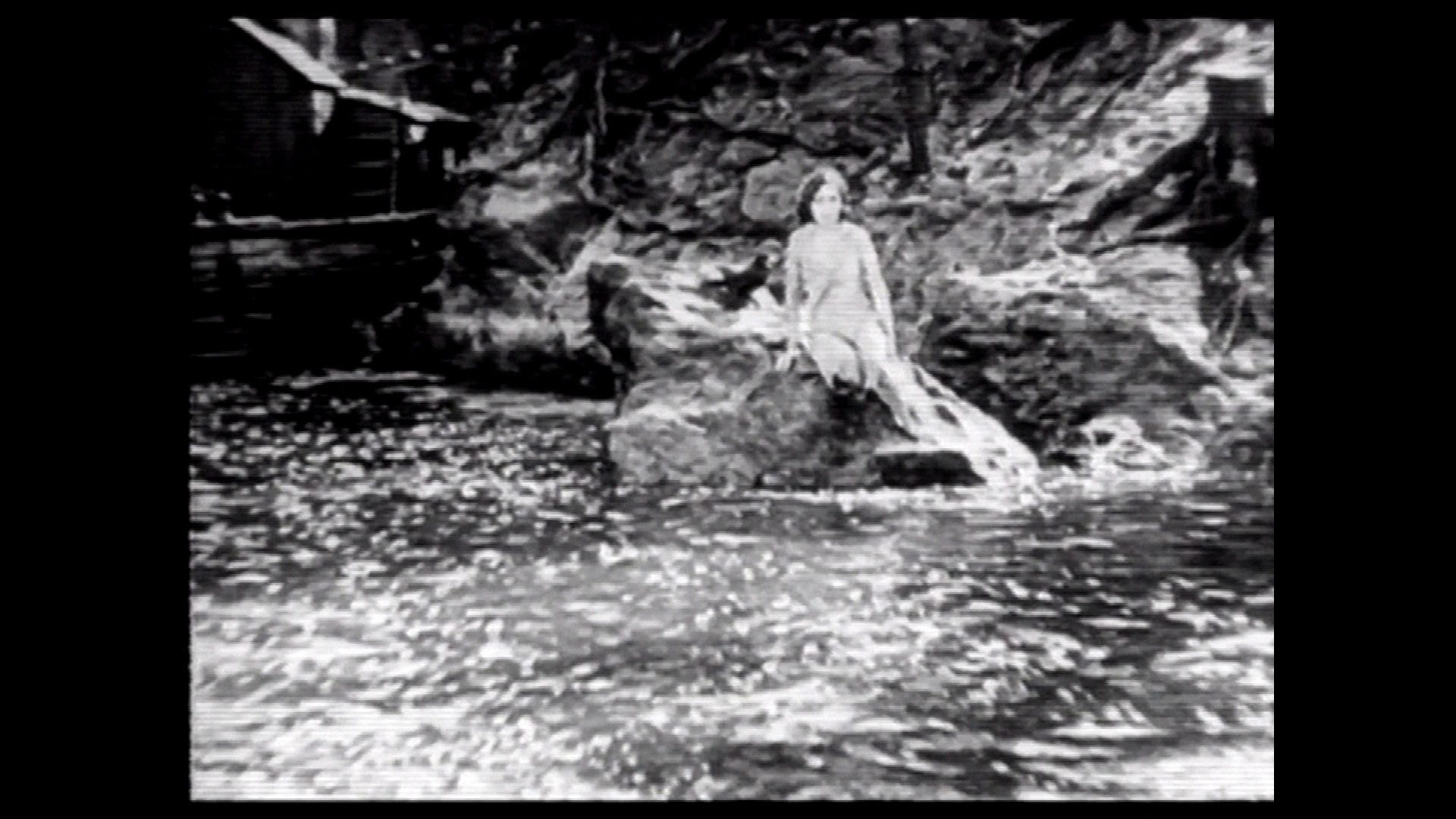
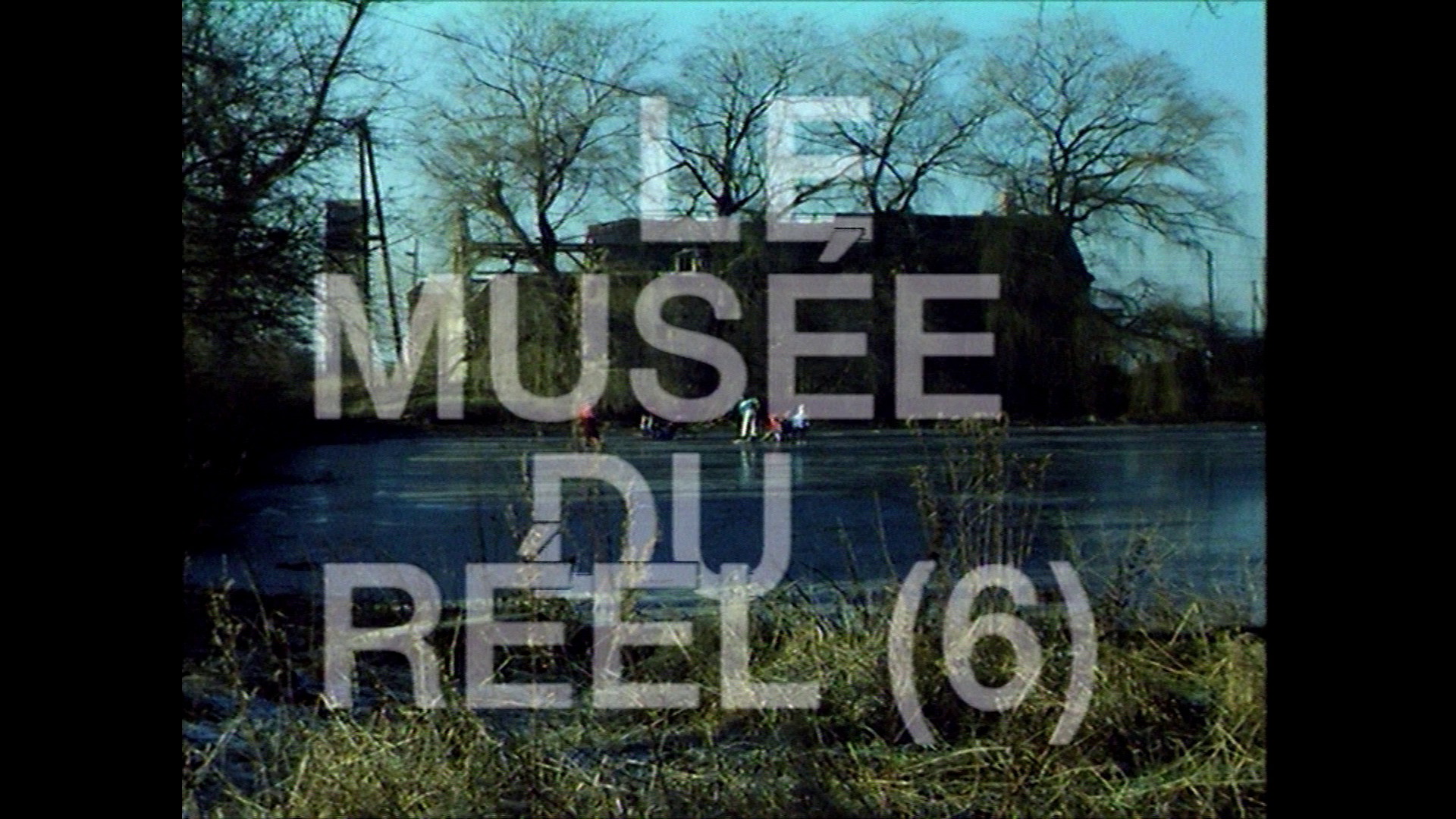

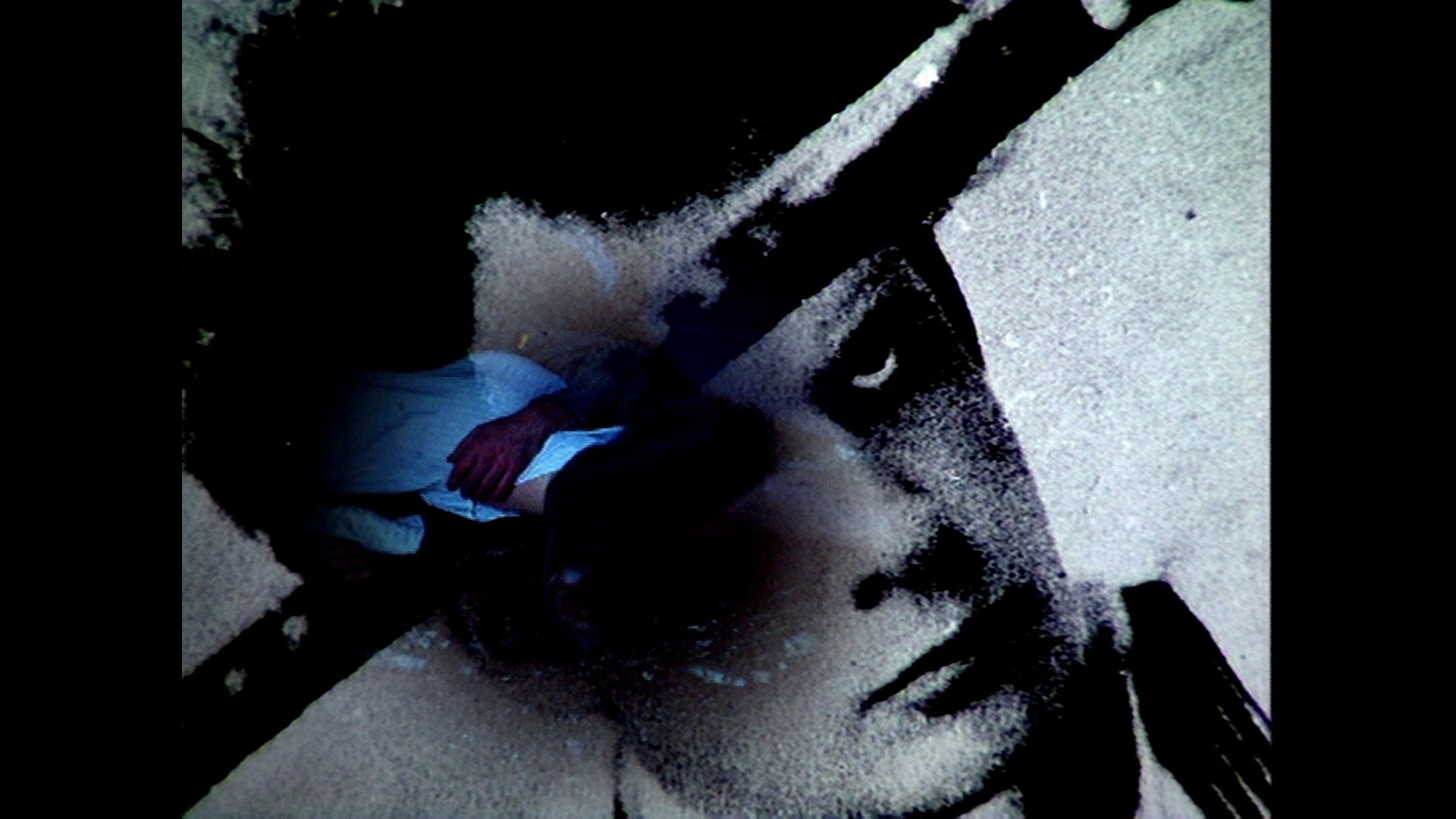
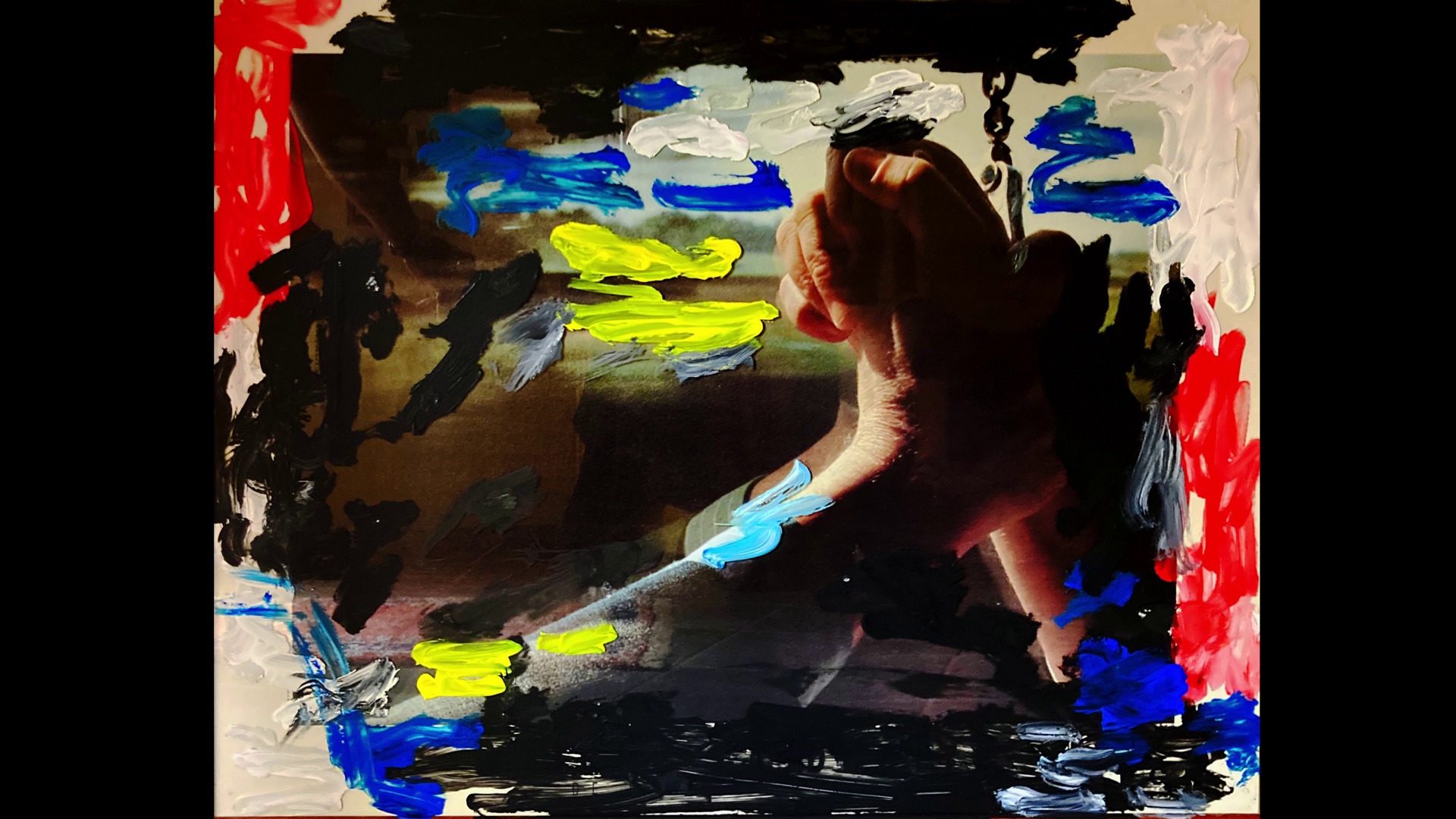
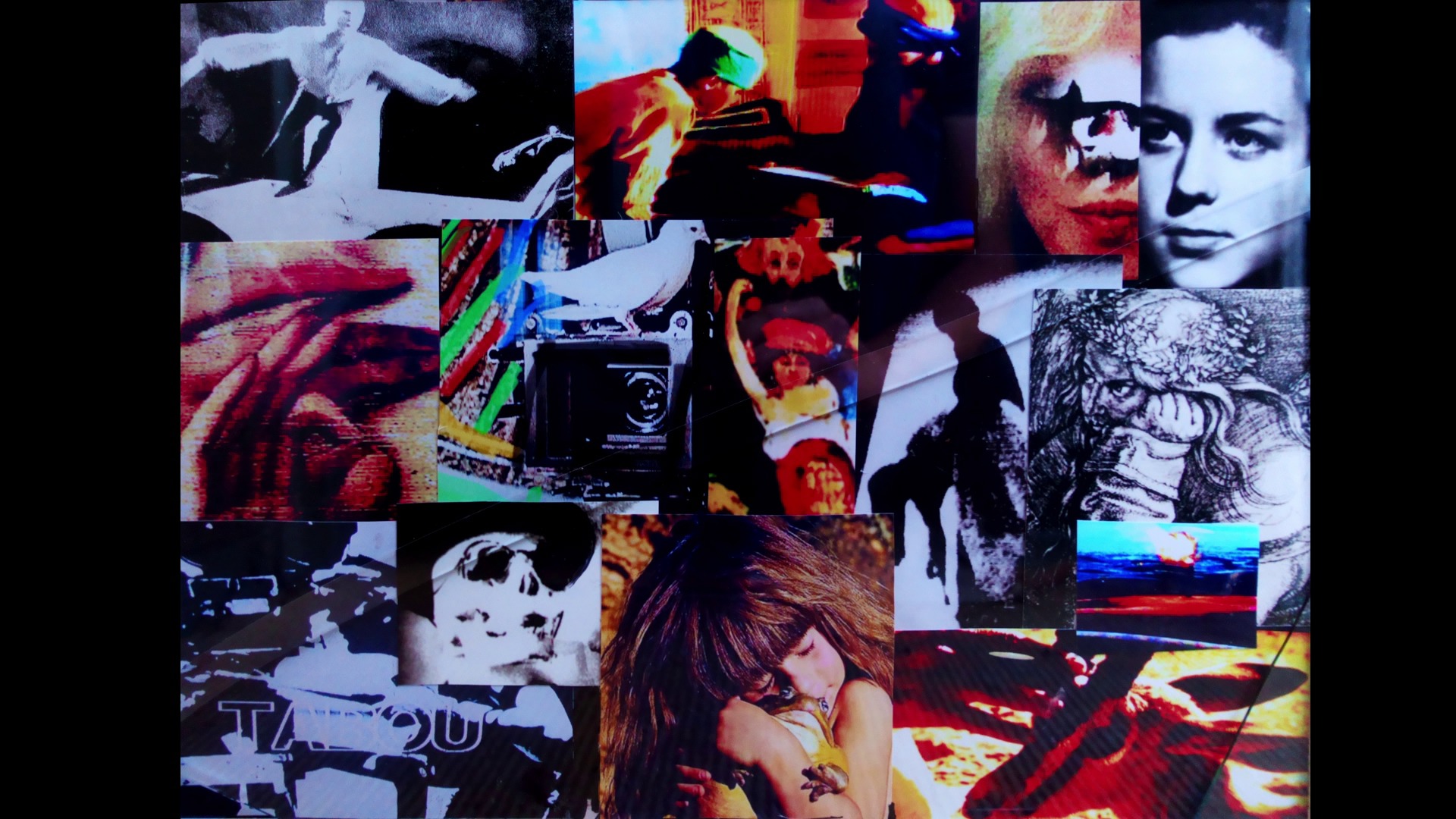
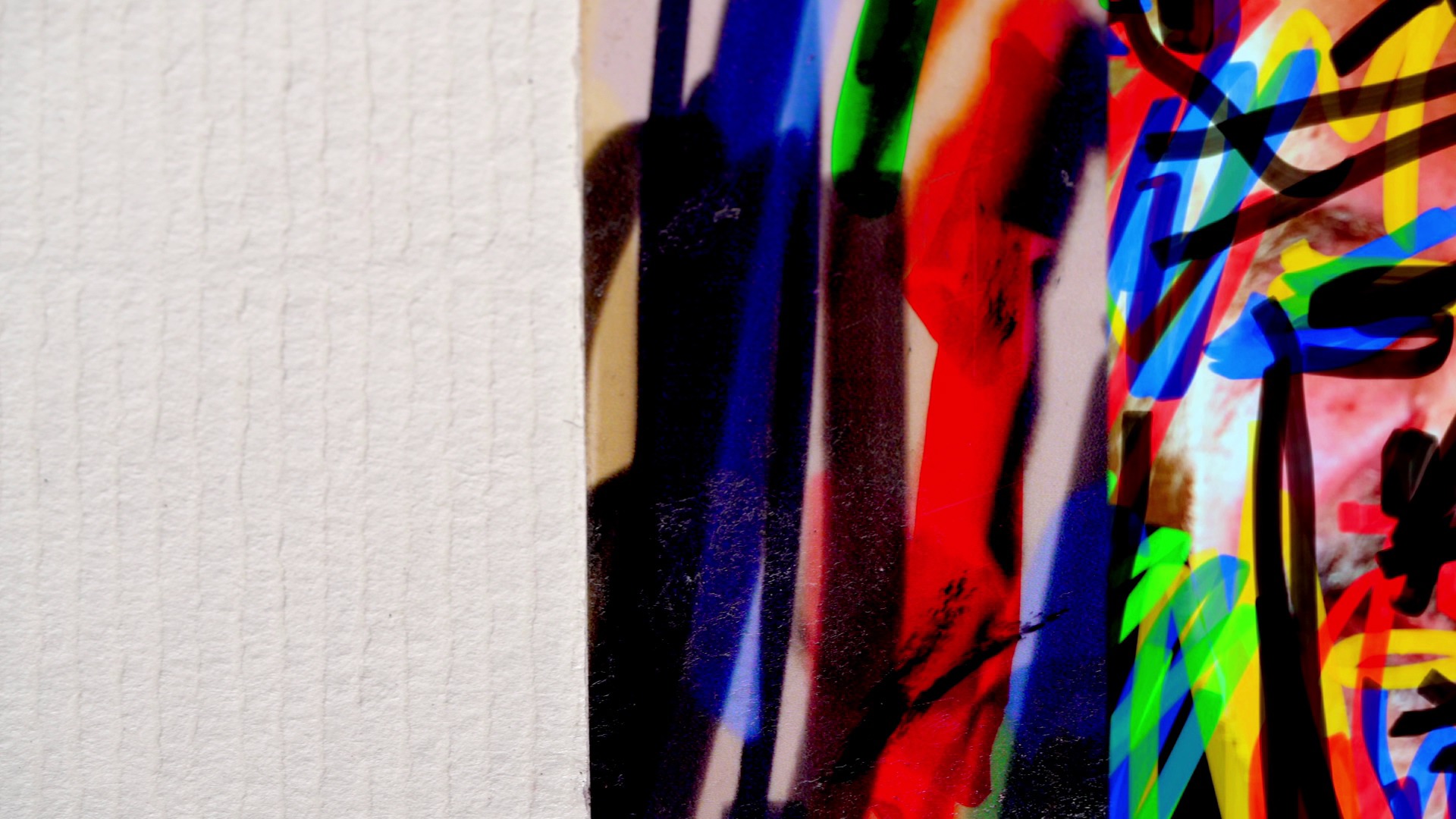
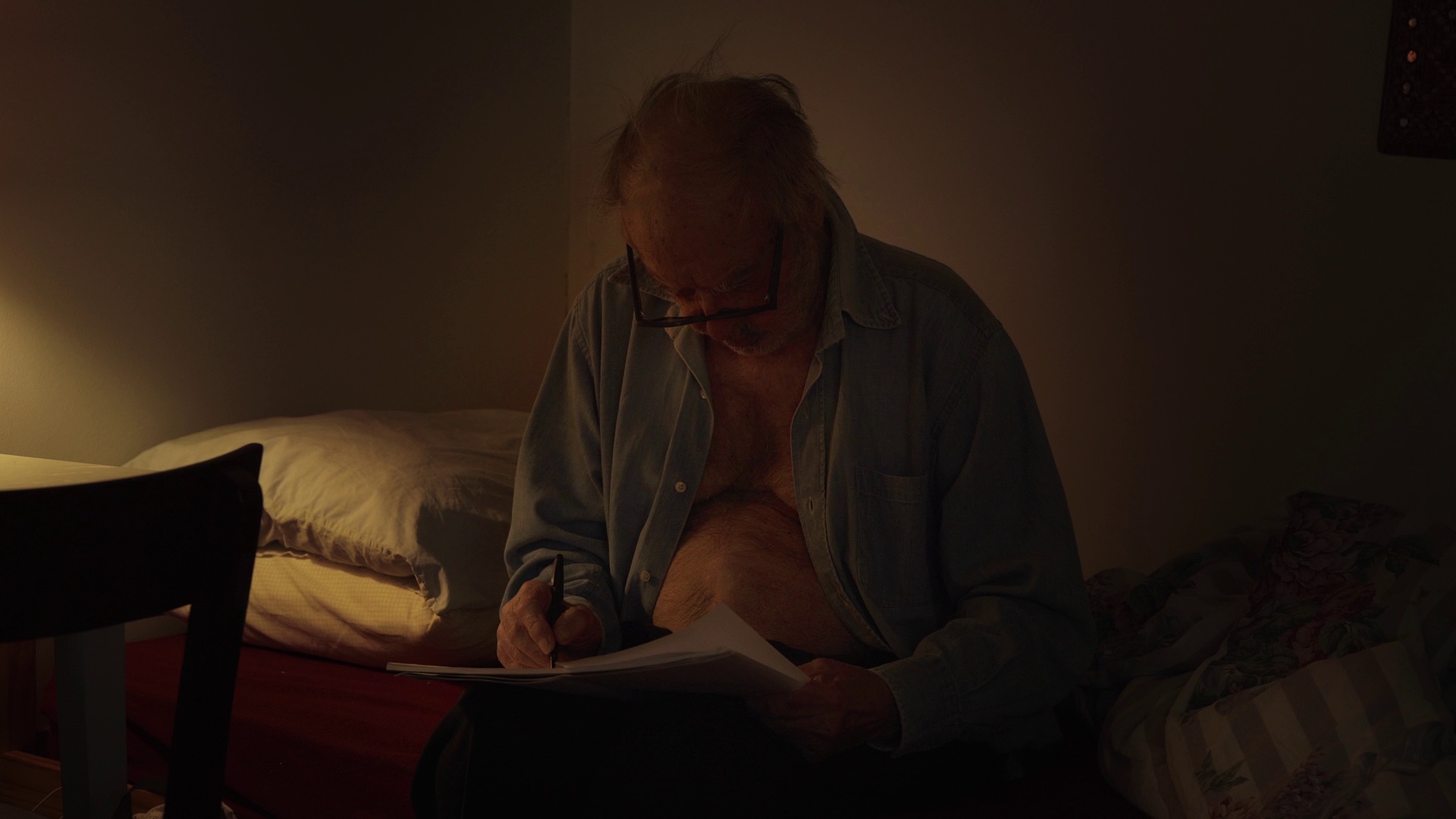
Audio 8/10
As good as the video presentations are overall, the audio presentations may be even stronger. JLG/JLG, Scénarios, and Exposé du film annonce du film “Scénario” feature DTS-HD MA 5.1 surround soundtracks, while everything else is presented in PCM stereo. The stereo tracks are surprisingly good across the board, offering a wide dynamic range and clean audio free of any obvious artifacts. Histoire(s) probably delivers the most dynamic of the stereo presentations, moving from Godard’s quiet narration to the loud, machine-gun-like clacking of his electronic typewriter.
JLG/JLG’s 5.1 mix is also surprisingly active. Most of the audio remains focused toward the front, but there are sudden bursts and some nice ambient effects that make their way into the surrounds. It’s also impressively dynamic, with an incredible range between its quieter and louder moments.
Exposé is, again, more along the lines of a documentary and primarily uses live sound. There are a few sudden jumps in volume, like when Godard smacks his hand on the table, with other effects that occasionally creep into the surrounds, but it remains fairly low-key overall.
Scénarios, on the other hand, offers by far the most active and impressive audio presentation in the entire set. There are stretches without sound, only for a loud effect to suddenly jump in (probably to wake you up) and the audio moves effortlessly from the fronts to the rears and back again. There are also a handful of moments where loud effects accompanied by deep bass circle the viewer, the sound moving naturally between speakers. At other times, it jumps abruptly between channels, creating an overwhelming experience that my dogs, sitting beside me, absolutely hated. It’s loud, it’s dynamic, and I dare say it’s even demo worthy. It’s a helluva mix.
Extras 7/10
After all of that, Radiance packs in a handful of supplements, starting with two contributions from Michael Witt about Histoire(s) du cinéma: an 8-minute introduction and a 26-minute interview, both found on the first disc. In the introduction, which can be played before one starts making their way through the episodes, Witt aims to prepare newcomers, explaining the double meaning of the title before briefly covering what Godard hoped to accomplish with his project that ultimately spanned the decade. He then provides more context in his 26-minute interview, first going over Godard’s early career and how his work evolved through the ’70s and ’80s, where he began exploring cinema itself through his films, eventually leading to Histoire(s) du cinéma. He also talks about Godard’s planning around the episodes, which included purchasing his own telecine early on so he could transfer film clips to video, though the rise of home video ultimately rendered it unnecessary and he built up a collection of video tapes to pull from. Witt then spends the final portion offering pointers to first-time viewers who may easily find themselves overwhelmed by the project. Overall, I really liked these contributions; Witt provides a great deal of context, particularly for viewers who may not be all that familiar with Godard’s work (or his later work at least), while also properly preparing newcomers for what they’re about to experience. It’s exactly the kind of material I would hope to find on a release like this.
Also on the first disc is a new 13-minute interview with Bernard Eisenschitz, who assisted Godard with his projects, including, as I understood it, helping him acquire the footage he needed. Eisenschitz also answers one of the questions I had regarding film rights and Godard’s use of clips in his work. It’s brief, but it’s another great addition.
The best feature, though, appears on the second disc: a 57-minute excerpt from the French television program Bouillon de culture, recorded in 1993 and hosted by Bernard Pivot. It features Godard, who I believe is there primarily to promote his then-new film, Oh, Woe Is Me. The program sets the interview up as a clash between two opposing personalities: the man who doesn’t explain anything (Godard) and the man who asks questions (Pivot).
Godard’s interviews can be frustrating or amusing, though through the years I’ve come to basically learn (or at least feel) that this has less to do with Godard and more to do with whoever is interviewing him. Depending on the vibe, he will either answer straightforwardly or “mess” with the interviewer, so to speak, becoming vague and evasive or simply challenging the very premise of what is being asked.
He does some of that here, but what I found amusing is that Godard feels to be coming off especially honest and forthcoming whenever he chooses to answer Pivot’s questions, possibly because he knows Pivot is expecting something else. When discussing Oh, Woe Is Me, for example, Pivot assumes there must be some deeper meaning behind the choices Godard made while developing it. Godard insists there really isn’t: the idea came to him, he had signed a contract, and he therefore had to make something. Pivot legitimately seems insulted by this, but I have no doubt Godard is being absolutely truthful, even when he admits that he wishes he could plan and organize his films as thoroughly as “even” someone like Steven Spielberg clearly can.
The conversation does shift to other subjects, including how success can become a hindrance, Breathless and the period of the New Wave, the popularity of American films, and Godard’s thoughts on television as a medium. He even talks about how he may be remembered. It further shows that when he’s into a conversation, he’s absolutely willing to participate. He also really, really dislikes the French Interior Minister (translated as “Home Secretary” for this British release) and makes random comments about him throughout their discussion, turning it into something of a running gag.
Though I can’t say I was terribly fond of Pivot, I thought Godard was wonderful, and liked that he participated (as well as expected) with the questionnaire at the end, the same one James Lipton would also use later. Godard’s playful but also surprisingly forthcoming in his answers, making this one of the stronger interviews I’ve seen with him so far (though keep in mind I haven't seen anywhere near all of them).
Finally, this limited edition comes with a 46-page booklet featuring details on each film along with a fantastic essay by Adrian Martin, who sadly doesn’t contribute any on-disc material, but his essay should further help newcomers approaching the work collected here. That is then followed by essays from Jawni Han and Sophia Satchell Baeza, the latter focusing on Soft and Hard and the partnership between Godard and Anne-Marie Miéville. As usual, it's a fantastic booklet.
In all, it’s clearly not packed to the gills, but it’s a terrific collection of material that provides valuable context for the films in this set, which I’m sure will be a boon for newcomers.
Closing
A really solid release all around. Radiance does a fantastic job presenting everything in the best possible form while also including supplements that help contextualize Godard’s later work for newcomers. It’s well worth picking up
BUY AT: