
The Complete Kubrick
Lolita
BUY AT:


See more details, packaging, or compare
Synopsis
A titan of cinema whose influence extends across visual art, philosophy, politics, technology, fashion, and beyond, Stanley Kubrick created an unprecedented string of masterpieces, from Paths of Glory to Dr. Strangelove to 2001: A Space Odyssey, A Clockwork Orange, The Shining, and Eyes Wide Shut. Bending disparate genres to his will, he imbued his creations with a cuttingly ironic worldview and an iconographic, mesmerizingly precise visual style, probing the anxieties, enigmas, and horrors of the twentieth century with a coolly devastating eye. Tracing his evolution from independent maverick to Hollywood rebel to visionary transnational auteur whose every film from the mid-1960s on became a manifesto of a radically new sensibility, The Complete Kubrick brings together the entirety of a body of work that opened popular cinema up to new realms of moral profundity and metaphysical mystery.
Collected here for the first time are Kubrick’s thirteen features and three shorts, all restored in 4K, with their original soundtracks alongside the 5.1 mixes, restored and remastered; over twenty-five hours of interviews, documentaries, and behind-the-scenes materials; and deluxe packaging illustrated with rare photographs, artwork, and documents annotated by Kubrick himself, all housed in a singular box inspired by the director’s legendary archive.
Picture 10/10
Stanley Kubrick’s Lolita makes its 4K UHD debut through Criterion’s latest director-centric box set, The Complete Kubrick. The film is presented with Dolby Vision on a triple-layer disc in its original theatrical aspect ratio of 1.66:1. The 2160p/24hz ultra high-definition presentation is sourced from a new 4K restoration performed by Criterion, taken from a scan of the 35mm original camera negative. The set also includes a standard dual-layer Blu-ray featuring the film in 1080p from the same restoration, alongside all supplements tied to the film.
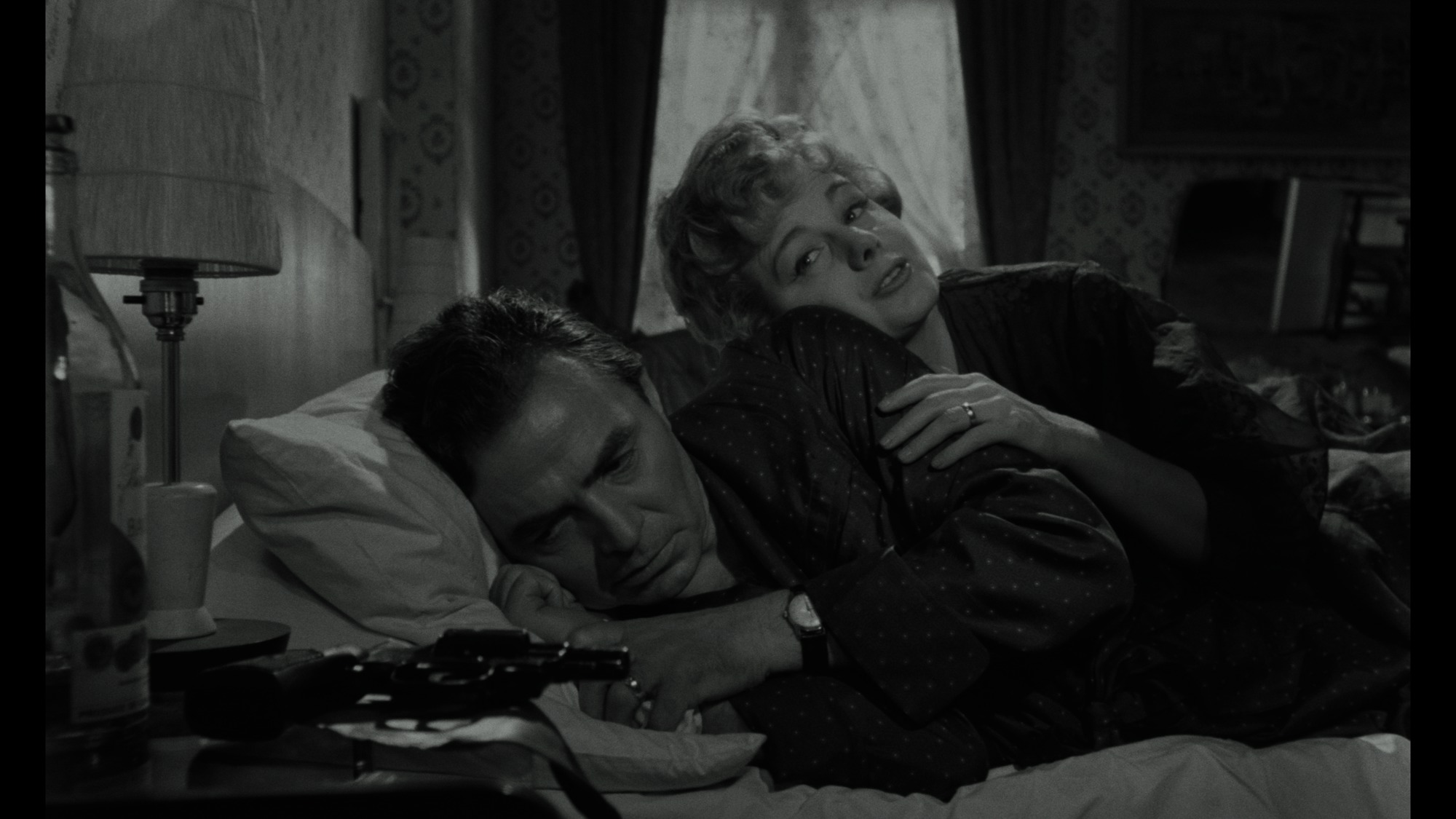
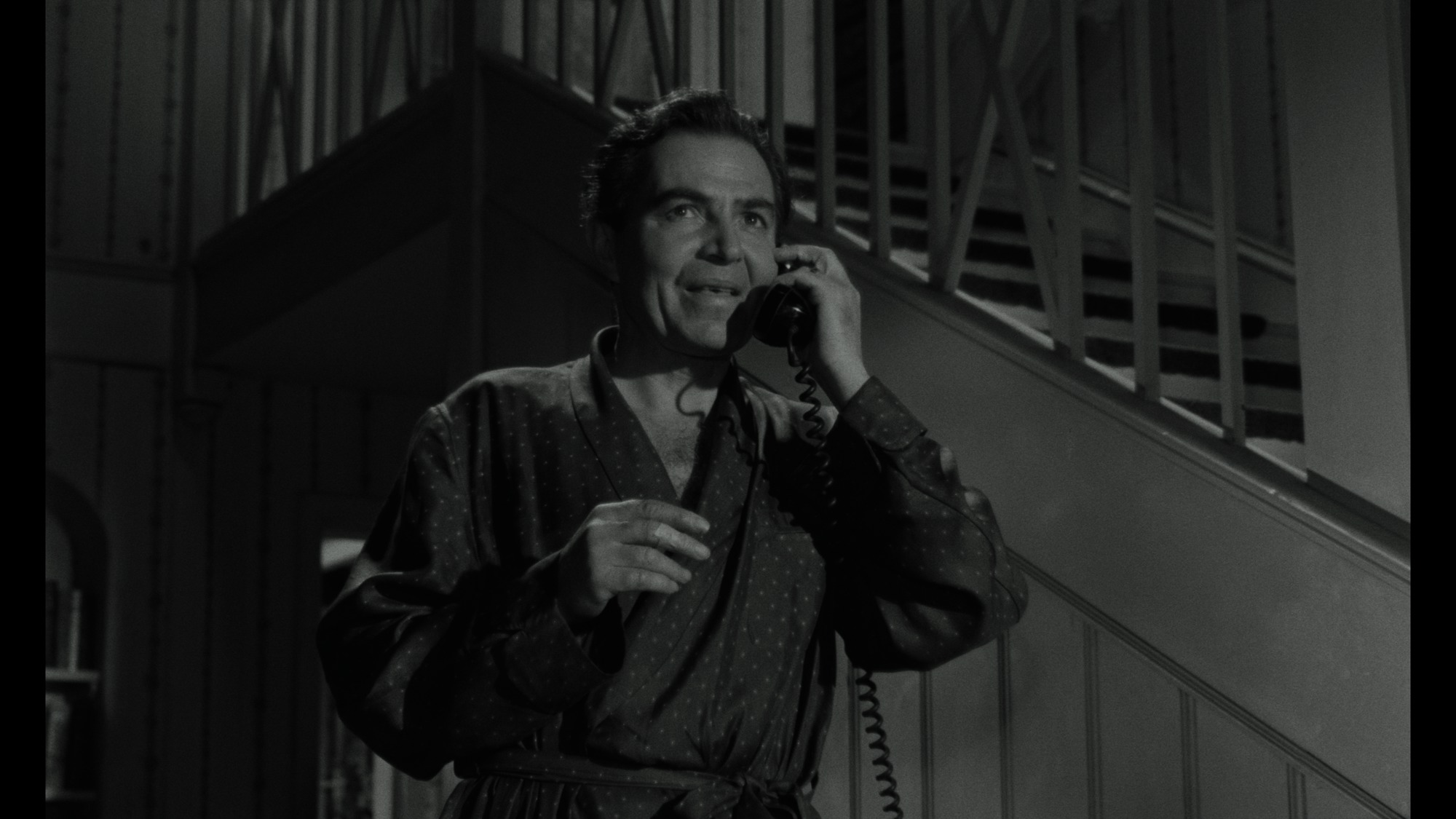
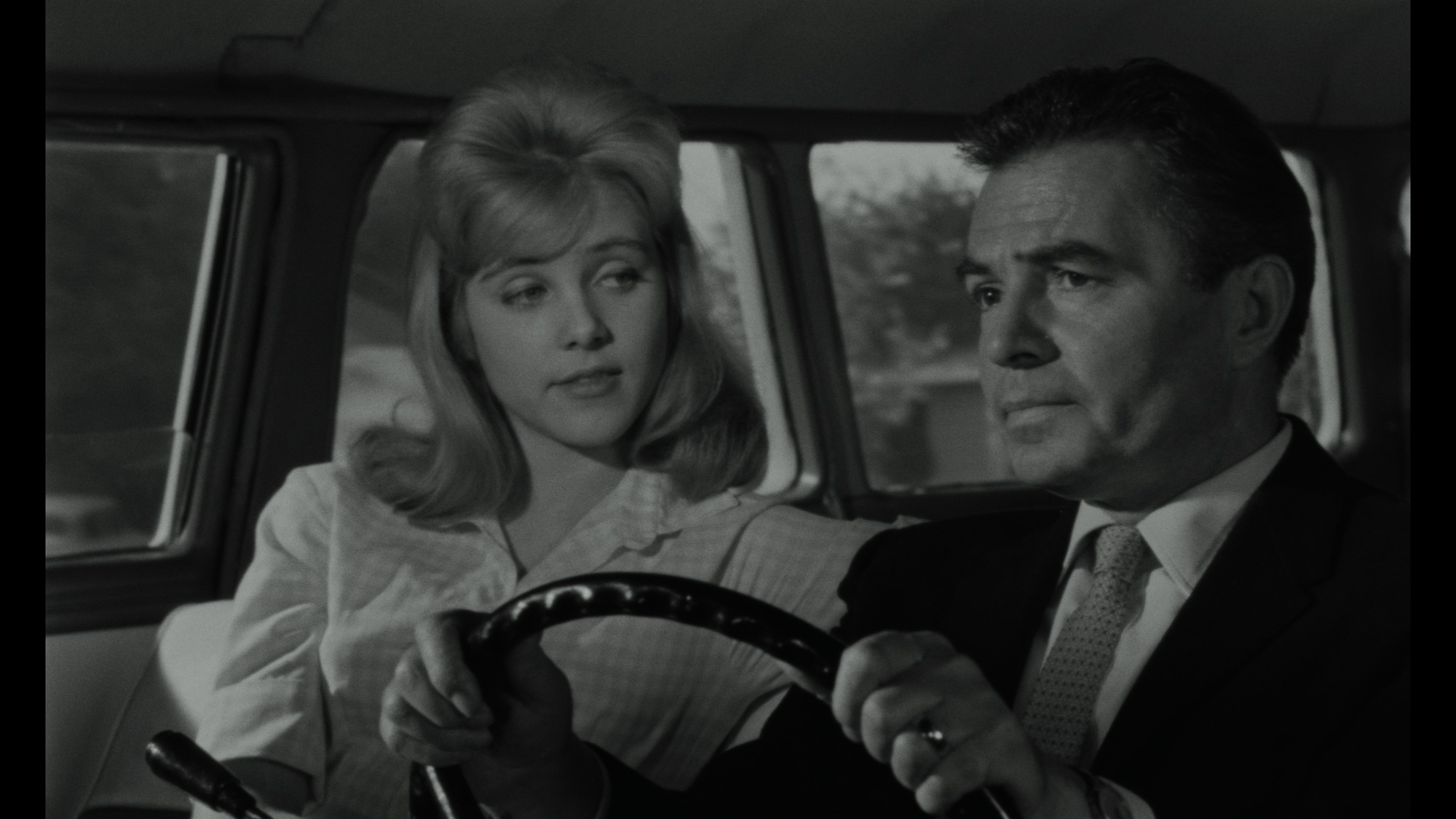
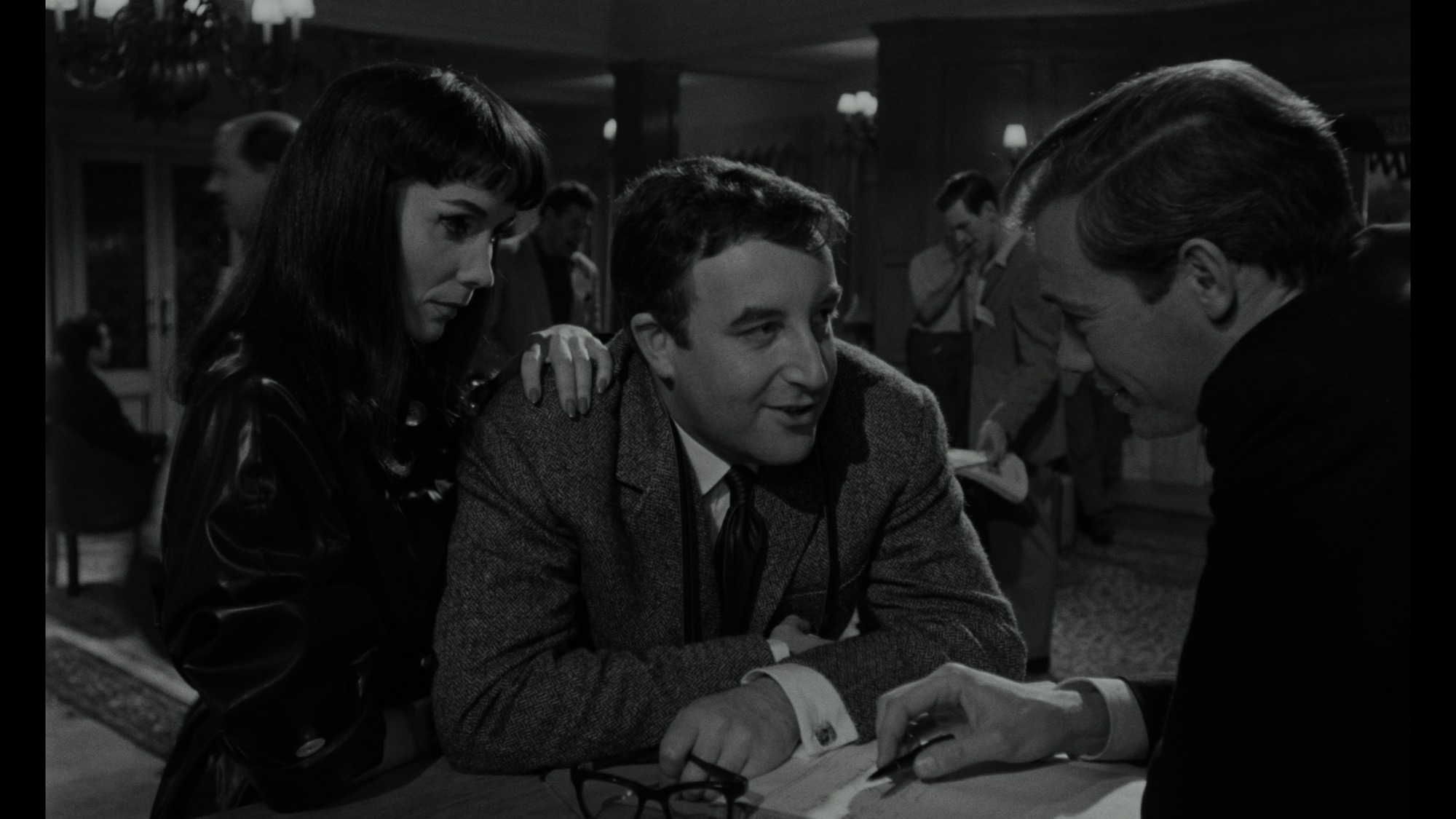
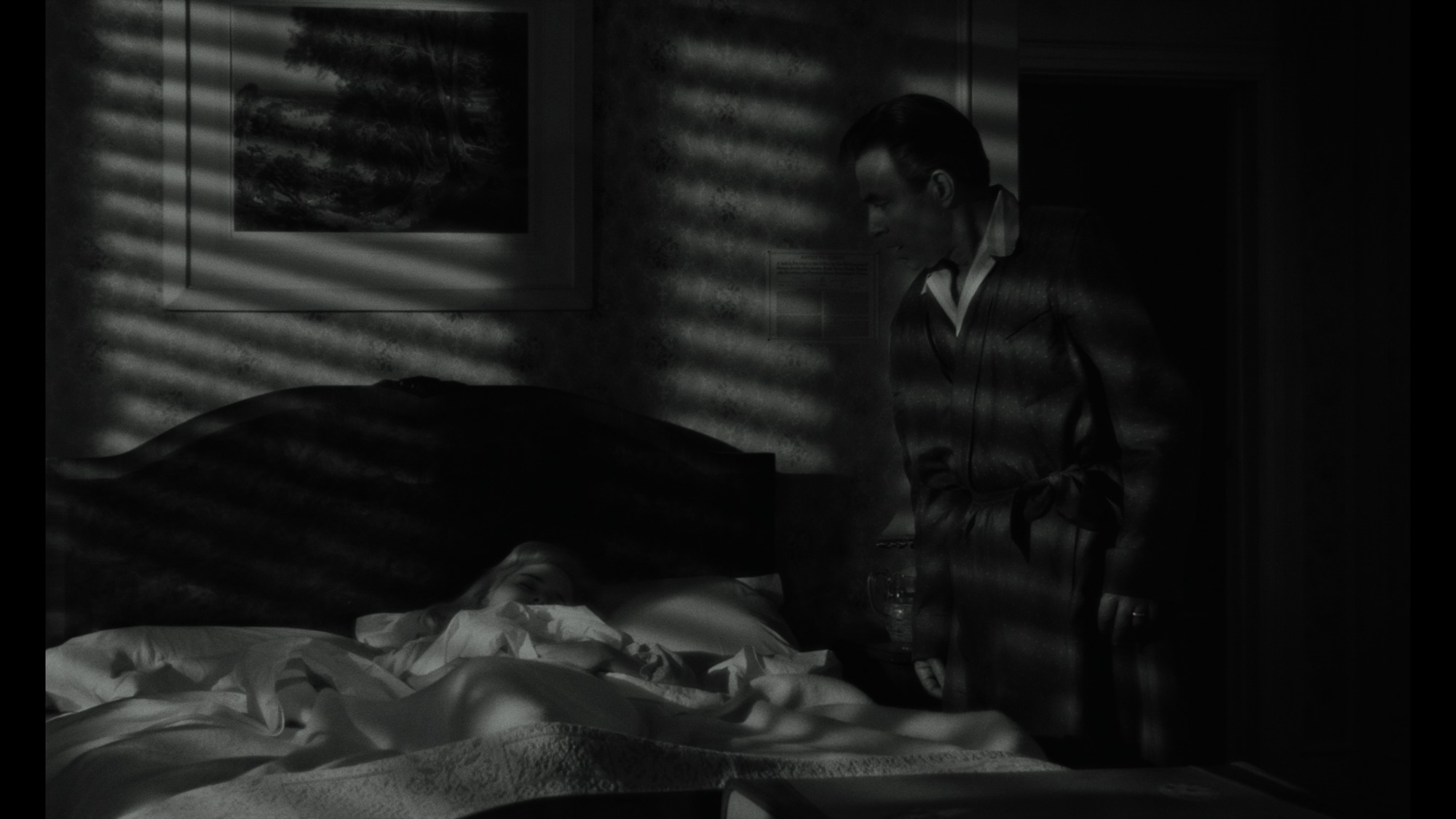
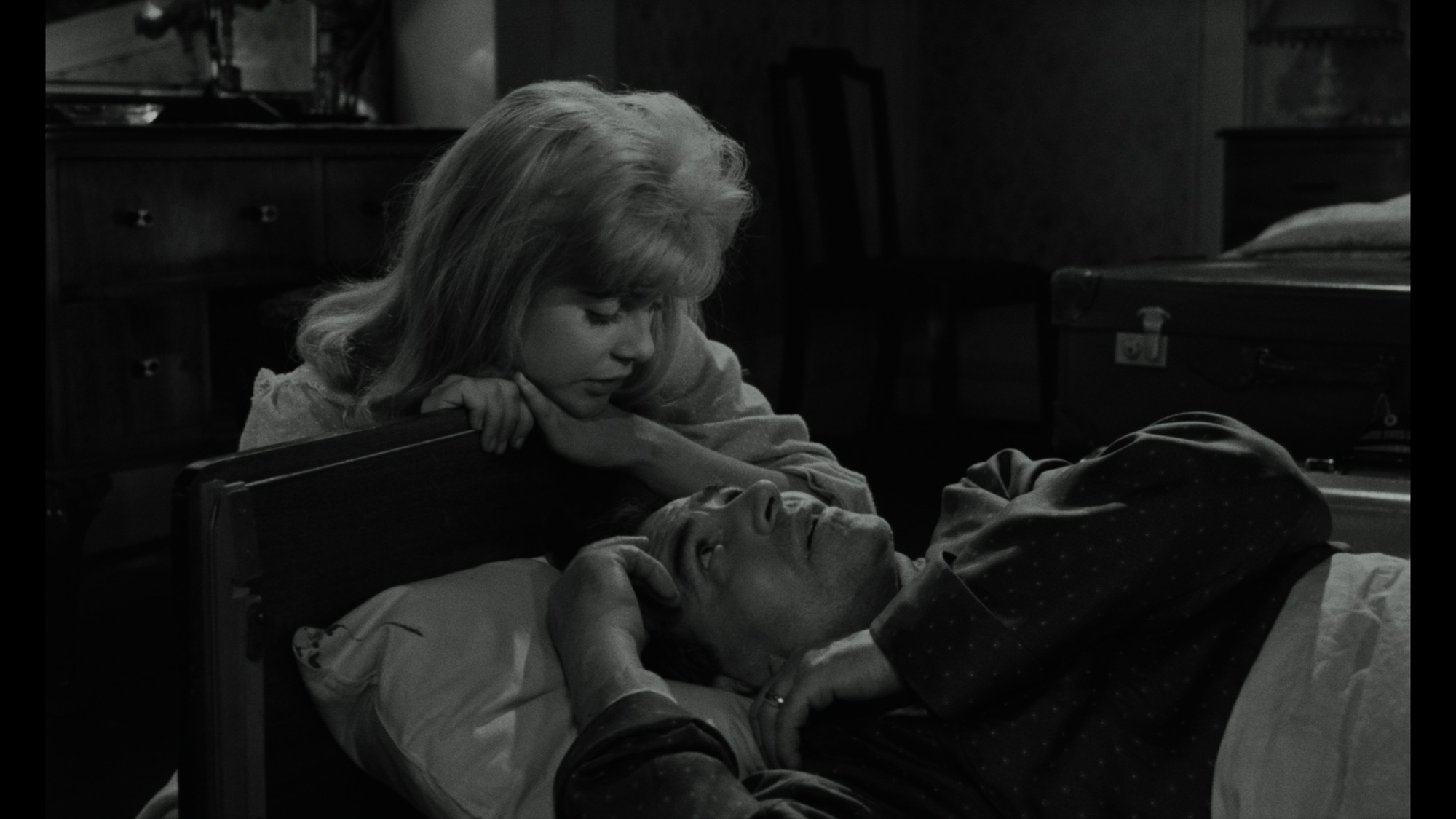
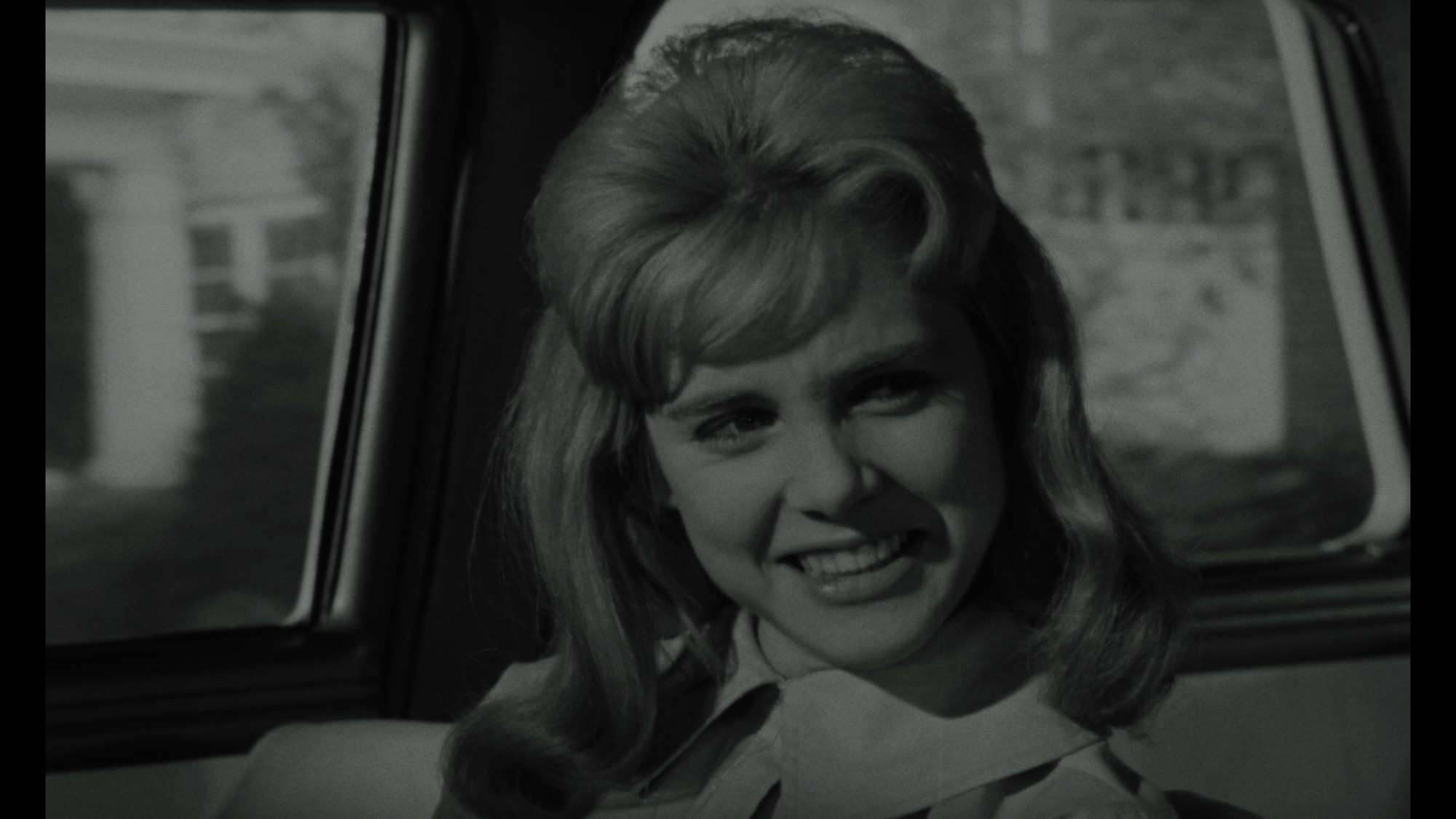
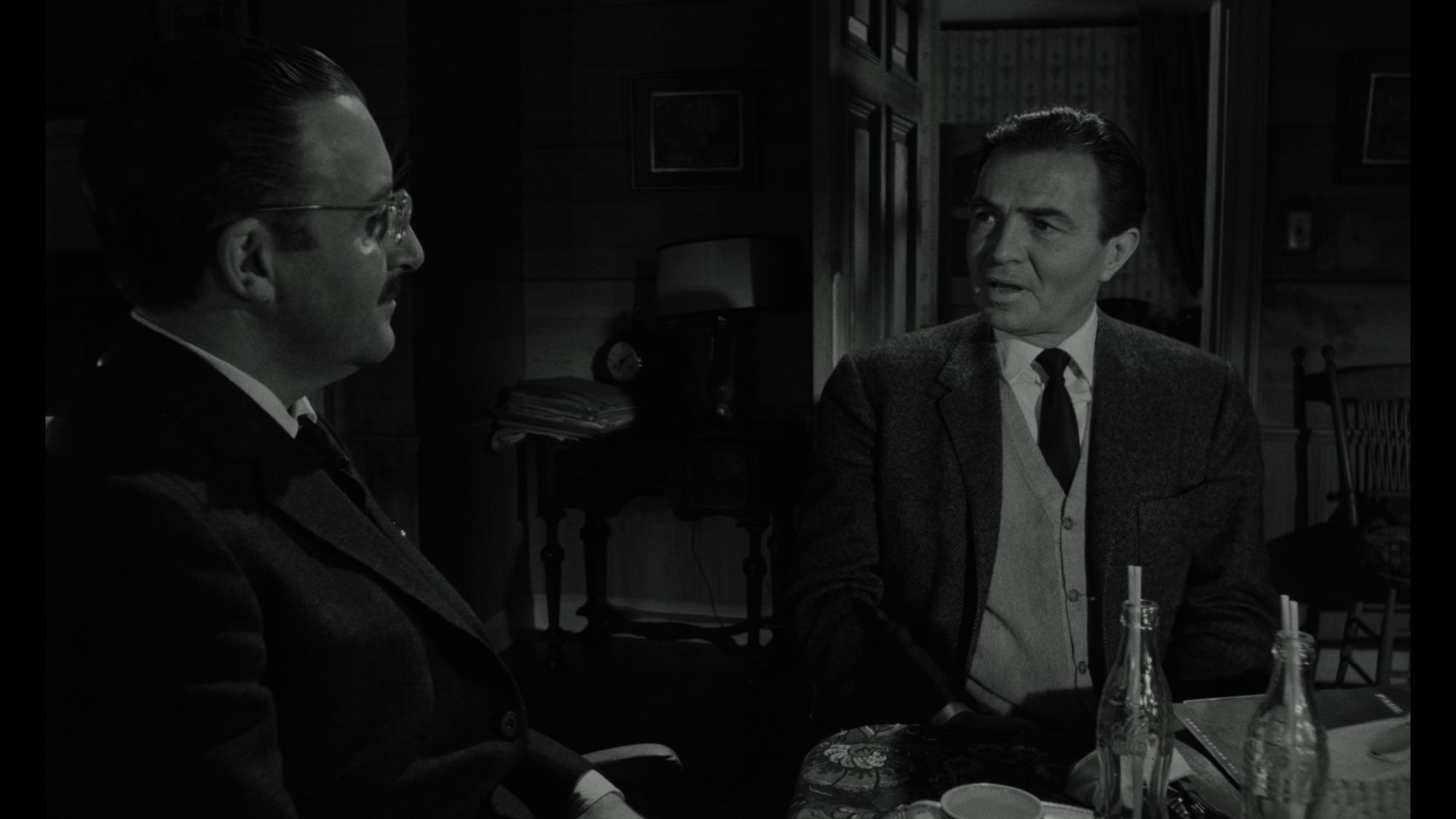
Oddly the last of Kubrick’s films to make its debut on the format (even Fear and Desire received a 4K release from Kino before this one), it’s probably also one of the best-looking, and a drastic improvement over the previous Blu-ray and its dated master. There is far more of a film texture here, with the scan capturing every fine detail it can and Criterion’s encode (handled by Fidelity in Motion) rendering it all beautifully. Film grain looks sharp, clean, and completely natural, reinforcing that film-like look. The black-and-white photography is further aided by the expanded grayscale afforded by HDR, leading to richer blacks and finer gradations in the shadows, with strong whites that never clip away detail, including the spotlights used in the stage play Lolita performs in. I also quite like how light cuts through the darker interiors, especially in a couple of shots where it streams in through blinds. These shots look unbelievably good thanks to the expanded contrast.
The restoration work has also been very thorough, and I can’t say I recall a single significant blemish. To be fair, cleanup efforts have generally been thorough since at least the remastered DVD from the early 2000s, so this isn’t too big a surprise. Still, thanks to the new scan, higher resolution, and impeccable digital encode, this is without doubt the best the film has ever looked.
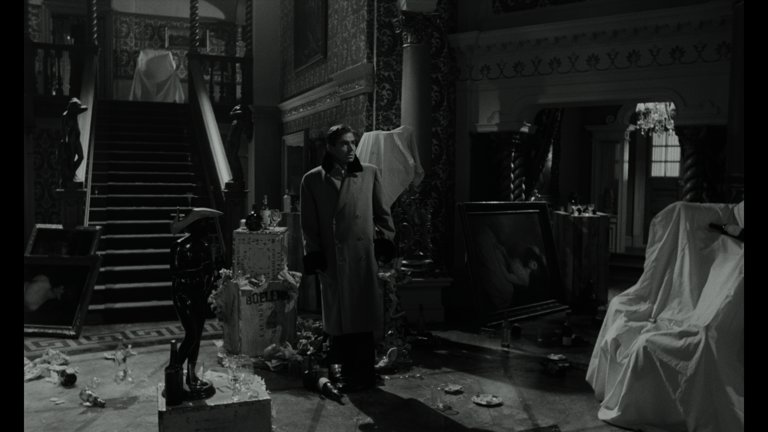
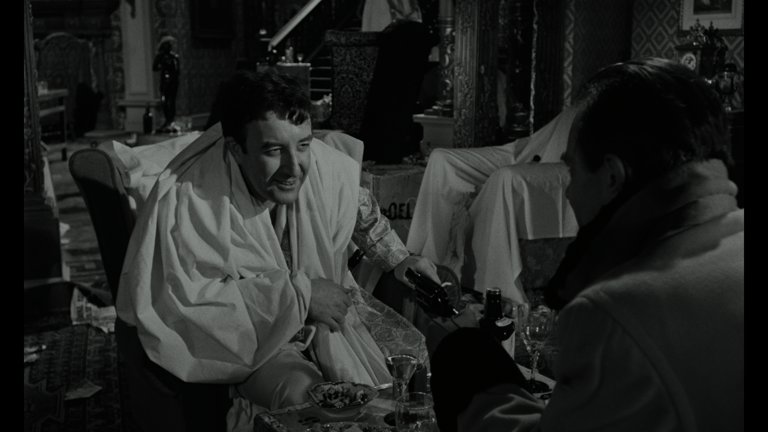
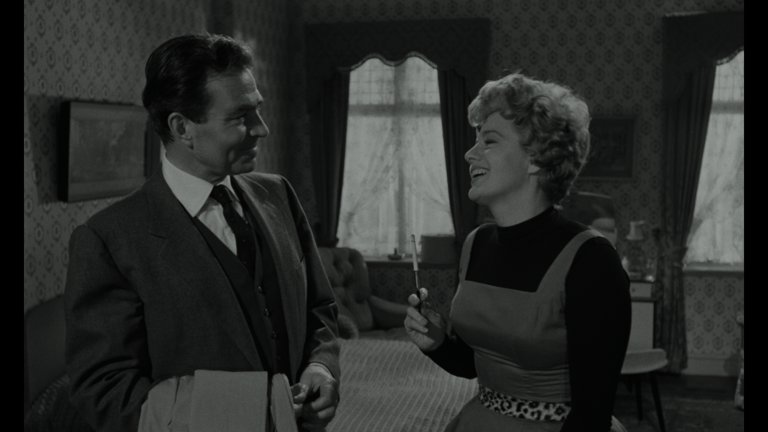
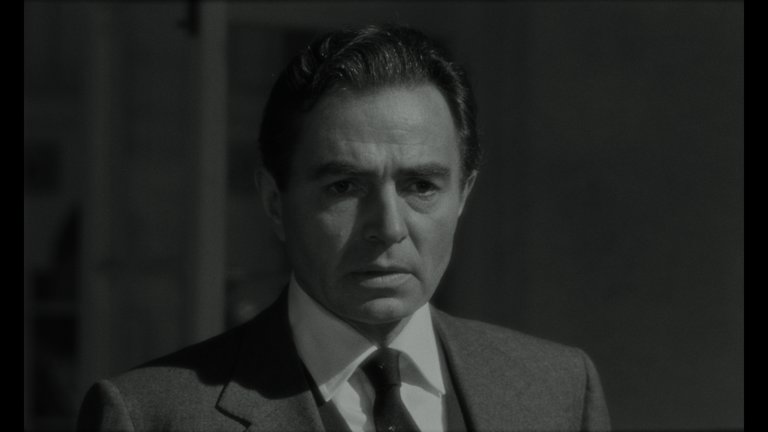
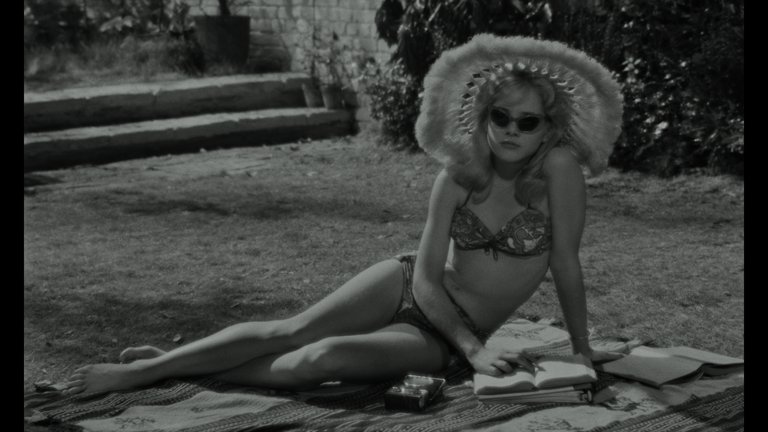
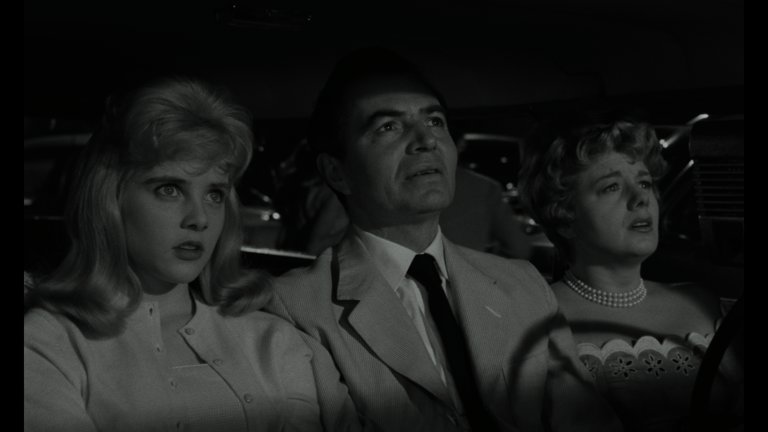
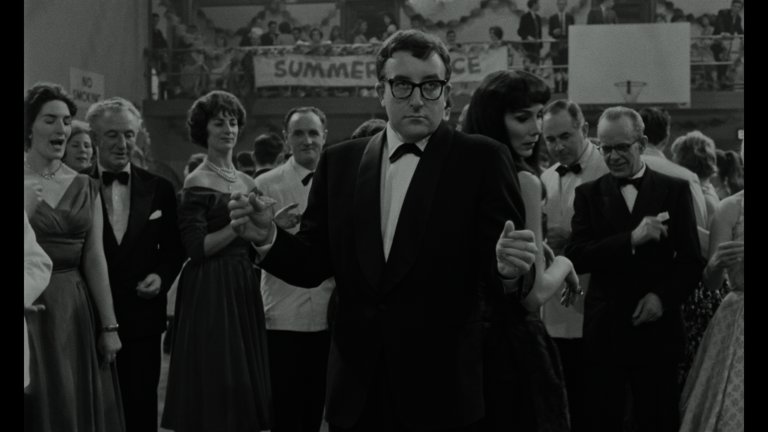
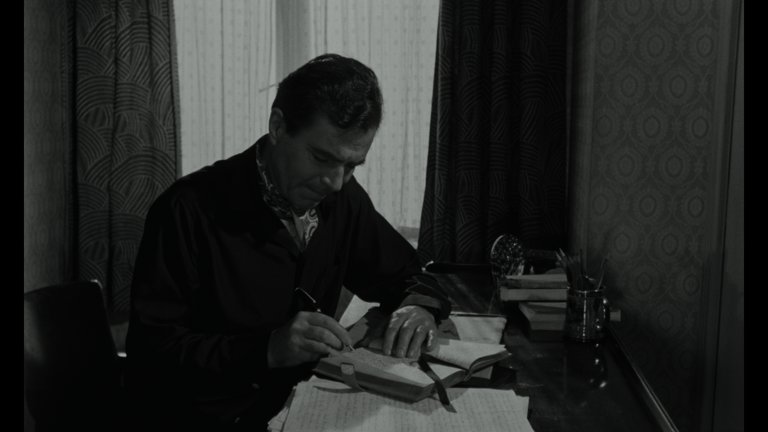
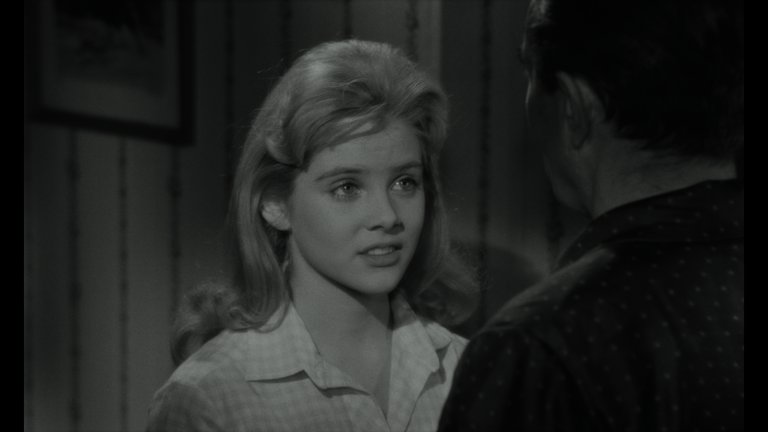
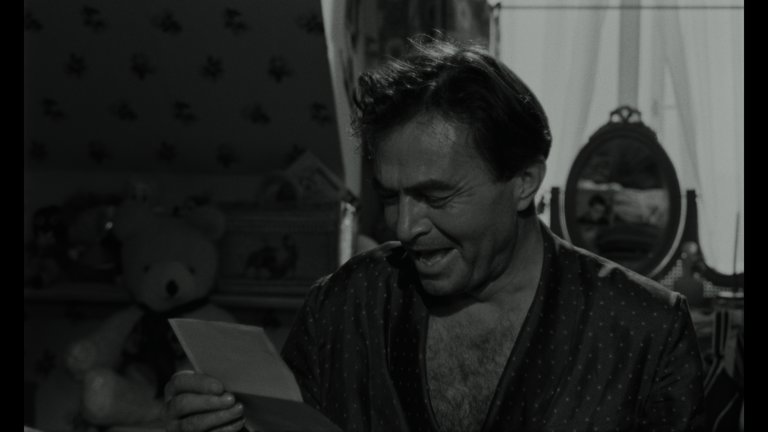
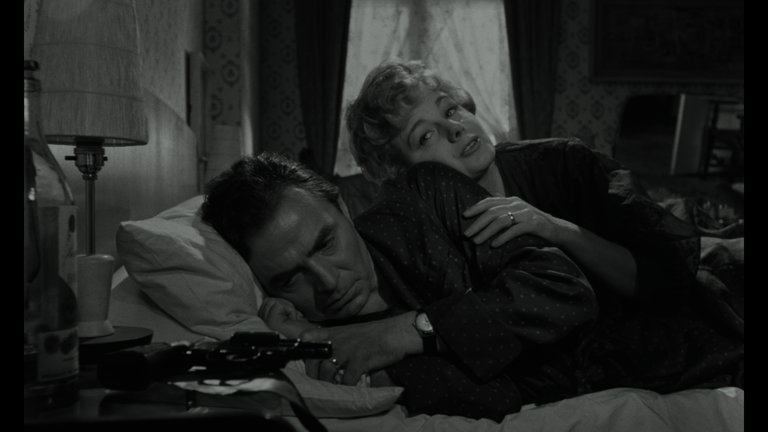
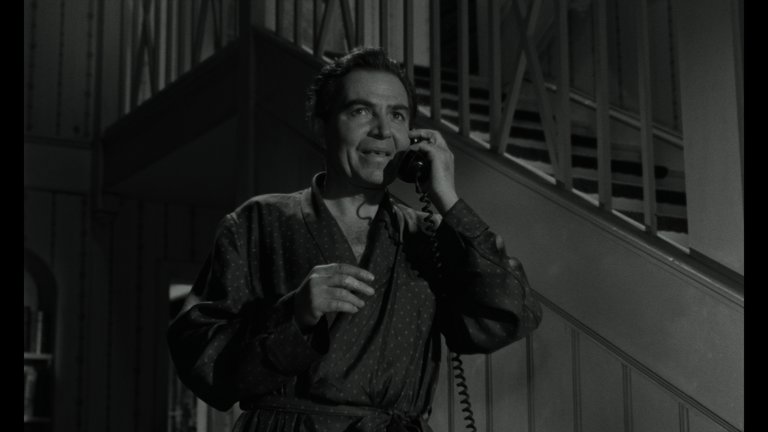
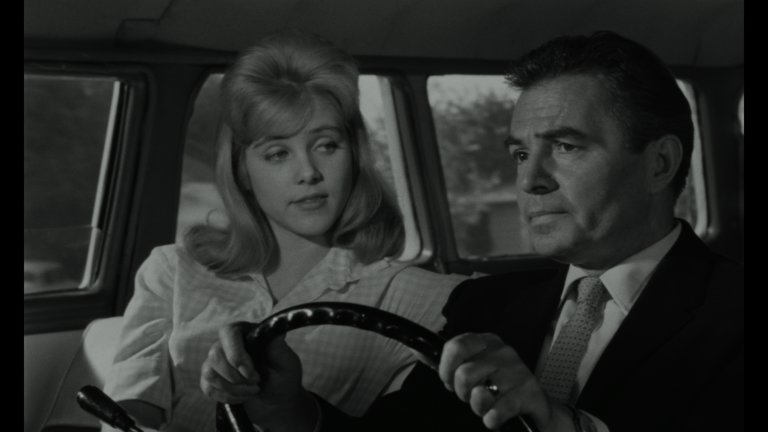
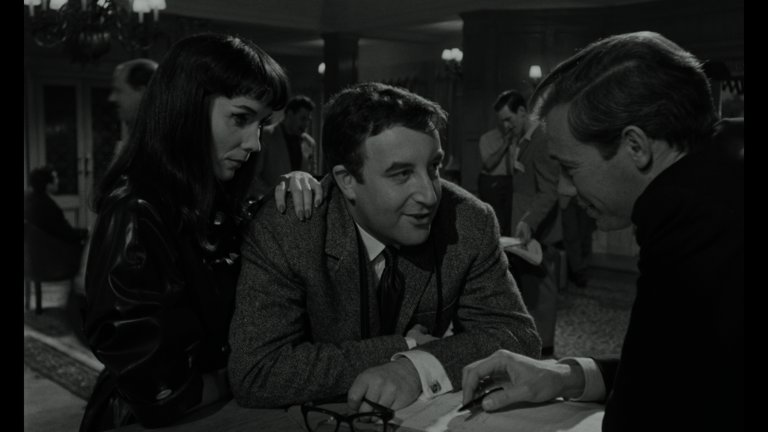
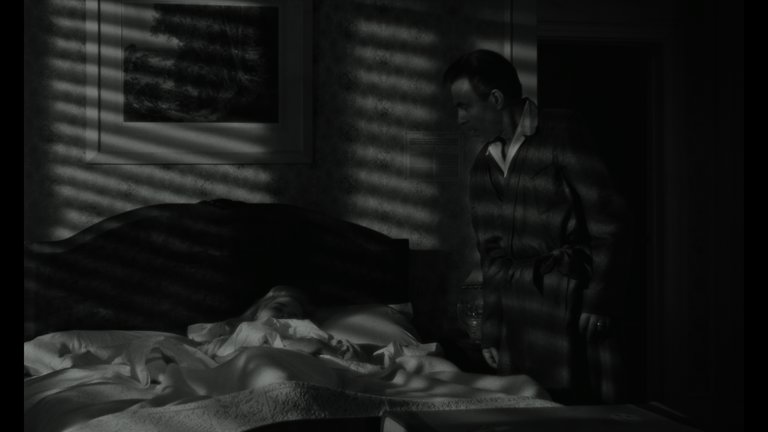
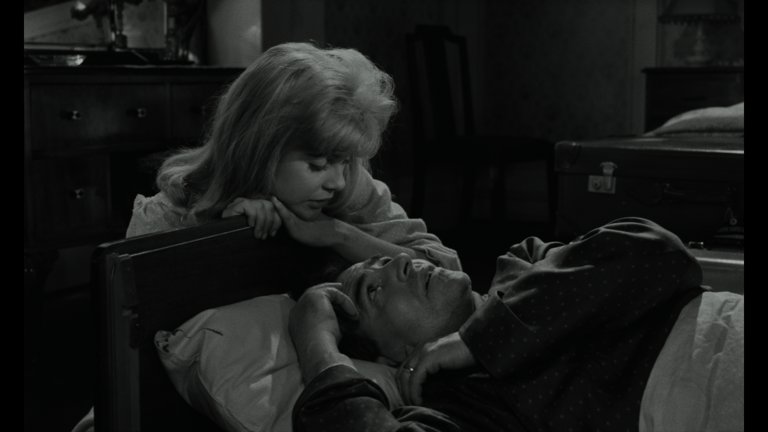
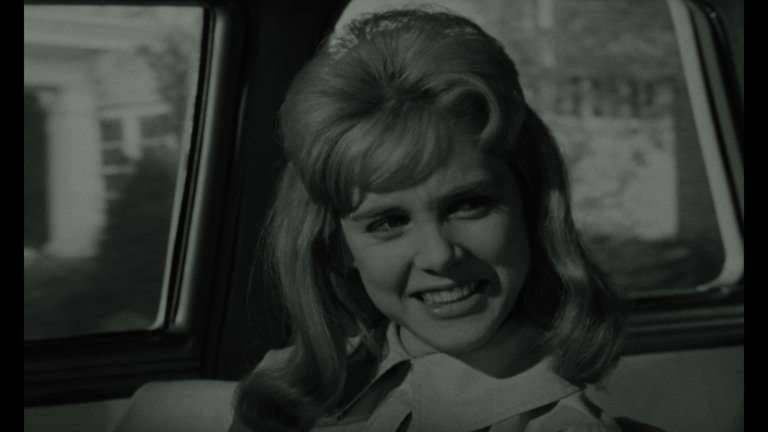
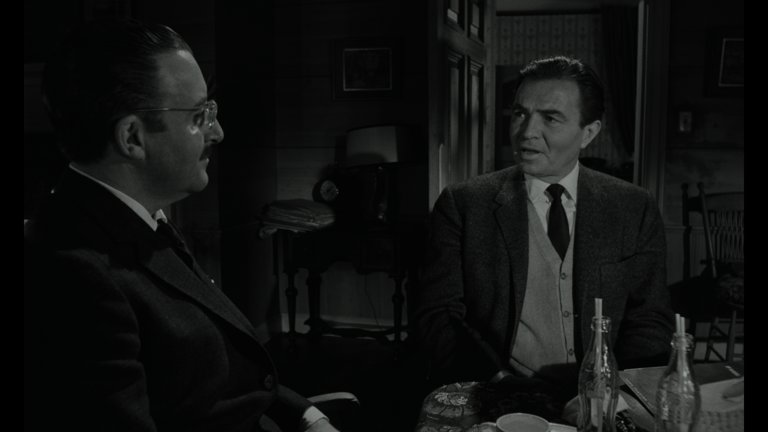
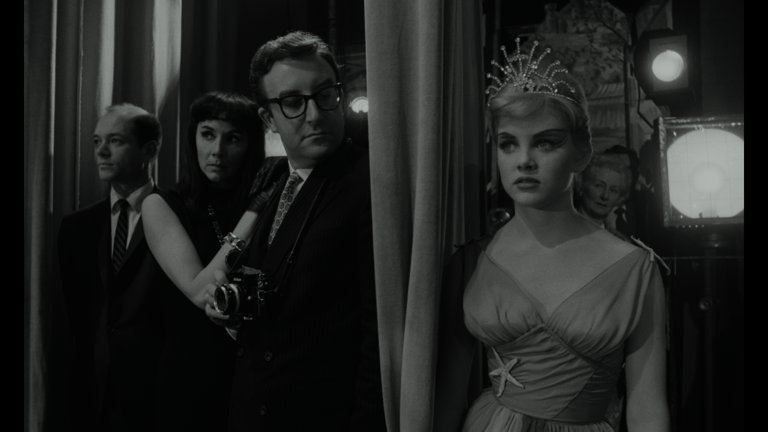
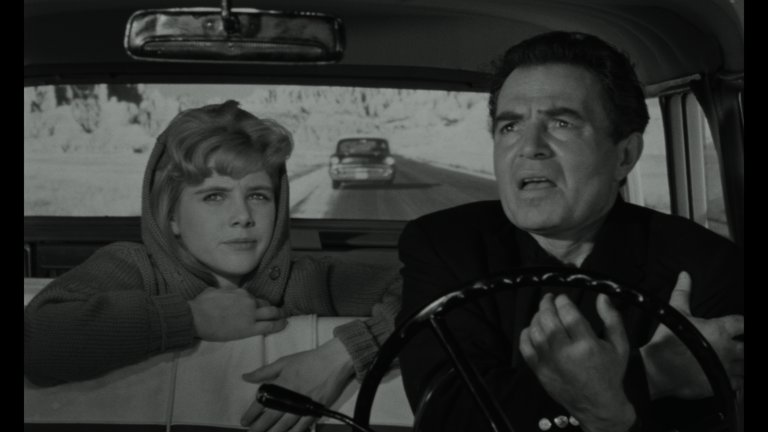
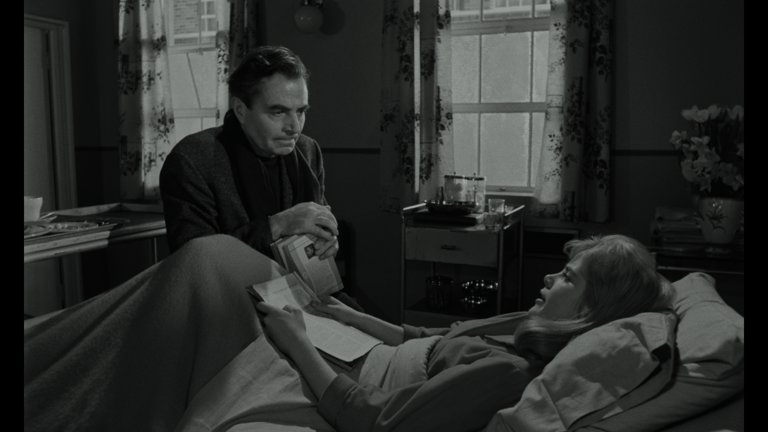
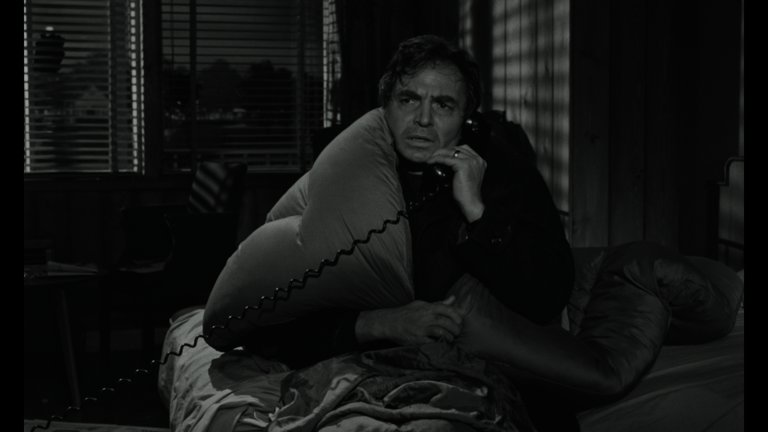
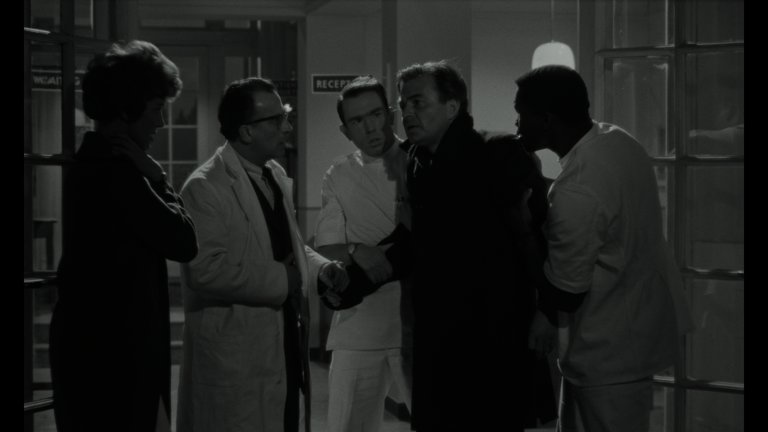
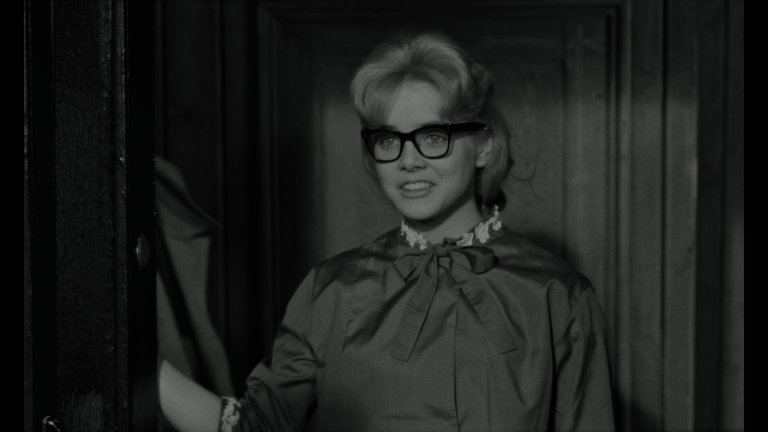
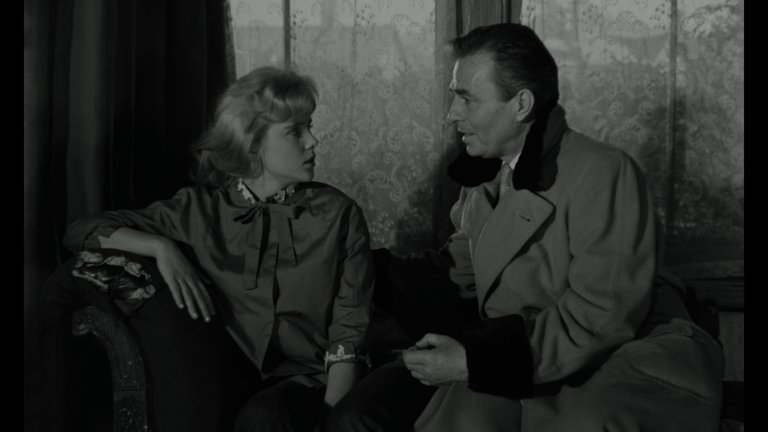
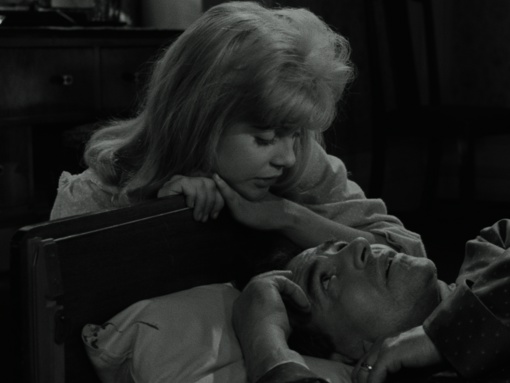
The Complete Kubrick - Screen Captures
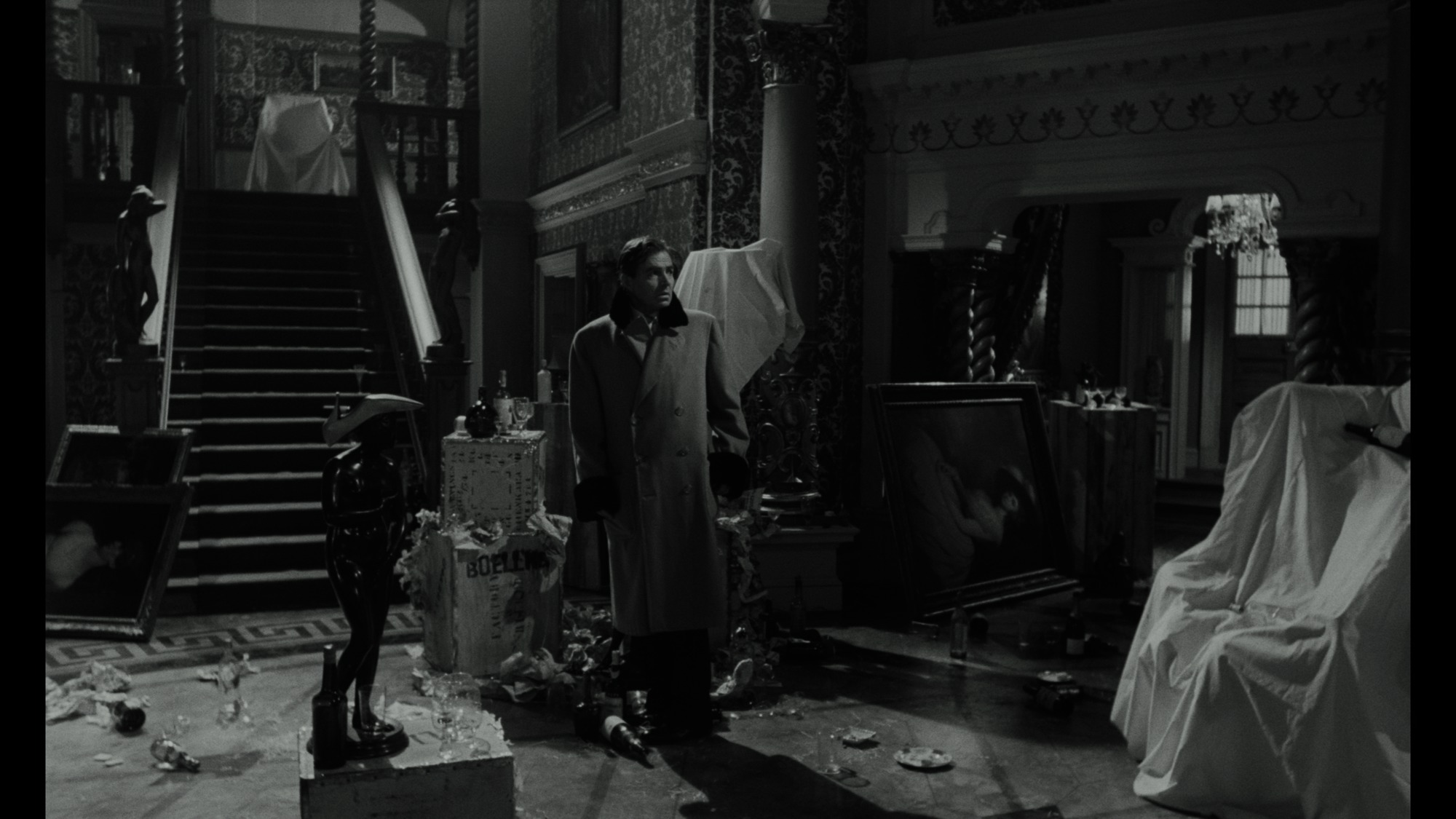
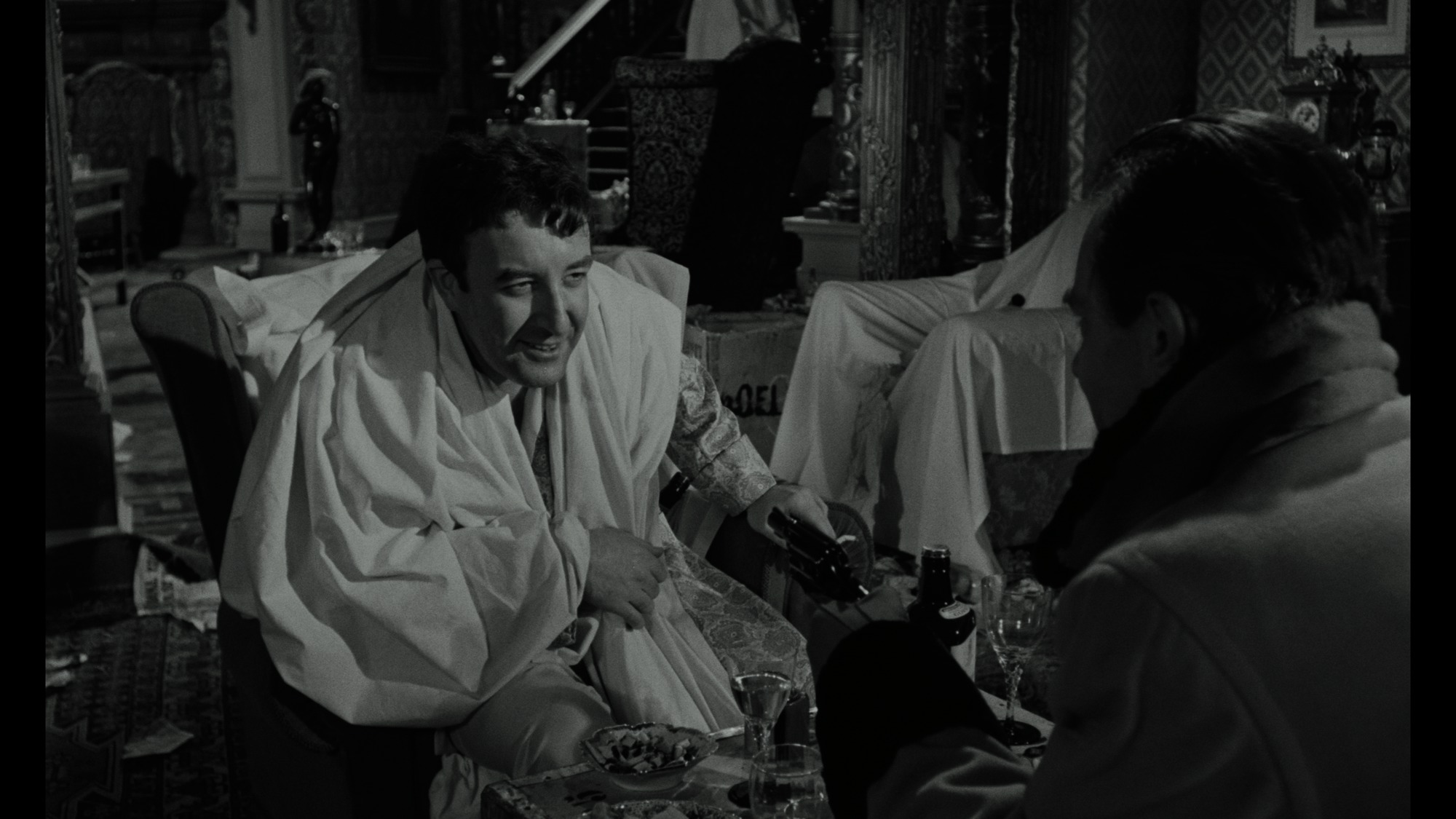
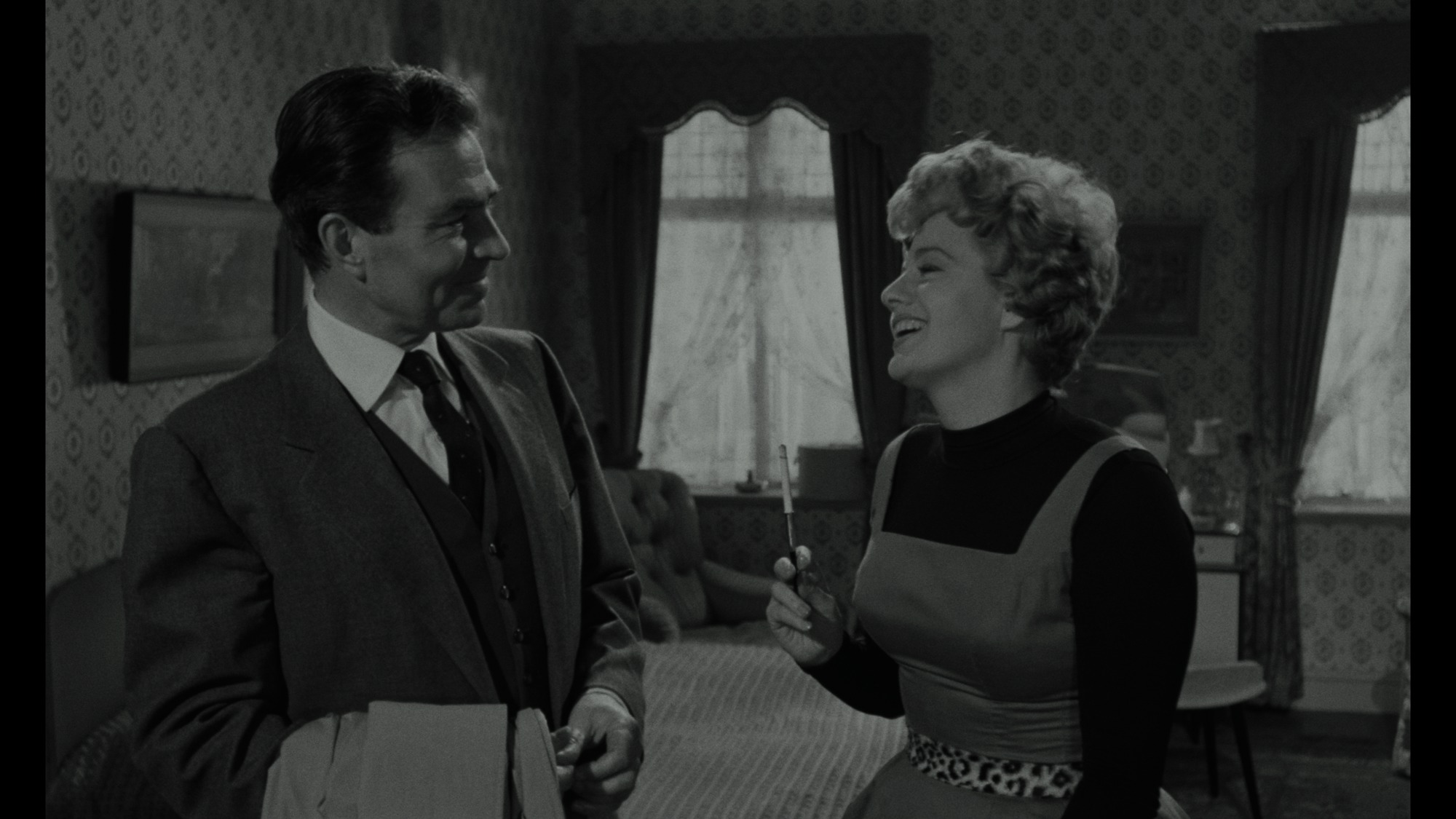
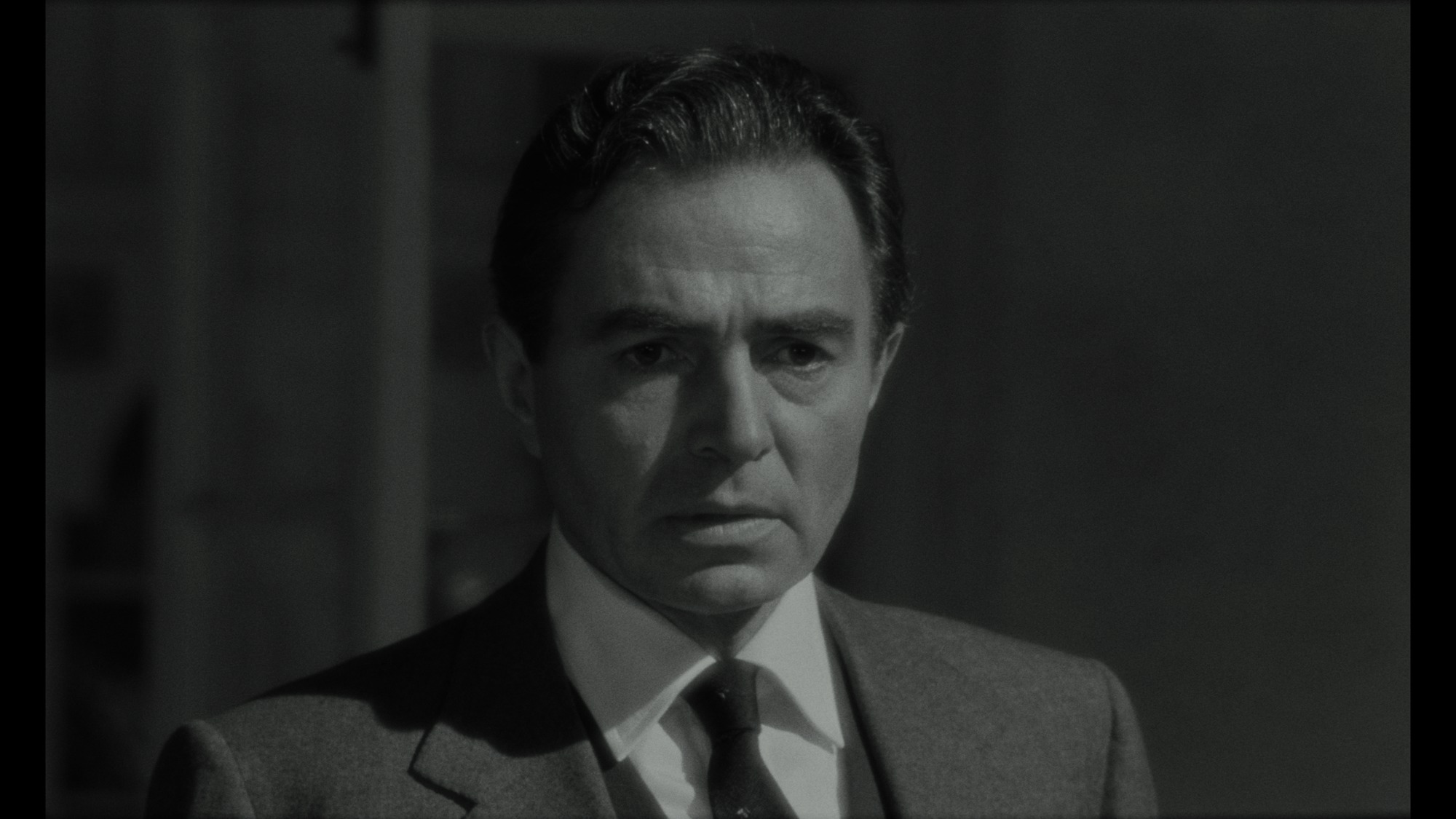
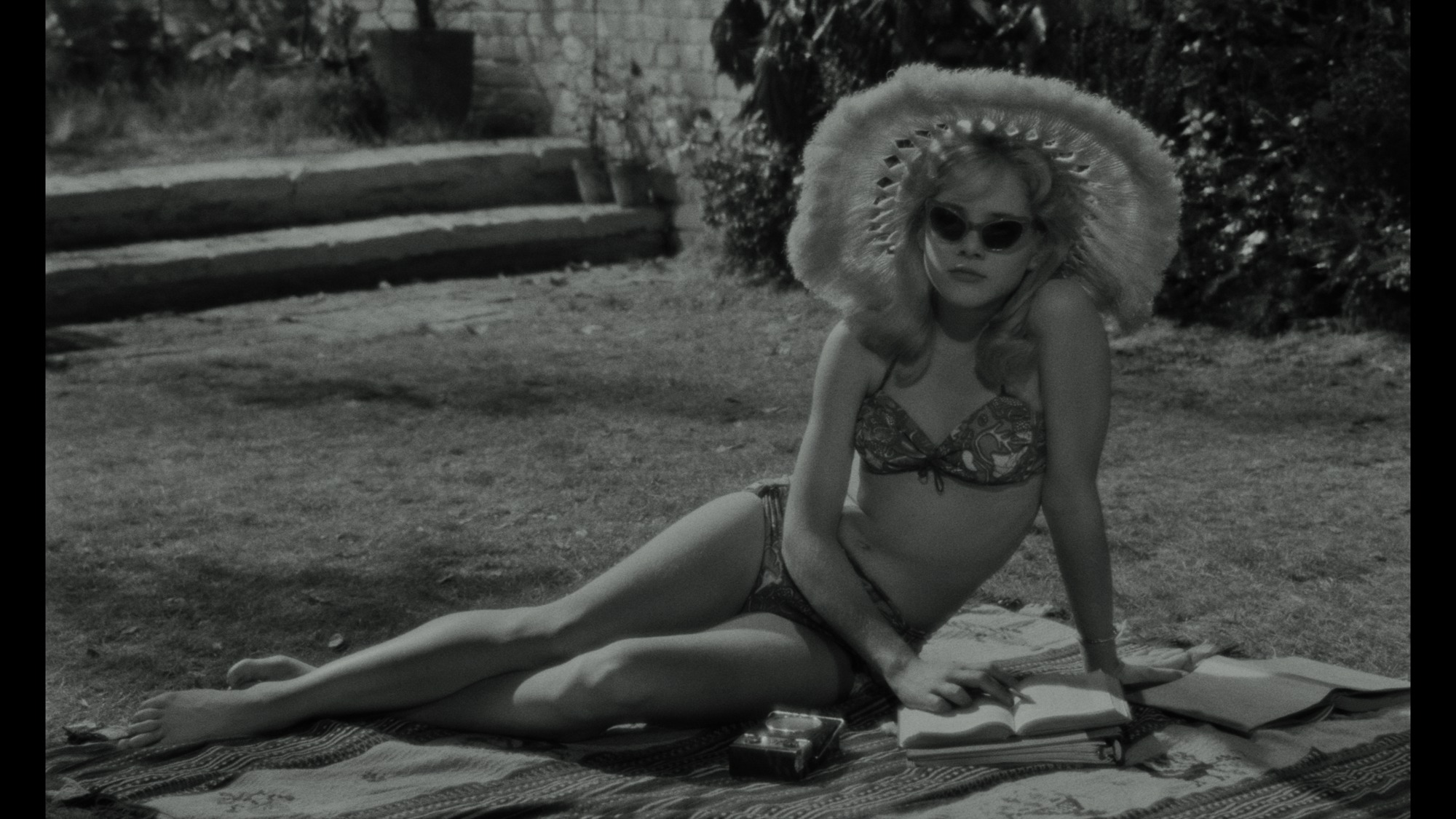
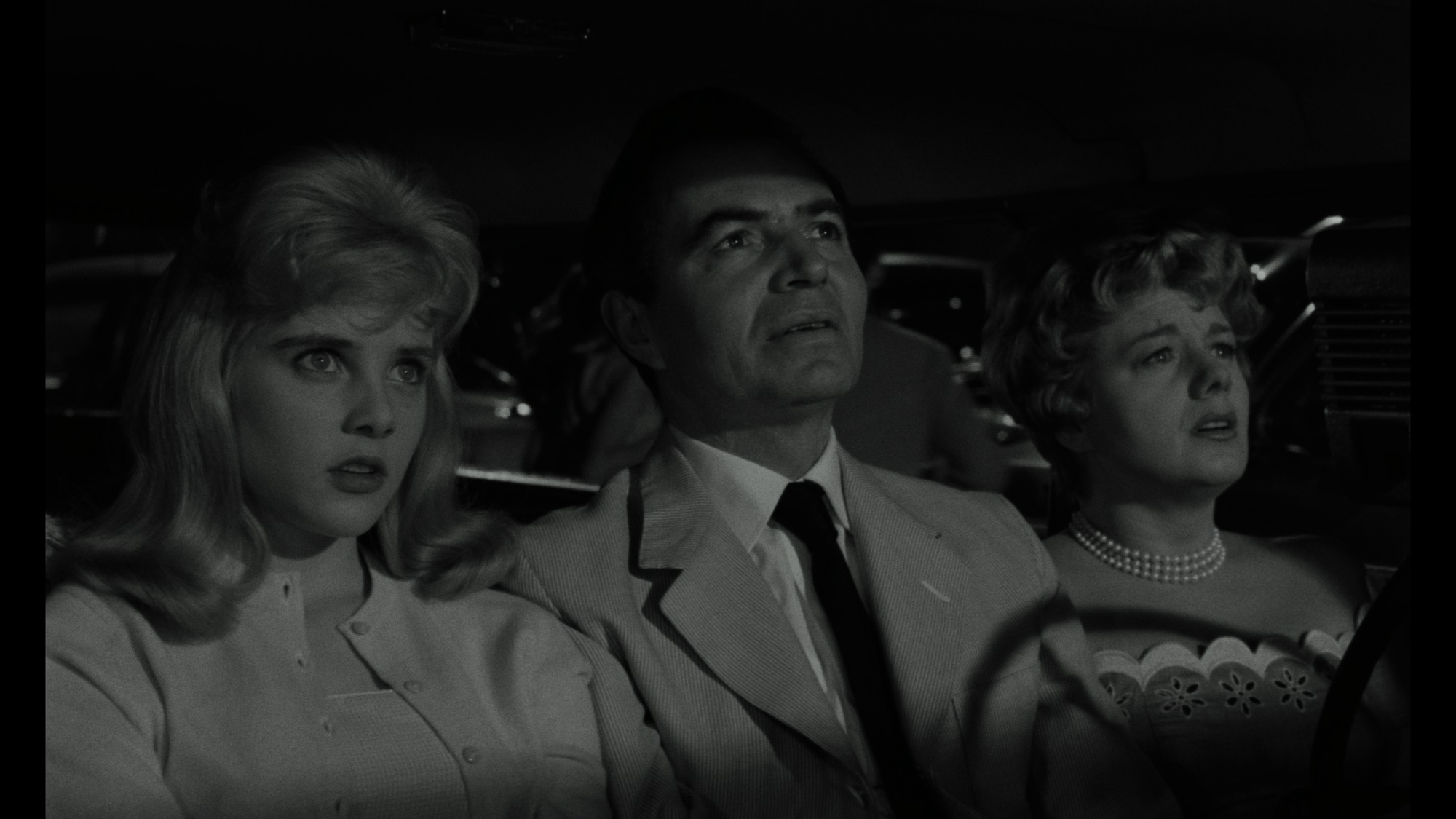
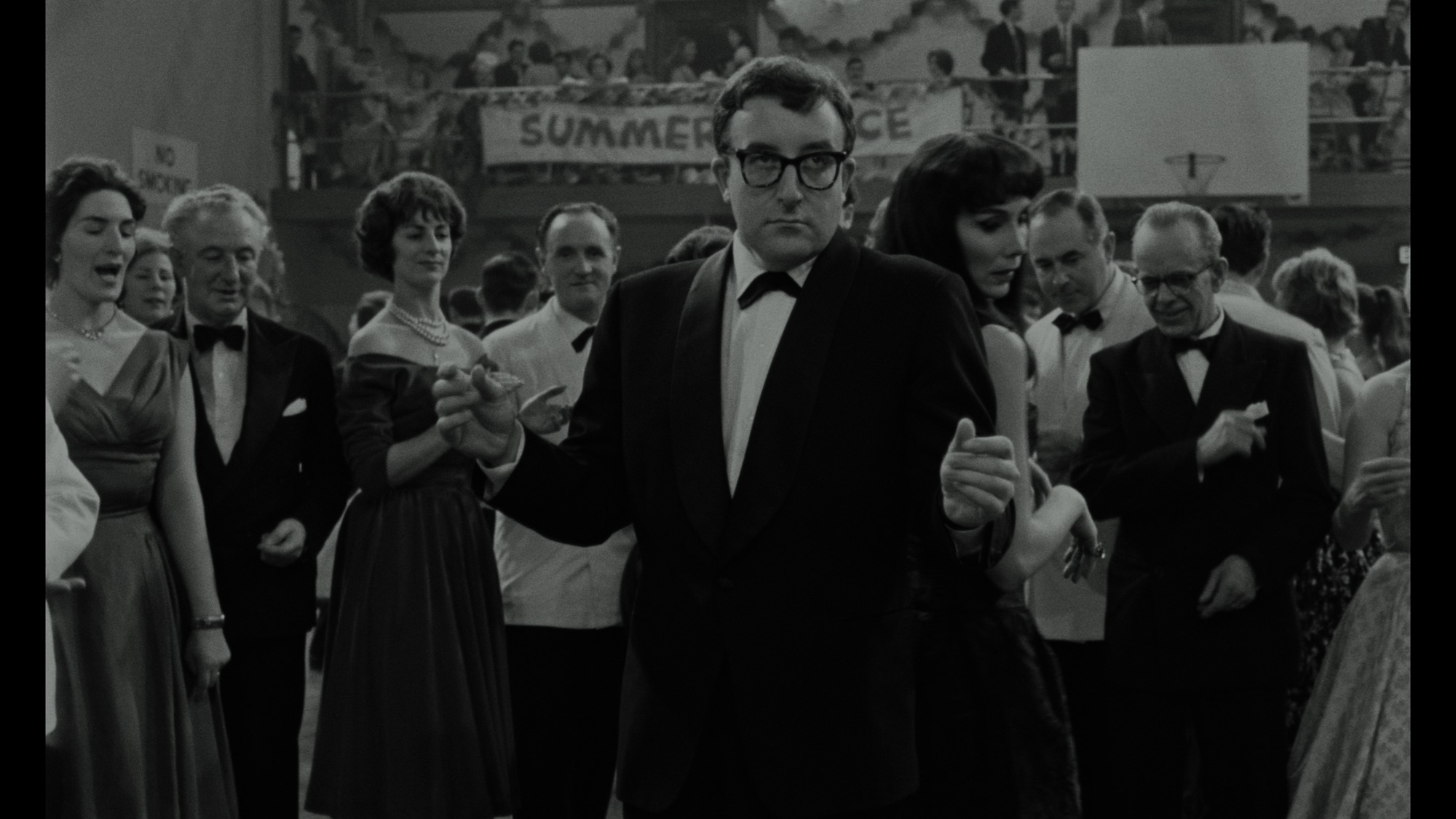
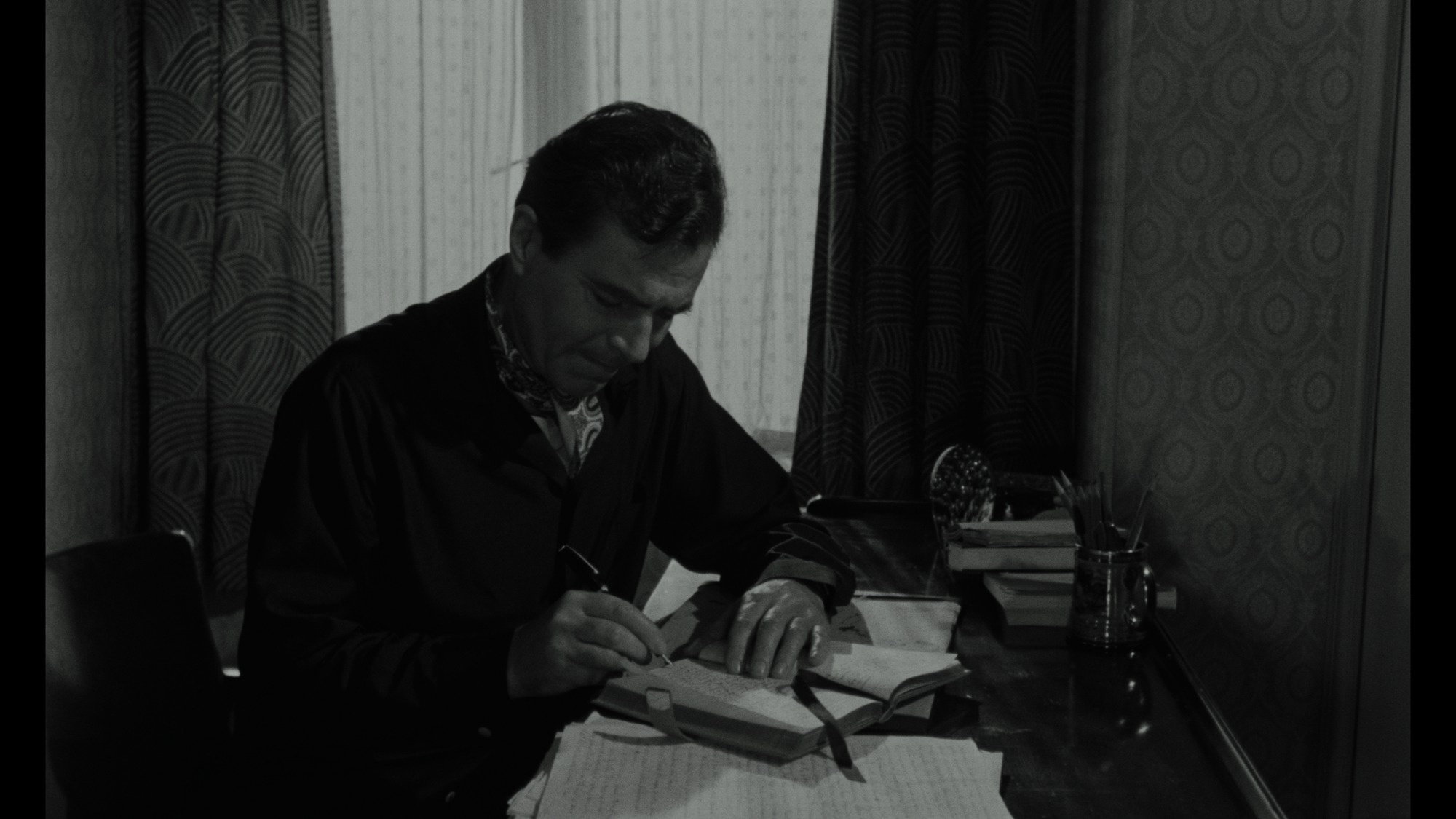
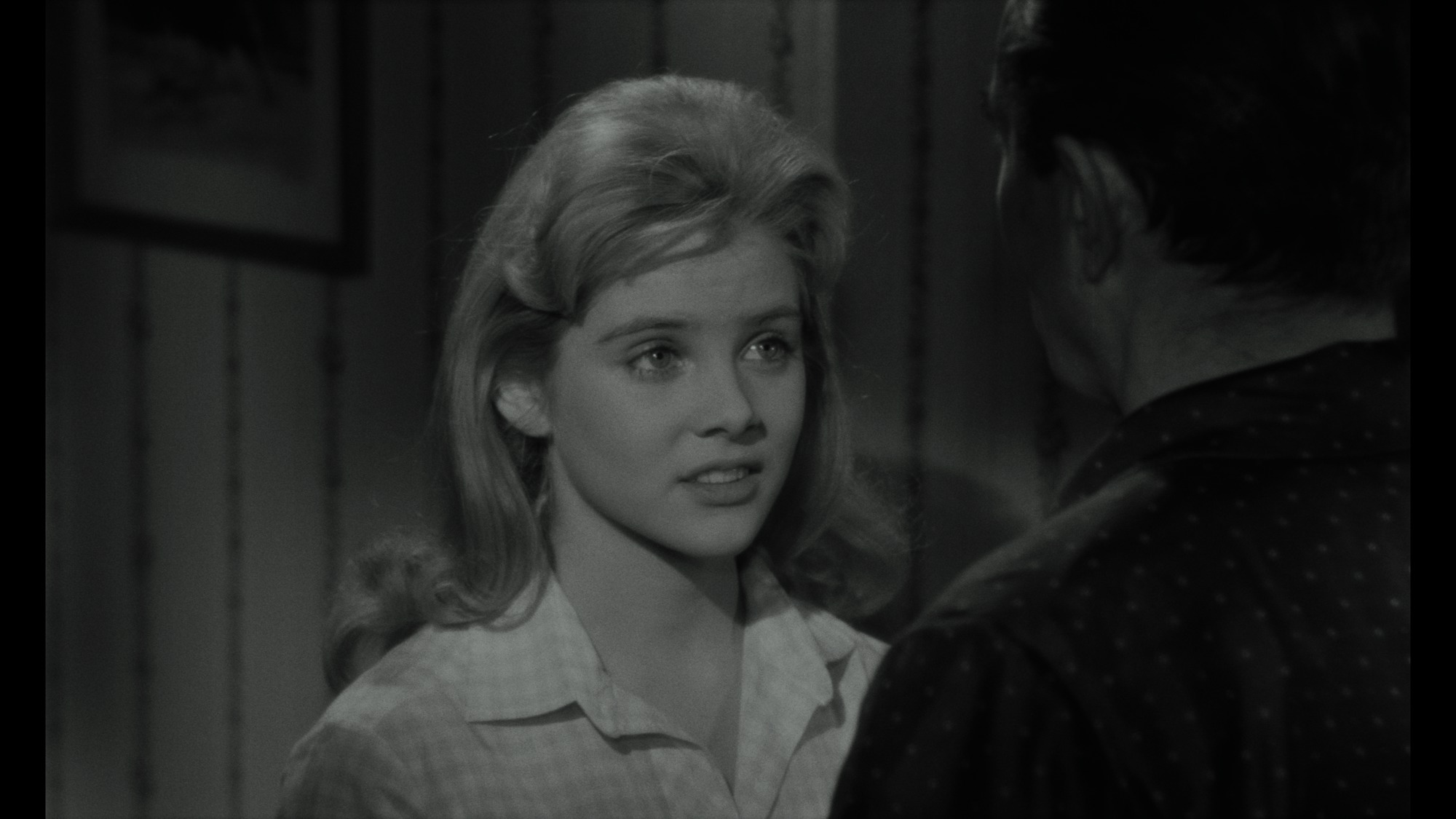
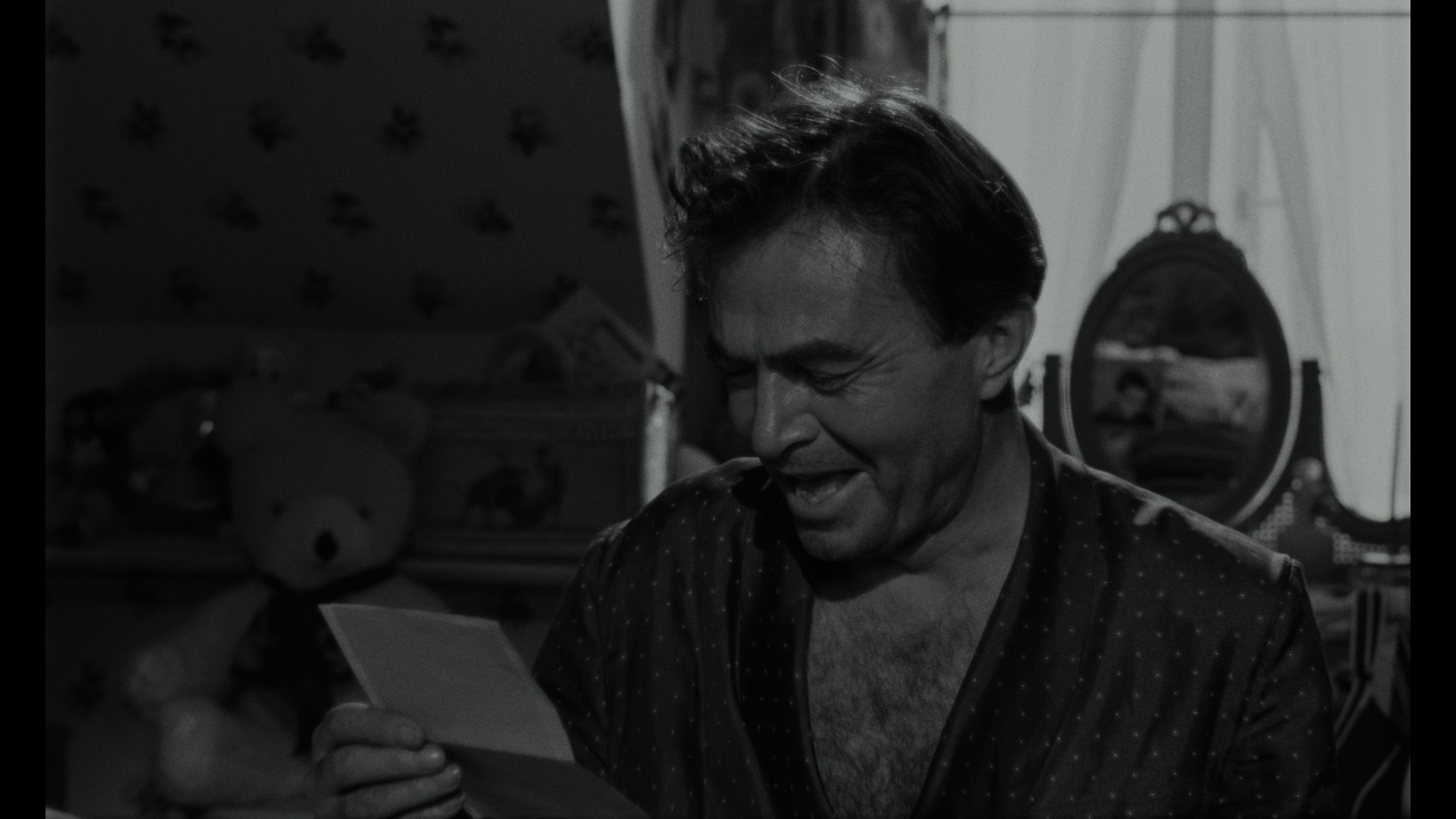
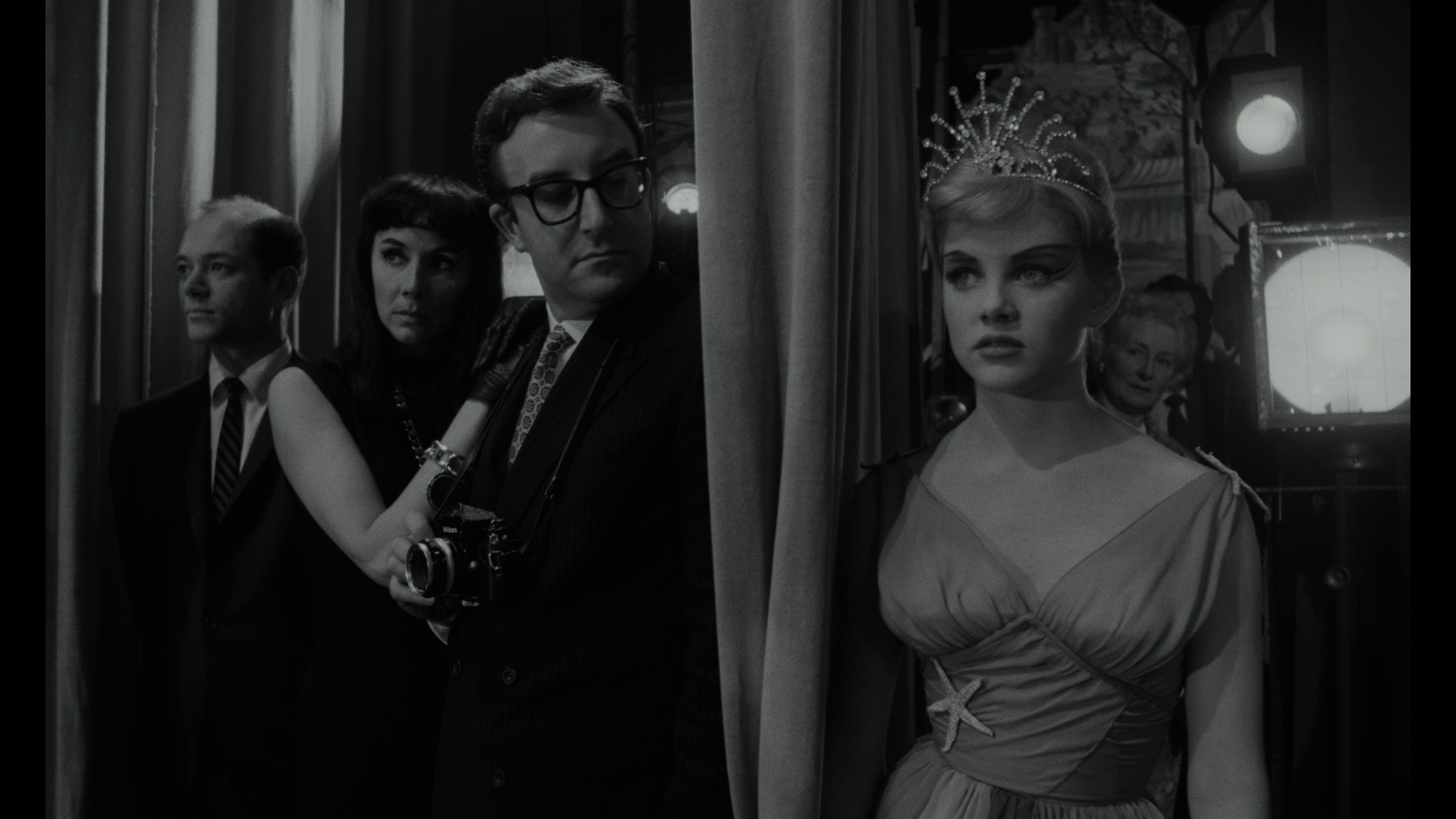
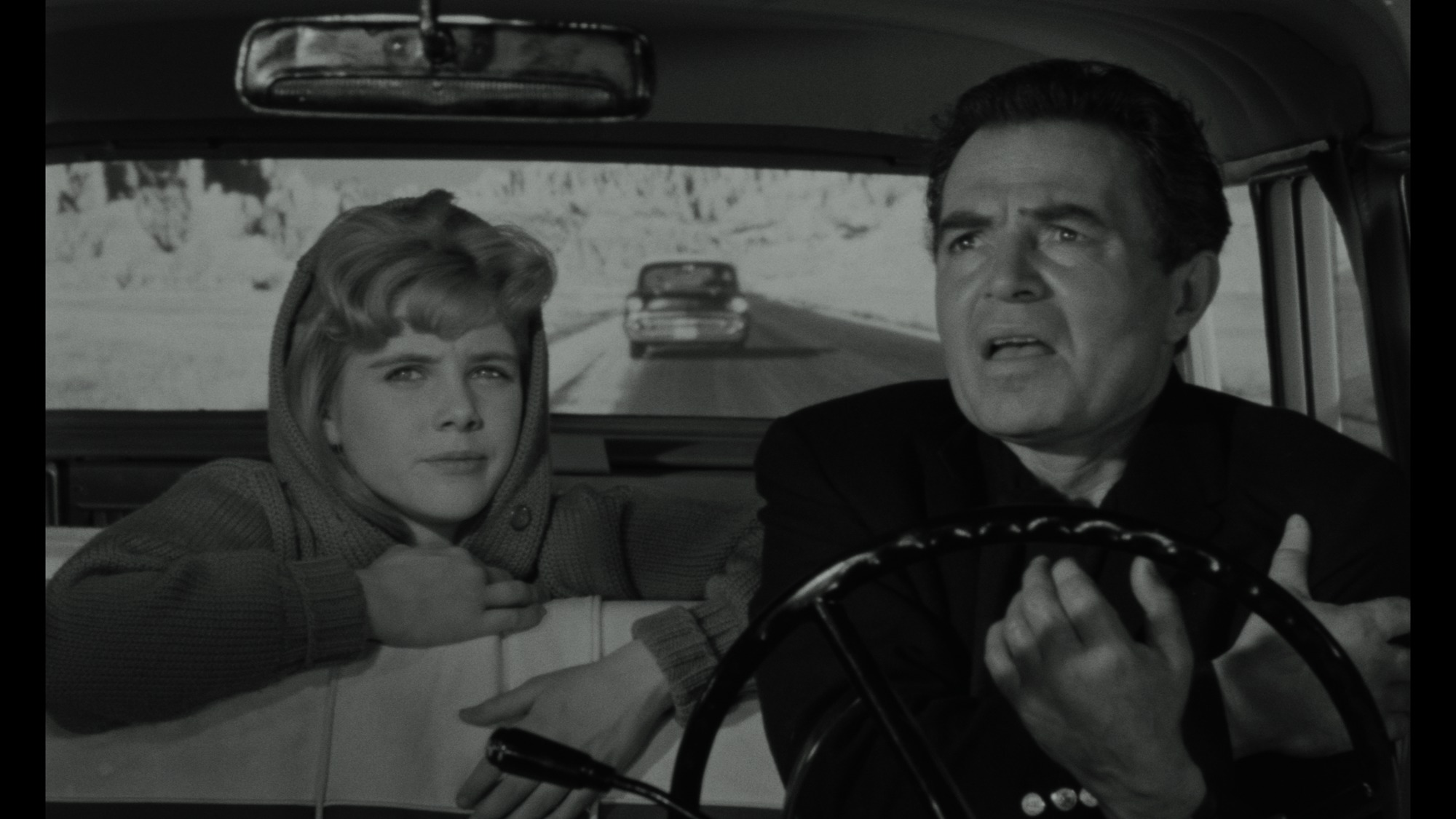
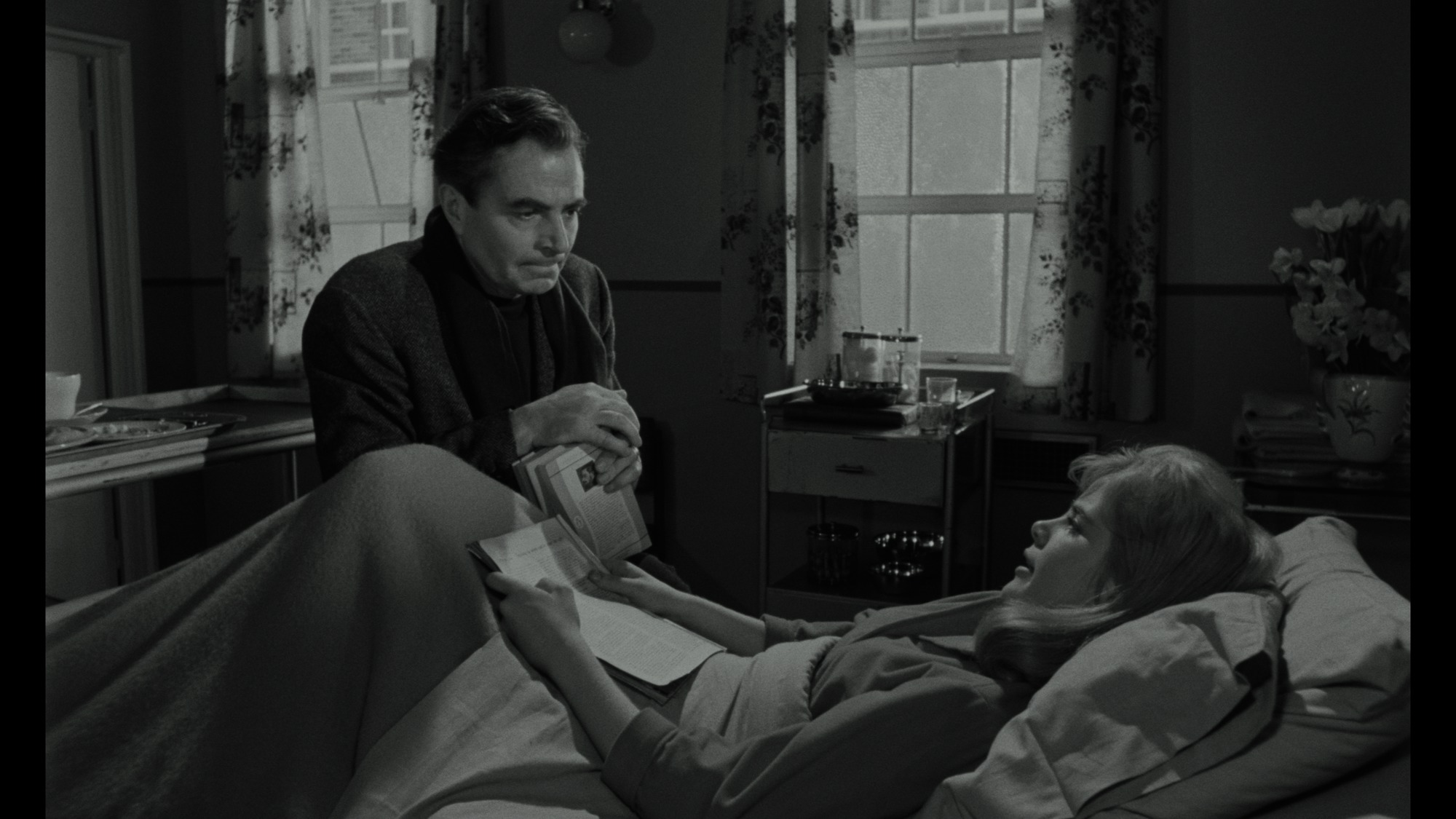
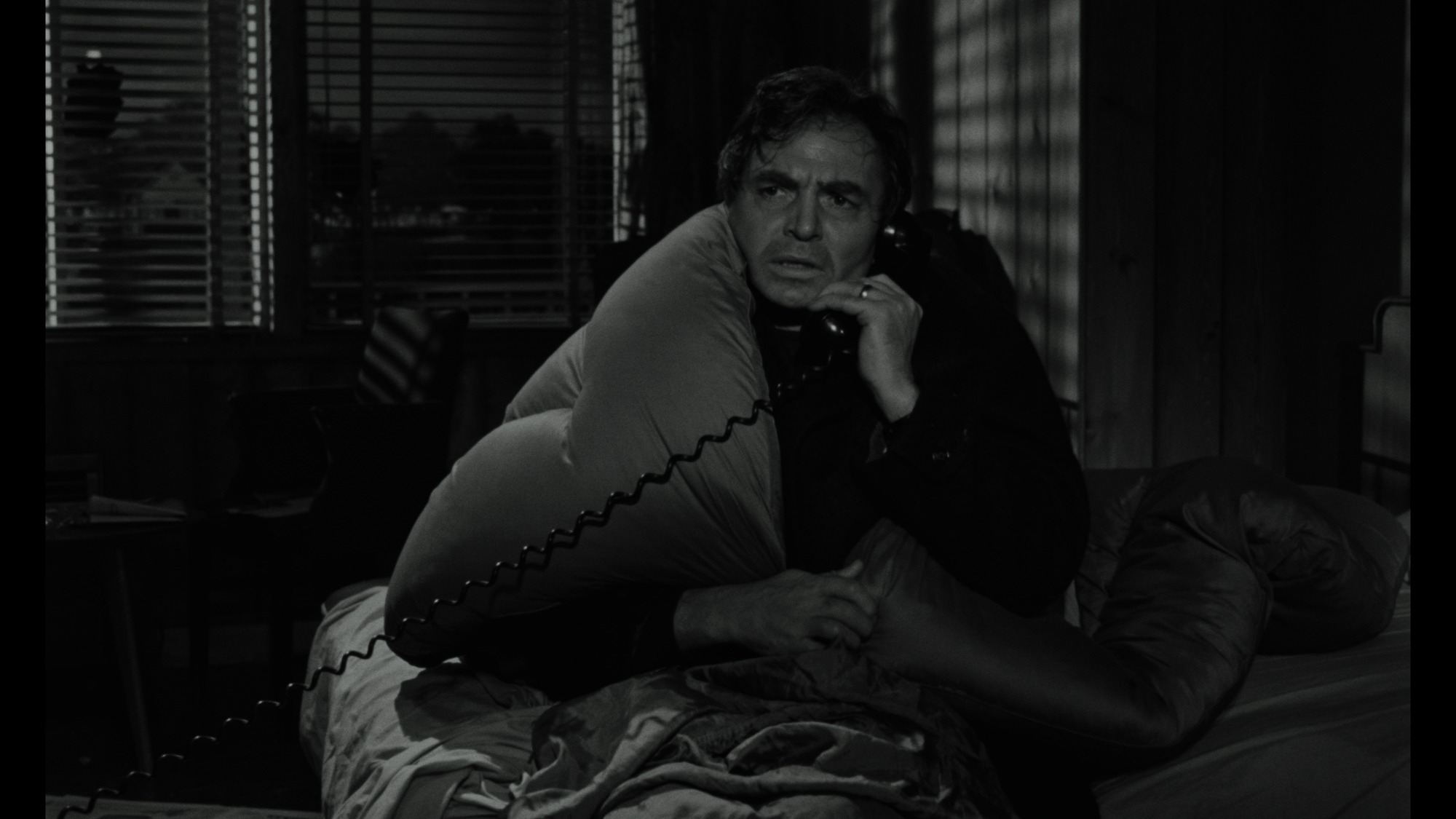
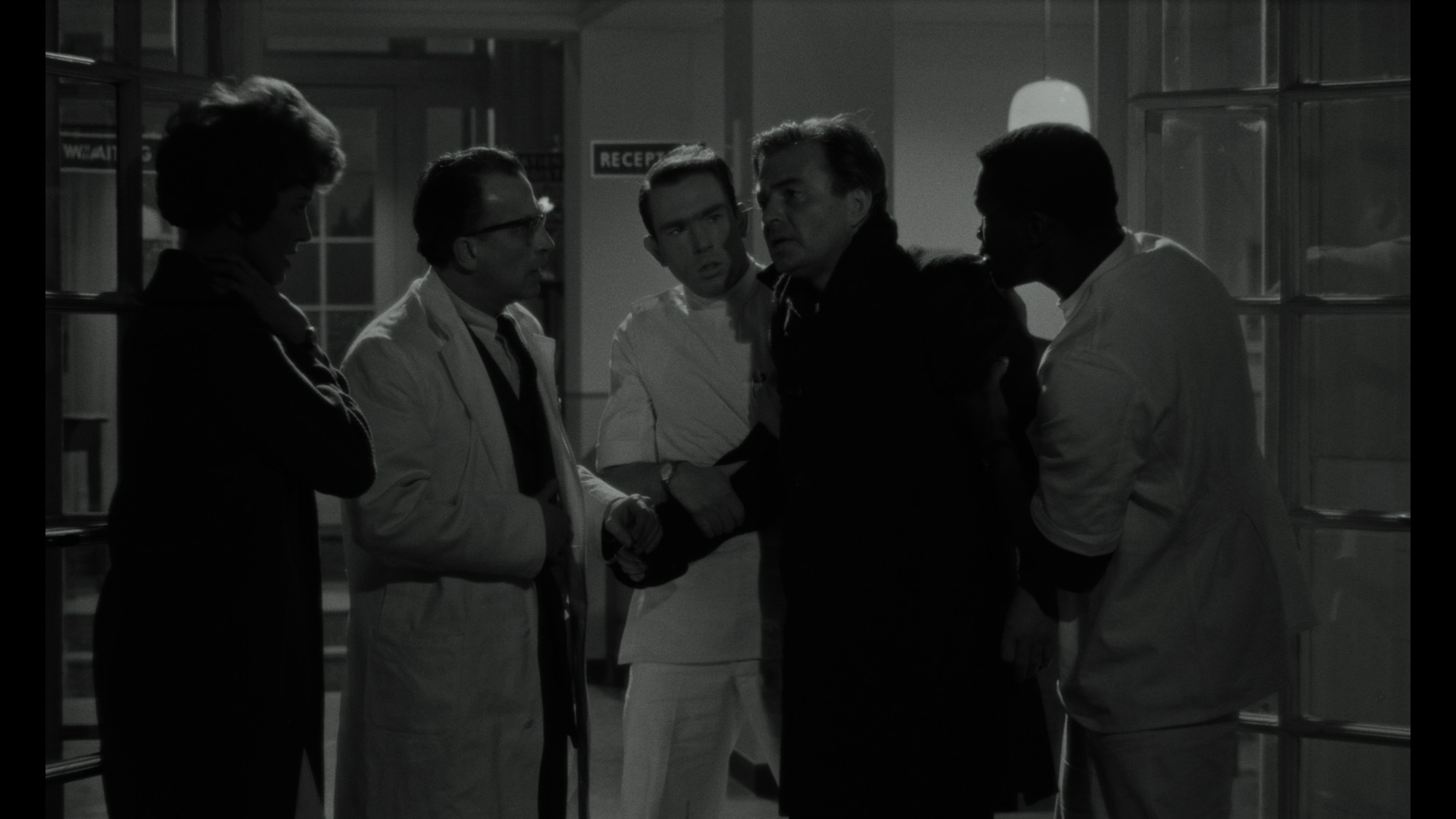
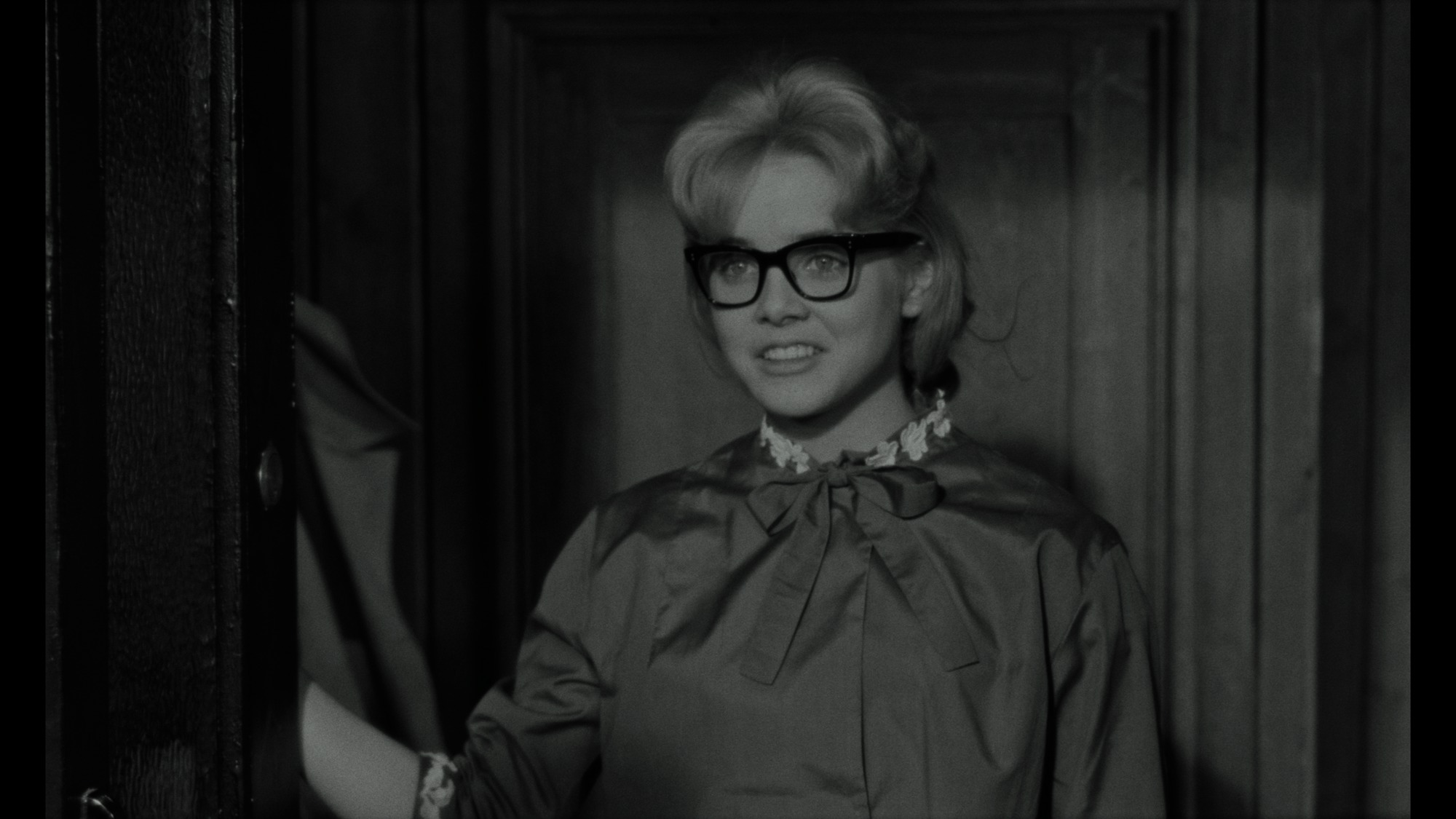
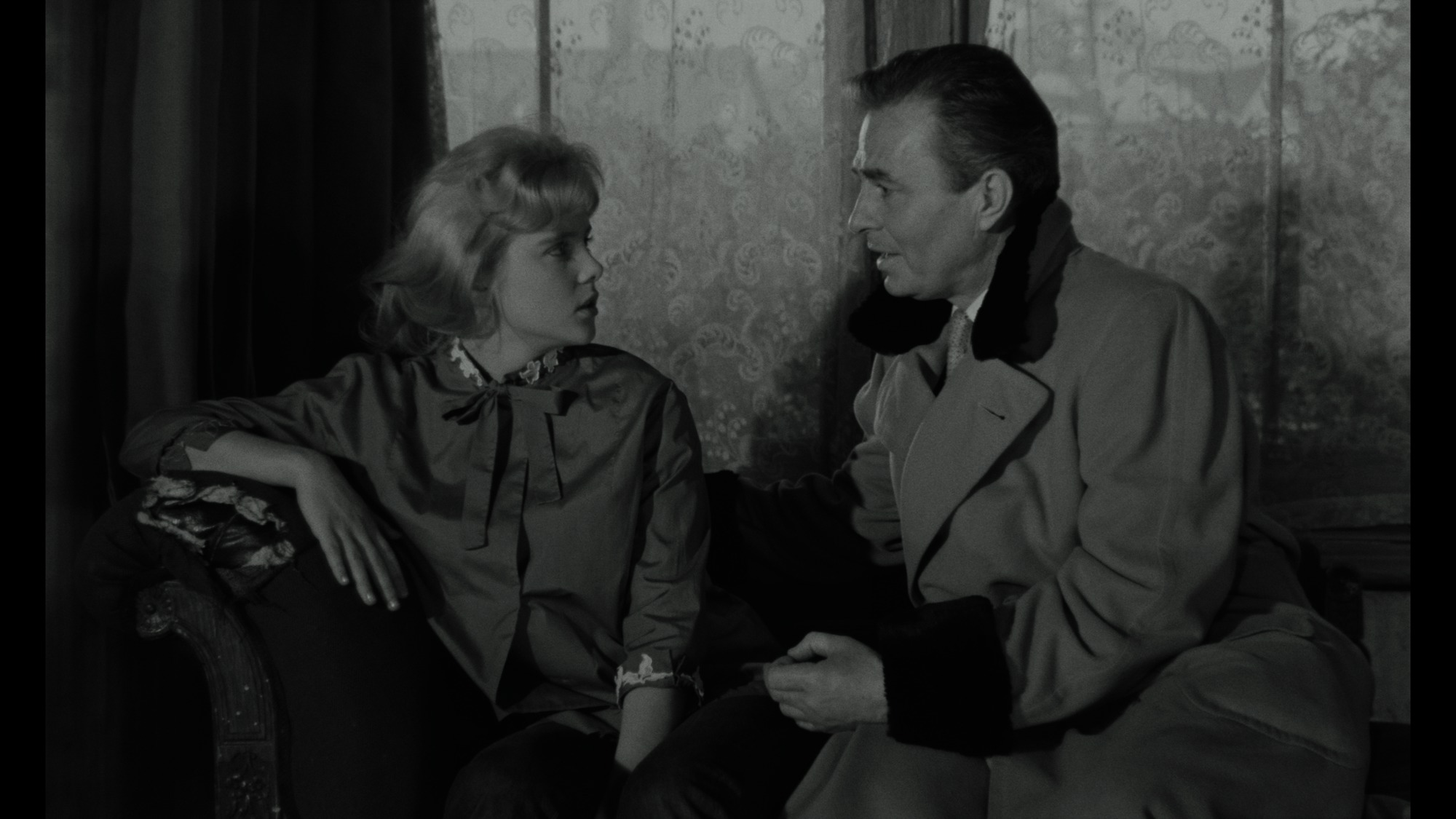
Audio 7/10
The film comes with its original monaural soundtrack, presented in lossless single-channel PCM. I thought this also sounded a bit better than the previous Blu-ray, with slightly wider range and sharper dialogue and music. “Lolita Ya Ya” sounds livelier in some scenes in this presentation compared to what I previously recall, and thanks to that, the tune is currently living rent free in my head.
Extras 7/10
The film has oddly never received any sort of special edition prior to this set, and Criterion corrects that to a degree. I would have expected a commentary, though for whatever reason they’ve chosen not to go that route (interestingly, they have recorded new commentaries for other titles in the set), and instead, the lone new feature here is a 36-minute conversation between writers Kevin Wynter and Jonathan Lethem, who discuss Kubrick and his approach to authorship, drawing on a joint course they taught at Pomona College. After explaining how the course came together (it sounds as though it started as one focused on noir), they look at how Kubrick handled his adaptations, starting with Lolita. It receives most of the attention here and is presented as probably his most faithful adaptation, though he clearly dropped a lot, including much of the book’s unreliable narration, which of course presents the subject matter in a far more straightforward manner (drawing plenty of criticism since). From there, they explore his more drastic departures from other sources: turning Peter George’s thriller Red Alert into a comedy with Dr. Strangelove, stripping back dialogue and narration in developing 2001 with Arthur C. Clarke, or reworking Stephen King’s The Shining into something different from the book, much to King’s chagrin. Kubrick would also bring in other literary authors to work on these scripts, even when they might not have seemed the most obvious fit, apparently welcoming the clash of ideas. Wynter and Lethem suggest that this friction aided him when it came to productivity and creativity, and it was something that would carry on into other areas, including working with his actors, with Peter Sellers being one of the few he allowed to improvise. It’s an interesting discussion, though I’ll admit I went into it expecting more of a deep dive comparing the original sources to the finished films, exploring specific changes and why Kubrick made them beyond simply translating a written work to a visual medium.
The rest of the material is archival in nature, starting with a 1987 interview with Sue Lyon, filmed for a segment called Desperately Seeking Lolita for the French television program Cinéma cinémas. Put together by filmmakers Claude Ventura and Philippe Garrel, the piece first notes how difficult it was to locate Lyon before meeting up with her (I assume at her home) to talk about Lolita for around 13 minutes. Though she mentions how tiresome it became to be asked about that film for so many years afterward, she speaks openly here about everything from casting to shooting. She recalls the production fondly and has nothing but good things to say about the experience itself, though some of the surrounding interviews were another matter, including a particularly awful one she discusses here. Her time on the film was also in stark contrast to the work she took afterward, which soured her on the business and eventually led her to shift her focus. A really nice find on Criterion’s part.
Following that is a segment from a 1958 episode of CBC’s Close-Up, featuring the novel’s author, Vladimir Nabokov, discussing his work with host Pierre Berton and critic Lionel Trilling. The conversation opens with the book’s controversial reception, including bans in parts of the world, and Nabokov’s feelings about its critics, before the three dig into its central character and the novel’s satire and humor (after awkwardly moving one seating area to another). Nabokov even talks a little about the inspiration behind it. Sadly, it only runs 13 minutes and isn’t terribly expansive, but it does touch on aspects of the book that ultimately didn’t make it into the film.
Finally, Criterion includes two trailers, both pushing the “How did they ever make Lolita?” marketing, along with five minutes’ worth of screen tests featuring Lyon and Mason. The footage is silent, as expected, but has been newly scanned by Criterion and is accompanied here by excerpts from an audio interview with Lyon recorded after the film’s release.
And that’s sadly it. It’s a good set of features, and far more than the film has ever received before, but I would have expected a more lavish edition along the lines of what Criterion did for Barry Lyndon, another title Warner had previously overlooked in the extras department. That’s especially true when Criterion has gone buck wild on some of the other titles in this set, including The Shining and 2001. Still, despite that disappointment, the material here is well worth going through.
Closing
Though not the special edition I would have expected, the film receives a gorgeous new presentation that is by far the best it has ever looked.
BUY AT:


