
The Complete Kubrick
Spartacus
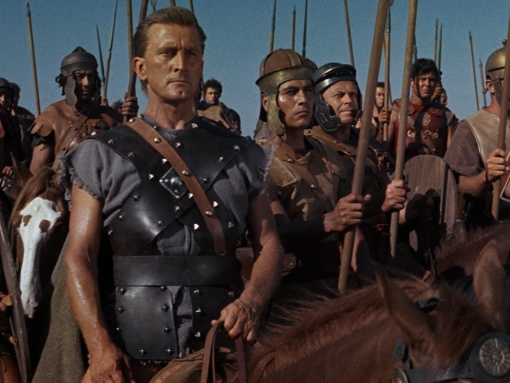
BUY AT:


See more details, packaging, or compare
Synopsis
A titan of cinema whose influence extends across visual art, philosophy, politics, technology, fashion, and beyond, Stanley Kubrick created an unprecedented string of masterpieces, from Paths of Glory to Dr. Strangelove to 2001: A Space Odyssey, A Clockwork Orange, The Shining, and Eyes Wide Shut. Bending disparate genres to his will, he imbued his creations with a cuttingly ironic worldview and an iconographic, mesmerizingly precise visual style, probing the anxieties, enigmas, and horrors of the twentieth century with a coolly devastating eye. Tracing his evolution from independent maverick to Hollywood rebel to visionary transnational auteur whose every film from the mid-1960s on became a manifesto of a radically new sensibility, The Complete Kubrick brings together the entirety of a body of work that opened popular cinema up to new realms of moral profundity and metaphysical mystery.
Collected here for the first time are Kubrick’s thirteen features and three shorts, all restored in 4K, with their original soundtracks alongside the 5.1 mixes, restored and remastered; over twenty-five hours of interviews, documentaries, and behind-the-scenes materials; and deluxe packaging illustrated with rare photographs, artwork, and documents annotated by Kubrick himself, all housed in a singular box inspired by the director’s legendary archive.
Picture 10/10
Criterion upgrades their previous DVD special edition for Stanley Kubrick’s Spartacus to 4K UHD, presenting the film on a triple-layer disc with Dolby Vision in its original aspect ratio of 2.20:1. The edition is available exclusively (at least as of this writing) in Criterion’s latest director-centric box set, The Complete Kubrick. The 2160p/24Hz ultra high-definition presentation is sourced from Universal’s 2015 4K restoration, derived from a 6K scan of the large-format Technirama film elements. The set also includes a standard dual-layer Blu-ray featuring a 1080p presentation of the film, using the same restoration, alongside all of the release’s video features.
While Criterion is reusing the restoration behind Universal’s own 2020 4K release, it doesn’t really matter because the film looked great there and it looks great here. This isn’t meant as a knock against the 1991 reconstruction and restoration performed by Robert Harris, who also served as a consultant on the newer restoration, as I would hope, considering all the work he put into the original one. That was a hell of a feat, but the video presentations that followed didn’t all hold up particularly well. Yes, the Criterion DVD looks quite good for the format (in my opinion, anyway), and I recall Universal’s own DVD looking fine, though it’s been a long time since I’ve seen it. But Universal’s 2010 Blu-ray looked dreadful, saddled by a heavily dated high-def master that looked, at best, like an upscale with a good amount of noise reduction and other artifacts thrown into the mix. Colors also looked off, with even the Criterion DVD doing better in this area.
I skipped the 2015 Blu-ray—the first release to utilize the new 4K restoration—but picked up Universal’s 4K, and oh, what an incredible and gorgeous jump that was over all the previous presentations I had seen, and all of its improvements carry over beautifully to Criterion’s new disc.
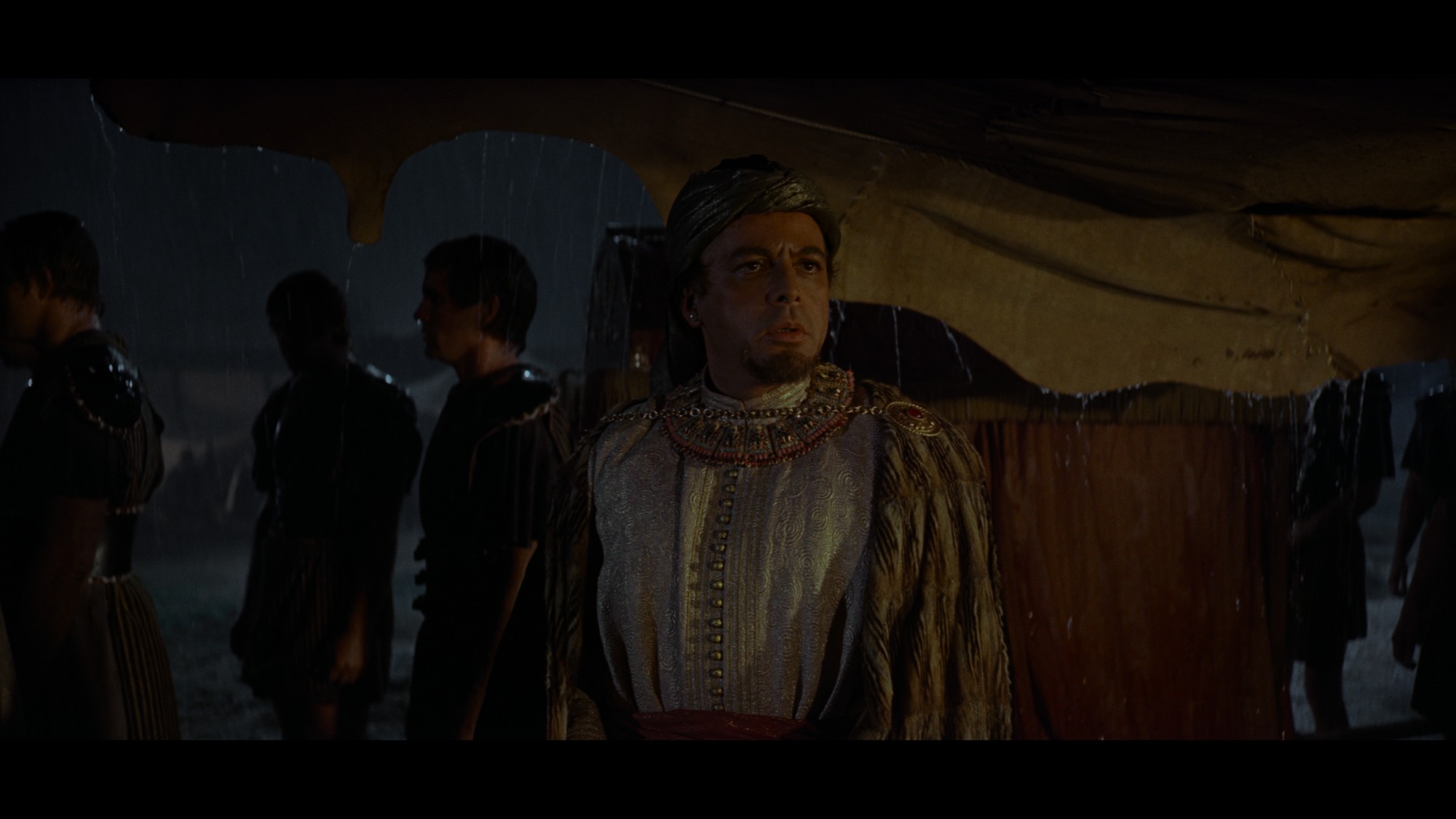
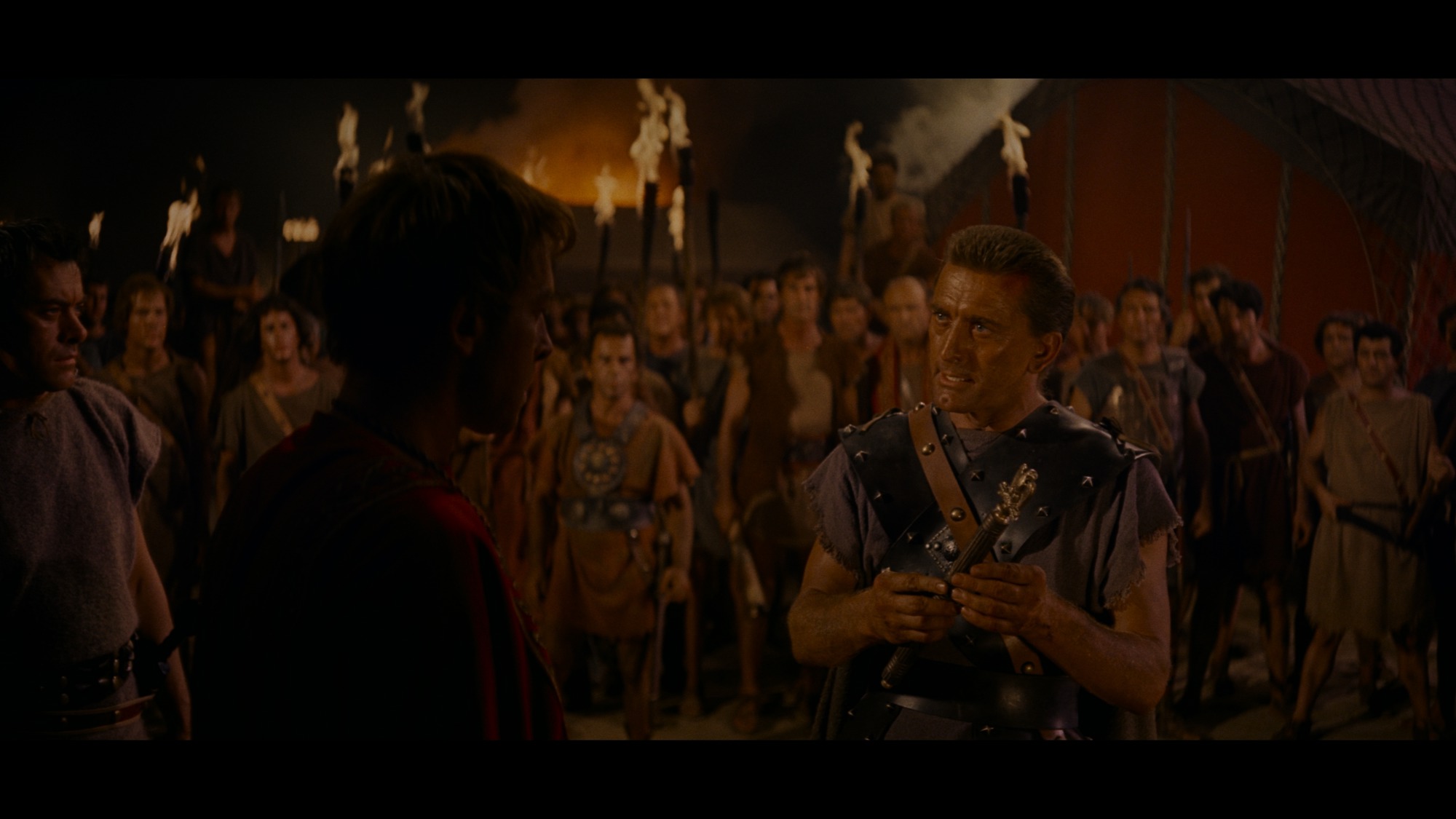
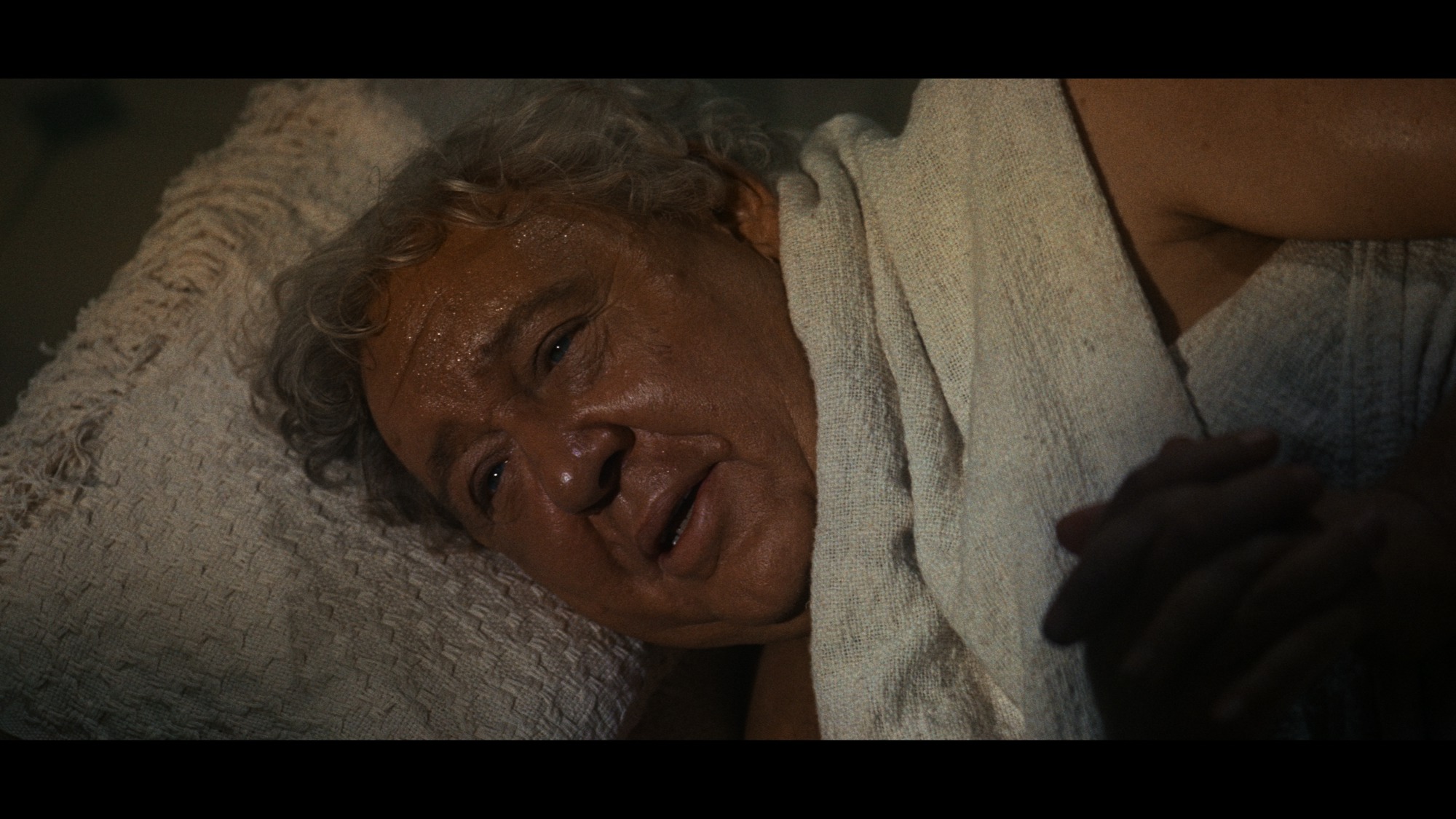
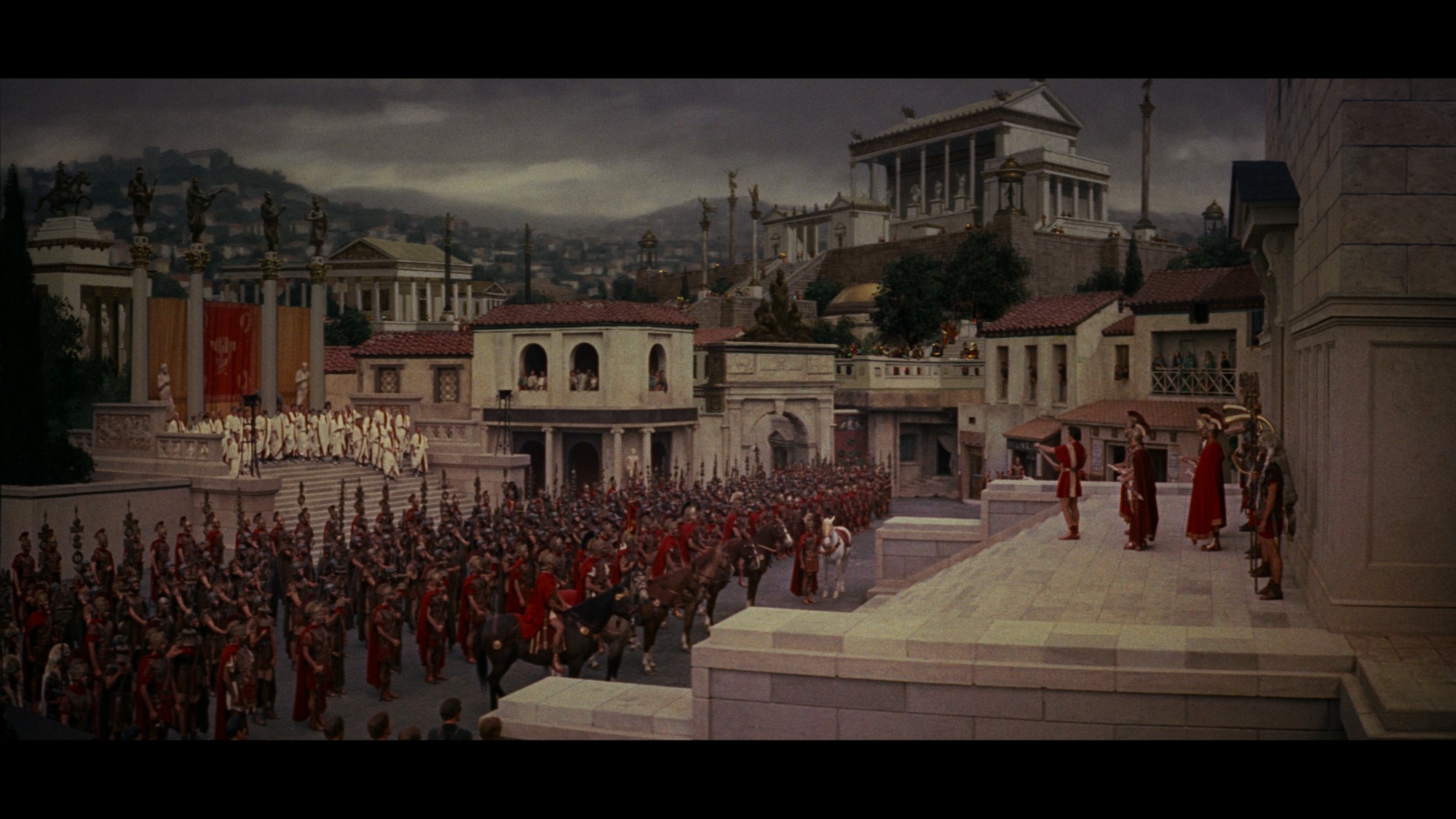
There’s a far more natural film texture now, with the scan and encode rendering the film’s grain naturally and cleanly while picking up every little detail in the sets and costumes, right down to the dirt and grime that builds up on the film’s title character. Long shots, even those employing mattes or other optical tricks, also manage to look incredibly clean and detailed, without a flaw or any other sign of damage rearing its head. It’s just stunning how much sharper and cleaner the overall image looks, a striking difference from that godawful Blu-ray.
But even that’s not the most impressive aspect. No, that would have to be the improved colors and contrast. Colors look absolutely striking, with pleasing saturation and a boldness surpassing what I recall from the previous presentations. Yet they don’t feel like a drastic departure from the Criterion DVD, which Harris has described as having what he felt at the time was the most accurate color representation. They still have that period Eastmancolor appearance, just a bit richer, I felt (though Super Technirama 70 was a Technicolor process, the negatives were Eastman Kodak run through the camera horizontally). The newer restoration also benefited from the preservation color separation masters used for Harris’s earlier restoration, though working with those elements brought the same headaches he encountered, including alignment issues. Blacks are also quite deep and rich, producing some wonderful shadows. The shadowy slave dungeon and darkened senate hall look especially good in this presentation, with an improved sense of depth that the Criterion DVD definitely didn't deliver.
HDR and Dolby Vision then further build on all of this, lending the image a strong range between those deep blacks and bright highlights while keeping shadow detail visible wherever possible. Reds and blues have been pushed up a bit, and I was also thrilled by those aforementioned highlights, especially the reflections off the Roman armor and beads of sweat on the actors’ faces. Smoky and foggy interiors (like the bath house) are rendered cleanly without negatively impacting the grain.
Criterion’s encode is more than up to the task, too, rendering everything cleanly without any distracting artifacts popping up. But how does it compare to Universal’s? I didn’t perform anything near an exhaustive comparison, though switching between the two on my television, I honestly didn’t think they looked all that different. Universal’s encode looks pretty good itself, not too different from Criterion's, and that’s perfectly fine: it would be a shame if Criterion’s presentation couldn’t live up to Universal’s, and I most certainly think it does; there’s little reason to favor one over the other on picture quality alone, and I absolutely love how this one turned out.
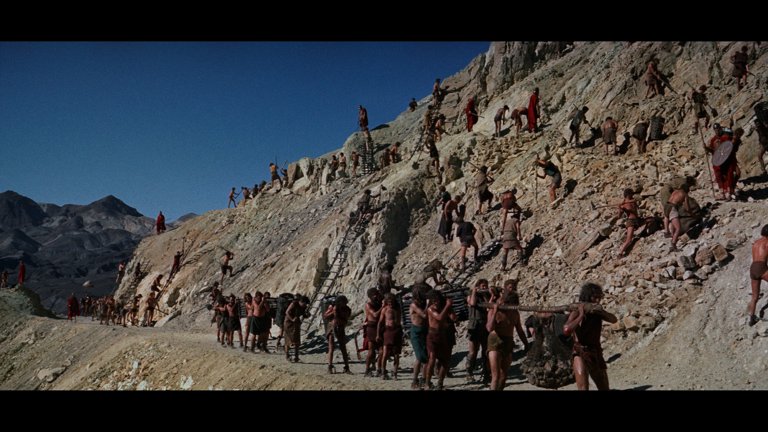
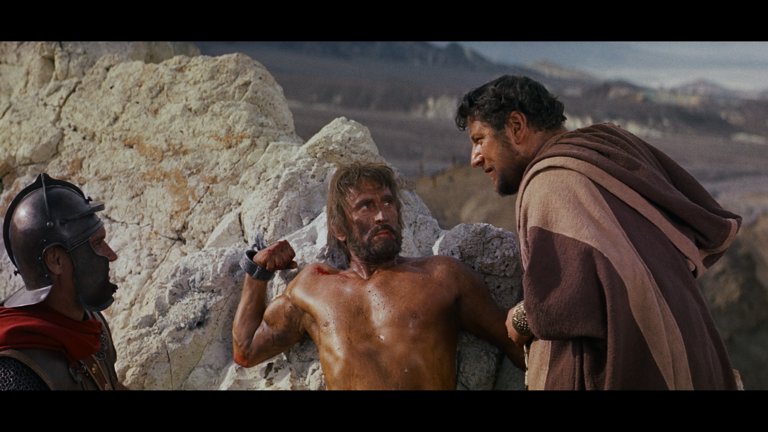
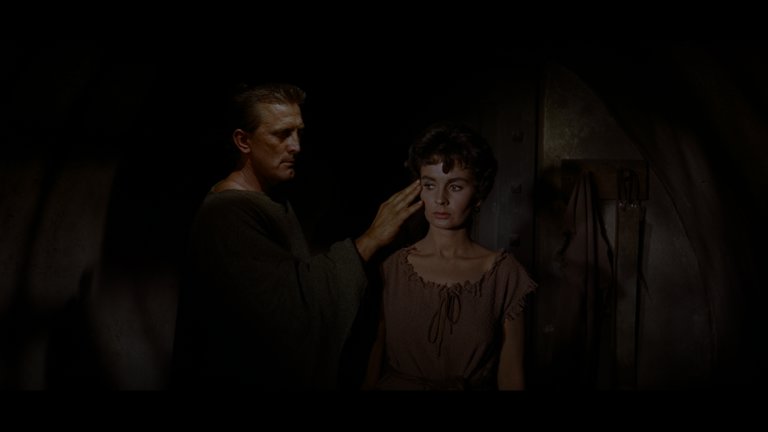
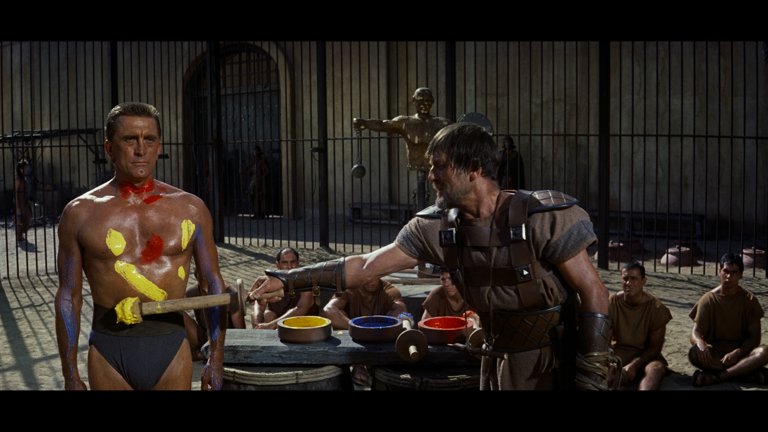
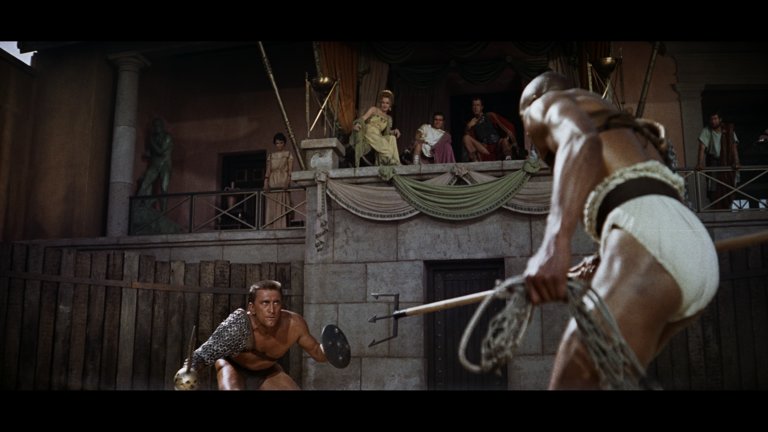
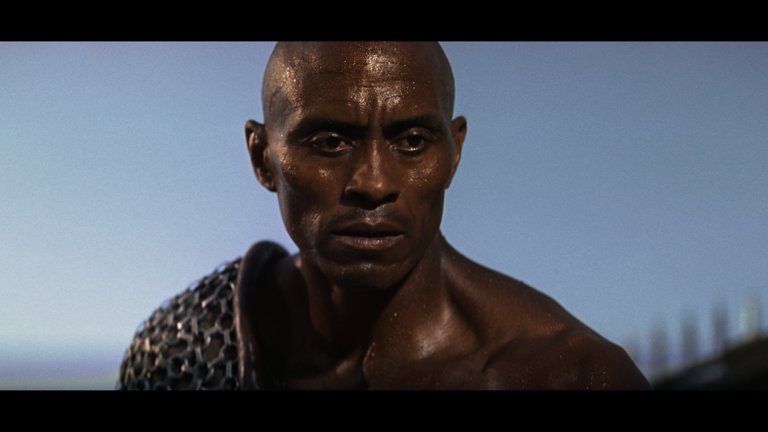
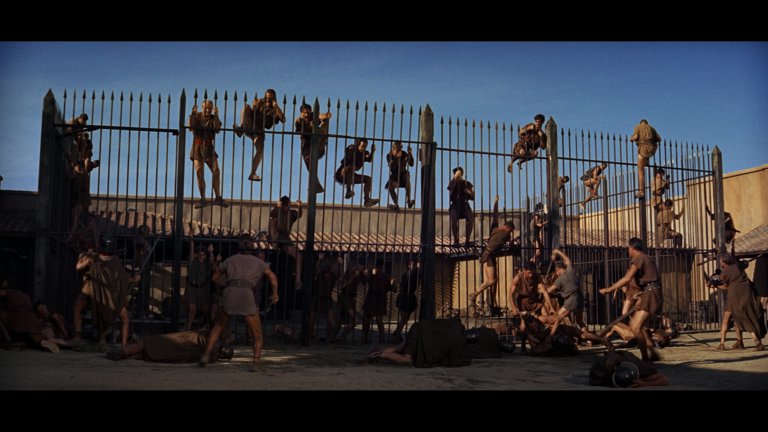
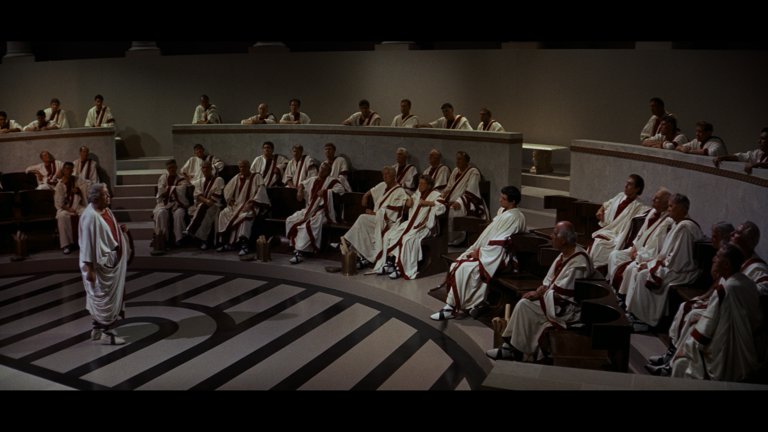
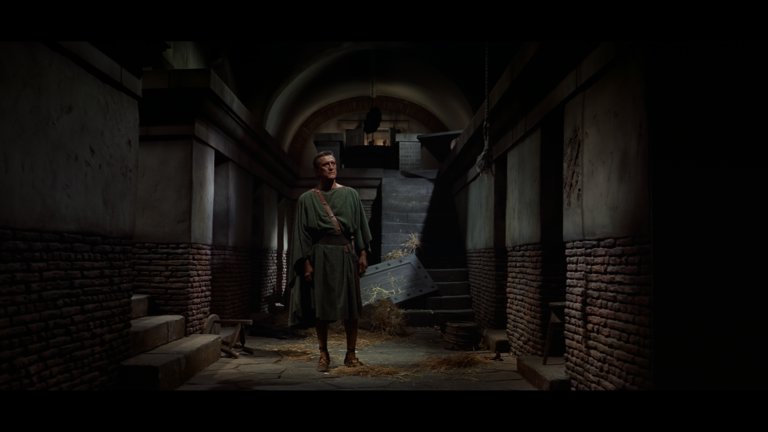
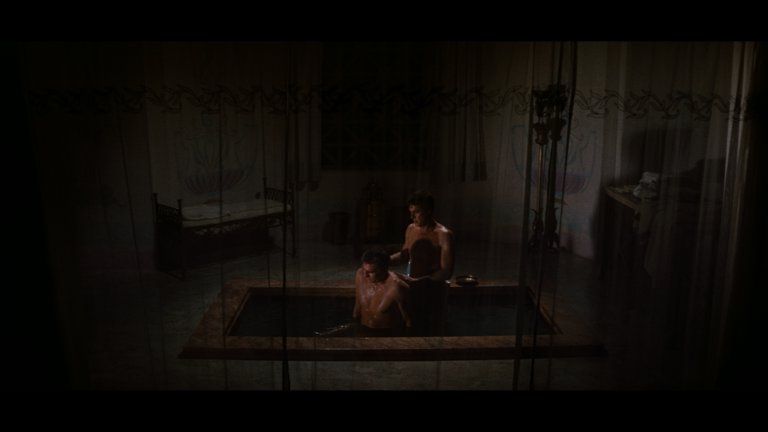
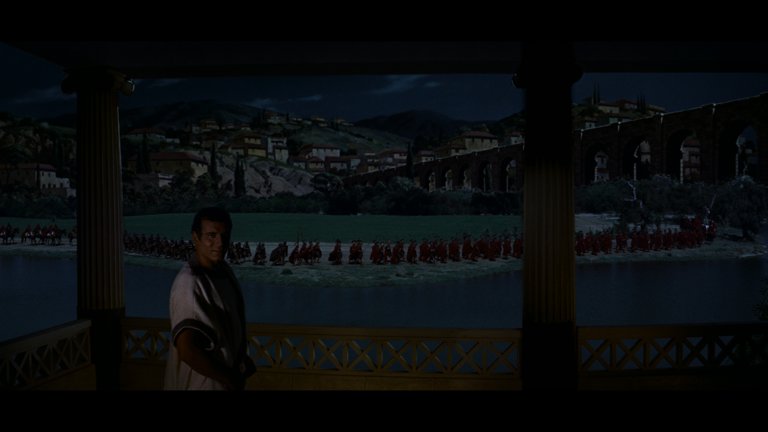
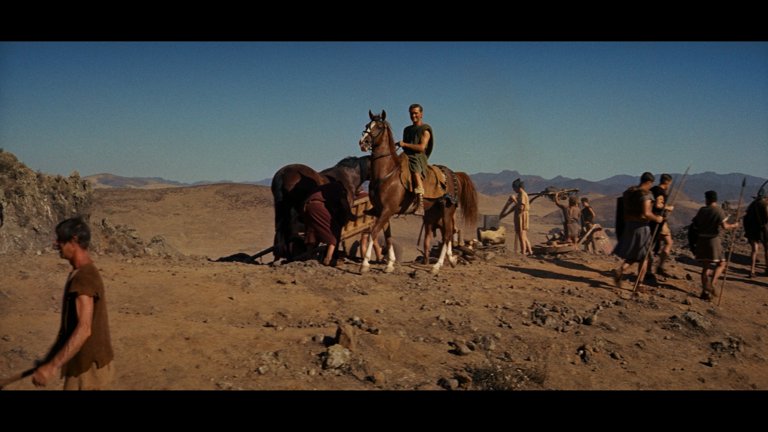
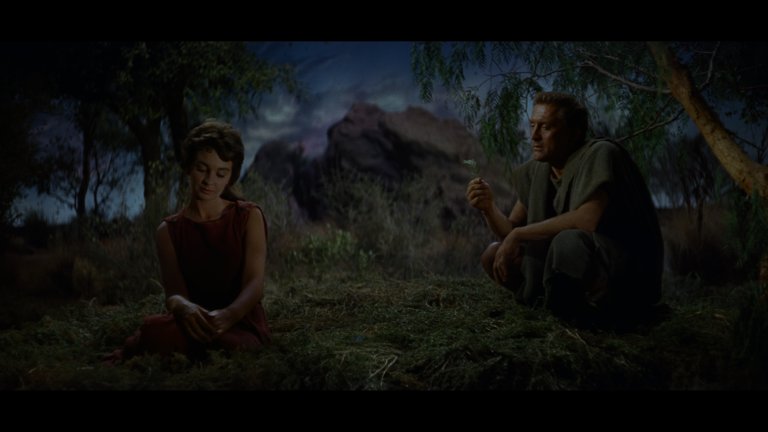
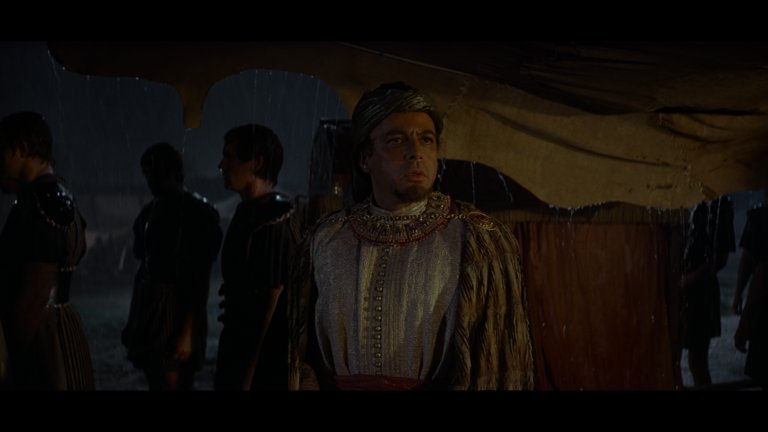
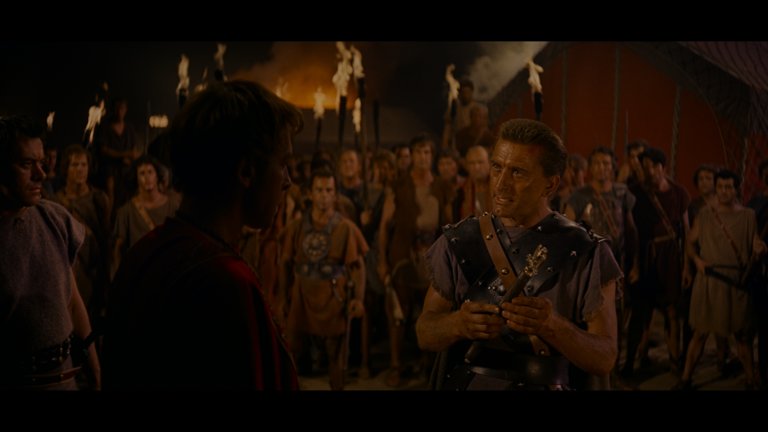
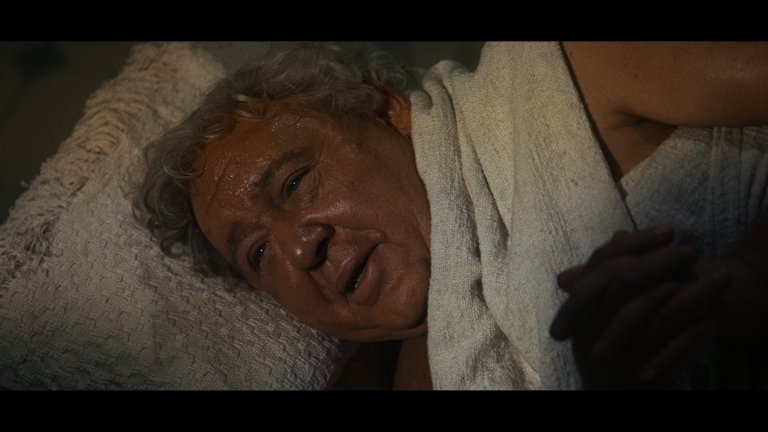
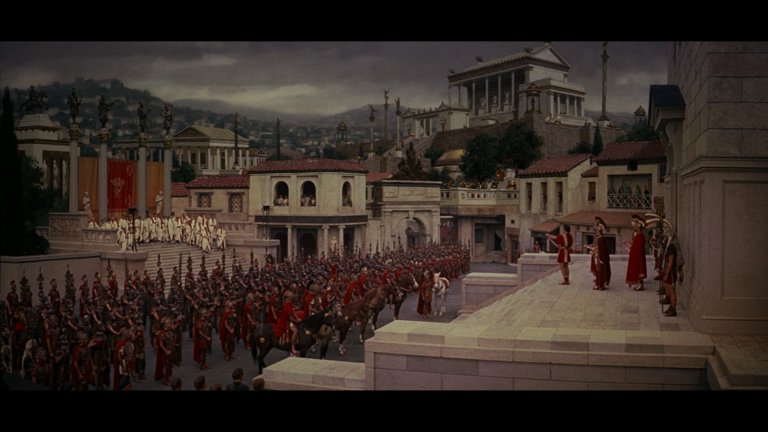
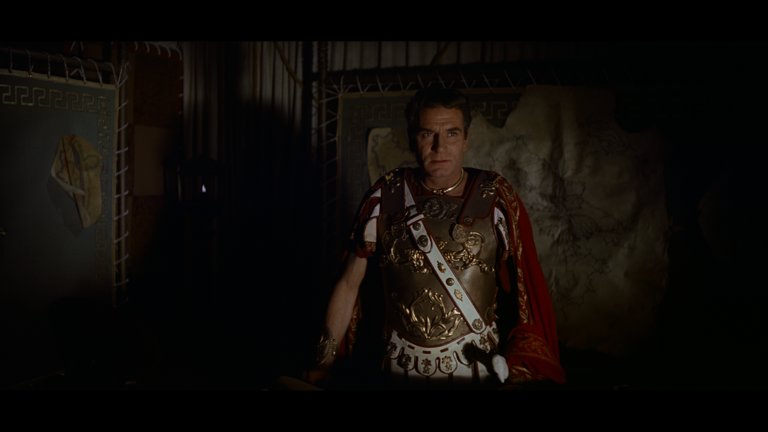
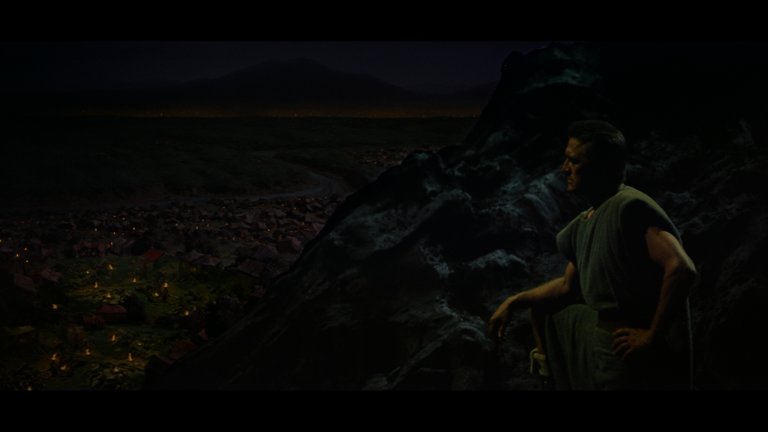
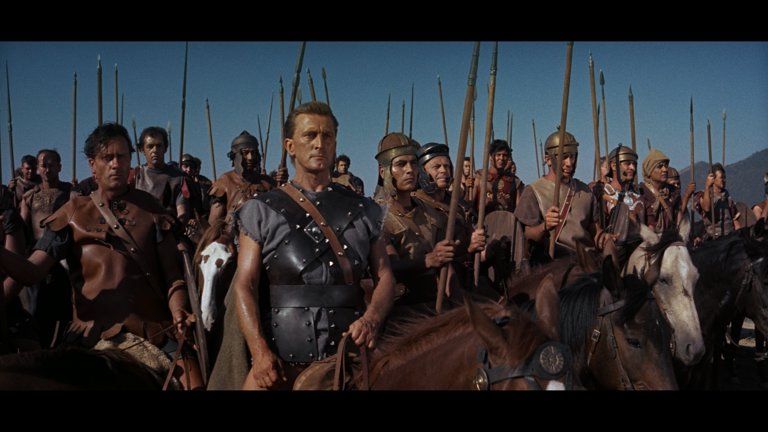
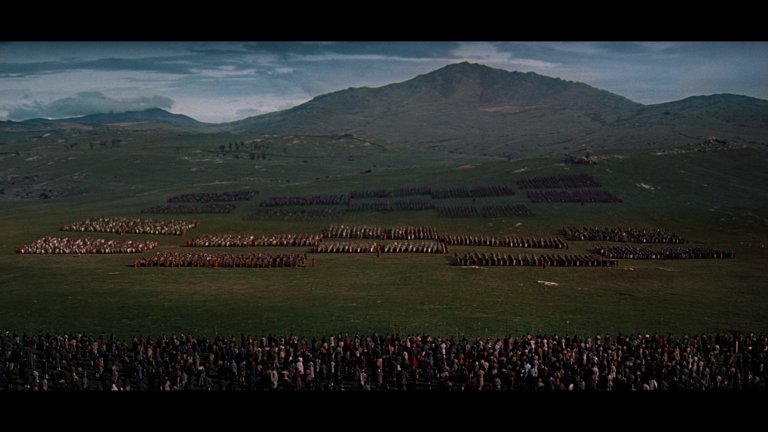
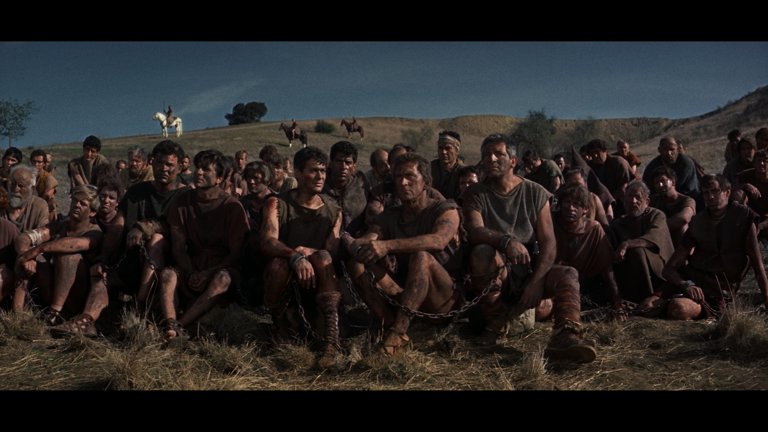
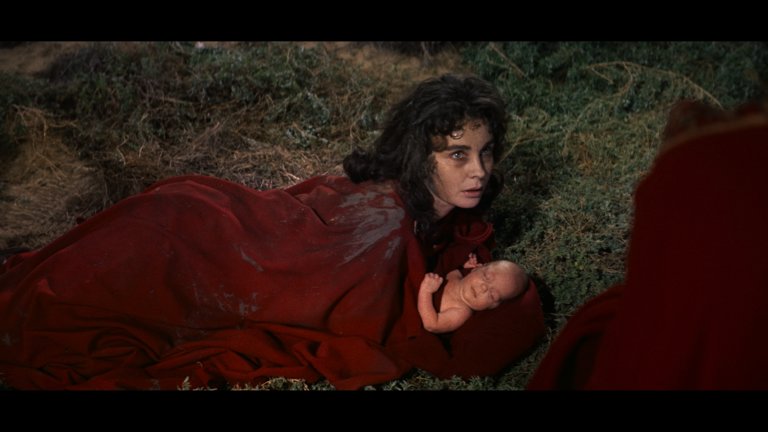
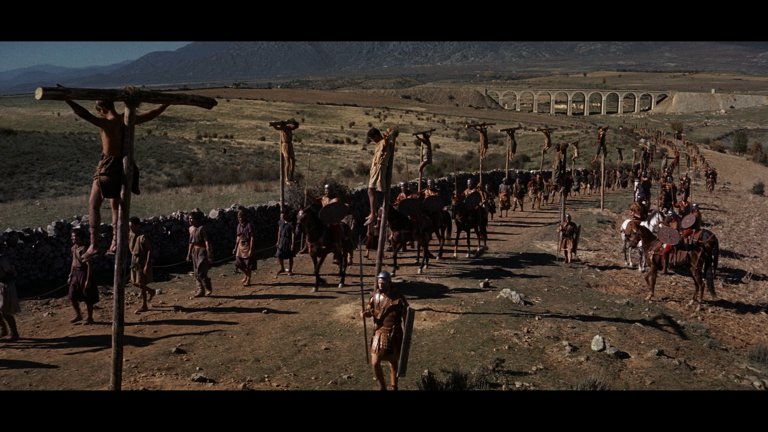
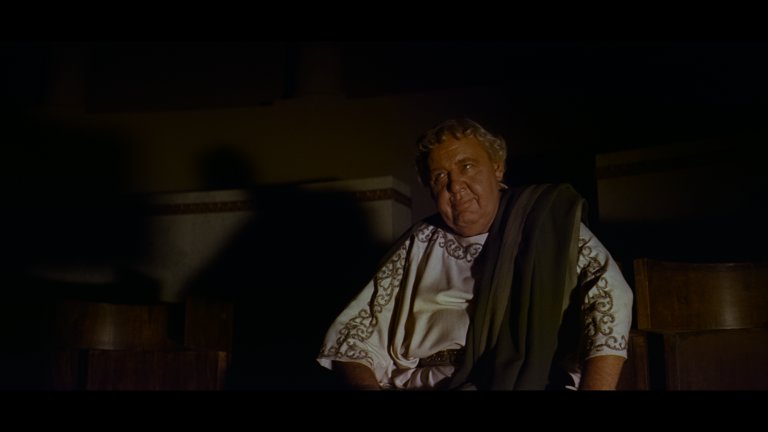
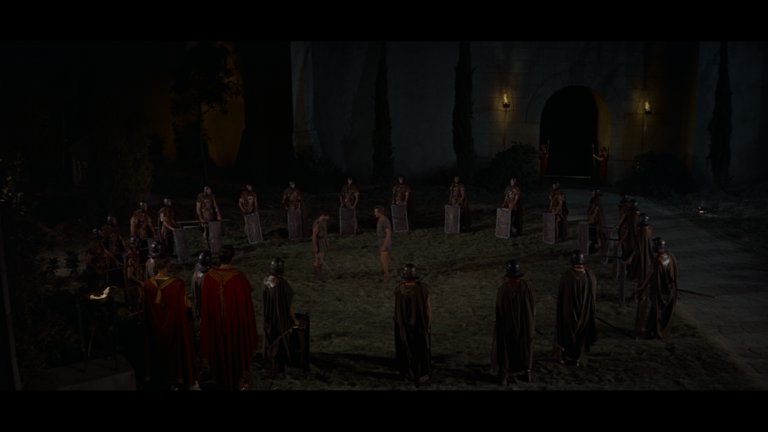
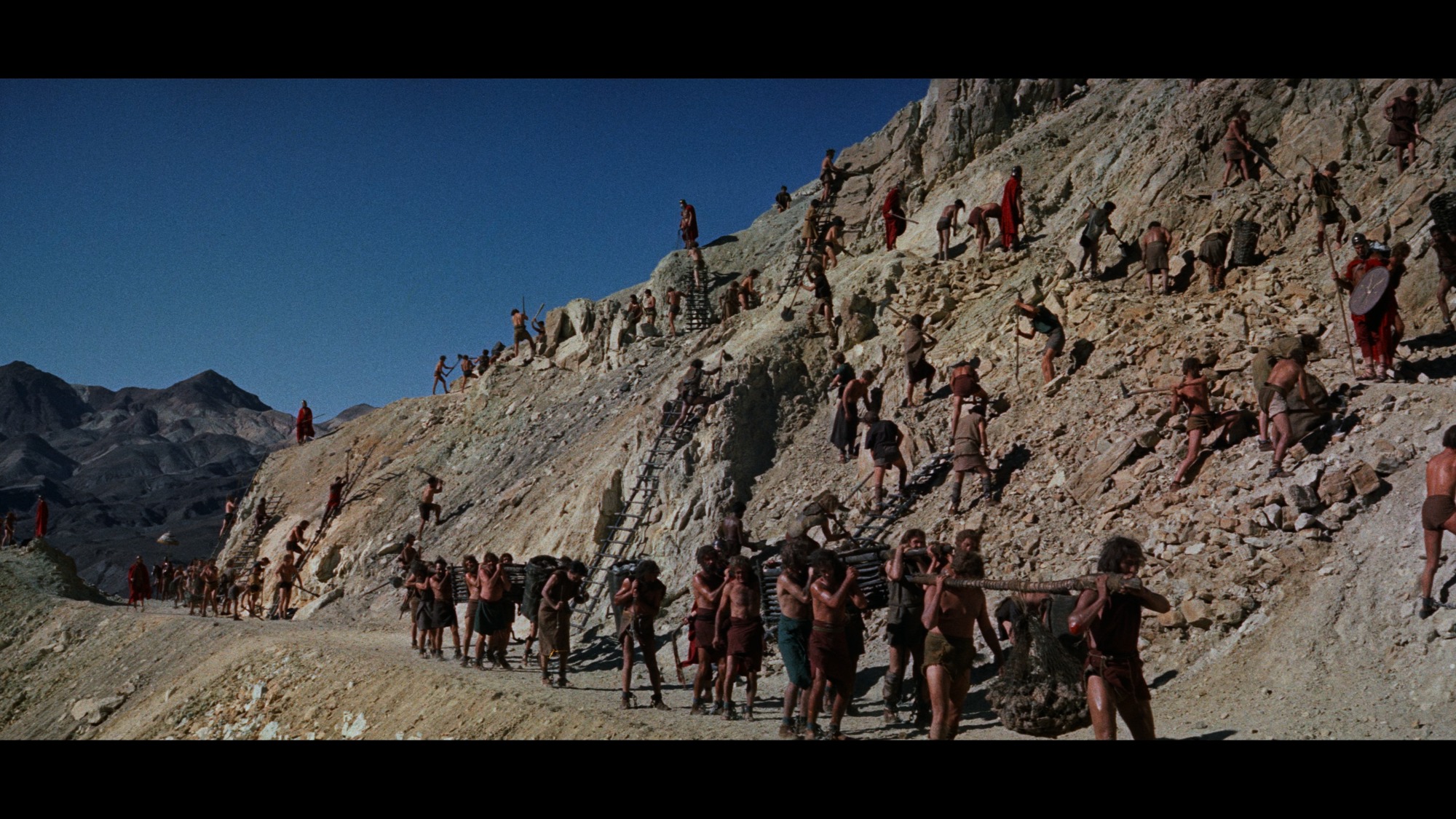
The Complete Kubrick - Screen Captures
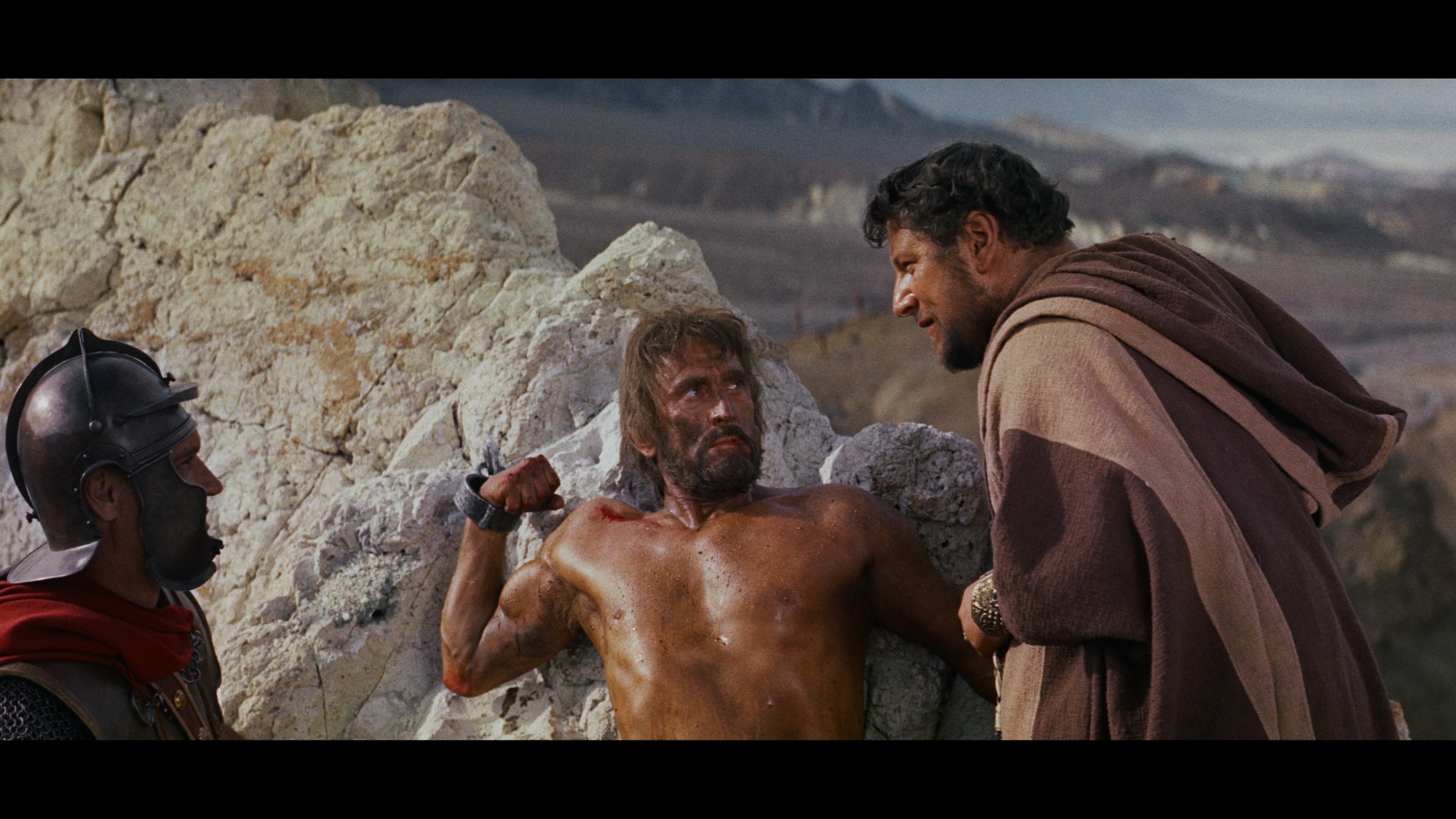
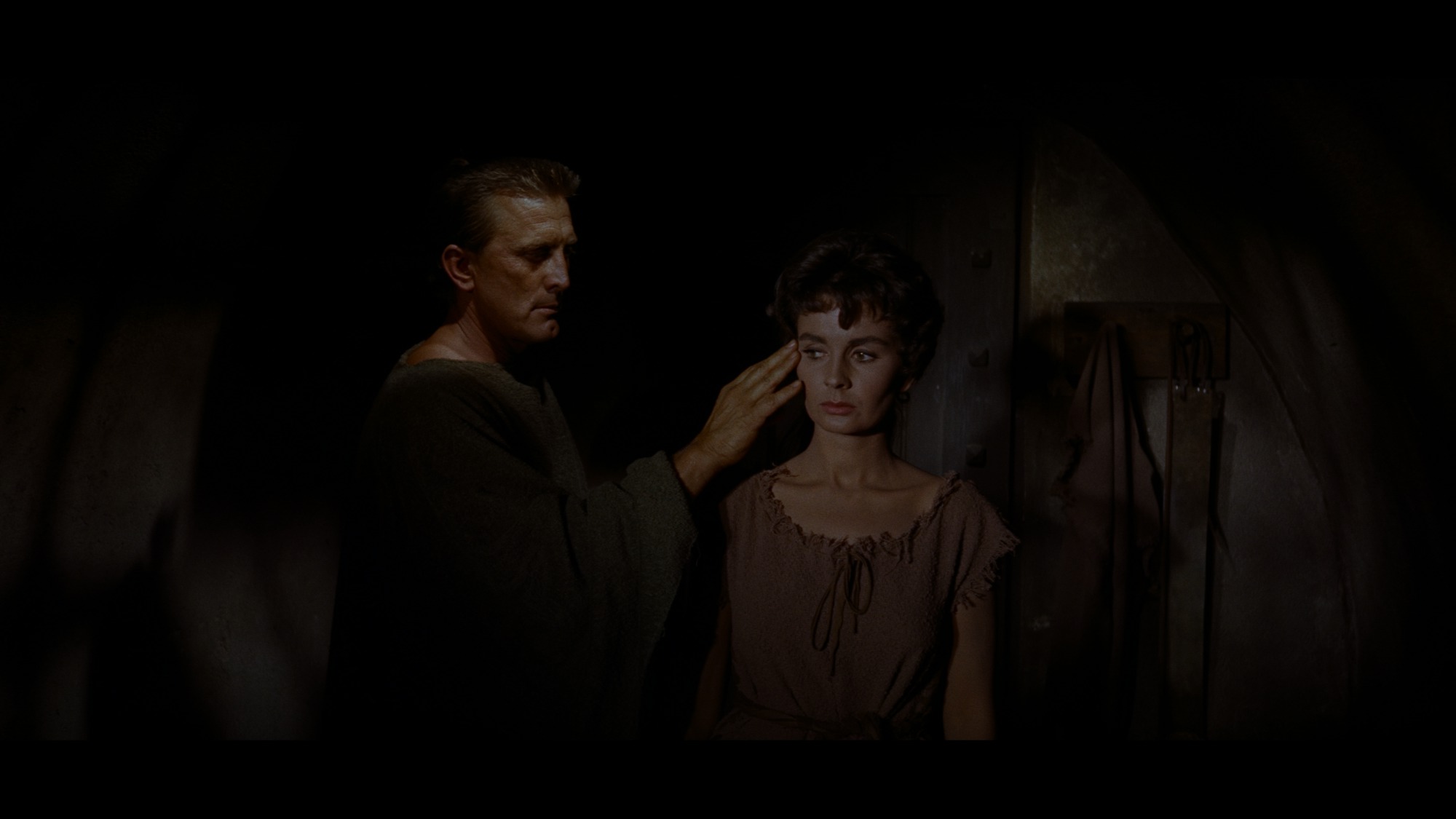
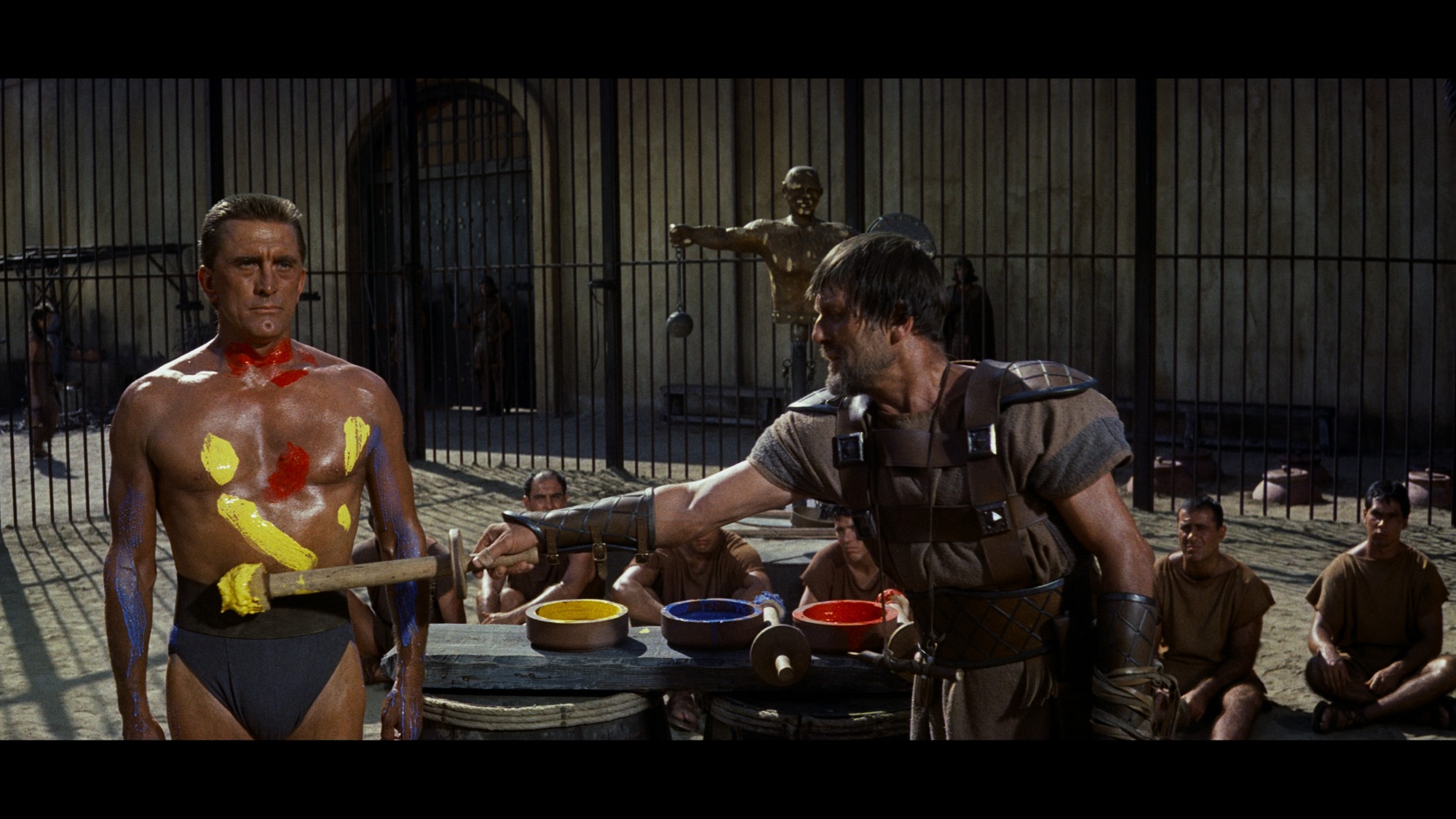
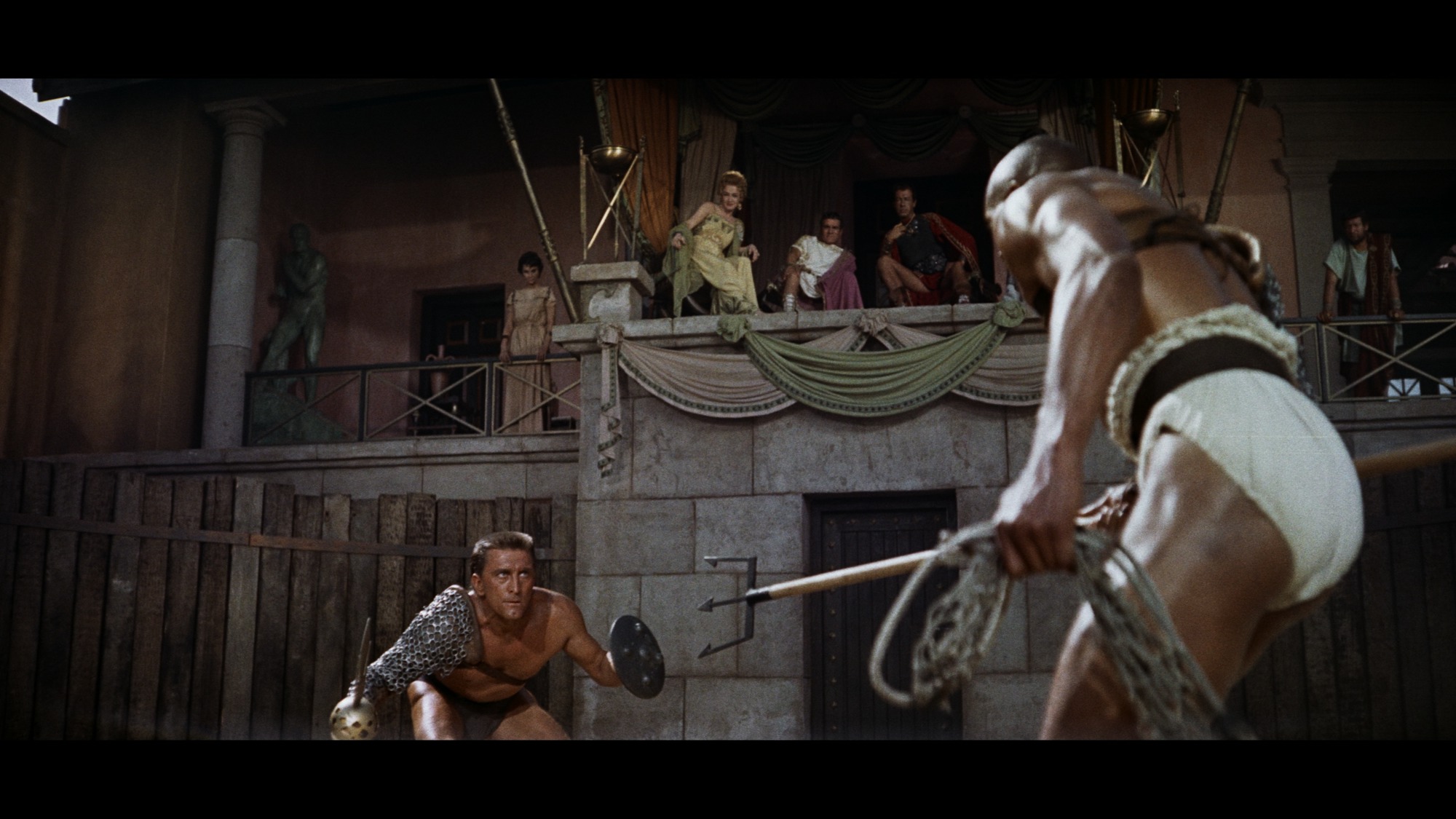
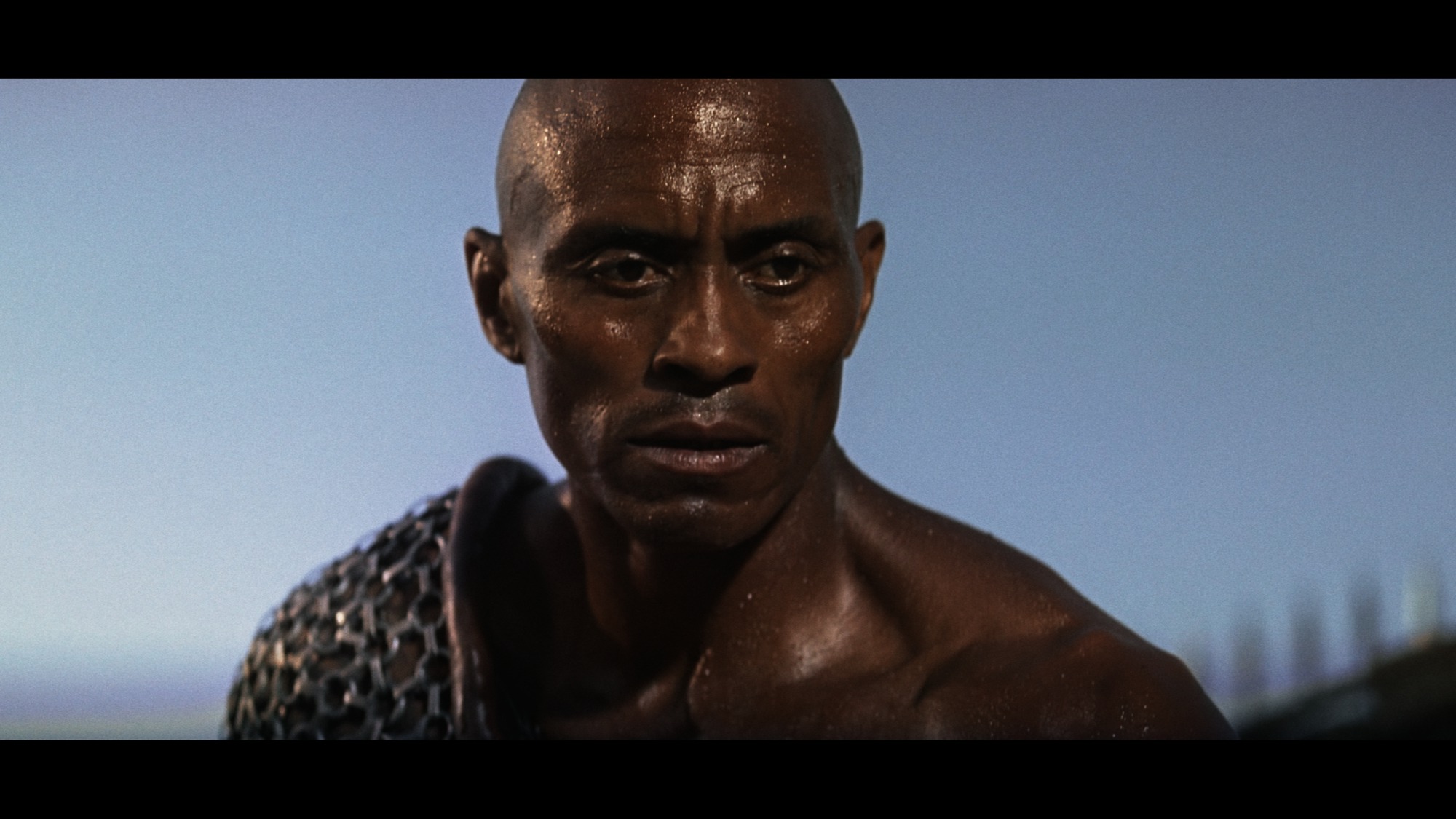
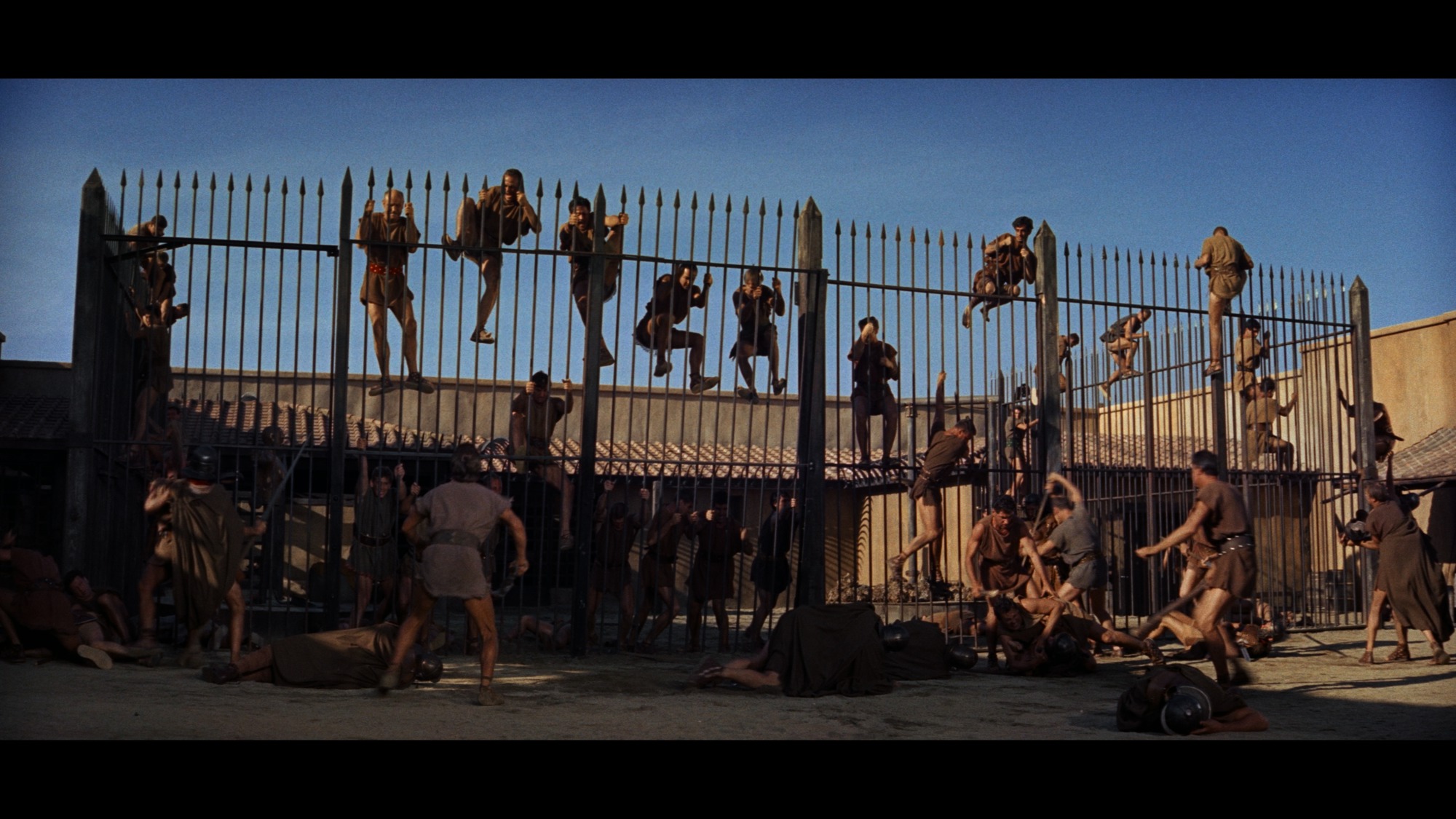
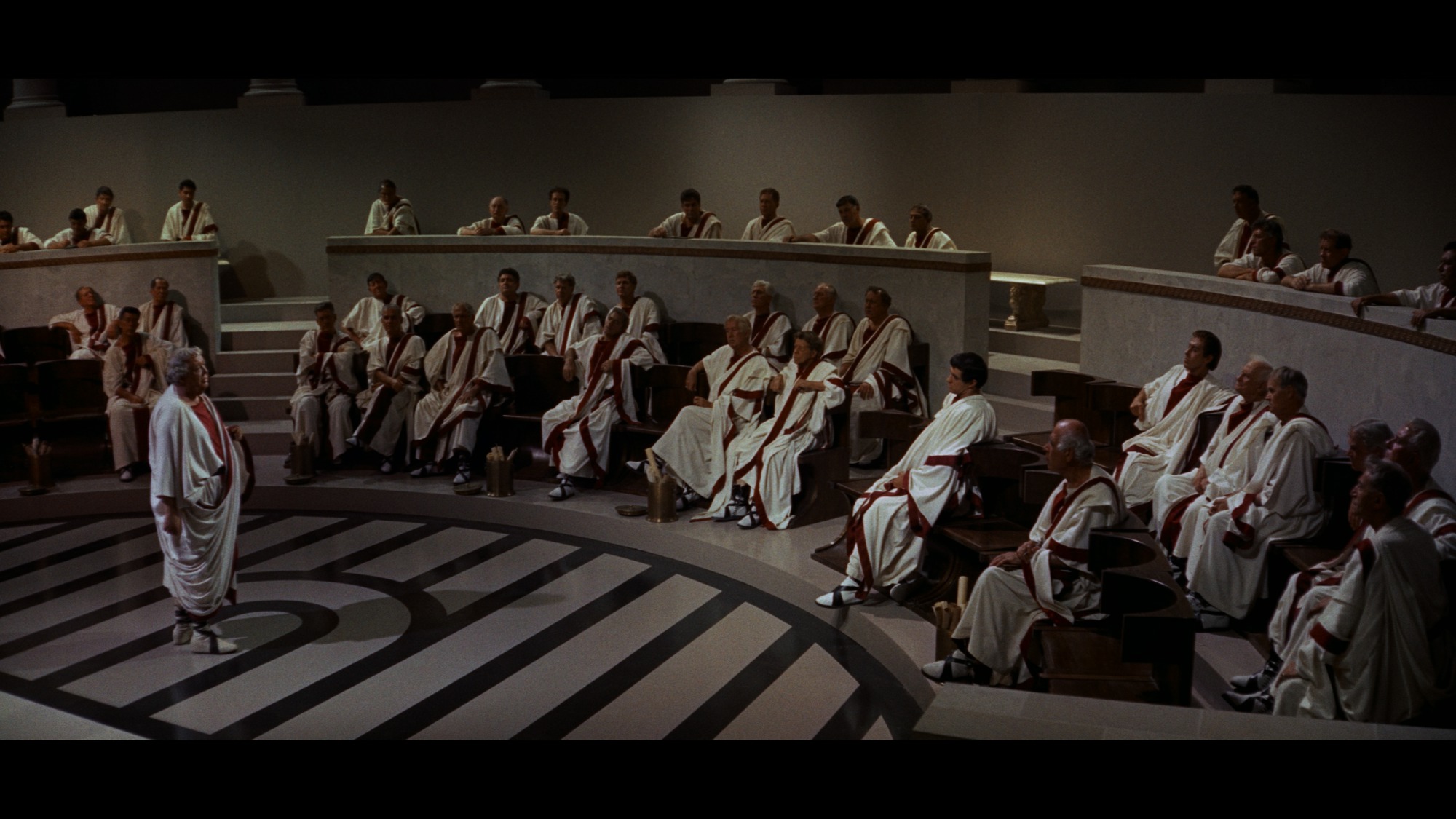
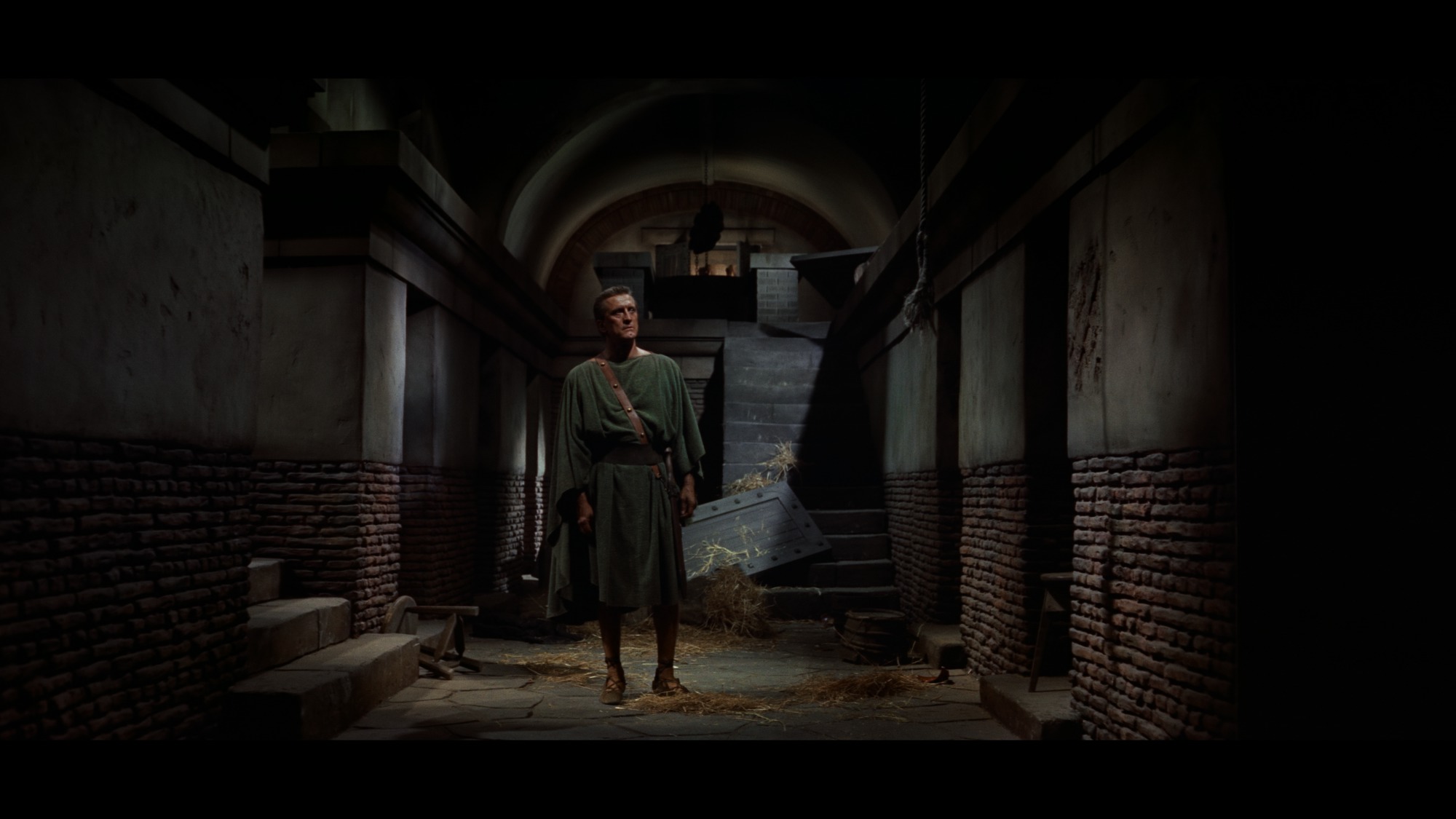
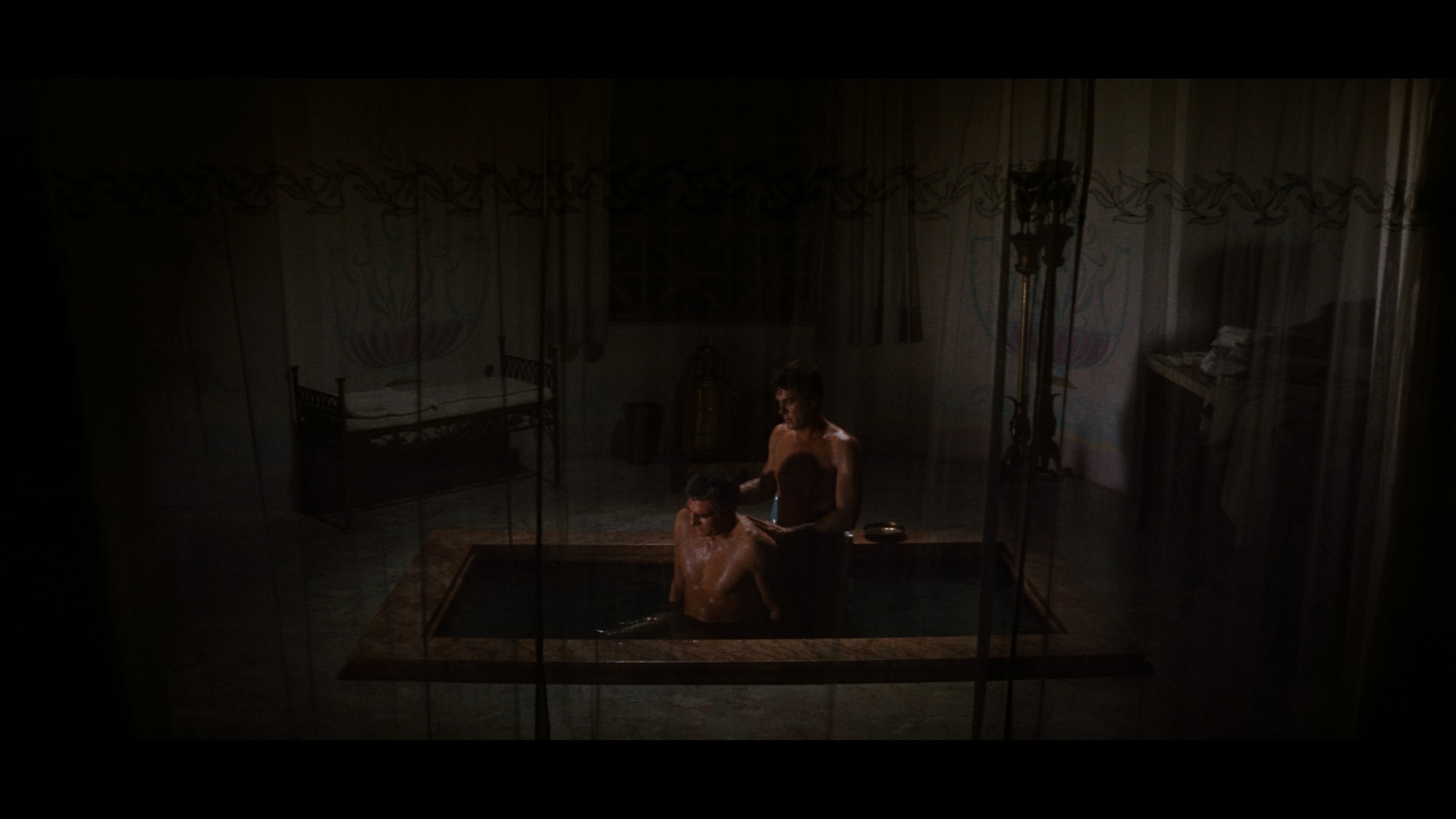
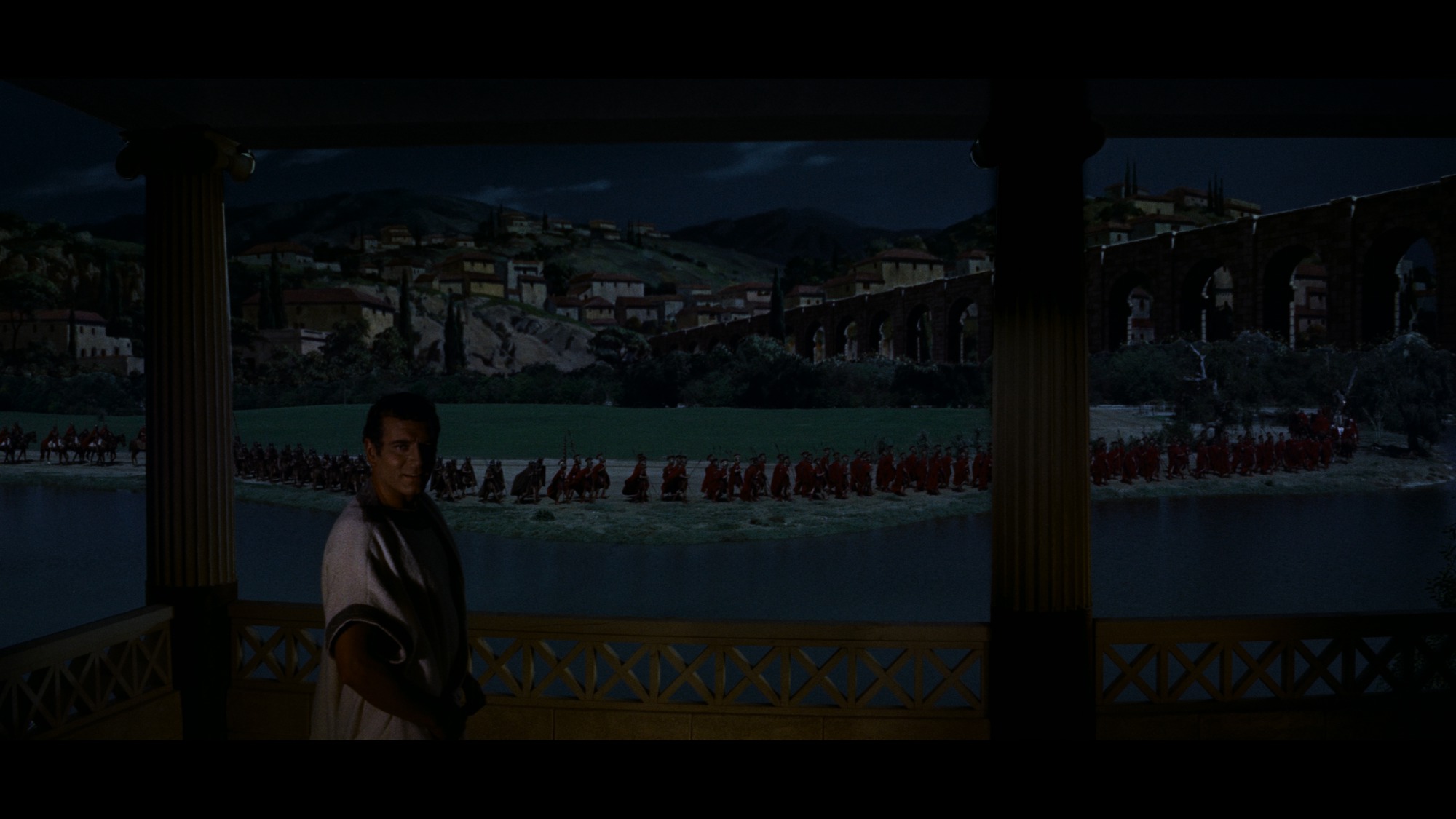
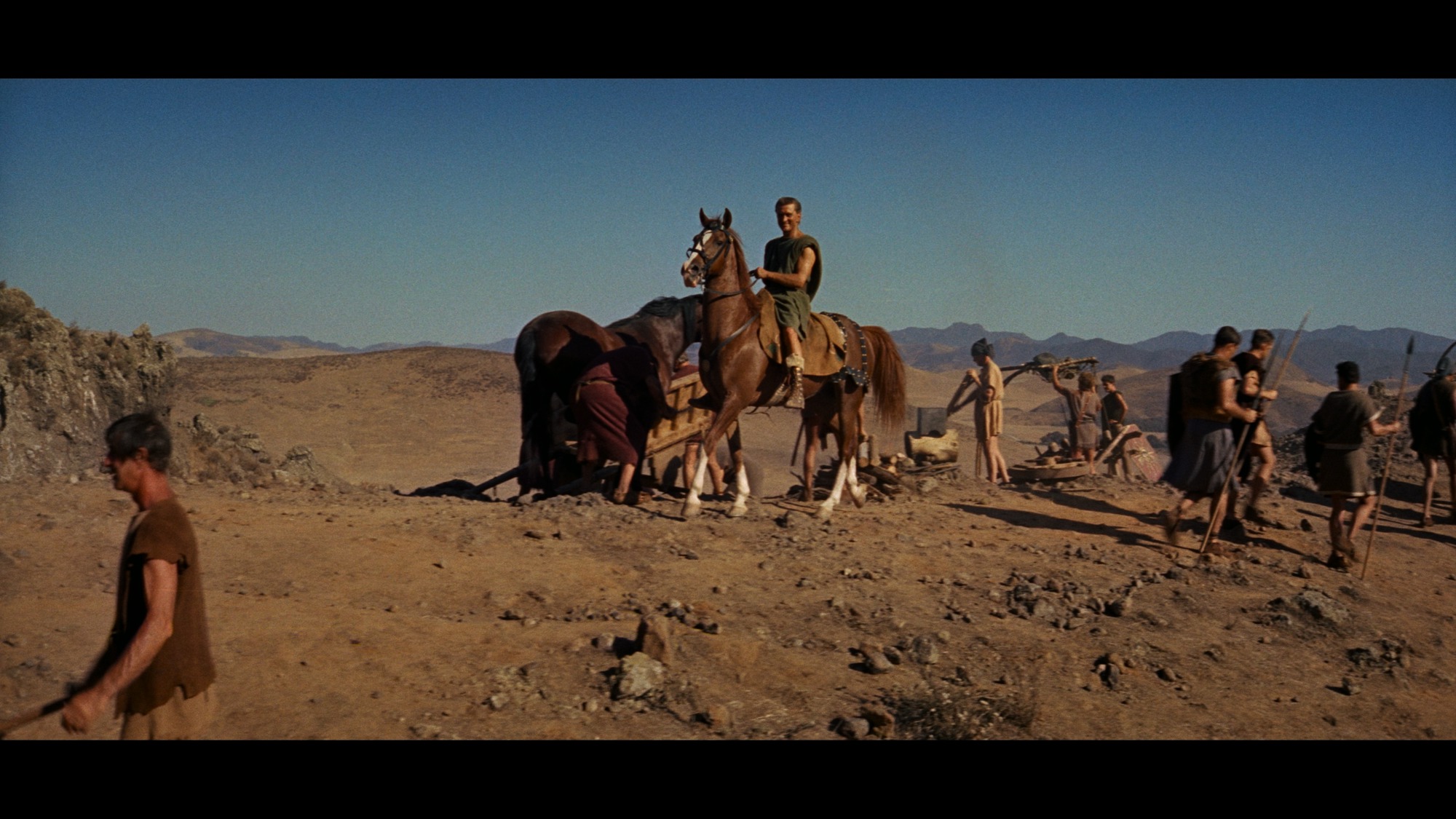
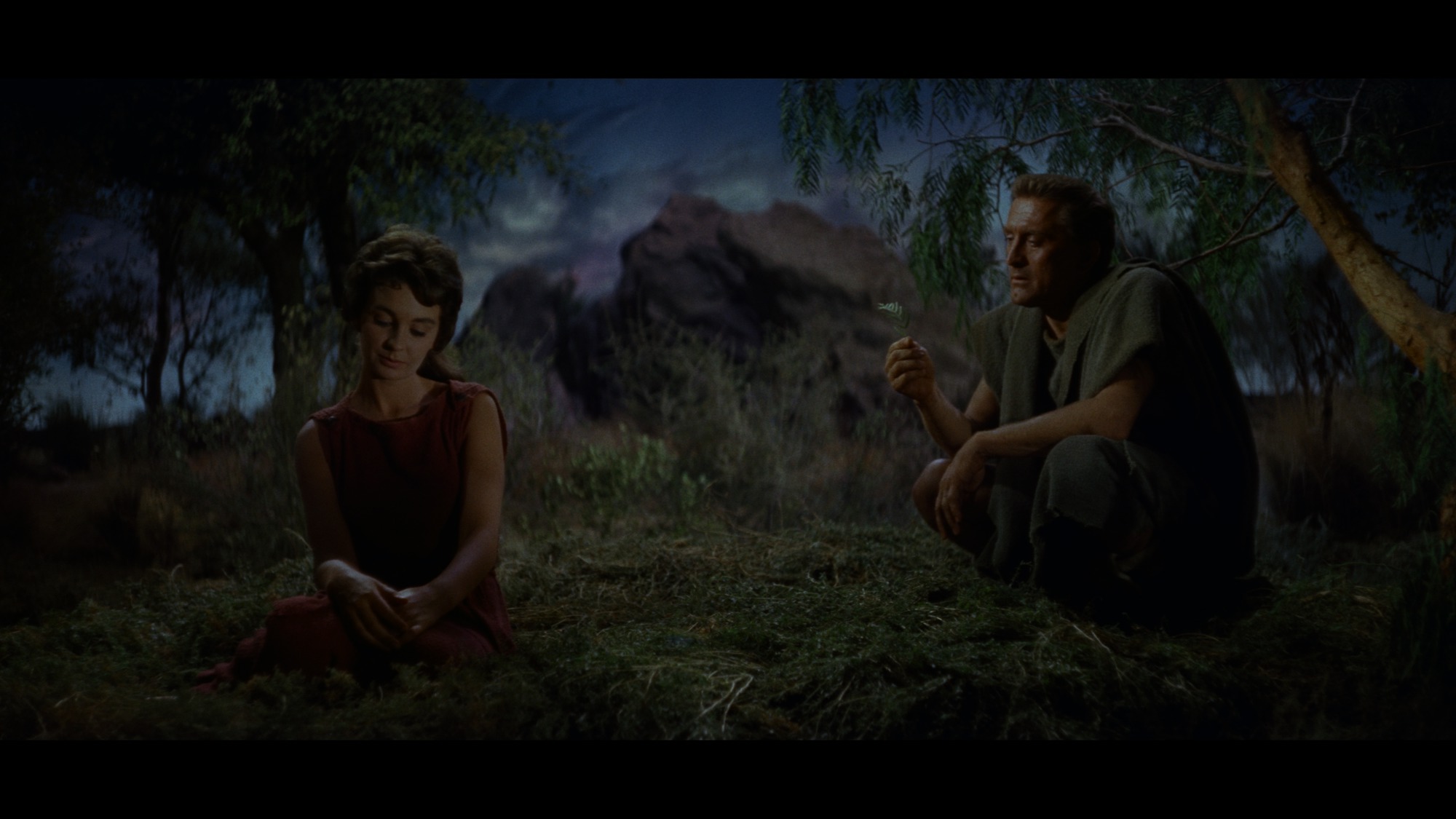
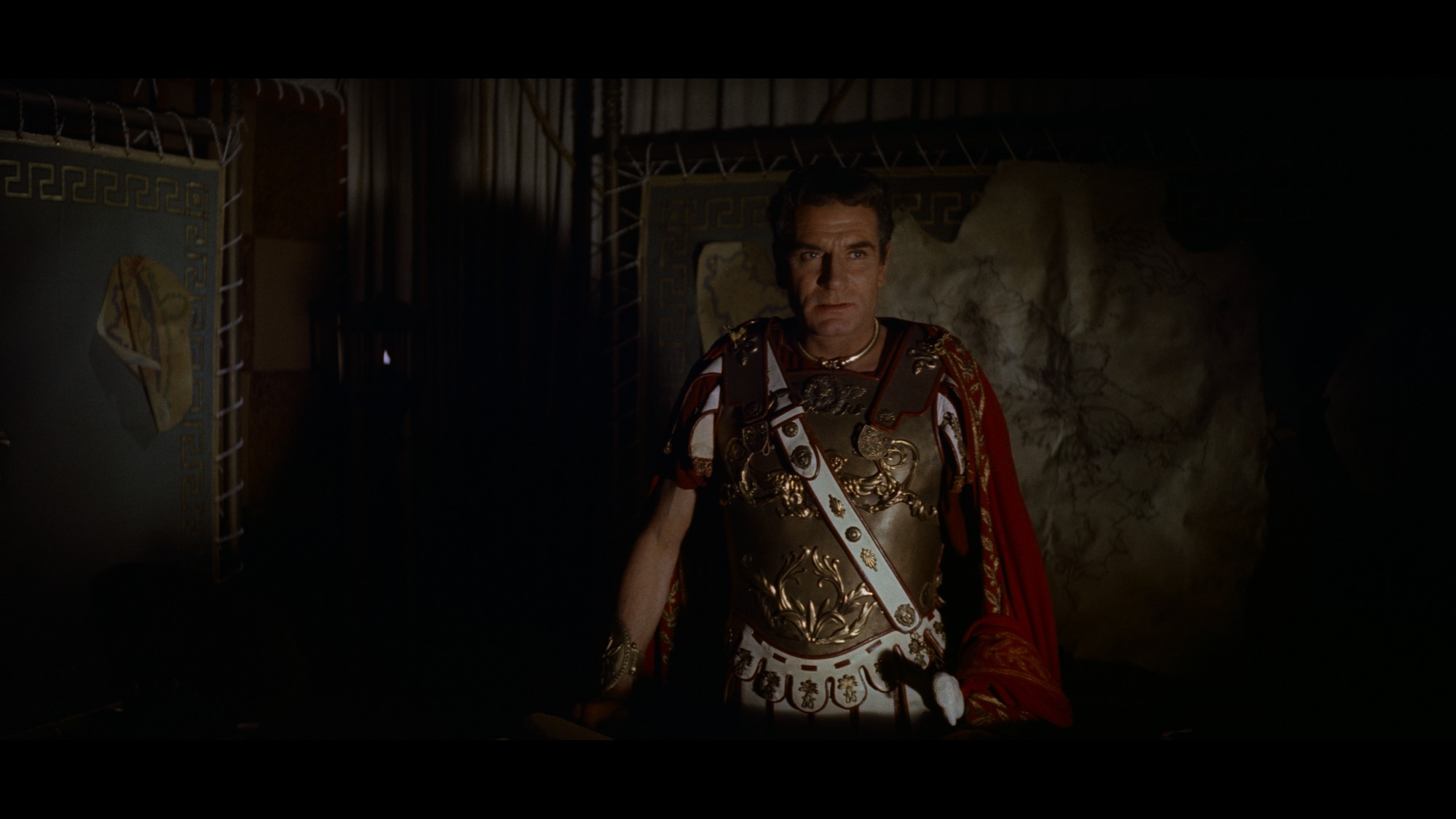
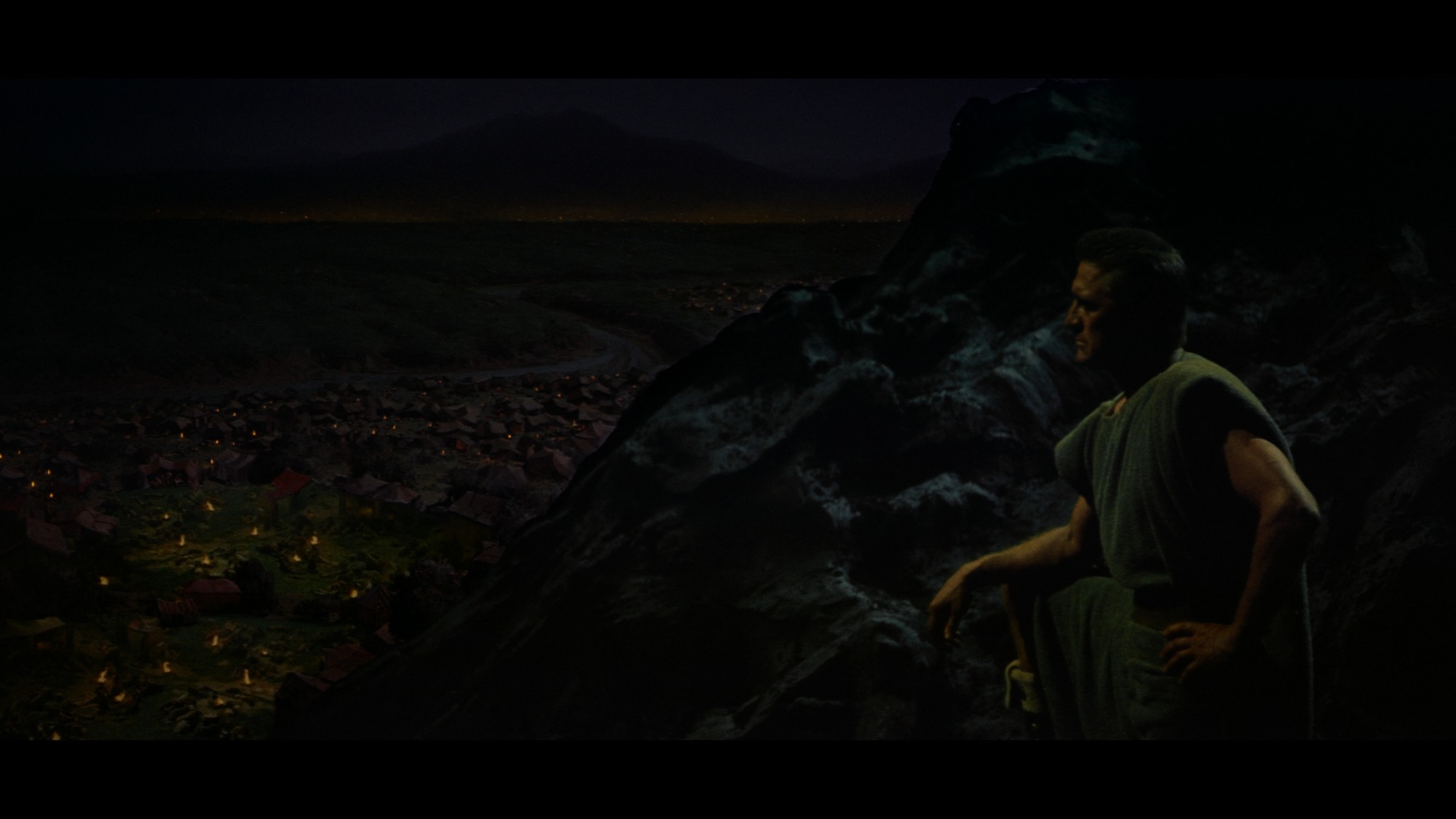
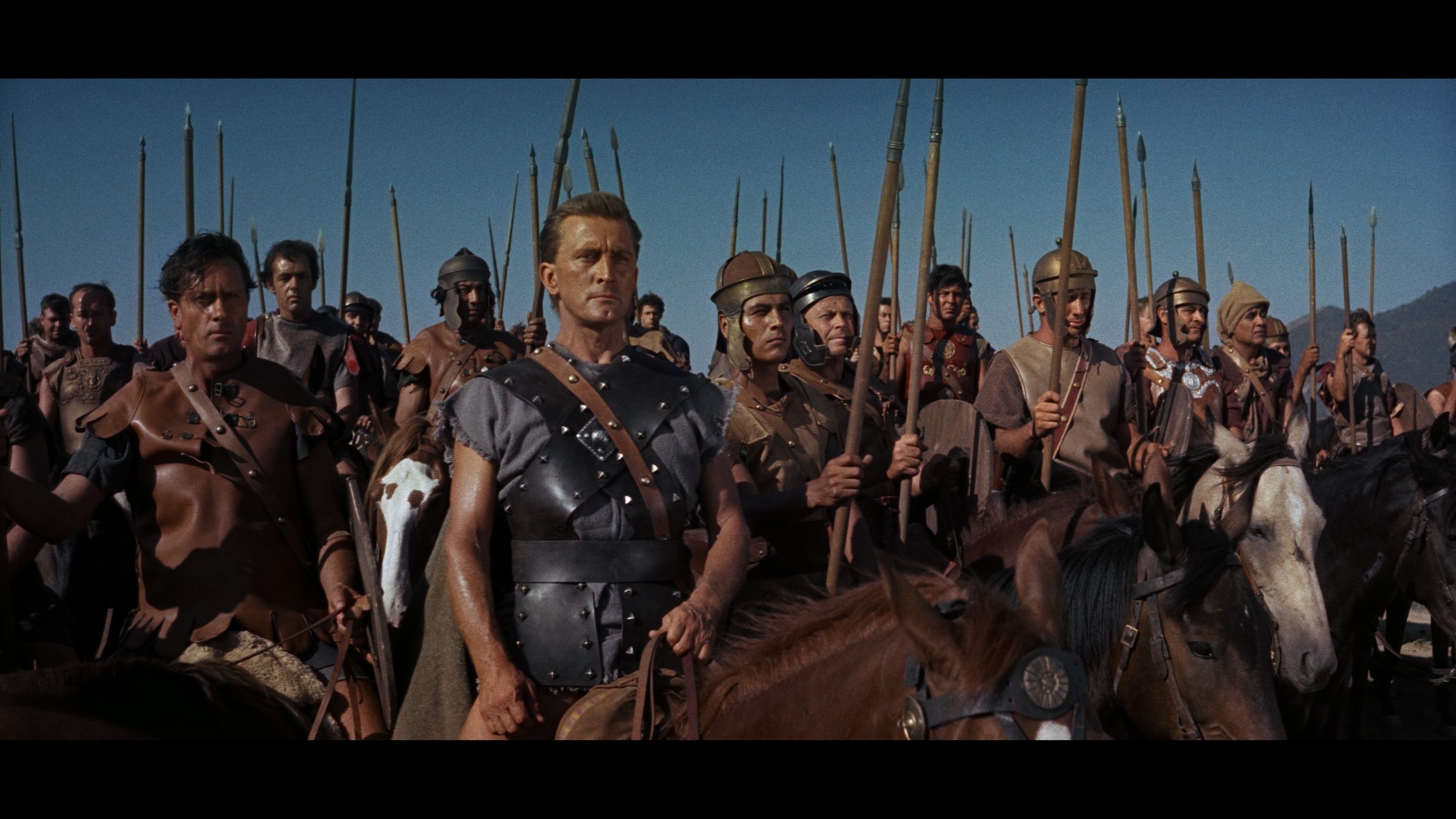
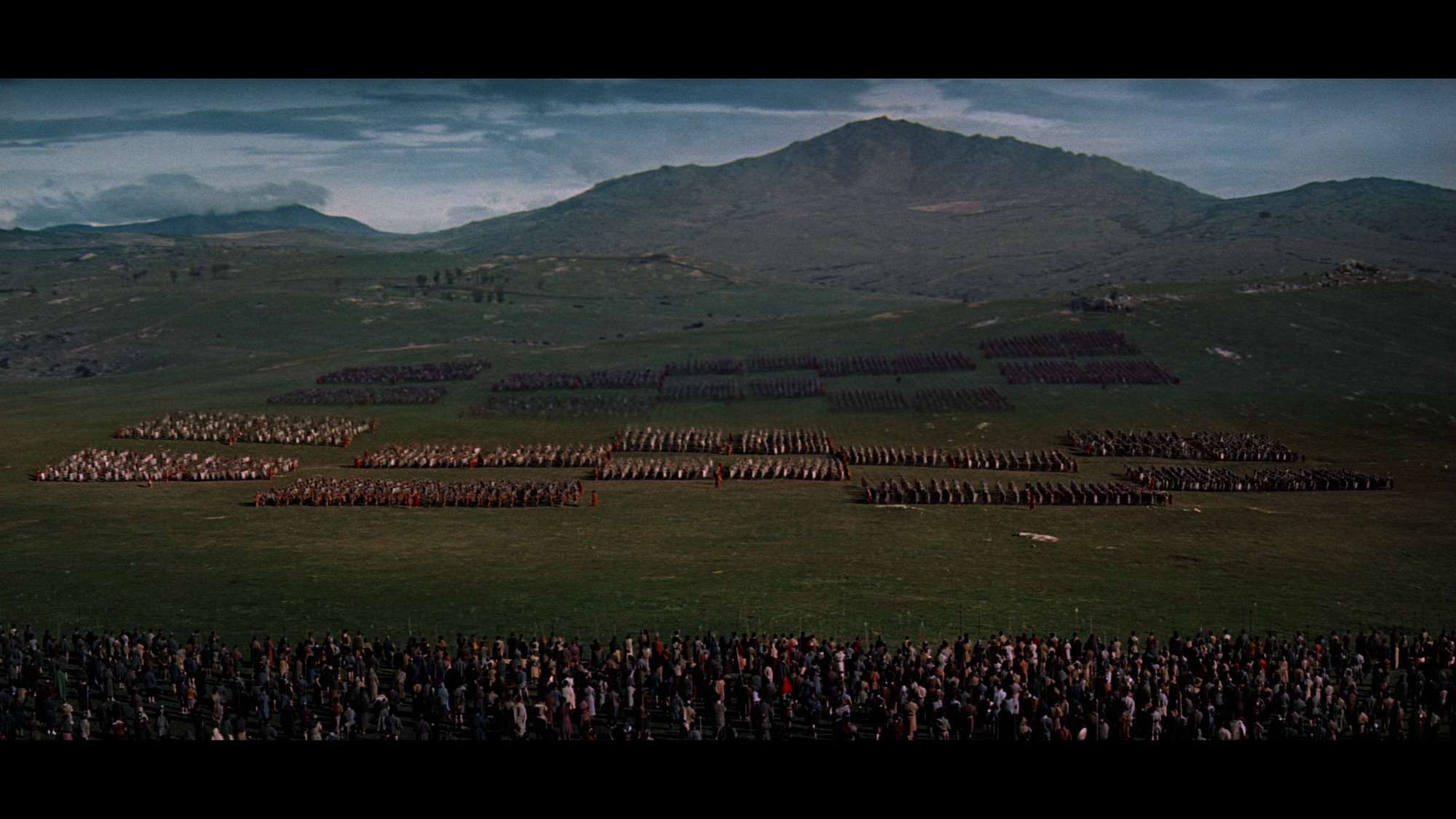
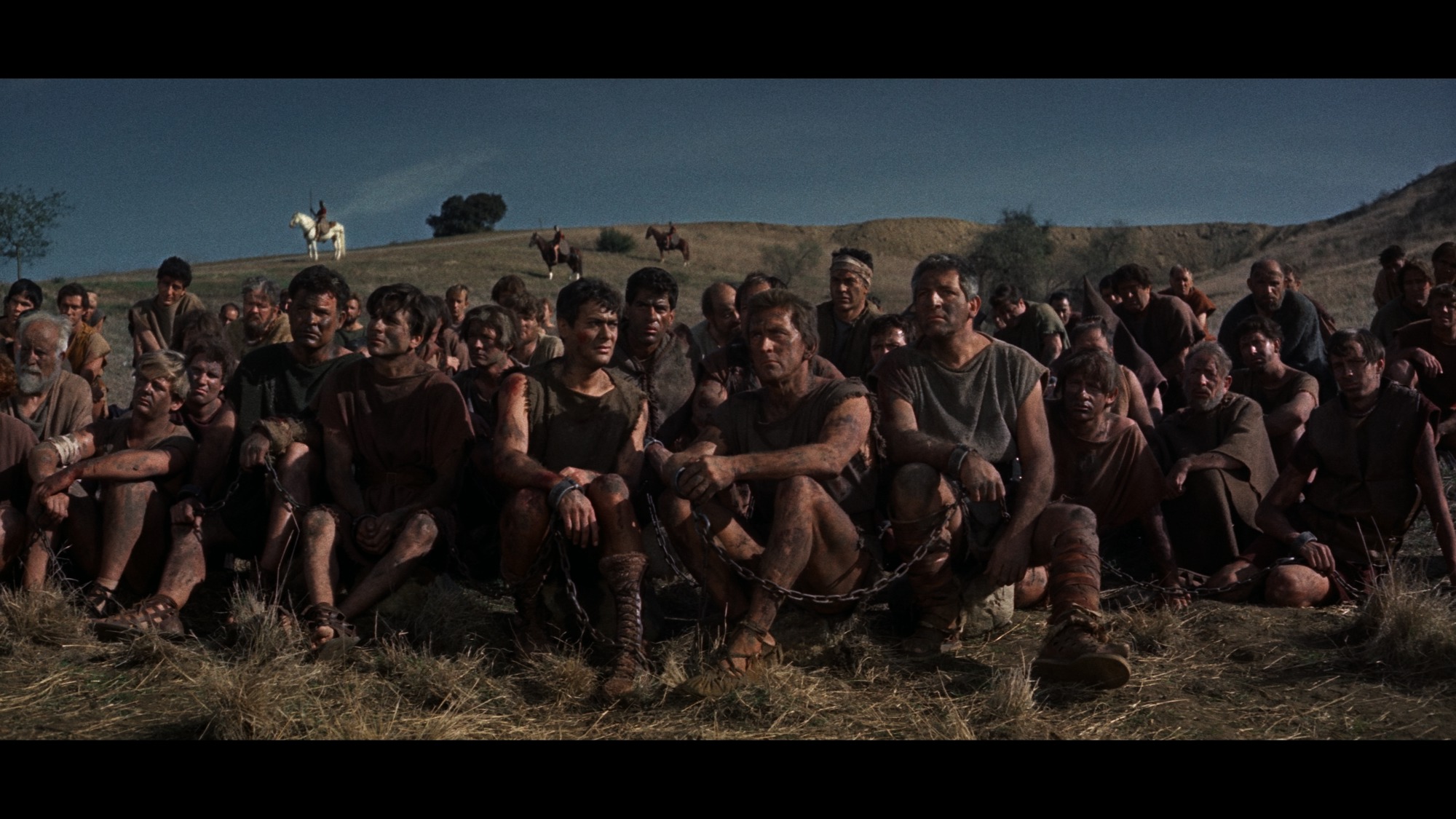
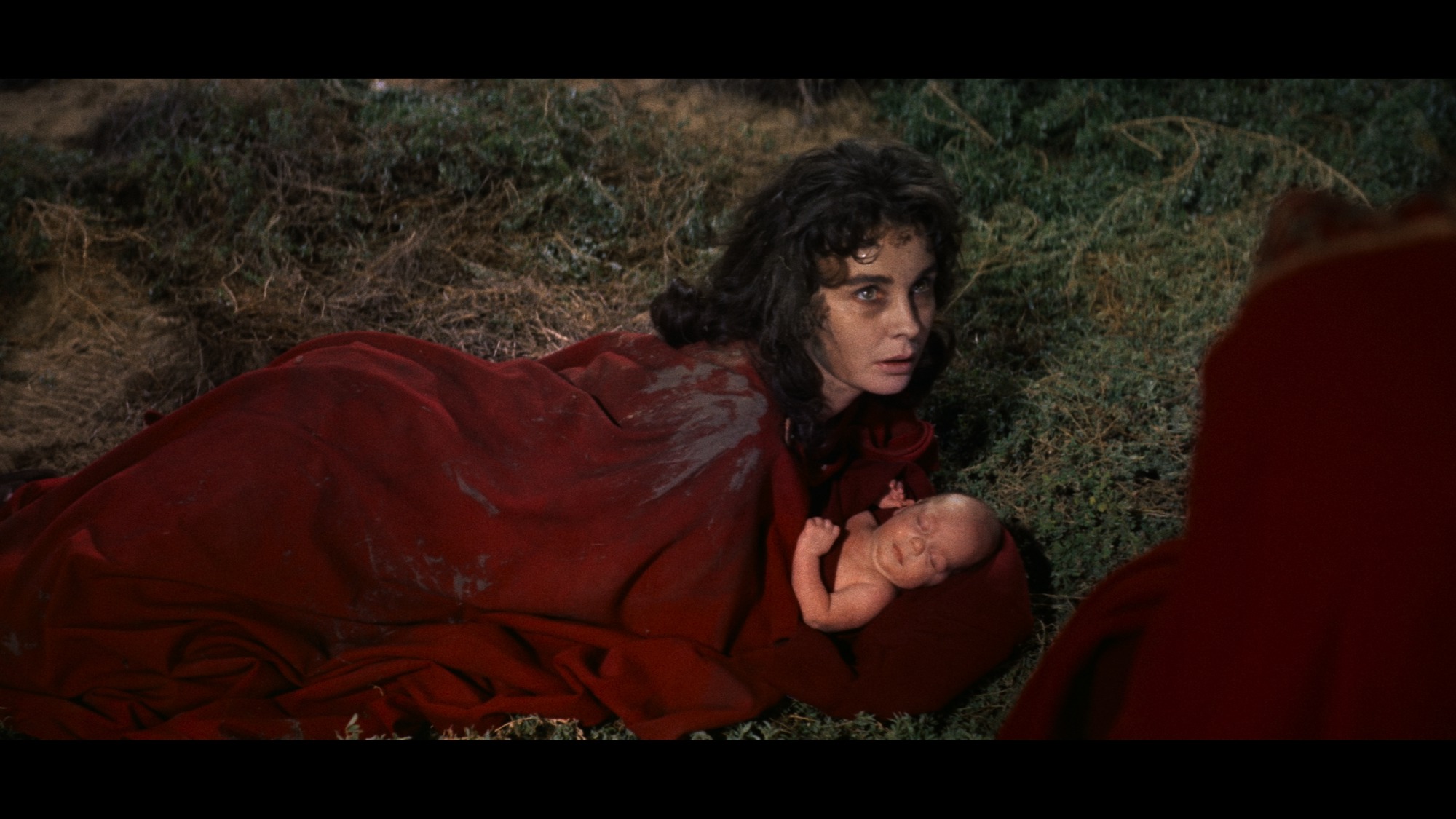
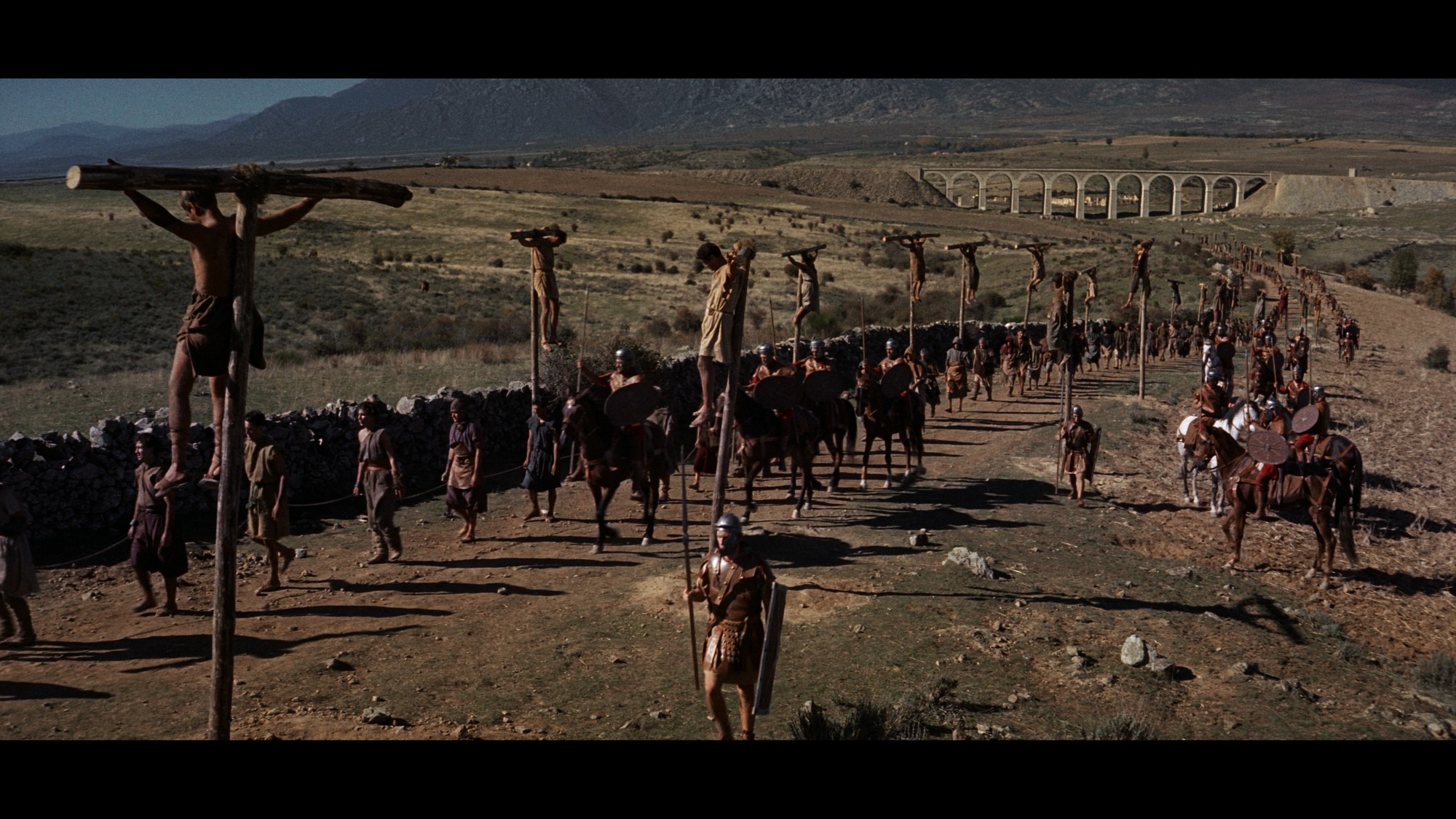
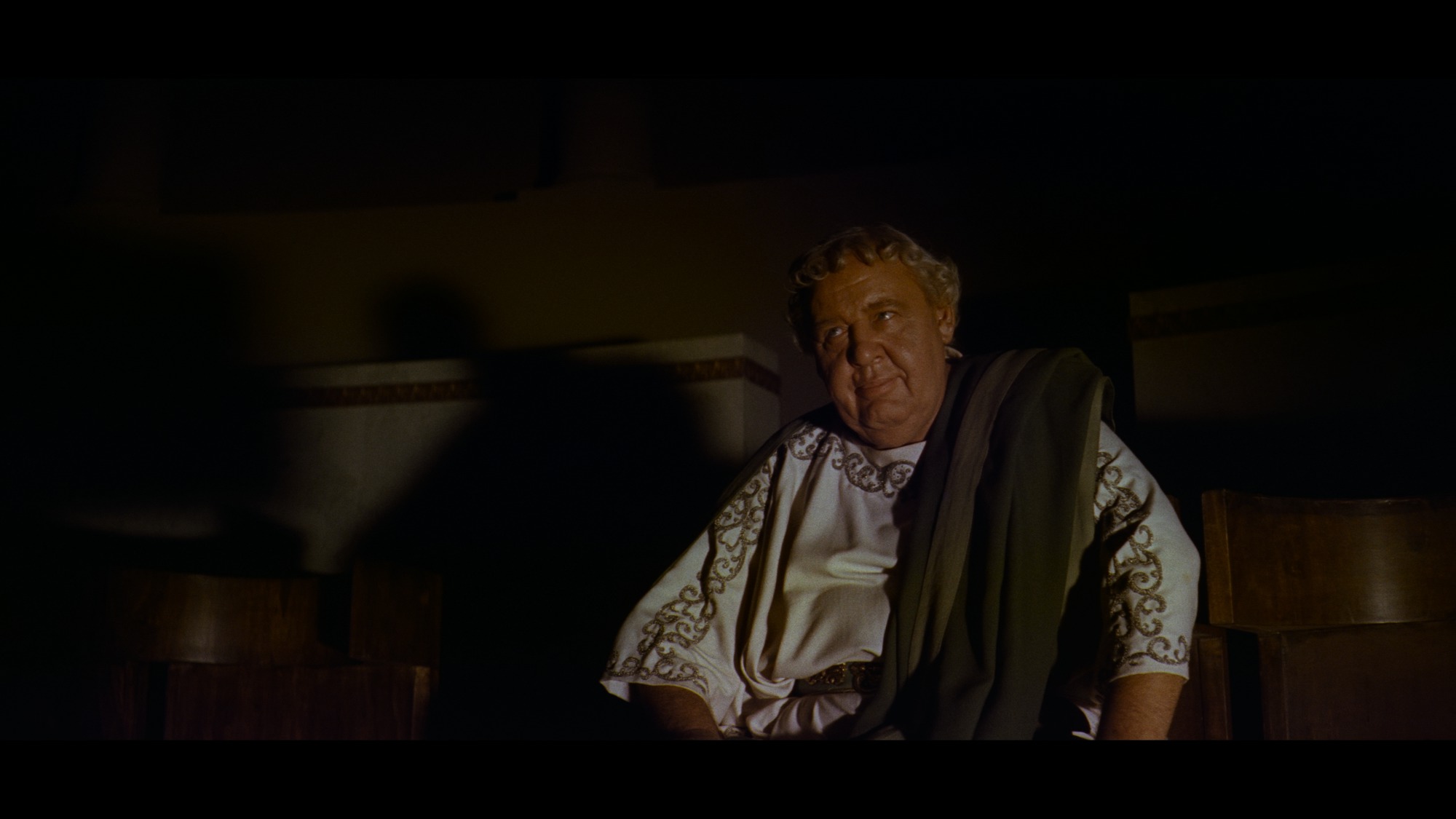
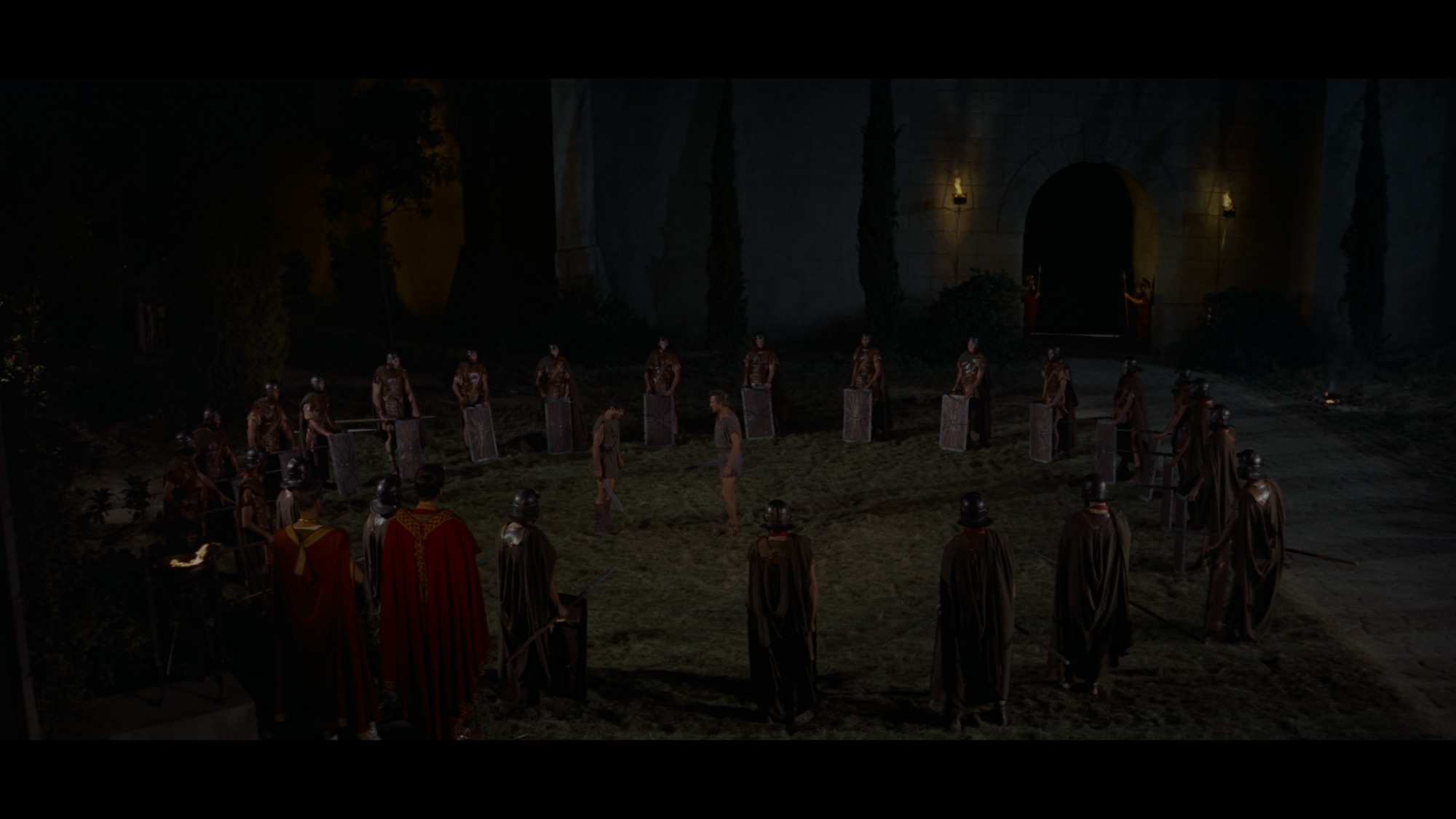
Audio 8/10
Criterion includes only the remastered 7.1 surround soundtrack, presented in lossless DTS-HD MA and based on the original 70mm six-track printmaster. They have dropped Universal’s DTS:X presentation, which is fine by me, as I didn’t think it offered much of an improvement. As to the 7.1, I can’t say it sounds all that different from Universal’s presentation, but, as with the video, that’s perfectly fine because it sounds great.
Most everything remains focused toward the fronts, including dialogue and much of the action, but it’s spread out nicely and sounds incredibly clean, with excellent range. Alex North’s score really takes advantage of the mix, spreading across all channels and completely enveloping the viewer. It’s quiet and subtle when needed, then booming and epic at the appropriate moments. Distortion is never an issue, and the track sounds free of damage without any obvious signs of heavy filtering. It sounds really, really good.
Extras 8/10
Where Criterion’s edition differs significantly from, and improves upon, Universal’s disc is in the supplements, with Criterion porting over most of the material from their DVD edition, much of it originally created for their 1992 LaserDisc release (and I remember when that disc came out, so that’s hitting pretty hard right now). The main alteration in this department is the inclusion of Universal’s 9-minute 2015 featurette covering the new restoration of Spartacus, which also touches on Harris’s prior efforts. It's half-decent, but I do wish they had retained the DVD’s featurette on Harris’s restoration, particularly for its discussion of color grading, but I understand why it’s ultimately not here.
The best extra by far, and still one of my absolute favorites of its type, is the extensive audio commentary featuring Kirk Douglas, Peter Ustinov, author Howard Fast, producer Edward Lewis, restoration expert Robert A. Harris, and designer Saul Bass, recorded in 1992 for that original LaserDisc release.
As with most Criterion commentaries of the period, the participants were recorded separately and then edited together. Incredibly, it’s pretty jam-packed despite the film’s three-hour-plus running time, and I have no doubt plenty of material didn’t make the cut. That said, there isn’t a great deal about Kubrick specifically, though he comes up often enough, particularly regarding his dissatisfaction with the film. There are suggestions that he had come around somewhat, even cooperating with Harris on the restoration, but it’s mentioned that Kubrick and Douglas had a falling-out over the film. Douglas makes a few small quips here and there, yet nevertheless keeps it professional and speaks highly of the director, complimenting both what he accomplished here and his later work, as do the other participants. There were plenty of conflicting personalities on the set, and five of the actors had also directed (at least once) by this point, but everyone on the track, including Lewis, commends Kubrick on his managing of it all.
Lewis and Douglas focus much of their discussion on the production, Kubrick, shooting in Spain under Franco’s watchful eye, and the politics surrounding the blacklist and screenwriter Dalton Trumbo’s credit, while the other participants primarily focus on their own contributions. Bass pops up occasionally to discuss the titles and the battle sequences he helped plan. Fast talks about the novel, which he wrote in prison after refusing to “name names,” along with what he likes and dislikes about the adaptation. He doesn’t think Douglas makes a good Spartacus and objects to the homosexual elements in the restored version, calling the “snails and oysters” scene Hollywood’s “idea of decadence.” He also discusses his limited involvement in the screenplay, with Lewis explaining why he eventually removed Fast from that role. There are plenty of stories around difficulties of that sort, though this leads to conflicting accounts of those said incidents throughout, as we get multiple sides to most stories. This is especially evident when discussing original director Anthony Mann’s departure: Douglas says he fired Mann at Lewis’s request, while Lewis says Mann quit because of the clashing egos.
Ultimately, everyone is fantastic and delivers quality material throughout, but by far the best participant (and possibly best commentary participant ever) is Peter Ustinov. Nobody really holds back, and everyone is surprisingly candid, but Ustinov may be the most honest. He offers some unflattering observations about Laurence Olivier’s fondness for fake noses and Charles Laughton’s tendency to overact, suggesting the latter couldn’t help it with "that face." Yet he clearly still held considerable respect for both, and still compliments them throughout. He also gets into the friction between Olivier and Laughton, sharing some rather funny anecdotes while doing incredible impersonations of the two. His Olivier is pretty good, but his Laughton, complete with wheezing, is priceless. Throw in his opinions on the state of movies (in the ’90s, mind you) and the occasional out-of-left-field quip, and I wish this guy had a track all to himself.
Harris pops up to discuss his restoration work, which includes his research through the Universal's (and others) archives, and while noting problems he faced through he also provides other details, including going over scenes he was able to reinsert and explaining why they were originally cut. He gets into considerable detail about the film’s color and the painstaking work involved in grading it as accurately as possible. While listening just keep in mind that, while the newer 4K restoration builds on his work and retains those reinstated sequences, he is discussing the 1991 restoration, so some of the technical comments won’t apply to the presentation here. Even so, his contribution remains invaluable, especially for anyone fascinated by film restoration and the research that goes into it.
Again, definitely listen to this track if you haven't yet. It's really, really good.
Following that, Criterion then includes another “commentary,” though it’s actually a reading of Dalton Trumbo’s scene-by-scene analysis of an early work print he was screened. Looking back at my DVD coverage, it appears I didn't think too much of it then, though I'll be damned if I could tell you why. Listening again, it’s actually quite wild, with Trumbo praising some passages while eviscerating others and offering suggestions along the way, some of which appear to have been followed, at least based on the finished product. His notes can also be crass and wickedly funny, making them all the better. As to how it's presented it works quite well, with actor Michael McConnohie reading the notes as Trumbo and Barbara Goodson serving as a sort of moderator, providing additional context where appropriate. The comments have been arranged to accompany the relevant scenes, which is great but it does end up leaving several stretches of silence. Despite that, it’s still well worth a listen.
The remaining supplements are all then found exclusively on the included standard Blu-ray, alongside the 1080p presentation of the film.
A Deleted Scenes section presents three sequences mentioned in the commentary that were either removed or replaced. First is an alternate UK version of the scene in which Ustinov looks down on Douglas during his first encounter with Simmons. Where Ustinov’s presence comes as a surprise in the US version, this one shows him arriving and looking down. It makes the scene a little less powerful, and there’s no explanation for why this alternate version was used in the UK. We also get an alternate ending that omits close-ups of Spartacus on the cross, apparently under pressure from the Catholic Legion of Decency. I have to figure they thought showing someone else being crucified (as the Romans were known to do) somehow diminished Christ’s own crucifixion. And finally, there’s Gracchus’s suicide, or the audio, anyway. Apparently, the footage is lost, and the audio recording is all that remains. A shame, but I’m still happy it was included.
Unfortunately, this section is incomplete with Criterion dropping the DVD’s section devoted to a scene featuring Gracchus and Caesar walking through the slums. That footage is also lost, along with the audio, so the DVD presented a gallery featuring the relevant screenplay pages alongside a couple of photographs. Criterion, for whatever reason, rarely carries these gallery features over from their DVDs to their upgrades, and while it's usually not a big deal, I found this exclusion a bit bewildering.
A behind-the-scenes section includes a five-minute featurette (with audio missing) showing the gladiator school being built and the actors training and rehearsing fights. This was clearly filmed early in the production, as Anthony Mann appears in the footage. Oddly, Criterion is unsure of its intended purpose, but it’s assumed the footage was intended for promotional use.
Also included are five minutes' worth of newsreel footage, mostly covering events before the film’s release: Olivier visiting the States, Douglas receiving his star on the Hollywood Walk of Fame, and Tony Curtis accepting a Bambi award. The film’s London premiere is also covered, complete with a very young Stanley Kubrick.
The disc then features a handful of interview segments, starting with one featuring Jean Simmons. This is one of those prerecorded promotional interviews sent to local television stations, with Simmons delivering scripted answers and leaving pauses where a local reporter could insert the corresponding questions. As expected, the setup allows little-to-no spontaneity while also not being a genuine interview with the actor. Two interviews with Peter Ustinov follow: a short segment from 1962, featuring clips from the film, and a longer one I’ve always assumed was recorded for Criterion’s 1992 LaserDisc. Running 24 minutes, the latter features him recalling first being handed the script (a Roman epic that, as he notes, was unusual for the period since it didn’t feature Jesus) before talking about the production and sharing several stories, including ones about his co-stars. This includes a bit more about that fraught relationship between Olivier and Laughton (some tension coming out at a table read), which then, of course, means we also get to actually see Ustinov's priceless Laughton impersonation in the flesh. It’s wonderful, and the world is a better place because the footage exists. The other two interviews don't offer much (both are just promotional ones), but Ustinov's later one is terrific.
One running theme throughout the supplements is the Hollywood blacklist and the film’s role in breaking it, though some commentary remarks suggest the industry’s already turning around on it. To delve a bit deeper into that period, Criterion again includes The Hollywood Ten, a 1950 documentary profiling the ten cited for contempt of Congress after refusing to cooperate with the House Un-American Activities Committee. It’s certainly worth including, but I’ve always found it a little disappointing as the main supplement devoted specifically to the subject, especially at only 14 minutes.
On that note, the DVD did dive a bit deeper into the subject through several galleries, including material on the production’s efforts to secure Trumbo his proper credit as well as a letter from the American Legion objecting to Trumbo's employment. Also missing are Saul Bass’s storyboards, a letter from the MPAA insisting on cuts (many involving material Harris later reinstated), a promotional gallery, and a small section on Kubrick. Granted, the rest of this massive box set more than makes up for that last omission, which amounted to a brief biography anyway, but why Criterion couldn’t carry the rest over, I have no idea. They could have at least added a new supplement covering that material, something they’ve done before with other upgrades where galleries were dropped, like Brazil. It’s a little frustrating because there was some really good stuff there.
That said, I found myself enjoying the supplements that are still here far more than I did previously. It’s just a shame some worthwhile material was left behind.
Closing
Disappointingly, Criterion drops a number of interesting galleries from their previous DVD, but this is still a fantastic upgrade with a beautiful 4K presentation.
BUY AT:


