
The Complete Kubrick
Dr. Strangelove, or: How I Learned to Stop Worrying and Love the Bomb
BUY AT:


See more details, packaging, or compare
Synopsis
A titan of cinema whose influence extends across visual art, philosophy, politics, technology, fashion, and beyond, Stanley Kubrick created an unprecedented string of masterpieces, from Paths of Glory to Dr. Strangelove to 2001: A Space Odyssey, A Clockwork Orange, The Shining, and Eyes Wide Shut. Bending disparate genres to his will, he imbued his creations with a cuttingly ironic worldview and an iconographic, mesmerizingly precise visual style, probing the anxieties, enigmas, and horrors of the twentieth century with a coolly devastating eye. Tracing his evolution from independent maverick to Hollywood rebel to visionary transnational auteur whose every film from the mid-1960s on became a manifesto of a radically new sensibility, The Complete Kubrick brings together the entirety of a body of work that opened popular cinema up to new realms of moral profundity and metaphysical mystery.
Collected here for the first time are Kubrick’s thirteen features and three shorts, all restored in 4K, with their original soundtracks alongside the 5.1 mixes, restored and remastered; over twenty-five hours of interviews, documentaries, and behind-the-scenes materials; and deluxe packaging illustrated with rare photographs, artwork, and documents annotated by Kubrick himself, all housed in a singular box inspired by the director’s legendary archive.
Picture 9/10
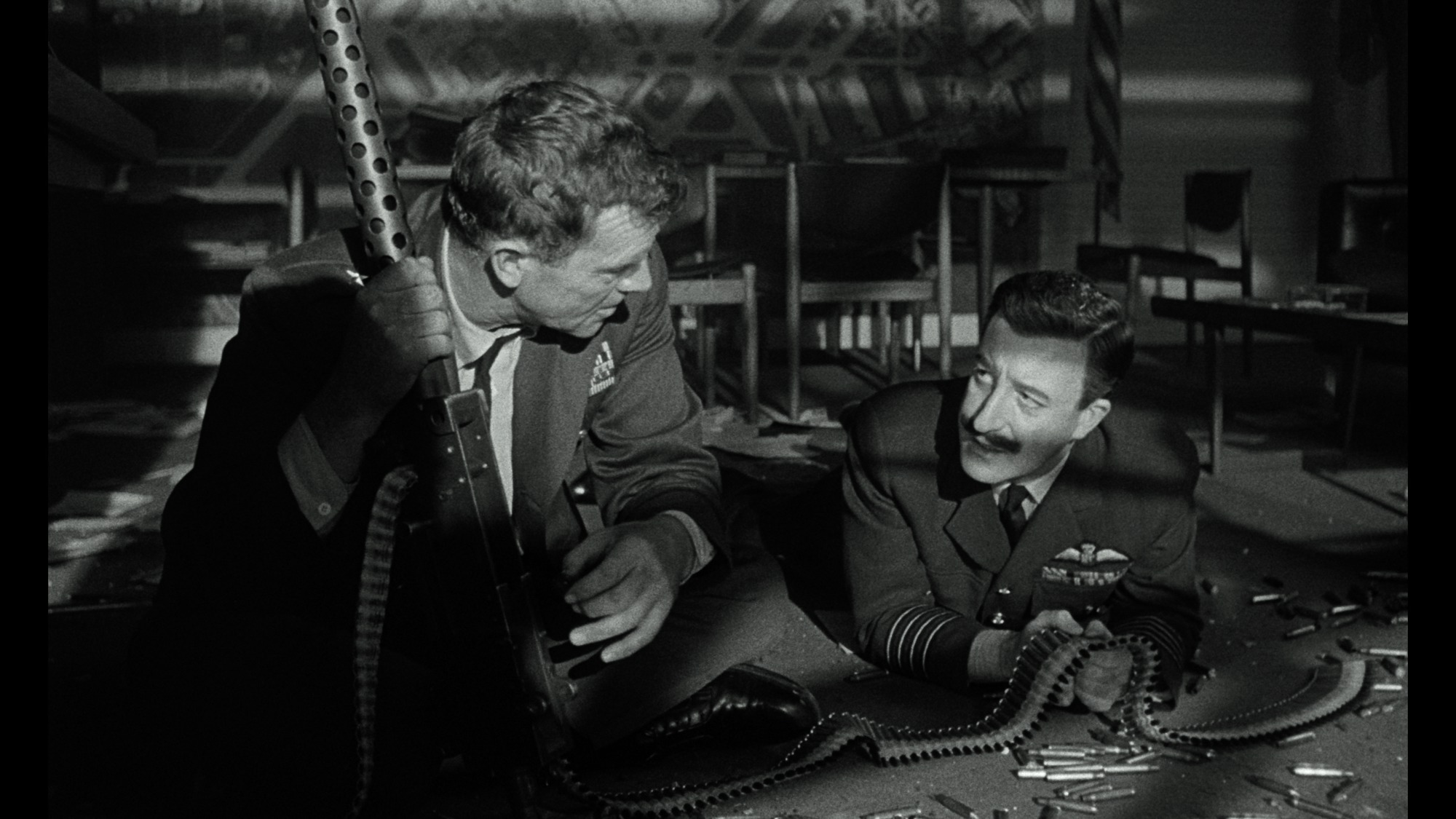
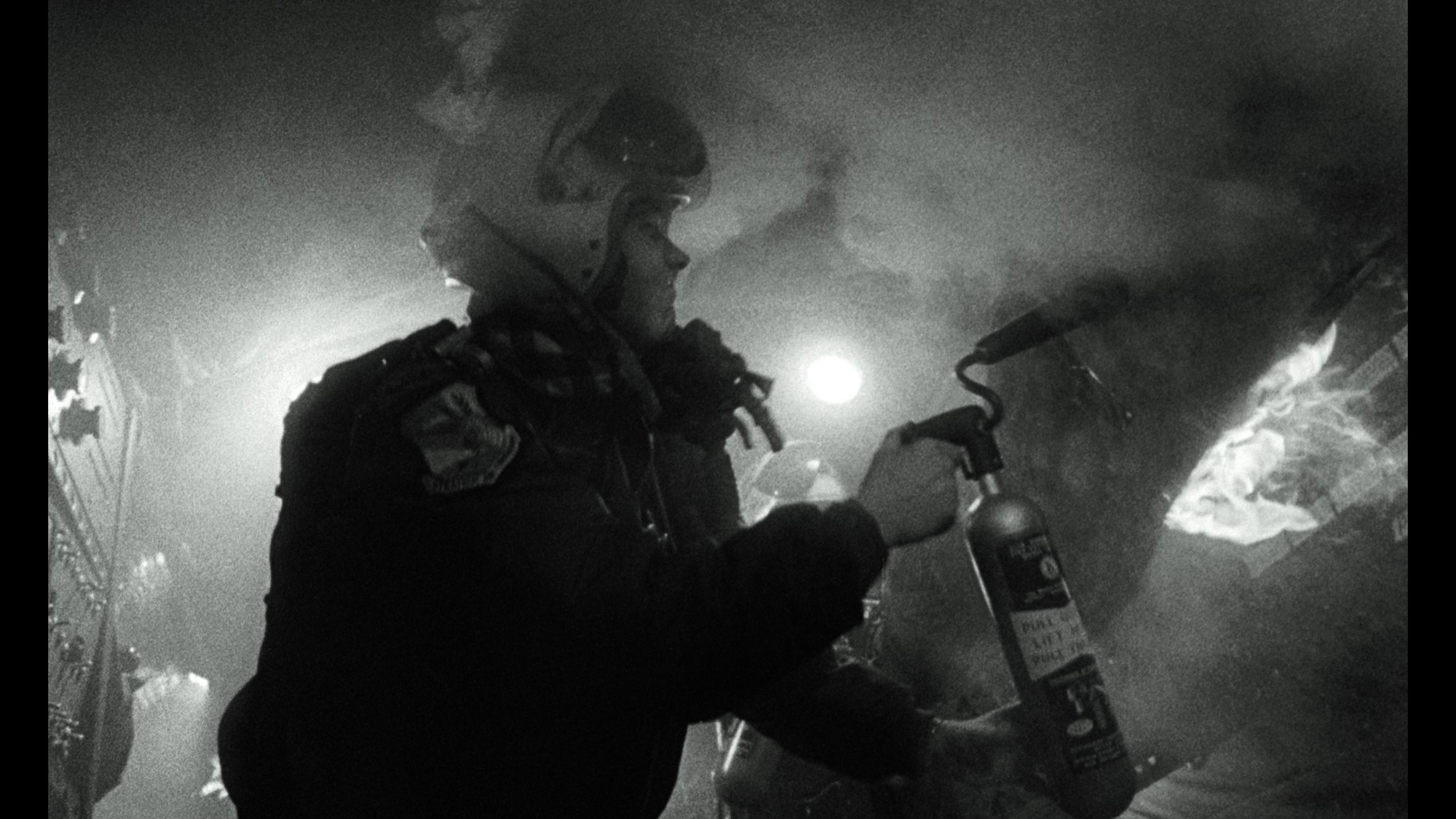
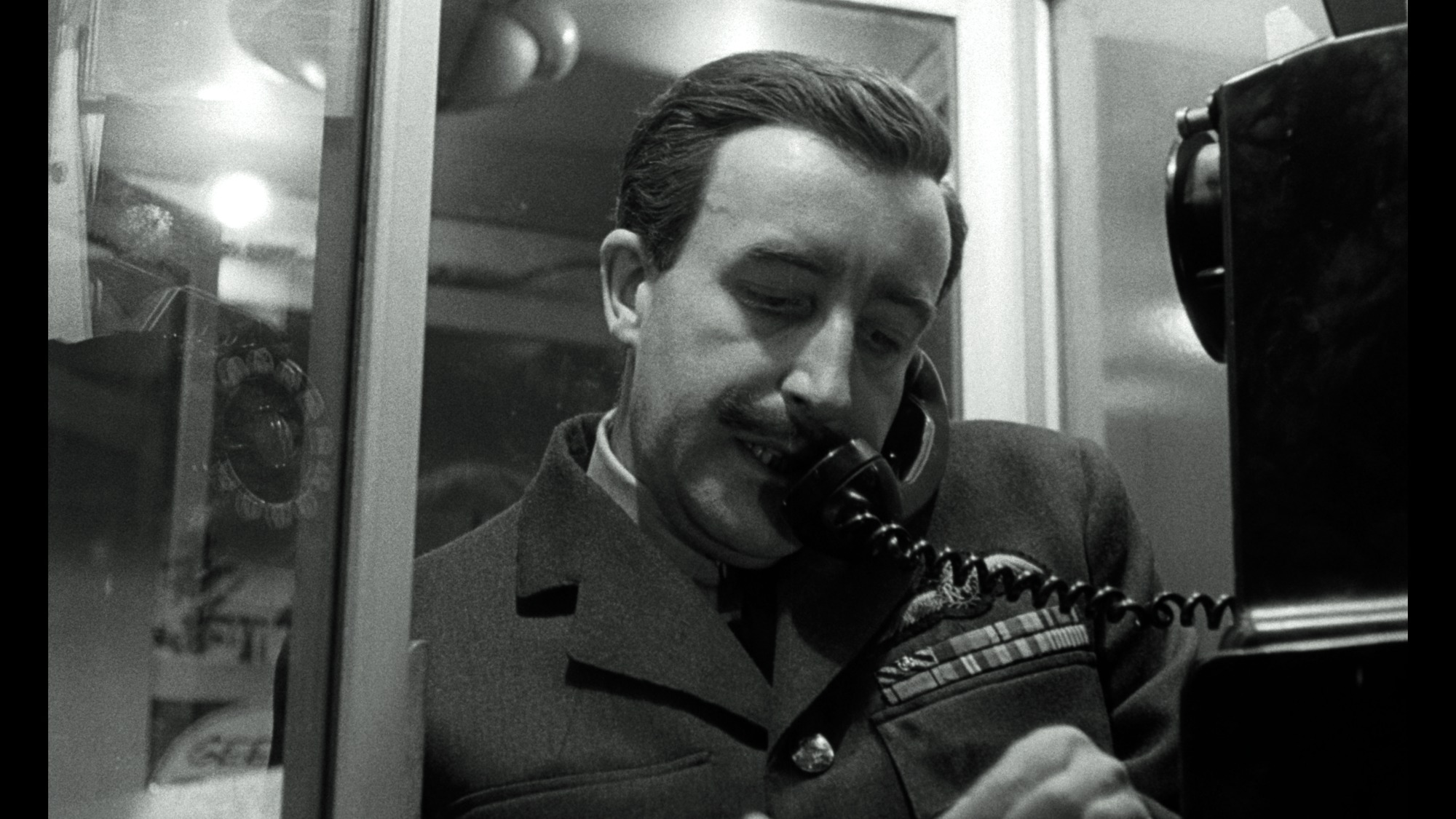
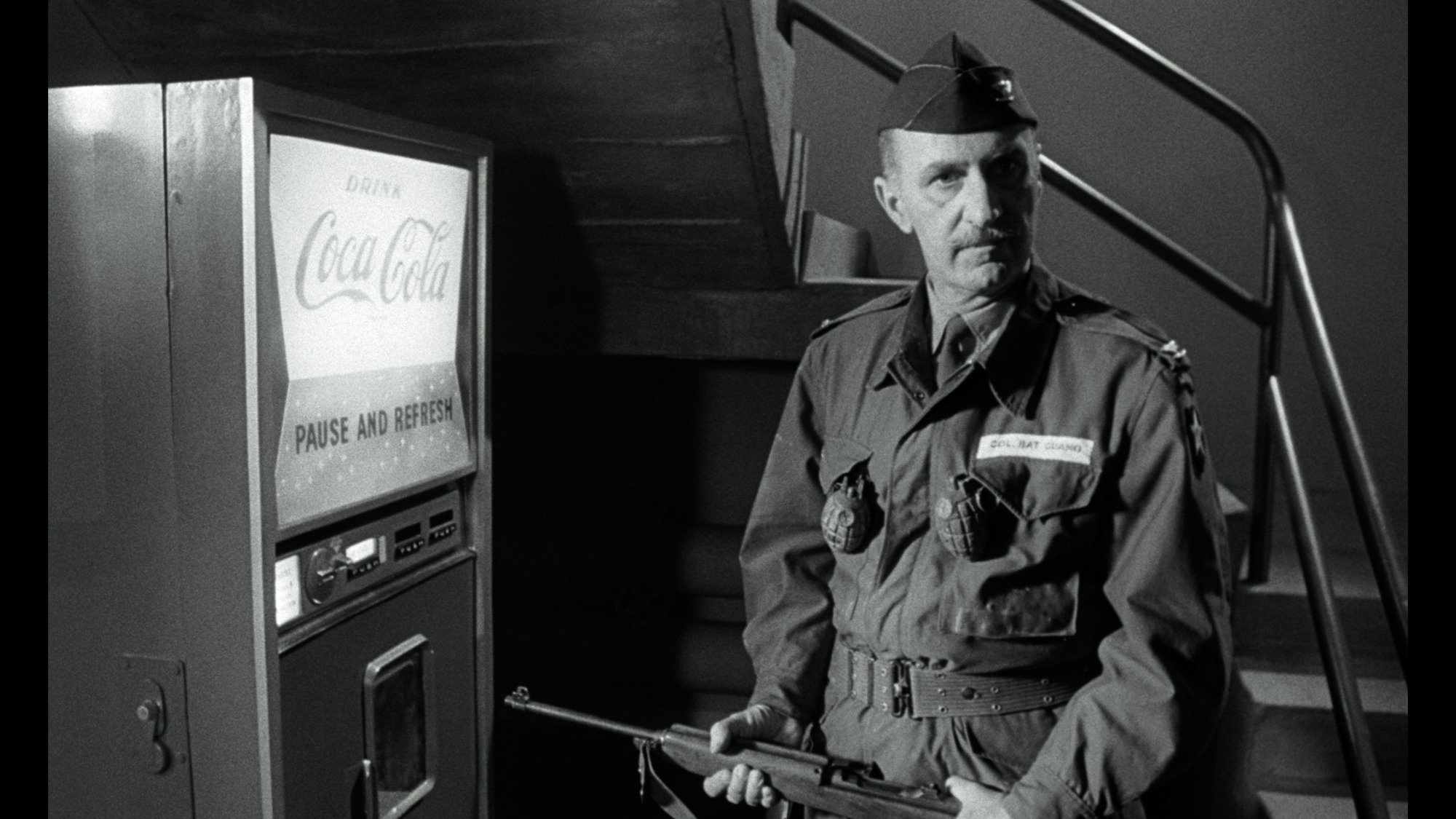
Criterion upgrades their edition of Stanley Kubrick’s Dr. Strangelove, or: How I Learned to Stop Worrying and Love the Bomb to 4K UHD, presenting the film with Dolby Vision on a triple-layer disc in its aspect ratio of 1.66:1. Currently available only as part of The Complete Kubrick, this 2160p/24Hz ultra high-definition presentation again uses Sony Pictures Home Entertainment’s 4K restoration, performed a couple of decades ago. The set also includes a standard dual-layer Blu-ray featuring a high-definition presentation sourced from the same restoration alongside all of the film’s special features. That disc is a direct port of Criterion’s 2016 release, outside of the disc art.
Up front, I haven’t seen Sony’s own 4K release; I missed the Columbia Classics box set and hadn’t gotten around to picking up the individual edition. Part of that is because—I’m quite ashamed to admit now—I didn’t think the improvements would be that substantial, and it became one of those titles I’d probably pick up when the price was right. While I’m glad I ultimately held off since it’s now available in this set, I was very wrong to be so dismissive as the presentation has more than exceeded my expectations, with all of the few minor limitations still present coming down to the surviving film elements.
On that point, the original negatives were infamously destroyed in a lab accident shortly after the film’s theatrical release and with those long gone, Grover Crisp had to source his 2004 4K restoration from the next best available materials: a 35mm fine-grain master, a 35mm duplicate negative, and a 35mm print. As expected, the quality can vary from one shot to the next, but thankfully the more noticeable drops are few and far between.
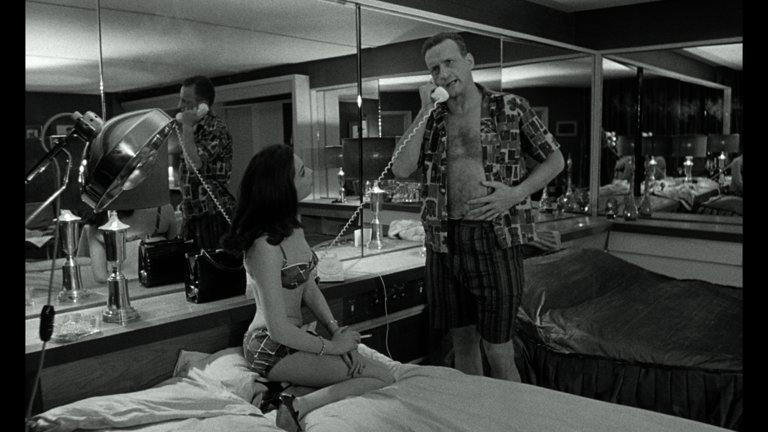
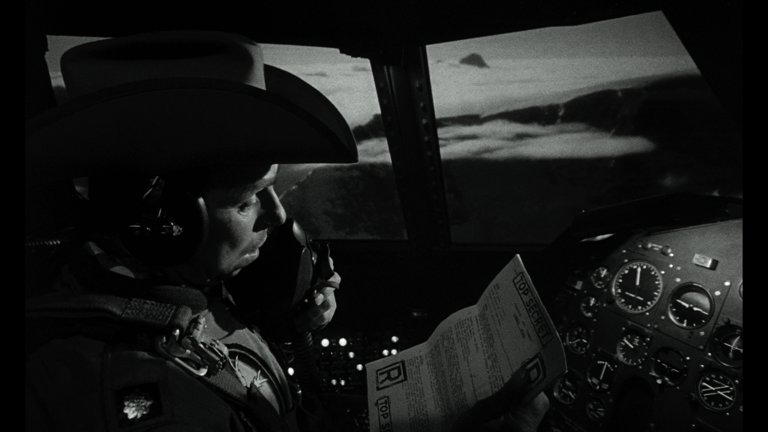
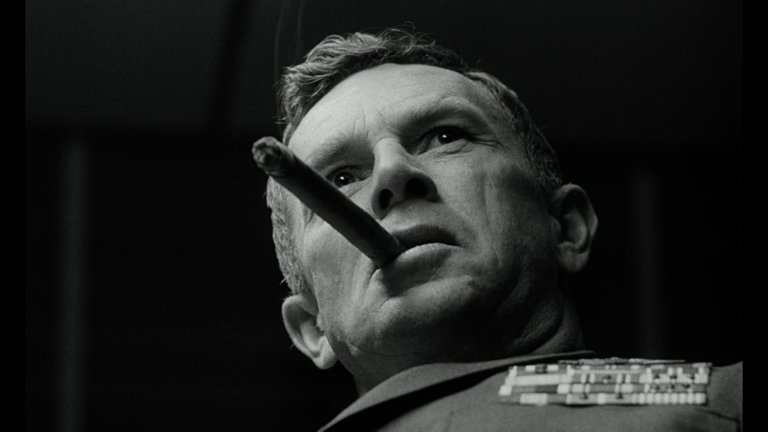
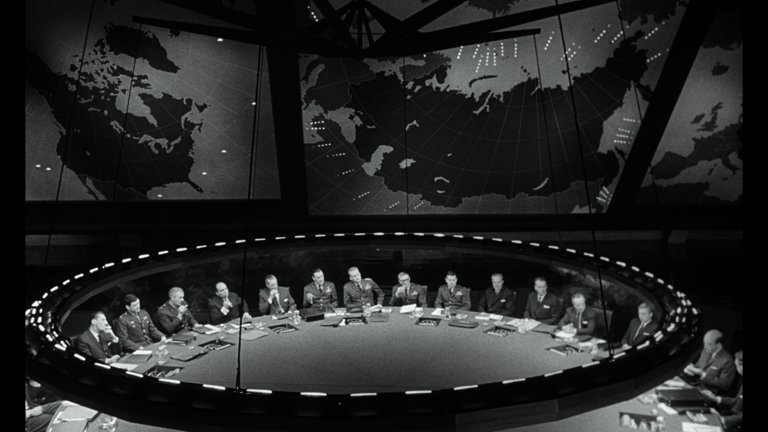
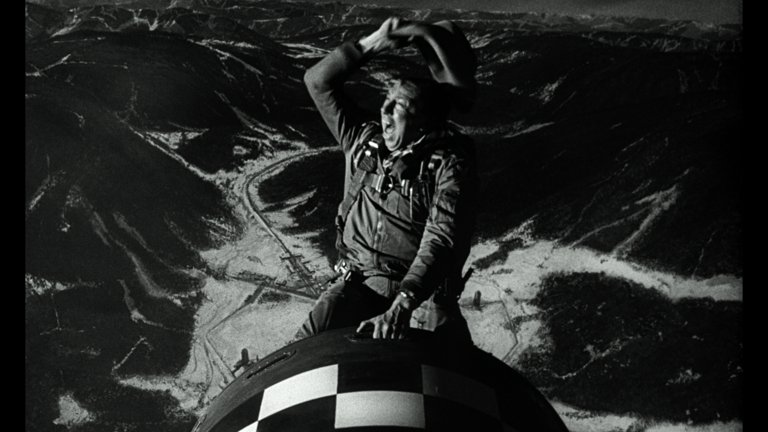
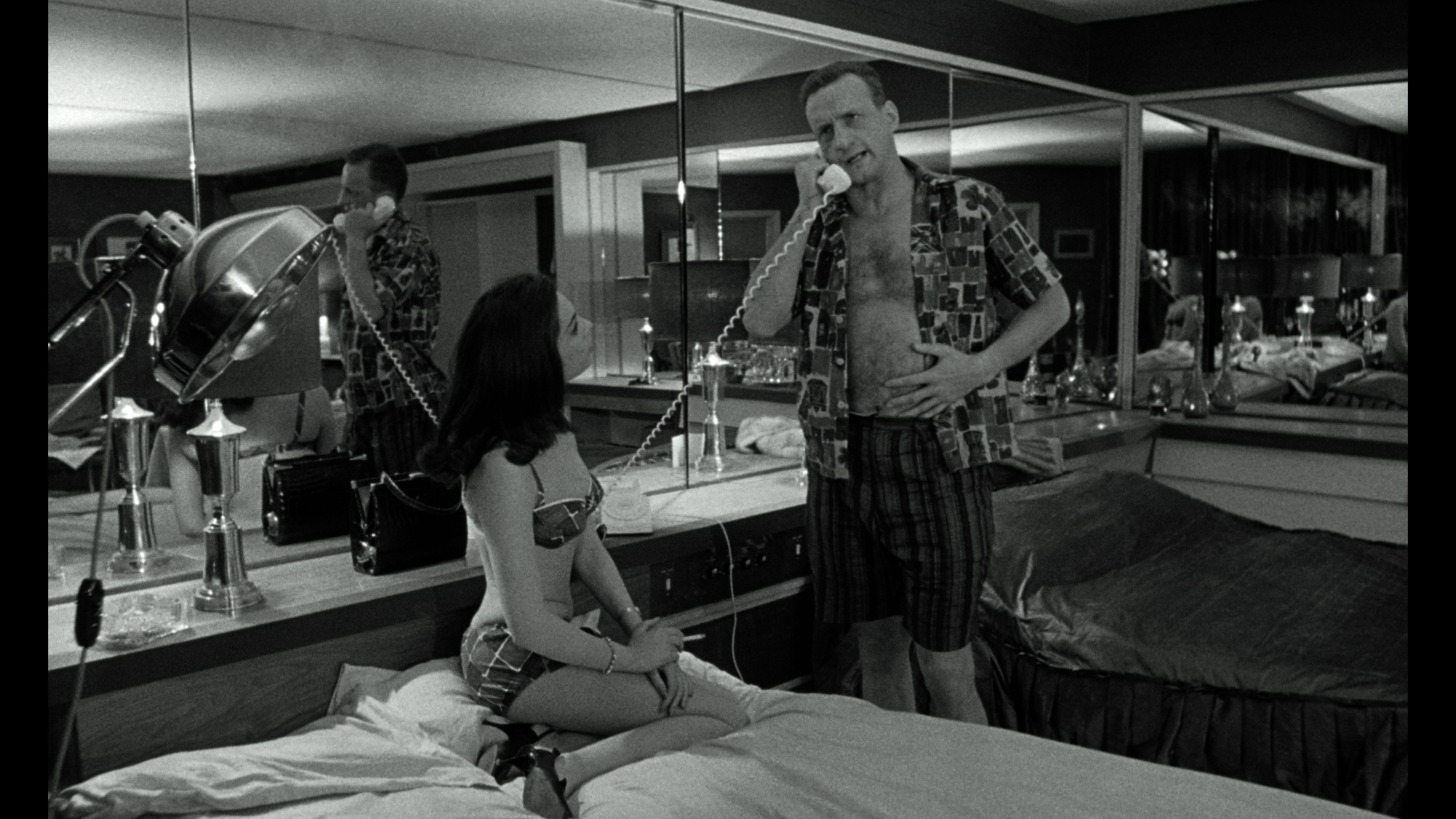
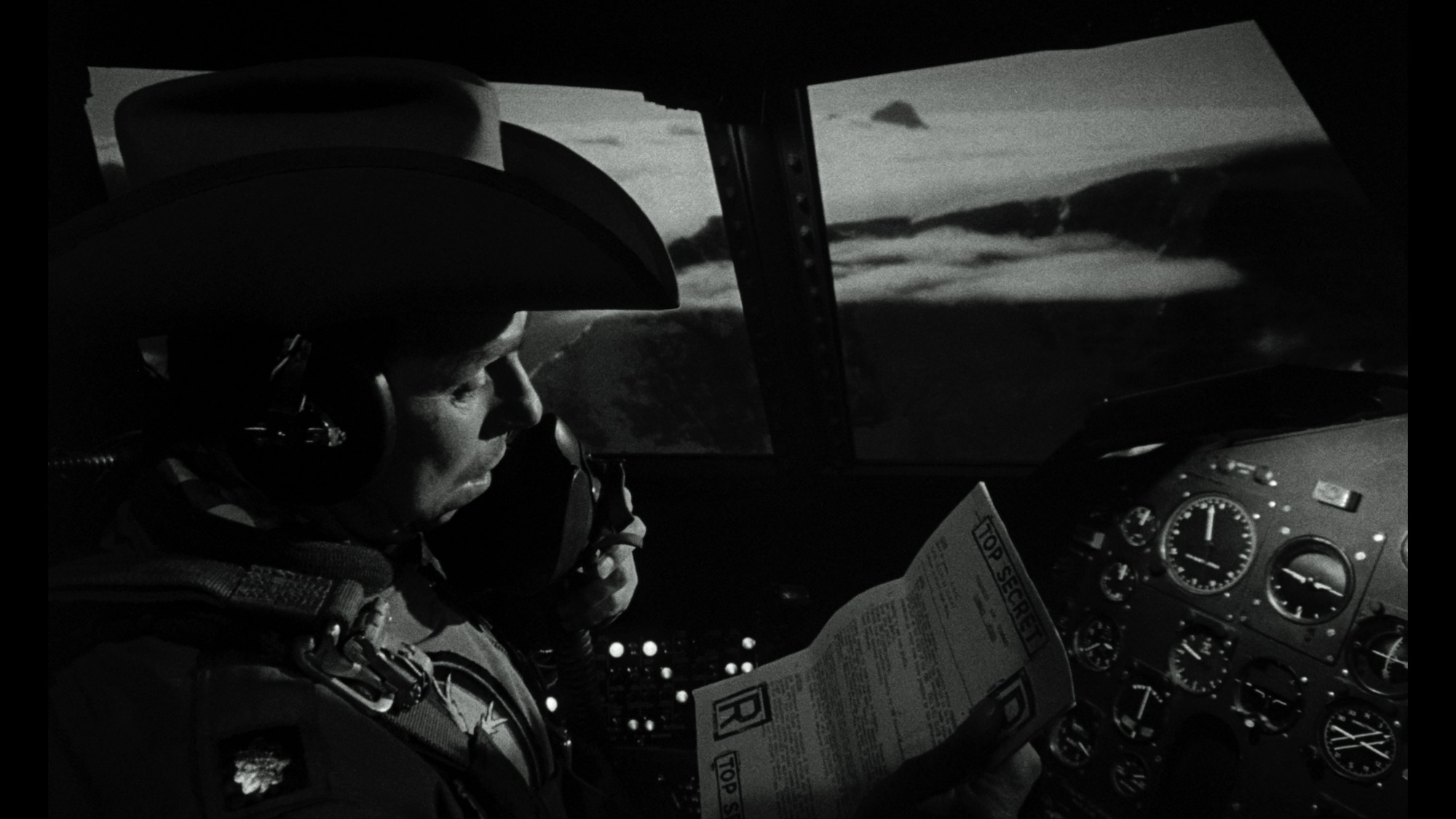
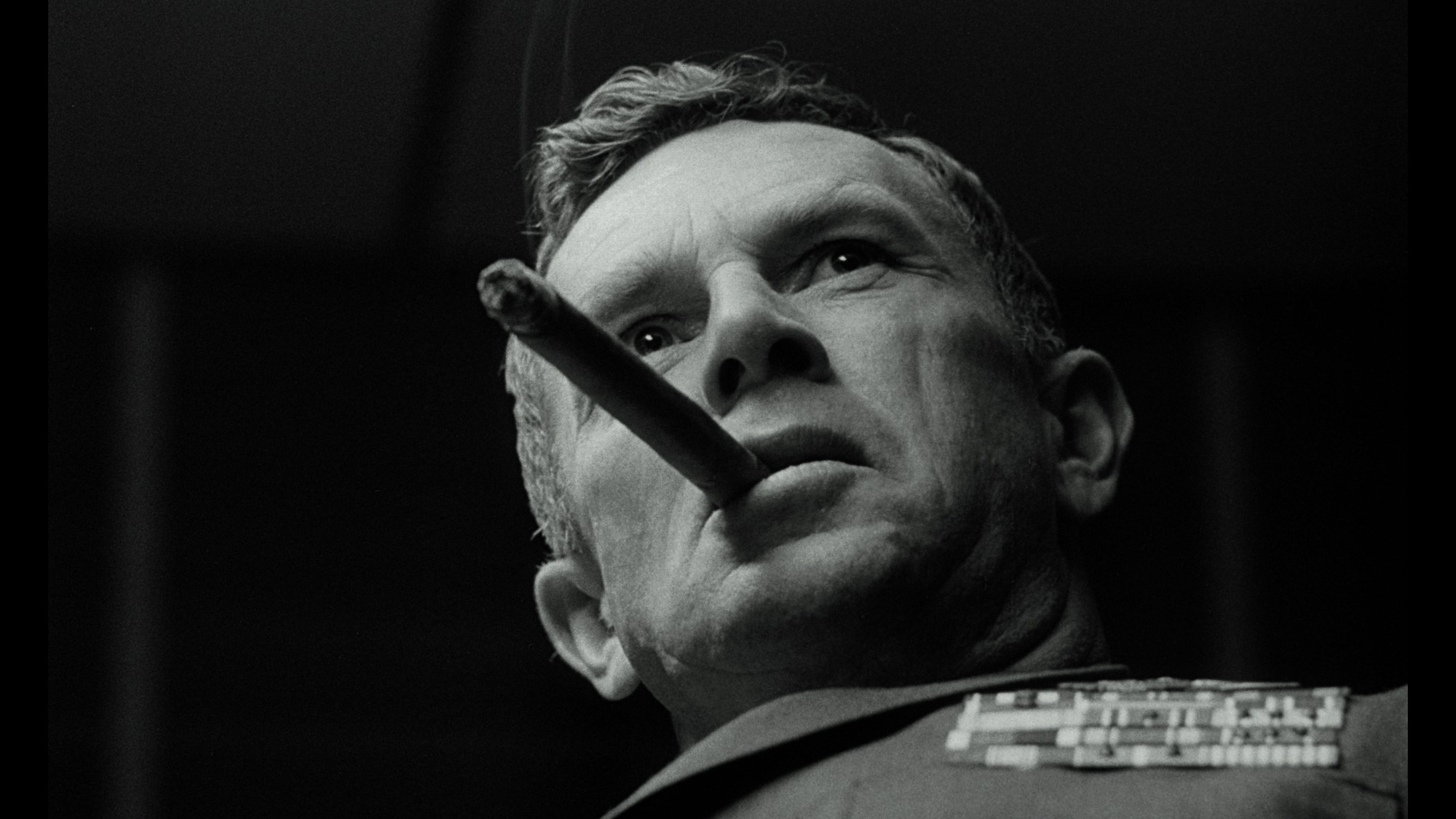
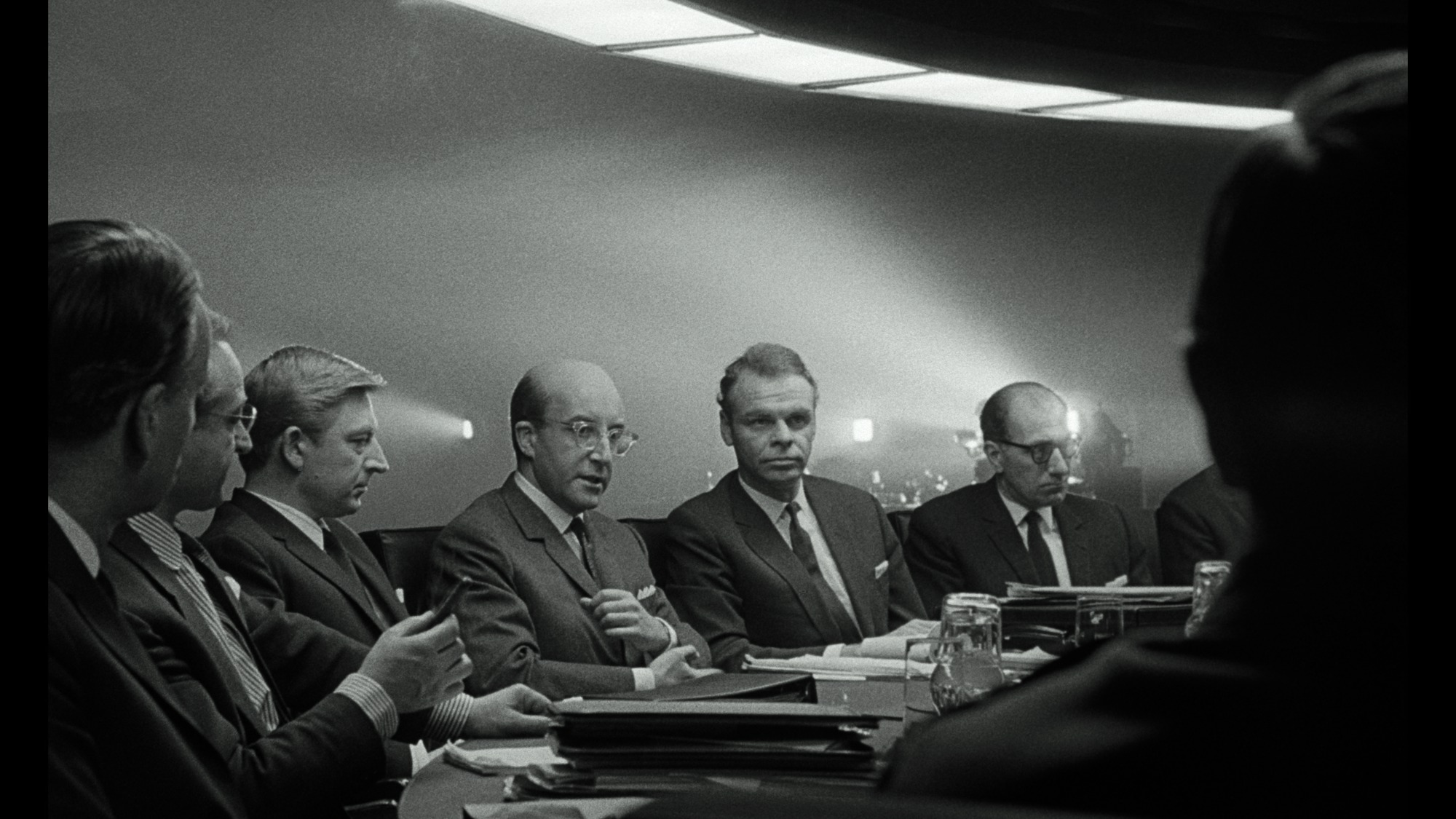
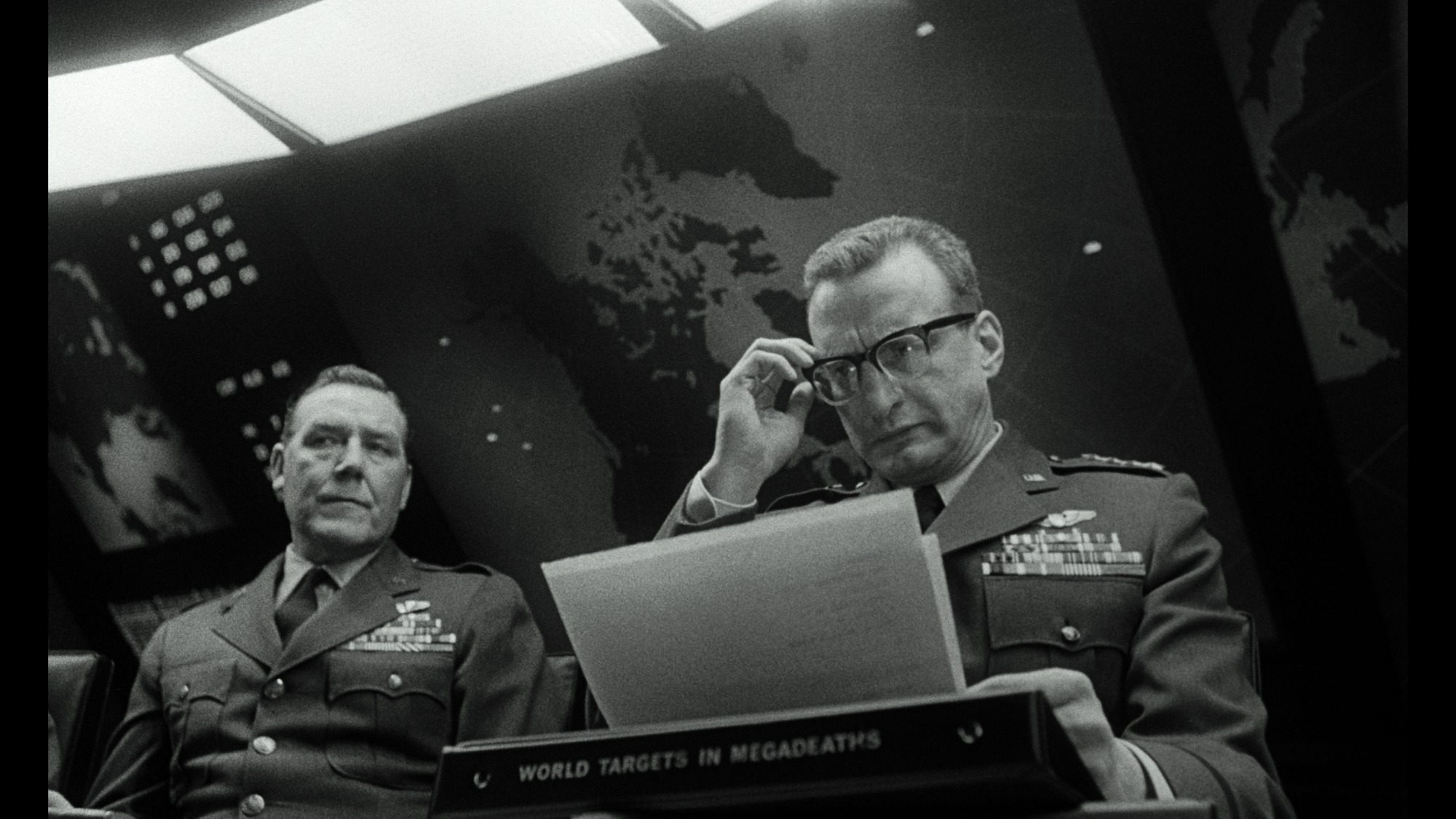
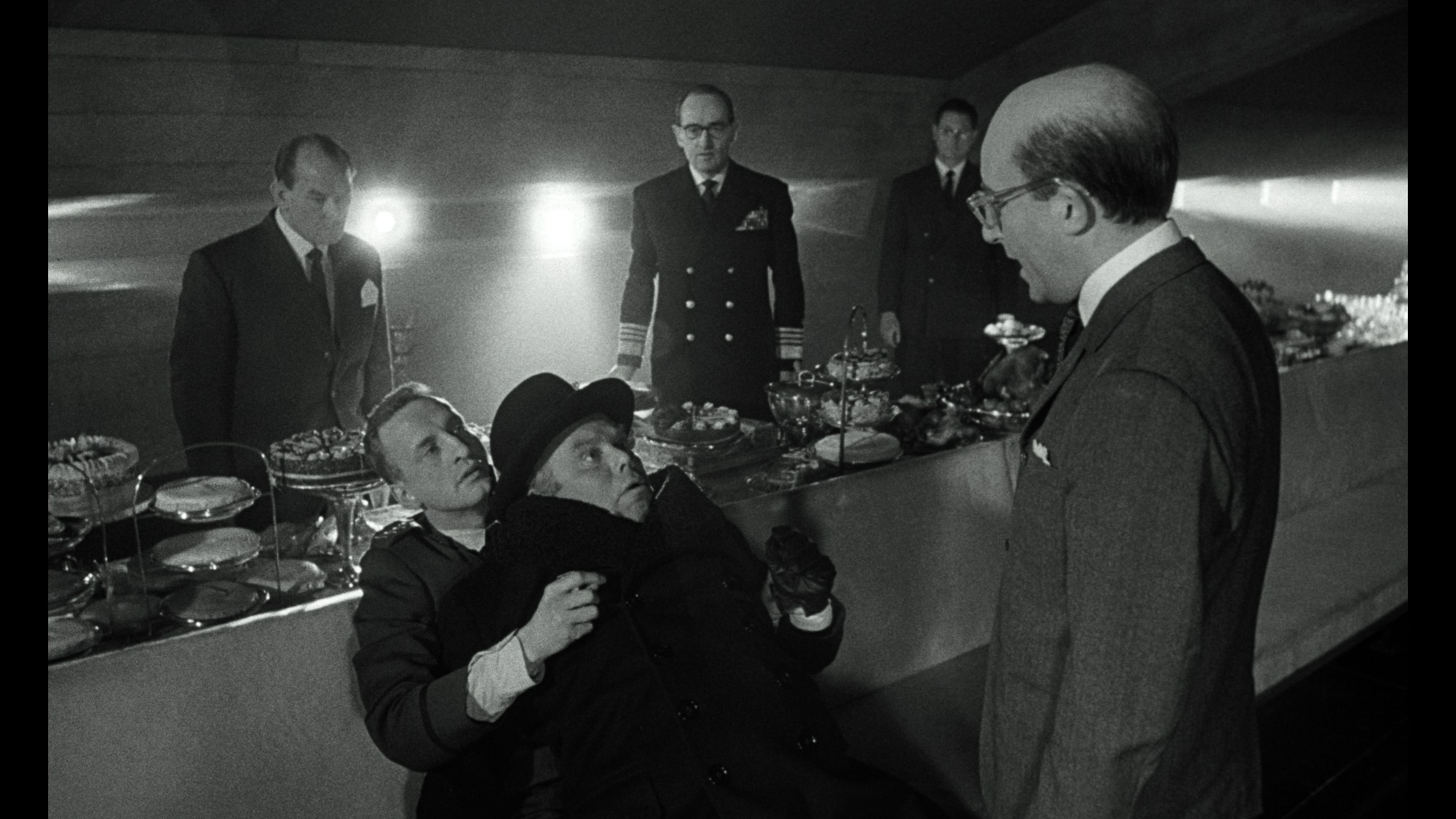
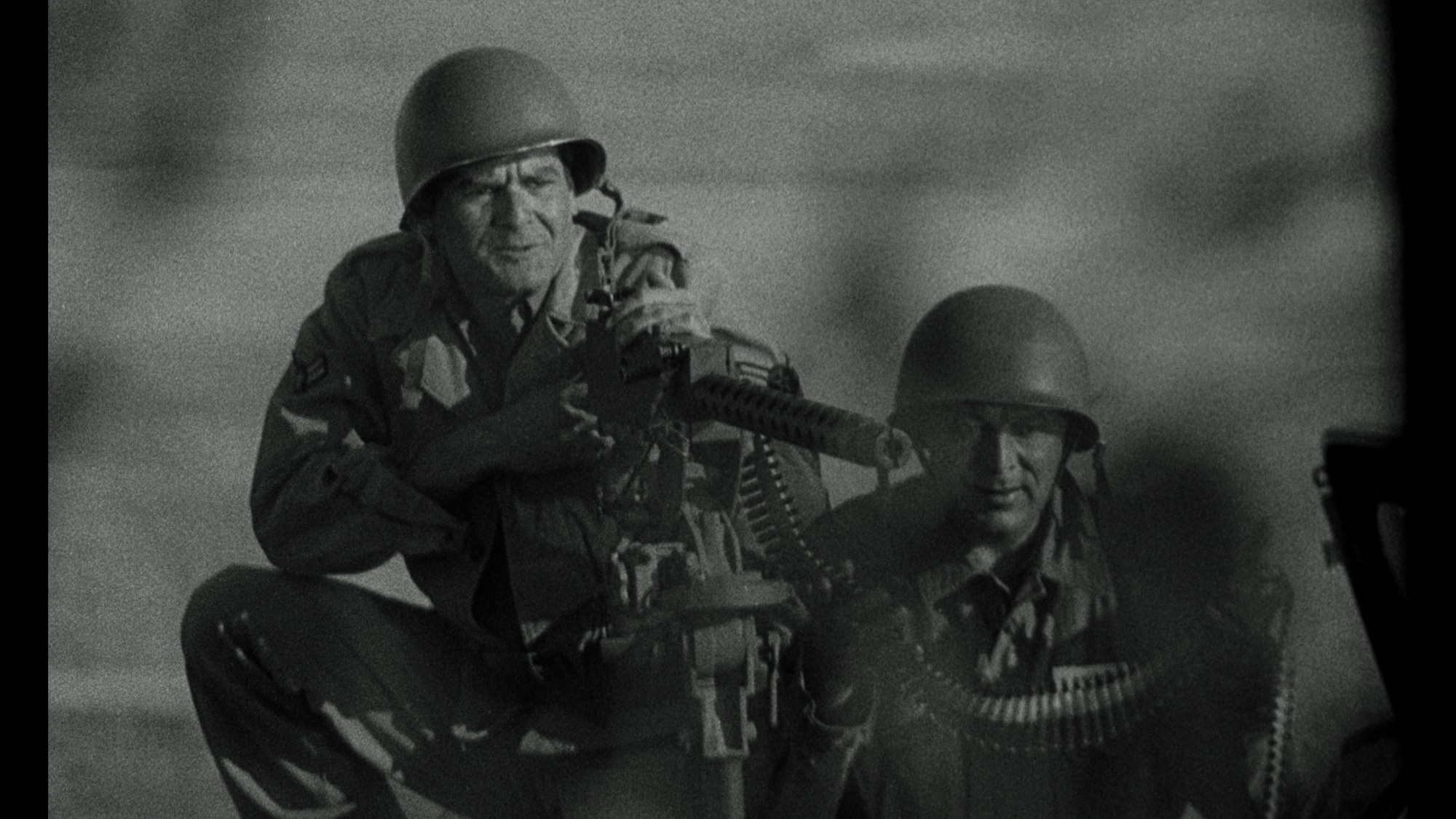
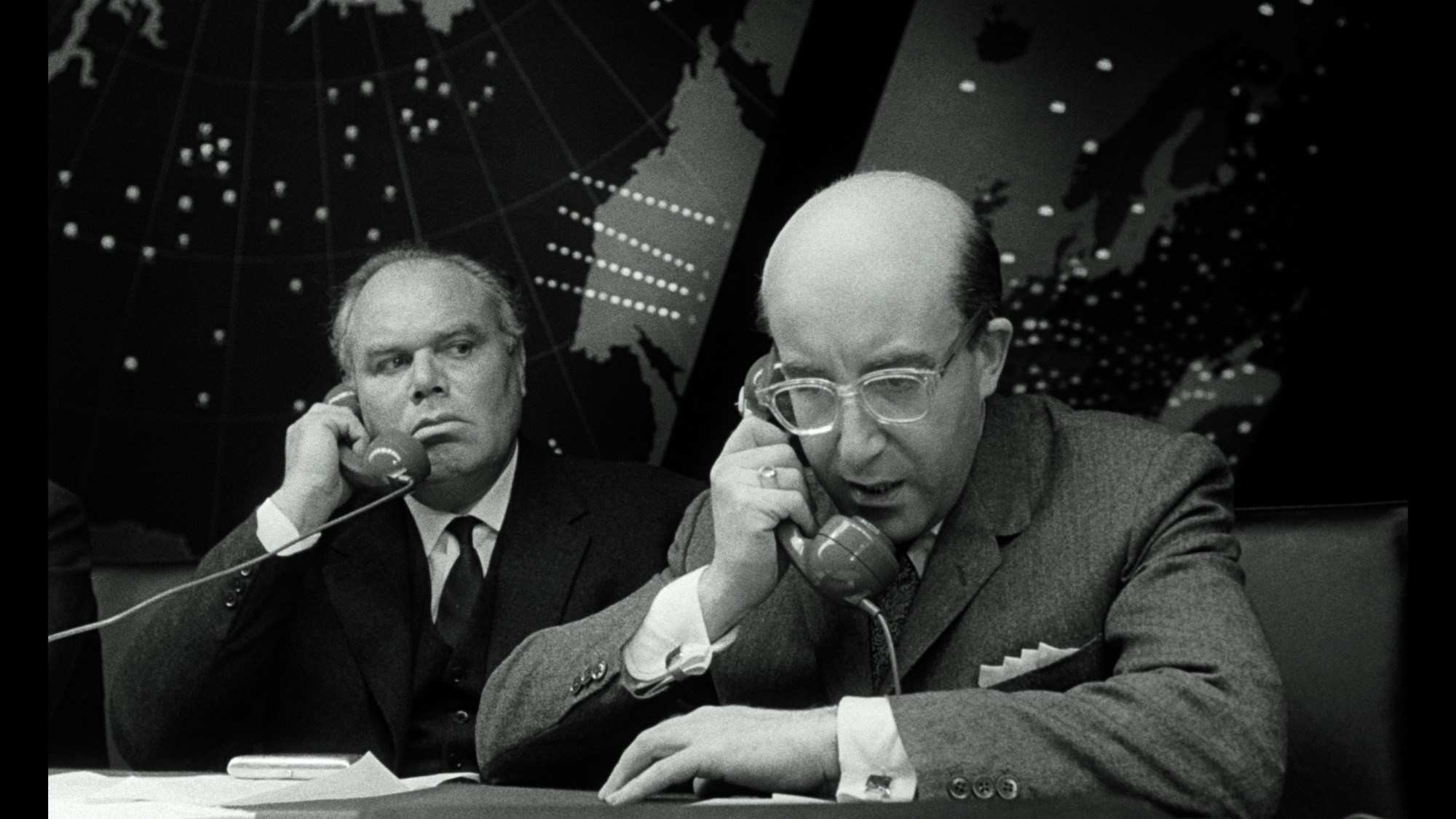
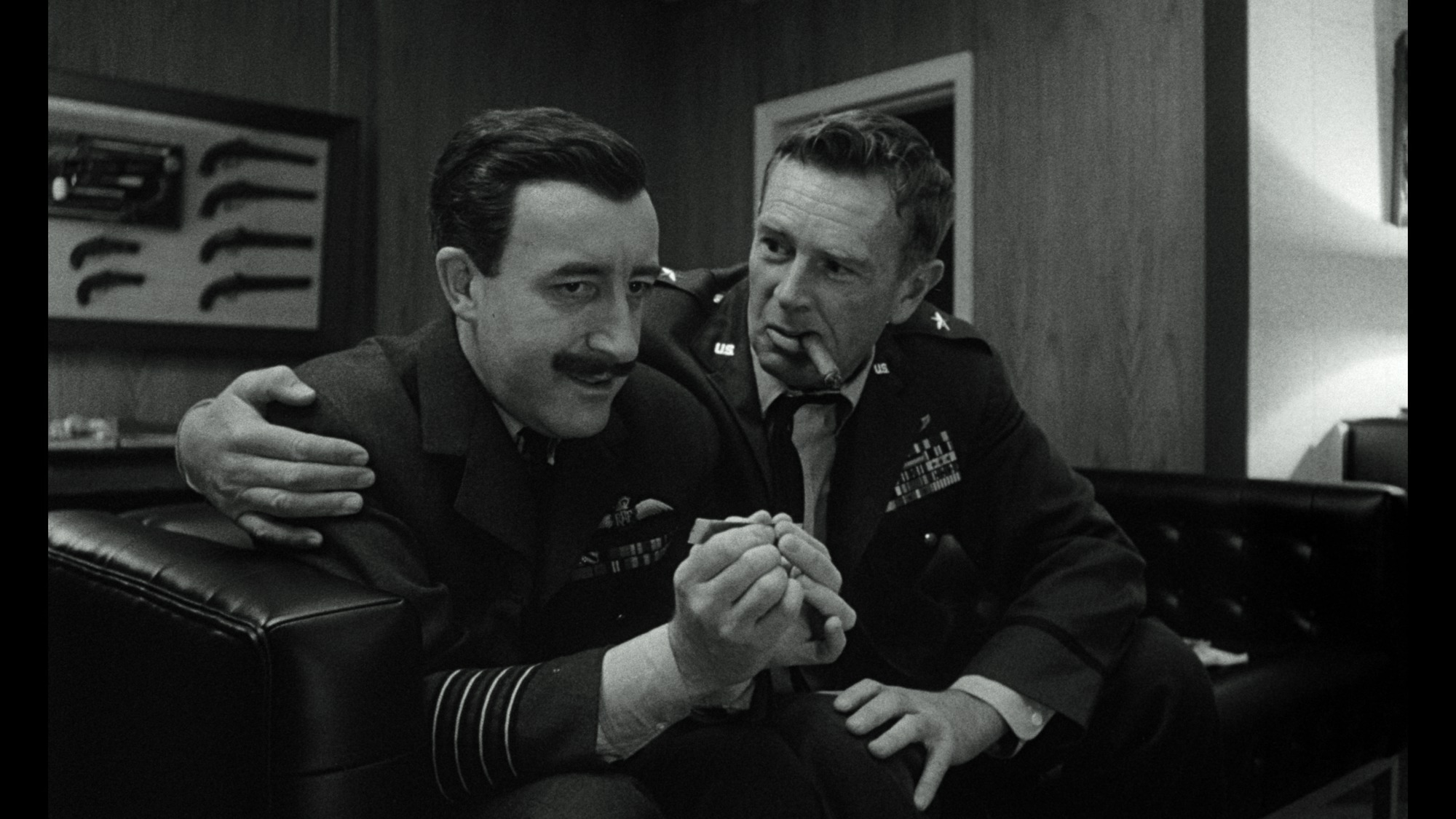
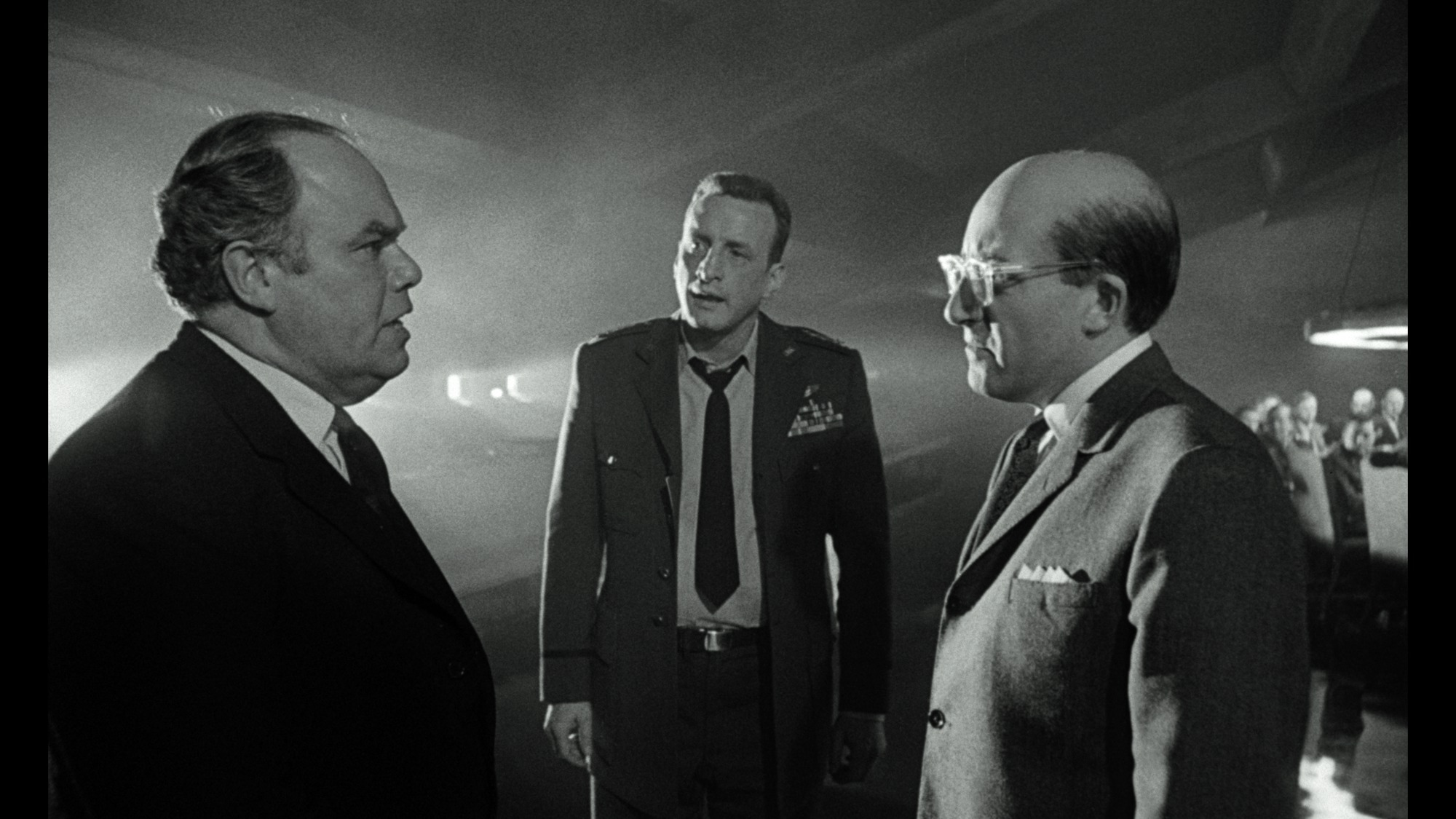
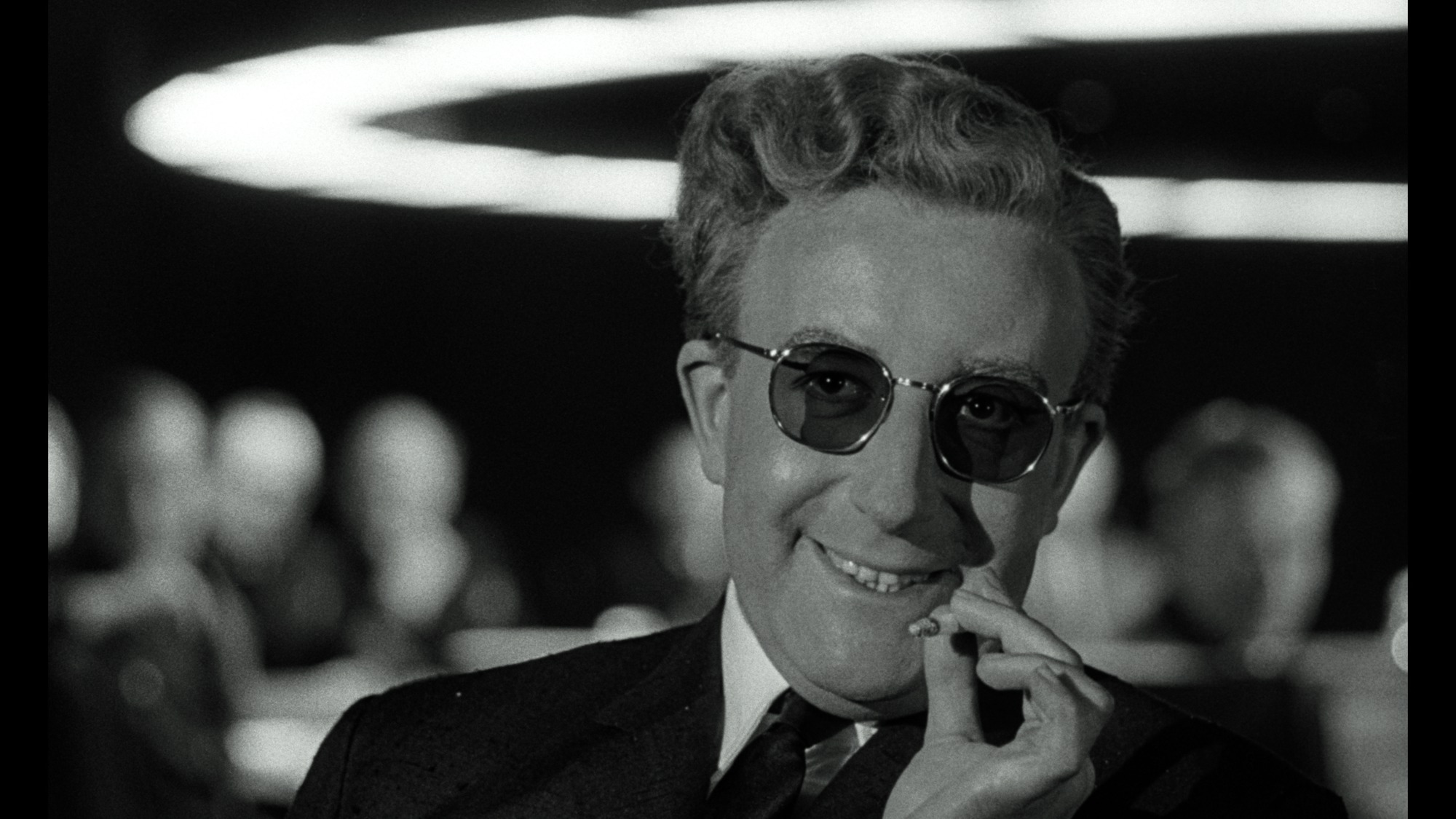
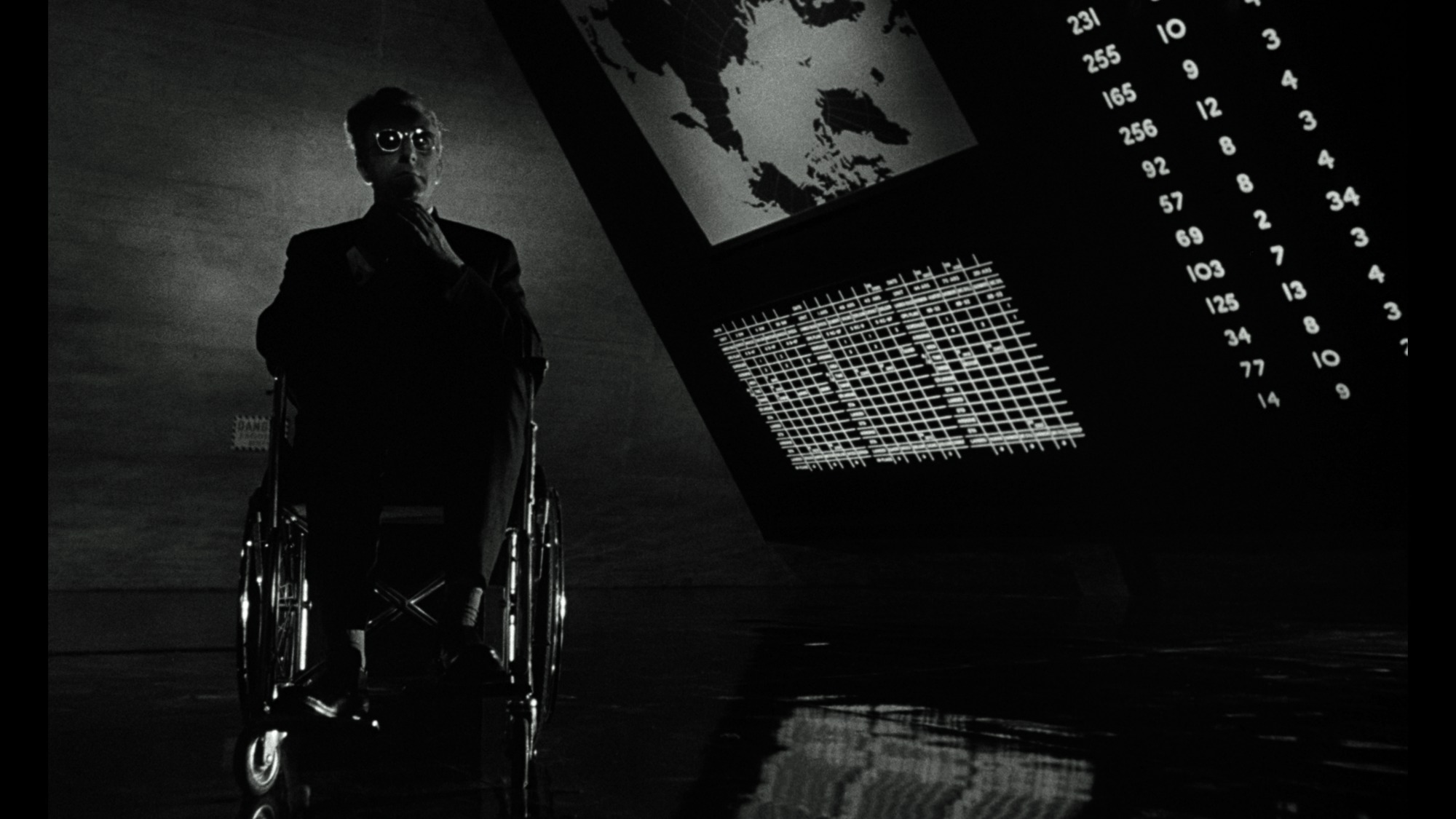
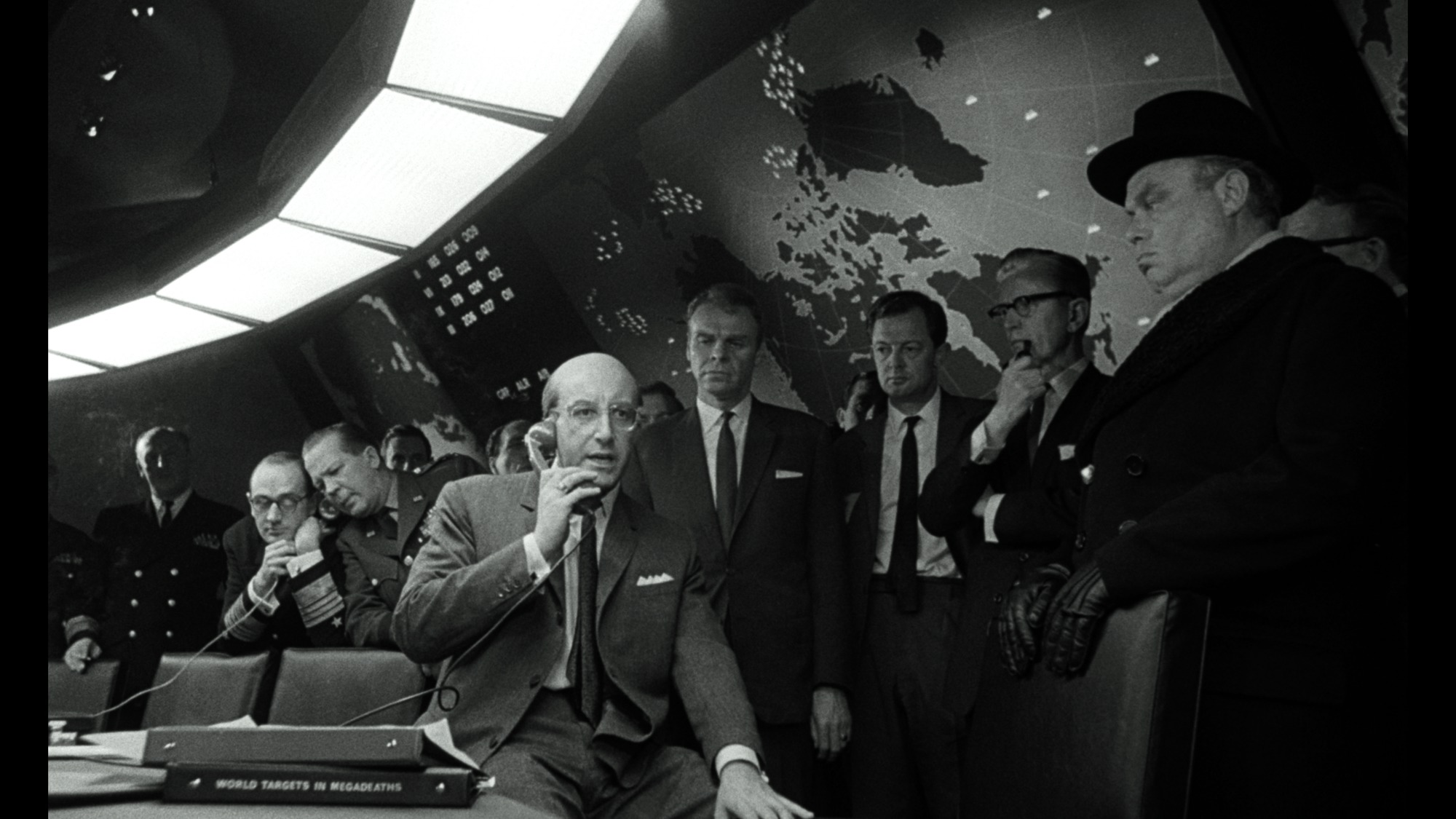
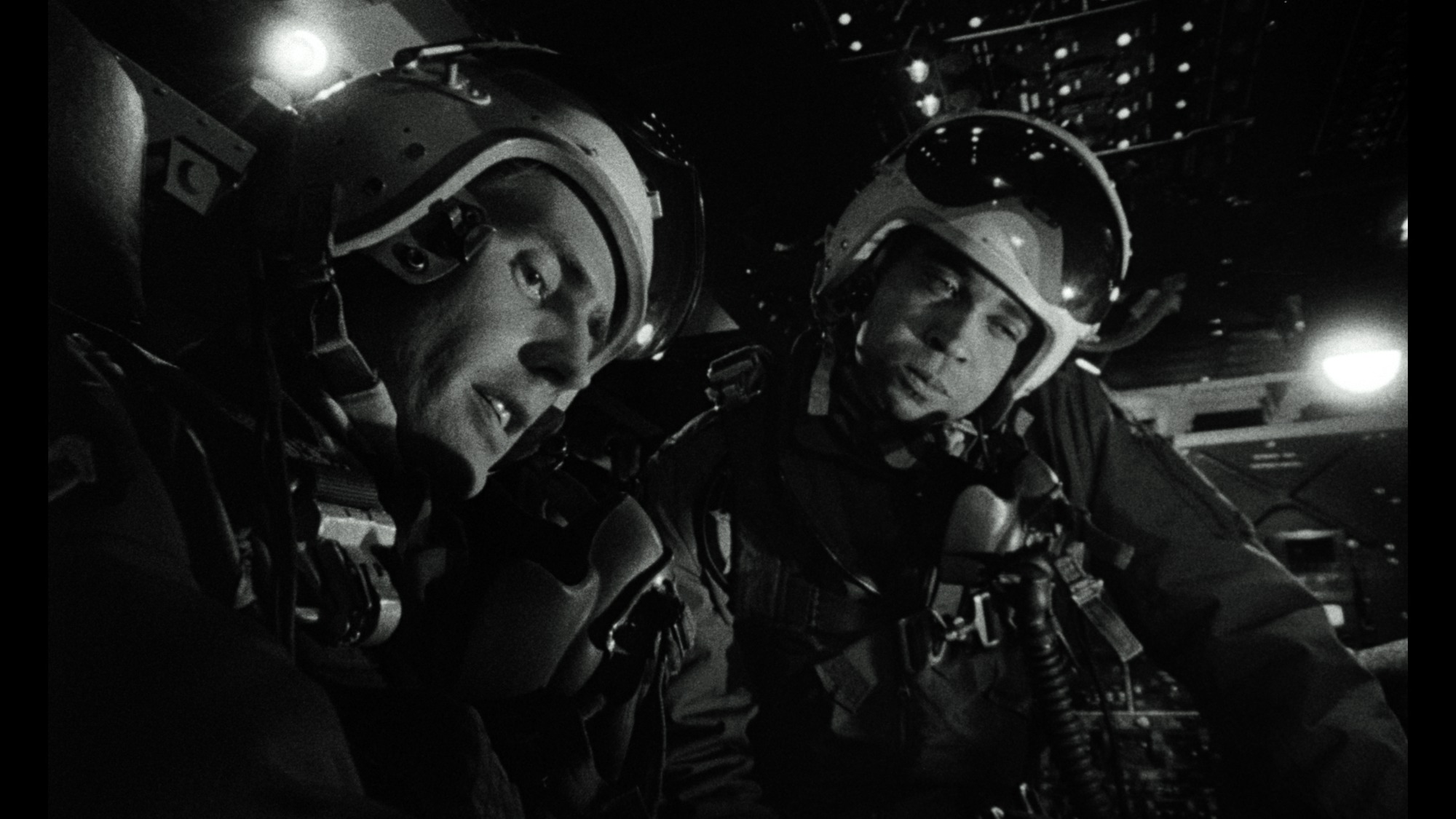
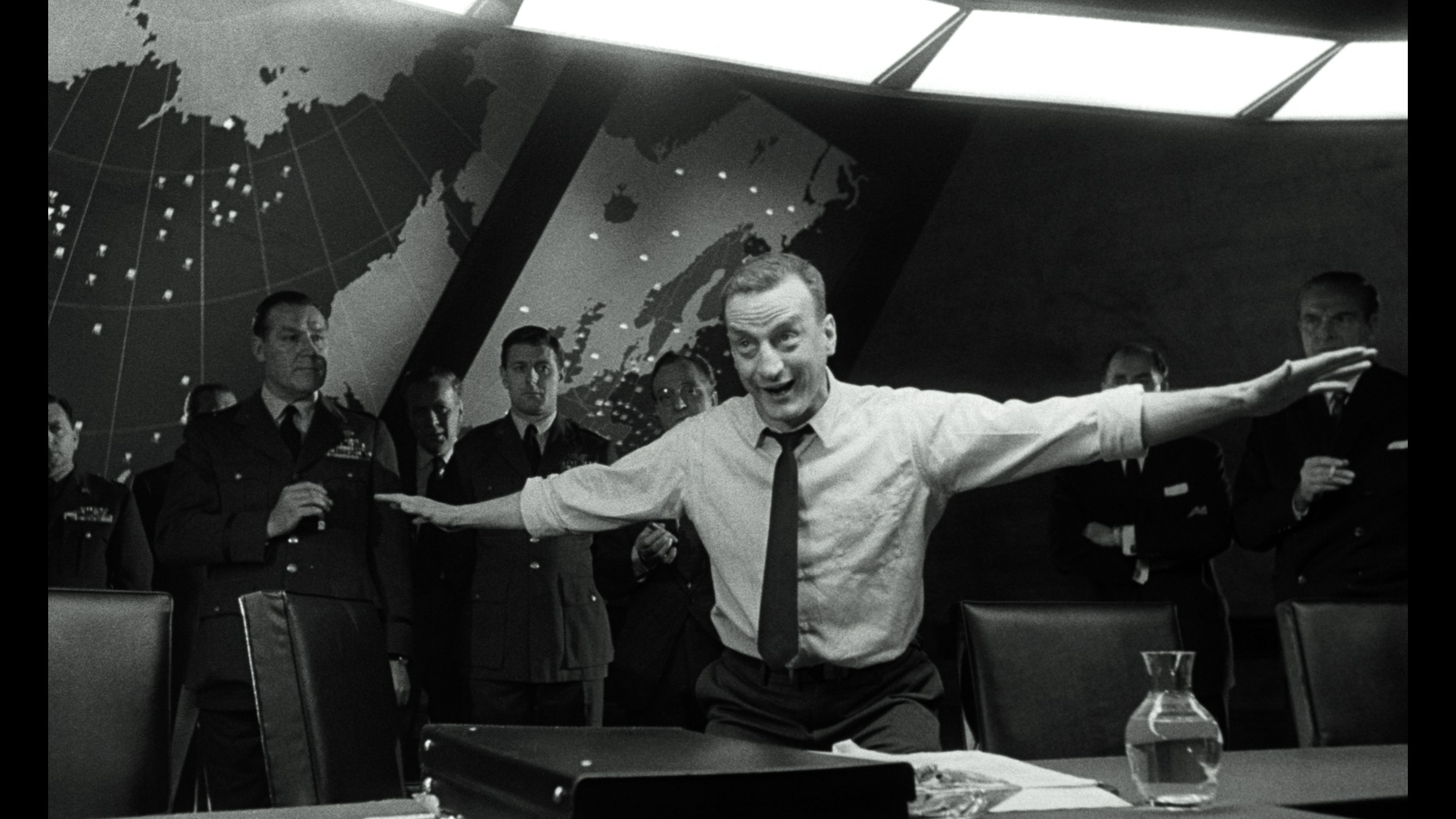
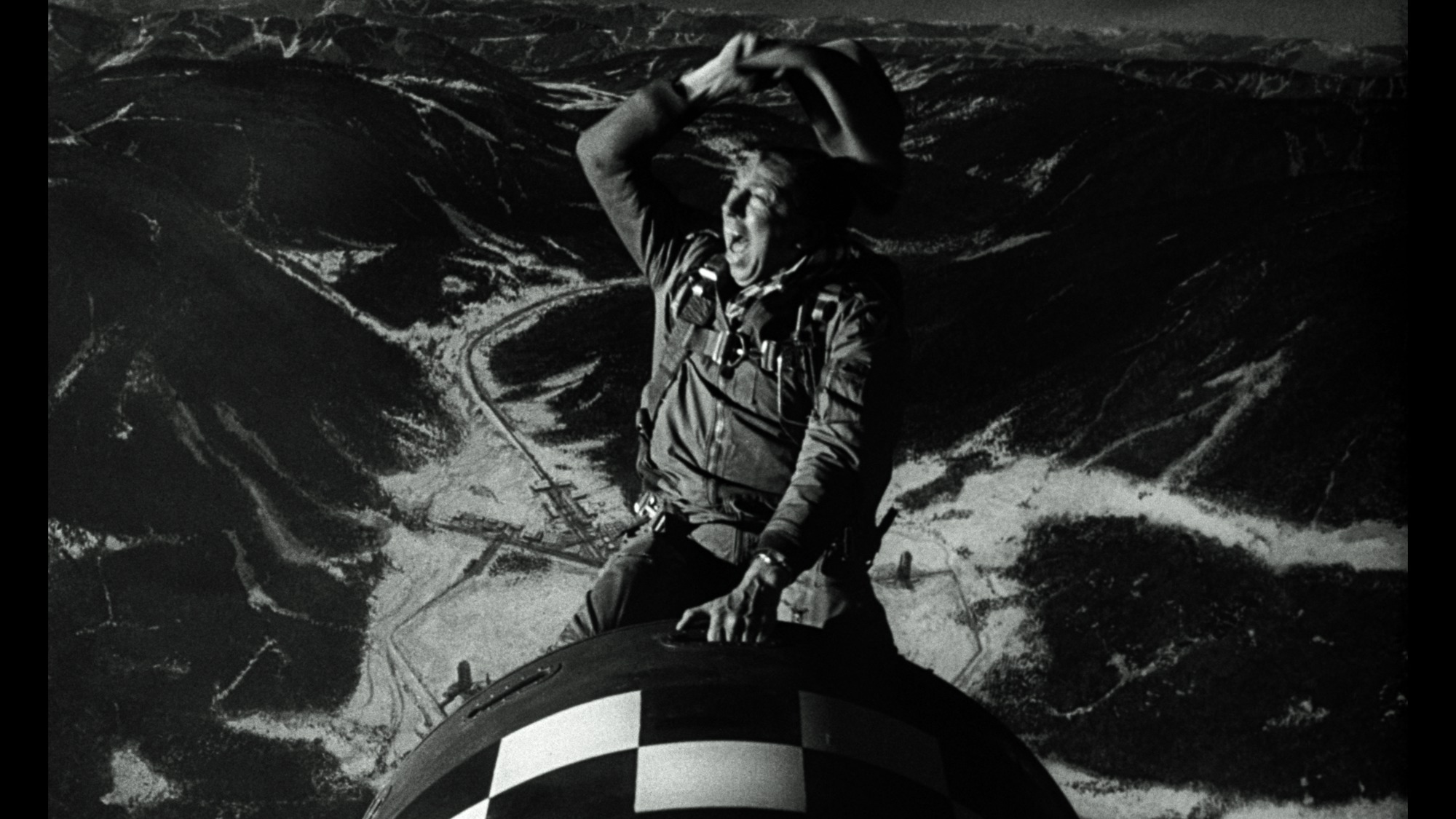
All that aside, this presentation looks incredible on the whole, an absolute marvel, especially to someone who first saw the film on an RCA CED (which looked terrible) and later through a presentation that jumped between aspect ratios. The new encode, performed by Fidelity in Motion, looks superb, cleanly resolving fine detail right down to the inherent grain structure, which is gorgeously rendered without any digital artifacts getting in the way. It’s an incredibly clean digital image, the cleanest I’ve yet seen the film look on home video to date.
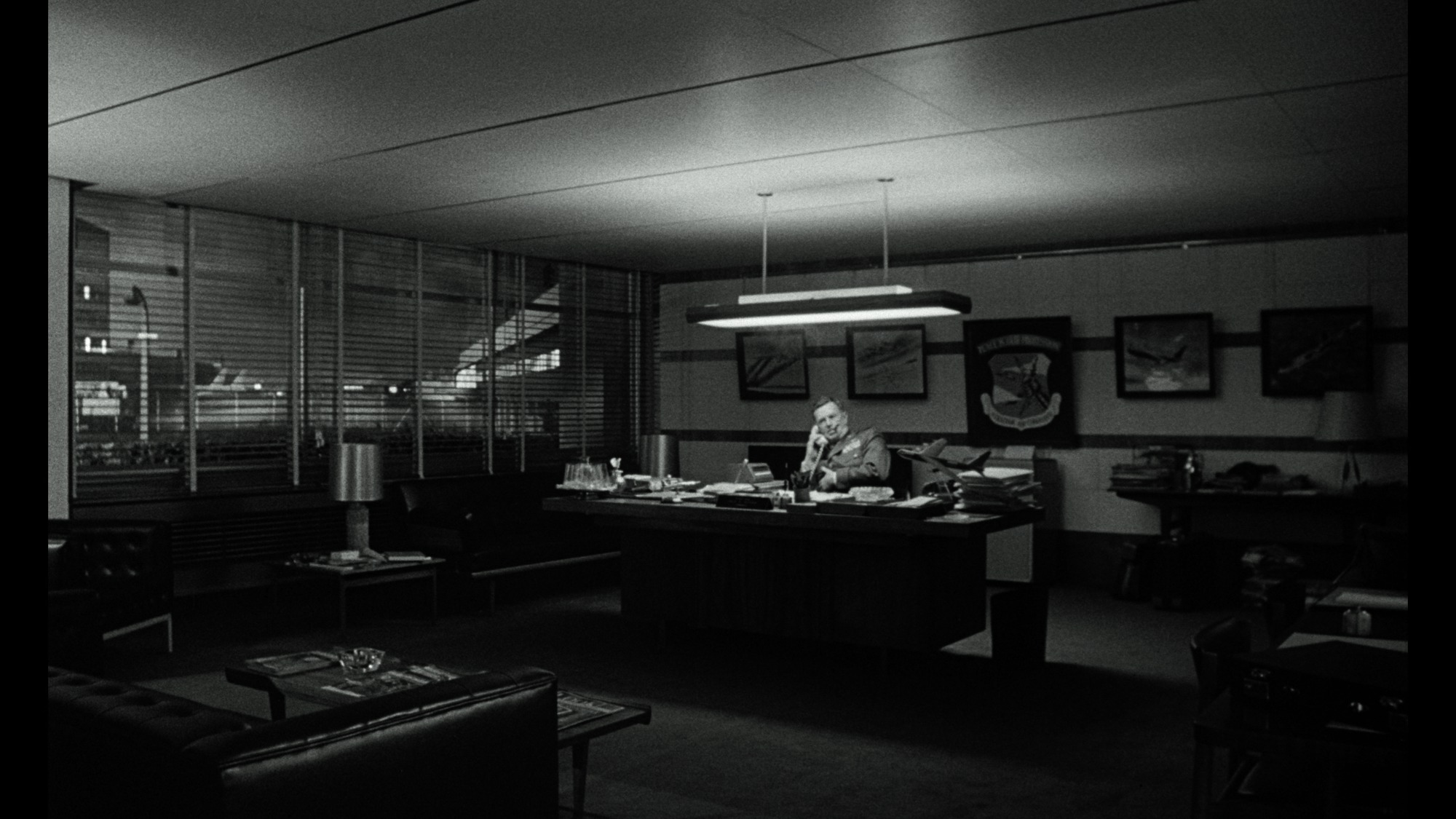
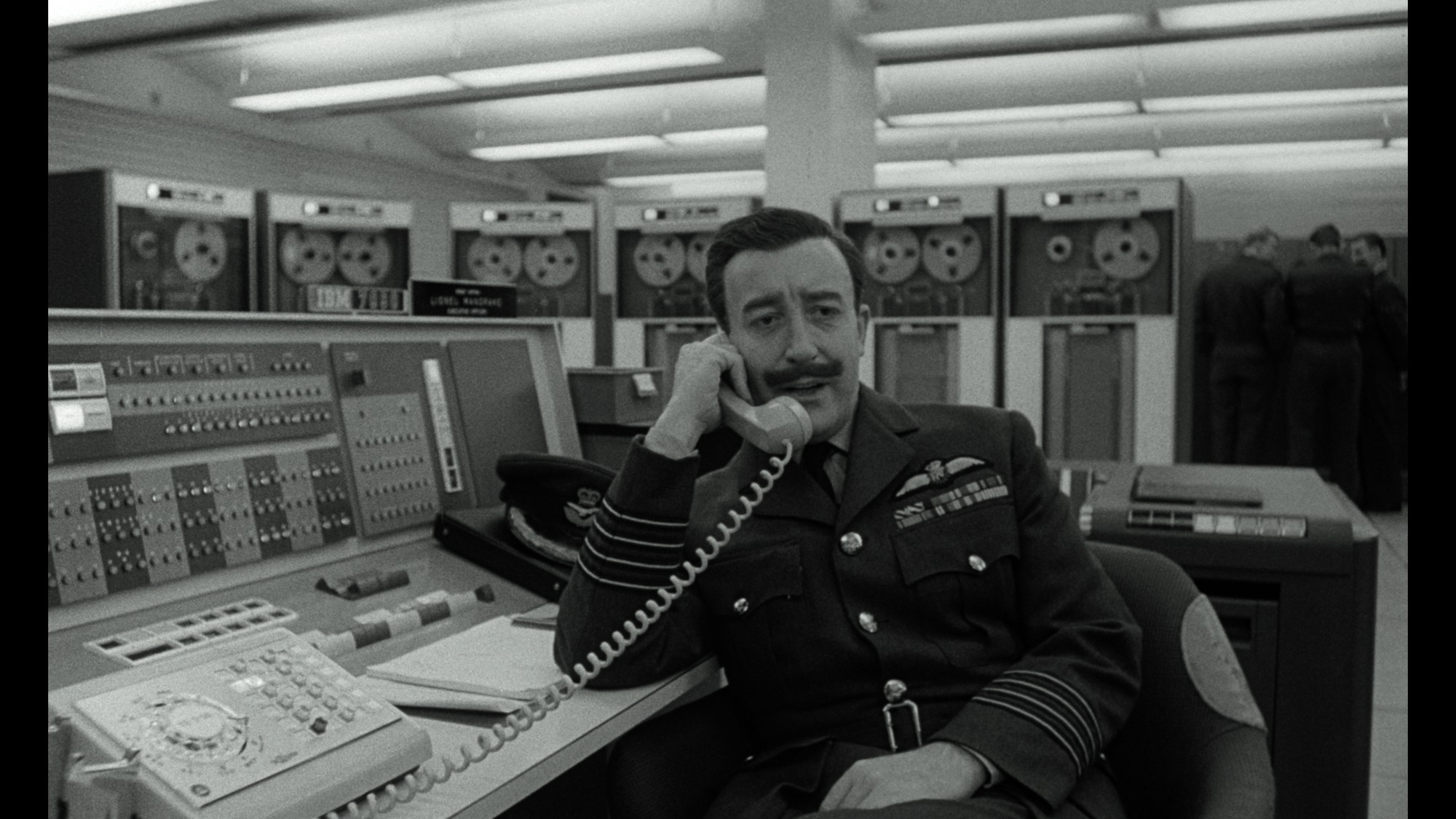
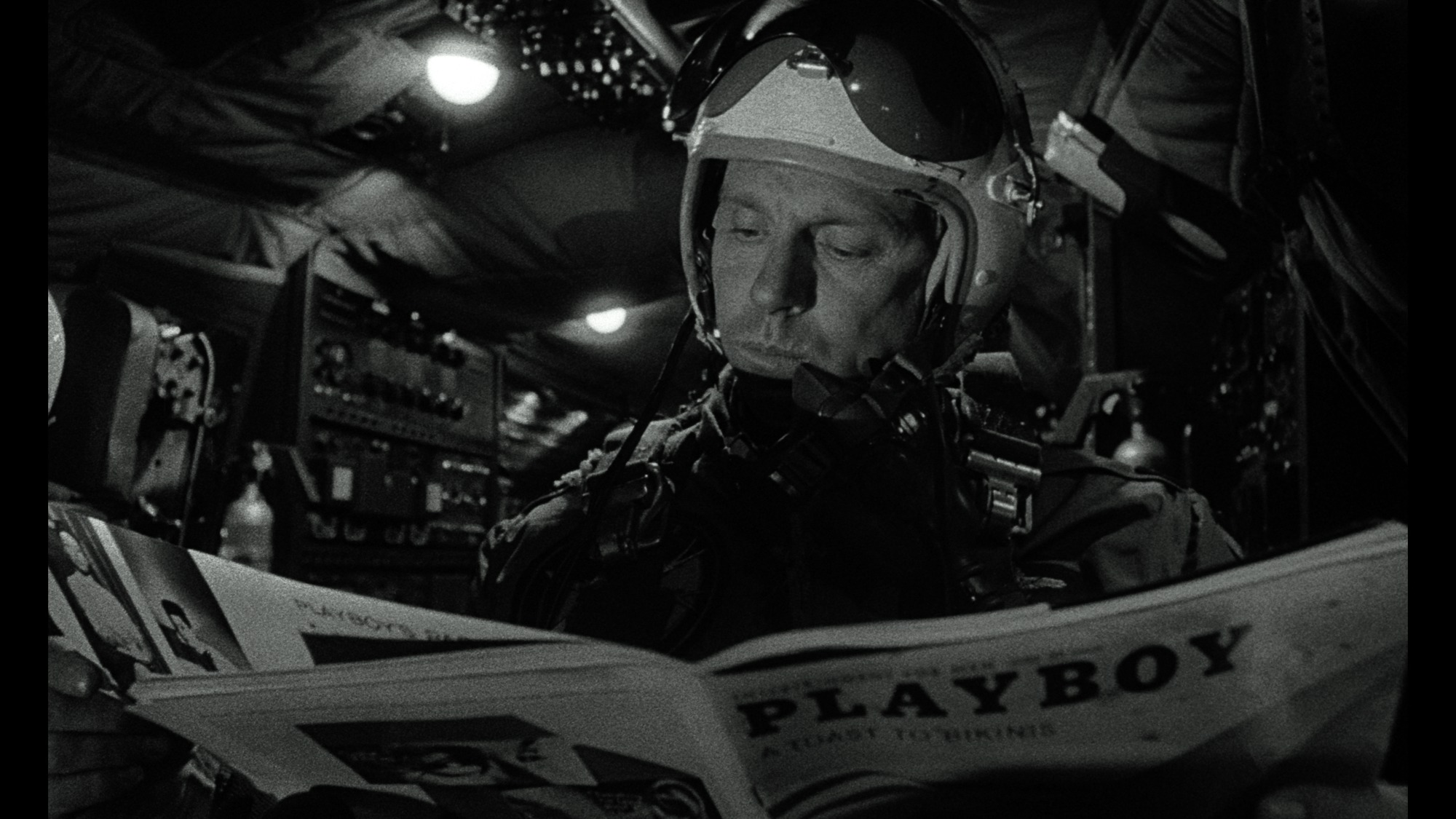
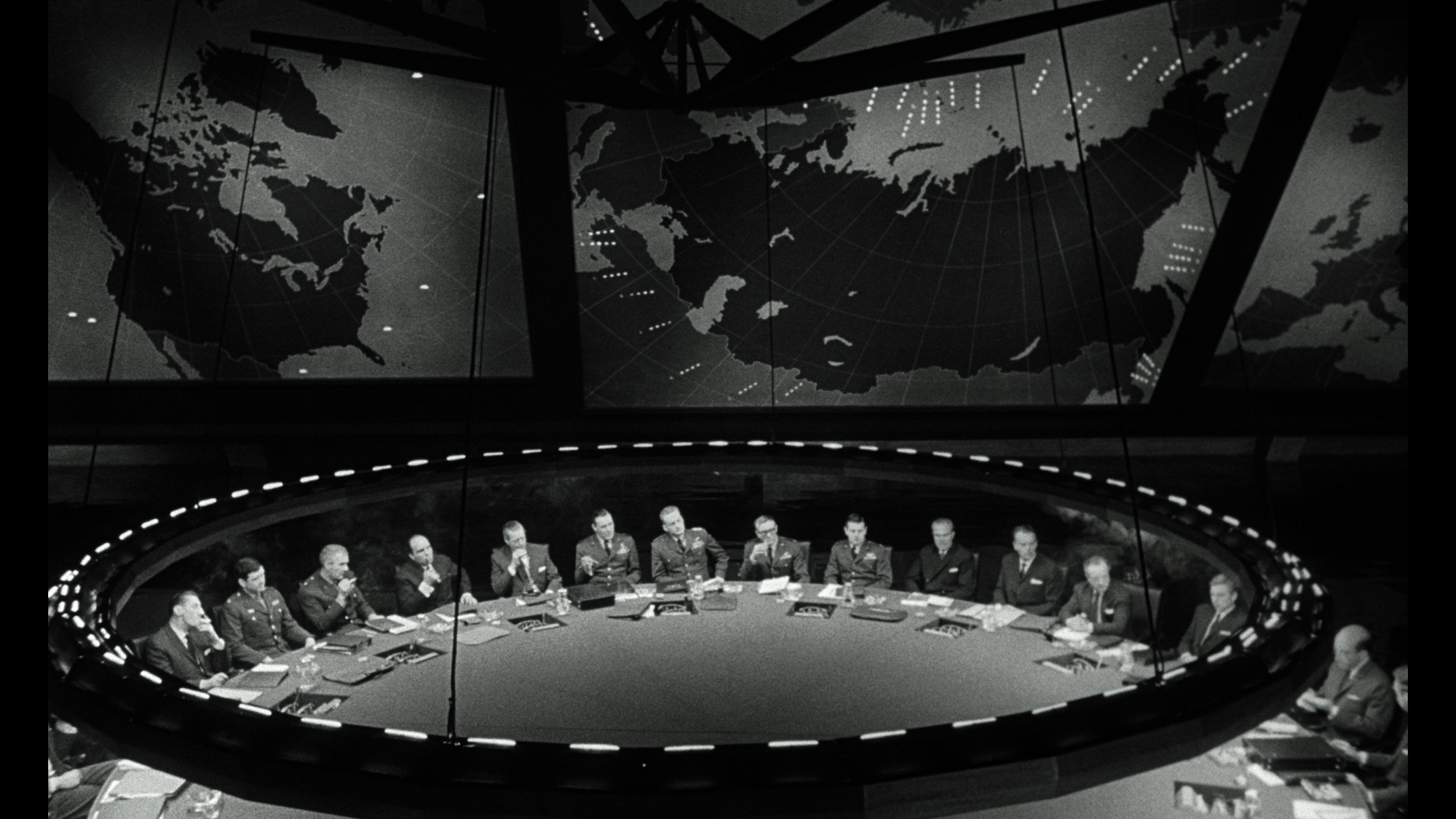
On top of all of that the wider dynamic range afforded by HDR further enhances everything. The improved grayscale looks wonderful, with clean gradations across the broader range with deep blacks and brilliant whites on opposite ends. Highlights and lighting look especially good, bright without blooming or clipping away detail; you can still make out the grating, along with film grain, on the overhead lights of the war room despite their intensity. From there, light cuts cleanly through the settings, particularly during the scenes inside the bomber, while the war room’s stark contrasts have never looked more impressive. Every shot looks incredibly photographic, more so than even the previous Blu-rays could muster.
It does become far more obvious when a shot comes from material a couple or more generations removed from the original negative, with finer details softening, contrast narrowing, and grain becoming significantly heavier. Yet even then, the encode handles it all perfectly, and the image never loses that film texture.
The restoration work, of course, remains wonderful on the whole, with only a handful of tiny blemishes that have been present since this restoration first appeared still remaining, but they’re easy to overlook. But how does it compare to prior releases on the format? As I said, I haven’t seen Sony’s 4K, so I can’t offer a direct comparison to that one, though I’d be beyond shocked if it looked better than what we get here; this presentation looks too good. But compared to Sony’s and Criterion’s previous Blu-rays, however, this delivers a significant upgrade, far more than I was (foolishly) anticipating. It’s a far more film-like presentation and about as close to perfect as I could have imagined. It really looks incredible.
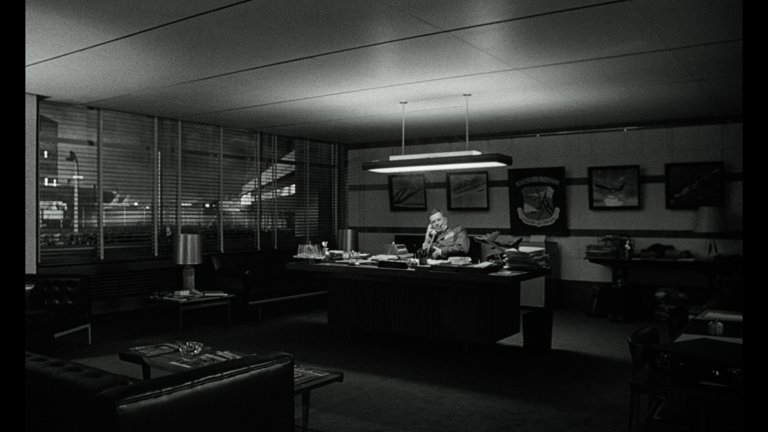
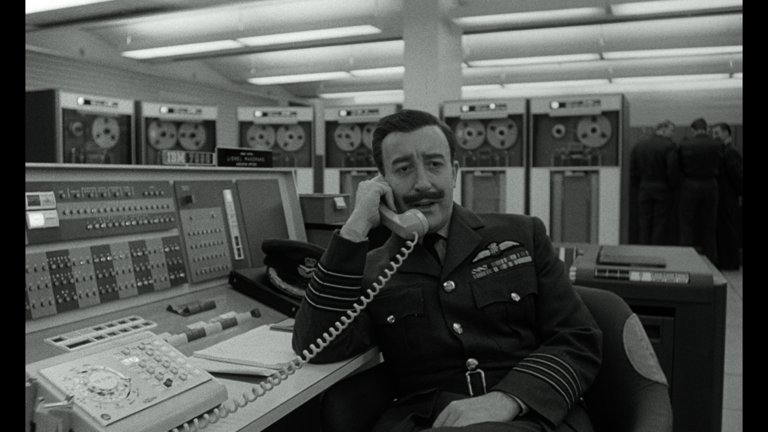

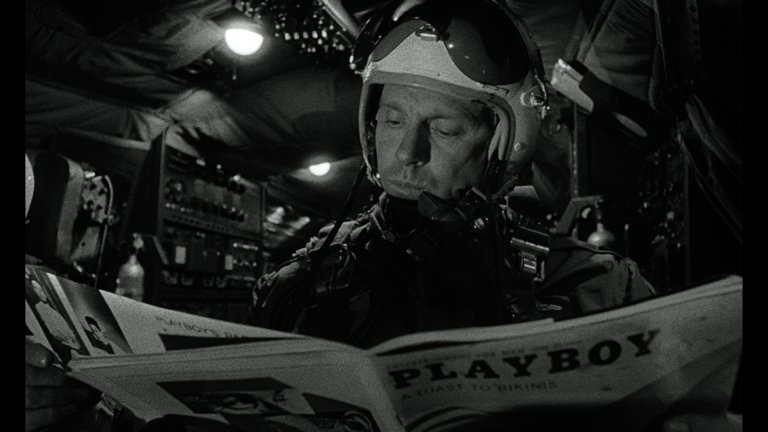
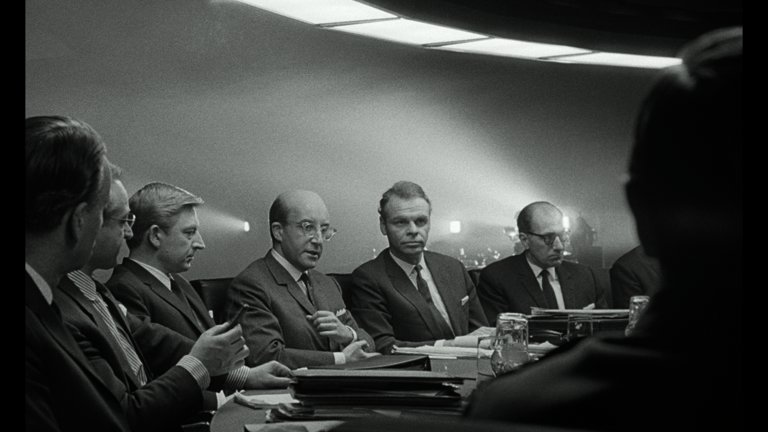
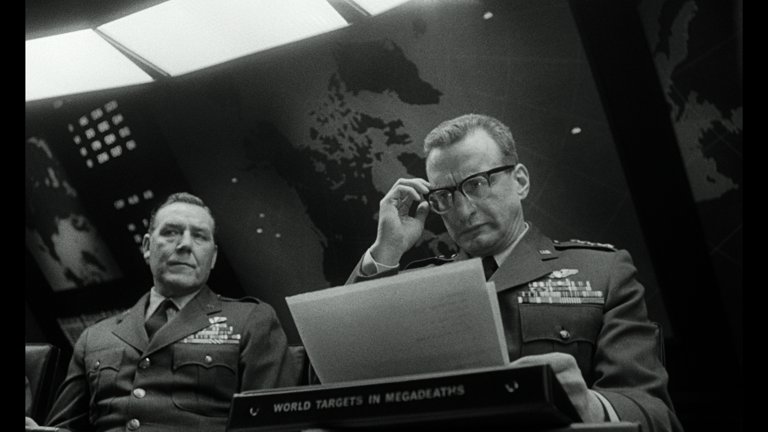
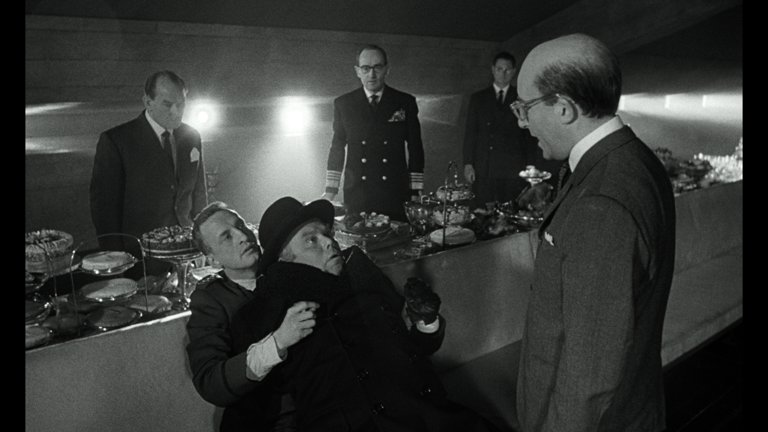
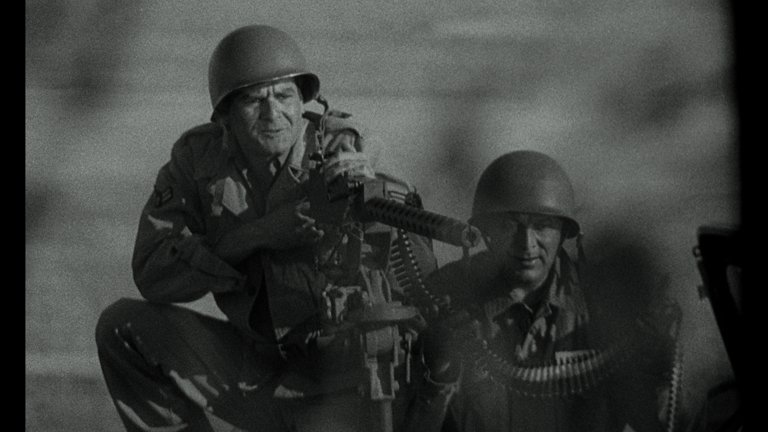
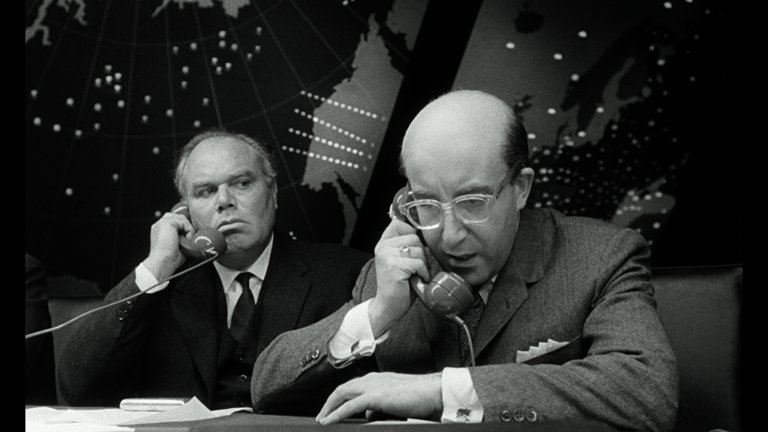
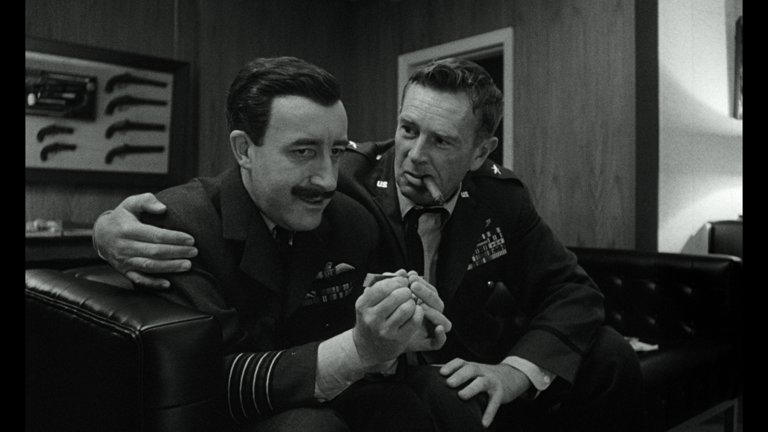
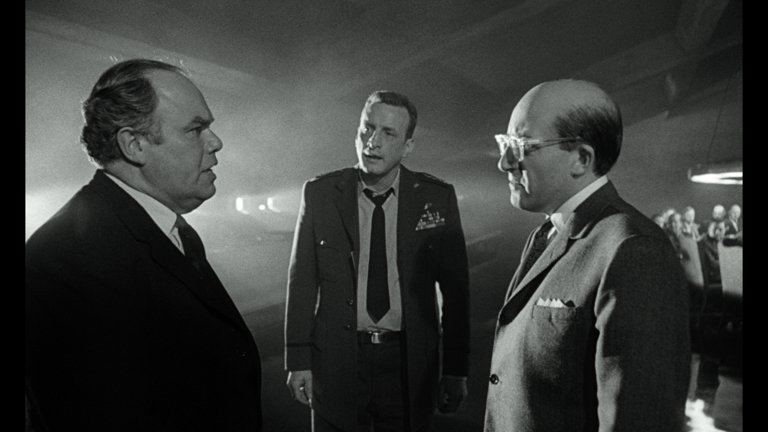
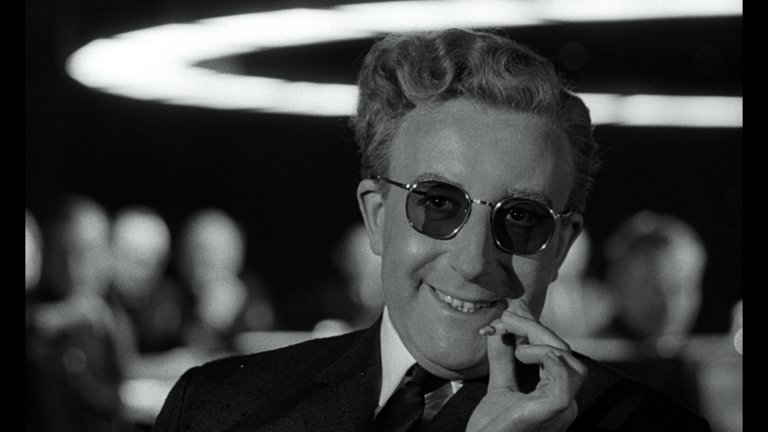
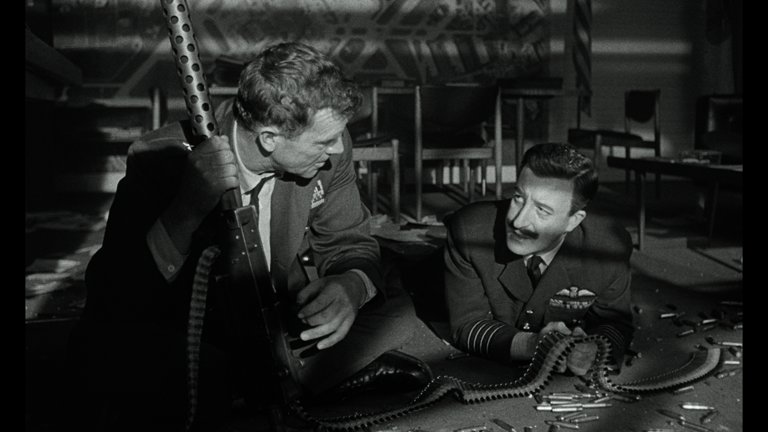
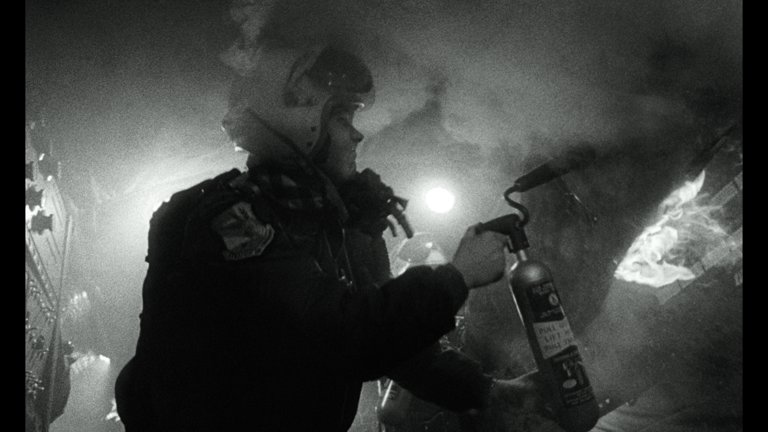
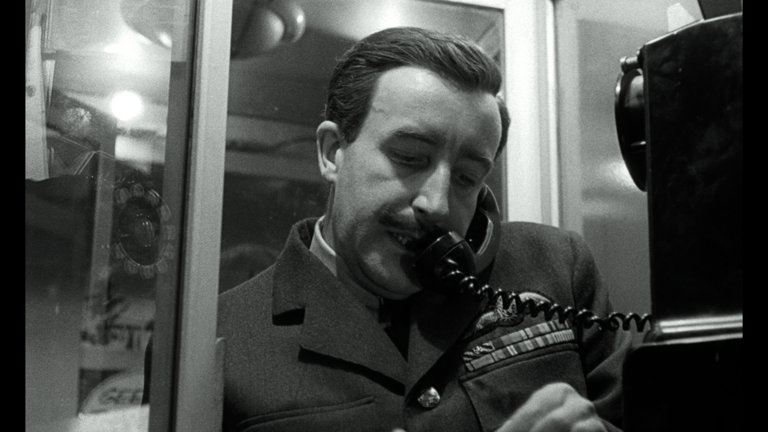
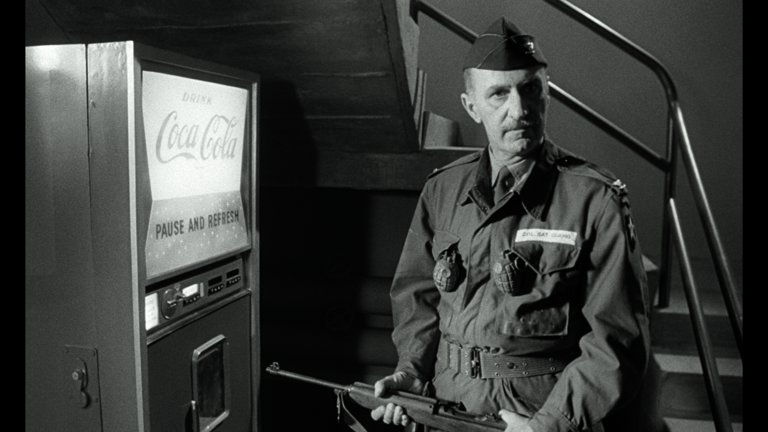
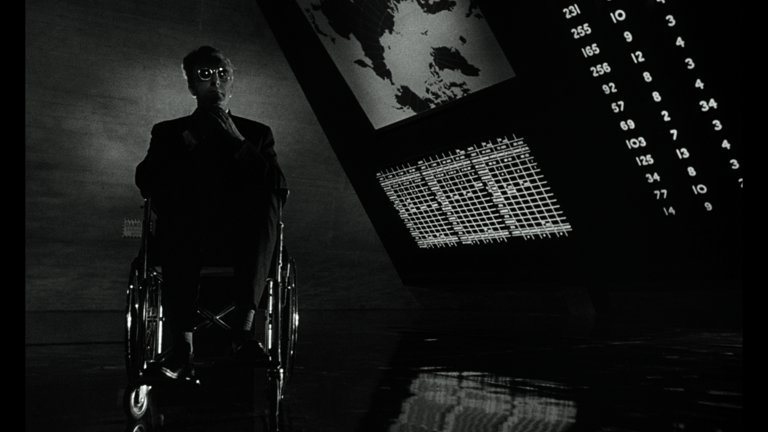
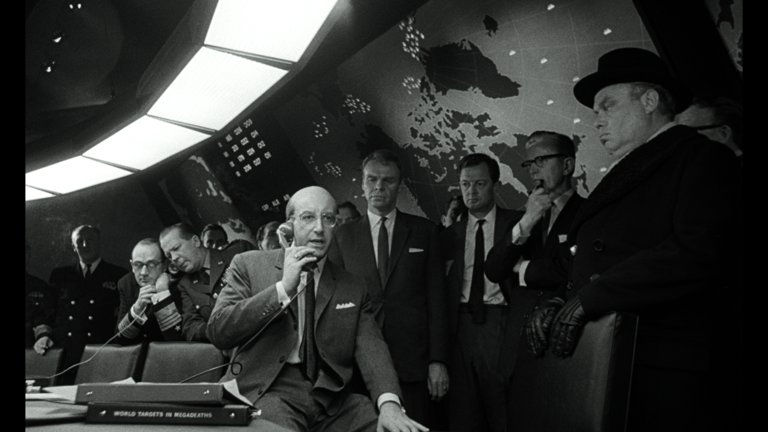
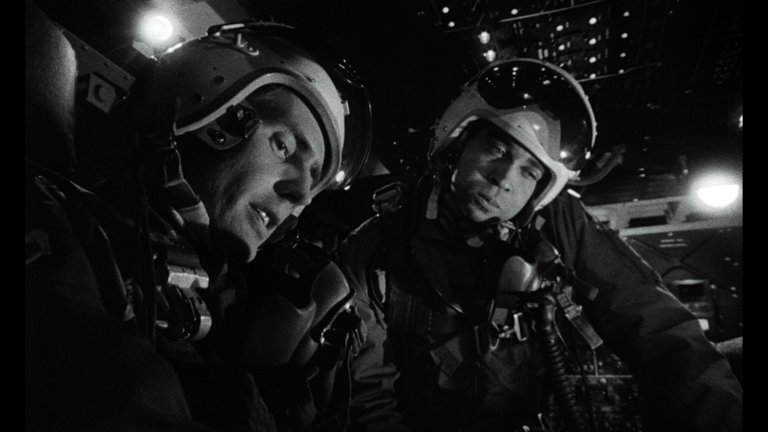
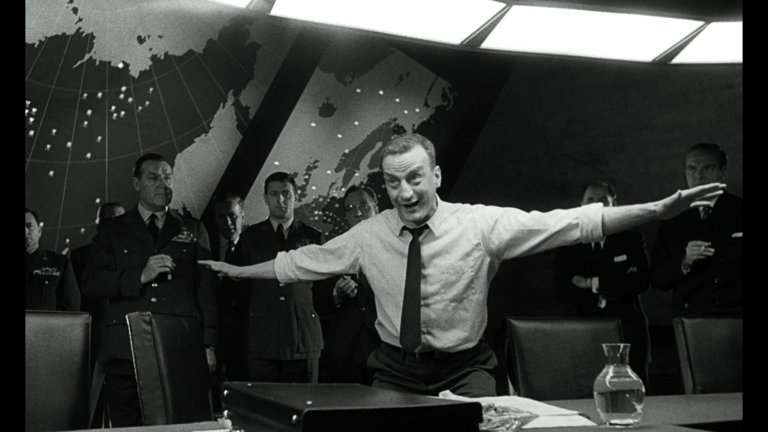
The Complete Kubrick - Screen Captures

Audio 8/10
Criterion again includes the film’s monaural soundtrack alongside the remastered 5.1 surround soundtrack, presented in lossless PCM and DTS-HD MA, respectively.
The monaural presentation remains fairly limited in range, but it sounds very clean, with sharp dialogue and no significant damage.
I still rather like the surround soundtrack, finding that it suits the film without ever becoming distracting. Like several of the other surround remasters for Kubrick’s films, it’s essentially a mono presentation at heart, spreading some music and subtle ambient effects to the surrounds, including the hum of the bomber during those sequences. It’s all rather understated, with dialogue and effects also benefiting from a little more range.
Extras 9/10
As mentioned previously, Criterion has ported over the Blu-ray disc of their 2016 Blu-ray edition, so all supplemental material from that edition has been ported over here.
Criterion first adds about 3 minutes’ worth of excerpts from a 1966 interview with director Stanley Kubrick conducted by physicist/author Jeremy Bernstein. Here Kubrick explains how his interest grew in the H-bomb and then goes into the development of the script for Dr. Strangelove. It’s unfortunately brief but it’s nice to get some material featuring the director, who also talks about his hands-on approach to all areas of a film.
Following this is an interview with scholar Mick Broderick, recorded for Criterion’s original release, who focuses mostly on Kubrick’s working method and his first time as a solo producer. He talks about the production history before talking about how Kubrick worked with those around him, particularly his actors. Kubrick of course has the reputation of being a perfectionist which leads to the idea he had an exact “thing” in his mind that he wanted, which would lead to, for one thing, a large number of takes. Broderick, who has researched Kubrick’s archives and has seen excised footage from the film, explains this wasn’t entirely the case as he was trying to set up an environment for his actors to try anything they wanted, “hone their craft” so to speak. He also was open to suggestions and did take a number of them from cast and crew. Broderick also gives examples of how Kubrick really had a hand in every stage of the film’s production, from writing right through to editing (which was fairly unusual for a filmmaker) and he even designed the film’s marketing, which scared Columbia Pictures. Broderick seems determined to clear up some misconceptions of the director, and he keeps things engaging and interesting for 19 minutes.
The next feature first appeared on the early 2000 special edition DVD released by Sony, The Art of Stanley Kubrick. Focusing on Kubrick’s career leading up to Dr. Strangelove, the 14-minute featurette is typical of studio produced supplements of the early DVD era: quickly paced talking heads piece that basically bulldozes through its subject. Quickly editing together interviews between producer James B. Harris, designer Ken Adam, scholar Alexander Walker, actor James Earl Jones, and others, we get a brief history of Kubrick’s life between when he was a photographer for Look magazine, to making his first few films up through Lolita, and how that film, along with the new popularity of Peter Sellers, got Dr. Strangelove made. There are some details about some of the technical aspects of Dr. Strangelove, from set design to film stock, but it’s limited. For a studio DVD feature from the time it’s above average since it actually does have a few interesting topics.
To provide an examination of the film’s camera work Criterion brings in cinematographer and camera innovator Joe Dunton, and camera operator Kevin Pike, the latter of whom worked on Dr. Strangelove. Dunton spends most of his time looking at the lighting and camera work, particularly admiring how Ken Adam’s set came off looking in the film, and how they used the blackness in areas to hide portions of the set that ultimately gives it a grander look. Pike talks about this as well but then shares stories from the shoot, particularly what it was like working with Kubrick and cinematographer Gilbert Taylor. It’s a nicely rounded piece about the look of the film getting a third party’s perspective while then getting a first-hand account from the set. It runs 12 minutes.
Inside Dr. Strangelove is another feature carried over from the 2000 special edition DVD. Running a fairly lengthy 46 minutes the documentary is typical of the time, giving an all-encompassing overview of the production with a number of talking-heads interviews, including James B. Harris, James Earl Jones, Ken Adam, Kubrick friend Roger Caras, Kevin Pike, Gilbert Taylor, and many others, intercut with behind-the-scenes footage and photos. It goes through each step of the process from conception to writing to filming to editing to release. Along the way it also looks at some of the issues that came up, like how Kubrick tried to curb the release of a similar film in production, Sidney Lumet’s Fail Safe, with Lumet actually sitting here briefly to talk about it (Criterion also released this film on Blu-ray). There’s also a lot of talk around abandoned ideas, which included making the president appear to be a much weaker, sickly character, alongside other deleted sequences. This of course also includes the famous pie fight, though it is only shown here through stills. It’s a fairly typical doc for the time (all of the Bond DVDs featured similar documentaries), following an expected linear narrative covering the production, but it’s certainly informative and still holds up rather well all these years later.
Criterion then provides another interview with the senior archivist at the Stanley Kubrick Archive, Richard Daniels. Here he looks at the production through the various documents he’s dug up, giving a decent idea behind Kubrick’s creative process. Through notes he’s able to see the progression of the film, including a number of dropped ideas and scenes after it went the comedy route, and who he actually wanted in certain roles if it hadn’t been for budget constraints, with Orson Welles as the Russian ambassador for starters. He also has access to a lot of the original dialogue that was ultimately cut out, more than likely because it slowed down the pace of the film. He then digs up some of the promotional material used for the film. It’s another solid addition on Criterion’s part, giving even more backstory to the film’s production that I haven’t come across before.
David George, son of author Peter George, whose novel Red Alert was the basis for the film, next talks for 11 minutes about his father and the book, and how he came to work with Kubrick on adapting it. There are a few differences between the film and book (obviously since the book is more of an action/thriller) but the one key difference is that the character of Dr. Strangelove doesn’t exist in any form in the novel, though a similar character appears in another one of his father’s stories. The real benefit to this feature is that we also get a little bit of a comparison between the novel and film: despite the obvious change in tone the plots are actually still very similar and the structure of the film does follow the structure of the book fairly closely.
Criterion then pulls the next feature from the 40th anniversary DVD edition: No Fighting in the Warroom, a 30-minute look at the nuclear threat during the cold war. The feature as a whole is a bit of a mix as to what it’s intending to be. It features interviews with Harris again, along with filmmaker Spike Lee, critic Roger Ebert, and others, who share their recollections of the time period and how the film depicts it, but the main event here is that we also get interviews with journalist Bob Woodward and former secretary of defense Robert McNamara. Woodward—still amazed at how we managed to not blow ourselves up—spends his time just reflecting on the feelings of the period, while McNamara really gets into the nitty gritty. He explains that there were actually a number of times where nuclear bombs being launched was a real possibility, human error being the biggest threat, and he also explains that, as insane as some of the film was, there was a lot of truth to it; it was “insane” but it reflected reality. It’s interesting to hear about how something like a “doomsday device” was talked about as a deterrent, and that, scarily enough, it wouldn’t have been totally unreasonable for a scenario like the one in the film to happen in real life. McNamara also criticizes numerous policies of the time and the idea of “acceptable losses.” The feature does give a decent amount of contextualization, especially for the young’uns who got to miss out on even the tail end of the cold war, though the feature is ultimately a mix of “making-of” and history lesson. McNamara and Woodward really should have been the focus here, and I almost wish Criterion made something new instead, similar to a feature found on their edition for The Manchurian Candidate that contextualized the brainwashing scare. Still, getting McNamara’s input is certainly priceless so I am still more than happy Criterion carried this over.
Best Sellers also comes from the 40th anniversary DVD and the 18-minute program looks over the career of actor Peter Sellers. Roger Ebert, Shirley MacLaine, Michael Palin, Sir David Frost, and James Earl Jones all share their stories, thoughts, and opinions about the actor, using these as the basis to go through Sellers’ life and career from his beginnings with Spike Milligan and the Goon Show, to the Pink Panther films, his work with Kubrick, and then his last film, Being There. It’s unfortunately not as in-depth as one would probably like, though this could be blamed on the fact that Sellers was really a tough person to get to know according to those that had been around him. Still, there’s some nice reflections and material, and I liked the small section that looks at how Sellers probably developed the voice of Dr. Strangelove.
Criterion’s final recorded submission is probably the weakest feature in the set. Scholar Rodney Hill spends 17 minutes looking into the character archetypes represented in the film, looking at the various materials that probably inspired Kubrick. I liked his analysis of the “heroes” in the film, but I can’t say there’s anything truly revelatory here.
Carried over from the 2000 DVD edition are the publicity “interviews” with George C. Scott and Peter Sellers. Most have probably already seen these, but they’re essentially fake interviews that were recorded beforehand and then given to television stations, similar to ones used for promoting Spartacus. Using a split screen and the illusion of a phone call, the networks would then have an on-air personality asking the already scripted questions, and it would look like a live interview. We, of course, only get Sellers’ and Scott’s end of the conversation here (both were recorded separately) and sadly don’t get the questions that would have been asked, but Scott talks mostly about his acting career while Sellers serves up some impersonations and accents. In all, the feature runs 7 minutes.
Criterion then digs up a 4-minute clip from an episode of Today featuring Gene Shalit talking to Peter Sellers, recorded in March of 1980 (Sellers would unfortunately pass away a few months later). Sellers is there to promote Being There but the two just have a general conversation about his work, with Sellers stating that the characters of Dr. Strangelove and Mandrake are his favorite roles. He also gives a few examples of the various English accents that exist, but not before claiming he doesn’t have his own voice (the one he speaks with during the interview is his “radio voice” apparently). We obviously only get a sample here (and the full interview does appear on Criterion’s release for Being There), but it’s a funny inclusion, and one of the few interviews I’ve actually seen with Sellers.
Criterion then includes a couple of trailers: the exhibitor’s trailer is the one that would have gone out to theater owners to entice them to show the film. Running 17 minutes, it gives a very quick rundown of the plot of the film, showcasing some of the highlights from the film, most of which—unsurprisingly—showcase Sellers. But the real bonus here is that the trailer includes raw footage and features alternate takes. We then get the innovatively edited theatrical trailer that would have been shown to audiences.
And that covers it. Sadly, due to this being only available (currently) through Criterion’s The Complete Kubrick box set, Criterion had to drop what was—I still think—the nicest touch in their Blu-ray package: the “booklet.” In that case, their Blu-ray included a mini manila envelope for “top secret Plan R” and inside you’d find what appeared to be top secret documents (which was an essay), a “magazine” (which was a booklet featuring a reprint of an article by co-screenwriter Terry Southern), and a reproduction of the miniature “Russian Phrases and Holy Bible” (that featured details about the restoration, but also did feature Russian phrases, which I did miss the first time). It was a clever and incredibly fun addition to that release, and I’m a bit sad it hasn’t been ported over to here in some form (the set ultimately comes with a large book written by Nathaniel Rich).
Past that, it’s a great set of material. I’m still a little annoyed Criterion didn’t include everything from their LaserDisc release, like the “Duck and Cover” educational film, but everything here still does an admirable job covering the film’s production and evaluating its place in film history.
Closing
No new supplements, but the 4K presentation looks beyond impressive. A far cry from earlier home video releases for the film.
BUY AT:


