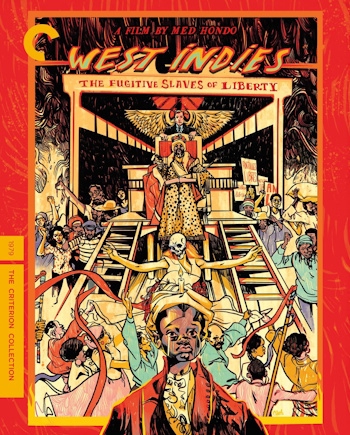
West Indies: The Fugitive Slaves of Liberty
BUY AT:


See more details, packaging, or compare
Synopsis
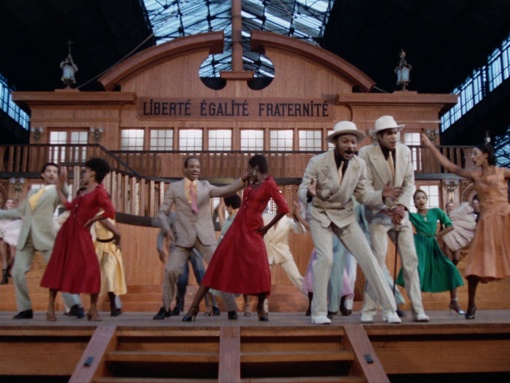
Mauritanian French firebrand Med Hondo puts colonialism itself on trial in this one-of-a-kind musical spectacular—a collective effort of unprecedented scale and ambition that proved a watershed event in African cinema. Aboard an enormous mock slave ship, Hondo stages a series of imaginative reenactments and intricately choreographed dance numbers that trace the devastating effects of French imperialism across centuries of enslavement and injustice. Beyond mere extravaganza, West Indies: The Fugitive Slaves of Liberty is a stirring call to Pan-African independence and a dazzling yet critical reconception of an entire people’s history of oppression and rebellion.
Picture 8/10
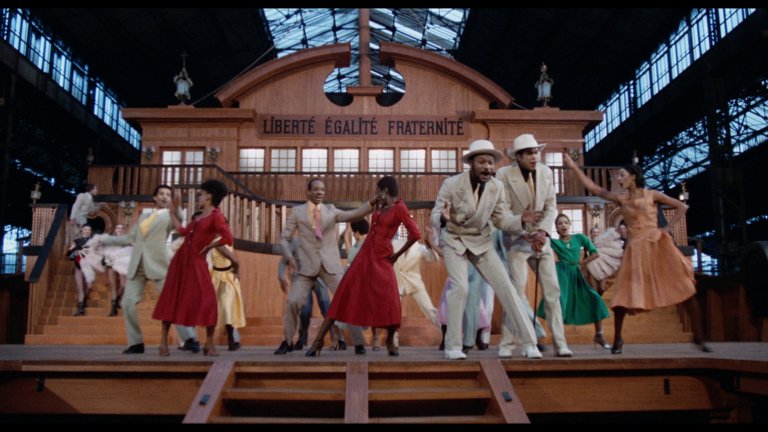
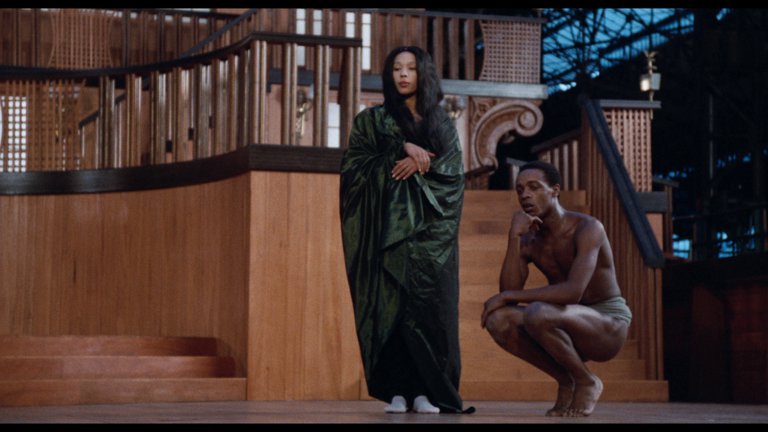
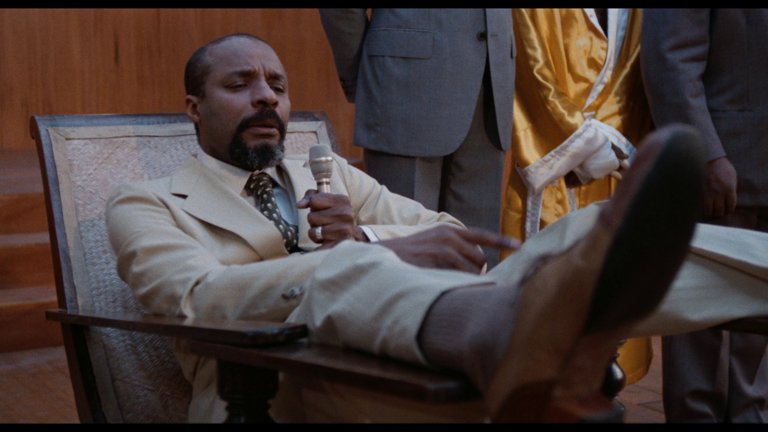
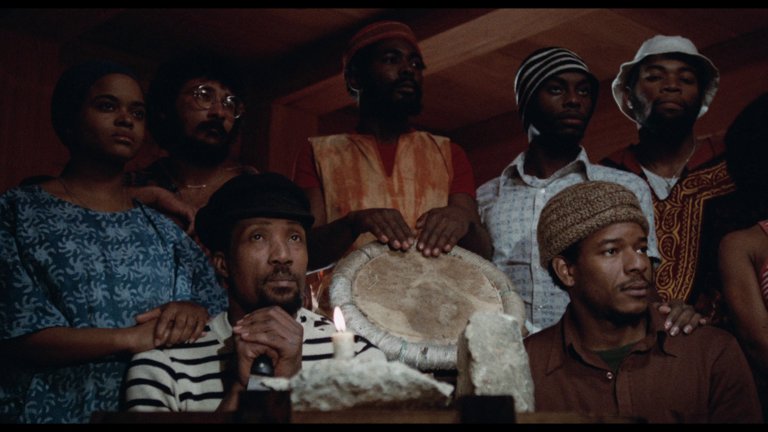
The Criterion Collection presents Med Hondo’s West Indies: The Fugitive Slaves of Liberty on Blu-ray, delivering the film on a dual-layer disc in its original aspect ratio of 1.85:1. The 1080p/24hz high-definition presentation is sourced from a new 4K restoration taken from a scan of the 35mm original camera negative.
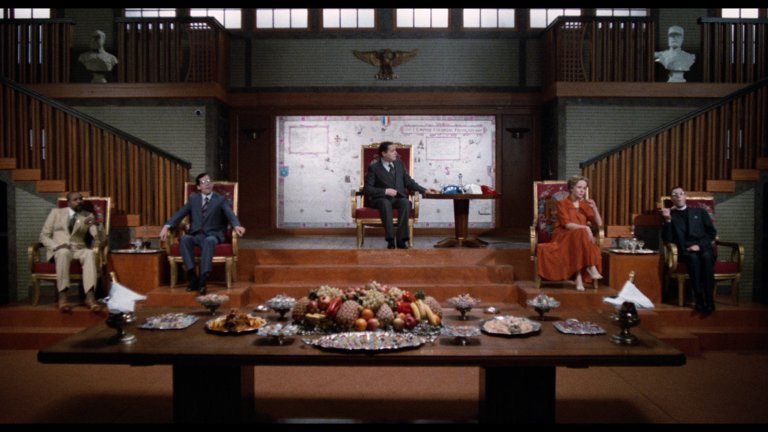
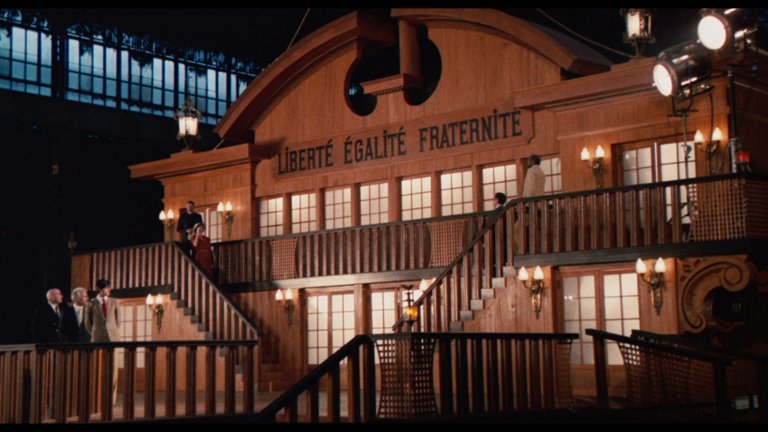
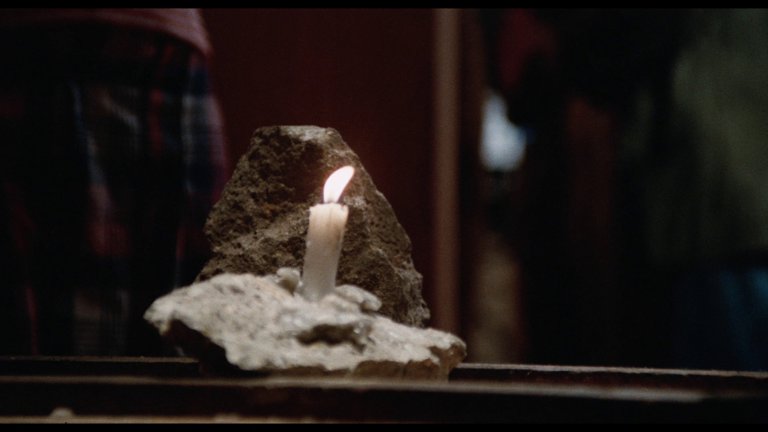
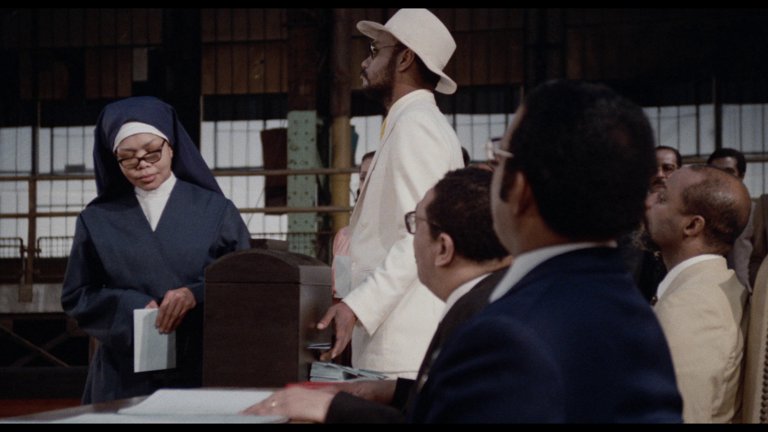
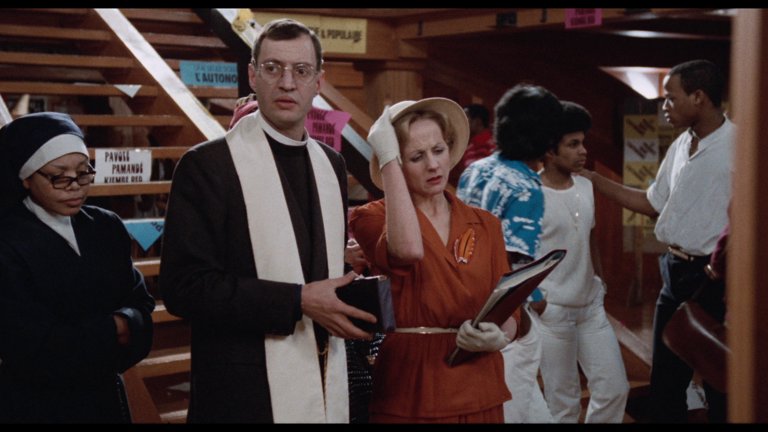
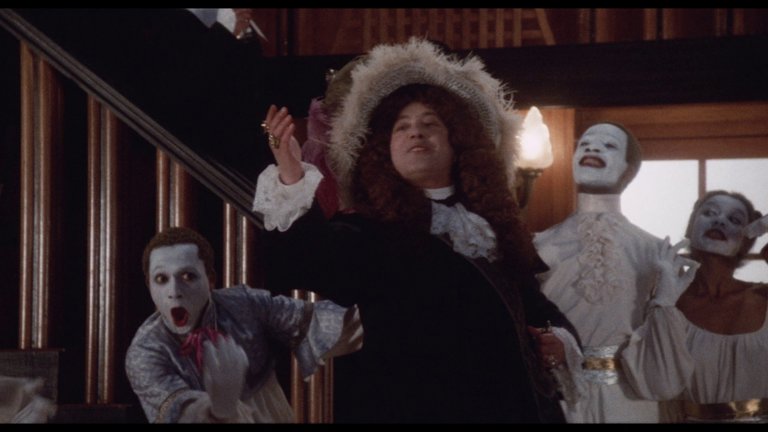
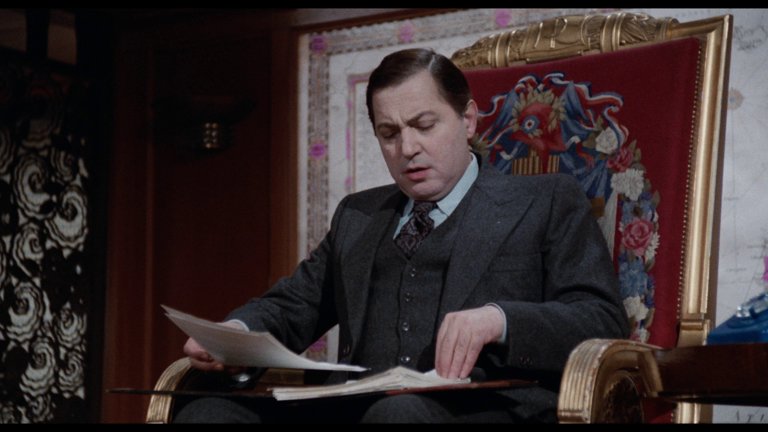
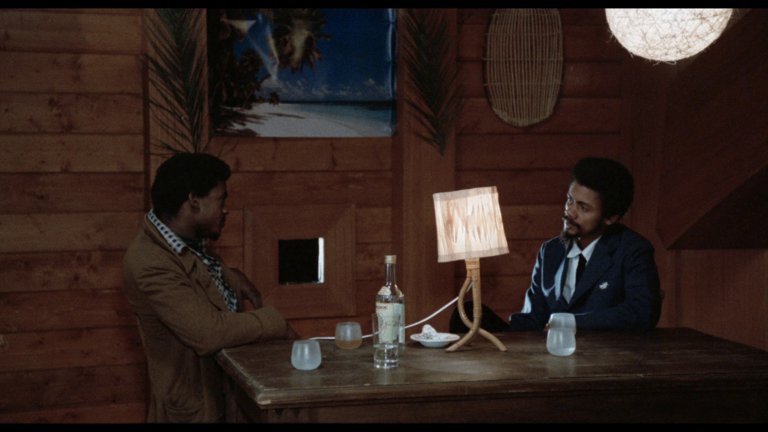
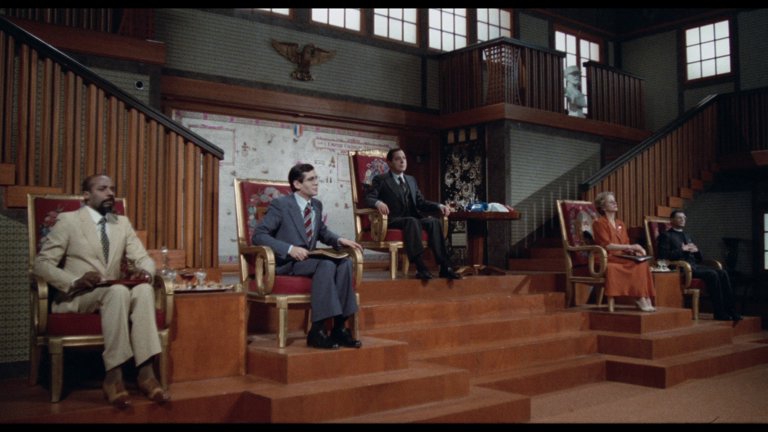
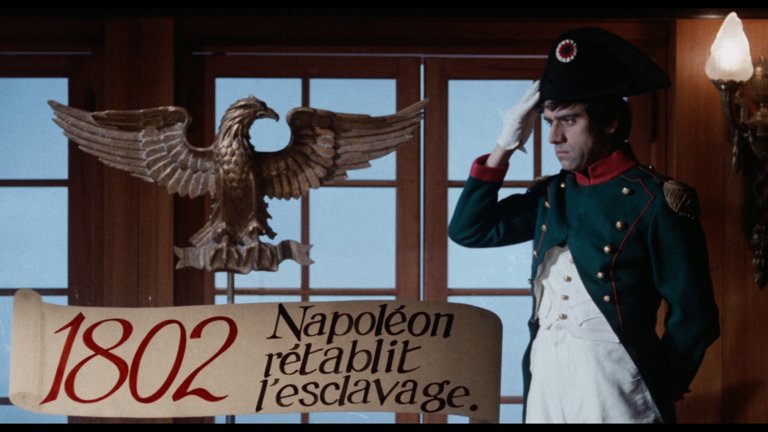
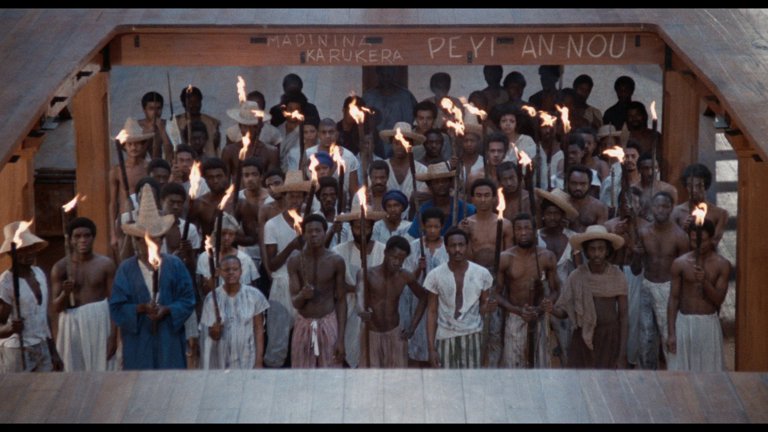
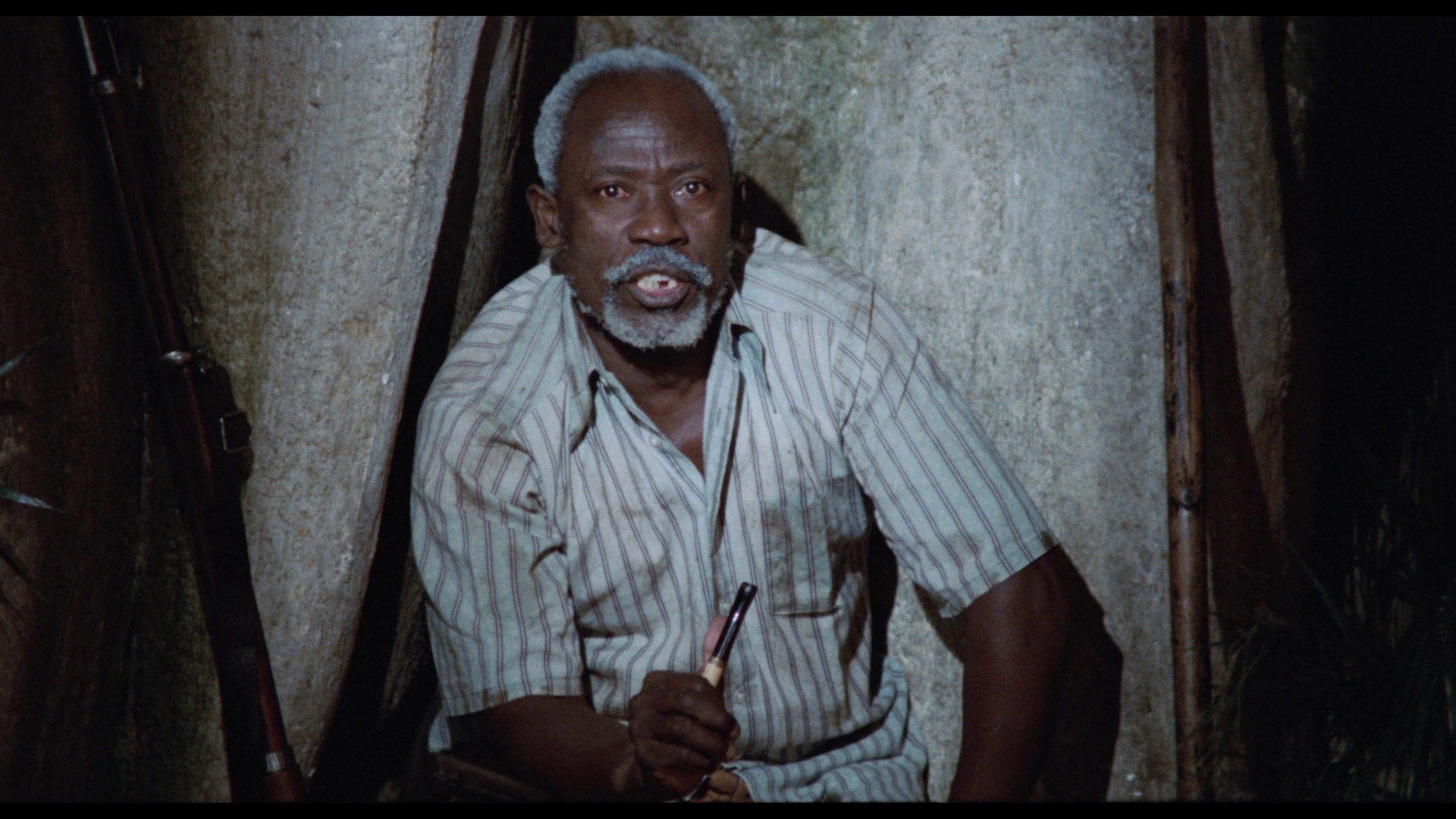
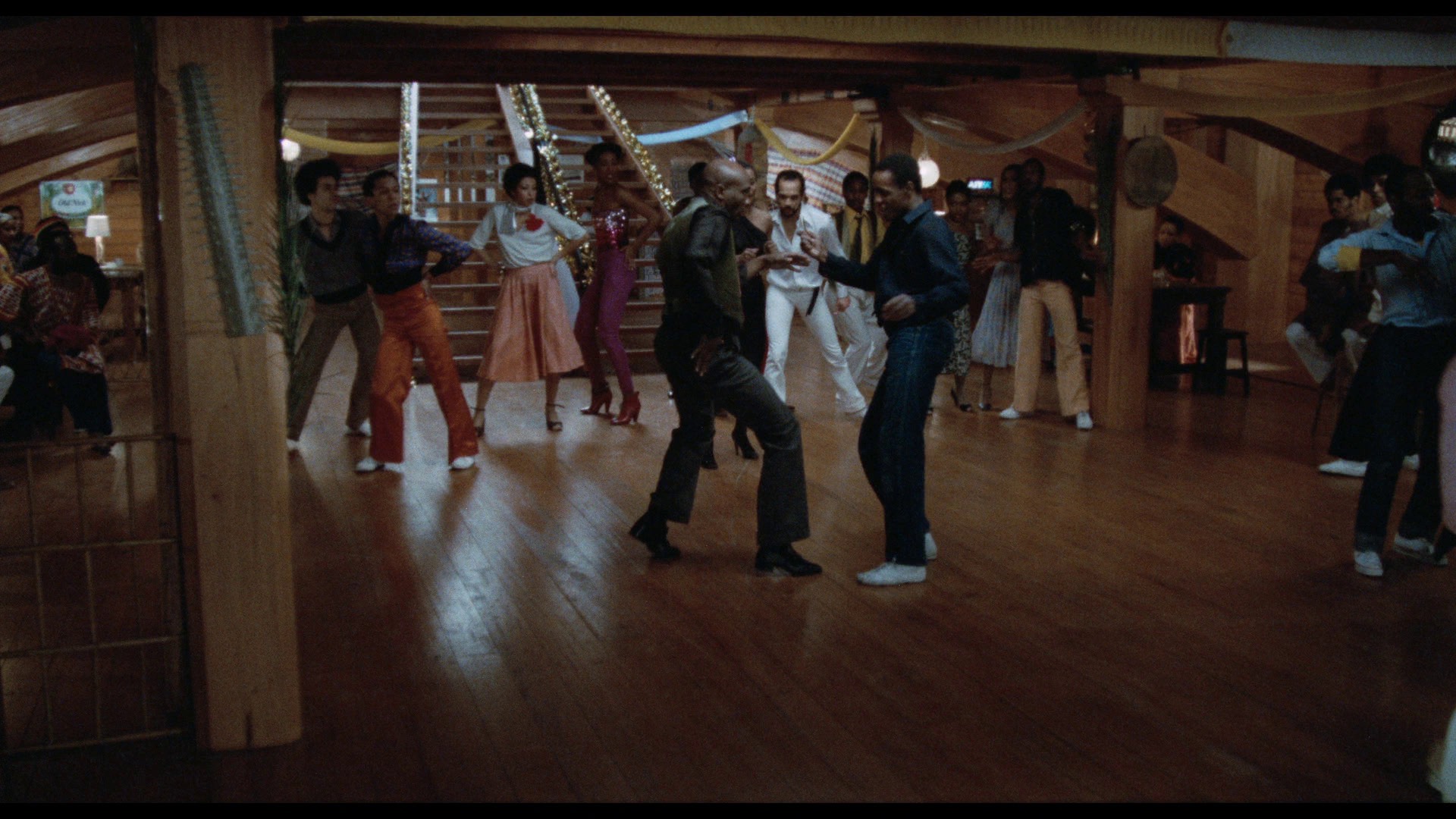
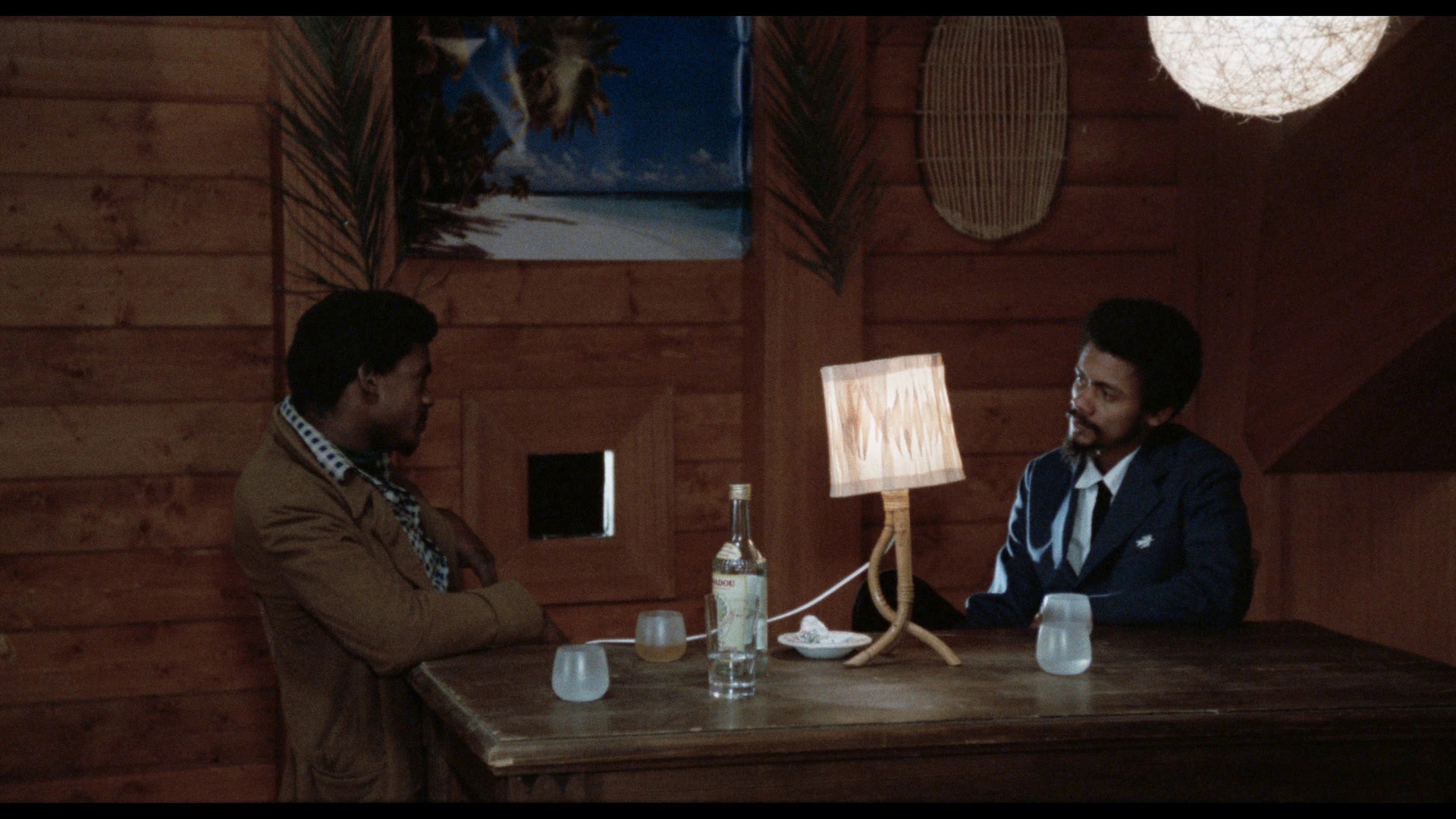
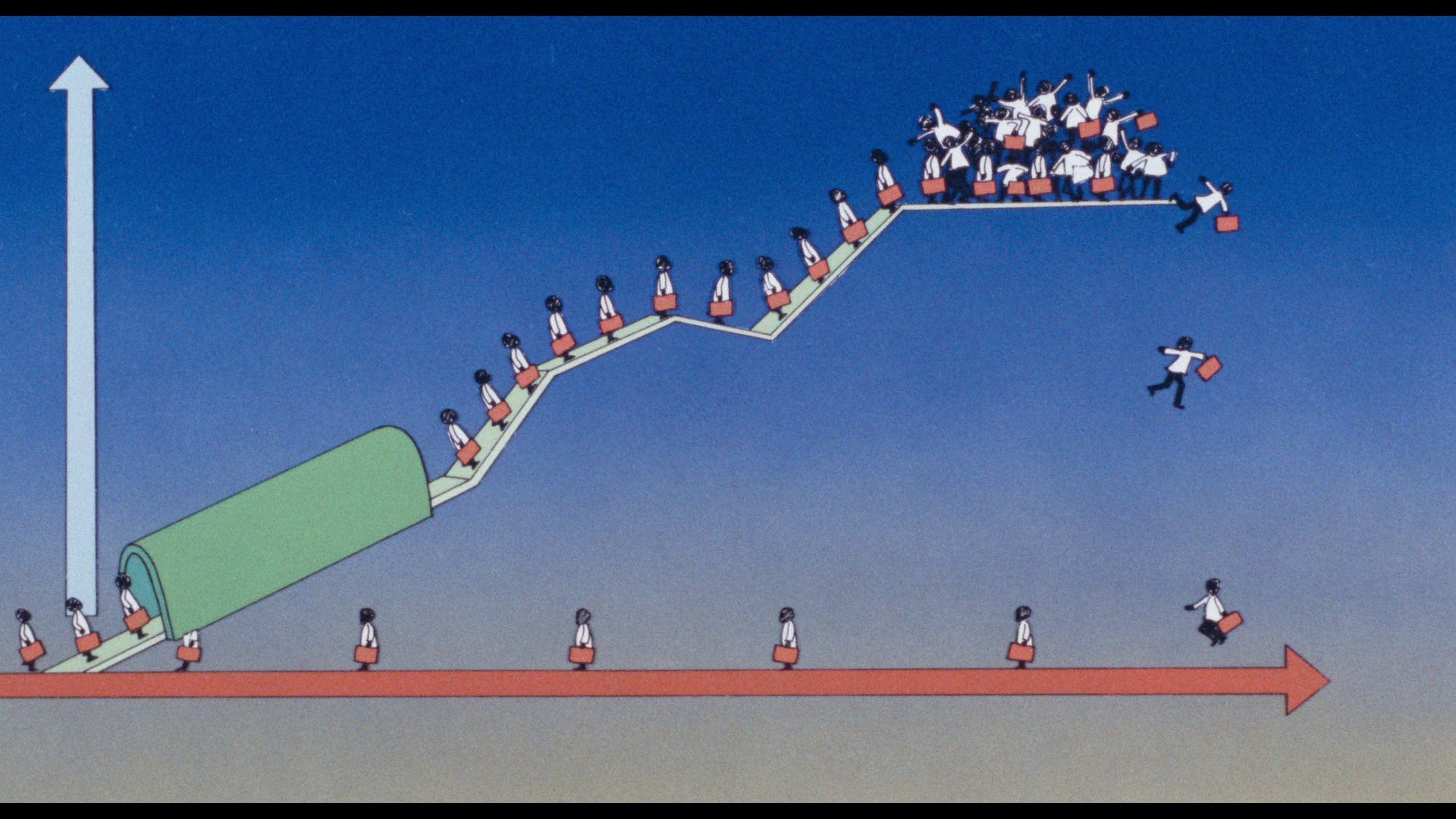
The presentation looks really good overall, and while I can’t say it has any glaring issues, there also isn’t much that truly stands out or elevates it above other solid high-definition presentations. The encode is another strong effort from Criterion, following High Art's equally impressive one, rendering the film’s grain structure well without introducing any obvious issues in either the highlights or darker areas. The image is also consistently sharp, rendering fine details with ease.
Despite all of those strengths, there’s just a general flatness to the image. Reds can look fairly vibrant, but outside of that are the general color scheme comes off a bit muted, with a slight artificial teal lean that becomes more noticeable in the whites. Black levels are fine, though shadow depth is somewhat limited.
The restoration work itself is solid, cleaning up all damage outside of a few minor marks. Grain is clean and natural throughout, and the presentation is consistently pleasing. In the end, it looks very good overall, it just never reaches the point where it really impresses.
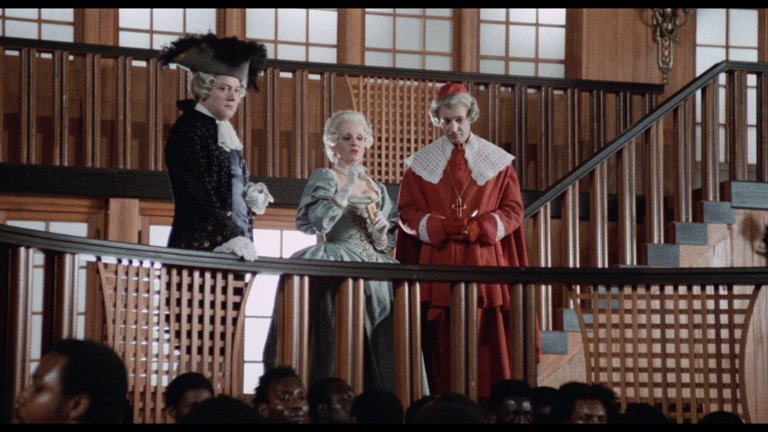
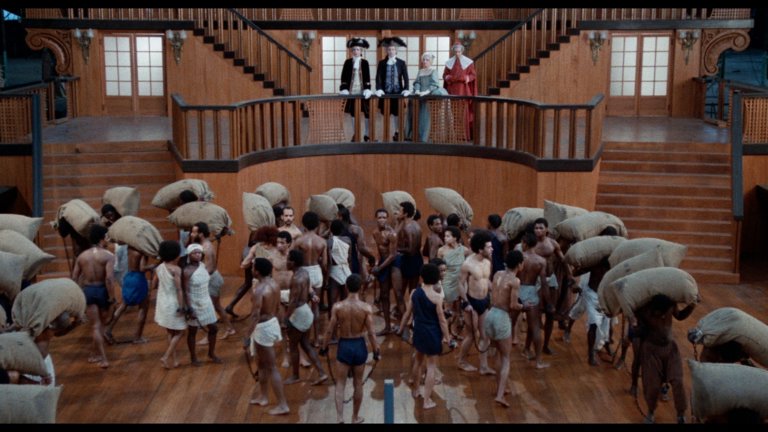
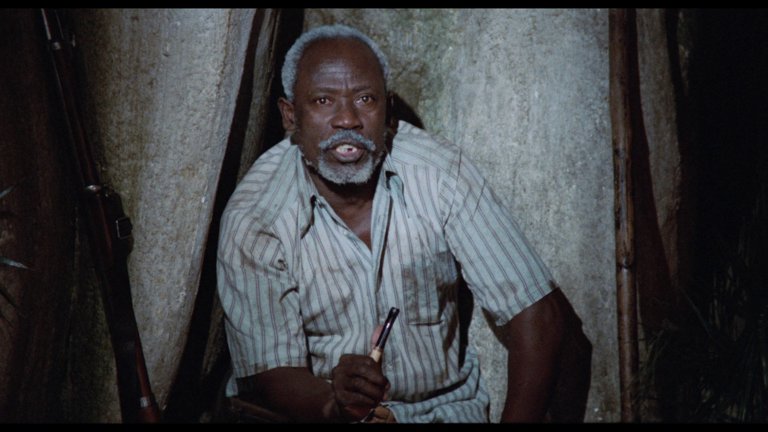
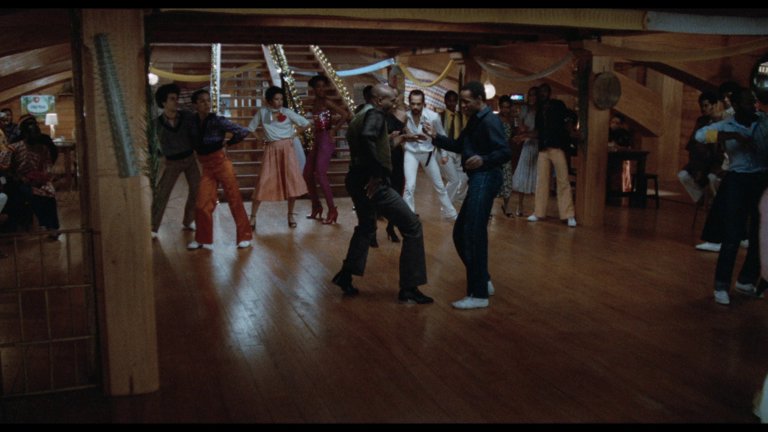

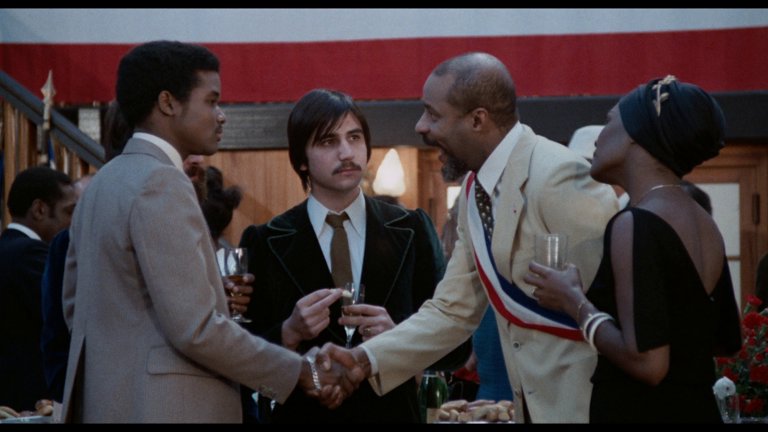
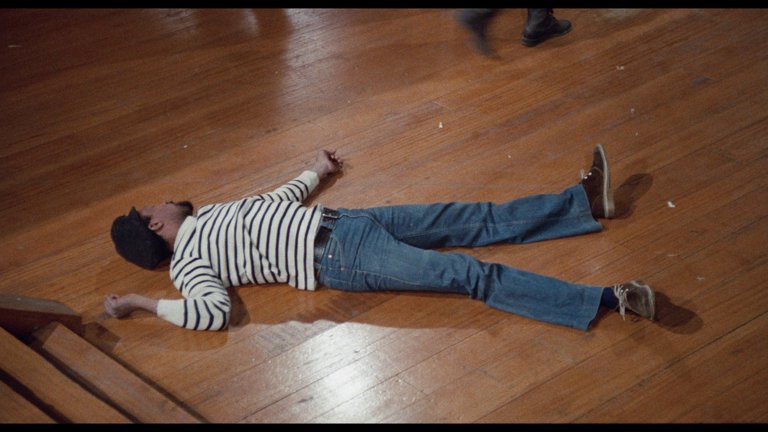
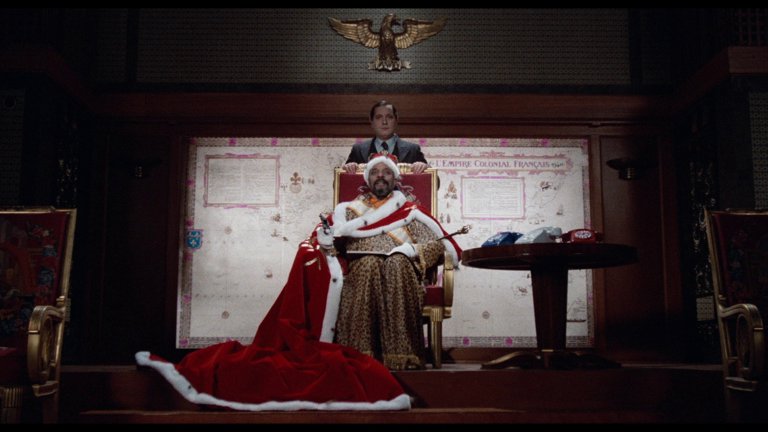
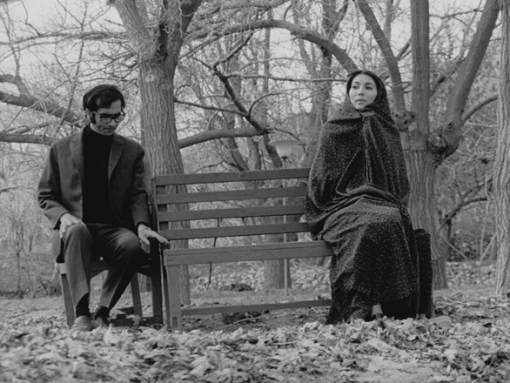
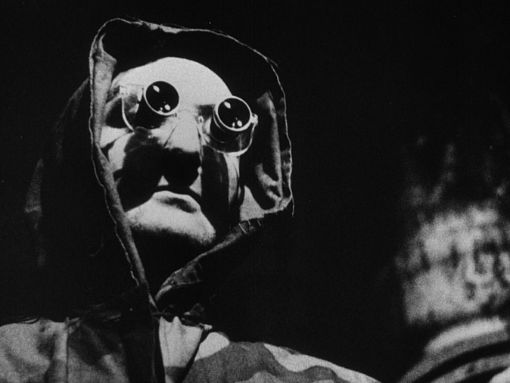
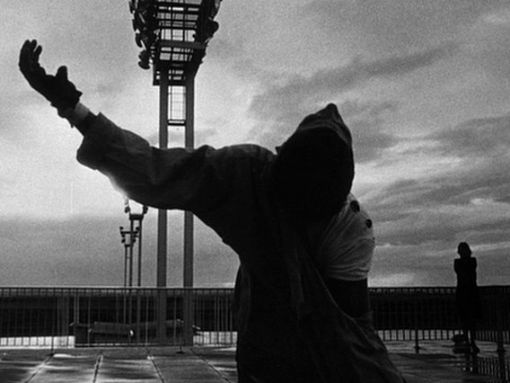
West Indies: The Fugitive Slaves of Liberty - Screen Captures
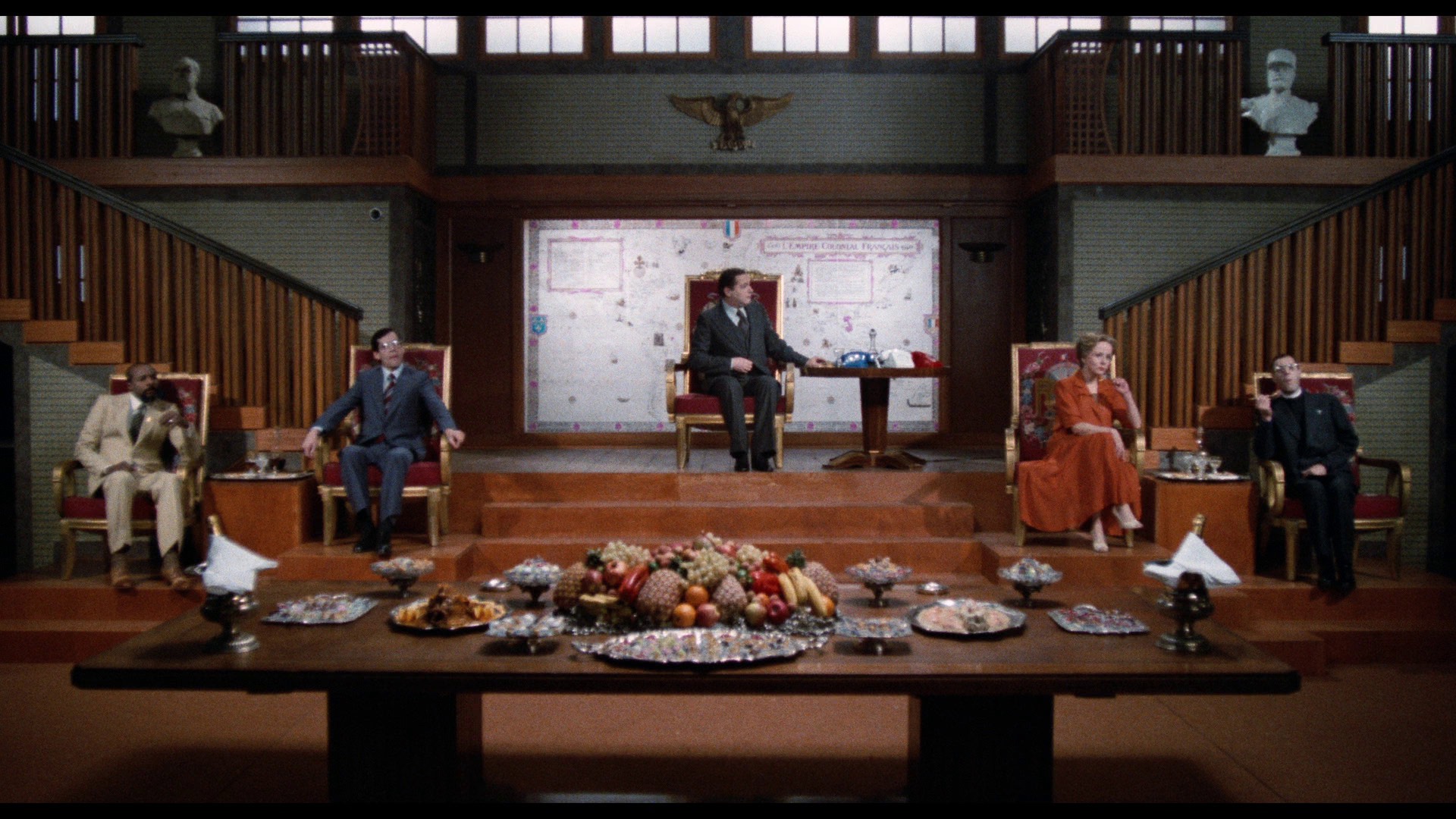
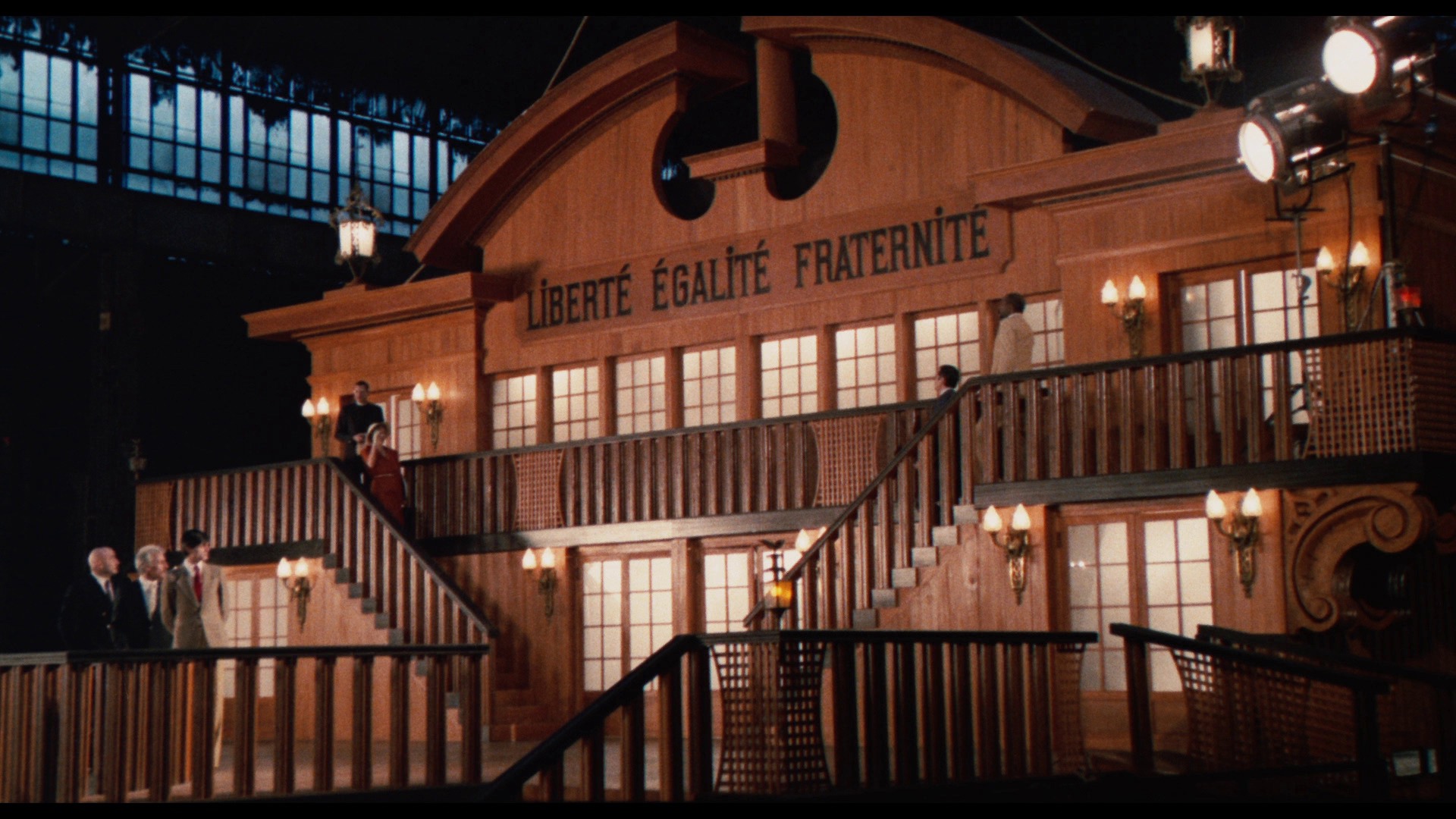
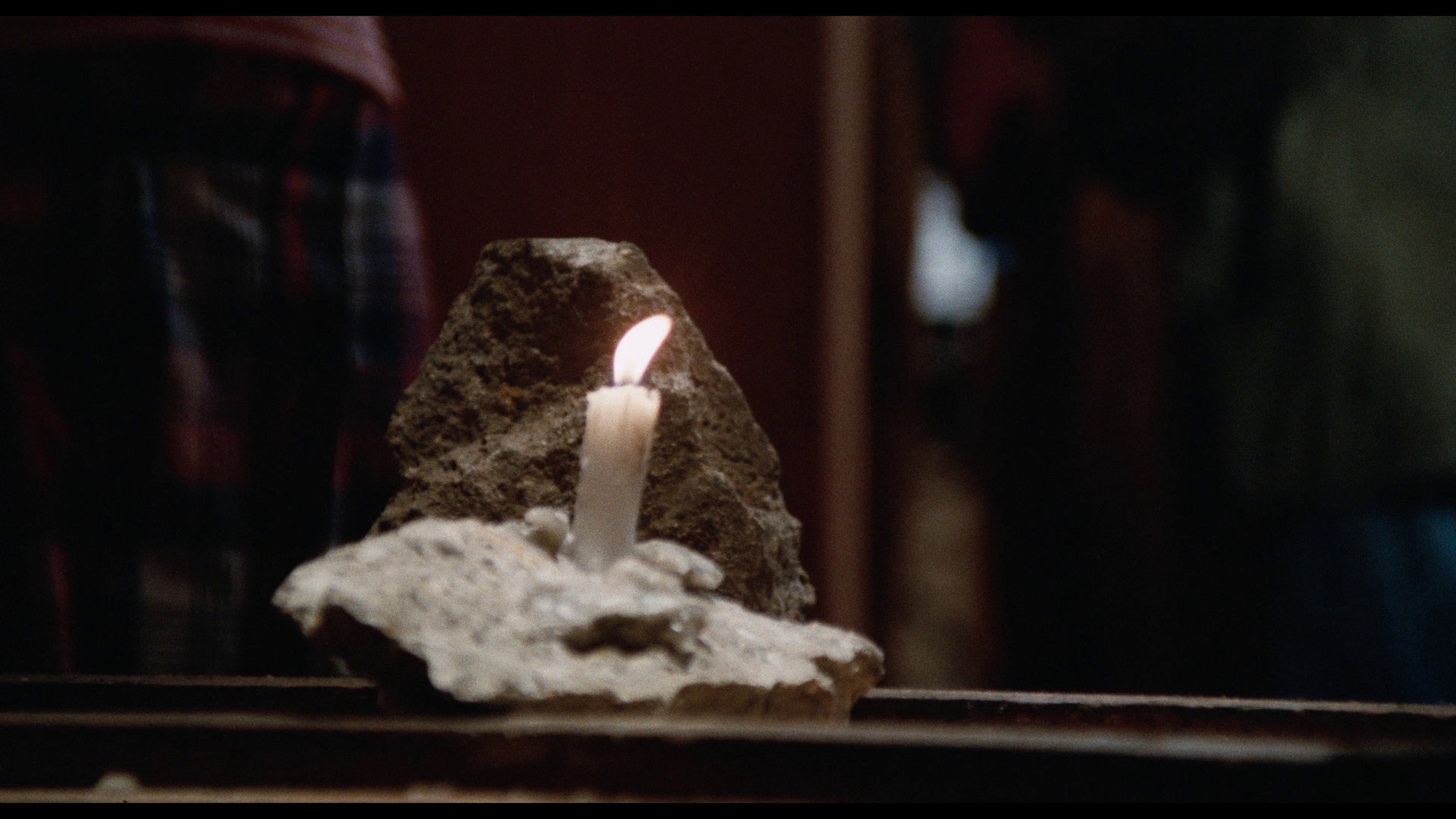
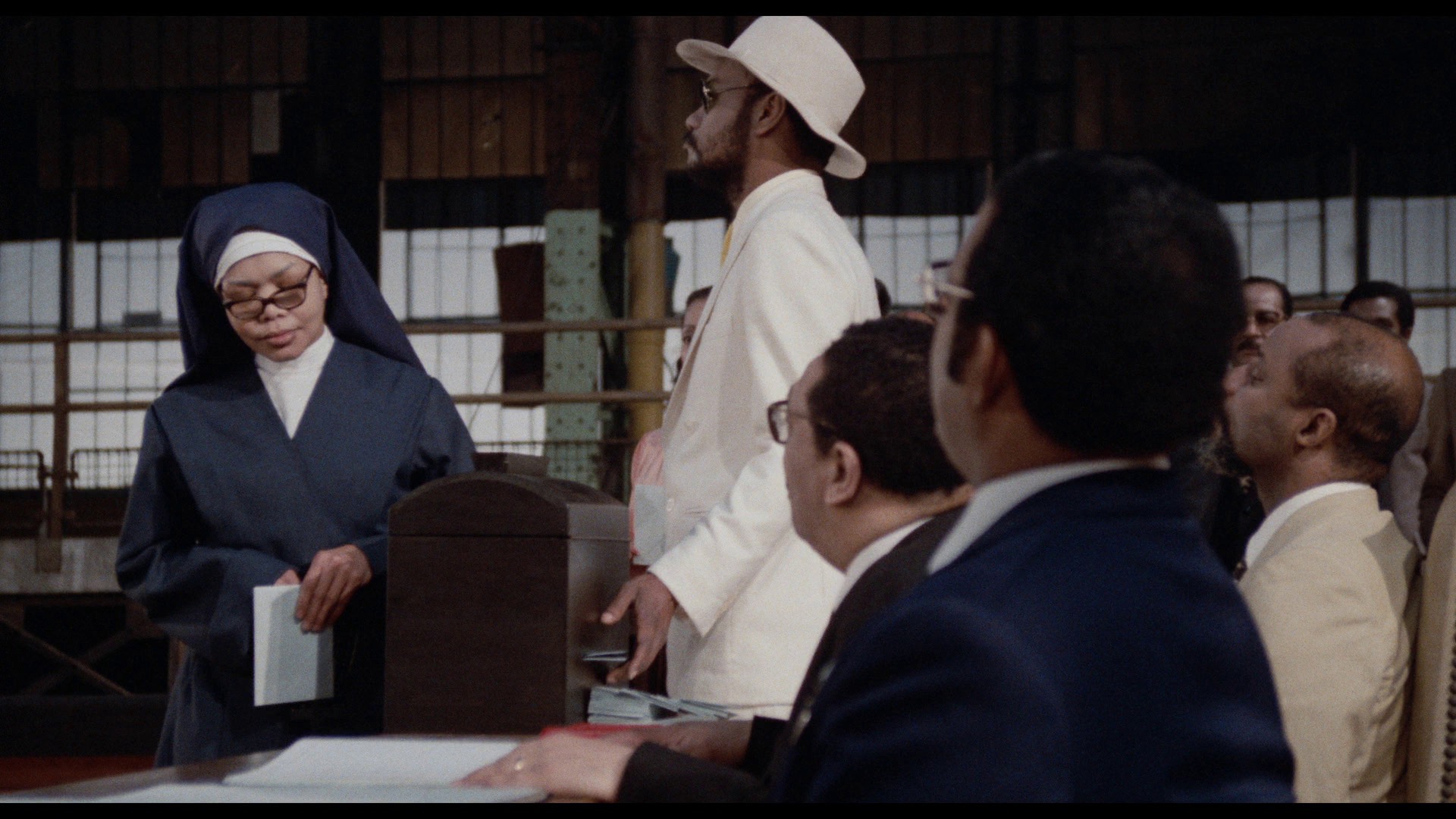
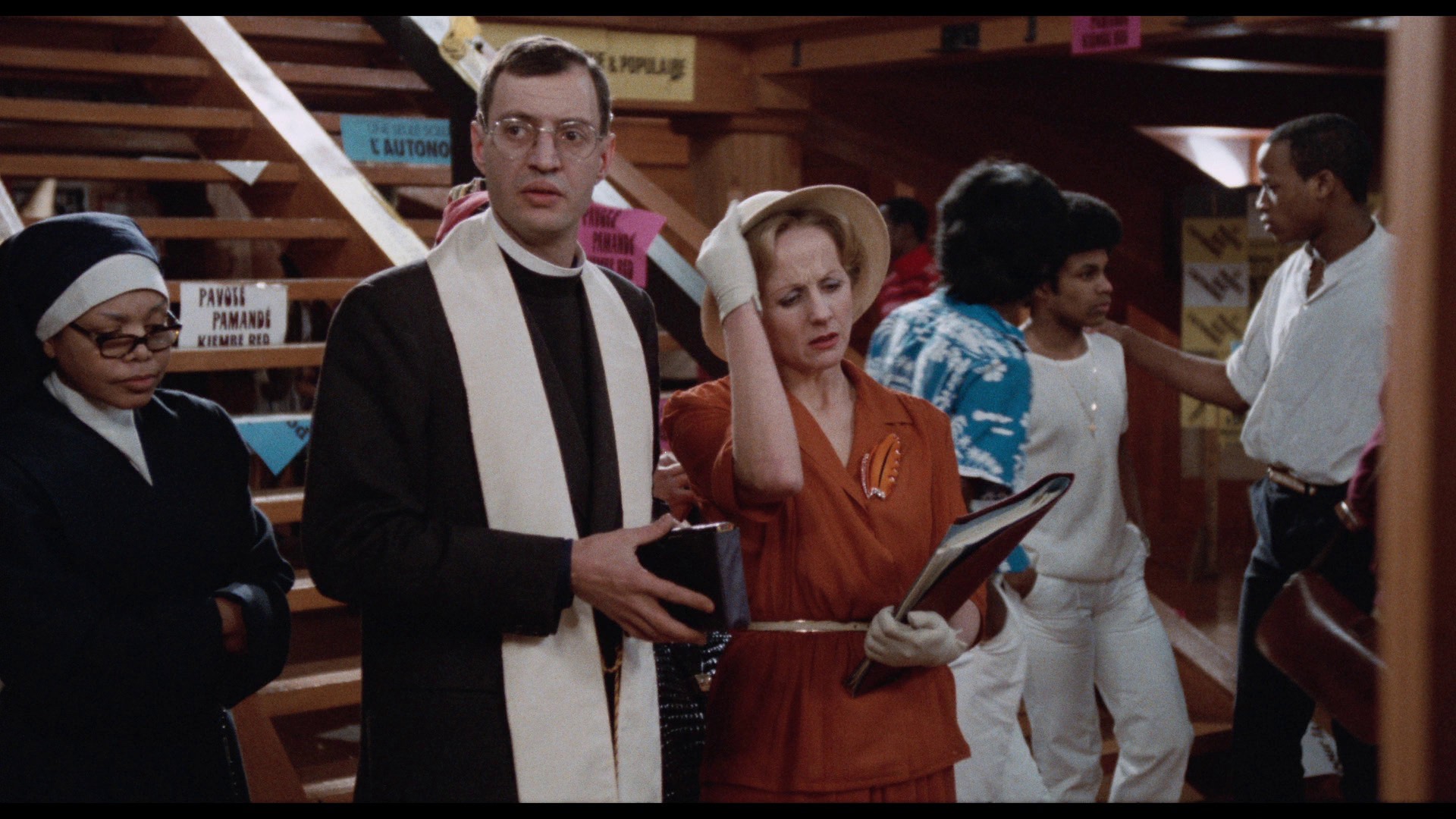
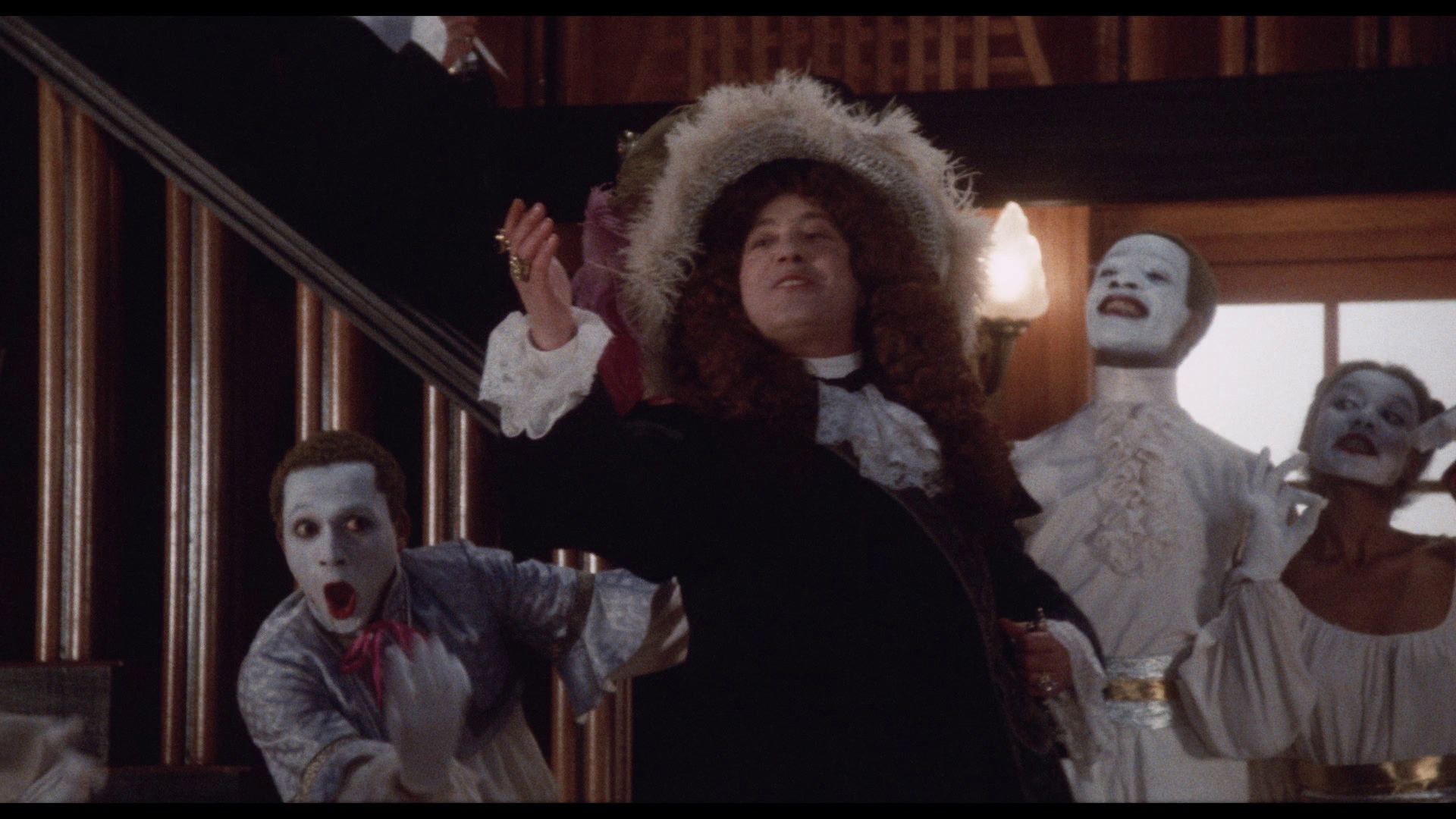
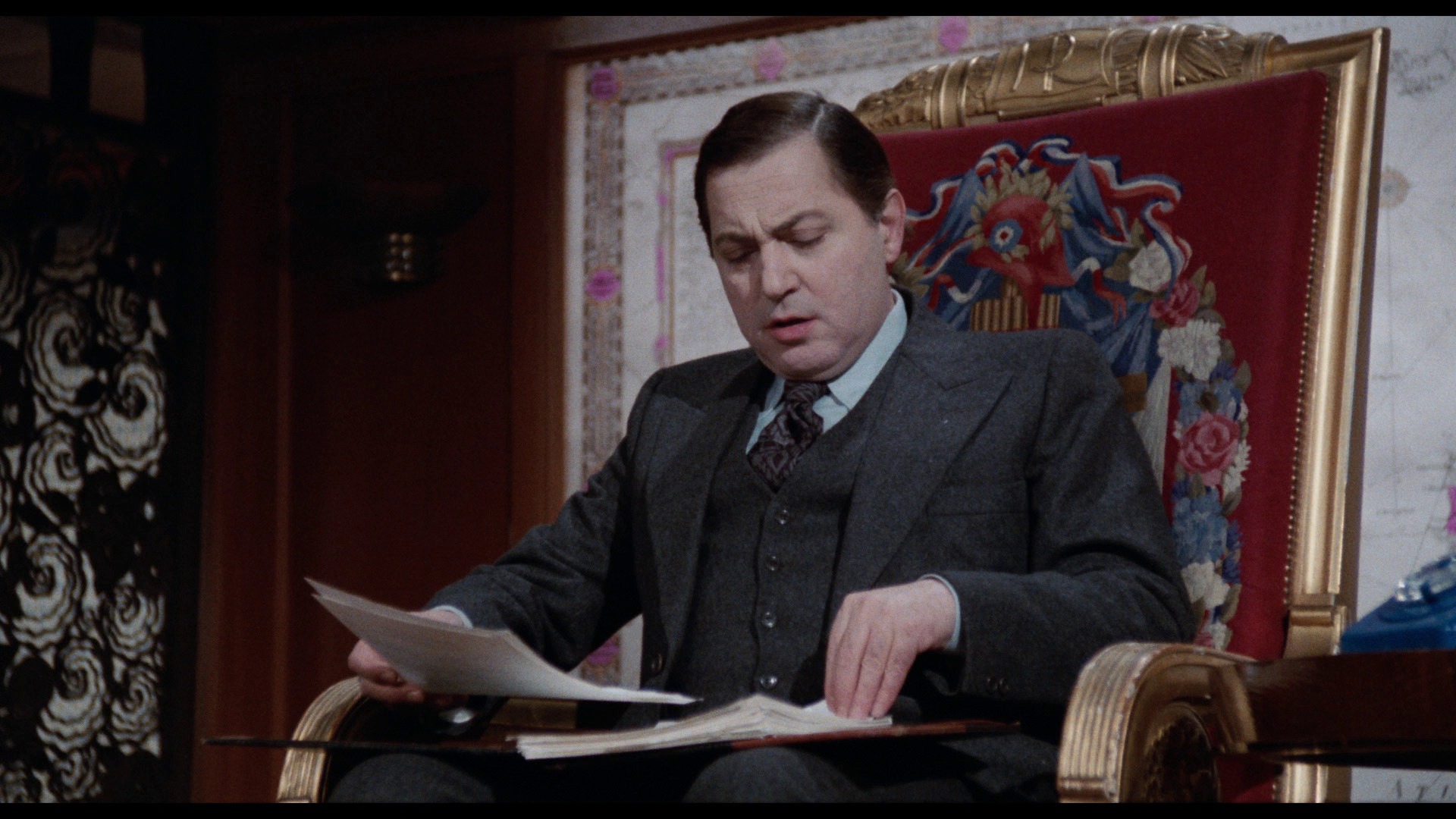
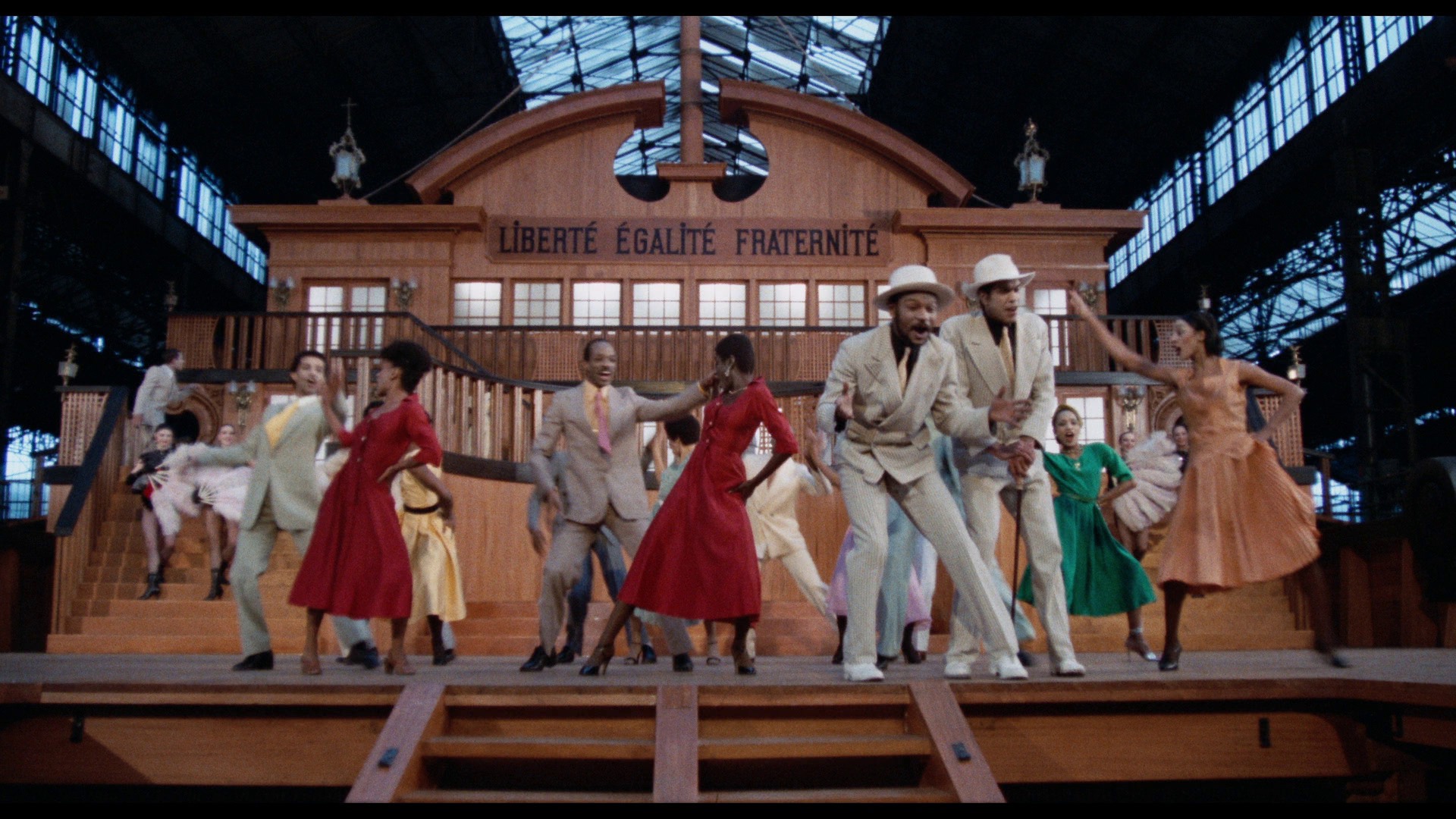
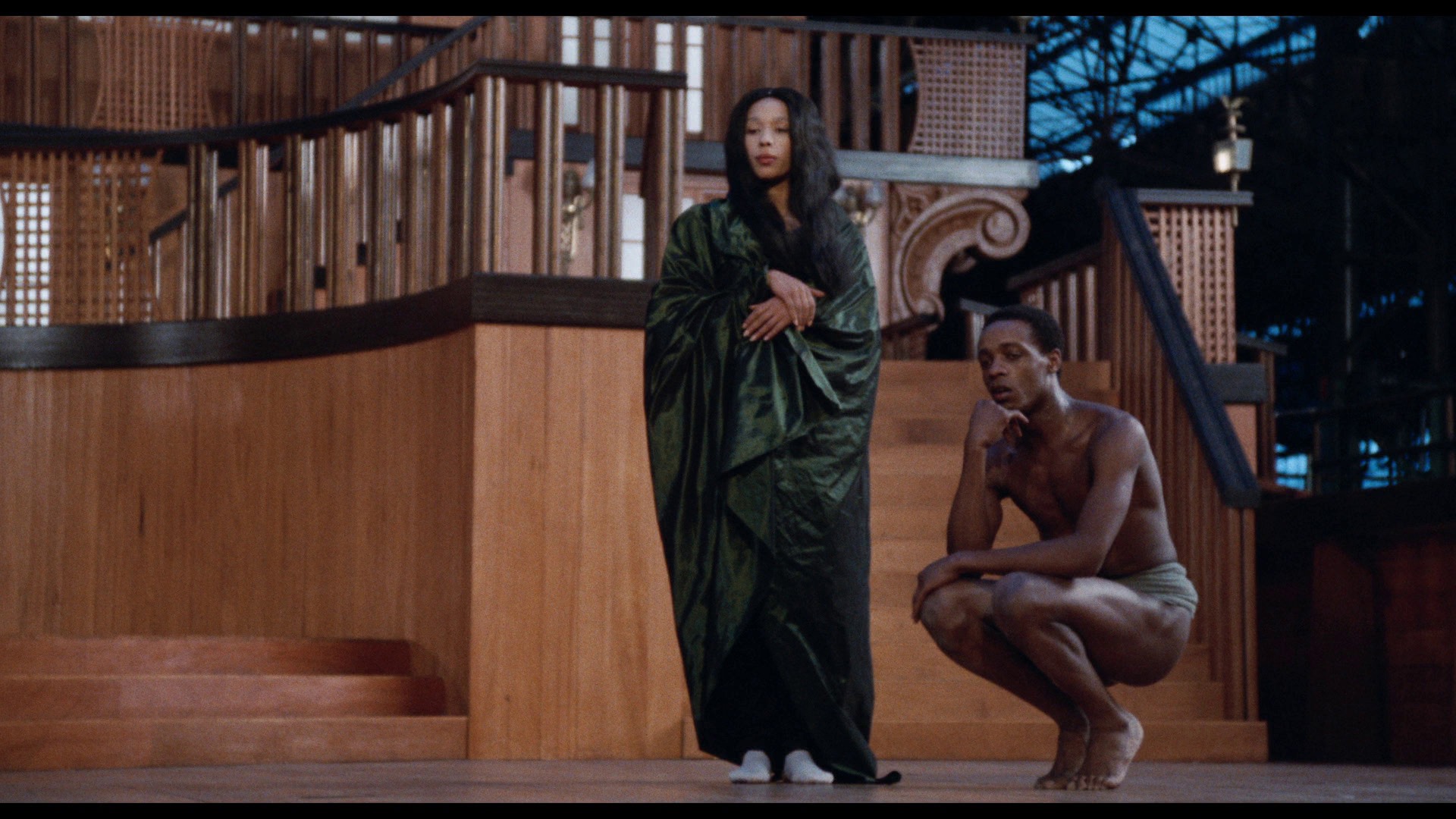
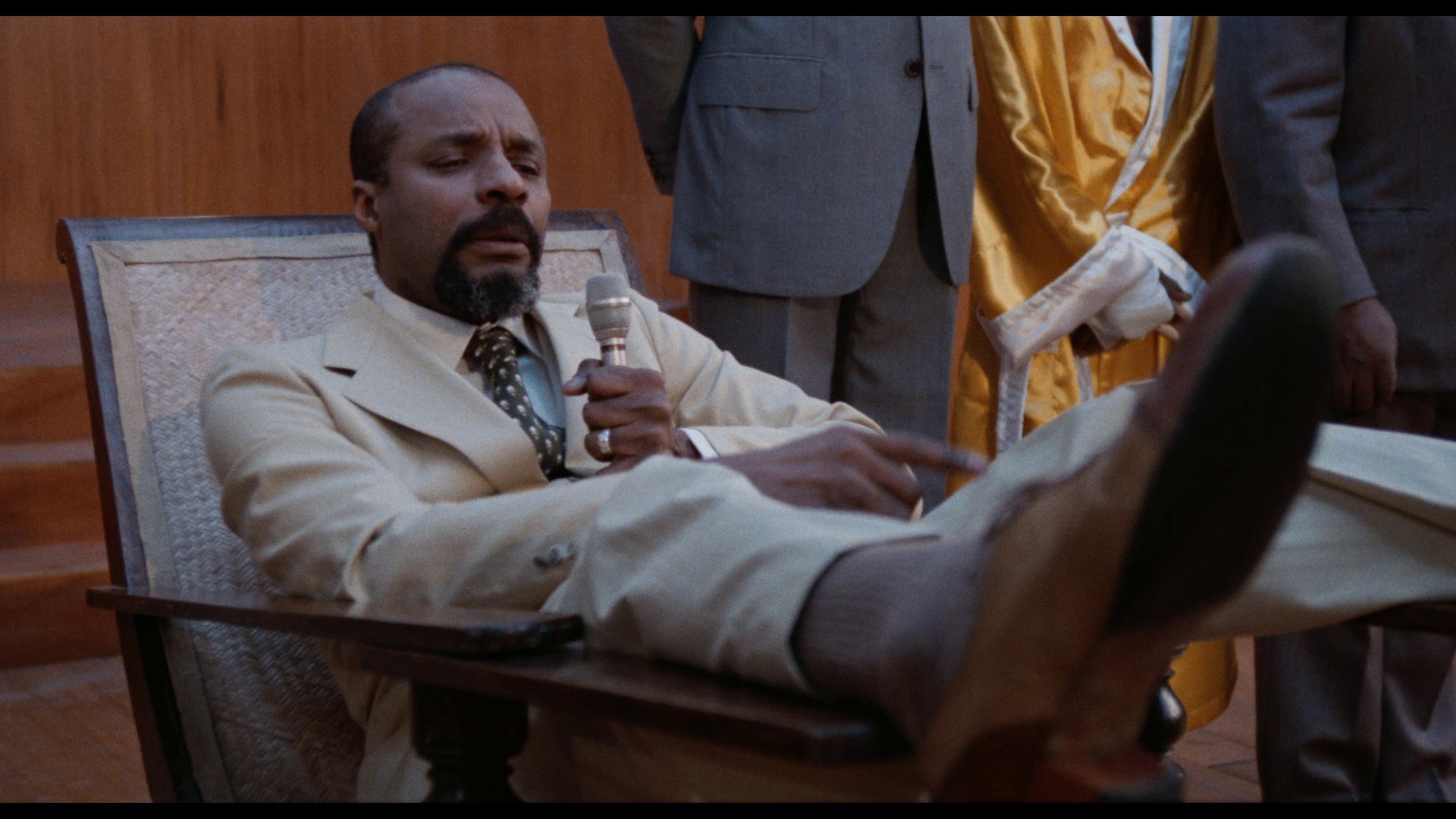
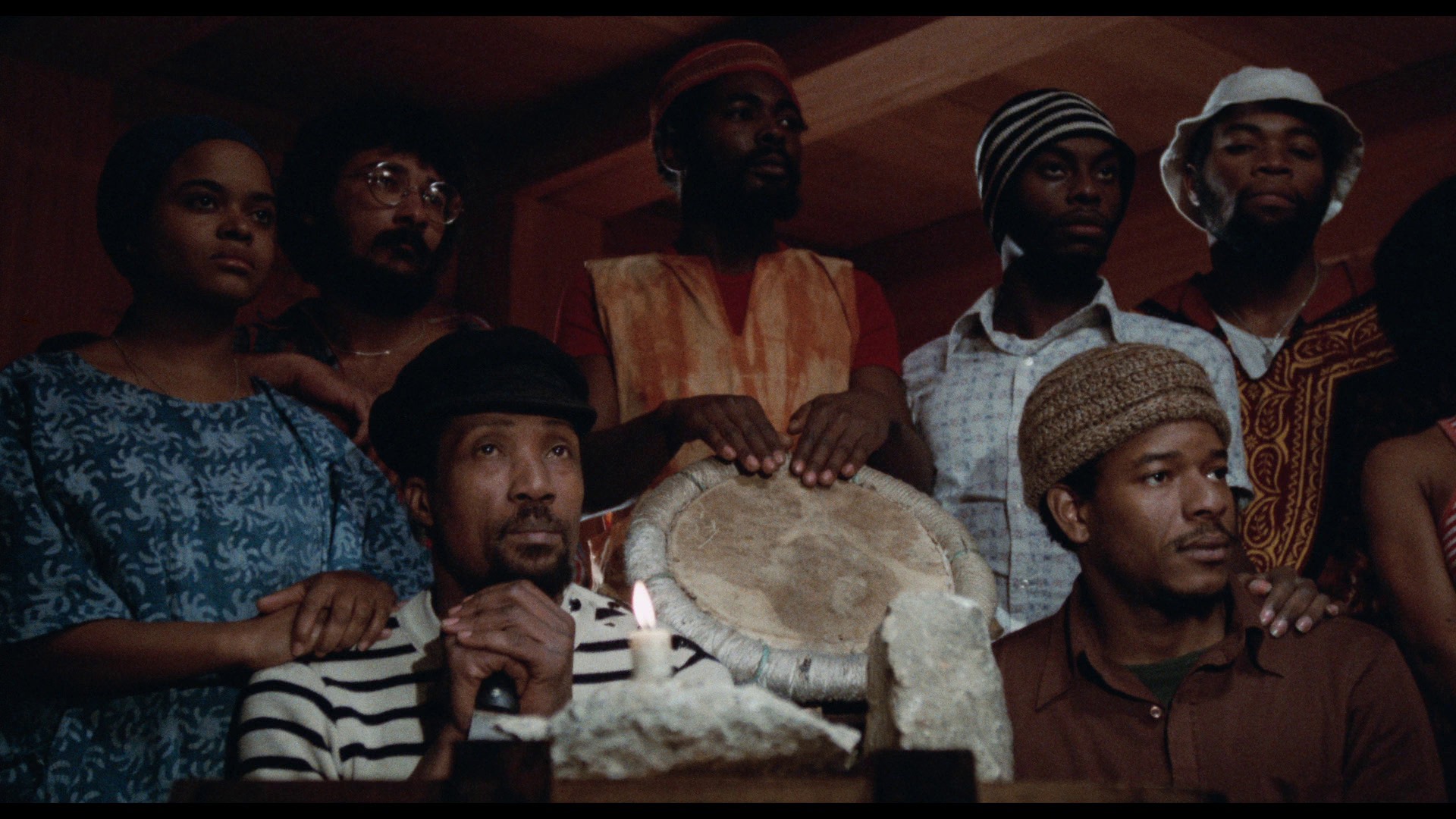
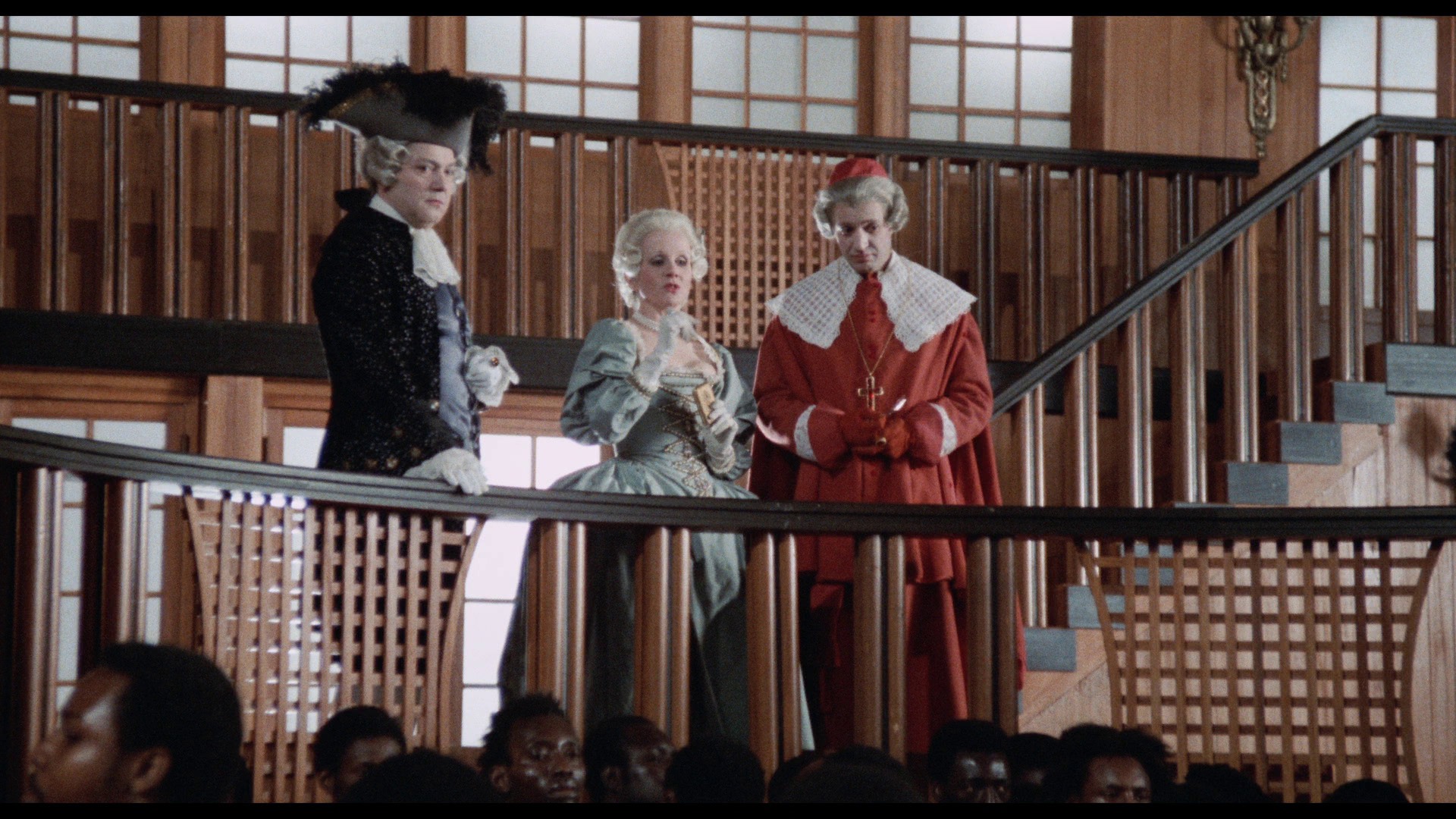
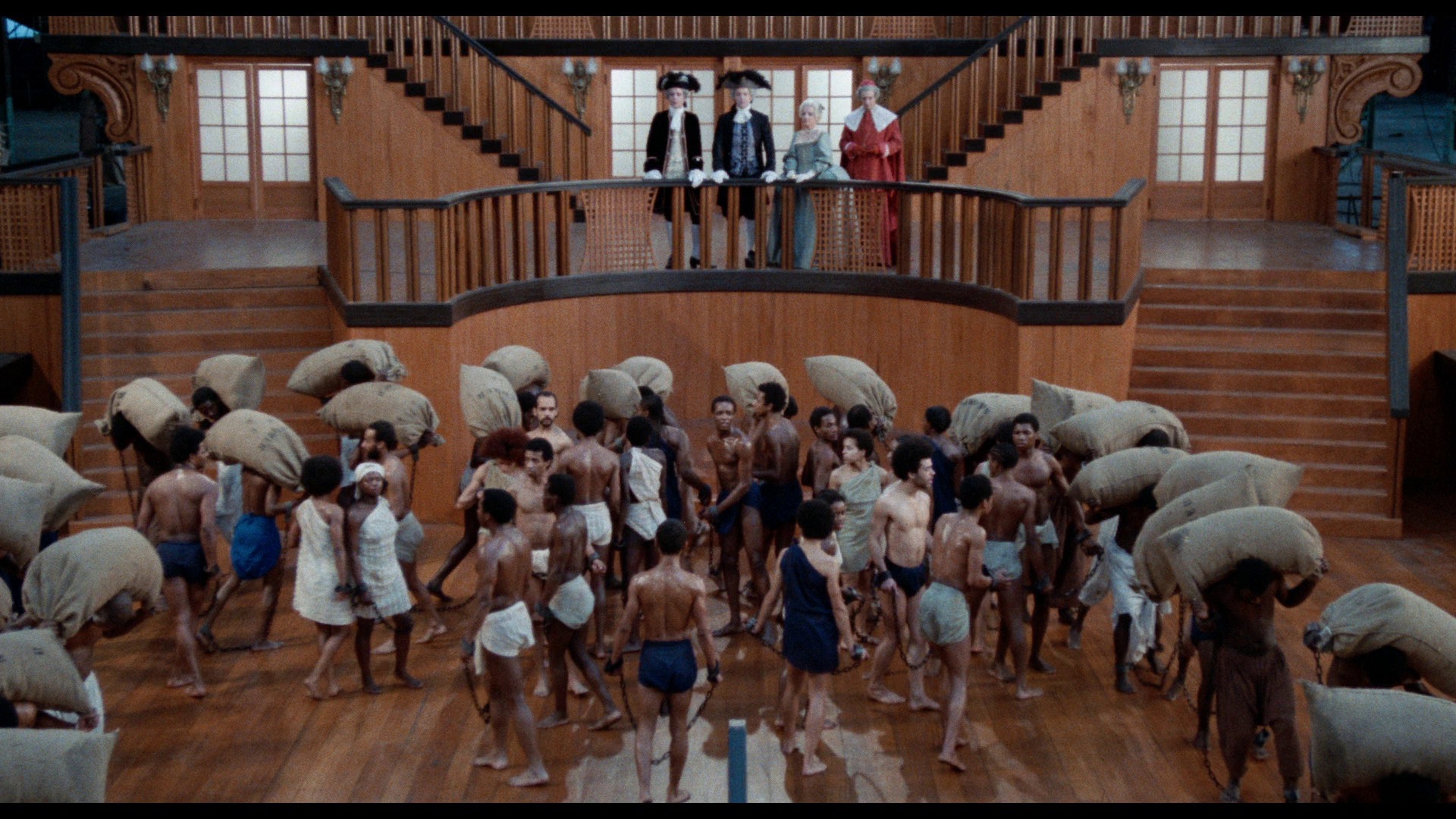
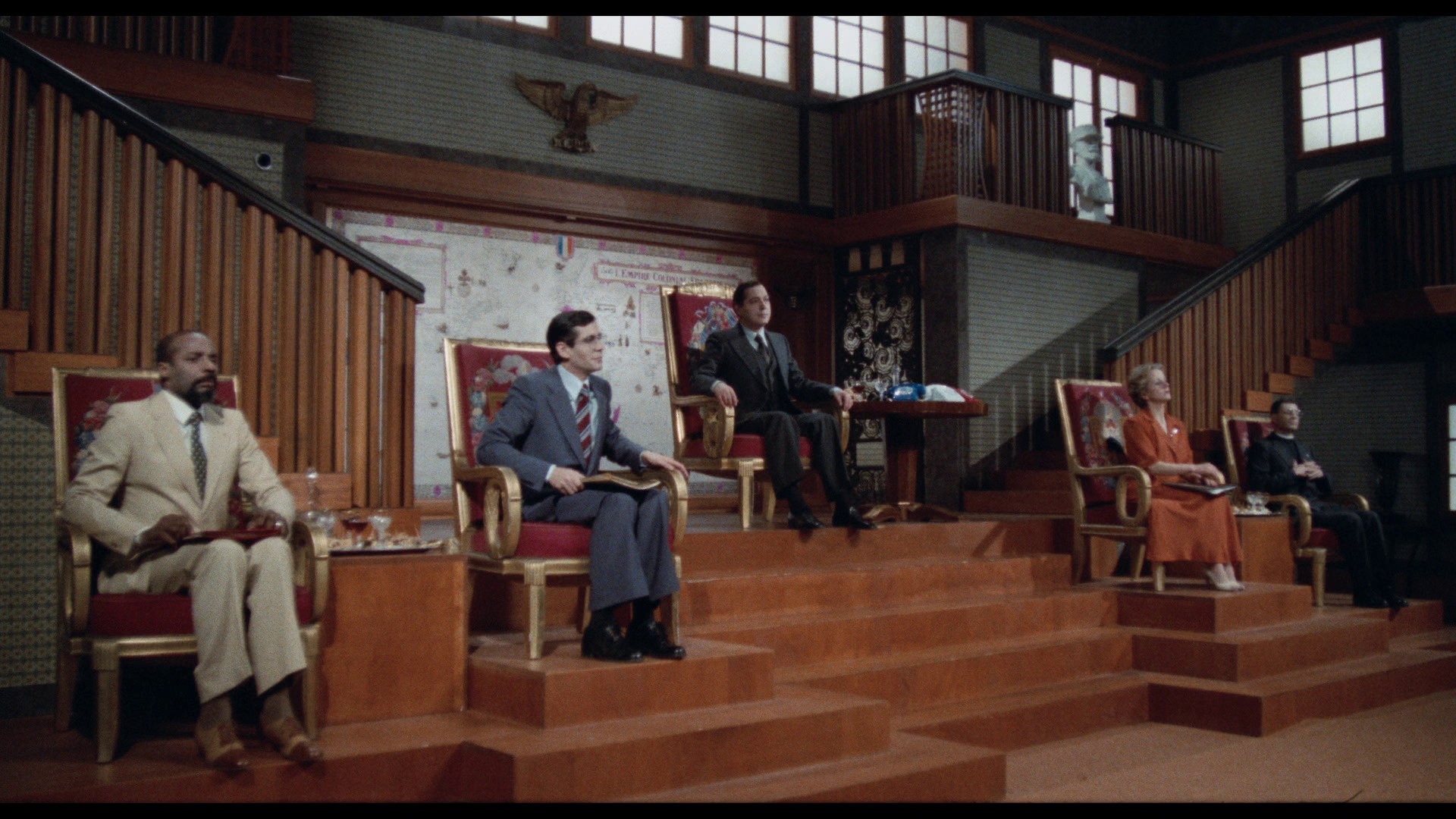
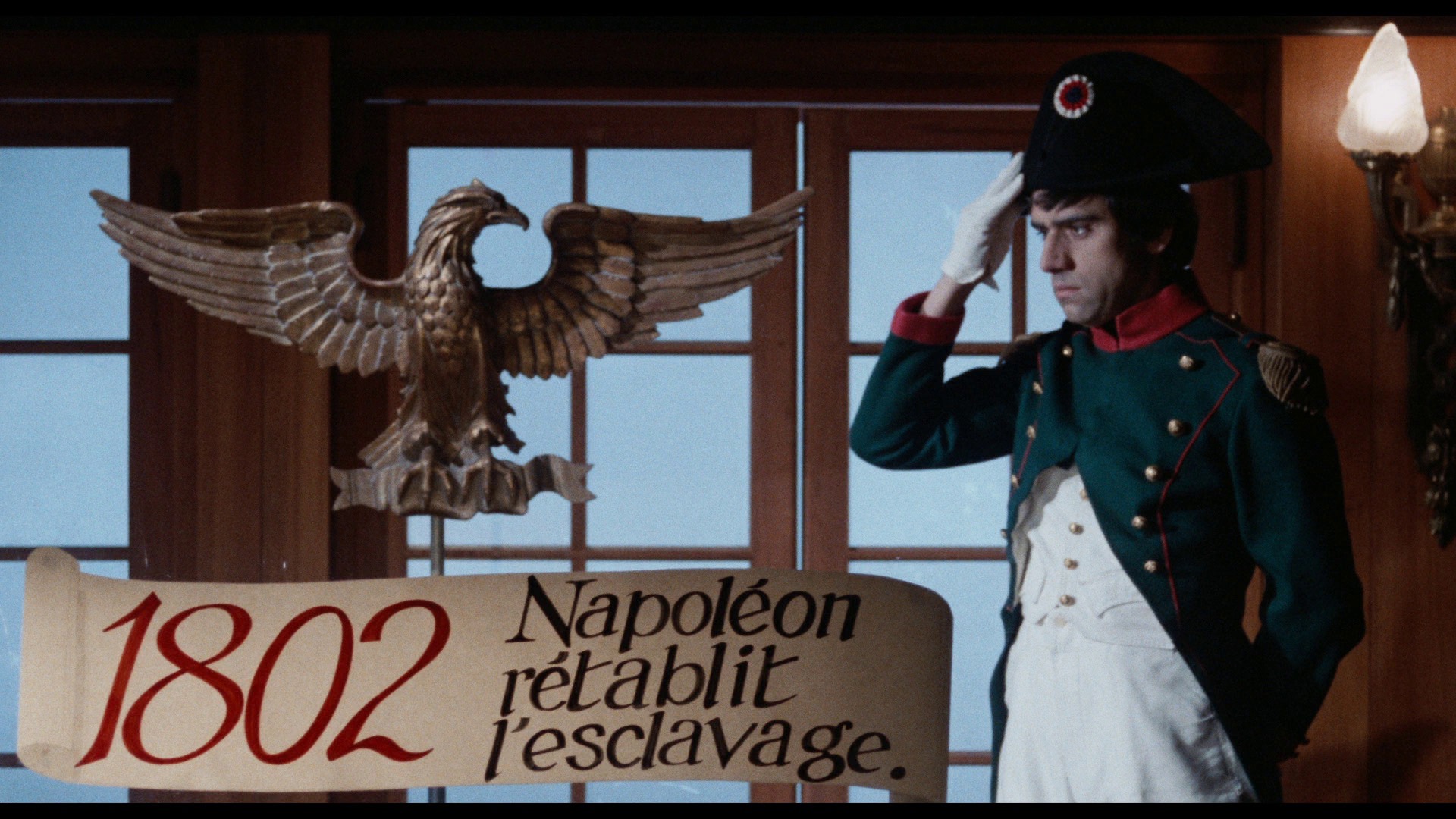
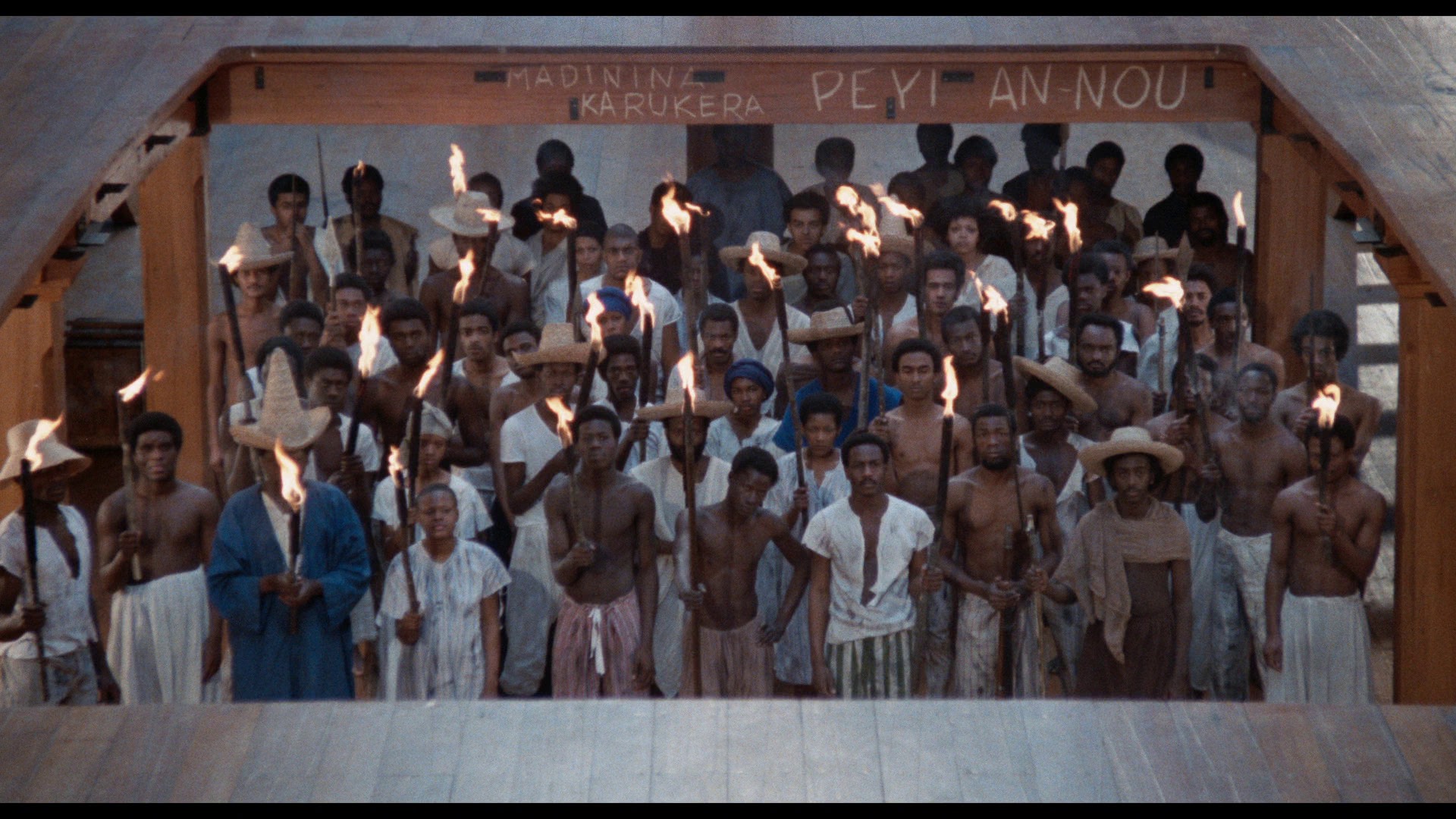
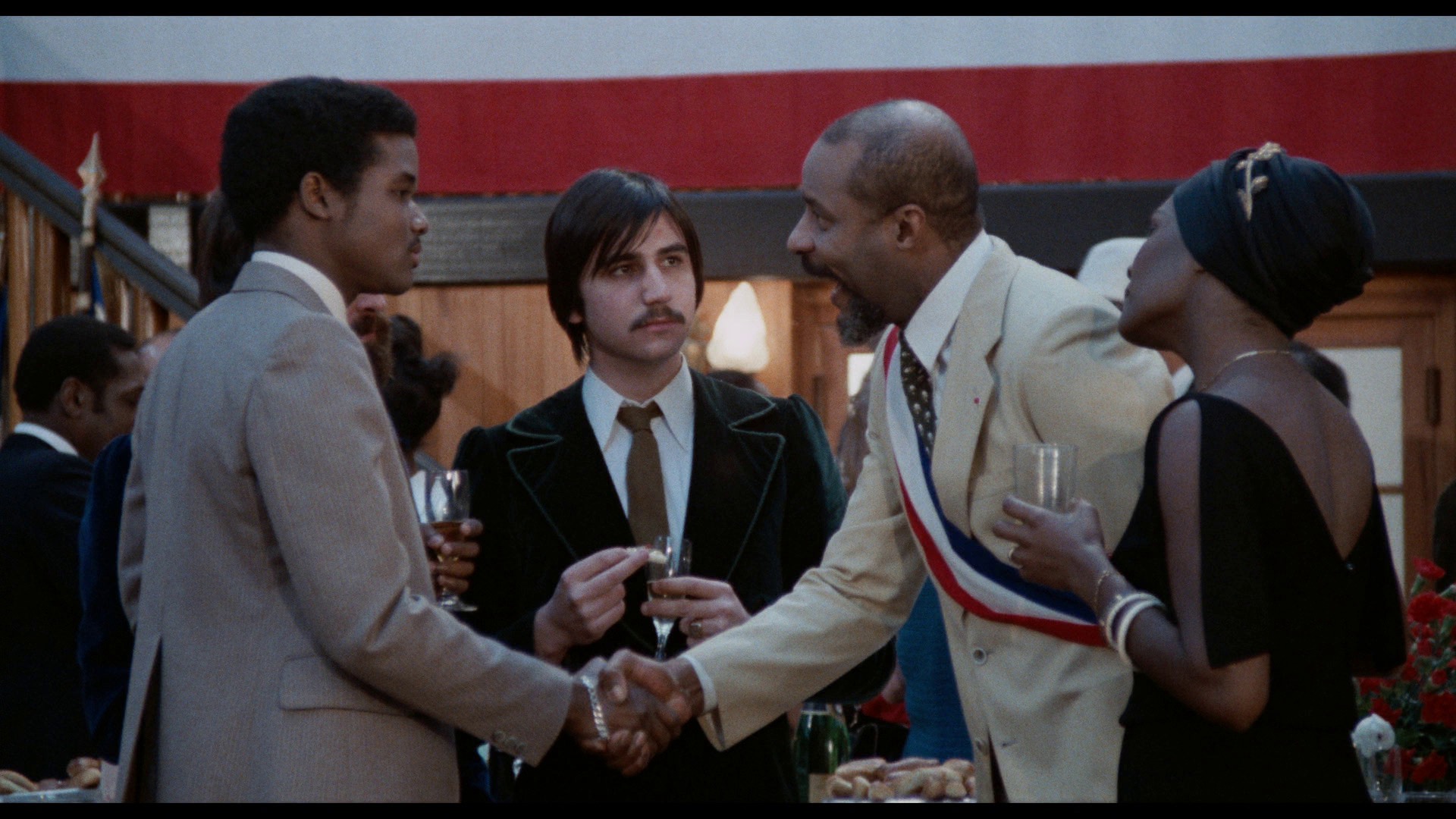
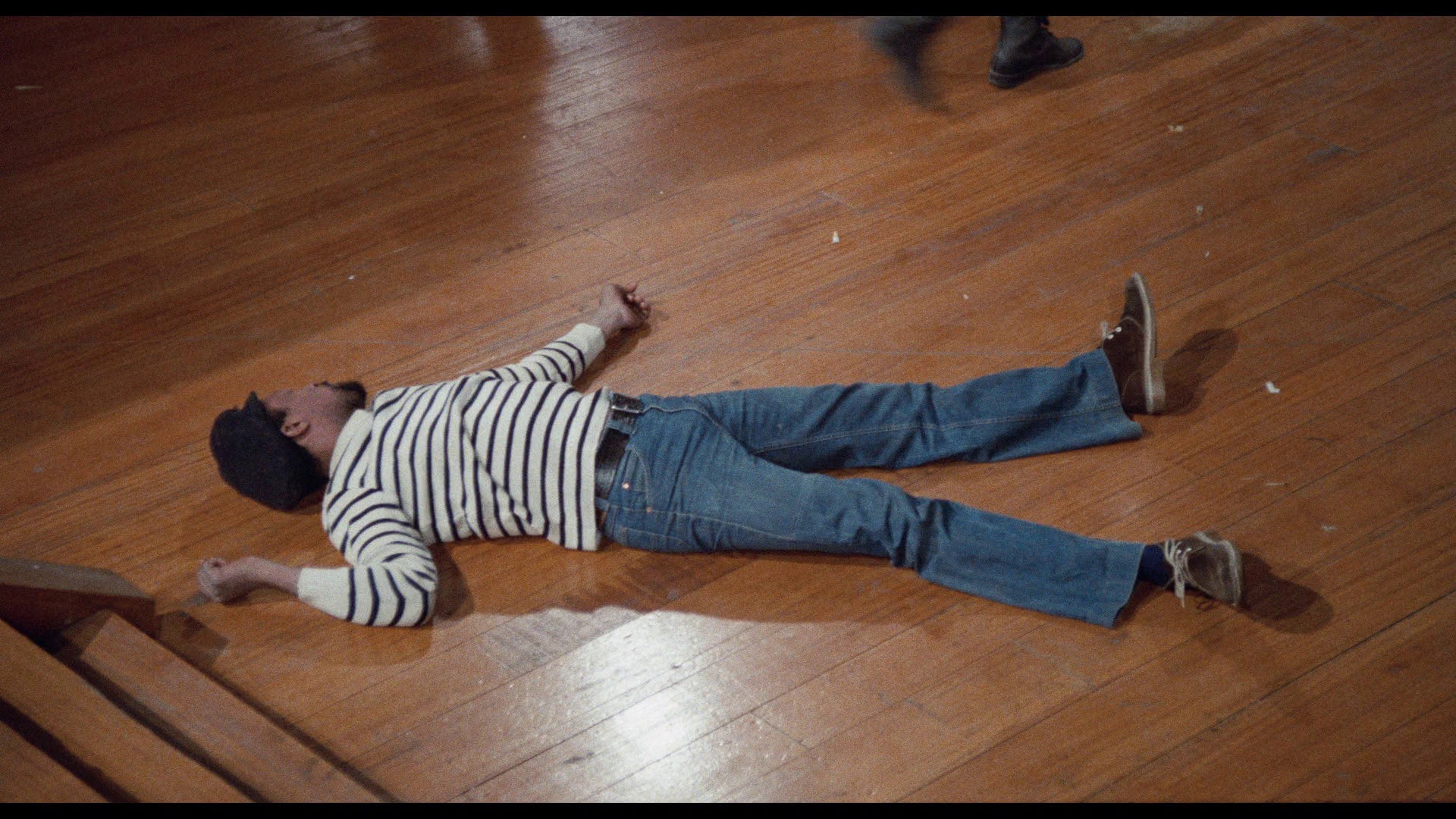
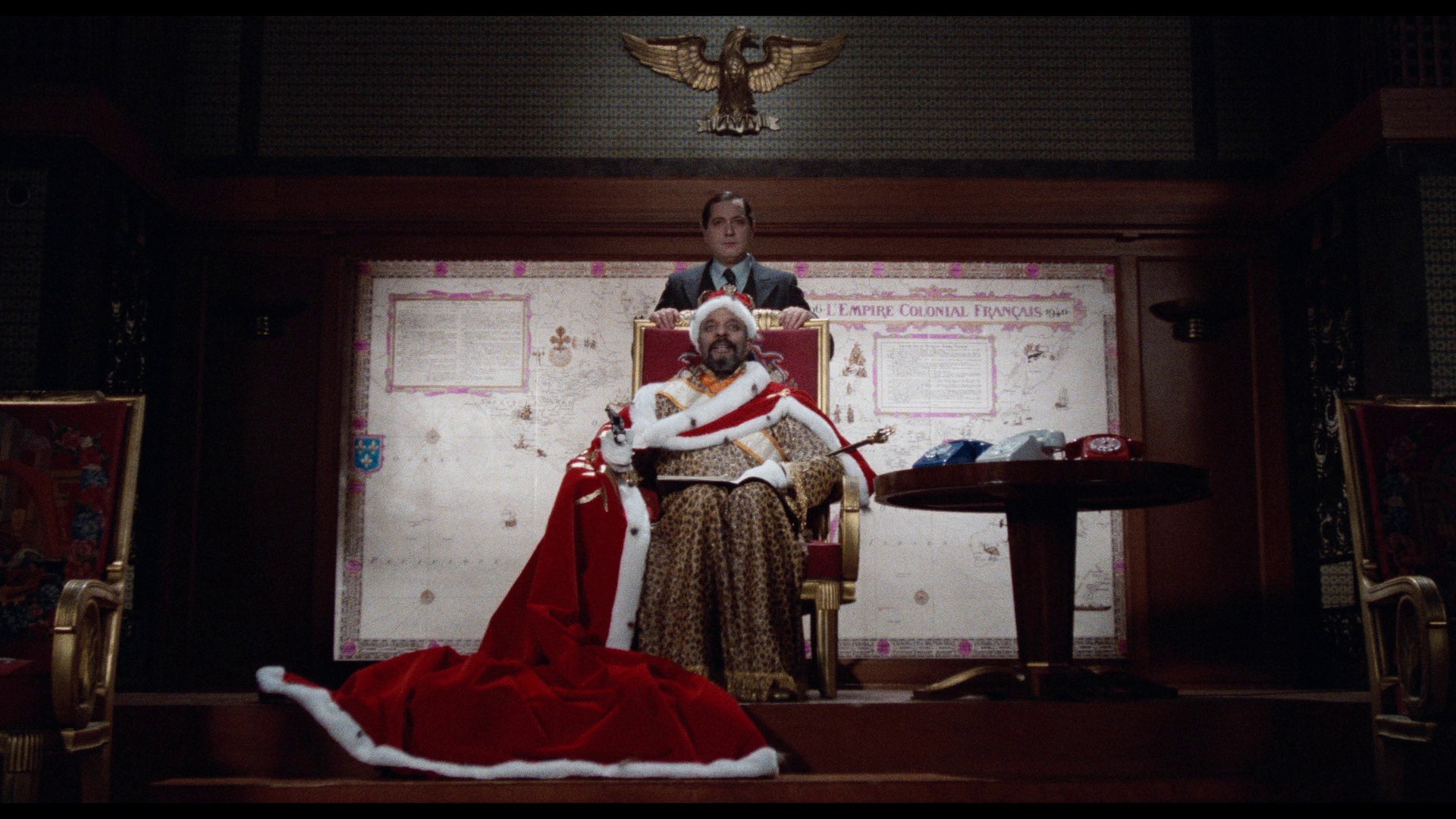
Audio 6/10
The film’s lossless single-channel PCM monaural soundtrack isn’t the most dynamic presentation, despite the film’s heavy emphasis on music (it is a musical after all). That said, it has been cleaned up thoroughly and presents no obvious issues.
Extras 7/10
Criterion throws in a handful of supplements, starting with a program splicing together two separate interviews with director Med Hondo, one from 1979 filmed at the film’s premiere at the Venice Film Festival, and the other from 2017 at the Il Cinema Ritrovato Festival in Bologna. Of the 14-minute running time, the 2017 interview takes up the bulk of it, with the filmmaker discussing his style of filmmaking and how he views the medium as a tool to deliver a story and message, noting that one shouldn’t get too hung up on the technical aspects. The 1979 portion shifts the focus more directly to West Indies, covering his intentions with the film and its musical elements. Disappointingly, everything here feels a little fragmented, though I suspect this was simply the extent of the material they could find featuring Hondo in relation to the film.
Thankfully, film scholar Aboubakar Sanogo fills in many of the gaps with his excellent 32-minute discussion. He provides valuable historical context around the events and effects of French colonialism depicted in the film, even breaking down the various layers that sustained it, including the government, the church, and class, particularly the "intermediary class" that clearly benefited from the colonial system. He then examines the film's remarkable set, a recreation of a slave ship, and how Hondo choreographs everything within the confined space. Sanogo has appeared in one form or another on a number of Criterion's releases devoted to African cinema (including writings for the World Cinema Project releases), and, as always, his contribution proves invaluable, and should prove most beneficial to Western audiences new to the film.
Also included is a 2019 interview with director of photography François Catonné, who discusses his work with Hondo, focusing primarily on Soleil Ô before touching on West Indies. It's a great firsthand account, though sadly it runs only 11 minutes.
The disc then closes with two trailers: the film's original trailer and the Janus trailer from 2025 promoting the new restoration. Ashley Clark also contributes an essay in the included insert, covering the film's significance along with the reasons for its long obscurity, much of which is due to its original French distribution.
All in, I came away feeling like there should have been a little more here, though outside of additional material featuring Hondo himself, I confess I'm not sure what else could have been added. As it stands, it's still a decent collection of material, with Sanogo's discussion easily proving the highlight.
Closing
There’s room for improvement in both the presentation and the supplementary material, but it’s still a solid edition overall.
BUY AT: