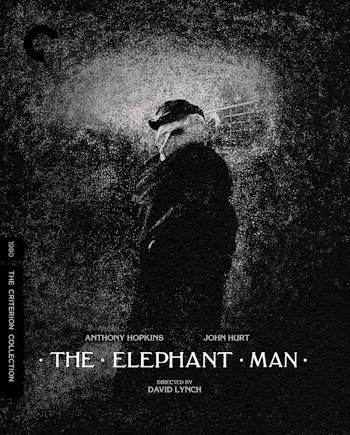
The Elephant Man
BUY AT:


See more details, packaging, or compare
Synopsis
With this poignant second feature, David Lynch brought his atmospheric visual and sonic palette to a notorious true story set in Victorian England. When the London surgeon Frederick Treves (Anthony Hopkins) meets the freak-show performer John Merrick (John Hurt), who has severe skeletal and soft-tissue deformities, he assumes that he must be intellectually disabled as well. As the two men spend more time together, though, Merrick reveals the intelligence, gentle nature, and profound sense of dignity that lie beneath his shocking appearance, and he and Treves develop a friendship. Shot in gorgeous black and white and boasting a stellar supporting cast that includes Anne Bancroft, John Gielgud, and Wendy Hiller, The Elephant Man was nominated for eight Academy Awards, cementing Lynch’s reputation as one of American cinema’s most visionary talents.
Picture 9/10
The Criterion Collection upgrades their previous special edition for David Lynch’s The Elephant Man to 4K UHD, presenting the film in its original aspect ratio of 2.35:1 on a triple-layer disc. The 2160p/24hz ultra high-definition presentation is sourced from the same 4K restoration performed by L’immagine Ritrovata and used for Criterion’s Blu-ray edition, itself sourced from the 35mm original camera negative. This edition also includes a standard dual-layer Blu-ray featuring a 1080p presentation of the film along with all of the special features.
Though the encode was probably open to improvement, Criterion’s Blu-ray already looked strong thanks to the underlying restoration, but the 4K manages to deliver some impressive improvements, not least of which are a cleaner rendering of the film’s grain and finer details. It even pulls a little more information out of the shadows despite the lack of HDR, while the gradations between the various shades of gray also mange to appear smoother. Highlights even reveal a little more detail, and I can’t say any digital anomalies ever popped up. As a digital presentation, it's very clean.
The restoration work itself still looks excellent, cleaning things up wonderfully. There are a handful of dupey-looking moments, like the surreal montages (expected) and a couple of sequences where it appears the image has been zoomed in on, but otherwise the materials are in pristine condition.
The biggest surprise, though, is that I think I actually prefer this presentation to StudioCanal’s 4K edition, which was presented with Dolby Vision. That release also looks excellent, and I do like the boost the wider dynamic range brings there, especially in the highlights. Yet going back to it, I don’t quite know how to explain it, but there’s a slight artificiality to the image at times, almost a faint waxy sheen. Criterion’s presentation somehow looks a little sharper, with grain also appearing a bit more prominent. I think I also prefer Criterion’s SDR light levels, now finding StudioCanal ’s presentation just a touch too bright in places. Again, I want to stress I’m not saying Criterion’s beats StudioCanal ’s by any significant margin (I still think that presentation looks terrific) but, somewhat to my surprise, I may end up sticking with Criterion’s on future viewings.
All in, Criterion’s 4K delivers a solid upgrade over their previous release while also managing to slightly better StudioCanal ’s own 4K edition.
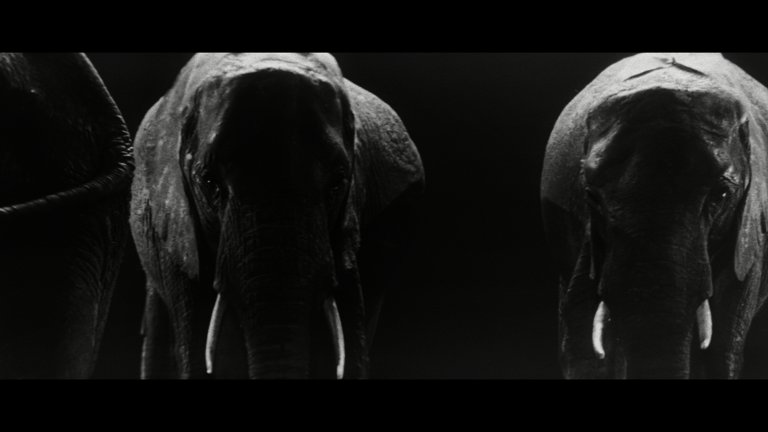
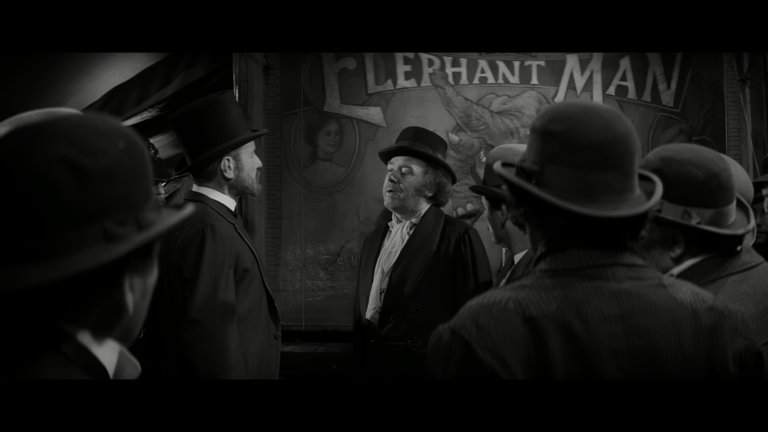
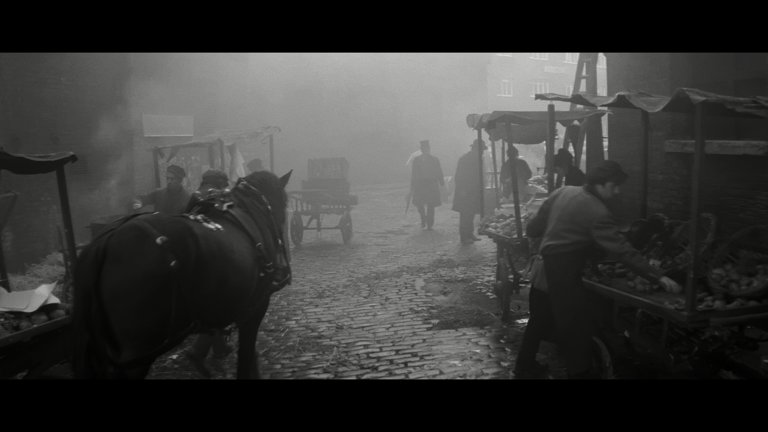
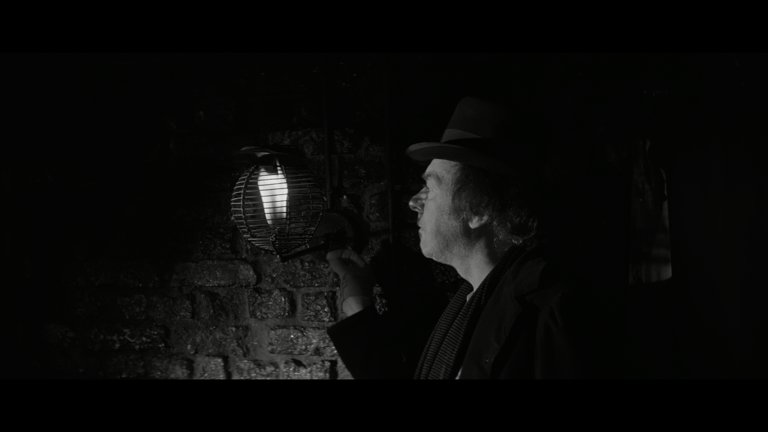
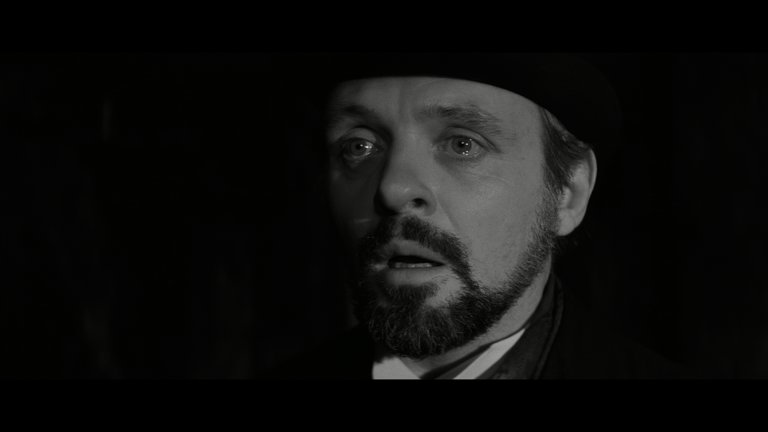
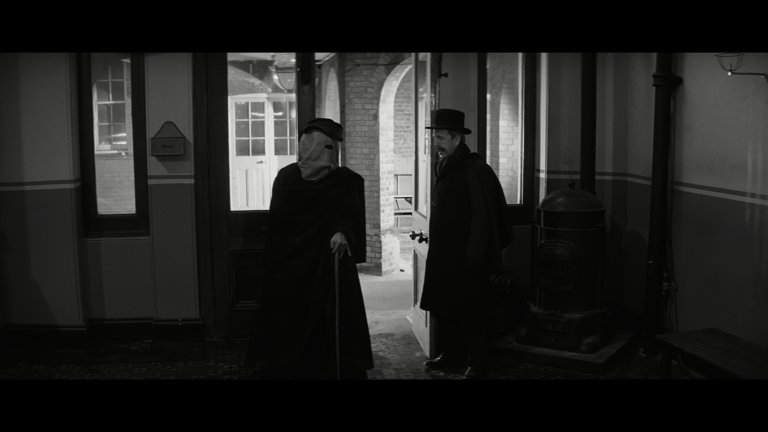
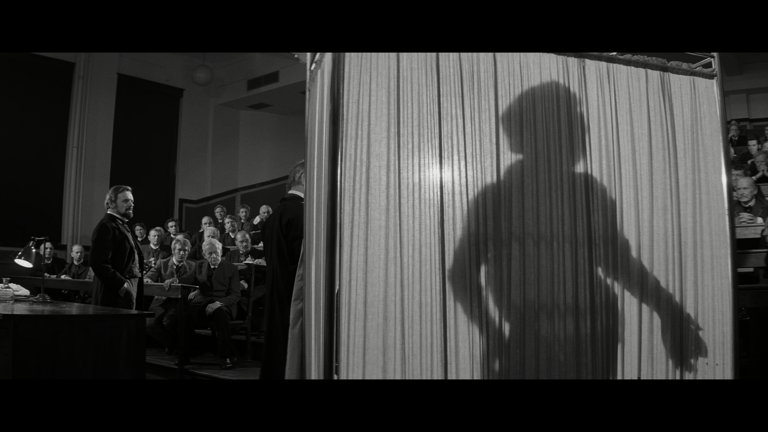
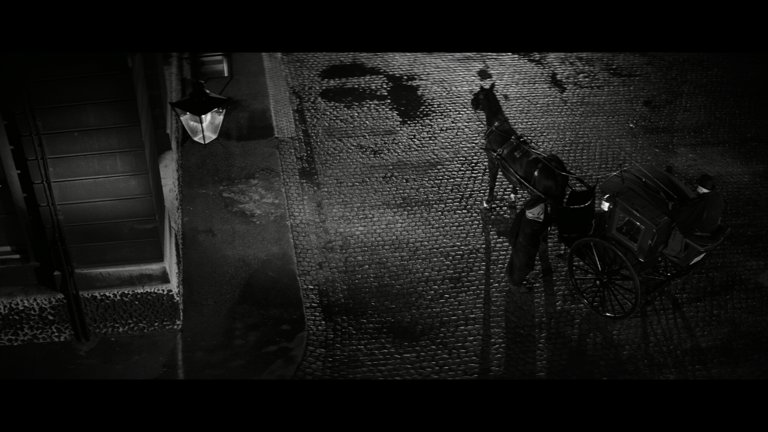
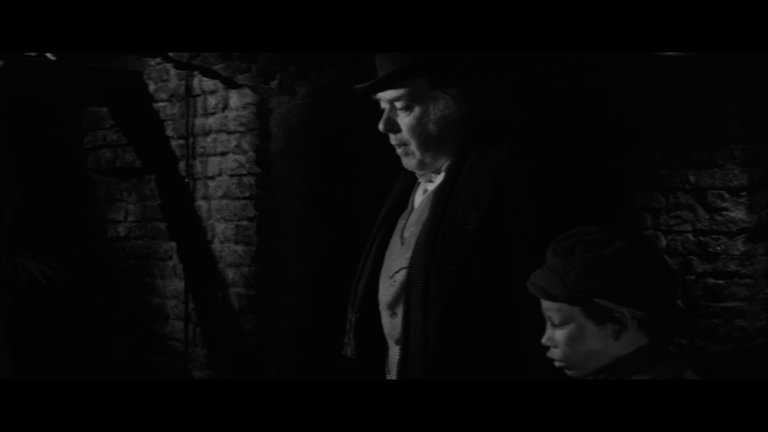
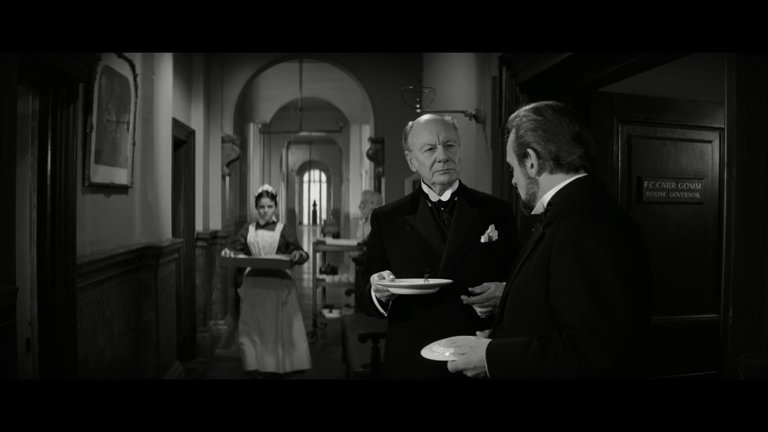
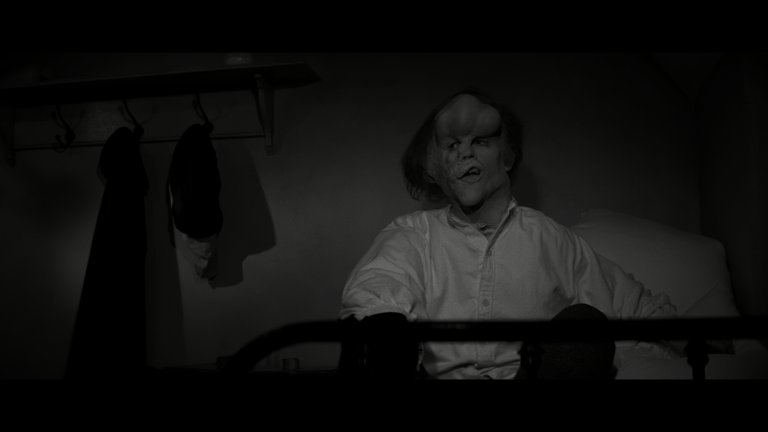
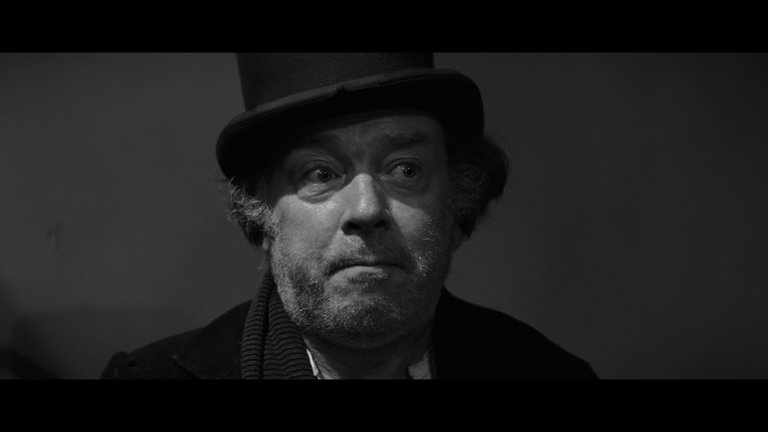
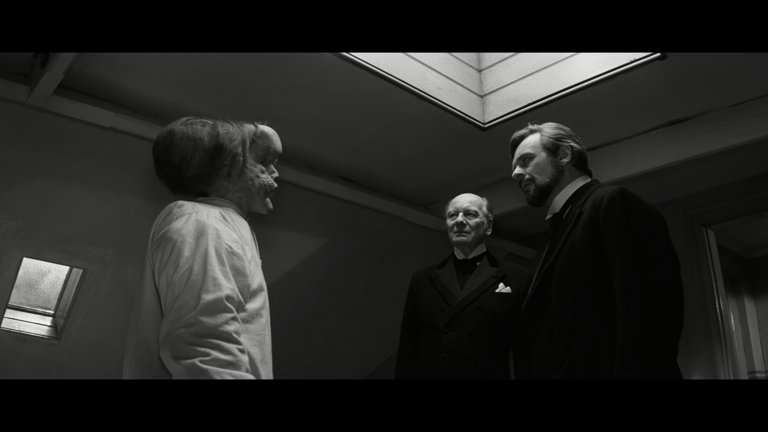
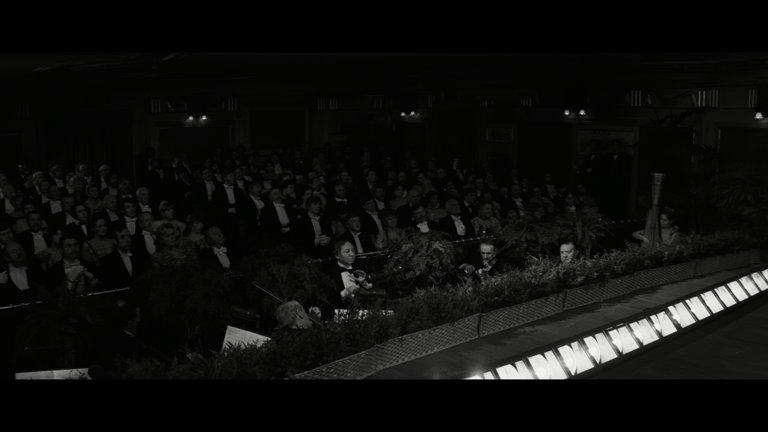
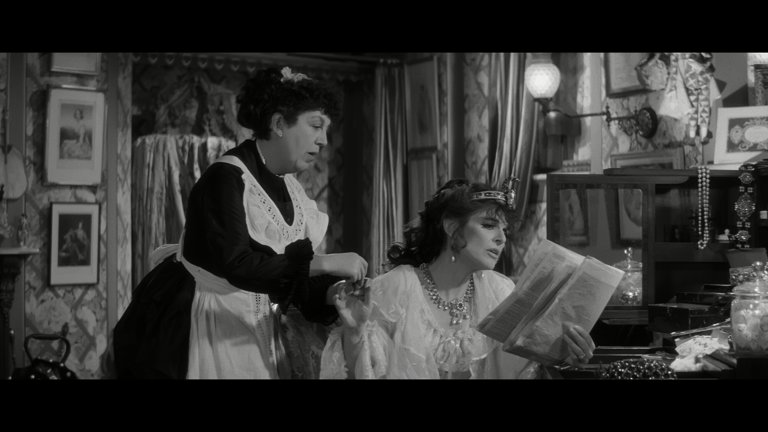
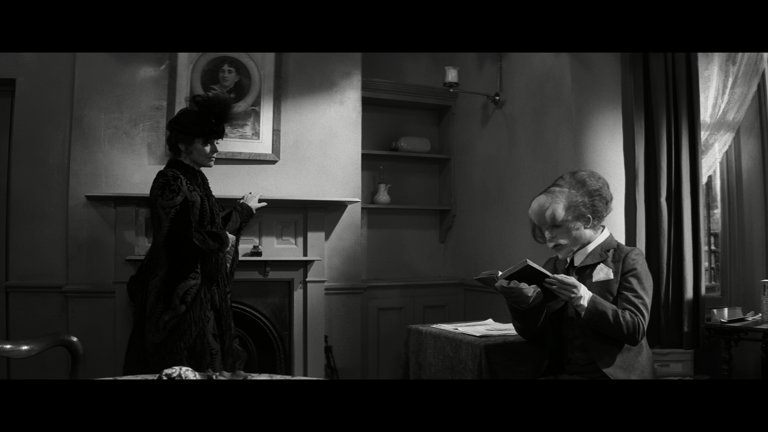
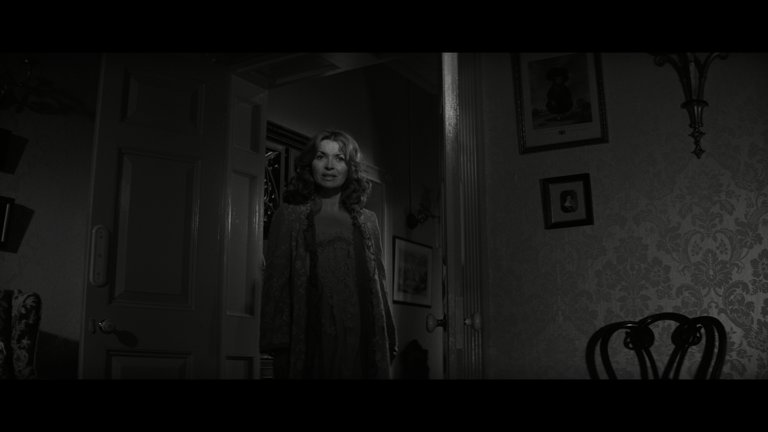
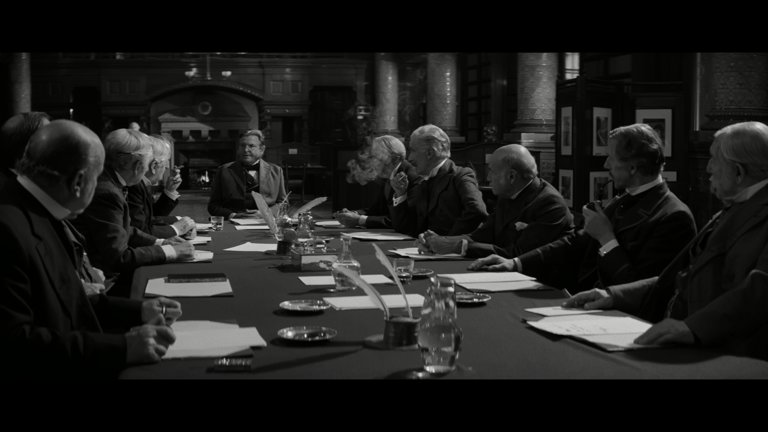
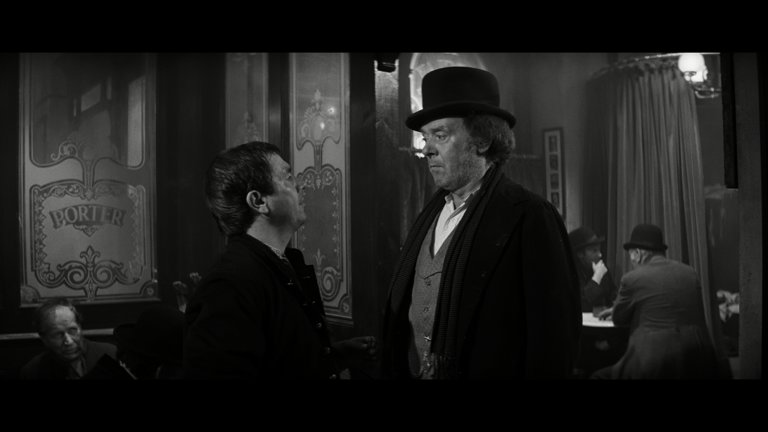
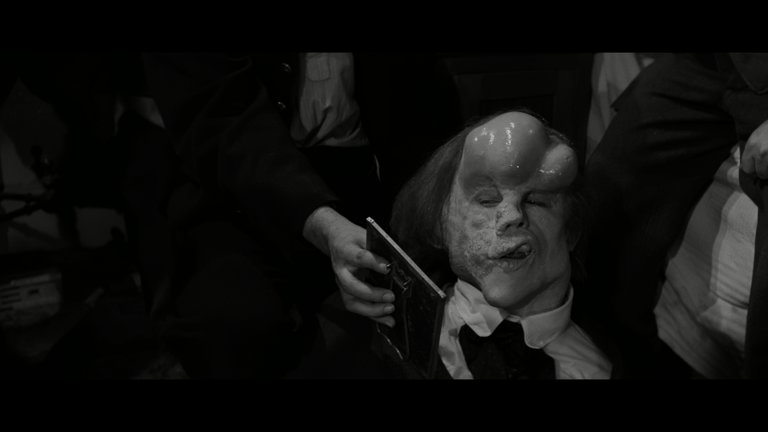
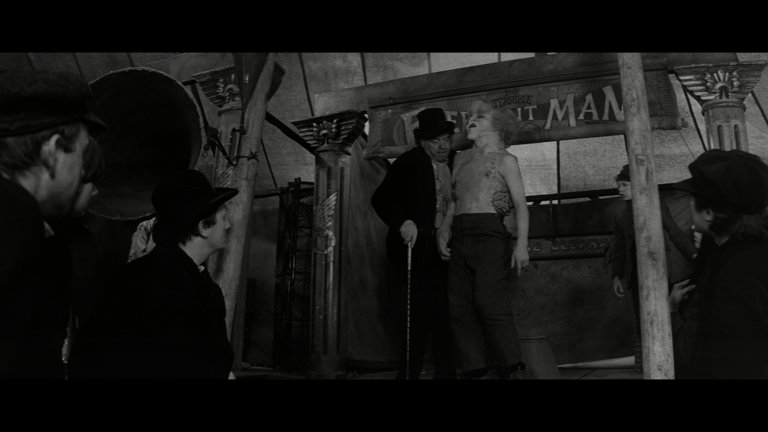
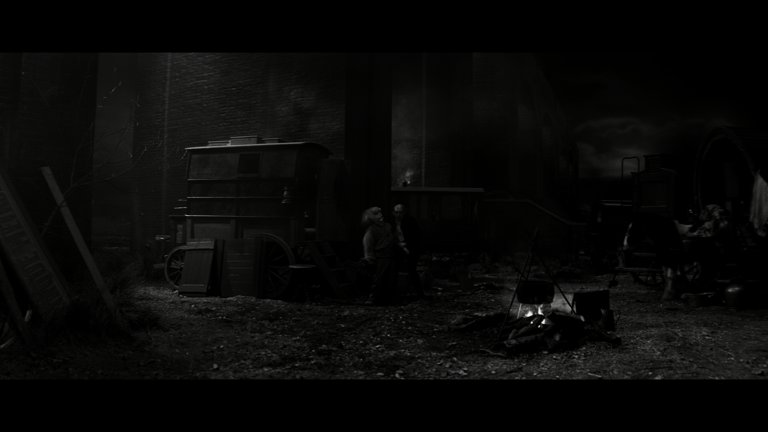
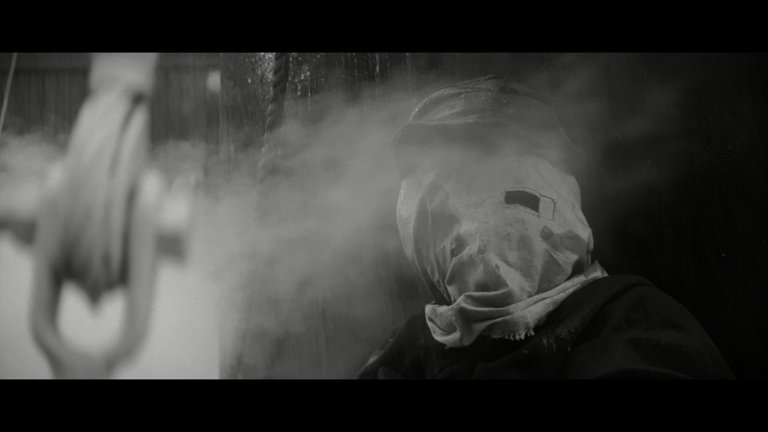
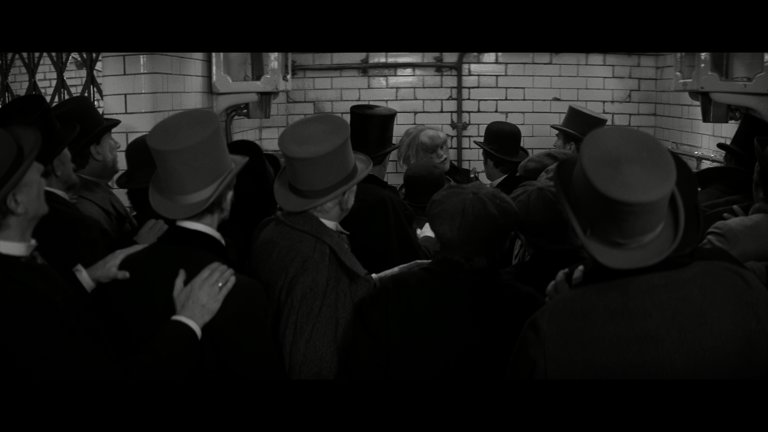
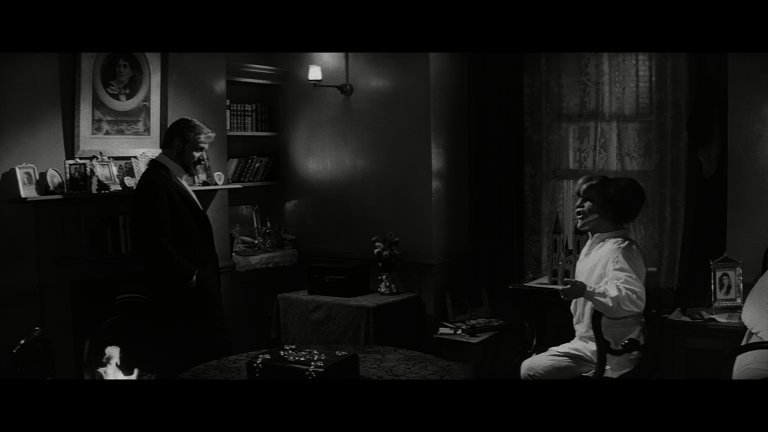
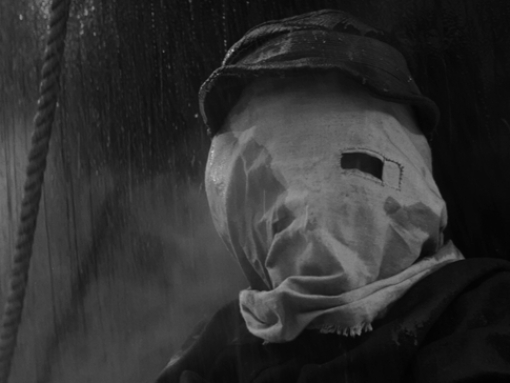
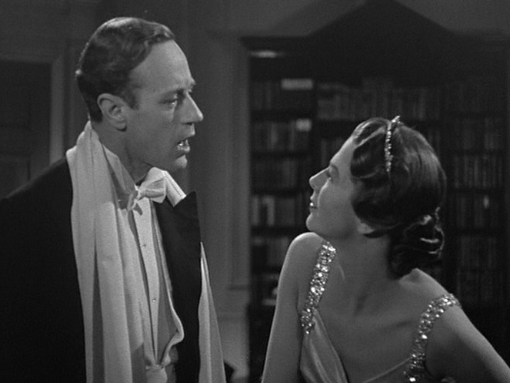
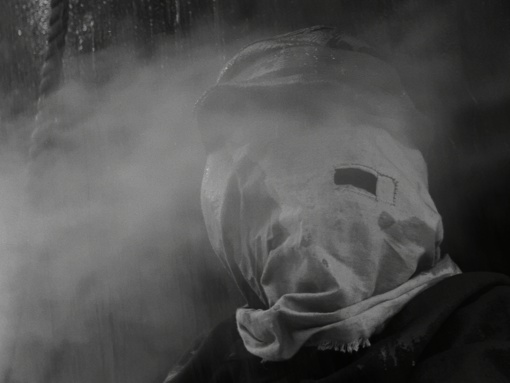
The Elephant Man - Screen Captures
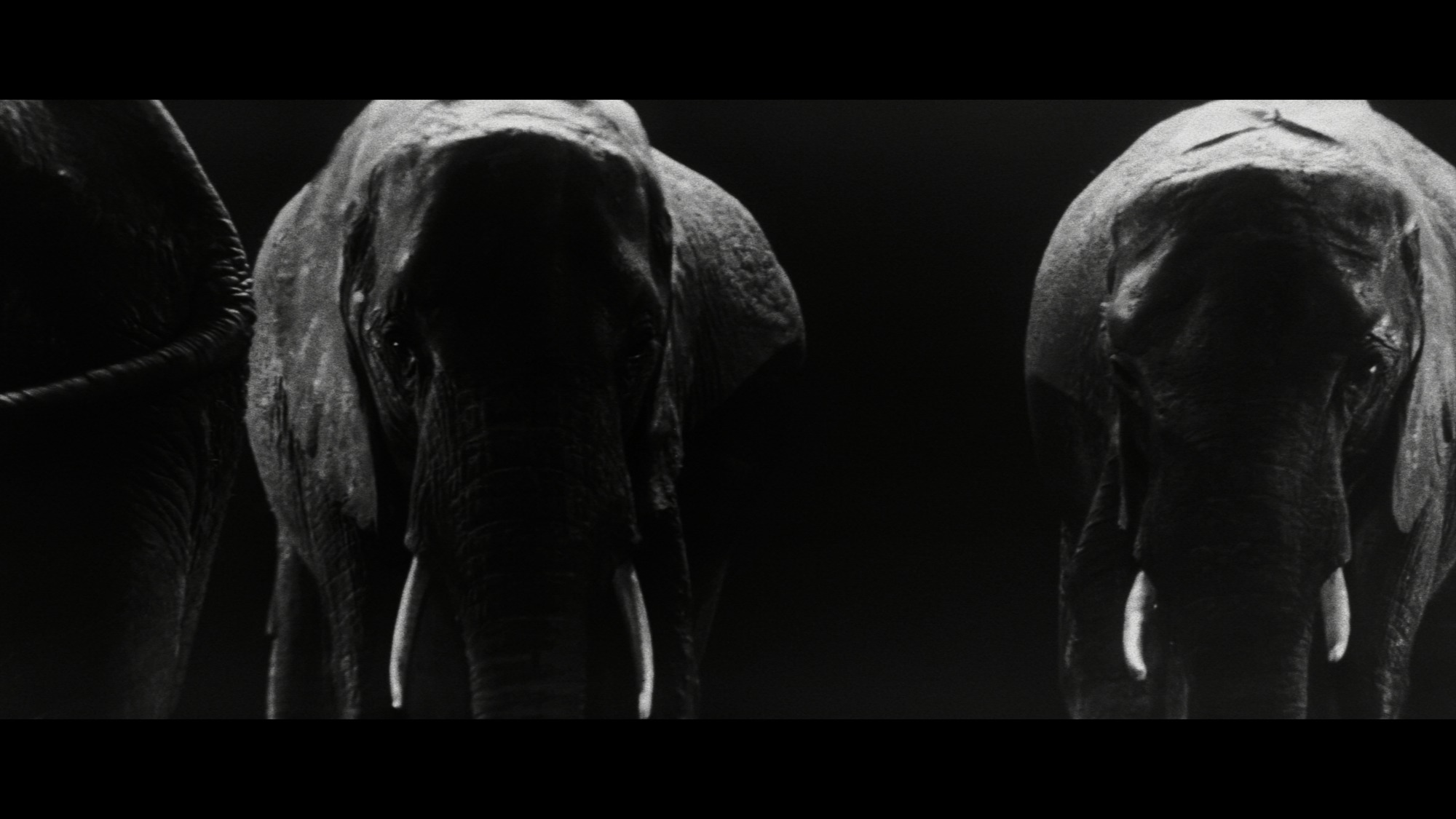
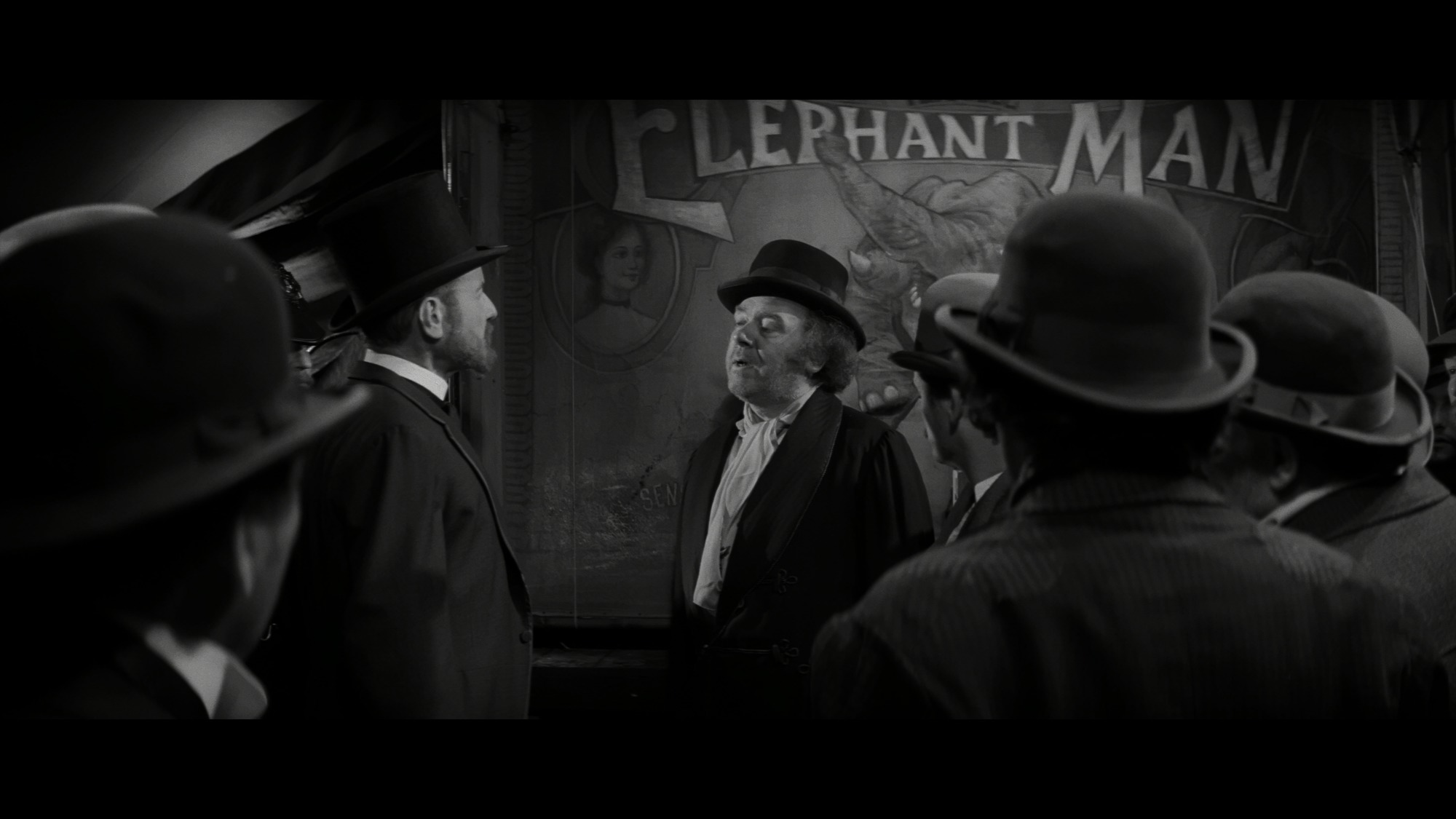
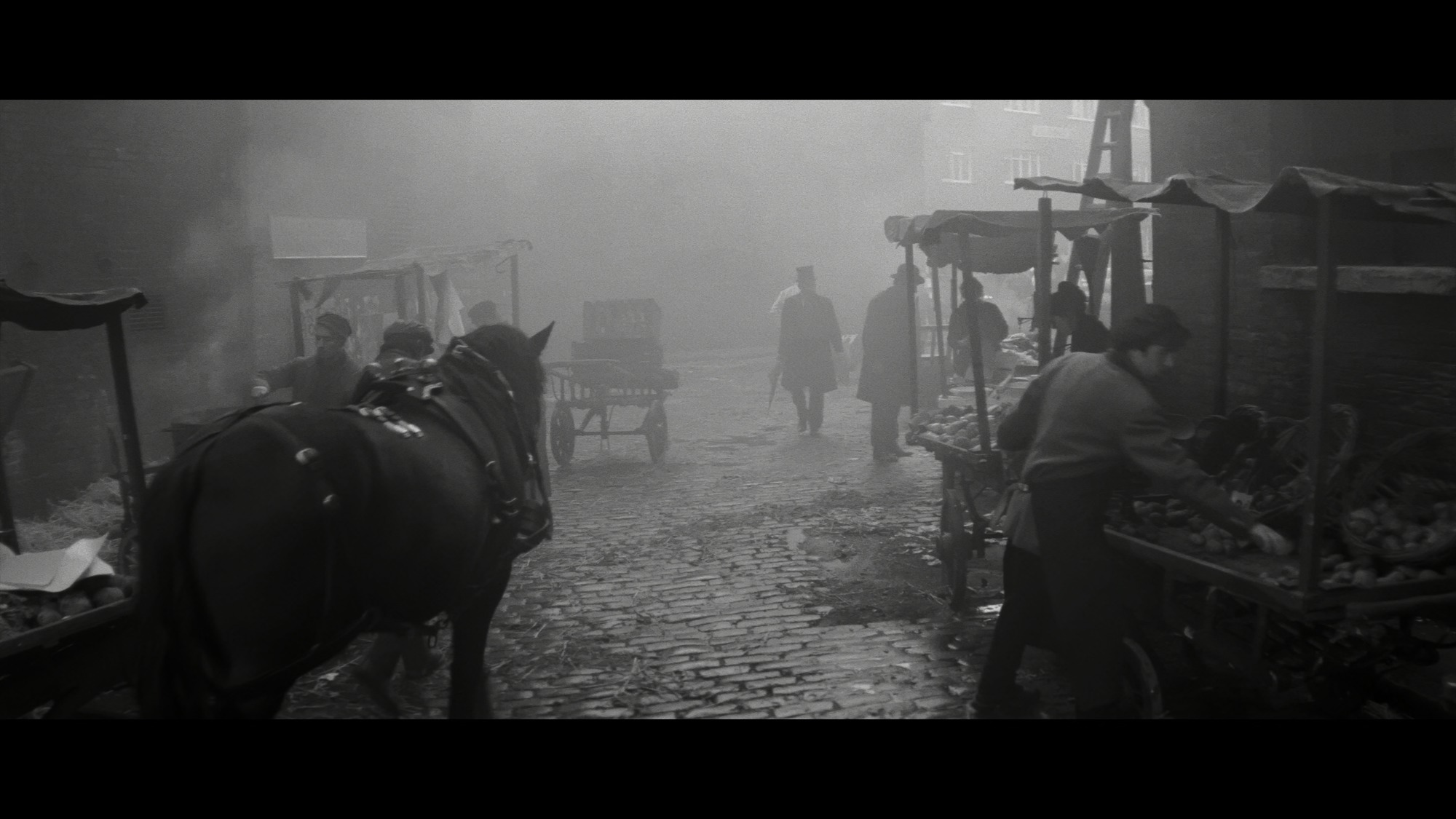
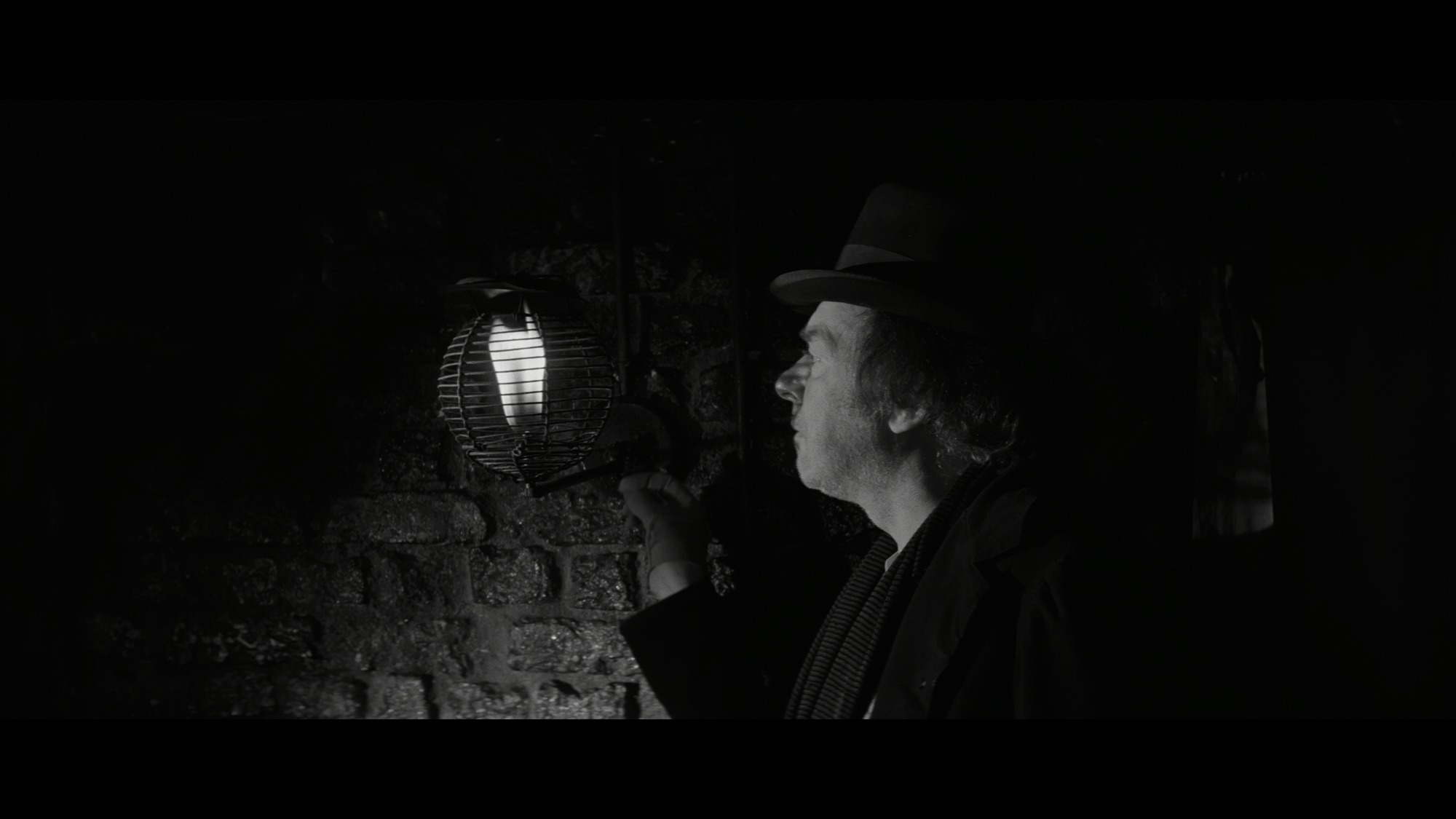
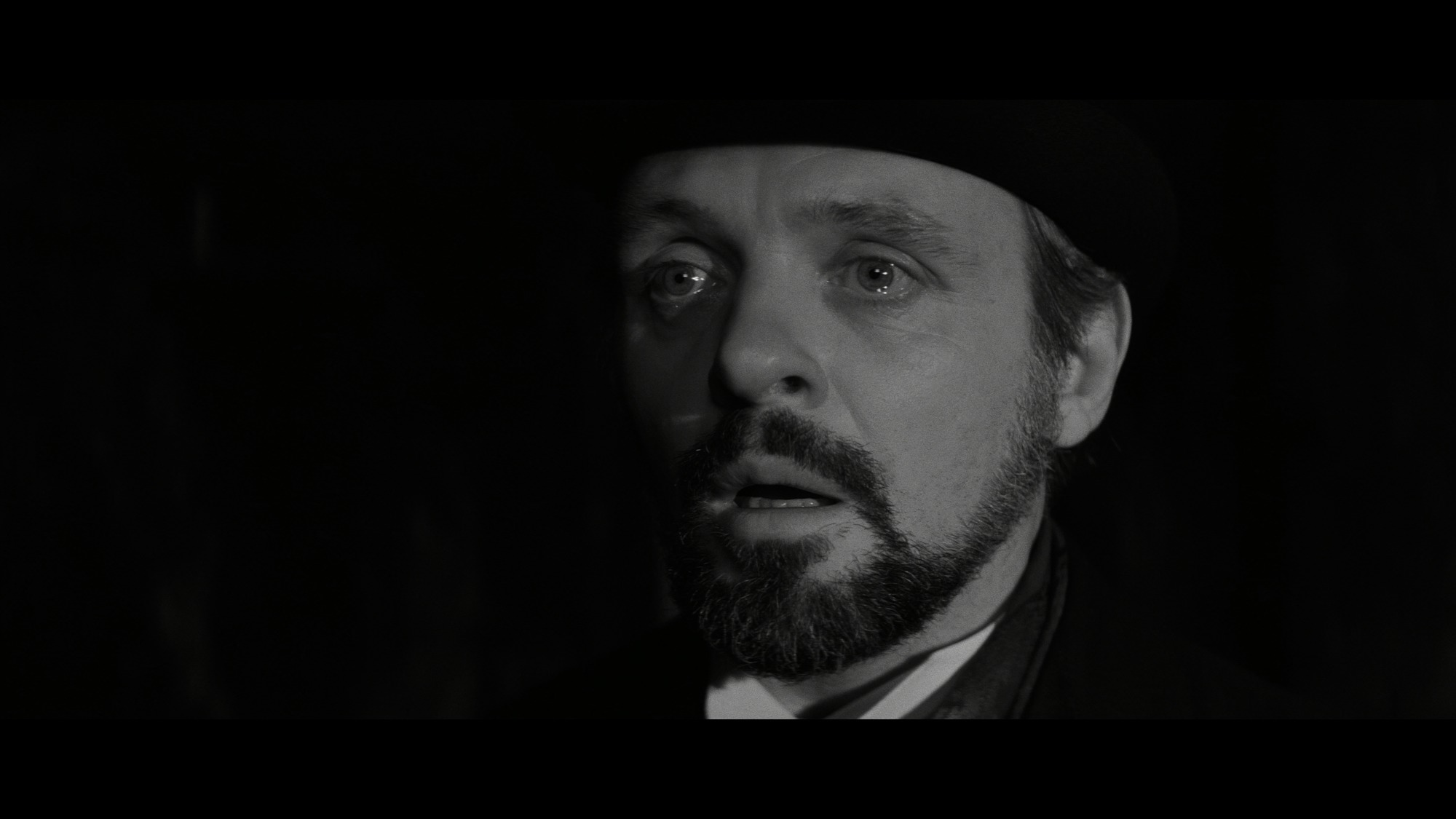
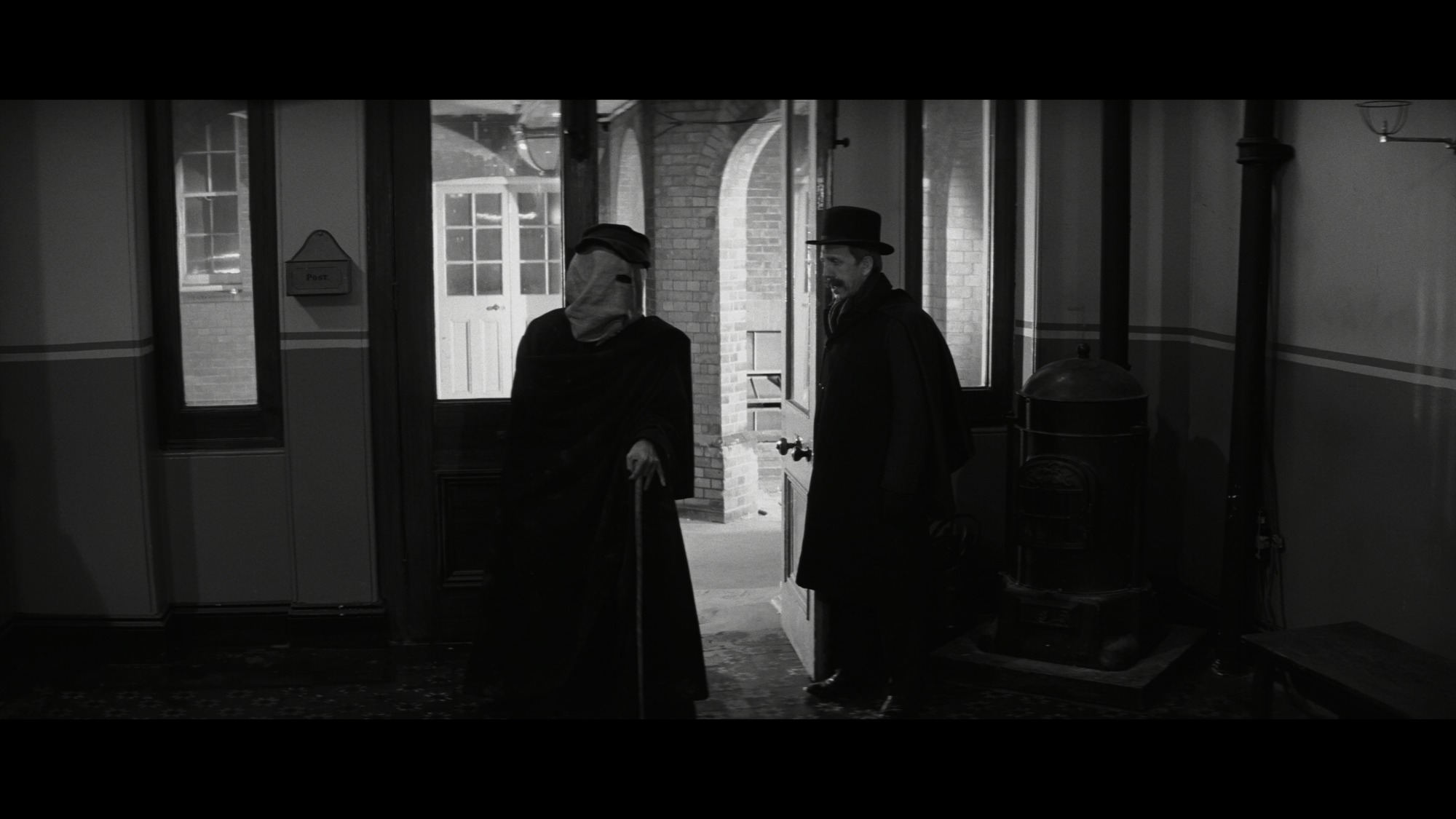
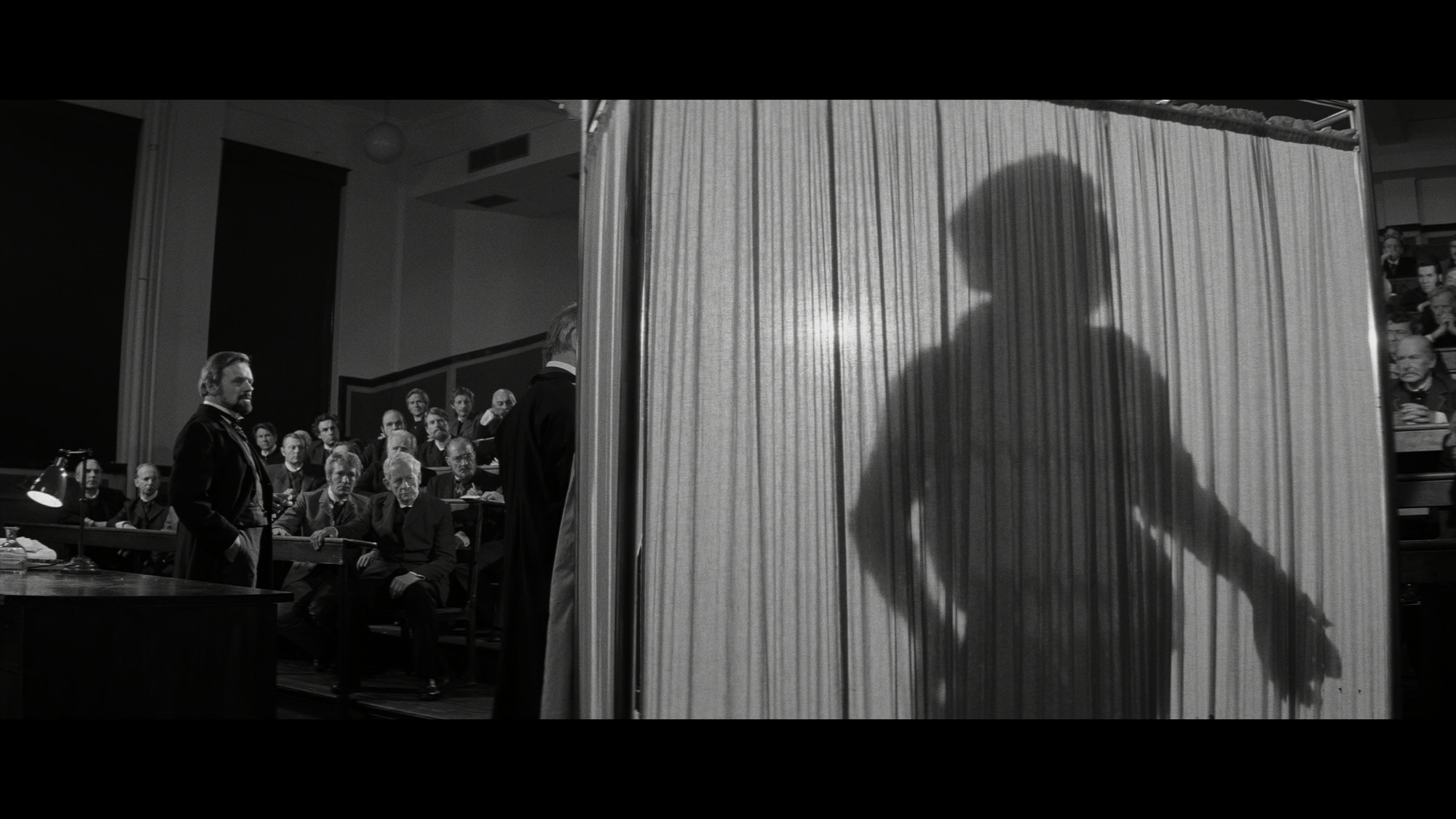
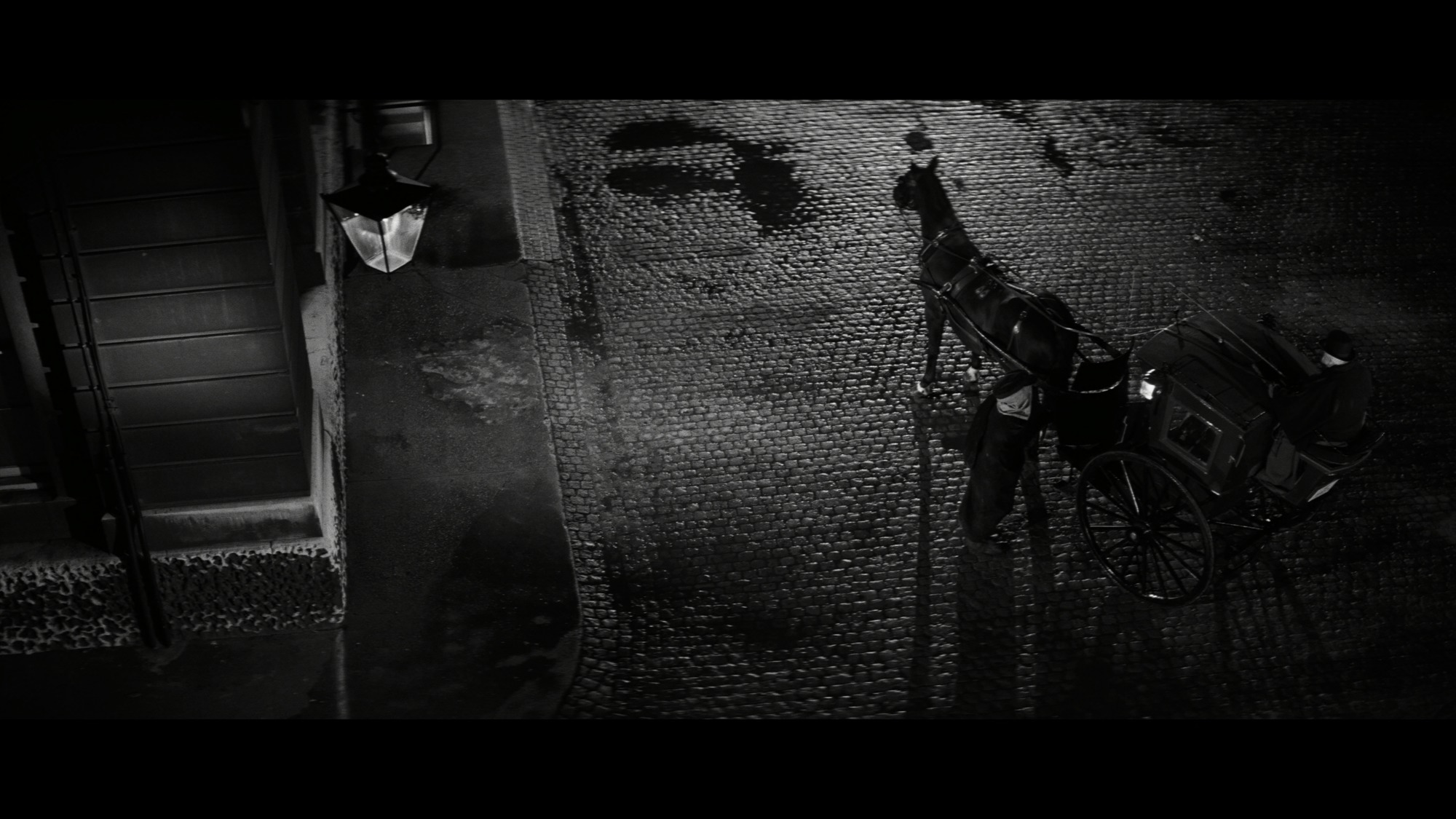
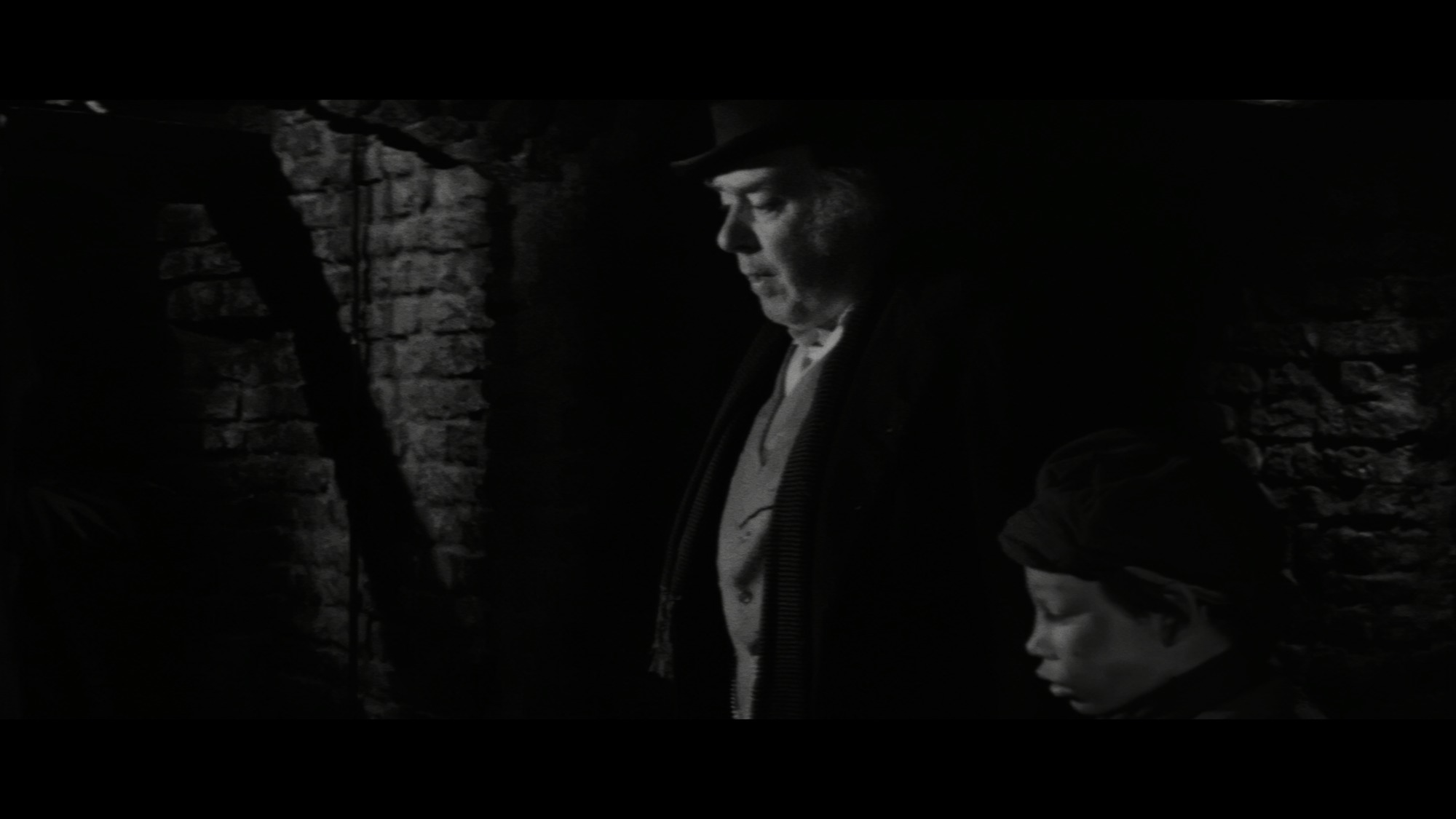
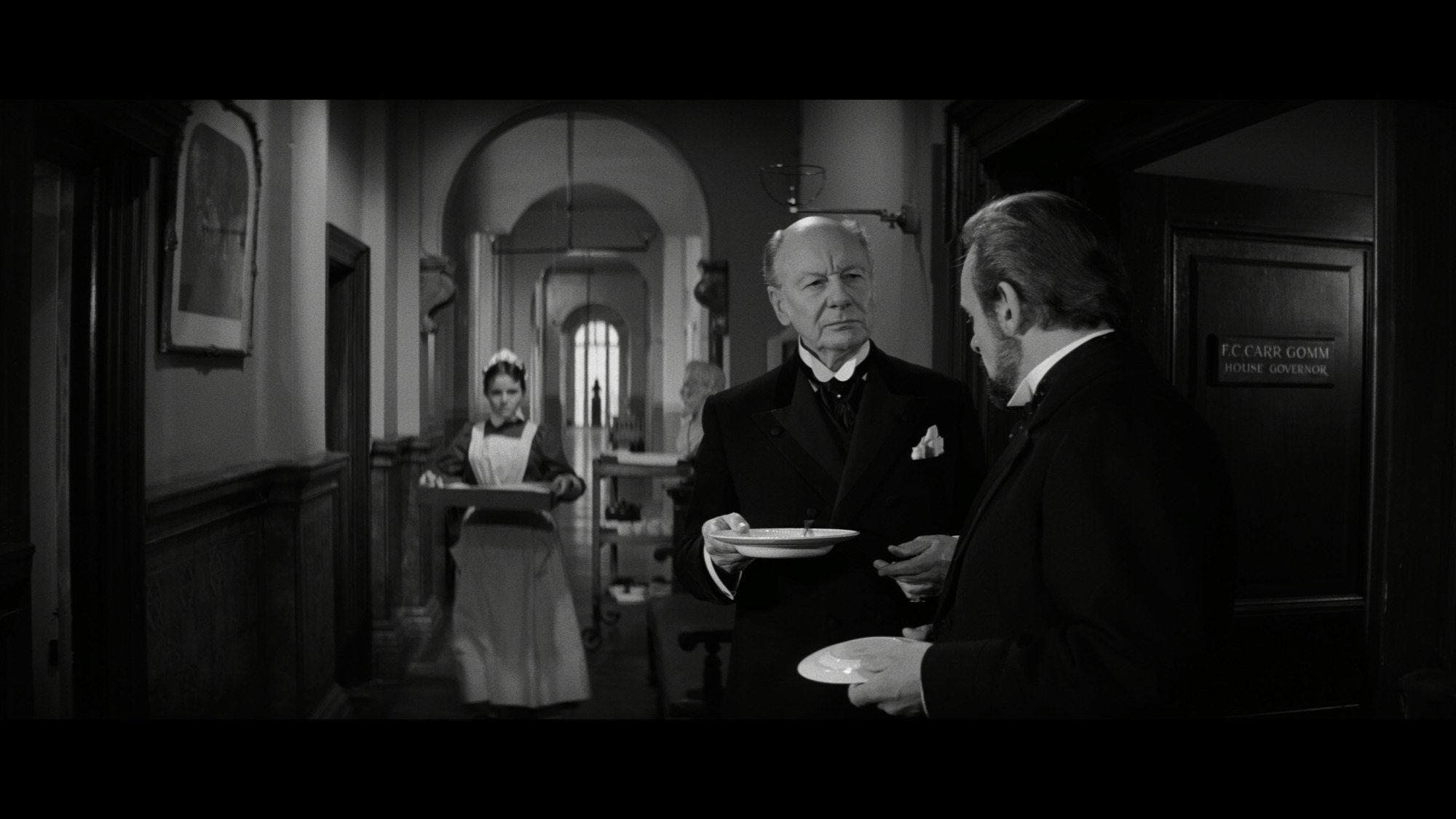
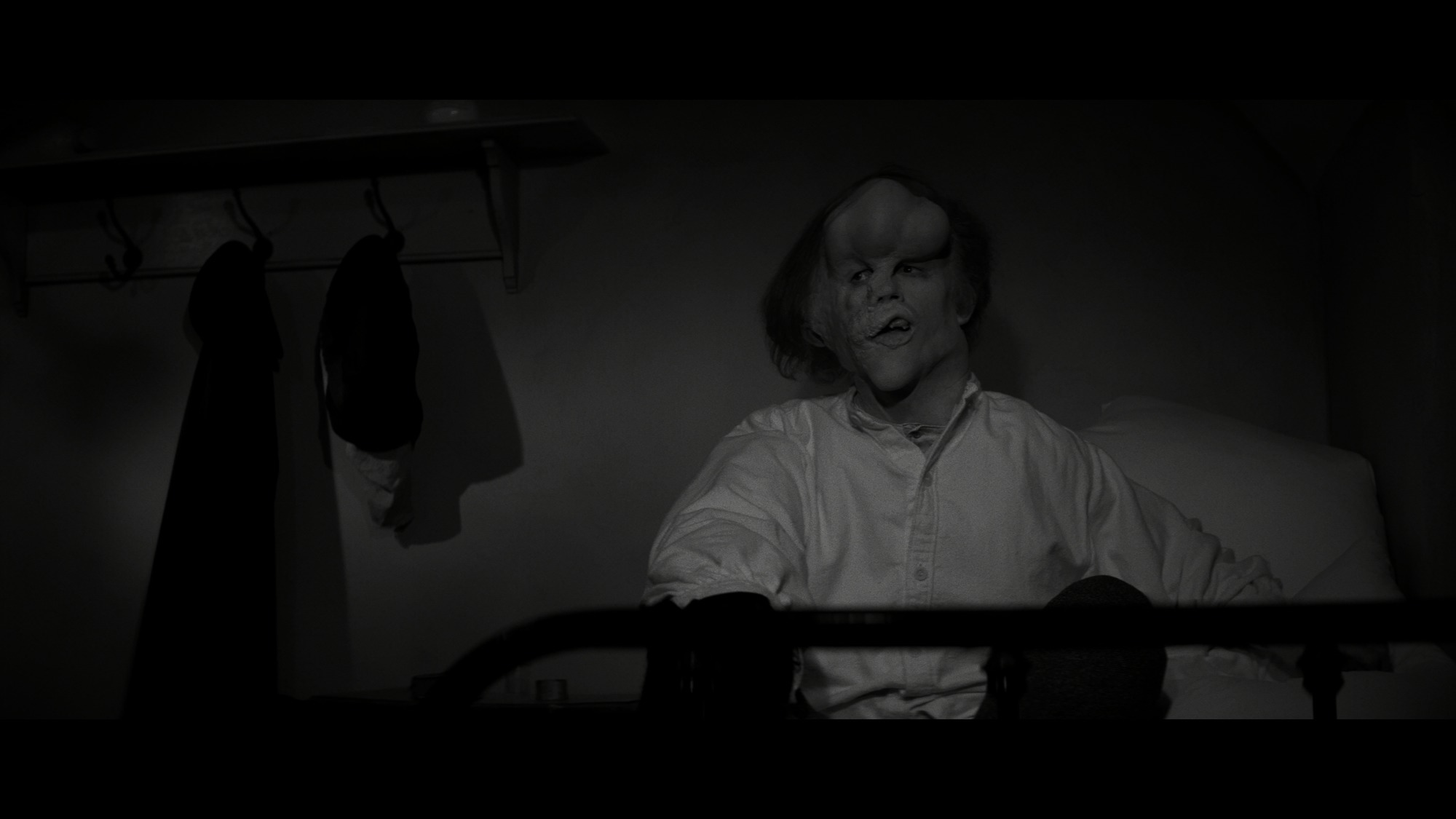
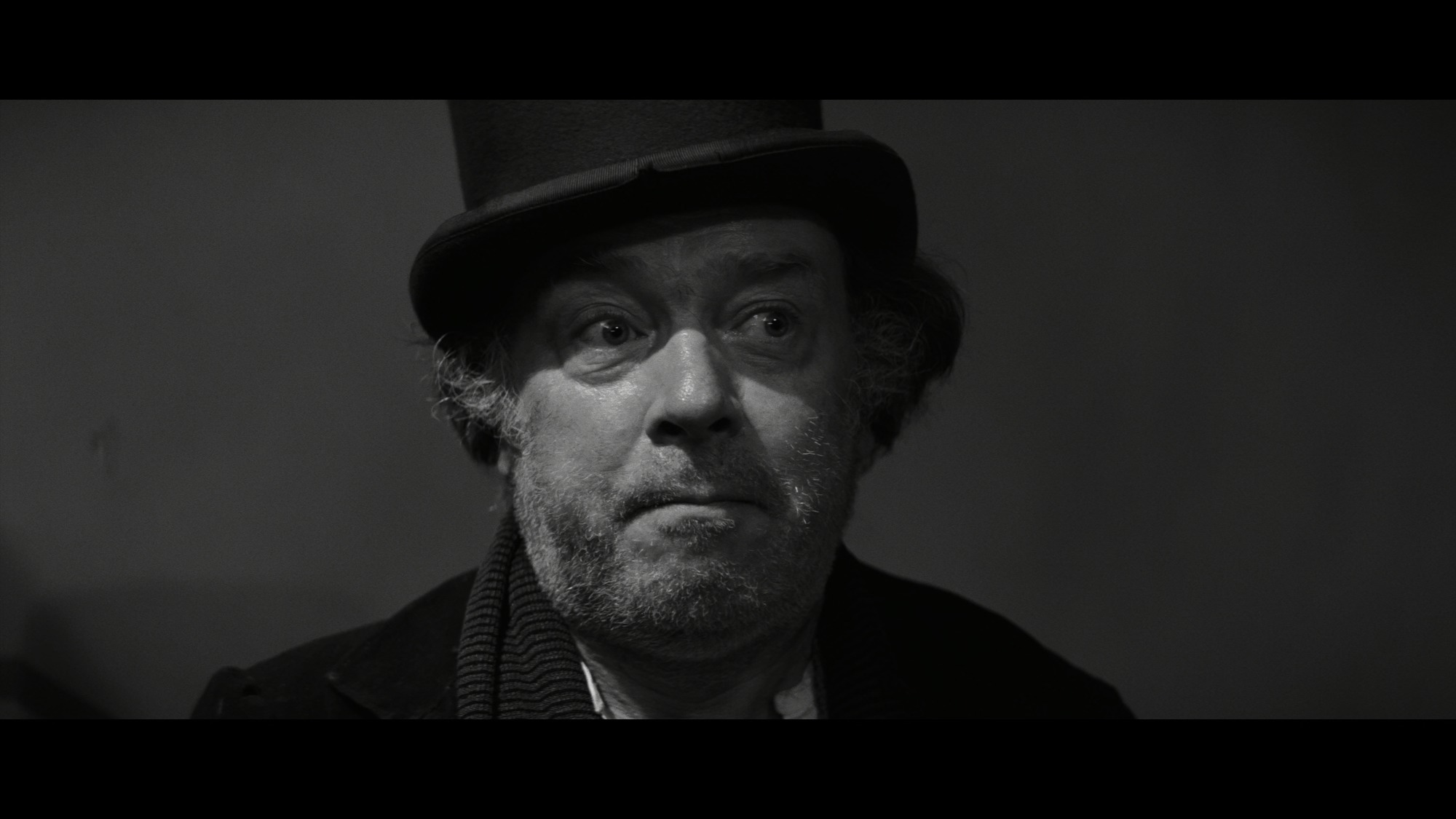
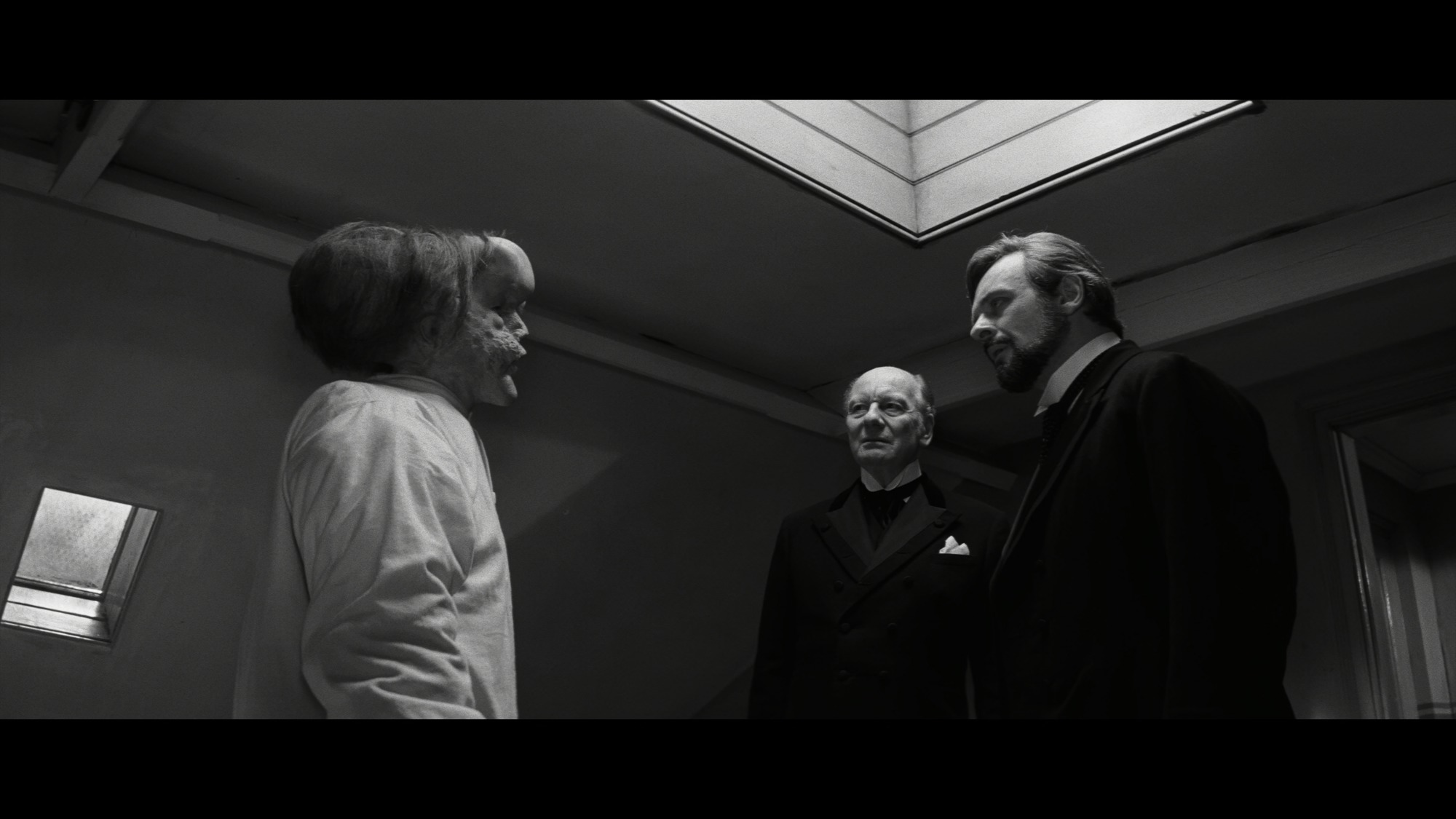
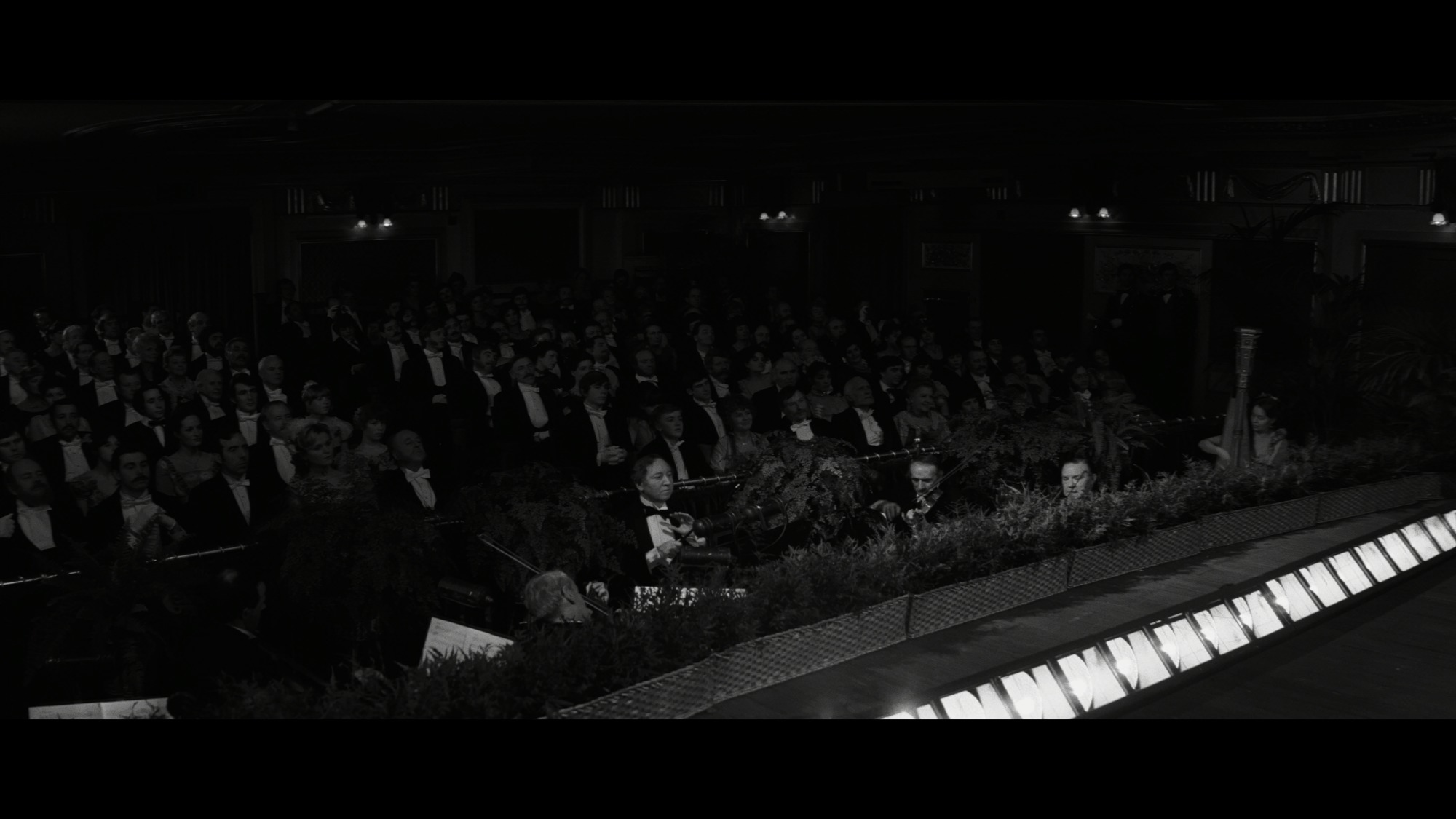
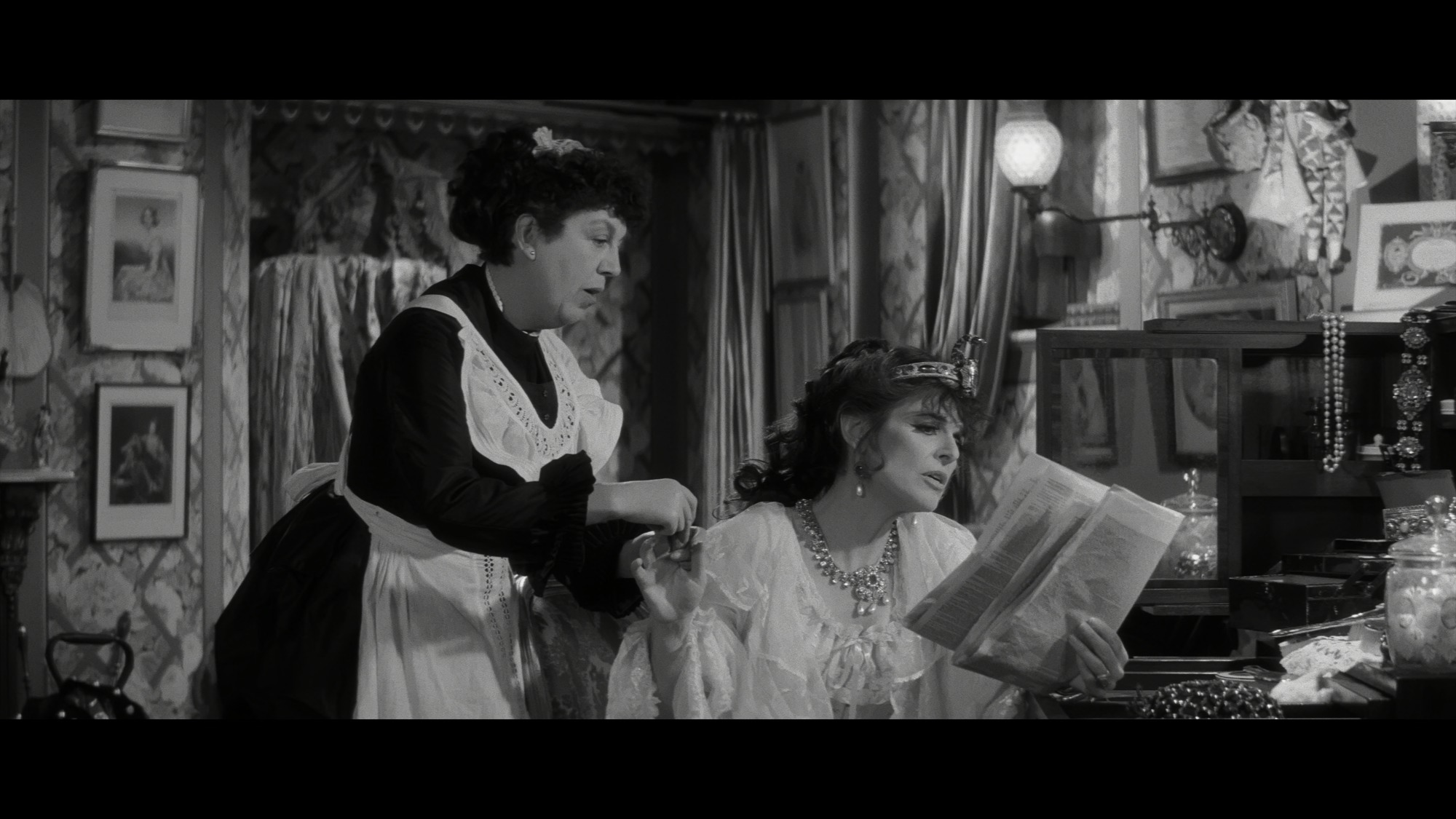
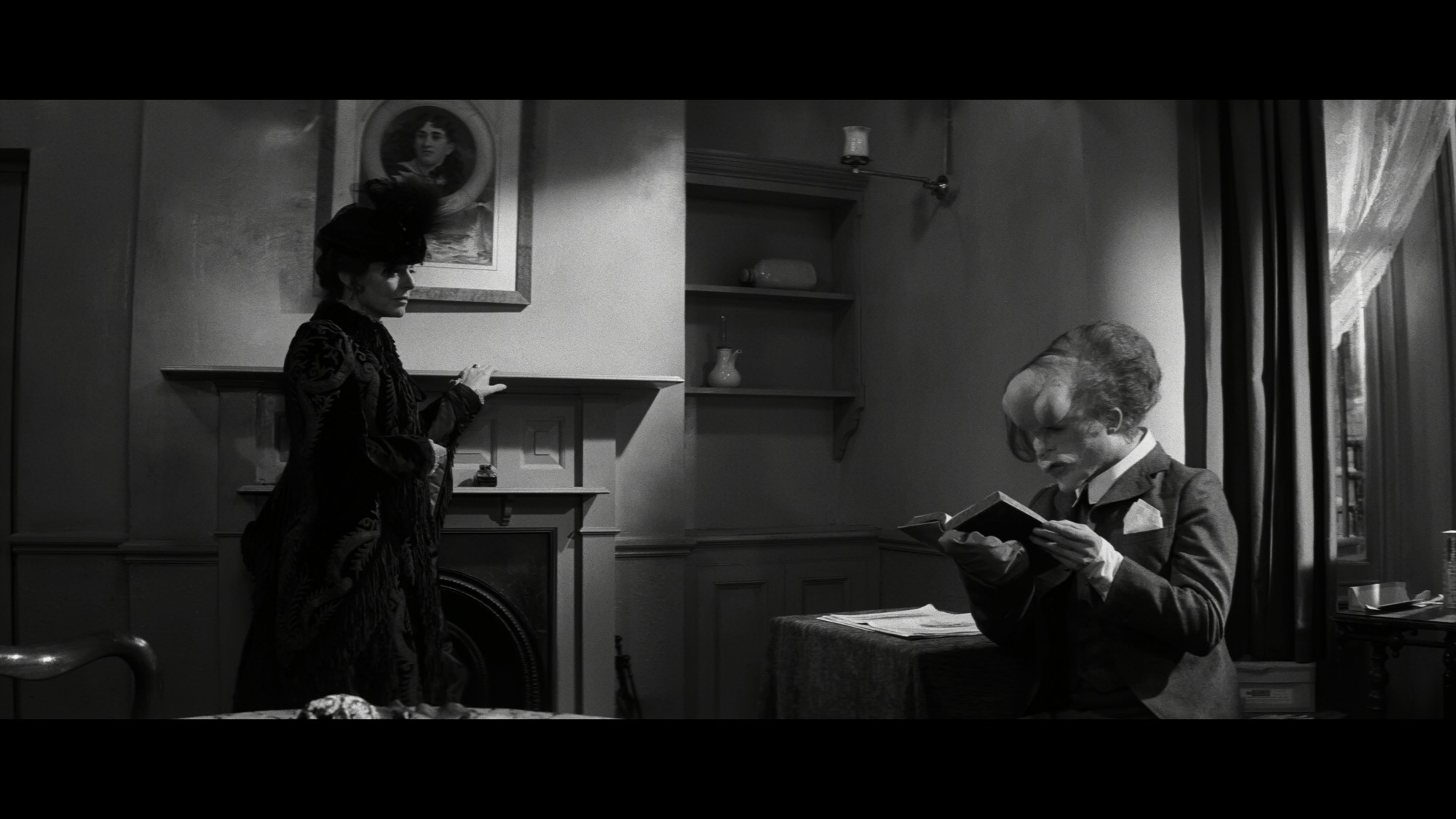
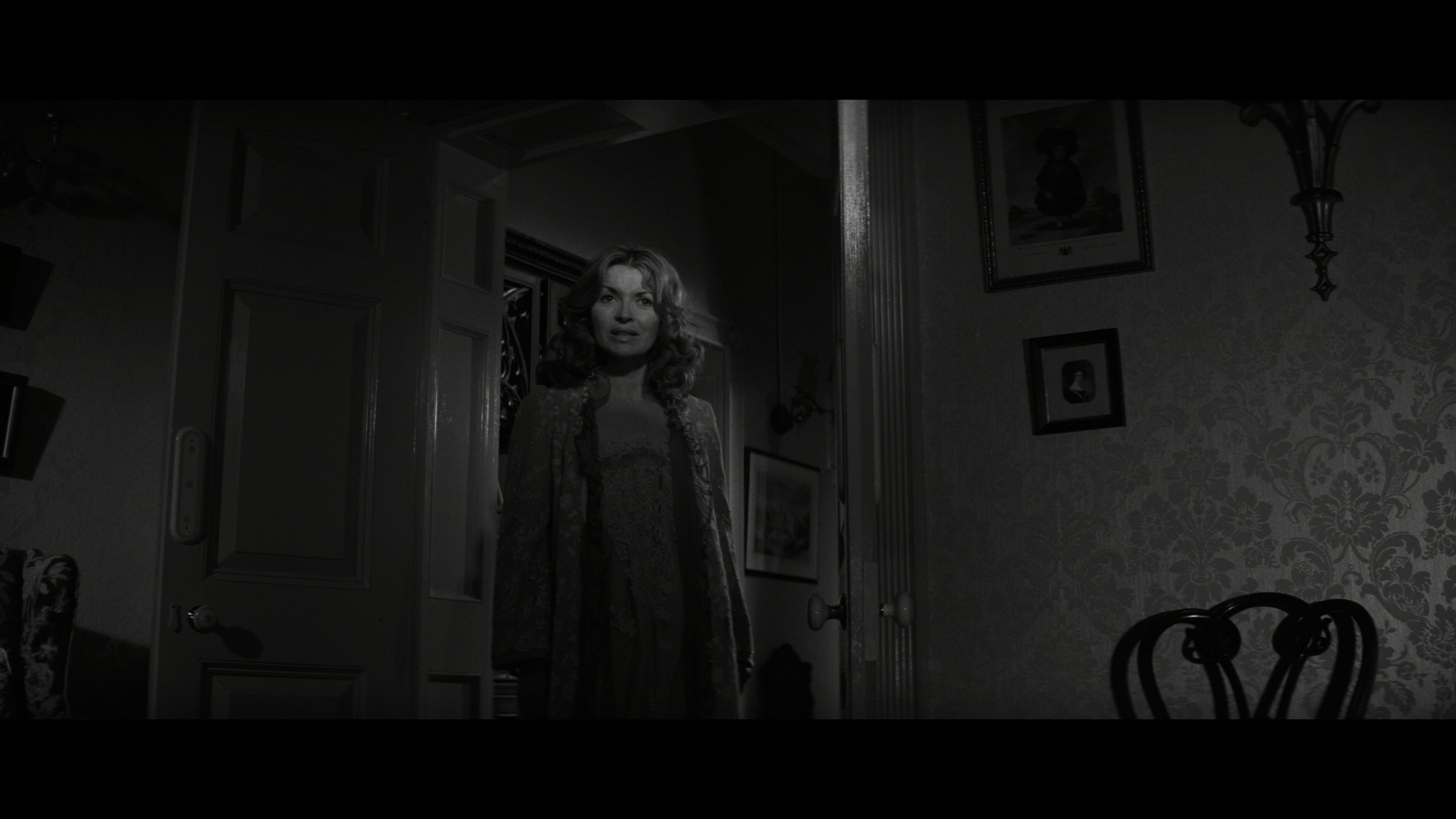
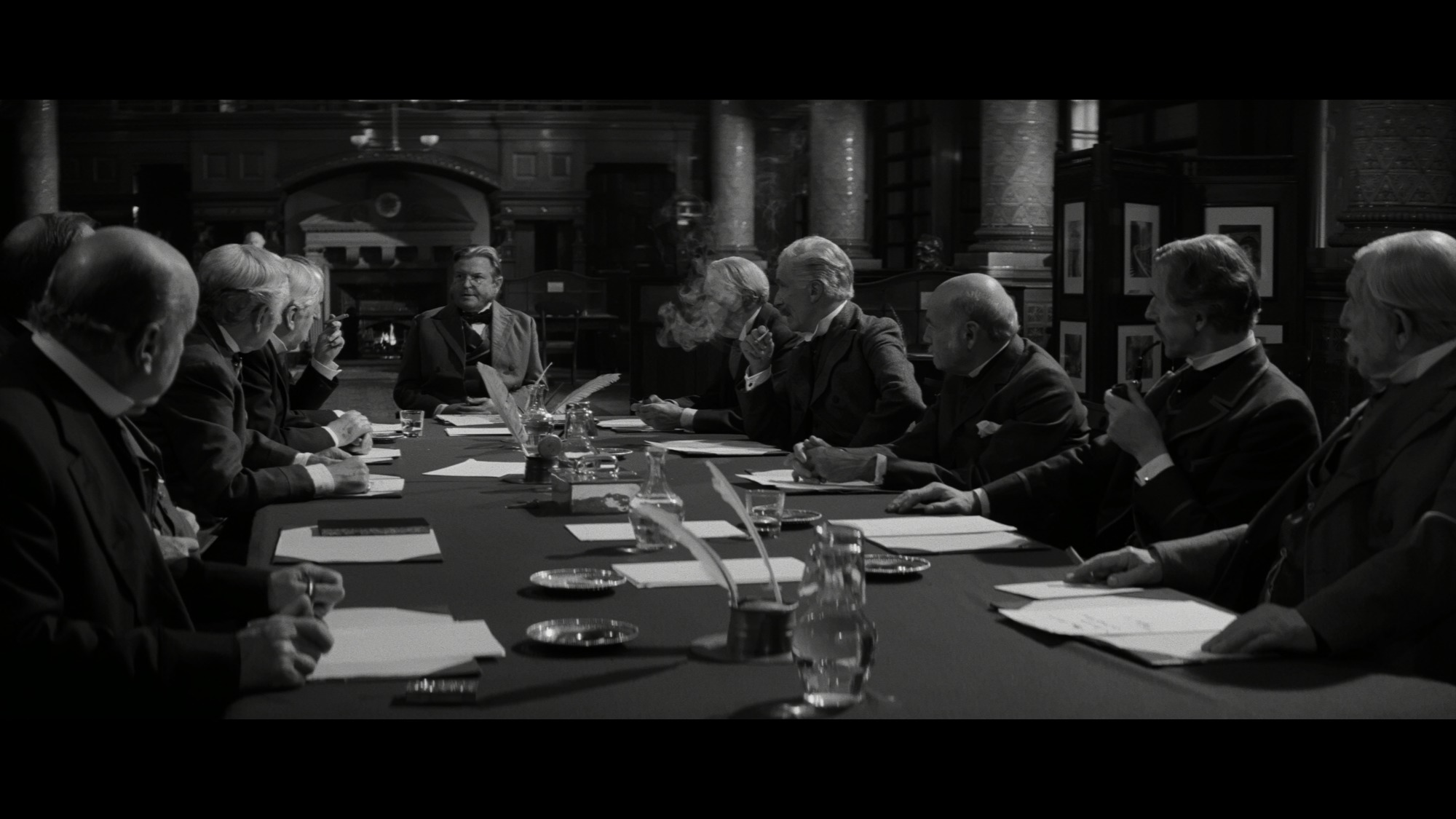
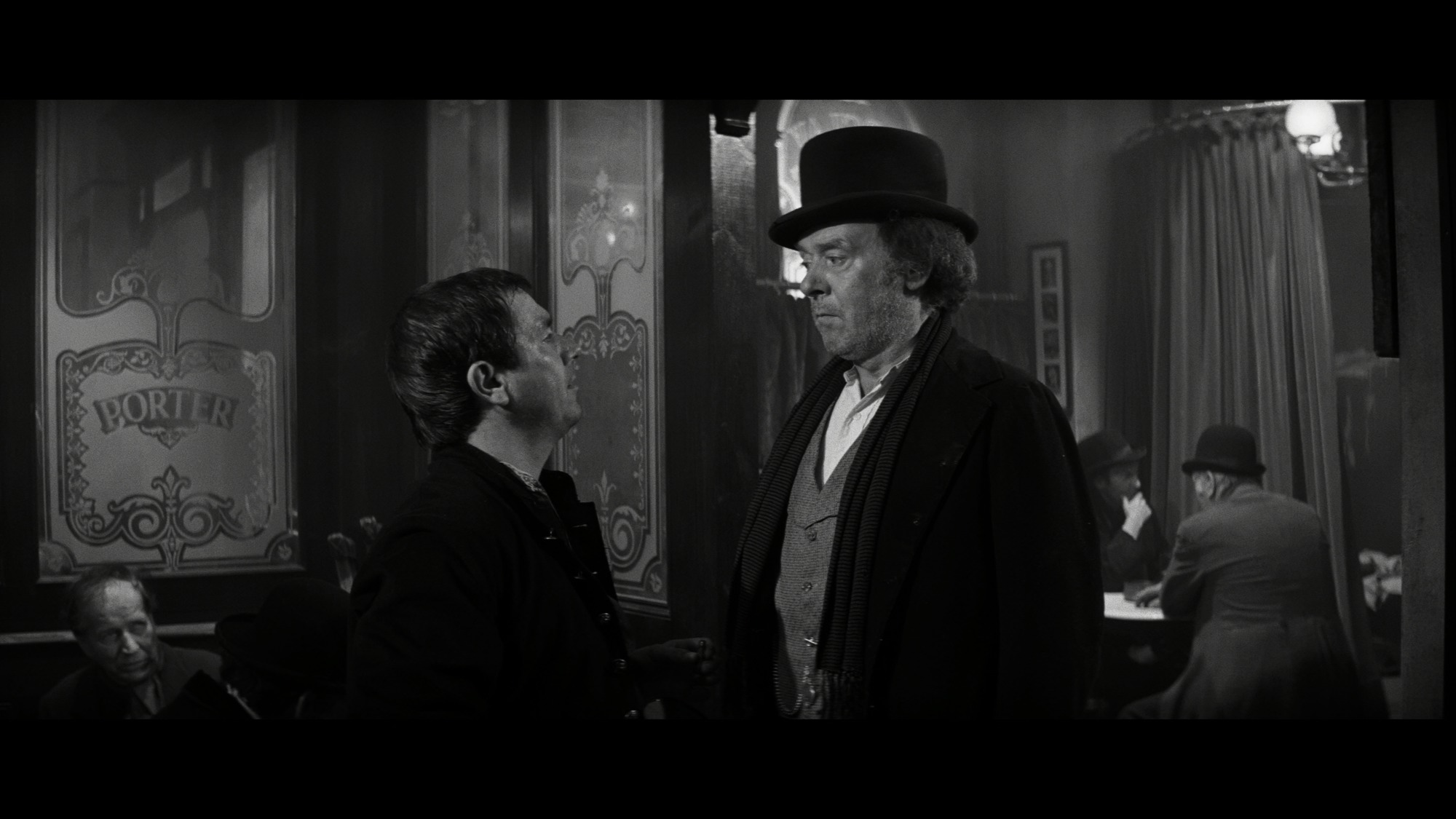
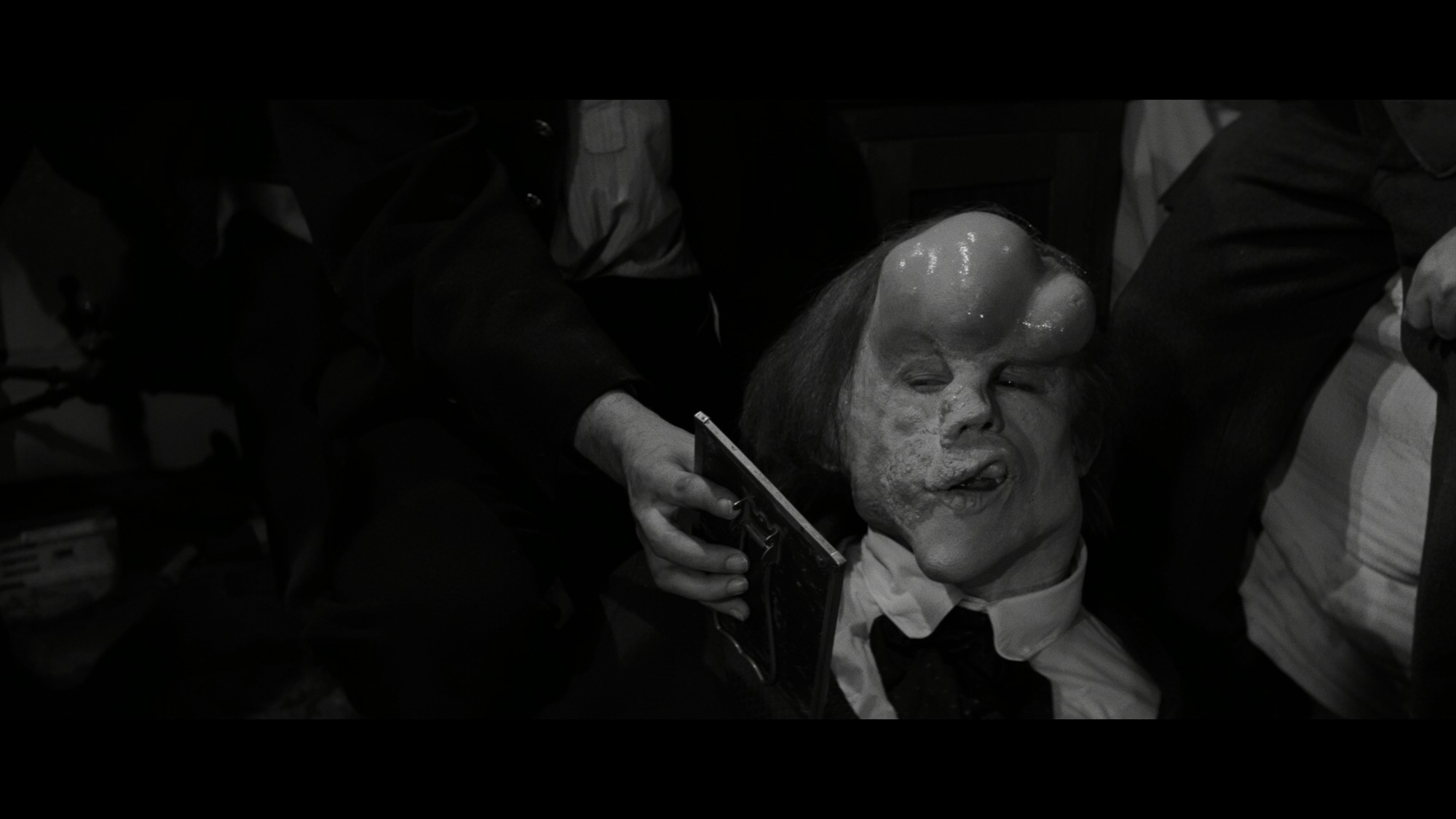
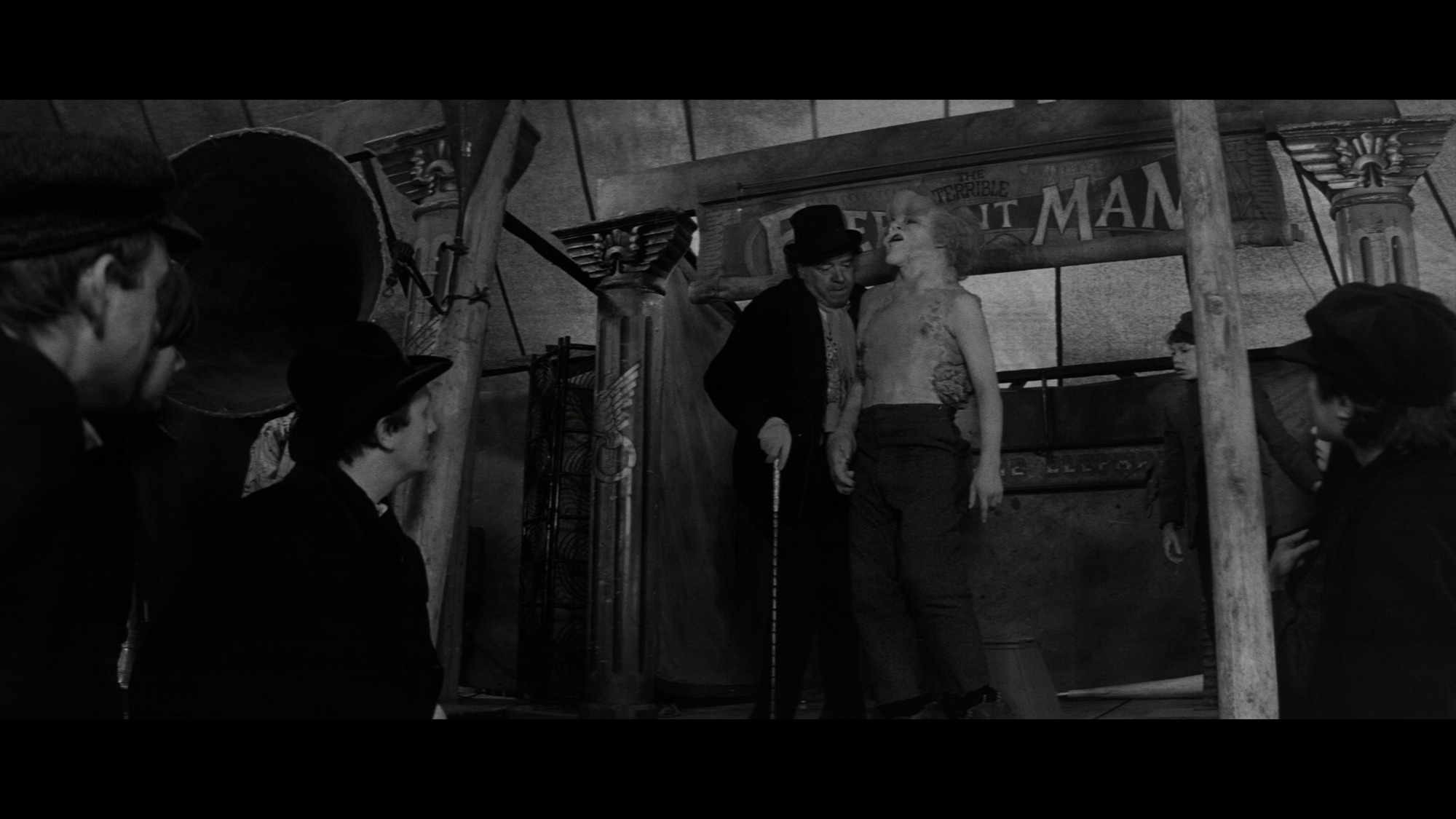
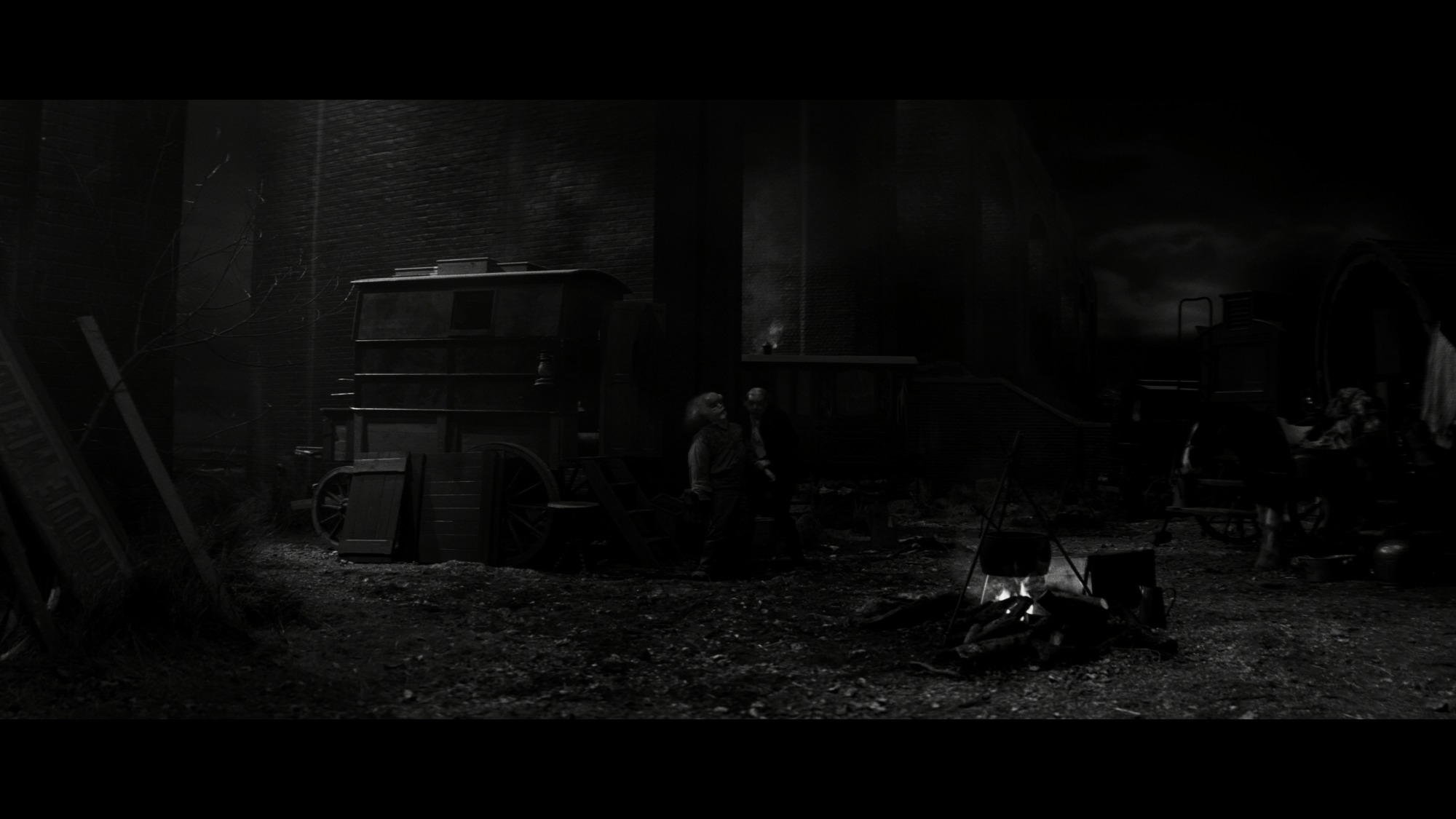
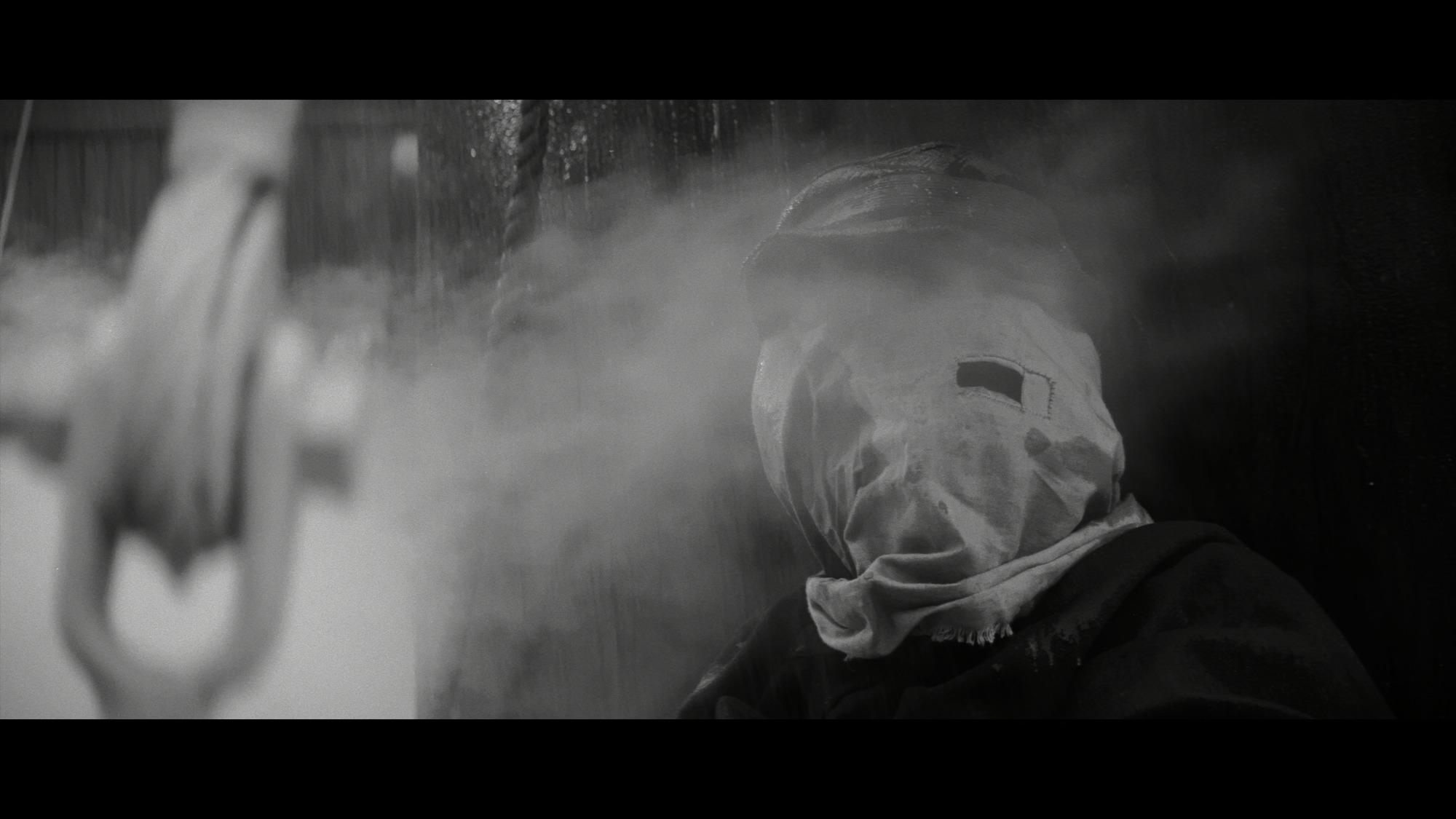
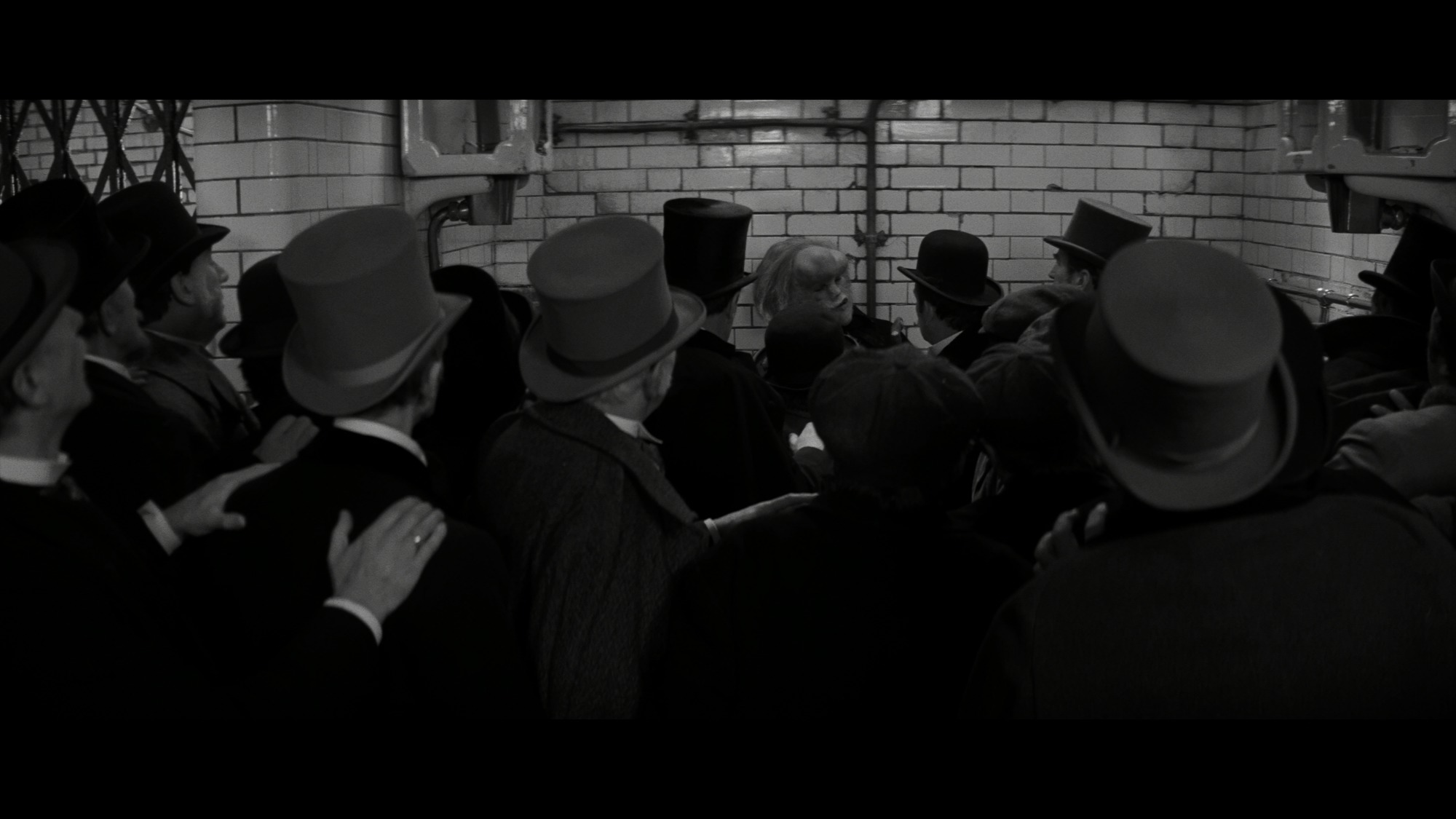
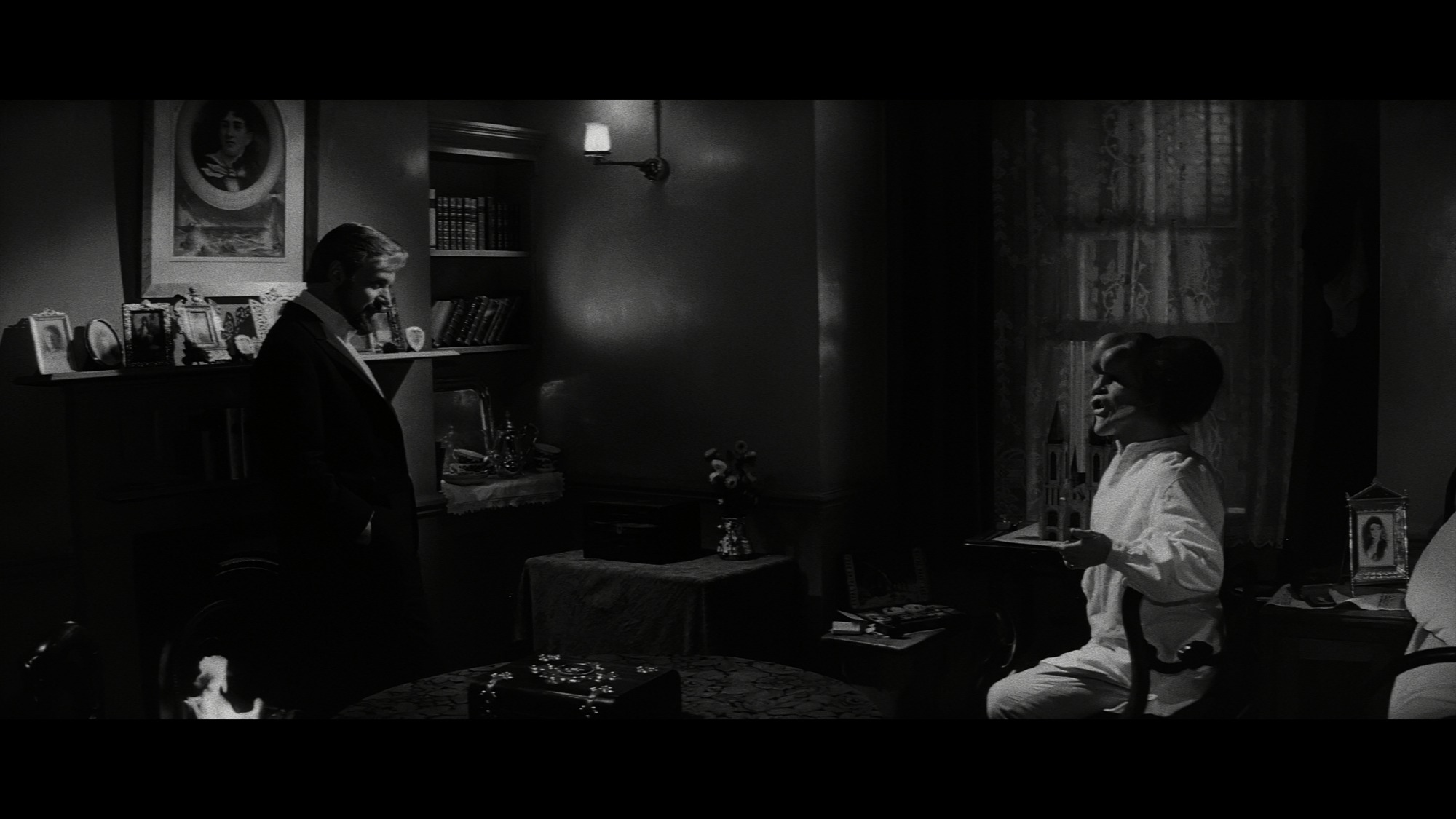
Audio 8/10
The 4K edition again comes with a lossless PCM stereo soundtrack, restored in 2019 to recreate the original theatrical experience after it was determined the remixed 5.1 soundtrack (used on previous releases) had “lost something.”
It remains a very effective presentation, crisp and clear with fantastic range, with dialogue delivering strong fidelity throughout. Sound effects, whether the various clangs from within the hospital, to the chatting in the pubs, or street noises, are also wonderfully mixed, doing an impressive job of immersing the viewer despite the 2-channel configuration. And, of course, there is no damage or any other audio issues to speak of. A very solid presentation.
Extras 9/10
Criterion ports everything over from their previous Blu-ray edition, with all of the features found here on the included Blu-ray. This starts with the 70-minute audio recording of Kristine McKenna and Lynch reading from Lynch’s autobiography Room to Dream. Playing over a still of the book, the two read from the portion covering The Elephant Man’s production, McKenna handling the more technical, journalistic side of the chapter, detailing how Lynch came to be involved with the film, followed by Lynch reading the portion devoted to his own personal recollections. This essentially means you get to hear the same story twice, first in a more matter-of-fact, researched fashion and then from Lynch’s own perspective, complete with a few flourishes and additions. There’s plenty more material on this disc covering the making of the film and how Lynch landed the job, and even if I’m not sold on how it’s presented here (I still wish it had instead been included as an alternate track over the film itself), it does make for an engaging recollection, becoming even more enjoyable once Lynch takes over after the 41-minute mark.
There are then a few interviews, starting with a 20-minute interview with John Hurt, recorded in 2009. The actor recalls being cast and the physical toll the role took on him, particularly the extensive make-up process. He also recounts how Paramount executives didn’t know what to make of the film and his surprise at its eventual success. This is followed by a newer interview with stills photographer Frank Connor, recorded in 2019, who talks about the film’s visual style, the locations used, and how cinematographer Freddie Francis worked. He also covers his duties photographing the production in both black-and-white and color. Following all of this is 24 minutes' worth of footage with producer Jonathan Sanger speaking at a 2018 BFI event. Though the story of how the script was brought to Mel Brooks’ attention is repeated ad nauseam throughout the supplements, Sanger adds a few extra details, explaining how he received the script from his babysitter before convincing Brooks to read it. He then recalls suggesting Lynch for the project, leading to a painful (for Sanger) screening of Eraserhead for Brooks.
David Lynch then appears a surprising amount throughout the disc. There is a 25-minute interview from 2009 where he reflects on the production, though it opens by repeating much of what he says in the Room to Dream feature almost word for word, from the nightmares he had about the make-up (a task he originally intended to handle himself before Christopher Tucker came aboard) to how he was ultimately hired after Brooks saw Eraserhead (Lynch himself wasn't actually present for that screening). Also included is a conversation between directors Mike Figgis and David Lynch, filmed in 2006, where Lynch talks about getting into filmmaking despite not being much of a film buff and discusses his early experimentation with the medium. Those two interviews were also included on the StudioCanal edition, but Criterion adds a 51-minute excerpt from an audio recording of Lynch speaking at the AFI in 1981. It almost feels as though the host isn’t quite sure what to make of him or his early answers because questions from the audience begin almost immediately. Much to my surprise, though, outside of a question about the baby in Eraserhead, Lynch proves remarkably open and forthcoming about The Elephant Man (perhaps because it was a studio production) and genuinely seems to be enjoying himself. He also talks about finally getting the opportunity to work in color on his then-upcoming film, Dune, which he—amusingly in retrospect—sounds genuinely excited about.
A couple of archival documentaries are then included: Joseph Merrick: The Real Elephant Man, a 20-minute feature examining Merrick’s actual life based on what is known (not surprisingly, the first half of the film isn’t entirely historically accurate), and The Terrible Elephant Man Revealed, a 30-minute documentary produced in 2001, which I believe originated on Paramount’s DVD. Featuring interviews with Sanger, Hurt, cinematographer Freddie Francis, make-up artist Christopher Tucker, and producer Mel Brooks, it follows the familiar made-for-DVD documentary format of the era but still manages to be informative. It’s also the only place where we get interviews with Francis and Brooks, both of whom are otherwise only discussed by the other participants, always with plenty of praise, especially from Lynch. Both of these documentaries also appear on the StudioCanal edition.
Criterion then digs up a couple of archival pieces, first with a 12-minute interview with John Hurt from 1980, where the experience of making the film is still fresh in his mind compared to his later interviews. This is followed by a 14-minute interview, also from 1980, featuring Hurt alongside make-up artist Christopher Tucker. Effectively replacing a similar feature from Paramount’s DVD (an interview and photo gallery focused on Tucker’s work), it presents the two in Tucker’s workshop discussing the prosthetics, their application, and the research behind them, including access to the original cast of Merrick’s head. This is accompanied by colour photographs of the original make-up applications before Tucker, with Hurt’s assistance, demonstrates how the prosthetics were applied. As far as I know, neither of these archival pieces has appeared on any other release of the film.
Criterion rounds things out with the film’s American trailer and three radio spots.
This edition also ports over the 36-page booklet. It’s a little frustrating since StudioCanal’s original edition included more academic material and additional content on the real Joseph Merrick. Criterion, following the same pattern as their other Lynch releases, doesn't include any academic material, instead reprinting an excerpt from Lynch on Lynch, where writer Chris Rodley and Lynch discuss the film. At the very least, the booklet also includes something specific to Merrick himself: a reprint of a letter written by the head of the London Hospital, Francis Culling Carr Gomm (played by John Gielgud in the film), to The Times in 1886 regarding Joseph Merrick.
It’s still one of Criterion’s more stacked releases for a Lynch film, but as with their Blu-ray edition, there is a fair amount of overlap between the supplements, with the same stories—how Sanger got the script, how Lynch first met Brooks, how long the make-up process took, and so on—reappearing throughout.
Closing
Criterion’s 4K edition delivers the same set of features as before, while the new presentation provides a notable upgrade over their previous Blu-ray.
BUY AT: