Coup de torchon
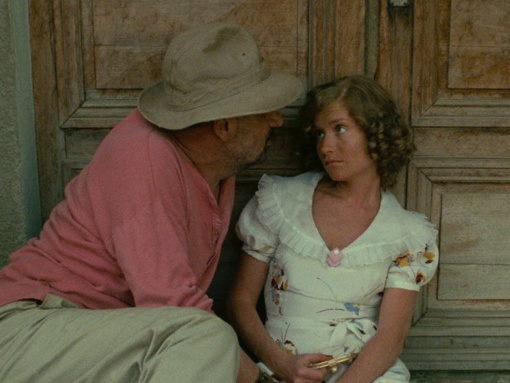
BUY AT:


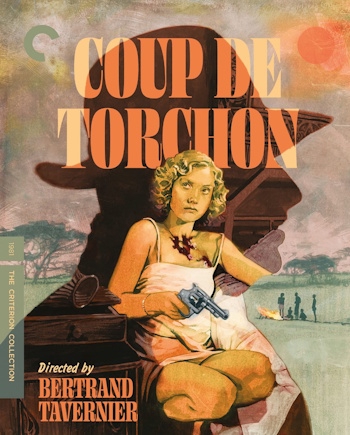
See more details, packaging, or compare
Synopsis
With this existential crime thriller, legend of French cinema Bertrand Tavernier transforms Jim Thompson’s hard-boiled novel Pop. 1280 into a darkly comic, philosophically provocative exploration of the brutality and absurdity of colonialism. Moving the story’s setting from the American South to 1930s French West Africa, Coup de torchon features a frighteningly enigmatic performance from Philippe Noiret as a police chief whose seeming ineptitude masks a cold-blooded pursuit of revenge and control that draws his opportunistic mistress (a fiery Isabelle Huppert) into an escalating spiral of violence. With each chilling revelation, Tavernier plunges us ever deeper into an abyss of madness and corruption, laying bare the decaying soul of empire.
Picture 9/10
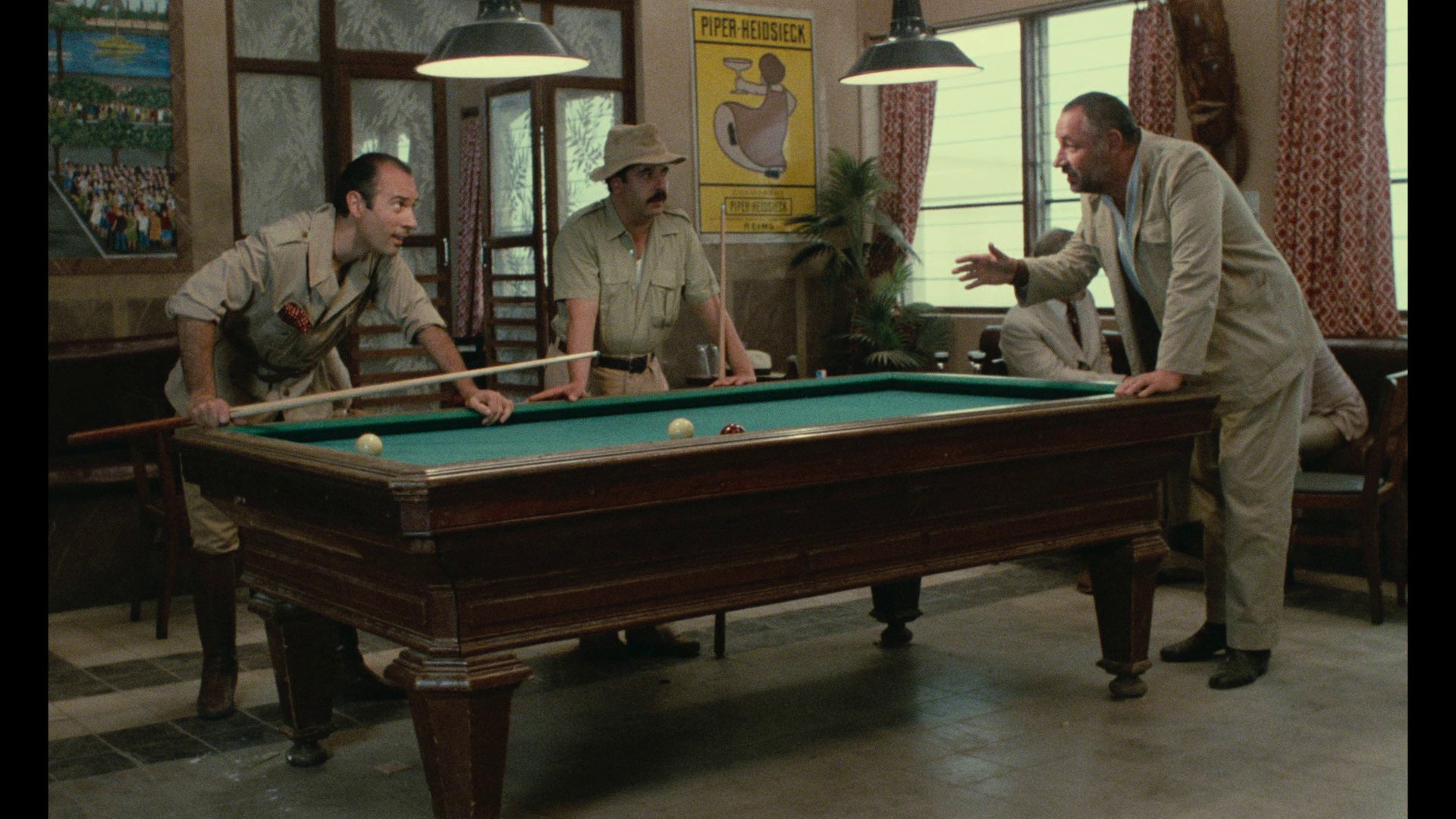
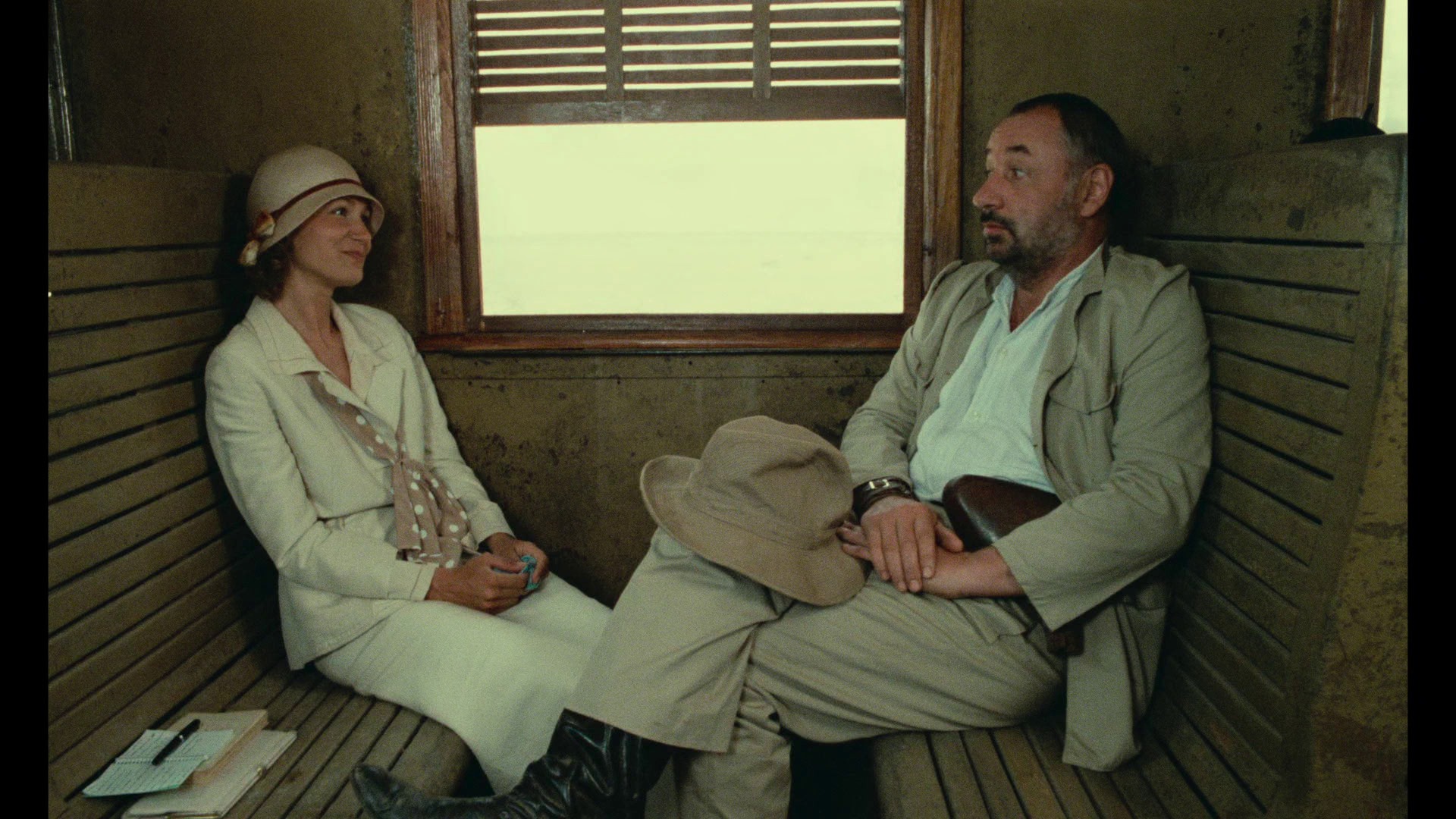
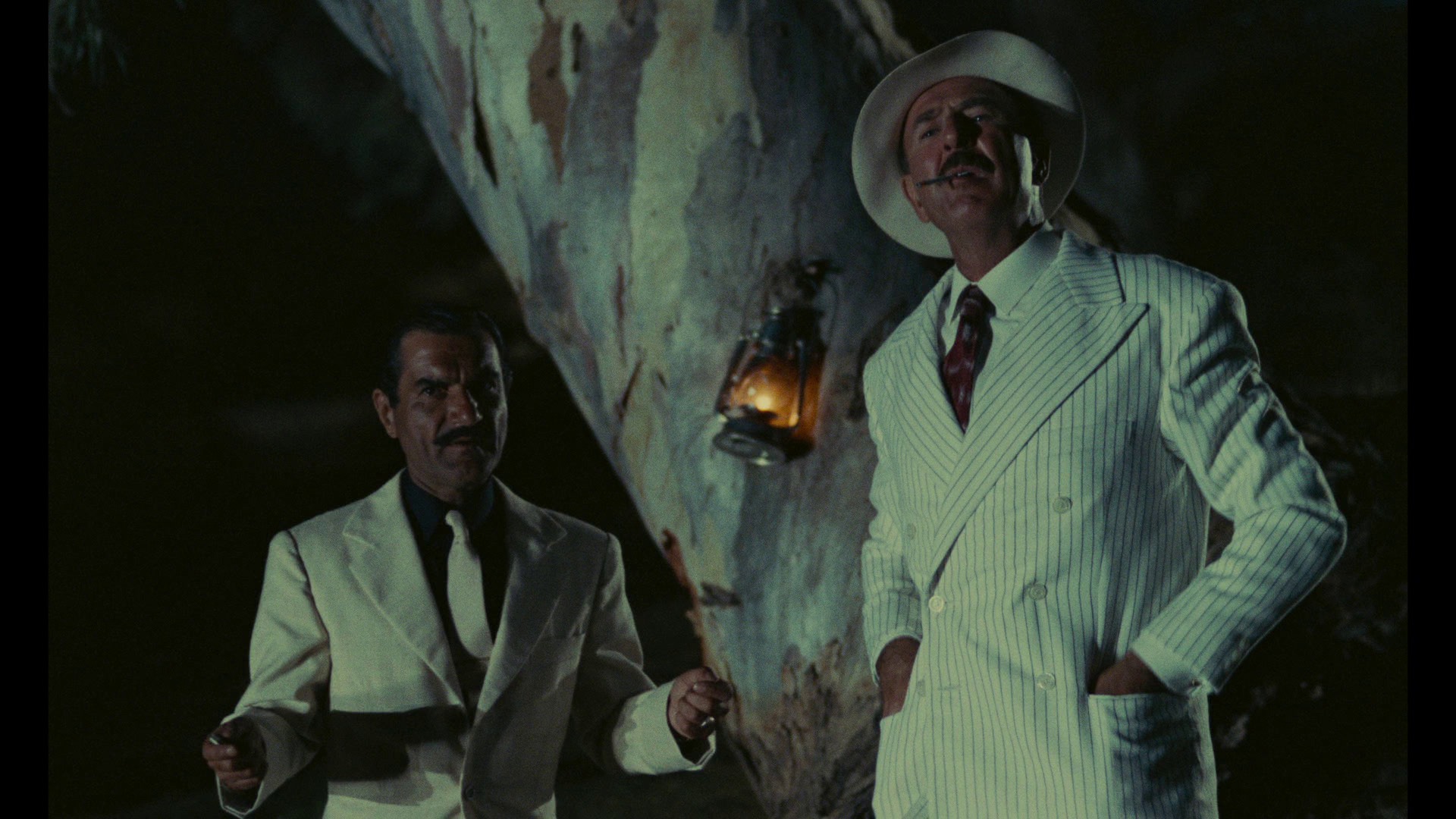
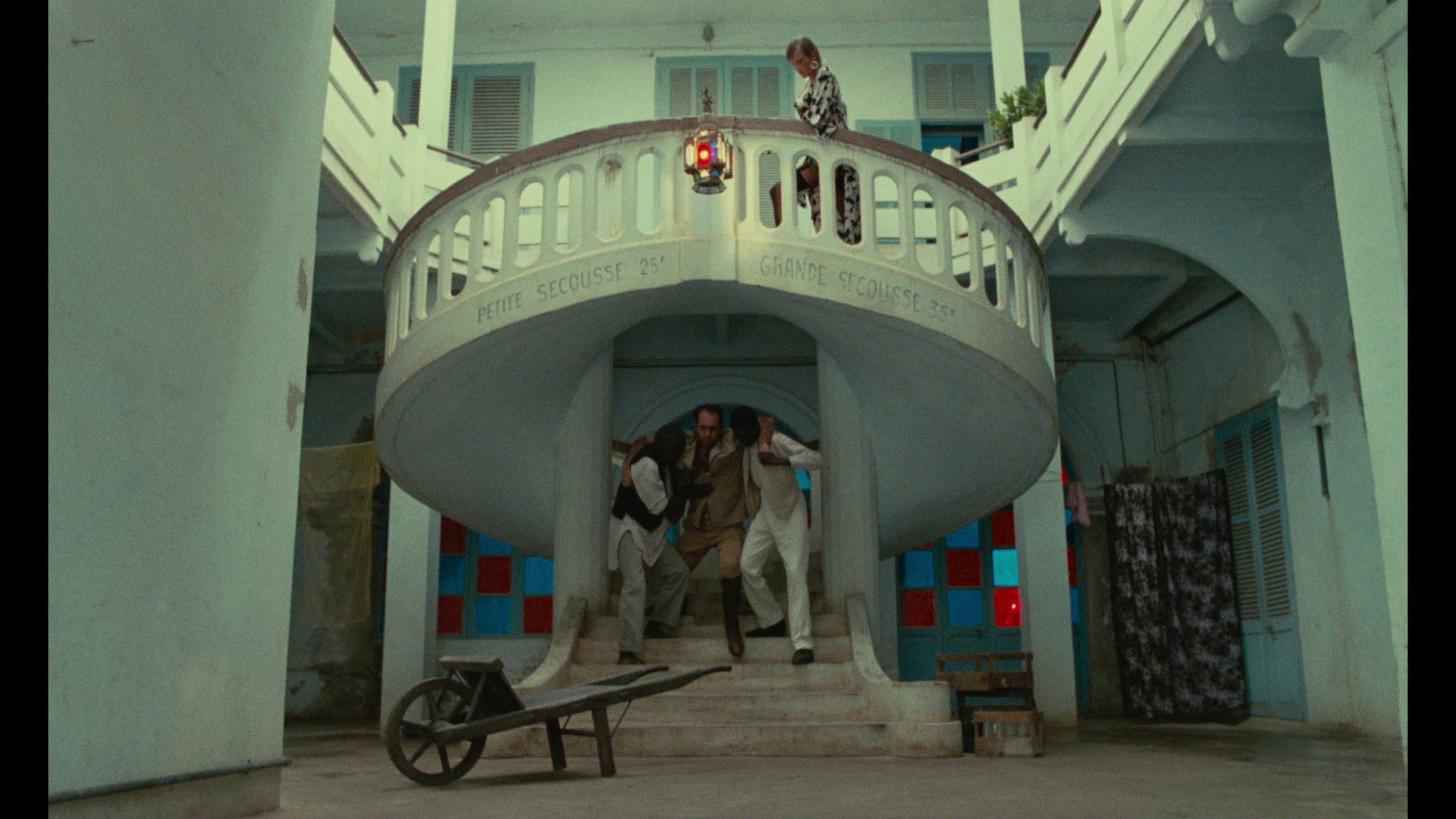
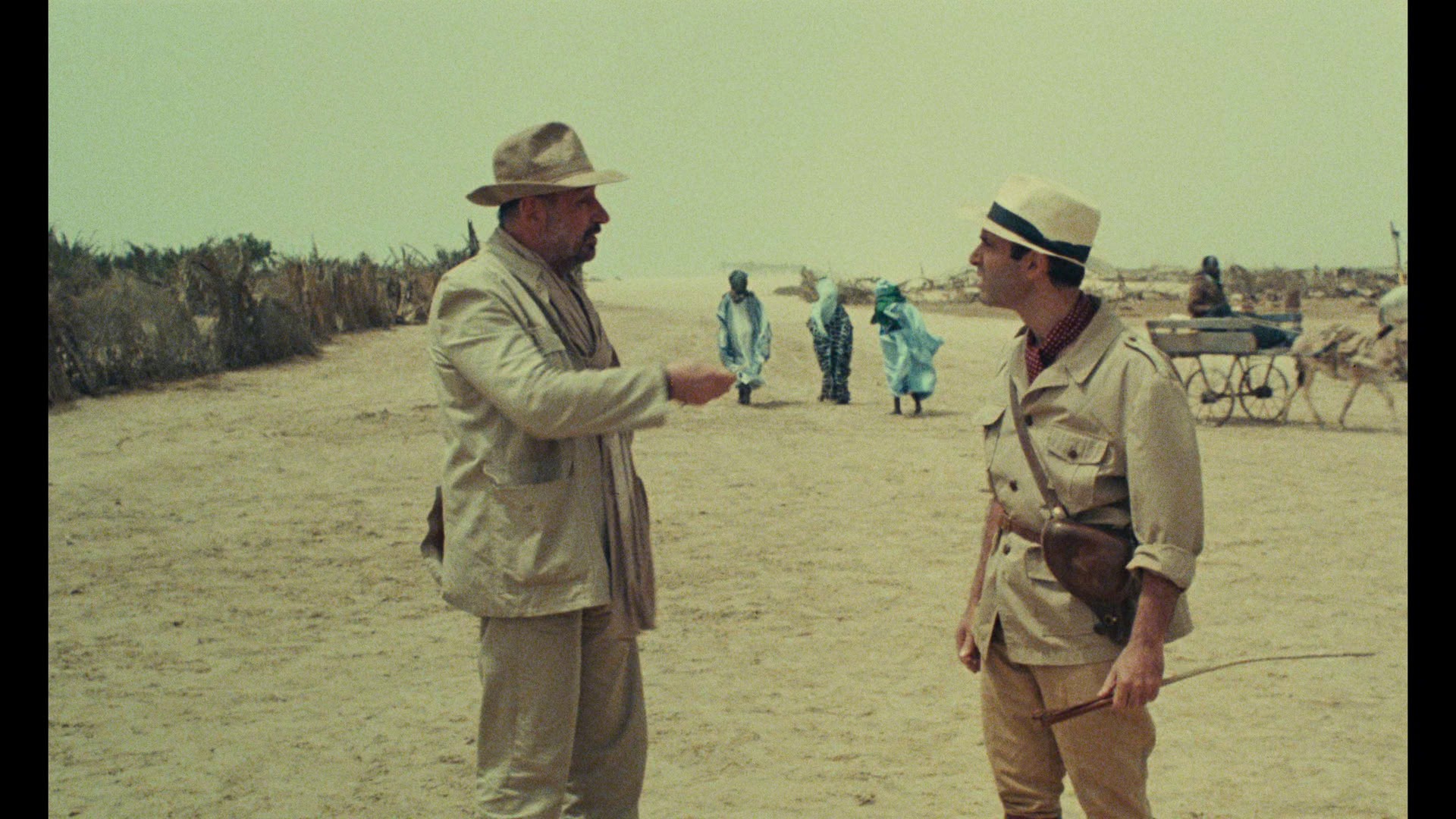
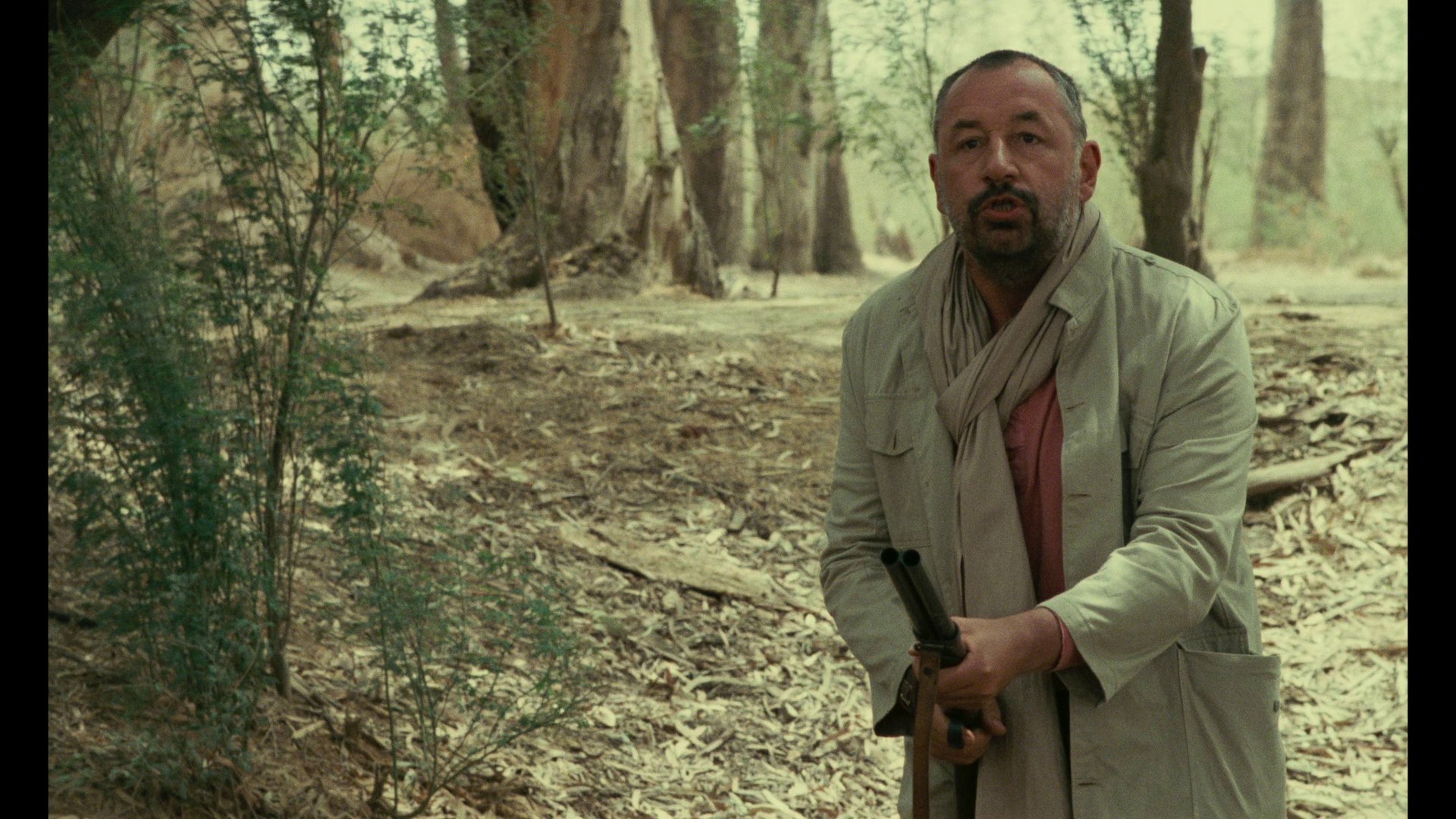
Following their long out-of-print DVD edition, The Criterion Collection upgrades their edition of Bertrand Tavernier’s Coup de torchon to Blu-ray, presenting the film in its original aspect ratio of 1.66:1 on a dual-layer disc. The 1080p/24hz high-definition presentation is sourced from a new 4K restoration performed by STUDIOCANAL, taken from a scan of the 35mm original camera negative.
Surprisingly, Criterion’s previous DVD from 2001 still looks pretty decent when upscaled. It’s not perfect, of course (and the aspect ratio is incorrect), but it’s more than watchable and perfectly serviceable. That said, as one would hope, the new Blu-ray betters it in just about every department, one slight caveat aside.
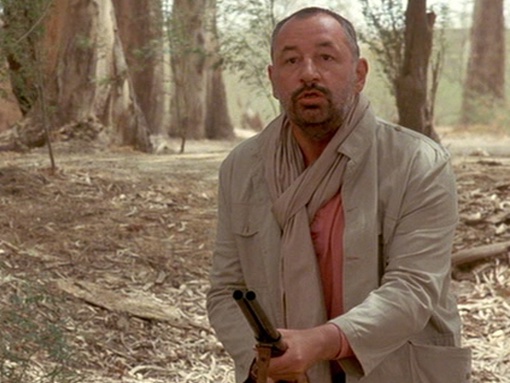
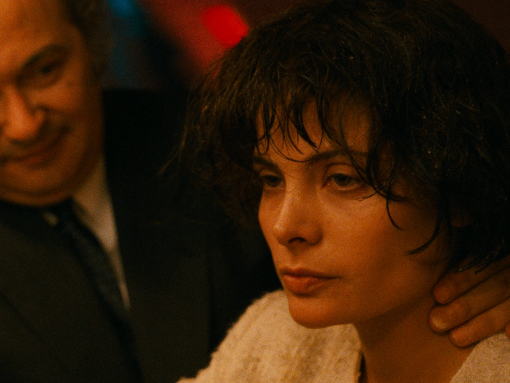
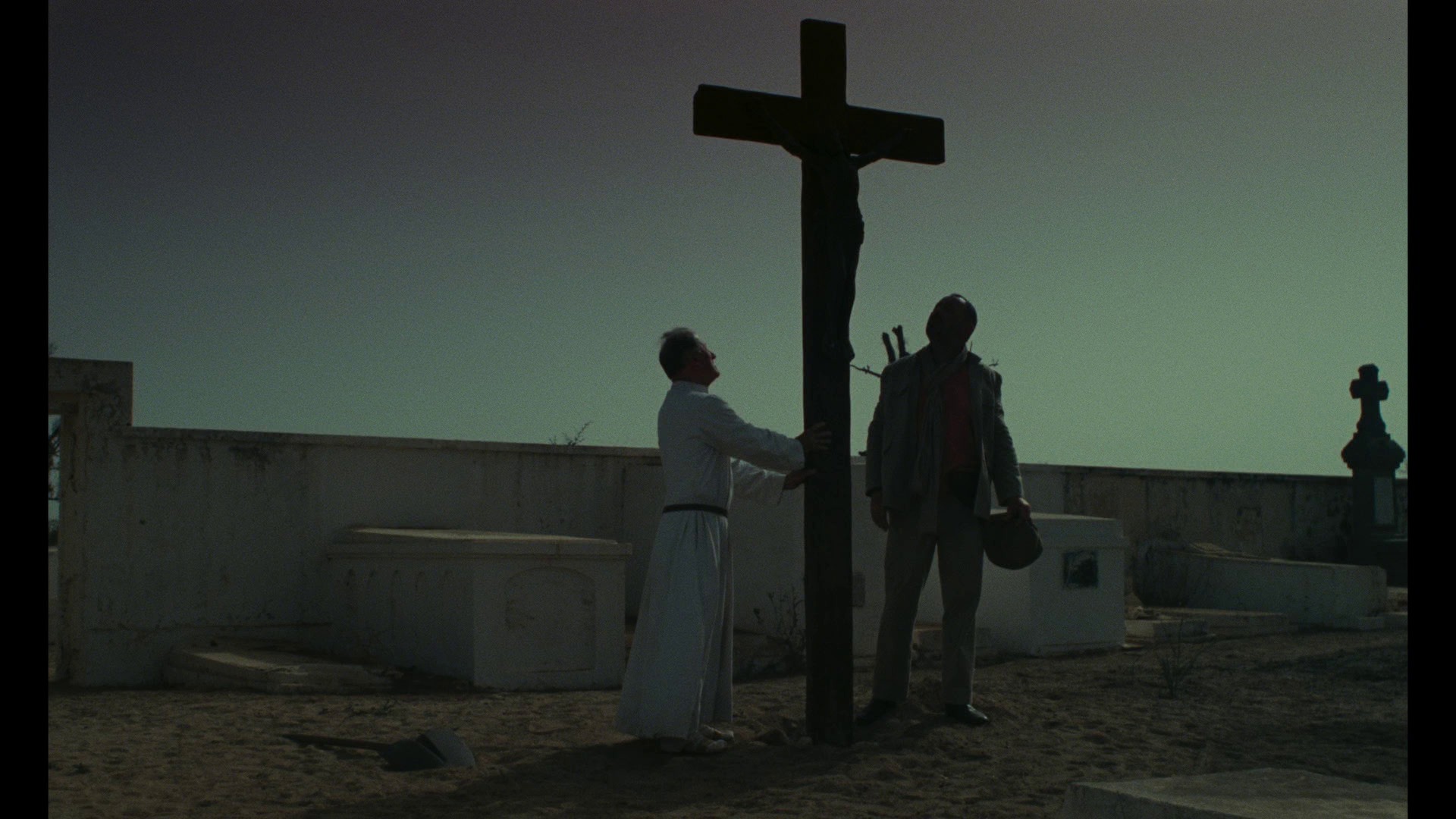
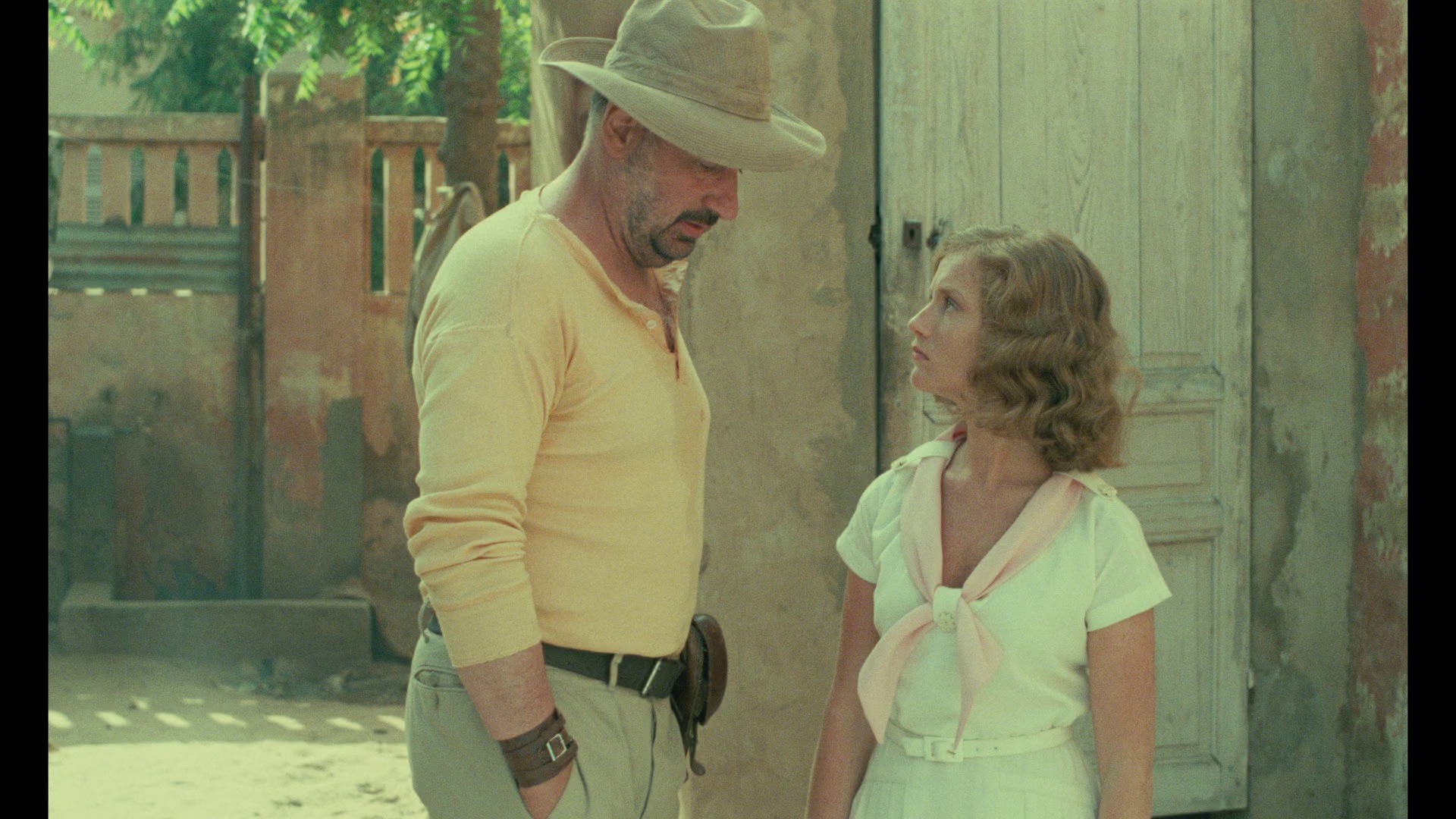
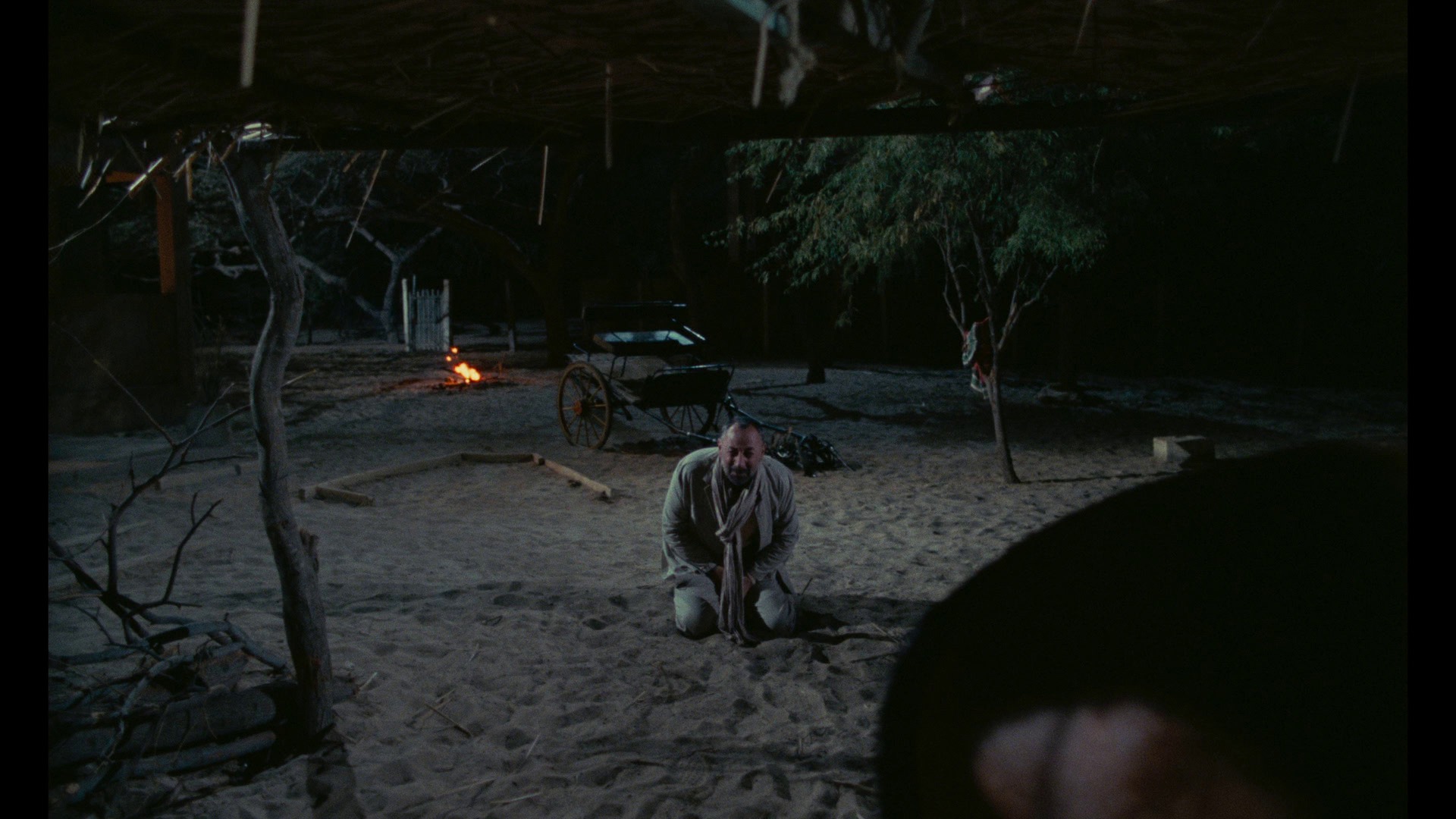
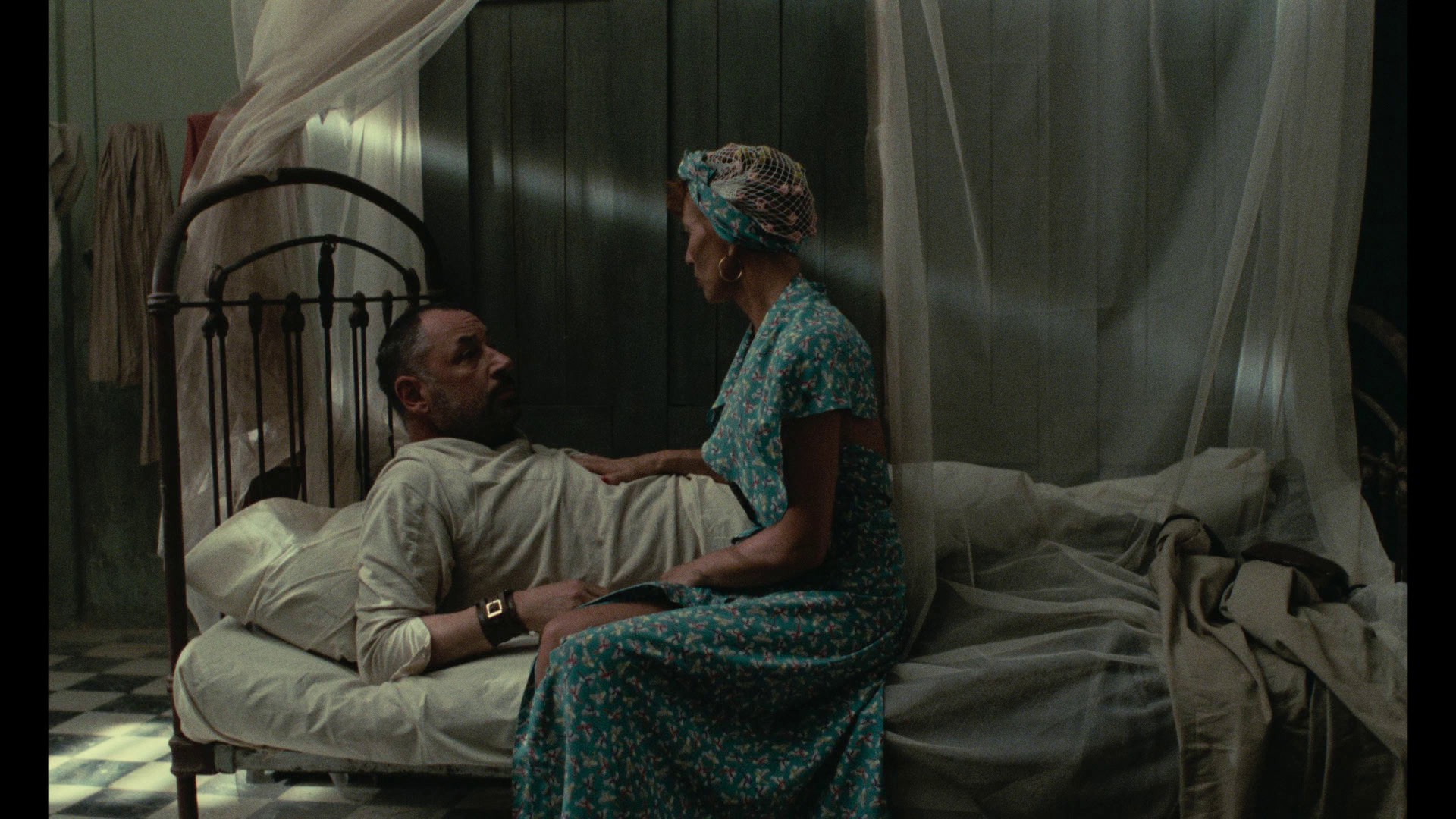
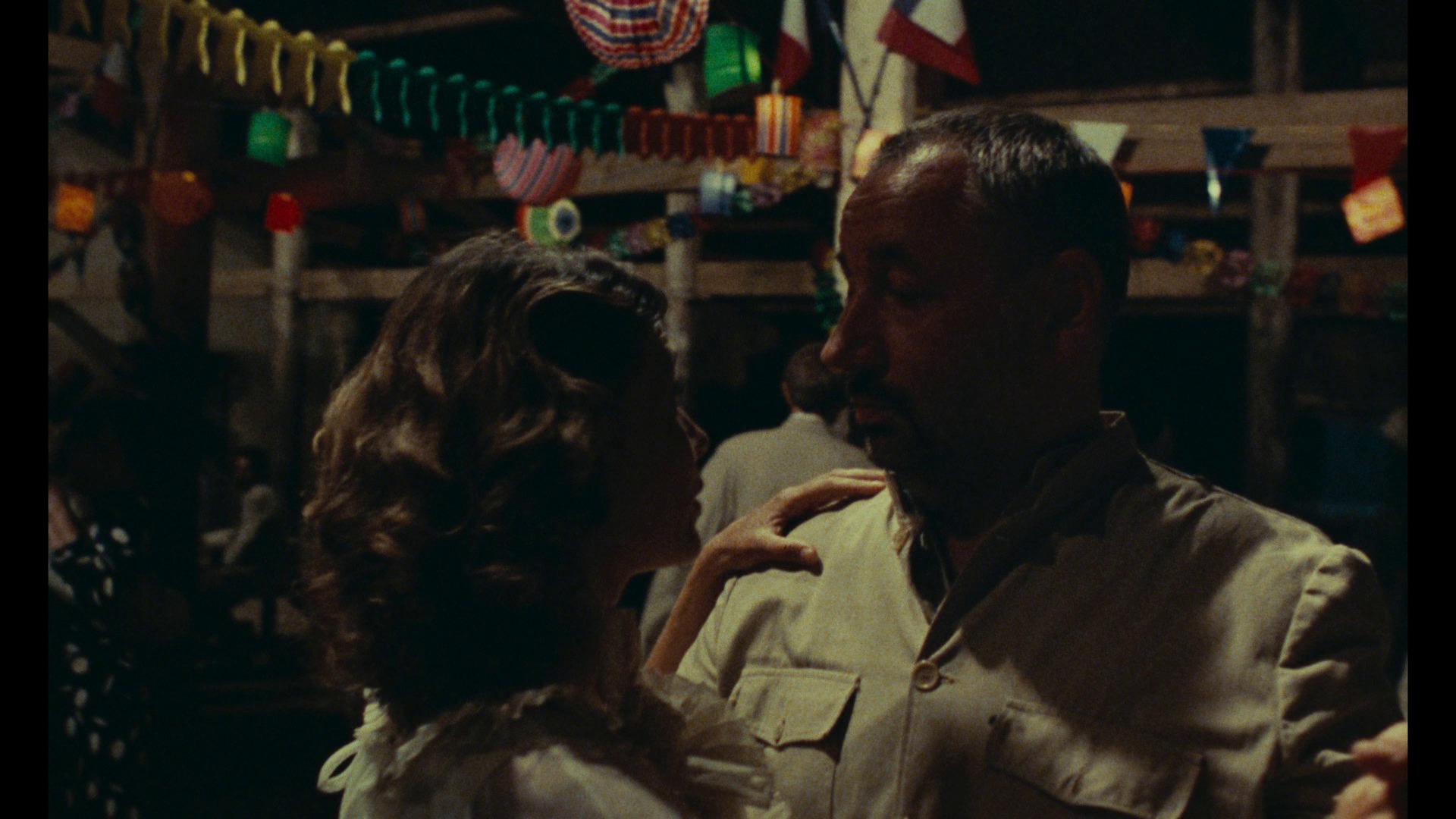
The new restoration does an incredible job cleaning up damage, though the DVD only featured a few minor blemishes to begin with. Still, clean-up has been far more thorough here and nothing of note remains. Shadow detail is also considerably better, leading to improved depth and range in the darker sequences, even during the obvious day-for-night shots.
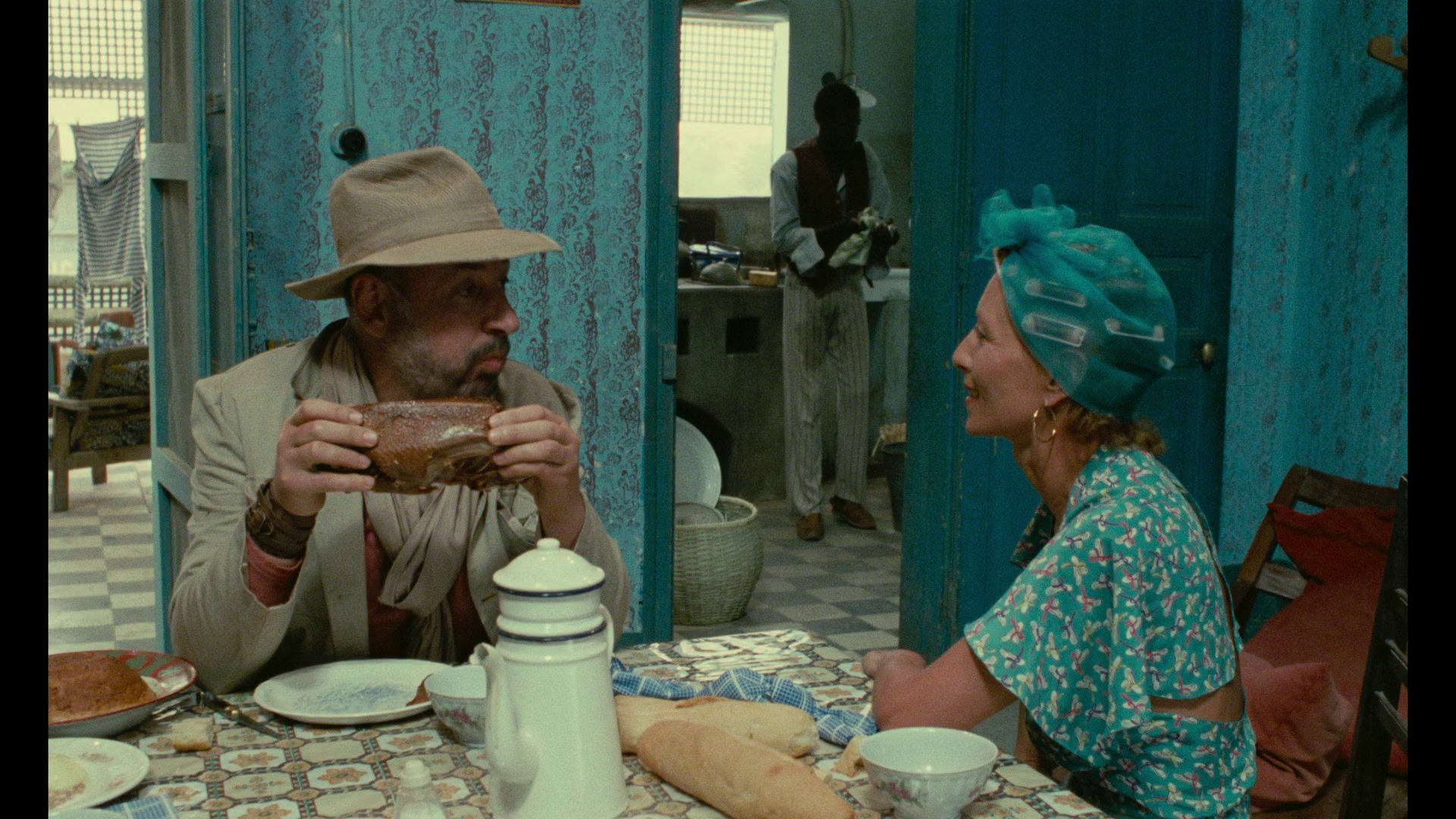
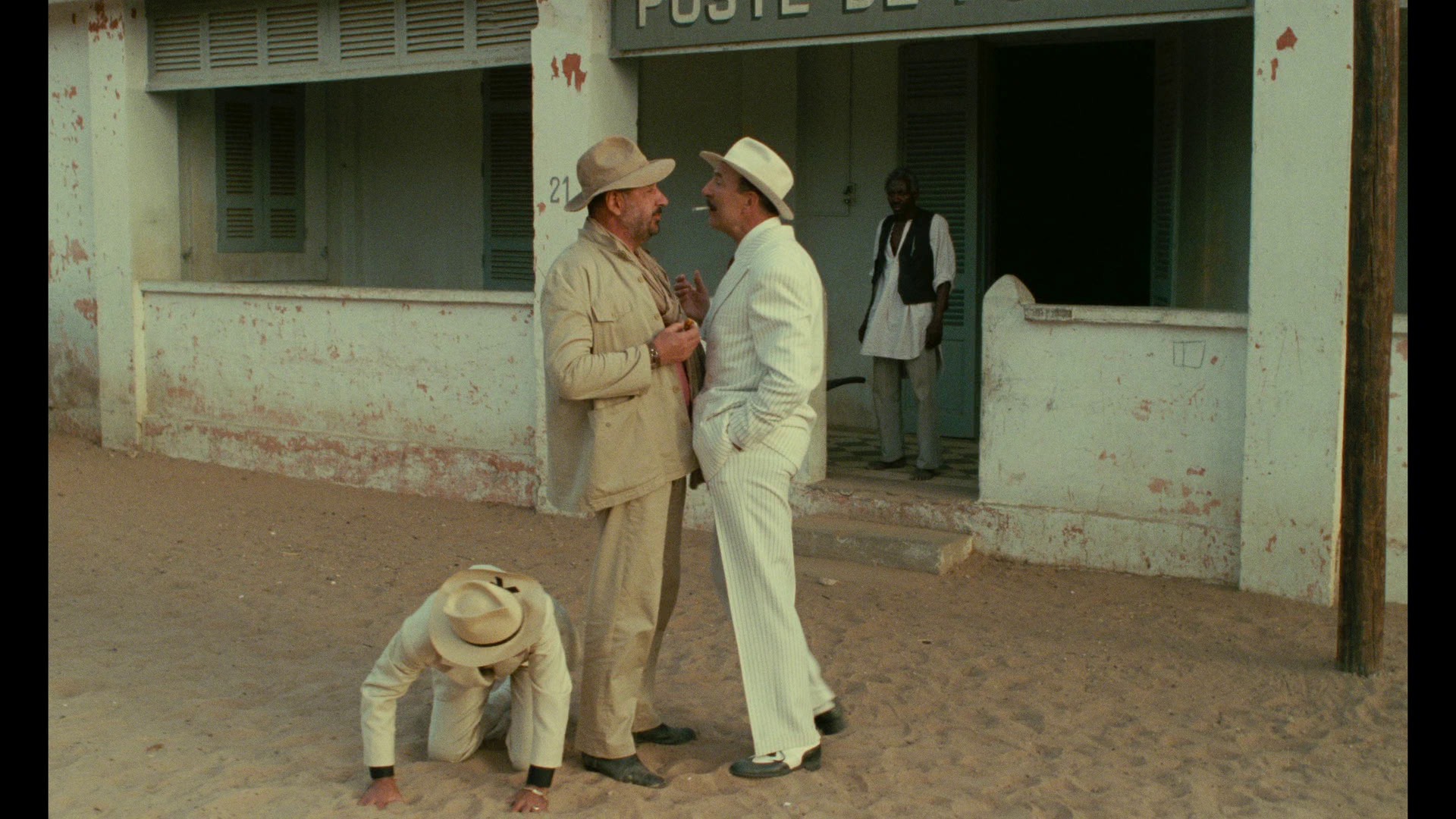
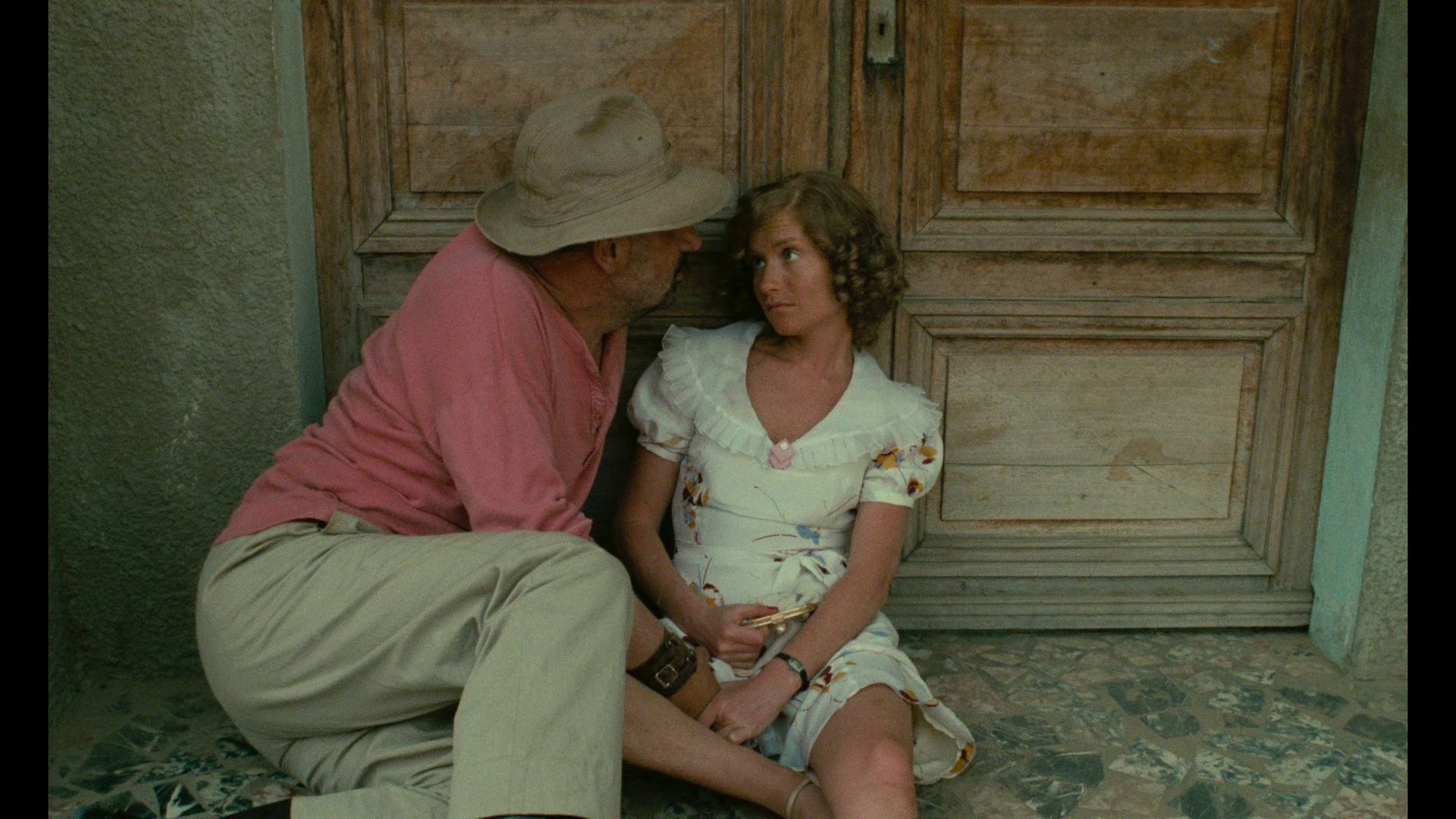
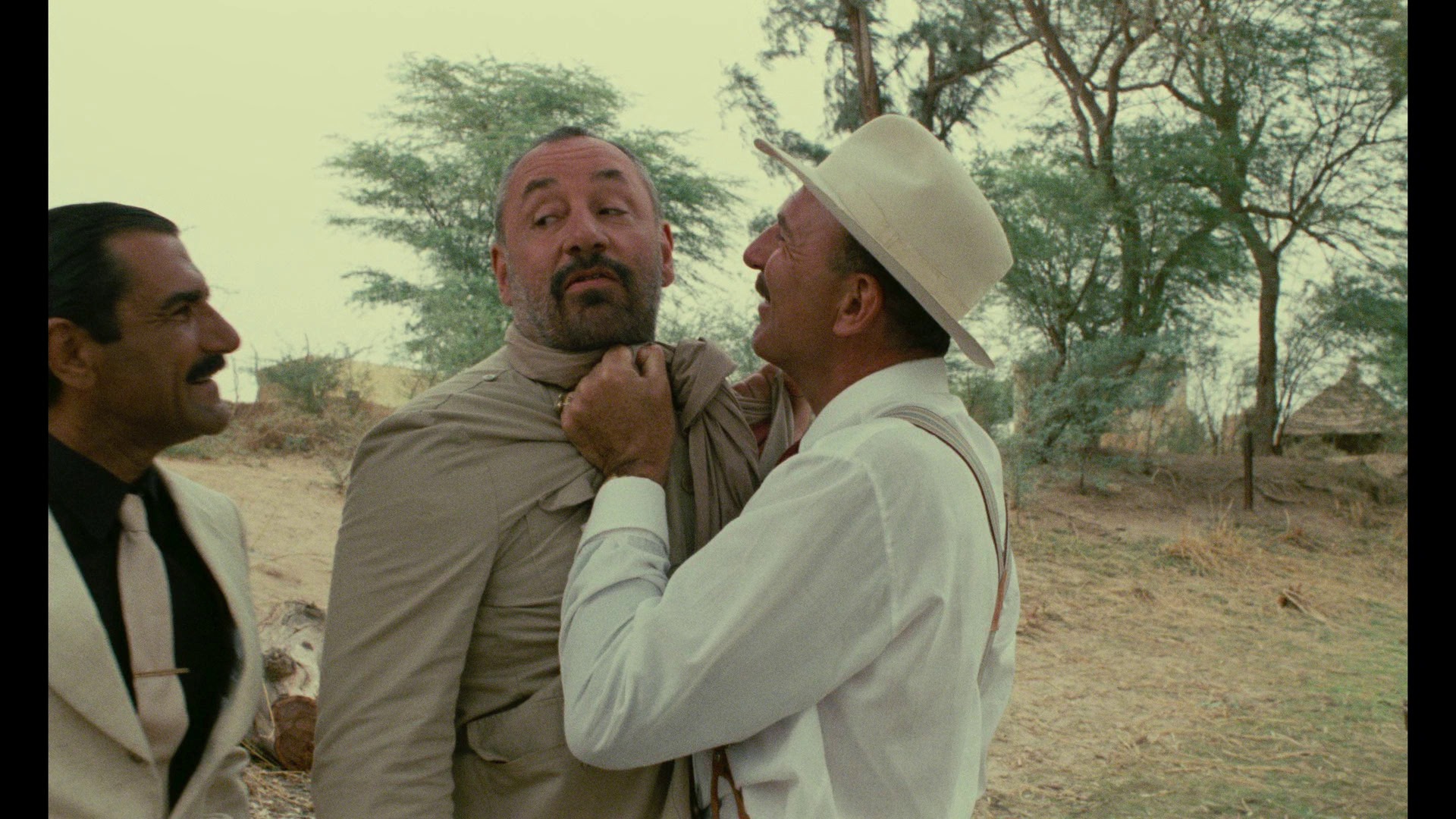
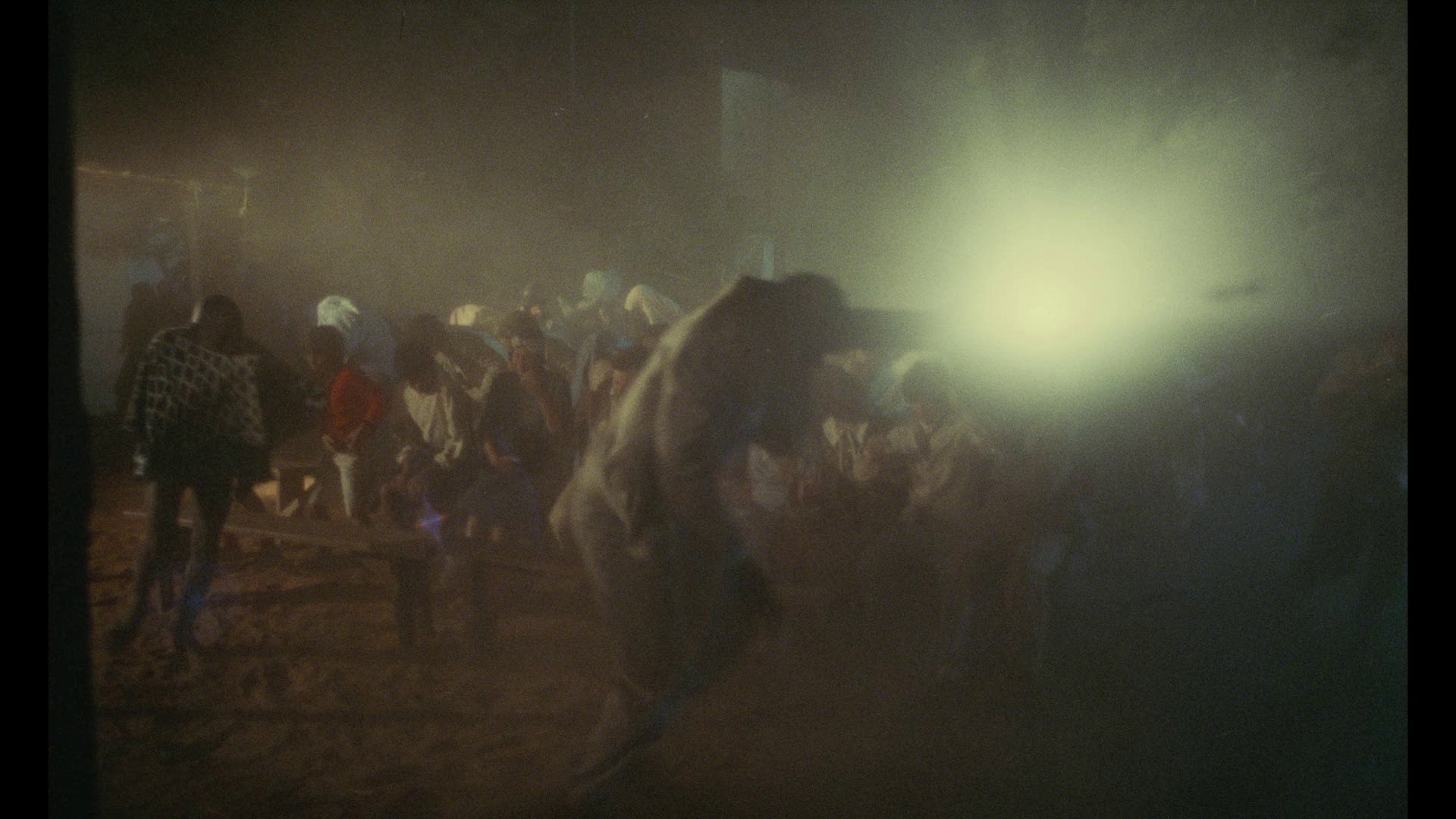
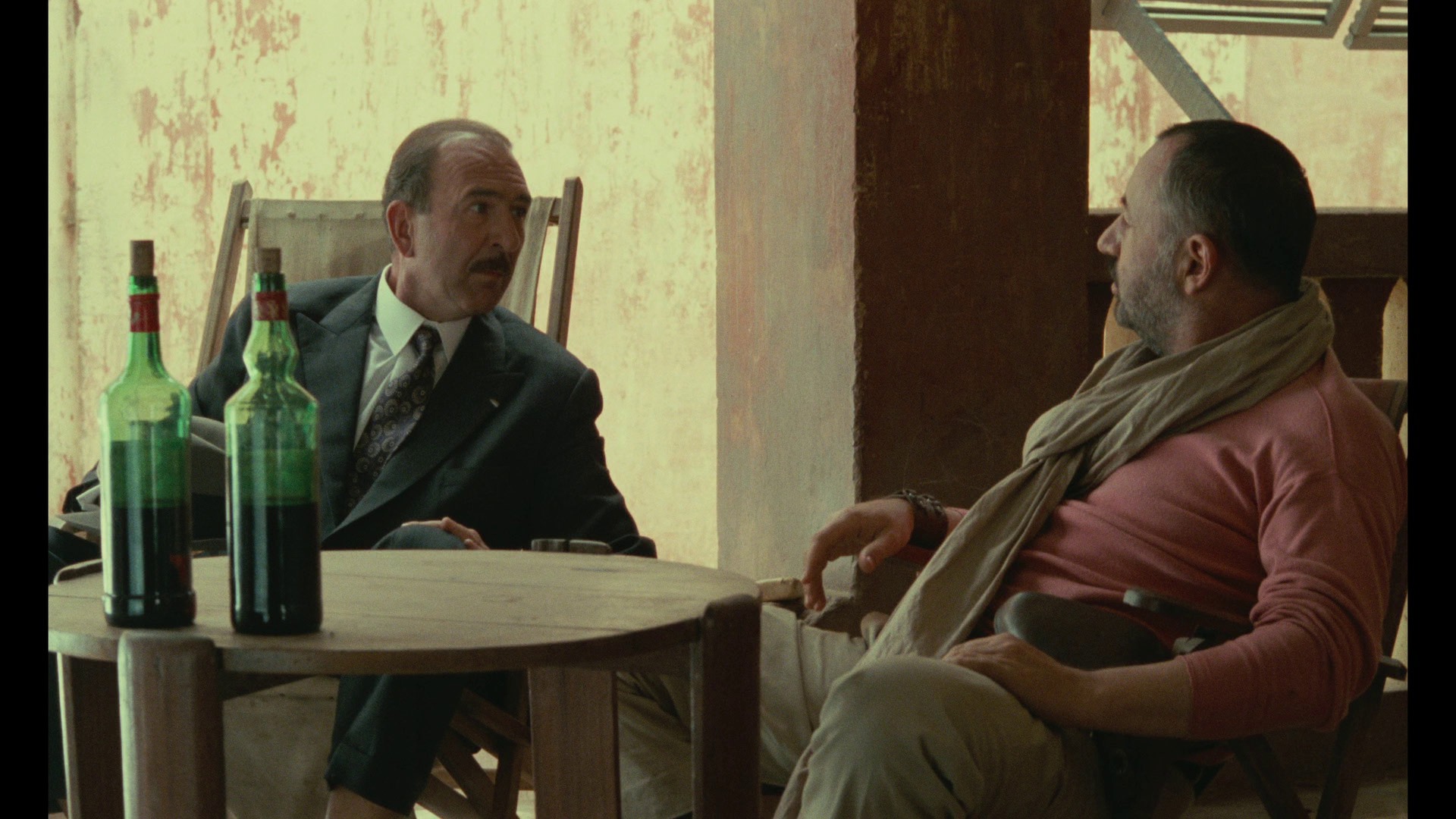
The image is also significantly sharper, rendering finer details throughout the landscapes with little effort. Grain is strongly rendered as well, retaining a natural texture completely lacking from the DVD's presentation. Criterion’s encode is also another one of their recent solid effort, with no obvious blocking or noise apparent in either the dark patches or highlights. Even the grain rendered in the dust that shoots up every once in a while is rendered wonderfully.
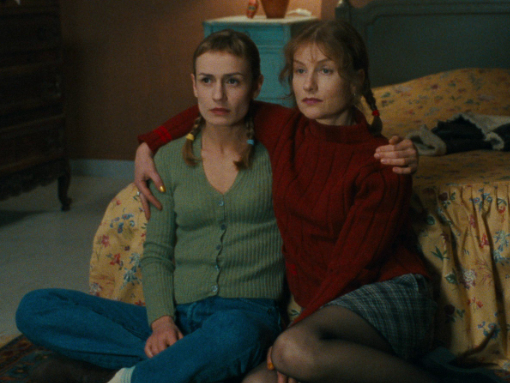
The only area I admittedly struggled with was the color grading, which carries a noticeable green/teal push. In archival features found on the disc, Tavernier and director of photography Pierre-William Glenn get into the film’s color design and its emphasis on pastels, and the grading here does complement that. You can also see the DVD’s grading pushing somewhat in that direction (just more magenta), so the look isn’t coming entirely out of nowhere. Despite that, it can get pretty heavy at times, turning everything somewhat jaundiced, and I felt it had a more digital appearance compared to something produced photochemically. I guess it irked me a bit, but it’s still not the most egregious example I’ve seen.
I’m a bit surprised Criterion didn’t bother with a 4K release, as I feel this restoration would have translated well to the format. At the very least, though, this is still a strong-looking presentation and a substantial upgrade over the old DVD.
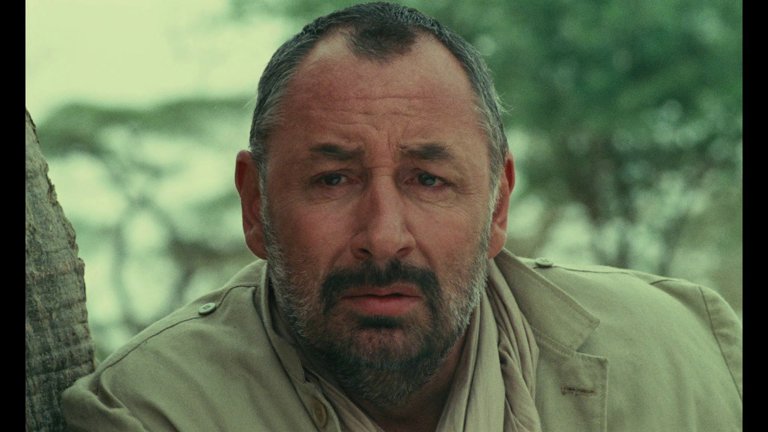

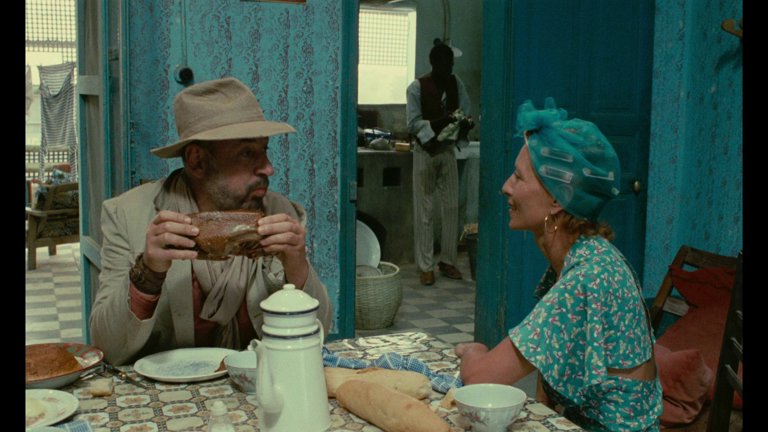
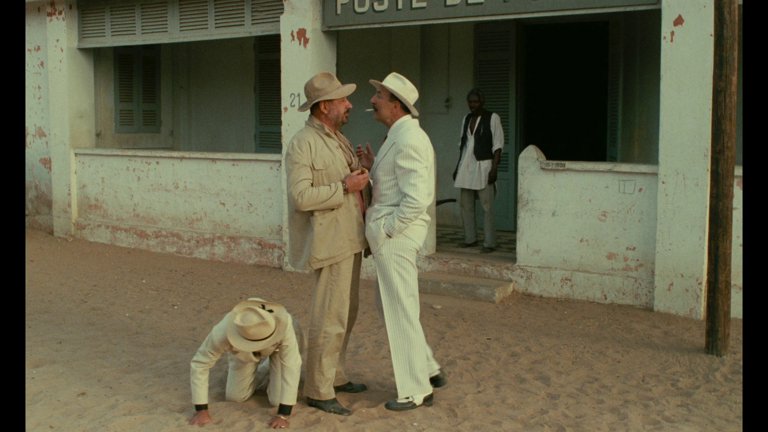
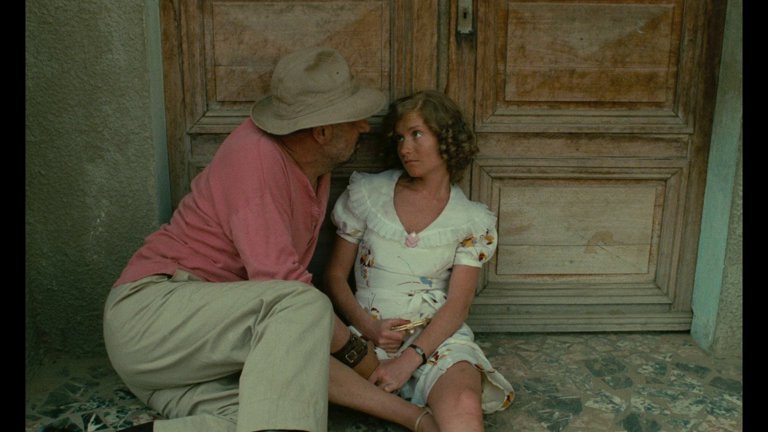
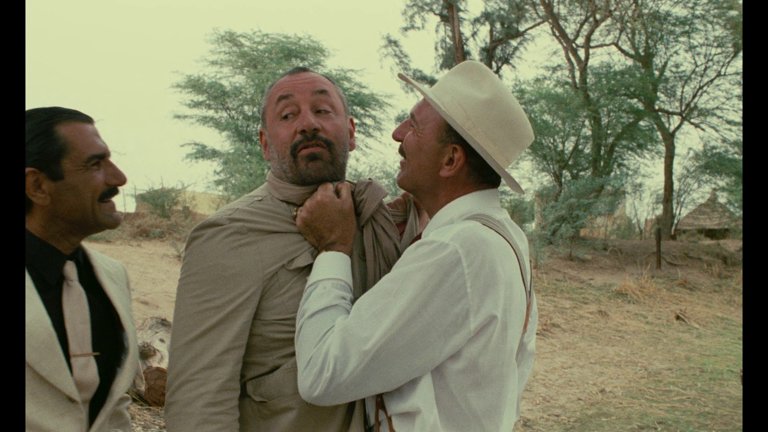
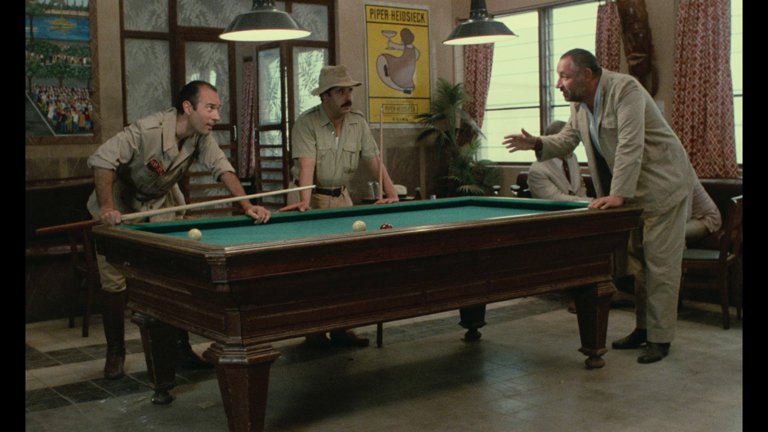
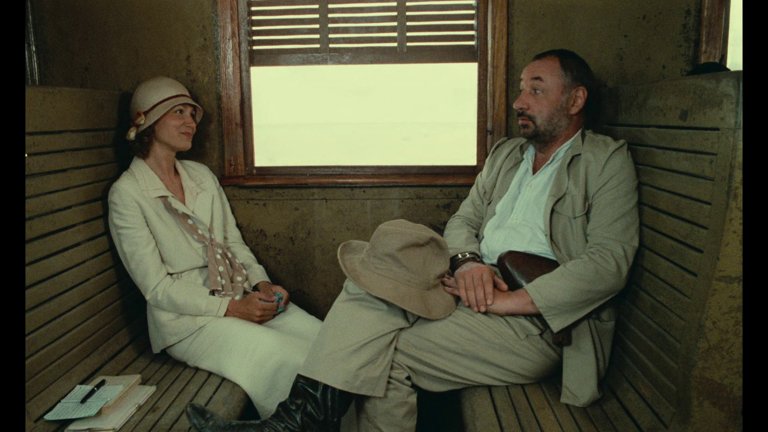
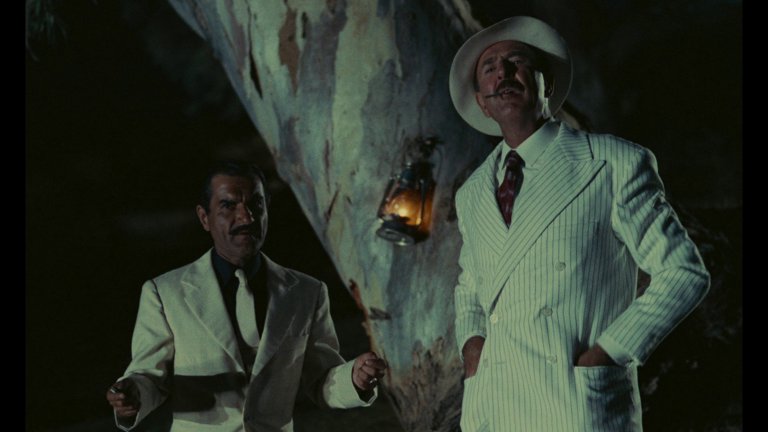
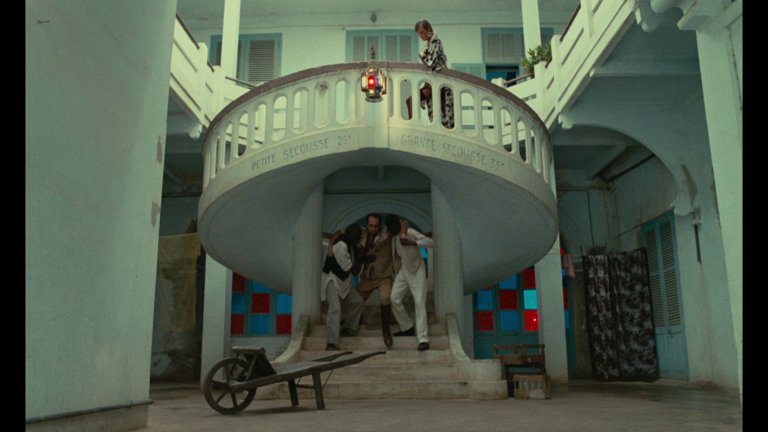
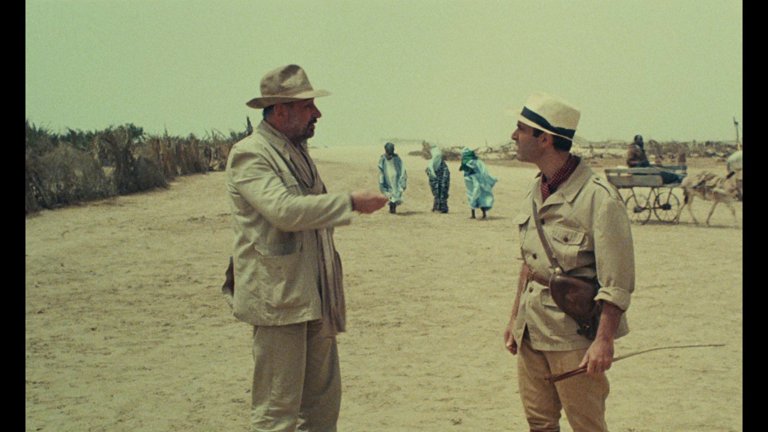
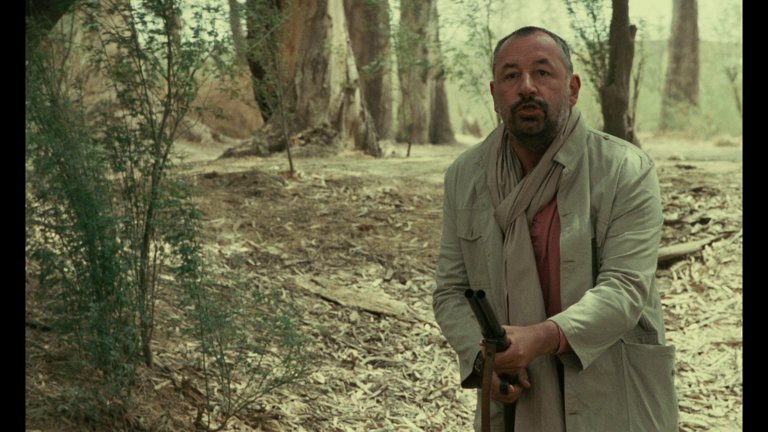
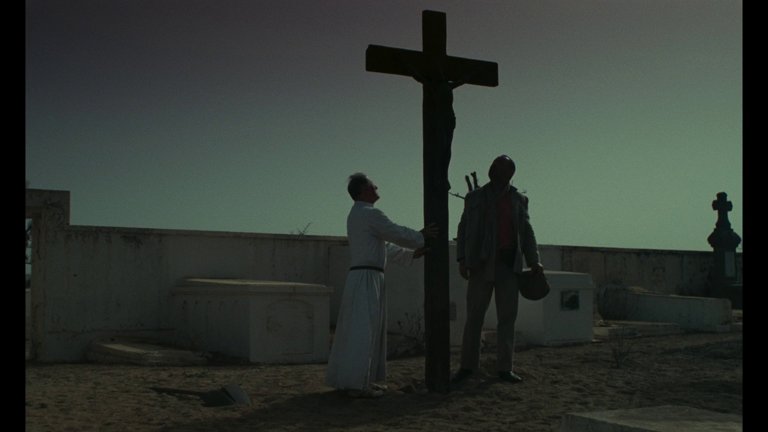
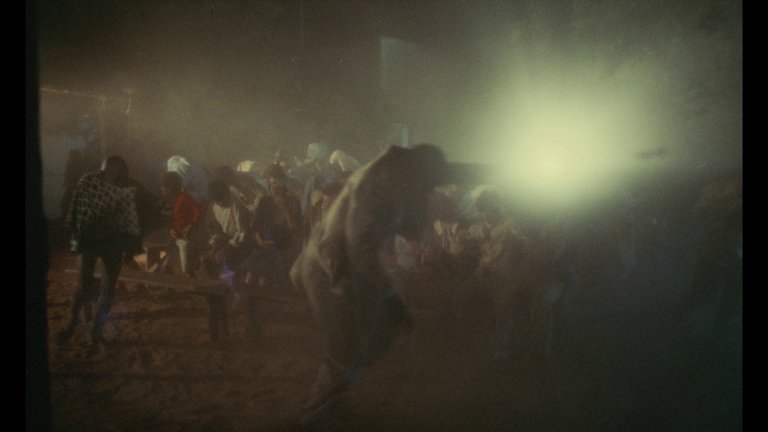
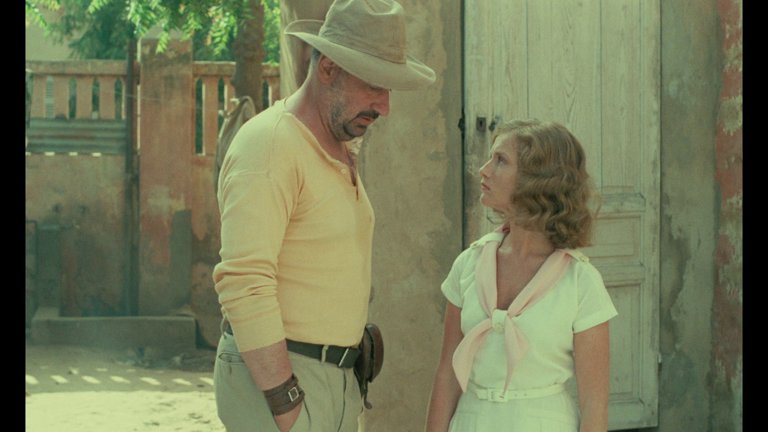
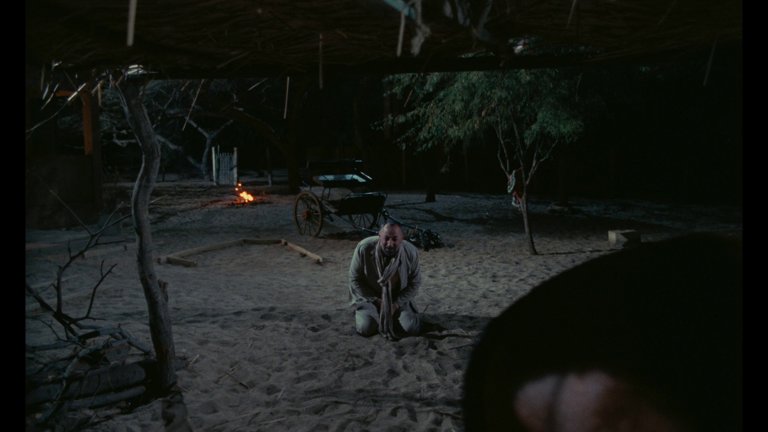
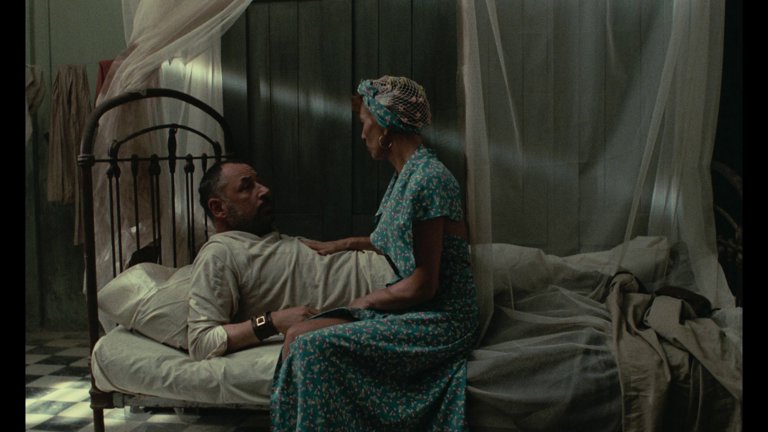
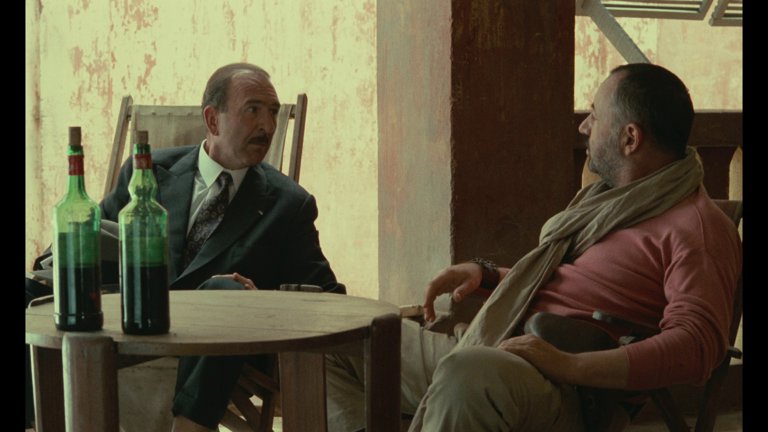

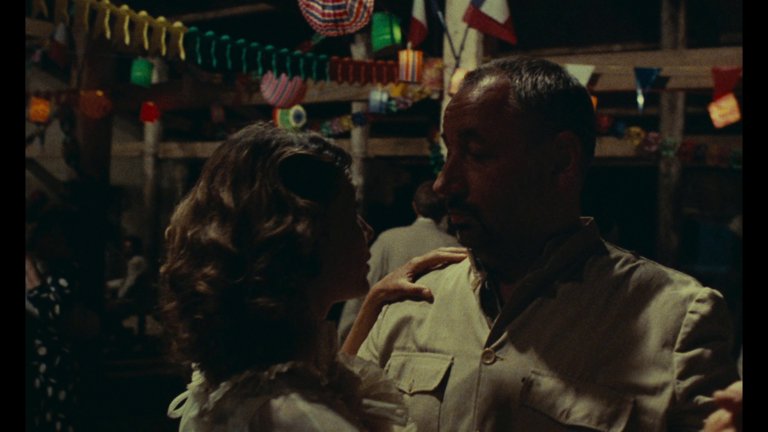
Coup de torchon - Screen Captures
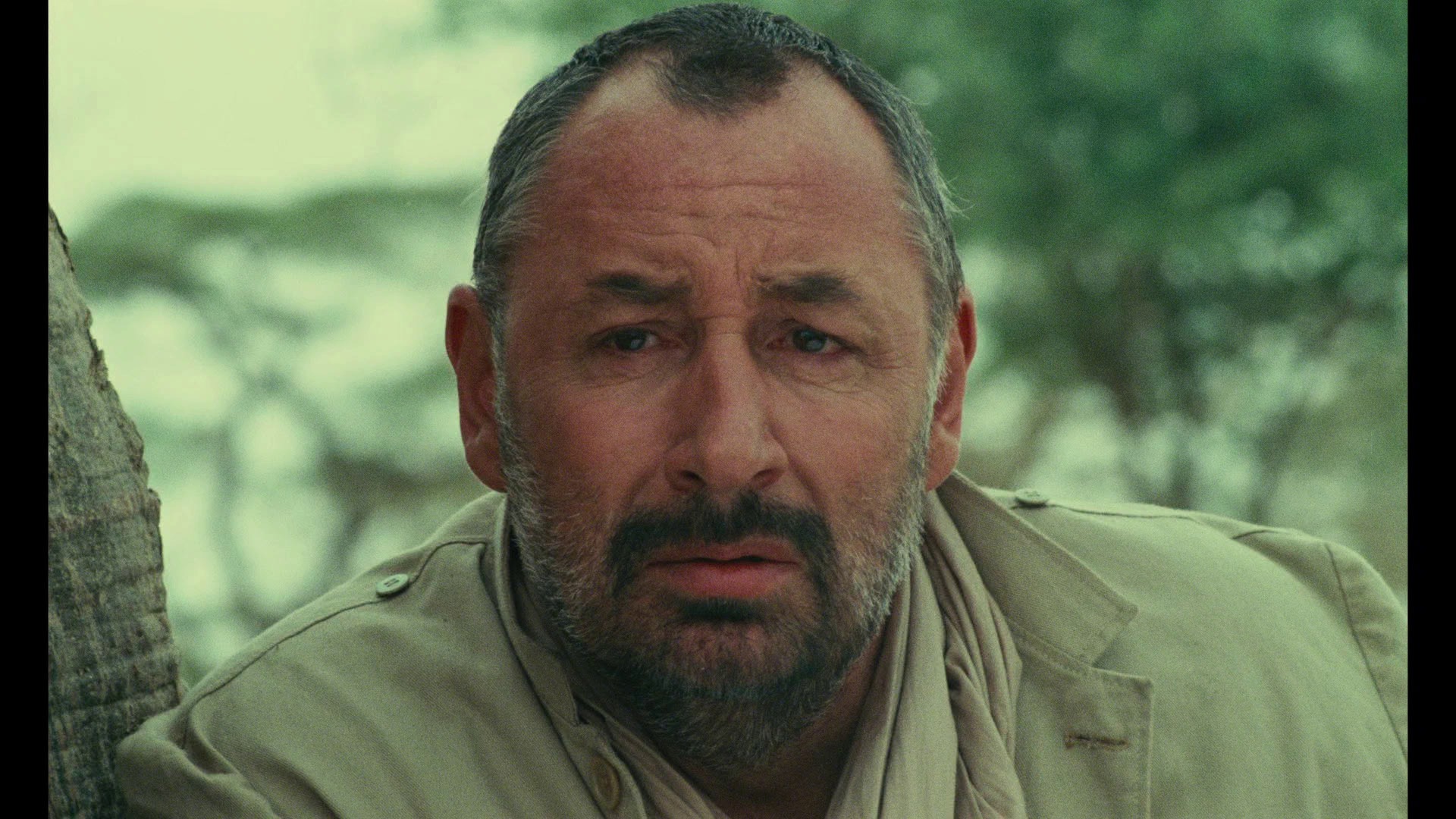


Audio 6/10
The lossless PCM monaural presentation sounds surprisingly good, too, with range being fairly wide between the highs and lows, and voices coming through clean and natural. There’s also no severe damage or distortion to speak of. All in, it sounds pretty great.
Extras 7/10
Criterion’s previous DVD edition didn’t pack a lot of features, but they do carry everything over to this edition while adding a couple of new items, including a newly recorded 17-minute interview with author and poet Robert Polito, who is here to talk about Jim Thompson’s original novel and Tavernier’s adaptation, which Polito considers the strongest of the adaptations of Thompson’s work. This is primarily because, even though the setting was changed (among other things), it captures the tone and spirit of the novel near-perfectly.
Tavernier gets more into the process of adapting the novel and changing its original setting in the lengthy 47-minute interview originally featured on Criterion’s DVD. While Polito addresses some of the changes made to the novel, Tavernier explains the thought process behind them, including how he translated distinctly American aspects, like the main character being a sheriff, into something appropriate for French-occupied Africa. He also discusses adapting the class and racial divisions without losing the novel’s strengths, turning the story into an anti-colonialist film in the process. He then talks about the casting, the film’s look and costumes, the more technical aspects of shooting it, and its eventual release. It’s an incredibly dense discussion and well worth viewing if you’re interested in both the adaptation process and the production itself.
Also carried over from the DVD is the film’s alternate ending, which does feature some footage from the rather bizarre alternative version, though its 3-minute runtime consists primarily of Tavernier explaining it. Also here, and new to this edition, is a 23-minute making-of produced for the film’s theatrical release, featuring behind-the-scenes footage and interviews with the cast and crew, including Glenn, who talks about the film’s look and lighting.
The disc then closes again with the French and American trailers, the former focusing more on the setting and tone while the latter pushes the thriller aspects while still hinting at the film’s offbeat nature. The included insert features an essay on the film by Lynn Anthony Higgins, replacing Michael Dare’s short essay from the DVD.
It’s still not a particularly loaded edition, but I’ve always appreciated Tavernier’s interview, and with Polito providing more context around the source novel, I found that the supplements feel far more rounded this time around.
Closing
It’s a shame Criterion didn’t see fit to give the film a 4K release, but the new high-definition presentation still delivers a clear upgrade over the old DVD, accompanied by a solid and nicely rounded selection of features.
BUY AT: