BUY AT:


See more details, packaging, or compare
Synopsis
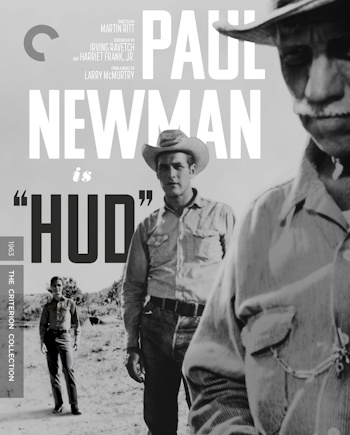
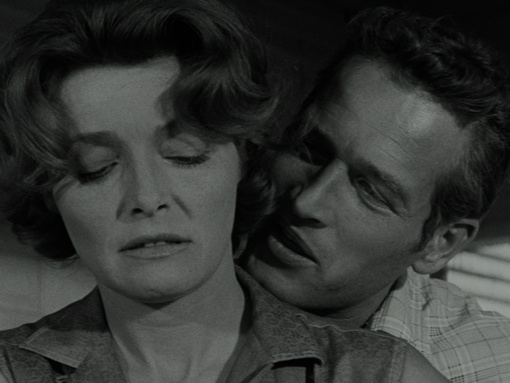
A family’s downfall becomes a stark elegy for the ideals of the American frontier in this quietly subversive reimagining of western myths. In the fourth of his six collaborations with the progressive director Martin Ritt, Paul Newman created his darkest role yet as Hud Bannon, a charismatic but ruthlessly unprincipled rancher. Hud’s ambition to seize control of an ailing cattle business from his tradition-bound father (Melvyn Douglas) drives the family—including his worshipful nephew (Brandon de Wilde) and worldly-wise housekeeper (Patricia Neal)—toward collapse. Winner of Academy Awards for Best Actress (Neal), Supporting Actor (Douglas), and Cinematography—courtesy of James Wong Howe, whose austere black-and-white lensing lends psychological dimension to the desolate western vistas—Hud daringly rewrites the image of the heroic cowboy for a disillusioned generation.
Picture 10/10
Rumored to have been with them for a few years already, The Criterion Collection finally gets around to releasing Martin Ritt’s Hud, presenting the film in 4K with Dolby Vision on a triple-layer disc in its original aspect ratio of 2.35:1. The 2160p/24hz ultra high-definition presentation is sourced from a 4K restoration scanned from the 35mm original camera negative, with a 35mm print supplied by Paramount used for color reference. A 1080p presentation is also included on a second dual-layer disc alongside all of the release’s special features.
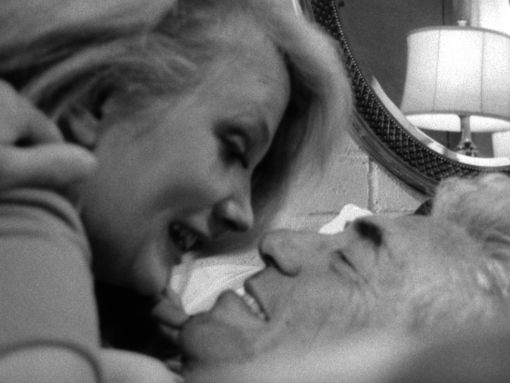
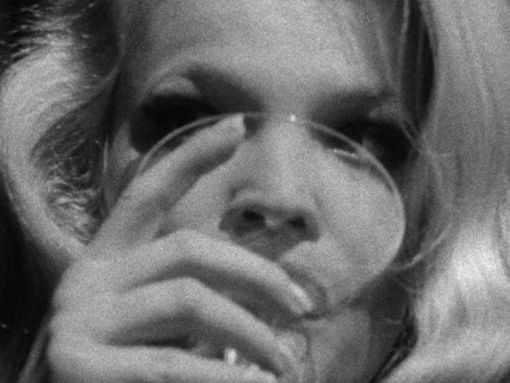
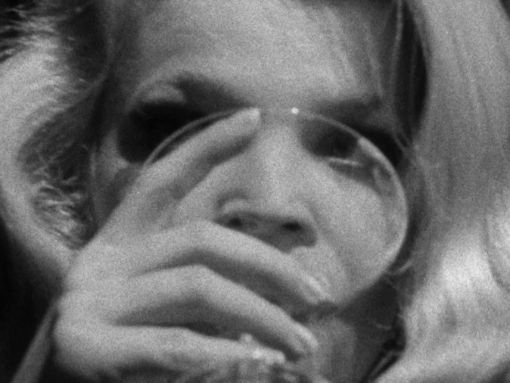
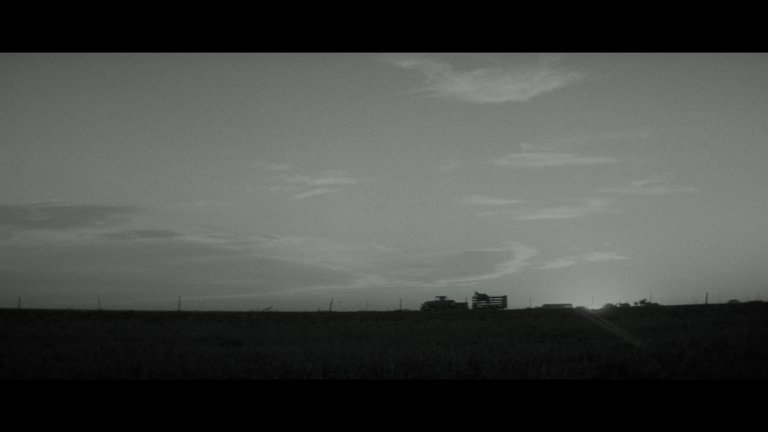
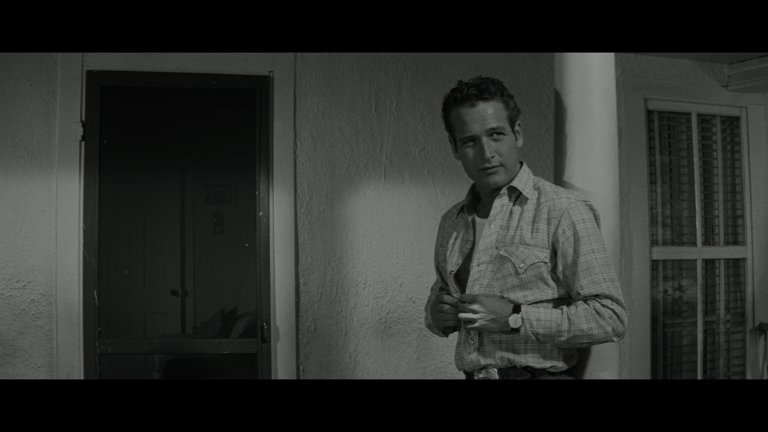
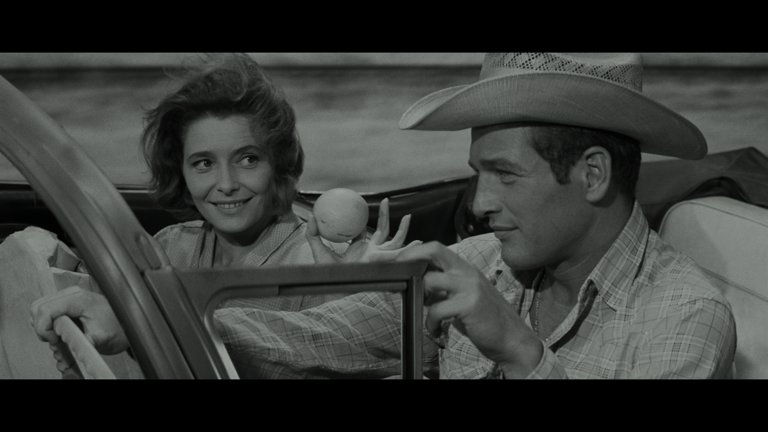
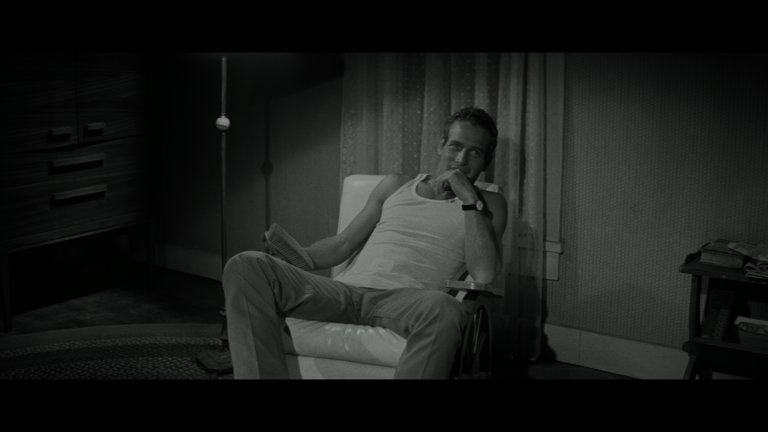
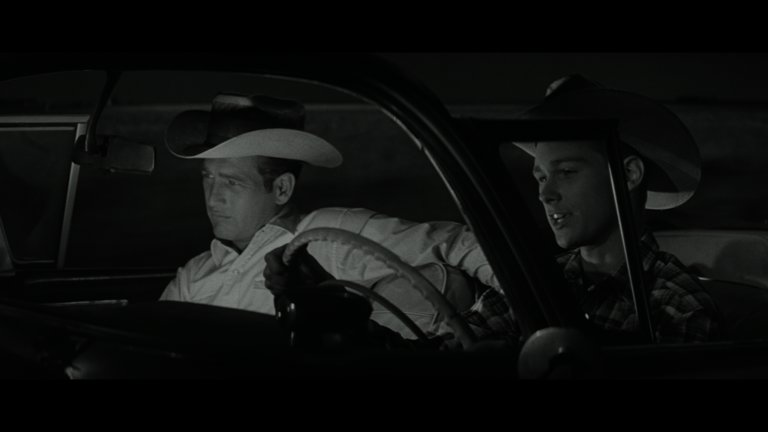
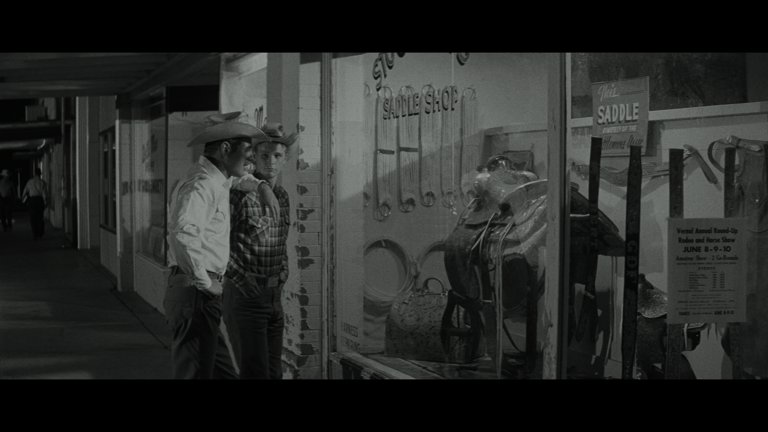
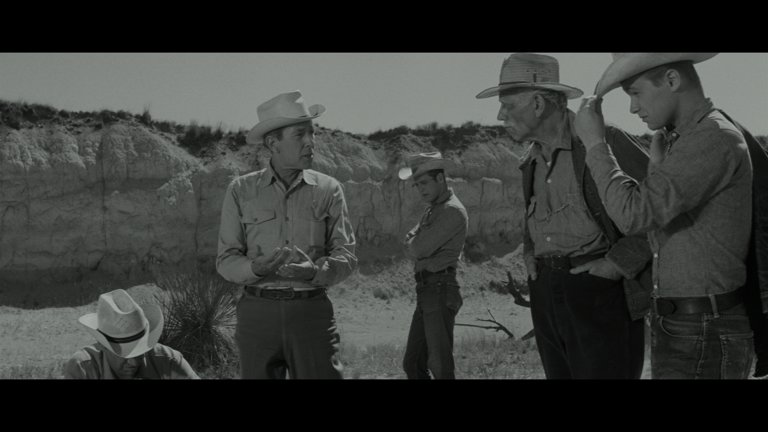
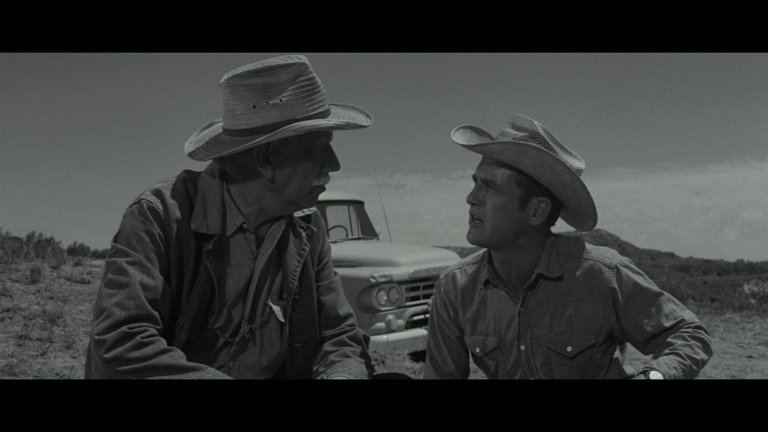
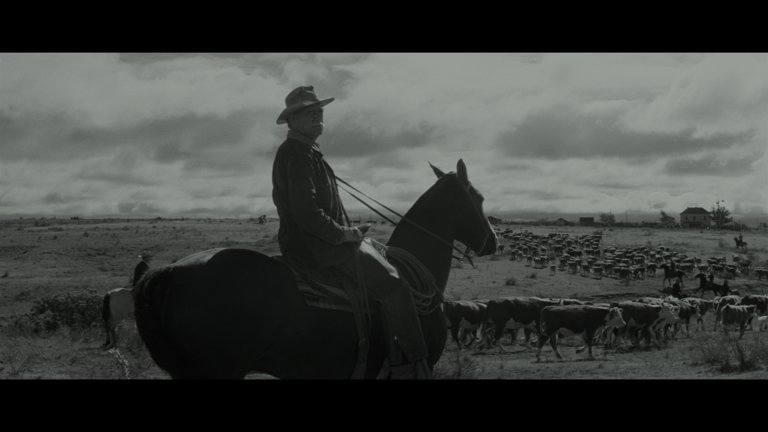
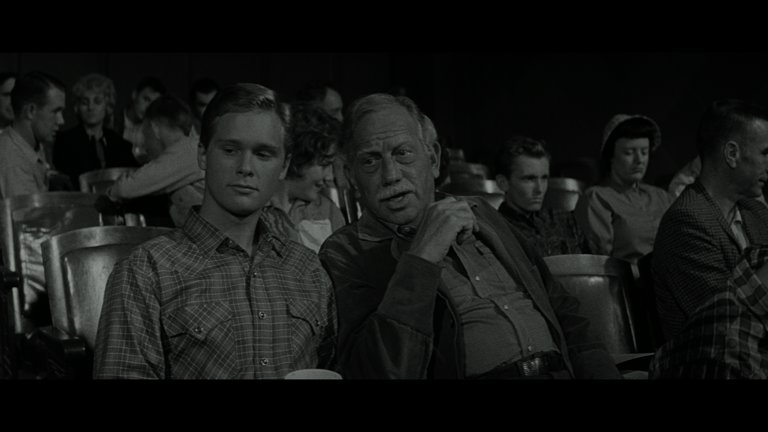
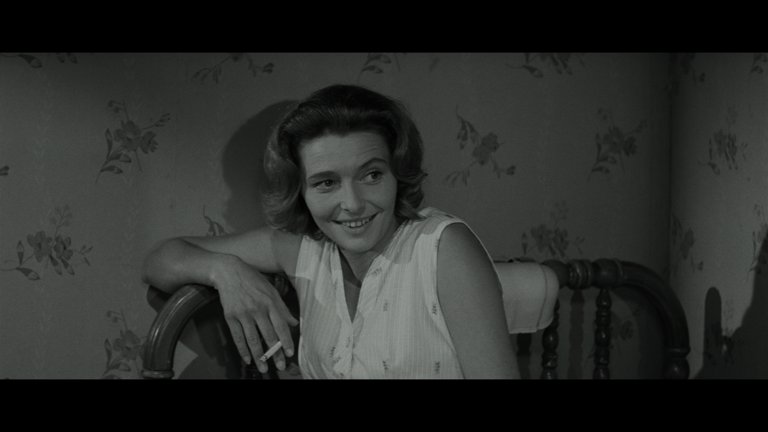
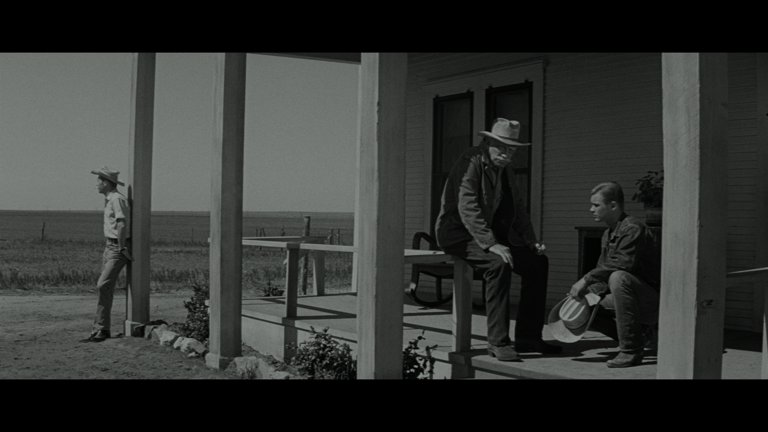
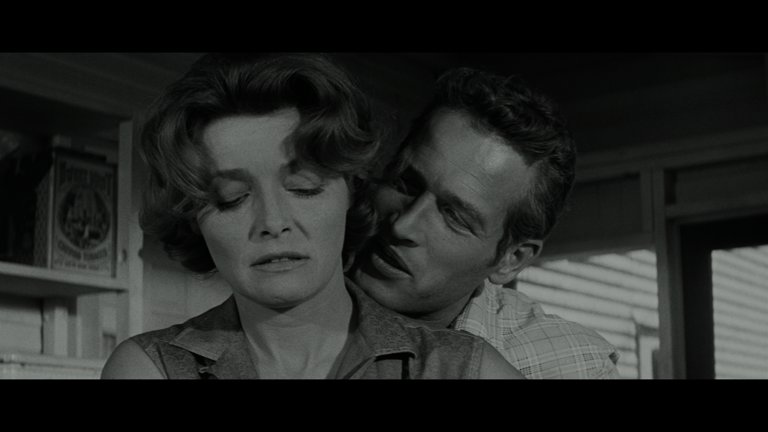
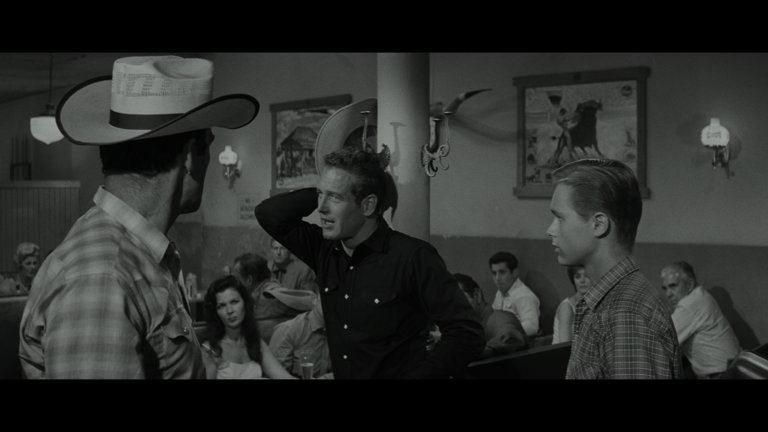
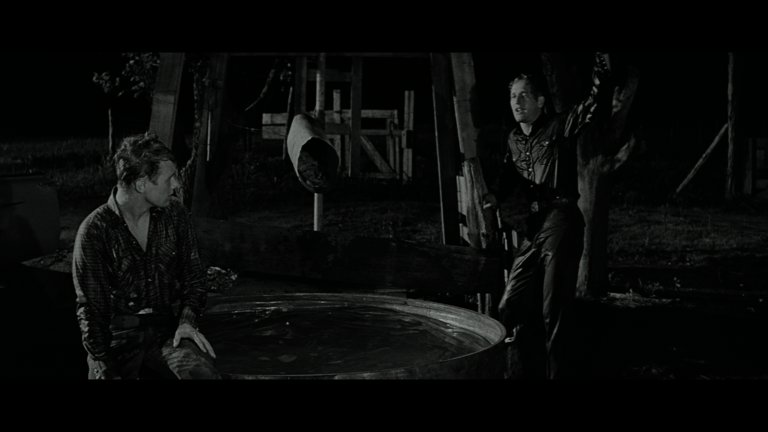
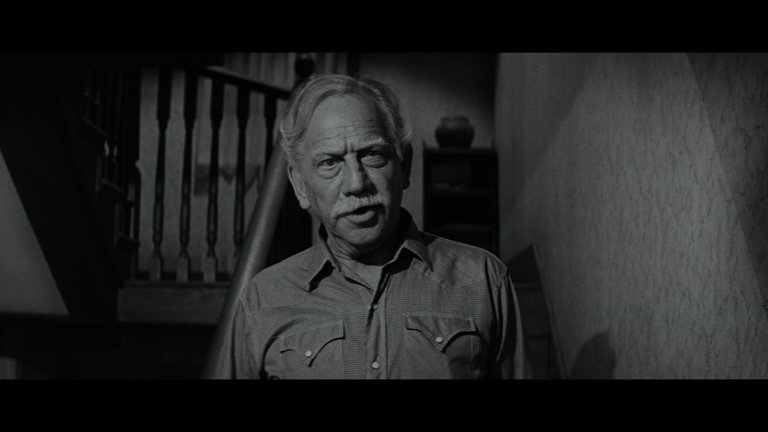
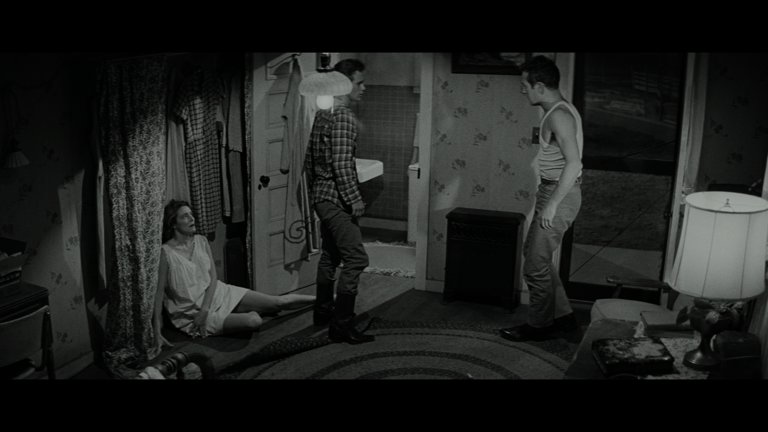
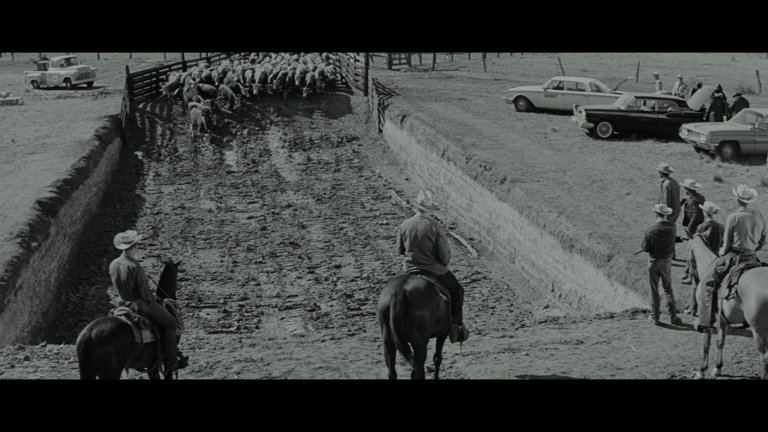
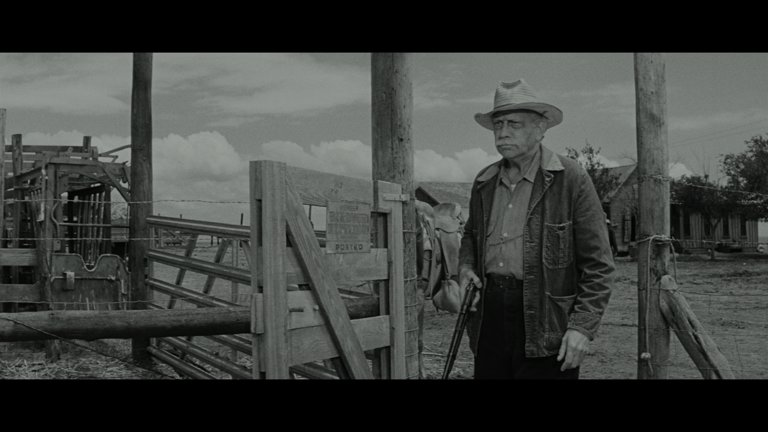
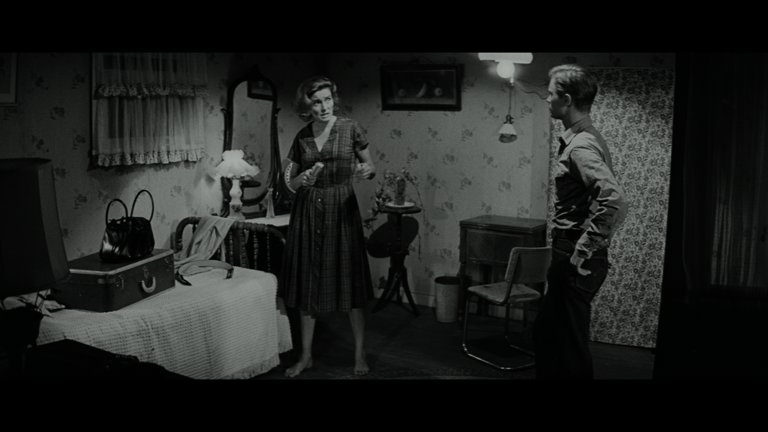
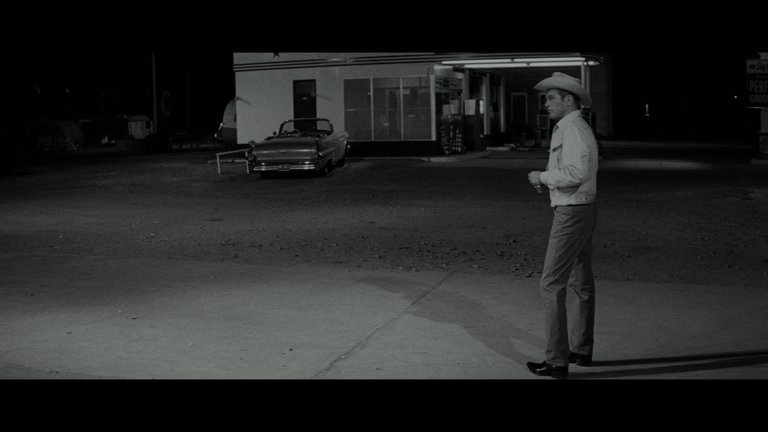
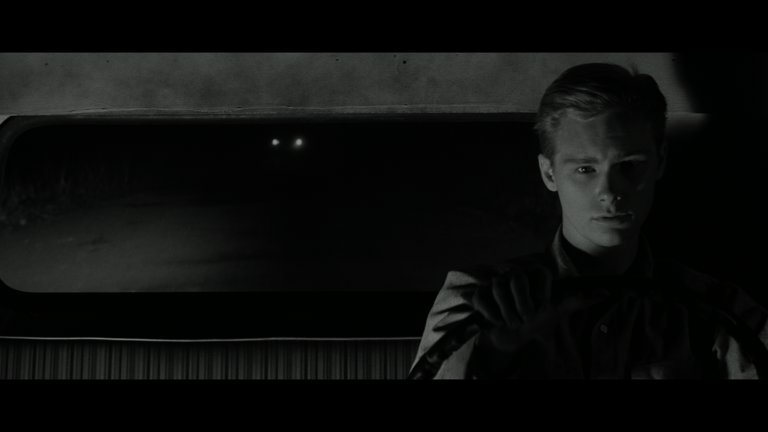
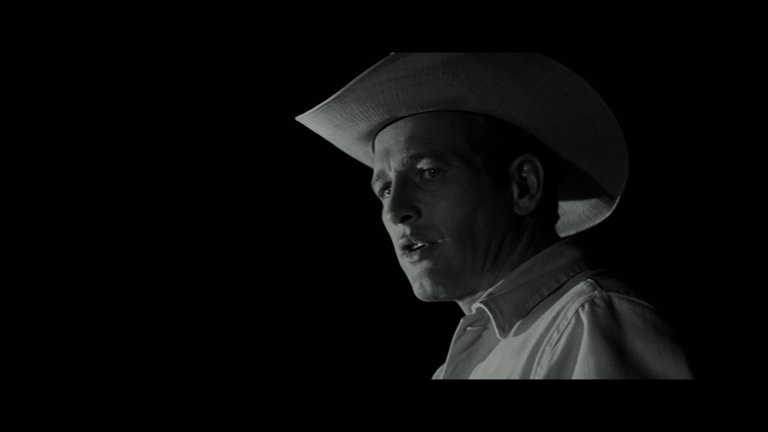
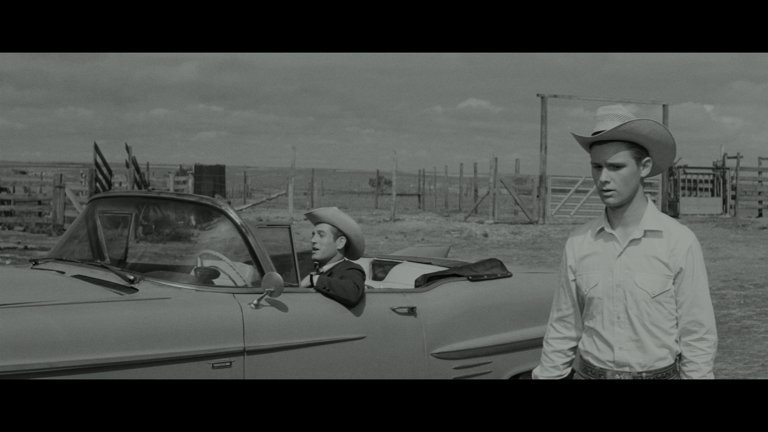
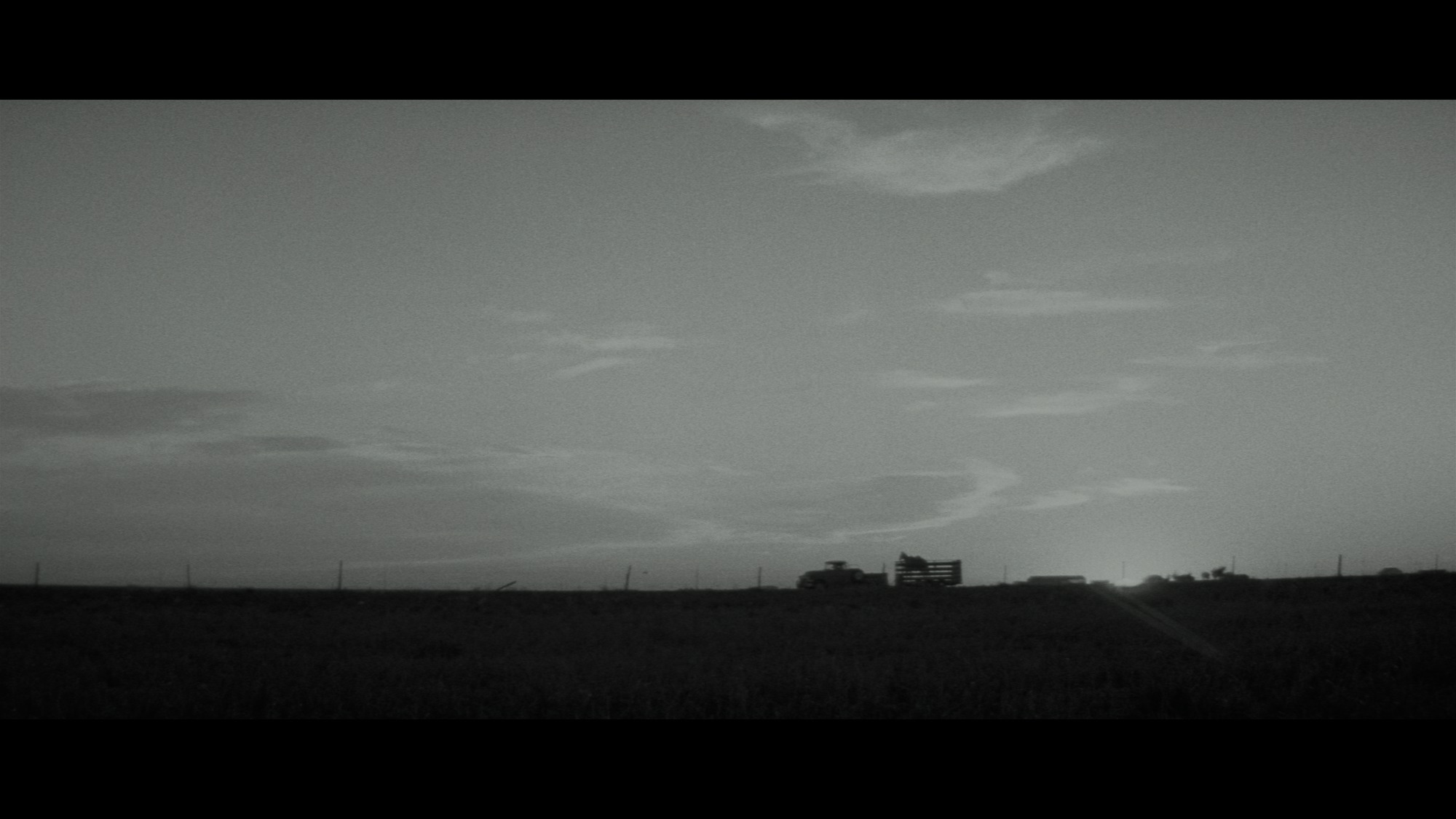
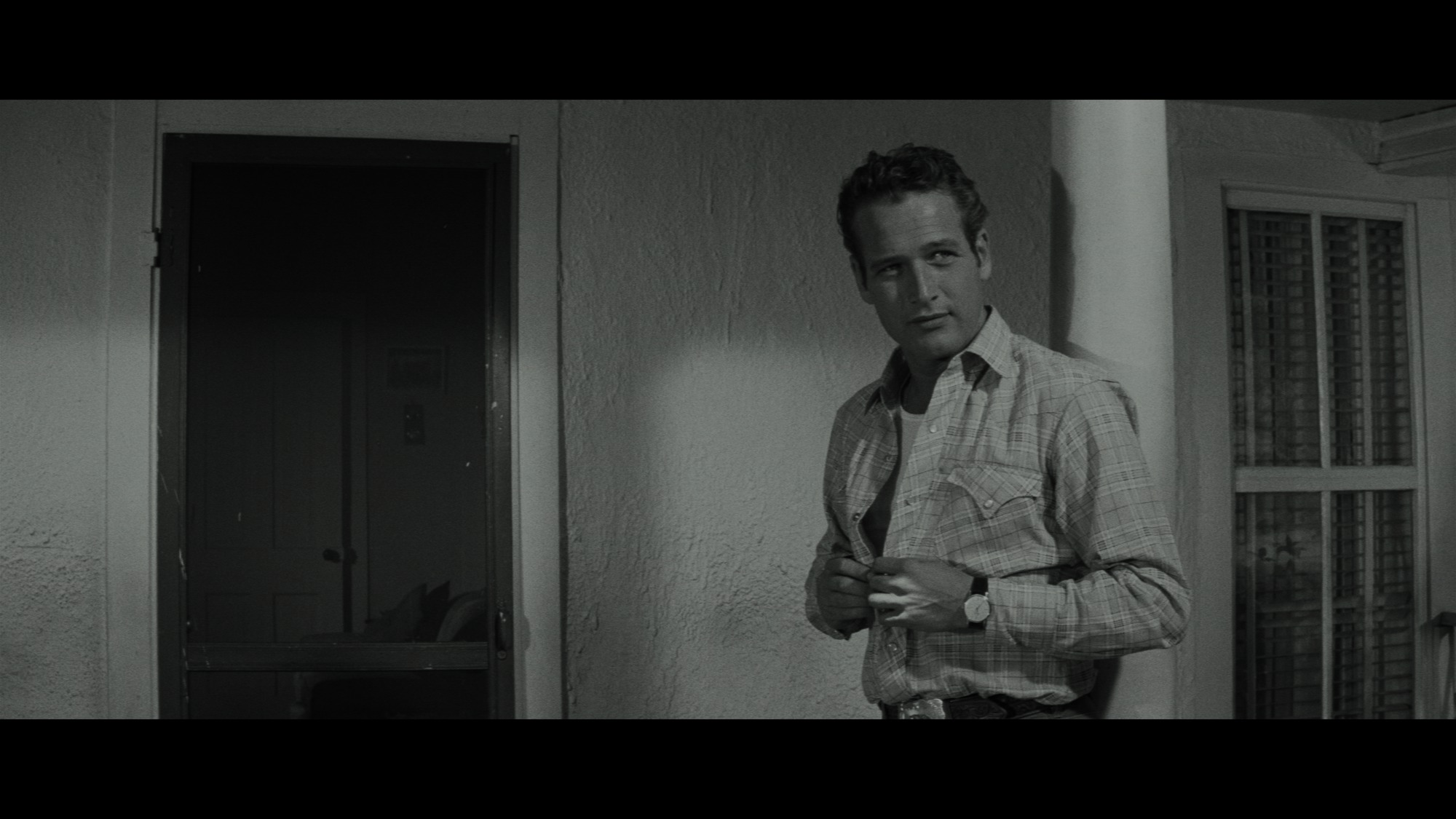
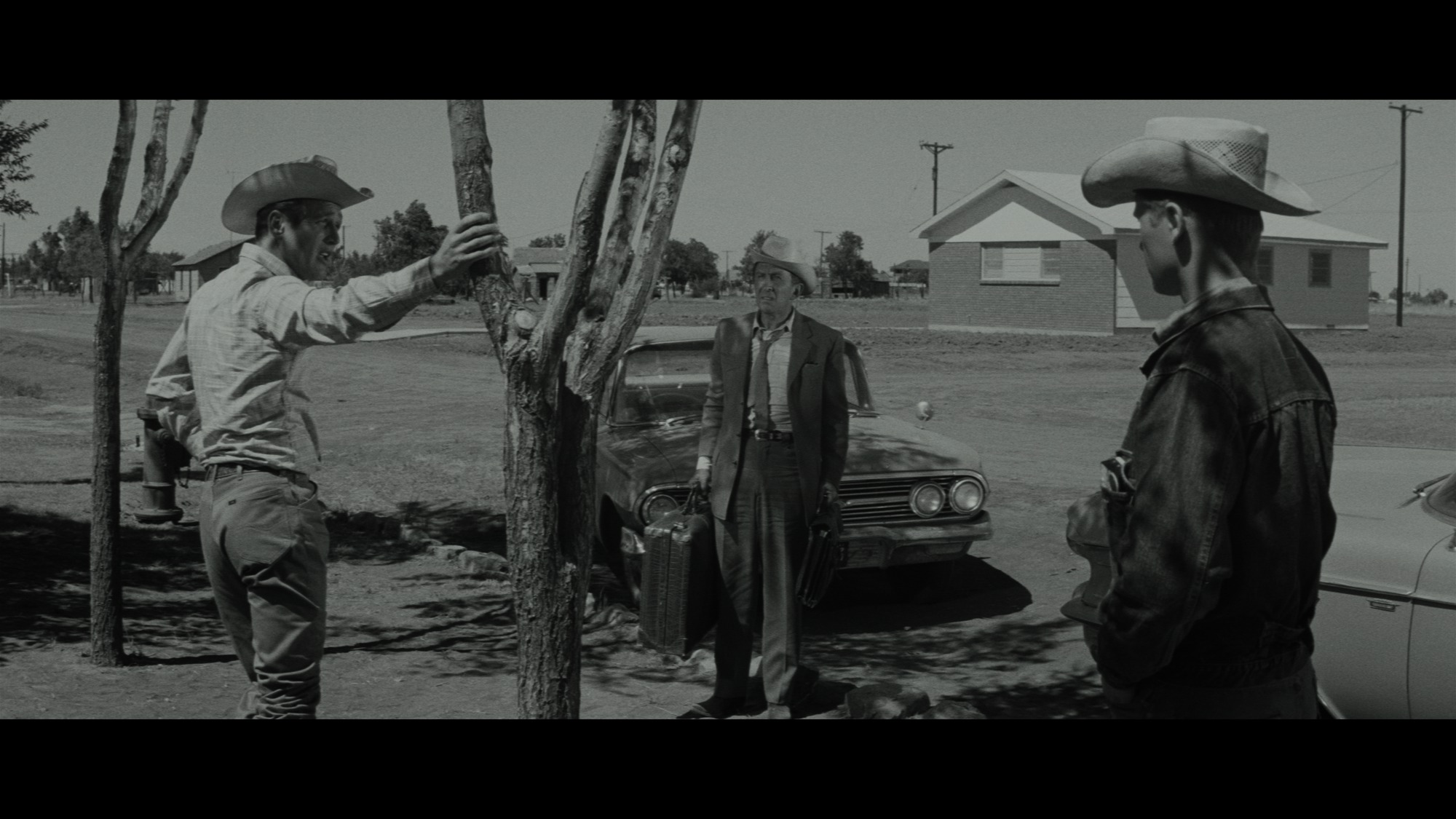
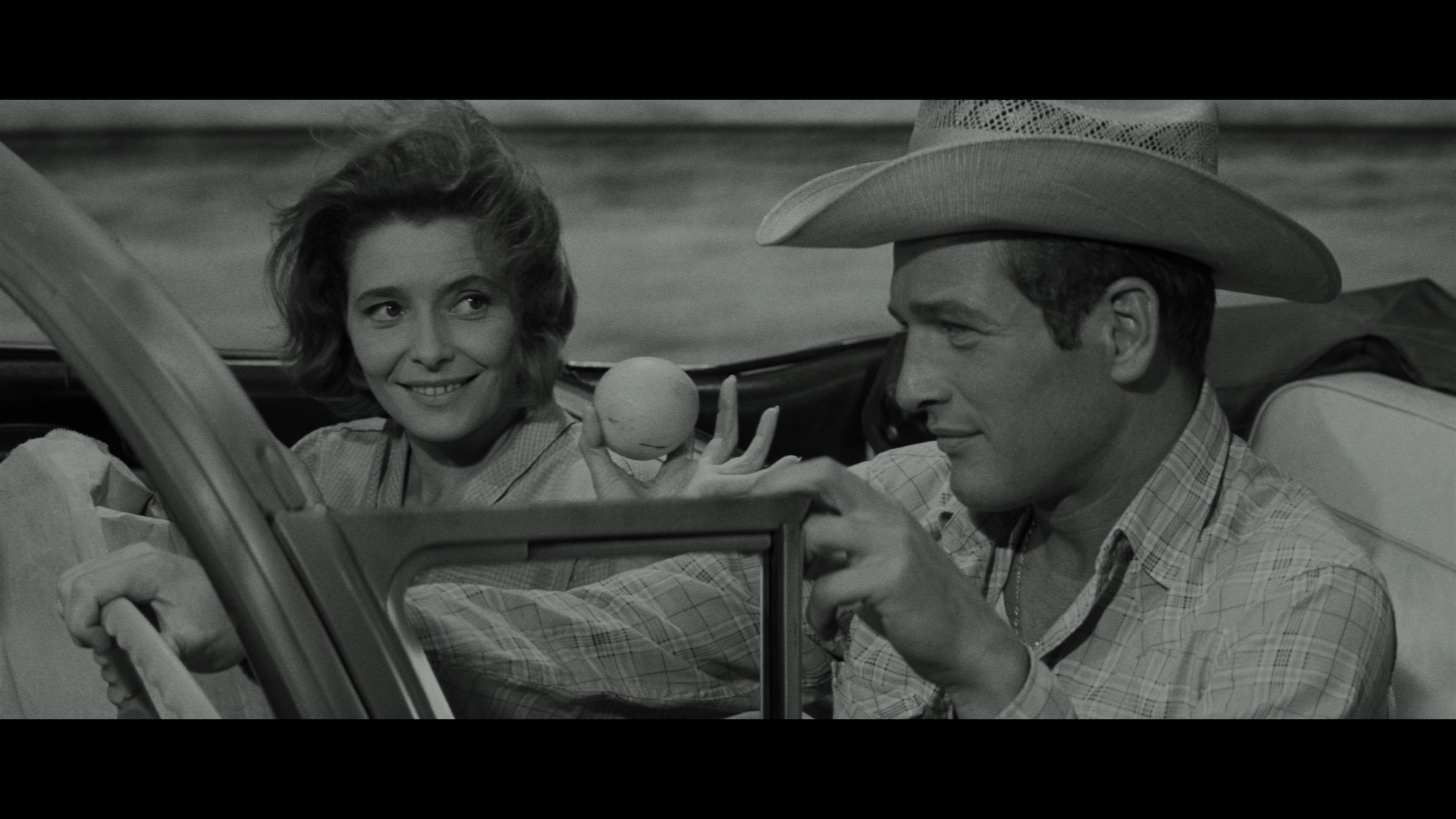
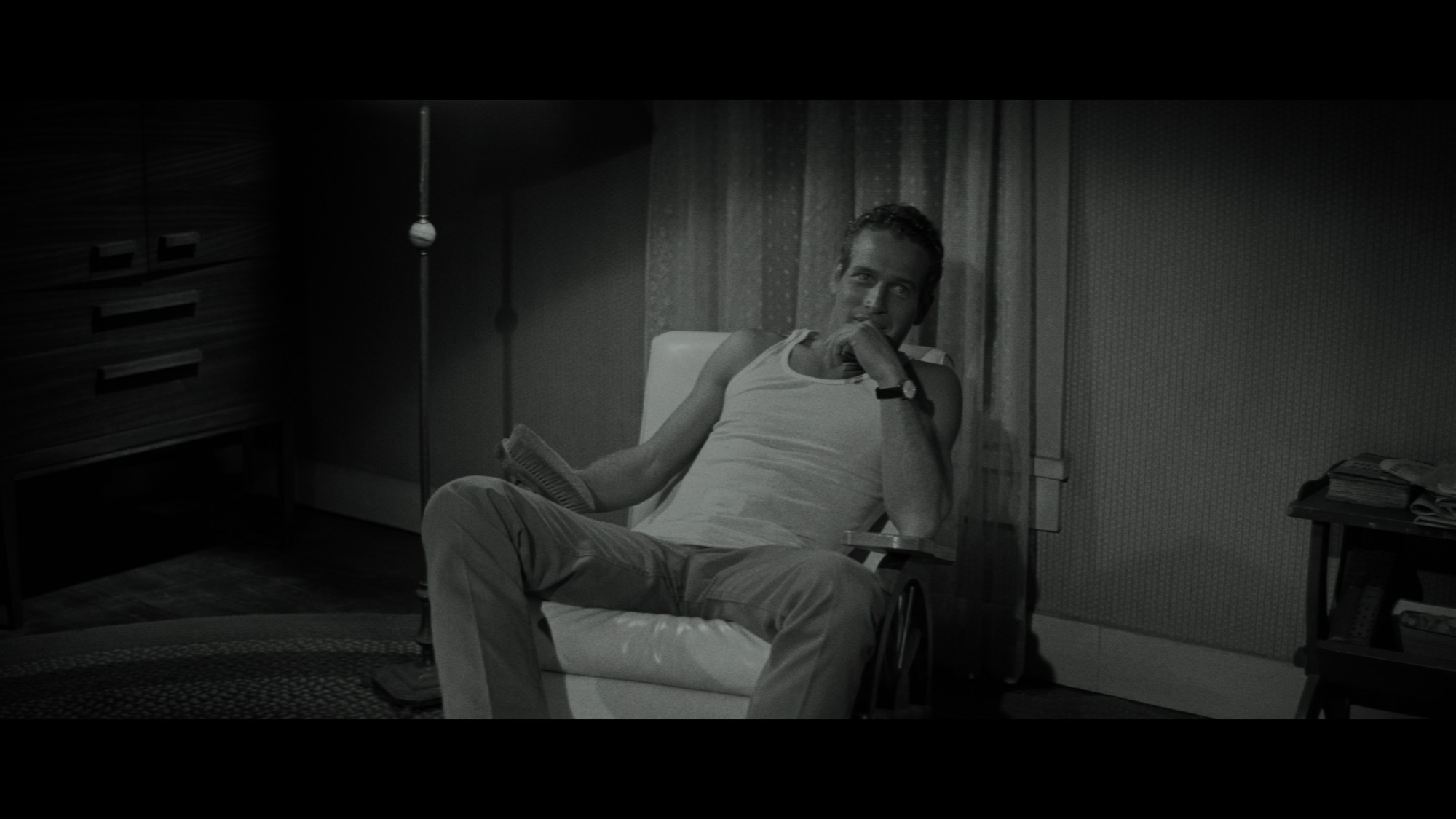
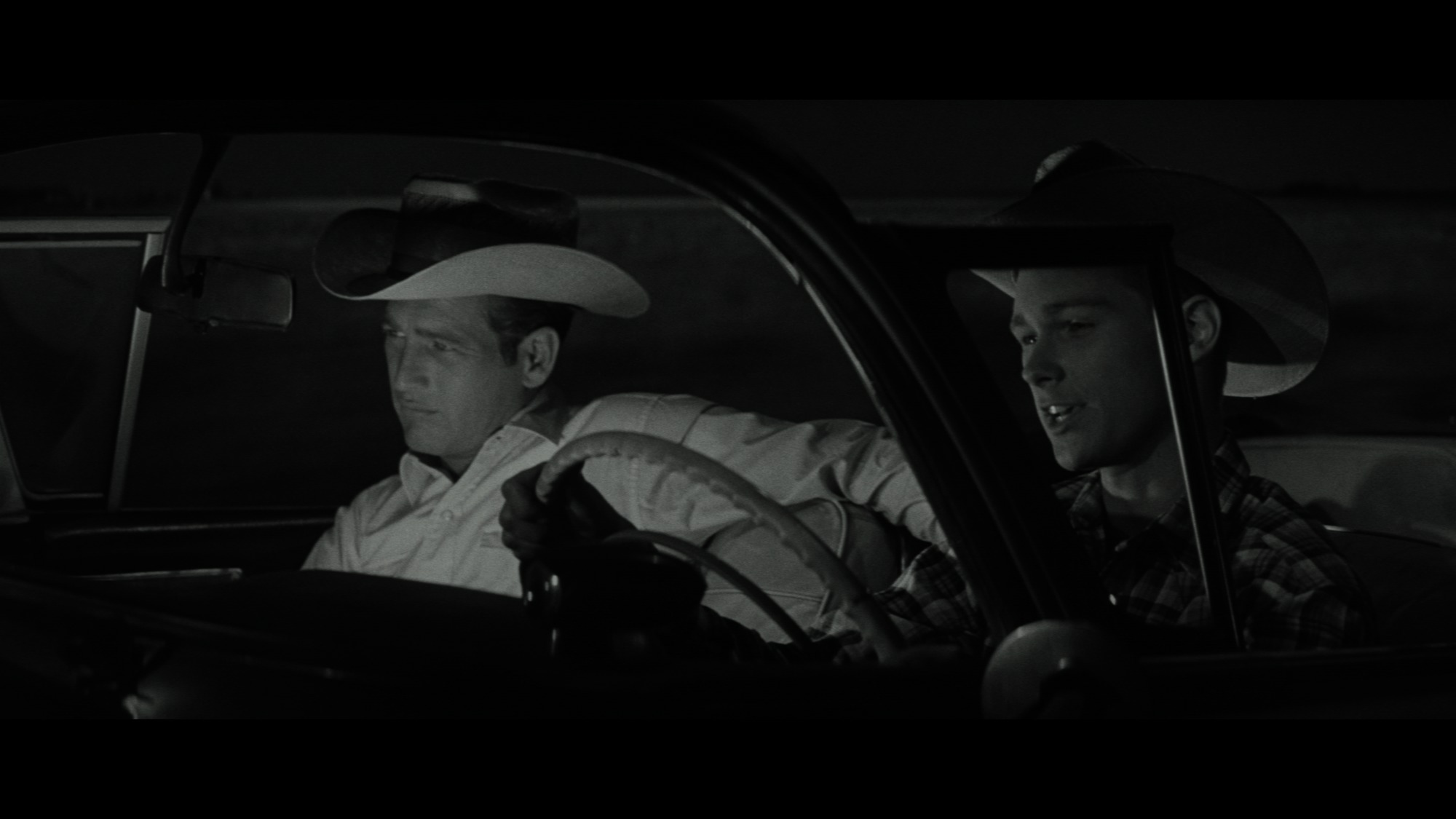
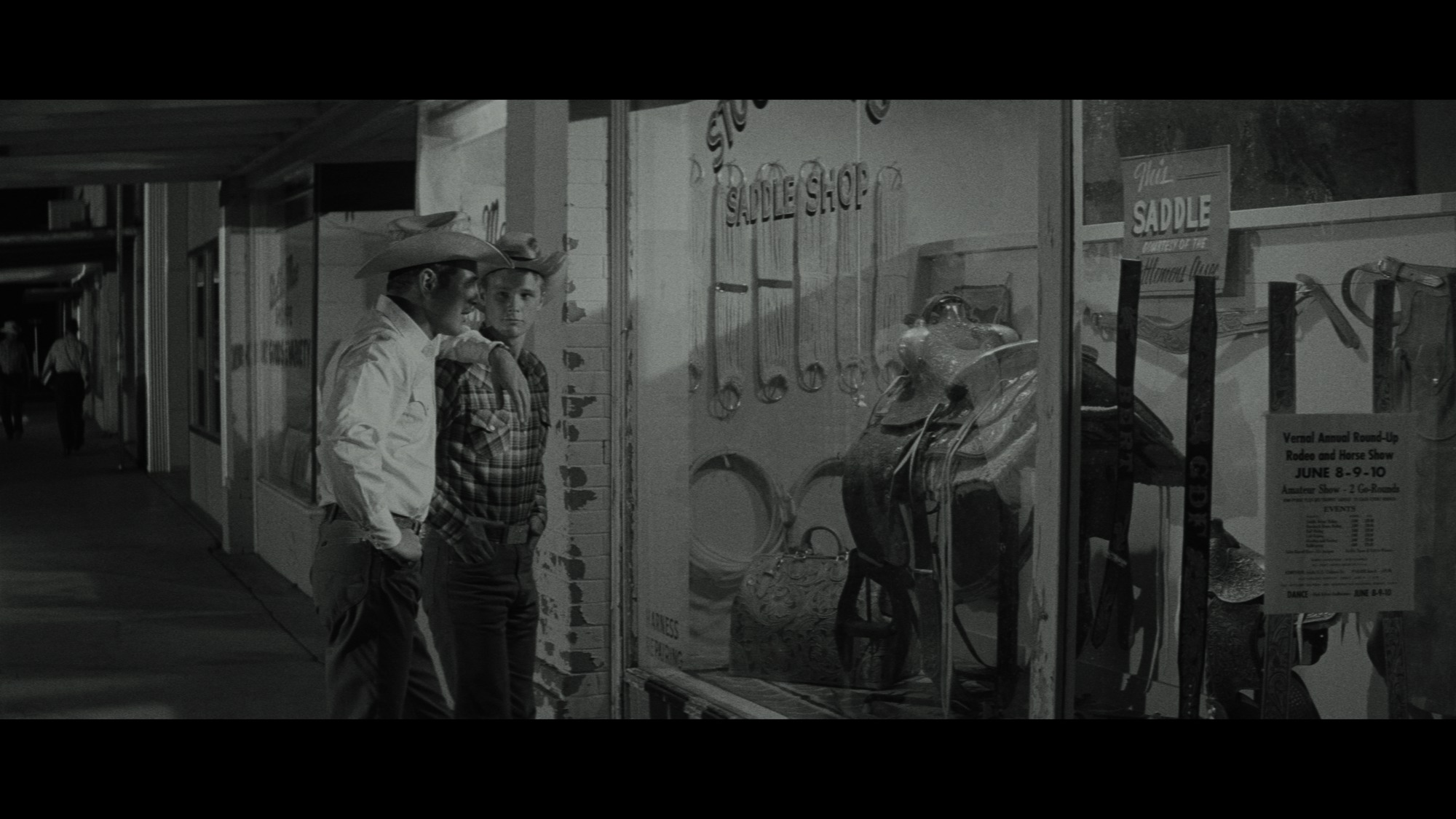
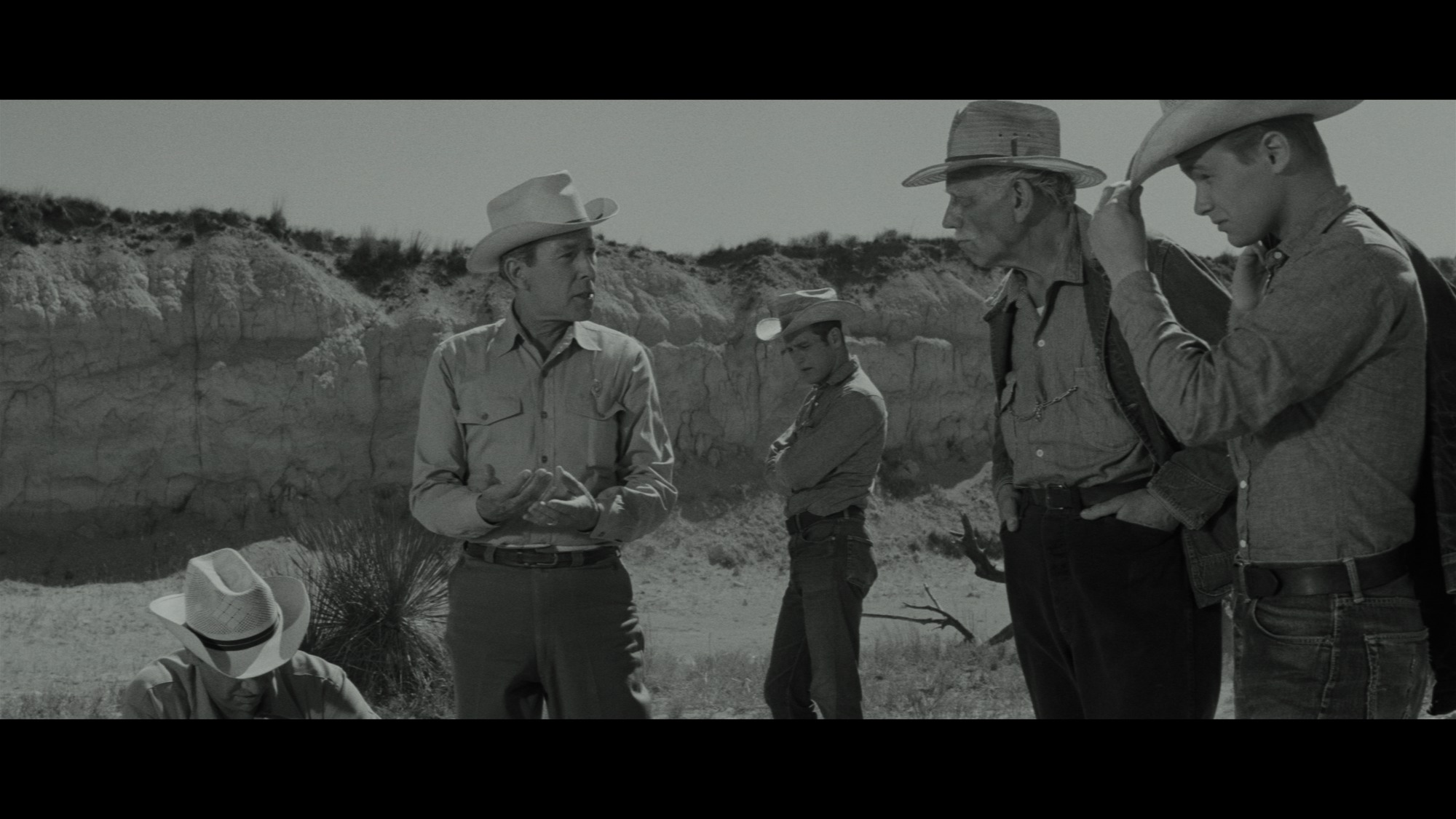
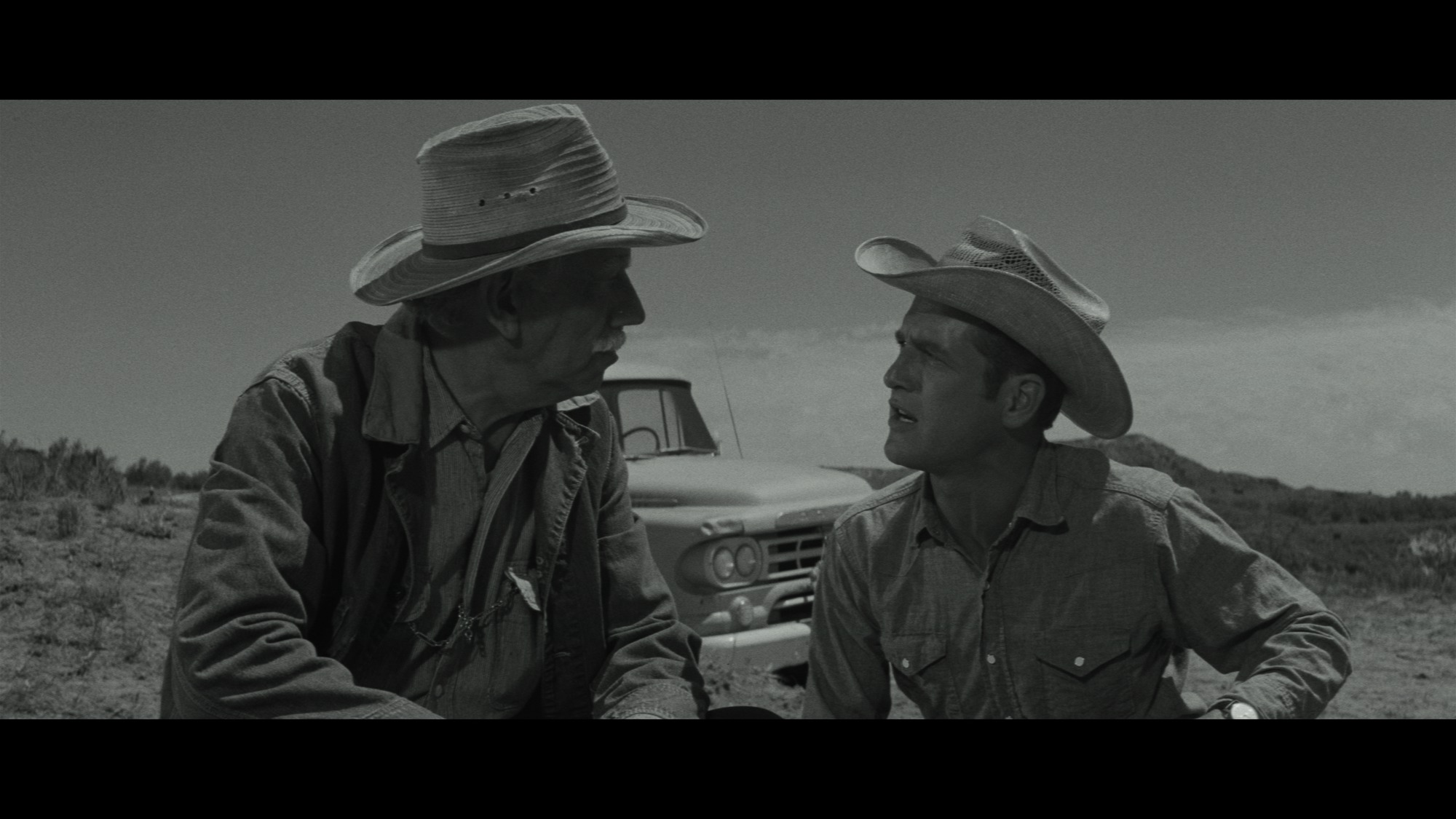
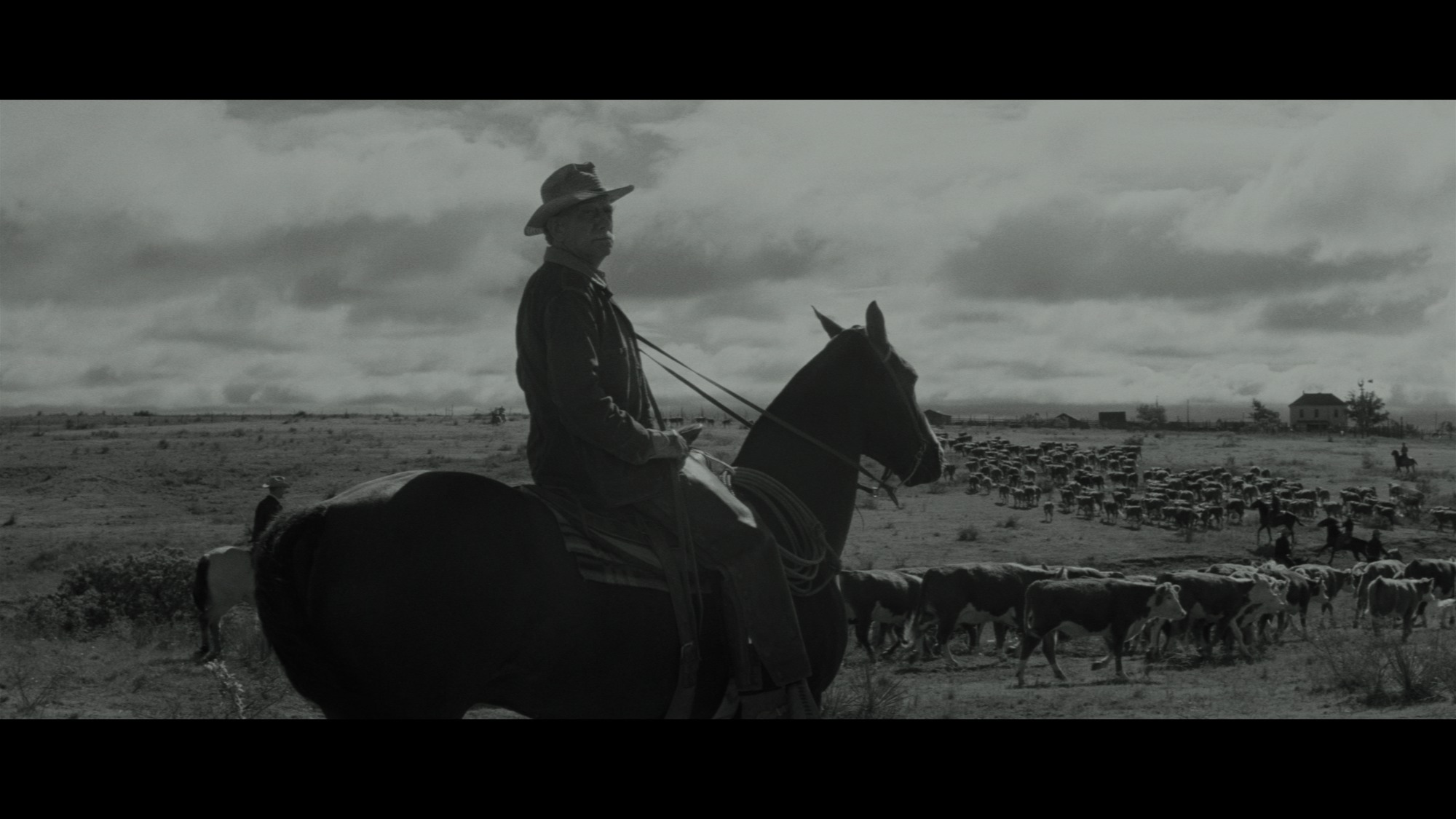
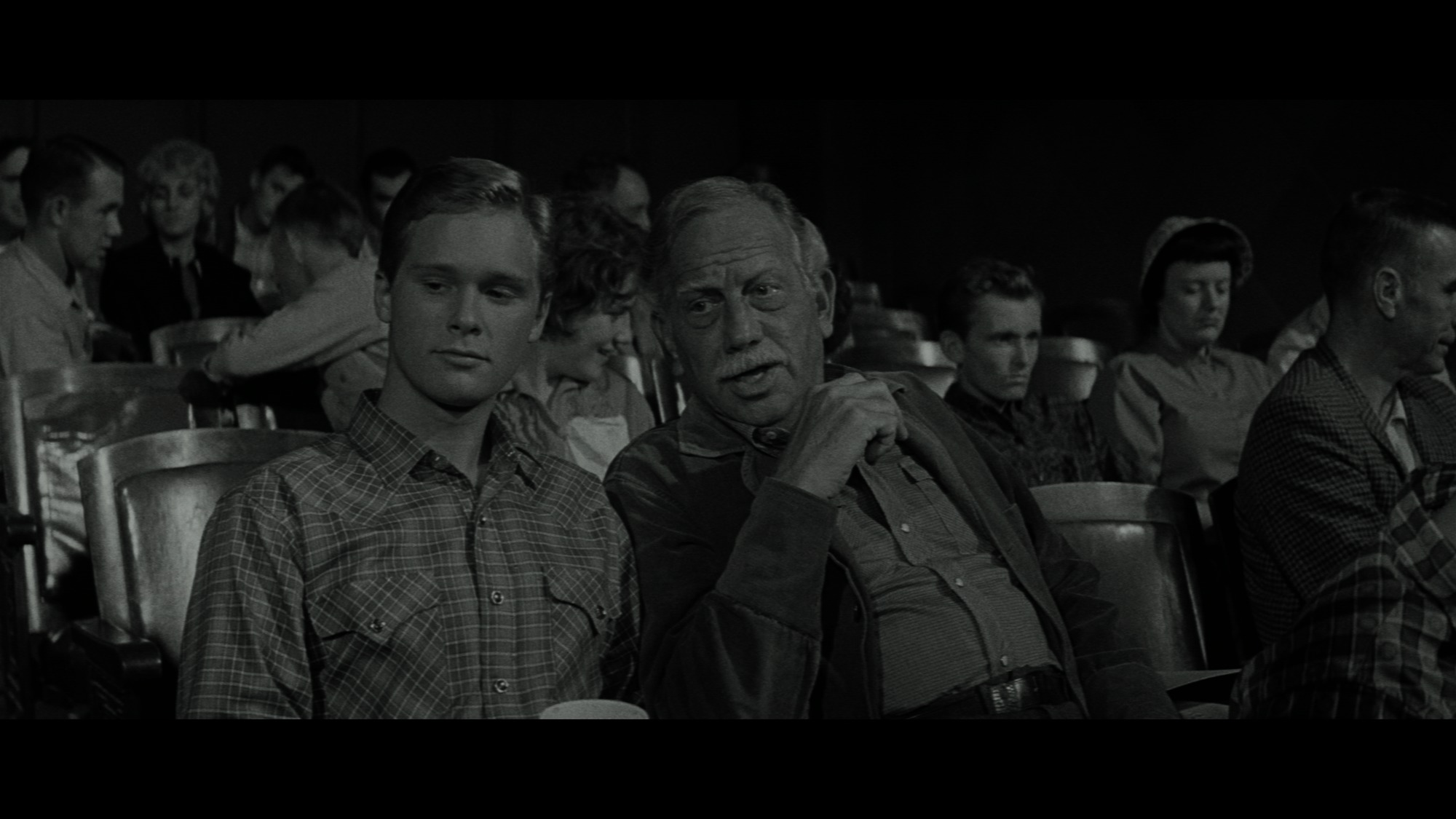
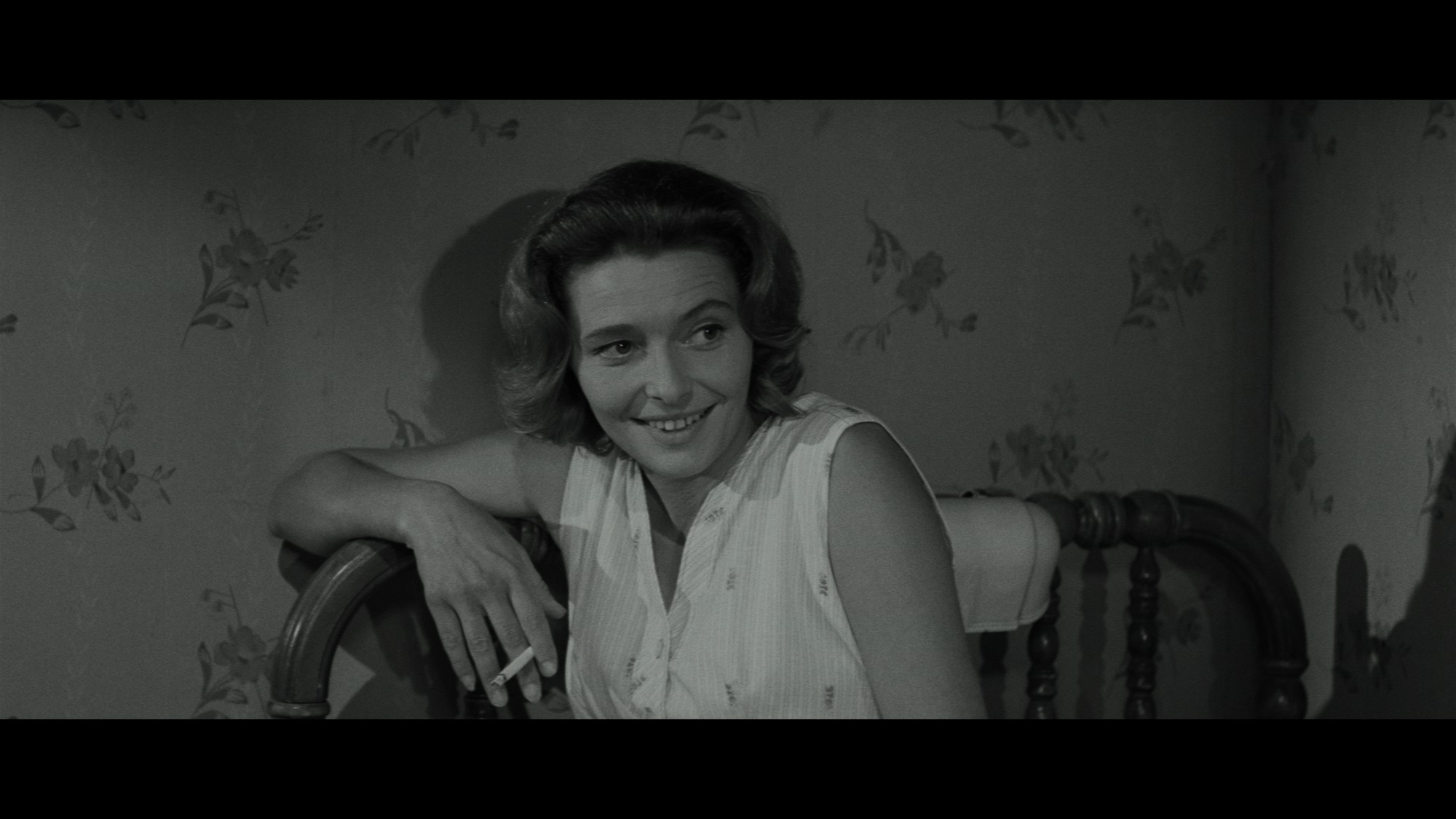
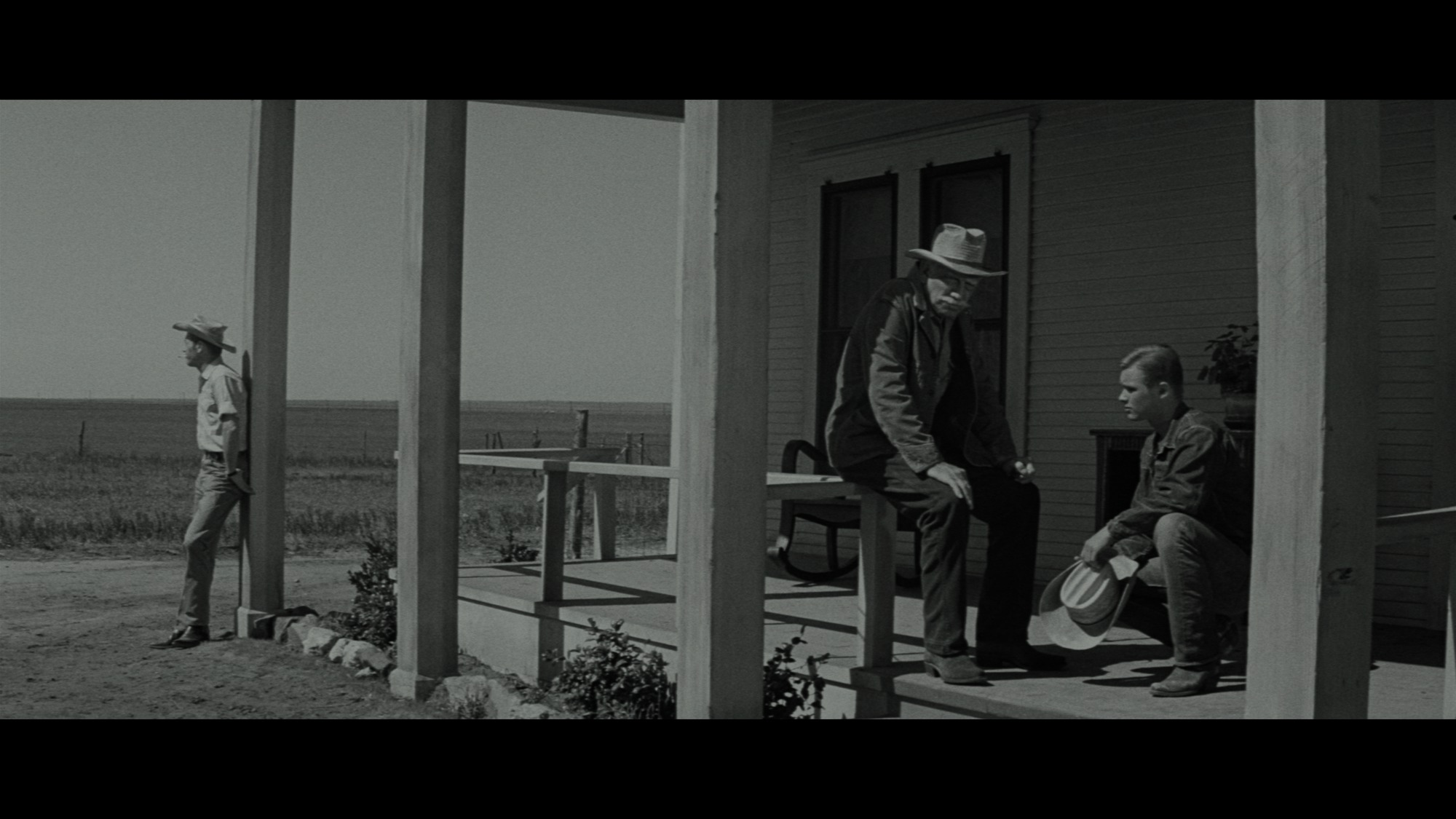
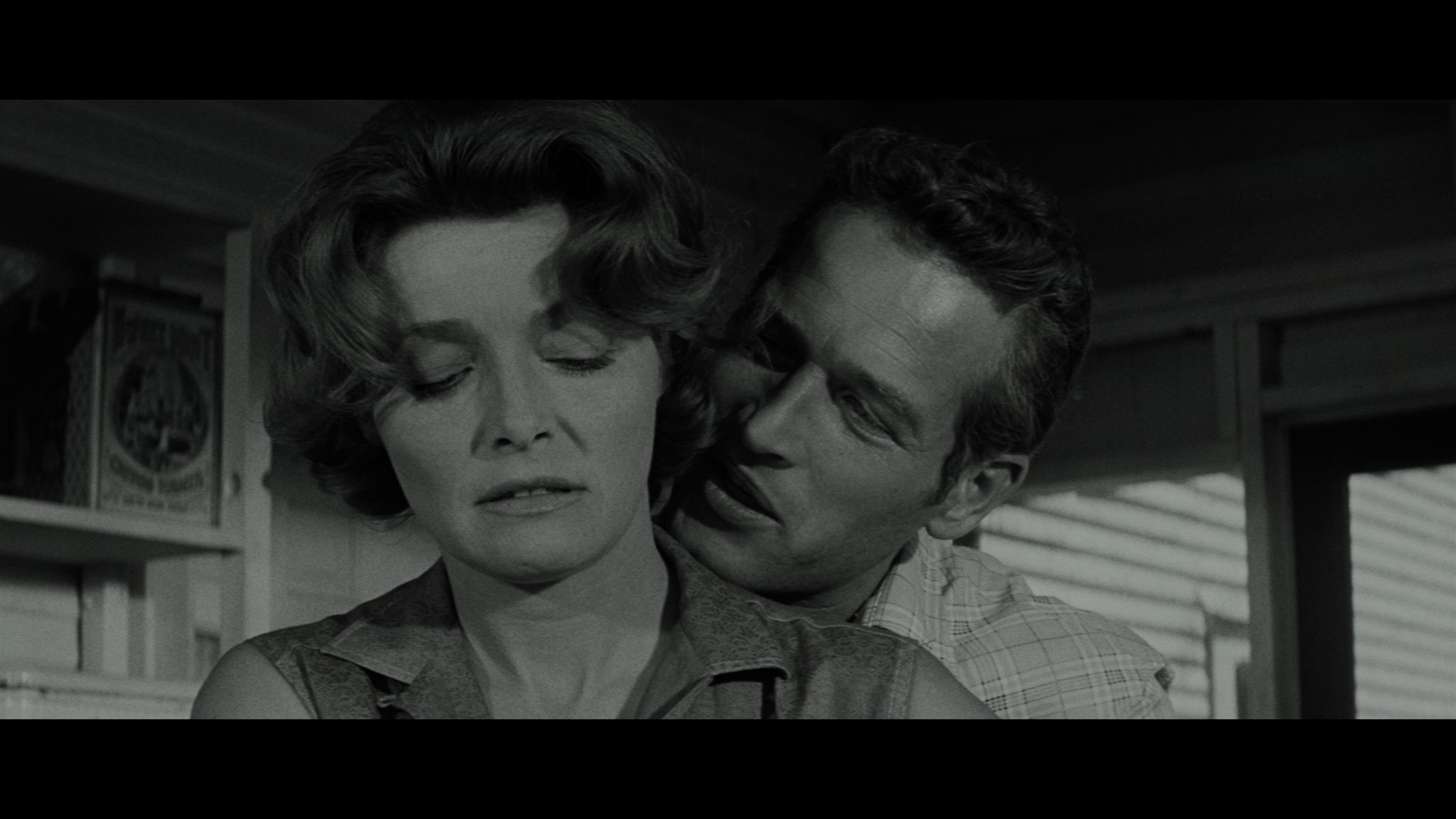
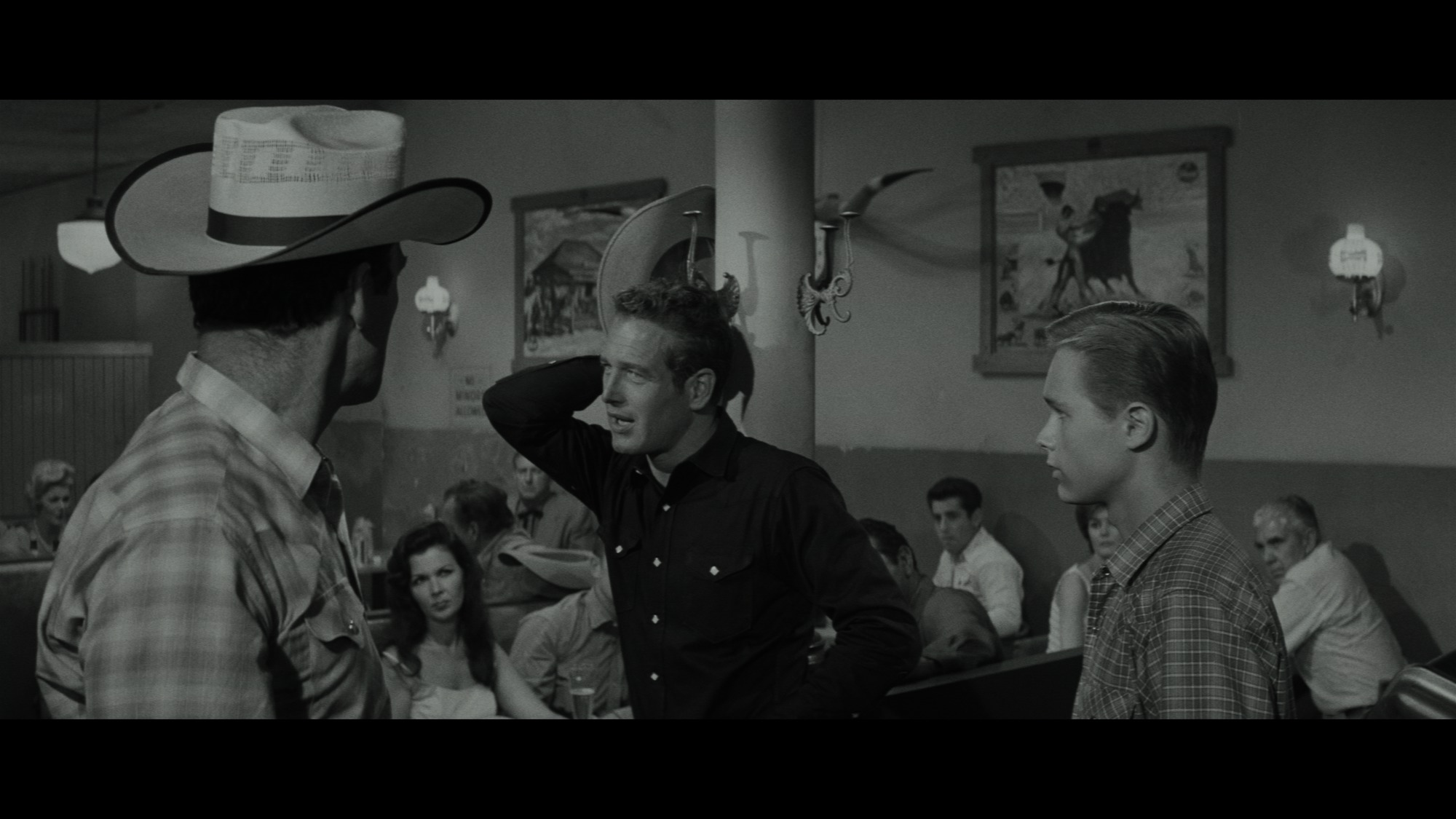
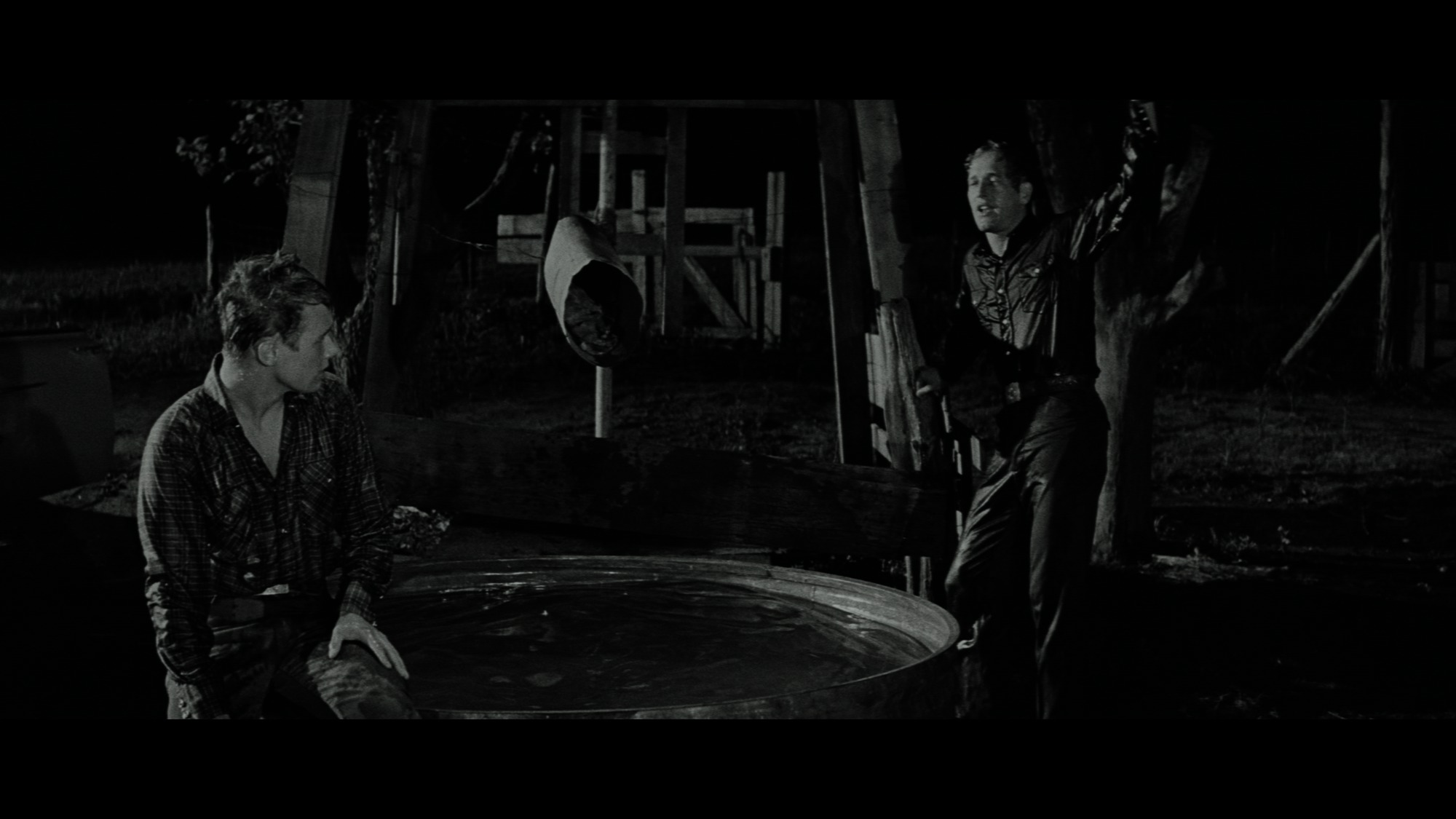
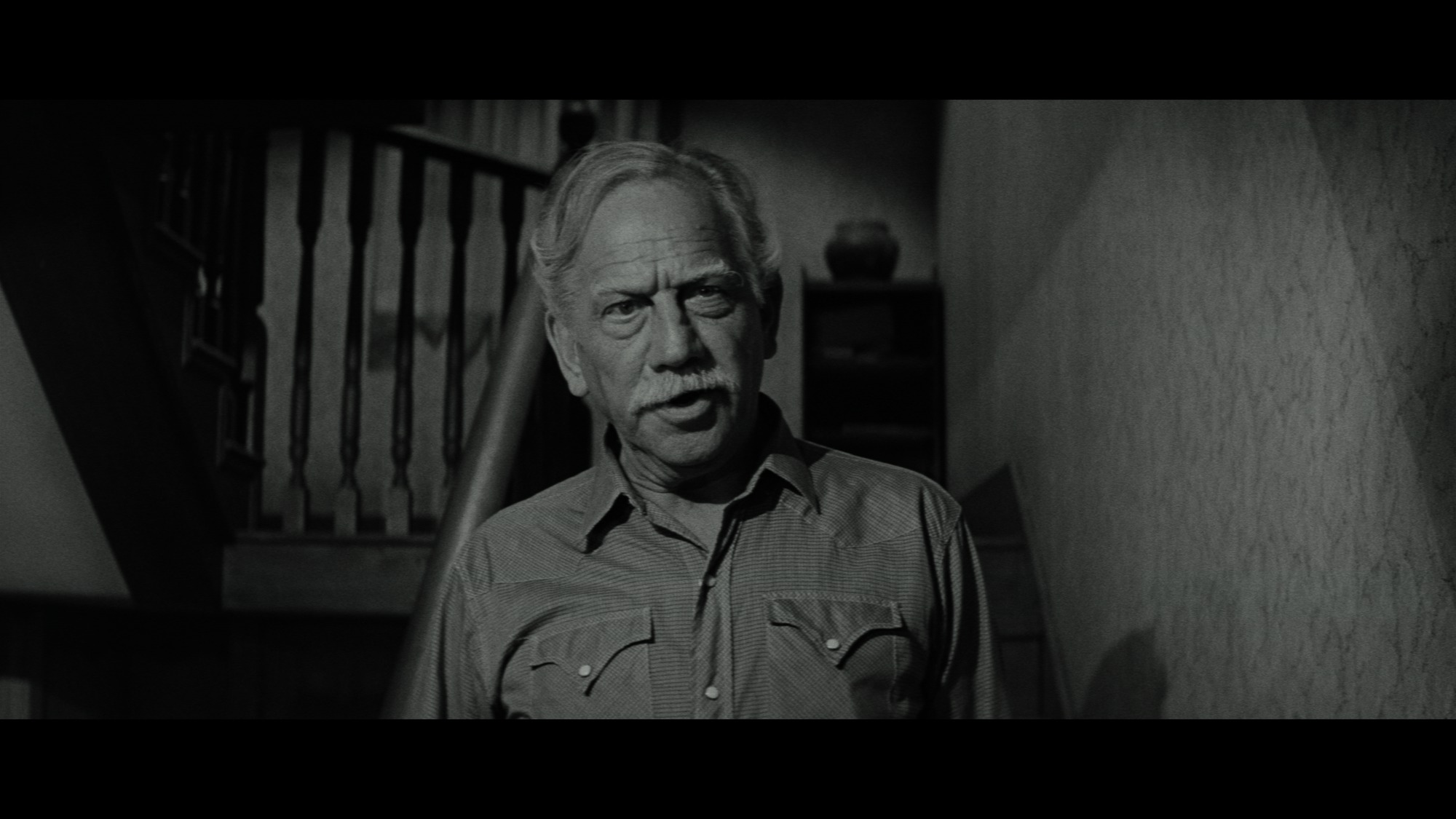
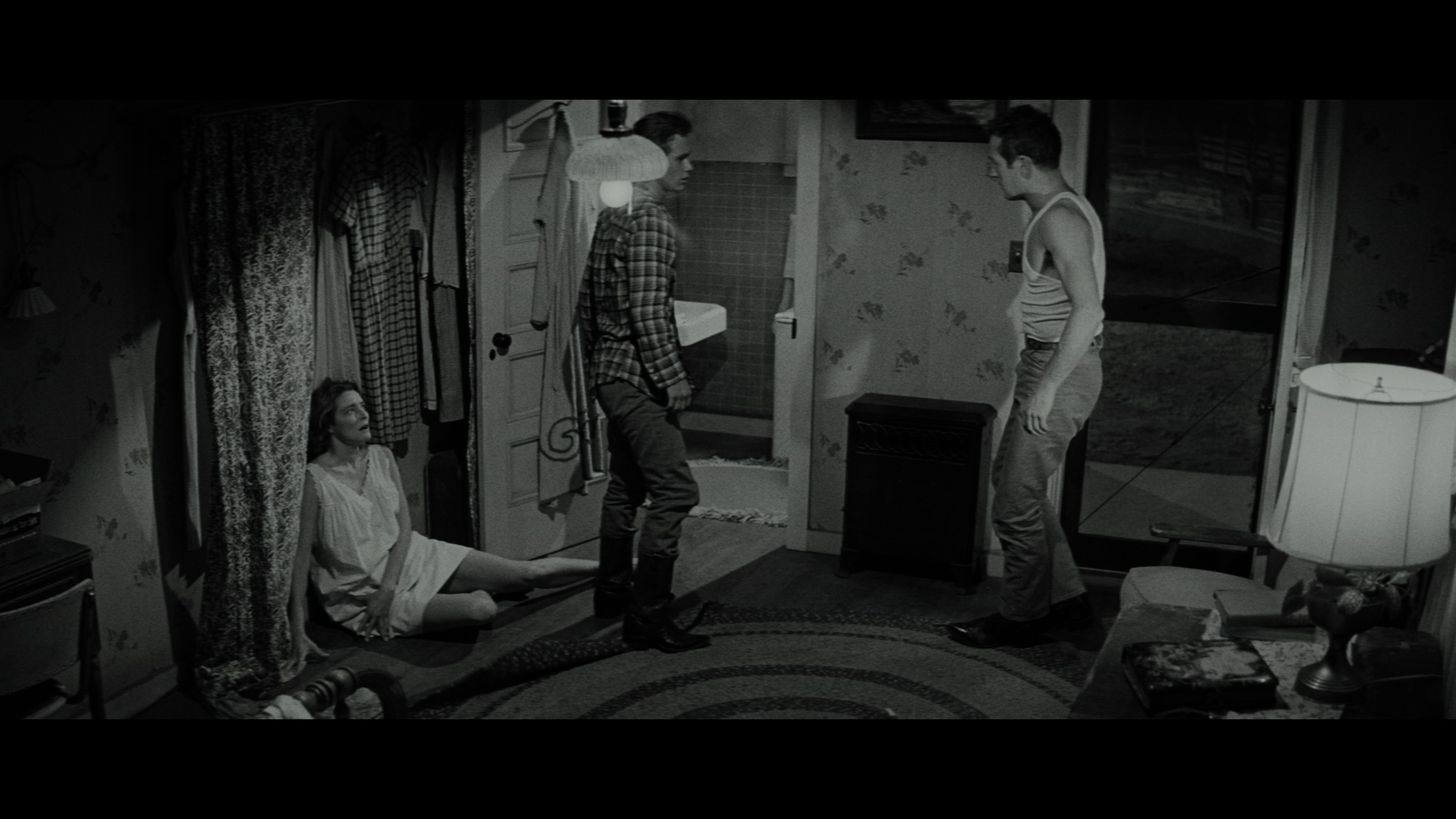
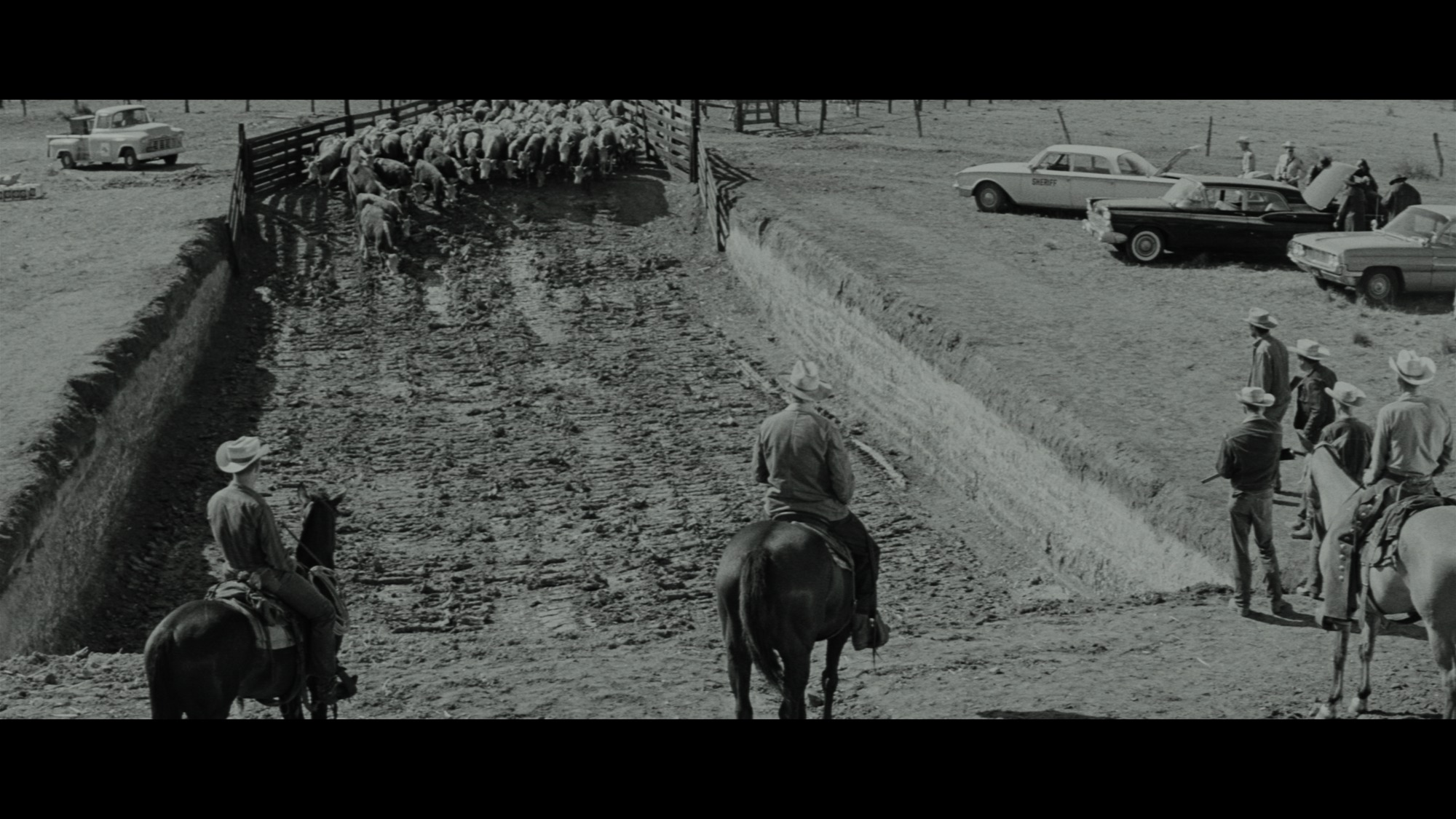
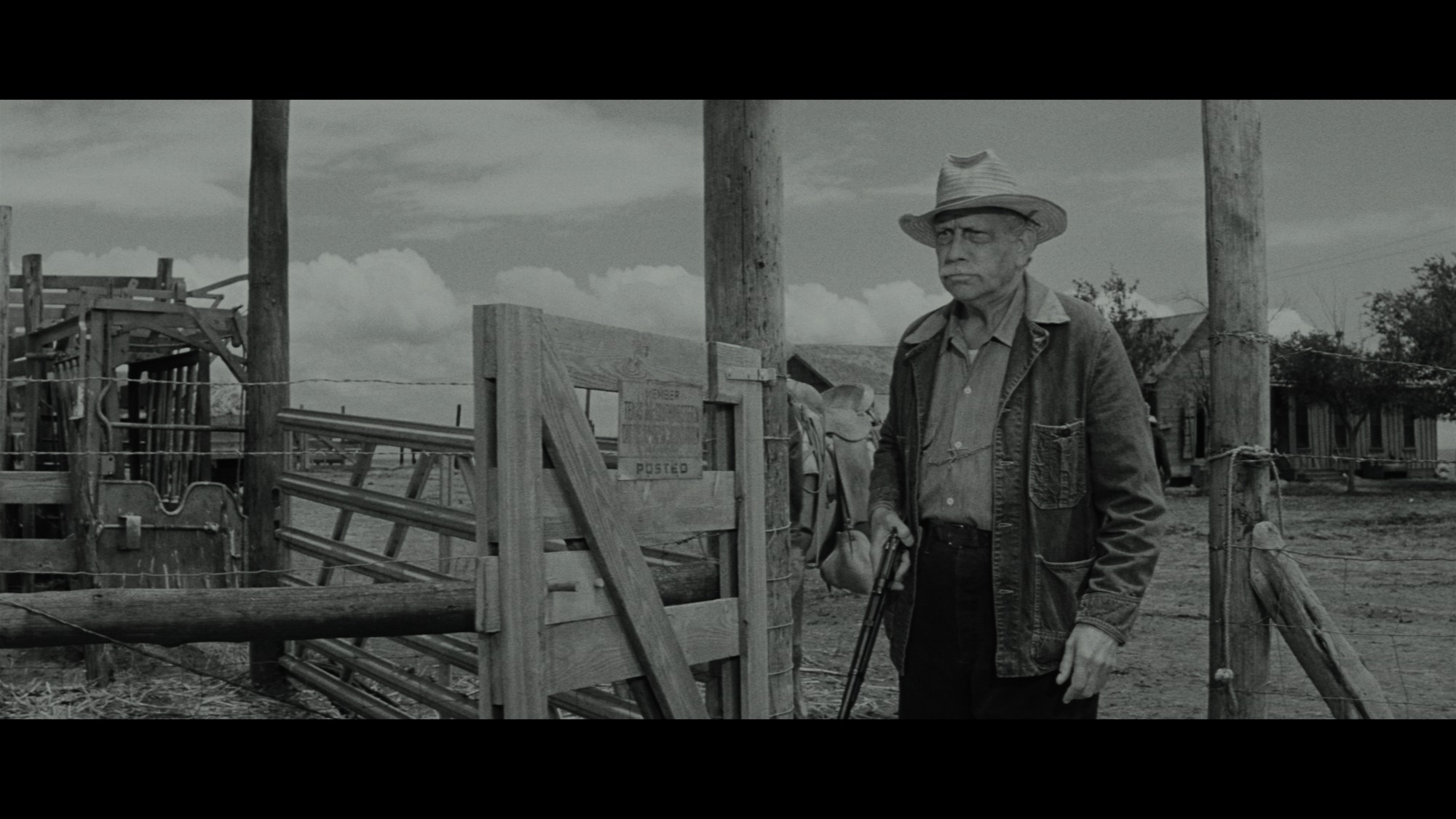
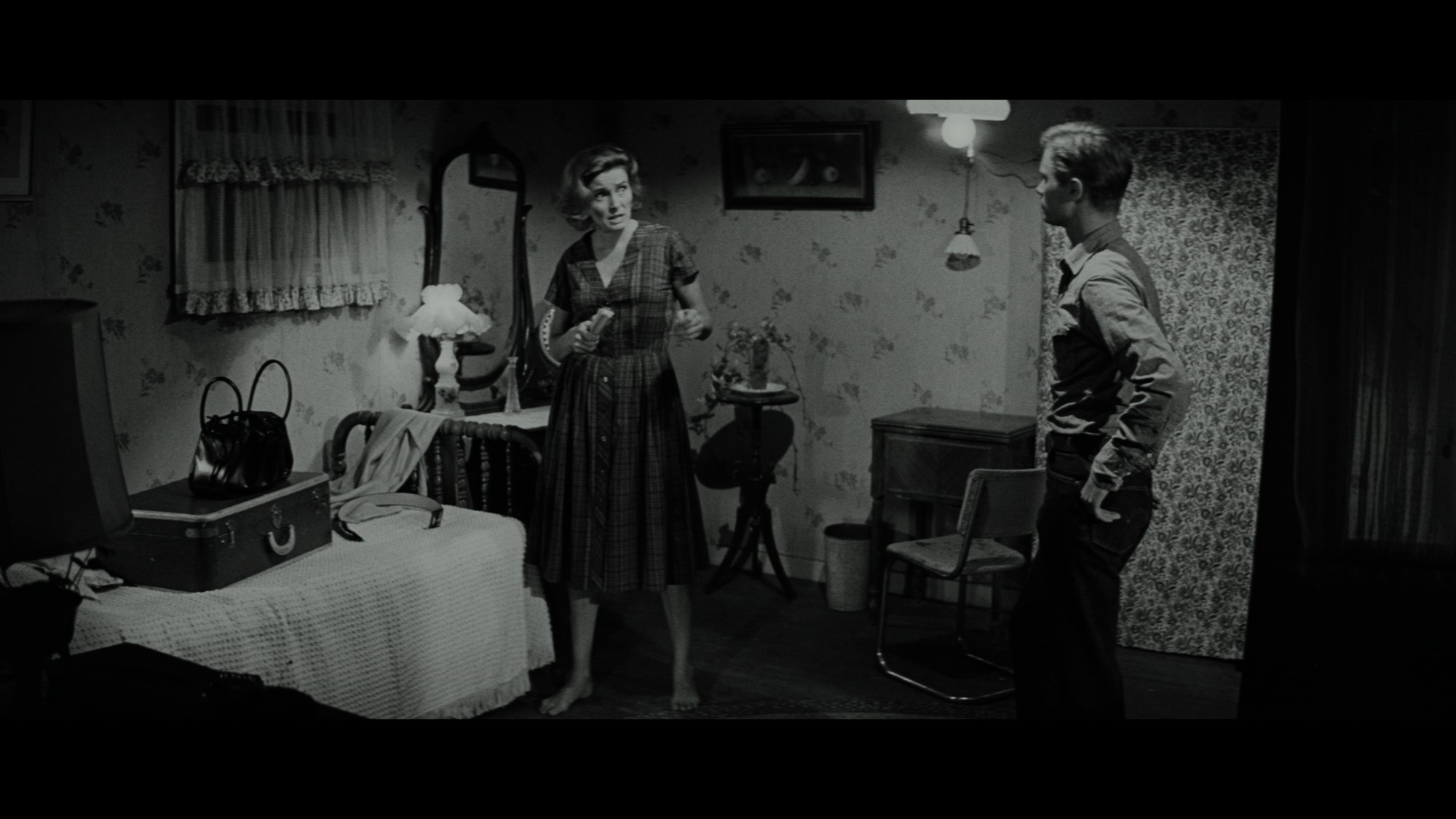
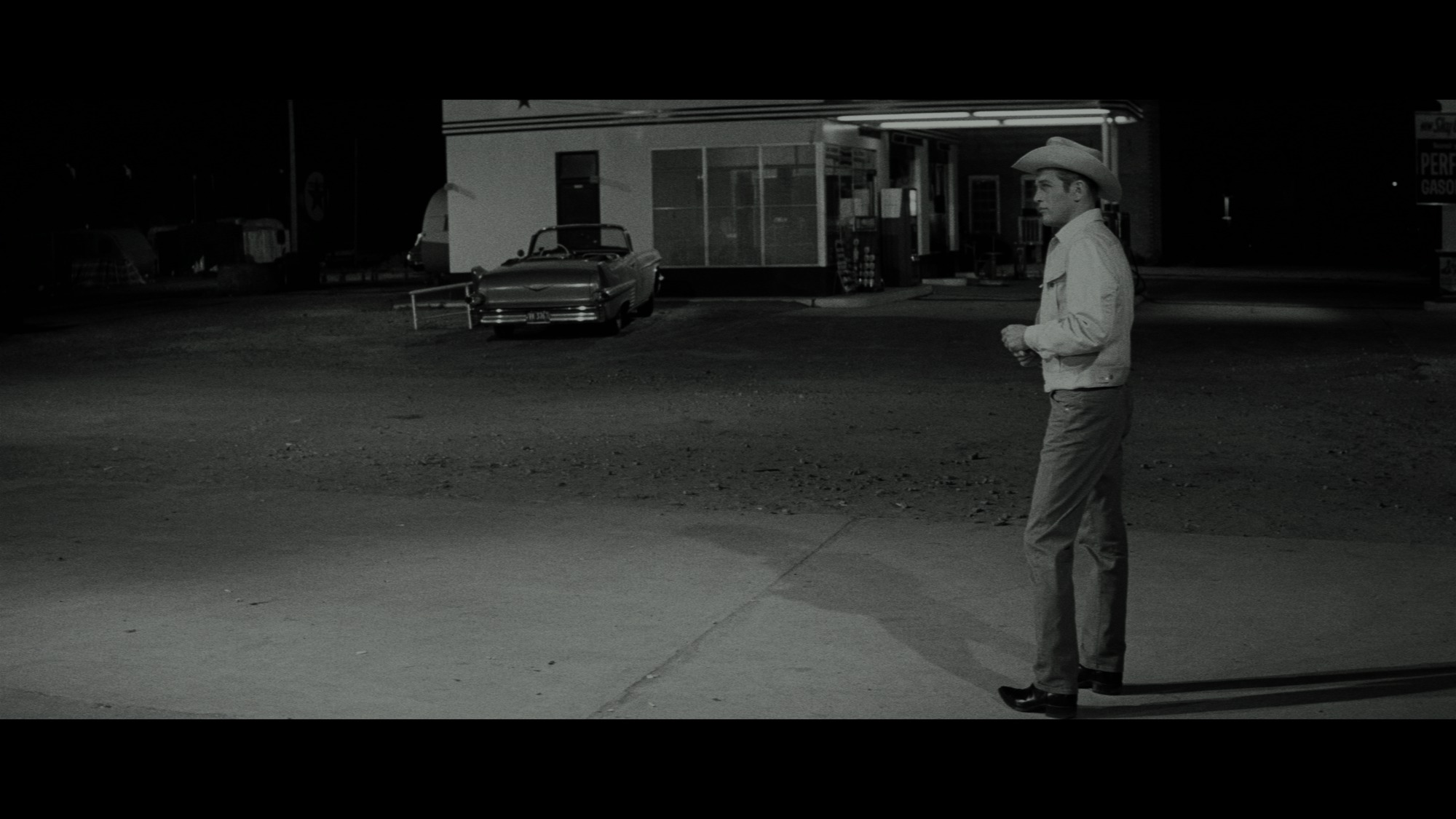
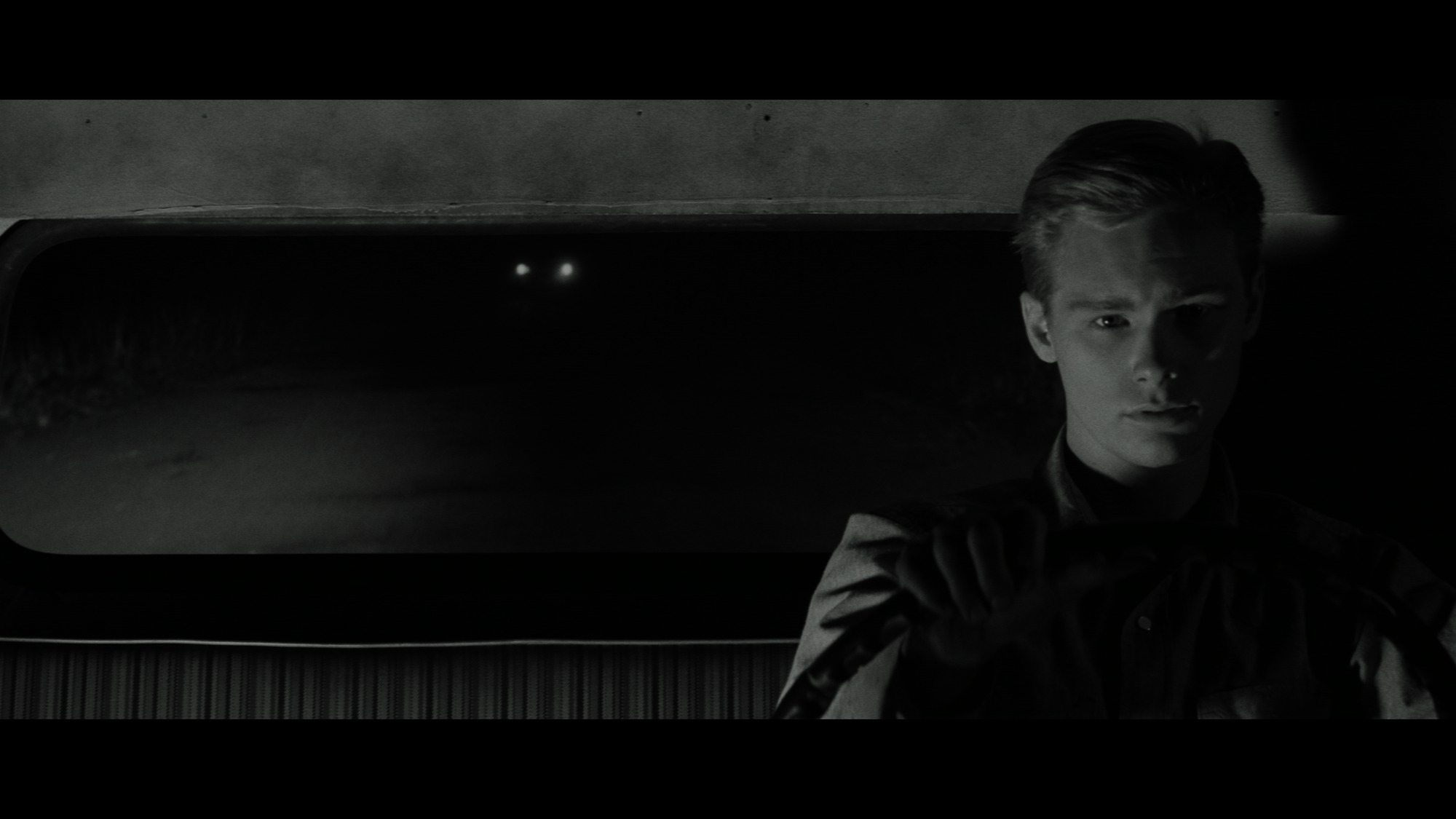
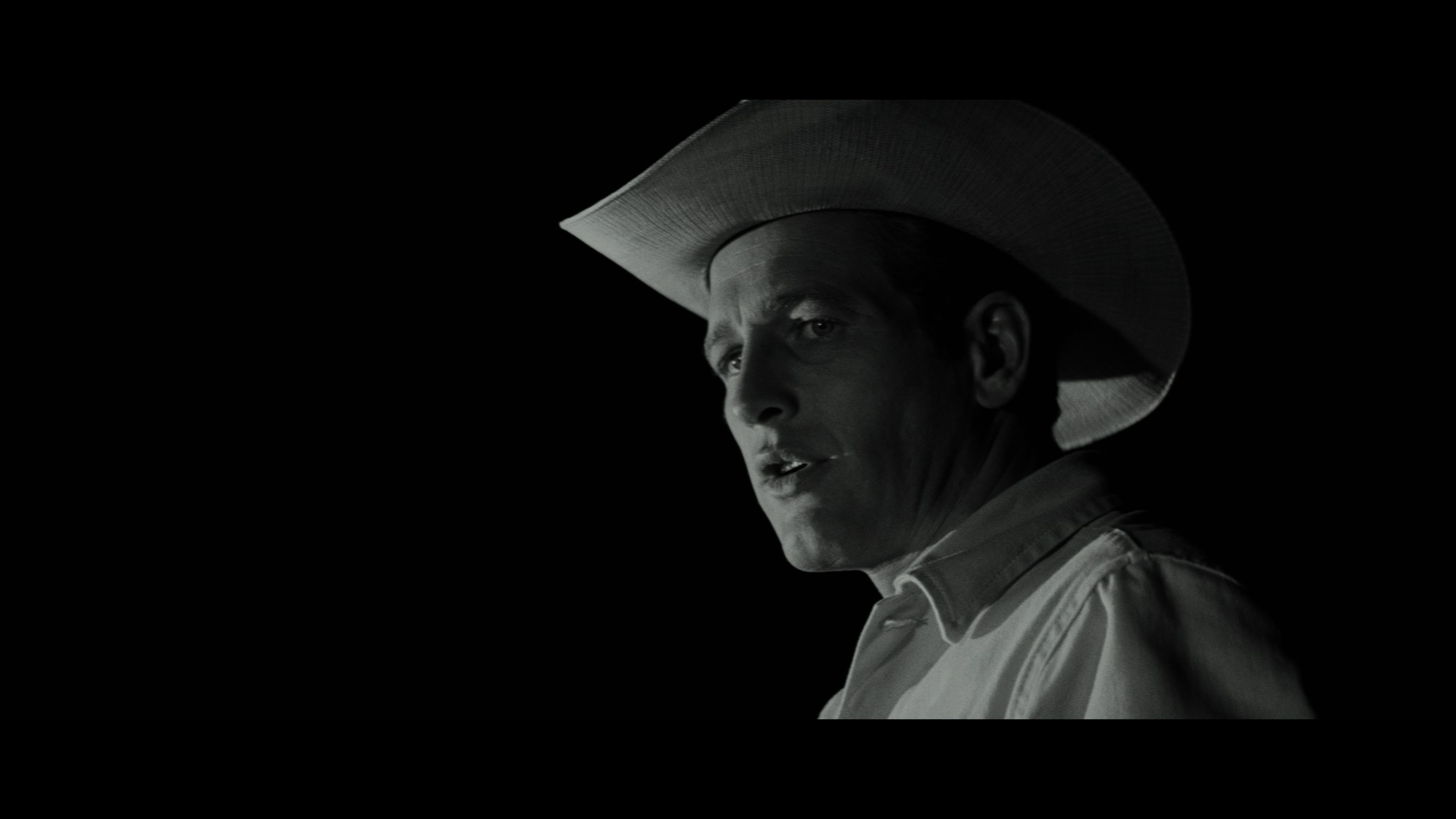
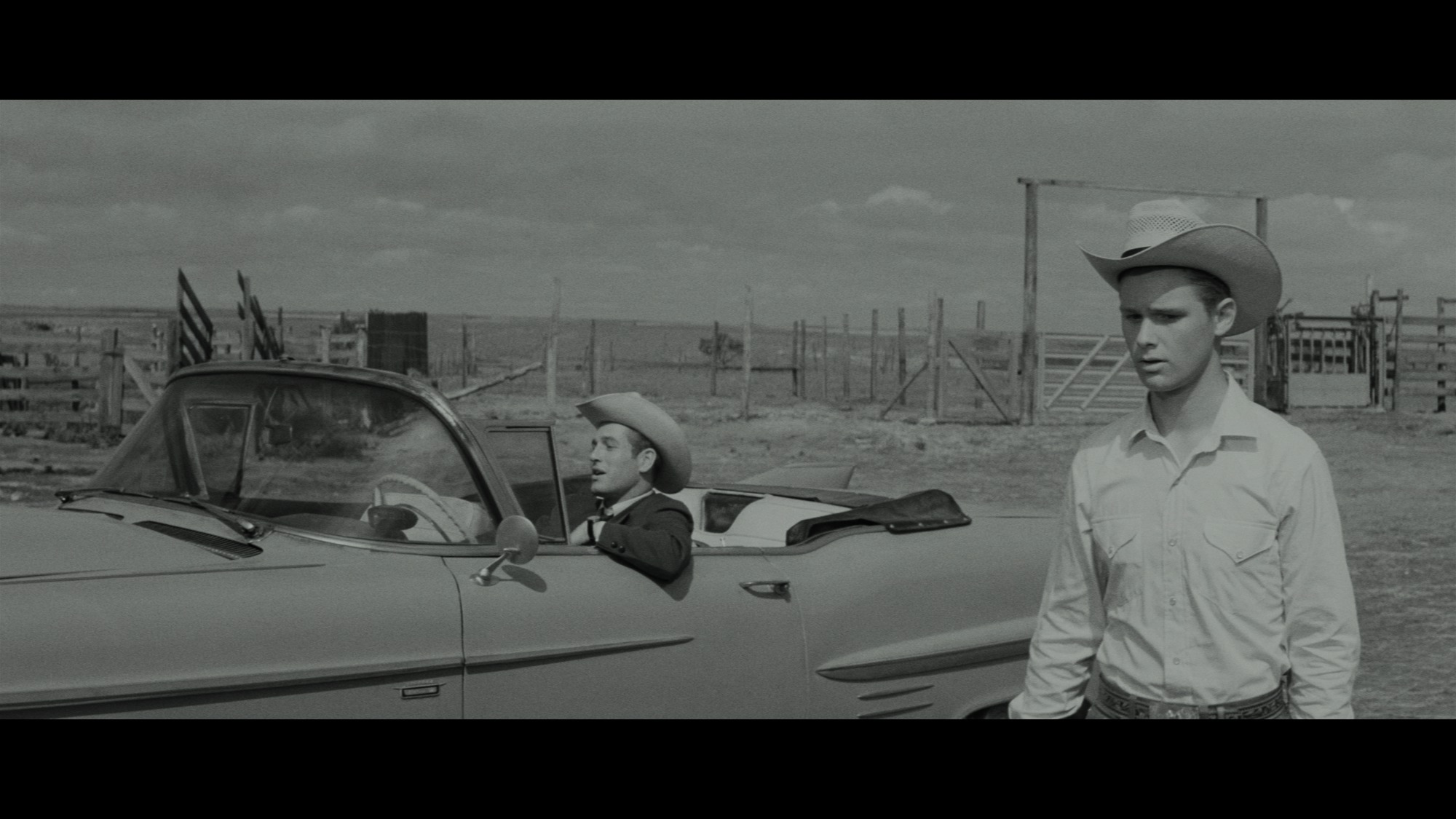
Hud, simply put, looks fantastic, so whatever the holdup was with this release, the resulting presentation has made the wait more than worth it. James Wong Howe’s photography looks unbelievably great, perfectly served by the format’s increased resolution along with everything the wider dynamic range brings to the table, not least of which is the improved grayscale, which is truly remarkable, particularly in those shots of the skies. In an included interview, cinematographer Roger Deakins talks about how the film’s look was achieved, mentioning that a blue filter was used to bleach out the skies most of the time, but what’s incredible here is just how much nuance is still present. Clouds look brighter, yet you can still make out every detail within them, with no clipping evident and the inherent grain still clearly visible. Black levels are rich and deep, and though backgrounds in nighttime sequences can appear completely black, without any other detail and appearing absolutely flat, this was (as Deakins also explains) done purposely. That wider range also works wonders in the darker sequences lit by a single light source, whether it’s a lamp inside the house, a car dashboard, or the light spilling out from store windows. These sequences are undeniably gorgeous, delivering a fantastic photographic texture that only this format could really deliver.
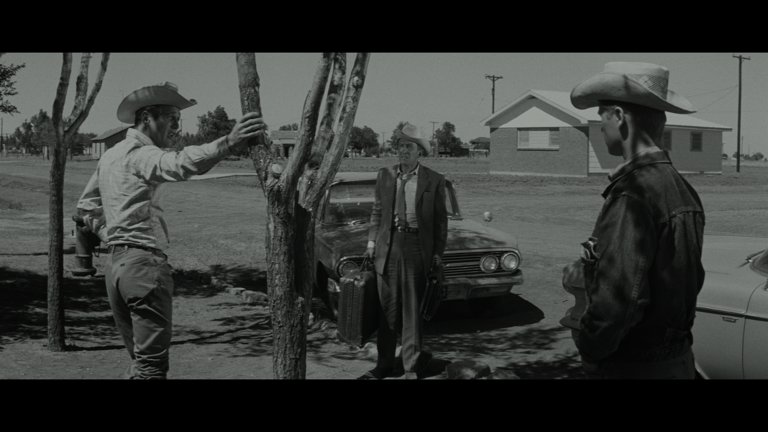
Outside of a handful of moments, detail levels are excellent and the image is quite sharp, even in long shots of the landscape. A handful of shots look a little softer and could be sourced from something other than the negative (admittedly, I'm not entirely sure). The restoration has also cleaned things up impeccably; I don’t recall a single significant blemish ever popping up. The digital encode is likewise very clean, rendering the inherent grain beautifully without any noise or other digital artifacts. All in, this looks wonderful, and all is forgiven for this release taking so long.
Audio 7/10
The lossless PCM monaural soundtrack is also surprisingly good. Its dynamic range ends up being fairly wide, and everything remains clean even at the higher end, with no severe distortion present. Dialogue also sounds sharp and exhibits excellent fidelity.
Extras 7/10
Supplements are where this release kinda underdelivers, even if the material as a whole is still decent. Things start with an audio recording of Ritt discussing his work at the Harold Lloyd Masters Seminar in February 1974. Running 42 minutes, it features Ritt talking about the types of material that attract him before moving into an extensive discussion around Hud, focusing heavily on how frustrated he was that audiences, particularly younger ones, misinterpreted the title character as a sort of hero when he was clearly a "heel," as Ritt calls him. He still loves the film, and it appears to have been his favorite, but he clearly can’t get over that reaction. Interestingly, he also talks a bit about First Blood, which he was initially working on at the time before the project fell apart. It would, of course, be released a little under a decade later, starring Sylvester Stallone and directed by Ted Kotcheff. Ritt also shares his thoughts on stage plays, directing actors, and other topics as they come up. It’s a good listen, though I was surprised by how much of it is devoted to Hud.
Following that is a new 33-minute interview with actor Sally Field, conducted by Isaac Butler and recorded exclusively for this edition. This one threw me since Field (unless I really missed something) had nothing to do with Hud, instead working with Ritt on 1979’s Norma Rae. And indeed, she is here to offer some perspective on what it was like working with Ritt as an actor, more than likely due to the sad fact that none of Hud’s primary cast members are still living. She talks a little about how her television background became something of a crutch before she was eventually able to break away from it, leading to her casting in Norma Rae in 1979 and her working with Ritt. She also talks about Paul Newman, whom she co-starred with in Absence of Malice, which then trickles down into discussions around Hud itself and its other cast members. It’s a good interview and a strong inclusion, and I’m happy Criterion was able to get Field to participate, though I suspect this means we’re probably not getting a release of Norma Rae anytime soon.
Also new—and probably the release’s best feature—is a 20-minute interview with director of photography Roger Deakins, who is here to discuss James Wong Howe and his work on the film. He talks a little about Howe’s career as a whole before analyzing the photography in Hud, explaining its look and how certain elements were achieved on a technical level. This includes the use of filters and how the lighting was more than likely set up, even pointing out where a blooper of sorts exposes how reflectors were used to great effect (except when the wind picks up, apparently). Deakins is always a thrill to have as an interview subject, having sat for a few of Criterion’s releases, and, as always, his contribution is invaluable.
Following that is an August 1994 recording of Inside the Actors Studio, featuring James Lipton talking with Paul Newman, then president of the Actors Studio. I like these, and this one is fun thanks to Newman’s charm, but it’s honestly not an especially revealing discussion. Still, he does talk about Hud and Butch Cassidy and the Sundance Kid before mentioning what it was like working with a new generation of filmmakers, Newman commenting on Martin Scorsese and his directing style while filming The Color of Money. Again, it’s a good interview, just not an especially revealing one.
Criterion then includes a 28-page booklet featuring an essay on the film by Gabriel Miller, followed by a reprint of an interview with Howe about the film, conducted by Herb A. Lightman for a 1963 issue of American Cinematographer. Howe gets into even more detail about how the film’s look was achieved.
Overall, it’s not a stacked edition, but the material is still good. I’m a little surprised there isn’t more about the source novel or its author, Larry McMurtry, though maybe Criterion felt they covered all they could about him with their release of The Last Picture Show. At any rate, considering how long this took to come out, I would have expected a little more.
Closing
It’s a decent special edition, but it’s the new 4K presentation that makes this release a standout. It looks absolutely gorgeous and is worth picking up for that aspect alone.
BUY AT: