Falling Down
BUY AT:


See more details, packaging, or compare
Synopsis
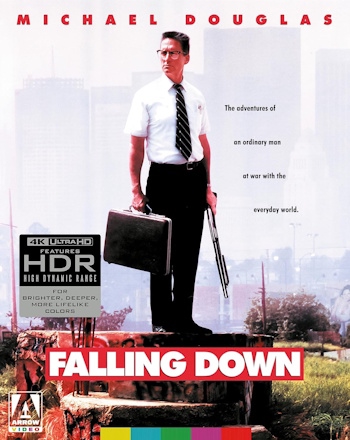
In 1993, director Joel Schumacher (Flatliners) delivered one of the most provocative studio thrillers of the decade with Falling Down, a darkly comic, razor-sharp portrait of modern urban frustration starring Michael Douglas and Robert Duvall at their very best.
On a sweltering Los Angeles morning, a man known only as "D-Fens" (Douglas) abandons his car in a gridlocked traffic jam and sets off across the city on foot. He just wants to go home, but his path is marred by increasing everyday irritations that escalate into explosive confrontations, leaving a trail of violence in his wake. Trying to piece together these events is veteran cop Prendergast (Duvall), whose quiet final day before retirement becomes a chaotic hunt for a dangerous man on the edge. As the paths of these two very different men converge, the question of whether D-Fens is a victim of an oppressive society, or a man showing his true colors becomes unavoidable.
Shocking, darkly funny, and eerily prescient, Falling Down remains one of the most unforgettable portraits of rage in modern American cinema. Now restored in stunning 4K, this controversial cult classic looks sharper and hits harder than ever before.
Picture 9/10
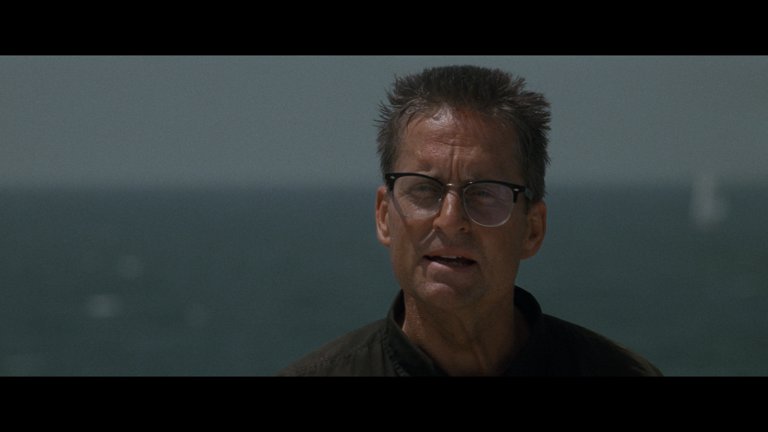
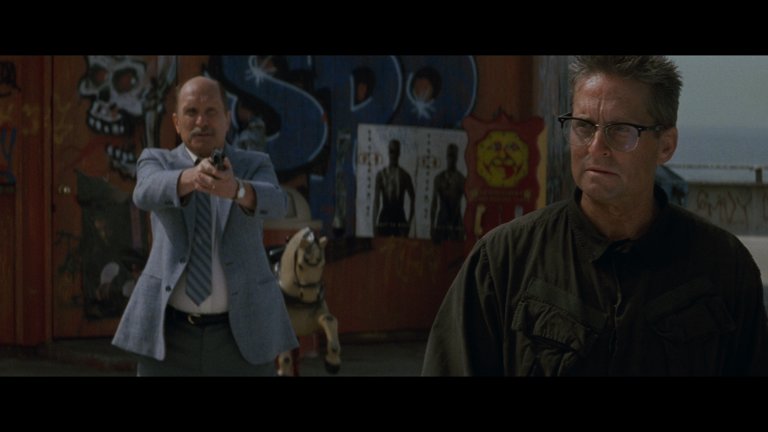
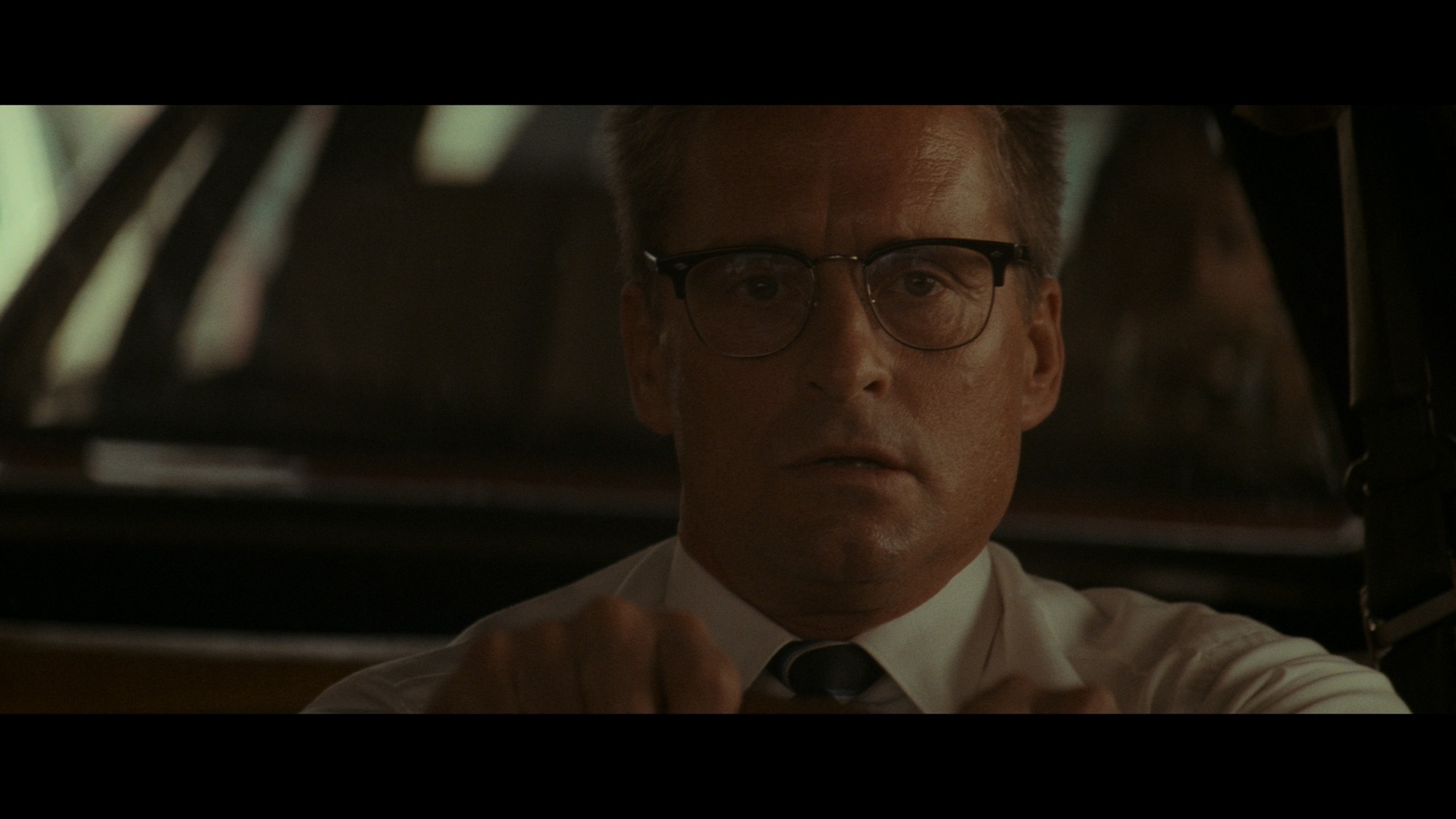
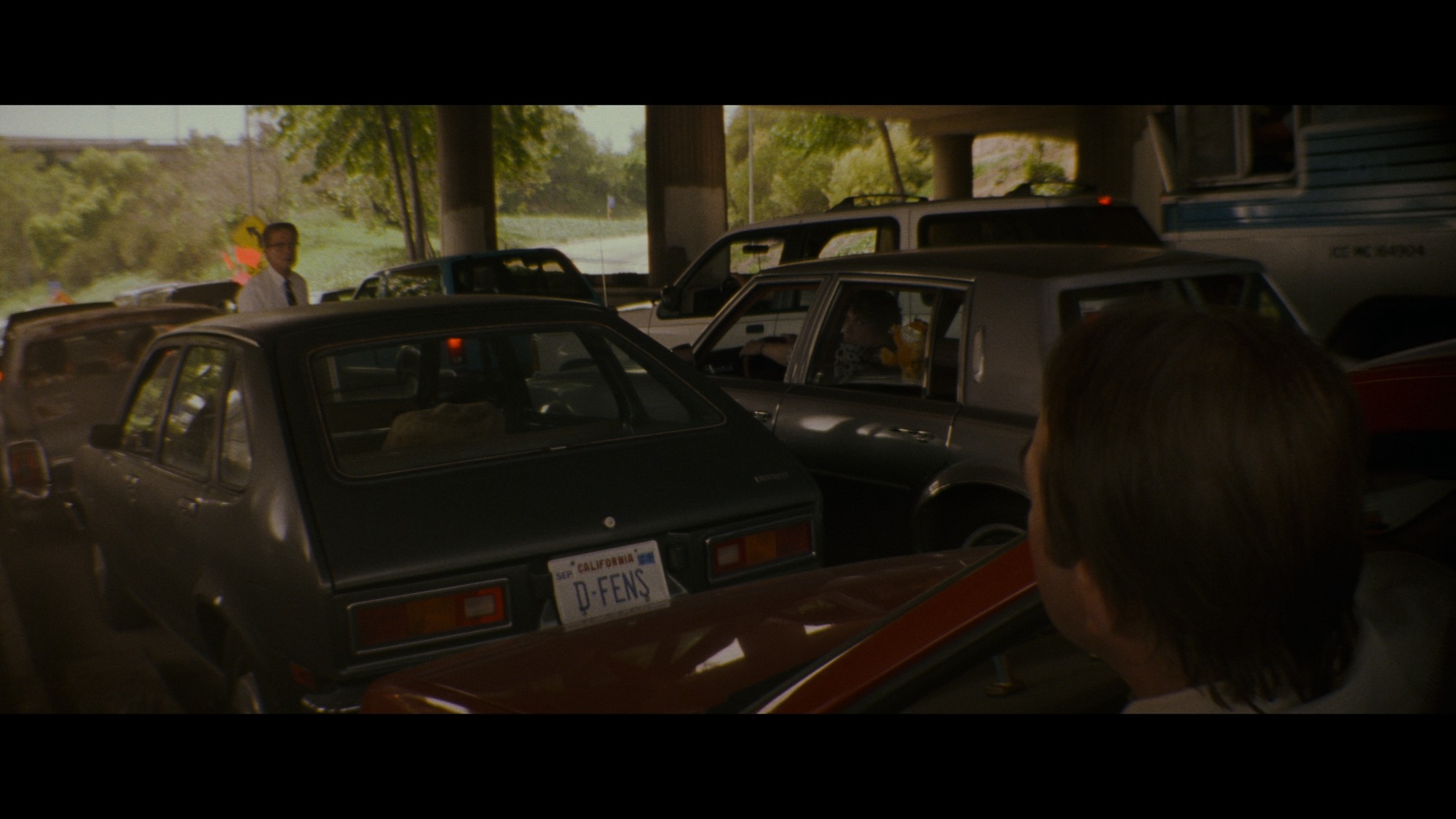
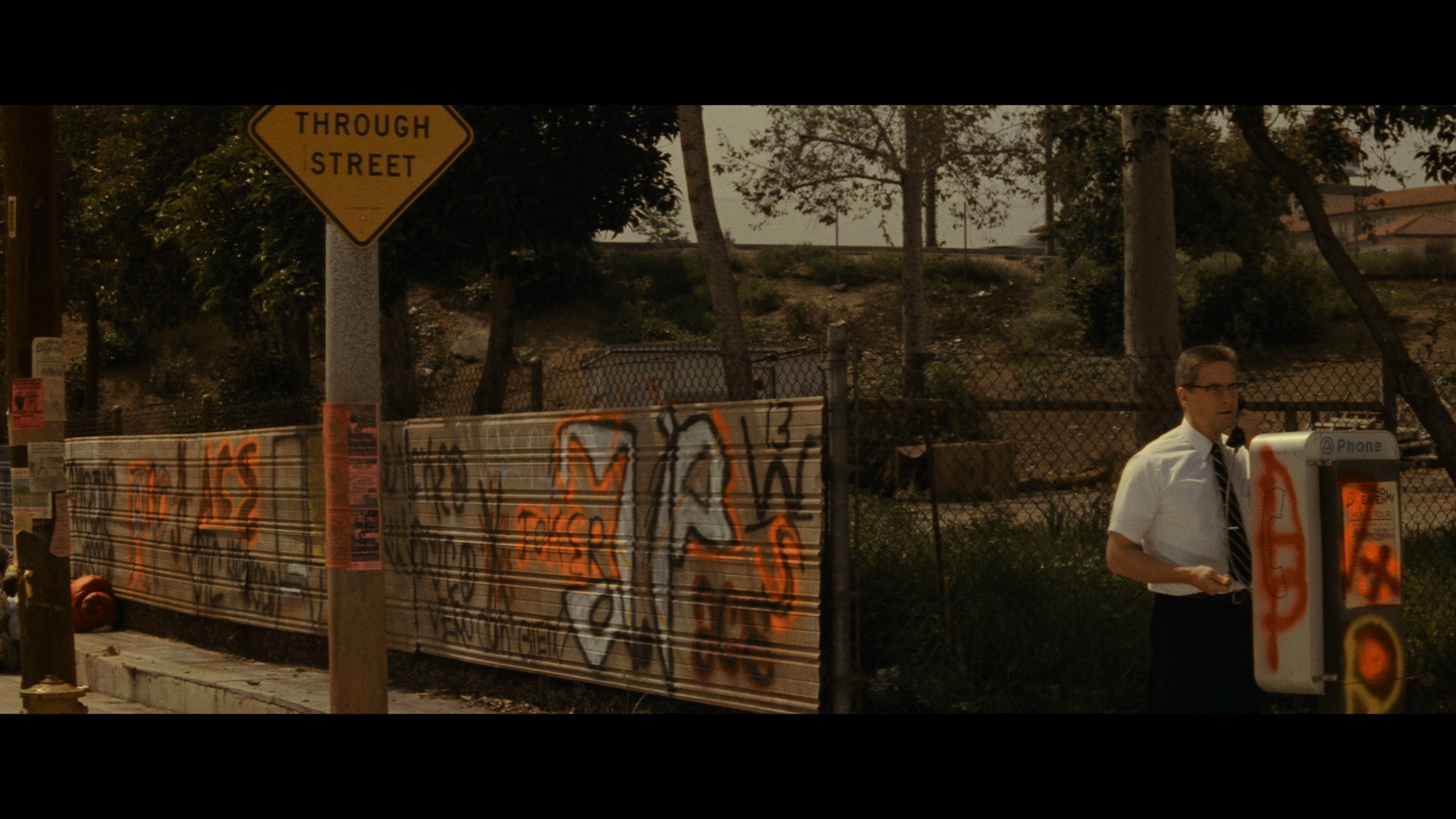
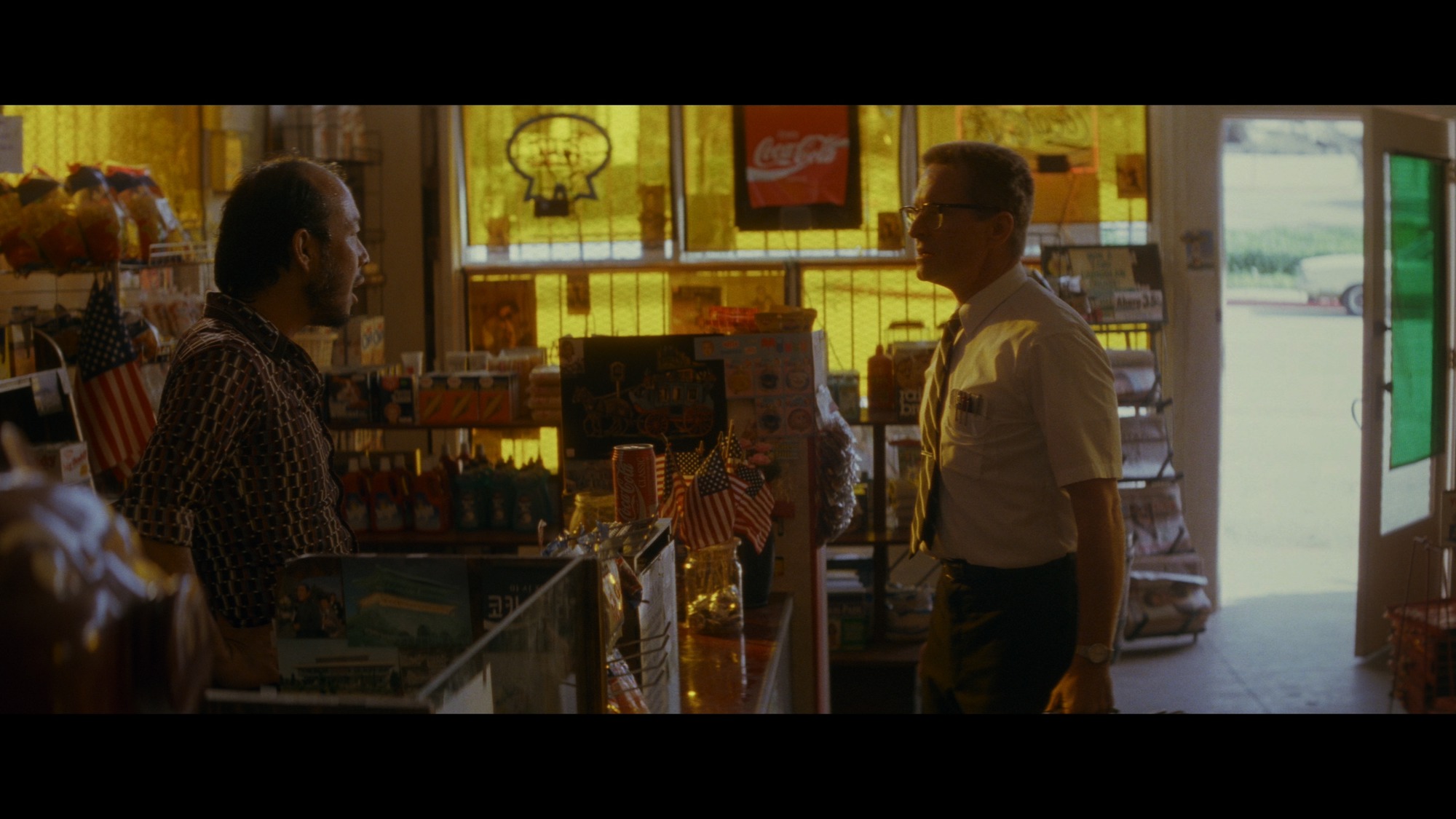
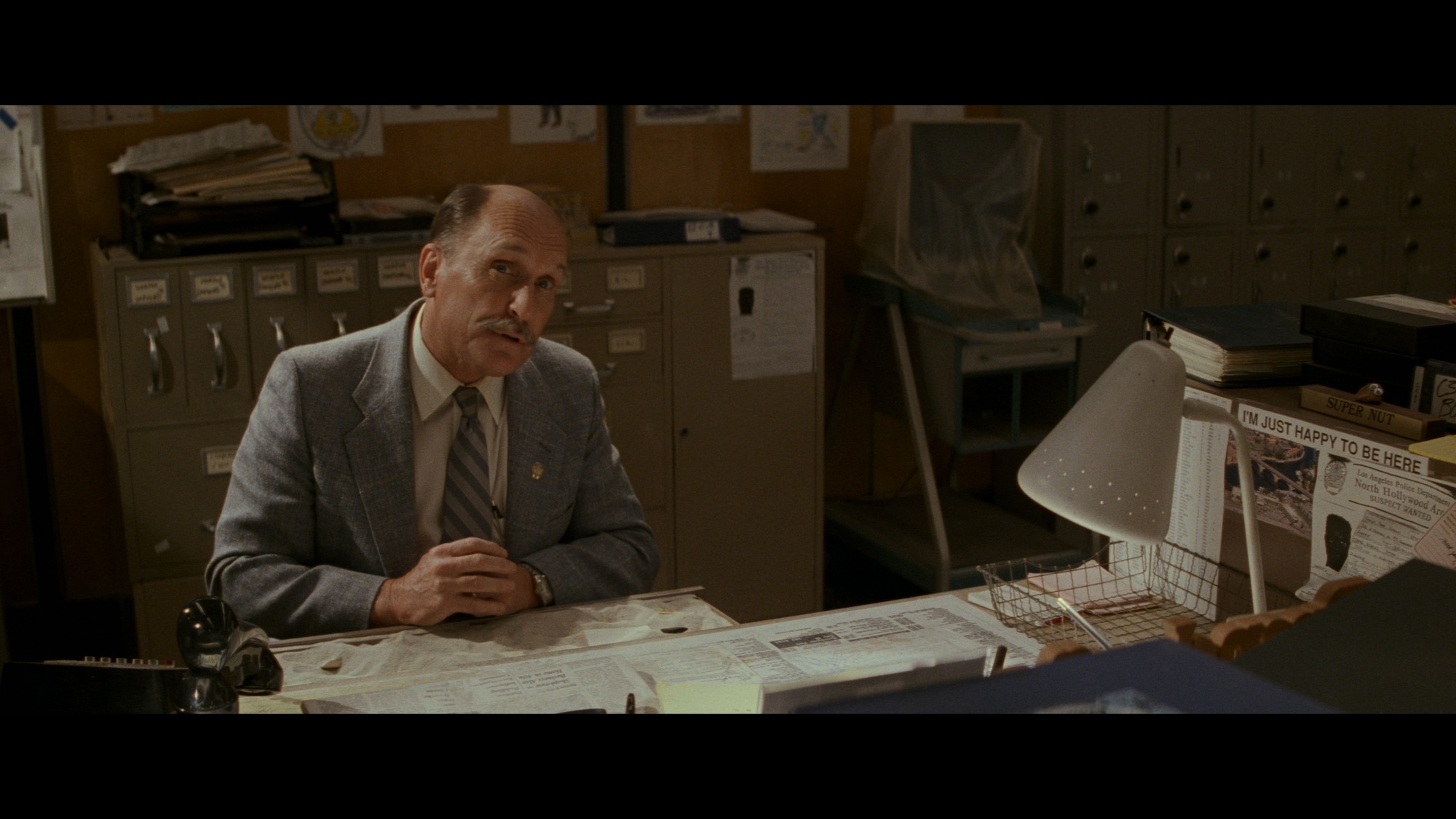
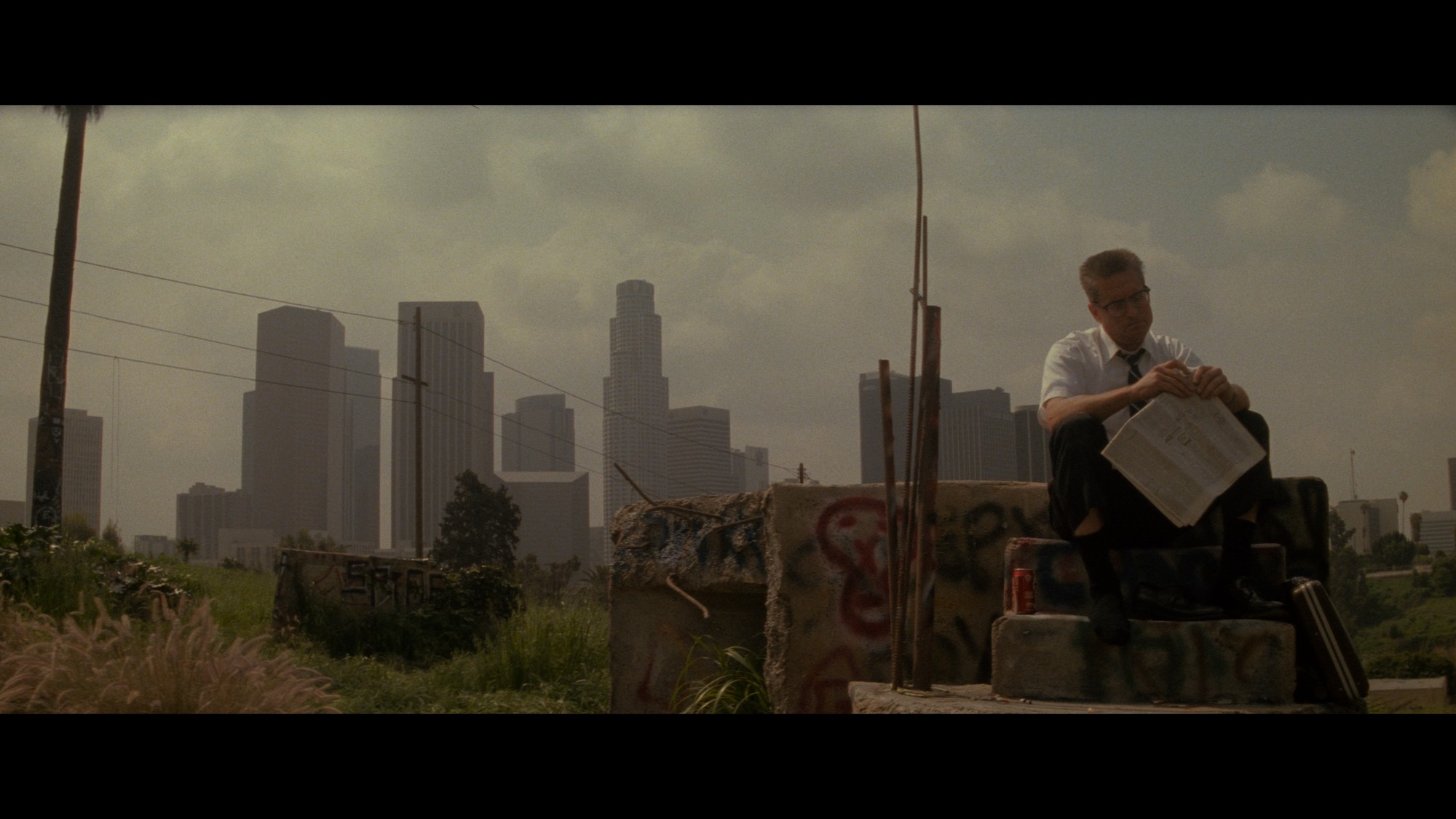
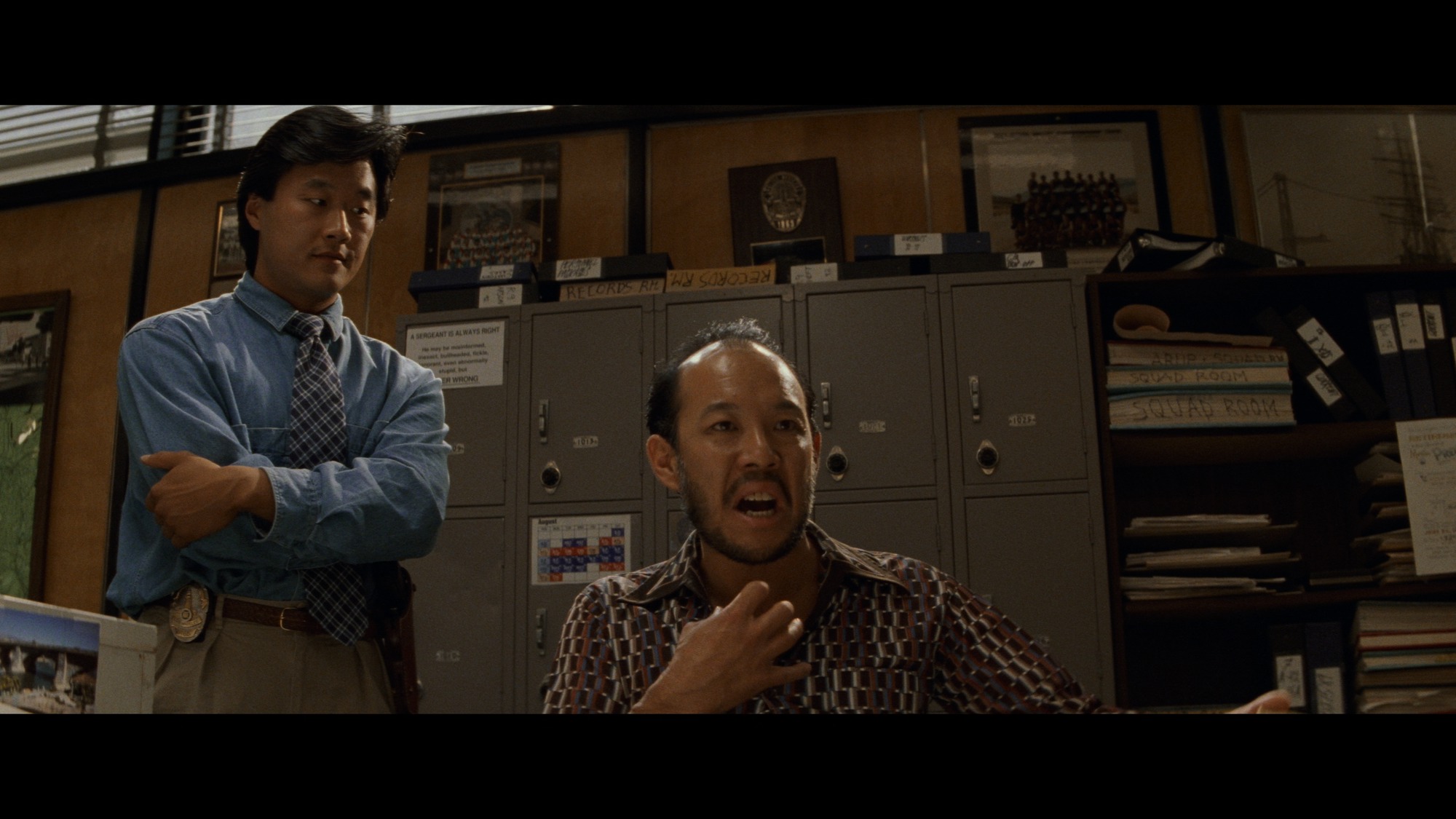
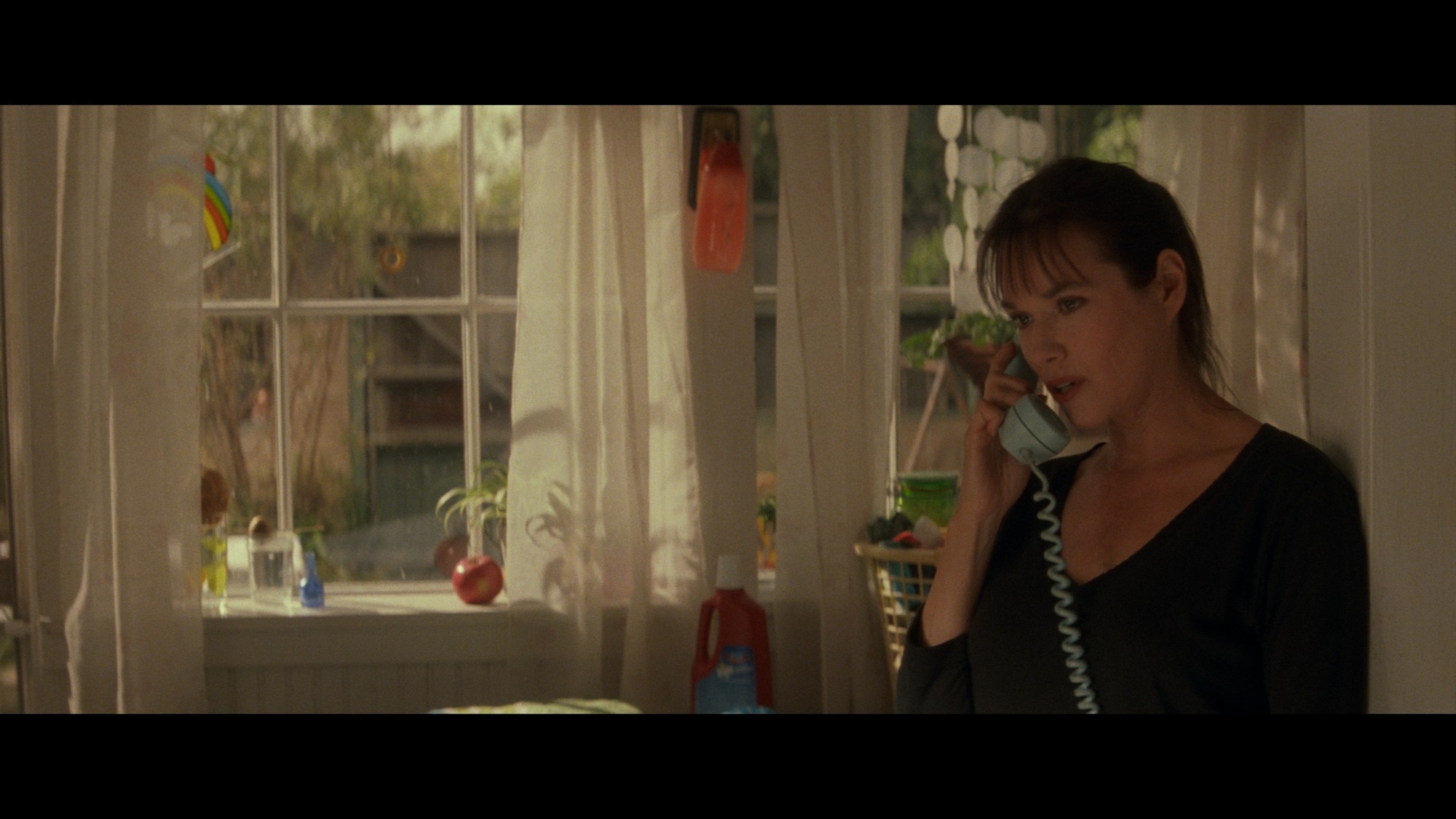
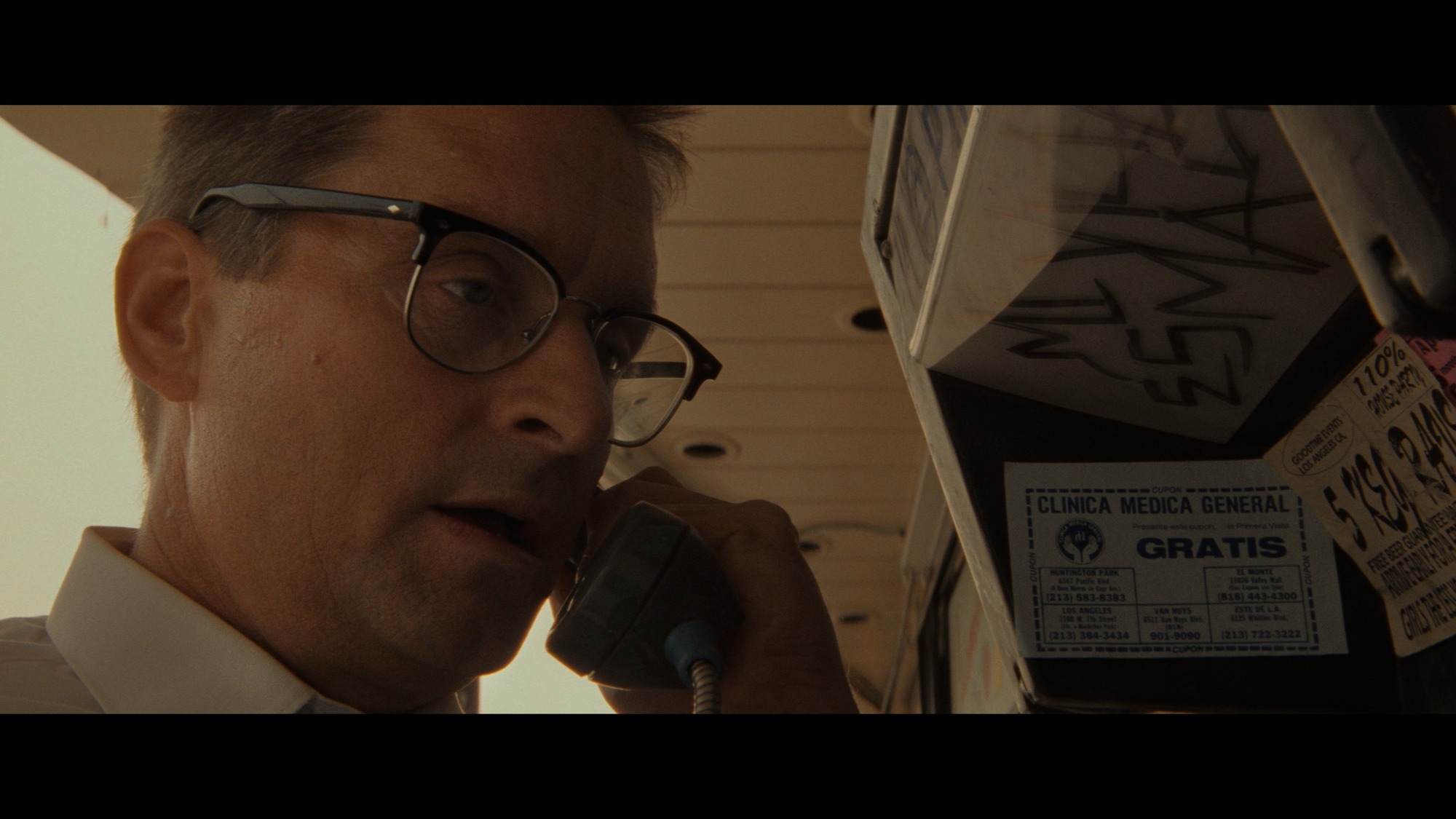
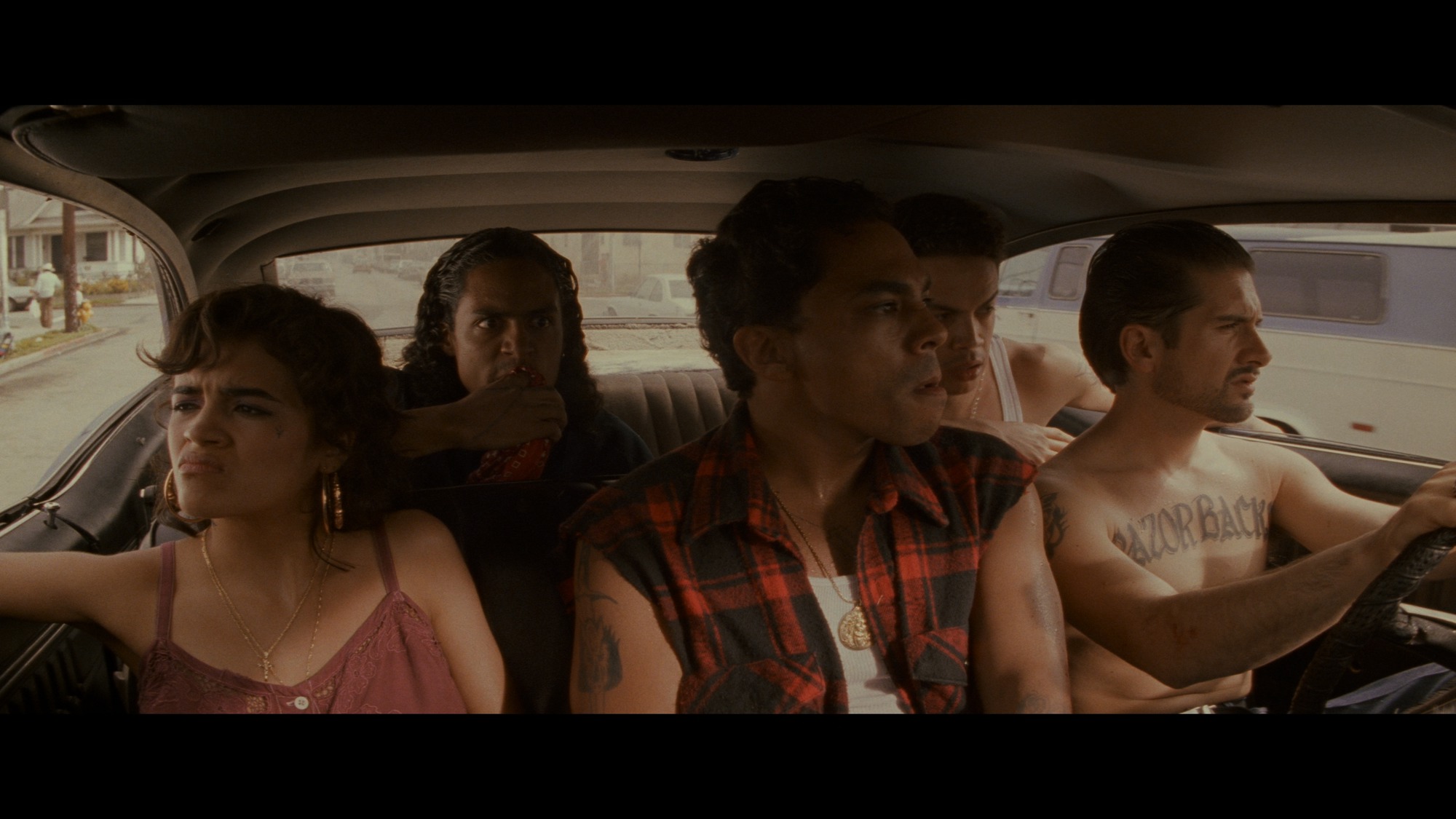
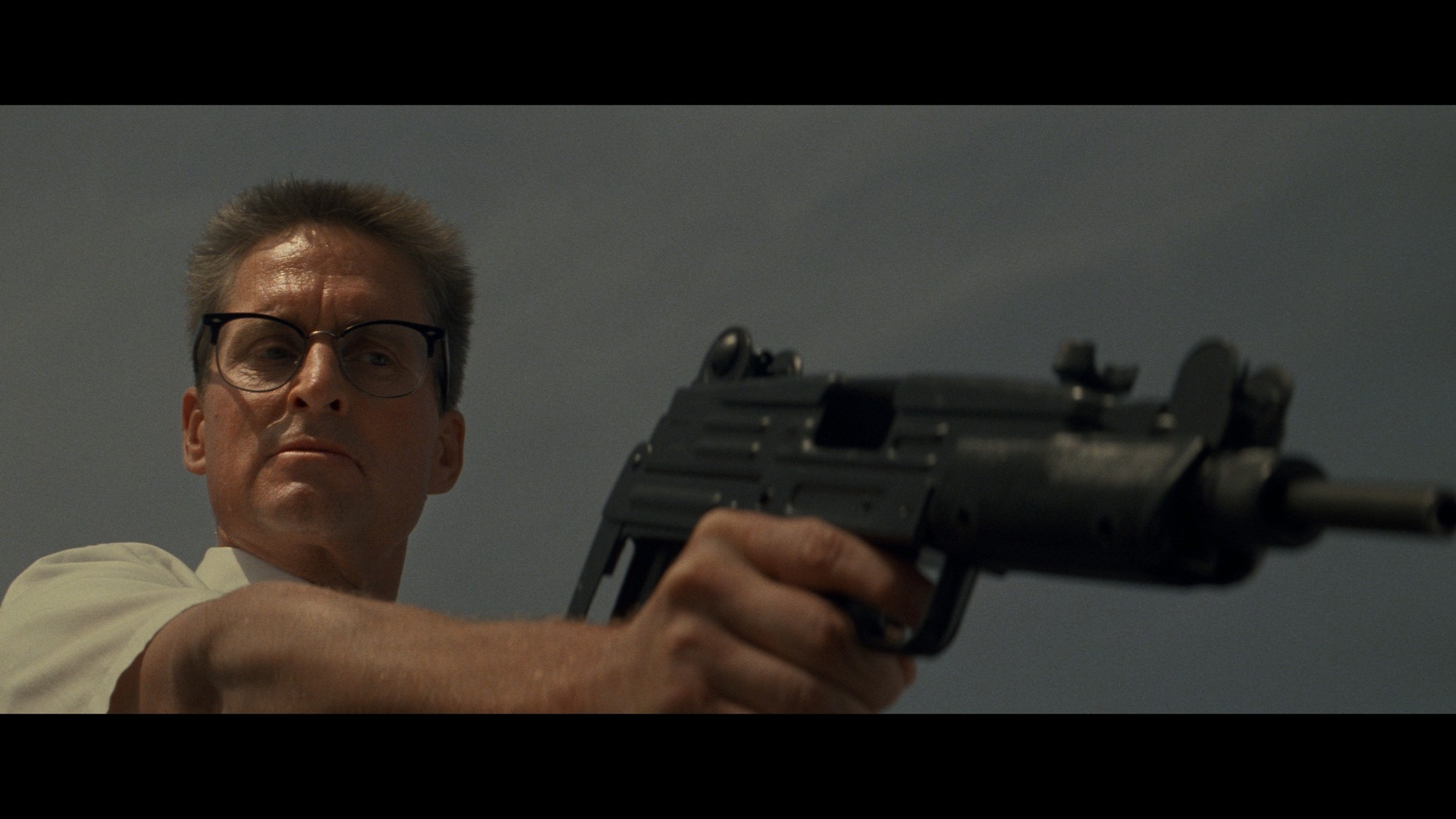
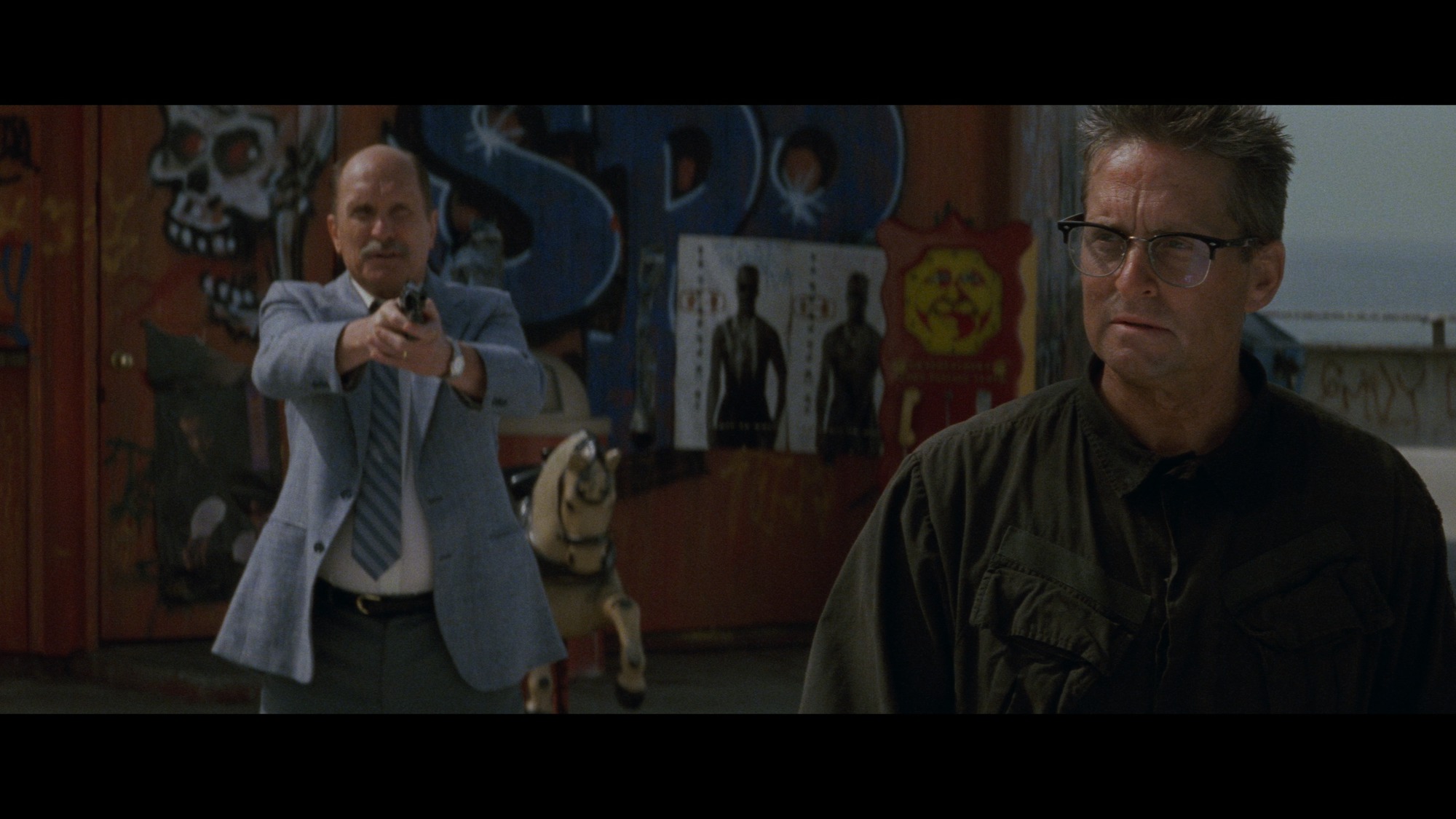
Arrow Video presents Joel Schumacher’s Falling Down on 4K UHD, delivering the film in its original aspect ratio of 2.39:1 on a triple-layer disc. Presented in Dolby Vision, the 2160p/24hz ultra-high-definition presentation comes from a new 4K restoration performed by Arrow, sourced from a scan of the 35mm original negative.
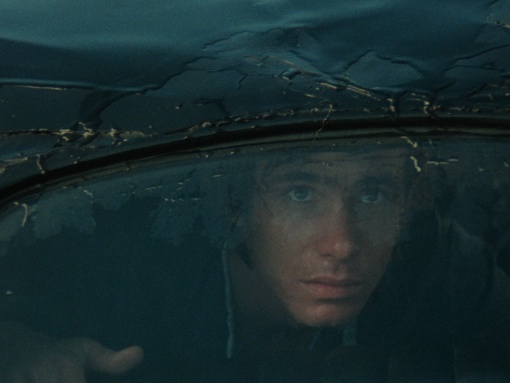
I’ll confess this is another one of those titles I wasn’t entirely sure would wholly benefit from a 4K presentation, though that could simply come down to having been stuck with the film on ’90s home video (first VHS and then the snapper-case DVD, not even the later special edition), and due to the limitations of the tech of the time the photography never struck me as anything particularly special; it looked like just any other ’90s studio-produced film. Yet, similar to other recent 4K releases of films from that era (like Criterion’s House Party release) the upgrade delivers a whole new experience, showing what has been missing all these decades.
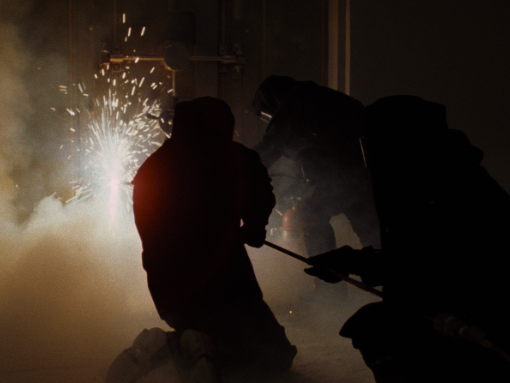
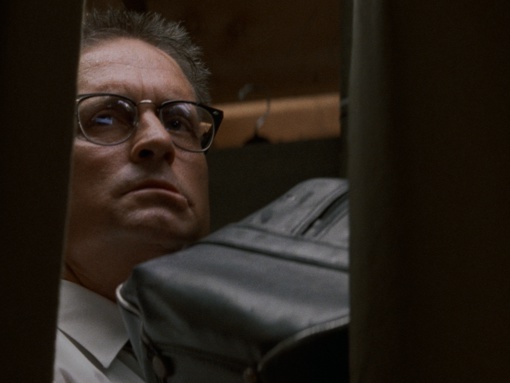
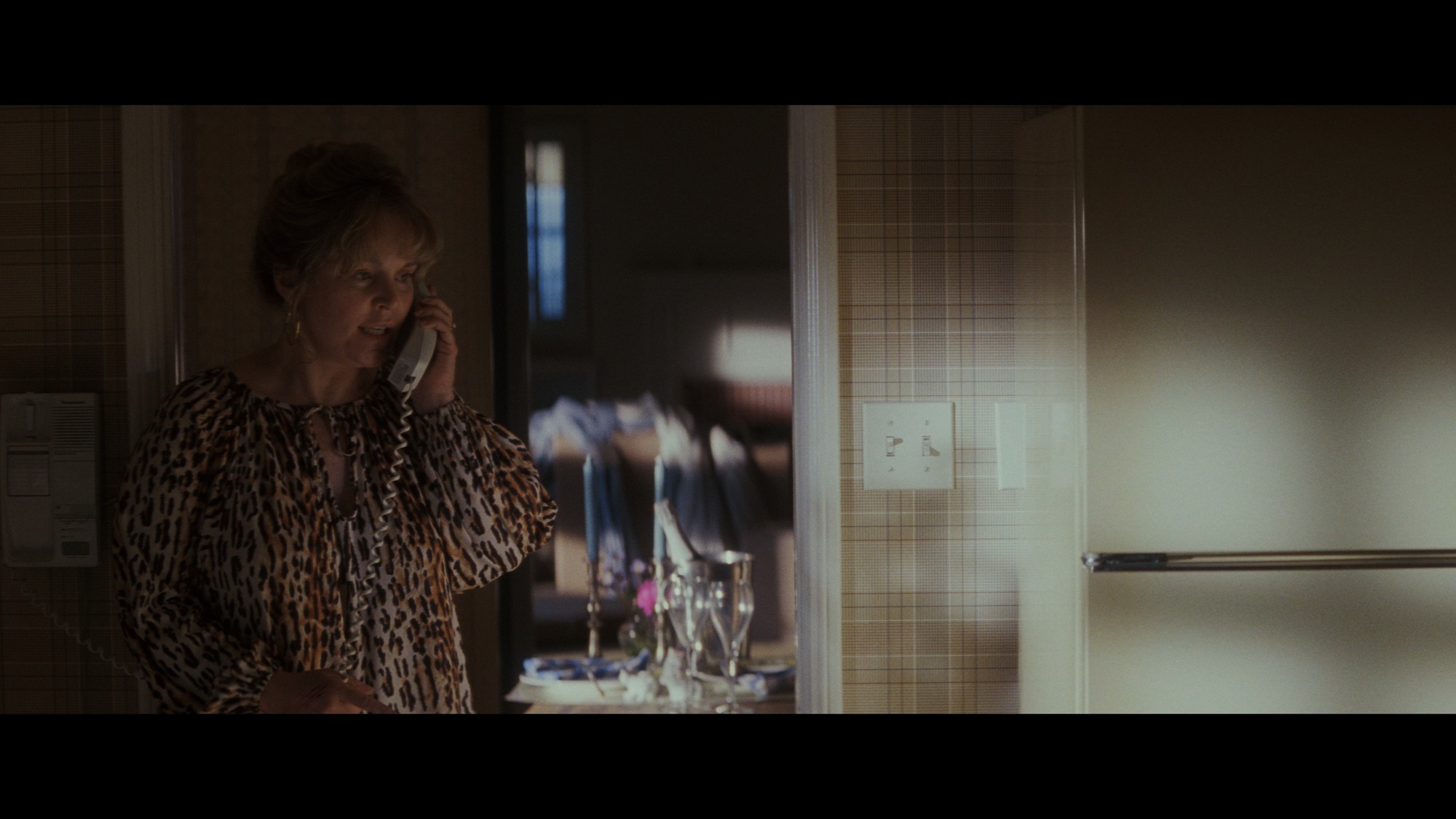
There is a grittiness to the photography that was lacking before, along with a richness and depth that has also been absent. This is especially evident in the film’s smoky interiors, such as the sequence in the basement of the army surplus store, where light breaks through cracks overhead into the darkened space. The entire sequence looks incredible with fantastic gradations blending into the darkest areas of the screen, leading to a far more photographic texture that was completely lacking before.
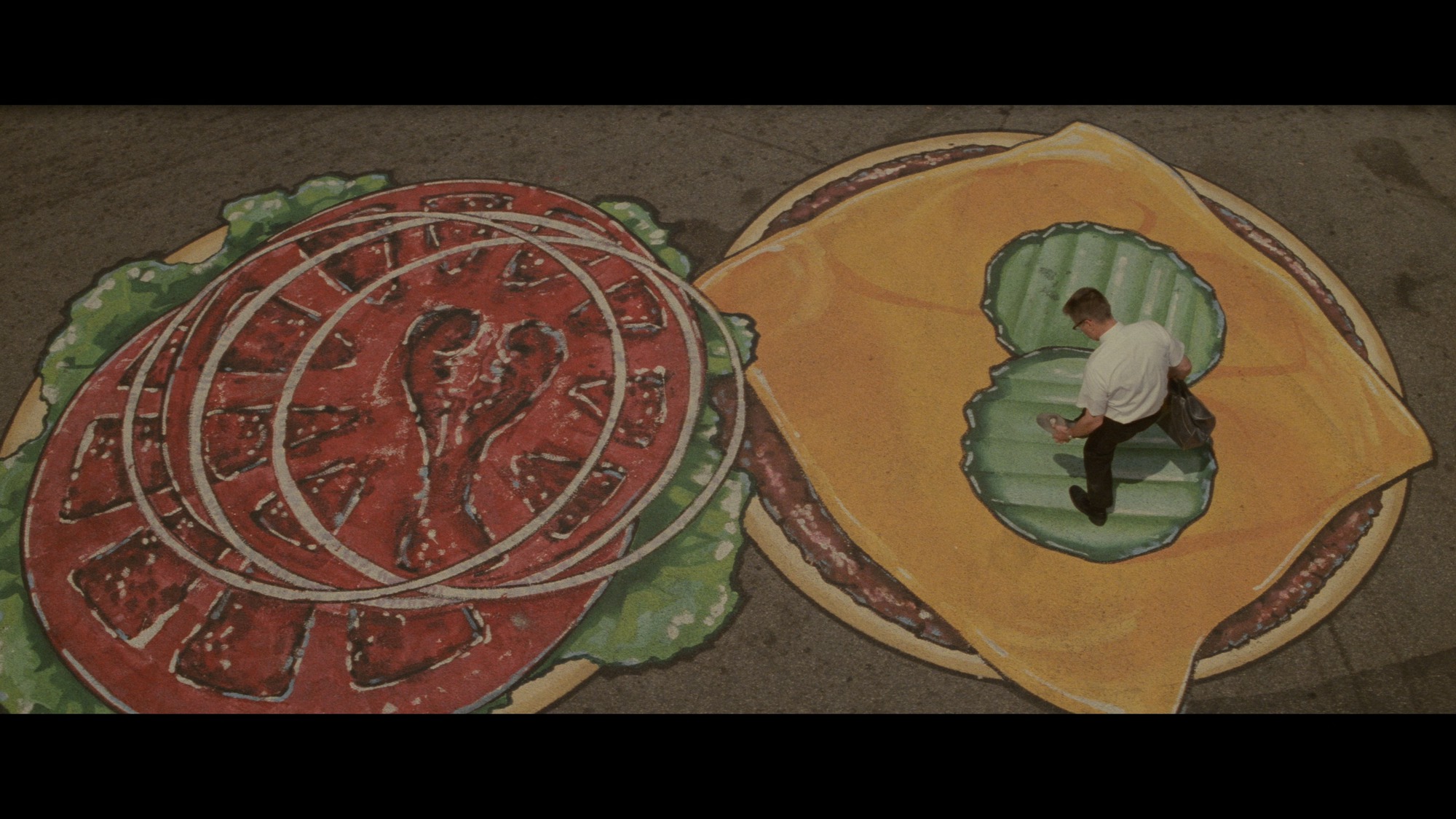
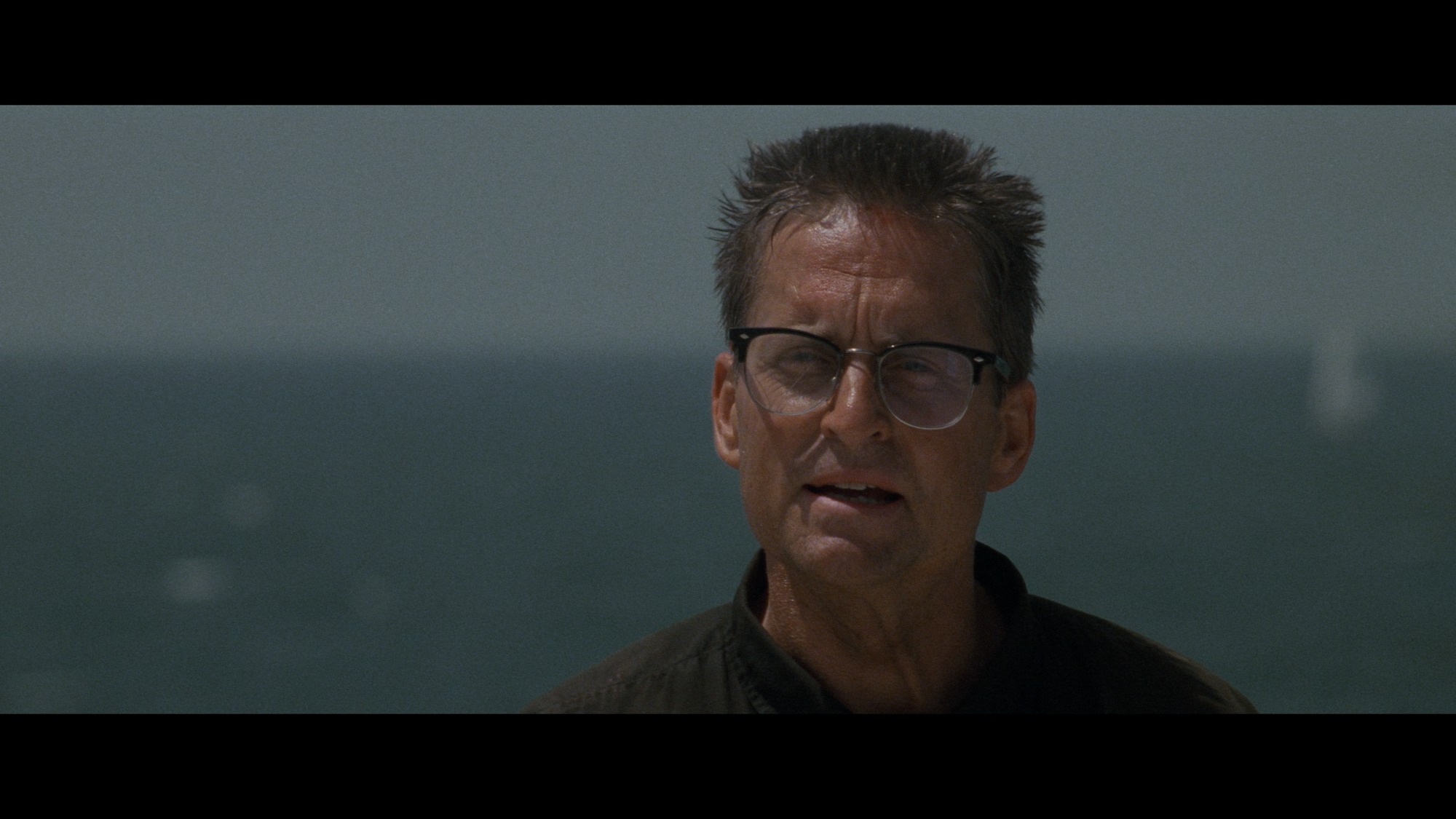
That texture also manages to carry over differently to the daytime exteriors as the film’s central character trudges through Los Angeles. on his way “home.” Most of these sequences feature a hazy texture that is of course just part of the character of L.A. and obviously inherent to the photography, but this presentation does a wonderful job rendering the waves of heat rippling from the pavement and other surfaces, capturing the intensity and oppressive temperature to a far more convincing degree. This even holds true inside the convenience store early on and it is all rendered cleanly without negatively impacting the film’s fine yet gritty grain structure, which is rendered cleanly throughout.
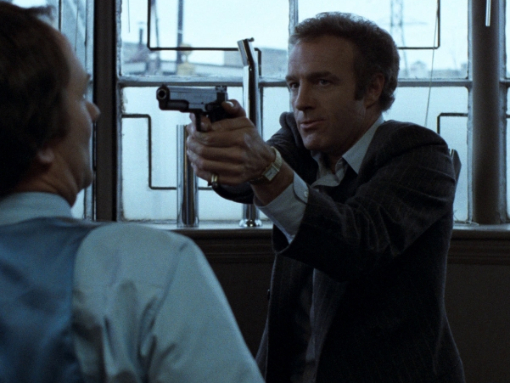
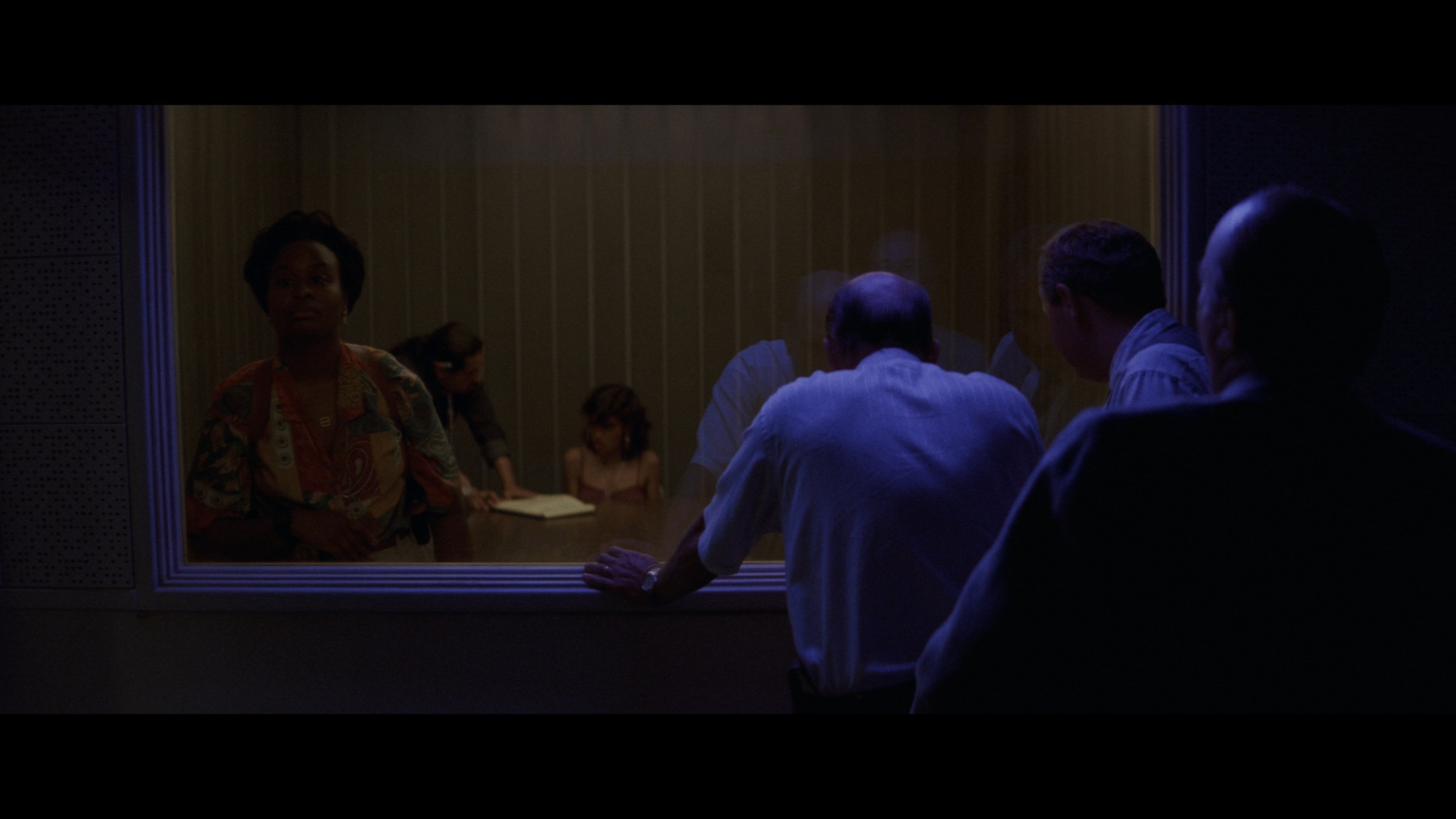
The HDR grade gives highlights a nice kick while retaining fine details, including that aforementioned grain, while also benefitting the shadows within the darker interiors. I was also quite stunned by an interrogation scene in which officers stand on the opposite side of a one-way mirror in a darkened, blue-lit room looking in. The wide contrast within the shot is far more striking here, especially compared to the dull and lifeless appearance on the old DVD.
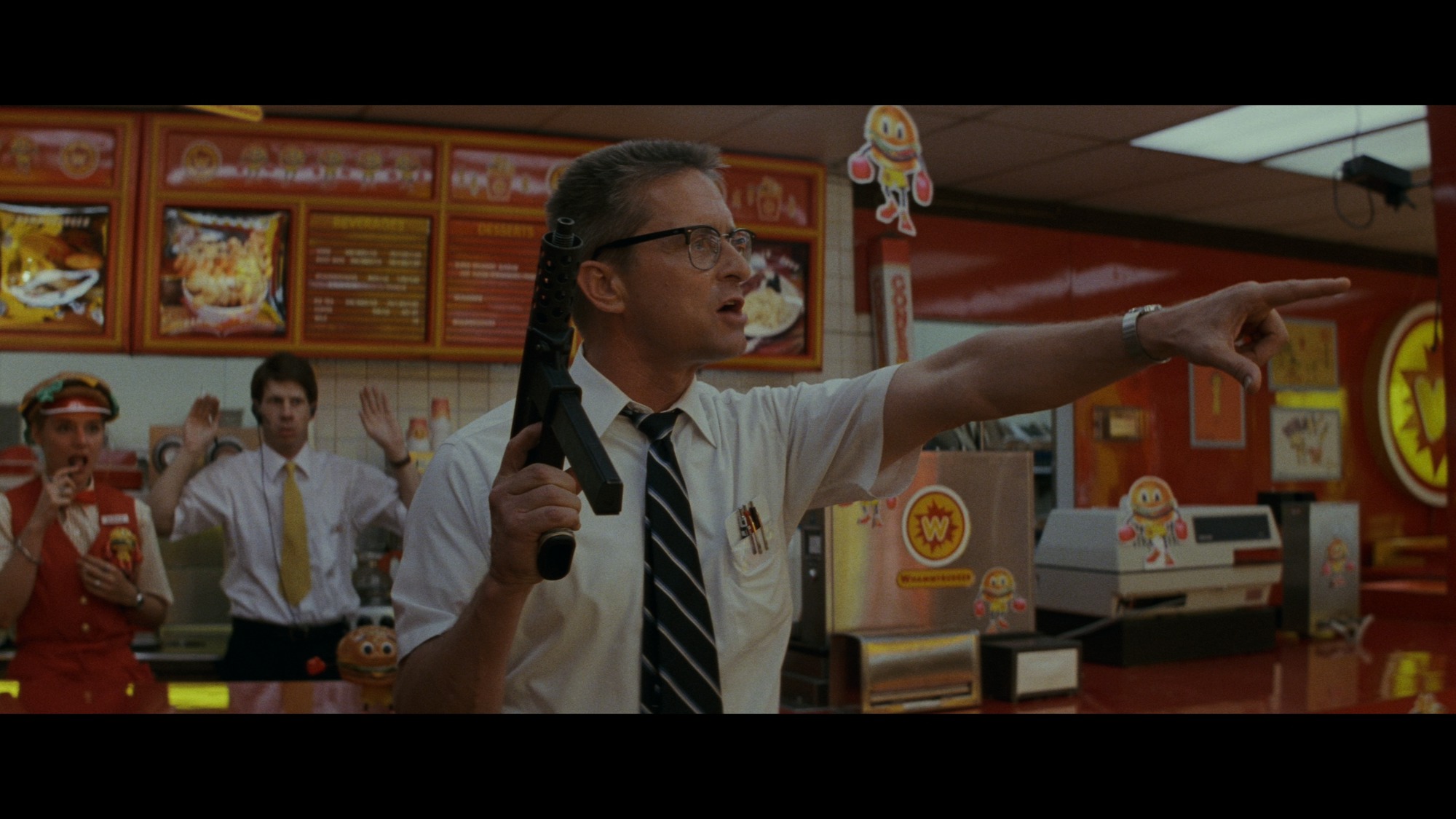
I was also thrilled with the color grade. Yes, it leans warmer and perhaps a little greener, but it has a far more film-like appearance than the magenta-pushing DVD which featured violet skies. The warmer grading pushes those heat levels up, with this possibly being the most stifling the film has ever felt, at least on home video. The restoration has also cleaned everything up considerably, with no notable signs of damage remaining.
All in, this looks unbelievably good, far better than I had anticipated.
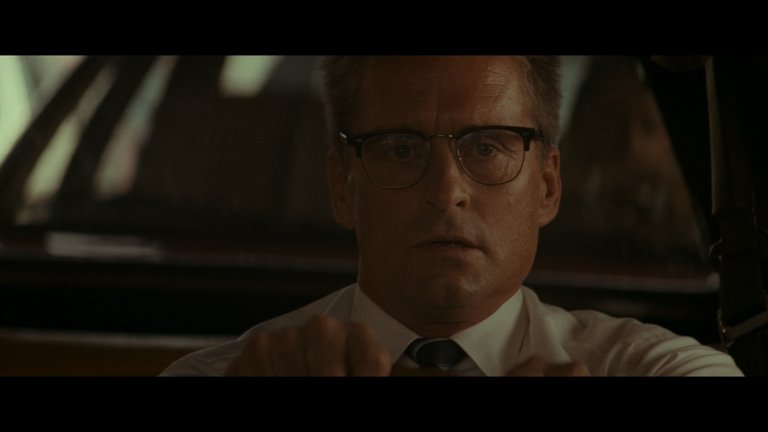
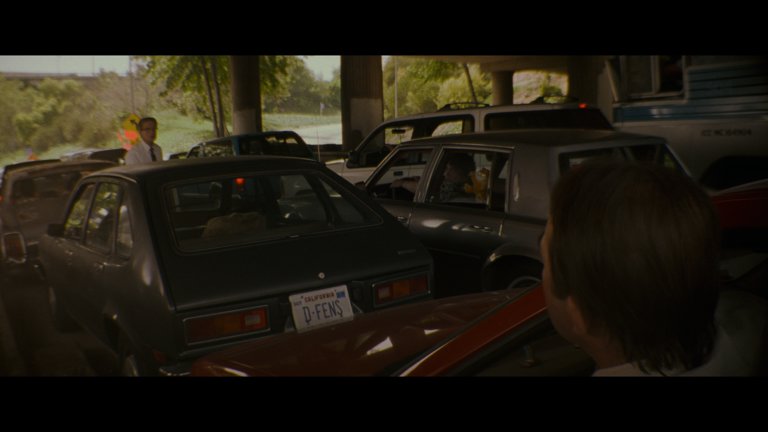
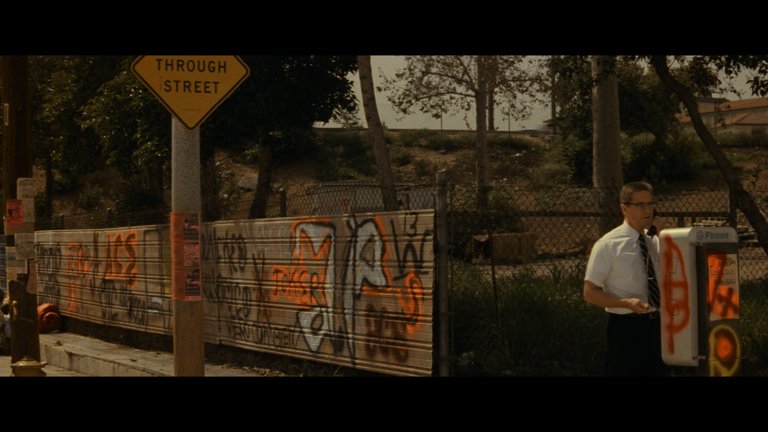
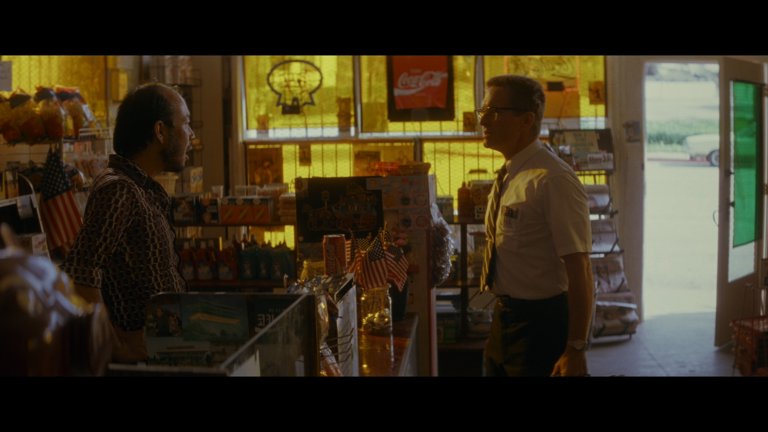
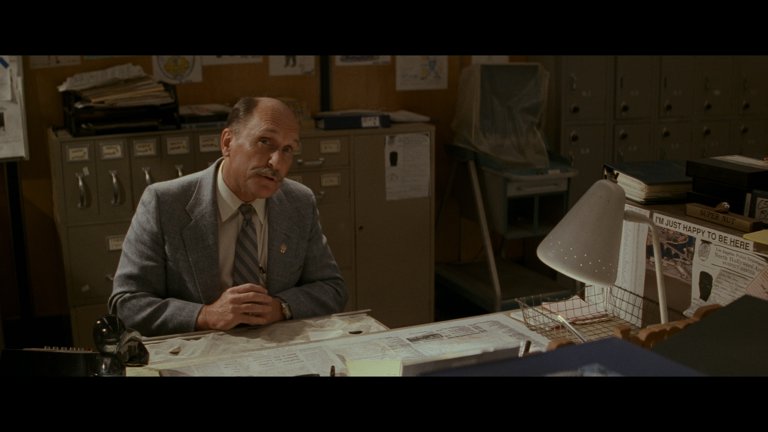
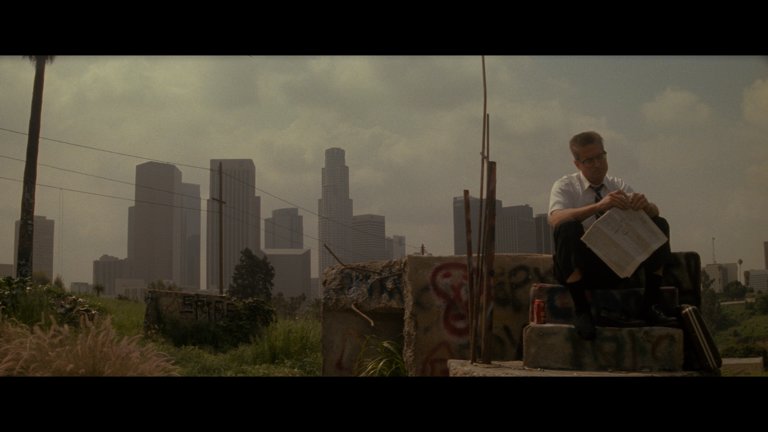
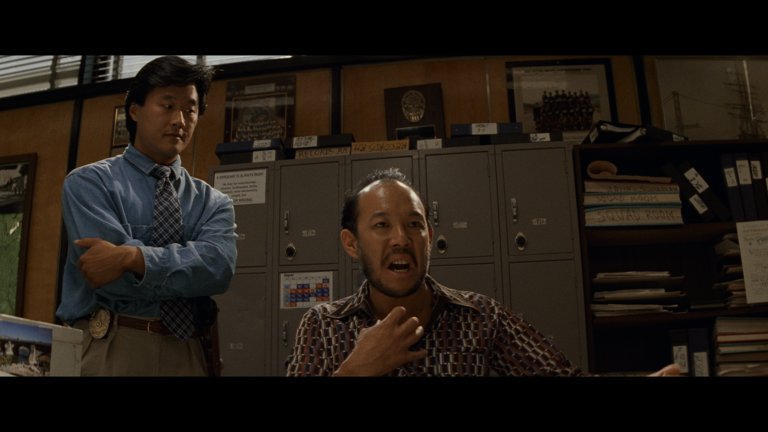
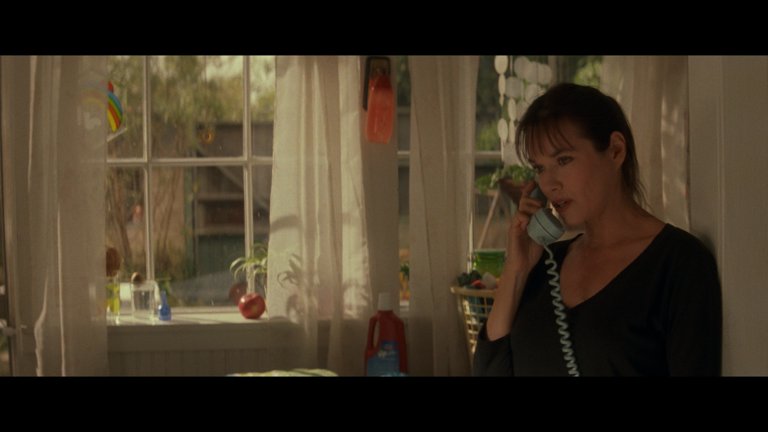
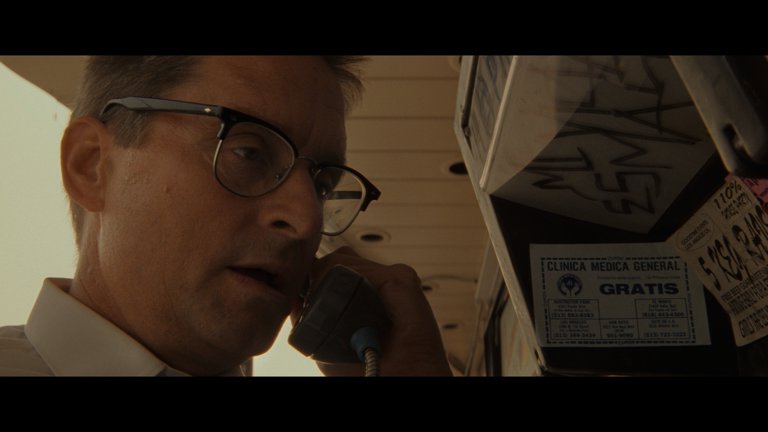
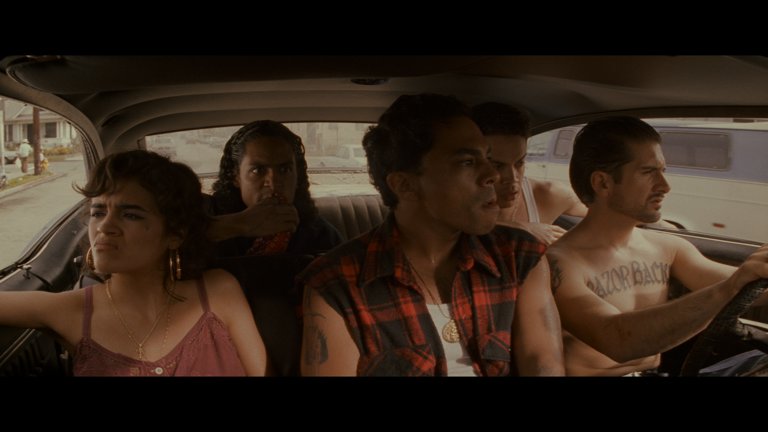
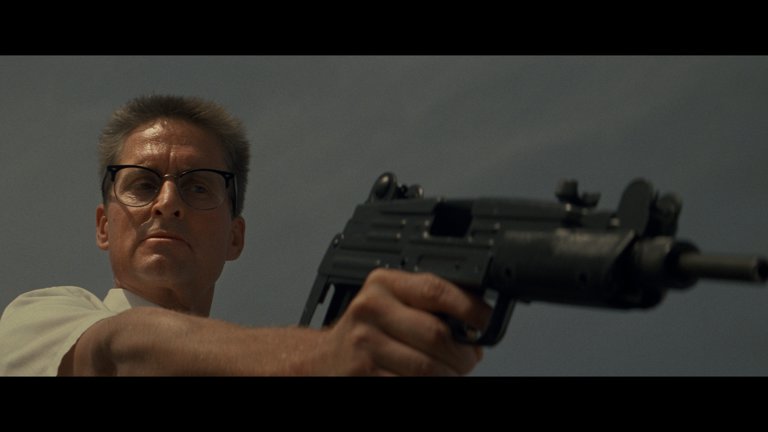
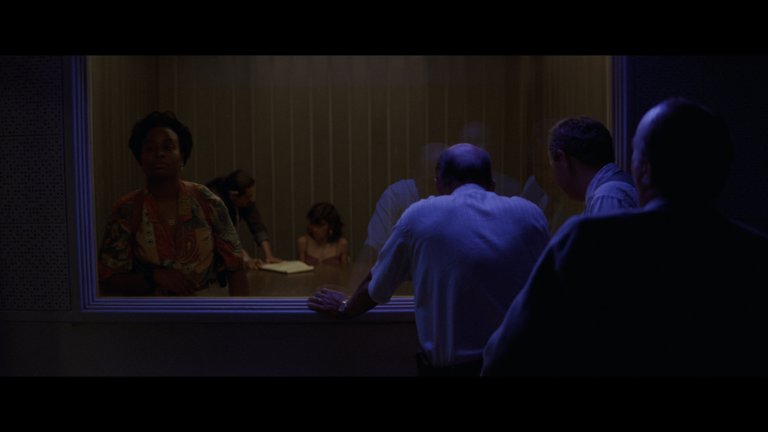
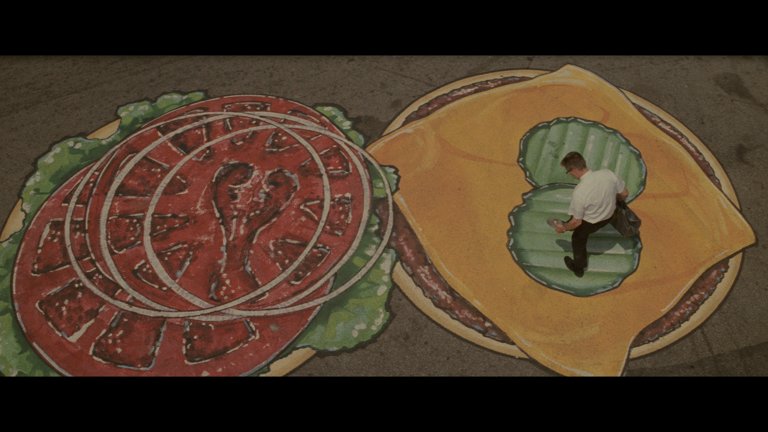
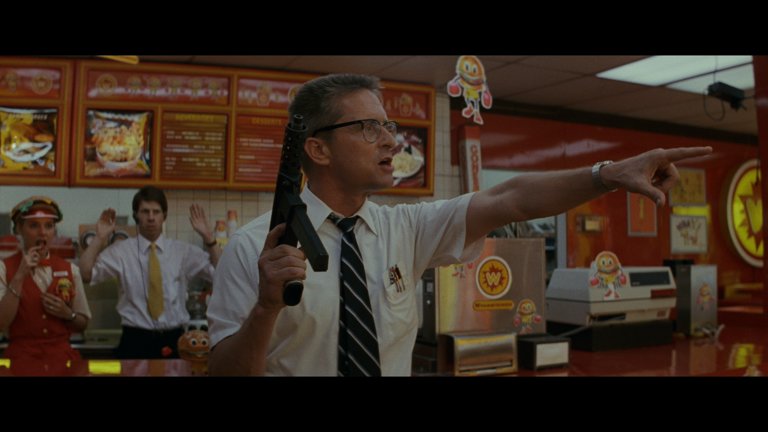
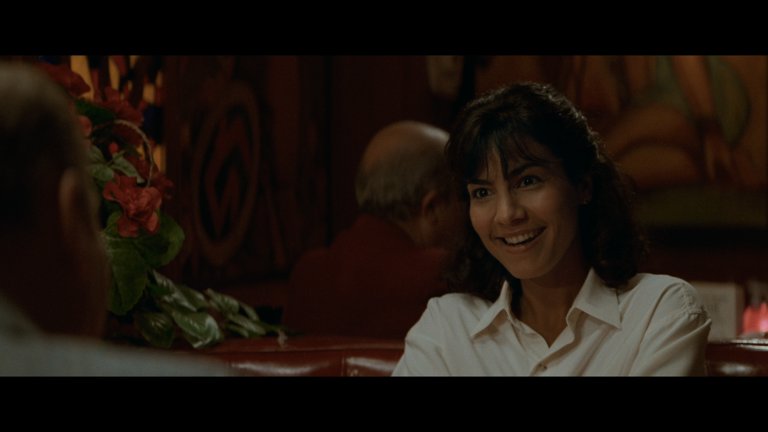
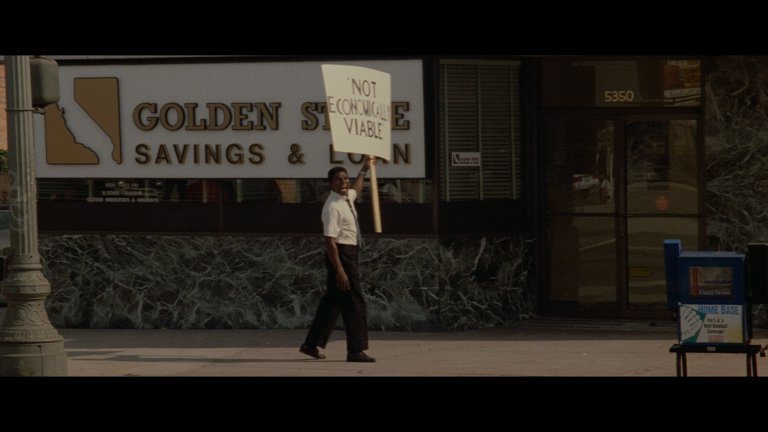
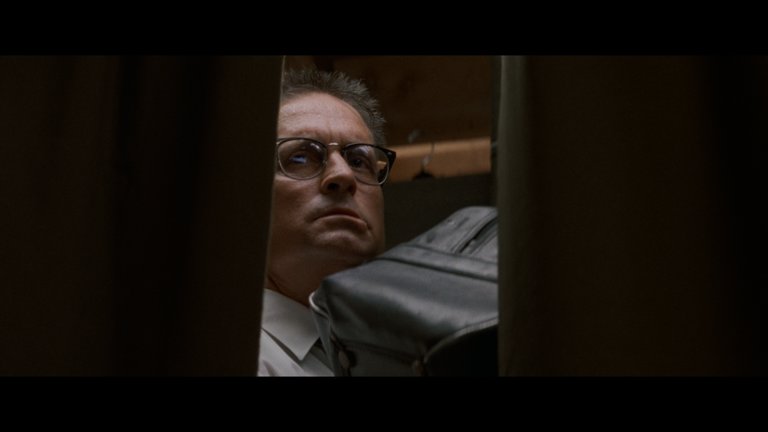
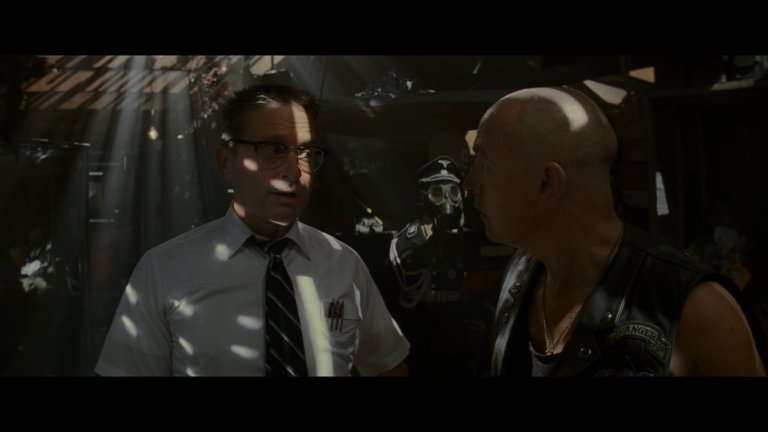
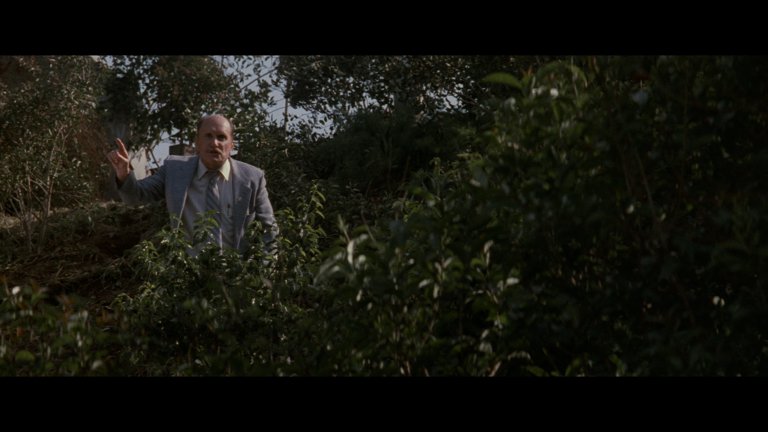
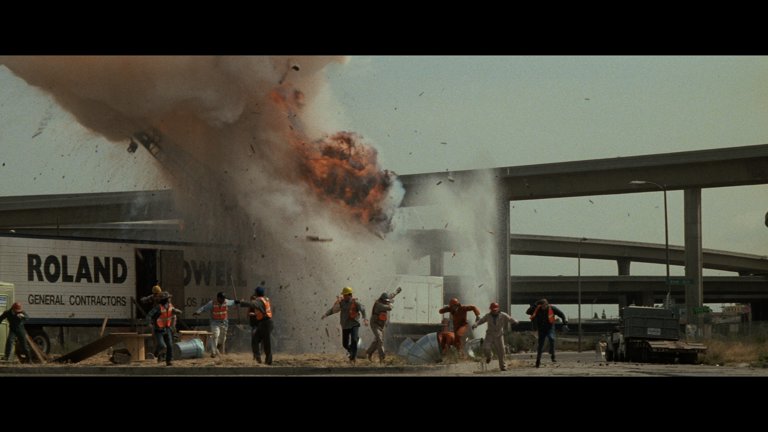
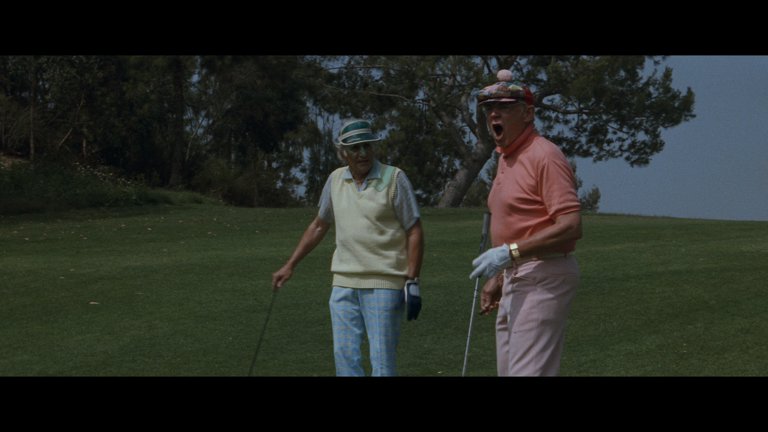
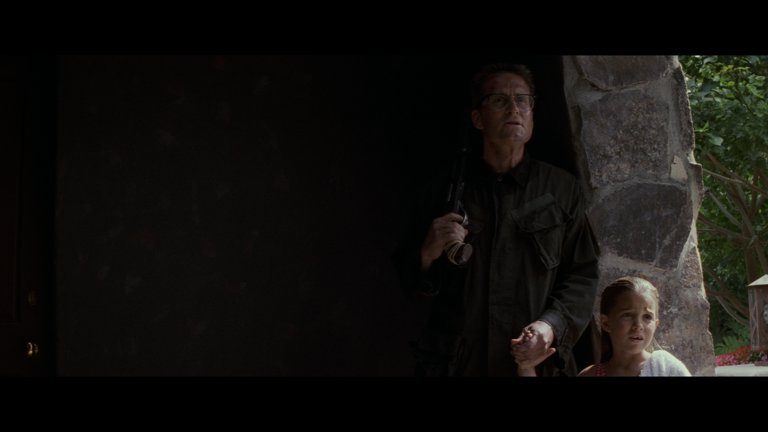
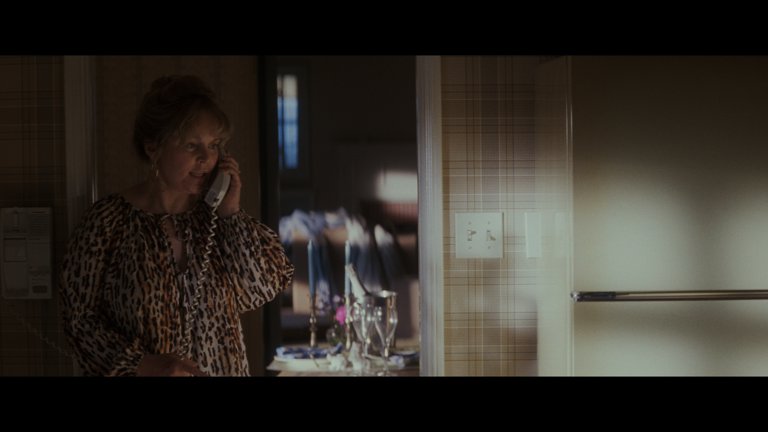
Falling Down - Screen Captures
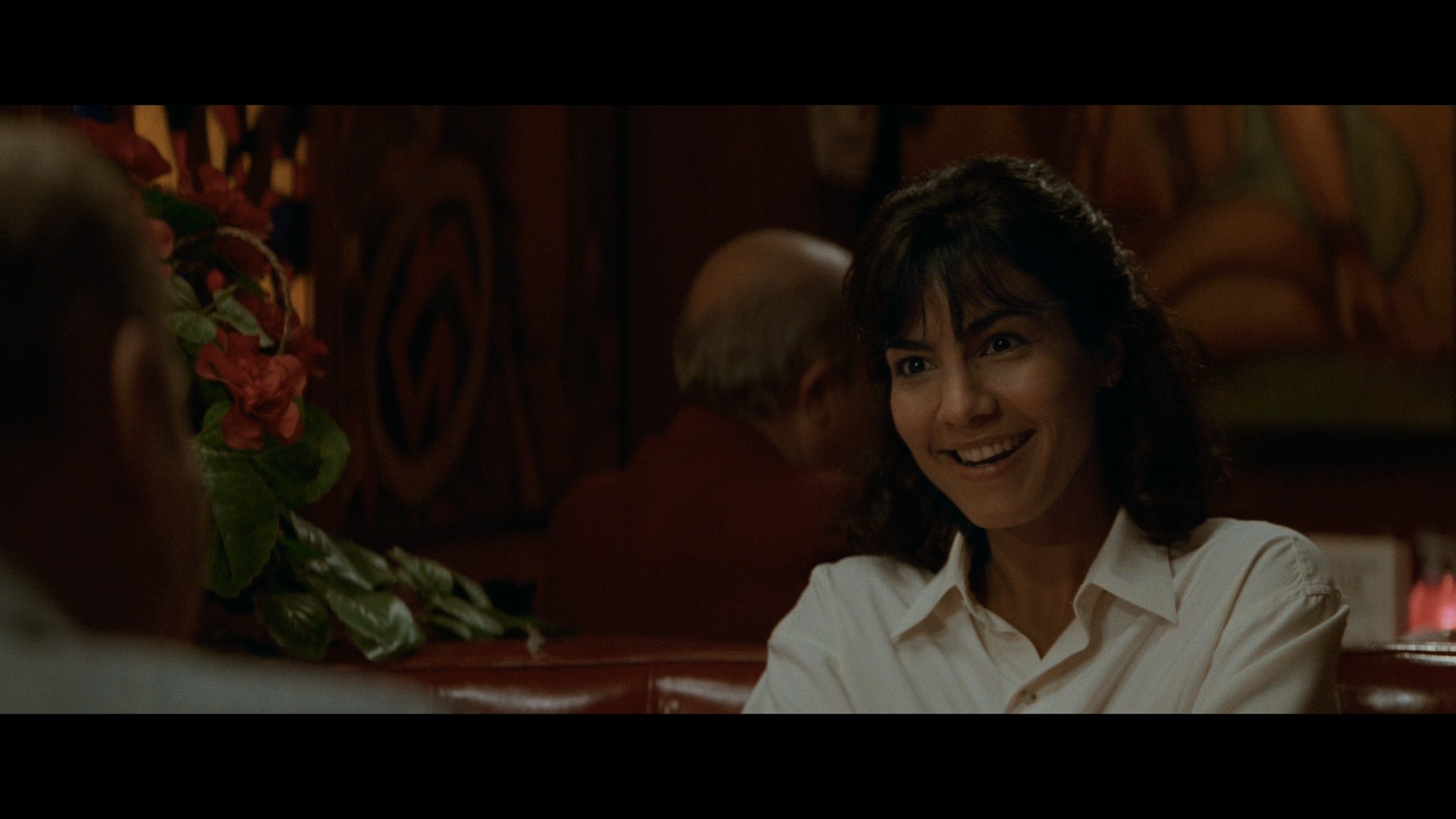
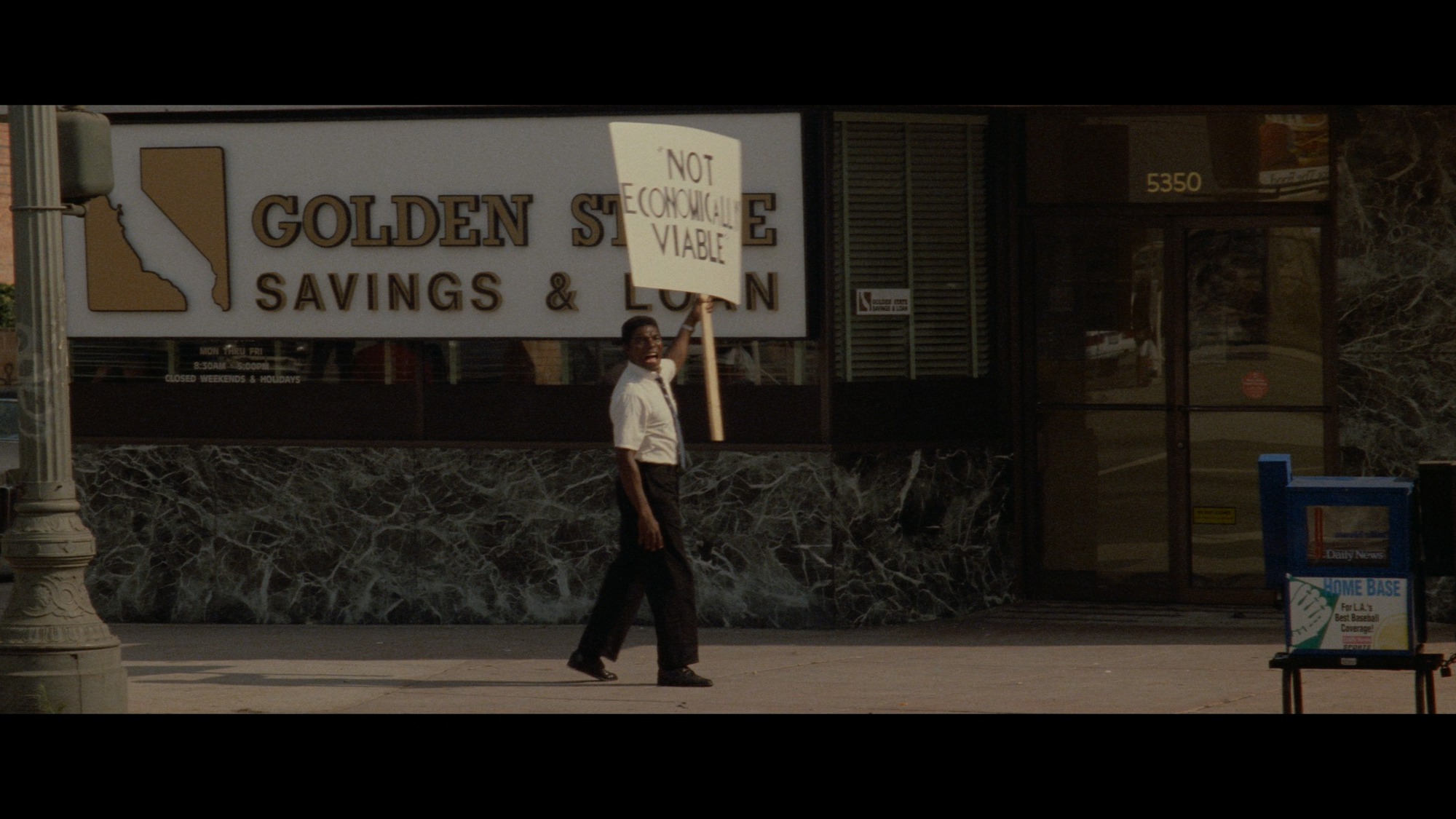
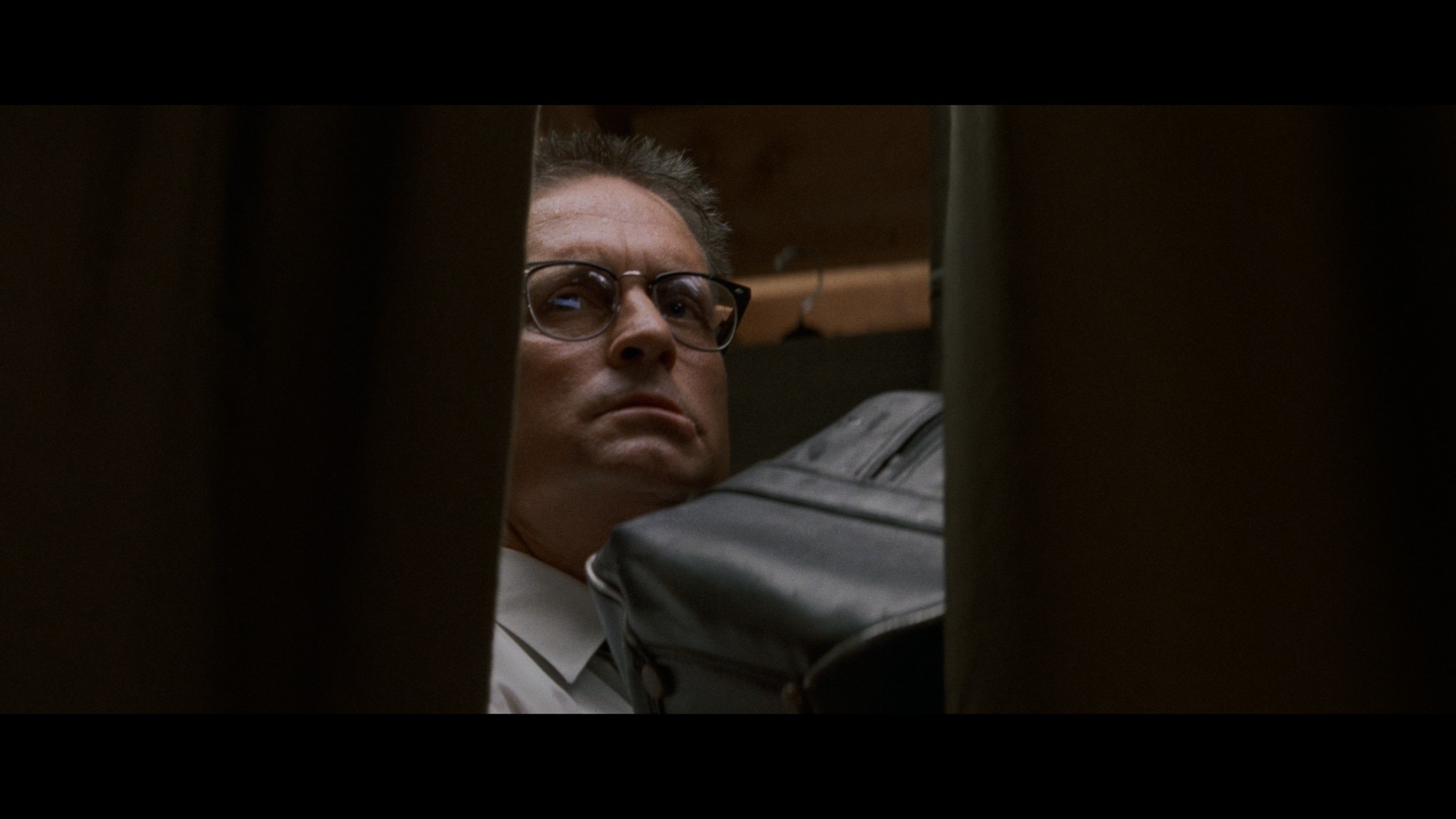
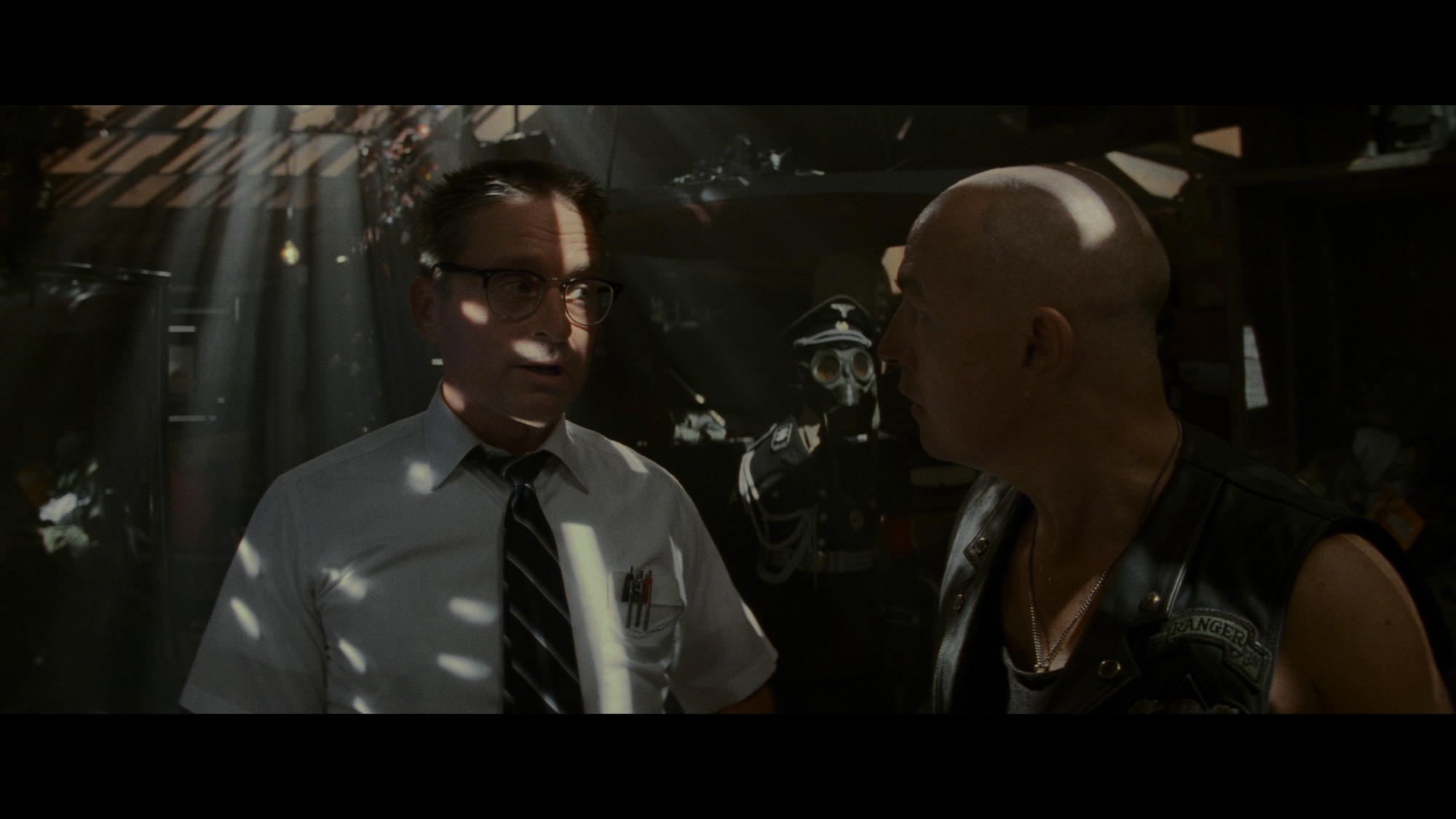
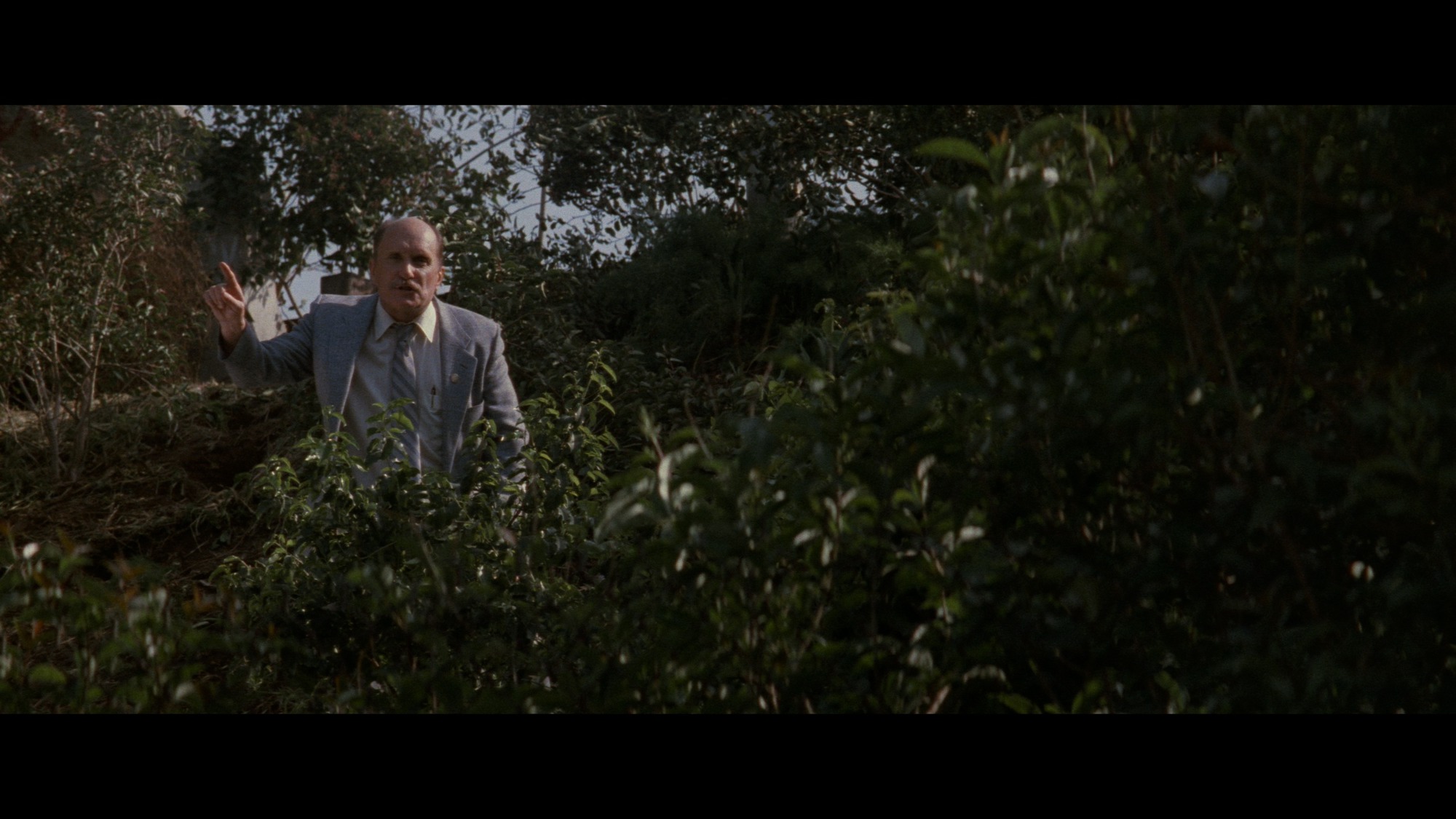
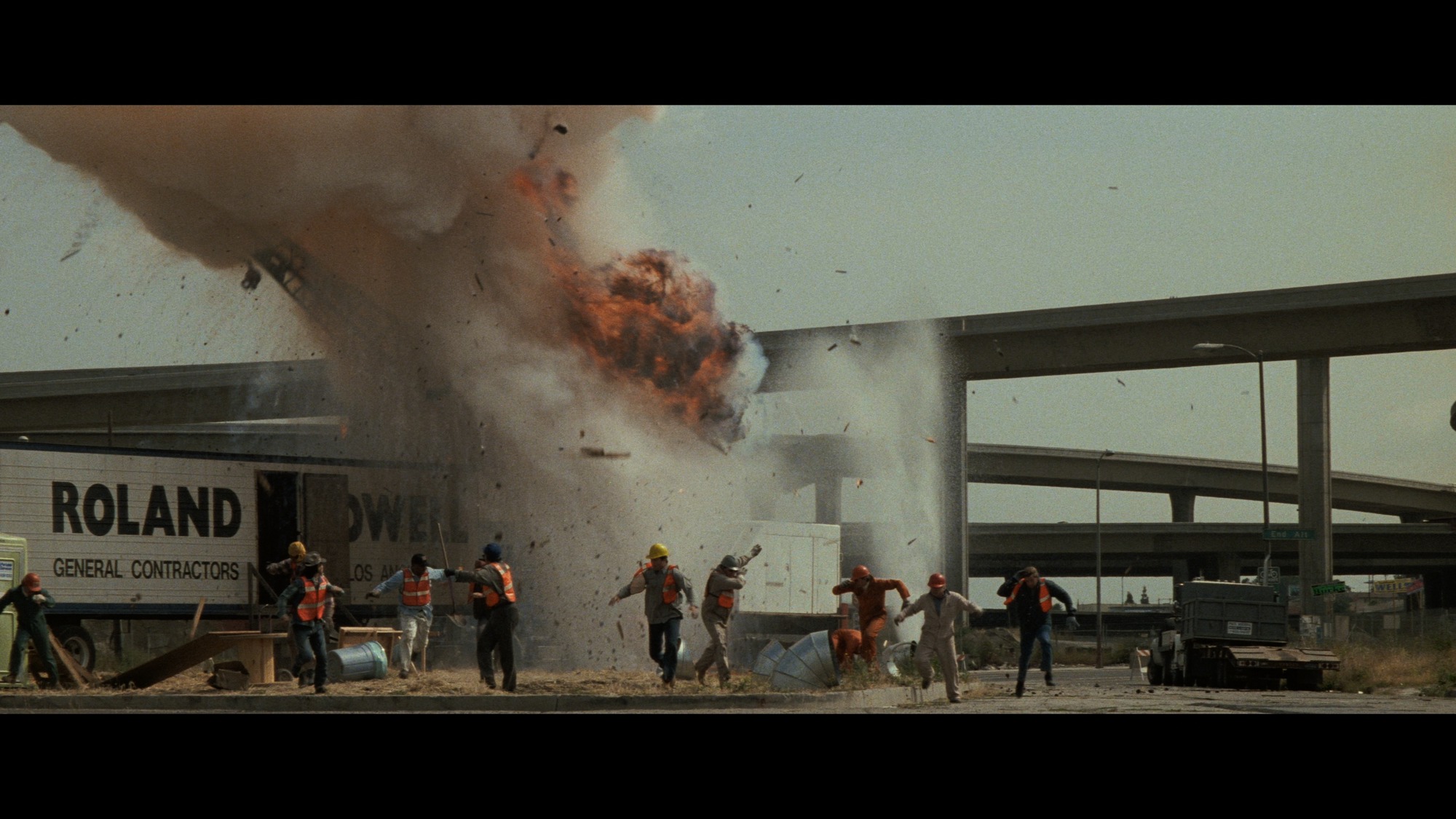
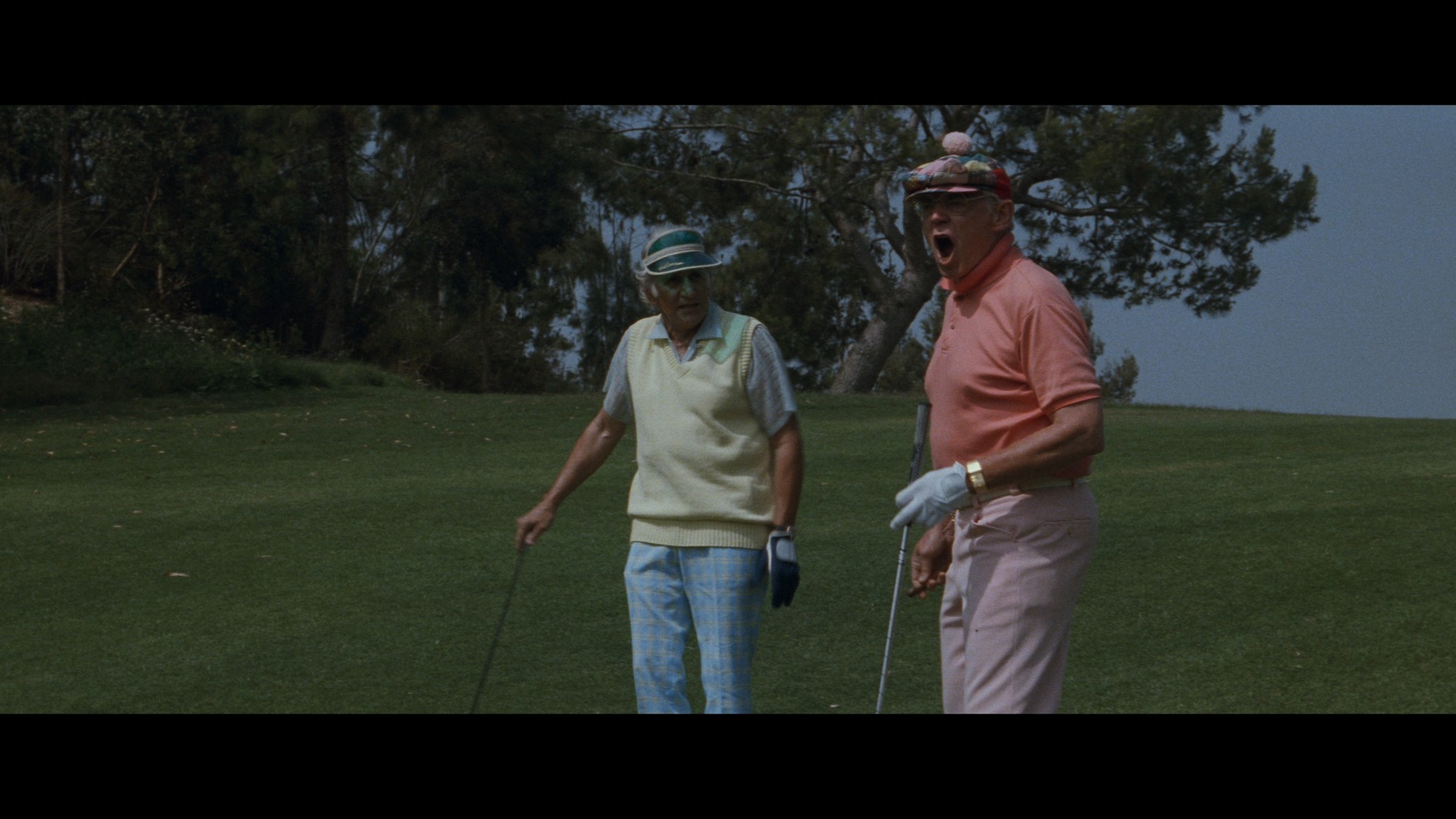
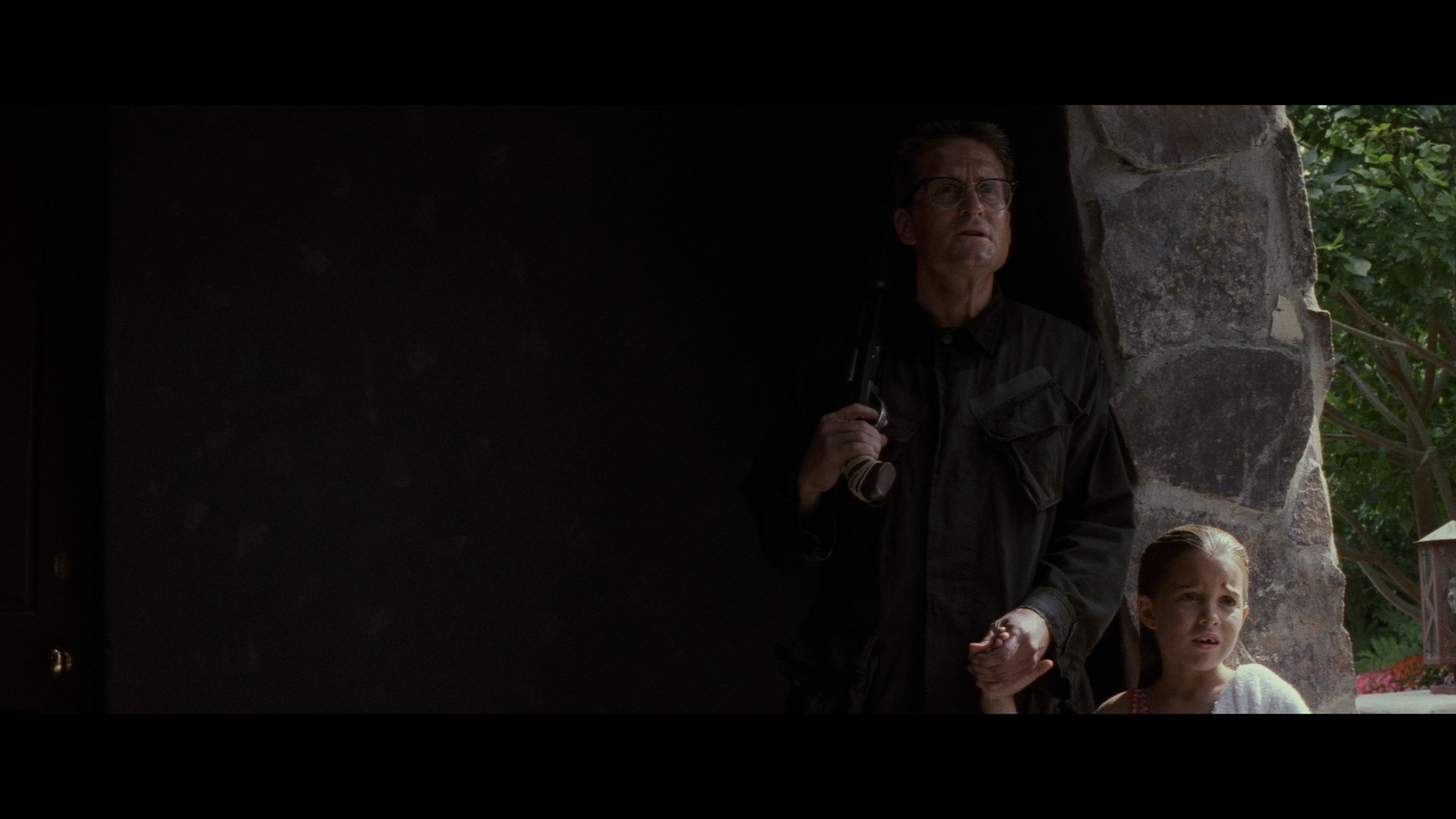
Audio 8/10
Arrow includes two lossless audio tracks: a stereo PCM presentation and a DTS-HD MA 4.0 surround track. I only listened to the surround mix.
I’ve always liked the film’s sound design, though much of that may come down to James Newton Howard’s score, which really amps up the anxiety at all the right moments, especially during the opening sequence. During that opening the music gradually builds in volume and intensity, with sustained, distorted electric-guitar strings reverberating at key moments throughout the surround environment (rear channels working in unison), until the pressure finally breaks and everything suddenly calms down. Range is incredibly wide, with the higher ends staying clean and free of distortion.
Dialogue also sounds clean and clear, with excellent fidelity, and there are no obvious signs that any filtering has been applied. Altogether, it perfectly suits the film.
Extras 8/10
I figured a boutique label would get around to this film eventually, and from that part of me expected, when it did happen, a wealth of academic material would be produced for it considering how the film still (sadly) feels of the moment, yet disappointingly, that isn’t really the case. There are a few new items at least, including interviews with screenwriter Ebbe Roe Smith and composer James Newton Howard, running 19 and 9 minutes, respectively. Smith talks about the inspirations behind the film and recalls the difficult path to getting it made, with no studio showing much interest until Michael Douglas became involved. He covers some of this material in the commentary recorded for Warner’s DVD nearly two decades ago, also included here, but goes into greater detail about how he originally envisioned the character and how that conception changed somewhat after Douglas came aboard. Smith also discusses several scenes that were either cut from the script or redeveloped during shooting, agreeing in some cases that the changes were for the better. He additionally mentions that Schumacher agreed to direct Batman Forever for the studio only if it allowed him to make this film (though it's mentioned in the included commentary the studio hadn’t wanted Schumacher for this project in the beginning).
Howard’s contribution isn’t as insightful, though he does touch on the film’s sound design, including the incorporation of various sounds intended to capture Los Angeles. He also hints that he was brought in at the last minute to replace another composer, though he never identifies who that was. I like the film’s score, so I was a little disappointed that Howard didn’t break down specific moments or go further into the decisions behind them, but it remains an interesting inclusion.
The one feature I wasn’t particularly looking forward to was a newly assembled location featurette called Going Home. Though past-and-present comparisons can be interesting, I guess, they’re not really my jam, with them feeling drawn out. But this one, running 13 minutes, proves to be a very pleasant surprise and is probably one of the better examples I’ve had the pleasure of sitting through, and that probably has a lot to do with Gillian Wallace Horvat, who assembled the piece.
While, yes, it does what you would expect, visiting the present-day locations used throughout the film, Horvat structures it around the path Douglas’ character follows, pointing out the inconsistencies along the way and noting where certain locations are nowhere near where the film suggests they are. But on top of that, she takes the time to provide some historical context around the locations, including details that the film ends up overlooking. It was also fun to learn that the 110/105 interchange, used for one sequence in the film, was actually under construction during the shoot and that the production contributed funding to it, I assume in exchange for being allowed to film there. That same location was also used, as Horvat points out, for the bus jump in Speed. She keeps it very breezy and packs it with some great material; I really liked this one.
That then ends the new material, with Arrow porting over the rest from Warner’s 2009 special edition, which includes an audio commentary featuring Schumacher, Smith, editor Paul Hirsch, Los Angeles Times writer Shawn Hubler, and actors Michael Douglas, Michael Paul Chan, Vondie Curtis-Hall, and Frederic Forrest. I was hoping for something newer, but this track ends up holding up quite well. It’s more reminiscent of Criterion’s classic LaserDisc commentaries than most studio-produced ones of the era, with everyone recorded separately and then edited together. Douglas’ contributions come from an interview recorded in 1993.
Smith gets into the script and the changes made to it while also covering the long road to production, which Schumacher addresses as well. The director also talks about what drew him to the material and even brings up some conflicts with the studio, who didn’t want Douglas’ character to become too repulsive, wanting him to possibly be a bit more “likable,” which of course went against what the filmmakers were trying to do. One example involved the scene where Douglas’ D-FENS shoots a gang member in the leg. The studio wanted the scene removed, and the filmmakers initially took it out, only for Hirsch and others to realize that its absence drained the latter portion of the film of much of the tension since there was no earlier suggestion that the character was willing to cross a particular line. That realization allowed them to put it back in.
There’s some other great material around the film’s editing and finding the right tone, with Hirsch bringing up some of the tensions that arose, and the L.A. riots do come up since they occurred during filming. Forrest, Curtis-Hall and Chan also pop in during their scenes to talk about their characters, with Forrest proud of the fact that his friends didn’t recognize him because he had played such an awful character so well. And despite Douglas’ contributions coming from an older interview, he shares some great insights into the film and his character, particularly his shock over the controversy that arose around the film and his character, feeling it was obvious that he was playing a lunatic and that no one should be taking his side.
My favorite portion, though, comes around the film’s midpoint, when Hubler pops in to discuss L.A. from the ’70s through the ’90s. She ultimately provides some historical context around the period depicted in the film, explaining the rise in xenophobia, the widening economic divide, and the tensions that were clearly brewing.
As I already mentioned, I would have loved a new commentary, but this remains a surprisingly strong studio-produced one. If you haven’t listened to it before, it is definitely worth the time.
Also ported over is an interview with Douglas, recorded in 2009 for that special edition DVD. Running 10 minutes, it’s okay, though it’s one of those frustratingly edited pieces where they try to make it a little too flashy. Douglas talks about what drew him to the film and the character, along with his efforts to be honest in his depiction of what is ultimately a man who just wants to return to a period that simply no longer exists.
The disc then closes with two trailers and an image gallery. I only looked through a few photos before stopping because the gallery was just frustrating, with no apparent rhyme or reason to how it was assembled. It’s basically 160 photos, presented in 4K, just lumped together. But hey, they’re there.
Finally, Arrow’s limited edition comes with a 23-page booklet featuring an essay by Alexandra Heller-Nicholas on the film and its still-relevant subject matter. It’s a strong piece, and I kind of wish she had been asked to record a commentary for the film. This is followed by a piece from Simon Ward on the look of D-FENS.
Disappointingly, Arrow doesn’t go all out with the packaging, offering only the original poster artwork as an option, as striking as it still is. I have to assume this was a licensing limitation for Arrow, but it’s still another minor letdown.
Ultimately, the supplements are good enough and worth going through, but considering the film’s subject matter, how impressively it has managed to stand the test of time, and the way it continues to find new audiences, it feels like there could have been more here.
Closing
I expected a more academic package, admittedly, but the new 4K presentation delivers an impressive boost to another '90s home video staple. It really looks terrific.
BUY AT: