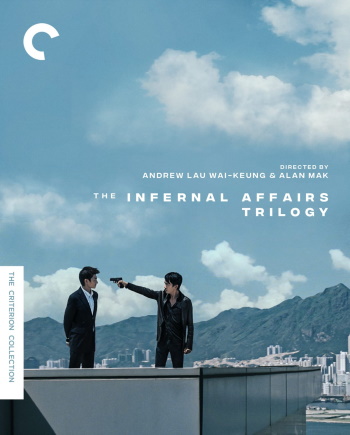
The Infernal Affairs Trilogy
Infernal Affairs
BUY AT:


See more details, packaging, or compare
Synopsis
The Hong Kong crime drama was jolted to new life with the release of the Infernal Affairs trilogy, a bracing, explosively stylish critical and commercial triumph that introduced a dazzling level of narrative and thematic complexity to the genre with its gripping saga of two rival moles—played by superstars Tony Leung Chiu-wai and Andy Lau Tak-wah—who navigate slippery moral choices as they move between the intersecting territories of Hong Kong’s police force and its criminal underworld. Set during the uncertainty of the city-state’s handover from Britain to China and steeped in Buddhist philosophy, these ingeniously crafted tales of self-deception and betrayal mirror Hong Kong’s own fractured identity and the psychic schisms of life in a postcolonial purgatory.
Picture 7/10
The Criterion Collection presents Andrew Lau Wai-keung’s and Alan Mak’s Infernal Affairs in a new Blu-ray boxset featuring all three films in the trilogy. The film is presented in its original aspect ratio of 2.39:1 on the first dual-layer disc of this three-disc set. The 1080p/24hz high-definition encode was sourced from a new 4K restoration performed by Media Asia and L’Immagine Ritrovata, scanned from the 35mm original camera negative.
Much to my disappointment the presentation isn’t anywhere near as good as it could most certainly be, and this (as mentioned in the overview) carries on through to the other films in the set as well. Of the three the presentation for the first film sits somewhere in between the presentations for the second and third films, getting the job done for the most part but it’s littered with all sorts of questionable choices.
In terms of source damage and the clean-up job around that aspect the image is pretty much flawless: not once do I recall any sort of spec or mark or scratch or anything of the sort ever showing up. While bigger marks were most certainly removed manually (or through some algorithm), the reason that any tiny marks never appear may not have anything to do with any sort of time consuming, frame-by-frame work, but rather have to do with the application of noise reduction and filtering, scrubbing and smudging them all from existence.
Even if this isn’t the worst offender I’ve ever come across when it comes to the filtering of the image it still features a slight waxy texture through a lot of its runtime, details being impacted and blurred with a slight bit of edge-enhancement around objects here and there to boot. It’s even more frustrating because this filtering hasn’t been applied in such a manner as to completely remove grain (it’s always there in one way or another), as though they knew enough to keep it reined in so everything doesn’t look like plasticine, yet still applied it at inconsistent levels. Some scenes may show a little more texture and detail, being passable in the end, while others come off a bit waxier and flatter, close-ups possibly being the worst offenders. Yet even at the presentation’s best detail levels are still nothing to write home about.
Black levels end up also being a bit of mixed bag. While they can come out looking rather deep when all is said and done and range can be surprisingly wide most of the time, banding can still pop in there from time to time and a number of scenes, where filtering is probably a bit heavier, the blacks can flatten out and destroy all depth in the process. The film’s colors come out better. The color scheme differs from scene-to-scene, some warmer, some with a silver-like layer (in the commentary for the second film Lau mentions how they used computers to grade the films to get some scenes to have a look similar to bleach-bypass if not exactly), but this is how I pretty much remember the film. Blues can look sharp, and there are a few striking moments where an open sky is featured in the background. In fact, a lot of the film’s rooftop sequences can come out looking very striking.
There are signs of a better presentation somewhere in here, and there are plenty of moments that are passable, but it’s ultimately hampered by someone being a bit too zealous with the noise-reduction knob. This is almost certainly Media Asia’s doing and nothing Criterion (or L’Immagine Ritrovata) has done, their encode seeming to be about solid as it can be, and the end results remain incredibly disappointing. Even if it meant I had to put up with an excessively yellow-green tint I would have much rather preferred Ritrovata had handled this one all of the way.
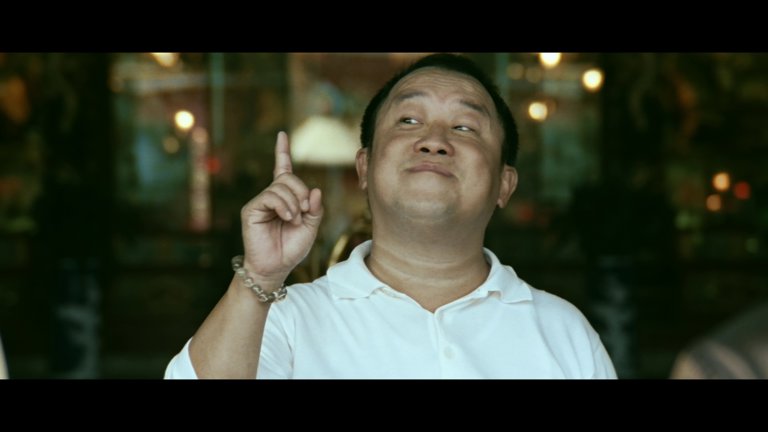
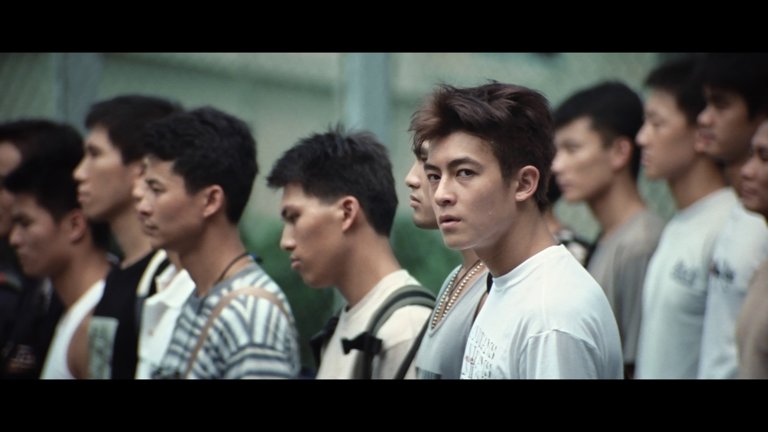
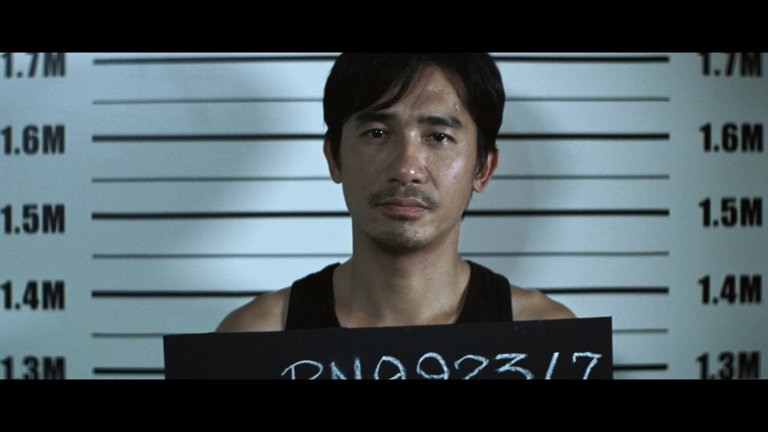
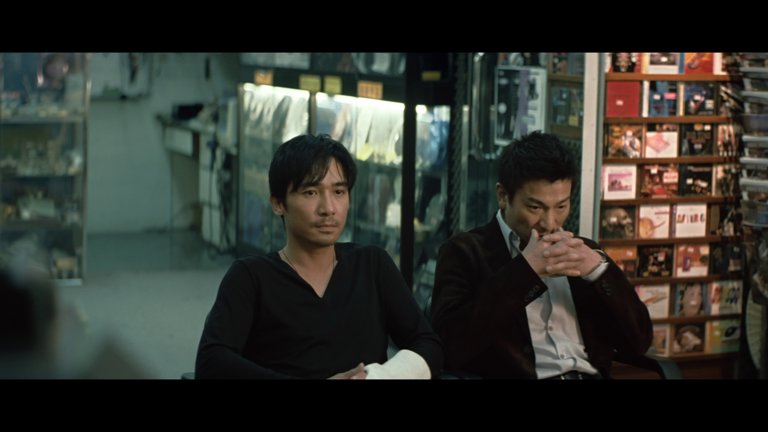
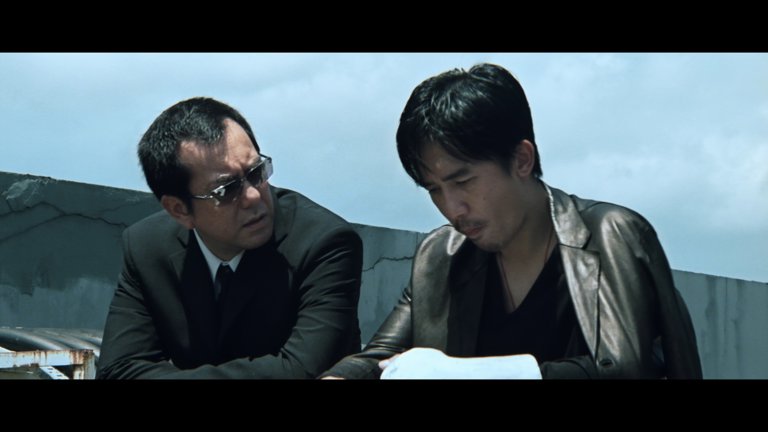
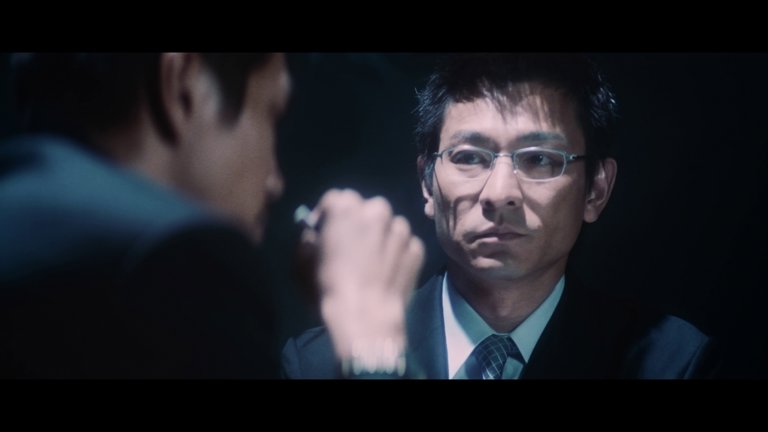
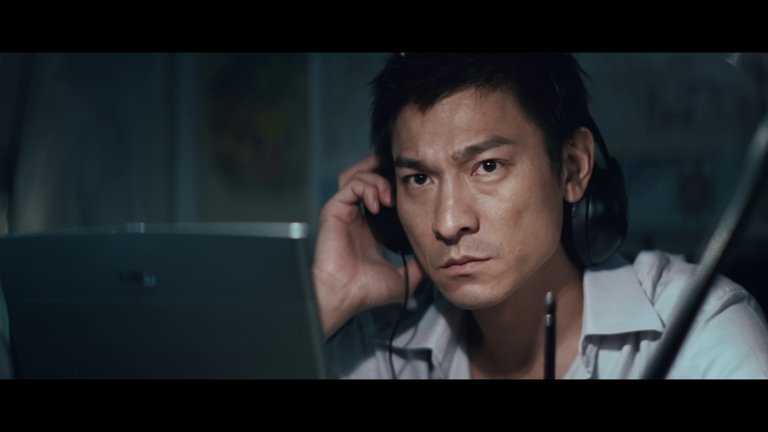
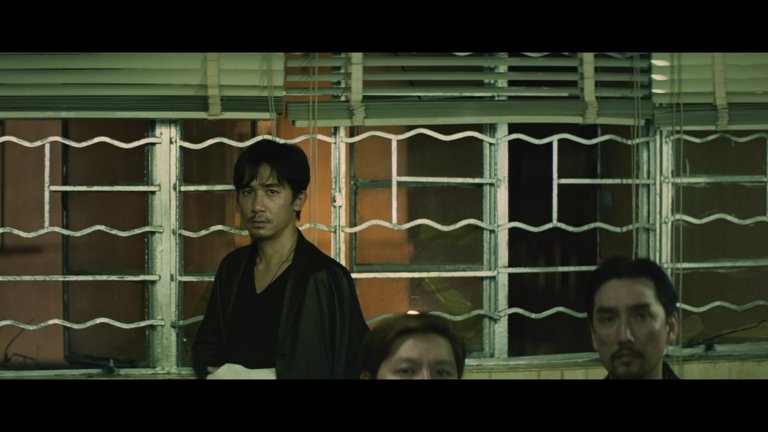
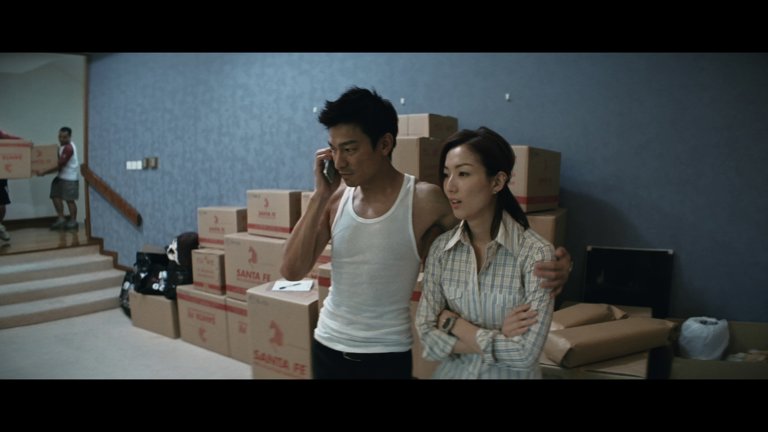
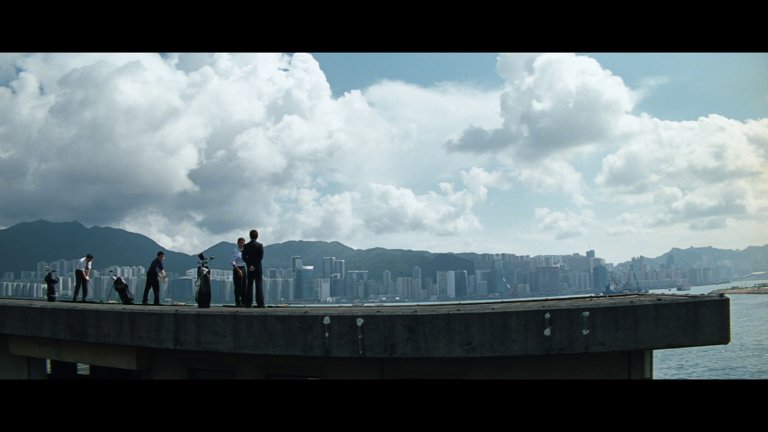
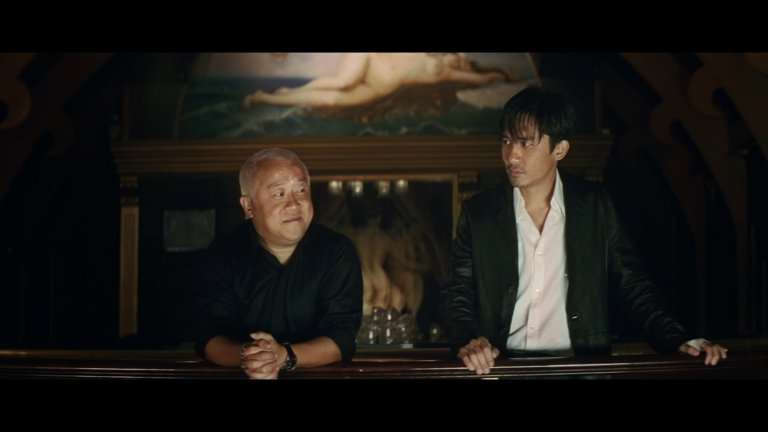
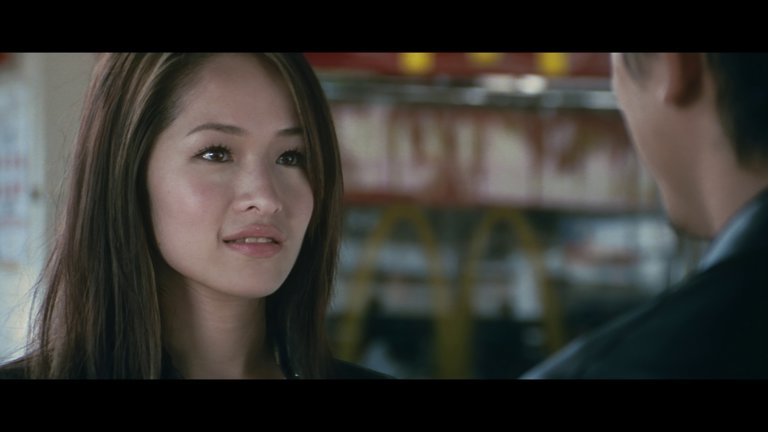
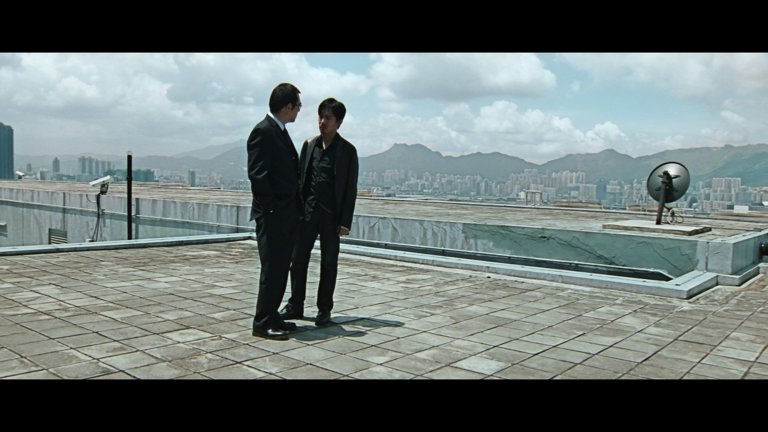
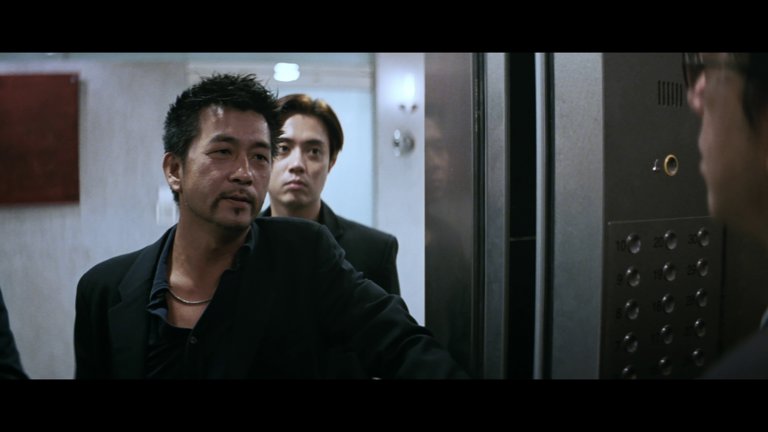
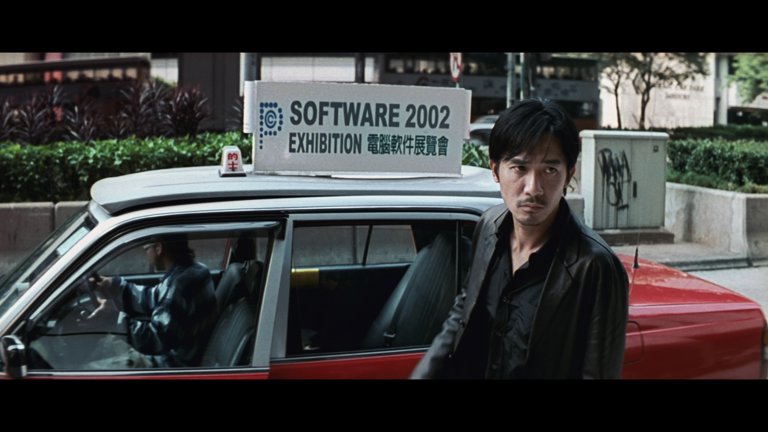
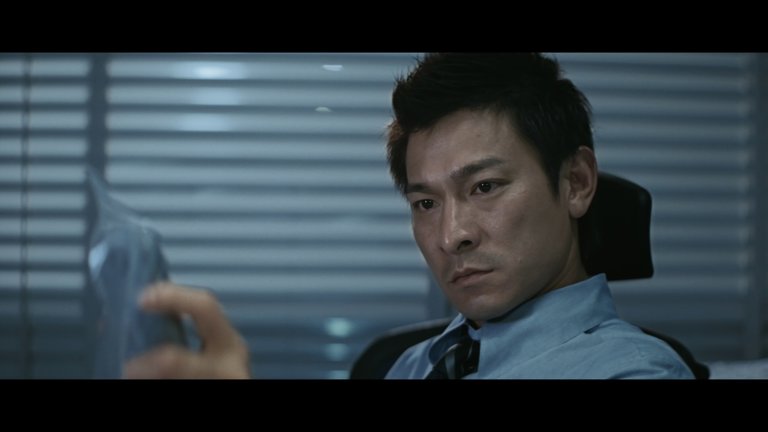
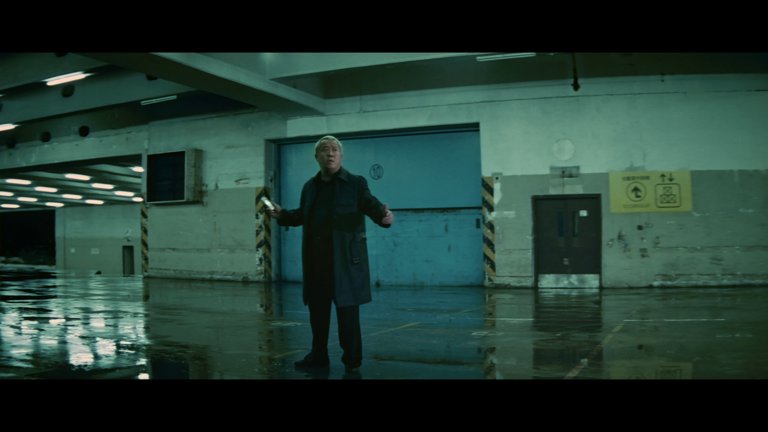
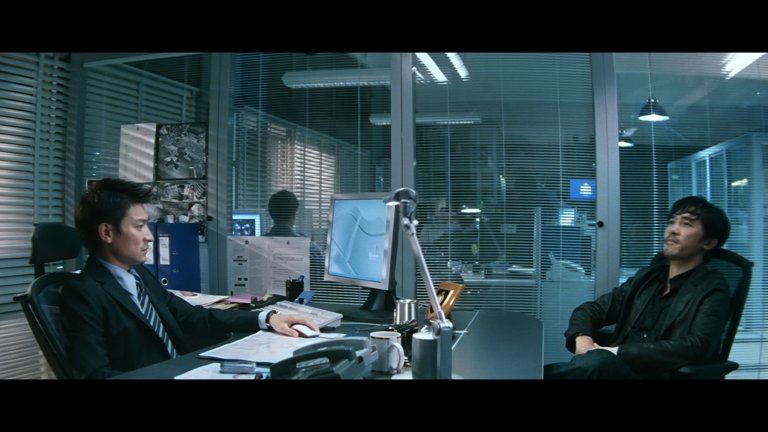
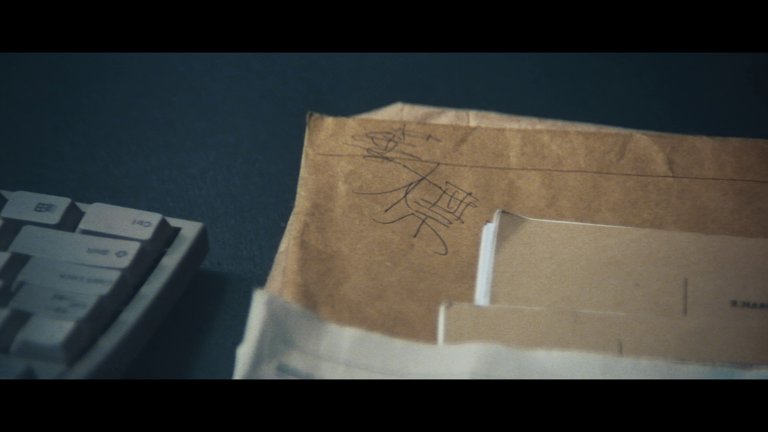
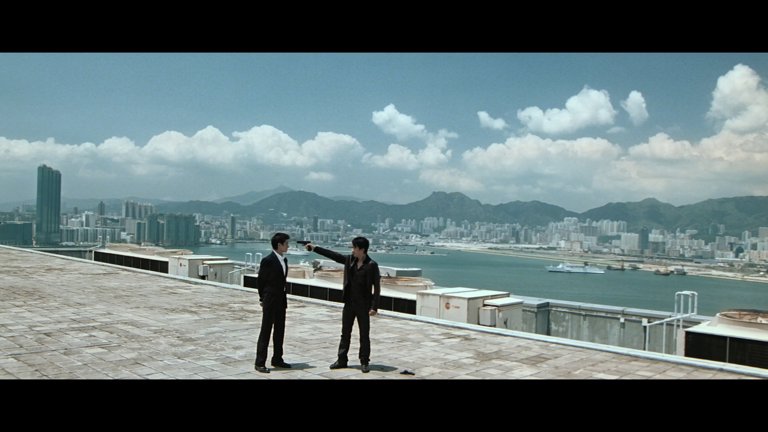
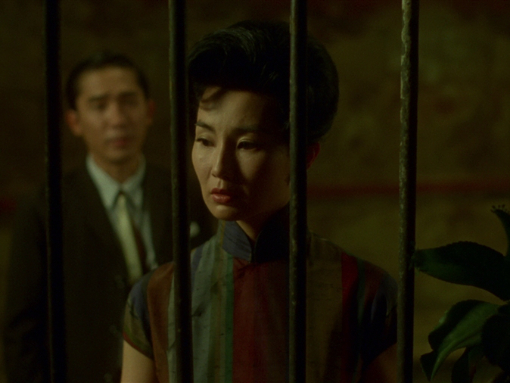
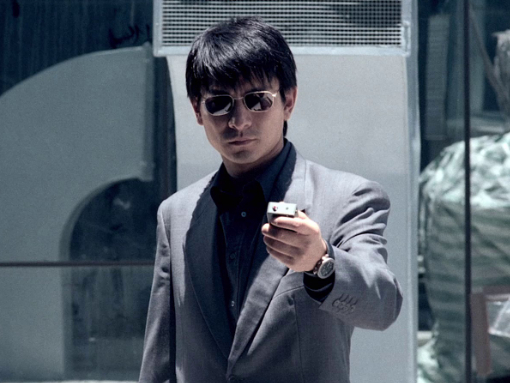
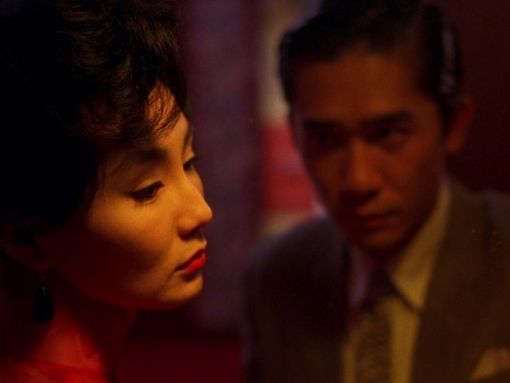
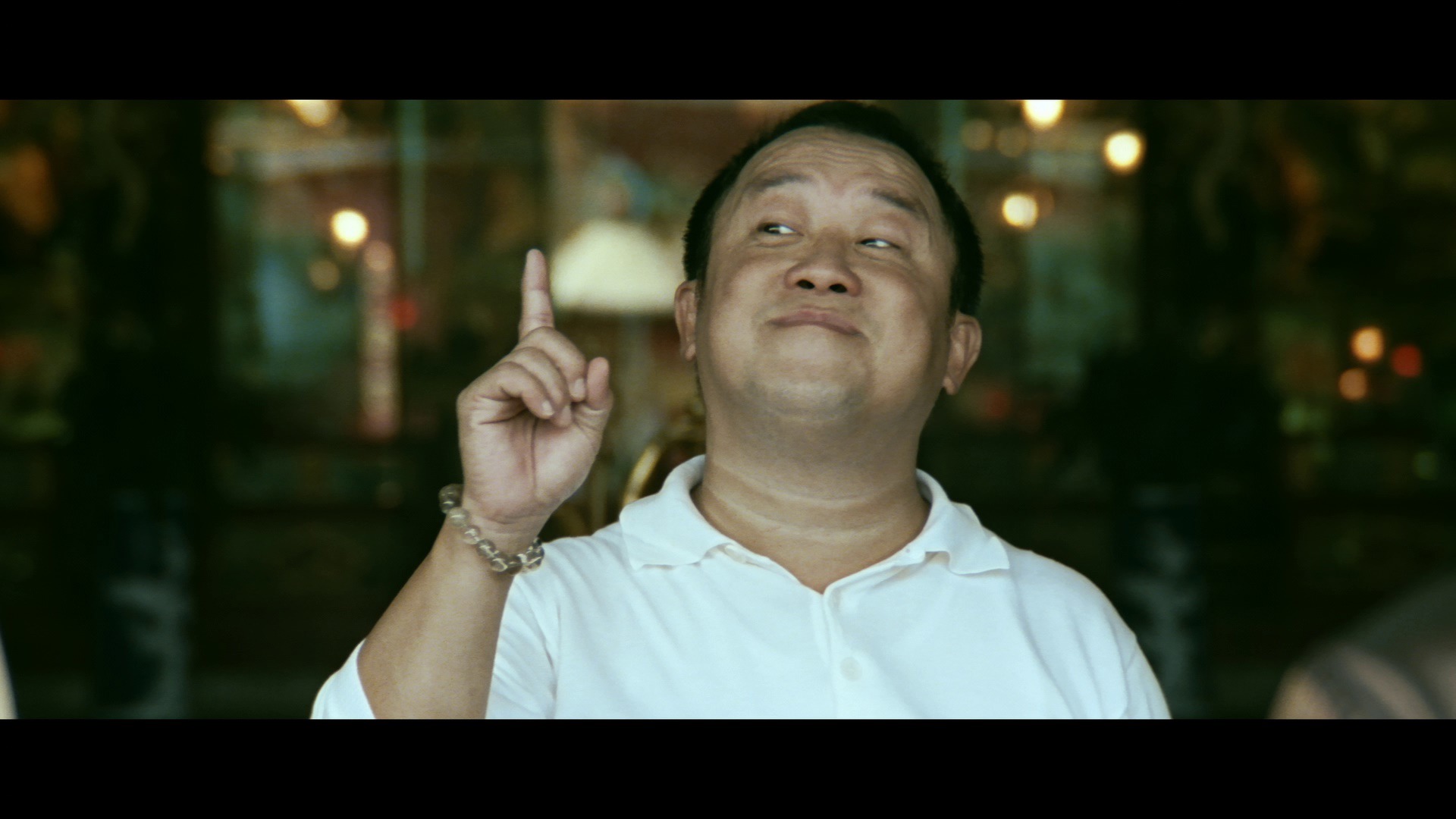
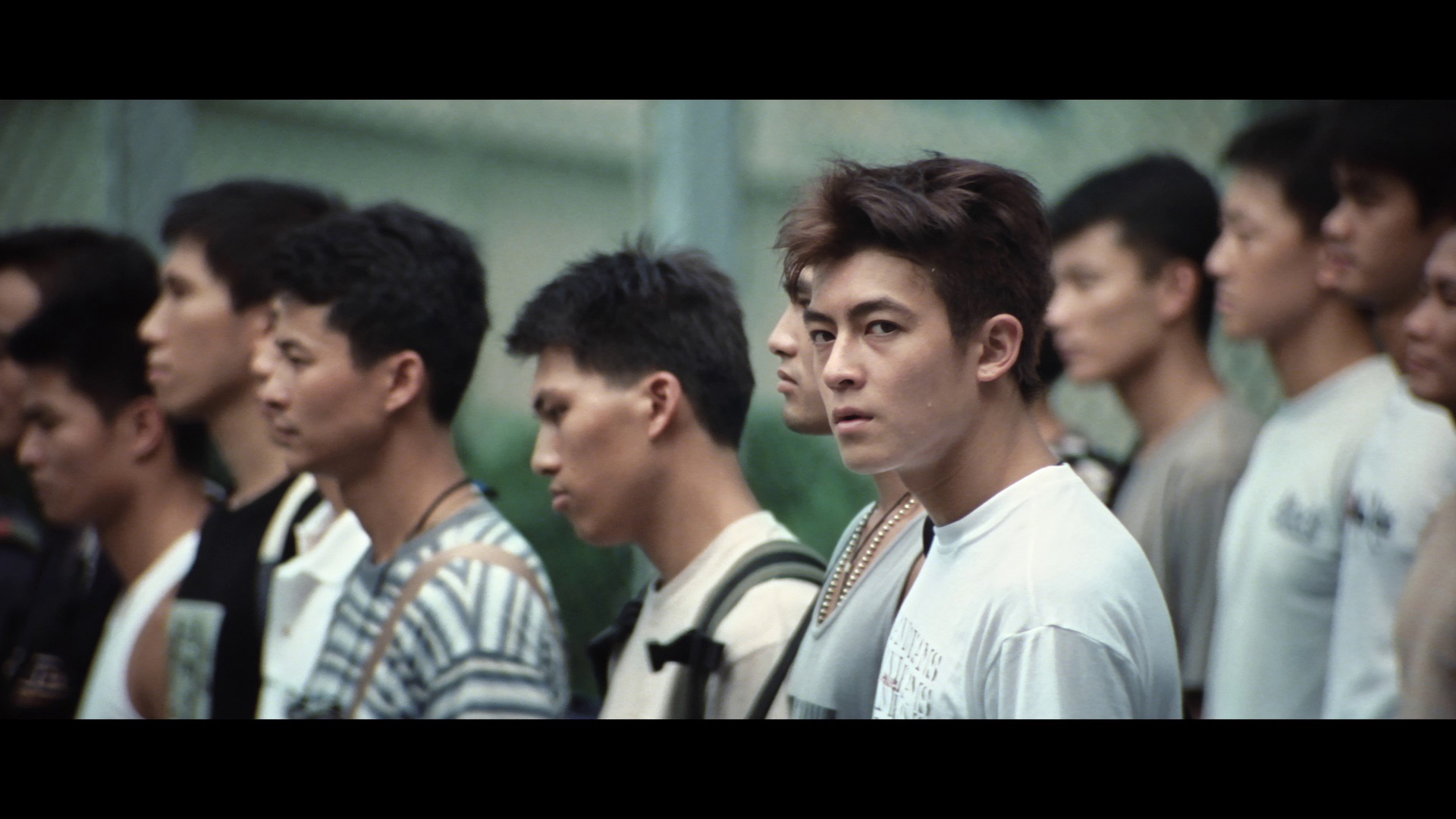
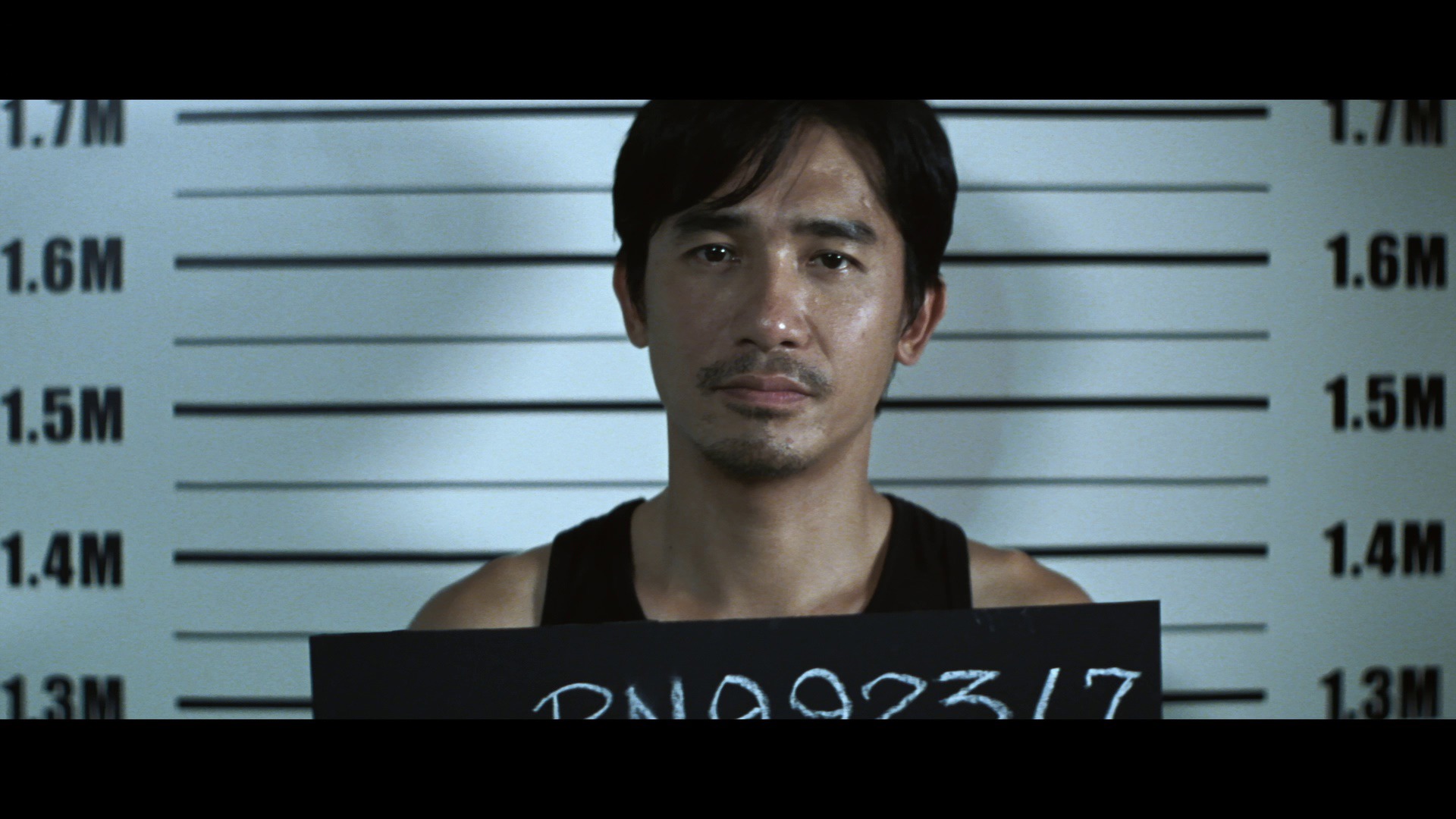
The Infernal Affairs Trilogy - Screen Captures
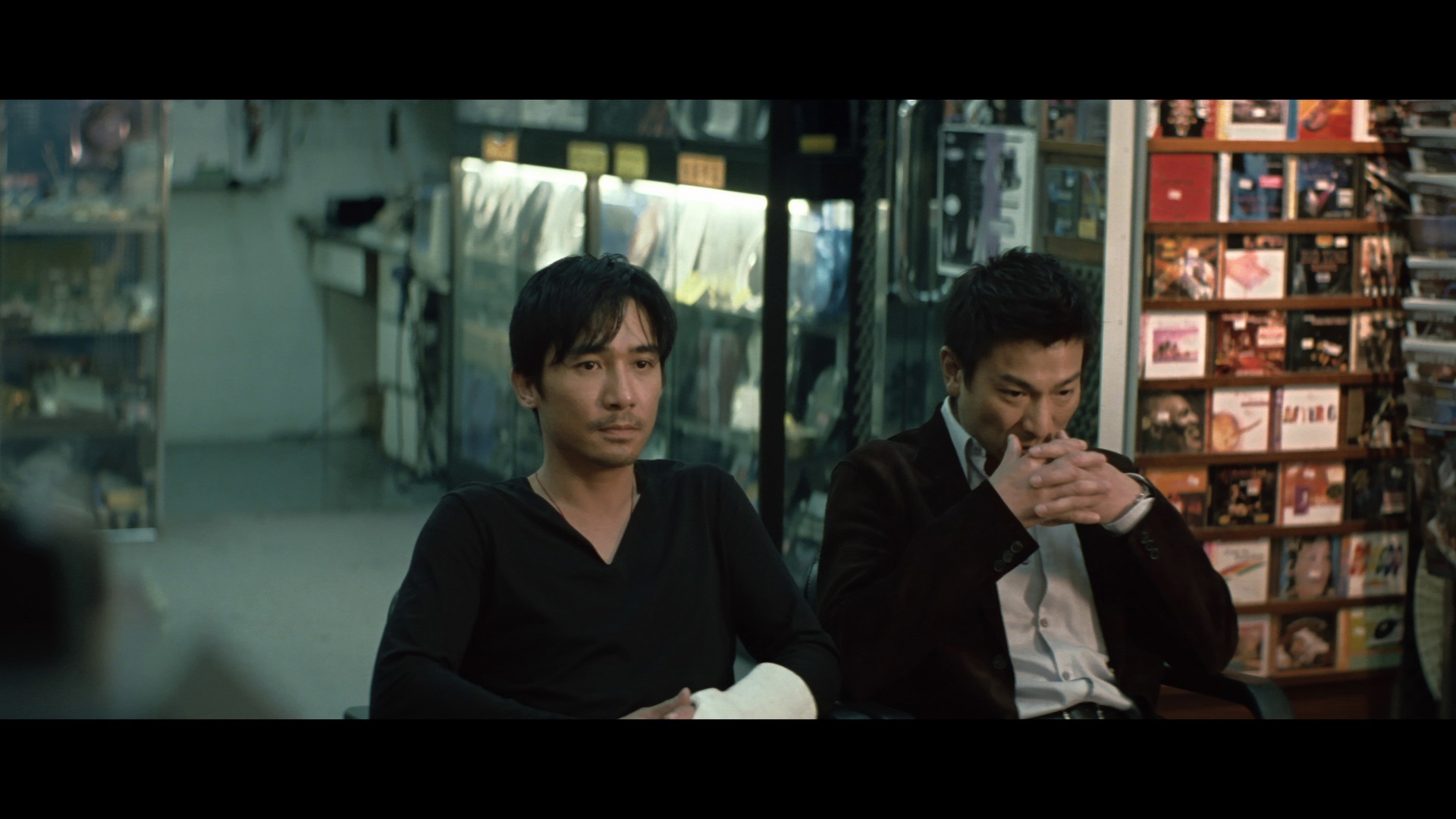
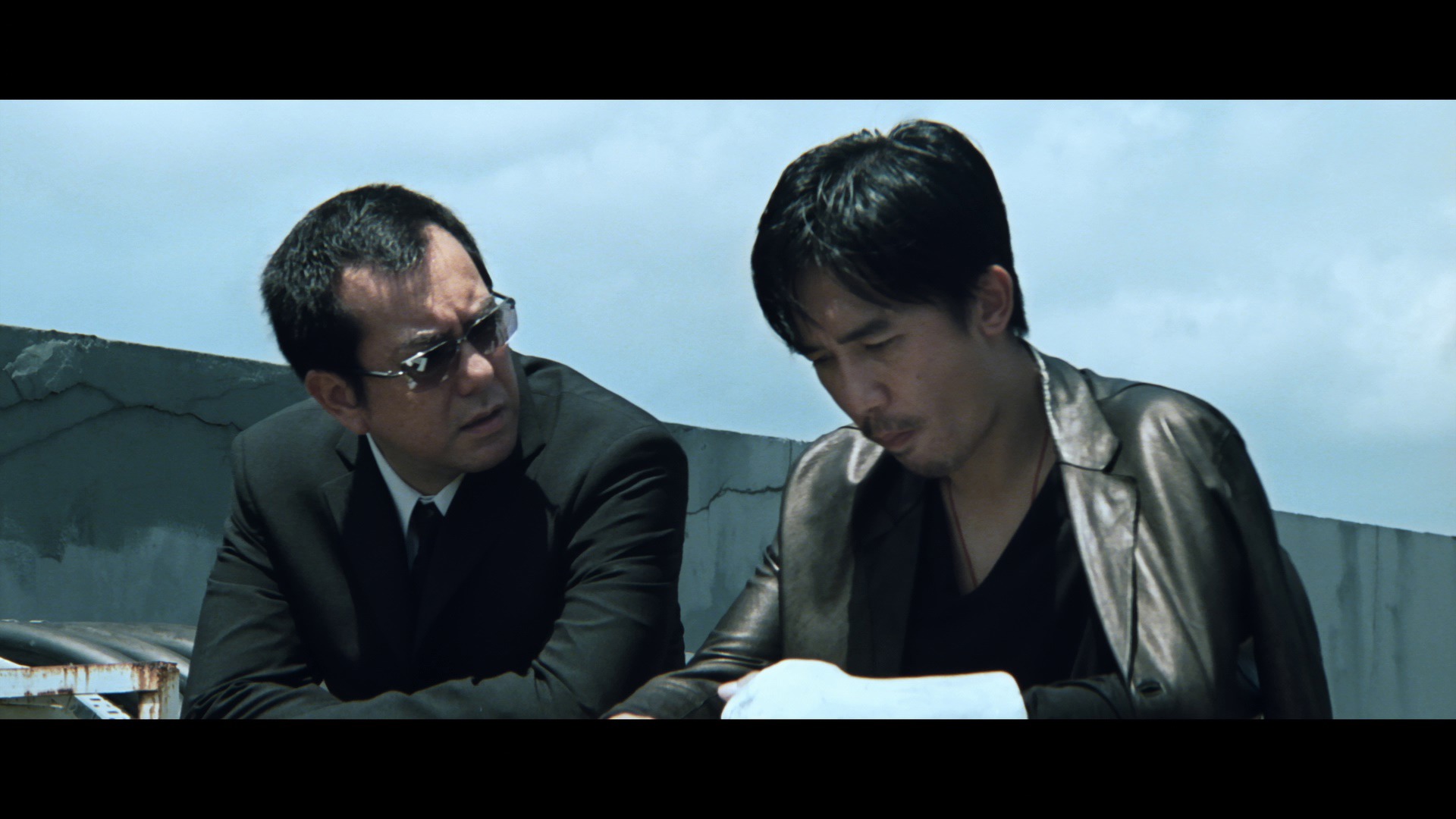
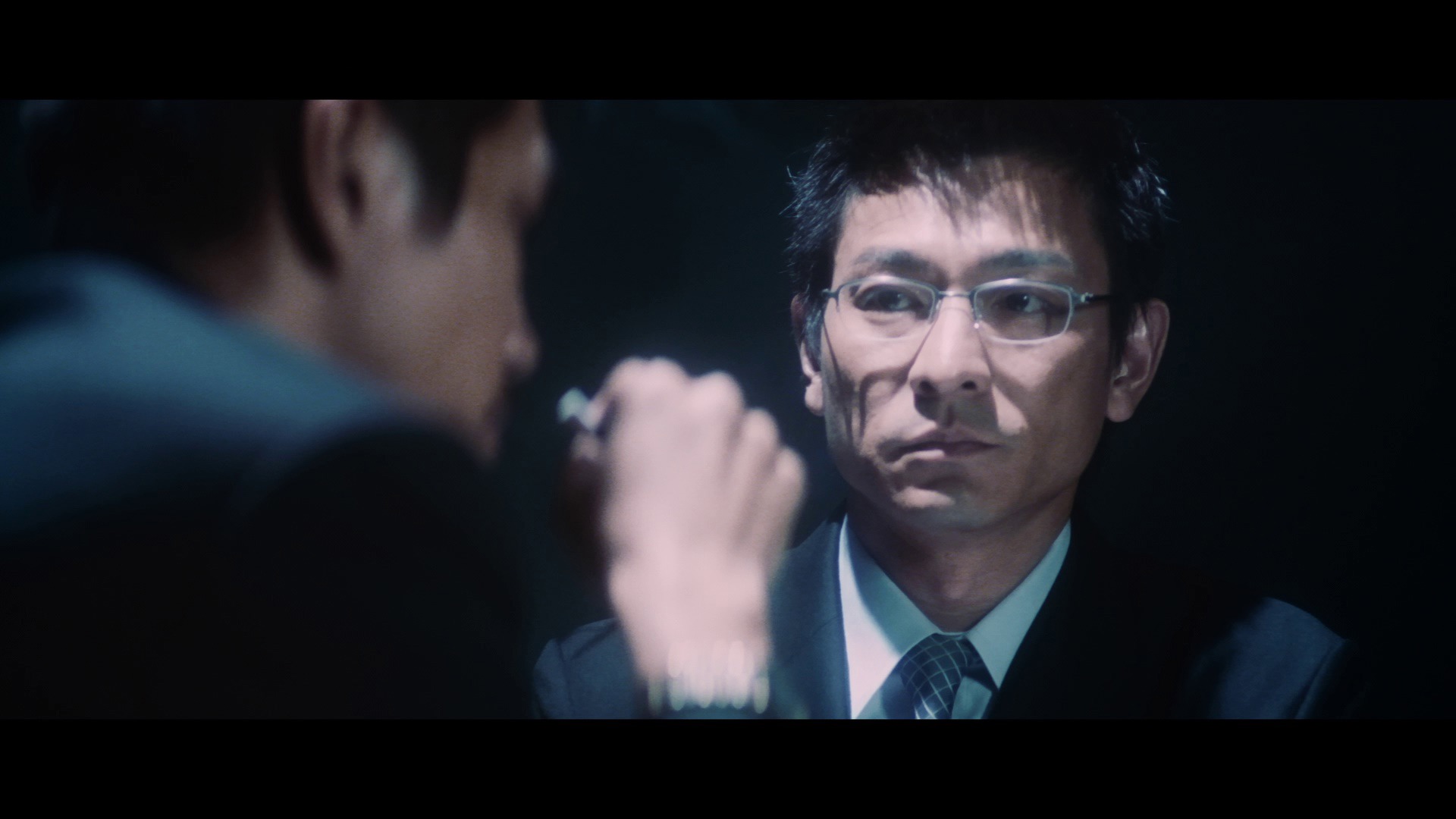
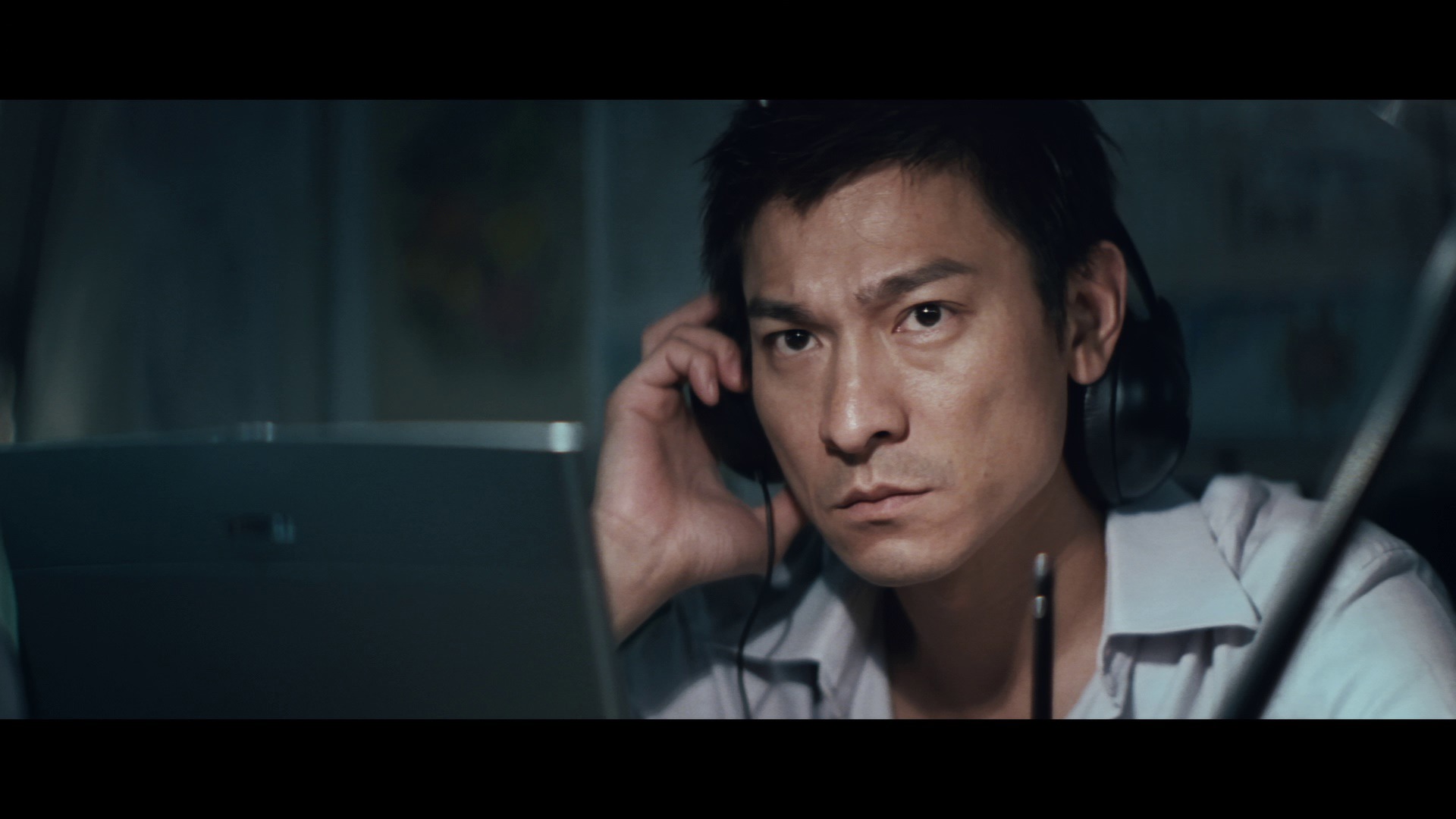
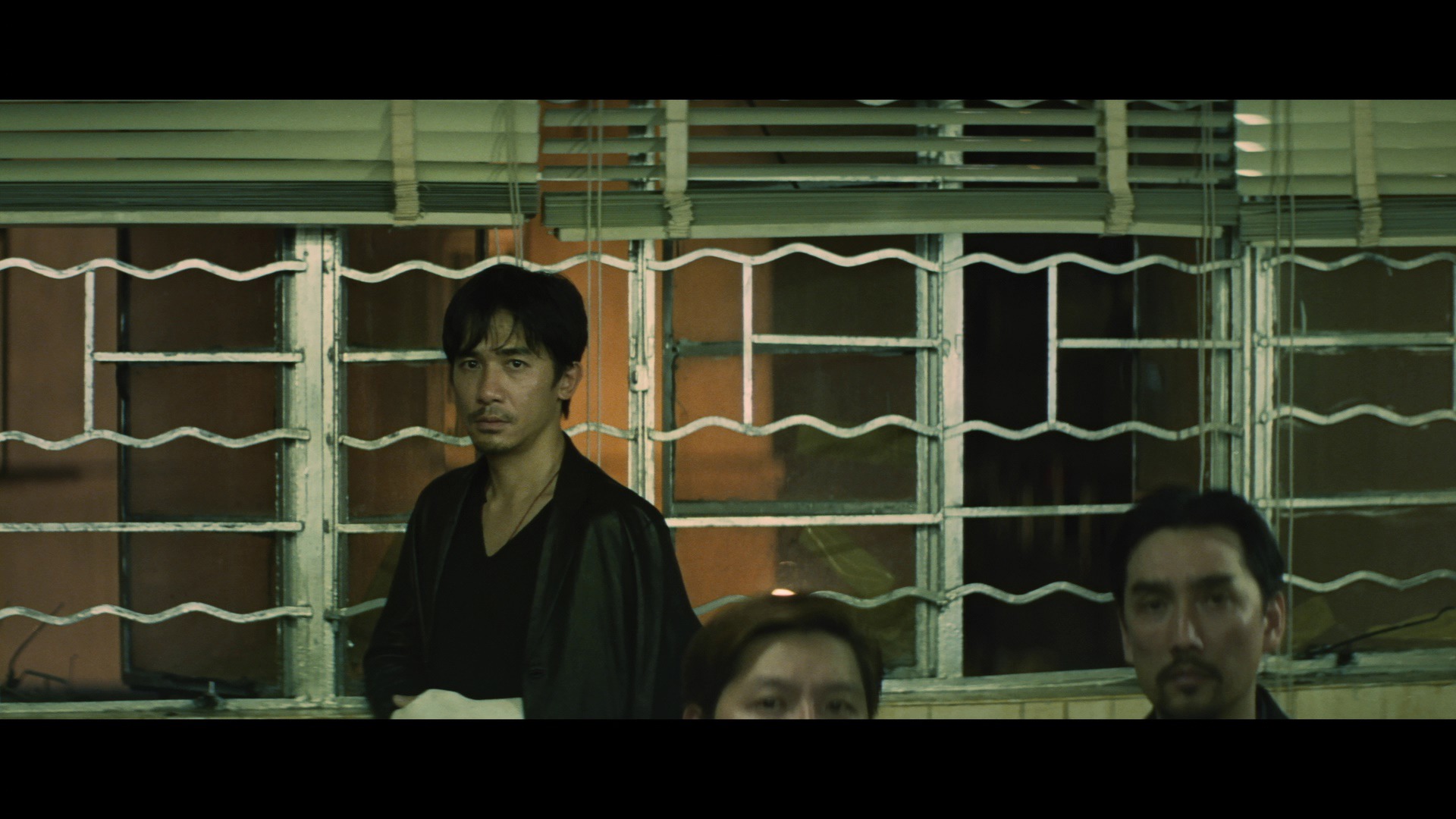
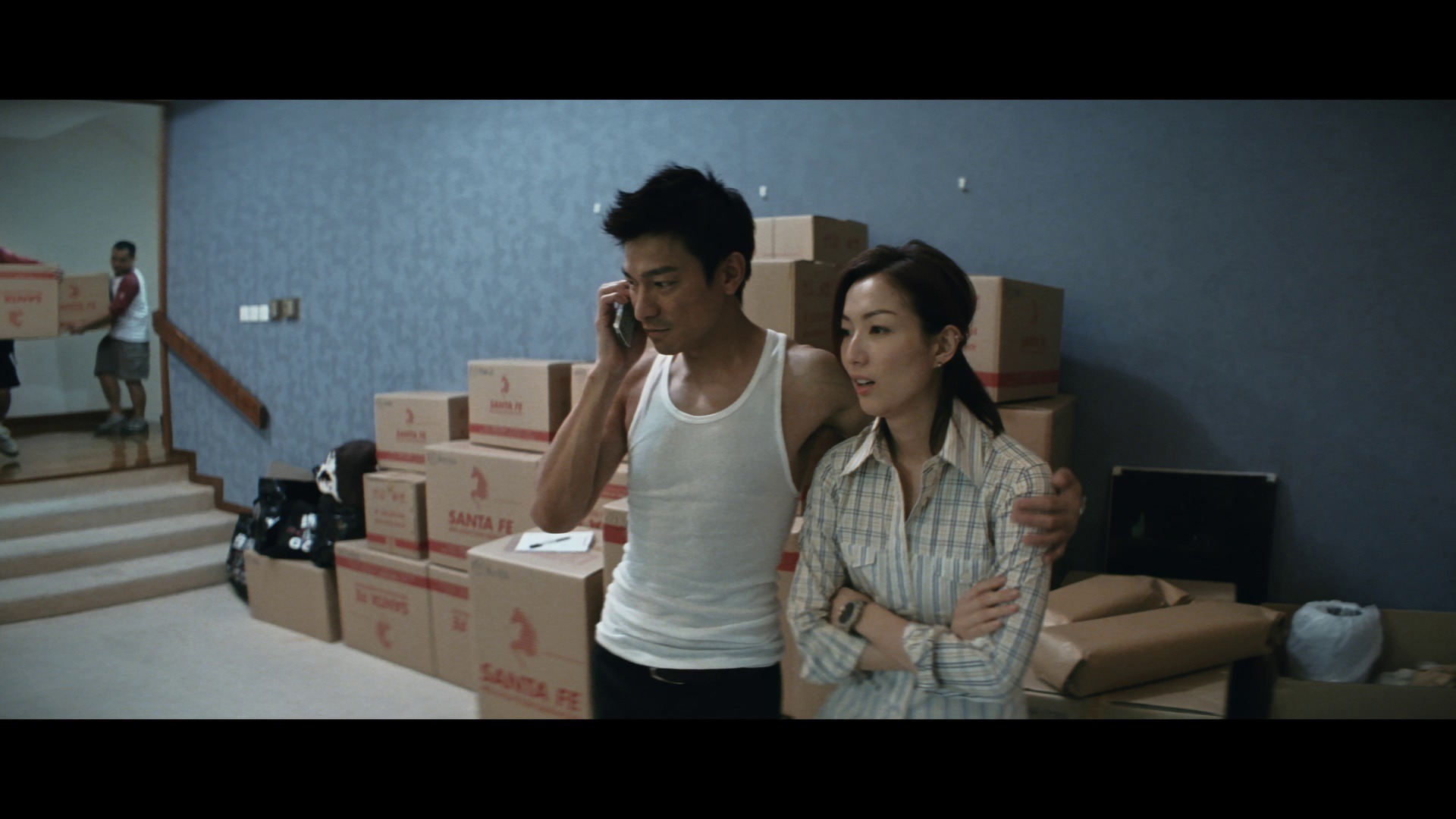
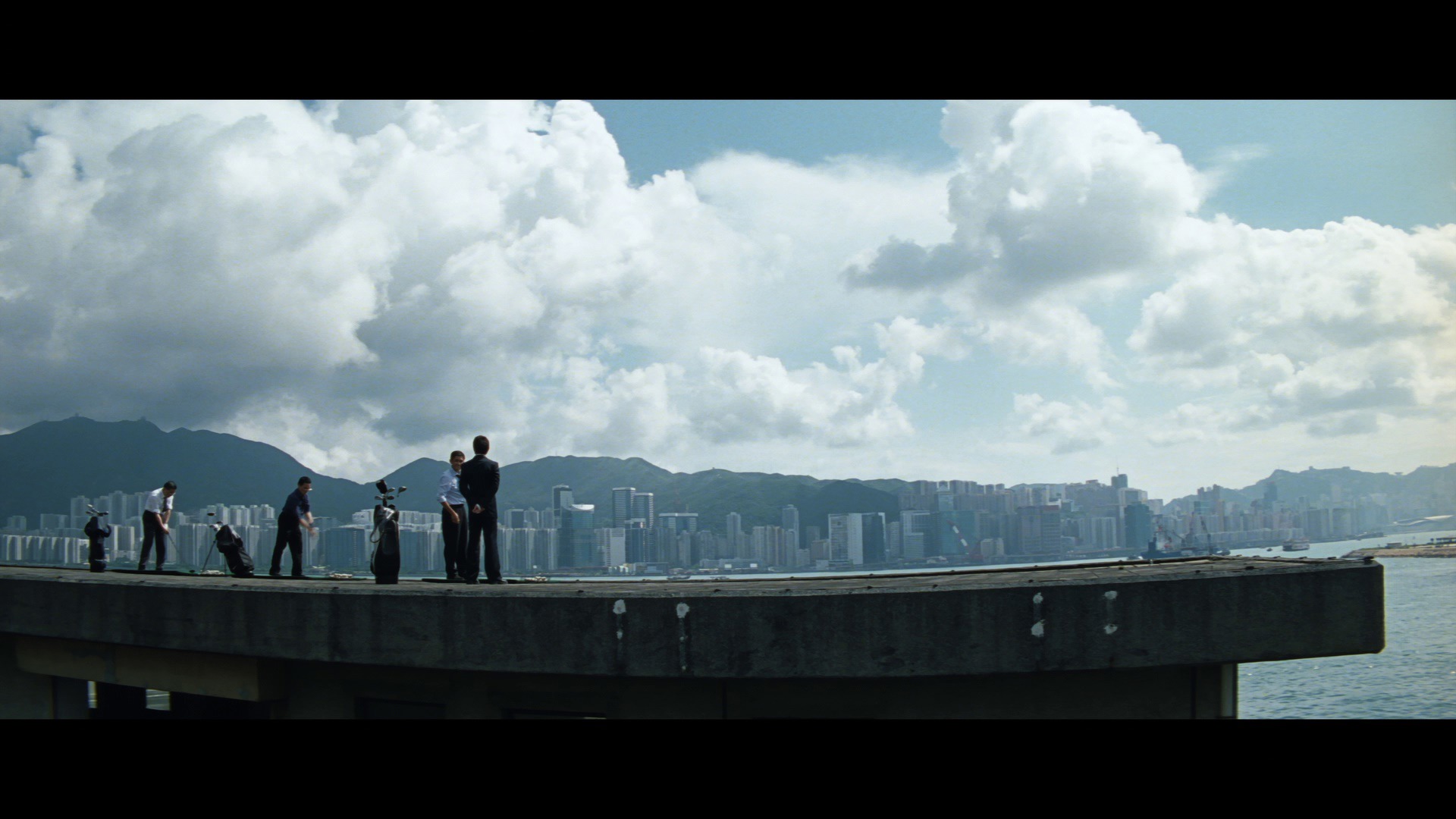
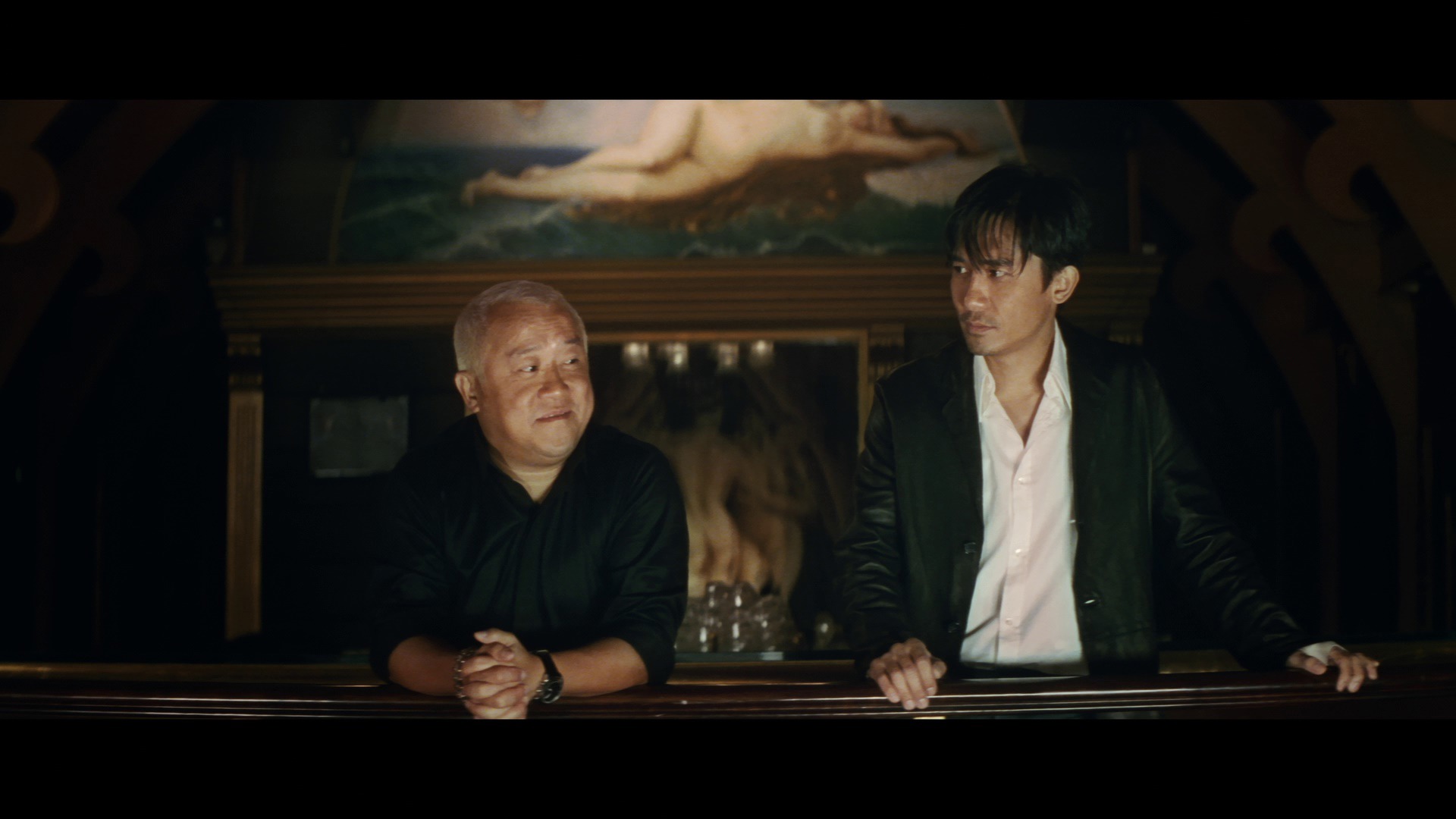
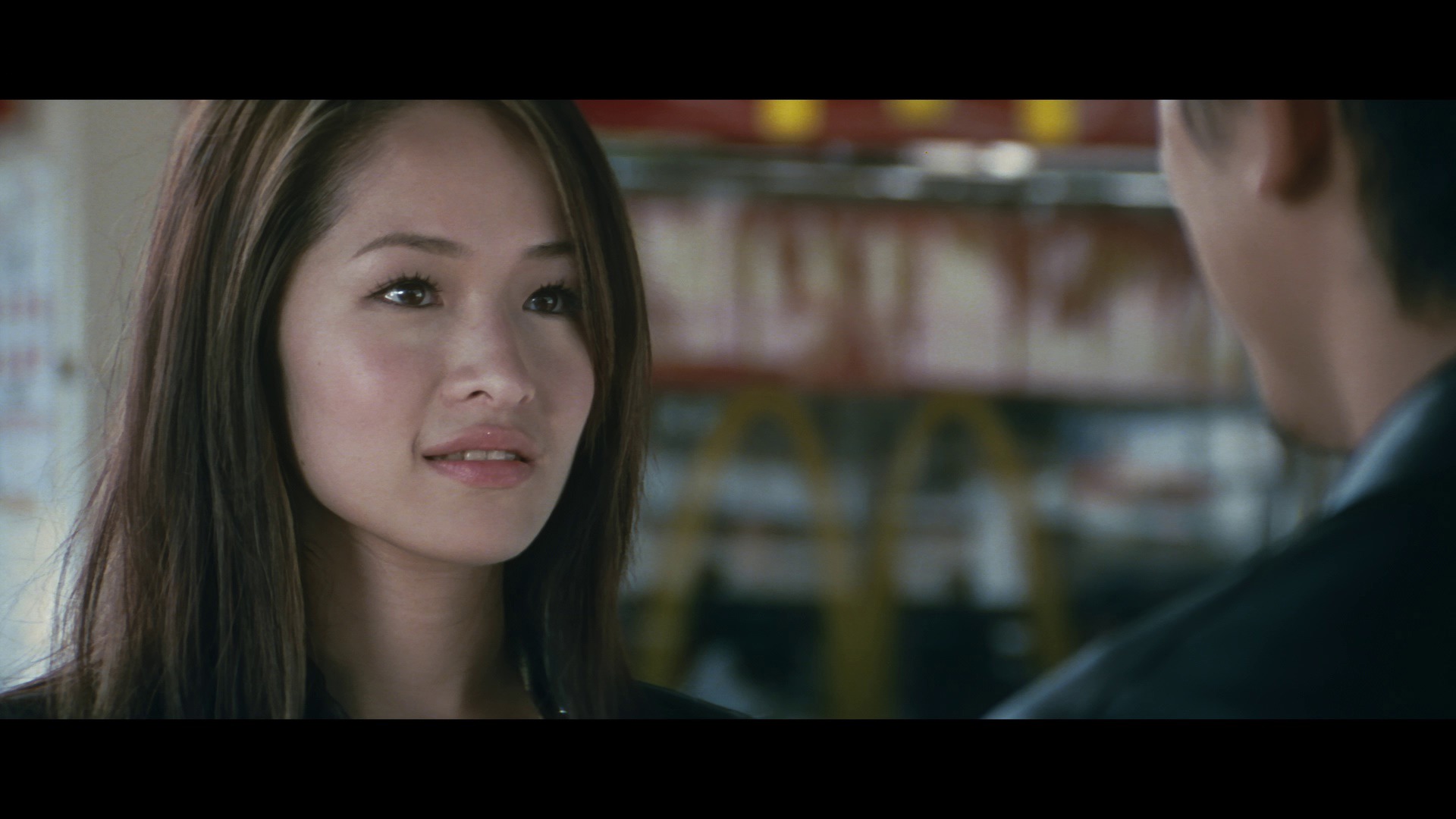
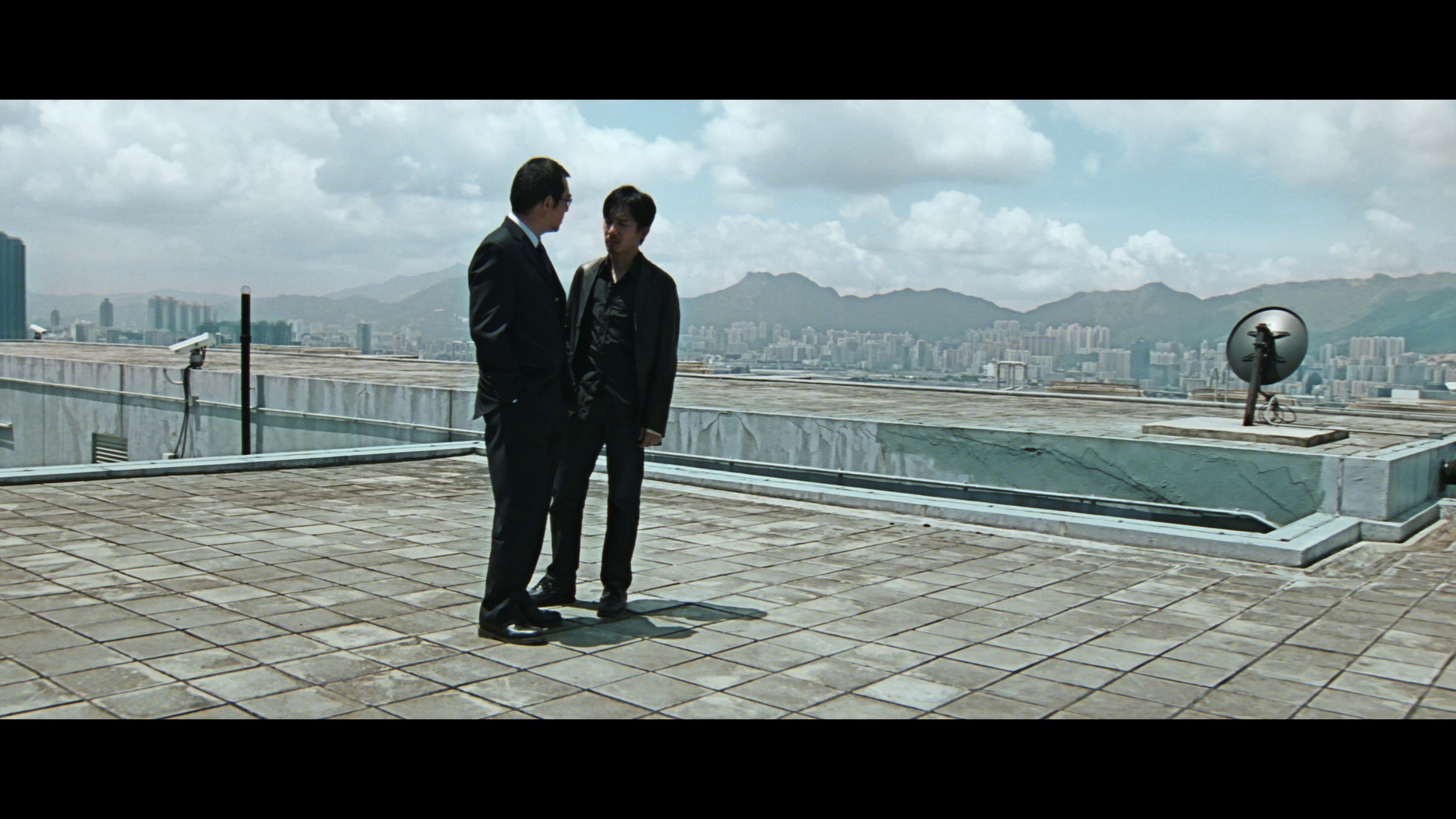
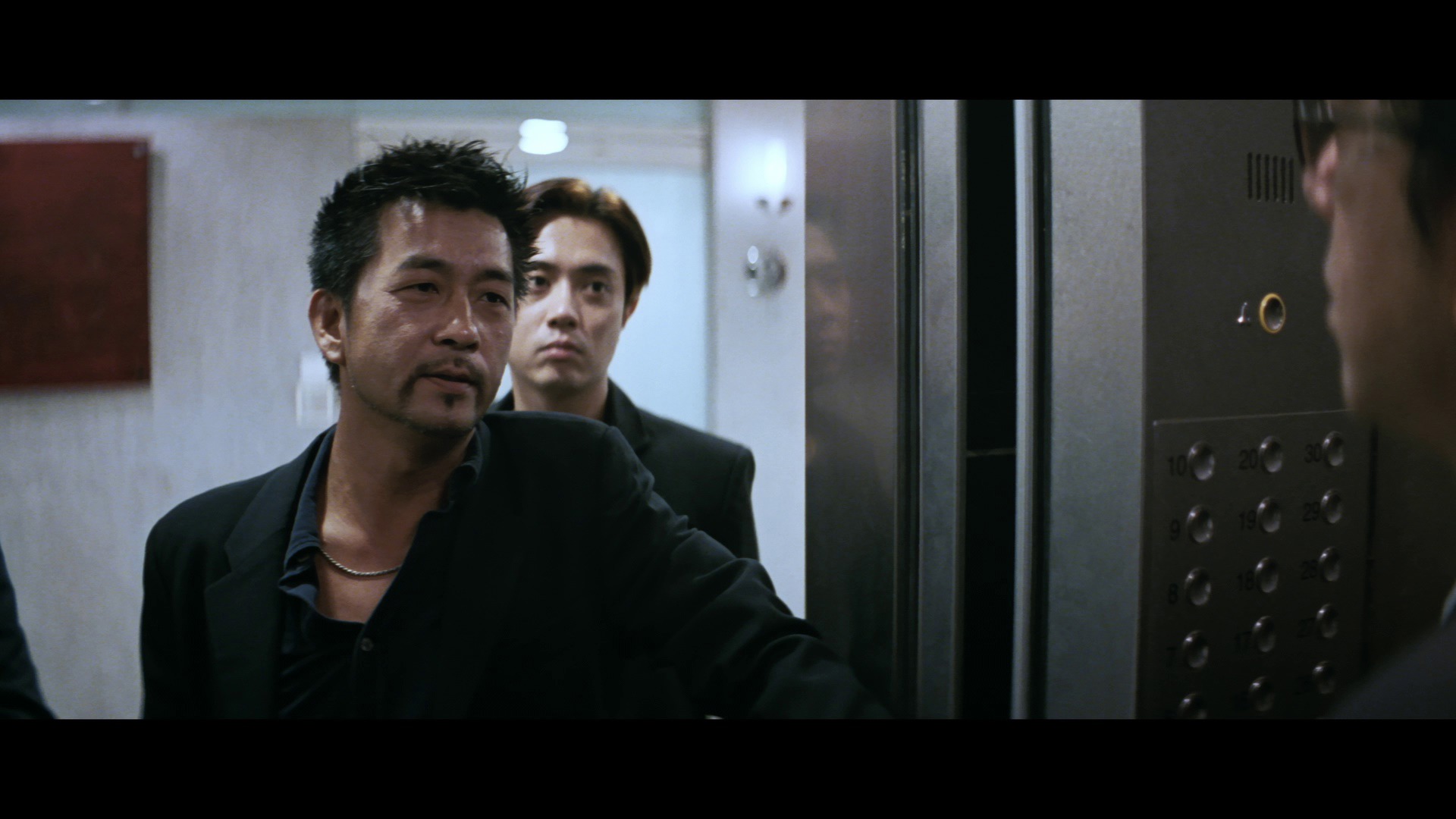
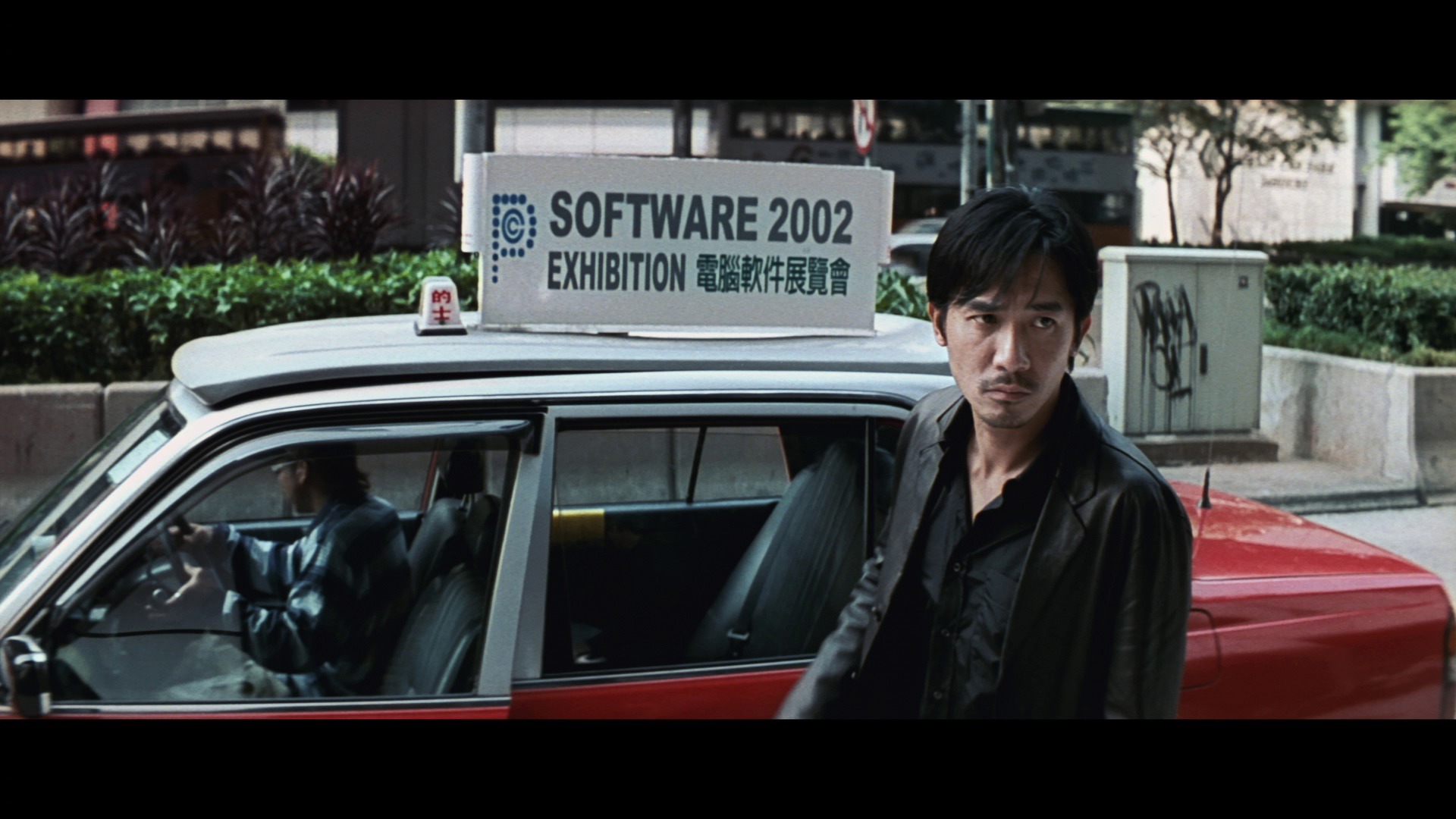
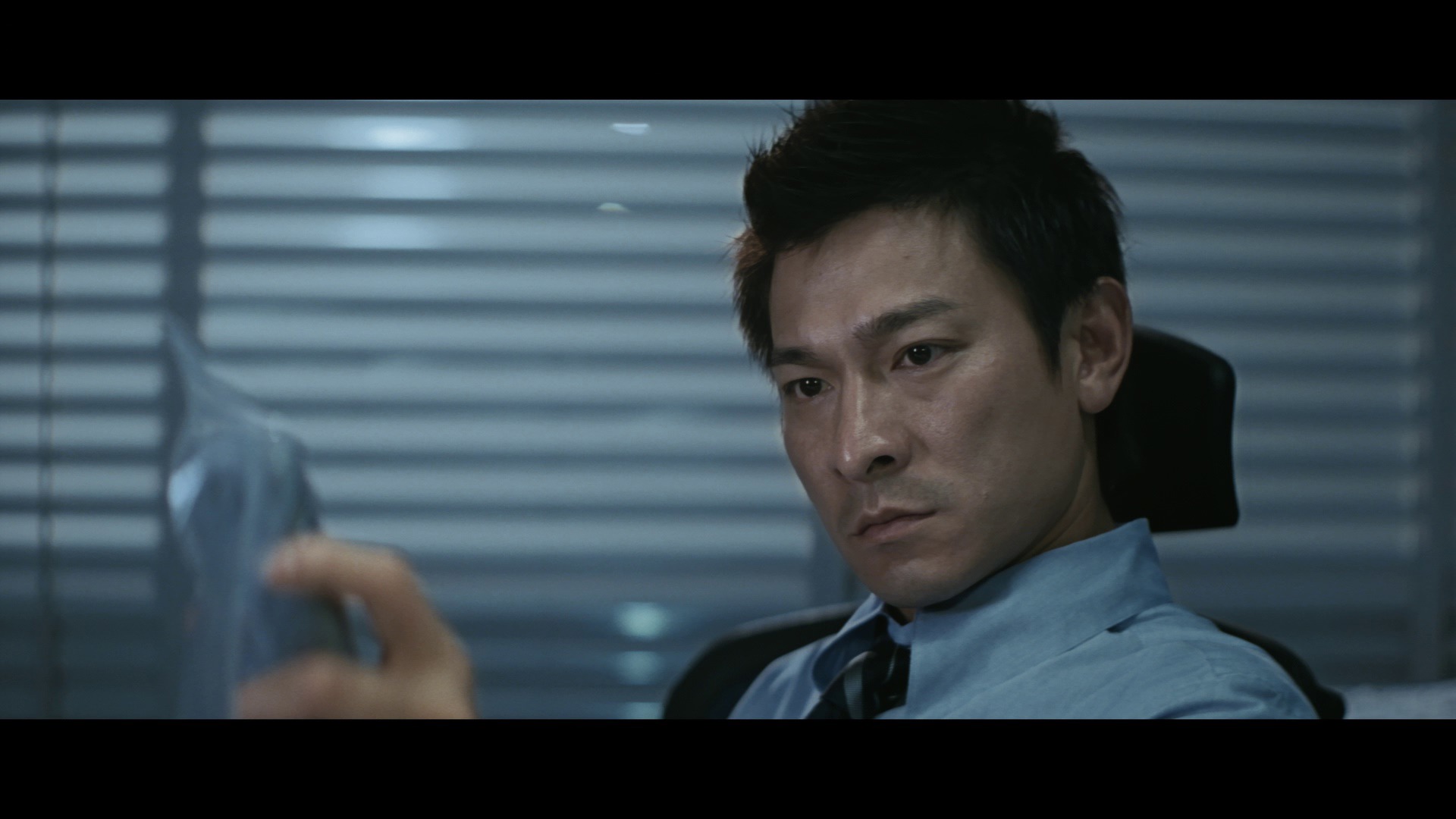
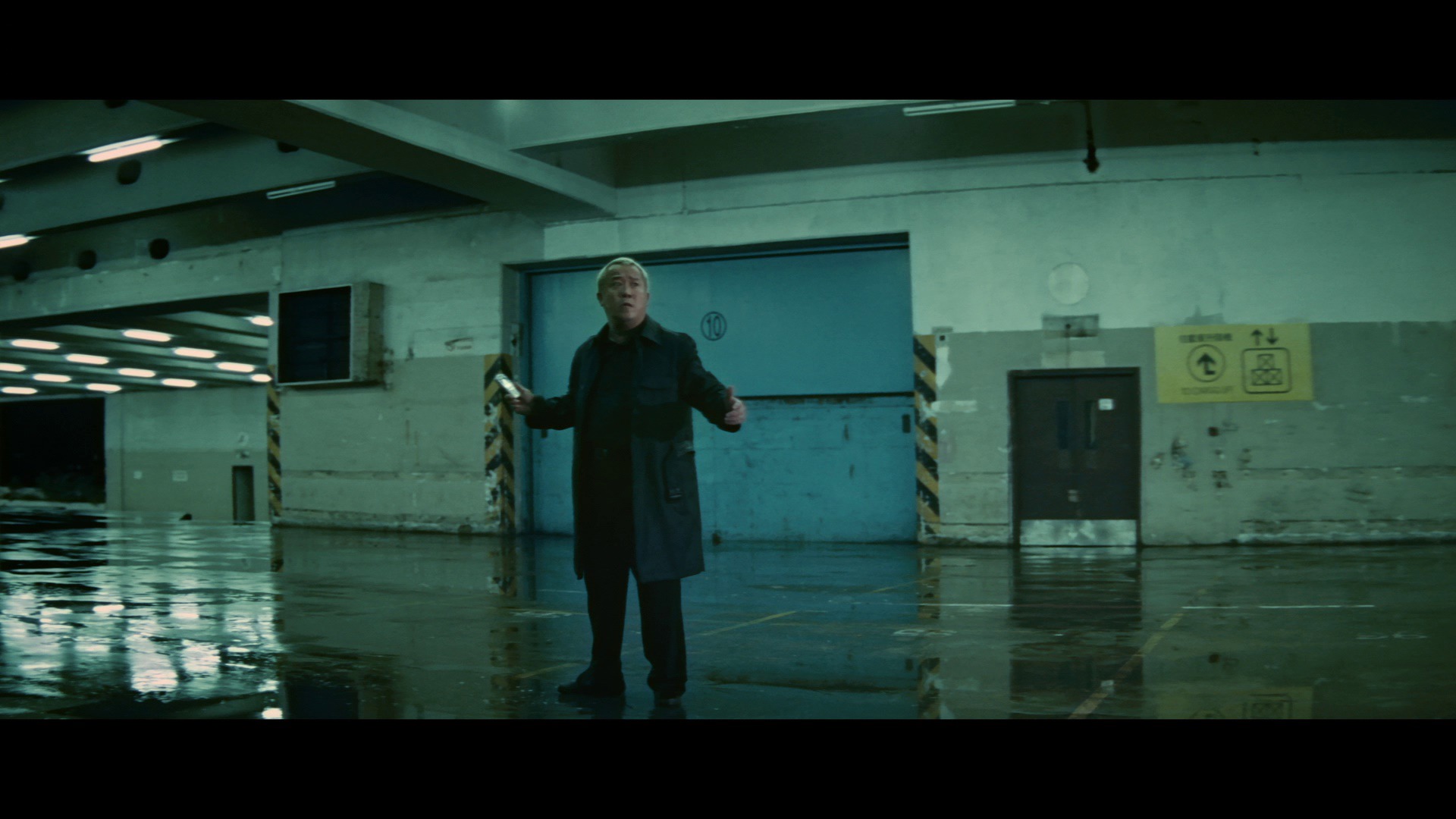
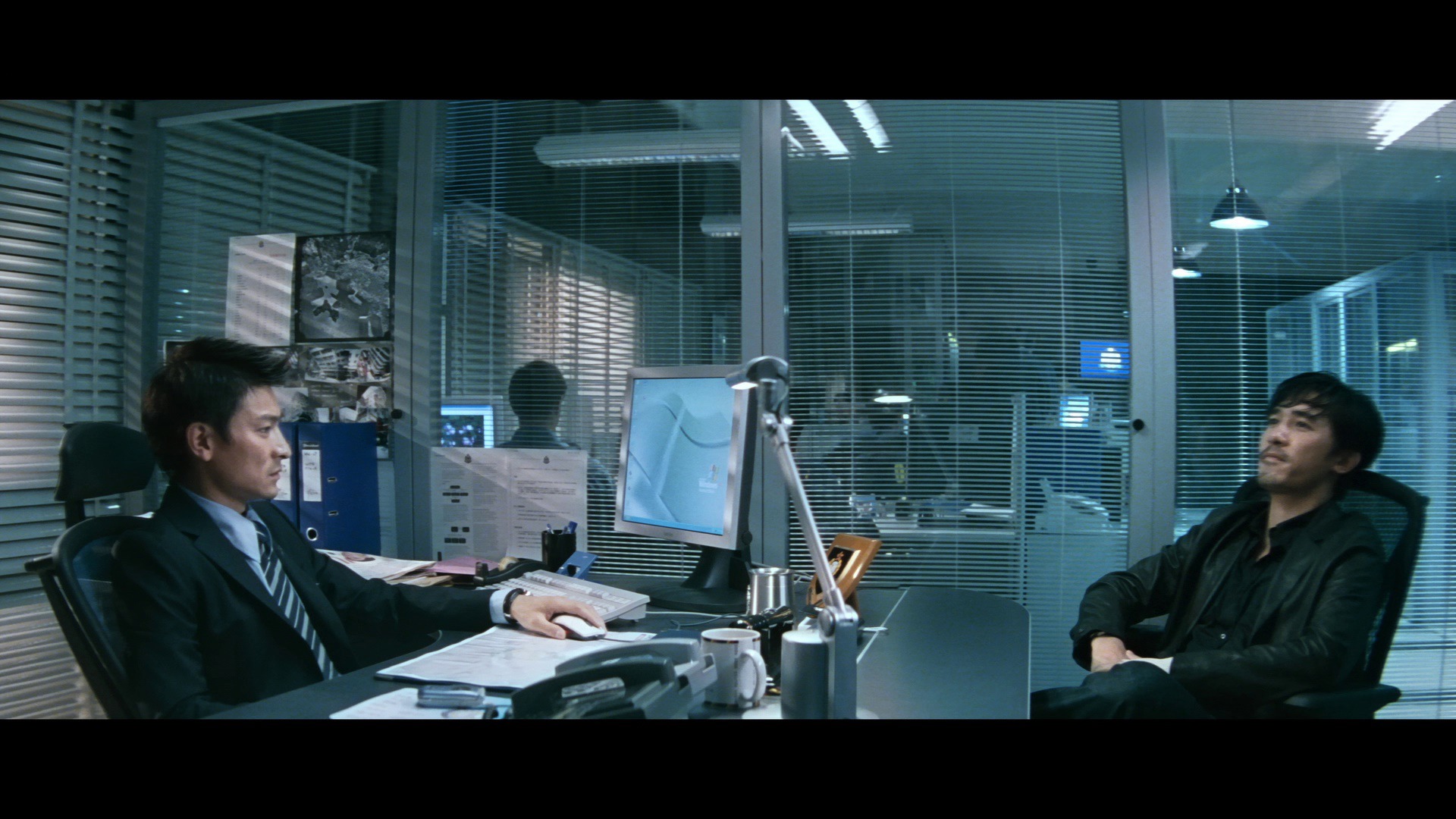
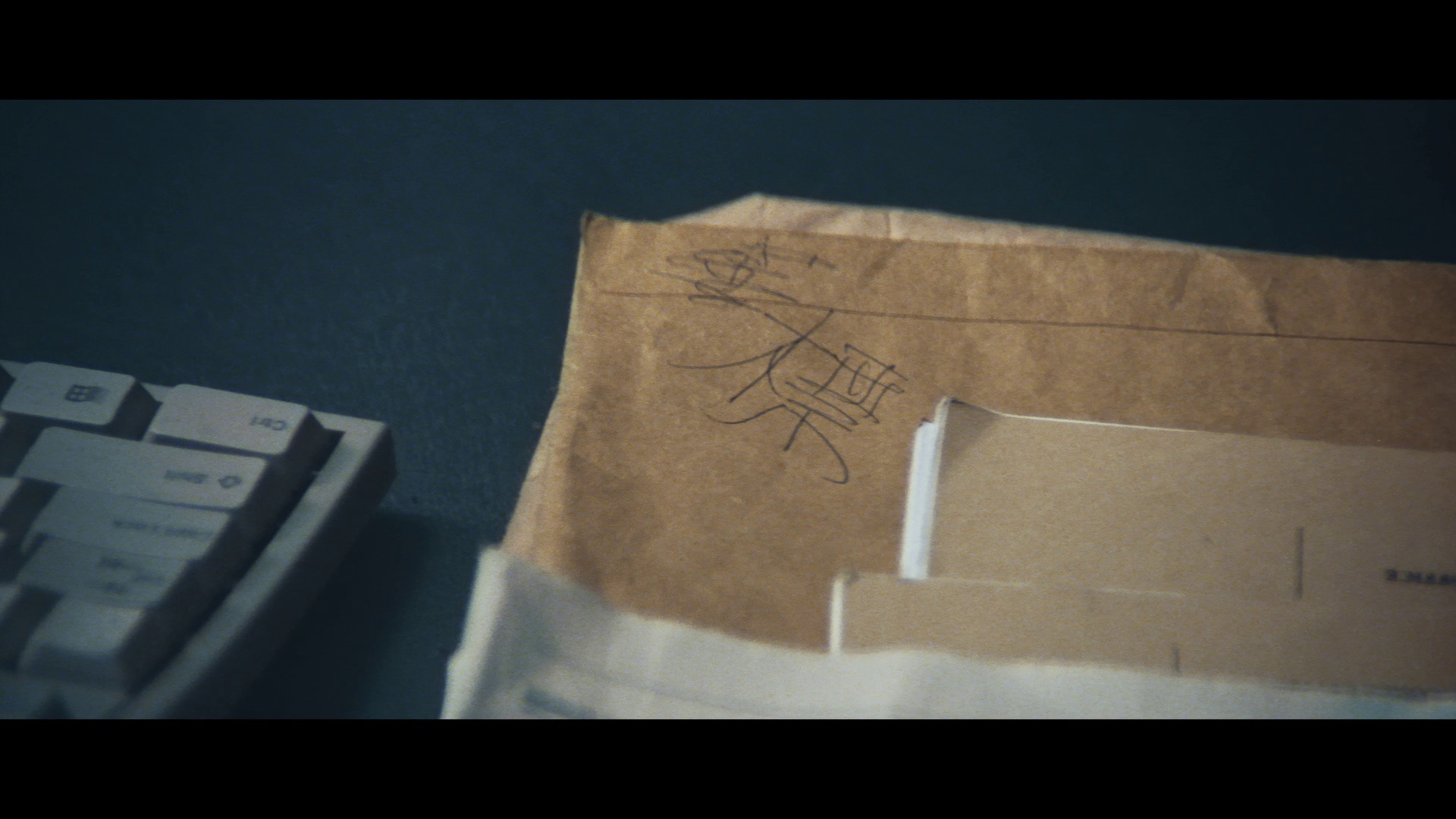
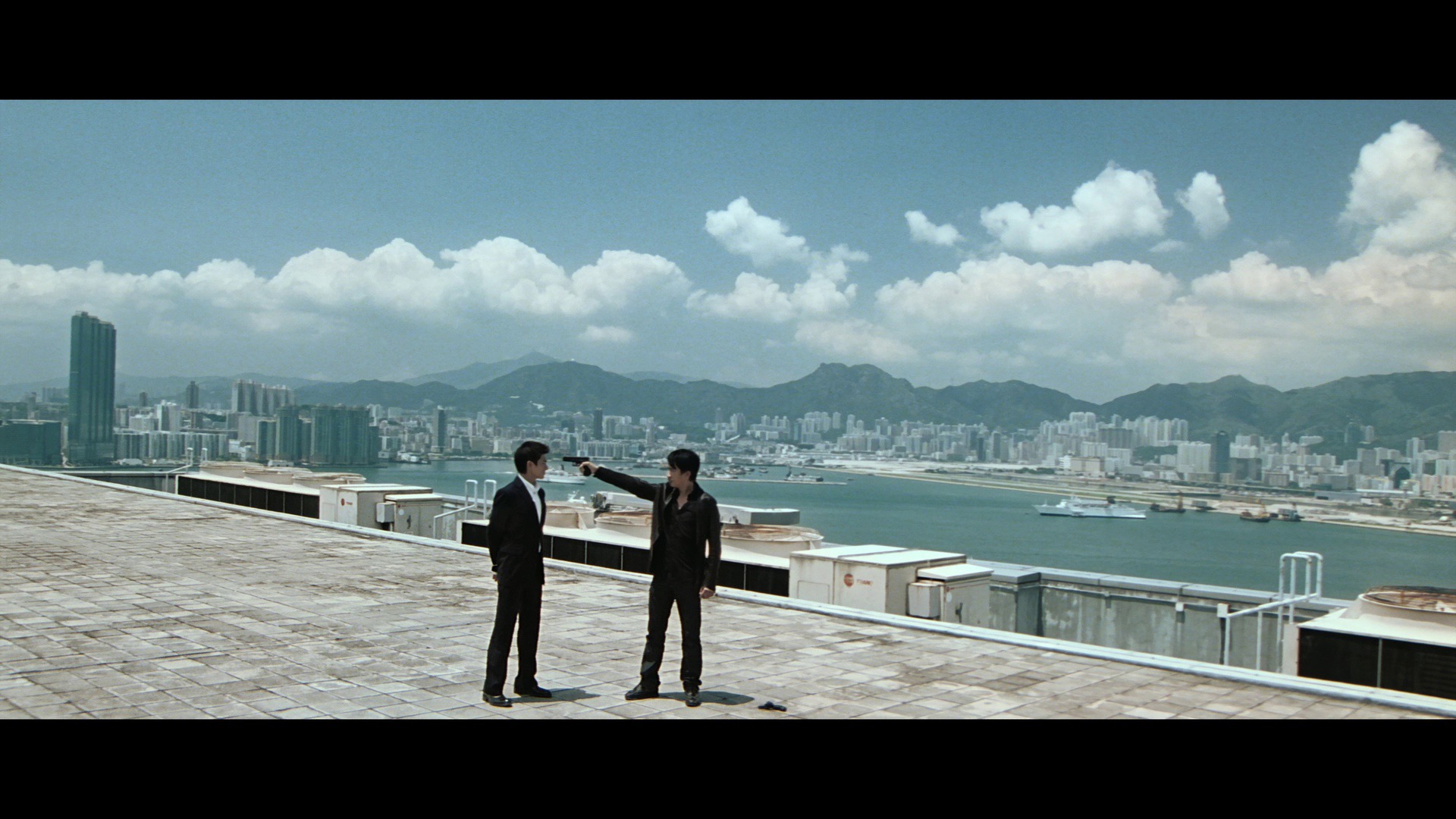
Audio 8/10
The film’s soundtrack is presented in 5.1 DTS-HD MA. It’s a fairly simple mix when all is said and done but it does sound good. The big orchestral score (something the directors wanted to make the film stick out at the time) is mixed wonderfully through the surround environment with a nice, subtle use of the lower frequency, but that is pretty much the limit to the surround activity. Some ambient noise and gunshots and echoes also make their ways to the surrounds, but most of the activity, including spoken dialogue, is focused to the fronts. It’s not an overly creative mix, but it works for the film.
Extras 8/10
Criterion spreads features across the three discs in the set, though only include one new addition in a new interview featuring directors Andy Lau Wai-keung and Alan Mak, which appears on this disc. Running 38-minutes the two go over their cinematic influences and how they met before then detailing the road to getting the first Infernal Affairs made, John Woo’s Face/Off apparently inspiring the base story, funny enough. They note that at the time, when the Hong Kong film industry was in dire straits, cop and undercover cop films were a dime-a-dozen so they had to make it stick out while also making it big, noting the need for a big orchestral score and 5.1 surround. They also needed a stand-out cast, which led them to Andy Lau and Tony Leung, along with Anthony Wong and Eric Tsang. They then talk about the film’s success and the follow-up ones (interestingly both filmmakers prefer the second one) before talking briefly about Martin Scorsese’s remake, The Departed. Disappointingly the two end up focusing more time on the first film and barely mention the other two, but it’s still an enjoyable overview of the film at the very least.
The remaining features all appear to be ported from previous editions of the film or put together from archival material. An audio commentary featuring the two directors along with screenwriter Felix Chong Man-keung, is the first of these. Interestingly, even though Criterion doesn’t list them as participants, actors Eric Tsang, Anthony Wong, and Tony Leung also pop up, and possibly Andy Lau (it sounds like him, but it’s hard to say since the track makes no effort to identify who is talking). I’m not sure why Criterion didn’t bother to note their participation, but it does sound like their comments have been edited in from interviews so that could be the reason. At any rate the track (which is mostly screen specific) focuses on story points and the development of the script, with the directors and screenwriter (all recorded separately) first noting the Buddhist references early on and their significance in the story before getting into character development and the evolution of the script as it went through many drafts. The actors will cut in to comment on their characters and performances, Leung even talking about his process when developing a character. The track can be a little dry, but it does do an impressive job in touching just about every aspect of its development. The track also ends well before the end of the film, cutting off around the elevator scene. (It's presented with English subtitles.)
The disc also includes an alternate ending for the film, the notes explaining Mainland China required a clearer resolution to the film, so to speak (trying to avoid spoilers). It runs 19-minutes, though most of the material here is also in the final film. I feel the editing and is different in places and one sequence is longer, but it’s the final moments that offer the most significant change, things ending suddenly in an all too neat little package.
Hong Kong Noir is a new program put together by filmmaker Yves Montmayeur, assembled from interview footage filmed around 2007 or so and featuring Mak, Chong and Peter Tsi, director of the Hong Kong International Film Festival. Running 23-minutes it features the three talking about audience expectations in Hong Kong and Mainland China, audiences wanting more thought put into the films they would go see. The discussion then turns to Infernal Affairs’ script and its many drafts before concluding on the topic of Hollywood’s insistence on remaking films from other countries. Felix also likes to point out that Scorsese’s biggest hit was a remake of his film. It’s an interesting time capsule/reflection on this specific period in Hong Kong filmmaking.
Criterion then includes a 14-minute promotional making-of featuring interviews with the filmmakers and members of the cast. There is also some behind-the-scenes footage in a 9-minute feature called Confidential File. There are then about 23-minutes’ worth of outtakes, some of which don't feature audio. A couple instances may count as bloopers but some of it simply feels like unused b-roll.
The disc then closes with two trailers. One is a newer one called a “Supercut” for the trilogy and then the other is the original, which makes it look more like an action film than it actually is (it also opens with around 46-seconds’ worth of production logos).
I would have expected some academic material (I’m actually shocked Tony Rayns doesn’t appear on here) but the features do a decent job covering the film’s production and placing it in the context of the film industry at that time in Hong Kong.
Closing
As with the other presentations in the set the one here can be underwhelming, impacted by some excessive noise-reduction. The supplements also leave one wanting but they cover the film’s production in a thorough manner.
BUY AT: