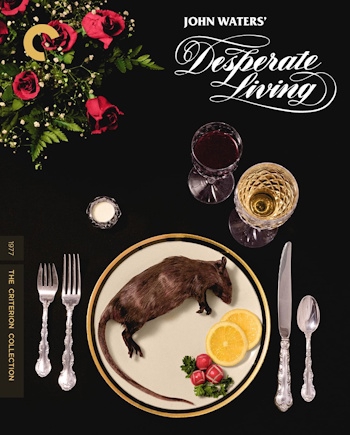
Desperate Living
BUY AT:


See more details, packaging, or compare
Synopsis
Following the unrepentant outrageousness of Pink Flamingos and Female Trouble, director John Waters brought his notorious trash trilogy to a fittingly twisted close with this antifascist fairy tale. After hysterical housewife Peggy Gravel (Mink Stole) murders her husband with the help of her fed-up housekeeper (Jean Hill), the newfound “sisters in crime” escape to the bizarro shantytown of Mortville, a depraved penal colony presided over by a despotic queen (Edith Massey) whose tyranny pushes her subjects to shocking revolt. Deviant cops, death by dog food, DIY surgery—Waters unleashes all this and more in an at once relentlessly warped and oddly moral vision of queer rebellion.
Picture 9/10
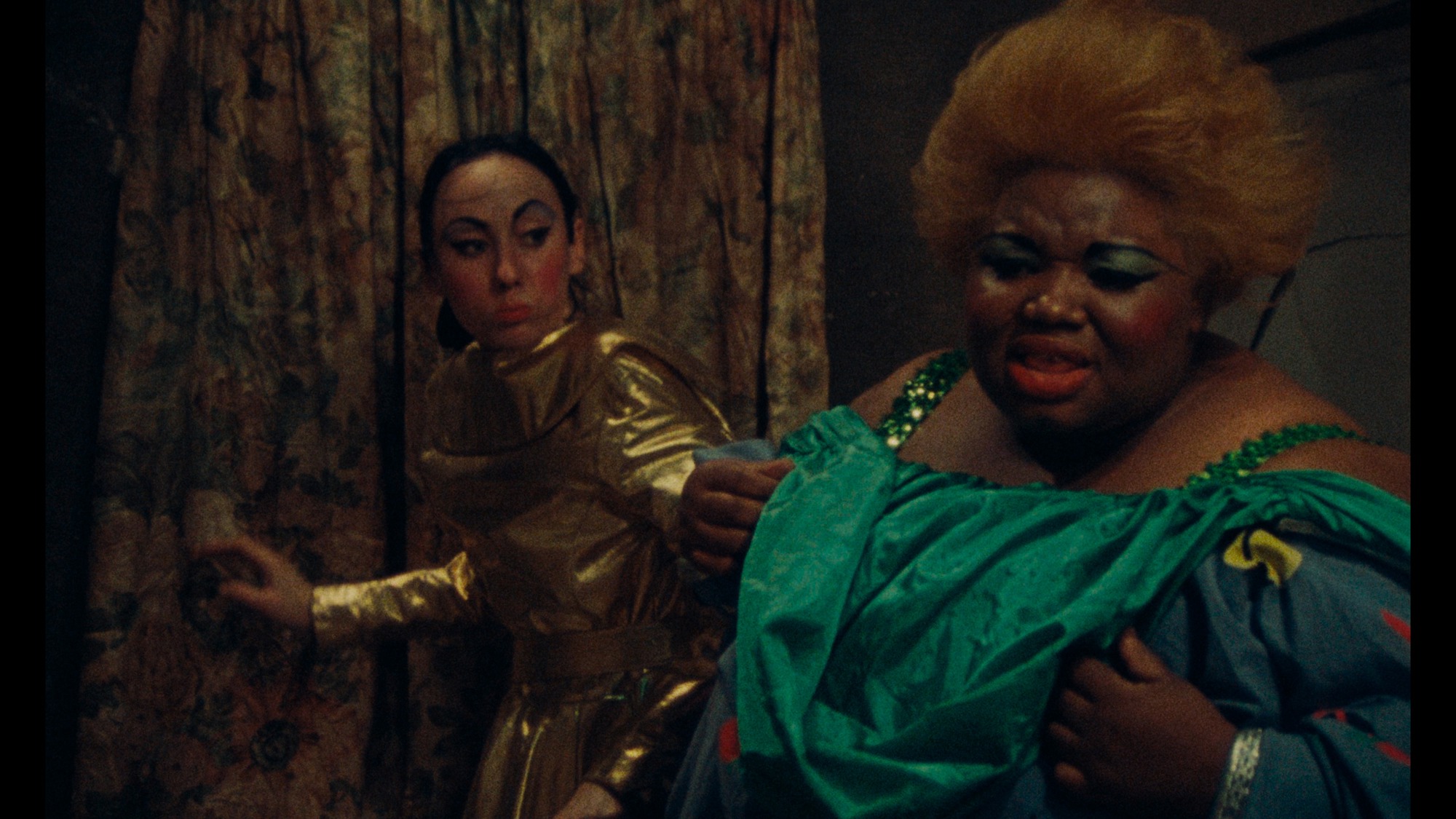
The Criterion Collection does the unthinkable and brings John Waters’ Desperate Living to 4K UHD, presenting the film in HDR10 on a dual-layer BD-66 disc in Waters’ preferred aspect ratio of 1.66:1 (it was originally exhibited and available at around 1.37:1). The 2160p/24hz ultra high-definition presentation comes from a new 4K restoration performed by Criterion, created from the original 16mm A/B rolls, with a 35mm blowup interpositive filling in where needed. A standard dual-layer Blu-ray is also included, featuring a 1080p presentation of the film alongside all video supplements.
While I'm certainly a champion of the format and believe any film can benefit from a UHD release, even when the source materials aren’t ideal, there have been times where I will question whether certain titles would see much improvement over an existing Blu-ray. I did exactly that with McCabe & Mrs. Miller, wondering how much better an SDR 4K presentation could really look given the way the film was shot and processed. Outside of a stronger encode (which was definitely a benefit), I simply couldn’t see the advantage. Of course, I was wrong, oh so very, very wrong, and that release ended up looking remarkable, probably one of my favorite presentations in the collection.
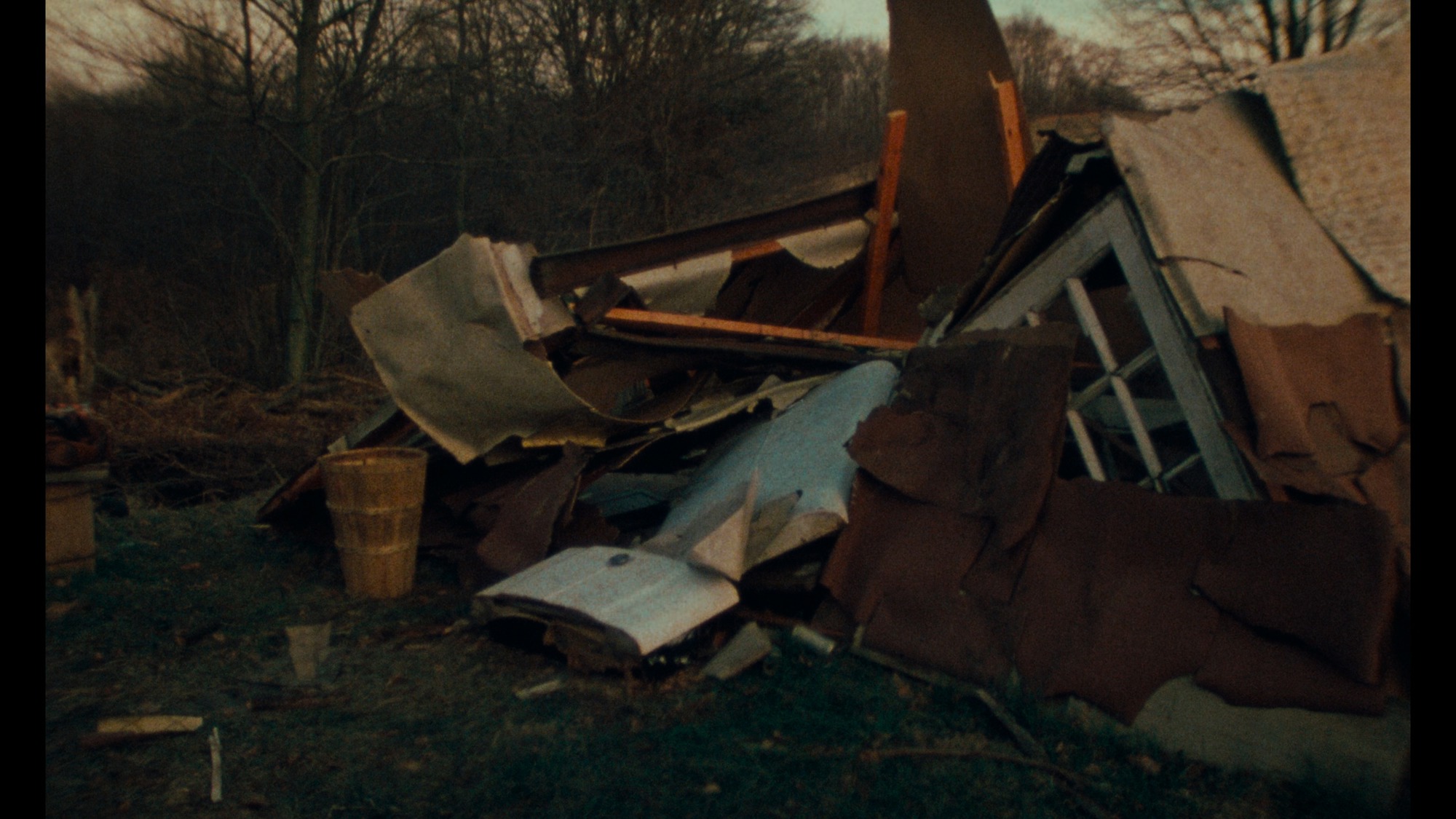
But Desperate Living? Come on! There was absolutely no way a 4K restoration was going to benefit this film. Not only was it shot quickly on 16mm and blown up to 35mm, it’s also easily the ugliest looking film Waters has ever made, which is saying something. There’s so much unpleasantness on display, some of which even seems to surprise Waters himself as he revisits the film in the supplements, and the imagery is often deliberately nasty and just ugly to look at. The haphazard photography and static staging, closer in spirit to Waters’ earliest work, also don’t do it many favors. So again, based on all of those "defects," there was simply no way this thing was going to look like anything other than trash. Literally, considering it takes place in a town largely built out of trash.
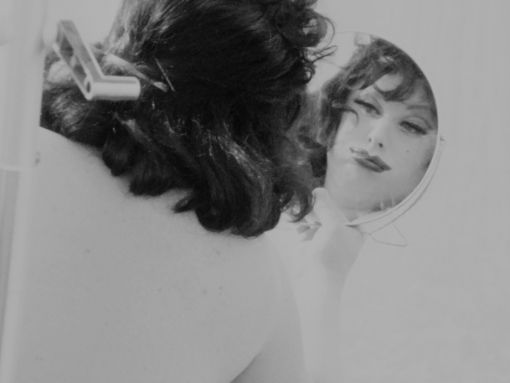
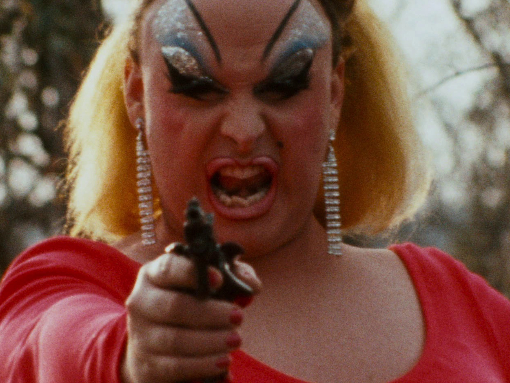
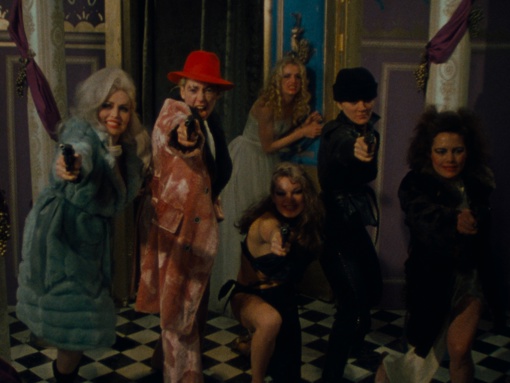
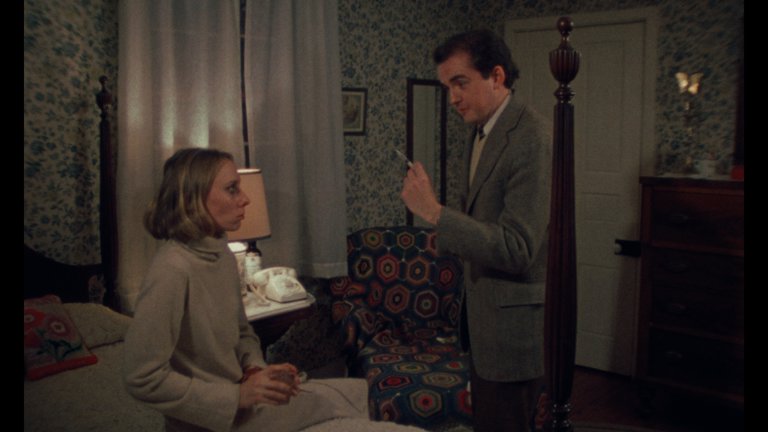
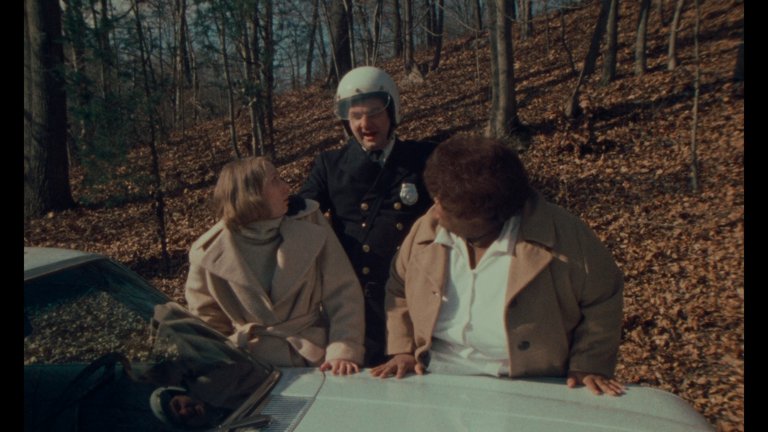
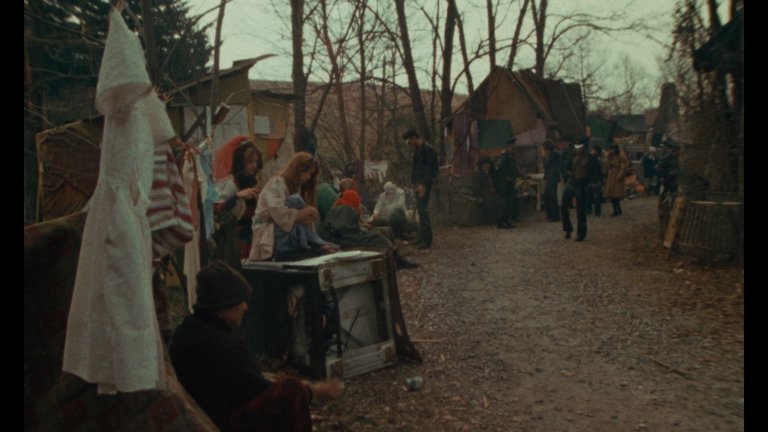
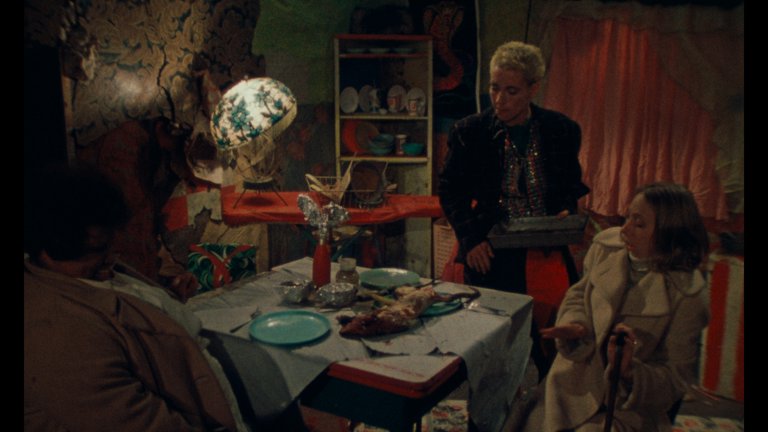
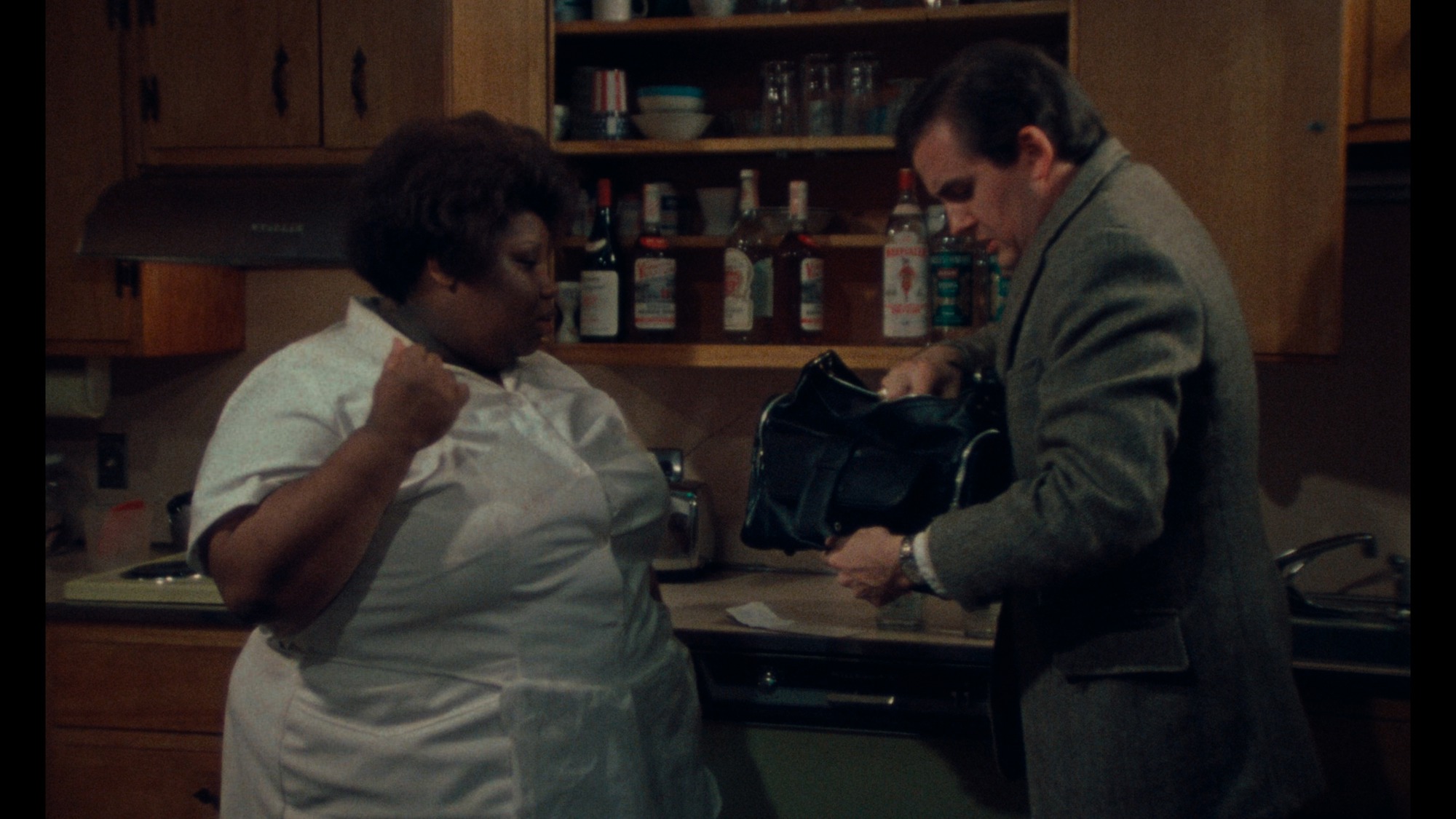
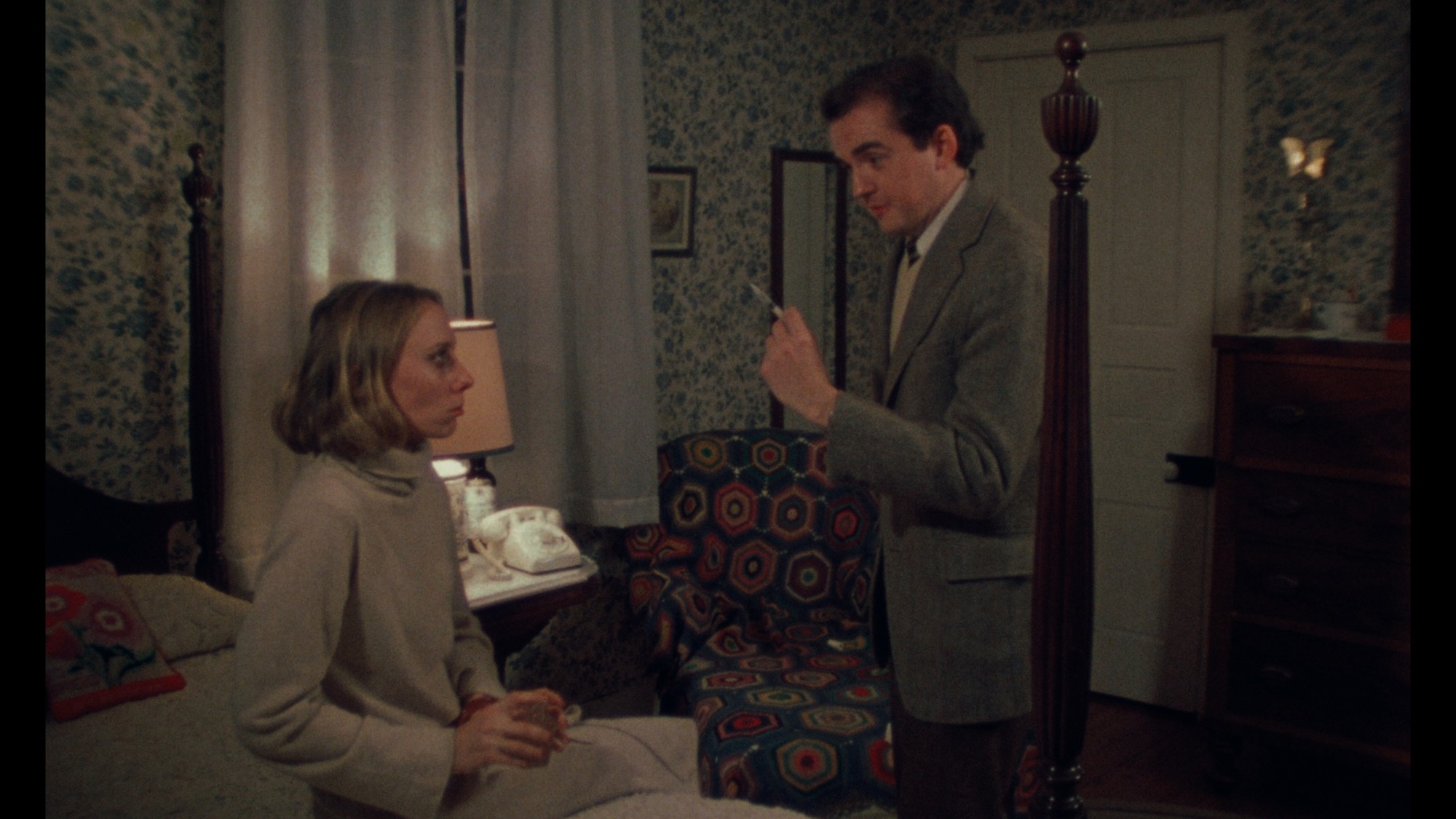
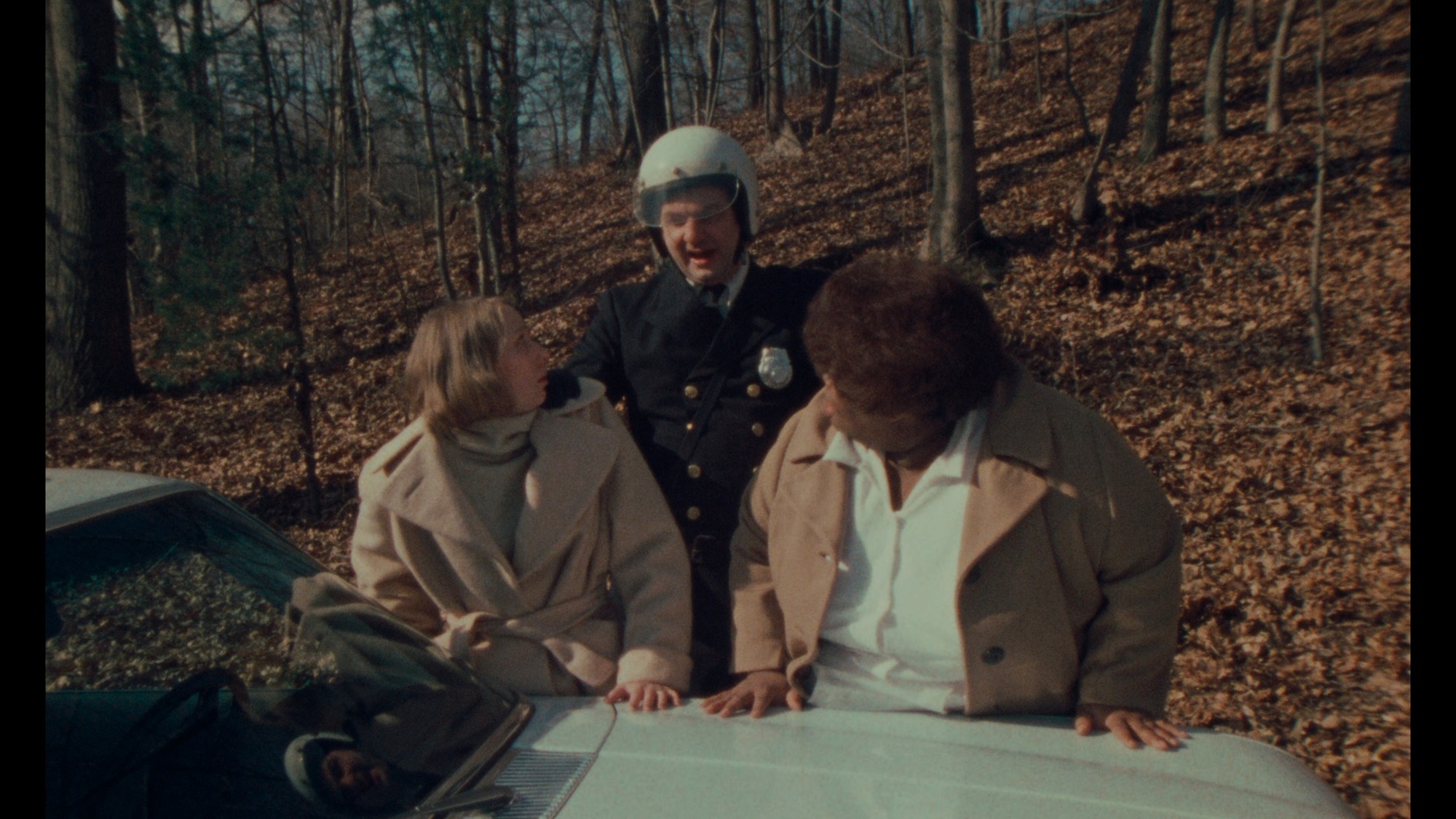
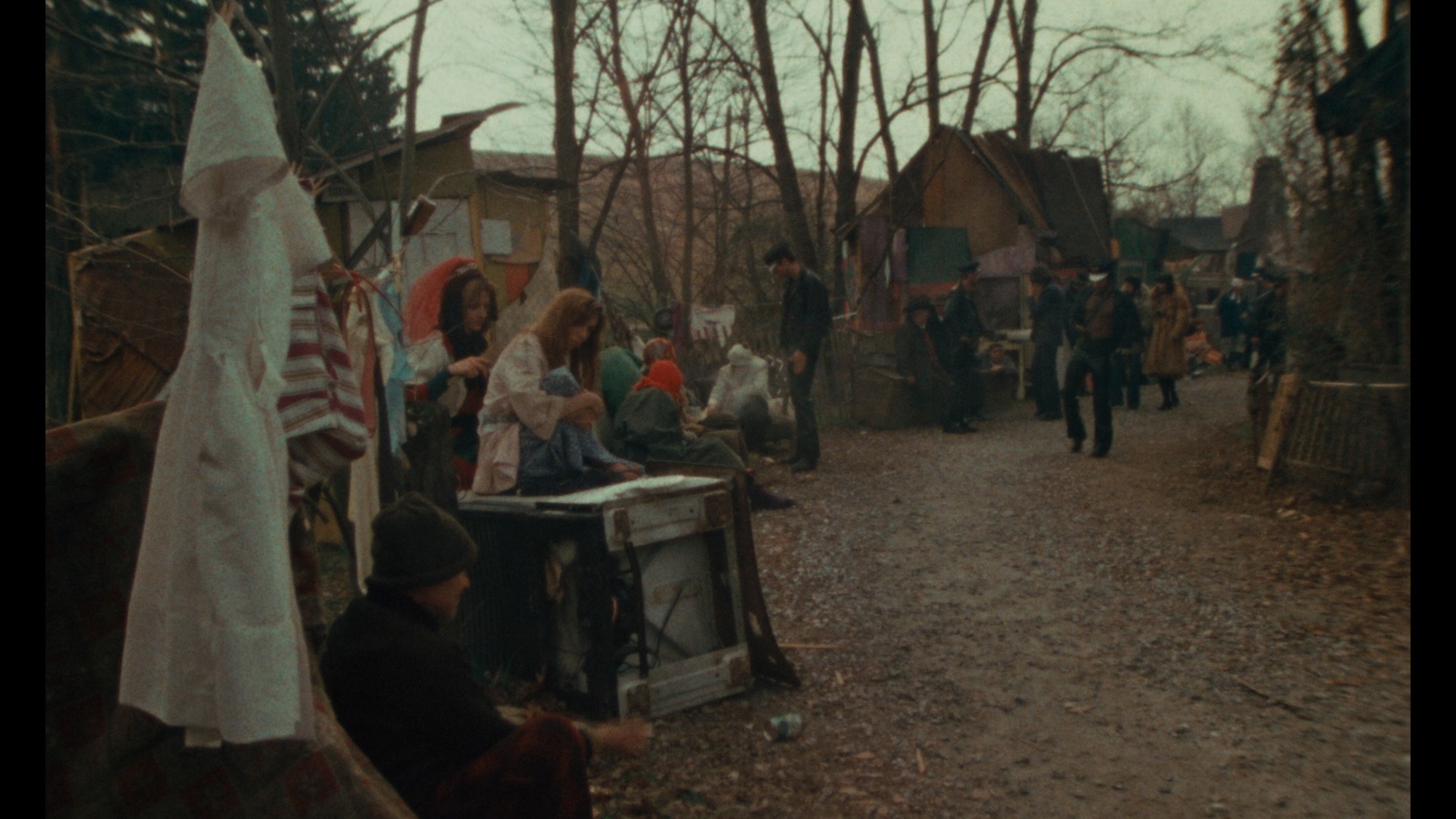
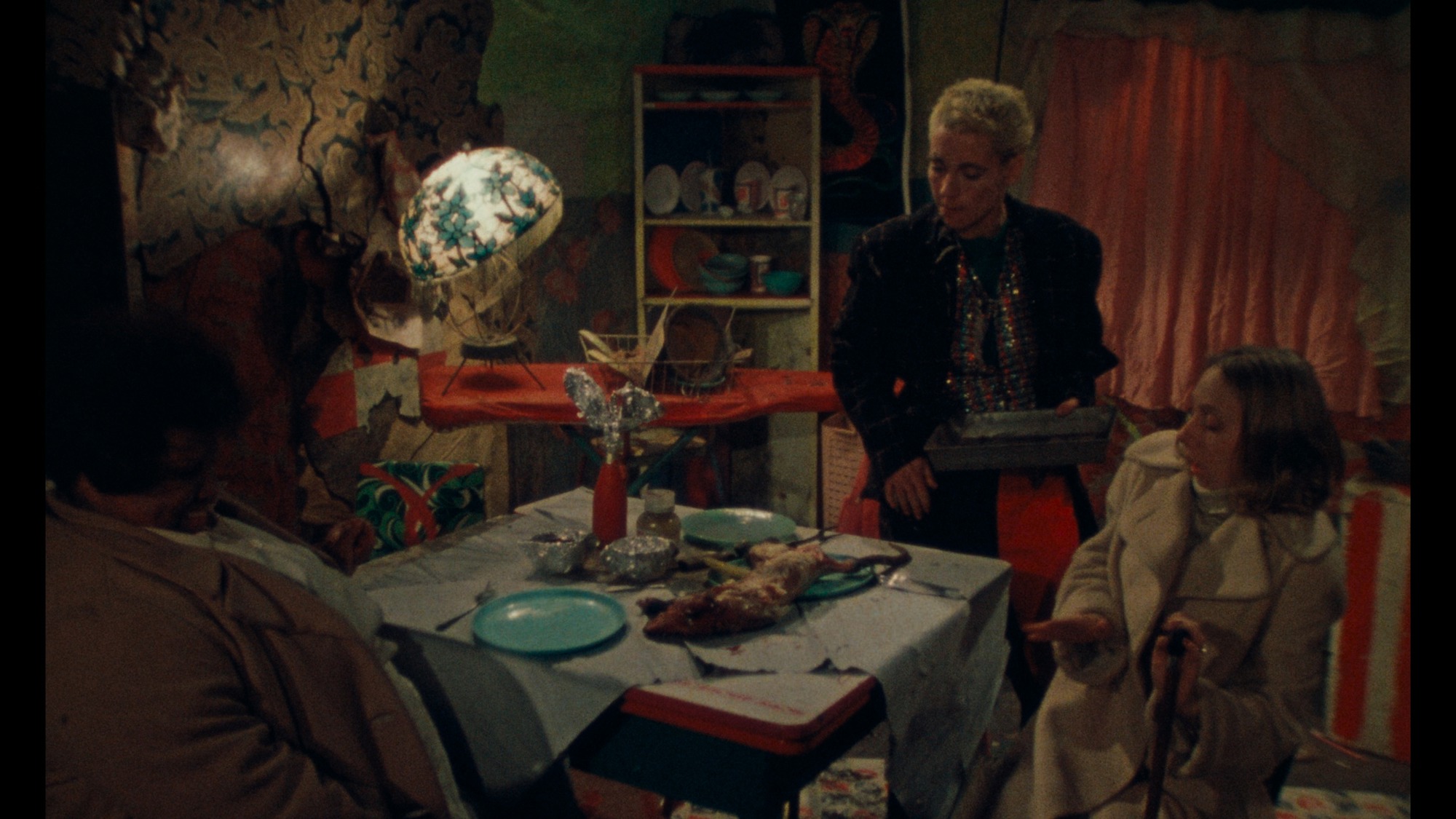
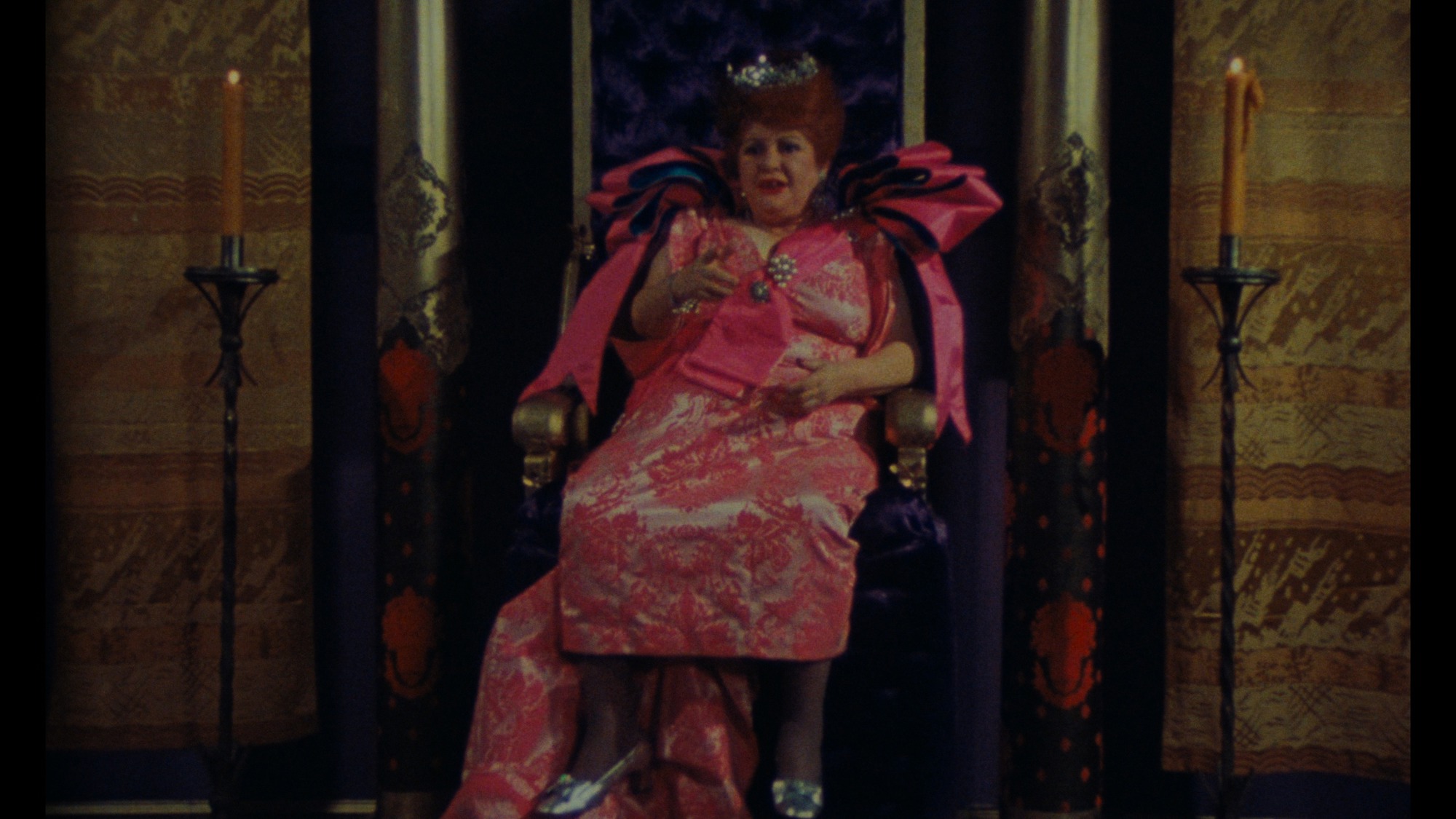
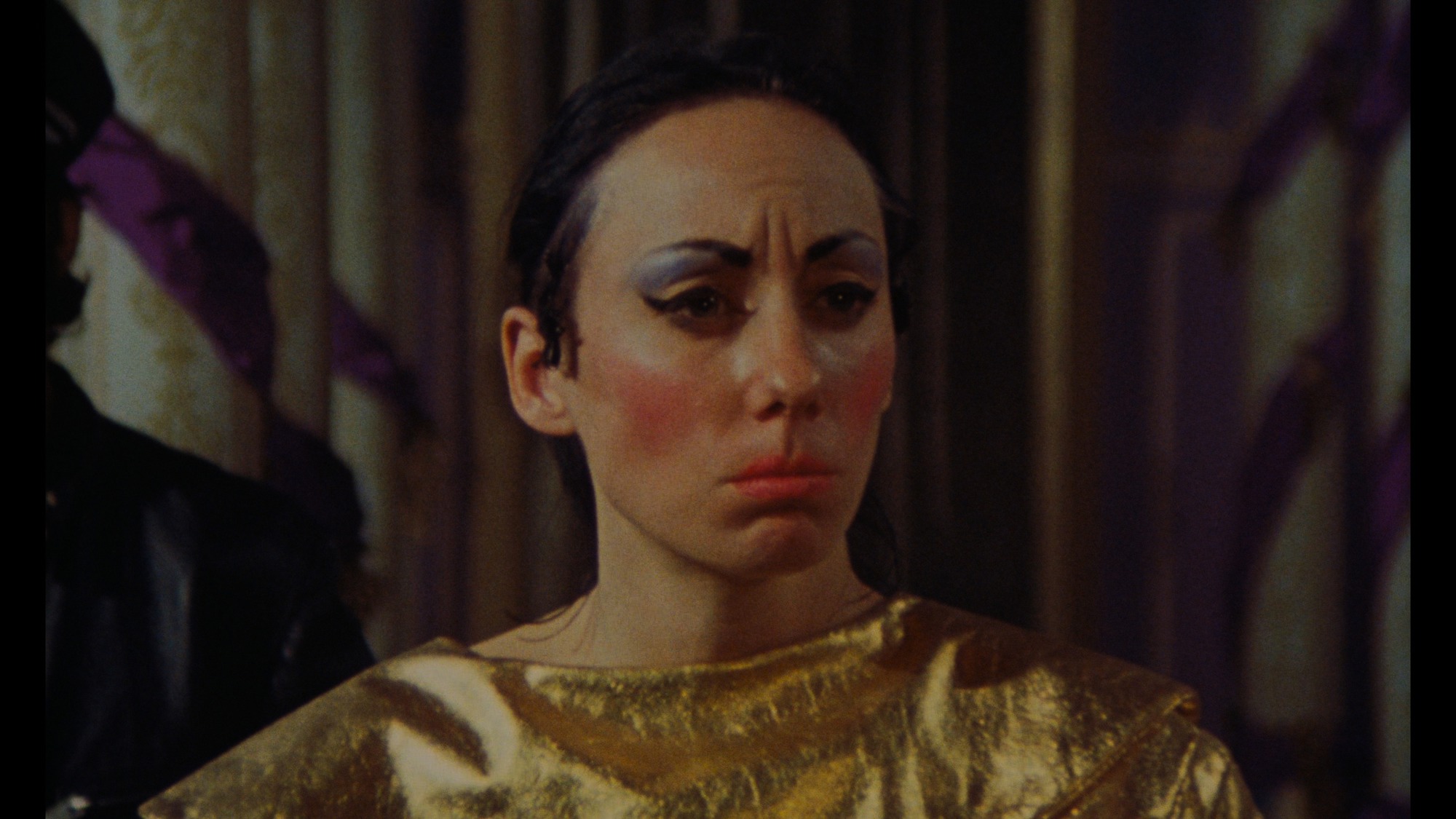
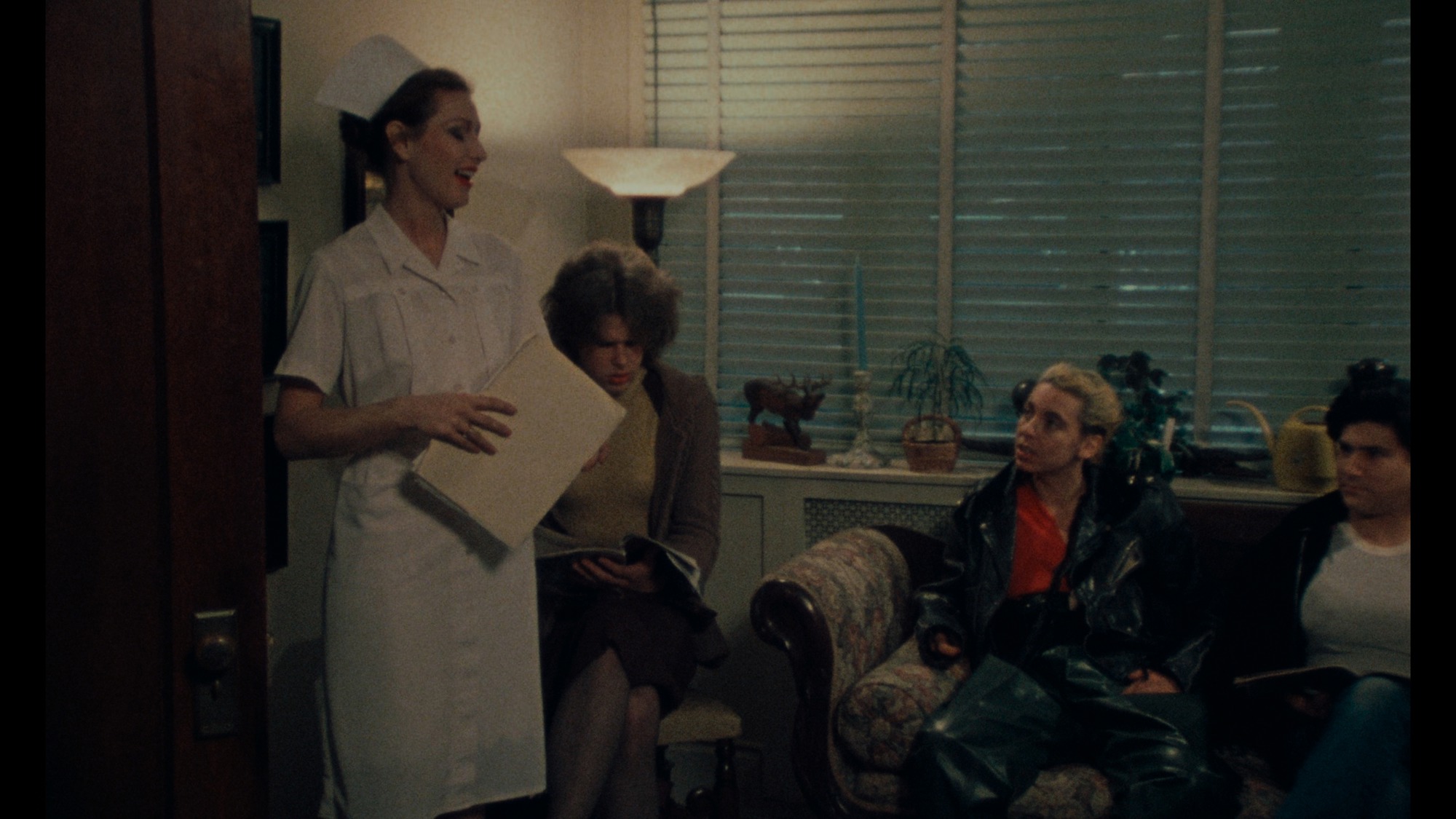
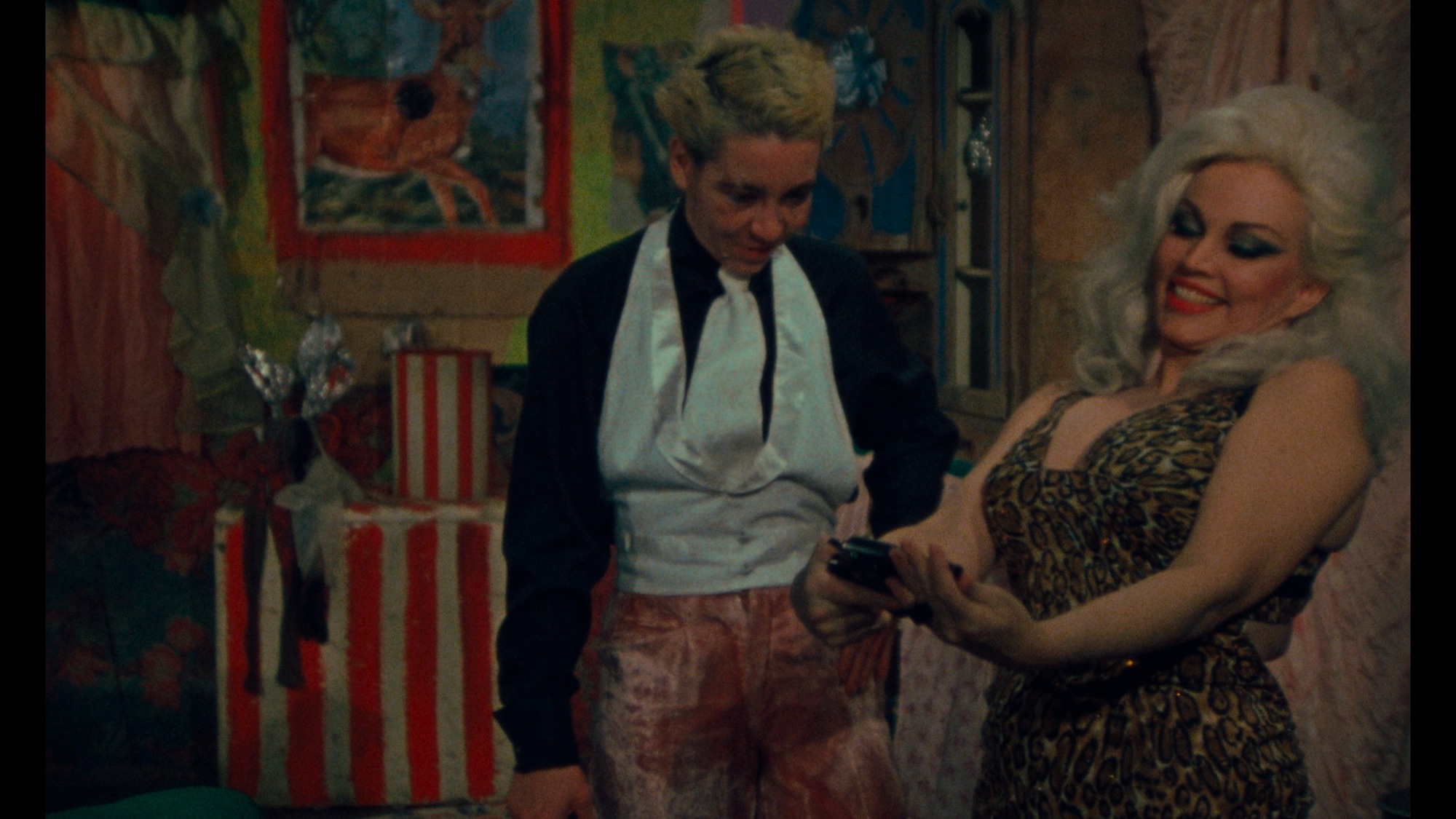
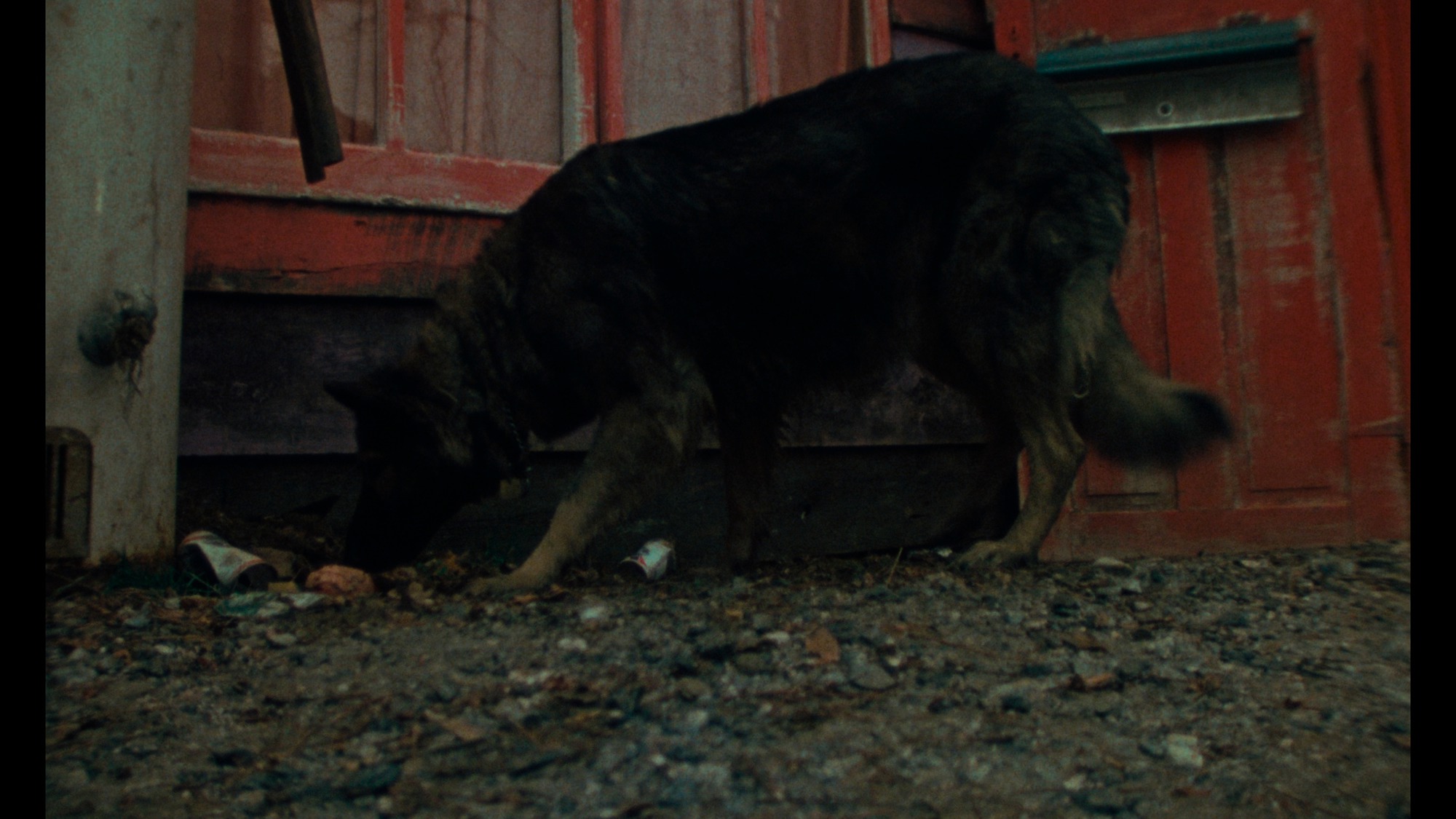
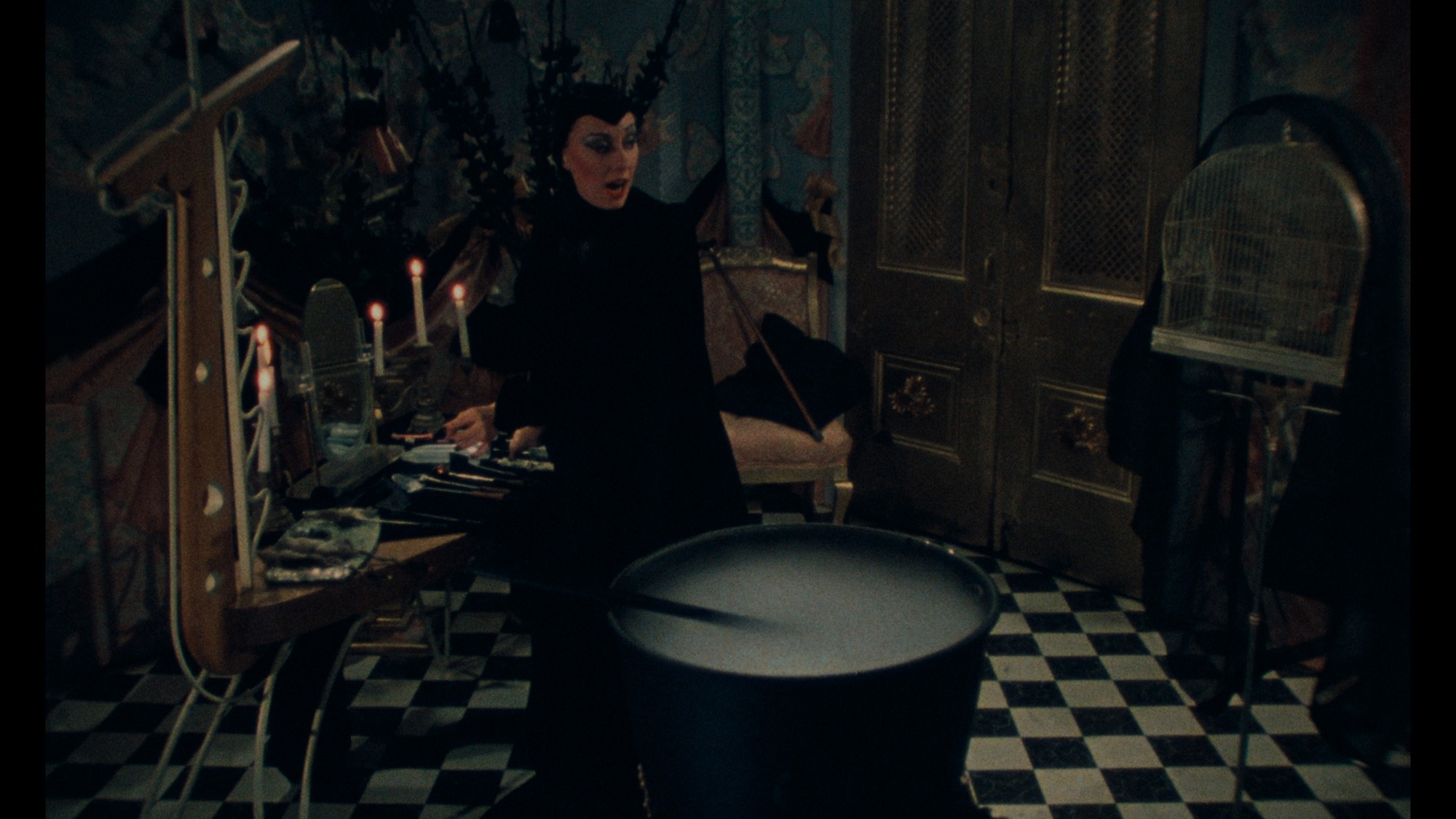
Well, guess what! I'm wrong again, and Criterion has somehow pulled off a miracle because this ends up looking absolutely incredible. Even Waters, commenting on the restoration in some of the supplements, seems genuinely surprised (shocked?) by the results, particularly when discussing Vincent Peranio’s production design and noting details he had never been able to properly see before that are now all clearly visible. And he's right. Details in the sets, costumes, and makeup leap off the screen now, for better or worse, and while I can’t say the image is ever razor sharp (an inherent limitation of the photography), finer textures and details are far more evident than I ever would have expected. The encode also does a fantastic job rendering the film’s heavy grain, preserving a natural texture even in some of the smokier interiors.
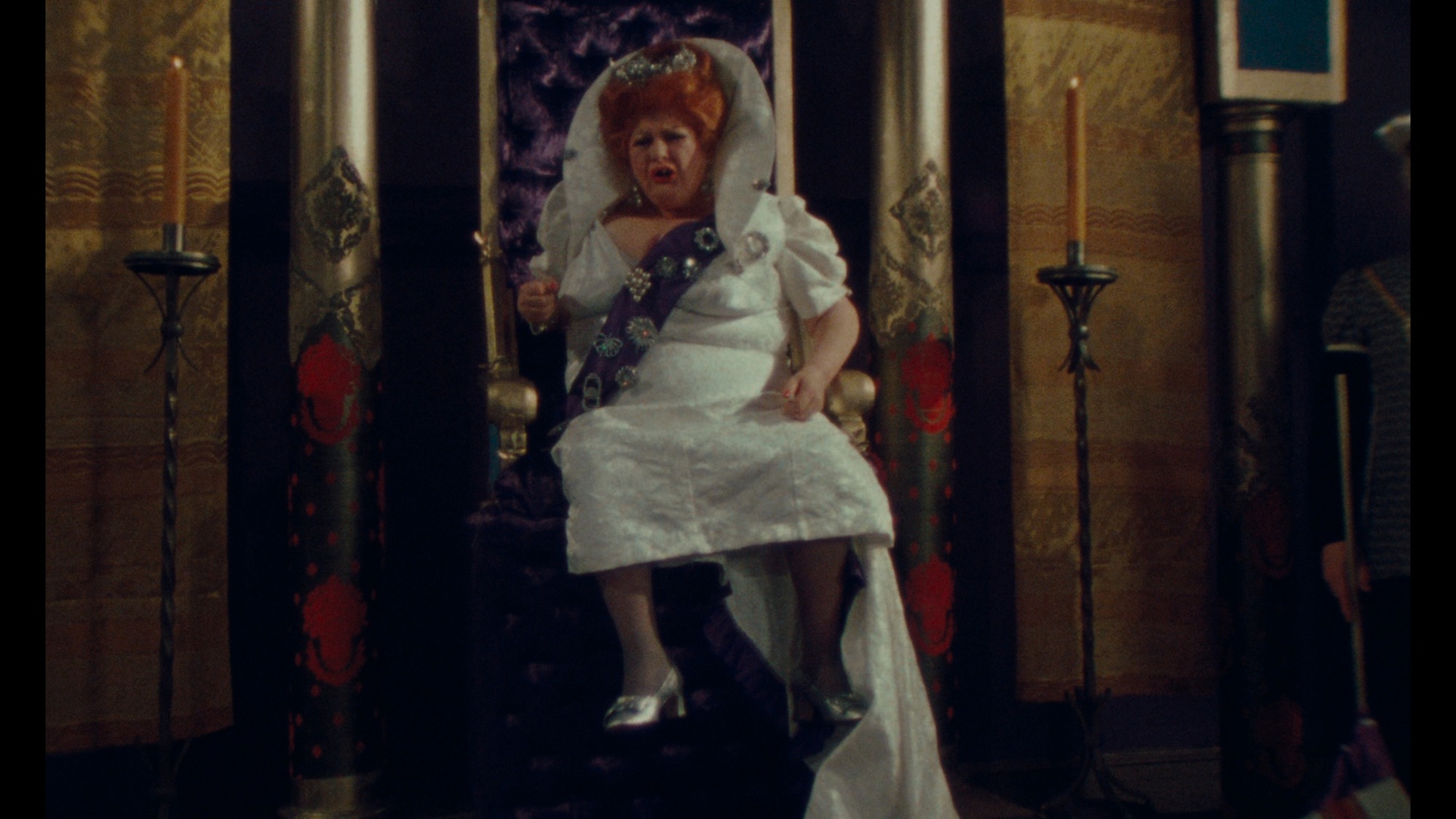
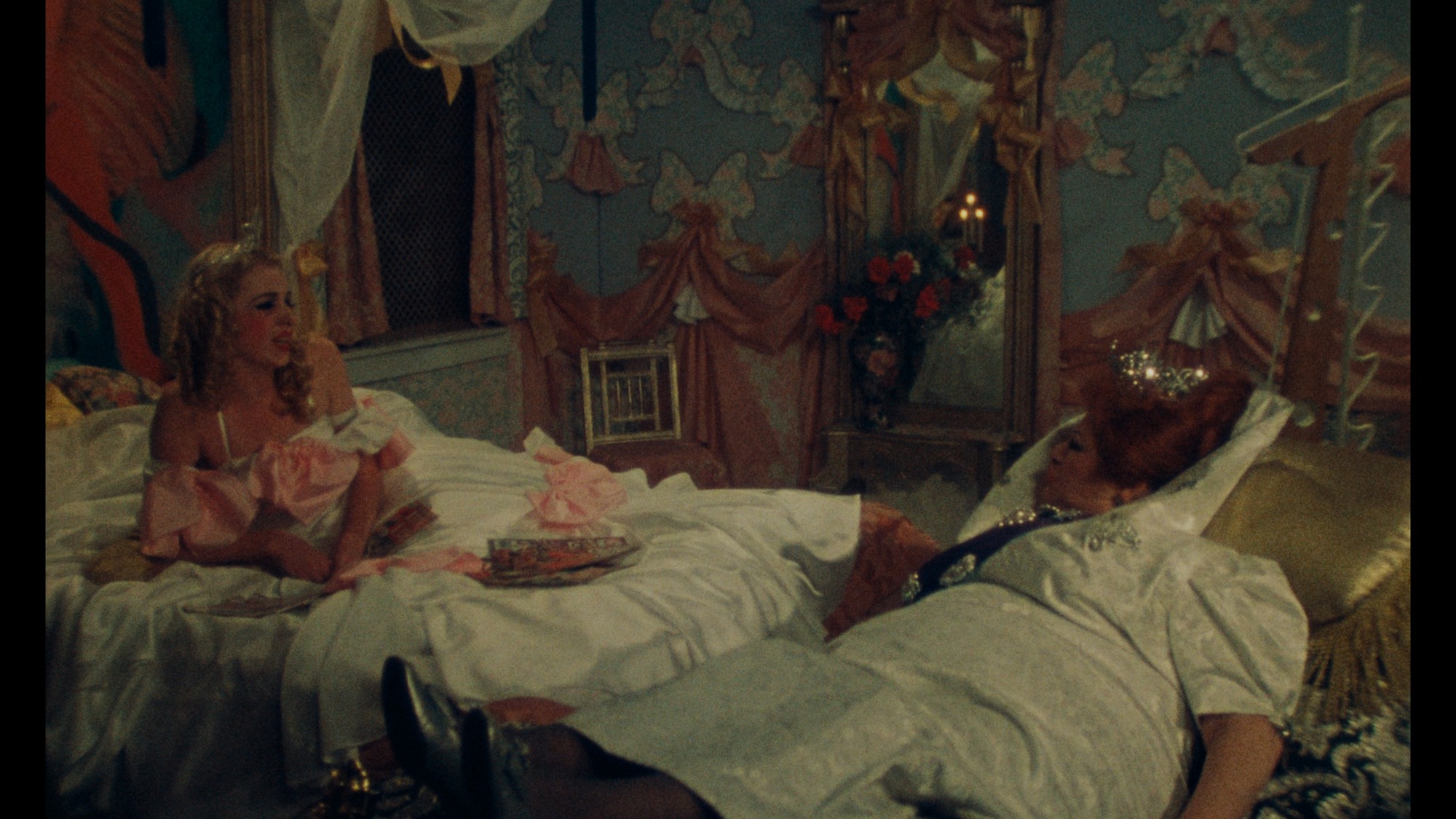
The biggest surprise, though, is how much the wider dynamic range adds to the presentation. This is a dark film filled with shadows, but they look fantastic here, delivering smooth gradations while blacks remain deep without becoming muddy. There are also wonderful bursts of color throughout, something I genuinely wasn't expecting. Pinks and reds look terrific, but the most striking element may be the vibrant violets found in Queen Carlotta’s (Edith Massey’s) throne. Highlights also have a wonderful pop without clipping fine detail, and even lend the image a projected look, another benefit I was not prepared for.
On top of all that, the restoration work itself has cleaned up the source remarkably well, which is another impressive feat. There are a handful of dupey-looking shots, almost certainly sourced from the blowup elements, where grain appears a little heavier and less refined, but overall the image is shockingly clean. And while all of this may make it sound as though the film has somehow lost its nasty edge, don’t worry, it most certainly has not. The presentation ultimately looks like a projection of a newly struck print, but all of the film’s grime, roughness, and general unpleasantness remain fully intact in all their glory. It still looks like crap, but at least it's pristine crap.
No one is going to mistake this for anything other than an underground independent film made by a group of friends in the 1970s, but damn, does it ever look good. This is an enormously impressive restoration and final presentation, one Criterion should feel proud of, shamefully or otherwise.
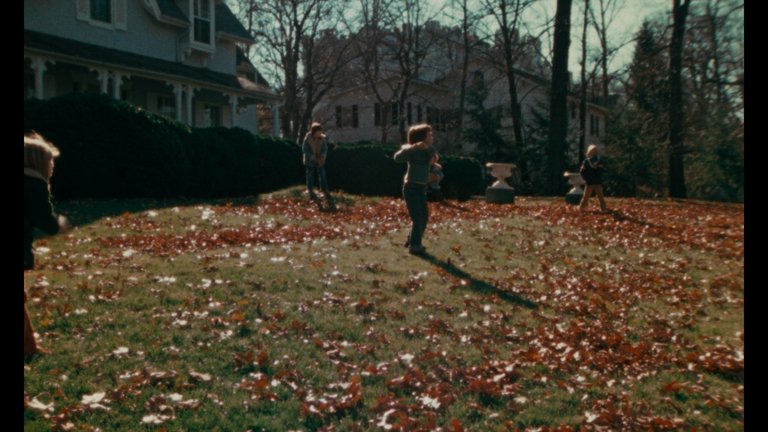
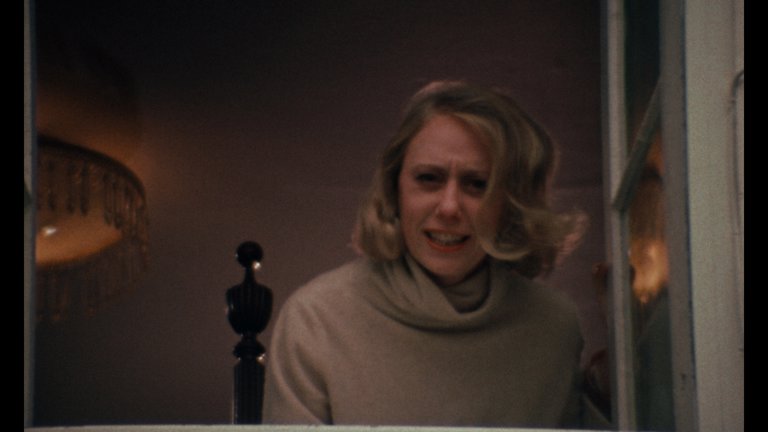
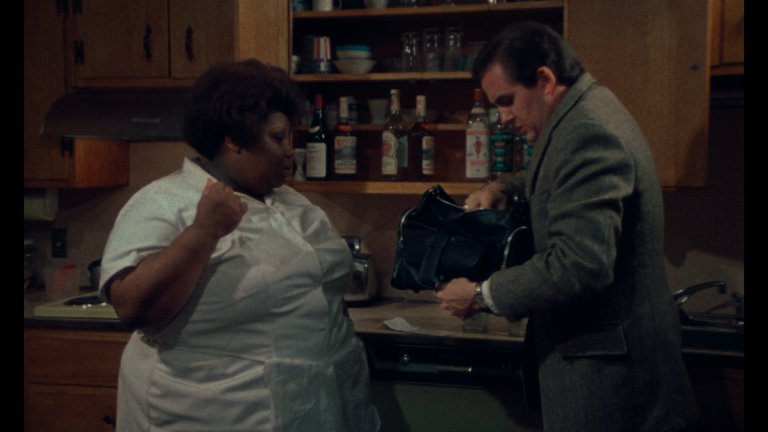
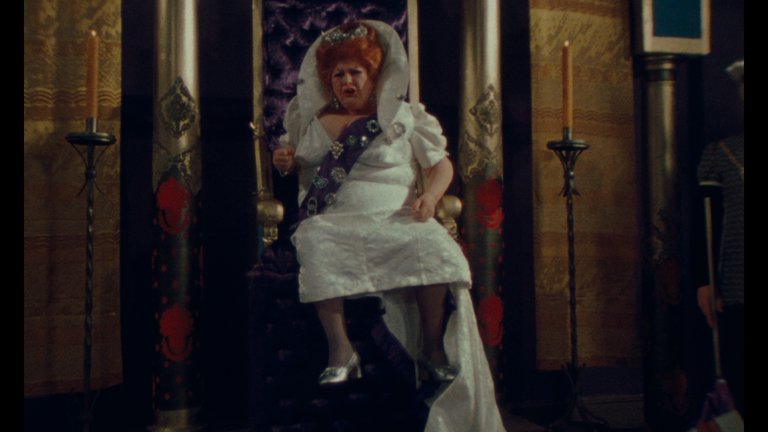
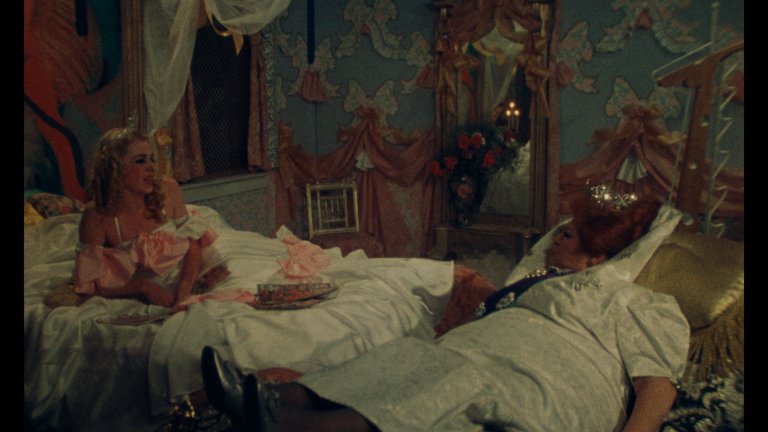
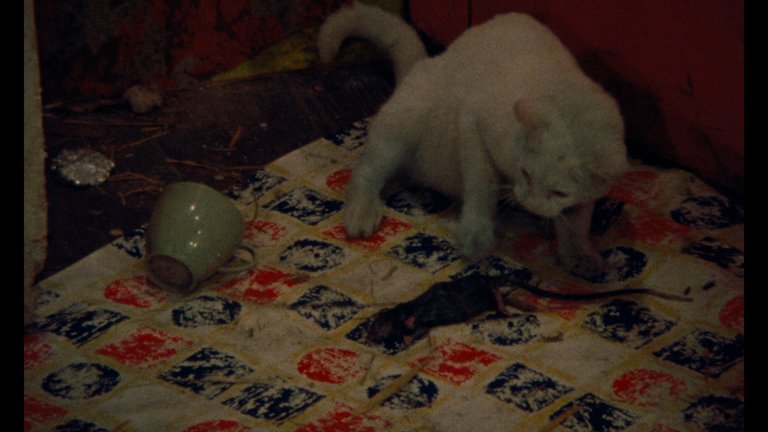
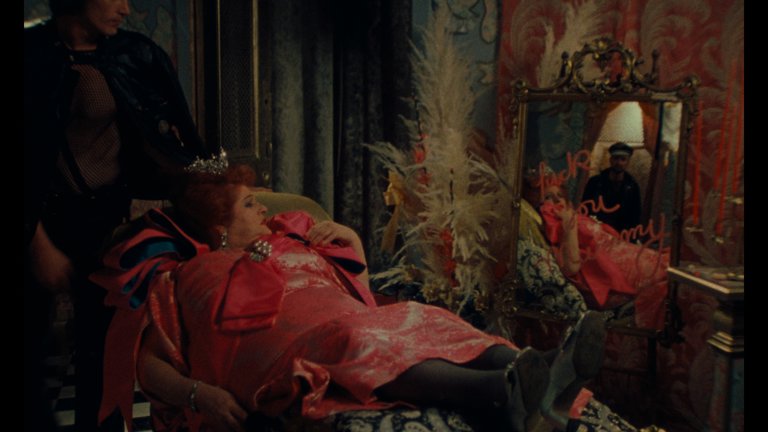
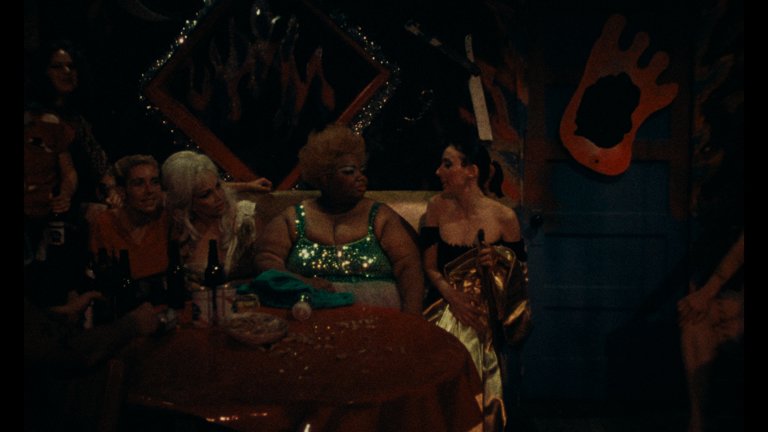
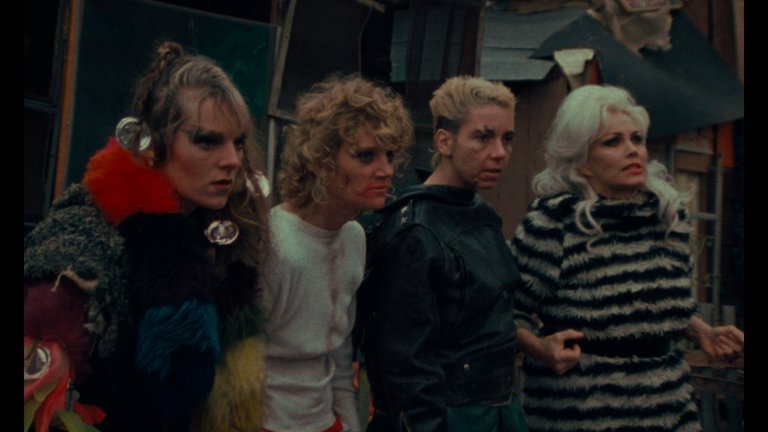
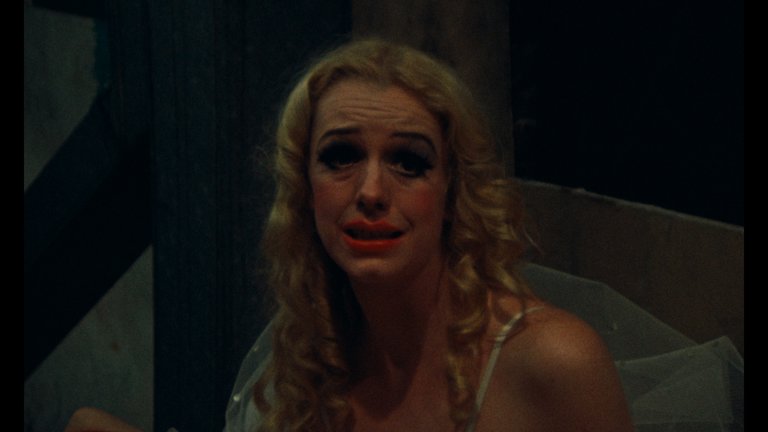
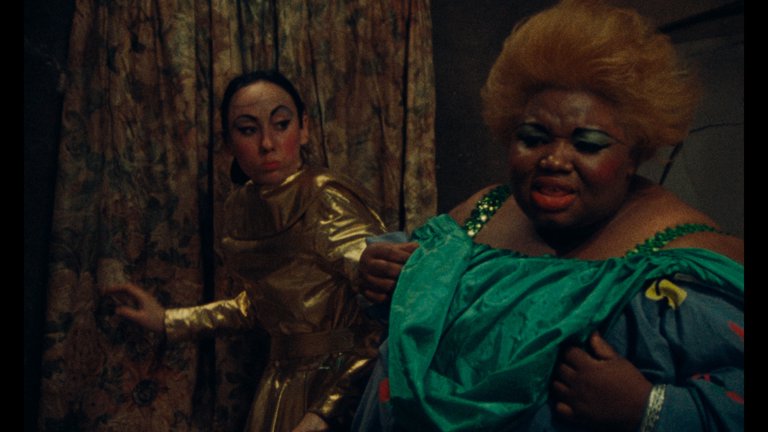
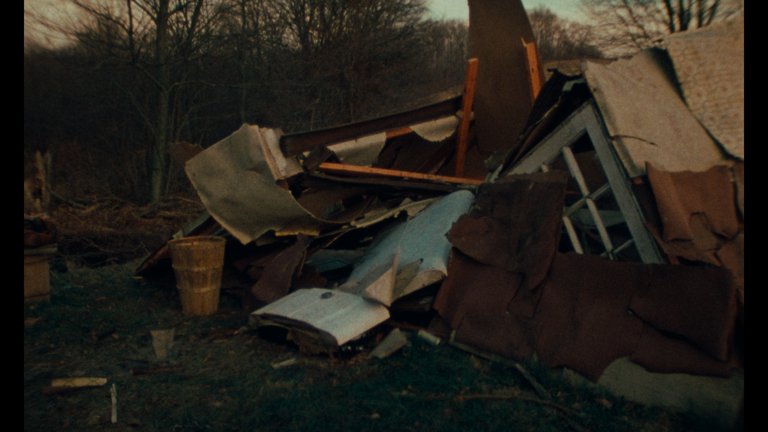
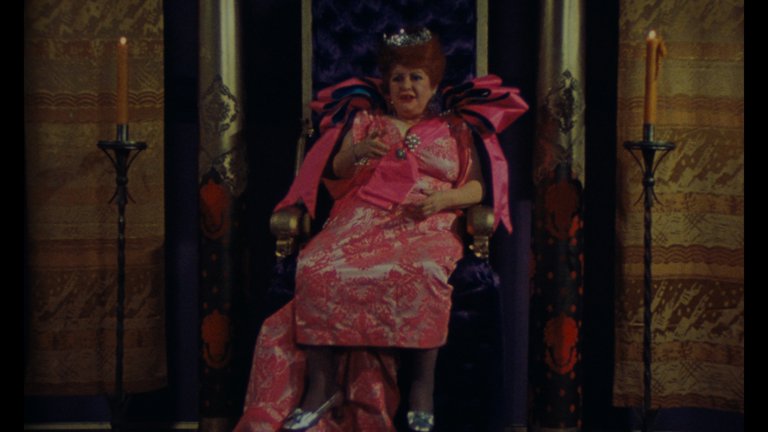
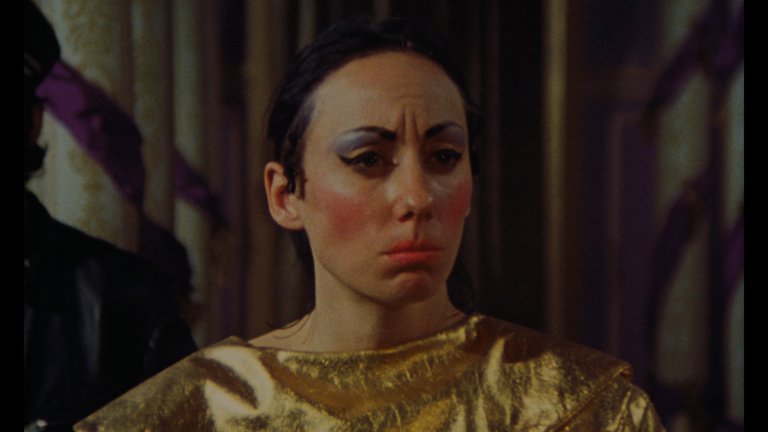
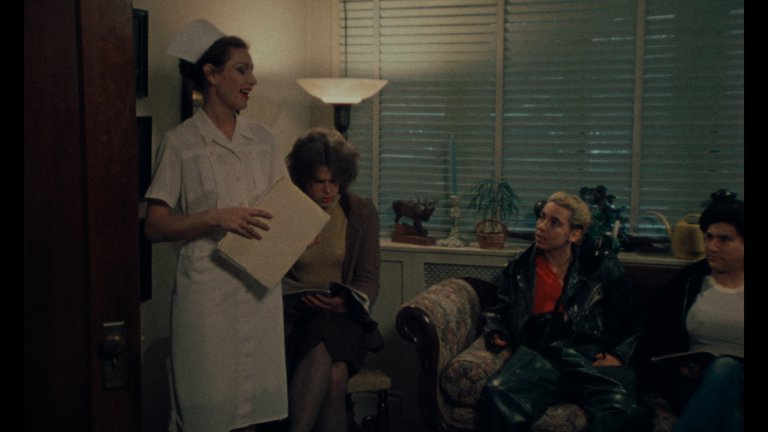
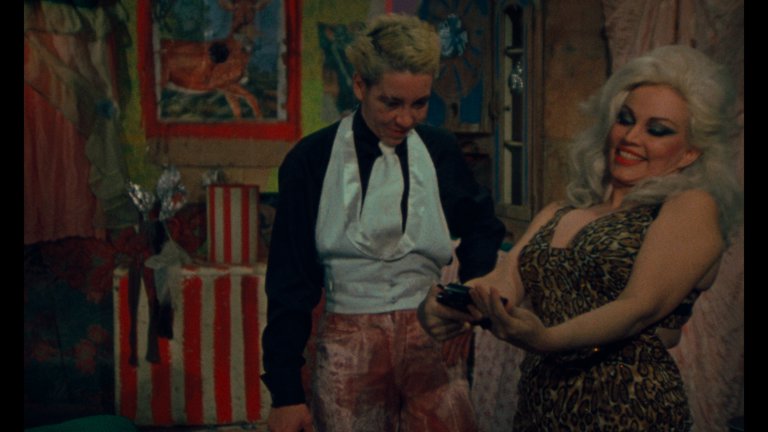
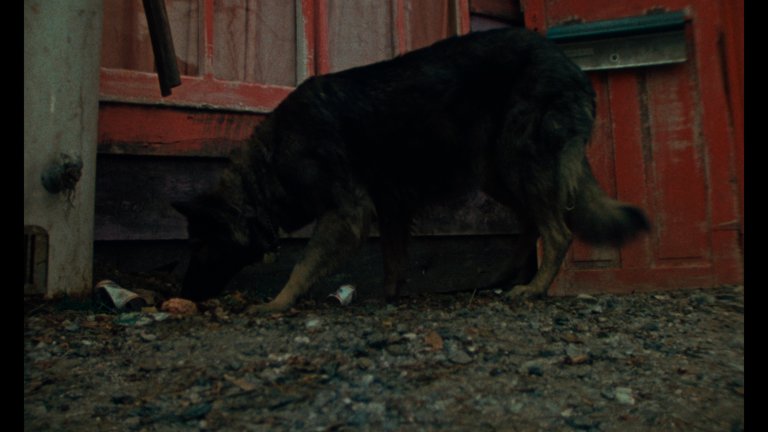
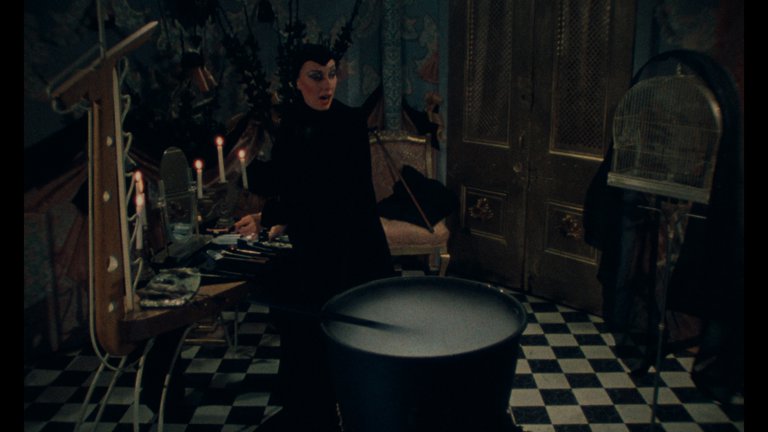
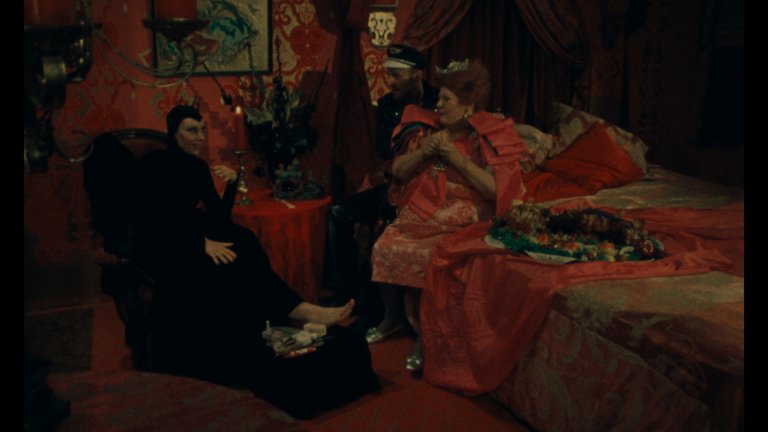
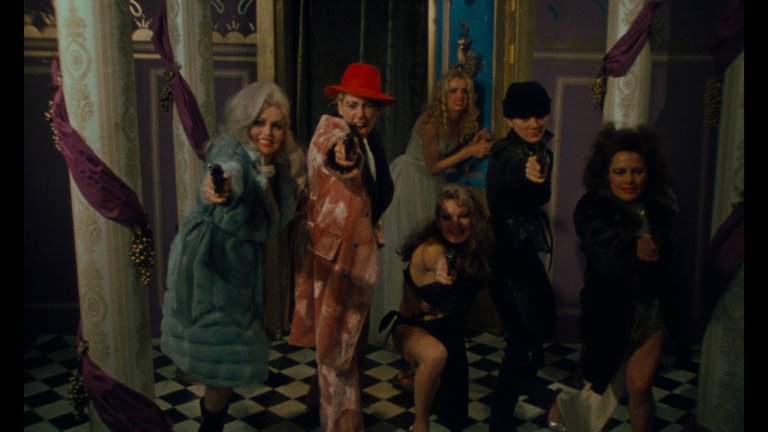
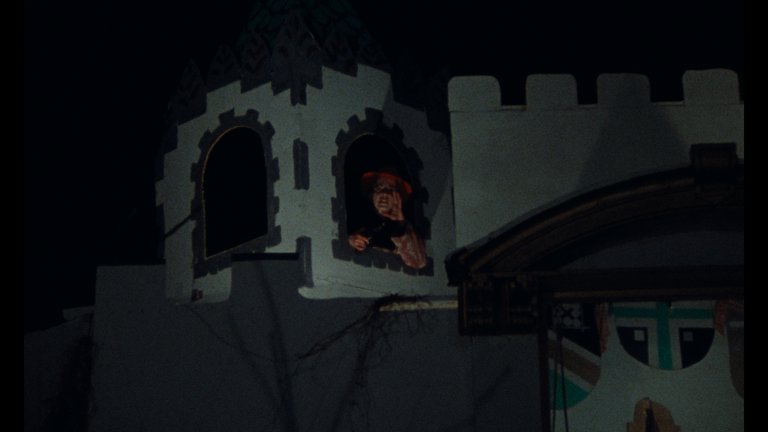
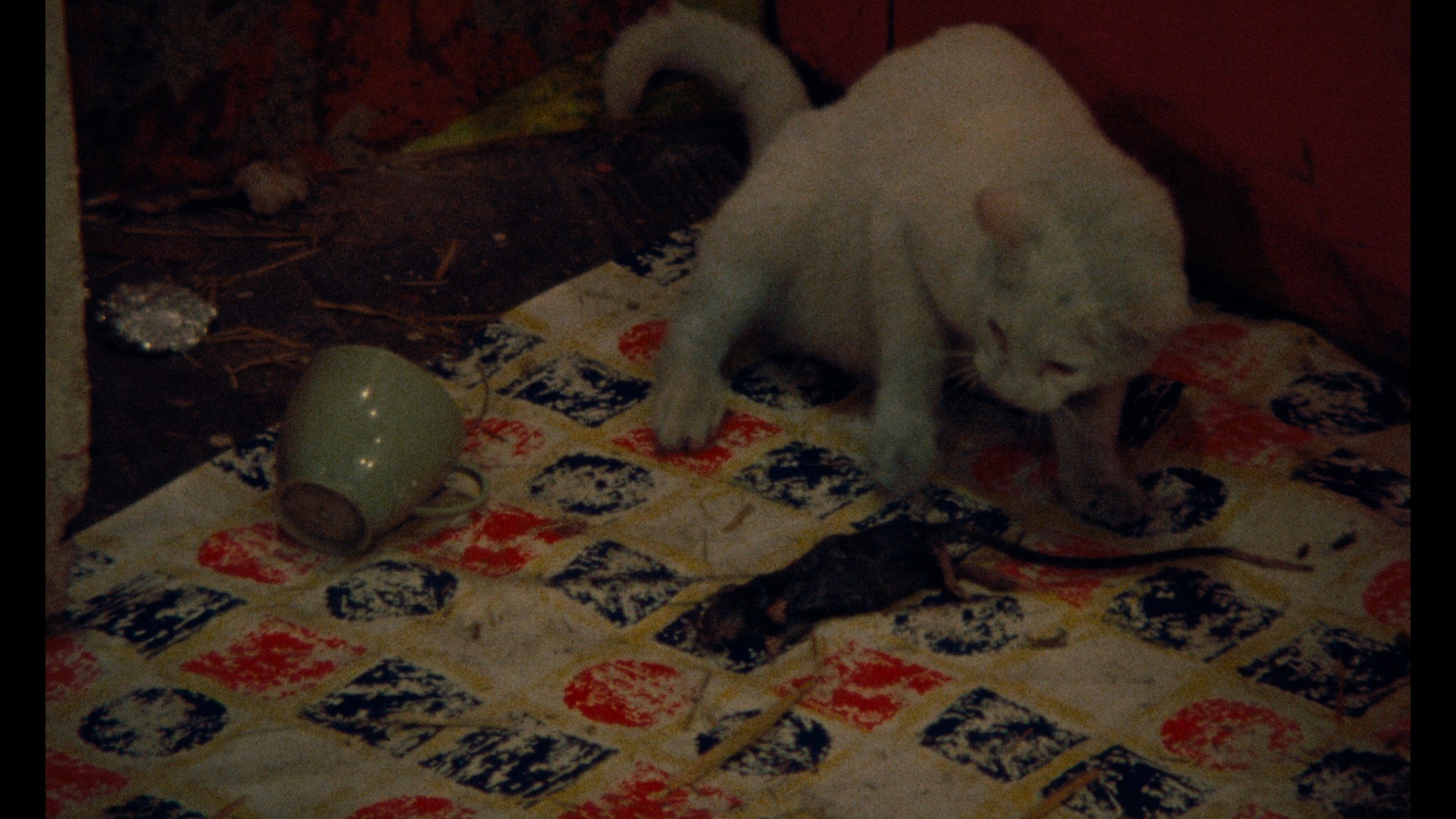
Desperate Living - Screen Captures
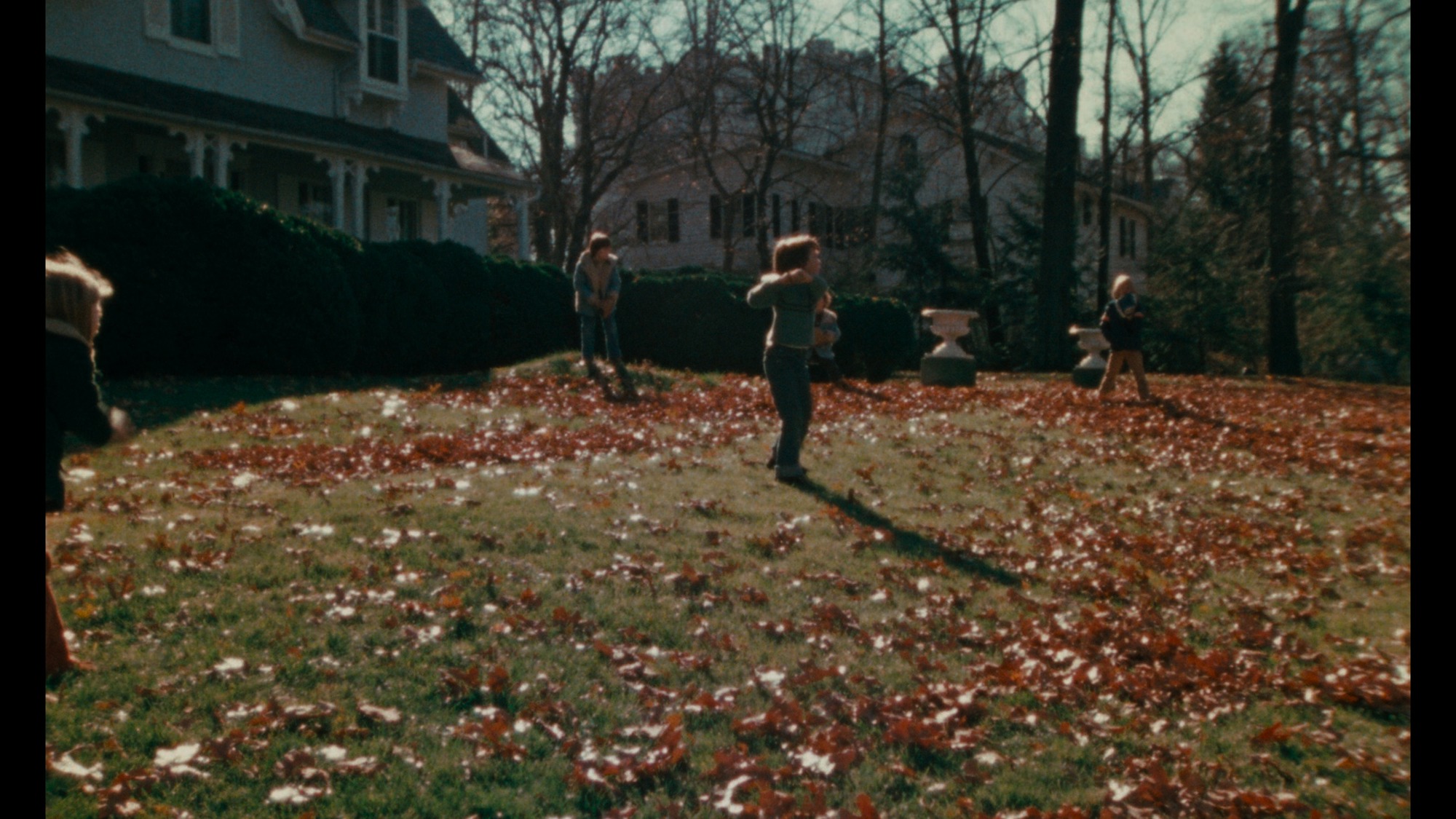
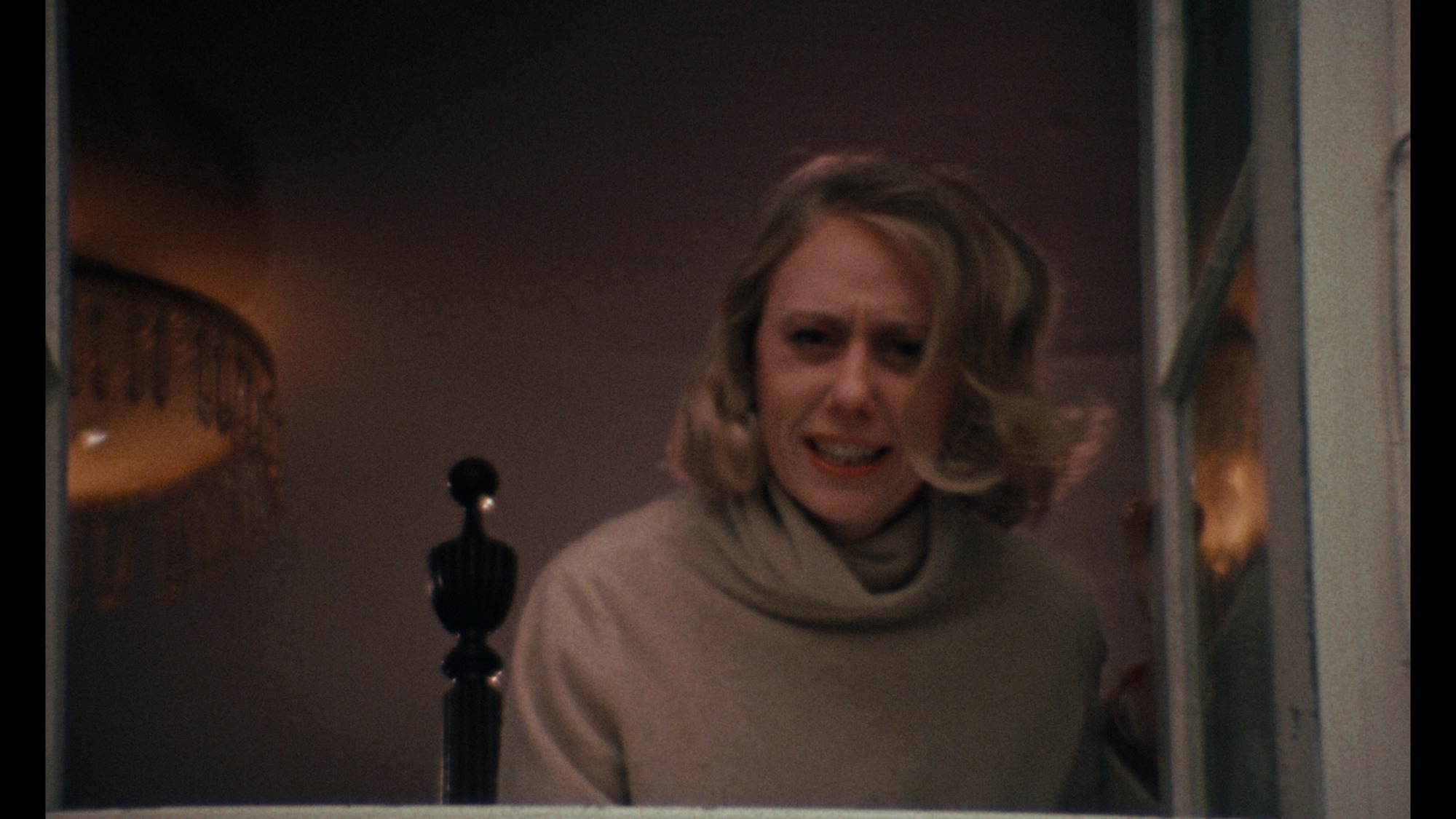
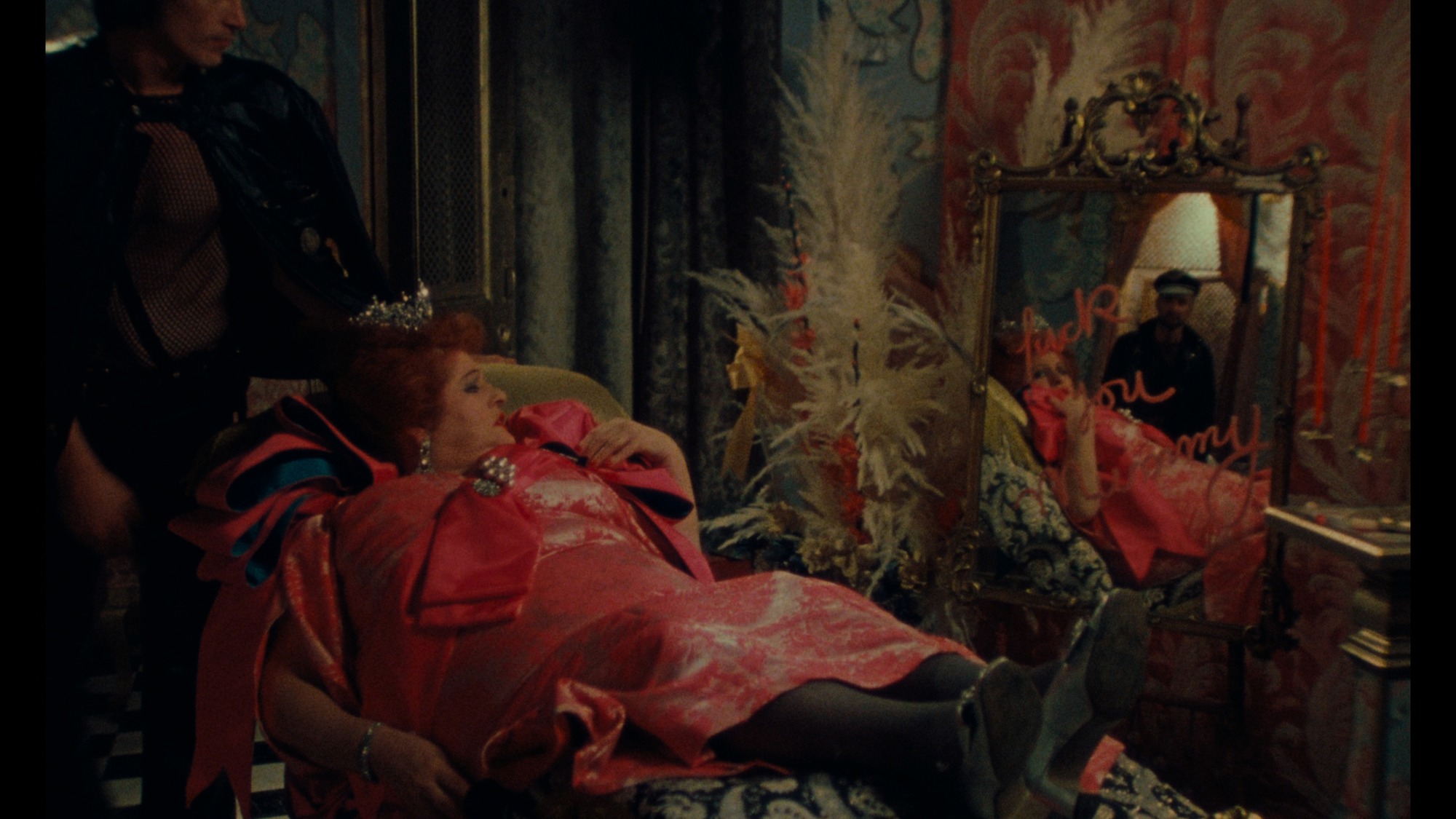
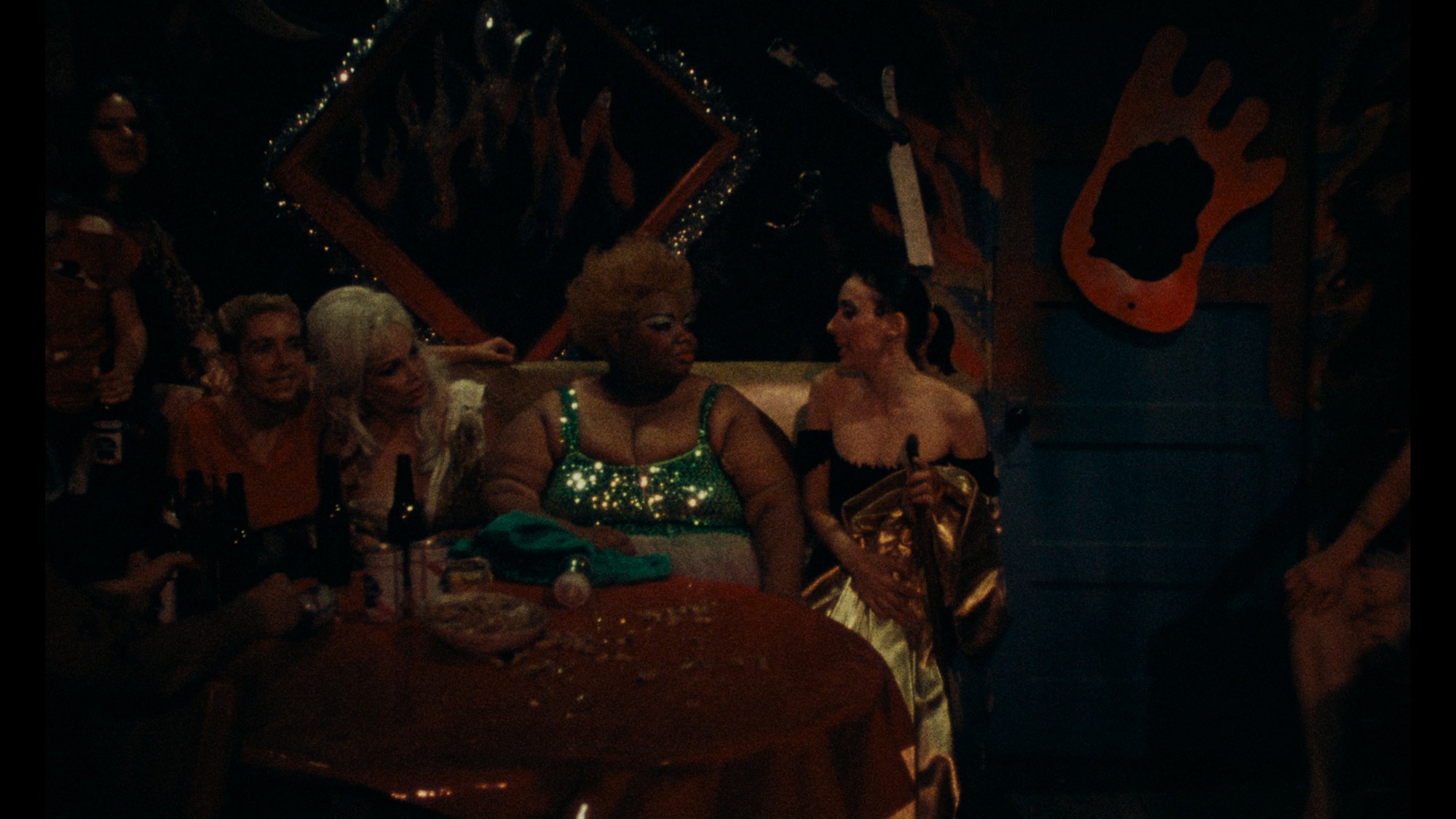
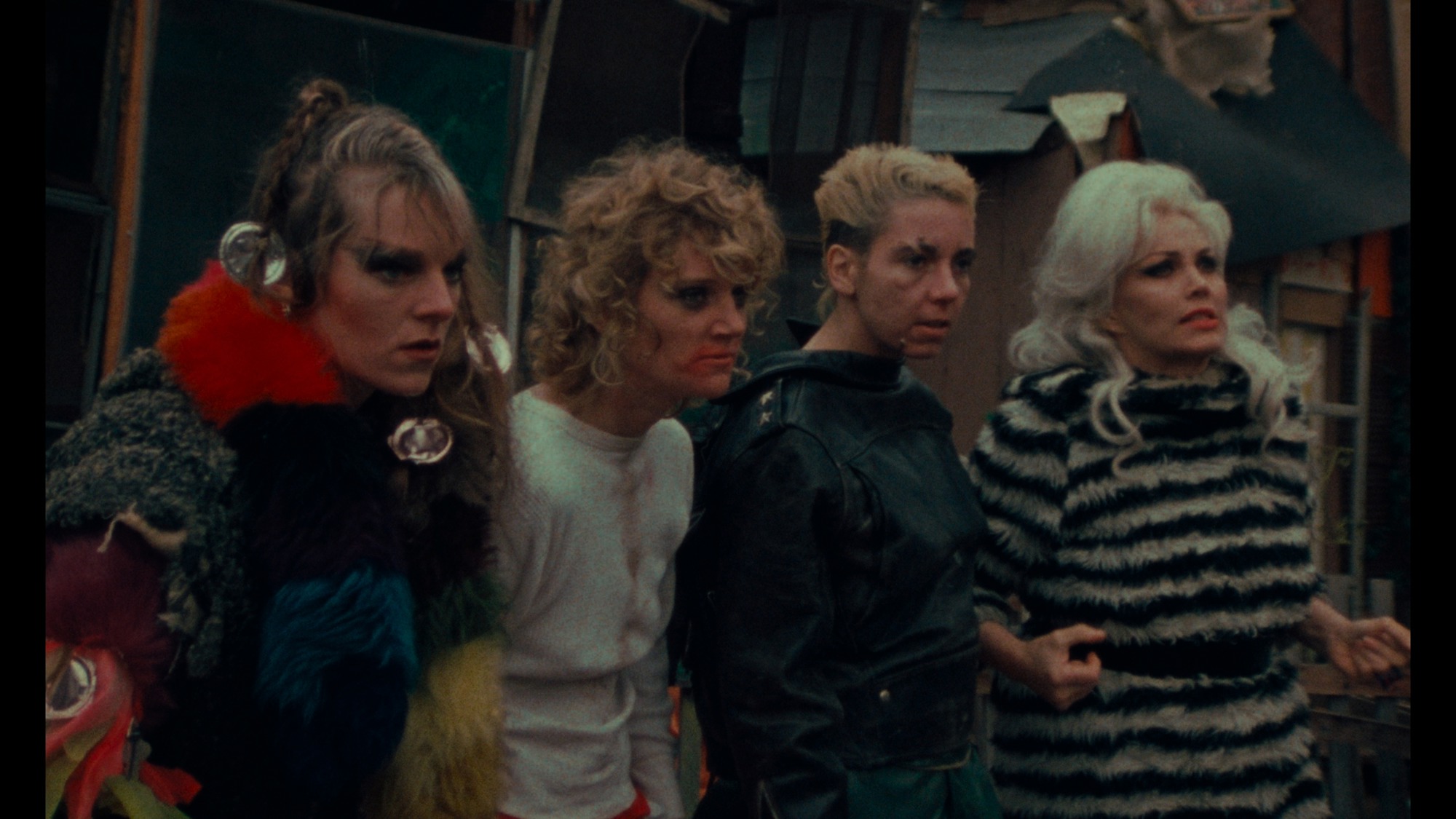
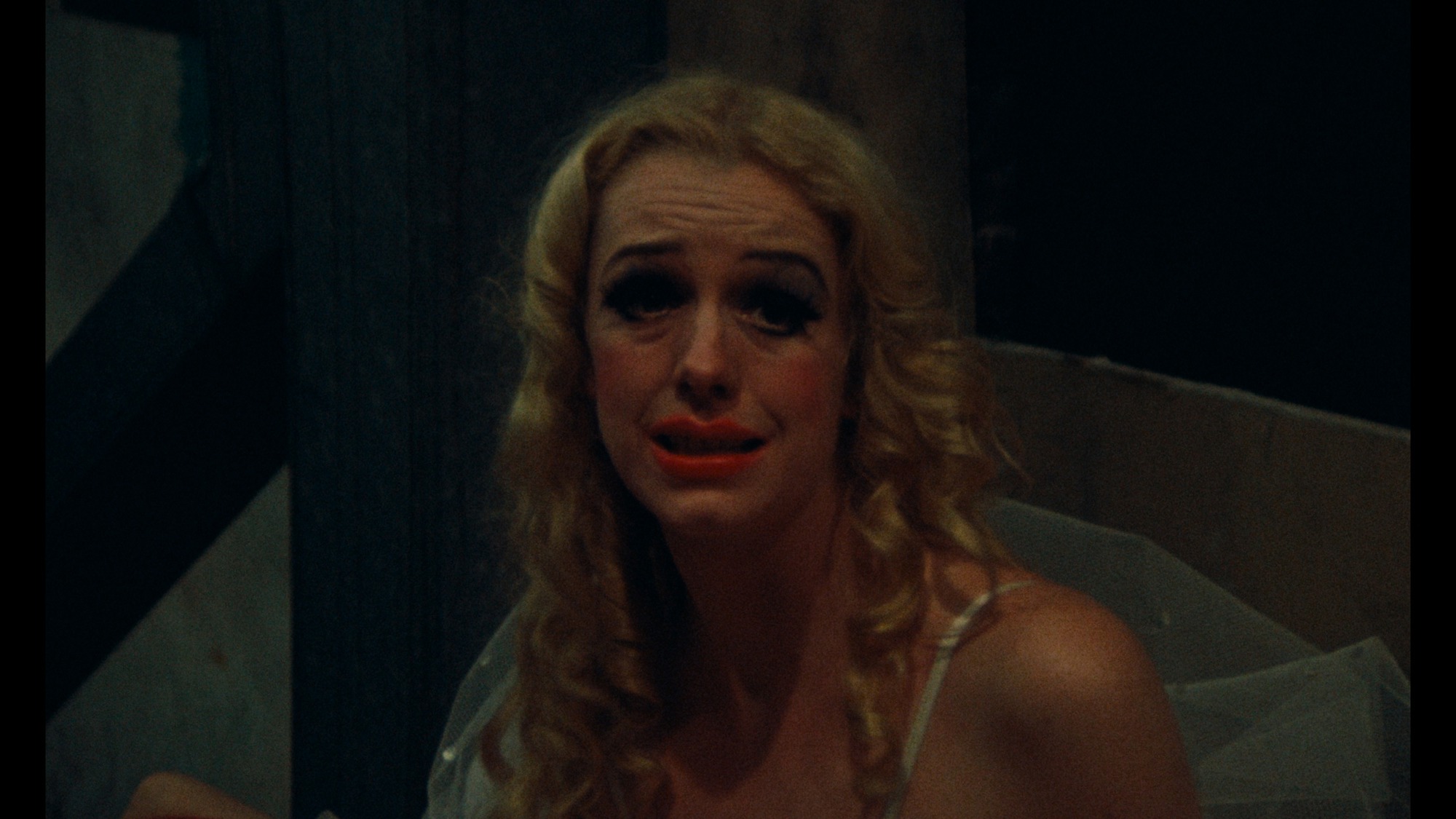
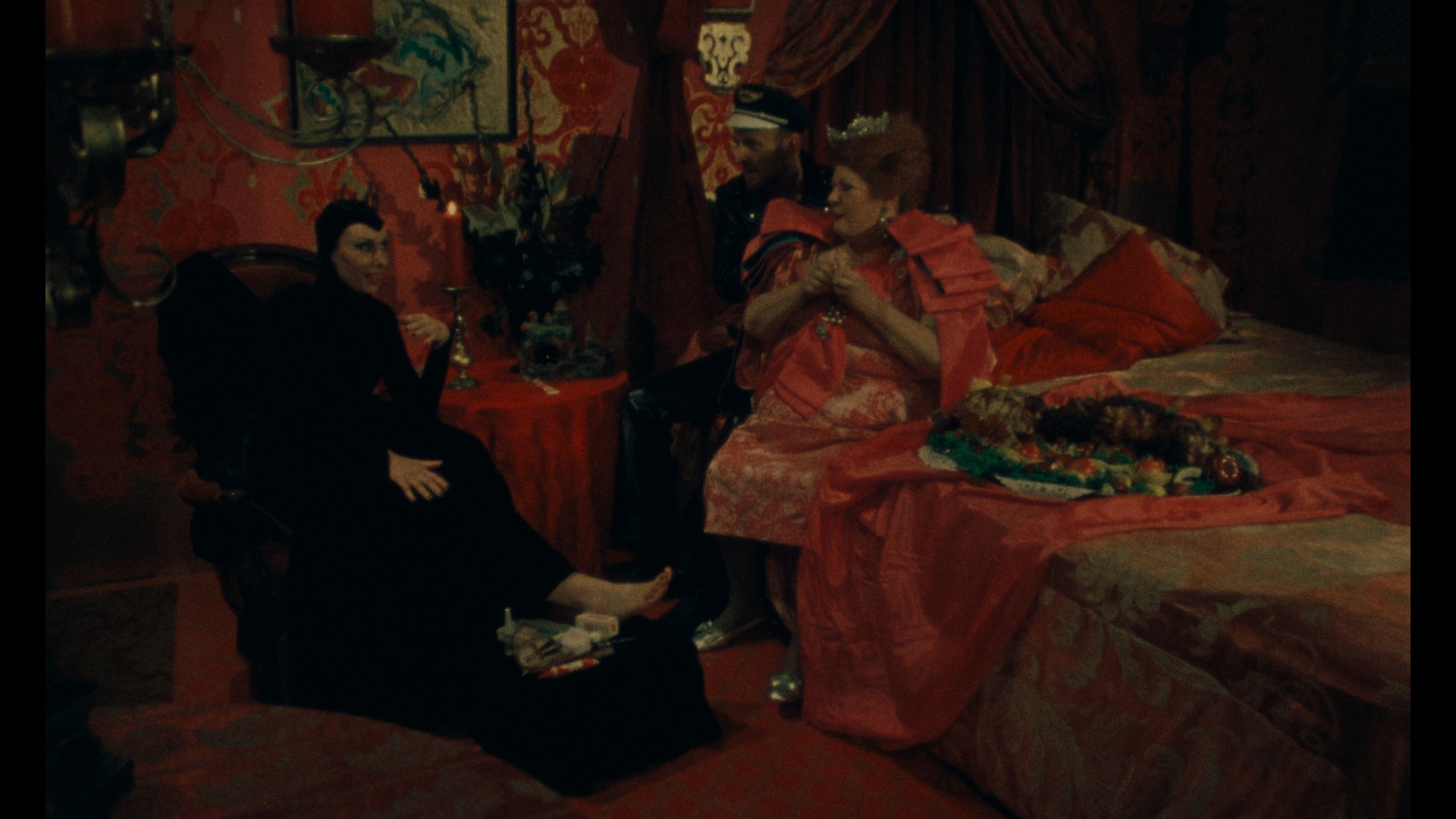
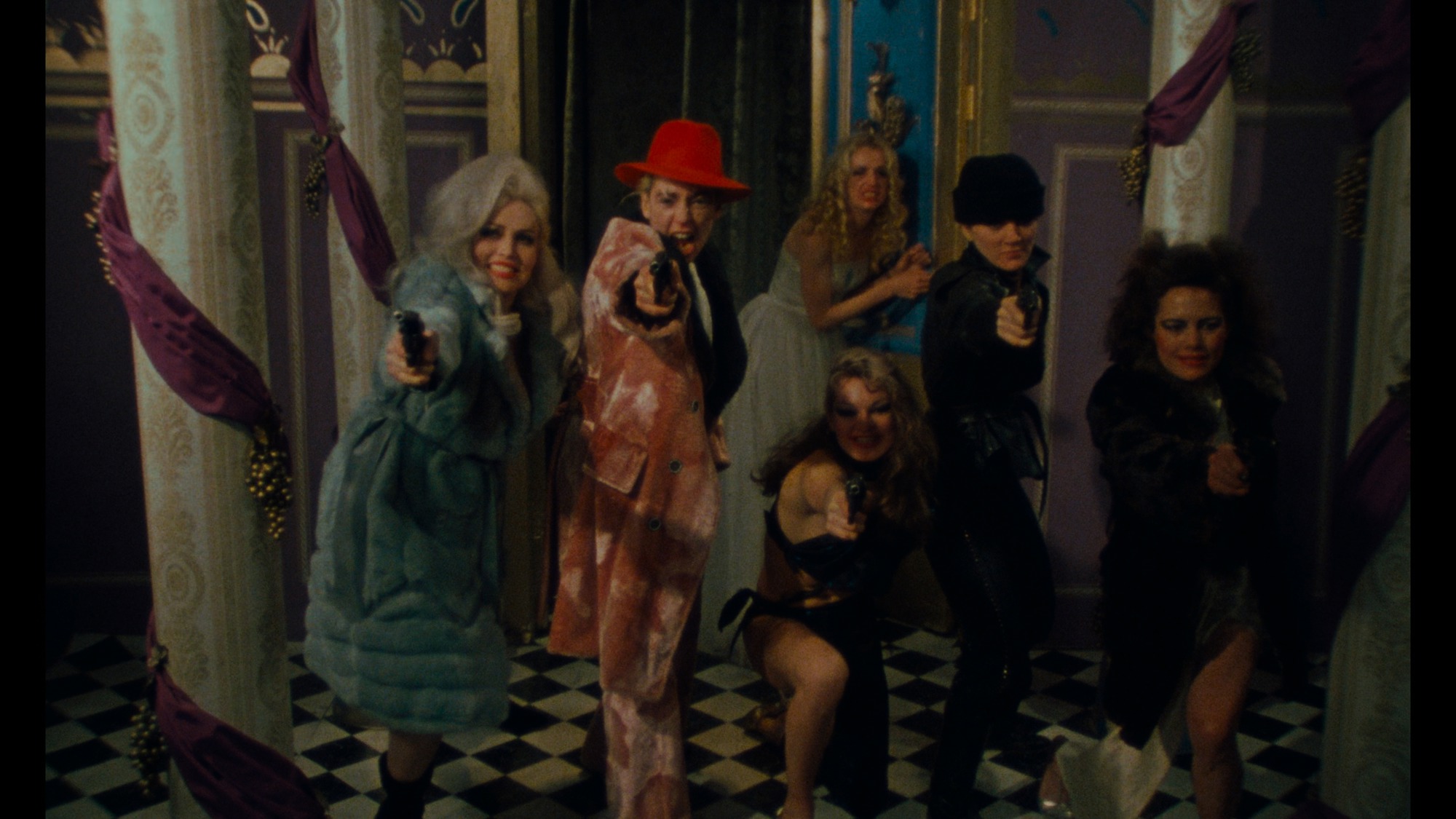
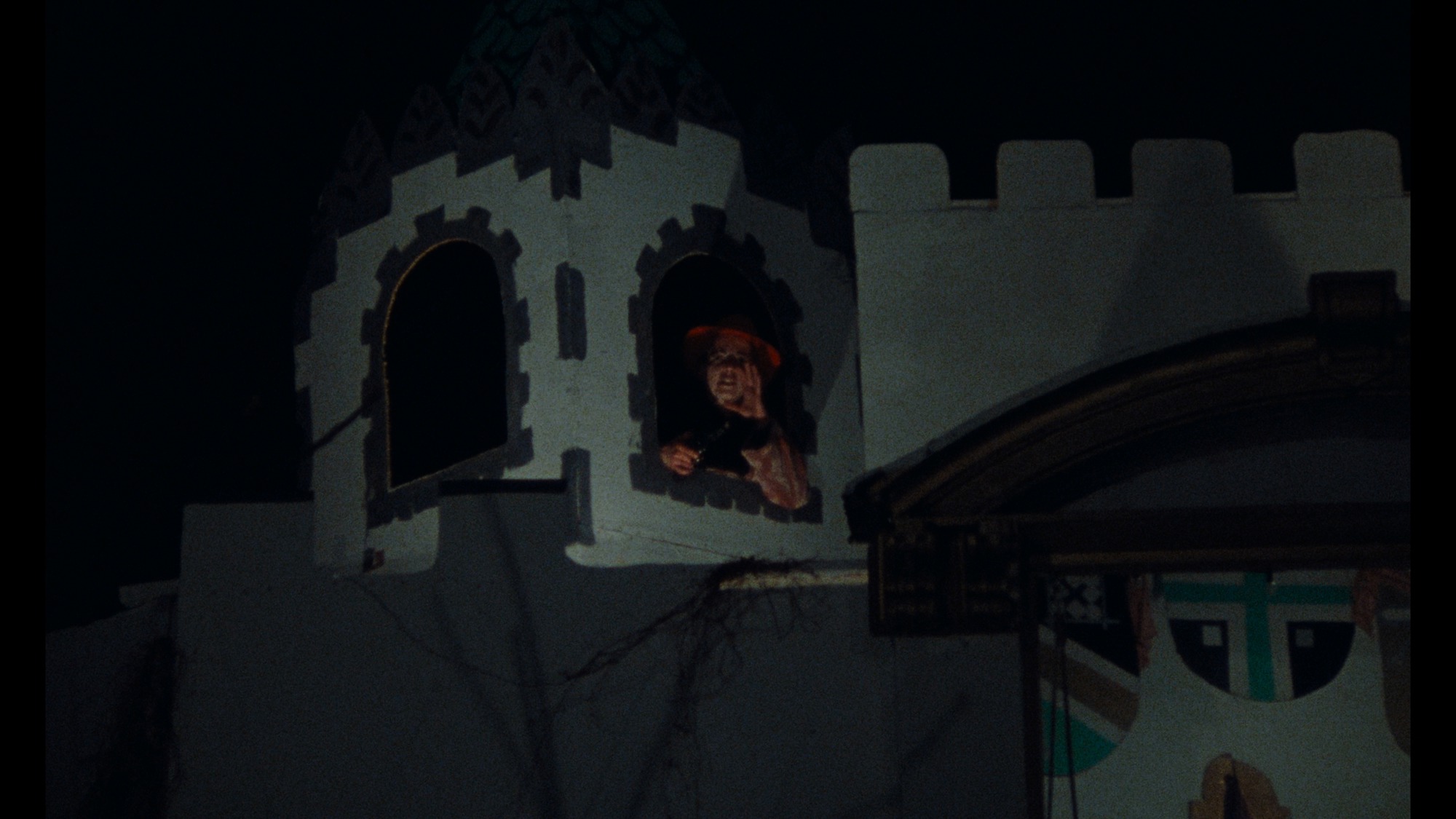
Audio 6/10
I wasn’t expecting much from the monaural soundtrack, presented in lossless PCM, but this also ends up being a pleasant surprise. It has been cleaned up nicely, with dialogue sounding surprisingly clear throughout, while the film’s score delivers more range than I would have expected. Overall, it perfectly suits the film.
Extras 8/10
Criterion assembles a terrific new special edition, starting with an audio commentary recorded for the 2001 DVD release (paired with Polyester) featuring Waters and Liz Renay. Sadly, the two were recorded separately, though this thankfully doesn't prove detrimental to the track. As with all of Waters' commentaries, it is very amusing and entertaining, though at times he sounds surprisingly ambivalent toward the film itself, referring to it as his "least joyous movie." He theorizes this may have stemmed from his own unhappiness at the time, though he never elaborates on exactly what was going on.
Despite that, Waters still recalls the production fondly, praising everyone involved for being so willing to go along with his ideas, particularly Renay, whom he feels had little reason to participate in a project this bizarre. He also discusses how the film could be viewed as his most overtly political work and speculates on why it proved to be one of his least successful from a commercial perspective. A number of influences are touched upon as well, and when films like The Damned and the work of Herschell Gordon Lewis are brought up, none of it comes as much of a surprise.
Renay proves equally engaging. She explains why she agreed to do the film (largely because she found Waters so charming) and speaks warmly about the experience, aside from the food, perhaps (prison food was apparently better). She also spends time discussing her career and personal life, including her relationship with gangster Mickey Cohen. Overall, it's another entertaining Waters commentary, with both participants being very forthcoming.
The remaining supplements all appear to be new to this edition. The most unusual addition may be an alternate Italian dub of the film, presented in Dolby Digital mono. Though amusing, I'm a little perplexed by its inclusion, or at least by how it has been presented. Looking into the dub, it appears the dialogue was significantly altered for Italian audiences, changing aspects of the story in the process. That's certainly interesting, but unless viewers speak Italian (and I'm sure some do), much of that will be lost since Criterion doesn't provide subtitles translating the Italian dialogue, only offering SDH subtitles for the English-language audio and the commentary. Perhaps that's intentional and part of the joke is simply experiencing the film dubbed into Italian, and while the portions I sampled were admittedly amusing, I would have appreciated more context regarding the changes.
The Italian track and commentary are available on both the 4K and Blu-ray discs, while the remaining video supplements are housed exclusively on the Blu-ray. Things begin with a new 27-minute interview with Waters conducted by Cristina Cacioppo. Expanding on topics raised in the commentary, Waters goes further into the inspirations behind the film, explaining that being taken to a particularly rough lesbian bar by a friend (one he would later bring Debbie Harry to, who reportedly called it the scariest place she'd ever visited) proved especially influential. He then moves into discussions of the casting process, including bringing aboard Renay and Jean Hill, before once again praising Vincent Peranio's production design, particularly the shantytown that was literally constructed from garbage.
The conversation eventually turns toward the film's legacy and commercial failure, with Waters again suggesting that he was at his "unhappiest" while making it. He still doesn't dig into the reasons behind those feelings, but it does lend portions of the discussion a more reflective tone than is typical of his interviews. Even so, Waters remains as funny and charming as ever.
The next feature, Return to Mortville, also proves quite entertaining despite my not being too fond of features of this type. Running 13 minutes, it follows Waters as he revisits the property where the film was shot some 50 years ago. Waters discusses the location in both the commentary and interview, expressing surprise that the owner originally allowed filming there given that the property housed a grow operation at the time. The feature initially follows familiar territory, with Waters pointing out where various scenes were filmed, though these moments aren't always particularly illuminating given how little there is to be seen; it's literally trees and a barn and that's it. What elevates the piece, however, is the inclusion of the property's current owner and his son, neither of whom originally knew the film had been shot there, despite one of them having seen it before, much to Waters' shock. Their participation adds an unexpected charm that elevates things, making this another amusing extra.
Criterion also includes an 18-minute piece bringing together actors Mink Stole, Susan Lowe, and Mary Vivian Pearce. The three speak fondly of making the film despite the often unpleasant conditions, which included spending much of the shoot half-naked in freezing temperatures and, in Lowe's case, terrifying her own children with her makeup. But they also reflect on the film's legacy, even how it's managed to inspire at least one meme. They also get a good laugh out of the notion that the film has received a 4K restoration. Although the interview was recorded with all three participants together, it's unfortunately presented as audio-only, accompanied by clips and still images. despite this, it remains very entertaining.
An 8-minute interview with production designer Vincent Peranio, originally recorded around 2004 or so, follows. Peranio discusses his designs for the film and walks viewers through photographs and concept materials before giving a brief tour of his property, which itself appeared in Female Trouble (he also reveals that the cage from that film was repurposed into an arbor in his garden). The supplements then close with the film's original trailer, while the included booklet features an essay by Grace Byron.
Not as packed as the companion release of Hairspray, and with the Italian dub feeling like an idea only partially realized, the overall package is still very much enjoyable. The features are thoughtful, funny, and often unexpectedly charming, qualities I wasn't entirely expecting from a film as gleefully unpleasant as this one.
Closing
Against all odds, Waters' ugliest film receives a gorgeous new restoration and 4K presentation, backed by an entertaining collection of extras. An impressive release overall.
BUY AT: