Five Easy Pieces
BUY AT:


See more details, packaging, or compare
Synopsis
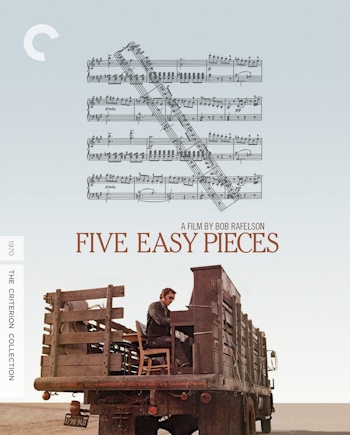
Following Jack Nicholson’s breakout supporting turn in Easy Rider, director Bob Rafelson devised a powerful leading role for the new star in the searing character study Five Easy Pieces. Nicholson plays the now iconic cad Bobby Dupea, a shiftless thirtysomething oil rigger and former piano prodigy immune to any sense of responsibility, who returns to his upper-middle-class childhood home, blue-collar girlfriend (Karen Black, in an Oscar-nominated role) in tow, to see his estranged, ailing father. Moving in its simplicity and gritty in its textures, Five Easy Pieces is a lasting example of early-1970s American alienation.
Picture 9/10
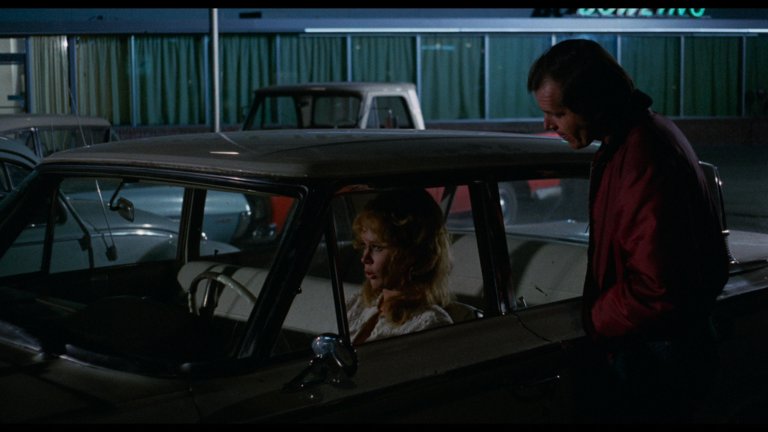
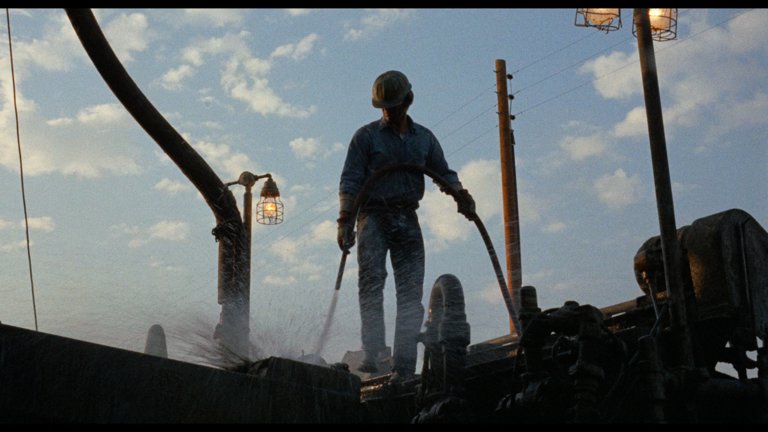
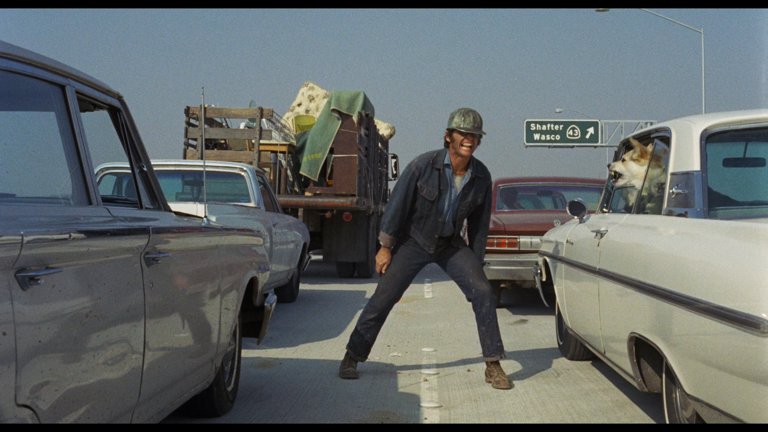
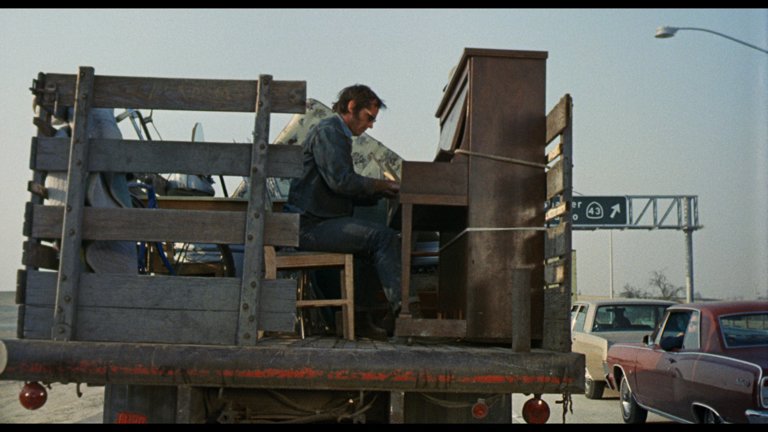
The Criterion Collection upgrades their edition for Bob Rafelson’s Five Easy Pieces to 4K UHD, delivering the film with Dolby Vision on a triple-layer disc in its original aspect ratio of 1.85:1. The 2160p/24hz ultra high-definition presentation is sourced from a 4K restoration created from a scan of the 35mm original camera negative. The release also includes a Blu-ray featuring all video supplements and a 1080p presentation of the film. It is technically the same Blu-ray disc used for the 2015 release.
Similar to how I was surprised that Criterion was using newer restorations for the recent 4K releases of two other Sony titles, 3:10 to Yuma and The Last Picture Show, I was surprised to see in this case that Criterion has used what appears to be the same 4K restoration they used for both the 2015 individual release and the 2010 BBS Story box set and not a newer one. This is all fine and dandy, as the master has held up very well, and revisiting both previous Blu-rays they still look surprisingly good, even the original 2010 disc (though not perfect by any means). What ends up happening, though, is that the upgrade doesn't feel nearly as significant as what those other Sony titles delivered.
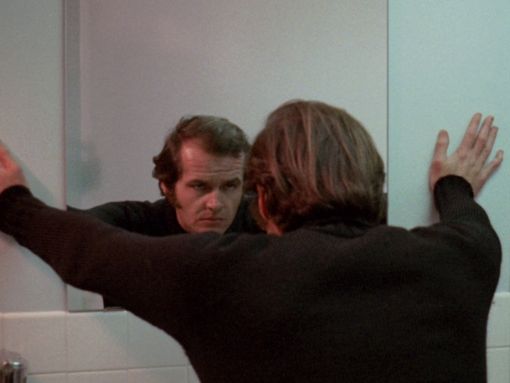
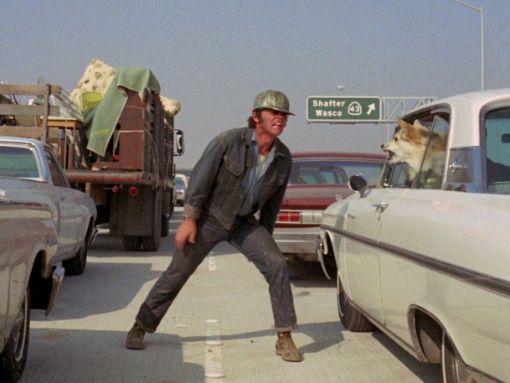
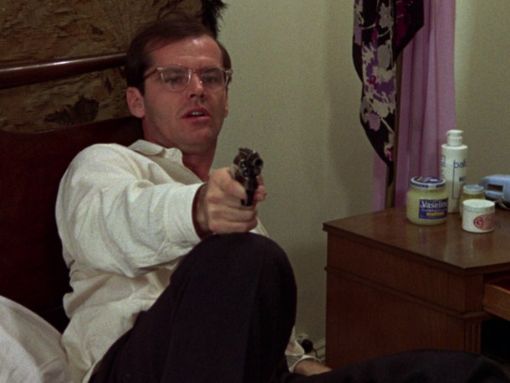
The increased resolution still helps, though, with details looking much sharper and finer textures leaping off the screen more. The California landscapes, along with the later Pacific Northwest ones, also deliver more detail in the longer shots. The digital encode is also noticeably cleaner here, rendering the film's grain structure in a more natural manner.
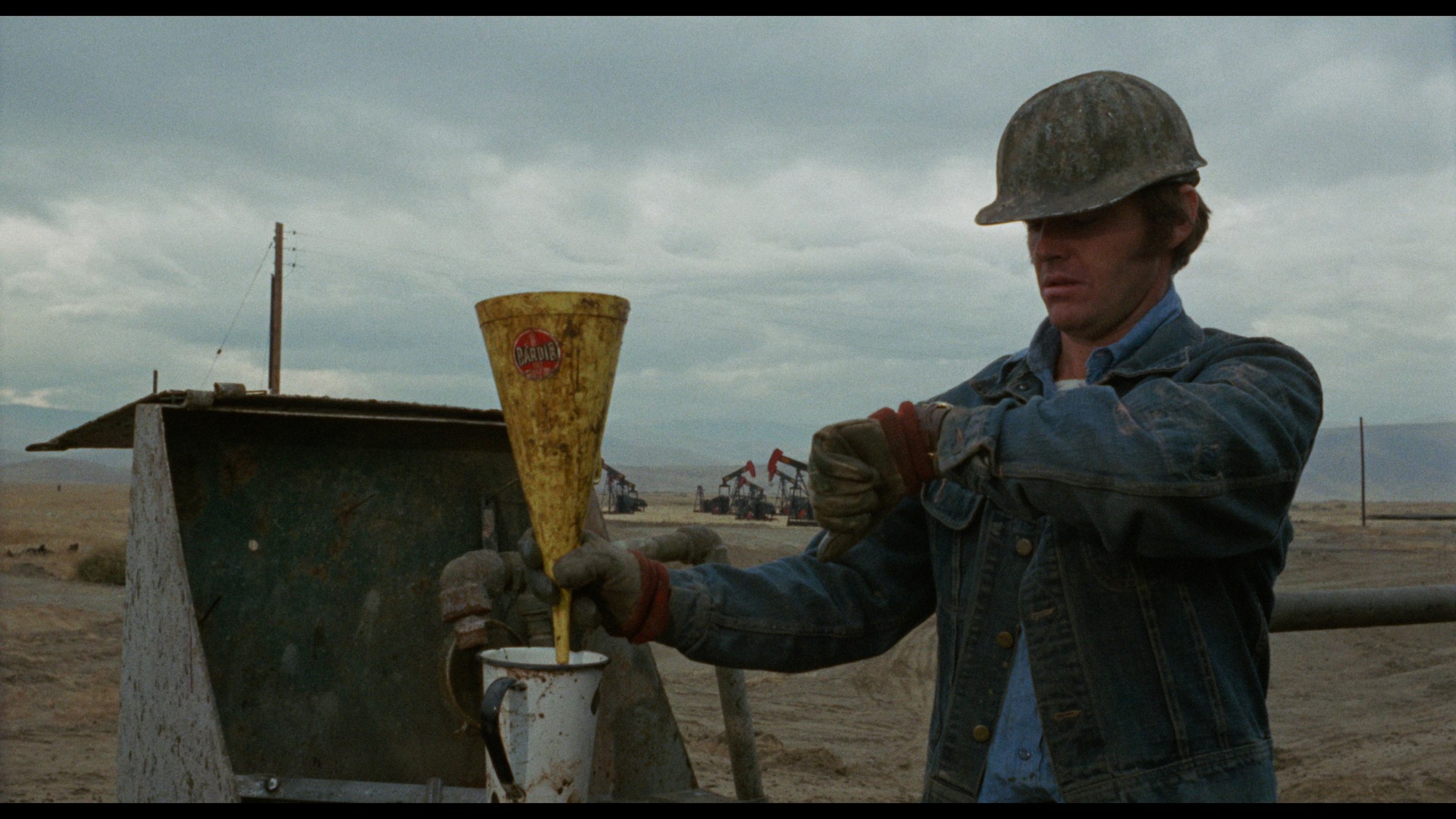
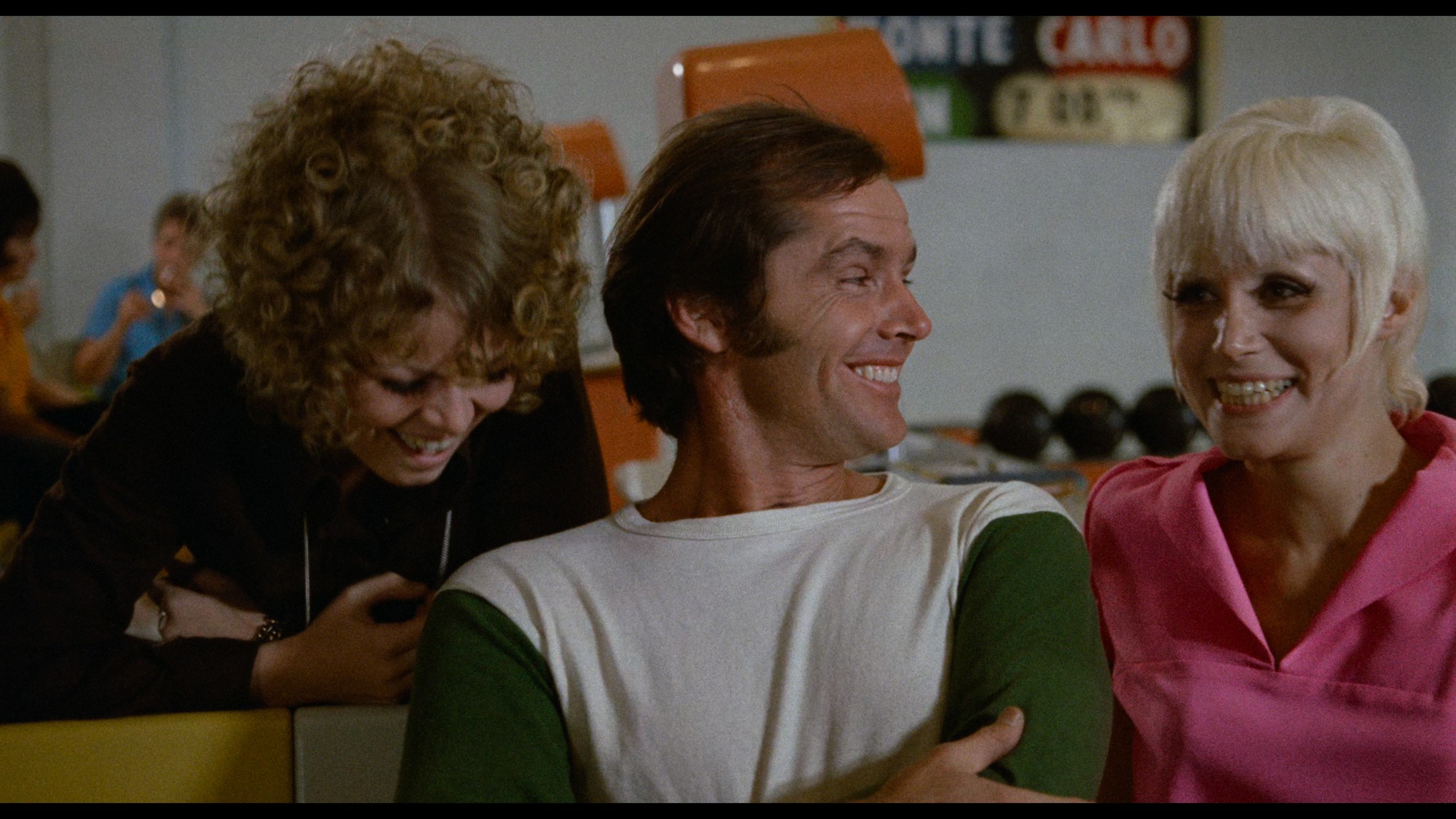
Dolby Vision and HDR also manage to give the picture a decent boost. The wider range helps in the darker sequences, creating richer shadows in nighttime exteriors and darker interiors. It also gives a nice lift to the early morning shots on the oil fields at the beginning of the film, while highlights look especially sharp, particularly the glints off reflective surfaces. It's also not an important detail, but this even makes the imperfections of the bowling alley benches early on a little clearer.
But in every other area, the presentation looks very similar to the Blu-ray. The color grading looks good and seems to lean less toward red than the older presentation, which feels more appropriate. The restoration work is also just as thorough as on those previous releases. All in, it's a very nice upgrade, and the film looks really good in 4K, but it's not the substantial leap forward I was expecting.
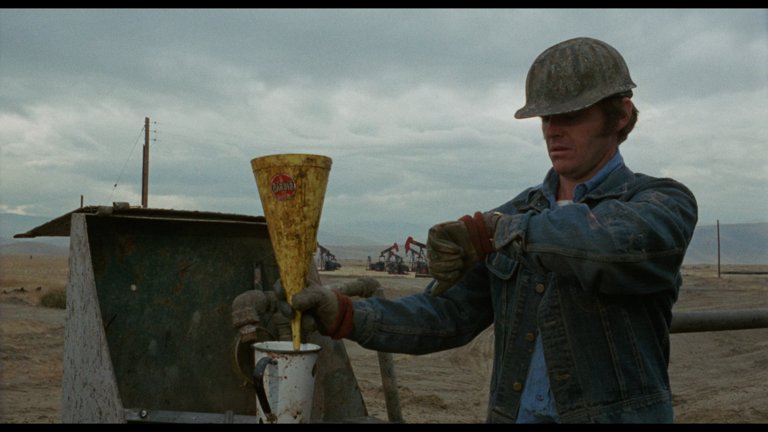
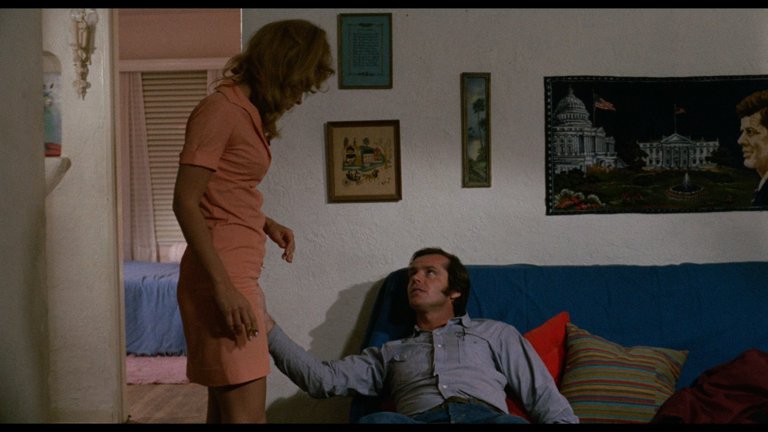
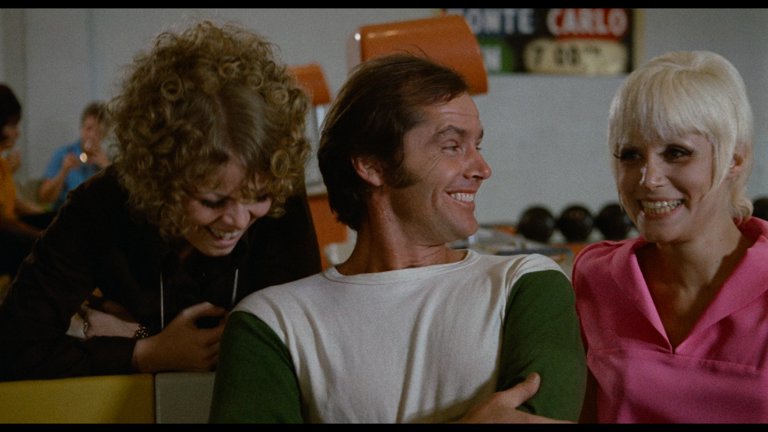
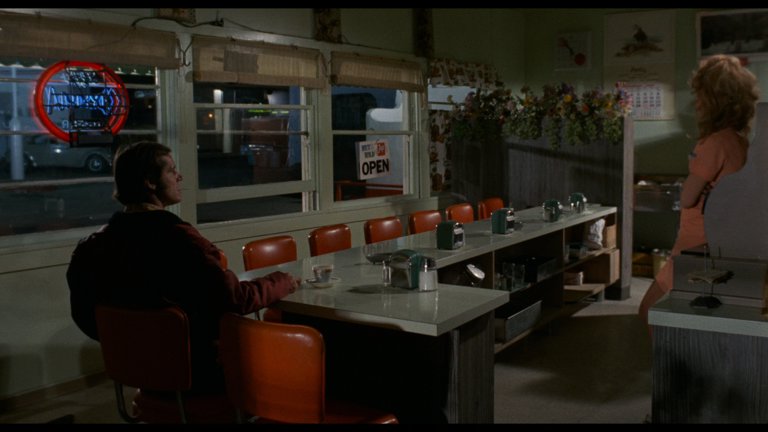
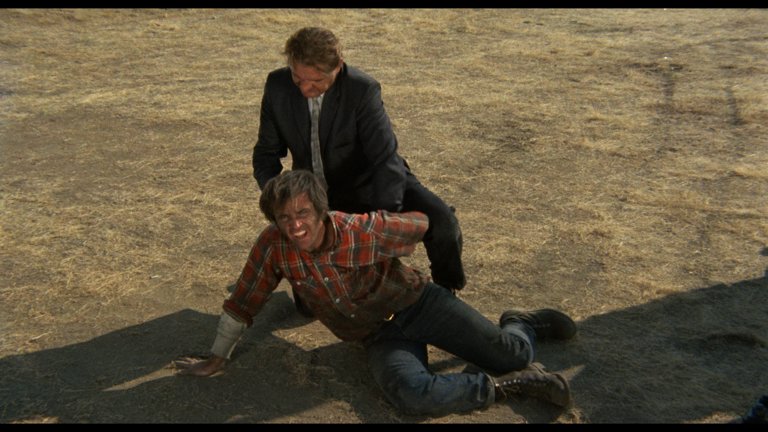
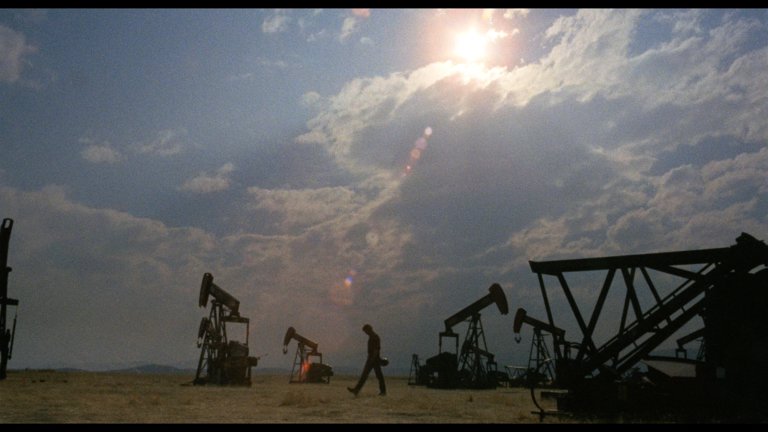
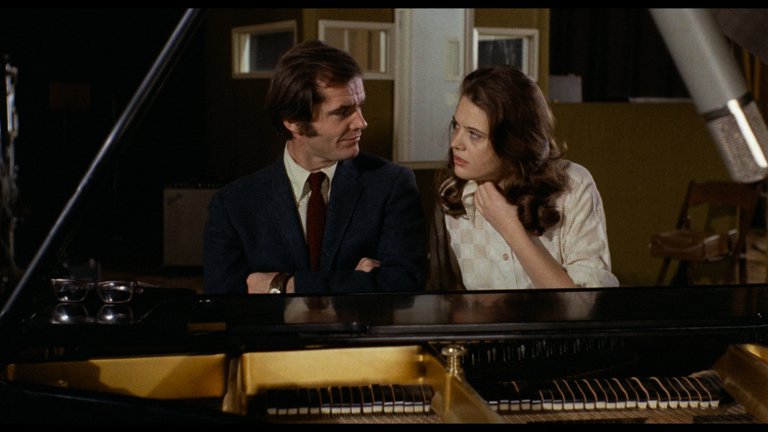
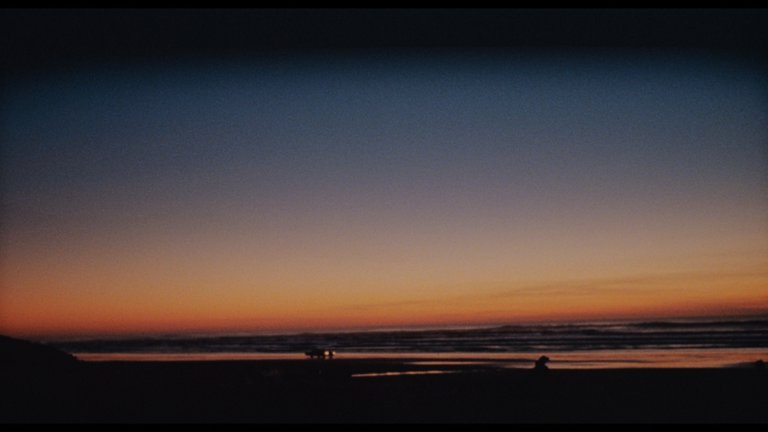
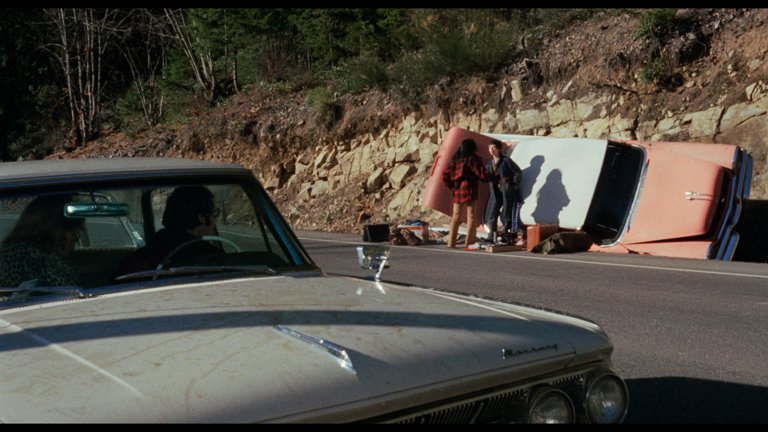
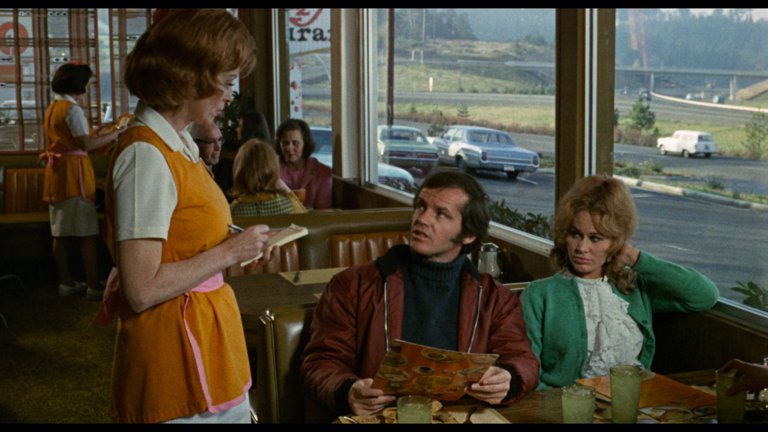
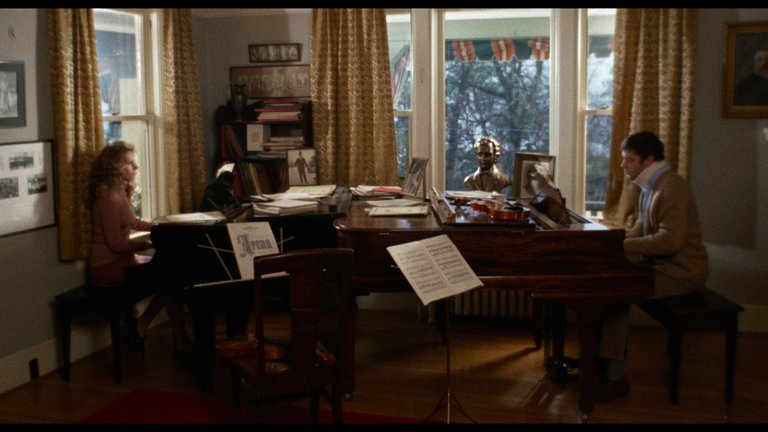
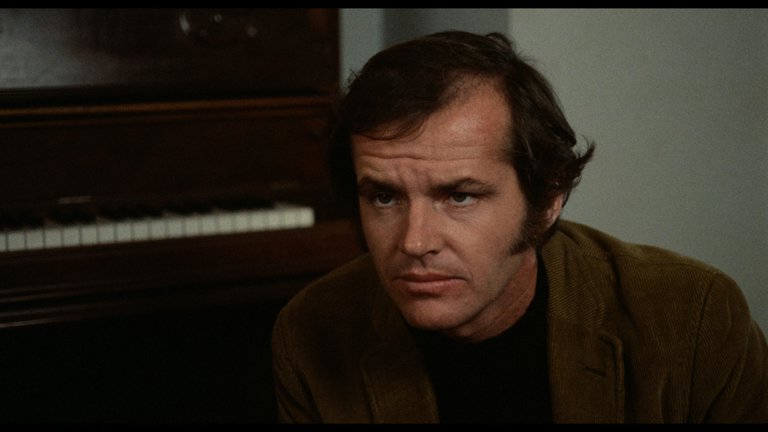
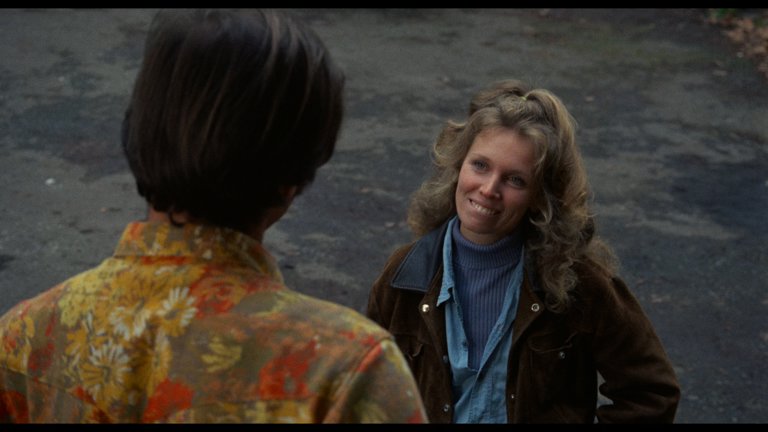
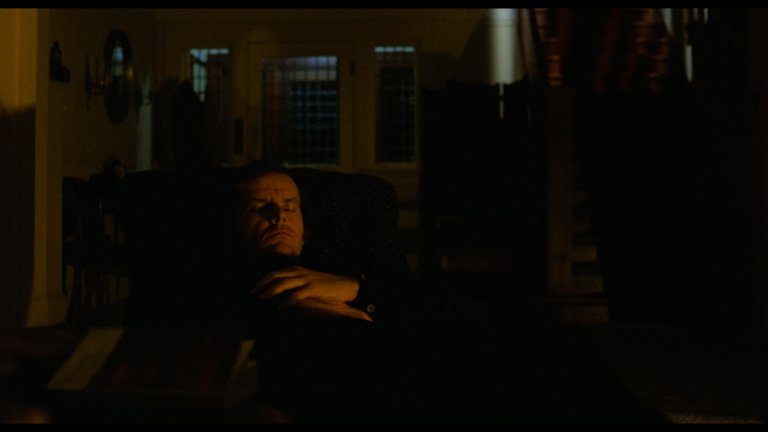
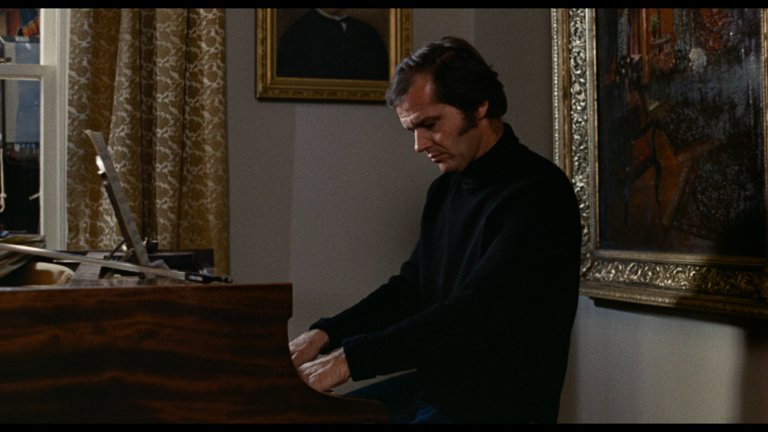
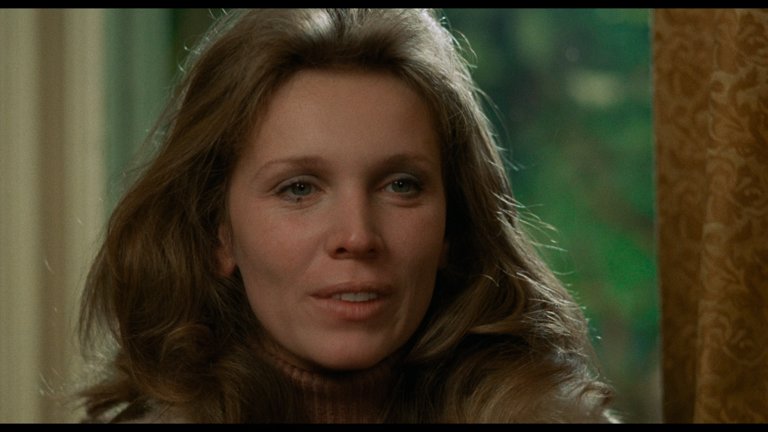
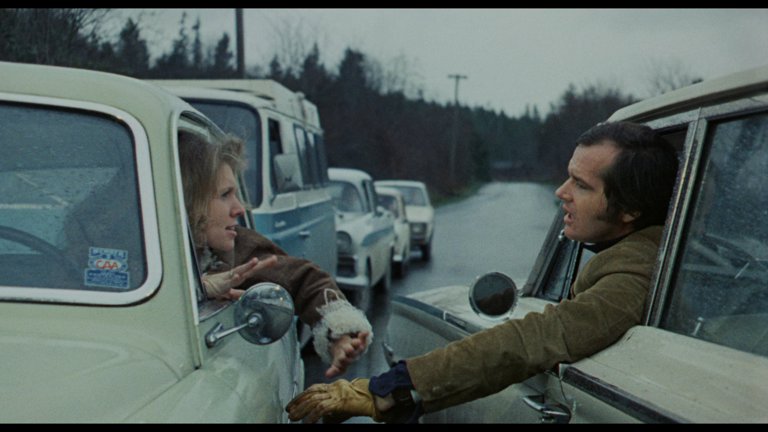
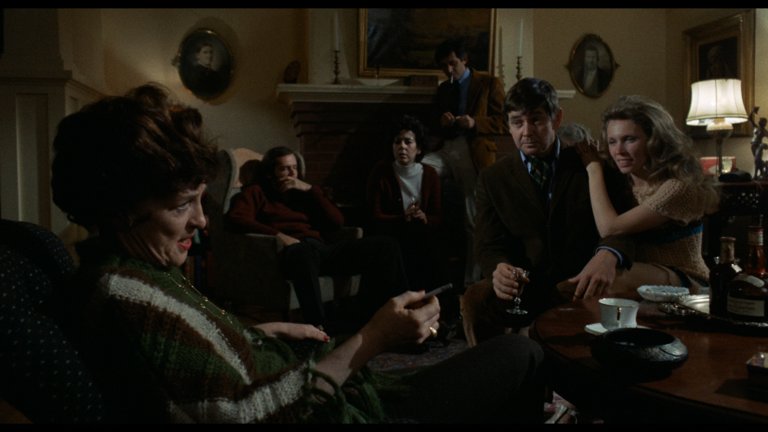
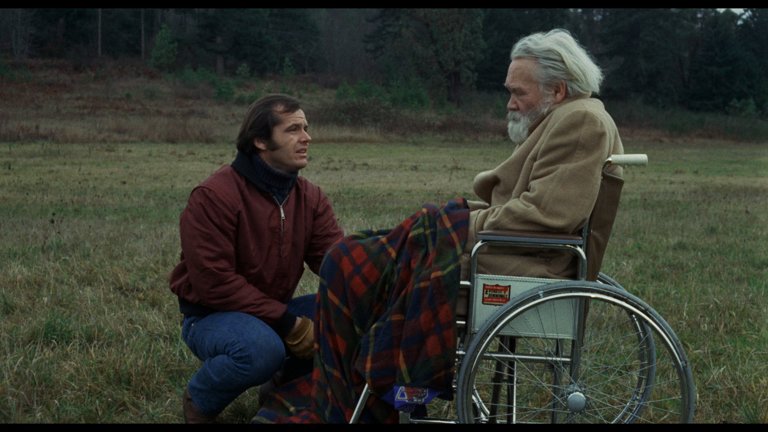
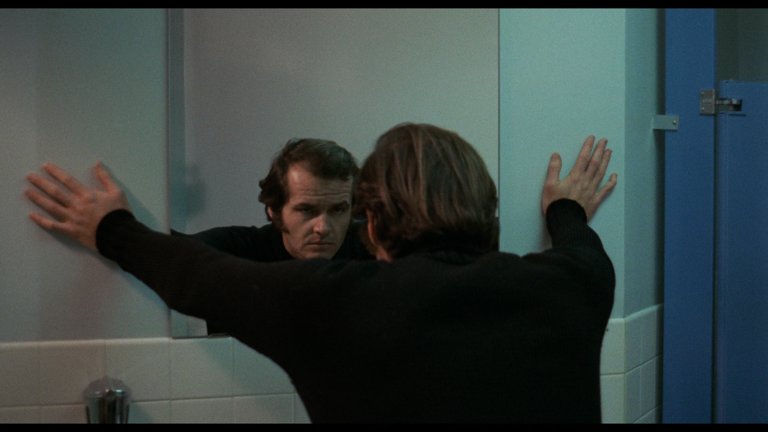
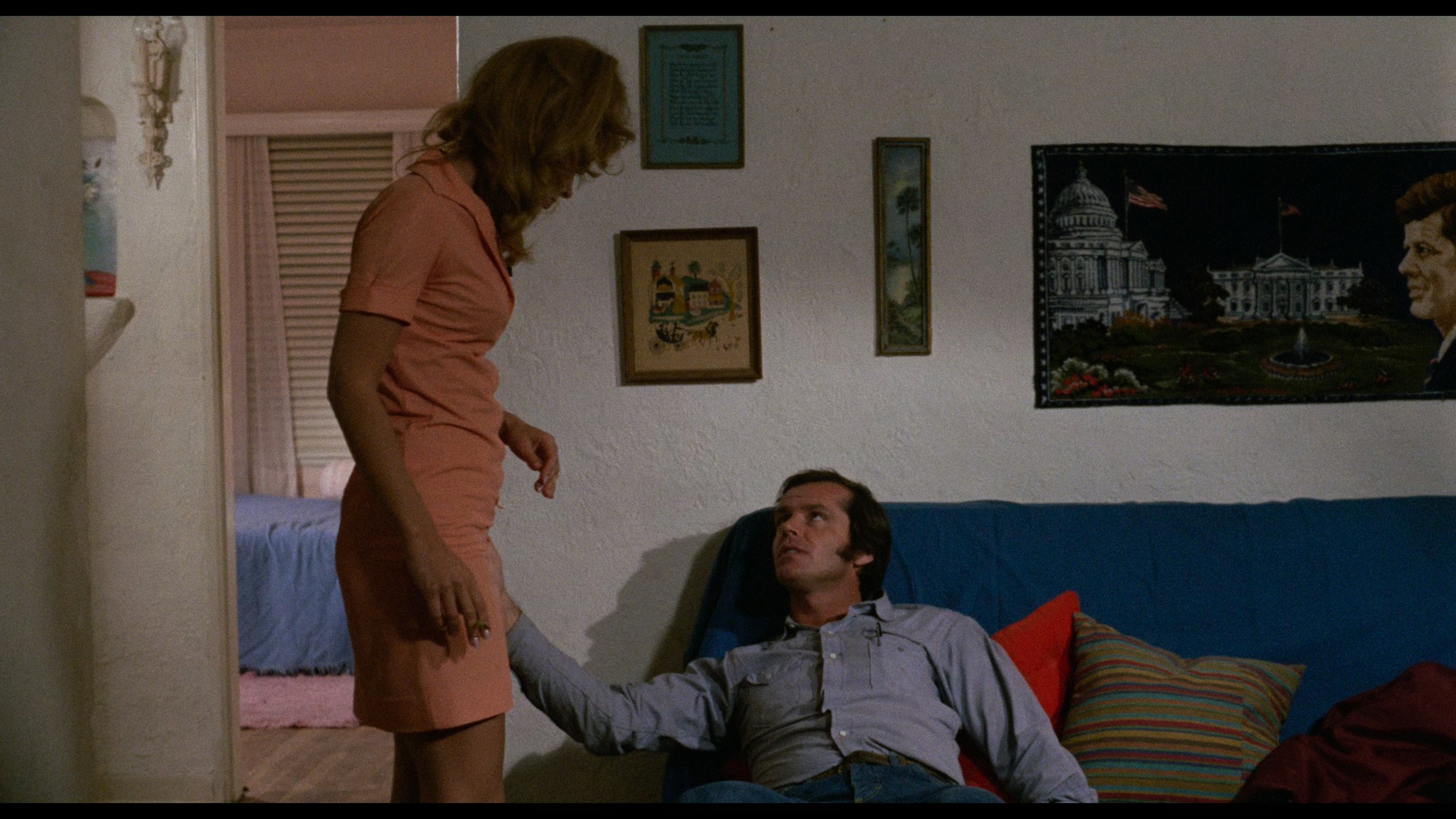
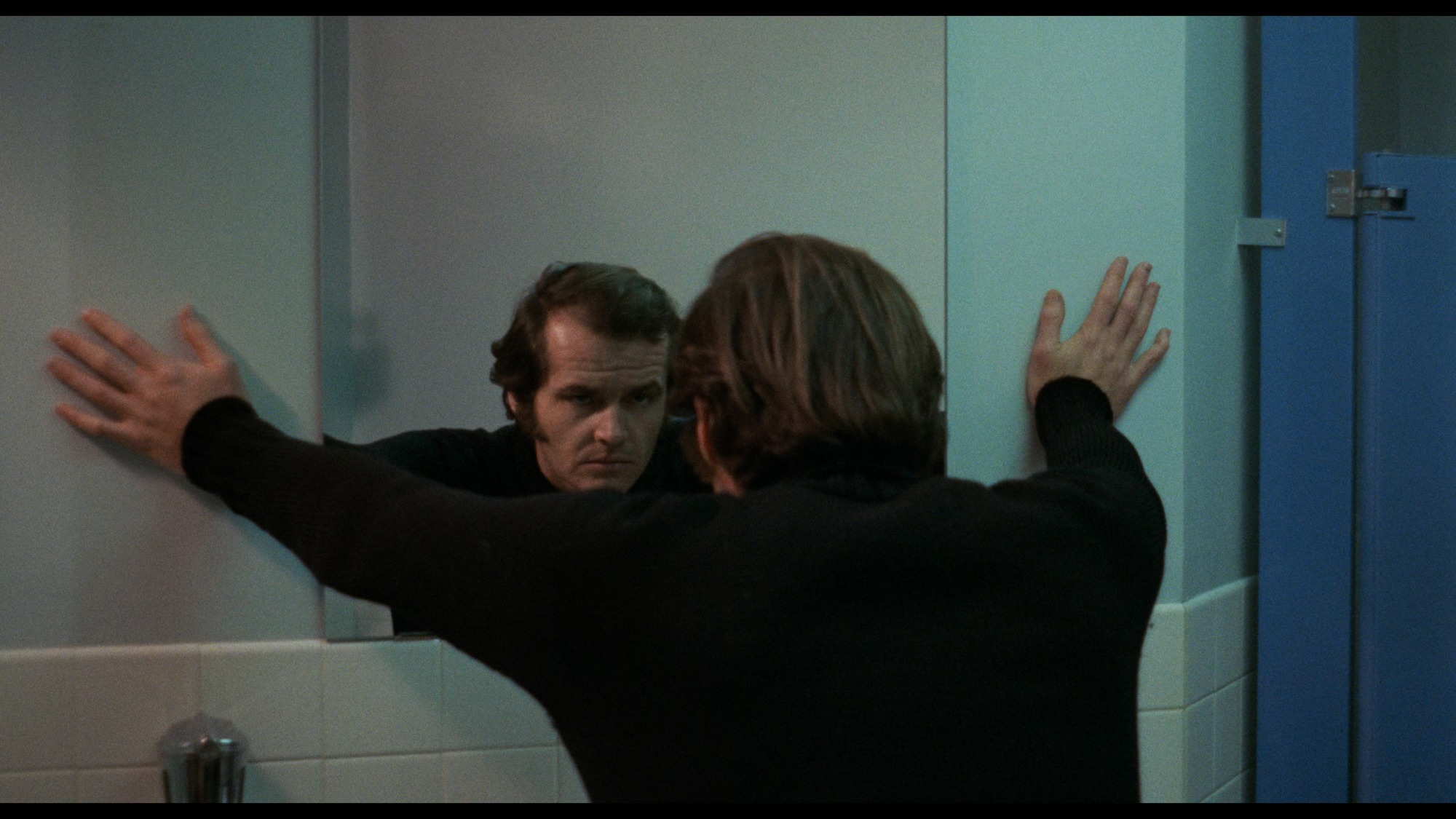
Five Easy Pieces - Screen Captures
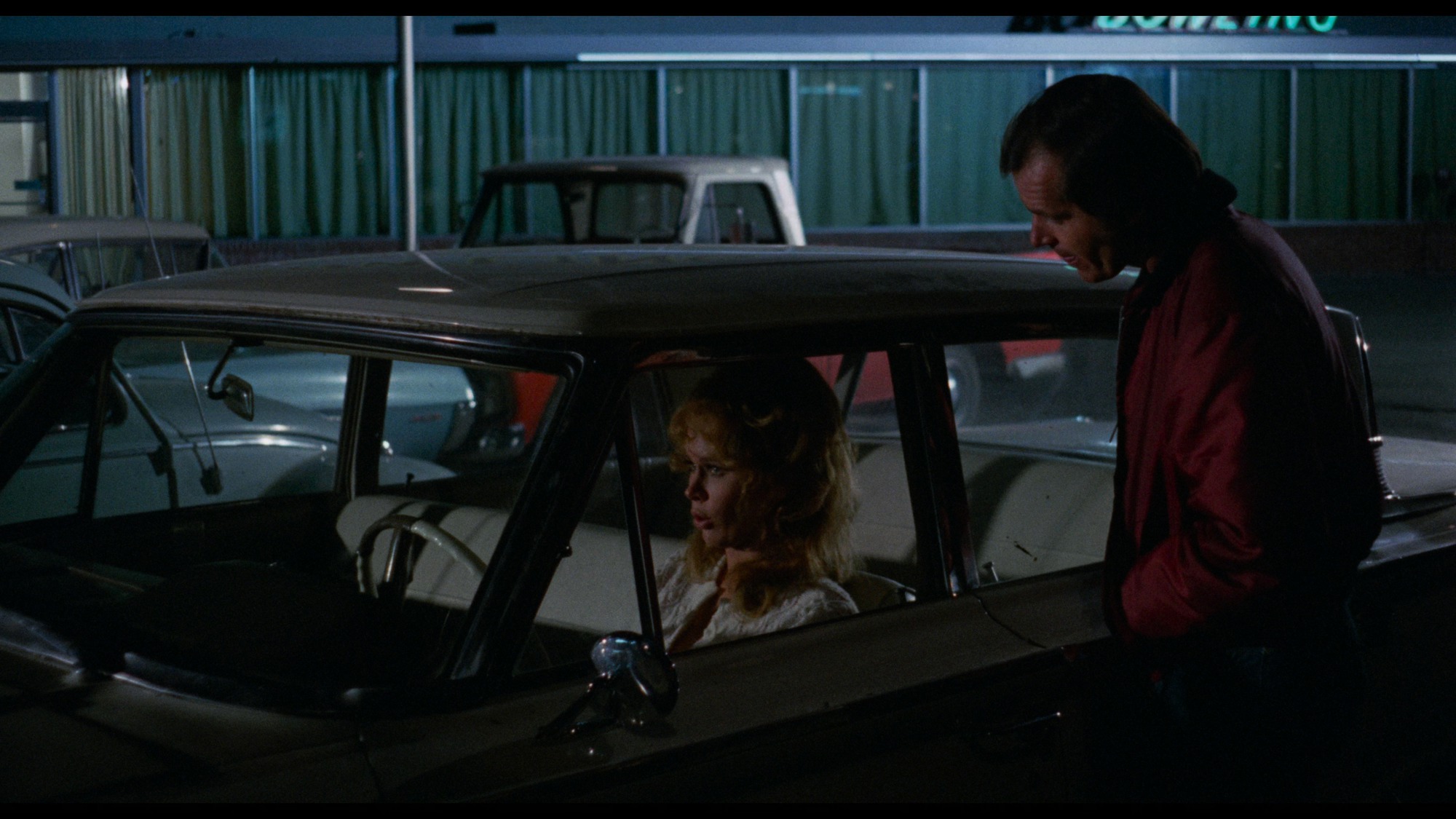
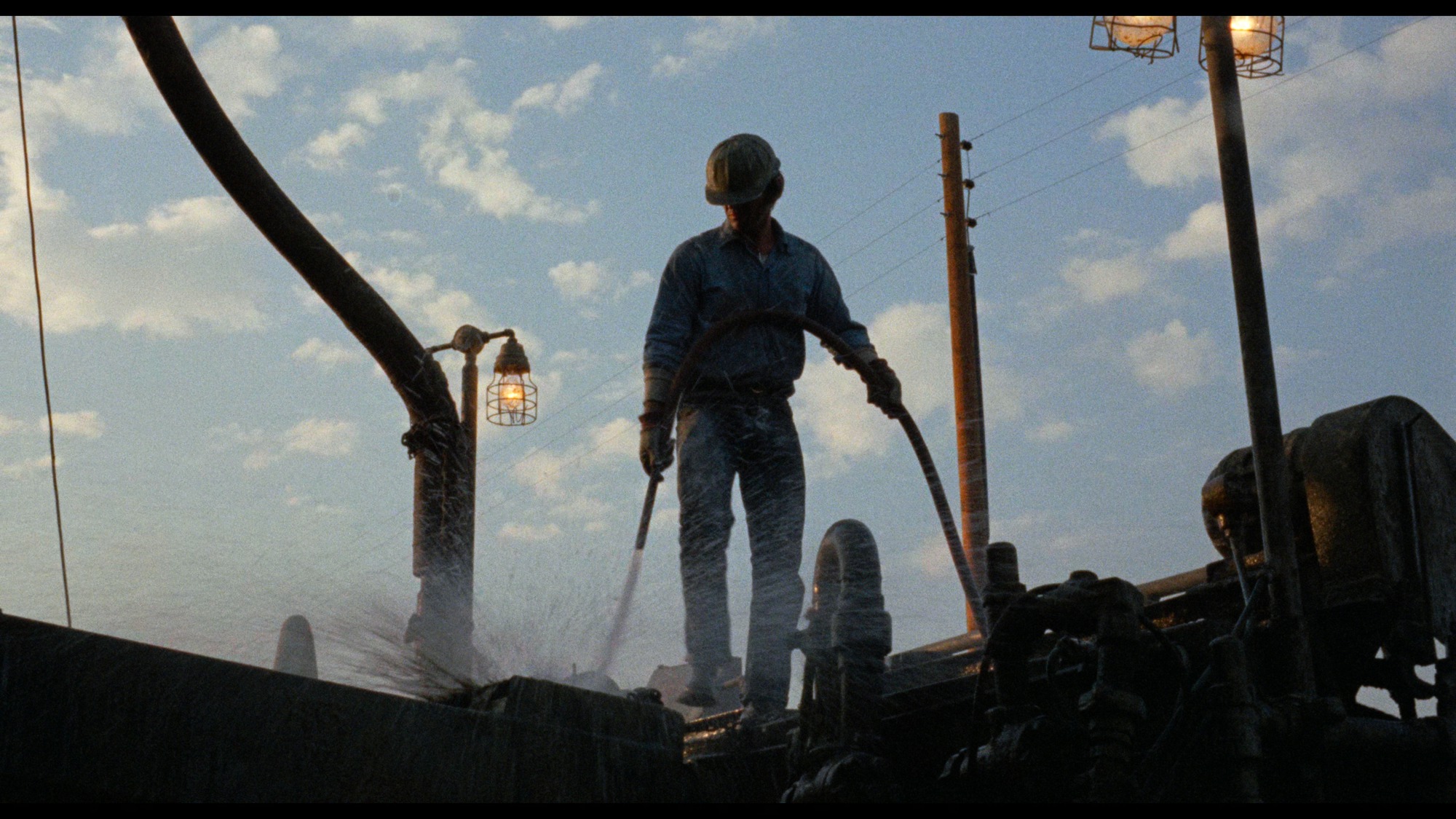
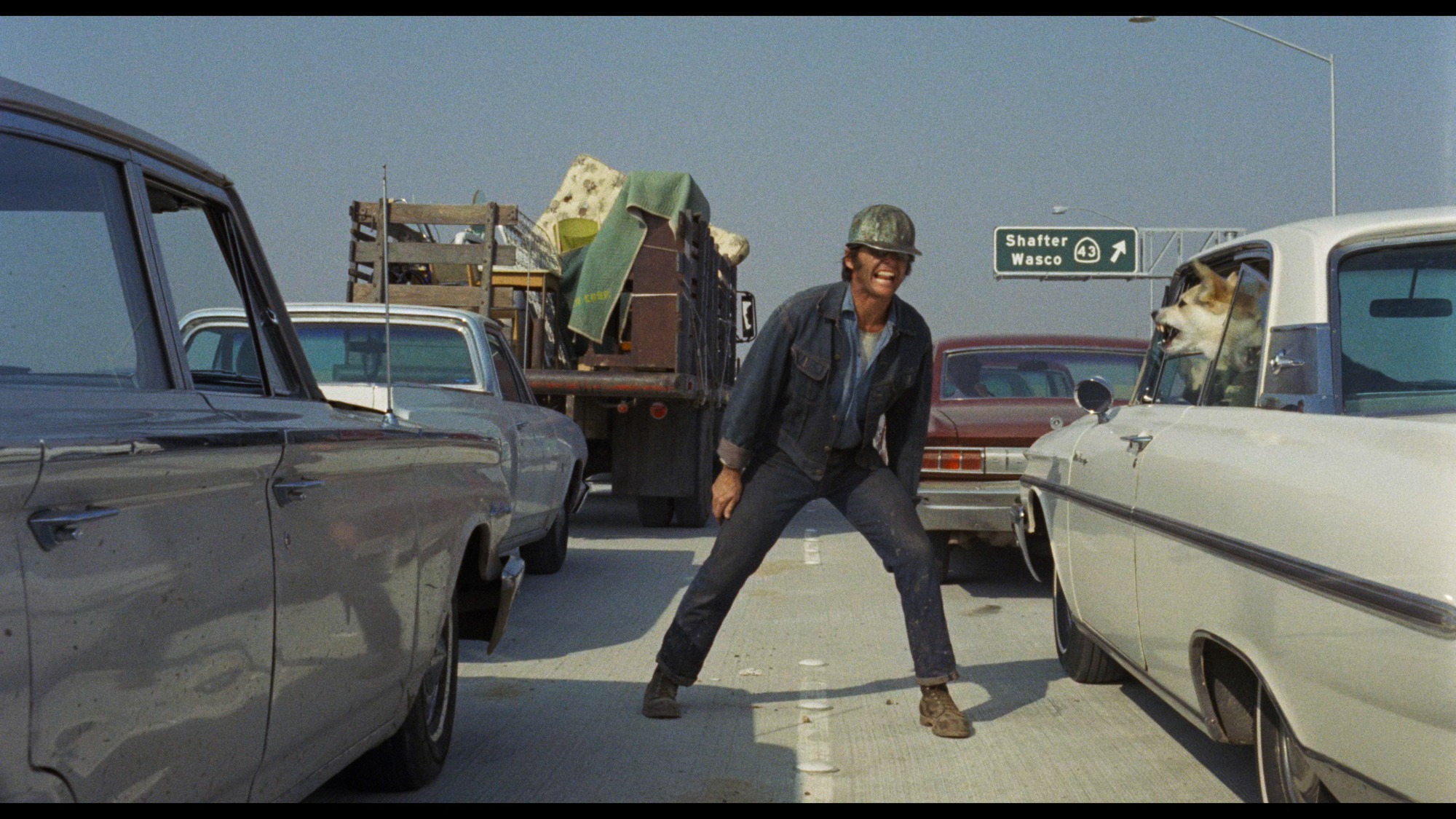
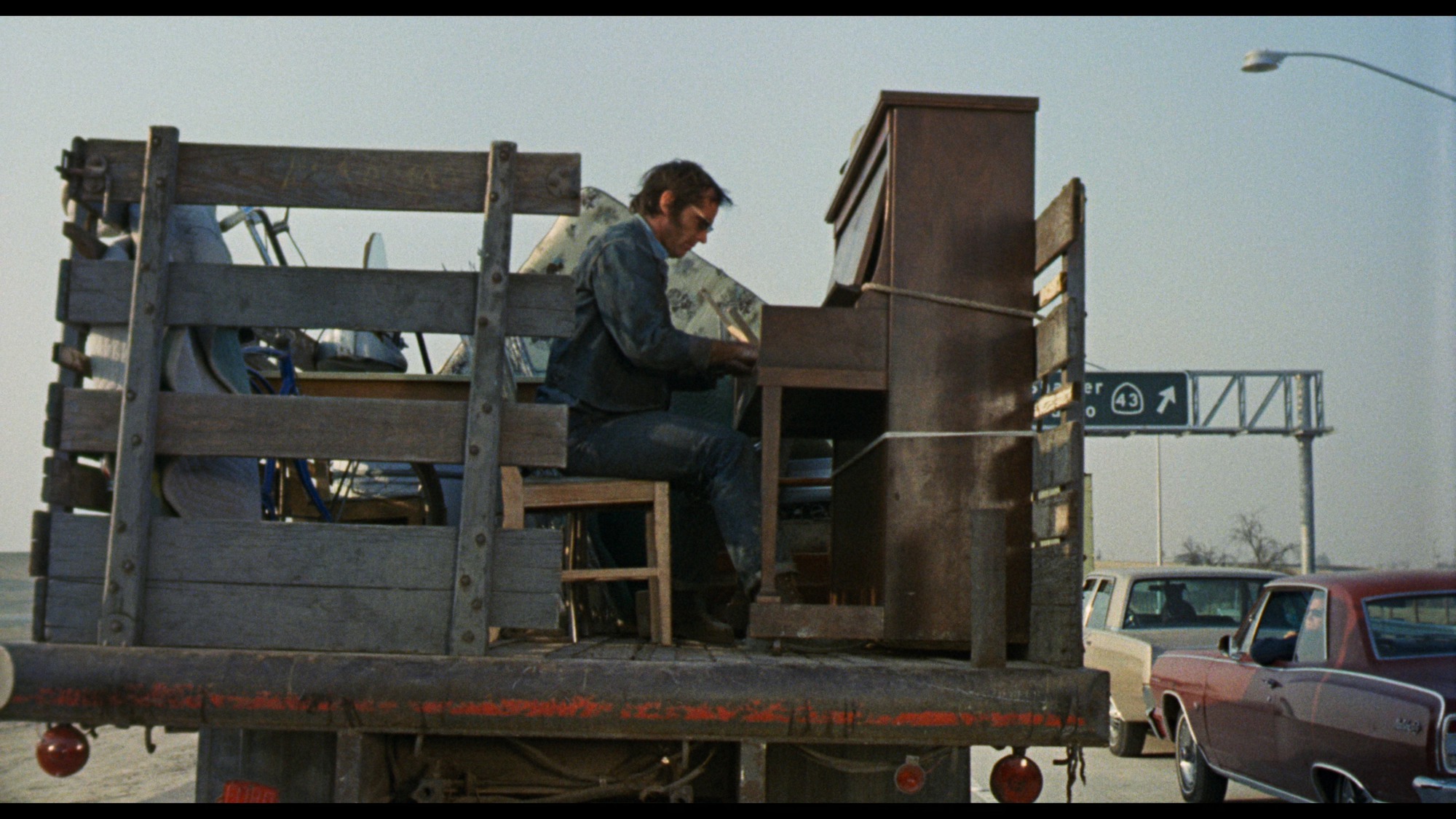
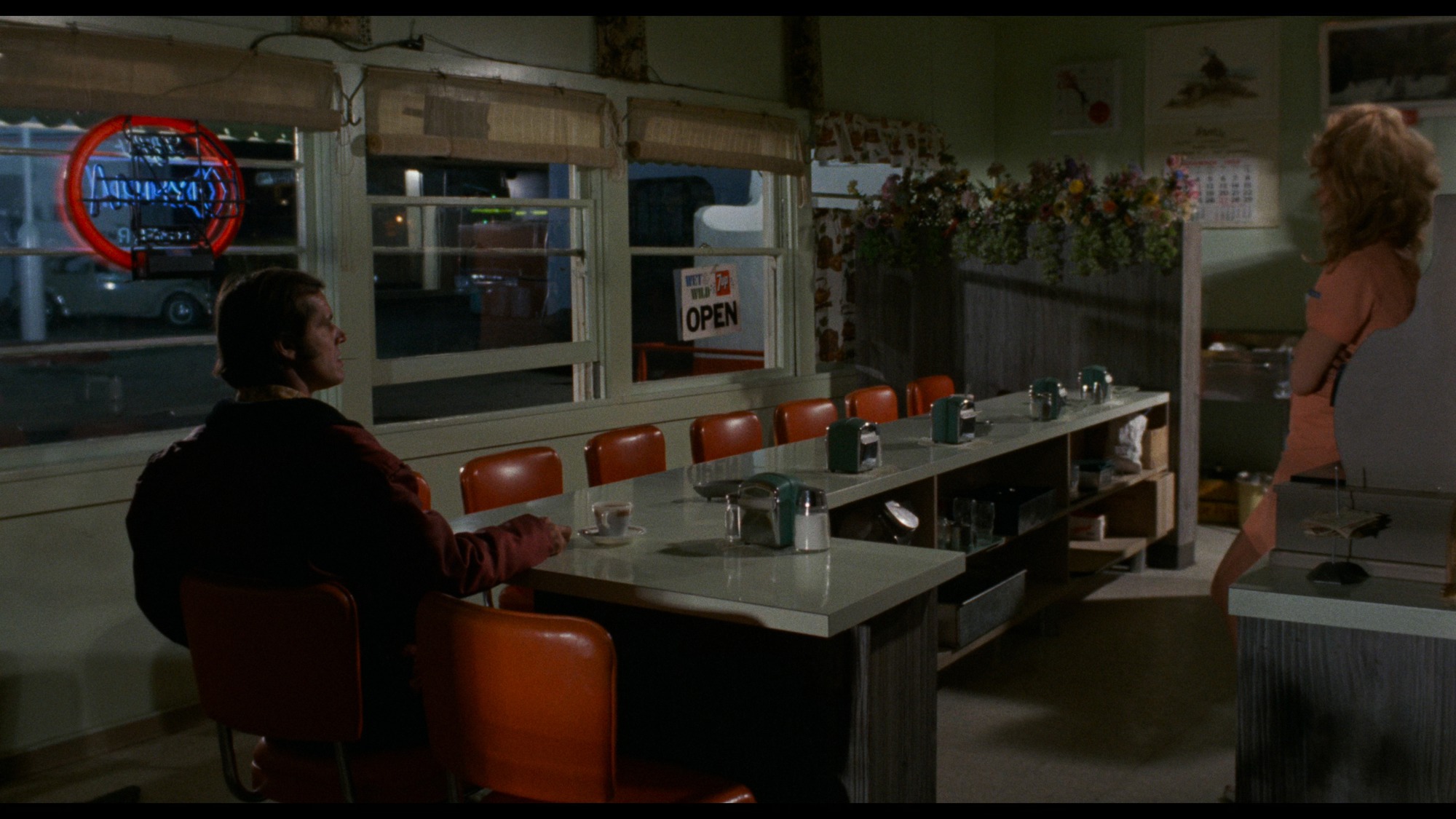
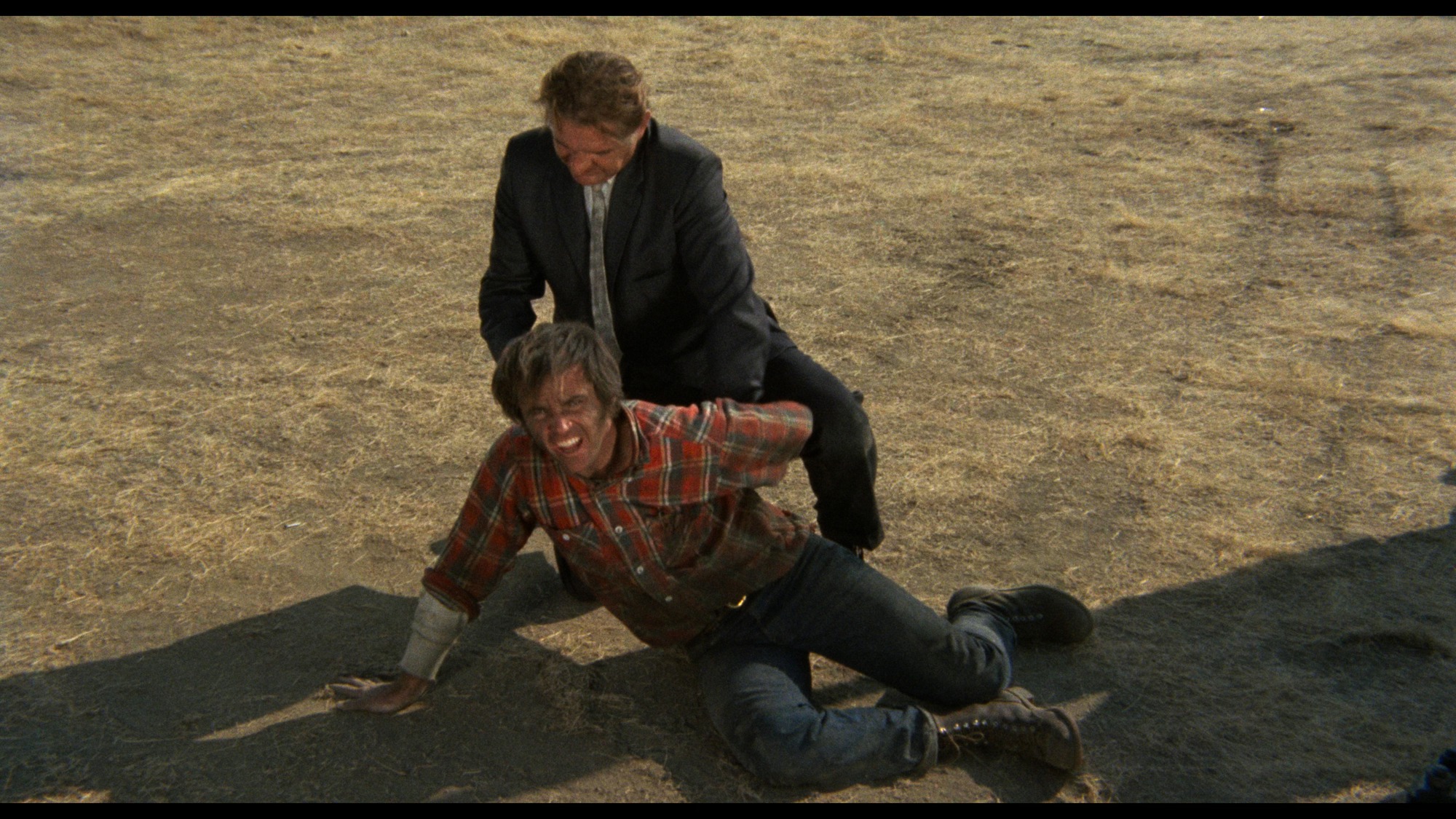
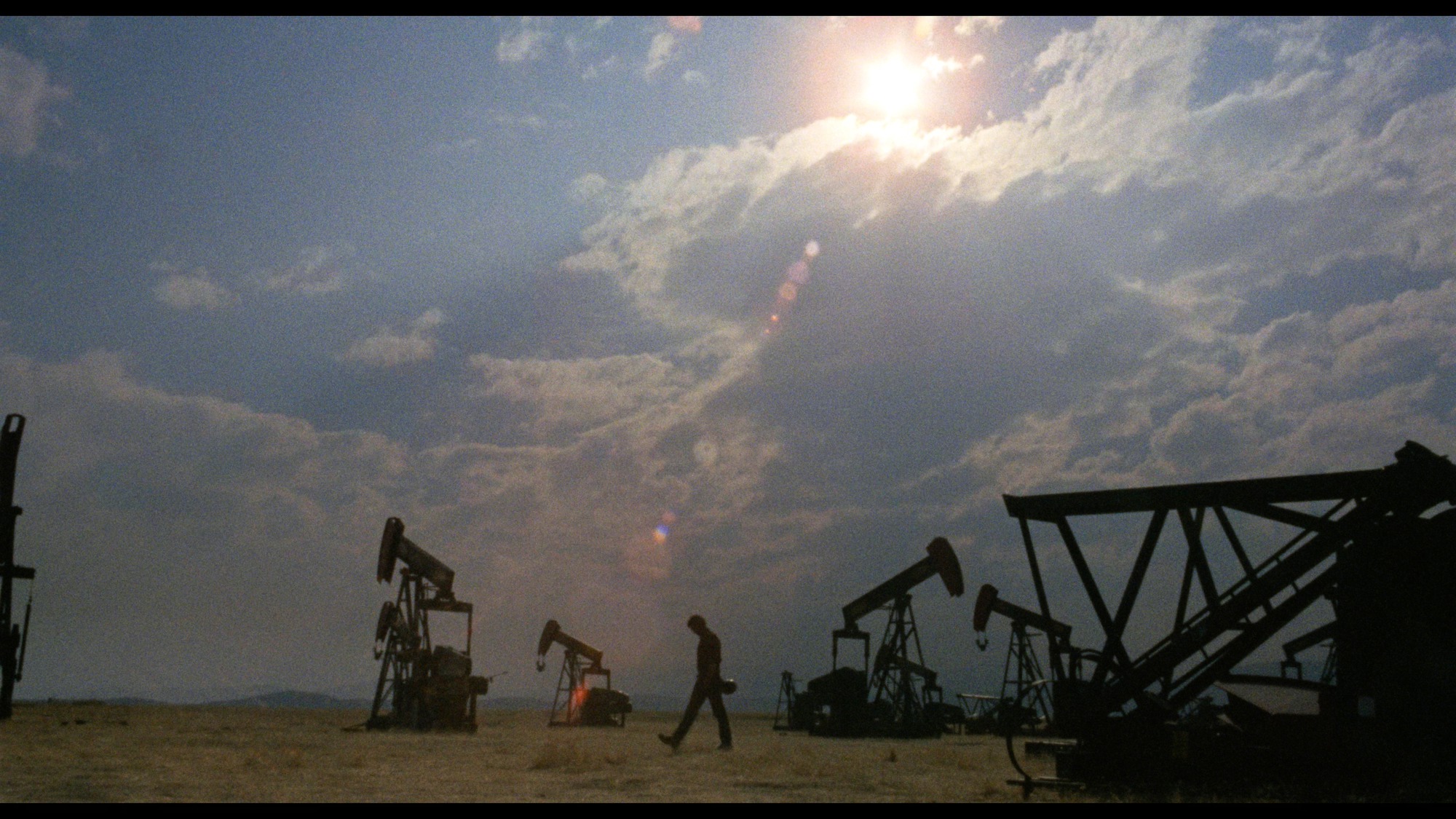
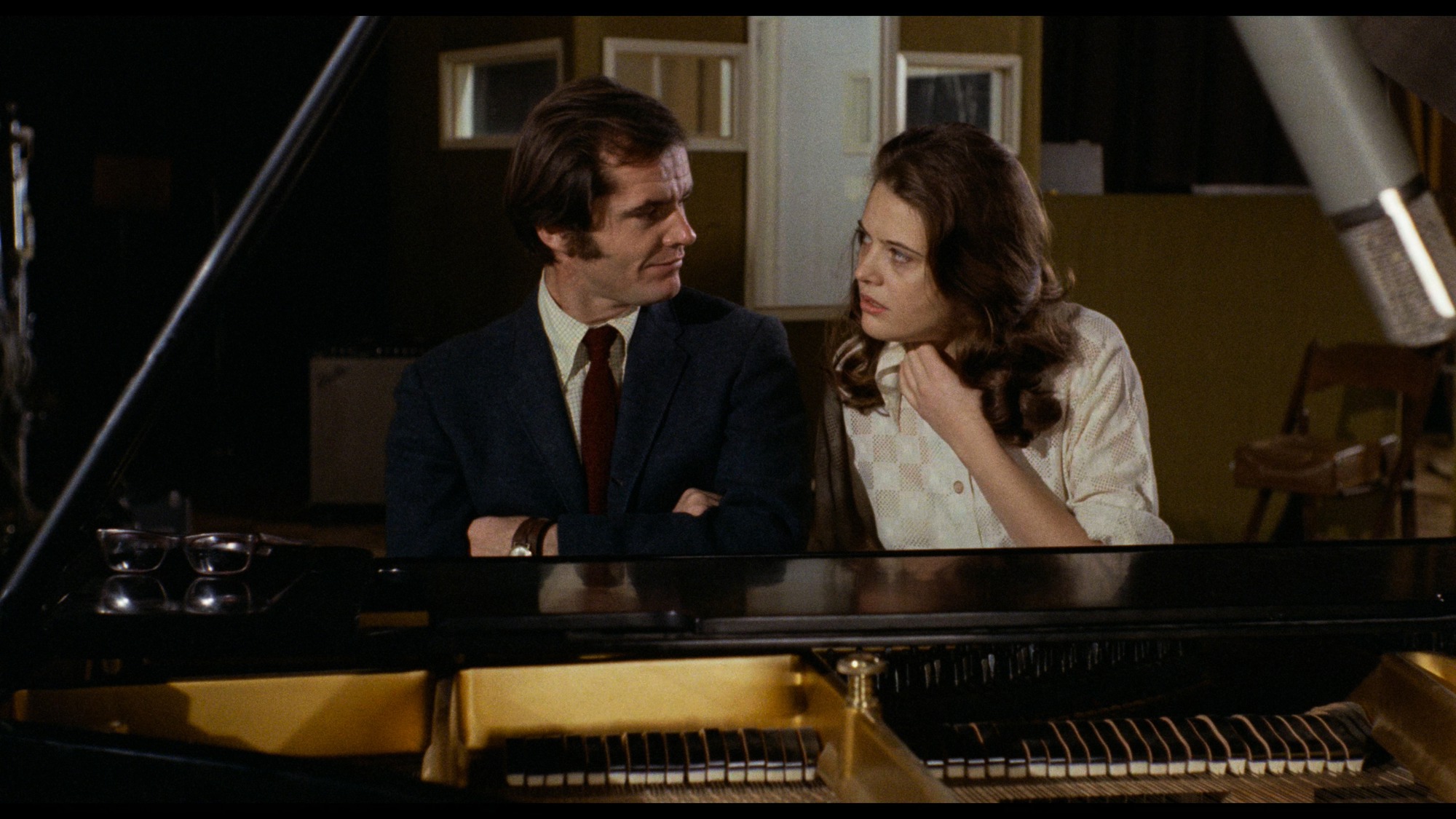
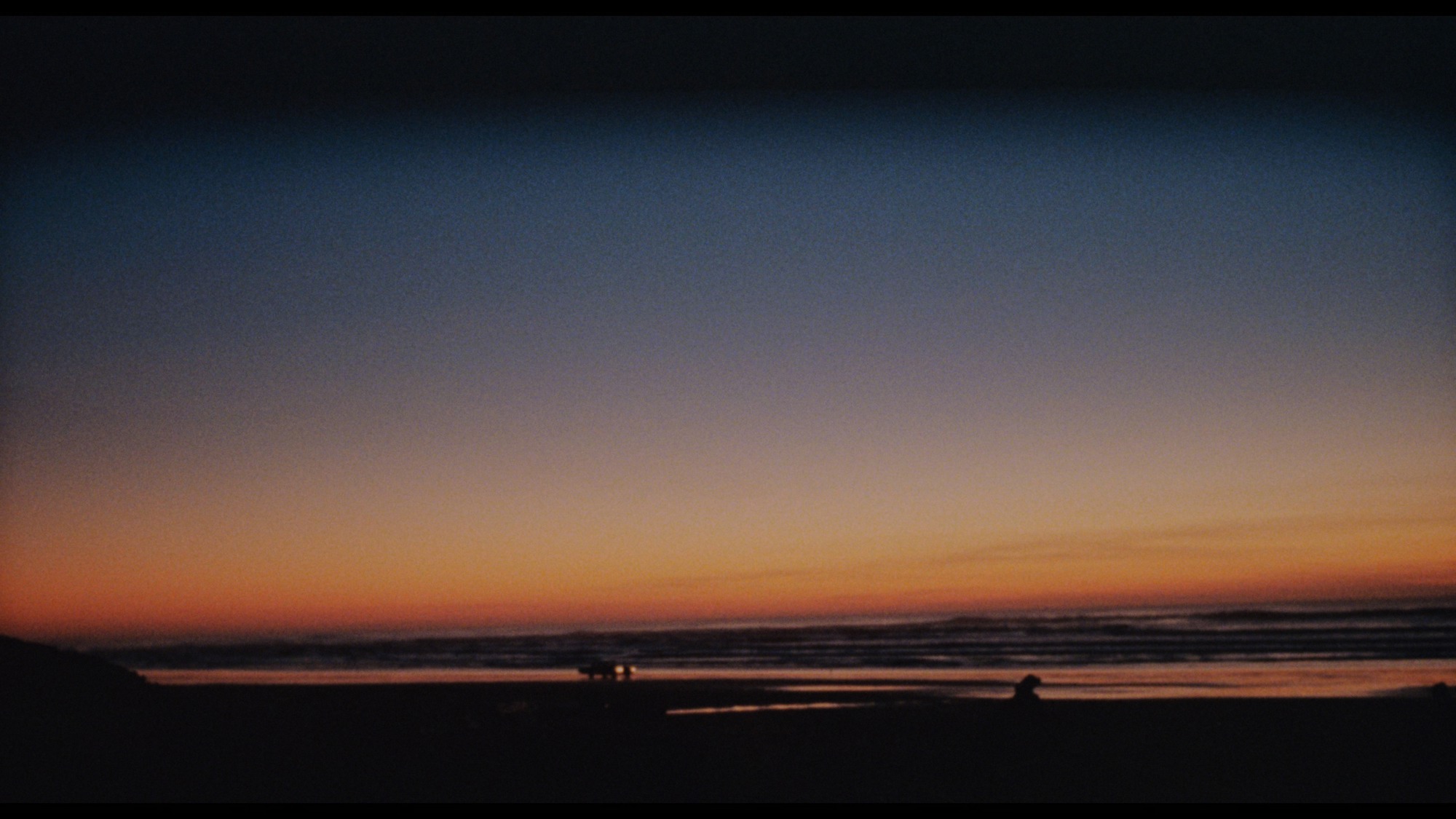
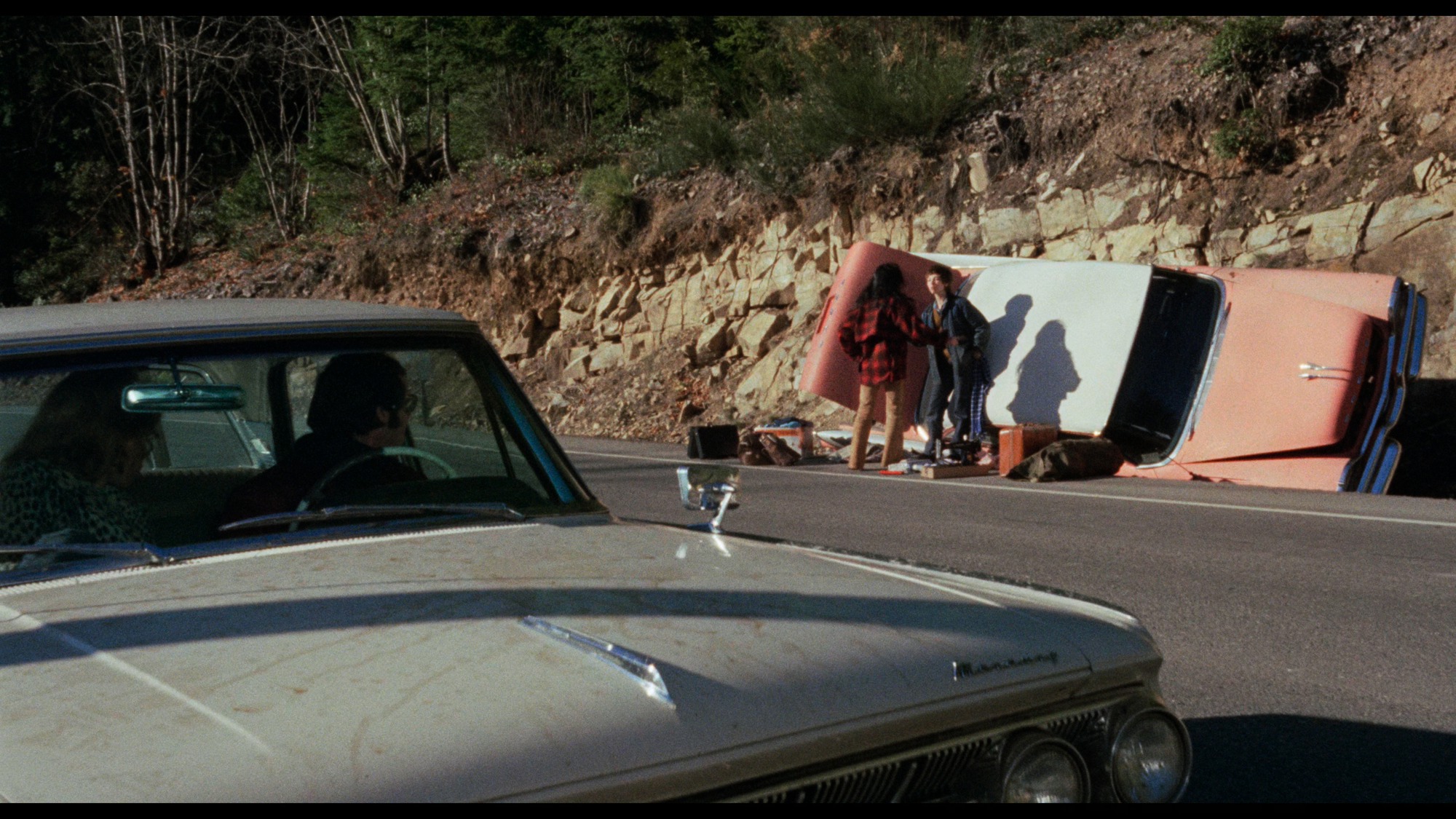
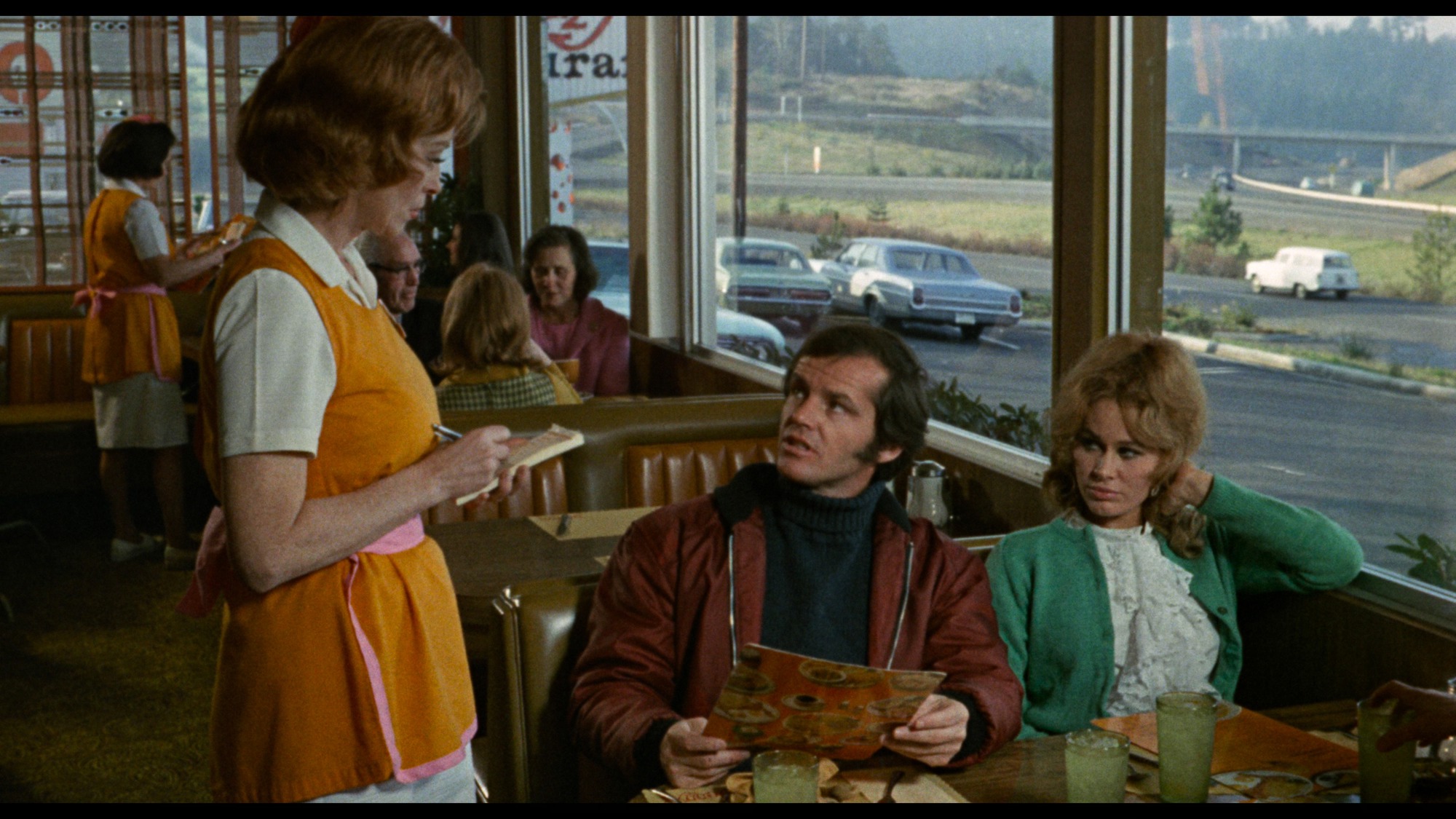
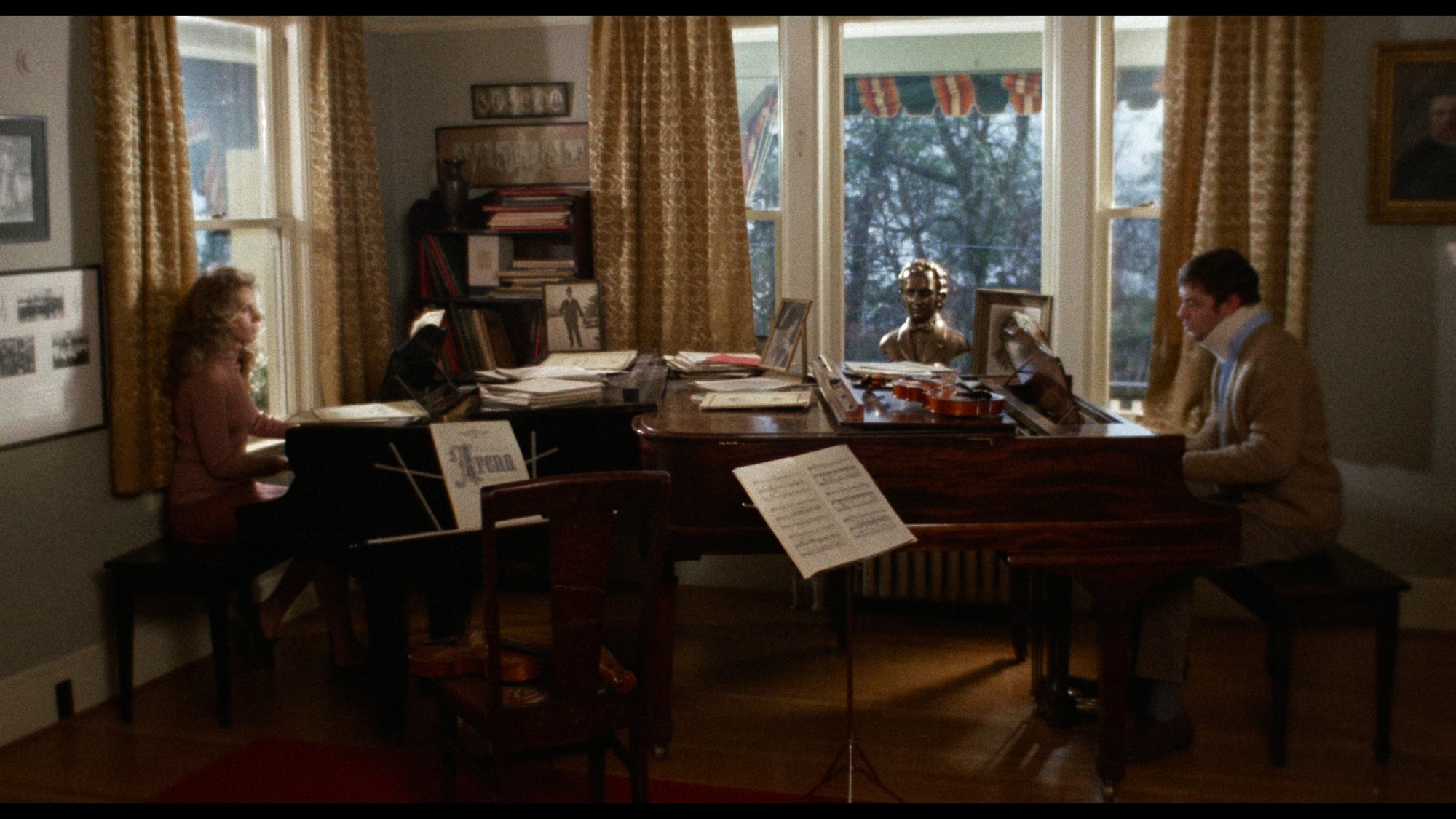
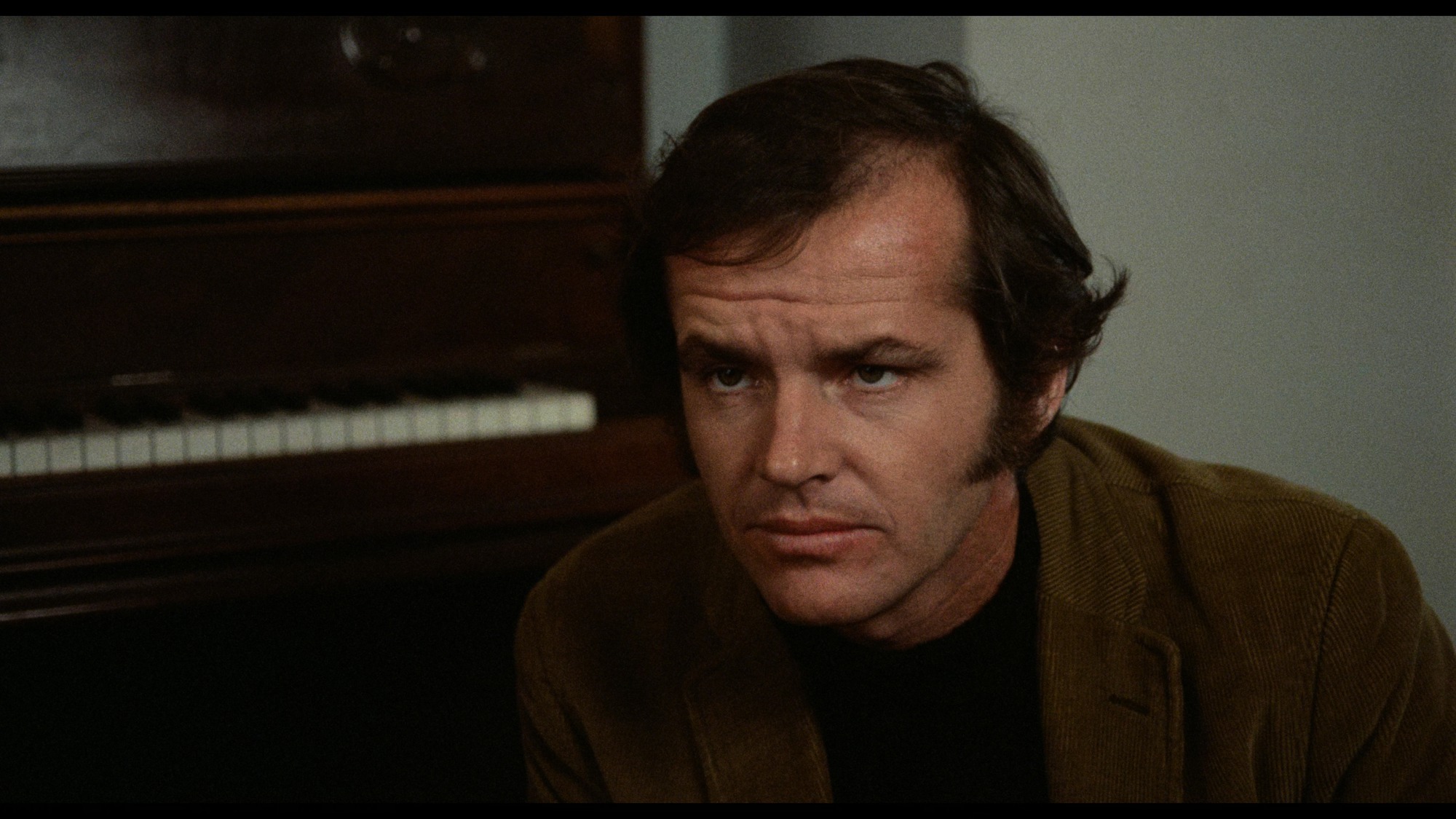
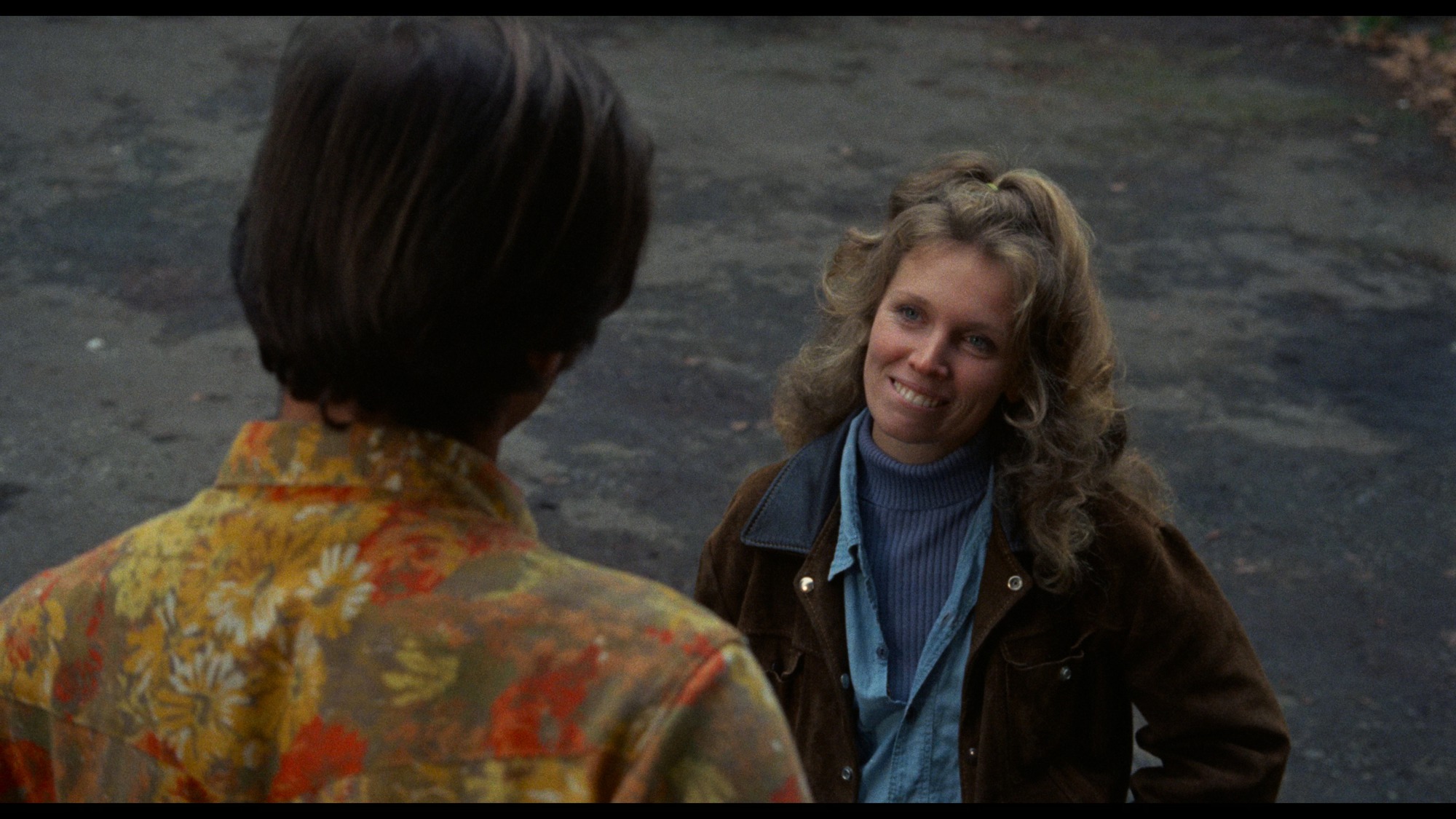
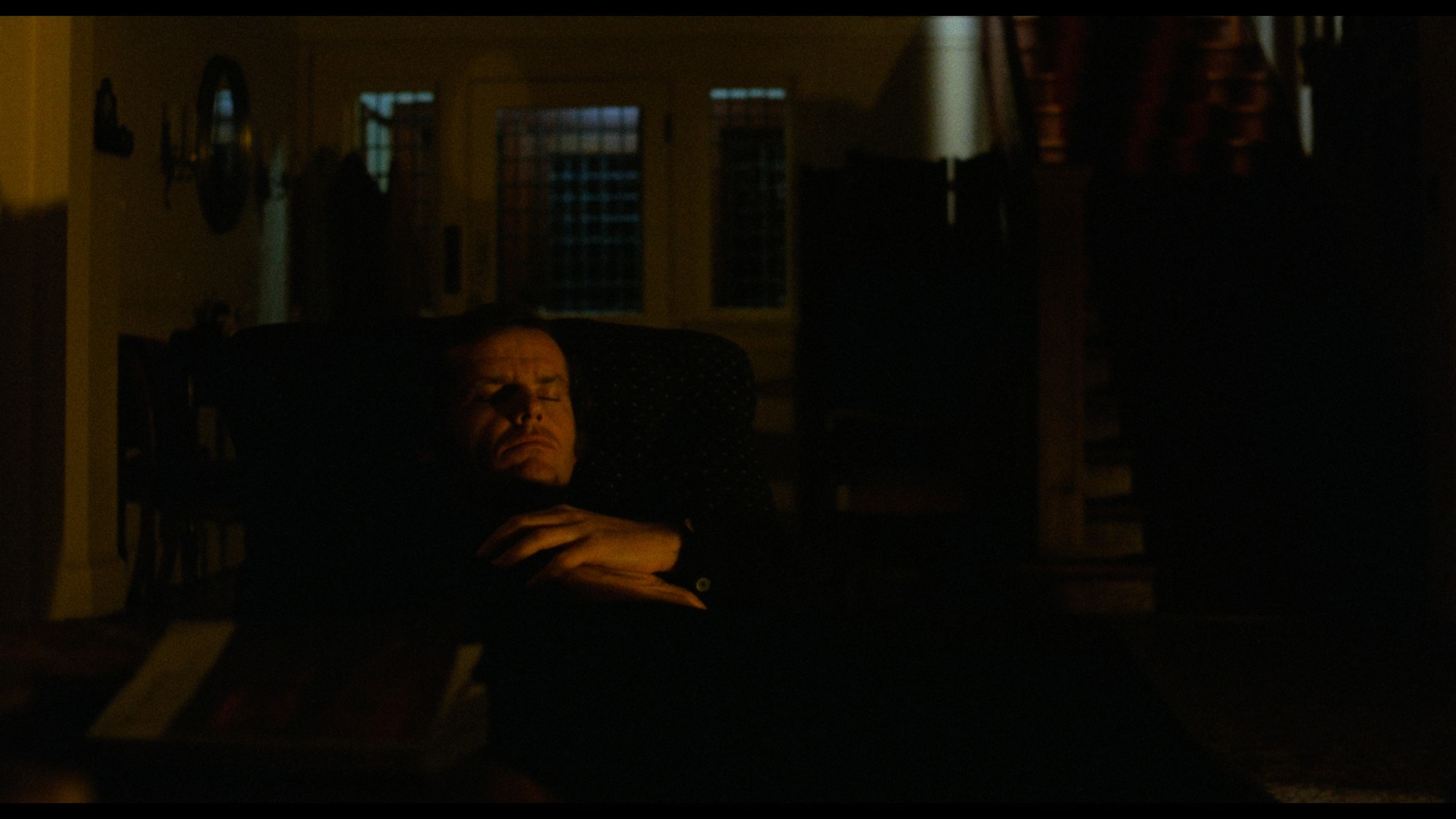
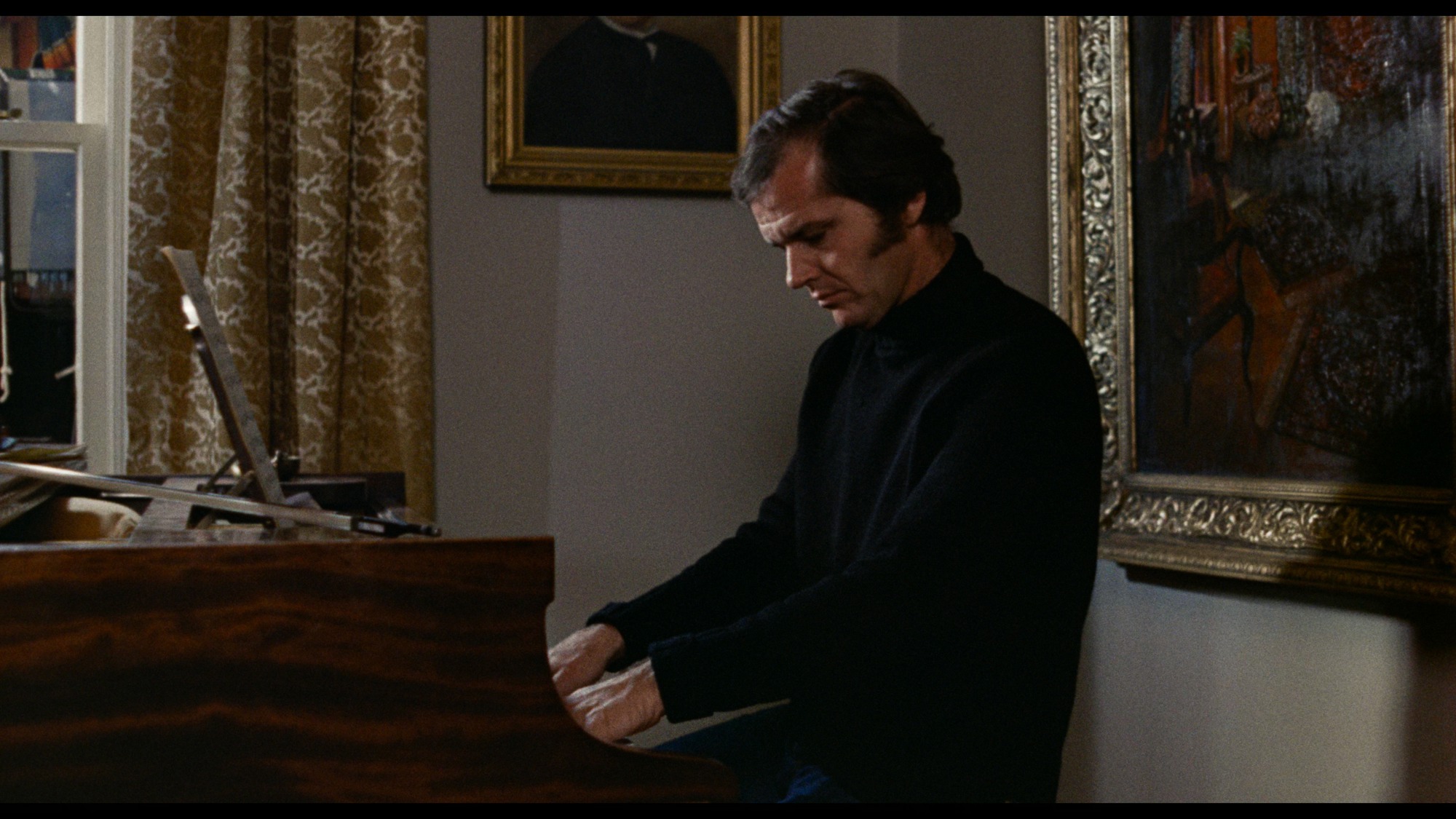
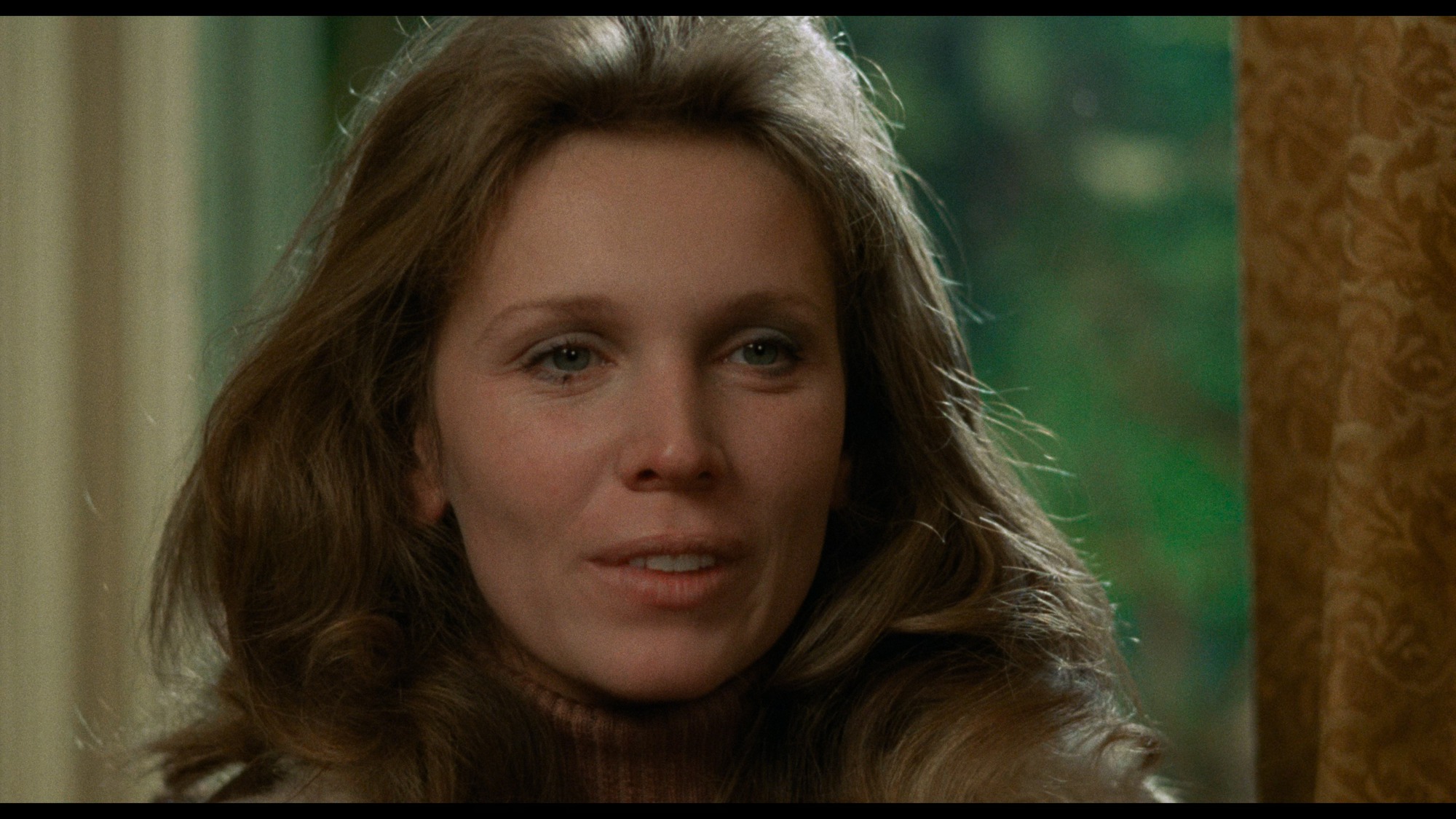
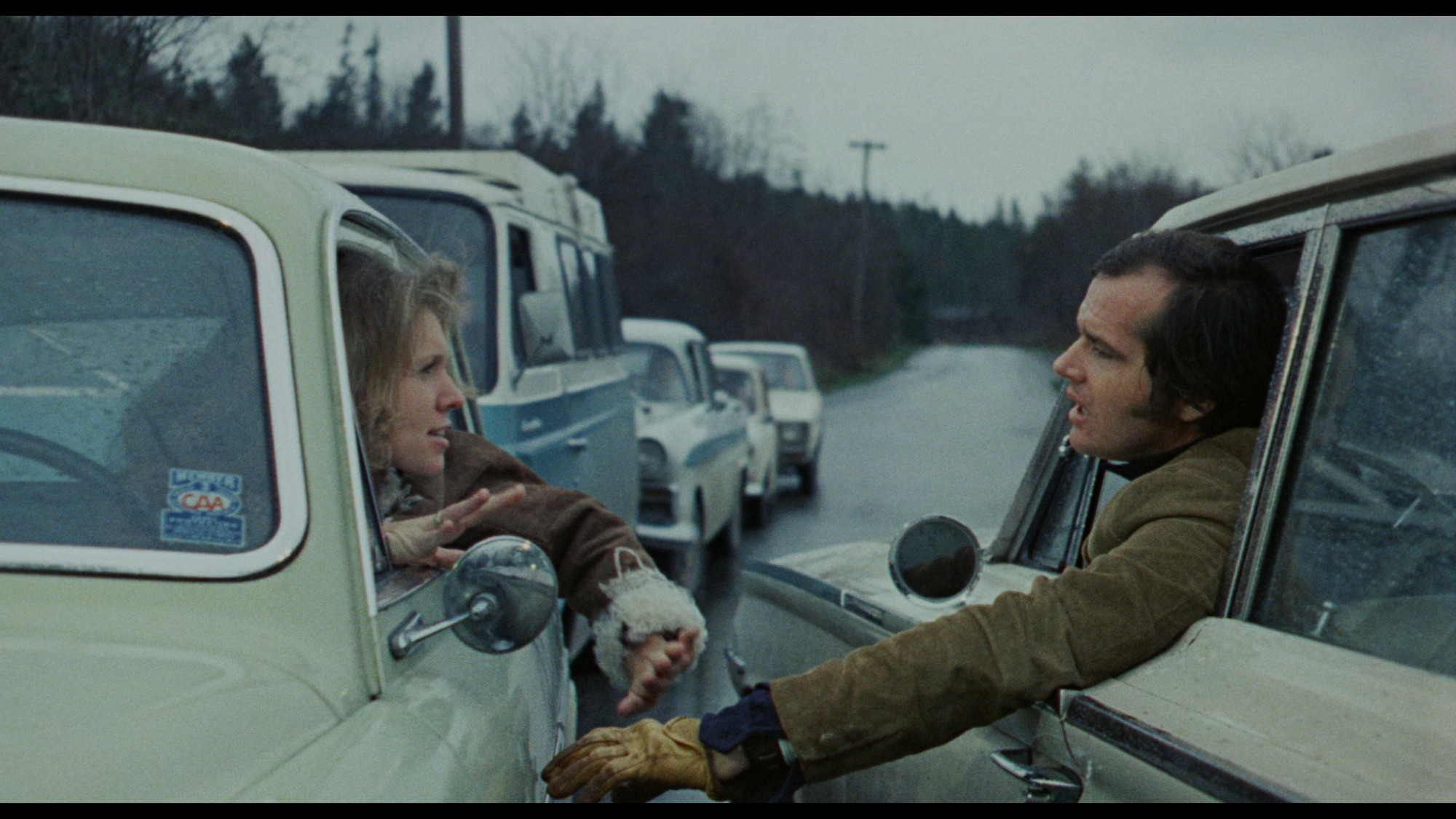
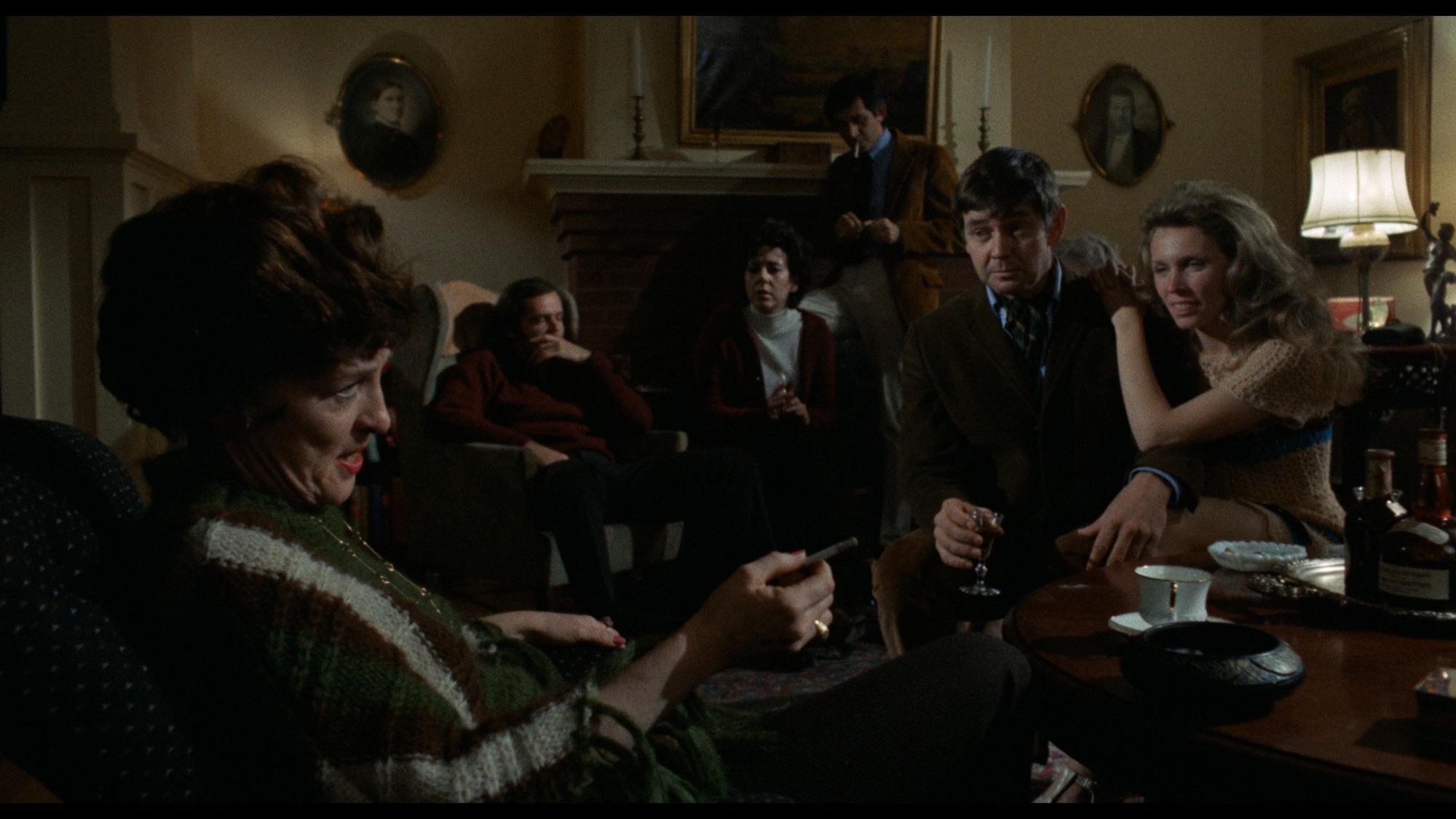
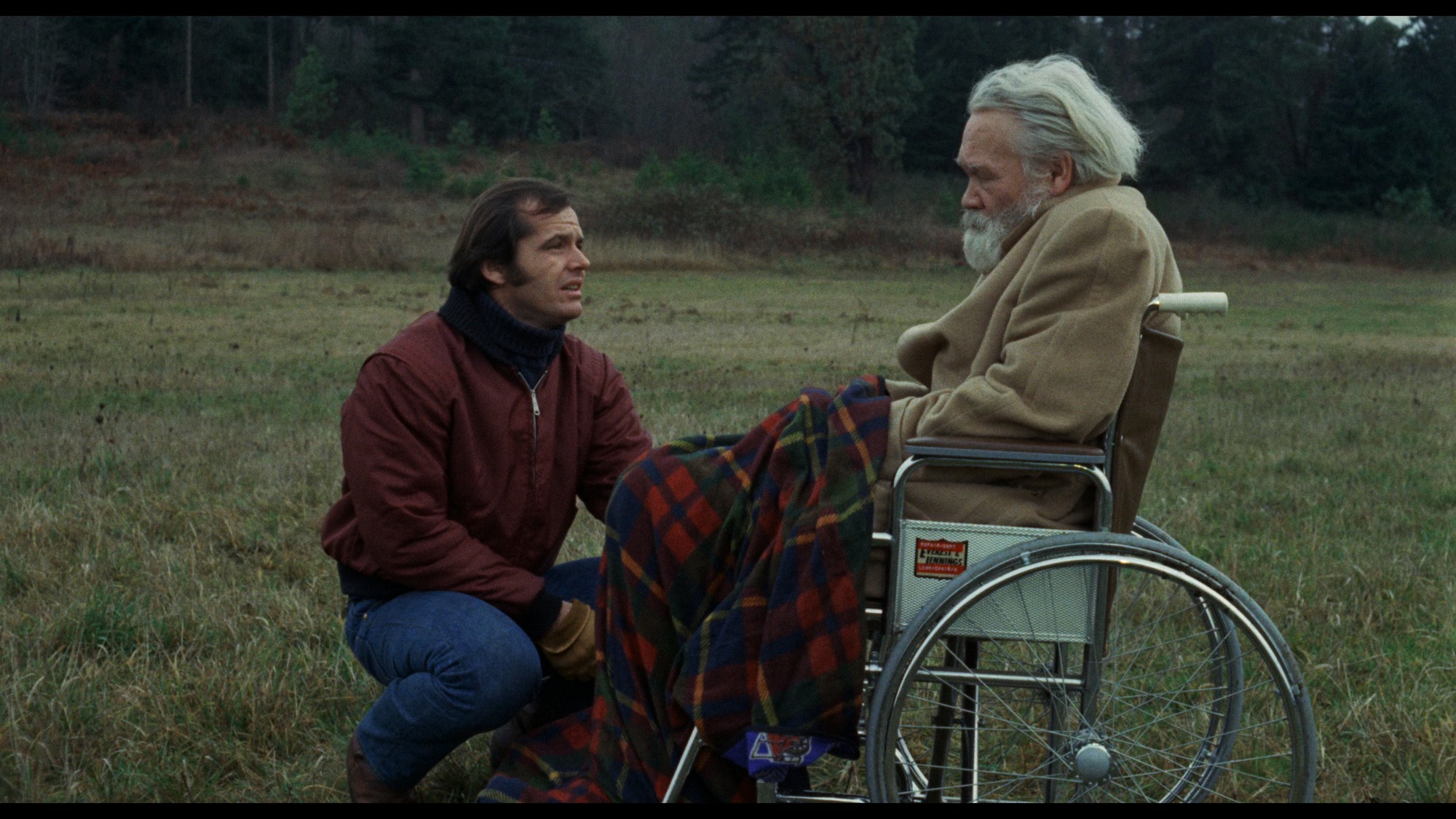
Audio 6/10
The film again comes with a lossless PCM 1.0 monaural soundtrack. Dialogue still sounds crisp and clean, the Tammy Wynette songs come through sharply, and the track can deliver a surprisingly wide range, especially in the oil fields or inside the bowling alley. It's a perfectly fine presentation for the film.
Extras 8/10
Since the release ports over the Blu-ray from the 2015 edition, all of the supplements are the same. Things start again with an audio commentary featuring director Bob Rafelson and interior designer Toby Rafelson (Bob's ex-wife), who were both recorded separately in 2009. Together the two deliver a very involving and thorough track covering the production of the film. They both offer plenty of praise for screenwriter Carole Eastman, cinematographer László Kovács, and of course Jack Nicholson, while also sharing anecdotes from the set. Bob has the bulk of the track, talking specifically about certain sequences and recalling how they came about, even offering up information on alternate scenes that originally appeared in the script. Toby talks about dressing some of the sets, but also recalls how certain scenes came about or what inspired them. And, for those still unsure, Bob even offers an explanation for the title. In the end, I was incredibly surprised by it and, in my opinion, it was probably the strongest commentary included in the BBS set.
Next up is a short, obviously Sony-produced featurette called Soul Searching in Five Easy Pieces, which runs about 9 minutes. Despite some decent comments from Rafelson and Nicholson (the former recalling the initial mood on the set, and both discussing the famous diner scene), this is an incredibly fluffy piece that doesn't offer much insight into the film. Jack is at least an engaging interviewee, and it's a shame he wasn't more involved in the supplements here (or for the set as a whole).
The next supplement was originally included on the Blu-ray for Head in the BBS box set. Entitled BBS: A Time for Change, it is a 28-minute featurette featuring interviews with critic David Thomson and historian Douglas Brinkley. The two discuss Hollywood's state during the '50s and '60s, losing audiences to television while continuing to churn out the same types of tired movies. They then move on to the counterculture in America and the frustrations many felt over what was happening in the country at the time, with the election of Nixon proving to be a particularly sore point. This eventually led to Hopper and Fonda writing what would become Easy Rider, funded by the newly formed BBS Productions. An audience was apparently there for it because the film became a surprise hit, making stars of many involved and forcing Hollywood to drastically rethink its direction. The featurette examines not only the impact Easy Rider and BBS had on Hollywood and the studio system, which included the rise of a more auteur-driven approach (where directors chose their projects instead of studios assigning them), but also the careers it helped launch, particularly Jack Nicholson's, whose one-two punch of Easy Rider and Five Easy Pieces turned him into a major star.
Next up is another Sony-produced feature called BBStory, a 47-minute documentary on BBS, its brief history, and its impact on Hollywood. Some of this material is, of course, covered in the previous supplement (and throughout the old box set), but it's nice to have this more all-encompassing overview, even if it still a little too brief (despite the runtime) and moves through its material rather quickly.
It starts with how the production company was formed and then covers the success of Easy Rider after the failed Monkees movie Head, which meant they couldn't use the all-too-perfect tagline "from the producers who gave you Head" in the advertising for the film. From there, the documentary works its way through each film produced by the company. It features interviews with Rafelson, Henry Jaglom, Nicholson, Karen Black, Peter Bogdanovich, and many others involved with the production company and its films in one way or another. They recount each film fairly quickly, unfortunately spending only a few minutes on each, almost completely skipping over Drive, He Said and A Safe Place, the latter of which barely registers. Though it's a decent documentary about the production company (and one that contains a lot of spoilers, so make sure you've seen the films beforehand), it really does race through its material.
The final major supplement here is Bob Rafelson at AFI, a 49-minute Q&A with the director recorded in 1976. Audio quality is questionable and rather low, and at times it's difficult to make out everything being said, but Rafelson covers his career from his early days at Shochiku Studios in Japan through to what was then his newest film, Stay Hungry. In between, he of course talks about his other films and the state of Hollywood when BBS came onto the scene. Rafelson is an incredibly engaging speaker and can be refreshingly frank, though despite the interesting material covered here he does drone on a bit. Still, it's a strong interview overall, and I'd at least recommend using the index (with eight chapters) to jump to whatever material interests you most.
The disc then closes with two teaser trailers (though one feels more like a full trailer), followed by a 3-minute theatrical trailer. Interestingly, one of the teasers bleeps out the word "crap," though I suspect it's to make it sound like Bob Dupea (Nicholson) said something worse. The release also ports over Kent Jones' essay on the film, originally included in the BBS box set booklet. It offers a nice examination of the film and its impact.
It's been over 15 years since the film was originally released by Criterion on Blu-ray, so a revisit to the supplements would be welcome. As it stands, though, despite some of them feeling typical of what most studios produced at the time, they're a decent set of features, the commentary probably being the stand out.
Closing
The 4K presentation ultimately looks sharp in the end, but it's not the substantial update I was hoping for.
BUY AT: