Monsieur Hulot's Holiday
BUY AT:


See more details, packaging, or compare
Synopsis
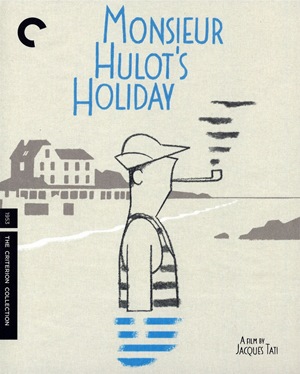
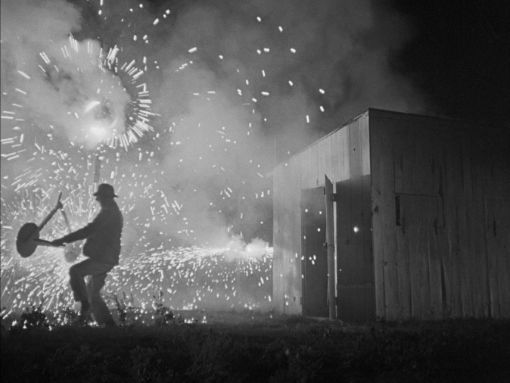
Monsieur Hulot, Jacques Tati’s endearing clown, takes a holiday at a seaside resort, where his presence provokes one catastrophe after another. Tati’s masterpiece of gentle slapstick is a series of effortlessly well-choreographed sight gags involving dogs, boats, and firecrackers; it was the first entry in the Hulot series and the film that launched its maker to international stardom.
Picture 8/10
Criterion finally upgrades their DVD edition for Jacques Tati’s Monsieur Hulot’s Holiday, presenting it on Blu-ray in their new box set The Complete Jacques Tati. The film is presented with a new high-definition 1080p/24hz digital transfer in its original aspect ratio of around 1.37:1 on a dual-layer disc. Like with the DVD Criterion again presents Tati’s 1978 reedit of the film, his preferred version and this review pertains only to this version. The original 1953 version is presented as a supplement, which will be covered there.
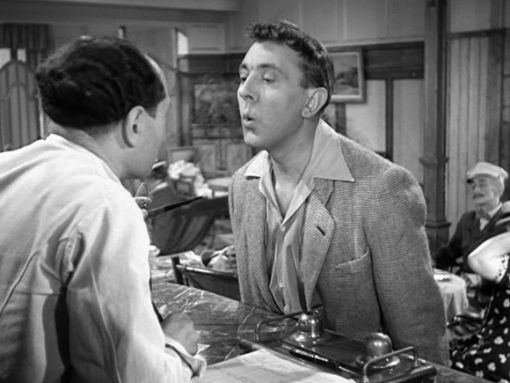
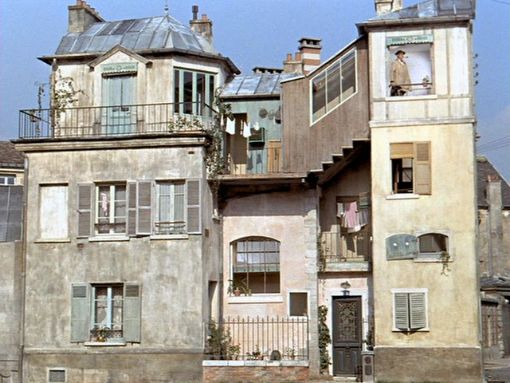
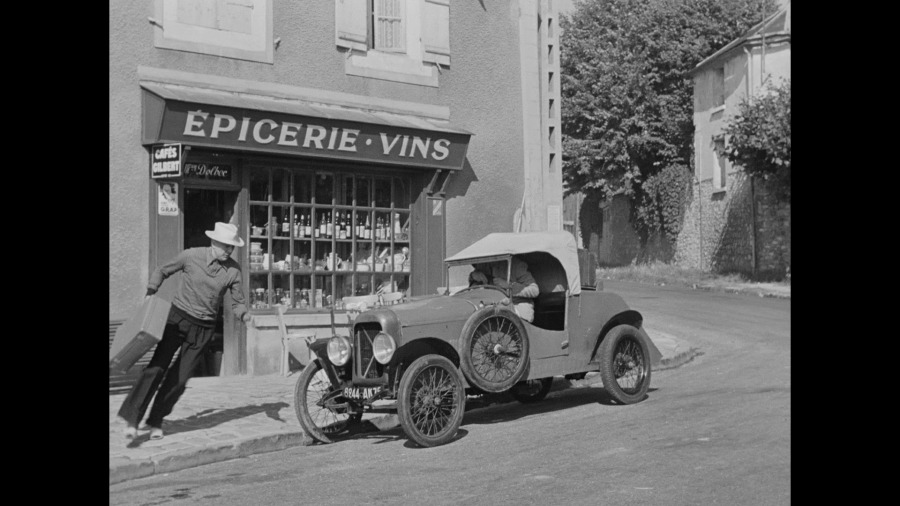
This new transfer offers a strong enhancement over the previous single-layer DVD, primarily in terms of cleanliness and stability. Compression and other digital artifacts are no longer a concern and the presentation has a far more film-like presence. The level of detail in a lot of shots can be simply extraordinary, and the various textures come through so much better. The sense of depth is superb, helping in the staging of a number of gags, and more intricate details come through in many of the longer shots.
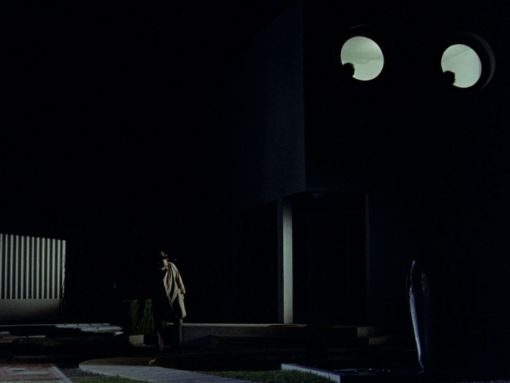
The image has also been cleaned up thoroughly. There are some faint tram lines and minor scratches but they are very easy to overlook, especially since it still looks so much better than the DVD. The black and white image looks nicely balanced, with day sequences looking appropriately bright while the night sequences juggle the black levels nicely, allowing details to still come through. Gray levels are nicely rendered and blacks are fairly inky.
In all a nice and quite substantial upgrade over the previous DVD.

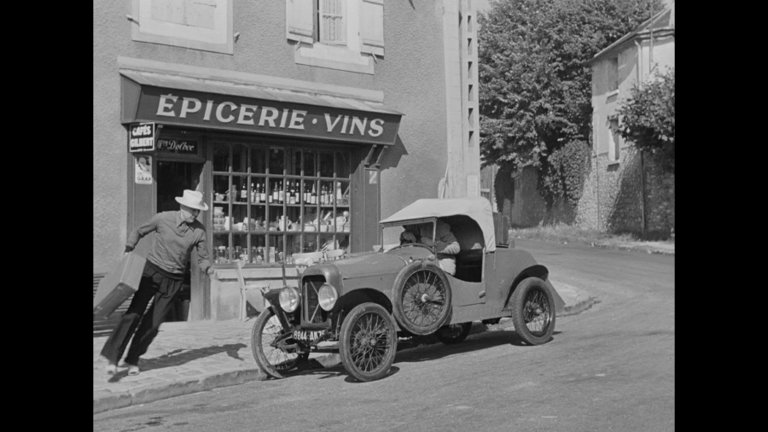
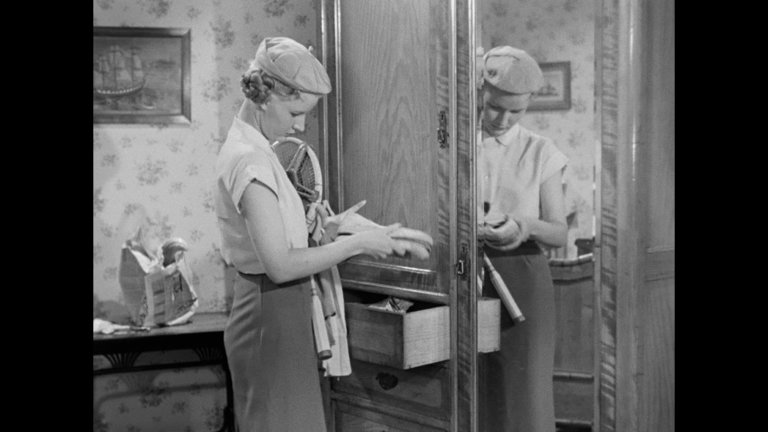
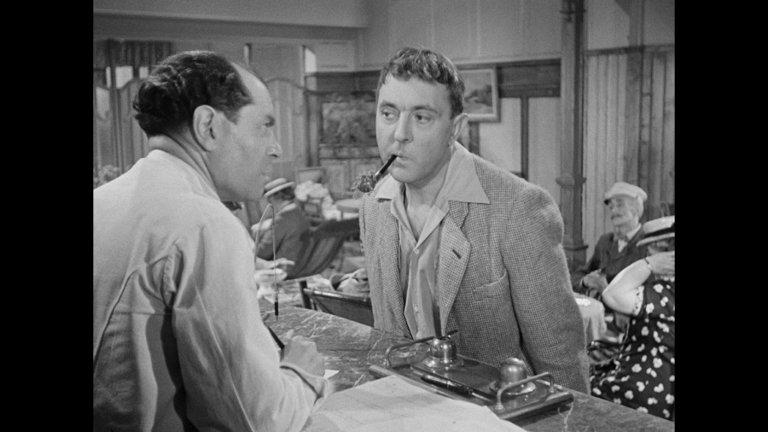
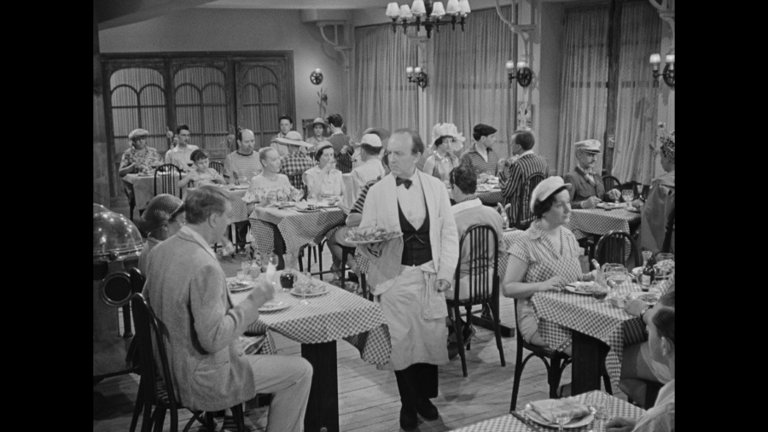
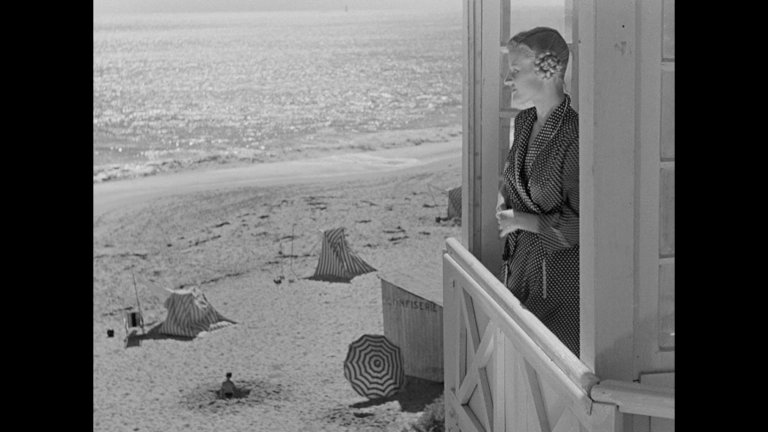
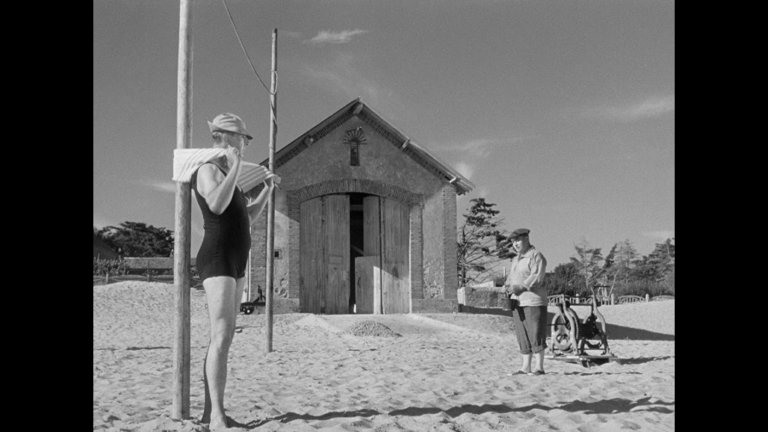
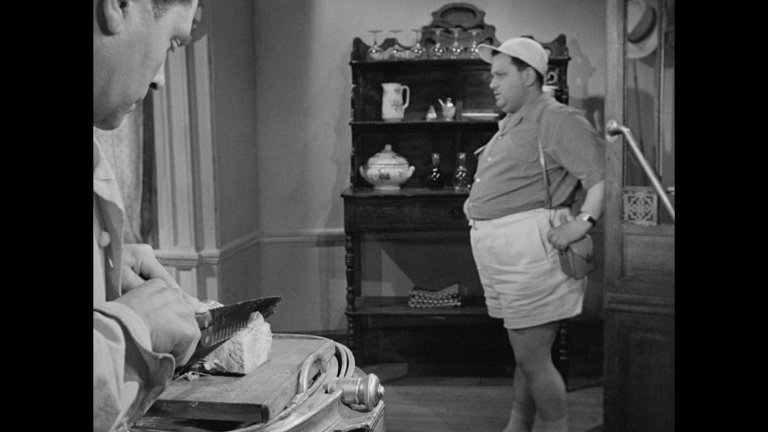
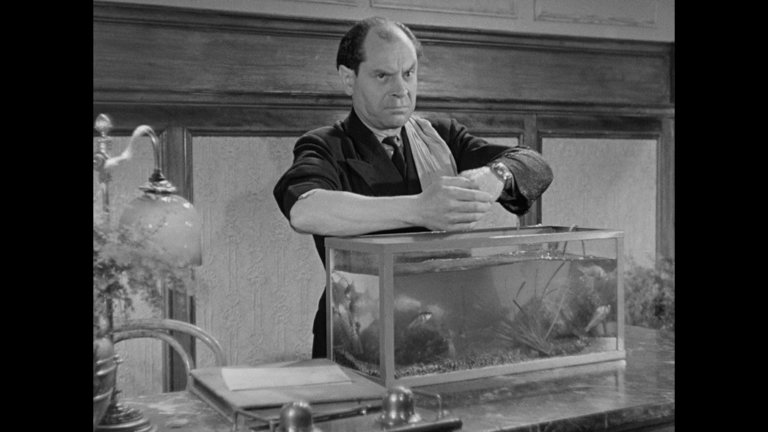
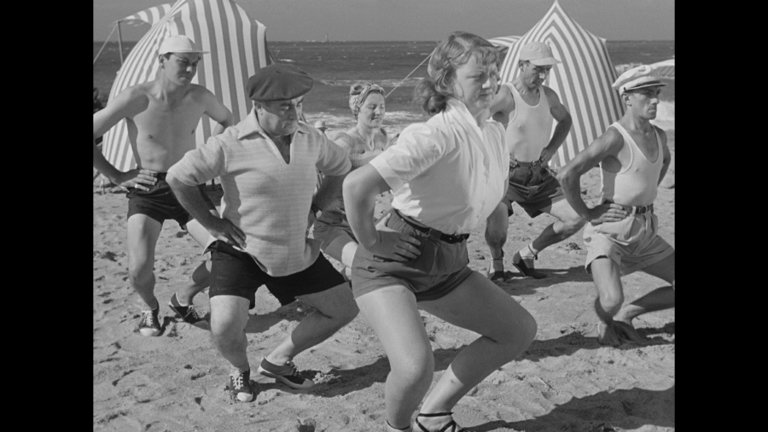
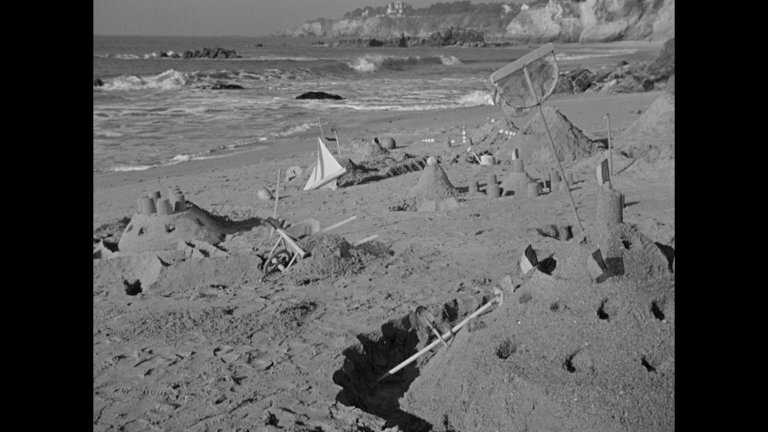
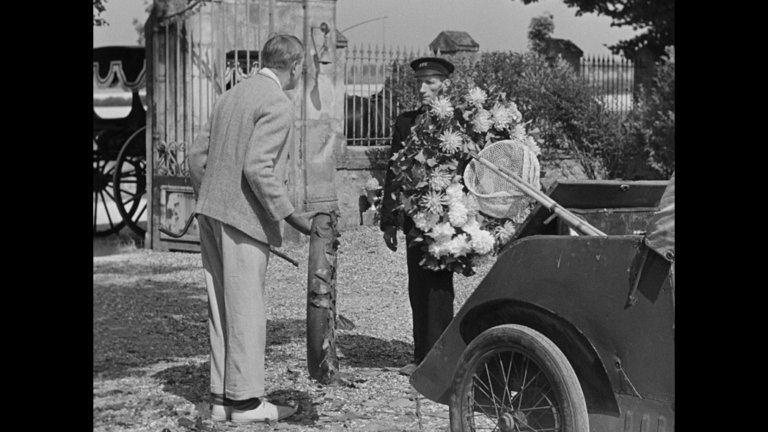
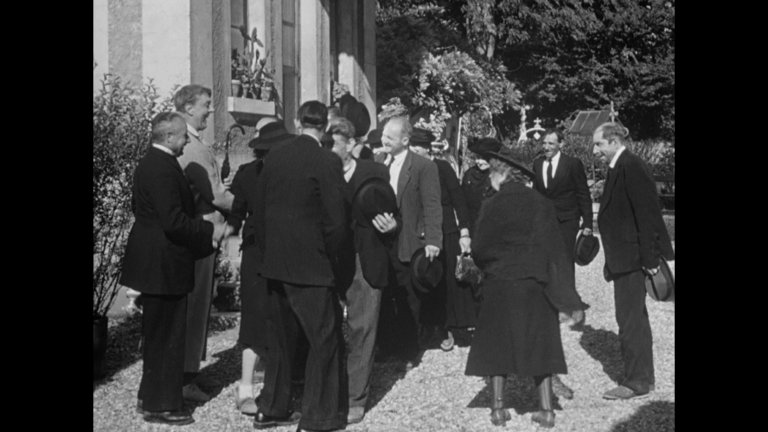
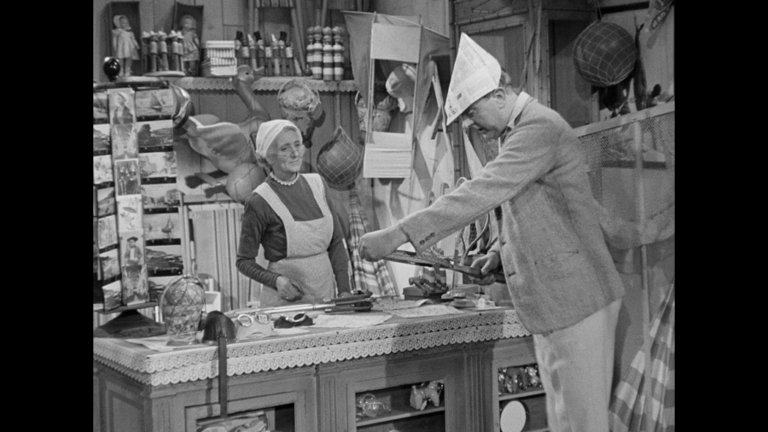
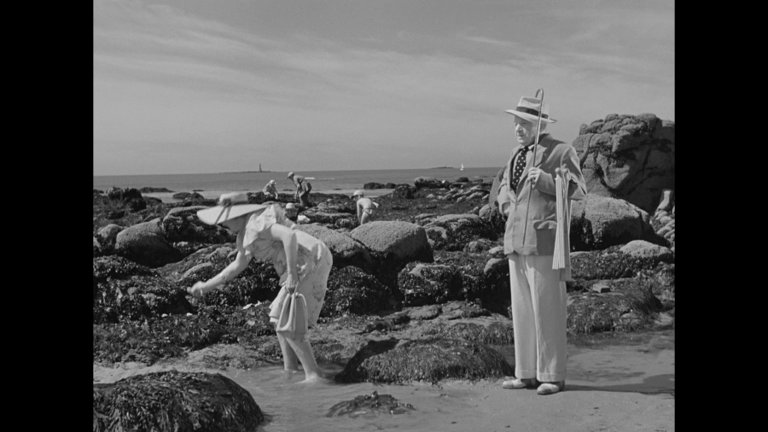
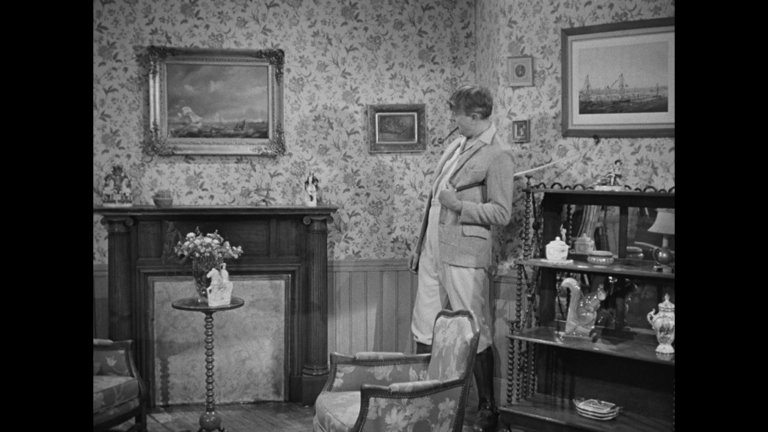
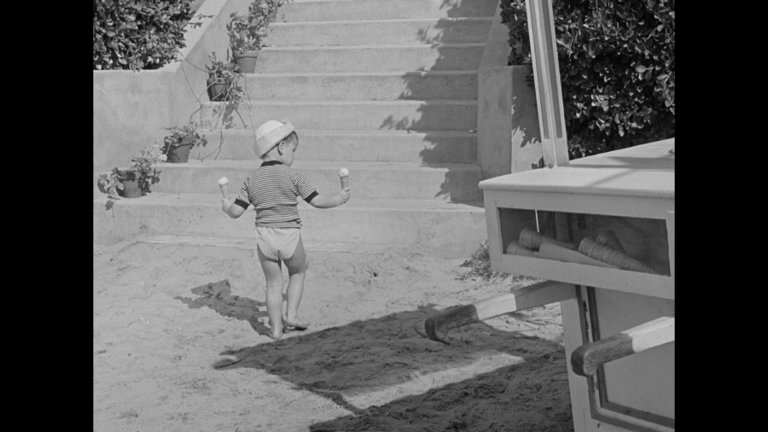
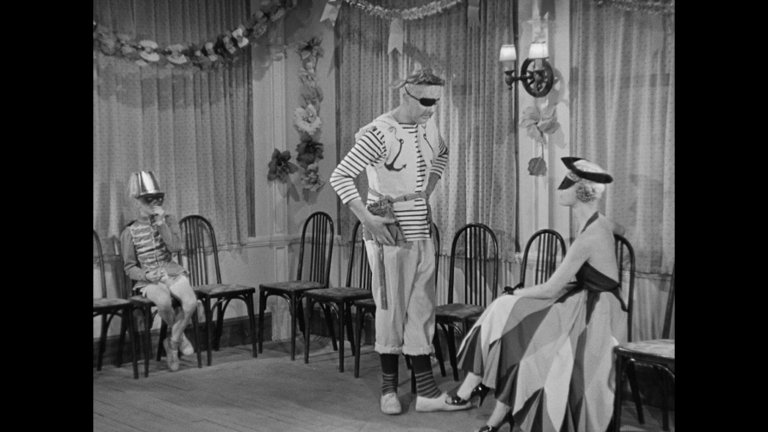

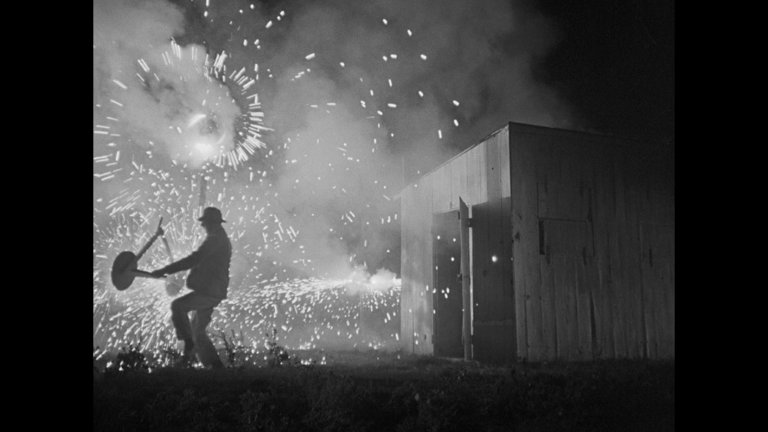
Monsieur Hulot's Holiday - Screen Captures

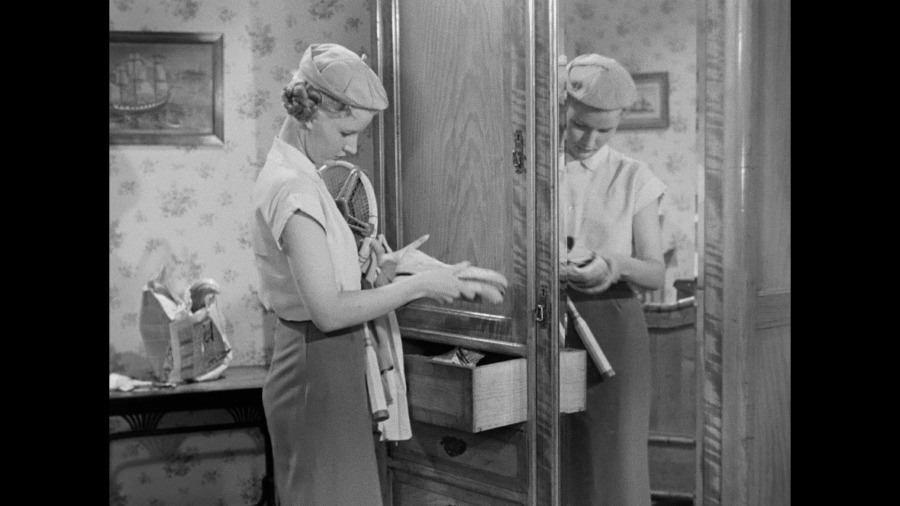
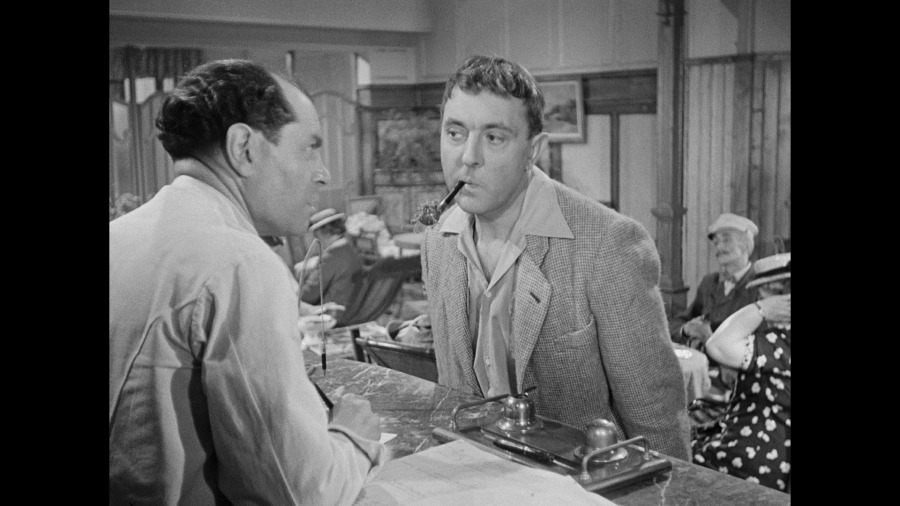
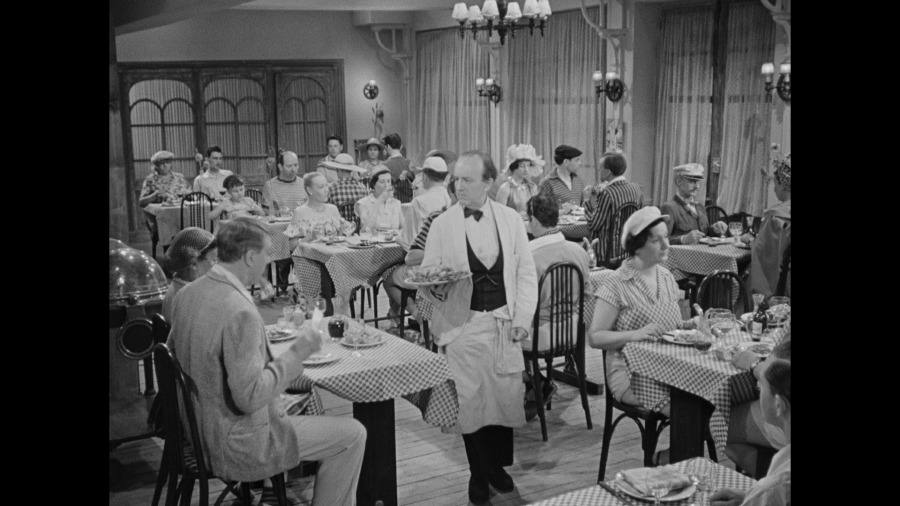
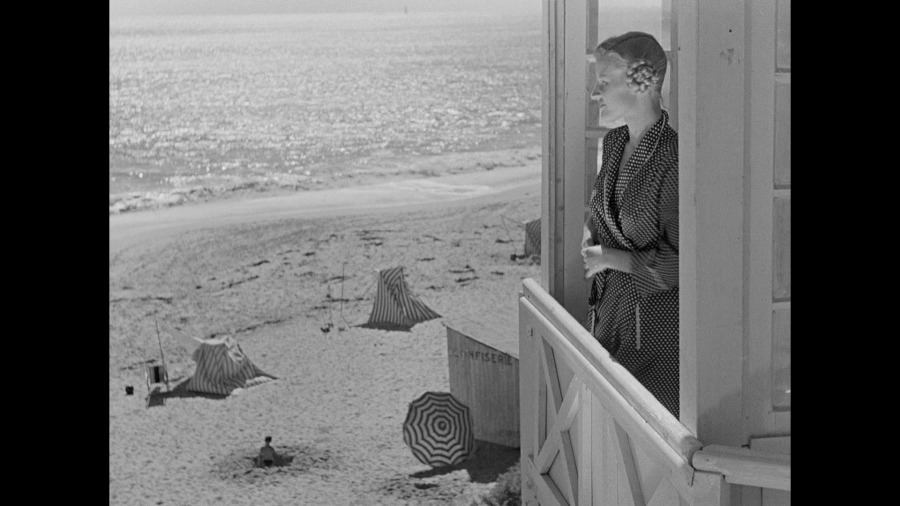
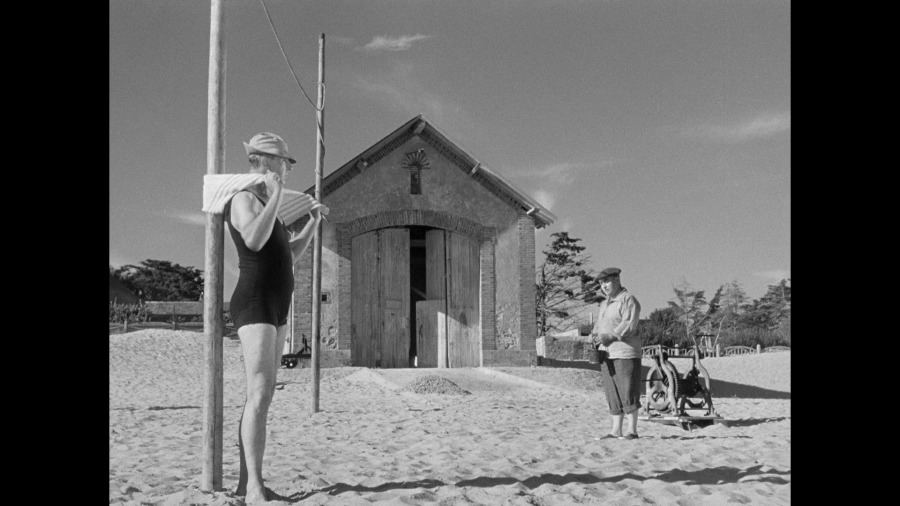
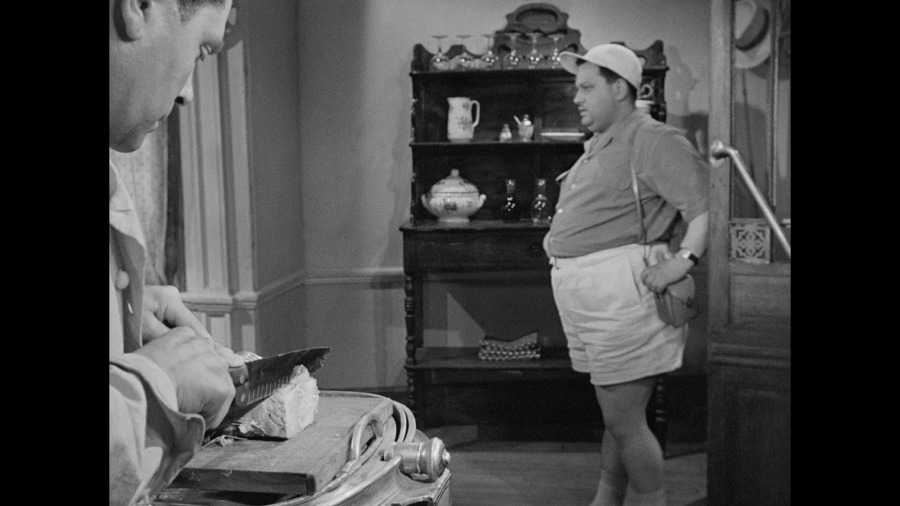
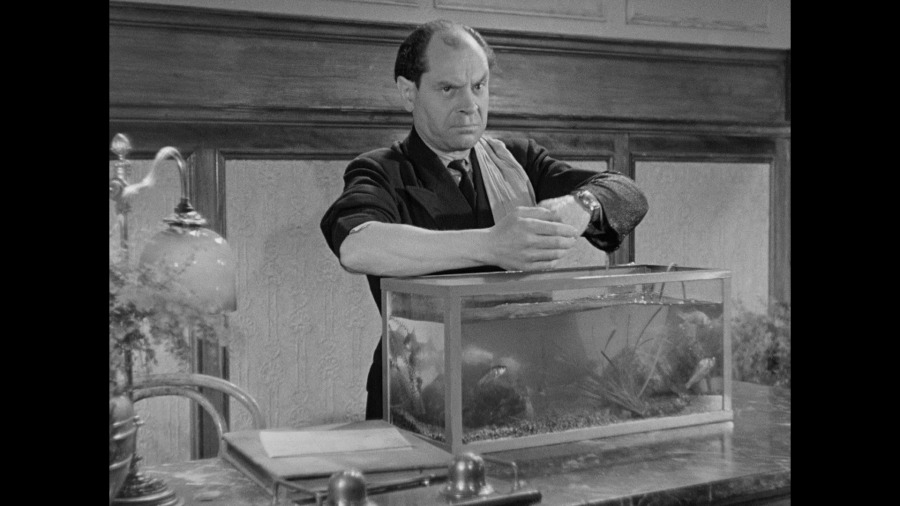
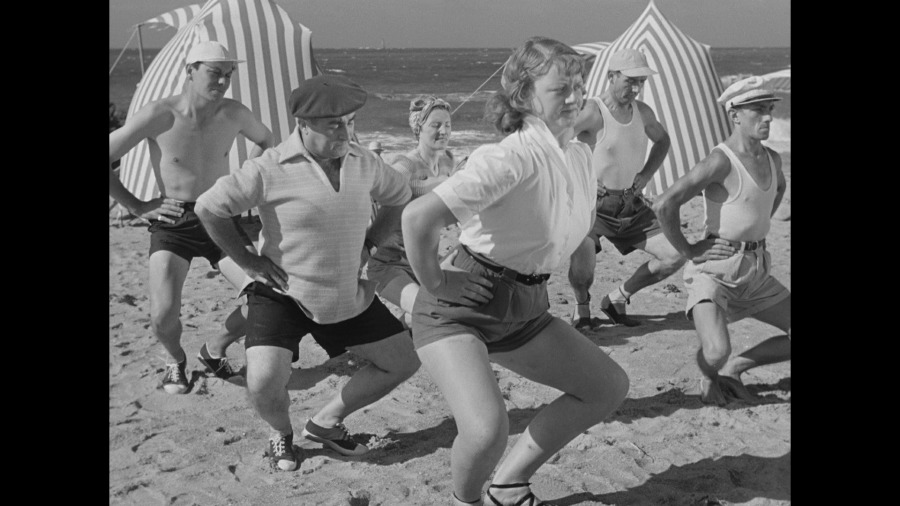
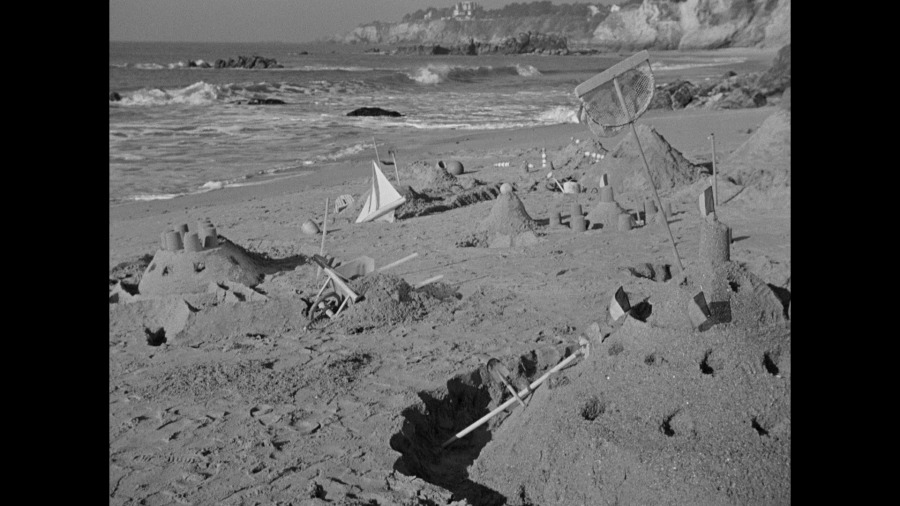
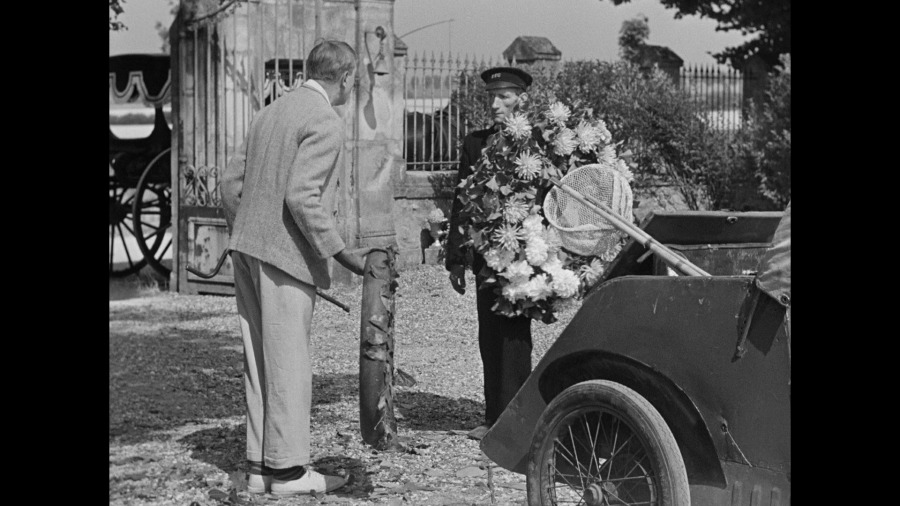
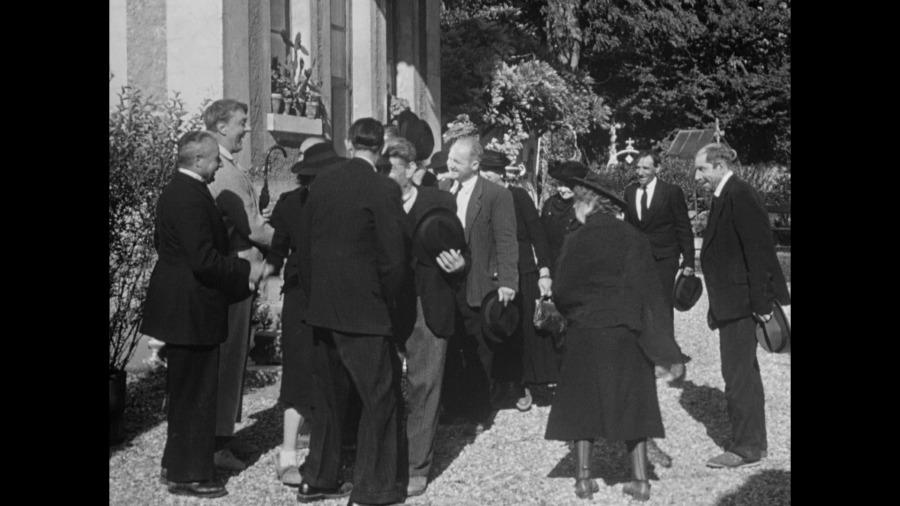
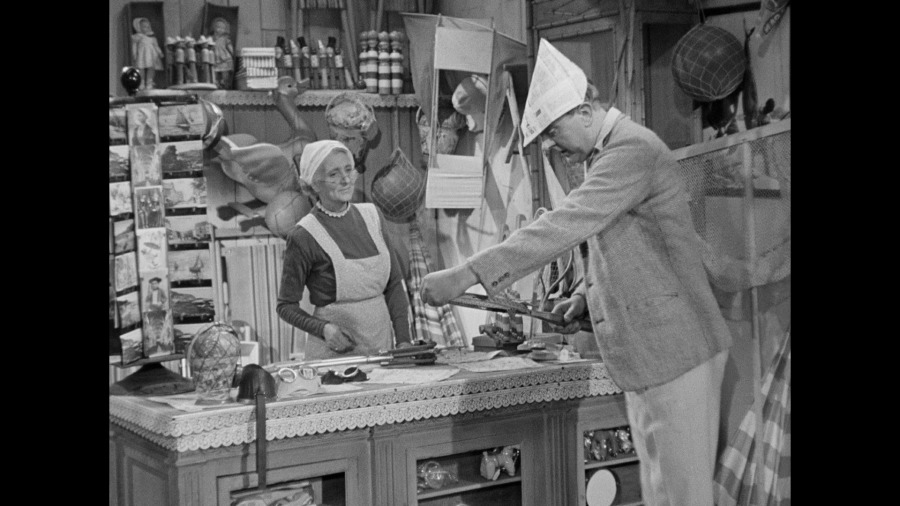
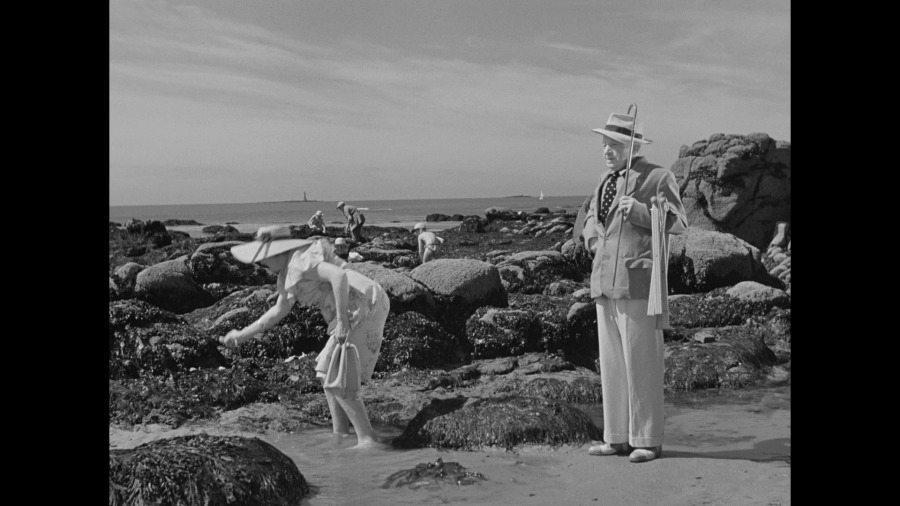
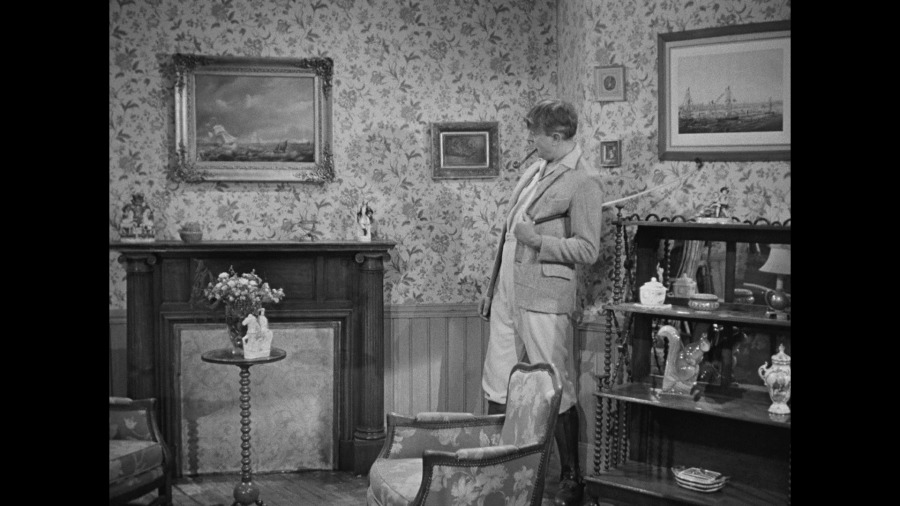
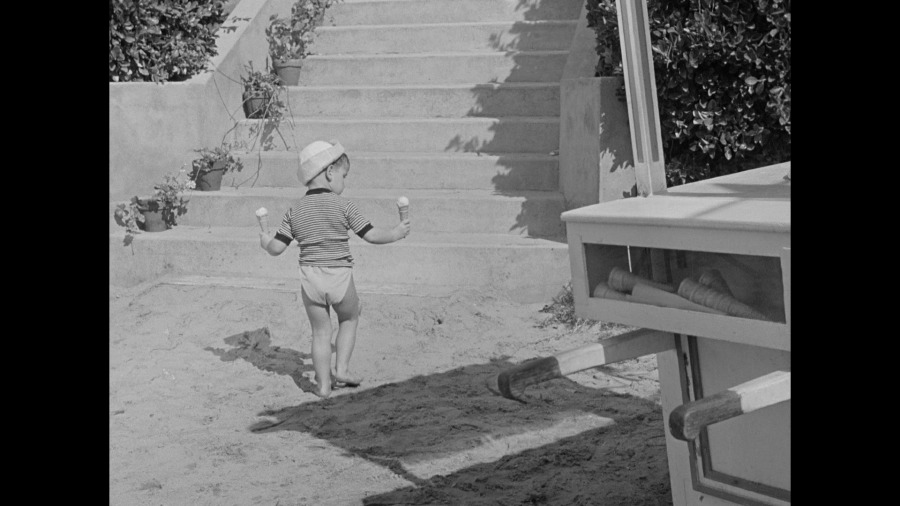
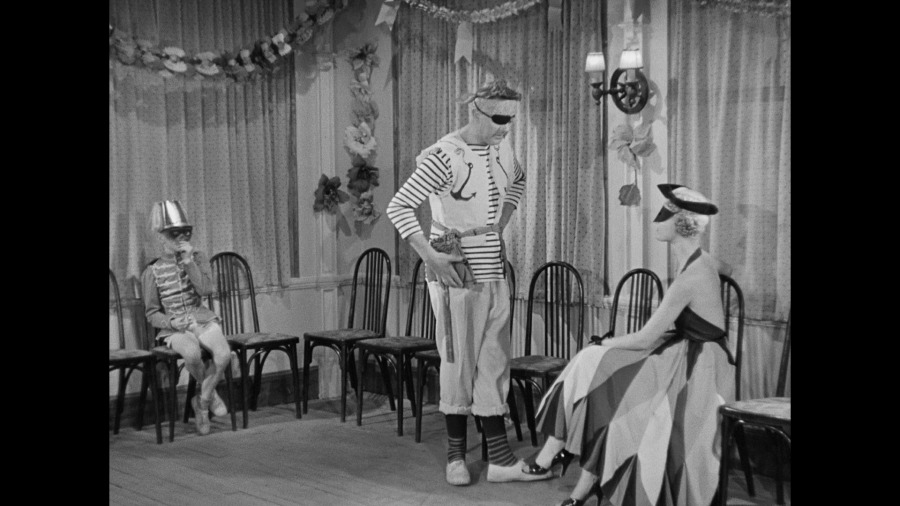
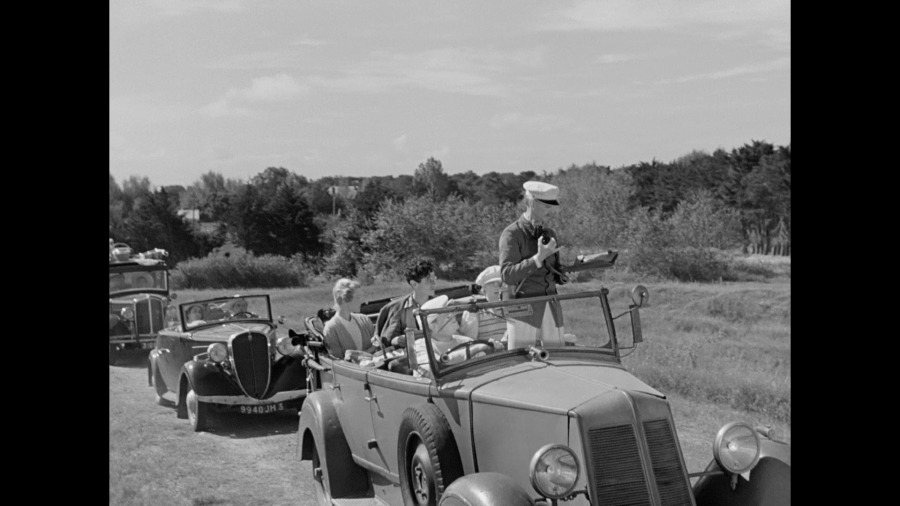
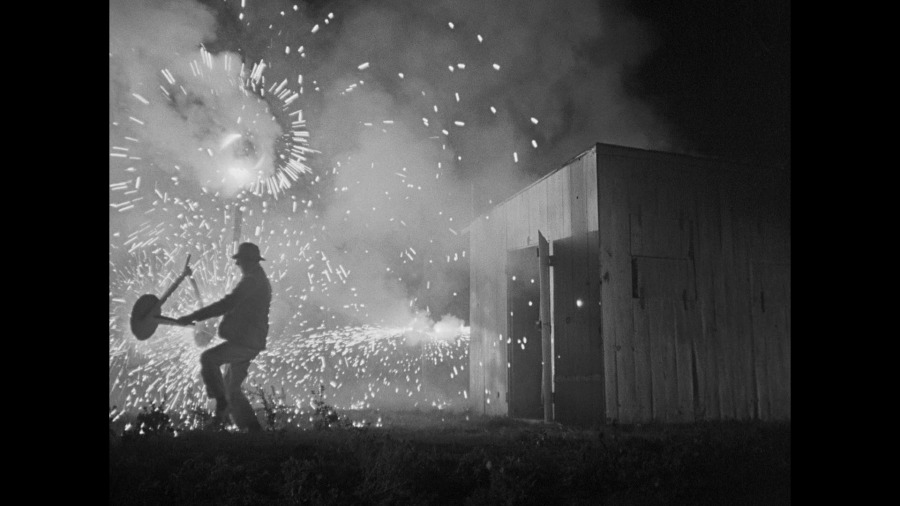
Audio 7/10
I was actually fairly surprised with the audio here. The original lossless French PCM track sounds surprisingly robust and hasn’t been hindered by age too much. It could be because the track is technically newer, mixed in ’78 as opposed to ’53. The film’s score is especially rich with strong clarity and depth to it. Dialogue, though it serves its purpose in the film, isn’t especially important, at least in what is being said: it can be easily heard when it’s supposed to be but there are many instances where it can be muffled or drowned out, but that is intentional.
Like with their DVD edition Criterion yet again includes an optional English dub track, though this one is presented in Dolby Digital 1.0. It’s considerably flatter in comparison to the main French track, with music that barely registers at time. Of the two I would naturally stick with the French one.
Extras 8/10
The second disc in the rather packed 7-disc box set, The Complete Jacques Tati, this title comes with its own set of supplements, nicely upgrading over Criterion’s borderline barebones 2001 DVD edition. The supplements first start with a brief text note about the 1978 version of the film, which is then followed by the same introduction by Terry Jones found on the original DVD. The director talks about his admiration for this film and the Hulot films in general, pointing out some of the gags he admires and the beauty and “poetry” behind them. It’s short, running only 3 and a half minutes, but worth viewing.
Next Criterion includes the original 100-minute 1953 version of the film. The version differs in a few surprising ways, particularly with another tennis court sequence that happens earlier on and then a slightly extended ending on a train. There’s also some added dialogue scenes between some of the hotel guests, and the shark gag is of course shorter (for the 1978 version Tati shot an extended bit for this gag in response to the release of Jaws years earlier). The most obvious difference, though, is the film’s score, which is more subtle and not as prominent when it appears. For me this was probably the most disconcerting difference.
I think I do agree with a lot of the alterations Tati would make after seeing this version (with the hairstyle of the man in the extended shark sequence of the ’78 version not really fitting with everything else admittedly), especially in cutting some of the extra dialogue. In his newer version dialogue is sparse and rarely plays that much of an importance in a scene (you don’t really need to understand what is being said only that someone is saying something.) Some of the extra dialogue scenes in this film seem to focus more on the dialogue and I don’t know if this works as well and it can throw off the rhythm, especially the ending.
Though it’s a nice inclusion Criterion has, unfortunately, only included an upscaled standard-definition version of the film. This is especially disappointing since BFI actually included a high-definition presentation of this version on their own Blu-ray edition. It’s not terrible per se, nowhere near as ugly as the upscale for the Thomson-Color version of Jour de fête found on the respective Blu-ray in the set, but it’s still not particularly good. Forgetting the fact that little to no restoration has been done (the print is littered with damage) the transfer is still fairly fuzzy, presenting some edge-enhancement, noise, and compression. It’s mediocre overall, the upscale coming off quite poor. There’s no way anyone will confuse this for high-definition.


Composer and critic Michel Chion contributes a 32-minute interview on Tati’s sound design in his films. It’s a nicely thought out interview, Chion talking about how Tati’s use of sound is usually used to emphasize an uncomfortable silence of sorts (the sounds of objects actually make one notice that no one in a scene is talking for example) and how Tati focuses the sound to certain areas, never a wide area. He also uses it to juxtapose certain sequences: in Mon oncle, for example, the scenes in the modern areas of France present single, more focused noises, suggesting a colder atmosphere, while scenes in the older parts of Paris present more vocal noise, suggesting a warmer, more welcoming atmosphere. He also of course looks at his use of sound in constructing gags, particularly gags that use disjointedness between what we’re hearing and seeing, while then looking at how the sound design in his films evolved through his films, with Parade culminating with sounds from a live audience. He can veer off the topic here and there but overall I found Chion’s observations insightful and entertaining.
The disc then closes with a rather wonderful 27-minute interview with Tati from a 1978 episode of the French program Ciné regards. In it he goes through scenes from his films and talks about the construction of them, the use of sound, why he used the film stock he used (like 70mm for PlayTime) and what his films were more-or-less about. He also shares a few funny anecdotes, like one where he recalls sitting with an audience viewing M. Hulot’s Holiday.
Technically not carried over from the original DVD is the short film Soigne ton gauche, though it is found on the 7th disc of the set, which is devoted to Tati’s short films. Otherwise this disc offers a nice upgrade in supplements, beautifully covering the film and offering more analysis of Tati’s unique style.
Closing
This new Blu-ray improves greatly over Criterion’s old DVD, delivering a far sharper image and a far more impressive roster of supplements.
BUY AT: