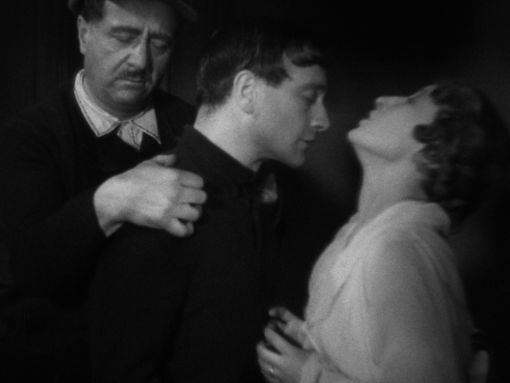
BUY AT:


See more details, packaging, or compare
Synopsis
The delicate romanticism of The Marseille Trilogy’s opening installment encounters harsh reality in this sequel, which picks up moments after Marius has left his would-be wife, Fanny, for a sailor’s existence. Soon after his departure, Fanny learns that she is pregnant with his child, to the disappointment of her mother and of Marius’s father, César. To secure a better life for her unborn child, she accepts a marriage proposal from the aging widower Honoré Panisse. By turns moving and disarmingly funny, this portrait of heartbreak and its aftermath is buoyed by Pagnol’s openheartedness toward his characters, and by director Marc Allégret’s vivid and assured depiction of colorful Marseille.
Picture 8/10
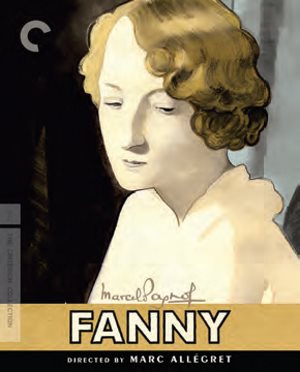
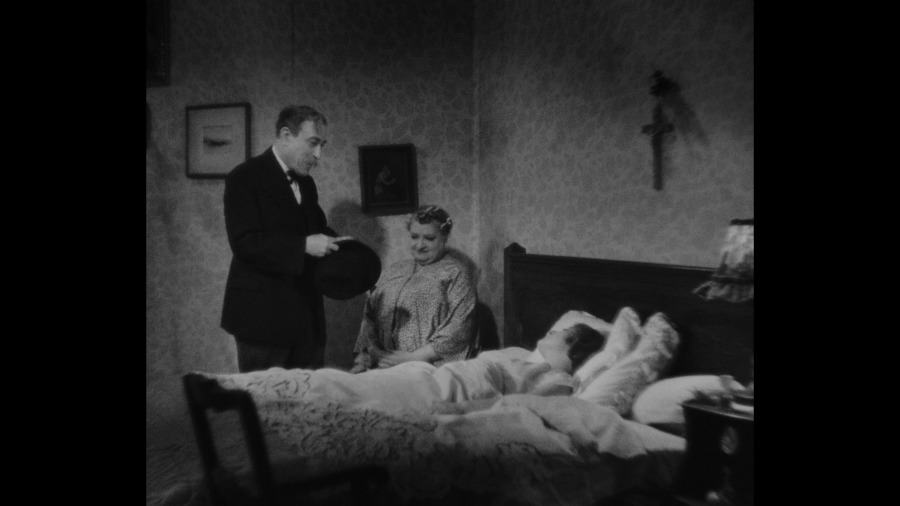
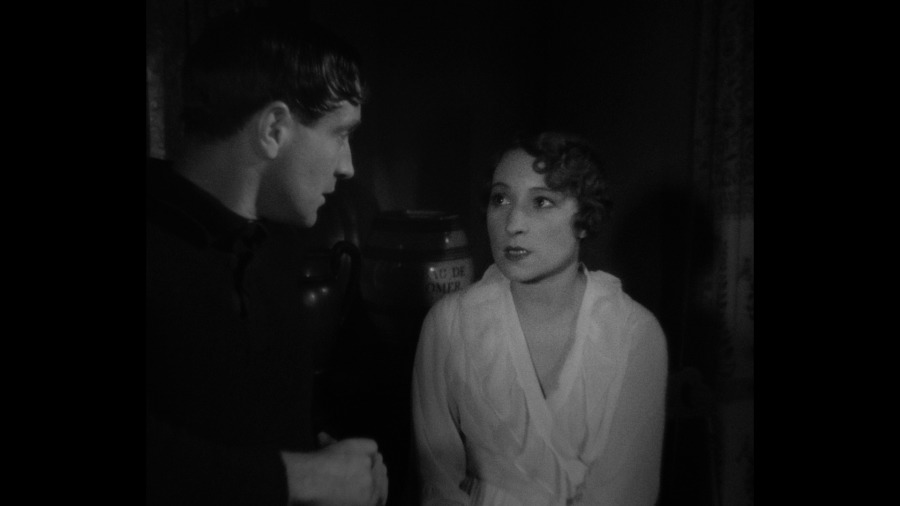
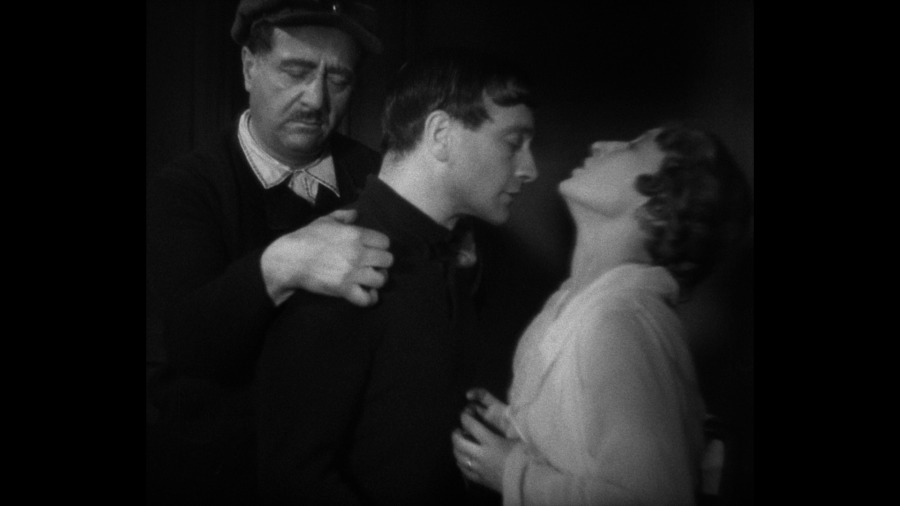
The second film in Marcel Pagnol’s Marseille Trilogy, Fanny (directed by Marc Allégret) comes to Blu-ray through Criterion’s new exclusive box set, delivered on a dual-layer disc in the film’s original aspect ratio of 1.19:1. This new high-definition 1080p/24hz presentation comes from a new 4K restoration scanned from the original 35mm nitrate negative, a 35mm safety duplicate negative, and a 35mm safety duplicate positive.
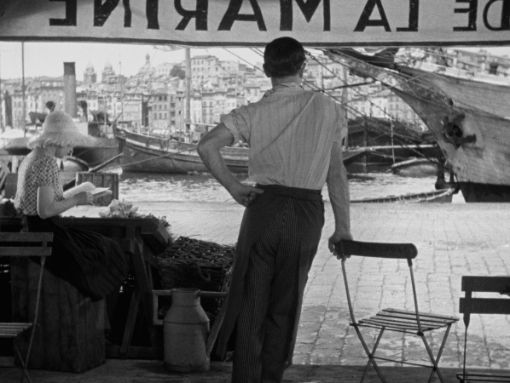
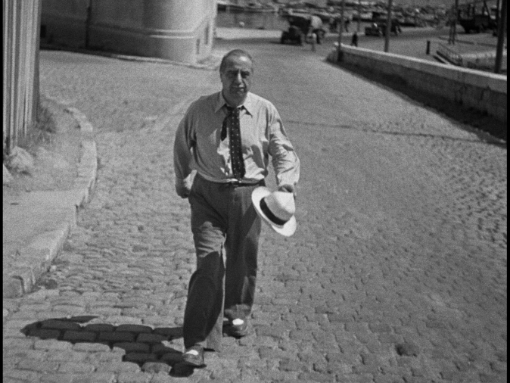
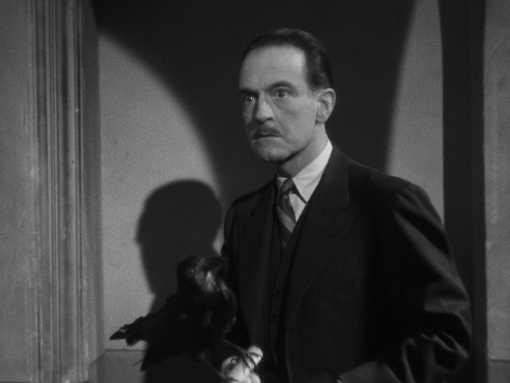
Fanny’s presentation is another remarkable one, though oddly I didn’t find it to be as strong as Marius. Solely in regards to the digital presentation itself it is just as strong, looking as filmic as one could hope. It renders the grain cleanly and naturally and delivers all of the sharp details it can. The source can limit the image a bit here: some areas of a scene can look a bit fuzzy or blurry, limiting the details. But again it appears to be either a byproduct of the filming, or maybe the condition of the print materials.
The restoration has otherwise cleaned up the image to a striking degree. There’s some mild pulsing in a handful of places, and I noticed some missing frames, but outside of that I don’t recall anything else significant. It’s in superb shape and like Marius it’s hard to believe the film is over 85-years old because here it looks far newer than that.
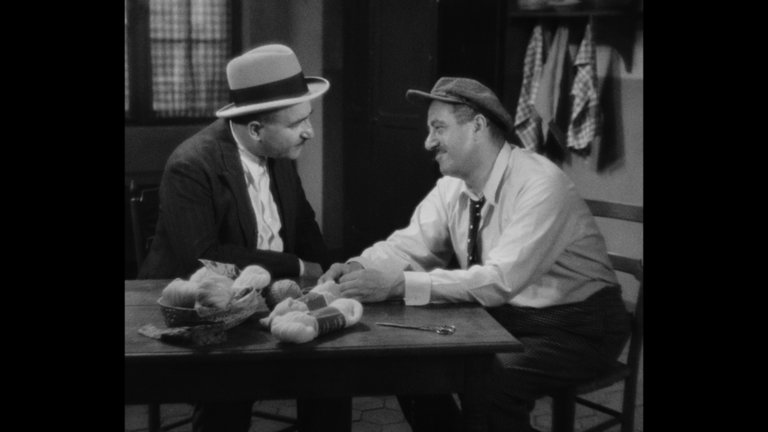
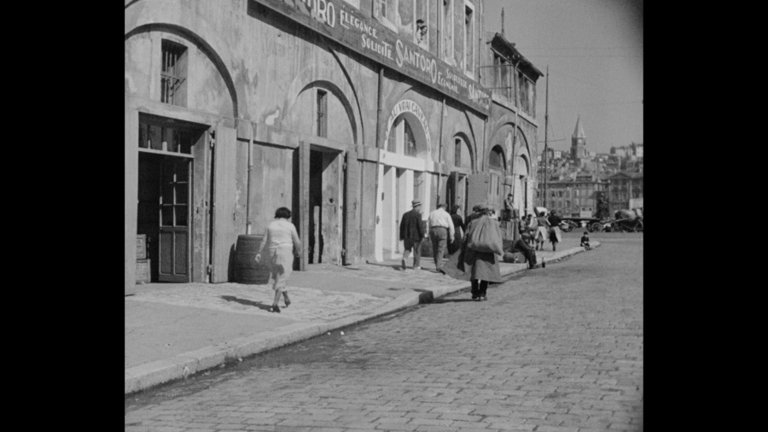
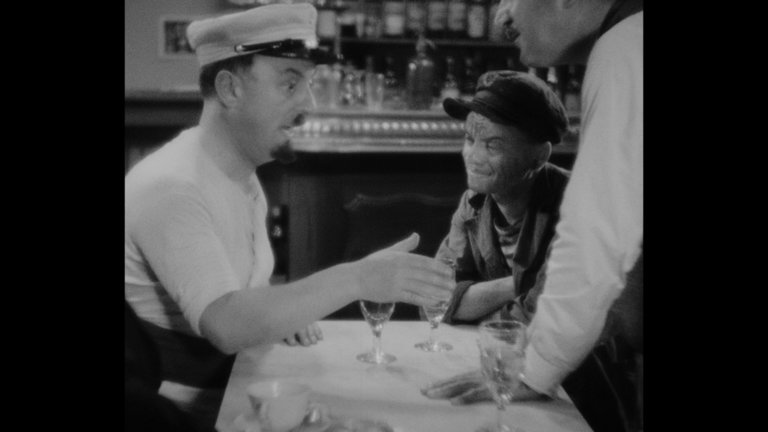
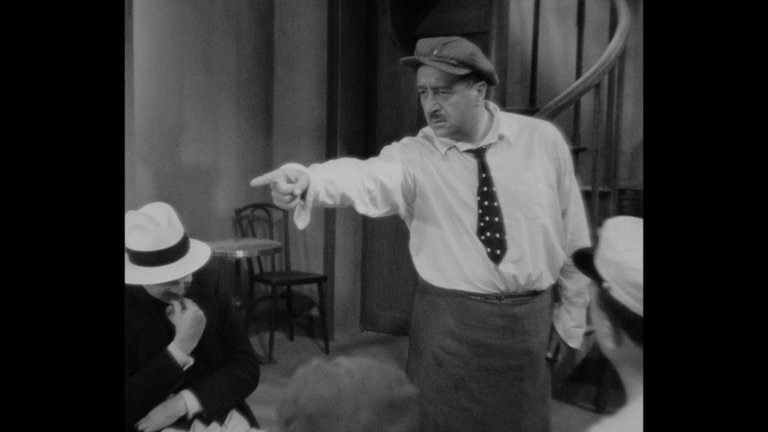
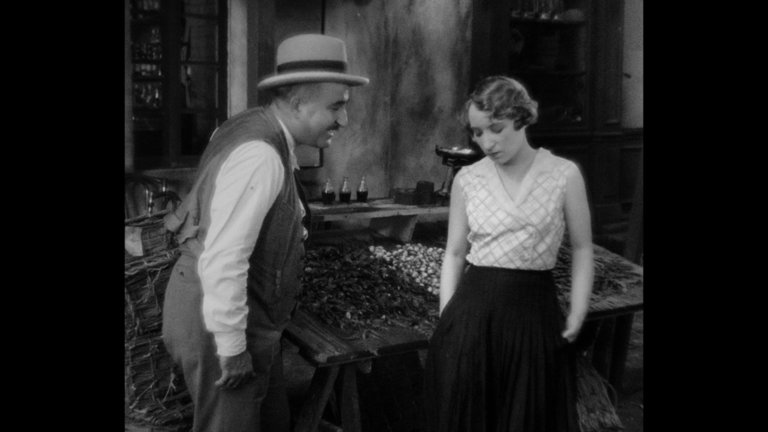
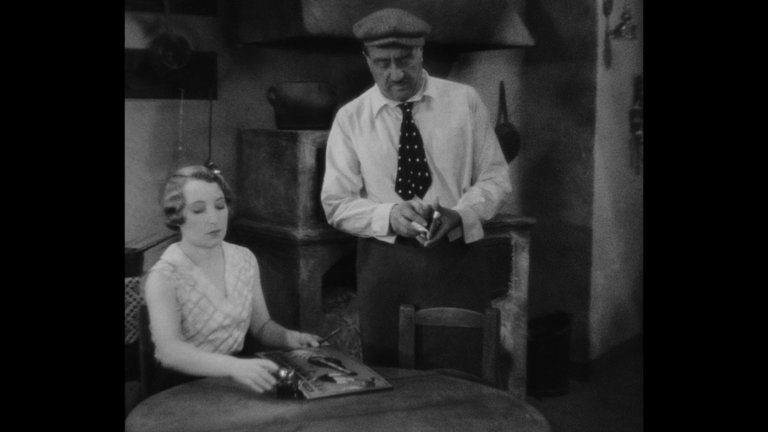
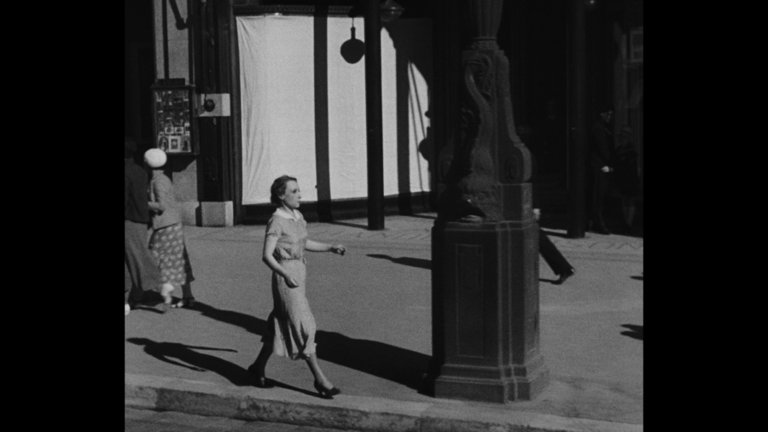
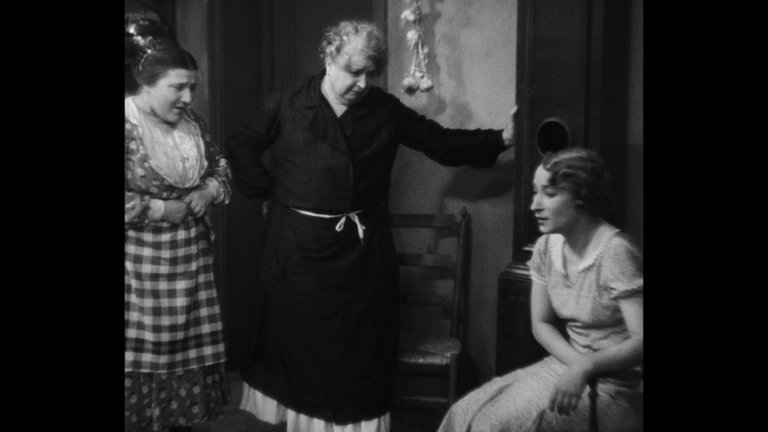
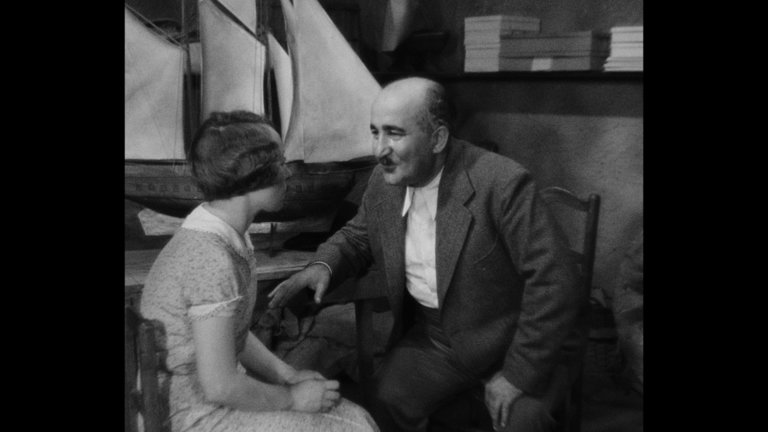
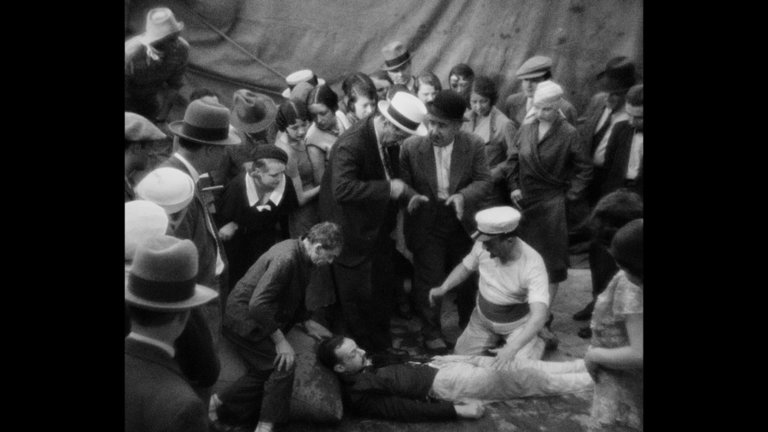
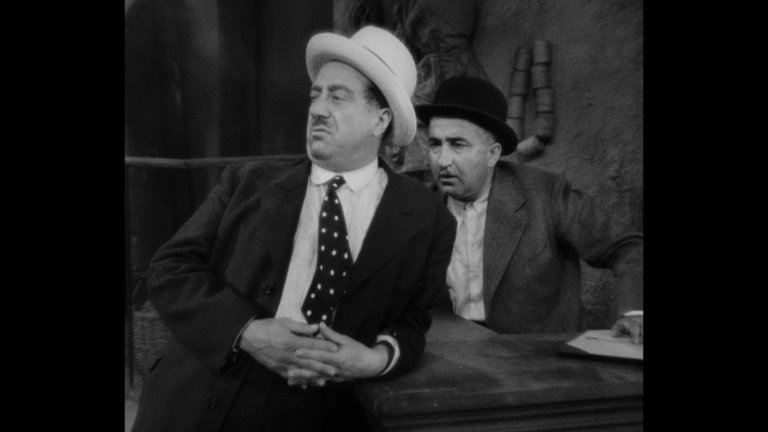
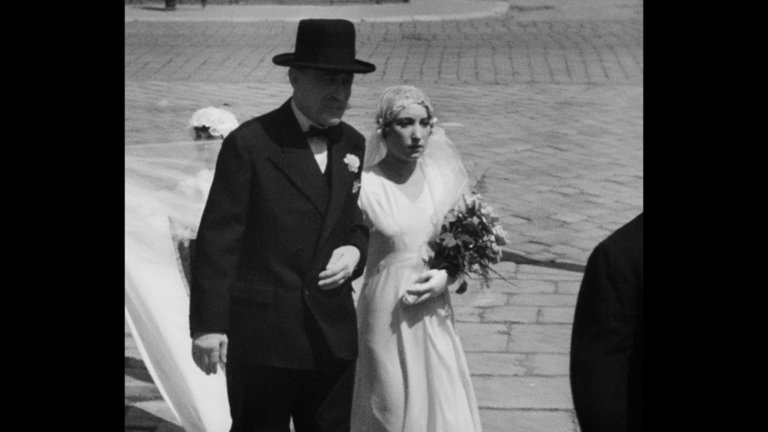
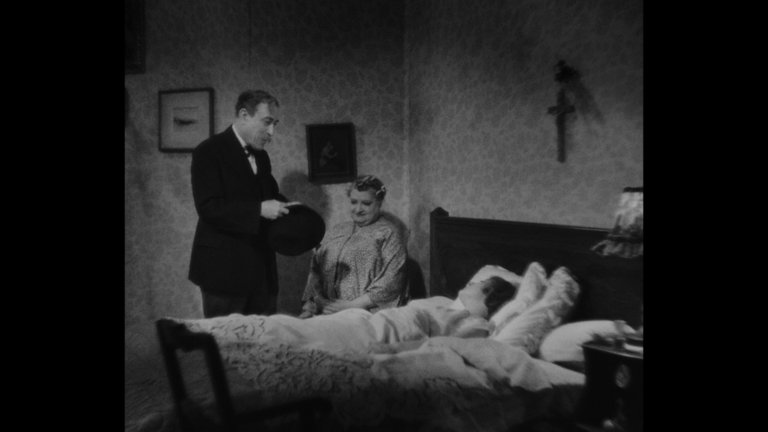
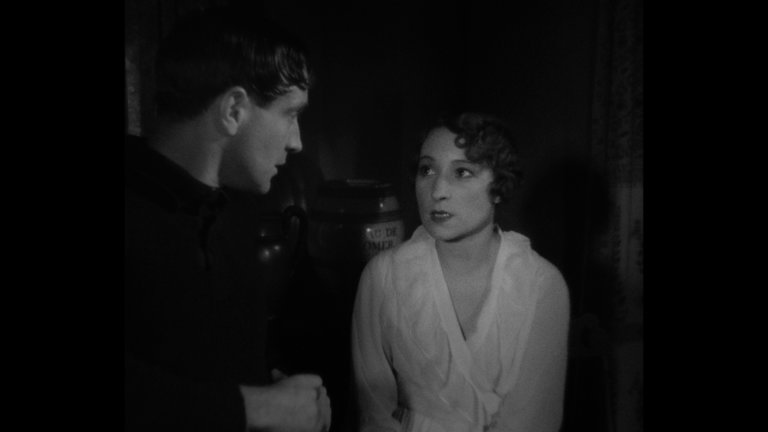
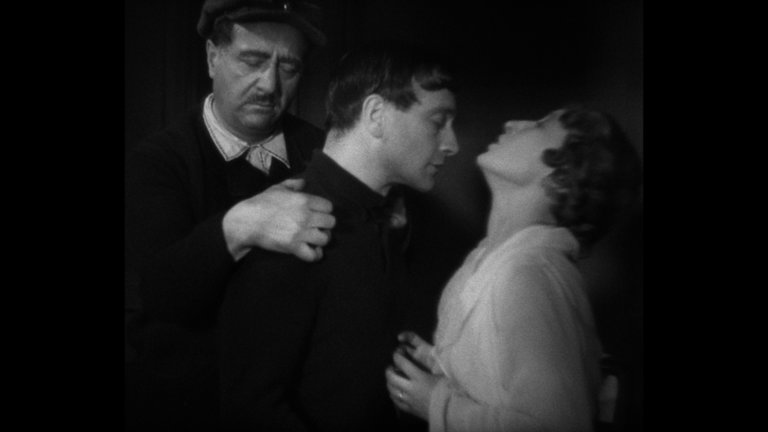
Fanny - Screen Captures
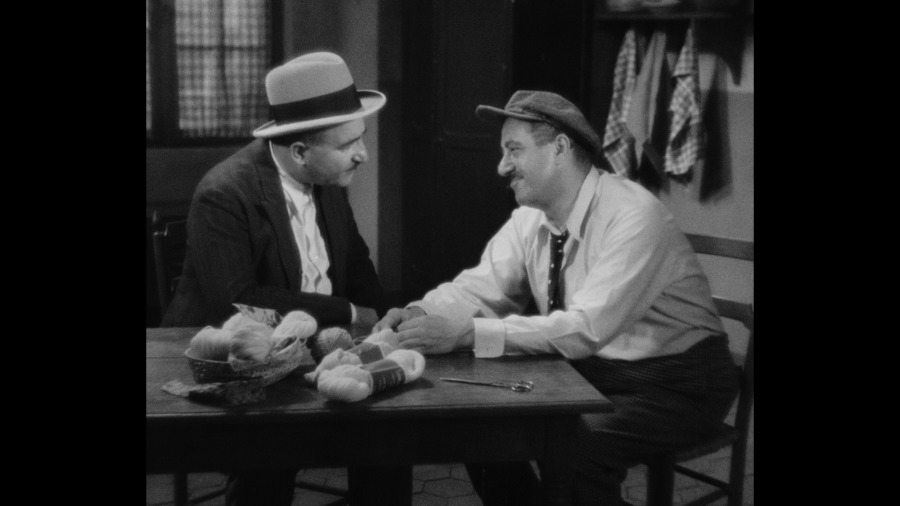
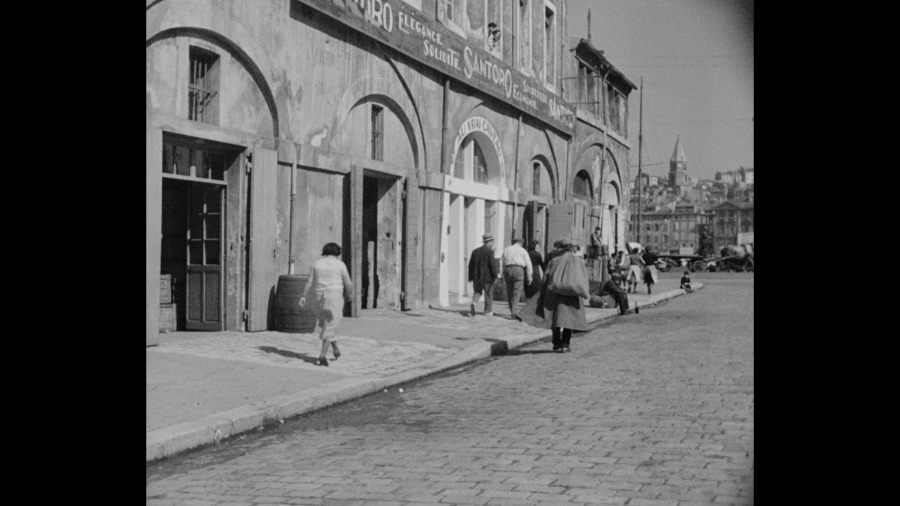
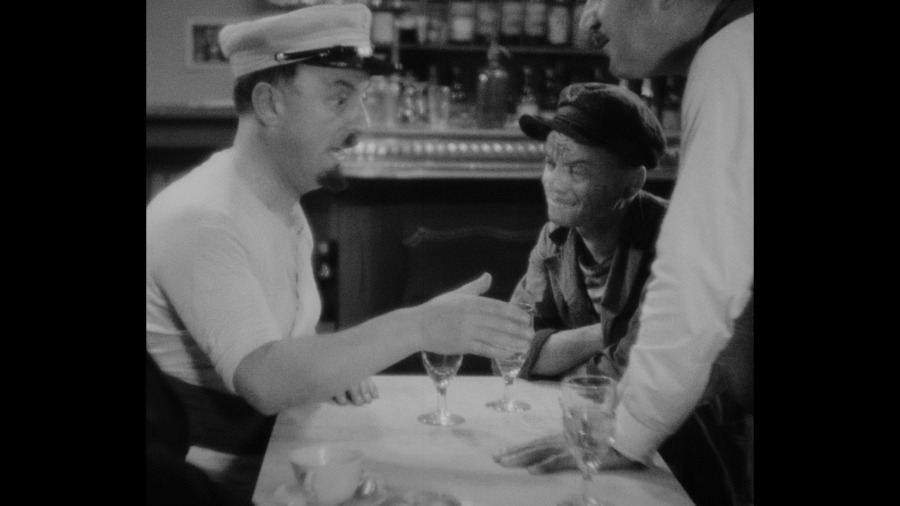
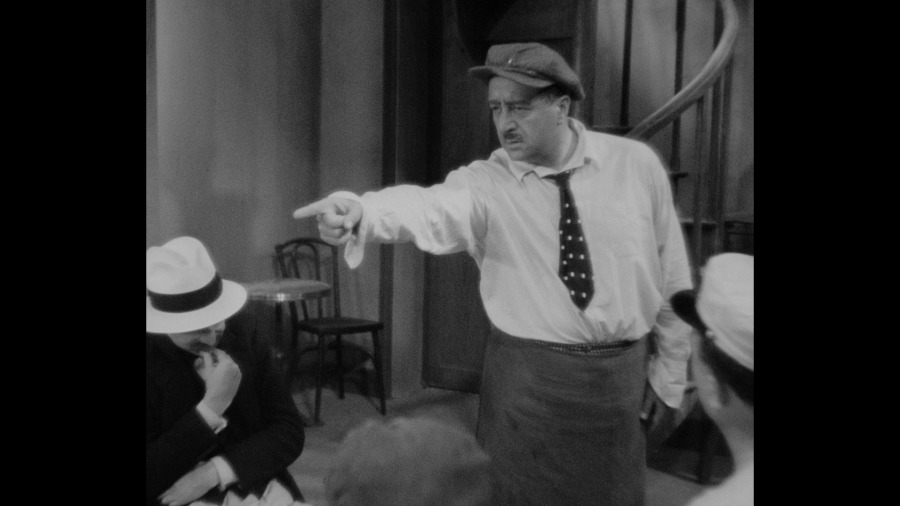
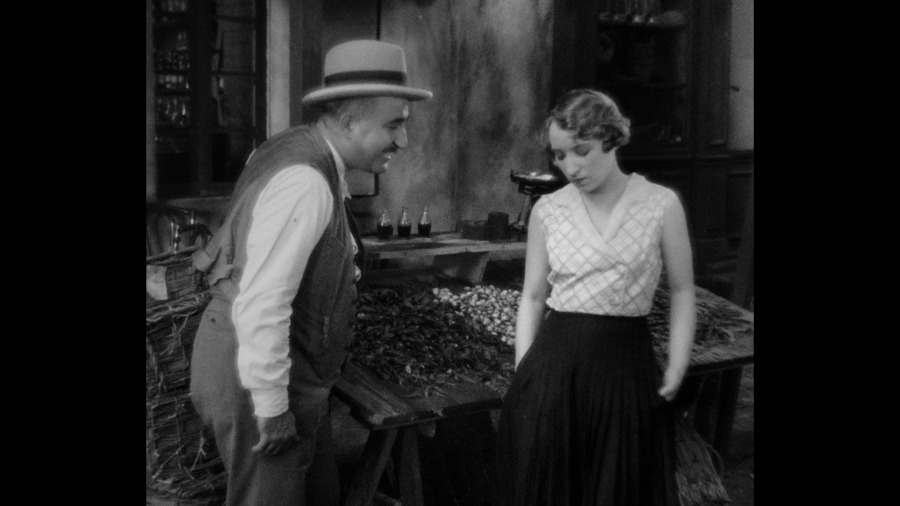
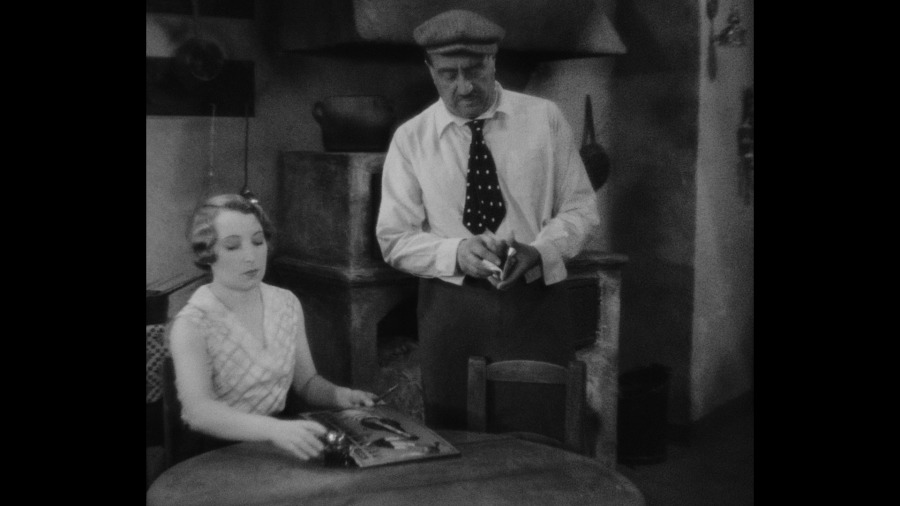
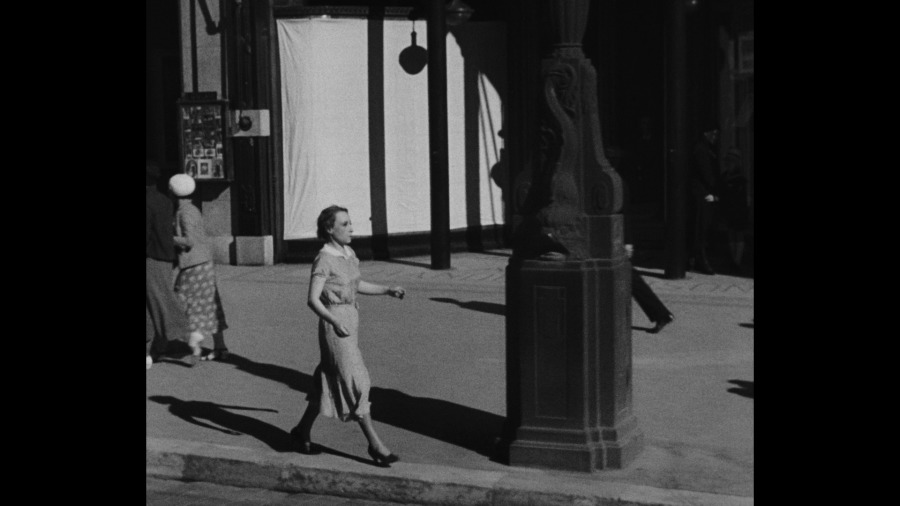
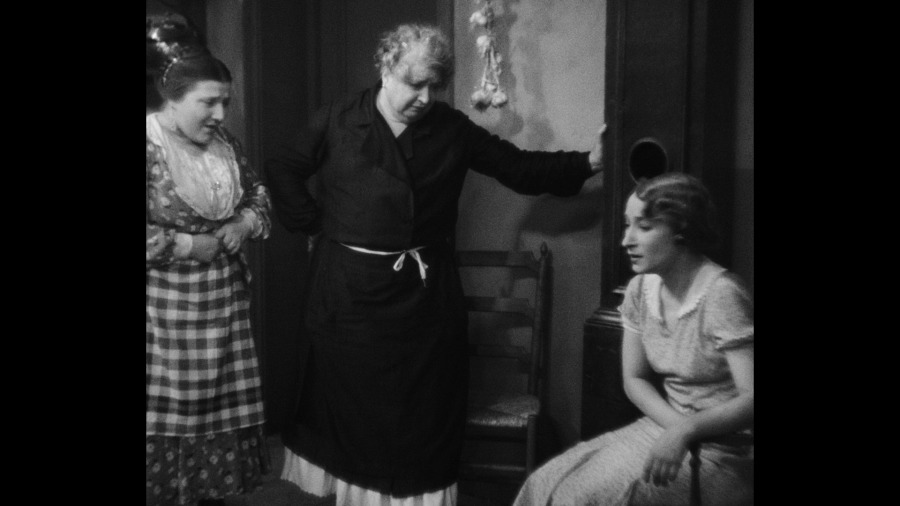
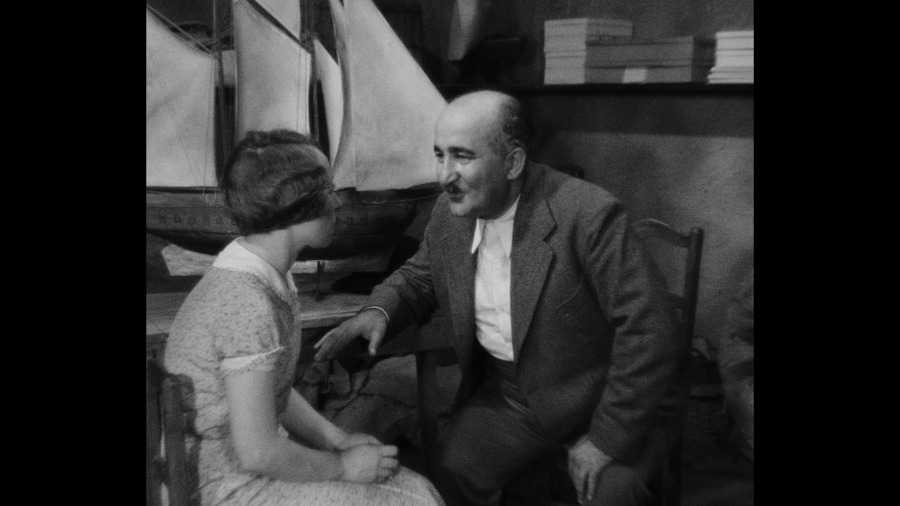
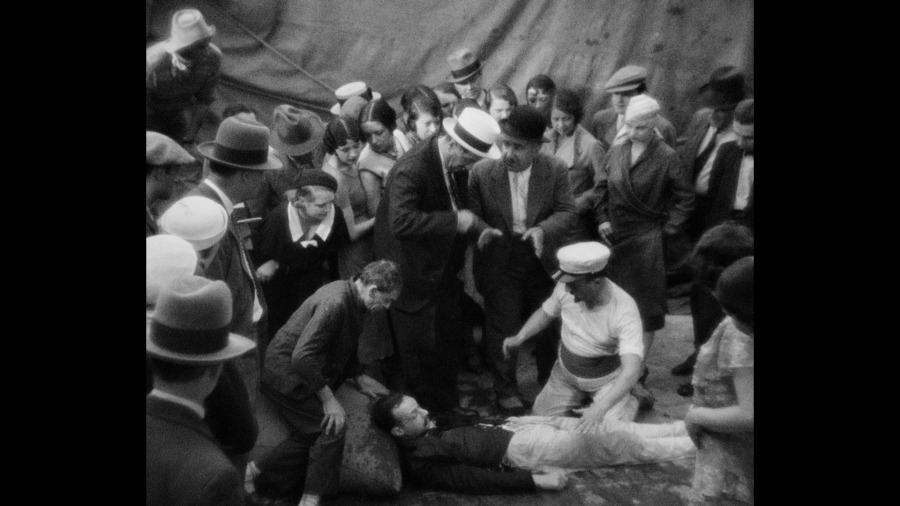
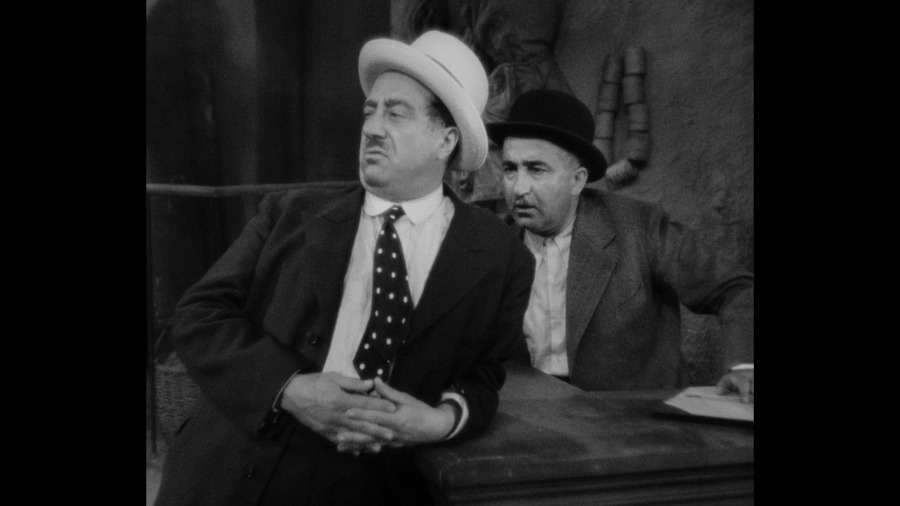
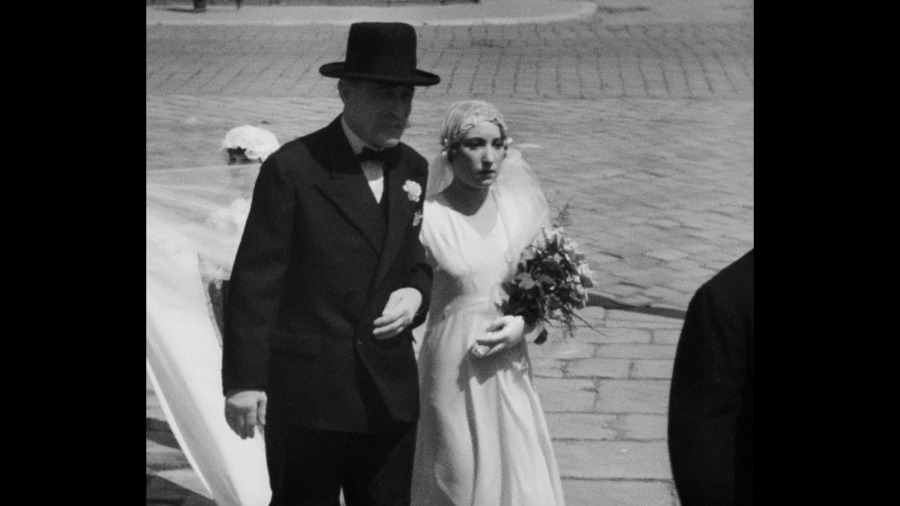
Audio 6/10
Like Marius this film comes with a lossless PCM 1.0 monaural soundtrack. The audio can sound a bit edgy, and like the other films dialogue can still sound a bit muffled at times, though again the French film’s English subtitles will probably ensure you don’t notice this. At any rate, despite a slight edge to some of the dialogue the track sounds to be free of any severe damage or heavy background noise.
Extras 7/10
Criterion’s Marseille Trilogy box set presents all three films on their own dual-layer discs and each disc comes with their own selection of special features. This review will only focus on the features found on the disc for Fanny.
Interestingly Fanny only comes with one significant supplement, though it’s a good one and probably the set’s best feature: an episode and a half from the 6-part television documentary series made for French television in 1973, Marcel Pagnol: Morceaux Choisis. Criterion has chosen segments specific to the Marseille Trilogy, which includes all of episode 3 (running about 58-minutes) and then 27-minutes from episode 4.
The first episode, featuring a number of extensive interviews with Pagnol, his friends, and peers, focuses primarily on Marius and its origins as a play and then the playwright’s desire to adapt the play for film after he discovered sound film had become an reality. This led him to declare the theater dead and that he should focus on film, much to the chagrin of his fellow writers. There’s also a great amount of detail about the process that went into getting Marius the film made, Pagnol working hard on the executives at Paramount to convince them to make it. This is an especially fascinating segment, Pagnol, as his grandson suggested in his feature on Marius, proving to be an especially charming fellow.
The excerpt we get from the second episode then moves on to Fanny and César, which Pagnol had made after setting up his own studio, getting the rights back from Paramount, and we get details about the inner-workings of his studio. Pagnol then talks in more detail about his love for film and his preference of it over the stage, and also how he was an early pusher for sound cinema and the resistance he faced from various silent filmmakers, particularly Rene Clair. Interestingly, Clair actually appears here as well (amusingly he admits that despite his objection to sound cinema and his spat with Pagnol, he was eventually won over after seeing a number of American sound films). It’s a solid segment as well and it’s disappointing to not get the entire series, or at least the whole fourth episode, but I understand Criterion’s limiting it to just the portions covering the trilogy. At the very least the material we get is still an excellent addition to the set.
Closing
The source limits the image here a bit but it’s still a remarkable restoration and transfer. And though the disc contains only one feature, it’s a significant one and easily the best one in the whole set.
BUY AT: