100 Years of Olympic Films
32: Vancouver 2010/London 2012

BUY AT:


See more details, packaging, or compare
Synopsis
Spanning fifty-three movies and forty-one editions of the Olympic Summer and Winter Games, this one-of-a-kind collection assembles, for the first time, a century’s worth of Olympic films—the culmination of a monumental, award-winning archival project encompassing dozens of new restorations by the International Olympic Committee. These documentaries cast a cinematic eye on some of the most iconic moments in the history of modern sports, spotlighting athletes who embody the Olympic motto of “Faster, Higher, Stronger”: Jesse Owens shattering sprinting world records on the track in 1936 Berlin, Jean Claude-Killy dominating the slopes of Grenoble in 1968, Joan Benoit breaking away to win the first-ever women’s marathon on the streets of Los Angeles in 1984. In addition to the work of Bud Greenspan, the man behind an impressive ten Olympic features, this stirring collective chronicle of triumph and defeat includes such landmarks of the documentary form as Leni Riefenstahl’s Olympia and Kon Ichikawa’s Tokyo Olympiad, along with lesser-known but captivating contributions by major directors like Claude Lelouch, Carlos Saura, and Miloš Forman. It also serves as a fascinating window onto the formal development of cinema itself, as well as the technological progress that has enabled the viewer, over the years, to get ever closer to the action. Traversing continents and decades, and reflecting as well the social, cultural, and political changes that have shaped our recent history, this remarkable marathon of films offers nothing less than a panorama of a hundred years of human endeavor.
Picture 8/10
Here it is! The last dual-layer disc, disc 32, of Criterion’s box set, 100 Years of Olympic Films. This disc includes Bud Greenspan’s and Nancy Beffa’s coverage of the 2010 Vancouver Winter Games, Bud Greenspan Presents Vancouver 2010: Stories of Olympic Glory, and Caroline Rowland’s coverage of the 2012 London Summer Games, First. Both films are presented in the aspect ratio of 1.78:1. The Vancouver film has been encoded at 1080i/60hz while the London film is encoded at 1080p/24hz.
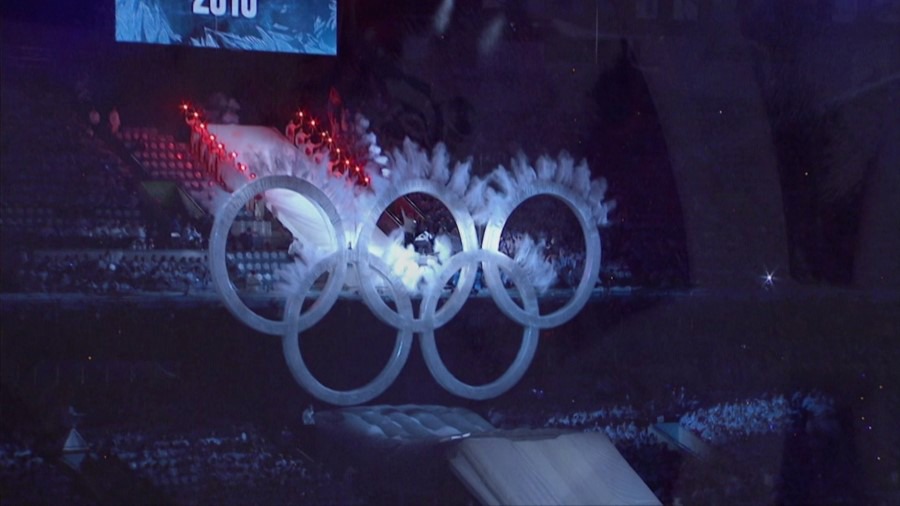
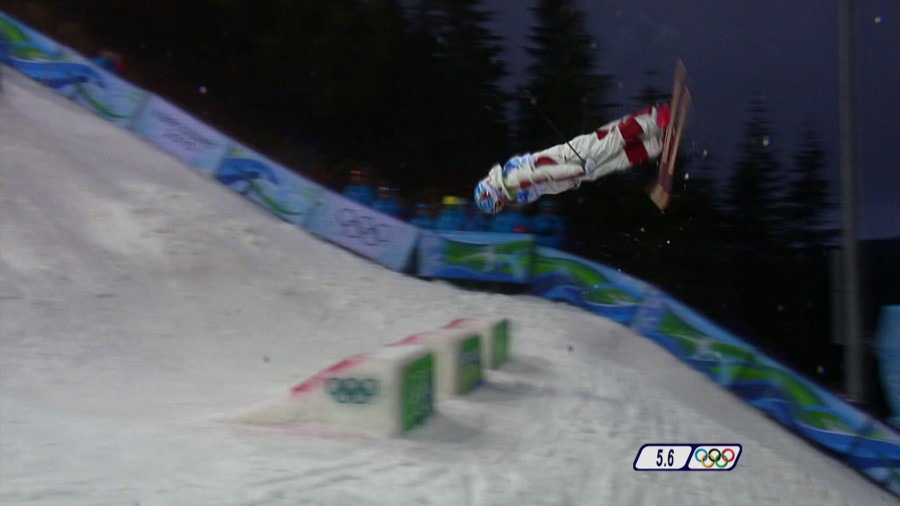
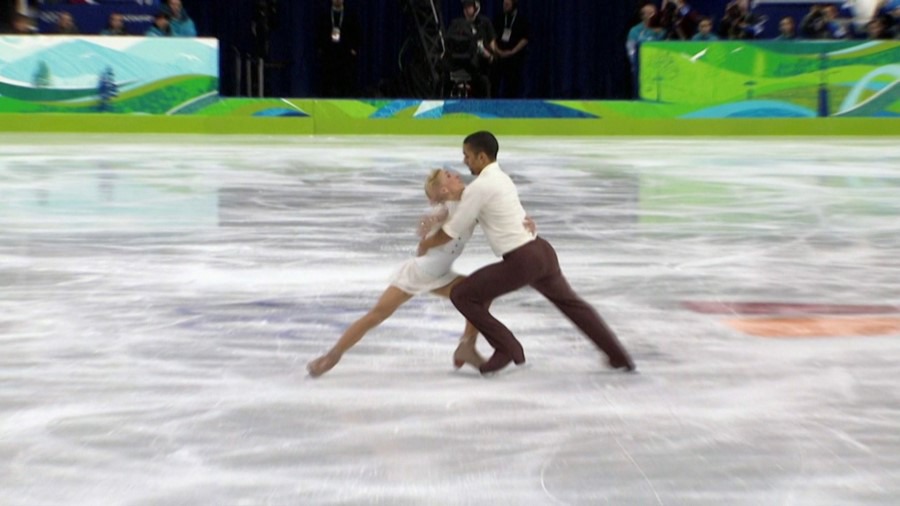
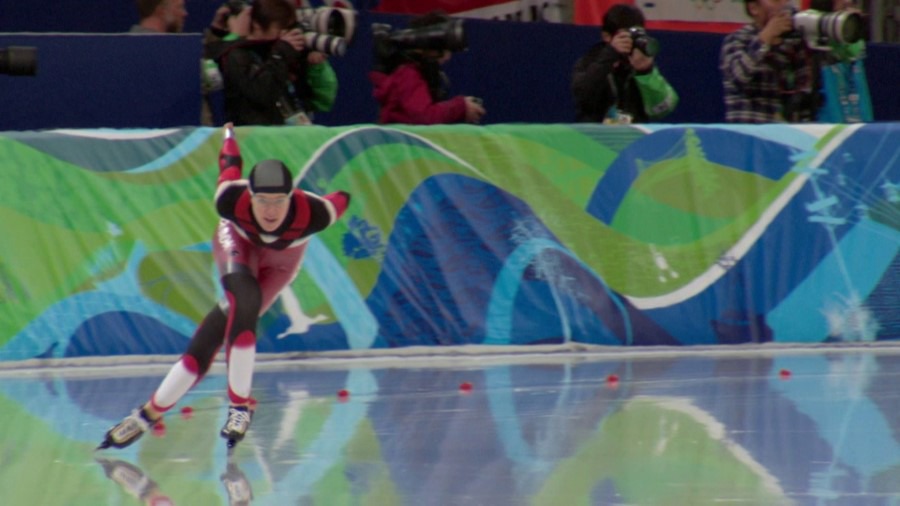
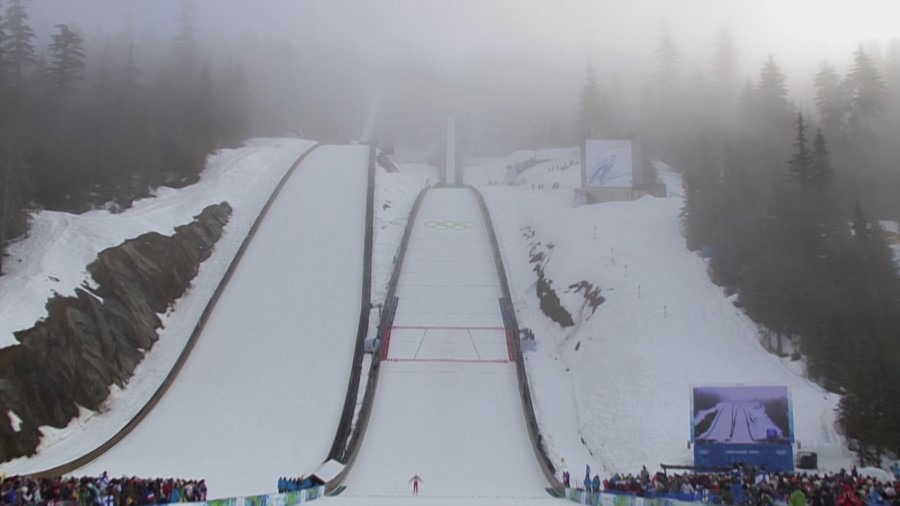
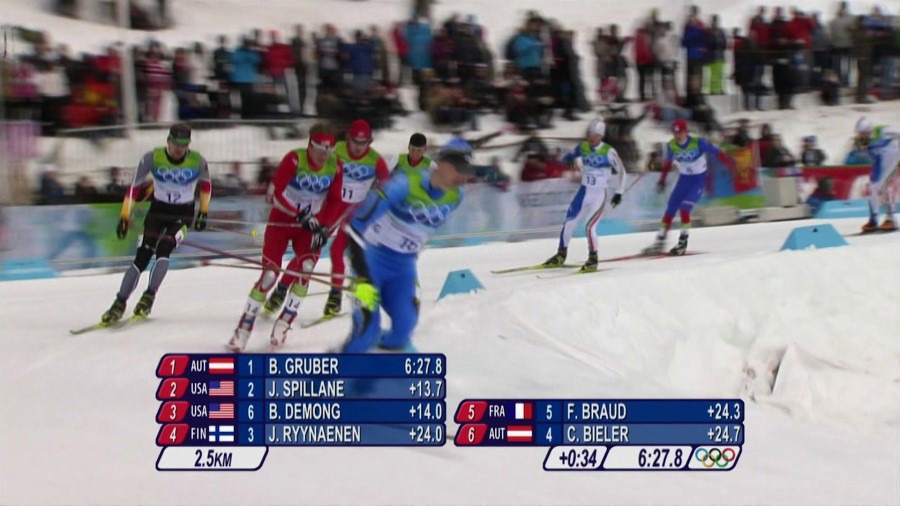
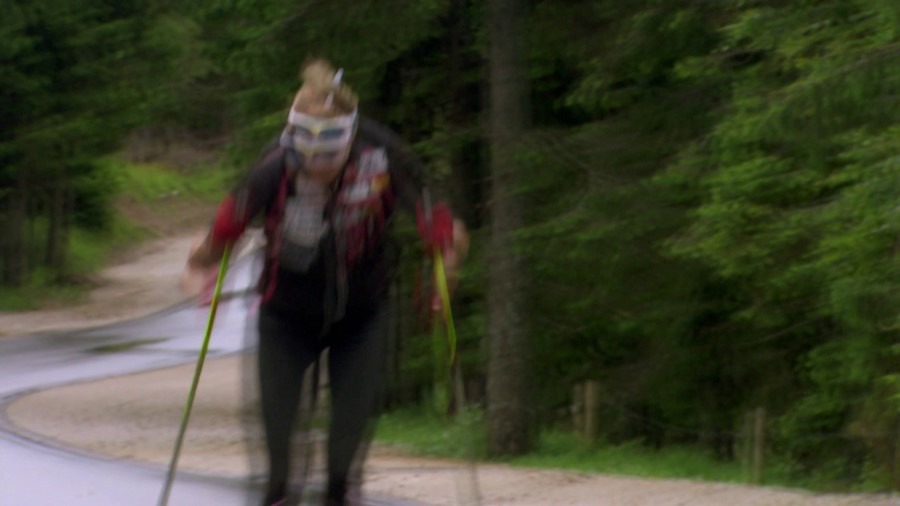
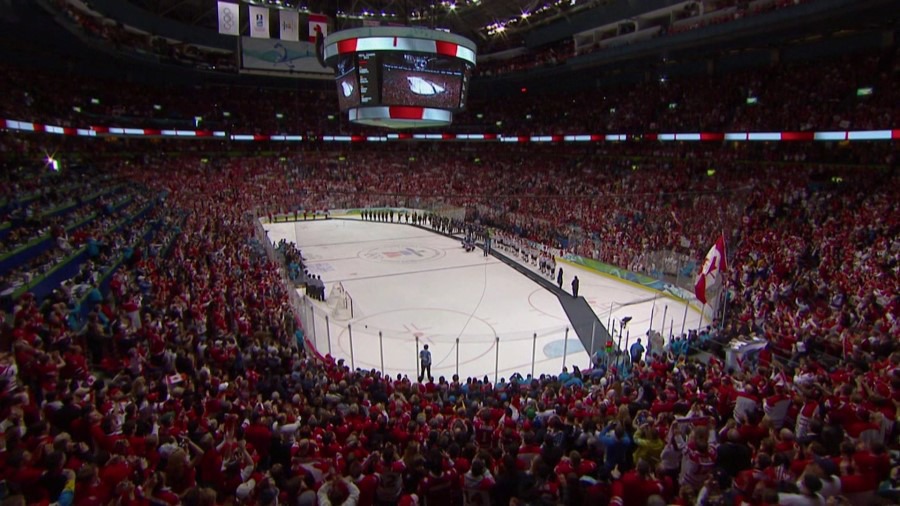
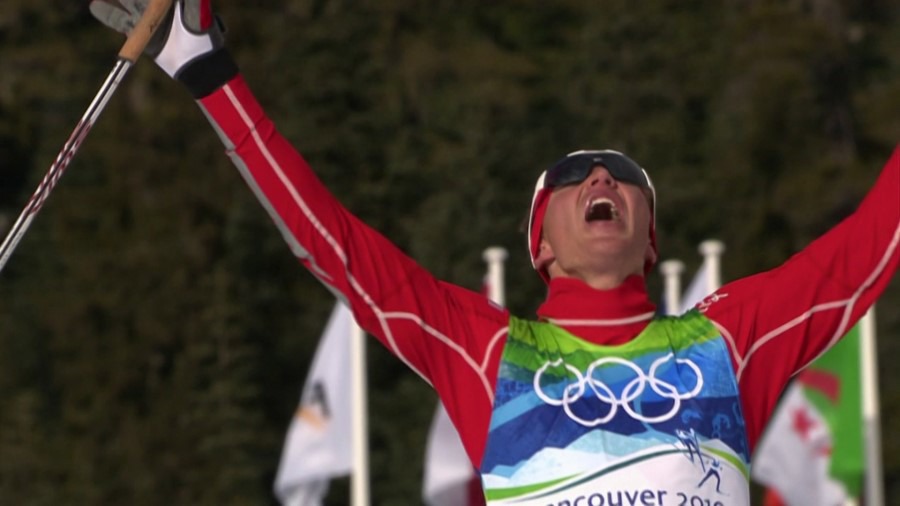
For his Vancouver film Greenspan has graduated from standard-definition to high-definition, but we still only get a rather mediocre image, and its inherent to the source. The footage is mostly interlaced, so there are a lot of trailing effects and ghosting, motion blur being a common nuisance. Details, at best, are middling, and noise, along with jagged edges and halos, are all pretty much there all of the time. Black levels are fine, as are colours, but on the whole it’s a mediocre looking high-def image. Standard-definition archival footage has also been used in places.
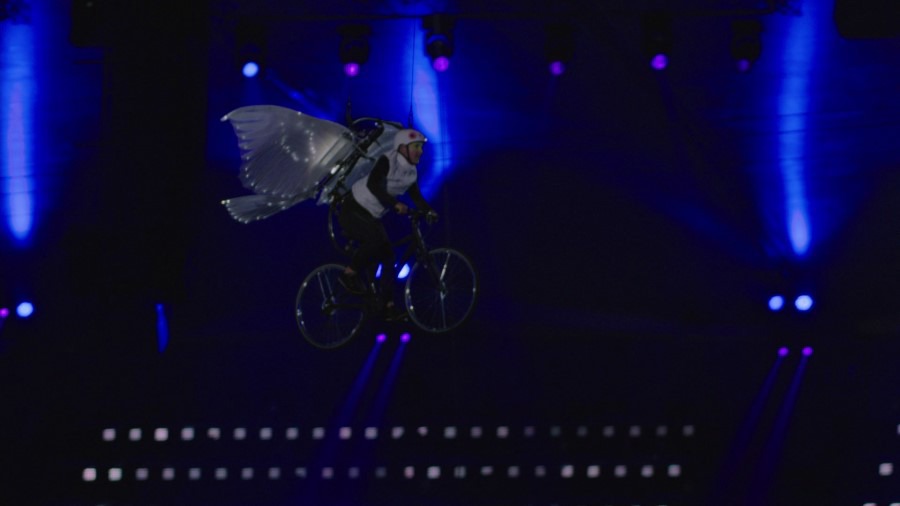
First, on the other hand, looks stunning. I’m not sure whether it was filmed in high-definition or possibly a higher resolution, but the image is crisp and clear throughout. Details aren’t as sharp as I would expect (some close-ups can look a wee-bit waxy) but in comparison to all of the standard-definition stuff that came before, and the mediocre high-def image before this one, it’s a sharp standout. There is some crush in a few low-lit scenes, though it’s mild, and there is the occasional jagged edge, but this is a crisp, clean high-definition image, with some stunning looking colours. Obviously no restoration work went into this, but it’s still a nice way to close out the set.
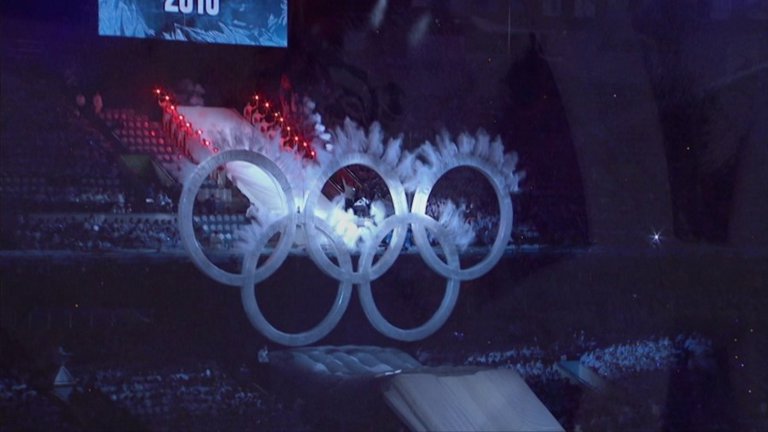
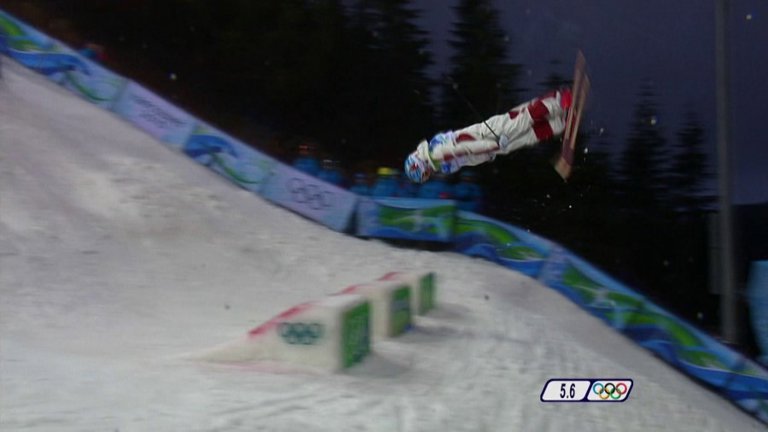

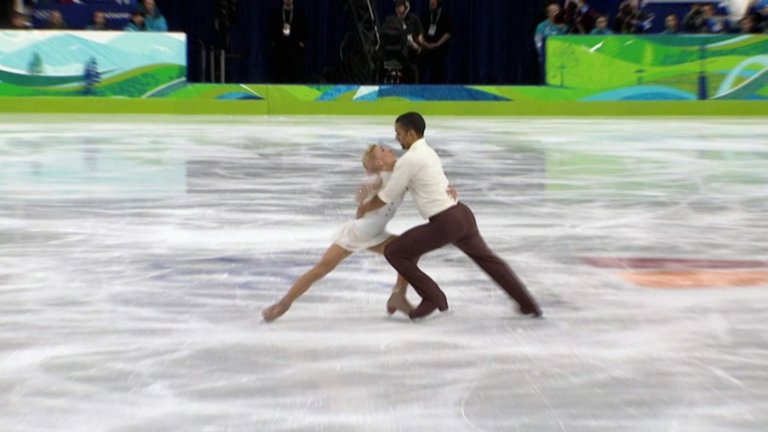
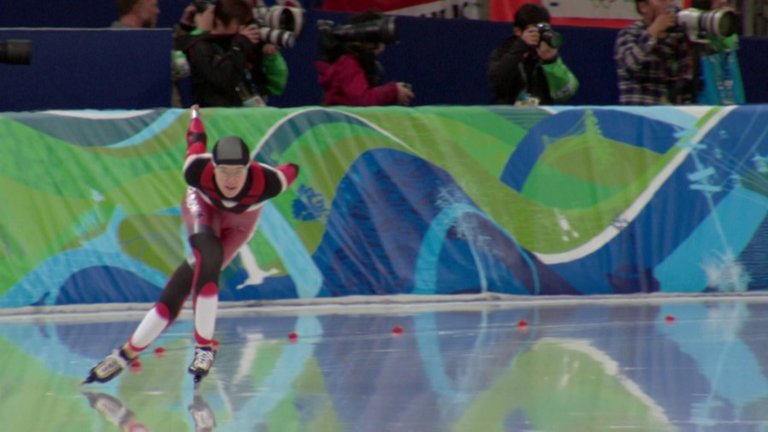
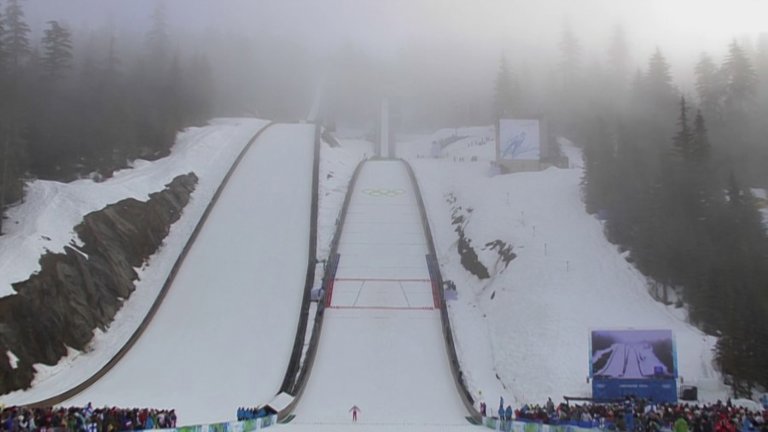
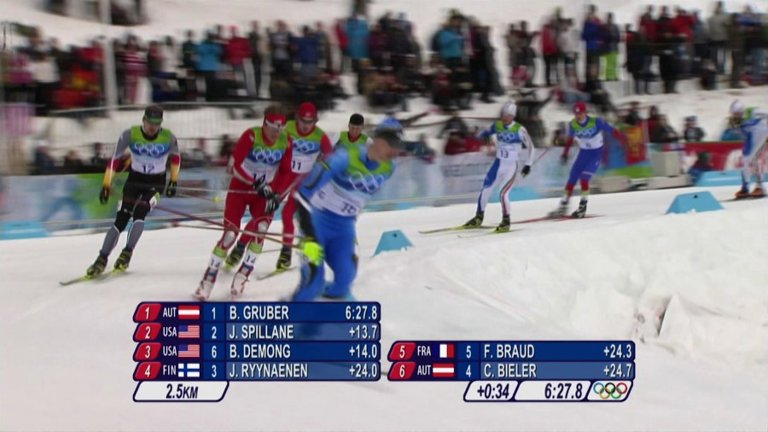
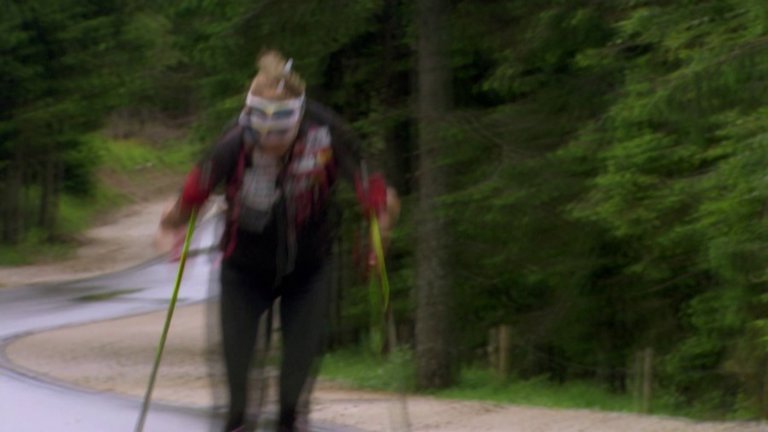
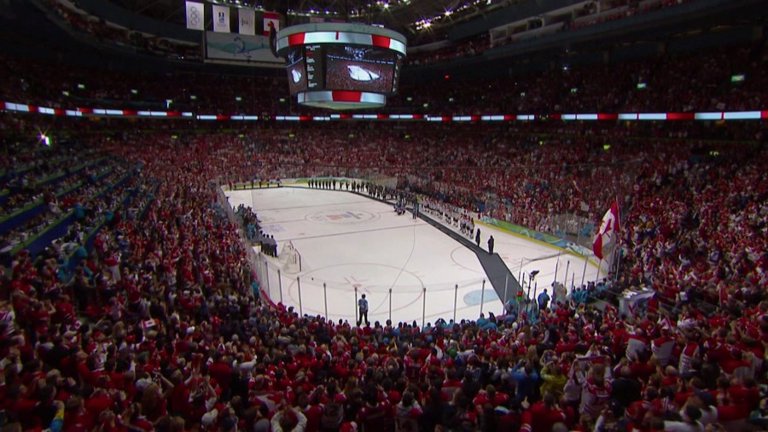
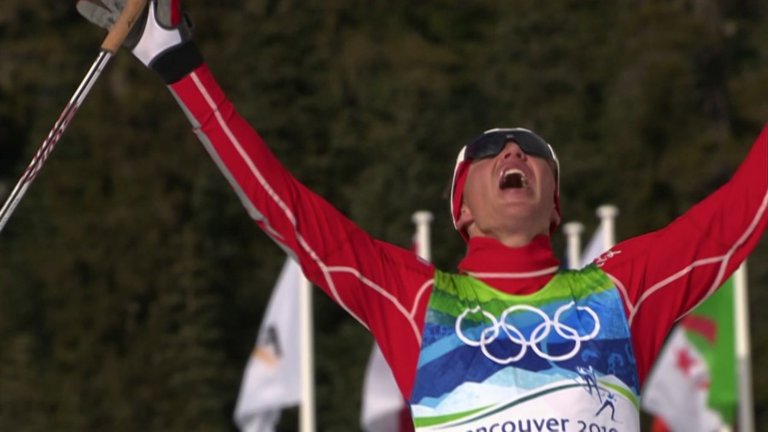
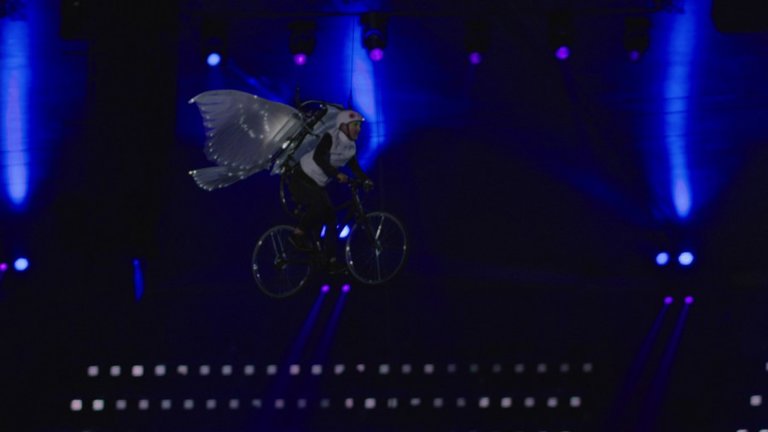
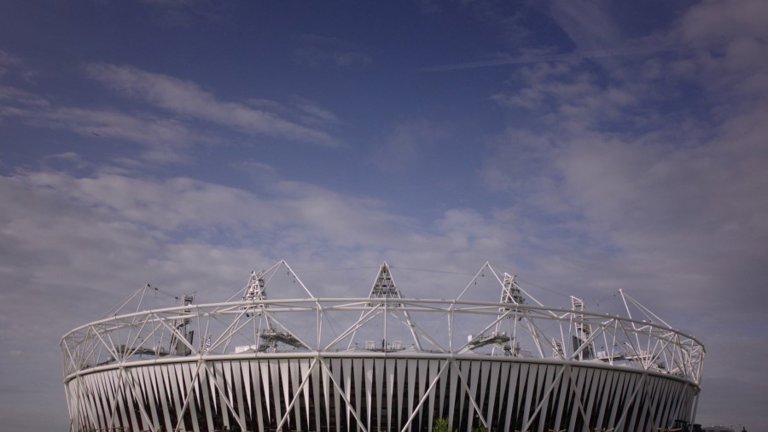
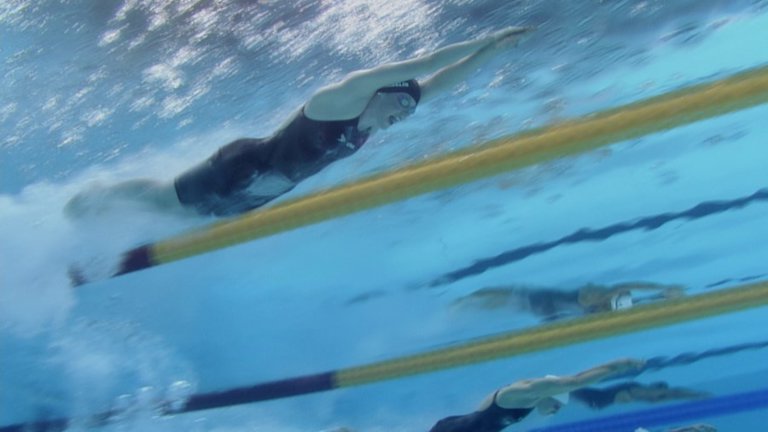
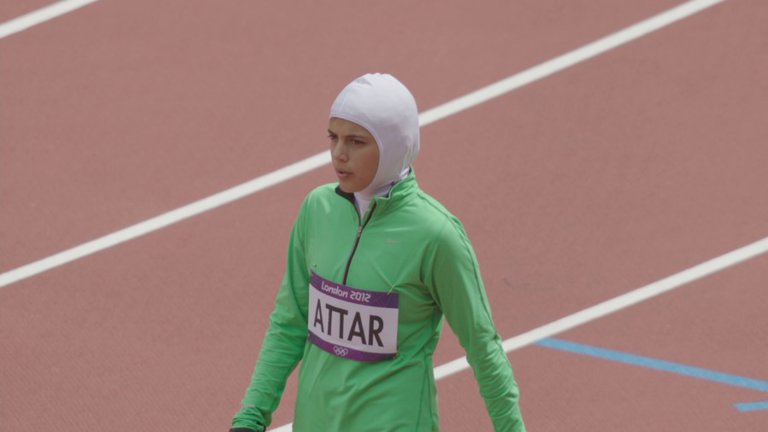
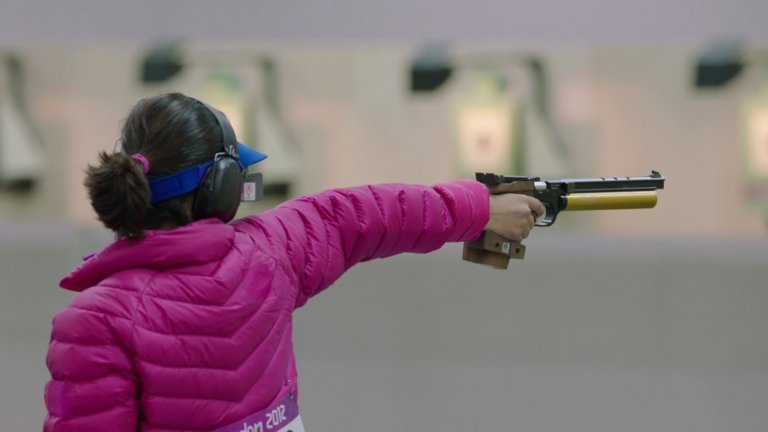
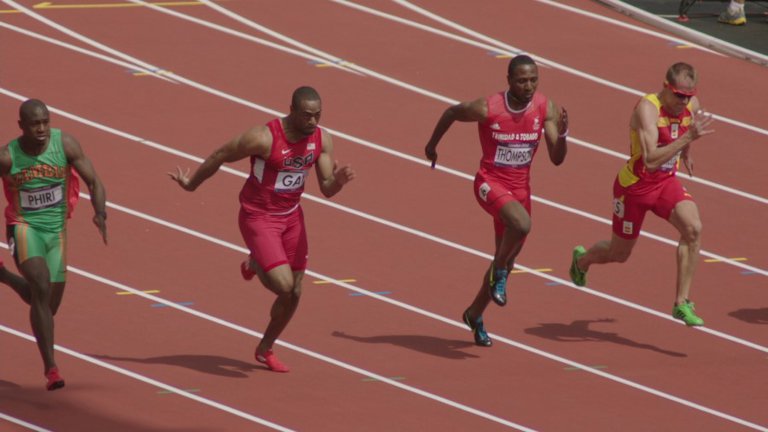
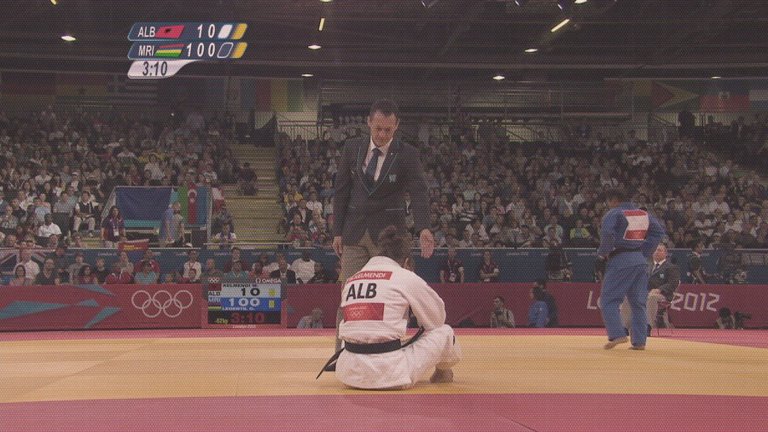
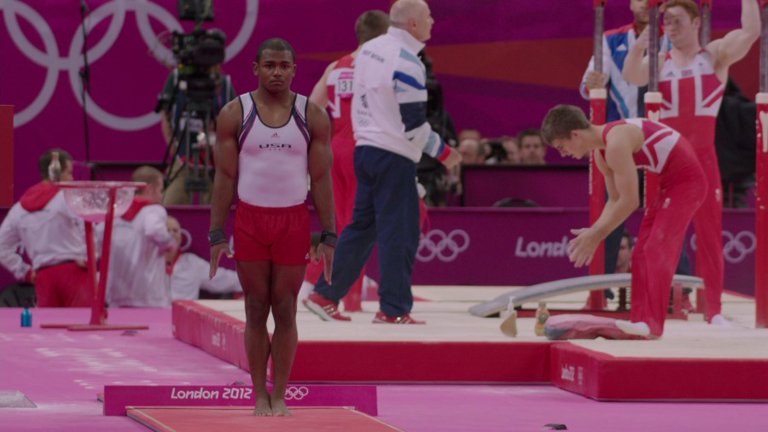
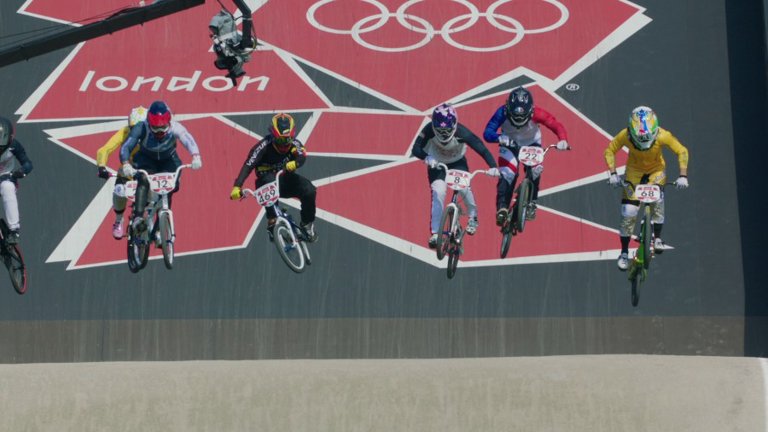
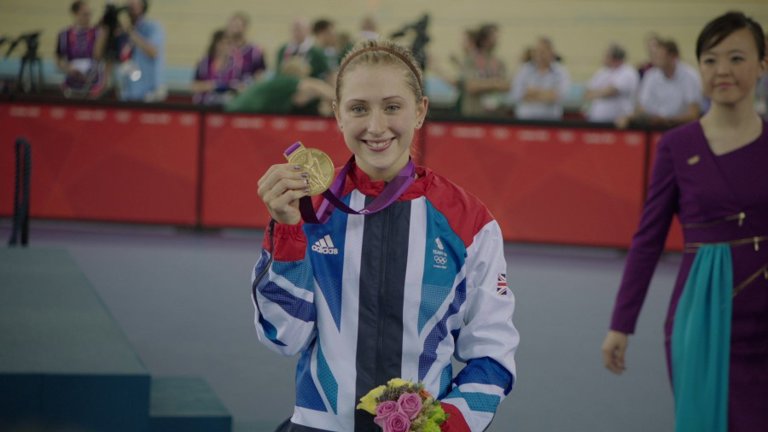
100 Years of Olympic Films - Screen Captures

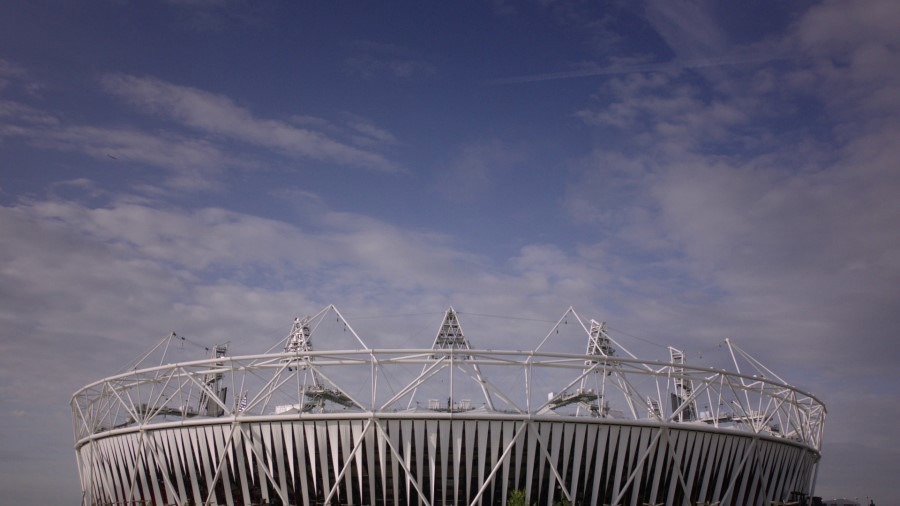
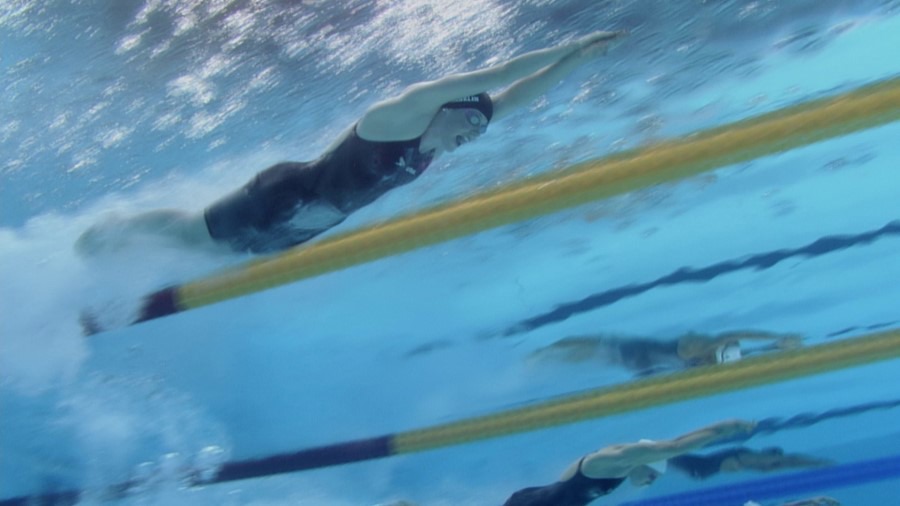
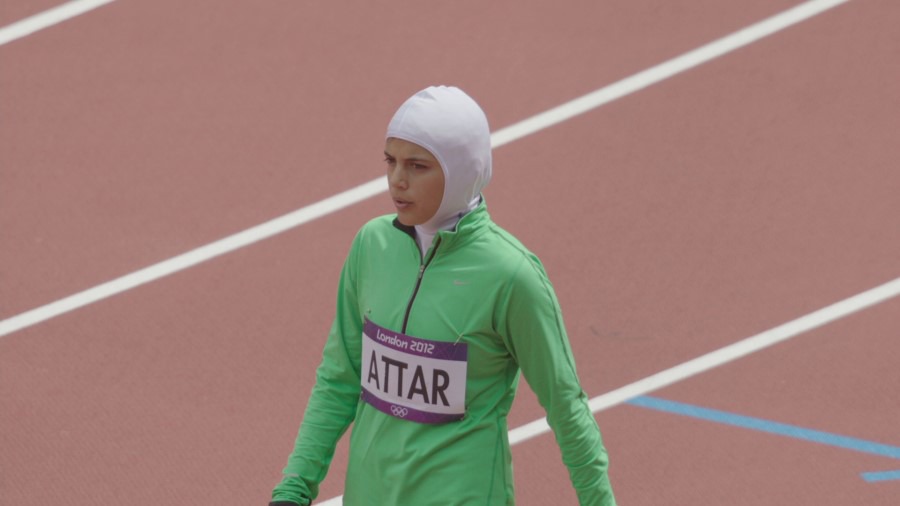
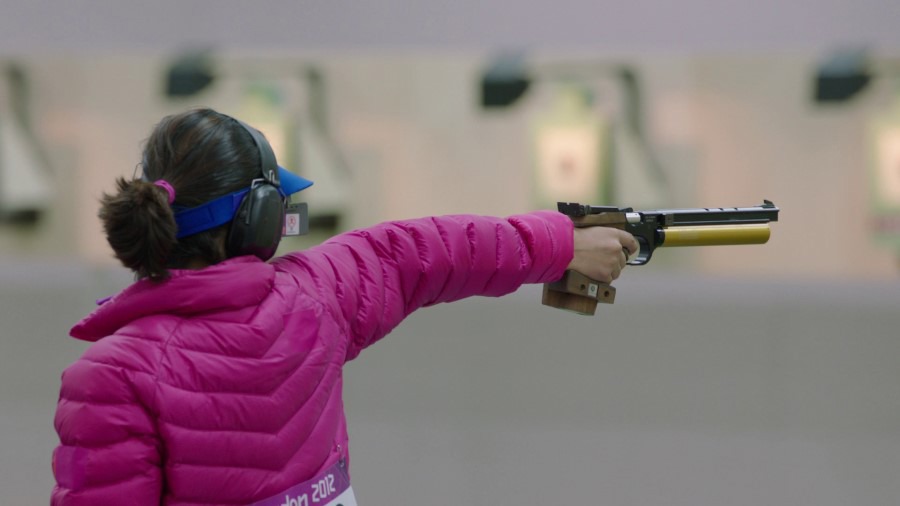
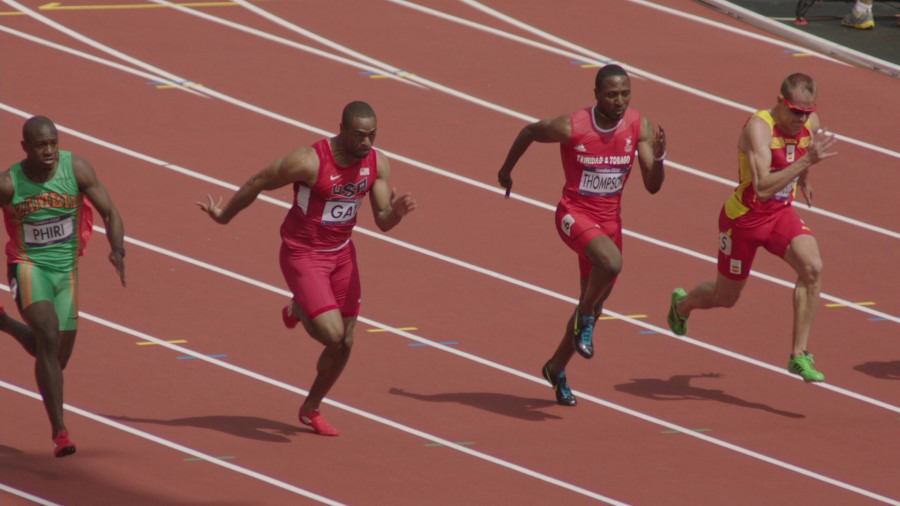
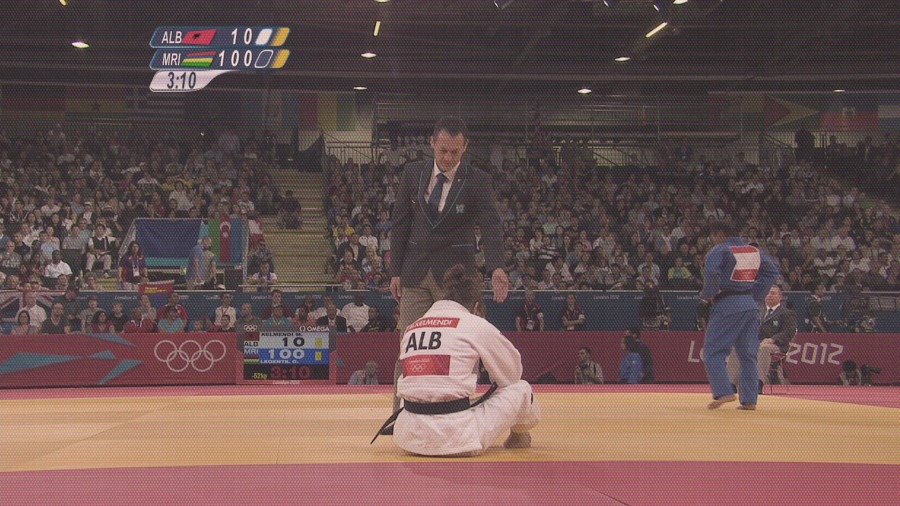
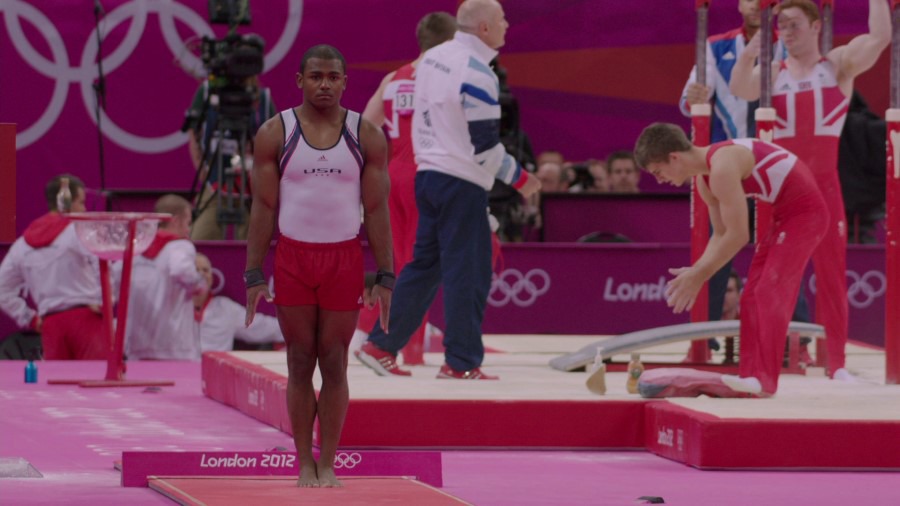
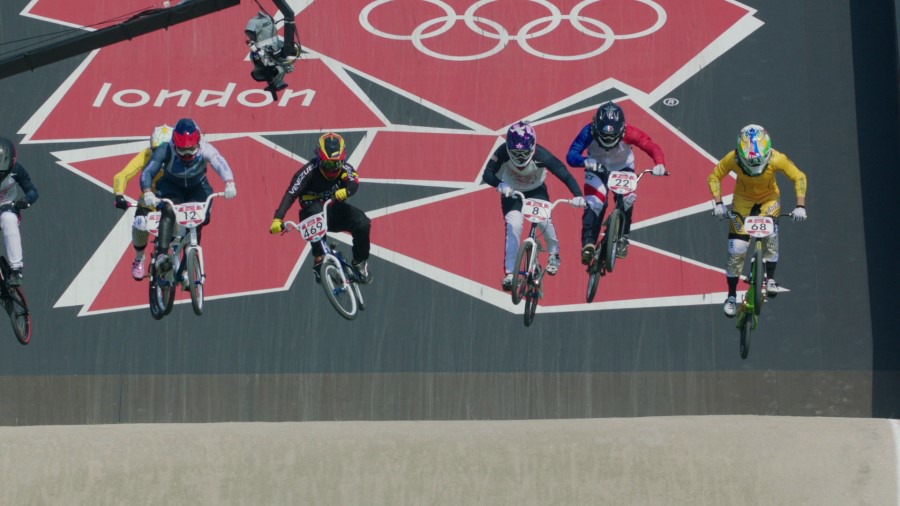

Audio 8/10
Greenspan’s film was again made for television and it has a stereo surround track (in linear PCM) that suits that, but it still offers a more ambitious mix in comparison to his last few films. The mix is still front heavy, but I noticed more music and activity making its way to the rears. It’s sharp and clear, and doesn’t offer any problems of note.
First comes with a DTS-HD MA 5.1 surround track and it offers a much more aggressive mix in comparison. Music, effects, and crowds do fill the environment rather nicely, and the sound is crystal clear and distinct, with noticeable direction between the speakers lending it, at times, a rather ethereal quality. Another nice way to close out the set.
Extras 5/10
As mentioned in the other articles on this set there are no on-disc special features to speak of. The set does come with an incredibly thorough 216-page hardbound book, featuring material on the restorations by Adrian Wood along with essays covering the films, all written by film scholar Peter Cowie. It is also filled with photos from the various events. Cowie writes a couple of short essays for each film. Greenspan would pass away in 2010, so Cowie does offer him a nice send-off in the essay for this film, while looking at what Rowland brings to the table with her film, and the athletes she chose to follow. (The grade given here refers to the supplements for the set as a whole, which, in this case, is just the included book.)
Closing
Both have been sourced from high-definition files (at the very least), though the Vancouver film, which is primarily an interlaced image, can look mediocre, while First delivers a crisp, clean image. It’s a nice way to close out the set.
BUY AT: