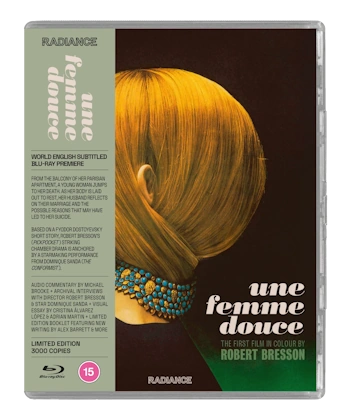
Une femme douce

BUY AT:

See more details, packaging, or compare
Synopsis
From the balcony of her Parisian apartment, a young woman (Dominique Sanda, The Conformist) jumps to her death. Her body is moved to the bed that she shared with her husband Luc (Guy Frangin), a pawnbroker she met at a time of need. Through a series of flashbacks, Luc reflects on their marriage and the events that may have led to her suicide. With his first colour film, director Robert Bresson (Pickpocket) continues his career-long fascination with the work of Fyodor Dostoyevsky in this striking chamber drama about a crumbling marriage. Anchored by a starmaking turn from the then-unknown Dominique Sanda, Une femme douce is a masterful and timeless meditation on male-female relationships.
Picture 9/10
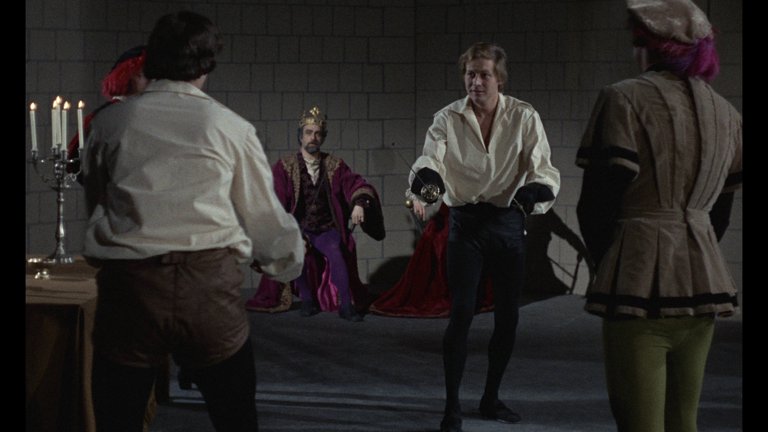
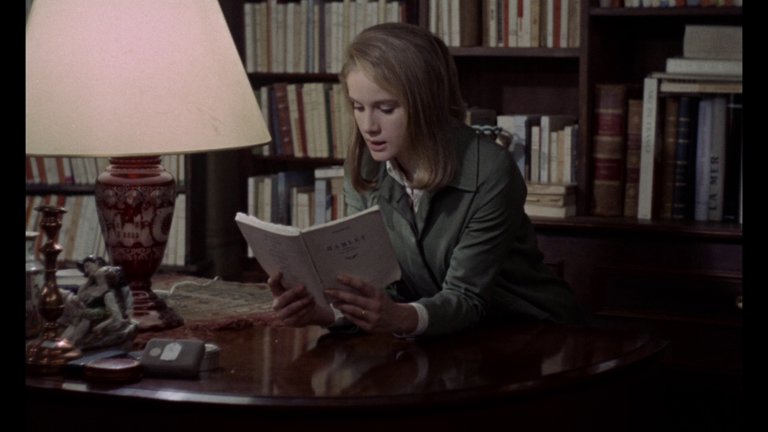
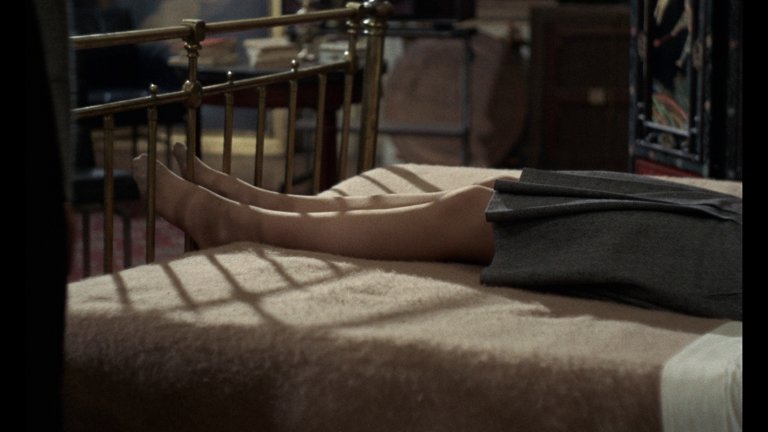
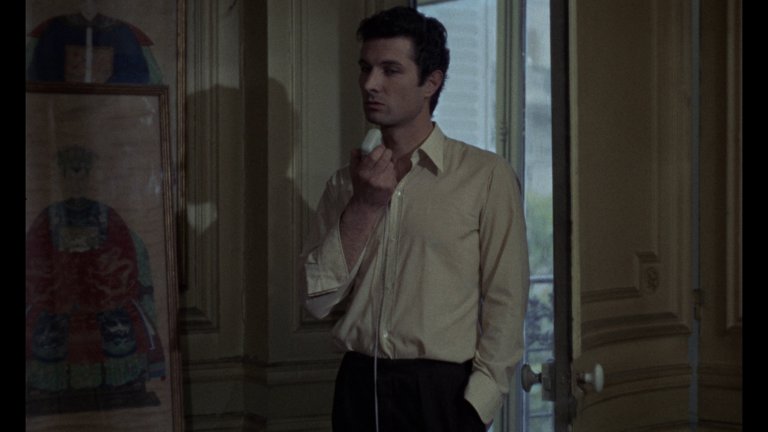
Radiance brings Robert Bresson’s Une femme douce to Blu-ray on a dual-layer disc, presented in its original aspect ratio of 1.66:1. The 1080p/24 Hz high-definition presentation is sourced from a 2K restoration performed by Éclair. This release marks, at the very least, the first English-friendly Blu-ray edition of the film, and may well be the first English-friendly home video release since VHS (I wasn’t able to confirm any prior DVD release). Unfortunately for North American viewers, the disc is locked to Region B, so a compatible player will be required.
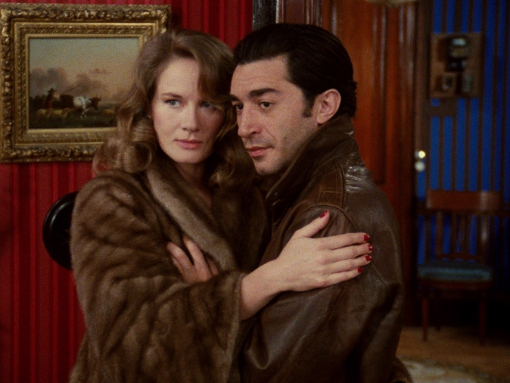
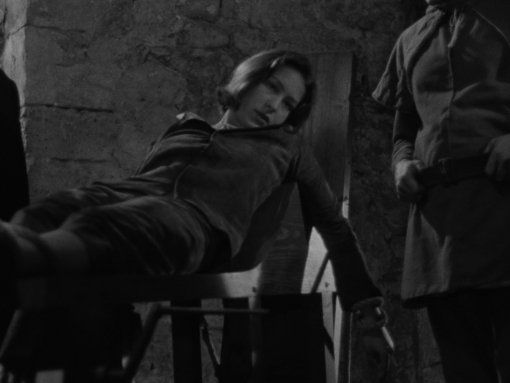
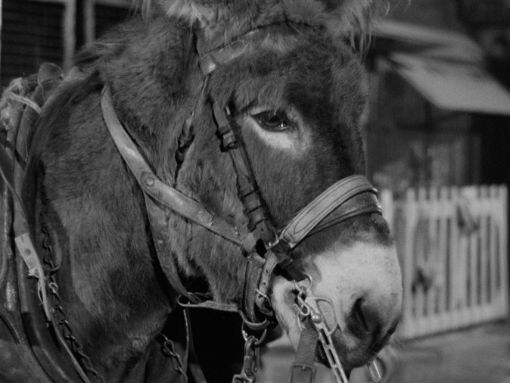
Given how notoriously difficult the film has been to see prior to this edition, it’s exciting to finally have it available on home video, especially on Blu-ray. I was initially a bit disappointed to discover that the restoration dates back to 2013, but I'm happy to report it has held up extremely well and looks quite stunning. The image has been meticulously cleaned up (with Radiance giving it their own additional once-over), with damage never becoming an issue. The digital presentation is up to their usual standard, appearing very clean and film-like with grain rendered naturally and consistently, aiding in the finer details. Dynamic range appears fairly wide as well, delivering terrific depth to darker scenes and shadow detail.
With Éclair responsible for the restoration, I braced myself for one of their more familiar color gradings from that period, but that never materialized. Colors do lean warm, yet they avoid the heavy teal or greenish cast I was half-expecting. I wouldn’t call them “natural” exactly—the film’s palette is appropriately dreary and muted, save for a few bursts—but saturation still feels strong. Since this looks notably different from many Éclair restorations of the era, I suspect Radiance may have made some adjustments of their own, though there’s no explicit mention of this in the accompanying booklet.
All told, this is a sharp, clean presentation and a terrific way to experience the film for the first time.
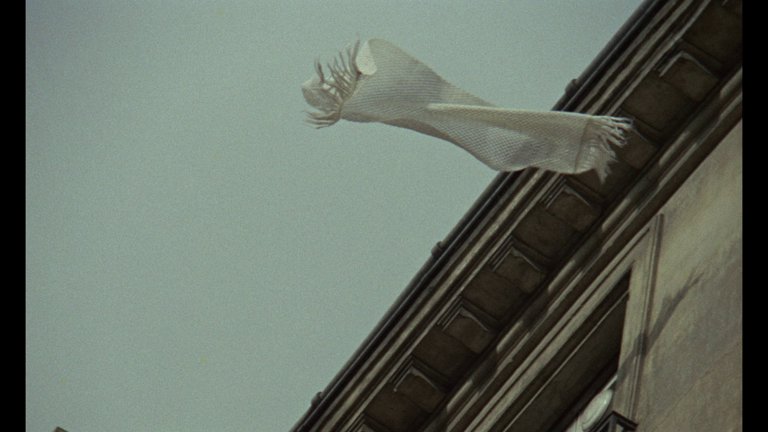
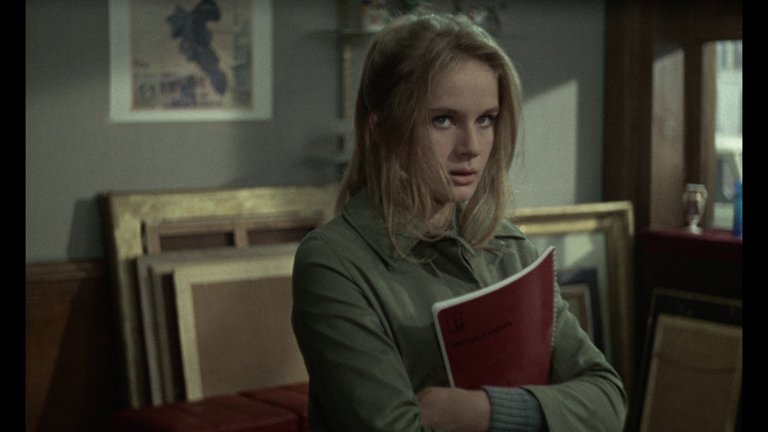
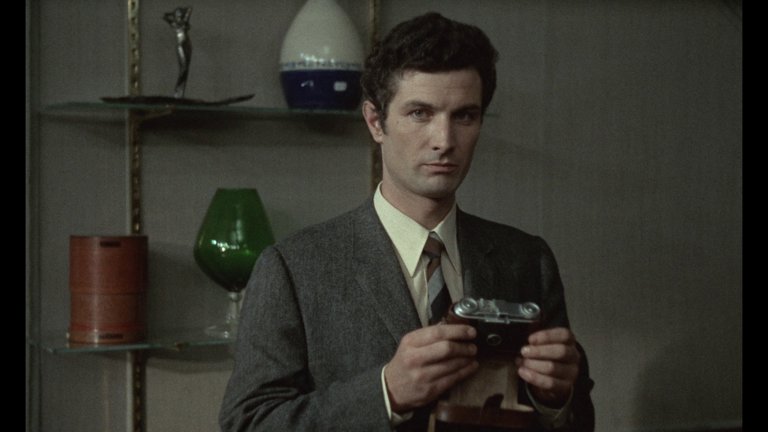
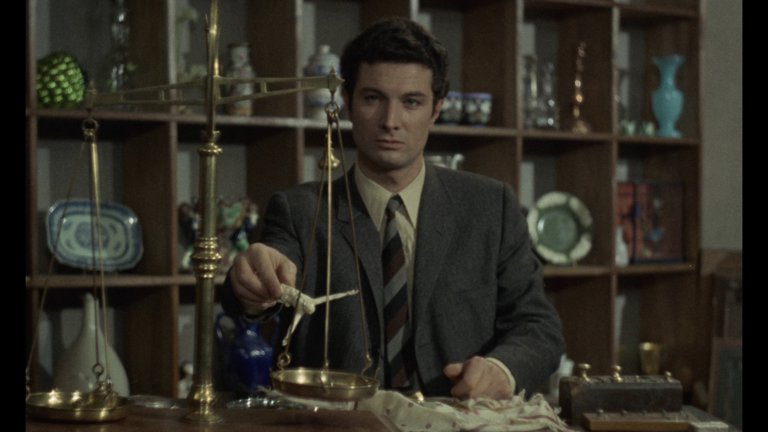
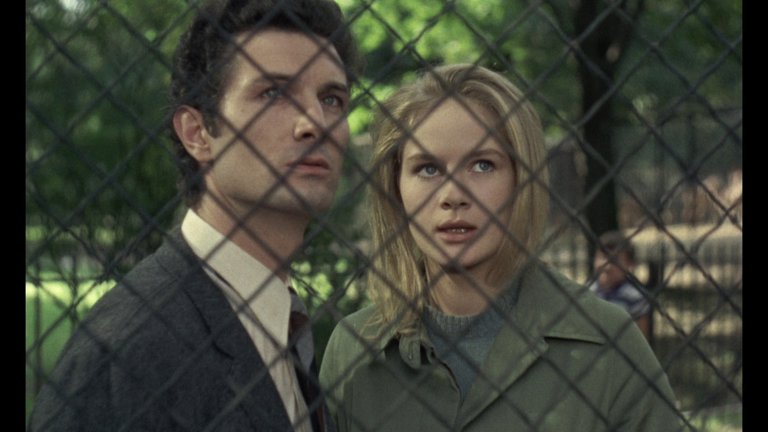
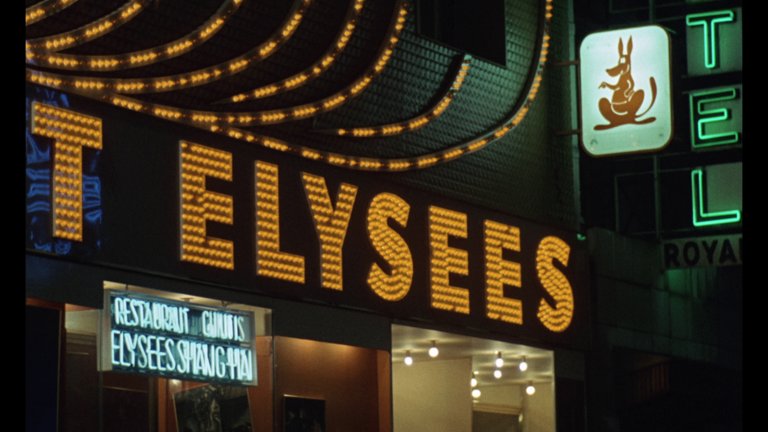
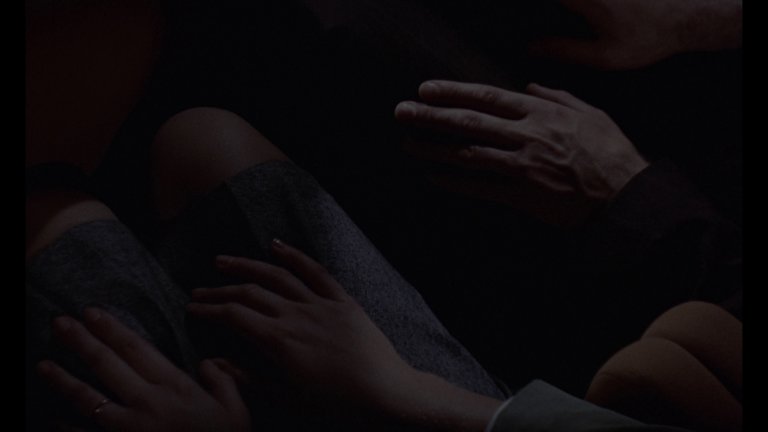
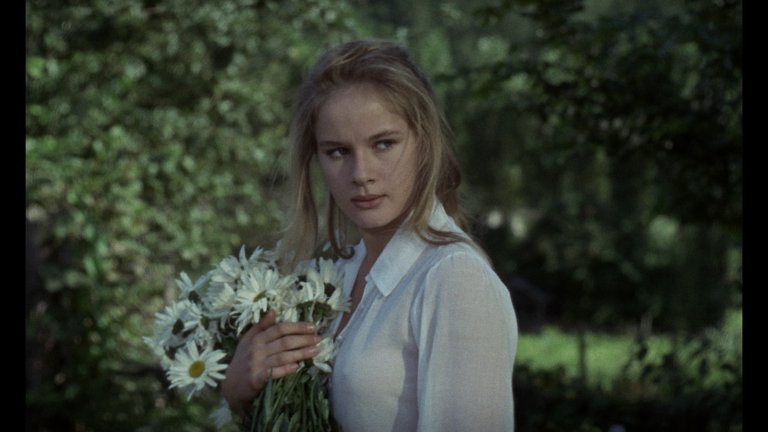
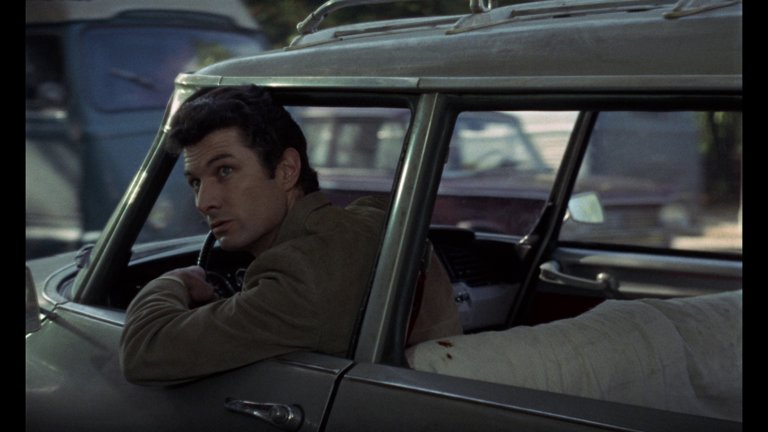
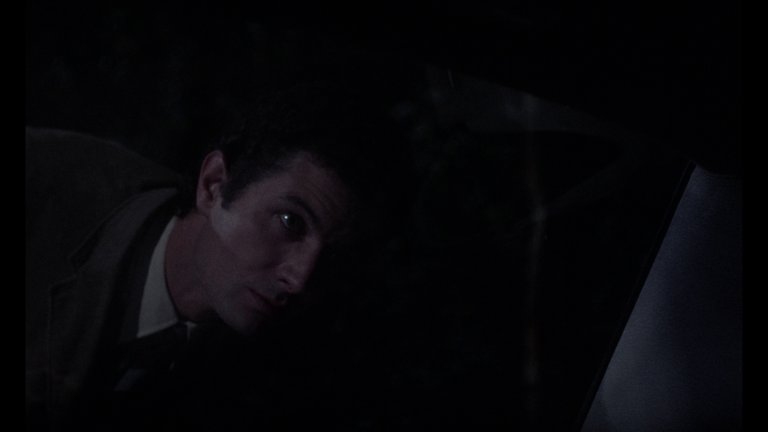
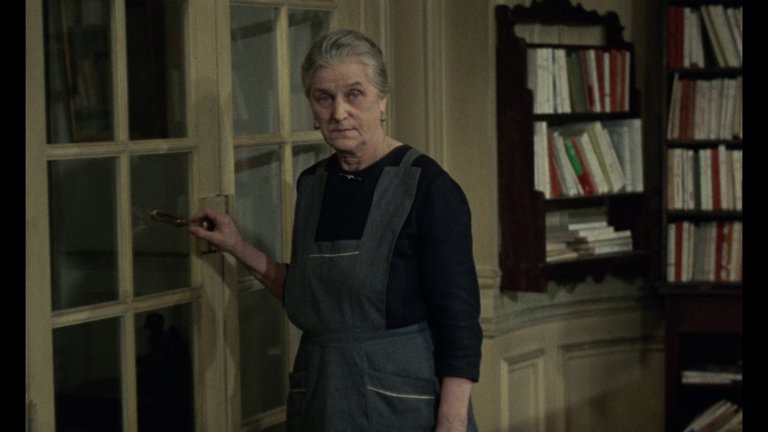
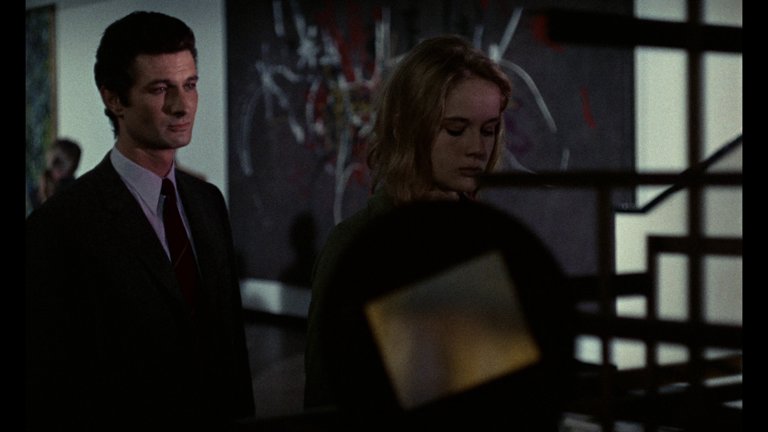
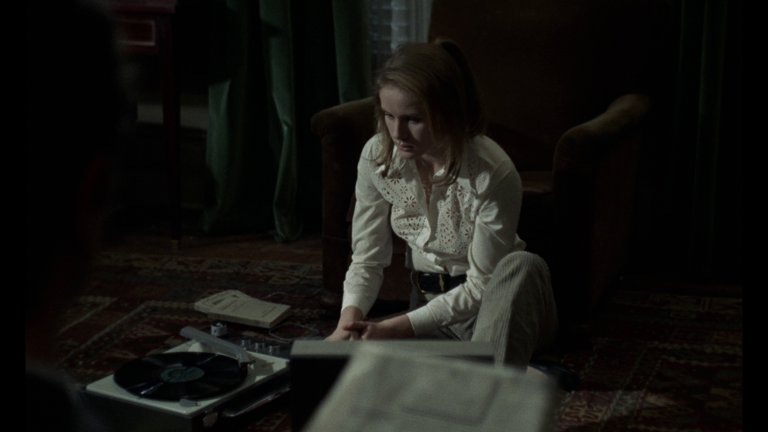
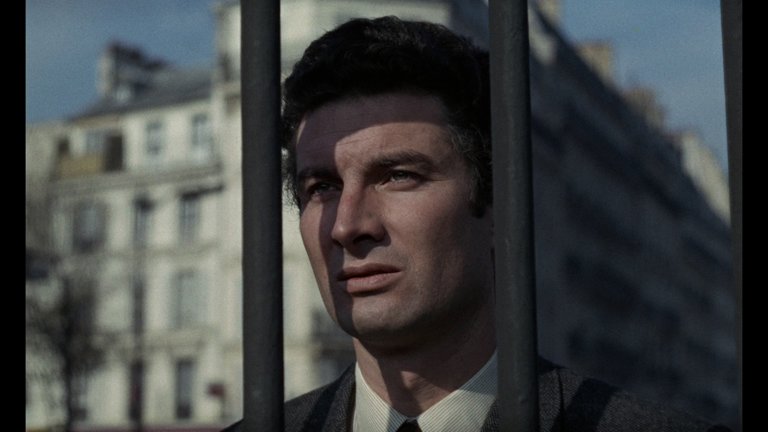
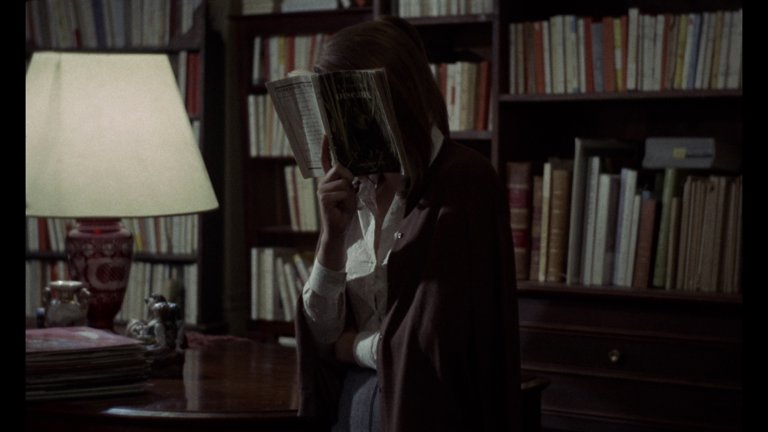
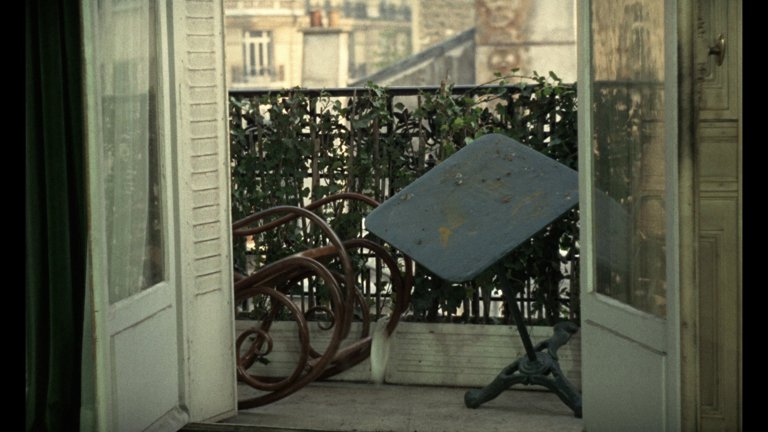
Une femme douce - Screen Captures
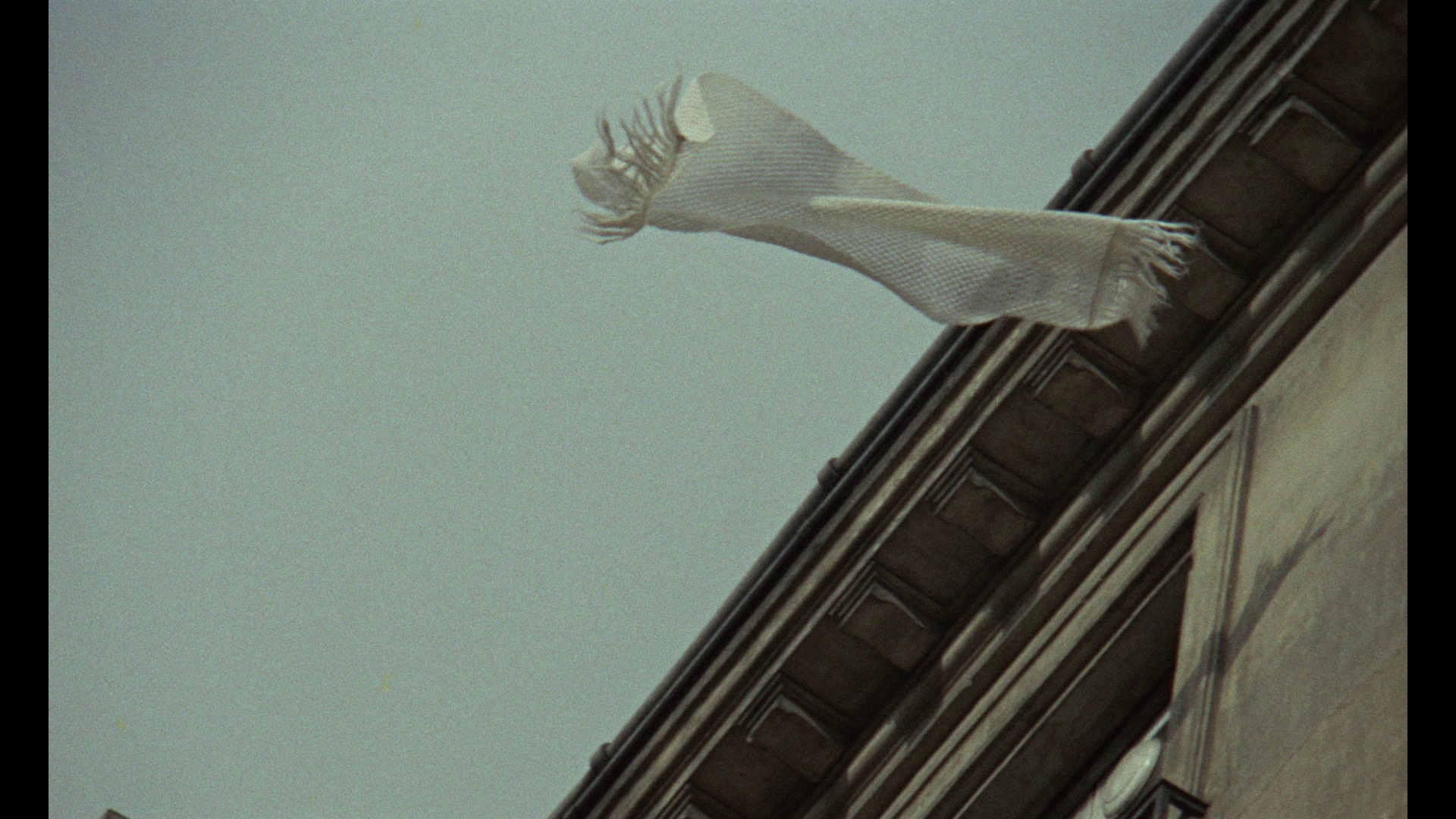
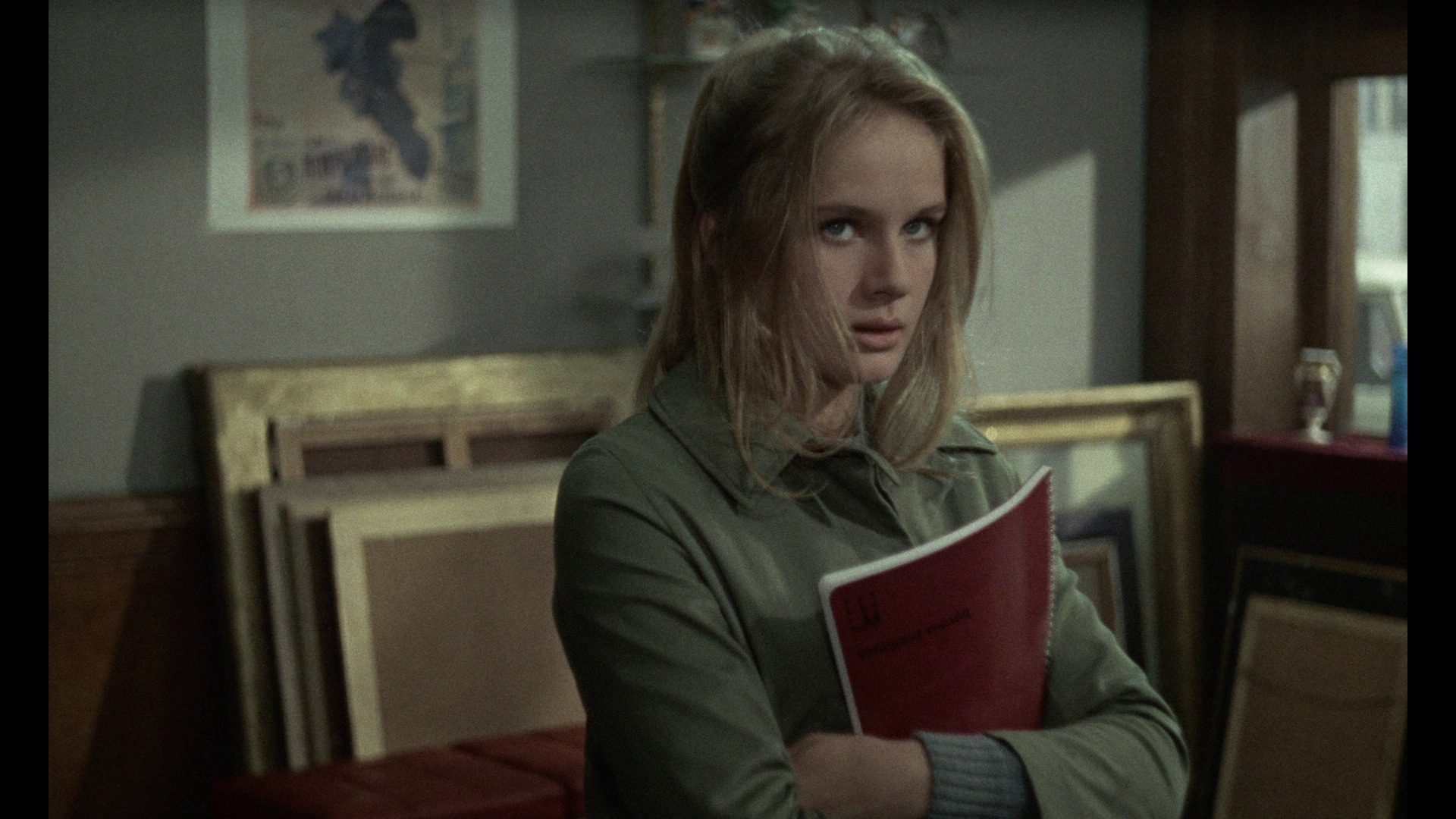
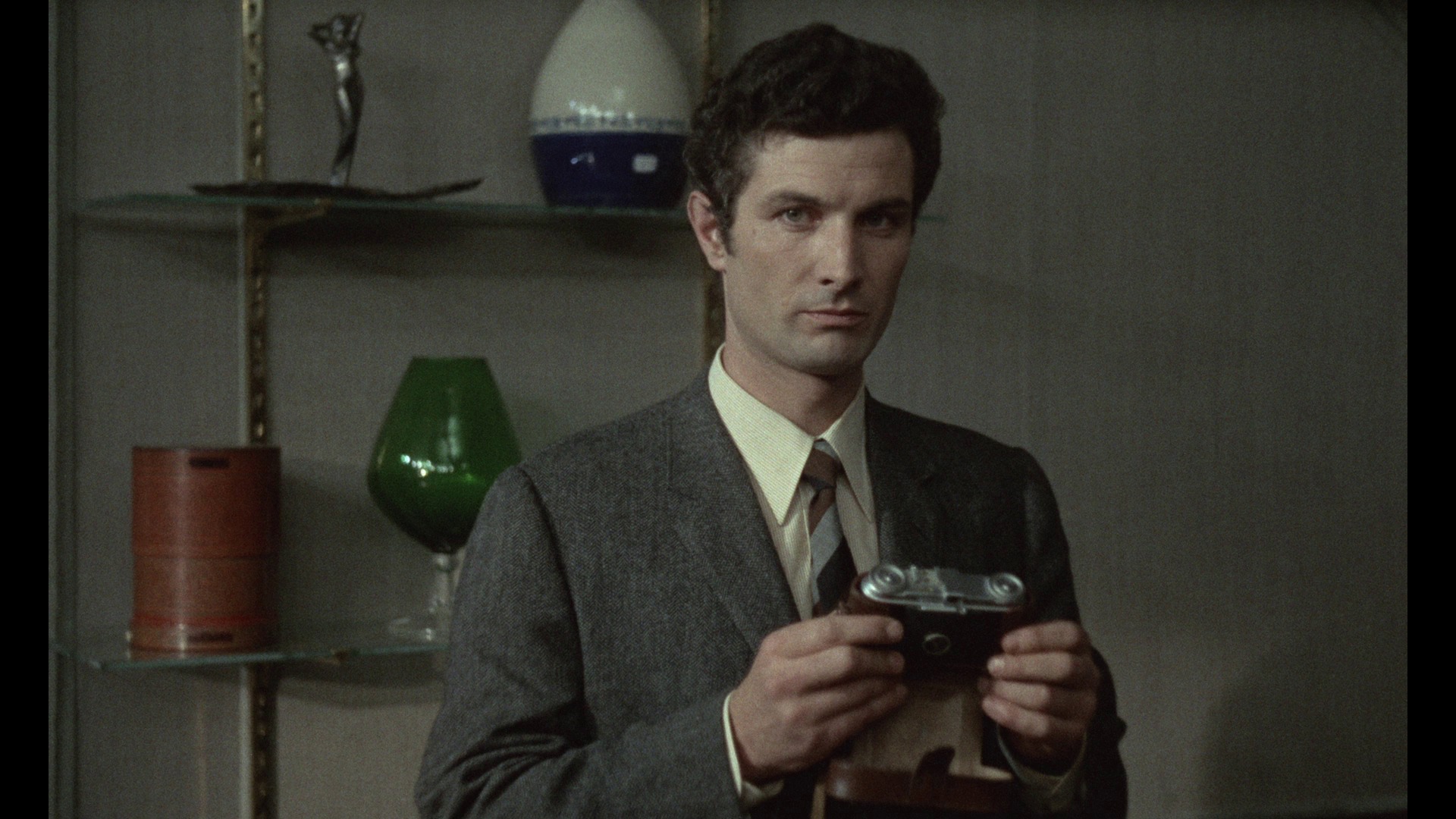
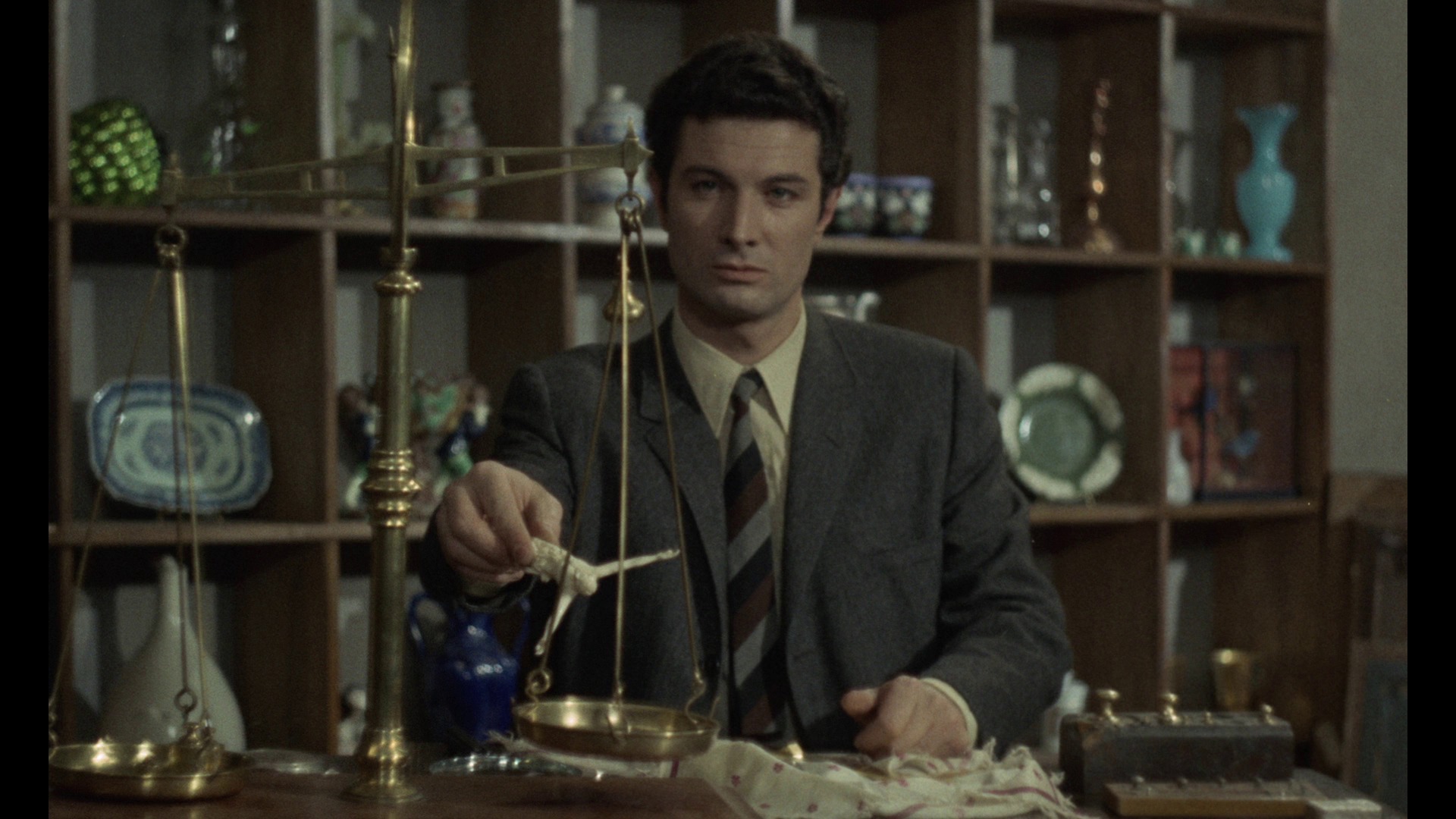
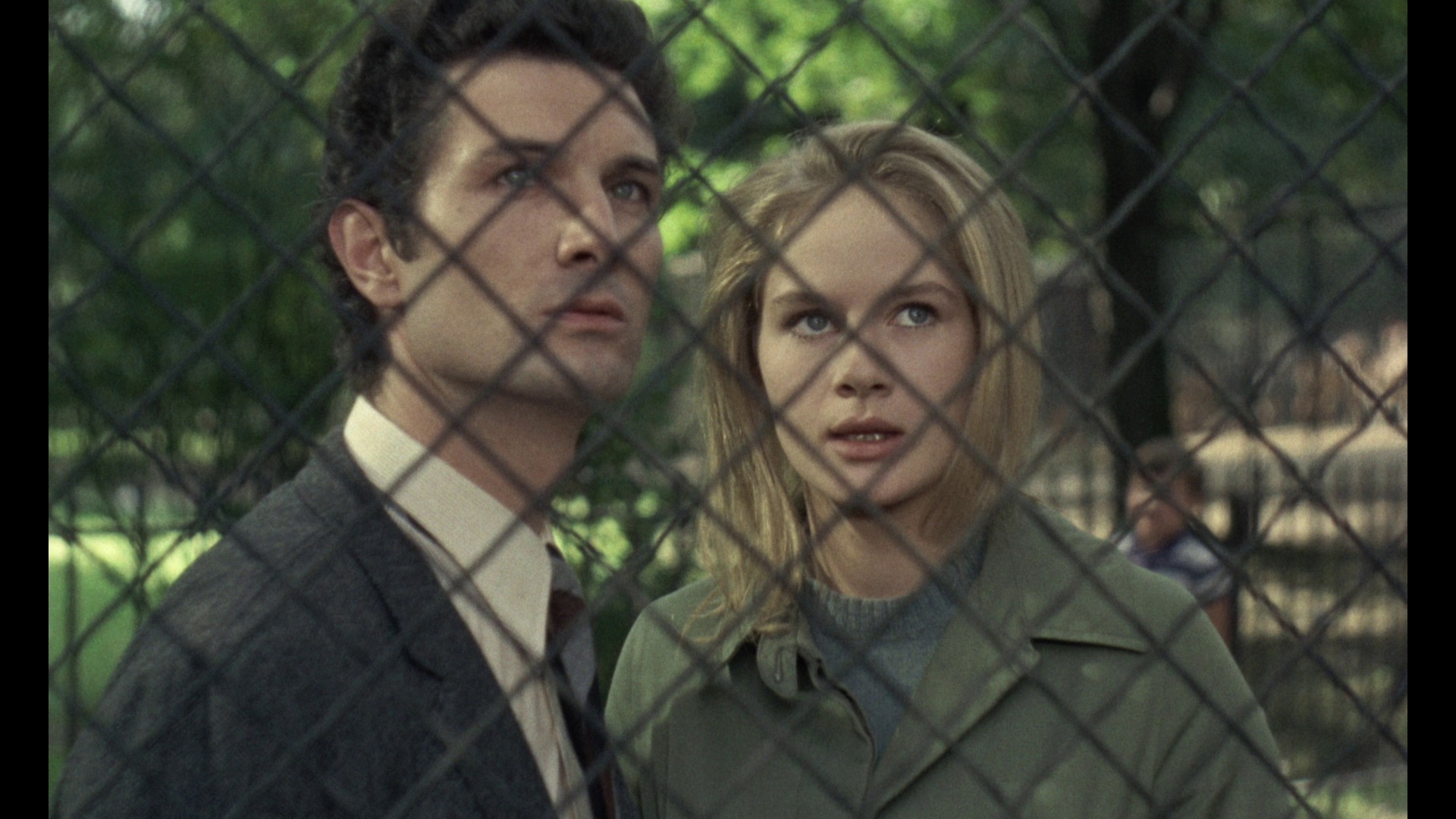
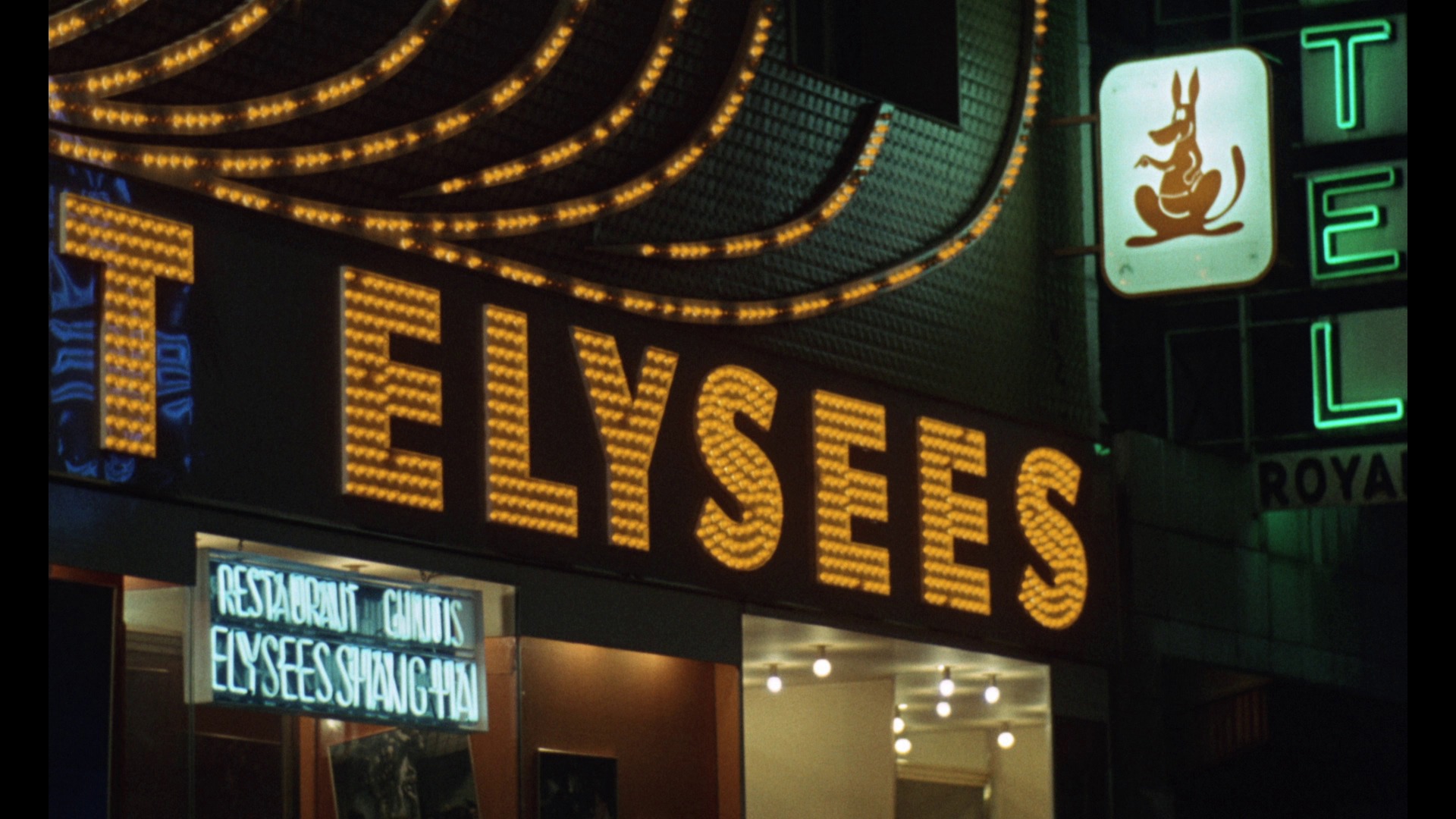
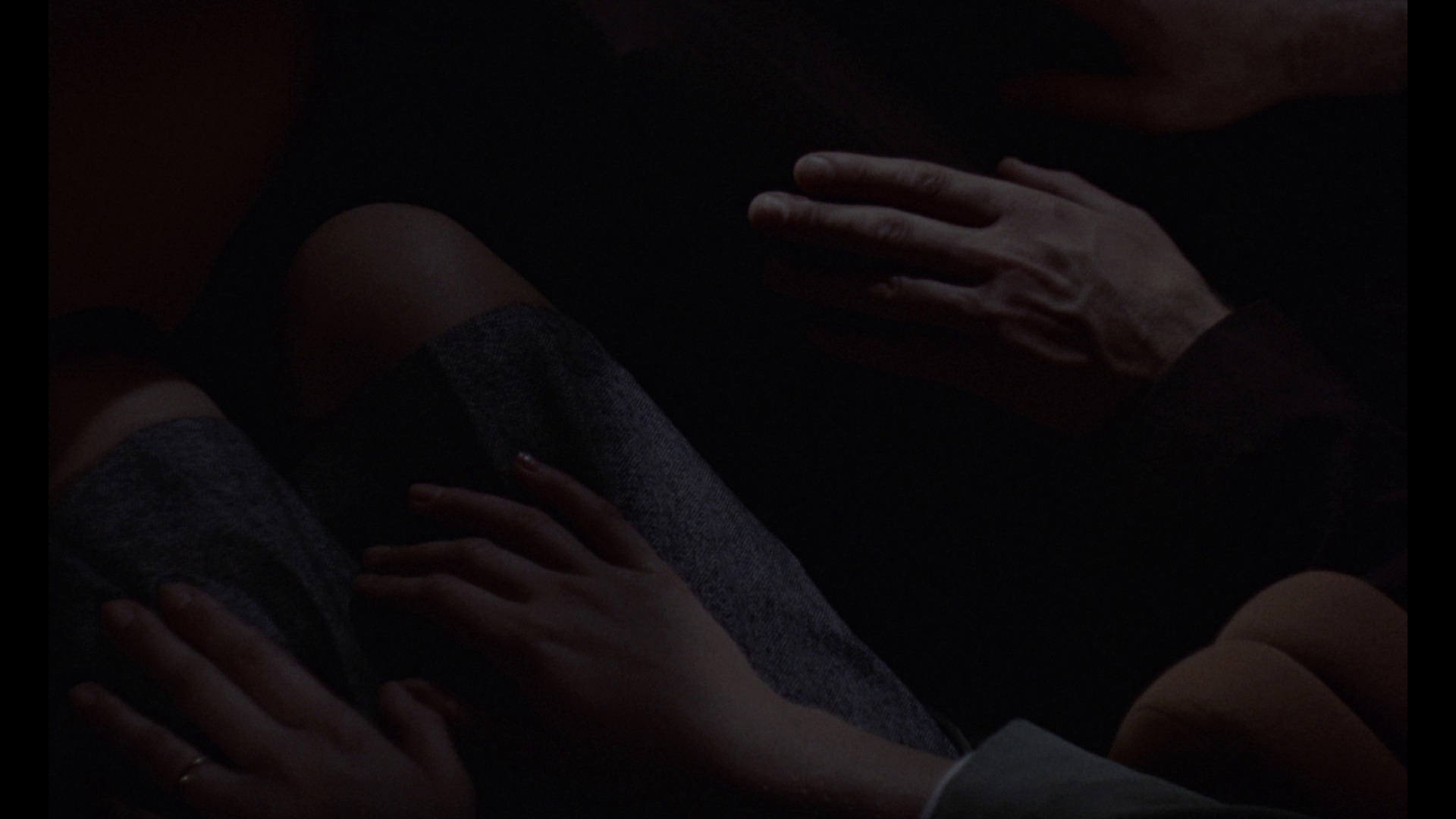
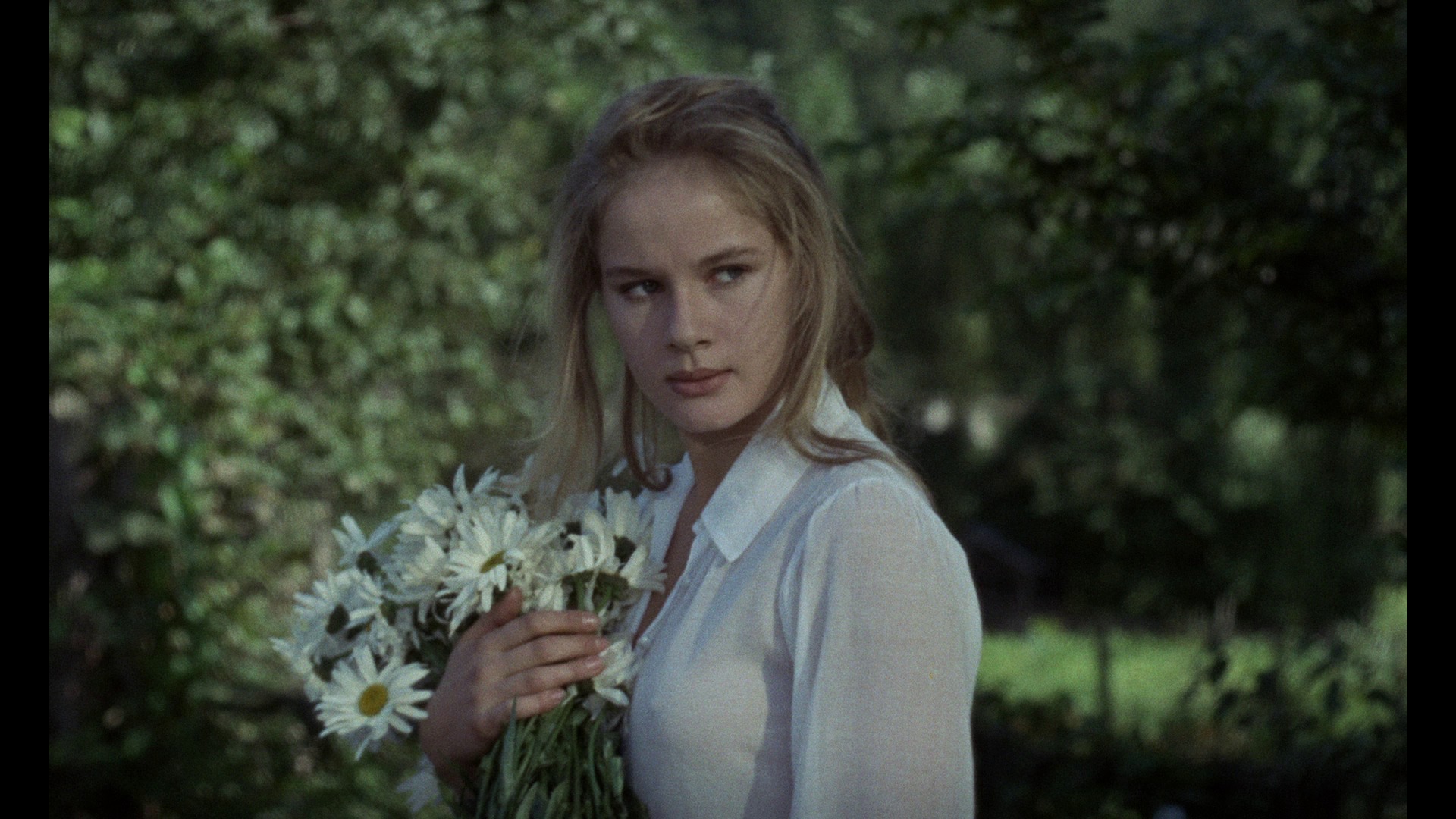
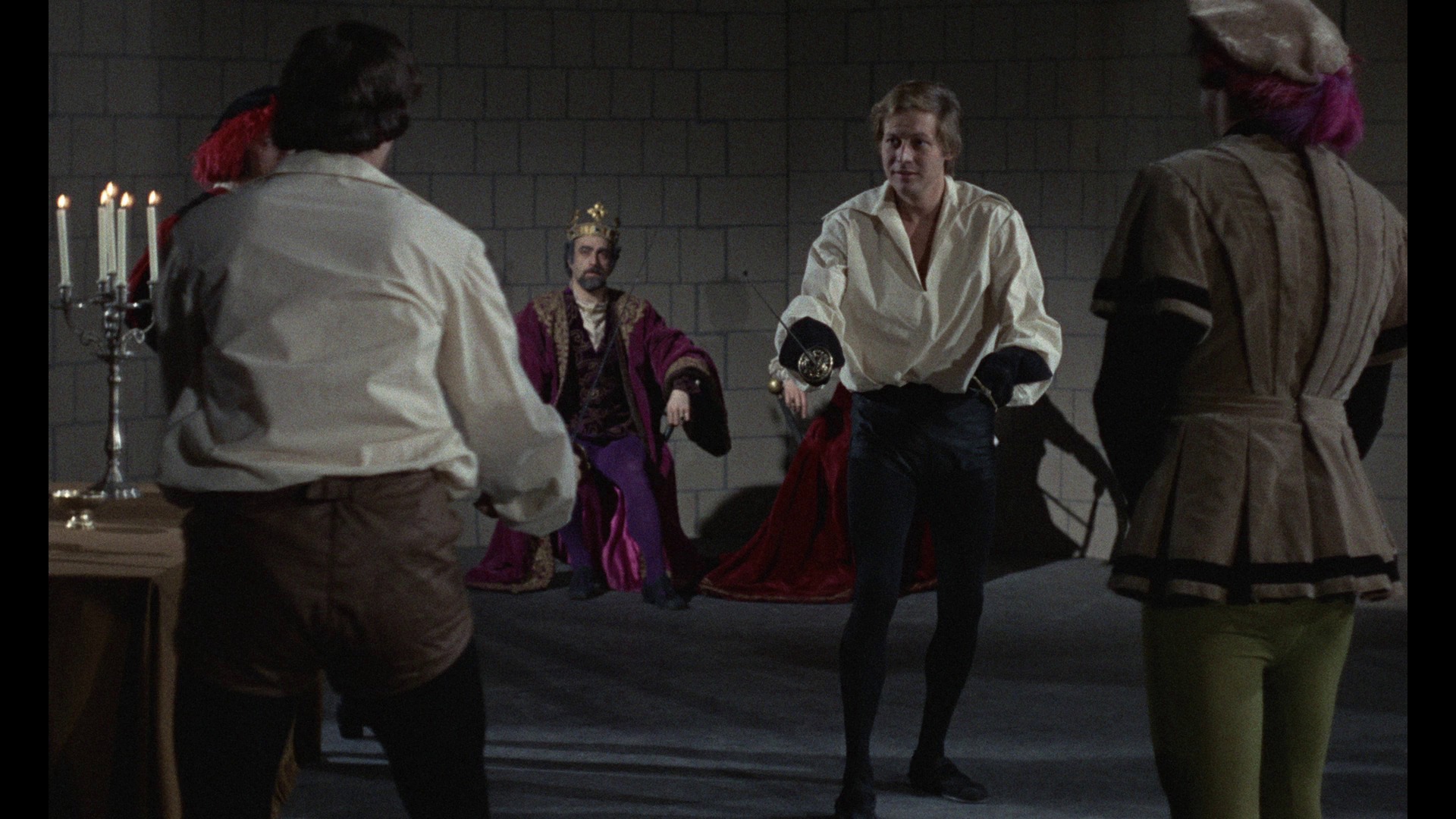
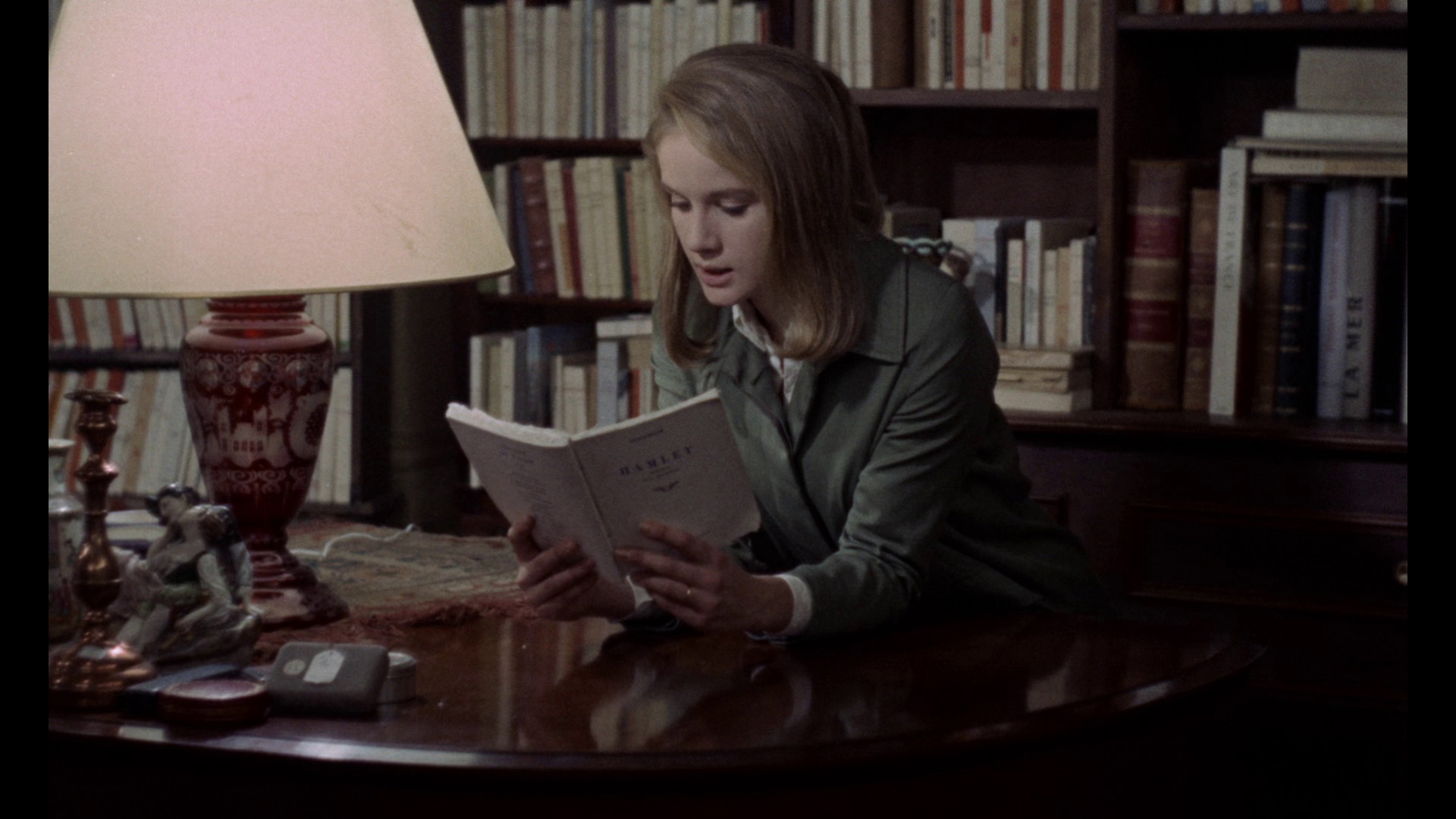
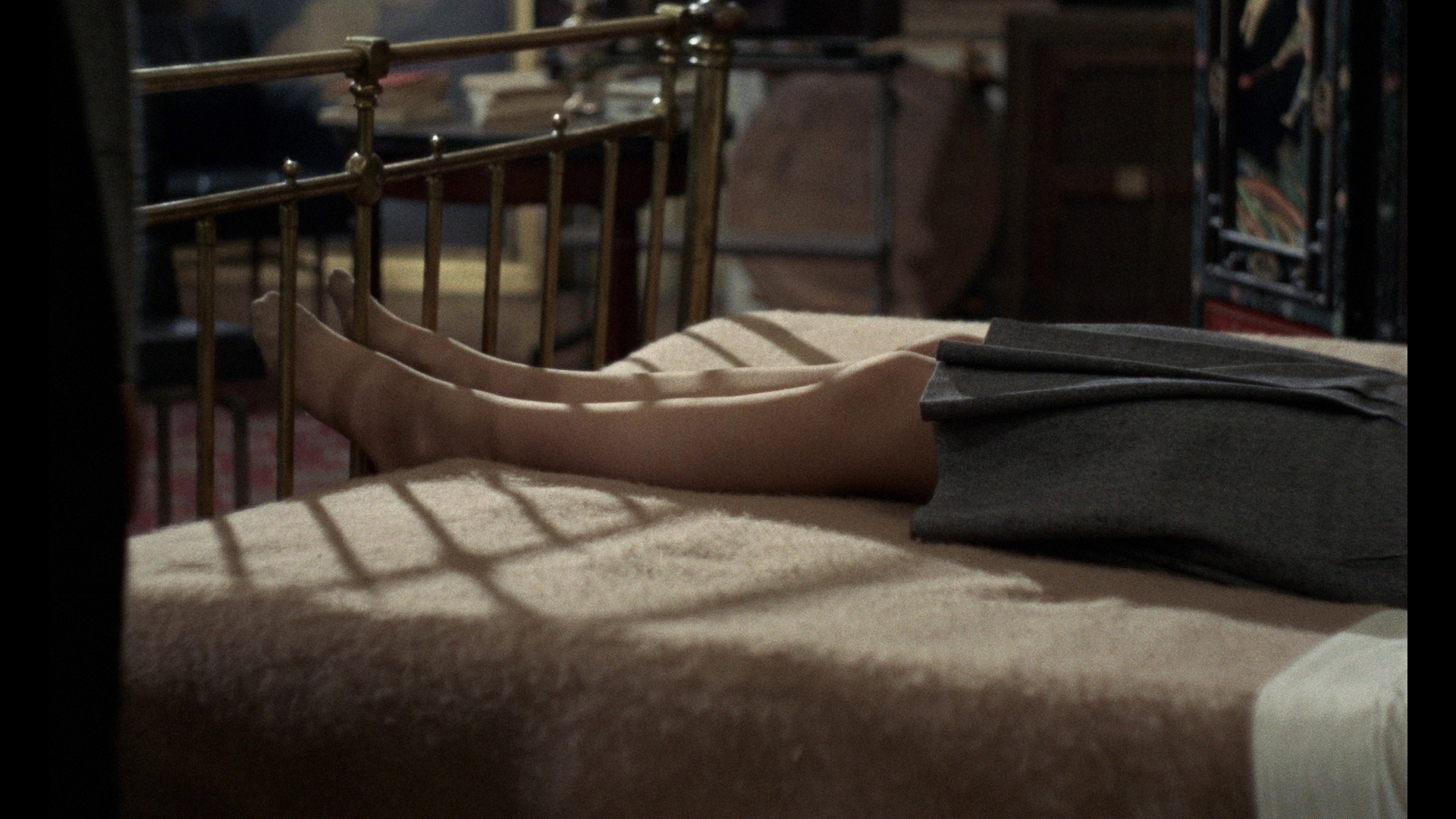
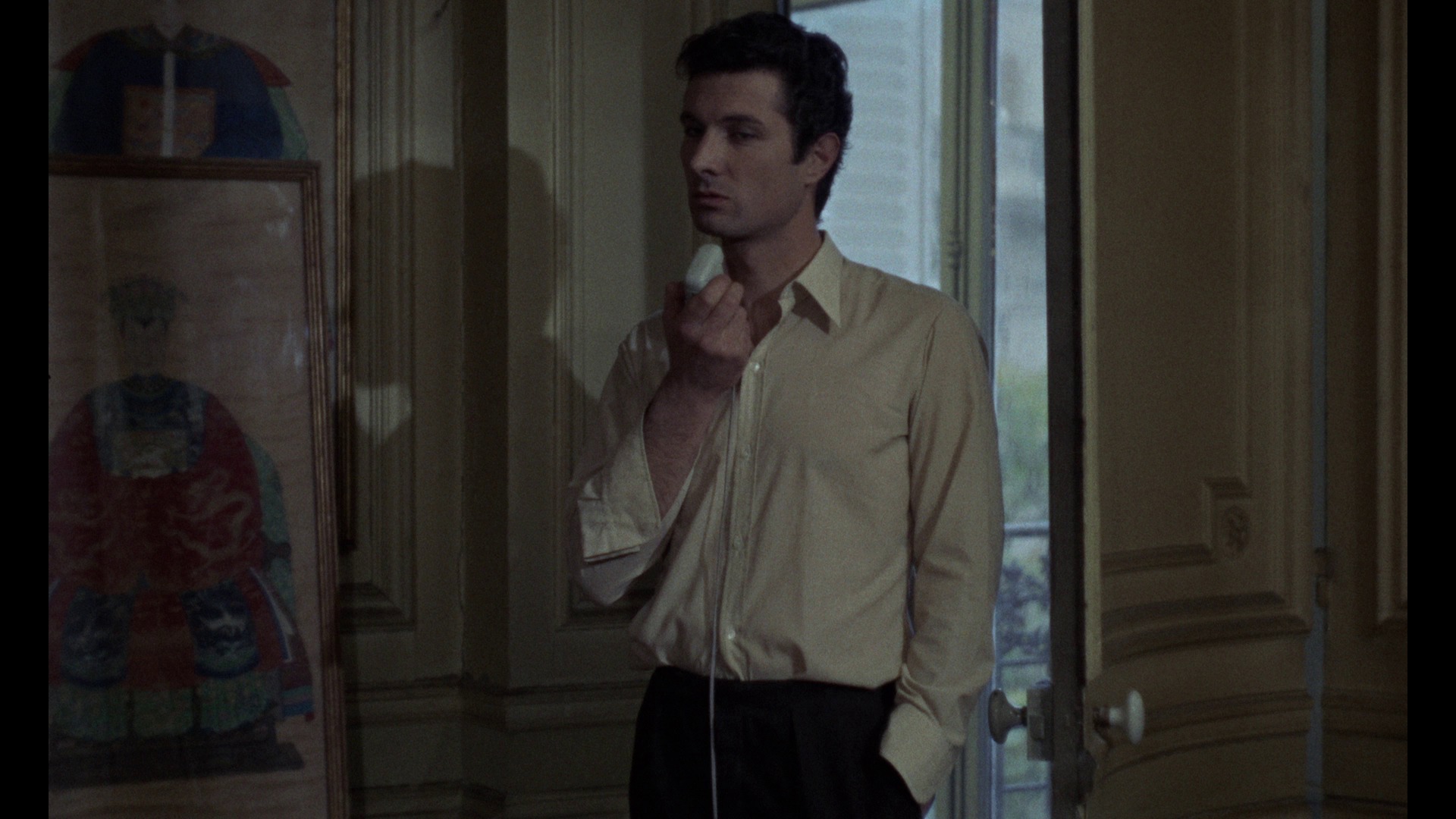
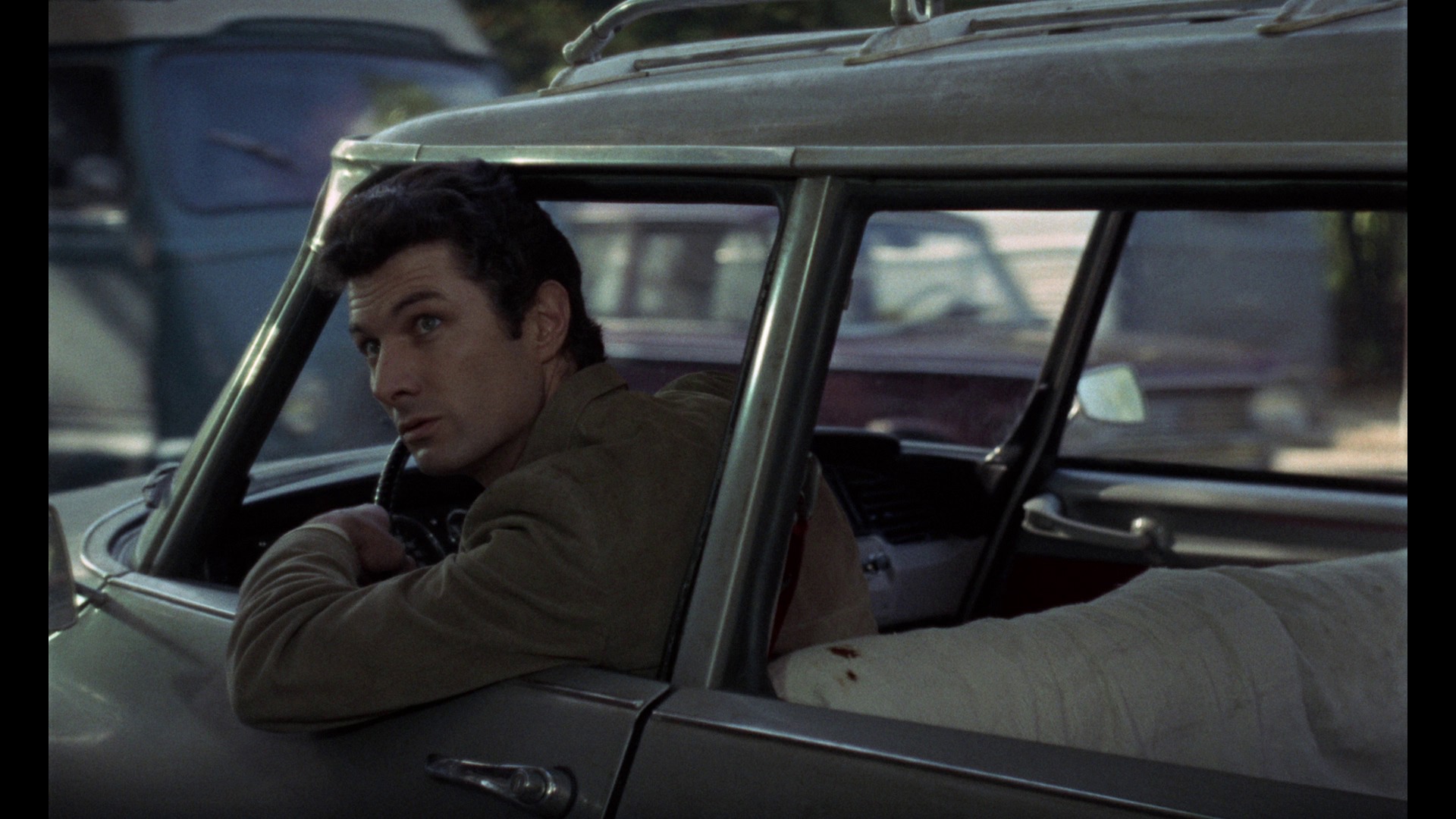
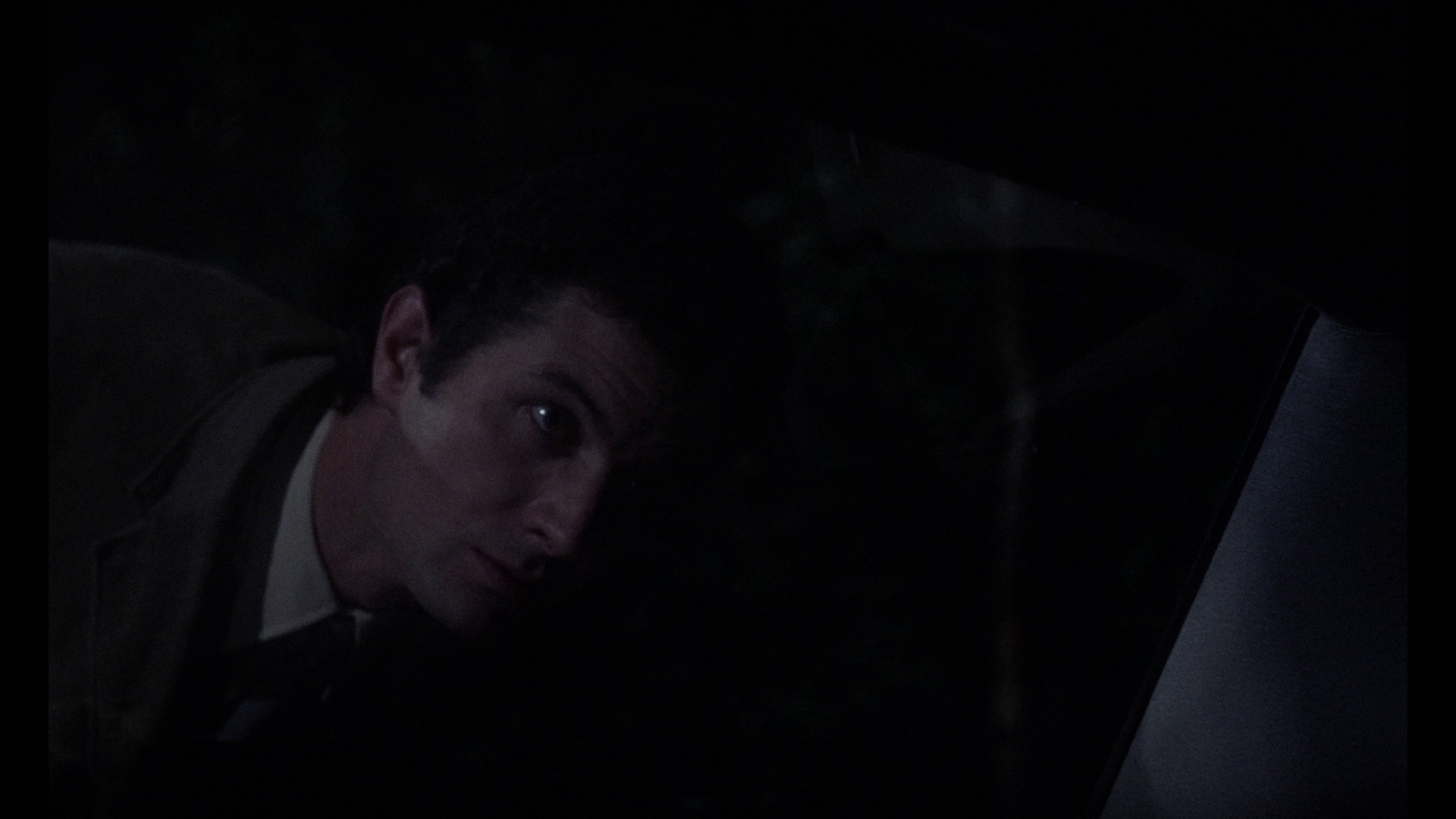
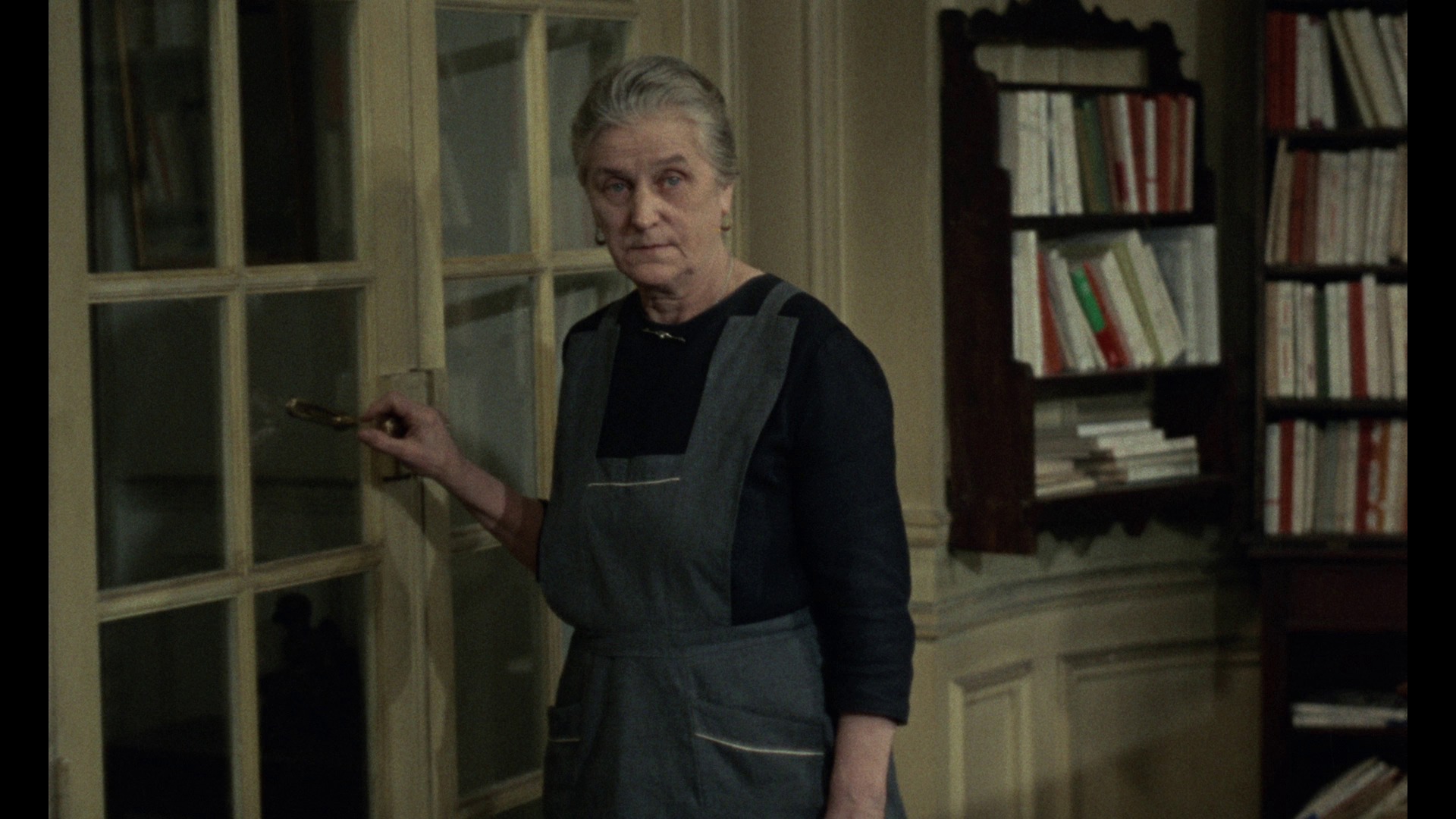
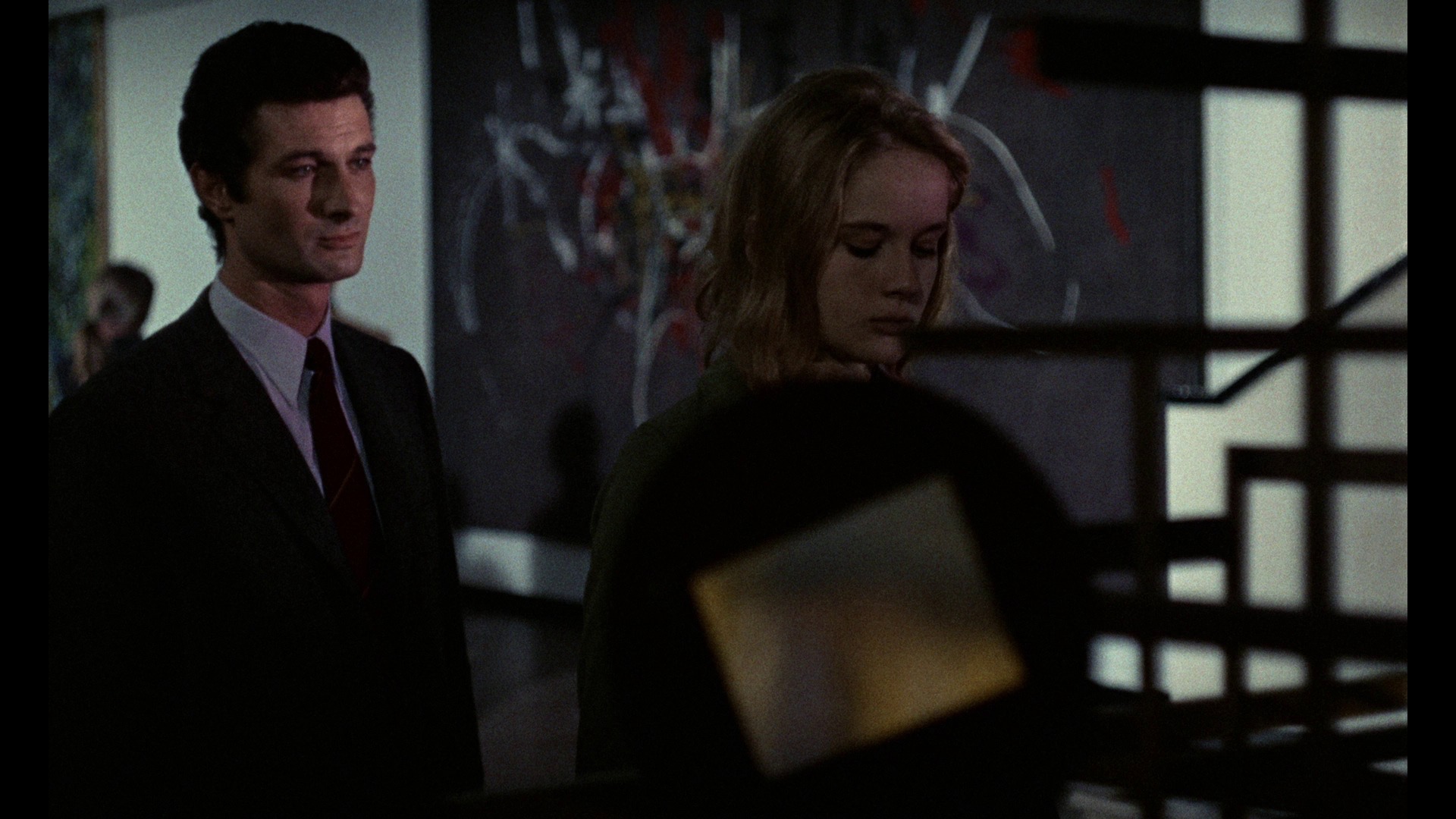
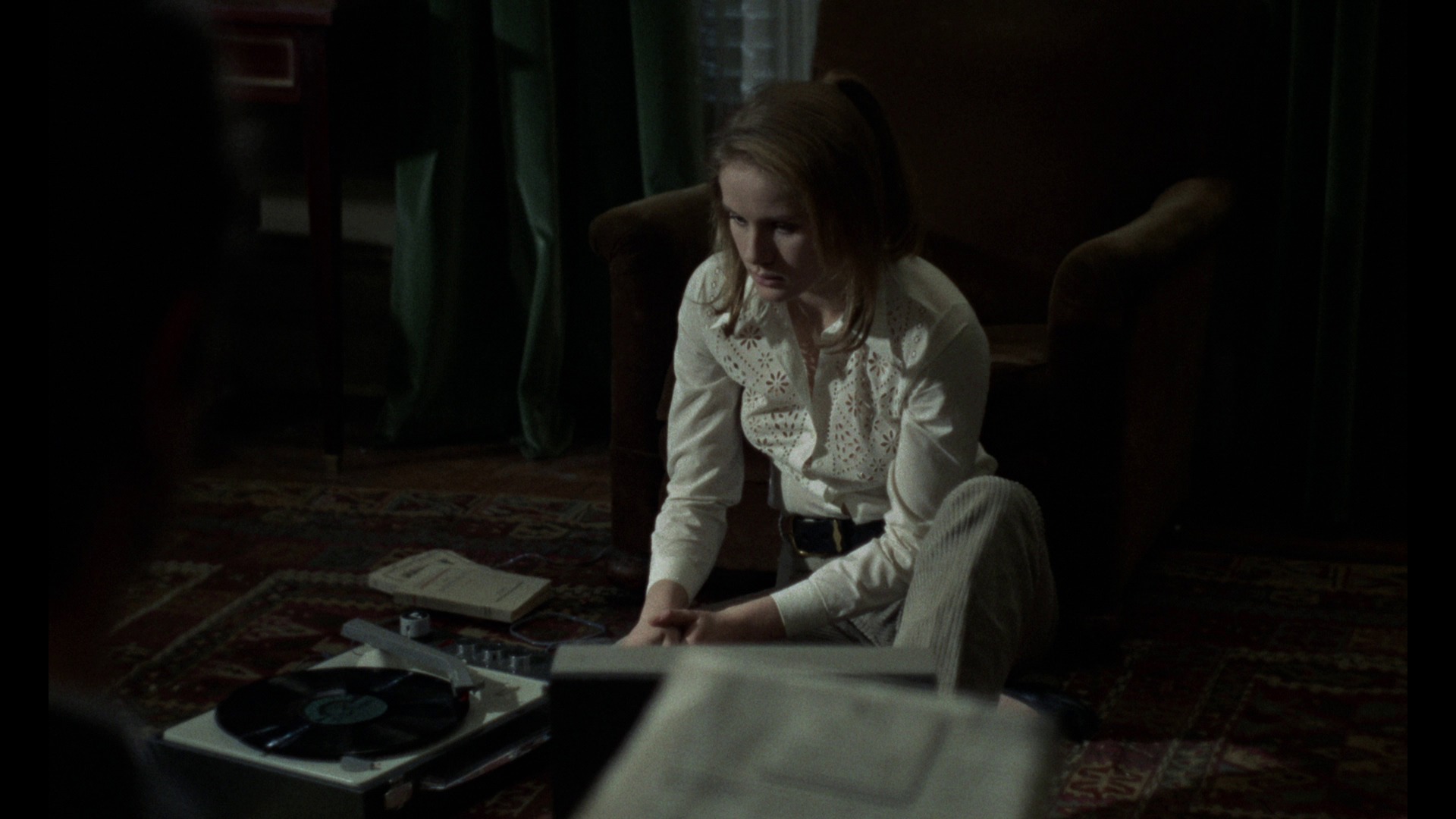
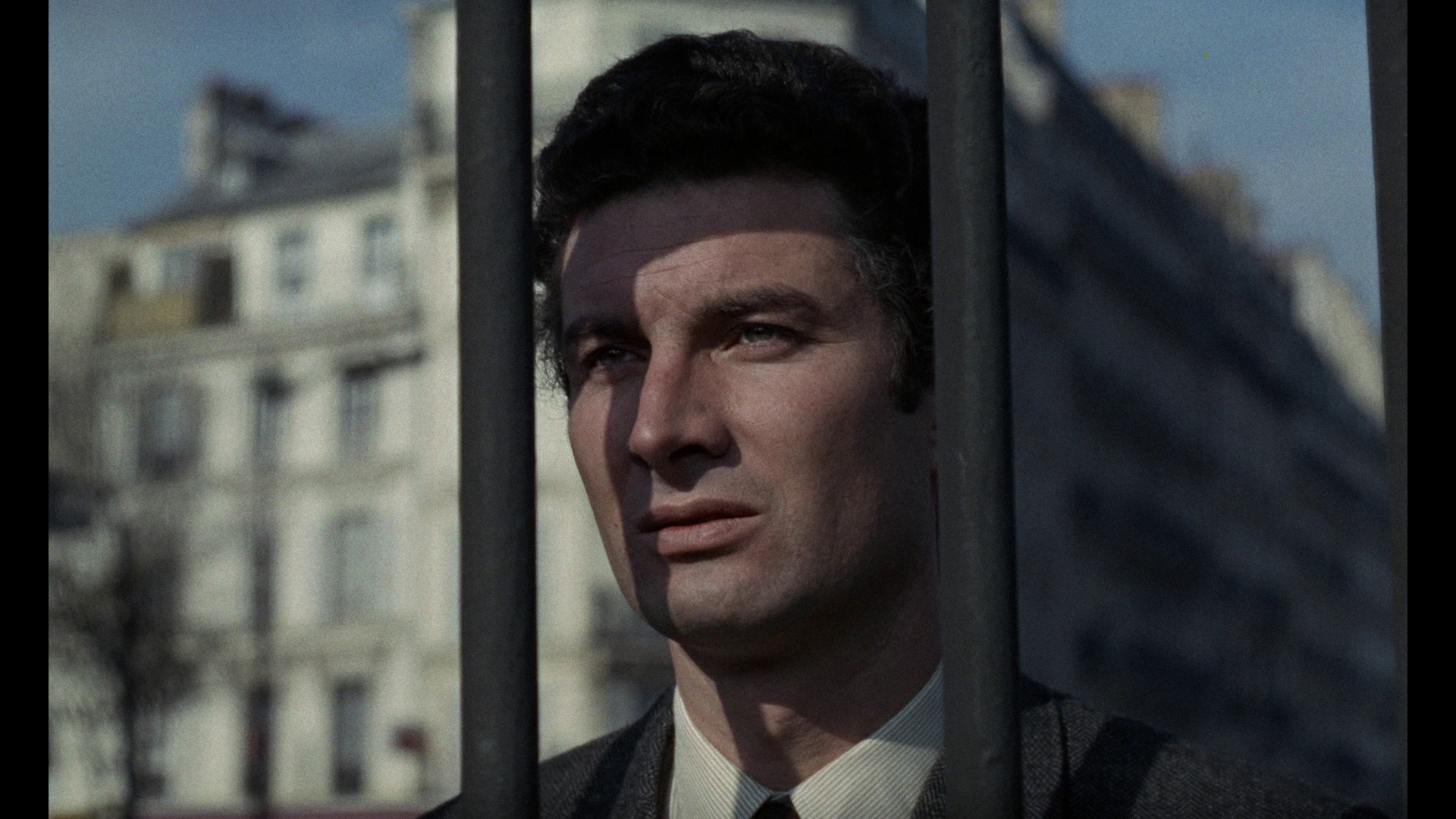
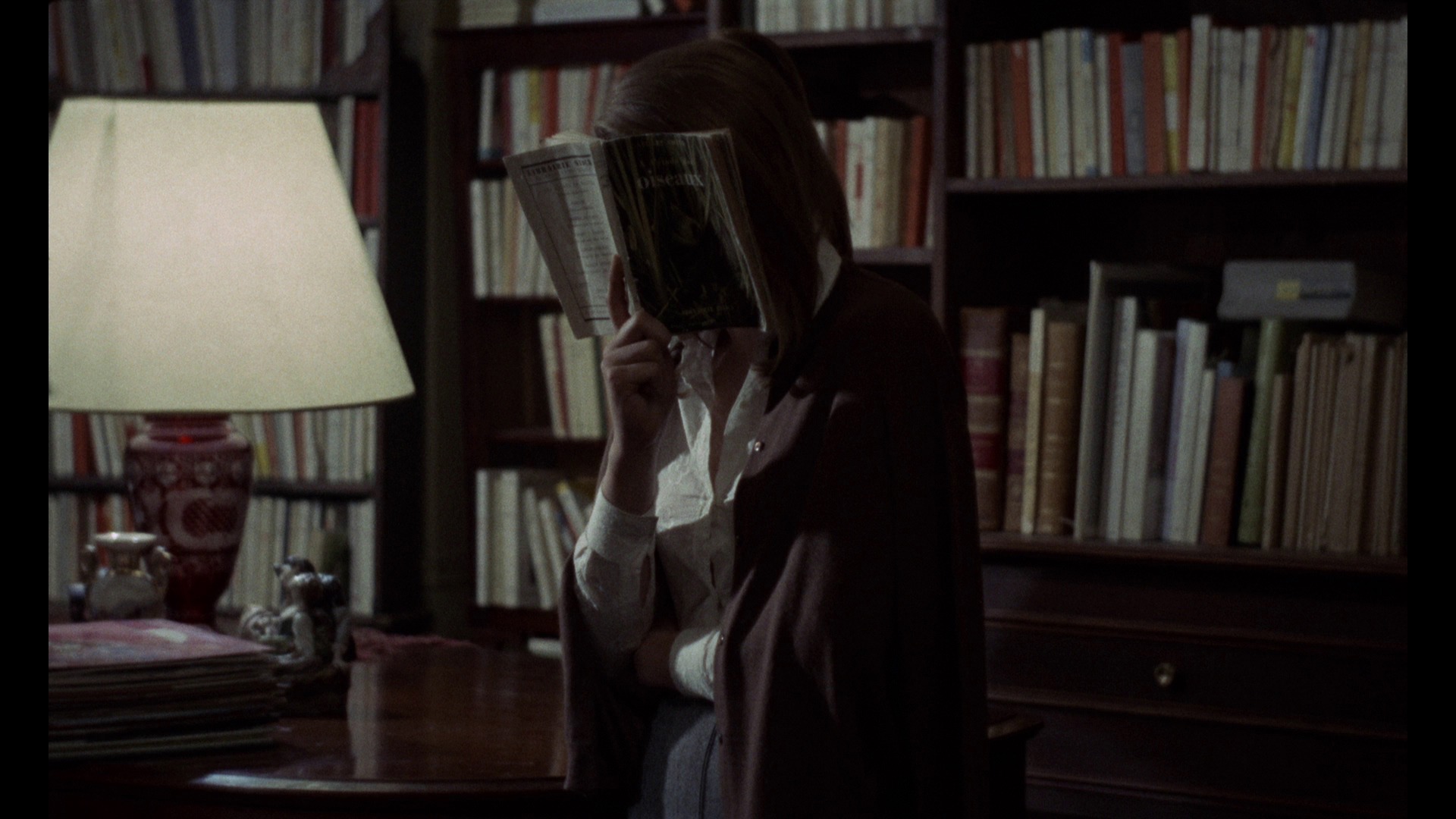
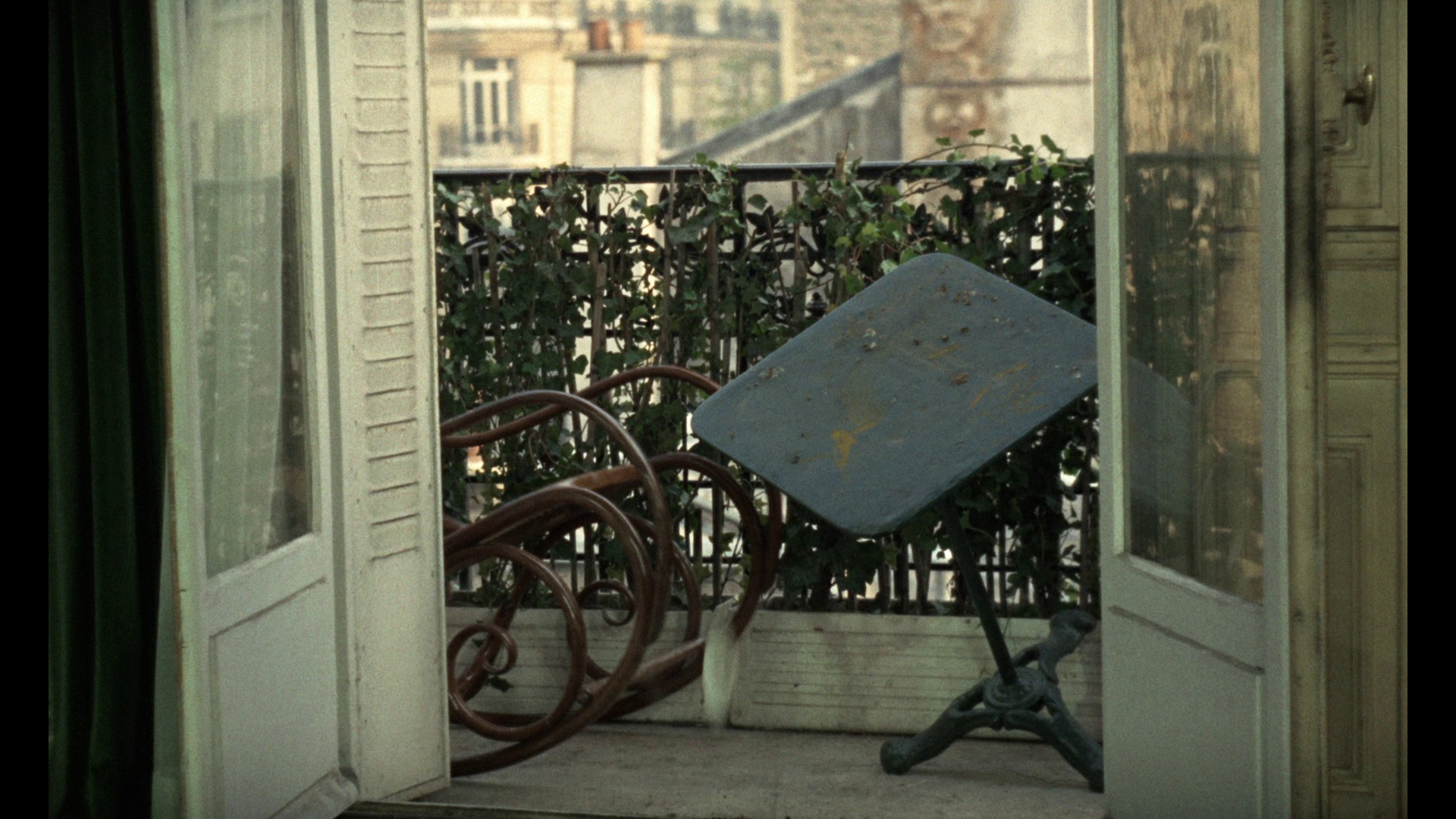
Audio 6/10
The film’s soundtrack is presented in lossless, single-channel PCM. While Bresson has his own very particular approach to sound design (the use of closing doors is even discussed in a couple of the included supplements), it’s never especially showy. As with many of his films, there’s a deliberate flatness here, even in the dialogue, that feels entirely intentional, lending the track a distinctly one-note quality. That said, the presentation itself is very clean, free of any significant damage, distortion, or intrusive noise.
Extras 8/10
Radiance rounds out the release with an excellent set of academically inclined supplements, starting with a new audio commentary by Michael Brooke. While Brooke does engage with the film’s story and characters, making comparisons to Dostoevsky’s original short story (shared themes, differing tones) and considering how the film might be read by a modern audience, his primary focus is on Bresson’s formal approach. He digs into the director’s staging, his direction of actors and their body language, as well as techniques in editing and sound design, right down to the rhythm and manner of speech. Brooke also provides useful context around this period in Bresson’s career, situating him alongside contemporaries like Buñuel, and even touches on other adaptations of Dostoevsky’s story, including A Gentle Woman, which he notes is included in Radiance’s Polish Animation set. Nicely assembled and moving succinctly from point to point, it’s an informative, well-paced track that should prove especially helpful for those still relatively new to Bresson.
That commentary then pairs wonderfully with a new 17-minute video essay, Over Her Dead Body, written by Cristina Álvarez López and Adrian Martin and narrated by Martin. The piece focuses primarily on the film’s use of an unreliable narrator, specifically how the husband’s account of events is repeatedly undermined by what Bresson shows us onscreen. This is also explored through several key sequences, including one striking example in which an object appears to change between edits. It’s a strong, thoughtful addition that complements the commentary well.
Beyond these, Radiance includes a stills gallery featuring lobby cards, promotional photos, and posters (including the Polish artwork used for the cover of this release), along with a pair of archival excerpts from French television. The first is a seven-minute 1969 segment in which Bresson speaks with dancer and choreographer Maurice Béjart, who asks directly about Une femme douce, particularly its use of sound and absence of music. Bresson explains his belief that music can “isolate” a film, placing it “on another planet” removed from reality. The program appears to continue with Bresson questioning Béjart about dance, though that portion is truncated here. The second excerpt, running just under five minutes, comes from a 1987 interview with Dominique Sanda, who discusses being discovered and cast by Bresson, her experience working with him, and the impact the film had on her career. She notes that beyond her appearance, Bresson valued her lack of prior film acting experience, which he saw as making her the “ideal raw material.”
Rounding things out is a booklet (limited to the first pressing), which opens with a new essay by Alex Barrett examining the film’s structure and what may have drawn Bresson to Dostoevsky’s story, followed by a reprint of a 1973 interview with Bresson conducted by Ronald Hayman for The Transatlantic. Covering Une femme douce—his first color film—as well as his broader career, it’s an excellent capper to a thorough set of supplements.
Closing
It would have been enough simply to get a solid presentation of the film, but Radiance goes further, delivering an excellent slate of supplemental material as well. Wonderfully assembled, this is an easy recommendation.
BUY AT: