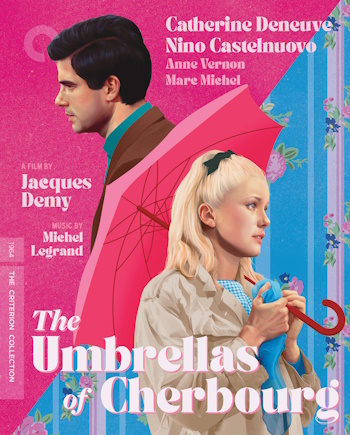
The Umbrellas of Cherbourg
BUY AT:


See more details, packaging, or compare
Synopsis
The angelically beautiful Catherine Deneuve was launched to stardom by this dazzling musical heart-tugger from Jacques Demy. She plays an umbrella-shop owner’s delicate daughter, glowing with first love for a handsome garage mechanic, played by Nino Castelnuovo. When the boy is shipped off to fight in Algeria, the two lovers must grow up quickly. Exquisitely designed in a kaleidoscope of colors, and told entirely through lilting songs by the great composer Michel Legrand, The Umbrellas of Cherbourg is one of the most revered and unorthodox movie musicals of all time.
Picture 9/10
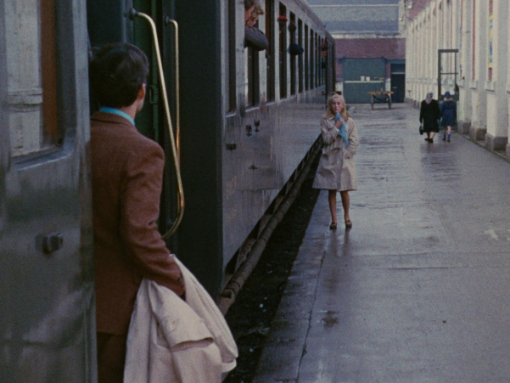
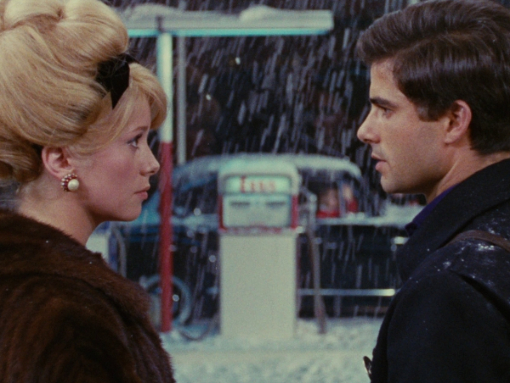
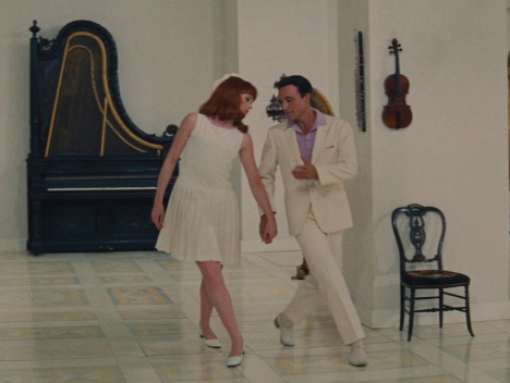
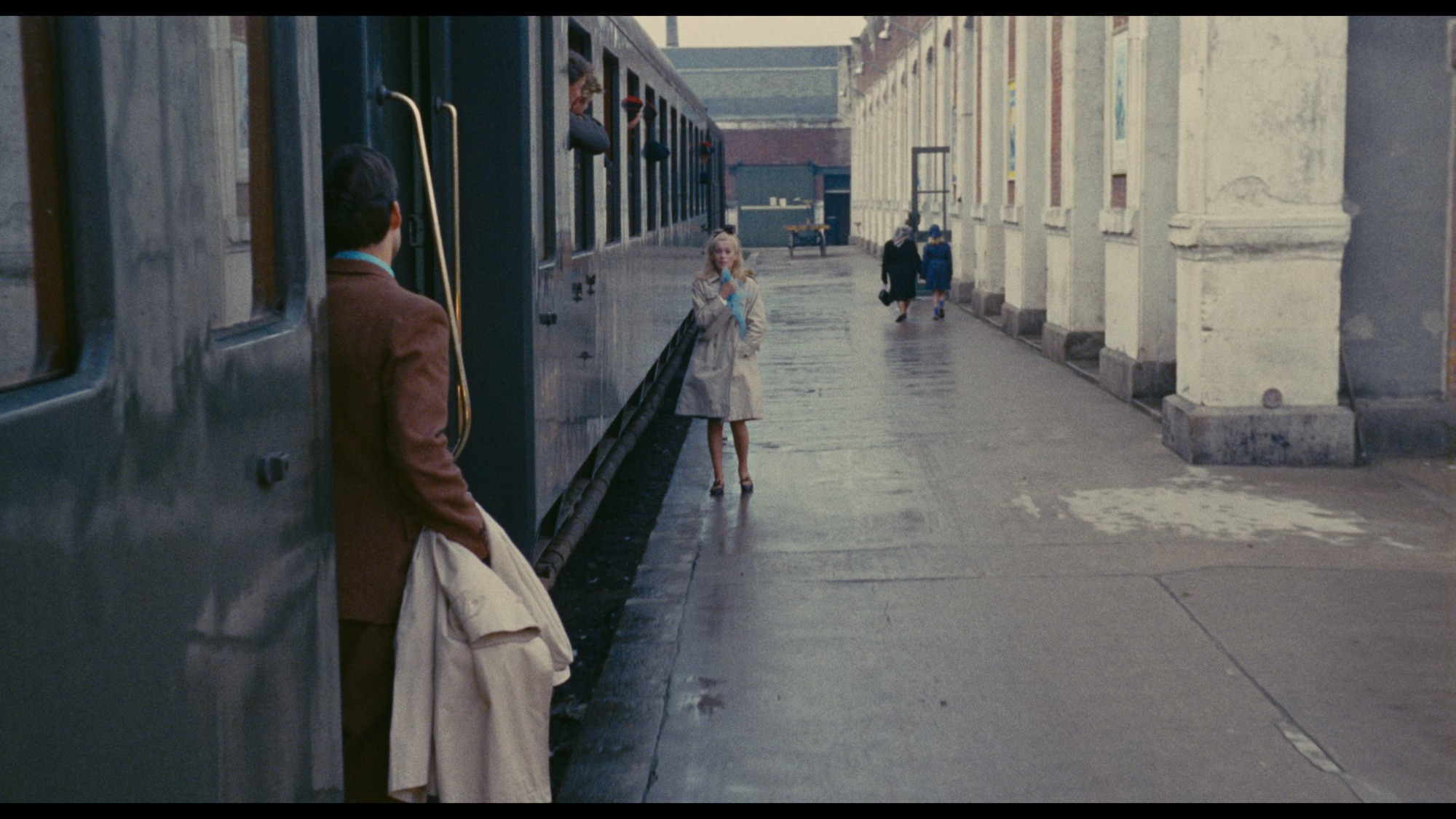
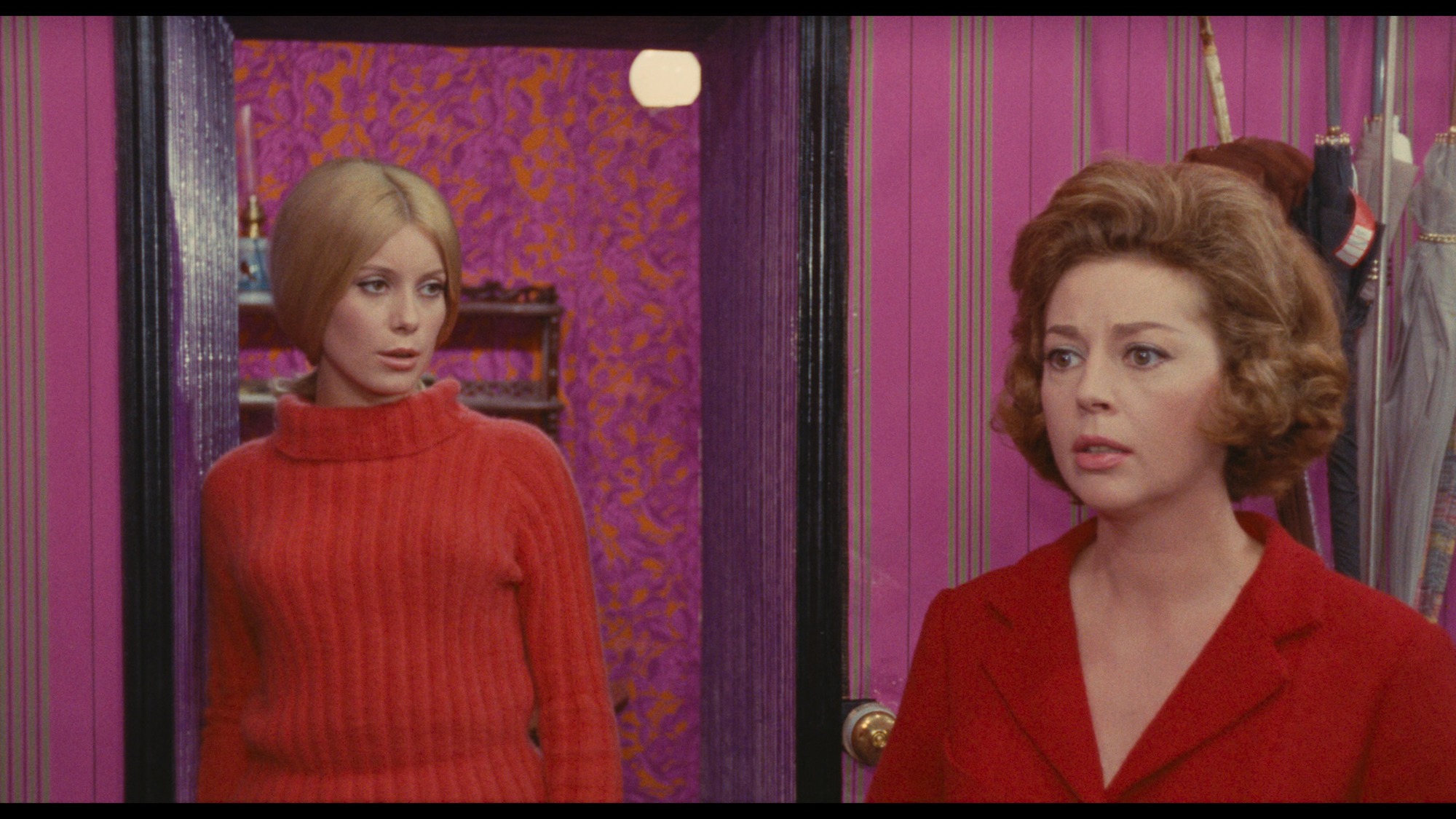
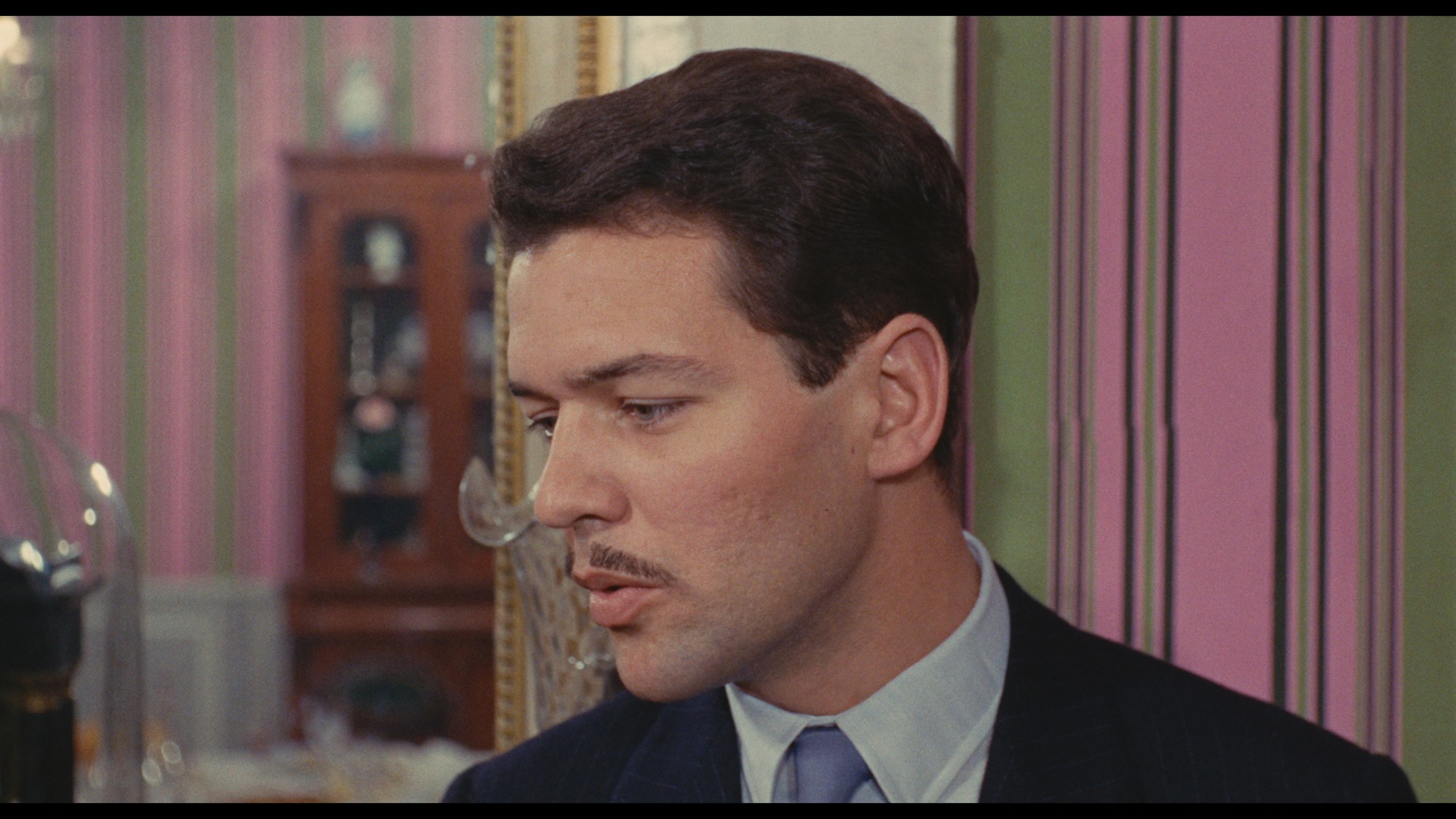
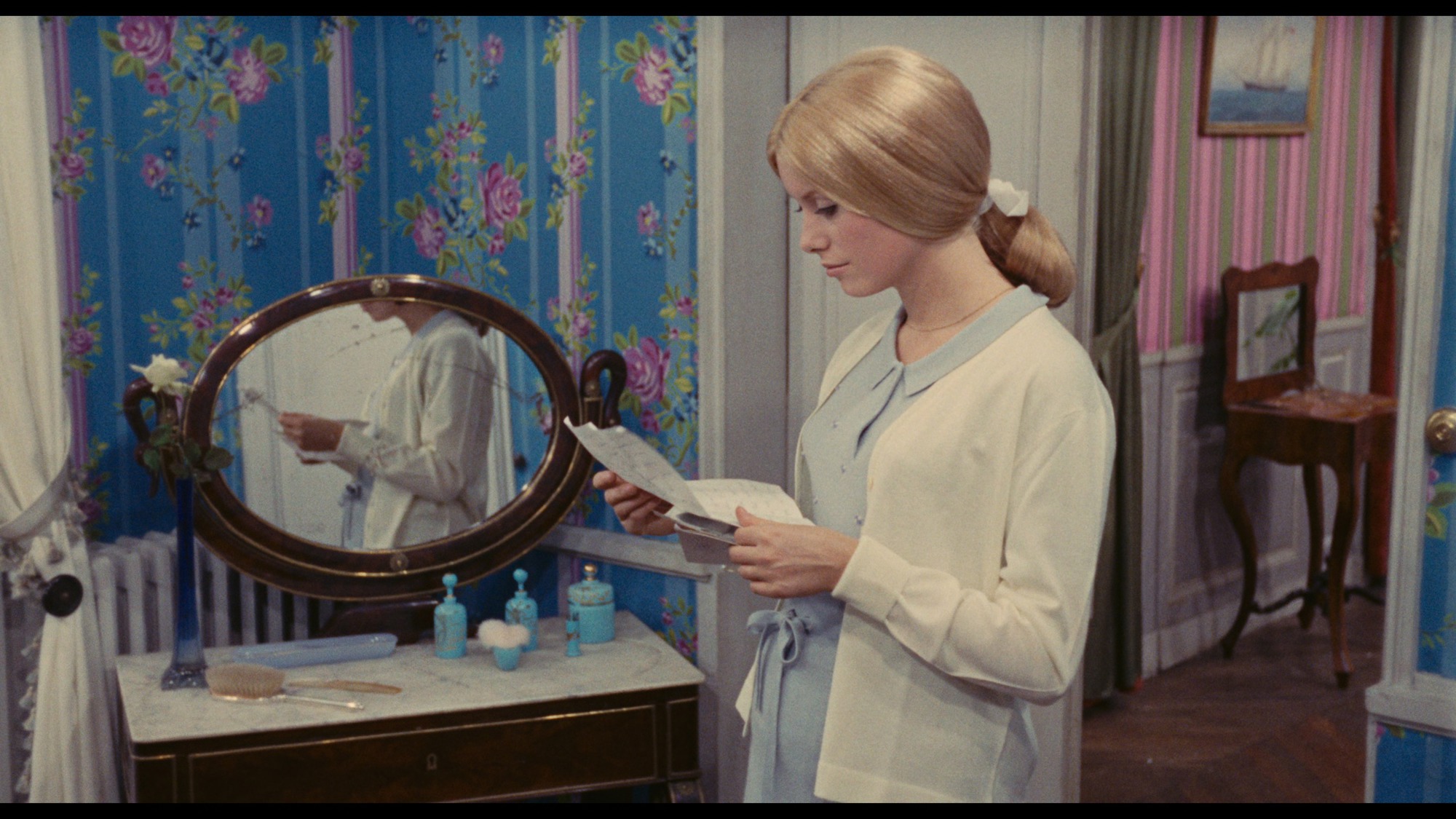
Criterion presents The Umbrellas of Cherbourg on 4K UHD in its original aspect ratio of 1.85:1, sourced from a new 4K restoration undertaken by Cine-Tamaris in 2024 with support from CNC, Chanel, and SACEM. The restoration was scanned from the original 35mm camera.
It’s a notable step up from the solid Blu-ray presentation (that I did give a perfect score at the time, though probably wouldn’t now). This newer presentation ends up being far cleaner and more stable, both in terms of the encode and the source elements. Though the Blu-ray still holds up reasonably well, it now comes off as noticeably noisier by comparison, with a rougher grain texture and occasional encoding artifacts. The 4K disc resolves film grain more cleanly and naturally, with fine patterns appearing tighter and more stable throughout. Print damage is minimal, though a handful of dupey shots do persist.
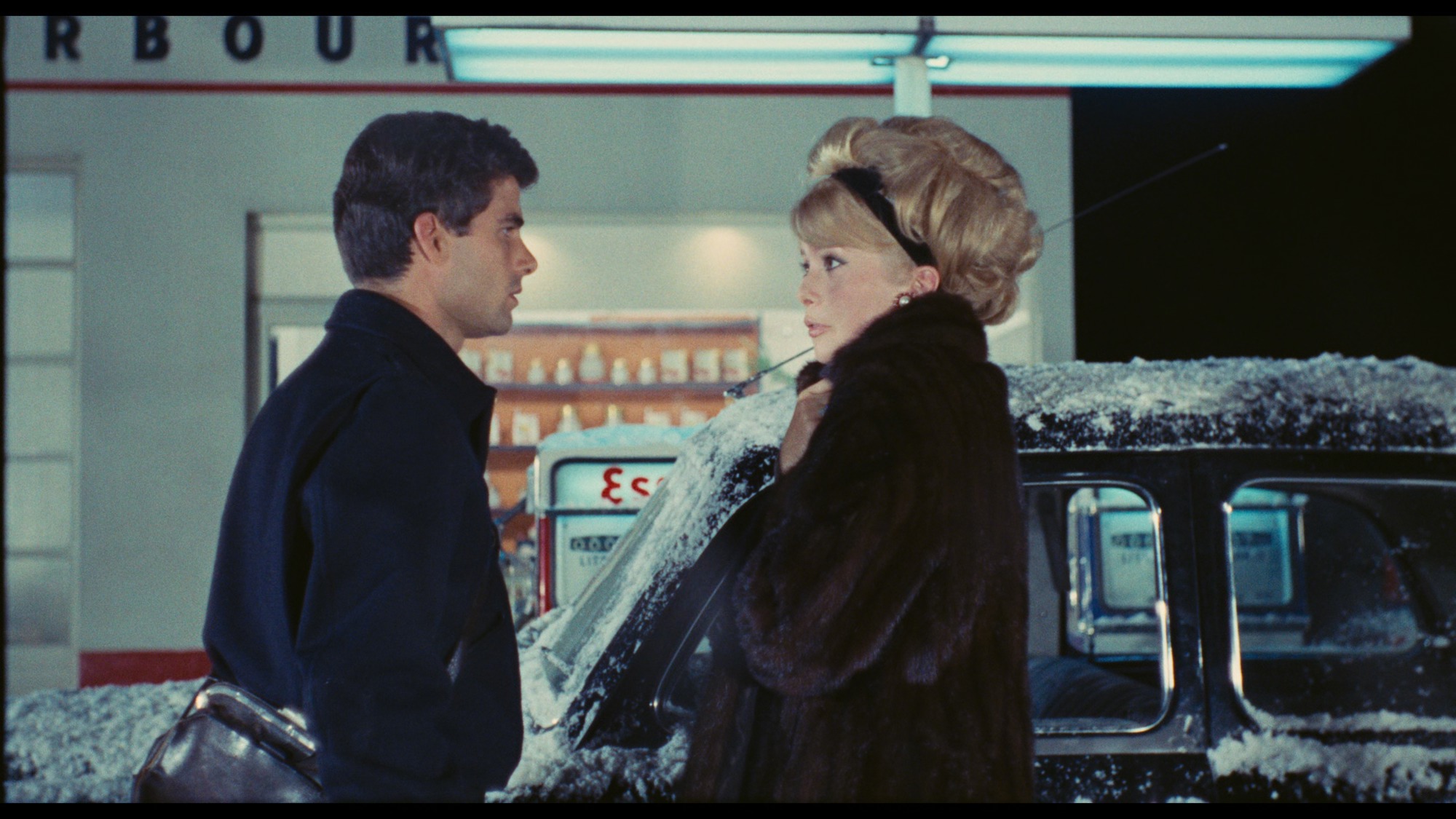
The film’s bold use of color, from its vivid pinks to its saturated blues and soft greens, still register beautifully here. While the color grading retains a subtle yellow hue (a trait consistent with previous restorations, correct or not), the overall color scheme remains vibrant and pleasing. Black levels are solid, with nicely rendered shadows and a decent sense of depth, even within the limitations of SDR.
If there’s one missed opportunity, it’s the absence of HDR. While the range is still impressive for SDR, a well-executed HDR grade could have brought an extra layer the saturated color design and lent more punch to some of the film’s softer lighting transitions. As it stands, the presentation still impresses, but it's easy to imagine how the wider range might have pushed it even further.
In all, this is an excellent upgrade, filmic in texture, beautifully colored, and a notable improvement over Criterion’s already-strong Blu-ray. It’s the best I’ve seen the film look on home video.
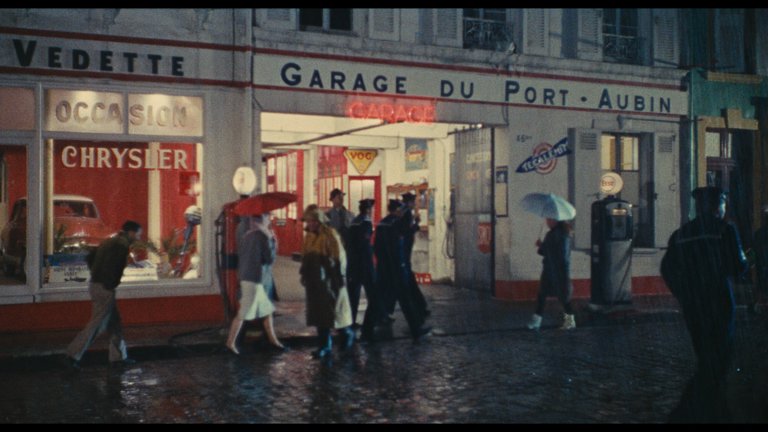
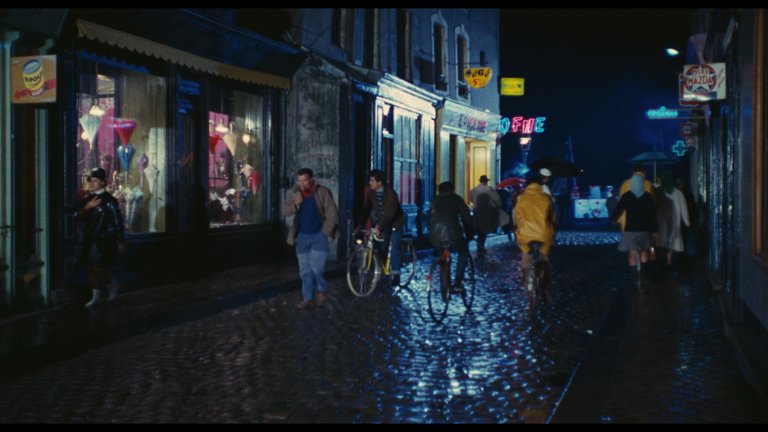
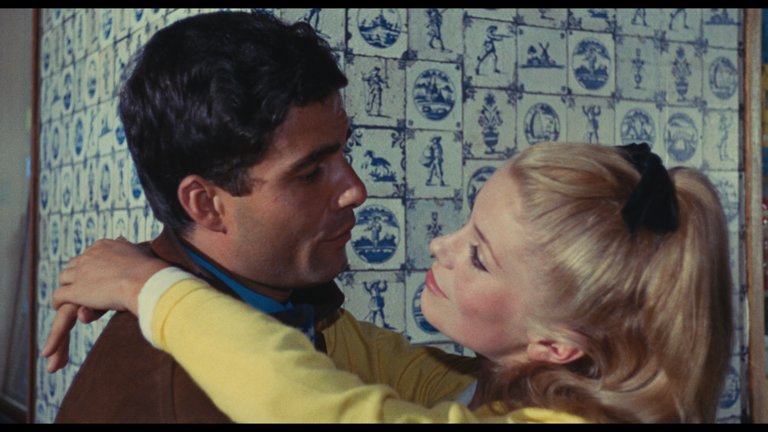
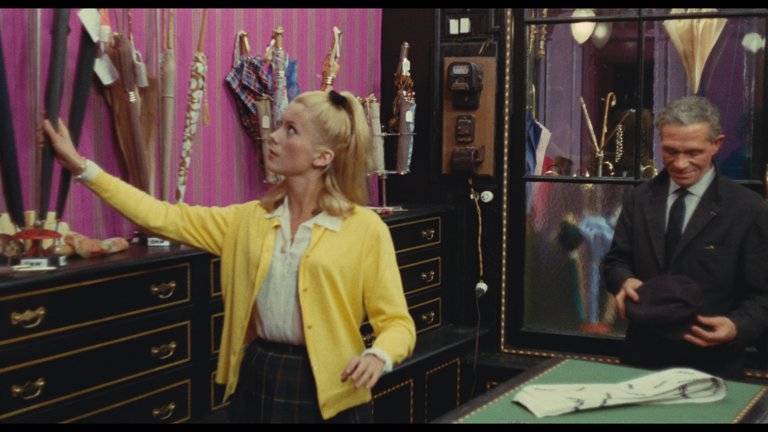
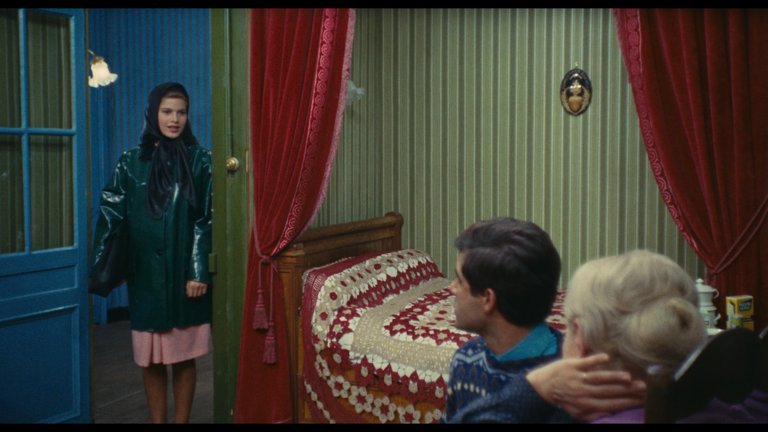
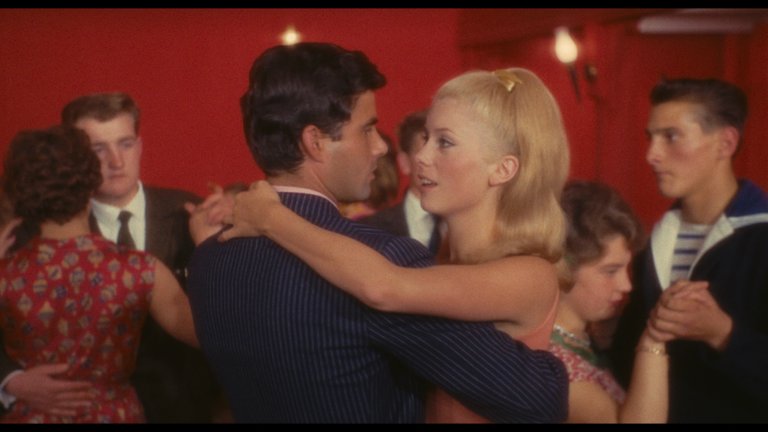
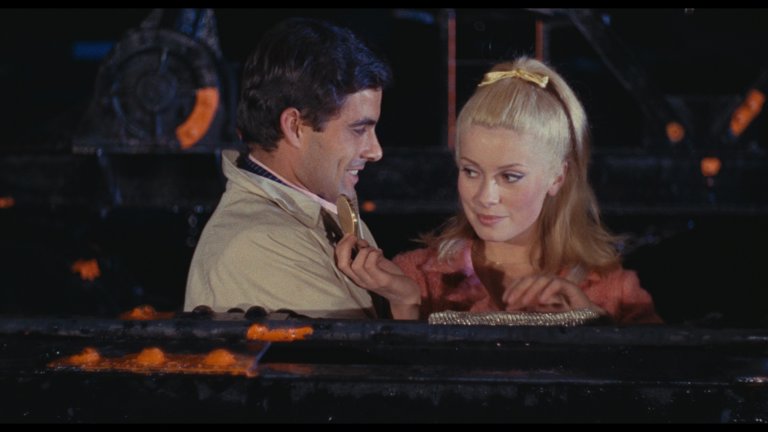
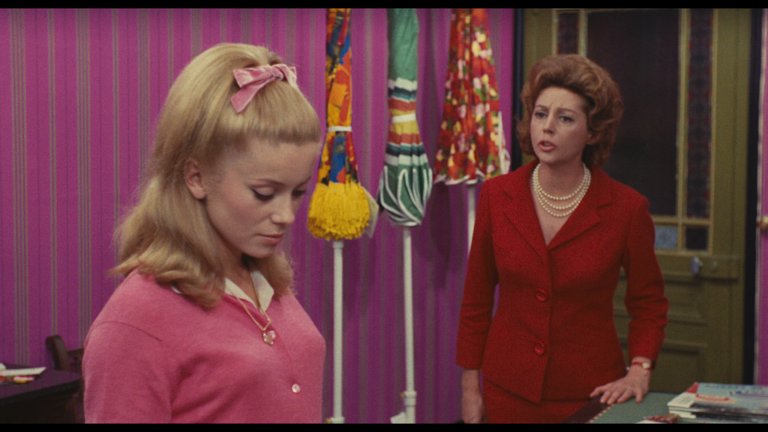
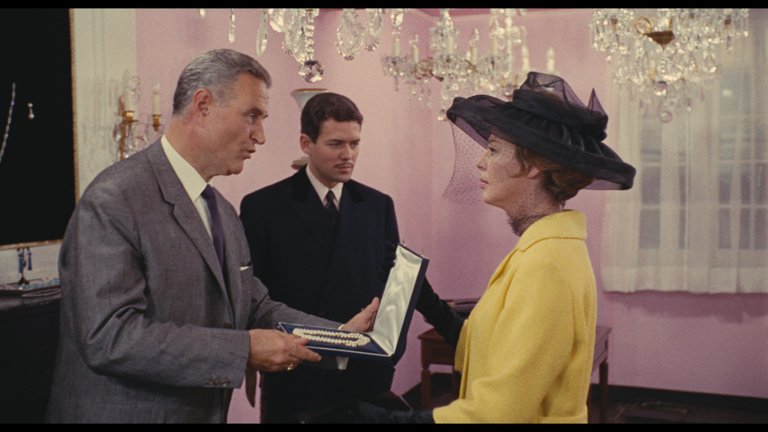
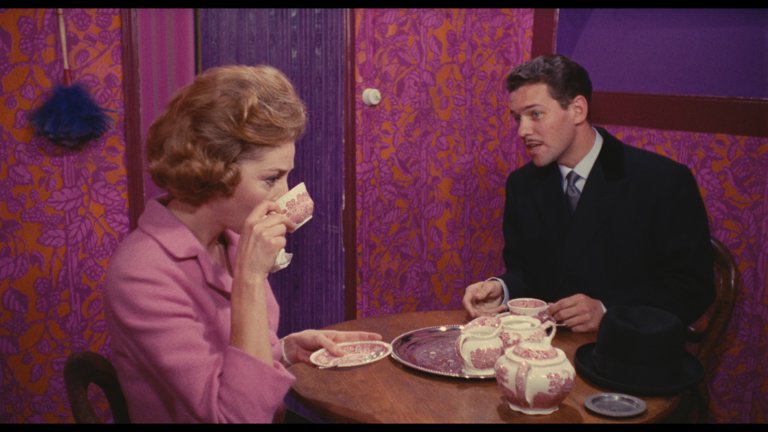
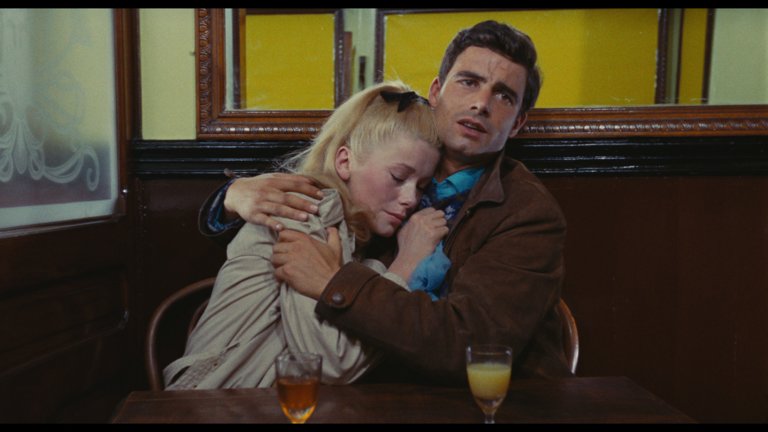
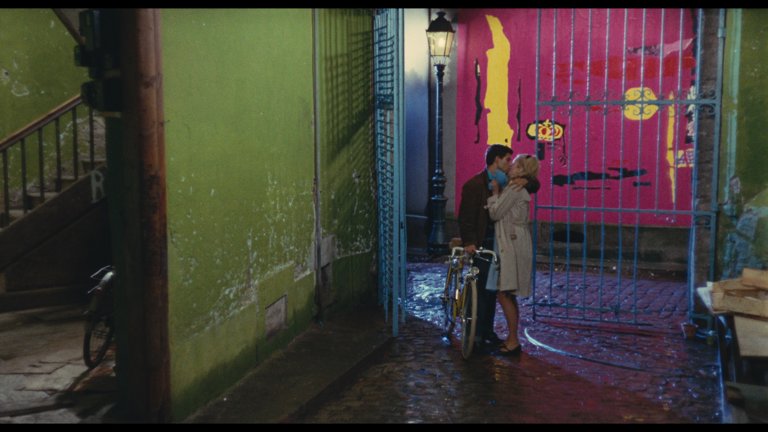
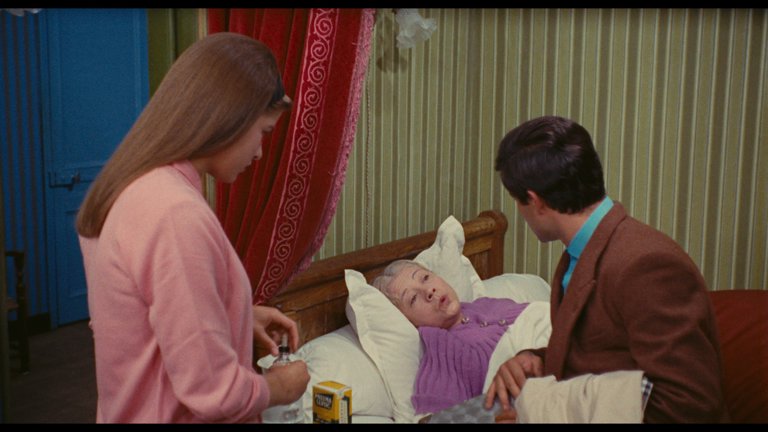
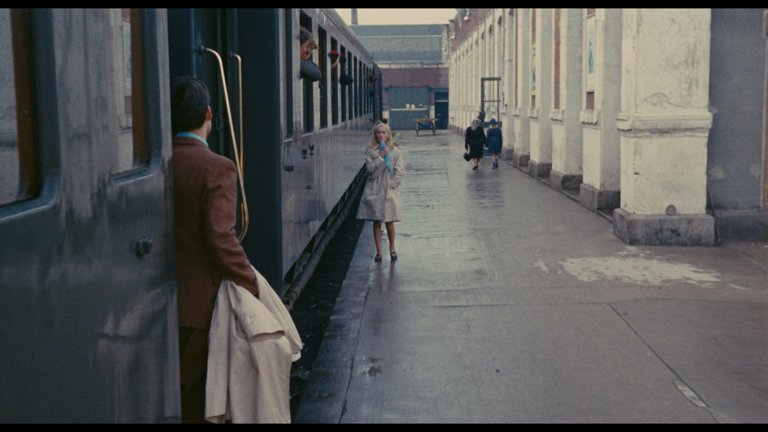
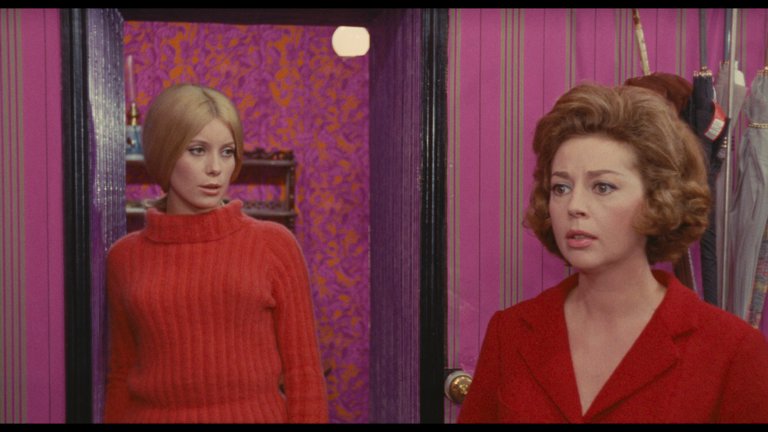
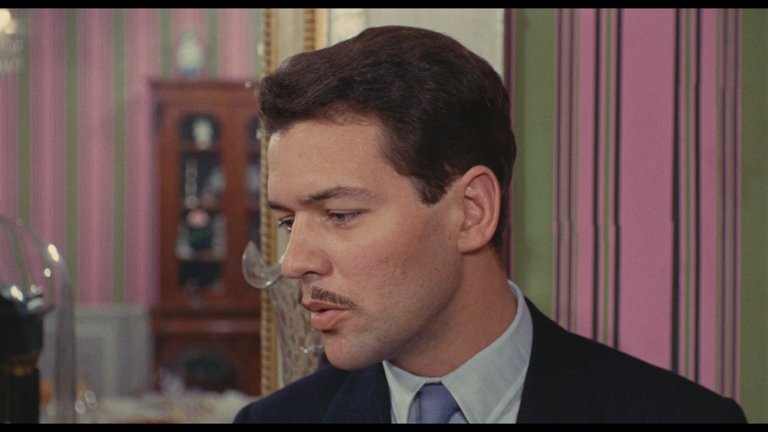
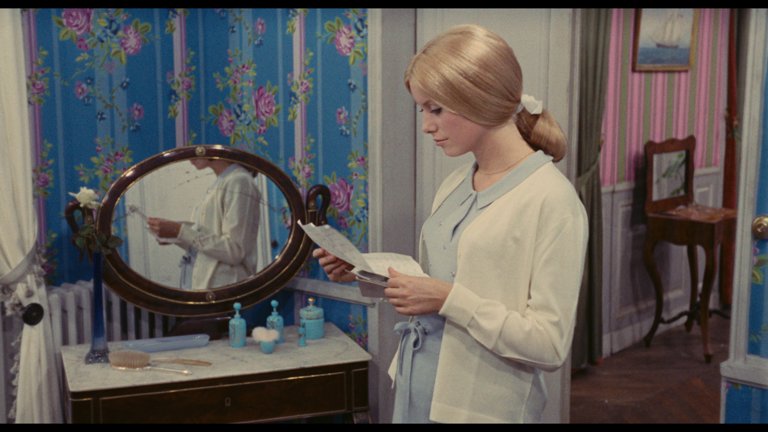
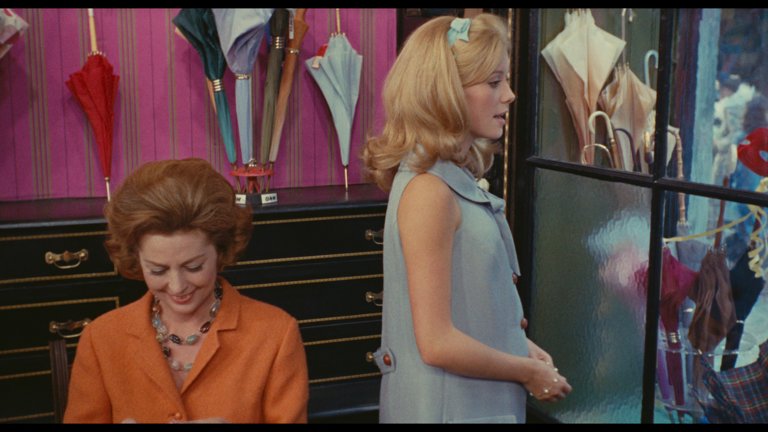
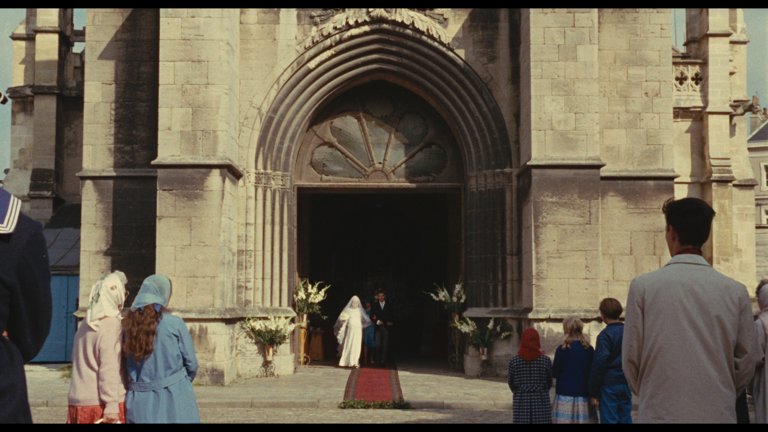
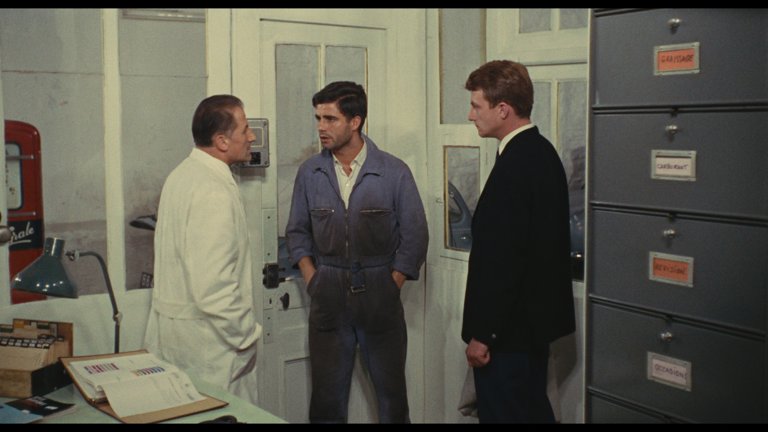
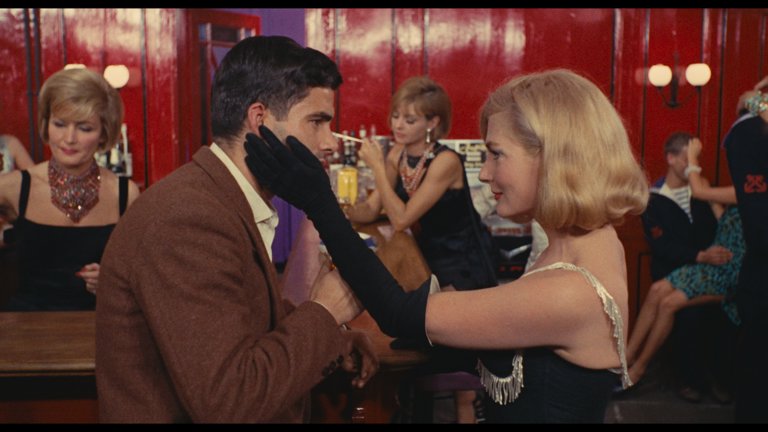
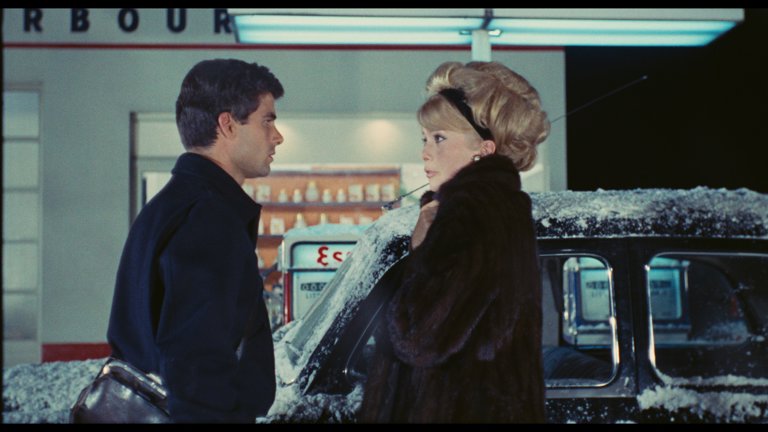
The Umbrellas of Cherbourg - Screen Captures
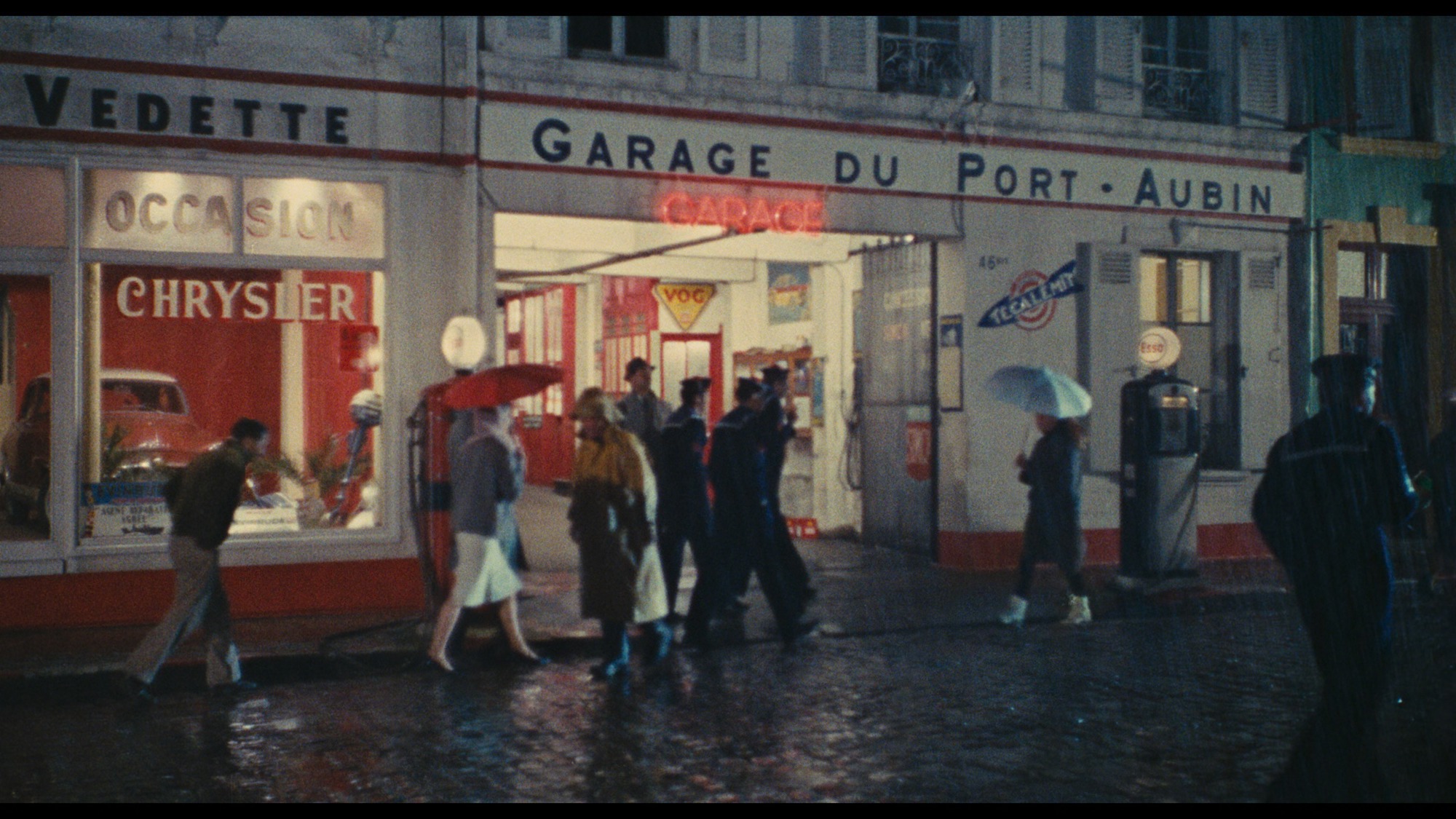
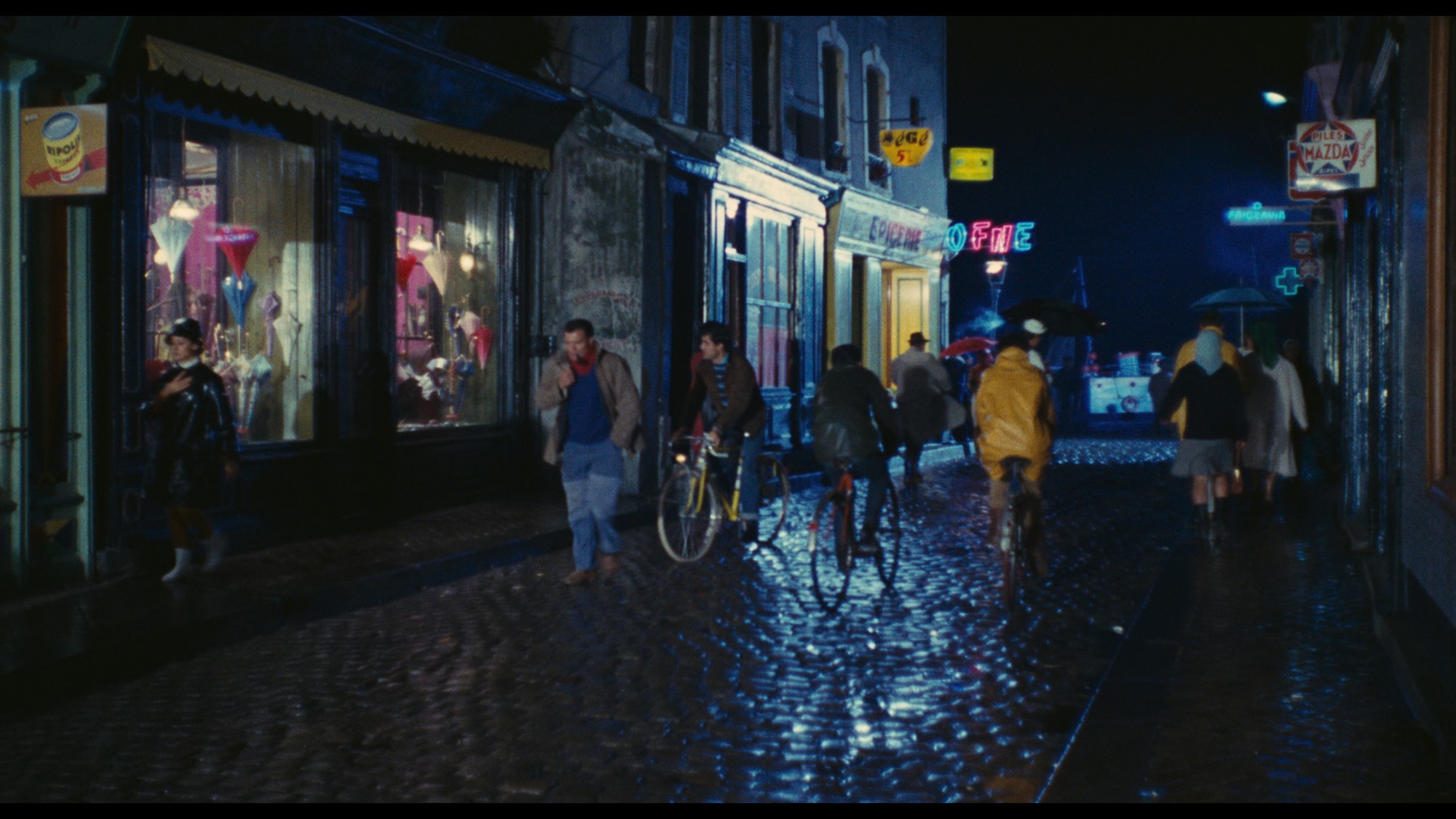
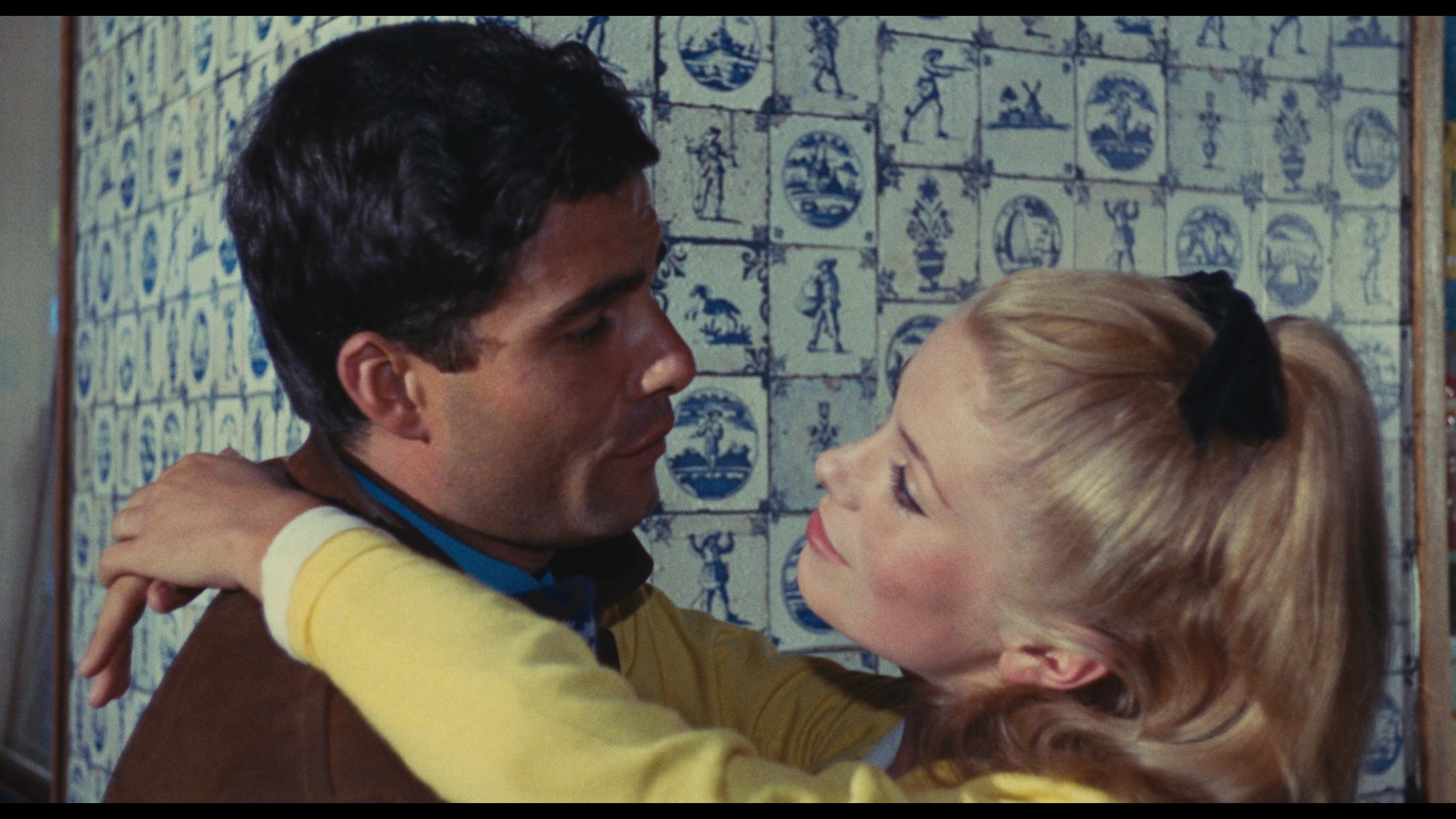
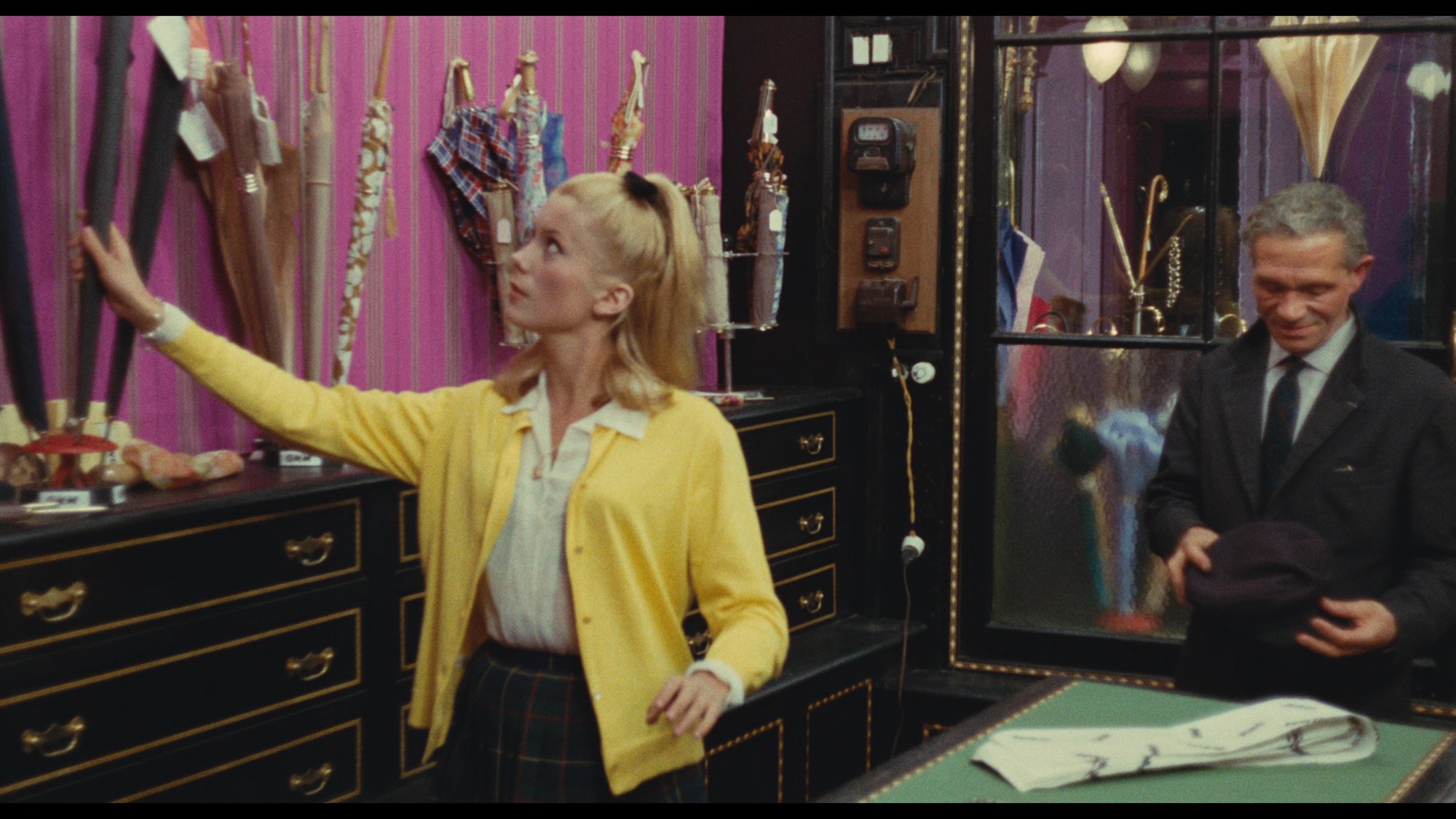
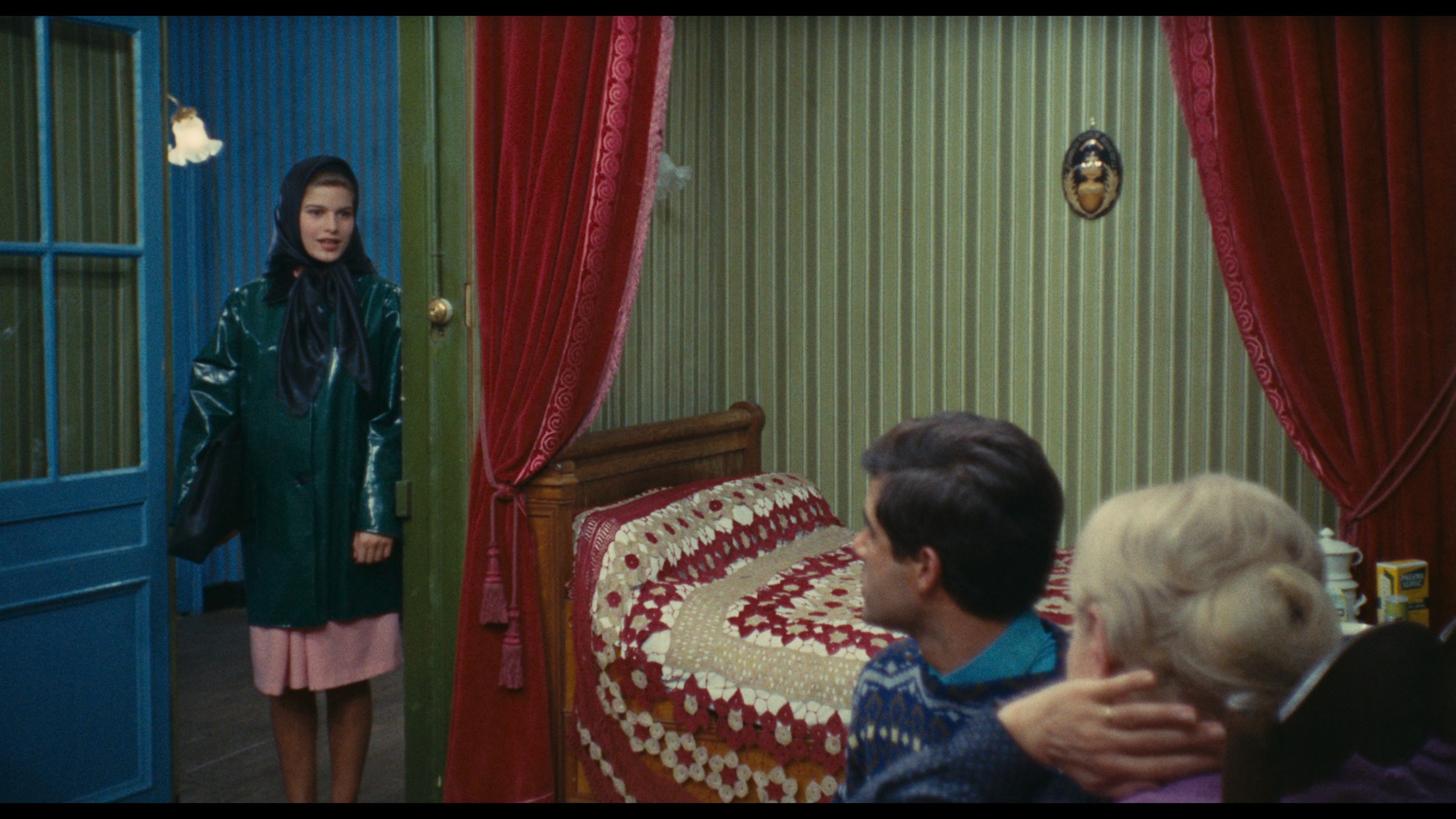
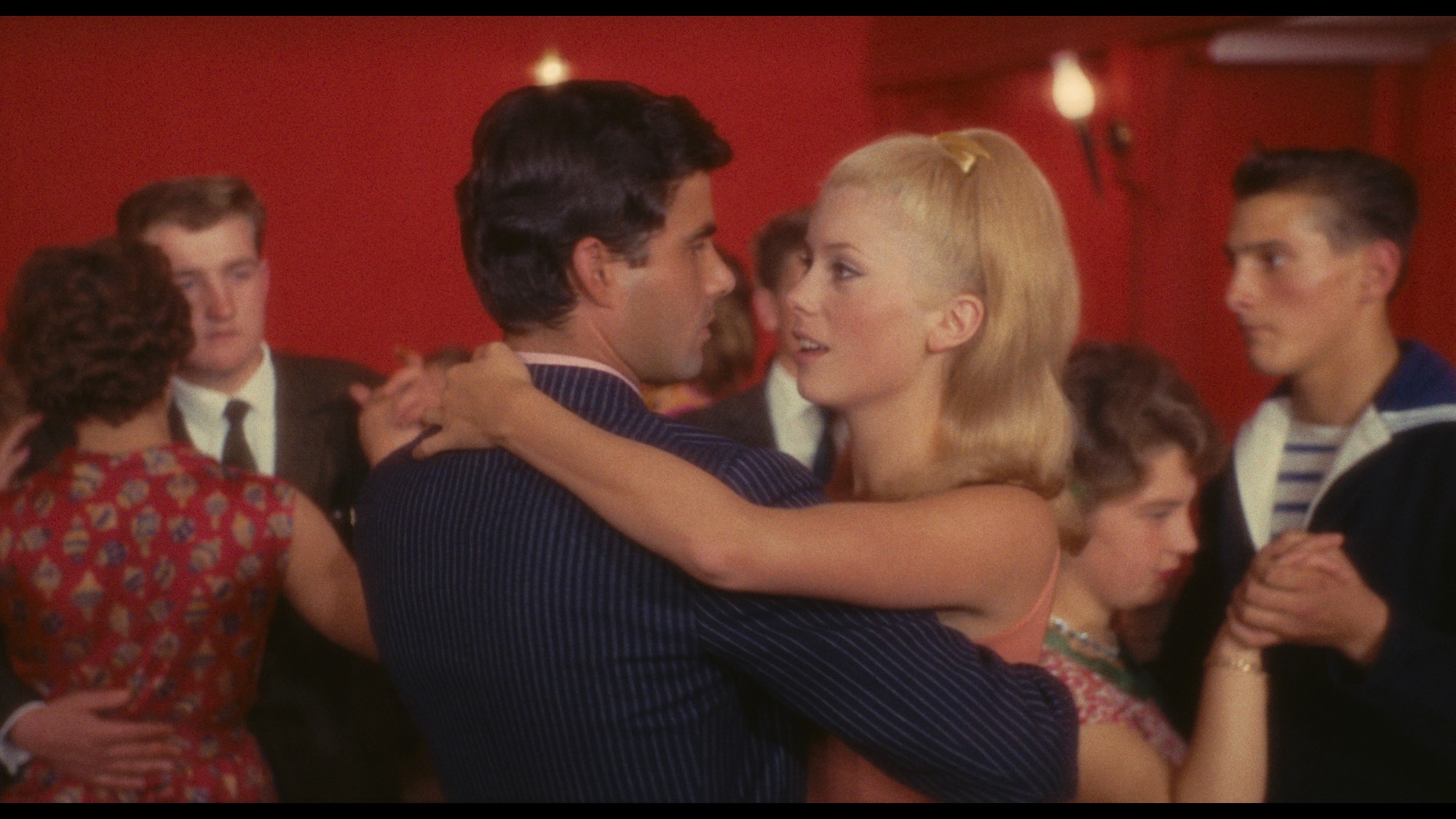
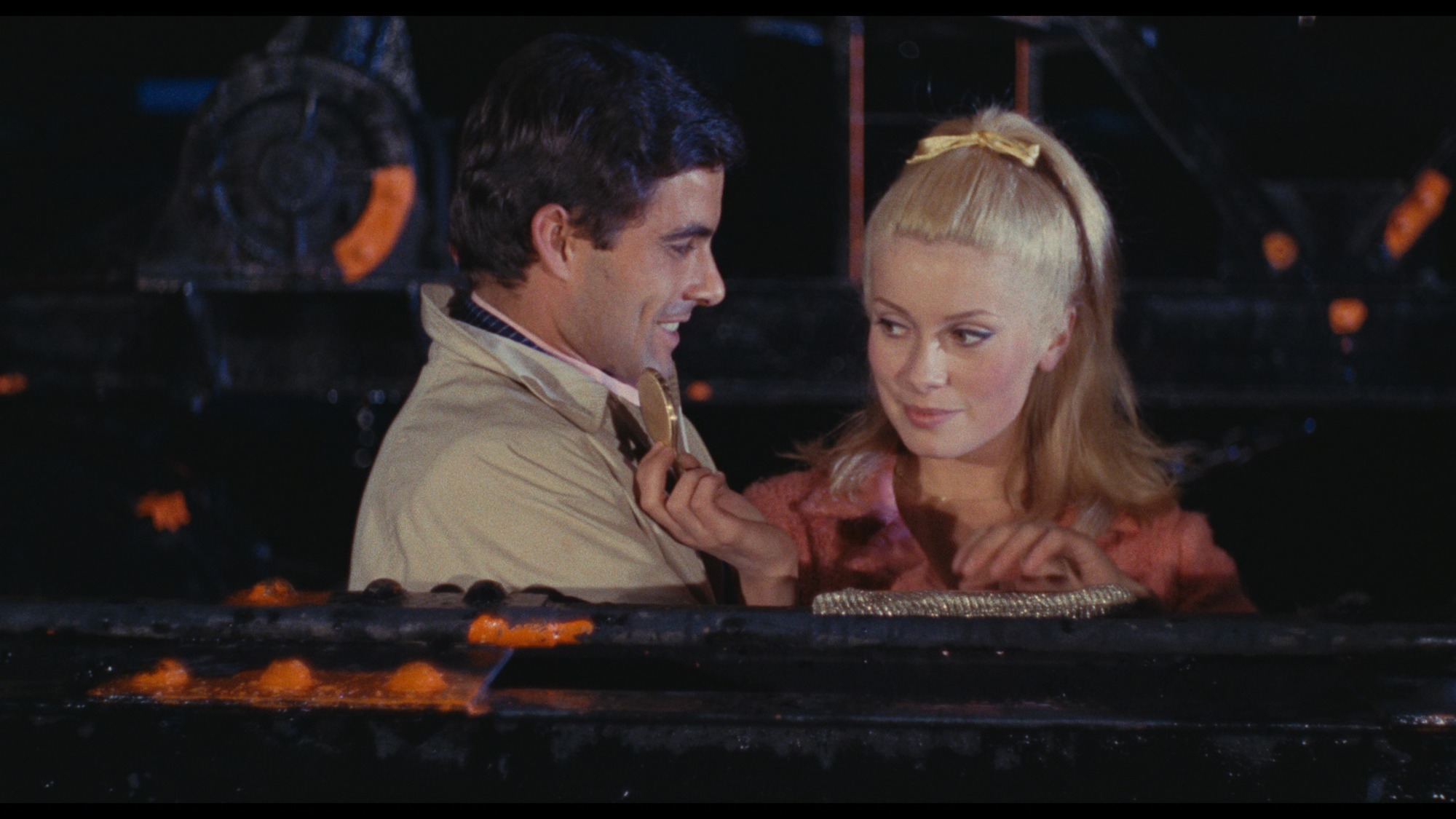
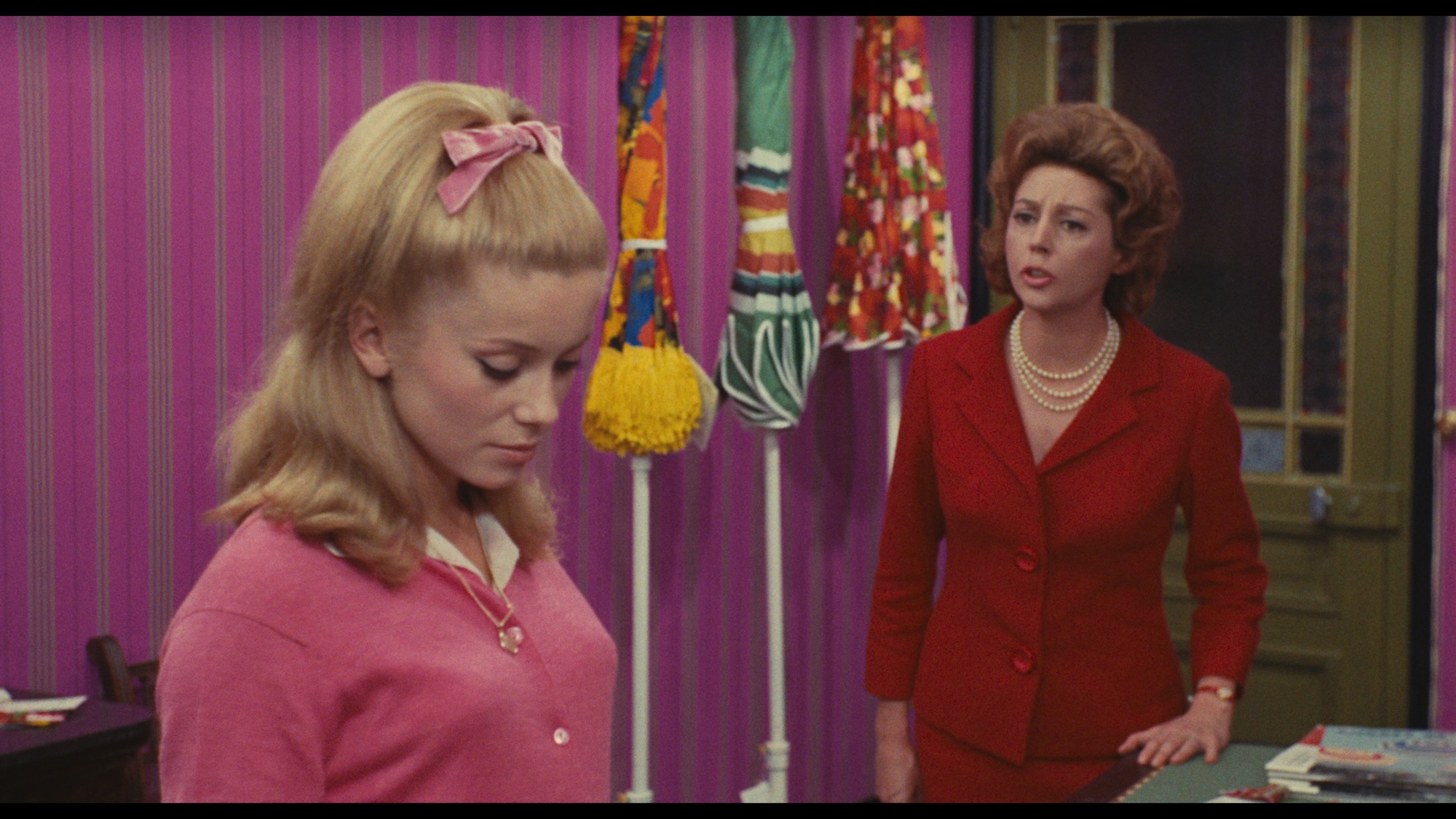
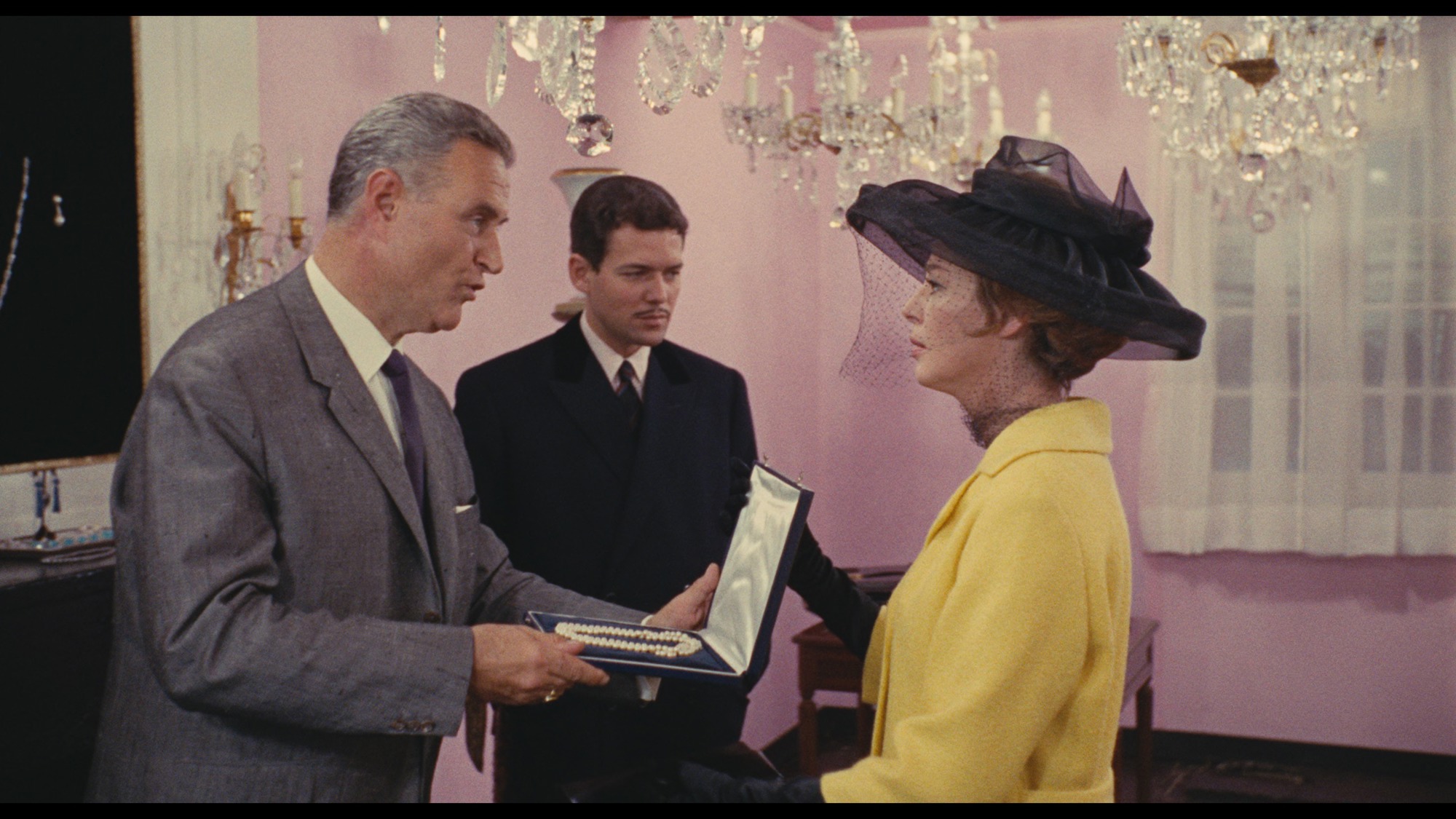
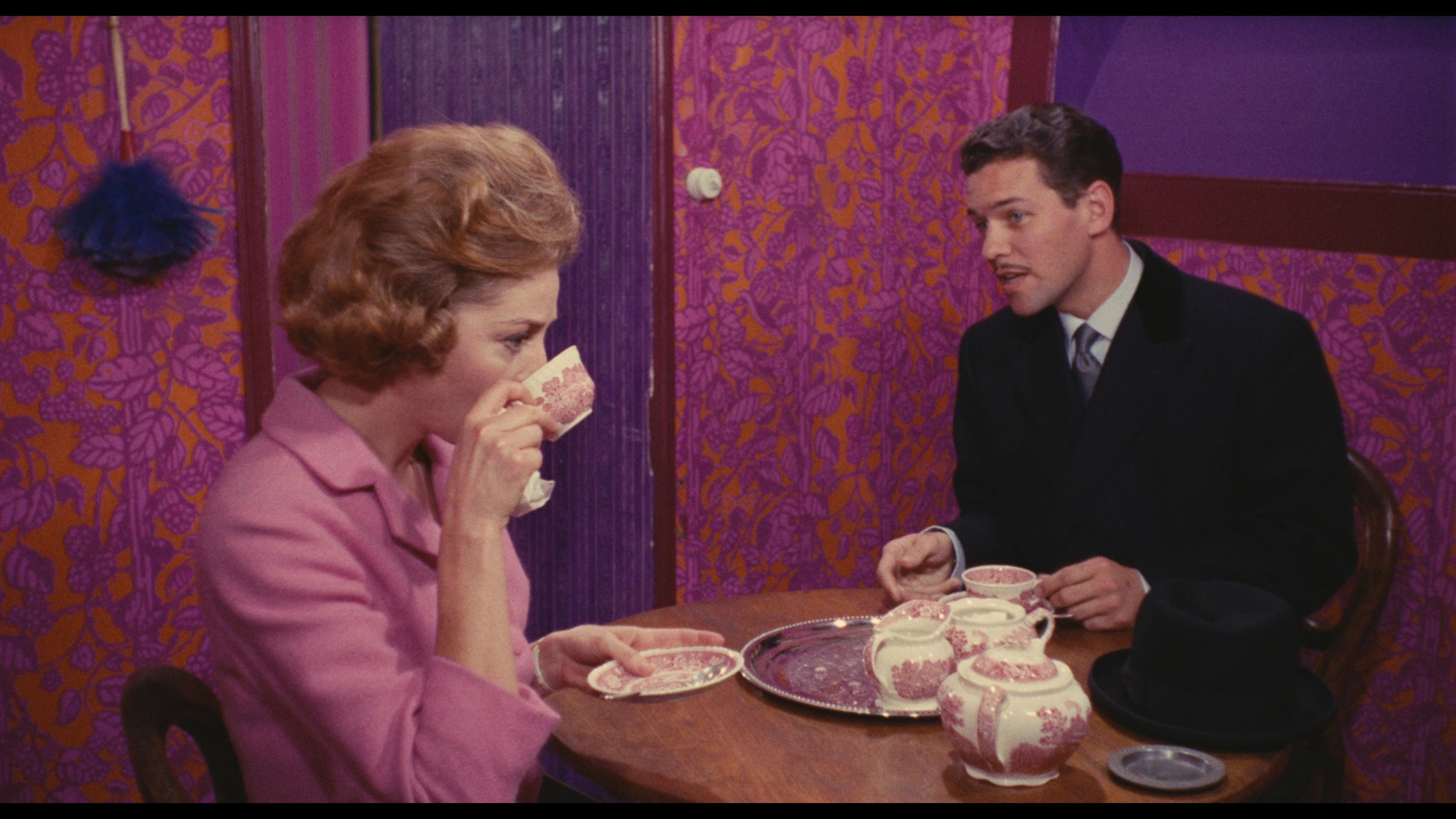
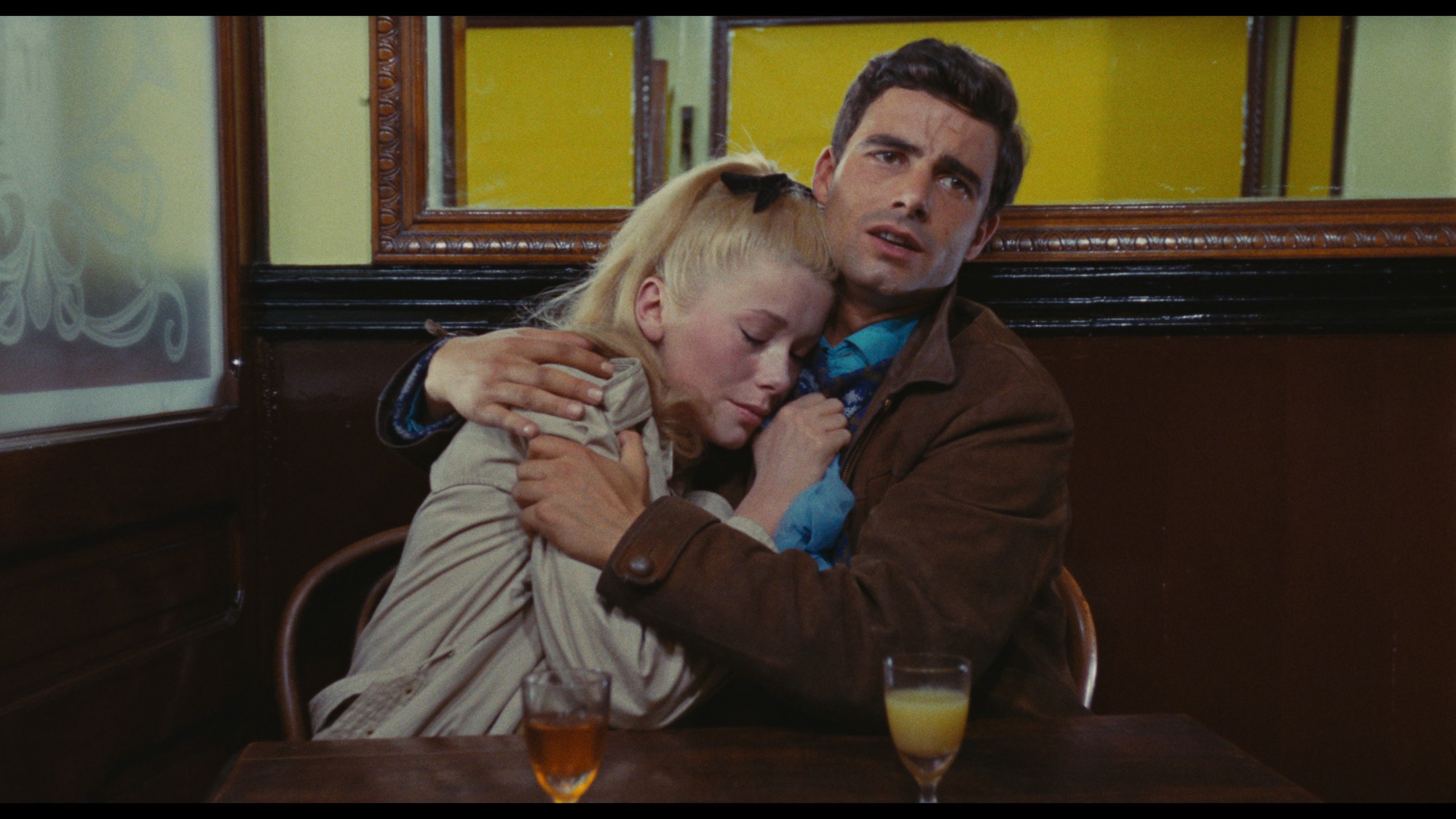
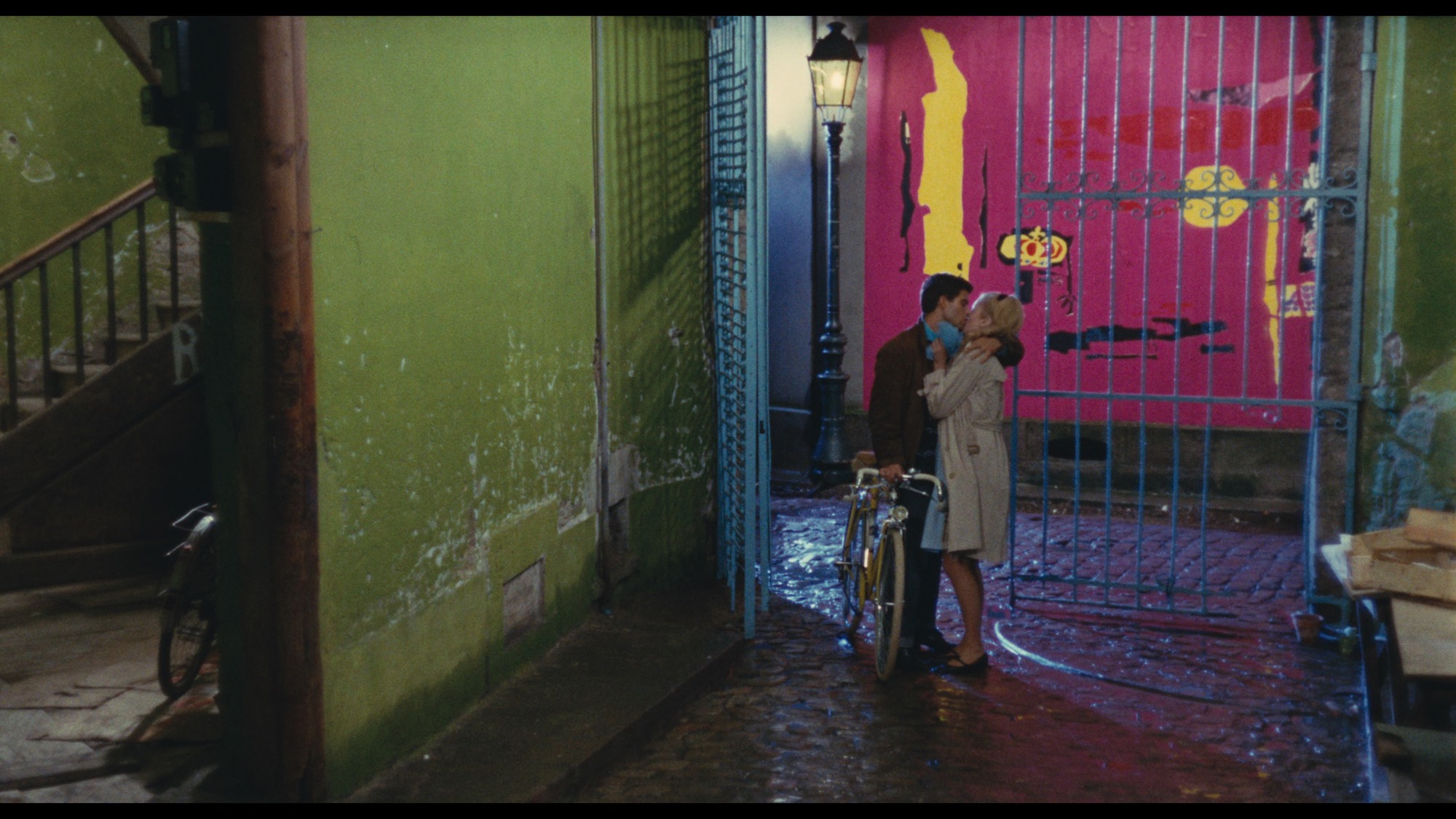
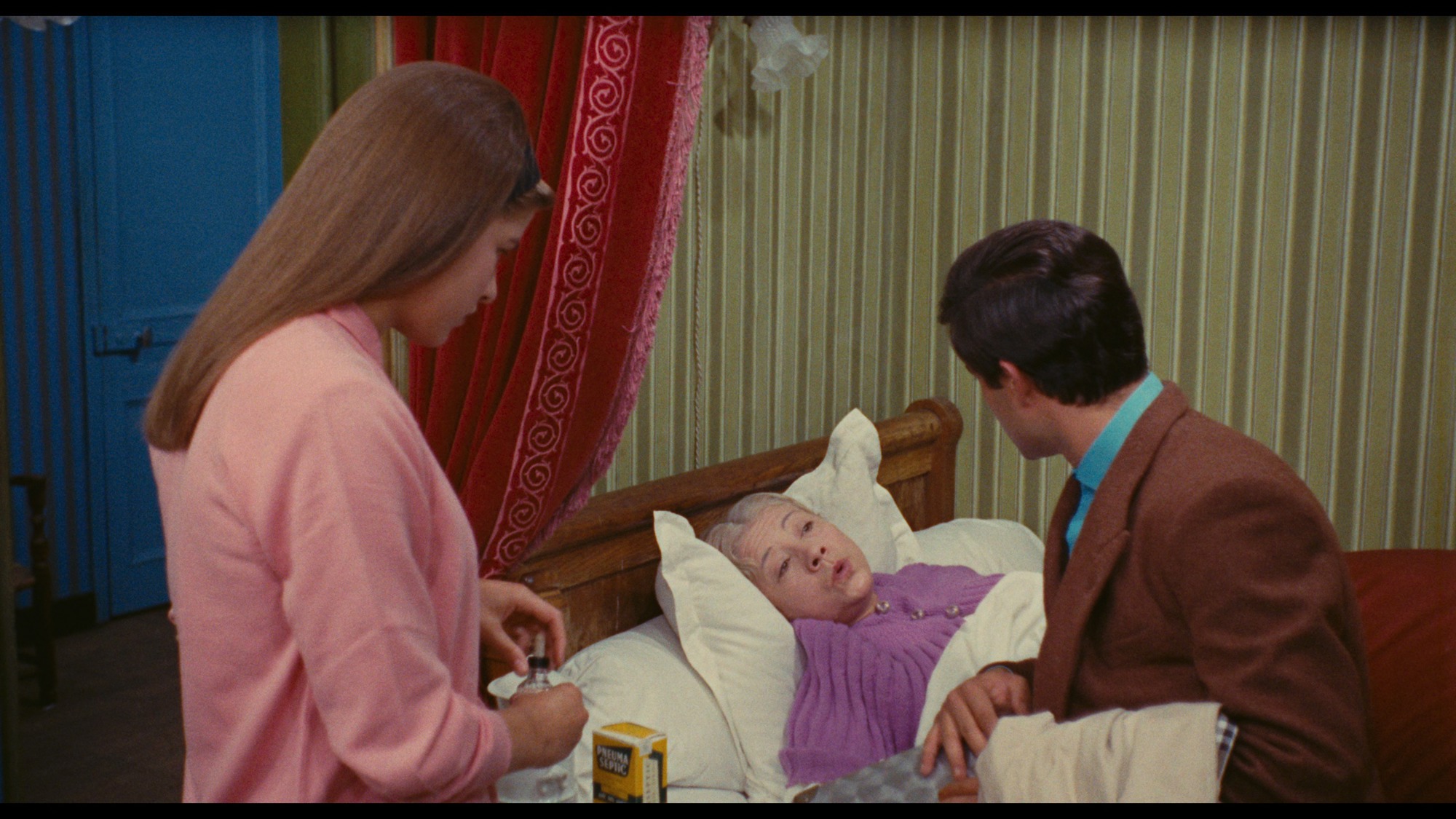
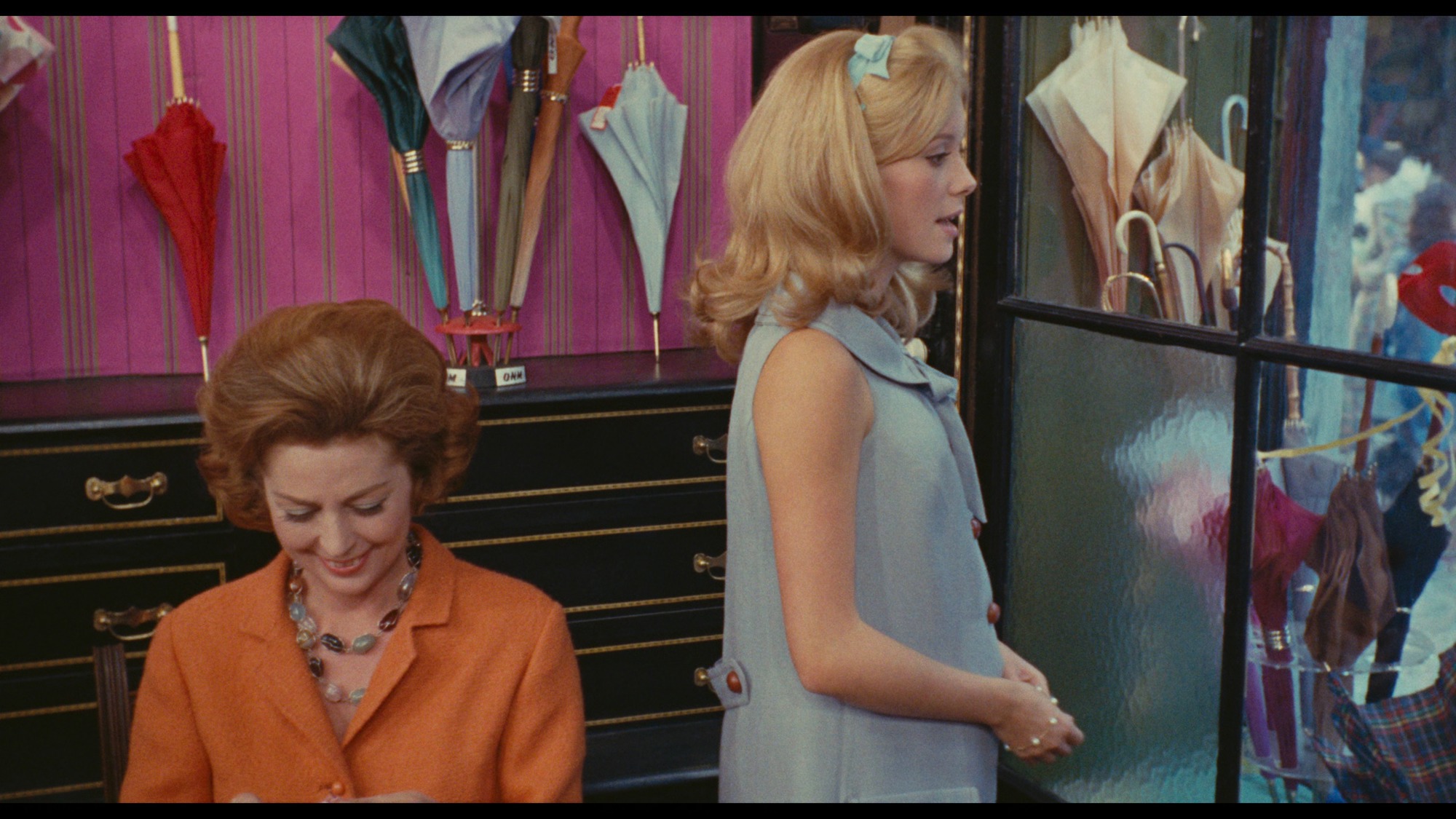
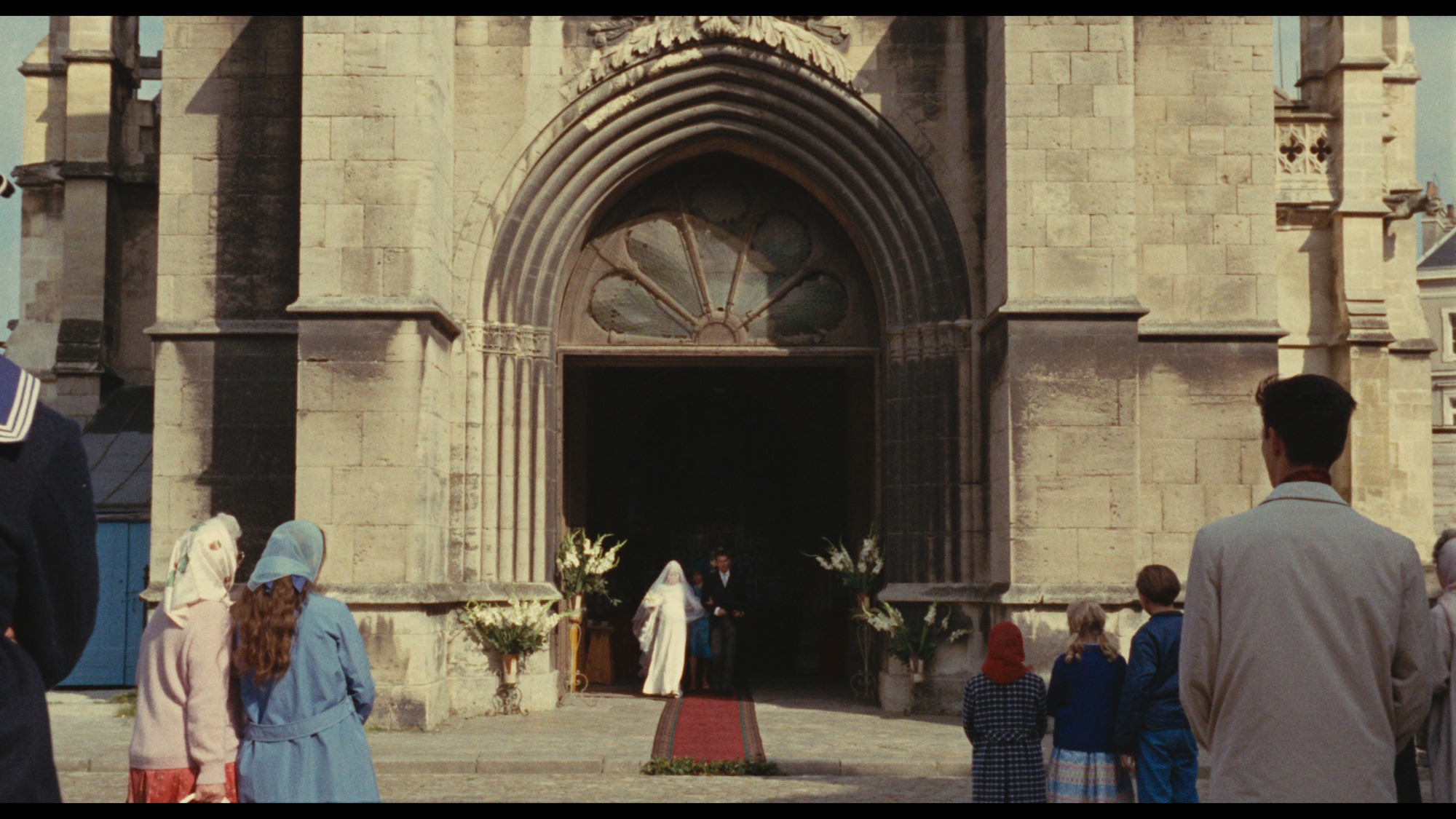
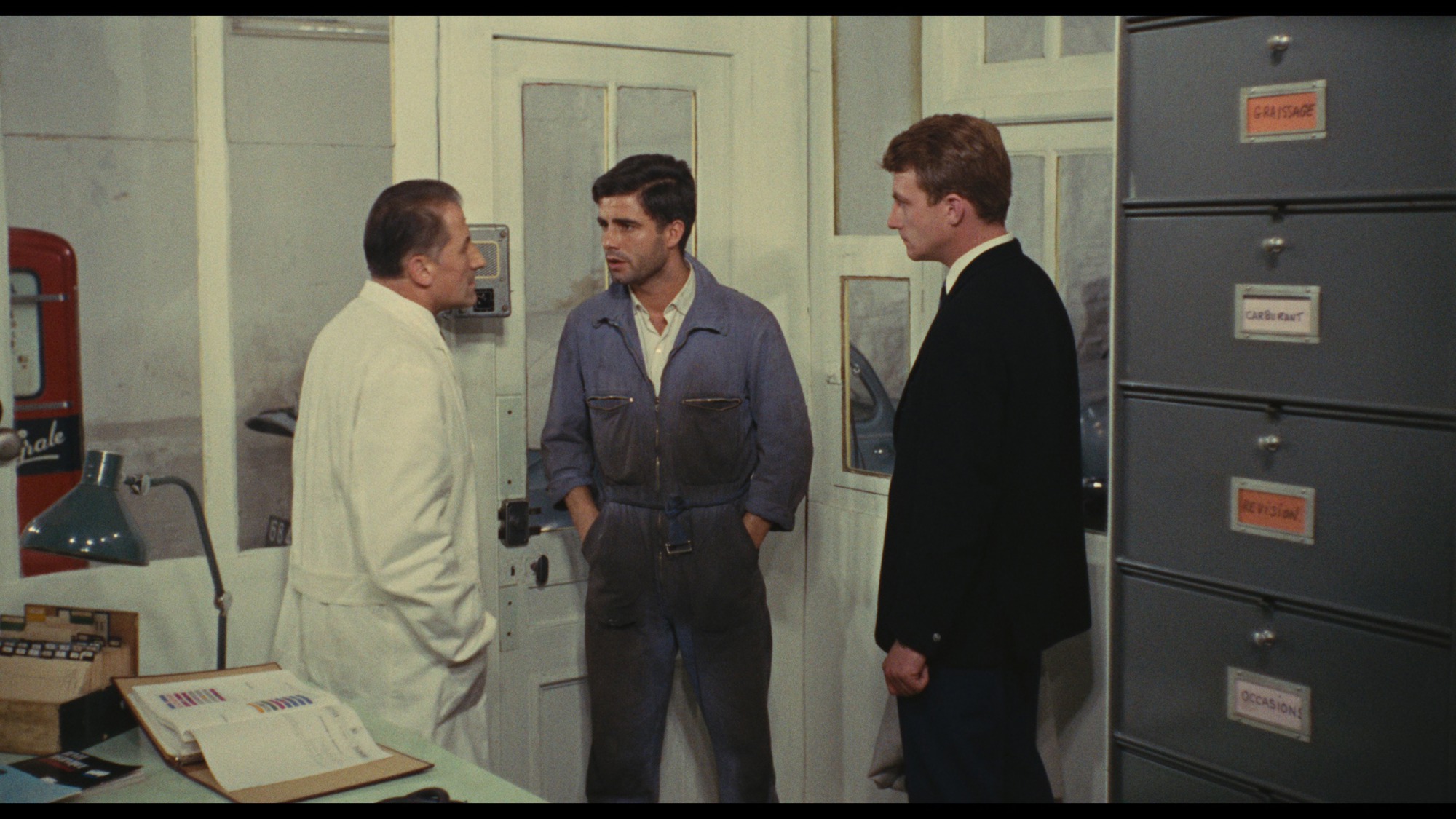
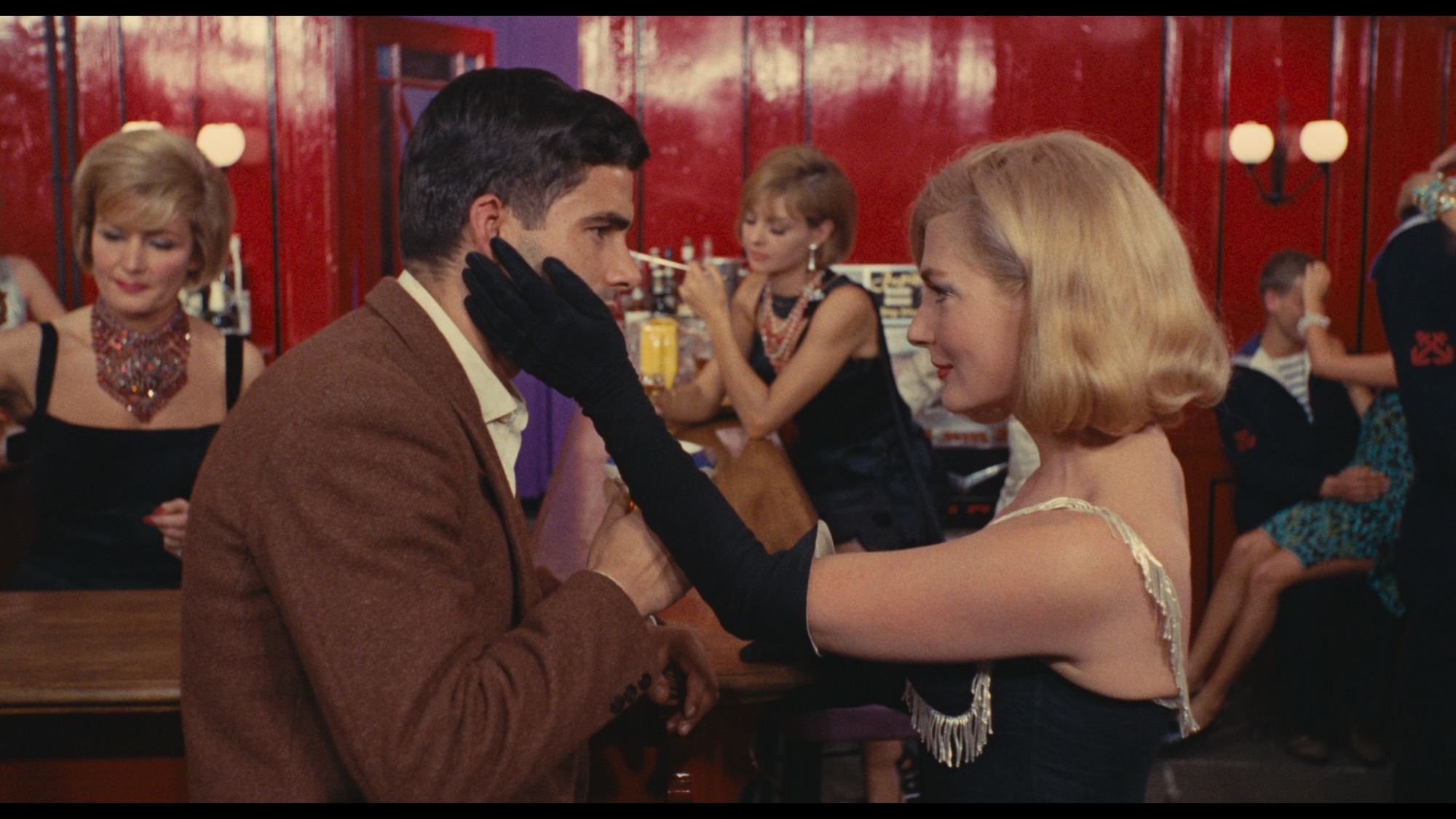
Audio 8/10
The film’s soundtrack has also undergone a fresh restoration and is presented here in DTS-HD MA 5.0 (housed in a 5.1 container). It sounds slightly sharper to my ears compared to the previous Blu-ray, though the difference isn’t dramatic; someone with more finely tuned hearing might pick up more. As before, the film’s sung-through “dialogue” stays mostly anchored to the center channel, while the music expands more broadly into the surrounds. Instrumentation is nicely placed within the mix, though the channel separation never draws much attention to itself.
That said, the track offers an impressive dynamic range, with no signs of heavy filtering or digital tampering. The restoration work has also cleaned up any traces of damage and everything sounds clean and vibrant.
Extras 8/10
All of the supplemental material is found on the included Blu-ray disc, which replicates Criterion’s 2014 box set and 2017 standalone release exactly, right down to the original menu design. As a result, no new features have been added, but this remains a strong collection of material.
Things begin with a 54-minute episode from the 2008 French television program A Film and Its Time, titled Once Upon a Time… “The Umbrellas of Cherbourg.” Much like other episodes from the series found across a few Criterion releases, this is more than a standard making-of. It offers a broader cultural and historical context for the film’s release, covering the state of France in the early ’60s (particularly the lingering malaise following the Algerian War) and how the film may have served as a kind of reprieve. It touches on the period’s musical trends, the rise of women’s rights, and the emergence of the French New Wave, exploring where Demy fits into that movement, even if his more stylized later works diverged from its norms. The documentary also includes production details, including the casting of Catherine Deneuve, the film’s reception, and an interview with Michel Legrand about composing the score.
Following that is a 23-minute interview with film scholar Rodney Hill. Hill offers a primer on the French New Wave, its origins, and its defining characteristics—personal storytelling, low-budget aesthetics, nontraditional editing, cinephilic references—and explores how Demy’s early films, like Lola and Bay of Angels, fit within that framework. He argues persuasively that even the more polished and stylized Umbrellas of Cherbourg still aligns with many of those principles, despite often being overlooked in discussions of the movement. Whether or not you agree with labeling Demy a New Wave filmmaker, Hill’s interview provides a helpful overview of the period and where Demy’s work sits in relation to it.
Also included is a 1964 archival interview with Demy and Legrand from the French program Cinépanorama. Lasting about 11 minutes, the two discuss the decision to structure the film as an all-sung musical. The interviewer fixates a bit too much on whether scoring films is a lesser pursuit for a composer (a point Legrand politely pushes back on), but the conversation is lively and revealing, even touching on whether Demy sings in the shower.
Two additional audio-only features present conversations with Michel Legrand (from 1991) and Catherine Deneuve (from 1983), both recorded at the National Film Theatre. Legrand’s 27-minute segment is a career overview, where he shares personal stories about his upbringing, his introduction to film scoring, and his collaborations with New Wave directors. He amusingly recalls seeing Lola for the first time in silent form, with Demy performing all of the dialogue himself due to lack of funds. Deneuve’s 11-minute segment is shorter but offers a heartfelt reflection on her introduction to acting (thanks to her sister), and her experiences filming Umbrellas, which she remembers fondly as one of the most formative periods of her career. She also discusses how the film taught her to act for the camera, one of the key lessons she took into future roles.
Also carried over is a 6-minute restoration demonstration, which shows off the process used to clean and color-grade the film while apparently staying faithful to Demy’s intentions; this of course is in reference to the older restoration. The disc closes with the film’s theatrical trailer. As before, Criterion includes an insert featuring an essay by Jim Ridley.
Though there’s nothing new here, it’s still a solid set of supplements, and among the stronger offerings from the Essential Jacques Demy box. That said, it wouldn’t have been unwelcome to see a few updates or new additions for this 4K release.
Closing
Criterion’s 4K upgrade of The Umbrellas of Cherbourg delivers a stunning new restoration with improved clarity and even more vibrant colors, despite a missed opportunity for HDR. While the supplements remain unchanged from previous editions, they’re still strong.
BUY AT: