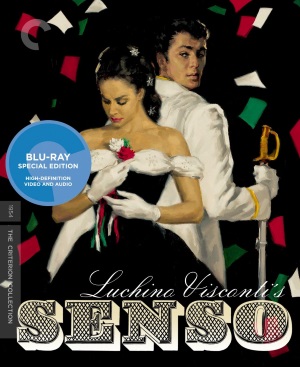
Senso
BUY AT:


See more details, packaging, or compare
Synopsis
This lush, Technicolor tragic romance from Luchino Visconti stars Alida Valli as a nineteenth-century Italian countess who, during the Austrian occupation of her country, puts her marriage and political principles on the line by engaging in a torrid affair with a dashing Austrian lieutenant, played by Farley Granger. Gilded with ornate costumes and sets and a rich classical soundtrack, and featuring fearless performances, this operatic melodrama is an extraordinary evocation of reckless emotions and deranged lust, from one of the cinema’s great sensualists.
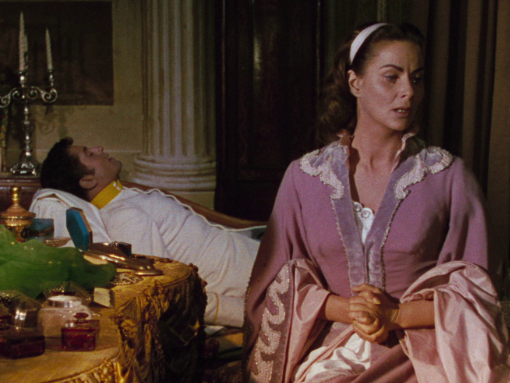
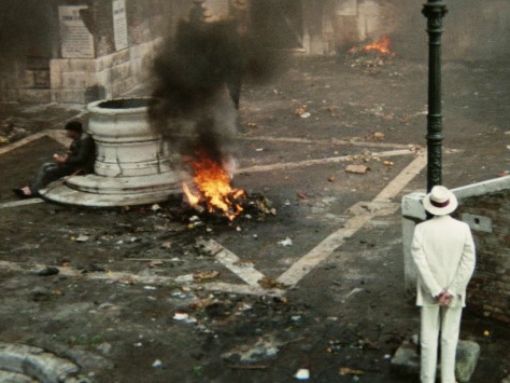
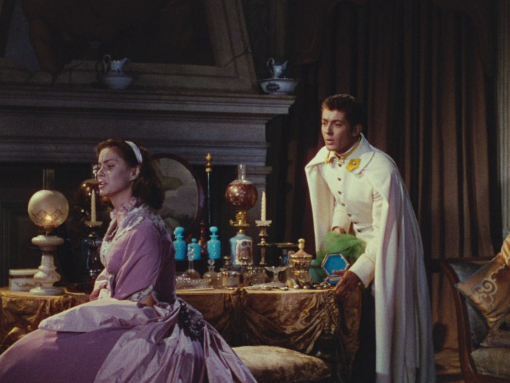
Picture 7/10
Luchino Visconti’s Senso comes to Blu-ray from Criterion in its original aspect ratio of about 1.33:1 on this dual-layer disc. The image is presented in 1080p/24hz.
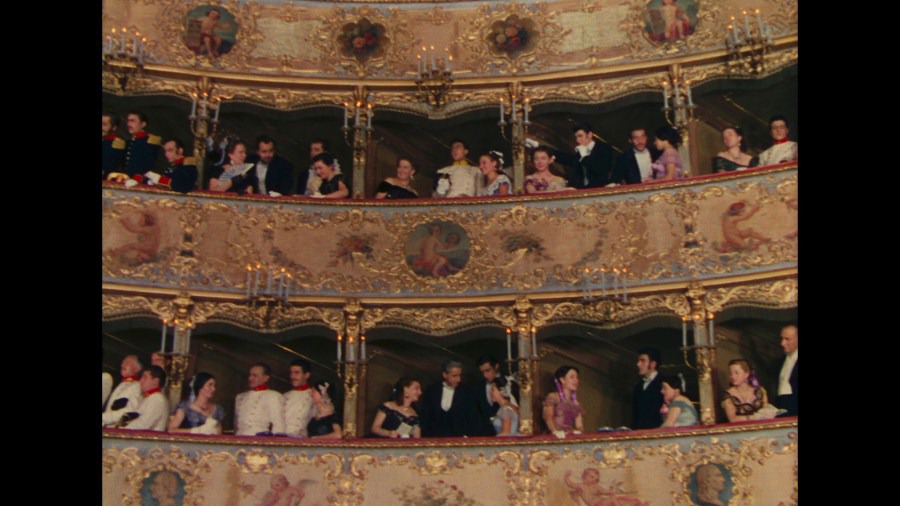
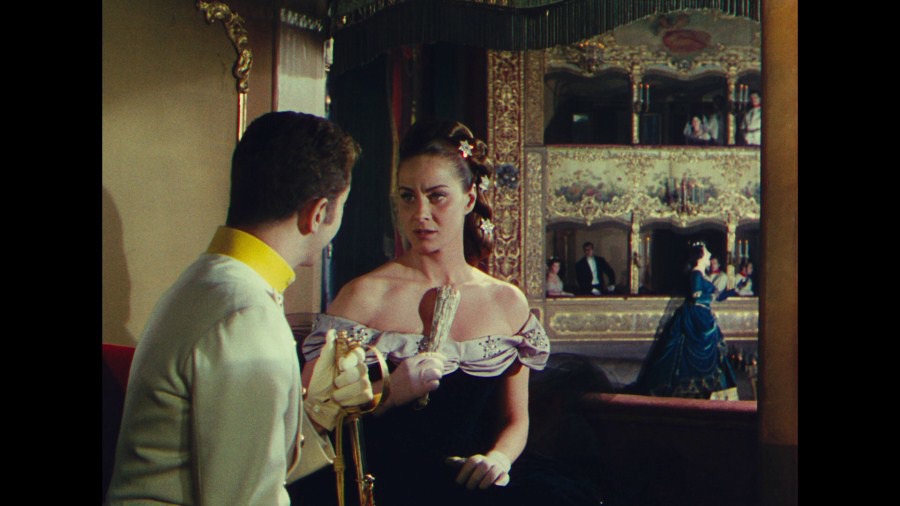
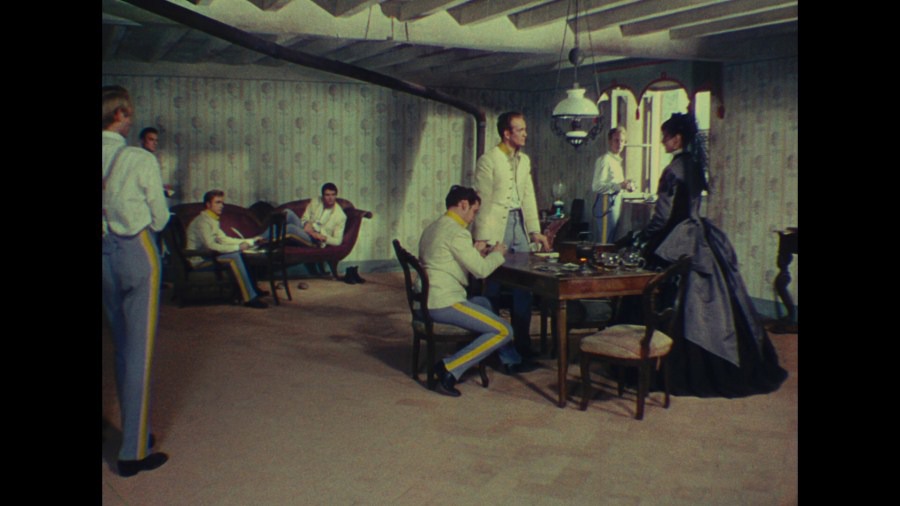
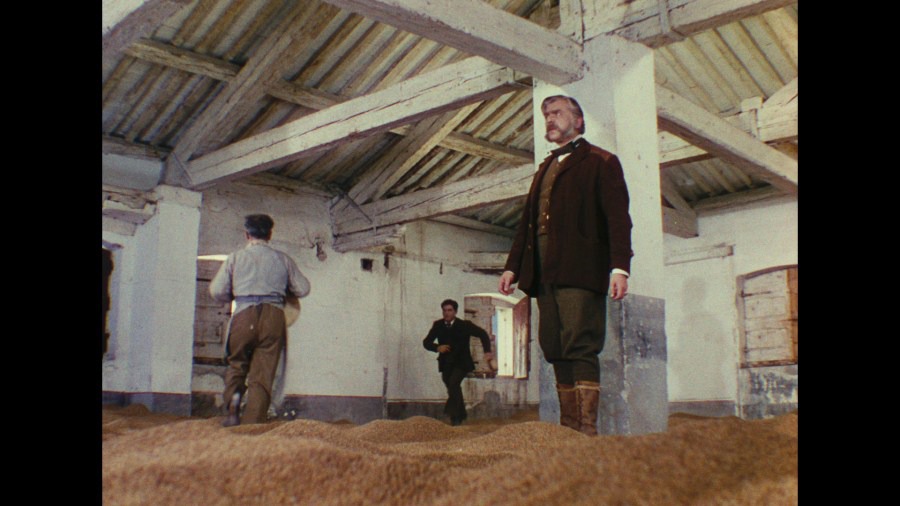
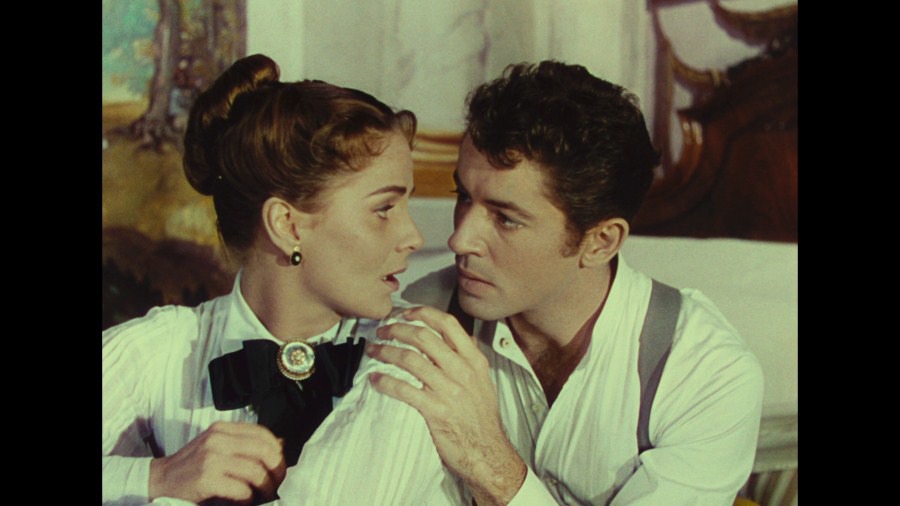
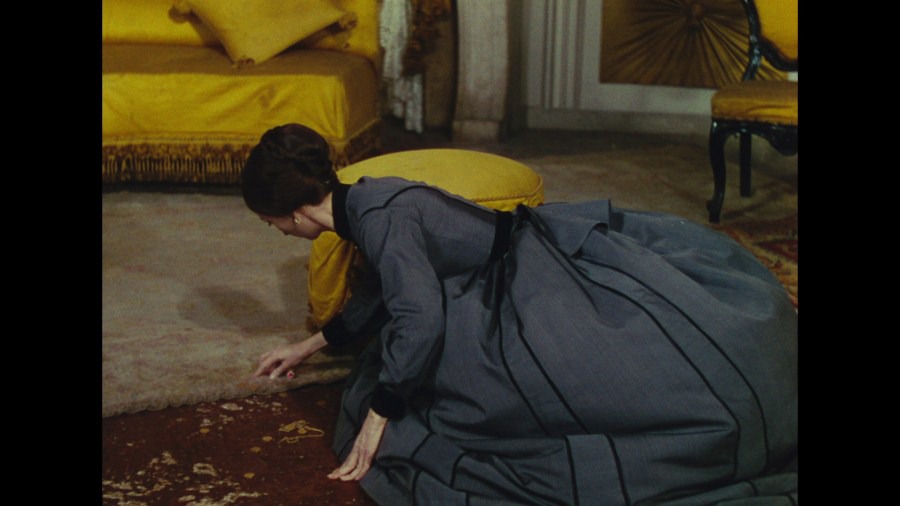
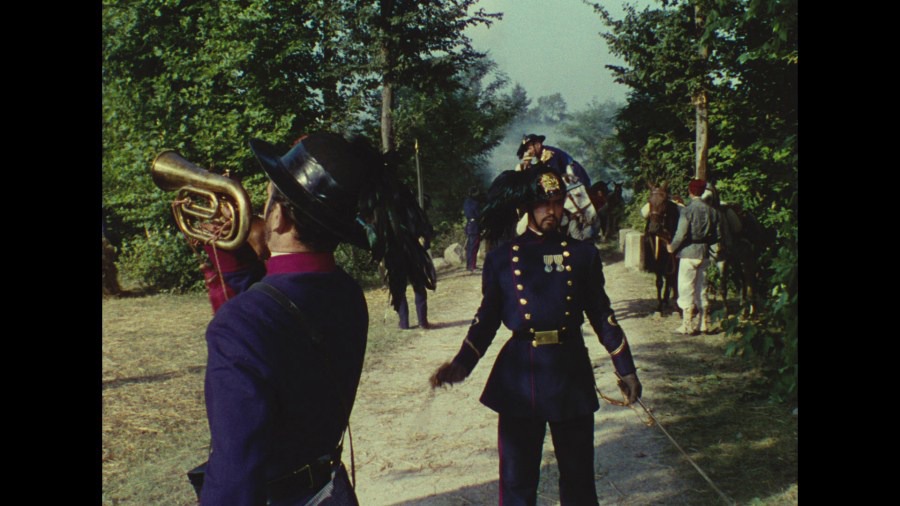
Senso was painstakingly restored from the original Technicolor 3-strip negative after it had, according to the booklet, shrunk and suffered from various levels of decay, making it near-impossible to line them up properly. To solve this each strip was digitally copied then corrected and aligned together using computer software. Based on this knowledge of the condition of the source materials I have to say it’s miraculous the image ends up looking this good despite a few issues.
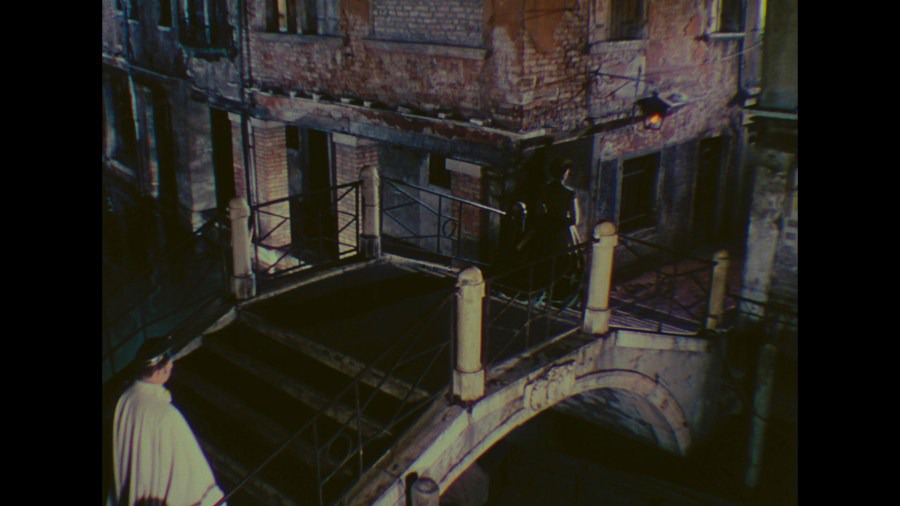
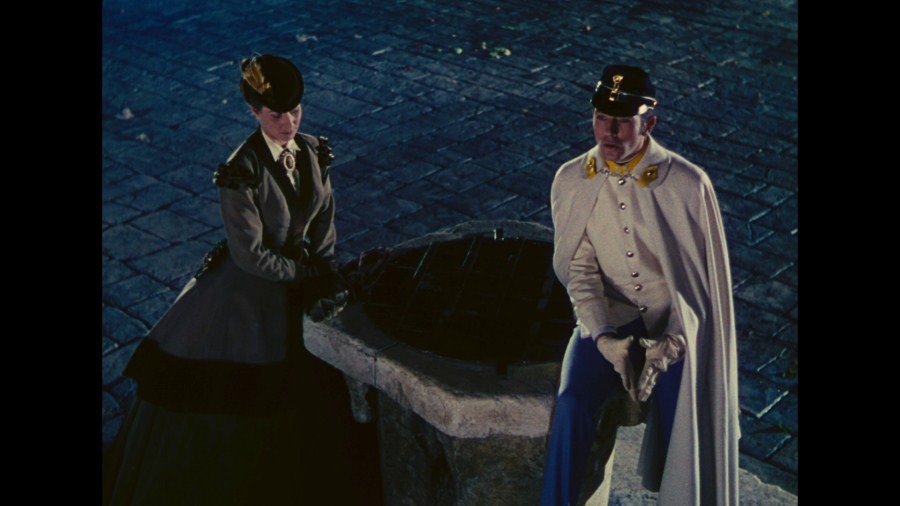
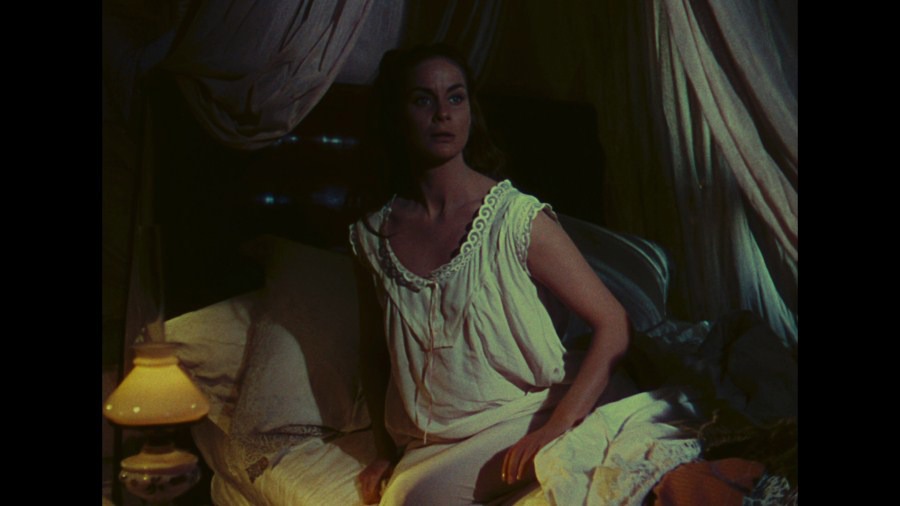
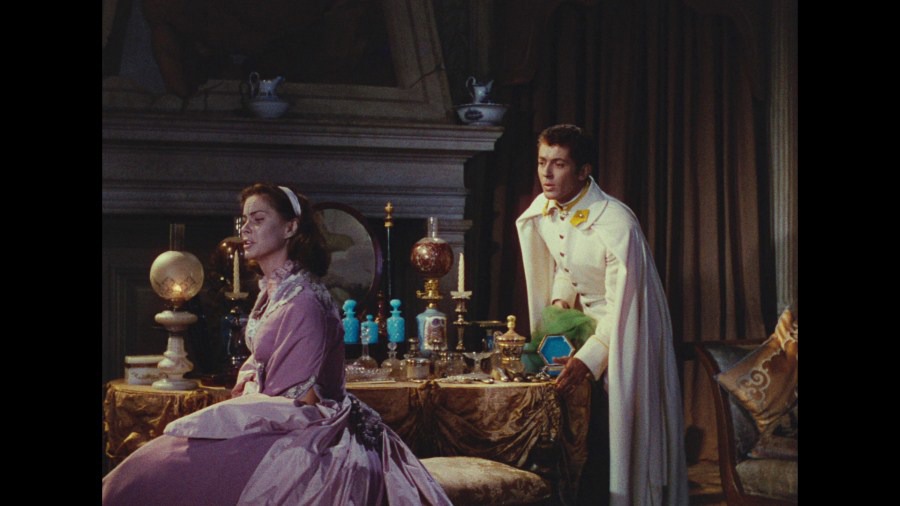
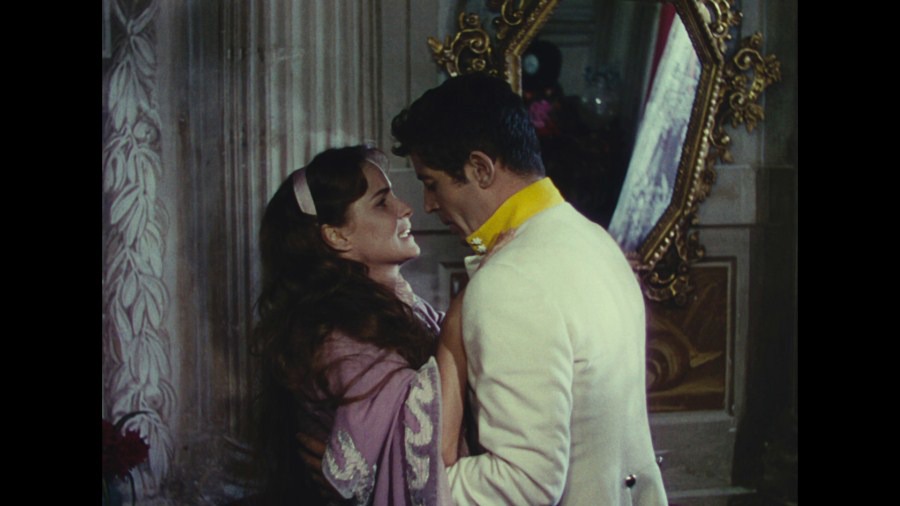
The digital transfer itself is good, if nothing spectacular. Grain is visible but looks like noise occasionally, especially in darker scenes. Detail is pretty good but I feel it’s limited by the print used; there are moments where definition and textures are striking but others where edges are fuzzy and details aren’t as sharp.
Overall I think most of the short comings of the image have more to do with the source materials than the transfer. Colour separation does occur on a couple of occasions causing the image to look even fuzzier. Blacks are fairly weak varying between gray and dark gray with details getting lost in darker portions of the screen. The colours are never all that vibrant, which I’m sure was the intent, and can take on a yellowish tinge but they still look saturated perfectly (reds and greens are just splendid on screen) and clean. But it's not without its pleasant surprises with the biggest being the whites, which, despite the aforementioned yellow tinge that can occur sporadically and the fact that the 3-strip process apparently has a difficult time recreating whites, do look pure.
But despite the problems that do remain the restoration is astonishing and the film does look beautiful. The effort that was put into it does show and it’s incredibly impressive. The digital transfer is probably open to improvement, the middling bitrate probably not helping, but we still do get a rather lovely and impressive image, despite any shortcomings.
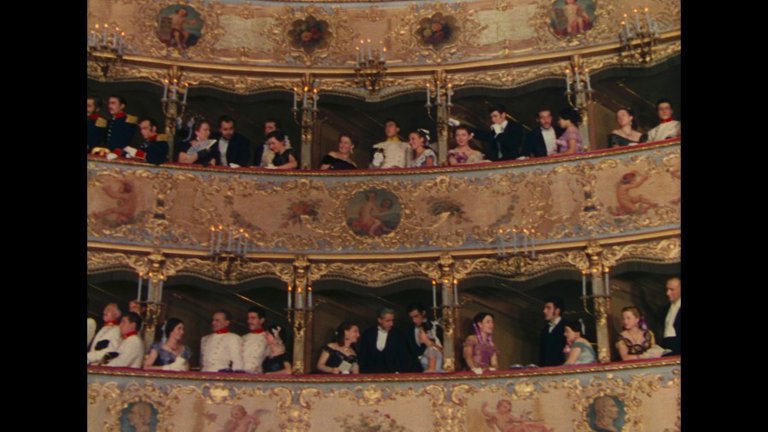
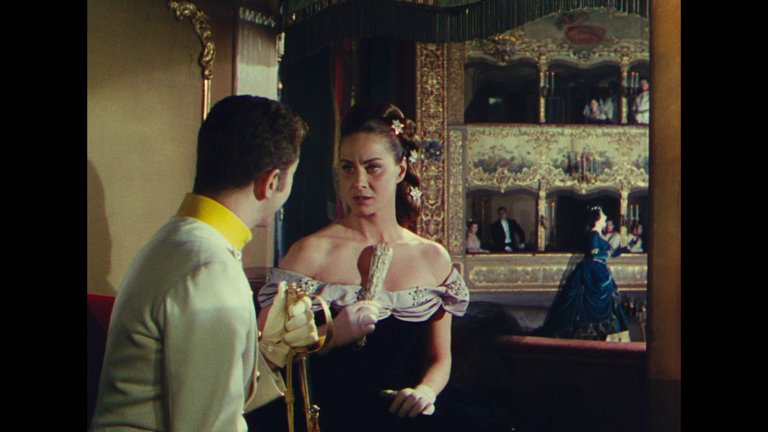
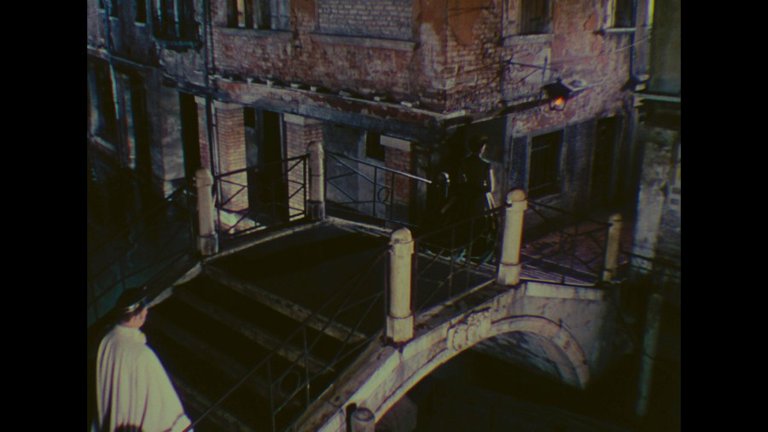
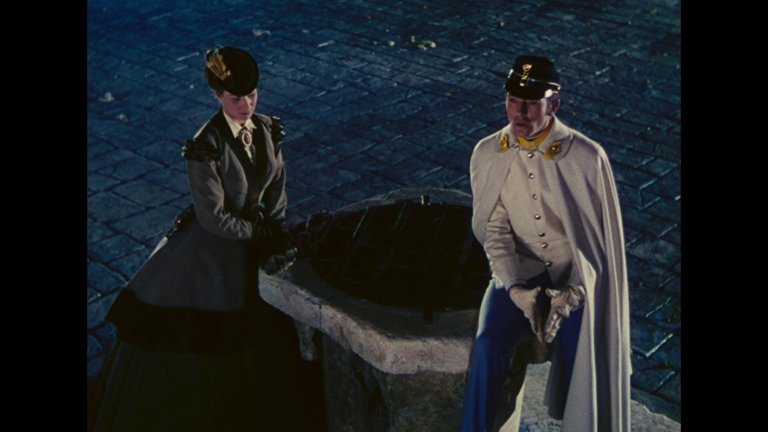
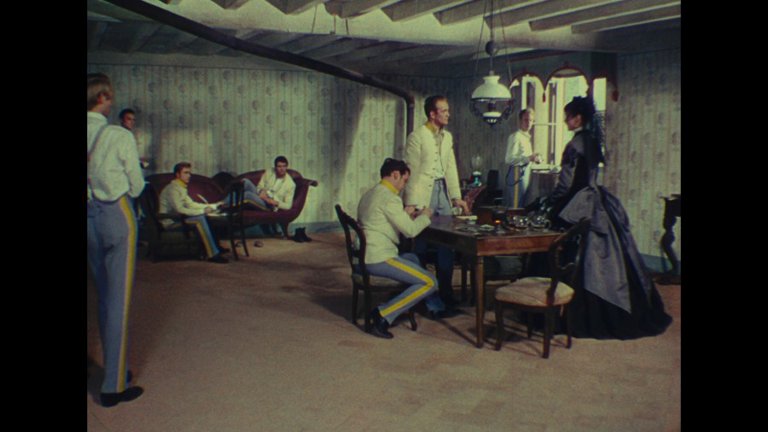
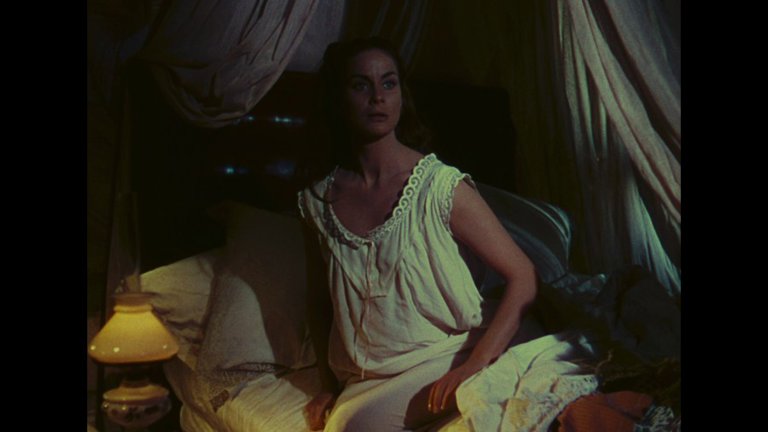
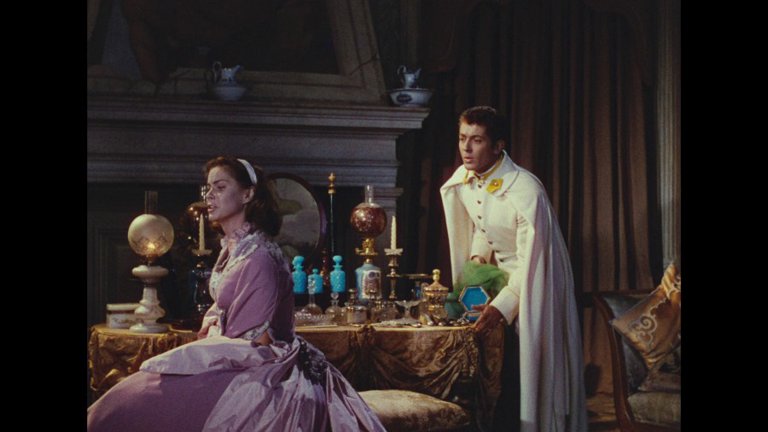
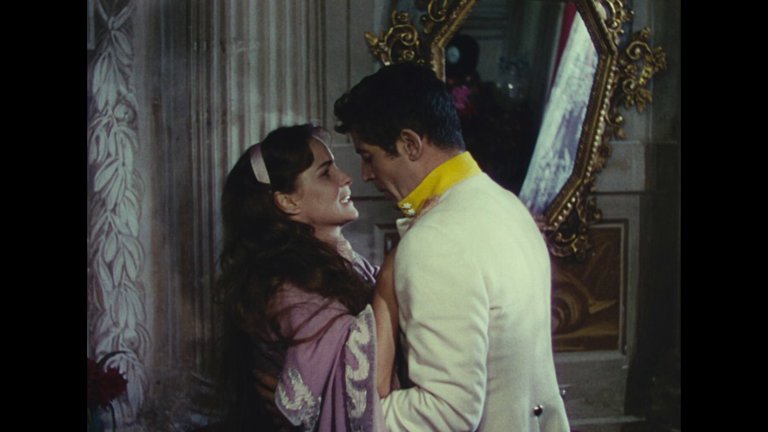
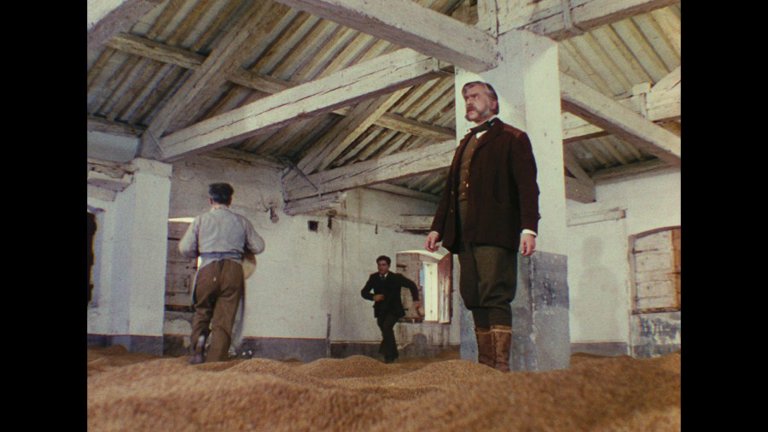
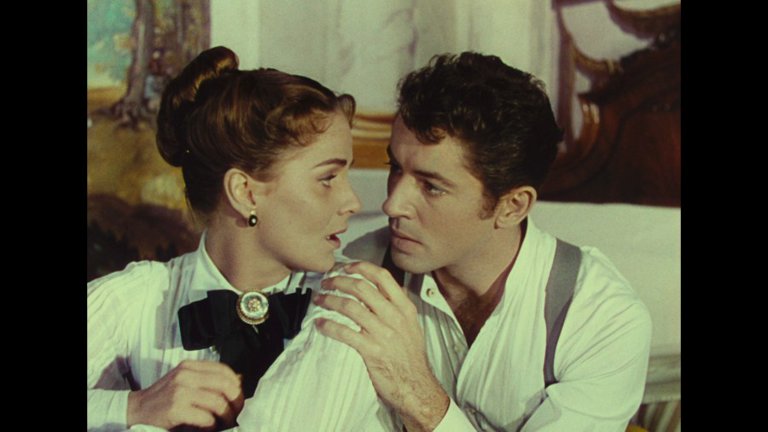
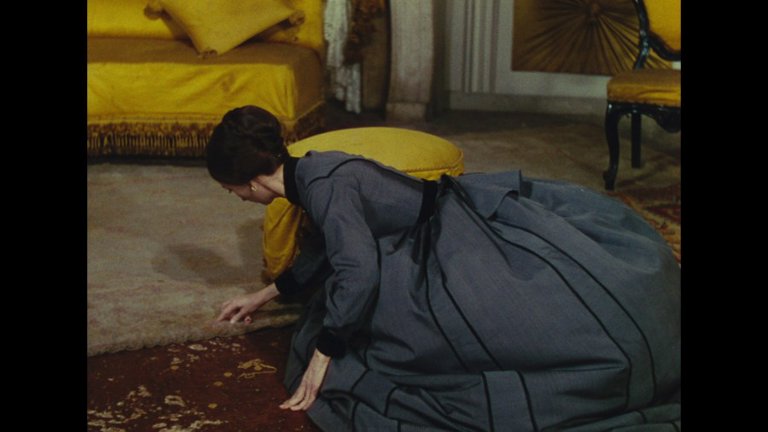
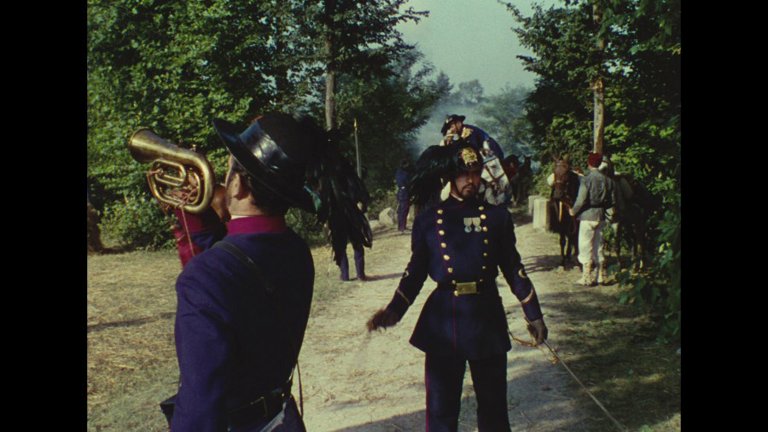
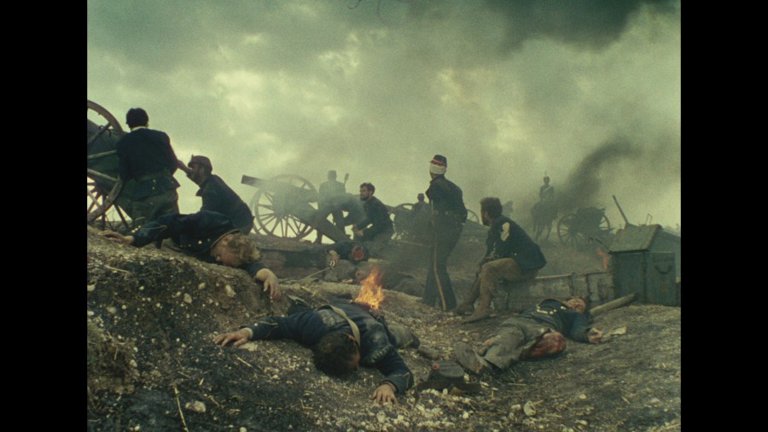
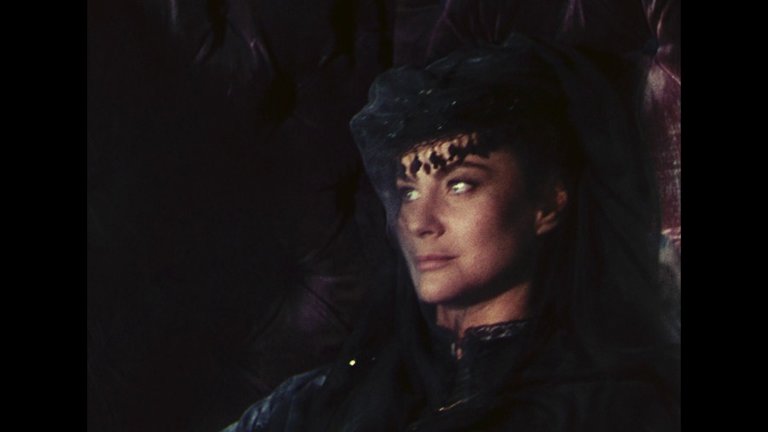
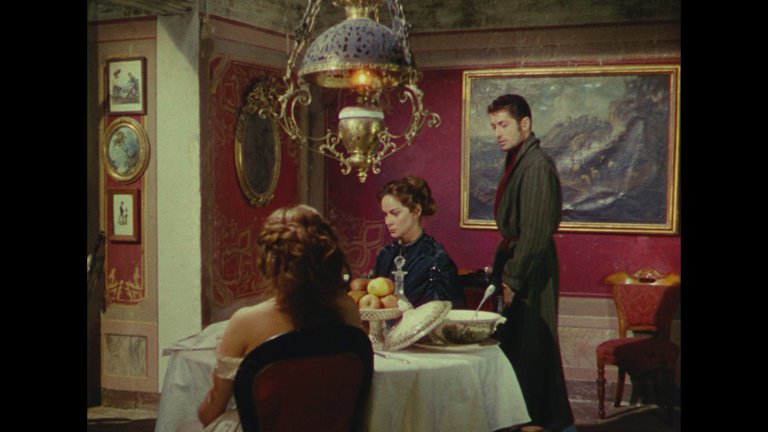
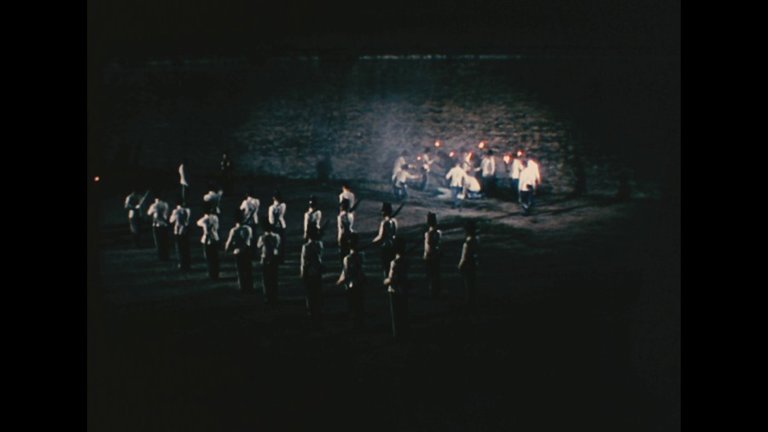
Senso - Screen Captures
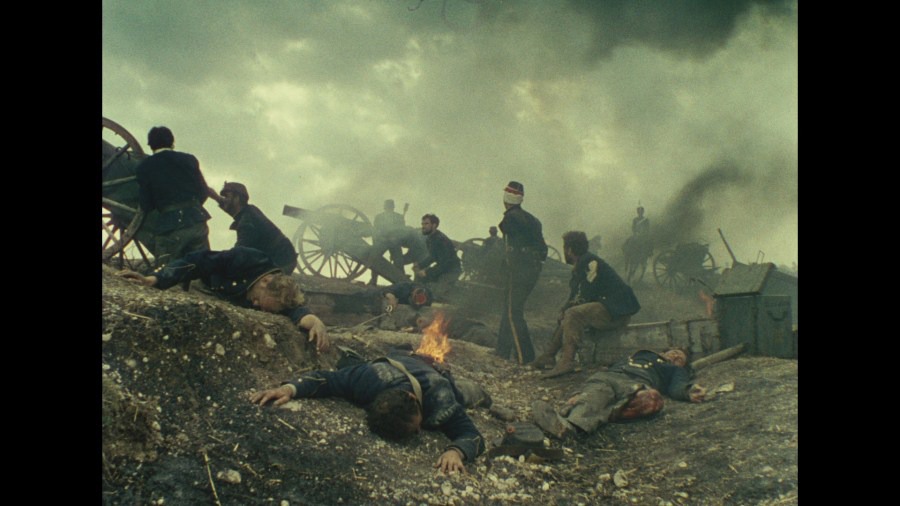
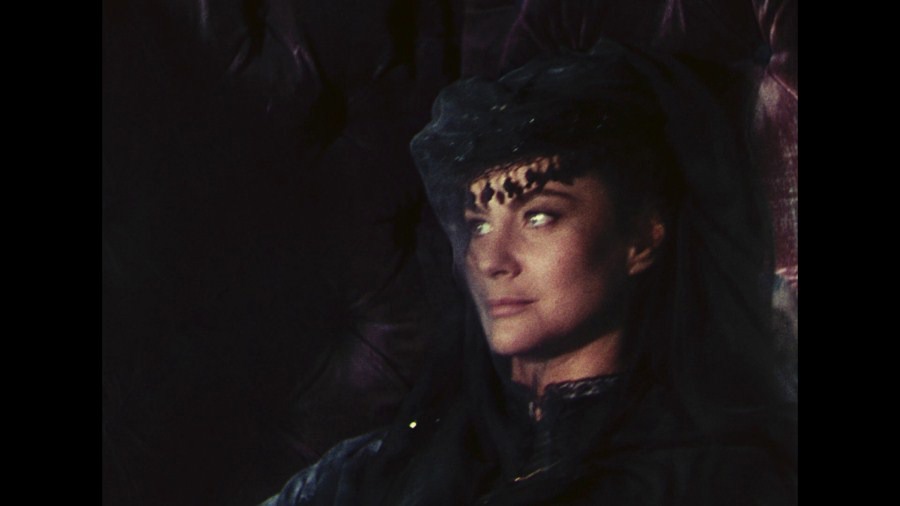
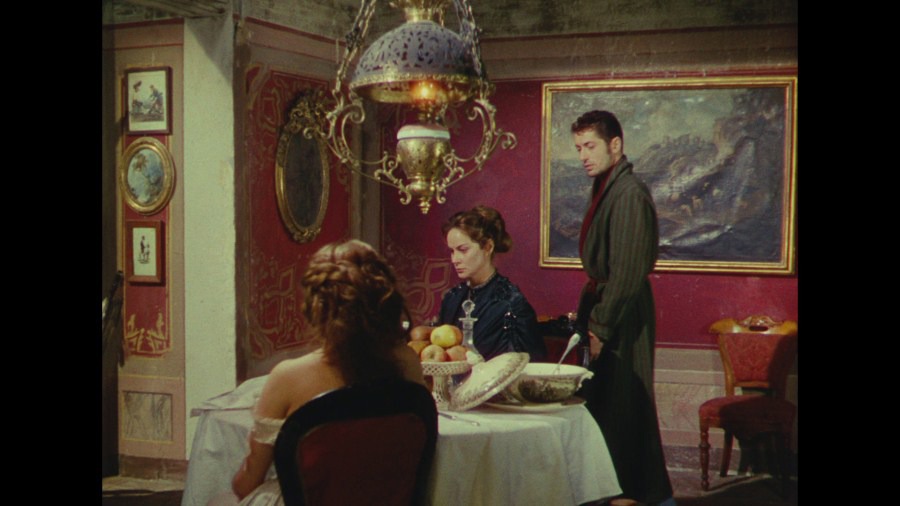
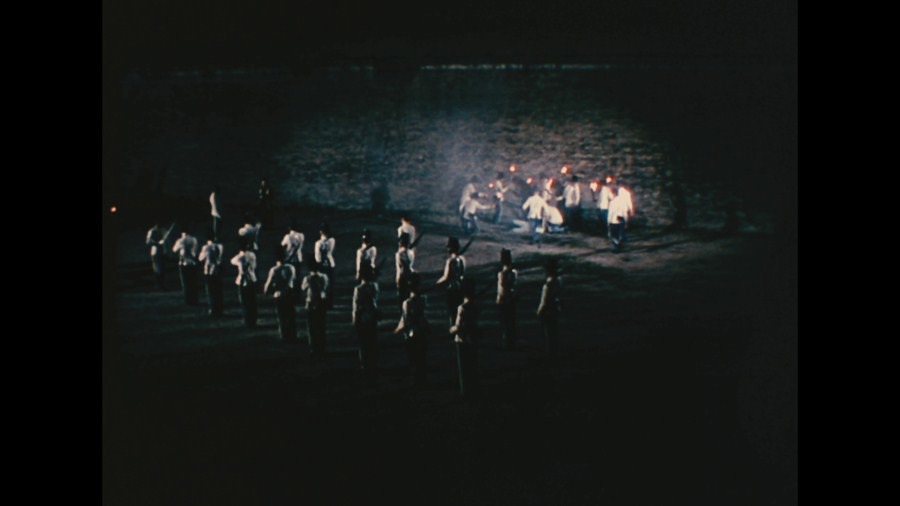
Audio 6/10
The Blu-ray for Senso comes with a lossless Italian Linear PCM mono track. The leads, Alida Vallii and Farley Granger, both performed their dialogue in English together (and the multilingual Valli also did scenes in German and Italian as well with other actors) and were later dubbed over in Italian, so there are unfortunately many sequences where lips don’t synch with what is being said but it’s not as bad as it could have been and dialogue doesn’t sound detached or completely unnatural from the overall film.
Sound quality is decent if uninspiring. It is unsurprisingly a bit flat and lacks range, and the score can be a little piercing at times. Still it’s a little better than I expected and is perfectly acceptable.
Extras 8/10
At first glance there doesn’t look to be much on here, but there’s hours’ worth of material here and most of it is fairly fascinating.
The most intriguing supplement is the entire English language version of the film, The Wanton Countess, which runs 94-minutes and is surprisingly presented in 1080p/24hz. The condition of the print is actually not that bad, though laced with scratches. The biggest appeal to this would be that we hear Valli and Granger’s original English dialogue. As to its shorter runtime there are some curious cuts (I’m pretty sure some of the later battle scenes are shorter or missing) but the most glaring one is actually early on, where Granger and Valli’s initial contact is completely excised! Their first meet is outside when she’s walking by him and a few other soldiers and the scene makes little sense without the previous one. As to the quality it’s actually not too bad but it’s still laced with scratches and marks, and also takes on a yellower tone. Artifacts are a little more noticeable as well. As a slight little bonus it ends up offering an idea as to how much the new transfer does improve the look of the film.
Following this is a 34-minute documentary called The Making of Senso, which features assistant director Francesco Rosi, director of photography Giuseppe Rotunno, costume designer Piero Tosi, and, briefly, the daughter of screenwriter Suso Cecchi D’Amico, Caterina D’Amico. It goes through the general production history from the acquisition of the novella, to the screen play, to the casting, and the actual shoot. They talk about the trend of hiring American actors for roles in Italian films (hoping to give the film a boost in international markets) and there’s mention of how Ingrid Bergman and Marlon Brando were considered for the parts. Ultimately Roberto Rossellini didn’t want his wife working with other Italian directors, and Brando was apparently talked out of it because of Visconti being a card carrying Communist (this was during the McCarthy era.) They then cover various technical aspects like the costumes, sets, shooting locations, and cinematography, handled by three different people (G.R. Aldo, Robert Krasker, and Rotunno, who was promoted after Aldo passed away during filming.) There’s also a little bit about the problems with the 3-strip Technicolor process. In the end it’s a decent doc if a little stale because of its primarily talking-head nature.
The next supplement, Viva Verdi: Visconti and Opera, is an intriguing one, focusing on the opera elements found in the film. Running 36 minutes it features Peter Brunette (who passed away last year,) Steffano Albertini, and Wayne Kostenbaum talking about the operatic themes, starting with a breakdown of the opening opera scene, and then moving on to the opera/melodramatic elements found throughout the film, as well as parallels to other operas found within the storyline. They also offer some historical context to the film and even address some of the criticisms thrown at the film over its stylization. On top of this there’s also discussion on the operas Visconti directed with singer Maria Callas, and we even get a short interview segment from an older television broadcast featuring Visconti talking about opera and Senso thrown in for good measure. It’s a little scattershot but loaded with some intriguing topics and insights.
Following this is a 28-minute visual essay by Peter Cowie about Senso, the novella on which its based, the film’s themes, and the compositions of its scenes where he points out how certain shots almost perfectly recreate a number of paintings. Cowie makes a number of comparisons to the novella, pointing out key differences, and compares the film and its themes to Visconti’s other works, including Ossessione, The Leopard, and Death in Venice. He also examines the use of music in the film and how some scenes unfold to it, and also concentrates on some of Visconti’s visual touches such as how veils are used in developing Valli’s character. I was sort of surprised that a commentary wasn’t actually included here, especially since Cowie did do one for The Leopard, but his visual essay here, while still not up to some of the great ones Criterion has included with their releases, is an excellent compromise.
The final feature is Man of Three Worlds: Luchino Visconti, a television program that first aired on the BBC in April of 1966 on the director. A long one, running 48-minutes, it features interviews with those that knew and worked with him, including singer Maria Callas, looking at his career in film, theater, and opera. It’s a bit dry and I must admit I didn’t completely care for it (though it’s possible I was a little worn from all the other supplements by this point) but I still did appreciate the look at the many elements to his career, especially since I wasn’t all that familiar with Visconti’s theater and opera work.
Criterion’s booklet is also a nice treat, starting with an essay by Mark Rappaport who recalls first seeing the film and its initial reception (which wasn’t good) along with also offering a strong analysis of it. Following this is a great excerpt from Farley Granger’s autobiography where he recalls the filming of Senso, offering some humourous anecdotes, including a good one where an attempt was made to change Granger’s hair colour to blonde.
There’s quite a lot on here, covering various aspects of the film and offering some thorough analysis on its story, politics, themes, and visuals.
Closing
It’s a strong edition and does come recommended. The restoration does look impressive, though the digital transfer has a couple of minor issues (possibly related to the fact there’s so much jammed on the disc,) and the supplements are all thorough and informative.
BUY AT: