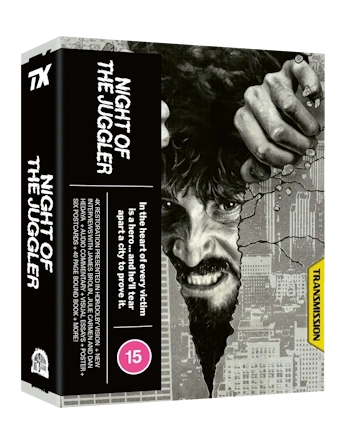
Night of the Juggler
BUY AT:

See more details, packaging, or compare
Synopsis
A young girl is kidnapped in broad daylight in Central Park by a murderous psychopath (Cliff Gorman, All That Jazz), who plans to demand a huge ransom for her return, mistakenly believing she is the daughter of a wealthy property developer. Unfortunately for him, she’s actually the daughter of Sean Boyd (James Brolin, True Grit), a devoted dad and grizzled ex-cop who will stop at absolutely nothing to get her back, even if it means taking out the kidnapper, his enemies in the NYPD, and the entire scuzzy underworld populating the mean streets of 1970s New York…
Adapted from a novel by William P. McGivern (The Big Heat, Odds Against Tomorrow) and directed by Sidney J Furie (The Ipcress File) and Robert Butler (Turbulence), Night of the Juggler is a relentless, adrenaline packed crime thriller, combining staggering action-packed chase sequences, incredible photography (Victor J. Kemper, Dog Dag Afternoon) of the mean streets of 1970s New York at the peak of its notorious ‘Fear City’ era, and a superlative cast of supporting character actors, including Dan Hedaya, Mandy Patinkin, Richard S. Castellano, Barton Heyman and Julie Carmen. Long unavailable on home video formats, Transmission is proud to present an all time cult classic restored in glorious 4K HDR.
Picture 9/10
Radiance’s new sub-label, Transmission, brings Robert Butler’s (and Sydney J. Furie’s) rather poorly titled Night of the Juggler to 4K UHD, presenting the film in the aspect ratio of 1.78:1 with Dolby Vision on a dual-layer BD-66 disc. The 2160p/24Hz ultra high-definition presentation comes from a new restoration created from a 5K scan of the original camera negative.
This is a film I admittedly had never even heard of until Kino announced it last year, and I can’t say my expectations were particularly high. Digging into it further didn’t help matters much: it appeared to be a low-budget, studio-produced, exploitation-adjacent crime thriller that took a couple of years to finally reach theaters and had only ever received a VHS release from good ol’ Media Home Entertainment. While it seemed to have a small but loyal fanbase, it still felt like an odd, almost random choice to receive such a proper new restoration, or at least a loving one for that matter.
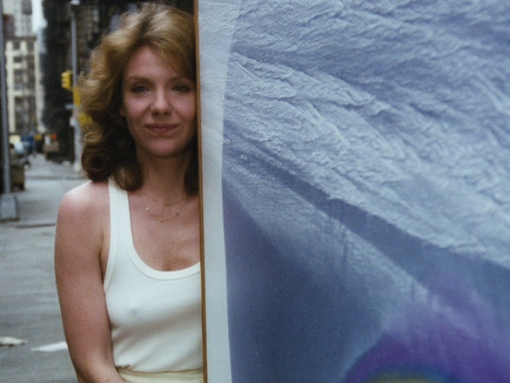
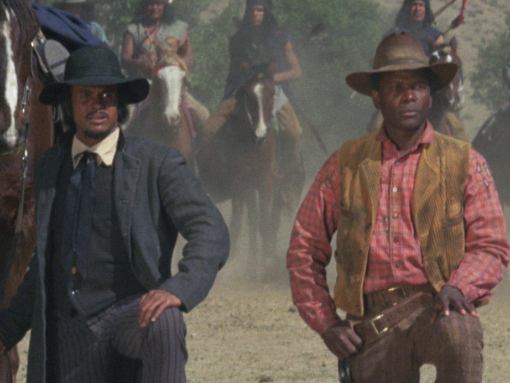
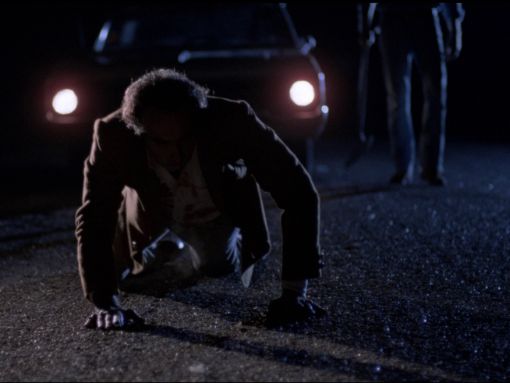
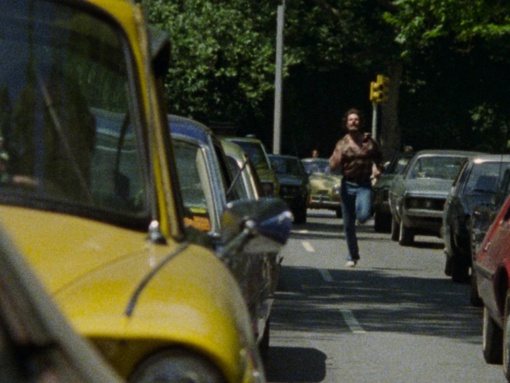
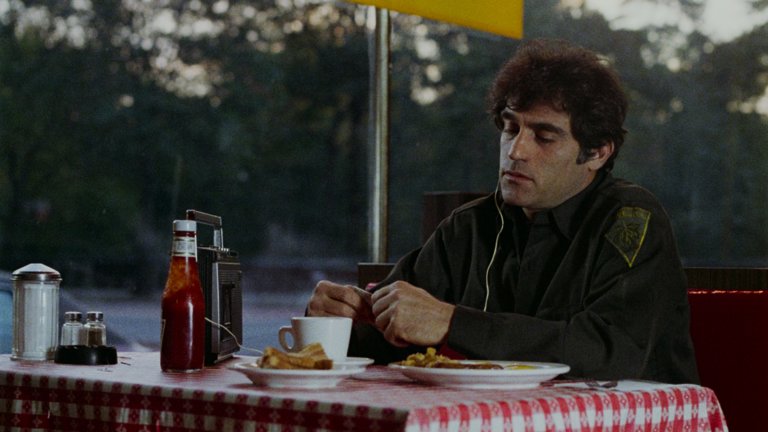
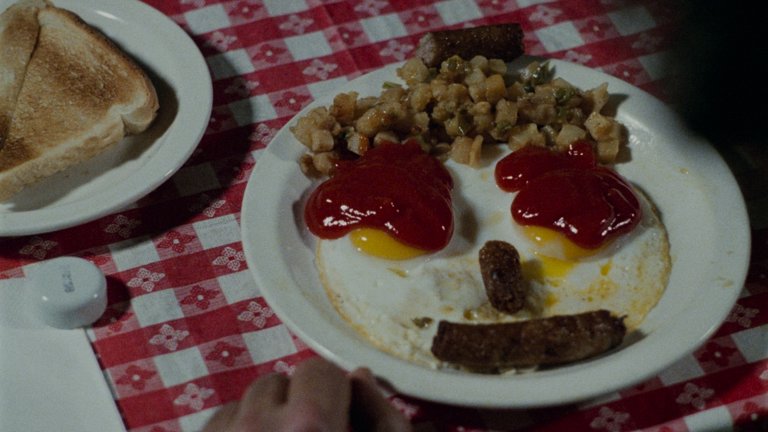
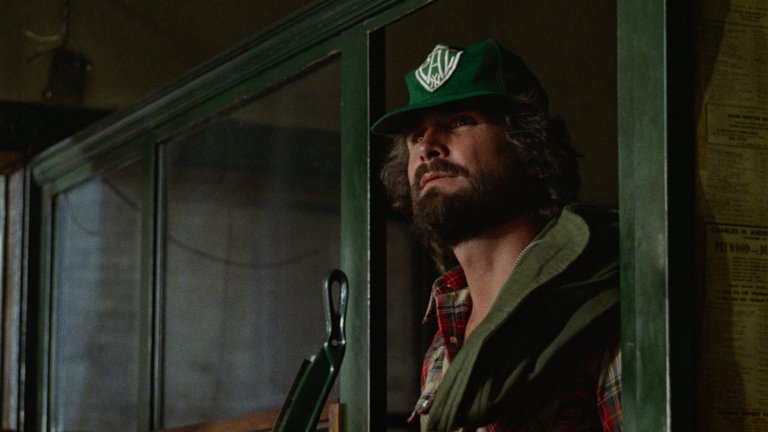
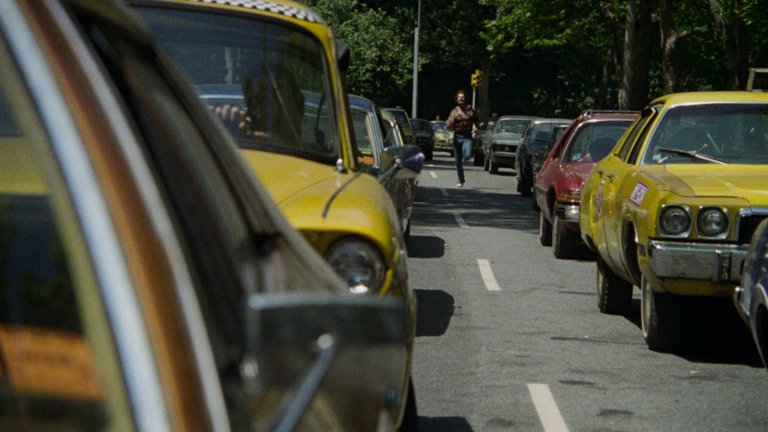
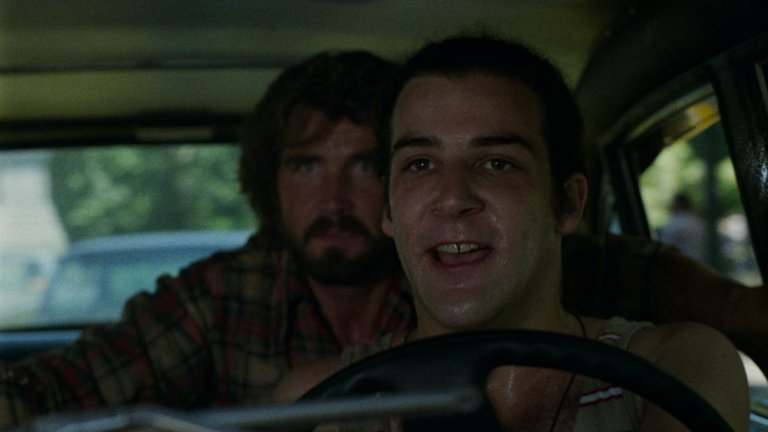
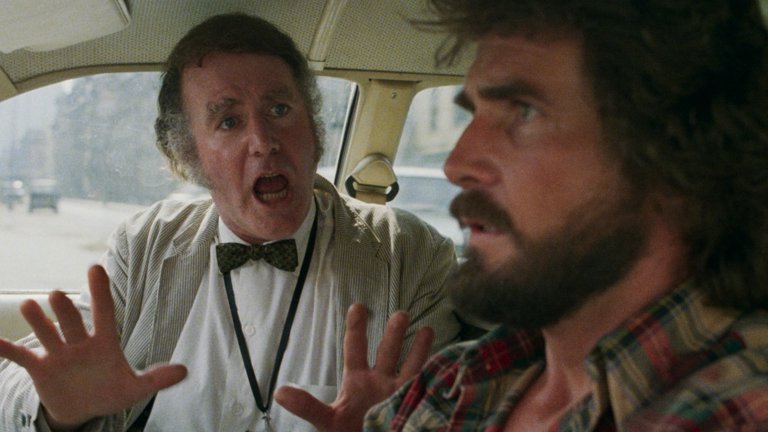
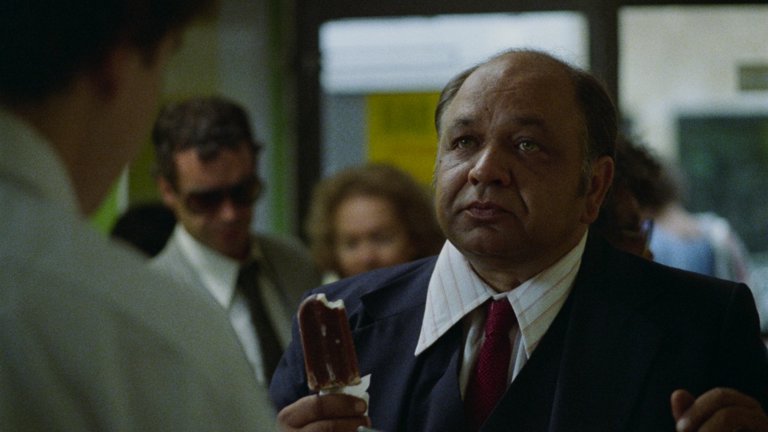
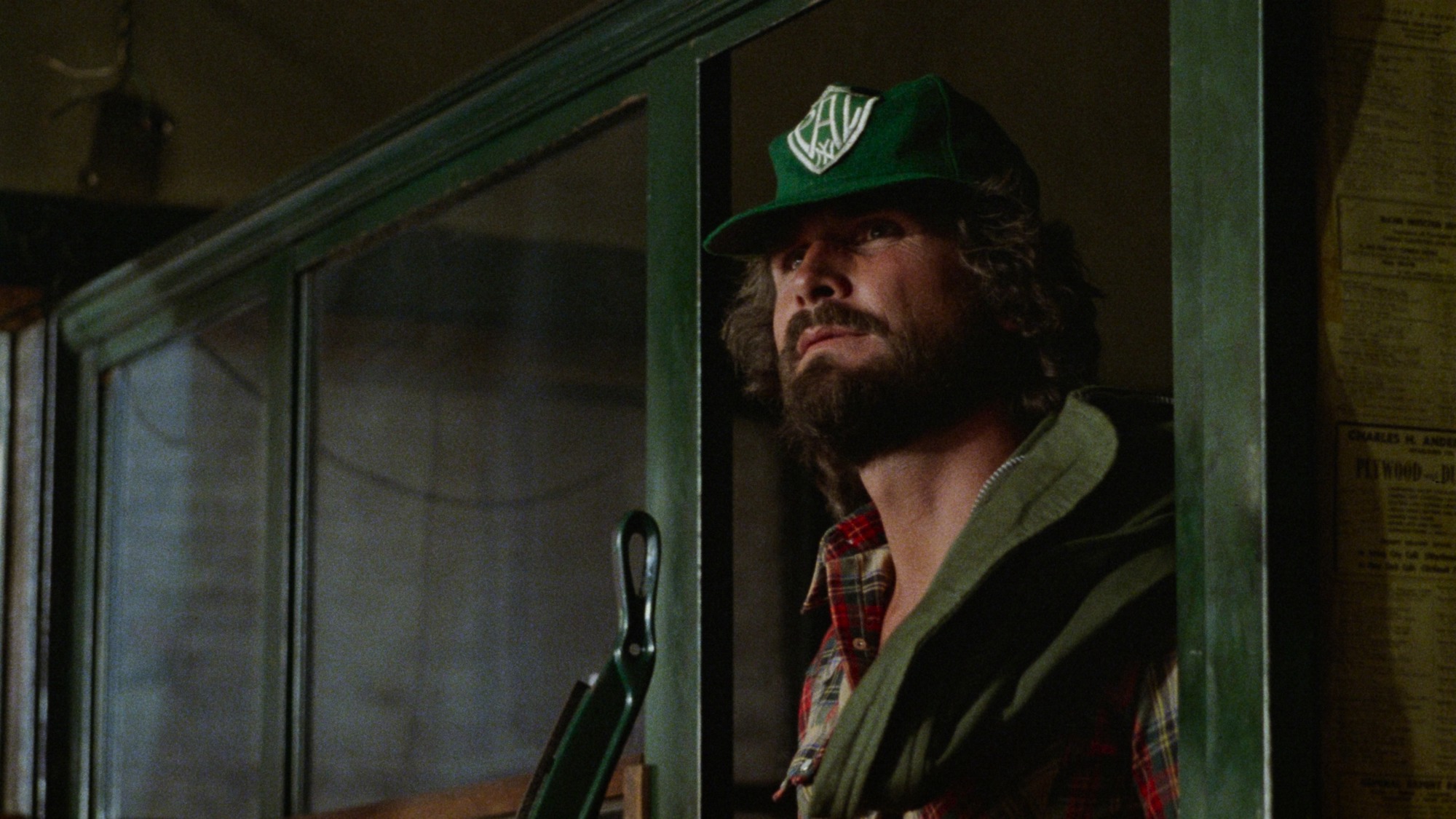
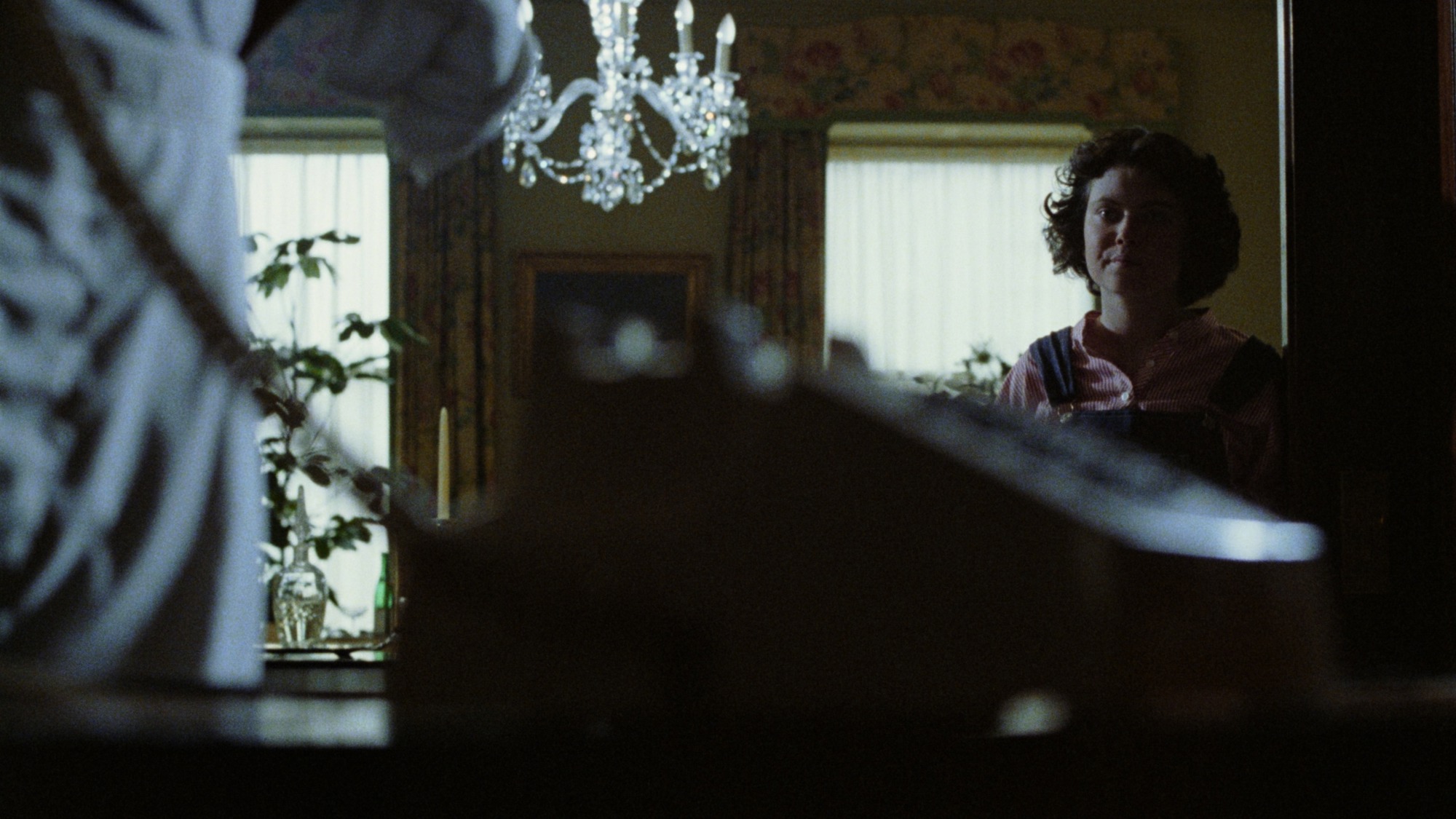
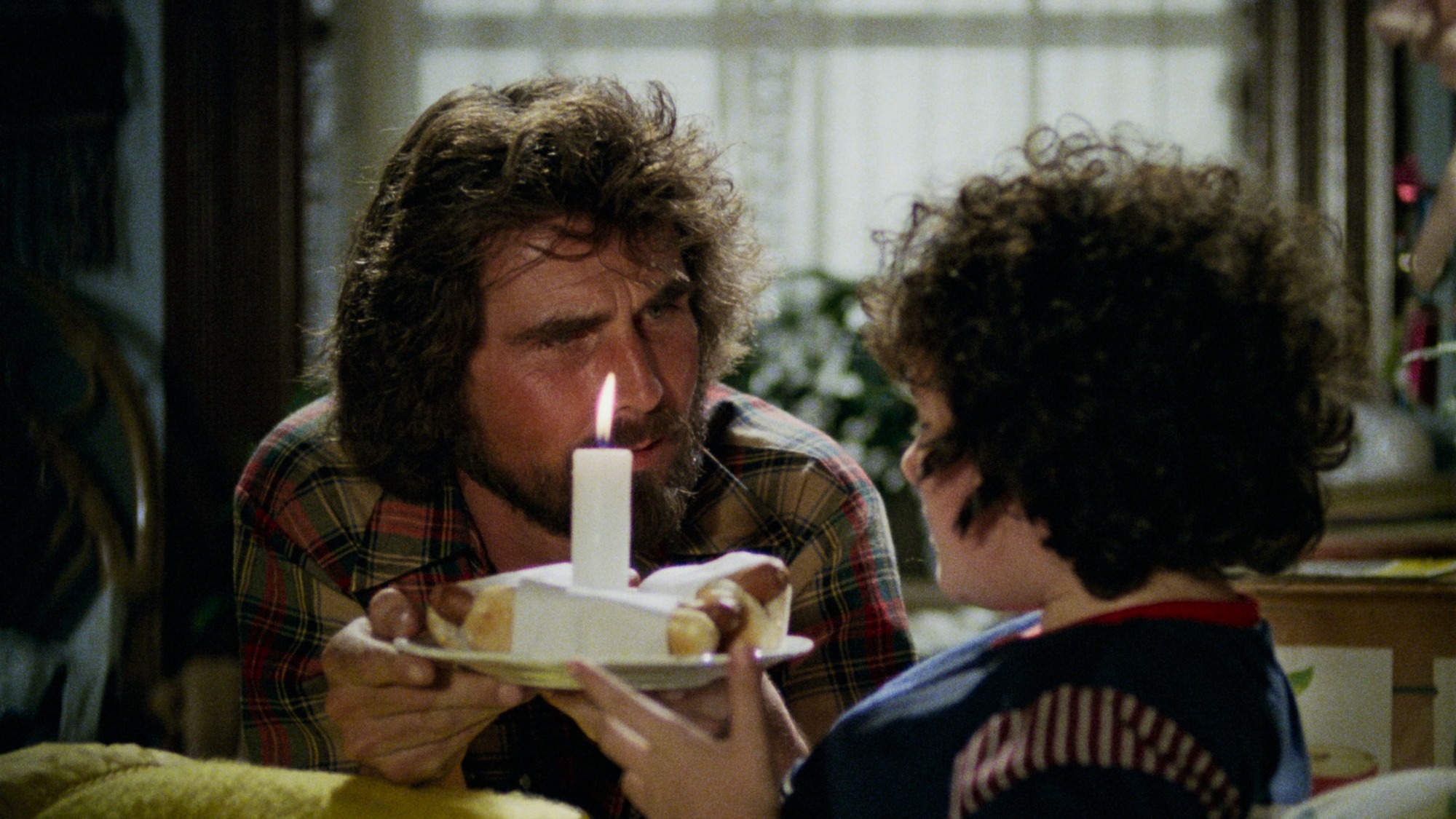
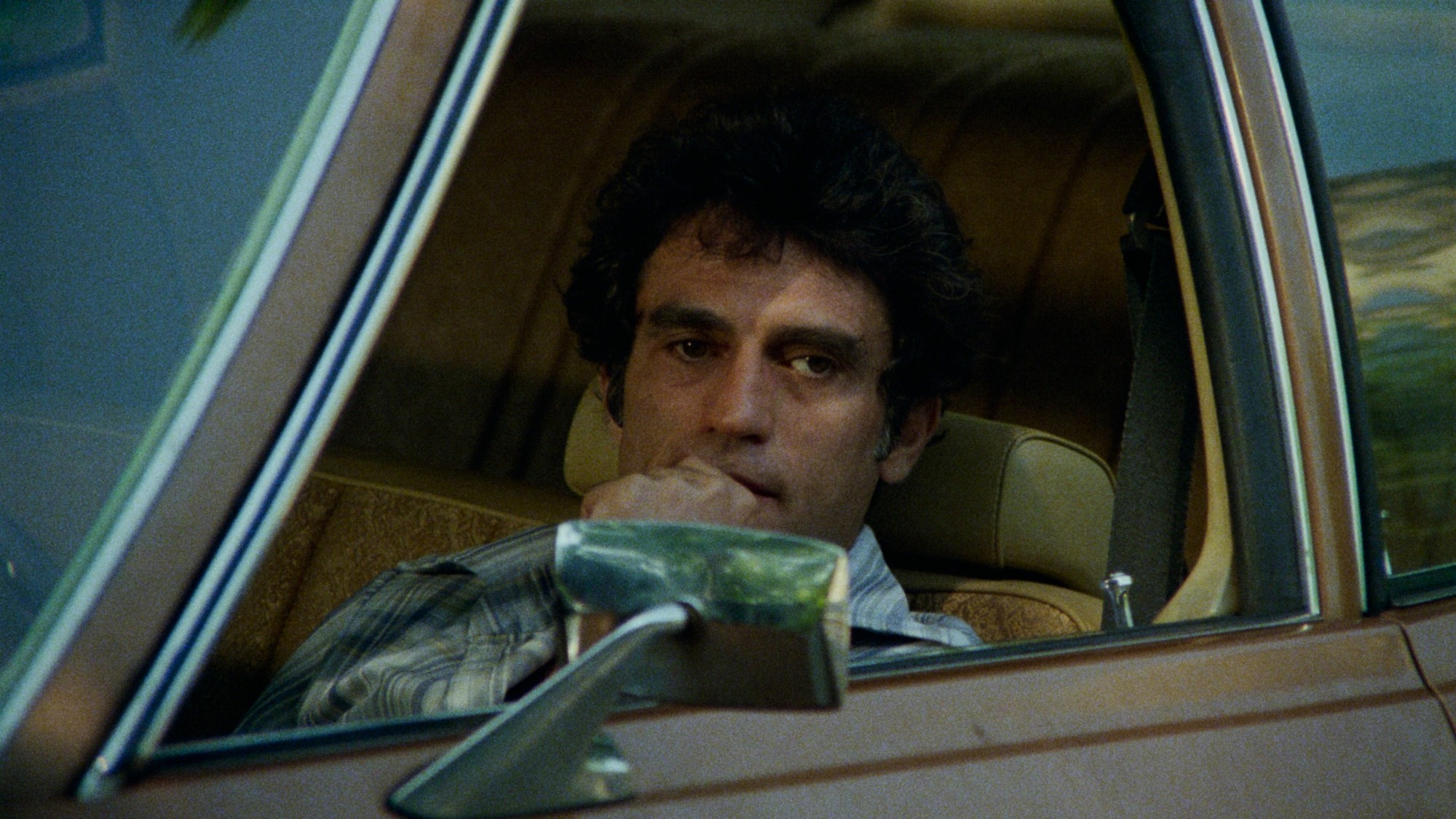
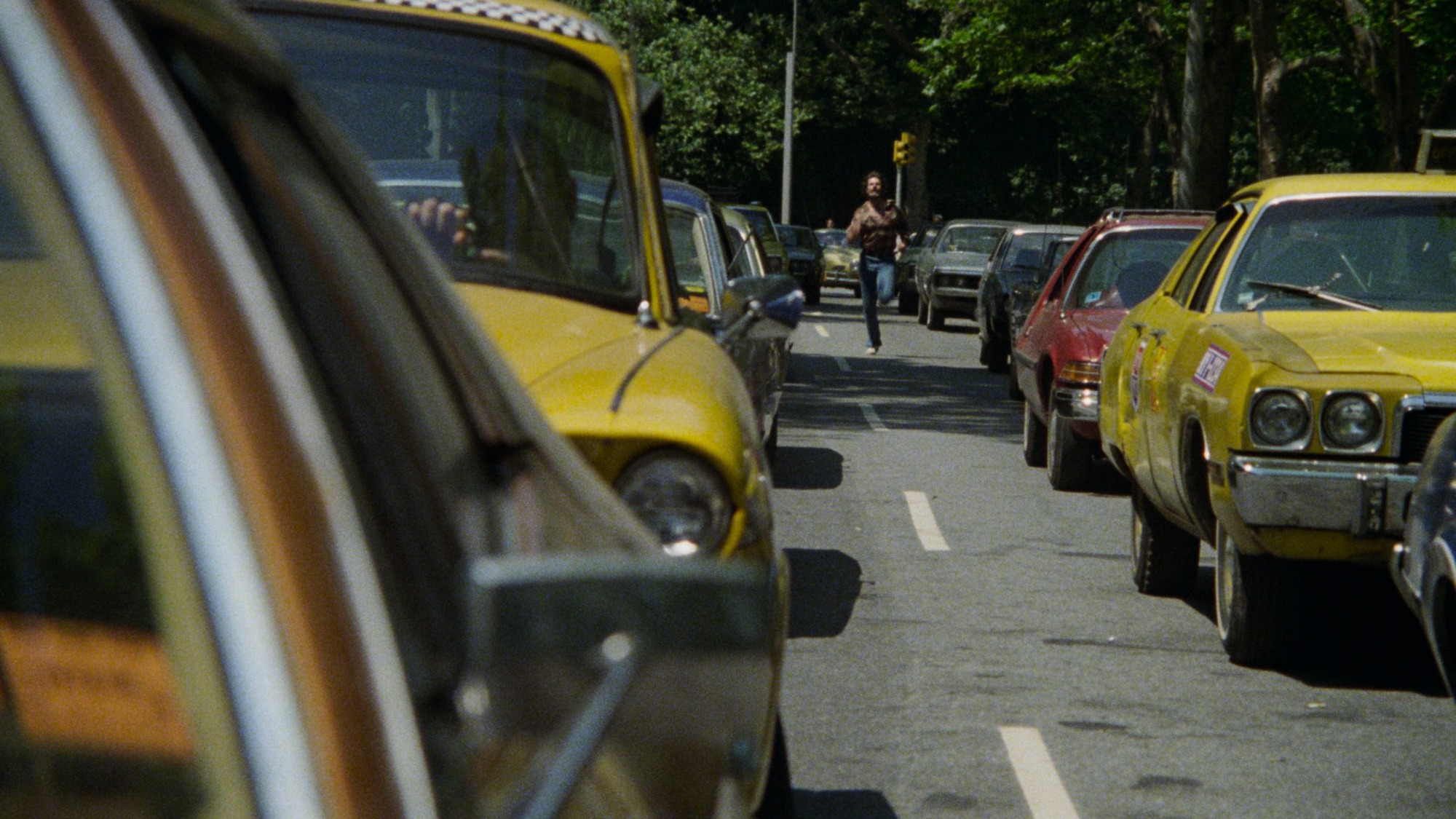
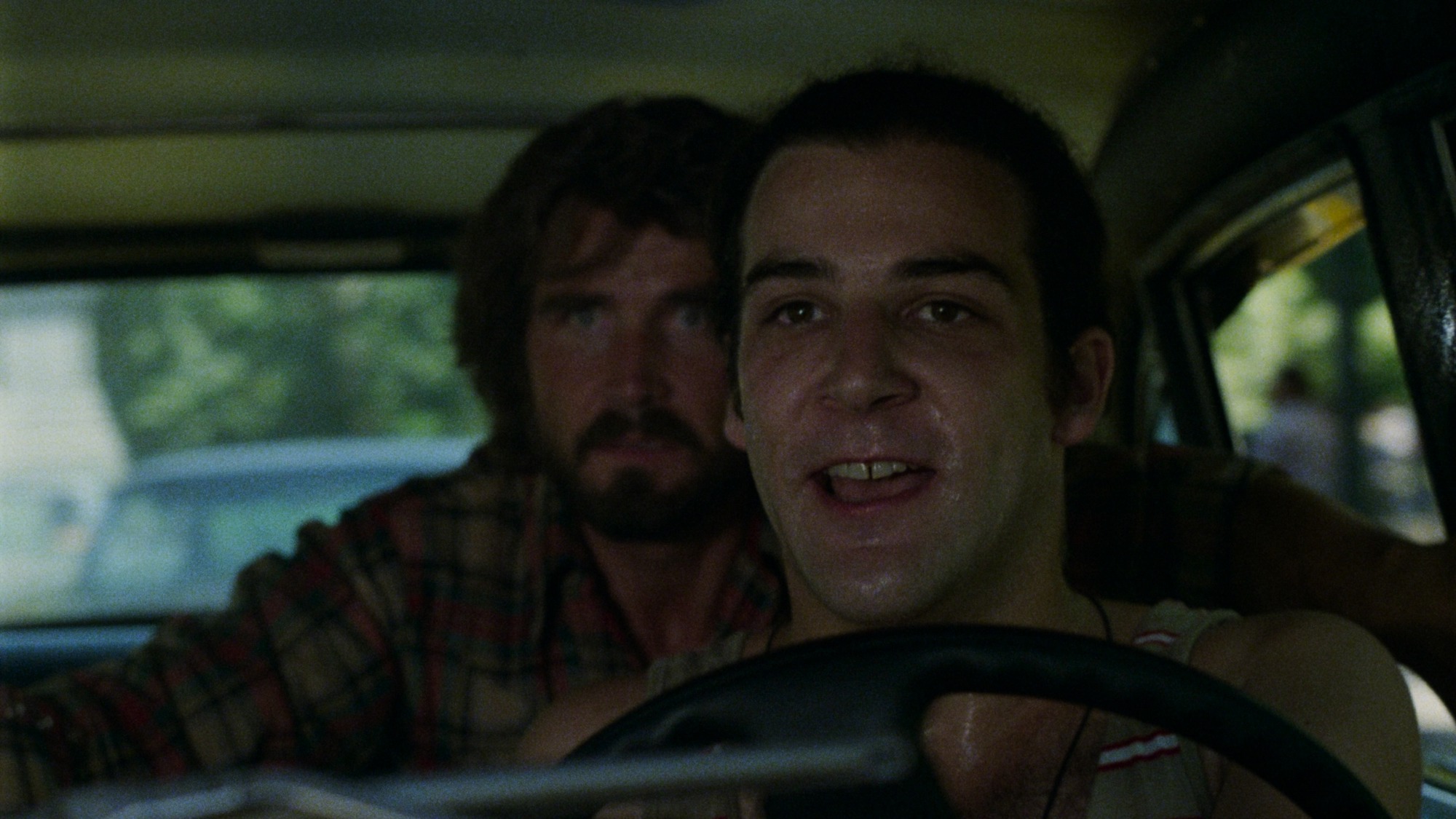
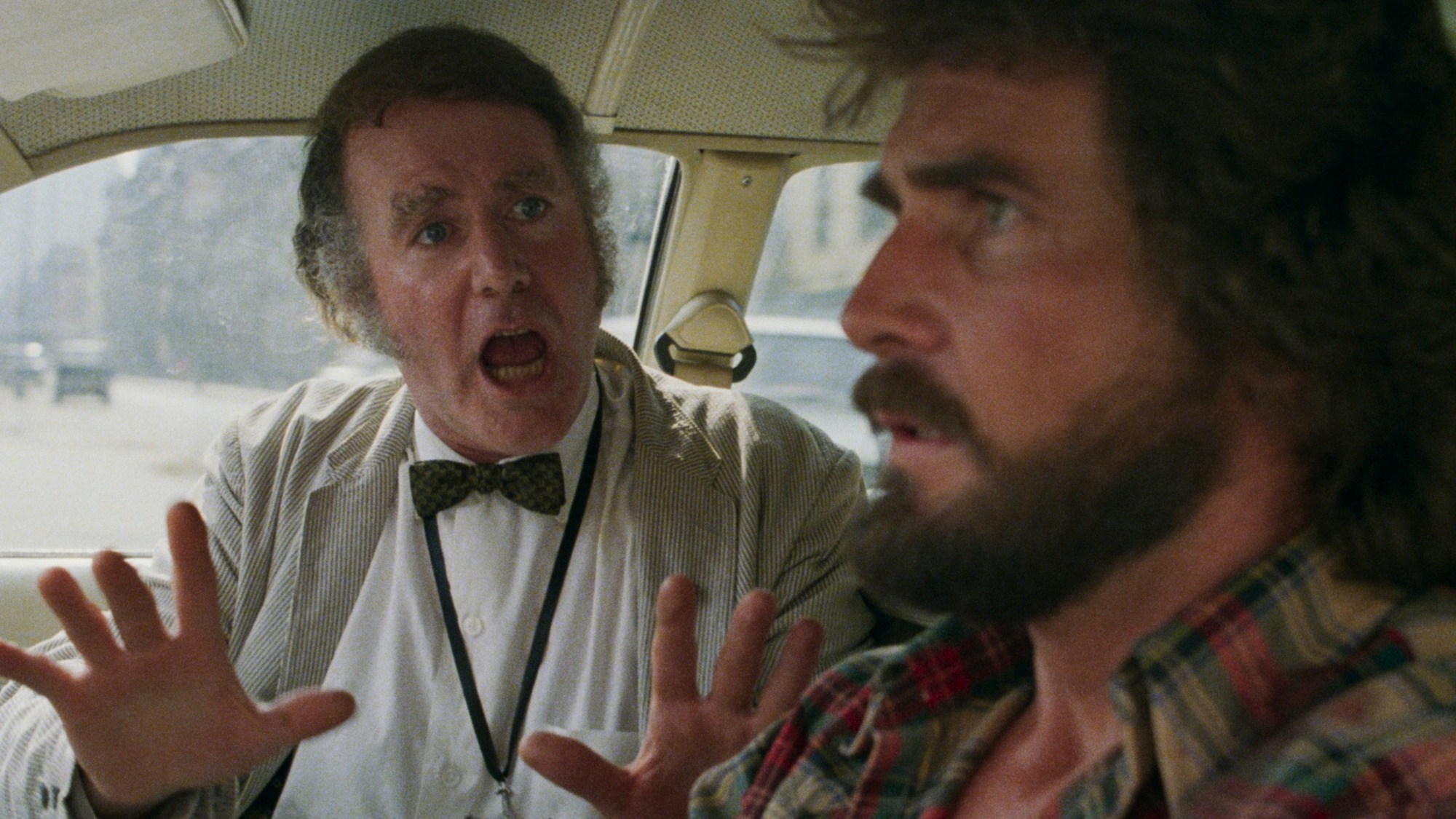
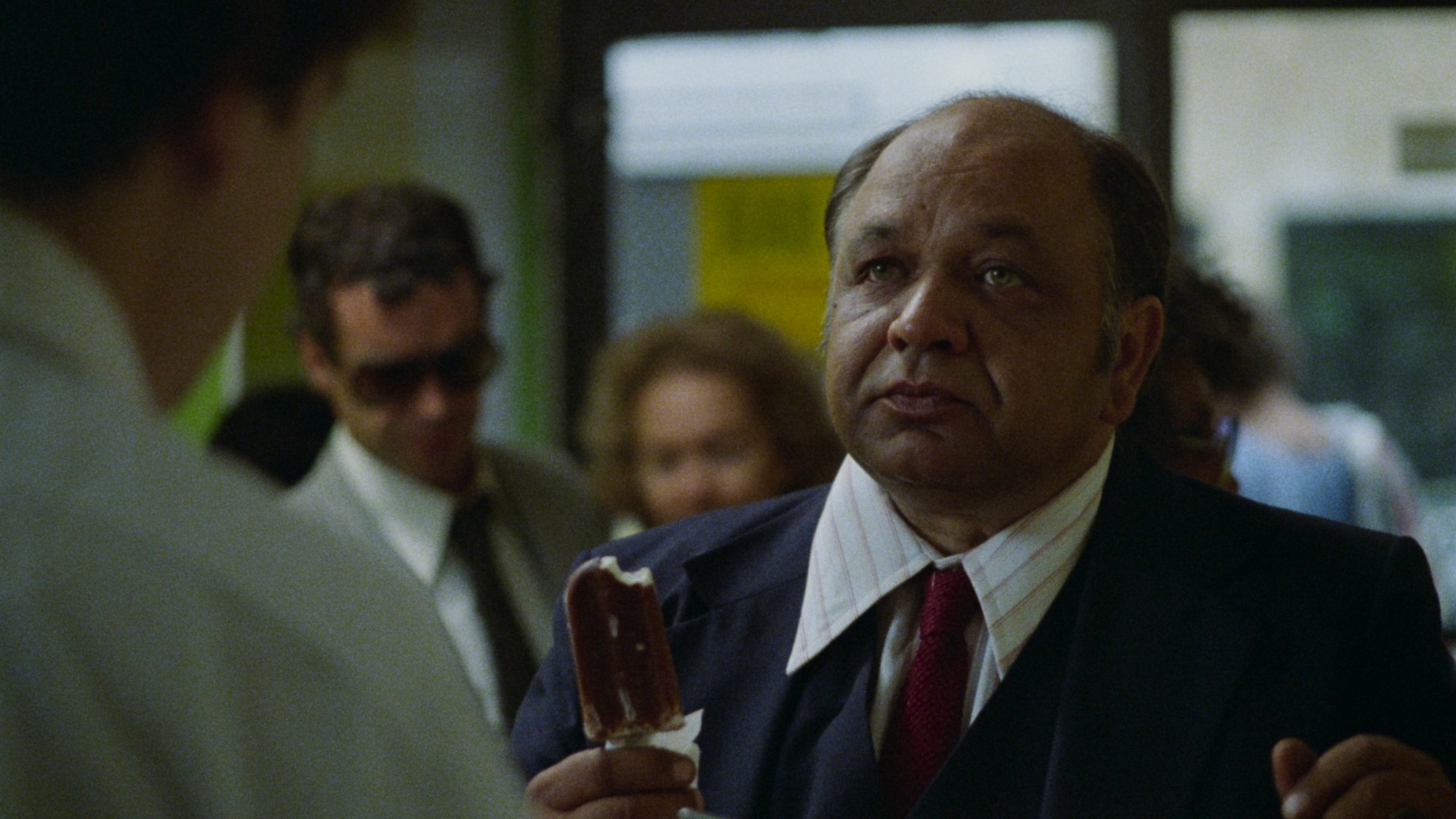
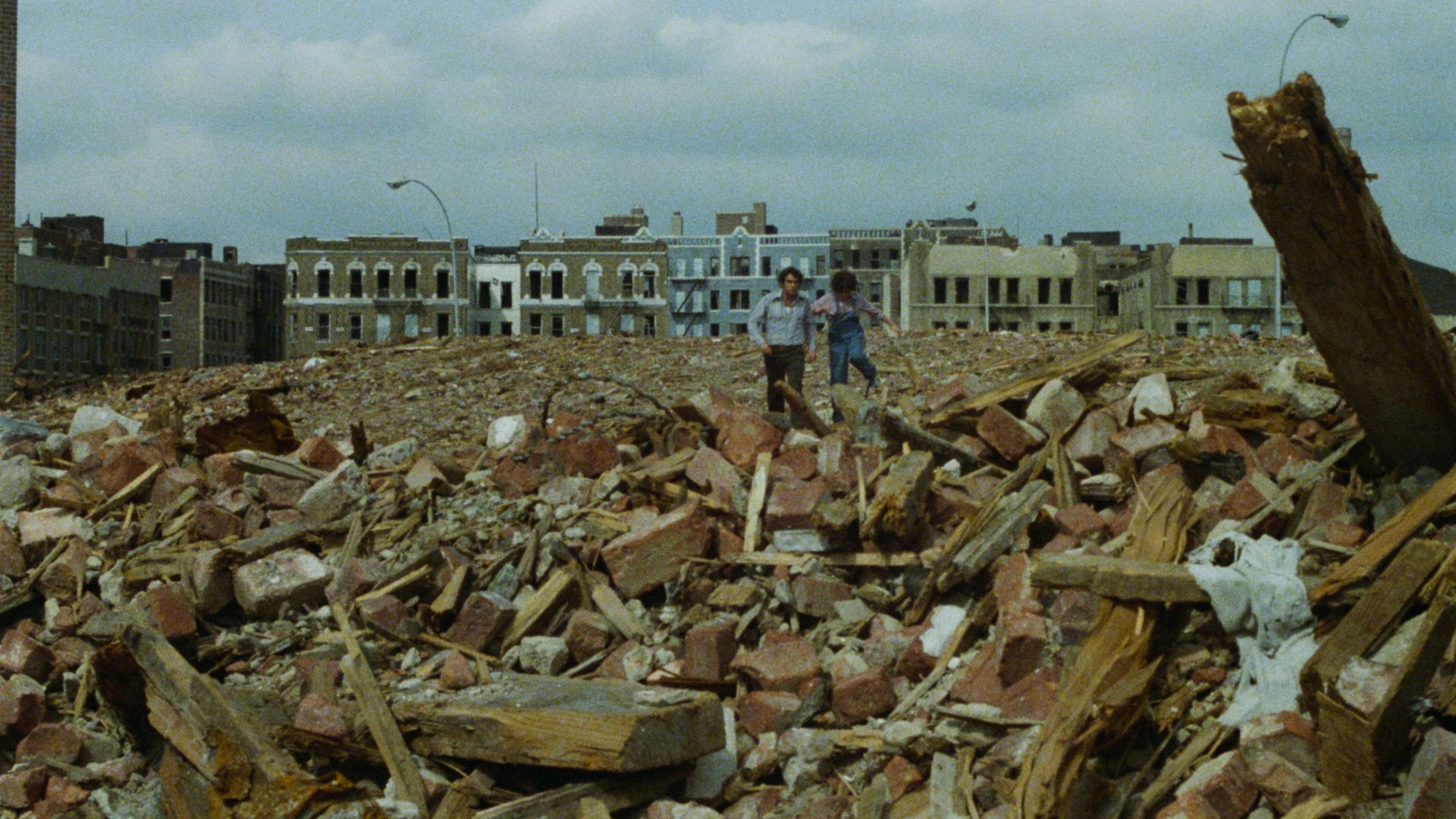
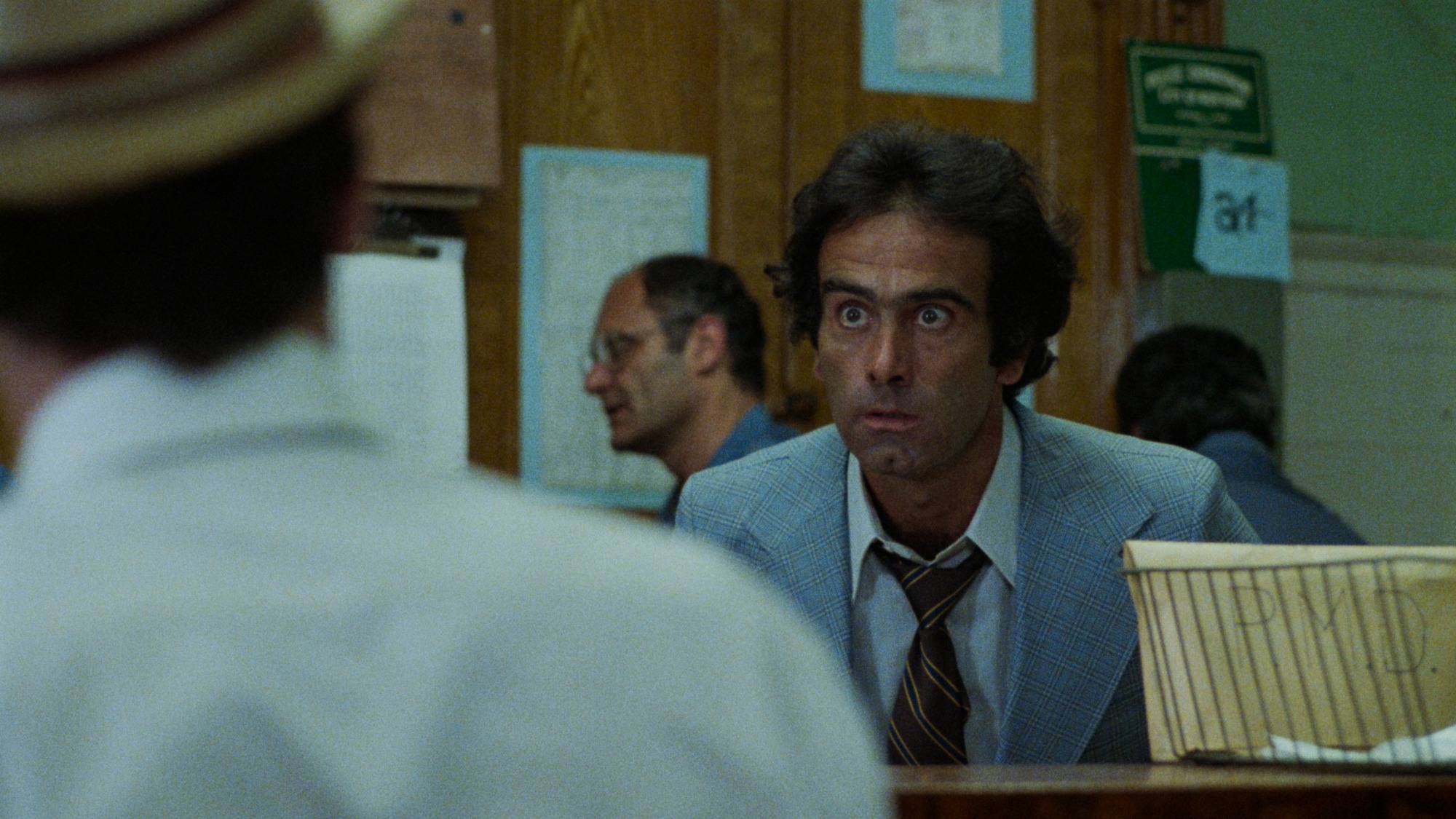
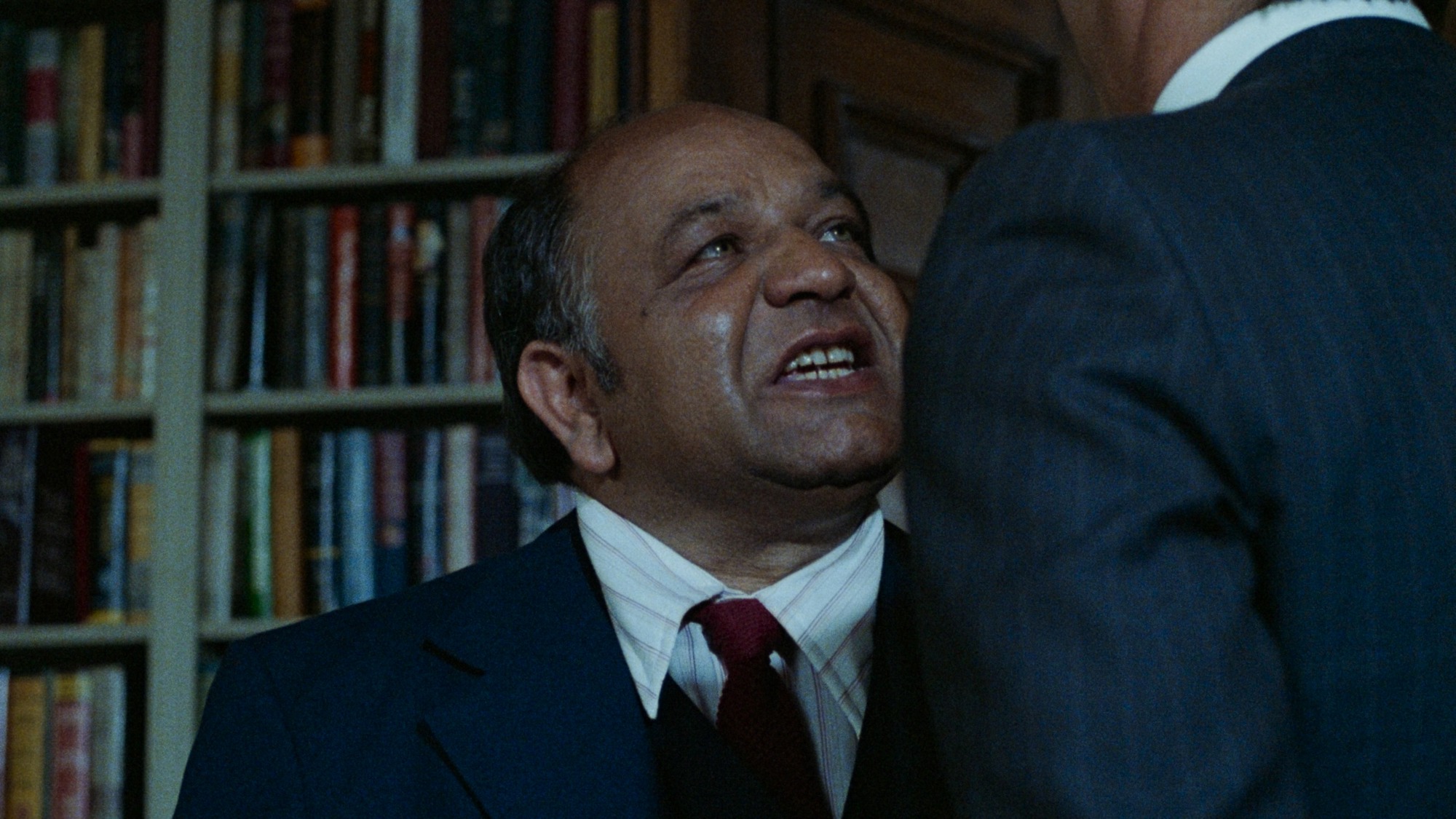
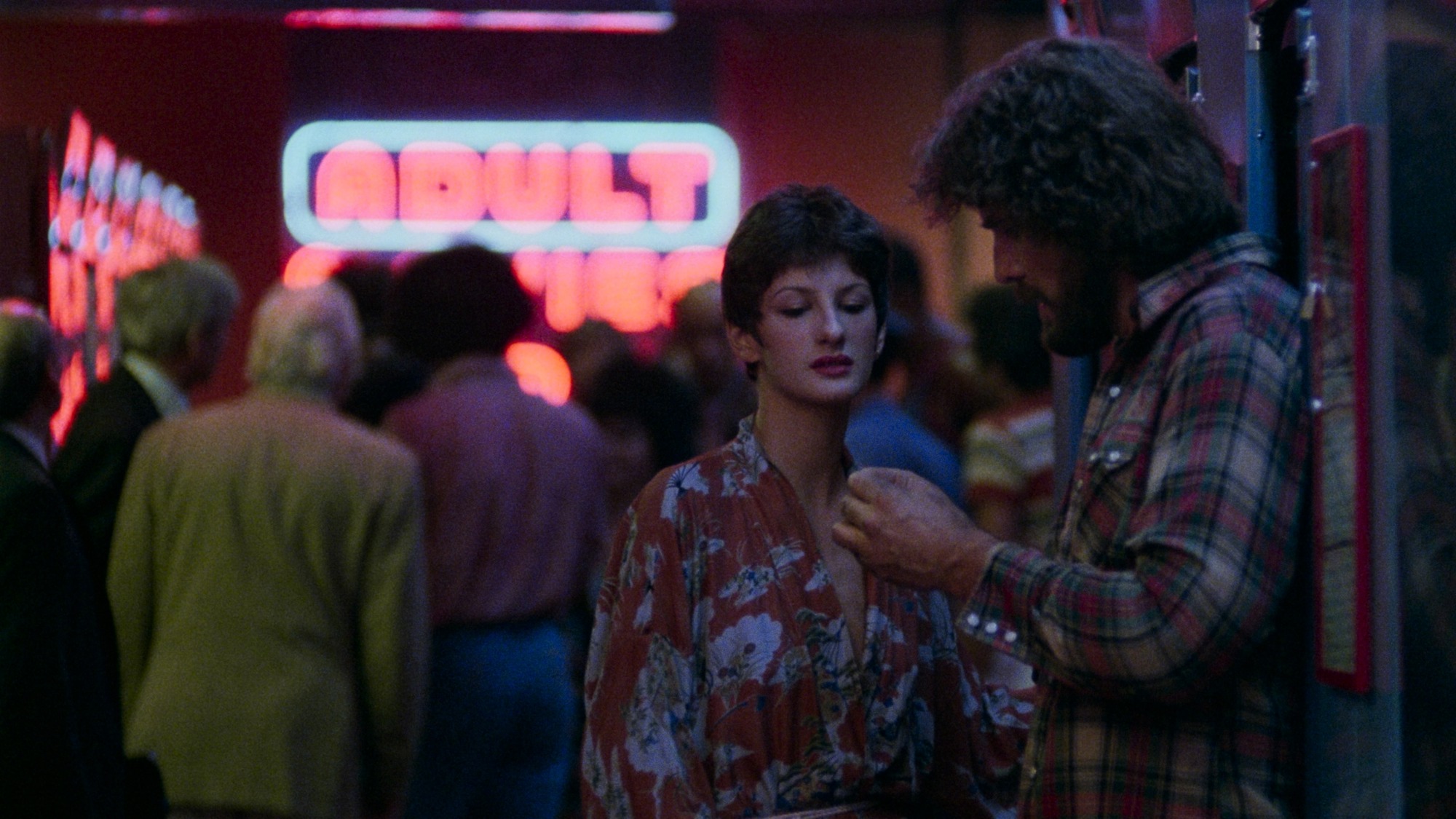
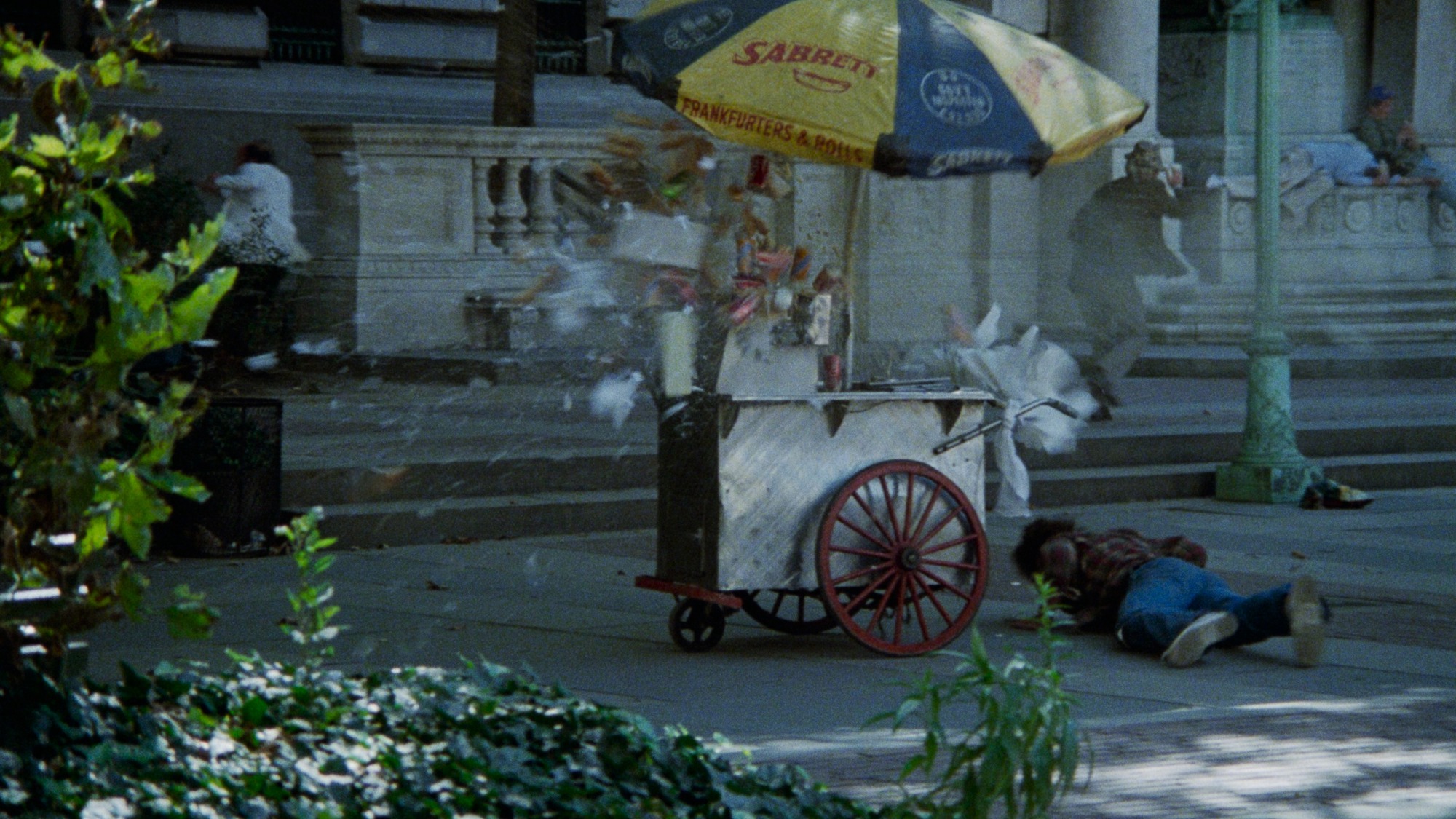
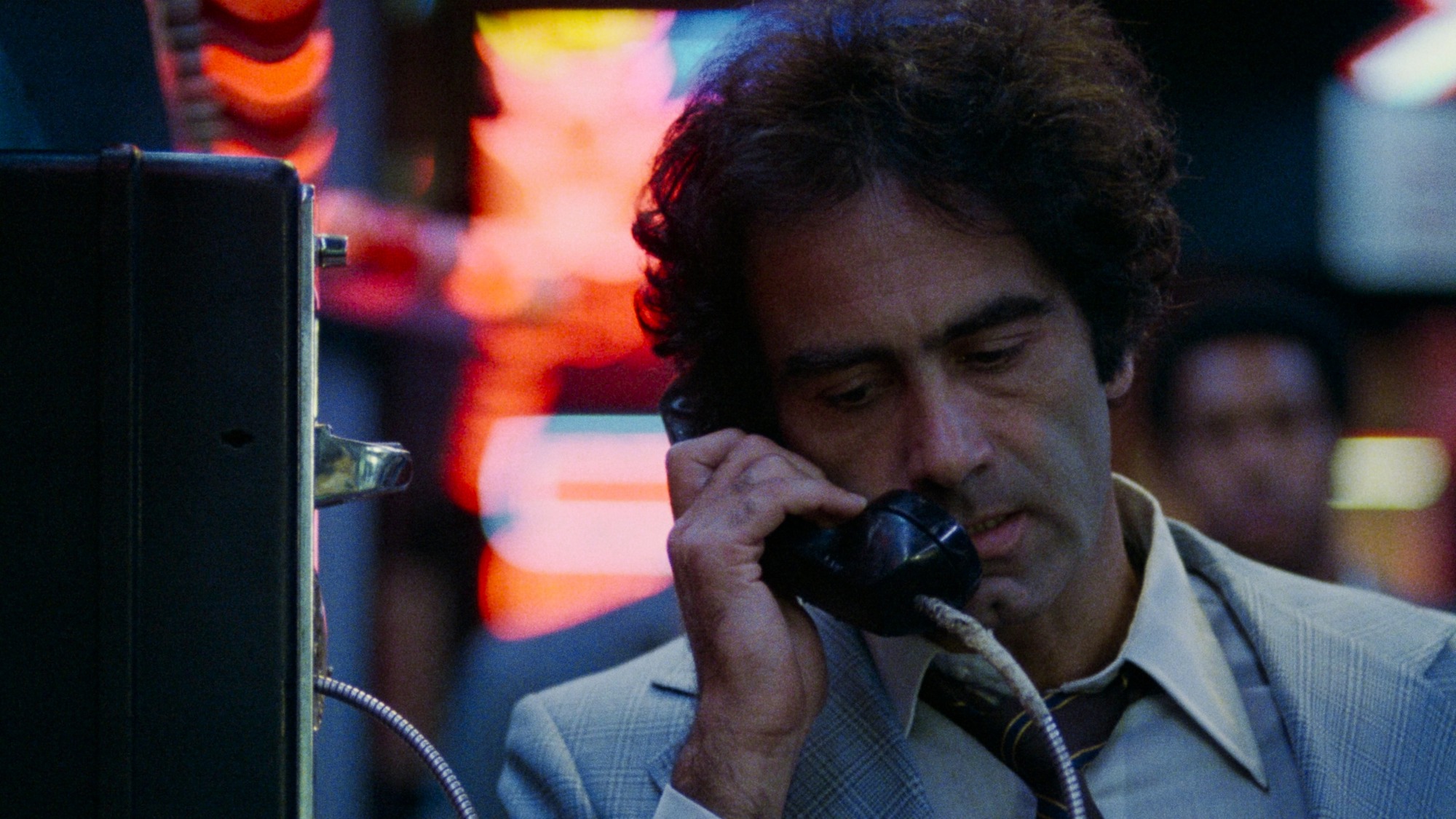
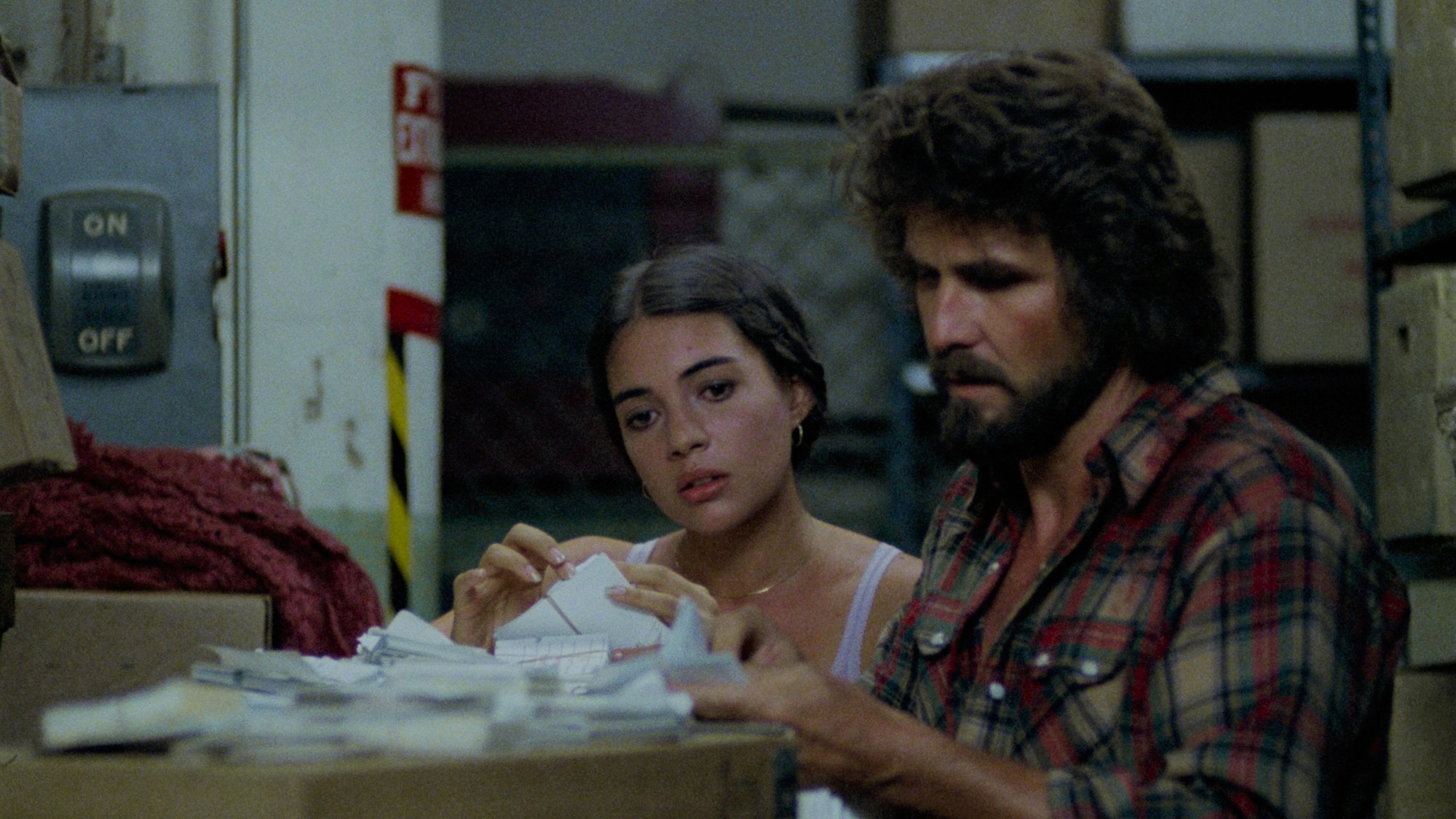
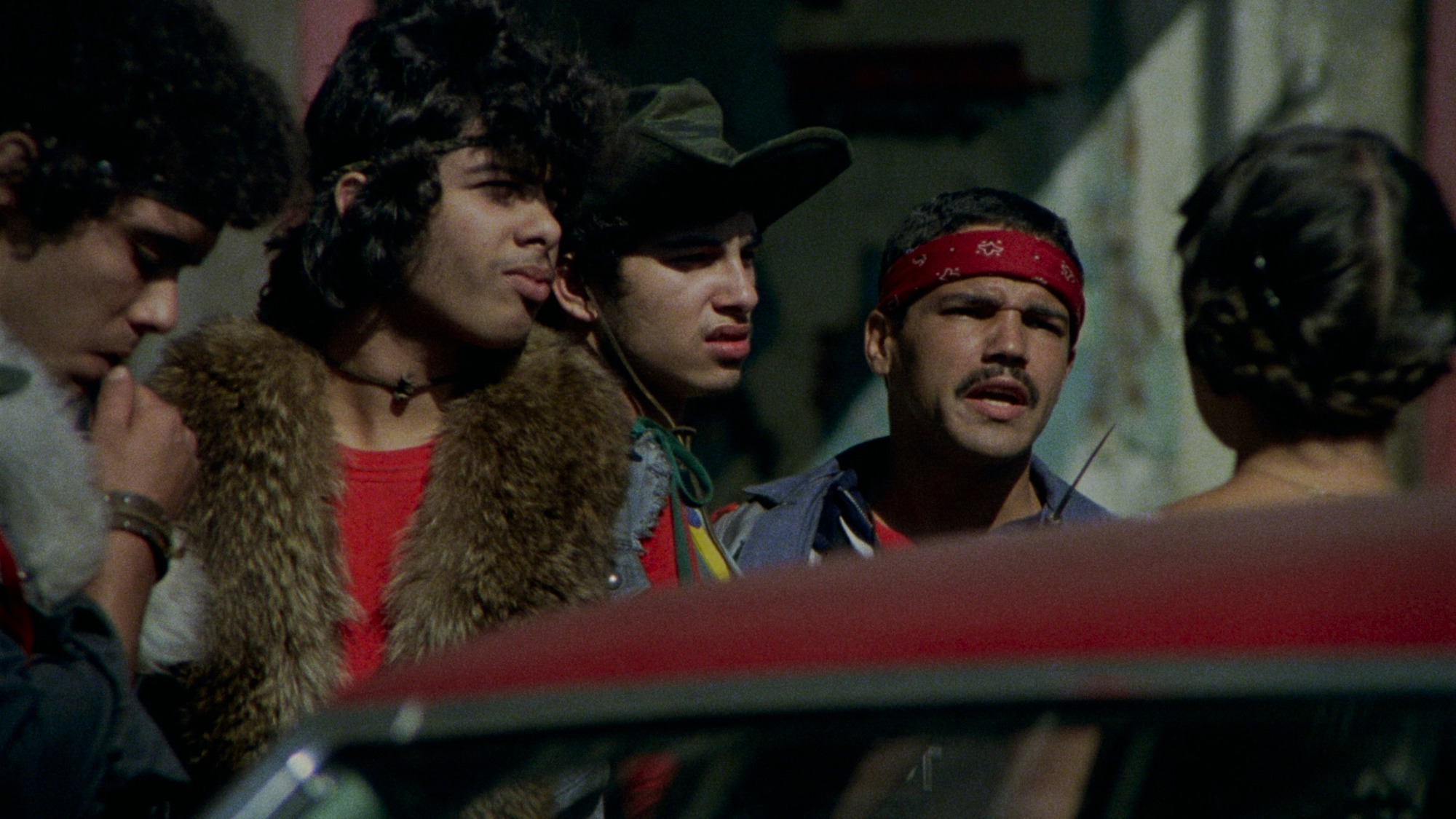
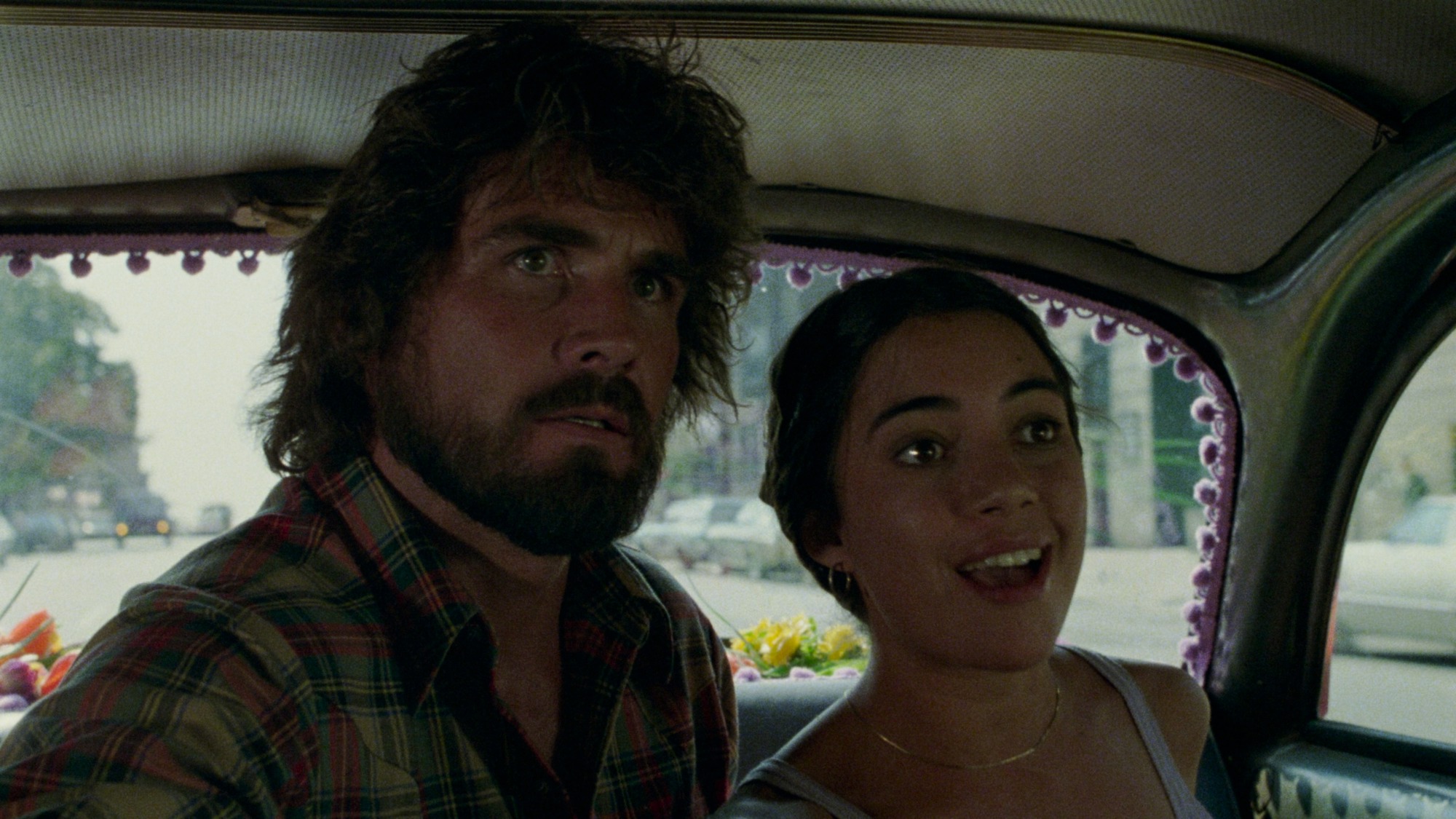
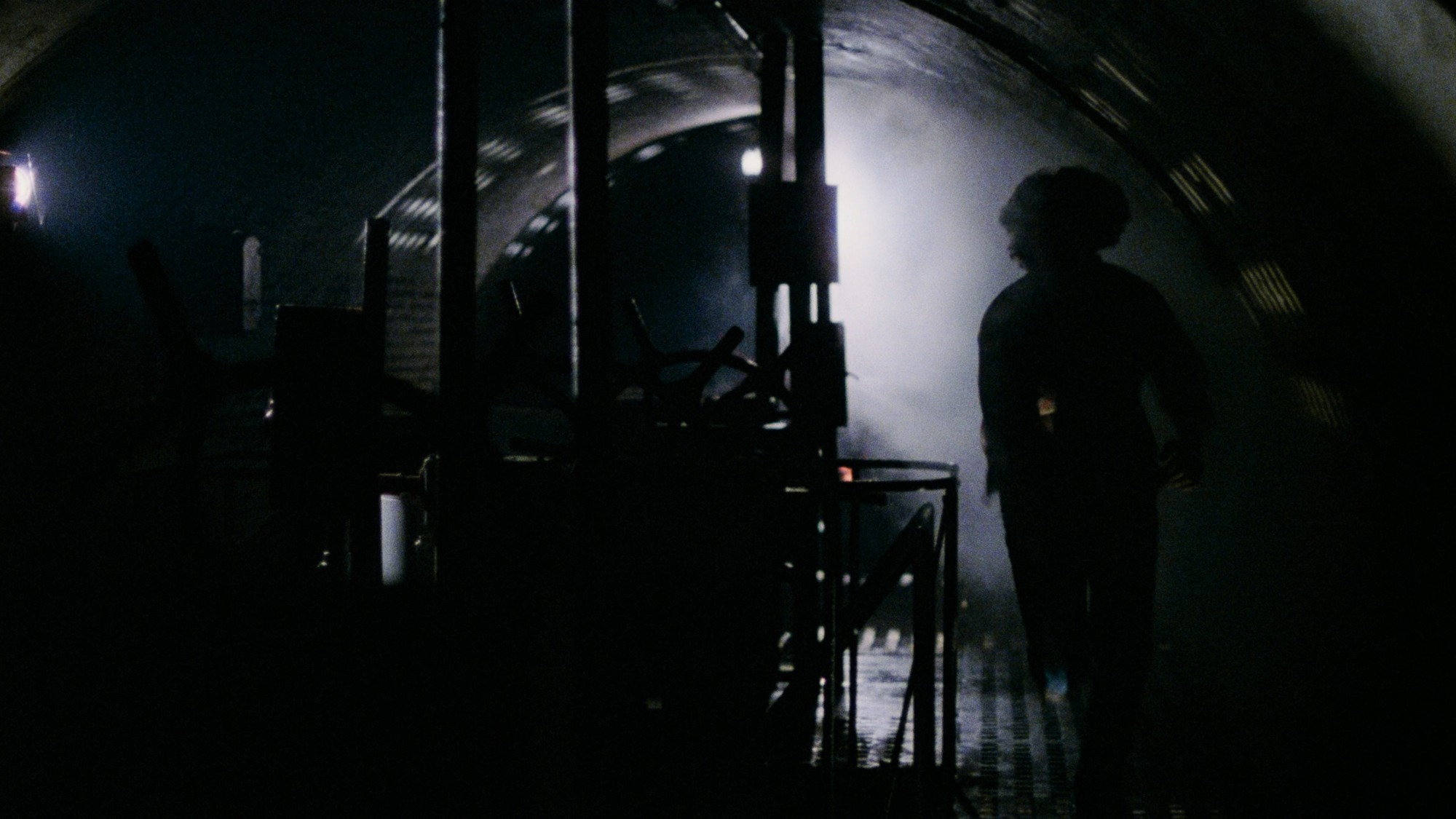
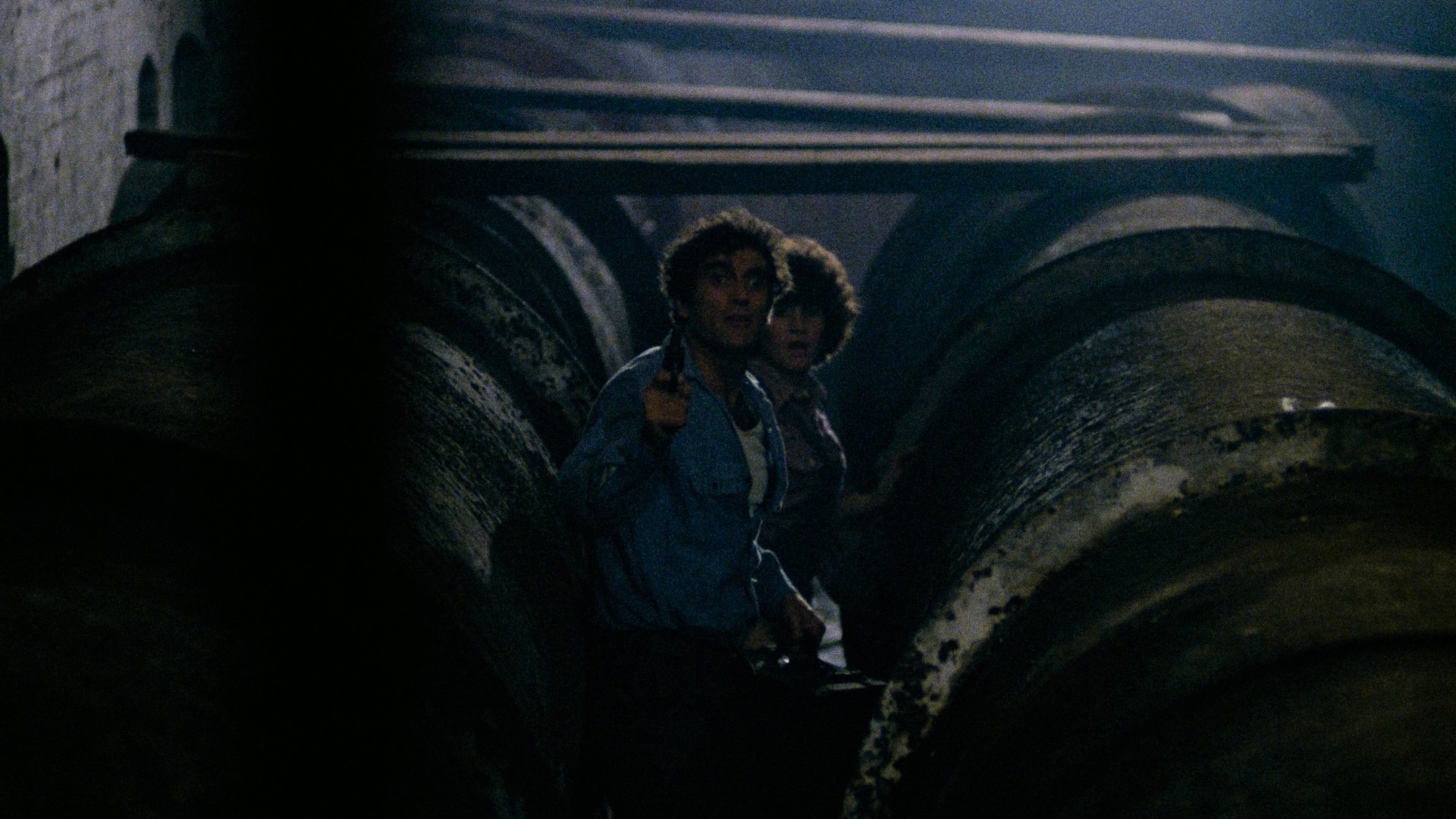
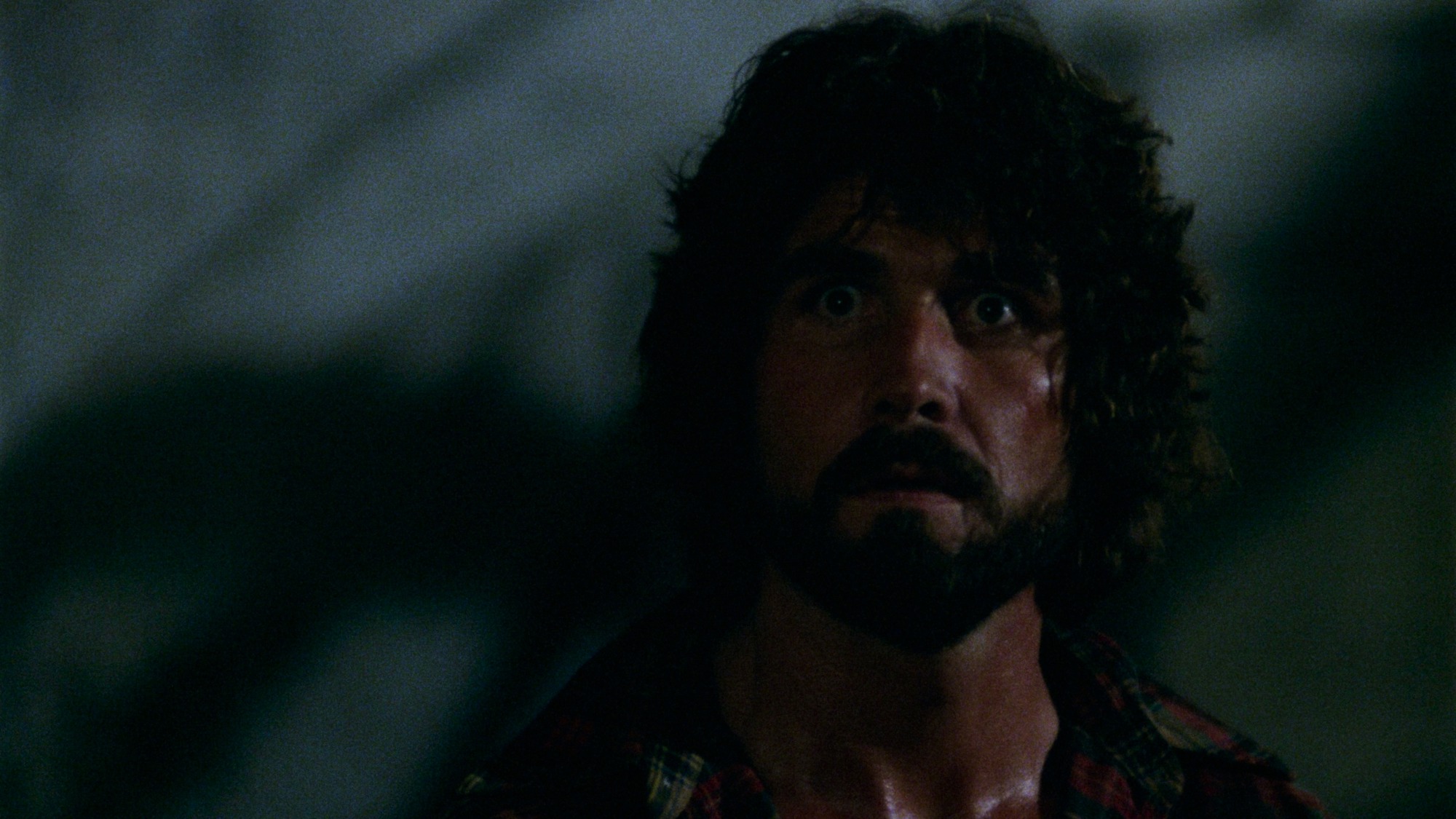
Well, someone was obviously passionate enough about this film, because aside from maybe one or two questionable choices, this presentation looks unbelievably good. The restoration works hard to preserve the grimy, late-’70s urban crime aesthetic, starting with the decision to retain the film’s incredibly heavy grain structure. Grain is rendered beautifully here, appearing dense and natural, without any issues with noise management or macroblocking, maintaining a terrific, fully intact film-like texture throughout, which I just absolutely loved.
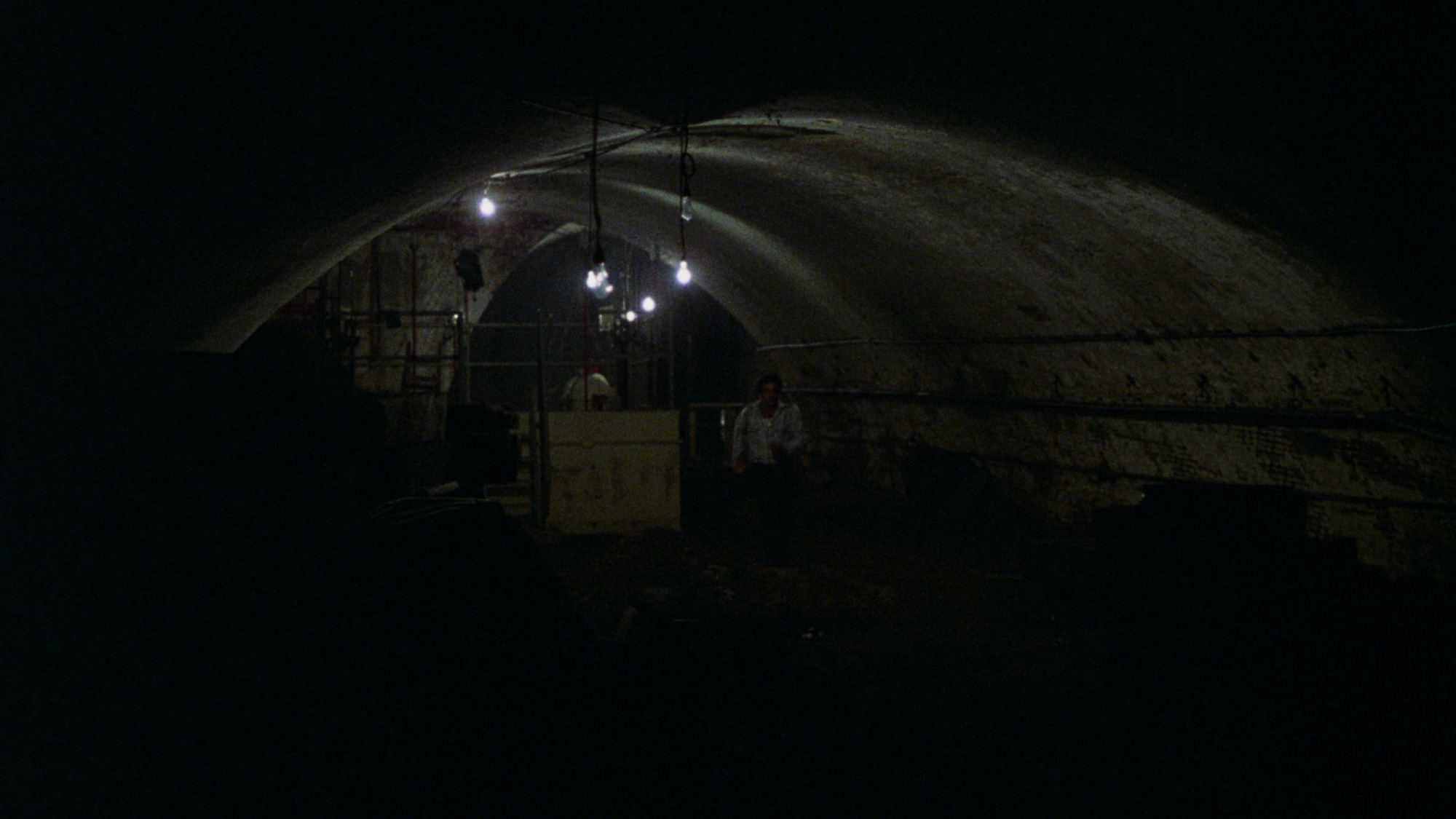
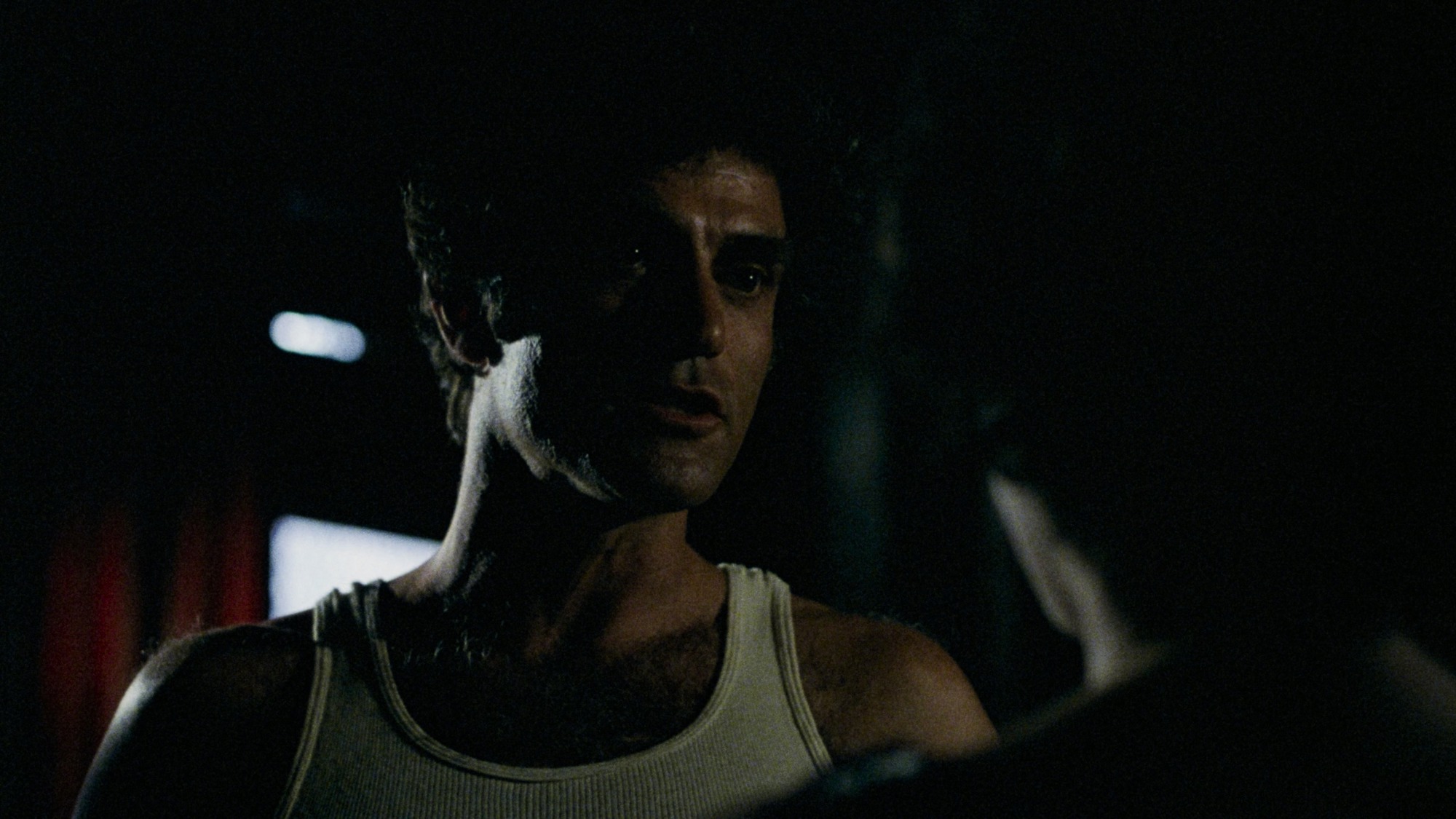
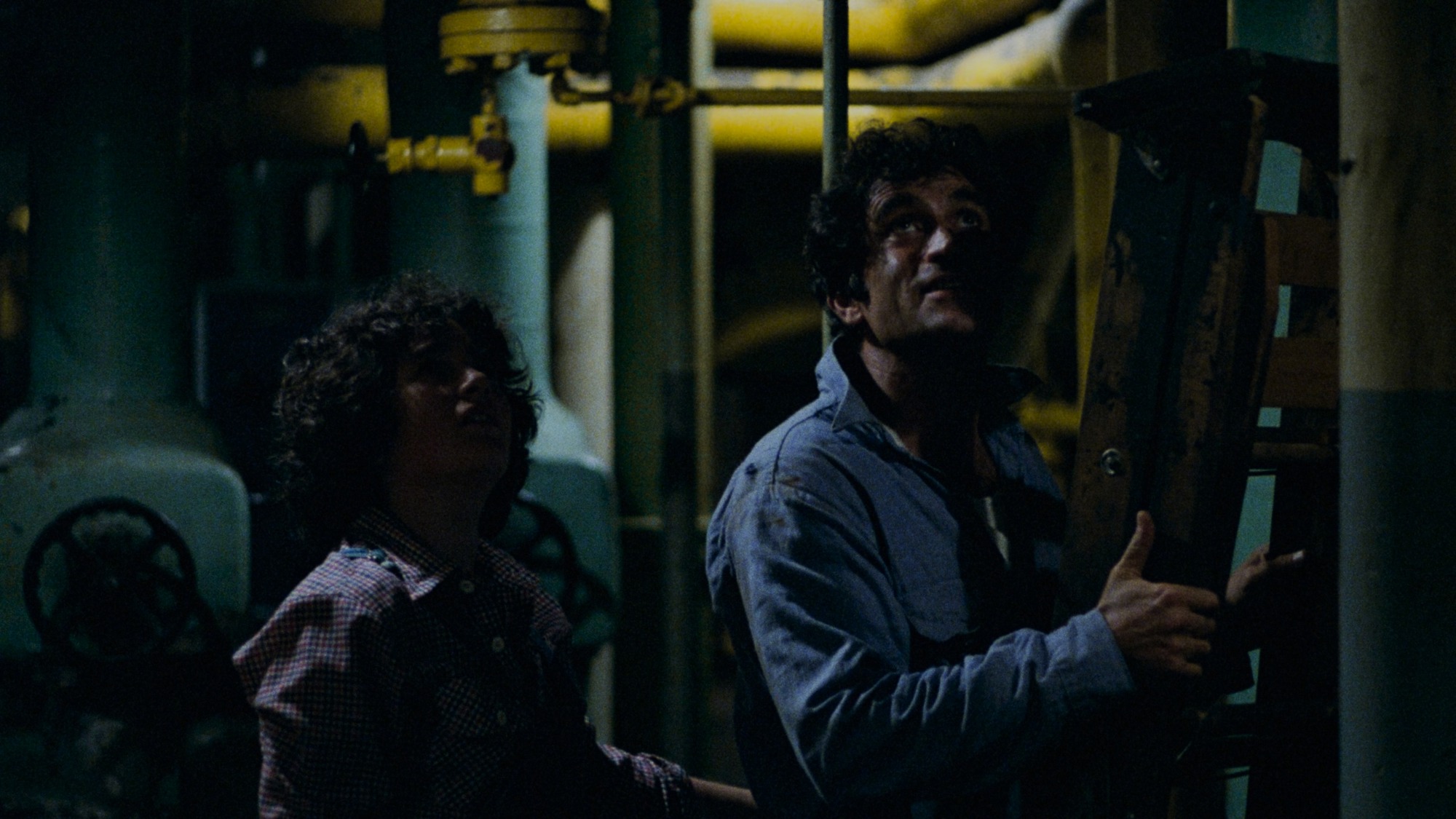
This also results in what is often a razor-sharp image, with impressively high levels of detail even in longer shots of New York’s streets. The color palette is appropriately dingy, but saturation is handled well, with occasional pops of red standing out nicely. HDR adds some extra punch in these areas, but it really shines in the film’s darker interior sequences, particularly during the climax set beneath the city streets, where highlights and shadow detail are rendered with impressive skill. Blacks can look a bit heavy or flat in a handful of shots (likely a limitation of the original lighting and possibly the film stock), but overall depth and contrast are excellent.
Cleanup work appears to have been handled well and with restraint, with no significant damage remaining. This was perhaps the biggest surprise of all, suggesting the elements were in remarkably good condition to begin with. The availability of the original negative at all is impressive I have to say, and it seems safe to assume it was well stored over the years, at least based on how well this has turned out.
The only questionable thing for me really is the aspect ratio. Presented at 1.78:1, it’s a more modern framing than the 1.85:1 ratio one would typically expect for a film from this period. It appears the frame may be opened up slightly at the top and bottom, but at the very least it doesn’t reveal anything distracting or unintended. Aside from that caveat, this is an unexpectedly terrific-looking presentation, further elevated by a strong encode. Really, really nice.
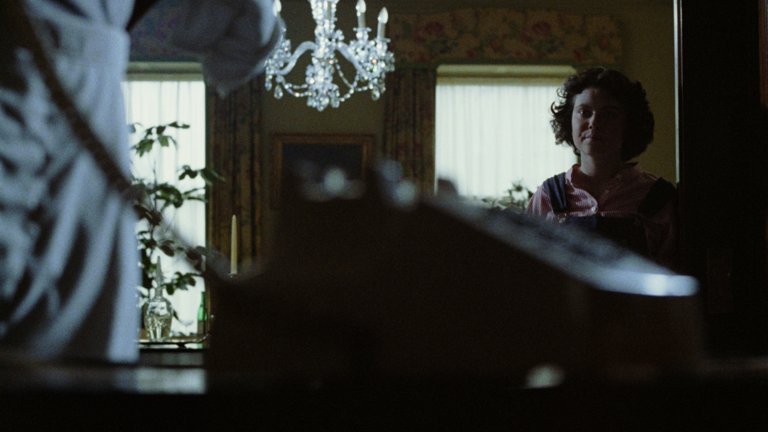
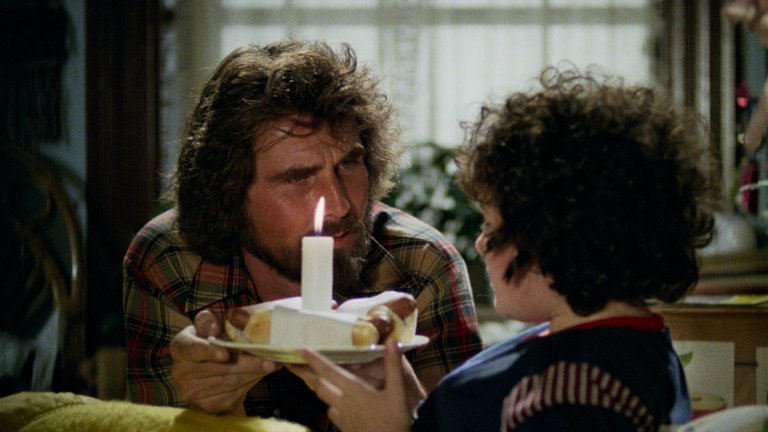
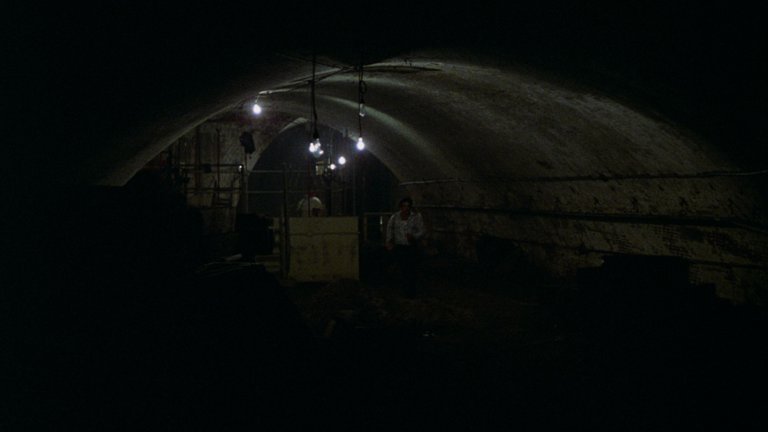
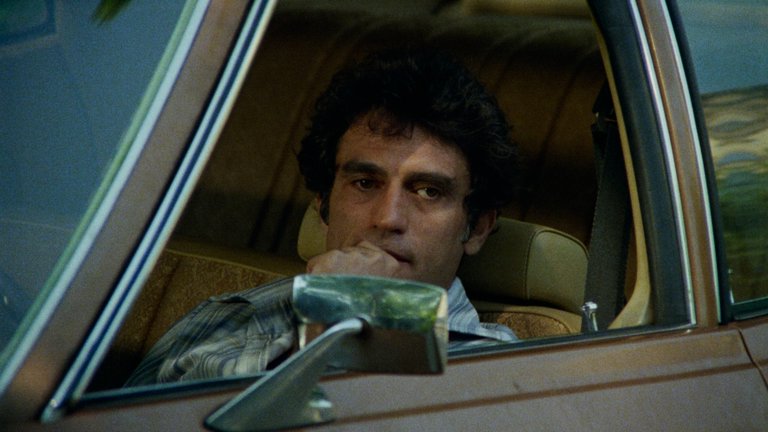
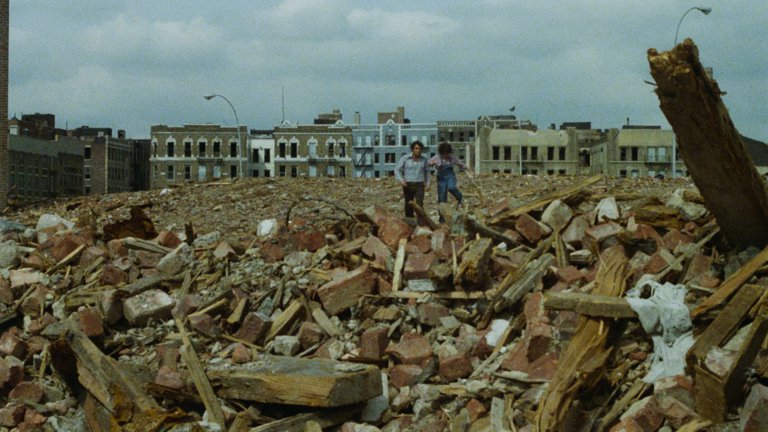
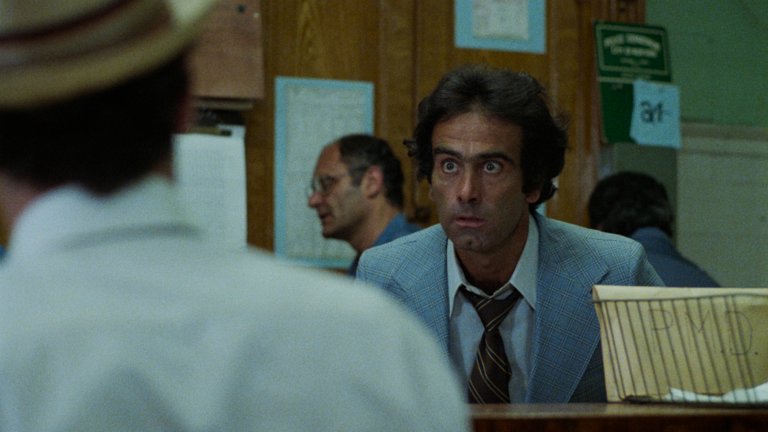
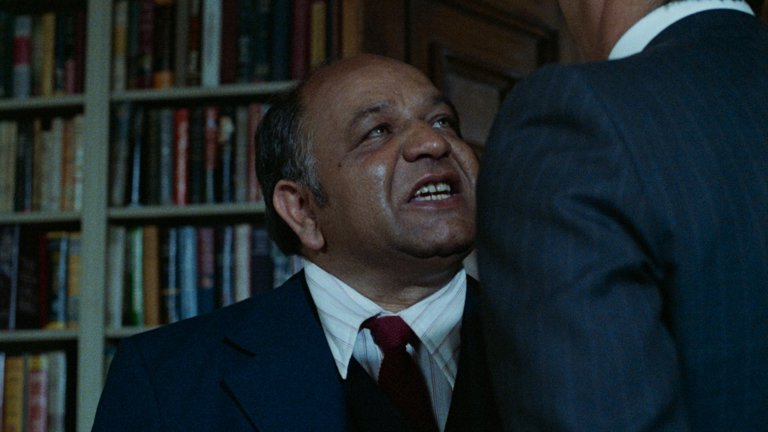
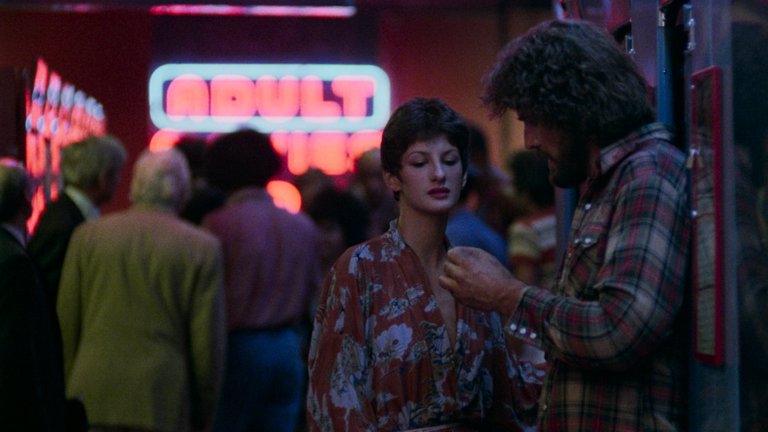
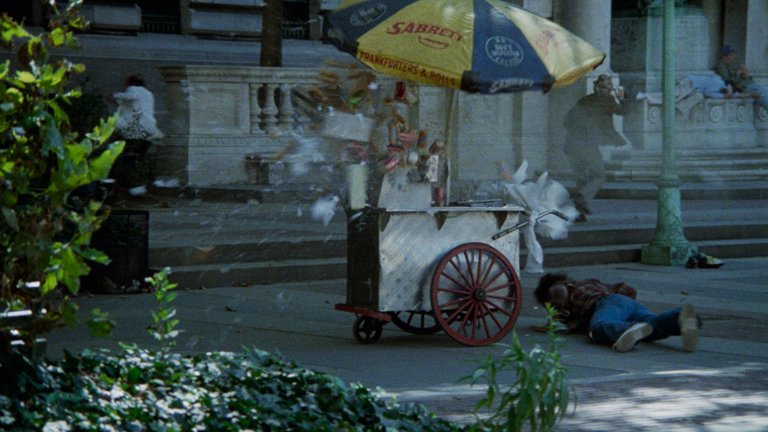
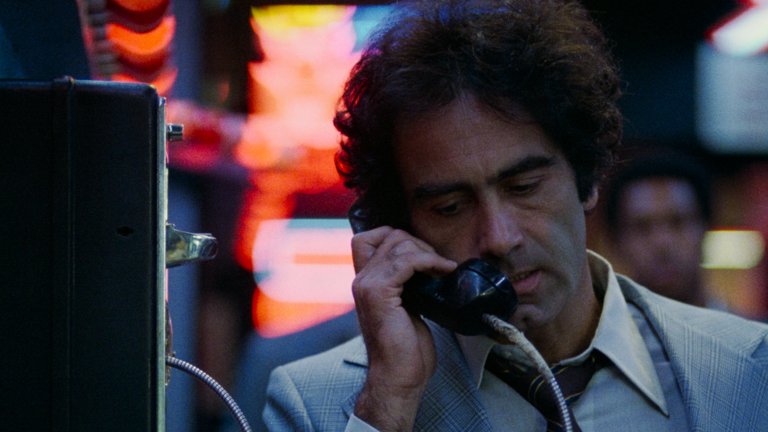
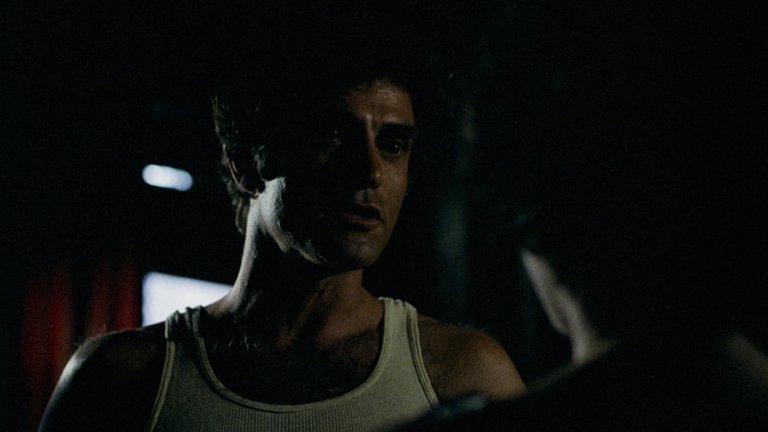
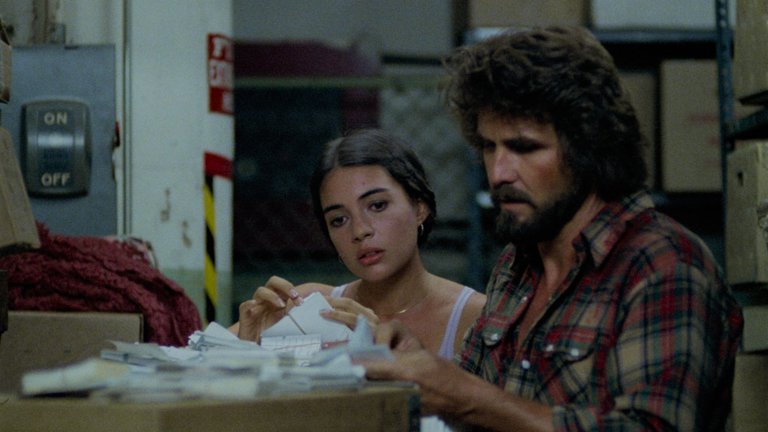
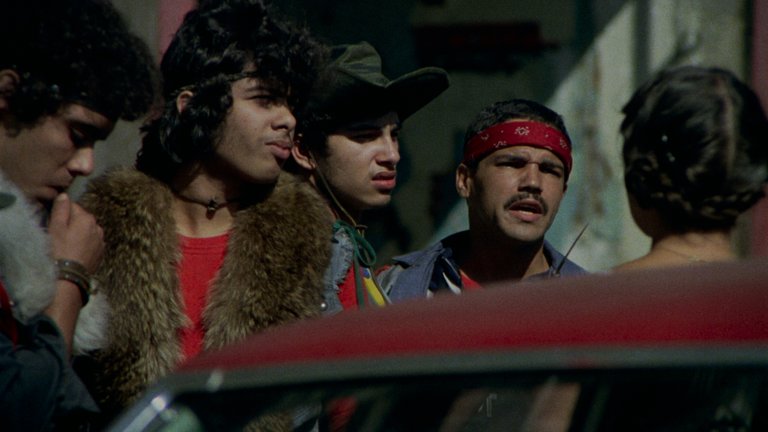
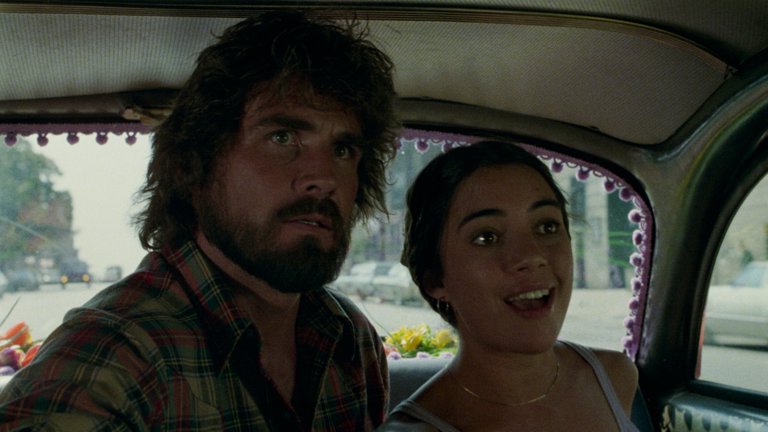
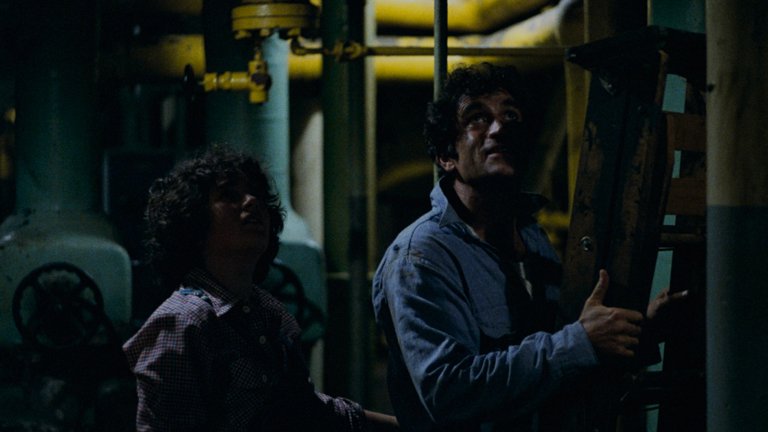
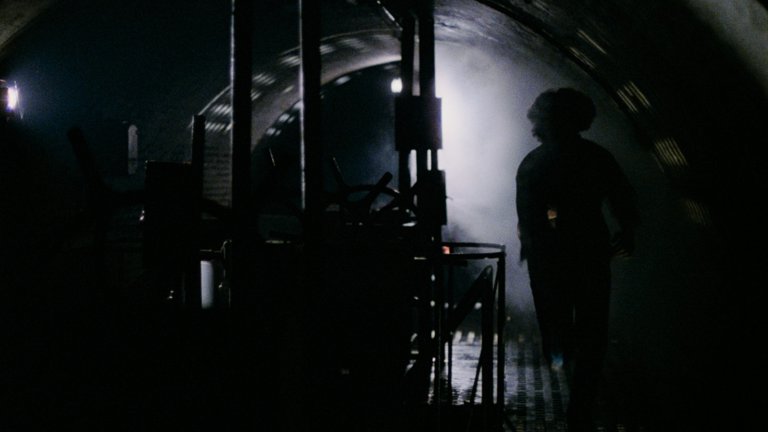
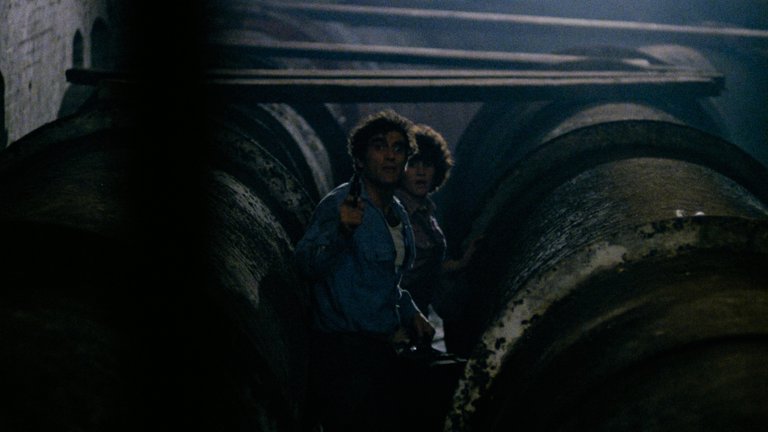
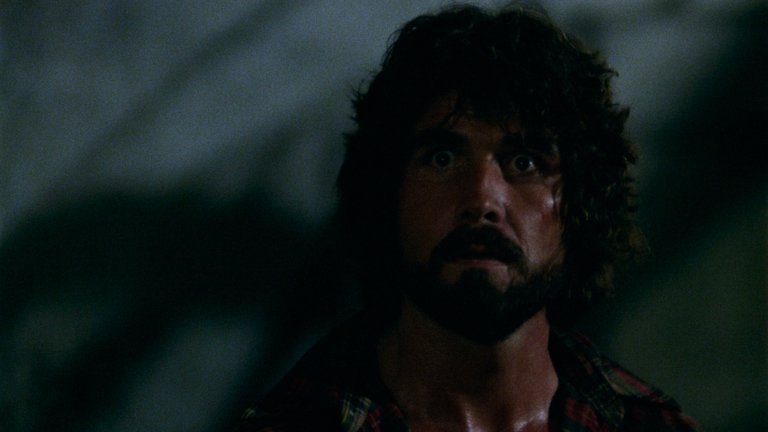
Night of the Juggler - Screen Captures
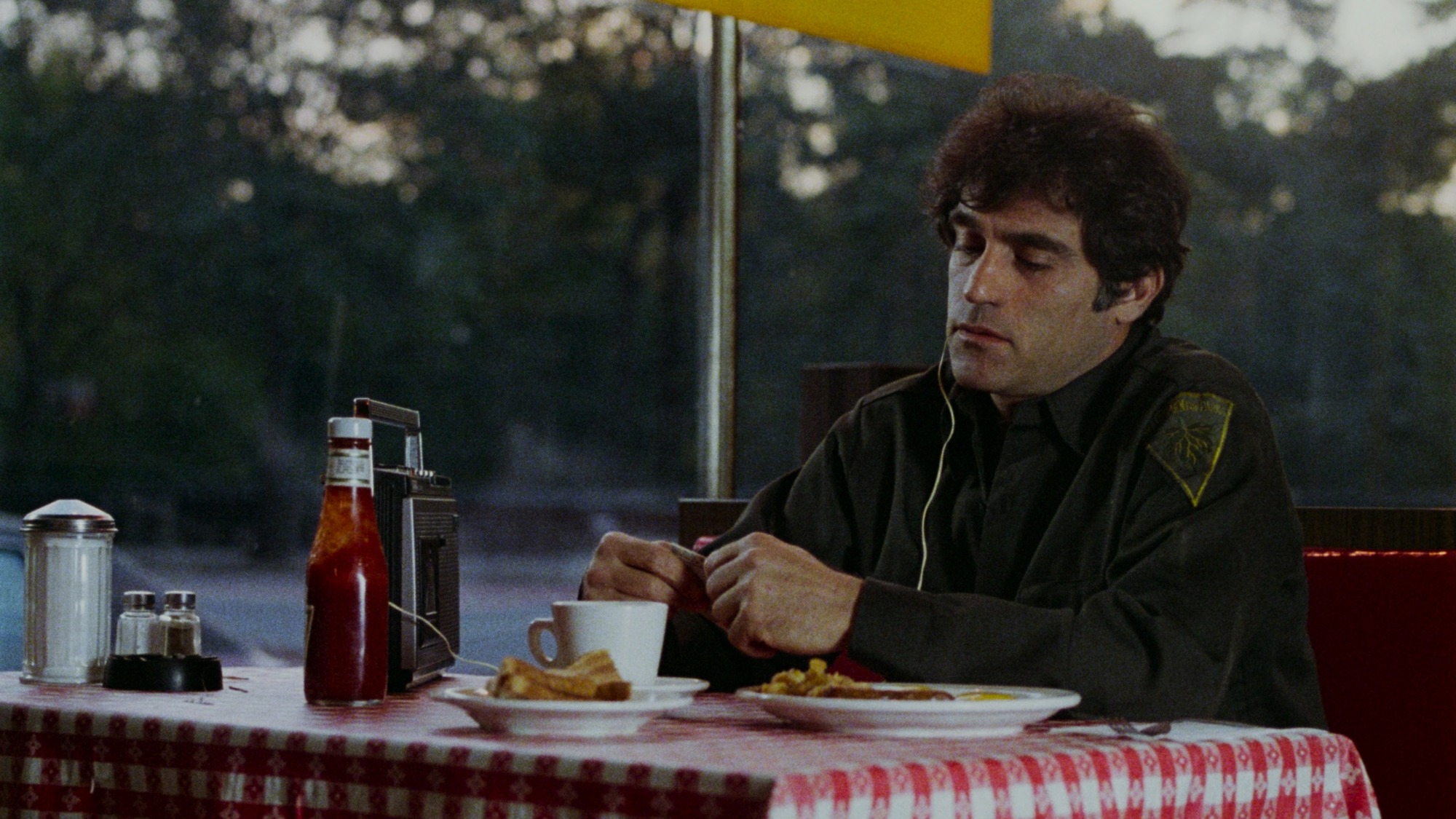
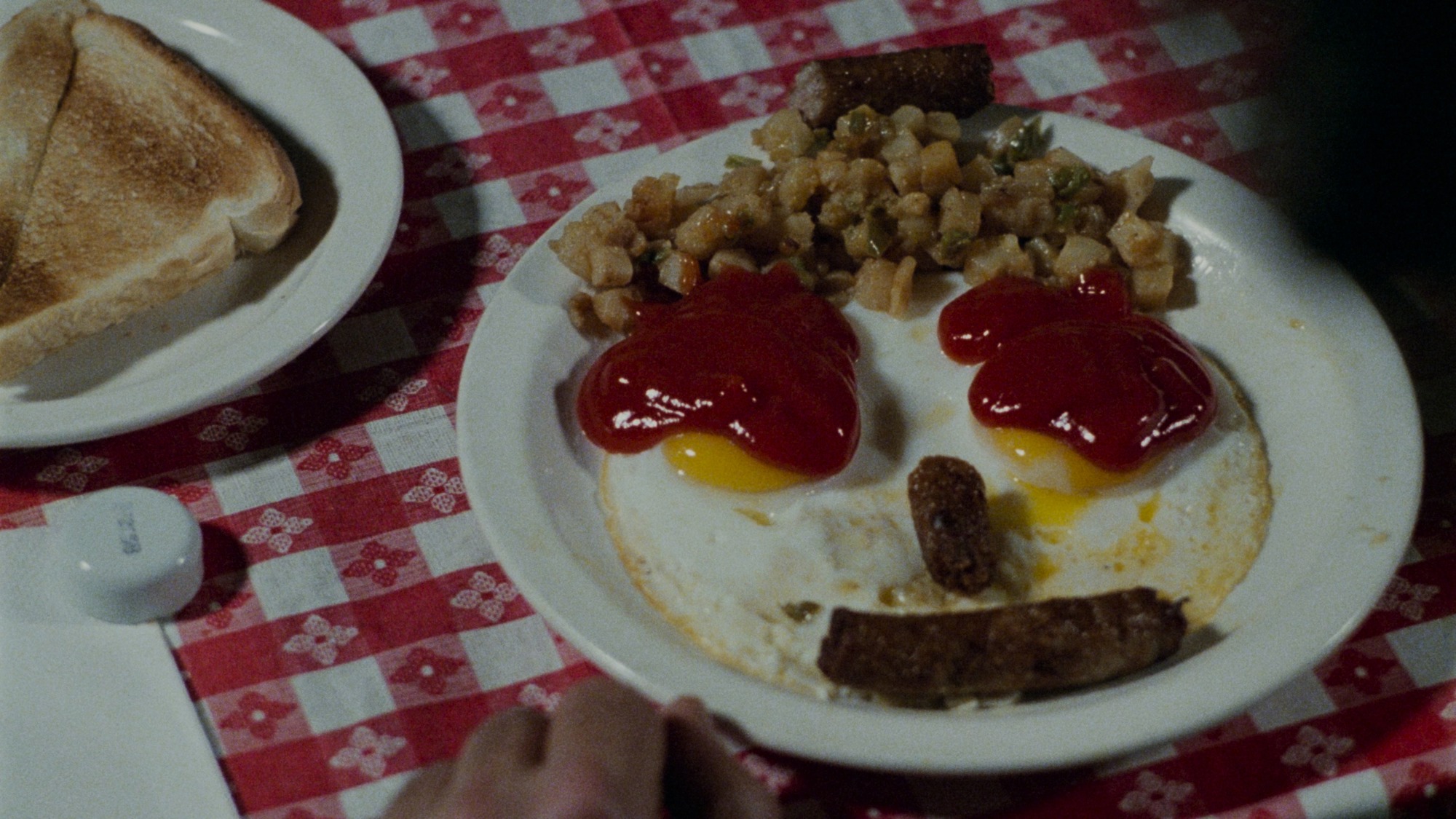
Audio 7/10
The disc includes only a lossless PCM monaural track and omits the 5.1 mix that appears to be available on Kino’s edition. I can’t say I miss it, as the mono presentation is surprisingly robust for what it is, particularly in terms of dynamic range and consistent volume levels throughout. Highs and lows are well represented, whether it’s cars crashing or shotgun blasts, and dialogue remains clear and easy to follow. Fidelity is also quite clean, with no obvious damage or distortion to speak of. Overall, it sounds really great.
Extras 9/10
For their edition, Transmission ports over several features from Kino’s release while also adding some exclusives of their own, starting with a new audio commentary featuring Kim Newman and Sean Hogan. I generally enjoy listening to the two, and they do a solid job here, though I couldn’t help but come away a bit disappointed. Much of that stems from the track’s opening, where they tease the film’s troubled production and long road to release, most notably the early director change, with Sidney J. Furie dropping out and Robert Butler taking over, and strongly suggest they’ll dive deeper into that topic. Ultimately, they don’t, only circling back to it briefly later in the track.
Part of that may be because it simply wasn’t all that dramatic. Based on comments from other features, Furie seemingly decided the film wasn’t for him and exited after James Brolin broke his ankle, shutting production down temporarily. Likewise, the commentary never fully digs into why the film took so long to reach theaters, with production beginning around 1978 and its eventual release not coming until 1980. Brolin’s injury clearly played a role, and Columbia Pictures may not have quite known what to do with the finished film, but the two don't expand much on it from there.
What this delay ultimately resulted in—and what Newman and Hogan do spend some time on—is how the film feels like a transitional piece, straddling late-’70s and early-’80s crime thrillers. They compare it to other New York–set films of the era, which leads into discussion of the city itself, its socio-economic conditions, and how vividly they’re captured here. They also address the film’s depiction of minority communities and the overt racism expressed by several characters, particularly the villain, elements that may understandably sit uncomfortably with modern viewers. The two never stop talking and cover a wide range of ground, including the source novel and its place within Hollywood’s wave of adapting middling pulp fiction and interesting little bits of trivia. It’s certainly worth a listen, even if I was hoping for a deeper dive into the behind-the-scenes turmoil. (The commentary appears on both the 4K and Blu-ray discs.)
Also new is an engaging video essay on the Blu-ray (which also houses all the video-based supplements) by Howard S. Berger titled Fun City Limits. Berger examines how New York City has been portrayed on film across decades, first as a sparkling metropolis, then as the home of the struggling working class, and finally as the decaying C.H.U.D.-infested urban nightmare of the 1970s. (Okay, C.H.U.D.s are not mentioned in the essay, but it's fair to say they’re lurking there somewhere.) Berger surveys films across these eras, placing particular emphasis on Sidney Lumet’s work, and even notes how many Canadian-born directors have depicted the city (maybe not a coincidence?). Eventually, he turns to Night of the Juggler, exploring how it blends blue-collar realism with the era’s seedier urban imagery. My Dinner with Andre even gets a shout-out for good measure. It’s a nicely assembled, breezy 27-minute piece that I enjoyed quite a bit.
I also found myself enjoying The Meanest Streets, a 29-minute location featurette hosted by Michael Gingold that revisits the film’s shooting locations and compares them to their present-day appearances. Unsurprisingly, nearly everything looks drastically different now (as Newman and Hogan also note, had the film’s antagonist held onto his dilapidated property a little longer, he’d be sitting on a fortune). I’m usually not especially fond of these kinds of features, but this one is elevated by an accompanying audio track from production associate Chris Coles. He shares behind-the-scenes anecdotes, explains why certain locations were chosen, and recounts some amusing stories, such as a New York police officer becoming understandably alarmed by Dan Hedaya sprinting through the streets wielding a shotgun. I’m still not entirely sold on location tours as features, but Cole's added context makes it far more engaging.
The remaining supplements appear to have been produced by Kino, including new interviews with James Brolin and Julie Carmen, each running roughly 14 minutes. Brolin opens by admitting he may struggle to recall details from nearly 50 years ago, but he actually does remarkably well. Having previously worked with Furie on Gable and Lombard, he explains how that relationship led to his casting, details the ankle injury that sidelined him (stemming from the early cab chase and a forgotten prop), and vividly recalls the chaos of 42nd Street at the time, likening it to Disneyland, “but filthy.” He also speaks fondly of his co-stars. Despite the injury, Brolin clearly looks back on the film with affection.
Carmen shares similarly positive memories and expresses genuine excitement that the film is finally receiving a proper home video release that might broaden its audience. She discusses her casting, championed by Furie, and hints that a more famous white actress was being pushed for the role instead, one who likely would have played it in brownface. She also recalls several of her favorite moments from the shoot, though also addressed the film's (and others of the era) depiction of the Latino community. Both interviews are strong and well worth watching.
Also included is a 14-minute presentation by Daniel Kremer titled Pandemonium Reflex: An Inquest into Sidney J. Furie’s Night of the Juggler. Kremer argues that the film should be considered part of Furie’s canon despite the director not receiving final credit. Drawing on clips from Furie’s other films and audio recordings from conversations conducted while researching his book Sidney J. Furie: Life and Films, Kremer highlights thematic, compositional, and stylistic overlaps. He does make a point of noting that he would never attempt a similar argument for The Jazz Singer, from which Furie was famously fired. It’s a thoughtful presentation, and the audio clips of Furie himself, expressing mixed feelings about the film, are especially interesting. (As a note, there does appear to be a minor audio-sync issue toward the end.)
Rounding out the set are the pulpy theatrical trailer and a short image gallery featuring lobby cards (mostly drawn from a single scene), posters, and home video artwork. This limited edition is packaged in a thick outer sleeve containing a poster and reproductions of the lobby cards, along with the disc case itself, which comes housed in its own slipcover. A booklet is also included, featuring an essay by Glenn Kenny on the film, followed by a piece by Travis Woods examining its characters and urban setting, drawing comparisons to other vigilante films of the era. Barry Forshaw closes things out with an essay on the film’s source novel and its author, William McGivern (whose book was originally intended to be titled Night of the Jugular before a printing error stuck).
All told, it’s an impressively comprehensive package and a terrific-looking set, with everyone involved clearly going the extra mile for a film that once seemed destined for obscurity.
Closing
A surprisingly comprehensive and lovingly assembled edition, anchored by a knockout 4K presentation and a strong slate of supplements. An easy recommendation.
BUY AT: