Kiss of the Spider Woman
BUY AT:


See more details, packaging, or compare
Synopsis
Featuring indelible performances from Raul Julia and an Academy Award–winning William Hurt, Kiss of the Spider Woman is a work of radical compassion that boldly expands notions of love, gender, and revolution. In the film—directed by Héctor Babenco following his international breakthrough with Pixote, and adapted from the novel by the iconoclastic writer Manuel Puig—Julia and Hurt play Valentin and Molina, a militant leftist activist and a queer, cinema-obsessed window dresser, imprisoned together under a repressive military dictatorship. The two gradually forge a bond that transforms the way they both understand politics, sexuality, and masculinity. Blending raw realism with Molina’s imaginative escapes into sumptuous movie fantasy, this searing human drama offers a powerful vision of personal liberation embedded within broader political struggle.
Picture 9/10
The Criterion Collection brings Héctor Babenco’s oddly elusive Kiss of the Spider Woman to 4K UHD, presenting the film on a triple-layer disc in its original 1.85:1 aspect ratio. Delivered in Dolby Vision, the 2160p/24hz ultra high-definition presentation is sourced from a new 4K restoration created from a scan of the 35mm original camera negative (at least for the most part). A standard dual-layer Blu-ray is also included, featuring a 1080p presentation along with all of the release’s supplements.
I’ll be honest: I haven’t seen the film in a very long time, and my only prior exposure would have been a television airing. I never picked up the DVD either, so I don’t really have a baseline for comparison here. As a result, there were a few elements I initially questioned, but taken as a whole, the end results struck me as absolutely incredible.
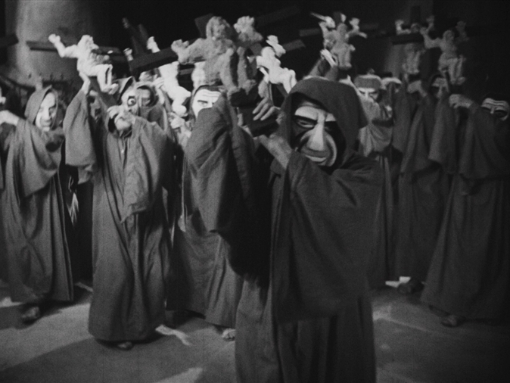
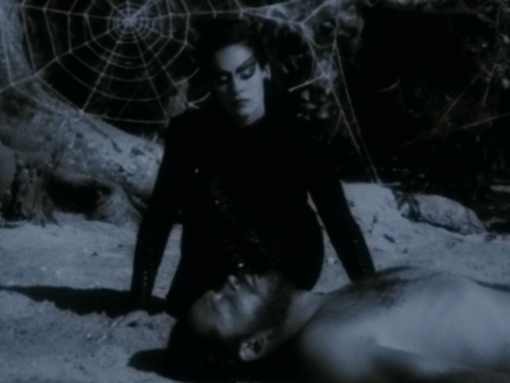
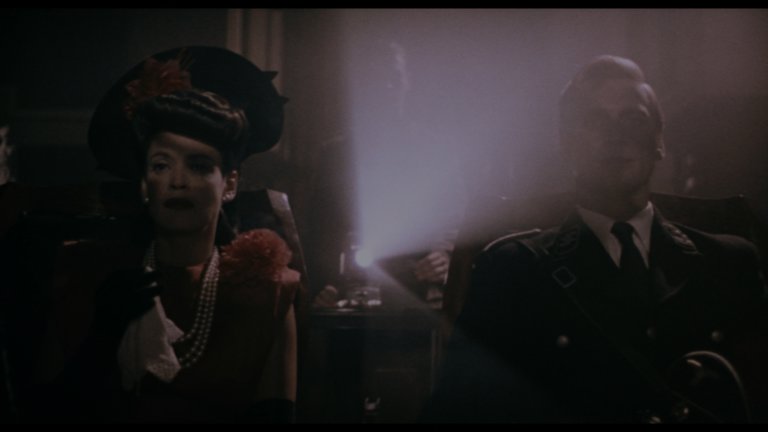
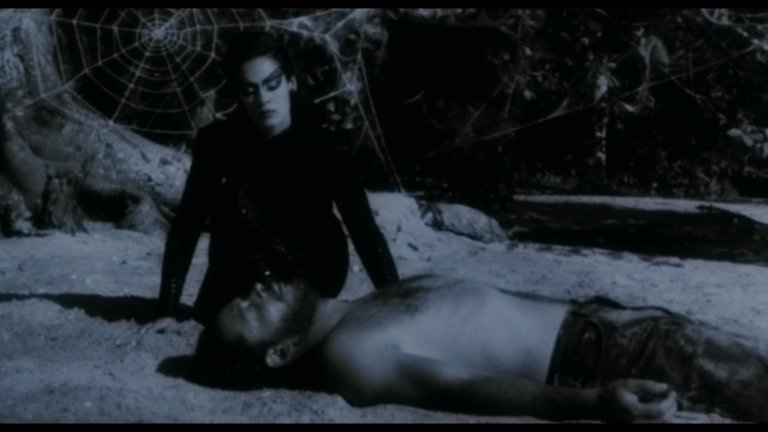
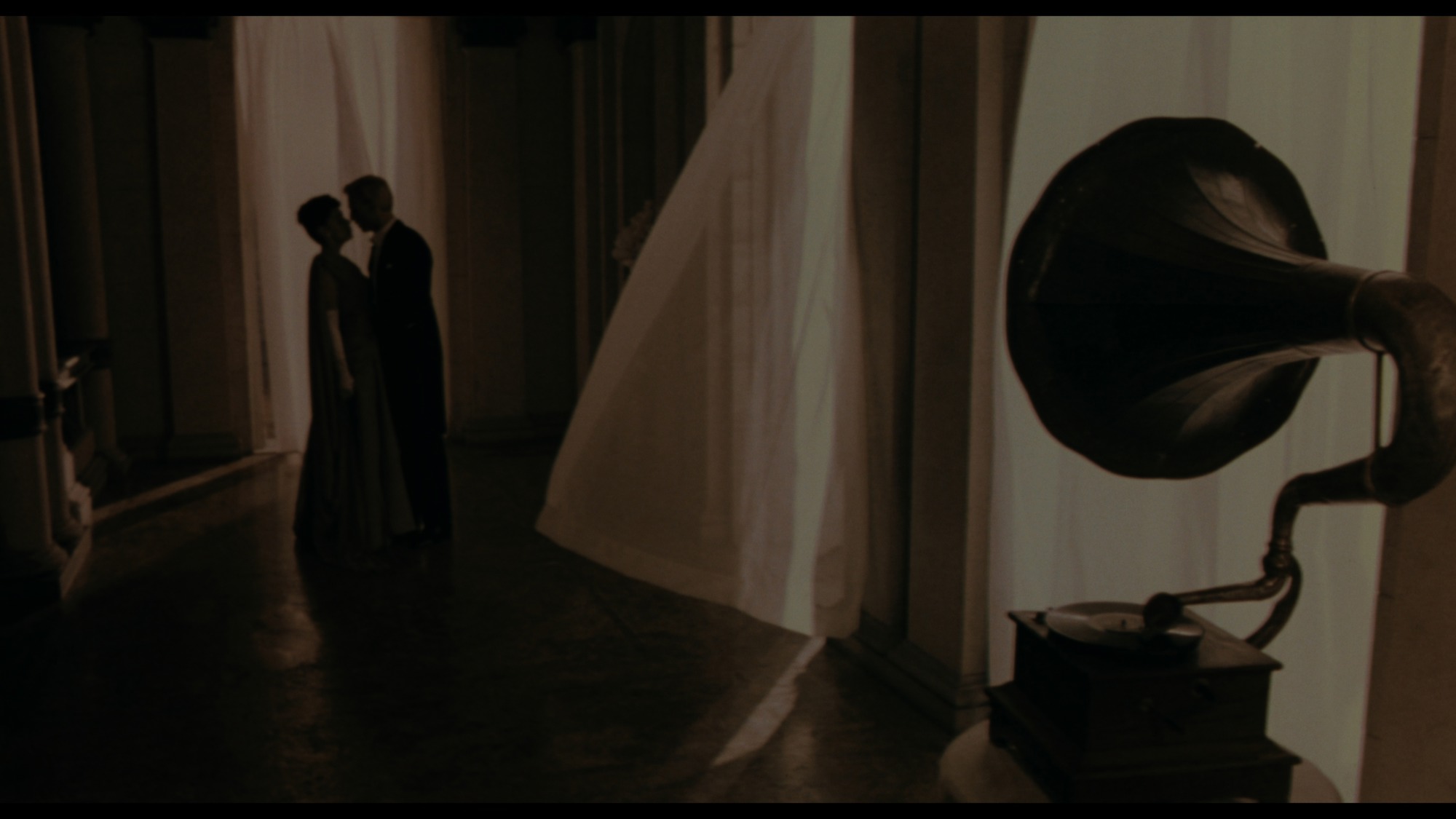
Where I found myself hesitating a bit was with the film-within-the-film material; the “Nazi movie” and the “Spider Woman” sequences. These segments look filtered (intentionally so), but also somewhat off. I don’t recall how they appeared in earlier viewings beyond a general sense that they were meant to look “old,” and given that my only memory is of a TV broadcast, everything would have looked fairly soft anyway. While these sequences can appear fuzzy and blown out—processed, even—grain is still very much present, and I didn’t see any obvious signs of heavy digital manipulation or artificial grain being added after the fact on closer inspection. If anything, the texture do appear to be baked in. I have little doubt that optical filters were used during production (something the supplements reinforce by pointing out that Babenco treated these segments as essentially separate films), and some of the smearing and diffusion further supports that. Still, they stood out enough that I found myself repeatedly questioning them as they popped up.
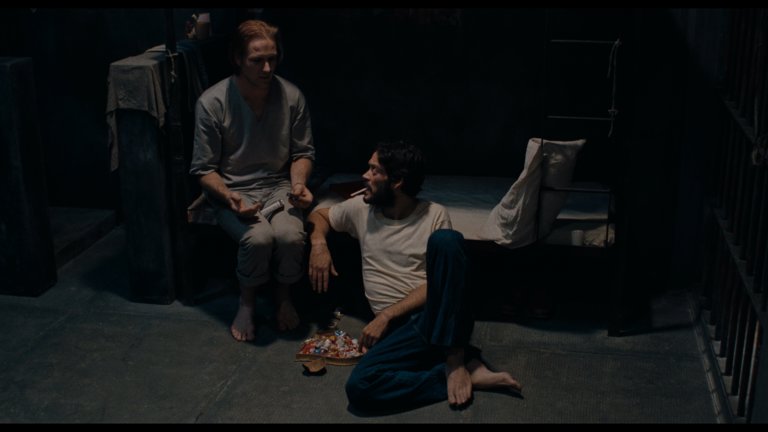
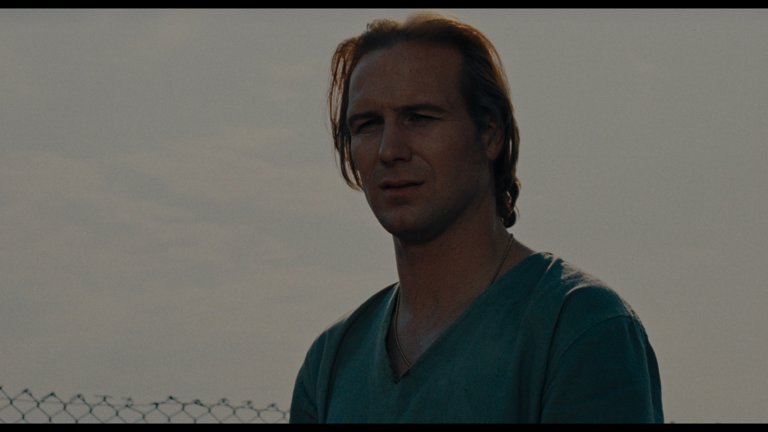
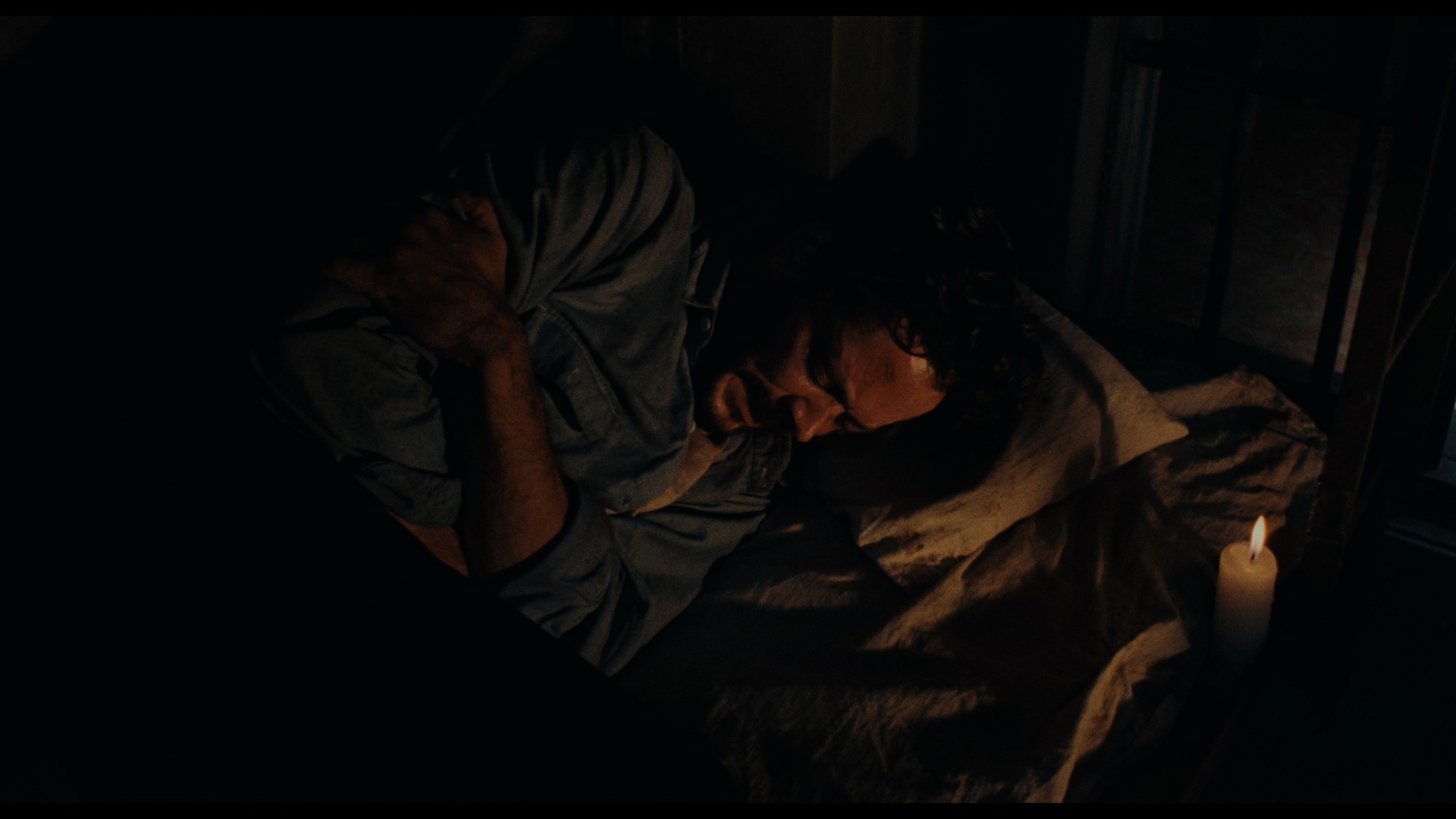
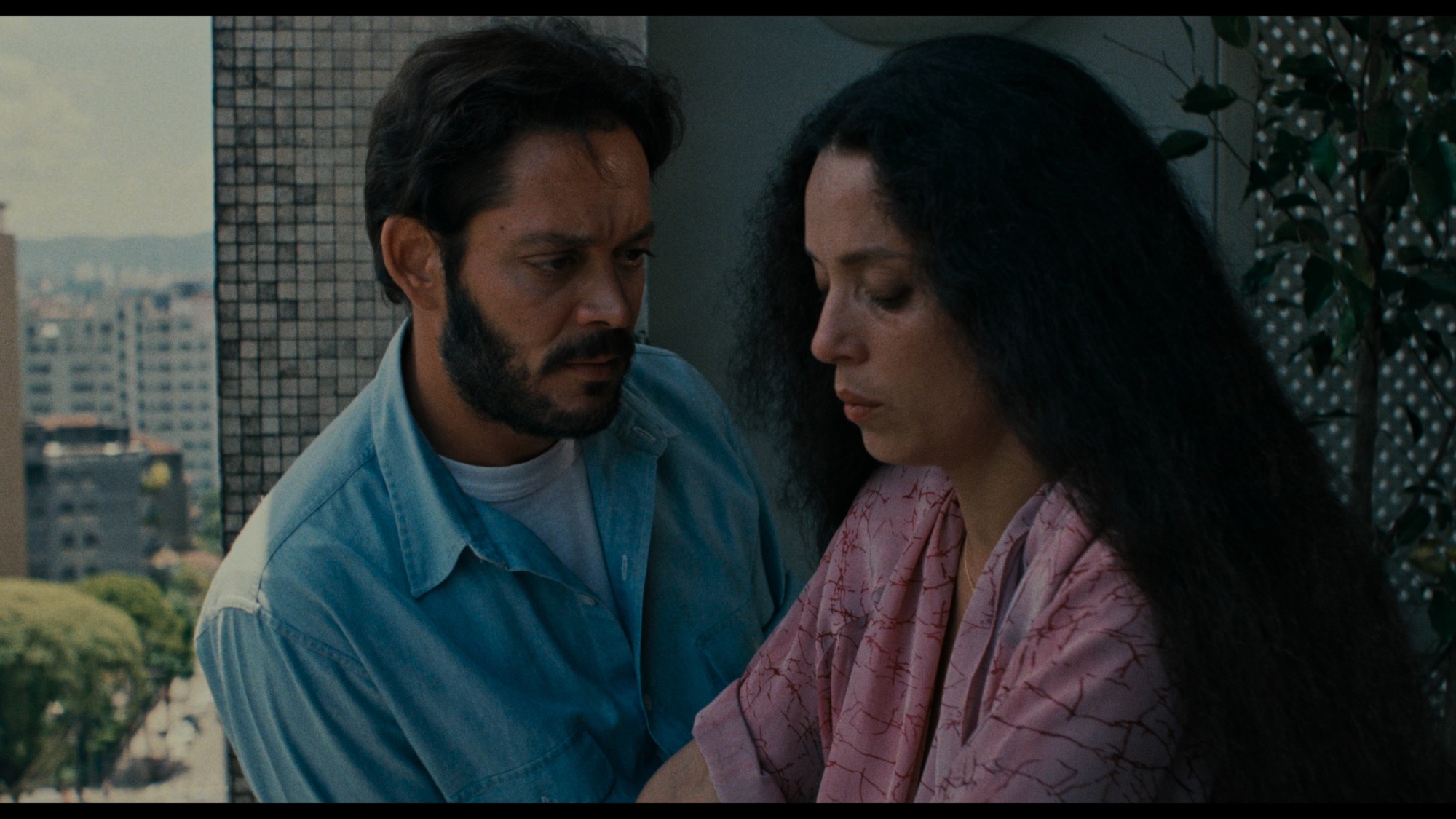
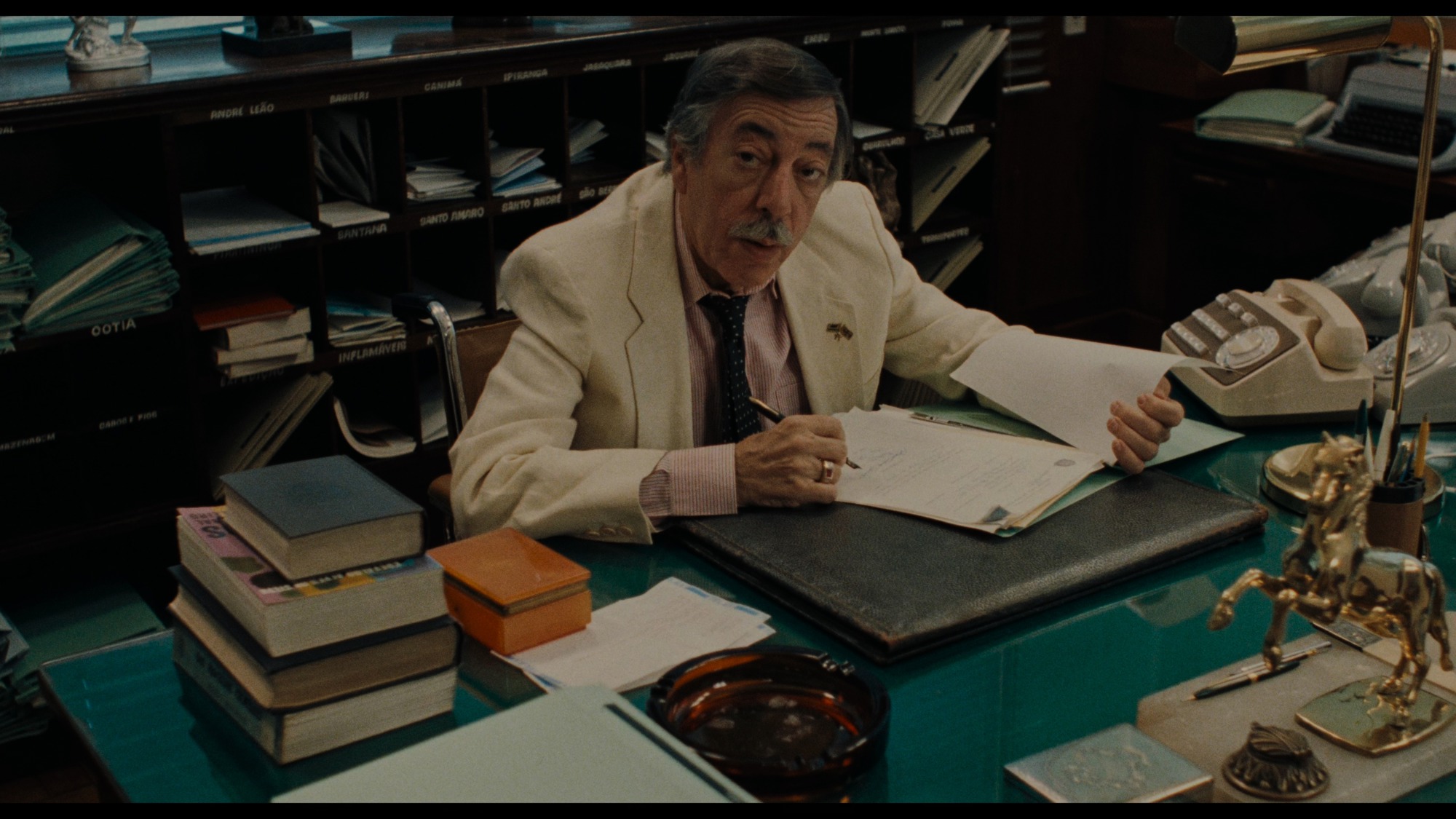
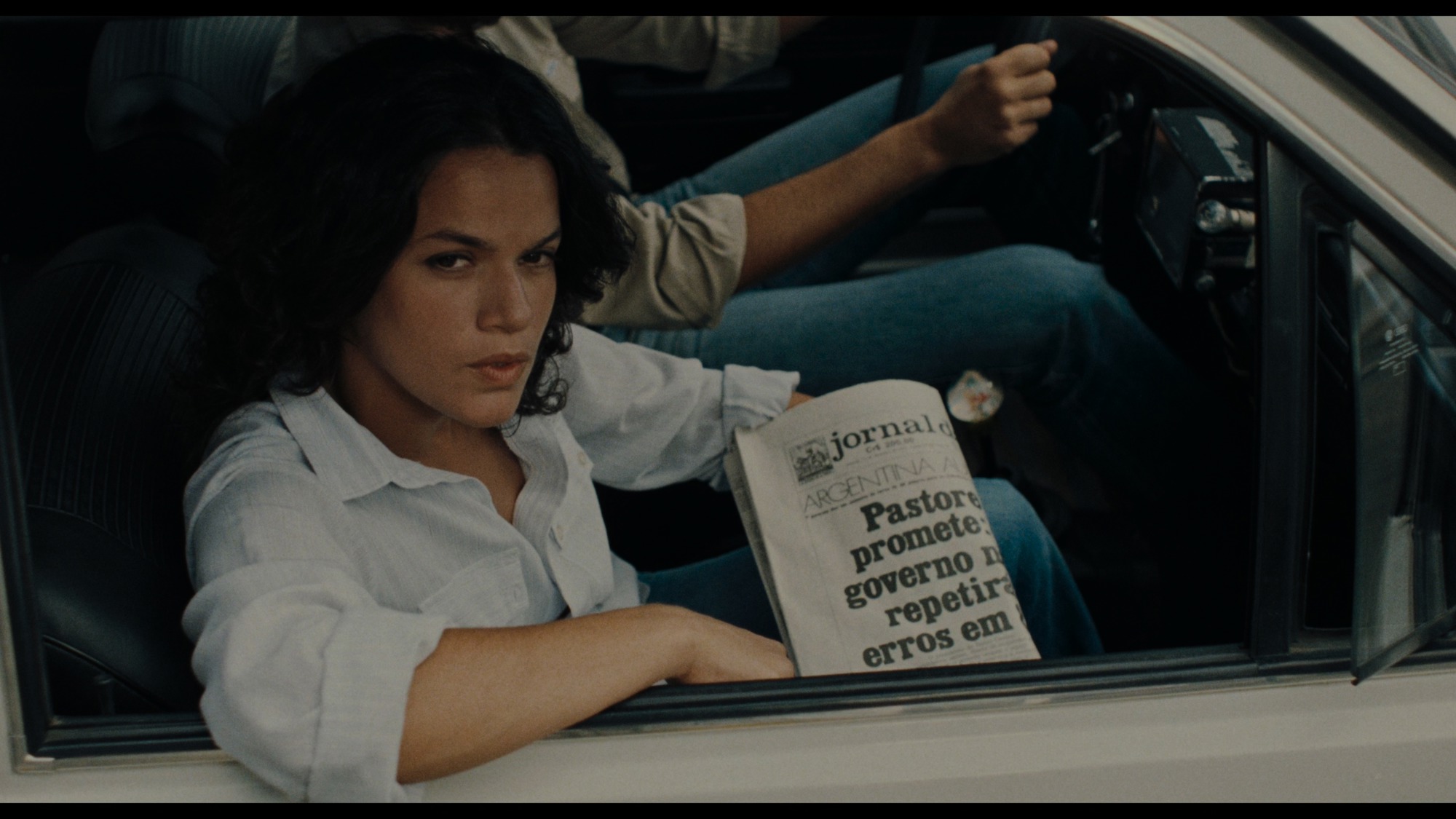
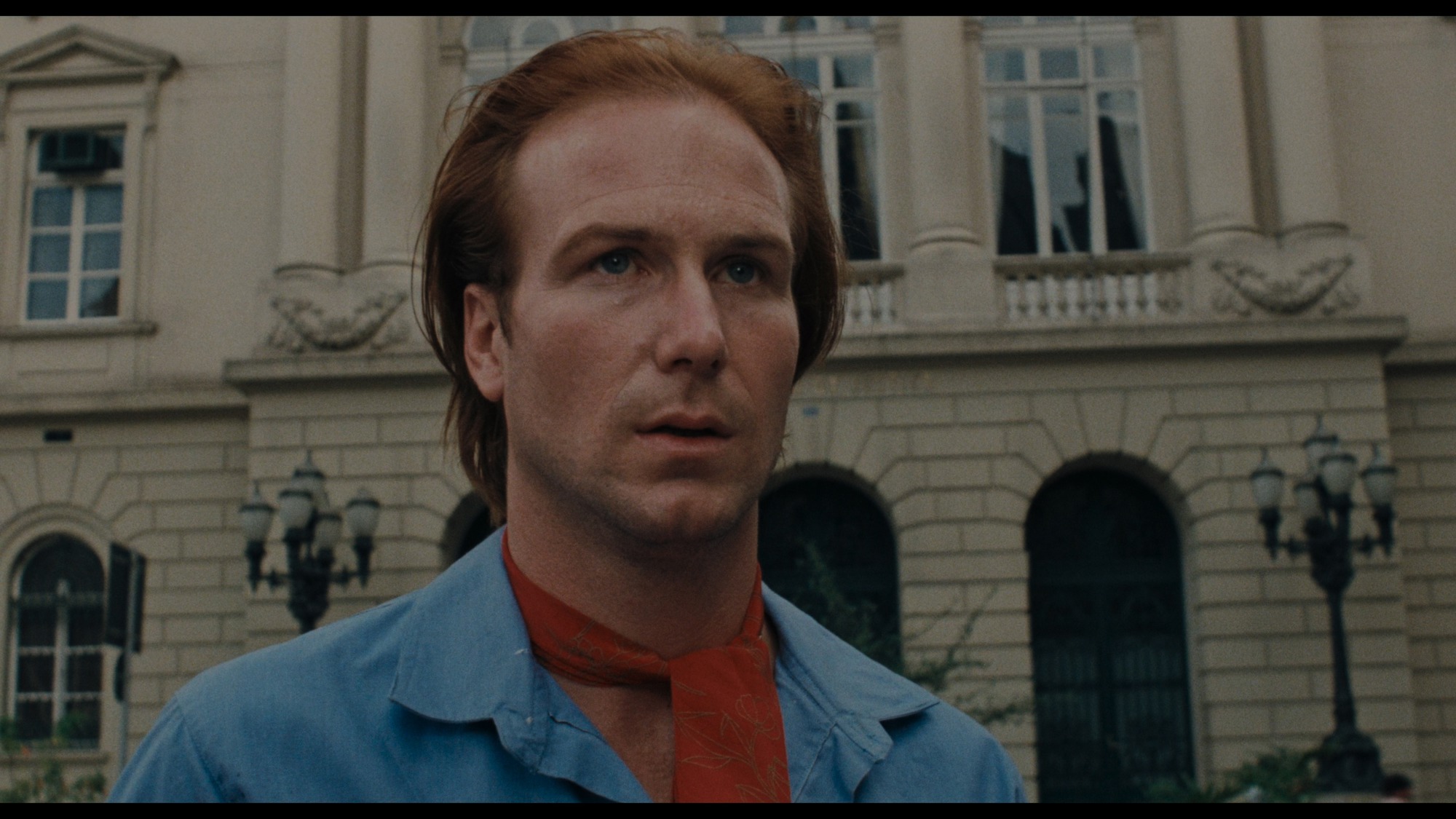
On reflection, though, that reaction may simply come down to the fact the rest of the film looks so different by comparison. The primary portions of the film are absolutely razor sharp, about as pristine as one could reasonably expect. Every sharp edge, speck of dirt, bit of beard stubble, bead of sweat, intricate pattern on Molina’s (William Hurt) nightgowns, and every tiny detail of the prison environment is rendered with breathtaking precision. The scan seems to have captured everything there is to capture, and the encode handles it flawlessly, even resolving the film’s surprisingly fine grain with impressive consistency.
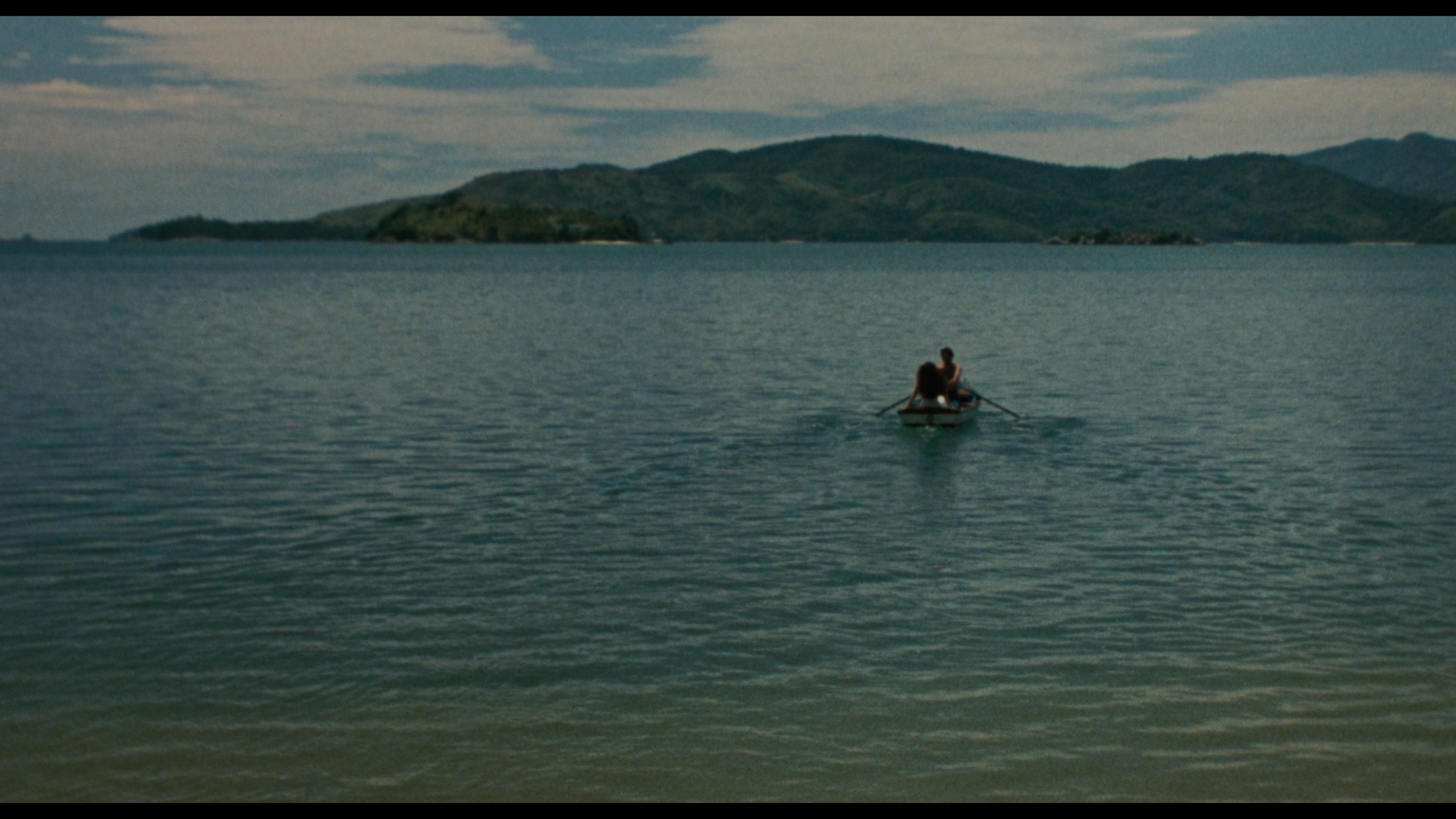
That contrast ultimately makes the transitions back to the film-within-the-film material all the more jarring, jumping from something nearly immaculate to imagery that’s deliberately hazy and heavily filtered. Outside of those segments, the presentation is jaw-droppingly good, with Dolby Vision and HDR playing a major role. While there are a handful of brighter highlights, the grading never feels pushed too far. Instead, HDR excels at pulling subtle detail out of the deep shadows of the prison cell that confines most of the film, with light reflecting beautifully off faces and reflective surfaces, and highlights retaining excellent texture. The HDR-to-SDR screen captures included here can’t fully convey this, but shadow gradations are exceptionally fine and the sense of depth in nearly every shot is remarkable. Despite the film’s generally dark visual palette, clarity is never an issue; it’s an extraordinarily photographic presentation.
Colors lean warm, and I’ll admit there were moments where I questioned the grading. That said, it likely reflects intentional choices (particularly as it can shift slightly from scene to scene), and it’s nowhere near the more aggressive restorations (*cough*ritrovata*cough*) that can sometimes raise eyebrows. The yellowish cast can be pronounced at times, but skin tones remain natural, blues can look striking, and whites still look white. Most importantly, it still all feels appropriate to the material.
In the end, minor questions aside, this is a striking presentation across the board, and it’s genuinely wonderful to see Kiss of the Spider Woman finally receive the treatment it really does deserve.
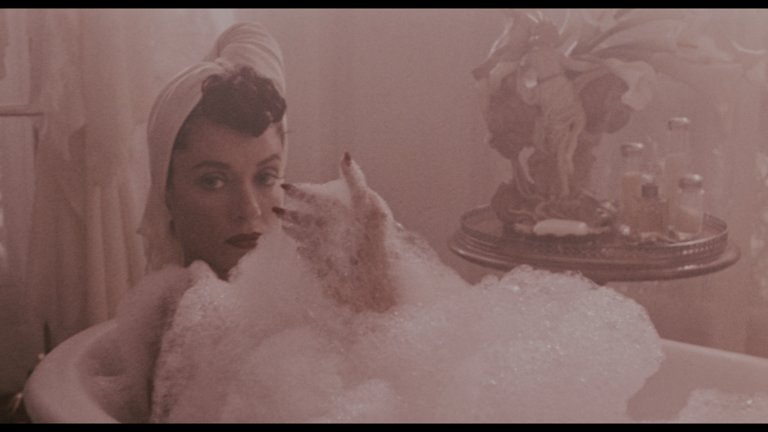
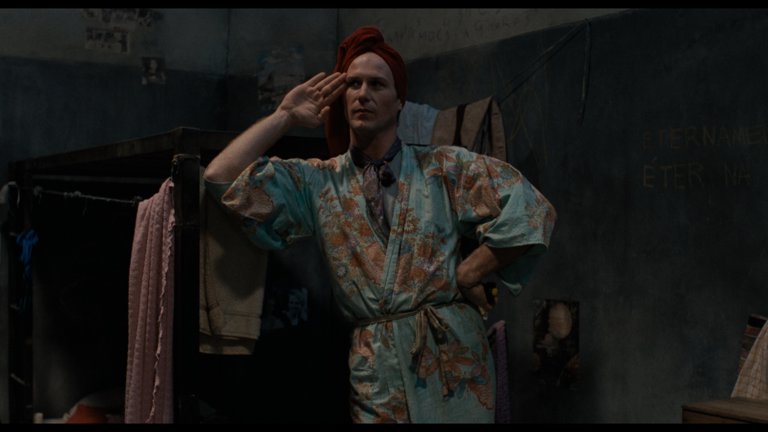
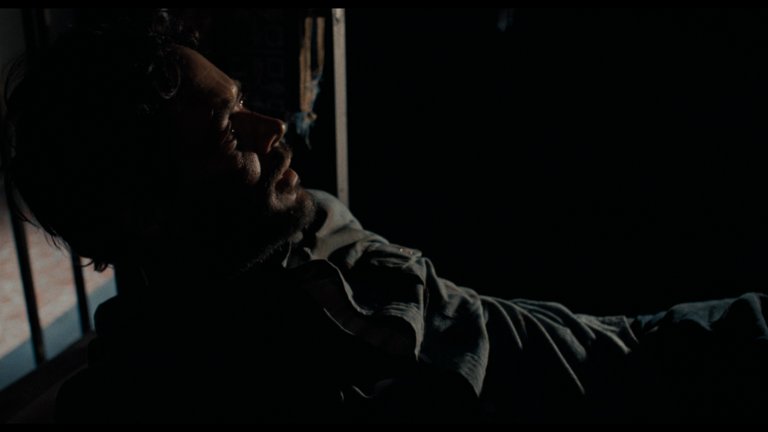
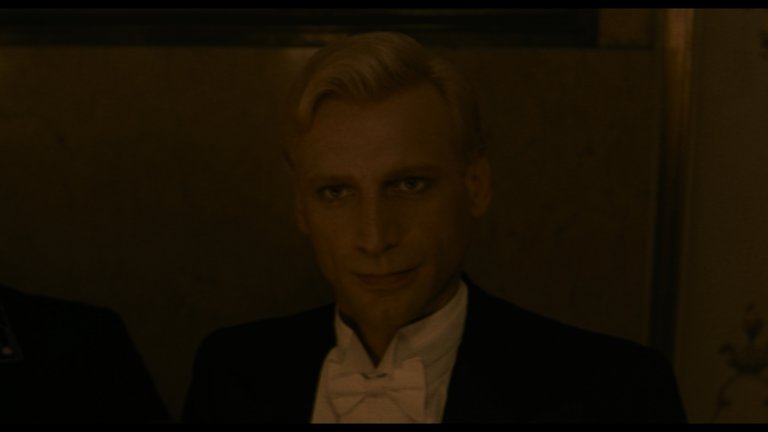
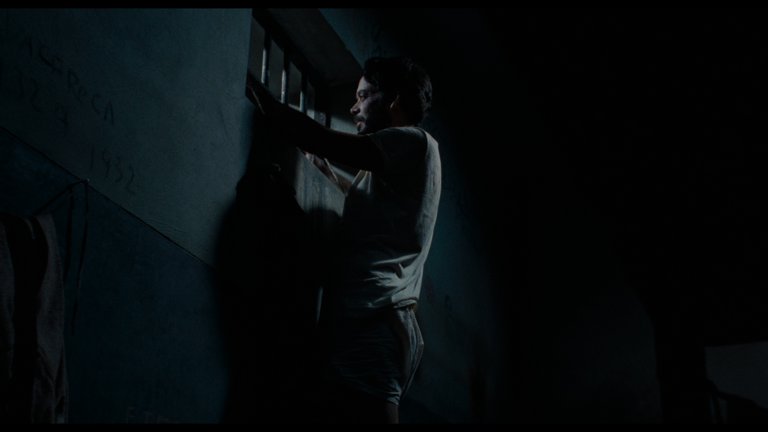
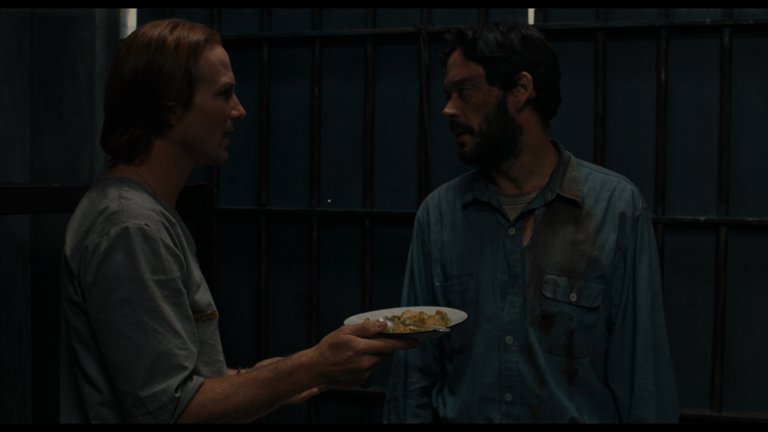
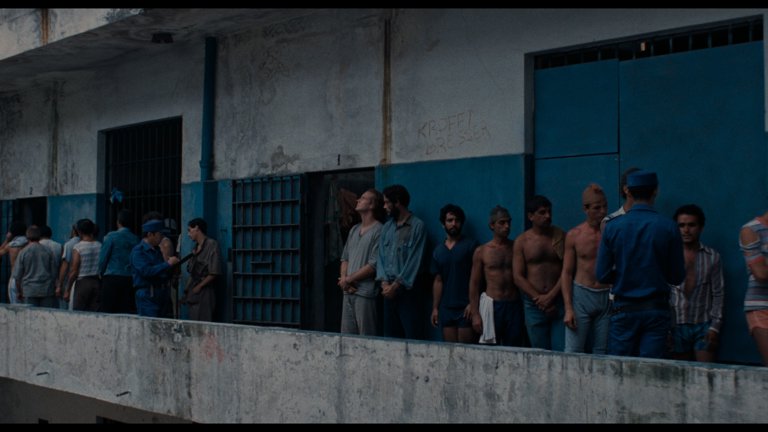
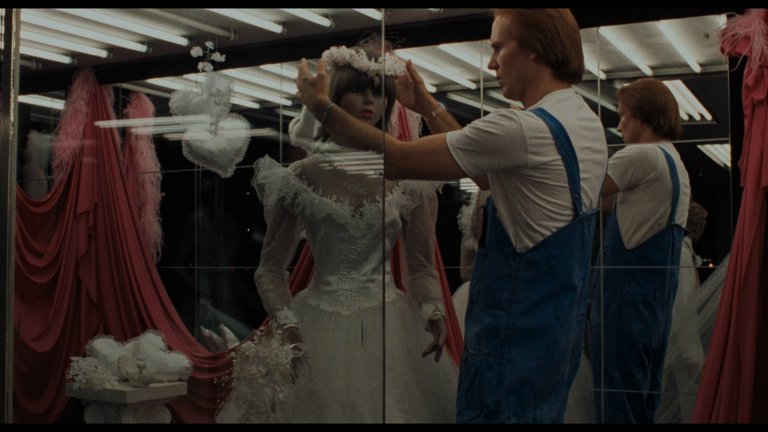
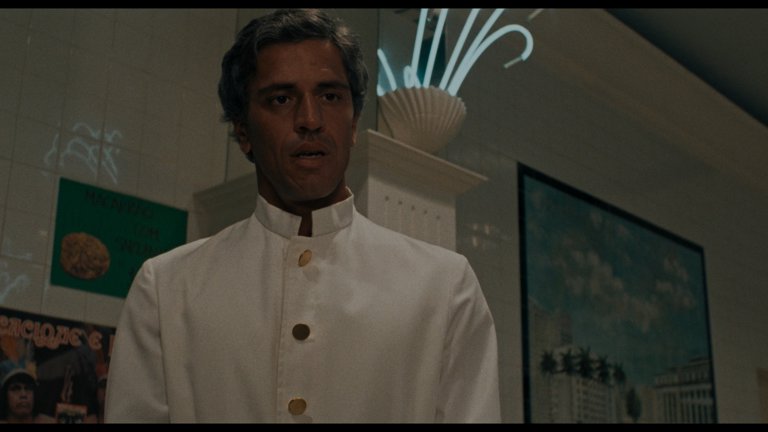
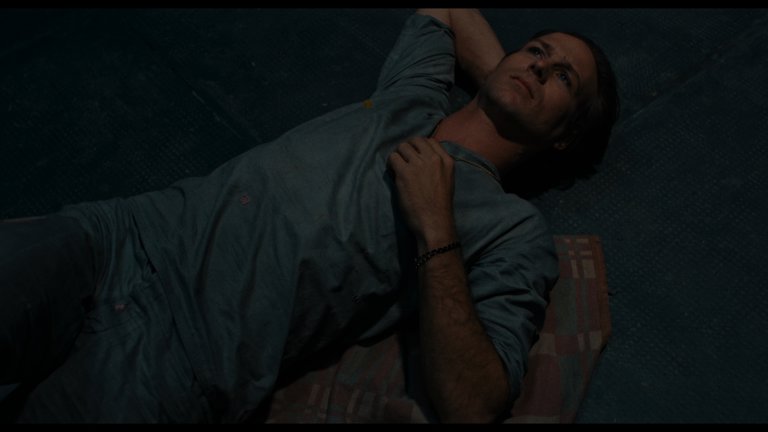
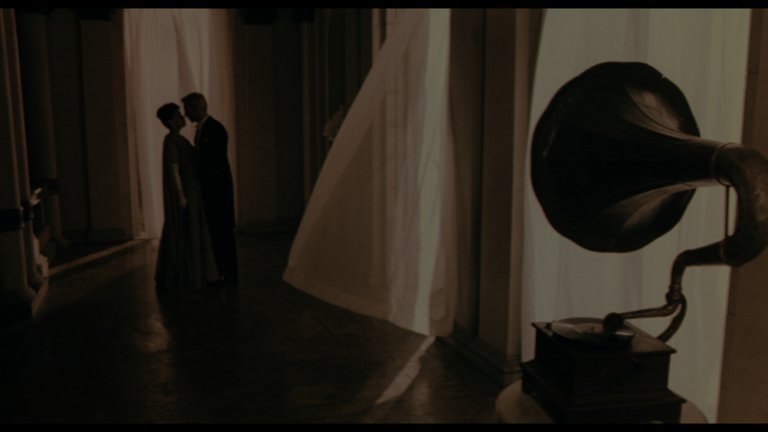
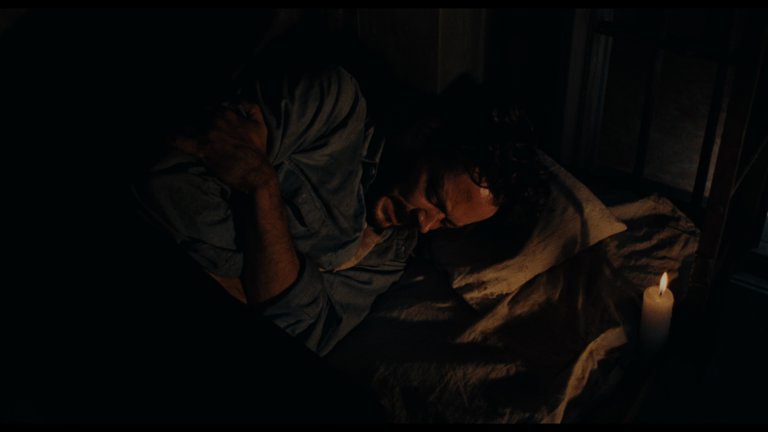
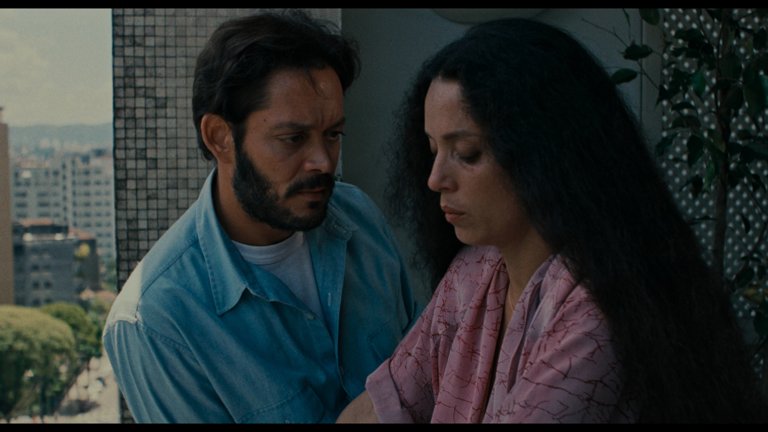
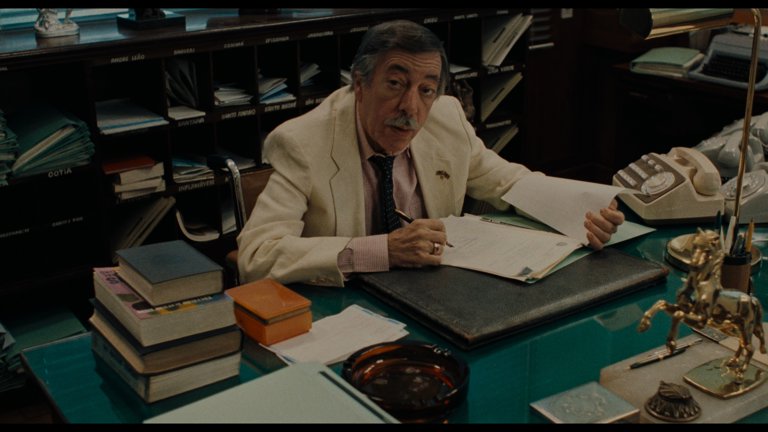
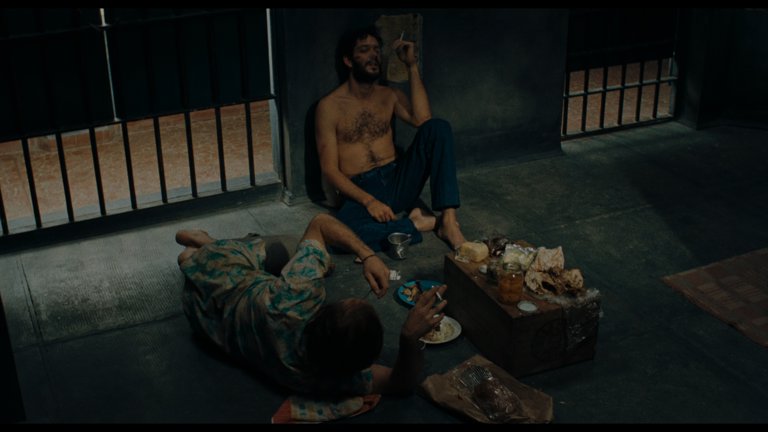
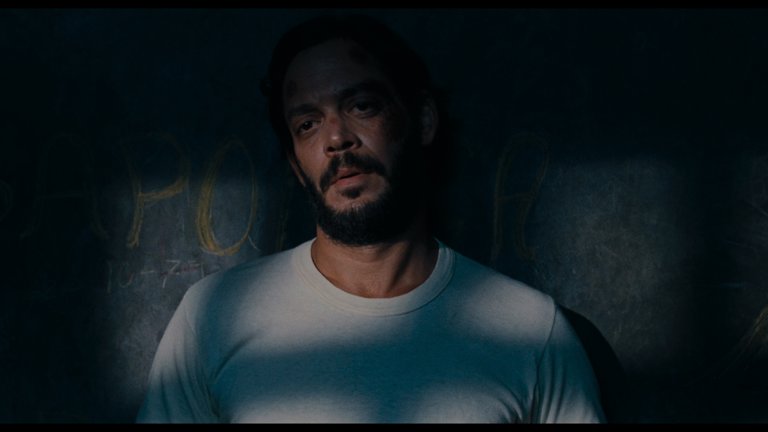
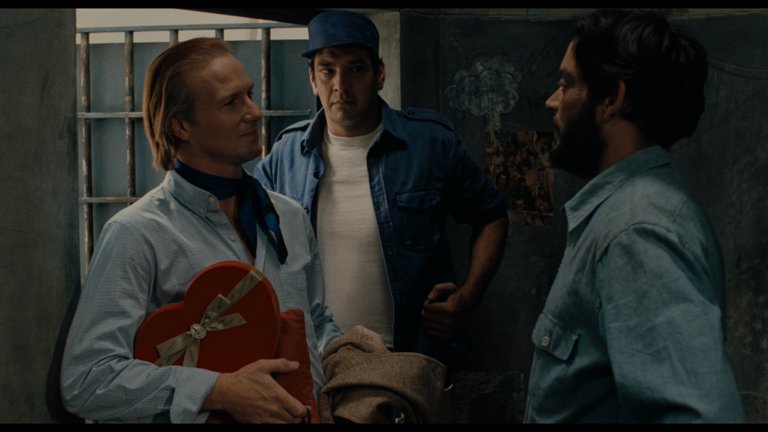
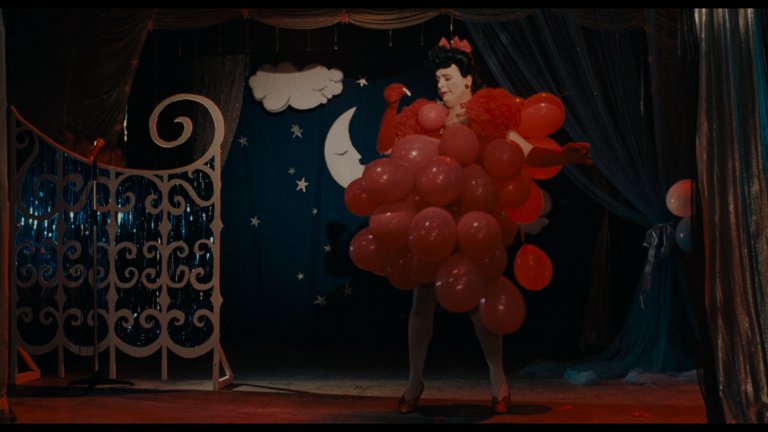
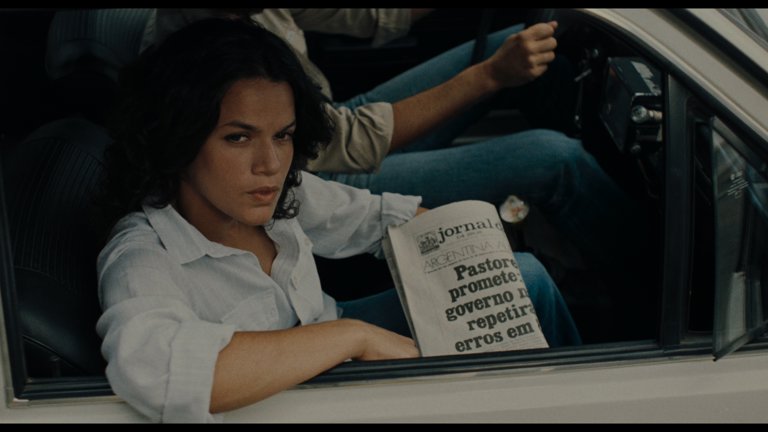
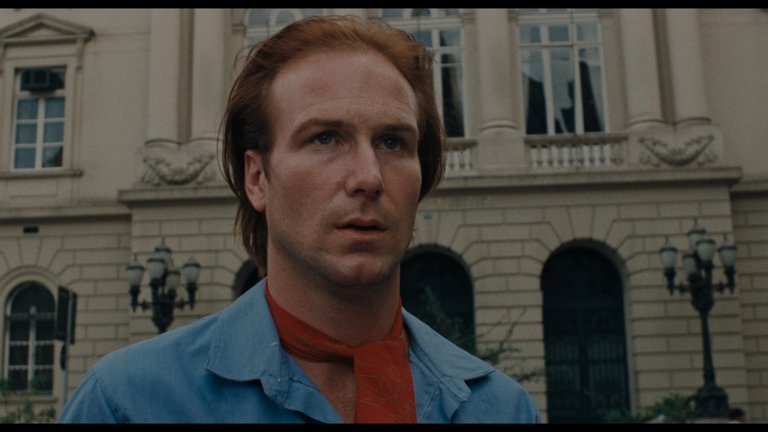
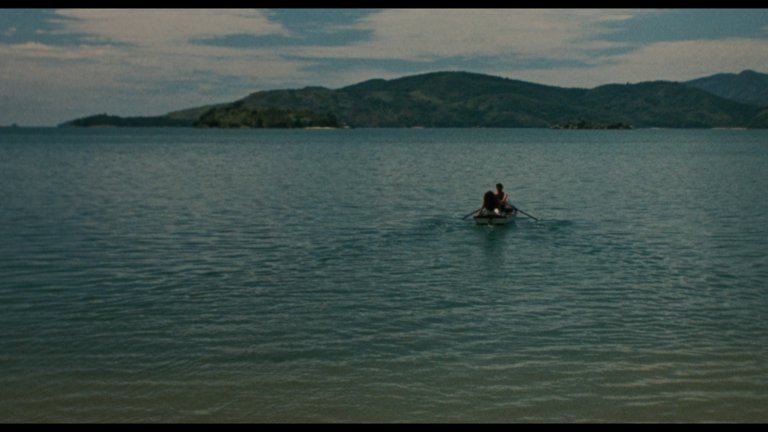
Kiss of the Spider Woman - Screen Captures
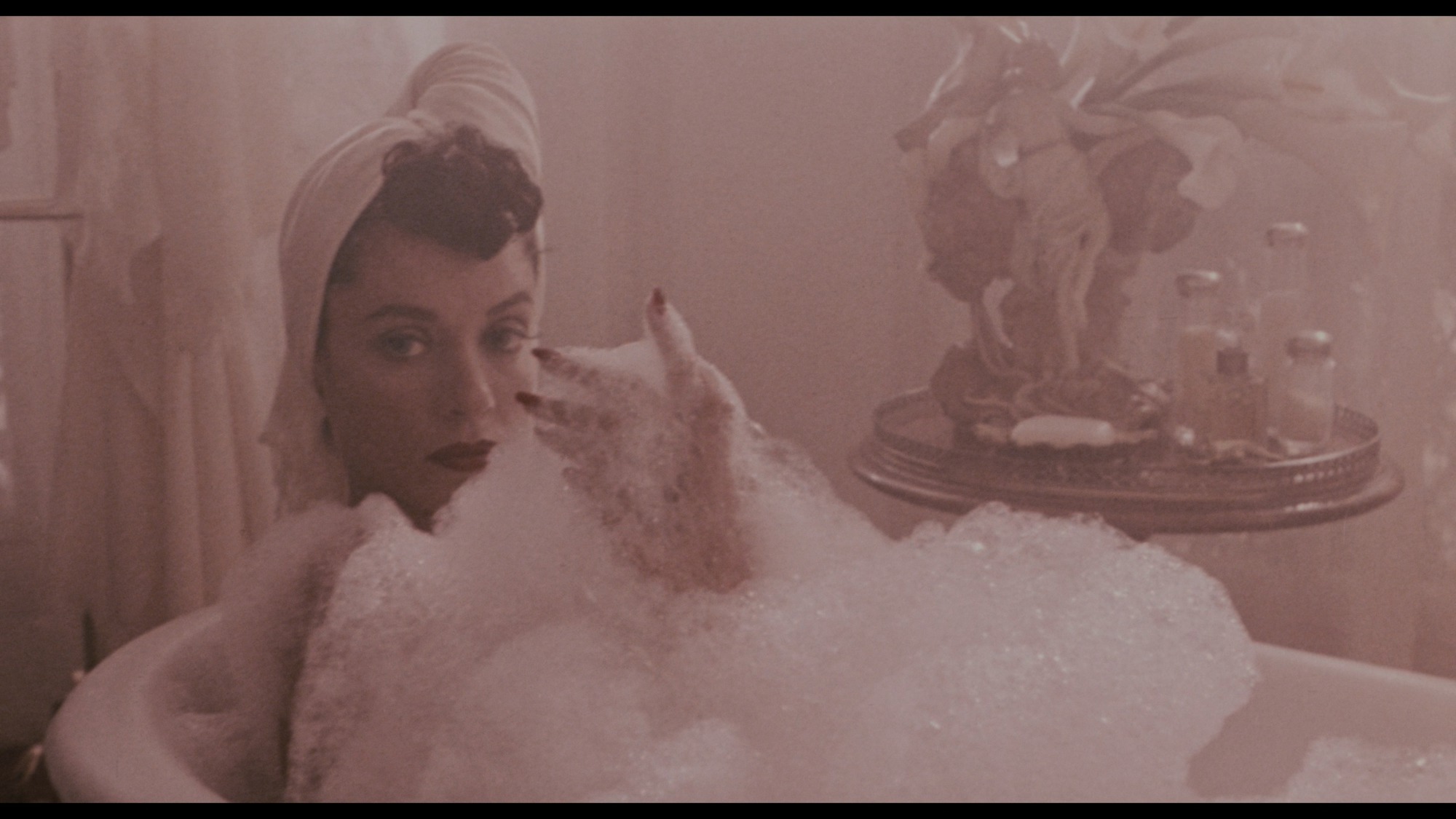
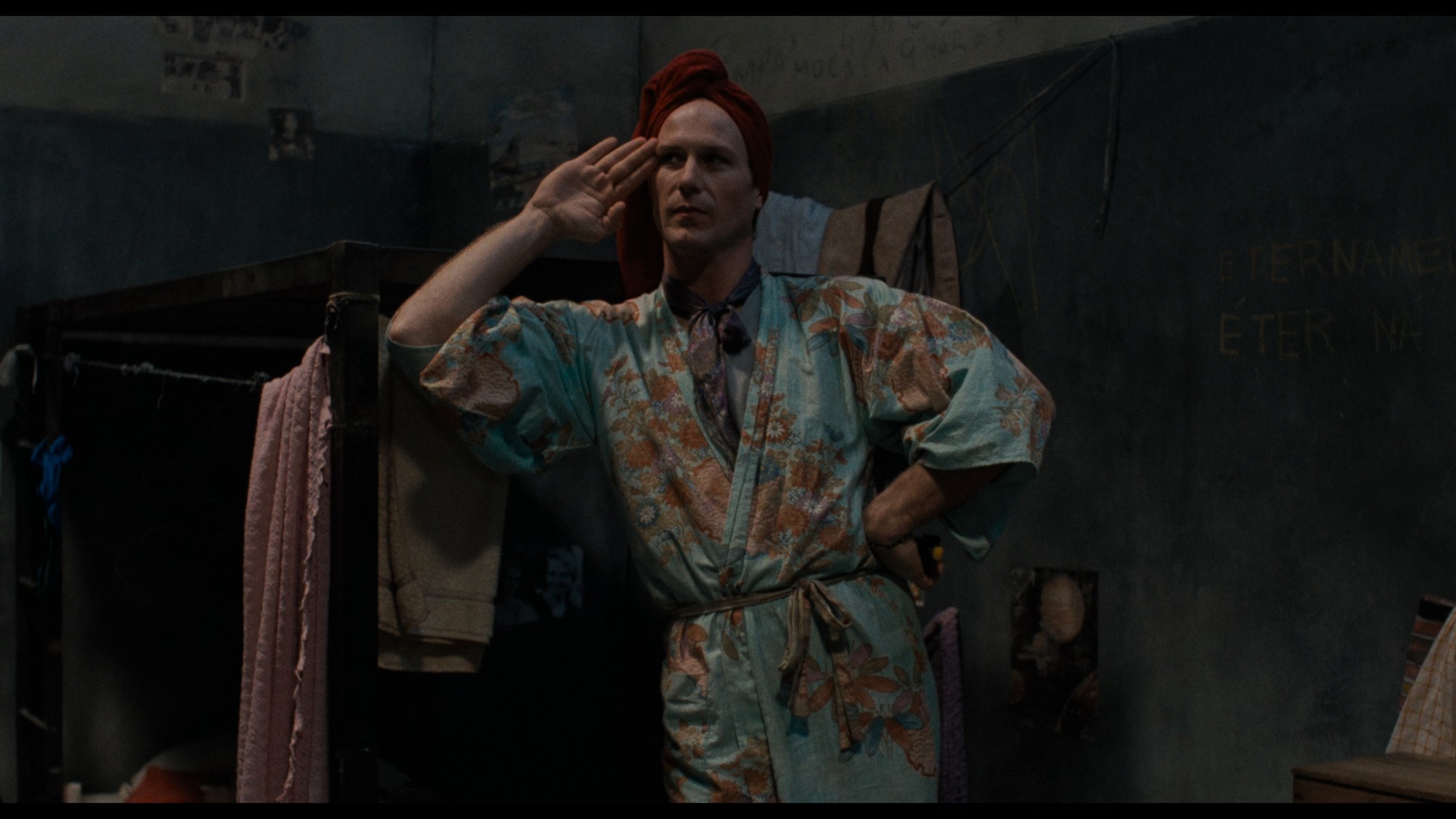
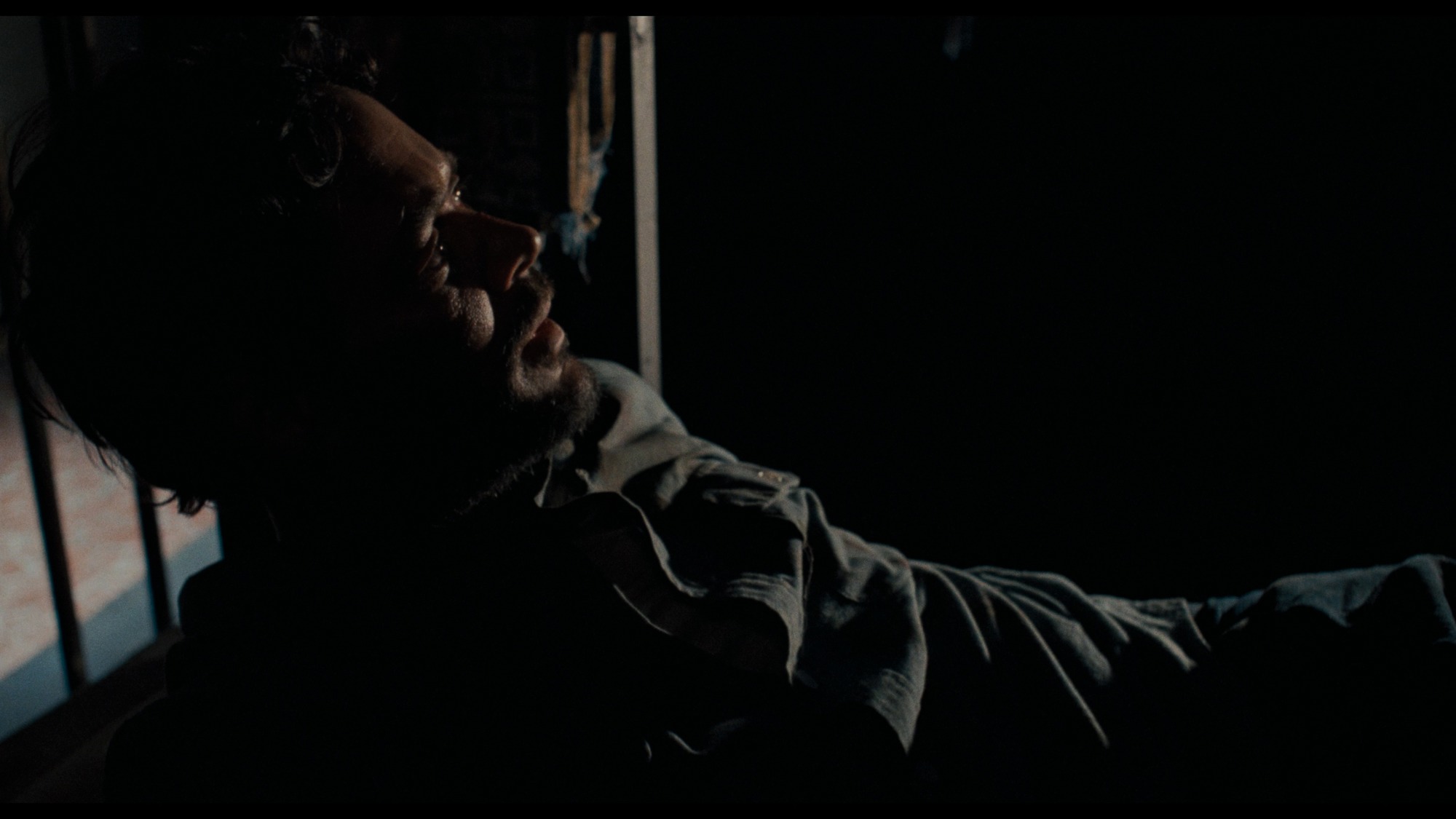
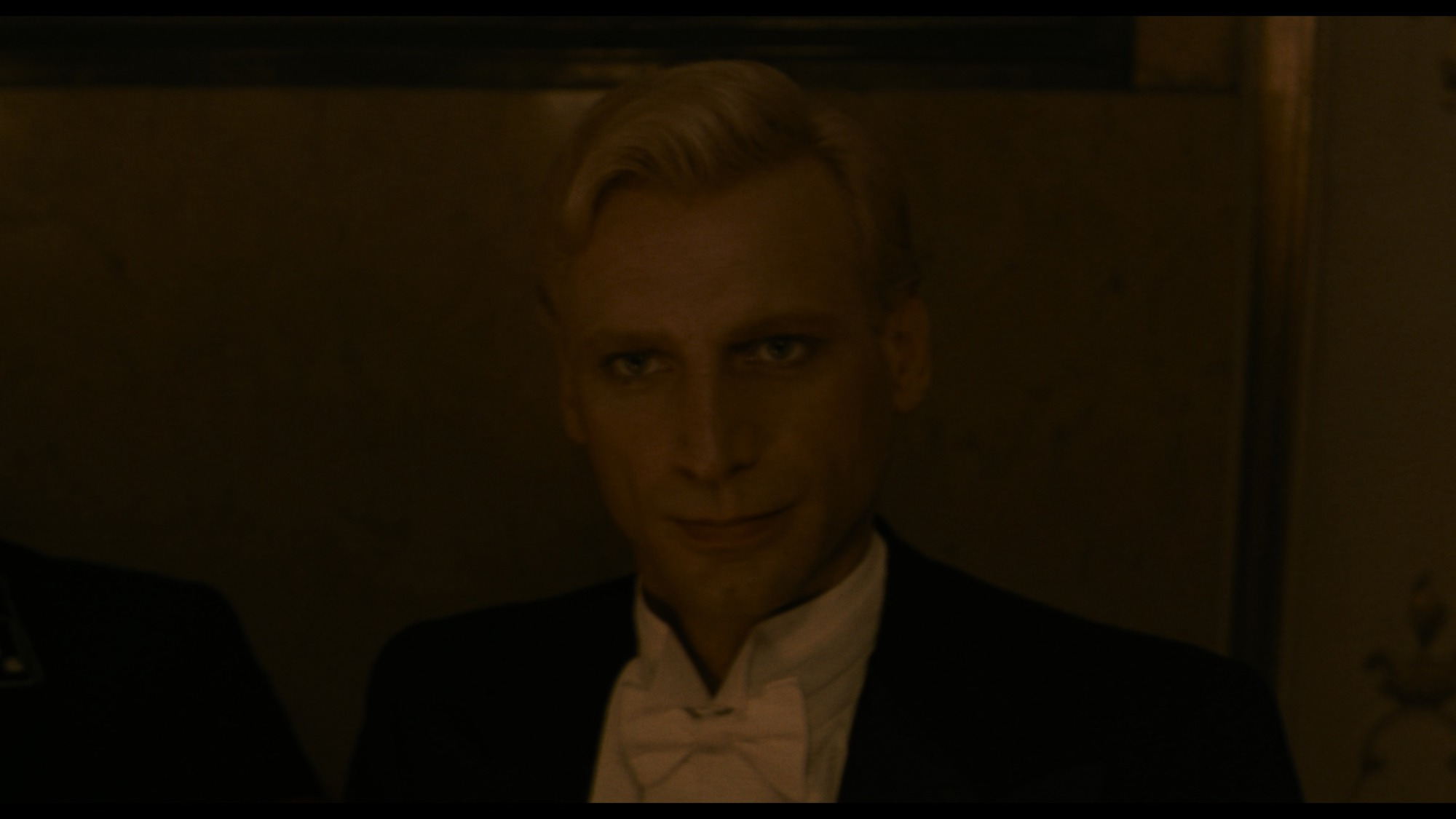
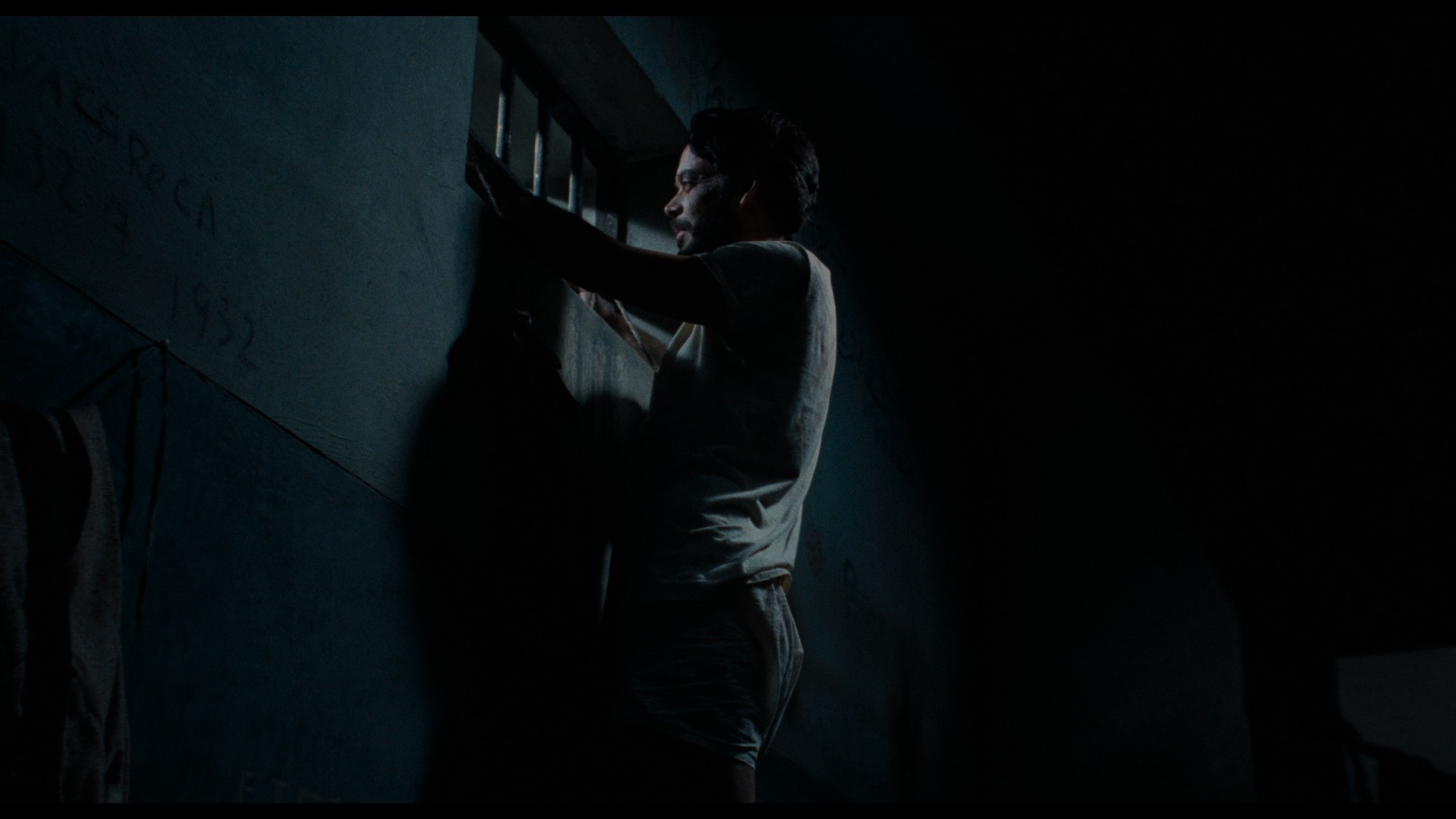
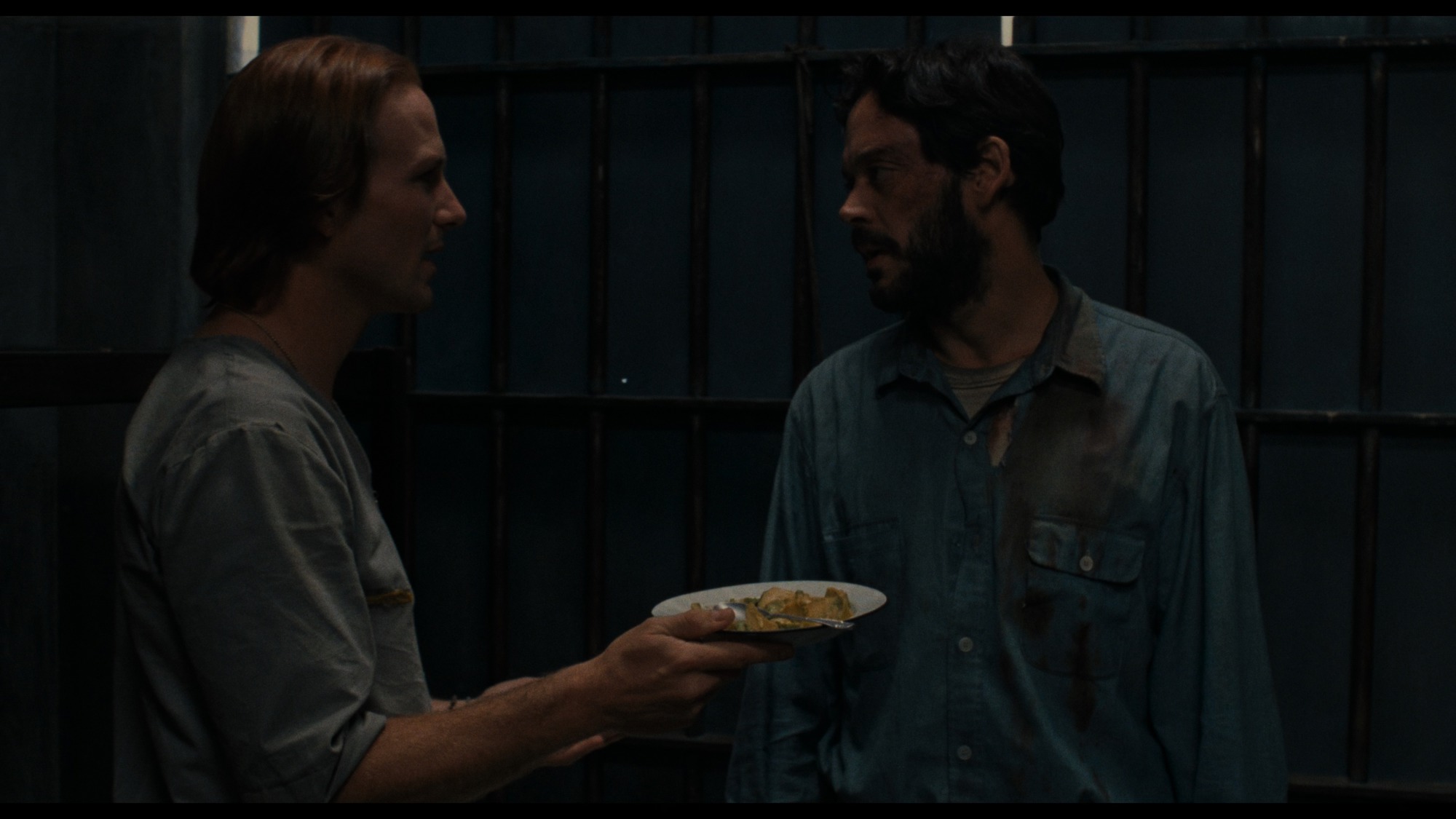
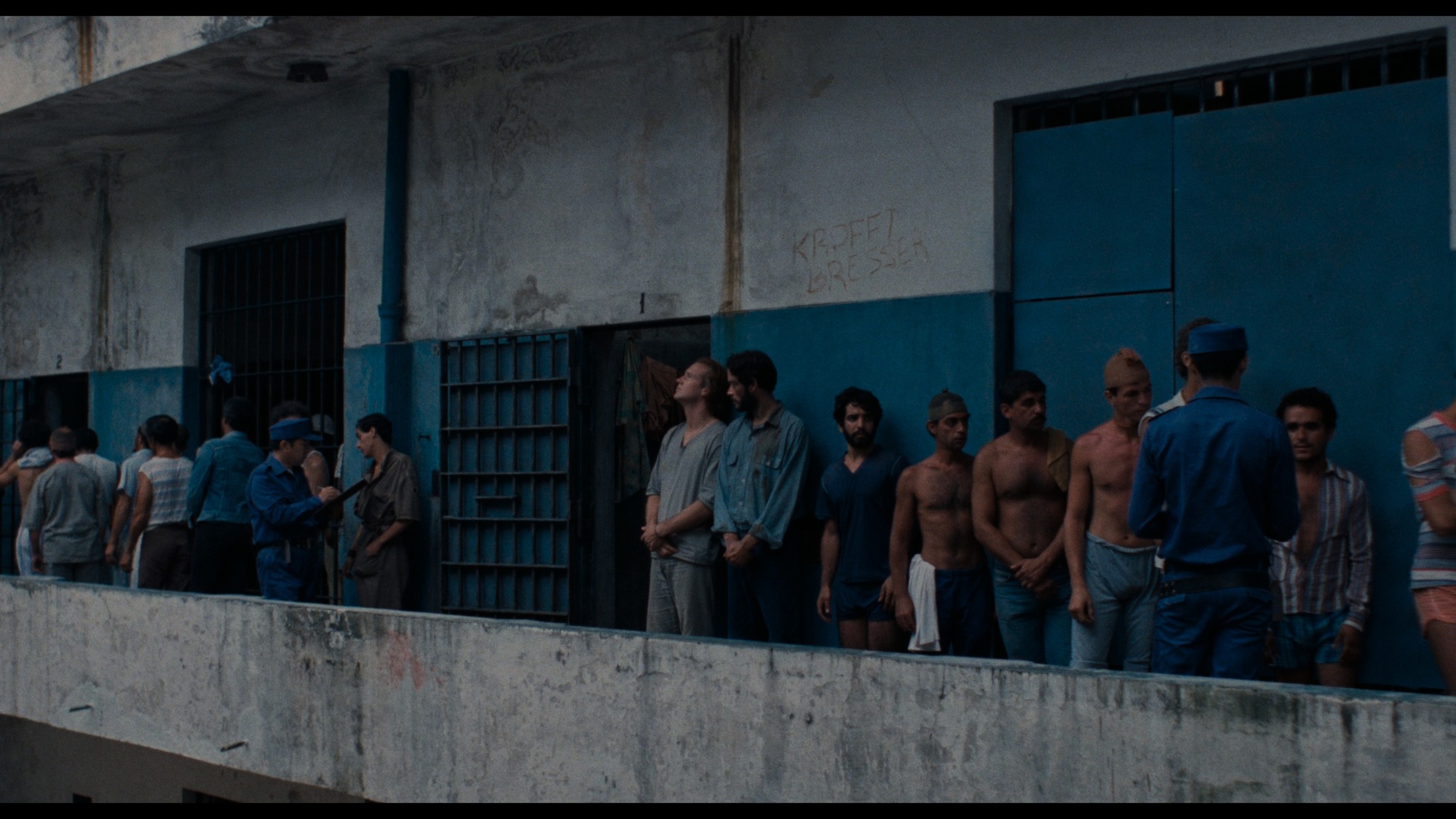
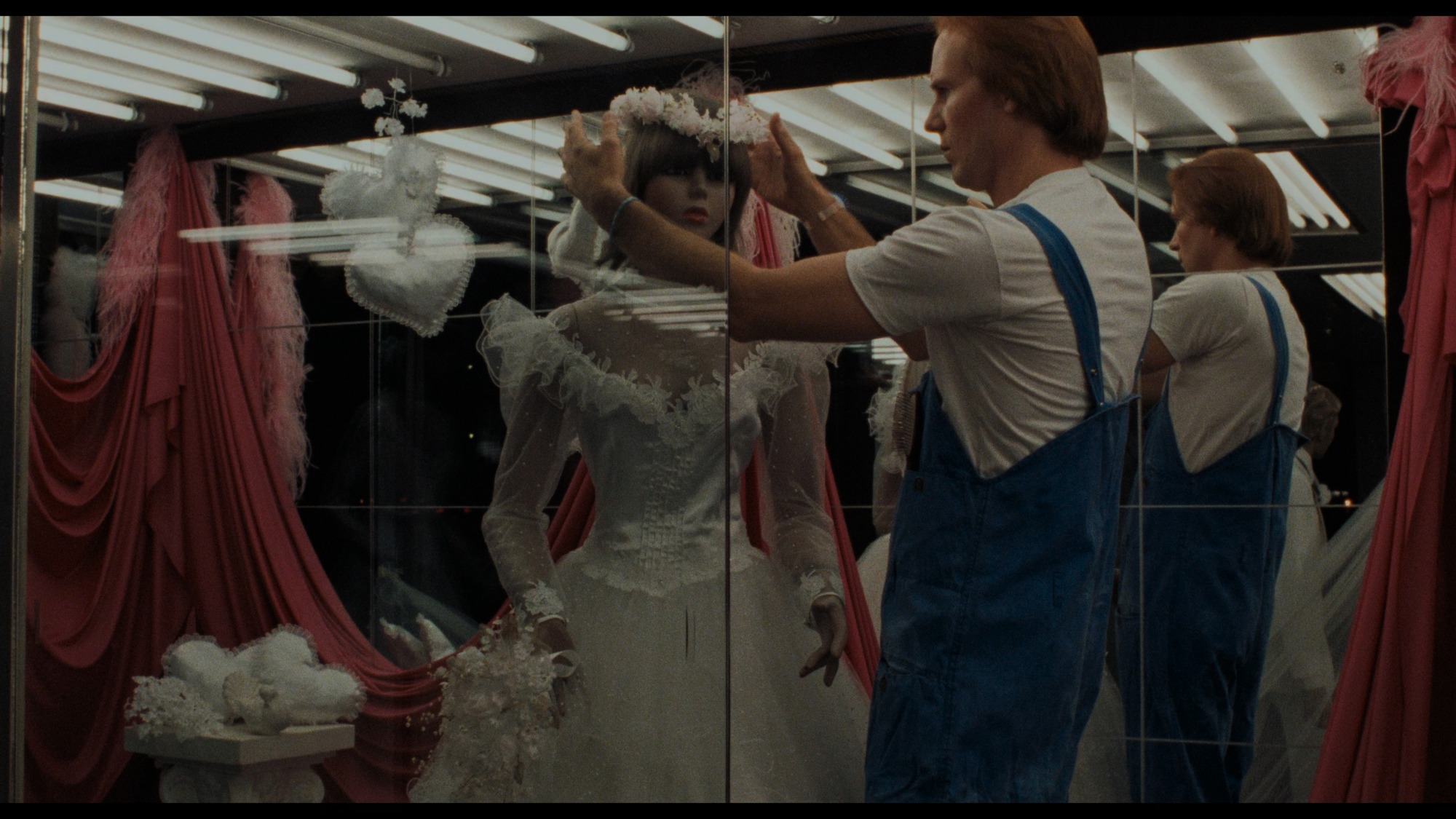
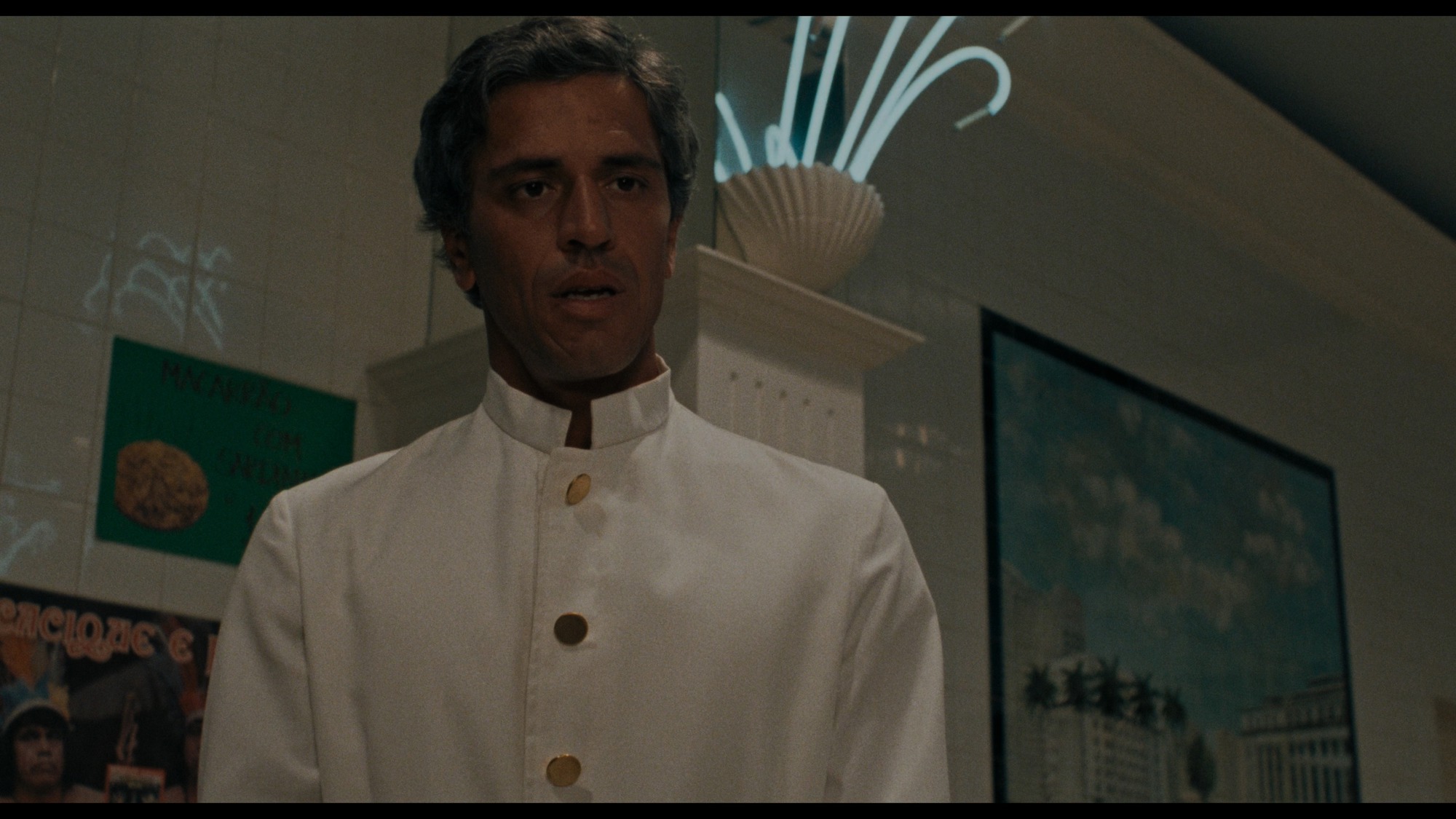
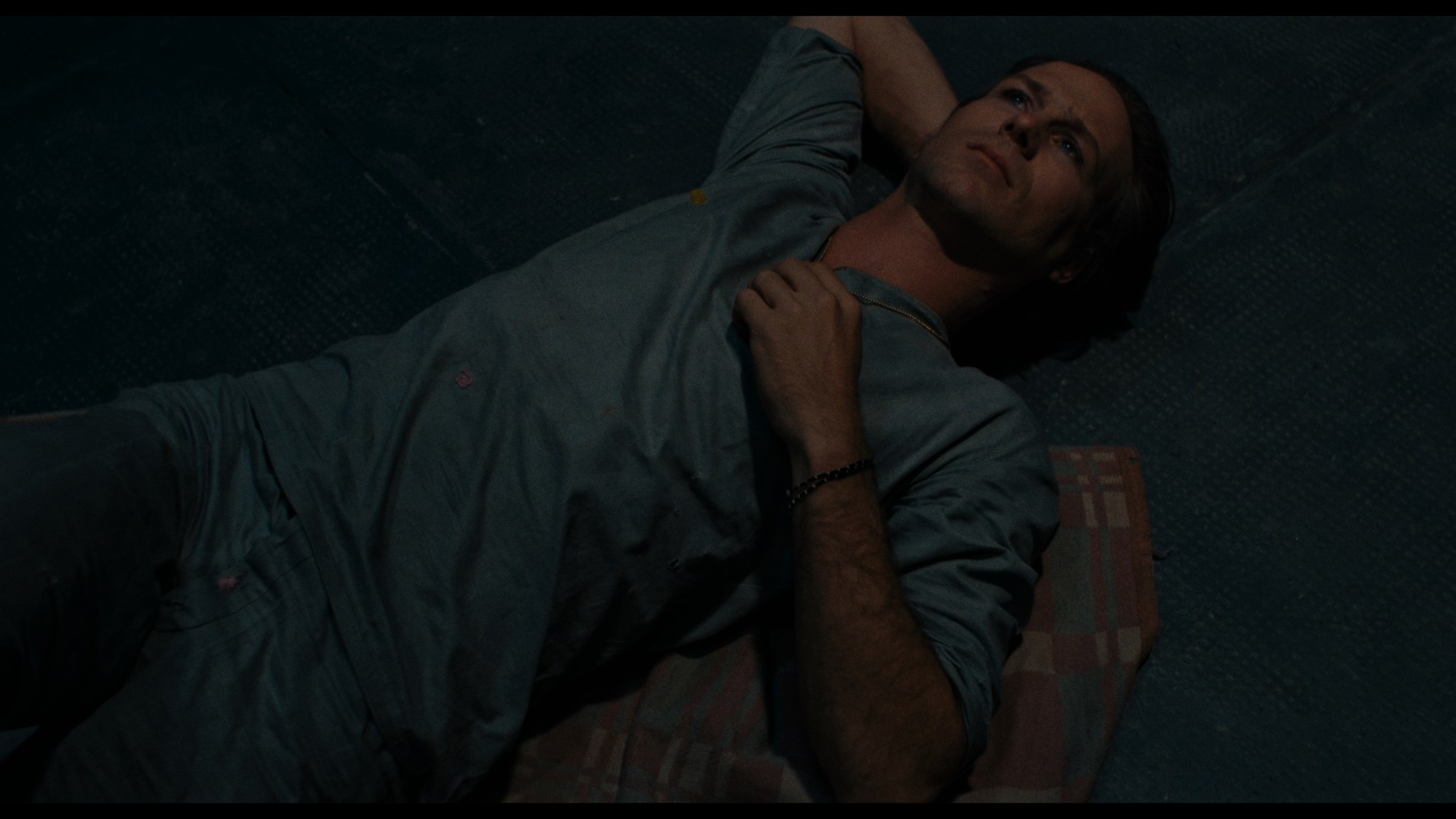
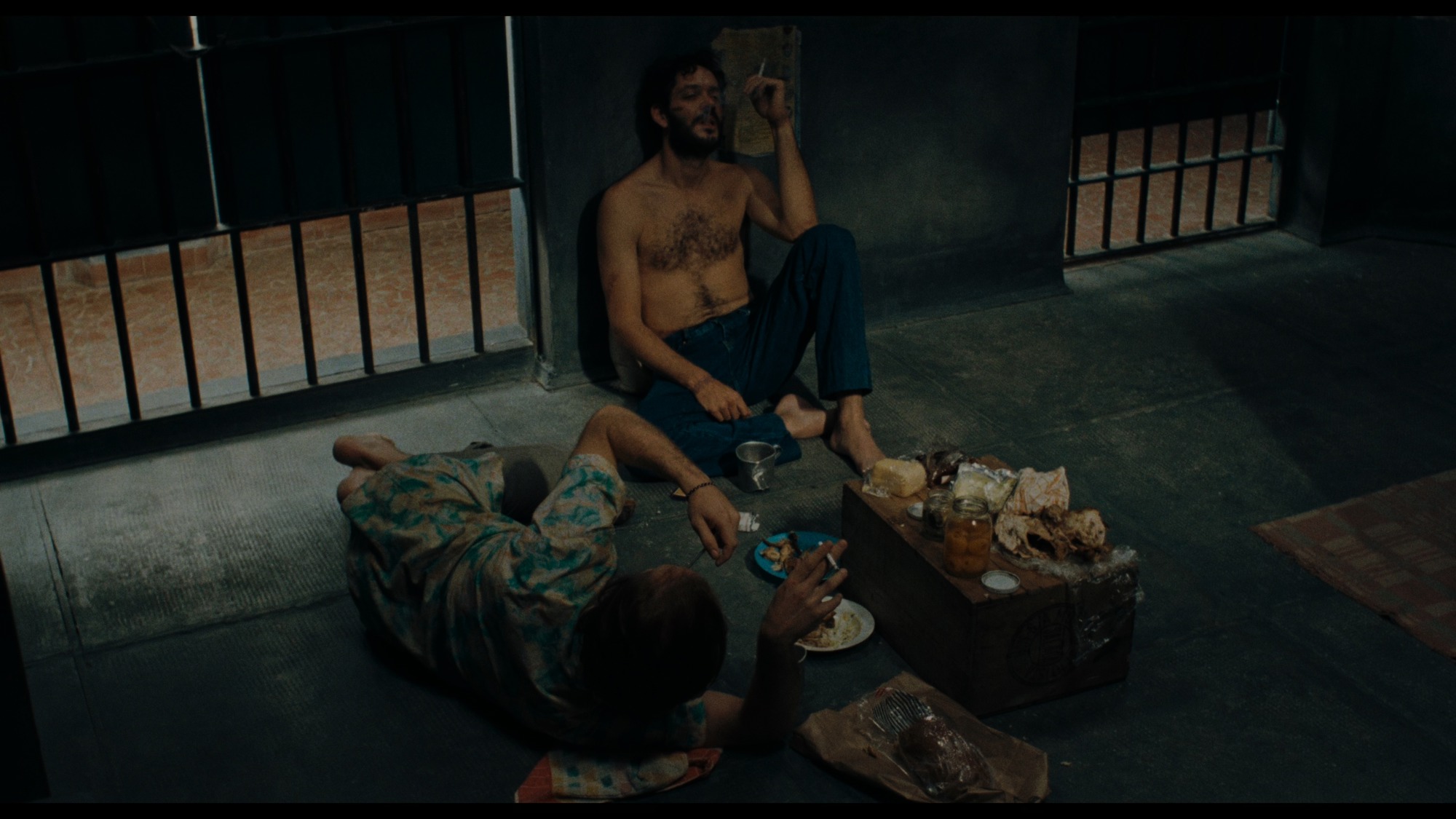
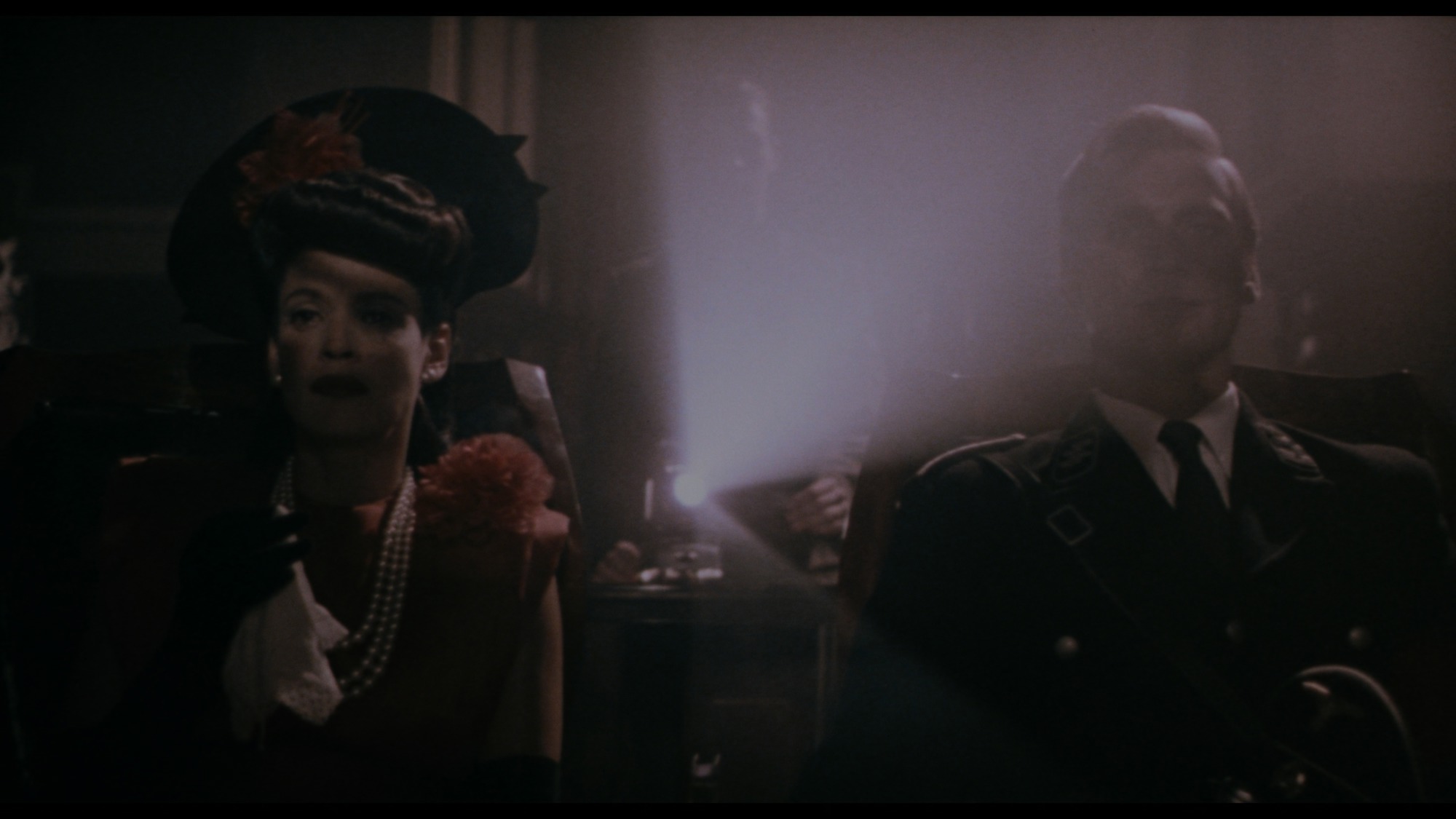
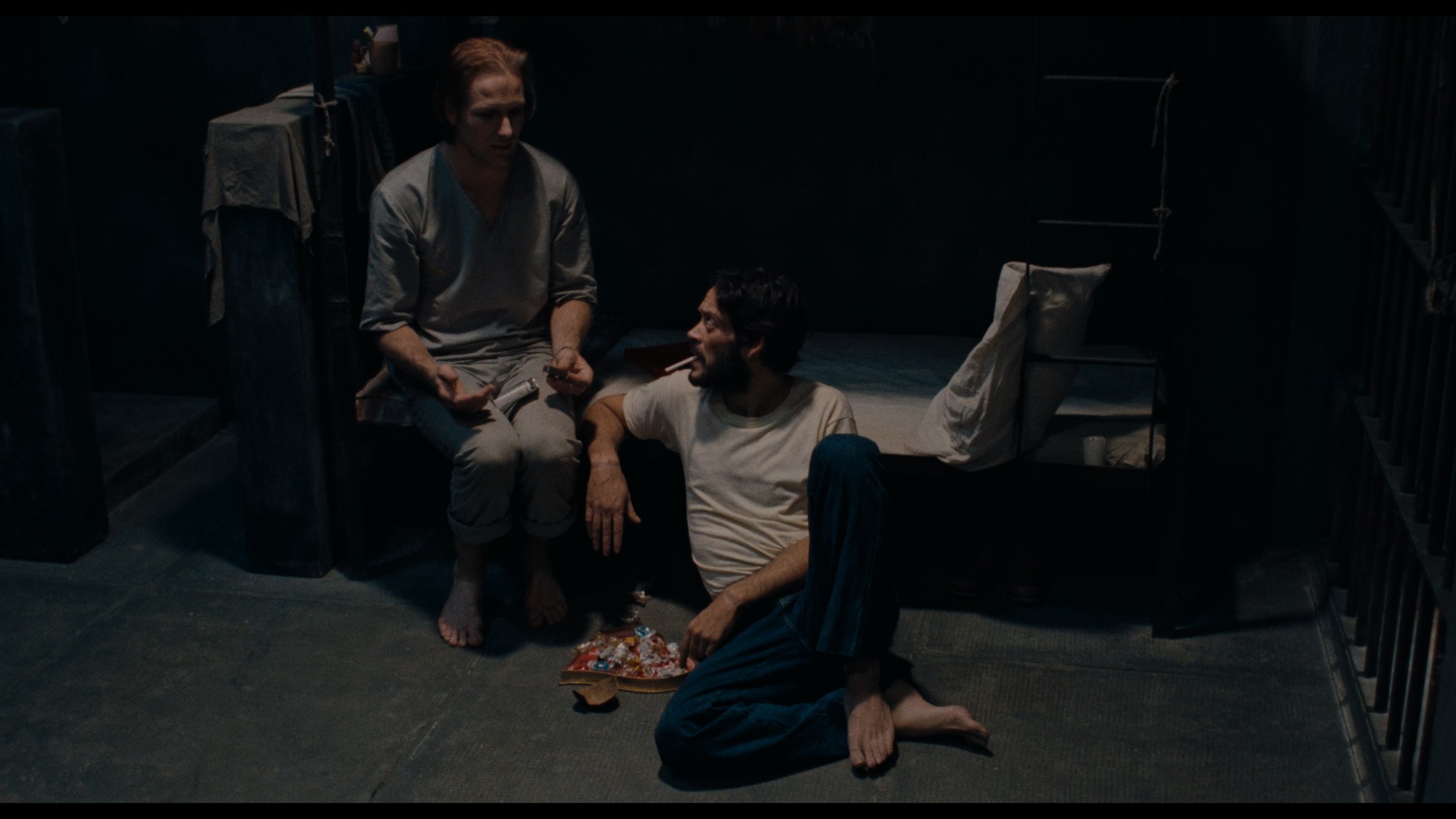
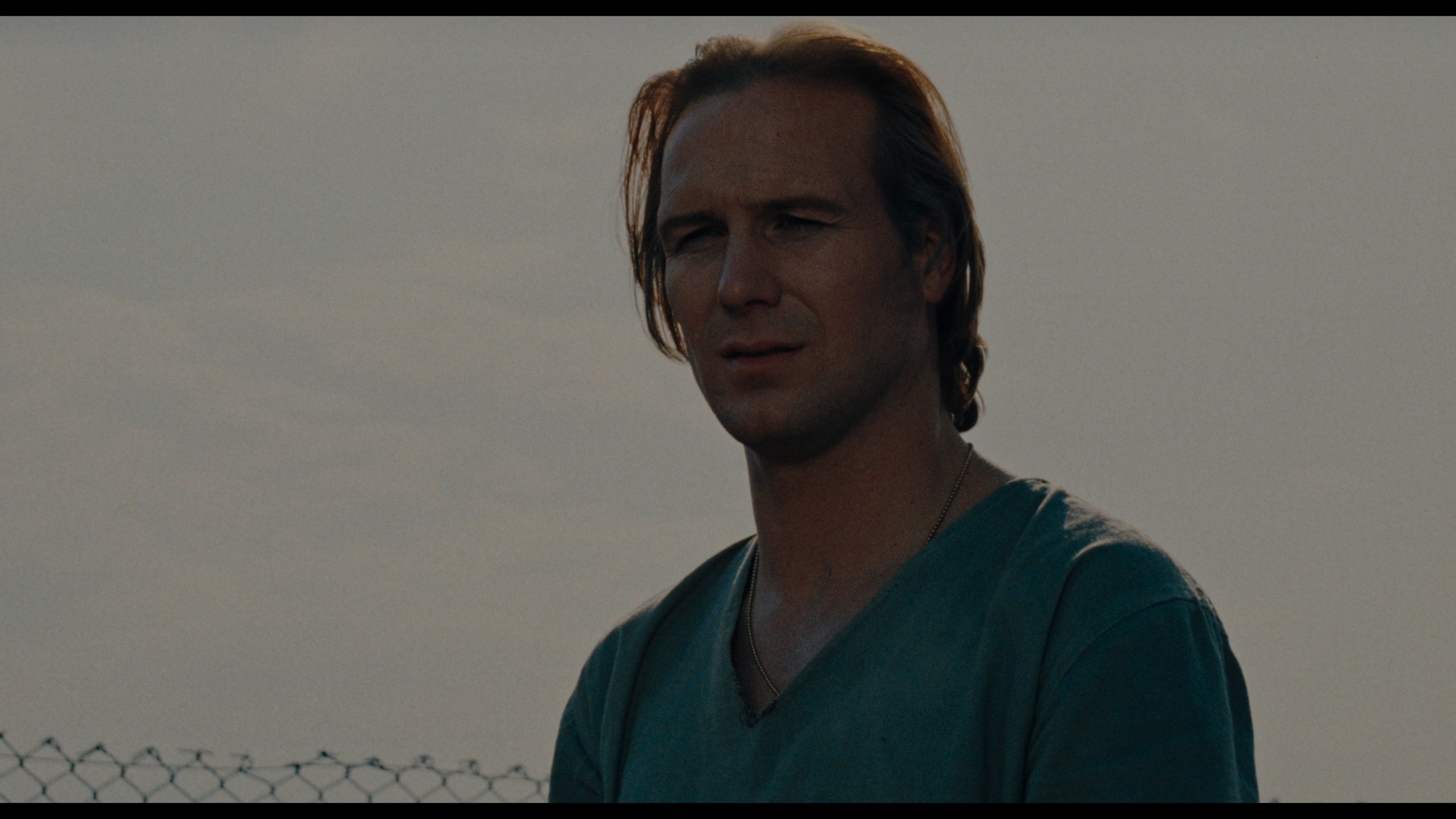
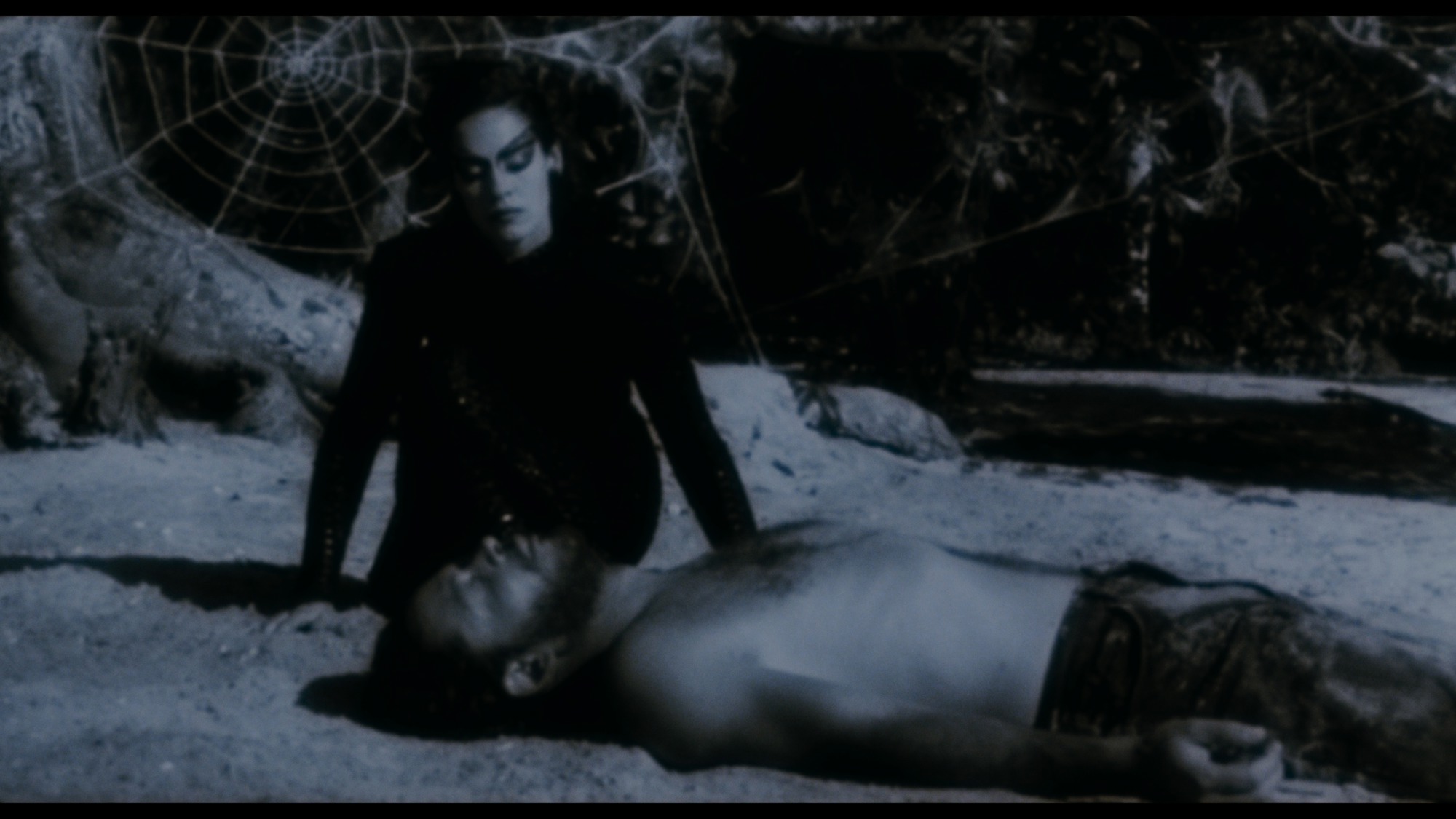
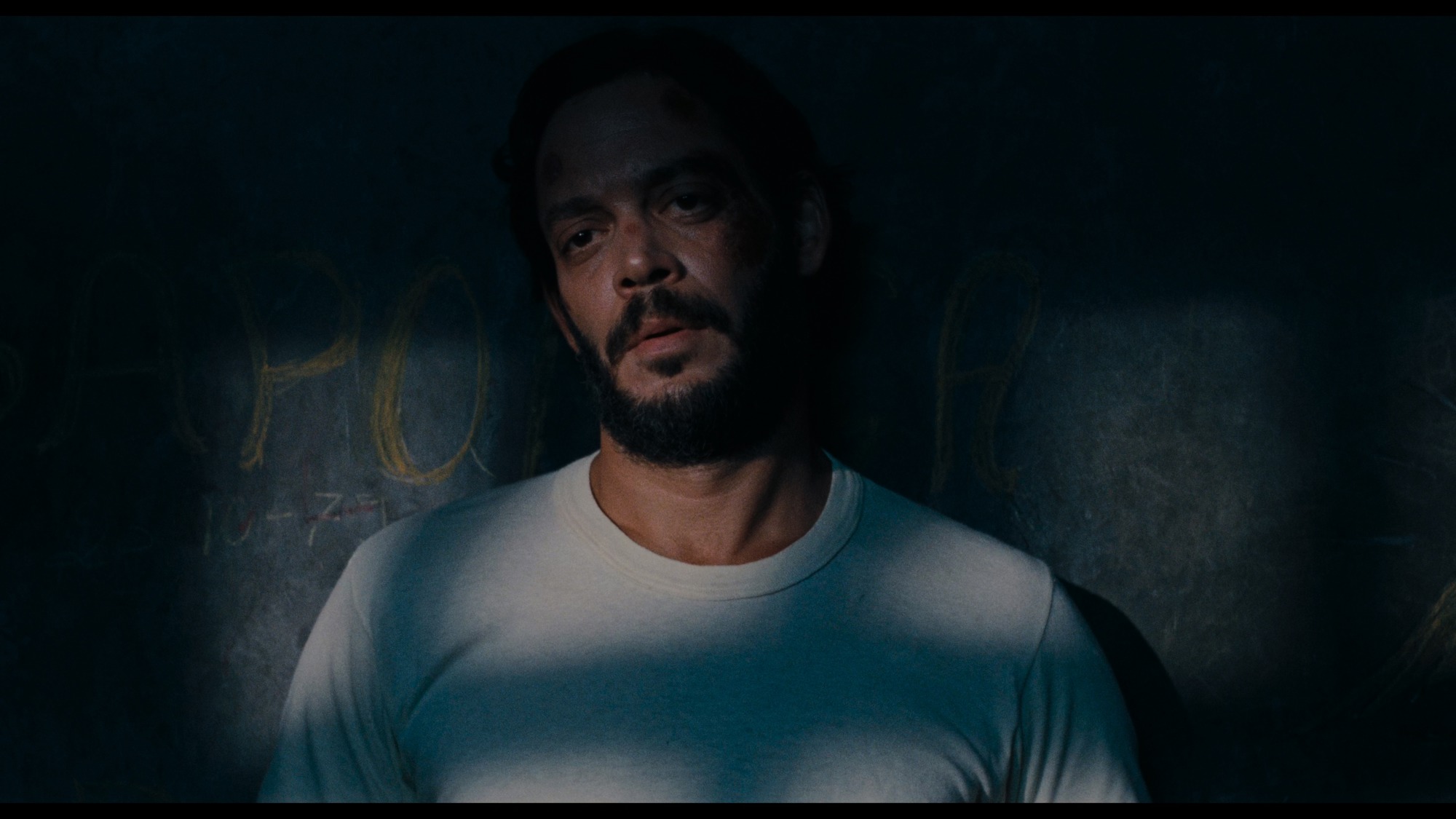
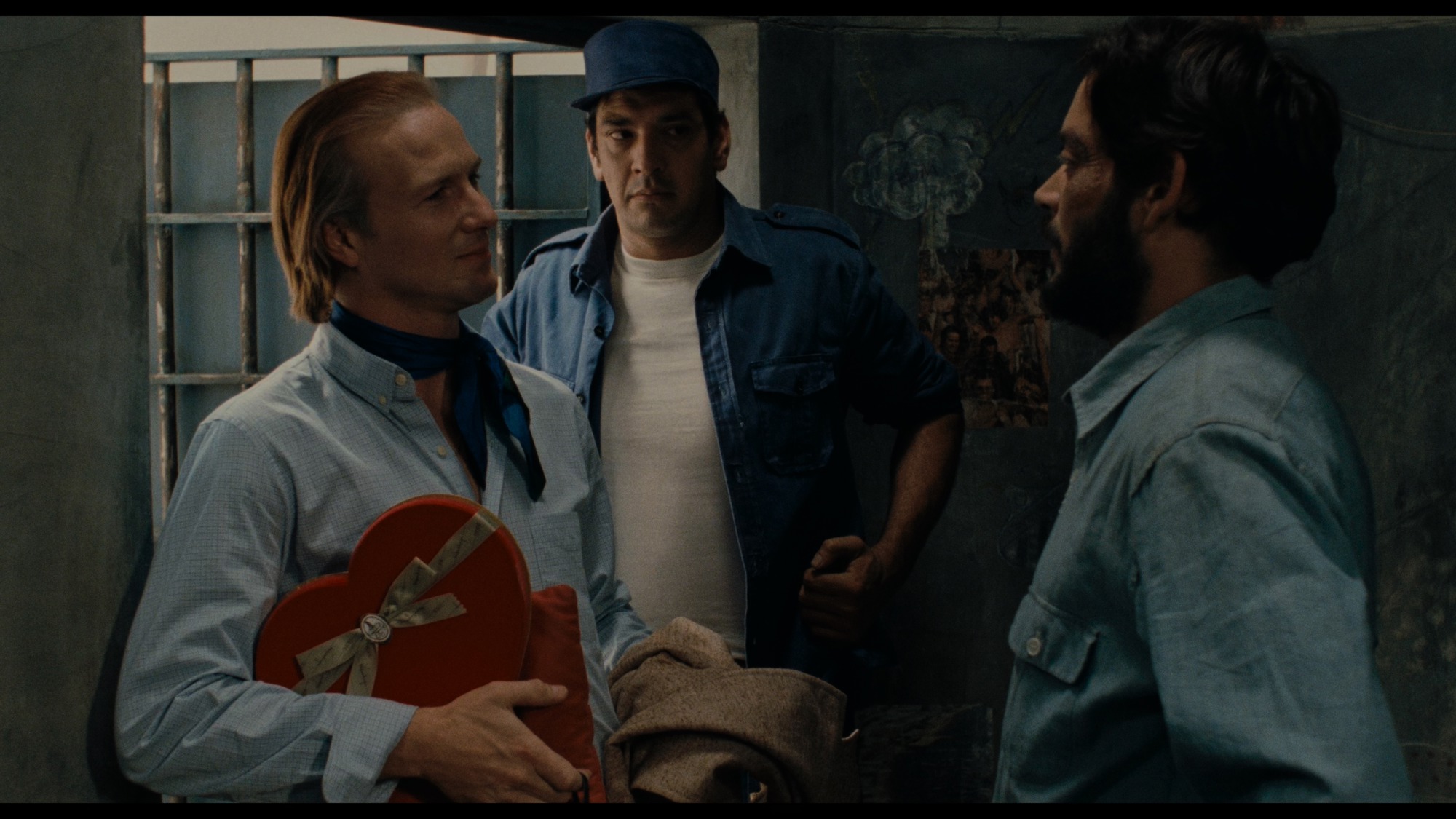
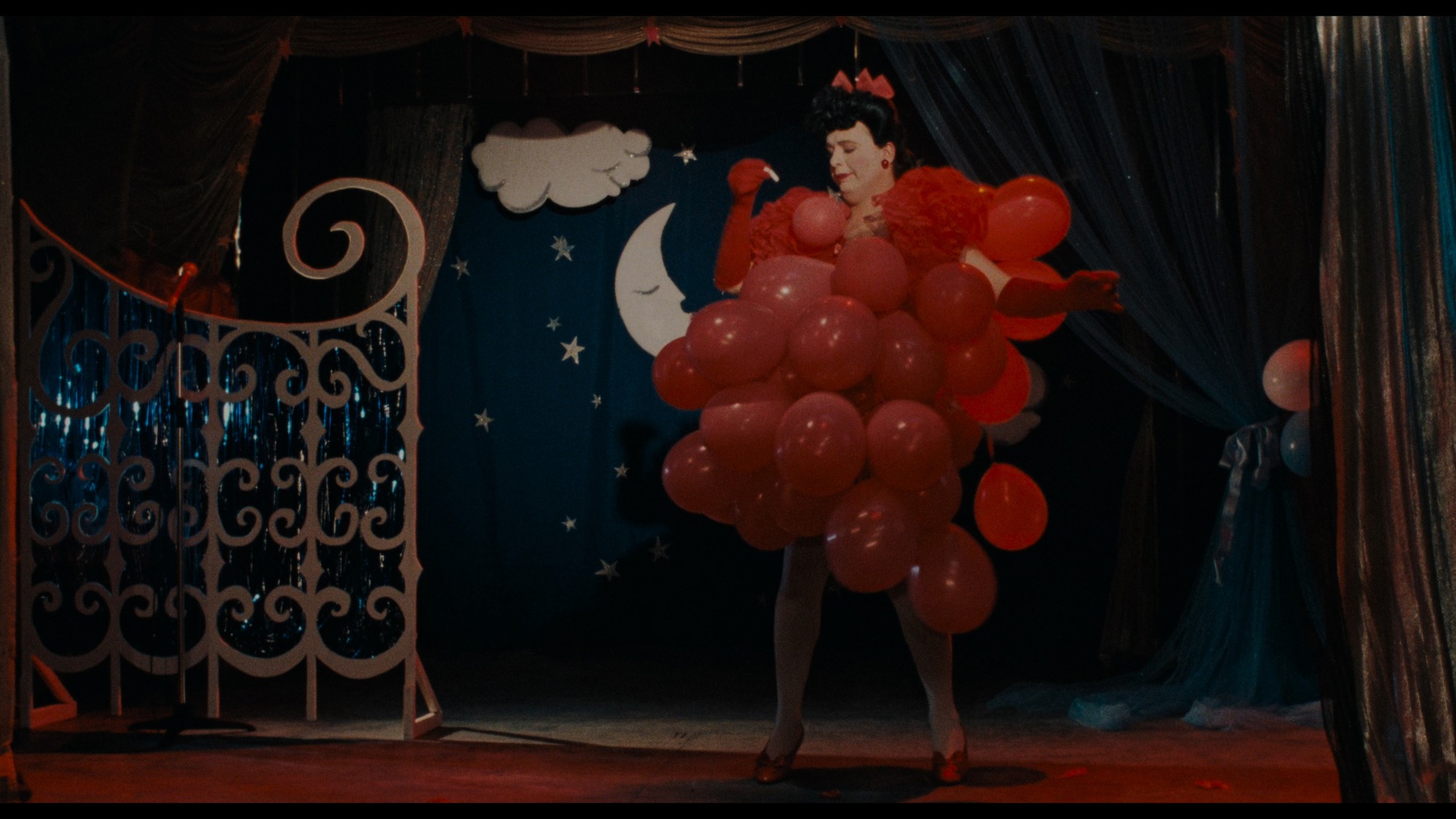
Audio 8/10
Criterion includes both a monaural soundtrack (presented in single-channel PCM) and a remastered 5.1 surround mix (in DTS-HD MA). Both sound excellent, though somewhat to my surprise I found myself slightly preferring the 5.1 option. It isn’t a showy remix by any means, keeping most of the activity anchored to the front channels, but the score and select moments do make effective use of the surrounds. The result is a mix that feels effective and natural, never calling attention to itself or becoming distracting.
The 5.1 track also offers a bit more dynamic range, though the original mono still holds up very well in that regard. Dialogue is consistently clear in both presentations, the score sounds terrific, and the 5.1 remix in particular comes across as a touch cleaner and sharper. Damage isn’t an issue with either option. Both tracks are strong overall, but I suspect I’ll end up sticking with the surround mix.
Extras 7/10
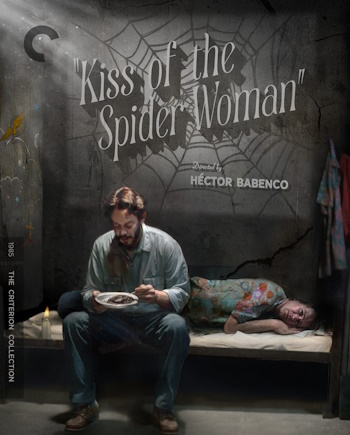
When this film was released I would have been only seven, but even at that age I remember a fair amount of press and praise surrounding it. I also distinctly recall the enigmatic VHS cover art at the local video store (and on that note, while I do like the artwork Criterion chose here, part of me wishes it leaned a bit more into that original marketing imagery). I wouldn’t actually see the film until the '90s, but the fact that it managed to reach even little ol’ me in an incredibly rural area gave it a certain stature in my mind. As a result, I suppose I always expected some kind of lavish special edition, which makes this package feel a bit slight, even if one of the included features is fairly substantial.
That centerpiece is the 108-minute, 2008 making-of documentary Tangled Web: Making “Kiss of the Spider Woman”, produced for the DVD release. It features then-new interviews with members of the creative team, including director Héctor Babenco and producer David Weisman, along with archival interviews with Raúl Juliá and William Hurt, plus (often hilarious) archival material featuring author Manuel Puig. Sonia Braga also appears in what looks to be recorded footage from 2008. Without spoiling too much, I’ll say that coming into this documentary knowing essentially nothing about the film’s production, I found its history almost as gripping as the film itself, and it’s honestly something of a miracle that the movie was ever completed.
You hear plenty of stories about troubled productions, but here it sounds like every step forward was met with three steps back, with the project constantly on the verge of collapse. There were hurdles from the very beginning, including convincing Puig to allow Babenco to adapt the novel in the first place, with a chance encounter playing a major role in moving things forward. Ironically, securing a major star—Burt Lancaster, who was originally cast in the role that ultimately went to Hurt—helped fast-track the project but also introduced new complications due to his star stature and his own ideas around the character. The original script even called for one of the films-within-the-film to be a version of Cat People, but Universal (in the midst of producing their own remake) forced a last-minute change just before shooting (Babenco refers to it as "Hollywood shit"). Filming in Brazil then introduced another set of challenges altogether.
The most chaotic chapter, however, seems to have been post-production. Creative disagreements were rampant, funding was an ongoing problem, and things apparently became so heated that physical fights broke out. Early cuts of the film were reportedly unwatchable, so much so that Juliá himself thought the film was dreadful. Somehow, though, everything eventually came together, with Leonard Schrader (Paul’s brother) emerging as a much-needed voice of reason. Even the film’s release was poorly timed, though largely due to the broader cultural climate of the 1980s rather than any internal missteps. Yet against all odds, the film ultimately emerged as both a critical and commercial success.
That barely scratches the surface of what the documentary covers. It also includes footage from an interview with Hurt discussing his experience on the film and his collaboration with Juliá, along with several other surprises along the way. If you haven’t seen this before, it’s absolutely worth the time; easily one of the most fascinating production stories I’ve come across.
Also carried over from the DVD is a nine-minute program on author Manuel Puig, built from archival footage and audio interviews that explore his life and work, including his discussion of how he developed the mannerisms for the novel’s central character, Molina. A trailer is included as well, though it appears to be a newer one, possibly created for the 2008 restoration.
Criterion does add one new feature: an interview with Puig biographer Suzanne Jill Levine. Expanding on the earlier Puig featurette, she delves deeper into his early life, his body of work, and some of the criticisms leveled against it. From there, she turns to the film adaptation itself, discussing how its themes translate from page to screen and highlighting what the adaptation gets especially right. The piece is intercut with archival interviews featuring Babenco and Puig, some of which overlap with the documentary, though they appear to come from raw source materials here. At 24 minutes, it’s a welcome addition that helps fill in gaps left by the older features.
Beyond that, and an essay by B. Ruby Rich that contextualizes the film within the Reagan-era political climate, that’s essentially it, with a handful of features also not making it from the DVD (though Levine's contribution may replace those). Some additional academic material would have been welcome, and it would have been fascinating (even if the elements likely no longer exist) to see or hear more about those disastrous early edits, or maybe even the stage musical (not the recent film adaptation, though). Still, the making-of documentary remains a major highlight, the new interview is a solid supplement, and overall it's all worth getting through.
Closing
I expected a far more lavish release, but the presentation itself is wonderful and easily justifies the purchase on its own.
BUY AT: