Carnival of Souls
BUY AT:


See more details, packaging, or compare
Synopsis
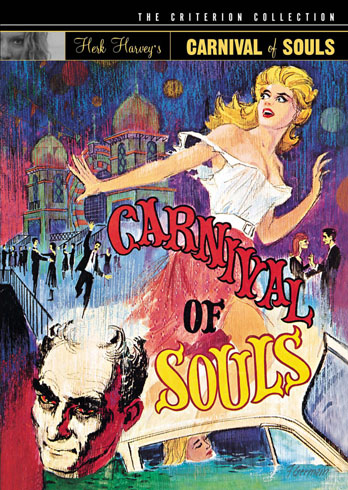
Herk Harvey’s macabre masterpiece gained a cult following through late night television and has been bootlegged for years. Made by industrial filmmakers on a modest budget, Carnival of Souls was intended to have the “look of a Bergman” and “feel of a Cocteau,” and succeeds with its strikingly used locations and spooky organ score. Mary Henry (Candace Hilligoss) survives a drag race in a rural Kansas town, then takes a job as a church organist in Salt Lake City. En route, she becomes haunted by a bizarre apparition that compels her to an abandoned lakeside pavilion. Criterion is proud to present the ultimate special edition of this eerily effective B-movie classic that continues to inspire filmmakers today.
Picture 8/10
Criterion’s original 2-disc DVD edition for Herk Harvey’s Carnival of Souls presents both the 78-minute theatrical cut and 83-minute director’s cut in the aspect ratios of 1.33:1. Each film is presented on their own dual-layer discs.
Of the two the theatrical cut does look better and that’s probably because of the source materials: the theatrical cut has been transferred from a duplicate negative while the director’s cut (according to Criterion recently) comes from an analog video tape, though at least a high end one. The surprising thing about both versions, though, is the condition of the prints. Both are in great shape, only presenting a small number of flaws, the director’s cut being a little heavier in the spots and debris department. Both have noticeable jumps and fluctuations, and pulsing and flicker is also apparent. Still, both versions look a lot cleaner than one may expect.
The theatrical version is sharper, though, presenting more fine details. Contrast and black levels are also better. The director’s cut does look a bit softer in comparison, and black levels can come off more like a dark gray than a true black (though this is still a general limitation of DVD). Most limitations of the director’s cut can probably attributed to the analog source, though. The theatrical cut, even upscaled, still looks very sharp and other than the expected compression problems of the format, the presentation still holds up rather well. Interestingly, at the time, I didn’t notice much of a difference between both versions of the film, but now upscaled on a high-def television the differences are more obvious and the theatrical transfer does look far better.
The Blu-ray edition Criterion is releasing does offer an incredible improvement over this edition in terms of presentation, but the transfers found here (especially for the theatrical cut) still hold up rather well. The director’s cut’s weaknesses are again more obvious now but it’s still watchable. Since the new Blu-ray doesn’t include the director’s cut this DVD is still worth getting for the half-decent presentation of that cut.
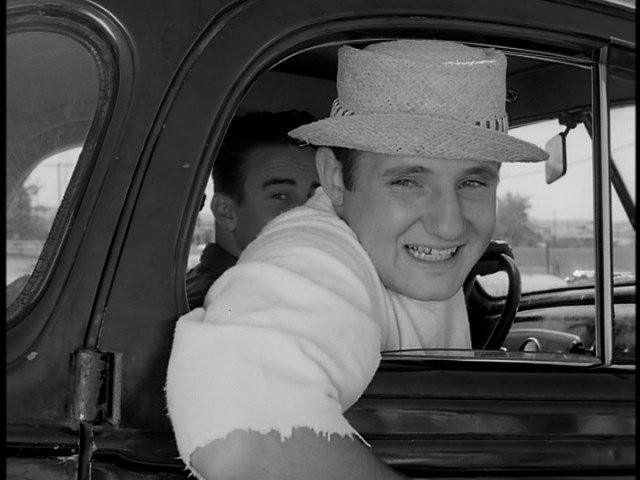
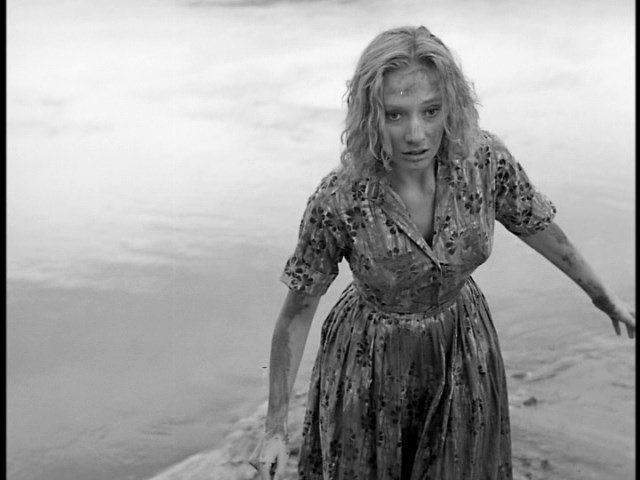
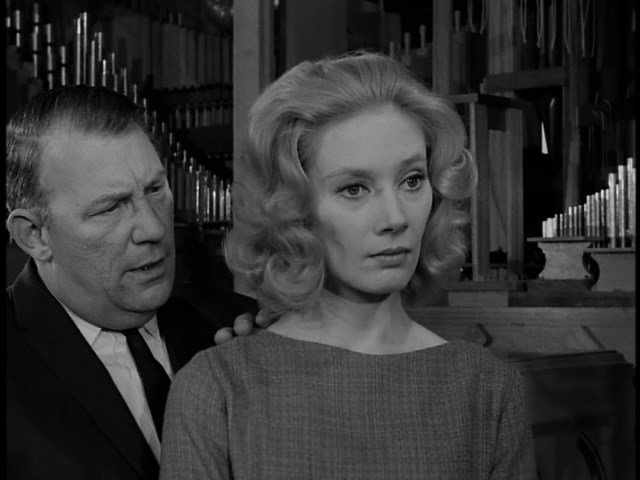
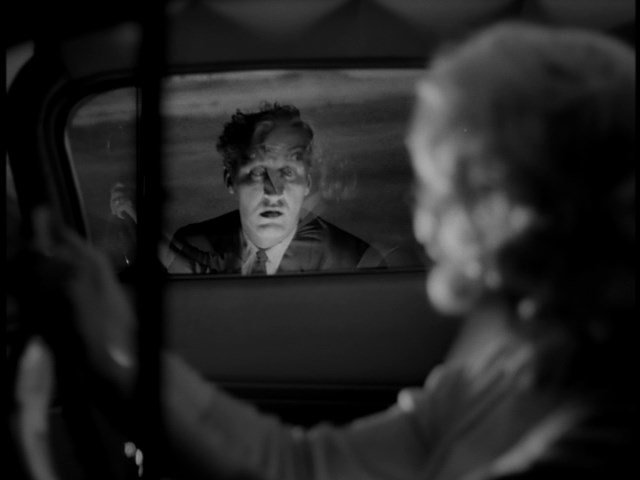
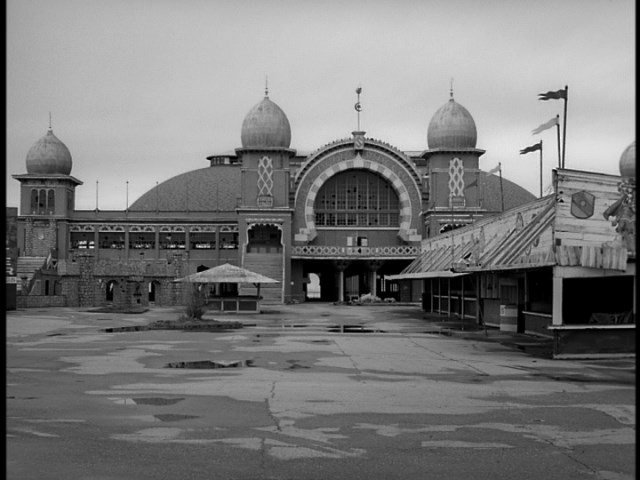
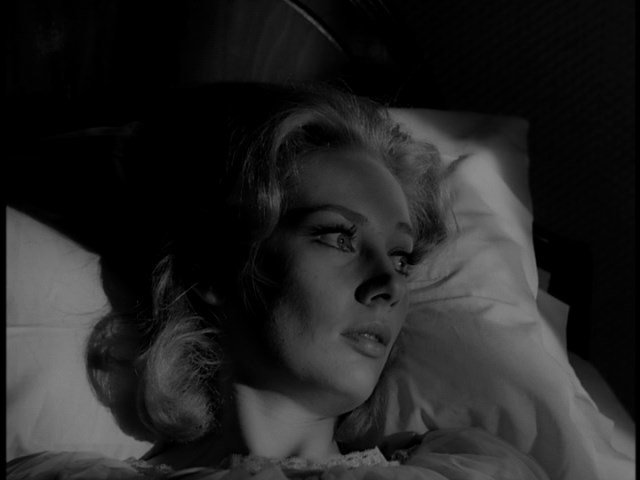
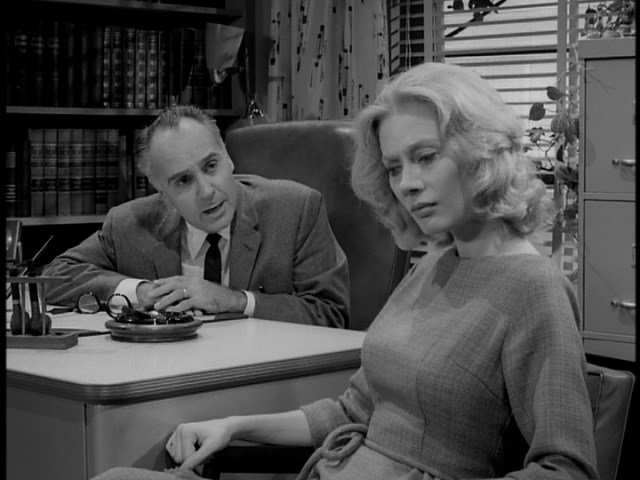
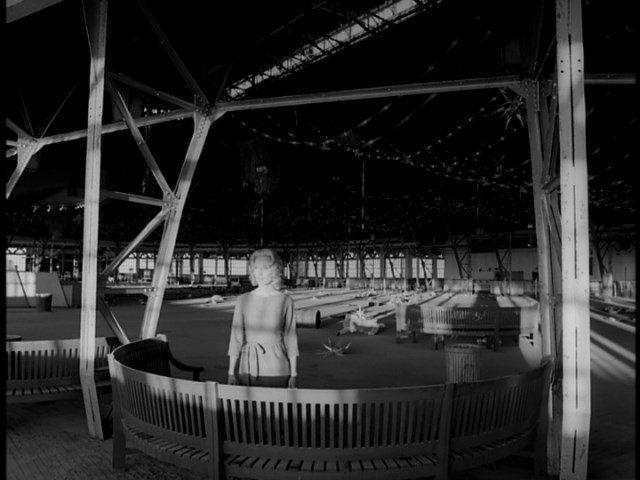
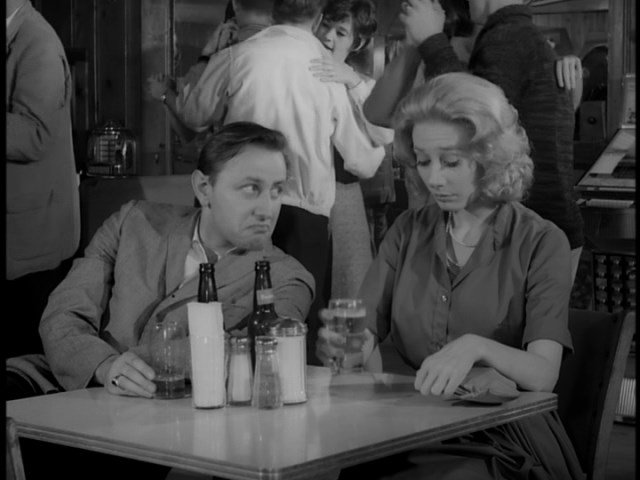
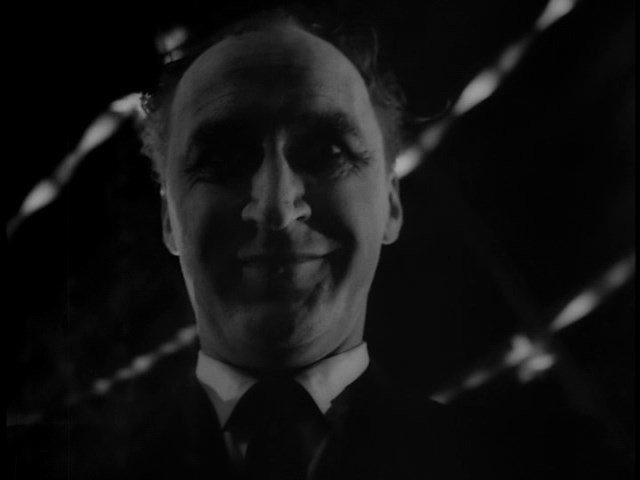
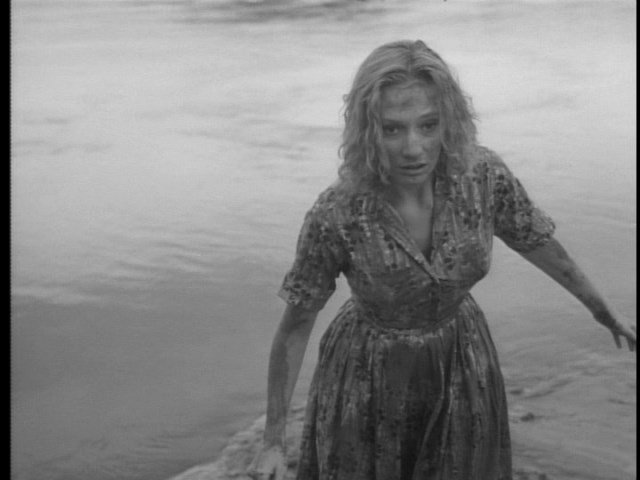
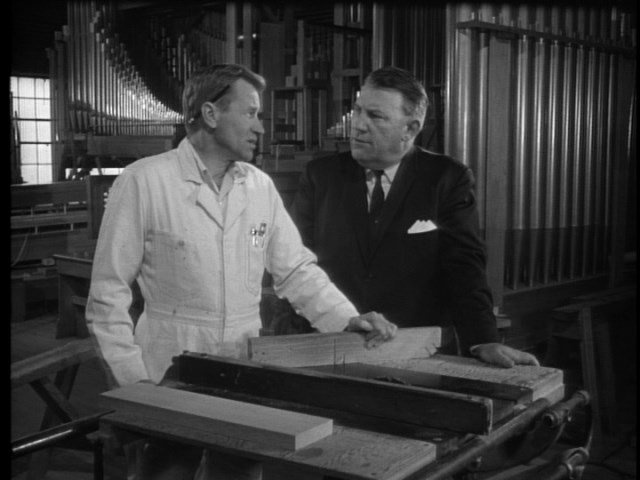
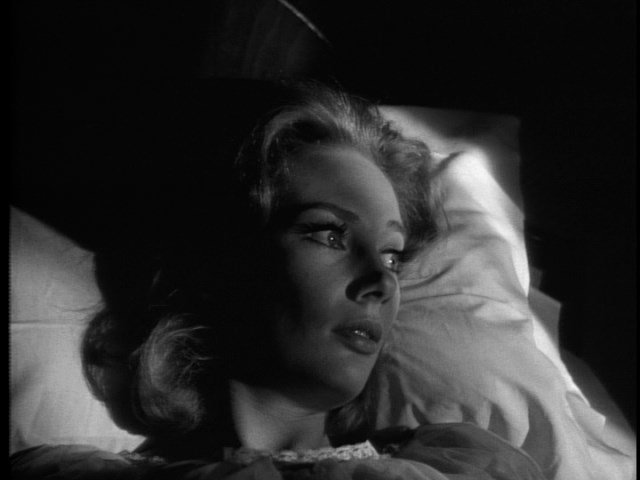
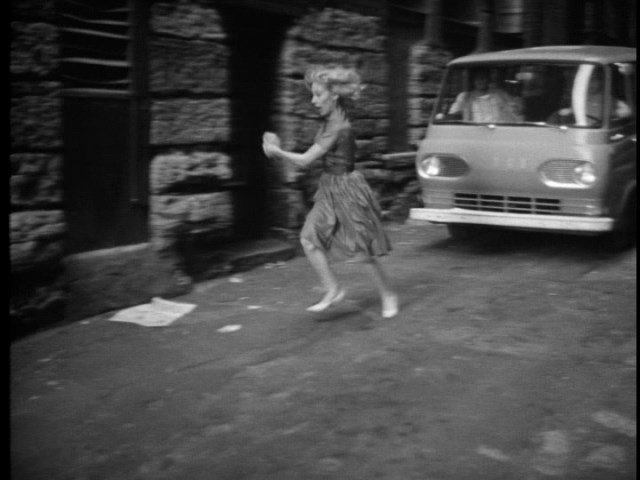
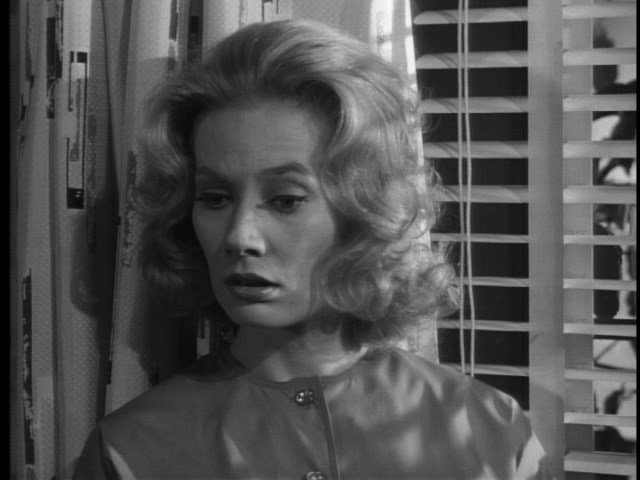
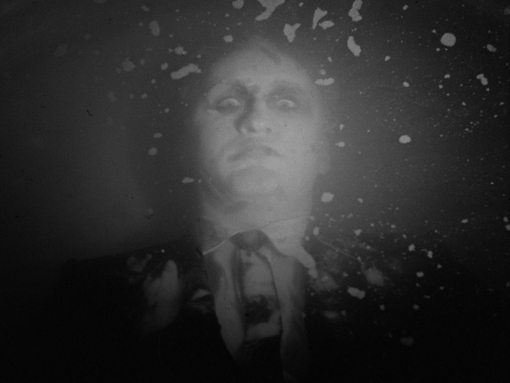
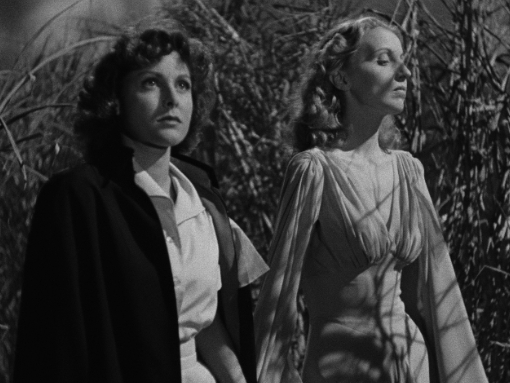
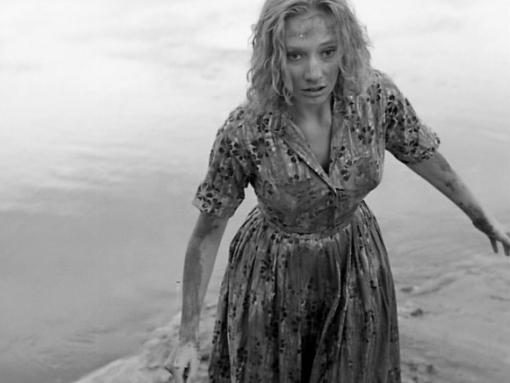
Carnival of Souls - Screen Captures
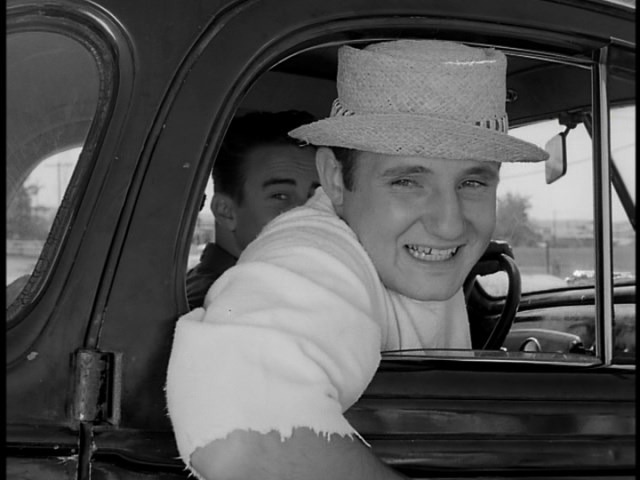
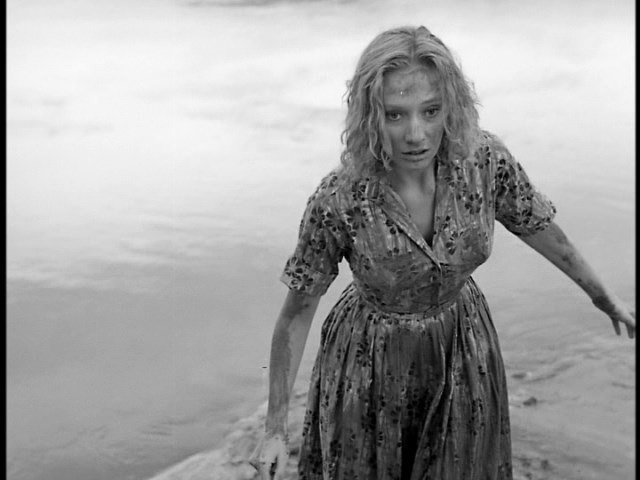
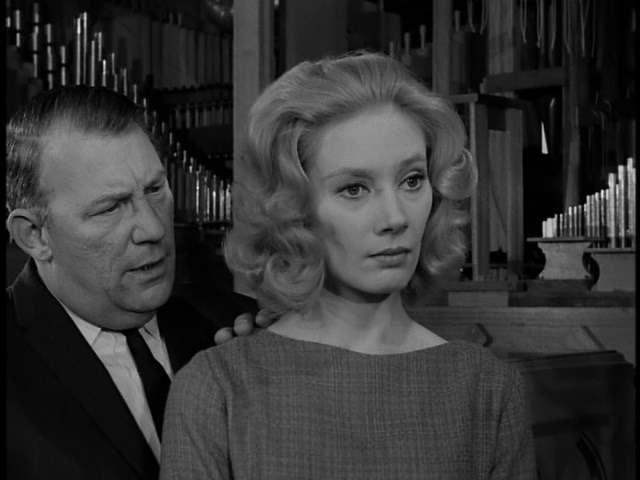
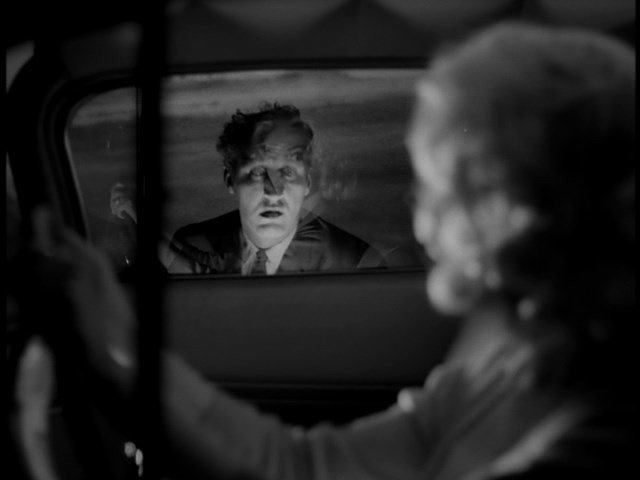
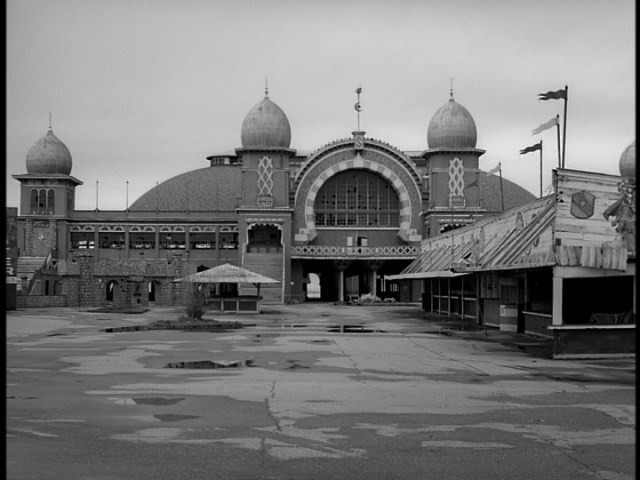
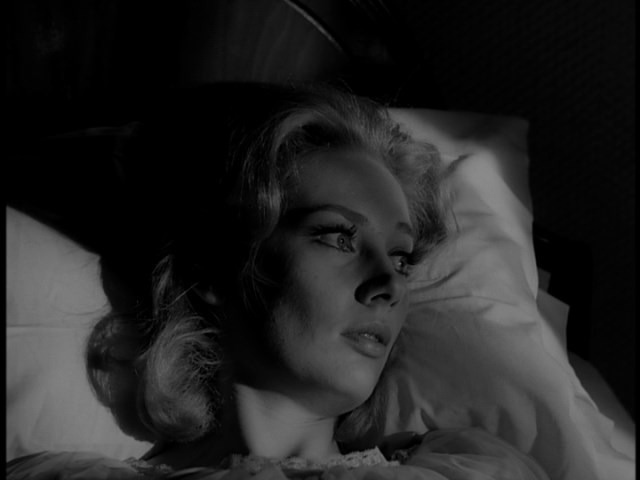
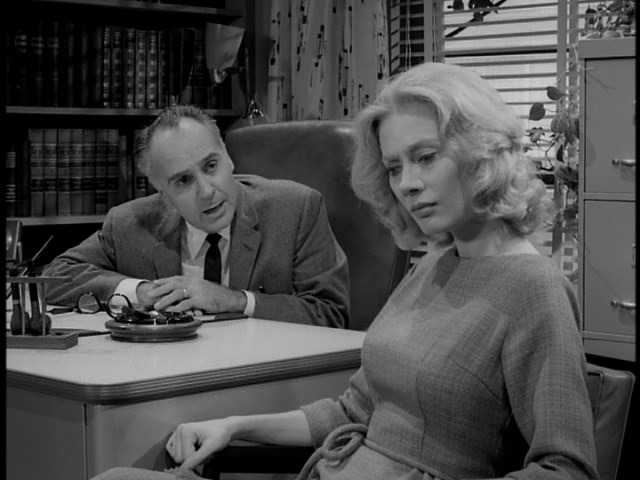
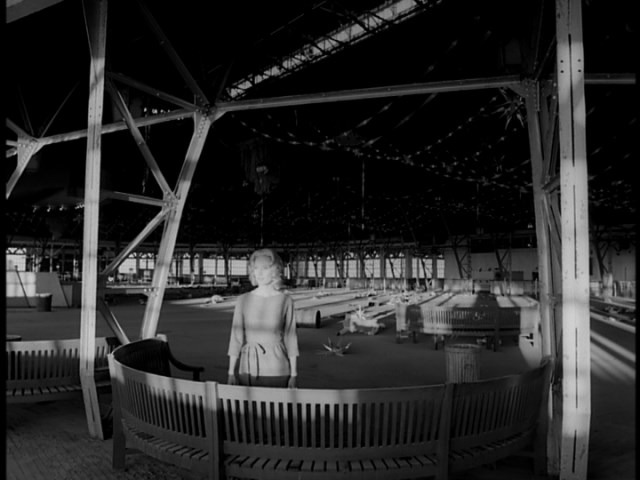
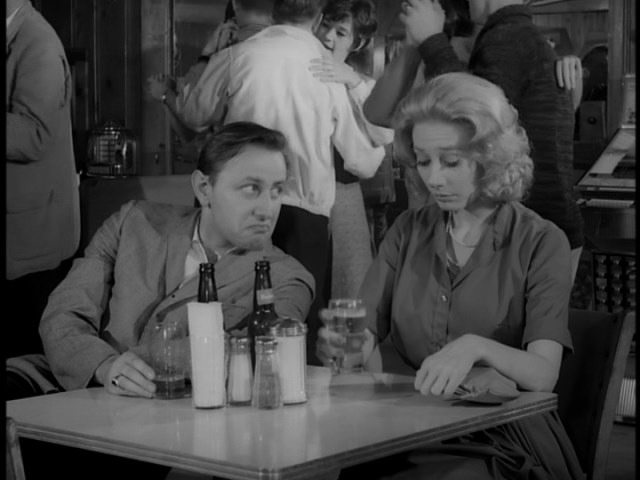
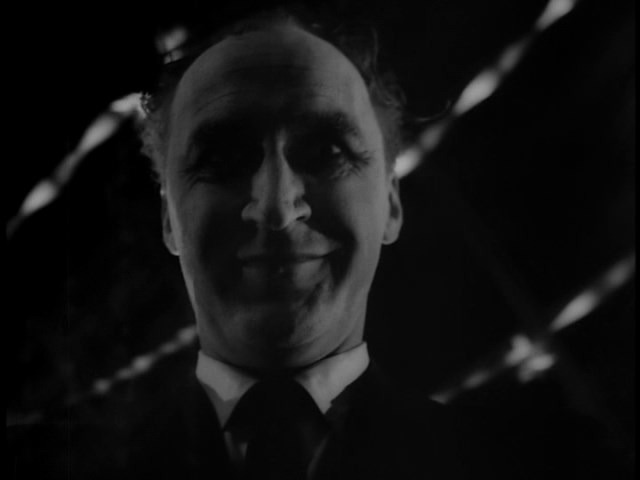
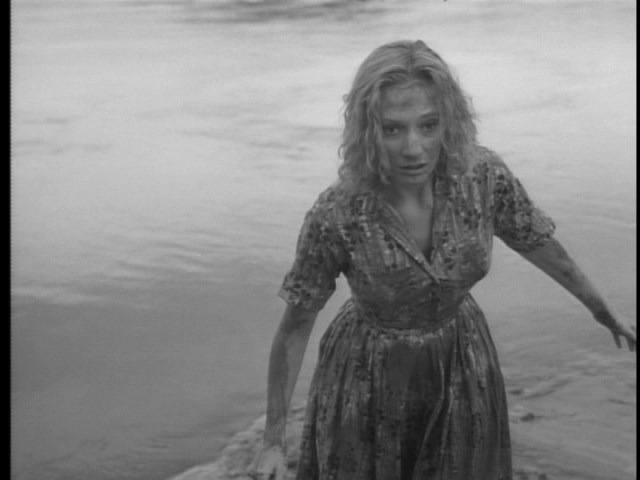
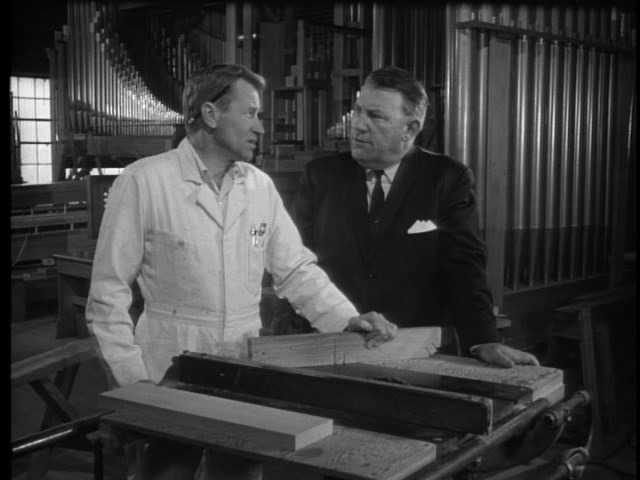
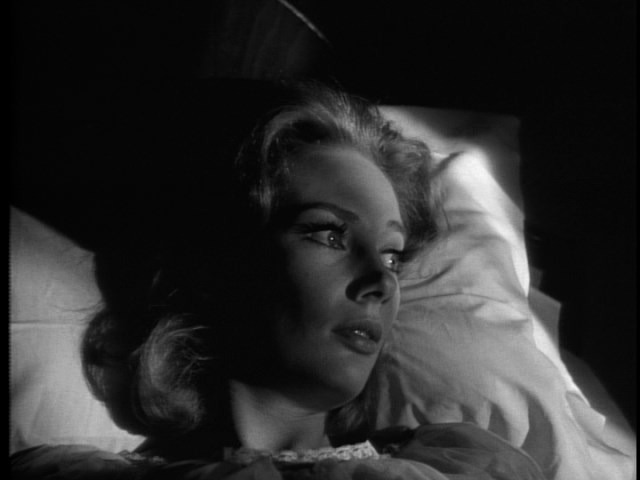
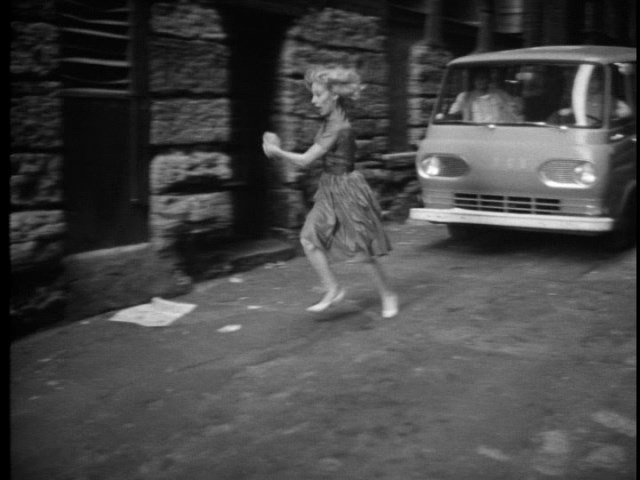
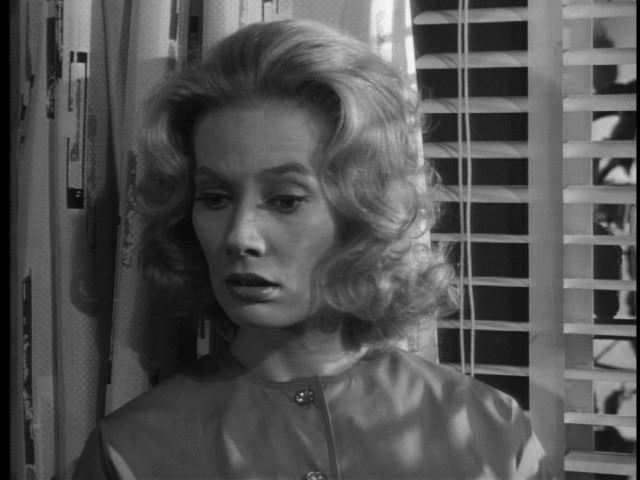
Audio 6/10
Both films come with Dolby Digital 1.0 mono tracks and both sound pretty good. Limitations mostly have to do with age and filming conditions (there is very bad looping scattered about that doesn’t fit with the visuals) but they’re both in excellent shape, presenting clear dialogue and adequately rendered music that avoids becoming too harsh or edgy. It still sounds good.
Extras 8/10
Criterion’s 2-disc set includes a number of worthwhile features spread over its two discs. The first disc’s menu first opens with a remembrance for Herk Harvey, who passed away in 1996. First up is The Movie That Wouldn’t Die!, made for local Topeka, Kansas television station KTWU 11 covering the film’s 1989 theatrical rerelease and a screening in Topeka, with Harvey, Clifford, Hilligoss, Sidney Berger, and others in attendance. There are plenty of interviews scattered about here, including Harvey and Clifford together, but we also get a Q/A session that also features Berger and Hilligoss (Harvey appears in make-up and costume as the Man). It’s a fun feature going over the long road the film traveled from being near-forgotten flop to cult classic. It runs 27-minutes.
Following this are 40-minutes’ worth of outtakes, which is made up mostly of alternate takes, alternate angles, and some behind-the-scenes type material where we see members of the crew and then the cast occasionally out of character.
Following the film’s original theatrical trailer is a fairly extensive gallery covering the Saltair pavilion and its extensive history. The text notes get in depth on its purpose, the various disasters that have befallen it over the years, and how it has been used in film, which not only includes Carnival of Souls but also the 1991 cheapie film Neon City. Also here is an extensive photo gallery with a large number of photos taken at the facility over the years, beginning in 1893 with its construction, with some amusing bits thrown in that have been pulled out of newspaper articles (it’s suggested that in 1897 a couple of gentleman were arrested for either skinny dipping or not wear the appropriate bathing attire). There’s also a collection of photos covering the rides that were at the park, and a collection of ads for the performers that played there. It’s a great gallery on the location’s history and worth trekking through.
Next up is The Carnival Tour, a 1996 feature revisiting a number of locations that appear in the film, most of which were in Kansas. It’s a fun feature getting an update on all of the locations, a lot of which haven’t changed all that much. It runs 5-minutes.
The second dual-layer disc presents the director’s cut of the film. The original film was only cut 5-minutes to make room for a double bill and most of the trims are really just some quick cuts and trimming off some scenes. There are a few extensive cuts though: one is an added conversation at the organ factory, another is an extended sequence during the second “out of body” experience which shows Hilligoss’ character almost get run over by a van, and then there’s an extended portion in the second visit to the doctor’s office. Do these scenes add anything? In all honesty not a lot. The bits at the end do actually add something to the film, where Hilligoss explains her feelings about her situation a little more in-depth, and the van almost mowing her down adds a bit to the craziness of the sequence. But the other trims you’ll barely notice, and the extended conversation at the organ factory, in all honesty, doesn’t add much and actually does slow the film down more than it should. At any rate, it’s at least here; the new Blu-ray cuts this feature out completely.
The director’s cut also comes with a select scene audio commentary featuring director Herk Harvey and writer John Clifford. The commentary was put together for this edition from excerpts of interviews performed with the two in 1989. Because of this it isn’t screen specific per se, but has been edited together in such a way where comments will correspond to sequences as they come up in the film. A bulk of the track takes up about the first 50-minutes or so of the film, with a few lengthy dead spots, with Harvey doing most of the talking. Harvey first talks a bit about how the idea of doing a feature film came to him after he saw the abandoned Saltair Pavilion in Utah, and Clifford explains how he developed the script, admitting he initially had no idea how to end it. The two then get into a general conversation about the production, the nature of independent film production, and the rebirth and rerelease of the film. Harvey also talks about the distribution problems (they were ultimately screwed over by the distributor they went with) and he talks about some directing choices: one big one was when he questioned whether to have Hilligoss appear nude in the film, figuring that might entice distributors, but he wisely decided against it, thinking the film didn’t need it, and never shot anything, even though distributors did ask if he shot any nudity.
The last act is mostly silent, though Harvey pops up again during the last few minutes of the film to talk about that sequence. Despite the dead space the track is indexed to help skip the dead spots and overall is informative and breezy.
Criterion then includes a section giving some history to Harvey’s and Clifford’s work at Centron Corporation. It opens with text notes excerpting from Ken Smith’s book on educational films, Mental Hygiene, covering Centron’s history. Criterion then includes excerpts from six films, running almost an hour: Star 34 (a film shot for the Kansas tourism board), a Centron commercial (making use of a “fisheye” lens while showing off their offices, studio, animation, equipment, and Oscar nomination), Signals: Read ‘Em or Weep (a Caterpillar sanctioned film about properly working with and maintaining their equipment when in use), To Touch a Child (probably unfortunately named nowadays but it’s about the use of schools during off hours, including when they’re closed over the holidays, for extracurricular activities), Jamaica, Haiti, and the Lesser Antilles (a geography film covering the various countries found in the islands, though the excerpts we get concentrate more on Haiti and Trinidad), and then Korea: an Overview (going over the division of North and South, the economics of the Southern portion, and then the culture and traditions). The last two, and to an extent To Touch a Child have most of the colours drained from them, magenta being the only colour remaining.
This stuff is great and their all pretty fun, some of it is admittedly cheesy, but I think the filmmakers know this. Still they try to work in stories and develop characters, avoiding 1-dimensional representations, as best displayed in To Touch a Child. Text notes also provide some context to the films, with some special attention given to the Jamaica/Haiti film: This film was made while Harvey was trying to get distribution for Carnival of Souls and part of the reason he probably got screwed over was because he was in Haiti making this film, after the American government was telling Americans to stay away because Haiti’s president, François Duvalier (aka “Papa Doc”), was cracking down on enemies. Seeing portions of this film, made just after Carnival of Souls was completed, shows just how quickly the two got right back to work.
Overall this material is a great inclusion on Criterion’s part, allowing us to see some of Harvey’s other work.
The disc then closes with illustrated interviews, which are text reprints of interviews with Harvey, Clifford, and Hilligoss. As you scroll through the text you also come across a number of photos and poster art. Harvey’s and Clifford’s interviews repeat material found elsewhere on the disc, but Clifford at least talks a bit more about his career. Hilligoss’, though, proves to be a great addition with the actress recalling the difficulties she had making the film. They’re all fairly lengthy but certainly worth reading, adding quite a bit of value to this edition.
The included fold-out insert then features an introduction by John Clifford (though he repeats things here, pretty much word for word, that he said elsewhere in the supplements) and a short essay on the film by Bruce Kawin.
It’s a nicely put together special edition and though it may be heavy on text material it’s well researched and quite fascinating. The new Blu-ray adds some new material but unfortunately drops a few things here, including a couple of the Centron films, the director’s cut, the text notes and photo galleries, and also trims down the outtakes. These features still make this edition special in its own way.
Closing
The Blu-ray bests this edition in terms of presentation, and it also presents some excellent new supplements, but this one is still worth picking up, even if it’s to accompany the Blu-ray edition: it still presents a solid transfer of the director’s cut, which is missing on the Blu-ray, and also includes two other Centron films not on the Blu-ray and some very extensive galleries. Even all these years later it’s still a solid special edition for the film.
BUY AT: