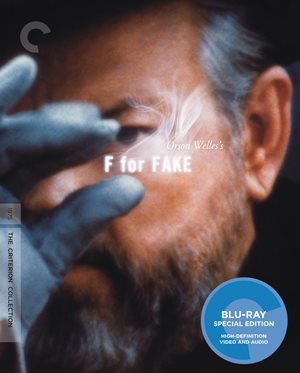
F for Fake

BUY AT:


See more details, packaging, or compare
Synopsis
Trickery. Deceit. Magic. In F for Fake, a free-form sort-of documentary by Orson Welles, the legendary filmmaker (and self-described charlatan) gleefully reengages with the central preoccupation of his career: the tenuous lines between illusion and truth, art and lies. Beginning with portraits of the world- renowned art forger Elmyr de Hory and his equally devious biographer, Clifford Irving, Welles embarks on a dizzying journey that simultaneously exposes and revels in fakery and fakers of all stripes—not the least of whom is Welles himself. Charming and inventive, F for Fake is an inspired prank and a clever examination of the essential duplicity of cinema.
Picture 7/10
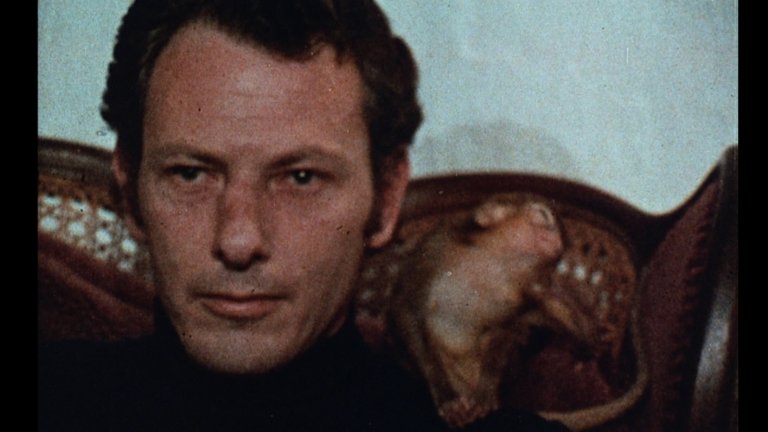
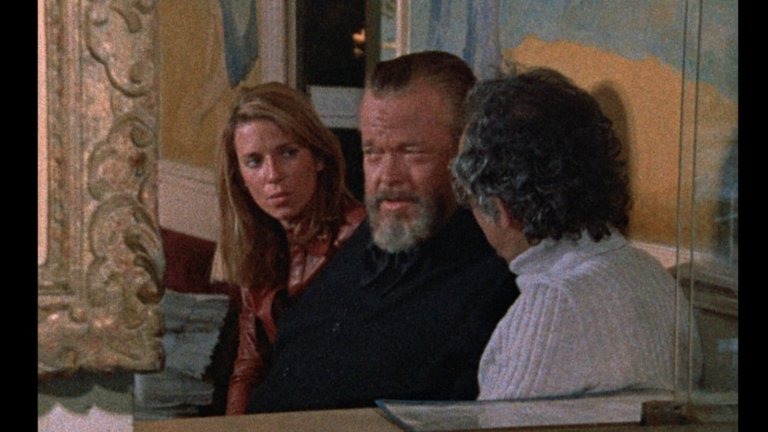
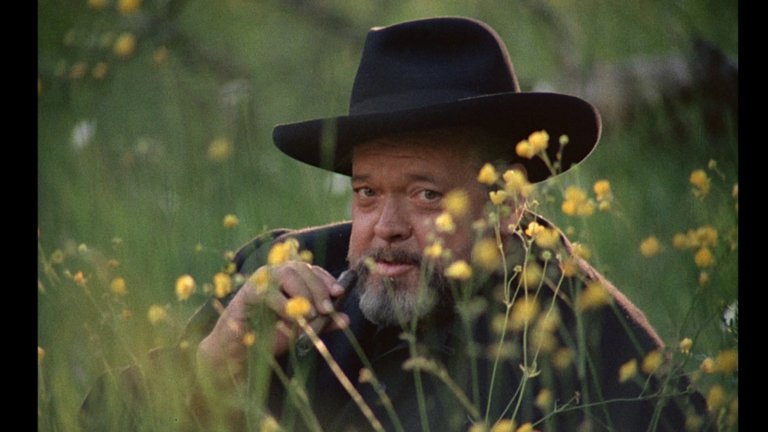
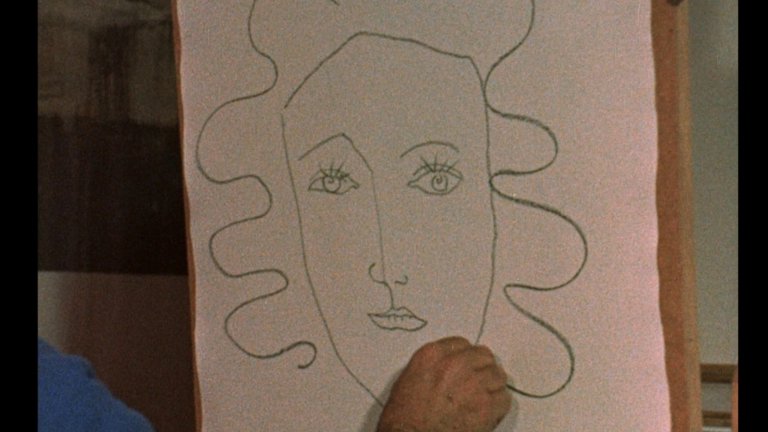
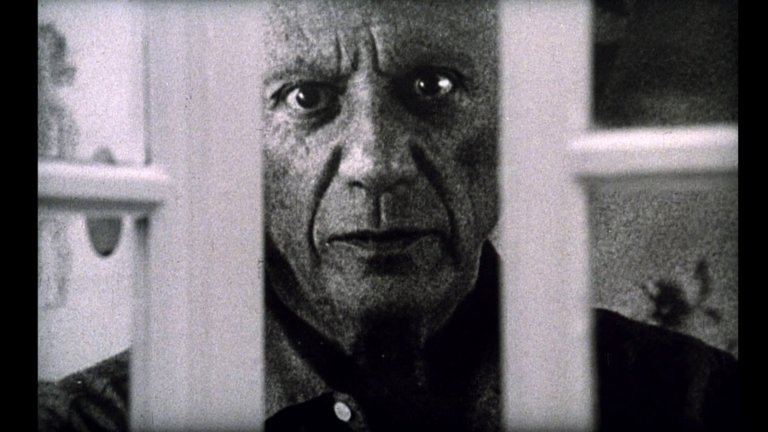
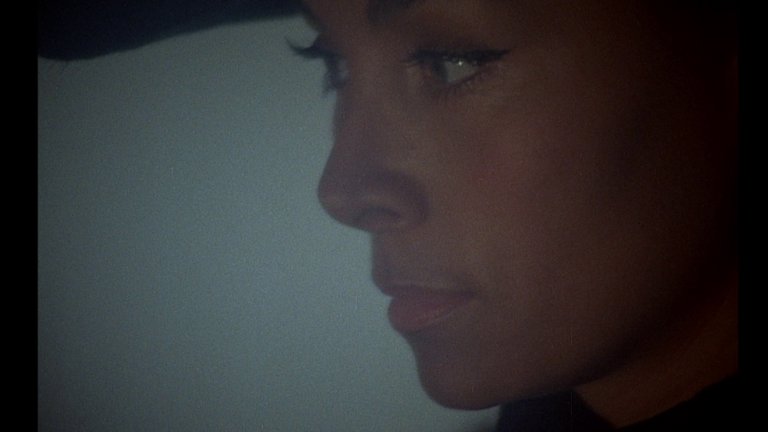
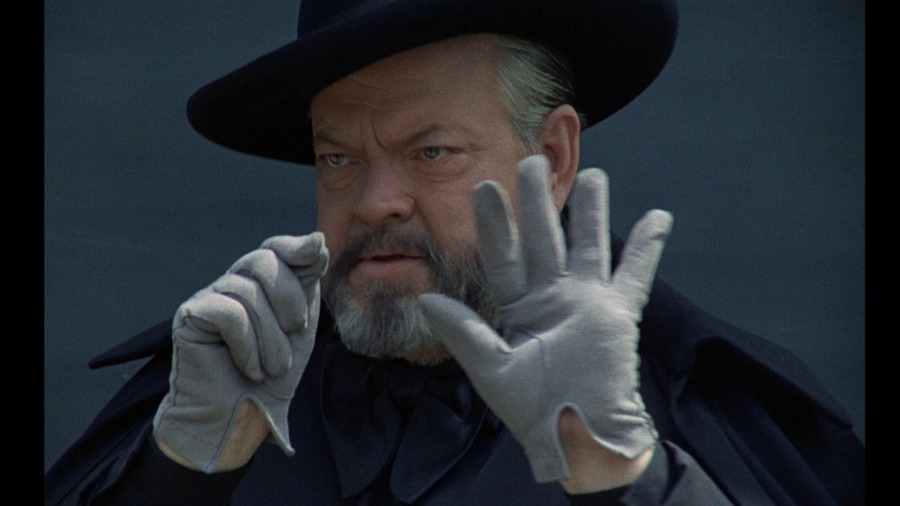
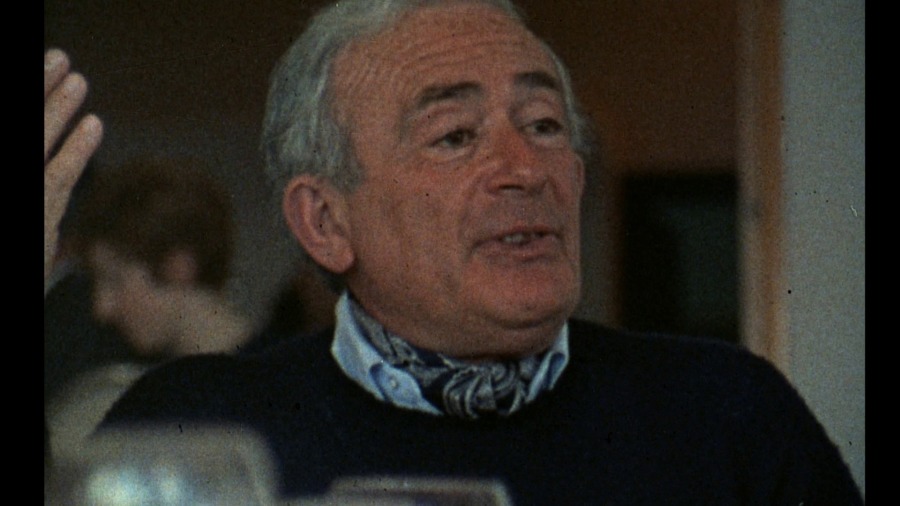
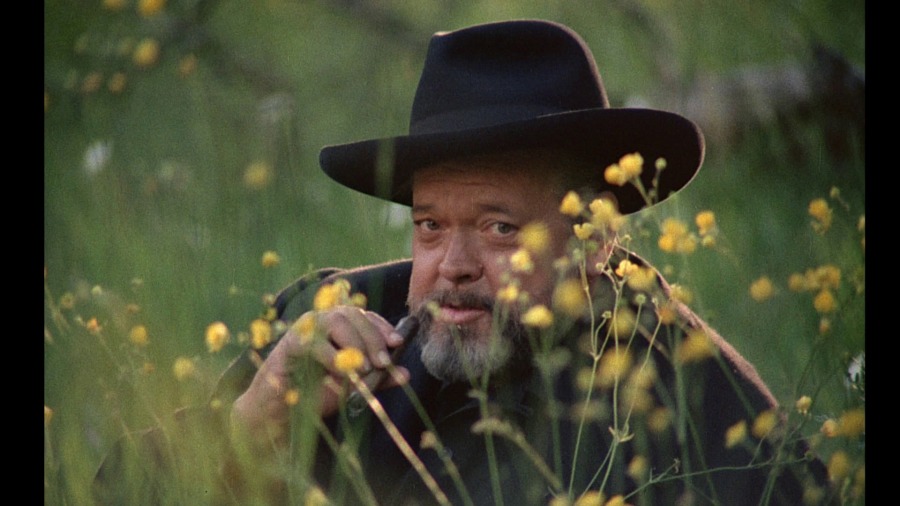
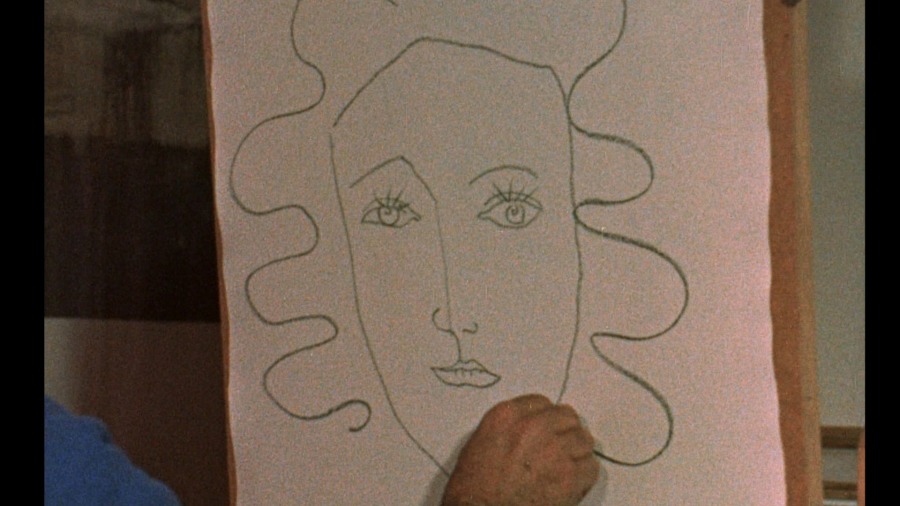
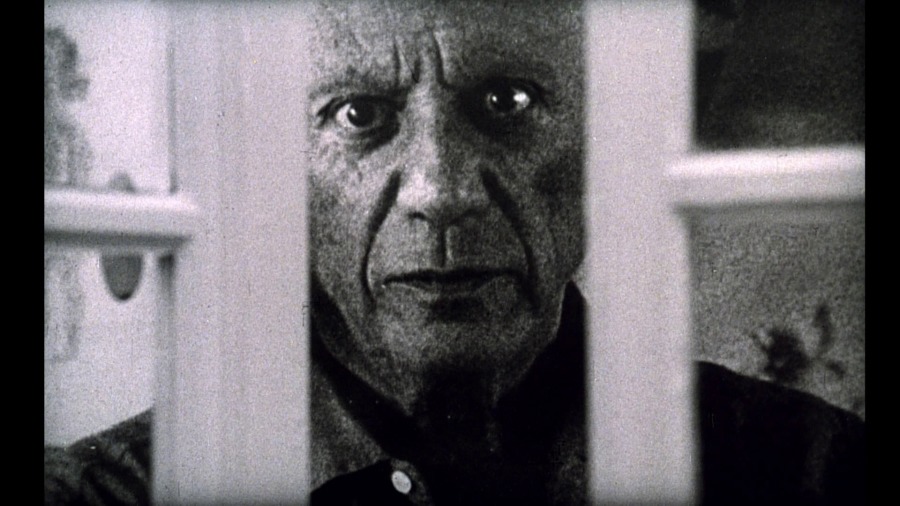
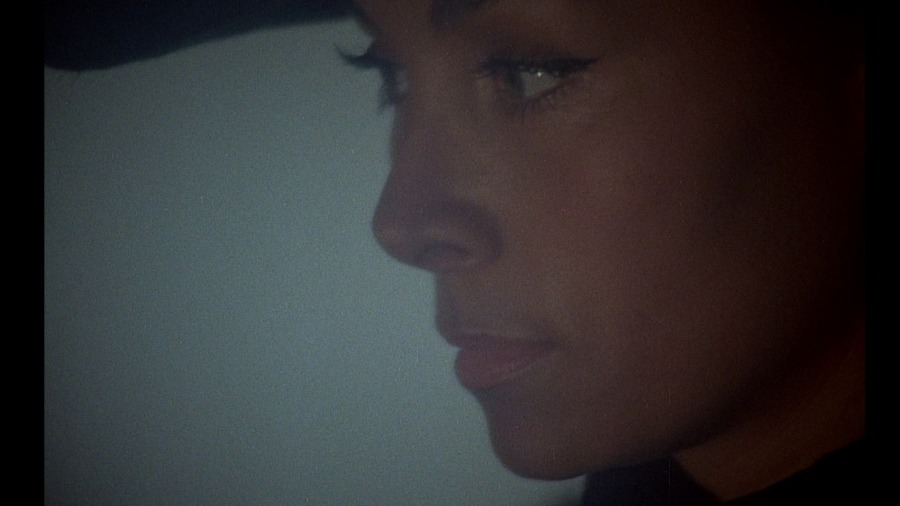
Orson Welles’ F for Fake receives a Blu-ray upgrade from Criterion, and the film is again presented in its original aspect ratio of about 1.66:1. The high-definition digital transfer receives a 1080p/24hz presentation on the dual-layer disc.
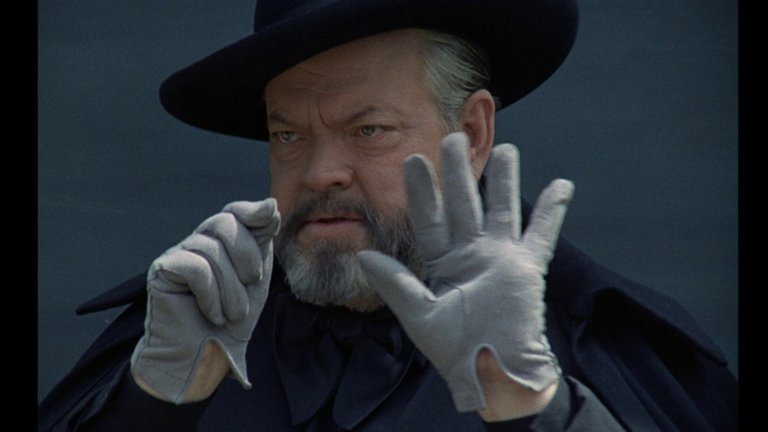
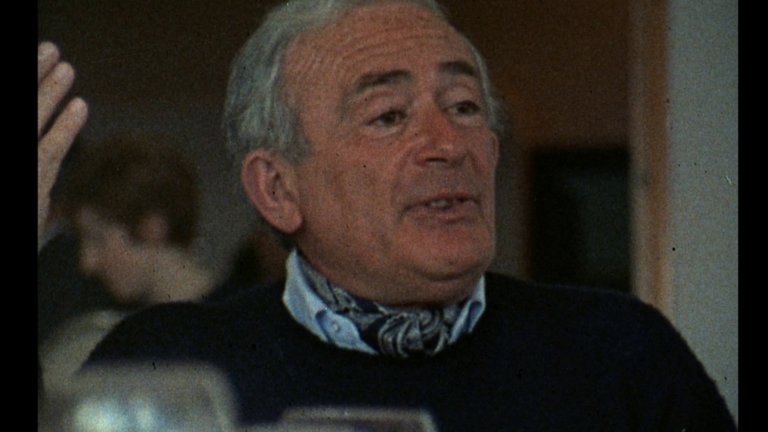
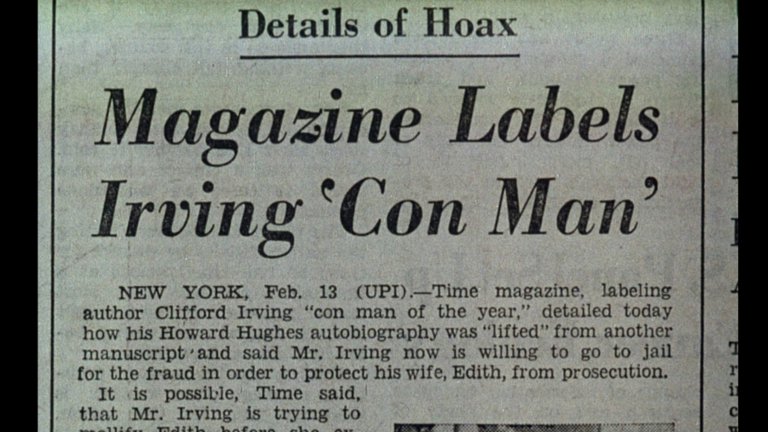
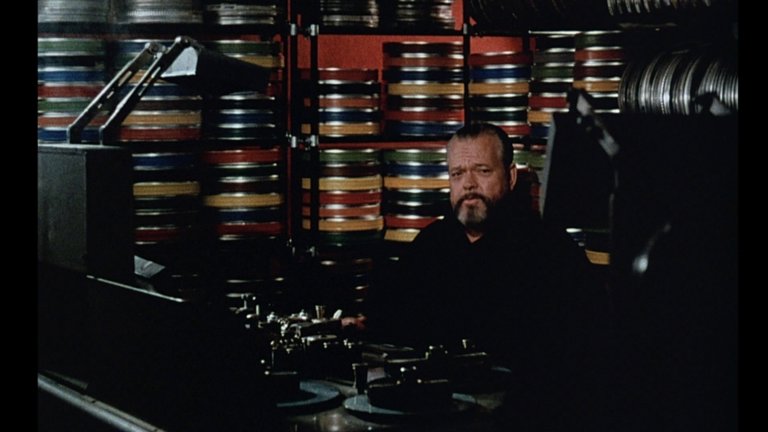
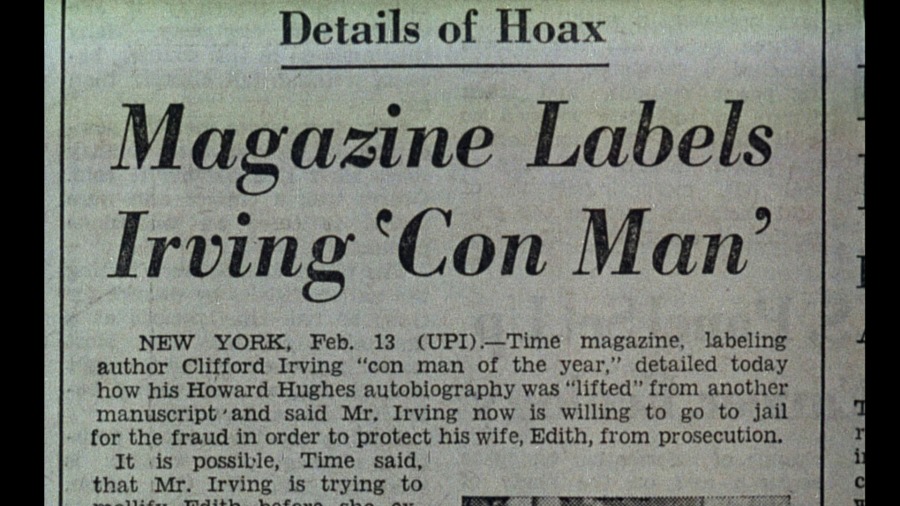
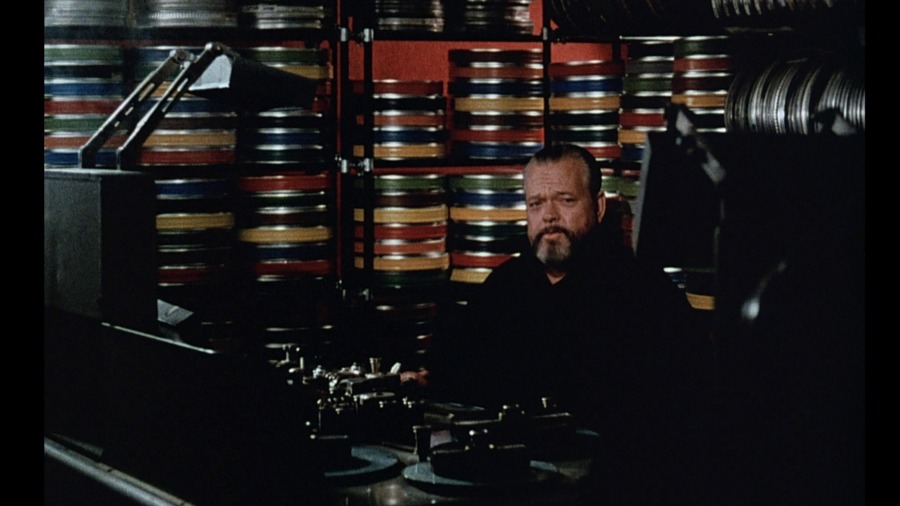
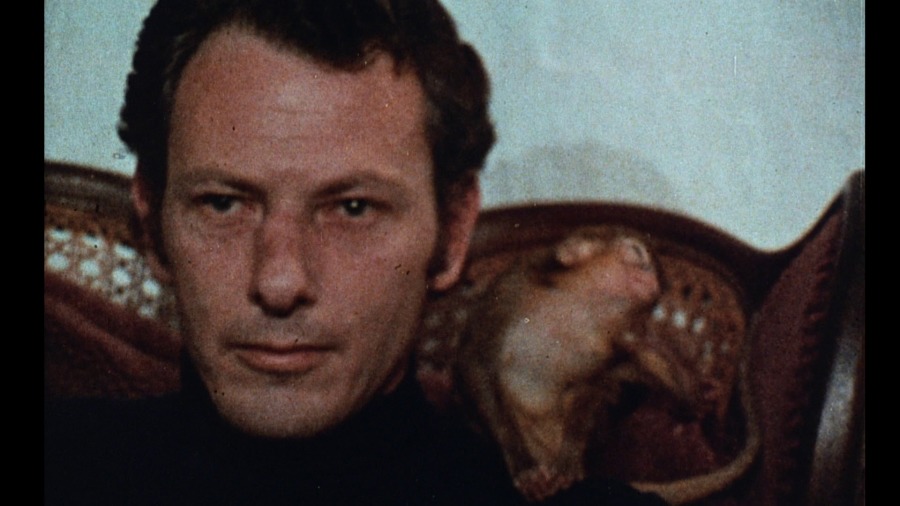
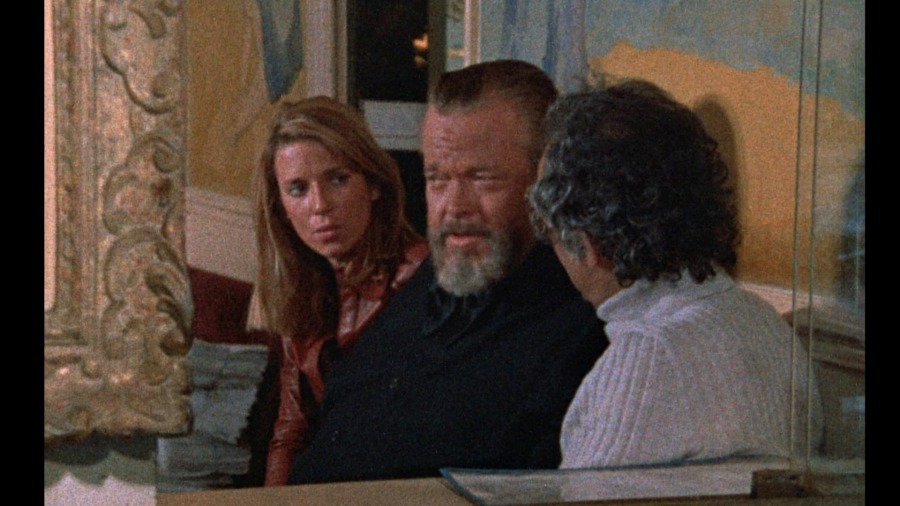
Criterion reuses the same high-definition transfer that served as the basis for their 2005 DVD edition, which I thought looked pretty good for DVD at the time and even now. Does the Blu-ray look better? It does, it’s obvious, but the upgrade isn’t too significant and overall the transfer is a bit disappointing. Detail is certainly improved upon, and some sequences, such as close-ups of documents and photos, present the most obvious improvements and increased detail, even where you can make out the grain of papers that show up markedly better. Colours also look to be a bit better rendered, particularly greens and reds. And though maybe to some this won’t be an improvement, the fine scratches in the source do show through more (they barely register on the DVD).
Unfortunately other aspects of the transfer look dated. The film is made up of a lot of 16mm footage, which is very grainy, as are some other moments in the film. Unfortunately the grain doesn’t look all that great and its rendering isn’t much better than the DVD’s. It doesn’t look entirely natural and comes off more blocky and noisy. No touch ups appear to have been done as well: though I only compared about ten or so sequences, the same damage that appears on the DVD also appears here, so I do strongly suspect that they simply took the high-def transfer they made for their DVD and more or less slapped it on here. Though it certainly doesn’t look horrendous, and I am still quite happy with how it looks on the DVD, that’s more or less the problem: it looks more like a transfer that was made to simply meet what was required for DVD at the time. Now that we get the full high-def presentation its issues show up more clearly. It’s fine enough, but that’s about it.
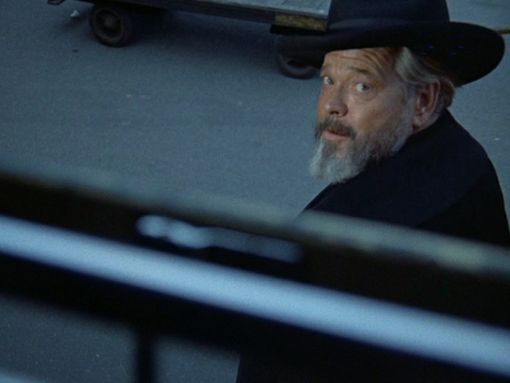
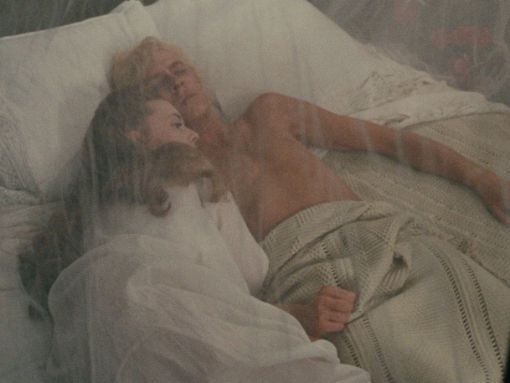
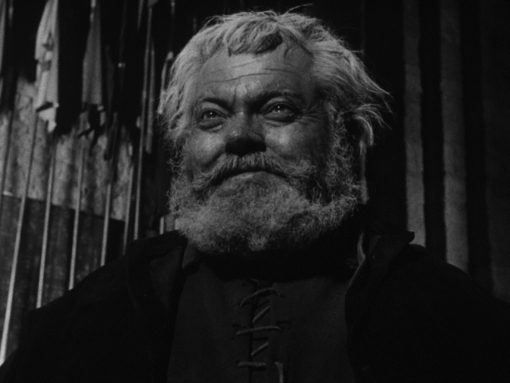
F for Fake - Screen Captures
Audio 7/10
The lossless 1.0 mono PCM track didn’t deliver a truly obvious upgrade over the DVD to me, but it’s fine. It’s clean, free of distortion, and it’s easy to hear the dialogue. Range and volume levels are fairly robust as well, delivering a nice surprise. It’s not anything really special, but nicely serves the film.
Extras 10/10
Criterion’s 2-disc DVD was a nicely loaded edition for the film and Criterion carries over all of that material, even adding a fairly substantial one, providing hours’ worth of information.
An audio commentary featuring cowriter and star Oja Kodar and director of photography Gary Graver. The two have been recorded separately and edited together but Kodar has most of the control of the track. She had a lot of involvement in the construction and editing of the film, Welles collaborating with her a lot along the way. She gives a fairly extensive back story to the film’s inception, which was a straight documentary on art forger Elmyr de Hory, which Welles had taken over from someone else. When it came out that de Hory’s biographer Clifford Irving was involved in his scam, the fake autobiography of Howard Hughes, Welles decided to take the film in a far different and more playful direction. Not surprisingly there’s a lot of footage in the film that was meant for other films (the girl watching scene) and the film was primarily made up in the editing room. Graver talks about how he first came to work with Welles and shares many stories about him, even mentioning how when he and Welles were out and about Welles would randomly have him film locations. The two share a lot of stories about Welles, Kodar’s being more personal, and some amusing things around the film. It’s a very energetic track that manages to offer a few surprises.
Peter Bogdanovich’s Introduction opens up the remaining supplements. The barely 7-minute piece has Bogdanovich give a general overview of the film’s original documentary origins and how it morphed into the “documentary essay” it became. He goes over the structure of the film and its incredibly complicated editing, and then touches on the commercial failure of the film despite the link to the Hughes scandal (American distributors were still unsure how to distribute it). He then concludes by talking about Welles and their friendship and touches on the infamous The Other Side of the Wind, Welles’ last project that has been in legal hell for decades. Admittedly doesn’t add much since there’s more in-depth material here at least Bogdanovich offers another personal angle to the release.
New to this edition is a 1975 episode of the television program Tomorrow, featuring Tom Snyder interviewing Orson Welles. It’s an absolutely riveting interview, one of the more entertaining ones I’ve viewed. Welles talks in a fantastic amount of detail about his career, from his radio days sharing stories about his work with Joseph Cotton, the infamous War of the Worlds broadcast, and The Shadow (joking even he has trouble doing the laugh) and much more. He also goes into great detail about why he works outside Hollywood and how difficult it is to get his films made, talks about his films, and even talks about growing up. It’s hard to tell if Welles is being completely honest or upfront about everything but I don’t know if I really cared: it’s an incredibly entertaining interview and I’m so glad Criterion got their hands on this. It runs 44-minutes.
Carried over from the previous DVD is the 87-minute Orson Welles: One-Man Band that looks at some of his short films and a number of his unfinished films. Oja Kodar basically takes the lead on the film, apparently visiting the vault where his footage is kept and even visiting some of his other properties to look over his materials, from notes to paintings to the editing equipment. The film presents footage from a number of his unfinished films including The Deep (which he had to stop after years when Lawrence Harvey died), the TV film The Merchant of Venice, his apparent biographical film, and a surprising amount of footage from The Other Side of the Wind. It touches on a few other things, including his failed television pilot The Orson Welles Show, which is particularly great just for the Muppets interview. Though technically a documentary it obviously stages some things and tries to be playful itself, though I don’t know if this aspect really works. Still, just for all of the information on his unfinished work and the inclusion of a number of clips (which are mostly in fantastic condition I must say) it’s a very worthwhile feature.
Almost True: The Noble Art of Forgery, a 1997 documentary about de Hory, has also been carried over. This documentary, which uses some of the footage found in F for Fake, is a far more straight forward piece about the forger, though this unfortunately means it’s much more generic and safe. It mostly goes through the motions, covering his early life, how he came to be a forger, and then his later life, including his arrest and apparent suicide. A number of people are interviewed, including Clifford Irving and de Hory’s roommate Mark Forgy, who does show up in F for Fake. Though certainly nowhere near as fun as F for Fake for those looking for something that does get into more detail about de Hory and concentrates specifically on him this is worth viewing. It runs about 56-minutes.
Criterion next pulls up 9-minute segment from an episode of 60-Minutes from 2000, which features Mike Wallace interviewing Clifford Irving. Wallace first talks about his original interview with Irving when he was promoting his Hughes “autobiography”, even displaying clips from it. The episode then moves on to his new interview with Irving. Irving admits he was a bit amused that Wallace and others seemed to be so willing to buy his lies and explains why he did what he did (basically fame, money, and the hope Hughes would never come forward). He expresses some shame and even talks about his time in prison. It’s hard to tell if he’s being entirely genuine about his regret and what prison was like but it’s another great inclusion.
And in another terrific inclusion Criterion presents audio from the Howard Hughes Press Conference where Hughes came out of hiding (though over the phone with reporters) to address the Irving fraud. The feature is audio only and runs about 19-minutes. It differs from the original DVD presentation, which presented the audio in a gallery, displaying text for the question asked by reporters and then the option to hear the audio of Hughes’ response. Here it plays more as a video with the audio playing over the text of the questions.
Hughes expresses his upset and surprise over Irving’s hoax and his frustration at how the publisher doesn’t appear to be willing to help him out. He also addresses some of the legends that had popped up about him over the years, like the long finger nails and hair. He does address why he is in hiding (sort of) and does promise to come out of hiding at some point, maybe even direct films again, though this never actually happened obviously. Hughes hints that a fear of kidnapping is his reason for being a recluse, though chances are it had more to do with his OCD. You get a sense that he knows how he lives is not normal, even if he doesn’t come right out and admit it, but he otherwise comes off very honest and actually quite funny. Some of this material appears in the main film but getting it here on its own is a real treat.
The disc then closes with Welles’ 9-minute theatrical trailer. Like the film it’s fairly playful and actually quite fun, though it’s not hard to see why distributors rejected it. Criterion also includes Jonathan Rosenbaum’s essay from the original DVD’s booklet in the insert found in this release. It’s an insightful essay about the film and Welles’ later career. It looks to be the same as what was on the DVD. Sadly the fold-out insert we get here isn’t as nice as the booklet that came with the DVD.
The 2-disc DVD set was a hell of a release on its own, nicely stacked with some great material. Criterion carries all of it over and then adds on even more with the Welles interview, making this an even more impressive edition.
Closing
The transfer does look better than the DVD’s, though it’s sadly not as substantial as I would have hoped (it looks like the same transfer has been used). The edition still packs on a wonderful and lengthy set of supplements, even adding a new feature exclusive to this release.
BUY AT: