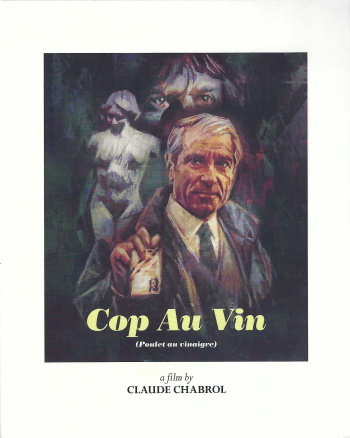
Cop Au Vin (Poulet au vinaigre)
BUY AT:



See more details, packaging, or compare
Synopsis
The hidden meaness of provincial life is at the heart of Cop Au Vin (Poulet au vinaigre), as deaths and disappearances intersect around the attempt by a corrupt syndicate of property developers to force a disabled woman and her son from their home. Actor Jean Poiret would prove so compelling as the laconic Detective Inspector Lavardin good cop/bad cop all in one that the sequel would be titled after him.
Picture 8/10
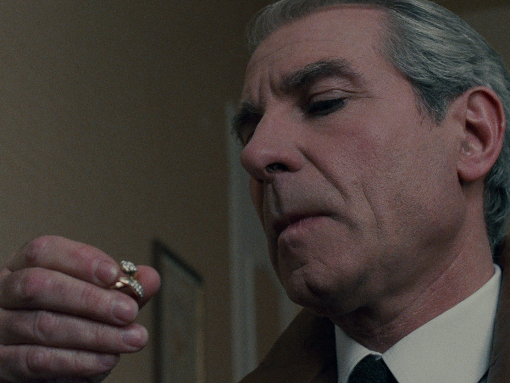
Arrow Video presents Claude Chabrol’s Cop au Vin (aka Poulet au vinaigre) in its original aspect ratio of 1.66:1 on a dual-layer Blu-ray disc. The 1080p/24hz high-definition presentation is sourced from a recent restoration performed by MK2. The film is found on the first disc of Arrow’s new box set, Lies & Deceit: Five Films by Claude Chabrol.
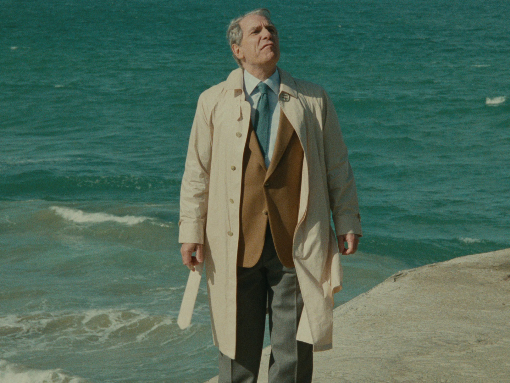
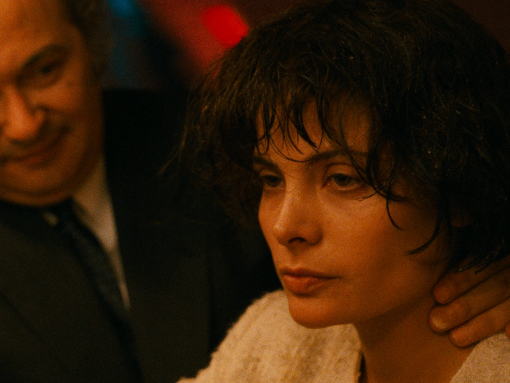
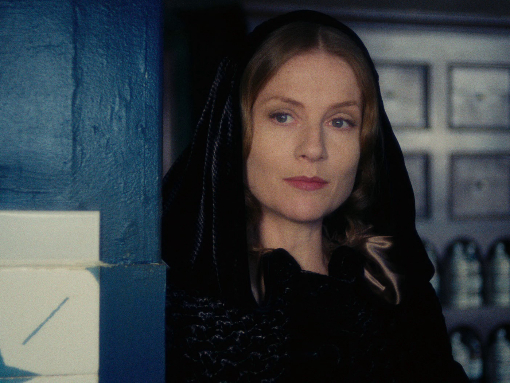
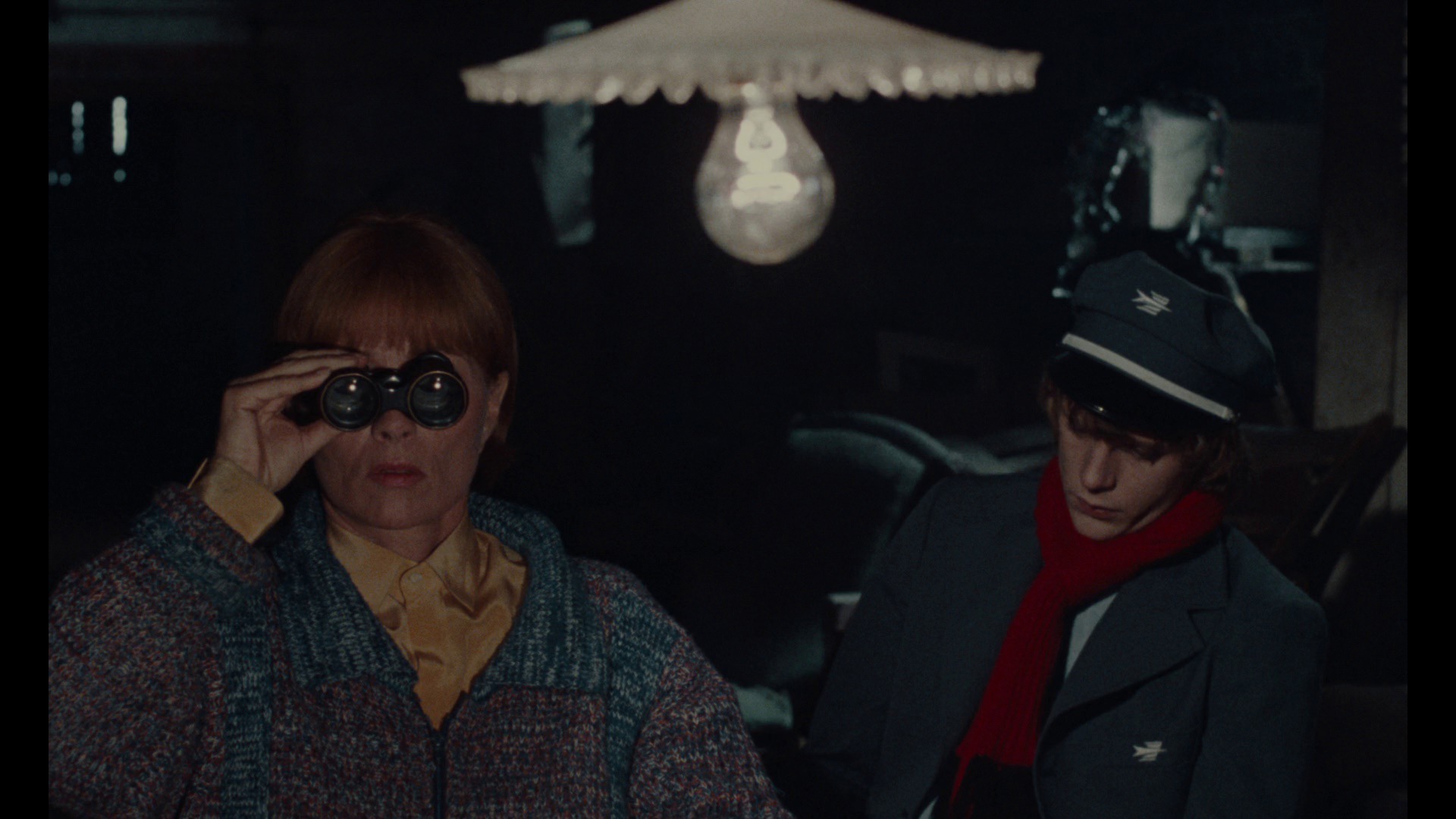
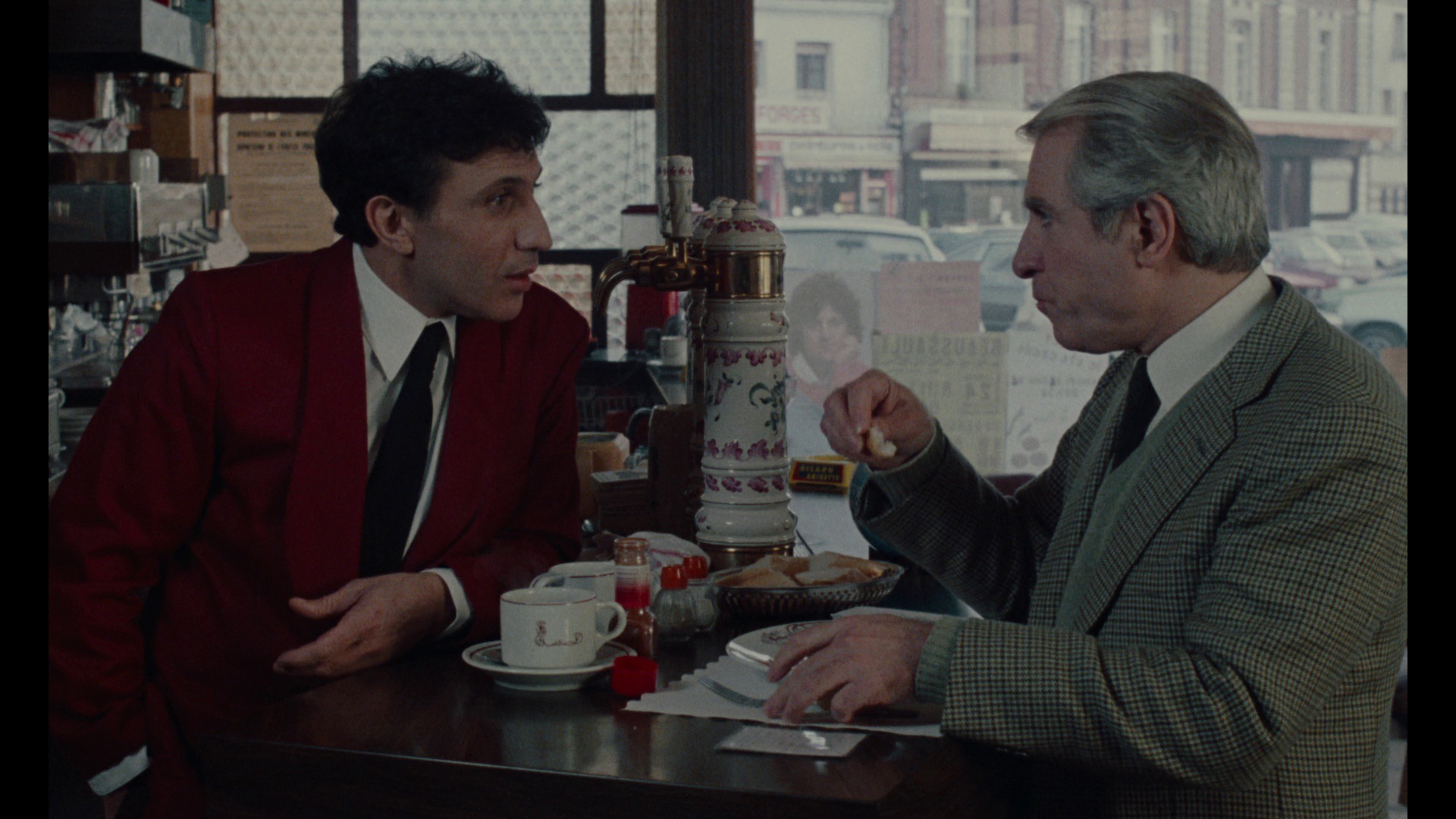
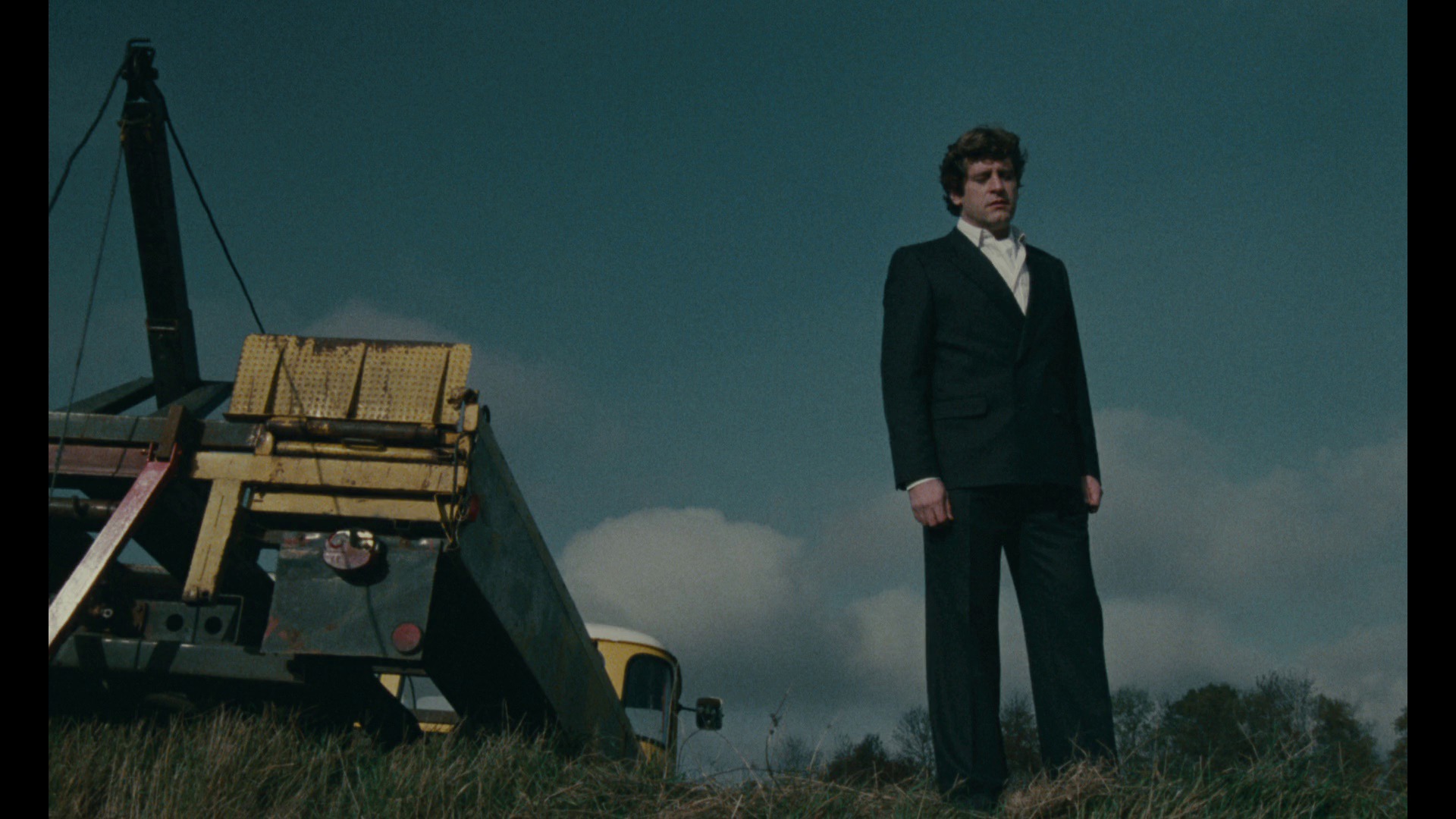
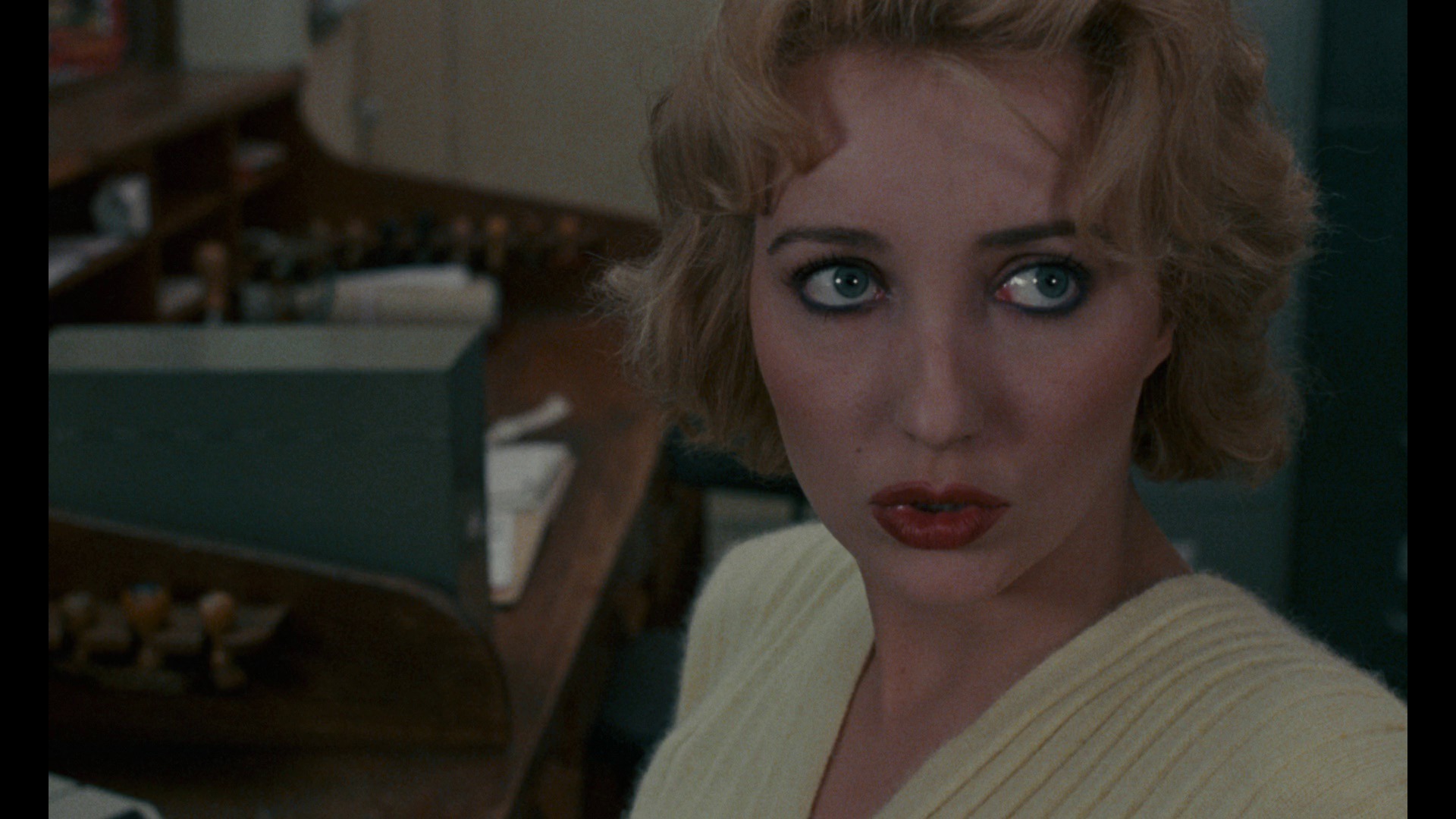
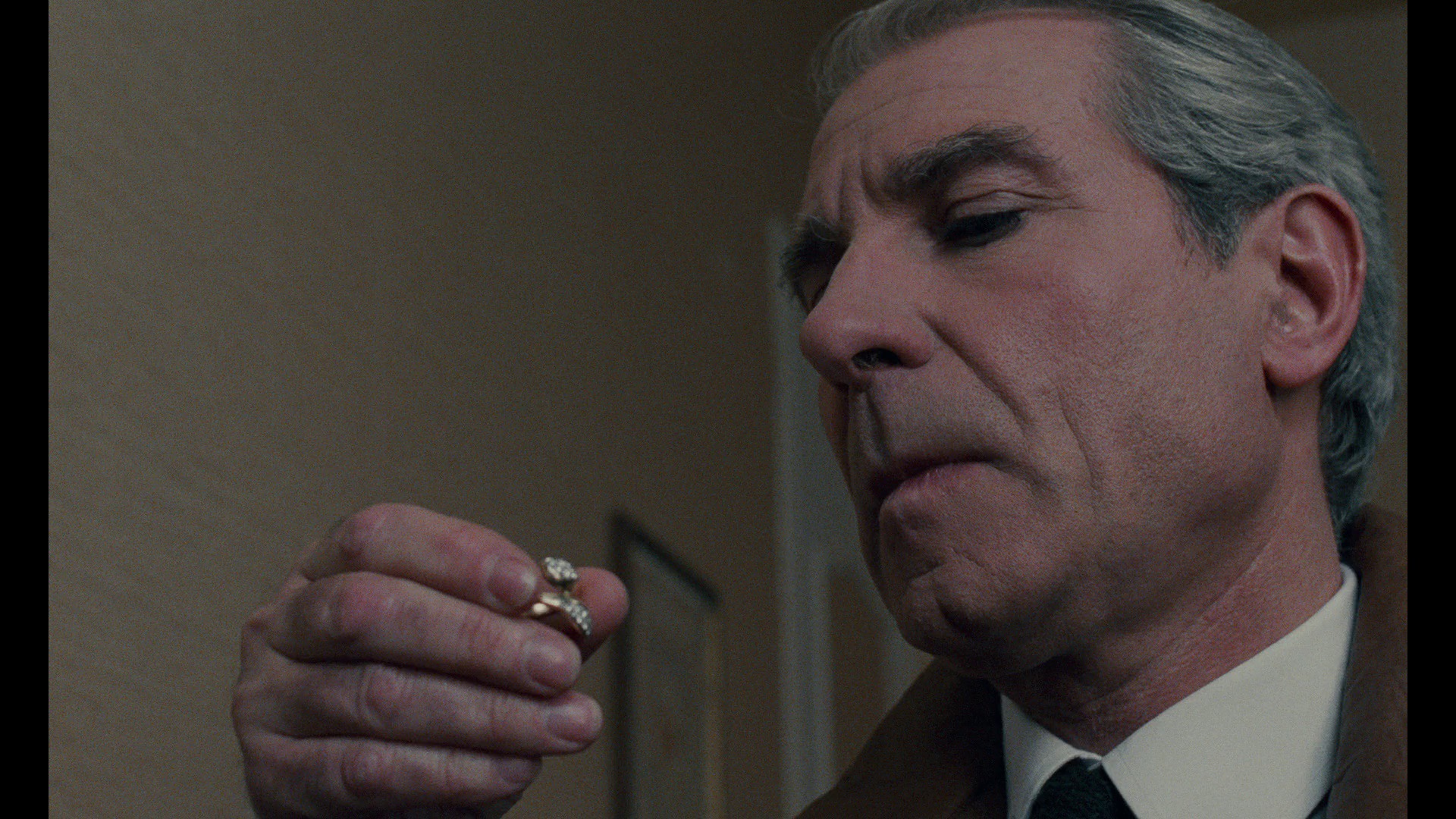
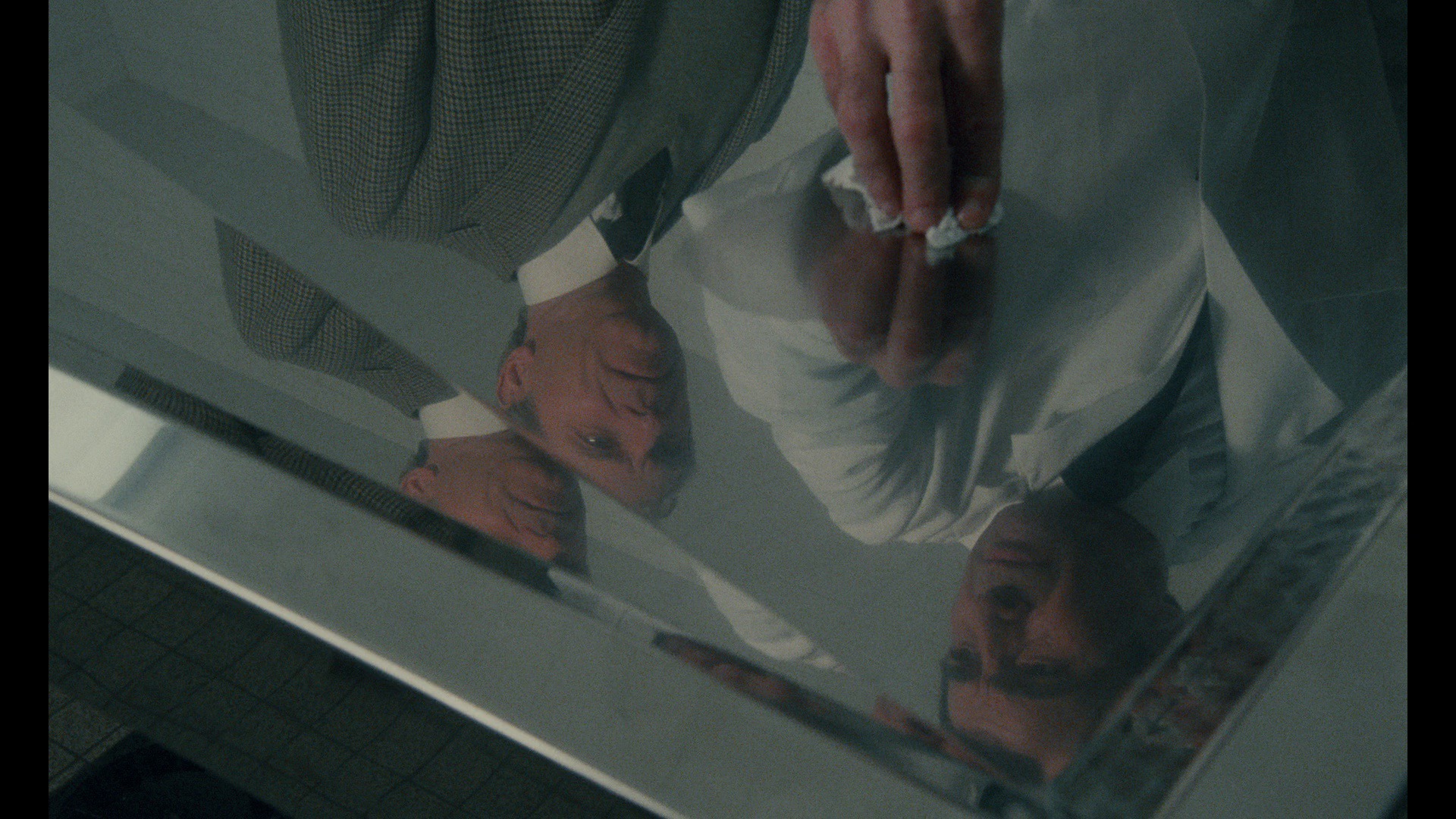
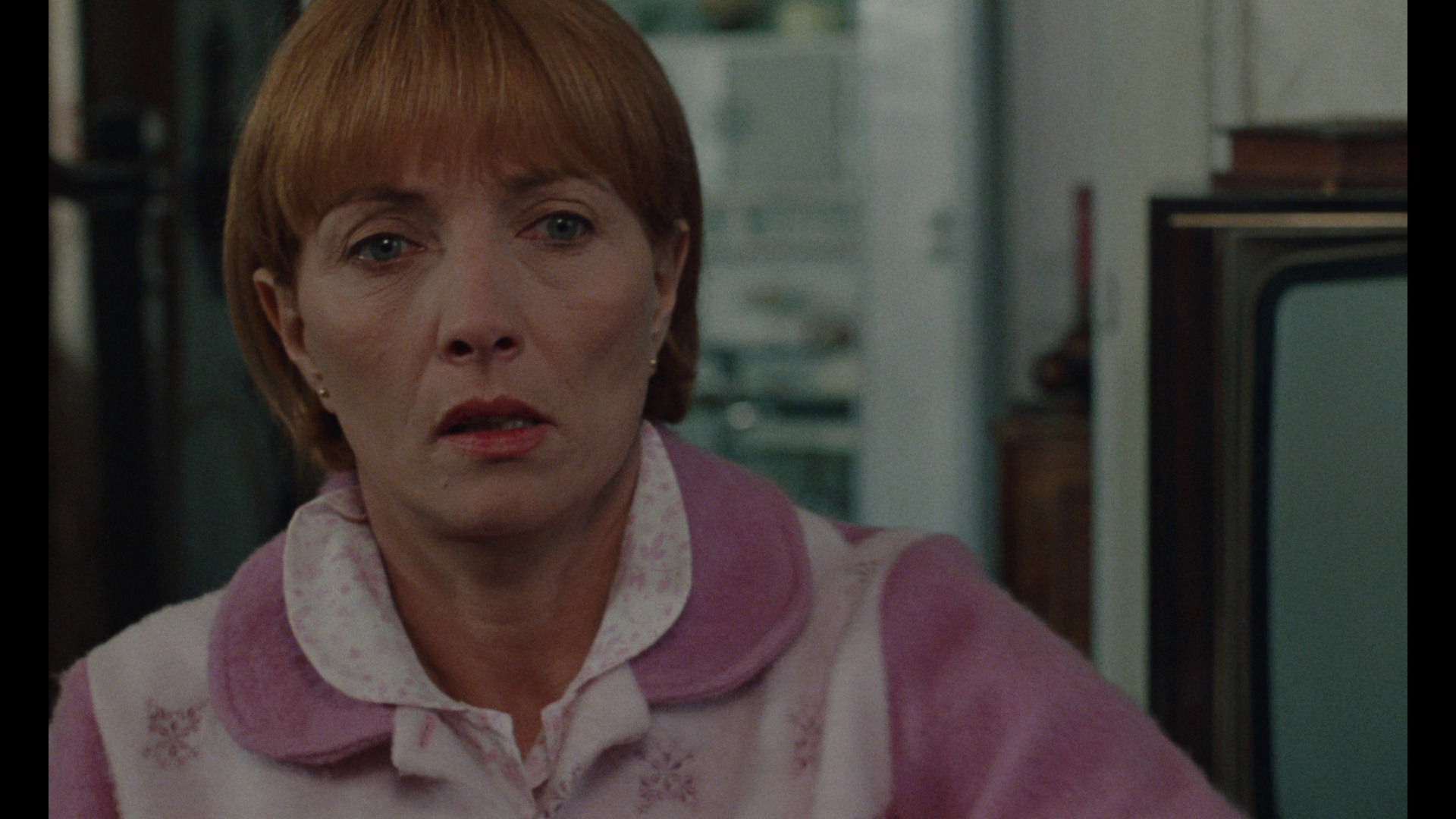
Arrow’s notes don’t mention at what resolution the restoration was performed, despiting noting that other films in the set have been restored in 4K. If I had to venture a guess, I’d have to say this presentation was also sourced from a 4K restoration, and almost certainly scanned from the original negative. The level of detail here is very impressive, the textures in clothes, stubble or wrinkles on a face, and strands of hair all rendered cleanly and sharply. Film grain is also nicely captured and cleanly presented, looking fine yet natural throughout, aided further by the lack of any obvious digital artifacts.
The restoration work has cleaned things up wonderfully and I only recall a few minor blemishes, a fine scratch or a small bit of dirt popping up here and there. Colours lean a bit dark with a greener look, giving the film a darker and colder look. I’m not at all familiar with how the colours should look, but it seems to suit the film. At the very least the colours don't appear to have negatively impacted the image in any severe way, black levels and shadows still looking good a majority of the time. Other times, darker interiors and some nighttime exteriors show limited range in the shadows.
Seeing the lack of detail around the restoration I was expecting something older but that doesn't appear to be the case. The image is sharp and clean with a wonderful film texture to it.
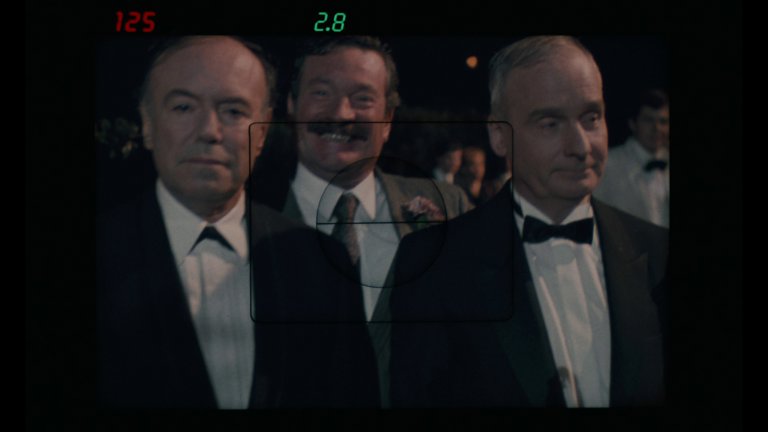
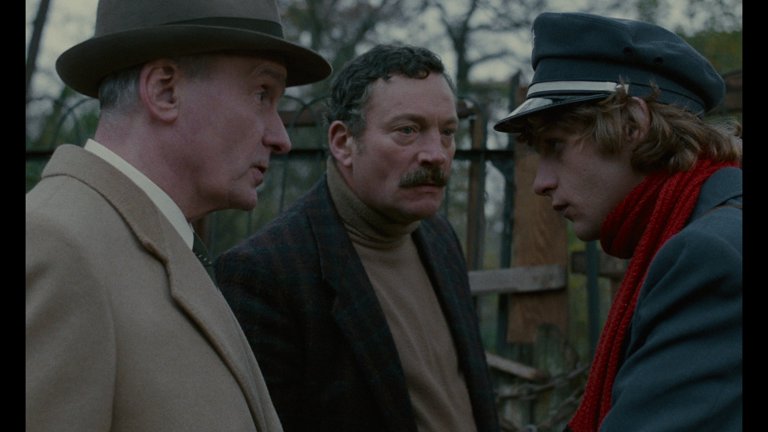
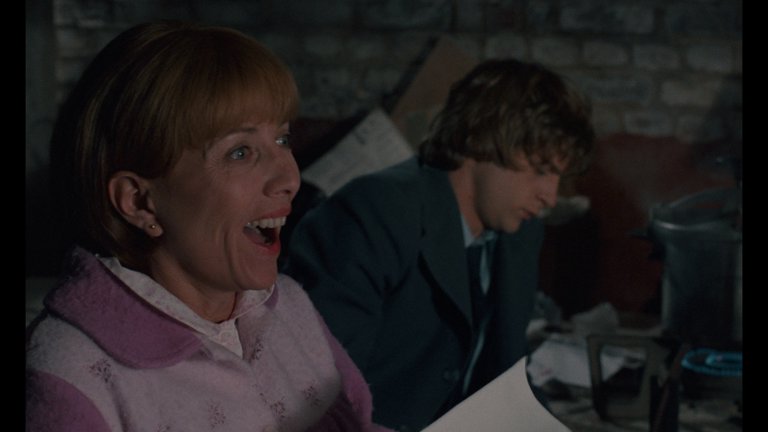
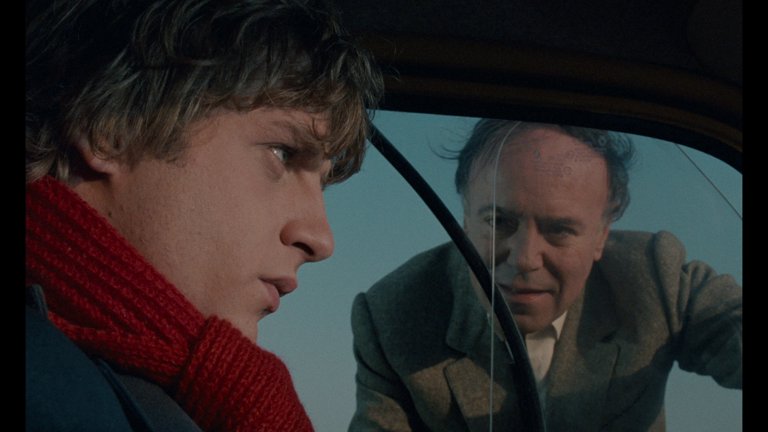
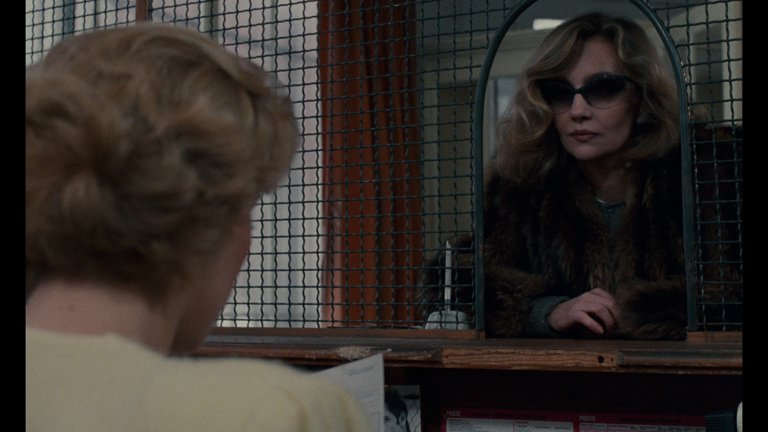
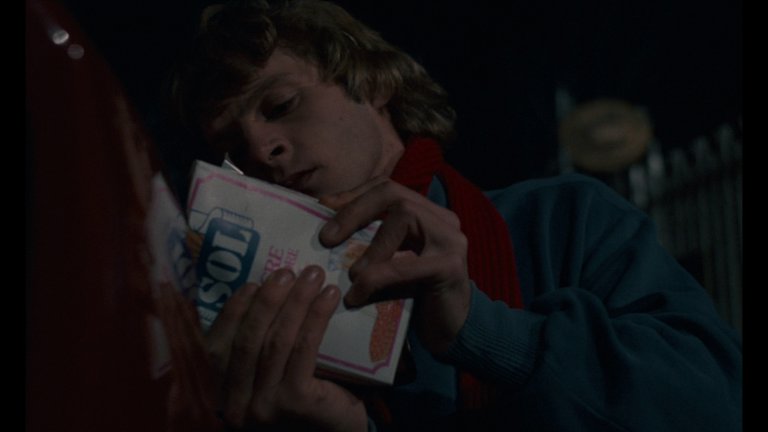
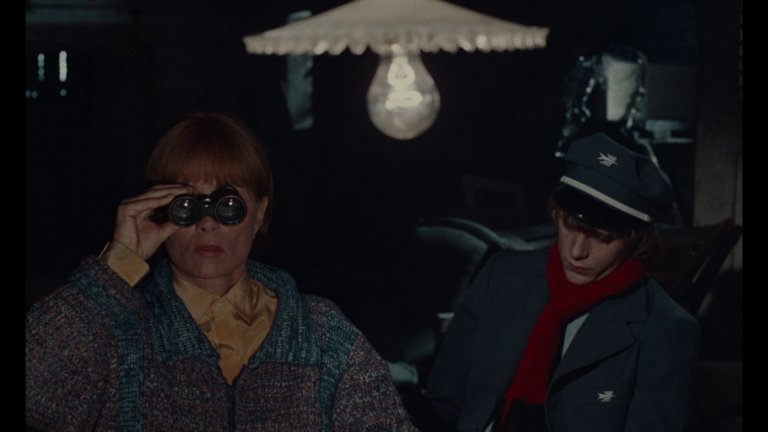
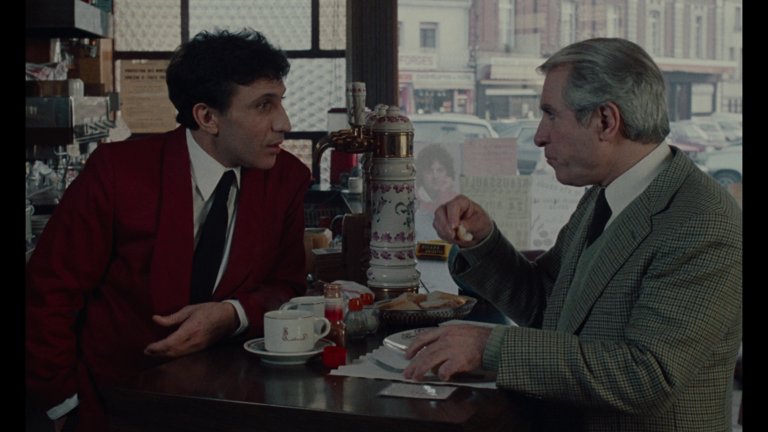
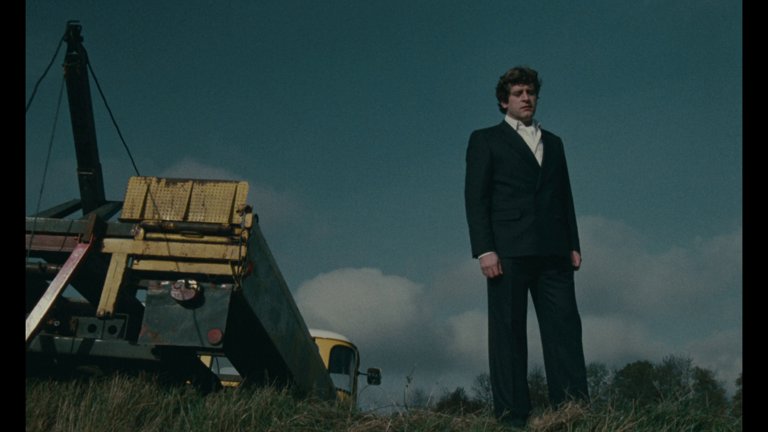
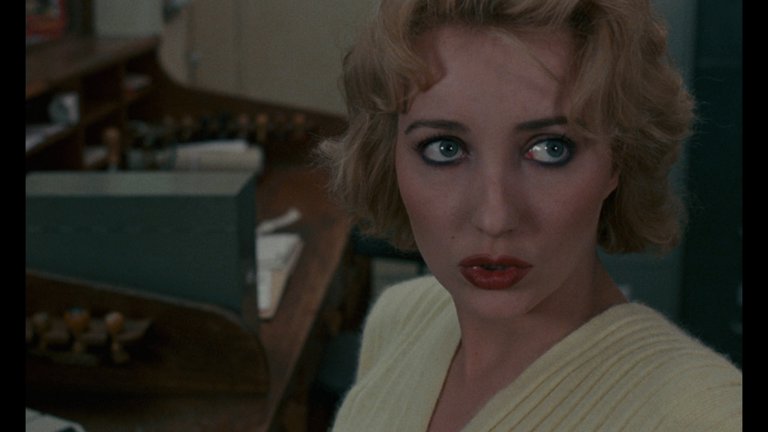
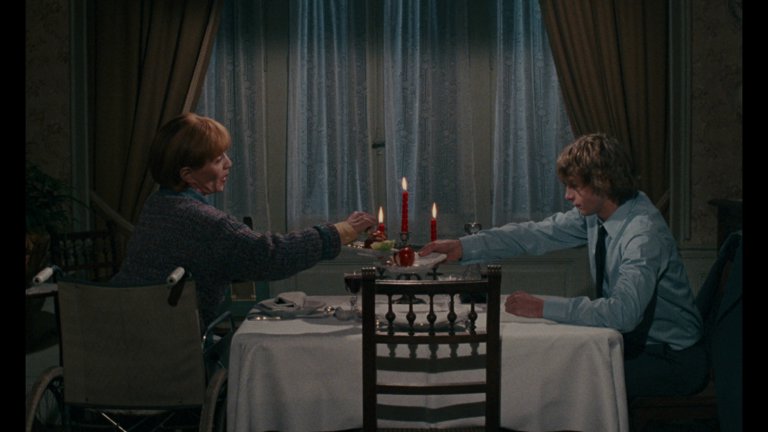
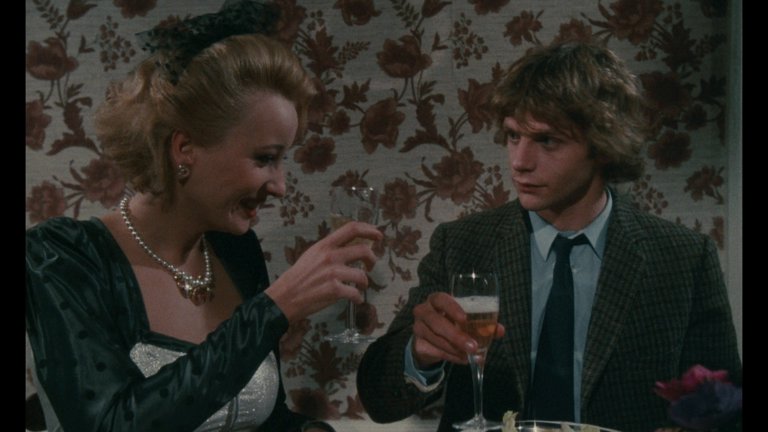
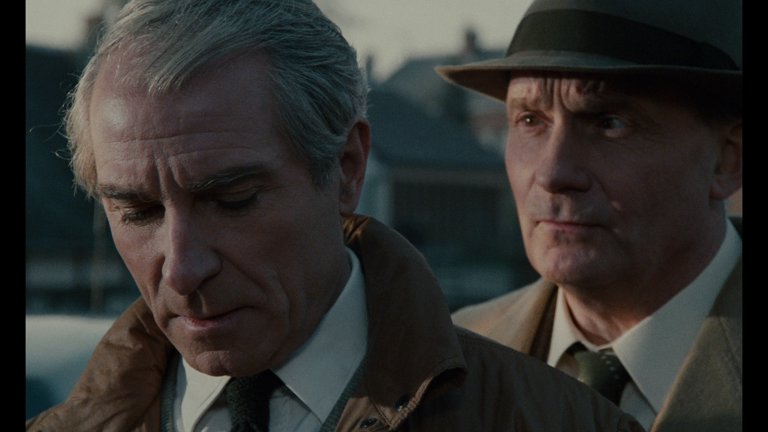
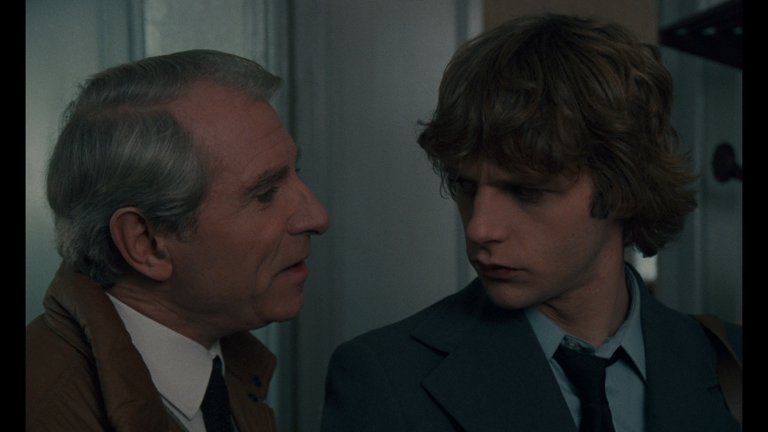
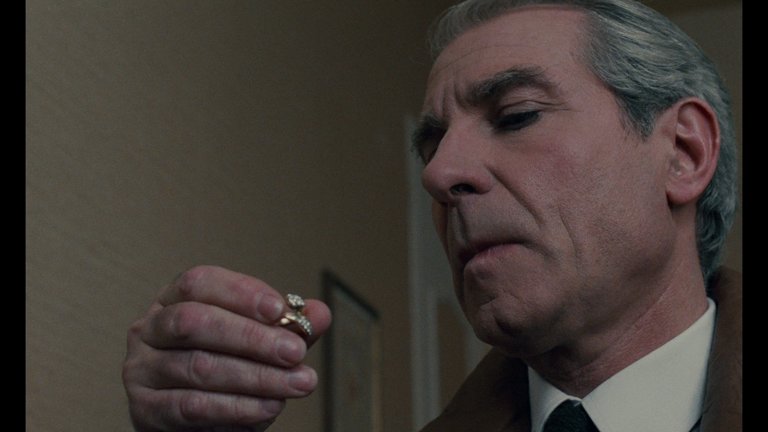
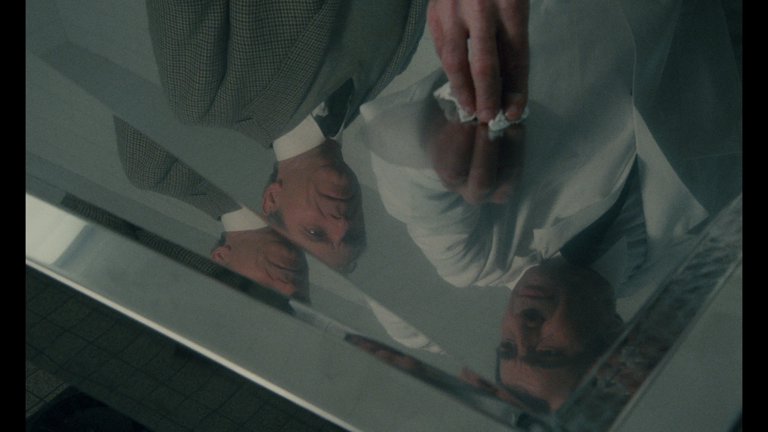
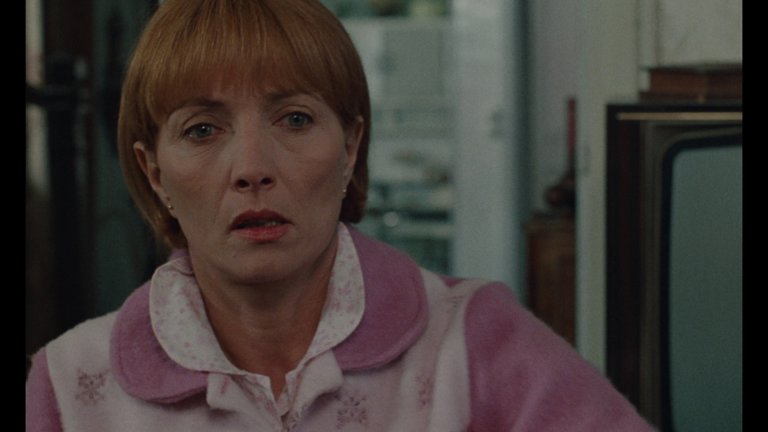
Cop Au Vin (Poulet au vinaigre) - Screen Captures
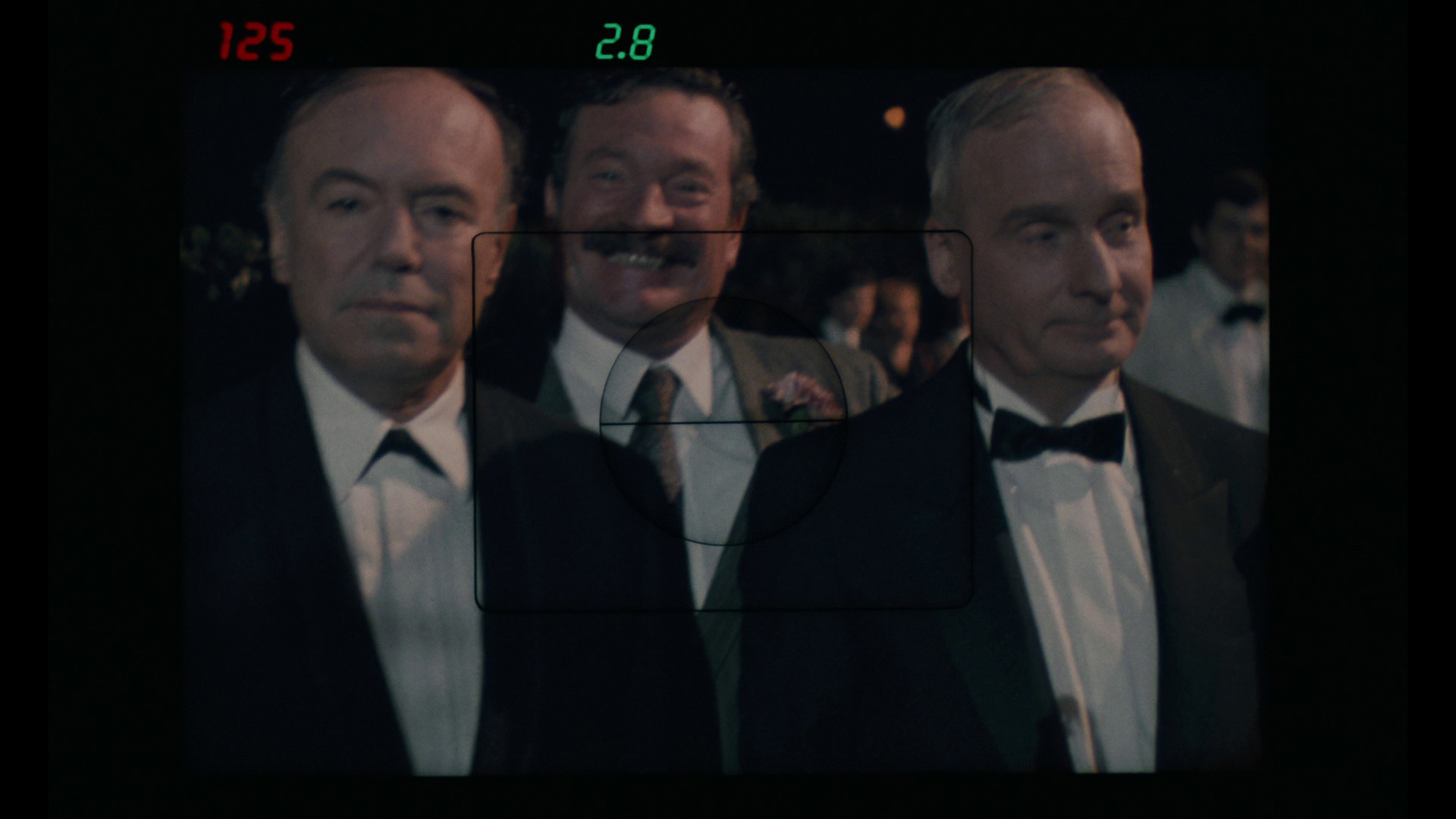
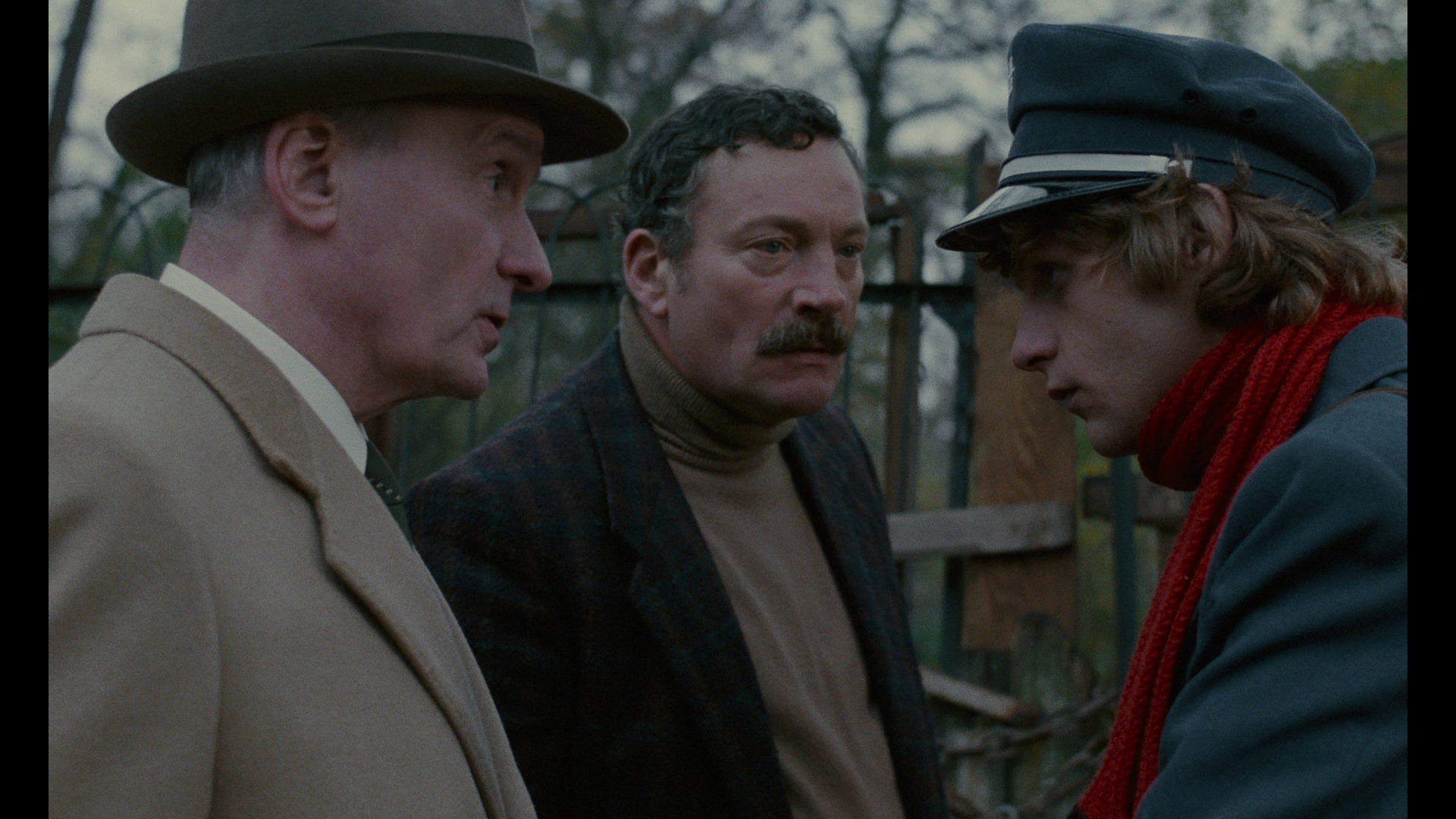
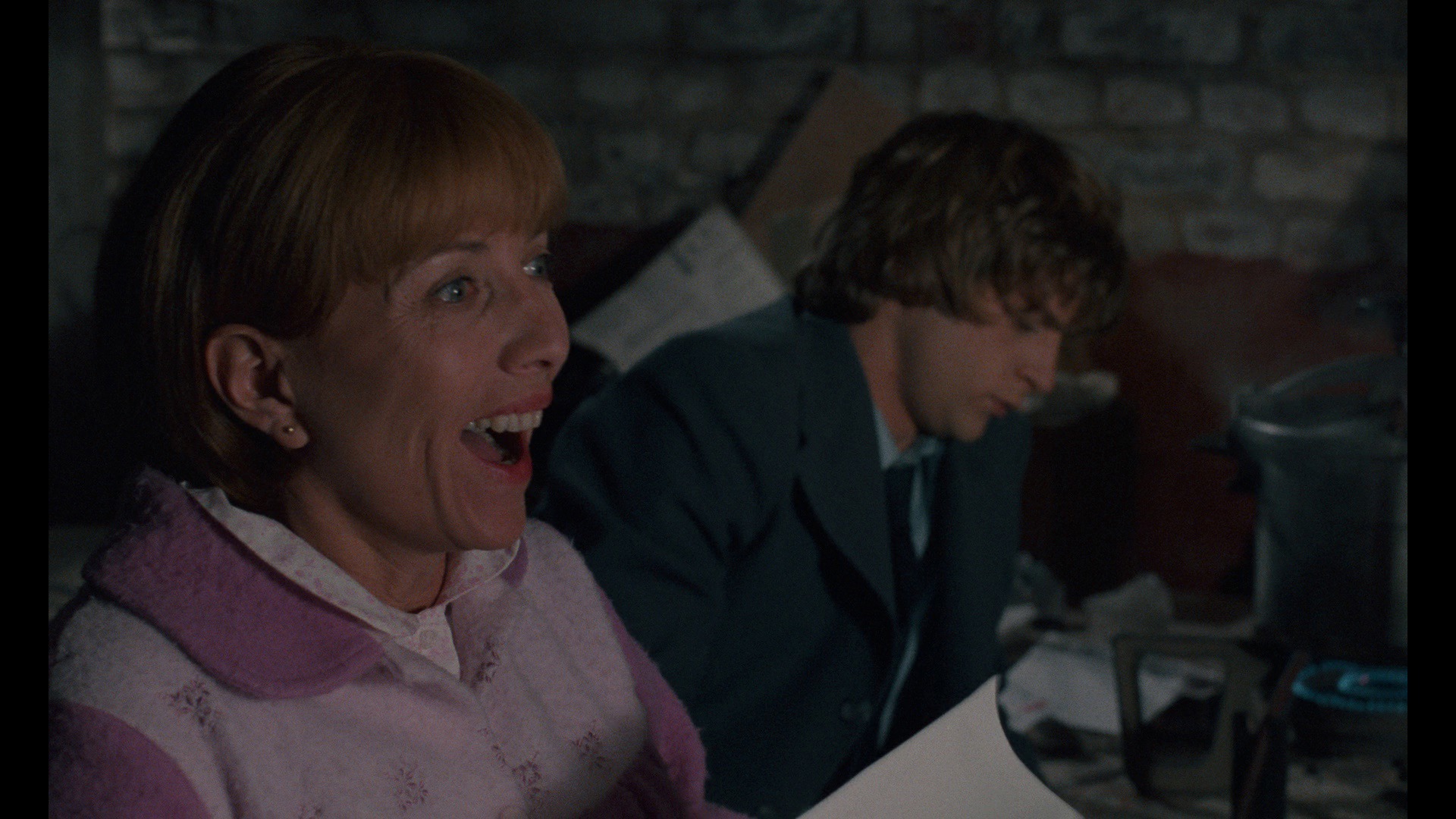
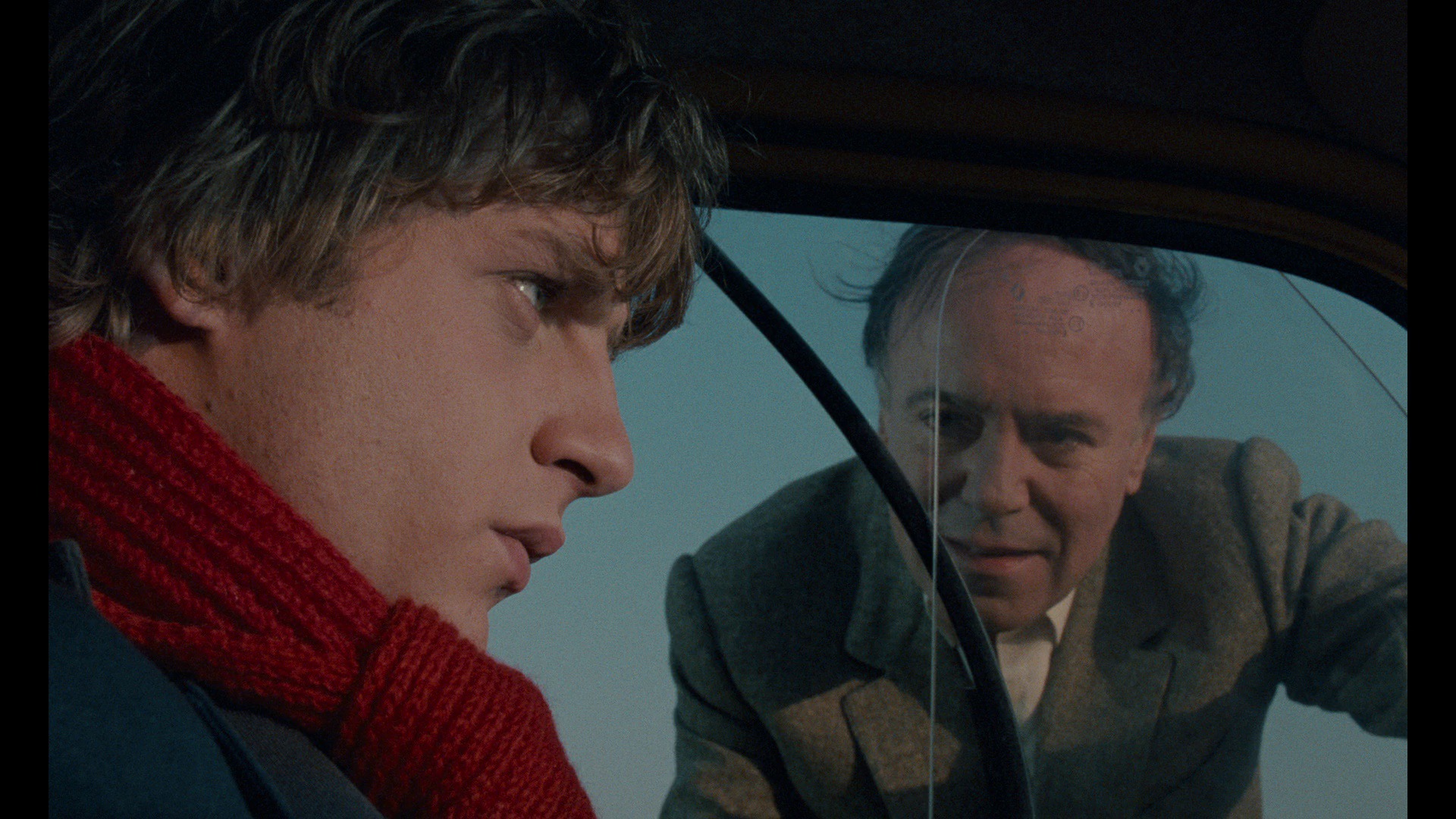
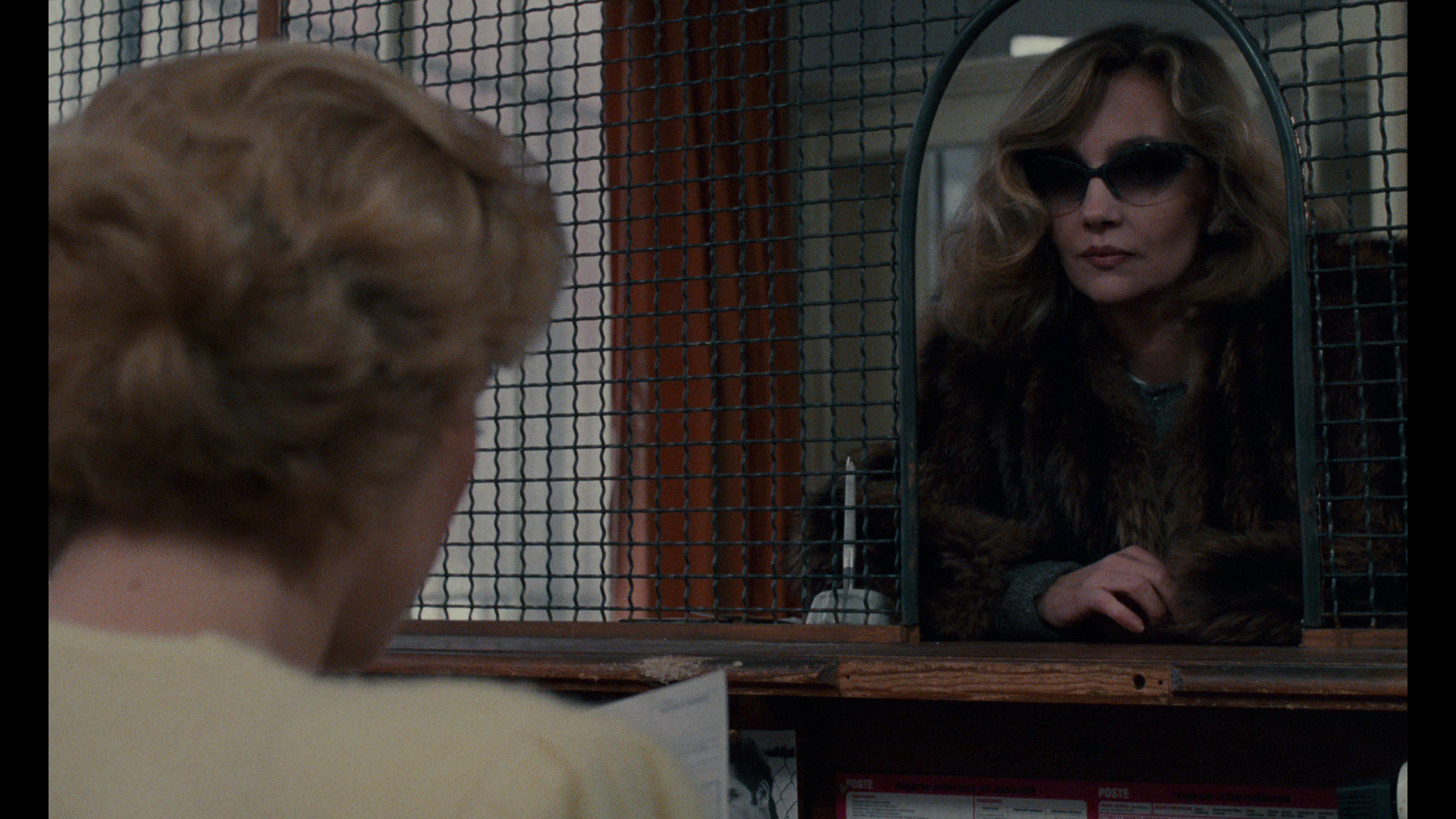
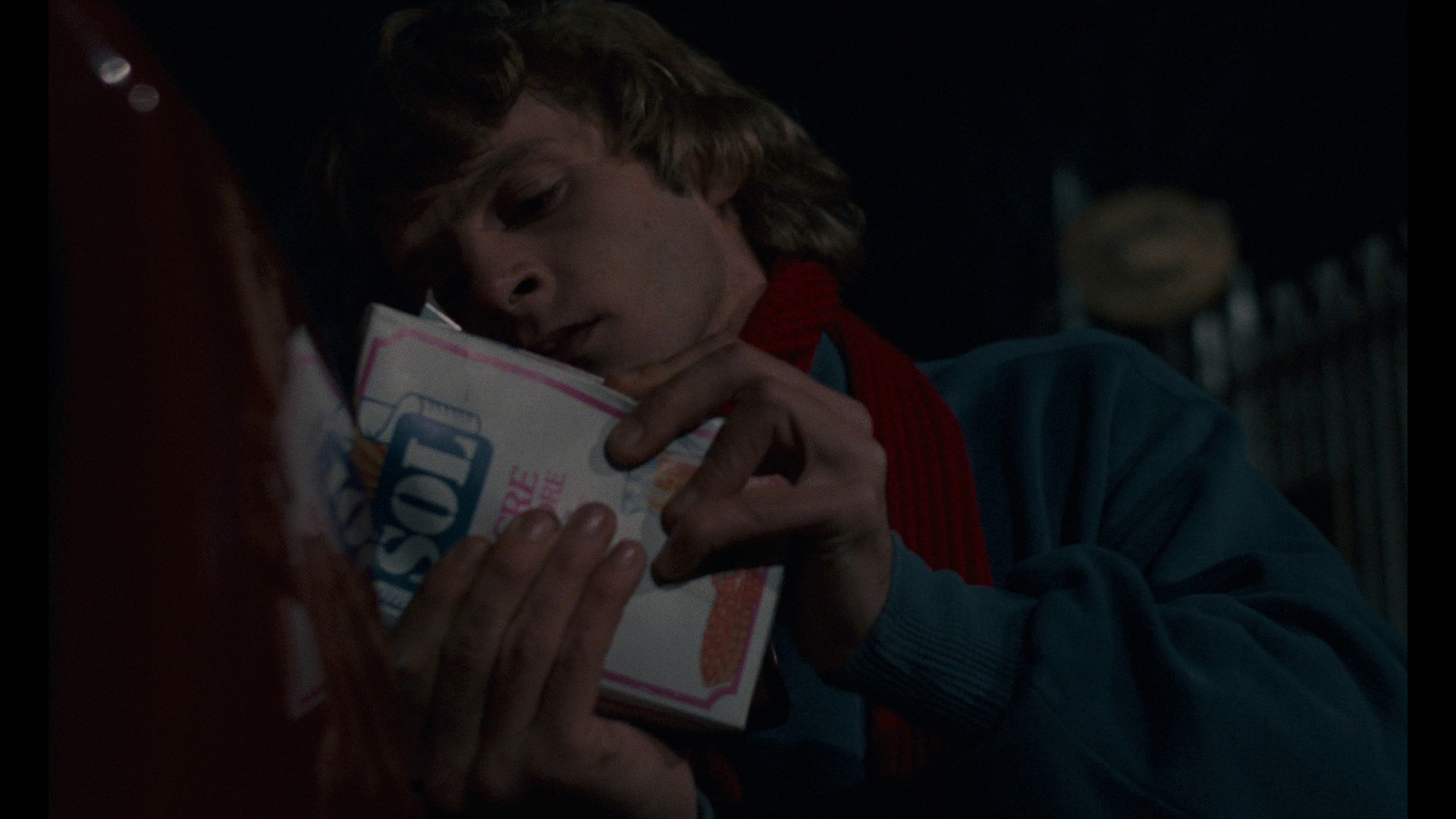
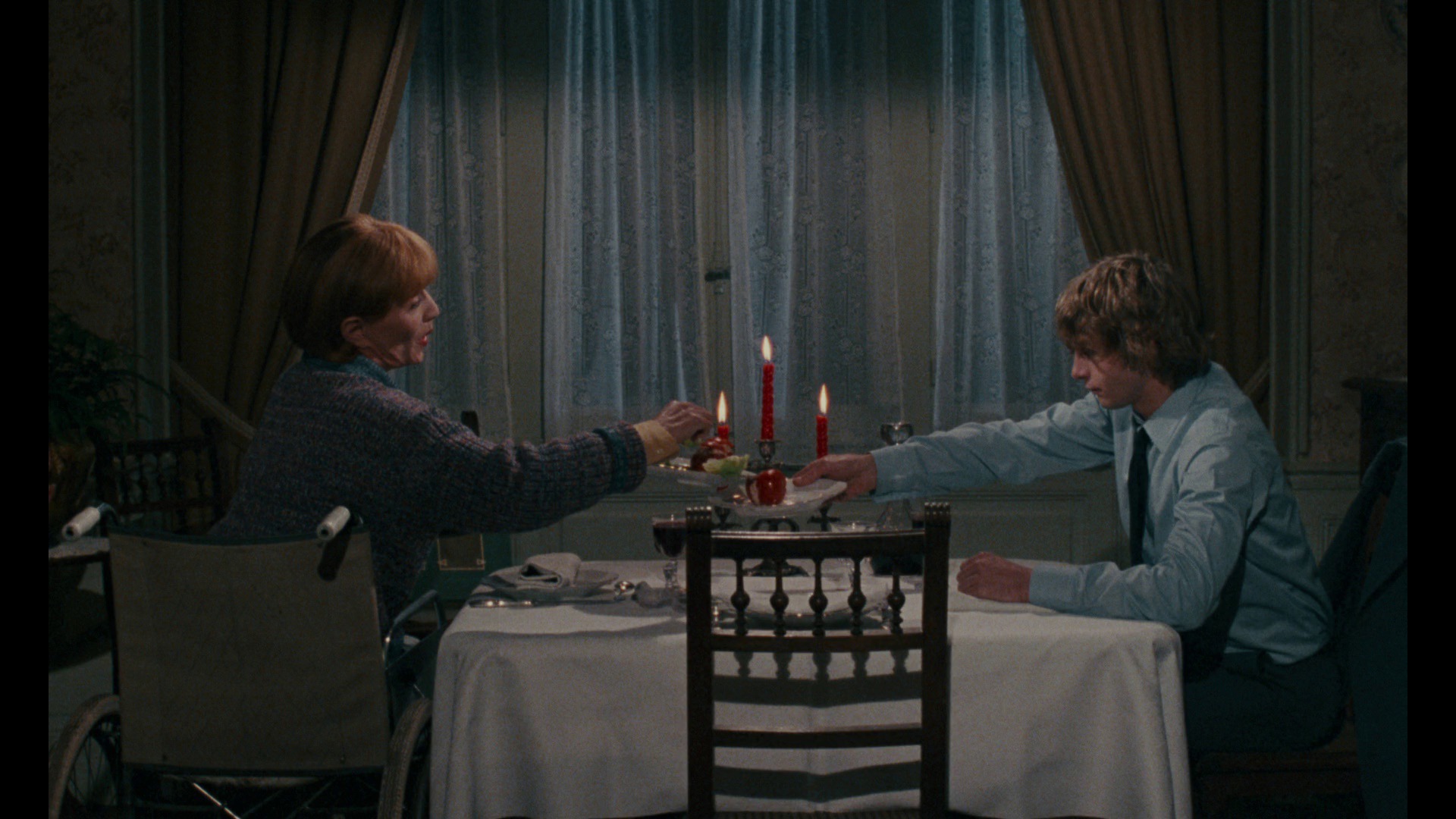
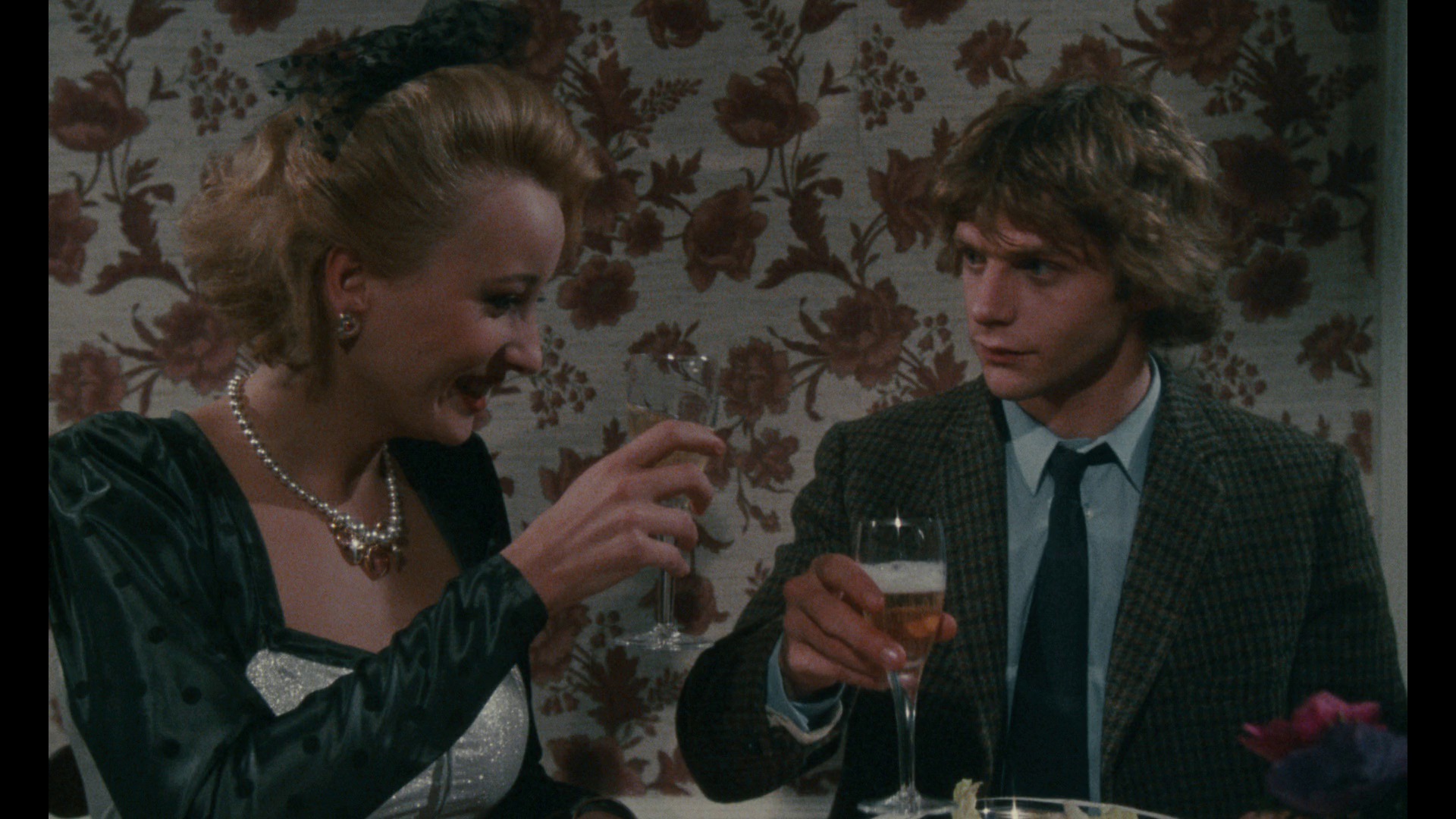
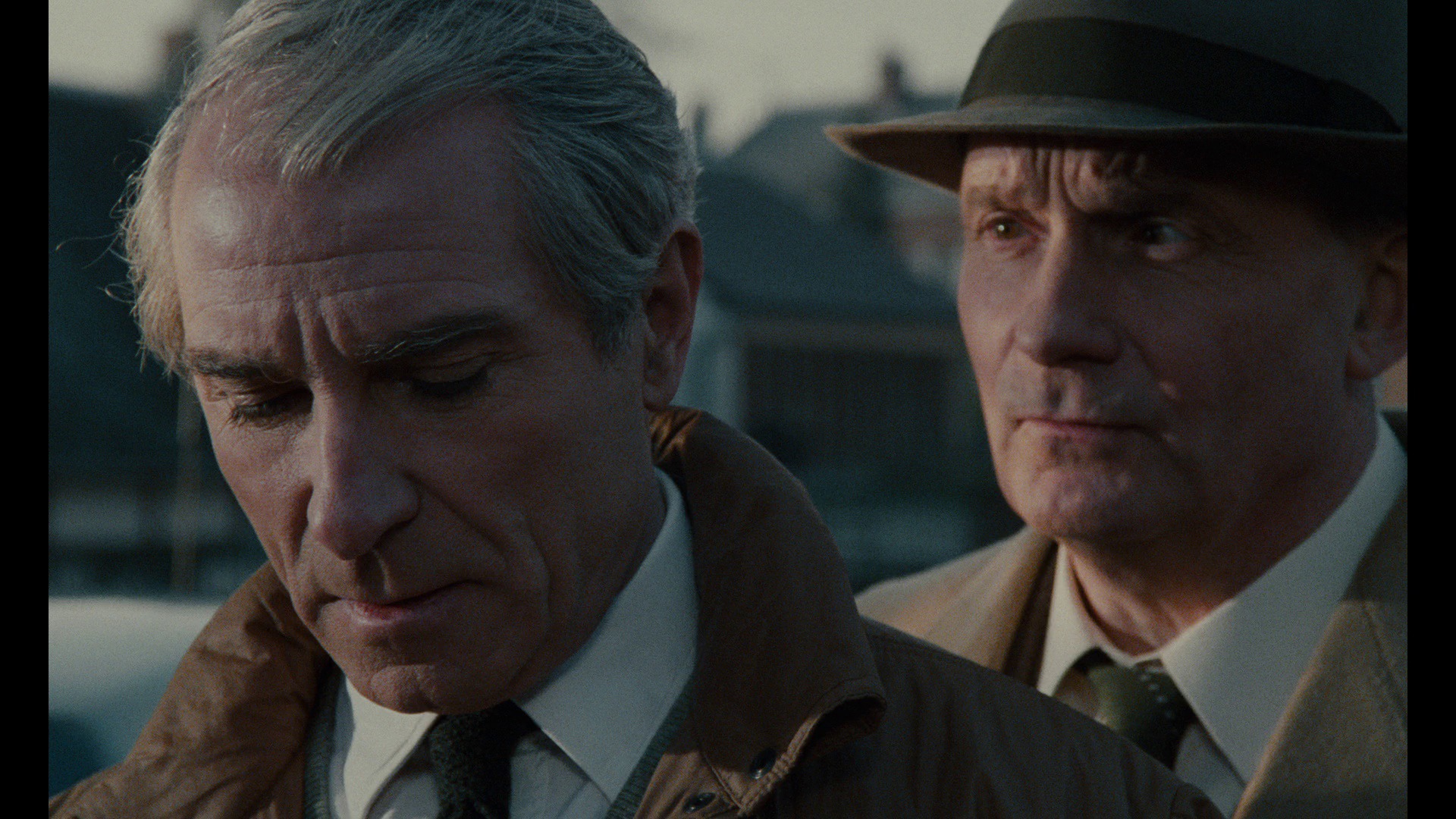
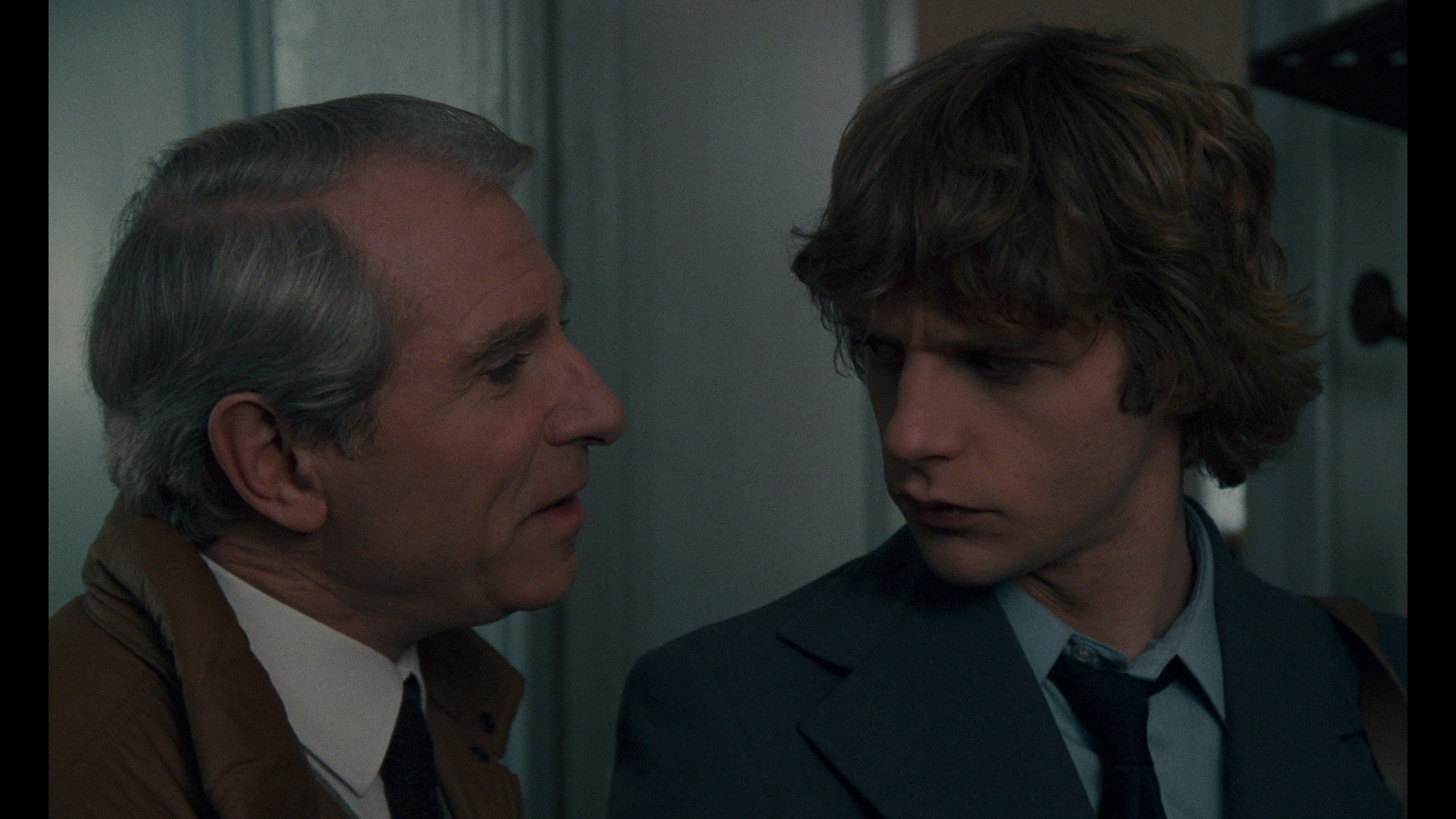
Audio 7/10
The French audio is presented in DTS-HD MA 1.0 monaural. It’s a sharp sounding track, dialogue and music both coming off clean with adequate range. There is no distortion of note, even during the louder/higher moments, and no damage ever pops up.
Extras 7/10
Arrow packs on several supplements throughout the set, each film managing to even receive a commentary. For Cop au Vin, film critic Ben Sachs provides the set's first commentary, and though he puts in the effort it really is a mixed bag. Sachs will often be talking about one subject before then going off on a bit of a tangent, like mentioning how Krzysztof Kieslowski’s A Short Film About Love shares some similarity to Chabrol’s film around how the post office sequence is filmed, but then forgets to expand on it before going back to his original topic. There are a few moments like that which lead to a lack of focus. Throw in a lot of dead space (and I mean a lot) and it makes it a frustrating track which feels to maybe come down to a lack of preparation, Sachs maybe trying to wing it with a few topics he's determined to hit. Still, he does work in some good insights into how Chabrol’s style or focus changed in his later work, like addressing how he presents the bourgeois family central to this film in an more favourable light in comparison to how he would have more than likely done so years before. He also delves into how Chabrol handles the genre elements of the murder/mystery story, how he complicates audience sympathies, and even gets a bit into the “sequel,” Inspector Lavardin (also found in the set) and the television sequels (sadly not found in the set). There’s some interesting material to be found, but as someone who admittedly doesn’t know a whole lot about Chabrol, having only seen a few films, I can’t say I got too much out of it. (Sachs also provides a track for Inspector Lavardin.)
Substantially better is a 74-minute BFI interview between Chabrol and film historian Ian Christie, recorded in 1994 at the National Film Theatre, which is then paired with a new 12-minute interview featuring Christie. In his solo interview, Christie recalls his joy around the experience of sitting with the director, finding him an absolute delight to talk to,all of which comes out very clearly in the full discussion included here. Speaking in English (with a translator to translate the moments where the director has to jump into French) they talk about his early life and career, his involvement in the French New Wave, how he and the others in that collective went their own ways, and then go into a few of his films, the director being very honest about some of his failures. That list of failures includes The Blood of Others, and he explains why the film was a mistake (but he clearly found Jodie Foster an absolute delight to work with). It’s incredibly funny conversation, too, especially when he talks about films that are not his, whether it be how he considers the American remake of Fanny the worst film ever made, or that he prefers George Sluizer’s American remake of The Vanishing to the Dutch original, much to the horror of the audience. It’s really, really wonderful and absolutely worth watching.
Arrow then throws in some archival material. First is an old 3-minute introduction recorded by Joël Magny, created for an older DVD edition, the film scholar touching on Chabrol’s “patchy” period in the 80’s and how the film shows signs of a “return to form” for the filmmaker. More insightful are comments from the director himself, who provides 22-minutes worth of commentary over a handful of scenes in the film: the opening, the two dinner scenes, and then the finale, the latter of which he sees as having the rhythm of a musical.
Arrow also digs up a 1985 episode from the Swiss television program Special Cinema, featuring an interview with Chabrol and the film’s stars Jean Poiret and Stephane Audran. Swiss filmmaker Francis Reusser is also there for his film Derborence, alongside its star, Isabel Otero. The episode feels to be more promotional in nature, but they talk about Chabrol’s film, the director’s shift in how he presents a bourgeois family here compared to his earlier work, and the two actors discuss their roles before they get into screening the film at Cannes. Sadly, Reusser and Otero get left on the sidelines for the most part, though Reusser does share how Chabrol’s films had influenced him. The program runs about 29-minutes.
The disc then closes with a trailer and an image gallery. Disappointingly, Arrow has not included any of the Detective Lavardin television specials mentioned briefly in the commentary track.
The commentary, and the lack of the Lavardin television specials, prove a wee-bit disappointing, but the video material that has ultimately found its way here is very worthwhile, the Christie/Chabrol interview being the stand-out.
Closing
Arrow’s Chabrol set starts out promisingly, delivering a sharp looking presentation alongside a few terrific features.
BUY AT: