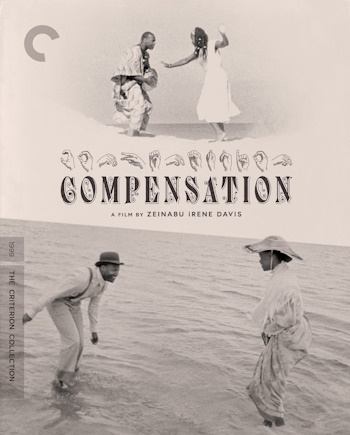
Compensation
BUY AT:


See more details, packaging, or compare
Synopsis
A poignant portrait of Deaf African Americans and the complexities of love at both ends of the twentieth century, Zeinabu irene Davis’s film is a groundbreaking story of inclusion and visibility. In dual performances, Michelle A. Banks and John Earl Jelks play an educated dressmaker and an illiterate migrant in 1910s Chicago, and a resilient graphic artist and an endearing librarian living in the same city eight decades later. Employing archival photography, an original score blending ragtime and African percussion, and lyrical editing, Davis deftly intertwines the two couple’s stories, in ways both tender and tragic. Compensation is a landmark of American independent cinema that confronts the social forces and prejudices that hinder love.
Picture 9/10
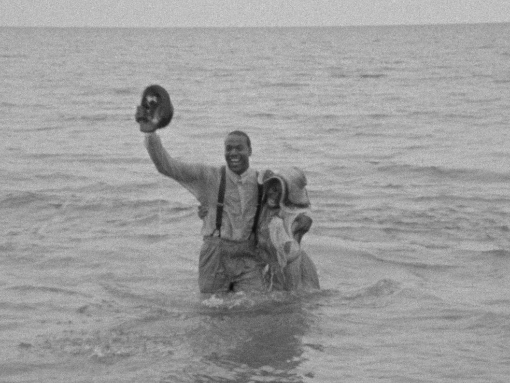
The Criterion Collection presents Zeinabu irene Davis’ Compensation on Blu-ray, delivering the film on a dual-layer disc in its original aspect ratio of 1.33:1. The 1080p/24hz high-definition encode is sourced from a brand-new 4K restoration—or "rejuvenation," as Davis prefers to call it—taken from a scan of the 16mm original camera negative.
One of the features includes footage from a screening where Davis explains her use of the term “rejuvenation” rather than “restoration,” noting that while a restoration implies returning a film to its former glory, Compensation has never looked anything close to this before. And she’s absolutely right. Based on clips of older presentations (some of which are included in the disc's features), the film has always looked rough, a consequence of both its production circumstances and its ultra-low, next-to-nonexistent budget, which undoubtedly limited options when it came time to print. The old version looked like a copy-of-a-dupe-of-a-dupe-of-a-dupe; maybe one rung above VHS. There was virtually no grayscale, minimal definition, and in some scenes, it was nearly impossible to make out what was happening.
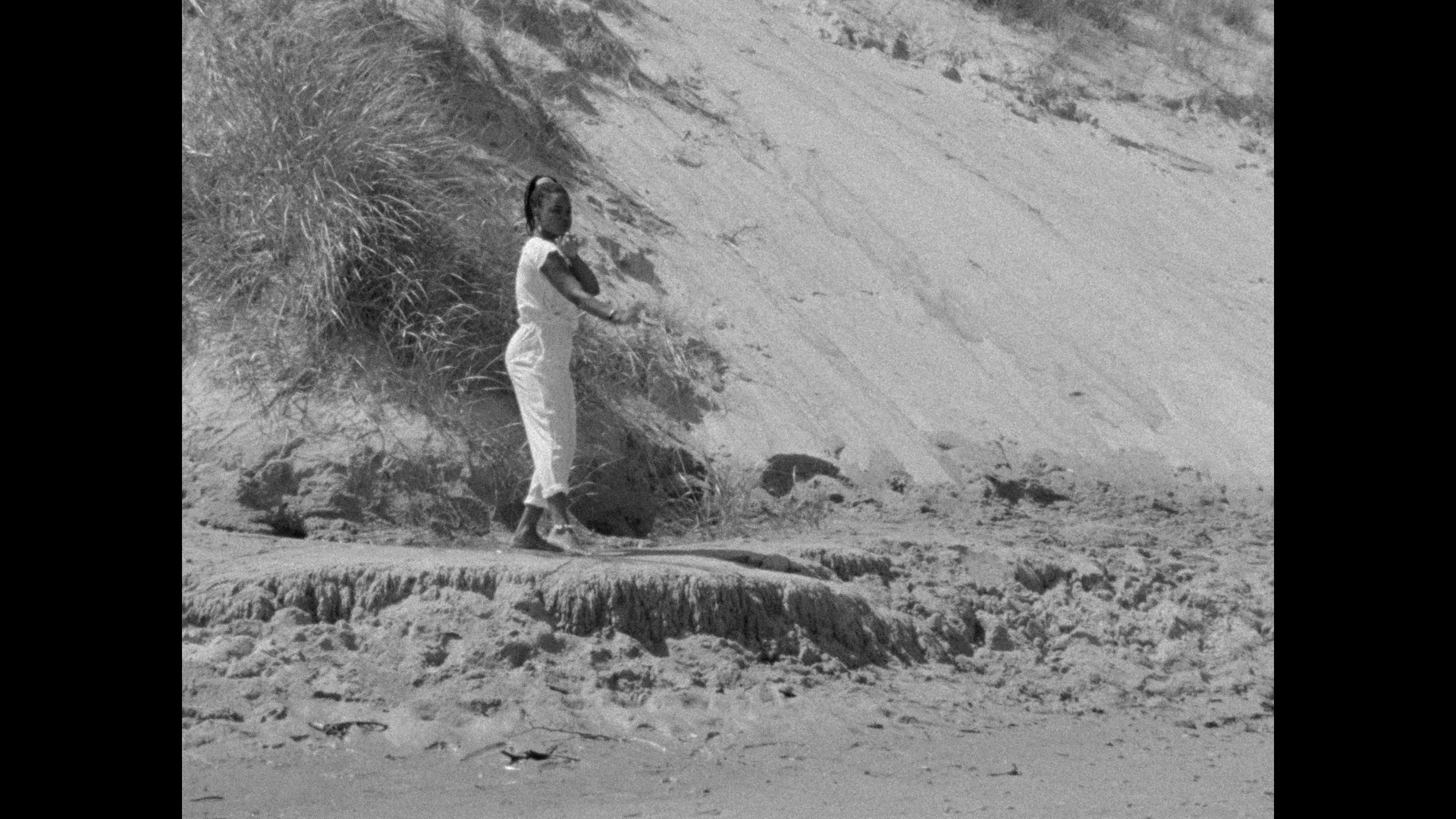
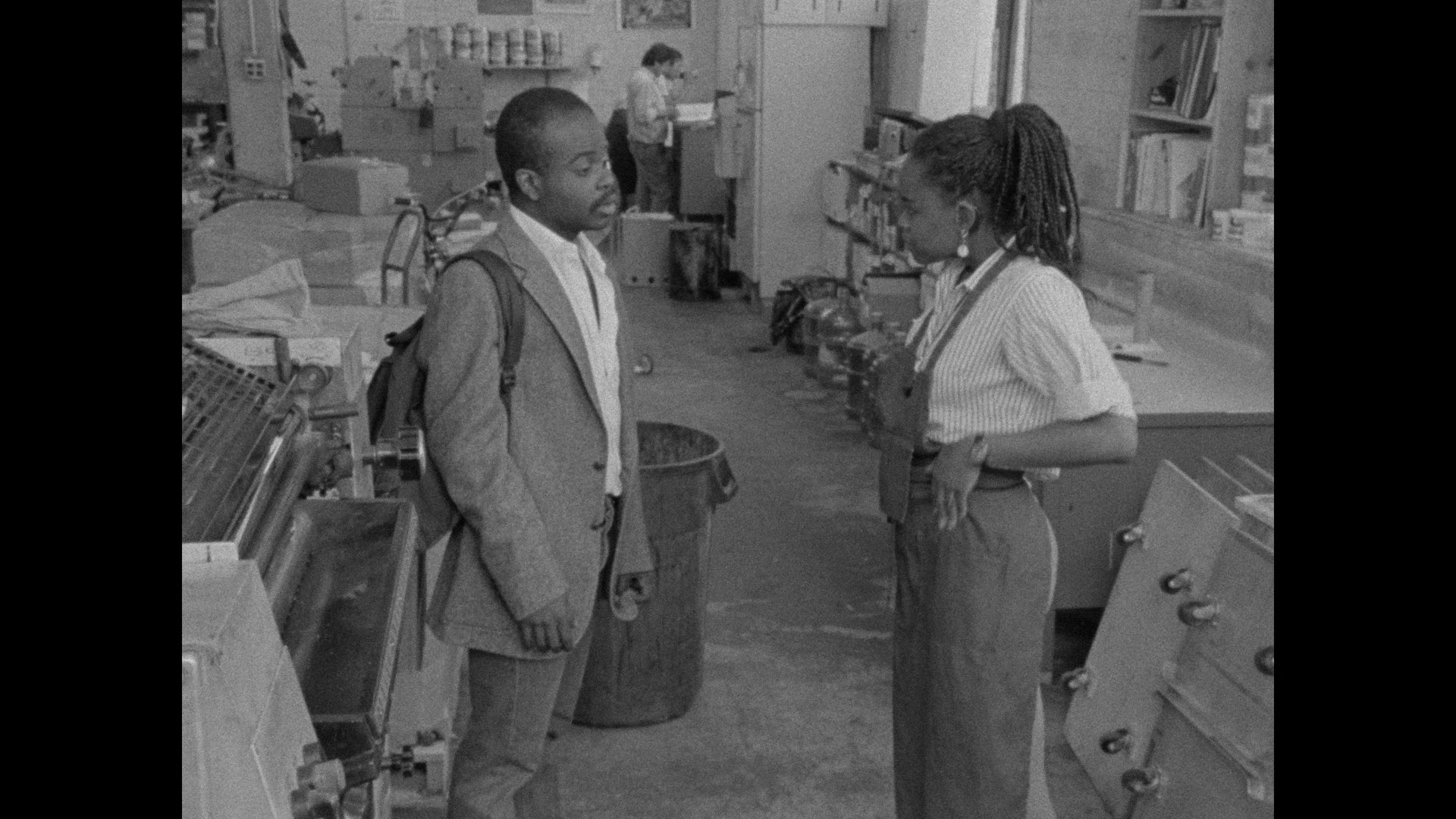
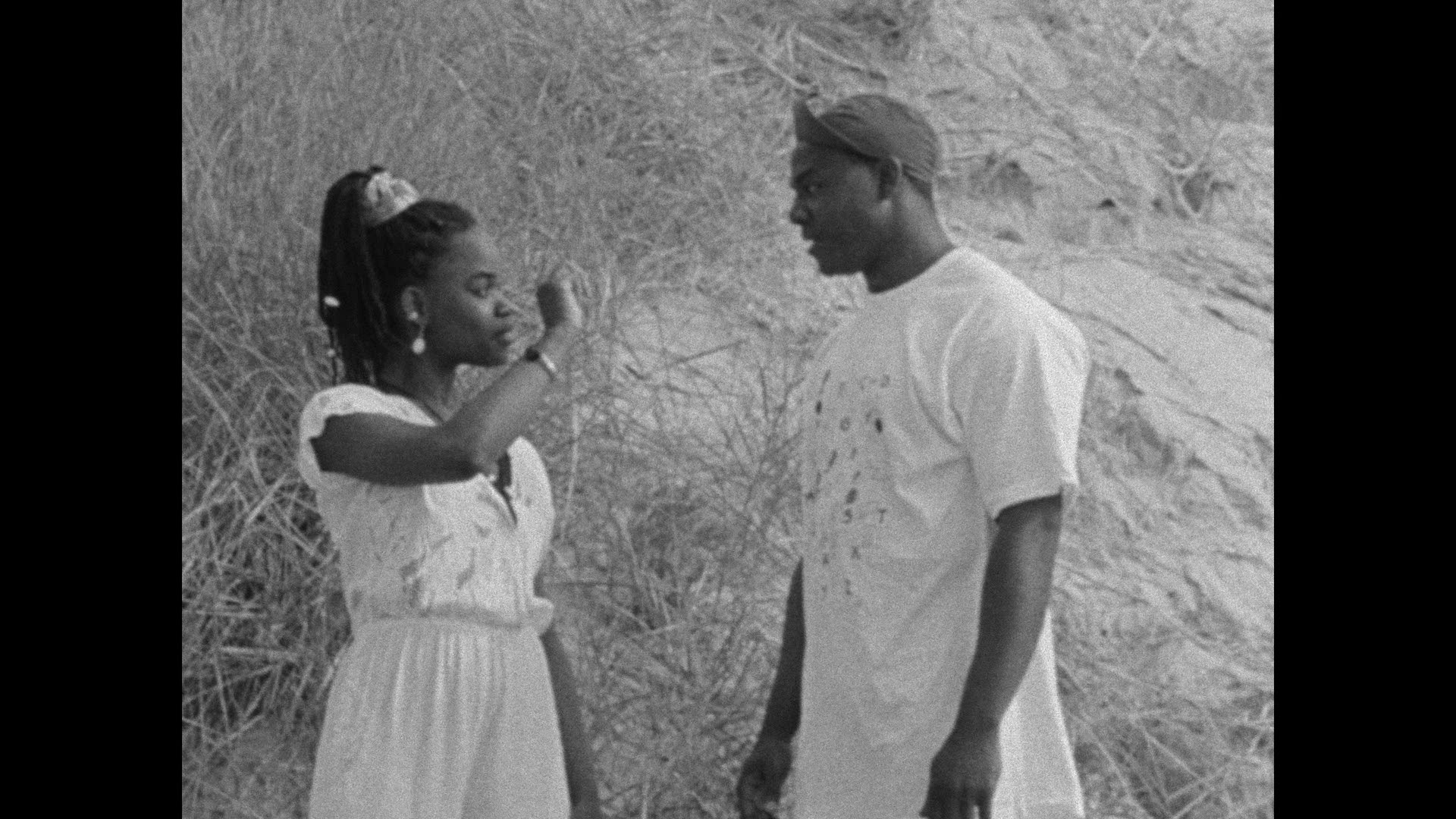
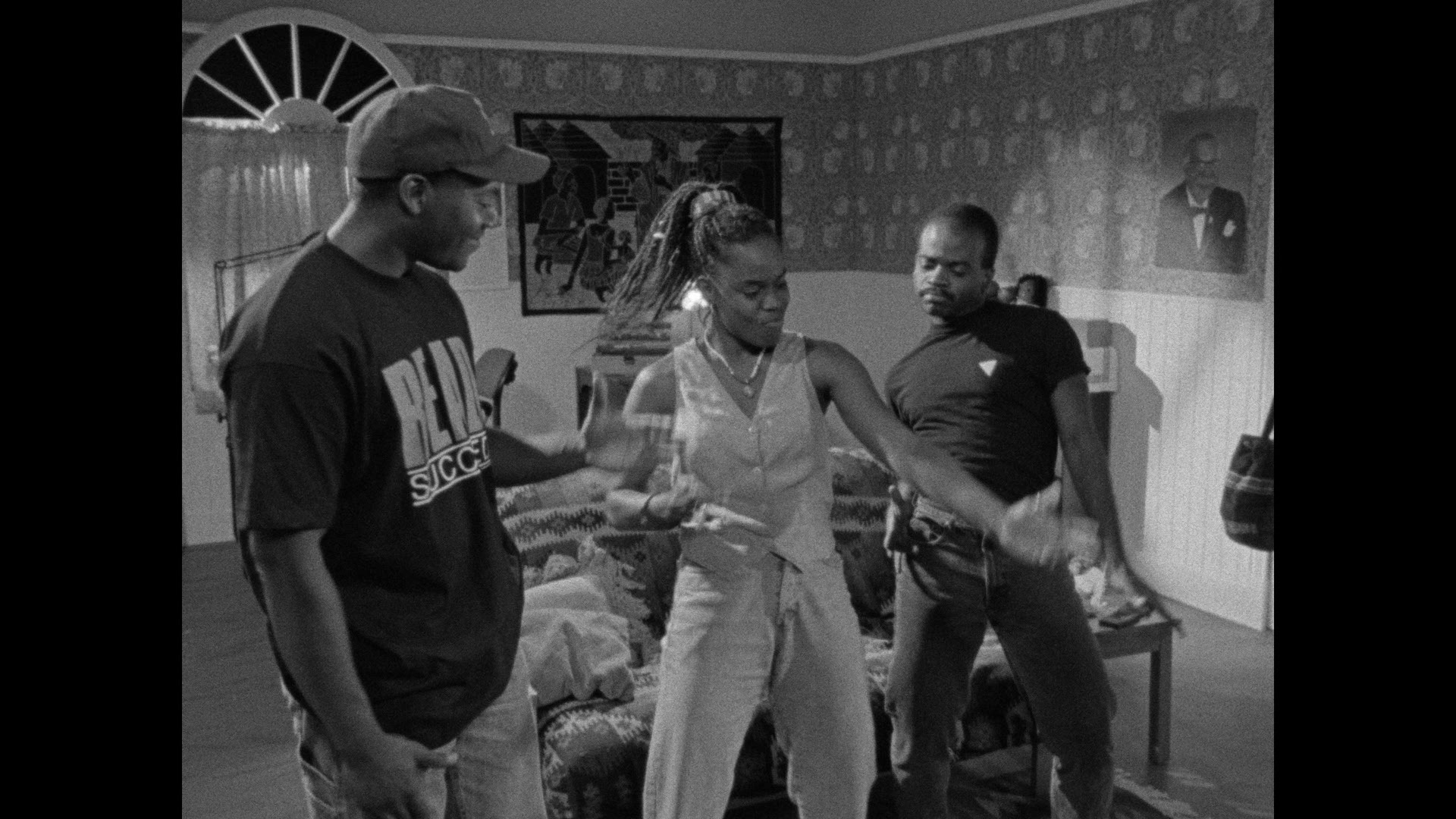
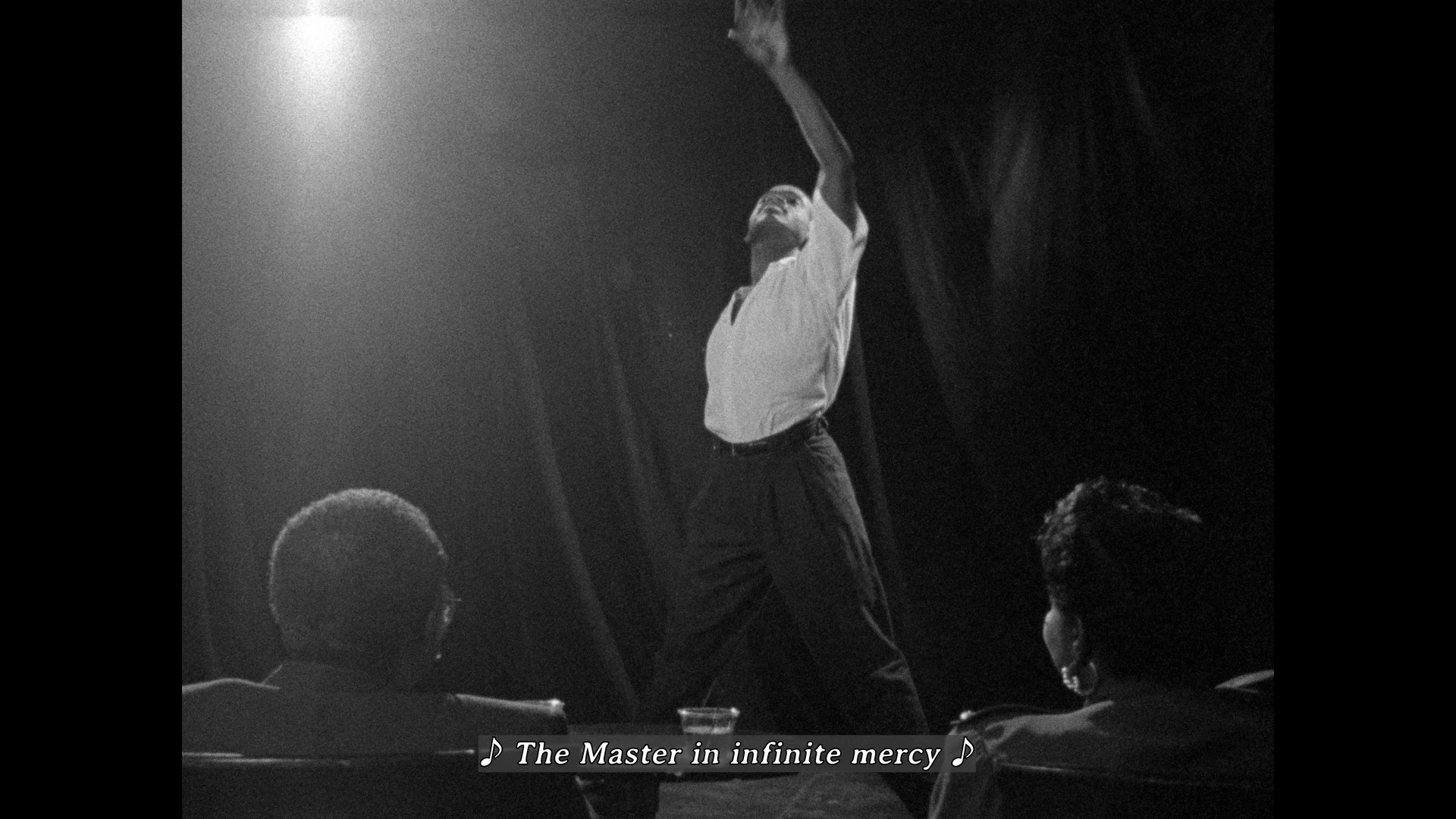
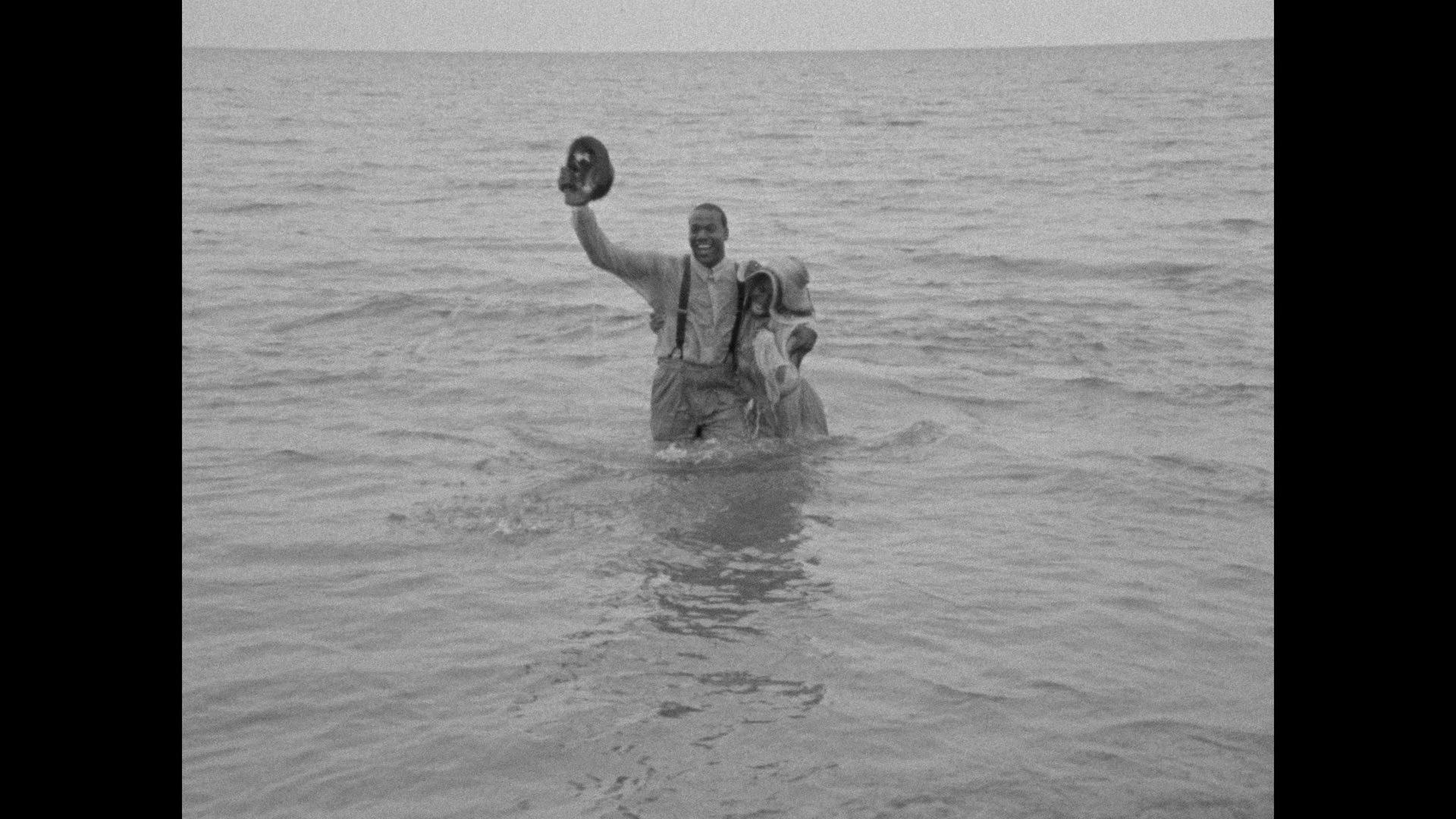
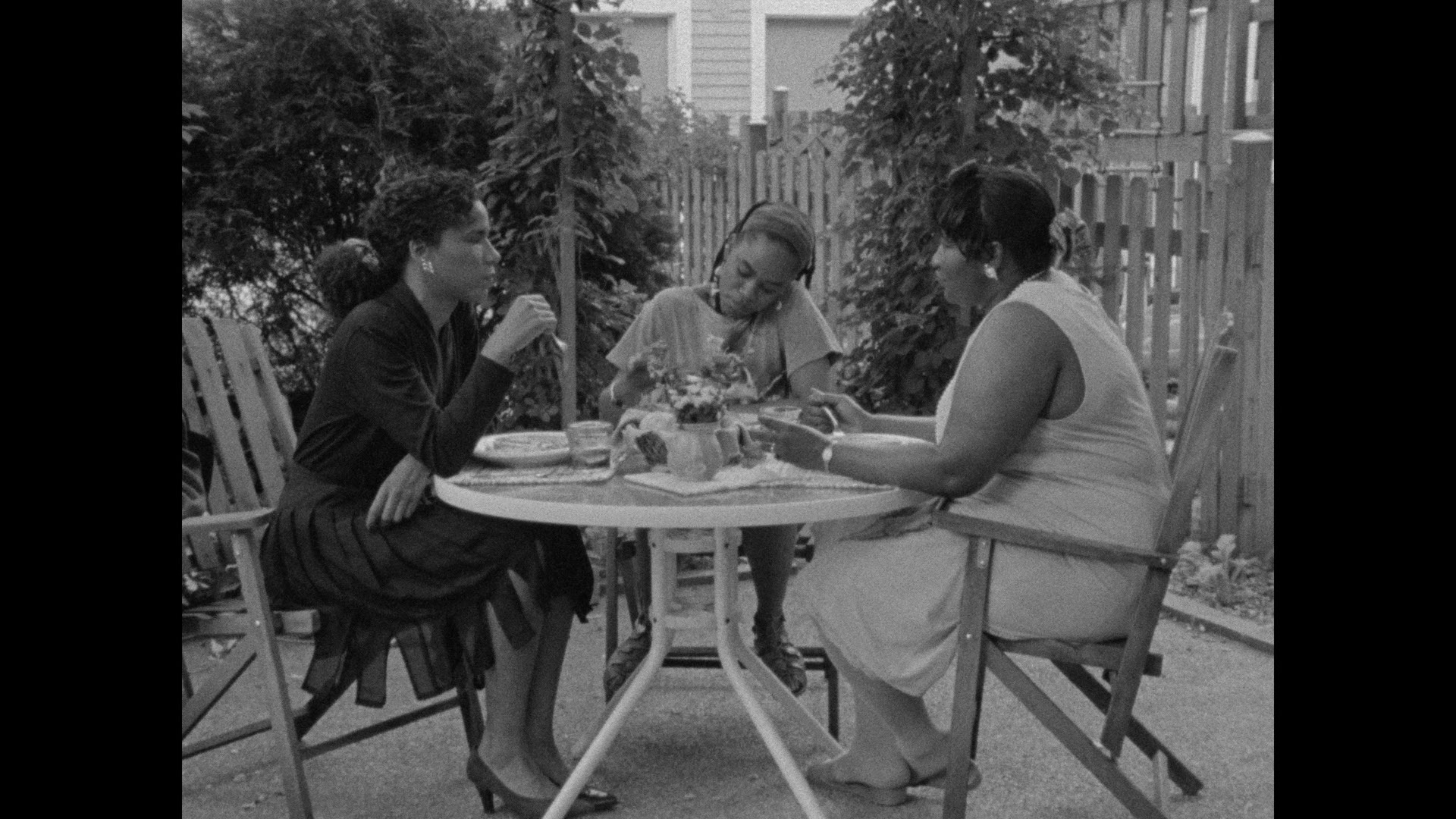
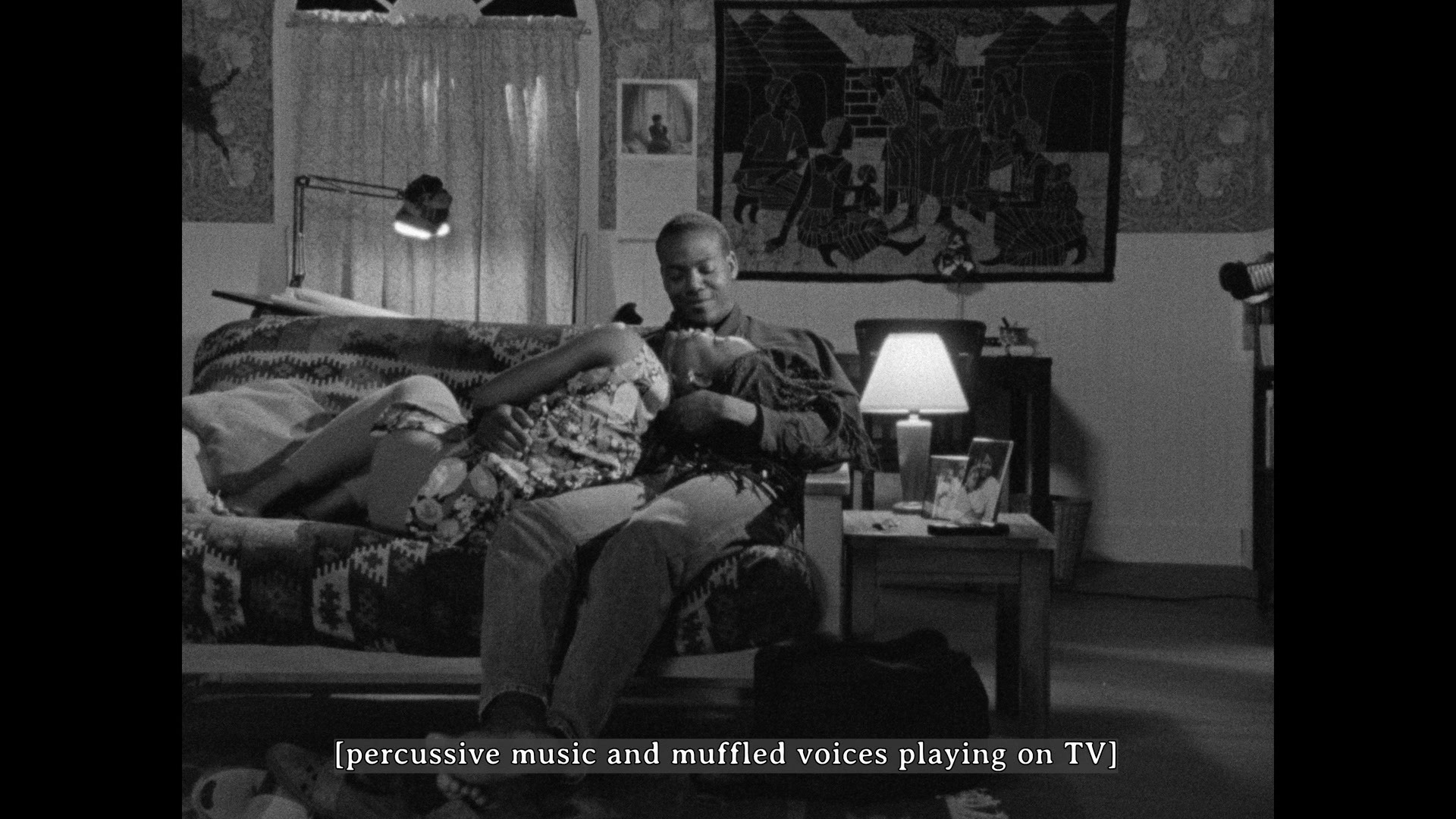
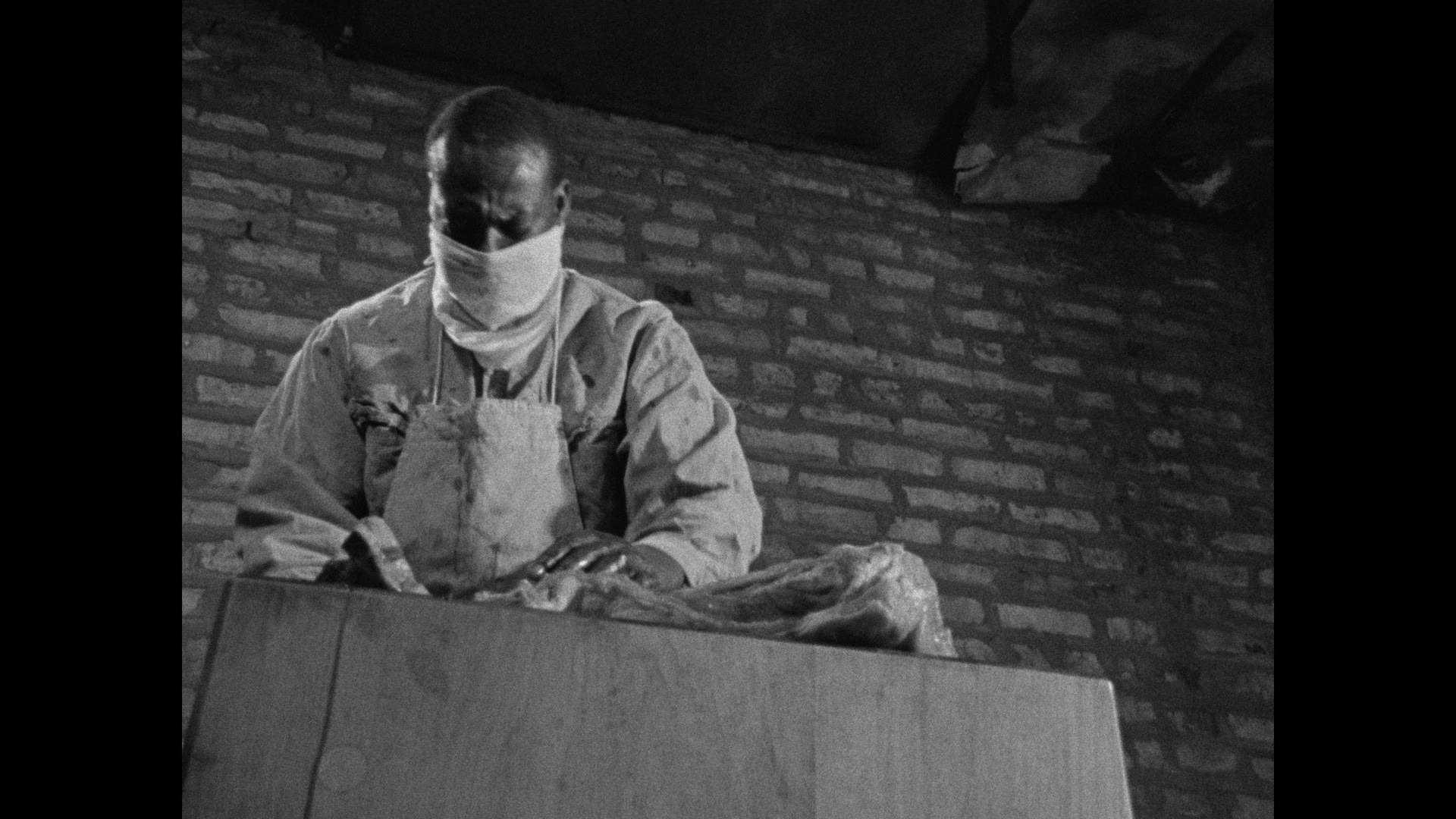
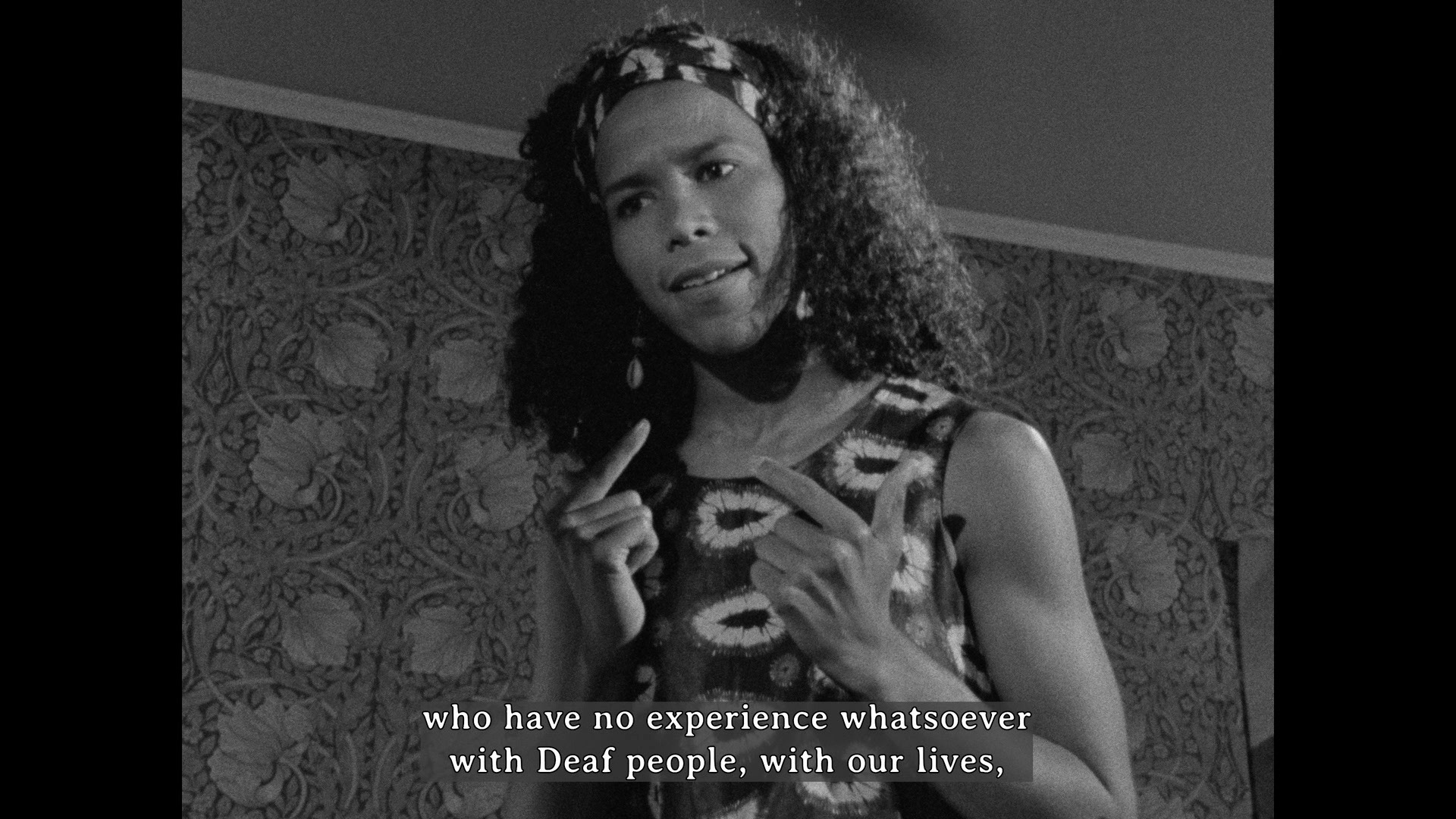
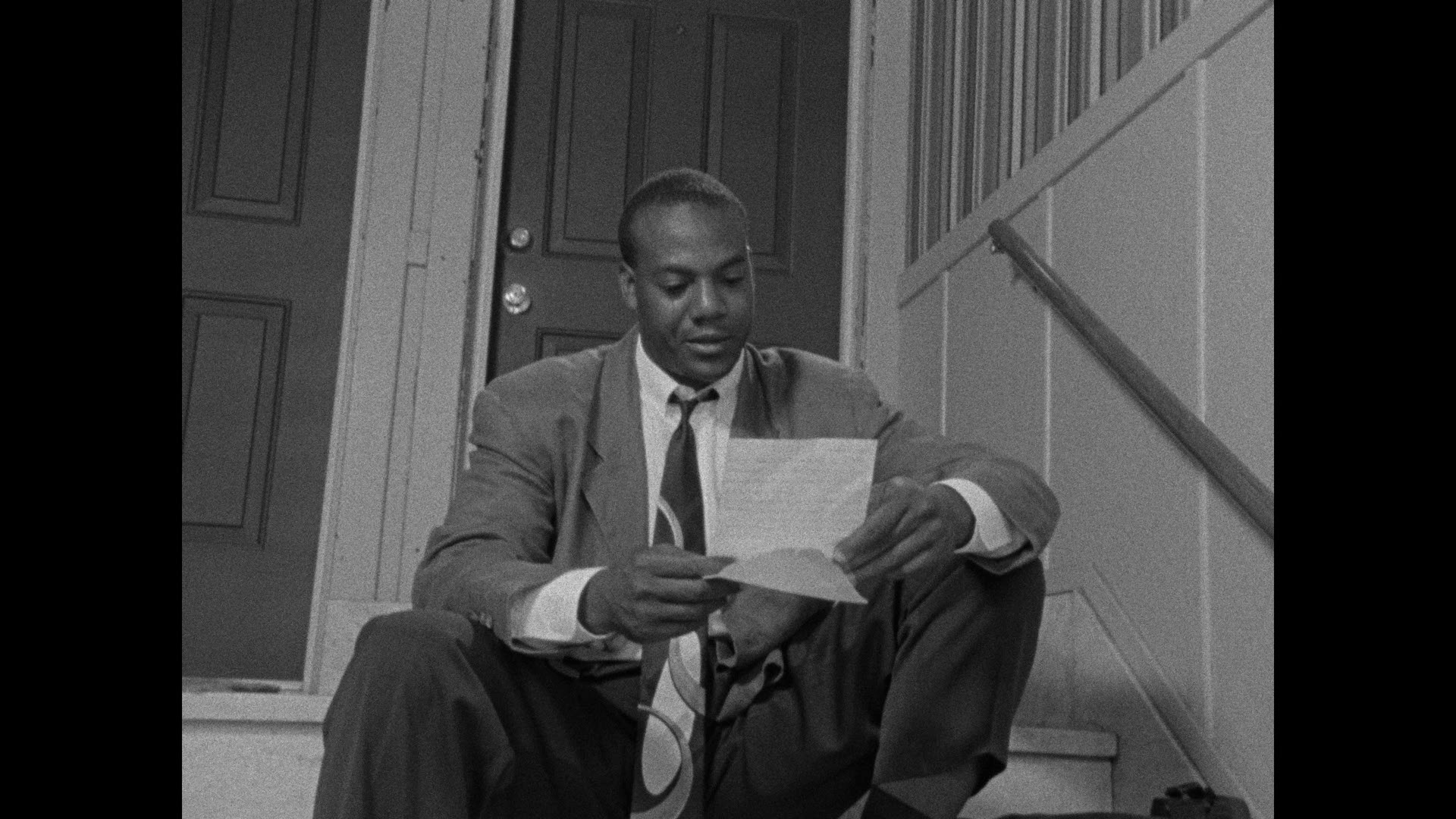
Which makes this new presentation all the more jaw-dropping, because it looks like a completely different film. It feels newly made, as though it had just been shot within the last year (ignoring the numerous 1993 references present, like Last Action Hero). The image is fresh and clean, with a gorgeous grayscale showcasing an impressive range. Shadows are textured, highlights retain subtle detail, and the film grain is rendered beautifully; the encode even remains solid. I’m not sure whether the restoration adjusted light levels or performed any significant digital corrections (one supplement mentions the challenges of lighting due to the film’s guerilla-style public shoots), but if they did, it’s seamless. This looks like a film, not a dupey VHS bootleg.
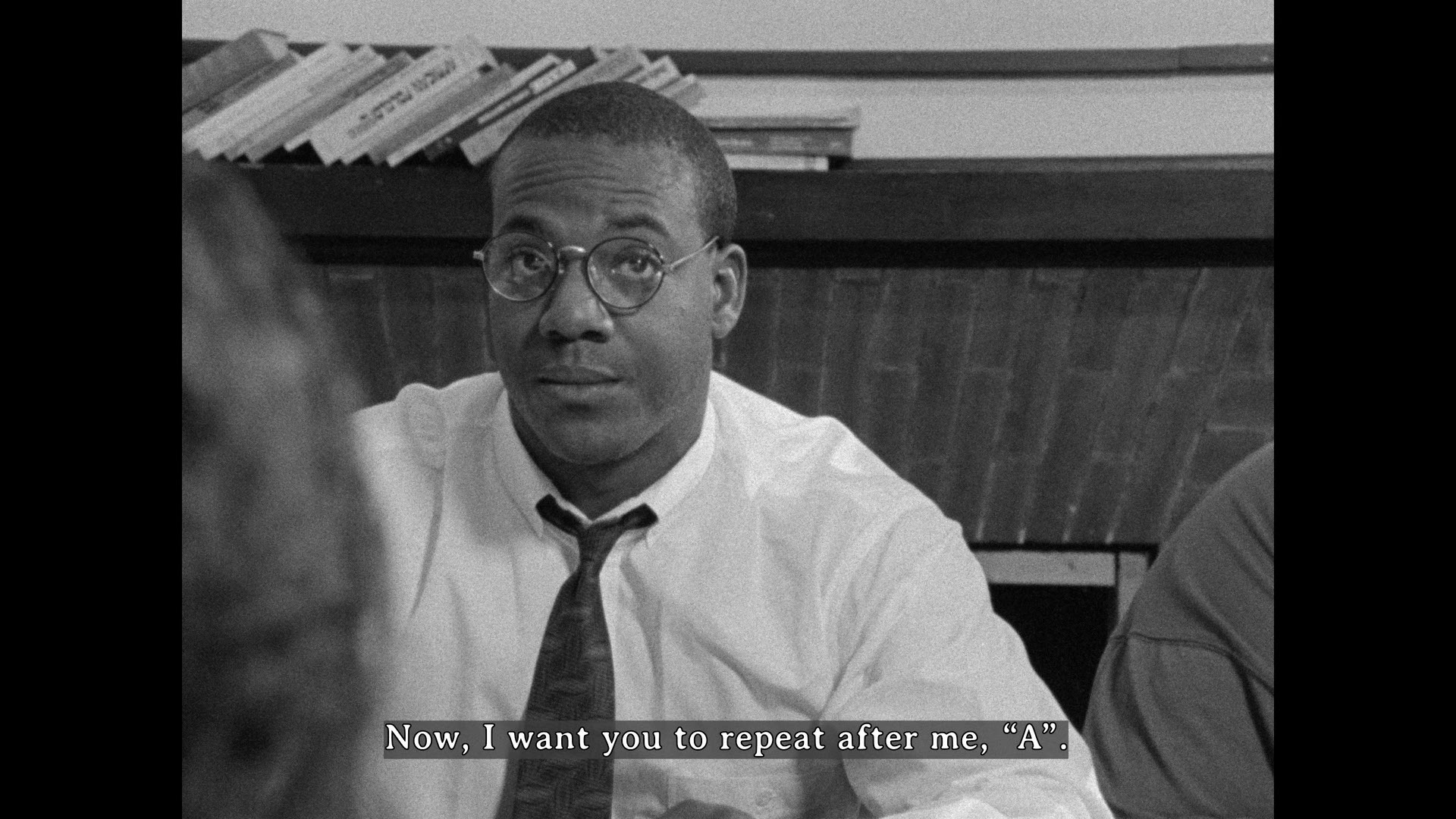
The rejuvenation also includes updated captions (clearly digital and burned-in) and (I believe) redone title cards. The captions go beyond the original's captions, which focused on dialogue and ASL, to include sound effects, music cues, and more. While the digital font can stand out from the film’s aesthetic (coming across as a bit generic for a film that is anything but), it adds a surprising charm by dancing around the screen, fading in and out, and adding moments of levity, like one moment where a character misspells “Mississippi” while signing. They can also add to the anxiety of a handful of sequences when they keep layering over one another.
All in, the results are staggering and it's beyond impressive what they were able to pull off here. Which only makes it more frustrating that Criterion didn’t spring for a 4K release. I imagine the decision was made because of the film’s 16mm origins, but this Blu-ray looks better than some recent 4K discs, like Shoeshine, which was ultimately limited by the quality of its source elements. Why they passed isn't clear, but it’s a shame. This could have been a real stunner in 4K.


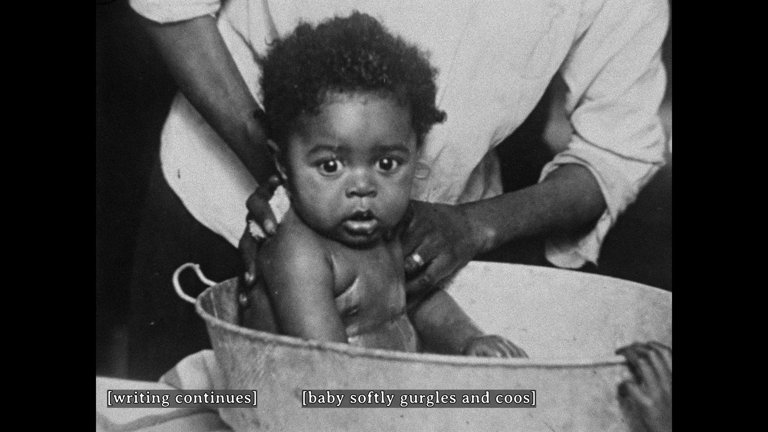
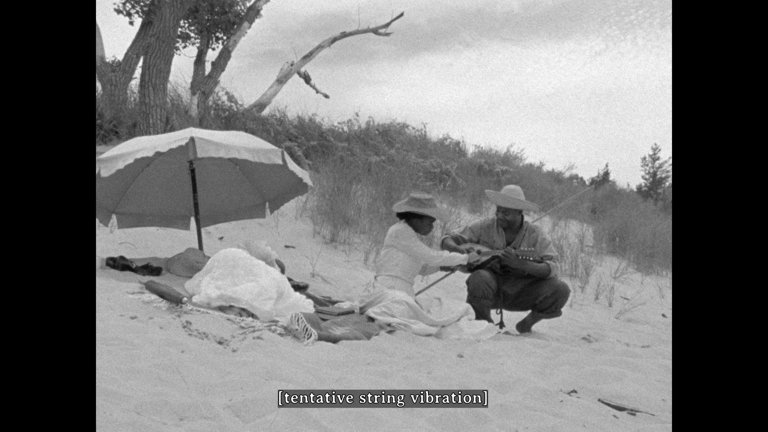
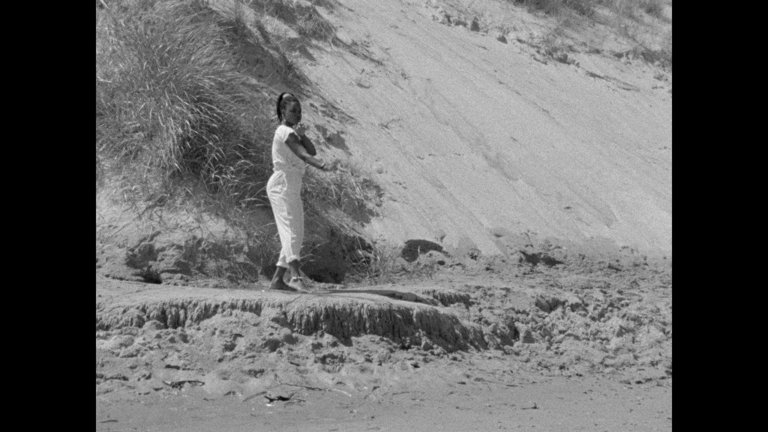
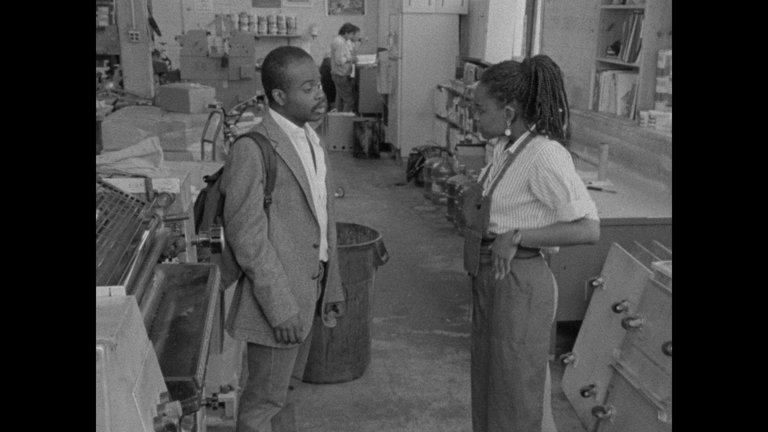
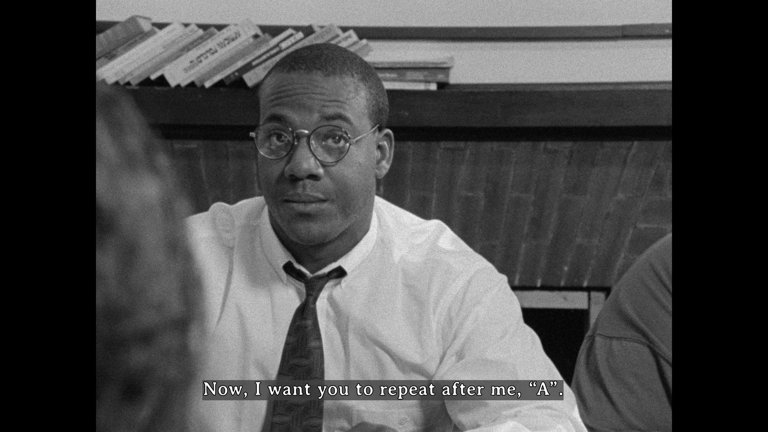
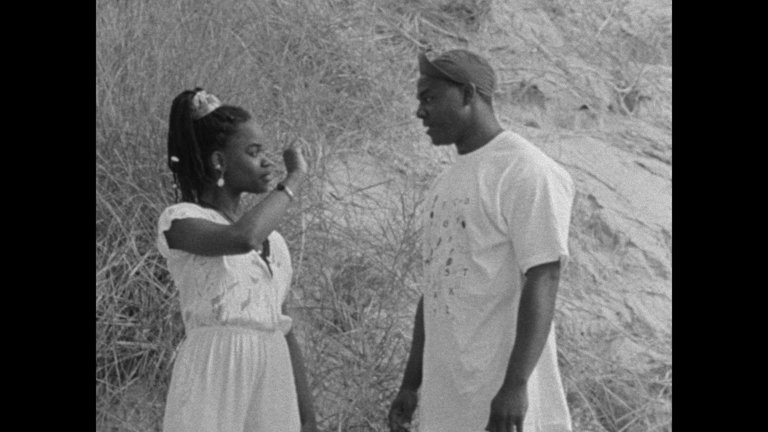

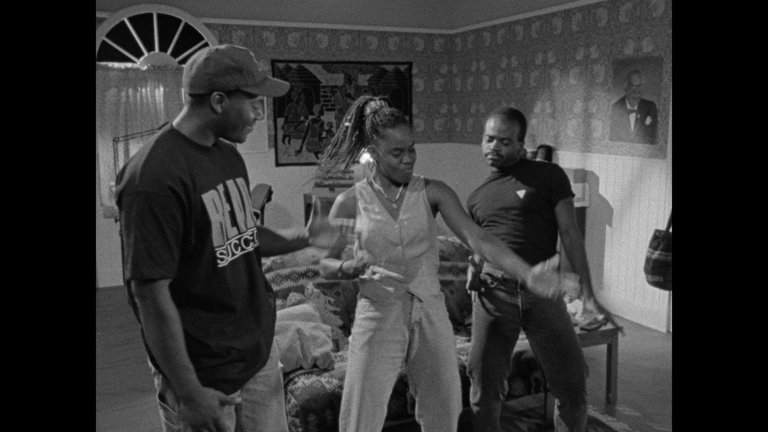
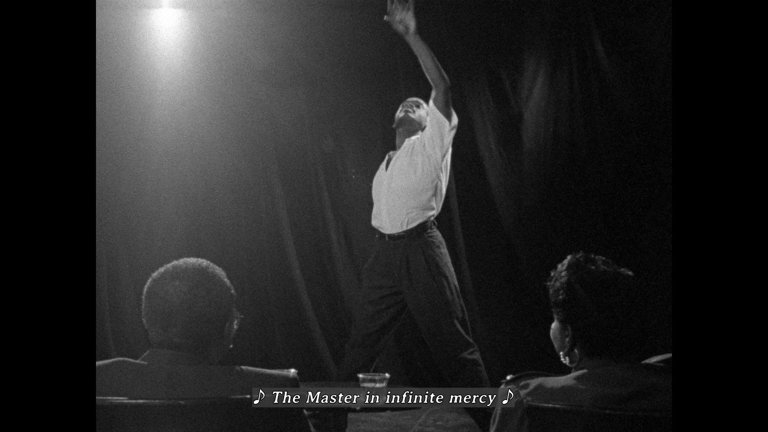
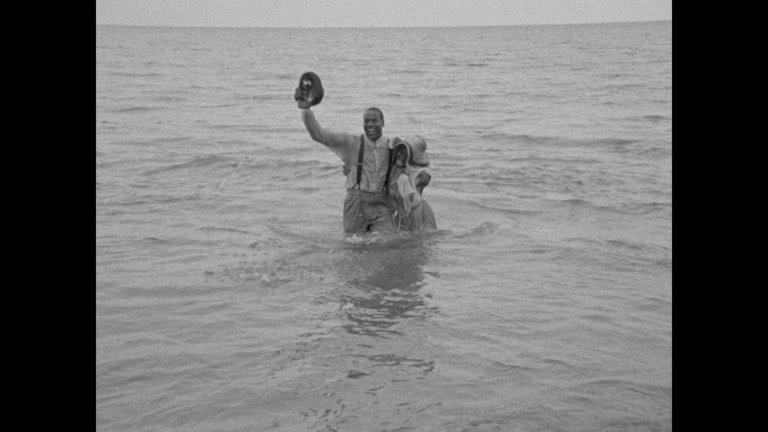
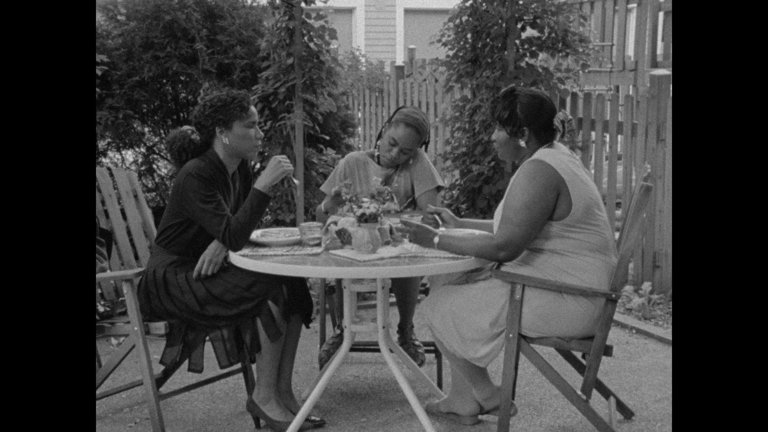
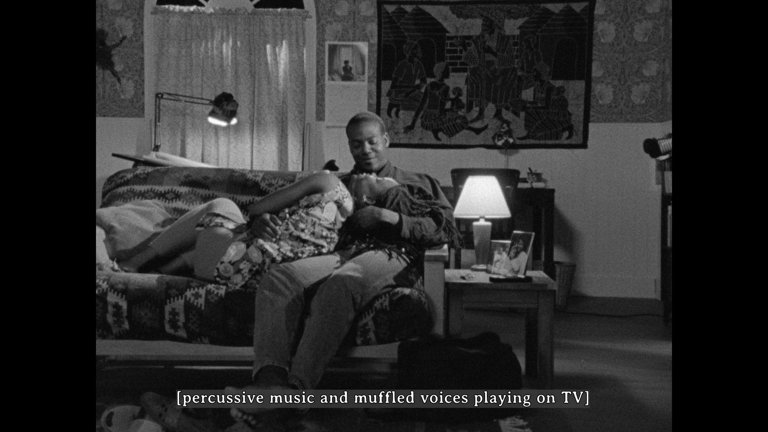
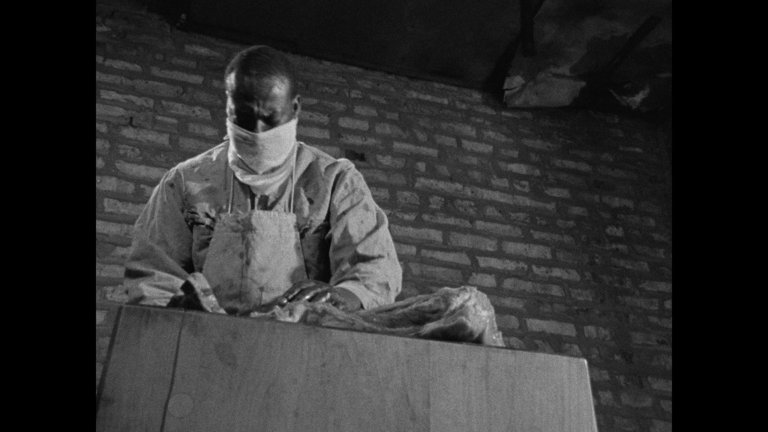
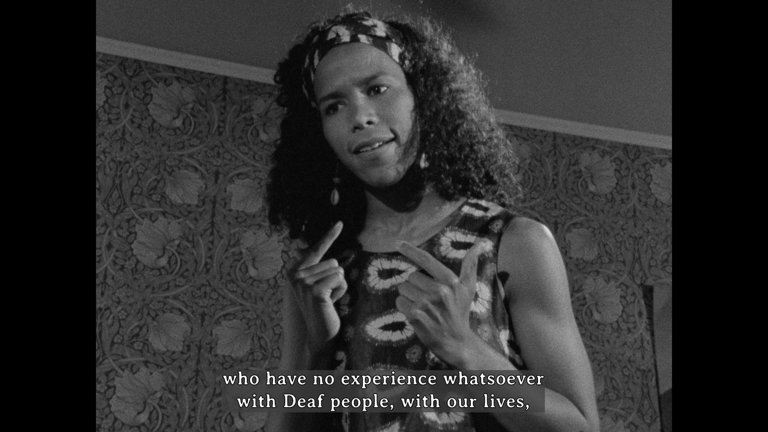
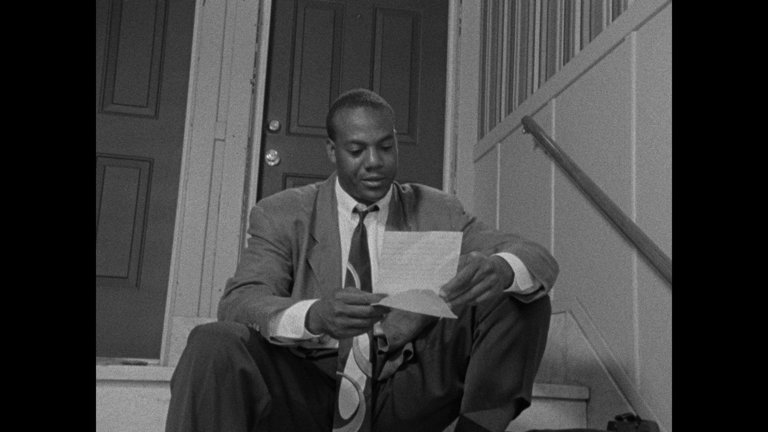
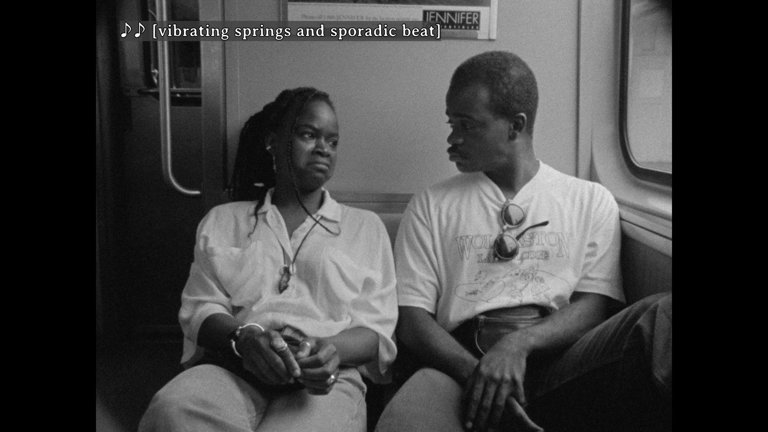
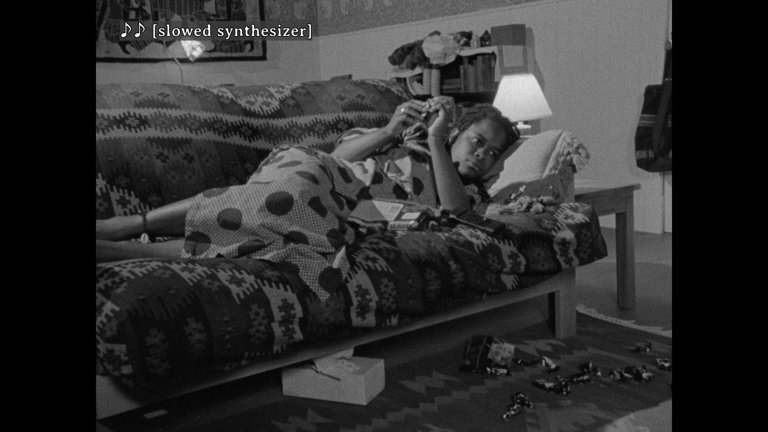
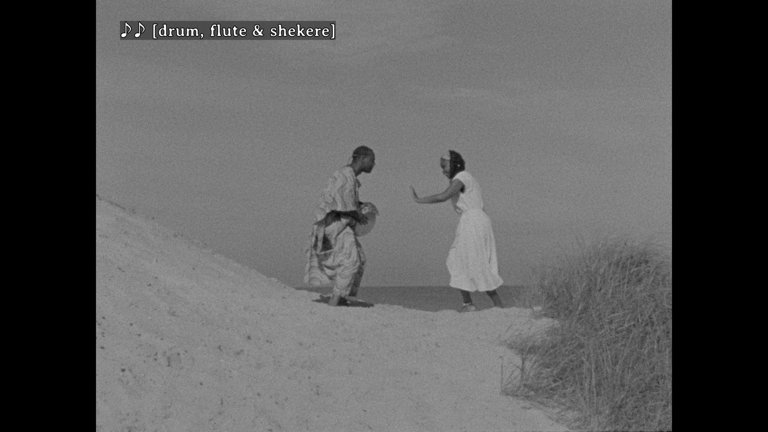
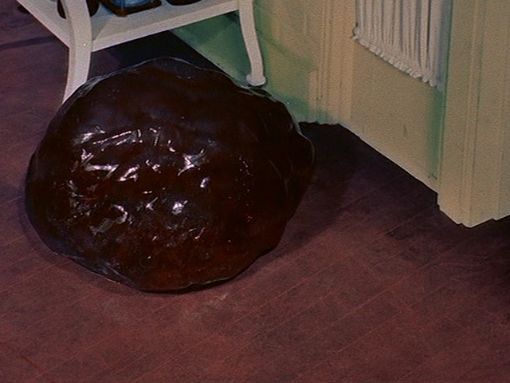
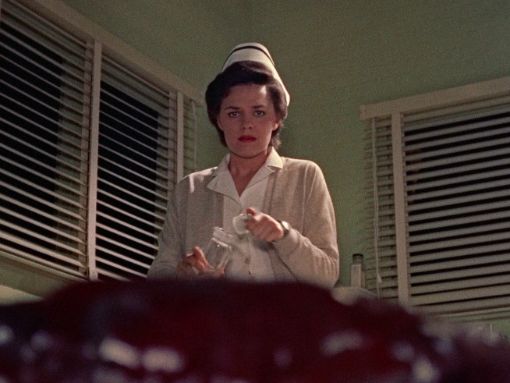
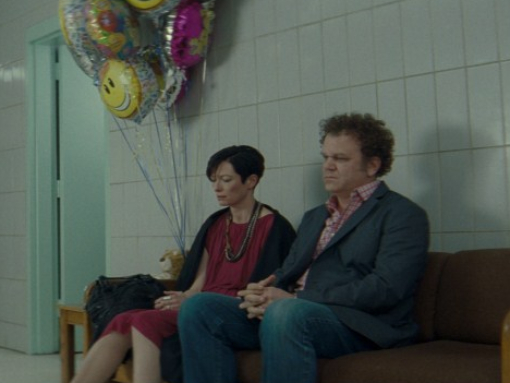
Compensation - Screen Captures


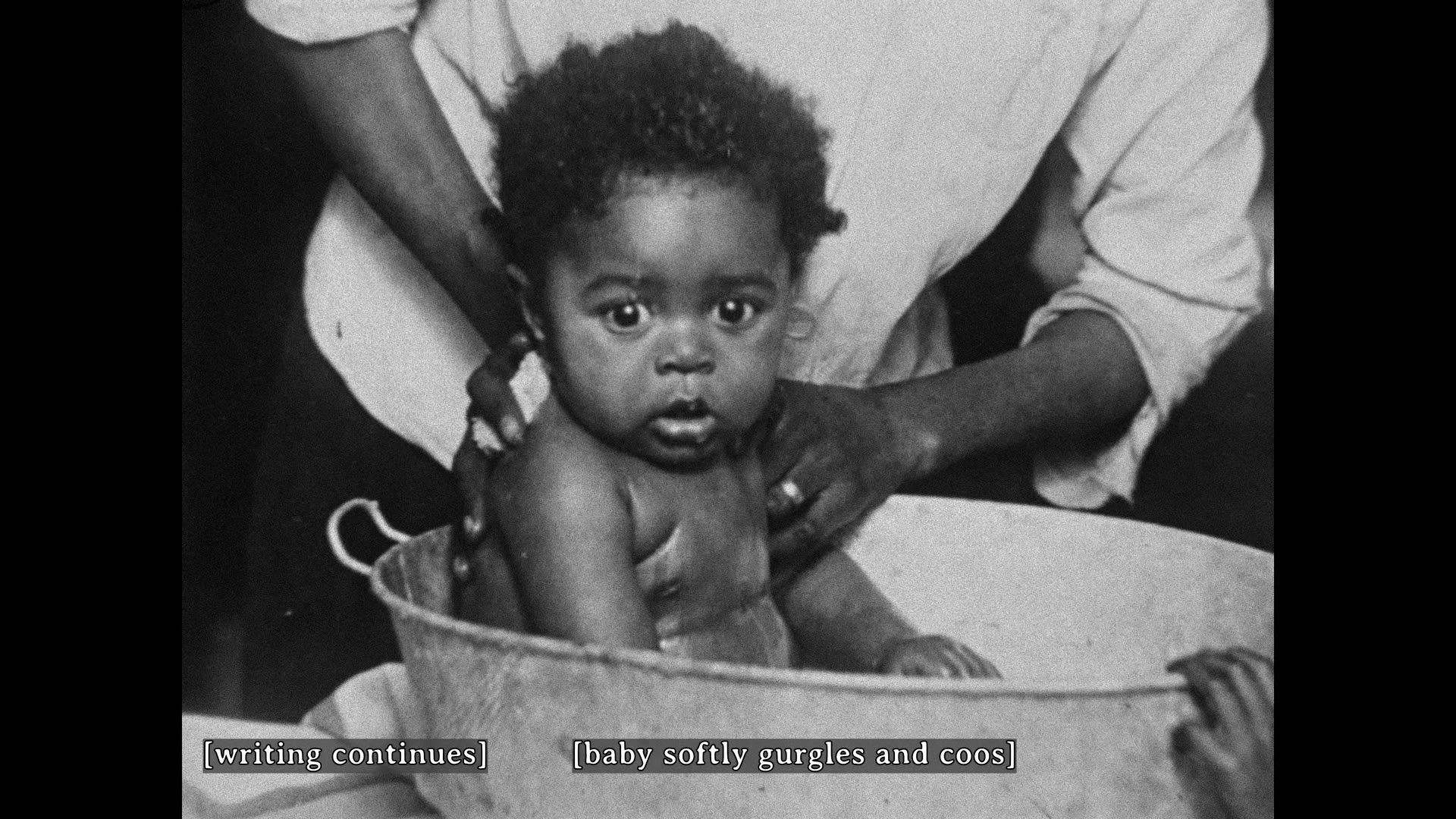
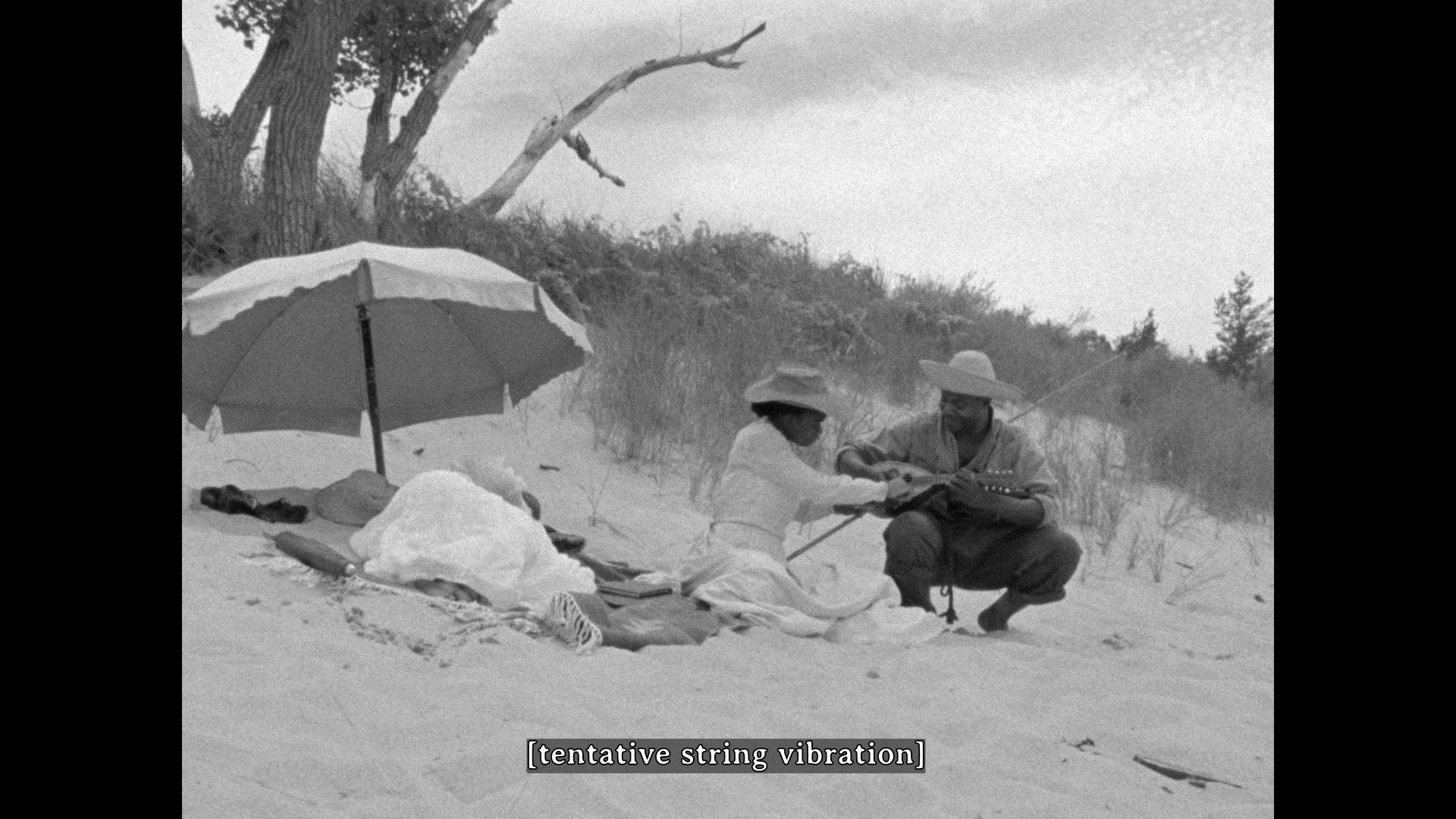

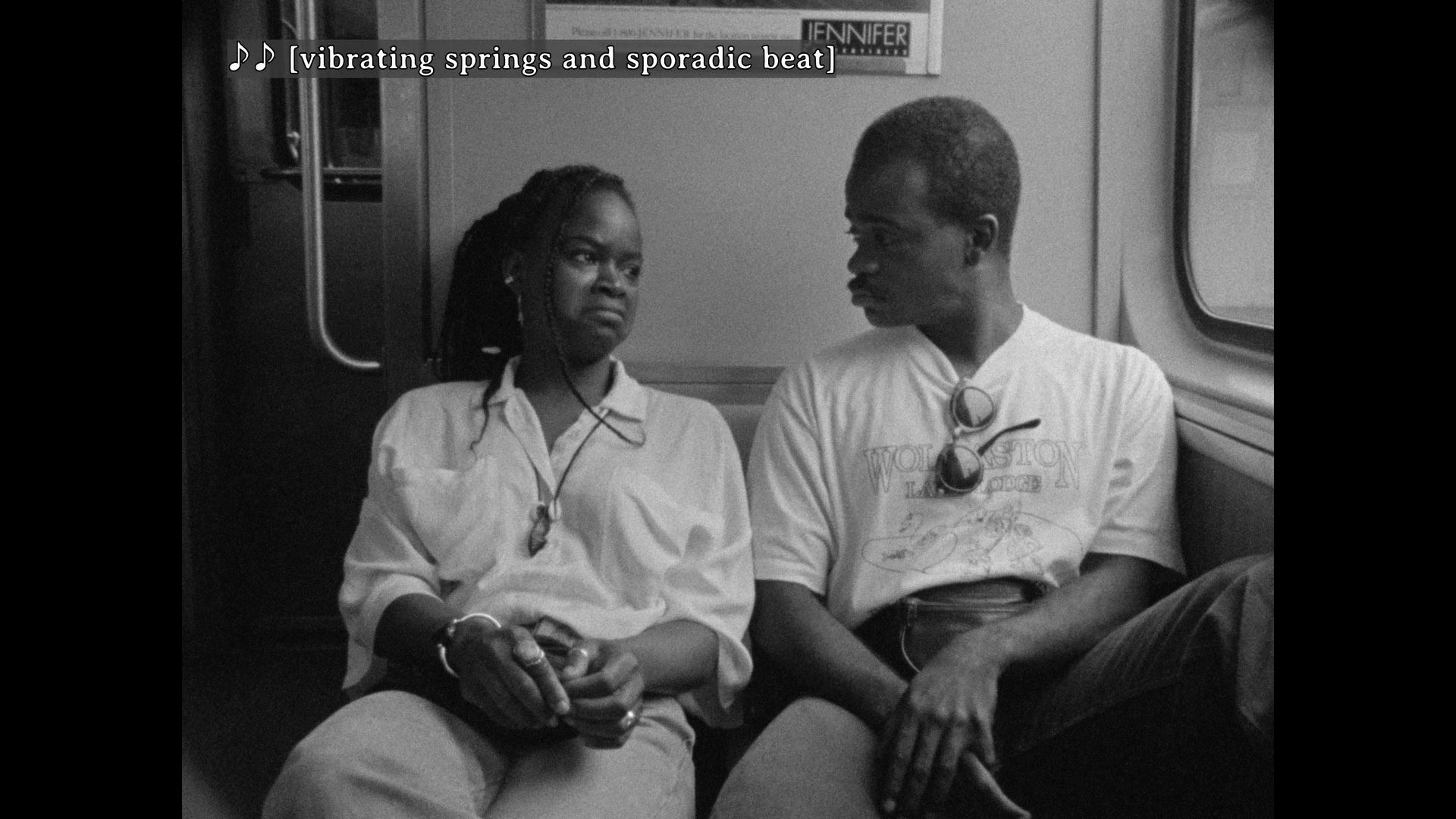
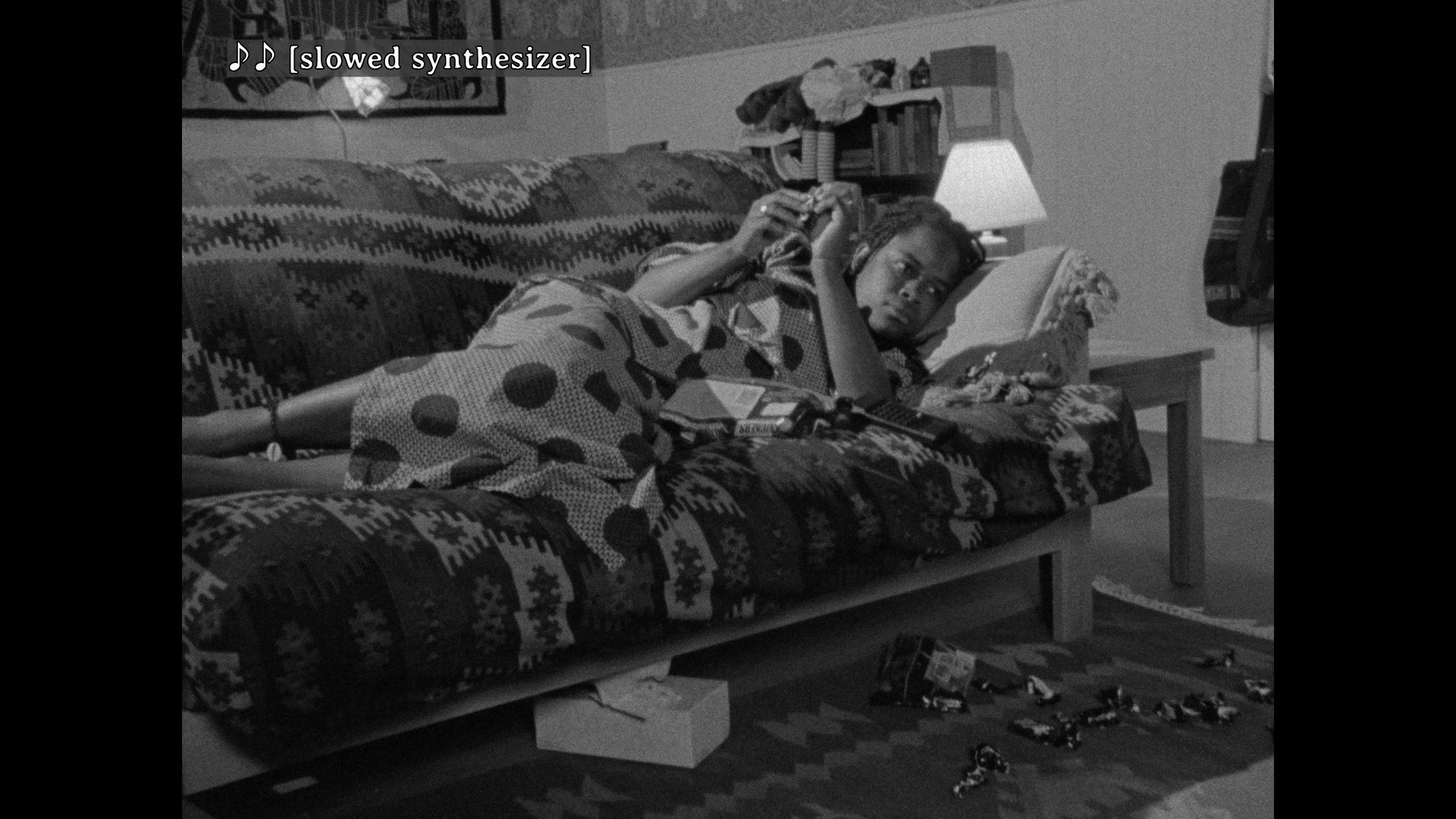
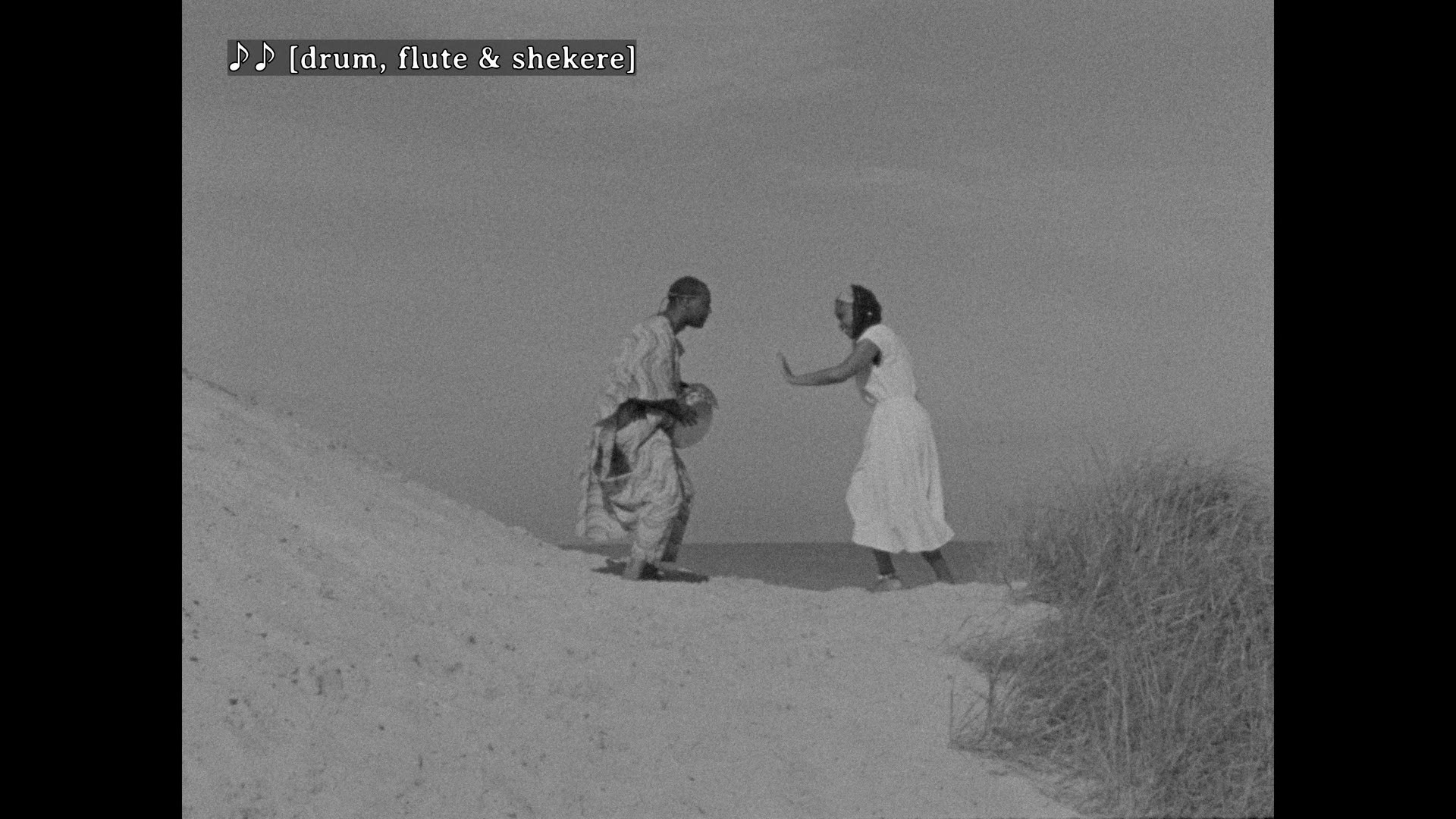
Audio 8/10
Criterion includes a newly restored PCM stereo soundtrack. Overall, the track sounds remarkably good, likely due in part to the fact that many of the audio effects have been newly assembled. The film features several photo montages representing the Black community in early 20th-century Chicago (though Davis notes in the included commentary that a few photos were sourced from elsewhere), and the mix offers a surprisingly dynamic experience. Street sounds, bustling crowds, and ambient noises are layered over the still images to help bring them to life, and the result is incredibly immersive. The sound design feels vibrant and full, with elements cleanly distributed across the two front channels.
Sound effects throughout the rest of the film are equally strong, whether it’s the distant rumble of the El train, the gentle strumming of a mandolin, or even some of the deeper tones, the last of which were created, ingeniously, by wrapping a condom around a microphone and submerging it in water to mimic what a deaf person might physically sense. Dialogue also exceeded my expectations: it’s clean with decent range, though it can sound a bit hollow in spots, almost certainly a result of the original recording conditions.
Still, given the film’s ultra-low budget and guerrilla production, this mix is far more robust and effective than I would have anticipated.
Extras 9/10
Criterion puts together an excellent selection of supplements for Compensation, many of which were produced recently in conjunction with the film’s 4K restoration. Chief among them is an engaging audio commentary featuring director Zeinabu irene Davis, screenwriter Marc Arthur Chéry, and cinematographer Pierre H. L. Désir Jr., recorded in 2023 (just months before Désir sadly passed away in December). It sounds like the three were recorded together, and the dynamic feels casual and warm, with plenty of reflection on the film’s long production history. They cover the challenges of working with such limited resources, explaining how the photo montages were conceived partly out of necessity (they couldn’t afford to recreate the era visually, so still photography became a stylistic and logistical solution).
They also discuss how the story evolved over time, particularly after Davis met deaf actor Michelle A. Banks, whose presence helped shape the final narrative. Much of the production was guerilla-style, sneaking shots in public spaces when they didn’t have permits (“ask forgiveness, not permission” was the general ethos). Désir shares some amusing memories of the technical challenges, especially lighting, recalling one scene where, when asked his opinion on how it turned out, all he could remember was the stress of trying to deal with a light in the corner. The track is a strong companion to the film, covering casting choices, changes to Chicago locations (including one beach that no longer exists), and the unusually long timeline: though released in 1999, the film was actually shot in 1993.
Two Q&A sessions from 2024 screenings of the new restoration, one from the New York Film Festival and another from the Chicago International Film Festival, are also included. Both are informative expansions on the commentary. Davis, Chery and others appear at both (moderated by Racquel Gates in the NYFF session), discussing how the script evolved and how the final film differs from earlier iterations. She also elaborates on the “rejuvenation” terminology and touches on some of the same technical challenges mentioned in the commentary, particularly around sound. The Chicago event leans more into the historical context of the early ’90s production, including the impact of HIV/AIDS at the time. It also includes a helpful restoration demo with before-and-after comparisons and Davis getting into more detail on what was done.
A separate 15-minute video essay delves into the film’s visual language, focusing on the use of historical photographs and the inclusion of vévé symbols (spiritual figures from Haitian Vodou) that appear in the title cards. Davis provides voiceover narration, discussing the cultural significance of the symbols and explaining the intent behind certain photo selections, giving more context and backstory to them.
Criterion also includes two short films by Davis. Crocodile Conspiracy (1986, 13 mins) centers on a woman who wants to reconnect with her roots by visiting her father’s homeland of Cuba, only to meet resistance from friends and family, including her son (played by Compensation’s John Earl Jelks), who accuse her of being a "commie sympathizer." It explores generational divides and the politics of identity. Charles Burnett served as cinematographer, and Julie Dash did makeup, both indicative of the collaborative nature of the LA Rebellion community (Burnett, in fact, has mentioned in other interviews, like those on Killer of Sheep, that he frequently helped younger filmmakers by stepping in as DP).
Pandemic Bread (2023, 22 mins) is a more recent short, adapted from a story by Marivi Soliven. It focuses on a Filipina interpreter working remotely during the COVID-19 pandemic who finds herself facilitating what quickly becomes an end-of-life conversation between an elderly patient and her doctor. Criterion includes a text note from Soliven, who explains the deeply personal origins of the story. The film leaves a strong impact and includes an optional commentary track featuring Davis, Chéry, Alexis Hithe, actor Becca Godinez, and cinematographer Norbert Shieh.
Also included is a 16-minute interview with Davis recorded in 2020 for the Criterion Channel. She recalls studying in Kenya under writer Ngũgĩ wa Thiong’o, whose influence helped redirect her path toward filmmaking. After returning to the U.S., she connected with members of the LA Rebellion, where she honed her craft. She also discusses the development of Compensation and her larger body of work.
The release closes with a trailer for the 4K restoration along with the booklet. The booklet includes a wonderful appreciation by Gates, covering the film’s ability at mixing periods as well as fiction with nonfiction. This is then followed by a note by Davis and Hithe on the film’s “rejuvenation" and then closes with an interview with Davis and visual artist Alison O’Daniel about the new captions for the film, and the creative process behind that (including careful consideration around what might be going overboard).
That last one probably would have made a great video feature, but it’s still an interesting read, while the remaining on-disc features do a spectacular job extensively covering the film. A nicely assembled set of material overall.
Closing
A stellar release for the film, pairing a surprisingly gorgeous new presentation with an excellent slate of supplements.
BUY AT: