The Man Who Wasn't There
BUY AT:


See more details, packaging, or compare
Synopsis
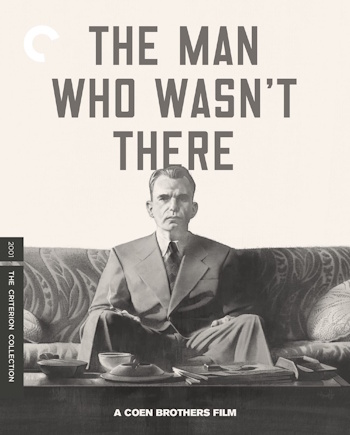
The Coen brothers peer into the existential abyss of the atomic age in this coolly riveting, drolly profound noir thriller. In a performance of masterfully calibrated understatement, Billy Bob Thornton stars as a disaffected barber in 1940s California whose suspicion that his wife (Frances McDormand) is cheating on him leads him down a crooked path of blackmail and murder. Fusing the expressionistic black and white and hard-boiled poetry of classic noir with their own idiosyncratic feeling for sinister, surreal Americana, Joel and Ethan Coen craft an arresting vision of the cruelty of fate and the mystery of our place in the cosmos.
Picture 10/10
Joel and Ethan Coen’s The Man Who Wasn’t There receives a new 4K UHD edition from The Criterion Collection, presented with Dolby Vision on a triple-layer disc in its original aspect ratio of 1.85:1. The 2160p/24hz ultra high-definition transfer comes from a new 4K restoration taken from a scan of the 35mm original camera negative. The release also includes a Blu-ray featuring a 1080p presentation of the film alongside all of the video supplements.
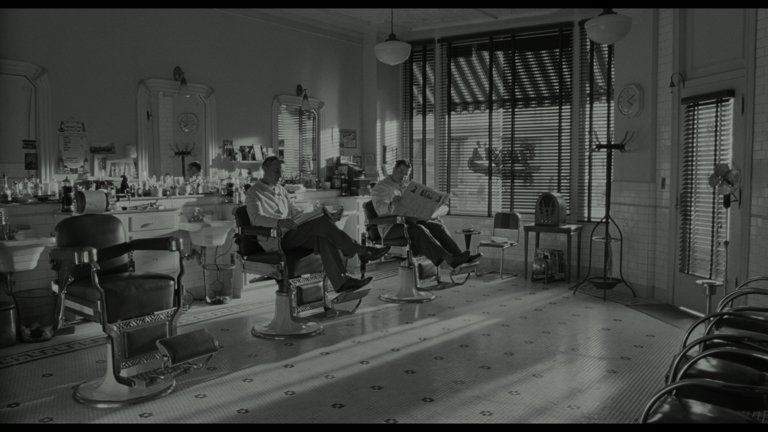
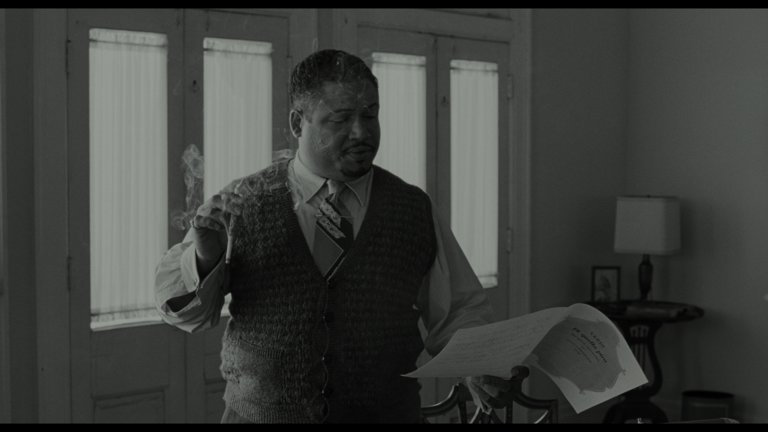
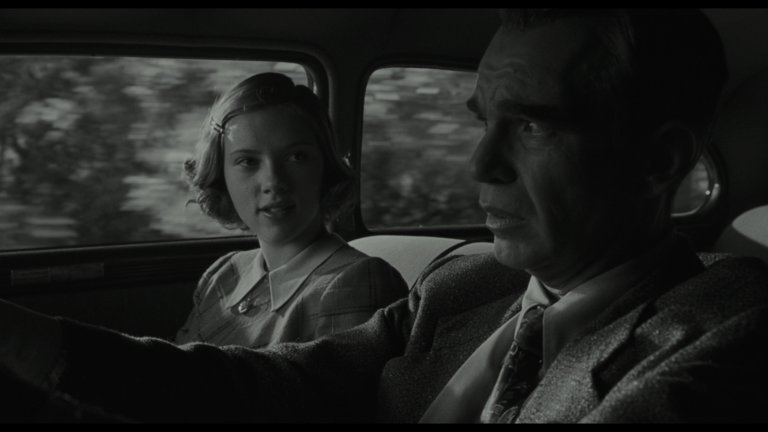
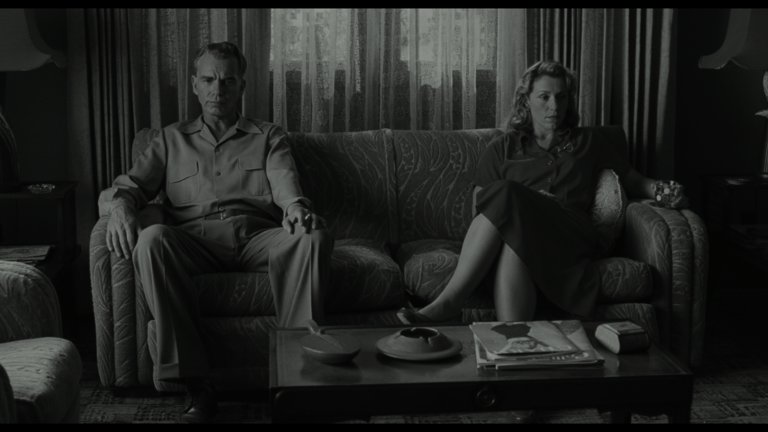
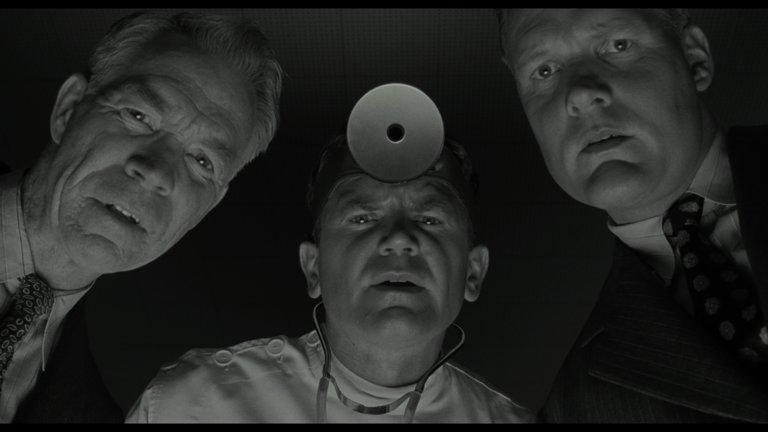
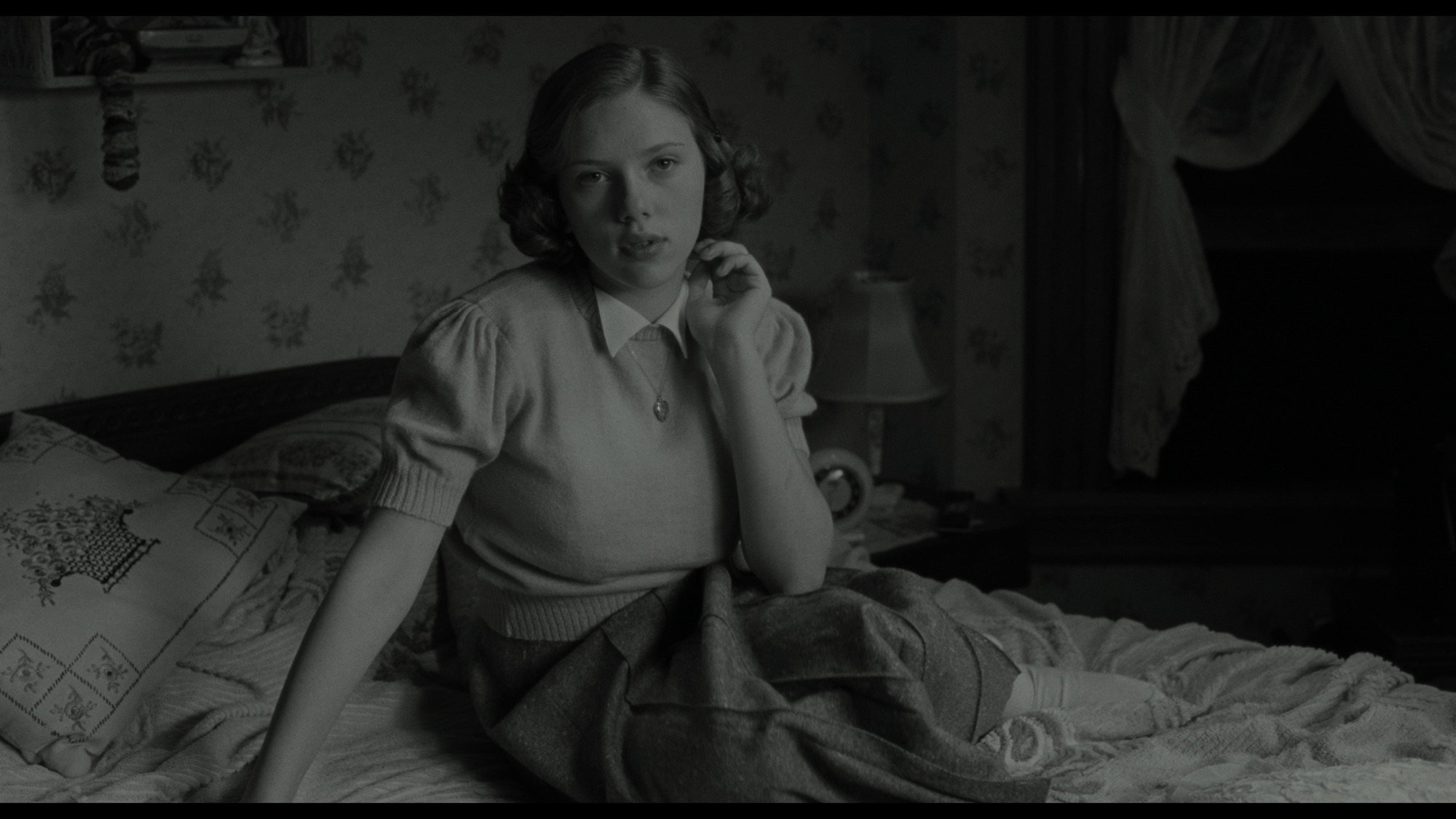
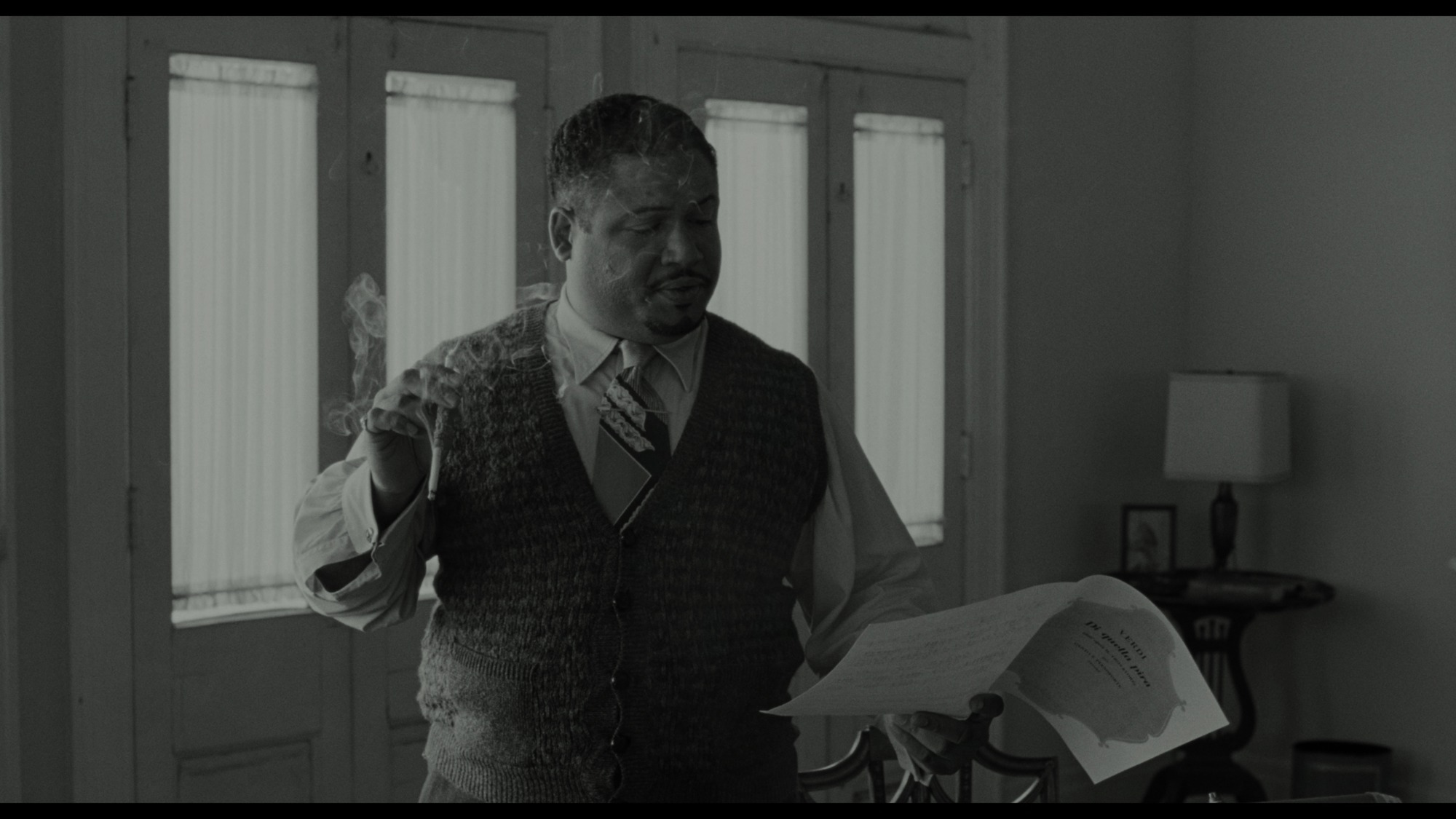
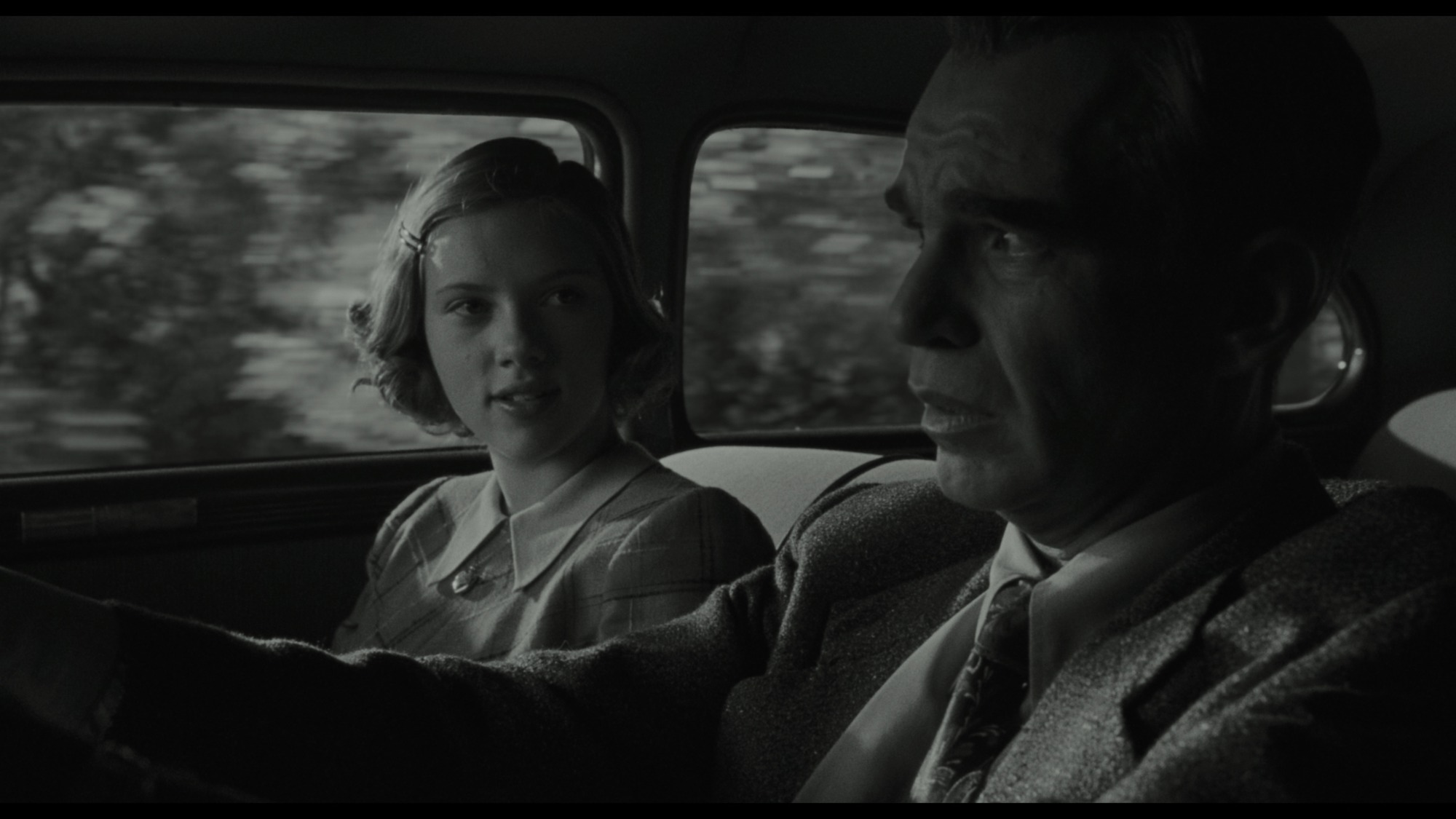
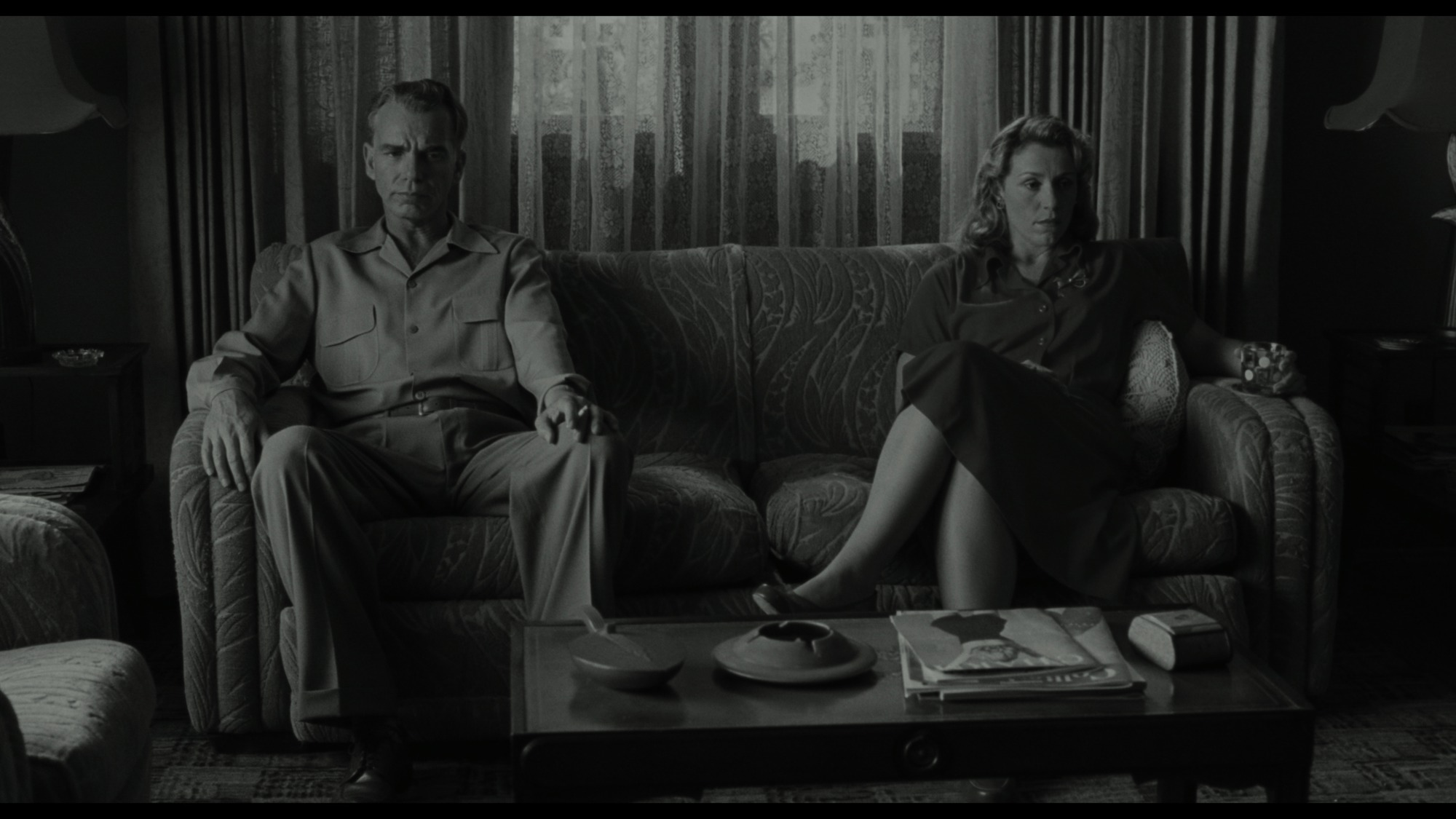
Though black-and-white, the film was shot on a high-speed color film stock and then converted to black-and-white during development by transferring it to a high-silver-content titling film stock as the intermediate, allowing for those rich blacks, striking highlights, and everything in between. The end results were beyond impressive, the film taking on a stunning silvery look with deep shadows and remarkable depth, even on DVD (the whole process may sound convoluted, but the reasons are covered in interviews included with this release). Still, it was definitely in need of an update, and going back to perform a new restoration would of course be a monumental task, especially when returning to the (color) negative. Thankfully, the effort has paid off in a big way, with this new 4K presentation capturing that terrific noir sheen and depth in a way I’m absolutely sure no previous home video edition has managed.
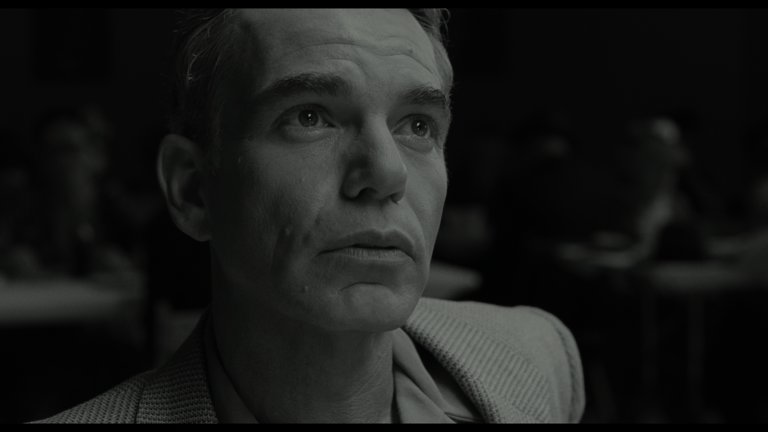
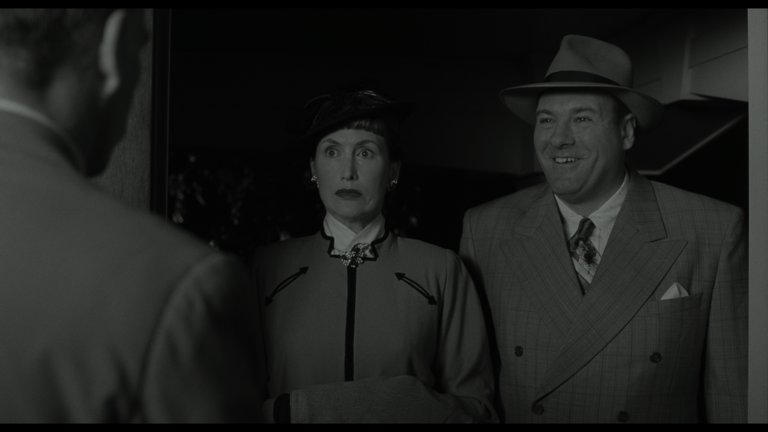
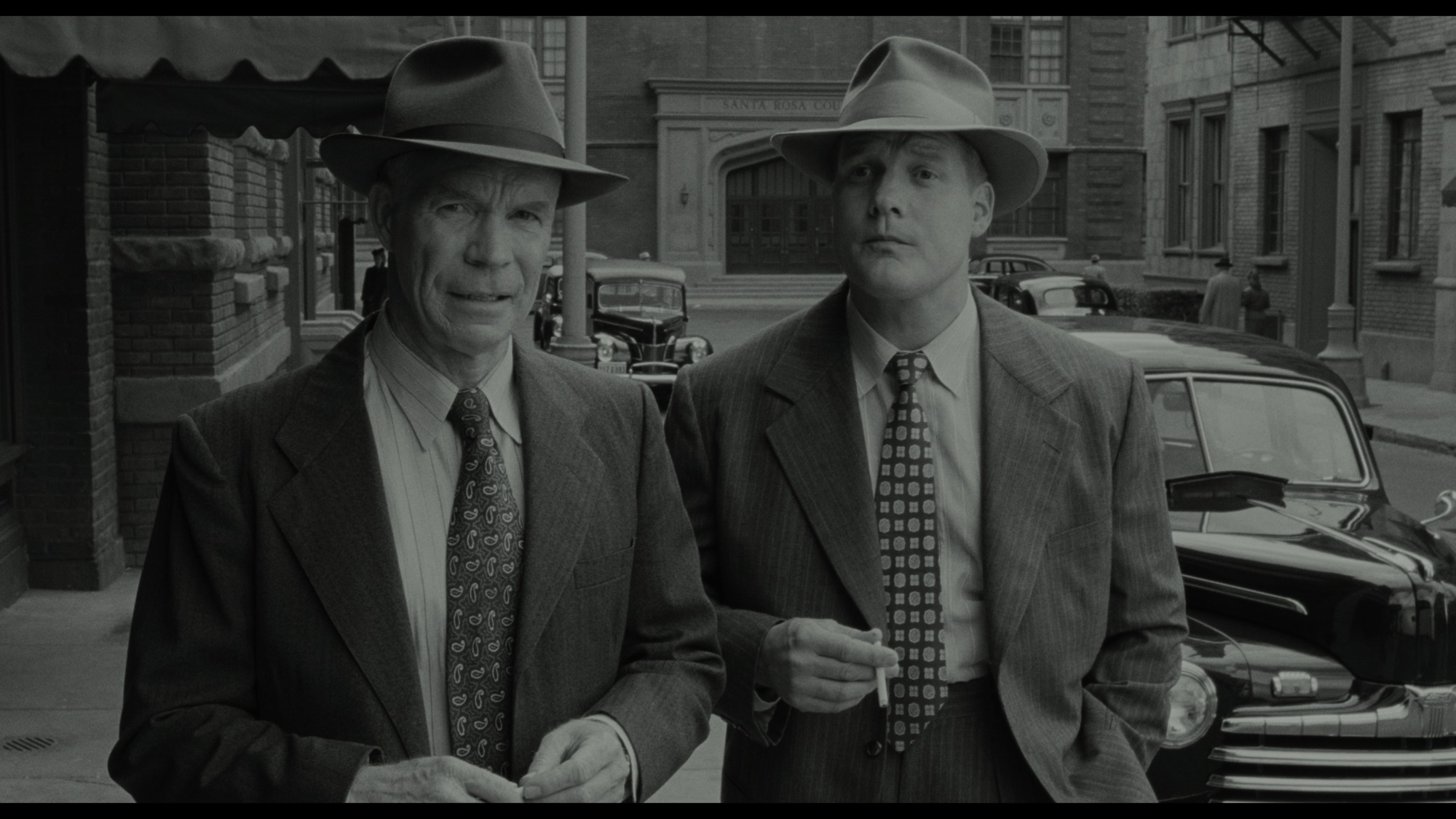
The 4K presentation offers all of the improvements one would expect from the increased resolution, especially for a film that (at least in my head) isn’t that old. Fine details are sharper, textures and patterns are clearer (from pinstripes to tweed fabrics) and practically jump off the screen, and the rather fine film grain is rendered gorgeously. All of this is further enhanced by a razor-sharp encode that never appears to falter, resulting in a beautifully organic photographic texture that I love to see.
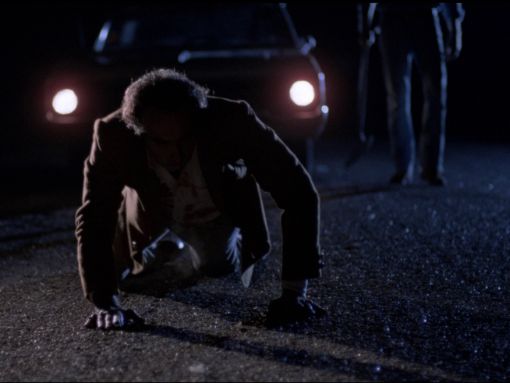
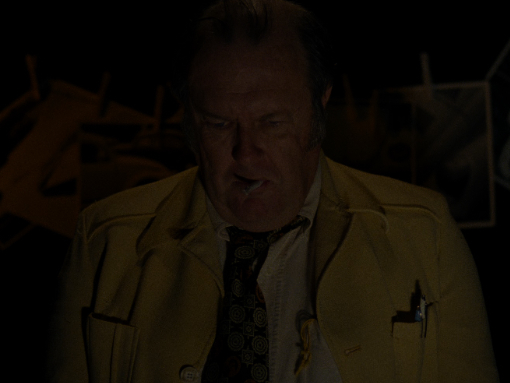
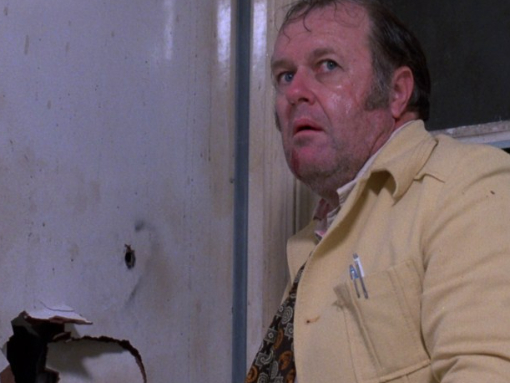
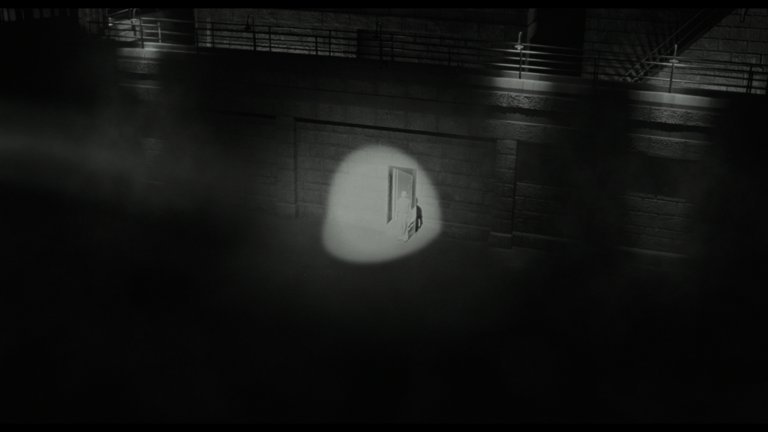
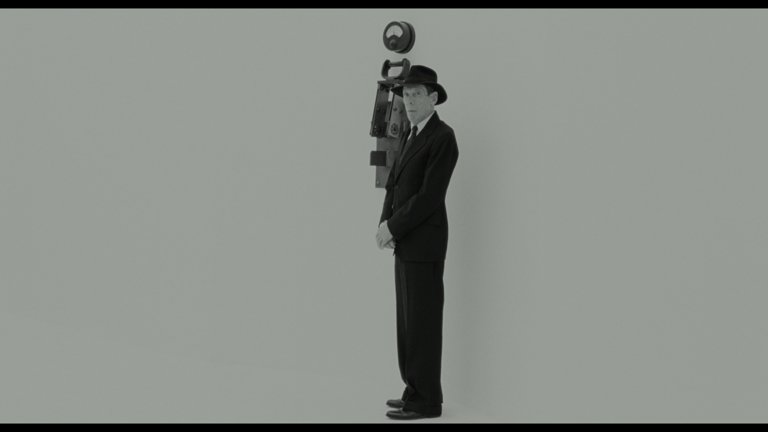
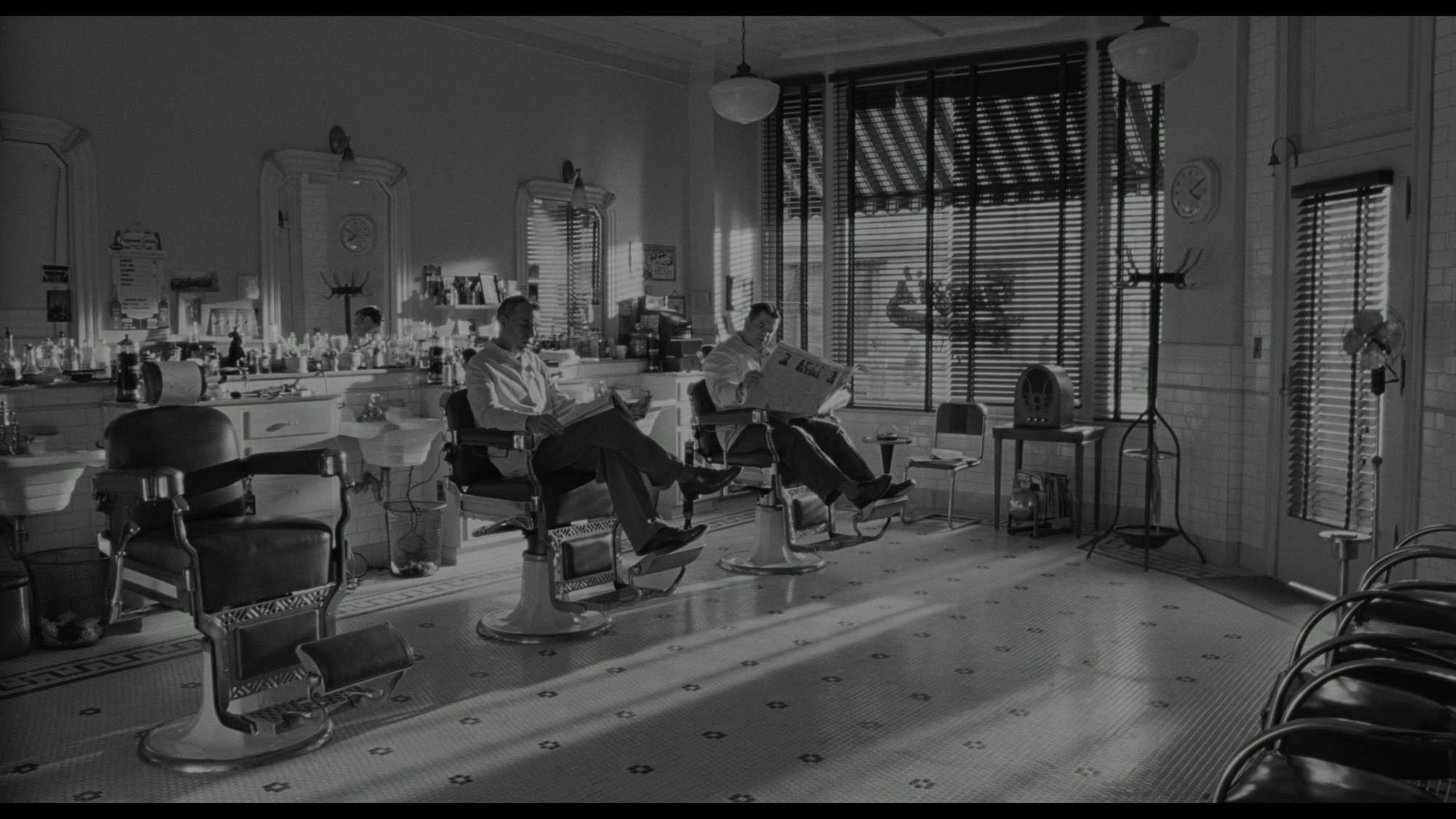
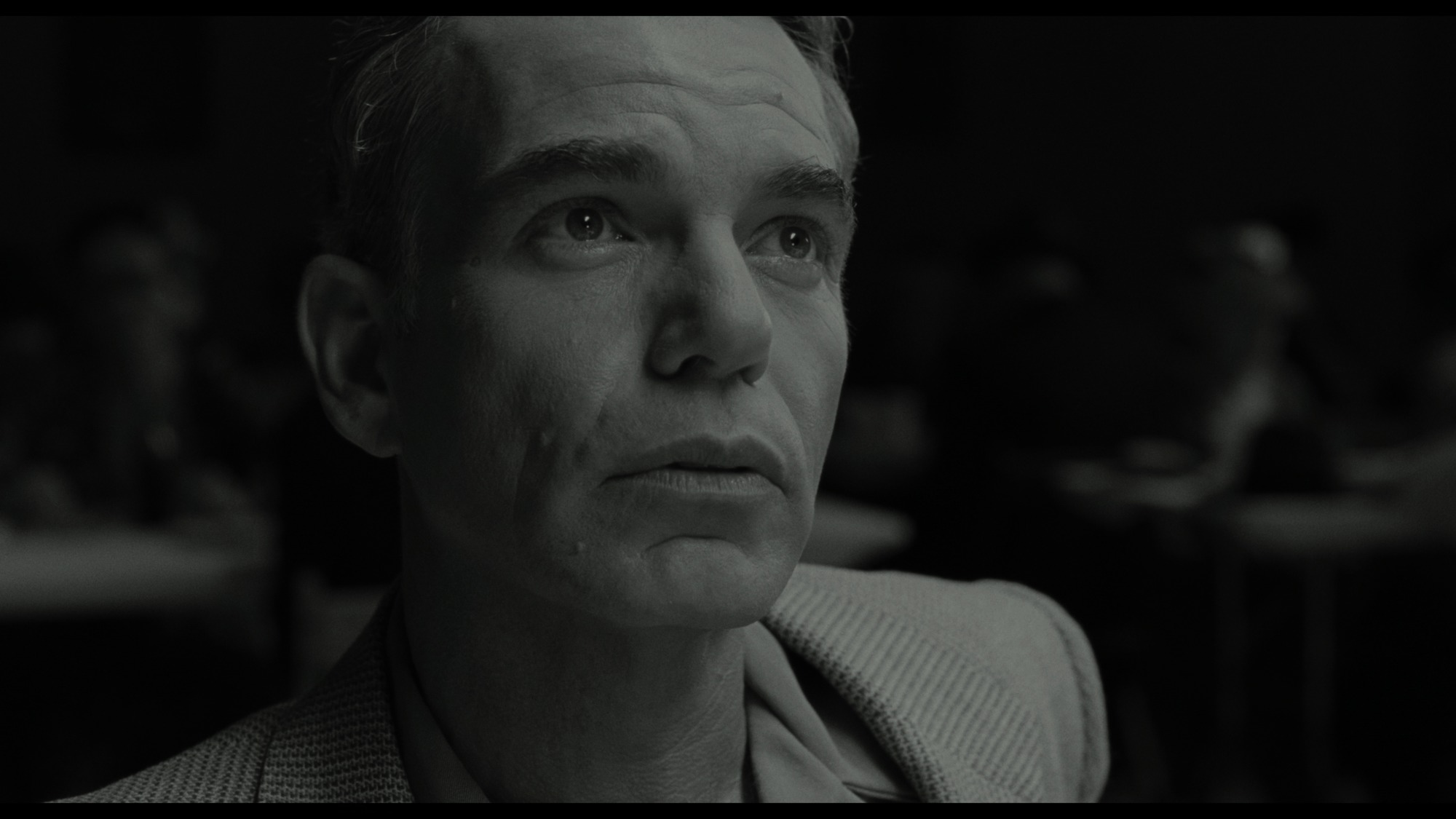
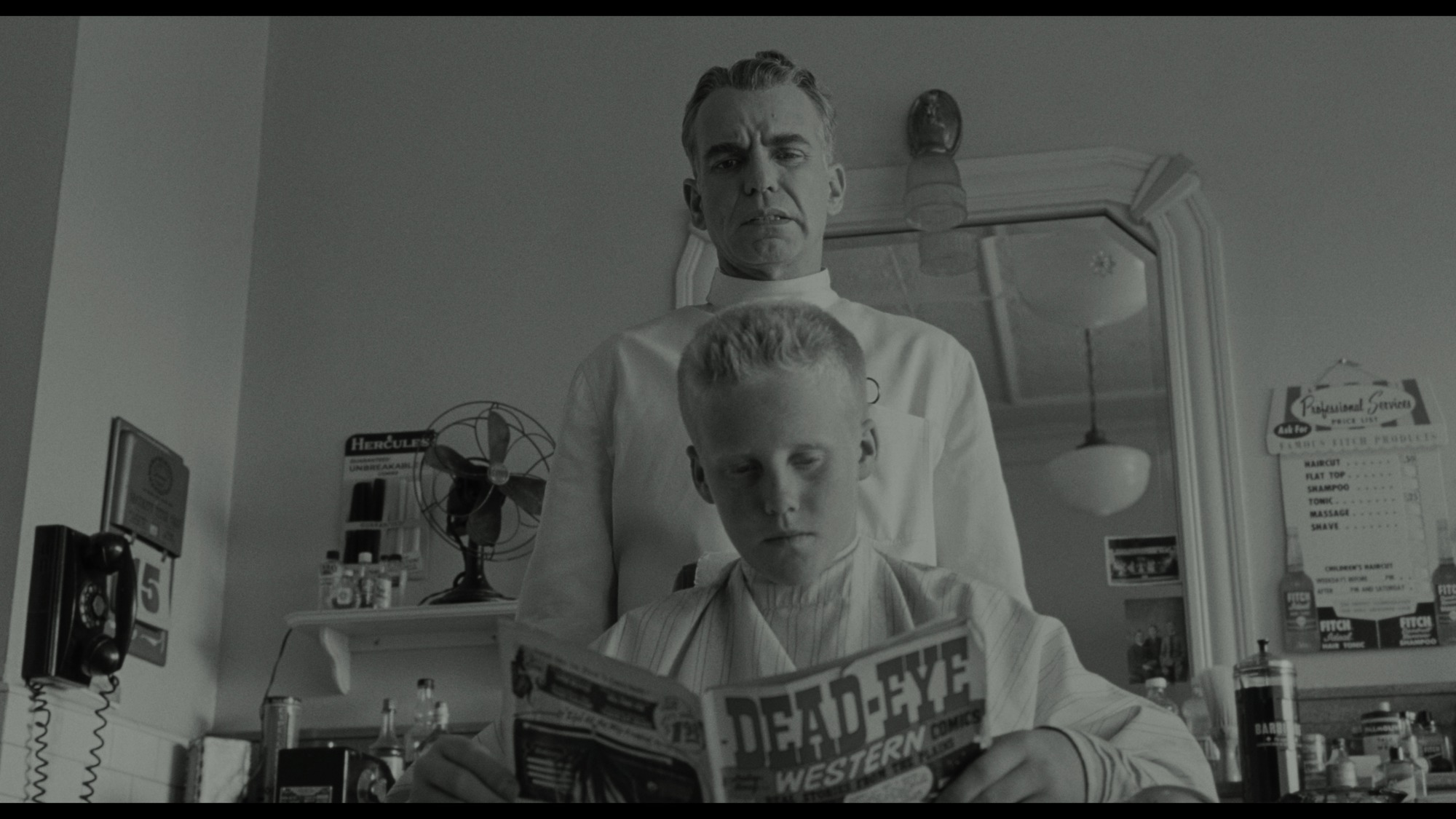
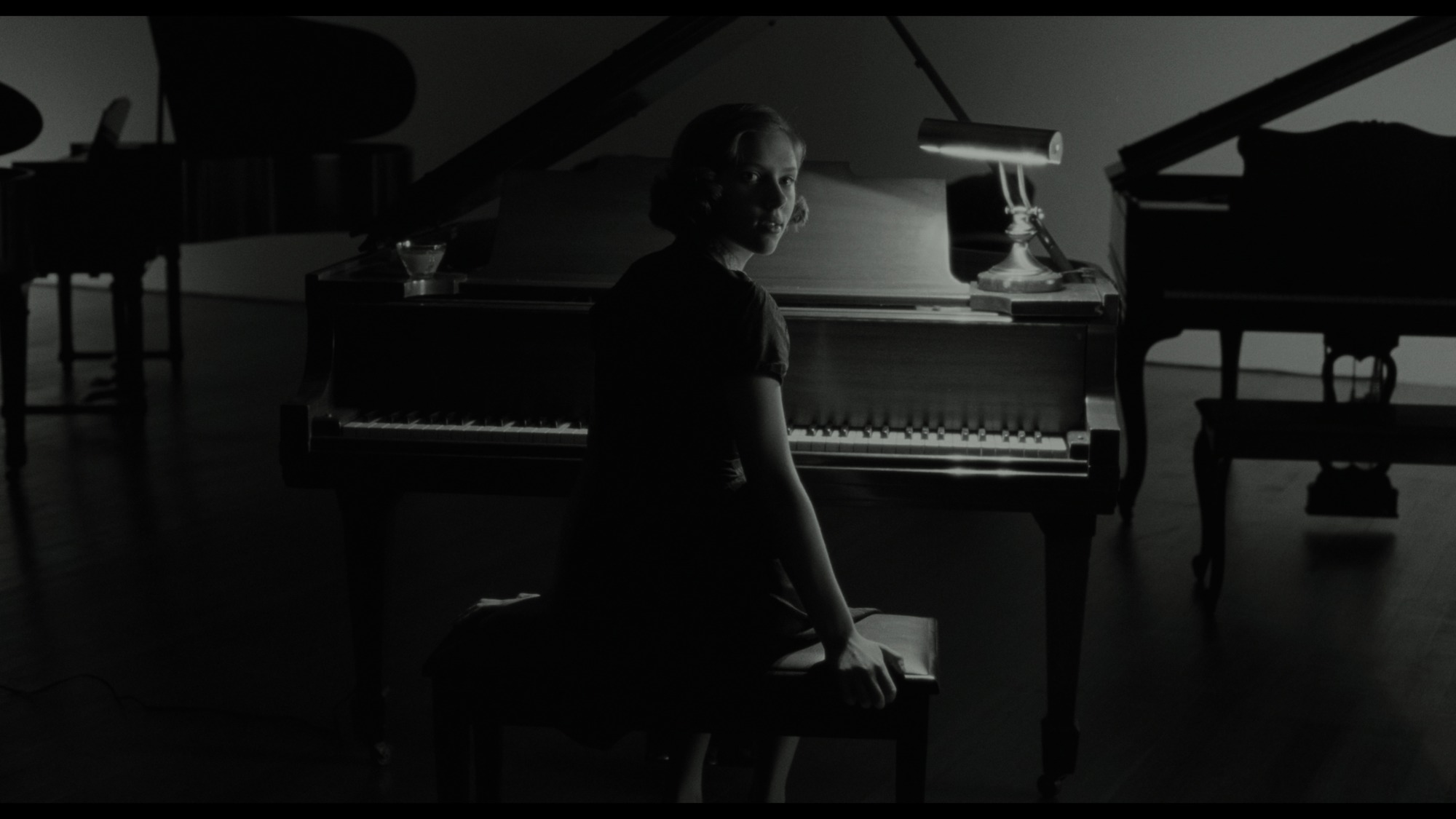
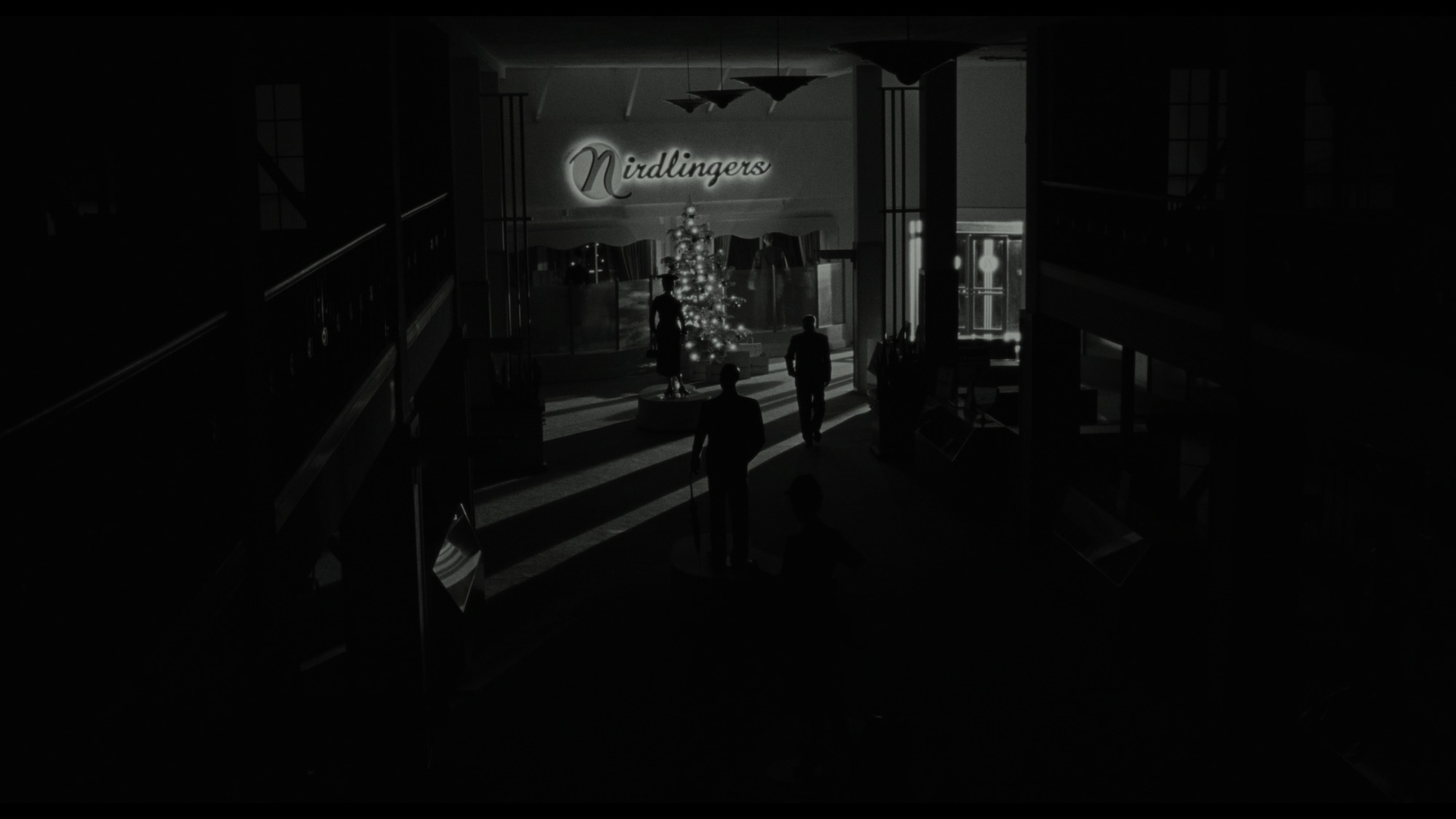
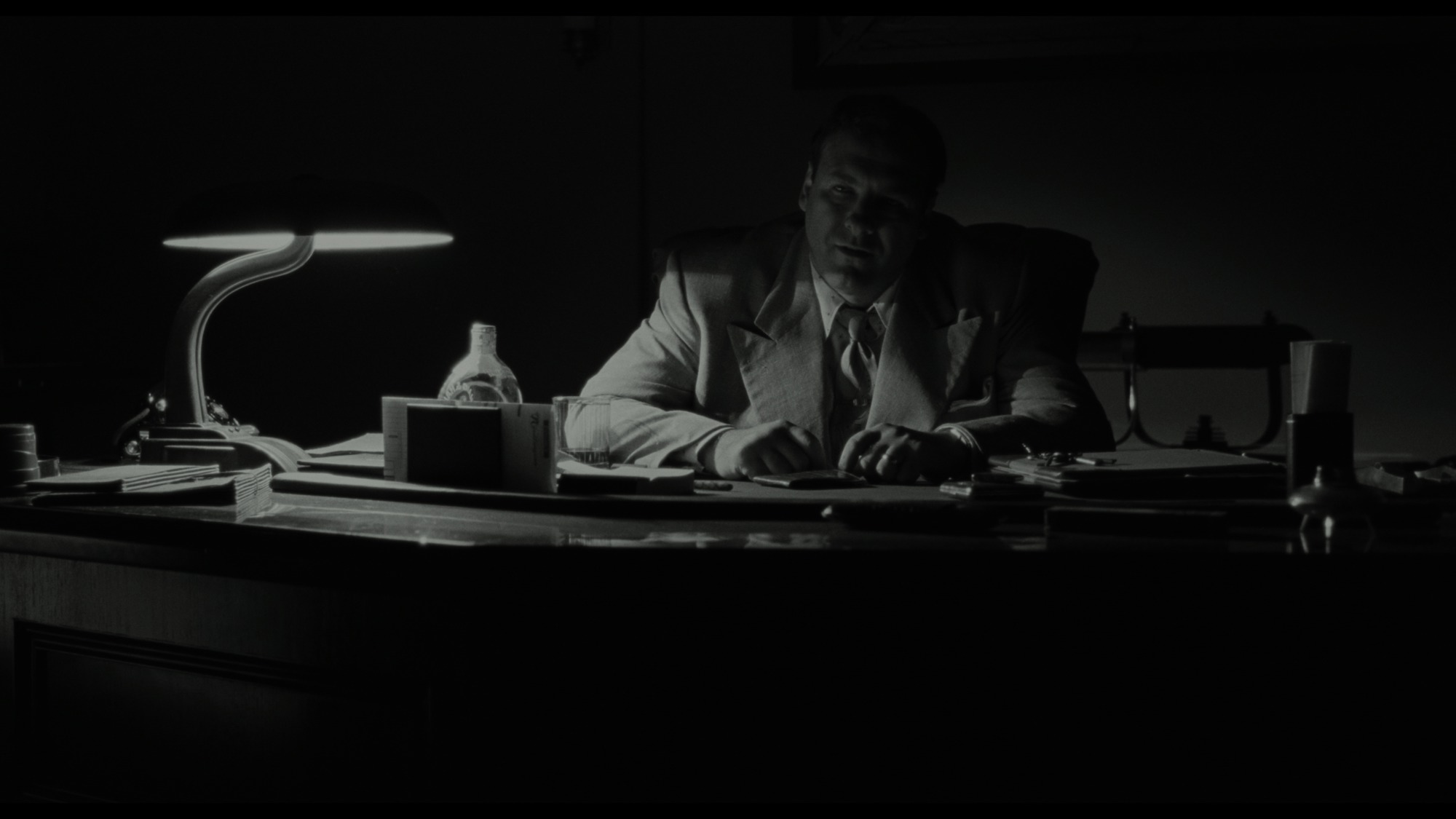
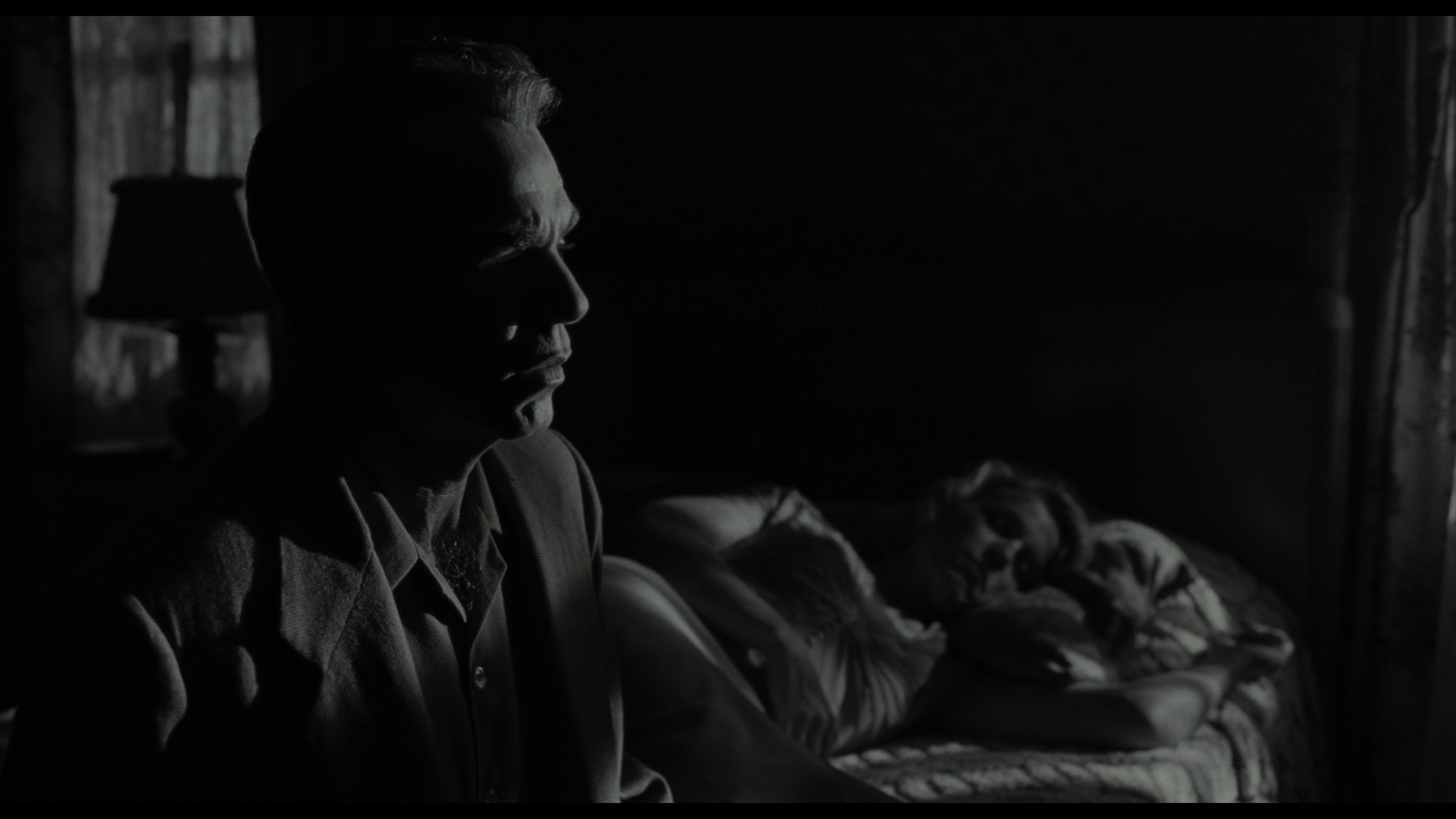
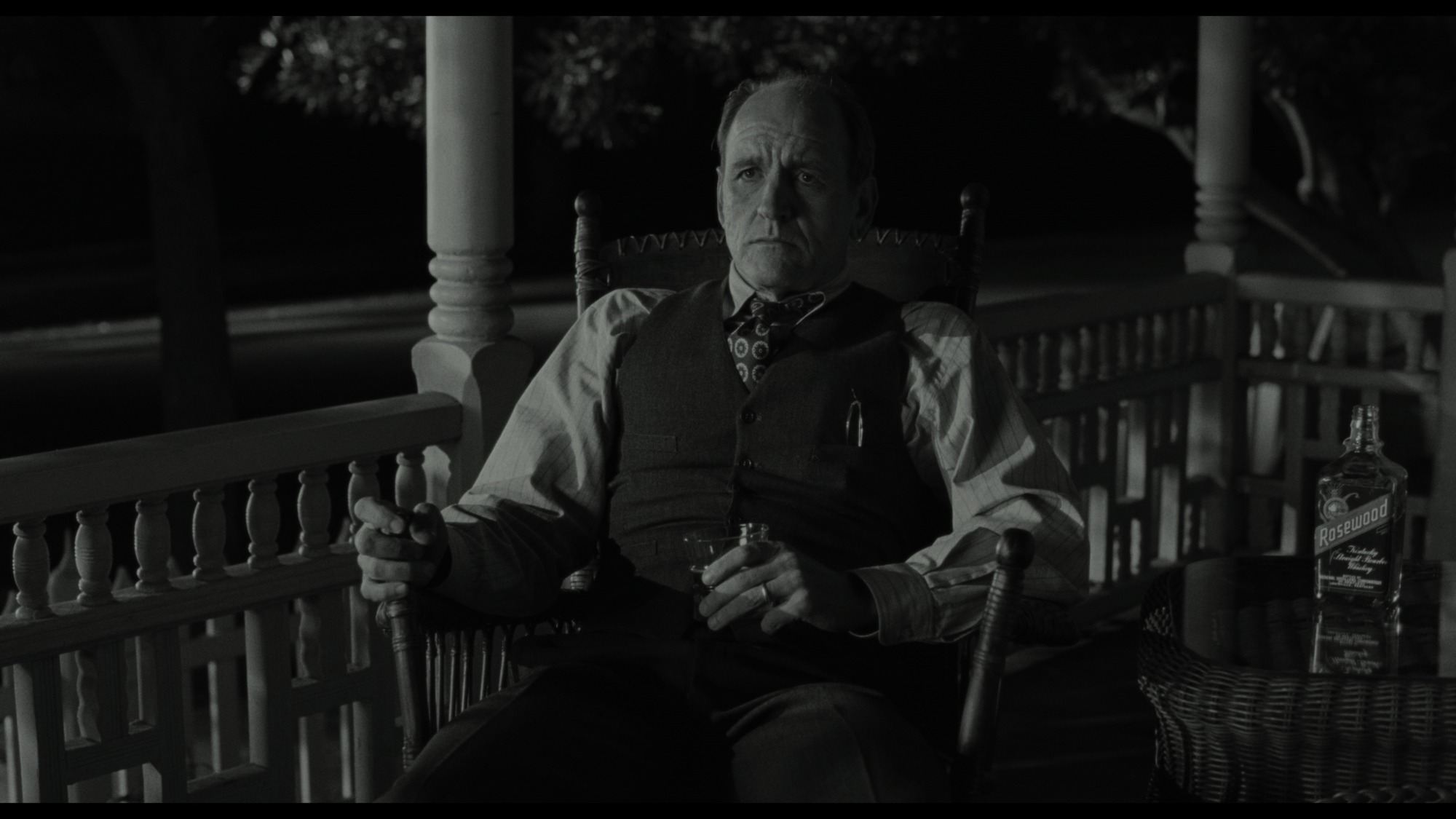
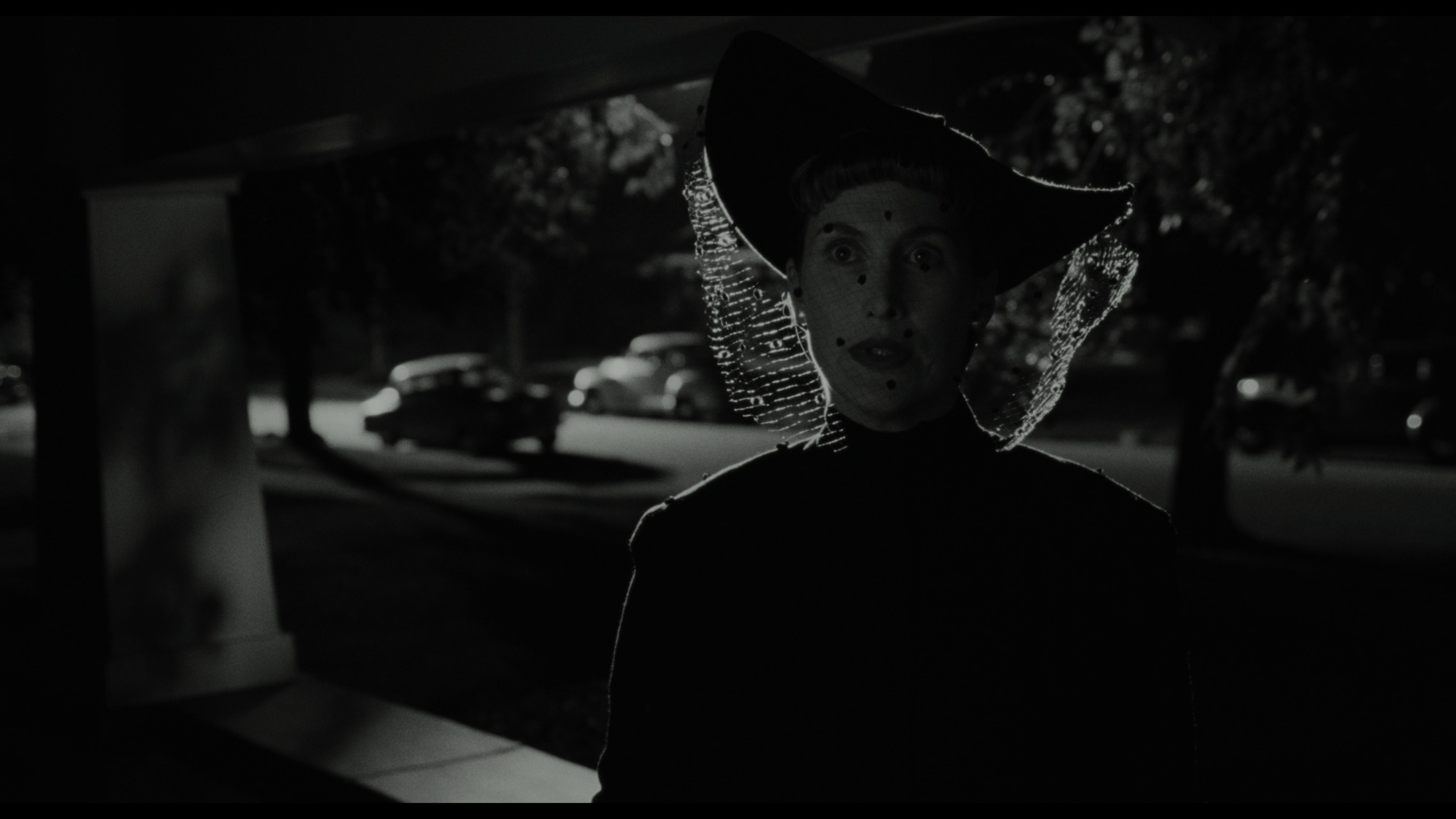
But the real upgrade comes with the addition of HDR and Dolby Vision, which do wonders for the black-and-white photography. Contrast is superb, with an expansive range that pulls remarkable detail out of the shadows. The scene where Thornton’s Ed walks into Gandolfini’s Big Dave’s dark office—Big Dave sitting behind his desk illuminated by a single lamp—is one of the more striking moments, where you can just make him out with a glint in his eye. Another standout comes when Big Dave’s wife (Katherine Borowitz) visits Ed at night, the light delicately reflecting off the netting of her veil. And yet another is when Riedenschneider (Tony Shalhoub) delivers his plan in the smoky interview room, the light squarely focused on the table. There are countless other examples, too numerous to mention. It looks extraordinary, with blacks never crushing detail and highlights maintaining the same, even during the film’s bright climax set in a stark white room.
In all, it looks amazing. Incredibly sharp, with terrific depth and gorgeous shadows, never faltering. I’m especially impressed with the grading, which looks superb and, given that they were working from color elements, I assume was accomplished digitally. You certainly can’t tell. The result is a gorgeous, filmic presentation that absolutely does Deakins’ photography justice.
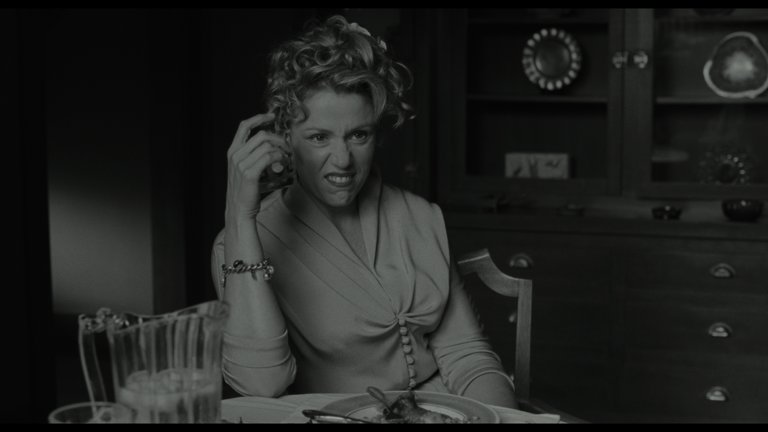
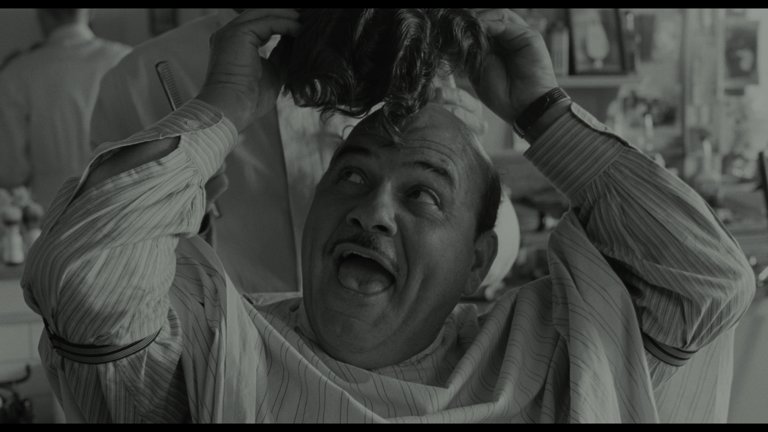
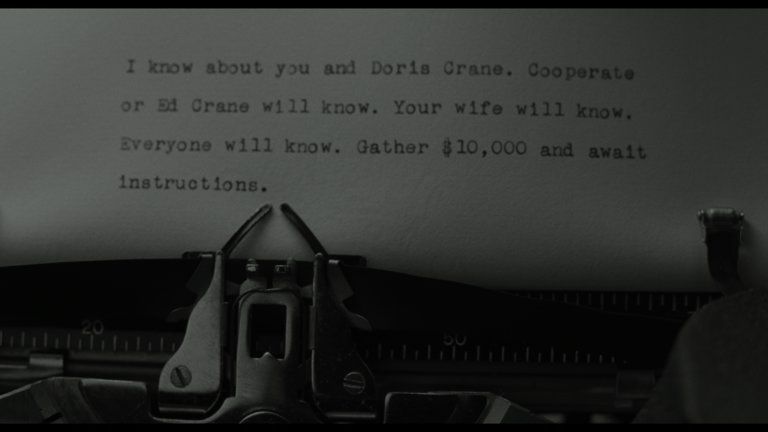
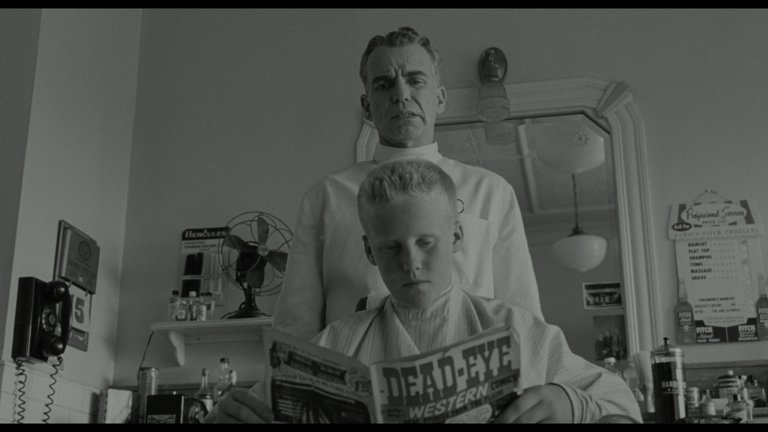
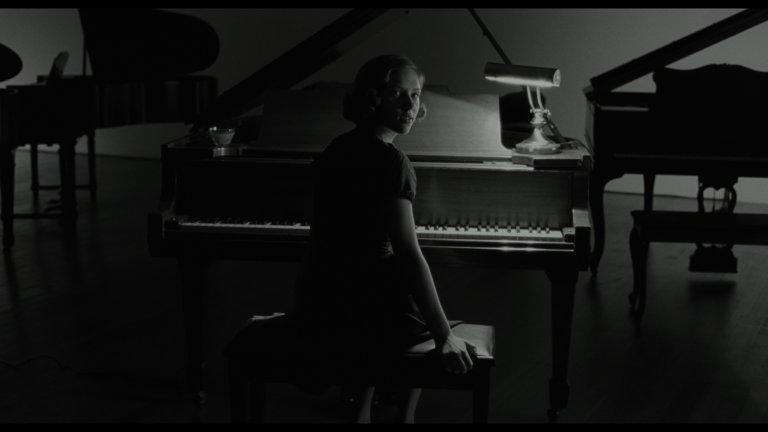
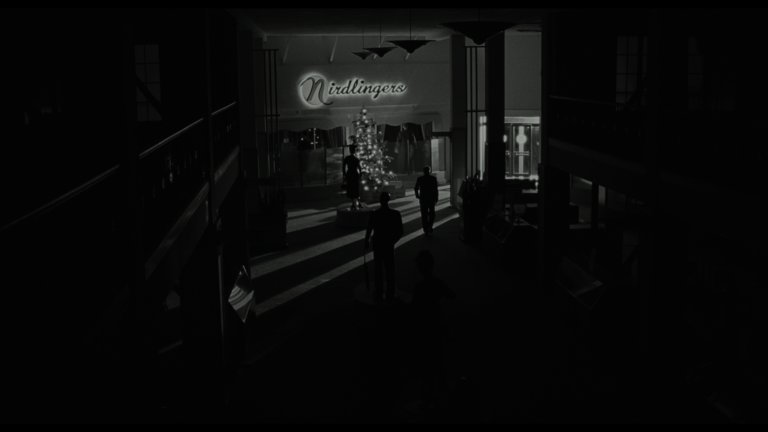
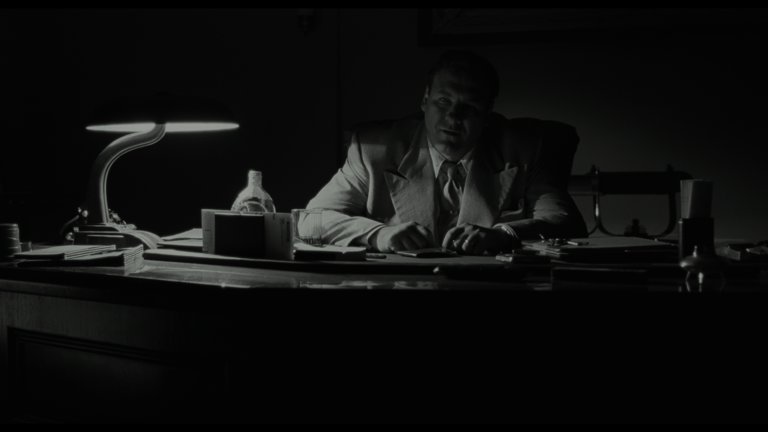
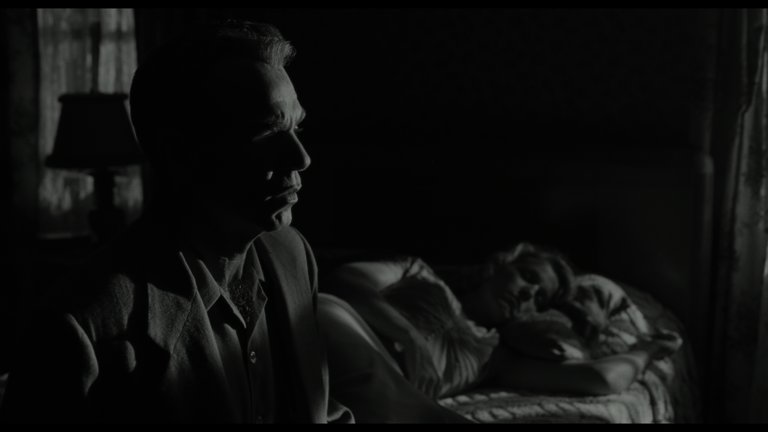
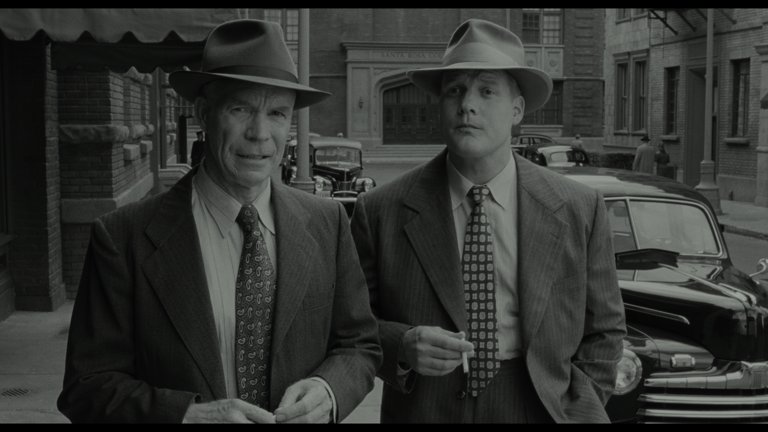
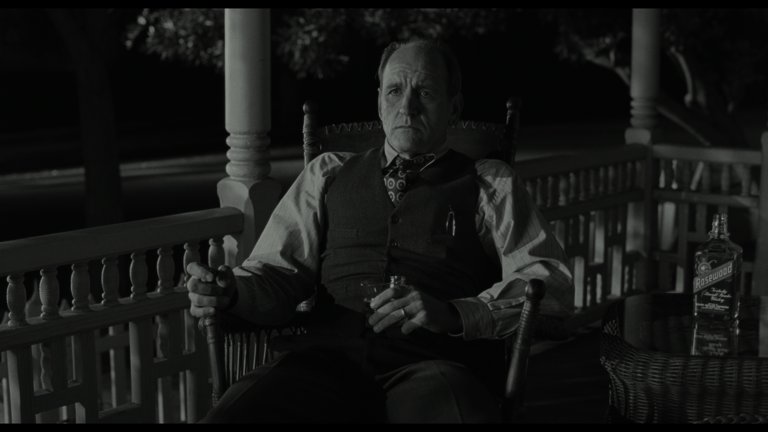
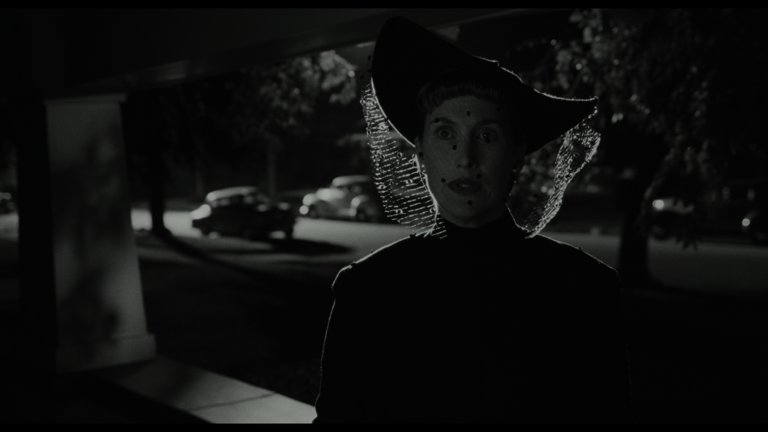
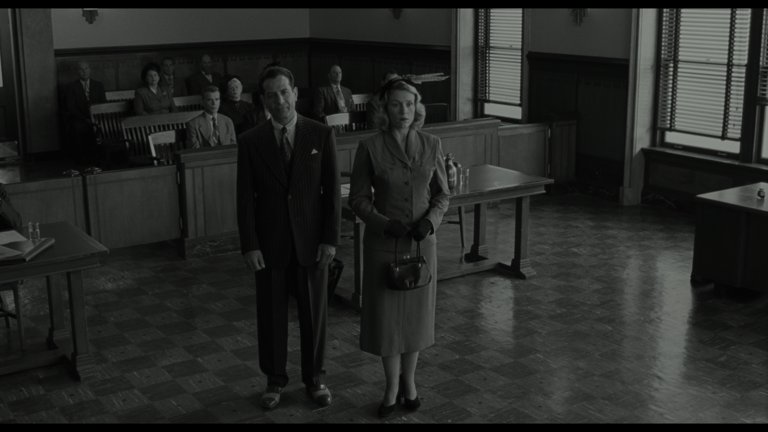
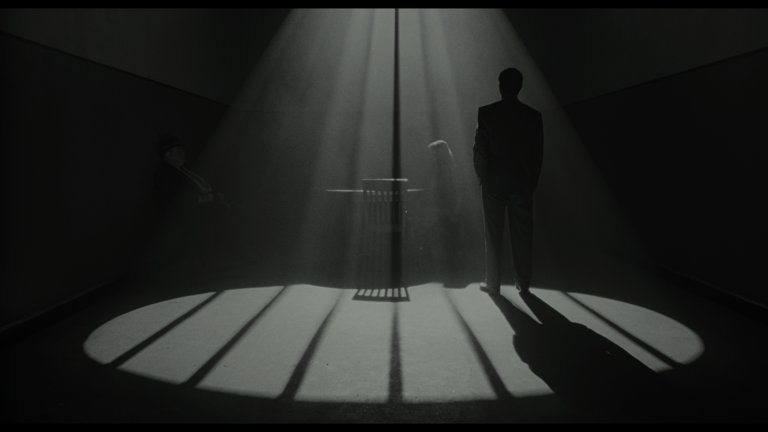
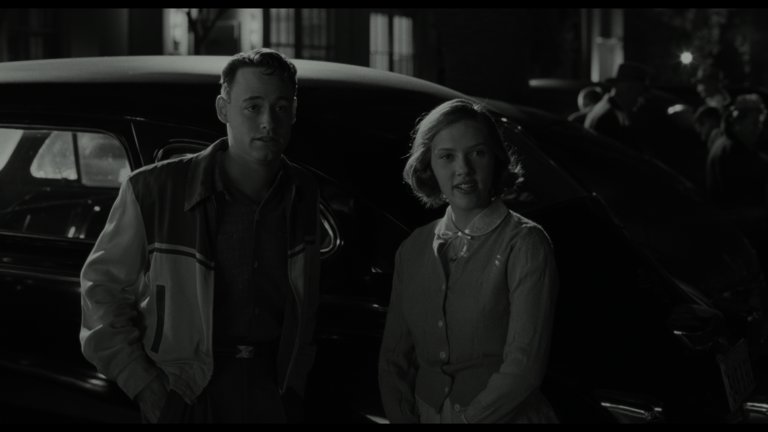
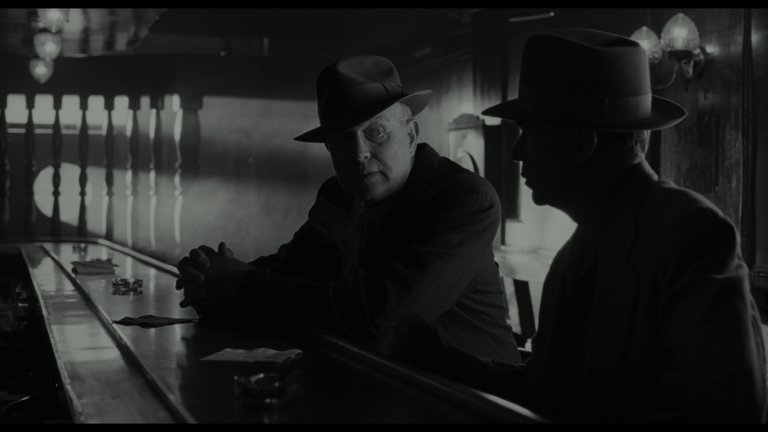
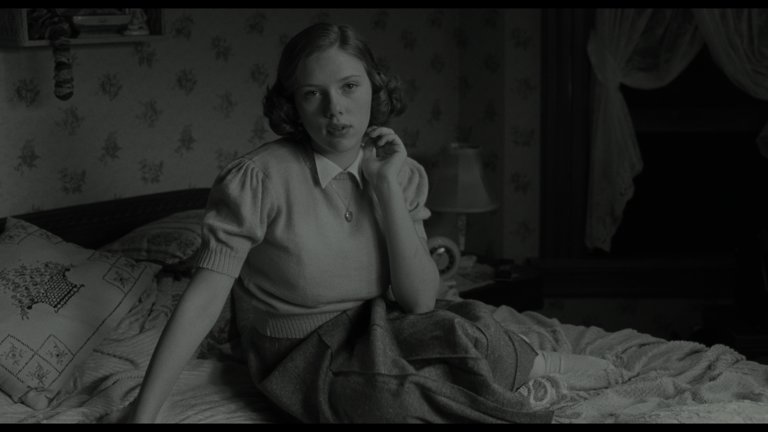
The Man Who Wasn't There - Screen Captures
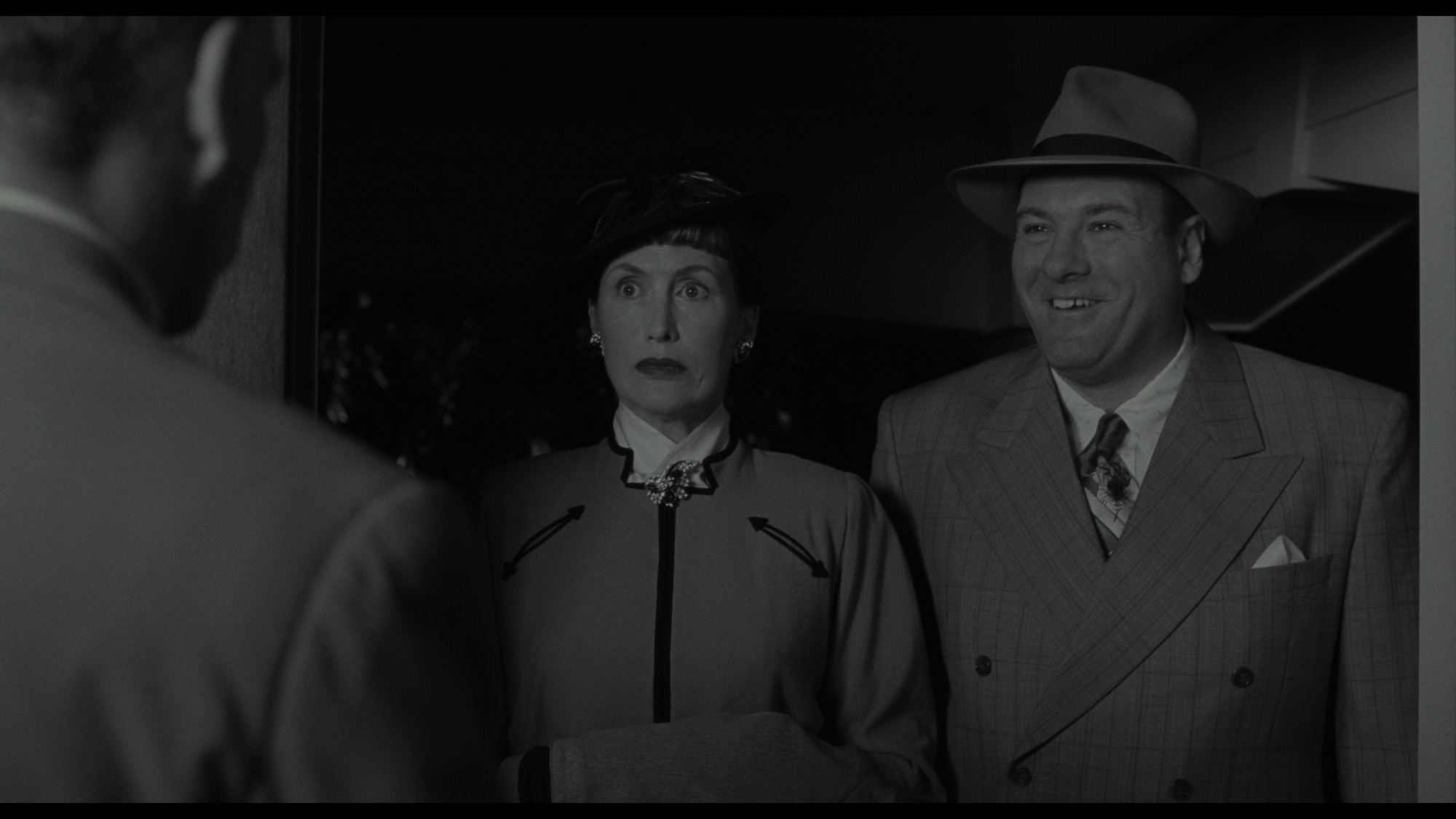
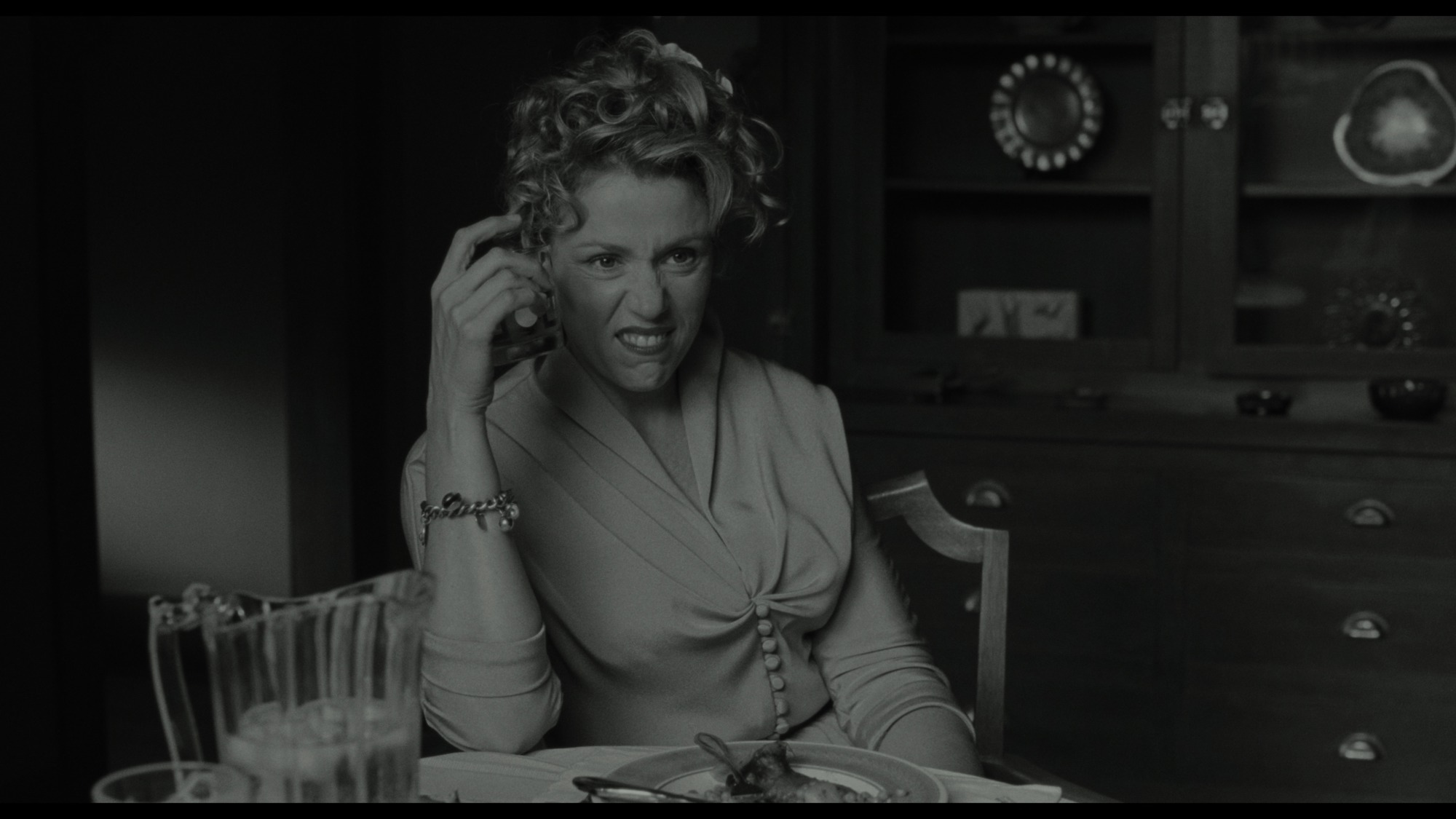
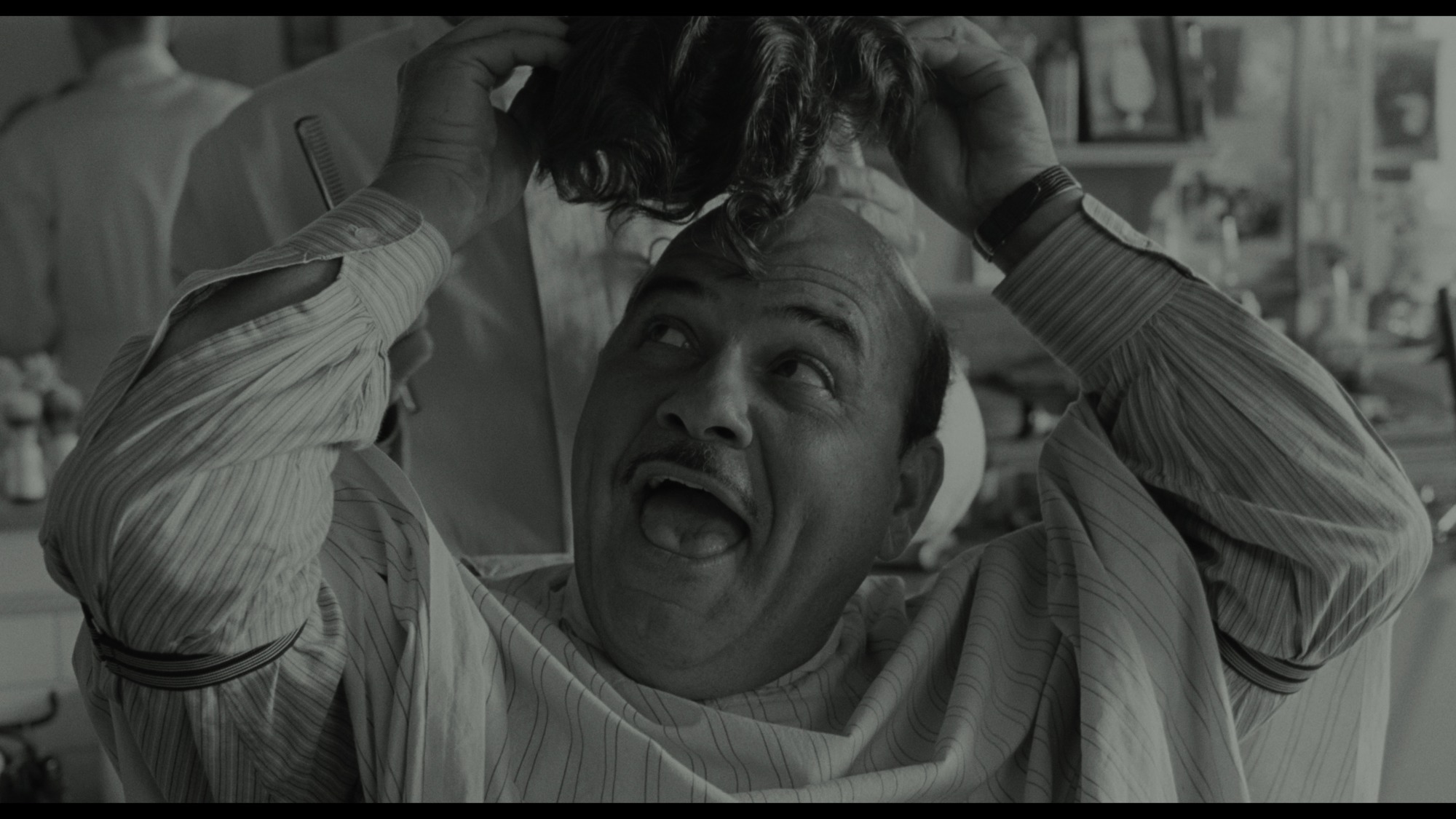
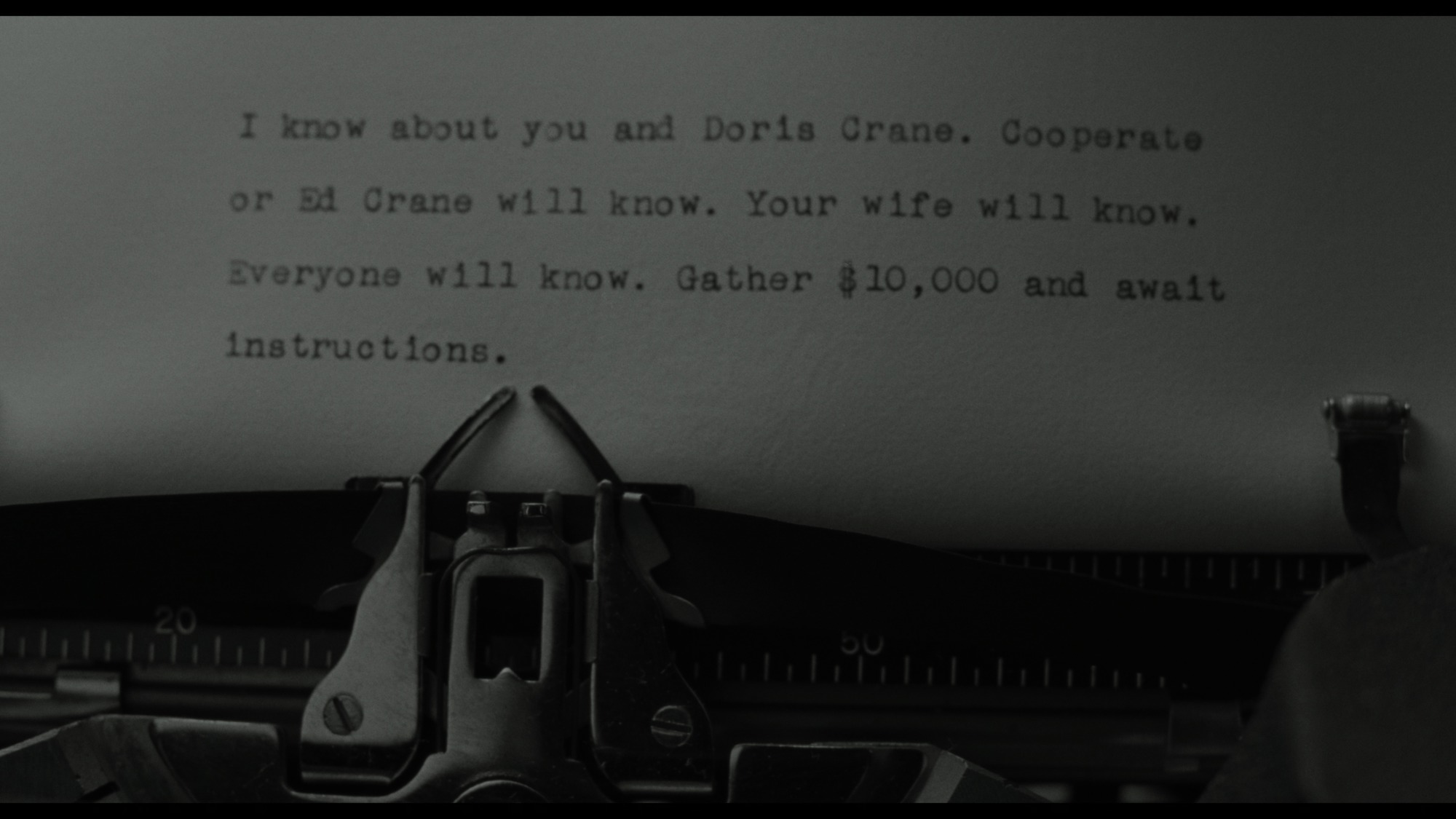
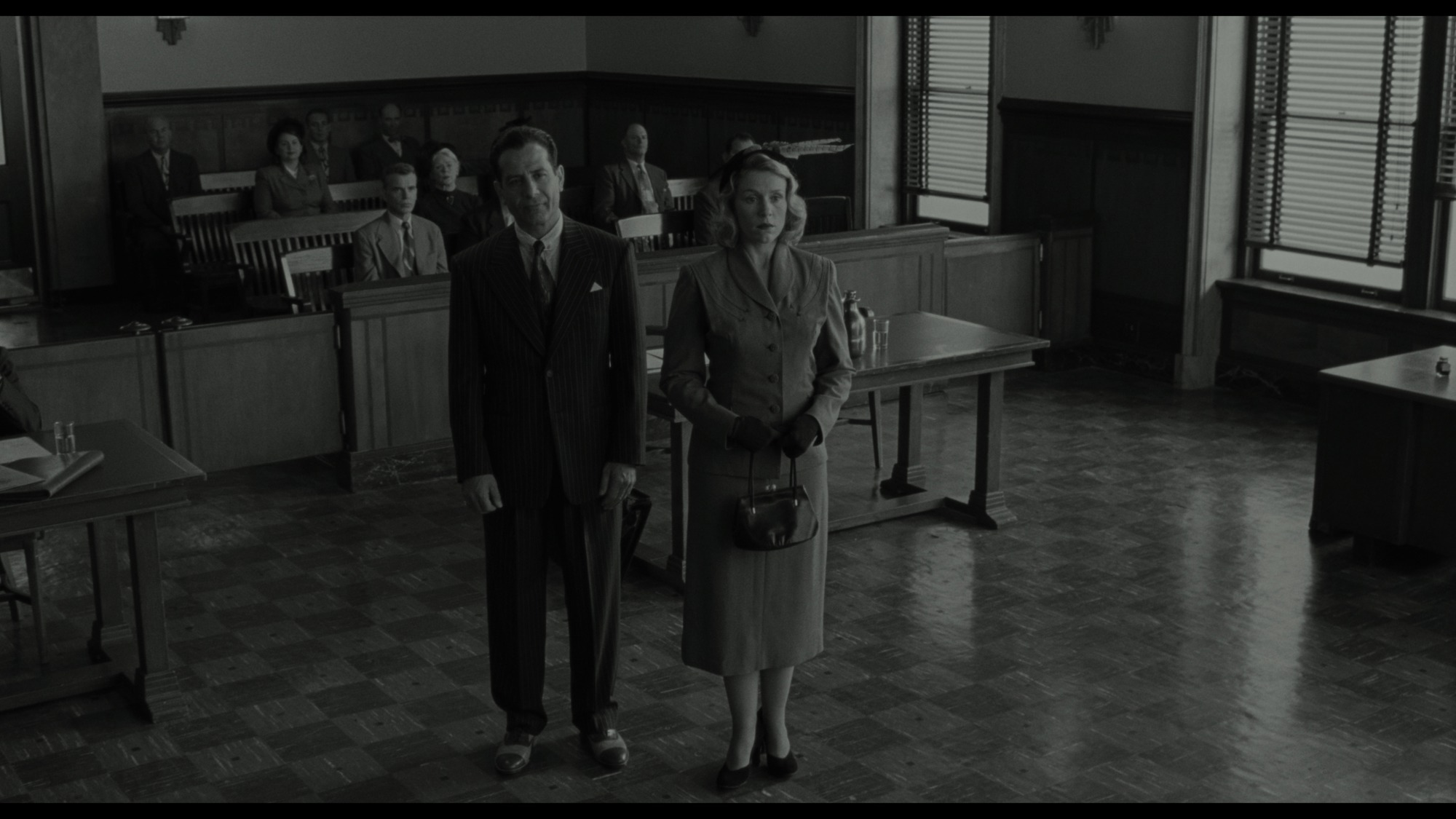
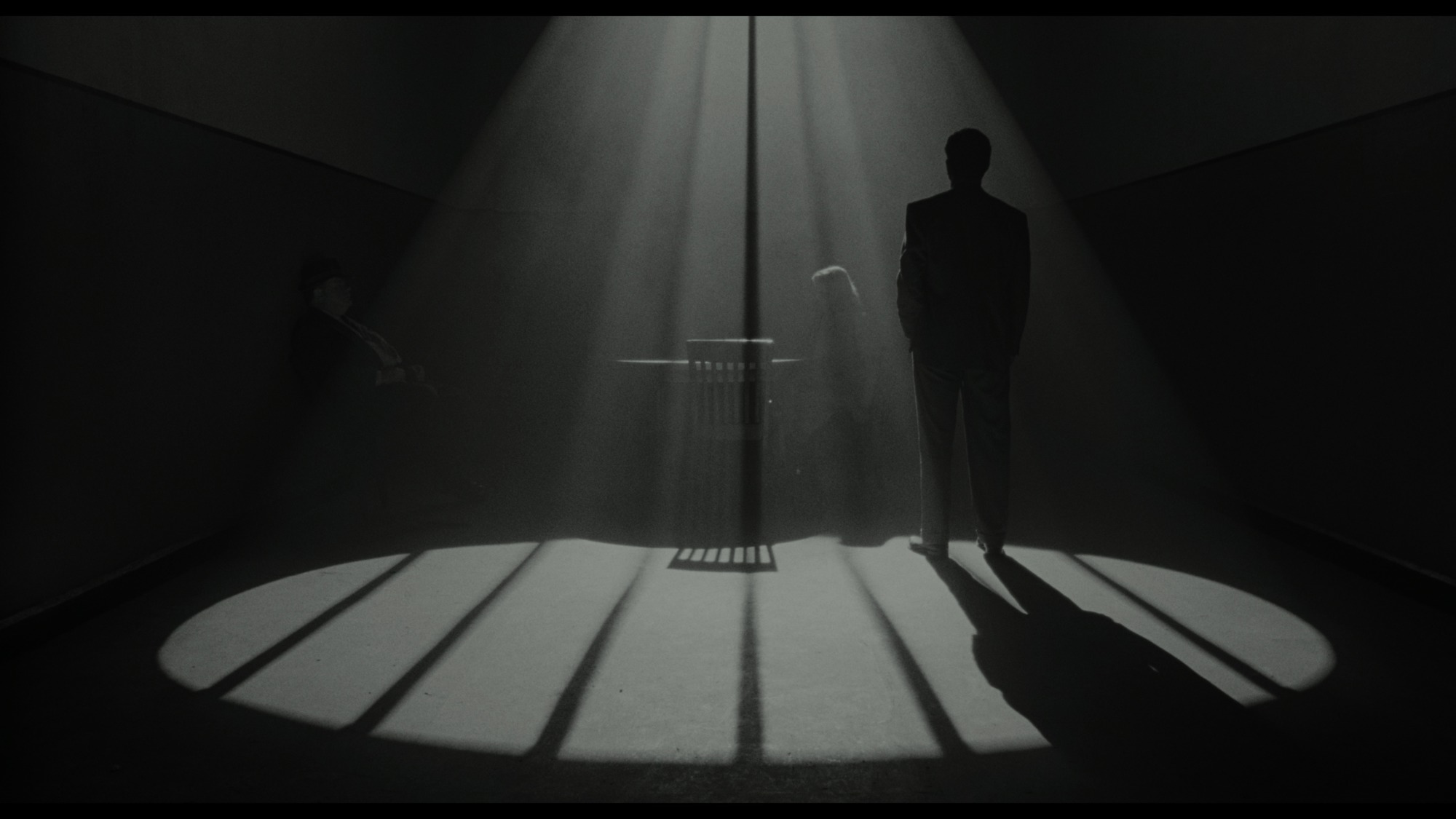
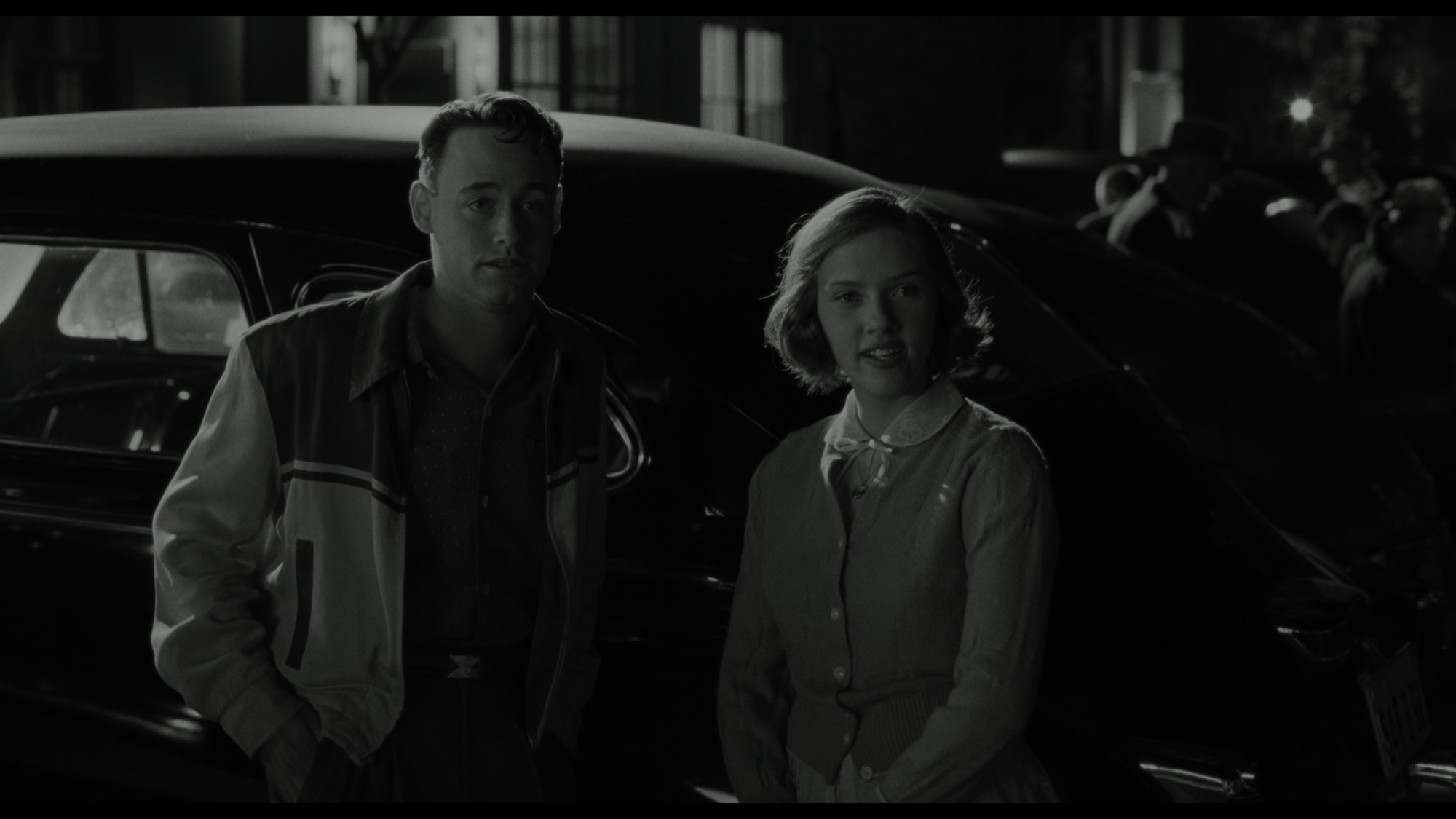
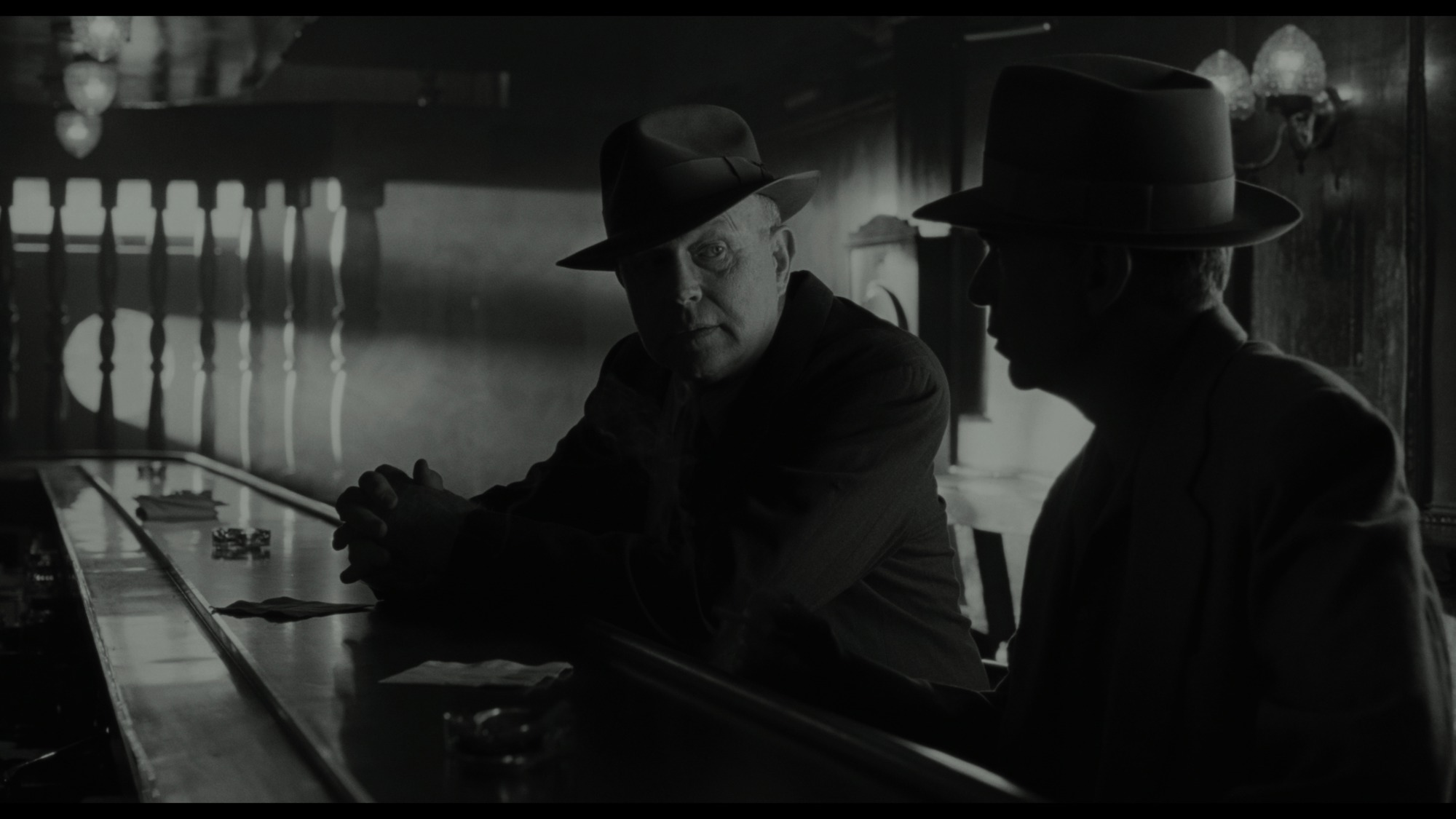
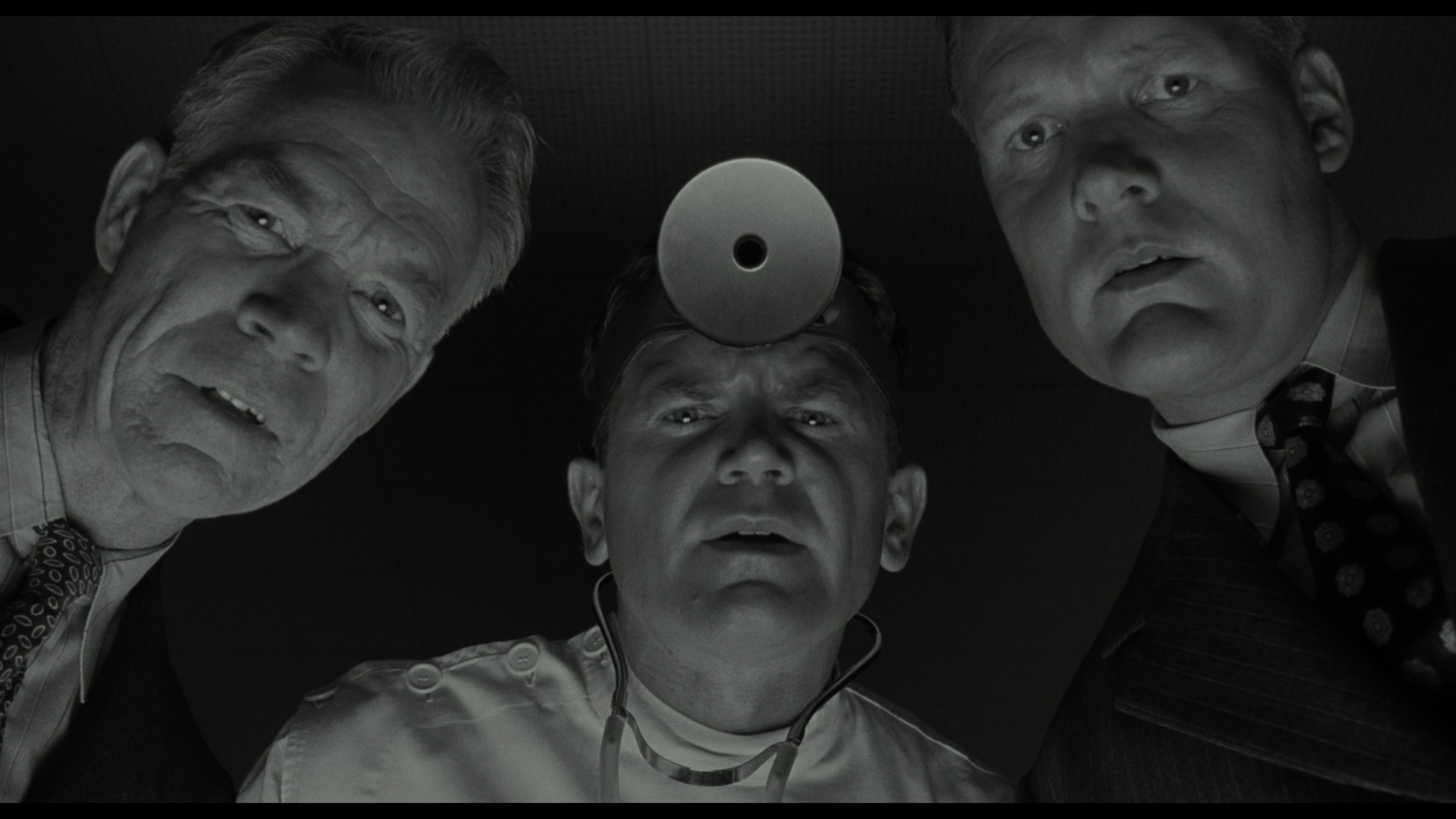
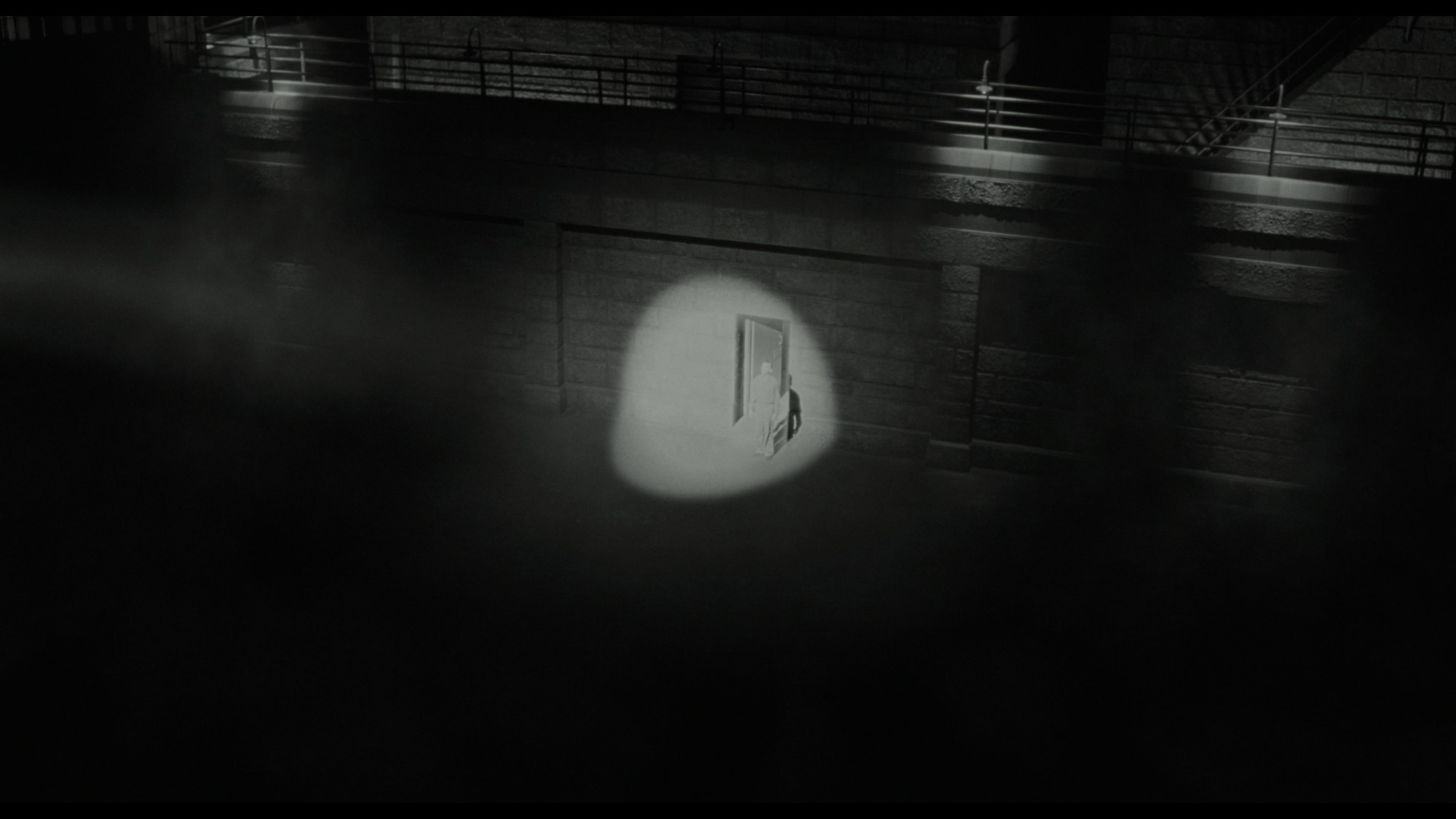
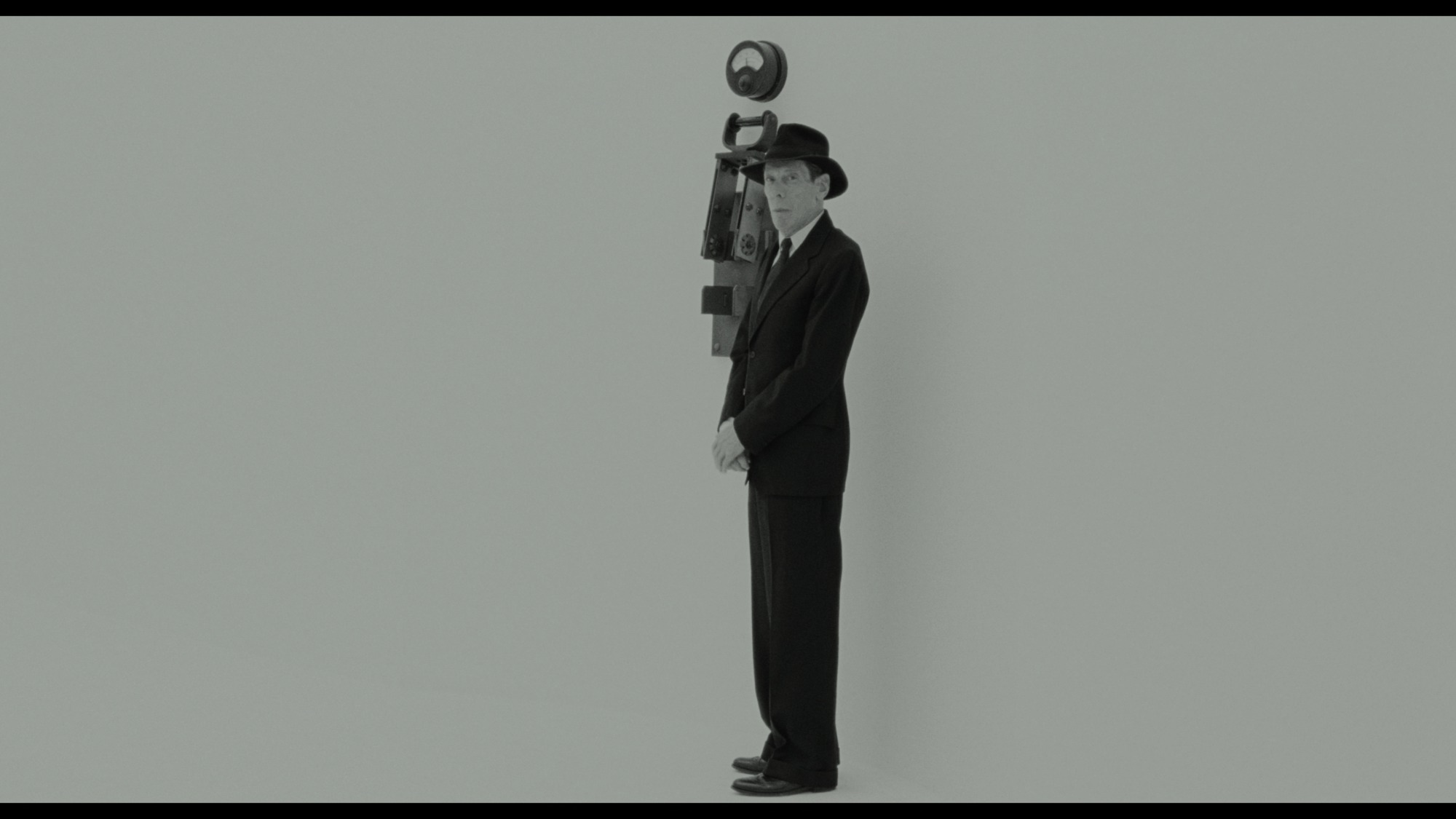
Audio 8/10
The film comes with a 5.0 surround soundtrack delivered in a DTS-HD MA 5.1 container. Like its main character, the audio presentation is fairly subdued. Dynamic range is limited and volume levels rarely reach any notable heights (outside of a few more boisterous characters), but there’s a subtle richness to the track, particularly in how Carter Burwell’s score is mixed through the environment. The mix also effectively captures ambient details, from the low murmur of a party scene to the faint echo in an interview room. It may not be showy, but it proves quietly striking in the end.
Extras 8/10
The release includes a decent selection of supplements, though most are recycled from the previous DVD and Blu-ray editions. It starts with the audio commentary featuring the Coens alongside actor Billy Bob Thornton, recorded in 2004 and included on both the 4K disc and the Blu-ray. I don’t believe I had actually gotten around to listening to this one before, which is a little disappointing because it proves to be quite a bit of fun. The backstory of the project is amusing, to say the least, the idea having been borne from a prop—a poster showing different types of haircuts—used in The Hudsucker Proxy. The two then get into the story and explain some of the influences behind it before spending a fair amount of time discussing the development of Ed and his “mannerisms,” including the “Ed nod.” Thornton has quite a bit to say about finding the right tone for the performance (he wanted to avoid overt “noir” acting), while the Coens lean more technical, explaining the film’s look and how director of photography Roger Deakins achieved it. It’s also a little funny hearing them introduce this “great new actor,” Scarlett Johansson, whom they were thrilled to work with, noting what she brought to the role and how she even pushed back in places, something they ultimately seemed to agree improved the scenes in question. Be sure to listen through the end credits as well, where the three recount some funny anecdotes about the interviews they gave while promoting the film.
It’s a strong track that covers a lot of ground, yet surprisingly the Coens manage to go even deeper in a brand-new interview with Megan Abbott, recorded exclusively for this edition and found on the standard Blu-ray with the rest of the video supplements. Here the two speak further about their influences, focusing more specifically on how James M. Cain’s work inspired the film, even pointing out familiar plot parallels, and they discuss how certain characters were shaped by figures from classic noir. They also delve again into the film’s visual design, explaining why it was shot on color stock (partially due to financing requirements that a color version be available for overseas markets) and detailing the development process used to achieve the final black-and-white look, praising Deakins throughout. The interview features visual comparisons between the original color footage—presented raw and uncorrected—and the finished black-and-white version, which proves fascinating. They also touch on the actors and their performances and, of course, the recurring references to flying saucers. Abbott has done a few of these interviews with the Coens now, and they’ve all been terrific; this one can be added to that pile. I’m certainly hoping for more of these on (possible?) future releases of their work.
Still, that sadly marks the only new addition. The rest of the material is archival or has been carried over from previous editions, though at least partially repurposed here. A 13-minute interview with Roger Deakins from 2004 once again covers the film’s visual approach and includes further comparisons between the color and black-and-white footage sourced from the new restoration. Deakins discusses the use of color stock and the leap of faith involved in hoping the process would ultimately yield the desired results. He also gets somewhat technical, explaining that—beyond the financing requirements—black-and-white stock at the time had not advanced in the same way color stock had, further necessitating the approach they took. It’s all genuinely interesting, but it does highlight one of the larger shortcomings of the package: there is nothing here about the new 4K restoration itself or how it was accomplished, which feels like a missed opportunity.
The remaining material largely replicates what appeared on earlier releases, though oddly no trailer has been included. This includes a 10-minute making-of featurette featuring interviews with the Coens and members of the cast, along with behind-the-scenes footage, and roughly four minutes of deleted scenes. These consist of a few brief shots not included in the final cut, along with Tony Shalhoub’s full closing argument in court, which in the finished film is presented in excerpts and narrated over by Thornton. The included insert features an essay by crime writer Laura Lippman, offering a thoughtful analysis of the film and its themes.
I can live without additional academic material, but I’m still disappointed by the lack of coverage surrounding the new restoration, and I’m also a bit bummed there isn’t more material from the color version (the complete cut would certainly have been interesting, though I understand why the Coens might not want that circulating widely). Overall, the supplements are solid, but if you’ve already explored the old material, outside of the admittedly excellent new interview, there isn’t a great deal here that will feel new.
Closing
Supplements are once again mostly recycled from previous releases (outside of one excellent new interview), but the brand-new 4K presentation looks unbelievable. It’s absolutely worth the upgrade on that alone.
BUY AT: