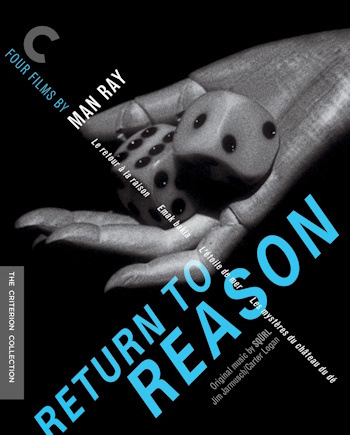
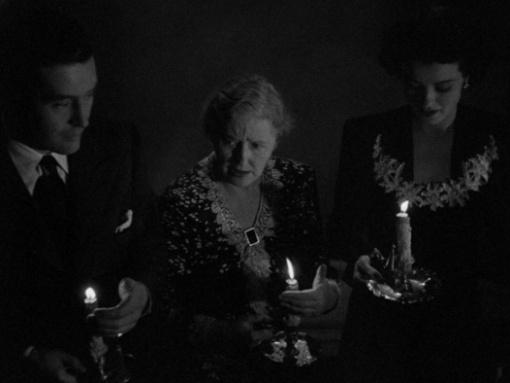
Return to Reason: Four Films by Man Ray

BUY AT:


See more details, packaging, or compare
Synopsis
The swirling surrealist dreams of Man Ray are high-water marks of 1920s avant-garde cinema, a nexus of cryptic themes, dark eroticism, and playful abstraction. Seemingly plucked from an unconscious realm, these four shorts—Le retour à la raison, Emak bakia, L’étoile de mer, and Les mystères du château du dé—find the visionary artist experimenting with the limitless possibilities of montage, superimposition, distortion, and even the application of objects directly onto celluloid. Set here to an ethereal score by the Jim Jarmusch–Carter Logan collaboration SQÜRL, these cine-poems are optical carnival rides that surprise, delight, and unsettle with each tantalizing frame.
Picture 8/10
The Criterion Collection presents four films by Man Ray in their new Blu-ray release Return to Reason. The dual-layer disc includes Le retour à la raison, Emak bakia, L’étoile de mer, and Les mystères du château du dé, all presented in their original 1.33:1 aspect ratio.
This release doesn’t function as a conventional shorts collection, like Criterion's Stan Brakhage sets, but instead mirrors a recent Janus Films theatrical presentation that screened all four films in sequence alongside a newly recorded score by SQÜRL, the duo formed by Jim Jarmusch and Carter Logan. That score originated as a live accompaniment the two toured with and performed at screenings before being fixed for the Janus release. Criterion’s Blu-ray preserves that specific incarnation rather than presenting the films as standalone works, with the films divided between 4 chapters.
For this project, all four films were restored in 2K, with all but Les mystères du château du dé sourced from first-generation nitrate prints. Fifth-generation elements were used to replace missing frames where necessary. Les mystères du château du dé itself was sourced from a third-generation nitrate print.
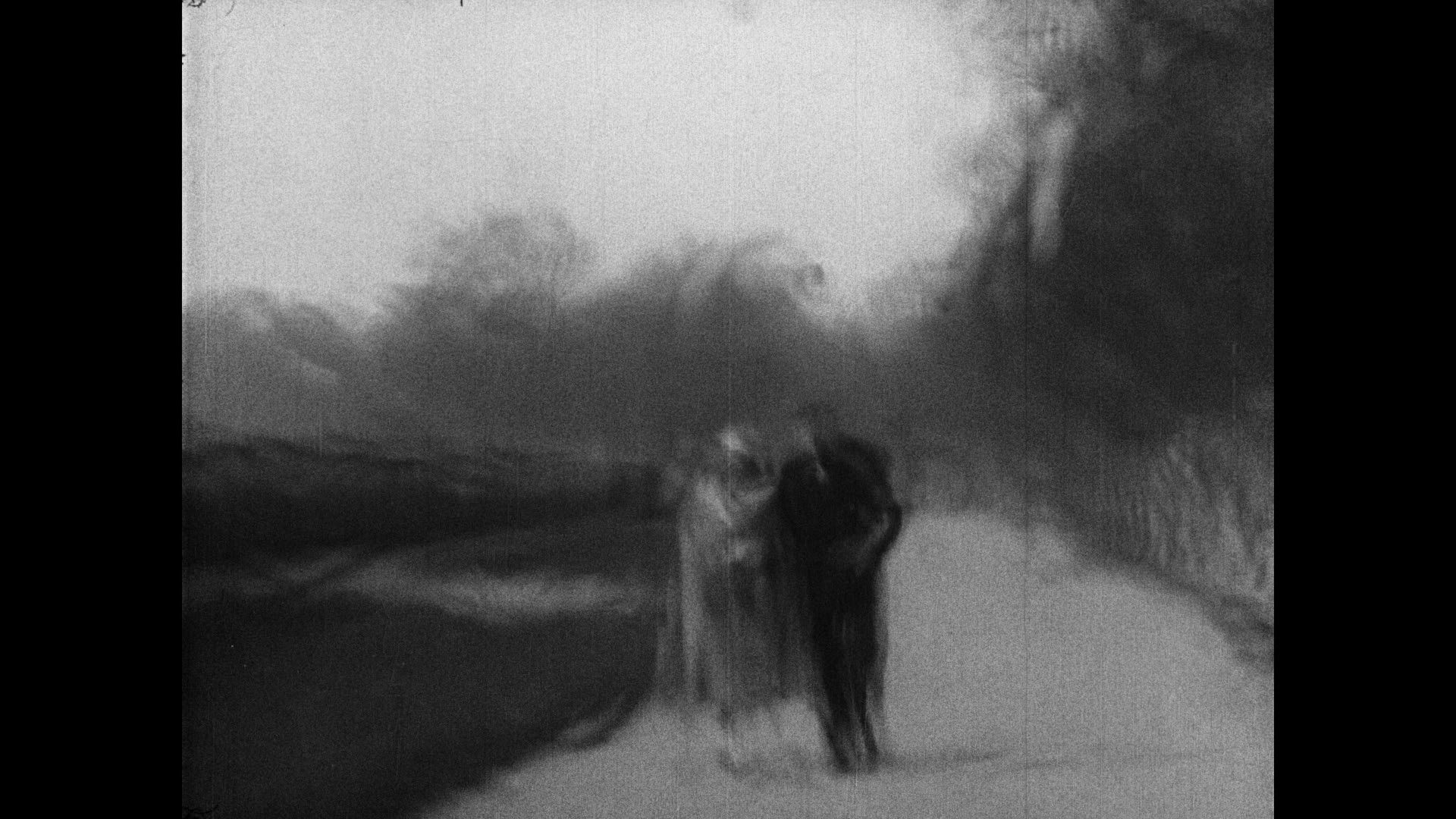
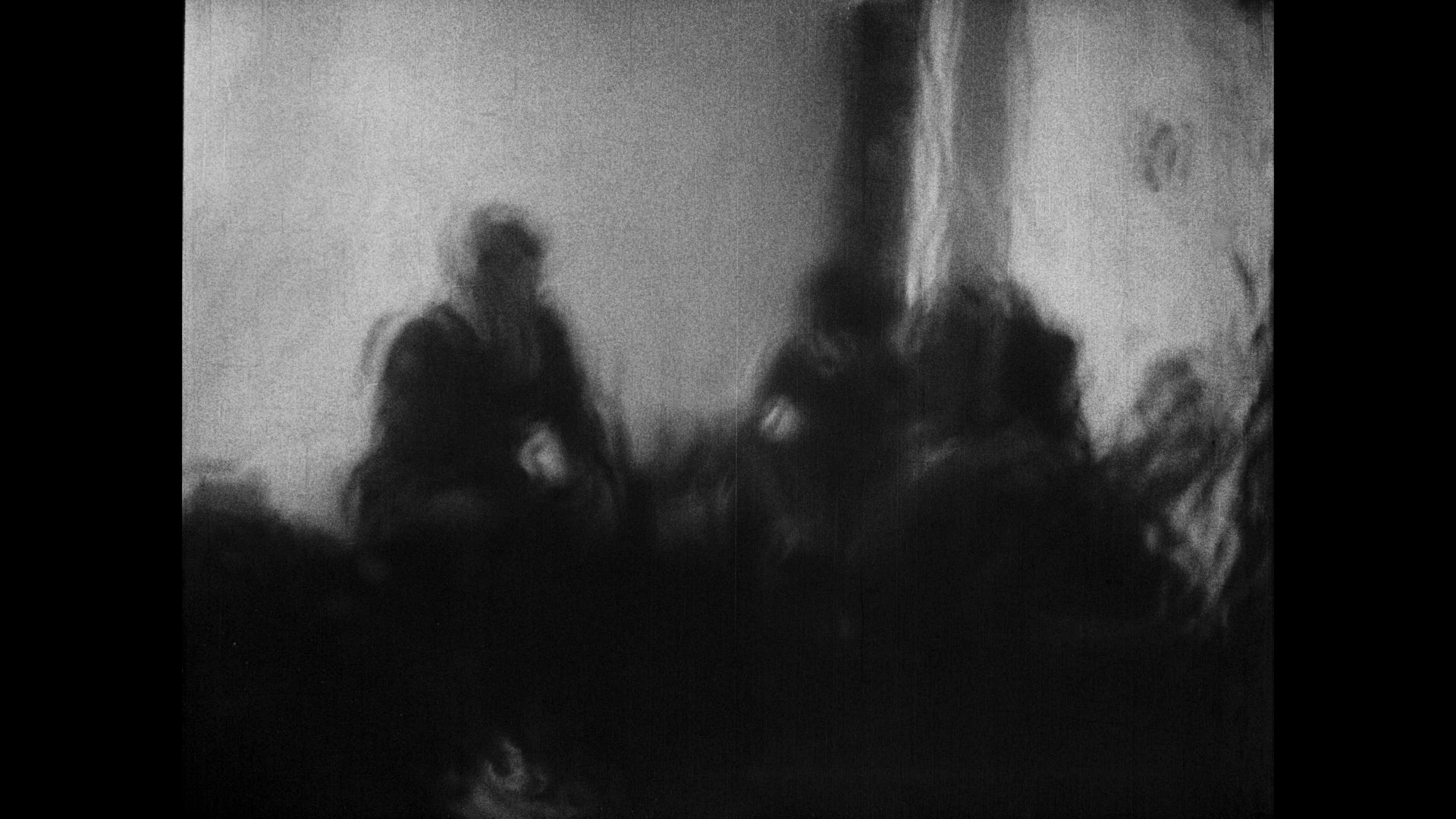
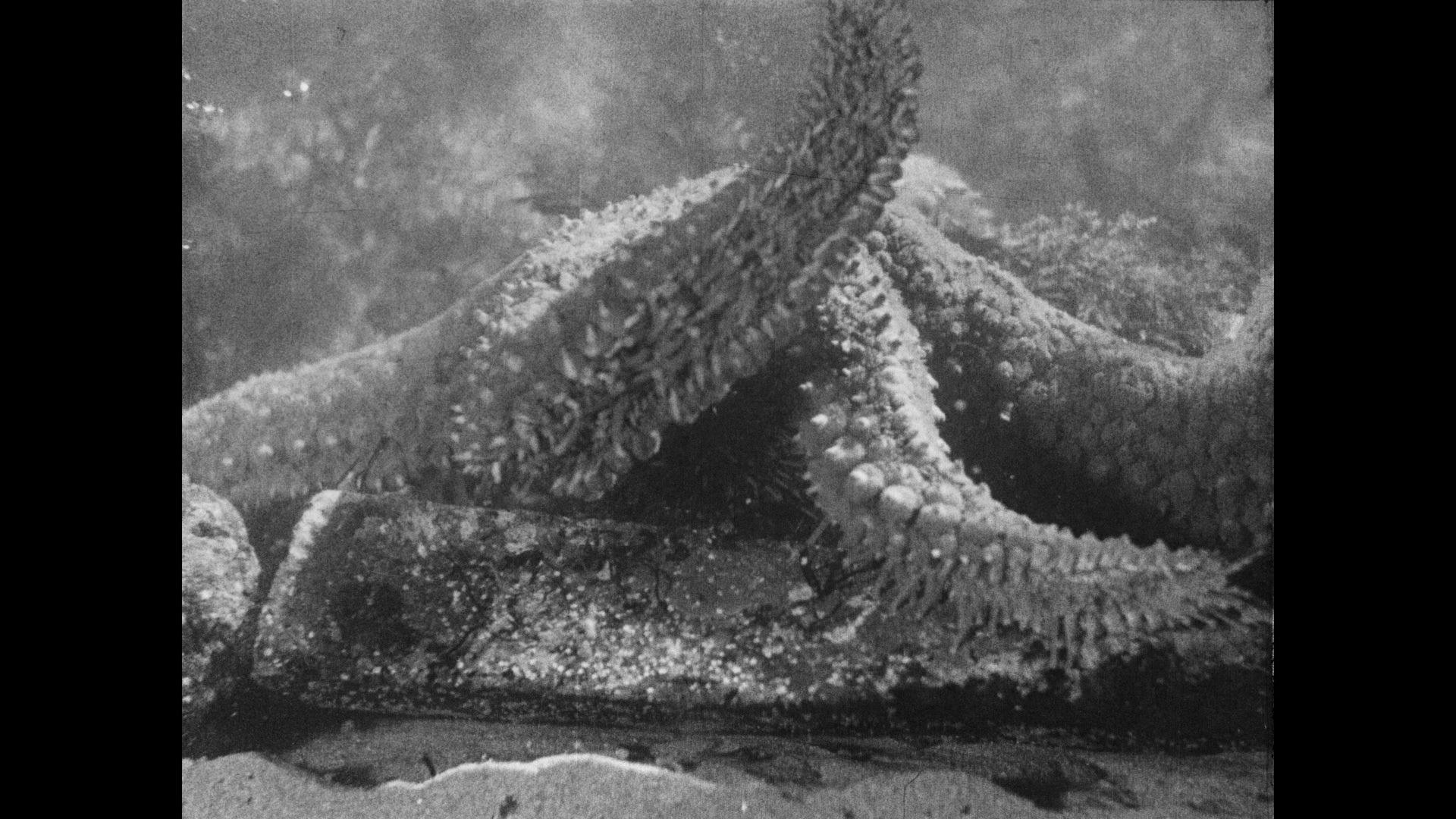
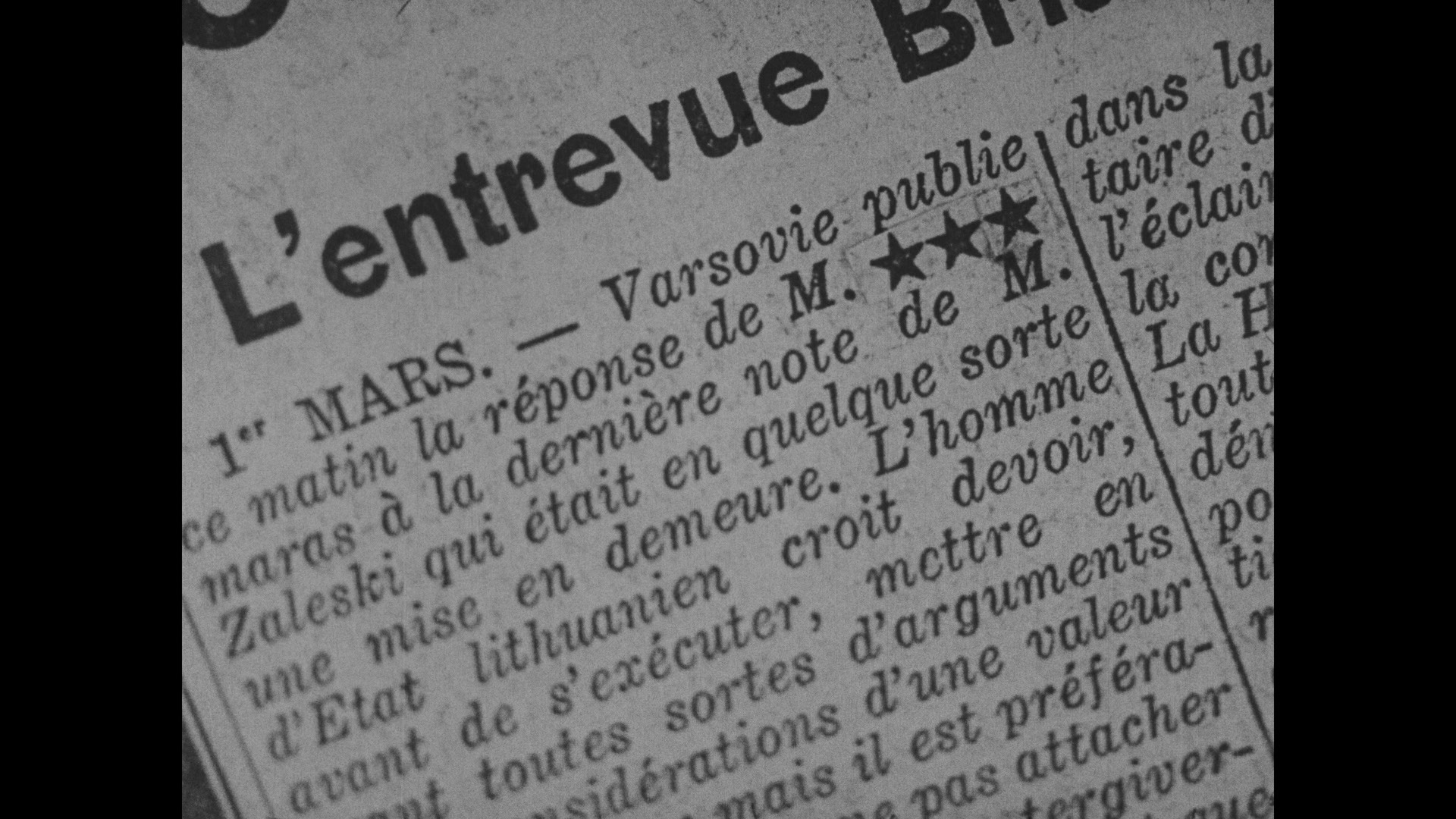
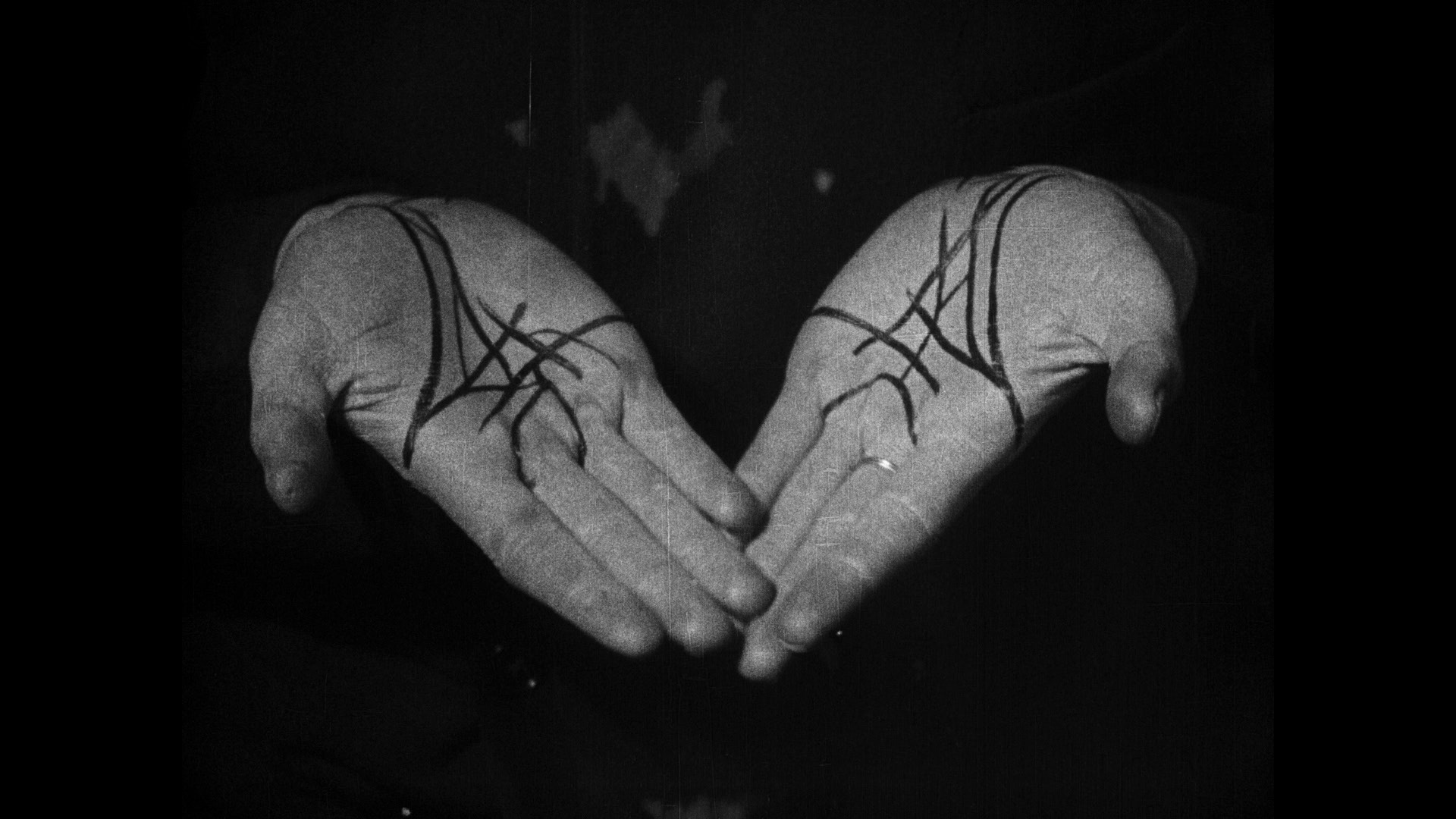
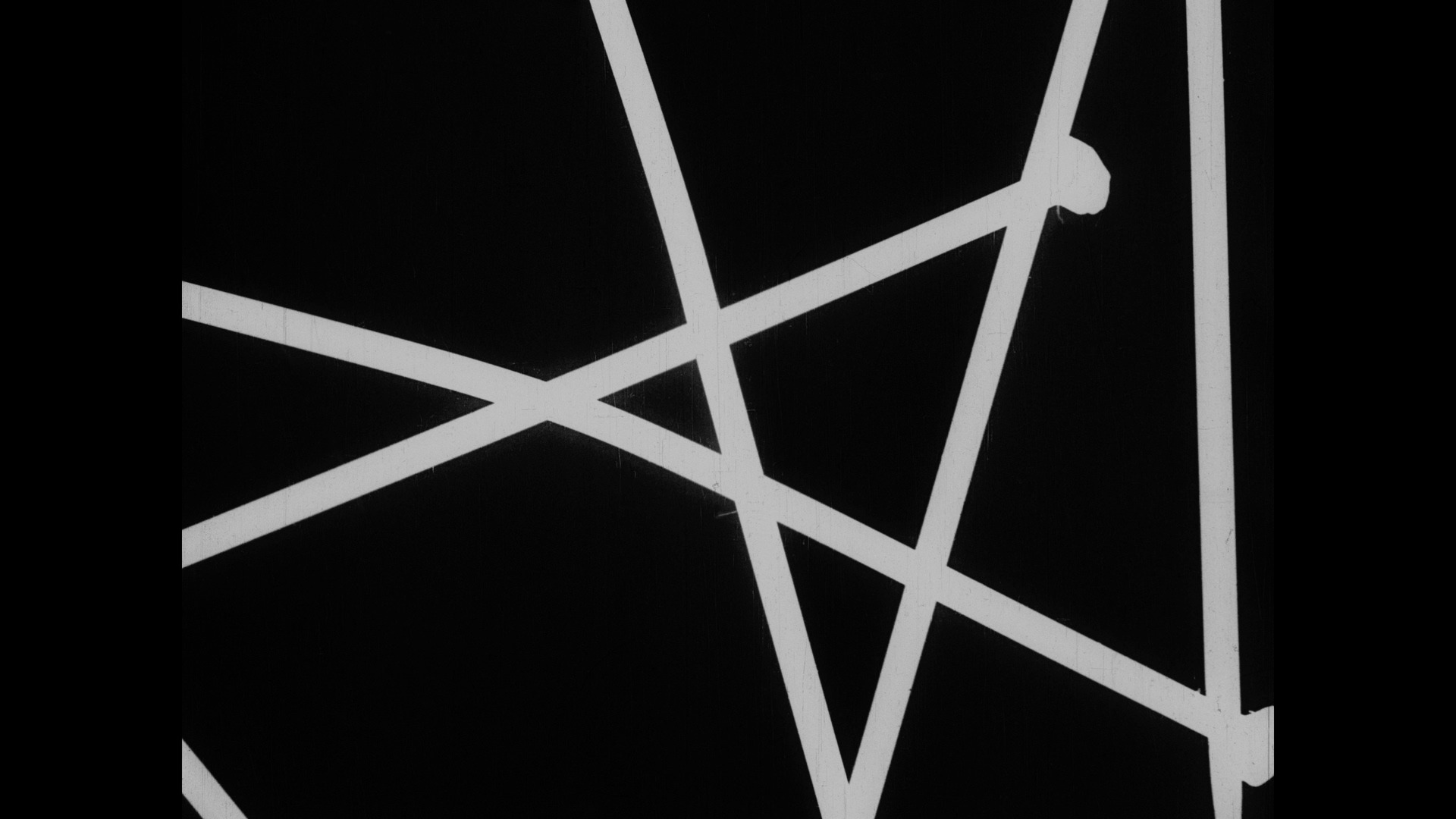
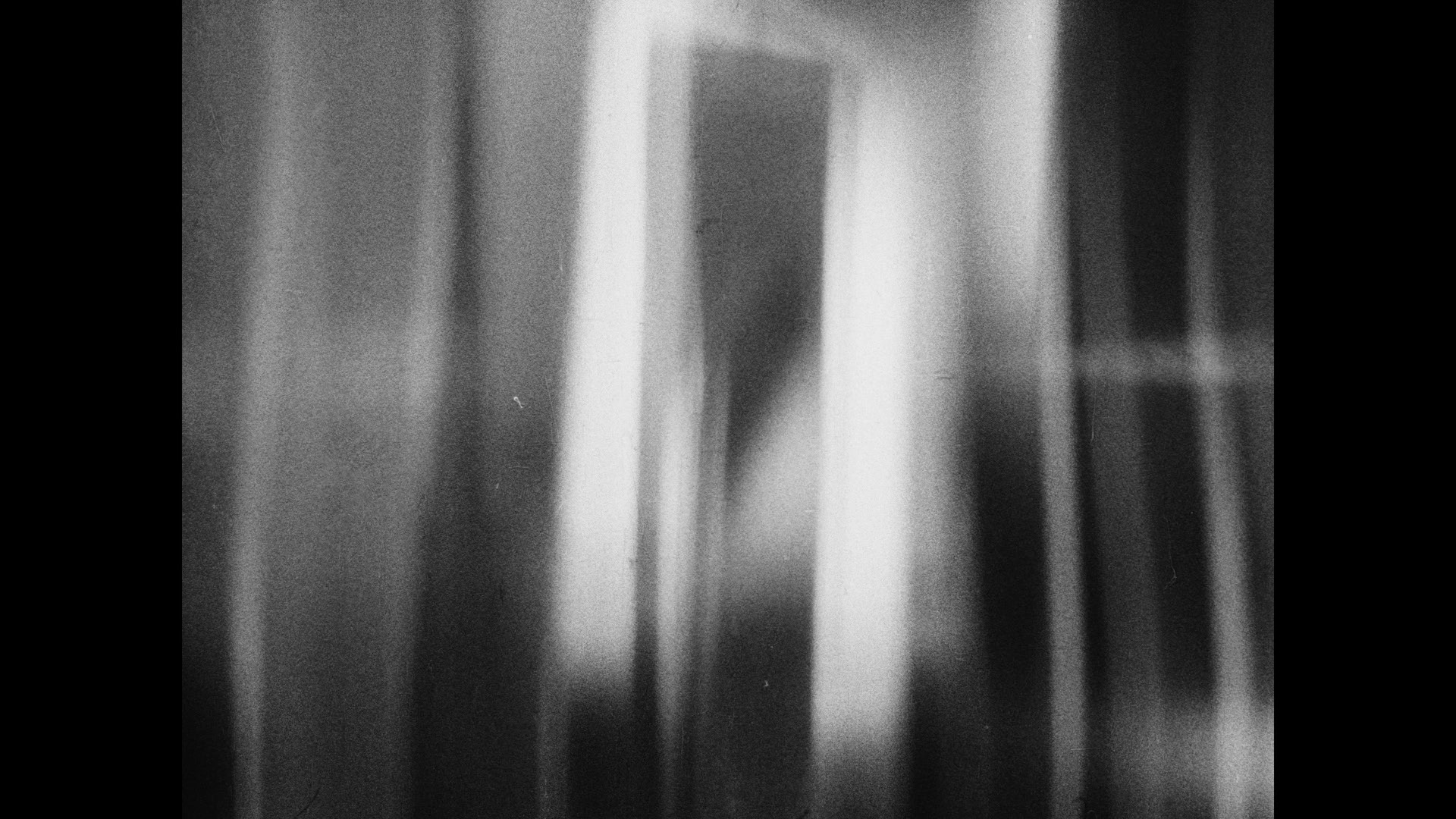
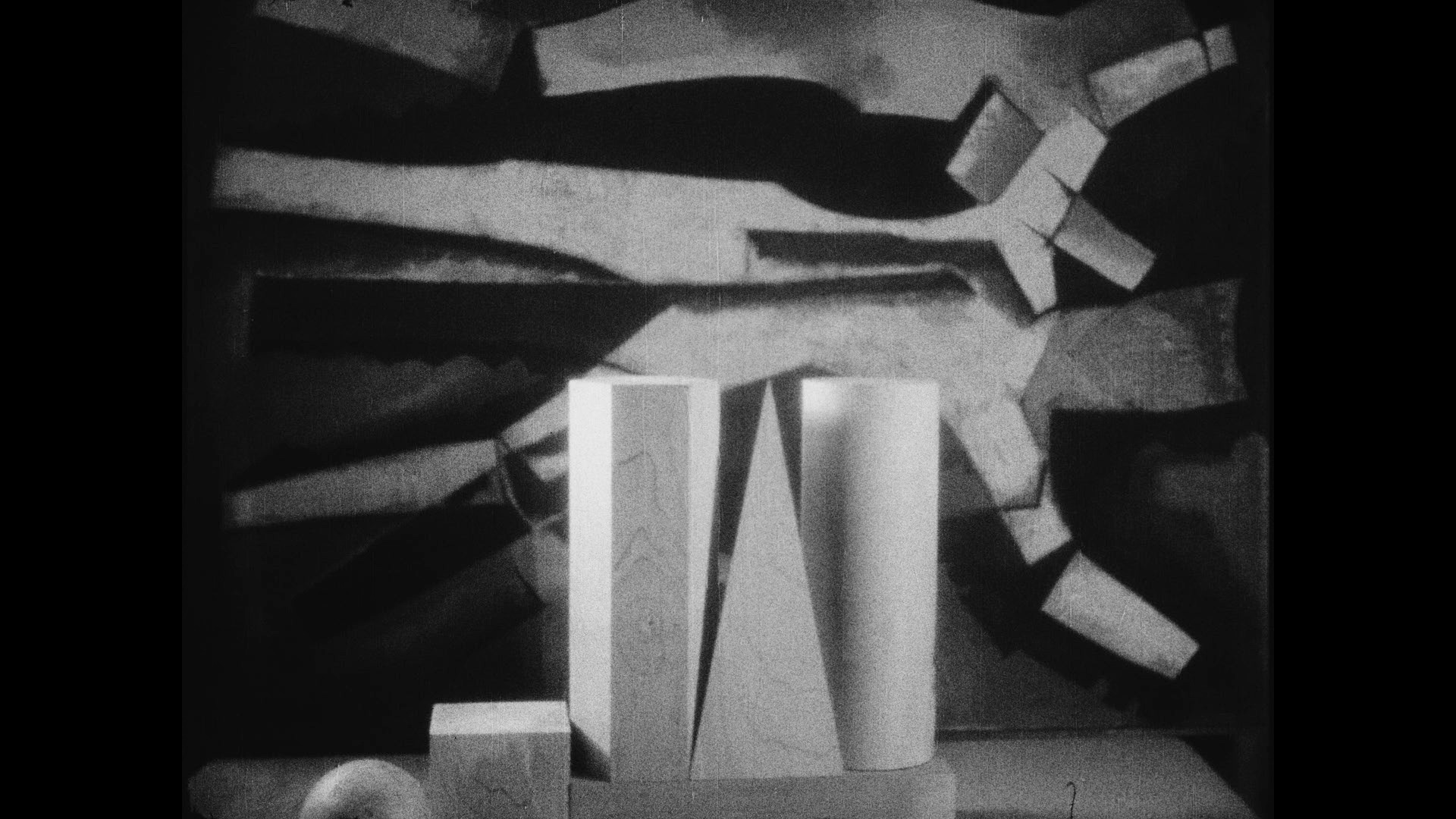
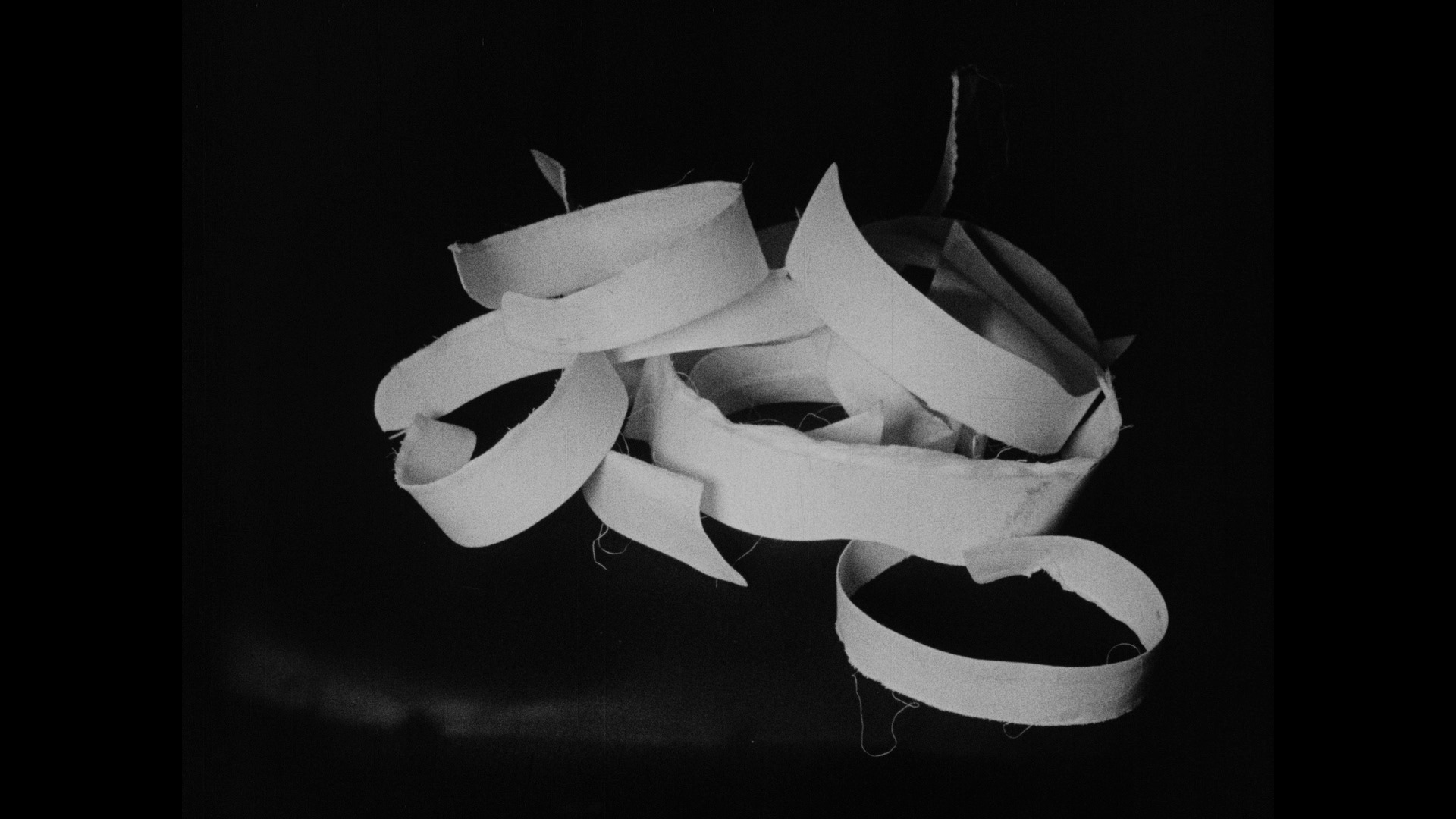
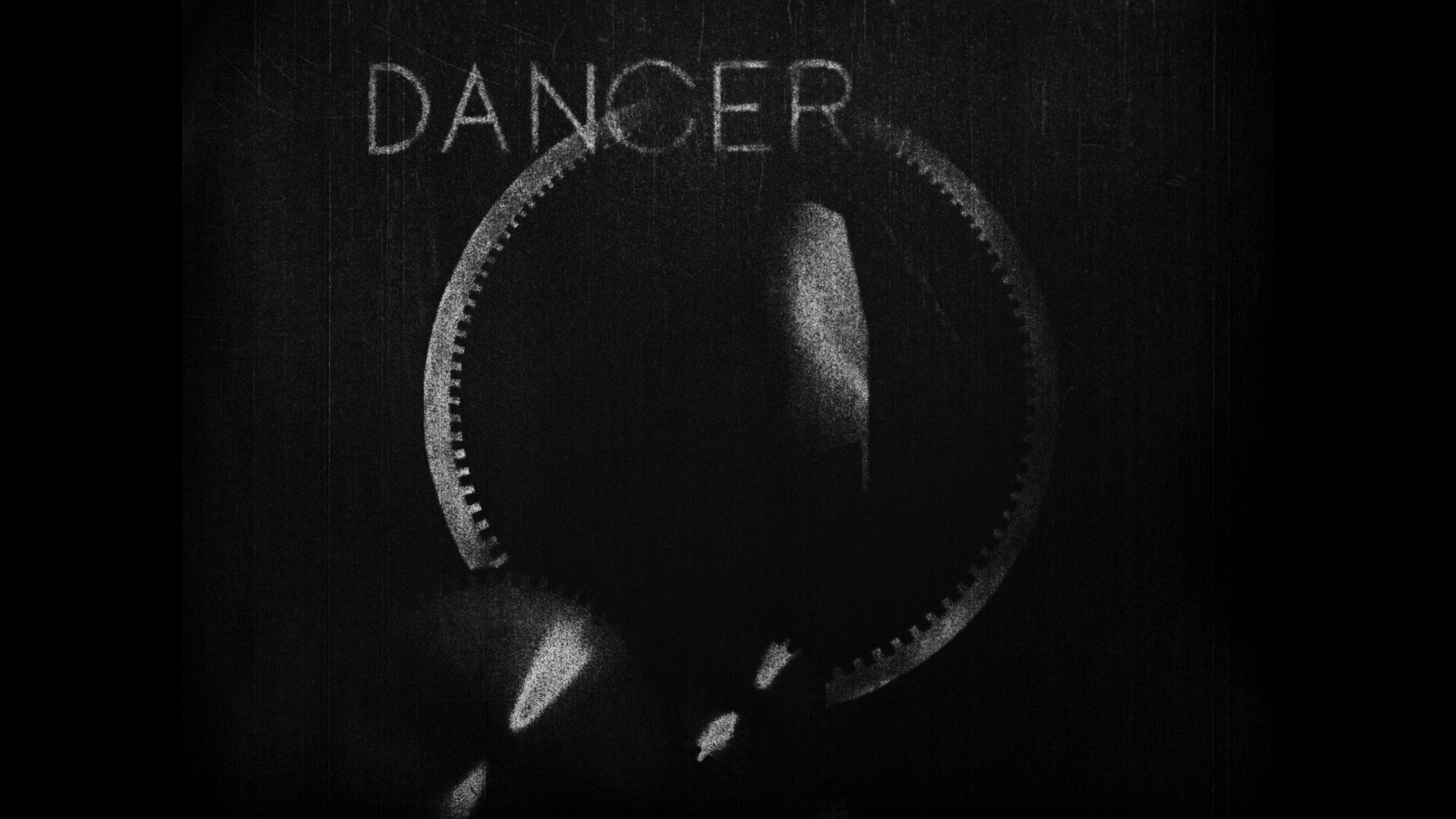
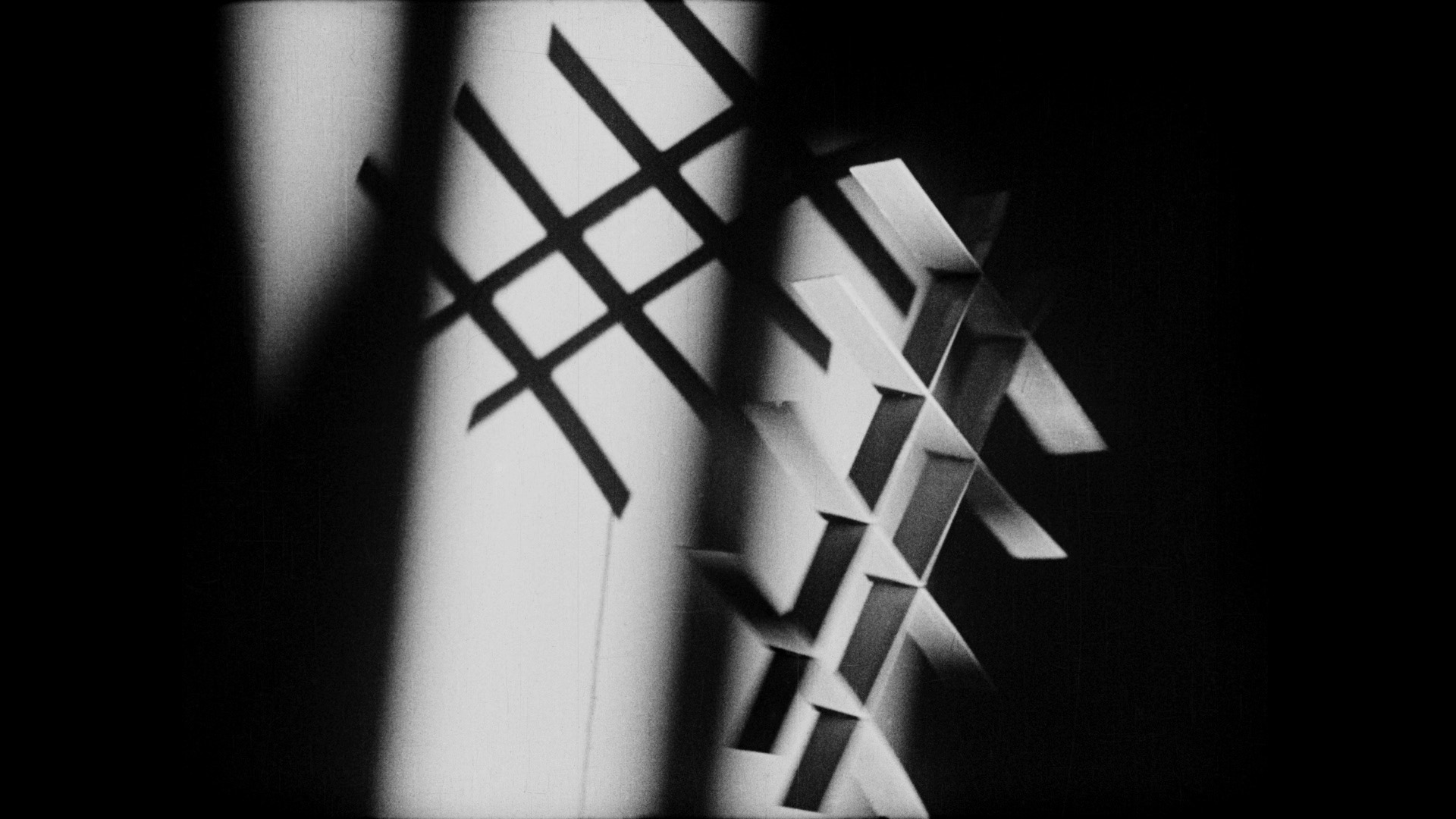
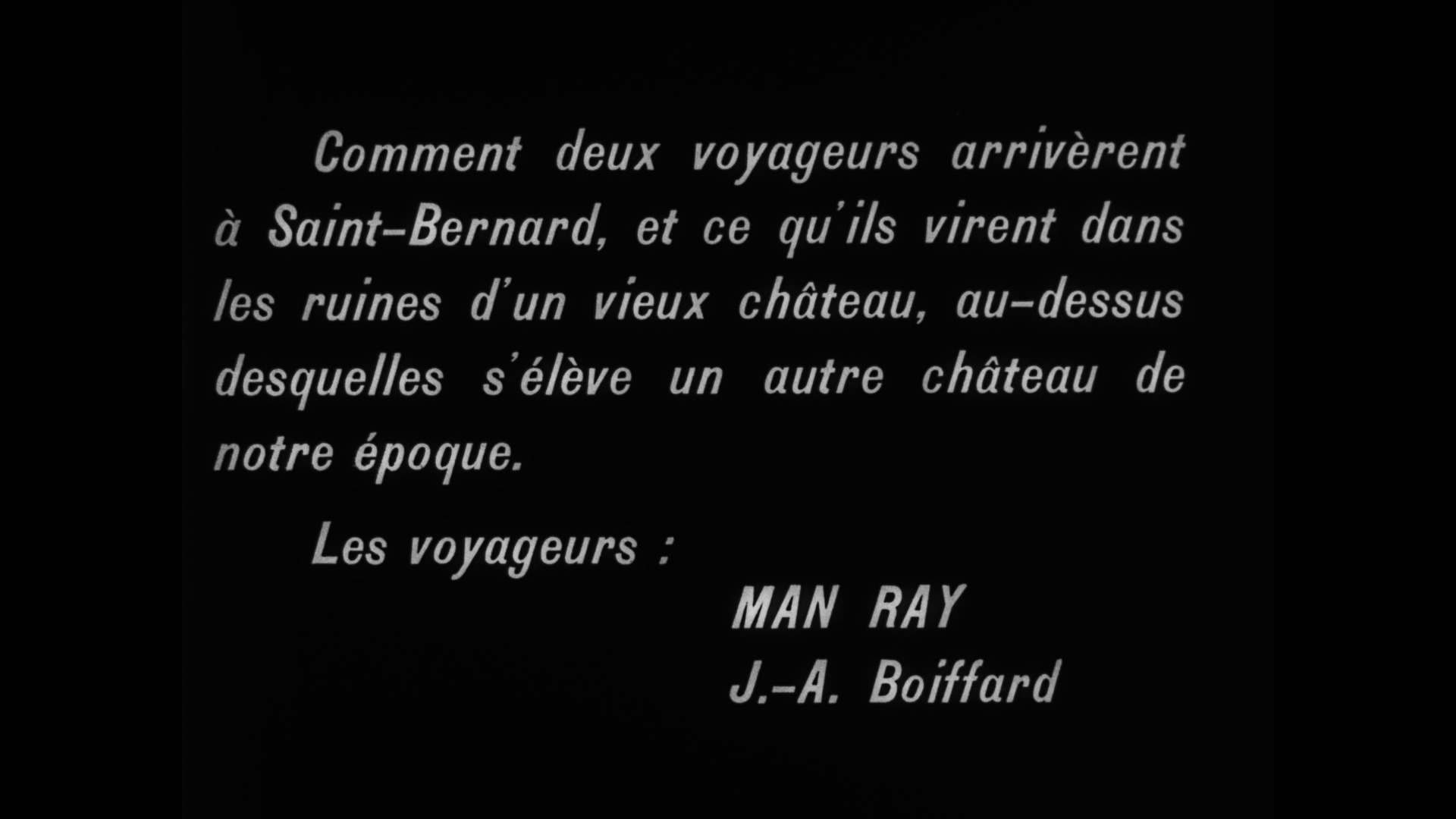
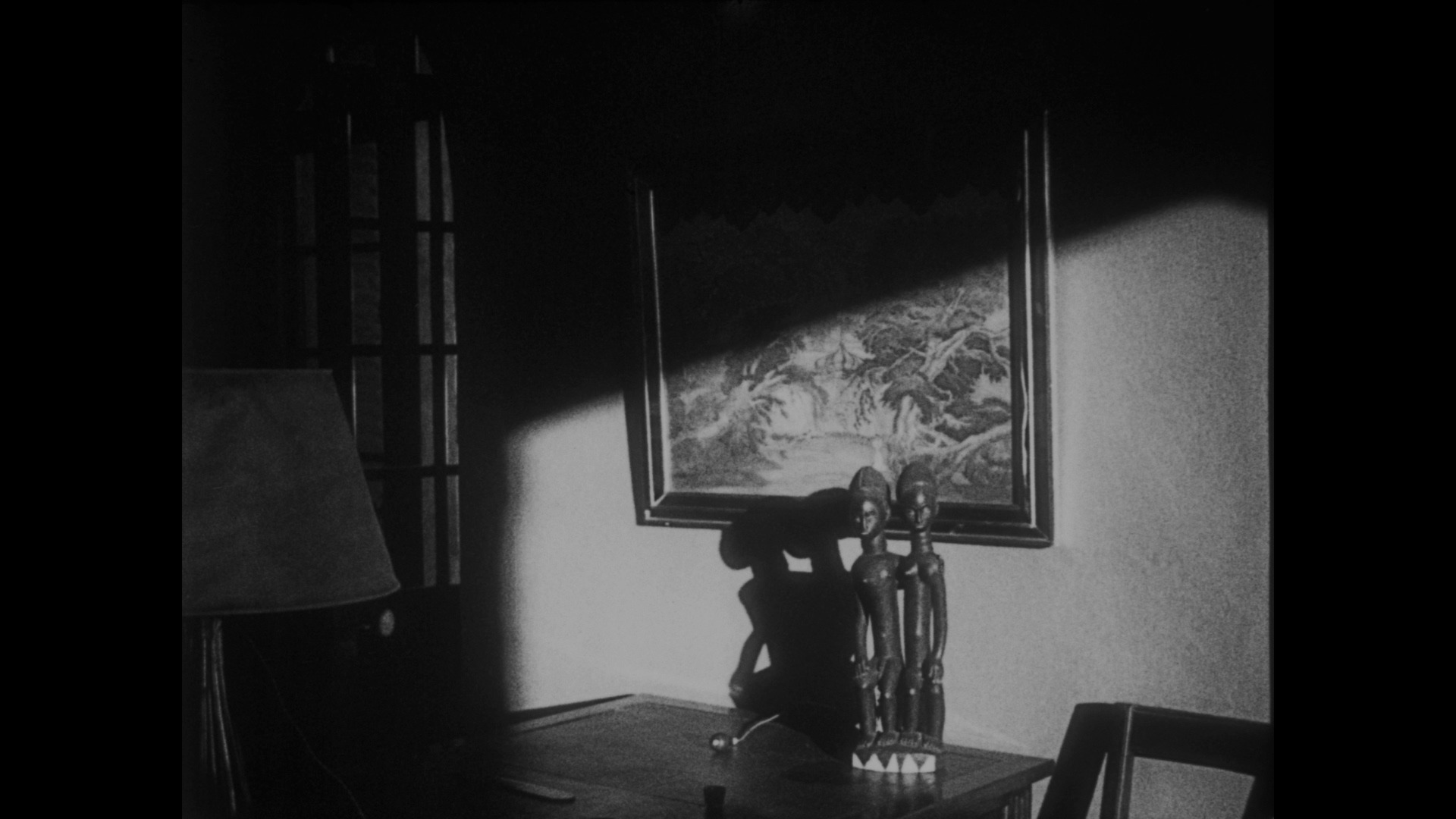
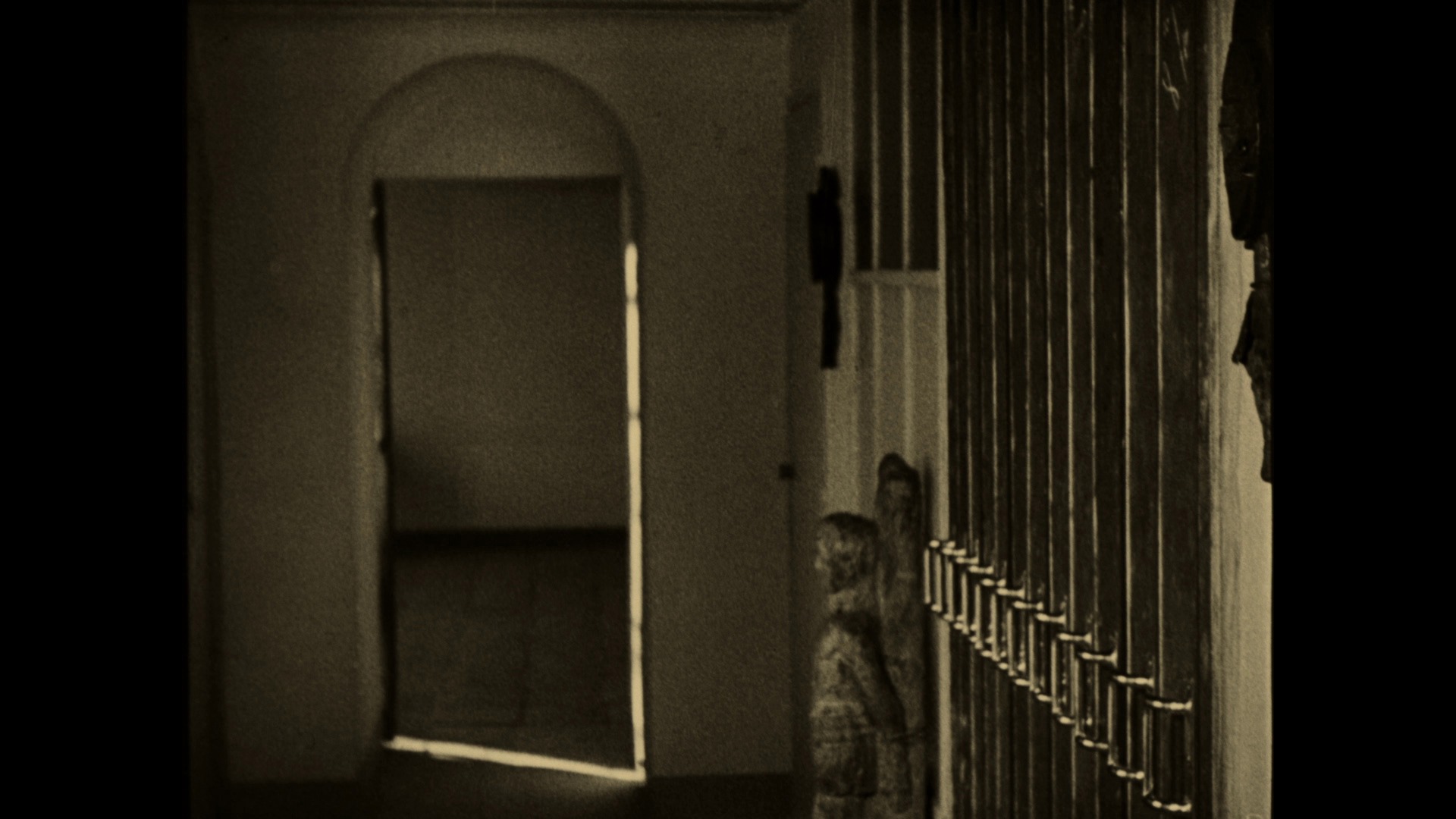
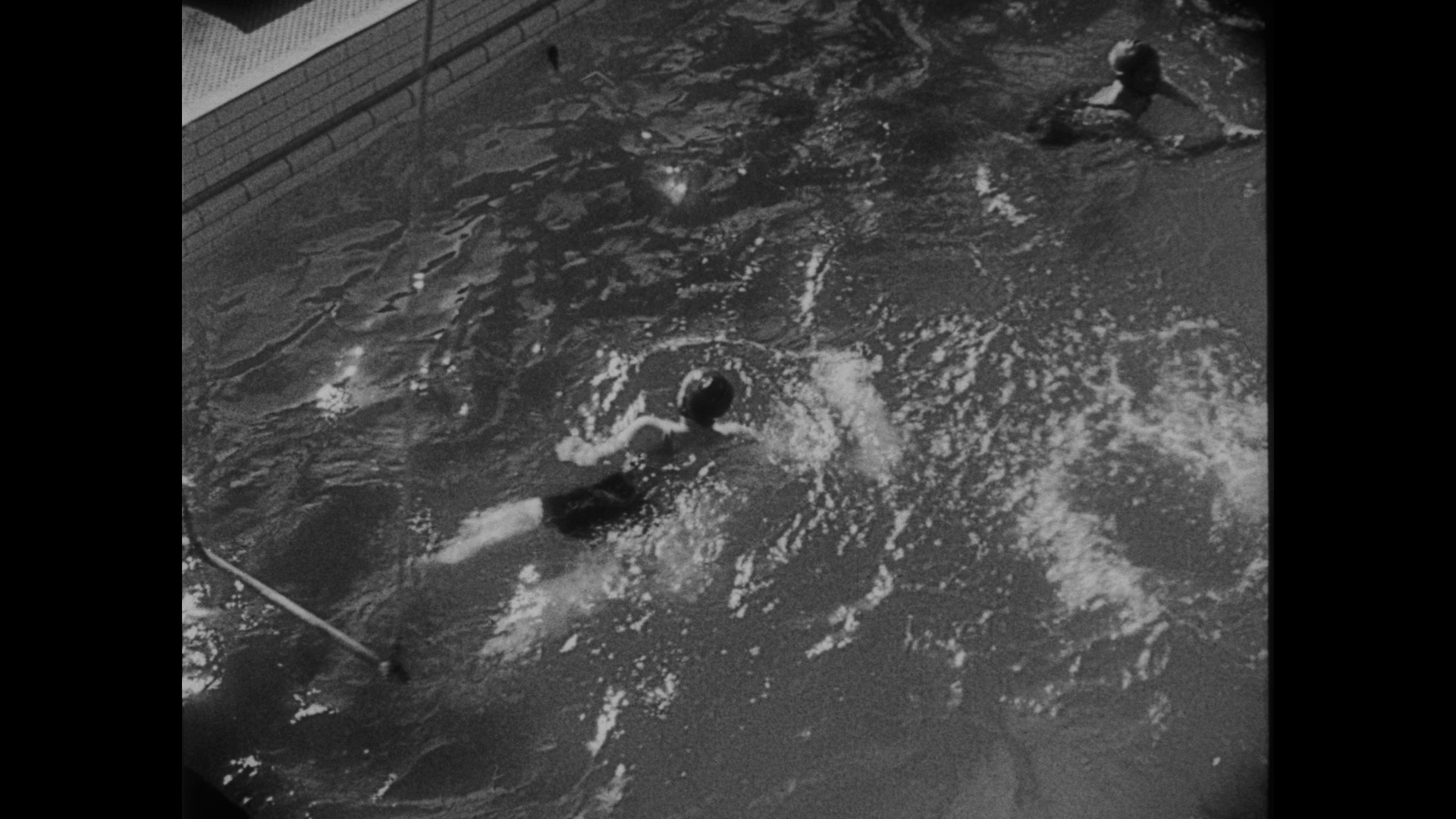
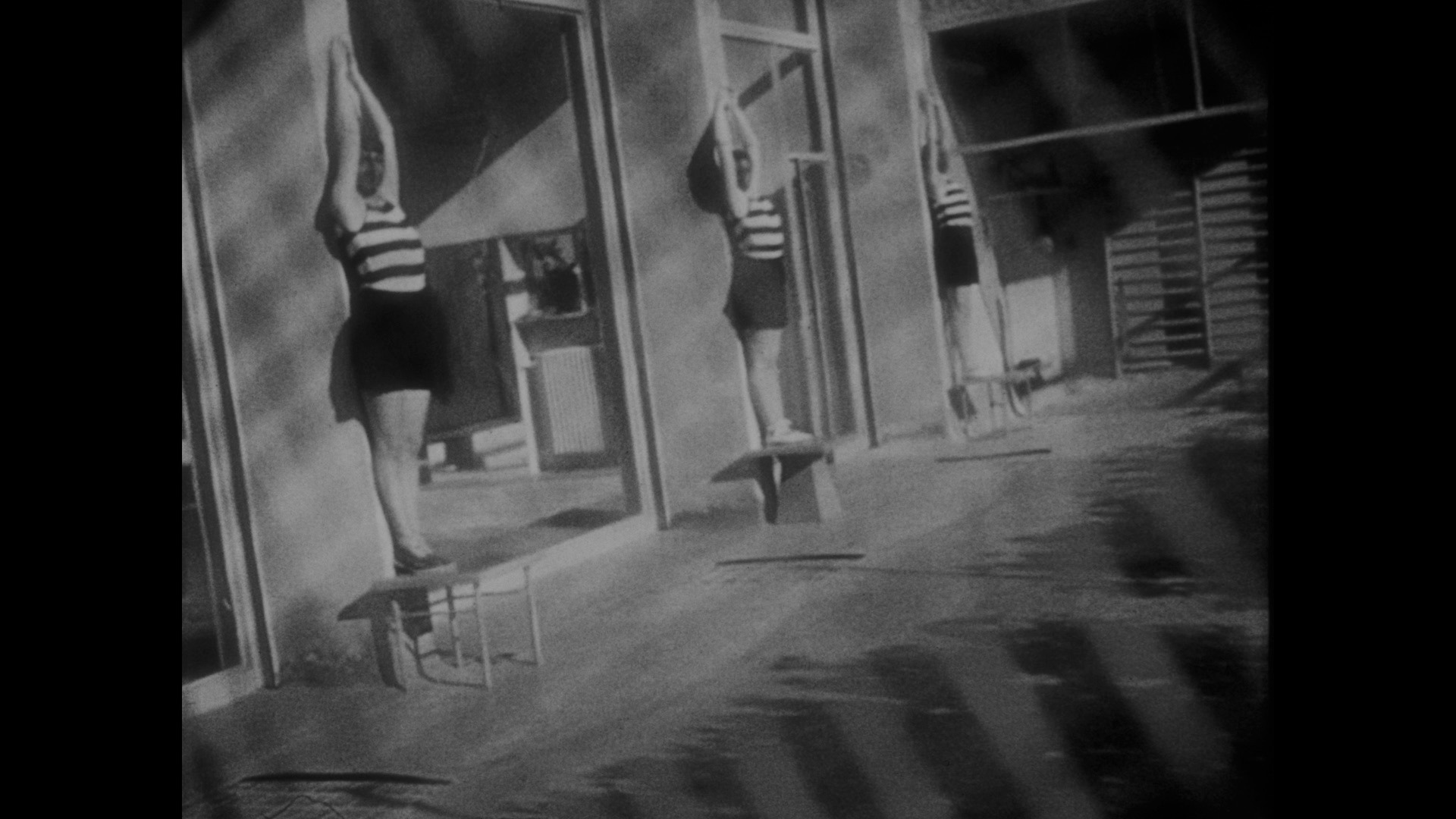
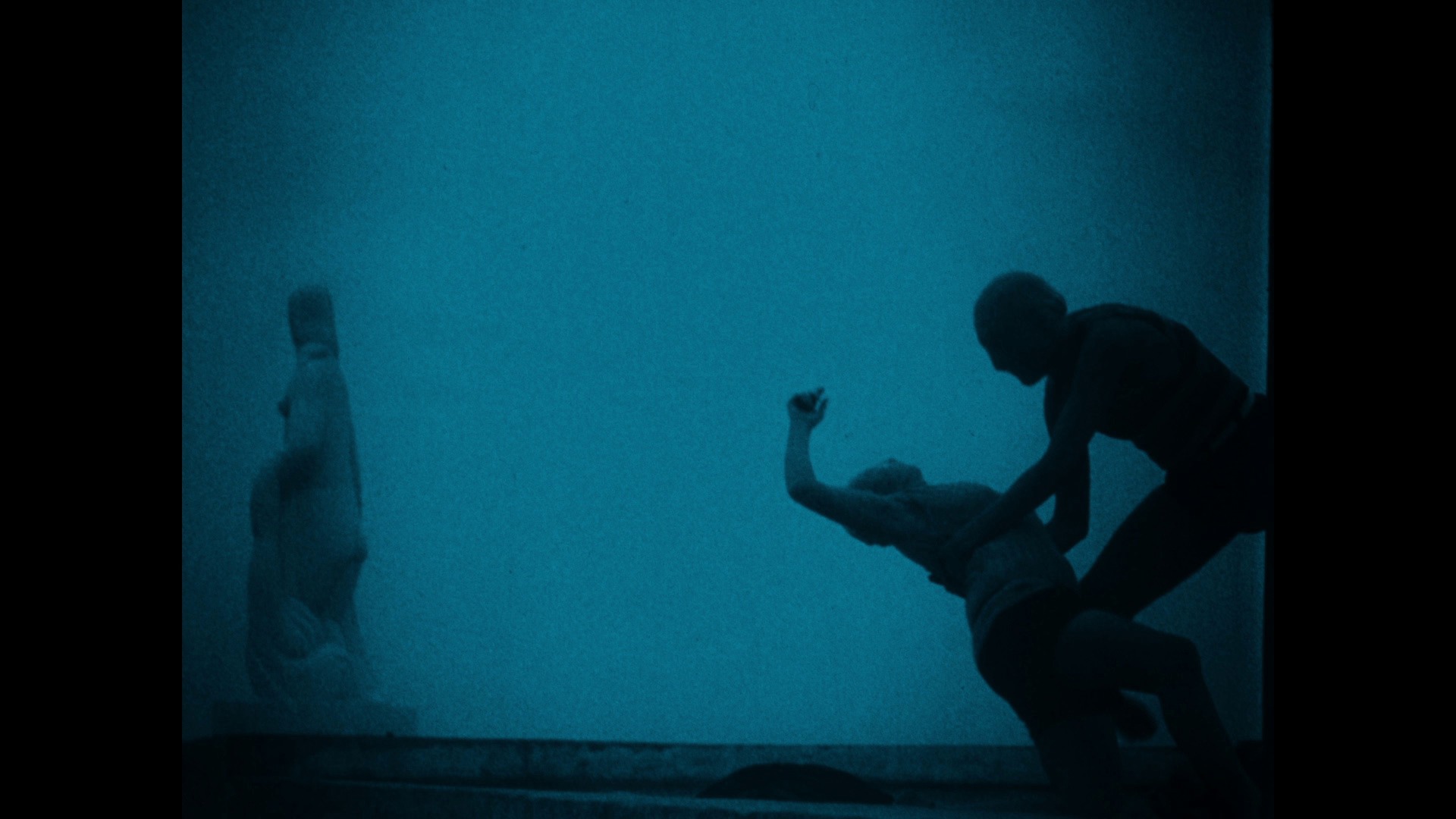
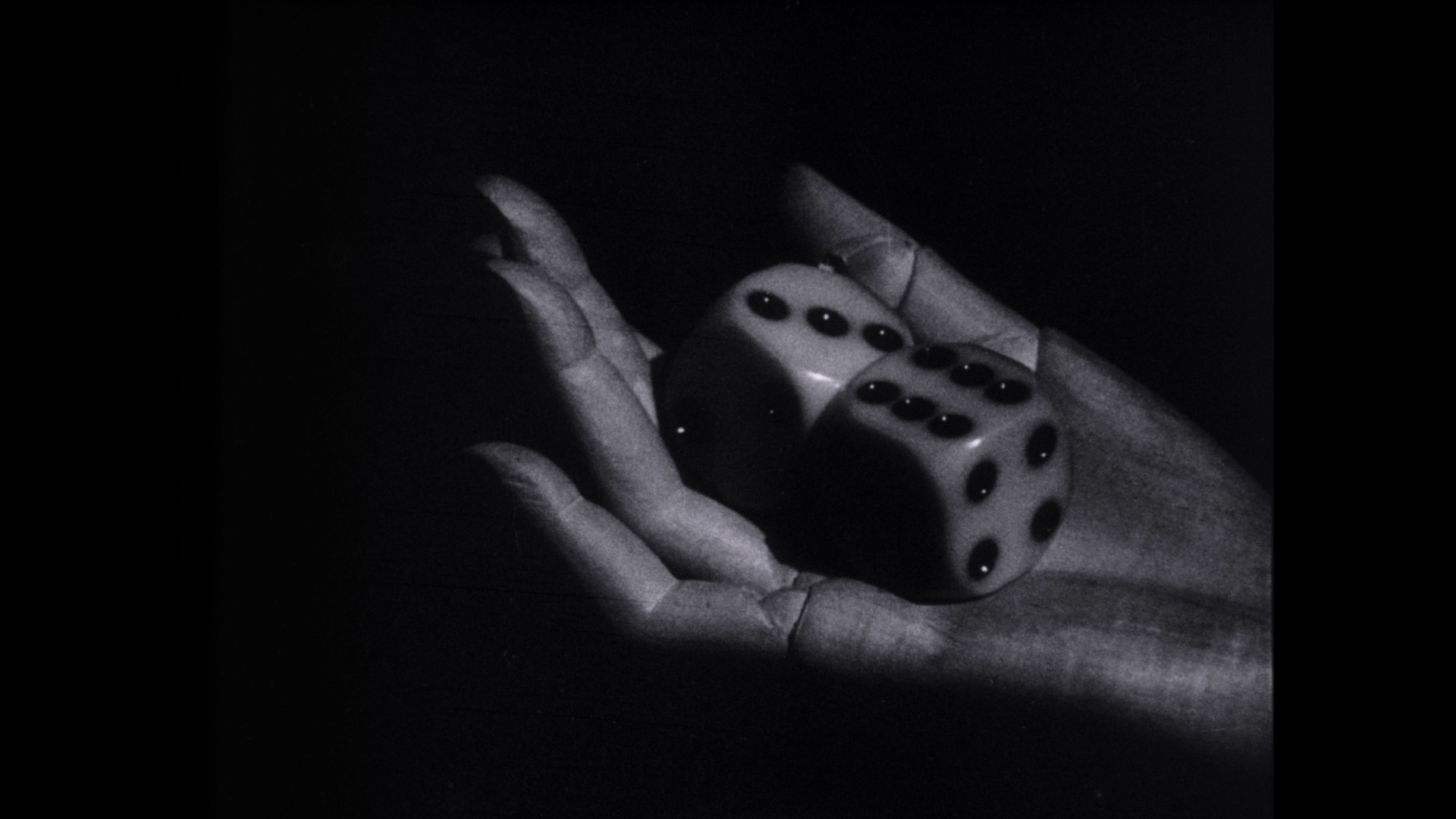
Given that these films are now approaching (or exceeding) a hundred years old, my expectations weren’t especially high, but the restoration work here is genuinely impressive. All four films are experimental, employing a variety of distorting techniques, filters, obstructions, and in-camera effects, but when the photography becomes more straightforward—for lack of a better term—the image can be stunningly sharp and clean, at times razor sharp, even. While much of each film appears soft or fuzzy (whether by design or due to the condition of the elements), there are incredibly crisp moments with solid detail. The grayscale range is also wider than expected, with wonderful gradations, and black levels are quite strong if not always perfect, while highlights also look nice, all thanks to the nitrate elements I'm sure.
Scratches and marks remain visible, though far less prominently than one would probably expect. They’re present, but rarely distracting. The digital encode is similarly impressive, handling heavy grain cleanly without introducing noise or compression artifacts. A great deal of care has clearly gone into these restorations, and the final digital presentations do them each justice. Overall, I thought these all looked surprisingly good.
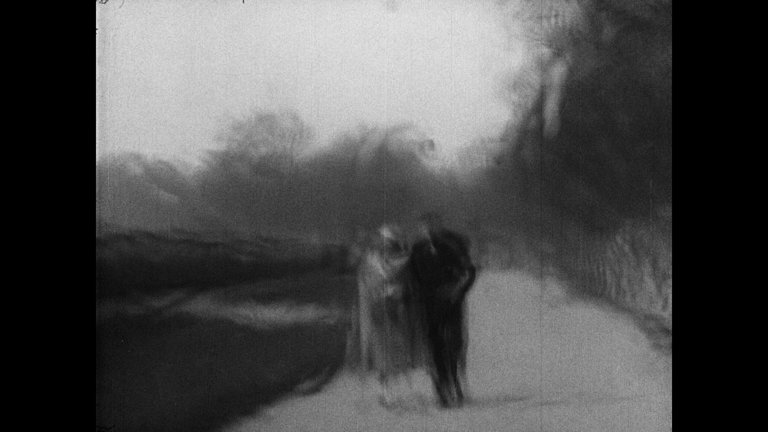
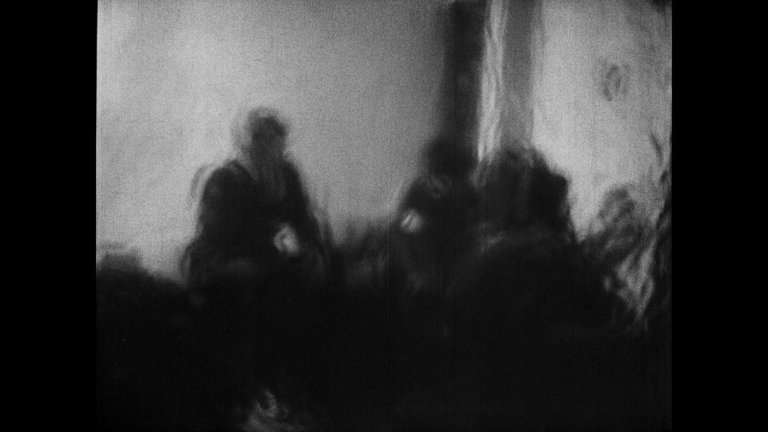
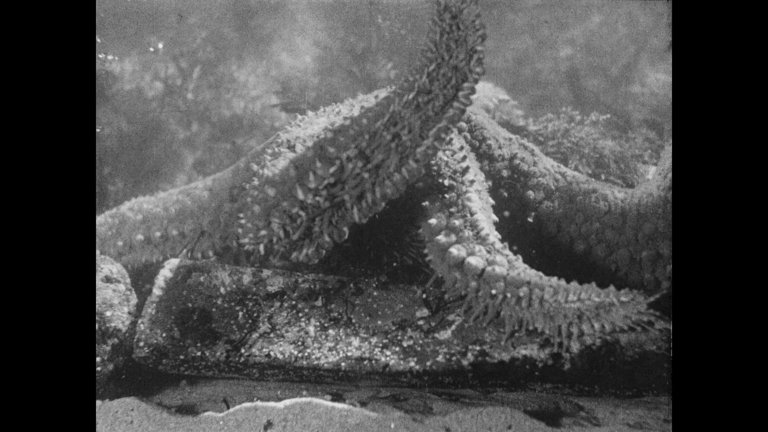
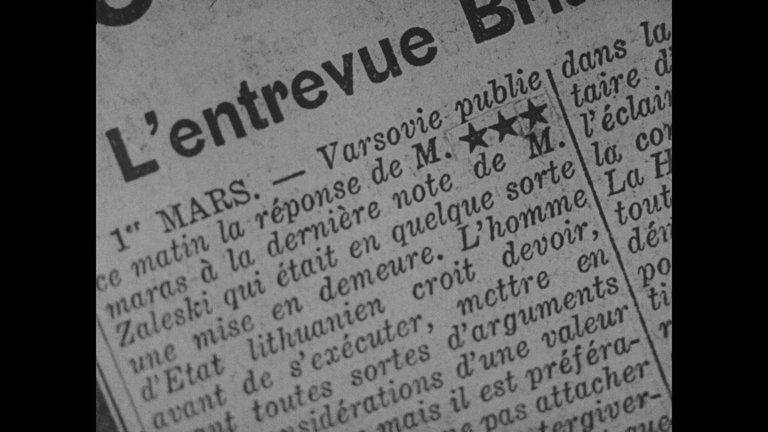
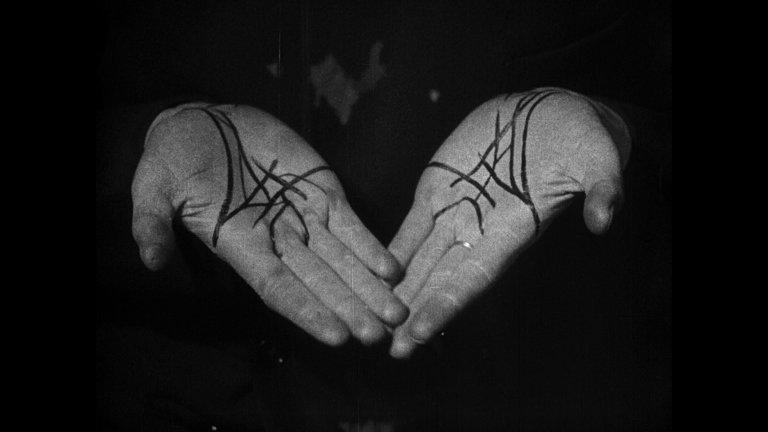

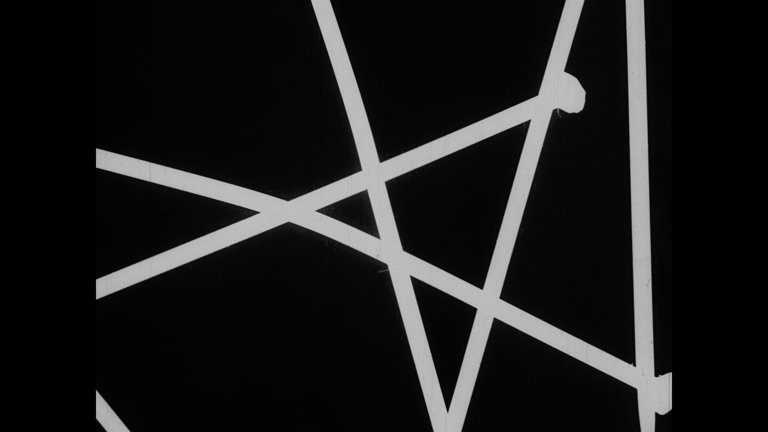
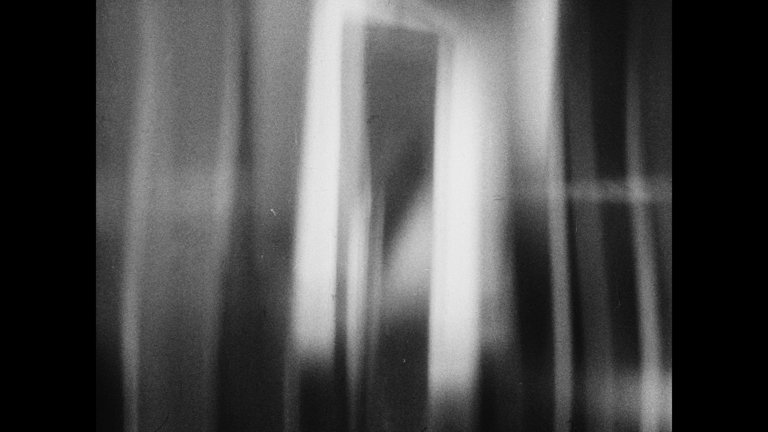

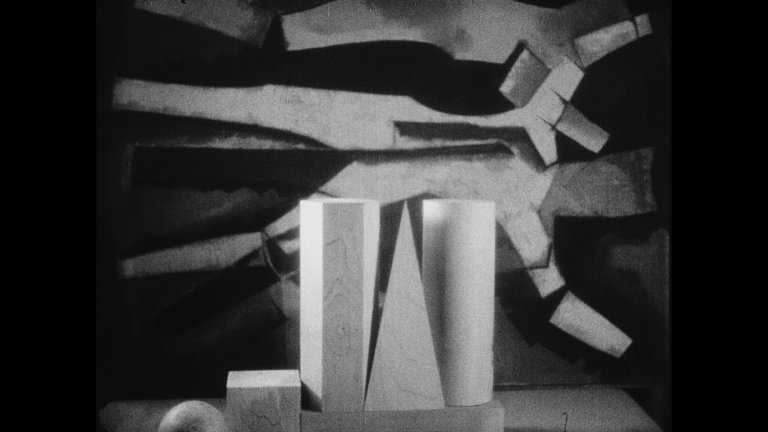


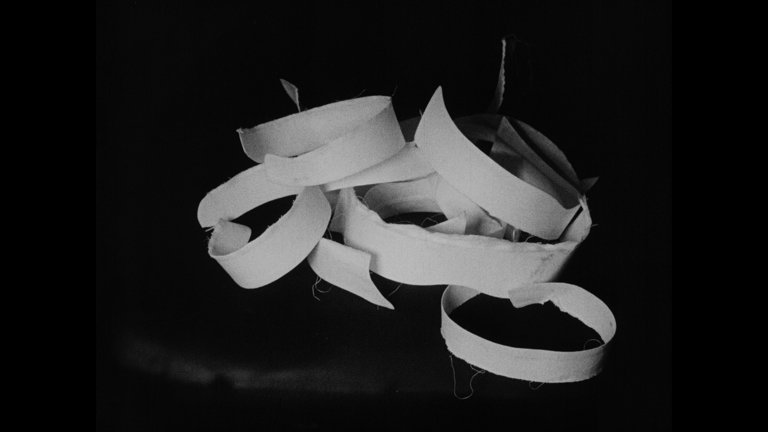
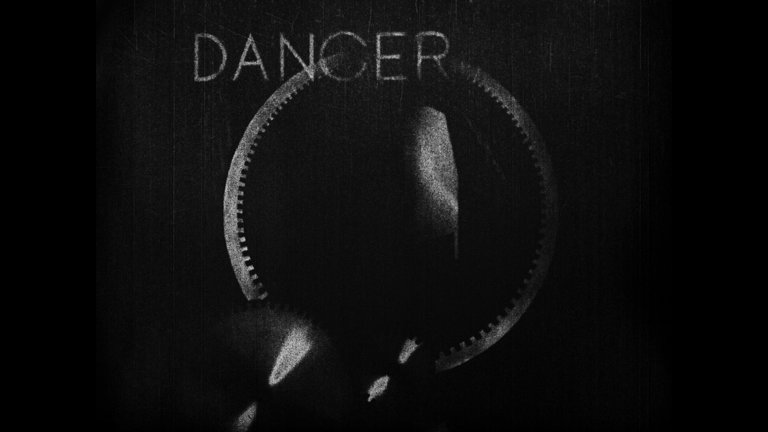
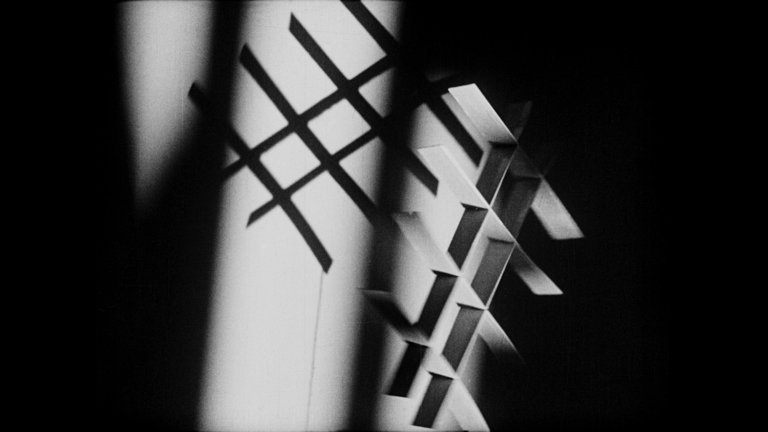
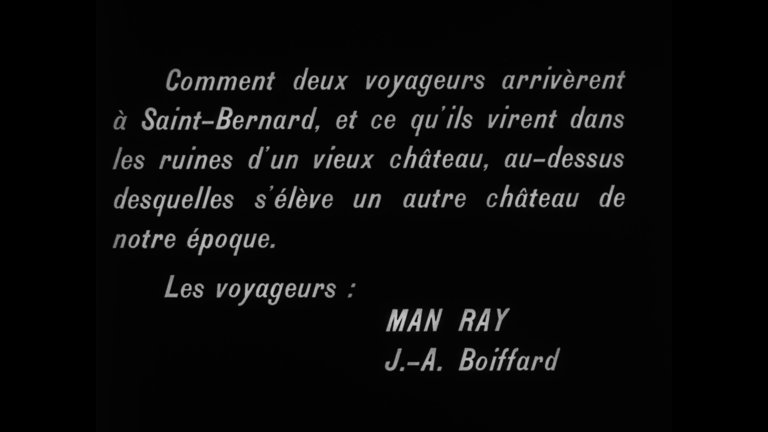




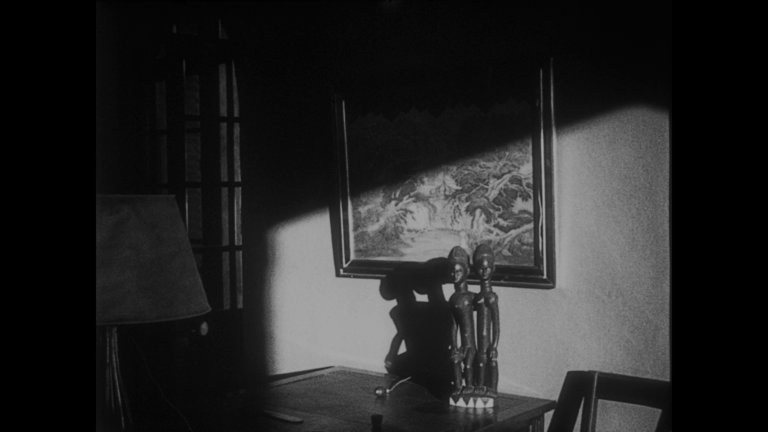
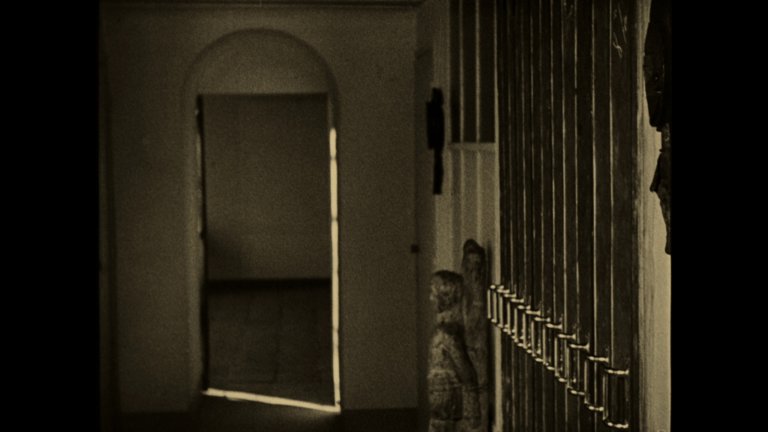
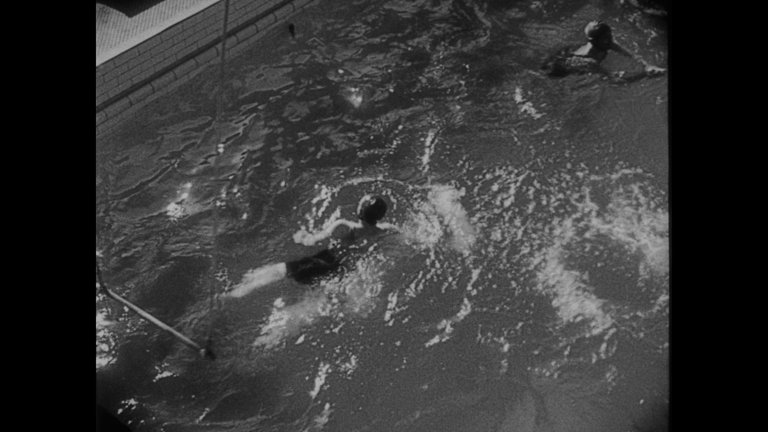
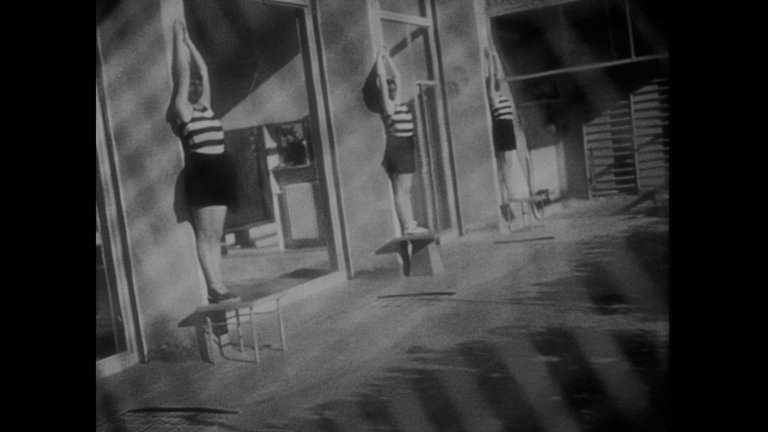
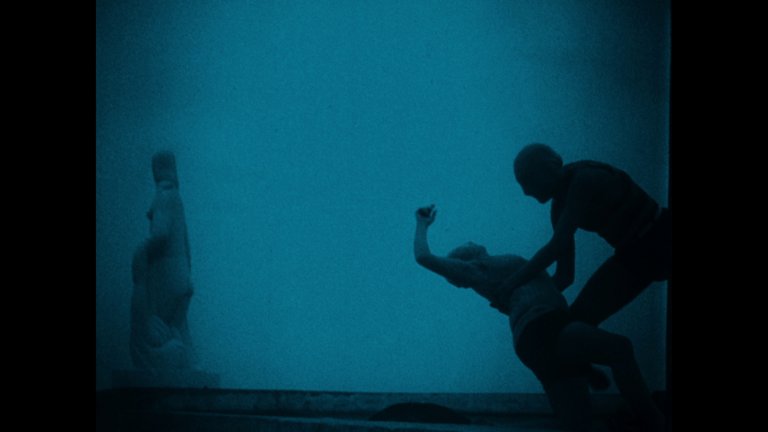
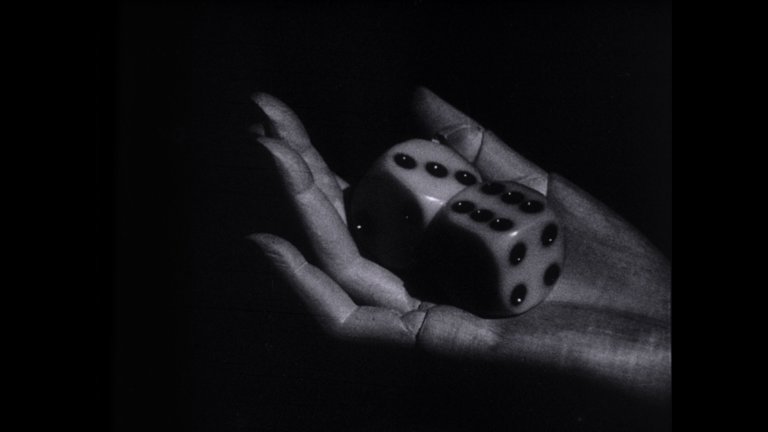
Return to Reason: Four Films by Man Ray - Screen Captures








Audio 8/10
The Criterion Collection includes a 5.1 surround soundtrack in DTS-HD MA presenting SQÜRL’s score across all four films. The music is highly experimental and, at least during the duo’s touring performances, apparently improvised. It leans heavily on low tones punctuated by occasional sudden bursts, but it’s reproduced cleanly here. The mix makes effective use of the soundstage, with solid bass and a fairly wide dynamic range. For what it is, and for how unconventional the material can be, it sounds perfectly fine.
Extras 3/10
Where the release falls short is in the area of supplements, which feel somewhat slapped together and consist entirely of archival material. Beyond the Janus Films trailer, there’s footage from a Q&A with Jim Jarmusch and Carter Logan following a 2023 screening at the New York Film Festival, moderated by Gina Telaroli. Running just over 9 minutes, it mostly finds the two discussing their first encounters with Man Ray, with both discovering surrealist cinema at roughly the same age, before touching on how the idea to perform live music at screenings came about. It’s pleasant enough, but fairly lightweight.
Criterion also includes a filmed recording of one of those performances, titled SQÜRL: Man Ray’s Backing Band, captured at a 2023 show at Centre Pompidou in Paris. This is at least interesting as a document of what one of these events looked like. The duo takes the stage and performs a brief prelude before the films begin, after which the presentation shifts to a split-screen format, with the films on the left and their performance on the right. I couldn’t say for certain whether this is the exact same score used on the main feature, though given the discussion of improvisation in the Q&A, I’m inclined to assume it isn’t. Again, as a document it's interesting, I just can't say I got much else out of it. It runs 77 minutes and is presented with a Dolby Digital stereo track.
And that’s it. There’s no new interview with Jarmusch, and no academic or critical video material about Ray or his films. Yes, the included insert features a strong essay by Mark Polizzotti, which offers background on Ray and even touches briefly on the films’ technical attributes. Still, it seems absolutely wild to me that it was decided not to provide any sort of new video material covering the experimental filmmaker himself.
Closing
This is a somewhat bizarre release, one that feels as though the primary goal was simply to get this particular presentation of the films onto home video as painlessly as possible. In that context, it largely succeeds: the disc makes these works available in excellent new digital presentations, and for that alone it has real value. But it really drops the ball on the supplements, choosing to emphasize SQÜRL over the films themselves, or Man Ray, for that matter.
BUY AT: