Boyhood
BUY AT:


See more details, packaging, or compare
Synopsis
There has never been another movie like Boyhood, from director Richard Linklater. An event film of the utmost modesty, it was shot over the course of twelve years in the director’s native Texas and charts the physical and emotional changes experienced by a child named Mason (Ellar Coltrane), his divorced parents (Patricia Arquette, who won an Oscar for her performance, and Ethan Hawke), and his older sister (Lorelei Linklater). Alighting not on milestones but on the small, in-between moments that make up our lives, Linklater fashions a flawlessly acted, often funny portrait that flows effortlessly from one year to the next. Allowing us to watch people age on film with documentary realism while gripping us in a fictional narrative of exquisite everydayness, Boyhood has a power that only the art of cinema could harness.
Picture 8/10
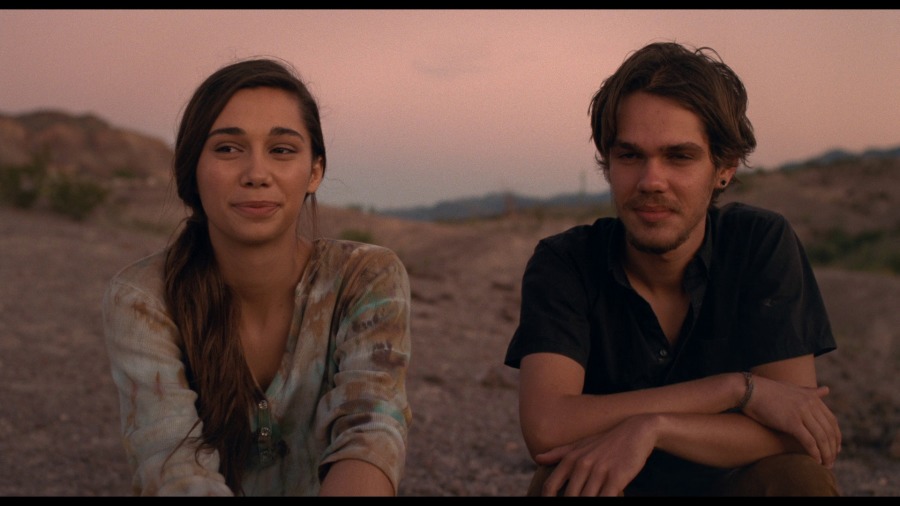
Richard Linklater’s Boyhood receives a new 2-disc Blu-ray edition from the Criterion Collection, who present the film in its original aspect ratio of 1.85:1. The 1080p/24hz high-definition presentation comes from a new 2K scan of the original camera negative. The film is presented on the first dual-layer disc.
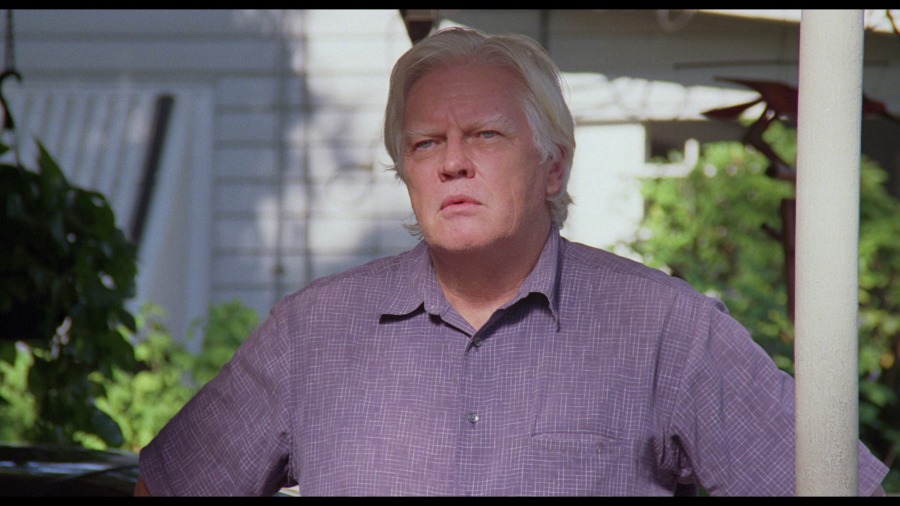
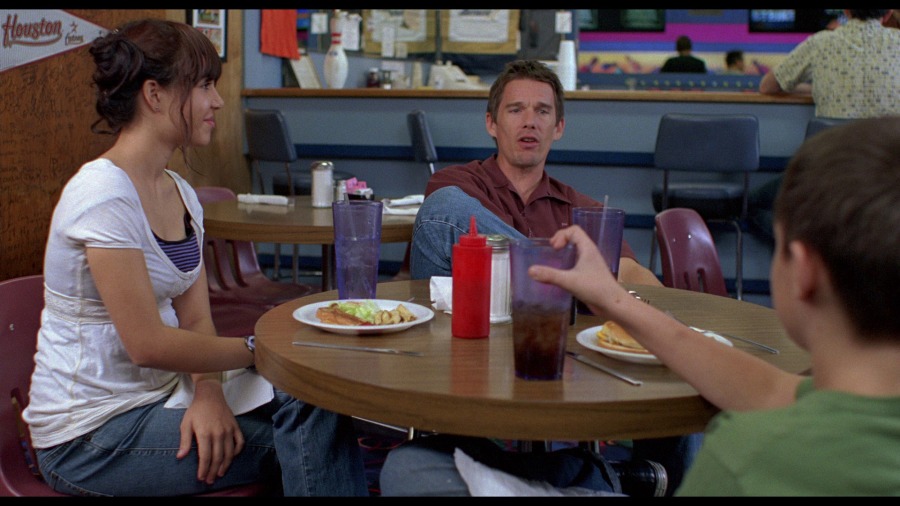
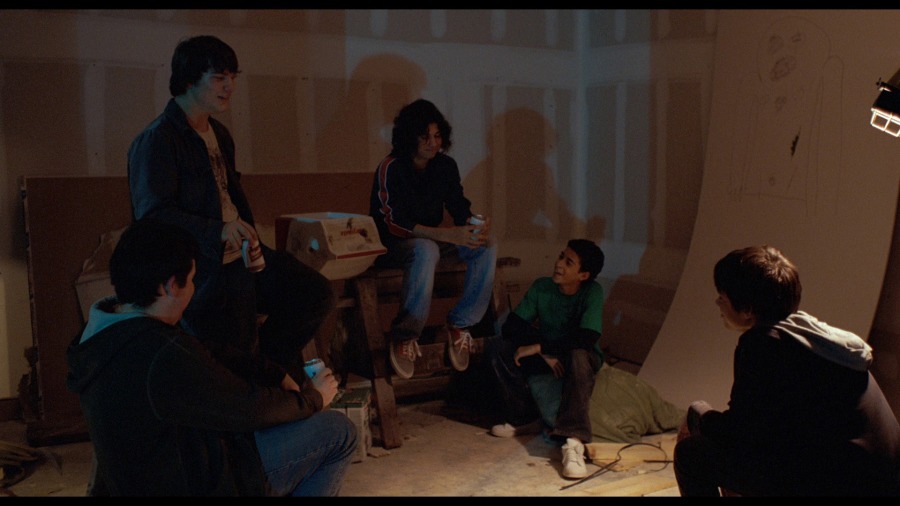
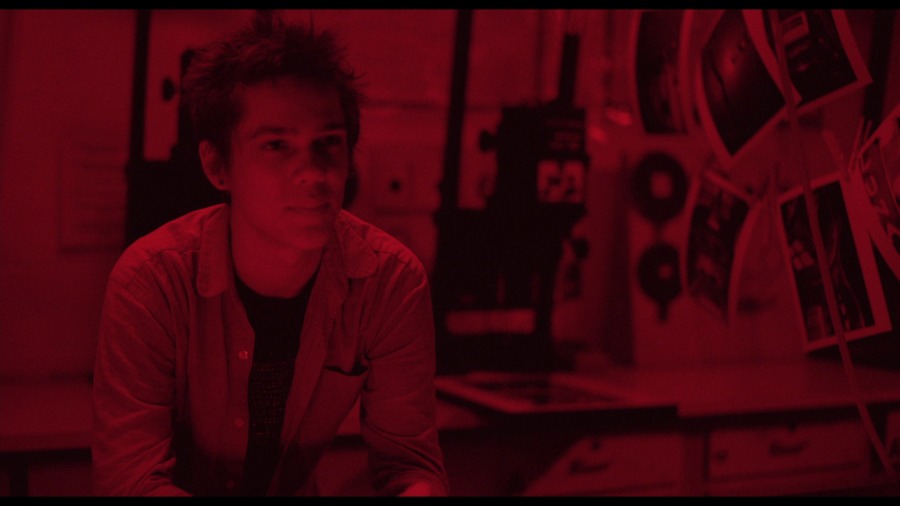
Unsurprisingly, as the film is so new, the presentation looks great. It was shot on film and it looks like a film presentation here for the most part. Though some shots maybe look a tad-bit soft (I think more related to the original photography), detail is quite good, with finer details jumping out rather well in both close-ups and long shots. Colours are well saturated and black levels are strong, though shadow detail can be weak a few darker scenes. Film grain is present and rendered very well, though it can look a little artificial in a couple of darker sequences and one scene that takes place in a dark room, with a very intense red light.
Damage isn’t an issue and I didn’t notice any little blemishes. As to how it compares to the original Paramount Blu-ray, other than the slight framing difference (the Paramount disc is presented in 1.78:1) I can’t say the differences are too drastic and if the Criterion is better it’s in a more subtle way: it just handles the grain structure better I feel. Still, even if it’s not a huge improvement over the old Paramount disc it still looks very good.
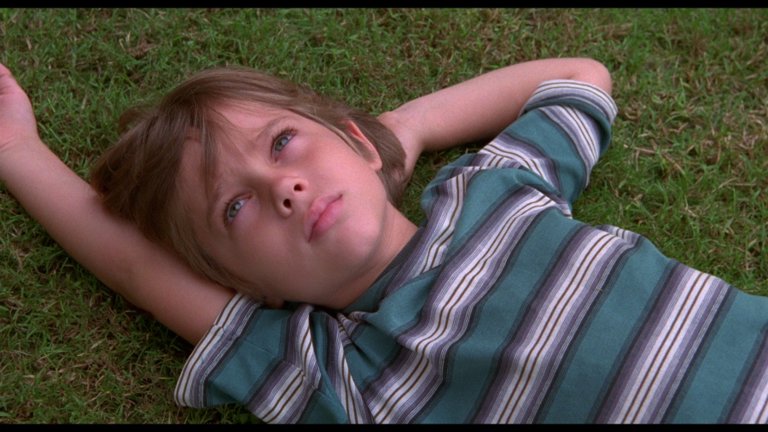
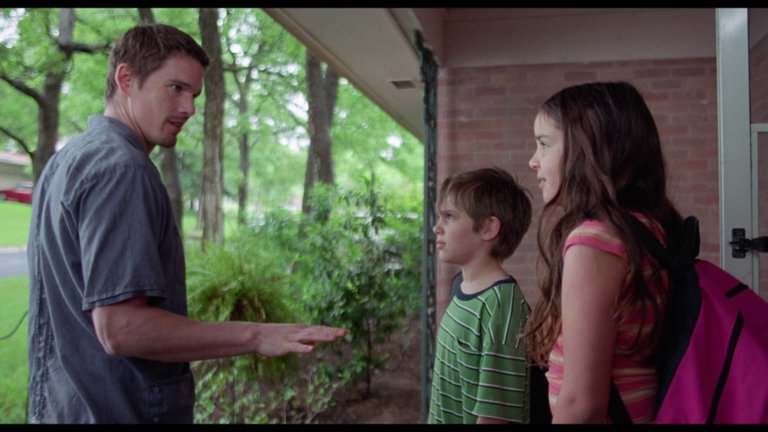
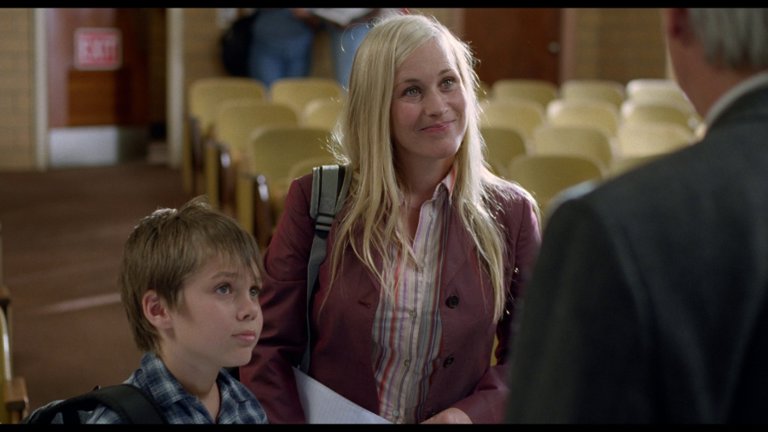
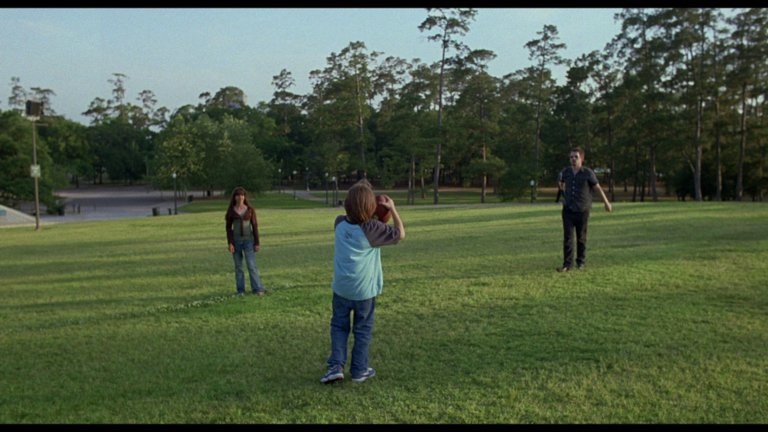
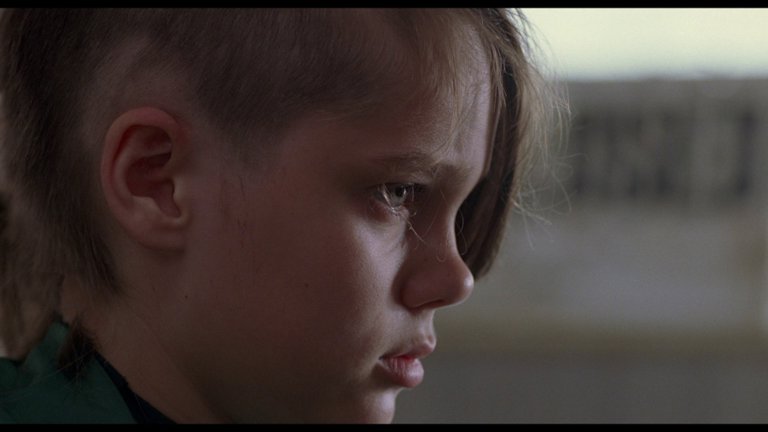
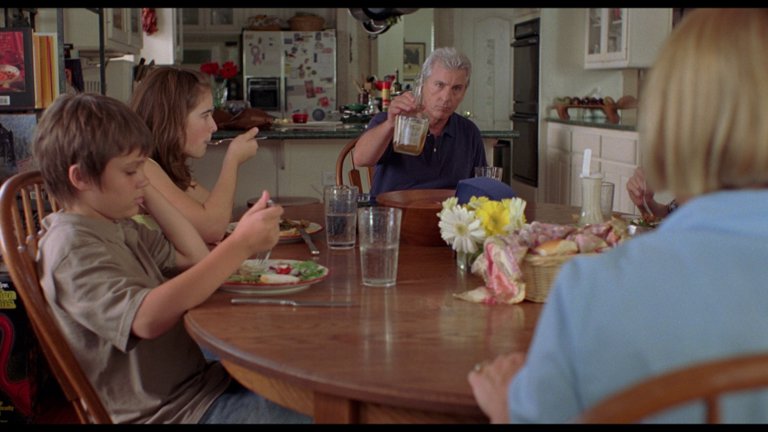
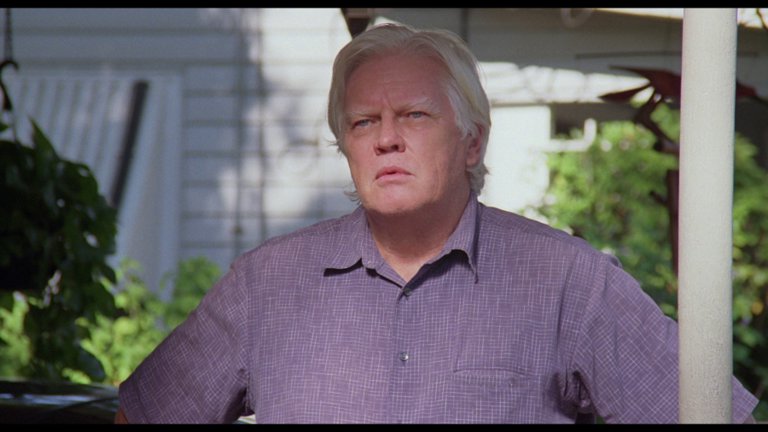
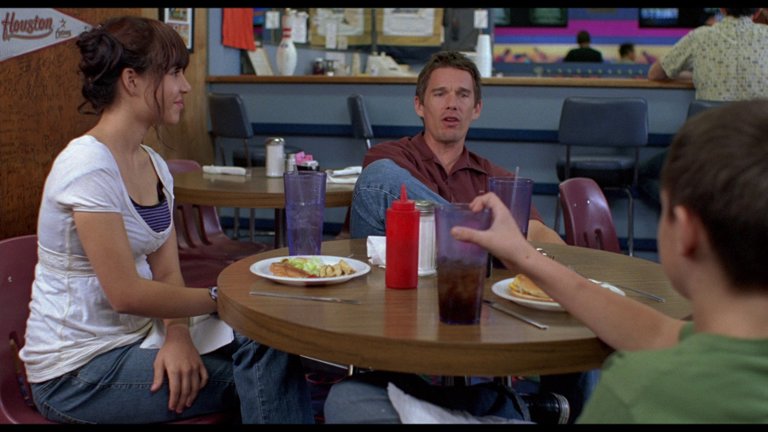
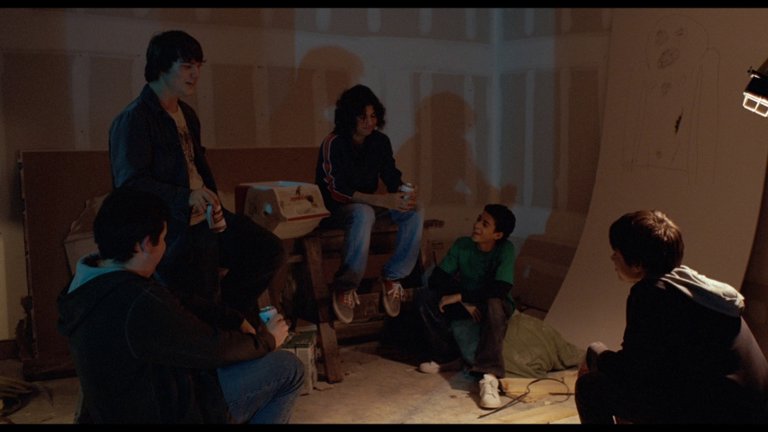
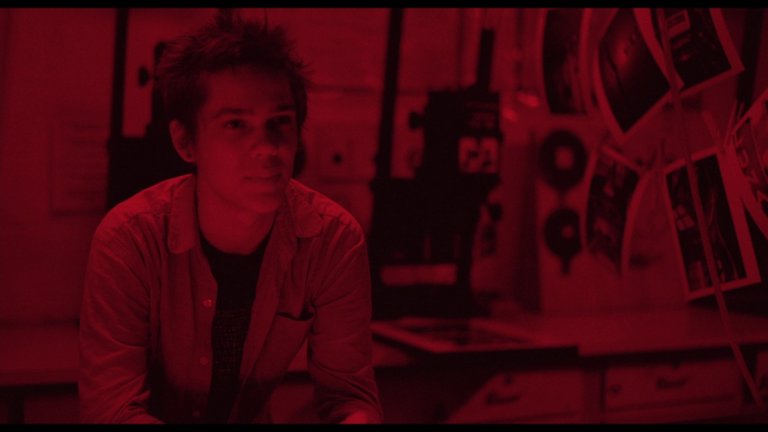
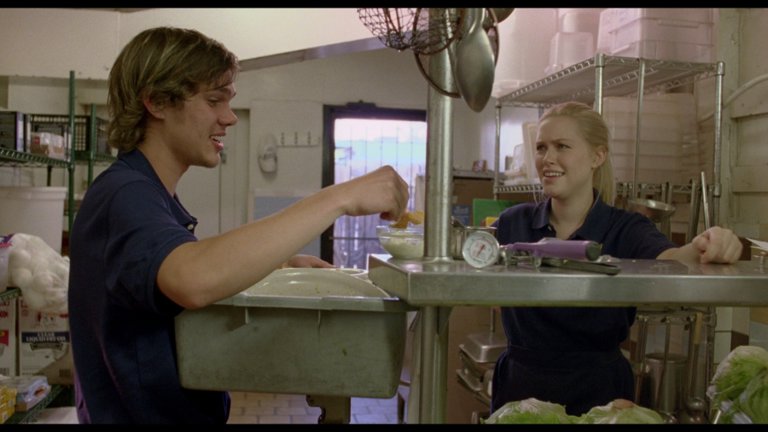
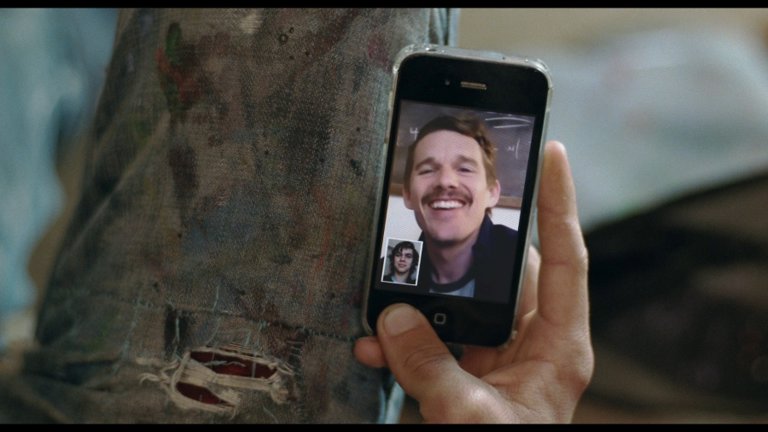
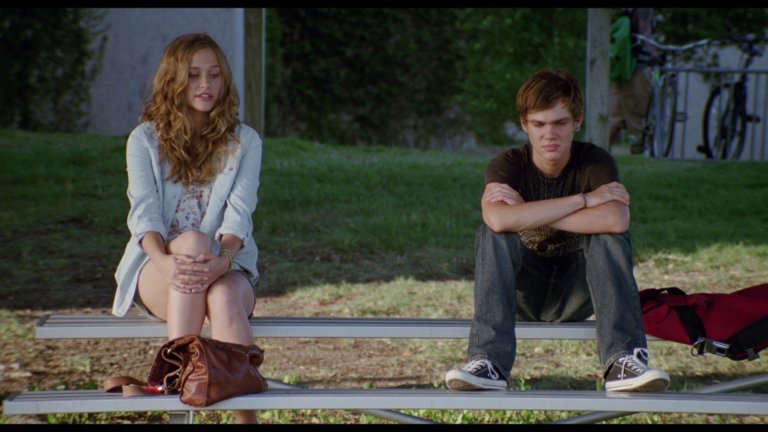
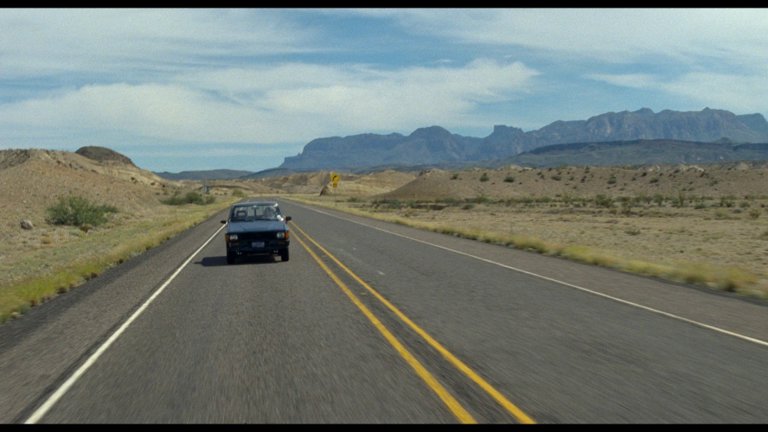
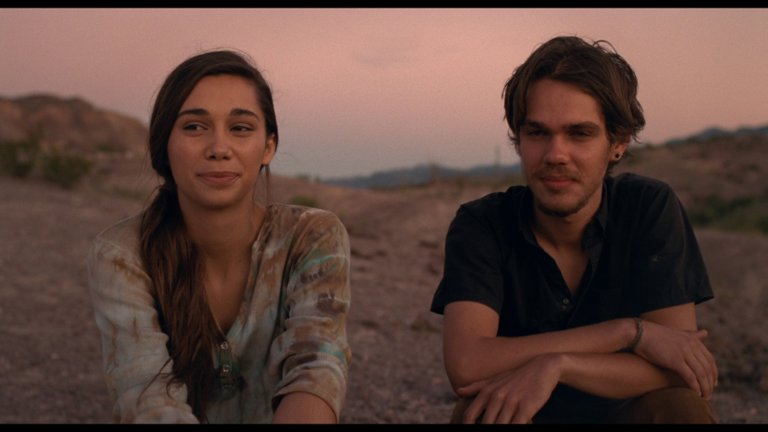
Boyhood - Screen Captures
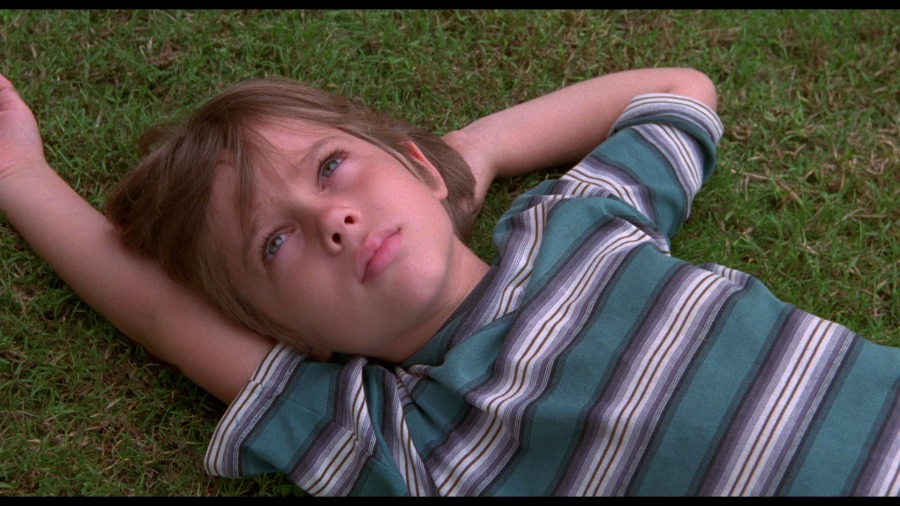
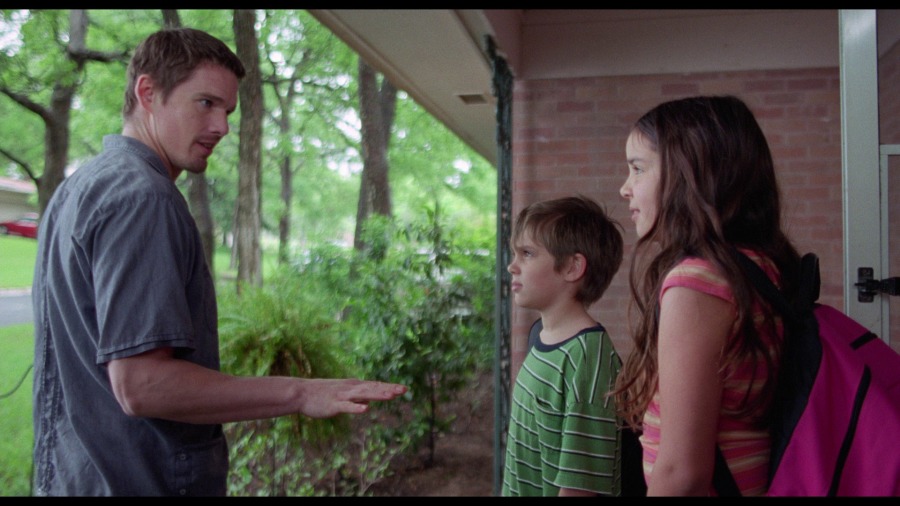
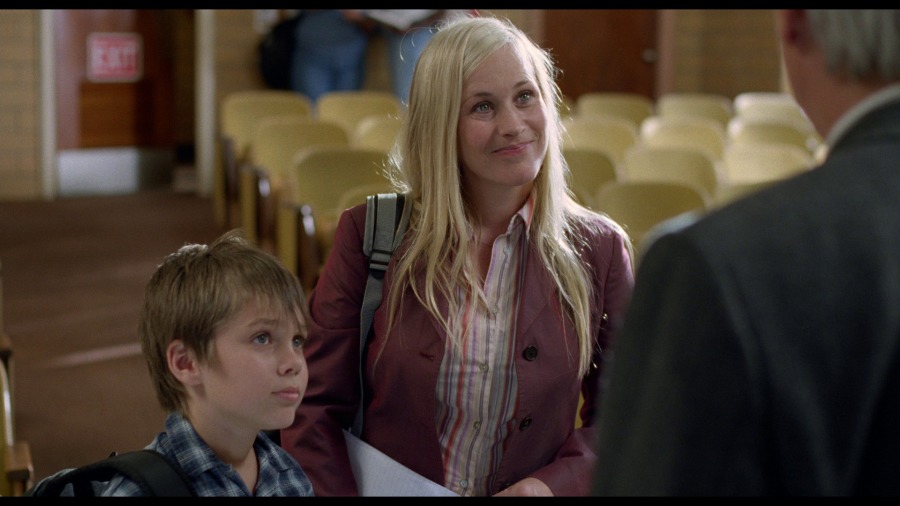
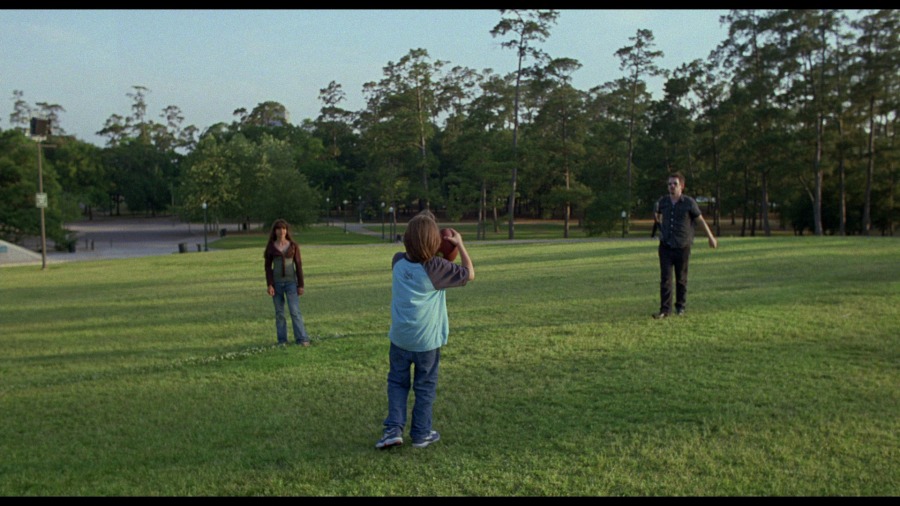
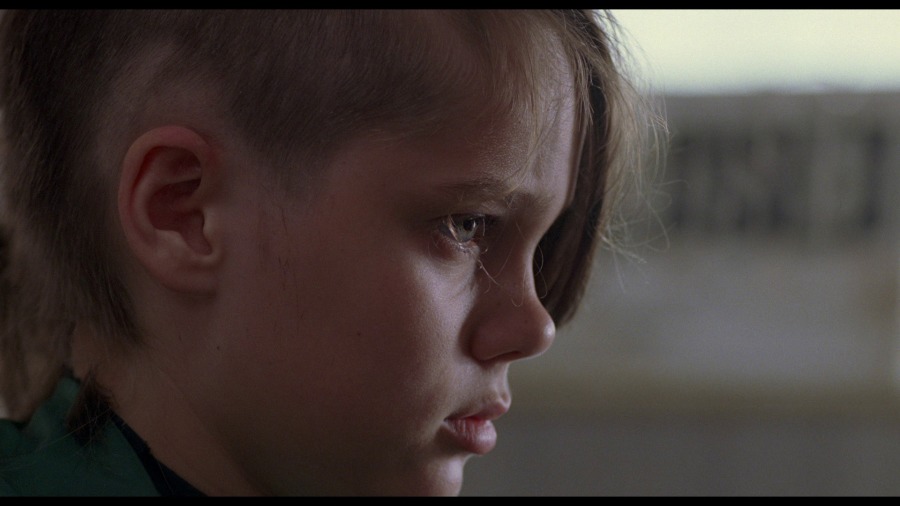
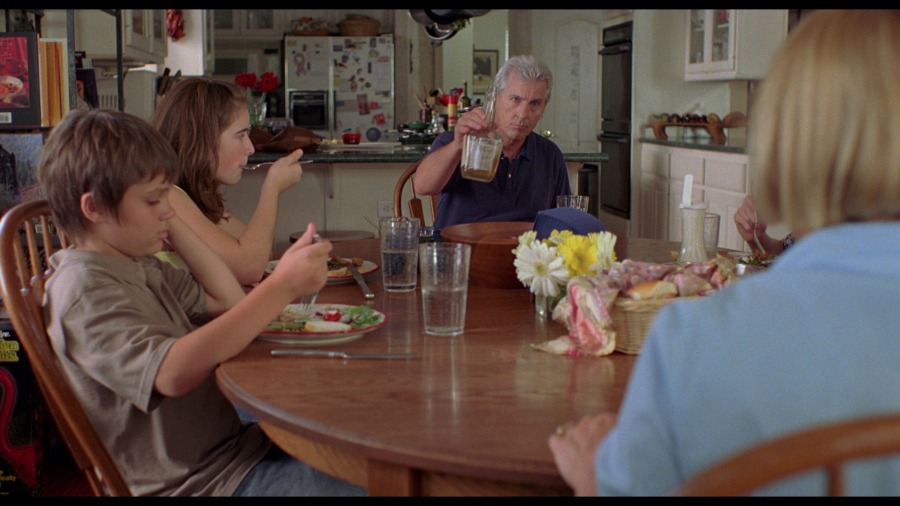
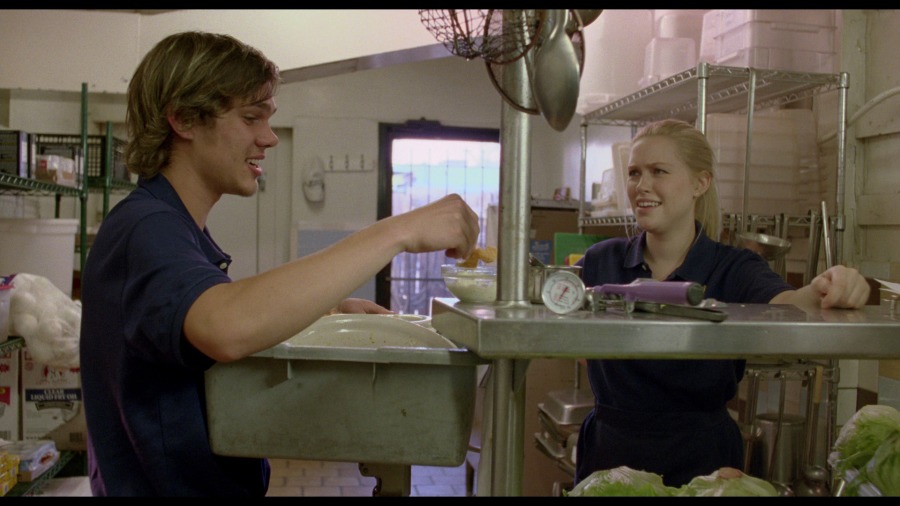
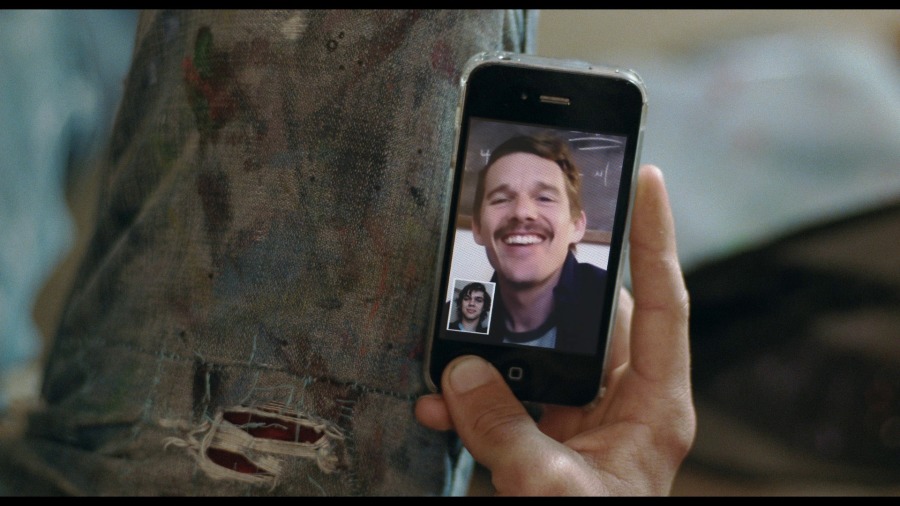
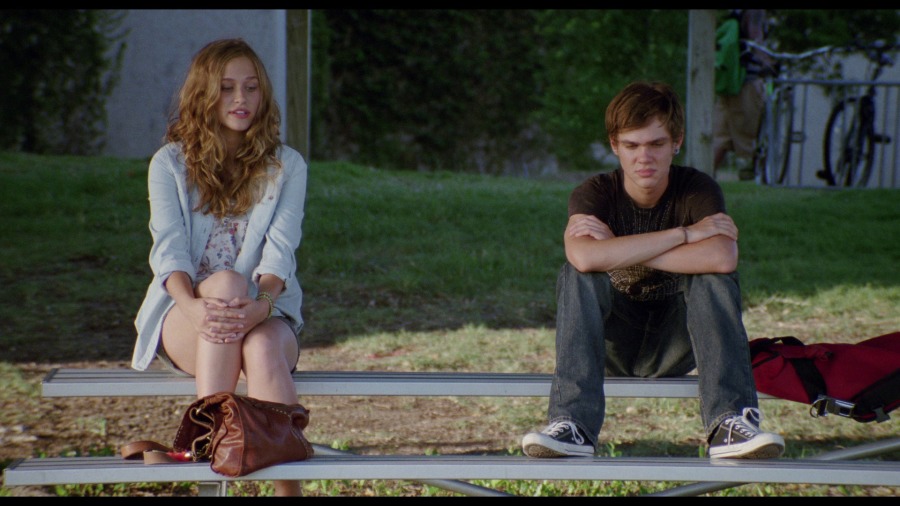
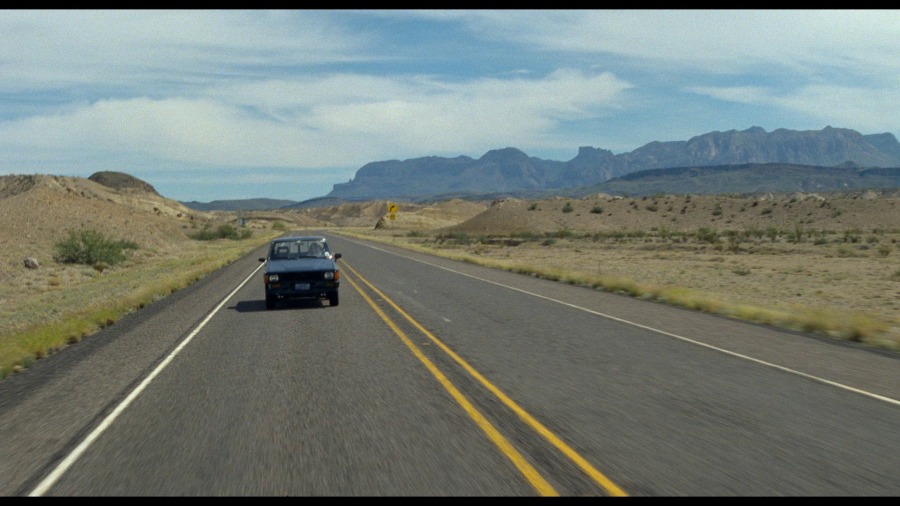
Audio 8/10
The release’s DTS-HD MA 5.1 surround track also doesn’t offer any real surprises, but it sounds sharp and suits the film. Dialogue focuses to the front center most of the time and sounds clear, easy to hear. The other speakers pick up ambient noise and the film’s music soundtrack. There are some fairly good surround moments with nice bits of direction and movement, like a few social gatherings and a scene at a baseball stadium, which put you in the center of the scene. The track overall is crystal clear, and delivers excellent fidelity and range (the music sounds especially good), while also being nicely mixed as to not drown anything important out.
Extras 9/10
Considering the film’s production background (it was shot over a week or so every year over 12 years with the same cast) there’s no shock that the supplements we do get focus quite heavily on this aspect, but somewhat surprising is how the supplements get quite heavy themselves, everyone reflecting on the passage of time and how the film works as a document of sorts. First up on disc one is a very thorough audio commentary, exclusive to this edition, featuring director Richard Linklater along with producer Cathleen Sutherland, editor Sandra Adair, coproducer and first assistant director Vince Palmo Jr., production designer Rodney Becker, costume designer Kari Perkins, casting director Beth Sepko-Lindsey, and actors Marco Perella, Libby Villari, and Andrew Villarreal. The participants were all recorded together though some appear or drop out throughout.
The track is very technical, focusing primarily on how the film was planned, filmed, and constructed over its 12-year period, including the planning around all of the possible problems that could come up, from debating on whether they should buy a huge amount of film stock in case they wouldn’t be able to get the same stuff twelve years later, to what would happen if IFC (who, crazily, agreed to do this film) went belly up, or even, heaven forbid, if certain cast members were unable to do the film anymore. There are a lot of anecdotes and stories from the set, but the track is easily most interesting when they’re talking about editing the film, which was done as they filmed. Most surprisingly is the fact that there isn’t a lot of deleted footage as the tight schedules (really, just a few days every year) didn’t allow for a lot of excess filming. Things were tightly planned and they stuck to it (it is mentioned that most of the material was actually cut from the first year, and unfortunately that’s not to be found here). And it’s funny at times to hear how things didn’t always turn out as planned: Linklater of course wanted to work in technology to show the changes over the years, working them into the story somehow, but the one thing Linklater figured would change drastically were automobiles, and there was some disappointment when capturing all these vehicles over the years didn’t produce much of an effect since there weren’t any drastic changes, at least in looks. It’s of course a long track, spanning the entire film, but it’s filled to the brim with material and is well worth the time listening to.
Criterion thankfully places the remaining supplements on a separate single-layer Blu-ray disc, allowing the lengthy film to breathe nicely on its own disc. The second disc starts with a 49-minute video journal of sorts, Twelve Years, documenting—to a limited extent of course—each year of filming. Though it can repeat some things from the commentary (intentions with the film, casting decisions, how world events worked their way in, Linklater’s daughter asking for her character to be killed off, etc.) we get first hand interviews with the cast and crew at the time of filming, with the added bonus of seeing everybody, especially Linklater, age before our eyes. The film obviously became a very personal experience for everyone, Arquette being especially affected by things (and this shows up in other features on this release as well). I’m actually surprised it’s so short and it feels it could be substantially longer, but paired with the commentary (and then everything else on the release) I guess it is, in the end, a very well put together collage of the film’s shoot over the years.
Next producer John Pierson moderates over Linklater and actors Patricia Arquette and Ellar Coltrane for a new 57-minute group discussion entitled Memories of the Present. With Pierson chiming in every once in a while the other three talk about the experience of making the film, covering some of the same ground covered in the commentary by Linklater and others, though in a more personal manner. While Linklater talks a bit more in detail about how he was able to get funding for this film, the planned structure of it, and what it was like working on other big features only to keep coming back to this one, the three still talk about the whole venture as an experience, the impact it has had on their lives, and that surreal moment when they realized it was all over (Arquette seems to have taken it hardest). The added details about the production make the feature worthwhile but I appreciated it more for that more personal perspective about the experience.
Criterion then includes yet another discussion, this time between Coltrane and Ethan Hawke, found under Always Now. This 30-minute discussion feels a bit like an add-on to the previous feature, with Hawke sharing his own experiences with the film (while also making other films with Linklater during the same time period) and the two talking about their scenes together. Hawke had a more Zen-like experience with the film—calling it a “pure” experience—since it was so far outside of the mainstream way of making films. I’m not sure why Hawke didn’t participate in the previous interview but whatever the reason this discussion with Hawke manages to get more out of Coltrane about the experience and even his own contributions to the story. I’m assuming scheduling conflicts prevented Hawke from participating in the other interview but I liked the route this one goes on its own.
Michael Koresky next provides a visual essay narrated by Coltrane entitled Time of Your Life, which focuses on Linklater’s use of time in his films, whether it be making an audience feel the time pass like in Slacker and Dazed and Confused, two films that focus on events over the course of the day, or exploring characters over a long period time, like with Boyhood and the Before Trilogy. Koresky even explores the autobiographical nature of Boyhood and how its protagonist follows a similar path like Linklater’s path to becoming a filmmaker. It’s only 12-minutes long but it’s an incredibly insightful feature.
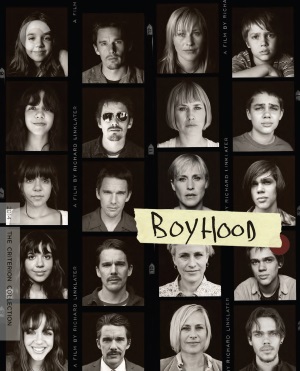
Though all of the features so far touch on or explore time in both terms of the film’s lengthy production and within the film itself (with even more heavy subject matter like mortality creeping in), it gets far heavier in the next feature, Through the Years, a compilation of the on-set photos photographer Matt Lankes took over the course of the production, which included getting portrait shots of the cast and crew every year (these photos were actually used for the cover art of this release). The photos he took were also used for his book “Boyhood: Twelve Years on Film.” Criterion also gets members of the crew and cast to read excerpts from their own notes they wrote for the book, sharing their thoughts on the film and what happened in their lives while making this film. It’s fascinating watching this compilation of photos chronicling the years while getting more personal stories of the experience from other members of the crew.
Criterion then includes an actual booklet featuring an essay by Jonathan Lethem, who expands a bit on Koresky’s visual essay in terms of how the film relates to Linklater’s other films in exploring the passage of time. Though I was a bit annoyed at the large number of appendices I thought it was a good read.
The two big features on the previous Paramount Blu-ray, a short making-of and footage from a Q&A session, are both missing. This isn’t a big deal, though, as the features here more than cover the content found in those.
It’s an impressive set of features, well thought out and very insightful, reaching to be more than the usual making-of material, even including a couple of strong academic supplements. A really solid upgrade over the Paramount edition.
Closing
Overall I think the release offers a terrific upgrade over the Paramount edition. It doesn’t offer a huge upgrade in terms of A/V (I do think the Criterion looks a bit more filmic at the very least) but the supplements are all incredibly in-depth and fascinating. It comes with a very high recommendation, even if you own the previous release.
BUY AT: