Thanks, looking forward to your thoughts. I also just ordered the Rivette version, so that should keep me occupied once it arrives (along with the 300 or so other discs in my unwatched pile)mizo wrote: Thu Sep 17, 2020 5:26 pm I couldn't say right now, but I did just order a copy (intrigued because the product description suggests that Saint Joan might be presented in full frame, where the WA DVD was matted to widescreen) so if you can wait, I'll be able to let you know in a few weeks!
Otto Preminger
-
willoneill

- Joined: Wed Mar 18, 2009 2:10 pm
- Location: Ottawa, Ontario, Canada
Re: Otto Preminger
-
therewillbeblus

- Joined: Tue Dec 22, 2015 7:40 pm
Re: Otto Preminger
mizo, did you ever get find out if you could publicly share your grad paper on the film without violating academic practices? It would be a great service to the community if so!
-
mizo

- Joined: Tue Aug 07, 2012 2:22 am
Re: Otto Preminger
Well I'm a little wary of sharing publicly since I may or may not be incorporating parts of it into a larger thesis project. Too early to say, though. If not, I'll definitely post it here.
-
therewillbeblus
- Joined: Tue Dec 22, 2015 7:40 pm
Re: Otto Preminger
Fair enough! I'd be interested to read that as well, if you do get around to it
-
mizo
- Joined: Tue Aug 07, 2012 2:22 am
Re: Otto Preminger
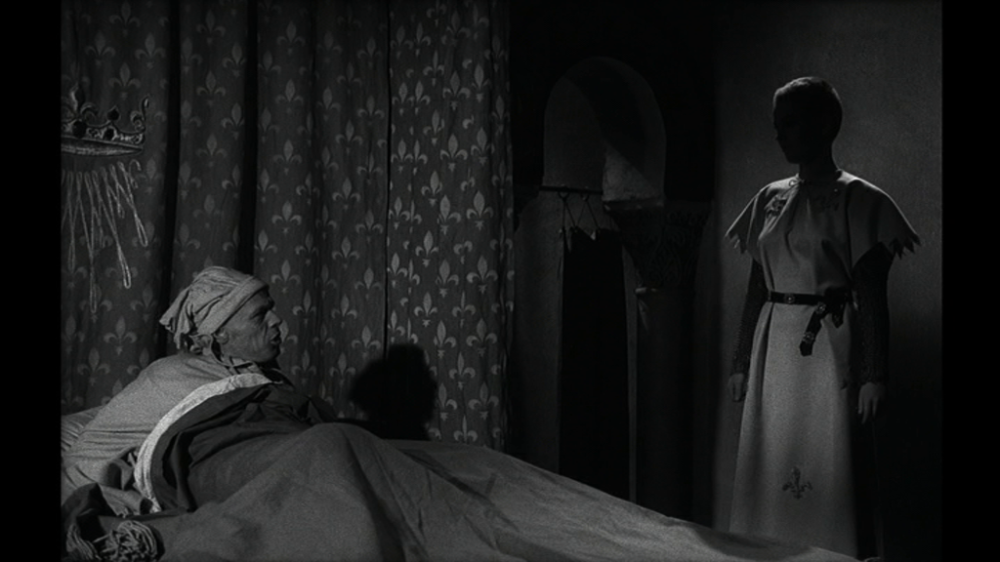
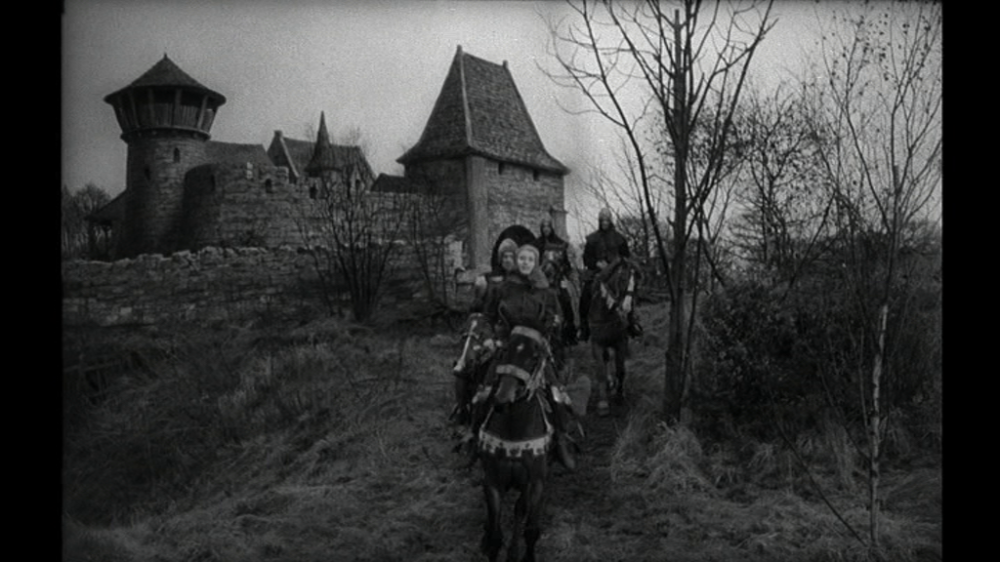
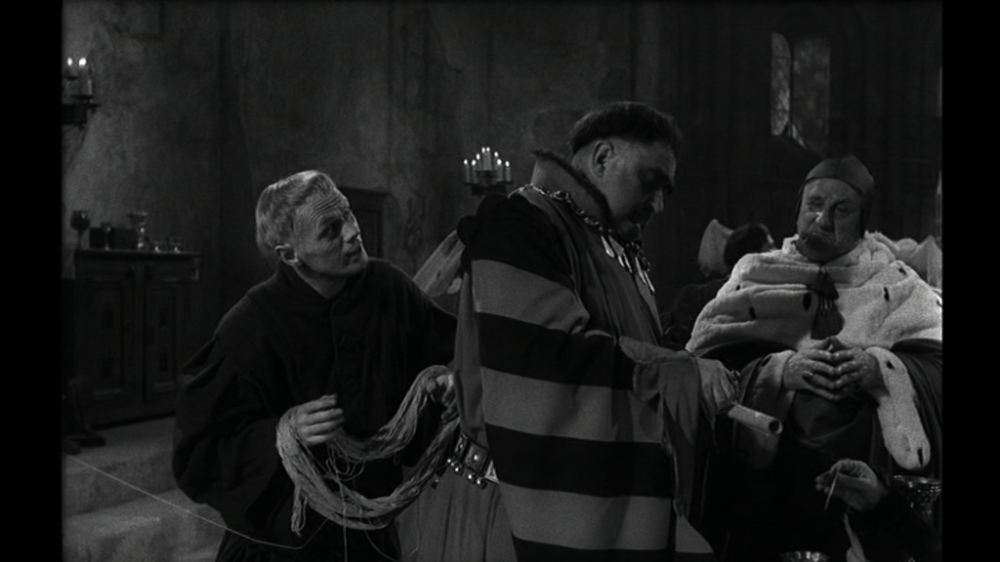
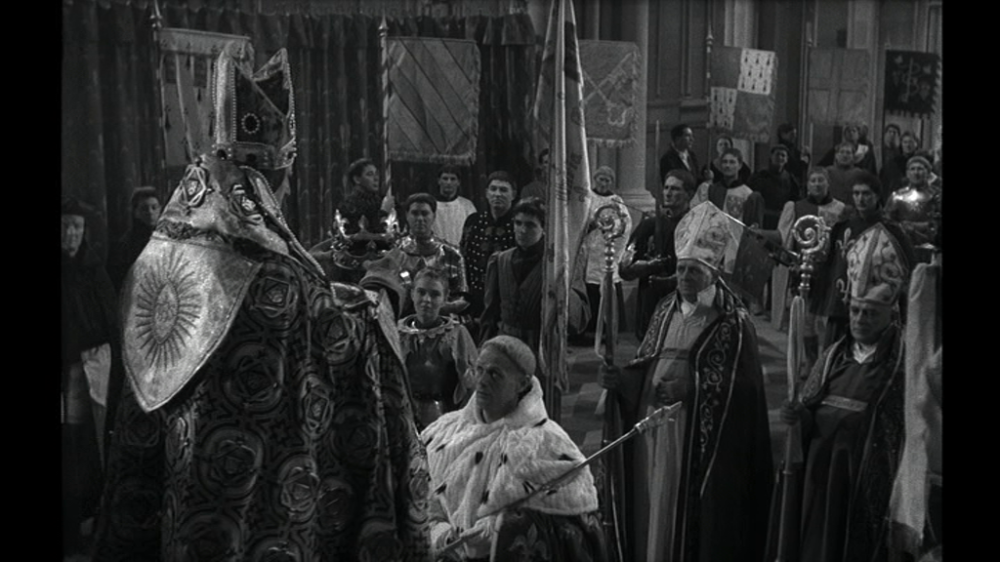
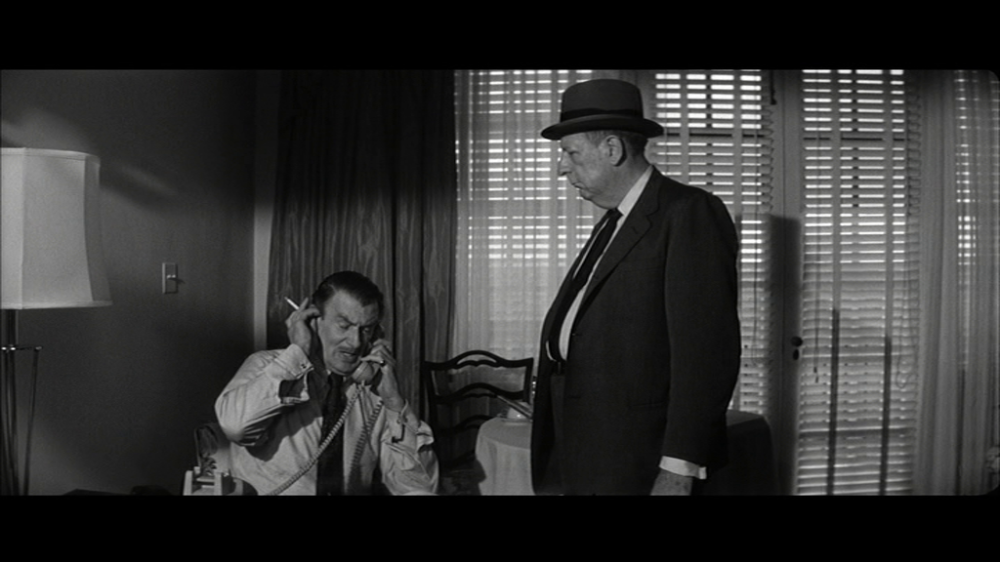
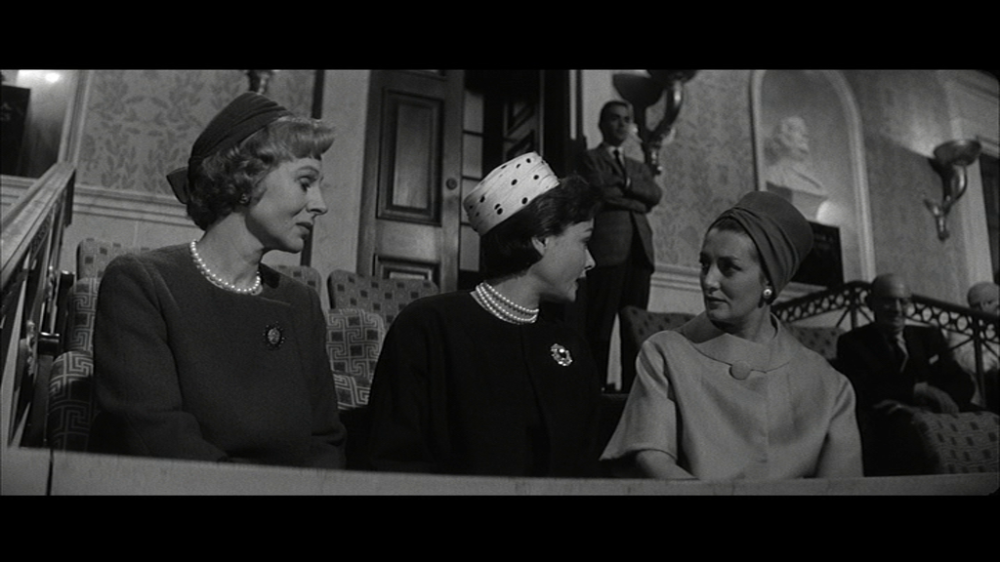
Just over a month later and I can finally report back. I've given all the films a cursory once-over, and took a few screenshots on my laptop. I'm not sufficiently keyed into technical details to give a full bluray.com style write-up, but here's my best effort. The sound on each disc defaults to German dubs, but they all have the original English audio, and no forced subs. The packaging on the set is kind of awful - it has those plastic tabs on the sides of the disc, where you have to push the disc down almost too hard to get it back into place (like the Arrow Rivette set, if you own that) and the outer cardboard is flimsy and was already pretty dinged up when I got it.mizo wrote: Thu Sep 17, 2020 5:26 pm I couldn't say right now, but I did just order a copy (intrigued because the product description suggests that Saint Joan might be presented in full frame, where the WA DVD was matted to widescreen) so if you can wait, I'll be able to let you know in a few weeks!
Anyway, here's the main event - the Saint Joan transfer. First off, it looks to be in 1.66:1. Not the academy I'd hoped for, but also not the 1.85:1 of the WA DVD. Given that the other transfers on this set frequently allow you to see the edge of the frame (and you can detect some black creeping in, especially on the left side, in some of these shots) I don't think there's any masking going on on the sides. I don't have the WA disc on hand, but I remember the transfer being pretty weak, and this one handily surpasses it, with a nice deep, grainy look. Not sure that really comes through in these images, but the film looks good in motion - better than I've ever seen it before (and, as mentioned above, I had to look really closely at the old DVD in order to write a paper on the film):
Also, I'm fairly certain that the print used on the old DVD was missing this United Artists logo, so here it is for posterity:
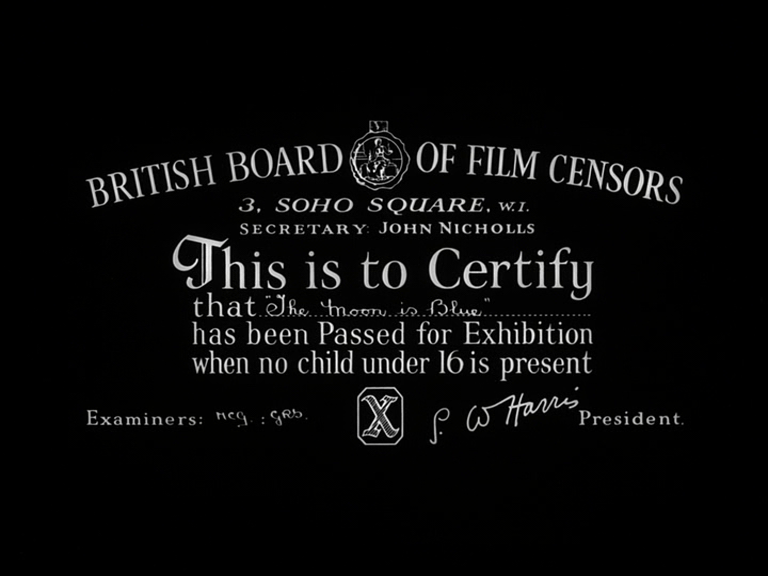
You didn't ask about the other transfers, but I'll also include samples. Advise & Consent basically looks like the old (pressed) WB DVD, maybe a little sharper. And you can totally see the rounded corners of the frame on the right. The Moon Is Blue looks considerably better than my recollection of the WA DVD, and you can only sometimes see the corners of the frame (so you could make a drinking game out of it!). It also has a British censorship card at the start.
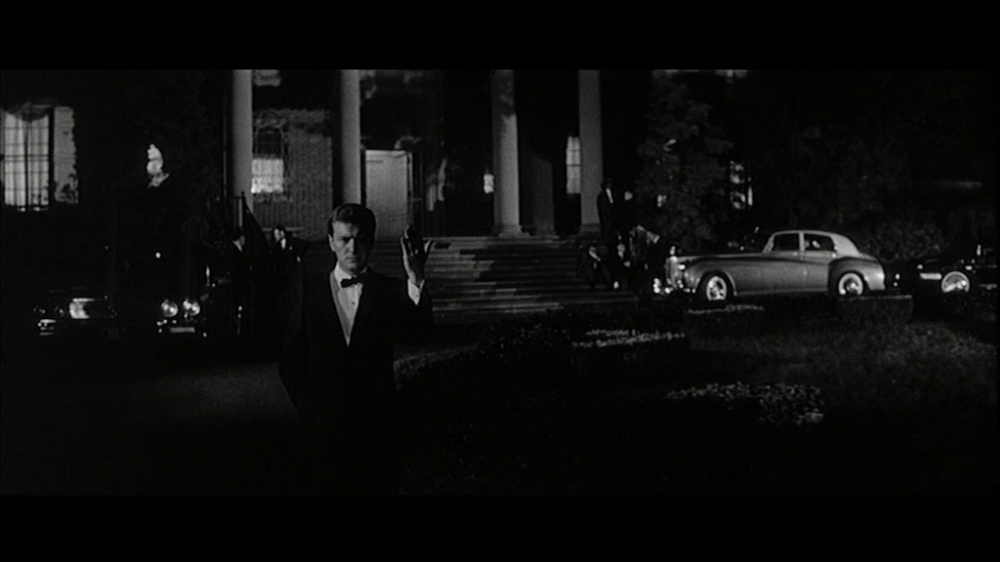
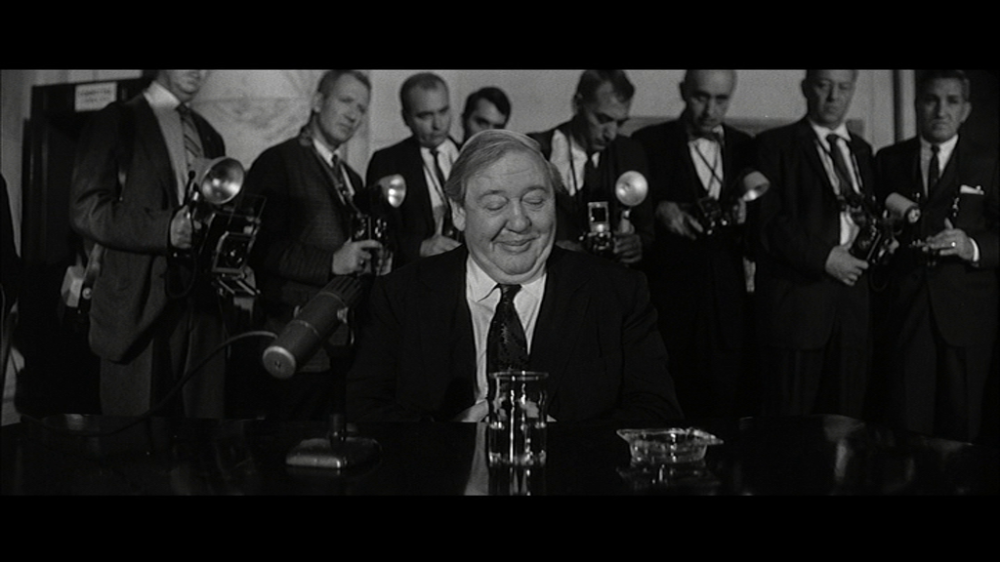
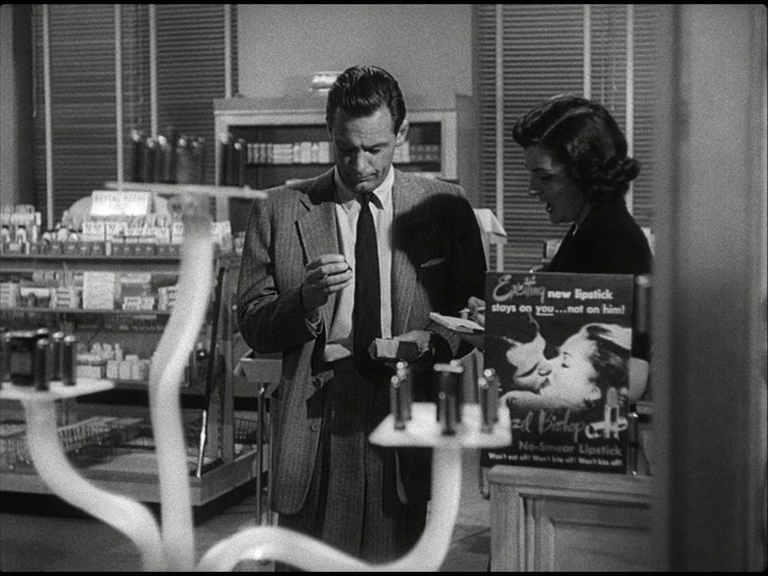
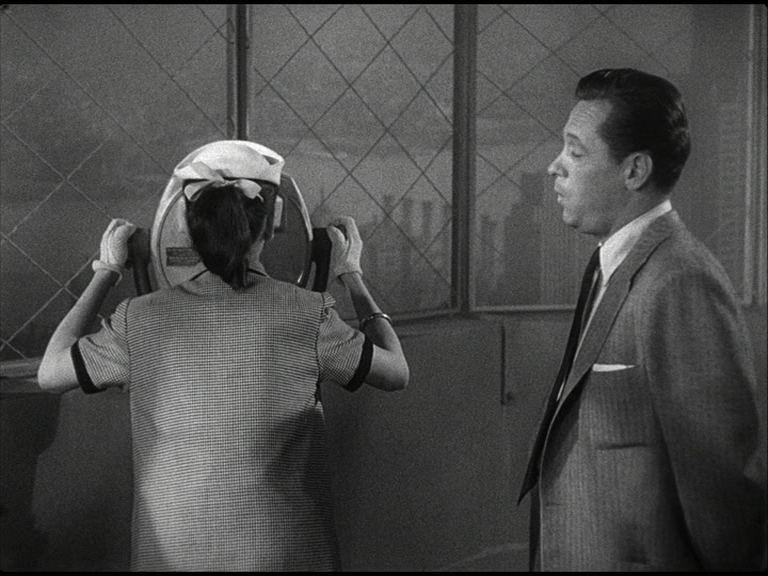
The infamous "virgin" scene!
I don't have a great ear for film sound quality, but on cheap headphones, these all sounded fine. Disappointingly, the elusive German version of The Moon Is Blue is not included on the disc, just a German dub, like the others.
-
willoneill
- Joined: Wed Mar 18, 2009 2:10 pm
- Location: Ottawa, Ontario, Canada
Re: Otto Preminger
Much appreciated Mizo. Just put my order in.
-
Nw_jahrles
- Joined: Fri May 11, 2018 5:52 pm
Re: Otto Preminger
Just a head’s up for anyone planning to participate in the upcoming Preminger list project. The Man With the Golden Arm leaves The Criterion Channel at the end of the month. It’s an HD transfer unlike what you will find elsewhere (Prime, Shout Factory TV).
-
therewillbeblus
- Joined: Tue Dec 22, 2015 7:40 pm
Re: Otto Preminger
English subtitles for Die Jungfrau auf dem Dach (Preminger's German-language version of The Moon is Blue) are up on back channels
-
domino harvey

- Dot Com Dom
- Joined: Wed Jan 11, 2006 6:42 pm
Re: Otto Preminger
For anyone still trying to wrap their head around Skidoo, I just read Preminger's interview with Cahiers du Cinema about his plans to follow up Hurry Sundown with an adaptation of John Hershey's Too Far to Walk, which obviously never materialized but might explain why Preminger still felt compelled to tackle the counterculture in an alternate fashion. But I shudder to think that Preminger was one step away from delivering his own Zabriskie Point!
As for Hurry Sundown, which I finally caught up with... wow, I'll break the trend of others here and say it's exactly as bad as its reputation holds. What a disaster, made with zero craft and negative self-awareness. Like all ineffective liberal movies, it thinks being right gives one the right to cut corners elsewhere. There is charitably about a minute of action in this film that is of any interest at all: Jane Fonda dribbling whiskey from her mouth into Michael Caine's before sucking off a saxophone, and Jim Backus' cameo as a cheerful white lawyer fully at home with the black community (and Backus has the distinction of being gifted the only non-obvious character beat in this entire movie). Beyond that, egads! It's obvious why this is commonly seen as the clear dividing line for Preminger's later career-- no artistry, no majesty, no complexity, and no surprises. One thing I haven't seen mentioned that I did find amusing is that like his period film before this one, In Harm's Way, this film shows the same disdain for detail here by dressing and coifing everyone in the 40s like it's the 60s.
As for Hurry Sundown, which I finally caught up with... wow, I'll break the trend of others here and say it's exactly as bad as its reputation holds. What a disaster, made with zero craft and negative self-awareness. Like all ineffective liberal movies, it thinks being right gives one the right to cut corners elsewhere. There is charitably about a minute of action in this film that is of any interest at all: Jane Fonda dribbling whiskey from her mouth into Michael Caine's before sucking off a saxophone, and Jim Backus' cameo as a cheerful white lawyer fully at home with the black community (and Backus has the distinction of being gifted the only non-obvious character beat in this entire movie). Beyond that, egads! It's obvious why this is commonly seen as the clear dividing line for Preminger's later career-- no artistry, no majesty, no complexity, and no surprises. One thing I haven't seen mentioned that I did find amusing is that like his period film before this one, In Harm's Way, this film shows the same disdain for detail here by dressing and coifing everyone in the 40s like it's the 60s.
-
pistolwink
- Joined: Thu Dec 12, 2013 7:07 am
Re: Otto Preminger
It's strange that Preminger's visual style seemed to fall apart suddenly in the late 1960s. In Harm's Way and Bunny Lake are, although flawed, serenely well-crafted films, while the films just after are... not. The word for them might be "incompetent." Maybe, like a lot of other older directors, Preminger felt he had to stay "current" and his talents didn't survive the attempt.
-
beamish14
- Joined: Fri May 18, 2018 7:07 pm
Re: Otto Preminger
pistolwink wrote: Wed Sep 04, 2024 7:44 pm It's strange that Preminger's visual style seemed to fall apart suddenly in the late 1960s. In Harm's Way and Bunny Lake are, although flawed, serenely well-crafted films, while the films just after are... not. The word for them might be "incompetent." Maybe, like a lot of other older directors, Preminger felt he had to stay "current" and his talents didn't survive the attempt.
I’ll vigorously defend Such Good Friends, which does, at least in part, successfully tune in to the milieu of the times. The Human Factor was an impressive work to go out on; one of the better Graham Greene adaptations, and it captures the ennui at the heart of totalitarianism and evil like Aldrich’s Twilight’s Last Gleaming
-
knives

- Joined: Sat Sep 06, 2008 10:49 pm
Re: Otto Preminger
I’d agree and also add Rosebud as a great film. Really, only Junie Moon rings of genuine incompetence to me and even that one is a kind of fascinating flop.
-
beamish14
- Joined: Fri May 18, 2018 7:07 pm
Re: Otto Preminger
I can’t quite vouch for Rosebud, unfortunately, but it was certainly an interesting effort at making a relatively conventional thriller. I forgot which of the two major biographies on him discusses it, but it was apparently made to help him reconcile with his son from his relationship with Gypsy Rose Lee, and his widow shit on it in her interview with the authorknives wrote: Thu Sep 05, 2024 12:00 am I’d agree and also add Rosebud as a great film. Really, only Junie Moon rings of genuine incompetence to me and even that one is a kind of fascinating flop.
Junie Moon is seriously odd. A movie that is supposedly about inclusivity and tolerance, but seems to posit that those with differences should isolate themselves from society
-
domino harvey
- Dot Com Dom
- Joined: Wed Jan 11, 2006 6:42 pm
Re: Otto Preminger
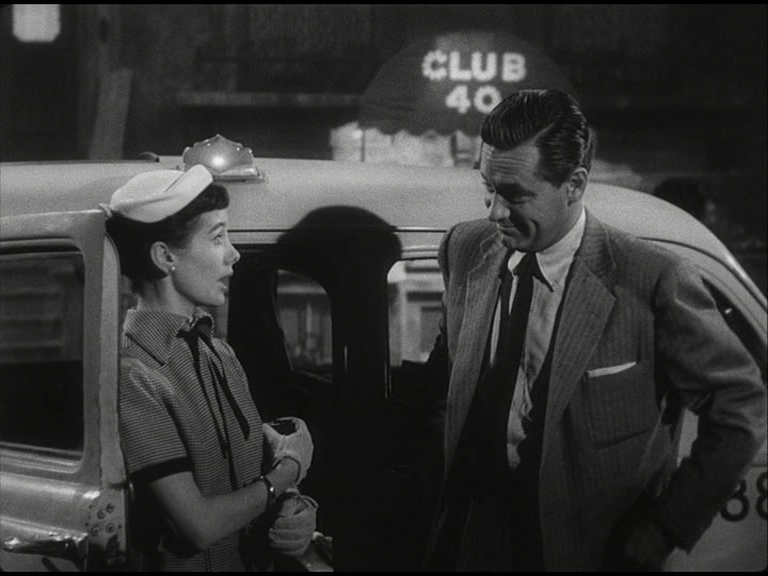
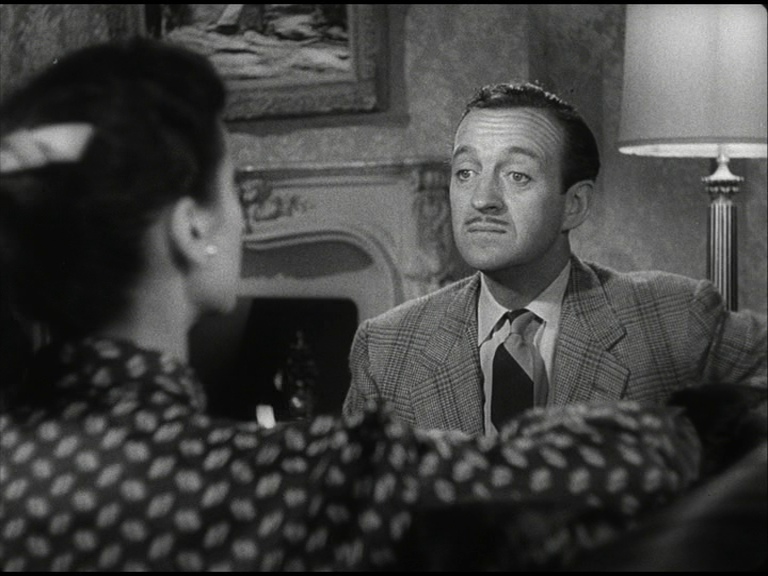
Revisited Fallen Angel and thought it was much better than I'd remembered. There are some obvious issues with it, namely that Linda Darnell is so captivating that the film suffers immensely from her reduced presence in the back half. Darnell is given such a perfect example of this particular archetype, the stalled small town beauty, and the way she plays her with a mixture of boredom and self-righteousness is perfect-- she has contempt for everyone, especially anyone who'd want her. I also love that while she's been in more laps than a napkin, her character still has a moral code that draws the line at dallying with married men. The film is presumably hampered by the constraints of the source material, but Darnell and John Caradine as the huckster seer are so amusing in the first portions of the film that wet blankets Alice Faye and Anne Revere can't help but be a disappointment once the focus shifts to them. Faye was of course doomed here, because she's not a noir actress for a reason and her goody two shoes is so one-dimensional that she can't rise above it (one is reminded that it is possible, though, like Betty Grable in I Wake Up Screaming!, which is functionally the same movie). I was also impressed by Dana Andrews' unflappability in the first half of the film-- note how he never protests, never defends, and accepts and pivots on every turn in these initial scenes. This is a fantastic portrayal of an experienced con man-- which makes the eventual reveal that he's not such a bad guy even more unconvincing! And while Charles Bickford is a perennial favorite of mine for a reason, outside of the great interrogation scene he's left a bit adrift here. Obviously, the biggest flaw of the film is the abrupt and convenient ending, the inciting elements of which all occur offscreen and are relayed with unconvincing expository dialogue as though Preminger knew the audience would be getting restless and be ready for this whole thing to wrap up (and he'd be right).
But of course the main reason to watch a Preminger film is his control of mise-en-scene. There are some terrific dynamic shots in this film, but the 180 shot of Faye and Andrews outside the bank is one of the best and most fluid visual images in any of his works. It occurred to me while watching that Preminger's decline in popularity until recently (an injustice that I am eternally fascinated by) is in some part tied with the trend in film studies during these decades to avoid aesthetic or formalist readings of films in favor of critical theory and "deeper meanings," which a Preminger film cannot provide in any meaningful way.
But of course the main reason to watch a Preminger film is his control of mise-en-scene. There are some terrific dynamic shots in this film, but the 180 shot of Faye and Andrews outside the bank is one of the best and most fluid visual images in any of his works. It occurred to me while watching that Preminger's decline in popularity until recently (an injustice that I am eternally fascinated by) is in some part tied with the trend in film studies during these decades to avoid aesthetic or formalist readings of films in favor of critical theory and "deeper meanings," which a Preminger film cannot provide in any meaningful way.
-
pistolwink
- Joined: Thu Dec 12, 2013 7:07 am
Re: Otto Preminger
I would disagree with that last clause in re. Laura (whose incoherence, not entirely Preminger's responsibility, makes it pretty rich in potential meanings) and stuff like Where the Sidewalk Ends, Daisy Kenyon, and Anatomy of a Murder which sustain a remarkable ambiguity about some of their characters' motives and feelings. (Some of that in Angel Face and Bunny Lake Is Missing too.)
-
domino harvey
- Dot Com Dom
- Joined: Wed Jan 11, 2006 6:42 pm
Re: Otto Preminger
I value those elements too, but that authorial ambivalence is part of the difficulty for reading these films through certain critical lenses. And these kind of approaches faced pushback before the theory shift of the 70s/80s as well (just look at the rather inexplicable apoplexy that greeted Chabrol’s similar objectivity in Les bonnes femmes)
-
hearthesilence

- Joined: Fri Mar 04, 2005 8:22 am
- Location: NYC
Re: Otto Preminger
I posted about the Marilyn Monroe retrospective going on at MoMA - if you have to prioritize anything, I would say go to the CinemaScope films first, simply because MoMA won't shrink down the screen to accommodate the wider aspect ratio, they have the real estate to indeed widen it (as originally intended) and if you're sitting close enough, you get the full effect in all its glory. This was certainly the case in River of No Return, which MoMA advertised as "one of the first notable uses of CinemaScope." Unfortunately, they have no more screenings scheduled, but if you ever get the chance to see it projected, it's highly recommended you do so.
I saw elsewhere that early DCP's of Monroe's Fox CinemaScope films have had a poor reputation, so much that Fox began to revisit them and redo them in 4K. (I have no idea if they managed to redo all of them.) One person involved in creating some video masters many years back mentioned that they were instructed to do some heavy degraining, which explains the looks on those Blu-rays. They also mentioned that the color film elements weren't stored well so they were already in far-from-ideal shape when revisited in the '80s and '90s. There was also the school of thought that the film elements never looked great because 1) any imagery captured through Bausch & Lomb's lenses (prominently advertised in the credits) did not look great and 2) it sounds like Deluxe color was used more often than Technicolor, which is unfortunate because the color isn't as good.
I bring all this all up because the DCP didn't knock me out. I have no idea if it's a 4K restoration, and I think it may be at least a 2K DCP since it wasn't advertised as a 4K DCP, but while the film grain looked just fine, the detail in the image capture was on the gauzier (or "softer" but not waxy) side. The color also looked a little subdued, but that's probably correct - IIRC this was actually a Technicolor film, and it doesn't go for the inaccurate, garish look too many home video releases pushed on to Technicolor films. The lens distortion in the interior wide shots is really noticeable at the ends of each side, with heads squished into grapes, but if the screen fills your entire view (which is kind of the effect CinemaScope was going for), the viewing experience is somehow very forgiving towards these anomalies.
When I got home, I watched the Blu-ray, and it's very possible the DCP is taken from a new scan or restoration. For starters, the CinemaScope mumps appear much more prominently on the Blu-ray - not just in the sides, it's prominent in the image in general, with heads looking a little flattened towards the center of the screen. (It's possible this was corrected for the DCP.) The grain also appears to be scrubbed out more and the compression from the encoding looks painfully obvious. Part of this may be the common difference between a DCP and a Blu-ray, but even compared to other Blu-rays, the compression doesn't look that great.
I could go on, but I don't want to dissuade anyone from seeing this because I think it's a great film, one of the best Preminger or Monroe ever made. I mentioned in another thread that it's frustrating that Monroe wasn't paired more often with leading men of equivalent stature, and here we have one that manages to hold a commanding presence over the entire picture even when Monroe is sharing the spotlight in a lead role. (I think The Misfits may be the only other example of this.) Mitchum is simply magnificent - this role in particular stands out because in many ways he's an ideal father. I'm not a parent, but when I look at his interactions with his child, I can't help but think it's model behavior - there's no question he's presiding as his guardian and the authority figure in his life, but he isn't needlessly domineering nor does he talk down at him (much less approach abusive behavior). He talks to him with authority, but also sensitivity, intelligence and respect and he listens very thoughtfully. As someone trying to raise a child in terms of navigating him through life and guiding him to become a better man when he grows up, he does all the right things naturally. He isn't perfect though - yes, there is the dark secret that's a major plot point, but it's a badly-dated trope of...
...that really plays out poorly and awkwardly. It doesn't feel out-of-character so much as a major cringe-inducing character flaw.
Speaking of which, while it's tempting to say this film would've been formidable with anyone in Monroe's role, I don't think anyone else could've sold it better, especially when her core trait is a serious lapse of judgment regarding the man she's chosen to be with. Again, it's the type of character flaw that she can put across very convincingly, suggesting the fragility that would lead her to believe that about the wrong person to the hardened (albeit misplaced) defiance that comes from a lifetime of hurt. I should add, the fact that a large part of this film was shot on location really stands out when you look at her outdoor scenes. I'm more used to seeing Monroe under studio lights and heavily made up to accommodate that type of lighting, but out in the open under natural sunlight (whether it's sunny or overcast), you can see the difference and it brings her down to earth a bit.
I wrote elsewhere that Preminger has always amazed me for his highly-controlled mise-en-scène within a moving camera, especially in the widescreen format. (There's a remarkably effortless but fluid change in composition during this film's great climax.) But seeing this soon after The Seven Year Itch, which was made after this film was released, his mastery is all the remarkable. Billy Wilder's a great filmmaker, but he didn't appear to have a great handle on CinemaScope whereas Preminger makes it look so easy as if widescreen composition was second nature to him. In fairness, he does have the advantage of an outdoor film while Wilder's film is confined to an apartment - it's not just the advantage of beautiful landscapes, when shooting outdoors you have the luxury of a much deeper z-axis and all the light you need coming down on everything in sight (i.e. you don't have to spend time or resources lighting a greater amount of real estate). Preminger makes great use of depth, often blocking or composing elements deep in the background, but even the indoor shots (like when Monroe is singing to her customers) are composed more brilliantly than Wilder's - nothing comes off as "filler," every element is packed into a frame organically and with reason.
I saw elsewhere that early DCP's of Monroe's Fox CinemaScope films have had a poor reputation, so much that Fox began to revisit them and redo them in 4K. (I have no idea if they managed to redo all of them.) One person involved in creating some video masters many years back mentioned that they were instructed to do some heavy degraining, which explains the looks on those Blu-rays. They also mentioned that the color film elements weren't stored well so they were already in far-from-ideal shape when revisited in the '80s and '90s. There was also the school of thought that the film elements never looked great because 1) any imagery captured through Bausch & Lomb's lenses (prominently advertised in the credits) did not look great and 2) it sounds like Deluxe color was used more often than Technicolor, which is unfortunate because the color isn't as good.
I bring all this all up because the DCP didn't knock me out. I have no idea if it's a 4K restoration, and I think it may be at least a 2K DCP since it wasn't advertised as a 4K DCP, but while the film grain looked just fine, the detail in the image capture was on the gauzier (or "softer" but not waxy) side. The color also looked a little subdued, but that's probably correct - IIRC this was actually a Technicolor film, and it doesn't go for the inaccurate, garish look too many home video releases pushed on to Technicolor films. The lens distortion in the interior wide shots is really noticeable at the ends of each side, with heads squished into grapes, but if the screen fills your entire view (which is kind of the effect CinemaScope was going for), the viewing experience is somehow very forgiving towards these anomalies.
When I got home, I watched the Blu-ray, and it's very possible the DCP is taken from a new scan or restoration. For starters, the CinemaScope mumps appear much more prominently on the Blu-ray - not just in the sides, it's prominent in the image in general, with heads looking a little flattened towards the center of the screen. (It's possible this was corrected for the DCP.) The grain also appears to be scrubbed out more and the compression from the encoding looks painfully obvious. Part of this may be the common difference between a DCP and a Blu-ray, but even compared to other Blu-rays, the compression doesn't look that great.
I could go on, but I don't want to dissuade anyone from seeing this because I think it's a great film, one of the best Preminger or Monroe ever made. I mentioned in another thread that it's frustrating that Monroe wasn't paired more often with leading men of equivalent stature, and here we have one that manages to hold a commanding presence over the entire picture even when Monroe is sharing the spotlight in a lead role. (I think The Misfits may be the only other example of this.) Mitchum is simply magnificent - this role in particular stands out because in many ways he's an ideal father. I'm not a parent, but when I look at his interactions with his child, I can't help but think it's model behavior - there's no question he's presiding as his guardian and the authority figure in his life, but he isn't needlessly domineering nor does he talk down at him (much less approach abusive behavior). He talks to him with authority, but also sensitivity, intelligence and respect and he listens very thoughtfully. As someone trying to raise a child in terms of navigating him through life and guiding him to become a better man when he grows up, he does all the right things naturally. He isn't perfect though - yes, there is the dark secret that's a major plot point, but it's a badly-dated trope of...
Spoiler
she-says-no-but-really-means-yes
Speaking of which, while it's tempting to say this film would've been formidable with anyone in Monroe's role, I don't think anyone else could've sold it better, especially when her core trait is a serious lapse of judgment regarding the man she's chosen to be with. Again, it's the type of character flaw that she can put across very convincingly, suggesting the fragility that would lead her to believe that about the wrong person to the hardened (albeit misplaced) defiance that comes from a lifetime of hurt. I should add, the fact that a large part of this film was shot on location really stands out when you look at her outdoor scenes. I'm more used to seeing Monroe under studio lights and heavily made up to accommodate that type of lighting, but out in the open under natural sunlight (whether it's sunny or overcast), you can see the difference and it brings her down to earth a bit.
I wrote elsewhere that Preminger has always amazed me for his highly-controlled mise-en-scène within a moving camera, especially in the widescreen format. (There's a remarkably effortless but fluid change in composition during this film's great climax.) But seeing this soon after The Seven Year Itch, which was made after this film was released, his mastery is all the remarkable. Billy Wilder's a great filmmaker, but he didn't appear to have a great handle on CinemaScope whereas Preminger makes it look so easy as if widescreen composition was second nature to him. In fairness, he does have the advantage of an outdoor film while Wilder's film is confined to an apartment - it's not just the advantage of beautiful landscapes, when shooting outdoors you have the luxury of a much deeper z-axis and all the light you need coming down on everything in sight (i.e. you don't have to spend time or resources lighting a greater amount of real estate). Preminger makes great use of depth, often blocking or composing elements deep in the background, but even the indoor shots (like when Monroe is singing to her customers) are composed more brilliantly than Wilder's - nothing comes off as "filler," every element is packed into a frame organically and with reason.
-
domino harvey
- Dot Com Dom
- Joined: Wed Jan 11, 2006 6:42 pm
Re: Otto Preminger
Revisited this last night via the Twilight Time Blu-ray and enjoyed it much less. I think a big issue here is that Preminger is clearly bored and beholden to Zanuck calling all the shots, so the movie never really takes off in the subversive ways it might otherwise. I can only imagine how bad Peggy Cummins must have been to be fired and replaced with Linda Darnell, who is hopelessly out of her depths here. I like Darnell but she really only has range for a certain type of role (Fallen Angel, A Letter to Three Wives) and is clearly in over her head as a socially mobile opportunistdomino harvey wrote: Fri Apr 17, 2009 3:25 am
Forever Amber is pretty minor Preminger, but what a weird energy the film has! An overlong, riotously episodic costume drama filtered through the director's smirking nosethumbing-- Sanders' droll to the point of being catatonic performance seems to be a stand in for Preminger himself. It's all pretty silly stuff, but the film is smuttier than I was expecting, and there's some brilliant Technicolor moments-- this one'll look beautiful on DVD! There's some fun to be had in casting (every paramour save one looks identical to the point that you can only really tell Cornell Wilde apart from the rest) and the ludicrous plot shifts become intoxicating as the film rolls along. The picture strikes me as a pretty good parody of Gone With the Wind's excesses more than anything.
Was interesting to learn via the A&E Biography episode on Darnell included on the disc that she kept a six year “public” affair with Joseph L Mankiewicz, only calling it off when he gave the role she believed was written for her in the Barefoot Contessa to Ava Gardner
EDIT: I forgot to mention the best part of the Biography episode: James Robert Parish is heavily featured and as you might expect from his oeuvre, he is almost comically fixated on appearance. I swear that literally every line he has in this special is about someone’s looks, had a nice laugh when I realized where I knew the name from
-
lazarus

- Joined: Sun Jan 15, 2023 7:03 pm
Re: Otto Preminger
I recently watched the Twilight Time Blu as well, having only seen it screened before in a Paris revival theatre, and I still love it just as much. Regardless of Preminger's apparent disinterest, it still seems to fit alongside his later work as producer-director in the sense that it's pushing the boundaries of censorship at almost every step. Love the photography and the rogue's gallery of characters, and just how sordid the whole thing is. Very entertaining. Darnell ain't Vivien Leigh but her performance isn't worse than Cornel Wilde's hairdo, either.