 BLUE VELVET
David Lynch 1986
BLUE VELVET
David Lynch 1986
There's probably not much new to be said about
Blue Velvet, especially to people participating in a list project like this one, but since this is one of the more striking and unforgettable modern American films on our list of candidates, I'll give it a shot.
Before catching a 30th anniversary screening this past weekend, I hadn't seen this film since my freshman year of college 15 years ago, and despite the passage of time and the VHS quality of that viewing, so many of the images were permanently housed in my memory: The ear. The closet. Isabella Rossellini’s Dorothy stepping out of the shadows, nude and bloody. Dennis Hopper’s Frank grinning with deranged menace behind the plastic mask. What blew me away while seeing it on the big screen for the first time was how many indelible images I hadn't remembered: Ben* and the large women on the couch. Frank’s face smeared with lipstick. Jeffrey's father, hospitalized and immobilized. Gordon's last stand. The flickering candle.
But mind-blowing images and oh-god-what-is-happening-right-now boundary pushing is par for the course with Lynch; what makes
Blue Velvet's scenes of depravity and surreality so powerful (and what makes the movie his most popular) are the juxtapositions with the '50s-style dialogue, shot structures, and camera movements of the idyllic daytime scenes in the diners, main street shops, and handsome residential streets of small-town America. Unlike, for example,
Eraserhead (which I still can't believe isn't eligible for this list, by the way) - in which the unsettling and uncanny is relentless and uninterrupted by even momentary bursts of recognizable reality,
Blue Velvet gives its viewers enough moments of relatable normalcy to make the joyride or the scenes in Dorothy's apartment all the more jarring and unsettling. Like his debut work, however,
Blue Velvet features brilliant sound design (to say nothing of the amazing music cues): to name just one example, I was particularly struck by the way the buzzing of the television in the final scene in Dorothy's apartment underlies and adds to the horror of the scene there until it's abruptly silenced just before the climactic moments.
Lynch’s depiction of the trappings of idyllic American life as a patina of respectability barely obscuring the boiling infestation of violence, perversion, and insanity underneath would become one of his standard tropes, but
Blue Velvet was his first and, I’d argue, best riff on that theme.
Blue Velvet had secured a place on my list from my first viewings, but after this viewing it will almost certainly feature in my top ten; if it’s been a while since you’ve seen it, I heartily recommend a return trip to Lumberton. It’s swell.
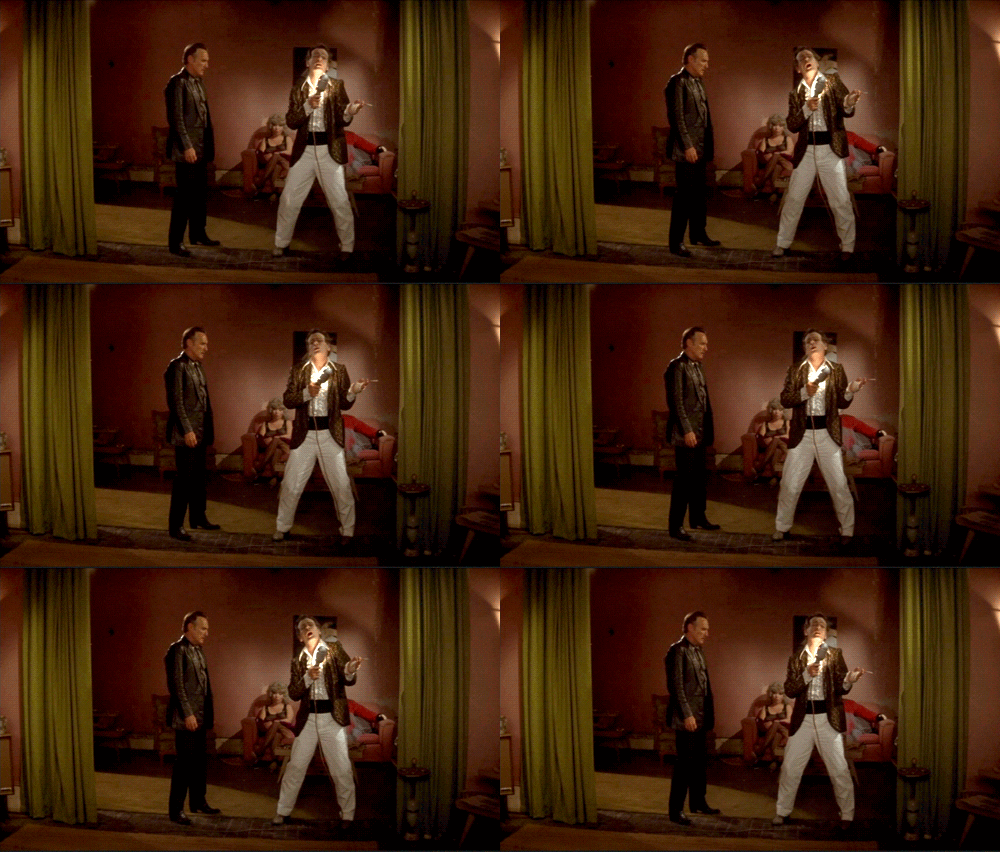
*It would feel wrong to say that anyone gives a more memorable performance than Hopper in this film, but Dean Stockwell absolutely steals every second he’s on the screen, with minimal exertion and maximum suave. Speaking of being one suave fucker, this is also secretly one of the most quotable movies of all-time (if you have a certain sense of humor): “That’s for me to know and you to find out…”; “Pabst Blue Ribbon!”; “I’ll fuck anything that moves!”; “I’ll send you a love letter straight from my heart, fucker!”; “He put his disease in me…”; "Now it's dark."