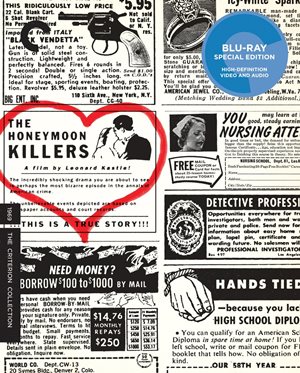
The Honeymoon Killers
BUY AT:


See more details, packaging, or compare
Synopsis
Martha Beck (Shirley Stoler) is sullen, overweight, and lonely. Desperate for affection, she joins Aunt Carrie’s Friendship Club and strikes up a correspondence with Ray Fernandez (Tony Lo Bianco), a charismatic smooth talker who could be the man of her dreams—or a degenerate con artist. Based on a shocking true story and shot in documentary-style black and white by the confident and inspired Leonard Kastle, in what would be his only foray into filmmaking, The Honeymoon Killers is a stark portrayal of the desperate lengths to which a lonely heart will go to find true love.
Picture 9/10
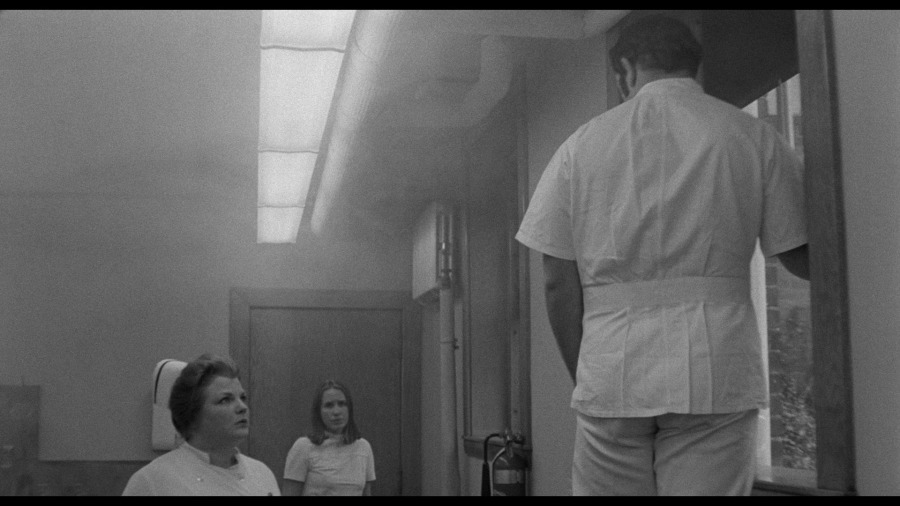
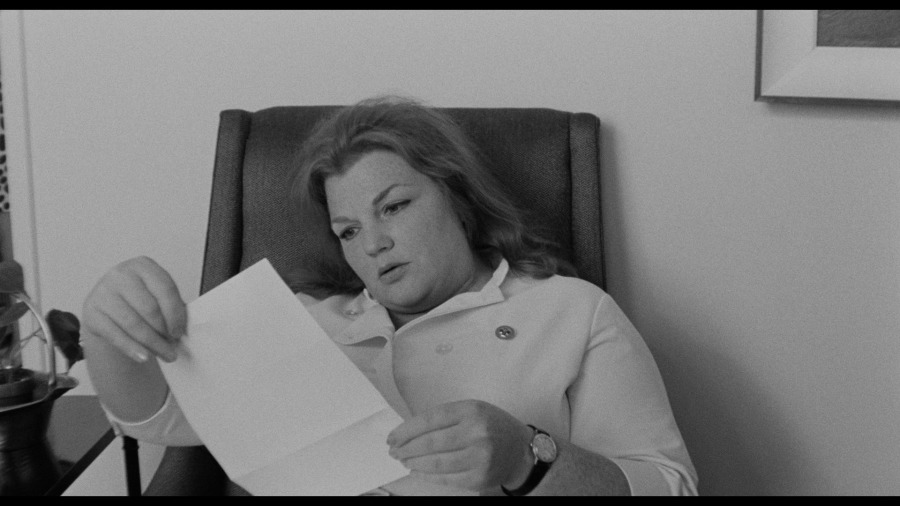
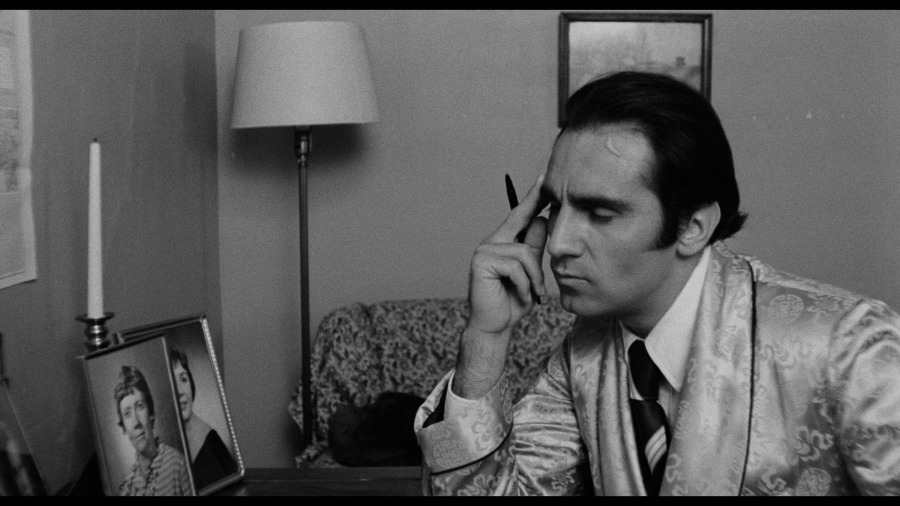
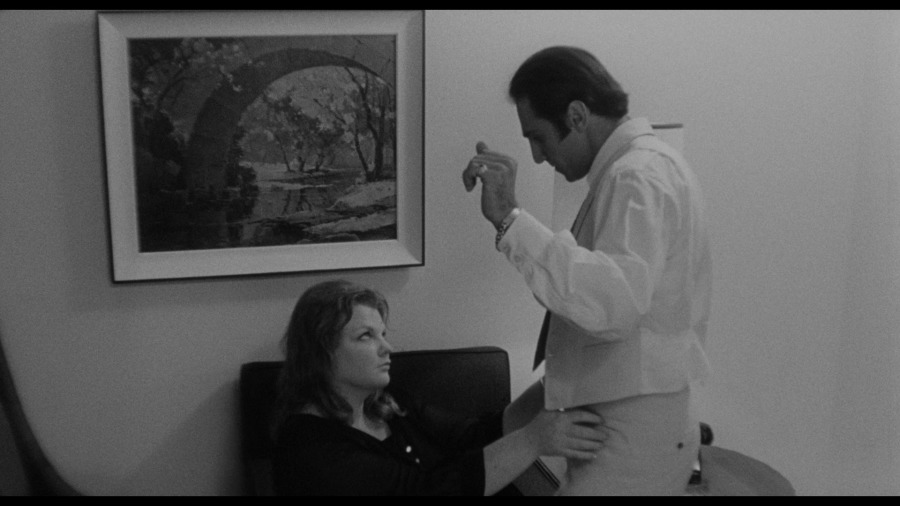
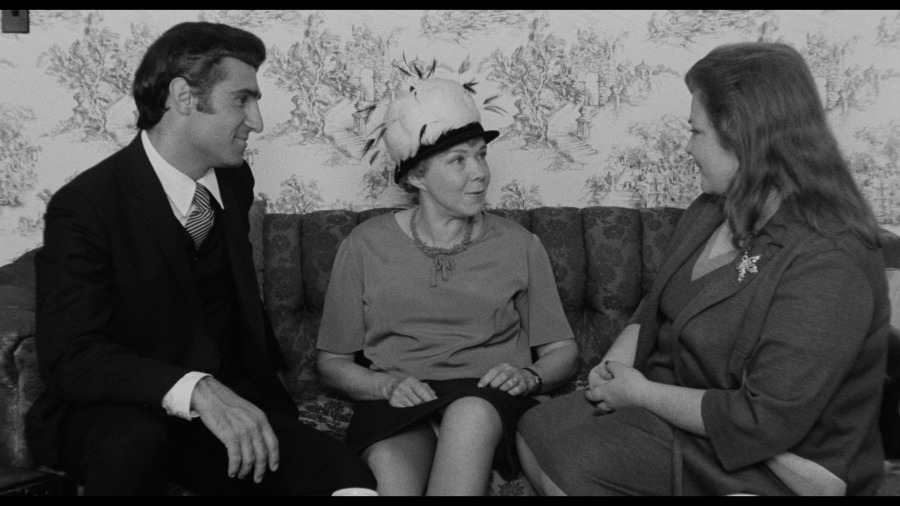
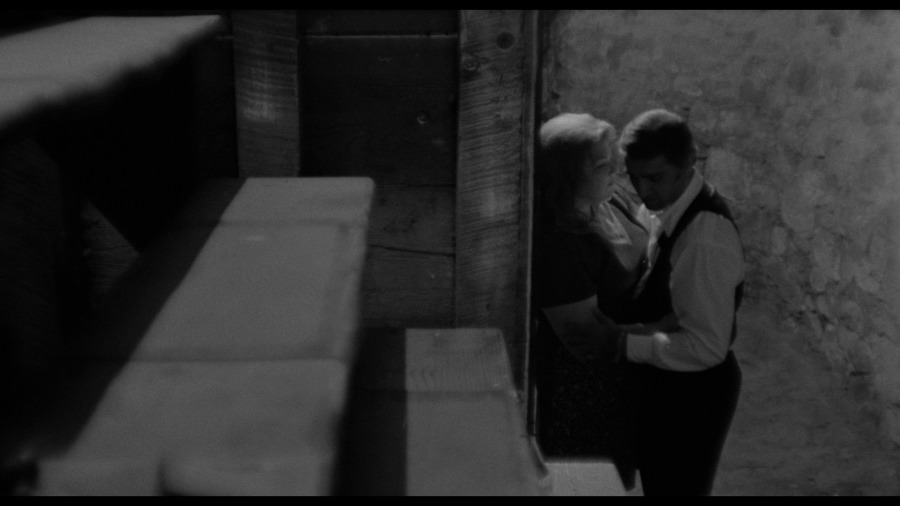
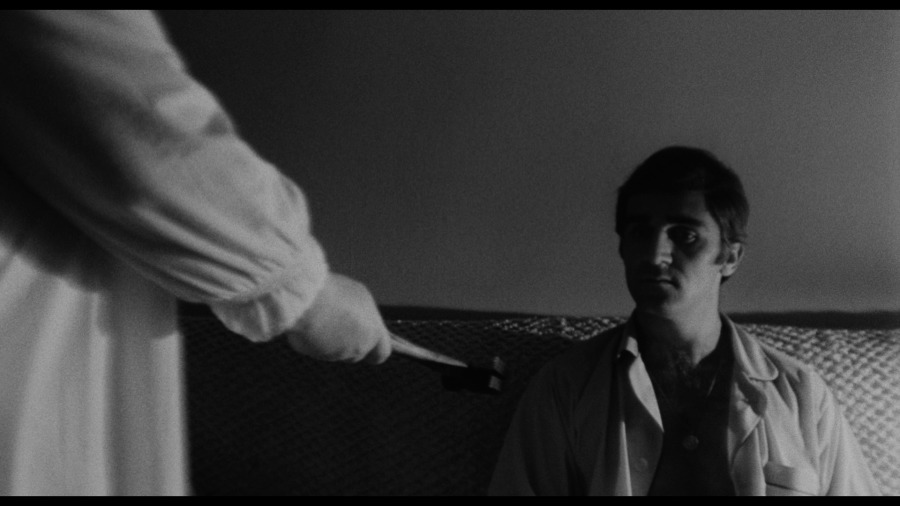
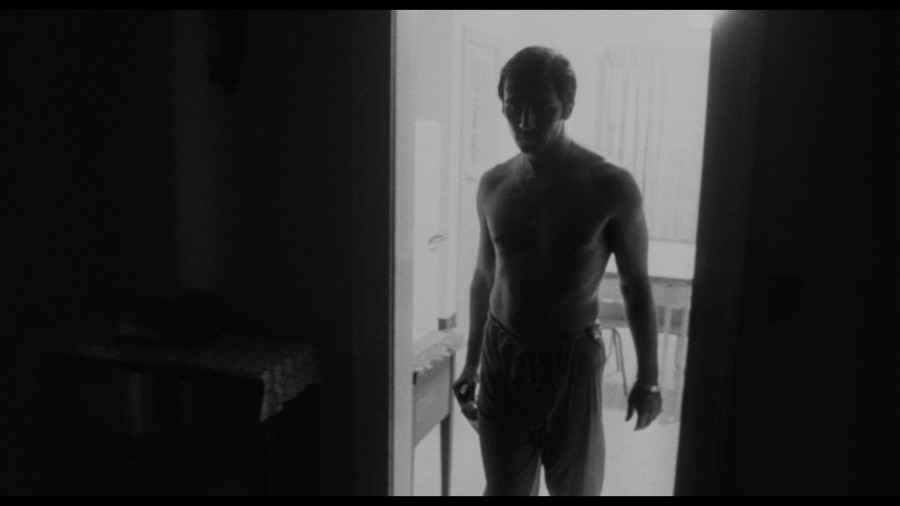
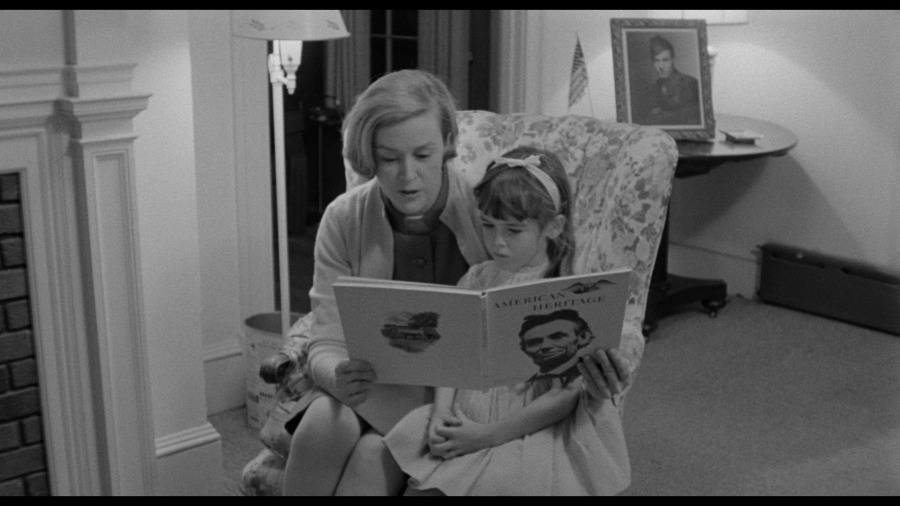
Leonard Kastle’s The Honeymoon Killers receives a fairly surprising Blu-ray upgrade, presented in its original aspect ratio of 1.85:1 on a dual-layer disc. The new 1080p/24hz high-definition presentation comes from a new 4K scan of the original camera negative.
I remember being pleasantly surprised by the original DVD that Criterion released back in 2003, and revisiting it not too long ago I think it’s held up over the years: despite some remaining source issues (damage, tram lines, frame jumps and pulsing) the digital transfer itself was very strong, and considering the film’s very indie nature and its age it looks far better than anyone would have probably expected. So I was quite curious how this would look on Blu-ray, sourced from a new 4K transfer, and immediately popped it in once I received the disc. And it looks stunning.
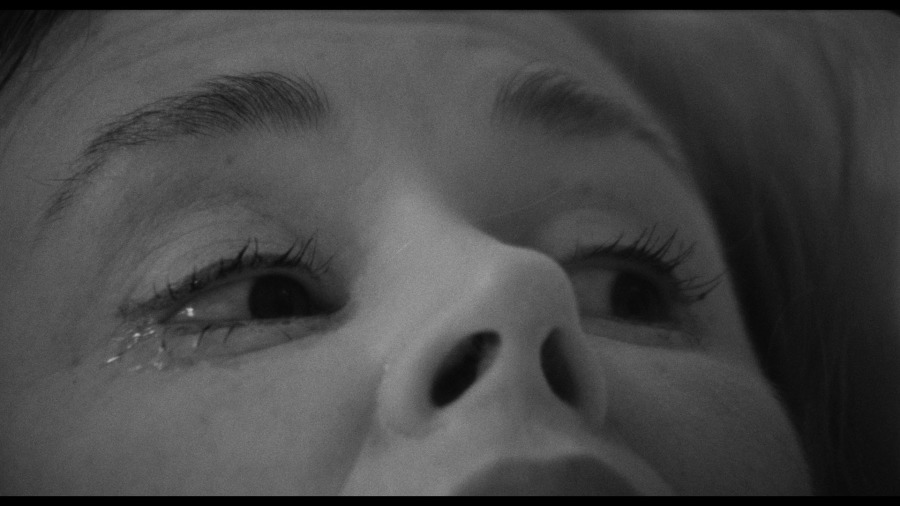
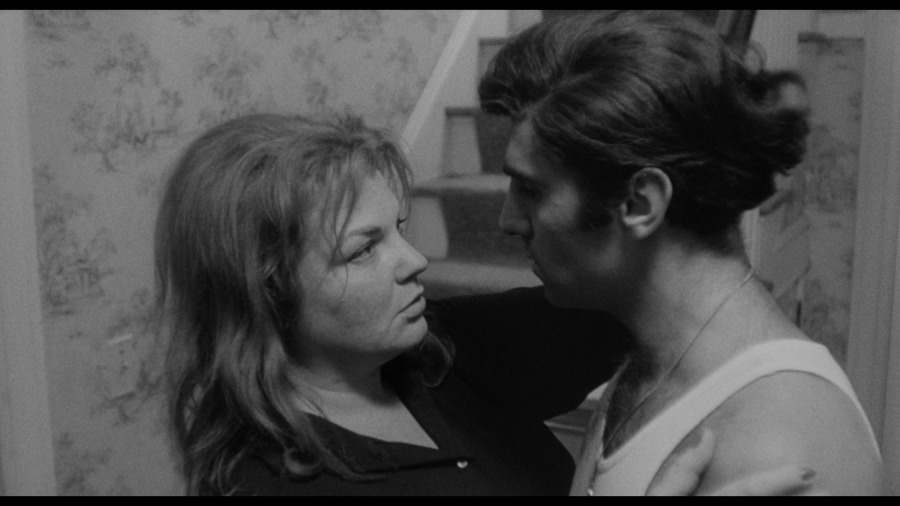
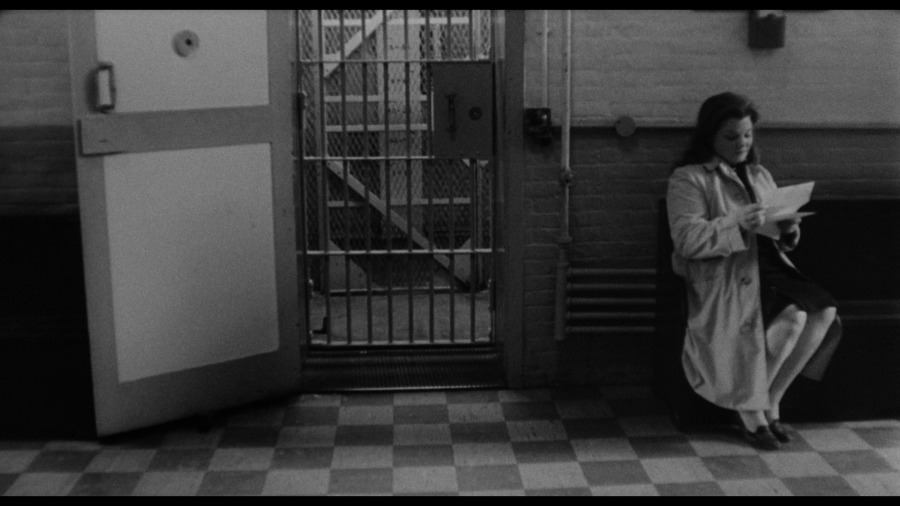
The first thing that stands out is just the overall shape it’s in. I actually don’t recall a single issue with the source: the marks and stains have been removed, the tram lines are gone, and the frame jumps and pulsing have been corrected. We get a cleaner, far more stable image here in comparison to the DVD, and it’s also far more filmic. The film grain is finely rendered here, looking clean and natural, and I didn’t notice any instance where this aspect becomes blocky or pixilated: it remains natural and clean throughout.
There are a few instances where the image looks a bit soft or fuzzy, though this probably has more to do with the actual shooting or the source since film grain remains intact, but otherwise the image is highly detailed and sharp. There are a lot of deep focus shots in the film, and in these shots foreground and background objects all deliver great detail. Contrast also looks pretty spot on, delivering strong blacks and nicely balanced whites, with fantastic tonal shifts in the grays. On the whole it looks wonderful; a pleasant surprise for what is basically a 46-year old, super low budget, independent feature, and it could be easily mistaken for something filmed far more recently.
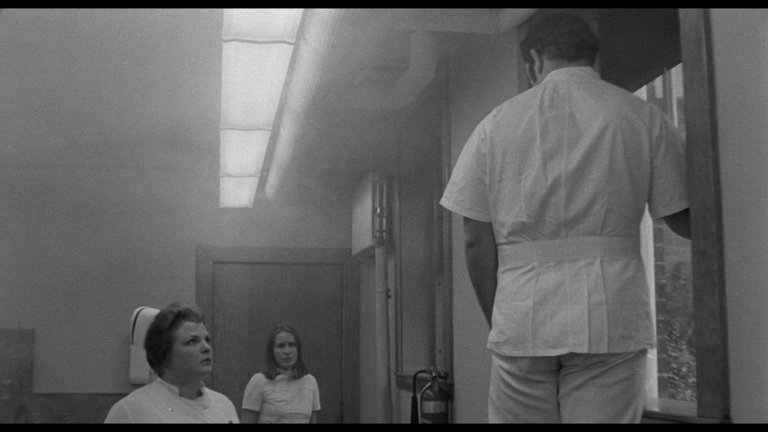
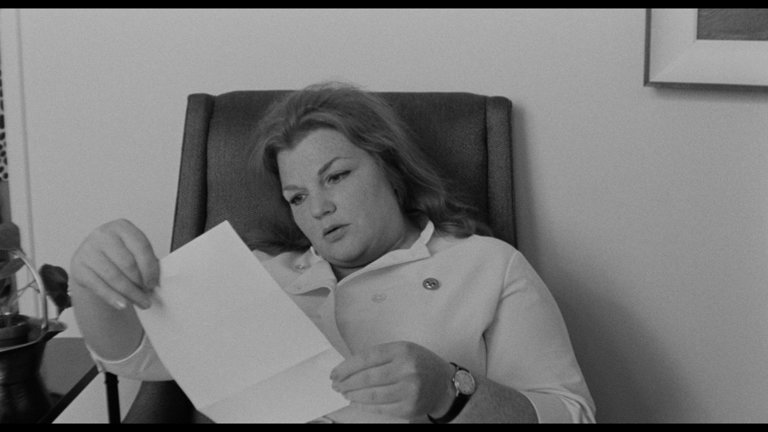
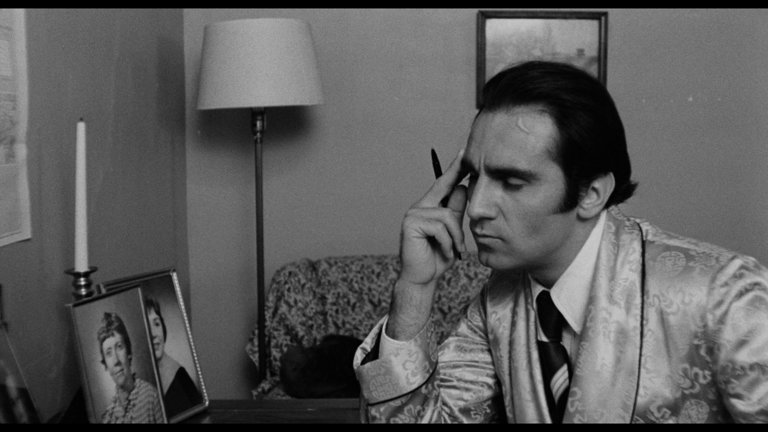
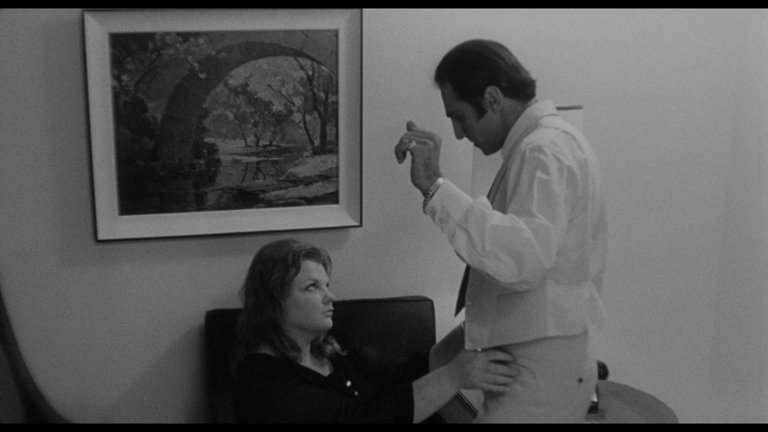
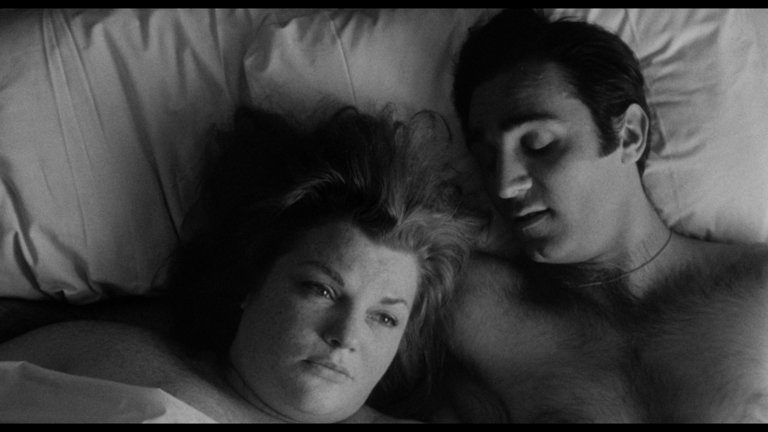
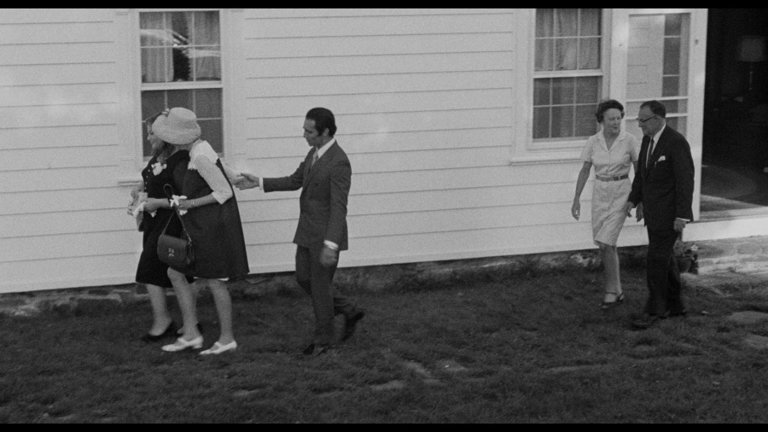
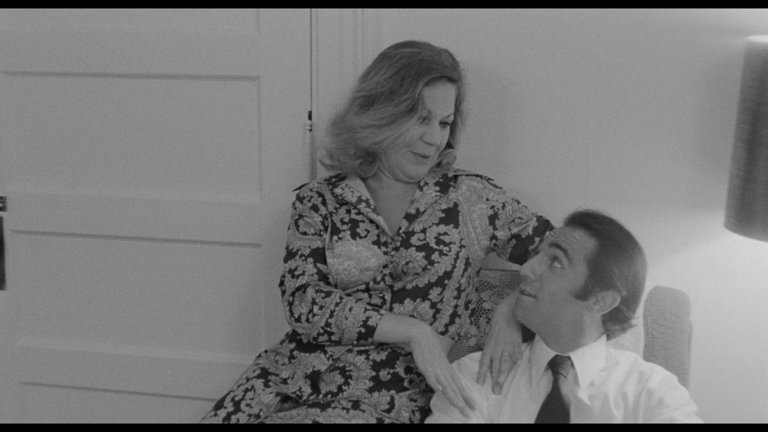
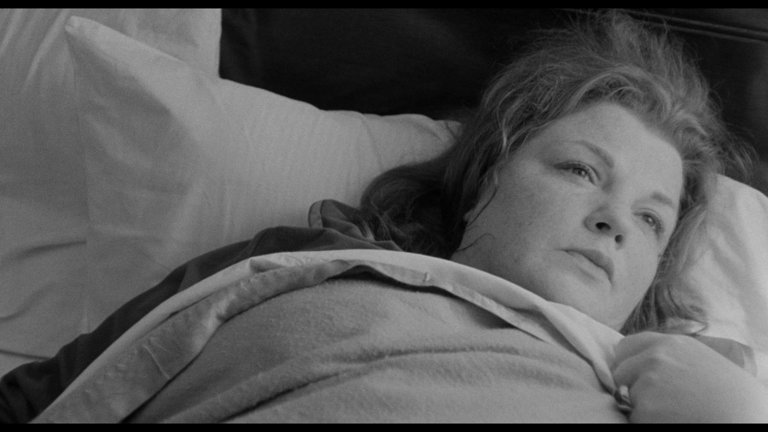
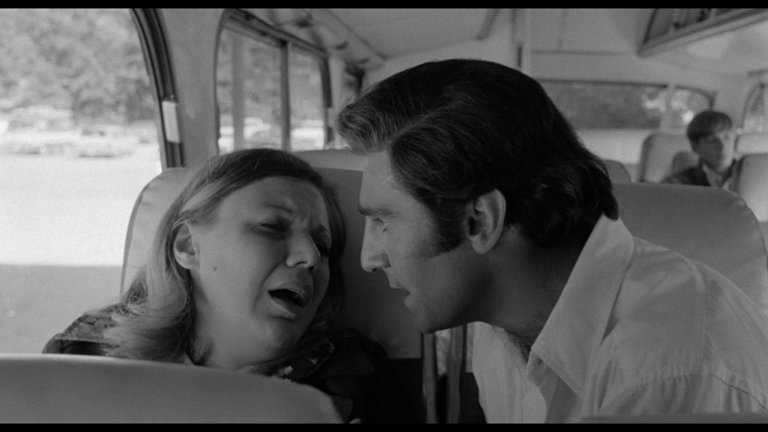
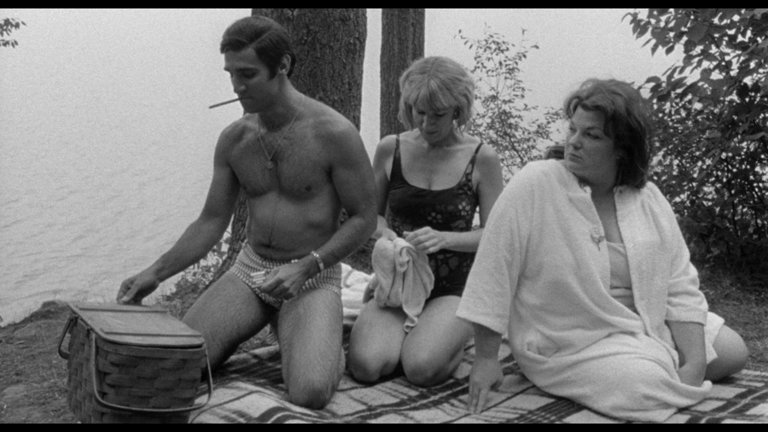
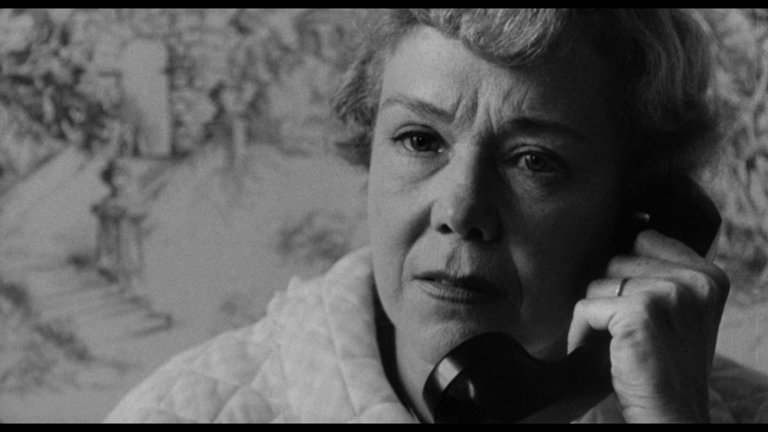
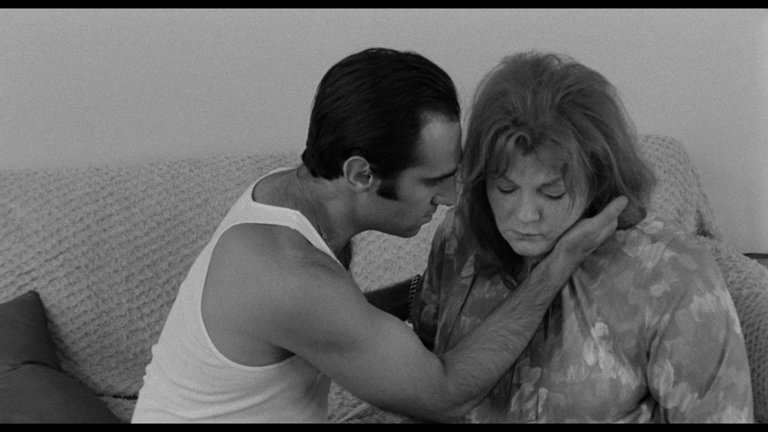
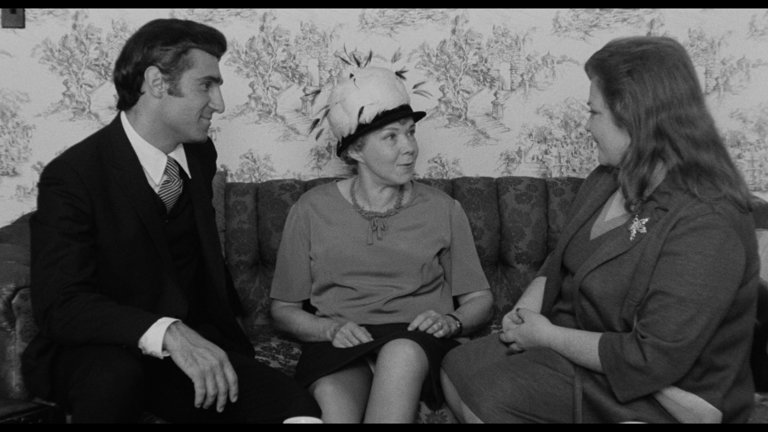
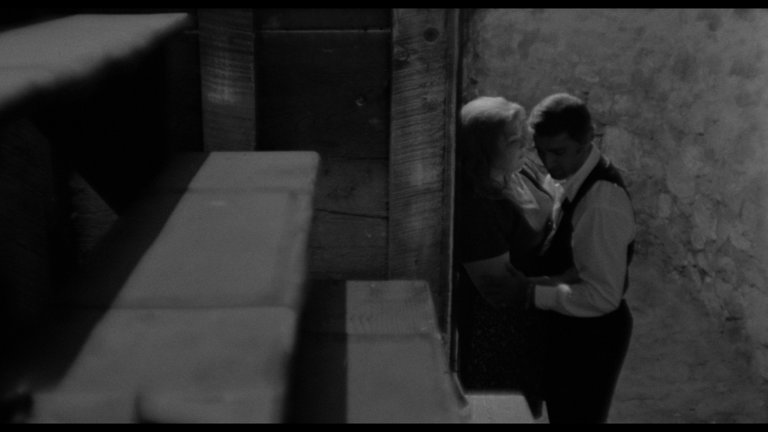
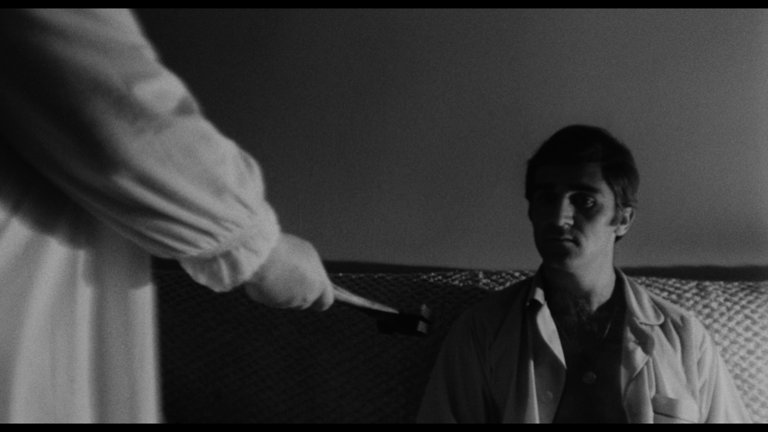
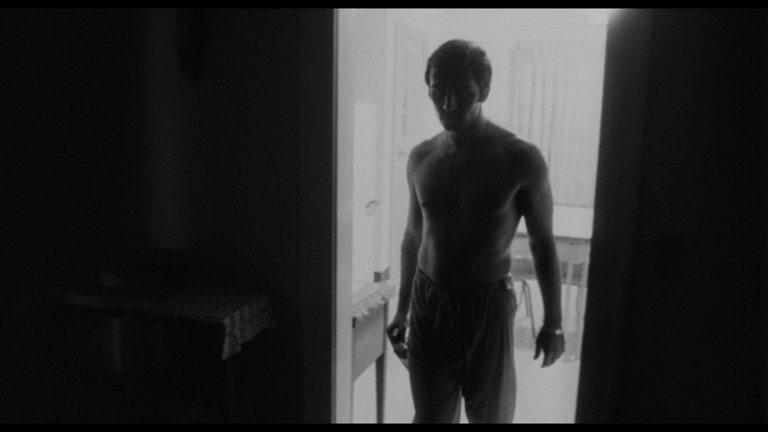
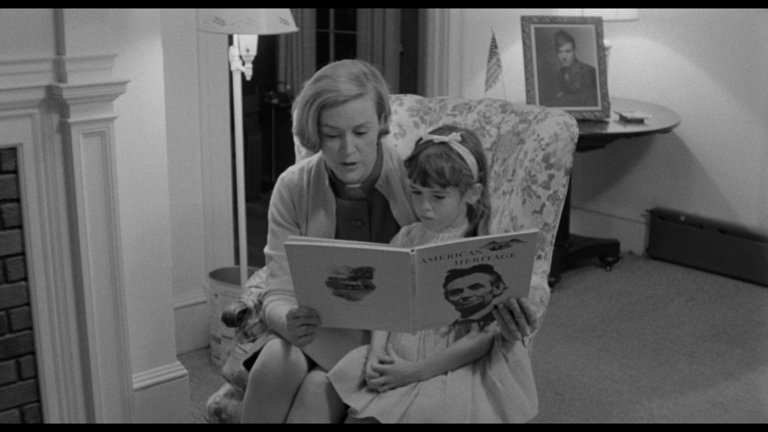
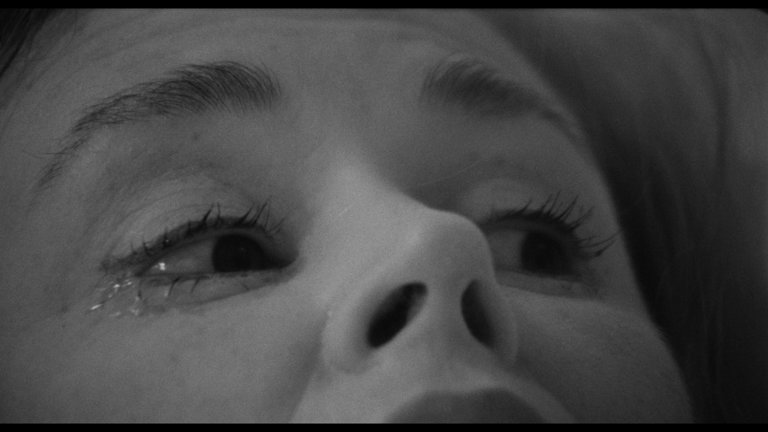
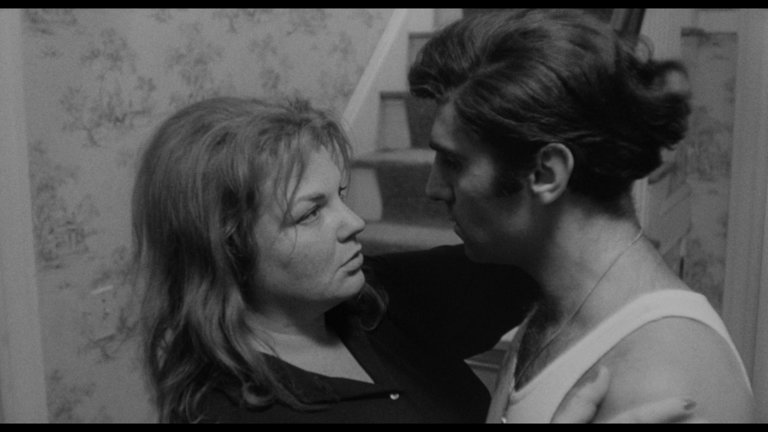
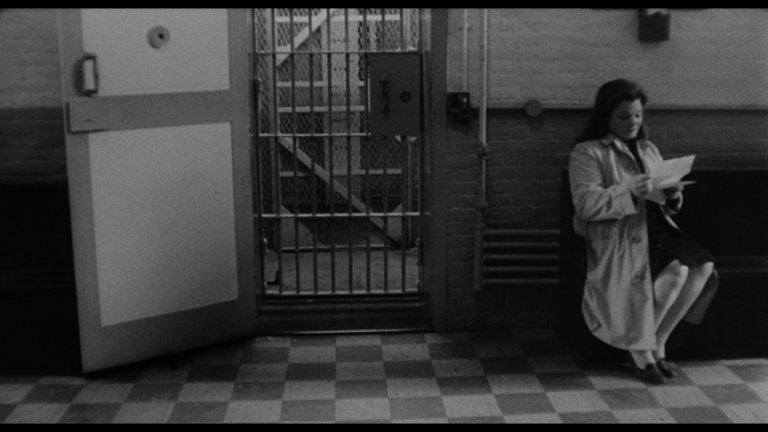
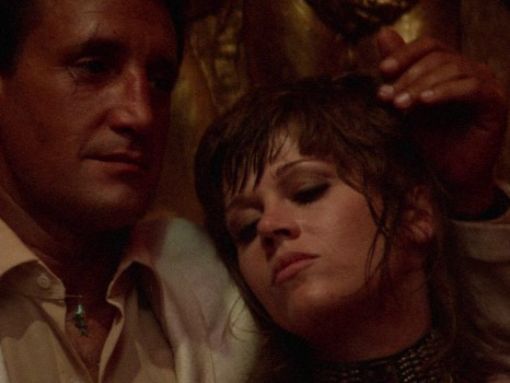
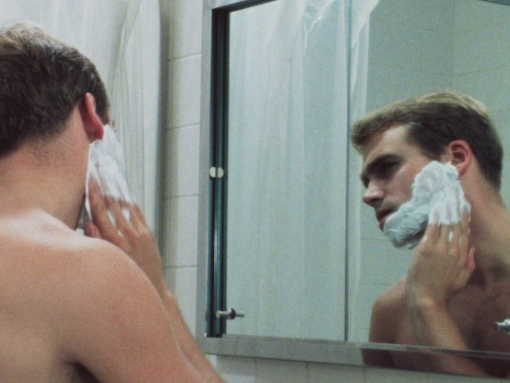
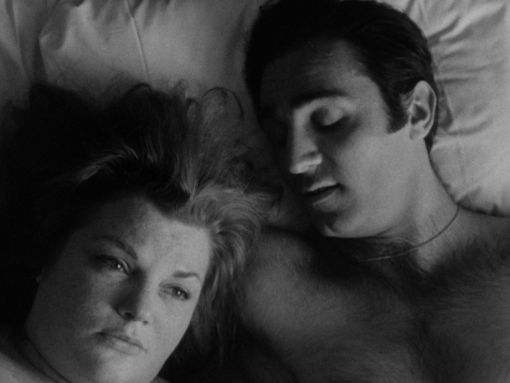
The Honeymoon Killers - Screen Captures
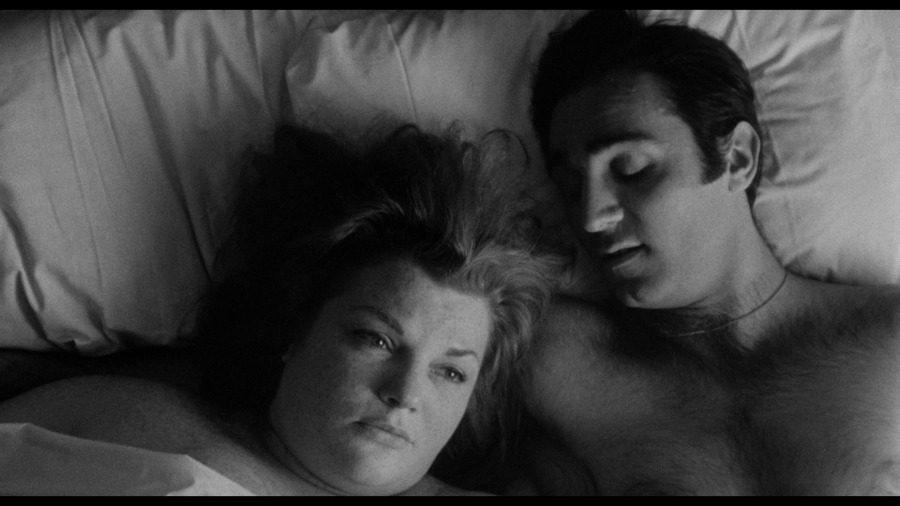
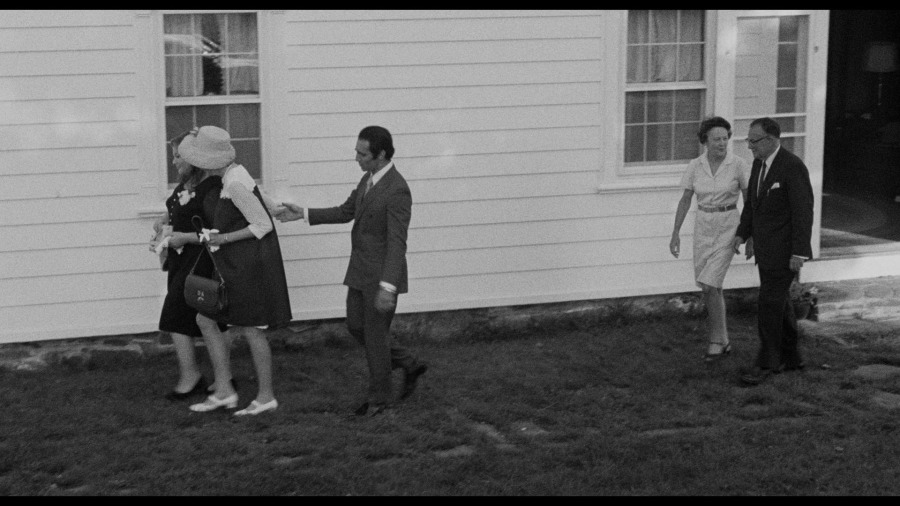
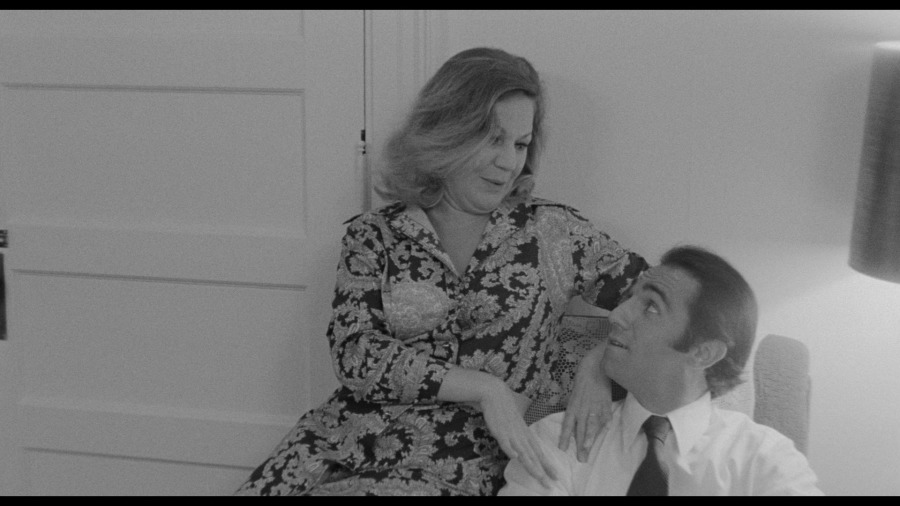
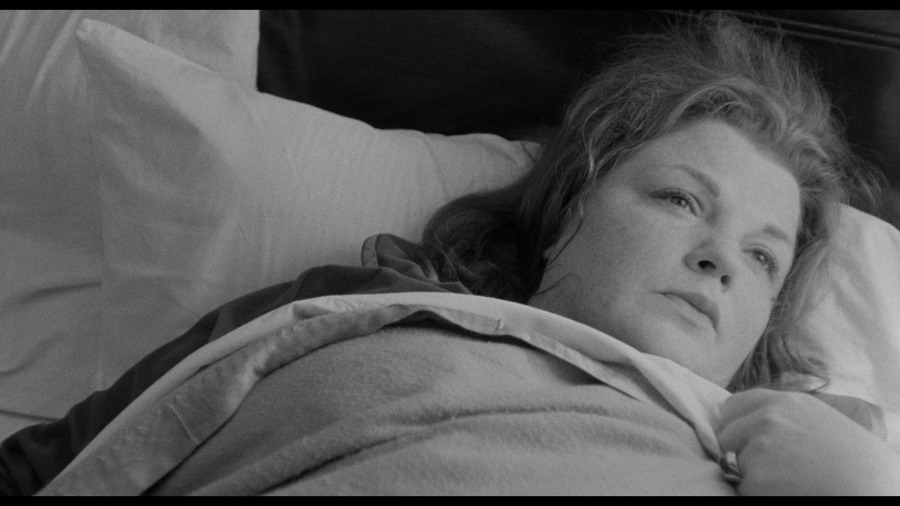
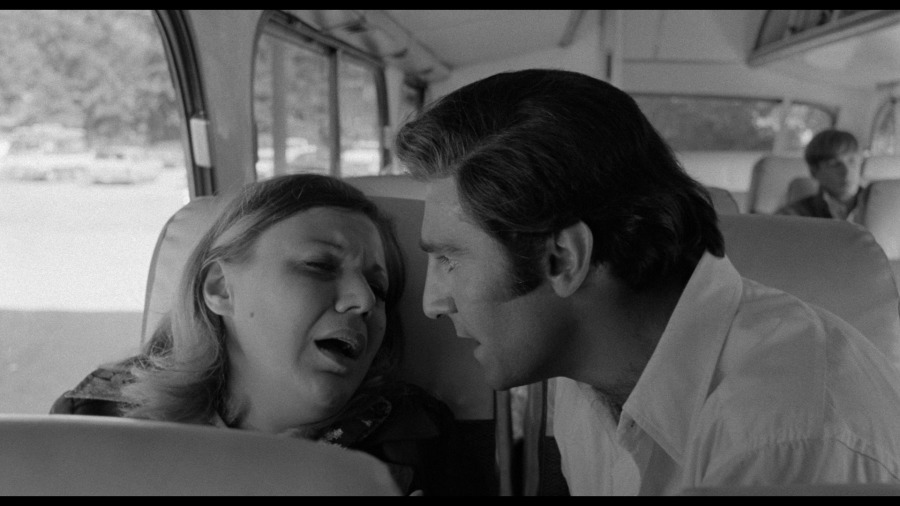
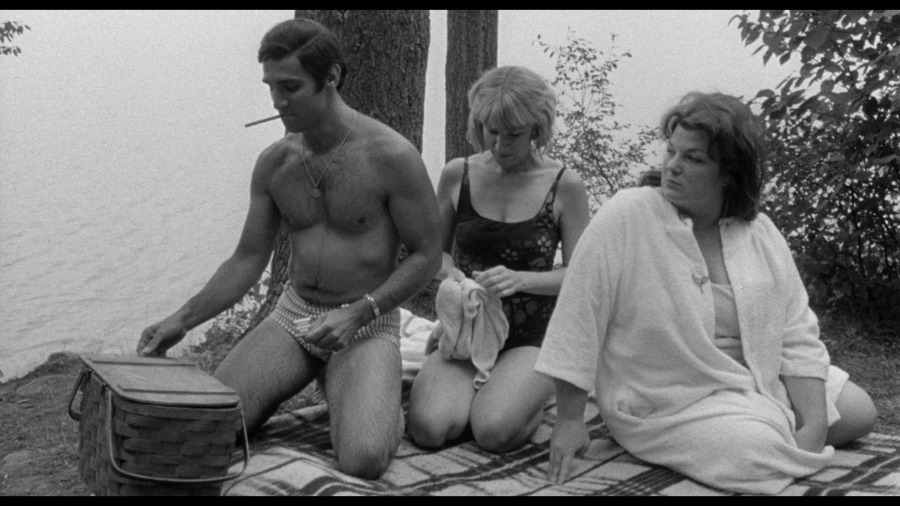
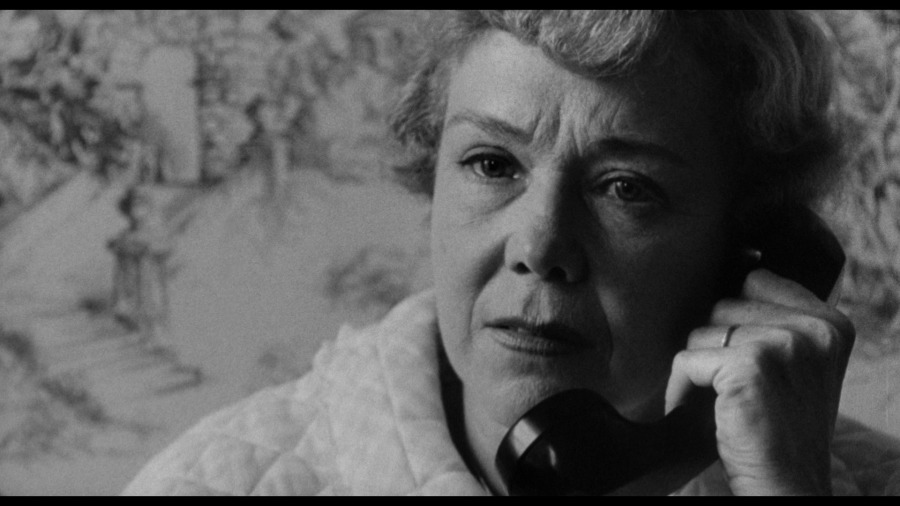
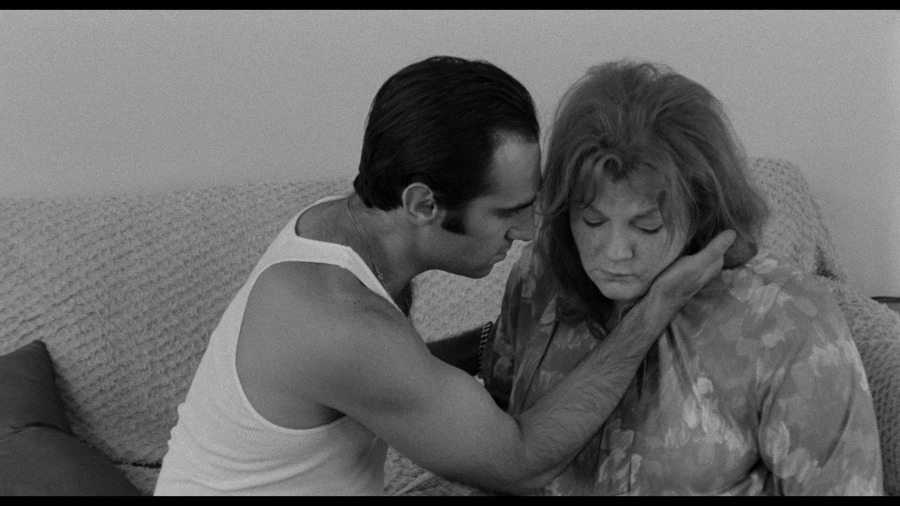
Audio 5/10
Where the Blu-ray really improves over the DVD’s image, it unfortunately doesn’t improve much over the DVD’s audio, despite being delivered in lossless 1.0 PCM mono. It’s still very tinny and hollow, with noticeable background noise in places. Dialogue can be hard to hear at times and I wouldn’t be surprised if people needed the subtitles on occasion. The film’s score, which is made up of music by Gustav Mahler, sounds especially rough, very harsh and edgy.
Unfortunately this more than likely is inherent in the source materials, a product of the low budget and I assume somewhat off-the-cuff filming, so I feel restoration options were limited. This is probably about as good as it’s ever going to sound.
Extras 7/10
Criterion ports over most of everything from the already slim DVD edition, though adds a feature and upgrades one. They first include the same 29-minute interview with director Leonard Kastle found on the DVD. Kastle, who had previously written operas, decided to get into filmmaking after being disgusted with Bonnie and Clyde, where the film seemed to glamourize violence with its pretty actors and style. He gives background information on how The Honeymoon Killers came to be from that, and the painful process of finding a director. After going through a few (including Martin Scorsese, who was fired for basically wasting film and taking too long, shooting things like beer cans in bushes) Kastle ended up taking over. He of course covers the limitations of low budget filmmaking, but they made do what they have. Amusingly the one thing they “splurged” on, a professional to do the blood effects in the hammer scene, ended up leading to them going to some real low level effects that ended up working better than what the professional had set up. Kastle covers its eventual distribution and the success it saw, showing up on various “best of” lists and seeing François Truffaut calling it his favourite film. Kastle has a tendency to “toot his own horn” despite him saying that that’s not what he’s trying to do, specifically when he gets into writing how shots should be done (though he admits that he owes a lot to cinematographer Oliver Wood, who was actually brought on by Scorsese) but he shares some great stories and keeps the entire thing lively and entertaining.
New to this release is a 2015 feature called Love Letters, featuring new interviews with actors Tony Lo Bianco and Marilyn Chris, and editor Stan Warnow. Though Kastle mentions this in his interview, we get a first-hand account about how casting took place, with Marilyn Chris being the connecting thread. She originally tried for the role of Martha, even offering to gain weight, but she ended up being cast as Myrtle. She knew Shirley Stoler and convinced her to audition where she got the part, and she even recommended Lo Bianco, but he was turned down initially until he showed up later sporting his fake Spanish accent. The three then all talk about working with Scorsese, and everyone suggests they liked what he was doing and were all stunned when he was fired. Though it feels like they may be looking back with rose-colored glasses since Scorsese has become one of the most acclaimed directors in filmmaking history, Lo Bianco and Warnow fervently defend him here, Warnow saying some of the stuff he shot—that wasn’t used—looked great, and suggests that his film would have been great, but they understood why he was fired (a lengthy panning shot of the lake sounds to have been the final straw). Lo Bianco also talks about his research into Ray Fernandez, helping him with his performance. Getting other perspectives on the film and its production is a most welcome addition and there’s still material in here that expands on what Kastle covered.
Criterion next upgrades their ”Dear Martha…” feature, which was an essay put together by Scott Christianson for the previous DVD edition. On the DVD it was a collection of text notes, photos, and scans of documents, going over the real-case history of Ray Fernandez and Martha Beck. Here Criterion upgrades it to a 23-minute visual essay, narrated by Christianson. His notes are almost repeated word-for-word, with some new material or adjustments in places, like adding a bit about the many films made that were based on the case outside of this one. He presents a number of photos of the couple, along with crime scene photos, and also includes documents, newspaper clippings, and various other scraps, like a list of their last meals before being executed. Unfortunately I don’t think all of the photos and documents from the DVD presentation make it here: I don’t recall some pictures of Sing-Sing found on the DVD showing up here, along with a couple of close-ups of notes and documents, but it’s still a very thorough piece that expands on what is covered in the film while addressing the liberties that were taken (quite a few). I appreciated the original feature but liked this update and am glad they didn’t just drop it.
The disc then closes with the theatrical trailer and an updated essay by Gary Giddins that goes over the effectiveness of the film. The content is basically the same, though it’s been updated to refer to Kastle in the past-tense since he passed away 8-years after the DVD’s release, while also changing the structure of a few sentences, and then adding a paragraph that expands on Kastle’s development of the performances. The rest of the content from the essay has been otherwise carried over.
Not making it over are cast and crew biographies (which were short one page notes on the key members) and a presentation of the original press book. The latter feature was a good one so I’m sad it didn’t make it over.
With well over an hours’ worth of material Criterion nicely upgrades their previous edition. The film is highly regarded in some circles so I’m still disappointed by the lack of analytical material, but the production and actual case are nicely covered at least.
Closing
I think Criterion has put out a wonderful upgrade for the film. The audio is still a bit of a mess but the visual presentation is fairly astounding and the features do offer some decent value. It is one fans will want to pick up, even if they own the previous DVD edition.
BUY AT: