Ingmar Bergman’s Cinema
Disc 17, The Devil's Eye / All These Women
BUY AT:


See more details, packaging, or compare
Synopsis
In honor of Ingmar Bergman’s one-hundredth birthday, the Criterion Collection is proud to present the most comprehensive collection of his films ever released on home video. One of the most revelatory voices to emerge from the postwar explosion of international art-house cinema, Bergman was a master storyteller who startled the world with his stark intensity and naked pursuit of the most profound metaphysical and spiritual questions. The struggles of faith and morality, the nature of dreams, and the agonies and ecstasies of human relationships—Bergman explored these subjects in films ranging from comedies whose lightness and complexity belie their brooding hearts to groundbreaking formal experiments and excruciatingly intimate explorations of family life.
Arranged as a film festival with opening and closing nights bookending double features and centerpieces, this selection spans six decades and thirty-nine films—including such celebrated classics as The Seventh Seal, Persona, and Fanny and Alexander alongside previously unavailable works like Dreams, The Rite, and Brink of Life. Accompanied by a 248-page book with essays on each program, as well as by more than thirty hours of supplemental features, Ingmar Bergman’s Cinema traces themes and images across Bergman’s career, blazing trails through the master’s unequaled body of work for longtime fans and newcomers alike.
Picture 8/10
The 17th dual-layer disc in Criterion’s box set Ingmar Bergman’s Cinema presents two of the filmmakers’ comedies: The Devil’s Eye and All These Women, both presented in the aspect ratio of 1.37:1. Both films come from 2K restorations performed by Svensk Filmindustri, The Devil’s Eye scanned from the 35mm original camera negative and All These Women from a 35mm interpositive.
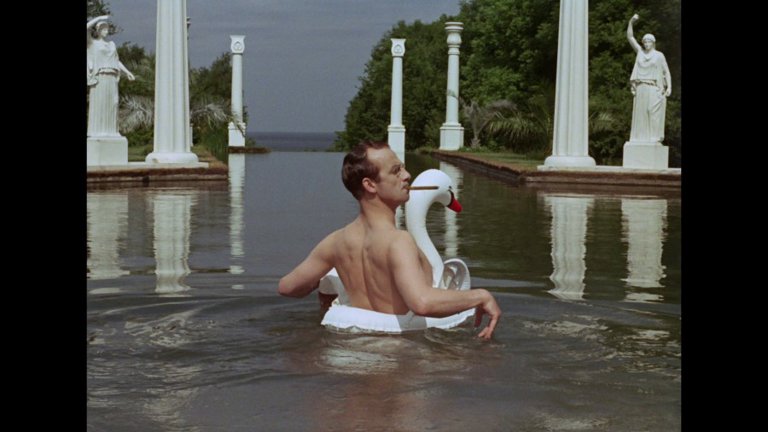
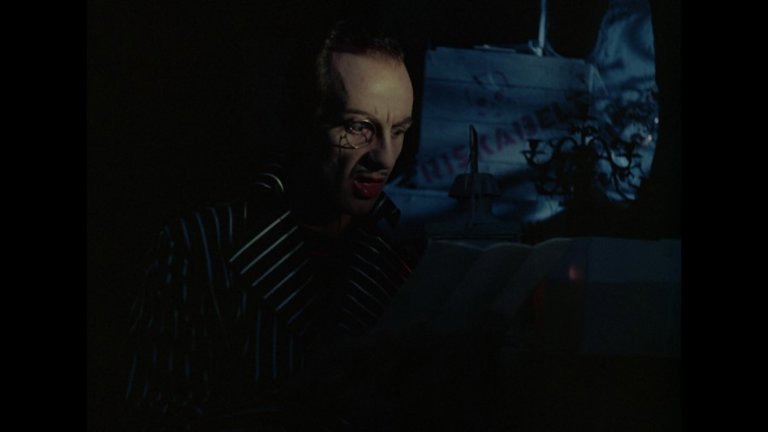
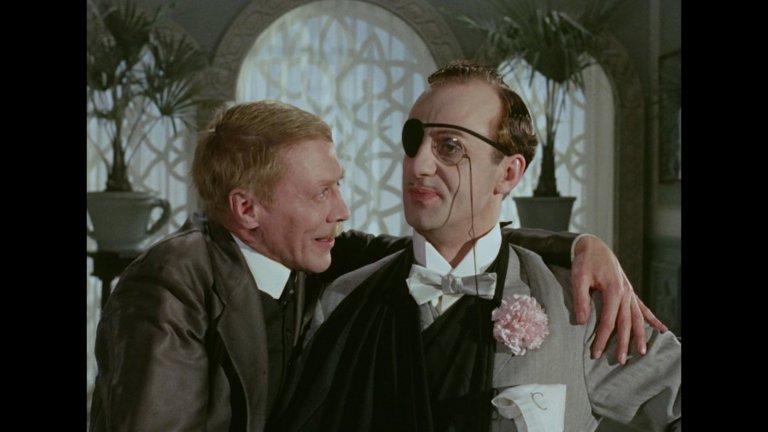
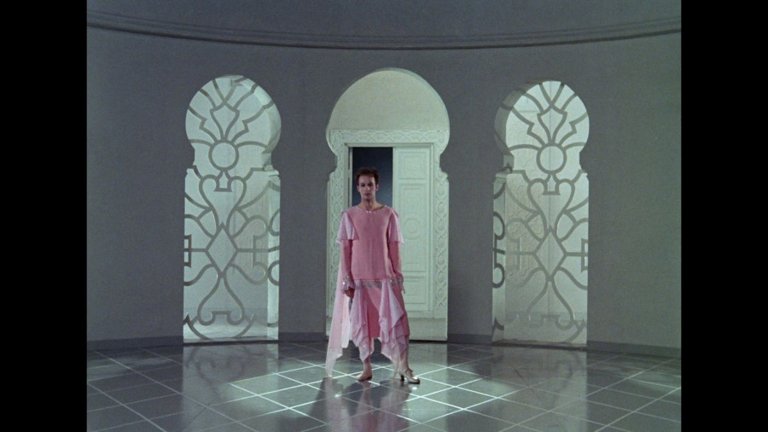
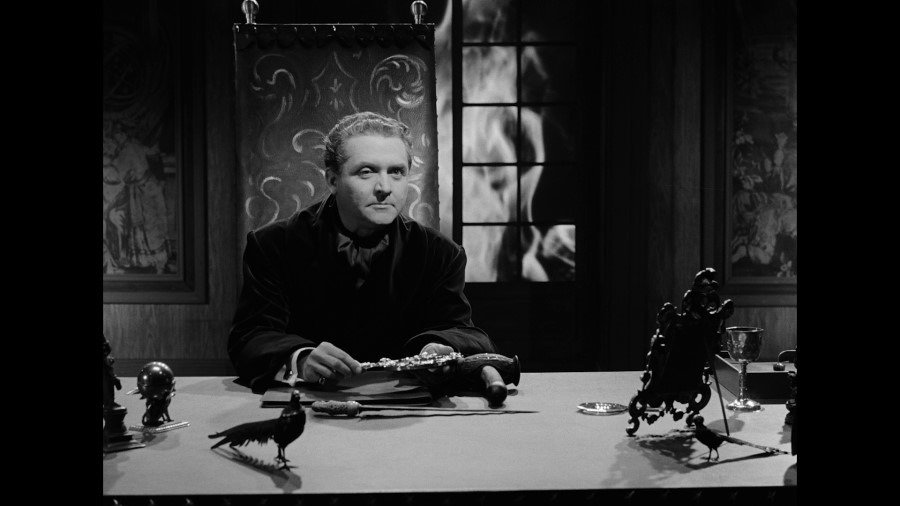
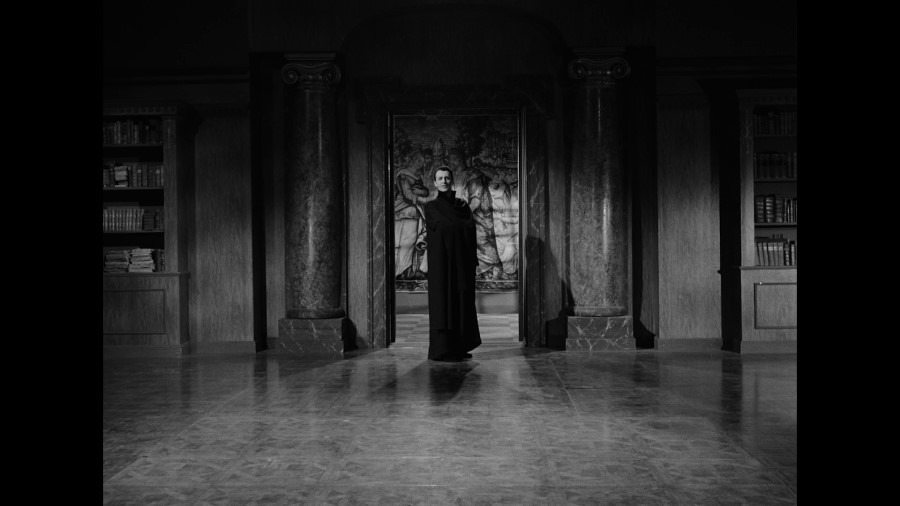
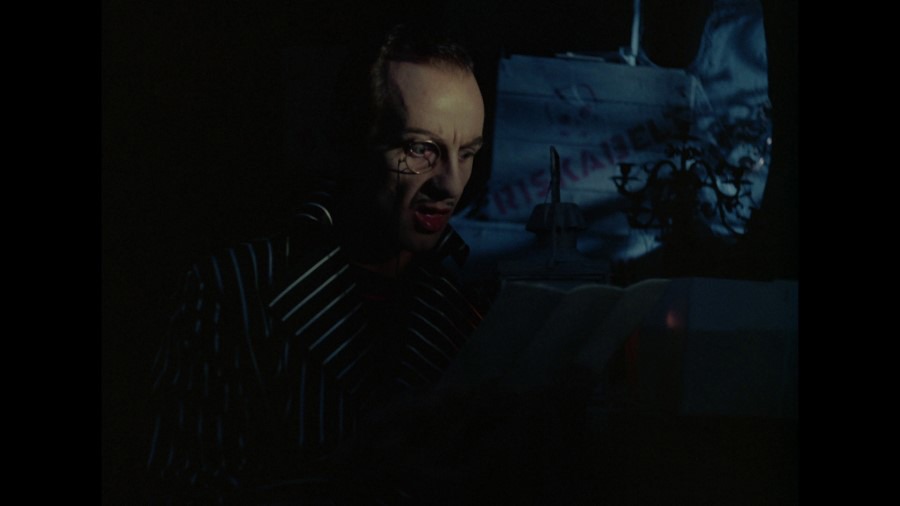
Both are pleasant surprises: neither film gets mentioned much and one (All These Women) has a stigma of being considered one of Bergman’s worst films, even by the director himself, but both have been given vigorous restorations and near-pristine presentations. The Devil’s Eye, the black-and-white film on the disc, still shows some minor damage, but outside of that it’s a solid presentation. Contrast is excellent and blacks are nice and deep without crushing details, and the grays blend smoothly, lending the image that wonderful photographic look I like to see. Grain is there and rendered well, and the details really do pop off of the screen.
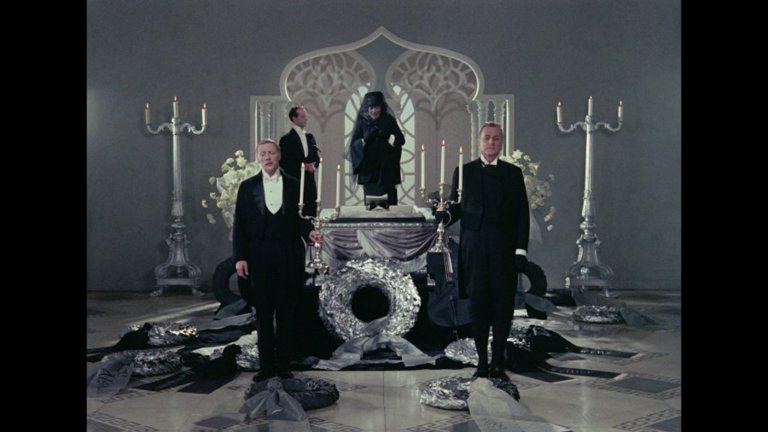
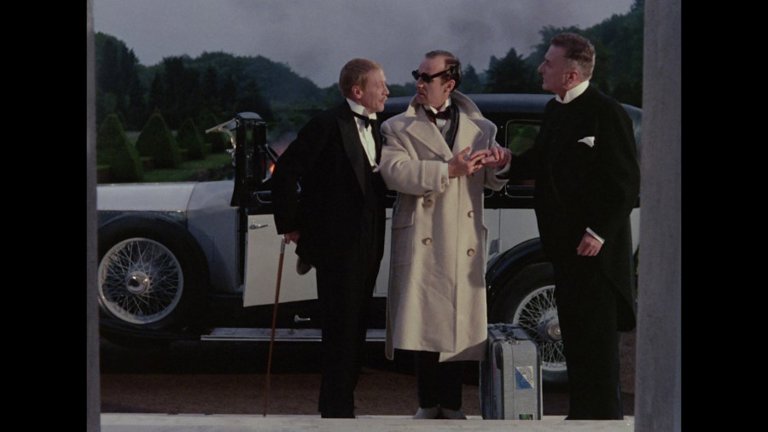
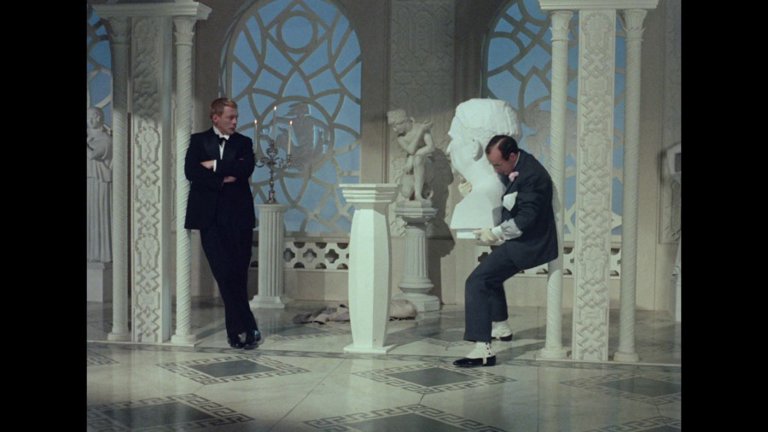
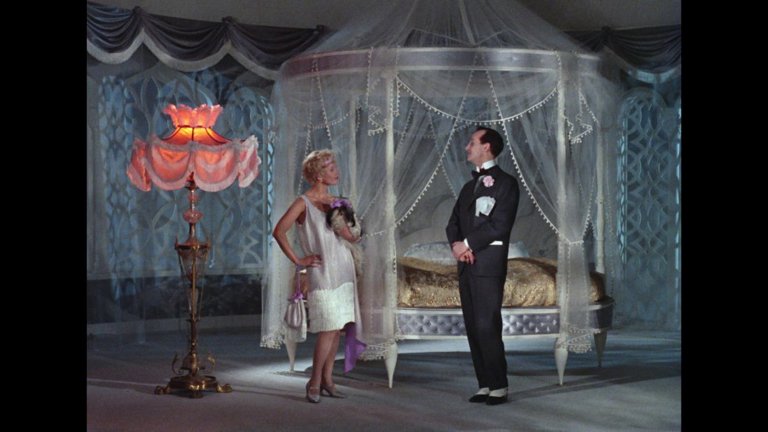
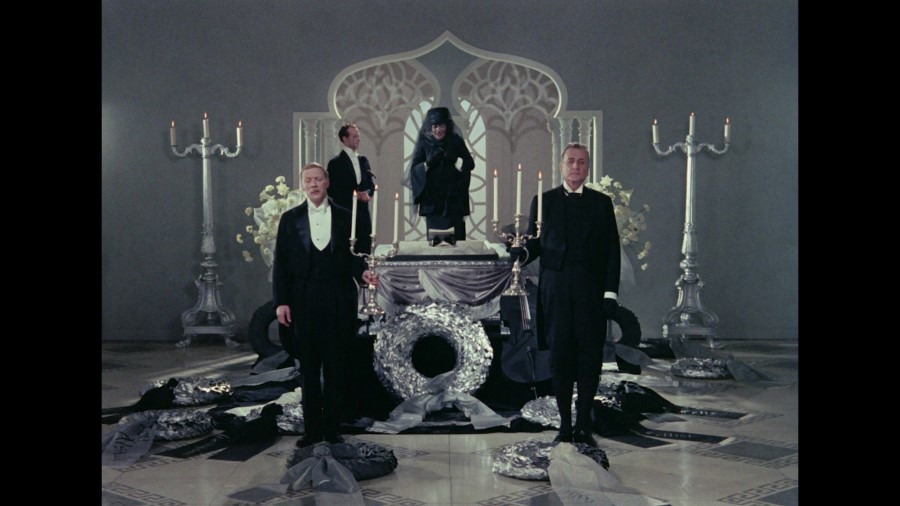
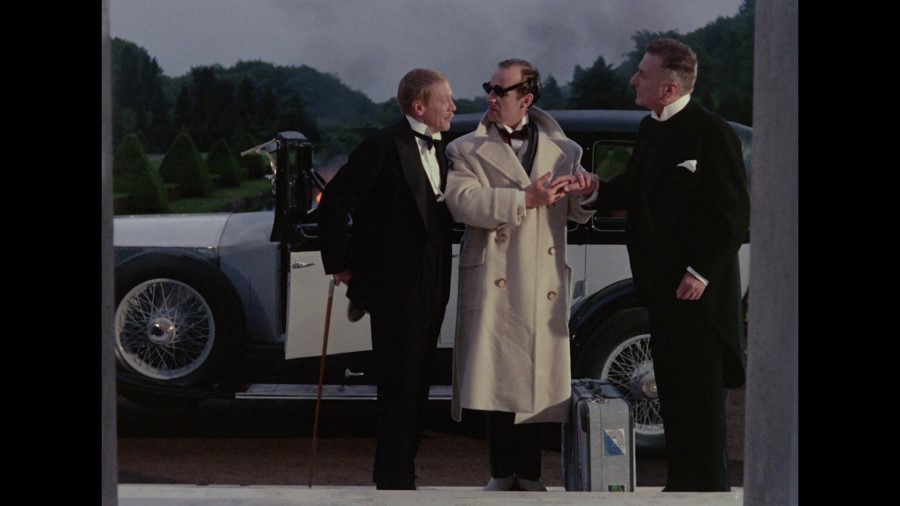
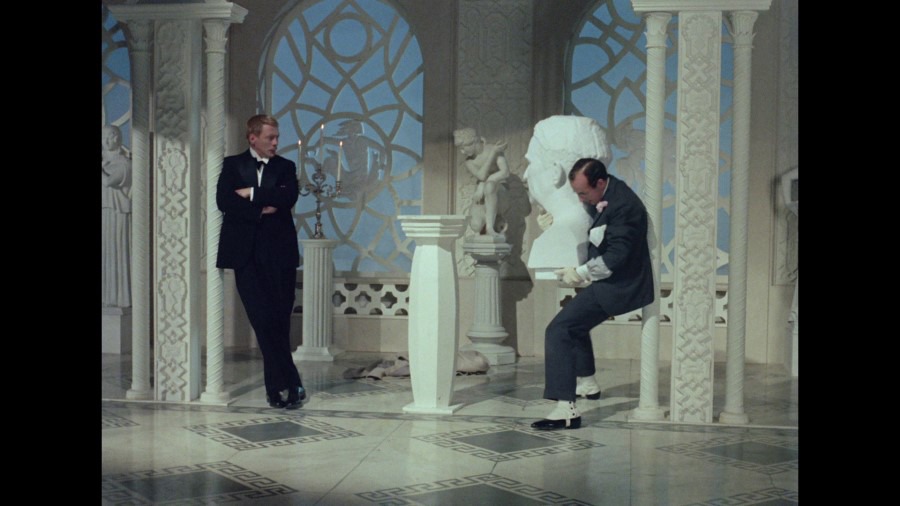
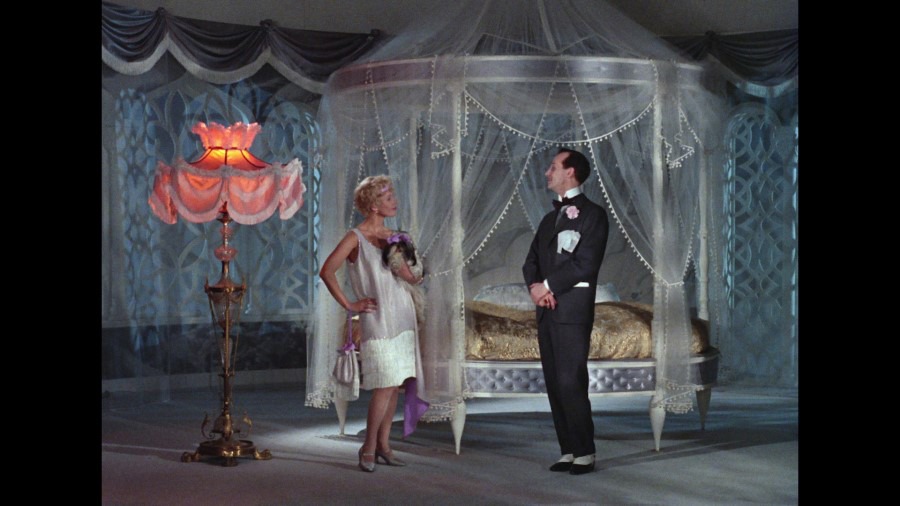
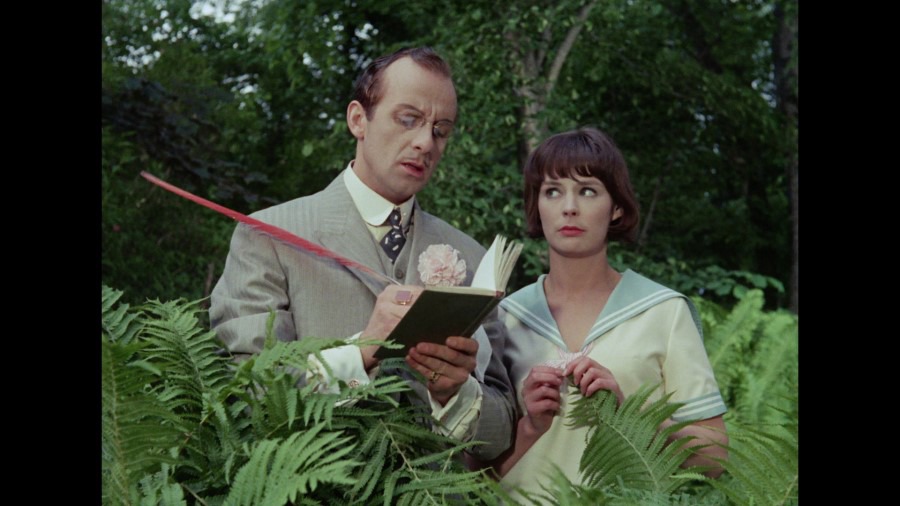
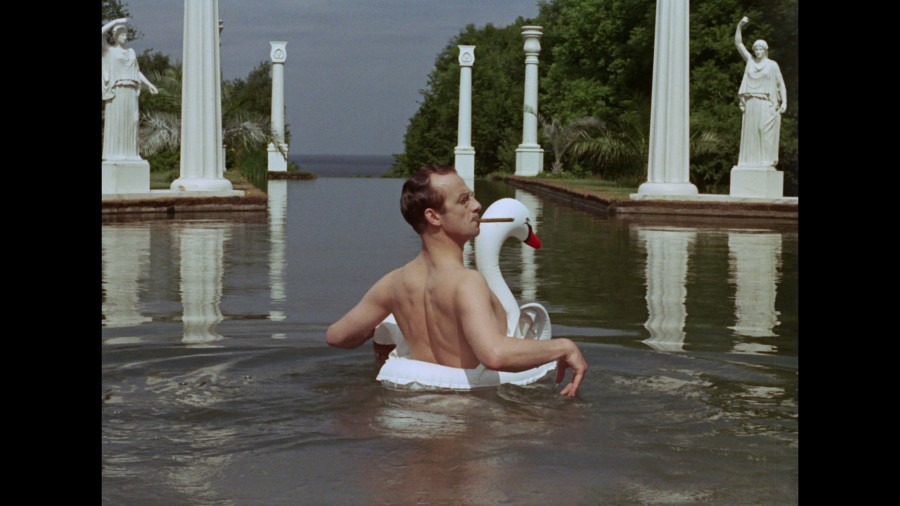
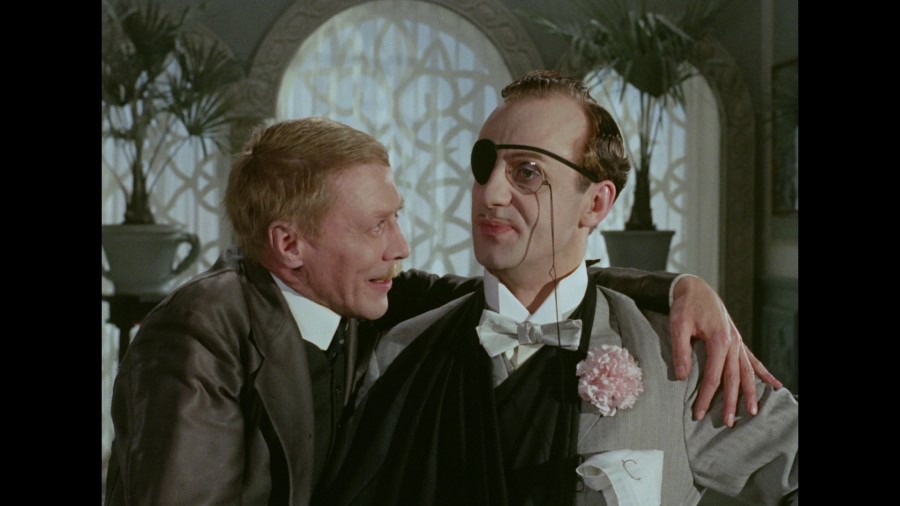
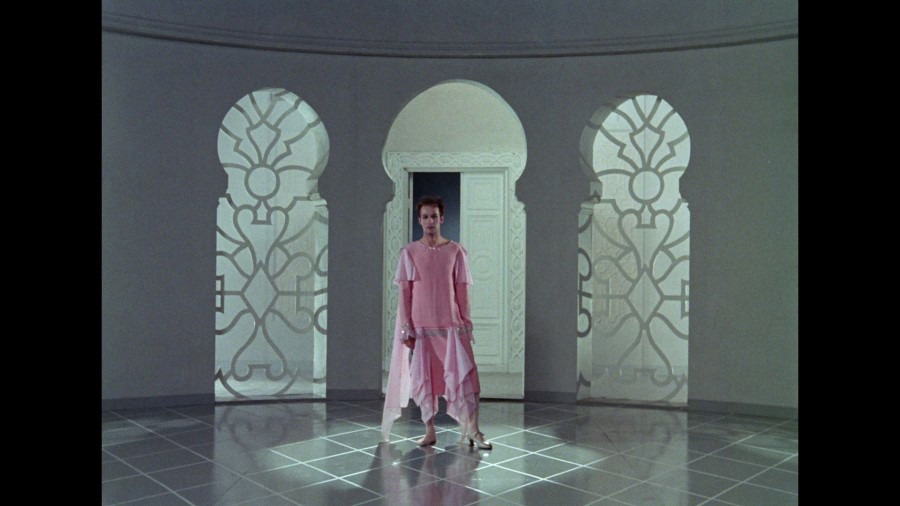
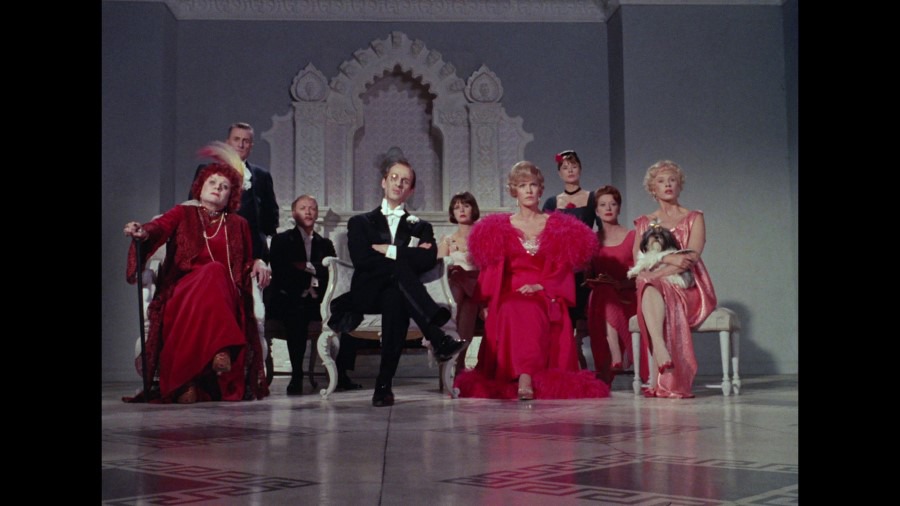
All These Women was Bergman’s first colour film, and interestingly it has a very subdued colour palette, leaning heavily towards grays and cyans, almost giving it a black-and-white look. Despite this the colours still look to be saturated well, and there are wonderful pops of reds and oranges scatter throughout. Flesh tones also look nice. Black levels are good, but a handful of darker shots deliver murkier blacks that crush details.
Like The Devil’s Eye, though, it features a terrific encode and a wonderful film-like look. Grain is rendered brilliantly, and the details are sharp. Damage is also severely limited, though some fading is noticeable on the edge of the image at times.
Two more great looking presentations.
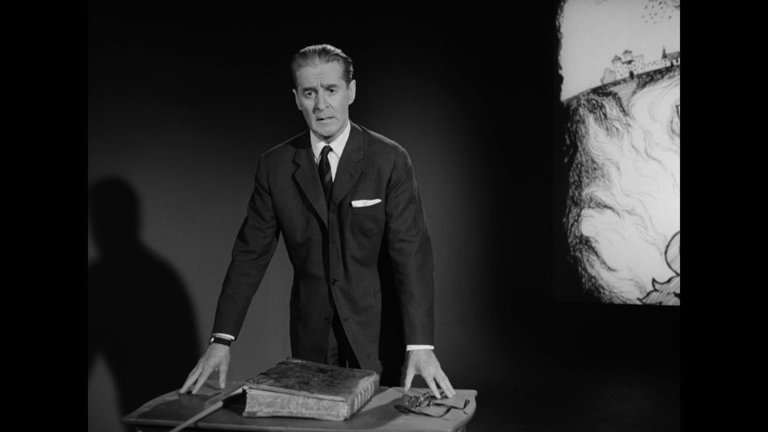
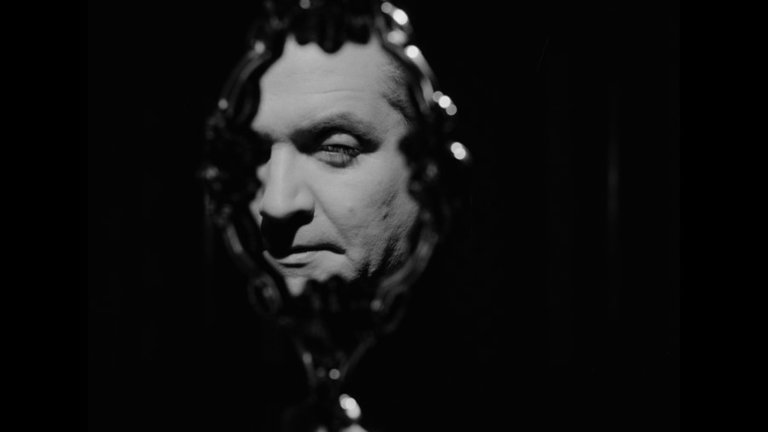
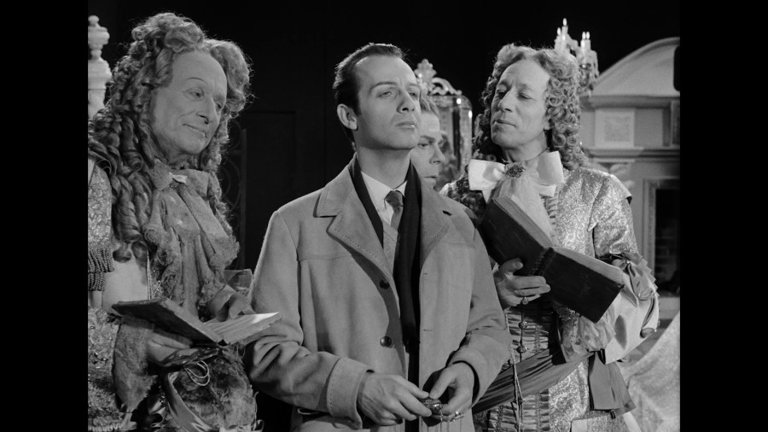
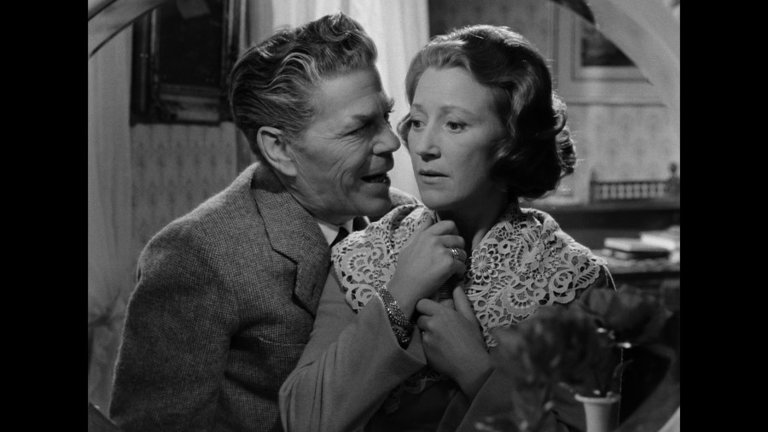
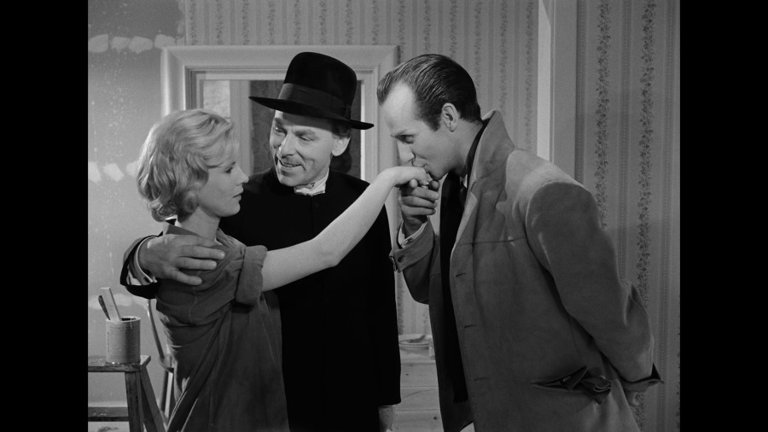
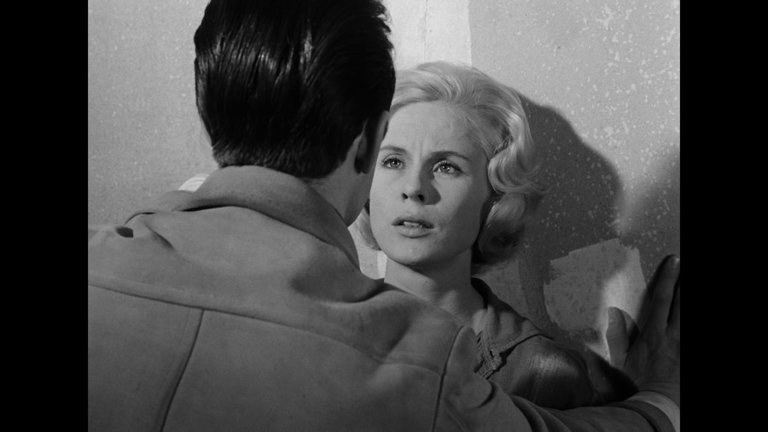
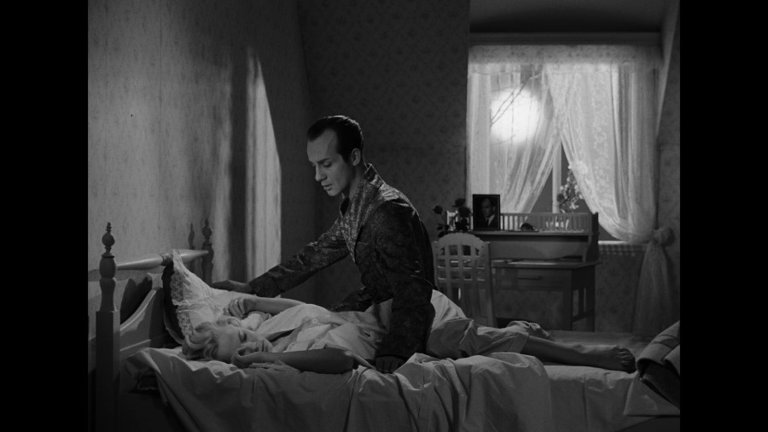

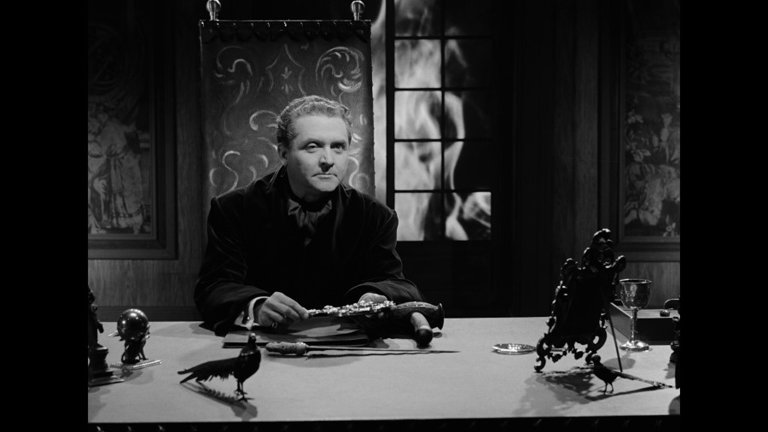
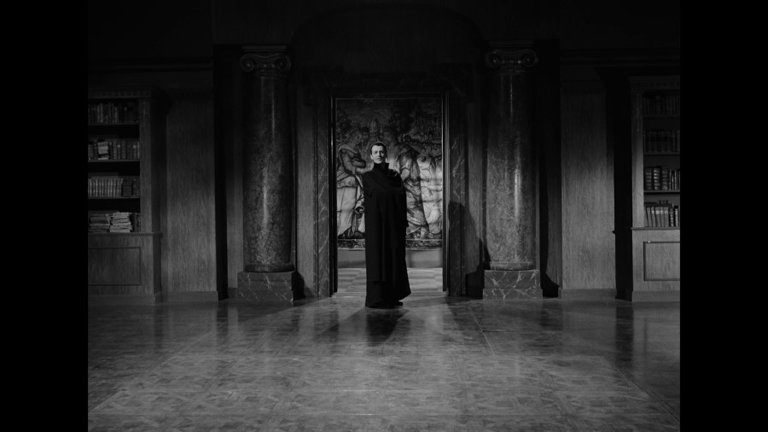

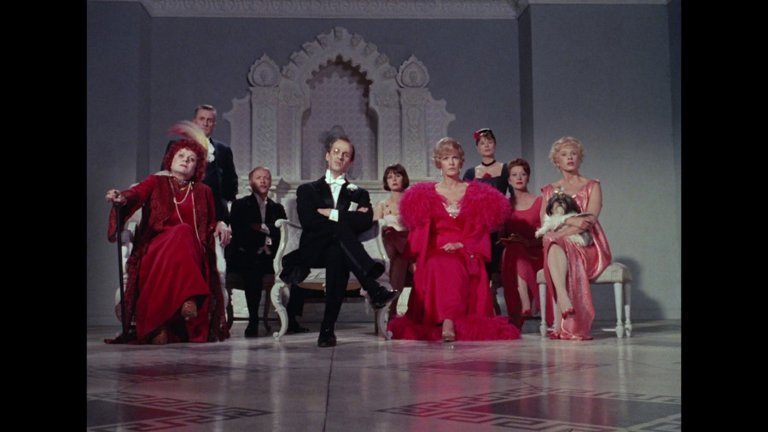
Ingmar Bergman’s Cinema - Screen Captures
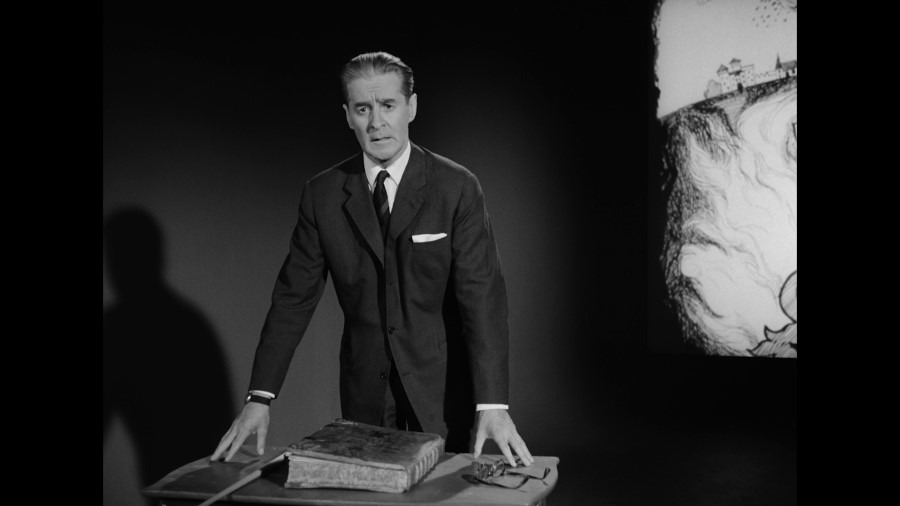
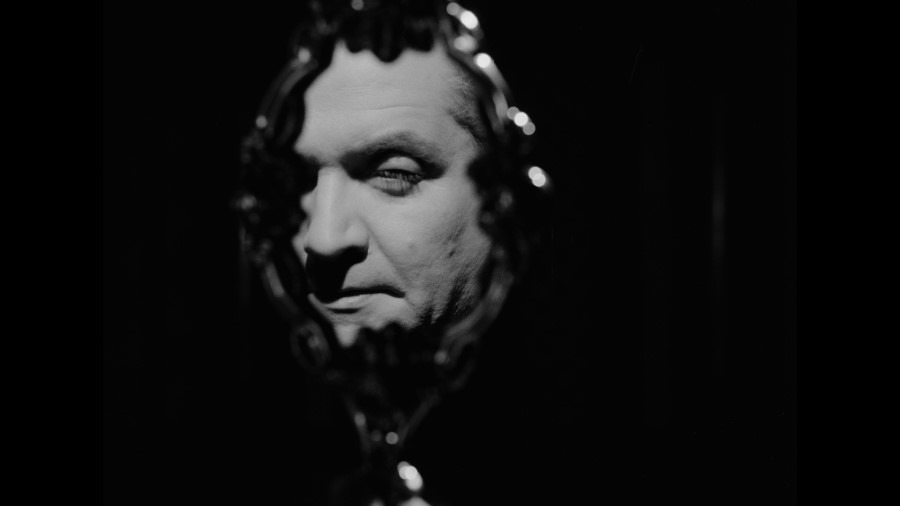
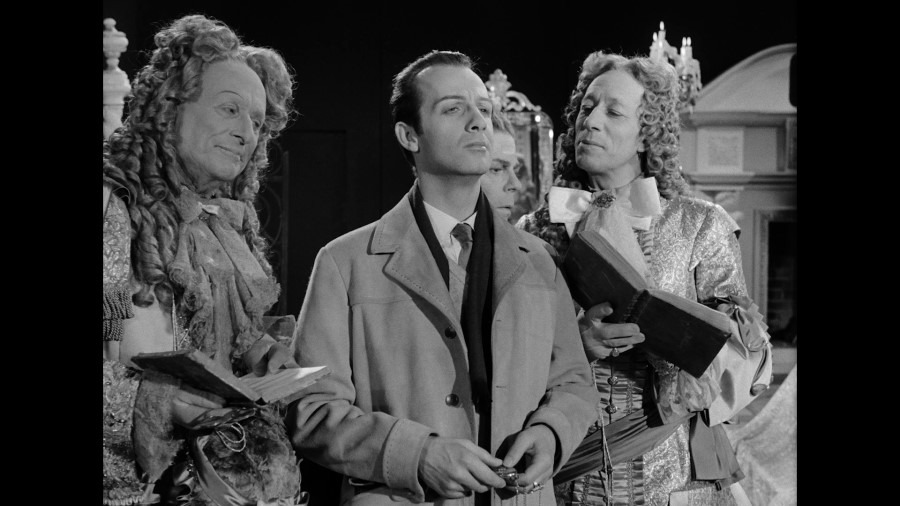
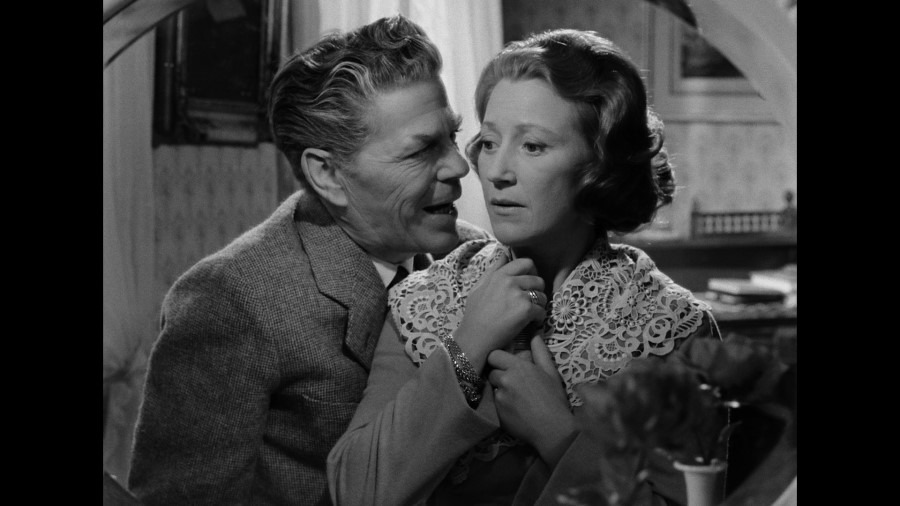
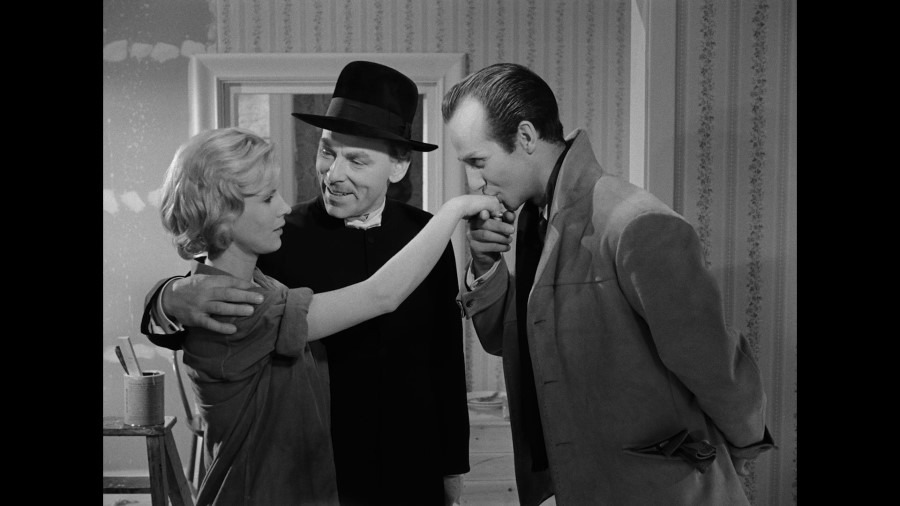
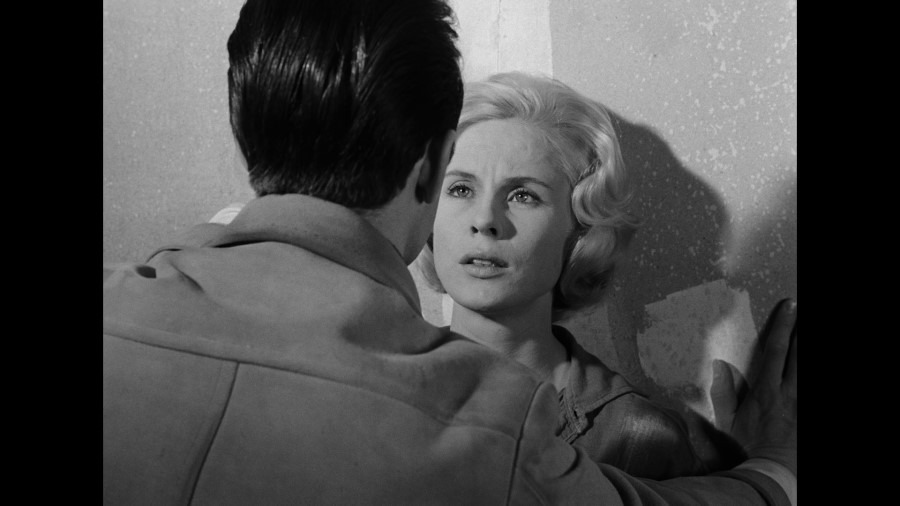
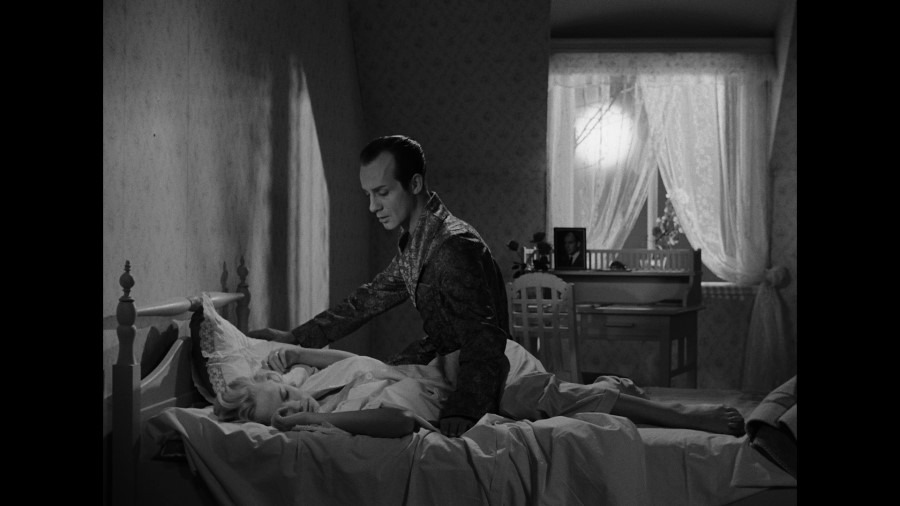

Audio 6/10
Both films present their mono soundtracks in lossless 1.0 PCM. Both are also limited in range, lack depth, and come off a bit one note, but this can be blamed more on the source materials and the two tracks to being products of their time. Still, they’re both clean and free of distortion.
Extras 1/10
The two films, unsurprisingly, get shafted in the supplement department: there are none. The include book does feature an essay covering both films written by David Cairns and Fiona Watson, and the humour that can be found in his other films. They address the terrible criticisms lobbed at All These Women (from Bergman himself and from Roger Ebert, who called the film one of Bergman’s worst) they offer a defense of it, though they do strain a bit.
Closing
Two, at best, mediocre films, but they received the same level of love as the other films in the set, at least in relation to the restoration work. Supplement-wise they get screwed.
BUY AT: