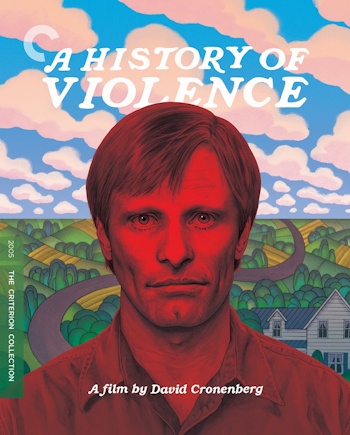
A History of Violence

BUY AT:


See more details, packaging, or compare
Synopsis
In David Cronenberg’s subtly provocative film, one of his most celebrated, all is not as it initially seems. In his first of many collaborations with the director, Viggo Mortensen delivers a highly nuanced performance as Tom Stall, a small-town husband and father who is hailed as a hero when he kills the would-be perpetrators of a violent robbery. But how did this ordinary family man dispatch them with such skill? Working with an exceptional cast that also includes Maria Bello, Ed Harris, and William Hurt, Cronenberg slyly deconstructs the mythos of the American action hero, posing elemental questions about identity, human nature, and the violence that we both abhor and can’t look away from.
Picture 10/10
David Cronenberg’s A History of Violence arrives on 4K UHD courtesy of The Criterion Collection, presented in Dolby Vision in its original 1.85:1 aspect ratio on a triple-layer disc. The 2160p/24hz ultra high-definition image is sourced from a new 4K restoration created from the 35mm original camera negative and a 2K digital intermediate. A standard Blu-ray is also included, featuring a 1080p presentation of the film along with all of the supplemental material. Criterion’s edition uses the international version, which features a few extra splashes of blood and an especially grim neck-crack missing from the American cut.
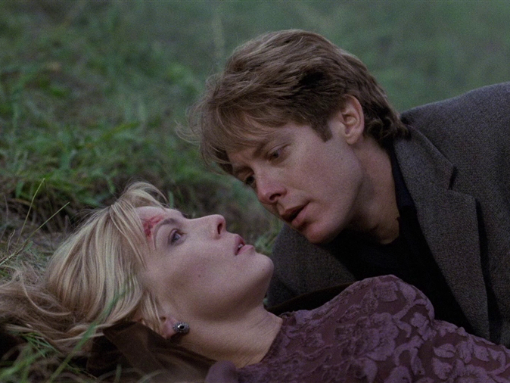
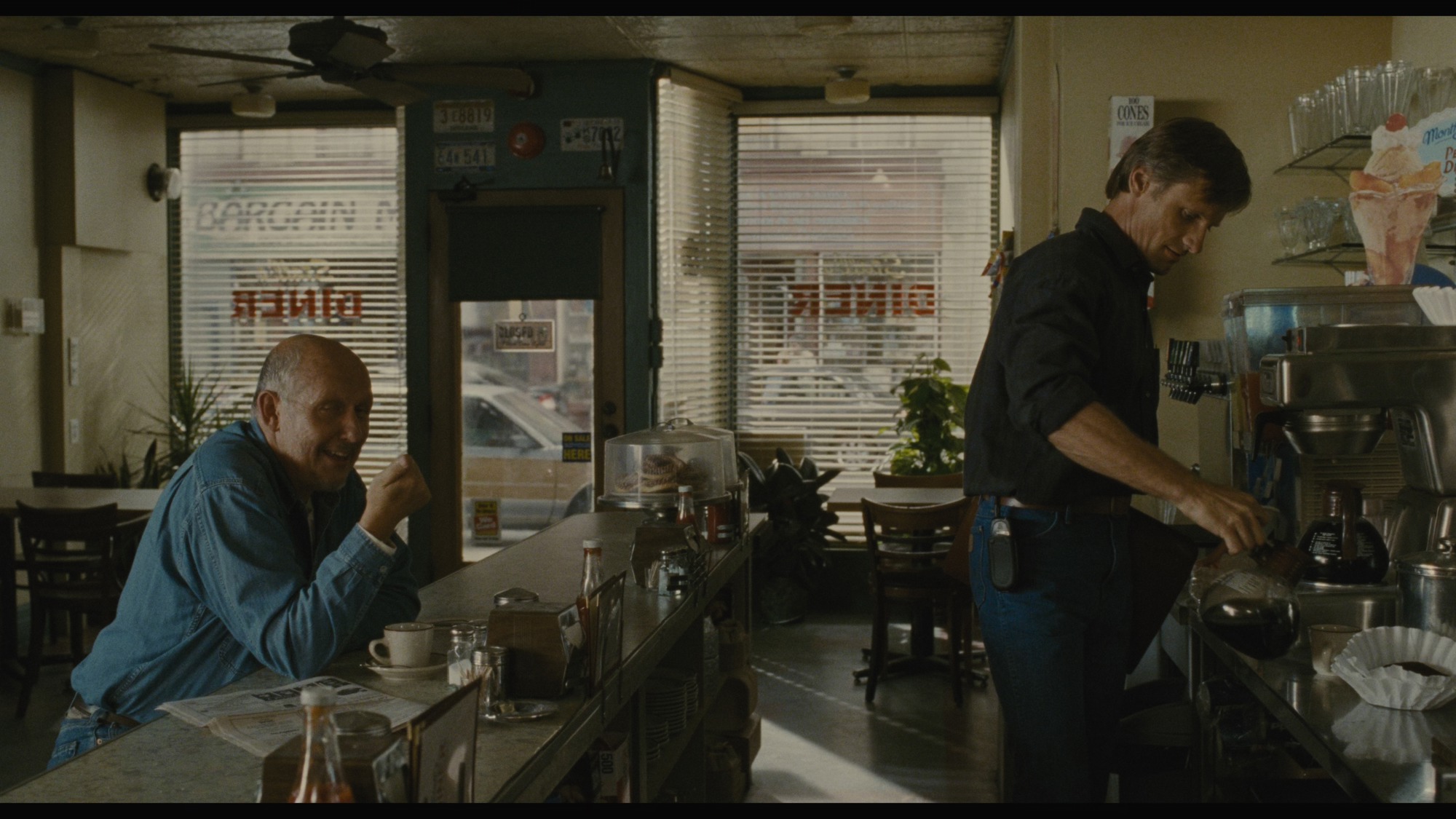
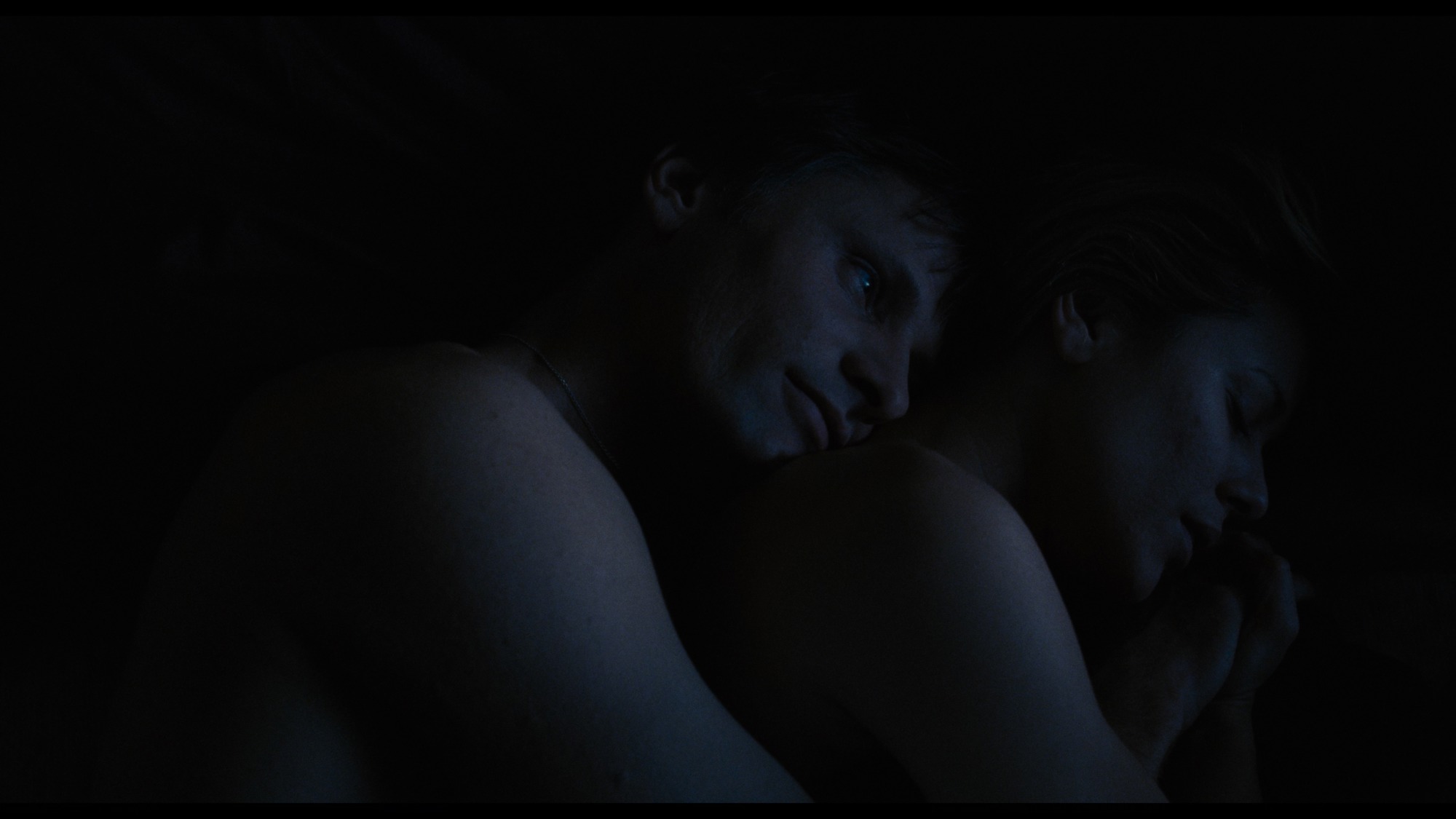
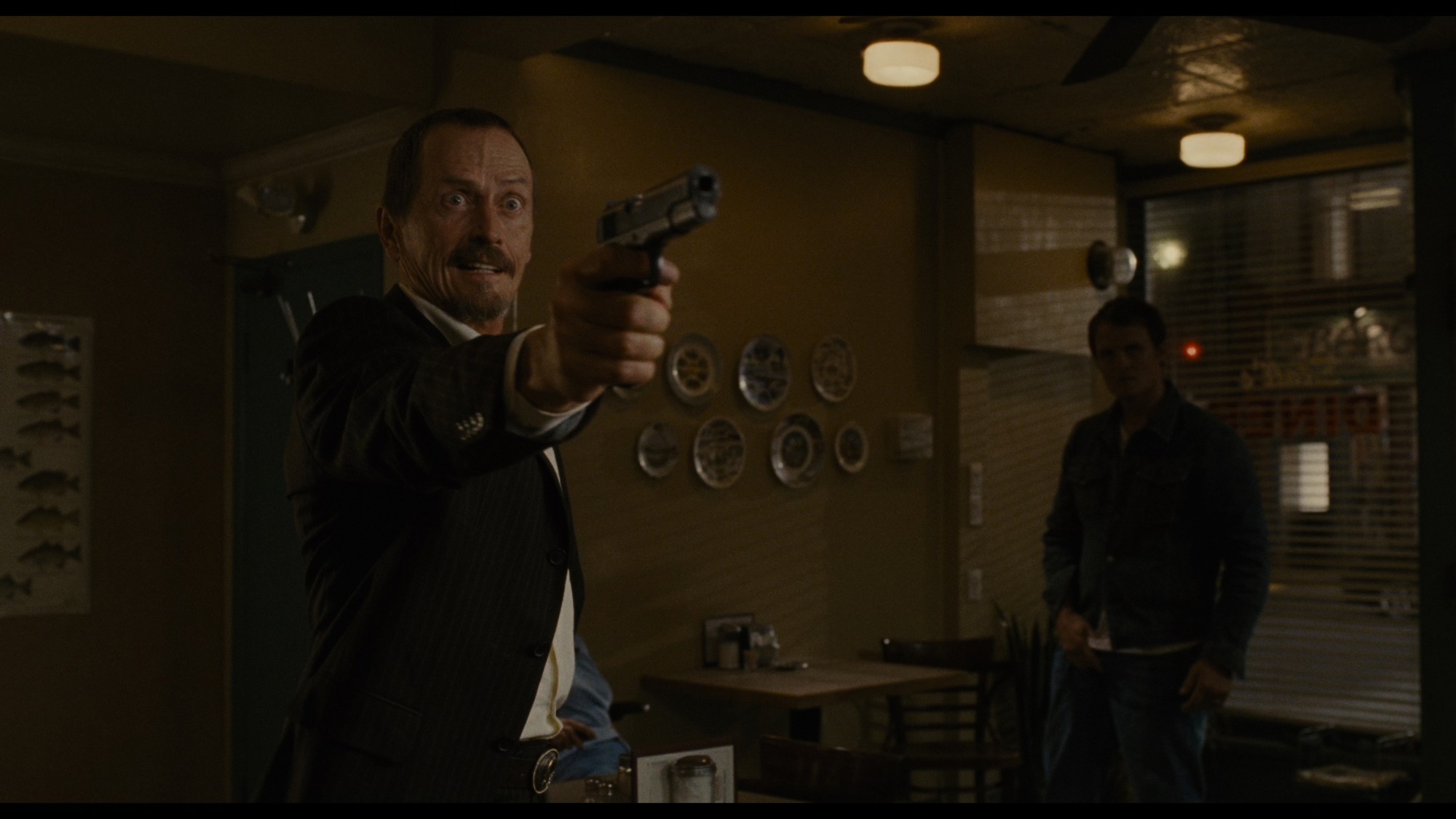
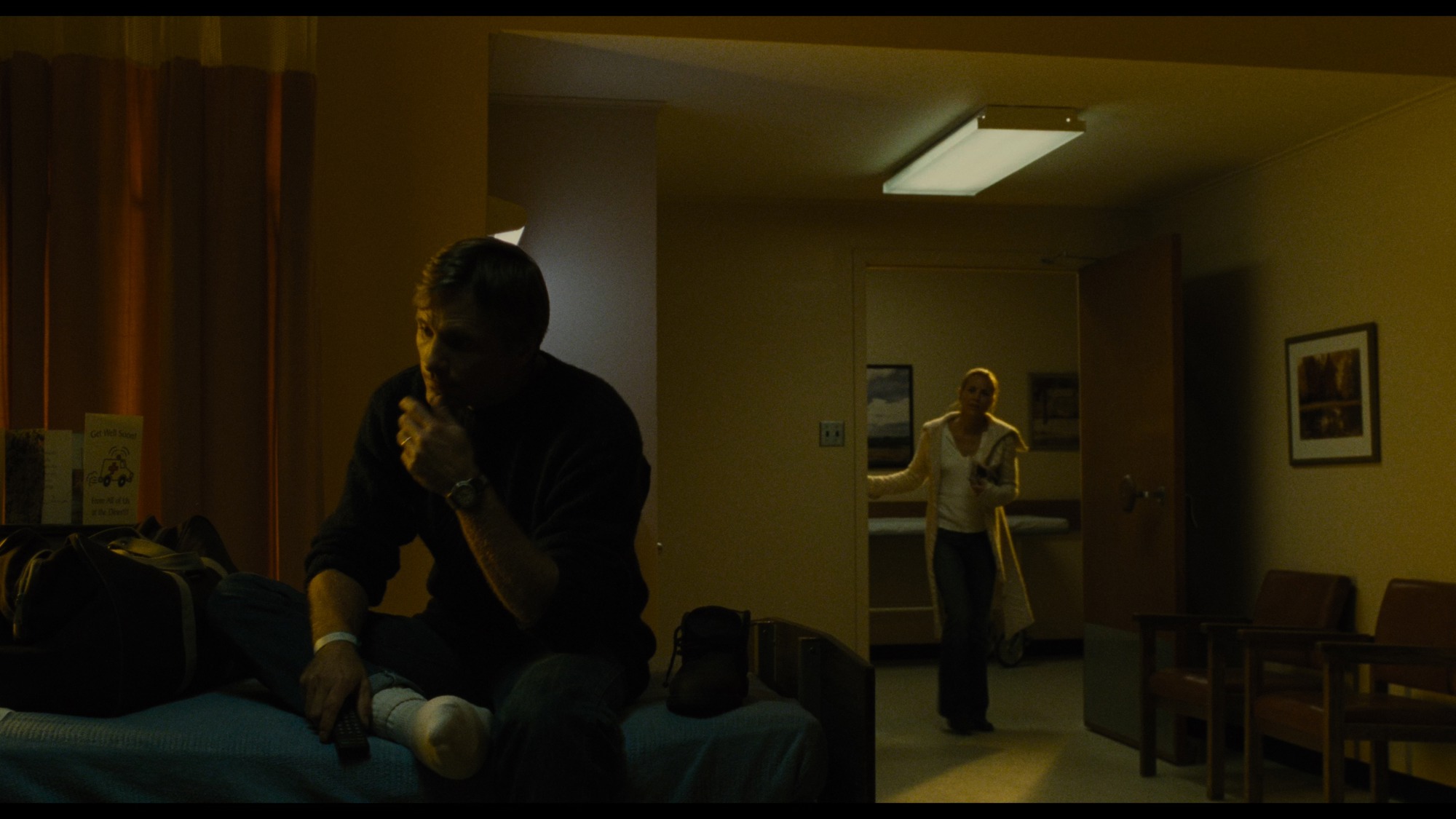
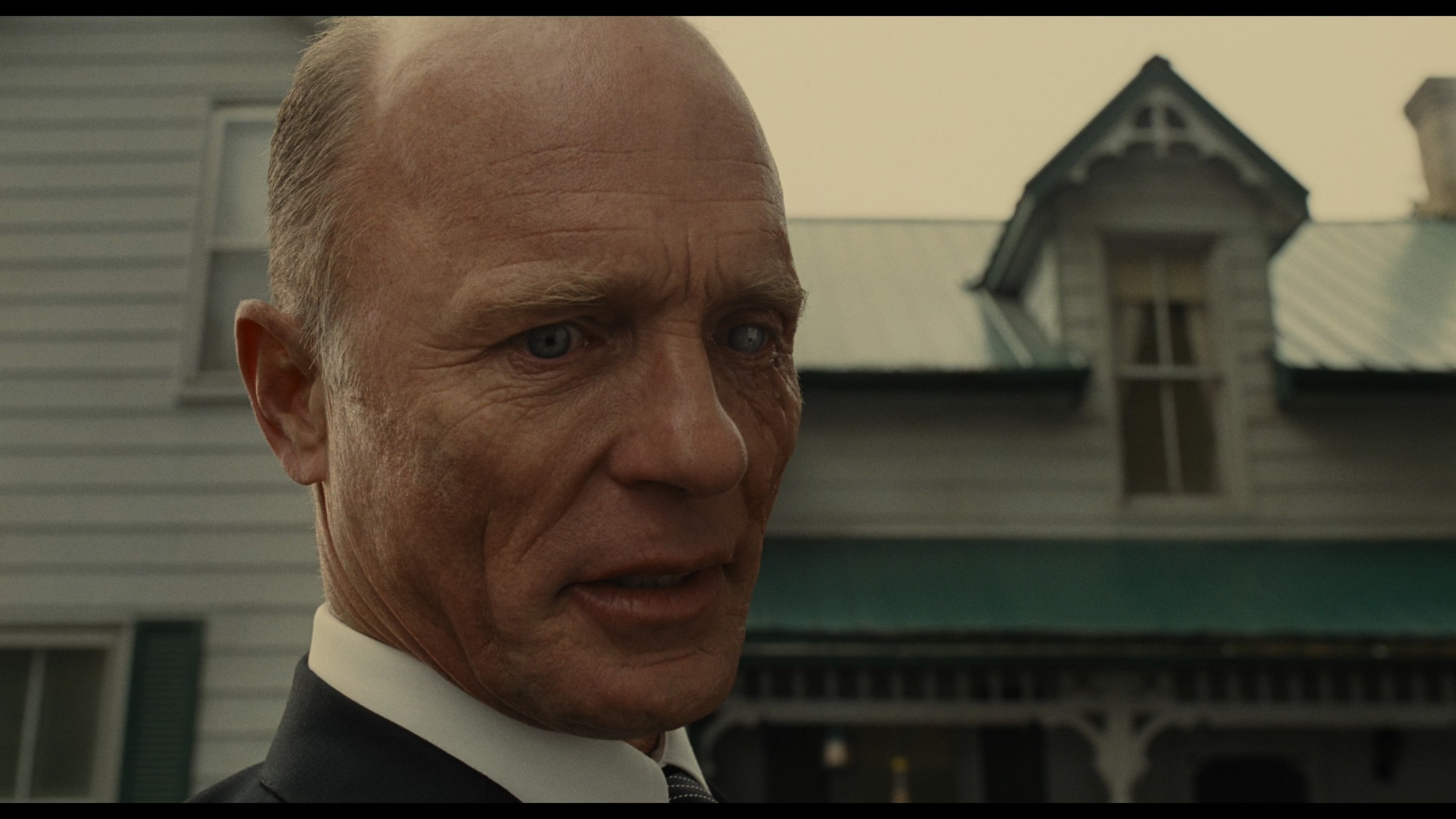
Criterion’s recent 4Ks have been (mostly) consistently impressive, and A History of Violence continues that streak. The upgrade over Warner’s soft, artifact-laden Blu-ray (which seemed to stem from the same master as the 2006 DVD) is immediate and dramatic. The new presentation is far more film-like in texture and appearance, with fine grain rendered cleanly and naturally, free of digital noise or smoothing. Detail and definition reach a whole new level; skin textures, environmental surfaces, and the subtleties in the film’s Midwest settings are all beautifully captured. Close-ups can be particularly revealing, like those of a certain character’s disfigured face.
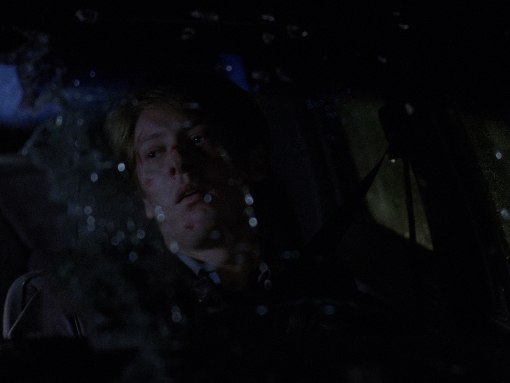
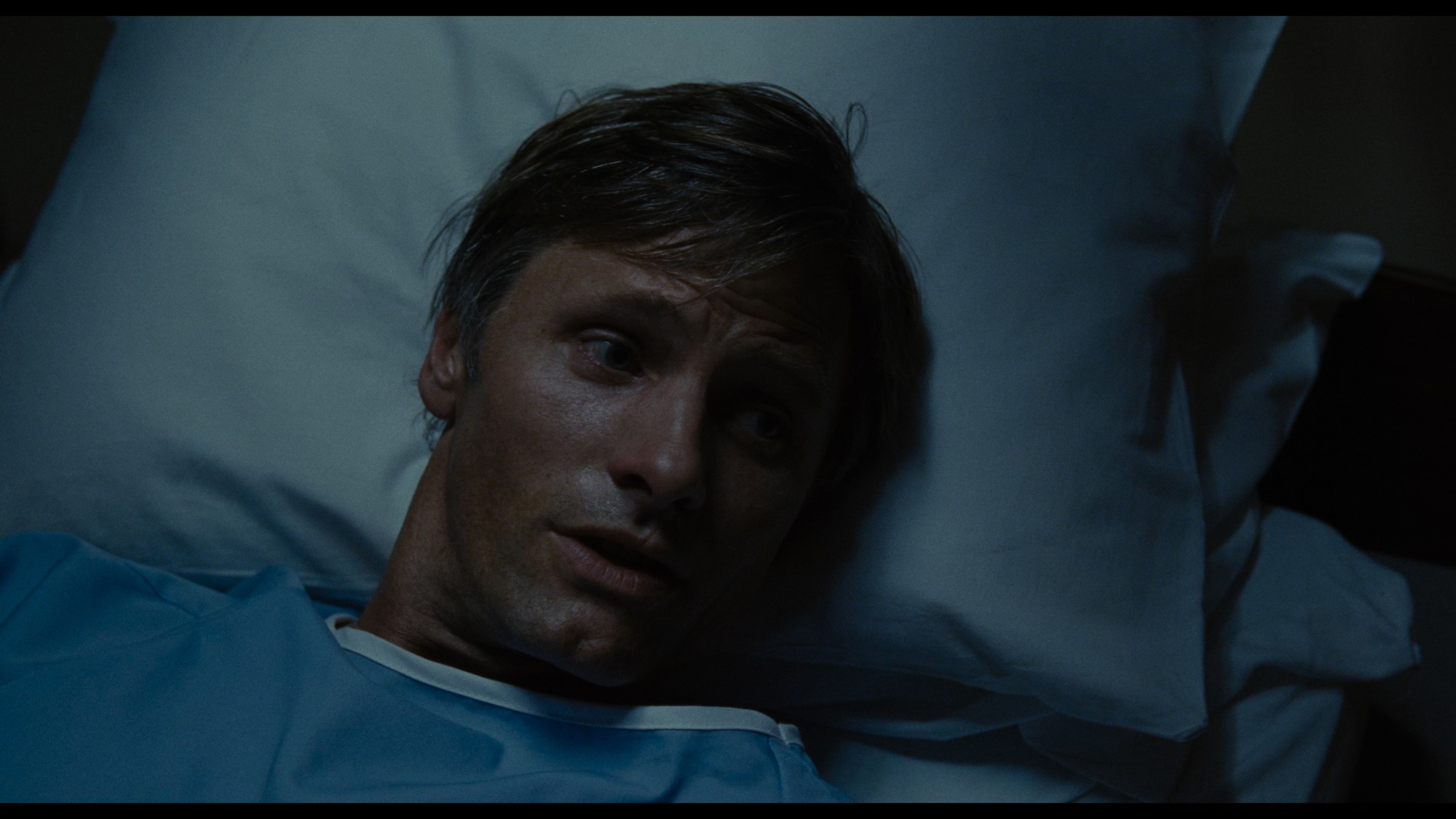
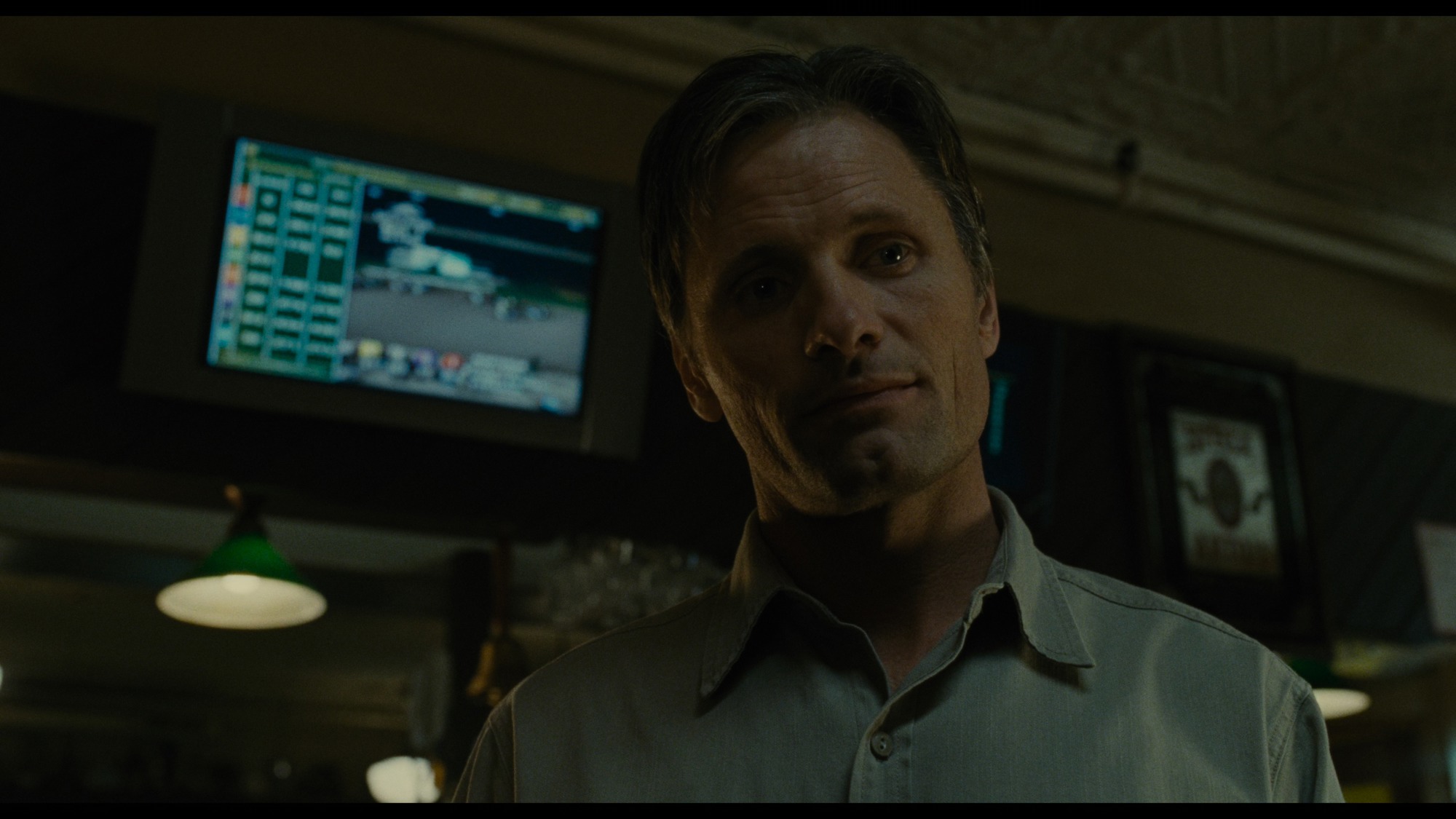
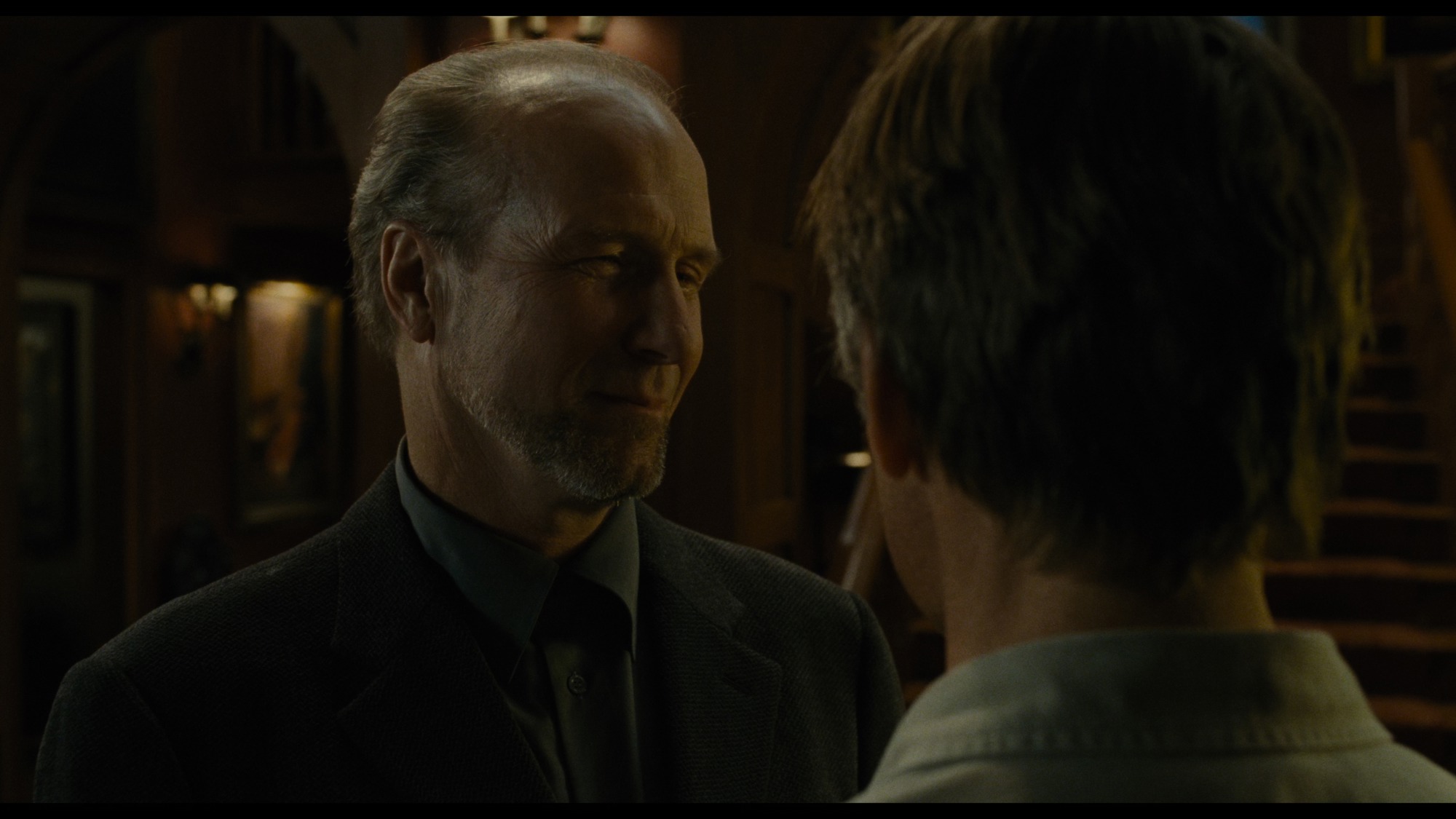
Colors shed the magenta and red push of earlier releases, leaning warmer but with superb saturation levels. Dolby Vision and HDR grading give the moody, low-light photography tremendous depth and dimension. Shadow detail is excellent throughout, and highlights exhibit nuance without clipping. The contrast range in the film’s climax at Richie’s house is especially striking, nowhere more so than in the lighting of William Hurt’s close-ups, which show a depth and dimensionality the SDR caps provided here sadly can’t begin to convey. It really is just amazing how fantastic this whole sequence of the film looks.
It’s an outstanding presentation overall: clean, rich, and photographic in every respect. Criterion has given the film the treatment it’s long deserved.
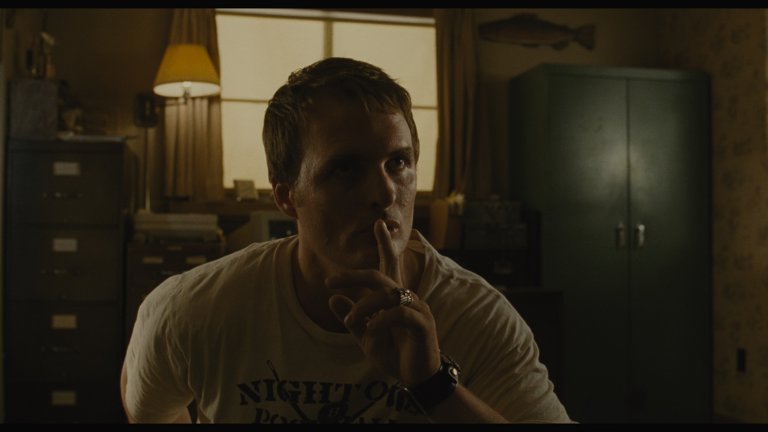
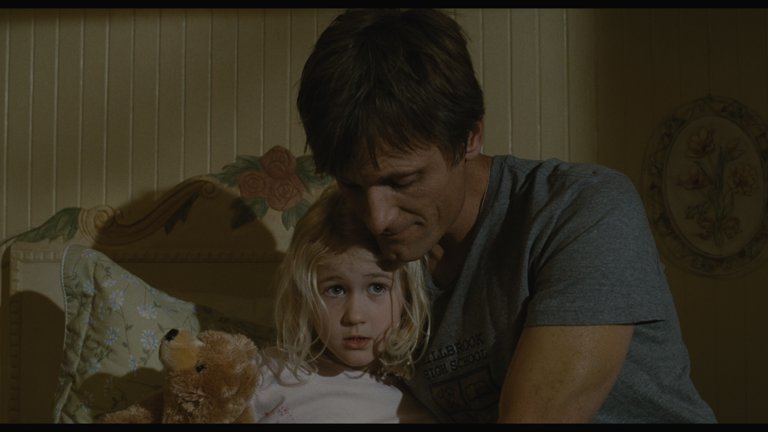
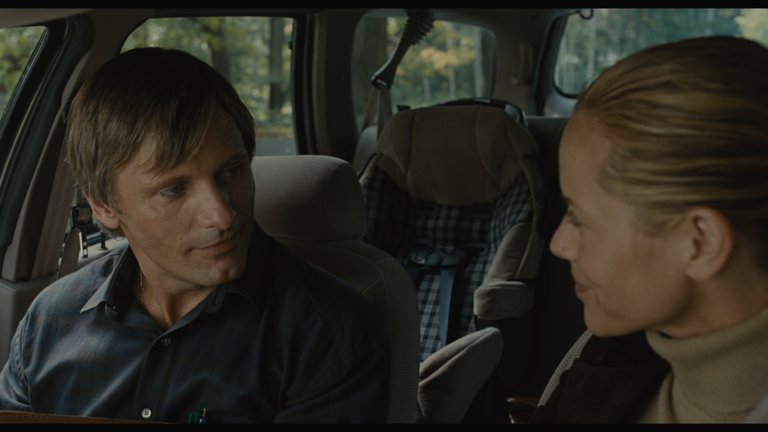
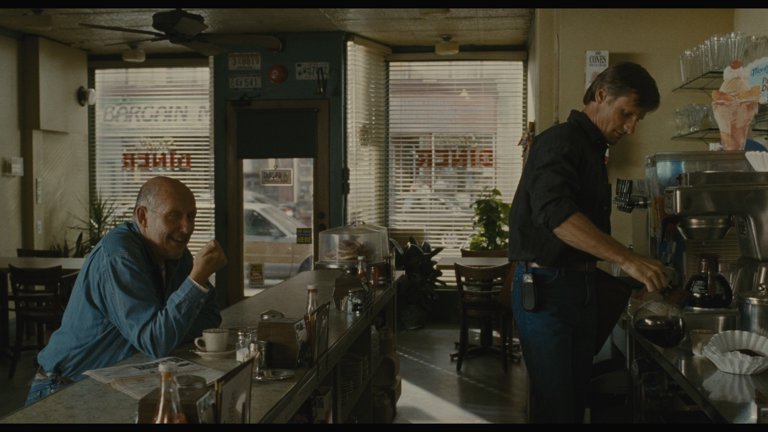
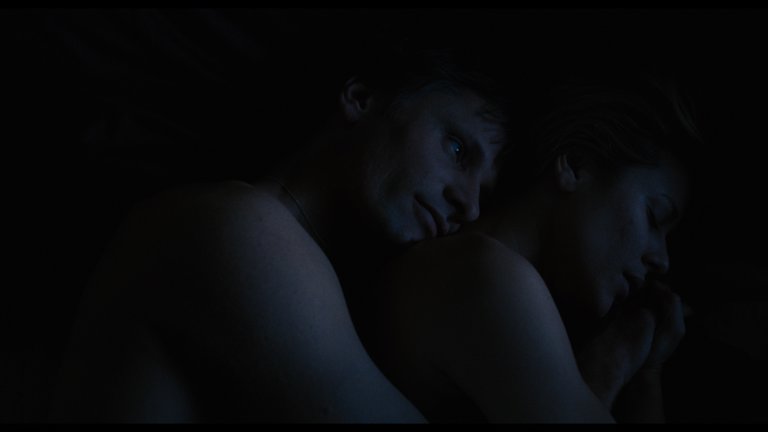
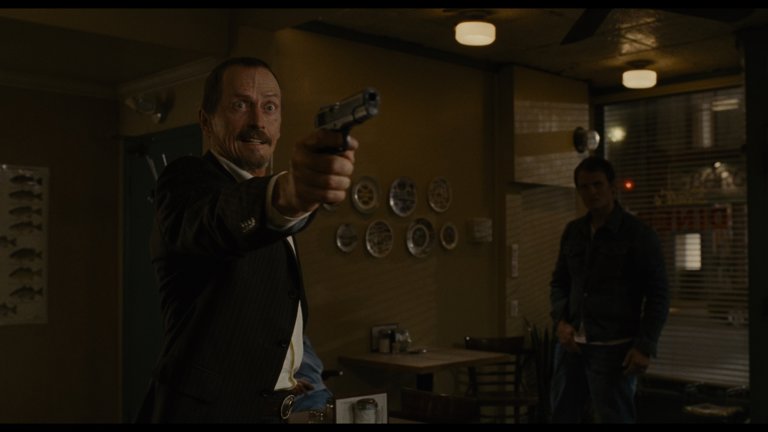
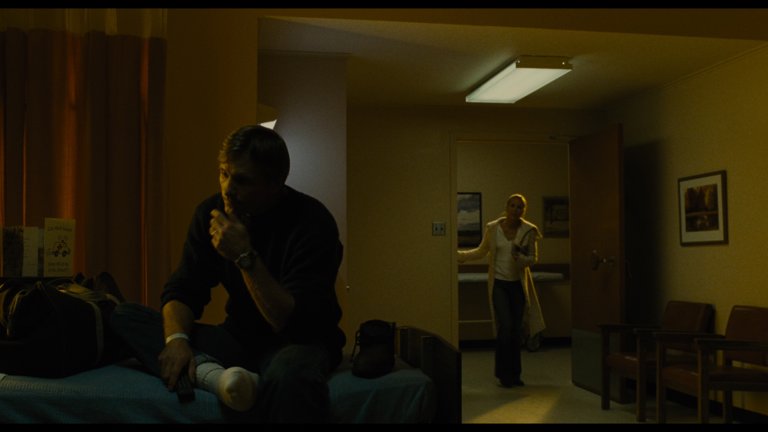
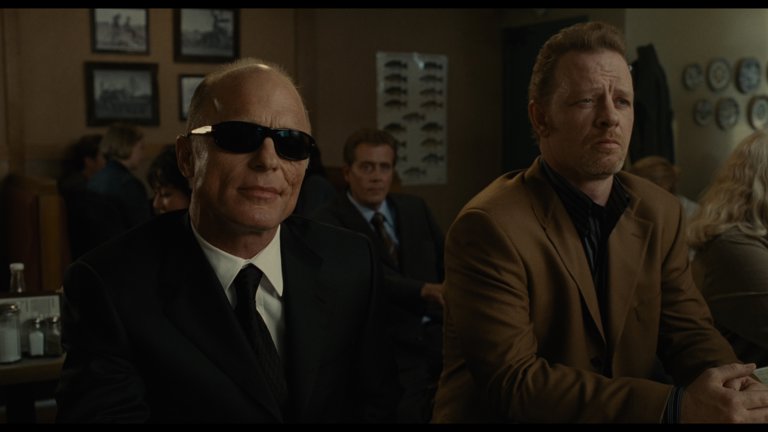
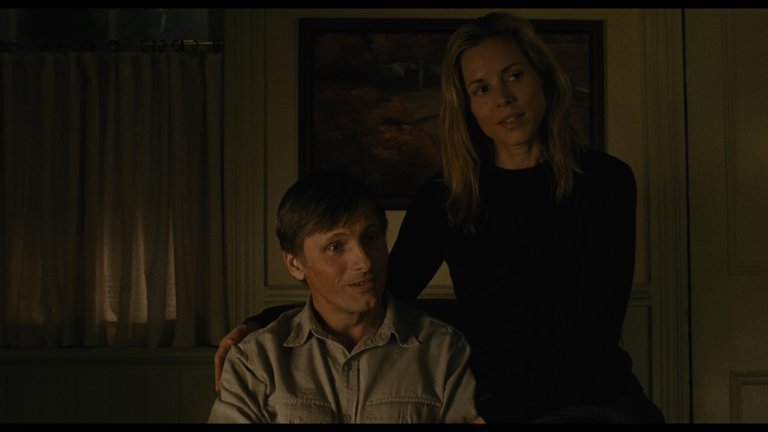
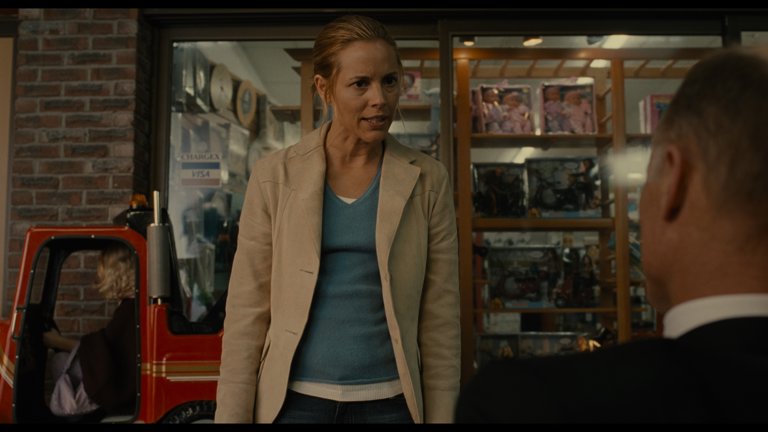
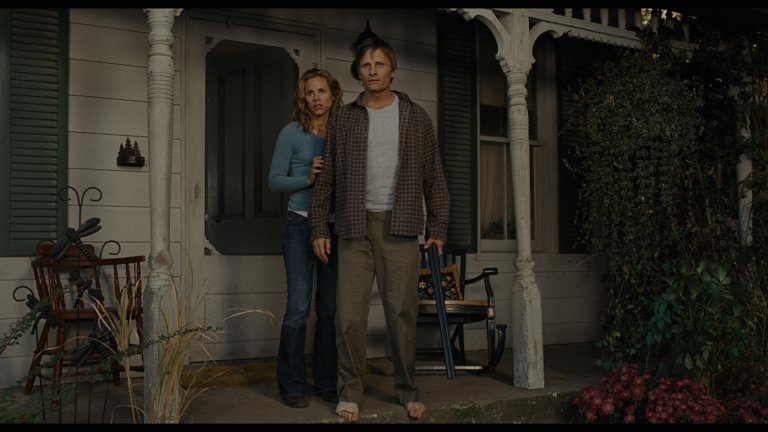
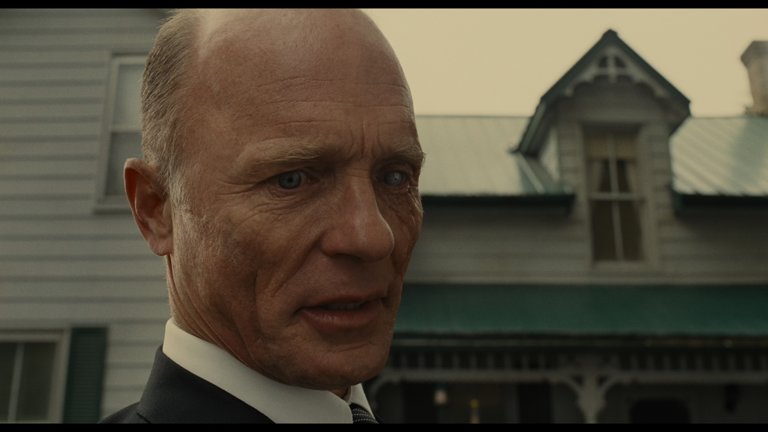
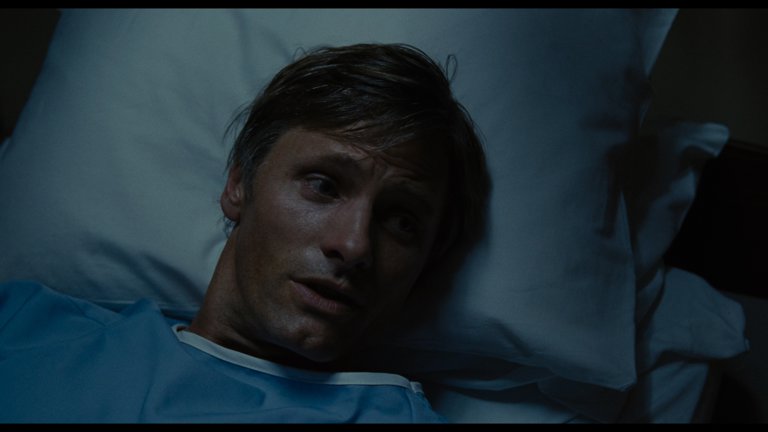
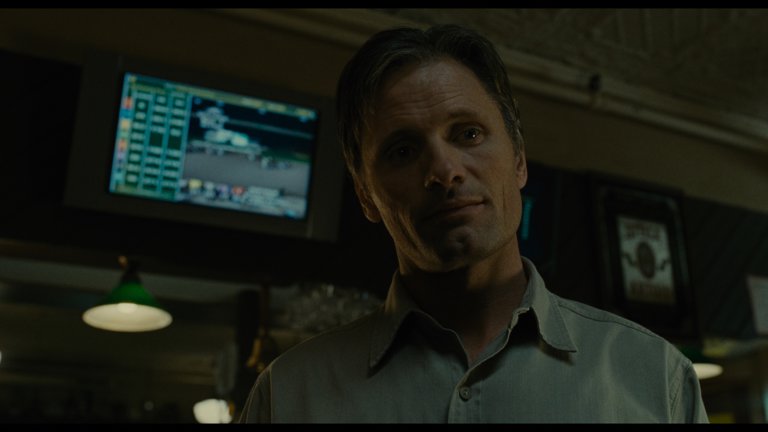
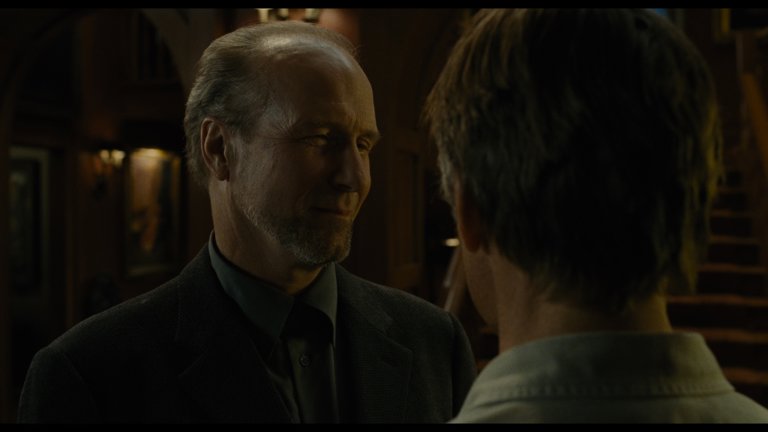
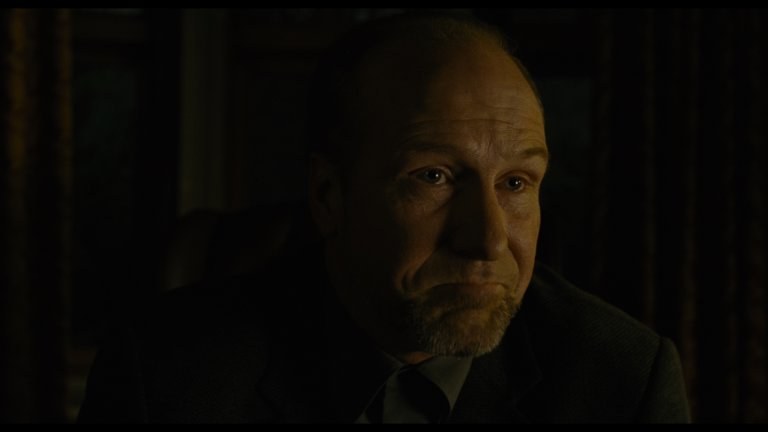
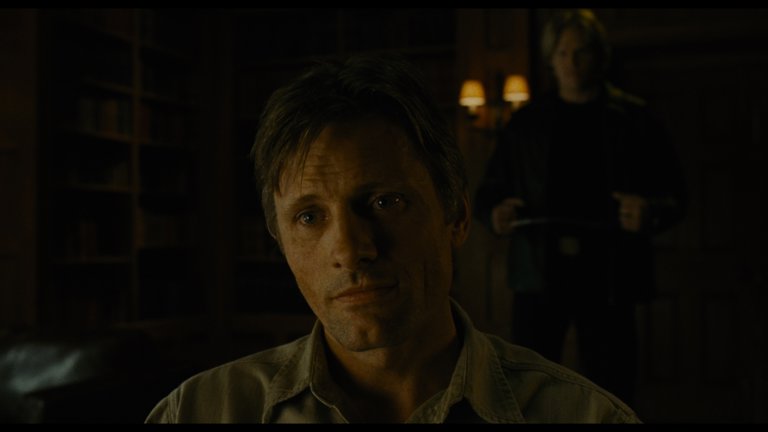
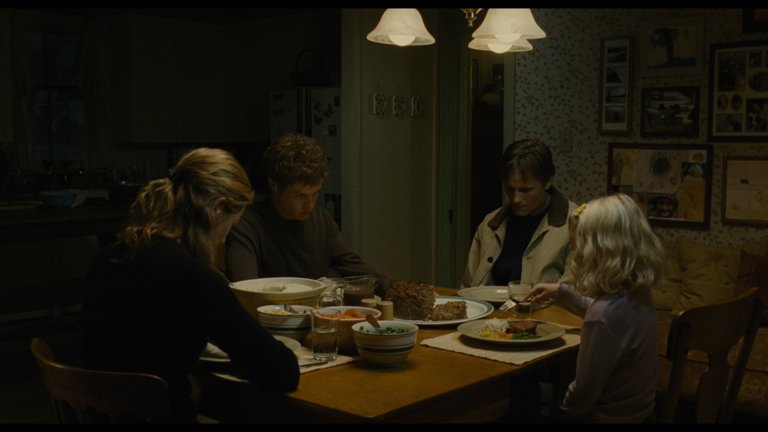
A History of Violence - Screen Captures
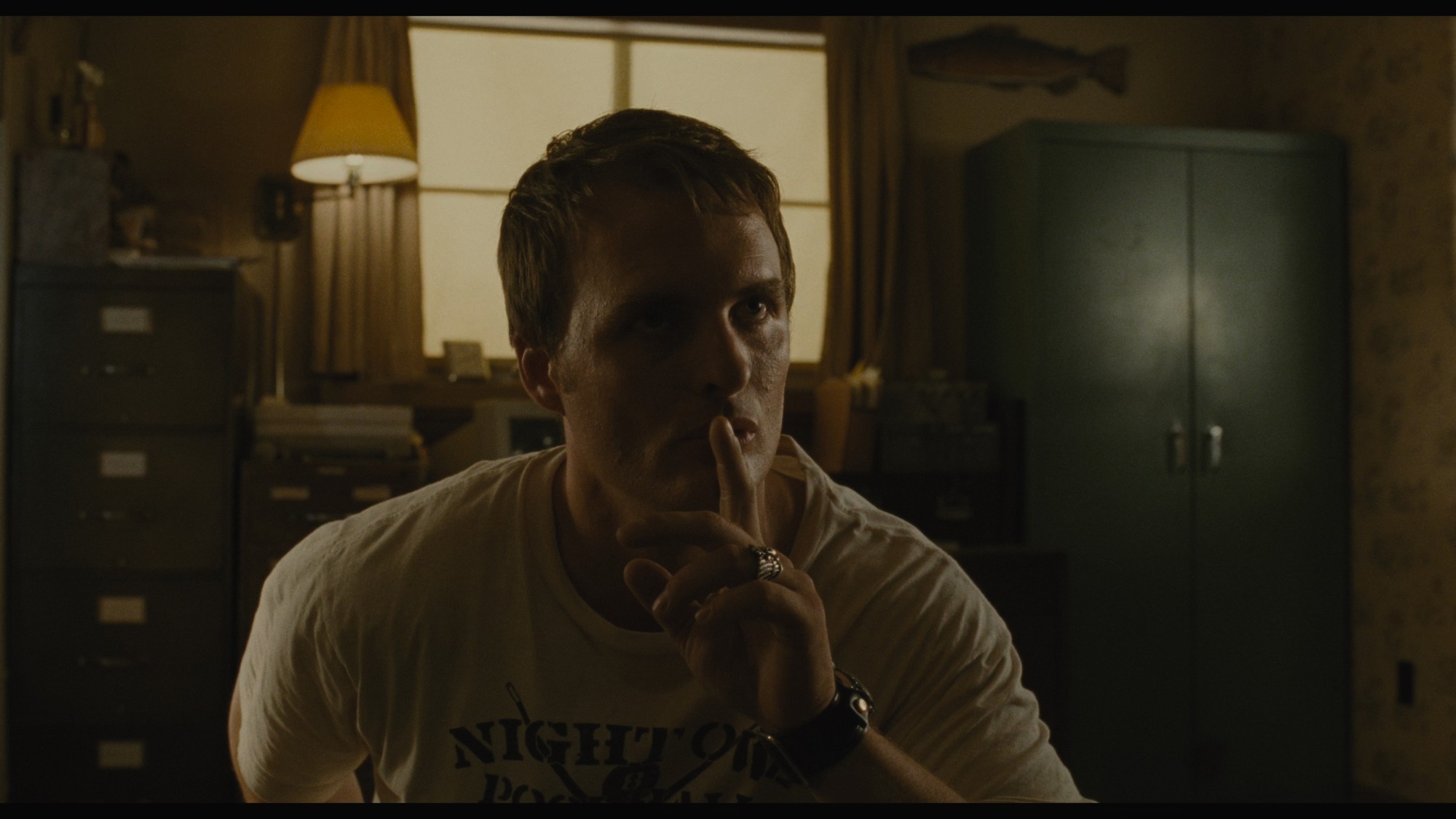
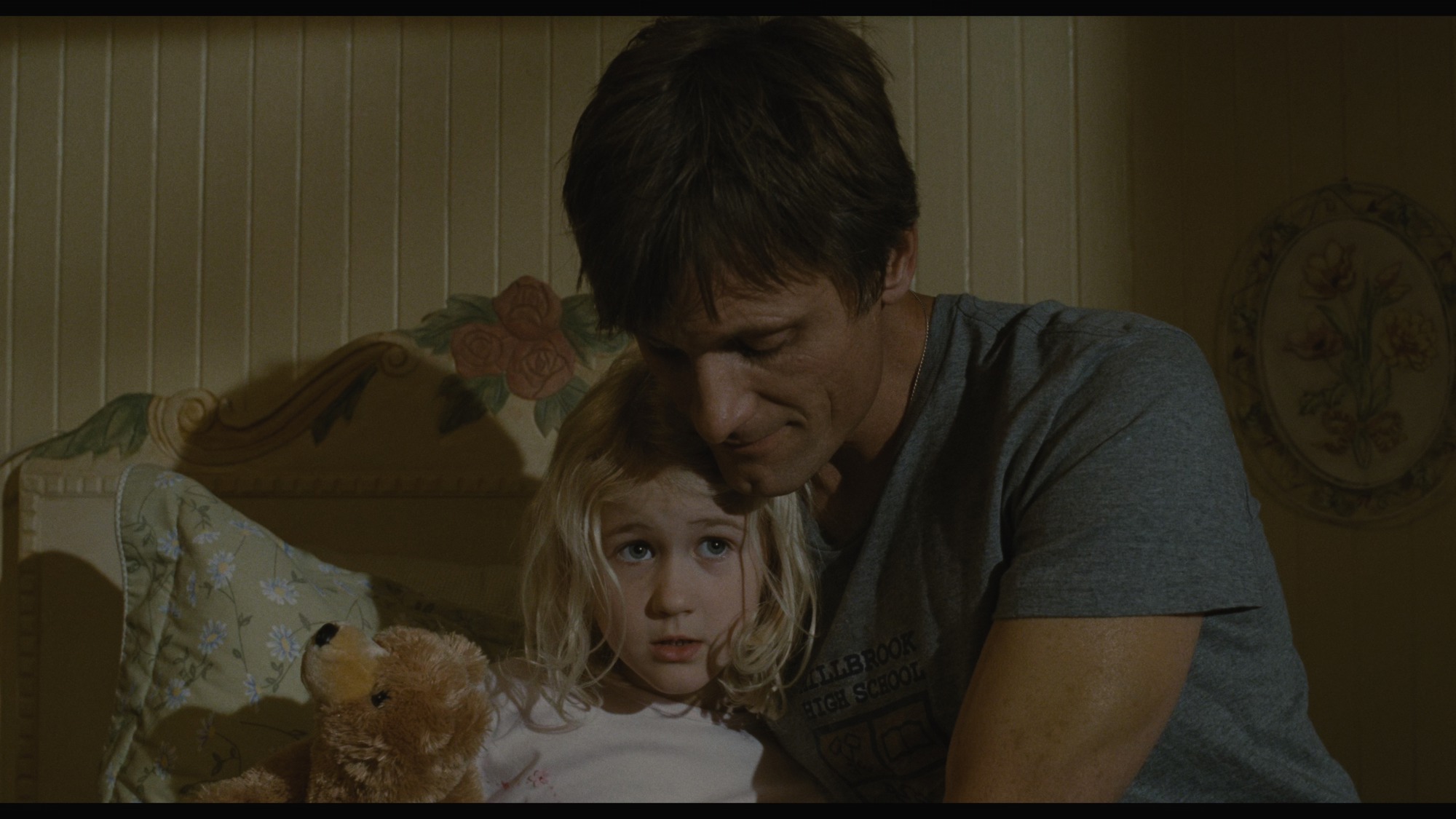
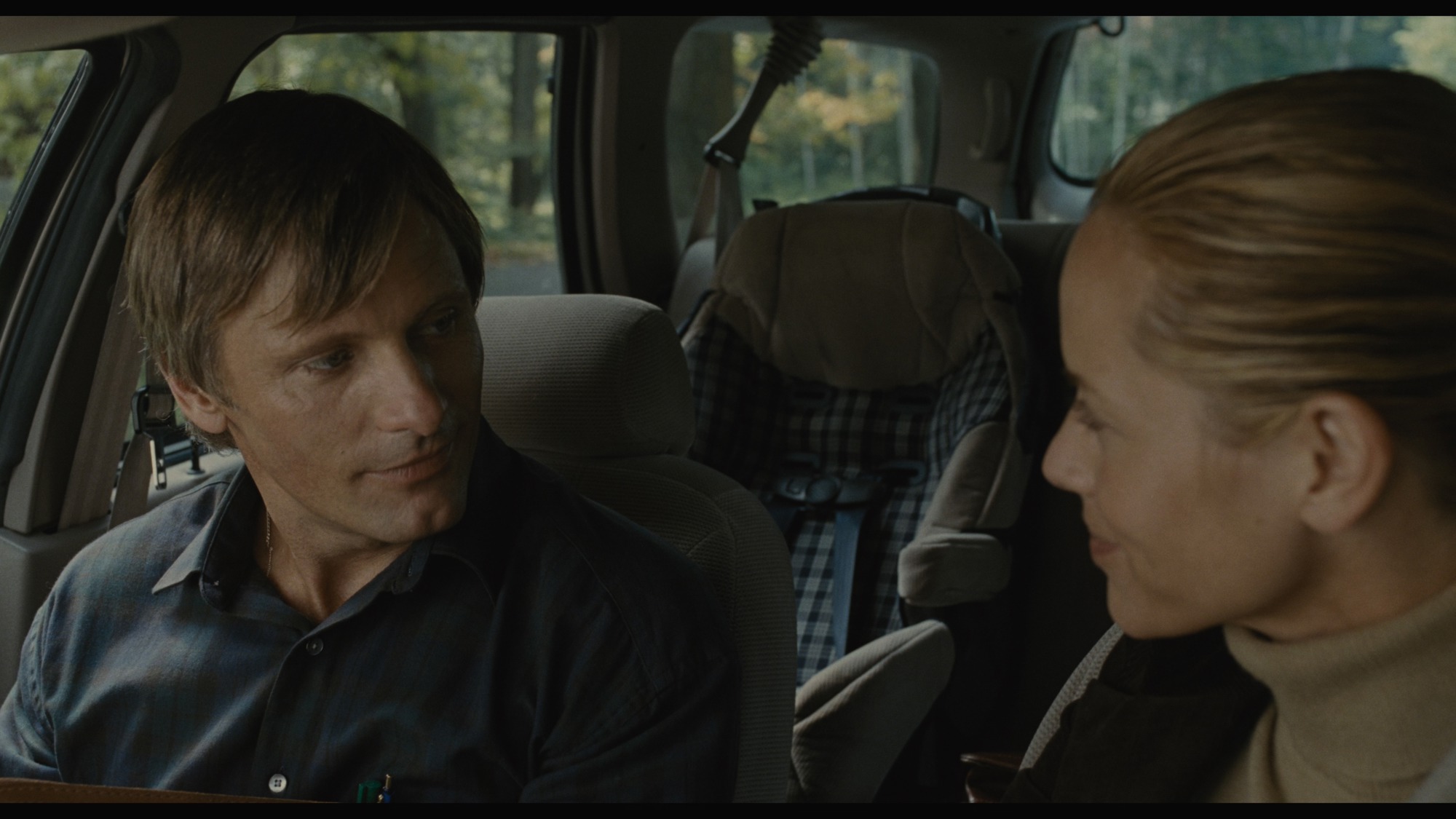
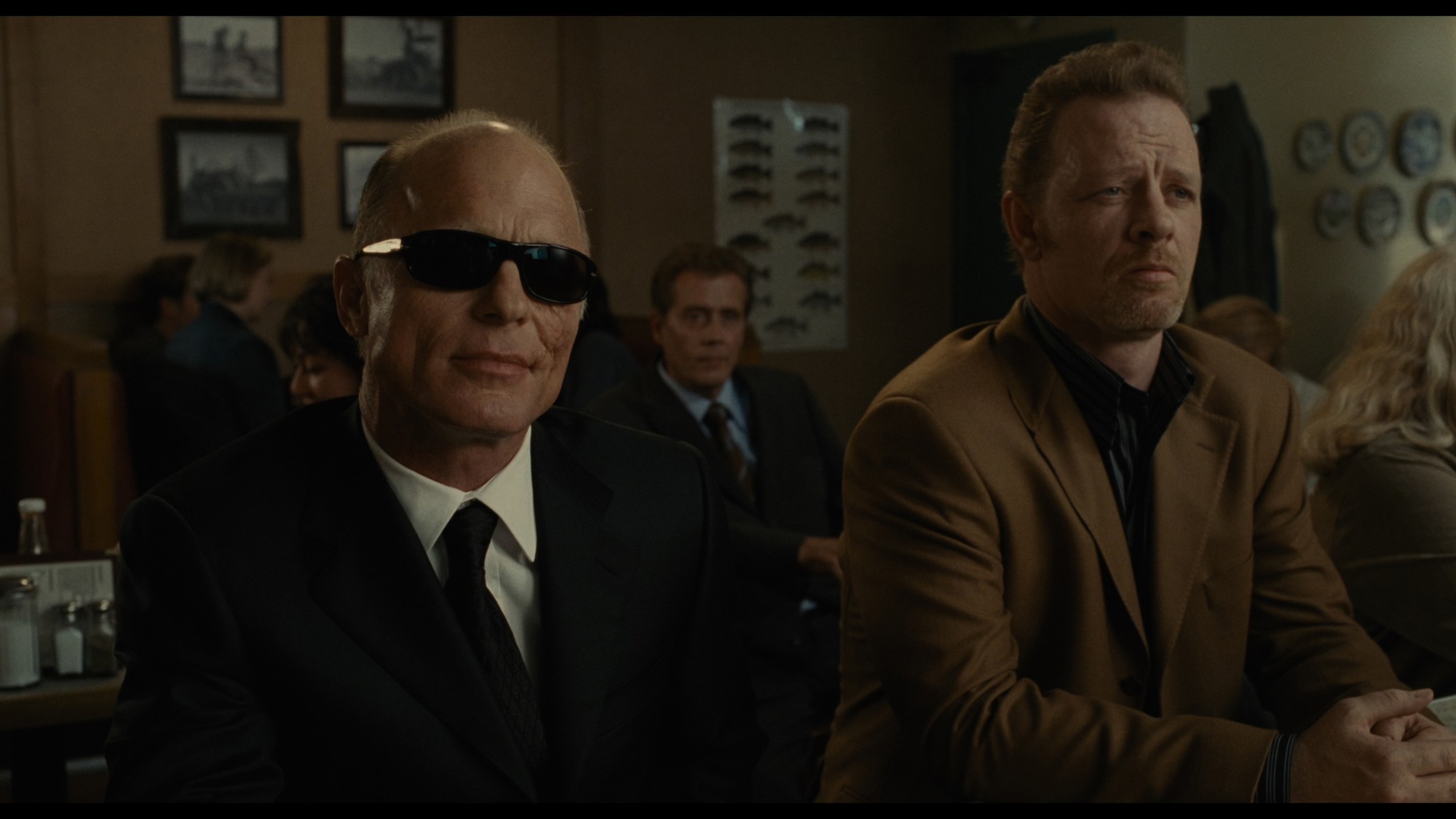
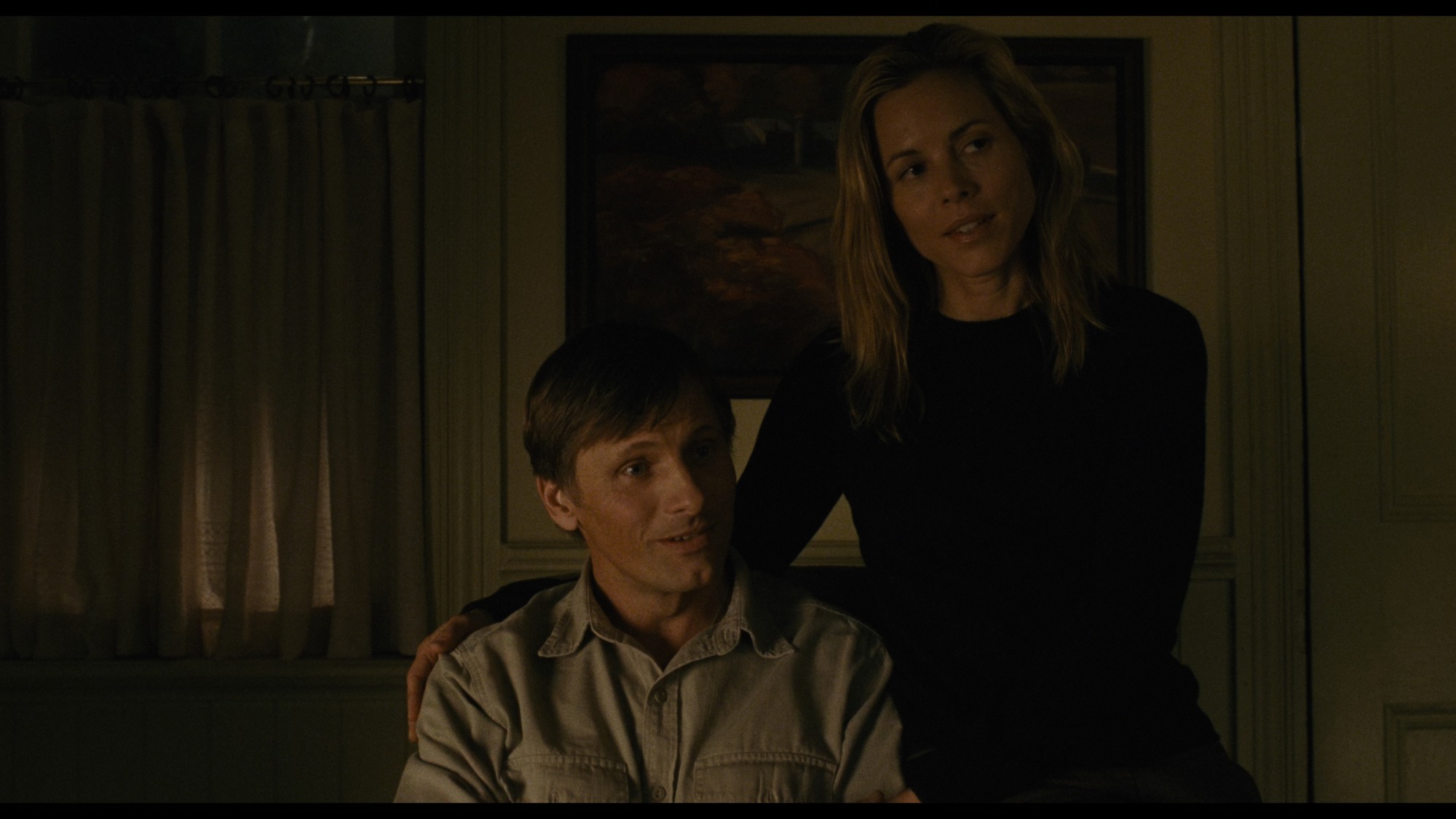
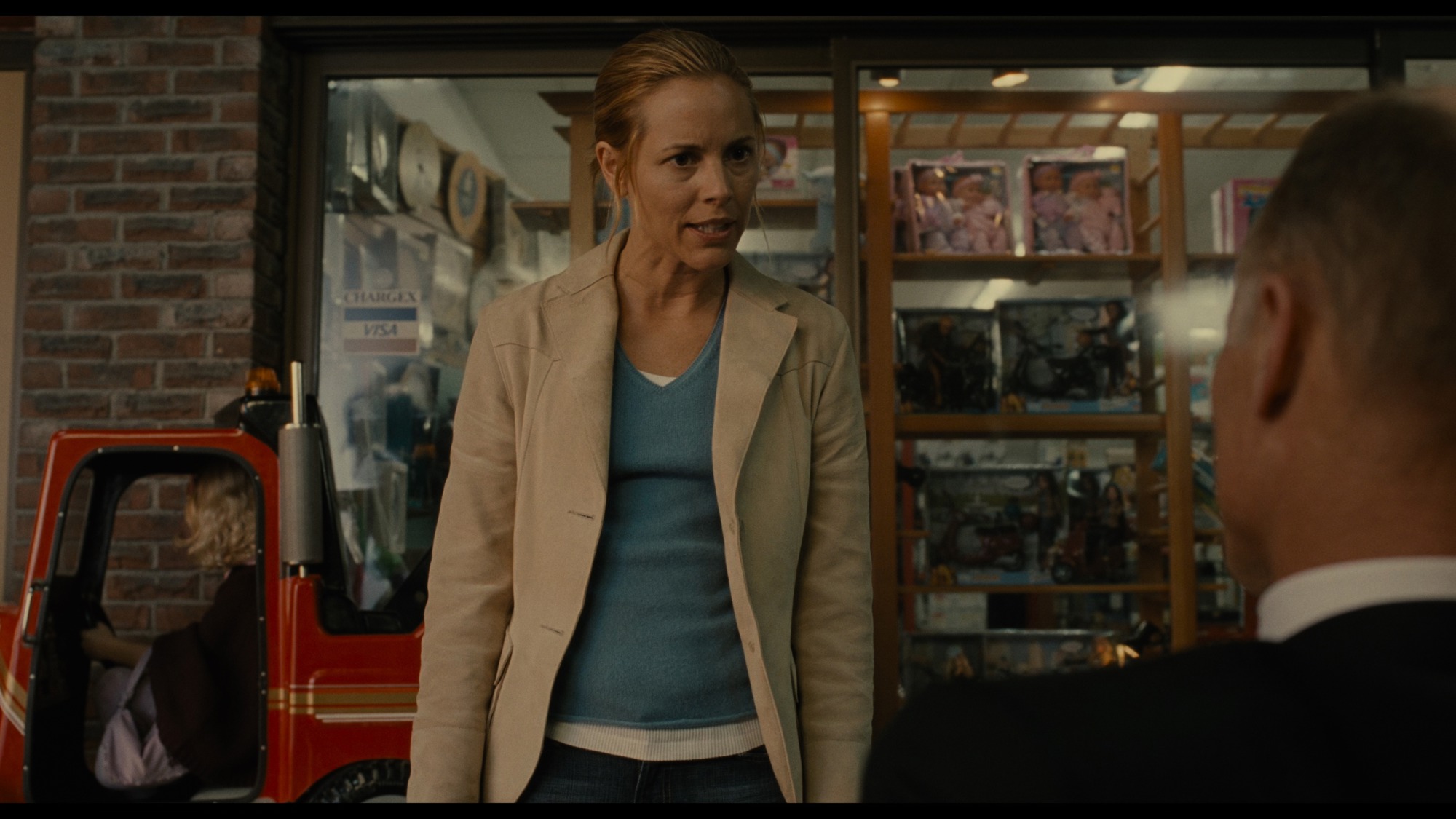
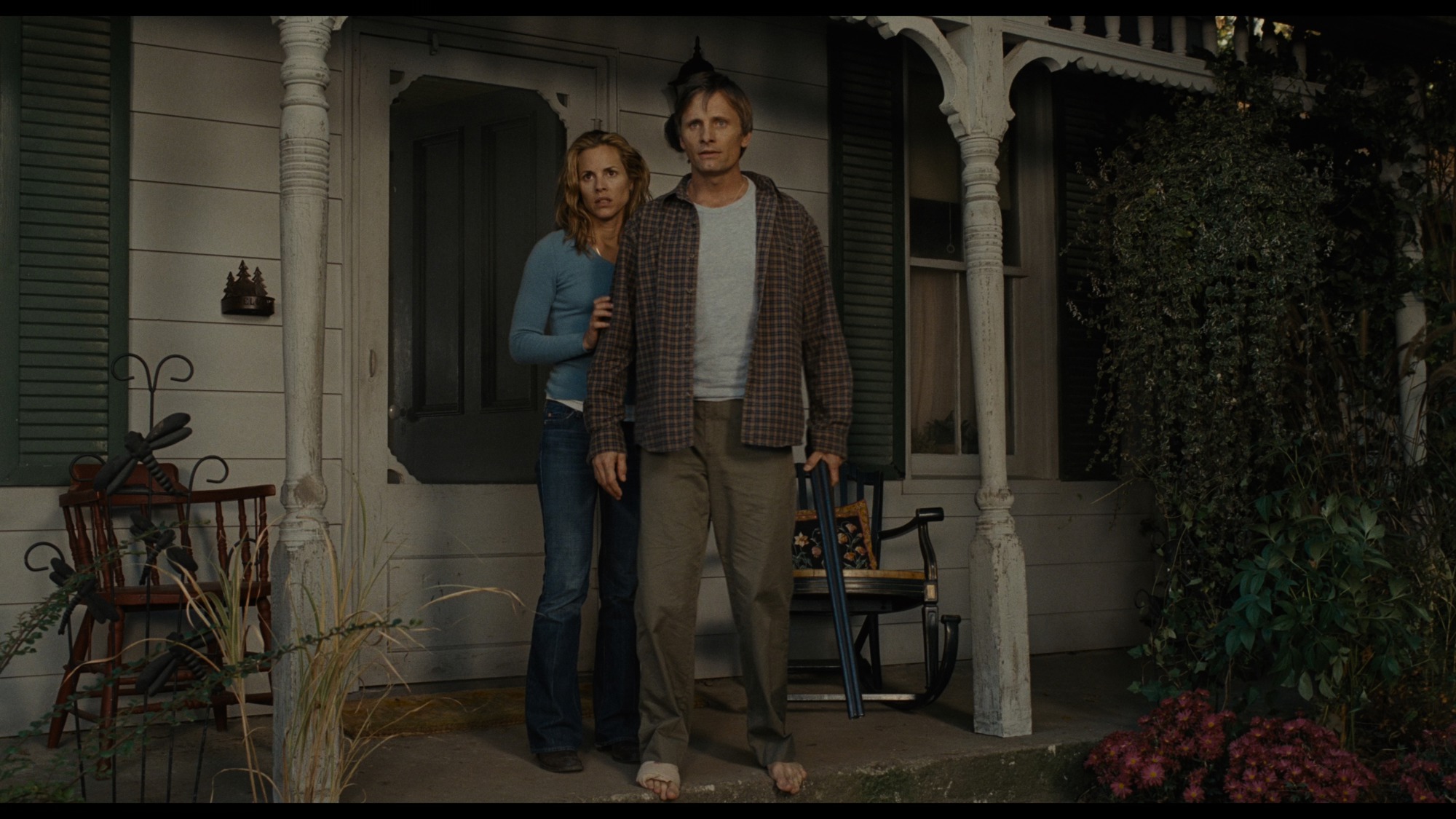
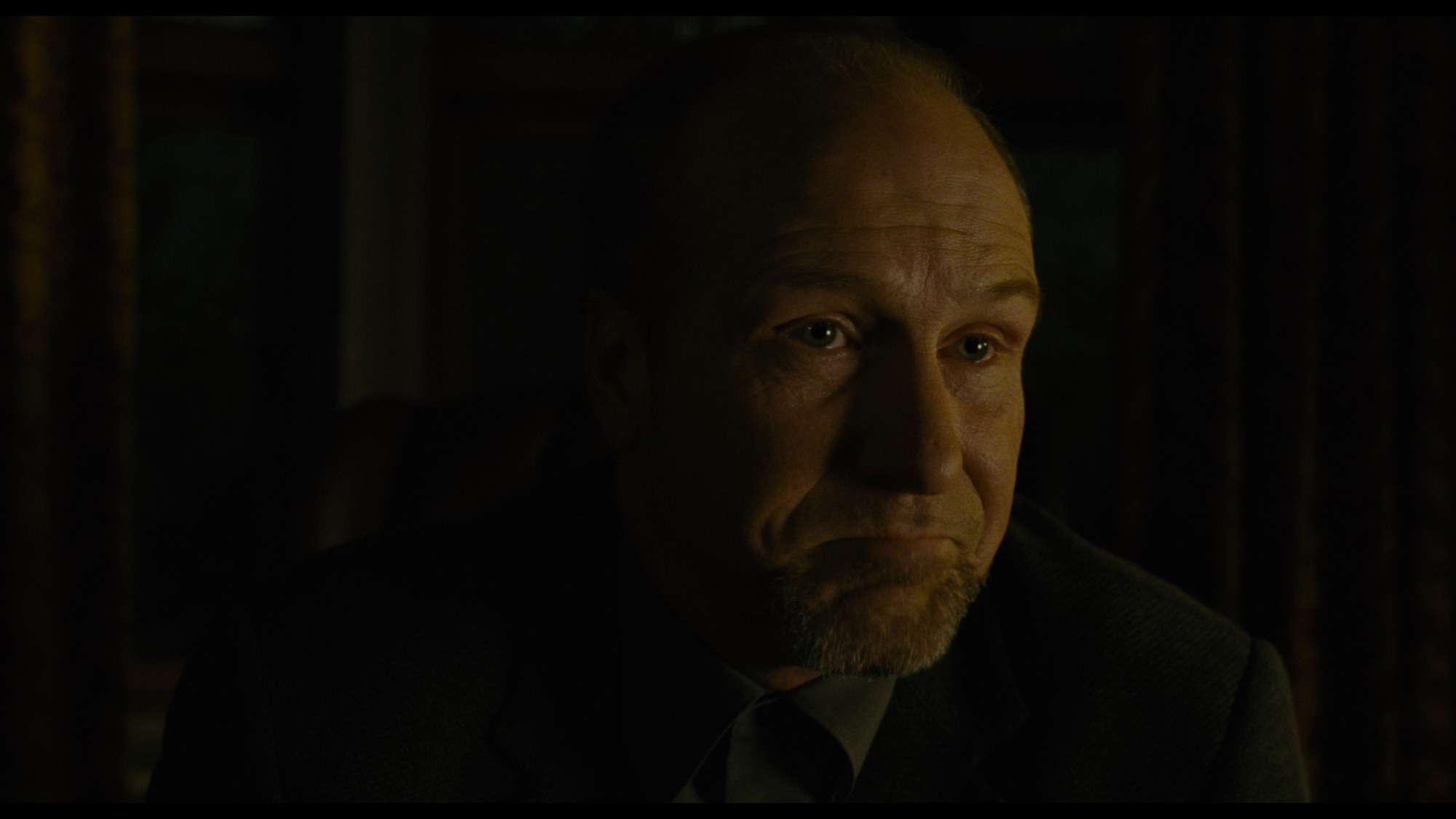
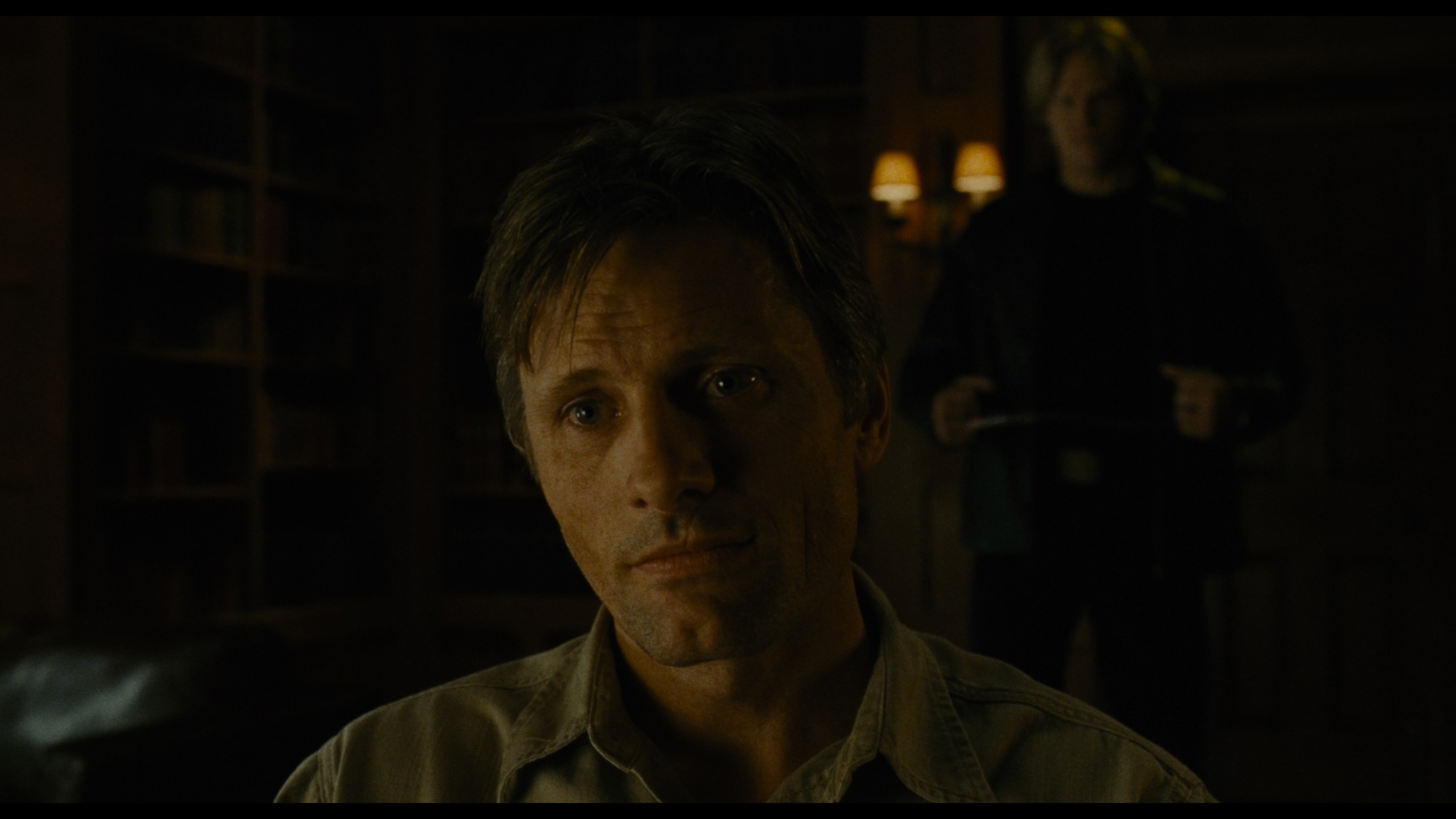
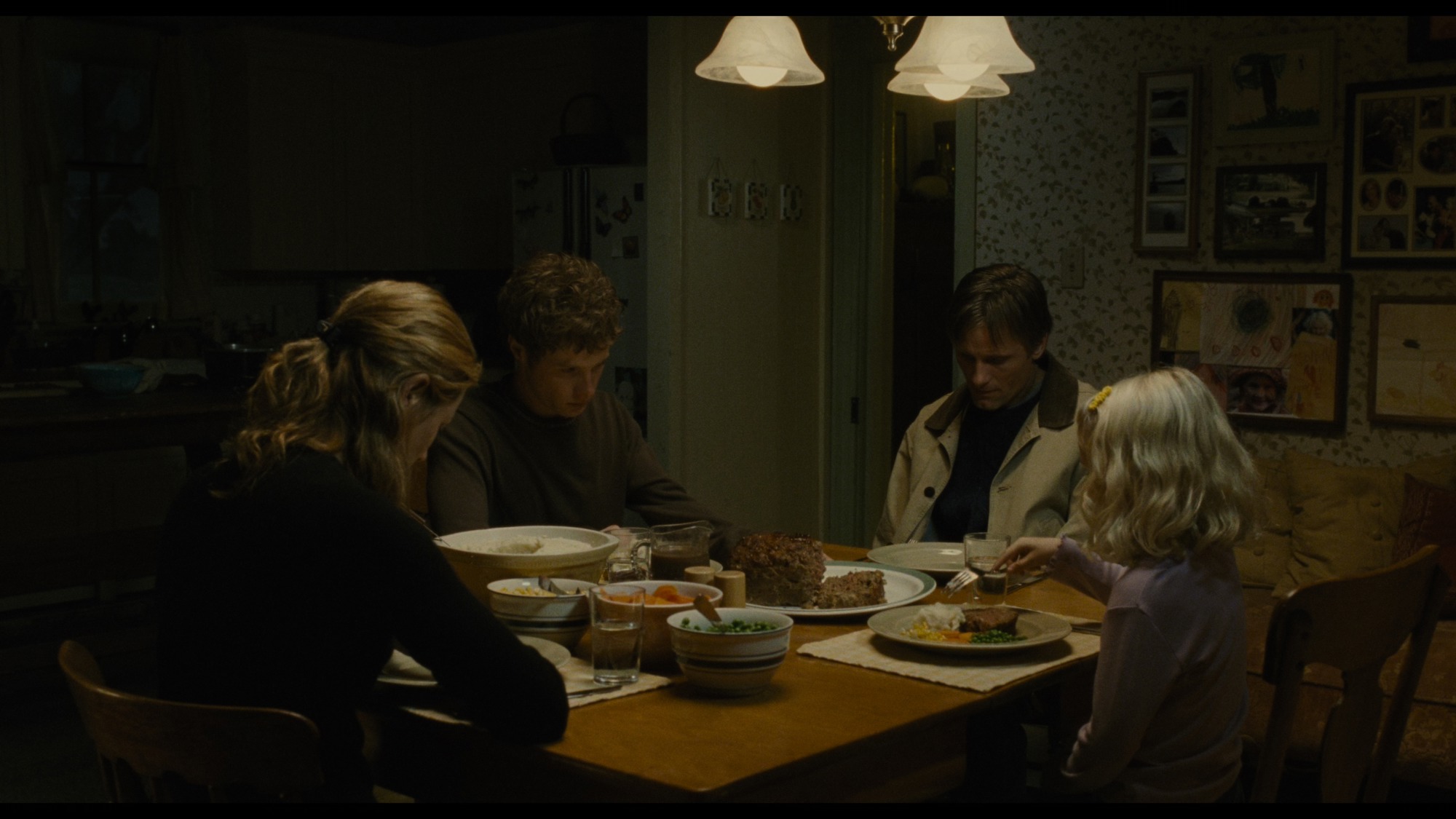
Audio 9/10
The 5.1 surround soundtrack, presented in DTS-HD MA, also marks a noticeable improvement over the previous releases. It’s sharper and more dynamic, with greater range and depth, particularly during the film’s bursts of violence, where gunshots and shotgun blasts echo convincingly through the environment. Dialogue remains crisp and perfectly balanced, while Howard Shore’s understated score is subtly and effectively spread across the channels. A clean and satisfying mix all around.
Extras 8/10
Similar to several of Criterion’s recent releases, the supplements here mostly recycle older material while adding only a couple of new pieces. They port over the audio commentary Cronenberg recorded for the 2006 DVD (included here on both the UHD and Blu-ray), and, as with most of his tracks, it’s an incredibly dense one, covering virtually every decision he made on the film. He discusses what drew him to the script (despite thinking it needed some work, something star Viggo Mortensen also felt), how he approached depicting the film's violence, and how he balanced the story’s psychological and moral threads. He also talks through working with the cast, tackling difficult scenes, and helping Mortensen convey his character’s duality largely through facial expression. As usual for Cronenberg, there’s no filler, just an engaging, detail-packed commentary that moves briskly from topic to topic.
Also carried over (and found on the Blu-ray with the remaining extras) is the 66-minute documentary Acts of Violence, originally produced for the 2006 DVD. It remains one of the more substantial and engaging behind-the-scenes programs from that era, combining excellent production footage with interviews from the cast and crew. Divided into sections that follow the story’s structure, the documentary captures Cronenberg planning out key sequences and collaborating with actors on tone and blocking. Crew members also step in to discuss their respective roles, giving a nice sense of the day-to-day work behind the camera. There are some amusing moments sprinkled throughout—Mortensen chatting in French with makeup artist Stéphane Dupuis, or goofing around in character with Ed Harris—but the highlight might be the segment on Mortensen’s Philadelphia accent. Apparently, he developed it by hanging out with Maria Bello’s brother and uncle, who recorded themselves reading his lines; the feature humorously includes clips of those recordings. Also sprinkled about is footage covering some of the film’s brutal practical effects mixed with CGI.
Criterion adds two newer pieces, beginning with 33 minutes of footage from a 2014 Toronto International Film Festival interview with Cronenberg and Mortensen. The discussion focuses on their collaborations up to that point, starting with A History of Violence, which Mortensen admits he initially hesitated to take on until extensive talks with Cronenberg convinced him otherwise. They recall developing the character together, “fixing” the film’s final act, and lament the increasing difficulty of making mid-budget adult dramas, an observation that feels even more relevant today. It’s a lively and revealing conversation, though the editing makes it clear the full session was longer and probably covered their later films as well.
Criterion also includes a new 32-minute conversation between screenwriter Josh Olson and Tom Bernardo. Olson recalls his unlikely path to the project after being brought on to pitch an adaptation of the graphic novel—he was told consistently through the weeks he was “definitely not getting the job”—and discusses the process of adapting the original graphic novel, including his decision to overhaul its last half and drop the flashbacks. The best material from the discussion comes from his stories around his collaboration with Cronenberg, whose insight helped refine problematic sections of the script that he had been admittedly struggling with. Olson carries the discussion through effortlessly, and his recollections of his Oscar nomination are especially fun; he knew he wasn’t going to win but loved the experience, particularly since he got to bring his father along (who was just thrilled to meet Dolly Parton).
The remaining features come from earlier DVD and Blu-ray editions. Too Commercial for Cannes runs about 9 minutes and covers the film’s premiere and press conference (though it’s odd Criterion didn’t include the full event). A brief 90-second featurette compares the U.S. and international cuts, confirming the latter is only marginally more violent. There’s also Scene 44, a deleted and fairly graphic dream sequence presented with optional commentary by Cronenberg. It’s surprisingly elaborate, with strong makeup effects and stunt work showcased in a separate ten-minute making-of piece. It's a great looking scene, and very Cronenbergian, as acknowledged in the featurette about it, but I have to agree with it being cut out—it feels too cartoonish compared to the rest of the film’s grounded violence.
Rounding things out are the theatrical trailer (which feels more straight-to-video than studio prestige) and an insert featuring an essay by Nathan Lee, who situates the film within Cronenberg’s broader body of work.
The archival material remains strong, among the better studio-produced extras from that era, and still well worth revisiting. But for longtime fans, the new additions feel modest. Criterion’s upgrades are worthwhile, yet the absence of anything deeper or newly scholarly makes this a slightly missed opportunity for one of Cronenberg's more successful films.
Closing
Criterion’s 4K upgrade for A History of Violence delivers a stunning new presentation and a solid set of extras, though longtime fans may wish for a bit more new material.
BUY AT: