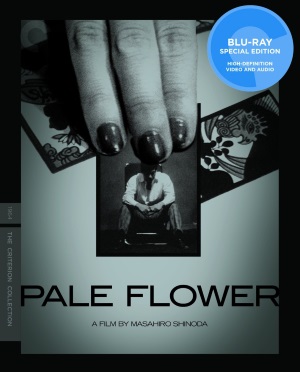
Pale Flower
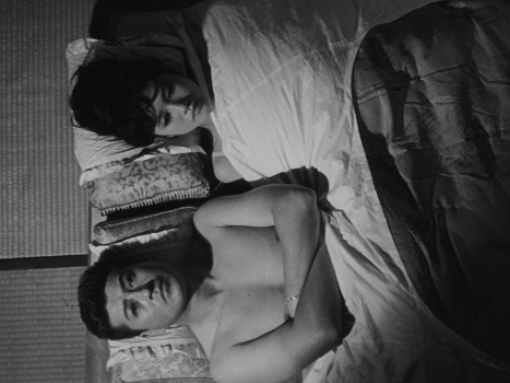
BUY AT:


See more details, packaging, or compare
Synopsis
In this cool, seductive jewel of the Japanese New Wave, a yakuza, fresh out of prison, becomes entangled with a beautiful and enigmatic gambling addict; what at first seems a redemptive relationship ends up leading him further down the criminal path. Bewitchingly shot and edited, and laced with a fever-dream-like score by Toru Takemitsu, this gangster romance was a breakthrough for the idiosyncratic Masahiro Shinoda. The pitch-black Pale Flower (Kawaita hana) is an unforgettable excursion into the underworld.
Picture 8/10
Criterion’s Blu-ray for Masahiro Shinoda’s Pale Flower presents the film in a new 1080p/24hz transfer in its original aspect ratio of 2.35:1 on this dual-layer disc.
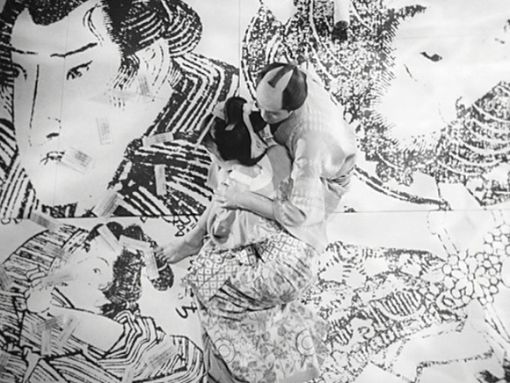
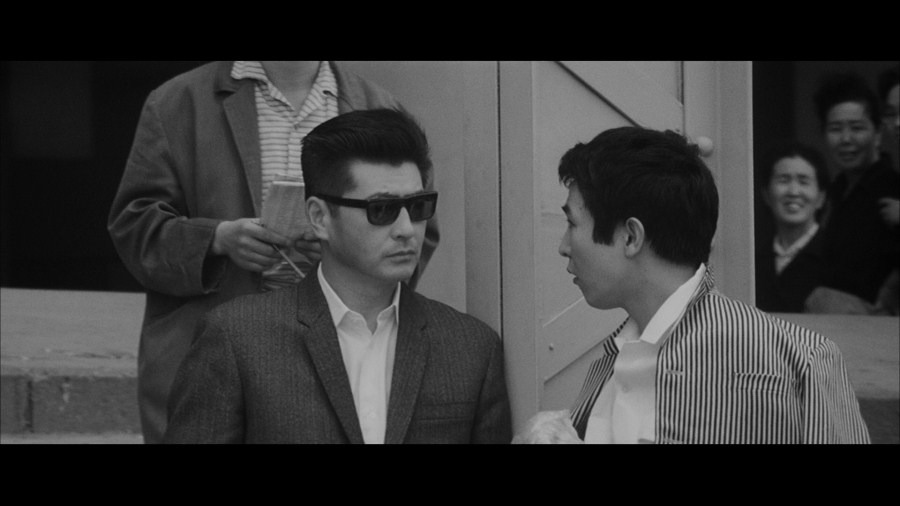
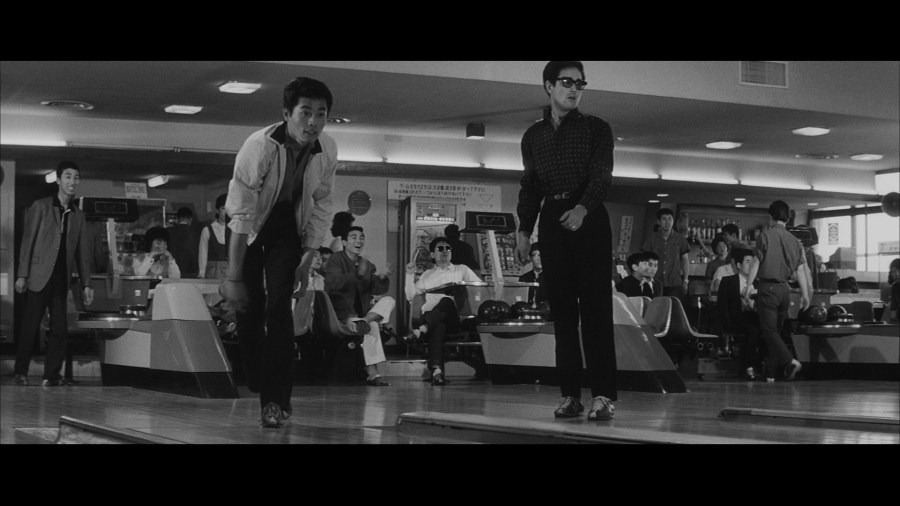
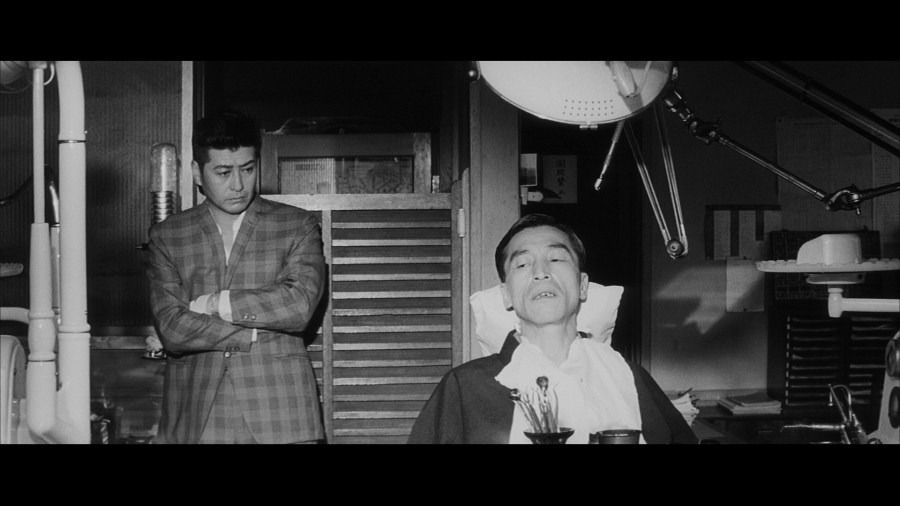
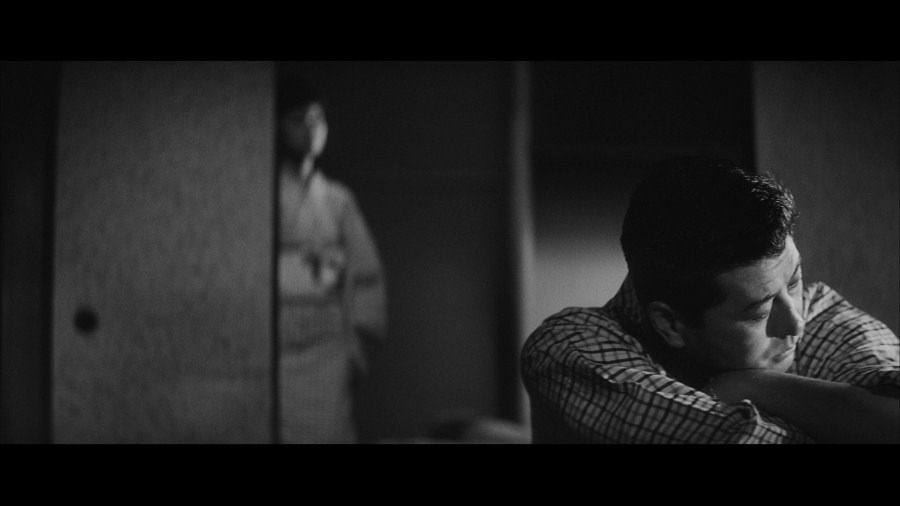
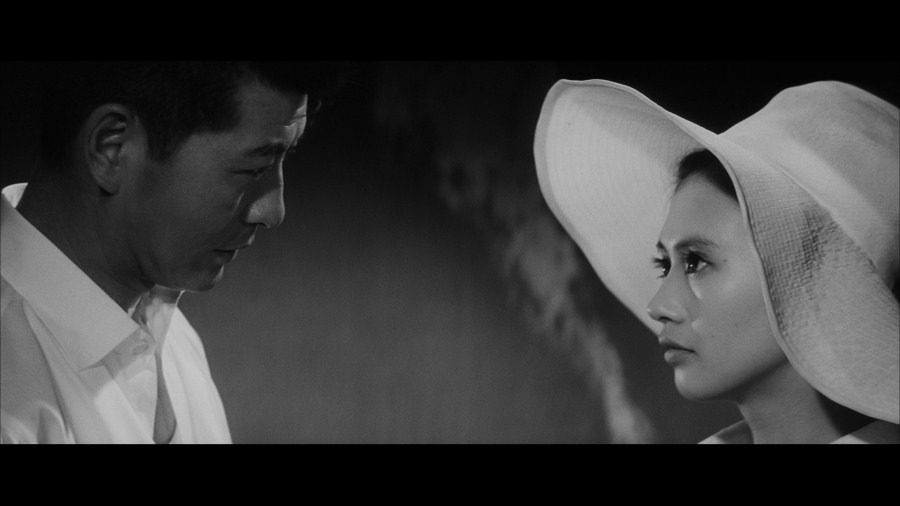
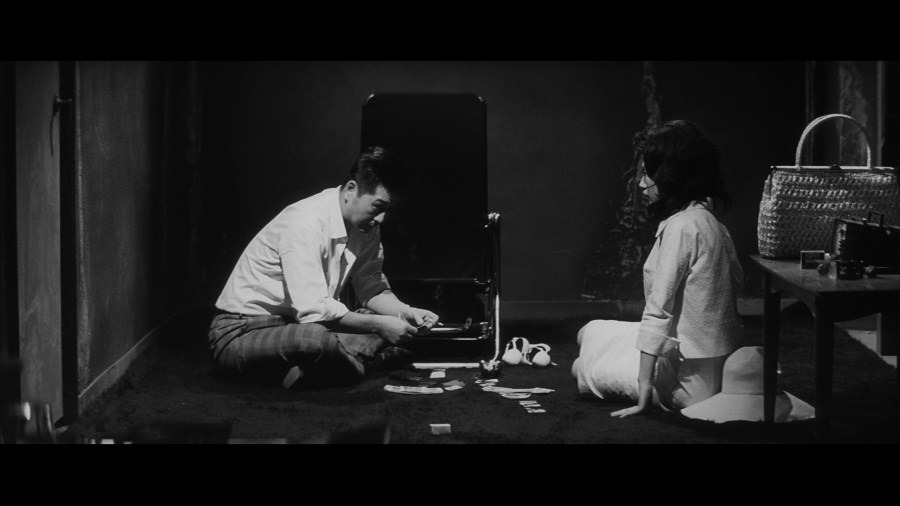
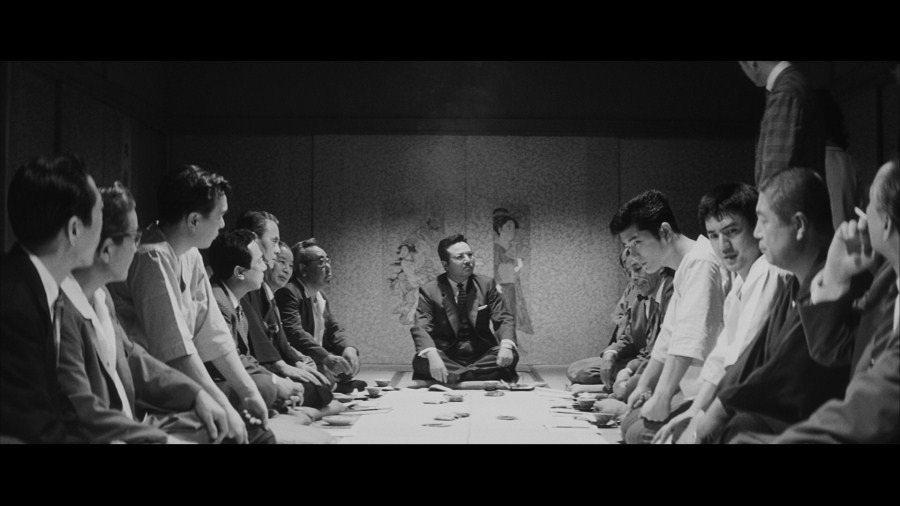
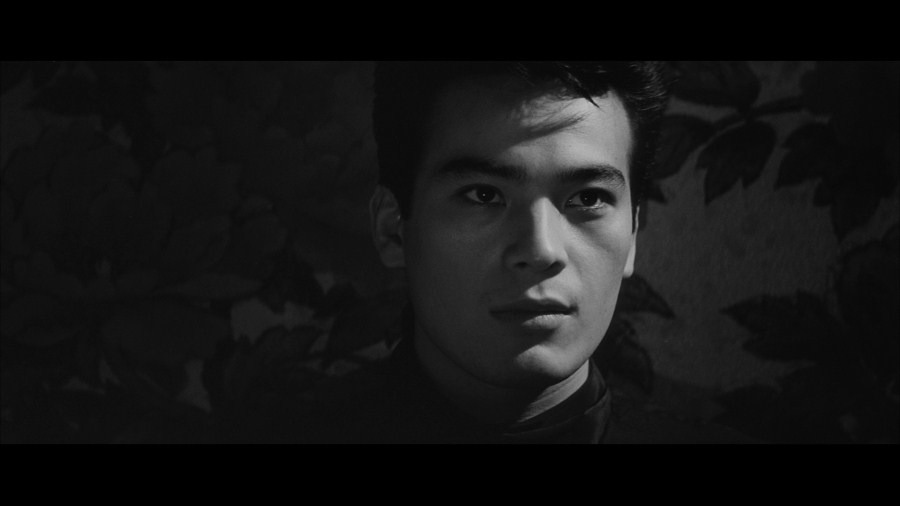
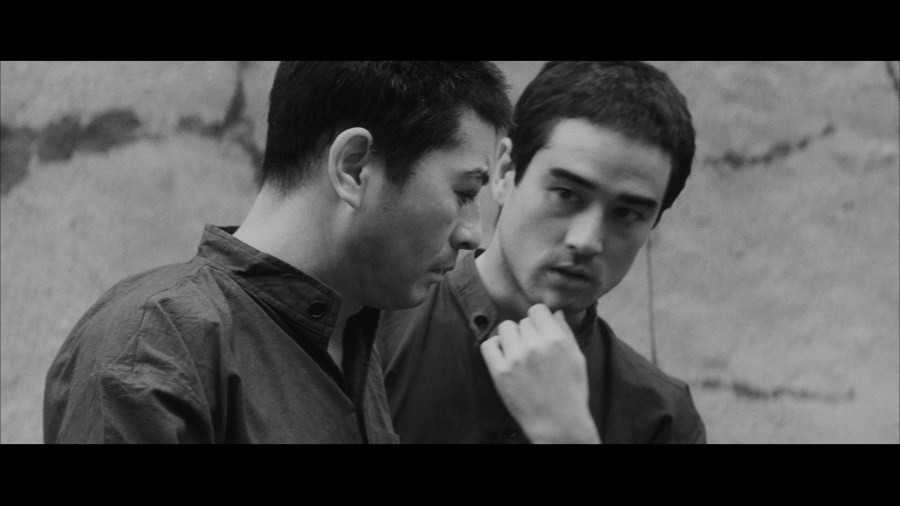
I wasn’t all that familiar with the film before first watching it so I was taken aback by its look. The film goes for presenting very dark blacks and incredibly bold, bright whites. The transfer adequately handles this look, with clean sharp whites, but blacks never come off purely black, sticking to a fairly dark gray.
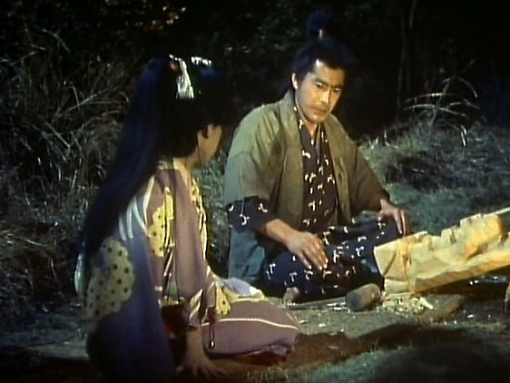
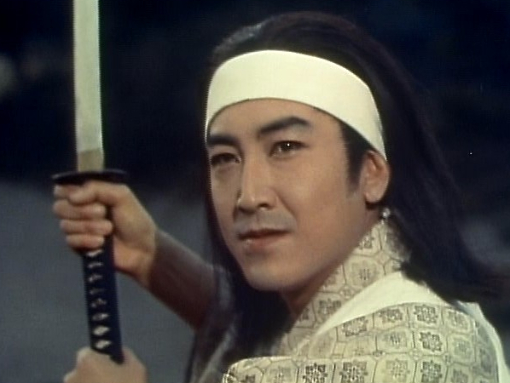
The image stays consistently sharp despite a few sequences where it looks to be slightly out-of-focus. Grain is still intact but it’s not overly aggressive, and there are rarely any spots or marks present in the print. Yet again Criterion delivers another solid black and white presentation.
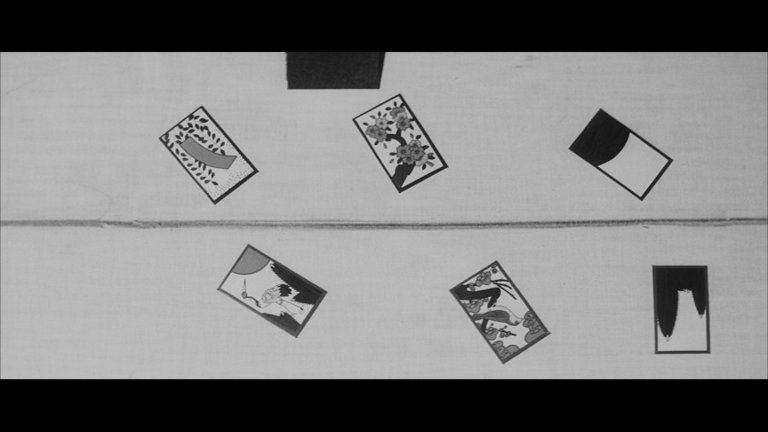
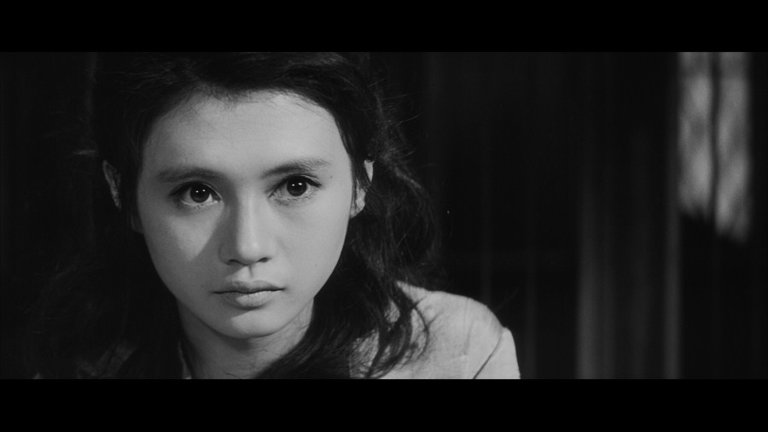
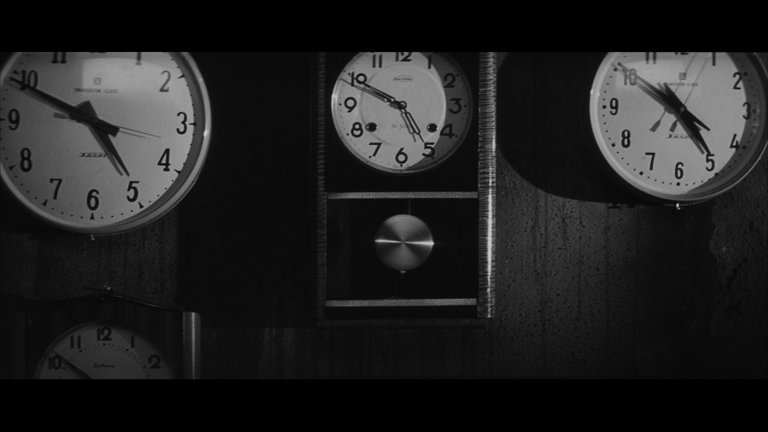
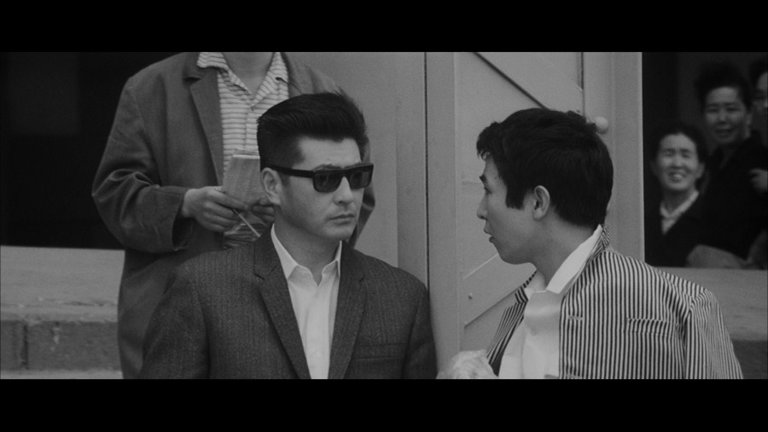
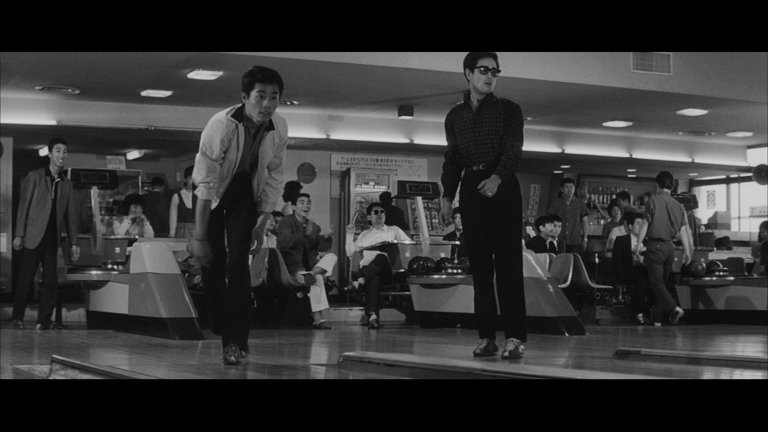
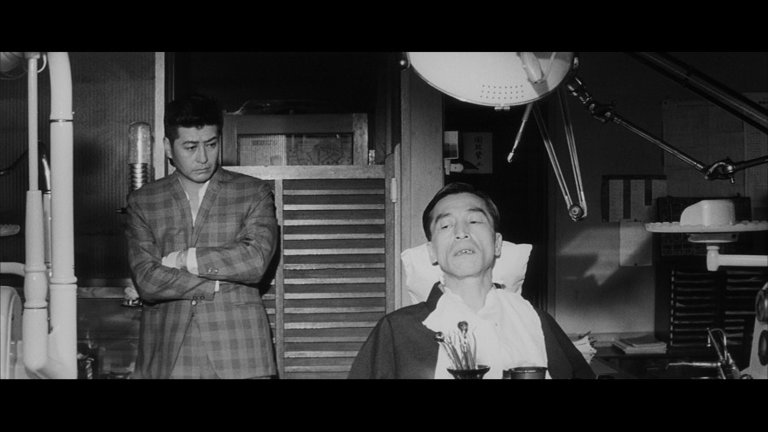
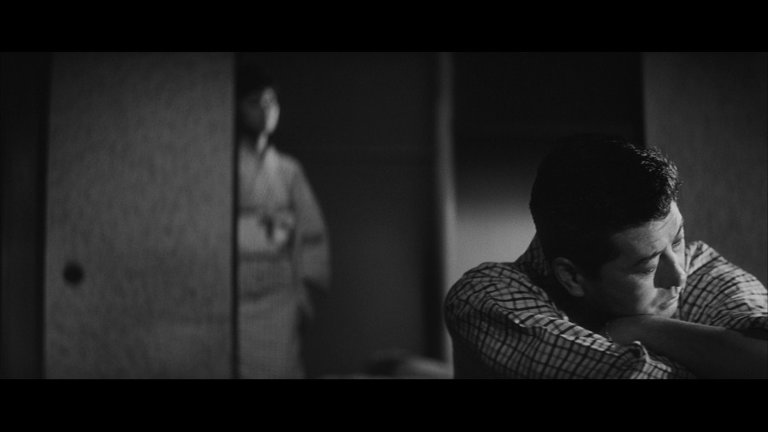
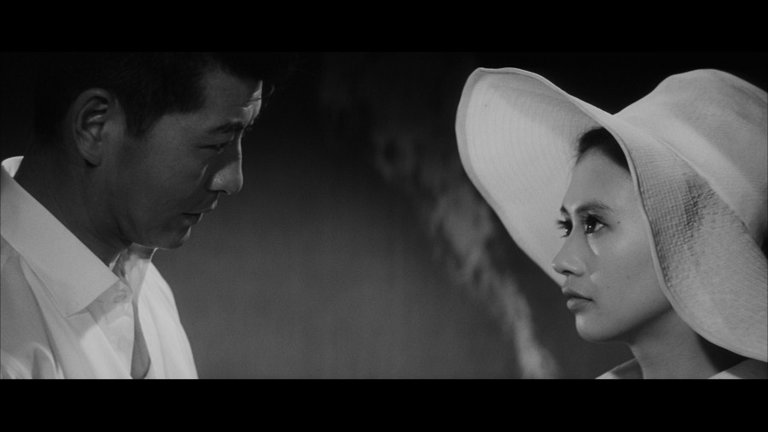
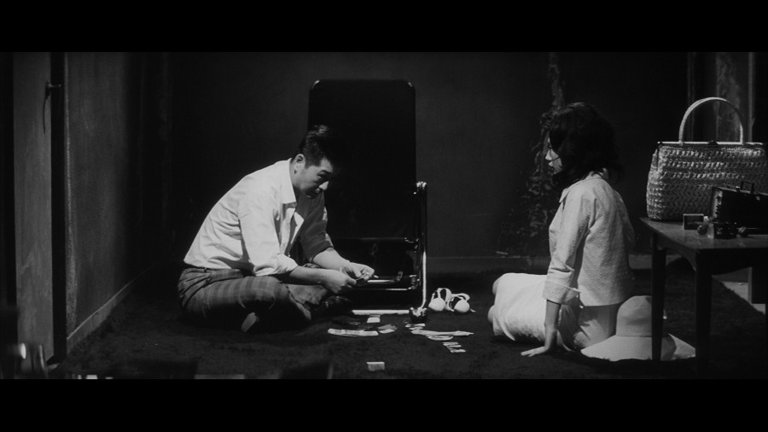
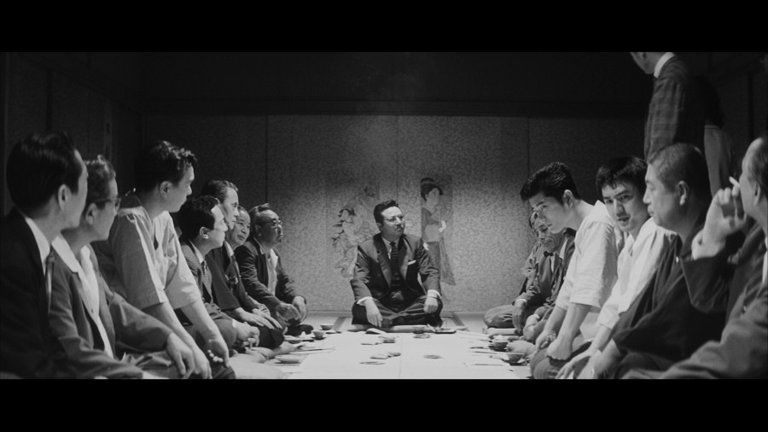
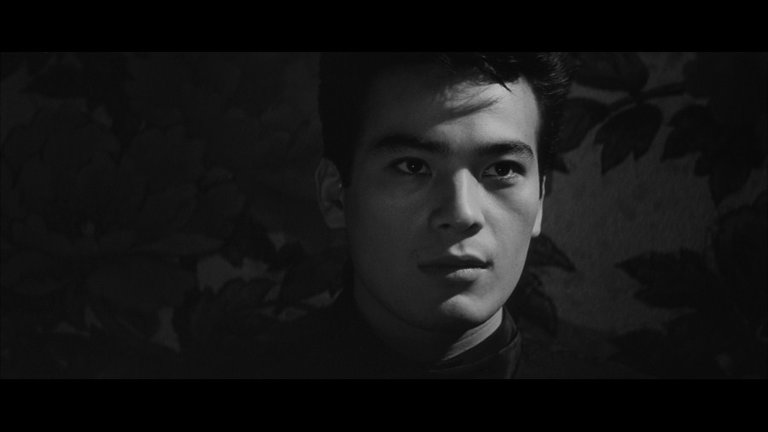
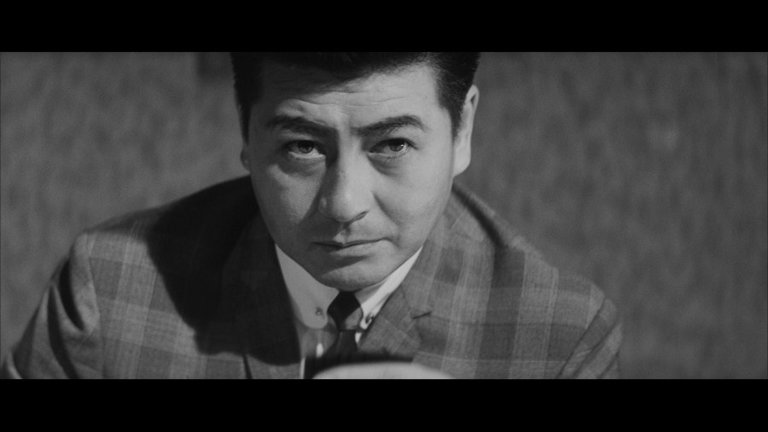
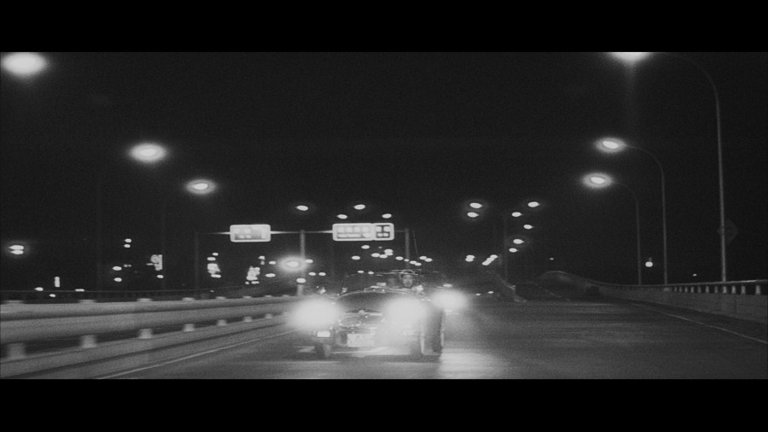
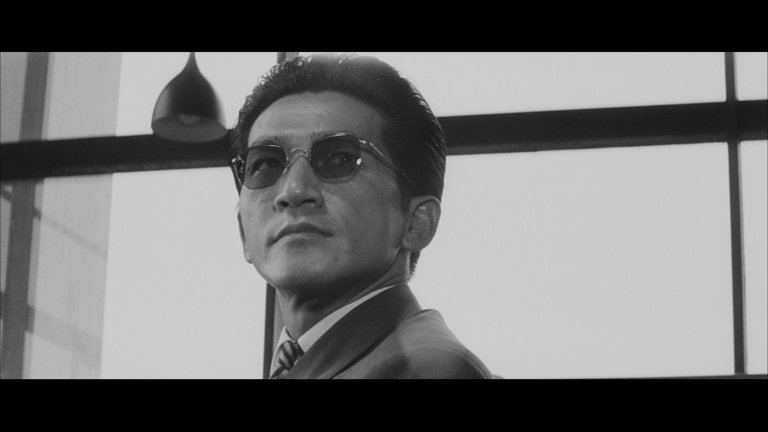
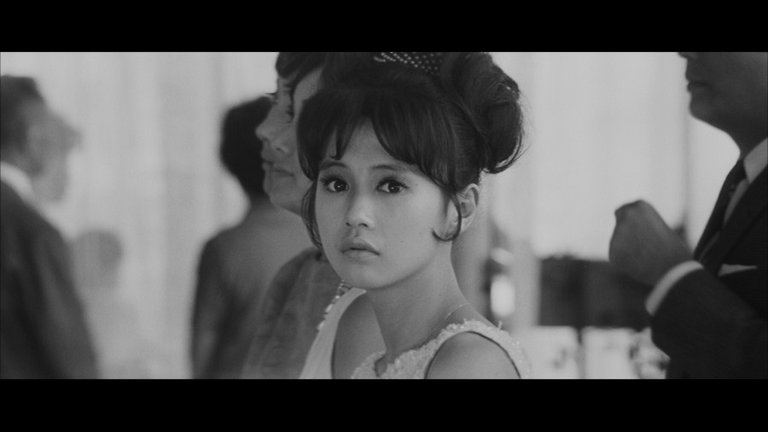
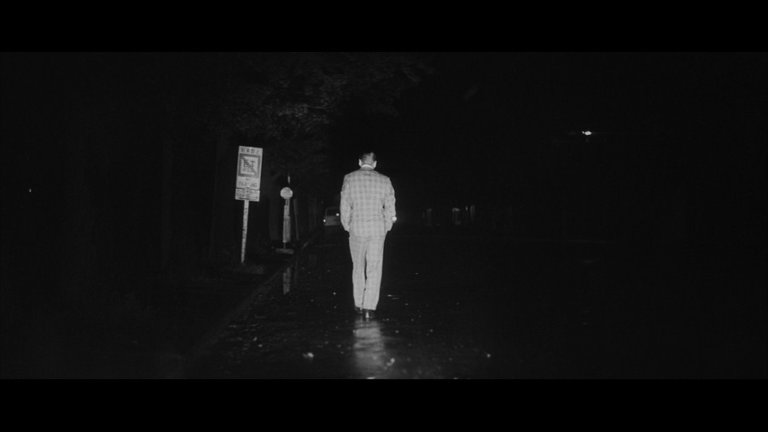
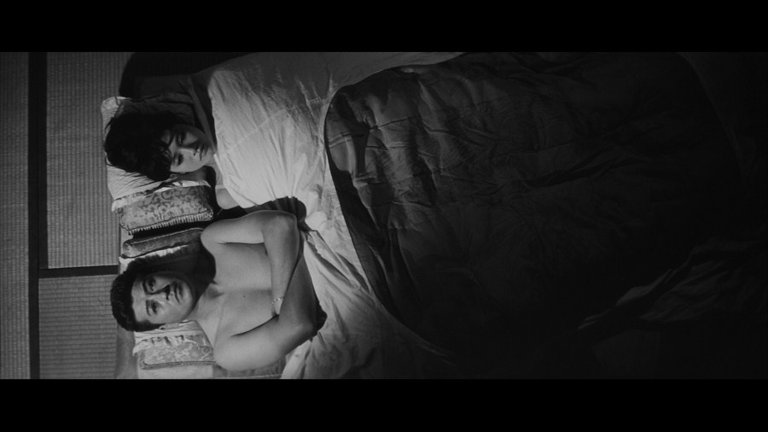
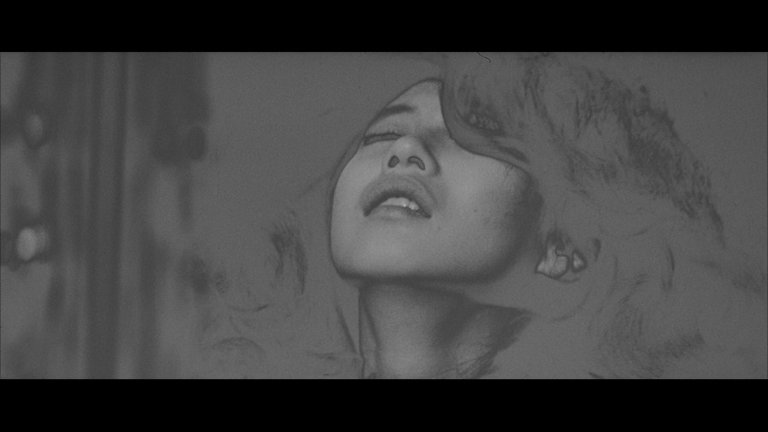
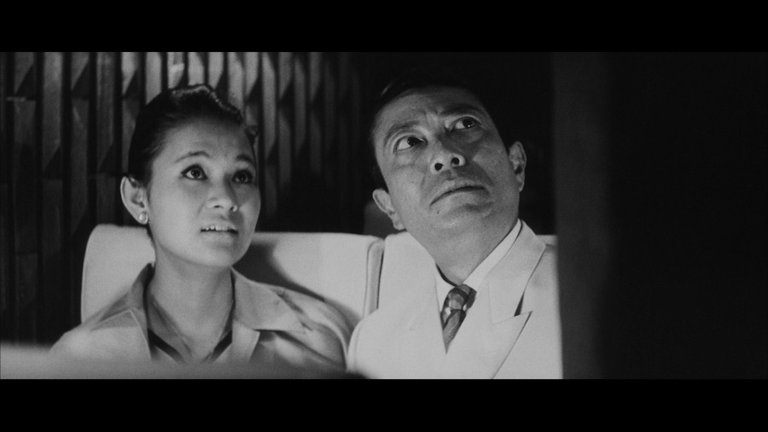
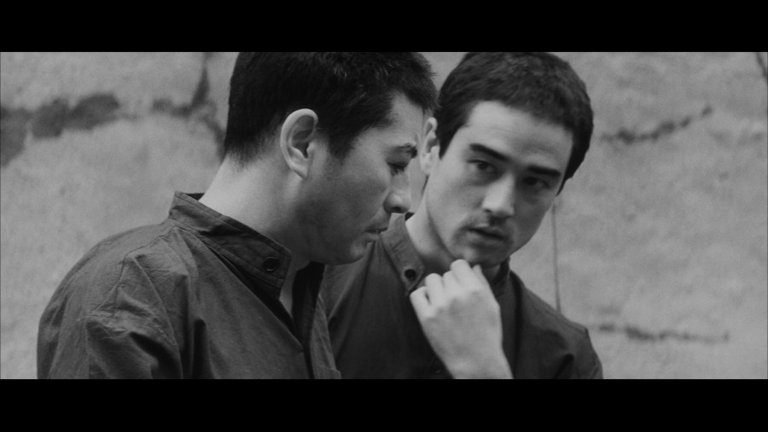
Pale Flower - Screen Captures
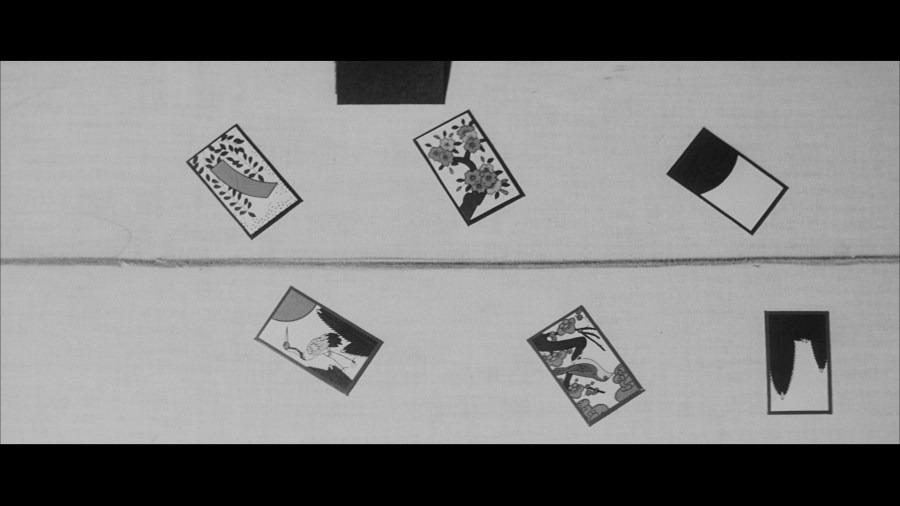
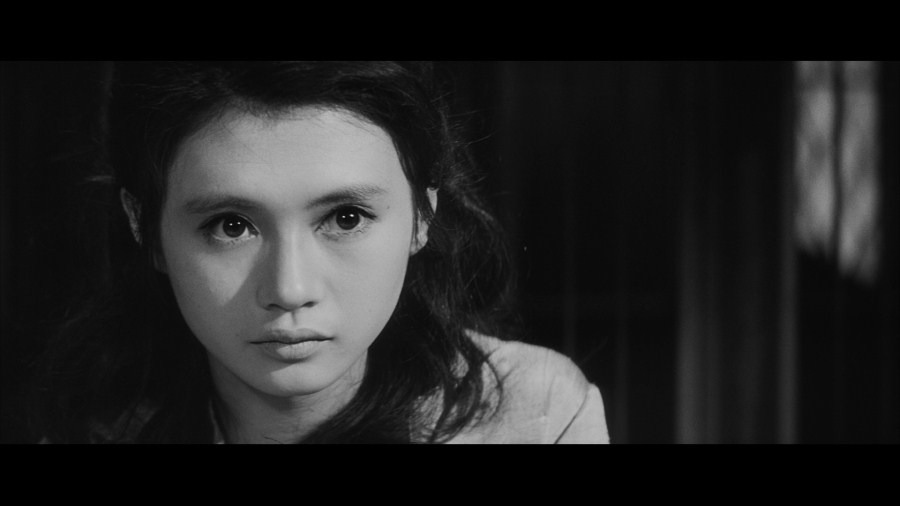
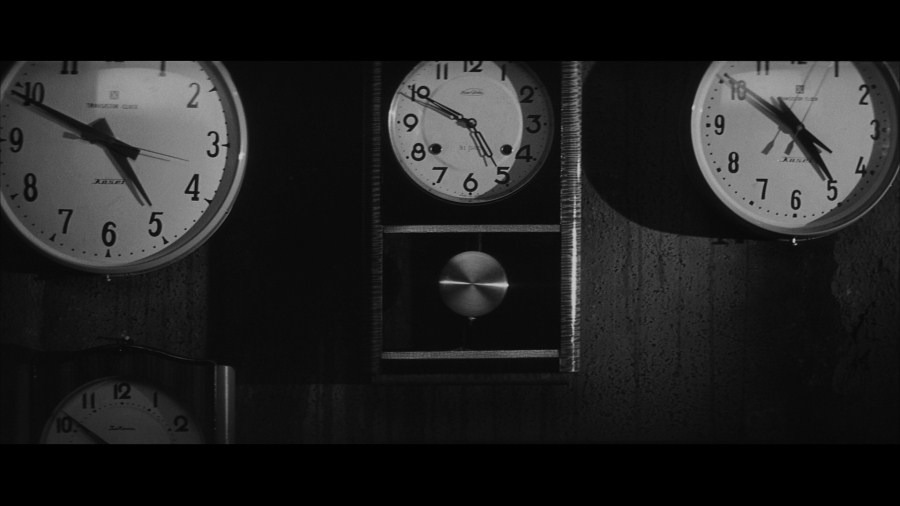
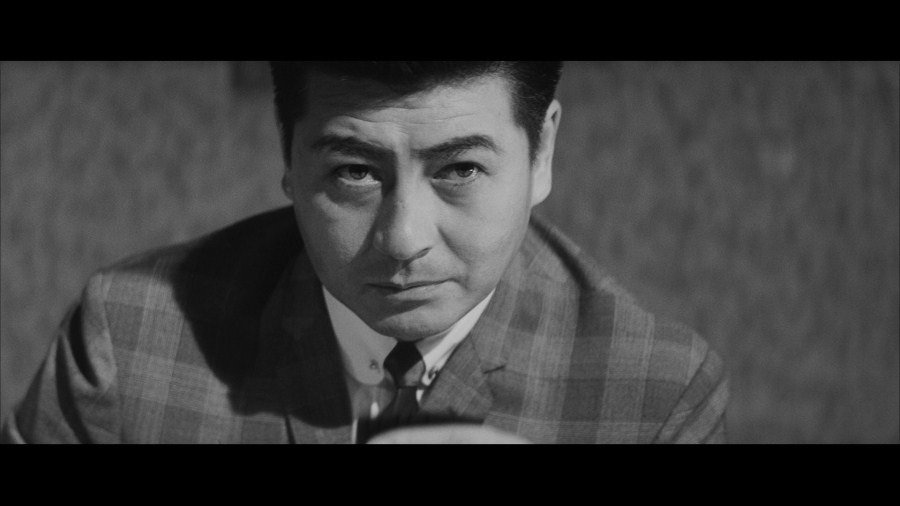
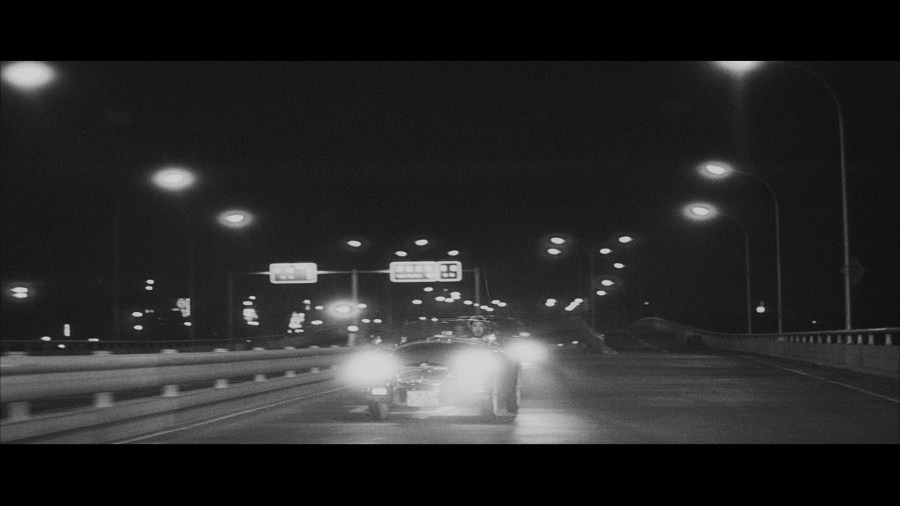
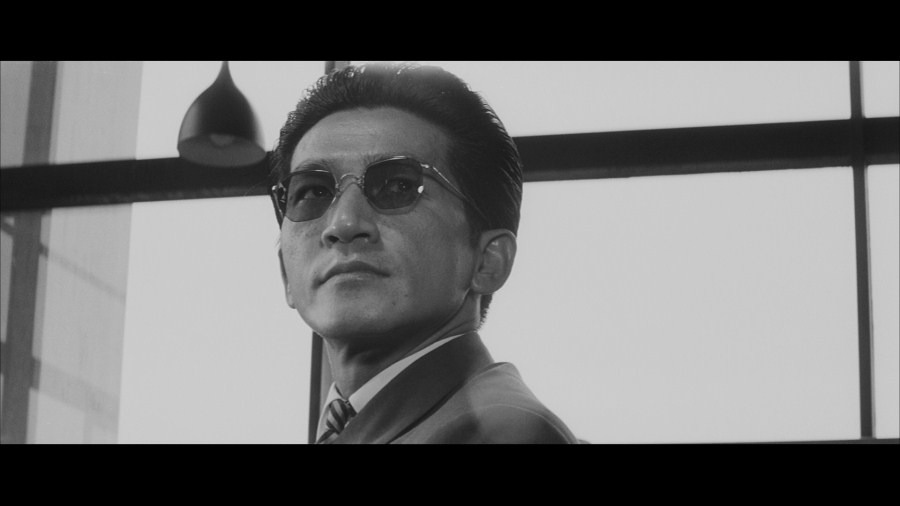
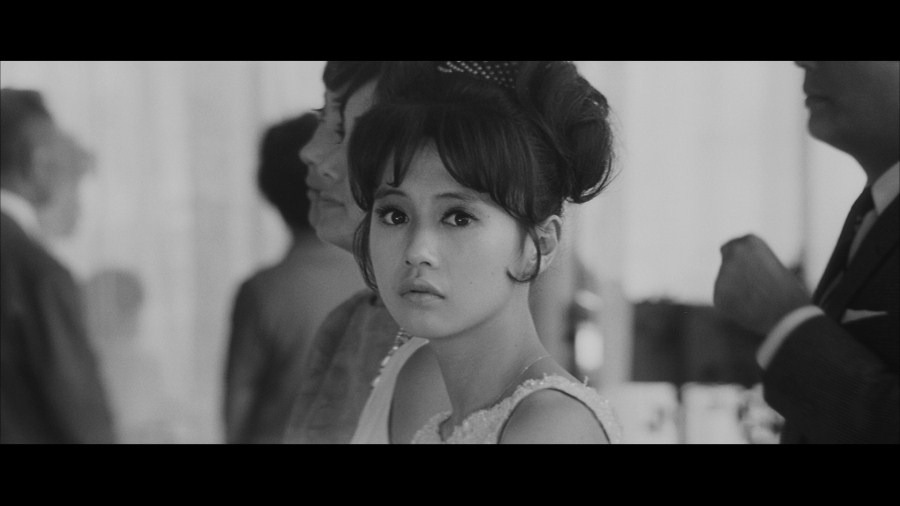
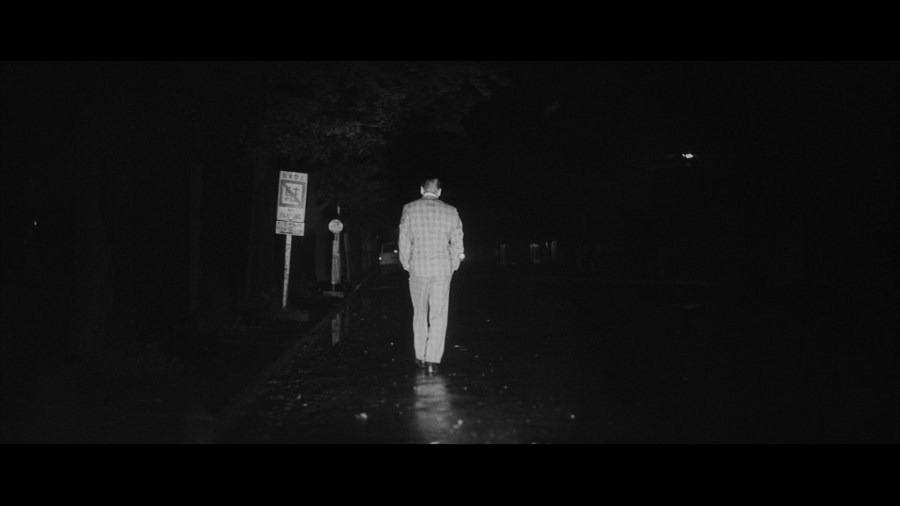
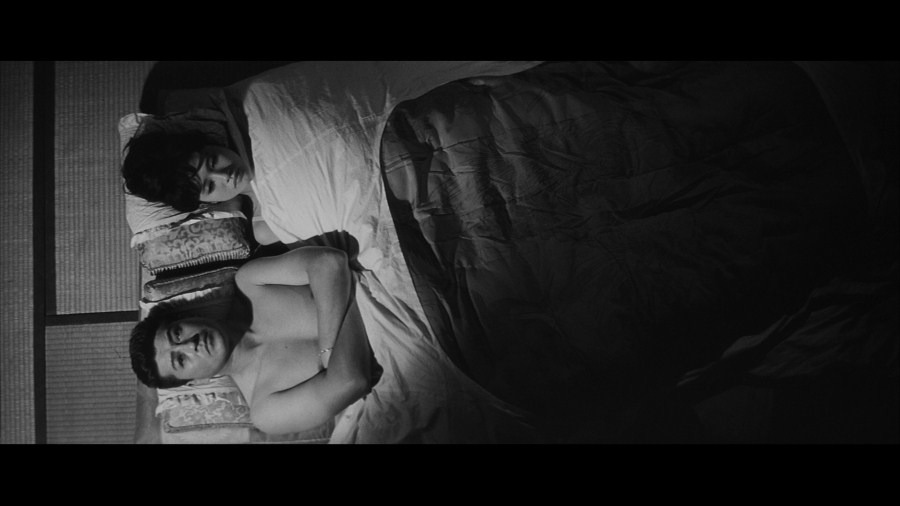
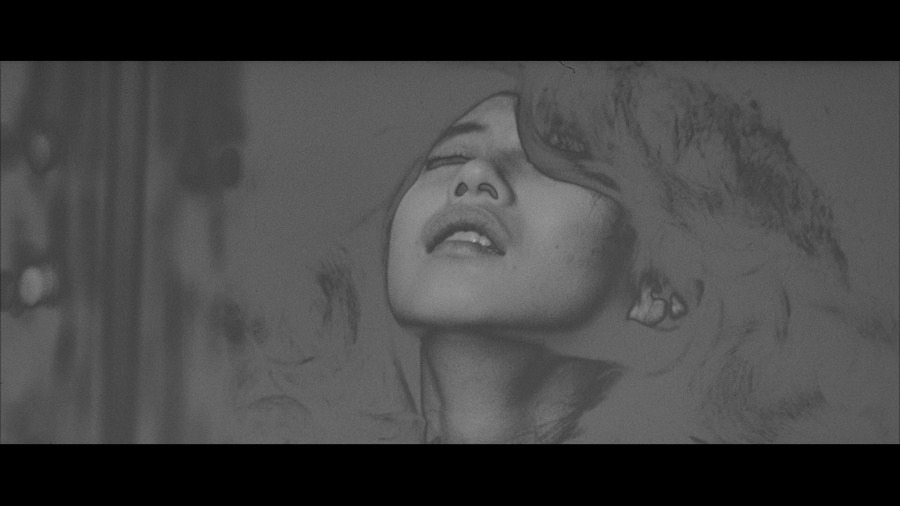
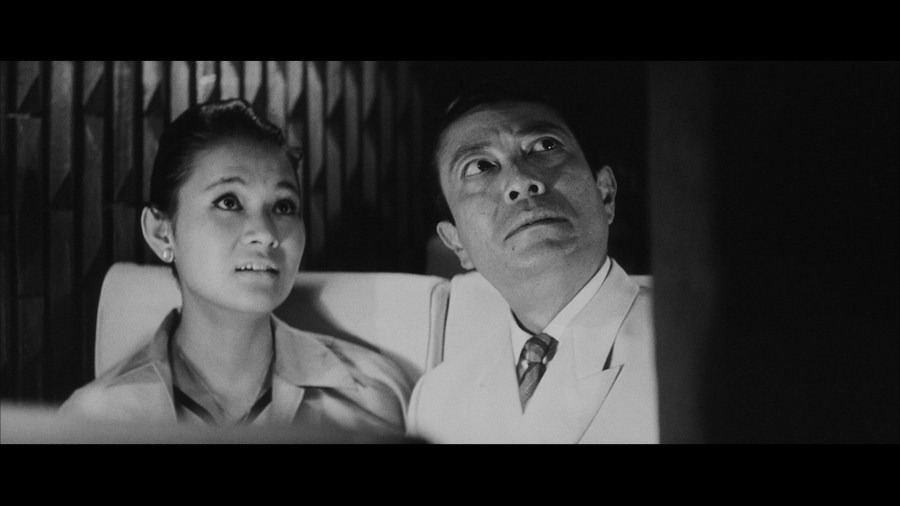
Audio 6/10
The lossless Linear PCM mono track Criterion provides is a little all over the place. Generally the track’s not bad, with Toru Takemitsu’s unique score making for a relatively strong presence, actually making a punch when need be, but the dialogue is hollow and almost sounds to crack at times. There’s also a slight hiss in the background, but it’s not distracting.
Extras 4/10
Pale Flower unfortunately receives a fairly mild set of supplements starting with an interview with director Masahiro Shinoda. For 21-minutes Shinoda talks about the production of the film, the time period during which it was made, general production notes including why he chose to shoot the film in Yokohama instead of Tokyo, and the advantages of having a mostly-empty red-light district to film external sequences. He talks quite a bit about actor Ryo Ikebe, talks about the film’s two protagonists and their relationship, and then touches on Takemitsu’s score and the film’s sound design. It’s a decent interview with some good stories (like the drama that revolved around shooting the gambling sequences) where the director reflects on the production but it isn’t much more than that.
And then the final notable supplements is a selected scene audio commentary featuring film scholar Peter Grilli. This commentary isn’t really about the film overall with Grilli specifically concentrating on Takemitsu’s score and the film’s sound design. Running 34-minutes and divided into 5 sections Grilli gets into great detail about Takemitsu’s involvement in the film, which, unlike other composers, was more hands on in the development and was there every step of the way. He explains how he would take sounds captured during shooting and then work them into the score, allowing for the films sound effects and music to almost blend into one another. Where most scores are done after the composer had seen a cut of the film Takemitsu worked on it while the shoot took place. Grilli does talk about other aspects of the film, like the importance of the character of Yoh and what he would have represented to Japanese audiences, but it specifically focuses on the Takemitsu’s work. I would have preferred a full track for the film but Grilli delivers some intriguing information and keeps the track quick and breezy. Worth a listen.
The disc then closes with the film’s 4-minute theatrical trailer and the included booklet provides an essay by Chuck Stephens.
I’m disappointed by the lack of features but they supplements are at least all worthwhile.
Closing
The video presentation is sharp and is this release’s strongest aspect, but the supplements, despite the fact that what we get is decent, leaves quite a bit to be desired.
BUY AT: