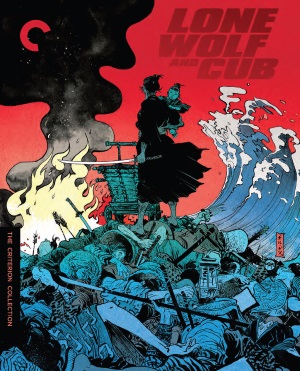
Lone Wolf and Cub
BUY AT:


See more details, packaging, or compare
Synopsis
Based on the best-selling manga series, the six intensely kinetic Lone Wolf and Cub films elevated chanbara to bloody, new heights. The shogun’s executioner, Itto Ogami (Tomisaburo Wakayama), takes to wandering the countryside as an assassin—along with his infant son Daigoro (Akihiro Tomikawa) and an infinitely weaponized perambulator—helping those he encounters while seeking vengeance for his murdered wife. Delivering stylish thrills and a body count that defies belief, Lone Wolf and Cub is beloved for its brilliantly choreographed and unbelievably violent action sequences as well as for its tender depiction of the bonds between parent and child.
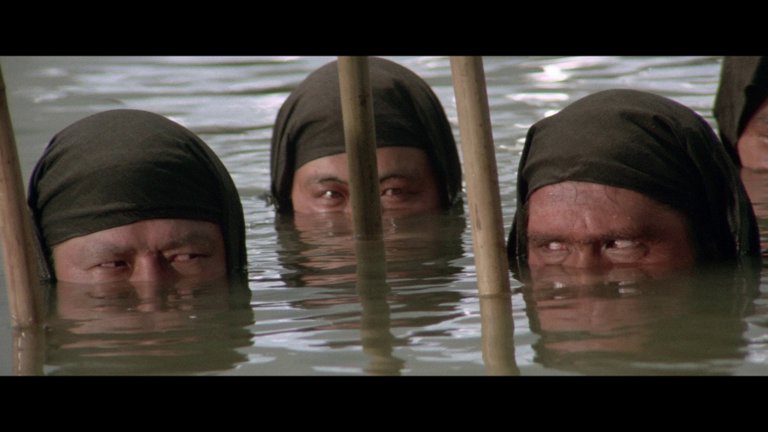
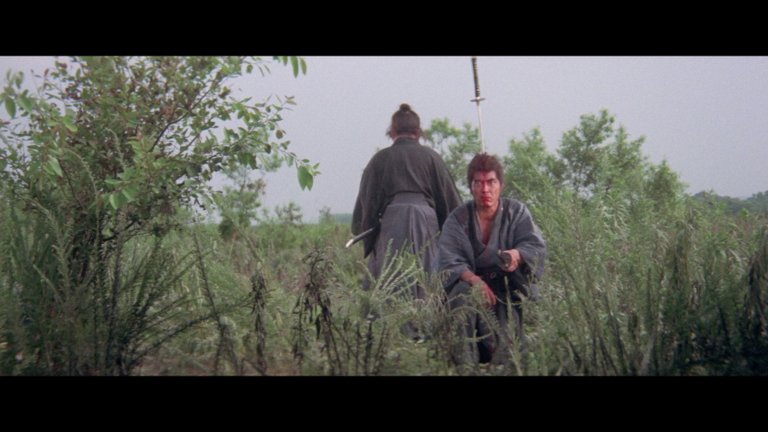
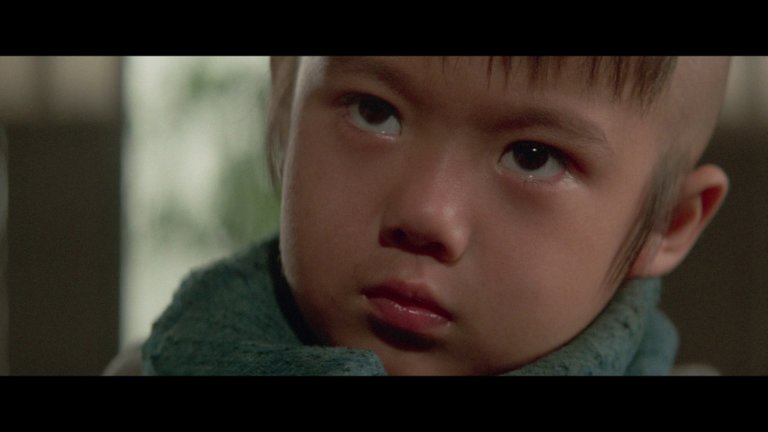
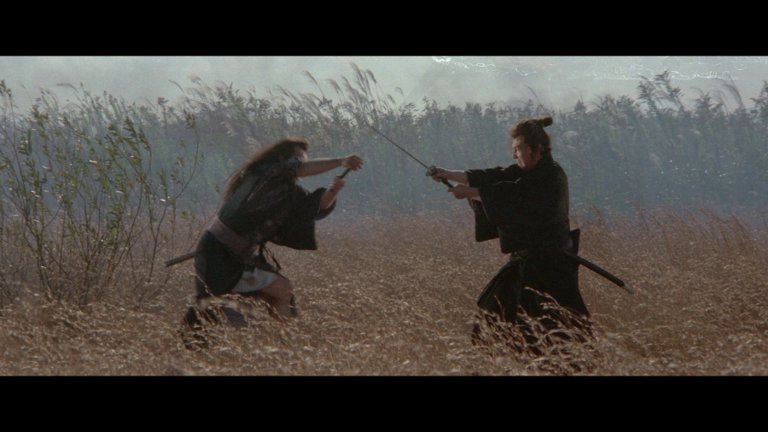
Picture 7/10
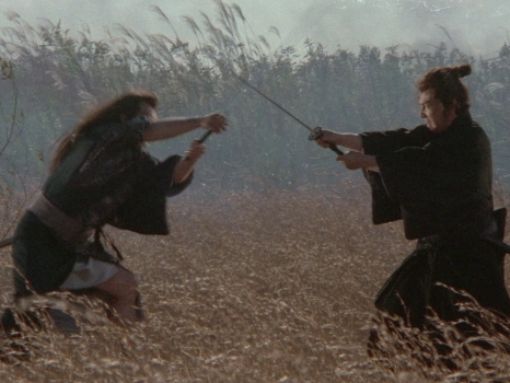
The Criterion Collection gathers together all six Lone Wolf and Cub films into a new three-disc Blu-ray box set, presenting all of the films in their original aspect ratio of 2.35:1 and spread evenly across the first two dual-layer discs, three films on each disc (the third disc is devoted entirely to special features). The set includes the films Sword of Vengeance, Baby Cart at the River Styx, Baby Cart to Hades, Baby Cart in Peril, Baby Cart in the Land of Demons, and White Heaven in Hell. All six films have been given new 2K restorations and were scanned from the original 35mm negatives.
Though all of the films may be open to some improvement the level of quality is at least consistent, no large disparities between them at least. The restoration work has been very good and though a few minor marks remain they barely register and I didn’t note any heavy damage that detracted from the presentation.
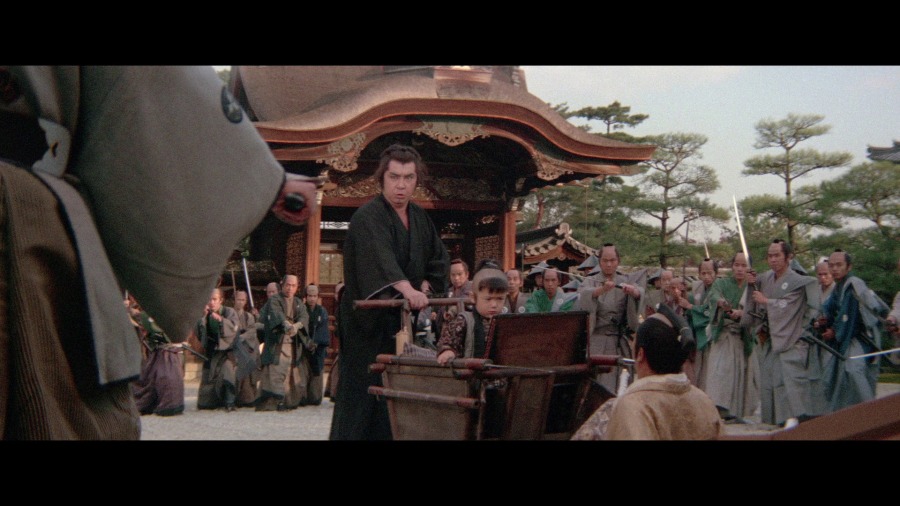
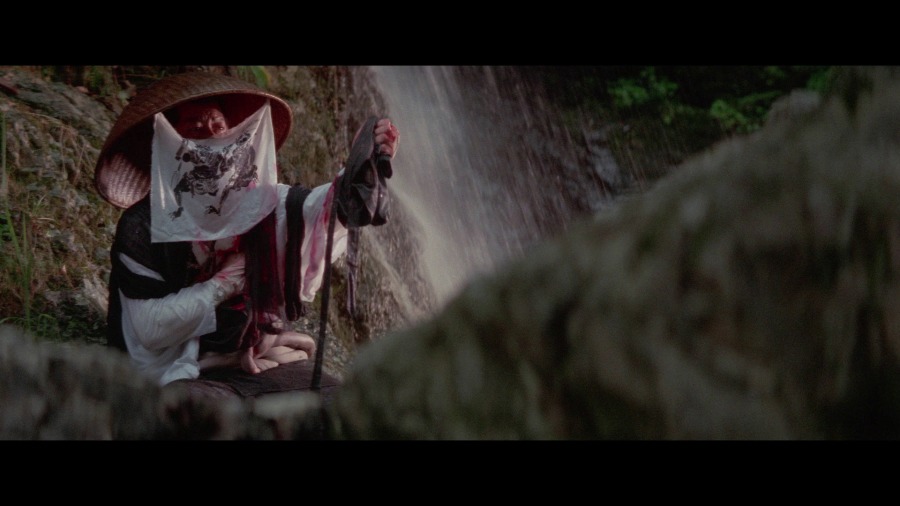
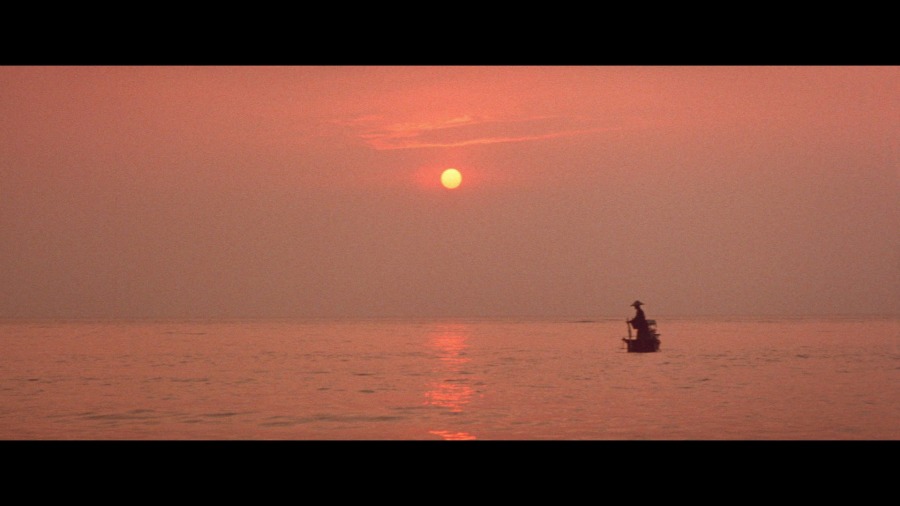
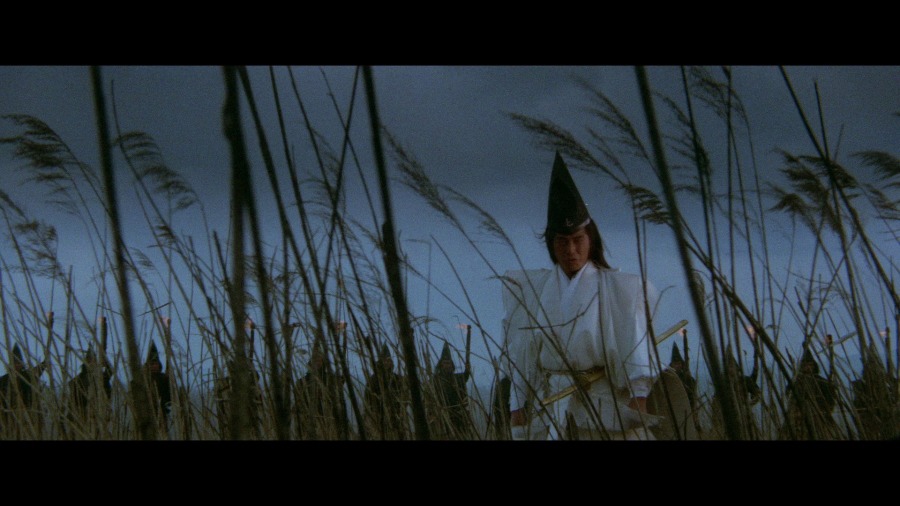
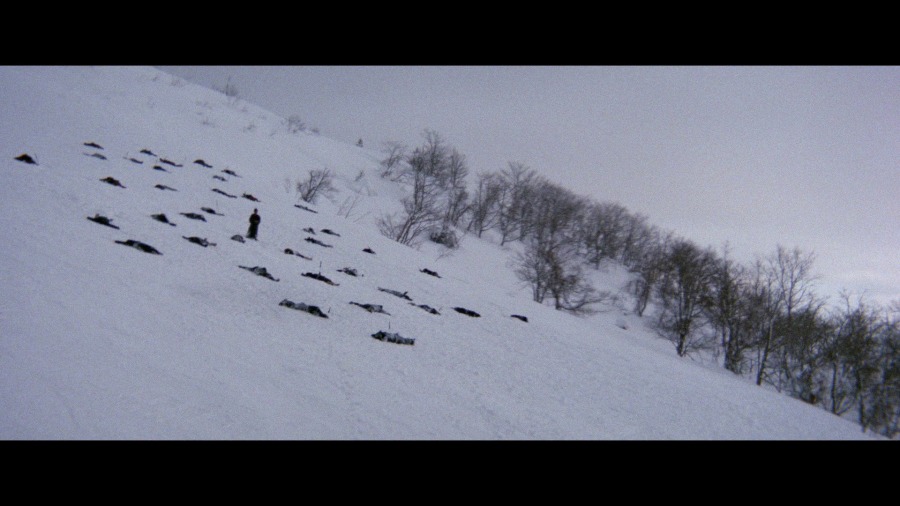
The one aspect that threw me were the colours and the black levels. Colours lean a bit on the warm side and saturation feels a bit weak, but this admittedly could be intentional. Black levels are okay but can come off a little muddy at times. Compression could probably also be a bit better, though it certainly isn’t the horror show that was seen on some of Criterion’s releases from a couple of years ago (like My Own Private Idaho) and grain looks nice most of the time, though it can look a bit pixilated in places. Contrast is nice on the other hand, and this is best shown in the final battle scene of the last film, which takes place in the snow. The snow is bright but it doesn’t impede the darker objects in the foreground.
In general the presentations and encodes are nice. They could be better, and maybe spreading the films over three discs instead of two would have helped, but a lot have work has still gone into the films and the work has still paid off.
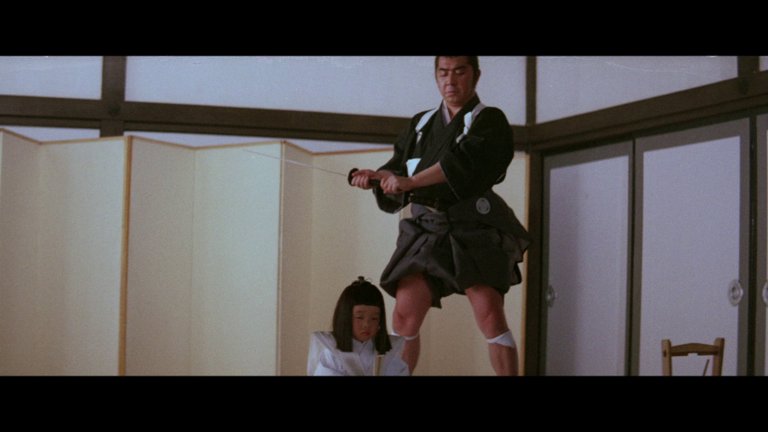
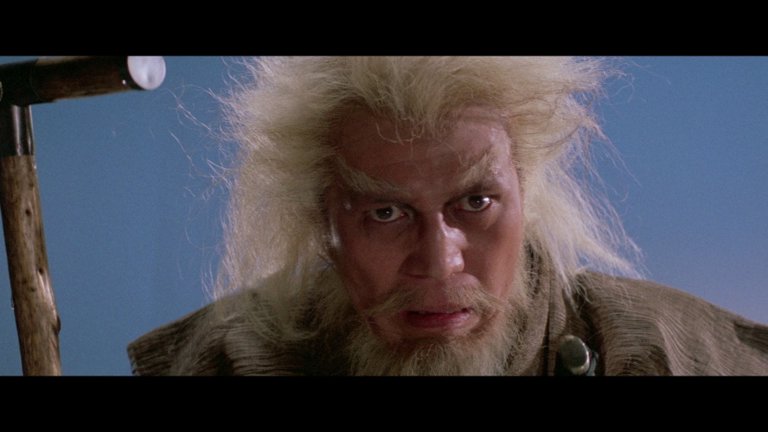
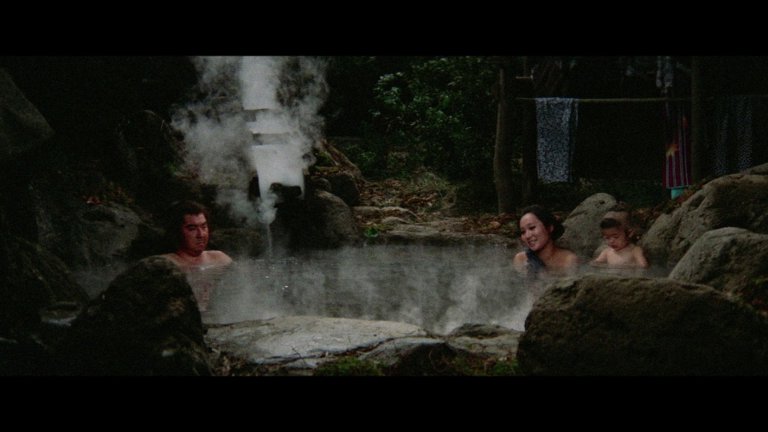
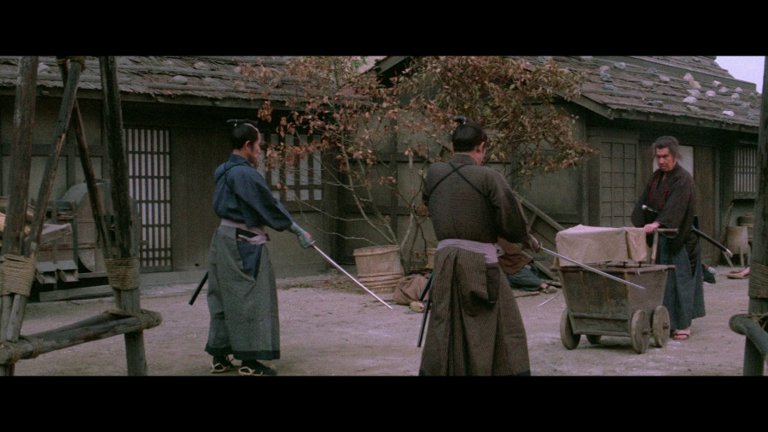
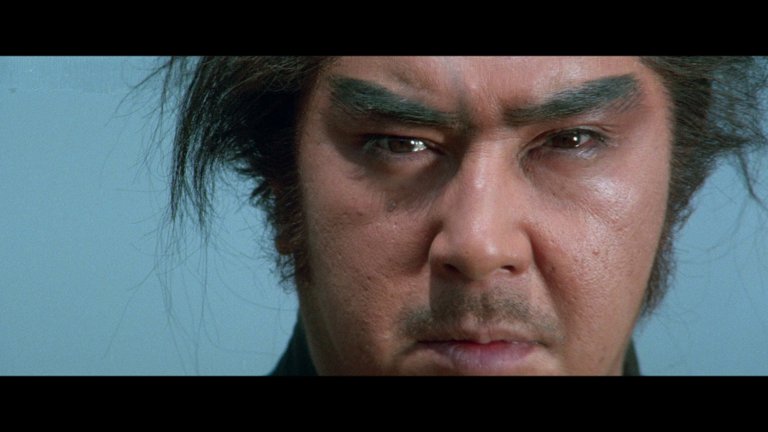
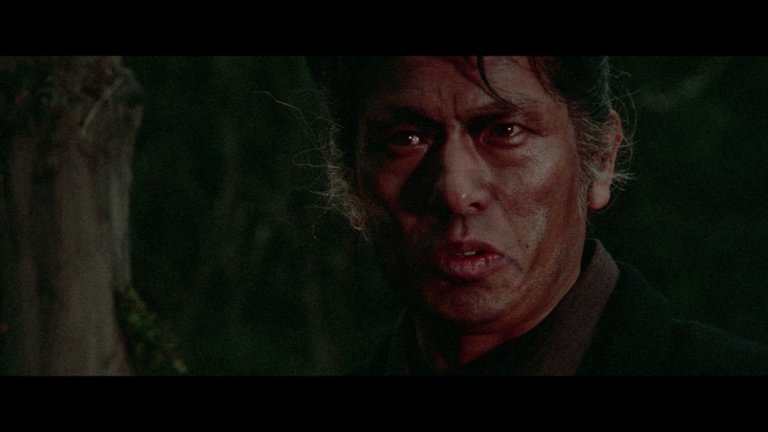
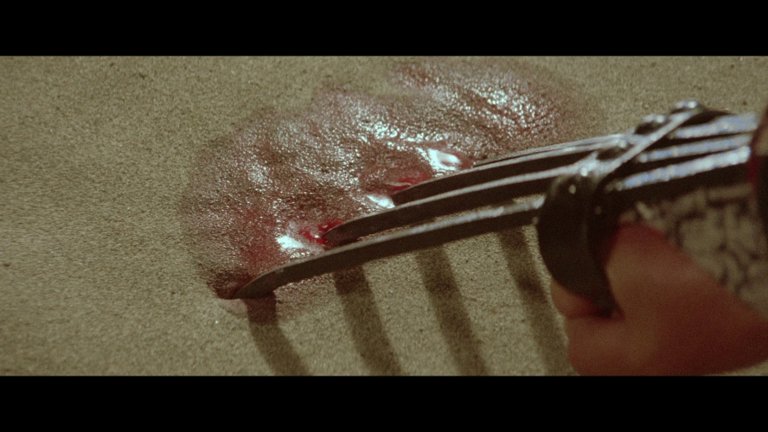
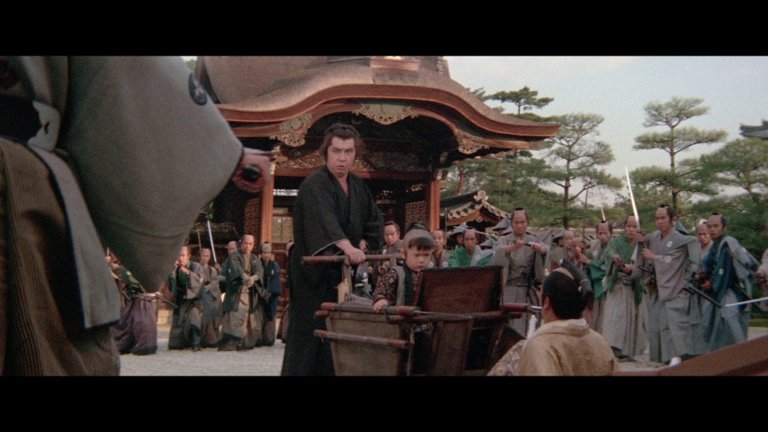
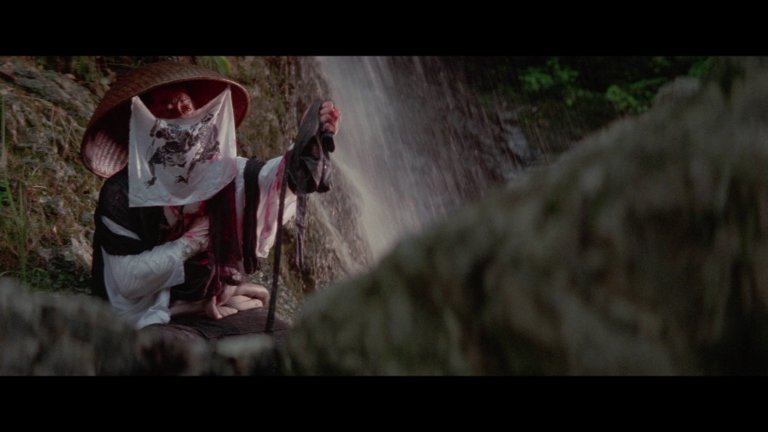
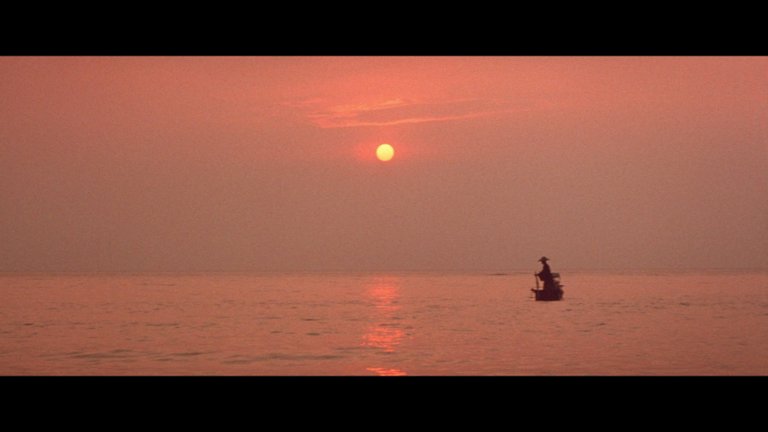
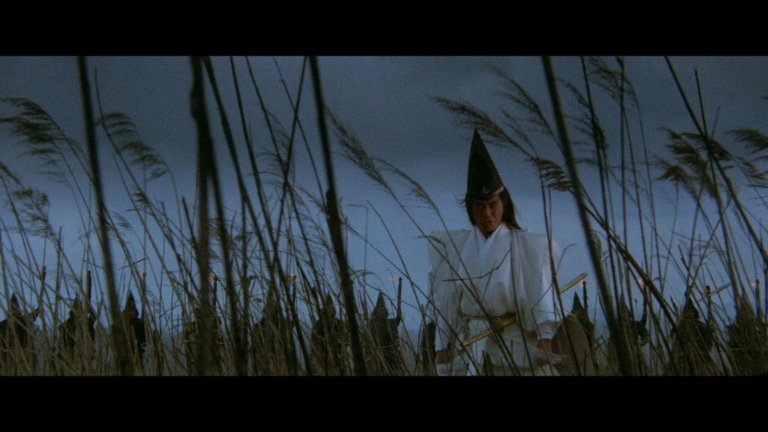
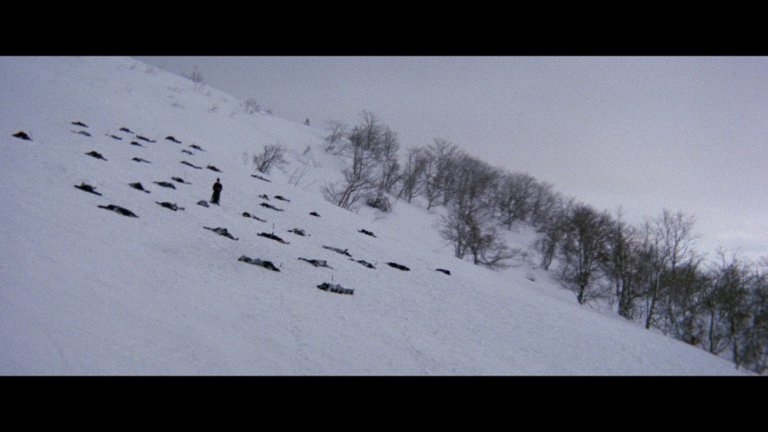
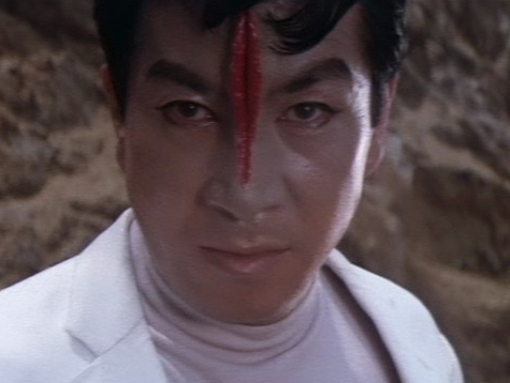
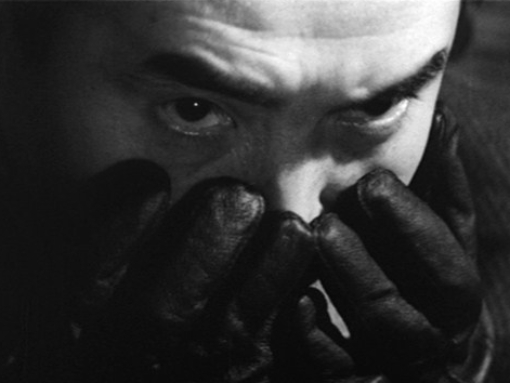
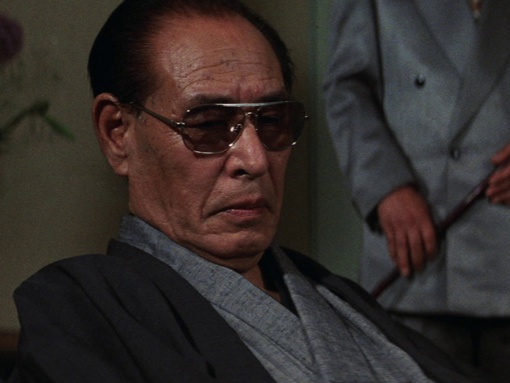
Lone Wolf and Cub - Screen Captures
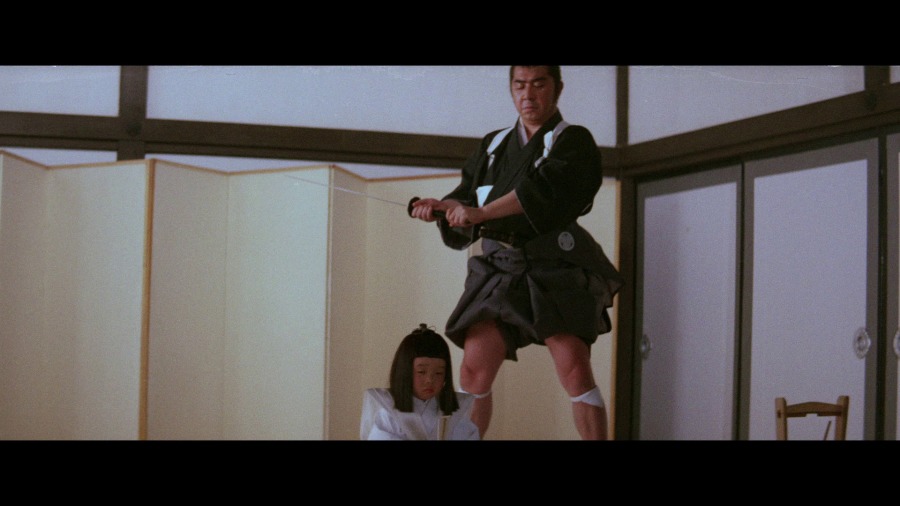
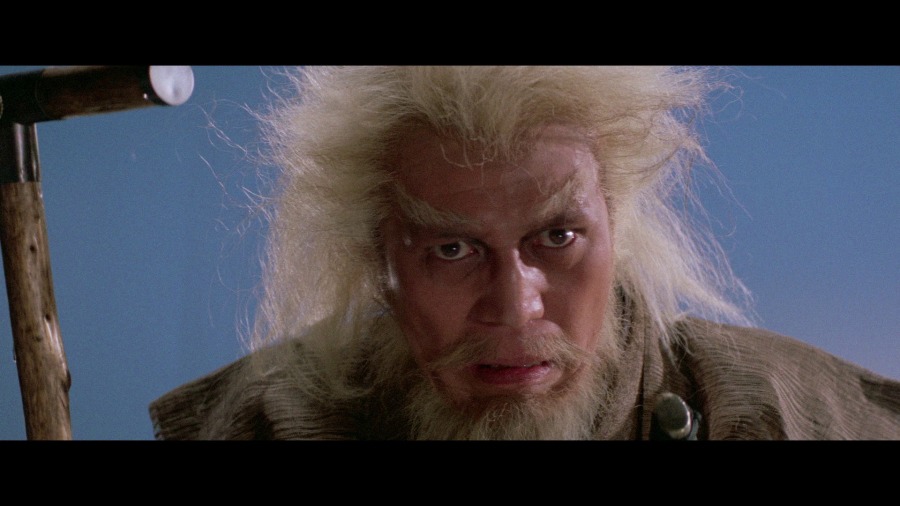
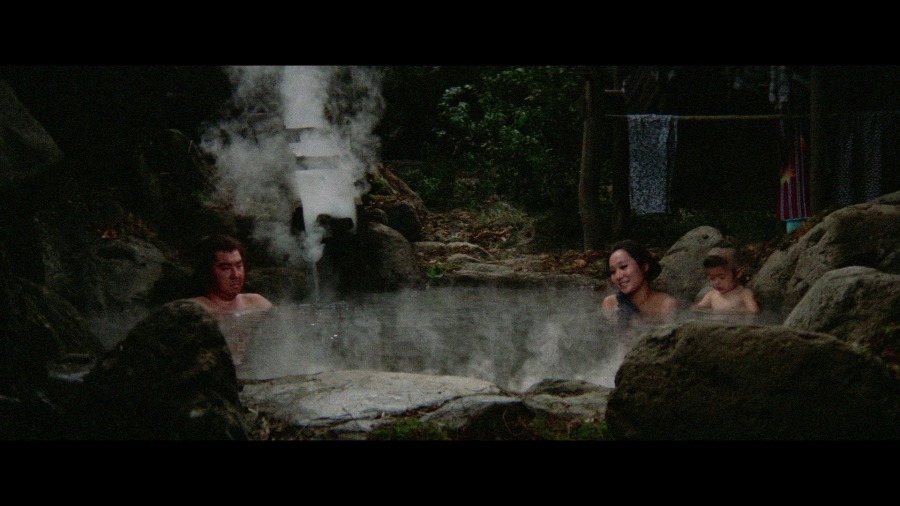
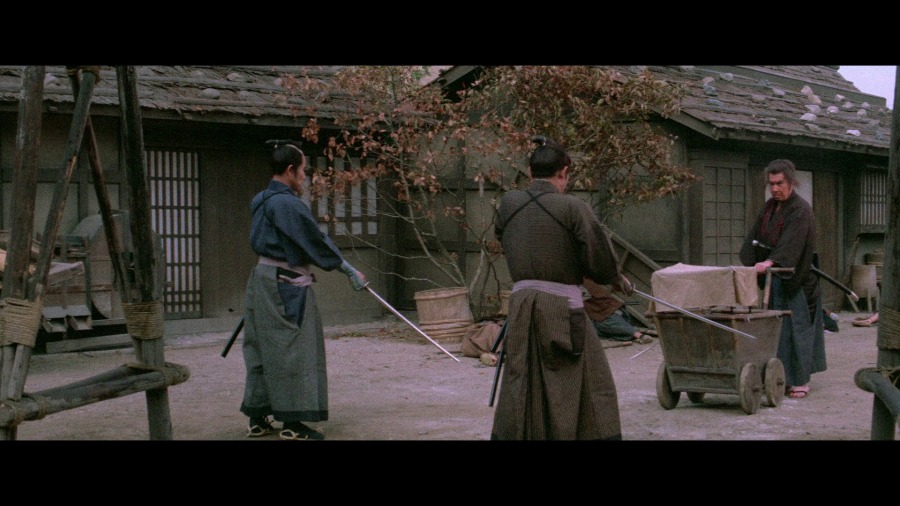
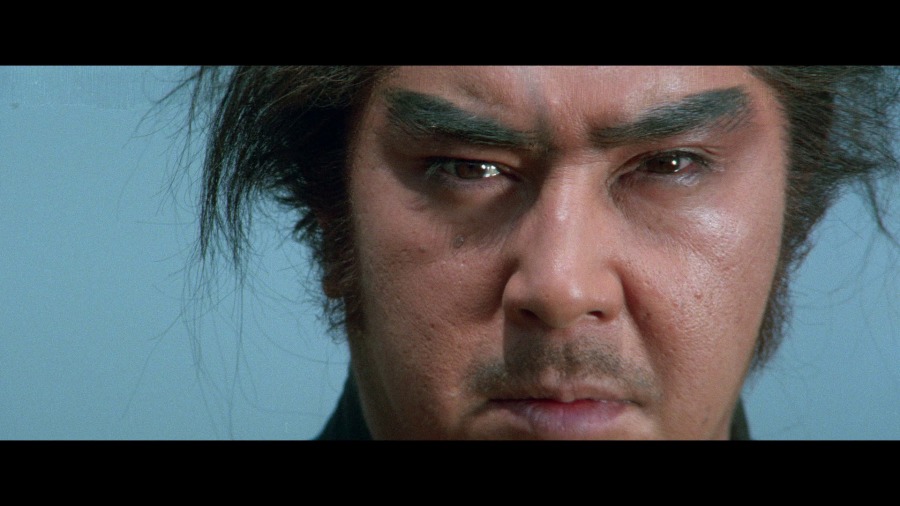
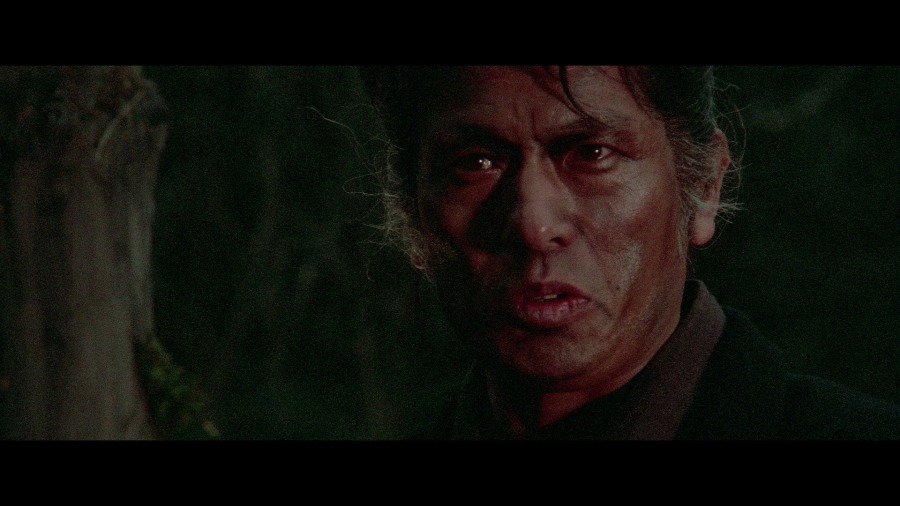
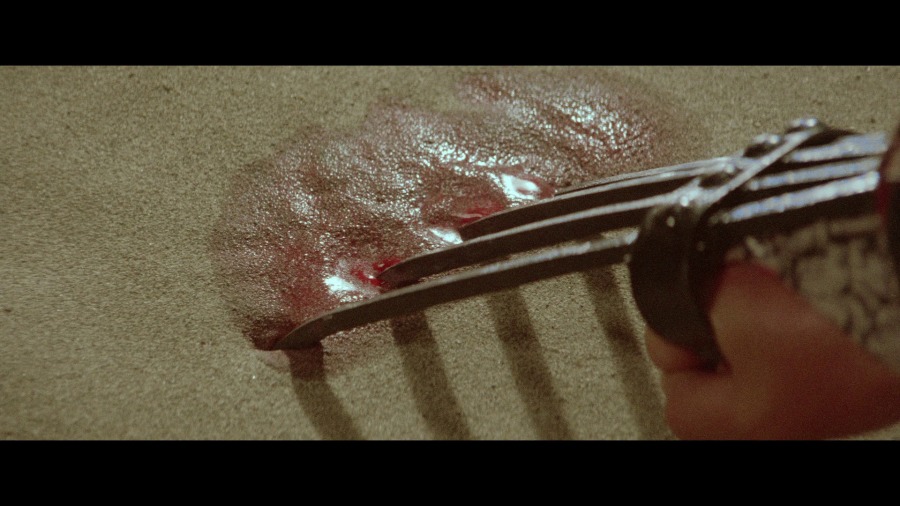
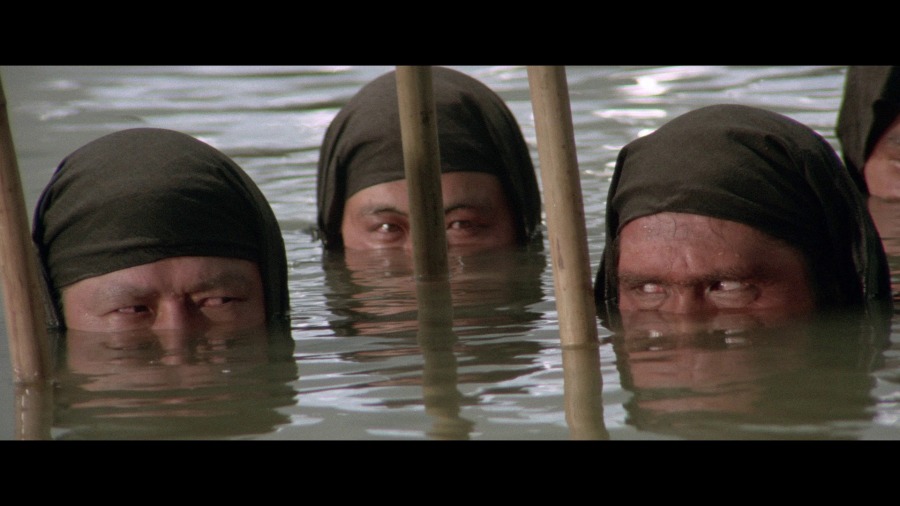
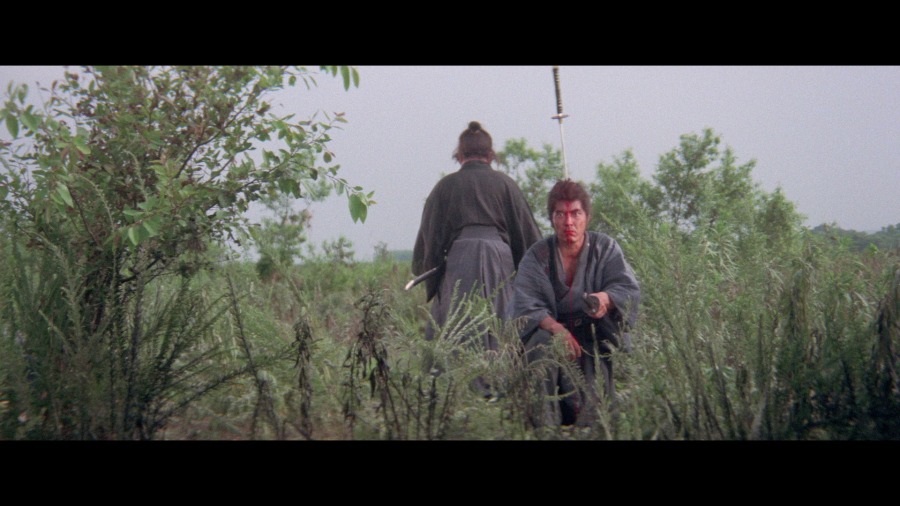
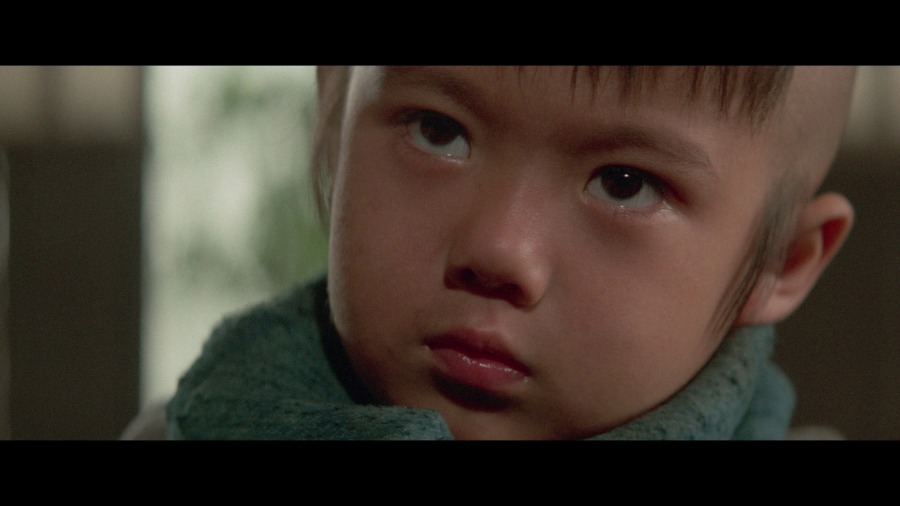
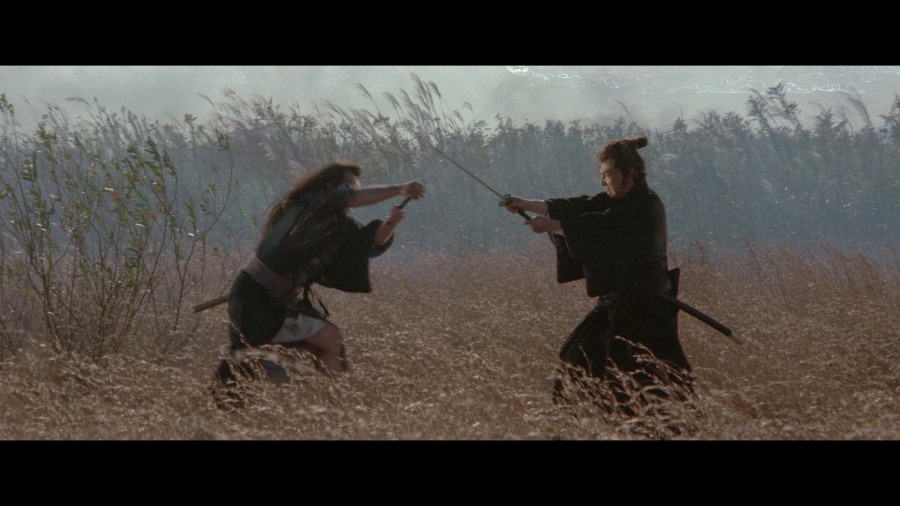
Audio 6/10
All six films present lossless PCM 1.0 mono tracks. Like the visual presentation they all sound about the same. Fidelity and range are both limited but dialogue sounds clean and the music and artificial sounding sound effects don’t present any large problems. There is some audible background noise but nothing too egregious outside of that.
Extras 9/10
Criterion puts together a rather cool special edition for the series that I think should make a lot of fans fairly giddy, especially since it appears to be the most complete and comprehensive version that exists. Outside of the theatrical trailers that accompany their respective films over the first two discs, the bulk of the set’s special features are found on the third dual-layer disc.
The most impressive inclusion (as I thought the rights were tied up with other entities) is the inclusion of the English language version of the first and second film, Shogun Assassin. The film actually contains very little from the first film, really only taking the origin story of Itto, and ignoring pretty much the rest of the plot. It takes most of its story from the second film, I assume because it’s the bloodier one of the two. It would have been easy to just make a mess out of this but I’m actually rather impressed with what was constructed here: we actually do get a fairly coherent film. Thanks to dubbing (and then a voice over from the young Daigoro) the plot is adjusted as needed but the last half follows closely to the rest of the second film. Some exposition is also cut out and the action is more of the focus, explaining the film’s rather short running time of 85-minutes, which is shorter than both the original versions of the first and second films on their own.
Unfortunately it looks like Criterion is using an older high-definition master and haven’t given it a thorough run-through. Damage is still pretty heavy and compression is apparent. Colours are a bit washed and black levels aren’t all that strong. Still, I think the very fact Criterion included this version is a huge selling point and makes this release feel pretty complete all on its own. The features is also accompanied with notes explaining the backstory to this edit along with the original theatrical trailer.
Continuing on through the features Criterion next includes the very thorough 2005 French produced making-of Lame d’un père, l’âme d’un sabre, which I think roughly translates to Blade of a Father, the Soul of a Sword. The documentary only runs 52-minutes but it wonderfully covers the series from its early beginnings as a Manga series (with writer Kazuo Koike appearing) through its six films and the eventual television series, which ended up killing the film franchise. Its participants (which also includes but not limited to director Buichi Saito, producer Masanori Sanada, and director of photography Fujio Morita) also talk about this particular time period in Japanese cinema, where the studios had to compete with television and had present more extreme content to attract audiences, like the graphic violence (at least for the time) and sex/nudity found in these films. We also hear various stories around the productions, particularly between star Tomisaburo Wakayama and his producer brother, Zatoichi’s Shintaro Katsu (there’s a humourous one about Katsu hating a song by Wakayama at the end of one of the films), along with budget concerns (the last film cost a ridiculous amount of money at the time), and the process of adapting the original stories to film. I was impressed with this documentary as it not only manages to cram in so much in its short running time but it also manages to be very entertaining.
Criterion manages to get another interview with Kazuo Koike (who previously participated for Criterion’s Lady Snowblood release), writer of the original Manga series. Running less than 12-minutes the writer gives a backstory to how the original Manga series was born and his intent with the characters, while also sharing stories about the early development process of the film series. These stories include Koike receiving a series of never ending calls from Wakayama, who passionately wanted the lead role, despite being overweight and looking nothing like the character. He was eventually able to demonstrate to Koike why he felt he could do the part and Koike eventually relented, though this led to the fight scenes having to be customized a bit to fit Wakayama’s frame. He likes the films but admits to not being too fond of the television series, and explains some of the opposition he had faced from its producers. Since we don’t get much else about the original graphic books getting an interview with the original author is the next best thing, and getting his first-hand feelings on the series adds weight.
The series had a few directors, but the director of the first one, Kensi Misumi, laid out the ground work, directing four of the films, and in this short 12-minute discussion, biographer Kazuma Nozawa talks about his career and how he ended up working on the Lone Wolf films. He also talks about his style and points out how it shows through in the films he worked on.
Criterion then includes a couple of rather interesting features on the swords and swordplay in the film. With On Suio-ryu Criterion provides an interview with Sensei Yoshimitsu Katsuse at his own Dojo, who talks about the style of swordsmanship. His discussion is only 13-minutes long but he covers a lot of ground, offering a history of the art, explaining how it’s taught (using real weapons, admitting there have been close calls), and even offers demonstrations with weapons. He also talks about martial arts films and his disappointment in how they present the various styles, even talking about the Lone Wolf films. It’s a wonderful piece and probably my favourite feature on here.
The disc then closes with the 1939 silent short film The Sword of the Samurai, which is a 30-minute documentary about the making of a traditional Samurai sword through the various steps. It doesn’t directly relate to the films but I found it an intriguing addition and I doubt I would have seen this otherwise.
The discs come in a nice looking digipak and it includes a booklet featuring an essay on the series and then a write-up on each individual film. In a clever bit of design, Criterion also has hidden a folded up diagram of the baby cart of death in the spine of the outer slip: just open the tab of the spine and you’ll find the folded up piece of paper.
There’s more that could have been added for sure: more on the original Manga books and then maybe even some more about the television series. Still, as it is, this is a pretty loaded edition that has obviously kept fans of the series in mind.
Closing
This set was a lot of fun to go through and fans should be thrilled with it. The presentations of the six main features are good and Criterion has provided some wonderful supplements, including the alternate English version of the first and second films. It’s a sharp little set.
BUY AT: