That Kind of Girl
BUY AT:

See more details, packaging, or compare
Synopsis
In 1960s London, a beautiful continental au pair finds herself wrestling with the affections of an earnest peace-protestor, a dashing young toff and a roguish older man. But fun and freedom turn to shame and despair when she finds that her naivety has put her lovers, and their partners - including the well-meaning Janet (played by Big Zapper's Linda Marlowe, in her first role) - at risk.
Stylishly shot in crisp black and white, and set against a backdrop of smoky jazz clubs, 'Ban the Bomb' marches, and evocative London locations, this finely-tuned cautionary tale was the directorial debut of Gerry O'Hara (All the Right Noises, The Brute), and is presented in a new high-definition transfer.
Picture 8/10
BFI Video presents Gerry O’Hara’s That Kind of Girl as their 8th title in their Flipside series in its original aspect ratio of 1.33:1 on this dual-layer Blu-ray disc. The transfer is presented in 1080p.
For this review I am working from what I believe is called a “Test Disc” and not the finished product like I usually do. This is my first time working from a test disc but it looks though this is how the finished product is going to look: I didn’t notice any issues while going through the content and the main transfer looks good.
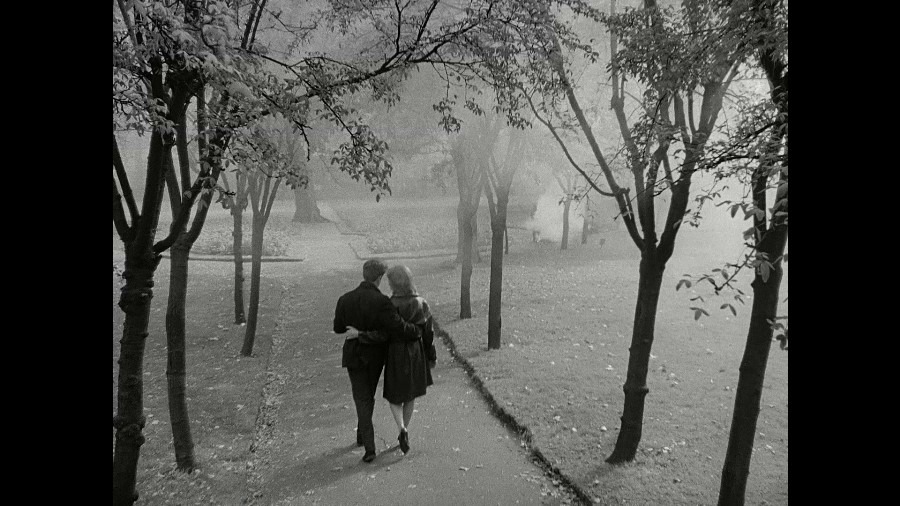
In fact the transfer looks strikingly superb and BFI again surpasses my expectations. This isn’t the type of film you’d figure to get a strong Blu-ray, or even DVD, release and yet here it is. The image presented is sharp and crisp with a high level of detail. Blacks and whites are strong and gray levels are perfect. Film grain is present and looks natural. I didn’t notice any sort of noise reduction, the image keeping a filmlike appearance.
The print is in generally good shape. There are some tiny specs that do show up but they’re quite infrequent. The only real issue the print has is a vertical line that comes and goes throughout the film. This is really the only problem with the transfer and by the sounds of it there was very little that could be done about it, the booklet pointing out this is a tramline inherent in the print used and that's it been cleaned up as thoroughly as possible. It's not glaring and in no way harms the image.
Again BFI have outdone themselves in this department delivering a shockingly beautiful looking black and white transfer and I feel pretty positive this film has never looked this good.
(The disc is region free and is supposed to play on all Blu-ray players. I had no issue playing it on my North American PS3. While I am reviewing from a test disc it has been confirmed the finished product will be region free.)
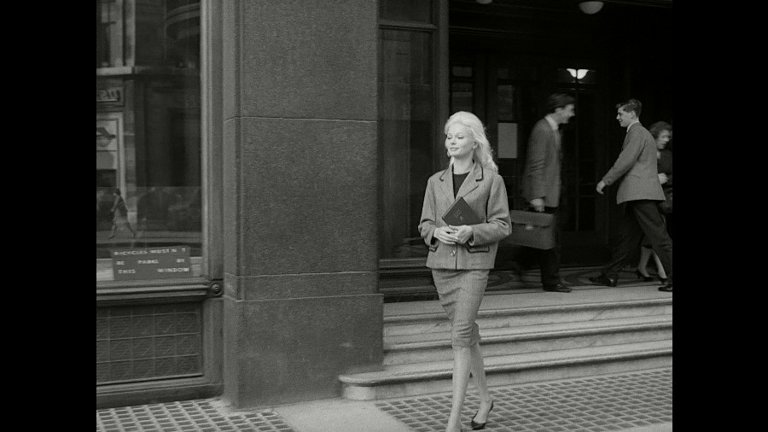
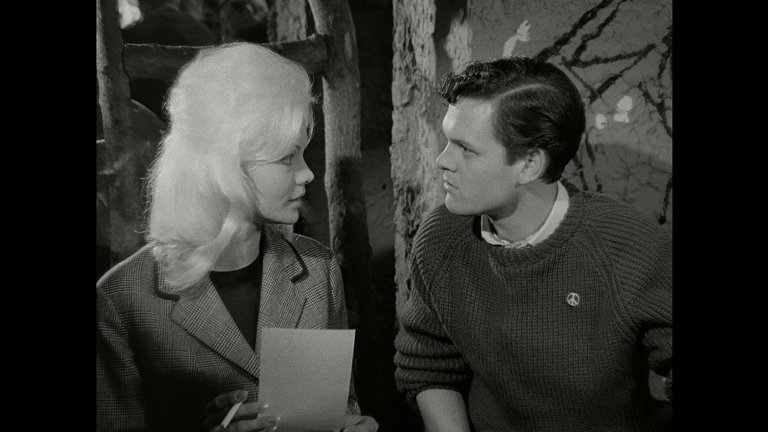
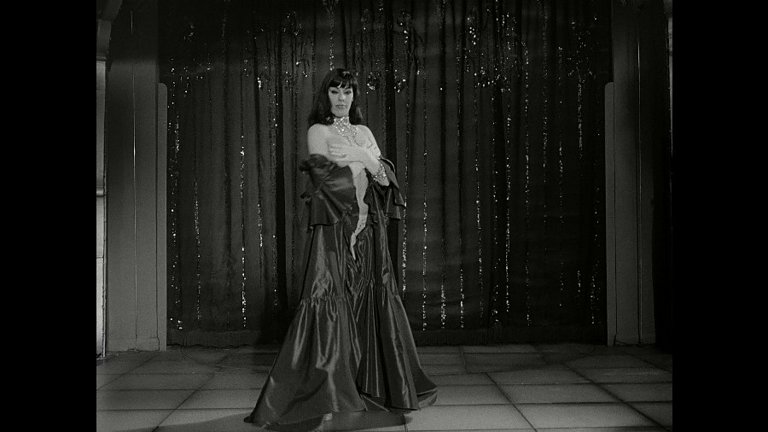
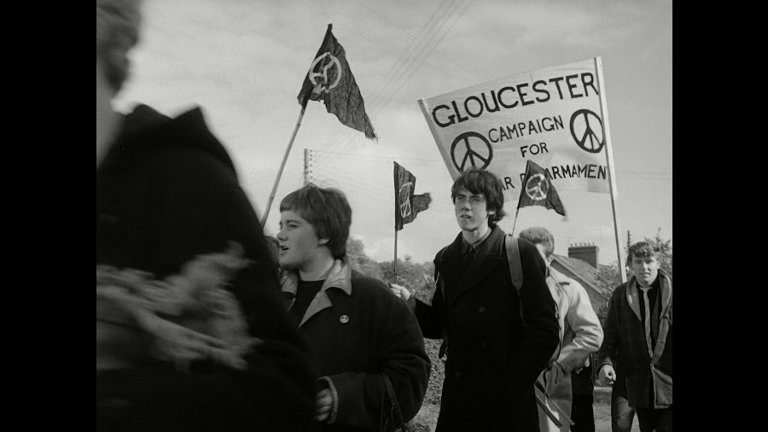
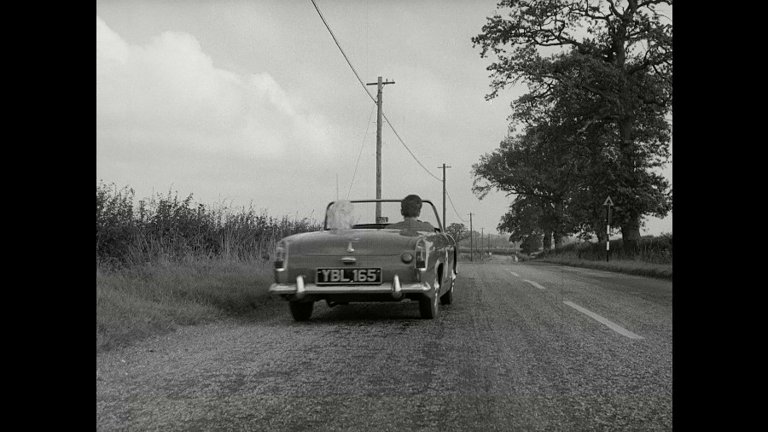
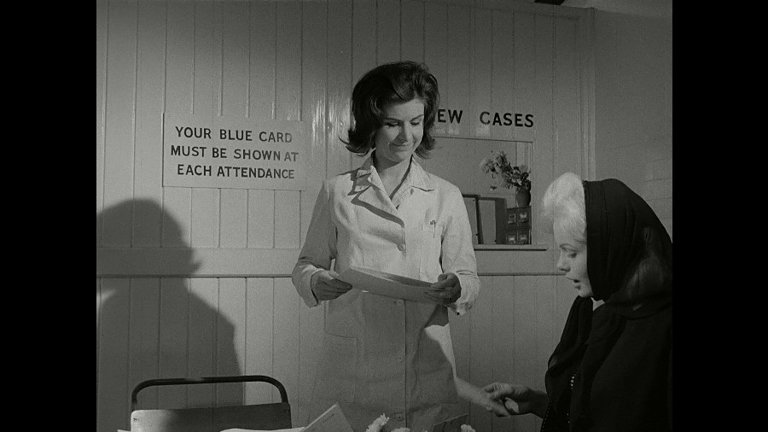
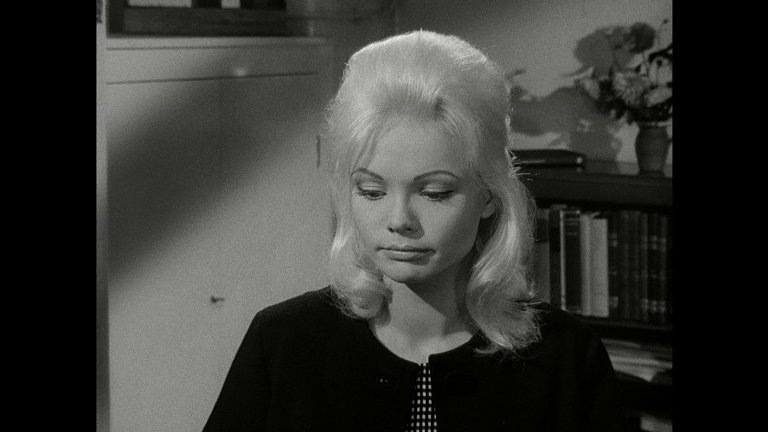
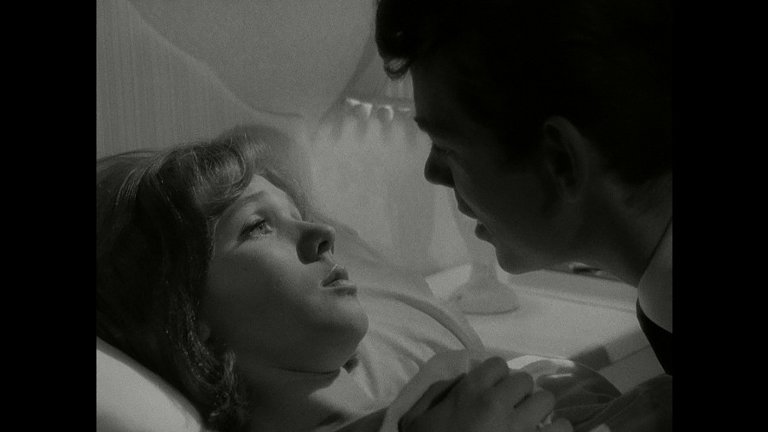
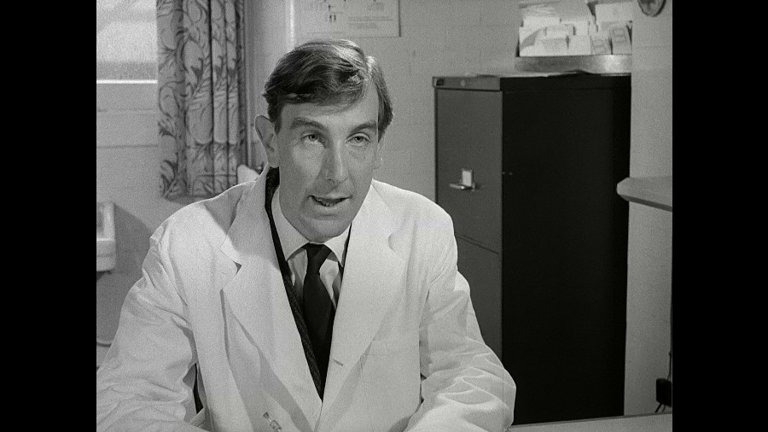
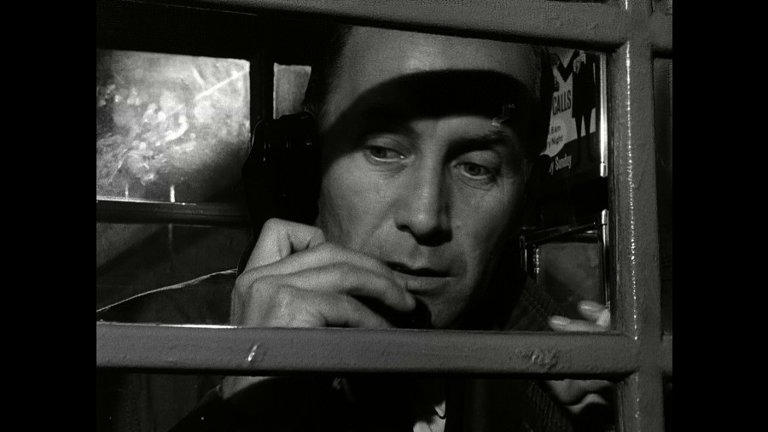
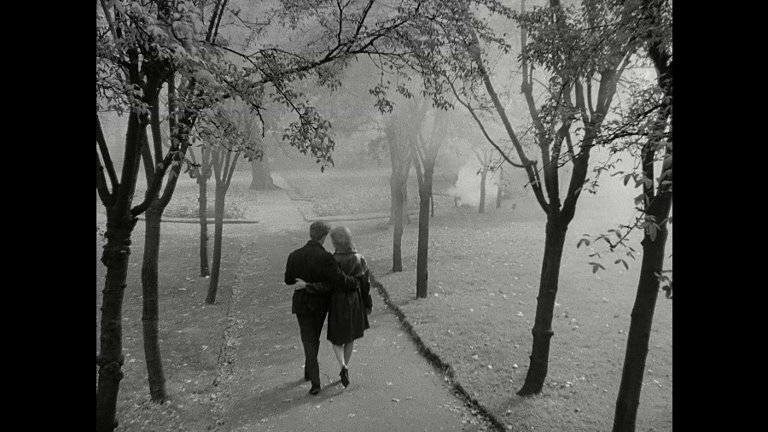
That Kind of Girl - Screen Captures
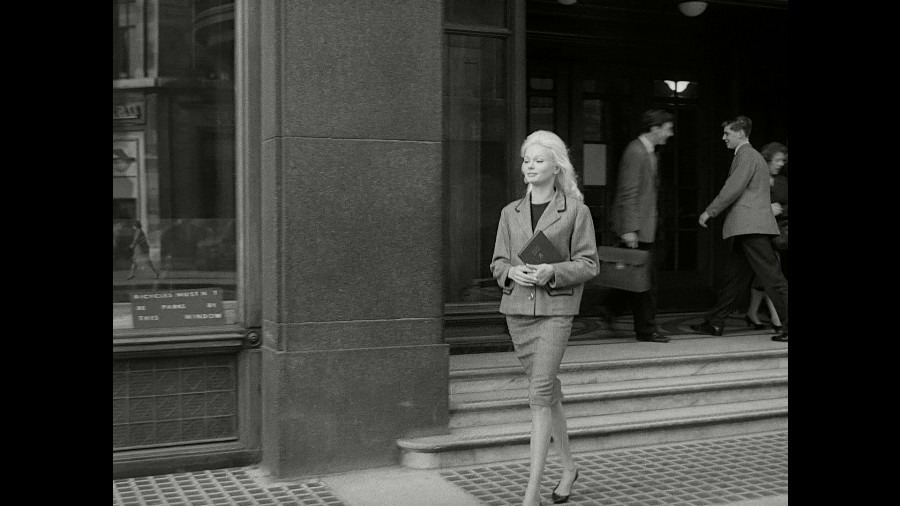
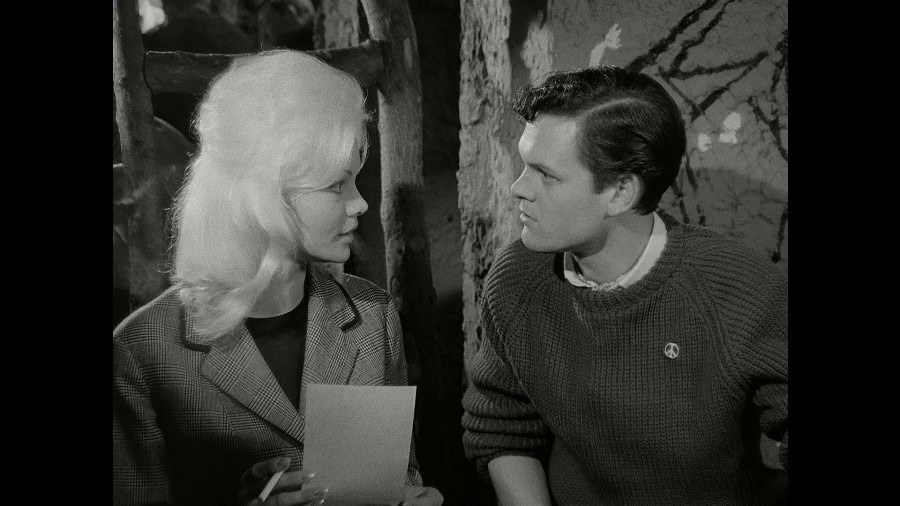
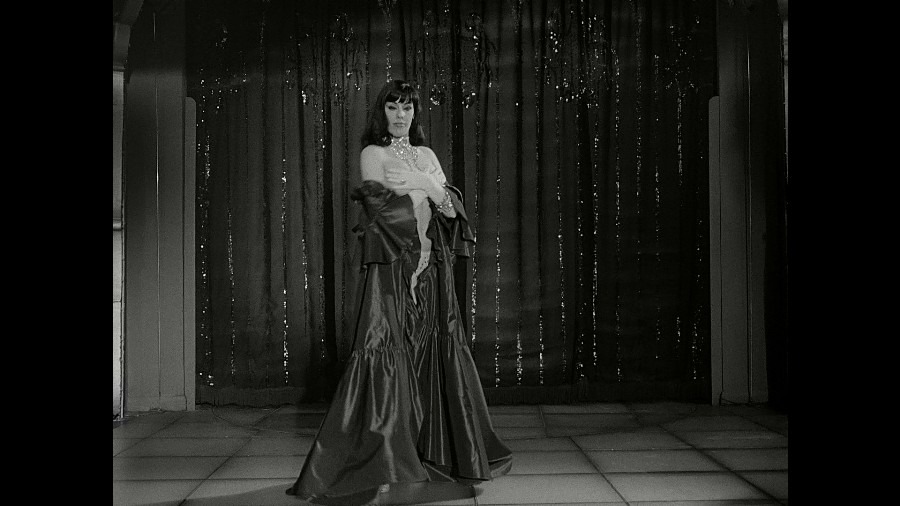
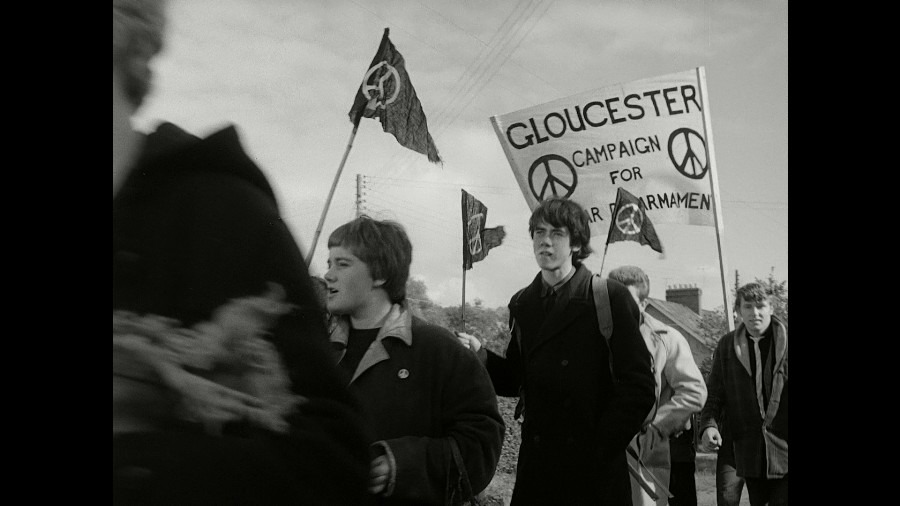
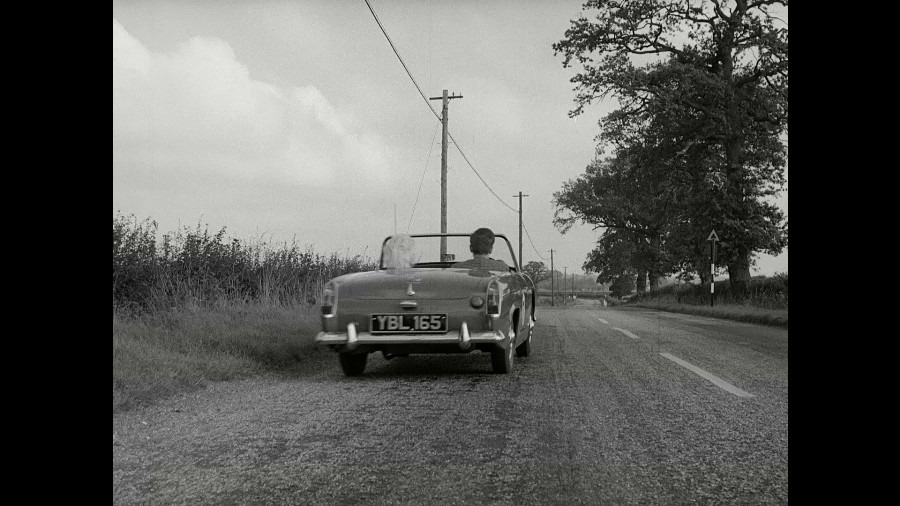
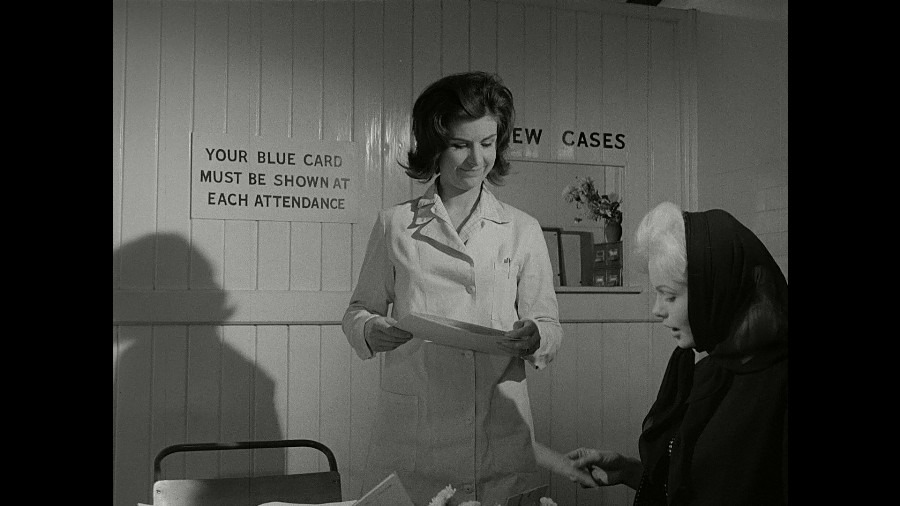
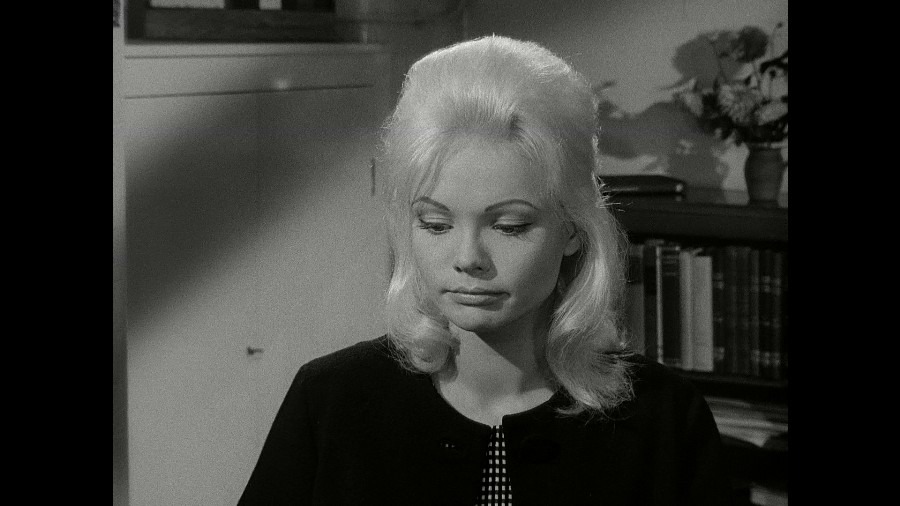
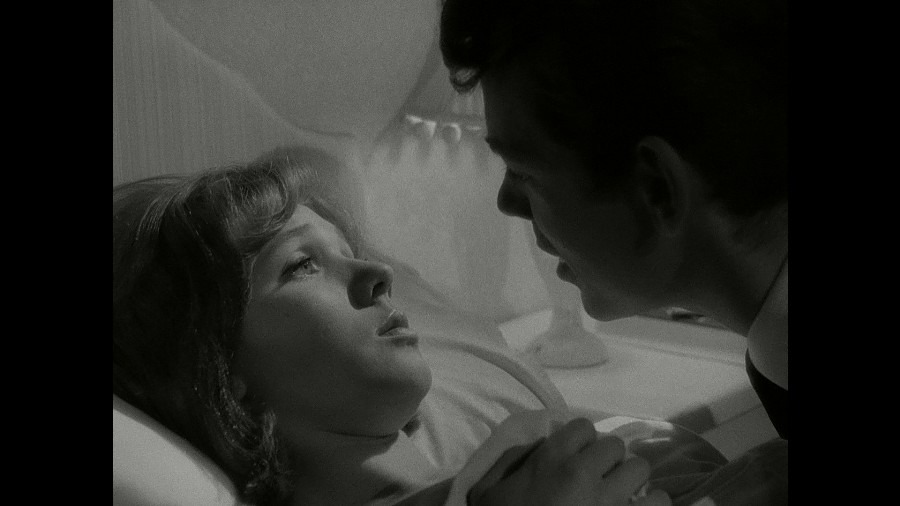
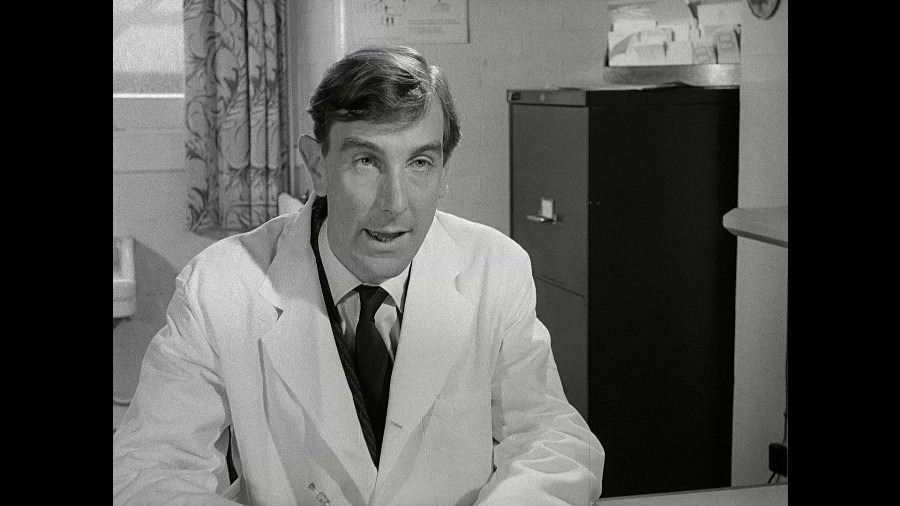
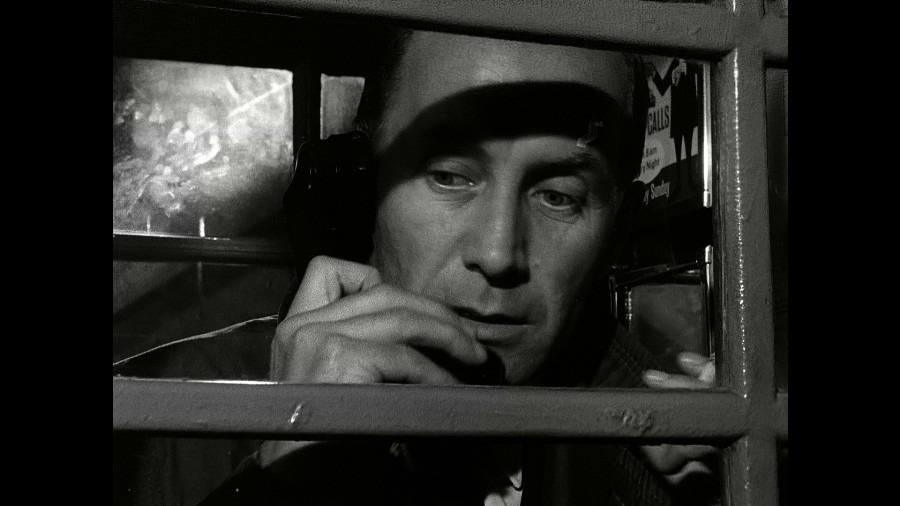
Audio 6/10
The lossless mono track is nothing special but gets the job done. There’s some decent range to it but I never felt it really came alive, except maybe a couple of club sequences. Voices sound fairly natural while music can get a touch harsh I felt. In the end it’s a decent soundtrack.
Extras 7/10
BFI’s Flipside Blu-rays and DVDs offer supplemental materials that differ from most other supplements found on other releases. They usually don’t have anything to do directly with the film (rarely offering any sort of behind-the-scenes information) but rather offer short films or segments that either relate to the themes found in the film or further illustrate some sort of element found in the film.
First is an 18-minute melodrama from 1949 called The People at No. 19, which shares a somewhat similar storyline to That Kind of Girl where a character discovers they’ve contracted a sexually transmitted disease and possibly shared it with their partner. The two then try to figure out who gave what to who. It doesn’t come off anywhere near as preachy as the main feature does, despite actually being funded by the Ministry of Health, but can be a little heavy handed in its melodrama (though playful, such as one bit where, just as the melodramatic music increases, a radio is shut off cutting the music.) An intriguing find and a great inclusion.
No Place to Hide is another short film, this one from 1959 and running over 9-minutes. It’s a sort of fear piece on the threat of nuclear war, bomb tests that could possibly poison the environment, and the protest marches calling for disarmament, complimenting the backdrop of anti-nuke marches that play a part in That Kind of Girl. Again it’s a bit of a fear piece but an interesting inclusion (I’m a sucker for this kind of stuff so I was particularly happy with its inclusion.)
Taking it a step further, BFI then includes a 28-minute, 1961 documentary called A Sunday in September, which focuses on a nuclear disarmament protest in London joined by the likes of Vanessa Redgrave, Doris Lessing, and John Osborne. It takes a sit-and-watch approach with the camera sitting there capturing the events, protestors gathering and the police trying to control them. A touch stale but again an intriguing document of the time.
The disc supplements then conclude with 1968 interview with producer Robert Hartford-Davis, taken from recordings for an intended television program called Now and Then (the intent of the program was to get interviews from various people and then interview them again years later—the show never happened in the end.) It’s made up of rough, unedited footage. In the interview he talks about his career, the films he’s been involved in making, and talks generally about the business end of making and distributing films. There’s brief mention of That Kind of Girl, but again there is very little material on the main feature. But it’s actually still a rather great interview, pertaining specifically to his discussions about the business side of filmmaking.
And like all BFI releases I’ve come across they have included a booklet. Again, since I’m working with a test copy of the Blu-ray I do not have the booklet but instead have a print out of the booklet, which I am guessing best represents the actual booklet. Based on this, though, it’s again a high quality one from BFI, featuring a great essay on the film by writer Cathi Unsworth, who examines the time period of the film, and suggests that O’Hara was able to rework the script a bit to make it less of a propagandist public service film (the original script, by the sounds of it, made its main character Eve more of a slut and generally awful person who deserves everything she has coming to her, where O’Hara makes her more innocent and naïve) though in the end that’s still what it is. There’s a short essay by Gerry O’Hara where he reflects on the film and comments on his impressions of it after recently seeing it. The booklet then contains biographies on Gerry O’Hara and actress Linsa Marlowe, and then there’s notes on the three short films found on the disc. There’s also posters and clippings related to That Kind of Girls found in the booklet. On the photocopy I have I couldn’t really make out all of the text on these images of clippings, but I feel that may be because of the copy and the actual booklet may be better.
I love the supplements on the Flipside releases and That Kind of Girl’s selection of supplements doesn’t disappoint. Again BFI uses the supplements to examine the time period of the film, and looks at the nuclear-disarmament protests during the late 50s, early 60s and the booklet offers some nice insight into the film and its production.
Closing
I was surprised by O’Hara’s All the Right Noises so I was looking forward to viewing the film. Its reasons for existing are obvious; it’s a public service piece on the “dangers of extra-marital sex.” It’s actually quite competently made, especially for a directorial debut, and manages to hold itself up rather well during the first half, where’s it an intriguing character piece, but it quickly becomes a preachy after school special during its second half. But despite whatever my feelings are about the film this Blu-ray is stellar and leave it to BFI to go all out for a film such as this. The strong transfer mixed with some great supplemental material make this yet another fantastic release from the company.
BUY AT: