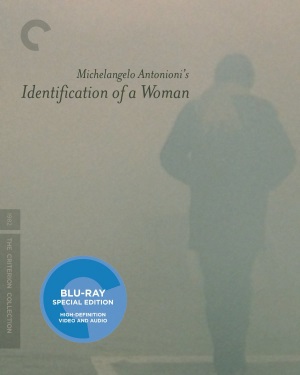
Identification of a Woman
BUY AT:


See more details, packaging, or compare
Synopsis
Michelangelo Antonioni’s Identification of a Woman is a body- and soul-baring voyage into one man’s artistic and erotic consciousness. After his wife leaves him, a film director finds himself drawn into affairs with two enigmatic women: at the same time, he searches for the right subject and actress for his next film. This spellbinding antiromance was a late-career coup for the legendary Italian filmmaker, and is renowned for its sexual explicitness and an extended scene on a fog-enshrouded highway that stands with the director’s greatest set pieces.
Picture 8/10
Michelangelo Antonioni’s Identification of a Woman comes to Blu-ray in its original aspect ratio of 1.85:1 on this dual-layer disc in a new 1080p/24hz transfer.
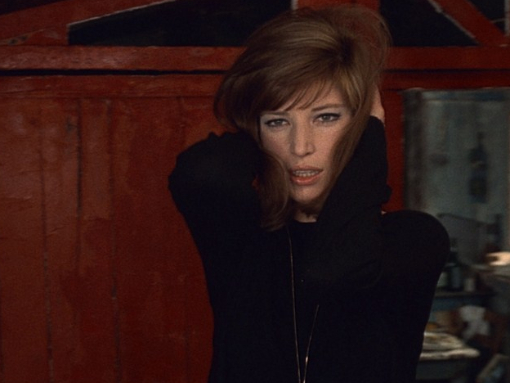
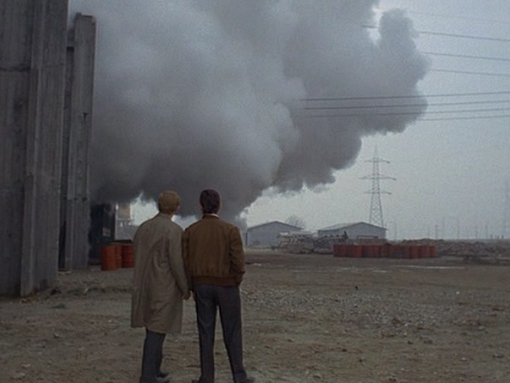
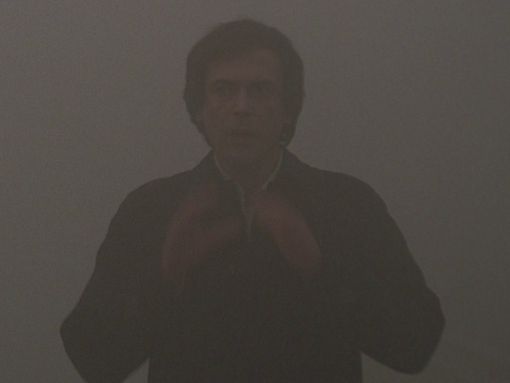
There’s a few fuzzy moments scattered about the film but otherwise it’s a gorgeous looking presentation. Definition is excellent with some striking details on the performers’ faces and in the clothing where you can occasionally make out a stray hair or even a thread rather easily. Film grain is present but not overly prominent, and it looks clean and natural. I thought I detected an occasional halo but it could have been an artifact from the lighting during the actual shoot but couldn’t detect any other artifact, paying especially close attention to the sequence in the fog about half way through. Banding could have easily occurred during this sequence but I’m happy to say there was nothing of the sort. Colours look nice but it does lean a little on the yellow side, with some interiors getting especially heavy, so much so that some of the actors look jaundiced.
The print used has only a few minor specs and marks, and I do attribute some of the fuzzier moments to the print, but these minor problems are easy to overlook. In all it’s a sharp, even stunning look transfer.
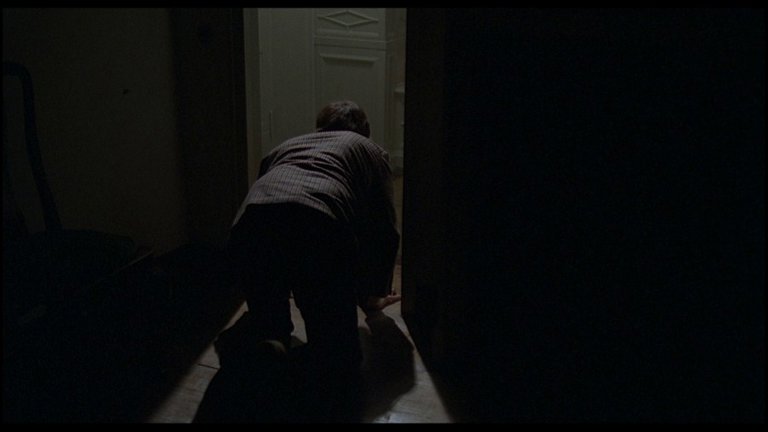
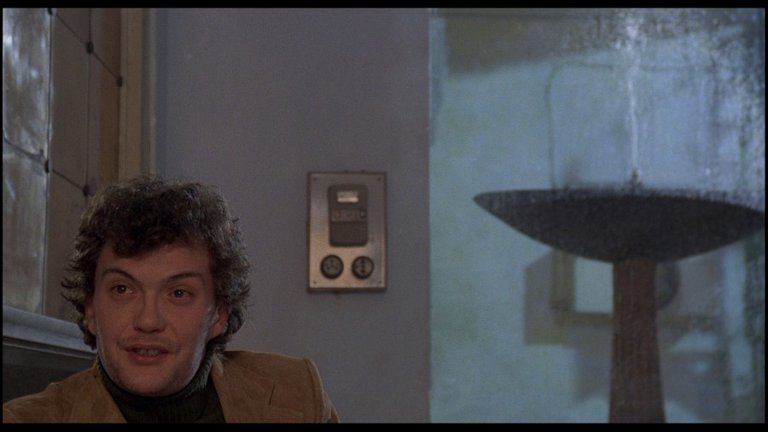
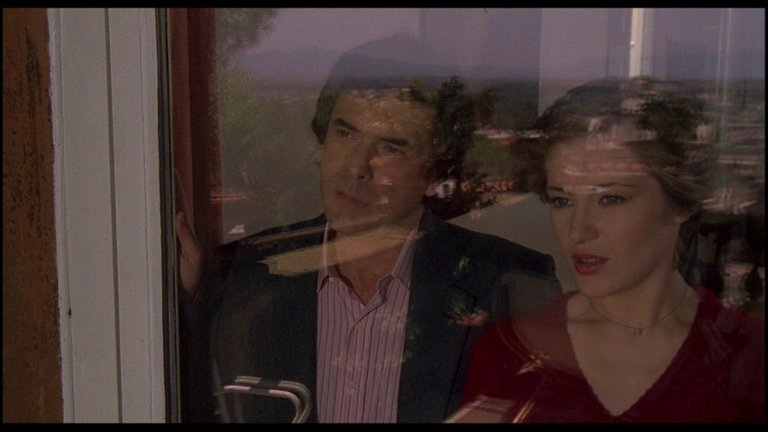
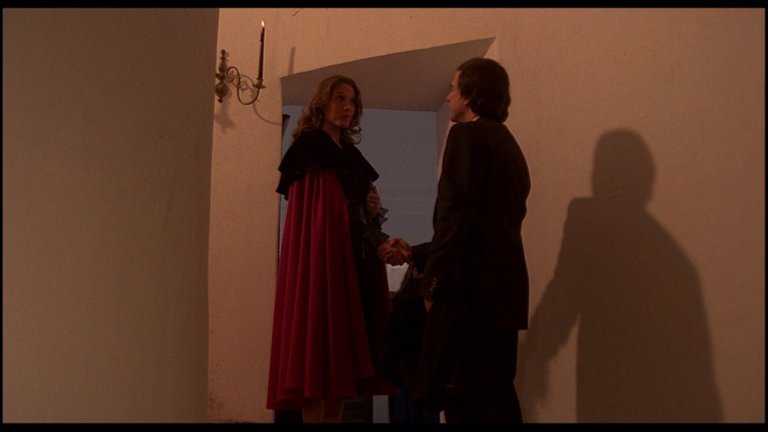
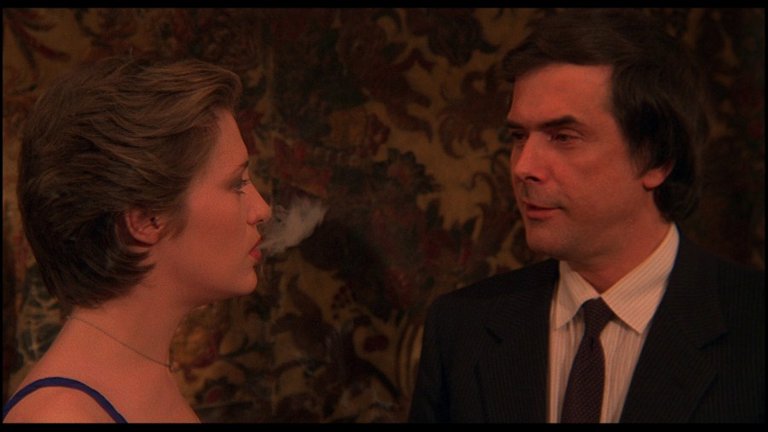
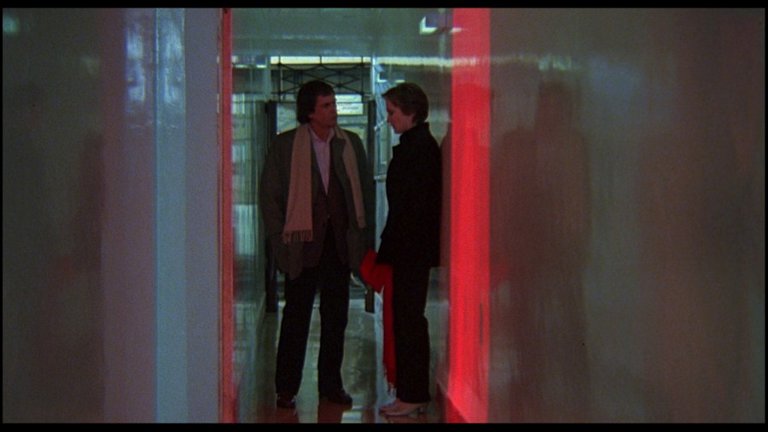
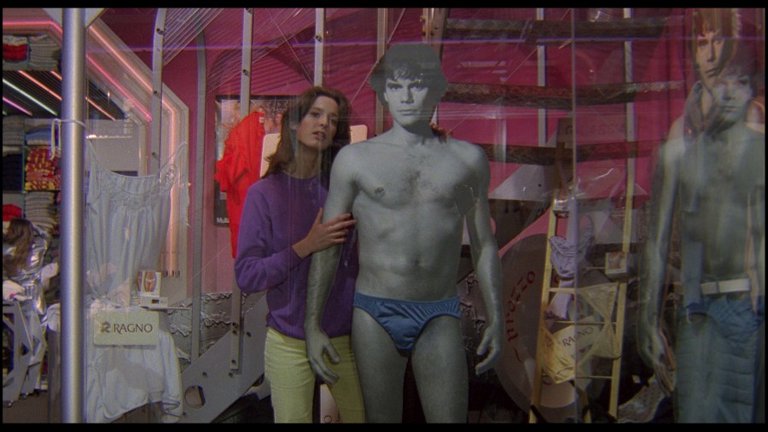
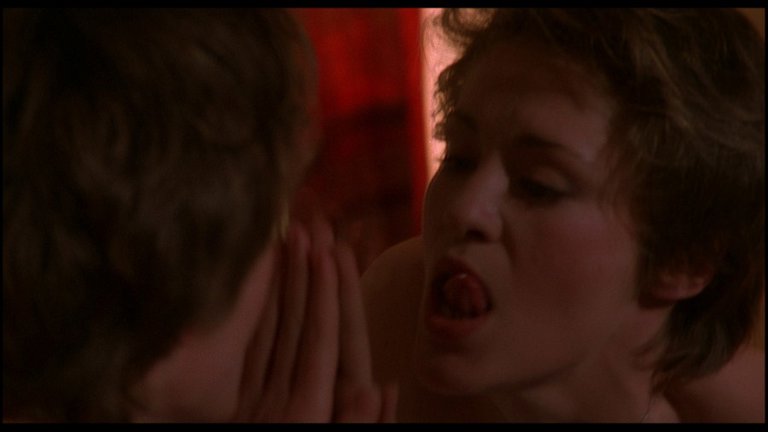
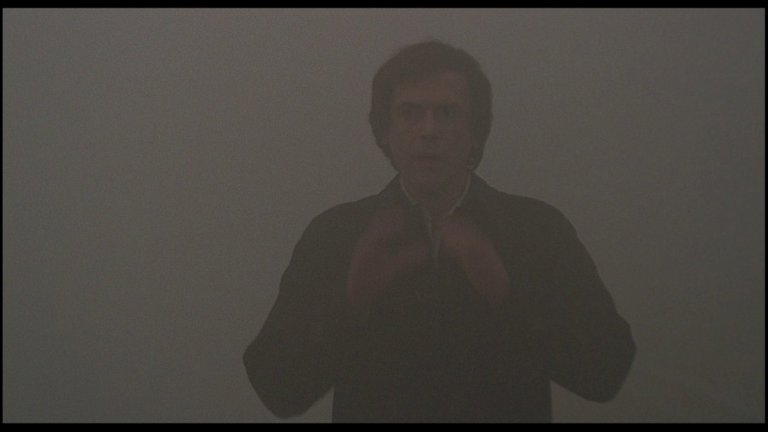
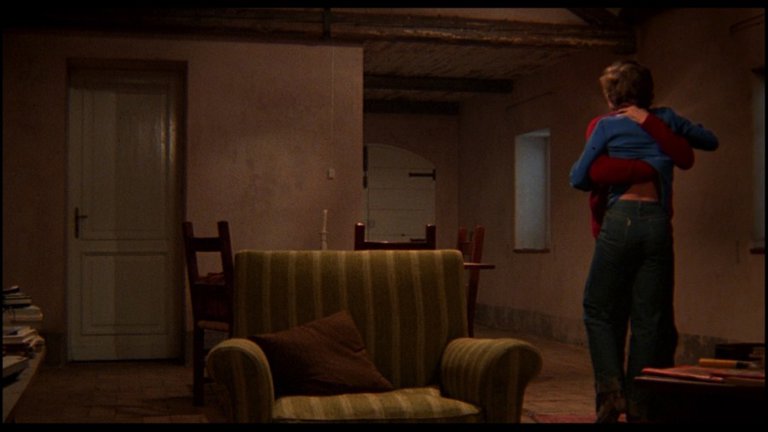
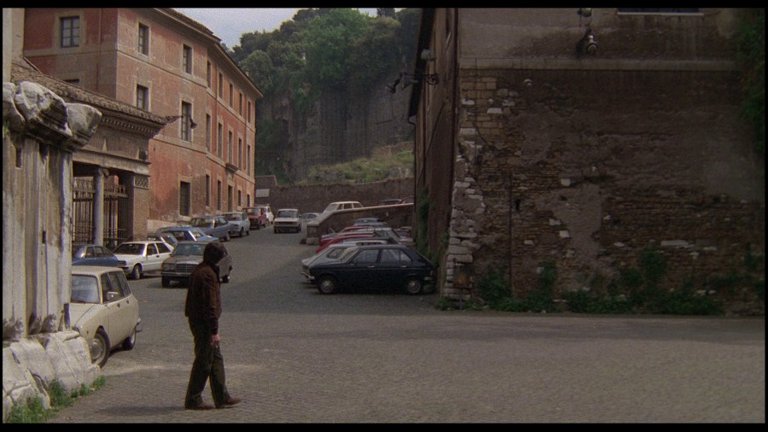
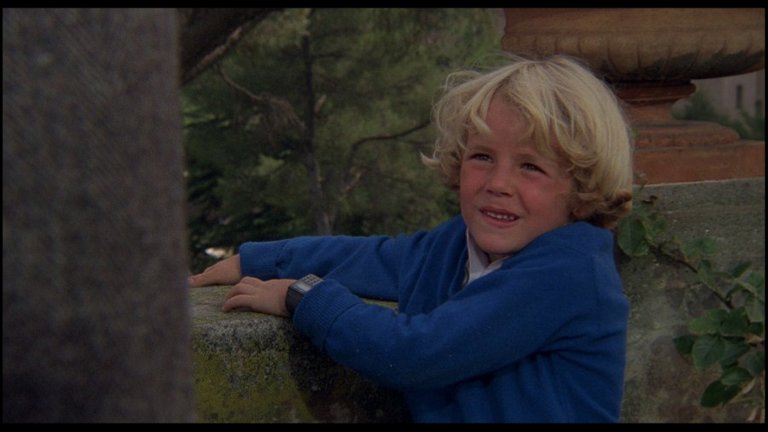
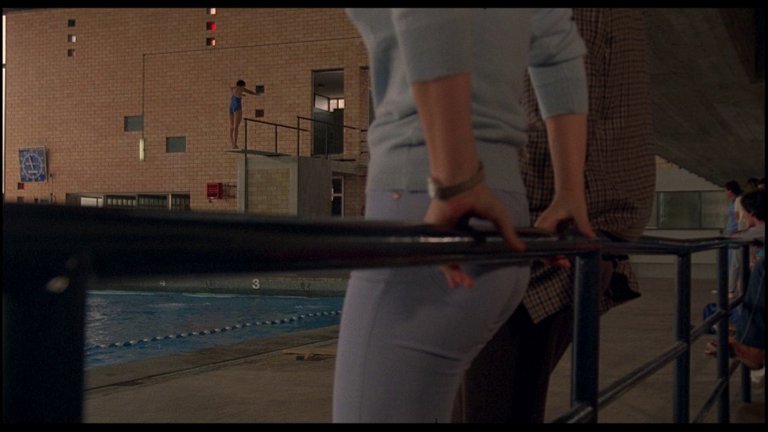
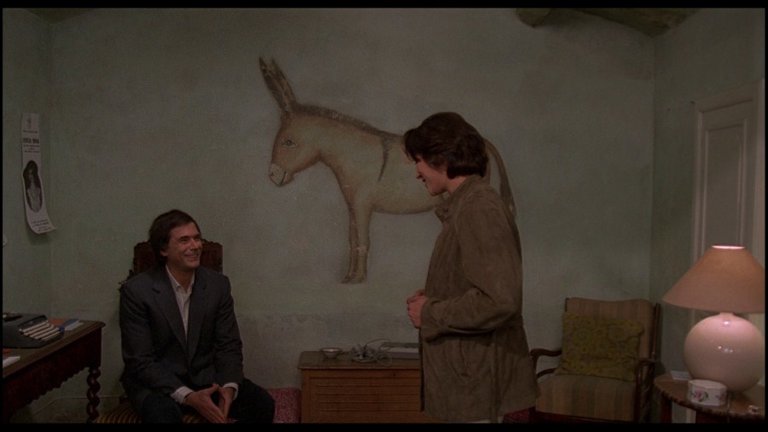
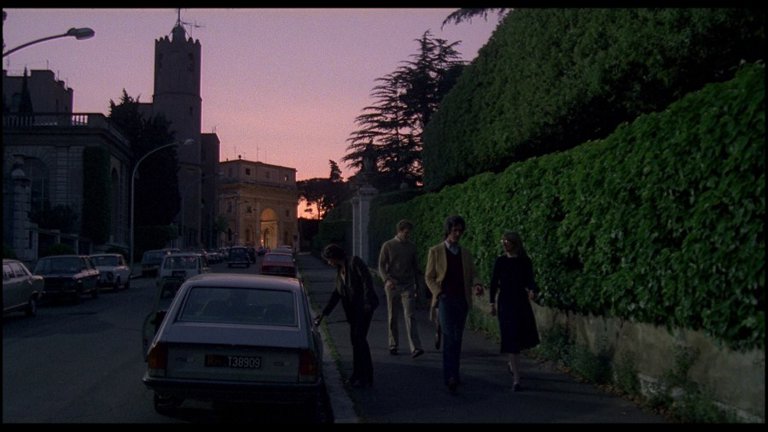
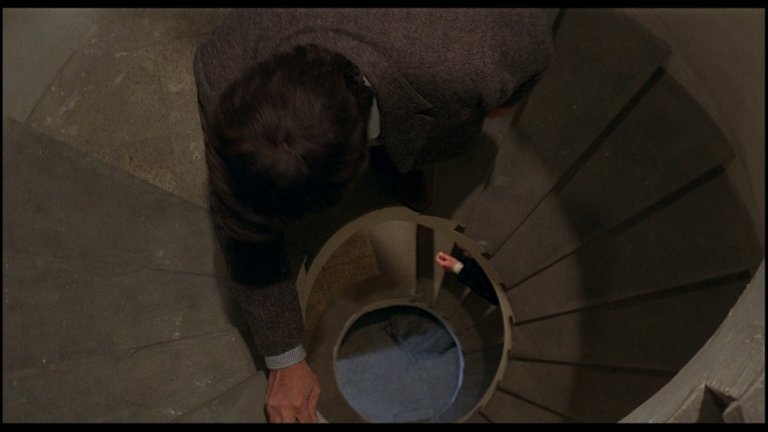
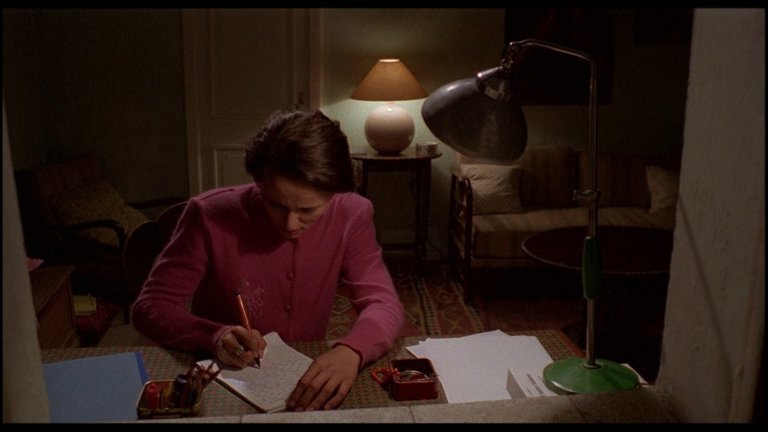
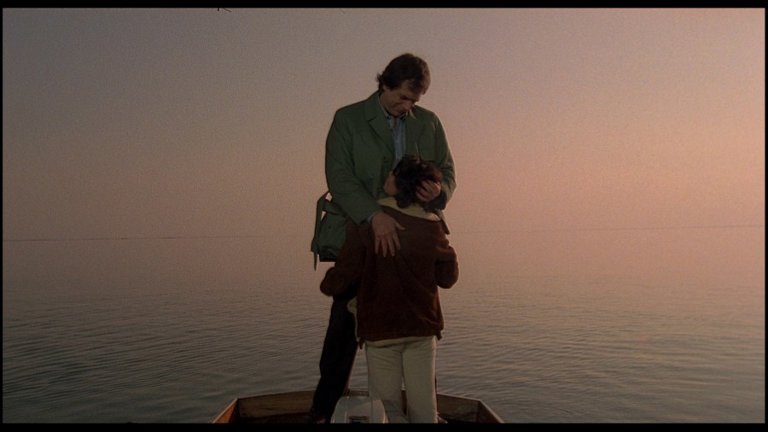
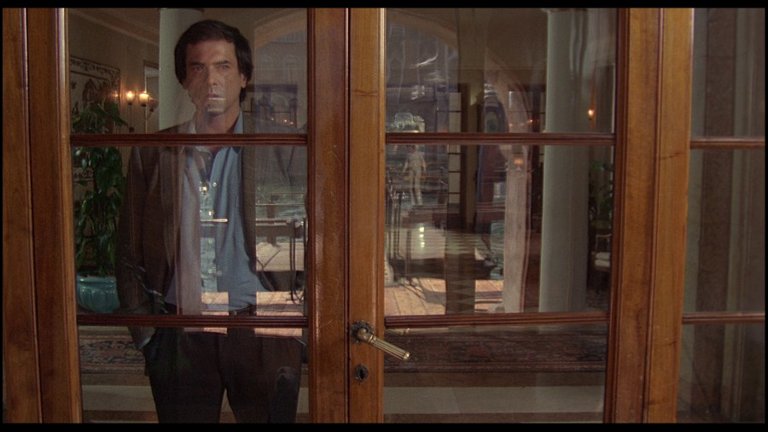
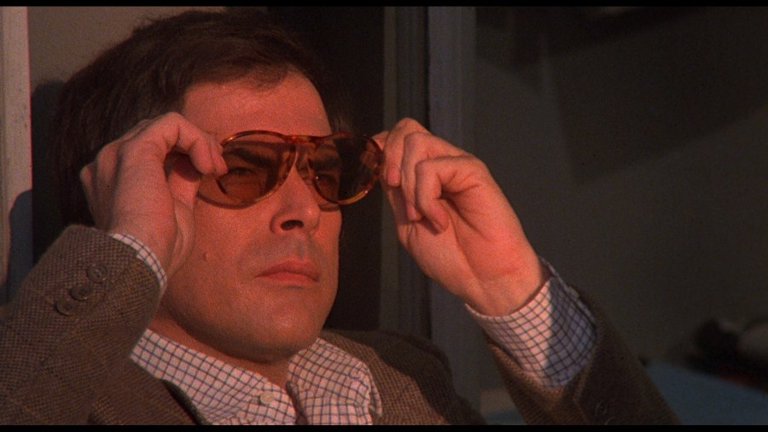
Identification of a Woman - Screen Captures
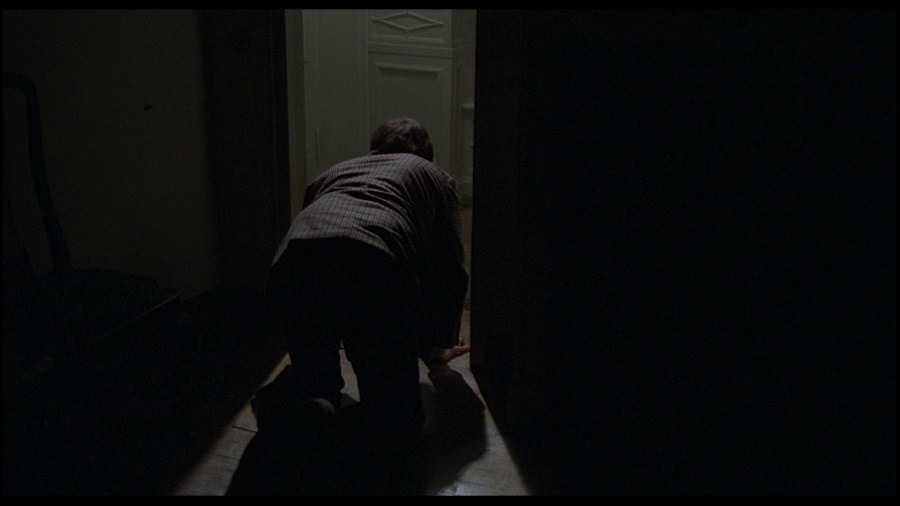
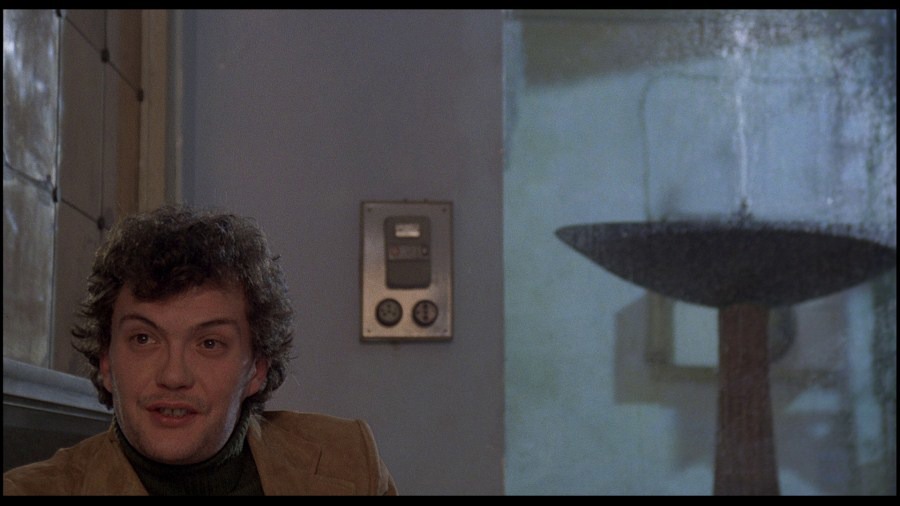
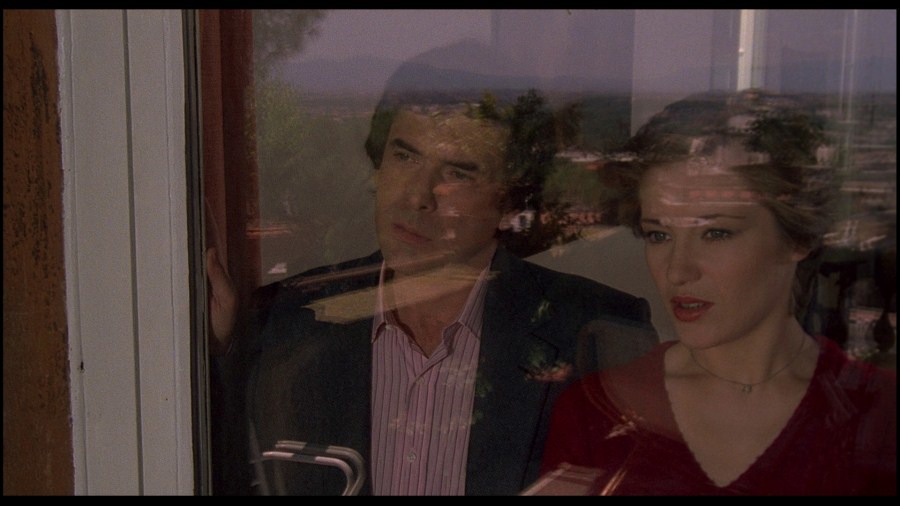
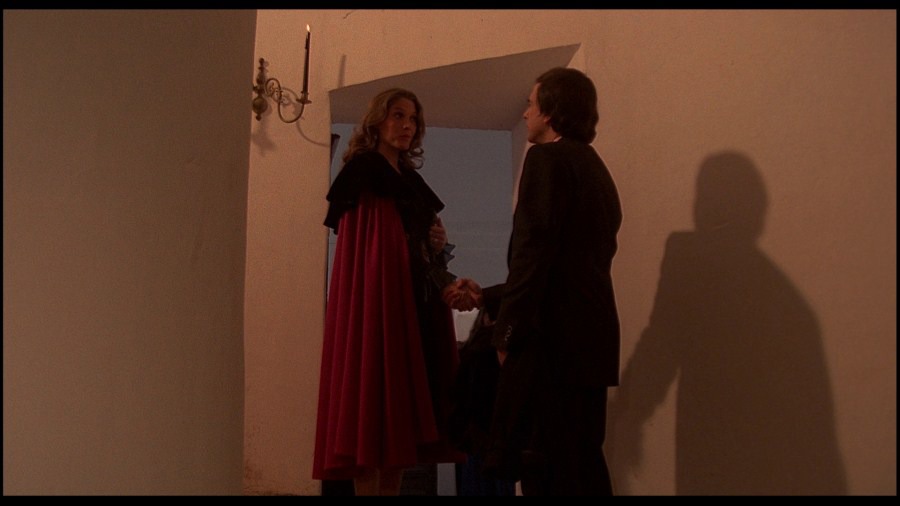
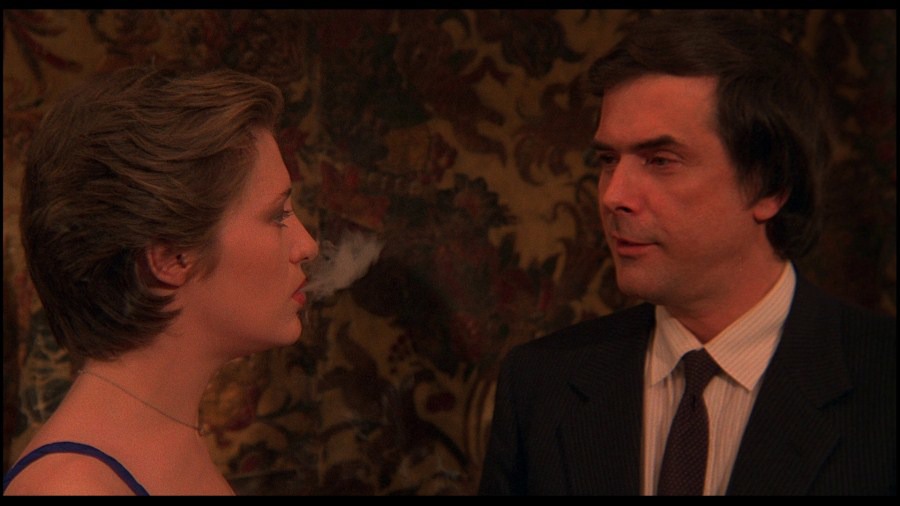
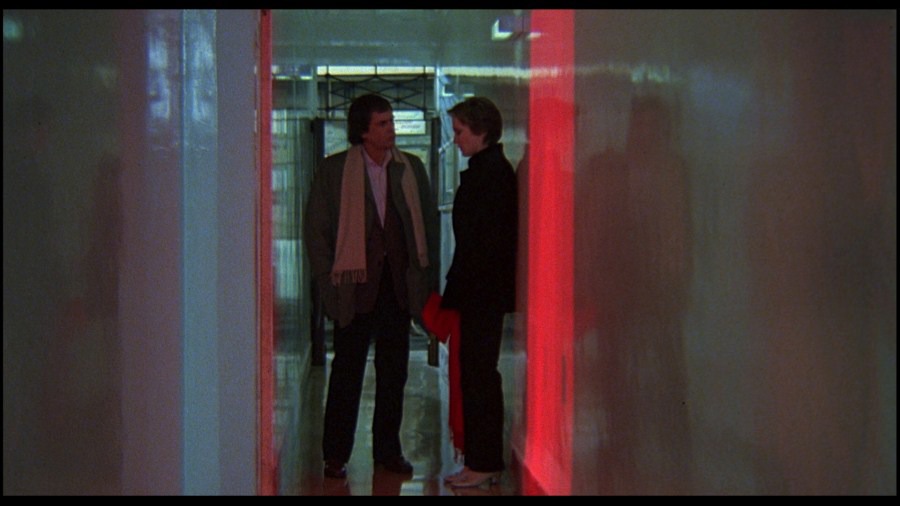
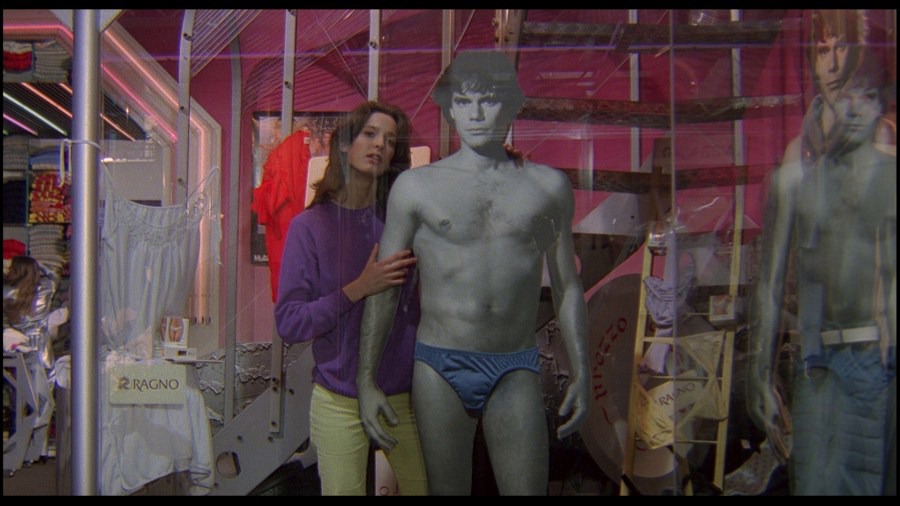
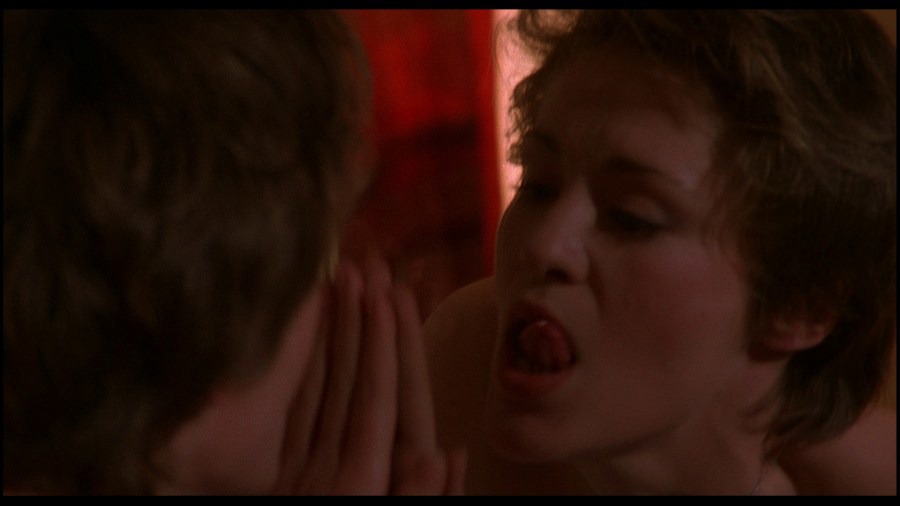
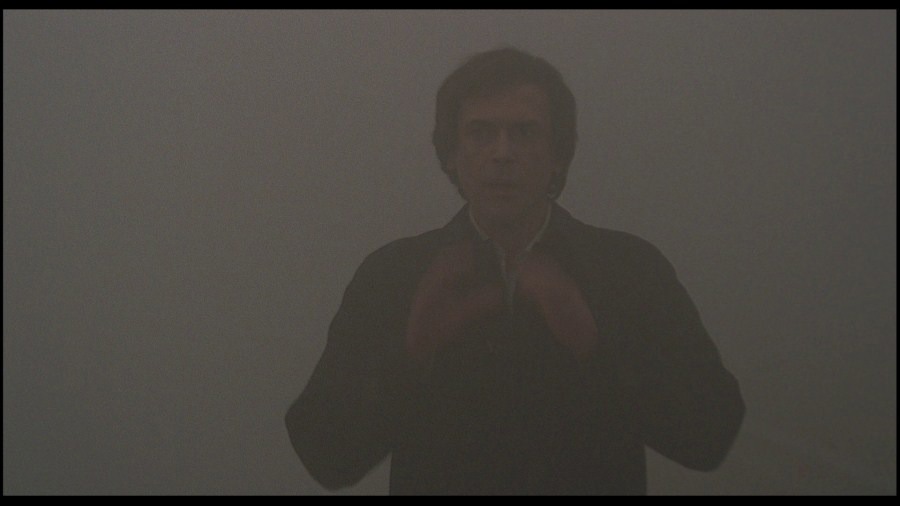
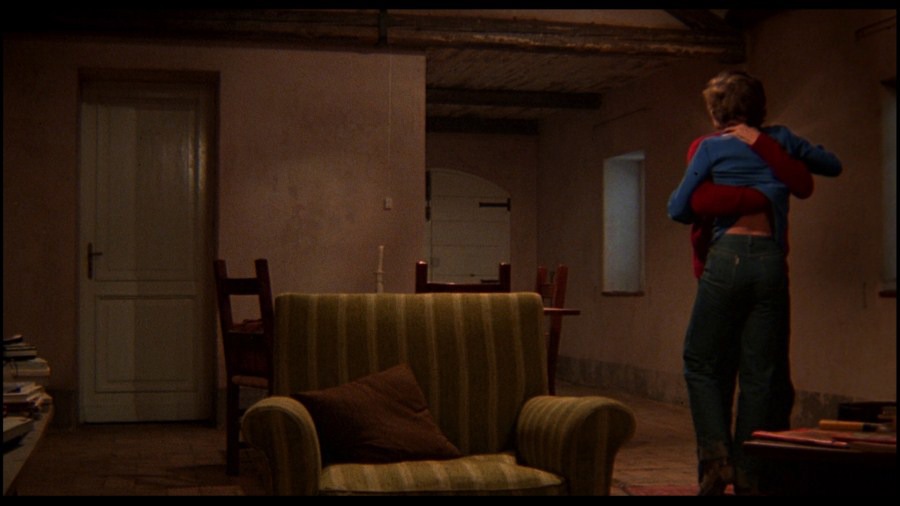
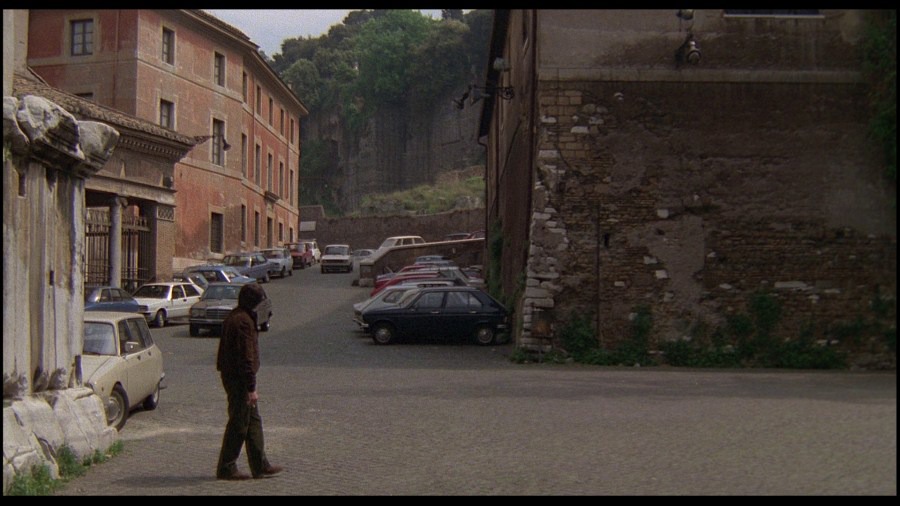
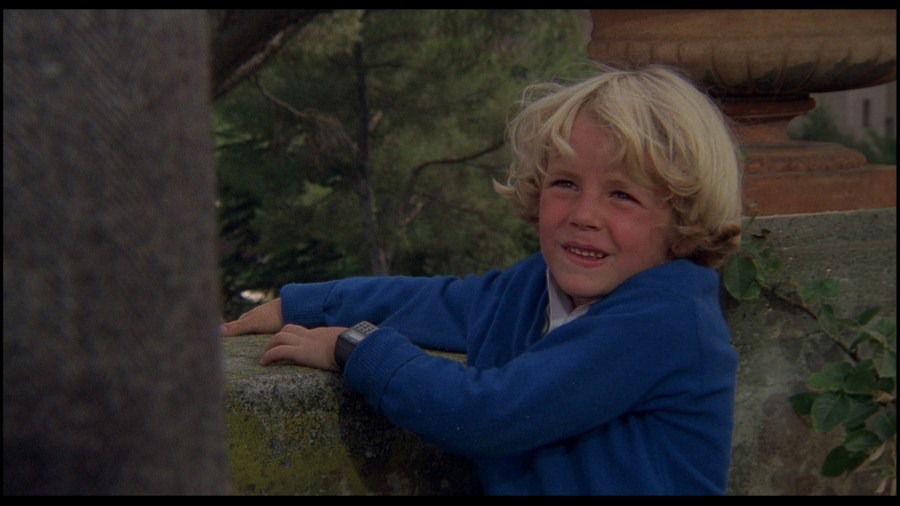
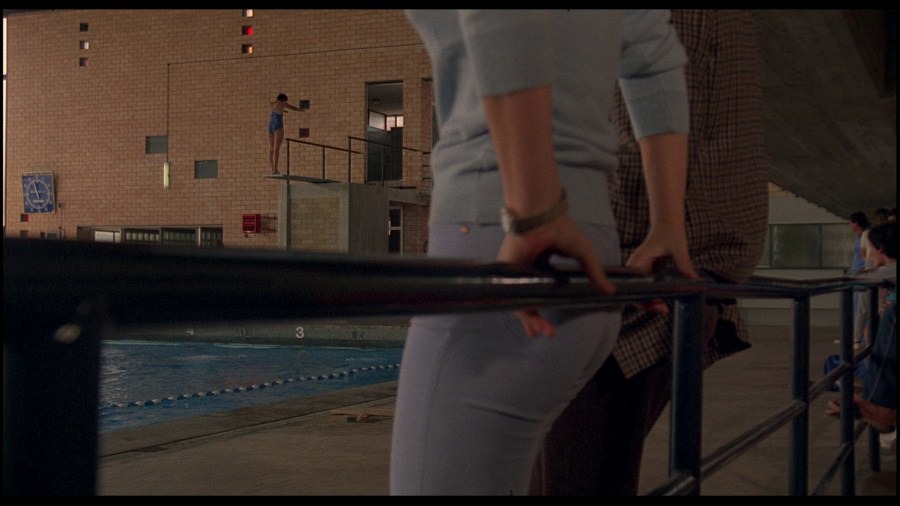
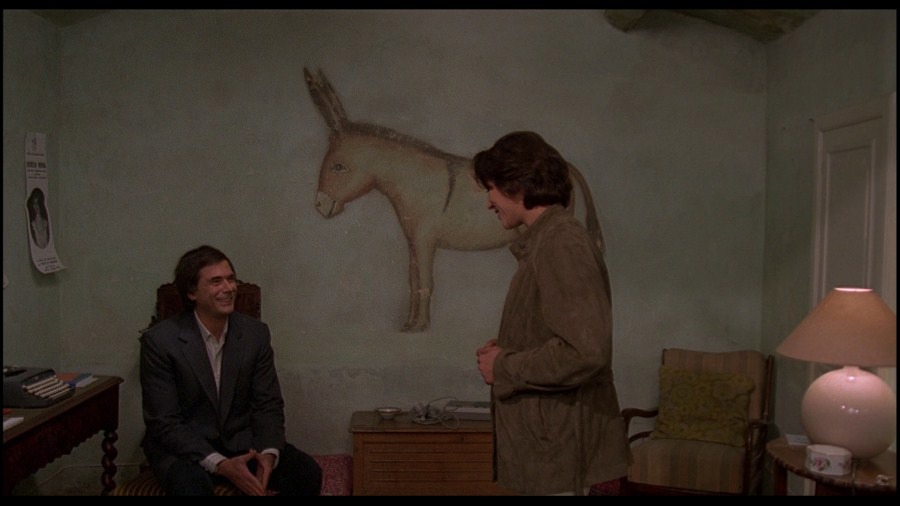
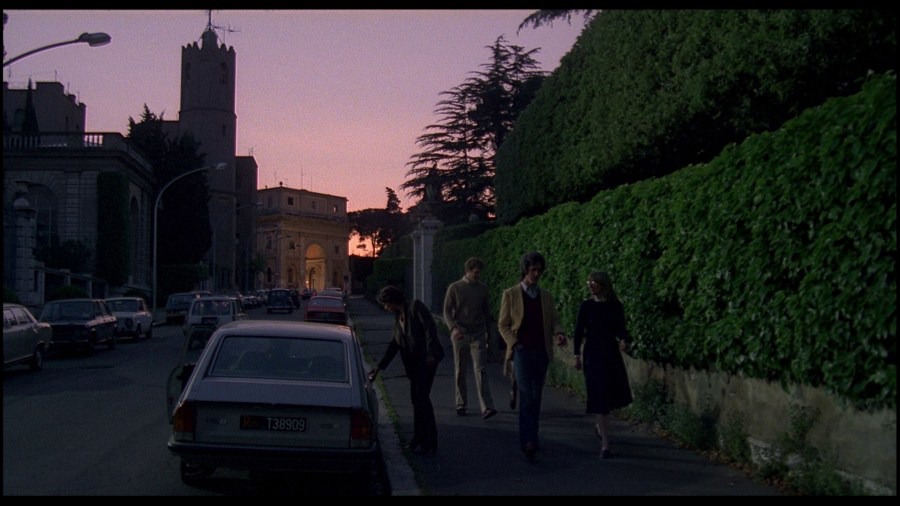
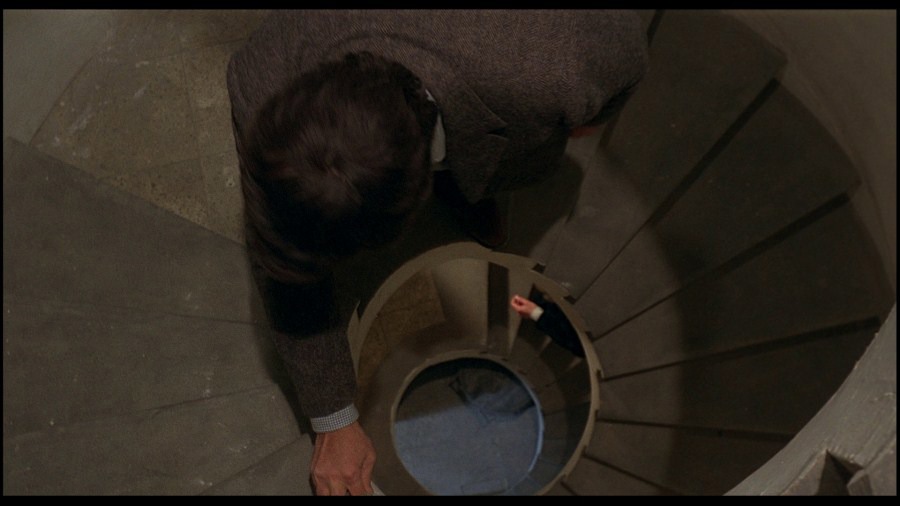
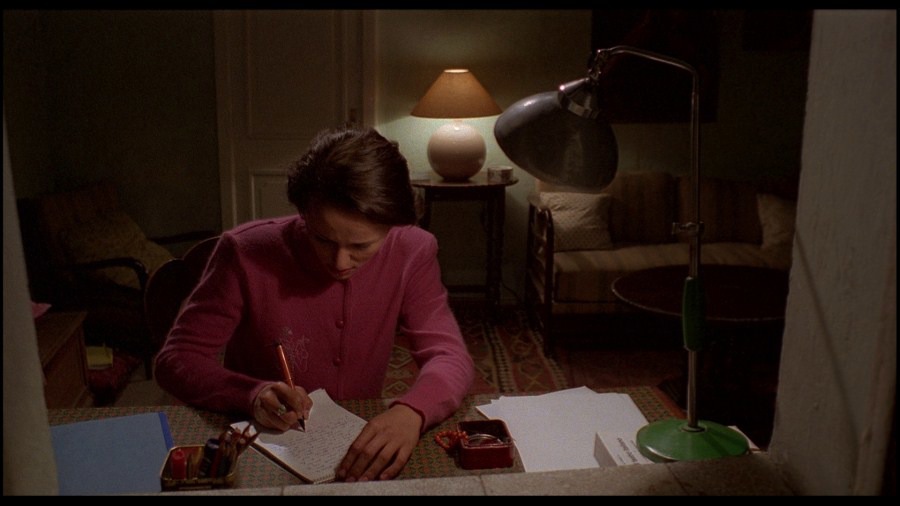
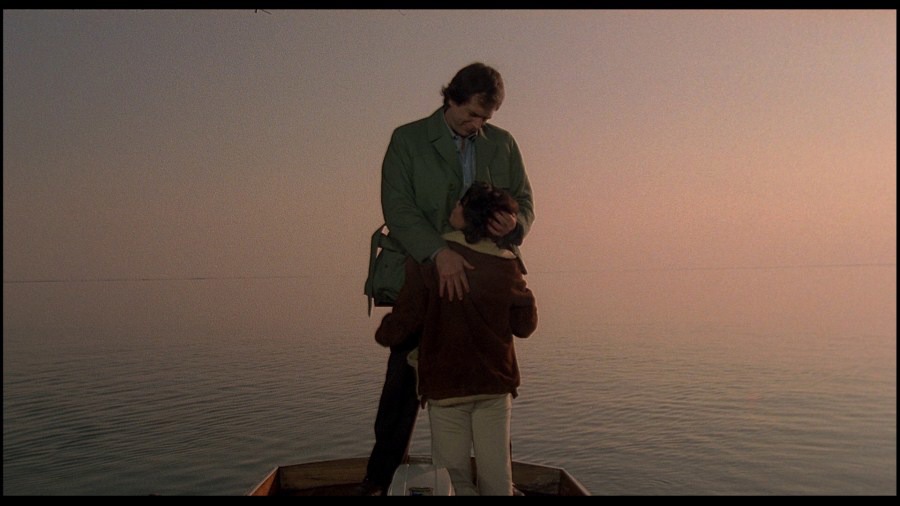
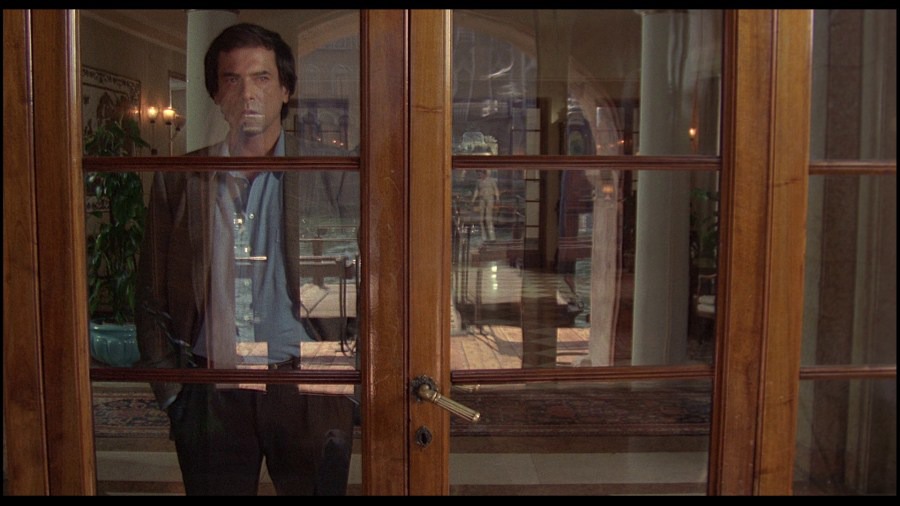
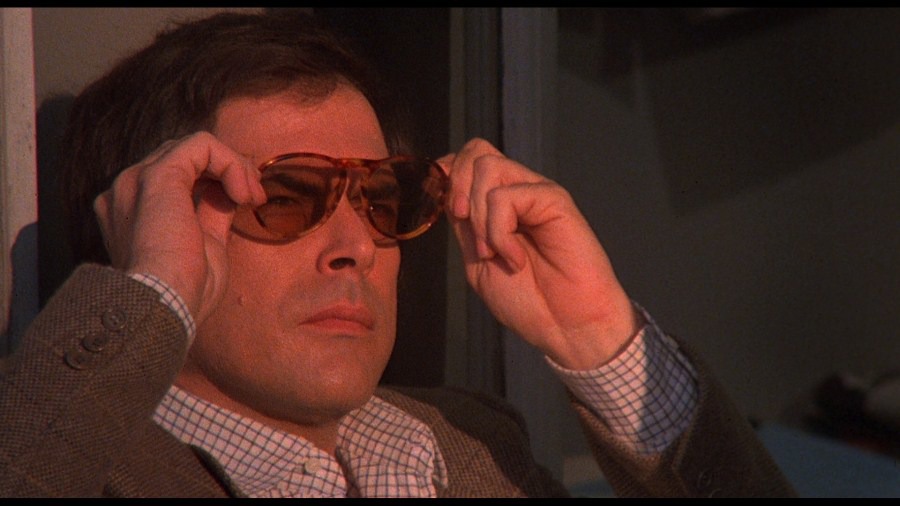
Audio 6/10
The lossless Italian linear PCM mono track does all that it can. It’s a little hollow and lacks any real punch but dialogue sounds clear as do the sound effects and the awful 80’s Euro-pop that appears from time to time. In the end it’s flat and a little lifeless but it’ll do.
Extras 2/10
Almost shockingly since, other than The Makioka Sisters, Criterion has been pretty consistent with supplements the last few years, there is nothing but a theatrical trailer on the disc. The booklet at least proves a little fascinating, starting with an essay by John Powers that acts more like a defense of the film in places, followed by a reprint of an interesting 1982 interview with Antonioni where he talks about the film, its possible presentation of modern “love”, and some technical elements.
The booklet is at least strong and worth reading but the lack of much else is a real disappointment (I actually would have welcomed a commentary of some sort for the film.)
Closing
I’m a little surprised at the overall lackluster edition that Criterion has given the film. I know the film is considered middling (at best) Antonioni, which is one reason why it’s one I’ve never bothered with before now, but I think it deserves a little better than this. The characters are pretty cookie-cutter here but I think his examination on “modern” relationships and living is still engaging and he still delivers some wonderful looking compositions, the fog sequence probably being the centerpiece even if he made a better use of fog in Red Desert. Still there's actually a lot to like about the film and it deserves more of an examination.
But having said that Criterion at least delivers a solid video presentation and have also priced the Blu-ray at a cheaper price point, making it worthwhile for those looking to own the best looking version of the film.
BUY AT: