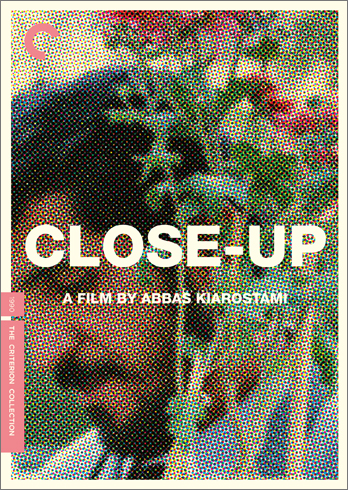
Close-up
BUY AT:


See more details, packaging, or compare
Synopsis
Internationally revered Iranian filmmaker Abbas Kiarostami has created some of the most inventive and transcendent cinema of the past thirty years, and Close-up is his most radical, brilliant work. This fiction-documentary hybrid uses a sensational real-life event—the arrest of a young man on charges that he fraudulently impersonated the well-known filmmaker Mohsen Makhmalbaf—as the basis for a stunning, multilayered investigation into movies, identity, artistic creation, and existence, in which the real people from the case play themselves. With its universal themes and fascinating narrative knots, Close-up has resonated with viewers around the world.
Picture 7/10
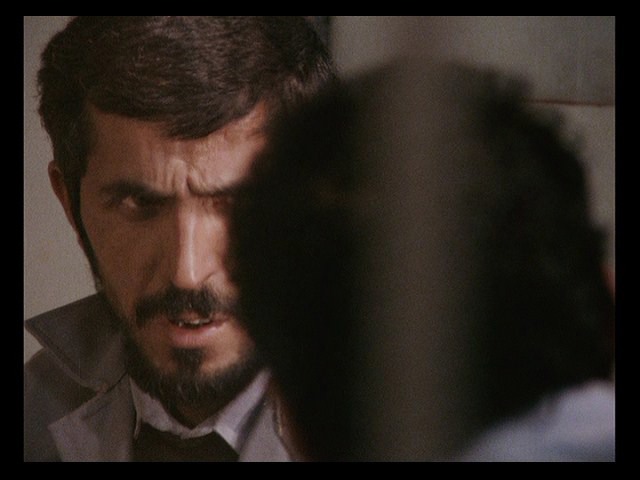
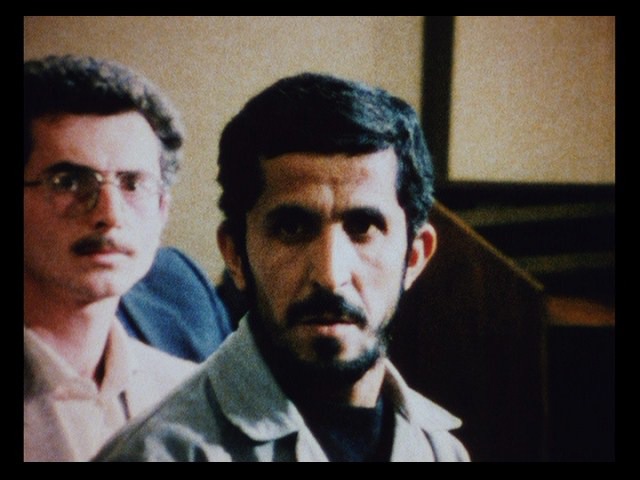
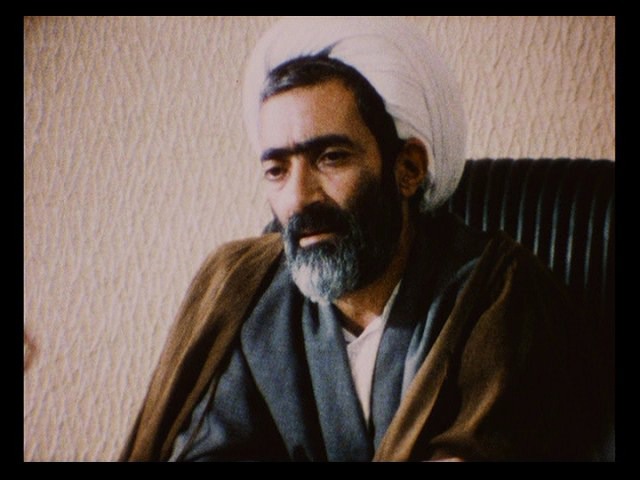
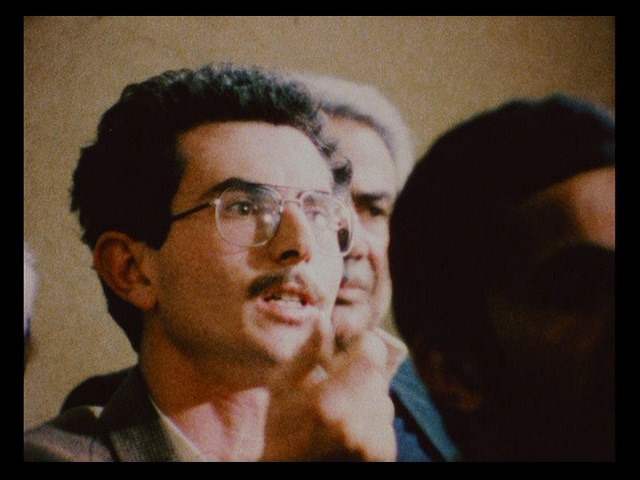
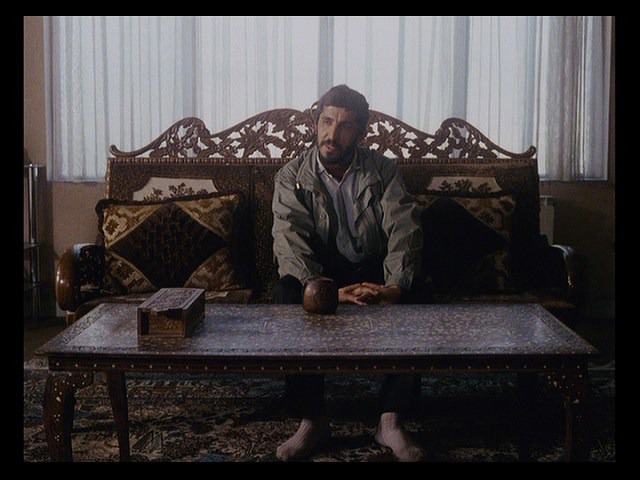
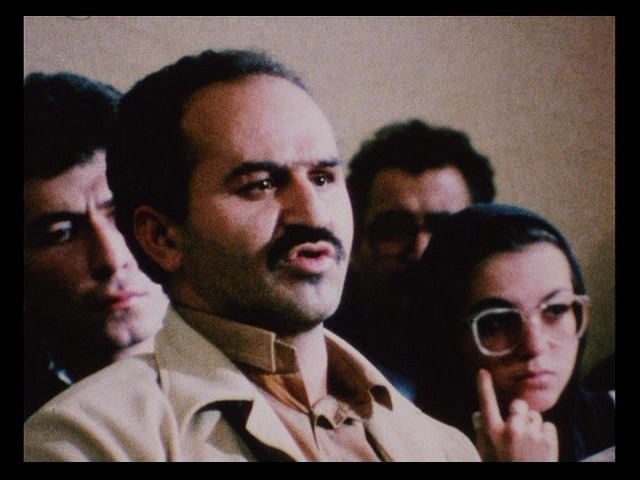
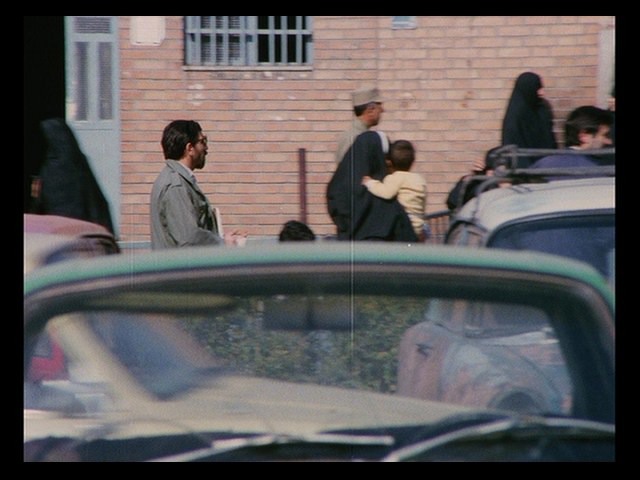
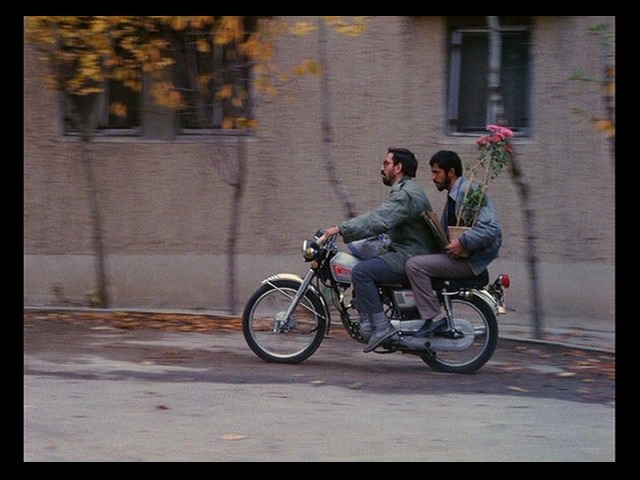
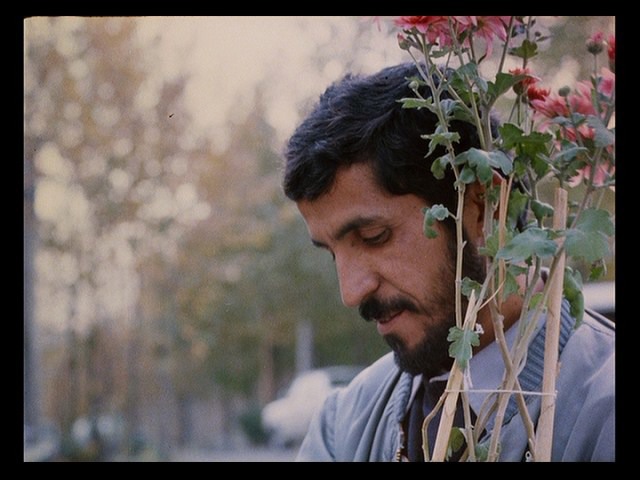
The Criterion Collection presents Abbas Kiarostami’s 1990 film Close-Up in its original aspect ratio of 1.33:1 on the first dual-layer disc of this two-disc set. The picture has been window-boxed.
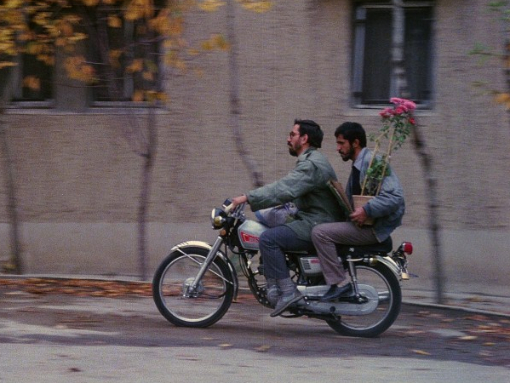
Similar to the Blu-ray edition the image found on the DVD is held back because of the source materials. The film, which follows the actual case of a man who posed as Iranian director Mohsen Makhmalbaf, is a mix of actual footage from the trial and reenactments by the actual participants. The film jumps from 35mm to 16mm throughout, and the quality does deteriorate drastically when it moves to the smaller film stock. The 35mm sequences present fairly sharp and crisp looking images where the 16mm sequences look incredibly fuzzy and grainy with very little definition. The print still contains damage, which includes marks and plenty of vertical scratches, though amusingly enough the damage isn’t as noticeable here when compared to the Blu-ray. Colours look okay but look a little more yellowish than what is present on the Blu-ray.
Yet while the source materials may be rough the digital transfer itself still looks rather good, presenting no issues worth noting. It remains fairly crisp and clean itself, and still manages to look fairly good upscaled.
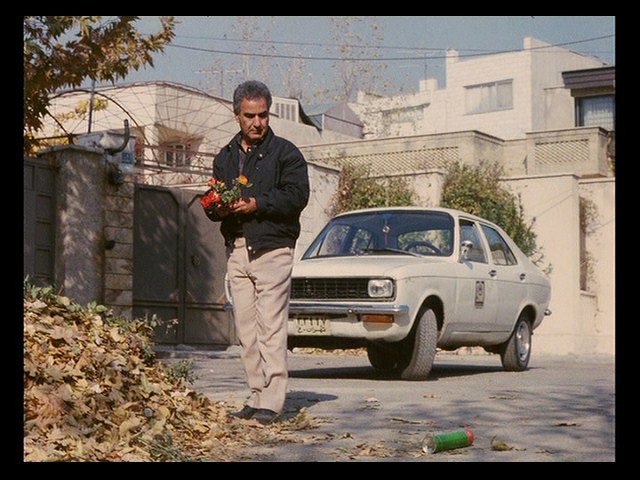
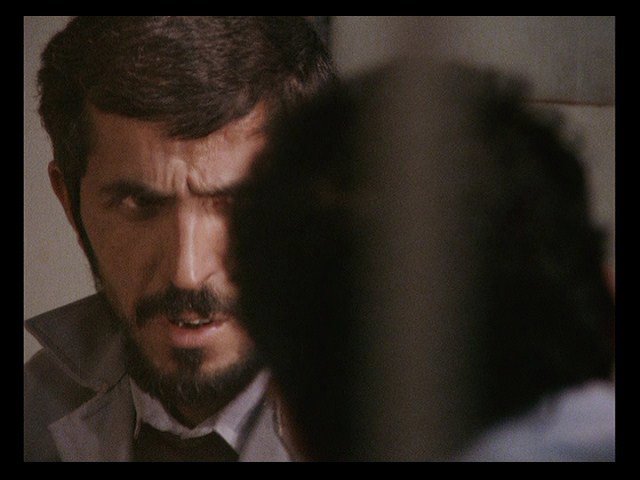
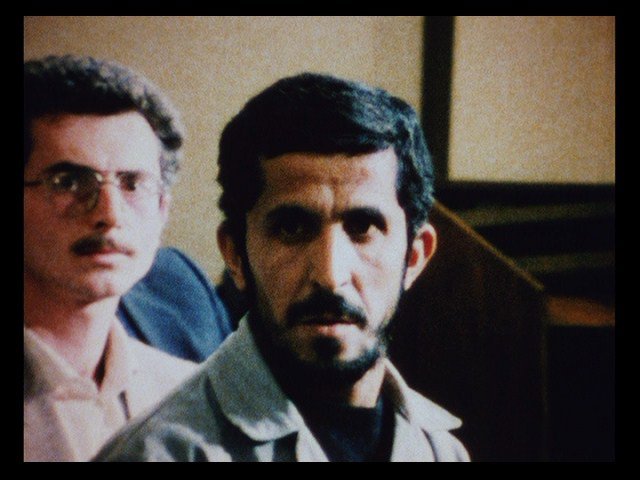
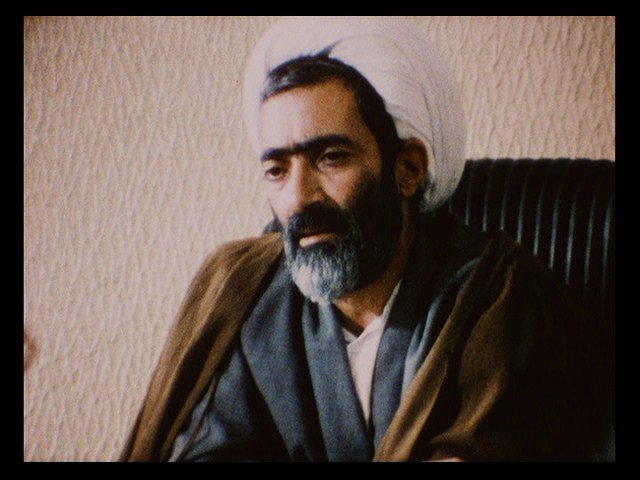
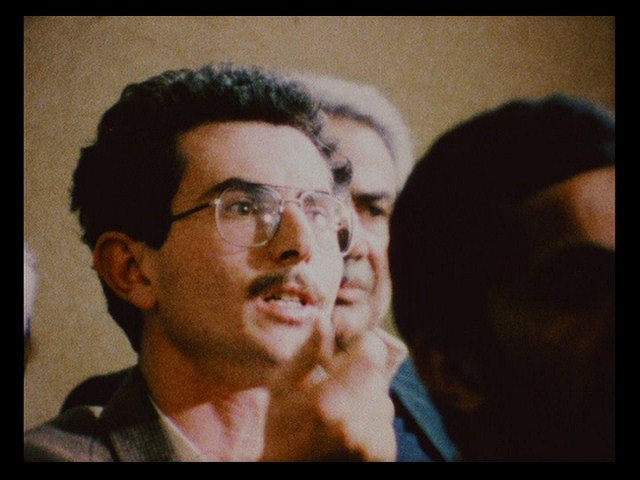
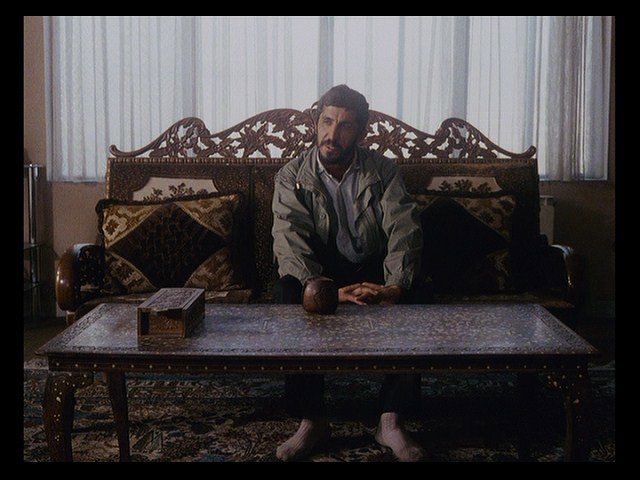
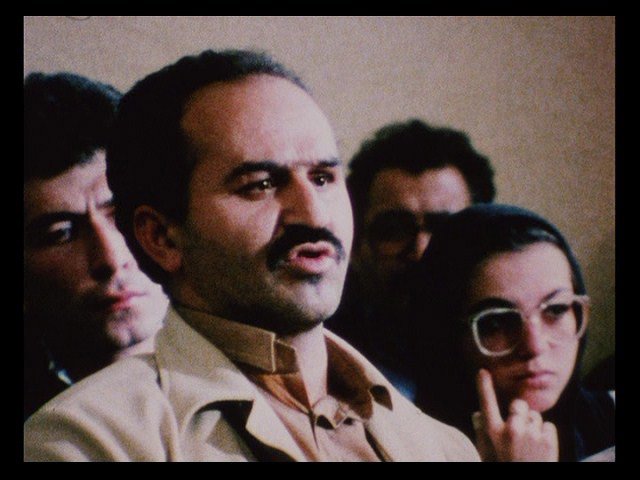
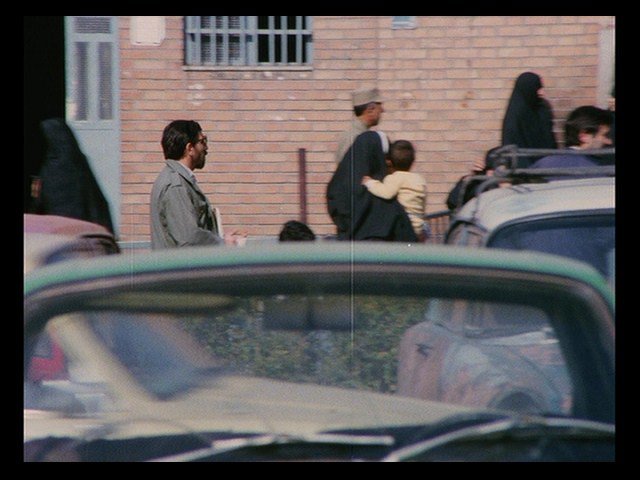
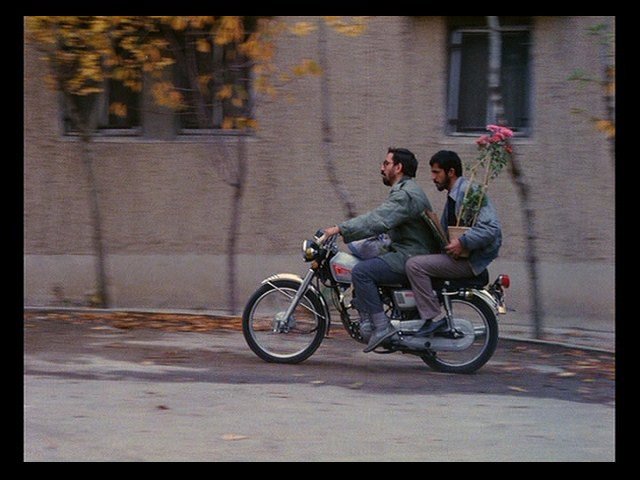
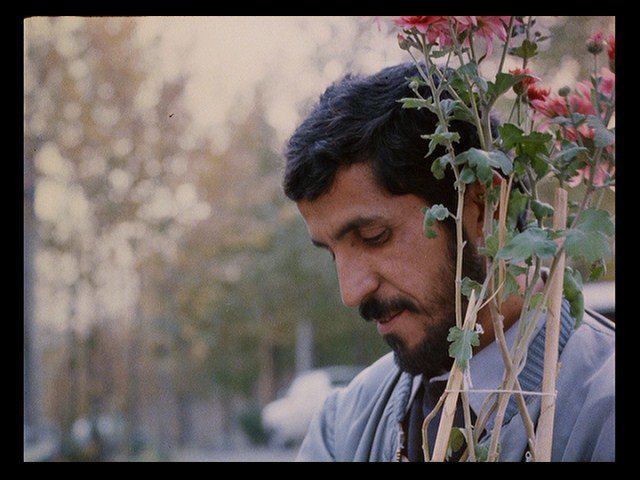
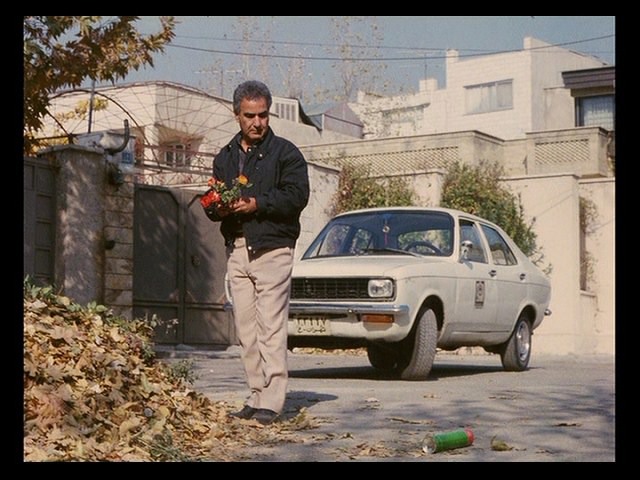
Close-up - Screen Captures
Audio 5/10
The Dolby Digital 1.0 mono track doesn’t sound great, limited by the source materials and the equipment used to record the audio. Voices sound very harsh and distorted, almost machine like at moments, and music during the final sequence suffers from the same problems. Audio drops during the last sequence as well, though this is all purposefully done, Kiarostami explaining this decision in the supplements. In all it sounds terrible but I’m sure Criterion did everything they could and I doubt it will ever sound much better than this, the lossless track on the Blu-ray presenting no discernable difference.
Extras 10/10
In the supplement department this is one of the more satisfying releases from Criterion. The supplements have been split out over the two discs.
The first disc presents an audio commentary by film critic Jonathan Rosenbaum and filmmaker Mehrnaz Saeed-Vafa. Though I guess it was maybe a little lighter than I would have expected it’s a surprisingly breezy track to get through. The two offer their own analysis and interpretations of the film, and also offer their insights into Kiarostami’s body of work. Mehrnaz gets into the politics of Iran during the time, including the state of filmmaking before and after the revolution such as the many limitations she and others faced. There’s talk about the different classes in Iran, the people in general, and both of the commentators comment on the case itself and the people involved, as well as point out Kirostami’s influences over them. As a whole it’s a fascinating track, very informative, and actually entertaining, something I must admit was a surprise itself.
The next feature is possibly the best one, though honestly all of the features on here are great so it’s somewhat hard to rank them. Criterion has included Kiarostami’s first feature film, The Traveler, made in 1974 and running 73-minutes. At its simplest the film tells the story of a disobedient and, well, rather awful young boy who decides to raise money to travel to Tehran to see a football/soccer game, this pastime and obsession of his causing problems at school, at home, and ultimately with his peers. It’s a rather good film (and deserves its own edition,) surprisingly brisk as well, but its inclusion may seem a little odd at first. But its purpose is more than just to present Kiarostami’s first film as it does relate to Close-Up in a number of ways. Other than the music appearing in Close-Up, its principal, Hossein Sabzian (who posed as Iranian director Mohsen Makhmalbaf,) compares himself to the young protagonist in The Traveler while making a statement in court. Kiarostami apparently scripted some of Sabzian’s lines (if not all of them) so I do wonder if this bit was added in by the director as well, who may have seen him as the same type of person, whereas the young protagonist in this film gets into trouble because of his passion for the sport, Sabzian gets into trouble because of his passion for film. In that regard it makes a great double-feature and is a fantastic inclusion on Criterion’s part.
The remaining supplements are then found on the second dual-layer DVD.
Close Up Long Shot is another sharp inclusion, a 1996 documentary about Hossein Sabzian. Running 44-minutes it’s actually a somewhat distressing update on the man, counteracting Close-Up’s somewhat hopeful presentation of a dreamer. Whereas Sabzian’s love of cinema comes off as a beautiful thing in the main feature, here it’s presented as a devastating obsession, pretty much destroying the man. Though intelligent, Sabzian’s obsession has consumed him so much he puts everything else around him at a distance, including his family (which he did lose, as mentioned in the main feature) and his job. Many interviews present people explaining how Sabzian is a good man overall, but he lives in his own fantasy world, one man even coming right out and telling him he’s untrustworthy since he keeps telling lies to everyone around him because of his fantasies. A co-worker, who used to work under Sabzian but is now his boss explains how Sabzian’s love of film hurt his career in the long run. The most depressing aspect, though, is when we get interviews with Sabzian in his small apartment where he has only a few belongings, including two books: The Qur’an and a book on shooting in Super 8. These segments are beyond depressing and present, again, an intelligent man, but also one that is unstable and incredibly unhappy. He blames film for where he is in life, but at the same time he still loves it, to an unnatural degree. Kiarostami apparently saw this documentary and was upset by it and it’s easy to see why. It’s not an easy view but it’s worth watching after the film, especially for moments where Sabzian, and others, talk about the film, which as suspected was fabricated in many parts, even the courts.
Next is a 27-minute interview with Abbas Kiarostami recorded exclusively for this release. He talks about sequences in the film, making fun of people’s reading of the opening with the can rolling down the hill, and how he was able to get his camera into the courtroom, which he states is surprisingly easy in Iran, where it would be difficult in most other places. It’s obvious he had a lot of sway on the outcome, though he doesn’t get into much detail here. He mentions Sabzian, and running into him again, the man having not changed one bit. Despite being a frustrating man to work with on Close-Up Kiarostami did have plans to make another film with him (it sounds like it was to be a follow-up/sequel) but just before shooting began Sabzian went into a coma after an asthma attack and died shortly thereafter. One of the more interesting aspects to the interview was probably his working with director Mohsen Makhmalbaf, who Sabzian impersonated for a few days. You can detect some frustration in this portion of the interview, specifically when Kiarostami talks about the ending. SPOILER FOLLOWS: When Sabzian gets to meet Makhmalbaf, which is certainly emotional to Sabzian, the director seemed to be unaware of the emotional impact and just talked about inconsequential matters. Kiarostami was annoyed by this and decided to drop the audio in this portion of the film, which he admits probably worked out far better and made more of an impact. Another excellent inclusion and it’s fantastic that Criterion was able to get the director to participate on this release.
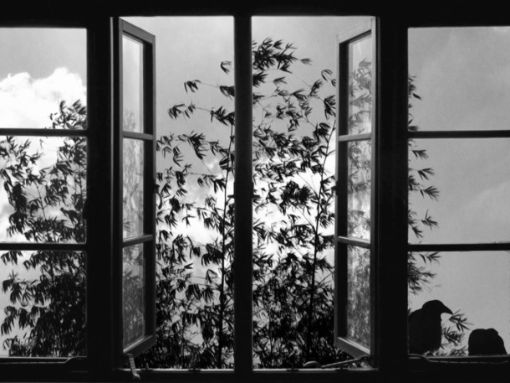
The final supplement on here is a 2002 documentary called A Walk with Kiarostami, filmed in Ireland over 2 days by Professor Jamsheed Akrami. It opens with the two on a ferry and then moves to them walking down a road on a rainy day, Kiarostami taking photographs of the landscape. It’s a fairly loose though informative piece, the director, who is walking ahead of Akrami and the cameraman, talking about photography, how he shoots, and what he looks for, as are his comments about working outside of Iran and how he isn’t concerned about success or failure (he feels his audience is too small to worry about such things.) He muses about philosophy, recalls poems, and answers questions Akrami throws at him. It’s a great, candid piece, but the most interesting aspects of it are Kiarostami explaining how he photographs and what’s beautiful to him. He’s also fairly funny, far more relaxed here than he was in the interview Criterion filmed for this release.
The release then closes with a slim booklet that includes an essay by Godfrey Cheshire, which is an excellent read, summarizing most everything else in the supplements, offering his own thoughts on the film, and giving more details about the case itself.
In all this is one of the most satisfying collection of supplements I’ve come across this year. While there may be more material out there, Criterion has managed to thoroughly cover the film and its subject matter, as well as give a deeper look into Kiarostami’s work (making up for the lack of material on their DVD for Taste of Cherry.)
Closing
The transfer looks about as good as it probably can on the format, primarily limited by the source materials. But the supplements make this release a winner. While I would still recommend the Blu-ray over this edition, the DVD is still an excellent release for those that haven’t moved to the high-def format yet. It comes with a high recommendation.
BUY AT: