BUY AT:


See more details, packaging, or compare
Synopsis
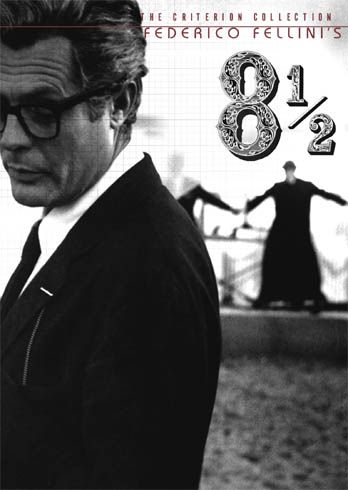
One of the greatest films about film ever made, Federico Fellini's 8½ (Otto e Mezzo) turns one man's artistic crisis into a grand epic of the cinema. Guido Anselmi (Marcello Mastroianni) is a director whose film-and life-is collapsing around him. An early working title for the film was La Bella Confusione (The Beautiful Confusion), and Fellini's masterpiece is exactly that: a shimmering dream, a circus, and a magic act. The Criterion Collection is proud to present the 1963 Academy Award&tm; winner for Best Foreign-Language Film-one of the most written about, talked about, and imitated movies of all time-in a beautifully restored new digital transfer. Disc two features Fellini's rarely seen first film for television, Fellini: A Director's Notebook (1969). Produced by Peter Goldfarb, this imagined documentary of Fellini is a kaleidoscope of unfinished projects, all of which provide a fascinating and candid window into the director's unique and creative process.
Picture 7/10
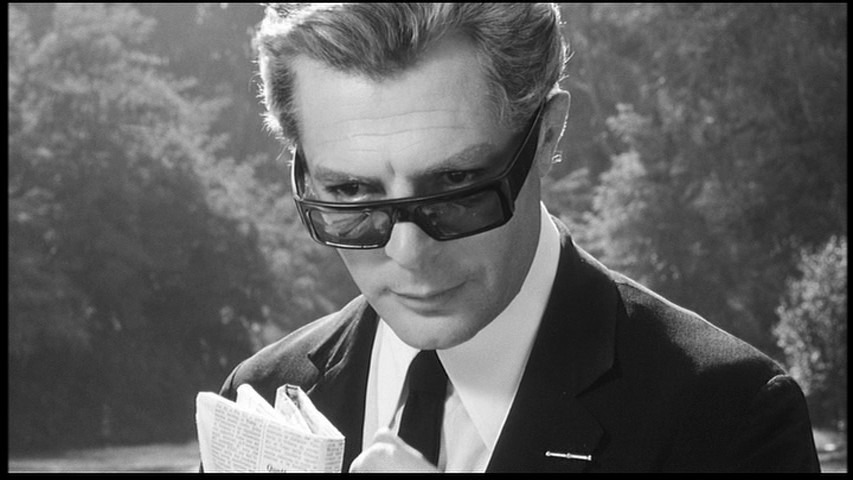
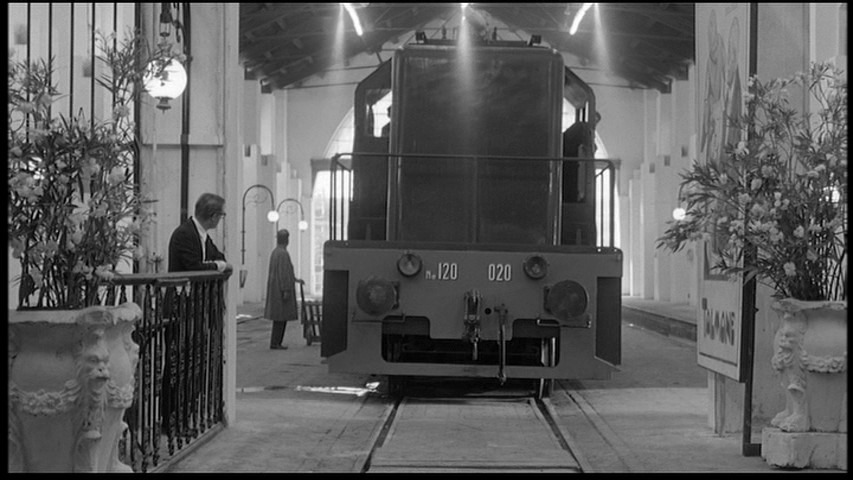
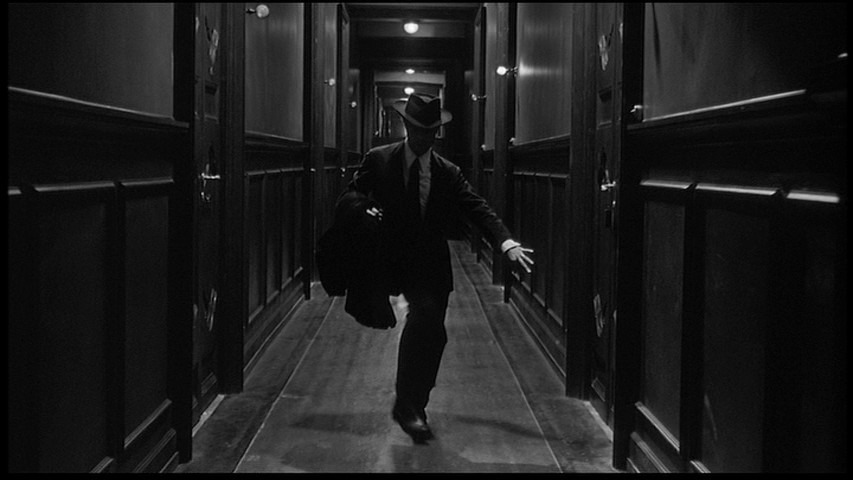
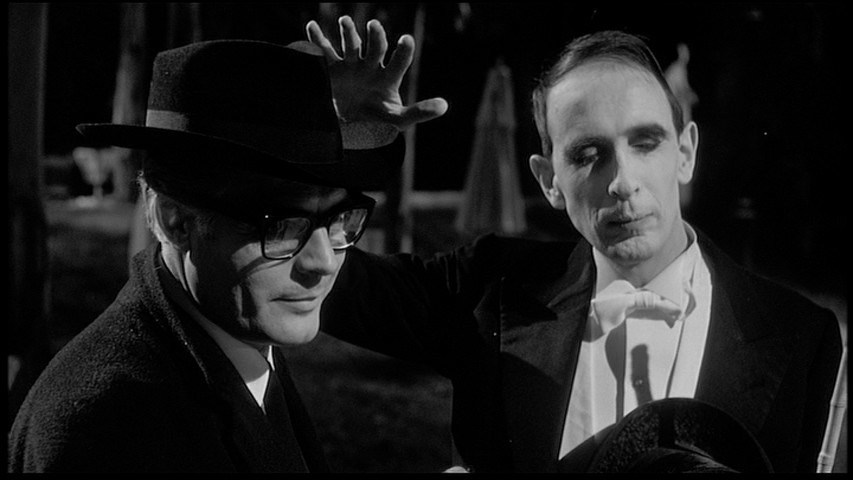
This rather stacked 2-disc special edition of 8 ½ is presented in the aspect ratio of about 1.78:1 on the first dual-layer disc. The image has been enhanced for widescreen televisions.
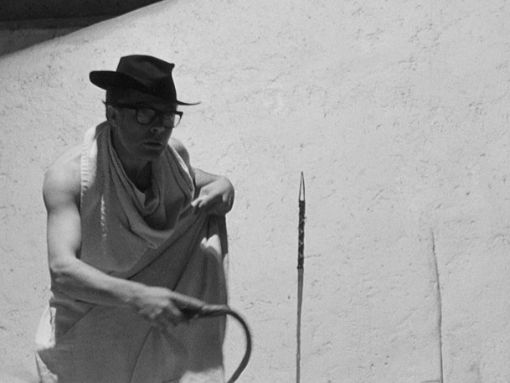
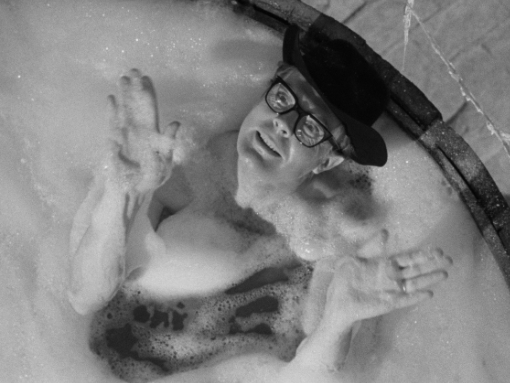
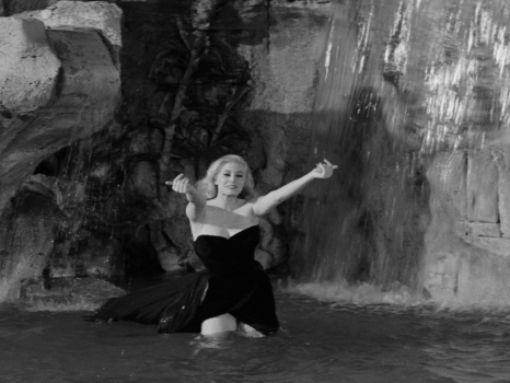
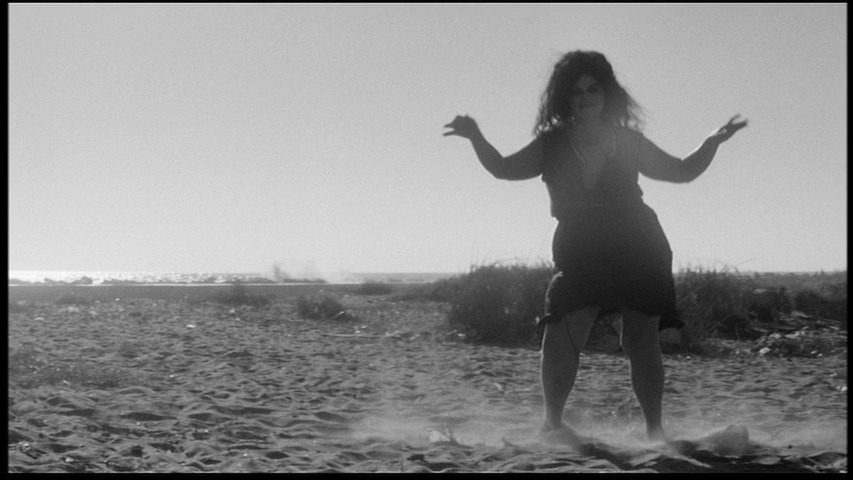
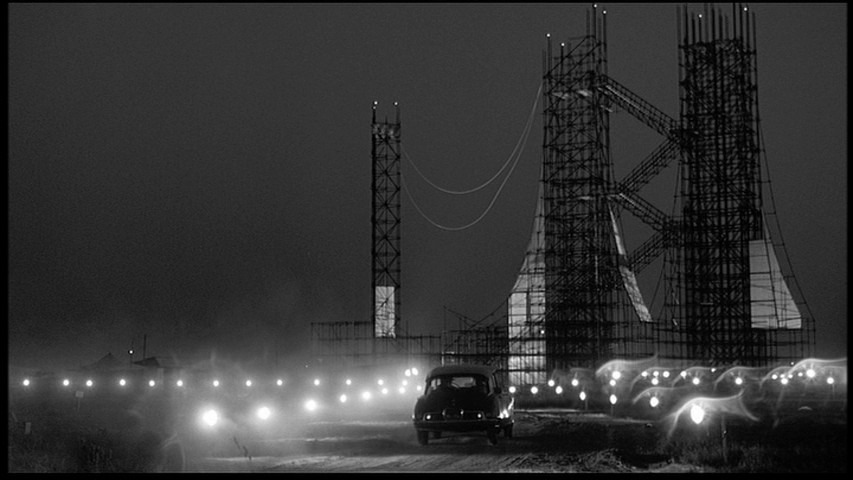
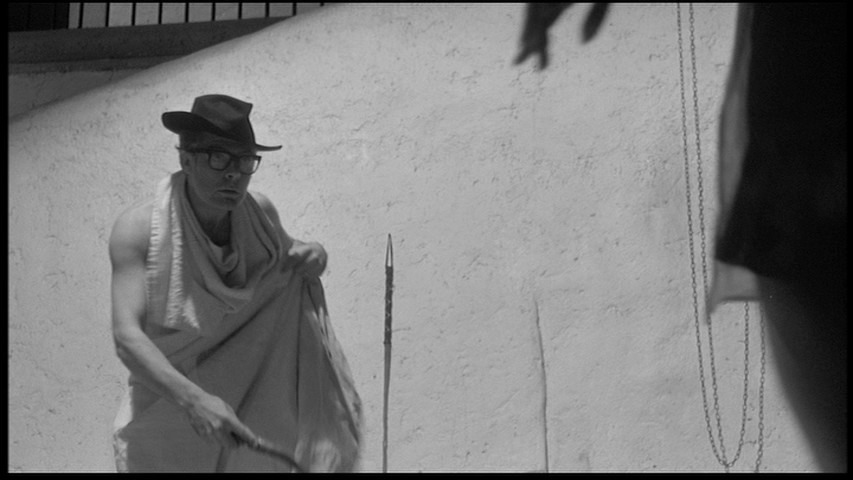
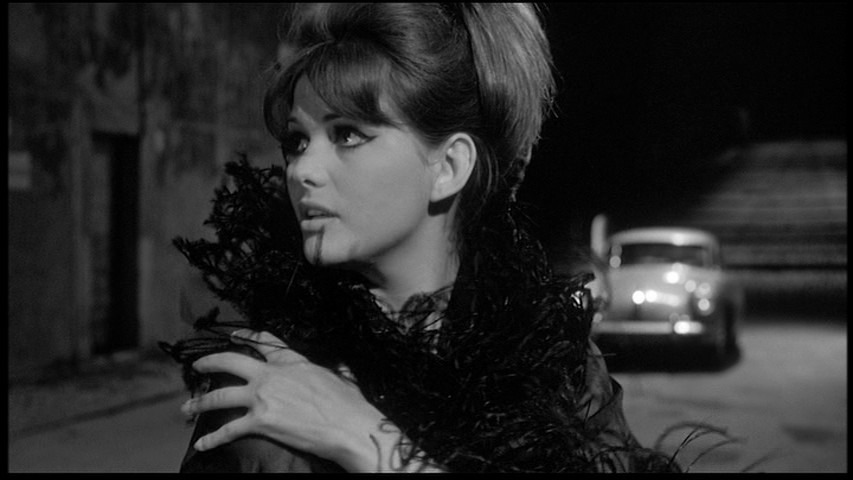
Up until Criterion’s recent Blu-ray release this DVD was the best I had seen the film. The image is pretty clean, almost completely free of damage. The image picture is sharp with a decent amount of detail through a good portion of the film, though it can look a little soft around the edges at time. There is some mild edge-enhancement at times but I didn’t notice any other artifacts. Black levels are decent, though not as deep as I would have liked.
While the new Blu-ray offers a strong improvement the DVD is still rather good, better than previous home video incarnations.
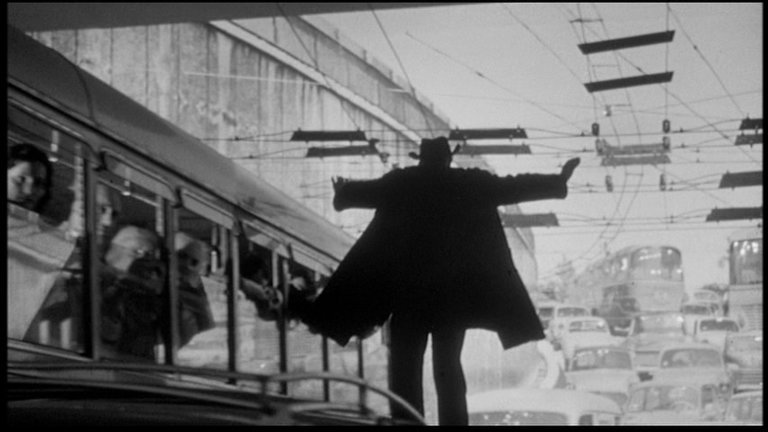
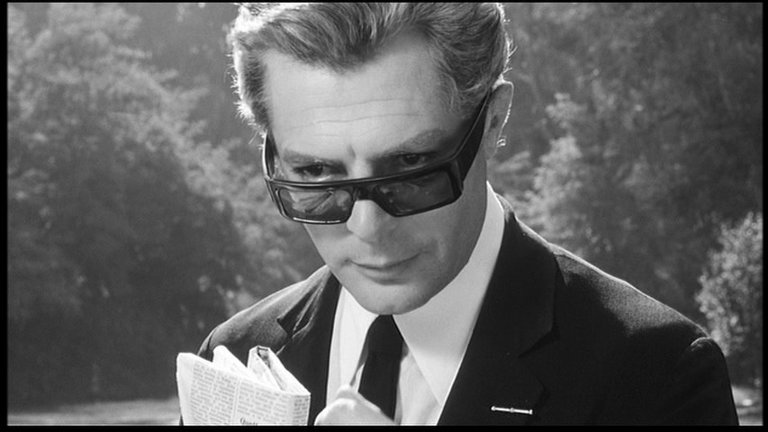
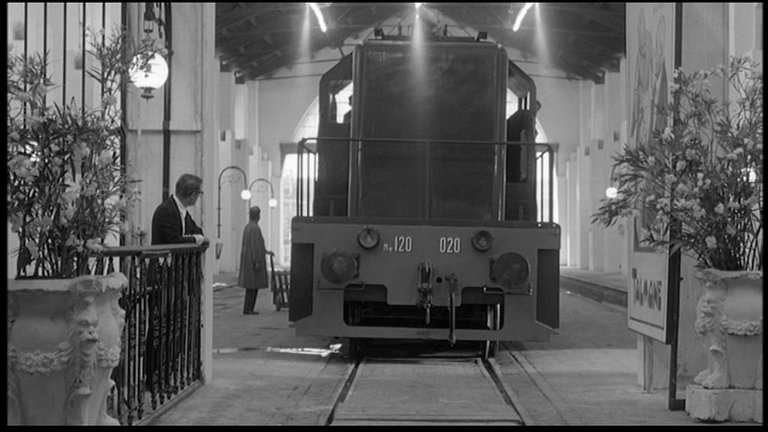
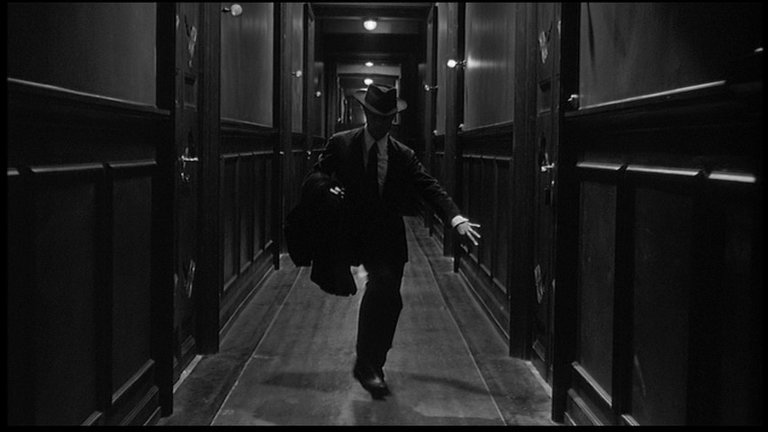
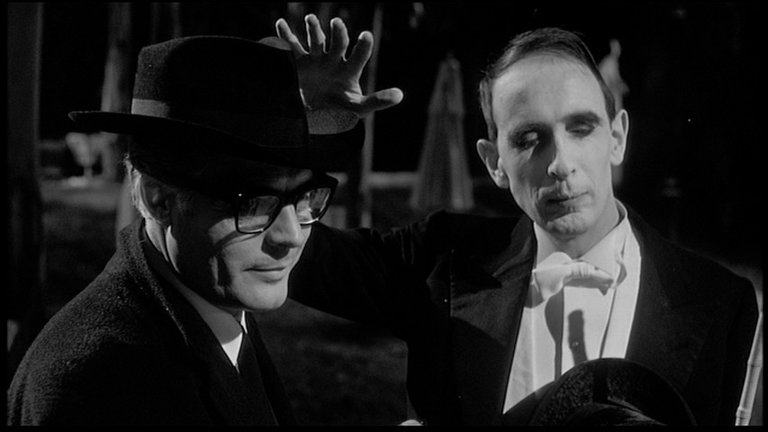
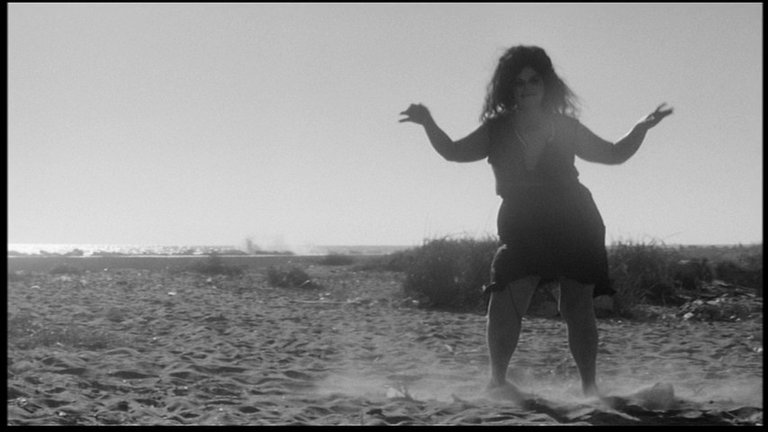
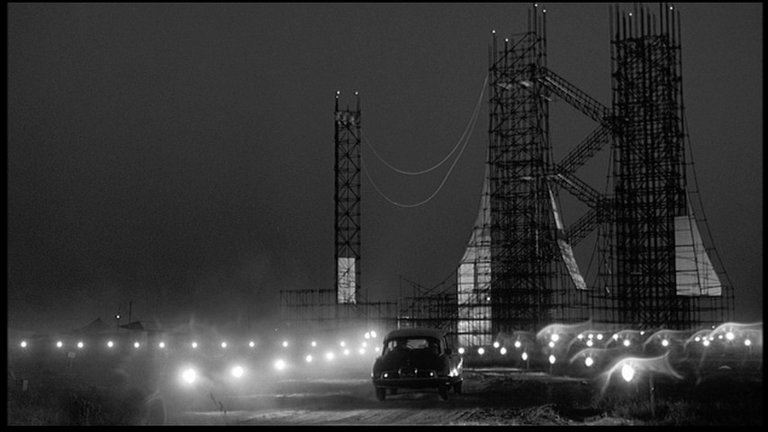
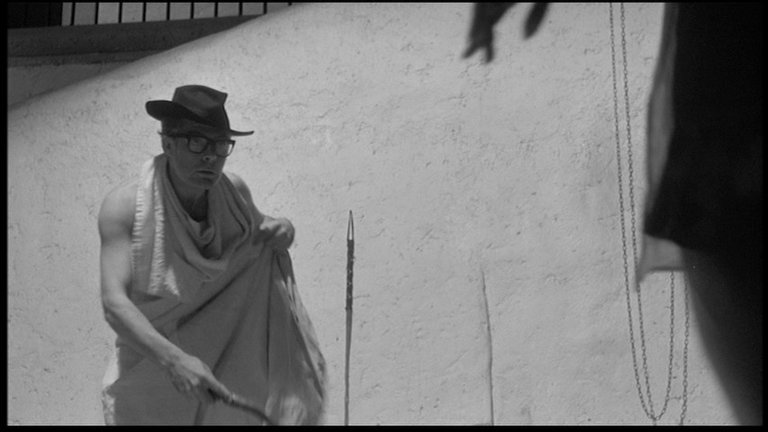
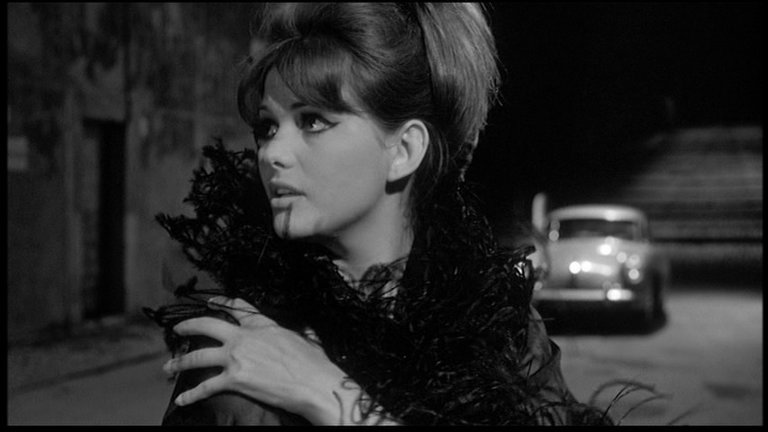
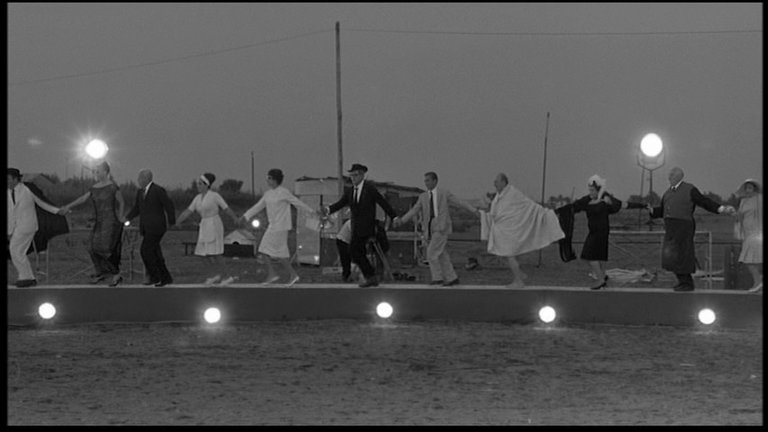
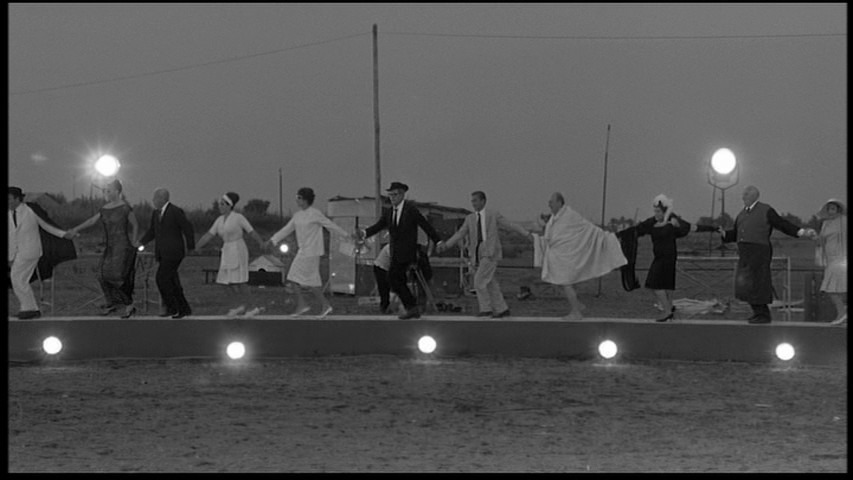
8½ - Screen Captures
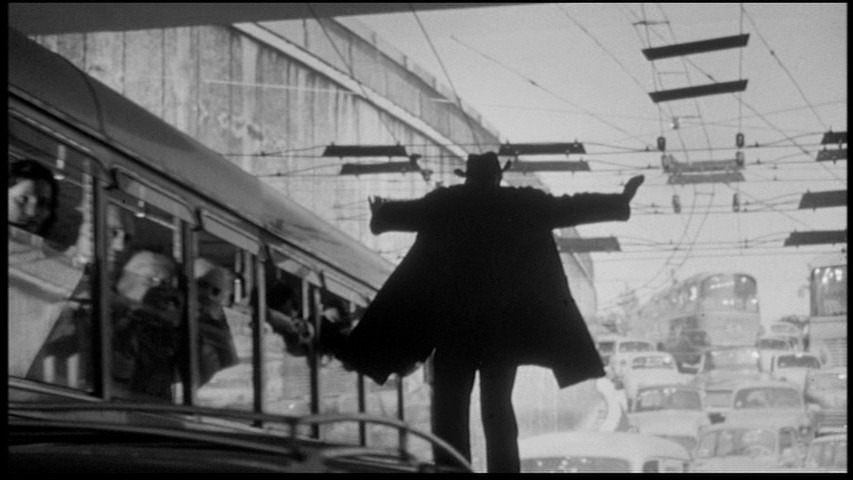
Audio 7/10
The Dolby Digital 1.0 mono track is clean, free of damage, and actually has good range. Dialogue, which has been dubbed, sounds strong and natural, and Nino Rota’s incredible score comes off quite lively if a little edgy. In all it’s an above average mono track.
Extras 8/10
Criterion’s 2-disc edition is loaded with a few hours’ worth of material spread over both discs, offering some terrific insight and history into the film.
First up on the first disc is a hit or miss audio commentary by critic and Fellini friend Gideon Bachmann, and NYU professor Antonio Monda, with excerpts from an audio essay by Bachmann (if I understand correctly) read by actress Tanya Zaicon. It’s a decent scholarly track, with all participants recorded separately, but it’s bizarre set up can drag it a bit. The essay Zaicon reads from has some great insights and notes about the film, giving a great analysis of the many layers, but Zaicon’s reading really hampers it. Monda offers some more insight but I never found much of his material altogether that engaging because it also has a too “prepped” feel. Bachmann’s actual contribution may have been my favourite since it’s looser and freer and he also has more to say about Fellini himself, offering actual stories about the man. It has it’s up and downs but I recommend it, especially for newcomers to the film.
The set also comes with an introduction by Terry Gilliam, part of a short-lived series Criterion called “The Janus Films Introduction Series” that is found on a few early DVD releases. At 7-and-a-half minutes Gilliam talks about how it captures the art of making films, and even offers some insight into it and specific sequences that have influenced him (like the opening dream sequence and the Saraghina bit.) He’s very energetic as usual but cohesive and is obviously very passionate about the film and Fellini’s work in general.
Closing of the first disc is the film’s American theatrical trailer.
The remaining supplements are found on the second dual-layer disc.
First up on the disc is Fellini: A Director’s Notebook, a rather good “documentary” directed by Fellini for NBC in 1969. In it he reflects on his work (finished, unfinished, upcoming,) the nature of filmmaking, sneaks in possible influences and looks at the people that interest him. It’s very “Felliniesque” and despite the rather poor condition of the print (colours look a bit off and some sequences are hard to see) it is still a rather cool feature. Also included as a sub feature is a Fellini letter, which is a letter to Peter Goldfarb, covering his intentions for this program (his idea of what film is.) It’s a great read and a very nice inclusion from Criterion.
Nino Rota: Between Cinema and Concert is a 47-minute documentary on the life and career of Rota, gathering interviews with those that knew him. It looks at his career in music and film, and focuses on select scores, including ones for The Godfather, The Leopard, and, of course, 8 ½ and Fellini’s other films. Other than ones presented from 8 ½ all film clips are replaced by stills (even for The Leopard despite Criterion having released that film, showing they didn’t come back to correct this.) Certainly worth watching, and filled with some great excerpts from Rota’s music.
Criterion then includes a few interviews. First is a great, rather personal interview with Sandra Milo, who of course not only worked on a couple of Fellini’s films by was also his mistress. She’s quite forthcoming and honest, talking about her personal and working relationship with him, not really holding back. She recalls everything fondly and is quite a lively charmer throughout the interview.
The next interview is with filmmaker Lina Wertmüller, who worked on the set of 8 ½. She recalls the chaos of the experience (Fellini was obviously unsure of what kind of film he was making) and Fellini’s effect on others, further pushing their creativity. Compared to the Milo interview it’s a little dryer (Wertmüller is nowhere near as bubbly of course) but it’s a nice insightful one.
A little different is the interview with cinematographer Vittorio Storaro, who talks about the lighting and photography in the film, despite having nothing to do with the film. He talks about the look of the film and black and white photography in general, concentrates heavily on the lighting and of course praises cinematographer Gianni di Venanzo, creating yet another insightful addition to the supplements.
The supplements then conclude with two still galleries: One features a small selection of photos by Gideon Bachmann, and another lengthier one featuring general production photos (with a good number of interesting notes.)
Criterion then includes one of their lovely booklets containing a handful of articles. I, Fellini presents an excerpt from a series of interviews with Fellini performed by Charlotte Chandler, this segment of course focusing on 8 ½ and his uncertainty about the film. An essay by Tullio Kezich recalls the odd journey of the film, while Alexander Sesonske writes about how the film is about itself, and then the booklet concludes with another excerpt from the interview with Chandler, with Fellini talking about his feelings on making films. It’s an excellent collection of material and offers great further insight into the film.
The commentary is okay, somewhat disappointing, but the remaining supplements, which together cover the film extensively, make up for whatever the track is lacking.
Closing
I’d recommend the Blu-ray over the DVD if one has the capabilities; the transfer is quite a bit sharper and cleaner and that edition also contains an exclusive supplement on the film’s lost alternate ending. But on its own the DVD is still a solid one, with a strong transfer and some informative supplements.
BUY AT: