
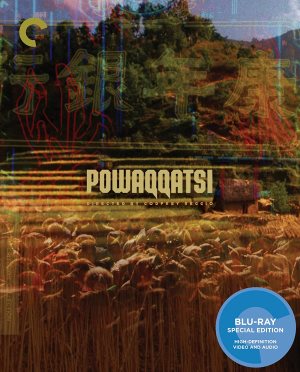

This release can only be found in the following box set: The Qatsi Trilogy
Buy Physical Copy At:


Licensor Information
MGM Home Entertainment
Directed by: Godfrey Reggio
Five years after Godfrey Reggio stunned audiences with Koyaanisqatsi, he again joined forces with composer Philip Glass and other collaborators for a second chapter. Here, Reggio turns his sights on third-world nations in the Southern Hemisphere. Forgoing the sped-up aesthetic of the first film, Powaqqatsi employs a meditative slow motion in order to reveal the beauty of the traditional ways of life in those parts of the planet, and to show how cultures there are being eroded as their environments are taken over by industry. This is the most intensely spiritual segment of Reggio’s philosophical and visually remarkable Qatsi Trilogy.
Streaming Options
3036.
+1304
Stream








Rent




Free with Ads

Release Information:
Technical Specifications
Format:
Blu-ray
Disc:
BD-50 (1 Disc)
Total: 1 Disc
Regions:
A (Blu-ray)
Aspect Ratio:
1.85:1
Audio Options:
English DTS-HD MA Surround 5.1
Subtitles:
English
Supplements
Types of Supplements Included: Interview, Short Film, Theatrical Trailer
- Impact of Progress, an interview program with Godfrey Reggio and composer Philip Glass on their collaboration
- Inspiration and Ideas, a new interview with Godfrey Reggio about his greatest influences and teachers
- Public television interview with Godfrey Reggio from 1989 about the trilogy
- Anima Mundi (1992), Reggio’s twenty-eight-minute montage of footage of over seventy animal species, scored by Glass
- Trailer
Forum Member Statistics
Sign-in with your forum account to rate this release
Film
Picture
Audio
Supplements
Artwork